

失眠聚合群
936 Posts

失眠聚合群
Report
Block User
4 Following
280 Followers
1.4K+ Liked
Posts
All
Quotes
Videos
·
--
Bearish
ETH, unless there is technology to drive new innovations and attract funds, feels just okay.
From the perspective of cyclical layout, since the general direction has basically been determined, $ETH has lost its alpha against $BTC, so I will no longer lay out ETH in this round of bear market.
ETH, unless there is technology to drive new innovations and attract funds, feels just okay.
From the perspective of cyclical layout, since the general direction has basically been determined, $ETH has lost its alpha against $BTC, so I will no longer lay out ETH in this round of bear market.
From the perspective of cyclical layout, since the general direction has basically been determined, $ETH has lost its alpha against $BTC, so I will no longer lay out ETH in this round of bear market.
1
395
·
--
Bullish
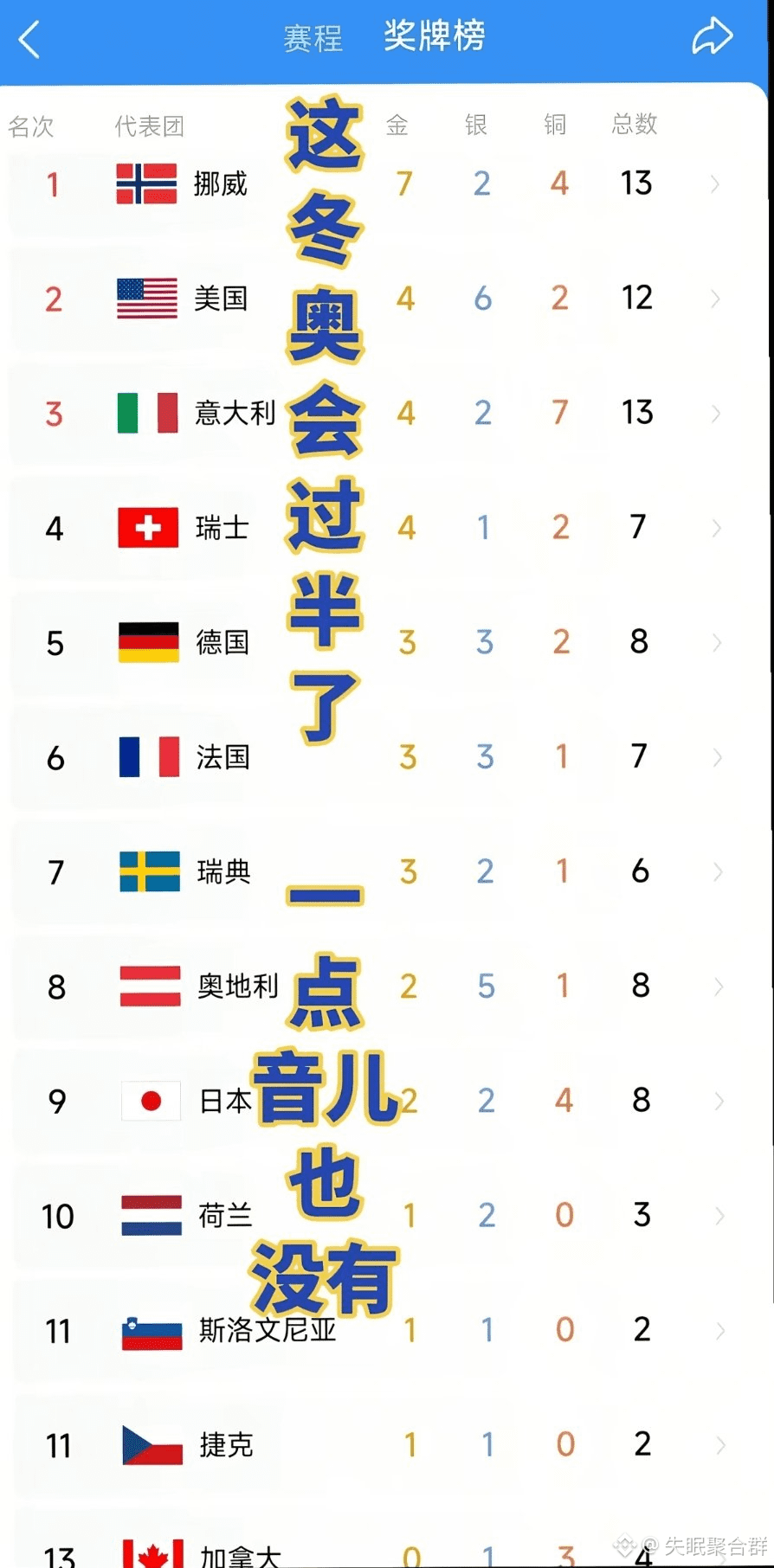
In this Winter Olympics, there is not a single sound from China
China won 1 gold, 1 silver, and 2 bronze medals, totaling 4 medals, ranked 11th... lost the home advantage...
In this Winter Olympics, there is not a single sound from China
China won 1 gold, 1 silver, and 2 bronze medals, totaling 4 medals, ranked 11th... lost the home advantage...
China won 1 gold, 1 silver, and 2 bronze medals, totaling 4 medals, ranked 11th... lost the home advantage...
22
5
6
7.2k
·
--
Bearish
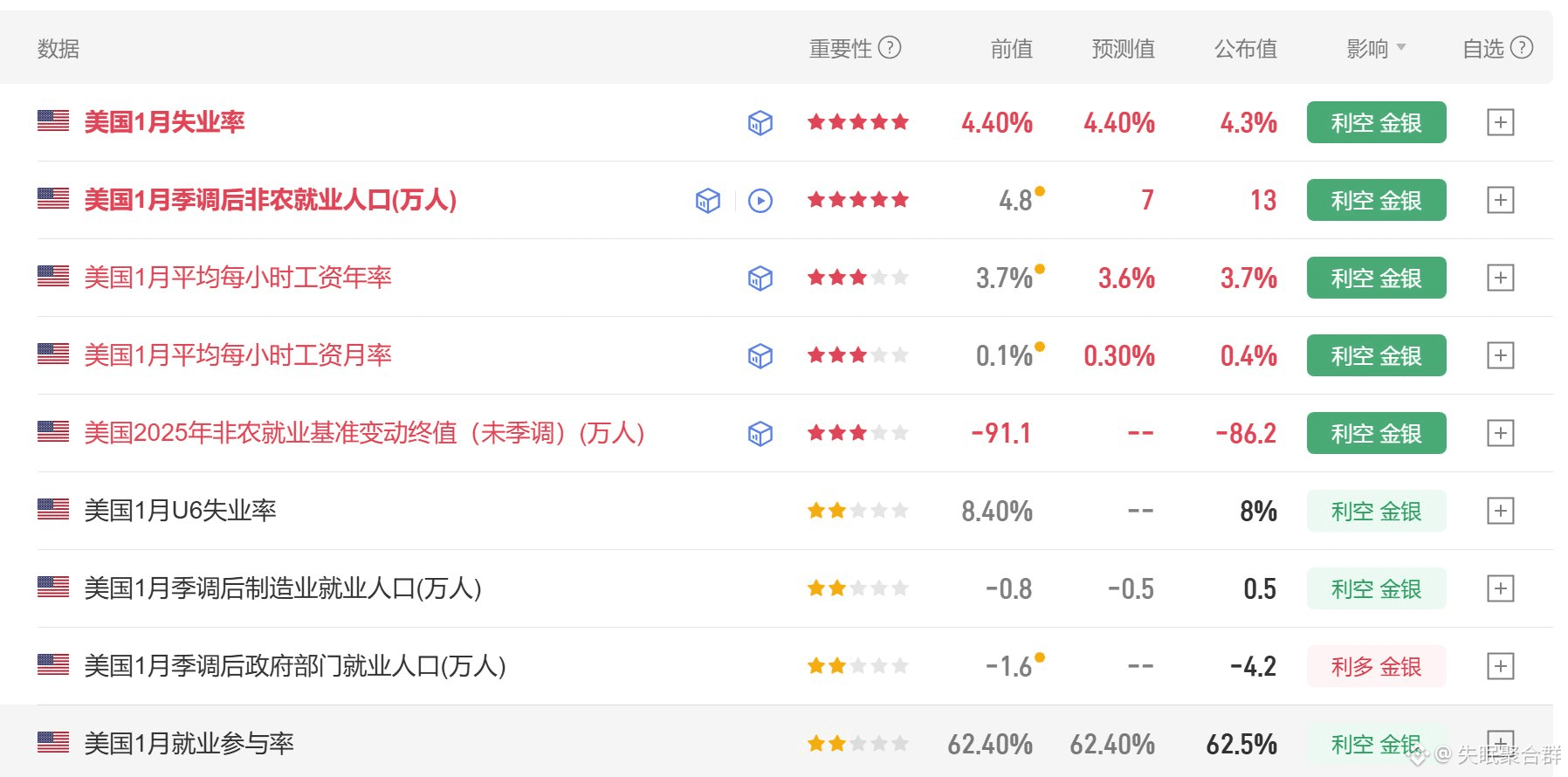
#非农就业数据 , there is no good news!
The unemployment rate is lower than expected and lower than the previous value.
Non-farm payrolls exceeded expectations and were higher than the previous value.
The year-on-year and month-on-month wage growth exceeded expectations, which may affect the CPI.
The labor participation rate also exceeded expectations and was higher than the previous value.
Employment in the U.S. has not continued to deteriorate, and wages are also slightly above expectations.
Recession and interest rate cuts are further away from us.
Only the consumer confidence index for January is declining,
This data from the U.S. is somewhat impressive.
#非农就业数据 , there is no good news!
The unemployment rate is lower than expected and lower than the previous value.
Non-farm payrolls exceeded expectations and were higher than the previous value.
The year-on-year and month-on-month wage growth exceeded expectations, which may affect the CPI.
The labor participation rate also exceeded expectations and was higher than the previous value.
Employment in the U.S. has not continued to deteriorate, and wages are also slightly above expectations.
Recession and interest rate cuts are further away from us.
Only the consumer confidence index for January is declining,
This data from the U.S. is somewhat impressive.
The unemployment rate is lower than expected and lower than the previous value.
Non-farm payrolls exceeded expectations and were higher than the previous value.
The year-on-year and month-on-month wage growth exceeded expectations, which may affect the CPI.
The labor participation rate also exceeded expectations and was higher than the previous value.
Employment in the U.S. has not continued to deteriorate, and wages are also slightly above expectations.
Recession and interest rate cuts are further away from us.
Only the consumer confidence index for January is declining,
This data from the U.S. is somewhat impressive.
178
·
--
Bearish
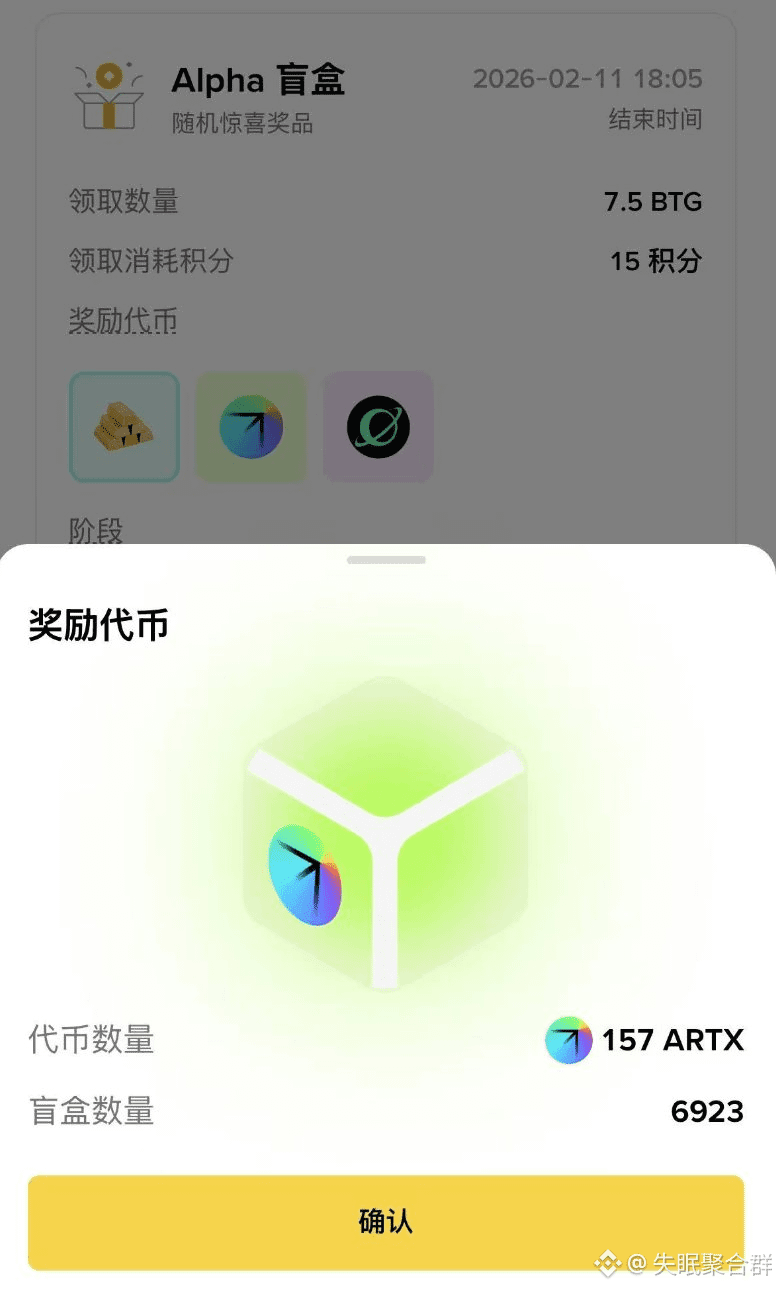
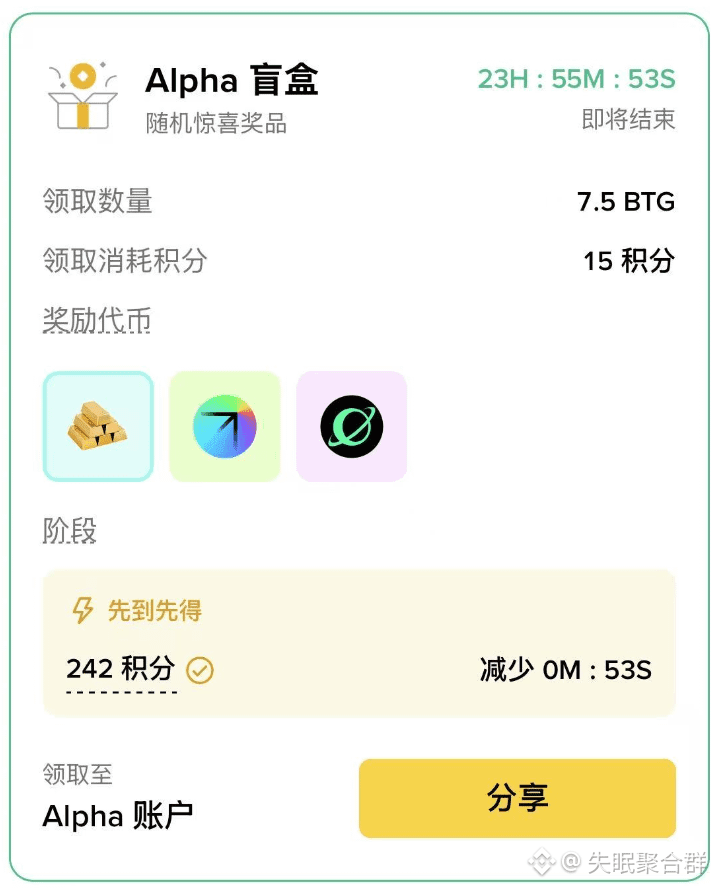
Today the blind box contains $BTG $ARTX $NAORIS , old coins, the single number can be around 33 dollars, it's okay to grab alpha, at least maintain to 30 dollars.
Binance Alpha this #盲盒空投 new gameplay, the essence process is:
Score brushing → Consuming Alpha points → Drawing blind boxes → Randomly getting a certain project token.
The core logic has not changed. Previously, it was exchanging scores for "fixed project airdrops", now it is exchanging scores for "random project airdrops".
If the value in the blind box is more or less the same, it really is just a change in form.
Originally, the selling pressure of one coin is distributed to several coins.
The selling pressure is diluted, the price of a single token is more stable, and the airdrop's book value is also more stable.
At this stage, Binance is still trying to maintain the activity and value anchor of Alpha.
This indicates that the importance of this sector #Alpha is very high within their organization.
However, the market is like this, with no new volume, no new narrative, and what can be done is just these minor adjustments and optimizations.
Today the blind box contains $BTG $ARTX $NAORIS , old coins, the single number can be around 33 dollars, it's okay to grab alpha, at least maintain to 30 dollars.
Binance Alpha this #盲盒空投 new gameplay, the essence process is:
Score brushing → Consuming Alpha points → Drawing blind boxes → Randomly getting a certain project token.
The core logic has not changed. Previously, it was exchanging scores for "fixed project airdrops", now it is exchanging scores for "random project airdrops".
If the value in the blind box is more or less the same, it really is just a change in form.
Originally, the selling pressure of one coin is distributed to several coins.
The selling pressure is diluted, the price of a single token is more stable, and the airdrop's book value is also more stable.
At this stage, Binance is still trying to maintain the activity and value anchor of Alpha.
This indicates that the importance of this sector #Alpha is very high within their organization.
However, the market is like this, with no new volume, no new narrative, and what can be done is just these minor adjustments and optimizations.
Binance Alpha this #盲盒空投 new gameplay, the essence process is:
Score brushing → Consuming Alpha points → Drawing blind boxes → Randomly getting a certain project token.
The core logic has not changed. Previously, it was exchanging scores for "fixed project airdrops", now it is exchanging scores for "random project airdrops".
If the value in the blind box is more or less the same, it really is just a change in form.
Originally, the selling pressure of one coin is distributed to several coins.
The selling pressure is diluted, the price of a single token is more stable, and the airdrop's book value is also more stable.
At this stage, Binance is still trying to maintain the activity and value anchor of Alpha.
This indicates that the importance of this sector #Alpha is very high within their organization.
However, the market is like this, with no new volume, no new narrative, and what can be done is just these minor adjustments and optimizations.
667
·
--
Bearish
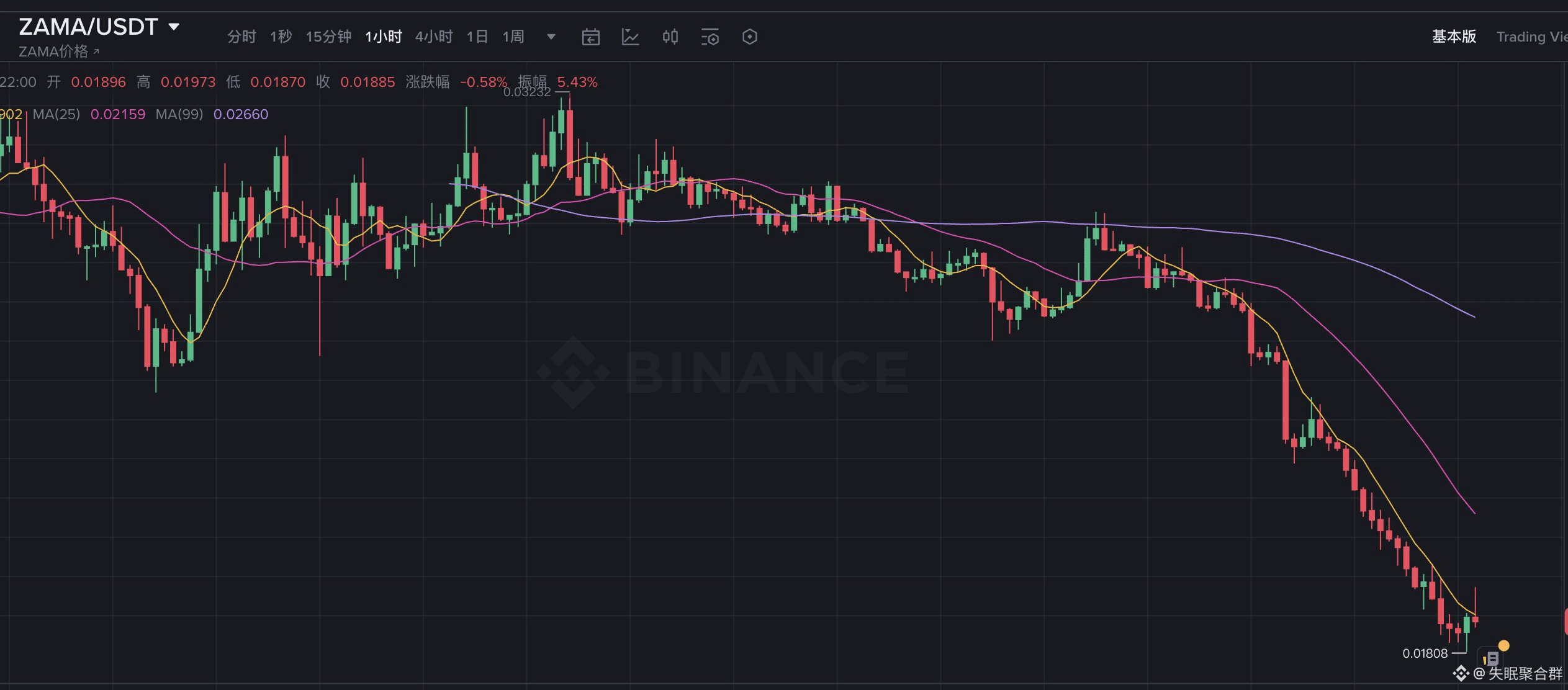
All depends on the support of peers, $ZAMA and a kitten comparison
It's really inhumane, the market value is too tragic to bear
A project with a public offering and private placement exceeding 200 million USD, led by VC Multicoin Capital, Protocol Labs, Pantera Capital, Blockchange Ventures
Since the TGE, it's been like an old lady going down the stairs, falling to this terrible state, dropping to the Binance public price in just a week
This sb thing doesn't pump or protect at all
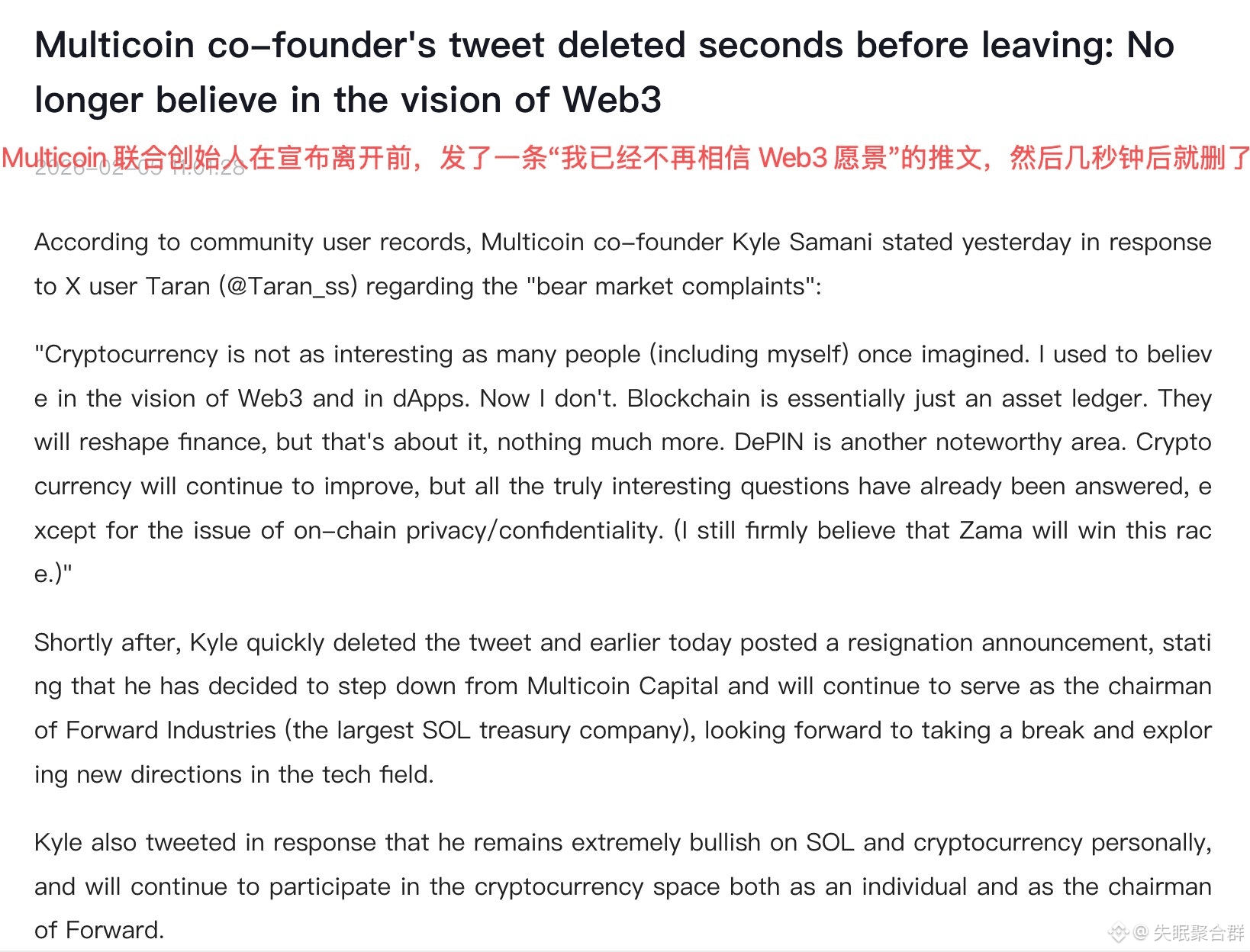
The news from a few days ago has already proven this point, even their own people don't have high hopes, I am really r and g
All depends on the support of peers, $ZAMA and a kitten comparison
It's really inhumane, the market value is too tragic to bear
A project with a public offering and private placement exceeding 200 million USD, led by VC Multicoin Capital, Protocol Labs, Pantera Capital, Blockchange Ventures
Since the TGE, it's been like an old lady going down the stairs, falling to this terrible state, dropping to the Binance public price in just a week
This sb thing doesn't pump or protect at all
The news from a few days ago has already proven this point, even their own people don't have high hopes, I am really r and g
It's really inhumane, the market value is too tragic to bear
A project with a public offering and private placement exceeding 200 million USD, led by VC Multicoin Capital, Protocol Labs, Pantera Capital, Blockchange Ventures
Since the TGE, it's been like an old lady going down the stairs, falling to this terrible state, dropping to the Binance public price in just a week
This sb thing doesn't pump or protect at all
The news from a few days ago has already proven this point, even their own people don't have high hopes, I am really r and g
420
·
--
Bullish
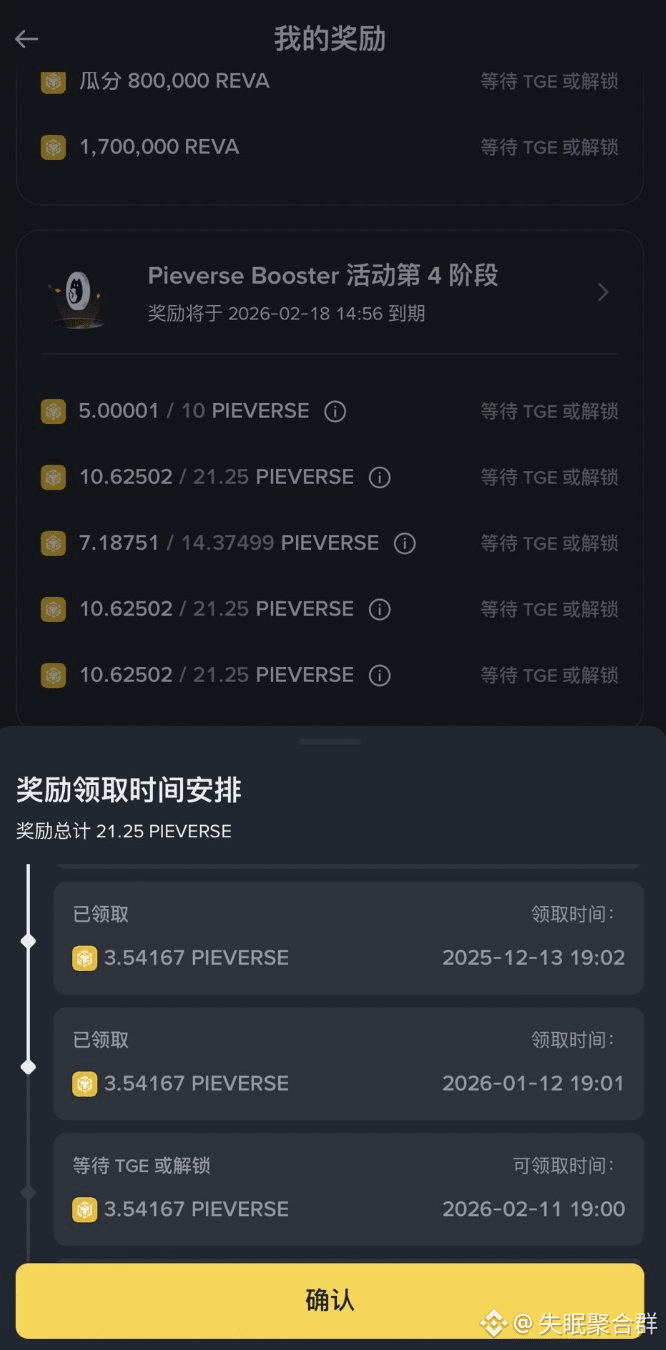
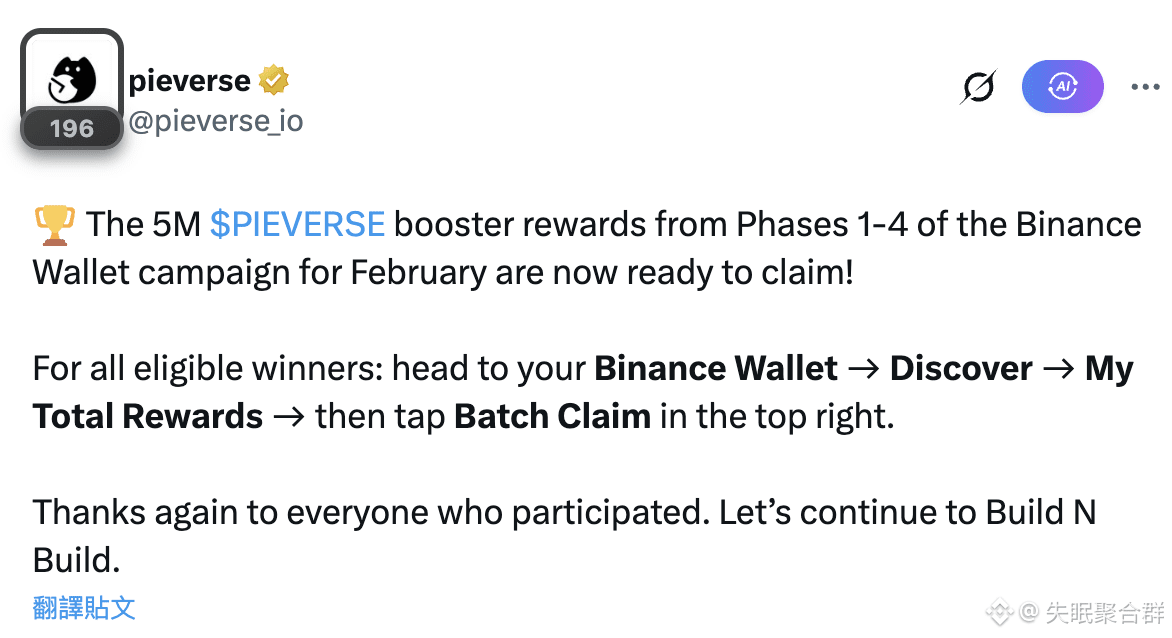
Binance Wallet Booster $PIEVERSE can be claimed again today
I really feel that this project is very conscientious, basically you can claim it once in a while
Although it's not a huge amount, it’s enough for a meal of pig's trotter rice in this market.
Binance Wallet Booster $PIEVERSE can be claimed again today
I really feel that this project is very conscientious, basically you can claim it once in a while
Although it's not a huge amount, it’s enough for a meal of pig's trotter rice in this market.
I really feel that this project is very conscientious, basically you can claim it once in a while
Although it's not a huge amount, it’s enough for a meal of pig's trotter rice in this market.
272
·
--
Bullish
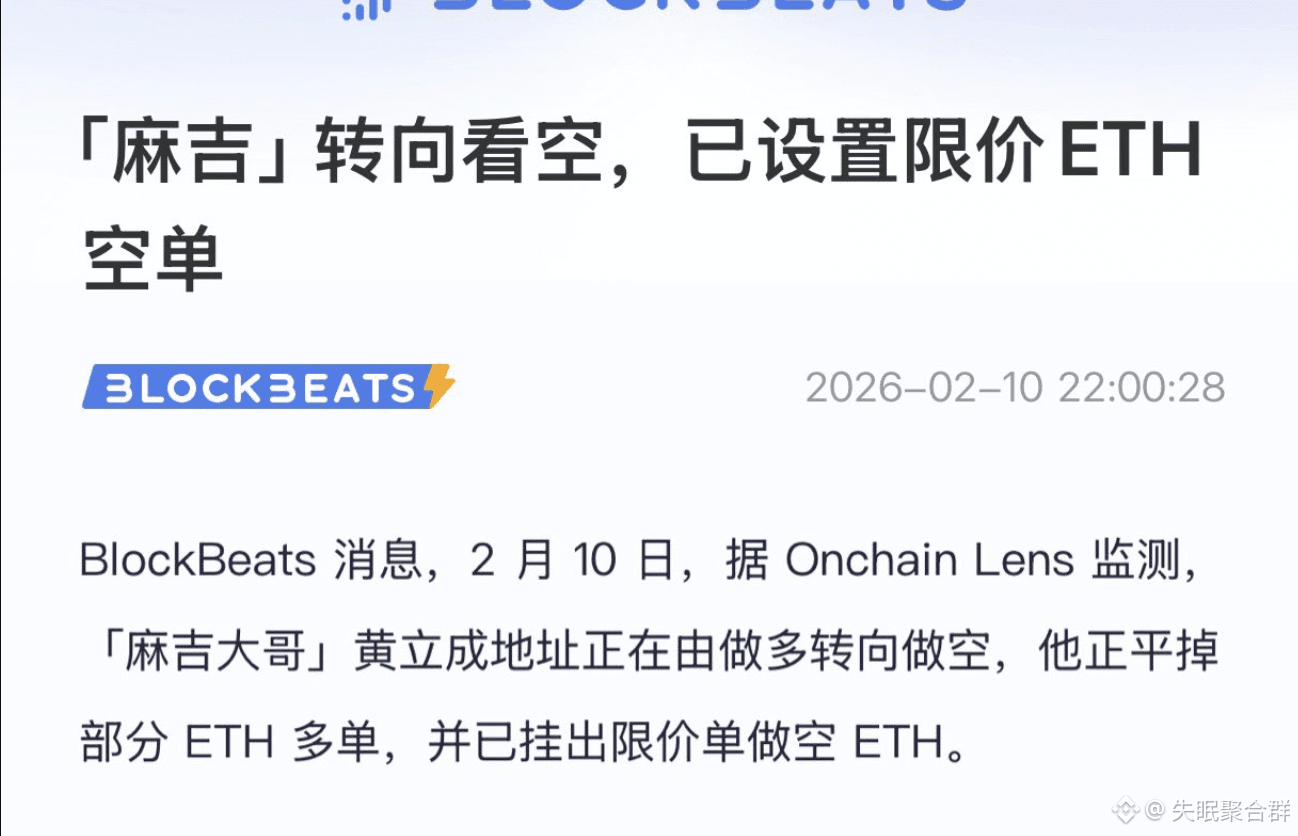
The Air Force is done 😅😅😅 What does this mean, Mahji? $ETH
$BTC
The Air Force is done 😅😅😅 What does this mean, Mahji? $ETH
$BTC
$BTC
2
584
·
--
Bullish
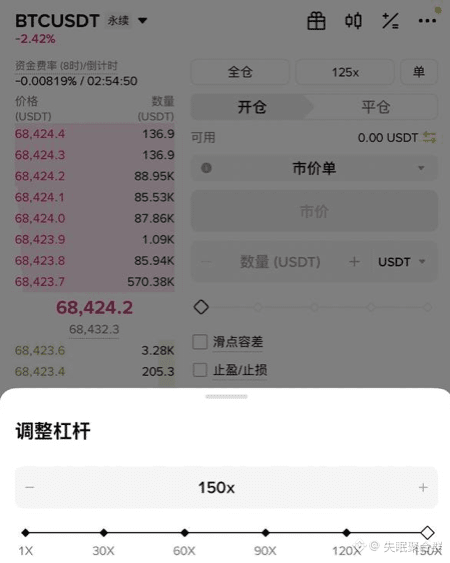
Binance has reopened $BTC BTC 150x leverage contract
Is this to further harvest the leeks?
Binance has reopened $BTC BTC 150x leverage contract
Is this to further harvest the leeks?
Is this to further harvest the leeks?
243
·
--
Bearish
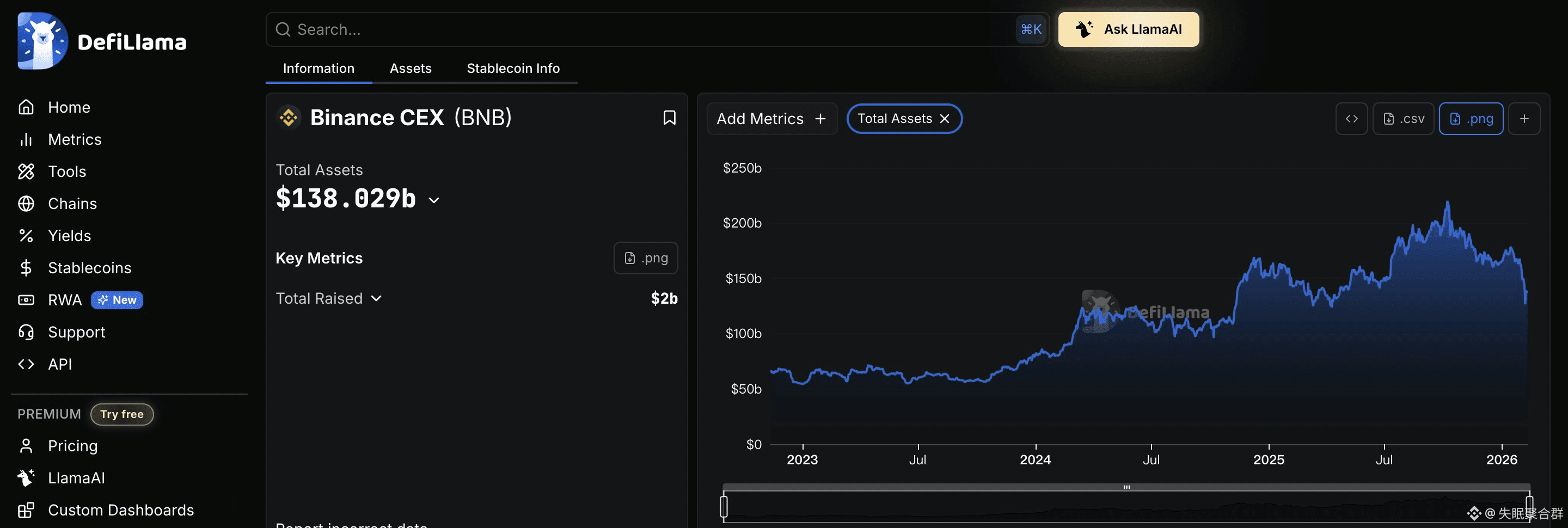
In the past month, #币安 net outflow was only over 500 million US dollars. Compared to its asset scale of 114 billion US dollars, this ratio is almost negligible, even less than 1%
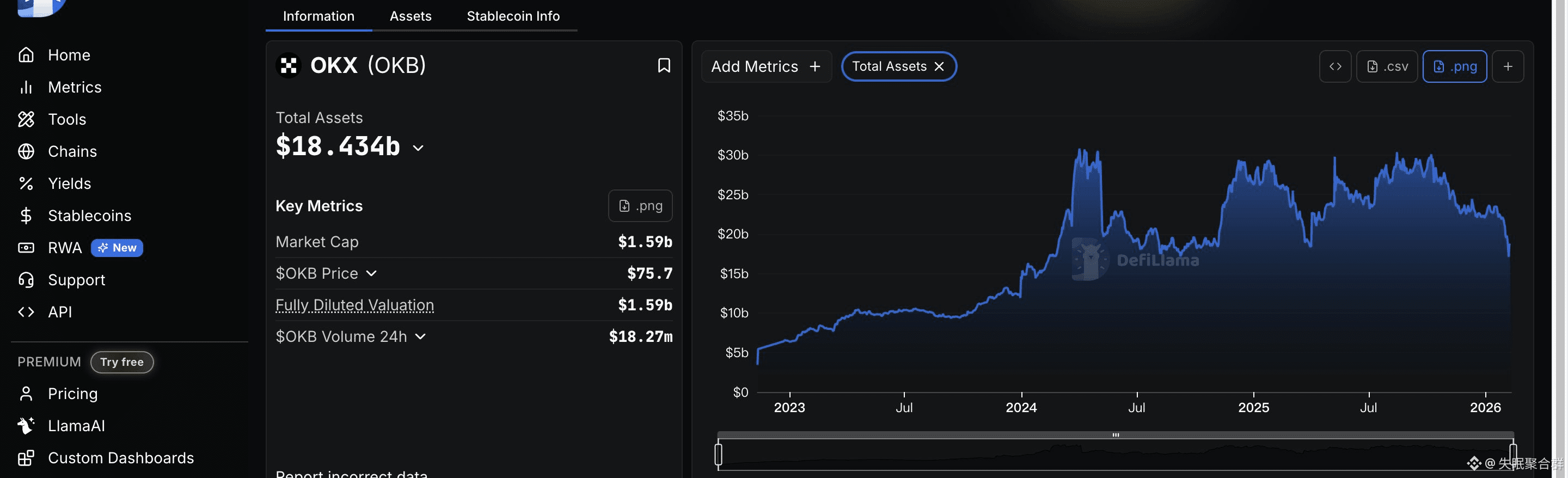
Looking at OKX, the assets are approximately over 18 billion US dollars, with a net outflow of over 400 million. In proportion, OKX's outflow ratio is actually much higher than Binance's
So from the data perspective, Binance's status is very stable, and its revenue scale is obviously higher than #OKX, with funds not really fleeing on a large scale
Of course, if one day the Chinese community starts to collectively withdraw funds, the data might be significantly magnified, but that hasn't happened yet
What is truly worth noting is another matter: the entire market's TVL is experiencing a cliff-like decline. From the high point of 160B last October, it has dropped to 99B now, a reduction of more than 50% in four months
This is almost in sync with the price trend, which has already returned to levels seen at the start of the bull market in 2024, or even April 2025
This indicates that the problem is not with a single exchange, but rather that the entire market has entered a typical bear market state, with liquidity shrinking, risk appetite decreasing, and capital volume retracting
This exponential cliff-like drop shows how bearish the market currently is
In the past month, #币安 net outflow was only over 500 million US dollars. Compared to its asset scale of 114 billion US dollars, this ratio is almost negligible, even less than 1%
Looking at OKX, the assets are approximately over 18 billion US dollars, with a net outflow of over 400 million. In proportion, OKX's outflow ratio is actually much higher than Binance's
So from the data perspective, Binance's status is very stable, and its revenue scale is obviously higher than #OKX, with funds not really fleeing on a large scale
Of course, if one day the Chinese community starts to collectively withdraw funds, the data might be significantly magnified, but that hasn't happened yet
What is truly worth noting is another matter: the entire market's TVL is experiencing a cliff-like decline. From the high point of 160B last October, it has dropped to 99B now, a reduction of more than 50% in four months
This is almost in sync with the price trend, which has already returned to levels seen at the start of the bull market in 2024, or even April 2025
This indicates that the problem is not with a single exchange, but rather that the entire market has entered a typical bear market state, with liquidity shrinking, risk appetite decreasing, and capital volume retracting
This exponential cliff-like drop shows how bearish the market currently is
Looking at OKX, the assets are approximately over 18 billion US dollars, with a net outflow of over 400 million. In proportion, OKX's outflow ratio is actually much higher than Binance's
So from the data perspective, Binance's status is very stable, and its revenue scale is obviously higher than #OKX, with funds not really fleeing on a large scale
Of course, if one day the Chinese community starts to collectively withdraw funds, the data might be significantly magnified, but that hasn't happened yet
What is truly worth noting is another matter: the entire market's TVL is experiencing a cliff-like decline. From the high point of 160B last October, it has dropped to 99B now, a reduction of more than 50% in four months
This is almost in sync with the price trend, which has already returned to levels seen at the start of the bull market in 2024, or even April 2025
This indicates that the problem is not with a single exchange, but rather that the entire market has entered a typical bear market state, with liquidity shrinking, risk appetite decreasing, and capital volume retracting
This exponential cliff-like drop shows how bearish the market currently is
2
178
·
--
Bullish
$HYPER is a long-term investment target worth considering. You can buy during the consolidation period after a significant drop,
because during a major decline, HYPER will have very high business revenue, and the business revenue will benefit all token holders. Therefore, HYPER's price will rise during a major drop,
but once the market starts to consolidate, its transaction fees will decrease, and its price will also go down, gradually like an old lady going down the stairs. So you can consider purchasing HYPER during the consolidation period, which will be a relatively good buying point.
$HYPER is a long-term investment target worth considering. You can buy during the consolidation period after a significant drop,
because during a major decline, HYPER will have very high business revenue, and the business revenue will benefit all token holders. Therefore, HYPER's price will rise during a major drop,
but once the market starts to consolidate, its transaction fees will decrease, and its price will also go down, gradually like an old lady going down the stairs. So you can consider purchasing HYPER during the consolidation period, which will be a relatively good buying point.
because during a major decline, HYPER will have very high business revenue, and the business revenue will benefit all token holders. Therefore, HYPER's price will rise during a major drop,
but once the market starts to consolidate, its transaction fees will decrease, and its price will also go down, gradually like an old lady going down the stairs. So you can consider purchasing HYPER during the consolidation period, which will be a relatively good buying point.
1
220
·
--
Bearish
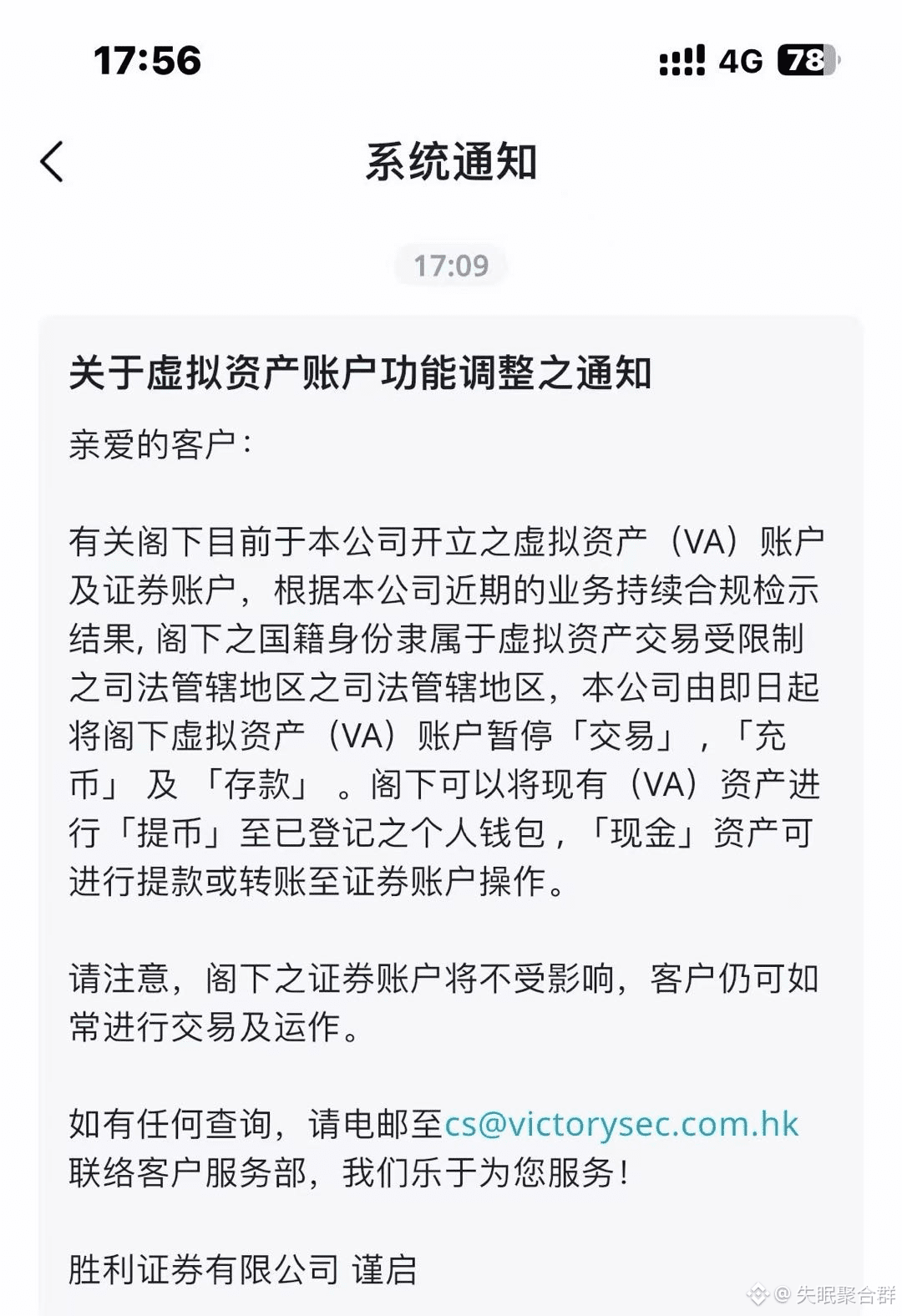
Victory Securities in Hong Kong will officially close the virtual currency trading function for all users with Mainland China identities starting from 2:00 PM on February 9, 2026, retaining only the withdrawal rights and no longer supporting deposits and new transactions.
We know that things became stricter starting from 2026:
1. Overseas remittances are strict, and no longer allowed a single transaction of 50,000.
2. It's difficult to exchange for USDT, and Alipay is also blocking it.
3. Opening an account is difficult.
Victory Securities is the first to stop Mainland residents from trading virtual assets; customers can withdraw their virtual assets, but they cannot trade them.
The previous policy allowed changing the IP, but now it seems that changing the IP doesn't work anymore.
So next, will similar brokers also stop IP changes?
#美国科技基金净流
Victory Securities in Hong Kong will officially close the virtual currency trading function for all users with Mainland China identities starting from 2:00 PM on February 9, 2026, retaining only the withdrawal rights and no longer supporting deposits and new transactions.
We know that things became stricter starting from 2026:
1. Overseas remittances are strict, and no longer allowed a single transaction of 50,000.
2. It's difficult to exchange for USDT, and Alipay is also blocking it.
3. Opening an account is difficult.
Victory Securities is the first to stop Mainland residents from trading virtual assets; customers can withdraw their virtual assets, but they cannot trade them.
The previous policy allowed changing the IP, but now it seems that changing the IP doesn't work anymore.
So next, will similar brokers also stop IP changes?
#美国科技基金净流
We know that things became stricter starting from 2026:
1. Overseas remittances are strict, and no longer allowed a single transaction of 50,000.
2. It's difficult to exchange for USDT, and Alipay is also blocking it.
3. Opening an account is difficult.
Victory Securities is the first to stop Mainland residents from trading virtual assets; customers can withdraw their virtual assets, but they cannot trade them.
The previous policy allowed changing the IP, but now it seems that changing the IP doesn't work anymore.
So next, will similar brokers also stop IP changes?
#美国科技基金净流
1
1.1k
·
--
Bullish
Strictly cracking down on #虚拟货币 , why is the asset token allowed?
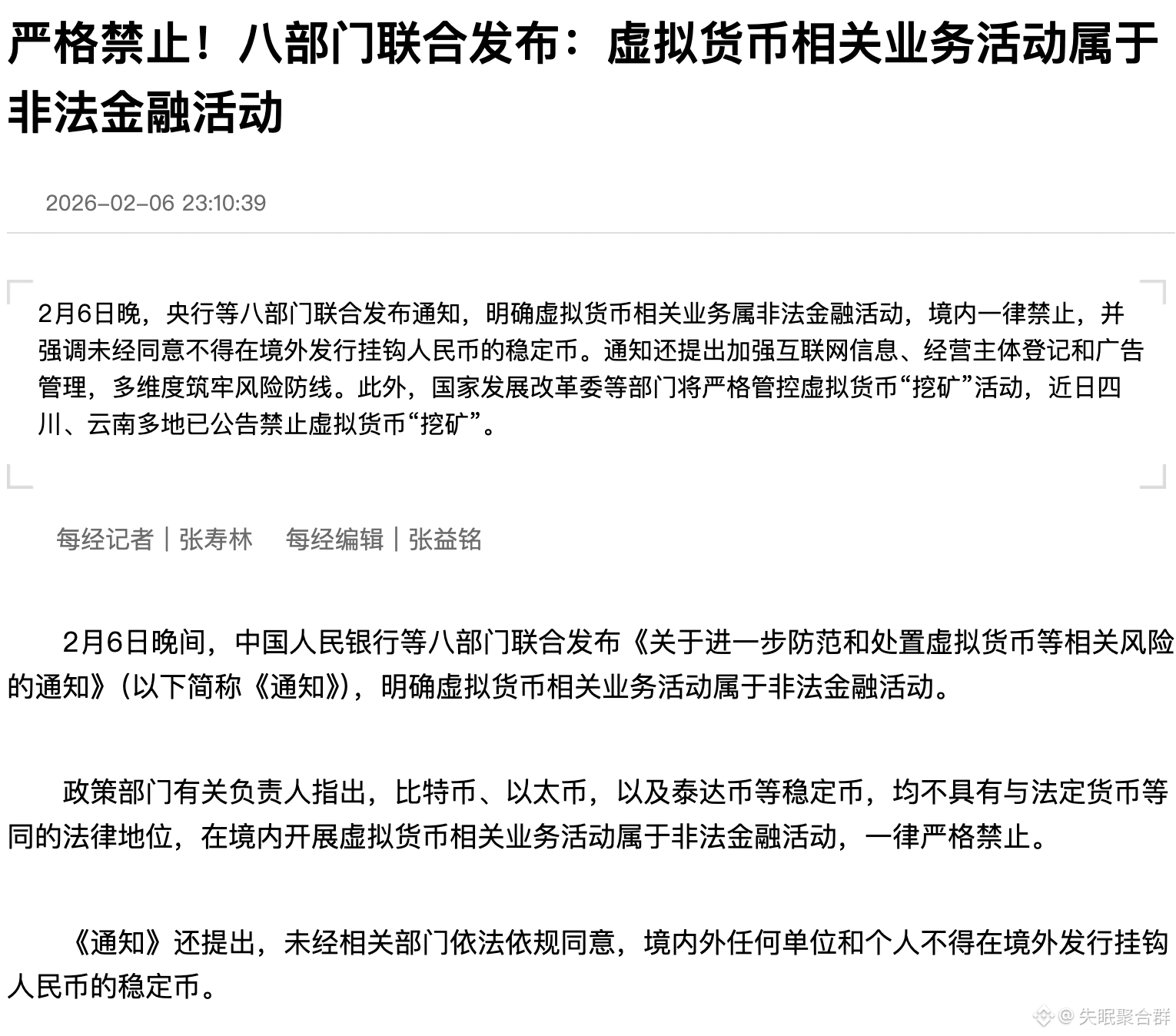
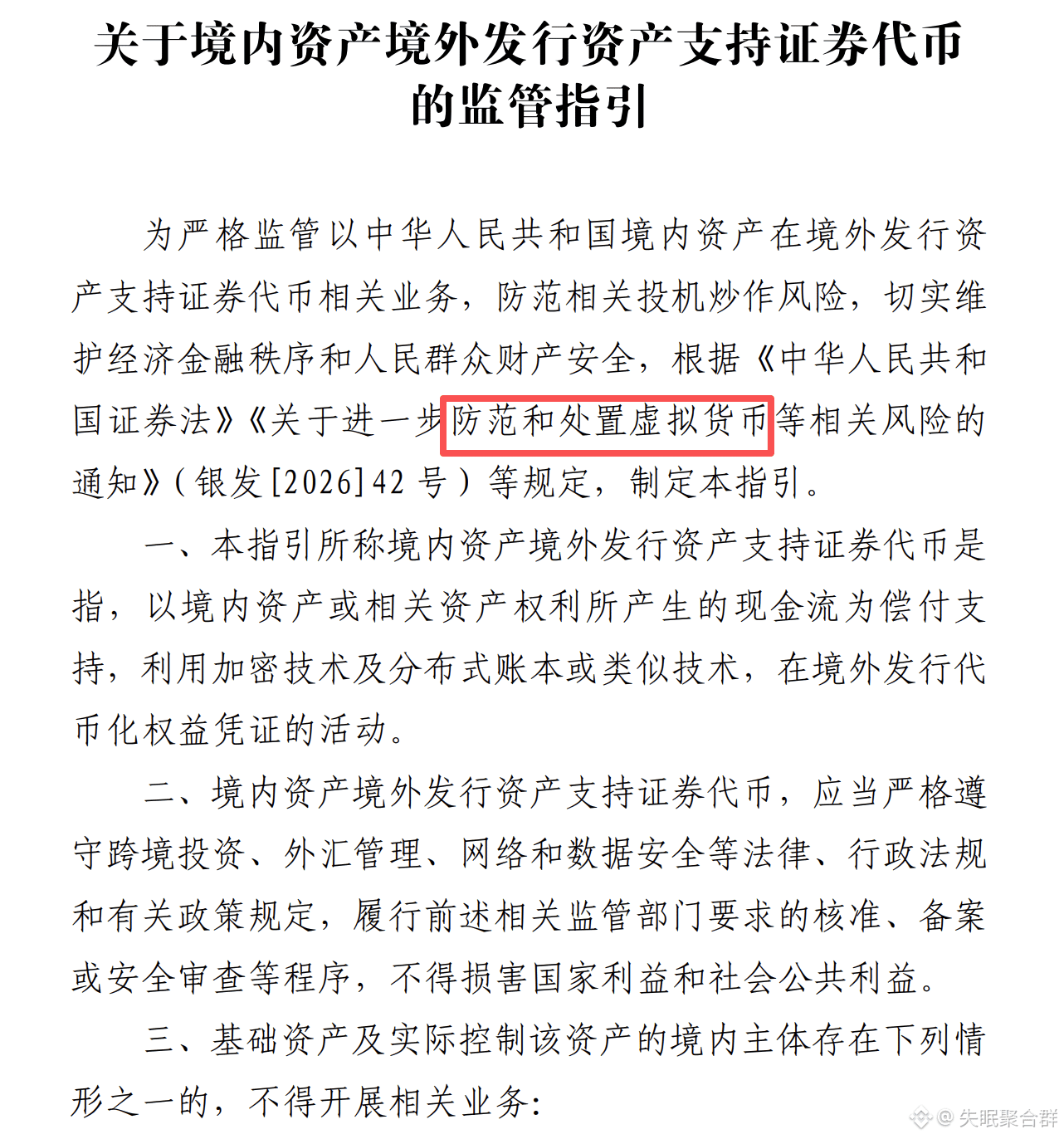
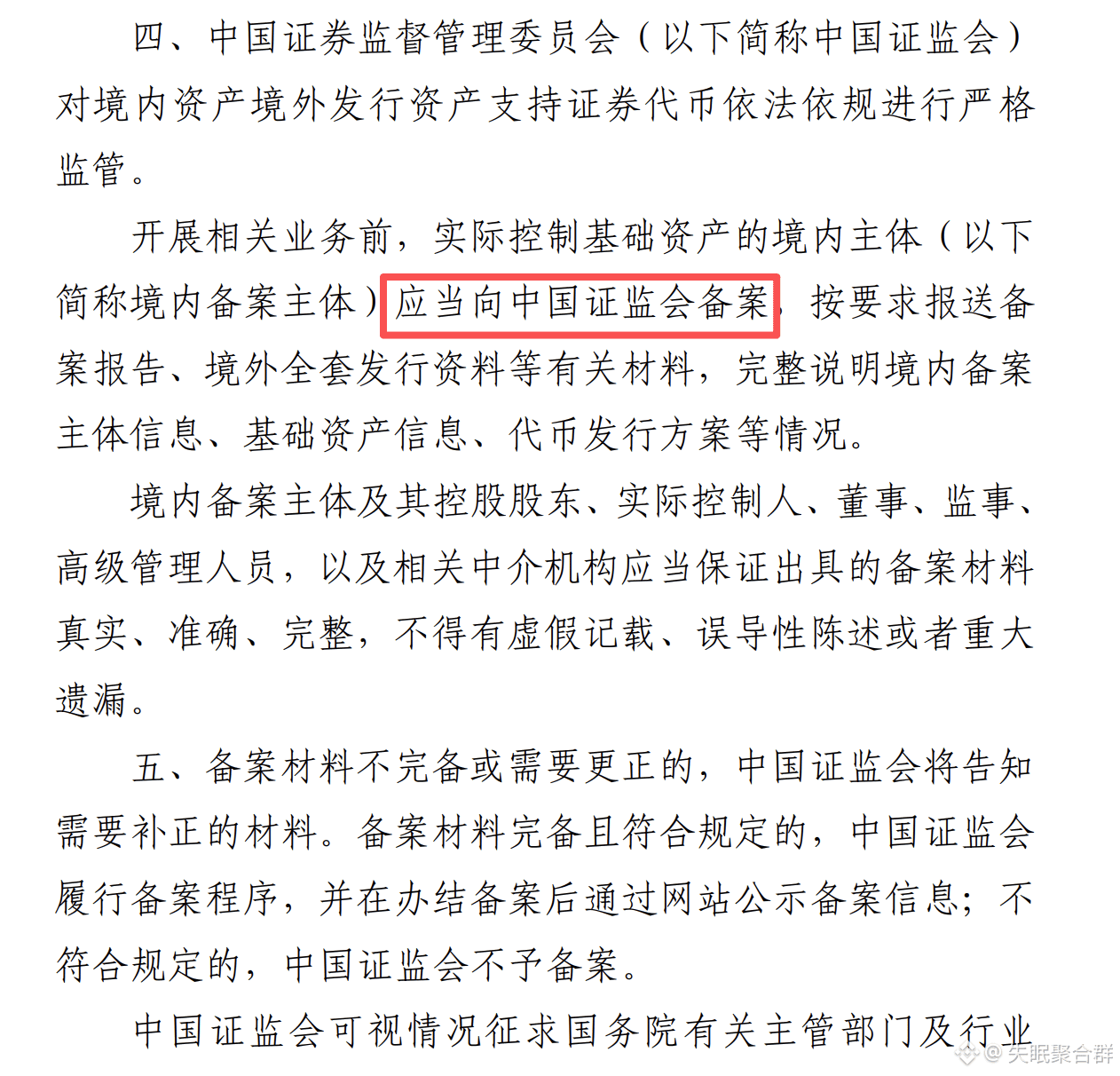
Yesterday, Chinese regulatory authorities issued two regulatory documents. The first one is a joint effort by eight ministries to strengthen the regulation of virtual currencies, and the second one is the regulatory document released by the Securities Regulatory Commission regarding asset-backed securities tokens issued abroad.
These two documents seem contradictory, but the logic is very clear: strictly crack down on "currencies," and allow "assets."
The document from the eight ministries targets virtual currencies and stablecoins, with the core focus on preventing speculation, preventing capital outflow, and preventing currency sovereignty risks, thus continuing high pressure and even expanding the scope of the crackdown.
The Securities Regulatory Commission allows domestic assets to issue asset-backed securities tokens abroad, which are essentially securitized products supported by real cash flows, not just freely issuing tokens, and certainly not tools for speculating on currencies. The premise is recording, disclosure, and compliance, all within the regulatory framework.
Why open this door?
The core logic has three points:
First, this is "asset securitization on-chain," not "liberalizing virtual currencies."
The regulatory authorities are well aware that the world is promoting RWA, which essentially allows dollar assets to siphon off global liquidity through blockchain. Given this, Chinese assets can also utilize on-chain tools to obtain foreign funds, but the premise is controllable, recordable, and traceable. This is completely different from stablecoins; stablecoins involve currency substitution, while ABS tokens are merely financing tools.
Second, this is an extension of revitalizing existing assets.
China has been promoting REITs, ABS, and infrastructure securitization, all essentially aimed at "bringing future cash flows forward." If securities tokens can be issued abroad, it can attract global liquidity, lower issuance costs, and enhance trading efficiency, then it is merely a technical upgrade of traditional securitization, not a reconstruction of the financial order.
Third, this is a pilot-style refined regulation, not a comprehensive opening.
From the perspective of the recording system, information disclosure, foreign exchange restrictions, etc., the scale will not be too large in the short term, more like a controllable window.
The regulatory stance is very clear: illegal speculation will be resolutely cracked down on, and compliant financing will be moderately experimented with.
Therefore, the statement "Bitcoin surged because China liberalized RWA token issuance" is actually an excessive interpretation of market sentiment. China has not liberalized virtual currencies, nor has it liberalized stablecoins; it has only allowed certain real assets to be securitized on-chain under a strict regulatory framework.
Strictly cracking down on #虚拟货币 , why is the asset token allowed?
Yesterday, Chinese regulatory authorities issued two regulatory documents. The first one is a joint effort by eight ministries to strengthen the regulation of virtual currencies, and the second one is the regulatory document released by the Securities Regulatory Commission regarding asset-backed securities tokens issued abroad.
These two documents seem contradictory, but the logic is very clear: strictly crack down on "currencies," and allow "assets."
The document from the eight ministries targets virtual currencies and stablecoins, with the core focus on preventing speculation, preventing capital outflow, and preventing currency sovereignty risks, thus continuing high pressure and even expanding the scope of the crackdown.
The Securities Regulatory Commission allows domestic assets to issue asset-backed securities tokens abroad, which are essentially securitized products supported by real cash flows, not just freely issuing tokens, and certainly not tools for speculating on currencies. The premise is recording, disclosure, and compliance, all within the regulatory framework.
Why open this door?
The core logic has three points:
First, this is "asset securitization on-chain," not "liberalizing virtual currencies."
The regulatory authorities are well aware that the world is promoting RWA, which essentially allows dollar assets to siphon off global liquidity through blockchain. Given this, Chinese assets can also utilize on-chain tools to obtain foreign funds, but the premise is controllable, recordable, and traceable. This is completely different from stablecoins; stablecoins involve currency substitution, while ABS tokens are merely financing tools.
Second, this is an extension of revitalizing existing assets.
China has been promoting REITs, ABS, and infrastructure securitization, all essentially aimed at "bringing future cash flows forward." If securities tokens can be issued abroad, it can attract global liquidity, lower issuance costs, and enhance trading efficiency, then it is merely a technical upgrade of traditional securitization, not a reconstruction of the financial order.
Third, this is a pilot-style refined regulation, not a comprehensive opening.
From the perspective of the recording system, information disclosure, foreign exchange restrictions, etc., the scale will not be too large in the short term, more like a controllable window.
The regulatory stance is very clear: illegal speculation will be resolutely cracked down on, and compliant financing will be moderately experimented with.
Therefore, the statement "Bitcoin surged because China liberalized RWA token issuance" is actually an excessive interpretation of market sentiment. China has not liberalized virtual currencies, nor has it liberalized stablecoins; it has only allowed certain real assets to be securitized on-chain under a strict regulatory framework.
Yesterday, Chinese regulatory authorities issued two regulatory documents. The first one is a joint effort by eight ministries to strengthen the regulation of virtual currencies, and the second one is the regulatory document released by the Securities Regulatory Commission regarding asset-backed securities tokens issued abroad.
These two documents seem contradictory, but the logic is very clear: strictly crack down on "currencies," and allow "assets."
The document from the eight ministries targets virtual currencies and stablecoins, with the core focus on preventing speculation, preventing capital outflow, and preventing currency sovereignty risks, thus continuing high pressure and even expanding the scope of the crackdown.
The Securities Regulatory Commission allows domestic assets to issue asset-backed securities tokens abroad, which are essentially securitized products supported by real cash flows, not just freely issuing tokens, and certainly not tools for speculating on currencies. The premise is recording, disclosure, and compliance, all within the regulatory framework.
Why open this door?
The core logic has three points:
First, this is "asset securitization on-chain," not "liberalizing virtual currencies."
The regulatory authorities are well aware that the world is promoting RWA, which essentially allows dollar assets to siphon off global liquidity through blockchain. Given this, Chinese assets can also utilize on-chain tools to obtain foreign funds, but the premise is controllable, recordable, and traceable. This is completely different from stablecoins; stablecoins involve currency substitution, while ABS tokens are merely financing tools.
Second, this is an extension of revitalizing existing assets.
China has been promoting REITs, ABS, and infrastructure securitization, all essentially aimed at "bringing future cash flows forward." If securities tokens can be issued abroad, it can attract global liquidity, lower issuance costs, and enhance trading efficiency, then it is merely a technical upgrade of traditional securitization, not a reconstruction of the financial order.
Third, this is a pilot-style refined regulation, not a comprehensive opening.
From the perspective of the recording system, information disclosure, foreign exchange restrictions, etc., the scale will not be too large in the short term, more like a controllable window.
The regulatory stance is very clear: illegal speculation will be resolutely cracked down on, and compliant financing will be moderately experimented with.
Therefore, the statement "Bitcoin surged because China liberalized RWA token issuance" is actually an excessive interpretation of market sentiment. China has not liberalized virtual currencies, nor has it liberalized stablecoins; it has only allowed certain real assets to be securitized on-chain under a strict regulatory framework.
245
·
--
Bearish
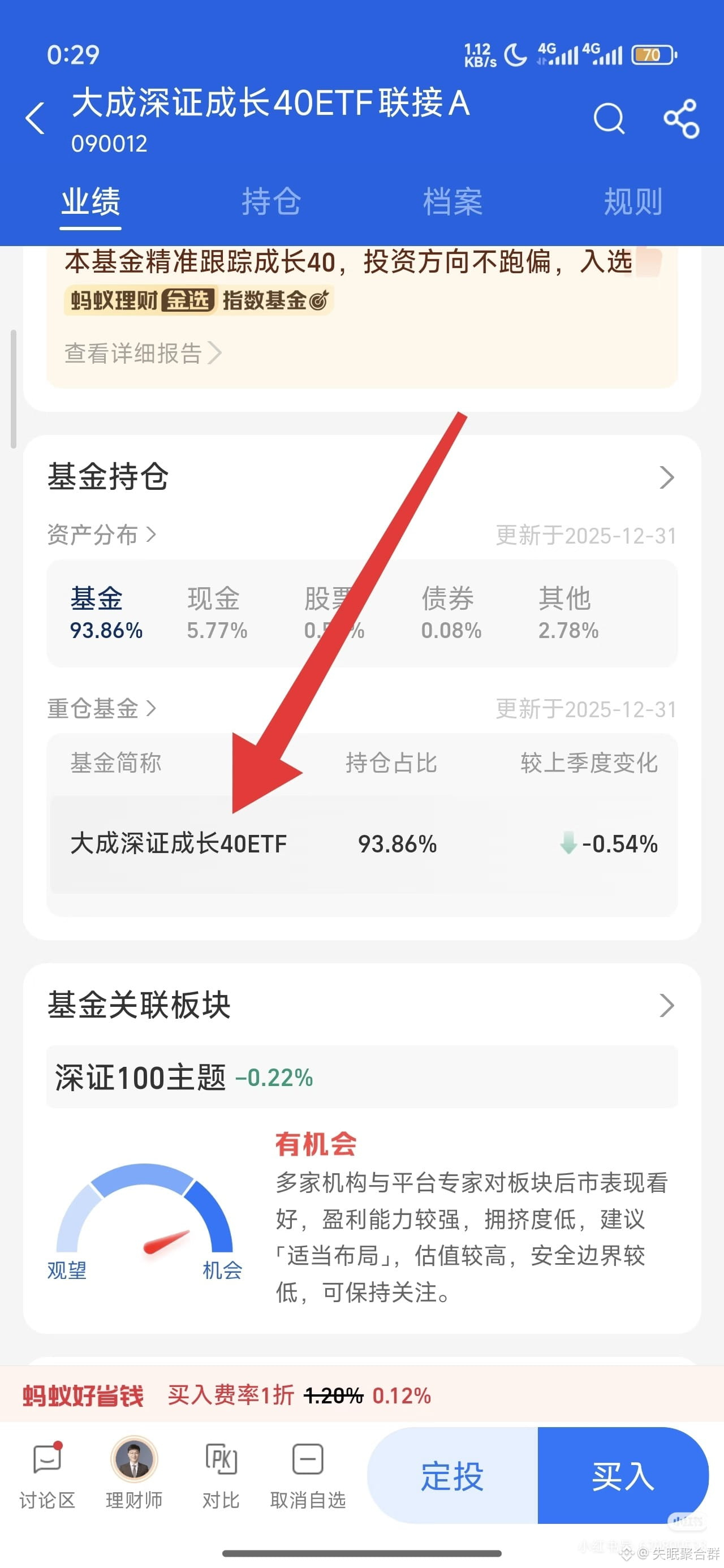
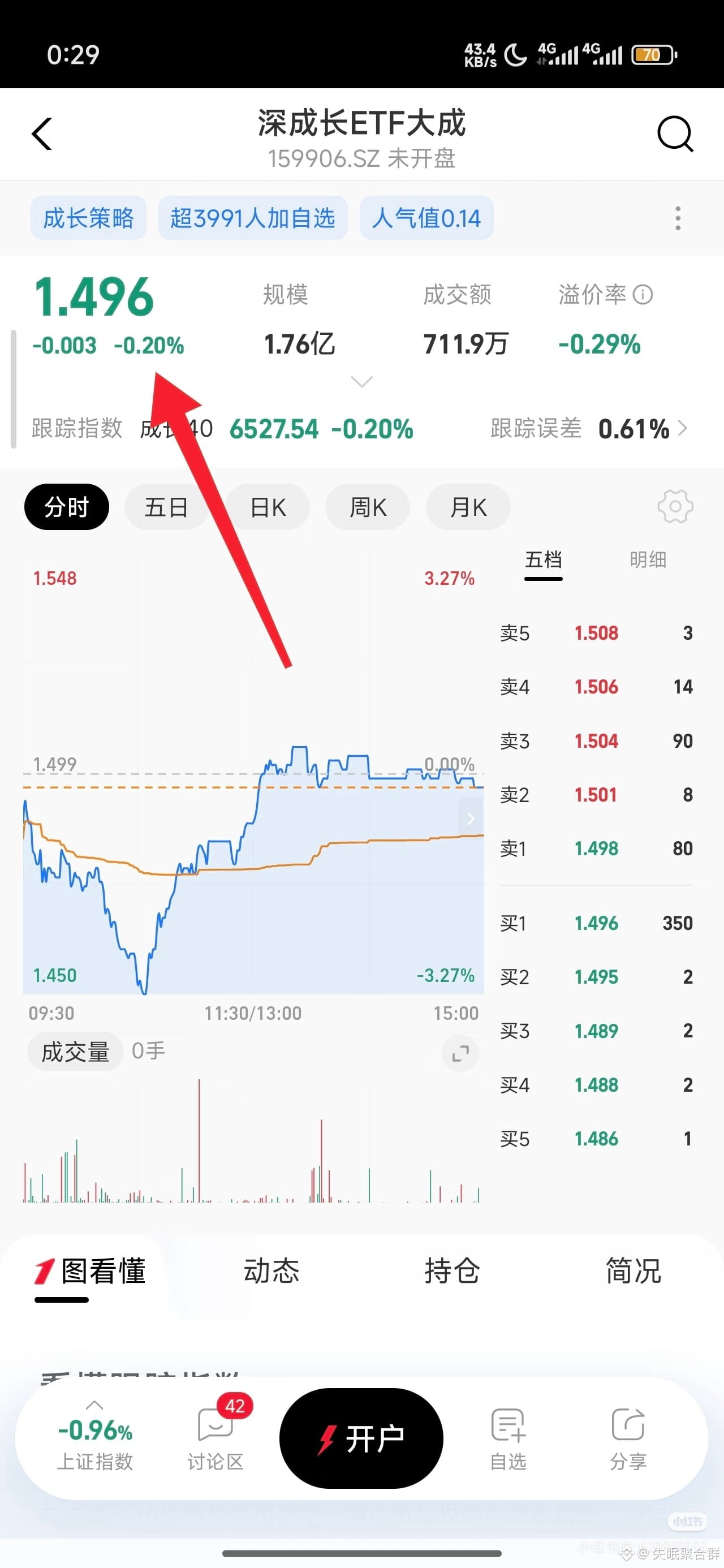
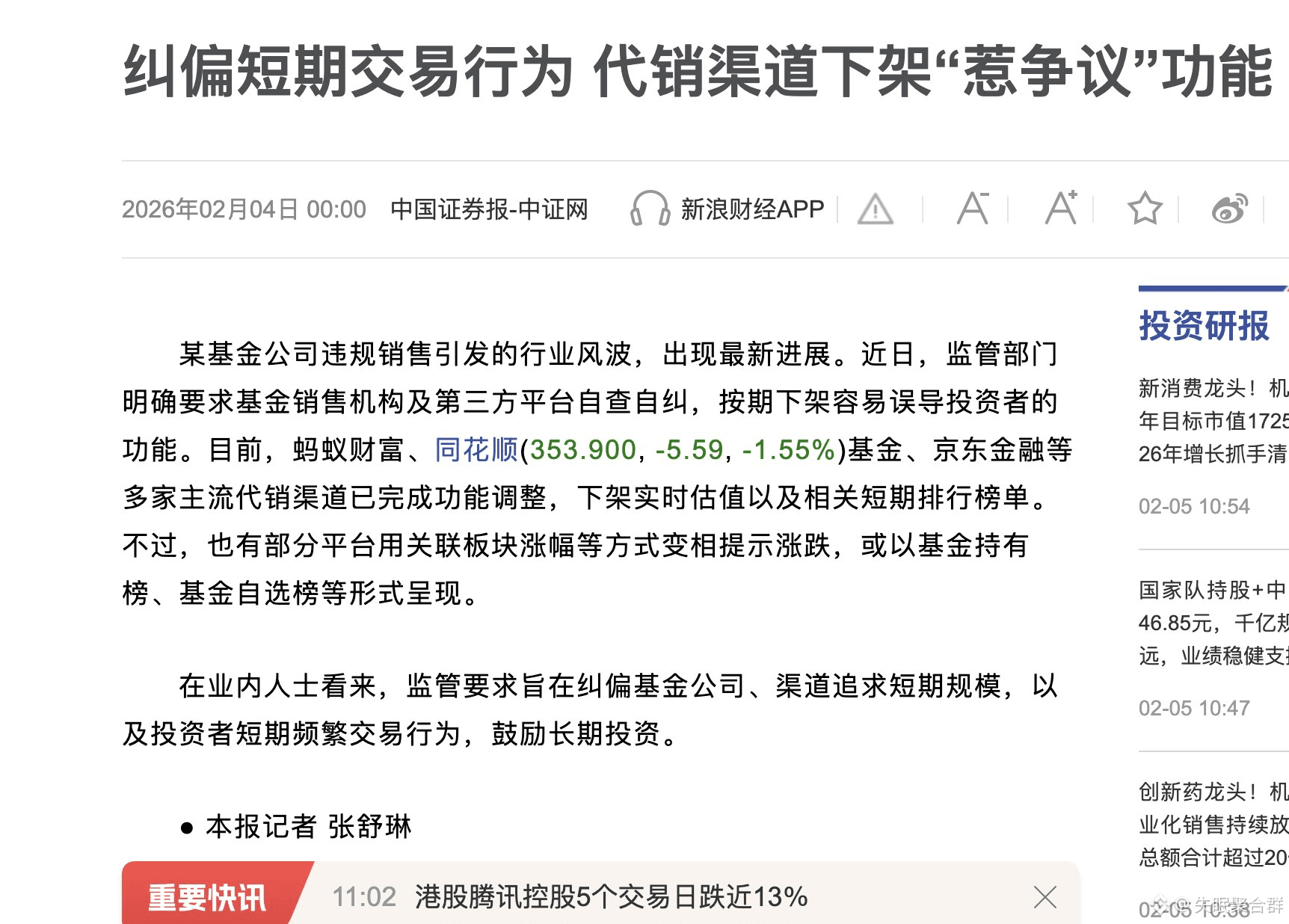
Recently #黄金 #白银 price fluctuations have been severe, and Xiaohongshu has implemented bans on certain fund real-time valuation bloggers.
🧐🧐🧐
The regulatory agency has emphasized that fund sales institutions and third-party online platforms must strengthen self-examination and self-correction, and timely remove functions such as fund real-time valuation, increased holdings lists, and actual trading lists.
However, some self-media accounts have recently continued to act against the wind by developing and spreading fund real-time valuation tools to attract followers.
Currently, some Xiaohongshu blogger accounts have shown that the account has been banned for violating relevant community rules, and multiple recent posts about sharing fund real-time valuation tools have also been deleted.
In addition, some links selling fund real-time valuation software on the platform have also been removed.
Recently #黄金 #白银 price fluctuations have been severe, and Xiaohongshu has implemented bans on certain fund real-time valuation bloggers.
🧐🧐🧐
The regulatory agency has emphasized that fund sales institutions and third-party online platforms must strengthen self-examination and self-correction, and timely remove functions such as fund real-time valuation, increased holdings lists, and actual trading lists.
However, some self-media accounts have recently continued to act against the wind by developing and spreading fund real-time valuation tools to attract followers.
Currently, some Xiaohongshu blogger accounts have shown that the account has been banned for violating relevant community rules, and multiple recent posts about sharing fund real-time valuation tools have also been deleted.
In addition, some links selling fund real-time valuation software on the platform have also been removed.
🧐🧐🧐
The regulatory agency has emphasized that fund sales institutions and third-party online platforms must strengthen self-examination and self-correction, and timely remove functions such as fund real-time valuation, increased holdings lists, and actual trading lists.
However, some self-media accounts have recently continued to act against the wind by developing and spreading fund real-time valuation tools to attract followers.
Currently, some Xiaohongshu blogger accounts have shown that the account has been banned for violating relevant community rules, and multiple recent posts about sharing fund real-time valuation tools have also been deleted.
In addition, some links selling fund real-time valuation software on the platform have also been removed.
93
·
--
Bearish
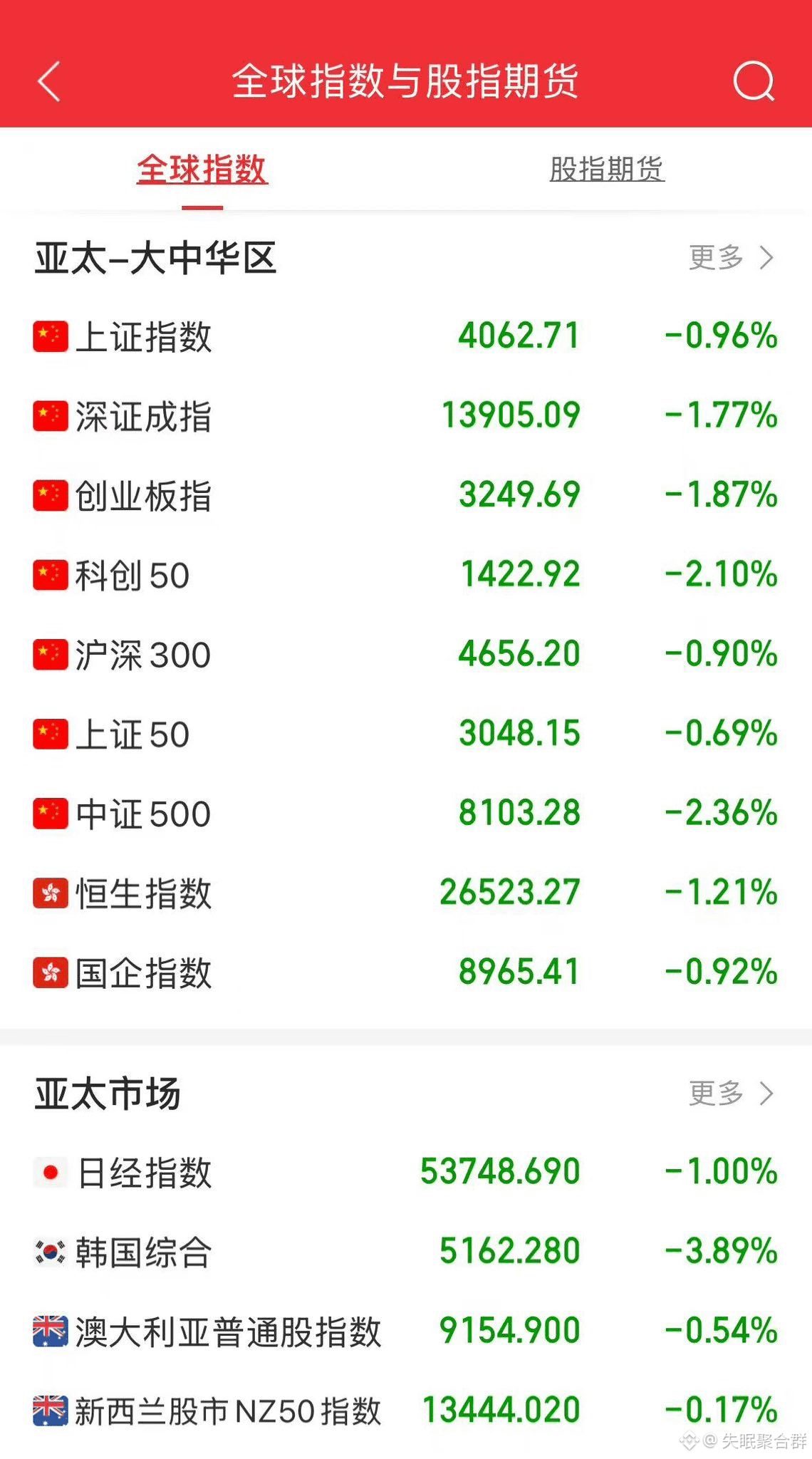
The global financial markets are shaking, and recently, the external markets have been quite calm without any tariff threats or geopolitical conflicts!
But such a decline is not normal at all!
Is there an invisible black swan?
🧐
The global financial markets are shaking, and recently, the external markets have been quite calm without any tariff threats or geopolitical conflicts!
But such a decline is not normal at all!
Is there an invisible black swan?
🧐
But such a decline is not normal at all!
Is there an invisible black swan?
🧐
1
97
·
--
Bearish
Is today more about $BNB and $BTC crashing? $ETH has hardly gone down? Is this considered a supplementary drop in amplitude or did something else happen?
Is today more about $BNB and $BTC crashing? $ETH has hardly gone down? Is this considered a supplementary drop in amplitude or did something else happen?
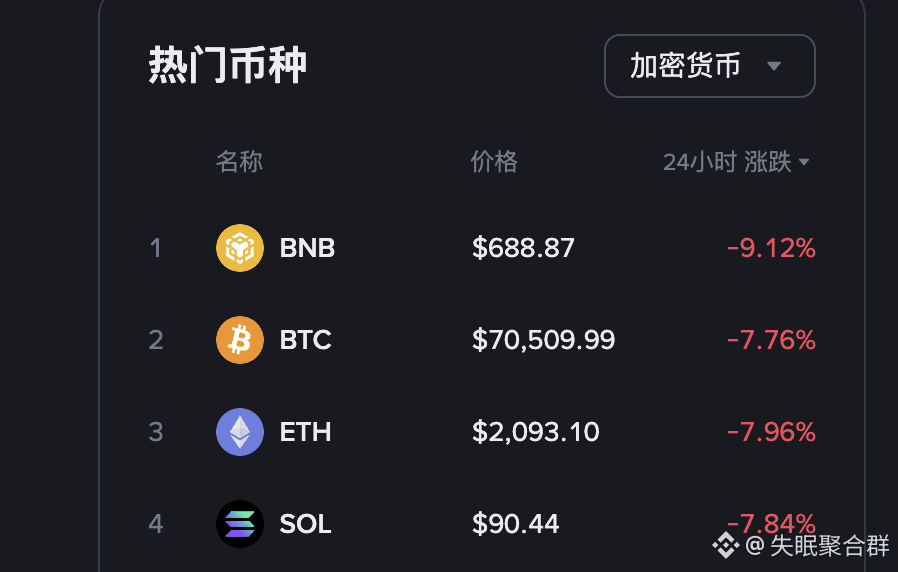
1
480
·
--
Bearish
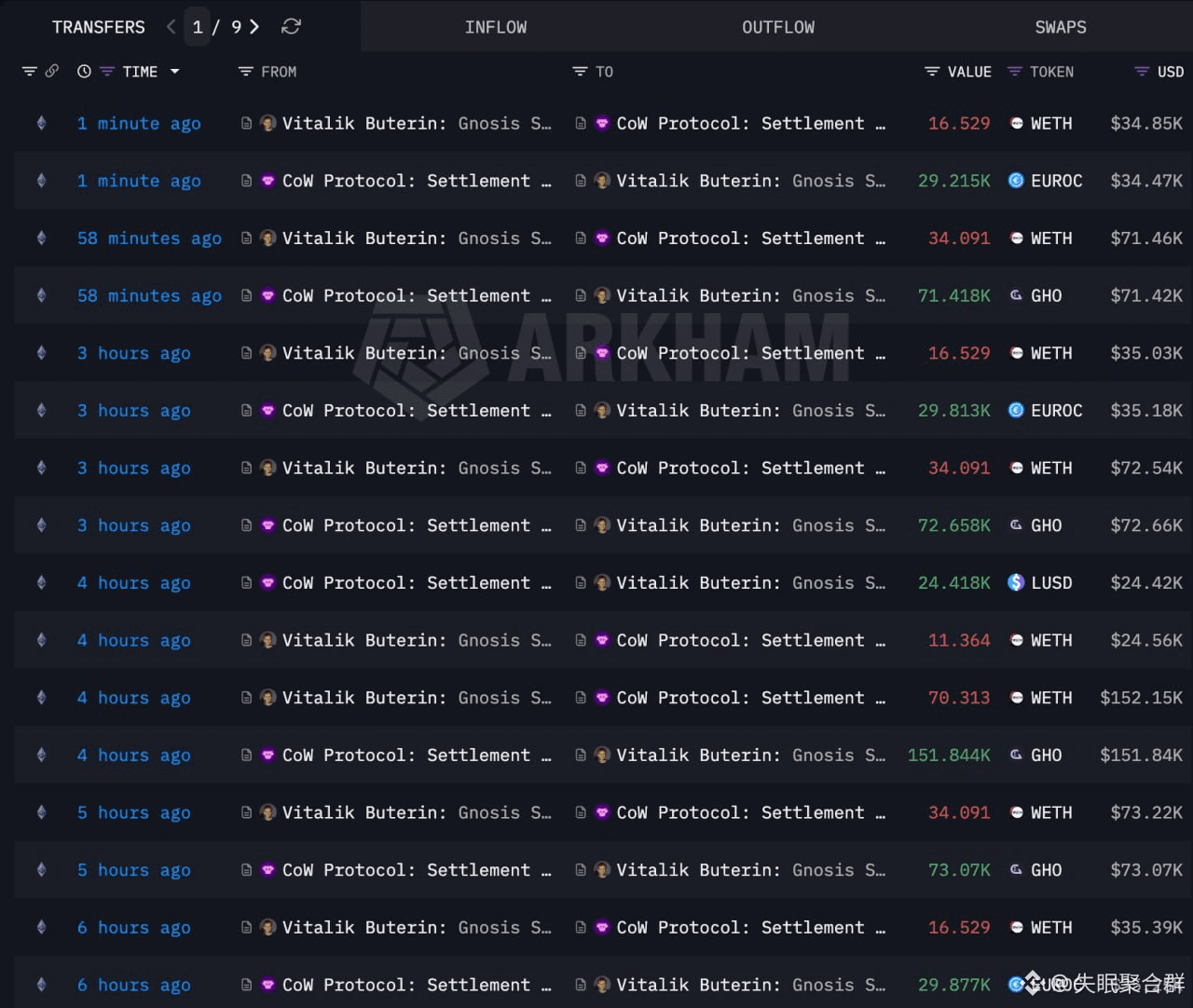
Vitalik stated that the original vision of L2 as the core expansion of Ethereum is outdated, and he believes that L2 should seek a new path.
At the same time, over the past 3 days, Vitalik has sold a total of 2,779 coins $ETH , worth approximately 6.2 million dollars.
Vitalik stated that the original vision of L2 as the core expansion of Ethereum is outdated, and he believes that L2 should seek a new path.
At the same time, over the past 3 days, Vitalik has sold a total of 2,779 coins $ETH , worth approximately 6.2 million dollars.
At the same time, over the past 3 days, Vitalik has sold a total of 2,779 coins $ETH , worth approximately 6.2 million dollars.
304
·
--
Bullish
What areas does the "Cybercrime Prevention Law" (Draft for Comments) expand?
1) The scope of OTC is expanded
The common defense in U commercial OTC is: I am just trading, I don't know the other party is dealing with dirty money.
The current change no longer only looks at whether you really know, but it is easier to presume that you should know.
What situations are more easily presumed?
Significantly abnormal prices (high price for buying U, low price for selling U)
Abnormal transaction frequency/amount (large amounts in a short period, splitting orders)
Using encrypted chat software, jargon, evading supervision
Not doing strict KYC (even leaving no trace)
Continuing to trade despite unclear explanations of the other party's source of funds
2) The scope of providing assistance has expanded
Supporting behaviors include
Development
Operation and maintenance
Advertising promotion
Application packaging
Technical support
As long as you know the other party is engaged in illegal activities, providing these may be considered as assistance.
3) Overseas is also not safe
The draft clearly includes two categories of people in the jurisdiction
Chinese citizens abroad
Overseas organizations/individuals providing services to users within China
This means that if you are doing projects overseas, and your service objects include mainland users, you may also be held accountable.
4) Public chain nodes/blockchain services are included in the governance objects
Blockchain service providers are required to have the ability to:
Monitor
Block
Handle illegal information/payment settlement
However, truly permissionless public chains cannot achieve single-point blocking.
In other words, chains/nodes operating within mainland China will face two paths:
Change to consortium chains/auditable chains (with backdoors)
Or be non-compliant (legal risks)
5) Regulatory focus has shifted from financial risks to the chain of cybercrime
Previously, regulation mainly focused on:
Illegal fundraising
Financial order
ICO, exchanges
Now the focus has shifted to:
Fraud
Money laundering
Black industry
Flow of funds in cybercrime
It is no longer just about whether there is speculation on coins.
#美国政府部分停摆结束
What areas does the "Cybercrime Prevention Law" (Draft for Comments) expand?
1) The scope of OTC is expanded
The common defense in U commercial OTC is: I am just trading, I don't know the other party is dealing with dirty money.
The current change no longer only looks at whether you really know, but it is easier to presume that you should know.
What situations are more easily presumed?
Significantly abnormal prices (high price for buying U, low price for selling U)
Abnormal transaction frequency/amount (large amounts in a short period, splitting orders)
Using encrypted chat software, jargon, evading supervision
Not doing strict KYC (even leaving no trace)
Continuing to trade despite unclear explanations of the other party's source of funds
2) The scope of providing assistance has expanded
Supporting behaviors include
Development
Operation and maintenance
Advertising promotion
Application packaging
Technical support
As long as you know the other party is engaged in illegal activities, providing these may be considered as assistance.
3) Overseas is also not safe
The draft clearly includes two categories of people in the jurisdiction
Chinese citizens abroad
Overseas organizations/individuals providing services to users within China
This means that if you are doing projects overseas, and your service objects include mainland users, you may also be held accountable.
4) Public chain nodes/blockchain services are included in the governance objects
Blockchain service providers are required to have the ability to:
Monitor
Block
Handle illegal information/payment settlement
However, truly permissionless public chains cannot achieve single-point blocking.
In other words, chains/nodes operating within mainland China will face two paths:
Change to consortium chains/auditable chains (with backdoors)
Or be non-compliant (legal risks)
5) Regulatory focus has shifted from financial risks to the chain of cybercrime
Previously, regulation mainly focused on:
Illegal fundraising
Financial order
ICO, exchanges
Now the focus has shifted to:
Fraud
Money laundering
Black industry
Flow of funds in cybercrime
It is no longer just about whether there is speculation on coins.
#美国政府部分停摆结束
1) The scope of OTC is expanded
The common defense in U commercial OTC is: I am just trading, I don't know the other party is dealing with dirty money.
The current change no longer only looks at whether you really know, but it is easier to presume that you should know.
What situations are more easily presumed?
Significantly abnormal prices (high price for buying U, low price for selling U)
Abnormal transaction frequency/amount (large amounts in a short period, splitting orders)
Using encrypted chat software, jargon, evading supervision
Not doing strict KYC (even leaving no trace)
Continuing to trade despite unclear explanations of the other party's source of funds
2) The scope of providing assistance has expanded
Supporting behaviors include
Development
Operation and maintenance
Advertising promotion
Application packaging
Technical support
As long as you know the other party is engaged in illegal activities, providing these may be considered as assistance.
3) Overseas is also not safe
The draft clearly includes two categories of people in the jurisdiction
Chinese citizens abroad
Overseas organizations/individuals providing services to users within China
This means that if you are doing projects overseas, and your service objects include mainland users, you may also be held accountable.
4) Public chain nodes/blockchain services are included in the governance objects
Blockchain service providers are required to have the ability to:
Monitor
Block
Handle illegal information/payment settlement
However, truly permissionless public chains cannot achieve single-point blocking.
In other words, chains/nodes operating within mainland China will face two paths:
Change to consortium chains/auditable chains (with backdoors)
Or be non-compliant (legal risks)
5) Regulatory focus has shifted from financial risks to the chain of cybercrime
Previously, regulation mainly focused on:
Illegal fundraising
Financial order
ICO, exchanges
Now the focus has shifted to:
Fraud
Money laundering
Black industry
Flow of funds in cybercrime
It is no longer just about whether there is speculation on coins.
#美国政府部分停摆结束
100
·
--
Bullish
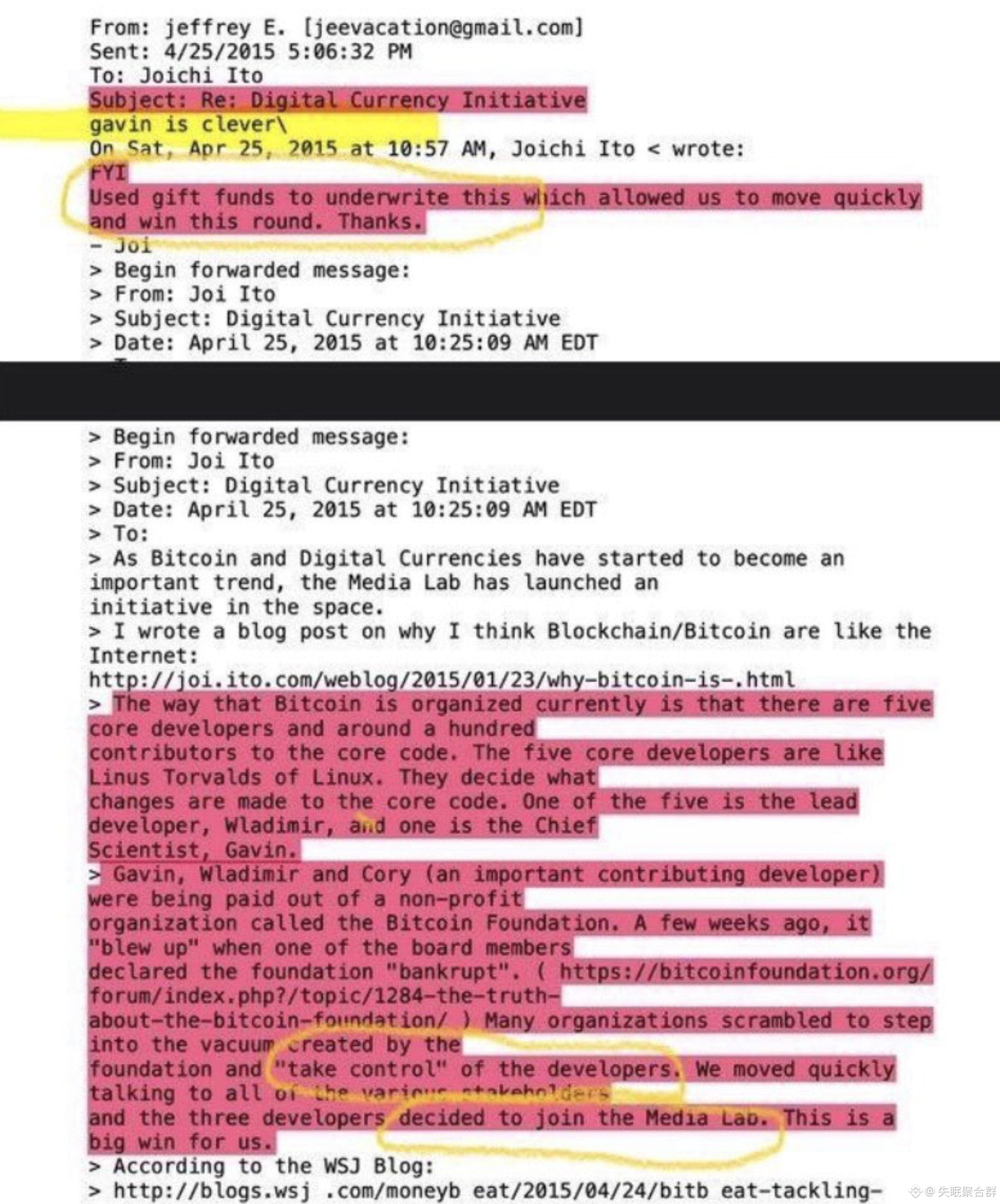
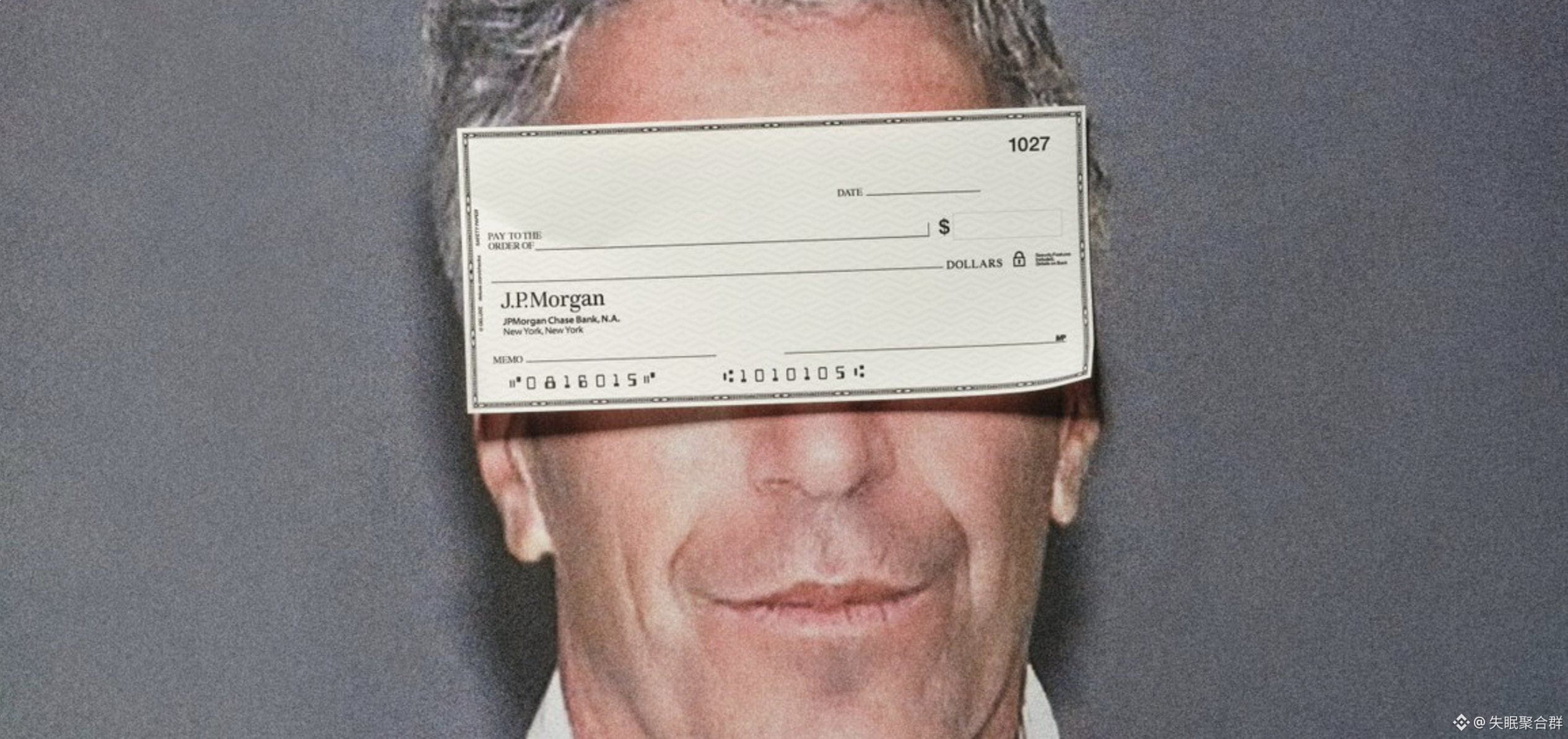
Epstein claimed that Israel indirectly controls Bitcoin by controlling 3 of the 5 key developers among #比特币 .
This means that Israel may be able to modify the Bitcoin code.
It can also receive early warning information and even block transactions.
In addition, several entrepreneurs in the crypto industry have died under mysterious circumstances, including one whistleblower who died within 24 hours of revealing the behind-the-scenes situation.
Epstein claimed that Israel indirectly controls Bitcoin by controlling 3 of the 5 key developers among #比特币 .
This means that Israel may be able to modify the Bitcoin code.
It can also receive early warning information and even block transactions.
In addition, several entrepreneurs in the crypto industry have died under mysterious circumstances, including one whistleblower who died within 24 hours of revealing the behind-the-scenes situation.
This means that Israel may be able to modify the Bitcoin code.
It can also receive early warning information and even block transactions.
In addition, several entrepreneurs in the crypto industry have died under mysterious circumstances, including one whistleblower who died within 24 hours of revealing the behind-the-scenes situation.
338
·
--
Bullish
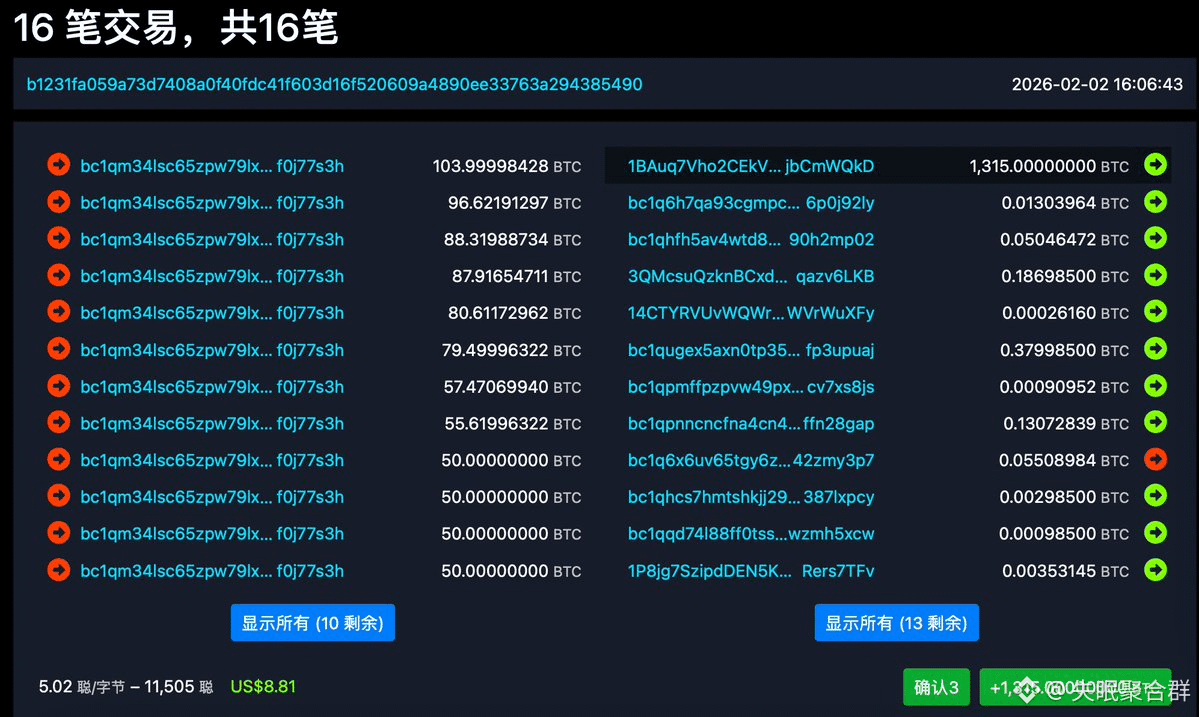
Binance Safu has started buying 1 billion USD reserve address #比特币
The average price is approximately 75000-77000 USD, currently purchased 100 million USD
Address
1BAuq7Vho2CEkVkUxbfU26LhwQjbCmWQkD
At the same time, a new wallet withdrew 252 BTC from Binance, worth about 19.35 million USD
Everything is getting better
Binance Safu has started buying 1 billion USD reserve address #比特币
The average price is approximately 75000-77000 USD, currently purchased 100 million USD
Address
1BAuq7Vho2CEkVkUxbfU26LhwQjbCmWQkD
At the same time, a new wallet withdrew 252 BTC from Binance, worth about 19.35 million USD
Everything is getting better
The average price is approximately 75000-77000 USD, currently purchased 100 million USD
Address
1BAuq7Vho2CEkVkUxbfU26LhwQjbCmWQkD
At the same time, a new wallet withdrew 252 BTC from Binance, worth about 19.35 million USD
Everything is getting better

3
276
·
--
Bullish
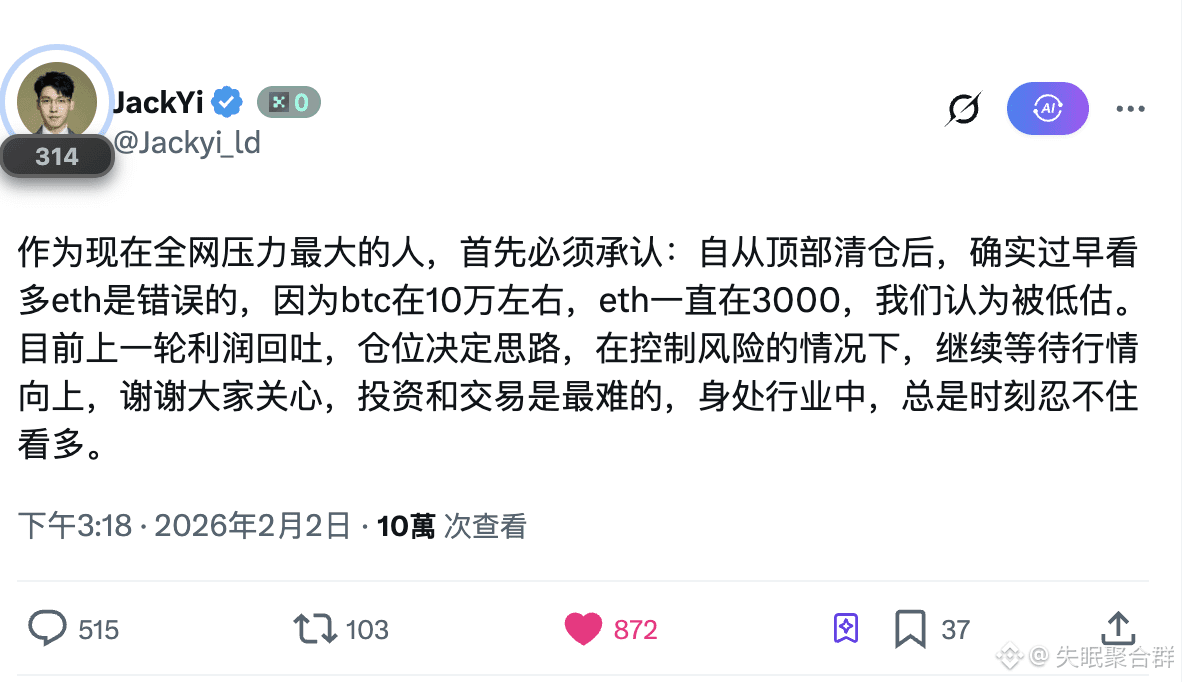
Just now, Boss Yi admitted his mistake in words. In the last round, profits were given back, and there is still a certain degree of leverage. Where is the specific liquidation position?
The Binance SAFU fund wallet has started authorizing U to be withdrawn. Is it time to buy the first batch this week?
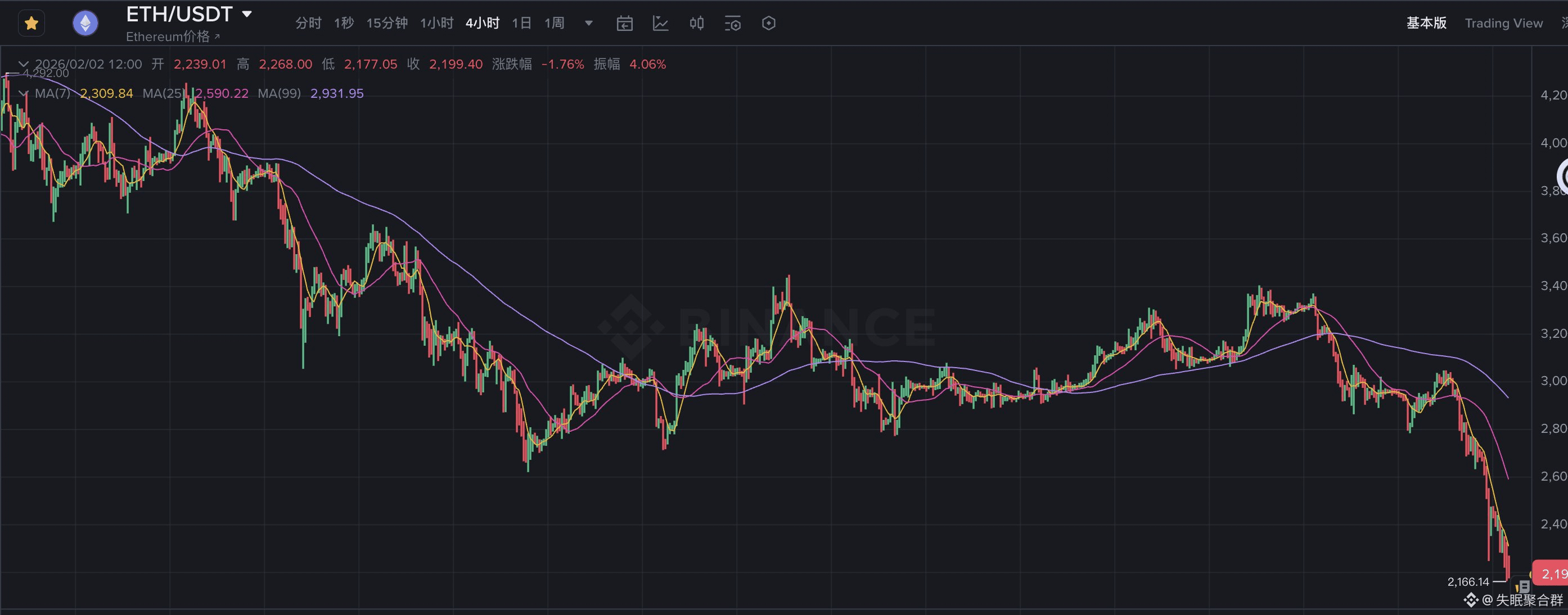
Let's take stock. Currently, the cryptocurrency market continues to decline on Monday, and $ETH is obviously weaker, dropping almost 7%-8% every day, and it's a straight-line decline. From the 4-hour chart, it's clearer. ETH has slid from about 3100 to 2200 in the past two weeks, with a very exaggerated drop.
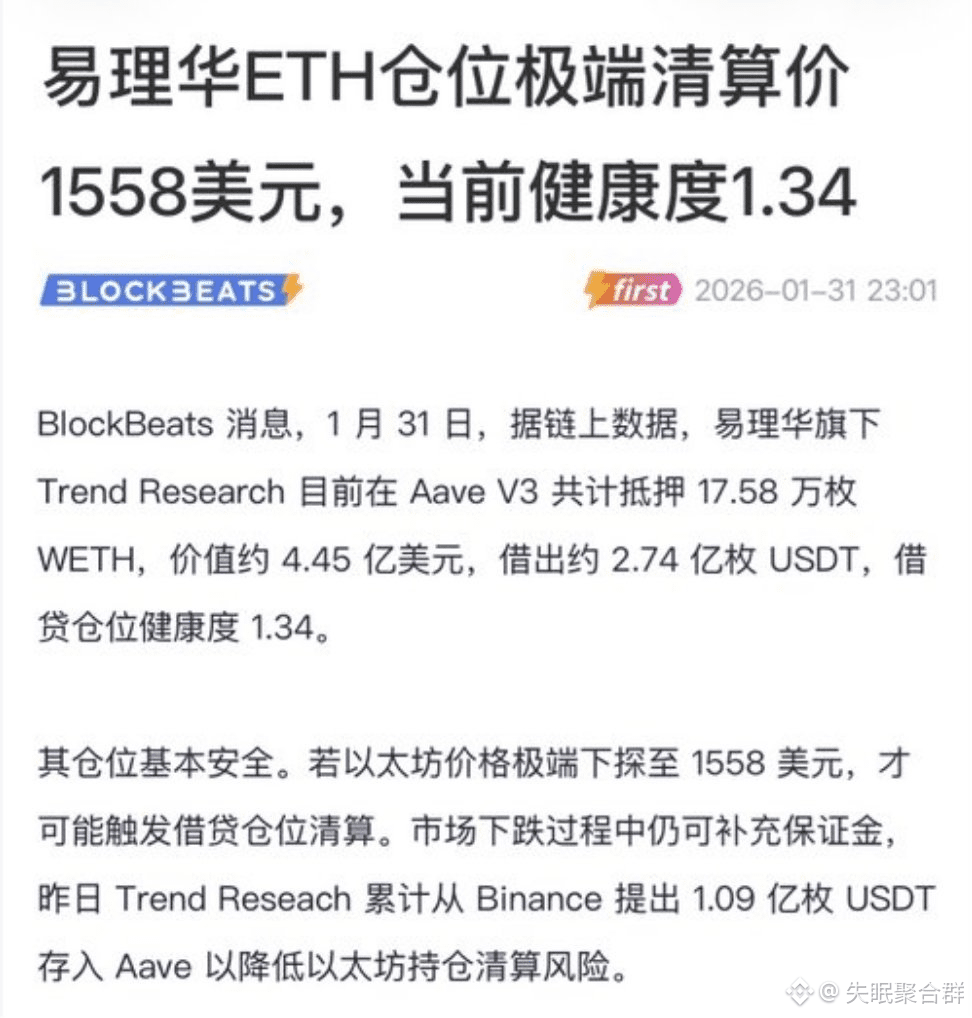
The reason the market is smashing ETH so fiercely is a core speculation that funds are rushing to the chain on #易理华 for a large position. His position exceeds 2 billion USD, with a liquidation price around 1880. At the current rate of decline, it may approach this position by Wednesday or Thursday, so he has to add margin to reduce his position and save himself.
Currently, he has already sold 33,000 pieces of $ETH to cut losses, realizing a loss of about 27 million, while there is still about 500 million USD of unrealized floating loss.
For him, the most critical question is whether to be liquidated or endure?
Not being liquidated may lead to a loss of around 500 million. Depending on past profits or repaying debts over a few years, he can still gradually pay it back. But once liquidated, the loss could directly reach 1 billion, and at this level, it's basically very hard to fill the hole. Moreover, the money is likely not his personal funds but that of the fund investors, and the subsequent pressure for accountability will be very high.
So now it depends on whether he can hold on until reaching the other side. However, historical experience tells us that large whales stubbornly holding positions often end up facing liquidation; holding positions is ultimately not a good thing.
If the impact of publicly disclosed orders on mentality is 1, the impact of fully transparent real transactions on mentality is 10, and the flow premium earned does not affect.
Trading itself is a matter that tests mentality. A poor mentality can easily lead to losses. Going public will bring a lot of unnecessary commentary interference; if you make money, you'll receive some admiration and some jealousy hoping for your loss. If you lose, you’ll face ridicule and some people kicking you while you’re down, as well as pressure on what to do next.
Just now, Boss Yi admitted his mistake in words. In the last round, profits were given back, and there is still a certain degree of leverage. Where is the specific liquidation position?
The Binance SAFU fund wallet has started authorizing U to be withdrawn. Is it time to buy the first batch this week?
Let's take stock. Currently, the cryptocurrency market continues to decline on Monday, and $ETH is obviously weaker, dropping almost 7%-8% every day, and it's a straight-line decline. From the 4-hour chart, it's clearer. ETH has slid from about 3100 to 2200 in the past two weeks, with a very exaggerated drop.
The reason the market is smashing ETH so fiercely is a core speculation that funds are rushing to the chain on #易理华 for a large position. His position exceeds 2 billion USD, with a liquidation price around 1880. At the current rate of decline, it may approach this position by Wednesday or Thursday, so he has to add margin to reduce his position and save himself.
Currently, he has already sold 33,000 pieces of $ETH to cut losses, realizing a loss of about 27 million, while there is still about 500 million USD of unrealized floating loss.
For him, the most critical question is whether to be liquidated or endure?
Not being liquidated may lead to a loss of around 500 million. Depending on past profits or repaying debts over a few years, he can still gradually pay it back. But once liquidated, the loss could directly reach 1 billion, and at this level, it's basically very hard to fill the hole. Moreover, the money is likely not his personal funds but that of the fund investors, and the subsequent pressure for accountability will be very high.
So now it depends on whether he can hold on until reaching the other side. However, historical experience tells us that large whales stubbornly holding positions often end up facing liquidation; holding positions is ultimately not a good thing.
If the impact of publicly disclosed orders on mentality is 1, the impact of fully transparent real transactions on mentality is 10, and the flow premium earned does not affect.
Trading itself is a matter that tests mentality. A poor mentality can easily lead to losses. Going public will bring a lot of unnecessary commentary interference; if you make money, you'll receive some admiration and some jealousy hoping for your loss. If you lose, you’ll face ridicule and some people kicking you while you’re down, as well as pressure on what to do next.
The Binance SAFU fund wallet has started authorizing U to be withdrawn. Is it time to buy the first batch this week?
Let's take stock. Currently, the cryptocurrency market continues to decline on Monday, and $ETH is obviously weaker, dropping almost 7%-8% every day, and it's a straight-line decline. From the 4-hour chart, it's clearer. ETH has slid from about 3100 to 2200 in the past two weeks, with a very exaggerated drop.
The reason the market is smashing ETH so fiercely is a core speculation that funds are rushing to the chain on #易理华 for a large position. His position exceeds 2 billion USD, with a liquidation price around 1880. At the current rate of decline, it may approach this position by Wednesday or Thursday, so he has to add margin to reduce his position and save himself.
Currently, he has already sold 33,000 pieces of $ETH to cut losses, realizing a loss of about 27 million, while there is still about 500 million USD of unrealized floating loss.
For him, the most critical question is whether to be liquidated or endure?
Not being liquidated may lead to a loss of around 500 million. Depending on past profits or repaying debts over a few years, he can still gradually pay it back. But once liquidated, the loss could directly reach 1 billion, and at this level, it's basically very hard to fill the hole. Moreover, the money is likely not his personal funds but that of the fund investors, and the subsequent pressure for accountability will be very high.
So now it depends on whether he can hold on until reaching the other side. However, historical experience tells us that large whales stubbornly holding positions often end up facing liquidation; holding positions is ultimately not a good thing.
If the impact of publicly disclosed orders on mentality is 1, the impact of fully transparent real transactions on mentality is 10, and the flow premium earned does not affect.
Trading itself is a matter that tests mentality. A poor mentality can easily lead to losses. Going public will bring a lot of unnecessary commentary interference; if you make money, you'll receive some admiration and some jealousy hoping for your loss. If you lose, you’ll face ridicule and some people kicking you while you’re down, as well as pressure on what to do next.
317
Log in to explore more content
Join global crypto users on Binance Square
⚡️ Get latest and useful information about crypto.
💬 Trusted by the world’s largest crypto exchange.
👍 Discover real insights from verified creators.
Email / Phone number