

NFTs have catapulted into mainstream attention in 2021 — and it’s all been driven by artists, here are 15 NFT artists you need to know.
NFTs have been around for years, but in 2021, non-fungible tokens came to the fore as multi-million dollar NFT artwork sales made global headlines and art institutions struggled with the sudden emergence of new art movements.
At the forefront of this NFT revolution are artists: the pioneers leading the way in NFT development, and the innovators experimenting with this new technology, pushing the boundaries of what it means to create art as a blockchain-based asset.
We took a close look at NFT highlights from the past year to compile our list (unranked) of the most innovative NFT artists of 2021. If you want to learn about the movers and shakers in the NFT art space, check out our article “The 15 Most Influential NFT Celebrities of 2021.”
All Seeing Seneca
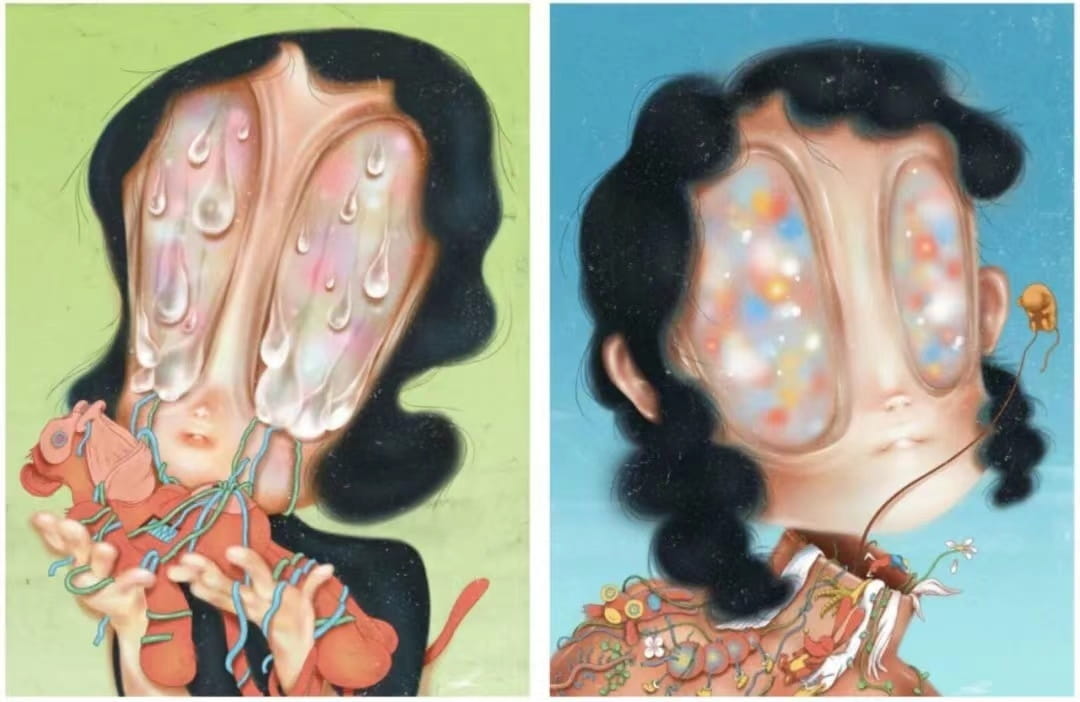 Two NFTs from BAYC lead artist Seneca, part of a larger Iconoclast V2 collection from multiple artists on OpenSea.
All Seeing Seneca is the lead artist for Yuga Labs Bored Ape Yacht Club (BAYC), a collection of PFPs (profile pictures) of 10,000 images of bored-looking apes, each randomly generated with a specified set of features.
Since its launch, the Bored Apes have become one of the most popular PFP collections, thanks in large part to Seneca’s bright, cartoon-style design, which injects the Apes with no small amount of personality. They’ve been snapped up by everyone from Jimmy Fallon to Post Malone, with individual Apes changing hands for millions of dollars.
Seneca released a new set of NFTs at Art Basel in Miami for his design for Bored Apes. The new series subtly references the Bored Ape Yacht Club series and is hosted on the Internet Computer, Dfinity’s smart contract blockchain — allowing for larger file sizes, an example of how artists are beginning to experiment with NFT platforms other than Ethereum.
Justin Aversano
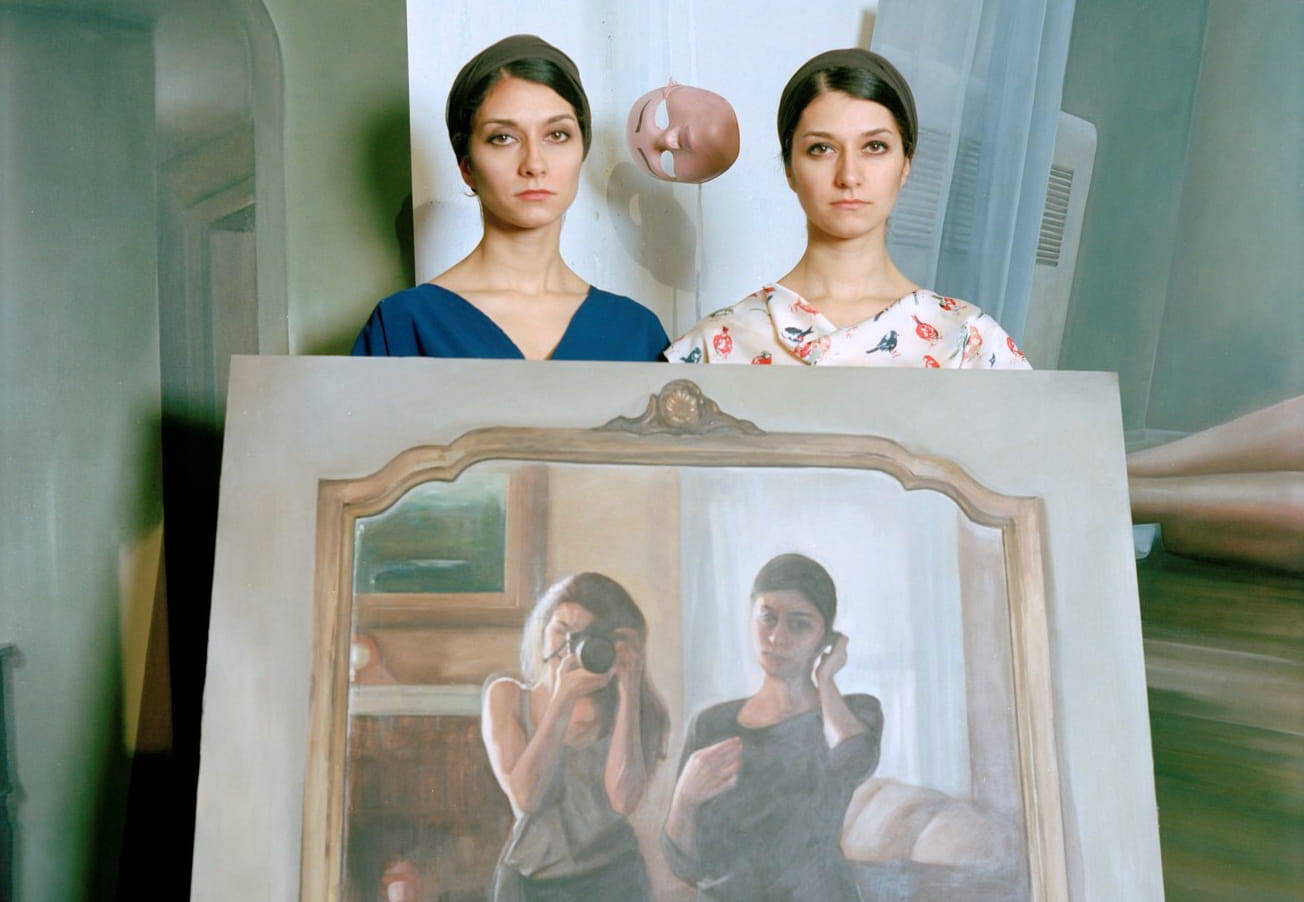 Justin Aversano 的“Twin Flames #83, Bahareh & Farzaneh”
Interest in photography has increased in recent months, with Justin Aversano being a pioneer in this sub-genre of NFTs.
Snoop Dogg and Gary Vaynerchuk are among those who have purchased pieces from his Twin Flames series, which contains 100 charming photos of twins, and one piece from the series sold for $1.1 million at a Christie’s auction in October. Aversano also launched Quantum.Art, an on-chain NFT platform for photographers.
“Photography is a visual language we use all the time, both online and offline, and it’s hard to see why it’s not the next big thing,” Aversano told Decrypt. “2022 will be the year of photography NFTs.”
Beeple
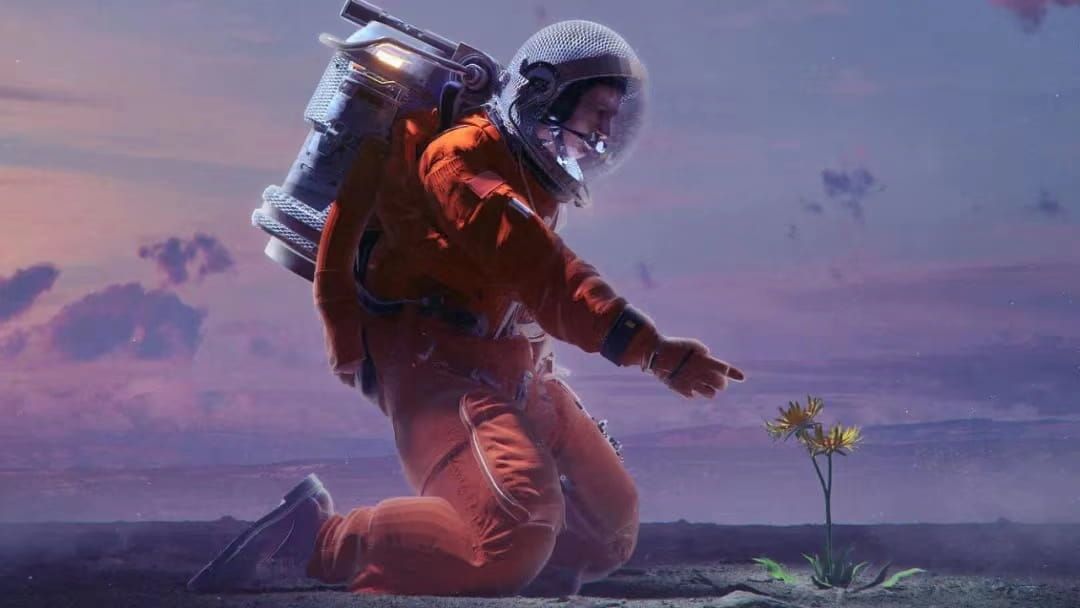 Part of Beeple's EVERYDAYS: THE FIRST 5000 DAYS series. Image: Beeple
American digital artist Mike “Beeple” Winklemann first got involved with NFTs last October after hearing how much his fellow artists were earning from them. “I was like, my gosh, this is pretty big change,” he told Decrypt last year.
It turns out that “sea change” is the understatement of the century. In March, Beeple sold an NFT called “EVERYDAYS: THE FIRST 5000 DAYS,” a collection of his 13-year digital artwork, at a Christie’s auction for a record-breaking $69.3 million. The sale instantly made him one of the most valuable living artists in the world and thrust both him and NFTs into the spotlight.
The press wrote about the idea, art critics scoffed, artist David Hockey dismissed “this horrible baby’s work” as “a silly little thing”, Beeple retorted that he was “looking for a printer’s recommendation”.
The artist isn’t resting on his laurels, though, and in an interview with Decrypt last year, he expressed enthusiasm for the possibilities of NFTs: “When you think about the programmability of these things, it’s like, sweet baby Jesus, I have years of shit ideas.”
With his newfound wealth, Beeple is free to experiment — and he has already done so, unveiling HUMAN ONE , his first physical artwork, in November 2021. The “kinetic video sculpture,” of course, was sold alongside an NFT, netting $29 million at a Christie’s auction.
One thing is for sure, the arts establishment had better get used to the fact that Beeple isn’t going anywhere.
Dmitri Cherniak
 The Ringers. Photo: Dmitri Cherniak
Cherniak is the artist behind The Ringers, a collection of 1,000 generative art NFTs. Like Tyler Hobbs’ Fidenza, the Ringers collection is stored on Ethereum via Art Blocks.
He used p5js, a javascript (computer language) library, to create these instantly recognizable images of strings surrounding groups of nails.
“I’m not a crypto artist, I’m just a regular artist who uses blockchain because it helps me realize my artistic vision around automation of aesthetics. In turn, it allows me to experience my art the way I do as an artist, which IMO makes my art better,” he tweeted in February.
The series is highly sought after and currently has a floor price of 35 ETH, or $138,900.
Clone
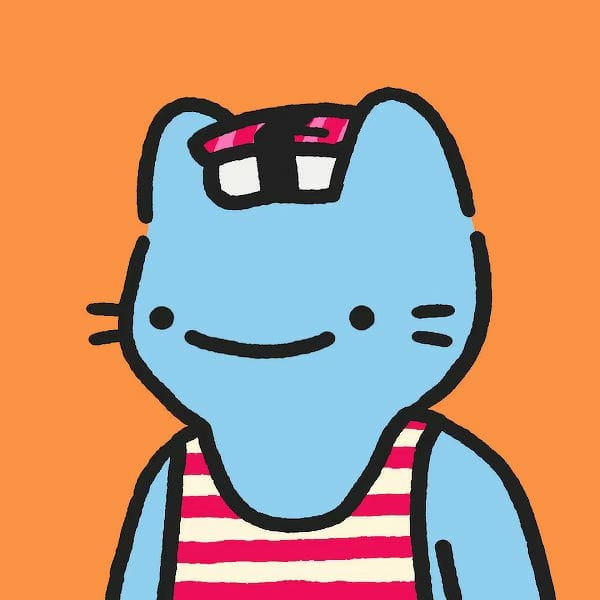 A Cool Cat NFT, Image: Cool Cat
The internet loves cats, so it’s no surprise that cartoonist Clon is making a splash with his NFT project Cool Cats, which consists of 9,999 randomly generated felines rendered in fun and alluring pastel colors.
During the NFT bull run in August, TIME magazine partnered with Cool Cats to release a limited edition collaborative NFT collectible, bringing mainstream momentum to the project. Like many other successful PFP projects, the community around the project determines its success or failure.
So far, Cool Cats has done just that, with the series now sitting at a floor price of 6.73 ETH, or nearly $25,000 at today’s prices.
FEWOCiOUS
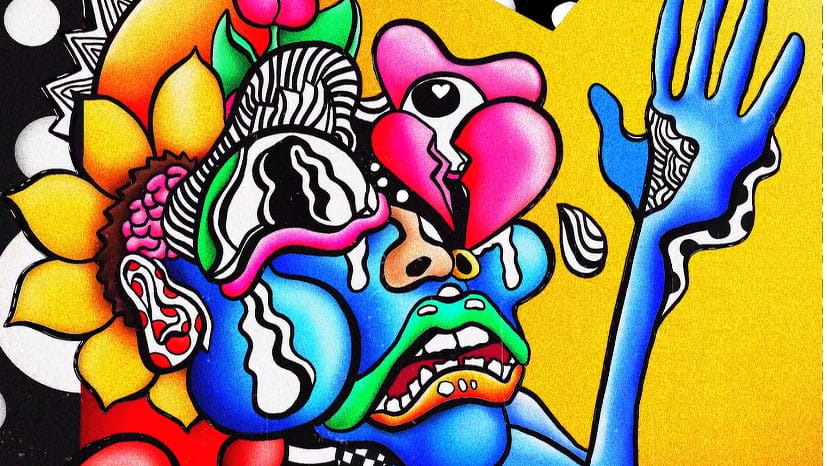
18-year-old Victor "FEWOCiOUS" Langlois is the youngest artist on this list, but it's not his age that makes him stand out. In fact, his surreal art is deeply personal. He told Decrypt that he sought refuge in digital art because he wasn't allowed to paint in his room.
Earlier this year, FEWOCiOUS turned his coming-of-age story into an NFT titled “Hello, I’m FEWOCiOUS and This Is My Life,” which included five digital artworks depicting his formative years as a young trans artist from ages 14 to 18, and it sold at Christie’s in June for $2.1 million.
“My grandma said that NFTs will all disappear tomorrow and everyone will forget about you,” FEWOCiOUS told Decrypt. Well, that’s certainly not going to happen anytime soon…if ever.
Gremplin
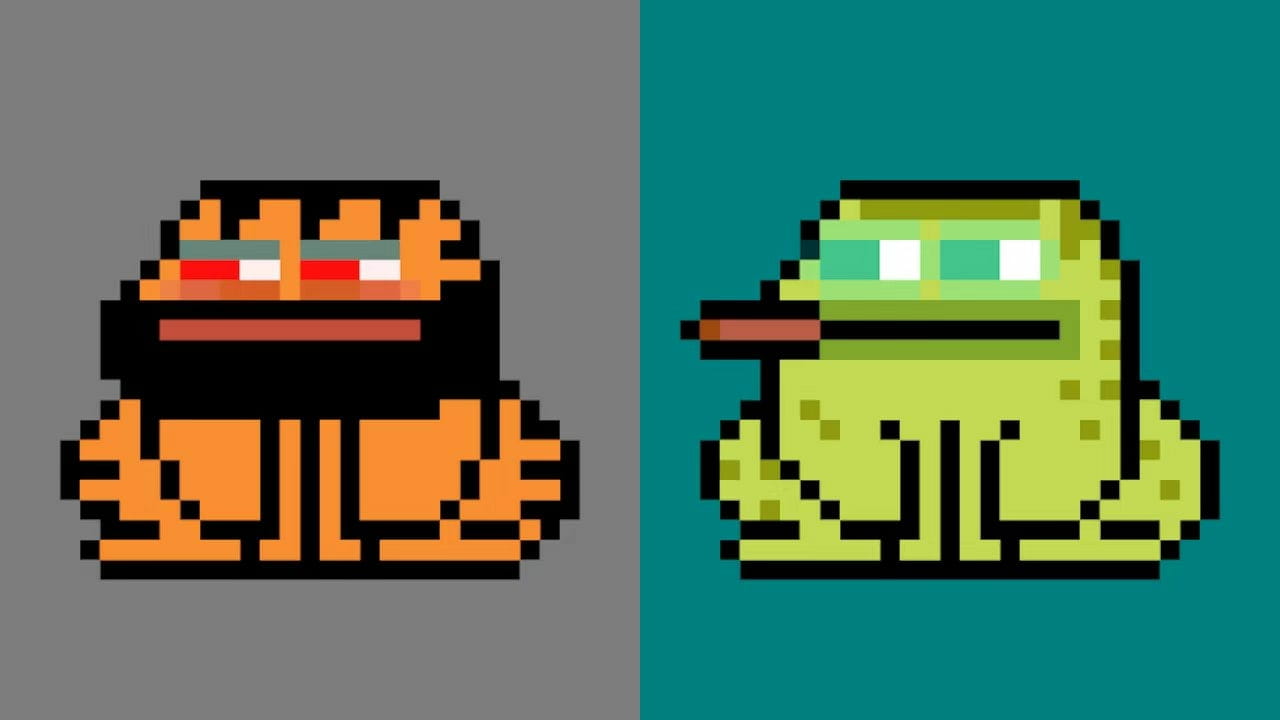 CrypToadz by Gremplin. Image: Gremplin
Amid the glut of NFT collectibles and PFPs launching in 2021, Gremplin’s CrypToadz is one of the few companies that has found success.
Although Gremplin only debuted this year, he has quickly established himself as an NFT artist and community leader. He created a colorful legend around CrypToadz, in which he portrays himself as the evil King Gremplin that 6,969 CryptToadz are trying to escape. He incorporates a lot of pixelated aesthetics and meme references (hint: collection number), especially the frog theme that is popular in cryptocurrency.
Gremplin’s execution of the project has been a recipe for success so far, with trading volume on OpenSea exceeding 51,000 Ethereum, or $207,000.
Hackatao
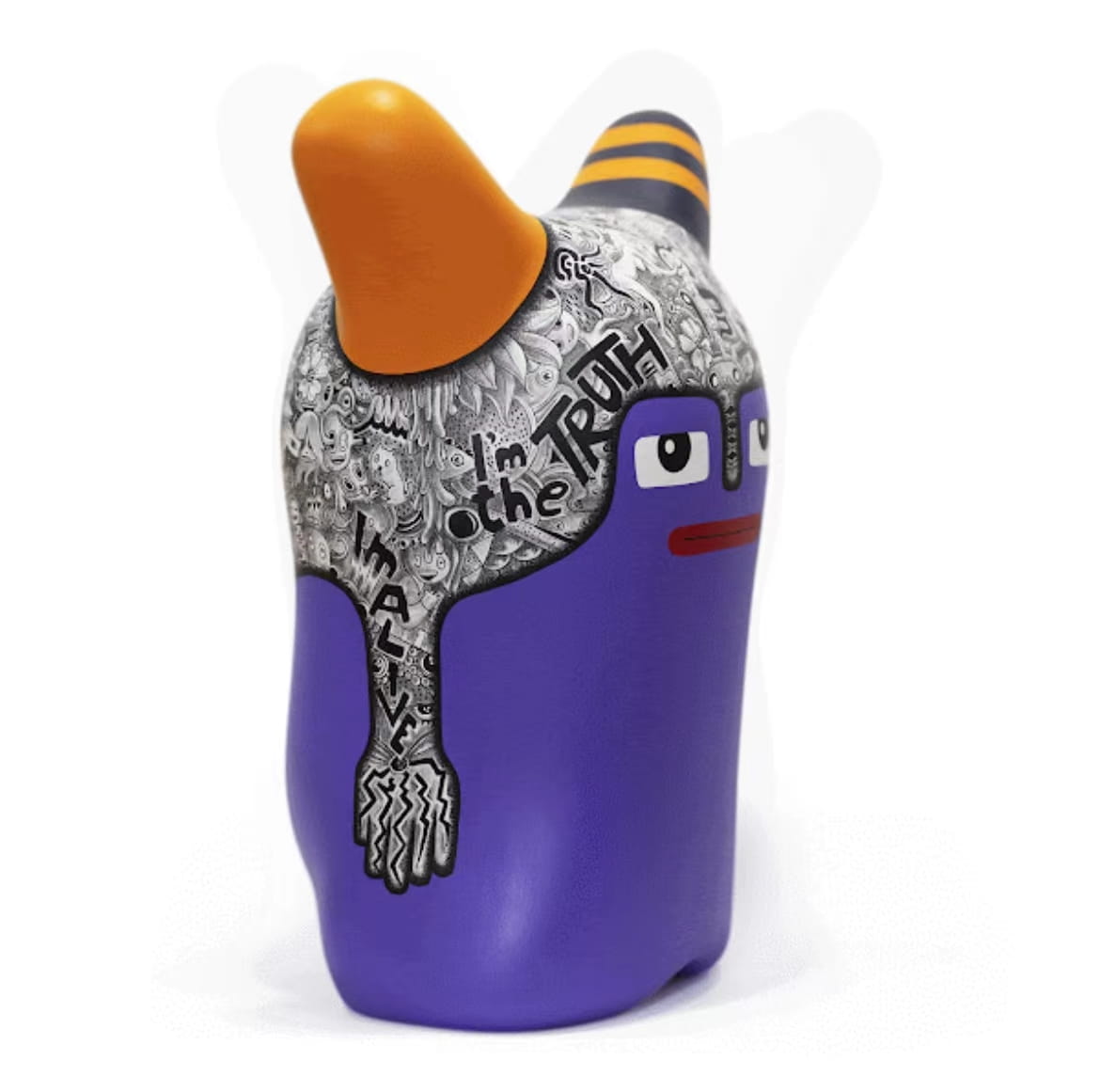 A Podmork. Image: Hackatao
Hackatao is the pseudonym of Italian art duo Sergio Scalet and Nadia Squarci, who live in a small mountain village and create a group of totemic characters called Podmorks (best appreciated in full-screen mode), as well as various static and animated artworks that touch on social issues.
They are among the longest-serving artists in the NFT space (long before the term “crypto art” was coined), and “our usual artistic process used to take a long time,” Scalet told Decrypt. “But with blockchain and its speed, the creative need to think of something and see it come to life immediately is met.”
Damien Hirst
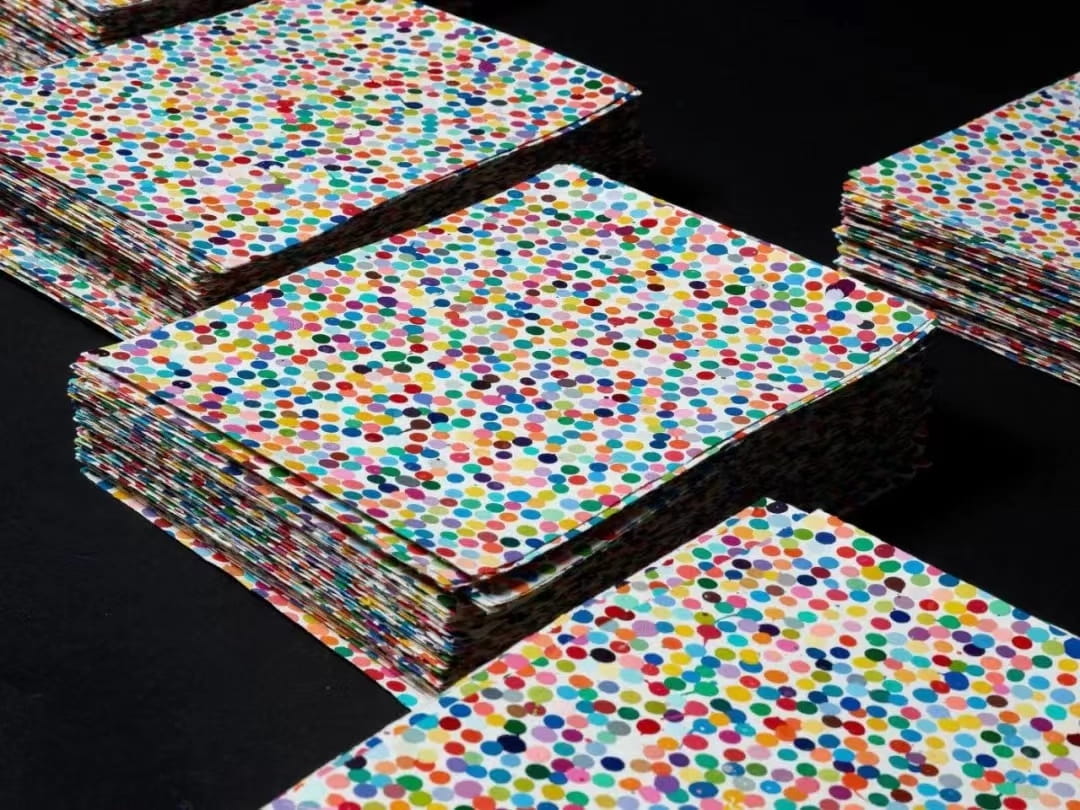 Physical print of “The Currency”, photo: Heni
While many art institutions have viewed NFTs with disdain, one of their own has embraced them, creating work that experiments with the boundaries of the medium.
One of the original Young British Artists of the 1990s, Damien Hirst launched his NFT series, The Currency, in July.
Hirst’s NFT has a unique twist: The owner must choose between keeping the NFT or “burning” it in exchange for a physical copy of the artwork. If the owner chooses to keep the NFT, the physical copy will be destroyed on July 27, 2022.
It’s a typically bold move by the artist, forcing owners to confront questions of value and scarcity in this nascent digital art ecosystem. Is it better to hang onto Hirst’s physical work or the NFT version — especially since digital images can be freely copied and shared? If most people choose to destroy the NFT in favor of the physical work, will that cause the newly scarce NFT to appreciate in value?
Four months later, Hirst surprised The Currency holders with a free airdrop of his latest series, Great Expectations, based on Drake’s “Certified Lover Boy” album, which puts art holders in another dilemma. If you choose to destroy the NFT and keep the physical work, you risk missing out on future airdrops from Hirst.
Tyler Hobbs
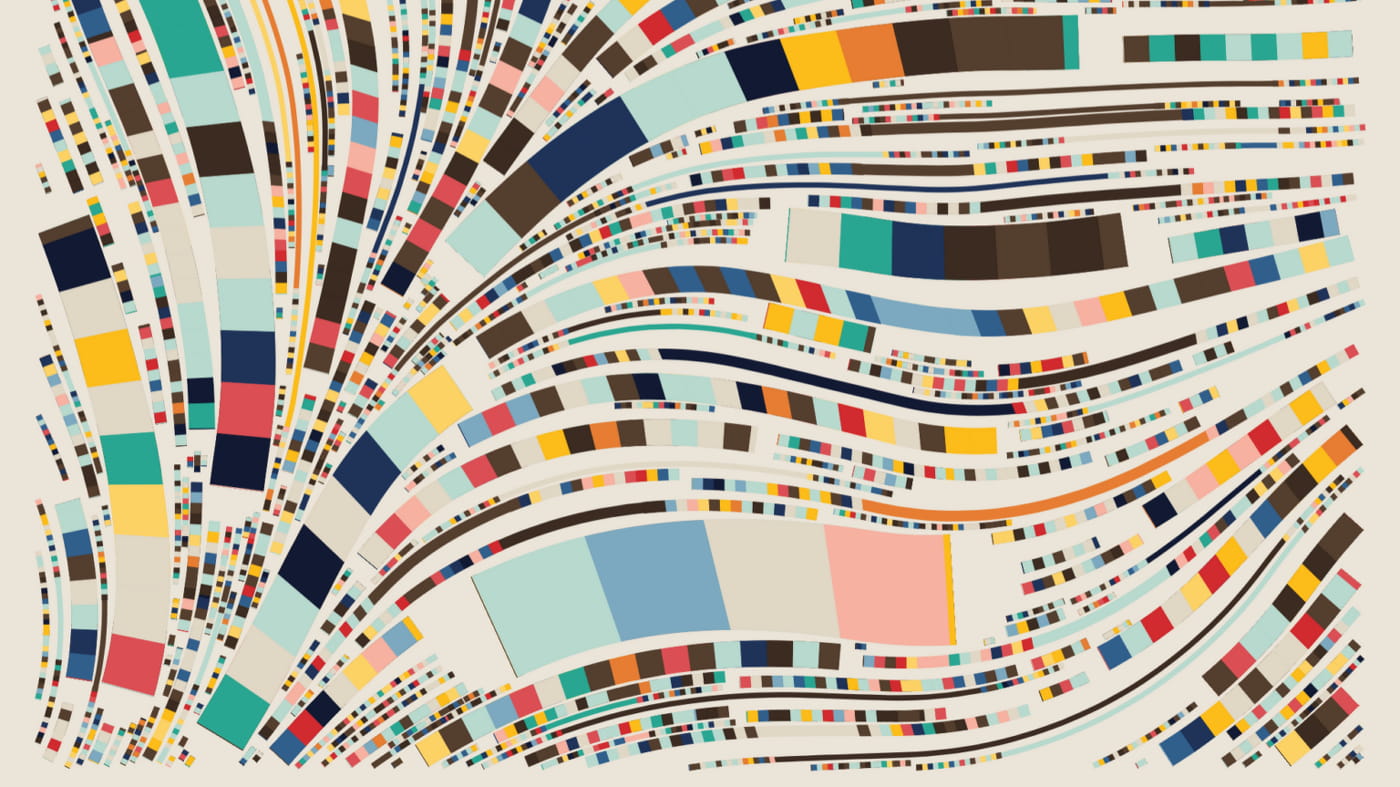 Fidenza#313by artist Tyler Hobbs. Image: Art Blocks
Tyler Hobbs is a visual artist who uses algorithms to create art, something he calls "computational aesthetics." He is best known as the creator of Fidenza, a 999-piece collectible based on an algorithm that produces a unique pattern when minted. Fidenzas is part of Art Blocks, an Ethereum platform for generating NFTs.
Hobbs’ Fidenza#313“The Tulip” sold in August for 1,000 ETH ($3.3 million at the time of purchase), netting the seller a huge profit — he had minted the artwork in June for 0.58 ETH (about $1,400).
“One piece of advice for artists is to try to make work that only you can do, which in some ways means you have to use every skill you have to create the art,” he told Decrypt.
Mad Dog Jones
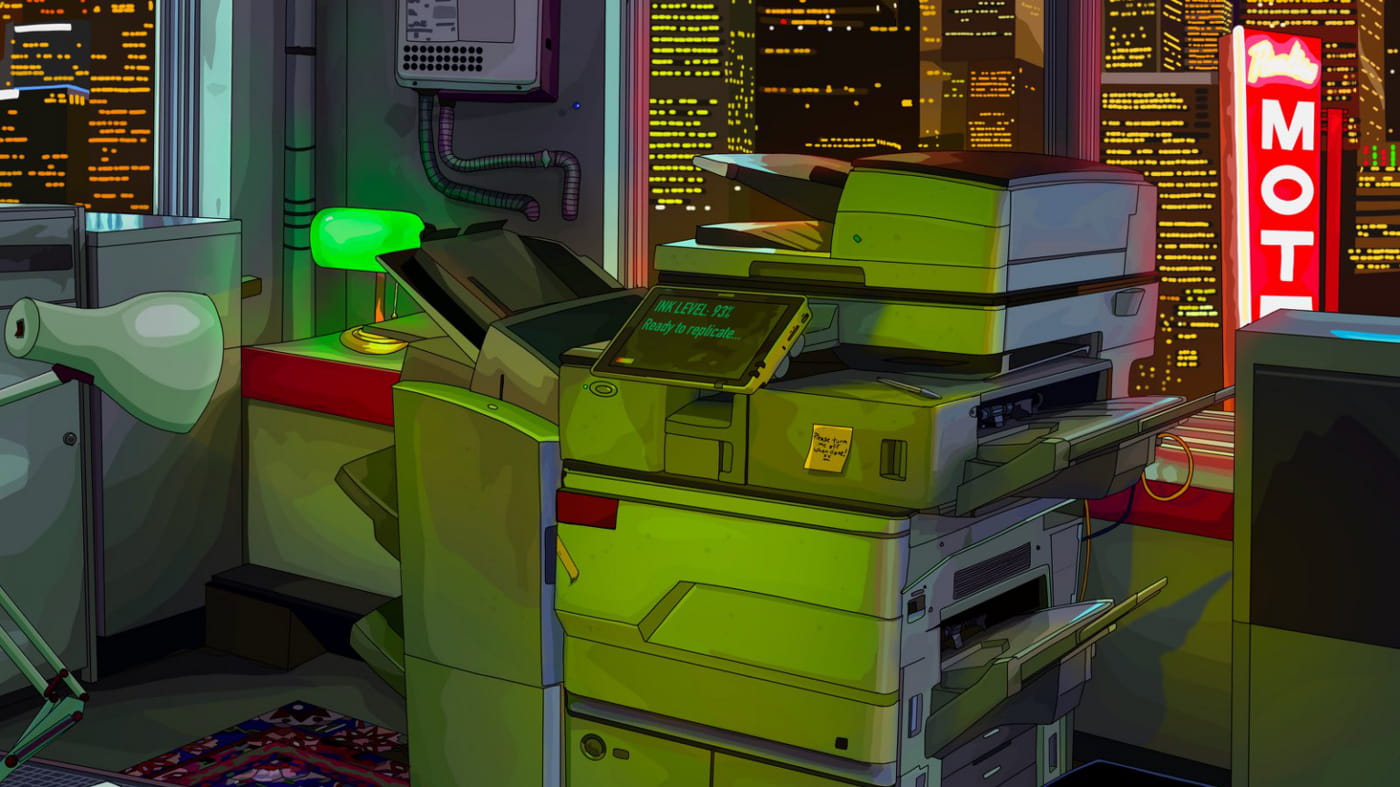 “REPLICATOR” Crypto Art NFT, Image: Mad Dog Jones
There aren’t many artists who interact as intensely with the underlying NFT smart contracts as Micah “Mad Dog Jones” Bowbak, where the blockchain is no longer viewed as just a medium, but has almost become a collaborating artist in his art.
Mad Dog Jones’ “REPLICATOR” can produce up to seven generations of NFT variant “prints” that can themselves be resold, and this self-replicating NFT quickly found its own buyer in April, selling for $4.1 million.
As the NFT space matures, expect to see more and more artworks using their smart contracts in innovative ways or to make artistic statements.
Yam Karkai
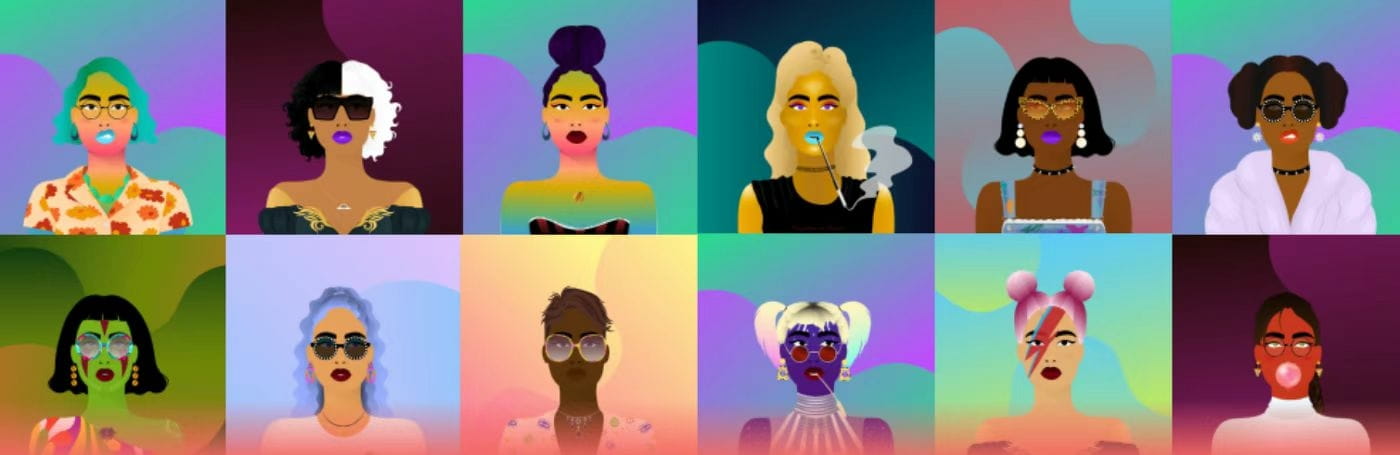 World of Women NFTs from worldofwomen.art
Even though it’s still early in the NFT craze, the space feels overwhelmingly male right now, from the artists on the main marketplace to the most prominent influencers. Thankfully, some women are working to make the space more welcoming for everyone.
World of Women is arguably the most notable NFT avatar project created by a woman, with artist Yam Karkai’s bold, unique style making it stand out amidst the bro vibe of Apes and Punks.
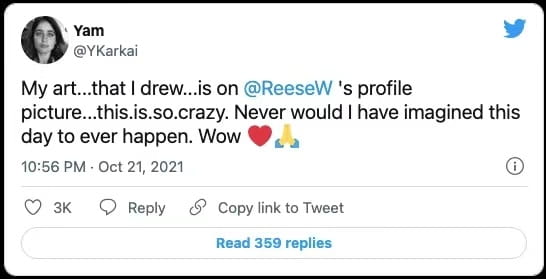
Karkai’s artwork and success has inspired a slew of other projects, with celebrities like Reese Witherspoon and Gary Vaynerchuk being fans of World of Women, and now, Karkai is even working with Universal Music.
Then
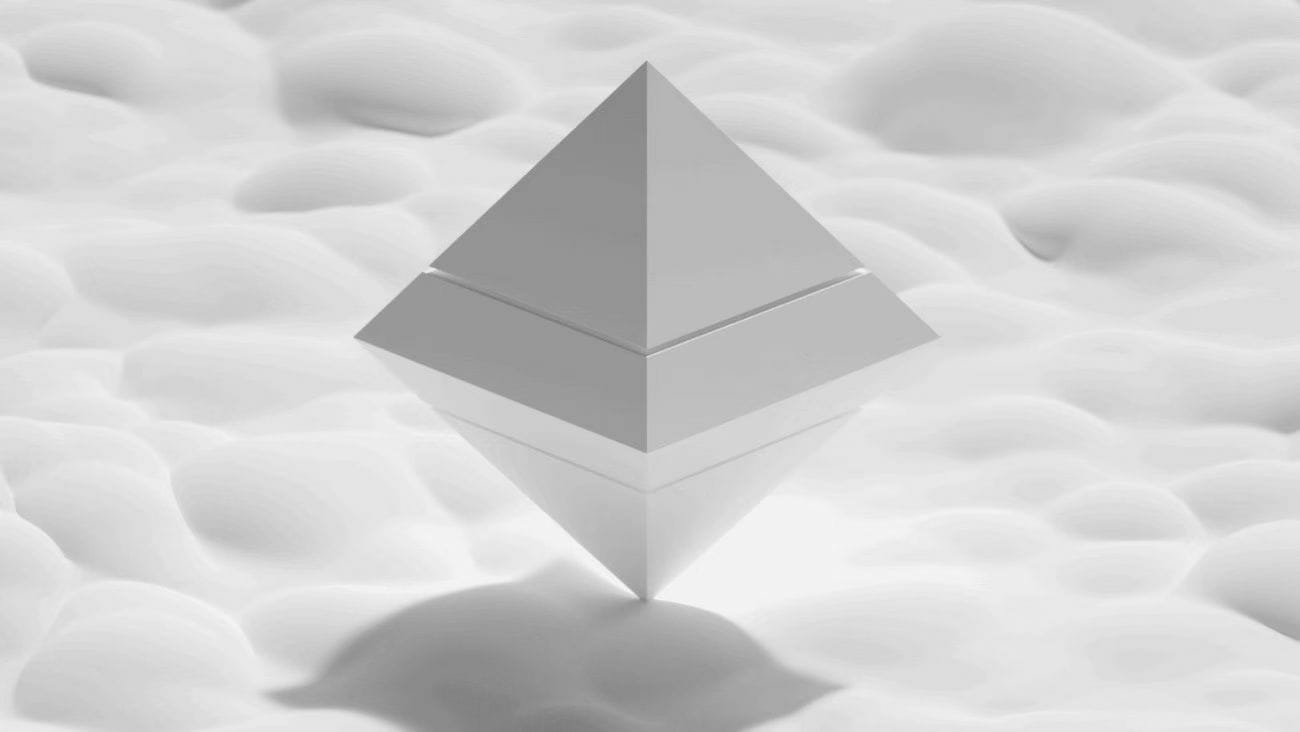
Anonymous artist Pak has carved out a niche as a master craftsman of soothing, minimalist, monochrome geometric structures.
Pak was one of the first artists to prove that it was possible to make a splash in NFTs, selling $1 million worth of digital art last December, but that was just the beginning.
In April, Pak sold The Fungible at Sotheby’s for $17 million, a first for the auction house. “It wasn’t surprising because I designed it the way I did, but again I was very happy with the reception,” Pak told Decrypt at the time.
In early December, Pak’s experimental work Merge became the highest-grossing project in the history of NFT marketplace Nifty Gateway, with sales exceeding $70 million in the first few hours of its launch.
Pplpleasr
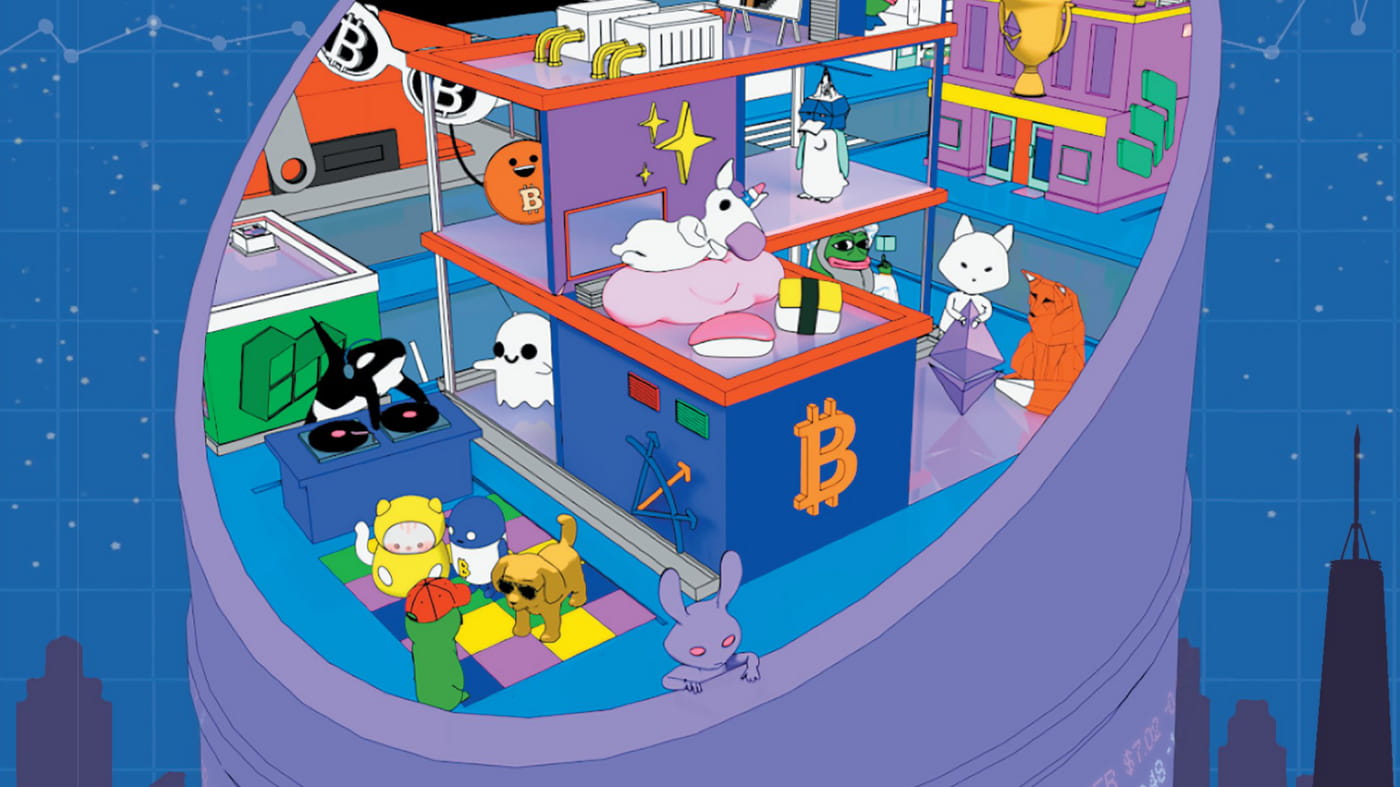 Pplpleasr created an NFT cover for Fortune magazine. Image: Fortune
Emily “pplpleasr” Yang got her start as a VFX artist on films like Batman v Superman and Wonder Woman, and has since become one of the leading figures in the crypto art world, creating work that experiments with smart contracts that support NFTs and working with a DAO formed to collect her work.
Pplpleasr is deeply embedded in the DeFi space, creating whimsical ads for many major DeFi protocols such as Pickle Finance, Harvest Finance, Yearn Finance, and SushiSwap.
In April, she sold an animated ad NFT on Uniswap for $525,000. The buyer was a decentralized autonomous organization (DAO) called PleasrDAO, which was originally formed to pool resources to buy her art but now continues to operate as an investment DAO — pppleasr is now an honorary member.
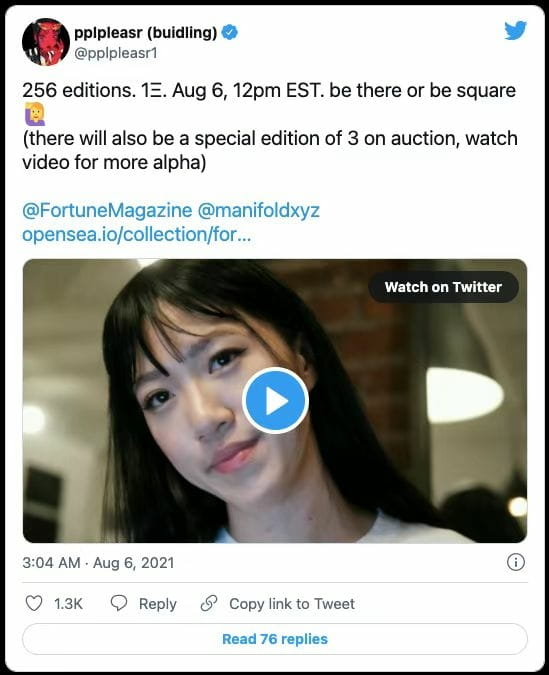
By August, pppleasr had landed a bonus commission: illustrating the cover of Fortune magazine’s DeFi issue. Naturally, it was also sold as a series of NFTs — in a unique style. The NFTs’ smart contracts are coded in such a way that if certain crypto people bid on them, the artwork itself changes.
“My goal of selling NFTs for a living has shifted to seeing how I can innovate and forge new paths with NFTs,” ppplpleasr told Fortune at the time of the sale.
XCOPY
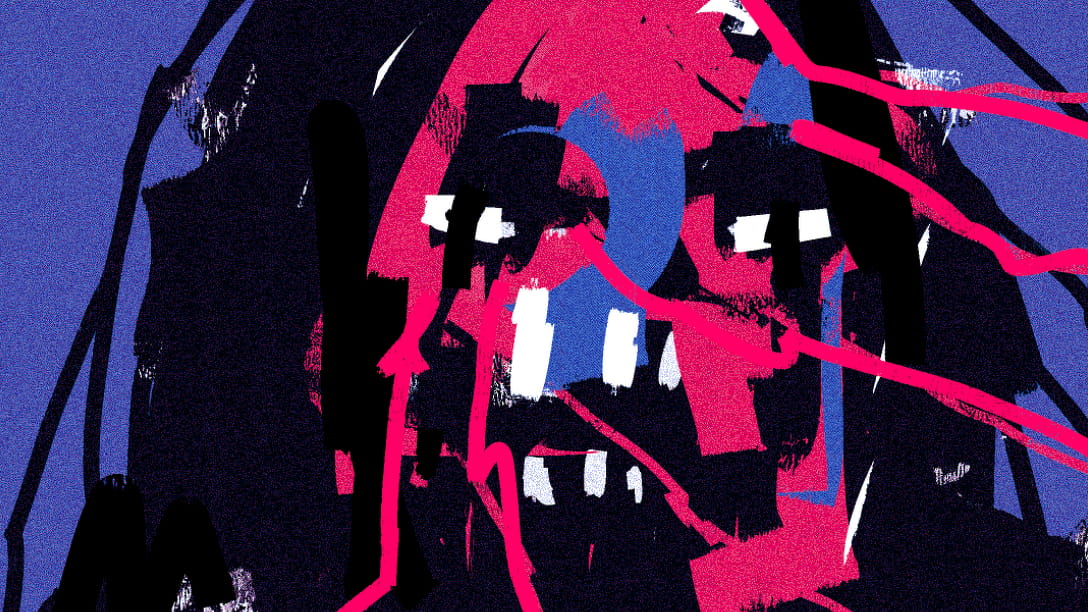 One of XCOPY’s works. Image: XCOPY
XCOPY, who blends dark themes like death, dystopia, and apathy with flickering images from cartoon animation, has a collection of over 100 pieces, mostly on the NFT marketplace SuperRare, where he has been active since its inception.
Blue-chip NFT collectors, especially those numb to flashing images, were quick to grab his 1/1 versions. In September, hip-hop legend Snoop Dogg, under his NFT collecting alias Cozomo de'Medici, had "Some Asshole" snapped up by XCOPY on SuperRare for 1,300 ETH ($3.9 million at the time).
作宇:Ekin Genc(Decrypt)
Translation: Catherine
IC content you care about
Technology Progress | Project Information | Global Activities
 Collect and follow IC Binance Channel
Answer your questions at any time