
Post



奋斗Hustle1688
·
--
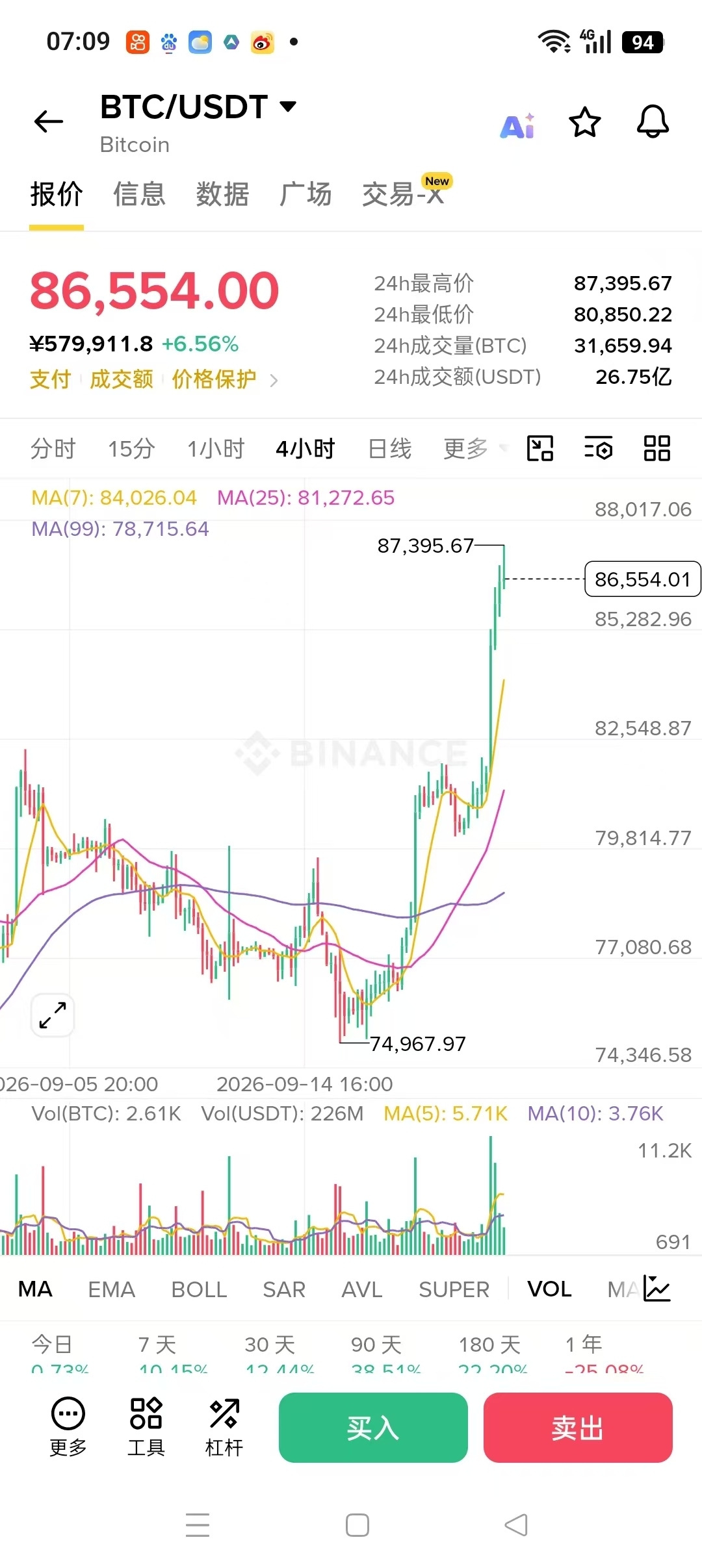
$BTC He has a habit I always found kind of strange.
When his account made some money, the first thing he did was withdraw part of it.
I asked him: “The market’s doing so well—why not keep rolling it over?”
He smiled and said, “Because the money’s in the account. I don’t think that counts as real money.”
That line is something he understood after seven years of trading crypto.
He went from 10,000 U to 200,000 U, and he’s been through stretches of consecutive profits, heavy positions, holding through pressure, and giving back gains.
At his worst, the account clearly had made a lot of money, but in the end he lost a big chunk back to the market because he kept increasing his position sizes after consecutive times.
Later, he turned it around.
Before entering any trade, he first determines the maximum amount he’s willing to lose—not what he could potentially earn.
If the market hasn’t reached his level, he doesn’t open a position just because he feels itchy.
After a few consecutive judgment errors, he stops immediately.
Most importantly: when profit actually starts to get realized, once he reaches a stage, he takes some of it out. That way, by the next trade, at least part of the money in his account is no longer tied to the market.
He told me that now, when he sees a coin suddenly surge, his first reaction isn’t “Can I still chase it?” anymore, but “If I enter now and it was a mistake, what am I going to do?”
This is the biggest change he’s had in these years.
Before, he traded to look for opportunities.
Now, he trades by filtering out the opportunities that aren’t worth acting on.
From 10,000 to 200,000—what truly changed him wasn’t his skills, and it wasn’t luck.
It was that he finally understood this: after you’ve made money, the biggest fear isn’t the market pulling back—it’s that one day you suddenly feel like you can do anything.
When his account made some money, the first thing he did was withdraw part of it.
I asked him: “The market’s doing so well—why not keep rolling it over?”
He smiled and said, “Because the money’s in the account. I don’t think that counts as real money.”
That line is something he understood after seven years of trading crypto.
He went from 10,000 U to 200,000 U, and he’s been through stretches of consecutive profits, heavy positions, holding through pressure, and giving back gains.
At his worst, the account clearly had made a lot of money, but in the end he lost a big chunk back to the market because he kept increasing his position sizes after consecutive times.
Later, he turned it around.
Before entering any trade, he first determines the maximum amount he’s willing to lose—not what he could potentially earn.
If the market hasn’t reached his level, he doesn’t open a position just because he feels itchy.
After a few consecutive judgment errors, he stops immediately.
Most importantly: when profit actually starts to get realized, once he reaches a stage, he takes some of it out. That way, by the next trade, at least part of the money in his account is no longer tied to the market.
He told me that now, when he sees a coin suddenly surge, his first reaction isn’t “Can I still chase it?” anymore, but “If I enter now and it was a mistake, what am I going to do?”
This is the biggest change he’s had in these years.
Before, he traded to look for opportunities.
Now, he trades by filtering out the opportunities that aren’t worth acting on.
From 10,000 to 200,000—what truly changed him wasn’t his skills, and it wasn’t luck.
It was that he finally understood this: after you’ve made money, the biggest fear isn’t the market pulling back—it’s that one day you suddenly feel like you can do anything.
Disclaimer: Includes third-party opinions. No advice. Binance AI may be used without guarantee. See T&Cs.