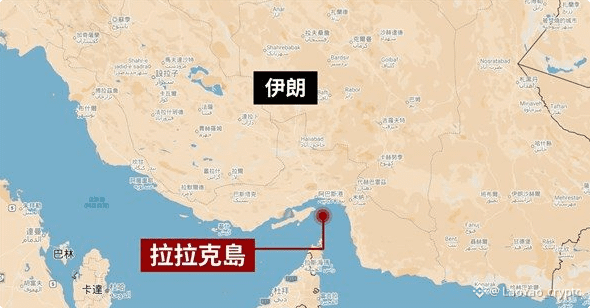
The standoff between Iran and the U.S. around the Strait of Hormuz escalates, and the U.S. military strikes again. This is both a direct warning to Iran and a clear signal to the global markets: the United States will not easily give up control of key nodes in global energy transport. And Iran’s tough talk, ultimately, will also have to accept the constraints of reality.
Because the real issue is not “whether it dares to retaliate,” but rather: after retaliation, what price does Iran have to pay?
Over the weekend, the oil agreement signed by the Trump administration and Venezuela released a positive expectation of supply expansion for the U.S. domestic market; at the same time, this triggered subtle chain reactions for Iran and major oil-producing countries in the Middle East. With the Trump administration holding alternative supply options, if Iran continues to close the strait, it may not succeed in driving up global oil prices in order to pressure the U.S. The game has evolved from “who blinks first” into a game of “pure self-harm.”
#CoinCircleHeartLearning
Because the real issue is not “whether it dares to retaliate,” but rather: after retaliation, what price does Iran have to pay?
Over the weekend, the oil agreement signed by the Trump administration and Venezuela released a positive expectation of supply expansion for the U.S. domestic market; at the same time, this triggered subtle chain reactions for Iran and major oil-producing countries in the Middle East. With the Trump administration holding alternative supply options, if Iran continues to close the strait, it may not succeed in driving up global oil prices in order to pressure the U.S. The game has evolved from “who blinks first” into a game of “pure self-harm.”
#CoinCircleHeartLearning