
#dolarbcv
dolarbcv
419 views
34 Discussing
Hot
Latest

·
--
Article
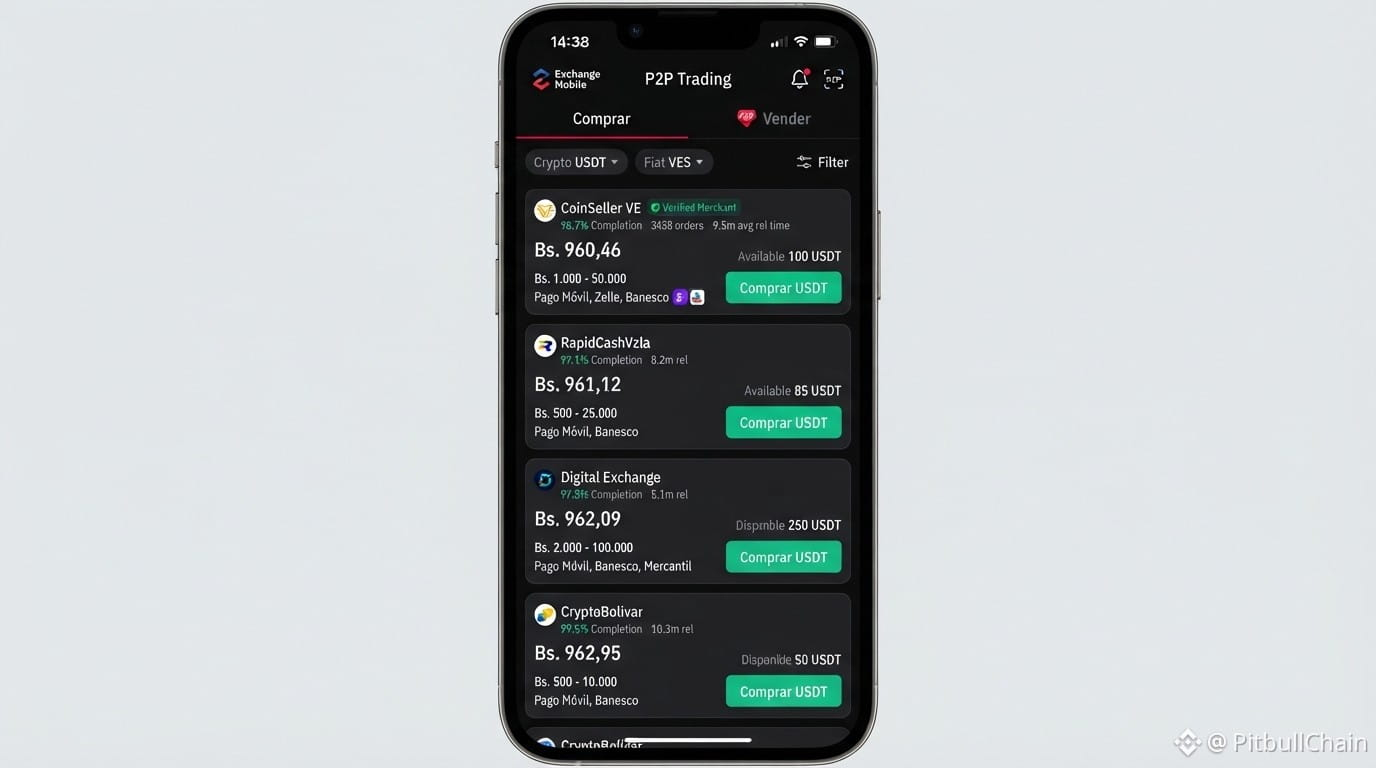
Exchange rate gap in Venezuela: why does P2P exceed the BCV by more than 18%?The gap between the official BCV dollar rate and the USDT P2P rate reaches 18.7%. While the BCV marks 813.74 Bs/USD, buying USDT in the P2P market implies paying, on average, 965.88 Bs per unit. This difference is not just a number: it reflects supply-and-demand dynamics, liquidity, and expectations in a dual market. With live data from the PitbullChain Radar, we break down what this gap means and how to navigate it with caution. X-ray of the gap: BCV vs P2P in numbers According to the data captured on September 6, 2026 at 18:00 UTC, the official rate published by the BCV is 813.7361 Bs/USD. In parallel, the USDT P2P market on platforms such as Binance, other platforms and other platforms records an average buying price of 965.8774 Bs/USDT and a selling price of 935.9196 Bs. This means a premium of 18.70% versus the BCV for those acquiring USDT. But it is also key to observe the spread between buy and sell within the P2P market itself: almost 30 Bs (exactly 29.96 Bs), which is equivalent to 3.20%. It is a high spread, indicating a considerable cost when entering and exiting the market. Recent evolution: what happened since August 28? The official rate has had a slow but steady movement. On August 28, the BCV stood at 791.66 Bs/USD (according to consulted sources). Nine days later, it has risen to 813.74 Bs, which implies an increase of 2.79% over that period. This gradual adjustment is typical of the official exchange rate, which seeks to maintain a degree of stability. In contrast, the USDT P2P market has remained significantly above the official rate. Although we do not have the exact P2P history in this capture, the persistent premium over the BCV suggests that the parallel market continues to express a different price discovery, influenced by local supply and demand, as well as the convenience of crypto assets in a context of restrictions on access to foreign currency. Why does P2P quote well above the BCV? Several factors explain this difference. In a dual-exchange system, the official rate is administered and not freely convertible. Access to dollars at the BCV price is limited to certain operations and certain actors. P2P, by contrast, operates as a free market where participants agree on prices according to supply and demand. This includes legitimate uses such as international payments, savings in stablecoins, or remittances, which creates upward pressure on the price of USDT. In addition, the P2P market in Venezuela has become a benchmark for many because it allows access to a currency with higher perceived value. Differences in liquidity, banking restrictions, and transaction times also generate premiums. In this environment, it is not surprising that P2P exceeds the official rate by double digits. P2P spread: the hidden cost of operating The radar shows a spread of 3.20% between buying and selling USDT. This means that if you buy USDT at 965.88 Bs and sell it immediately, you would receive 935.92 Bs; you would lose 30 Bs per unit. This spread is an additional cost that must be calculated carefully, especially in large-volume operations. The PitbullChain traffic light, in yellow, reinforces caution: the market has a score of 71/100, with a warning about the spread, although there is sufficient liquidity in several banks. The recommendation is to compare offers across exchanges and verify the bank, reputation, and limits before operating. PitbullChain traffic light: yellow, moderate caution The traffic light is in a “moderate caution” state. The metrics show: Spread: score 20 (high). Premium vs BCV: 75 (high). Liquidity: 95 (sufficient in several banks). Depth: 45 (moderate). Banking availability: 95. In practice, the yellow signal invites you to pause and verify: are you paying too much for USDT? Are you selling at a fair price? The radar order book shows buy interest at 963.50 Bs and sell offers from 917.32 Bs, which reveals the real market range. Tools such as the bank comparator and the P2P calculator can help you choose the best option according to your profile. How to navigate the difference in practice If you need USDT to send money or as a savings mechanism, the P2P rate is the reference that applies to you. At 965.88 Bs per unit, the cost in bolivars is higher than the official rate, but it is the price that balances the available supply and demand. If, on the other hand, you have USDT and want to convert them to bolivars, P2P offers you 935.92 Bs per unit, a value far above the official one (813.74 Bs). In any operation, comparing prices is essential. Exchanges such as Binance, other platforms and other platforms show variations, and some banks such as Banesco, Banco de Venezuela and Pago Móvil concentrate more offers. The radar aggregates 253 active offers and shows an interesting market depth, with offers from 917.32 Bs to 963.50 Bs. This is not about recommending buying or selling, but about understanding which reference applies in each case and what costs are involved. The 18.7% gap may widen or narrow depending on economic news, exchange measures, and demand for foreign currency. Stay informed with up-to-date data, and always verify the spread and fees before executing. Sources: [1] BCV Exchange Rate September 7, 2026 – Finanzas Digital. [4] BCV exchange rate Aug 28 – QBNOTICIAS. Live data: PitbullChain Radar, September 6, 2026.
Exchange rate gap in Venezuela: why does P2P exceed the BCV by more than 18%?
The gap between the official BCV dollar rate and the USDT P2P rate reaches 18.7%. While the BCV marks 813.74 Bs/USD, buying USDT in the P2P market implies paying, on average, 965.88 Bs per unit. This difference is not just a number: it reflects supply-and-demand dynamics, liquidity, and expectations in a dual market. With live data from the PitbullChain Radar, we break down what this gap means and how to navigate it with caution. X-ray of the gap: BCV vs P2P in numbers According to the data captured on September 6, 2026 at 18:00 UTC, the official rate published by the BCV is 813.7361 Bs/USD. In parallel, the USDT P2P market on platforms such as Binance, other platforms and other platforms records an average buying price of 965.8774 Bs/USDT and a selling price of 935.9196 Bs. This means a premium of 18.70% versus the BCV for those acquiring USDT. But it is also key to observe the spread between buy and sell within the P2P market itself: almost 30 Bs (exactly 29.96 Bs), which is equivalent to 3.20%. It is a high spread, indicating a considerable cost when entering and exiting the market. Recent evolution: what happened since August 28? The official rate has had a slow but steady movement. On August 28, the BCV stood at 791.66 Bs/USD (according to consulted sources). Nine days later, it has risen to 813.74 Bs, which implies an increase of 2.79% over that period. This gradual adjustment is typical of the official exchange rate, which seeks to maintain a degree of stability. In contrast, the USDT P2P market has remained significantly above the official rate. Although we do not have the exact P2P history in this capture, the persistent premium over the BCV suggests that the parallel market continues to express a different price discovery, influenced by local supply and demand, as well as the convenience of crypto assets in a context of restrictions on access to foreign currency. Why does P2P quote well above the BCV? Several factors explain this difference. In a dual-exchange system, the official rate is administered and not freely convertible. Access to dollars at the BCV price is limited to certain operations and certain actors. P2P, by contrast, operates as a free market where participants agree on prices according to supply and demand. This includes legitimate uses such as international payments, savings in stablecoins, or remittances, which creates upward pressure on the price of USDT. In addition, the P2P market in Venezuela has become a benchmark for many because it allows access to a currency with higher perceived value. Differences in liquidity, banking restrictions, and transaction times also generate premiums. In this environment, it is not surprising that P2P exceeds the official rate by double digits. P2P spread: the hidden cost of operating The radar shows a spread of 3.20% between buying and selling USDT. This means that if you buy USDT at 965.88 Bs and sell it immediately, you would receive 935.92 Bs; you would lose 30 Bs per unit. This spread is an additional cost that must be calculated carefully, especially in large-volume operations. The PitbullChain traffic light, in yellow, reinforces caution: the market has a score of 71/100, with a warning about the spread, although there is sufficient liquidity in several banks. The recommendation is to compare offers across exchanges and verify the bank, reputation, and limits before operating. PitbullChain traffic light: yellow, moderate caution The traffic light is in a “moderate caution” state. The metrics show: Spread: score 20 (high). Premium vs BCV: 75 (high). Liquidity: 95 (sufficient in several banks). Depth: 45 (moderate). Banking availability: 95. In practice, the yellow signal invites you to pause and verify: are you paying too much for USDT? Are you selling at a fair price? The radar order book shows buy interest at 963.50 Bs and sell offers from 917.32 Bs, which reveals the real market range. Tools such as the bank comparator and the P2P calculator can help you choose the best option according to your profile. How to navigate the difference in practice If you need USDT to send money or as a savings mechanism, the P2P rate is the reference that applies to you. At 965.88 Bs per unit, the cost in bolivars is higher than the official rate, but it is the price that balances the available supply and demand. If, on the other hand, you have USDT and want to convert them to bolivars, P2P offers you 935.92 Bs per unit, a value far above the official one (813.74 Bs). In any operation, comparing prices is essential. Exchanges such as Binance, other platforms and other platforms show variations, and some banks such as Banesco, Banco de Venezuela and Pago Móvil concentrate more offers. The radar aggregates 253 active offers and shows an interesting market depth, with offers from 917.32 Bs to 963.50 Bs. This is not about recommending buying or selling, but about understanding which reference applies in each case and what costs are involved. The 18.7% gap may widen or narrow depending on economic news, exchange measures, and demand for foreign currency. Stay informed with up-to-date data, and always verify the spread and fees before executing. Sources: [1] BCV Exchange Rate September 7, 2026 – Finanzas Digital. [4] BCV exchange rate Aug 28 – QBNOTICIAS. Live data: PitbullChain Radar, September 6, 2026.
1
·
--
Did you notice how the premium settled against the official rate this week?
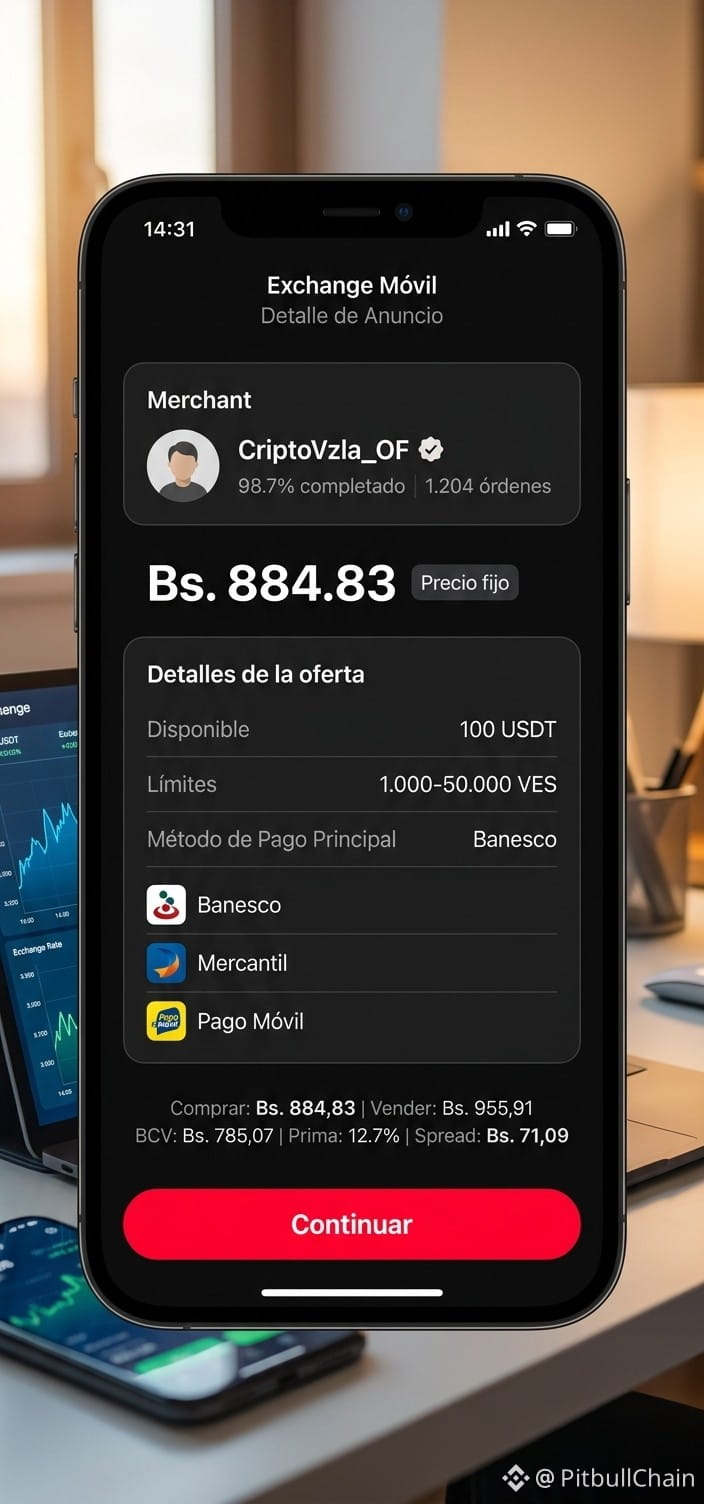
With the BCV rate at Bs. 785.07, the P2P premium is currently at 12.71%, confirming a notable compression in the exchange-rate spread. On Binance, we see USDT moving between Bs. 884.83 for buying and Bs. 955.91 for selling, maintaining a spread of Bs. 71.09 (8.03%) with more than 200 active traders.
The market shows steady liquidity, but with this margin it’s key to review orders carefully before trading so you don’t take on unnecessary costs due to slippage.
📊 Live rates and analysis at pitbullchain.com
#BinanceP2P #VenezuelaCrypto #DolarBCV #USDT
Did you notice how the premium settled against the official rate this week?
With the BCV rate at Bs. 785.07, the P2P premium is currently at 12.71%, confirming a notable compression in the exchange-rate spread. On Binance, we see USDT moving between Bs. 884.83 for buying and Bs. 955.91 for selling, maintaining a spread of Bs. 71.09 (8.03%) with more than 200 active traders.
The market shows steady liquidity, but with this margin it’s key to review orders carefully before trading so you don’t take on unnecessary costs due to slippage.
📊 Live rates and analysis at pitbullchain.com
#BinanceP2P #VenezuelaCrypto #DolarBCV #USDT
With the BCV rate at Bs. 785.07, the P2P premium is currently at 12.71%, confirming a notable compression in the exchange-rate spread. On Binance, we see USDT moving between Bs. 884.83 for buying and Bs. 955.91 for selling, maintaining a spread of Bs. 71.09 (8.03%) with more than 200 active traders.
The market shows steady liquidity, but with this margin it’s key to review orders carefully before trading so you don’t take on unnecessary costs due to slippage.
📊 Live rates and analysis at pitbullchain.com
#BinanceP2P #VenezuelaCrypto #DolarBCV #USDT
30

·
--
$USDT Based on the behavior of the official rate during July, this is my forecast for 17/07
🟢 731,81 Bs/USD
📈 Estimated variation: +0,60%
Do you think the BCV will maintain this adjustment pace throughout the month?
#BCV #DolarBCV #TasaBCV #MercadoCambiario
$USDT Based on the behavior of the official rate during July, this is my forecast for 17/07
🟢 731,81 Bs/USD
📈 Estimated variation: +0,60%
Do you think the BCV will maintain this adjustment pace throughout the month?
#BCV #DolarBCV #TasaBCV #MercadoCambiario
🟢 731,81 Bs/USD
📈 Estimated variation: +0,60%
Do you think the BCV will maintain this adjustment pace throughout the month?
#BCV #DolarBCV #TasaBCV #MercadoCambiario
1
133
·
--

Article
Vaca Muerta adds a partner: the energy move that’s watching the Venezuelan P2P marketPluspetrol joined as a partner in two Vaca Muerta blocks, and the Government of Neuquén has already given its approval. The deal left about USD 13.9 million in contributions and taxes for the Argentine province, but what’s really interesting isn’t the amount: it’s what it confirms. The largest non-conventional formation in the hemisphere keeps attracting capital during the expansion stage, thirteen years after YPF began drilling in earnest. For Venezuelan readers, the question isn’t how big the deposit is, but what signals it sends to the regional economy and, above all, to the foreign exchange market and the crypto ecosystem where we all operate every day.
Vaca Muerta adds a partner: the energy move that’s watching the Venezuelan P2P market
Pluspetrol joined as a partner in two Vaca Muerta blocks, and the Government of Neuquén has already given its approval. The deal left about USD 13.9 million in contributions and taxes for the Argentine province, but what’s really interesting isn’t the amount: it’s what it confirms. The largest non-conventional formation in the hemisphere keeps attracting capital during the expansion stage, thirteen years after YPF began drilling in earnest. For Venezuelan readers, the question isn’t how big the deposit is, but what signals it sends to the regional economy and, above all, to the foreign exchange market and the crypto ecosystem where we all operate every day.
4
·
--

Article
Shopping Malls in Venezuela: 215 Plazas Where USDT Became a Display CurrencyThe Venezuelan Chamber of Shopping Centers (Cavececo) released a piece of information that sounds like pure retail: in the country, around 215 shopping malls operate, of which 131 are affiliated with the guild and account for 75% of the leasable square meters. Its executive director, Claudia Itriago, also said that next year a new complex should open in Caracas. Seen through the lens of a crypto and finance portal, the news goes far beyond bricks and mortar: malls are still the natural meeting point between cash dollars, USDT, and digitized bolívares.
Shopping Malls in Venezuela: 215 Plazas Where USDT Became a Display Currency
The Venezuelan Chamber of Shopping Centers (Cavececo) released a piece of information that sounds like pure retail: in the country, around 215 shopping malls operate, of which 131 are affiliated with the guild and account for 75% of the leasable square meters. Its executive director, Claudia Itriago, also said that next year a new complex should open in Caracas. Seen through the lens of a crypto and finance portal, the news goes far beyond bricks and mortar: malls are still the natural meeting point between cash dollars, USDT, and digitized bolívares.
22
·
--
Article
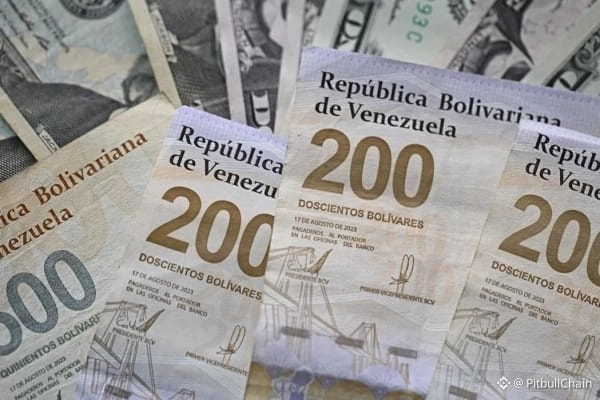
Wage adjustment in sight: what it means for the dollar, P2P, and your USDTThe conversation about a possible wage increase in Venezuela has returned to the center of the economic debate. Economist and university professor Jesús Palacios Chacín noted that there is a reasonable chance that an adjustment in salaries will take shape in the coming months, although he cautioned that any decision runs up against a structural obstacle: the enormous weight of labor liabilities carried by current legislation.
For anyone operating in the P2P market—swapping dollars for bolívares or keeping their savings in USDT—the announcement is not an anecdotal detail. An increase in minimum income moves the needle on consumption, the exchange rate, and above all, on the decisions people make to protect their purchasing power. Here we break down the issue with a close-up look at the Venezuelan crypto market.
Wage adjustment in sight: what it means for the dollar, P2P, and your USDT
The conversation about a possible wage increase in Venezuela has returned to the center of the economic debate. Economist and university professor Jesús Palacios Chacín noted that there is a reasonable chance that an adjustment in salaries will take shape in the coming months, although he cautioned that any decision runs up against a structural obstacle: the enormous weight of labor liabilities carried by current legislation.
For anyone operating in the P2P market—swapping dollars for bolívares or keeping their savings in USDT—the announcement is not an anecdotal detail. An increase in minimum income moves the needle on consumption, the exchange rate, and above all, on the decisions people make to protect their purchasing power. Here we break down the issue with a close-up look at the Venezuelan crypto market.
For anyone operating in the P2P market—swapping dollars for bolívares or keeping their savings in USDT—the announcement is not an anecdotal detail. An increase in minimum income moves the needle on consumption, the exchange rate, and above all, on the decisions people make to protect their purchasing power. Here we break down the issue with a close-up look at the Venezuelan crypto market.
3
·
--

Article
Rybakina dethrones Sabalenka: lessons for Venezuelan P2PThe United States Open ended with a jolt that few saw coming: **Elena Rybakina won her first title at Flushing Meadows** by beating Aryna Sabalenka in three sets (6-4, 5-7, 6-2), and along the way took away the No. 1 spot in the rankings. The Belarusian, who had reigned in New York for two consecutive editions, was left without a crown and without a throne in just a few hours.
At PitbullChain we don’t cover tennis, but we do cover something that looks pretty similar: **markets where the one calling the shots today doesn’t necessarily hold power tomorrow**. And the parallel with what’s happening in the USDT/VES P2P, in the BCV rate, and in Venezuelan digital banking isn’t forced. It’s almost a strategy playbook.
Rybakina dethrones Sabalenka: lessons for Venezuelan P2P
The United States Open ended with a jolt that few saw coming: **Elena Rybakina won her first title at Flushing Meadows** by beating Aryna Sabalenka in three sets (6-4, 5-7, 6-2), and along the way took away the No. 1 spot in the rankings. The Belarusian, who had reigned in New York for two consecutive editions, was left without a crown and without a throne in just a few hours.
At PitbullChain we don’t cover tennis, but we do cover something that looks pretty similar: **markets where the one calling the shots today doesn’t necessarily hold power tomorrow**. And the parallel with what’s happening in the USDT/VES P2P, in the BCV rate, and in Venezuelan digital banking isn’t forced. It’s almost a strategy playbook.
At PitbullChain we don’t cover tennis, but we do cover something that looks pretty similar: **markets where the one calling the shots today doesn’t necessarily hold power tomorrow**. And the parallel with what’s happening in the USDT/VES P2P, in the BCV rate, and in Venezuelan digital banking isn’t forced. It’s almost a strategy playbook.
7
·
--

Article
Venezuelan coffee rises 10%: how much does it move USDT and P2P?The production of Venezuelan coffee grew by about 10%, and exports of the category are said to have made a three-digit jump during 2025, with the United States as a prominent destination. The announcement was made by the acting president, Delcy Rodríguez, who insisted that domestic grain has a market abroad and that industrialization supports that momentum. Up to that point, the news is agricultural. But at PitbullChain we read it with a different lens: that of the FX market, P2P, and those who buy and sell USDT every day.
Venezuelan coffee rises 10%: how much does it move USDT and P2P?
The production of Venezuelan coffee grew by about 10%, and exports of the category are said to have made a three-digit jump during 2025, with the United States as a prominent destination. The announcement was made by the acting president, Delcy Rodríguez, who insisted that domestic grain has a market abroad and that industrialization supports that momentum. Up to that point, the news is agricultural. But at PitbullChain we read it with a different lens: that of the FX market, P2P, and those who buy and sell USDT every day.
54
·
--
Article
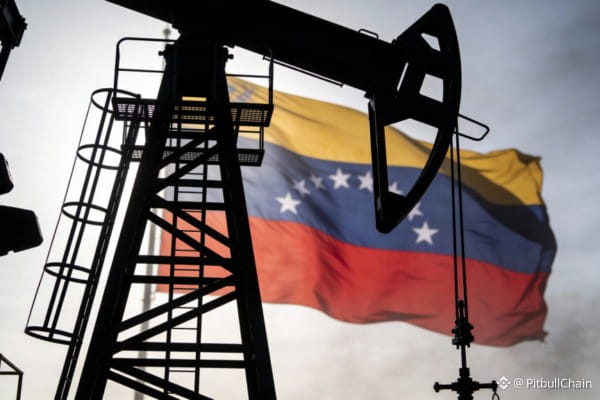
Venezuelan oil: does it revive the economy and unlock the P2P USDT/VES?## Venezuela has the crude oil, but it lacks the machinery
Researcher Luisa Palacios, from the Center on Global Energy Policy at Columbia University, shared a figure that forces expectations to be grounded: restoring muscle to national oil production would cost up to $150 billion spread over a decade. This isn’t about drilling a well and waiting for black gold to flow. We’re talking about rebuilding pipelines, refineries, drilling rigs, pumping systems, and an entire logistics chain that has been deteriorating for years without restraint.
Venezuelan oil: does it revive the economy and unlock the P2P USDT/VES?
## Venezuela has the crude oil, but it lacks the machinery
Researcher Luisa Palacios, from the Center on Global Energy Policy at Columbia University, shared a figure that forces expectations to be grounded: restoring muscle to national oil production would cost up to $150 billion spread over a decade. This isn’t about drilling a well and waiting for black gold to flow. We’re talking about rebuilding pipelines, refineries, drilling rigs, pumping systems, and an entire logistics chain that has been deteriorating for years without restraint.
Researcher Luisa Palacios, from the Center on Global Energy Policy at Columbia University, shared a figure that forces expectations to be grounded: restoring muscle to national oil production would cost up to $150 billion spread over a decade. This isn’t about drilling a well and waiting for black gold to flow. We’re talking about rebuilding pipelines, refineries, drilling rigs, pumping systems, and an entire logistics chain that has been deteriorating for years without restraint.
15
·
--

Article
Oil falls due to talks about Ormuz: what it means for the USDT in VenezuelaOn Friday, September 11, the session ended with oil prices falling, and at PitbullChain we read it closely because any move in oil, sooner or later, ends up reflecting on the exchange desk where our users buy and sell USDT for bolivars. West Texas Intermediate fell 2.37% to $100.05 per barrel for October delivery, while North Sea Brent slipped 2.81% to $104.61. The previous week had risen sharply, so this pullback feels more like relief than a change in trend.
Oil falls due to talks about Ormuz: what it means for the USDT in Venezuela
On Friday, September 11, the session ended with oil prices falling, and at PitbullChain we read it closely because any move in oil, sooner or later, ends up reflecting on the exchange desk where our users buy and sell USDT for bolivars. West Texas Intermediate fell 2.37% to $100.05 per barrel for October delivery, while North Sea Brent slipped 2.81% to $104.61. The previous week had risen sharply, so this pullback feels more like relief than a change in trend.
57
·
--

Article
Mobile payment: 94% of Venezuelans value it, but USDT is gaining ground## The fact that confirms what we already see on the streets
A recent study by Atenas Grupo Consultor, presented by its founder and managing partner Alexander Cabrera, put a number to something that any Venezuelan recognizes at a glance: mobile payment has become the most highly valued banking service in the national financial system. The survey found that 94% of those consulted consider it essential, while 67% highlighted bank transfers among their priority tools.
Cabrera put it plainly: the transaction in bolivars «is getting stronger and stronger» and mobile payment is among the top services for Venezuelan consumers. This is not a small detail for a country where digital banking stopped being an alternative channel to become the main gateway to accessing money.
Mobile payment: 94% of Venezuelans value it, but USDT is gaining ground
## The fact that confirms what we already see on the streets
A recent study by Atenas Grupo Consultor, presented by its founder and managing partner Alexander Cabrera, put a number to something that any Venezuelan recognizes at a glance: mobile payment has become the most highly valued banking service in the national financial system. The survey found that 94% of those consulted consider it essential, while 67% highlighted bank transfers among their priority tools.
Cabrera put it plainly: the transaction in bolivars «is getting stronger and stronger» and mobile payment is among the top services for Venezuelan consumers. This is not a small detail for a country where digital banking stopped being an alternative channel to become the main gateway to accessing money.
A recent study by Atenas Grupo Consultor, presented by its founder and managing partner Alexander Cabrera, put a number to something that any Venezuelan recognizes at a glance: mobile payment has become the most highly valued banking service in the national financial system. The survey found that 94% of those consulted consider it essential, while 67% highlighted bank transfers among their priority tools.
Cabrera put it plainly: the transaction in bolivars «is getting stronger and stronger» and mobile payment is among the top services for Venezuelan consumers. This is not a small detail for a country where digital banking stopped being an alternative channel to become the main gateway to accessing money.
14
·
--

Article
Chevron will inject US$7.000 million into Venezuela: key points for P2P## Chevron moves a piece in Venezuela: self-funding with its own oil
The U.S. oil company Chevron confirmed that its expansion plan in Venezuela will not depend on fresh capital brought from abroad. Mike Wirth, its chief executive officer, explained that the company will align itself with the cash-generation capacity of the three joint ventures it maintains with PDVSA to fund its projects. Put simply: Venezuelan crude will pay for Chevron’s growth within the country.
Chevron will inject US$7.000 million into Venezuela: key points for P2P
## Chevron moves a piece in Venezuela: self-funding with its own oil
The U.S. oil company Chevron confirmed that its expansion plan in Venezuela will not depend on fresh capital brought from abroad. Mike Wirth, its chief executive officer, explained that the company will align itself with the cash-generation capacity of the three joint ventures it maintains with PDVSA to fund its projects. Put simply: Venezuelan crude will pay for Chevron’s growth within the country.
The U.S. oil company Chevron confirmed that its expansion plan in Venezuela will not depend on fresh capital brought from abroad. Mike Wirth, its chief executive officer, explained that the company will align itself with the cash-generation capacity of the three joint ventures it maintains with PDVSA to fund its projects. Put simply: Venezuelan crude will pay for Chevron’s growth within the country.
17
·
--

Article
Oil boom in summer: what (and what not) the Venezuelan P2P market stands to gainEvery time the word "boom" appears next to Venezuelan oil, the local market splits into two: those who rush to buy USDT believing a flood of foreign currency is coming, and those who remember that we’ve been hearing similar forecasts for a decade. This time the message comes from a heavyweight firm, Oxford Economics, and delivers a dose of optimism with the brakes firmly on.
## What Oxford Economics says, in plain terms
The global consultancy says that if the newly announced oil agreements are realized, Venezuelan crude production could rise to nearly three million barrels per day—a level the country hasn’t seen since its golden years. The firm’s senior economist for Latin America, Tim Hunter, notes that those deals have the potential to more than double extraction over the next decade and help drive a broader economic rebound.
Oil boom in summer: what (and what not) the Venezuelan P2P market stands to gain
Every time the word "boom" appears next to Venezuelan oil, the local market splits into two: those who rush to buy USDT believing a flood of foreign currency is coming, and those who remember that we’ve been hearing similar forecasts for a decade. This time the message comes from a heavyweight firm, Oxford Economics, and delivers a dose of optimism with the brakes firmly on.
## What Oxford Economics says, in plain terms
The global consultancy says that if the newly announced oil agreements are realized, Venezuelan crude production could rise to nearly three million barrels per day—a level the country hasn’t seen since its golden years. The firm’s senior economist for Latin America, Tim Hunter, notes that those deals have the potential to more than double extraction over the next decade and help drive a broader economic rebound.
## What Oxford Economics says, in plain terms
The global consultancy says that if the newly announced oil agreements are realized, Venezuelan crude production could rise to nearly three million barrels per day—a level the country hasn’t seen since its golden years. The firm’s senior economist for Latin America, Tim Hunter, notes that those deals have the potential to more than double extraction over the next decade and help drive a broader economic rebound.
10
·
--

Article
BCV–USDT P2P gap: 971,08 vs 960,44 Bs, two market readings Live P2P Radar Capture: 11/9/2026, 8:00:18 a. m.
USDT/VES reference Bs. 971.08
Buy USDT Bs. 971.08
Buy USDT Bs. 924.59
BCV Bs. 832.49
Premium vs BCV 16.65%
P2P spread 5.03%
Observed offers 203
Check current data in Radar P2P
On September 11, 2026, with a capture at 12:00 noon, the Venezuelan FX market showed four prices for the same reference. The official BCV rate stood at **832,4883 Bs per dollar**. The parallel dollar measured on Binance P2P was **959,85 Bs**. The Radar P2P aggregator reported **971,0789 Bs** per USDT. And the real order book, built with Binance and other platforms, showed a better ask of **960,87 Bs** and a better bid of **960,02 Bs**, with an average price of **960,44 Bs**. The gap between the official rate and the P2P aggregate reaches **16,65%**. The useful question is not which figure is the true one, but why there are three of them and what each one says before trading.
BCV–USDT P2P gap: 971,08 vs 960,44 Bs, two market readings
Live P2P Radar Capture: 11/9/2026, 8:00:18 a. m.
USDT/VES reference Bs. 971.08
Buy USDT Bs. 971.08
Buy USDT Bs. 924.59
BCV Bs. 832.49
Premium vs BCV 16.65%
P2P spread 5.03%
Observed offers 203
Check current data in Radar P2P
On September 11, 2026, with a capture at 12:00 noon, the Venezuelan FX market showed four prices for the same reference. The official BCV rate stood at **832,4883 Bs per dollar**. The parallel dollar measured on Binance P2P was **959,85 Bs**. The Radar P2P aggregator reported **971,0789 Bs** per USDT. And the real order book, built with Binance and other platforms, showed a better ask of **960,87 Bs** and a better bid of **960,02 Bs**, with an average price of **960,44 Bs**. The gap between the official rate and the P2P aggregate reaches **16,65%**. The useful question is not which figure is the true one, but why there are three of them and what each one says before trading.
USDT/VES reference Bs. 971.08
Buy USDT Bs. 971.08
Buy USDT Bs. 924.59
BCV Bs. 832.49
Premium vs BCV 16.65%
P2P spread 5.03%
Observed offers 203
Check current data in Radar P2P
On September 11, 2026, with a capture at 12:00 noon, the Venezuelan FX market showed four prices for the same reference. The official BCV rate stood at **832,4883 Bs per dollar**. The parallel dollar measured on Binance P2P was **959,85 Bs**. The Radar P2P aggregator reported **971,0789 Bs** per USDT. And the real order book, built with Binance and other platforms, showed a better ask of **960,87 Bs** and a better bid of **960,02 Bs**, with an average price of **960,44 Bs**. The gap between the official rate and the P2P aggregate reaches **16,65%**. The useful question is not which figure is the true one, but why there are three of them and what each one says before trading.
2
·
--

Article
Five Venezuelans in LatAm’s top 100: what it says about P2P and USDTHorse Consulting published a new edition of its report _Thought Leaders 100_, a ranking that measures the influence of Latin American executives based on the analysis of hundreds of thousands of news articles, conversations on social media, and attendance at corporate events. The headline that drew the most attention here: five Venezuelans appear on the list of the 100 most influential names in the region.
Rafael Segrera (Schneider Electric), Francisco Aristeguieta (Scotiabank), Ricardo Arias-Nath (Starbucks), Carlos José Fiorillo Martínez (Fitch Ratings), and Leonardo Romero Domínguez (Procter & Gamble) hold positions ranging from 42 to 93. All of them lead or are part of the regional senior management teams of multinational companies in energy, banking, mass consumption, and risk rating.
Five Venezuelans in LatAm’s top 100: what it says about P2P and USDT
Horse Consulting published a new edition of its report _Thought Leaders 100_, a ranking that measures the influence of Latin American executives based on the analysis of hundreds of thousands of news articles, conversations on social media, and attendance at corporate events. The headline that drew the most attention here: five Venezuelans appear on the list of the 100 most influential names in the region.
Rafael Segrera (Schneider Electric), Francisco Aristeguieta (Scotiabank), Ricardo Arias-Nath (Starbucks), Carlos José Fiorillo Martínez (Fitch Ratings), and Leonardo Romero Domínguez (Procter & Gamble) hold positions ranging from 42 to 93. All of them lead or are part of the regional senior management teams of multinational companies in energy, banking, mass consumption, and risk rating.
Rafael Segrera (Schneider Electric), Francisco Aristeguieta (Scotiabank), Ricardo Arias-Nath (Starbucks), Carlos José Fiorillo Martínez (Fitch Ratings), and Leonardo Romero Domínguez (Procter & Gamble) hold positions ranging from 42 to 93. All of them lead or are part of the regional senior management teams of multinational companies in energy, banking, mass consumption, and risk rating.
11
·
--
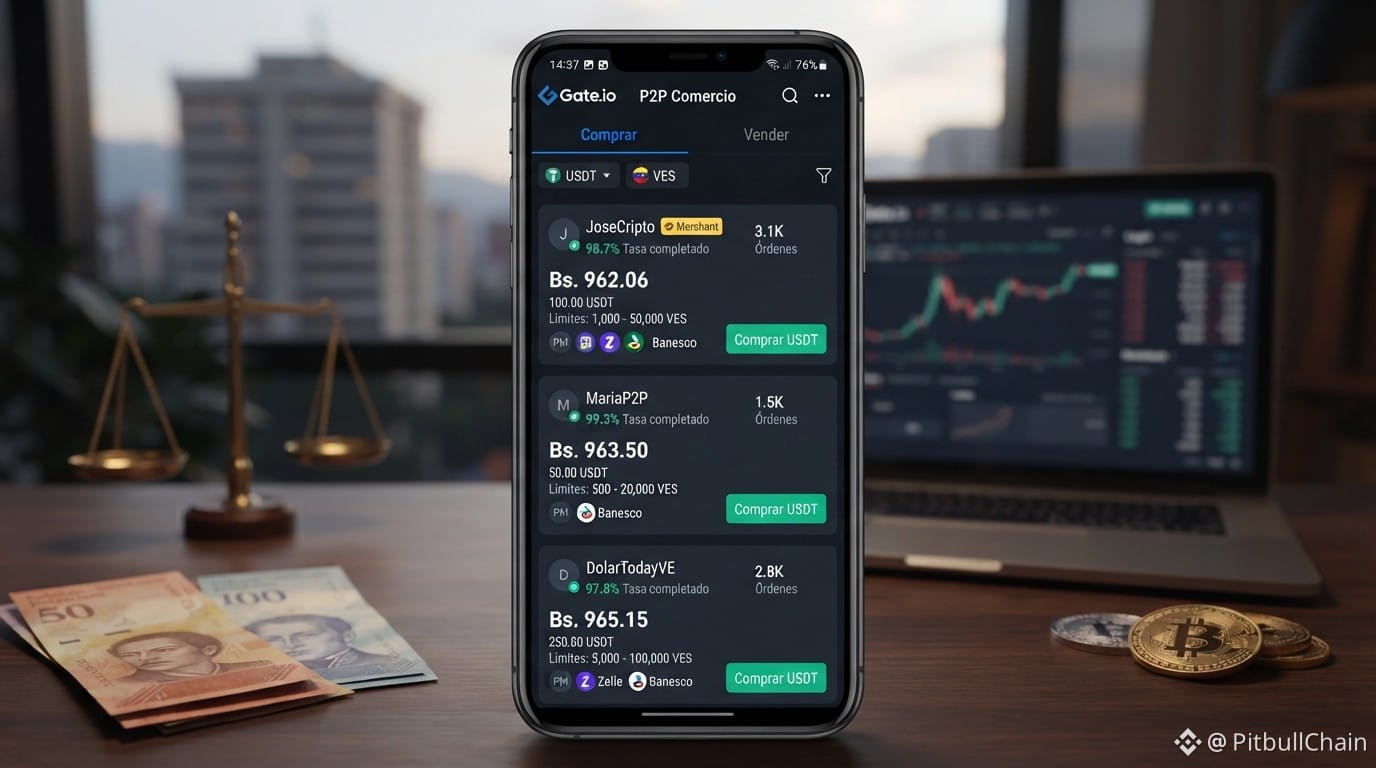
Article
BCV 827.74 and USDT P2P at 974.76: the 17.76% gap under the spotlight Live P2P Radar Capture: 10/9/2026, 8:00:17 a. m.
USDT/VES reference Bs. 974.76
Buy USDT Bs. 974.76
Sell USDT Bs. 931.35
BCV Bs. 827.74
Premium vs BCV 17.76%
P2P Spread 4.66%
Offers observed 205
Verify current data in Radar P2P
The official rate of Venezuela's Central Bank stood at **827,7371 Bs/USD** for September 10, 2026, according to the publication collected by Finanzas Digital, which reports a variation of **+0.931%**. Two days earlier, on September 8, the official benchmark was **814.69 Bs/USD**, according to Bloomberg Línea.
BCV 827.74 and USDT P2P at 974.76: the 17.76% gap under the spotlight
Live P2P Radar Capture: 10/9/2026, 8:00:17 a. m.
USDT/VES reference Bs. 974.76
Buy USDT Bs. 974.76
Sell USDT Bs. 931.35
BCV Bs. 827.74
Premium vs BCV 17.76%
P2P Spread 4.66%
Offers observed 205
Verify current data in Radar P2P
The official rate of Venezuela's Central Bank stood at **827,7371 Bs/USD** for September 10, 2026, according to the publication collected by Finanzas Digital, which reports a variation of **+0.931%**. Two days earlier, on September 8, the official benchmark was **814.69 Bs/USD**, according to Bloomberg Línea.
USDT/VES reference Bs. 974.76
Buy USDT Bs. 974.76
Sell USDT Bs. 931.35
BCV Bs. 827.74
Premium vs BCV 17.76%
P2P Spread 4.66%
Offers observed 205
Verify current data in Radar P2P
The official rate of Venezuela's Central Bank stood at **827,7371 Bs/USD** for September 10, 2026, according to the publication collected by Finanzas Digital, which reports a variation of **+0.931%**. Two days earlier, on September 8, the official benchmark was **814.69 Bs/USD**, according to Bloomberg Línea.
3
·
--
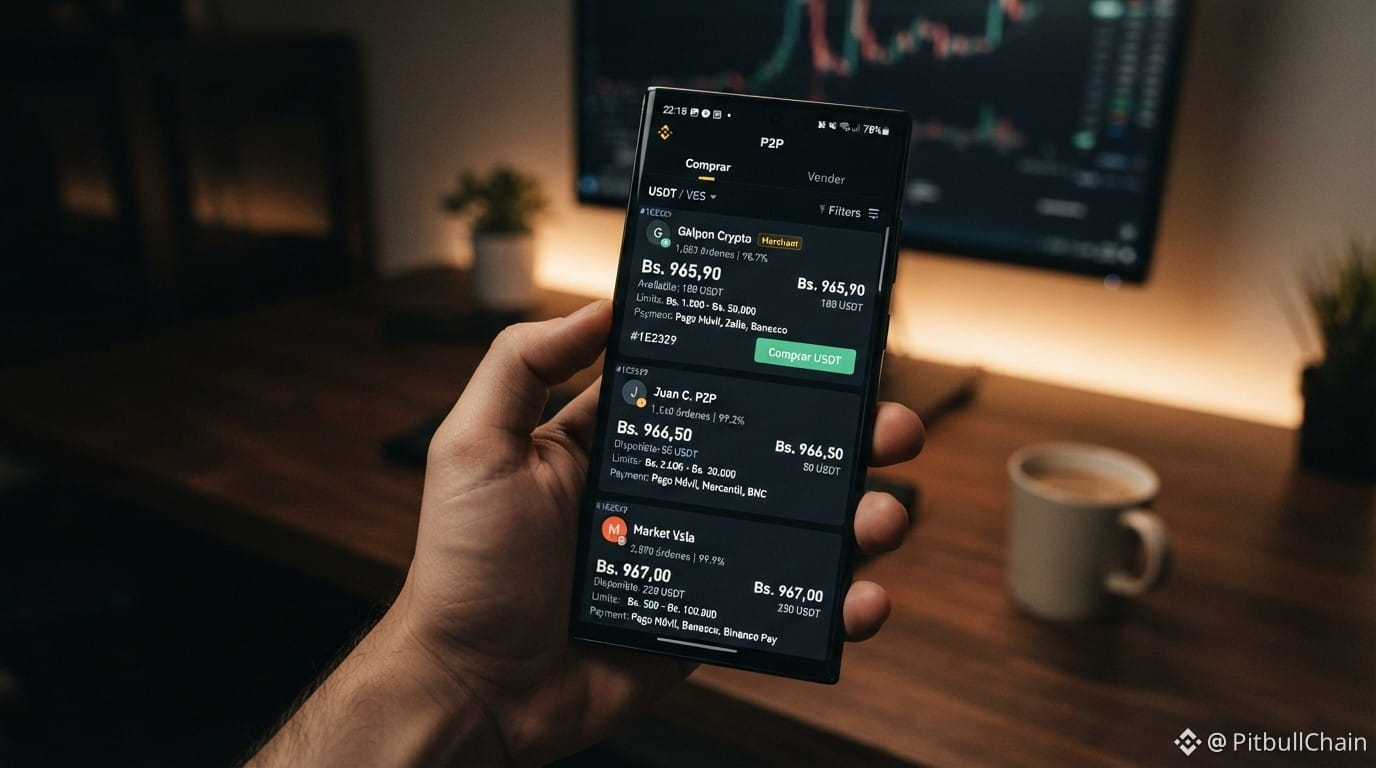
Article
Double spread in P2P: 4.1% from the radar versus 0.08% real Live P2P Radar Capture: 10/9/2026, 12:00:18 a. m.
USDT/VES reference Bs. 976.35
Buy USDT Bs. 976.35
USDT sale Bs. 937.83
BCV Bs. 827.74
Premium vs BCV 17.95%
P2P spread 4.11%
Observed offers 186
Check current data in P2P Radar
There is a difference that many traders don’t see until they have already sent the Mobile Payment: the **spread** shown in a headline is not the one you face when executing an order. In the capture from September 10, 2026, at 04:00 UTC, the aggregated radar showed a buy reference of **976.35 Bs/USDT** and a sell reference of **937.83 Bs/USDT**. The subtraction gives **38.52 bolívares**, equivalent to **4.107%**.
Double spread in P2P: 4.1% from the radar versus 0.08% real
Live P2P Radar Capture: 10/9/2026, 12:00:18 a. m.
USDT/VES reference Bs. 976.35
Buy USDT Bs. 976.35
USDT sale Bs. 937.83
BCV Bs. 827.74
Premium vs BCV 17.95%
P2P spread 4.11%
Observed offers 186
Check current data in P2P Radar
There is a difference that many traders don’t see until they have already sent the Mobile Payment: the **spread** shown in a headline is not the one you face when executing an order. In the capture from September 10, 2026, at 04:00 UTC, the aggregated radar showed a buy reference of **976.35 Bs/USDT** and a sell reference of **937.83 Bs/USDT**. The subtraction gives **38.52 bolívares**, equivalent to **4.107%**.
USDT/VES reference Bs. 976.35
Buy USDT Bs. 976.35
USDT sale Bs. 937.83
BCV Bs. 827.74
Premium vs BCV 17.95%
P2P spread 4.11%
Observed offers 186
Check current data in P2P Radar
There is a difference that many traders don’t see until they have already sent the Mobile Payment: the **spread** shown in a headline is not the one you face when executing an order. In the capture from September 10, 2026, at 04:00 UTC, the aggregated radar showed a buy reference of **976.35 Bs/USDT** and a sell reference of **937.83 Bs/USDT**. The subtraction gives **38.52 bolívares**, equivalent to **4.107%**.
2
·
--
Article
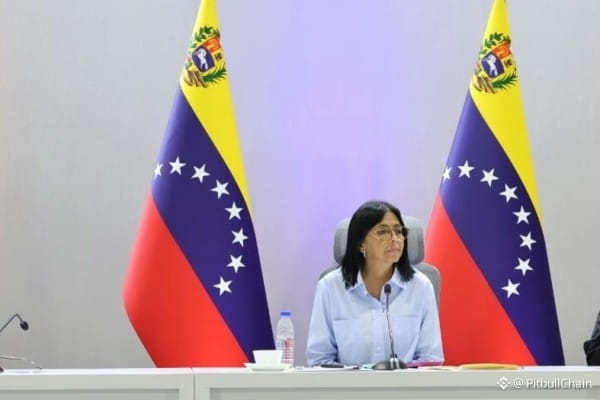
Delcy: 91% of income goes to payroll and social protectionDelcy Rodríguez returned to sit down with the labor and business world. At Wednesday’s meeting, the acting president also released a figure that deserves more analysis than a headline: according to her reading, nine out of every ten bolívares that enter the country are committed to paying labor demands and to the social protection system. That is to say, the fiscal space for anything else is, on paper, minimal.
For a portal like ours, where we track the pulse of the P2P market and the parallel exchange rate every day, that statement is not a simple announcement of management: it is a signal of how much currency remains available to support the bolívar and how tight liquidity could become in the coming months.
Delcy: 91% of income goes to payroll and social protection
Delcy Rodríguez returned to sit down with the labor and business world. At Wednesday’s meeting, the acting president also released a figure that deserves more analysis than a headline: according to her reading, nine out of every ten bolívares that enter the country are committed to paying labor demands and to the social protection system. That is to say, the fiscal space for anything else is, on paper, minimal.
For a portal like ours, where we track the pulse of the P2P market and the parallel exchange rate every day, that statement is not a simple announcement of management: it is a signal of how much currency remains available to support the bolívar and how tight liquidity could become in the coming months.
For a portal like ours, where we track the pulse of the P2P market and the parallel exchange rate every day, that statement is not a simple announcement of management: it is a signal of how much currency remains available to support the bolívar and how tight liquidity could become in the coming months.
16
·
--
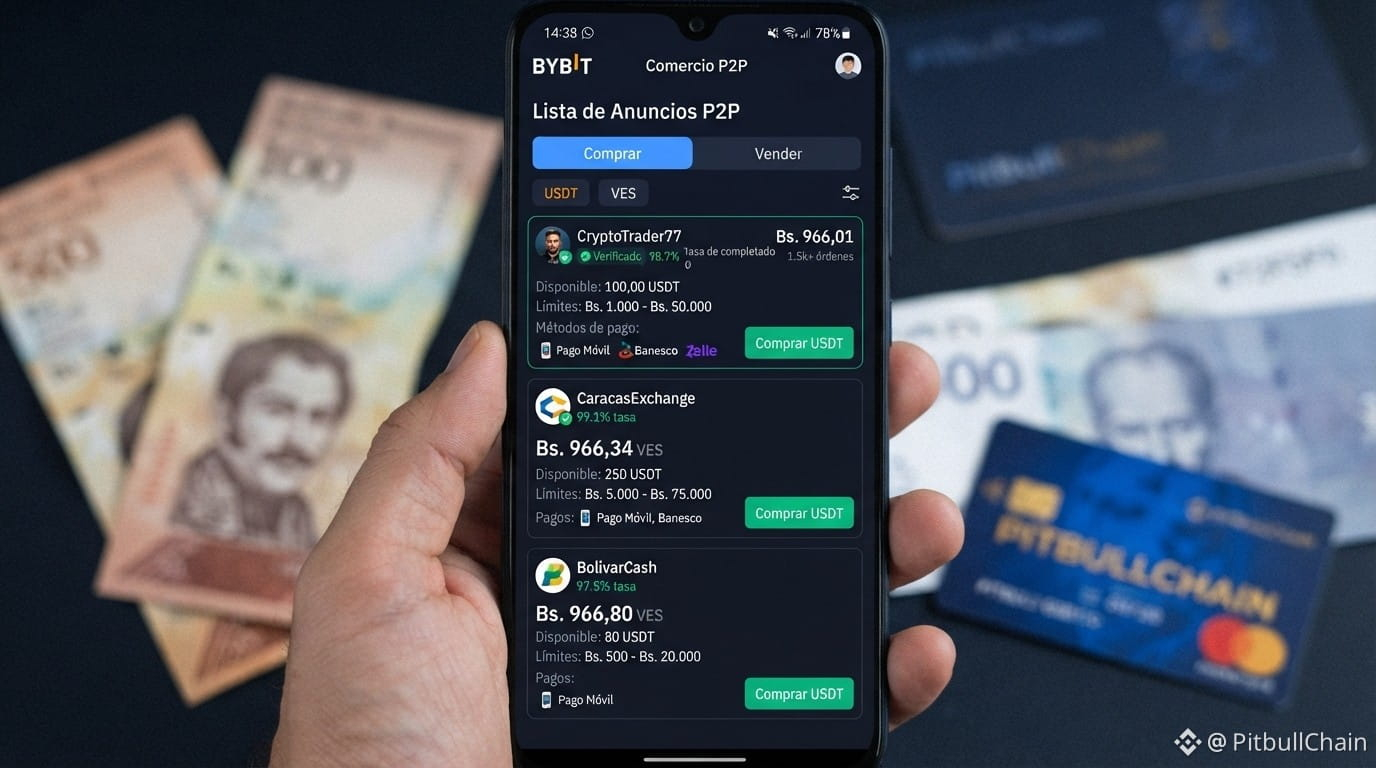
Article
USDT Premium over the BCV dollar: a guide to trading P2P in Venezuela Live P2P Radar Capture: 8/9/2026, 8:00:17 p. m.
USDT/VES reference Bs. 973.64
Buy USDT Bs. 973.64
USDT Sell USDT Bs. 943.51
BCV Bs. 820.10
Premium vs BCV 18.72%
P2P Spread 3.19%
Observed offers 230
Check current data in Radar P2P
If you trade in the Venezuelan P2P market, you’ve probably noticed that the USDT price in bolívares almost always exceeds that of the official dollar published by BCV. This difference has a name: **USDT premium**. Understanding it isn’t an academic luxury: it helps you decide when to buy, when to sell, and to avoid mistakes that cost money.
USDT Premium over the BCV dollar: a guide to trading P2P in Venezuela
Live P2P Radar Capture: 8/9/2026, 8:00:17 p. m.
USDT/VES reference Bs. 973.64
Buy USDT Bs. 973.64
USDT Sell USDT Bs. 943.51
BCV Bs. 820.10
Premium vs BCV 18.72%
P2P Spread 3.19%
Observed offers 230
Check current data in Radar P2P
If you trade in the Venezuelan P2P market, you’ve probably noticed that the USDT price in bolívares almost always exceeds that of the official dollar published by BCV. This difference has a name: **USDT premium**. Understanding it isn’t an academic luxury: it helps you decide when to buy, when to sell, and to avoid mistakes that cost money.
USDT/VES reference Bs. 973.64
Buy USDT Bs. 973.64
USDT Sell USDT Bs. 943.51
BCV Bs. 820.10
Premium vs BCV 18.72%
P2P Spread 3.19%
Observed offers 230
Check current data in Radar P2P
If you trade in the Venezuelan P2P market, you’ve probably noticed that the USDT price in bolívares almost always exceeds that of the official dollar published by BCV. This difference has a name: **USDT premium**. Understanding it isn’t an academic luxury: it helps you decide when to buy, when to sell, and to avoid mistakes that cost money.
42
·
--
Article
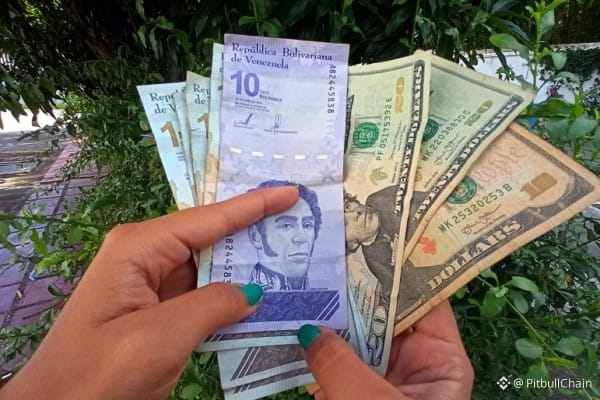
Oil Deal: 5 years for the pocket, but P2P already feels the boom## The oil-boom hope collides with the reality of the pocket
The recent agreement between Venezuela and the United States has revived optimism in international markets, but on the ground, the average Venezuelan is still wondering when they will see something of that bonanza in their day-to-day life. Economist Aldo Contreras made it clear: the macroeconomic benefits could take between 3 and 5 years to be felt, and that includes the long-awaited relief for the exchange rate, inflation, and purchasing power.
Oil Deal: 5 years for the pocket, but P2P already feels the boom
## The oil-boom hope collides with the reality of the pocket
The recent agreement between Venezuela and the United States has revived optimism in international markets, but on the ground, the average Venezuelan is still wondering when they will see something of that bonanza in their day-to-day life. Economist Aldo Contreras made it clear: the macroeconomic benefits could take between 3 and 5 years to be felt, and that includes the long-awaited relief for the exchange rate, inflation, and purchasing power.
The recent agreement between Venezuela and the United States has revived optimism in international markets, but on the ground, the average Venezuelan is still wondering when they will see something of that bonanza in their day-to-day life. Economist Aldo Contreras made it clear: the macroeconomic benefits could take between 3 and 5 years to be felt, and that includes the long-awaited relief for the exchange rate, inflation, and purchasing power.
22
Log in to explore more content
Join global crypto users on Binance Square
⚡️ Get latest and useful information about crypto.
💬 Trusted by the world’s largest crypto exchange.
👍 Discover real insights from verified creators.
Email / Phone number
Trending Topics
1
#AnthropicCEOCallsForAISlowdown
53,050 views
682 Discussing
2
#AnthropicChoosesNasdaqForPotentialIPO
23,919 views
294 Discussing
3
#SECReceivesGrayscaleLitecoinTrustETFFiling
182,731 views
2,047 Discussing
4
#ClarityActFacesProceduralVoteSept15
345,617 views
2,926 Discussing
5
#US10YearTreasuryYieldNears5%
129,096 views
1,650 Discussing
6
#CryptoLiquidations$674MIn24H
31,395 views
240 Discussing
7
#TokenizedStockHoldersUp619.1%
91,342 views
1,304 Discussing
8
#RevolutConfirmsFakeGovEmailDataBreach
138,431 views
1,595 Discussing
9
#CanadaOSFISaysTokenizedDepositsEqualTraditionalDeposits
6,857 views
132 Discussing
10
#USBankCompletesCrossBorderPaymentPilotOnStellar
101,678 views
1,362 Discussing