
#chainalysis
chainalysis
92,080 views
402 Discussing
Hot
Latest

In this Chainalysis report on Eastern Europe, the headlines people keep repeating are basically all about “domestic P2P up 330%” and “Polish ATMs doubled.” After reading the original, I think they’ve got the emphasis completely backwards.
First, where did the money go? Eastern Europe’s crypto economy, measured across all activity, fell from $697.1 billion to $642.1 billion in a year (the reporting period ended in June 2026)—a drop of $55 billion, or 7.9%, compared with just 1.6% globally. According to Chainalysis country data relayed by Incrypted, Russia was at $284.1 billion, down 14.7%. That puts the previous period at roughly $333.1 billion, meaning about $49 billion disappeared in a year. Nearly 90% of the region’s contraction came from Russia alone. Poland’s 7.3% decline and Romania’s 4% decline are just a fraction of that.
Now, the things being touted as highlights. ATMs “nearly doubled,” rising from $17.3 million to $33.9 million. $33.9 million is about 0.005% of $642.1 billion. That’s not a trend; it’s a rounding error. As for the P2P figure of +330%, the original gives no absolute value. I disregard percentages when I don’t know the baseline.
The claim that “retail accounts for 13.1%, the highest globally” is much the same. The report itself says retail’s share rose because large transactions fell. Transfers over $10,000 dropped from $591.5 billion to $488.6 billion, a decline of $102.9 billion, while retail grew by only 8.3%. Working backwards from the figures provided, I get a retail share of about 10.3% in the previous period. Its rise to 13.1% was mainly because the denominator shrank, not because retail users flooded in. Note that these figures are for flows to services, not the all-activity measure, so don’t subtract them directly.
I think the genuinely informative findings are two things.
Ukraine: Cross-border stablecoin remittances from wallet to wallet totaled $12 billion in a year, and the amounts sent from each country were almost directly proportional to the number of Ukrainian expatriates living there. This is the clearest evidence of real demand for stablecoins. Remittances don’t care about candlestick charts; they happen in bull and bear markets alike.
Poland: The president vetoed the MiCA implementing law three times between December 2025 and June 2026. No supervisory authority has been designated to date, so it’s simply impossible to apply for a local CASP license. The EU transitional period also expires on July 1. Over the same period, Polish ATM transactions rose 120%, centralized exchange activity fell 5%, and 90% of ATM transactions involved stablecoins. Chainalysis itself says it can’t prove causation, but the picture is pretty ironic: the legislation was supposed to bring money into the licensed system, but when it couldn’t be passed, people went to cash machines instead.
The report doesn’t say where Russia’s $49 billion went. Maybe people really stopped using crypto; maybe it shifted to channels that analytics firms can’t label. I don’t know, and I won’t make things up on anyone’s behalf. But next time you see “crypto activity in a region fell by X%,” ask one question first: did people leave, or did they just move beyond the reach of on-chain analytics?
#Chainalysis #Stablecoins
In this Chainalysis report on Eastern Europe, the headlines people keep repeating are basically all about “domestic P2P up 330%” and “Polish ATMs doubled.” After reading the original, I think they’ve got the emphasis completely backwards.
First, where did the money go? Eastern Europe’s crypto economy, measured across all activity, fell from $697.1 billion to $642.1 billion in a year (the reporting period ended in June 2026)—a drop of $55 billion, or 7.9%, compared with just 1.6% globally. According to Chainalysis country data relayed by Incrypted, Russia was at $284.1 billion, down 14.7%. That puts the previous period at roughly $333.1 billion, meaning about $49 billion disappeared in a year. Nearly 90% of the region’s contraction came from Russia alone. Poland’s 7.3% decline and Romania’s 4% decline are just a fraction of that.
Now, the things being touted as highlights. ATMs “nearly doubled,” rising from $17.3 million to $33.9 million. $33.9 million is about 0.005% of $642.1 billion. That’s not a trend; it’s a rounding error. As for the P2P figure of +330%, the original gives no absolute value. I disregard percentages when I don’t know the baseline.
The claim that “retail accounts for 13.1%, the highest globally” is much the same. The report itself says retail’s share rose because large transactions fell. Transfers over $10,000 dropped from $591.5 billion to $488.6 billion, a decline of $102.9 billion, while retail grew by only 8.3%. Working backwards from the figures provided, I get a retail share of about 10.3% in the previous period. Its rise to 13.1% was mainly because the denominator shrank, not because retail users flooded in. Note that these figures are for flows to services, not the all-activity measure, so don’t subtract them directly.
I think the genuinely informative findings are two things.
Ukraine: Cross-border stablecoin remittances from wallet to wallet totaled $12 billion in a year, and the amounts sent from each country were almost directly proportional to the number of Ukrainian expatriates living there. This is the clearest evidence of real demand for stablecoins. Remittances don’t care about candlestick charts; they happen in bull and bear markets alike.
Poland: The president vetoed the MiCA implementing law three times between December 2025 and June 2026. No supervisory authority has been designated to date, so it’s simply impossible to apply for a local CASP license. The EU transitional period also expires on July 1. Over the same period, Polish ATM transactions rose 120%, centralized exchange activity fell 5%, and 90% of ATM transactions involved stablecoins. Chainalysis itself says it can’t prove causation, but the picture is pretty ironic: the legislation was supposed to bring money into the licensed system, but when it couldn’t be passed, people went to cash machines instead.
The report doesn’t say where Russia’s $49 billion went. Maybe people really stopped using crypto; maybe it shifted to channels that analytics firms can’t label. I don’t know, and I won’t make things up on anyone’s behalf. But next time you see “crypto activity in a region fell by X%,” ask one question first: did people leave, or did they just move beyond the reach of on-chain analytics?
#Chainalysis #Stablecoins
First, where did the money go? Eastern Europe’s crypto economy, measured across all activity, fell from $697.1 billion to $642.1 billion in a year (the reporting period ended in June 2026)—a drop of $55 billion, or 7.9%, compared with just 1.6% globally. According to Chainalysis country data relayed by Incrypted, Russia was at $284.1 billion, down 14.7%. That puts the previous period at roughly $333.1 billion, meaning about $49 billion disappeared in a year. Nearly 90% of the region’s contraction came from Russia alone. Poland’s 7.3% decline and Romania’s 4% decline are just a fraction of that.
Now, the things being touted as highlights. ATMs “nearly doubled,” rising from $17.3 million to $33.9 million. $33.9 million is about 0.005% of $642.1 billion. That’s not a trend; it’s a rounding error. As for the P2P figure of +330%, the original gives no absolute value. I disregard percentages when I don’t know the baseline.
The claim that “retail accounts for 13.1%, the highest globally” is much the same. The report itself says retail’s share rose because large transactions fell. Transfers over $10,000 dropped from $591.5 billion to $488.6 billion, a decline of $102.9 billion, while retail grew by only 8.3%. Working backwards from the figures provided, I get a retail share of about 10.3% in the previous period. Its rise to 13.1% was mainly because the denominator shrank, not because retail users flooded in. Note that these figures are for flows to services, not the all-activity measure, so don’t subtract them directly.
I think the genuinely informative findings are two things.
Ukraine: Cross-border stablecoin remittances from wallet to wallet totaled $12 billion in a year, and the amounts sent from each country were almost directly proportional to the number of Ukrainian expatriates living there. This is the clearest evidence of real demand for stablecoins. Remittances don’t care about candlestick charts; they happen in bull and bear markets alike.
Poland: The president vetoed the MiCA implementing law three times between December 2025 and June 2026. No supervisory authority has been designated to date, so it’s simply impossible to apply for a local CASP license. The EU transitional period also expires on July 1. Over the same period, Polish ATM transactions rose 120%, centralized exchange activity fell 5%, and 90% of ATM transactions involved stablecoins. Chainalysis itself says it can’t prove causation, but the picture is pretty ironic: the legislation was supposed to bring money into the licensed system, but when it couldn’t be passed, people went to cash machines instead.
The report doesn’t say where Russia’s $49 billion went. Maybe people really stopped using crypto; maybe it shifted to channels that analytics firms can’t label. I don’t know, and I won’t make things up on anyone’s behalf. But next time you see “crypto activity in a region fell by X%,” ask one question first: did people leave, or did they just move beyond the reach of on-chain analytics?
#Chainalysis #Stablecoins
2

🚨 AI-POWERED CRYPTO SCAMS ARE BECOMING 4.5 TIMES MORE PROFITABLE!
Artificial intelligence is creating a serious new challenge for the cryptocurrency industry.
On November 12, TRON, Tether and blockchain analytics firm Chainalysis announced a new partnership called the Digital Crime Task Force.
Their mission?
🚨 Fight AI-powered crypto scams and disrupt criminal activity involving USDT on the TRON blockchain.
📊 HERE ARE THE NUMBERS:
🔴 4.5X: AI-enabled scams generated 4.5 times more revenue per operation than traditional scams in 2025, according to Chainalysis.
🔴 $7 BILLION+: Tether says it has frozen funds linked to illicit activity.
🔴 73 COUNTRIES: Tether reports working with law enforcement agencies across this many countries.
⚠️ WHY DOES THIS MATTER?
AI makes it easier for criminals to create convincing fake identities, impersonate trusted people and target crypto users.
The new task force aims to identify suspicious wallets, share intelligence and help authorities freeze stolen funds faster.
This is important because blockchain transactions can be difficult to reverse once funds reach criminal wallets.
🔥 THE BIG QUESTION:
Can AI-powered security tools become strong enough to fight AI-powered crypto criminals?
Or will scammers always stay one step ahead?
Market sentiment: BULLISH for TRON's security ecosystem, but BEARISH for crypto security risks overall.
#CryptoSecurity #TRON #USDT #Chainalysis #Aİ
🚨 AI-POWERED CRYPTO SCAMS ARE BECOMING 4.5 TIMES MORE PROFITABLE!
Artificial intelligence is creating a serious new challenge for the cryptocurrency industry.
On November 12, TRON, Tether and blockchain analytics firm Chainalysis announced a new partnership called the Digital Crime Task Force.
Their mission?
🚨 Fight AI-powered crypto scams and disrupt criminal activity involving USDT on the TRON blockchain.
📊 HERE ARE THE NUMBERS:
🔴 4.5X: AI-enabled scams generated 4.5 times more revenue per operation than traditional scams in 2025, according to Chainalysis.
🔴 $7 BILLION+: Tether says it has frozen funds linked to illicit activity.
🔴 73 COUNTRIES: Tether reports working with law enforcement agencies across this many countries.
⚠️ WHY DOES THIS MATTER?
AI makes it easier for criminals to create convincing fake identities, impersonate trusted people and target crypto users.
The new task force aims to identify suspicious wallets, share intelligence and help authorities freeze stolen funds faster.
This is important because blockchain transactions can be difficult to reverse once funds reach criminal wallets.
🔥 THE BIG QUESTION:
Can AI-powered security tools become strong enough to fight AI-powered crypto criminals?
Or will scammers always stay one step ahead?
Market sentiment: BULLISH for TRON's security ecosystem, but BEARISH for crypto security risks overall.
#CryptoSecurity #TRON #USDT #Chainalysis #Aİ
Artificial intelligence is creating a serious new challenge for the cryptocurrency industry.
On November 12, TRON, Tether and blockchain analytics firm Chainalysis announced a new partnership called the Digital Crime Task Force.
Their mission?
🚨 Fight AI-powered crypto scams and disrupt criminal activity involving USDT on the TRON blockchain.
📊 HERE ARE THE NUMBERS:
🔴 4.5X: AI-enabled scams generated 4.5 times more revenue per operation than traditional scams in 2025, according to Chainalysis.
🔴 $7 BILLION+: Tether says it has frozen funds linked to illicit activity.
🔴 73 COUNTRIES: Tether reports working with law enforcement agencies across this many countries.
⚠️ WHY DOES THIS MATTER?
AI makes it easier for criminals to create convincing fake identities, impersonate trusted people and target crypto users.
The new task force aims to identify suspicious wallets, share intelligence and help authorities freeze stolen funds faster.
This is important because blockchain transactions can be difficult to reverse once funds reach criminal wallets.
🔥 THE BIG QUESTION:
Can AI-powered security tools become strong enough to fight AI-powered crypto criminals?
Or will scammers always stay one step ahead?
Market sentiment: BULLISH for TRON's security ecosystem, but BEARISH for crypto security risks overall.
#CryptoSecurity #TRON #USDT #Chainalysis #Aİ
109

·
--

Article
Three companies, one enemy: bad news for crypto scammers🚨 Crypto Police: Tron, Tether, and Chainalysis declare war on crypto criminals
In short: three major companies have joined forces to make it harder for scammers to hide money in USDT.
Who’s on the team:
Tron is the blockchain that carries a huge share of USDT. It’s the road the traffic travels on.
Tether is the company that issues USDT. It can freeze coins, just as a bank can block a card.
Three companies, one enemy: bad news for crypto scammers
🚨 Crypto Police: Tron, Tether, and Chainalysis declare war on crypto criminals
In short: three major companies have joined forces to make it harder for scammers to hide money in USDT.
Who’s on the team:
Tron is the blockchain that carries a huge share of USDT. It’s the road the traffic travels on.
Tether is the company that issues USDT. It can freeze coins, just as a bank can block a card.
In short: three major companies have joined forces to make it harder for scammers to hide money in USDT.
Who’s on the team:
Tron is the blockchain that carries a huge share of USDT. It’s the road the traffic travels on.
Tether is the company that issues USDT. It can freeze coins, just as a bank can block a card.
8
7
5.9k

·
--
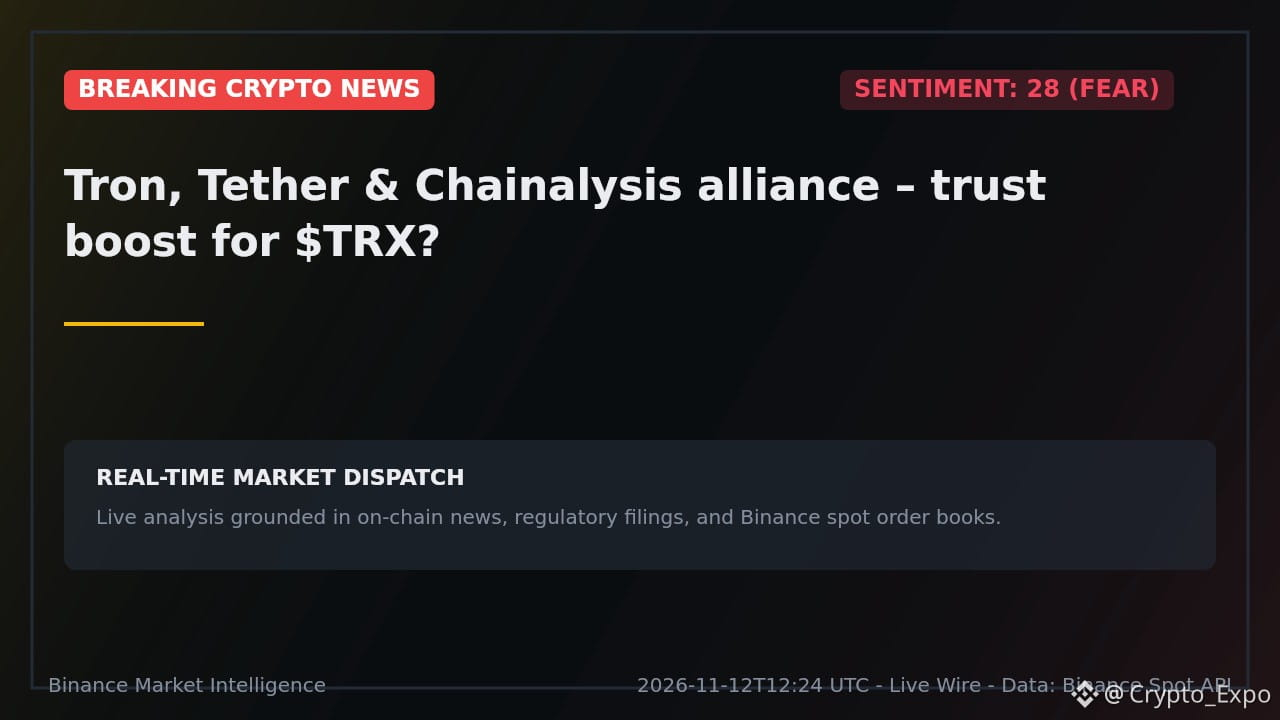
🚨 Tron, Tether & Chainalysis alliance – trust boost for $TRX?
🚨 Tron teams up with Tether & Chainalysis – is this the trust boost that could ignite a $TRX rally?
The anti‑fraud coalition ties $TRX’s network to Tether’s stablecoin flow and Chainalysis’s compliance suite. With the T3 crime unit shutting down, the move is meant to plug loopholes and win over institutional eyes.
📊 Market & Token Impact:
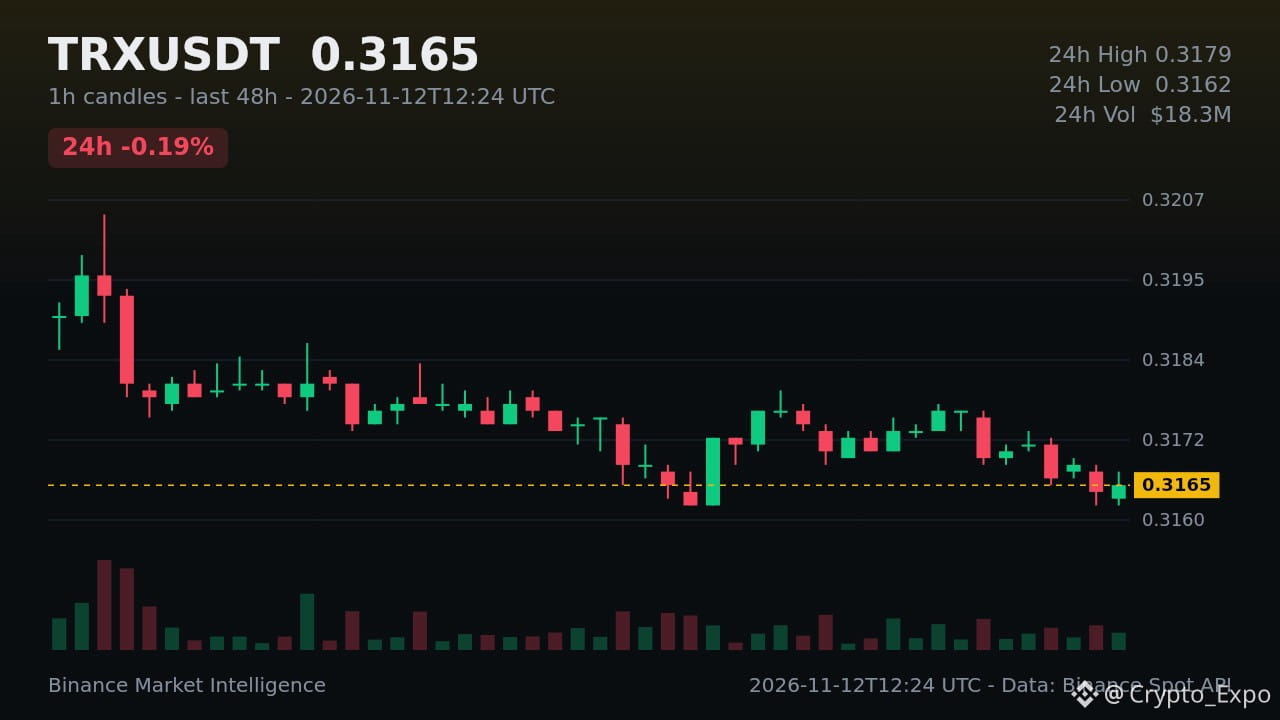
• $TRX hovers at $0.3165, eyeing resistance $0.3179 and support $0.3162 📈
• Hourly quote volume ~18.3M USDT, indicating fresh buying pressure ⚡
• $BTC (-1.46%) & $ETH (-1.51%) drift lower, positioning $TRX as a relative risk‑off play 👀
• Successful regulatory clearance could fuel a 3‑5% bounce; a setback may push below $0.315 📉
Bullish long‑term or short‑term noise? Share your thoughts below 👇
$TRX $BTC $ETH #Crypto #Tron #Chainalysis
🚨 Tron, Tether & Chainalysis alliance – trust boost for $TRX ?
🚨 Tron teams up with Tether & Chainalysis – is this the trust boost that could ignite a $TRX rally?
The anti‑fraud coalition ties $TRX ’s network to Tether’s stablecoin flow and Chainalysis’s compliance suite. With the T3 crime unit shutting down, the move is meant to plug loopholes and win over institutional eyes.
📊 Market & Token Impact:
• $TRX hovers at $0.3165, eyeing resistance $0.3179 and support $0.3162 📈
• Hourly quote volume ~18.3M USDT, indicating fresh buying pressure ⚡
• $BTC (-1.46%) & $ETH (-1.51%) drift lower, positioning $TRX as a relative risk‑off play 👀
• Successful regulatory clearance could fuel a 3‑5% bounce; a setback may push below $0.315 📉
Bullish long‑term or short‑term noise? Share your thoughts below 👇
$TRX $BTC $ETH #Crypto #Tron #Chainalysis
🚨 Tron teams up with Tether & Chainalysis – is this the trust boost that could ignite a $TRX rally?
The anti‑fraud coalition ties $TRX ’s network to Tether’s stablecoin flow and Chainalysis’s compliance suite. With the T3 crime unit shutting down, the move is meant to plug loopholes and win over institutional eyes.
📊 Market & Token Impact:
• $TRX hovers at $0.3165, eyeing resistance $0.3179 and support $0.3162 📈
• Hourly quote volume ~18.3M USDT, indicating fresh buying pressure ⚡
• $BTC (-1.46%) & $ETH (-1.51%) drift lower, positioning $TRX as a relative risk‑off play 👀
• Successful regulatory clearance could fuel a 3‑5% bounce; a setback may push below $0.315 📉
Bullish long‑term or short‑term noise? Share your thoughts below 👇
$TRX $BTC $ETH #Crypto #Tron #Chainalysis
5

BREAKING: TRON TETHER & CHAINALYSIS JOIN FORCES AGAINST AI-POWERED CRYPTO CRIME!
Three major players in the crypto industry are forming a new alliance to combat the growing threat of AI-powered financial crime.
Key Highlights:
🔹TRON is joining forces with Tether and Chainalysis.
🔹 The alliance aims to tackle driven crypto scams and illicit transactions.
🔹 Focus on strengthening blockchain monitoring and security.
🔹 The initiative aims to make the crypto ecosystem safer and more transparent.
Why It Matters:
As AI-powered scams become more sophisticated collaboration between blockchain networks stablecoin providers and blockchain intelligence firms could play an important role in protecting users.
Can this alliance make crypto safer for everyone?
#TRON #Tether #Chainalysis
BREAKING: TRON TETHER & CHAINALYSIS JOIN FORCES AGAINST AI-POWERED CRYPTO CRIME!
Three major players in the crypto industry are forming a new alliance to combat the growing threat of AI-powered financial crime.
Key Highlights:
🔹TRON is joining forces with Tether and Chainalysis.
🔹 The alliance aims to tackle driven crypto scams and illicit transactions.
🔹 Focus on strengthening blockchain monitoring and security.
🔹 The initiative aims to make the crypto ecosystem safer and more transparent.
Why It Matters:
As AI-powered scams become more sophisticated collaboration between blockchain networks stablecoin providers and blockchain intelligence firms could play an important role in protecting users.
Can this alliance make crypto safer for everyone?
#TRON #Tether #Chainalysis
Three major players in the crypto industry are forming a new alliance to combat the growing threat of AI-powered financial crime.
Key Highlights:
🔹TRON is joining forces with Tether and Chainalysis.
🔹 The alliance aims to tackle driven crypto scams and illicit transactions.
🔹 Focus on strengthening blockchain monitoring and security.
🔹 The initiative aims to make the crypto ecosystem safer and more transparent.
Why It Matters:
As AI-powered scams become more sophisticated collaboration between blockchain networks stablecoin providers and blockchain intelligence firms could play an important role in protecting users.
Can this alliance make crypto safer for everyone?
#TRON #Tether #Chainalysis
80

·
--
📰 Chainalysis Tracks $46 Million Stolen From Binance Through THORChain
Fees topped $200,000 in the first 72 hours. Bitquery later counted $113 million in funds routed through THORChain by 5 a.m. ET (10:00 UTC) Friday, Nov. 6.
Source : Econotimes
Time : 2026-11-10 00:55:31
Credit : miriam hart
#binance #chainalysis #bitquery #thorchain
$RUNE
Share your opinion in the comment section below
📰 Chainalysis Tracks $46 Million Stolen From Binance Through THORChain
Fees topped $200,000 in the first 72 hours. Bitquery later counted $113 million in funds routed through THORChain by 5 a.m. ET (10:00 UTC) Friday, Nov. 6.
Source : Econotimes
Time : 2026-11-10 00:55:31
Credit : miriam hart
#binance #chainalysis #bitquery #thorchain
$RUNE
Share your opinion in the comment section below
Fees topped $200,000 in the first 72 hours. Bitquery later counted $113 million in funds routed through THORChain by 5 a.m. ET (10:00 UTC) Friday, Nov. 6.
Source : Econotimes
Time : 2026-11-10 00:55:31
Credit : miriam hart
#binance #chainalysis #bitquery #thorchain
$RUNE
Share your opinion in the comment section below
1
1
16

·
--
📰 Chainalysis Tracks $46 Million Stolen From Binance Through THORChain
Fees topped $200,000 in the first 72 hours. Bitquery later counted $113 million in funds routed through THORChain by 5 a.m. ET (10:00 UTC) Friday, Nov. 6.
Source : Econotimes
Time : 2026-11-10 00:55:31
Credit : miriam hart
#binance #chainalysis #bitquery #thorchain
$RUNE
Share your opinion in the comment section below
📰 Chainalysis Tracks $46 Million Stolen From Binance Through THORChain
Fees topped $200,000 in the first 72 hours. Bitquery later counted $113 million in funds routed through THORChain by 5 a.m. ET (10:00 UTC) Friday, Nov. 6.
Source : Econotimes
Time : 2026-11-10 00:55:31
Credit : miriam hart
#binance #chainalysis #bitquery #thorchain
$RUNE
Share your opinion in the comment section below
Fees topped $200,000 in the first 72 hours. Bitquery later counted $113 million in funds routed through THORChain by 5 a.m. ET (10:00 UTC) Friday, Nov. 6.
Source : Econotimes
Time : 2026-11-10 00:55:31
Credit : miriam hart
#binance #chainalysis #bitquery #thorchain
$RUNE
Share your opinion in the comment section below
104

·
--
Chainalysis Report: Global Crypto Market Cools, Western Europe Stands Out
Chainalysis’s latest report shows that while the global crypto market has cooled, Western Europe is demonstrating strong resilience. The widespread adoption of stablecoins, the euro’s growing role in trading, and supportive regulation are all helping drive this momentum. Those tracking fund flows, don’t forget to keep an eye on these trends.#Chainalysis #加密市场 #WesternEuropeanCrypto
Chainalysis Report: Global Crypto Market Cools, Western Europe Stands Out
Chainalysis’s latest report shows that while the global crypto market has cooled, Western Europe is demonstrating strong resilience. The widespread adoption of stablecoins, the euro’s growing role in trading, and supportive regulation are all helping drive this momentum. Those tracking fund flows, don’t forget to keep an eye on these trends.#Chainalysis #加密市场 #WesternEuropeanCrypto
Chainalysis’s latest report shows that while the global crypto market has cooled, Western Europe is demonstrating strong resilience. The widespread adoption of stablecoins, the euro’s growing role in trading, and supportive regulation are all helping drive this momentum. Those tracking fund flows, don’t forget to keep an eye on these trends.#Chainalysis #加密市场 #WesternEuropeanCrypto
3

Chainalysis Report: Global Crypto Market Cools, Western Europe Stands Out
Chainalysis’s latest report shows that while the global crypto market has cooled, Western Europe is demonstrating strong resilience. The widespread adoption of stablecoins, the euro’s growing role in trading, and supportive regulatory policies are all helping to drive this trend. If you’re tracking fund flows, don’t forget to keep an eye on these developments.#Chainalysis #加密市场 #WesternEuropeanCrypto
Chainalysis Report: Global Crypto Market Cools, Western Europe Stands Out
Chainalysis’s latest report shows that while the global crypto market has cooled, Western Europe is demonstrating strong resilience. The widespread adoption of stablecoins, the euro’s growing role in trading, and supportive regulatory policies are all helping to drive this trend. If you’re tracking fund flows, don’t forget to keep an eye on these developments.#Chainalysis #加密市场 #WesternEuropeanCrypto
Chainalysis’s latest report shows that while the global crypto market has cooled, Western Europe is demonstrating strong resilience. The widespread adoption of stablecoins, the euro’s growing role in trading, and supportive regulatory policies are all helping to drive this trend. If you’re tracking fund flows, don’t forget to keep an eye on these developments.#Chainalysis #加密市场 #WesternEuropeanCrypto
2

·
--
Chainalysis report: Global crypto market cools, but Western Europe stands out
The latest Chainalysis report shows that while the global crypto market is facing a chill, Western Europe’s market is demonstrating strong resilience. The widespread adoption of stablecoins, the euro’s growing role in trading, and supportive regulatory policies are all helping. Crypto sleuths, don’t forget to keep an eye on these trends.#Chainalysis #加密市场 #WesternEuropeanCrypto
Chainalysis report: Global crypto market cools, but Western Europe stands out
The latest Chainalysis report shows that while the global crypto market is facing a chill, Western Europe’s market is demonstrating strong resilience. The widespread adoption of stablecoins, the euro’s growing role in trading, and supportive regulatory policies are all helping. Crypto sleuths, don’t forget to keep an eye on these trends.#Chainalysis #加密市场 #WesternEuropeanCrypto
The latest Chainalysis report shows that while the global crypto market is facing a chill, Western Europe’s market is demonstrating strong resilience. The widespread adoption of stablecoins, the euro’s growing role in trading, and supportive regulatory policies are all helping. Crypto sleuths, don’t forget to keep an eye on these trends.#Chainalysis #加密市场 #WesternEuropeanCrypto
10

·
--
Chainalysis Report: Global Crypto Market Cools, Western Europe Stands Out
The latest Chainalysis report shows that while the global crypto market is facing a chill, Western Europe is demonstrating strong resilience. Widespread adoption of stablecoins, the euro’s growing role in trading, and supportive regulatory policies are all helping drive this momentum. Those tracking fund flows, don’t miss these developments.#Chainalysis #加密市场 #WesternEuropeCrypto
Chainalysis Report: Global Crypto Market Cools, Western Europe Stands Out
The latest Chainalysis report shows that while the global crypto market is facing a chill, Western Europe is demonstrating strong resilience. Widespread adoption of stablecoins, the euro’s growing role in trading, and supportive regulatory policies are all helping drive this momentum. Those tracking fund flows, don’t miss these developments.#Chainalysis #加密市场 #WesternEuropeCrypto
The latest Chainalysis report shows that while the global crypto market is facing a chill, Western Europe is demonstrating strong resilience. Widespread adoption of stablecoins, the euro’s growing role in trading, and supportive regulatory policies are all helping drive this momentum. Those tracking fund flows, don’t miss these developments.#Chainalysis #加密市场 #WesternEuropeCrypto
7

·
--
Chainalysis Report: Global Crypto Market Cools, Western Europe Stands Out
Chainalysis’s latest report shows that while the global crypto market has hit a cold spell, Western Europe is showing strong resilience. Widespread stablecoin adoption, the euro’s growing role in trading, and supportive regulatory policies are all helping. Those tracking the flow of funds, don’t forget to keep an eye on these trends.#Chainalysis #加密市场 #WesternEuropeanCrypto
Chainalysis Report: Global Crypto Market Cools, Western Europe Stands Out
Chainalysis’s latest report shows that while the global crypto market has hit a cold spell, Western Europe is showing strong resilience. Widespread stablecoin adoption, the euro’s growing role in trading, and supportive regulatory policies are all helping. Those tracking the flow of funds, don’t forget to keep an eye on these trends.#Chainalysis #加密市场 #WesternEuropeanCrypto
Chainalysis’s latest report shows that while the global crypto market has hit a cold spell, Western Europe is showing strong resilience. Widespread stablecoin adoption, the euro’s growing role in trading, and supportive regulatory policies are all helping. Those tracking the flow of funds, don’t forget to keep an eye on these trends.#Chainalysis #加密市场 #WesternEuropeanCrypto
8

·
--
Chainalysis Report: Global Crypto Market Cools, Western Europe Stands Out
The latest Chainalysis report shows that while the global crypto market has hit a cold spell, Western Europe is demonstrating strong resilience. The widespread adoption of stablecoins, the euro’s growing role in trading, and supportive regulatory policies are all helping. Those tracking fund flows, don’t forget to keep an eye on these developments.#Chainalysis #加密市场 #WesternEuropeCrypto
Chainalysis Report: Global Crypto Market Cools, Western Europe Stands Out
The latest Chainalysis report shows that while the global crypto market has hit a cold spell, Western Europe is demonstrating strong resilience. The widespread adoption of stablecoins, the euro’s growing role in trading, and supportive regulatory policies are all helping. Those tracking fund flows, don’t forget to keep an eye on these developments.#Chainalysis #加密市场 #WesternEuropeCrypto
The latest Chainalysis report shows that while the global crypto market has hit a cold spell, Western Europe is demonstrating strong resilience. The widespread adoption of stablecoins, the euro’s growing role in trading, and supportive regulatory policies are all helping. Those tracking fund flows, don’t forget to keep an eye on these developments.#Chainalysis #加密市场 #WesternEuropeCrypto
2

·
--
Chainalysis Report: Global Crypto Market Cools, but Western Europe Stands Out
The latest Chainalysis report shows that while the global crypto market is facing a chill, Western Europe is demonstrating strong vitality. The widespread adoption of stablecoins, the euro’s growing role in trading, and supportive regulatory policies are all helping drive growth. Those tracking the flow of funds, don’t forget to keep an eye on these trends.#Chainalysis #加密市场 #WesternEuropeanCrypto
Chainalysis Report: Global Crypto Market Cools, but Western Europe Stands Out
The latest Chainalysis report shows that while the global crypto market is facing a chill, Western Europe is demonstrating strong vitality. The widespread adoption of stablecoins, the euro’s growing role in trading, and supportive regulatory policies are all helping drive growth. Those tracking the flow of funds, don’t forget to keep an eye on these trends.#Chainalysis #加密市场 #WesternEuropeanCrypto
The latest Chainalysis report shows that while the global crypto market is facing a chill, Western Europe is demonstrating strong vitality. The widespread adoption of stablecoins, the euro’s growing role in trading, and supportive regulatory policies are all helping drive growth. Those tracking the flow of funds, don’t forget to keep an eye on these trends.#Chainalysis #加密市场 #WesternEuropeanCrypto
5

·
--
Chainalysis Report: Global Crypto Market Cools, Western Europe Stands Out
The latest Chainalysis report shows that while the global crypto market is facing a chill, Western Europe is demonstrating strong vitality. The widespread adoption of stablecoins, the growing role of the euro in trading, and supportive regulatory policies are all helping drive this momentum. Those tracking the money, don’t forget to keep an eye on these trends.#Chainalysis #加密市场 #WesternEuropeanCrypto
Chainalysis Report: Global Crypto Market Cools, Western Europe Stands Out
The latest Chainalysis report shows that while the global crypto market is facing a chill, Western Europe is demonstrating strong vitality. The widespread adoption of stablecoins, the growing role of the euro in trading, and supportive regulatory policies are all helping drive this momentum. Those tracking the money, don’t forget to keep an eye on these trends.#Chainalysis #加密市场 #WesternEuropeanCrypto
The latest Chainalysis report shows that while the global crypto market is facing a chill, Western Europe is demonstrating strong vitality. The widespread adoption of stablecoins, the growing role of the euro in trading, and supportive regulatory policies are all helping drive this momentum. Those tracking the money, don’t forget to keep an eye on these trends.#Chainalysis #加密市场 #WesternEuropeanCrypto
2

·
--
Chainalysis Report: Global Crypto Market Cools, Western Europe Stands Out
Chainalysis’ latest report shows that while the global crypto market is facing a cold spell, Western Europe is demonstrating strong resilience. Widespread stablecoin adoption, the euro’s growing role in transactions, and supportive regulatory policies are all helping to drive this momentum. Those tracking fund flows, don’t forget to keep an eye on these trends.#Chainalysis #加密市场 #WesternEuropeanCrypto
Chainalysis Report: Global Crypto Market Cools, Western Europe Stands Out
Chainalysis’ latest report shows that while the global crypto market is facing a cold spell, Western Europe is demonstrating strong resilience. Widespread stablecoin adoption, the euro’s growing role in transactions, and supportive regulatory policies are all helping to drive this momentum. Those tracking fund flows, don’t forget to keep an eye on these trends.#Chainalysis #加密市场 #WesternEuropeanCrypto
Chainalysis’ latest report shows that while the global crypto market is facing a cold spell, Western Europe is demonstrating strong resilience. Widespread stablecoin adoption, the euro’s growing role in transactions, and supportive regulatory policies are all helping to drive this momentum. Those tracking fund flows, don’t forget to keep an eye on these trends.#Chainalysis #加密市场 #WesternEuropeanCrypto
8

Chainalysis Report: Global Crypto Market Cools, Western Europe Stands Apart
The latest Chainalysis report shows that while the global crypto market is facing a cold spell, Western Europe is demonstrating strong resilience. The widespread adoption of stablecoins, the euro’s growing role in transactions, and supportive regulatory policies are all helping. Those tracking the flow of funds, don’t forget to keep an eye on these trends.#Chainalysis #加密市场 #WesternEuropeanCrypto
Chainalysis Report: Global Crypto Market Cools, Western Europe Stands Apart
The latest Chainalysis report shows that while the global crypto market is facing a cold spell, Western Europe is demonstrating strong resilience. The widespread adoption of stablecoins, the euro’s growing role in transactions, and supportive regulatory policies are all helping. Those tracking the flow of funds, don’t forget to keep an eye on these trends.#Chainalysis #加密市场 #WesternEuropeanCrypto
The latest Chainalysis report shows that while the global crypto market is facing a cold spell, Western Europe is demonstrating strong resilience. The widespread adoption of stablecoins, the euro’s growing role in transactions, and supportive regulatory policies are all helping. Those tracking the flow of funds, don’t forget to keep an eye on these trends.#Chainalysis #加密市场 #WesternEuropeanCrypto
7

·
--
Chainalysis announced that Reactor, KYT, and its address screening service are back online after the security incident, with enhanced controls and new customer communication instructions. Recovery is still ongoing, and the announcement does not mean the investigation is over. Have your compliance teams received the update? 🔐🧰📨
Most traded on Binance at the time of observation (15:06 Istanbul, ranked by 24-hour trading volume): $BTC $ETH $BNB. General market monitoring, with no causal connection to the news.
#Chainalysis #Blockchain_Security
Chainalysis announced that Reactor, KYT, and its address screening service are back online after the security incident, with enhanced controls and new customer communication instructions. Recovery is still ongoing, and the announcement does not mean the investigation is over. Have your compliance teams received the update? 🔐🧰📨
Most traded on Binance at the time of observation (15:06 Istanbul, ranked by 24-hour trading volume): $BTC $ETH $BNB . General market monitoring, with no causal connection to the news.
#Chainalysis #Blockchain_Security
Most traded on Binance at the time of observation (15:06 Istanbul, ranked by 24-hour trading volume): $BTC $ETH $BNB . General market monitoring, with no causal connection to the news.
#Chainalysis #Blockchain_Security

65

·
--
Bullish
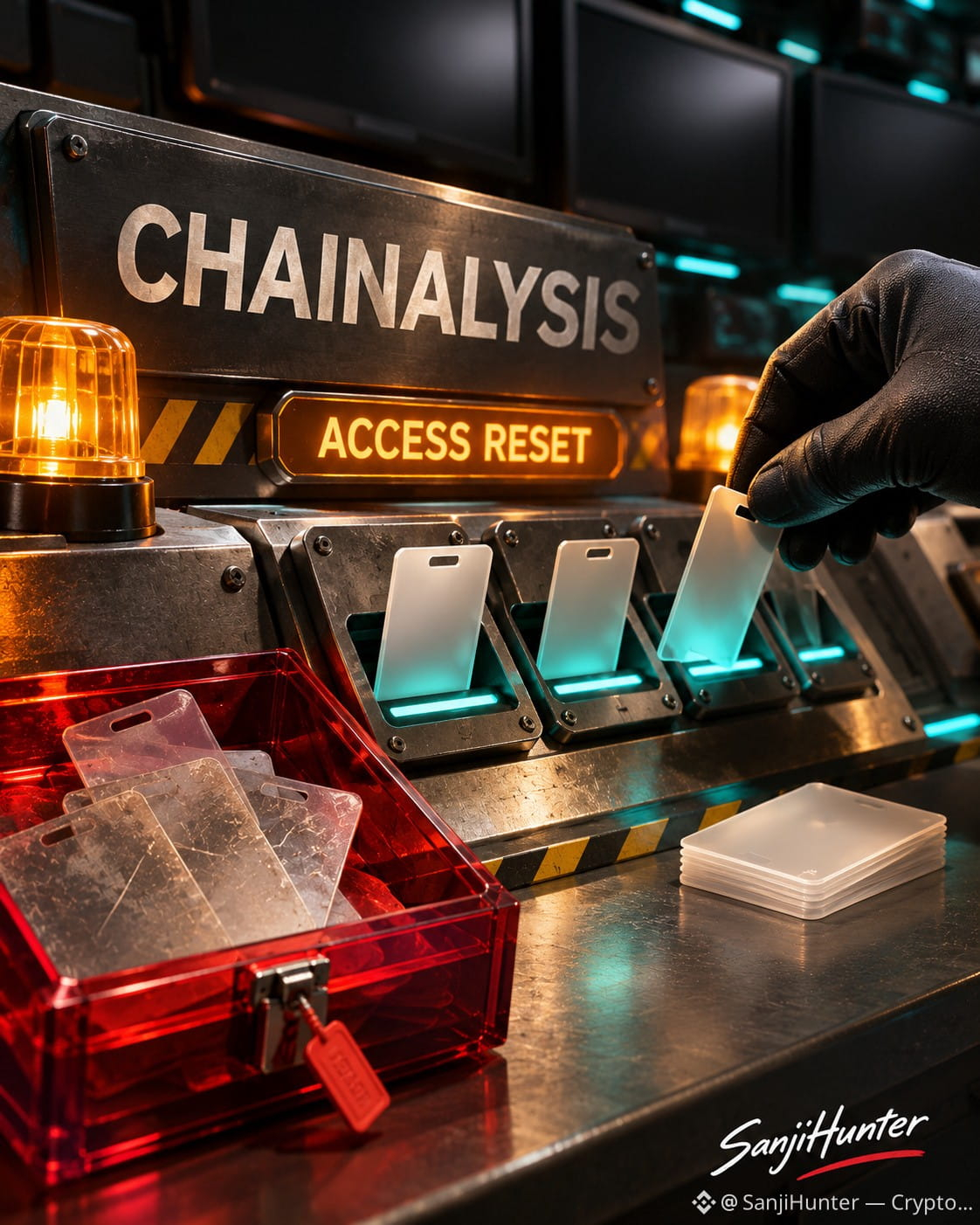
🚨 The company that helps investigate crypto crime just had to lock down its own security systems
Chainalysis initially reported no evidence that authentication credentials were accessed during its cyberattack
Then the findings changed
$LINK
{future}(LINKUSDT)
On November 4, the firm disclosed that customer information including password hashes and live tokens associated with all users had been exposed
It also took its KYT transaction-monitoring and address-screening services offline after detecting abnormal activity
By November 6, services were gradually coming back — but access came with new conditions 👇
$ZEC
{future}(ZECUSDT)
🔐 Trusted IP allowlisting
🔑 Mandatory password resets and API key rotation where applicable
Chainalysis says it still has no evidence that investigation data was accessed or blockchain attribution data manipulated
This incident is separate from the Binance theft
For compliance teams, the deeper risk isn't just stolen credentials
It's losing access to critical monitoring infrastructure during a security incident
📌 Watch service restoration, confirmed account misuse and backup screening procedures
Even the tools designed to detect threats need a fallback plan
$BNB
{future}(BNBUSDT)
#Chainalysis #CryptoSecurity
🚨 The company that helps investigate crypto crime just had to lock down its own security systems
Chainalysis initially reported no evidence that authentication credentials were accessed during its cyberattack
Then the findings changed
$LINK
On November 4, the firm disclosed that customer information including password hashes and live tokens associated with all users had been exposed
It also took its KYT transaction-monitoring and address-screening services offline after detecting abnormal activity
By November 6, services were gradually coming back — but access came with new conditions 👇
$ZEC
🔐 Trusted IP allowlisting
🔑 Mandatory password resets and API key rotation where applicable
Chainalysis says it still has no evidence that investigation data was accessed or blockchain attribution data manipulated
This incident is separate from the Binance theft
For compliance teams, the deeper risk isn't just stolen credentials
It's losing access to critical monitoring infrastructure during a security incident
📌 Watch service restoration, confirmed account misuse and backup screening procedures
Even the tools designed to detect threats need a fallback plan
$BNB
#Chainalysis #CryptoSecurity
Chainalysis initially reported no evidence that authentication credentials were accessed during its cyberattack
Then the findings changed
$LINK
On November 4, the firm disclosed that customer information including password hashes and live tokens associated with all users had been exposed
It also took its KYT transaction-monitoring and address-screening services offline after detecting abnormal activity
By November 6, services were gradually coming back — but access came with new conditions 👇
$ZEC
🔐 Trusted IP allowlisting
🔑 Mandatory password resets and API key rotation where applicable
Chainalysis says it still has no evidence that investigation data was accessed or blockchain attribution data manipulated
This incident is separate from the Binance theft
For compliance teams, the deeper risk isn't just stolen credentials
It's losing access to critical monitoring infrastructure during a security incident
📌 Watch service restoration, confirmed account misuse and backup screening procedures
Even the tools designed to detect threats need a fallback plan
$BNB
#Chainalysis #CryptoSecurity
360

·
--
The people chasing thieves got robbed first—this is the kind of plot even a screenwriter wouldn’t dare write. Chainalysis has admitted it: the October attack exposed users’ names, usernames, password hashes, and still-active login tokens across the entire platform. Its customers even include the FBI and the U.S. Air Force. The login page, KYT, and Reactor all went offline, and everyone was forced to change their passwords and rotate their API keys. The most ironic part? On October 30, it said only non-sensitive data was affected and credentials were safe. Five days later, it changed its story: everyone was compromised. The tools used to investigate crimes got investigated themselves—what do you make of this?
#Chainalysis #数据泄露 #黑客攻击 #币圈安全 #On-chainDetective
The people chasing thieves got robbed first—this is the kind of plot even a screenwriter wouldn’t dare write. Chainalysis has admitted it: the October attack exposed users’ names, usernames, password hashes, and still-active login tokens across the entire platform. Its customers even include the FBI and the U.S. Air Force. The login page, KYT, and Reactor all went offline, and everyone was forced to change their passwords and rotate their API keys. The most ironic part? On October 30, it said only non-sensitive data was affected and credentials were safe. Five days later, it changed its story: everyone was compromised. The tools used to investigate crimes got investigated themselves—what do you make of this?
#Chainalysis #数据泄露 #黑客攻击 #币圈安全 #On-chainDetective
#Chainalysis #数据泄露 #黑客攻击 #币圈安全 #On-chainDetective

51
Log in to explore more content
Join global crypto users on Binance Square
⚡️ Get latest and useful information about crypto.
💬 Trusted by the world’s largest crypto exchange.
👍 Discover real insights from verified creators.
Email / Phone number
Trending Topics
1
#CanBTCReboundAfterFallingBelow60K?
413,571 views
1,772 Discussing
2
#GlobalStocksFaceLongestLosingStreakSince2023
138,776 views
1,239 Discussing
3
#BlackRockIBITPostsRecord$541MSingleDayOutflow
2,552 views
36 Discussing
4
#AnthropicPlungesTowardIPOPriceonDay2
65,962 views
695 Discussing
5
#TwentyOneCapitalAdds172.25BTC
17,923 views
237 Discussing
6
#HKBillWouldExcludeTokenizedDepositsFromVirtualAssets
2,016 views
25 Discussing
7
#BNBDropsBelow540USDTWith8.46%DailyDecline
38,365 views
338 Discussing
8
#HKBillProposesHK$100KFineForUnauthorizedCryptoTitles
1,289 views
19 Discussing
9
#BitMineFaces$10.1BUnrealizedETHLoss
2,315 views
24 Discussing
10
#StrategyReports$35BNetReserves
2,225 views
18 Discussing