
#argentinacommitstooecdcryptoreportingby2029
argentinacommitstooecdcryptoreportingby2029
Hot
Latest

·
--
🚨Crypto Is Becoming Visible
Argentina just joined a much bigger crypto story...
#argentinacommitstooecdcryptoreportingby2029
Argentina has committed to the OECD's Crypto-Asset Reporting Framework (CARF), with automatic crypto-information exchanges targeted for September 2029.
But Argentina isn't alone.
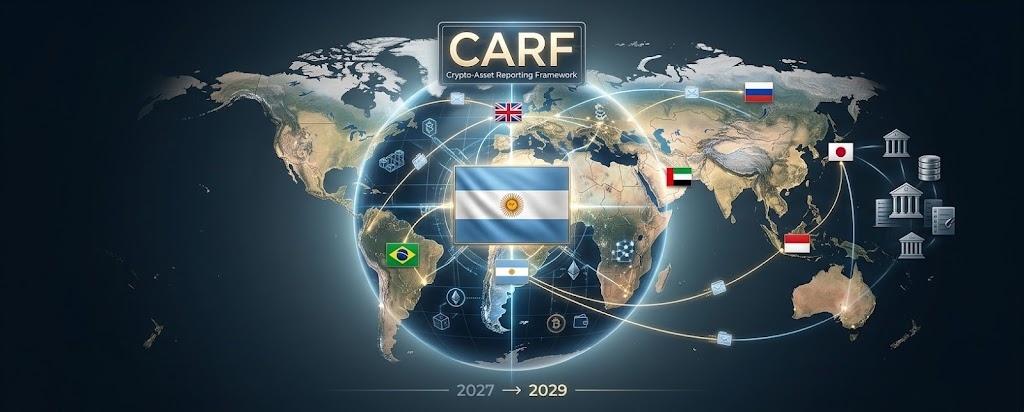
The OECD now lists 77 jurisdictions committed to CARF implementation between 2027 and 2029. Brazil is targeting its first exchanges in 2027, while the group also includes countries such as Japan, Indonesia, the UAE, the UK and Russia.
That's interesting because these countries don't have identical crypto policies.
What they increasingly share is something simpler:
They are building systems to make crypto activity visible to tax authorities across borders.
CARF is essentially the crypto equivalent of the international financial-information reporting framework. It is about collecting and exchanging relevant transaction information — not creating one global crypto tax. Each country still sets its own tax rules.
So I wouldn't call this a global crypto crackdown.
I'd call it a shift from:
“Can governments regulate crypto?”
to:
“How do governments incorporate crypto into the financial system they already monitor?”
That's a very different story.
And perhaps the biggest irony?
Blockchain was designed to make transactions transparent. Governments are learning how to use that transparency too.
DYOR. Educational commentary, not tax or financial advice.
$BNB $BTC $ETH
#EthereumFallsBelow$2400 #BitcoinSlidesTo$76000
#FedRateWatch
🚨Crypto Is Becoming Visible
Argentina just joined a much bigger crypto story...
#argentinacommitstooecdcryptoreportingby2029
Argentina has committed to the OECD's Crypto-Asset Reporting Framework (CARF), with automatic crypto-information exchanges targeted for September 2029.
But Argentina isn't alone.
The OECD now lists 77 jurisdictions committed to CARF implementation between 2027 and 2029. Brazil is targeting its first exchanges in 2027, while the group also includes countries such as Japan, Indonesia, the UAE, the UK and Russia.
That's interesting because these countries don't have identical crypto policies.
What they increasingly share is something simpler:
They are building systems to make crypto activity visible to tax authorities across borders.
CARF is essentially the crypto equivalent of the international financial-information reporting framework. It is about collecting and exchanging relevant transaction information — not creating one global crypto tax. Each country still sets its own tax rules.
So I wouldn't call this a global crypto crackdown.
I'd call it a shift from:
“Can governments regulate crypto?”
to:
“How do governments incorporate crypto into the financial system they already monitor?”
That's a very different story.
And perhaps the biggest irony?
Blockchain was designed to make transactions transparent. Governments are learning how to use that transparency too.
DYOR. Educational commentary, not tax or financial advice.
$BNB $BTC $ETH
#EthereumFallsBelow$2400 #BitcoinSlidesTo$76000
#FedRateWatch
Argentina just joined a much bigger crypto story...
#argentinacommitstooecdcryptoreportingby2029
Argentina has committed to the OECD's Crypto-Asset Reporting Framework (CARF), with automatic crypto-information exchanges targeted for September 2029.
But Argentina isn't alone.
The OECD now lists 77 jurisdictions committed to CARF implementation between 2027 and 2029. Brazil is targeting its first exchanges in 2027, while the group also includes countries such as Japan, Indonesia, the UAE, the UK and Russia.
That's interesting because these countries don't have identical crypto policies.
What they increasingly share is something simpler:
They are building systems to make crypto activity visible to tax authorities across borders.
CARF is essentially the crypto equivalent of the international financial-information reporting framework. It is about collecting and exchanging relevant transaction information — not creating one global crypto tax. Each country still sets its own tax rules.
So I wouldn't call this a global crypto crackdown.
I'd call it a shift from:
“Can governments regulate crypto?”
to:
“How do governments incorporate crypto into the financial system they already monitor?”
That's a very different story.
And perhaps the biggest irony?
Blockchain was designed to make transactions transparent. Governments are learning how to use that transparency too.
DYOR. Educational commentary, not tax or financial advice.
$BNB $BTC $ETH
#EthereumFallsBelow$2400 #BitcoinSlidesTo$76000
#FedRateWatch
1
288

·
--
Bullish
#argentinacommitstooecdcryptoreportingby2029
🇦🇷 Argentina Sets September 2029 Target for International Crypto Tax Reporting
Argentina has committed to bringing cross-border crypto transactions into a wider tax information-sharing system.
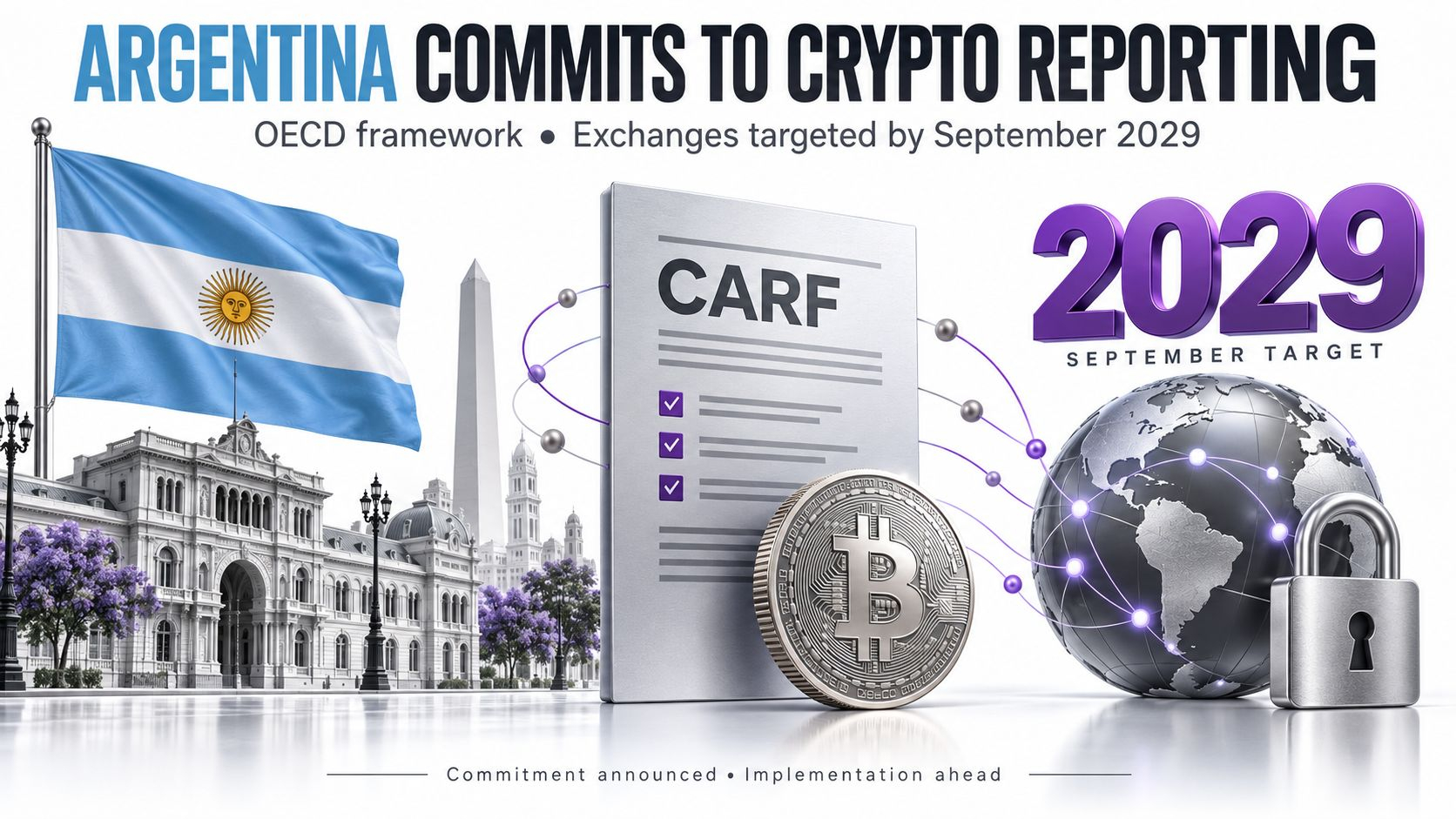
On September 14, the OECD confirmed that Argentina will implement the Crypto-Asset Reporting Framework (CARF) and begin automatically exchanging information on crypto transactions by September 2029.
CARF extends cooperation between tax authorities into crypto, helping them obtain information about transactions taking place abroad. Argentina’s commitment brings the number of participating jurisdictions targeting implementation in 2027, 2028 or 2029 to 77.
The status matters: this is an implementation commitment. The announcement does not mean these exchanges have already started.
My take: the practical impact will depend on how Argentina translates that commitment into domestic requirements. Platforms may need stronger reporting systems, while users will want clarity on what information is collected and how it is protected.
Consistent standards could make operating across borders more predictable. However, implementation costs and data security will be important tests, particularly for smaller providers.
I would watch the domestic rules, reporting scope and preparation deadlines next. Those details will reveal more about the effect on everyday crypto activity than the headline alone.
What would build more confidence in this rollout: clearer reporting rules or stronger privacy safeguards?
#ArgentinaCommitsToOECDCryptoReportingBy2029 #CryptoRegulation #CARF
$AKE $SYN $LSK
{future}(LSKUSDT)
{future}(SYNUSDT)
{future}(AKEUSDT)
#argentinacommitstooecdcryptoreportingby2029
🇦🇷 Argentina Sets September 2029 Target for International Crypto Tax Reporting
Argentina has committed to bringing cross-border crypto transactions into a wider tax information-sharing system.
On September 14, the OECD confirmed that Argentina will implement the Crypto-Asset Reporting Framework (CARF) and begin automatically exchanging information on crypto transactions by September 2029.
CARF extends cooperation between tax authorities into crypto, helping them obtain information about transactions taking place abroad. Argentina’s commitment brings the number of participating jurisdictions targeting implementation in 2027, 2028 or 2029 to 77.
The status matters: this is an implementation commitment. The announcement does not mean these exchanges have already started.
My take: the practical impact will depend on how Argentina translates that commitment into domestic requirements. Platforms may need stronger reporting systems, while users will want clarity on what information is collected and how it is protected.
Consistent standards could make operating across borders more predictable. However, implementation costs and data security will be important tests, particularly for smaller providers.
I would watch the domestic rules, reporting scope and preparation deadlines next. Those details will reveal more about the effect on everyday crypto activity than the headline alone.
What would build more confidence in this rollout: clearer reporting rules or stronger privacy safeguards?
#ArgentinaCommitsToOECDCryptoReportingBy2029 #CryptoRegulation #CARF
$AKE $SYN $LSK
🇦🇷 Argentina Sets September 2029 Target for International Crypto Tax Reporting
Argentina has committed to bringing cross-border crypto transactions into a wider tax information-sharing system.
On September 14, the OECD confirmed that Argentina will implement the Crypto-Asset Reporting Framework (CARF) and begin automatically exchanging information on crypto transactions by September 2029.
CARF extends cooperation between tax authorities into crypto, helping them obtain information about transactions taking place abroad. Argentina’s commitment brings the number of participating jurisdictions targeting implementation in 2027, 2028 or 2029 to 77.
The status matters: this is an implementation commitment. The announcement does not mean these exchanges have already started.
My take: the practical impact will depend on how Argentina translates that commitment into domestic requirements. Platforms may need stronger reporting systems, while users will want clarity on what information is collected and how it is protected.
Consistent standards could make operating across borders more predictable. However, implementation costs and data security will be important tests, particularly for smaller providers.
I would watch the domestic rules, reporting scope and preparation deadlines next. Those details will reveal more about the effect on everyday crypto activity than the headline alone.
What would build more confidence in this rollout: clearer reporting rules or stronger privacy safeguards?
#ArgentinaCommitsToOECDCryptoReportingBy2029 #CryptoRegulation #CARF
$AKE $SYN $LSK
AI Radar:
$POWER Staying Bullish.
1
1
1
1.4k

·
--
Bullish
#argentinacommitstooecdcryptoreportingby2029
🚨 Argentina just moved toward tighter crypto tax reporting.
🇦🇷 Argentina has committed to implement the OECD’s Crypto-Asset Reporting Framework (CARF) and begin automatically exchanging crypto-asset transaction information by September 2029.
This means crypto activity will face more international tax transparency, especially for cross-border transactions.
🌍 Argentina is now among 77 jurisdictions committed to implementing CARF by 2027, 2028 or 2029.
For crypto markets, this is not an immediate price catalyst, but it shows governments are moving toward greater visibility of crypto transactions.
Could this push more users toward privacy-focused crypto? 👀
#ArgentinaCrypto #CryptoRegulation #OECD
#argentinacommitstooecdcryptoreportingby2029
🚨 Argentina just moved toward tighter crypto tax reporting.
🇦🇷 Argentina has committed to implement the OECD’s Crypto-Asset Reporting Framework (CARF) and begin automatically exchanging crypto-asset transaction information by September 2029.
This means crypto activity will face more international tax transparency, especially for cross-border transactions.
🌍 Argentina is now among 77 jurisdictions committed to implementing CARF by 2027, 2028 or 2029.
For crypto markets, this is not an immediate price catalyst, but it shows governments are moving toward greater visibility of crypto transactions.
Could this push more users toward privacy-focused crypto? 👀
#ArgentinaCrypto #CryptoRegulation #OECD
🚨 Argentina just moved toward tighter crypto tax reporting.
🇦🇷 Argentina has committed to implement the OECD’s Crypto-Asset Reporting Framework (CARF) and begin automatically exchanging crypto-asset transaction information by September 2029.
This means crypto activity will face more international tax transparency, especially for cross-border transactions.
🌍 Argentina is now among 77 jurisdictions committed to implementing CARF by 2027, 2028 or 2029.
For crypto markets, this is not an immediate price catalyst, but it shows governments are moving toward greater visibility of crypto transactions.
Could this push more users toward privacy-focused crypto? 👀
#ArgentinaCrypto #CryptoRegulation #OECD

·
--
#argentinacommitstooecdcryptoreportingby2029 🚨 🇦🇷 ARGENTINA COMMITS TO OECD CRYPTO REPORTING BY 2029! 🌐🪙
Argentina has committed to implement the OECD Crypto-Asset Reporting Framework (CARF) and begin the automatic exchange of information on crypto-asset transactions by September 2029. The commitment was announced by the OECD Global Forum on September 14, 2026.
🔥 Key Points
🇦🇷 Argentina will implement CARF
📅 Automatic information exchange targeted for September 2029
🌐 Crypto transactions held or conducted abroad can become more visible to tax authorities
🏛️ The framework is designed to strengthen international tax transparency
🌍 Argentina becomes part of a growing group of jurisdictions committing to CARF implementation; the OECD says 77 jurisdictions now have commitments for implementation in 2027, 2028 or 2029.
⚠️ Cautious outlook: CARF is primarily an information-reporting and transparency framework, not a new crypto tax rate by itself. Its impact will depend on how Argentina implements the rules domestically and how the information is subsequently used for tax compliance.
🚨 🇦🇷 ARGENTINA COMMITS TO OECD CRYPTO REPORTING BY 2029! 🪙🌐
Argentina has committed to implement the OECD Crypto-Asset Reporting Framework (CARF) and begin automatic exchange of information on crypto-asset transactions by September 2029.
🔹 🇦🇷 Argentina joins the global CARF framework
🔹 📅 Target for automatic exchanges: September 2029
🔹 🌐 Greater visibility of cross-border crypto activity
🔹 🏛️ Stronger international tax transparency
🔹 🌍 77 jurisdictions now have CARF implementation commitments for 2027–2029
🔥 The move signals that crypto reporting is becoming increasingly integrated into the global financial information-sharing system.
⚠️ Important: CARF is a reporting and transparency framework — it does not automatically create a new crypto tax rate. The practical impact will depend on Argentina’s domestic implementation and tax rules.
#Argentina #Crypto #Bitcoin #CryptoTax #OECD #CARF
#argentinacommitstooecdcryptoreportingby2029 🚨 🇦🇷 ARGENTINA COMMITS TO OECD CRYPTO REPORTING BY 2029! 🌐🪙
Argentina has committed to implement the OECD Crypto-Asset Reporting Framework (CARF) and begin the automatic exchange of information on crypto-asset transactions by September 2029. The commitment was announced by the OECD Global Forum on September 14, 2026.
🔥 Key Points
🇦🇷 Argentina will implement CARF
📅 Automatic information exchange targeted for September 2029
🌐 Crypto transactions held or conducted abroad can become more visible to tax authorities
🏛️ The framework is designed to strengthen international tax transparency
🌍 Argentina becomes part of a growing group of jurisdictions committing to CARF implementation; the OECD says 77 jurisdictions now have commitments for implementation in 2027, 2028 or 2029.
⚠️ Cautious outlook: CARF is primarily an information-reporting and transparency framework, not a new crypto tax rate by itself. Its impact will depend on how Argentina implements the rules domestically and how the information is subsequently used for tax compliance.
🚨 🇦🇷 ARGENTINA COMMITS TO OECD CRYPTO REPORTING BY 2029! 🪙🌐
Argentina has committed to implement the OECD Crypto-Asset Reporting Framework (CARF) and begin automatic exchange of information on crypto-asset transactions by September 2029.
🔹 🇦🇷 Argentina joins the global CARF framework
🔹 📅 Target for automatic exchanges: September 2029
🔹 🌐 Greater visibility of cross-border crypto activity
🔹 🏛️ Stronger international tax transparency
🔹 🌍 77 jurisdictions now have CARF implementation commitments for 2027–2029
🔥 The move signals that crypto reporting is becoming increasingly integrated into the global financial information-sharing system.
⚠️ Important: CARF is a reporting and transparency framework — it does not automatically create a new crypto tax rate. The practical impact will depend on Argentina’s domestic implementation and tax rules.
#Argentina #Crypto #Bitcoin #CryptoTax #OECD #CARF
Argentina has committed to implement the OECD Crypto-Asset Reporting Framework (CARF) and begin the automatic exchange of information on crypto-asset transactions by September 2029. The commitment was announced by the OECD Global Forum on September 14, 2026.
🔥 Key Points
🇦🇷 Argentina will implement CARF
📅 Automatic information exchange targeted for September 2029
🌐 Crypto transactions held or conducted abroad can become more visible to tax authorities
🏛️ The framework is designed to strengthen international tax transparency
🌍 Argentina becomes part of a growing group of jurisdictions committing to CARF implementation; the OECD says 77 jurisdictions now have commitments for implementation in 2027, 2028 or 2029.
⚠️ Cautious outlook: CARF is primarily an information-reporting and transparency framework, not a new crypto tax rate by itself. Its impact will depend on how Argentina implements the rules domestically and how the information is subsequently used for tax compliance.
🚨 🇦🇷 ARGENTINA COMMITS TO OECD CRYPTO REPORTING BY 2029! 🪙🌐
Argentina has committed to implement the OECD Crypto-Asset Reporting Framework (CARF) and begin automatic exchange of information on crypto-asset transactions by September 2029.
🔹 🇦🇷 Argentina joins the global CARF framework
🔹 📅 Target for automatic exchanges: September 2029
🔹 🌐 Greater visibility of cross-border crypto activity
🔹 🏛️ Stronger international tax transparency
🔹 🌍 77 jurisdictions now have CARF implementation commitments for 2027–2029
🔥 The move signals that crypto reporting is becoming increasingly integrated into the global financial information-sharing system.
⚠️ Important: CARF is a reporting and transparency framework — it does not automatically create a new crypto tax rate. The practical impact will depend on Argentina’s domestic implementation and tax rules.
#Argentina #Crypto #Bitcoin #CryptoTax #OECD #CARF
6

·
--
#ArgentinaCommitsToOECDCryptoReportingBy2029 🚨 Argentina just put a deadline on crypto transparency.
By September 2029, Argentina plans to start automatically exchanging crypto-asset transaction information under the OECD’s CARF framework.
CARF aims to make cross-border crypto activity more visible to tax authorities through standardized reporting.
Crypto regulation is shifting from broad rules to detailed reporting infrastructure. Argentina’s move shows that transparency is becoming a bigger part of the global crypto landscape. For traders, investors, and businesses, understanding local tax and reporting requirements could become just as important as understanding market movements and on-chain activity.
2029 sounds far away—but the direction is already clear. 👀
#Argentina #Crypto #CARF #OECD #CryptoRegulation #Bitcoin #Ethereum #BinanceSquare
#ArgentinaCommitsToOECDCryptoReportingBy2029 🚨 Argentina just put a deadline on crypto transparency.
By September 2029, Argentina plans to start automatically exchanging crypto-asset transaction information under the OECD’s CARF framework.
CARF aims to make cross-border crypto activity more visible to tax authorities through standardized reporting.
Crypto regulation is shifting from broad rules to detailed reporting infrastructure. Argentina’s move shows that transparency is becoming a bigger part of the global crypto landscape. For traders, investors, and businesses, understanding local tax and reporting requirements could become just as important as understanding market movements and on-chain activity.
2029 sounds far away—but the direction is already clear. 👀
#Argentina #Crypto #CARF #OECD #CryptoRegulation #Bitcoin #Ethereum #BinanceSquare
By September 2029, Argentina plans to start automatically exchanging crypto-asset transaction information under the OECD’s CARF framework.
CARF aims to make cross-border crypto activity more visible to tax authorities through standardized reporting.
Crypto regulation is shifting from broad rules to detailed reporting infrastructure. Argentina’s move shows that transparency is becoming a bigger part of the global crypto landscape. For traders, investors, and businesses, understanding local tax and reporting requirements could become just as important as understanding market movements and on-chain activity.
2029 sounds far away—but the direction is already clear. 👀
#Argentina #Crypto #CARF #OECD #CryptoRegulation #Bitcoin #Ethereum #BinanceSquare
1
15

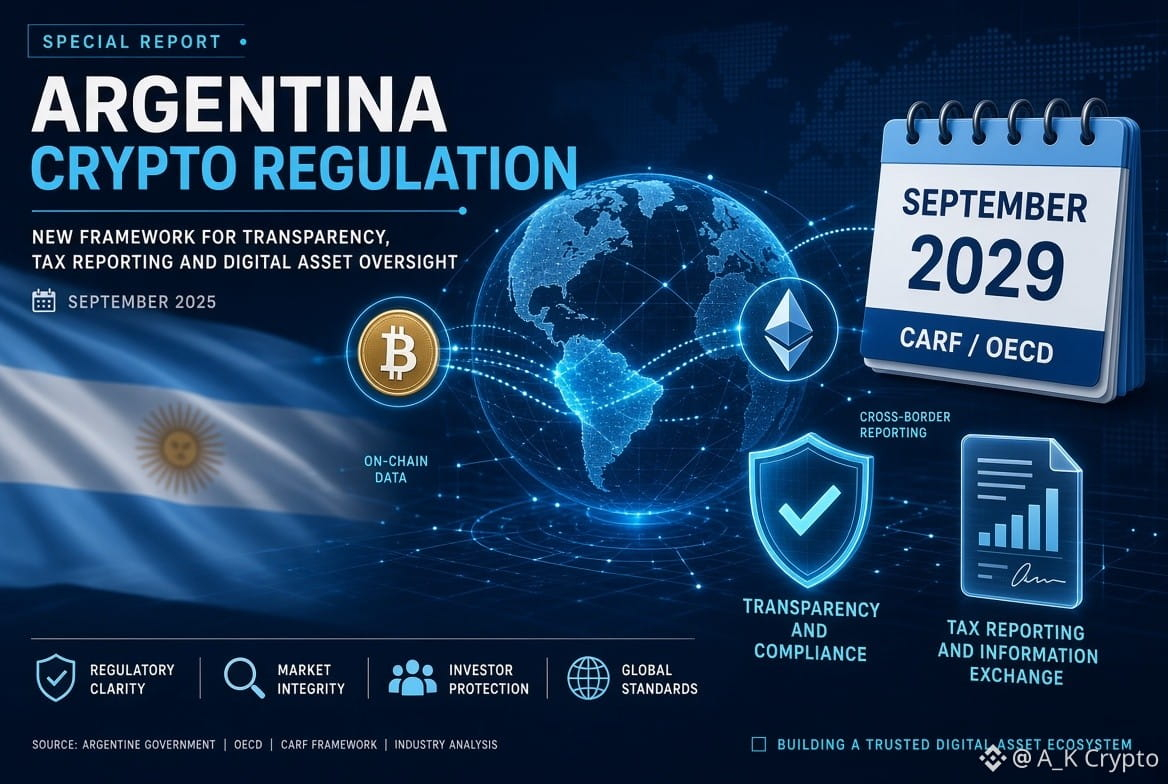
Argentina has officially committed to adopting the OECD's crypto-asset reporting framework by 2029. This move signifies a significant step towards global regulatory alignment in the digital asset space. By integrating with international standards, Argentina aims to enhance transparency, combat illicit activities, and foster a more secure environment for crypto adoption. This commitment could attract more institutional investment and legitimize the burgeoning crypto market within the country. The long-term outlook suggests a more regulated and potentially stable crypto ecosystem, influencing how both domestic and international players operate.
Disclaimer: This content is for informational purposes only and does not constitute investment advice.
#ArgentinaCommitsToOECDCryptoReportingBy2029
Argentina has officially committed to adopting the OECD's crypto-asset reporting framework by 2029. This move signifies a significant step towards global regulatory alignment in the digital asset space. By integrating with international standards, Argentina aims to enhance transparency, combat illicit activities, and foster a more secure environment for crypto adoption. This commitment could attract more institutional investment and legitimize the burgeoning crypto market within the country. The long-term outlook suggests a more regulated and potentially stable crypto ecosystem, influencing how both domestic and international players operate.
Disclaimer: This content is for informational purposes only and does not constitute investment advice.
#ArgentinaCommitsToOECDCryptoReportingBy2029
Disclaimer: This content is for informational purposes only and does not constitute investment advice.
#ArgentinaCommitsToOECDCryptoReportingBy2029
1
2

#ArgentinaCommitsToOECDCryptoReportingBy2029
🚨🇦🇷 ARGENTINA JUST MADE A BIG CRYPTO REPORTING MOVE!
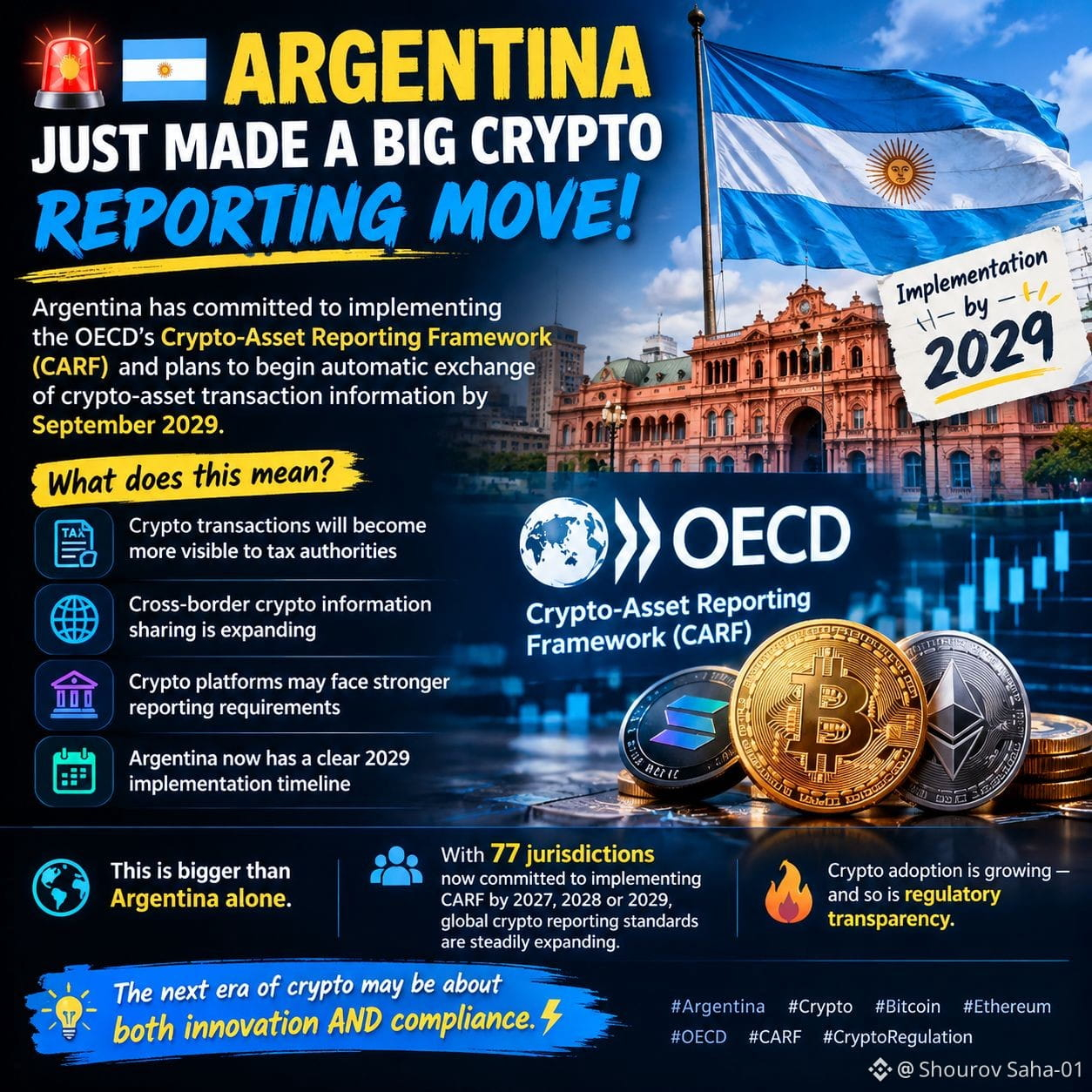
Argentina has committed to implementing the OECD’s Crypto-Asset Reporting Framework (CARF) and plans to begin automatic exchange of crypto-asset transaction information by September 2029.
What does this mean? 👀
📊 Crypto transactions will become more visible to tax authorities
🌍 Cross-border crypto information sharing is expanding
🏦 Crypto platforms may face stronger reporting requirements
⏳ Argentina now has a clear 2029 implementation timeline
This is bigger than Argentina alone.
With 77 jurisdictions now committed to implementing CARF by 2027, 2028 or 2029, global crypto reporting standards are steadily expanding.
🔥 Crypto adoption is growing — and so is regulatory transparency.
The next era of crypto may be about both innovation AND compliance. ⚡
$SAGA $VTHO $ETH
{future}(SAGAUSDT)
{future}(VTHOUSDT)
{future}(ETHUSDT)
#argentina #crypto #Bitcoin #Ethereum
#ArgentinaCommitsToOECDCryptoReportingBy2029
🚨🇦🇷 ARGENTINA JUST MADE A BIG CRYPTO REPORTING MOVE!
Argentina has committed to implementing the OECD’s Crypto-Asset Reporting Framework (CARF) and plans to begin automatic exchange of crypto-asset transaction information by September 2029.
What does this mean? 👀
📊 Crypto transactions will become more visible to tax authorities
🌍 Cross-border crypto information sharing is expanding
🏦 Crypto platforms may face stronger reporting requirements
⏳ Argentina now has a clear 2029 implementation timeline
This is bigger than Argentina alone.
With 77 jurisdictions now committed to implementing CARF by 2027, 2028 or 2029, global crypto reporting standards are steadily expanding.
🔥 Crypto adoption is growing — and so is regulatory transparency.
The next era of crypto may be about both innovation AND compliance. ⚡
$SAGA $VTHO $ETH
#argentina #crypto #Bitcoin #Ethereum
🚨🇦🇷 ARGENTINA JUST MADE A BIG CRYPTO REPORTING MOVE!
Argentina has committed to implementing the OECD’s Crypto-Asset Reporting Framework (CARF) and plans to begin automatic exchange of crypto-asset transaction information by September 2029.
What does this mean? 👀
📊 Crypto transactions will become more visible to tax authorities
🌍 Cross-border crypto information sharing is expanding
🏦 Crypto platforms may face stronger reporting requirements
⏳ Argentina now has a clear 2029 implementation timeline
This is bigger than Argentina alone.
With 77 jurisdictions now committed to implementing CARF by 2027, 2028 or 2029, global crypto reporting standards are steadily expanding.
🔥 Crypto adoption is growing — and so is regulatory transparency.
The next era of crypto may be about both innovation AND compliance. ⚡
$SAGA $VTHO $ETH
#argentina #crypto #Bitcoin #Ethereum
2
229

·
--
#ArgentinaCommitsToOECDCryptoReportingBy2029
#ArgentinaCommitsToOECDCryptoReportingBy2029
Argentina has committed to implementing the OECD’s Crypto-Asset Reporting Framework (CARF) and beginning the automatic exchange of information on crypto-asset transactions by September 2029, according to the OECD Global Forum. �
OECD
Under CARF, crypto-asset service providers will be subject to reporting requirements that allow tax authorities to obtain information about crypto transactions and exchange relevant data across borders. The framework is intended to strengthen international tax transparency and address risks of tax evasion and avoidance involving crypto assets. �
OECD
Argentina has participated in the Global Forum since 2009 and has also been involved in discussions on CARF implementation. With its latest commitment, the OECD says 77 jurisdictions have now committed to implementing CARF on timelines running through 2027, 2028 or 2029. �
OECD
For Argentina's crypto market, the commitment means that cross-border crypto activity is expected to become increasingly visible to tax authorities, particularly where assets or transactions involve foreign jurisdictions. The Global Forum will monitor Argentina's progress toward its September 2029 implementation target. �
OECD$NVDA.US $AAPL.US
#ArgentinaCommitsToOECDCryptoReportingBy2029
#ArgentinaCommitsToOECDCryptoReportingBy2029
Argentina has committed to implementing the OECD’s Crypto-Asset Reporting Framework (CARF) and beginning the automatic exchange of information on crypto-asset transactions by September 2029, according to the OECD Global Forum. �
OECD
Under CARF, crypto-asset service providers will be subject to reporting requirements that allow tax authorities to obtain information about crypto transactions and exchange relevant data across borders. The framework is intended to strengthen international tax transparency and address risks of tax evasion and avoidance involving crypto assets. �
OECD
Argentina has participated in the Global Forum since 2009 and has also been involved in discussions on CARF implementation. With its latest commitment, the OECD says 77 jurisdictions have now committed to implementing CARF on timelines running through 2027, 2028 or 2029. �
OECD
For Argentina's crypto market, the commitment means that cross-border crypto activity is expected to become increasingly visible to tax authorities, particularly where assets or transactions involve foreign jurisdictions. The Global Forum will monitor Argentina's progress toward its September 2029 implementation target. �
OECD$NVDA.US $AAPL.US
#ArgentinaCommitsToOECDCryptoReportingBy2029
Argentina has committed to implementing the OECD’s Crypto-Asset Reporting Framework (CARF) and beginning the automatic exchange of information on crypto-asset transactions by September 2029, according to the OECD Global Forum. �
OECD
Under CARF, crypto-asset service providers will be subject to reporting requirements that allow tax authorities to obtain information about crypto transactions and exchange relevant data across borders. The framework is intended to strengthen international tax transparency and address risks of tax evasion and avoidance involving crypto assets. �
OECD
Argentina has participated in the Global Forum since 2009 and has also been involved in discussions on CARF implementation. With its latest commitment, the OECD says 77 jurisdictions have now committed to implementing CARF on timelines running through 2027, 2028 or 2029. �
OECD
For Argentina's crypto market, the commitment means that cross-border crypto activity is expected to become increasingly visible to tax authorities, particularly where assets or transactions involve foreign jurisdictions. The Global Forum will monitor Argentina's progress toward its September 2029 implementation target. �
OECD$NVDA.US $AAPL.US
NVDAUS+0.56%
AAPLUS+0.15%
1
39

🇦🇷 ARGENTINA’S CRYPTO MOVE COULD CHANGE THE GAME
Argentina has committed to implementing the OECD’s crypto-asset reporting framework by 2029.
At first glance, 2029 may sound far away. But for the crypto industry, this is an important signal: governments are moving toward greater transparency and standardized reporting for digital assets. 🌐
The OECD framework is designed to improve the exchange of information related to crypto-asset transactions between participating jurisdictions.
For crypto users and businesses, this could mean a gradual shift toward a more structured regulatory environment.
For the market, the bigger question is:
👉 Will clearer reporting rules increase institutional confidence in crypto — or create additional compliance pressure for users and platforms?
Argentina’s move is also part of a broader global trend where digital assets are increasingly being brought into existing tax and reporting frameworks.
Crypto adoption is growing, but so is regulation.
The next few years could be less about whether crypto becomes regulated — and more about how regulation shapes the next phase of adoption. 👀
What do you think: Will standardized crypto reporting ultimately strengthen the industry?
#ArgentinaCommitsToOECDCryptoReportingBy2029 #Crypto #Argentina #OECD #bitcoin.”
🇦🇷 ARGENTINA’S CRYPTO MOVE COULD CHANGE THE GAME
Argentina has committed to implementing the OECD’s crypto-asset reporting framework by 2029.
At first glance, 2029 may sound far away. But for the crypto industry, this is an important signal: governments are moving toward greater transparency and standardized reporting for digital assets. 🌐
The OECD framework is designed to improve the exchange of information related to crypto-asset transactions between participating jurisdictions.
For crypto users and businesses, this could mean a gradual shift toward a more structured regulatory environment.
For the market, the bigger question is:
👉 Will clearer reporting rules increase institutional confidence in crypto — or create additional compliance pressure for users and platforms?
Argentina’s move is also part of a broader global trend where digital assets are increasingly being brought into existing tax and reporting frameworks.
Crypto adoption is growing, but so is regulation.
The next few years could be less about whether crypto becomes regulated — and more about how regulation shapes the next phase of adoption. 👀
What do you think: Will standardized crypto reporting ultimately strengthen the industry?
#ArgentinaCommitsToOECDCryptoReportingBy2029 #Crypto #Argentina #OECD #bitcoin.”
Argentina has committed to implementing the OECD’s crypto-asset reporting framework by 2029.
At first glance, 2029 may sound far away. But for the crypto industry, this is an important signal: governments are moving toward greater transparency and standardized reporting for digital assets. 🌐
The OECD framework is designed to improve the exchange of information related to crypto-asset transactions between participating jurisdictions.
For crypto users and businesses, this could mean a gradual shift toward a more structured regulatory environment.
For the market, the bigger question is:
👉 Will clearer reporting rules increase institutional confidence in crypto — or create additional compliance pressure for users and platforms?
Argentina’s move is also part of a broader global trend where digital assets are increasingly being brought into existing tax and reporting frameworks.
Crypto adoption is growing, but so is regulation.
The next few years could be less about whether crypto becomes regulated — and more about how regulation shapes the next phase of adoption. 👀
What do you think: Will standardized crypto reporting ultimately strengthen the industry?
#ArgentinaCommitsToOECDCryptoReportingBy2029 #Crypto #Argentina #OECD #bitcoin.”
1
45

·
--
#ArgentinaCommitsToOECDCryptoReportingBy2029
🇦🇷 Argentina has committed to the OECD’s Crypto-Asset Reporting Framework (CARF), with automatic information exchange on crypto transactions planned to begin by September 2029.
A significant step toward greater international crypto tax transparency. 🌐📊
#ArgentinaCommitsToOECDCryptoReportingBy2029
🇦🇷 Argentina has committed to the OECD’s Crypto-Asset Reporting Framework (CARF), with automatic information exchange on crypto transactions planned to begin by September 2029.
A significant step toward greater international crypto tax transparency. 🌐📊
🇦🇷 Argentina has committed to the OECD’s Crypto-Asset Reporting Framework (CARF), with automatic information exchange on crypto transactions planned to begin by September 2029.
A significant step toward greater international crypto tax transparency. 🌐📊
1
53


·
--
Article
LSK Shorts Building Pressure or Squeeze Incoming? Four Charts Telling Today’s StoryListen up. $LSK is showing some clear signals this morning. The token has been on a wild ride after the 100 million token burn and the upcoming chain shutdown news. Price ripped hard and then cooled off. Now the futures data is painting a more interesting picture. Let’s break down these four screenshots one by one.
First up is the Taker Buy/Sell Volume chart. This covers 08:35 to 09:45. Red bars are taker sell volume. Green bars are taker buy volume. Early on, both sides showed solid activity, but red bars were taller in several candles. Volume then tapered off toward the end of the window. Taker volume tells you who is more aggressive. When sellers dominate with market orders, it often creates short-term downside pressure. The drop in overall volume also suggests momentum is cooling. Aggressive selling is still present, but the intensity is fading.
Second chart is the Funding Rate. Over the past week it has stayed deeply negative. Right now it sits around -0.094%. Negative funding means shorts are paying longs. Holding short positions is costing money. This usually happens when the market is crowded on the short side. If price starts moving up, those shorts get forced to cover and a squeeze can ignite quickly. The persistent negative readings show shorts have been leaning hard for days.
Third is the Top Trader Long/Short Ratio by accounts. Red (short accounts) is clearly dominating the stack. The long/short ratio line has been sliding lower. Top traders are leaning short. When the bigger accounts sit heavily on one side, it often acts as a contrary signal against pure retail positioning. Smart money appears positioned for further downside or at least hedging aggressively.
Fourth chart shows Open Interest to Market Cap Ratio. The ratio is climbing while futures price chops around. Rising open interest means new positions are being opened. When OI rises alongside negative funding, it often signals a short ramp. Traders are adding short exposure and leverage is building. In this setup a positive catalyst can trigger a sharp squeeze. Without one, the downside can also accelerate as the crowded trade gets tested.
Putting it all together, the current setup shows clear short pressure. Funding is negative, top traders are short-heavy, and open interest is expanding. LSK still carries the burn and migration narrative in the background. Price is hovering near the 0.45–0.50 zone with elevated futures volume. Do not trade off a single chart. Read volume, funding, ratio, and open interest together. Markets rarely move in a straight line. Manage risk tightly and stay flexible.
$AKE $SYN
#FedRateWatch #ArgentinaCommitsToOECDCryptoReportingBy2029 #EthereumFallsBelow$2400 #BitcoinSlidesTo$76000
LSK Shorts Building Pressure or Squeeze Incoming? Four Charts Telling Today’s Story
Listen up. $LSK is showing some clear signals this morning. The token has been on a wild ride after the 100 million token burn and the upcoming chain shutdown news. Price ripped hard and then cooled off. Now the futures data is painting a more interesting picture. Let’s break down these four screenshots one by one.
First up is the Taker Buy/Sell Volume chart. This covers 08:35 to 09:45. Red bars are taker sell volume. Green bars are taker buy volume. Early on, both sides showed solid activity, but red bars were taller in several candles. Volume then tapered off toward the end of the window. Taker volume tells you who is more aggressive. When sellers dominate with market orders, it often creates short-term downside pressure. The drop in overall volume also suggests momentum is cooling. Aggressive selling is still present, but the intensity is fading.
Second chart is the Funding Rate. Over the past week it has stayed deeply negative. Right now it sits around -0.094%. Negative funding means shorts are paying longs. Holding short positions is costing money. This usually happens when the market is crowded on the short side. If price starts moving up, those shorts get forced to cover and a squeeze can ignite quickly. The persistent negative readings show shorts have been leaning hard for days.
Third is the Top Trader Long/Short Ratio by accounts. Red (short accounts) is clearly dominating the stack. The long/short ratio line has been sliding lower. Top traders are leaning short. When the bigger accounts sit heavily on one side, it often acts as a contrary signal against pure retail positioning. Smart money appears positioned for further downside or at least hedging aggressively.
Fourth chart shows Open Interest to Market Cap Ratio. The ratio is climbing while futures price chops around. Rising open interest means new positions are being opened. When OI rises alongside negative funding, it often signals a short ramp. Traders are adding short exposure and leverage is building. In this setup a positive catalyst can trigger a sharp squeeze. Without one, the downside can also accelerate as the crowded trade gets tested.
Putting it all together, the current setup shows clear short pressure. Funding is negative, top traders are short-heavy, and open interest is expanding. LSK still carries the burn and migration narrative in the background. Price is hovering near the 0.45–0.50 zone with elevated futures volume. Do not trade off a single chart. Read volume, funding, ratio, and open interest together. Markets rarely move in a straight line. Manage risk tightly and stay flexible.
$AKE $SYN
#FedRateWatch #ArgentinaCommitsToOECDCryptoReportingBy2029 #EthereumFallsBelow$2400 #BitcoinSlidesTo$76000
First up is the Taker Buy/Sell Volume chart. This covers 08:35 to 09:45. Red bars are taker sell volume. Green bars are taker buy volume. Early on, both sides showed solid activity, but red bars were taller in several candles. Volume then tapered off toward the end of the window. Taker volume tells you who is more aggressive. When sellers dominate with market orders, it often creates short-term downside pressure. The drop in overall volume also suggests momentum is cooling. Aggressive selling is still present, but the intensity is fading.
Second chart is the Funding Rate. Over the past week it has stayed deeply negative. Right now it sits around -0.094%. Negative funding means shorts are paying longs. Holding short positions is costing money. This usually happens when the market is crowded on the short side. If price starts moving up, those shorts get forced to cover and a squeeze can ignite quickly. The persistent negative readings show shorts have been leaning hard for days.
Third is the Top Trader Long/Short Ratio by accounts. Red (short accounts) is clearly dominating the stack. The long/short ratio line has been sliding lower. Top traders are leaning short. When the bigger accounts sit heavily on one side, it often acts as a contrary signal against pure retail positioning. Smart money appears positioned for further downside or at least hedging aggressively.
Fourth chart shows Open Interest to Market Cap Ratio. The ratio is climbing while futures price chops around. Rising open interest means new positions are being opened. When OI rises alongside negative funding, it often signals a short ramp. Traders are adding short exposure and leverage is building. In this setup a positive catalyst can trigger a sharp squeeze. Without one, the downside can also accelerate as the crowded trade gets tested.
Putting it all together, the current setup shows clear short pressure. Funding is negative, top traders are short-heavy, and open interest is expanding. LSK still carries the burn and migration narrative in the background. Price is hovering near the 0.45–0.50 zone with elevated futures volume. Do not trade off a single chart. Read volume, funding, ratio, and open interest together. Markets rarely move in a straight line. Manage risk tightly and stay flexible.
$AKE $SYN
#FedRateWatch #ArgentinaCommitsToOECDCryptoReportingBy2029 #EthereumFallsBelow$2400 #BitcoinSlidesTo$76000
4
465

·
--
Bullish
What coins are catching your attention right now? 👀
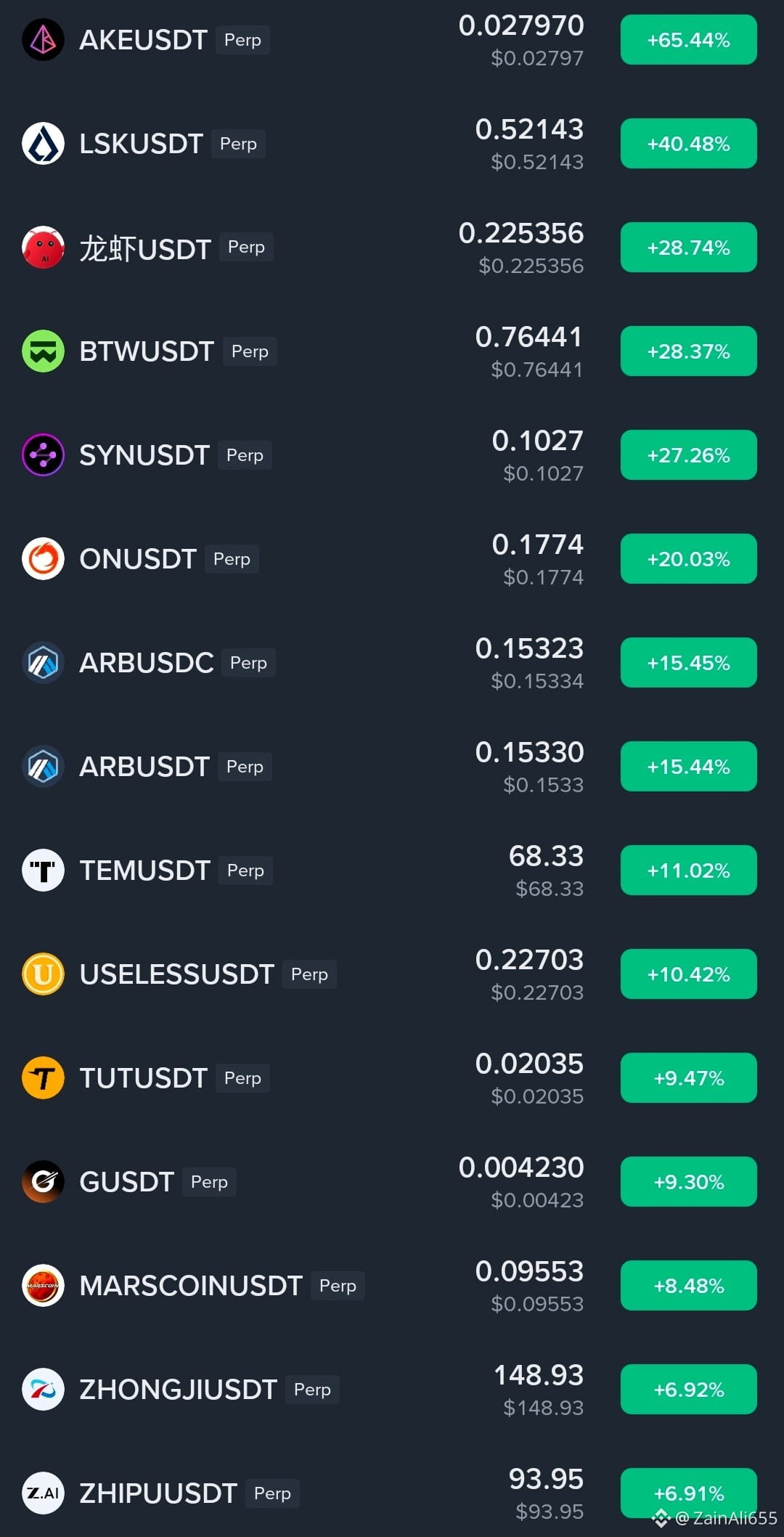
I’ve been watching the Binance Gainers board and the momentum is getting interesting. AKE is leading with +65.44%, while LSK is up +40.48%.
龙虾, BTW and SYN are also showing strong moves. I’m not chasing green candles though — I want to see whether this momentum can hold and where the next opportunity appears.
My mindset is simple:
Watch the momentum, research the move, manage the risk, and don’t enter just because a coin is pumping.
#FedRateWatch #ArgentinaCommitsToOECDCryptoReportingBy2029 #USDTLaunchesOnZamaPrivacyProtocol #USSenateBlocksClarityAct #StrategyMarketCapPassesFord
What are you watching right now?
$AKE
{future}(AKEUSDT)
$LSK
{future}(LSKUSDT)
$BTW
{future}(BTWUSDT)
What coins are catching your attention right now? 👀
I’ve been watching the Binance Gainers board and the momentum is getting interesting. AKE is leading with +65.44%, while LSK is up +40.48%.
龙虾, BTW and SYN are also showing strong moves. I’m not chasing green candles though — I want to see whether this momentum can hold and where the next opportunity appears.
My mindset is simple:
Watch the momentum, research the move, manage the risk, and don’t enter just because a coin is pumping.
#FedRateWatch #ArgentinaCommitsToOECDCryptoReportingBy2029 #USDTLaunchesOnZamaPrivacyProtocol #USSenateBlocksClarityAct #StrategyMarketCapPassesFord
What are you watching right now?
$AKE
$LSK
$BTW
I’ve been watching the Binance Gainers board and the momentum is getting interesting. AKE is leading with +65.44%, while LSK is up +40.48%.
龙虾, BTW and SYN are also showing strong moves. I’m not chasing green candles though — I want to see whether this momentum can hold and where the next opportunity appears.
My mindset is simple:
Watch the momentum, research the move, manage the risk, and don’t enter just because a coin is pumping.
#FedRateWatch #ArgentinaCommitsToOECDCryptoReportingBy2029 #USDTLaunchesOnZamaPrivacyProtocol #USSenateBlocksClarityAct #StrategyMarketCapPassesFord
What are you watching right now?
$AKE
$LSK
$BTW
1
315

·
--
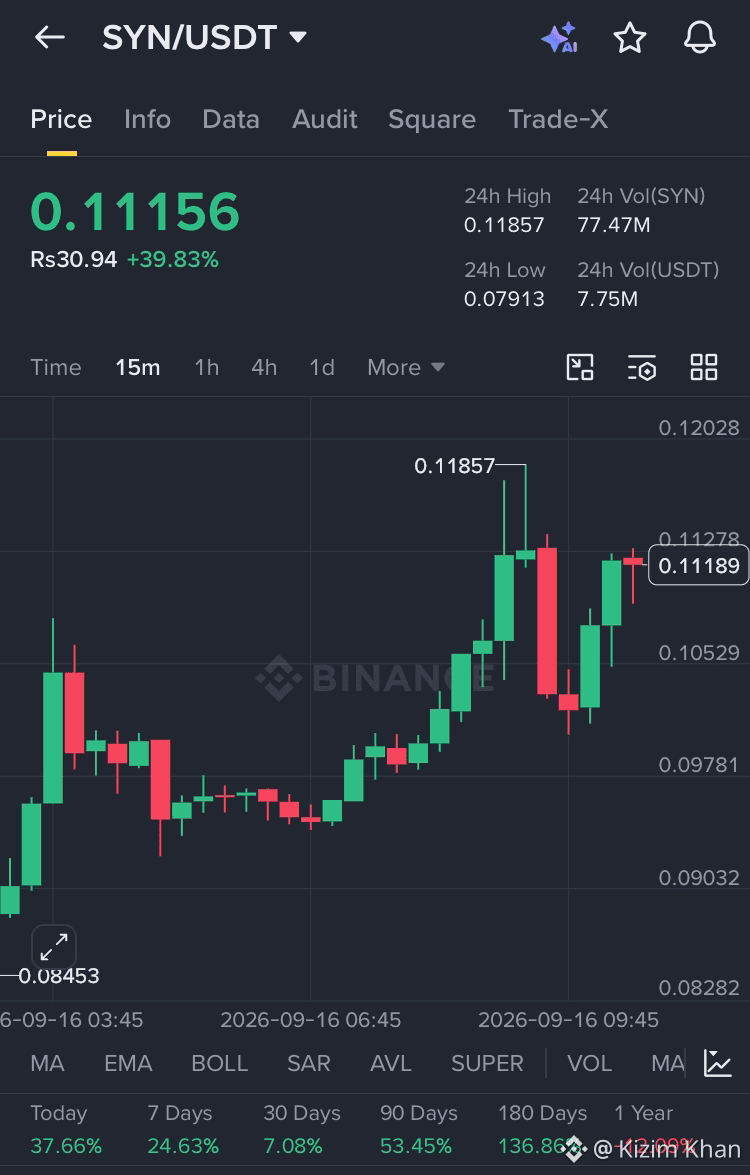
$SYN Long Setup
🔹 Entry: 0.1120 – 0.1130
🎯 TP1: 0.1150
🎯 TP2: 0.1180
🎯 TP3: 0.1220
🛑 SL: 0.1085
#USDTLaunchesOnZamaPrivacyProtocol #ArgentinaCommitsToOECDCryptoReportingBy2029
$SYN Long Setup
🔹 Entry: 0.1120 – 0.1130
🎯 TP1: 0.1150
🎯 TP2: 0.1180
🎯 TP3: 0.1220
🛑 SL: 0.1085
#USDTLaunchesOnZamaPrivacyProtocol #ArgentinaCommitsToOECDCryptoReportingBy2029
🔹 Entry: 0.1120 – 0.1130
🎯 TP1: 0.1150
🎯 TP2: 0.1180
🎯 TP3: 0.1220
🛑 SL: 0.1085
#USDTLaunchesOnZamaPrivacyProtocol #ArgentinaCommitsToOECDCryptoReportingBy2029
2
33


·
--
🚨 WHALE ROTATION
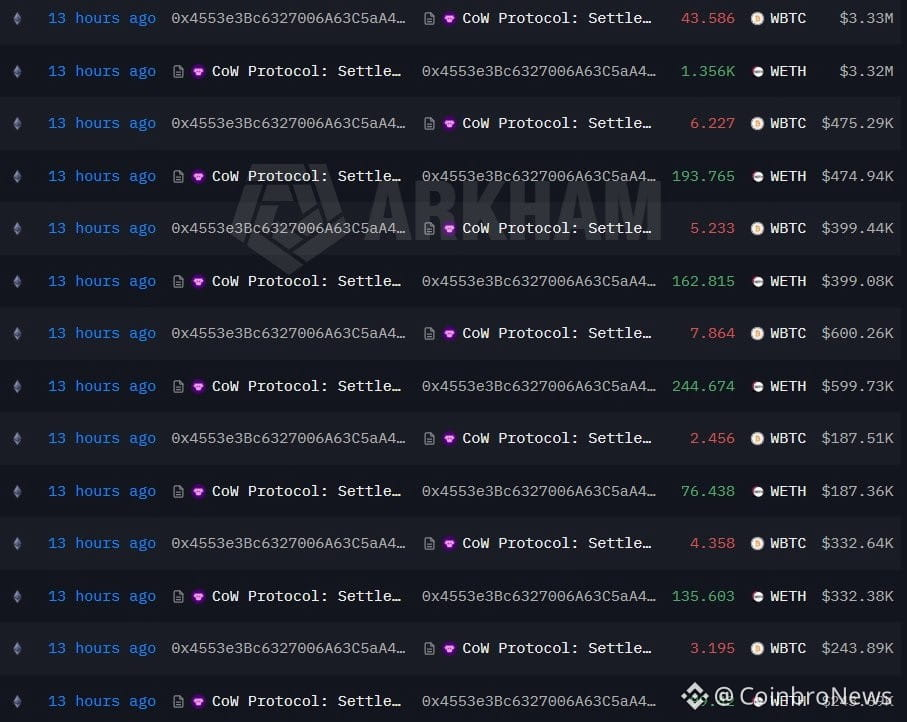
A whale sold $64M in BTC and used the entire amount to buy ETH.
BTC → ETH A notable rotation worth watching.
#Crypto #BTC #ETH #Whale #ArgentinaCommitsToOECDCryptoReportingBy2029 $BTC $ETH
{future}(ETHUSDT)
{future}(BTCUSDT)
🚨 WHALE ROTATION
A whale sold $64M in BTC and used the entire amount to buy ETH.
BTC → ETH A notable rotation worth watching.
#Crypto #BTC #ETH #Whale #ArgentinaCommitsToOECDCryptoReportingBy2029 $BTC $ETH
A whale sold $64M in BTC and used the entire amount to buy ETH.
BTC → ETH A notable rotation worth watching.
#Crypto #BTC #ETH #Whale #ArgentinaCommitsToOECDCryptoReportingBy2029 $BTC $ETH
1
45
·
--
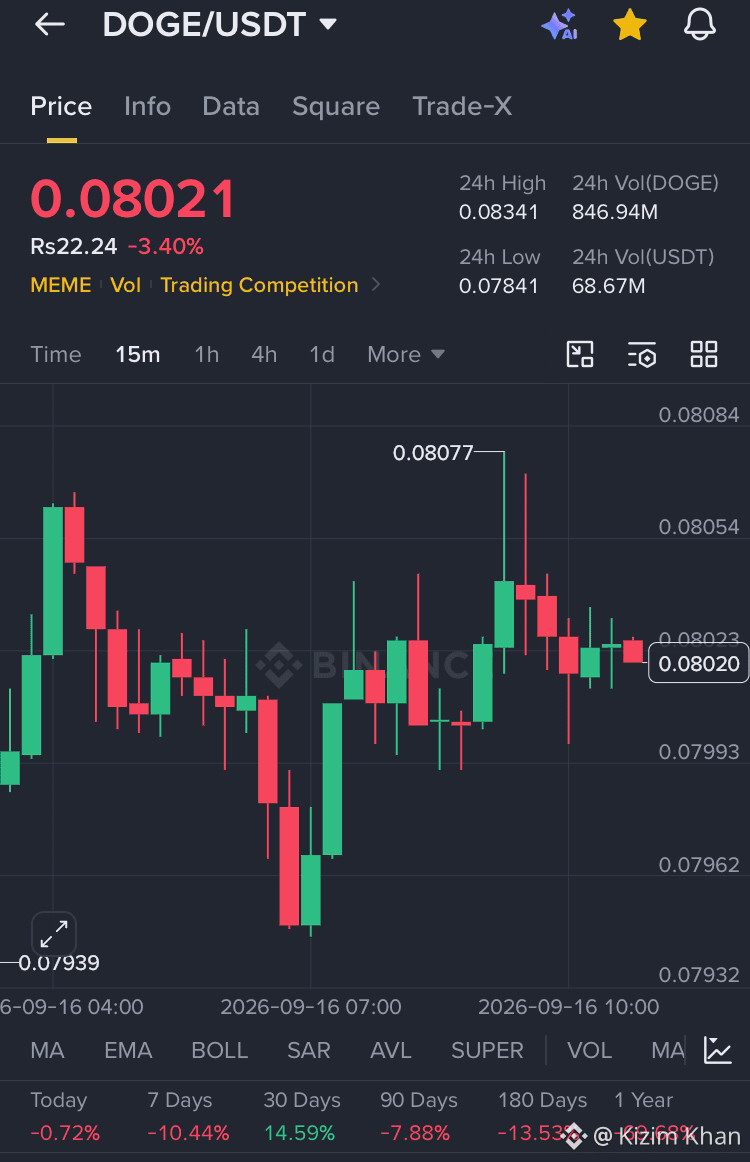
$DOGE Buy Long 🟢
🔹 Entry: 0.0802 – 0.0806
🔹 TP1: 0.0815
🔹 TP2: 0.0825
🔹 TP3: 0.0835
🛑 SL: 0.0781
$DOGE 👇
{spot}(DOGEUSDT)
#USDTLaunchesOnZamaPrivacyProtocol #ArgentinaCommitsToOECDCryptoReportingBy2029
$DOGE Buy Long 🟢
🔹 Entry: 0.0802 – 0.0806
🔹 TP1: 0.0815
🔹 TP2: 0.0825
🔹 TP3: 0.0835
🛑 SL: 0.0781
$DOGE 👇
#USDTLaunchesOnZamaPrivacyProtocol #ArgentinaCommitsToOECDCryptoReportingBy2029
🔹 Entry: 0.0802 – 0.0806
🔹 TP1: 0.0815
🔹 TP2: 0.0825
🔹 TP3: 0.0835
🛑 SL: 0.0781
$DOGE 👇
#USDTLaunchesOnZamaPrivacyProtocol #ArgentinaCommitsToOECDCryptoReportingBy2029
1
1

·
--
Bullish
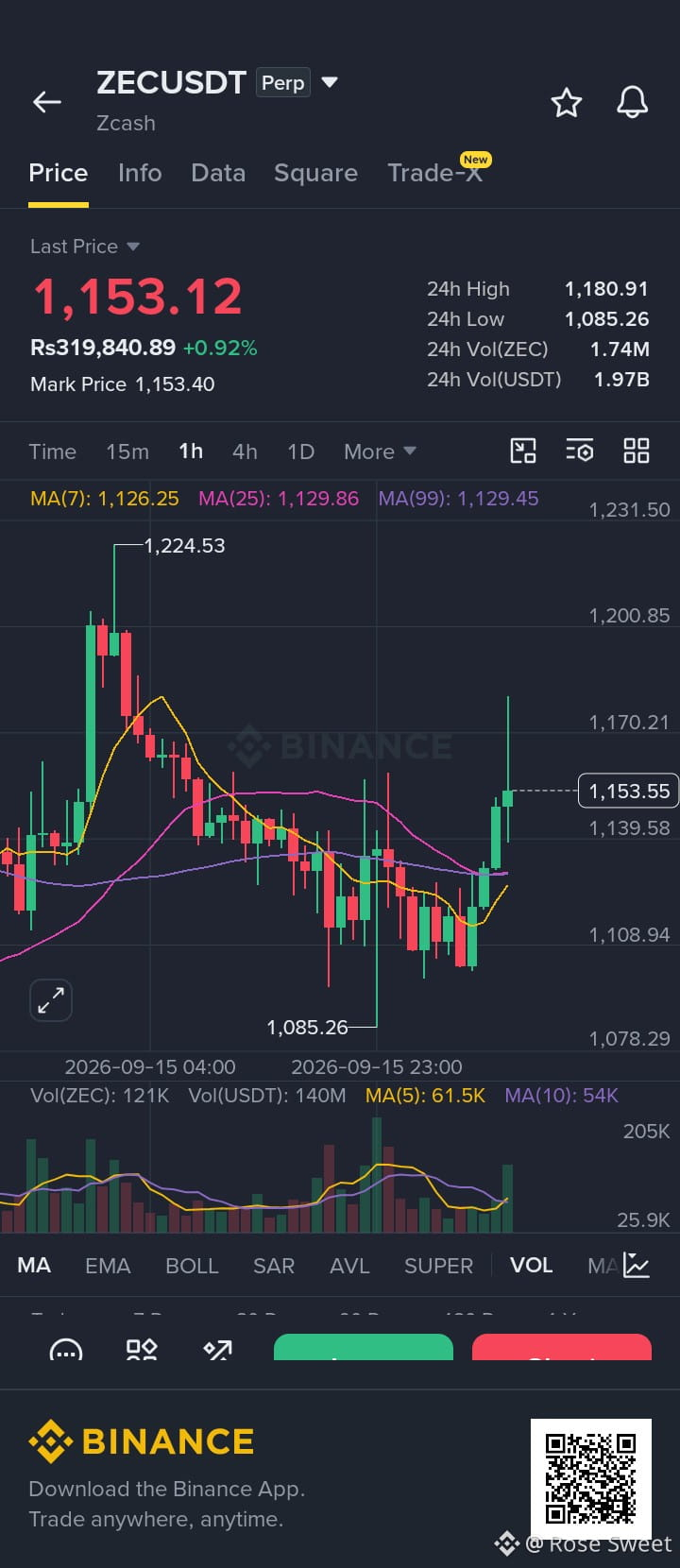
ZEC Short Trade Signal (75x Leverage)
$ZEC has reached our key entry zone, triggering the short setup. The defined stop-loss level provides a clear risk boundary for this trade.
Execution Plan:
Entry Range: 1,154.91 – 1,160.74
Take Profit 1: 1,130.56 (R:R 1:0.8)
Take Profit 2: 1,112.38 (R:R 1:1.3)
Take Profit 3: 1,085.12 (R:R 1:2.0)
Stop Loss: 1,194.18
$ZEC
{future}(ZECUSDT)
$UNI
{future}(UNIUSDT)
#FedRateWatch #ArgentinaCommitsToOECDCryptoReportingBy2029 #StrategyMarketCapPassesFord
ZEC Short Trade Signal (75x Leverage)
$ZEC has reached our key entry zone, triggering the short setup. The defined stop-loss level provides a clear risk boundary for this trade.
Execution Plan:
Entry Range: 1,154.91 – 1,160.74
Take Profit 1: 1,130.56 (R:R 1:0.8)
Take Profit 2: 1,112.38 (R:R 1:1.3)
Take Profit 3: 1,085.12 (R:R 1:2.0)
Stop Loss: 1,194.18
$ZEC
$UNI
#FedRateWatch #ArgentinaCommitsToOECDCryptoReportingBy2029 #StrategyMarketCapPassesFord
$ZEC has reached our key entry zone, triggering the short setup. The defined stop-loss level provides a clear risk boundary for this trade.
Execution Plan:
Entry Range: 1,154.91 – 1,160.74
Take Profit 1: 1,130.56 (R:R 1:0.8)
Take Profit 2: 1,112.38 (R:R 1:1.3)
Take Profit 3: 1,085.12 (R:R 1:2.0)
Stop Loss: 1,194.18
$ZEC
$UNI
#FedRateWatch #ArgentinaCommitsToOECDCryptoReportingBy2029 #StrategyMarketCapPassesFord
4

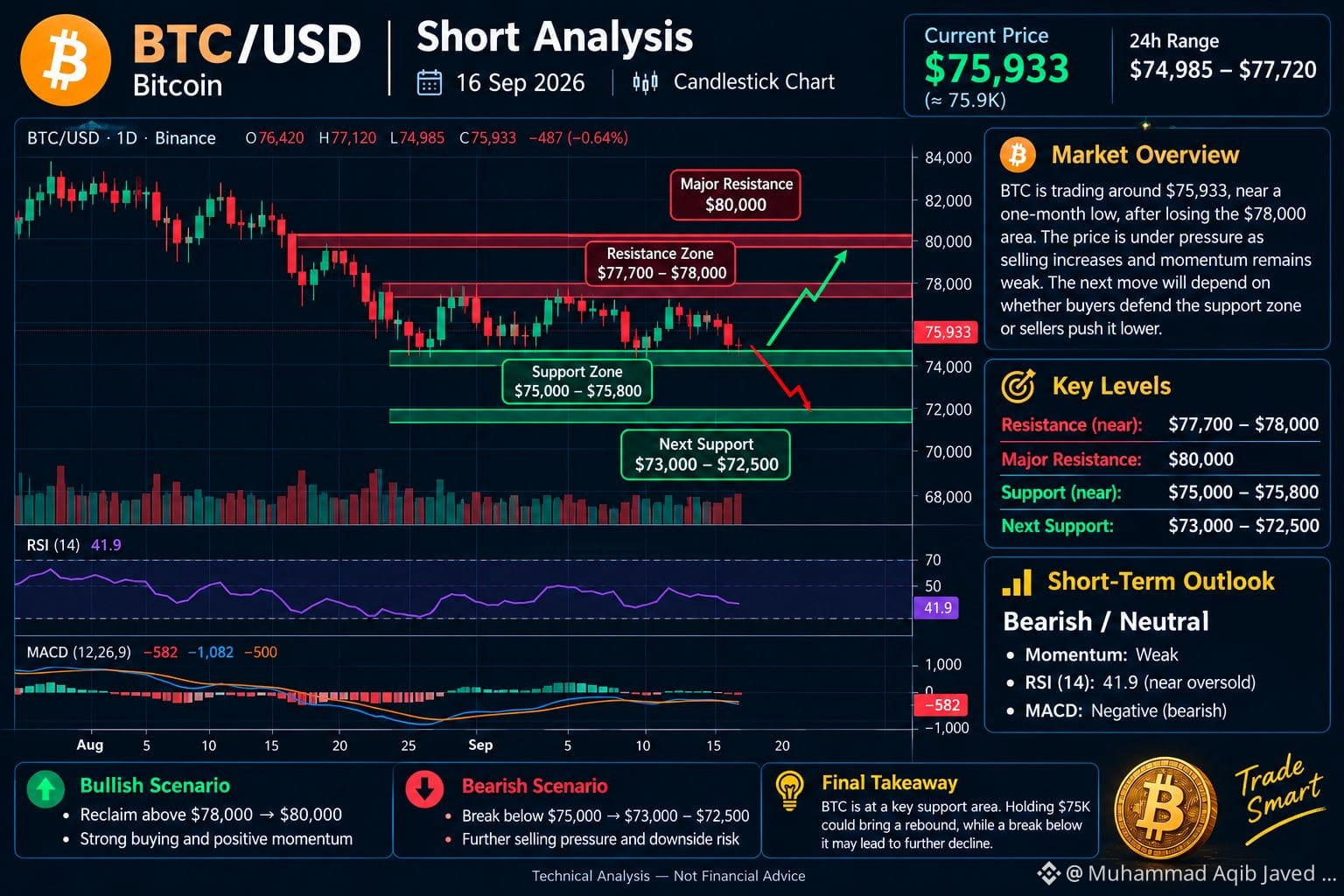
$BTC BTC/USD Short Analysis — 16 Sep 2026
Current price: around $75,933. �
Investing.com India
Trend: Bearish / Neutral
Support: $75,000–$75,800
Next support: $73,000–$72,500
Resistance: $77,700–$78,000
Major resistance: $80,000
RSI: around 42, showing weak momentum. �
Investing.com India
Bullish scenario: A sustained break above $78K could open the way toward $80K.
Bearish scenario: A break below $75K could expose the $73K–$72.5K area.
Bitcoin is currently trading near a one-month low, so the $75K support zone is the key level to watch. �
marketwatch.com +1
Candle chart: the chart above shows the support, resistance and possible breakout paths.
{spot}(BTCUSDT)
#FedRateWatch #BTC #ArgentinaCommitsToOECDCryptoReportingBy2029 #USSenateBlocksClarityAct #ClarityActOddsHalveOnPolymarket
$BTC BTC/USD Short Analysis — 16 Sep 2026
Current price: around $75,933. �
Investing.com India
Trend: Bearish / Neutral
Support: $75,000–$75,800
Next support: $73,000–$72,500
Resistance: $77,700–$78,000
Major resistance: $80,000
RSI: around 42, showing weak momentum. �
Investing.com India
Bullish scenario: A sustained break above $78K could open the way toward $80K.
Bearish scenario: A break below $75K could expose the $73K–$72.5K area.
Bitcoin is currently trading near a one-month low, so the $75K support zone is the key level to watch. �
marketwatch.com +1
Candle chart: the chart above shows the support, resistance and possible breakout paths.
#FedRateWatch #BTC #ArgentinaCommitsToOECDCryptoReportingBy2029 #USSenateBlocksClarityAct #ClarityActOddsHalveOnPolymarket
Current price: around $75,933. �
Investing.com India
Trend: Bearish / Neutral
Support: $75,000–$75,800
Next support: $73,000–$72,500
Resistance: $77,700–$78,000
Major resistance: $80,000
RSI: around 42, showing weak momentum. �
Investing.com India
Bullish scenario: A sustained break above $78K could open the way toward $80K.
Bearish scenario: A break below $75K could expose the $73K–$72.5K area.
Bitcoin is currently trading near a one-month low, so the $75K support zone is the key level to watch. �
marketwatch.com +1
Candle chart: the chart above shows the support, resistance and possible breakout paths.
#FedRateWatch #BTC #ArgentinaCommitsToOECDCryptoReportingBy2029 #USSenateBlocksClarityAct #ClarityActOddsHalveOnPolymarket
1

·
--
Bullish
🚨 Oil $CL , $BZ lfell as supply disruptions boosted prices, but rising US stockpiles suggest gains may be stretched. 💥
{future}(BZUSDT)
{future}(CLUSDT)
#FedRateWatch #ArgentinaCommitsToOECDCryptoReportingBy2029 #ClarityActOddsHalveOnPolymarket #OilMarket
🚨 Oil $CL , $BZ lfell as supply disruptions boosted prices, but rising US stockpiles suggest gains may be stretched. 💥
#FedRateWatch #ArgentinaCommitsToOECDCryptoReportingBy2029 #ClarityActOddsHalveOnPolymarket #OilMarket
#FedRateWatch #ArgentinaCommitsToOECDCryptoReportingBy2029 #ClarityActOddsHalveOnPolymarket #OilMarket



Binance News
·
--
Oil Falls as Supply-Driven Rally Looks Overdone
Oil declined after a rally fueled by supply disruptions left gains looking stretched, while a US industry report showed stockpiles rose, according to Bloomberg.
The Middle East remains on an escalatory path, with threats to passage through the Red Sea and Hormuz and pipeline damage in Saudi Arabia. Guy Wolf, global head of market analytics at Marex, spoke to Bloomberg’s Abeer Abu Omar about the oil market reaction.
The Middle East remains on an escalatory path, with threats to passage through the Red Sea and Hormuz and pipeline damage in Saudi Arabia. Guy Wolf, global head of market analytics at Marex, spoke to Bloomberg’s Abeer Abu Omar about the oil market reaction.
26
·
--
Bearish
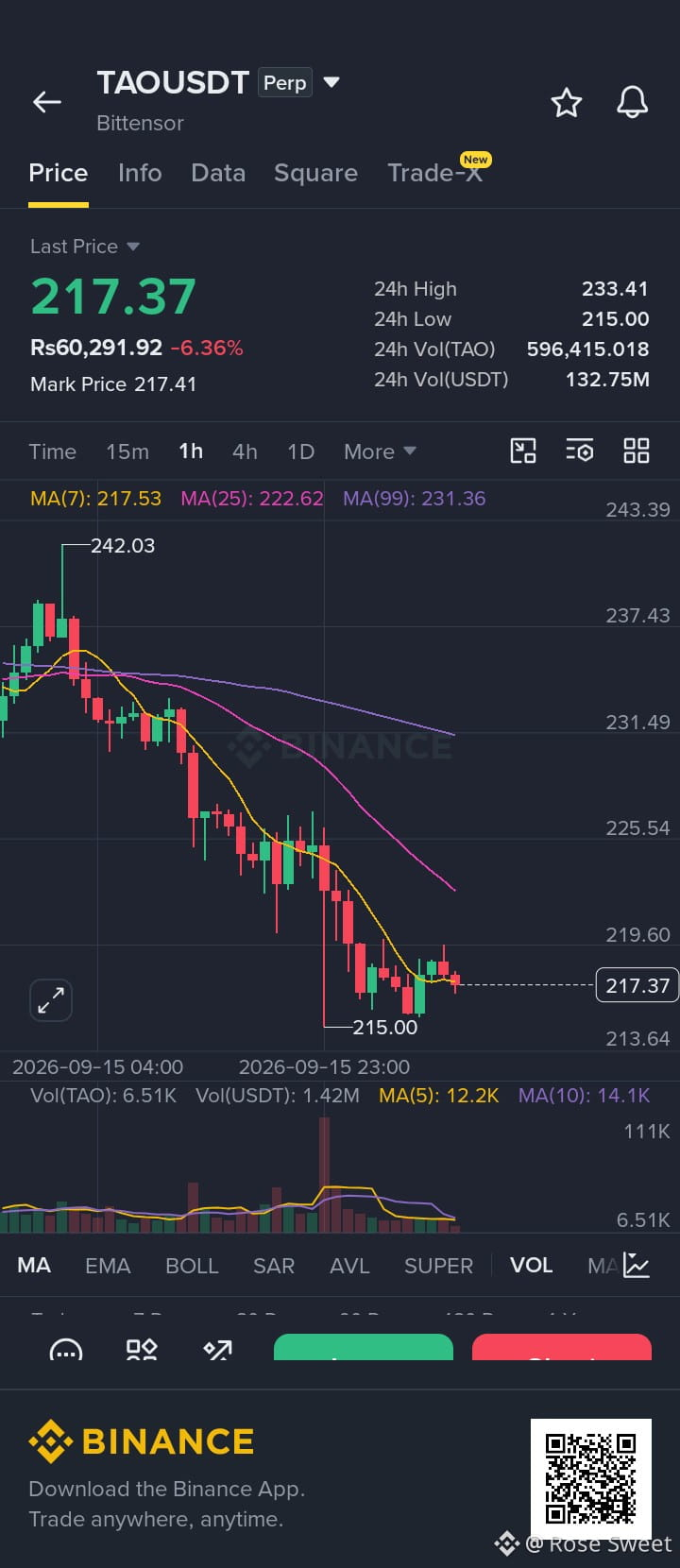
$TAO Short | 75x Leverage
TAO has pulled back into a key resistance zone, creating a solid entry point. Setting up here purely based on the tight invalidation level—managing risk first, not assuming a guaranteed win.
Execution:
Entry Range: 217.37 – 217.93
Targets: TP1: 215.67 (0.7 R:R) | TP2: 214.34 (1.2 R:R) | TP3: 212.36 (2.0 R:R)
Stop Loss: 220.30
#FedRateWatch #ArgentinaCommitsToOECDCryptoReportingBy2029 $TAO
{future}(TAOUSDT)
$TAO Short | 75x Leverage
TAO has pulled back into a key resistance zone, creating a solid entry point. Setting up here purely based on the tight invalidation level—managing risk first, not assuming a guaranteed win.
Execution:
Entry Range: 217.37 – 217.93
Targets: TP1: 215.67 (0.7 R:R) | TP2: 214.34 (1.2 R:R) | TP3: 212.36 (2.0 R:R)
Stop Loss: 220.30
#FedRateWatch #ArgentinaCommitsToOECDCryptoReportingBy2029 $TAO
TAO has pulled back into a key resistance zone, creating a solid entry point. Setting up here purely based on the tight invalidation level—managing risk first, not assuming a guaranteed win.
Execution:
Entry Range: 217.37 – 217.93
Targets: TP1: 215.67 (0.7 R:R) | TP2: 214.34 (1.2 R:R) | TP3: 212.36 (2.0 R:R)
Stop Loss: 220.30
#FedRateWatch #ArgentinaCommitsToOECDCryptoReportingBy2029 $TAO
1
15
Log in to explore more content
Join global crypto users on Binance Square
⚡️ Get latest and useful information about crypto.
💬 Trusted by the world’s largest crypto exchange.
👍 Discover real insights from verified creators.
Email / Phone number
Trending Topics
1
#FedRateWatch
753,330 views
3,547 Discussing
2
#ArgentinaCommitsToOECDCryptoReportingBy2029
2,890 views
84 Discussing
3
#EthereumFallsBelow$2400
2,012 views
48 Discussing
4
#USDTLaunchesOnZamaPrivacyProtocol
800 views
38 Discussing
5
#USSenateBlocksClarityAct
14,590 views
263 Discussing
6
#BitcoinSlidesTo$76000
33,695 views
149 Discussing
7
#BitcoinReboundsTo$79K
66,263 views
423 Discussing
8
#StrategyMarketCapPassesFord
58,090 views
858 Discussing
9
#ClarityActOddsHalveOnPolymarket
96,130 views
778 Discussing
10
#US30YTreasuryYieldTops5.40%
49,985 views
496 Discussing