

#tradingcommunity
tradingcommunity
18.1M views
39,161 Discussing
Hot
Latest
·
--

Article
It was 3:42 a.m. The blue light from my phone lit up the room.I was no longer sleeping. I would drift off with my eyes fixed on the candles of a minute, and I would jolt awake at the slightest notification beep.
That evening, I had opened a leveraged position with x20. I needed to « make up » for a previous loss. In my head, it was no longer an investment: it was a personal war against the chart. I refused to be wrong.
Then the automatic message came in:
« Alert: Your position has been liquidated. »
In a fraction of a second, the silence became deafening. The account was emptied. But the worst wasn’t the financial loss: it was the state of mental exhaustion I had trapped myself in. I had sacrificed my sleep, my mood with my loved ones, and my peace of mind for a green or red line.
It was 3:42 a.m. The blue light from my phone lit up the room.
I was no longer sleeping. I would drift off with my eyes fixed on the candles of a minute, and I would jolt awake at the slightest notification beep.
That evening, I had opened a leveraged position with x20. I needed to « make up » for a previous loss. In my head, it was no longer an investment: it was a personal war against the chart. I refused to be wrong.
Then the automatic message came in:
« Alert: Your position has been liquidated. »
In a fraction of a second, the silence became deafening. The account was emptied. But the worst wasn’t the financial loss: it was the state of mental exhaustion I had trapped myself in. I had sacrificed my sleep, my mood with my loved ones, and my peace of mind for a green or red line.
That evening, I had opened a leveraged position with x20. I needed to « make up » for a previous loss. In my head, it was no longer an investment: it was a personal war against the chart. I refused to be wrong.
Then the automatic message came in:
« Alert: Your position has been liquidated. »
In a fraction of a second, the silence became deafening. The account was emptied. But the worst wasn’t the financial loss: it was the state of mental exhaustion I had trapped myself in. I had sacrificed my sleep, my mood with my loved ones, and my peace of mind for a green or red line.
4
648

·
--
Bullish
The golden rule to survive trading (and avoid losing everything) 📉🚀
Many people start on the market looking for quick gains, but the real secret of traders who last comes down to one thing: risk management.
Here are 3 mistakes you must absolutely avoid when you open a position:
Not using a Stop-Loss: Leaving a position open while hoping the market will turn on its own is the best way to empty your portfolio.
Investing money you need: Never put essential funds for your day-to-day life at stake. Stress leads directly to bad decisions.
Blindly following the hype: Just because a cryptocurrency is making noise doesn’t mean it matches your strategy. Do your own research.
Decision and discipline make all the difference under pressure.
#bitcoin , #BinanceSquareTalks , #TradingCommunity
👉 And you, what’s your biggest challenge when you take a position? Tell me in the comments!
{spot}(BTCUSDT)
The golden rule to survive trading (and avoid losing everything) 📉🚀
Many people start on the market looking for quick gains, but the real secret of traders who last comes down to one thing: risk management.
Here are 3 mistakes you must absolutely avoid when you open a position:
Not using a Stop-Loss: Leaving a position open while hoping the market will turn on its own is the best way to empty your portfolio.
Investing money you need: Never put essential funds for your day-to-day life at stake. Stress leads directly to bad decisions.
Blindly following the hype: Just because a cryptocurrency is making noise doesn’t mean it matches your strategy. Do your own research.
Decision and discipline make all the difference under pressure.
#bitcoin , #BinanceSquareTalks , #TradingCommunity
👉 And you, what’s your biggest challenge when you take a position? Tell me in the comments!
Many people start on the market looking for quick gains, but the real secret of traders who last comes down to one thing: risk management.
Here are 3 mistakes you must absolutely avoid when you open a position:
Not using a Stop-Loss: Leaving a position open while hoping the market will turn on its own is the best way to empty your portfolio.
Investing money you need: Never put essential funds for your day-to-day life at stake. Stress leads directly to bad decisions.
Blindly following the hype: Just because a cryptocurrency is making noise doesn’t mean it matches your strategy. Do your own research.
Decision and discipline make all the difference under pressure.
#bitcoin , #BinanceSquareTalks , #TradingCommunity
👉 And you, what’s your biggest challenge when you take a position? Tell me in the comments!
186
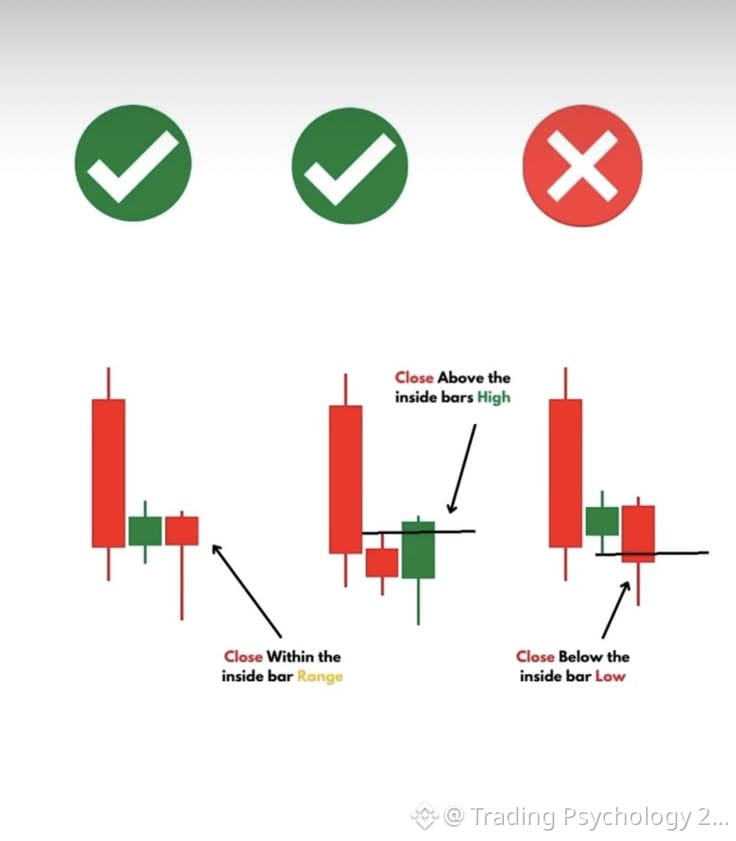
🧠⚖️ Risk/Reward: Is the trade worth the risk?
Not every trade looks good… a trade deserves to be entered.
This is where the Risk/Reward Ratio comes in.
🎯 Simple example:
You entered a trade at 100$
🛑 Stop Loss = 98$
➡️ Risk = 2$
🎯 Take Profit = 106$
➡️ Potential reward = 6$
So:
Risk/Reward = 1:3
Meaning you risk 1 for a potential reward of 3.
⚠️ This doesn’t mean the trade will win, or that you’ll make 3x.
🧠 Why does it matter?
Because you don’t need to win every trade for risk management to make sense.
But remember:
A good Risk/Reward doesn’t save a bad analysis.
Look for confluence:
Trend + Structure + Level + Confirmation + Risk/Reward
🔥 Common mistake:
Extend the Take Profit only to make the ratio look like 1:5 or 1:10, even though the target is not realistic on the chart.
The ratio should come from market analysis—not the other way around.
🛡️ Today’s rule:
Before you enter, ask:
“If I’m wrong, how much will I lose?
If I’m right, what’s the realistic target?
Does the reward really justify this risk?”
💡 Today’s lesson:
«A smart trader doesn’t look for the biggest profit…
They look for a trade where the potential reward is reasonable compared to the risk.»
$DOGE
{spot}(DOGEUSDT)
$NVDA.US
{stock_us}(NVDA.US)
#TradingCommunity #SquareCommunityGuidelines101
🧠⚖️ Risk/Reward: Is the trade worth the risk?
Not every trade looks good… a trade deserves to be entered.
This is where the Risk/Reward Ratio comes in.
🎯 Simple example:
You entered a trade at 100$
🛑 Stop Loss = 98$
➡️ Risk = 2$
🎯 Take Profit = 106$
➡️ Potential reward = 6$
So:
Risk/Reward = 1:3
Meaning you risk 1 for a potential reward of 3.
⚠️ This doesn’t mean the trade will win, or that you’ll make 3x.
🧠 Why does it matter?
Because you don’t need to win every trade for risk management to make sense.
But remember:
A good Risk/Reward doesn’t save a bad analysis.
Look for confluence:
Trend + Structure + Level + Confirmation + Risk/Reward
🔥 Common mistake:
Extend the Take Profit only to make the ratio look like 1:5 or 1:10, even though the target is not realistic on the chart.
The ratio should come from market analysis—not the other way around.
🛡️ Today’s rule:
Before you enter, ask:
“If I’m wrong, how much will I lose?
If I’m right, what’s the realistic target?
Does the reward really justify this risk?”
💡 Today’s lesson:
«A smart trader doesn’t look for the biggest profit…
They look for a trade where the potential reward is reasonable compared to the risk.»
$DOGE
$NVDA.US
#TradingCommunity #SquareCommunityGuidelines101
Not every trade looks good… a trade deserves to be entered.
This is where the Risk/Reward Ratio comes in.
🎯 Simple example:
You entered a trade at 100$
🛑 Stop Loss = 98$
➡️ Risk = 2$
🎯 Take Profit = 106$
➡️ Potential reward = 6$
So:
Risk/Reward = 1:3
Meaning you risk 1 for a potential reward of 3.
⚠️ This doesn’t mean the trade will win, or that you’ll make 3x.
🧠 Why does it matter?
Because you don’t need to win every trade for risk management to make sense.
But remember:
A good Risk/Reward doesn’t save a bad analysis.
Look for confluence:
Trend + Structure + Level + Confirmation + Risk/Reward
🔥 Common mistake:
Extend the Take Profit only to make the ratio look like 1:5 or 1:10, even though the target is not realistic on the chart.
The ratio should come from market analysis—not the other way around.
🛡️ Today’s rule:
Before you enter, ask:
“If I’m wrong, how much will I lose?
If I’m right, what’s the realistic target?
Does the reward really justify this risk?”
💡 Today’s lesson:
«A smart trader doesn’t look for the biggest profit…
They look for a trade where the potential reward is reasonable compared to the risk.»
$DOGE
$NVDA.US
#TradingCommunity #SquareCommunityGuidelines101
DOGE+1.24%
NVDAUS+0.22%
لؤلؤة بينانس:
شكرا على الشرح والتوضيح بالصور
2
4
1.8k
·
--
The trade that was right, and the trader who wasn't 🧠
Picture a trader with a clean setup. Entry, stop and target are all planned before he clicks buy.
Price dips 2%, well inside his plan. His heart rate jumps. He tells himself, "I'll just get out and re-enter later." He closes at a small loss.
Twenty minutes later, price turns and hits his original target.
His analysis was right. His plan was right. The only thing that failed was the person carrying it out.
This is what no chart shows you: a setup can be perfect and the trade can still fail, because the trader changed the plan halfway through.
Most trading losses aren't analysis problems. They're execution problems, and execution is psychology.
That's what this page is about: the mind behind the trade.
Have you ever been right about the market and still lost money? Tell me what happened below.
#TradingCommunity #Cryptomindset
#psychology
The trade that was right, and the trader who wasn't 🧠
Picture a trader with a clean setup. Entry, stop and target are all planned before he clicks buy.
Price dips 2%, well inside his plan. His heart rate jumps. He tells himself, "I'll just get out and re-enter later." He closes at a small loss.
Twenty minutes later, price turns and hits his original target.
His analysis was right. His plan was right. The only thing that failed was the person carrying it out.
This is what no chart shows you: a setup can be perfect and the trade can still fail, because the trader changed the plan halfway through.
Most trading losses aren't analysis problems. They're execution problems, and execution is psychology.
That's what this page is about: the mind behind the trade.
Have you ever been right about the market and still lost money? Tell me what happened below.
#TradingCommunity #Cryptomindset
#psychology
Picture a trader with a clean setup. Entry, stop and target are all planned before he clicks buy.
Price dips 2%, well inside his plan. His heart rate jumps. He tells himself, "I'll just get out and re-enter later." He closes at a small loss.
Twenty minutes later, price turns and hits his original target.
His analysis was right. His plan was right. The only thing that failed was the person carrying it out.
This is what no chart shows you: a setup can be perfect and the trade can still fail, because the trader changed the plan halfway through.
Most trading losses aren't analysis problems. They're execution problems, and execution is psychology.
That's what this page is about: the mind behind the trade.
Have you ever been right about the market and still lost money? Tell me what happened below.
#TradingCommunity #Cryptomindset
#psychology
1
153

·
--
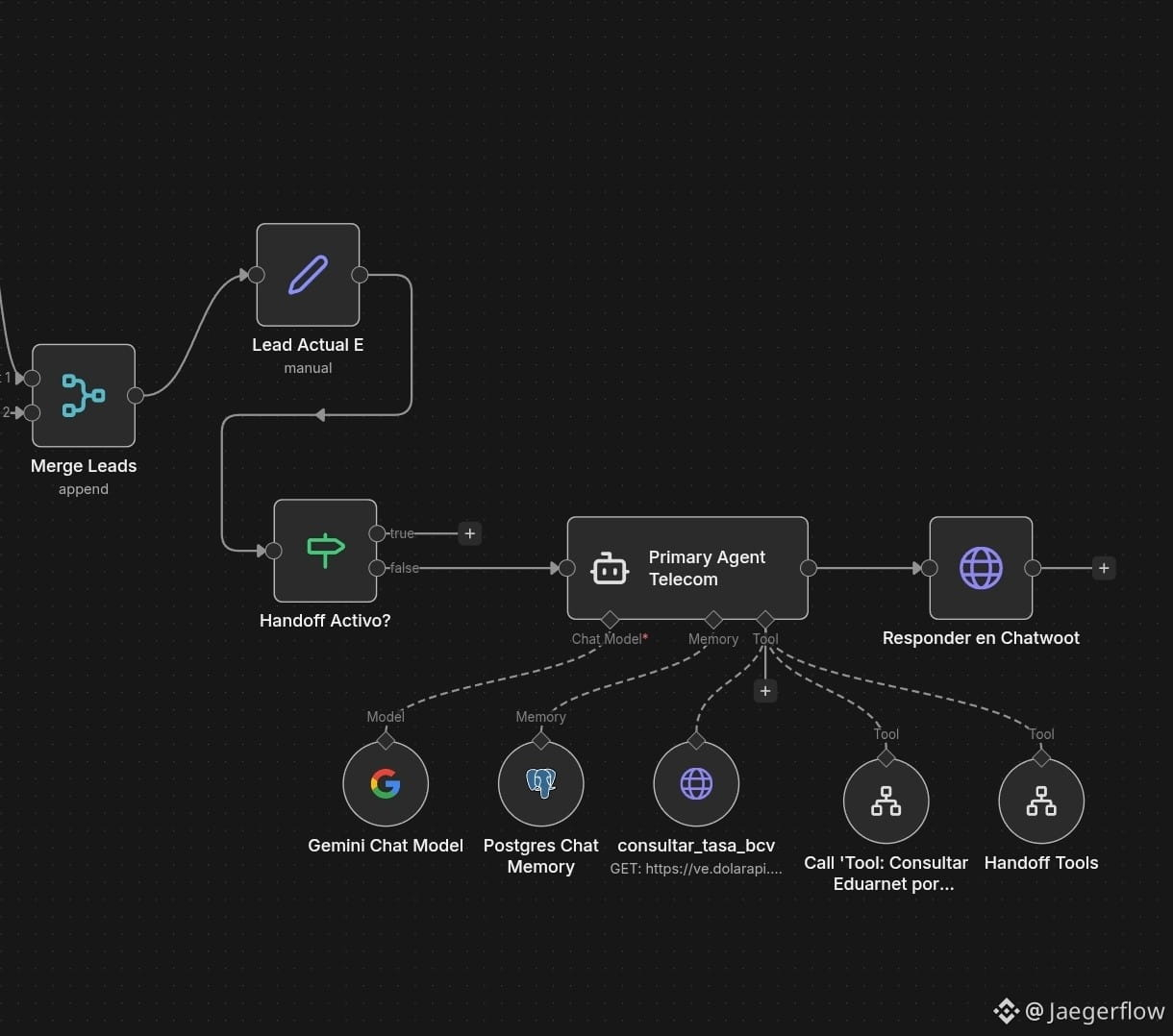
Hello!
I invite everyone to be part of a crypto talk to create an AI agent assistant for trading.
I don’t know much more than you—almost nothing—so I’m organizing the meeting to hear all your opinions and be able to create the first phase.
To participate and enjoy the project once it’s finished, please comment and share.
Email steven@jaegerflow.com
#TraderEducation #BinanceSquareTalks #TradingCommunity
Hello!
I invite everyone to be part of a crypto talk to create an AI agent assistant for trading.
I don’t know much more than you—almost nothing—so I’m organizing the meeting to hear all your opinions and be able to create the first phase.
To participate and enjoy the project once it’s finished, please comment and share.
Email steven@jaegerflow.com
#TraderEducation #BinanceSquareTalks #TradingCommunity
I invite everyone to be part of a crypto talk to create an AI agent assistant for trading.
I don’t know much more than you—almost nothing—so I’m organizing the meeting to hear all your opinions and be able to create the first phase.
To participate and enjoy the project once it’s finished, please comment and share.
Email steven@jaegerflow.com
#TraderEducation #BinanceSquareTalks #TradingCommunity
Lance_52:
Esta bien. Lo reviso.
7
2
479
·
--
#TradingCommunity #tradenell #BTC
$BTC $ETH $HYPE
Build the habit, respect the system, and let the compounding do the heavy lifting. Stay disciplined out there! 🐈⬛⚡️🚀
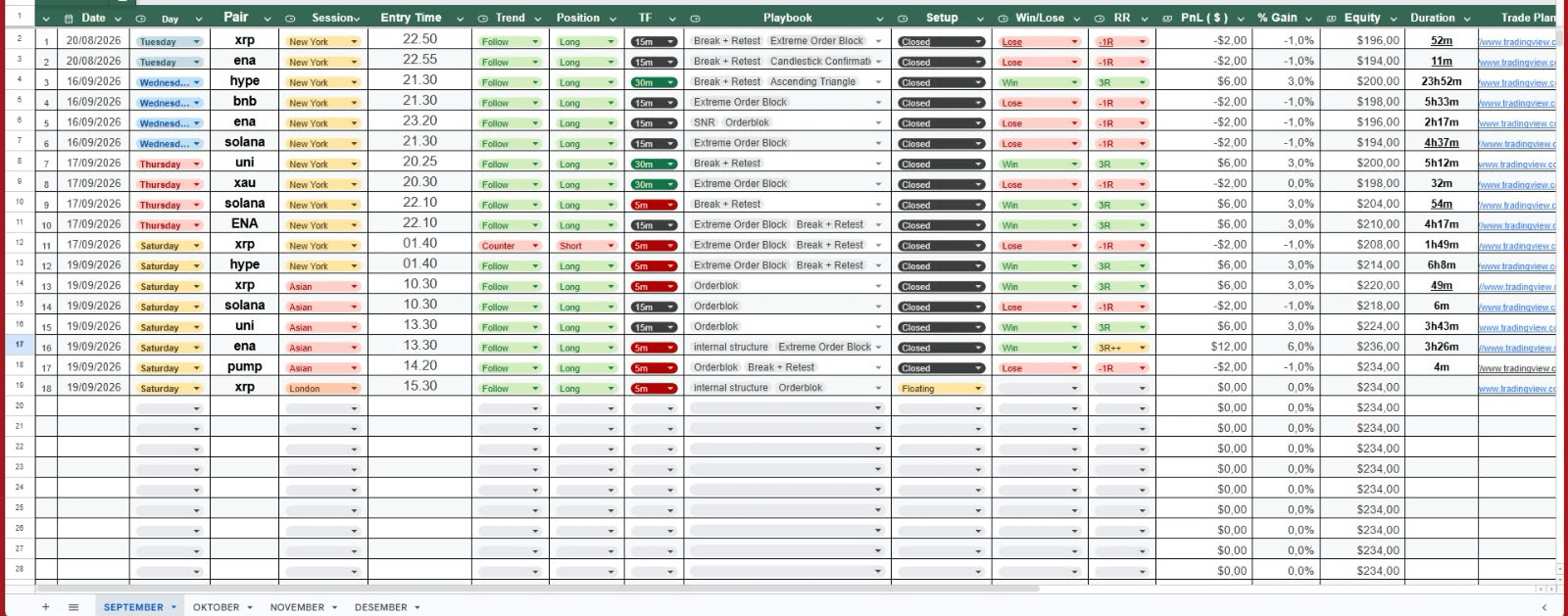
If you cannot manage $100 correctly, you won't manage $1,000 either. If you fail with $1,000, you will definitely fail with $10,000. Scale comes from mastery, not capital size.
It’s Never About the Numbers, It’s About Percentage and Compounding 📊
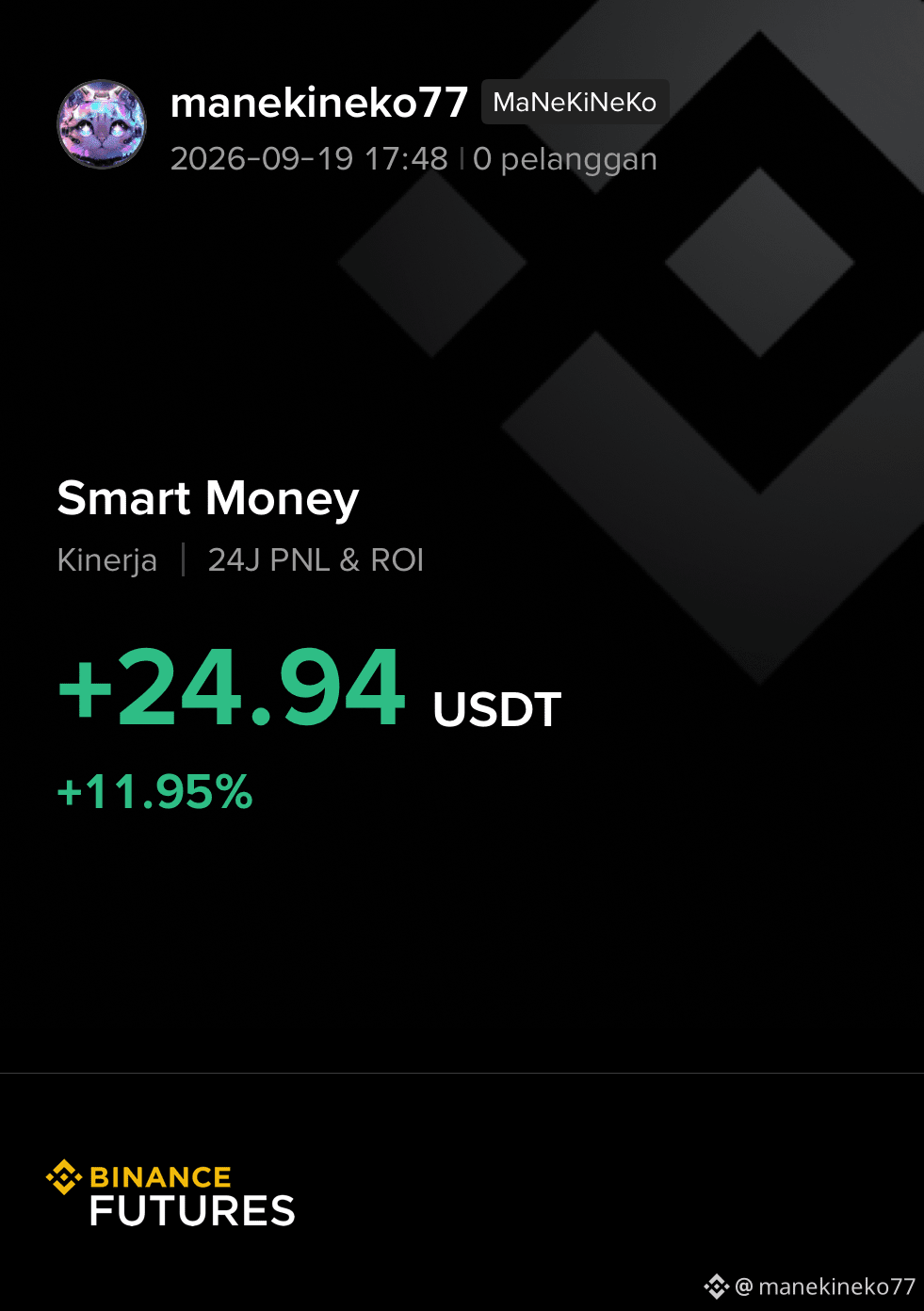
You can follow my Futures Live as I make my portfolio public and free. However, this is not financial advice—always do your own research (DYOR). If you want to survive long-term in this market, treat trading like a business. I recommend risking only 0.5%–1% per trade as a business cost, following a strict 1:3 RR model. Let’s run this marathon together. 🐈⬛⚡️🚀
#TradingCommunity #tradenell #BTC
$BTC $ETH $HYPE
Build the habit, respect the system, and let the compounding do the heavy lifting. Stay disciplined out there! 🐈⬛⚡️🚀
If you cannot manage $100 correctly, you won't manage $1,000 either. If you fail with $1,000, you will definitely fail with $10,000. Scale comes from mastery, not capital size.
It’s Never About the Numbers, It’s About Percentage and Compounding 📊
You can follow my Futures Live as I make my portfolio public and free. However, this is not financial advice—always do your own research (DYOR). If you want to survive long-term in this market, treat trading like a business. I recommend risking only 0.5%–1% per trade as a business cost, following a strict 1:3 RR model. Let’s run this marathon together. 🐈⬛⚡️🚀
$BTC $ETH $HYPE
Build the habit, respect the system, and let the compounding do the heavy lifting. Stay disciplined out there! 🐈⬛⚡️🚀
If you cannot manage $100 correctly, you won't manage $1,000 either. If you fail with $1,000, you will definitely fail with $10,000. Scale comes from mastery, not capital size.
It’s Never About the Numbers, It’s About Percentage and Compounding 📊
You can follow my Futures Live as I make my portfolio public and free. However, this is not financial advice—always do your own research (DYOR). If you want to survive long-term in this market, treat trading like a business. I recommend risking only 0.5%–1% per trade as a business cost, following a strict 1:3 RR model. Let’s run this marathon together. 🐈⬛⚡️🚀
91
Article
👑 The Trend is KingYou can know dozens of indicators…
and master dozens of candlestick patterns…
But if you don’t know the direction of the market (Market Trend), you’re reading the map without knowing the road.
━━━━━━━━━━━━━━
🟢 Uptrend
Often characterized by forming:
Higher Highs
Higher Lows
Example:
90,000$ → 94,000$ → 92,000$ → 98,000$
The price is forming higher highs, and the lows are also moving upward.
👑 The Trend is King
You can know dozens of indicators…
and master dozens of candlestick patterns…
But if you don’t know the direction of the market (Market Trend), you’re reading the map without knowing the road.
━━━━━━━━━━━━━━
🟢 Uptrend
Often characterized by forming:
Higher Highs
Higher Lows
Example:
90,000$ → 94,000$ → 92,000$ → 98,000$
The price is forming higher highs, and the lows are also moving upward.
and master dozens of candlestick patterns…
But if you don’t know the direction of the market (Market Trend), you’re reading the map without knowing the road.
━━━━━━━━━━━━━━
🟢 Uptrend
Often characterized by forming:
Higher Highs
Higher Lows
Example:
90,000$ → 94,000$ → 92,000$ → 98,000$
The price is forming higher highs, and the lows are also moving upward.
2
104
Good morning legends...some of you guys need to know the difference BTW crypto trader and crypto analysts
I'm a trader, I analyze coin I want to trade,I don't jump into every token mentioned online, but If I see all this social media wrong analysts, I'll talk because so many are not correct.#HotTrends #viralpost #TrendingTopic #tradingcommunity #BTC
Good morning legends...some of you guys need to know the difference BTW crypto trader and crypto analysts
I'm a trader, I analyze coin I want to trade,I don't jump into every token mentioned online, but If I see all this social media wrong analysts, I'll talk because so many are not correct.#HotTrends #viralpost #TrendingTopic #tradingcommunity #BTC
I'm a trader, I analyze coin I want to trade,I don't jump into every token mentioned online, but If I see all this social media wrong analysts, I'll talk because so many are not correct.#HotTrends #viralpost #TrendingTopic #tradingcommunity #BTC
73

·
--
#Espoorts #DOGE冲冲冲 #BsB #BinanceSquareTalks #TradingCommunity Are you looking for the next opportunity to grow your portfolio?
The market waits for no one, and smart opportunities are what make the difference! Whether you're a day trader or a long-term investor, strategy and risk management are the keys to success.
💡 3 golden rules for every trader:
Don’t trade with emotion: stick to your plan and risk size.
Capital management: don’t put all your eggs in one basket (DYOR - do your own research).
Keep learning: make sure to follow technical analysis and the news that drives the market.
🔥 Today’s question for the community:
Which digital currency do you expect to perform the best this week? 📈👇
Share your opinion and analysis in the comments! $DOGE $ESPORTS $BSB
#Espoorts #DOGE冲冲冲 #BsB #BinanceSquareTalks #TradingCommunity Are you looking for the next opportunity to grow your portfolio?
The market waits for no one, and smart opportunities are what make the difference! Whether you're a day trader or a long-term investor, strategy and risk management are the keys to success.
💡 3 golden rules for every trader:
Don’t trade with emotion: stick to your plan and risk size.
Capital management: don’t put all your eggs in one basket (DYOR - do your own research).
Keep learning: make sure to follow technical analysis and the news that drives the market.
🔥 Today’s question for the community:
Which digital currency do you expect to perform the best this week? 📈👇
Share your opinion and analysis in the comments! $DOGE $ESPORTS $BSB
The market waits for no one, and smart opportunities are what make the difference! Whether you're a day trader or a long-term investor, strategy and risk management are the keys to success.
💡 3 golden rules for every trader:
Don’t trade with emotion: stick to your plan and risk size.
Capital management: don’t put all your eggs in one basket (DYOR - do your own research).
Keep learning: make sure to follow technical analysis and the news that drives the market.
🔥 Today’s question for the community:
Which digital currency do you expect to perform the best this week? 📈👇
Share your opinion and analysis in the comments! $DOGE $ESPORTS $BSB
498

Title: 3 Things I Wish I Knew Before I Started Trading Crypto
Looking at a three-monitor setup like this can seem intimidating when you're starting. But the real skill isn't in the hardware; it's in the fundamentals. If I could go back, I'd tell my younger self:
1. The Trend Is Your Friend. Don't try to catch every top and bottom. Fighting the market trend is a fast way to get rekked.
2. Risk Management is #1. Never risk more than 1-2% of your capital on a single trade. Trading is about surviving, not hitting home runs.
3. Learn One Strategy Well. Don't jump from indicator to indicator. Focus on one approach-whether
it's price action, supply and demand,or moving averages-and master it.
What's the single biggest lesson you've learned on your crypto journey? Share it in the comments to help a new trader!
#CryptoEducation #TradingCommunity #binancelearntoearn
Title: 3 Things I Wish I Knew Before I Started Trading Crypto
Looking at a three-monitor setup like this can seem intimidating when you're starting. But the real skill isn't in the hardware; it's in the fundamentals. If I could go back, I'd tell my younger self:
1. The Trend Is Your Friend. Don't try to catch every top and bottom. Fighting the market trend is a fast way to get rekked.
2. Risk Management is #1. Never risk more than 1-2% of your capital on a single trade. Trading is about surviving, not hitting home runs.
3. Learn One Strategy Well. Don't jump from indicator to indicator. Focus on one approach-whether
it's price action, supply and demand,or moving averages-and master it.
What's the single biggest lesson you've learned on your crypto journey? Share it in the comments to help a new trader!
#CryptoEducation #TradingCommunity #binancelearntoearn
Looking at a three-monitor setup like this can seem intimidating when you're starting. But the real skill isn't in the hardware; it's in the fundamentals. If I could go back, I'd tell my younger self:
1. The Trend Is Your Friend. Don't try to catch every top and bottom. Fighting the market trend is a fast way to get rekked.
2. Risk Management is #1. Never risk more than 1-2% of your capital on a single trade. Trading is about surviving, not hitting home runs.
3. Learn One Strategy Well. Don't jump from indicator to indicator. Focus on one approach-whether
it's price action, supply and demand,or moving averages-and master it.
What's the single biggest lesson you've learned on your crypto journey? Share it in the comments to help a new trader!
#CryptoEducation #TradingCommunity #binancelearntoearn

1
76
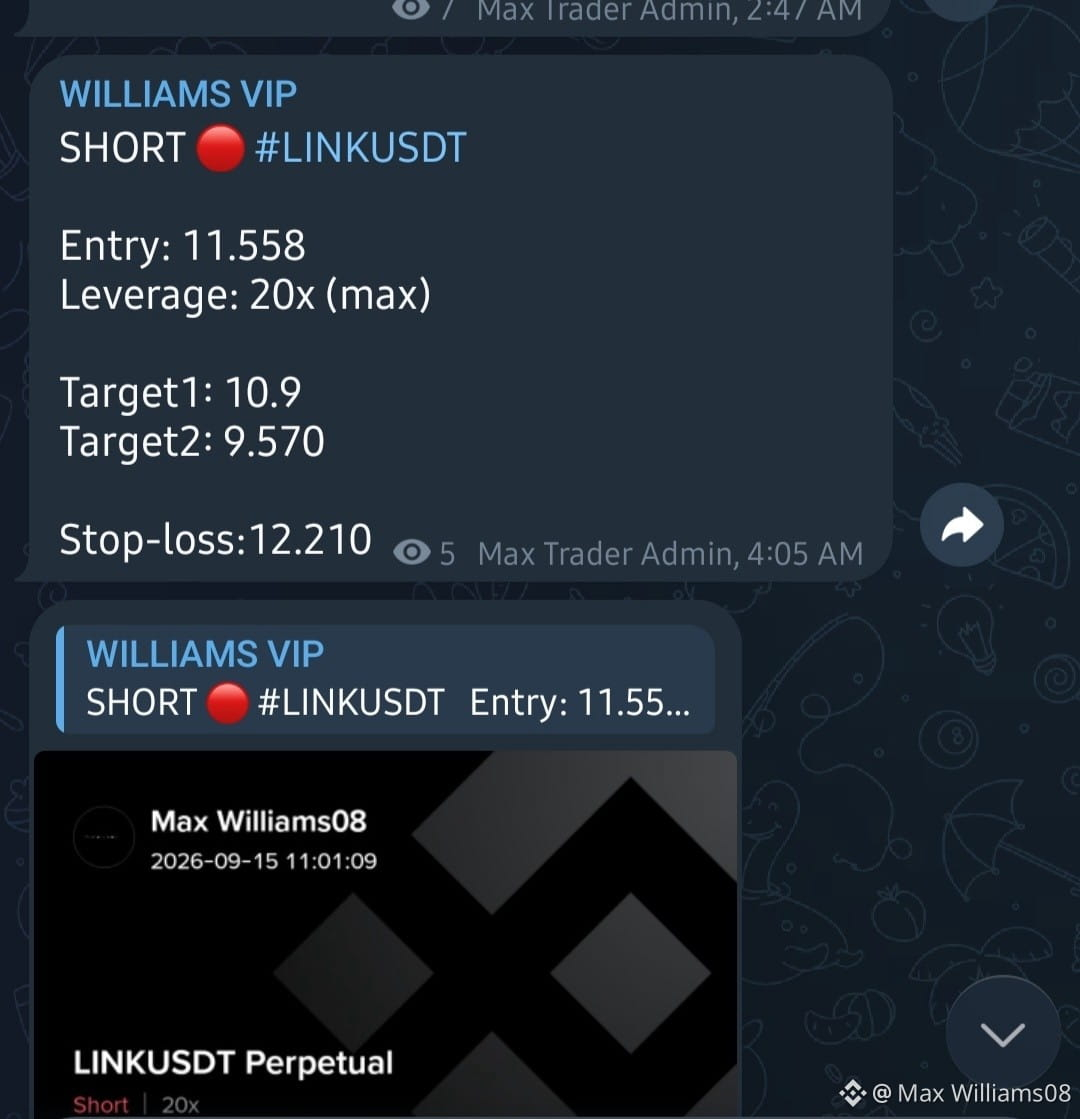
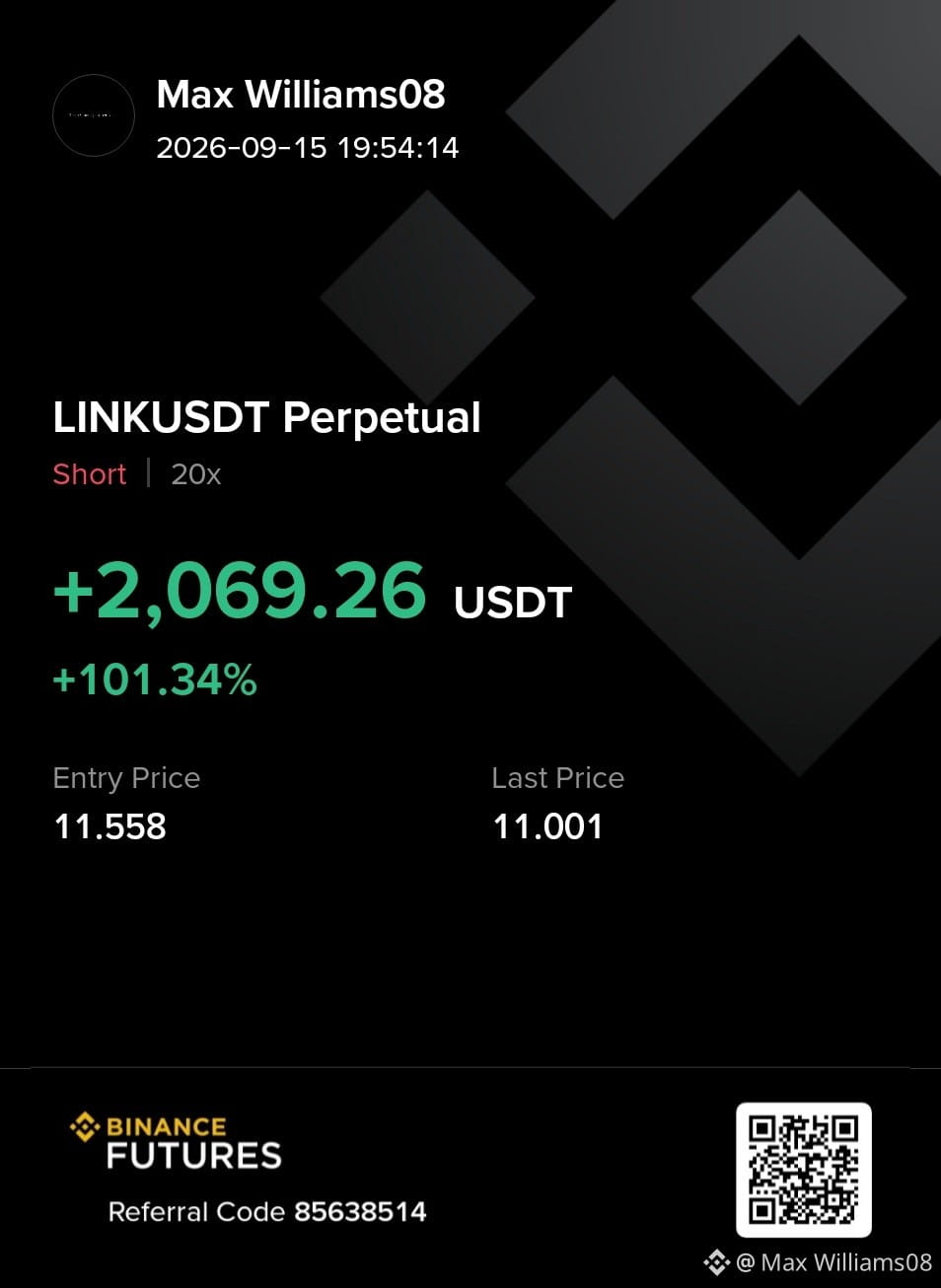
traded #LINK on the community and it hit above 100% from Entry
#HotTrends #viralpost #TrendingTopic #tradingcommunity #BTC
traded #LINK on the community and it hit above 100% from Entry
#HotTrends #viralpost #TrendingTopic #tradingcommunity #BTC
#HotTrends #viralpost #TrendingTopic #tradingcommunity #BTC
1
1
35
📈 [Coin Name, e.g., $BTC / $ETH] Update & Analysis
The market is showing interesting movements! Currently, [Coin Name] is testing a key resistance level around $[Price].
Key Levels to Watch:
🎯 Resistance: $[Price]
🛡️ Support: $[Price]
If we manage to break above the resistance with good volume, we could see a strong bullish rally. However, if it dips, keep an eye on the support zone.
What's your move here—Bullish or Bearish? Let me know in the comments! 👇
#Crypto #Binance #CryptoAnalysis #Trading
২. ট্রেডিং টিপস বা শিক্ষণীয় পোস্ট (Trading Tip/Educational)
💡 Crypto Trading Tip of the Day: Risk Management First!
Many beginners lose money not because of bad setups, but because of poor risk management. Always remember:
1️⃣ Never risk more than 1-2% of your portfolio on a single trade.
2️⃣ Always set a Stop Loss (SL) before entering a trade.
3️⃣ Take profits gradually (DCA out) rather than waiting for the absolute top.
Protect your capital first, profits will follow. Stay safe out there! 🛡️
#BinanceSquare #CryptoTips #Trading101 #RiskManagement
#BinanceSquare #CryptoTips #TradingCommunity
📈 [Coin Name, e.g., $BTC / $ETH] Update & Analysis
The market is showing interesting movements! Currently, [Coin Name] is testing a key resistance level around $[Price].
Key Levels to Watch:
🎯 Resistance: $[Price]
🛡️ Support: $[Price]
If we manage to break above the resistance with good volume, we could see a strong bullish rally. However, if it dips, keep an eye on the support zone.
What's your move here—Bullish or Bearish? Let me know in the comments! 👇
#Crypto #Binance #CryptoAnalysis #Trading
২. ট্রেডিং টিপস বা শিক্ষণীয় পোস্ট (Trading Tip/Educational)
💡 Crypto Trading Tip of the Day: Risk Management First!
Many beginners lose money not because of bad setups, but because of poor risk management. Always remember:
1️⃣ Never risk more than 1-2% of your portfolio on a single trade.
2️⃣ Always set a Stop Loss (SL) before entering a trade.
3️⃣ Take profits gradually (DCA out) rather than waiting for the absolute top.
Protect your capital first, profits will follow. Stay safe out there! 🛡️
#BinanceSquare #CryptoTips #Trading101 #RiskManagement
#BinanceSquare #CryptoTips #TradingCommunity
The market is showing interesting movements! Currently, [Coin Name] is testing a key resistance level around $[Price].
Key Levels to Watch:
🎯 Resistance: $[Price]
🛡️ Support: $[Price]
If we manage to break above the resistance with good volume, we could see a strong bullish rally. However, if it dips, keep an eye on the support zone.
What's your move here—Bullish or Bearish? Let me know in the comments! 👇
#Crypto #Binance #CryptoAnalysis #Trading
২. ট্রেডিং টিপস বা শিক্ষণীয় পোস্ট (Trading Tip/Educational)
💡 Crypto Trading Tip of the Day: Risk Management First!
Many beginners lose money not because of bad setups, but because of poor risk management. Always remember:
1️⃣ Never risk more than 1-2% of your portfolio on a single trade.
2️⃣ Always set a Stop Loss (SL) before entering a trade.
3️⃣ Take profits gradually (DCA out) rather than waiting for the absolute top.
Protect your capital first, profits will follow. Stay safe out there! 🛡️
#BinanceSquare #CryptoTips #Trading101 #RiskManagement
#BinanceSquare #CryptoTips #TradingCommunity
60
·
--
Since April 24, I’ve been getting a lot of genuine messages from former colleagues asking what I’ve been up to after quitting my job. Figured this post should answer most of those questions.
I quit the 9-5 and officially became a self-employed equities and commodities trader and investor.
No more pretending to look busy doing nothing. No more endless approval layers needed even for a update as minor as a fullstop. No more meetings that could’ve been emails. Just me, the charts, and whatever the market decides to throw at me.
I’ll be posting real breakdowns on:
* Stocks on my watchlist
* Business lessons that actually matter (not the AI Slop & LinkedIn fluff)
* Sector that’s hot right now and the bottlenecks worth watching
Plus the occasional rant when the market does something stupid… and some dark humor, because if you can’t laugh at this game, it will humble you real quick.
Doesn’t matter if you’re in Karachi, New York, Lagos, Mumbai, or a small town somewhere — if you’ve ever felt stuck in a job that drains you, or if you’ve ever stared at a chart and felt that mix of excitement and fear… you’ll get it.
Still figuring this out in real time. No guru energy, just an honest journey.
Follow along if you want the unfiltered version.
#TradingCommunity #RWATokens #Write2Earn
Since April 24, I’ve been getting a lot of genuine messages from former colleagues asking what I’ve been up to after quitting my job. Figured this post should answer most of those questions.
I quit the 9-5 and officially became a self-employed equities and commodities trader and investor.
No more pretending to look busy doing nothing. No more endless approval layers needed even for a update as minor as a fullstop. No more meetings that could’ve been emails. Just me, the charts, and whatever the market decides to throw at me.
I’ll be posting real breakdowns on:
* Stocks on my watchlist
* Business lessons that actually matter (not the AI Slop & LinkedIn fluff)
* Sector that’s hot right now and the bottlenecks worth watching
Plus the occasional rant when the market does something stupid… and some dark humor, because if you can’t laugh at this game, it will humble you real quick.
Doesn’t matter if you’re in Karachi, New York, Lagos, Mumbai, or a small town somewhere — if you’ve ever felt stuck in a job that drains you, or if you’ve ever stared at a chart and felt that mix of excitement and fear… you’ll get it.
Still figuring this out in real time. No guru energy, just an honest journey.
Follow along if you want the unfiltered version.
#TradingCommunity #RWATokens #Write2Earn
I quit the 9-5 and officially became a self-employed equities and commodities trader and investor.
No more pretending to look busy doing nothing. No more endless approval layers needed even for a update as minor as a fullstop. No more meetings that could’ve been emails. Just me, the charts, and whatever the market decides to throw at me.
I’ll be posting real breakdowns on:
* Stocks on my watchlist
* Business lessons that actually matter (not the AI Slop & LinkedIn fluff)
* Sector that’s hot right now and the bottlenecks worth watching
Plus the occasional rant when the market does something stupid… and some dark humor, because if you can’t laugh at this game, it will humble you real quick.
Doesn’t matter if you’re in Karachi, New York, Lagos, Mumbai, or a small town somewhere — if you’ve ever felt stuck in a job that drains you, or if you’ve ever stared at a chart and felt that mix of excitement and fear… you’ll get it.
Still figuring this out in real time. No guru energy, just an honest journey.
Follow along if you want the unfiltered version.
#TradingCommunity #RWATokens #Write2Earn
1
81

·
--
Bullish
A tip for new traders..
Trading and success are not about quantity, but about quality and good results from your trades.
Being cautious in choosing a trade and studying it is the basis and the main key for being able to succeed, because this approach is linked to the first step: selection and research. After that, other external factors come into play, whether they are news related to the currency or political factors.
So the takeaway is: don’t rely on the number of trades. I’ve noticed in this community that some people promote this idea. Know that no matter how much profit you gain from one trade, you will lose it in other trades. Anyone who promotes this idea is doing so only for their own personal benefit. But the correct analyst and the one who studies analysis sciences does not look at volume, but at the quality of choosing a trade. And even one trade can be enough for you instead of a million other trades.
So beware of them, and once again don’t be like the fearful herd that blindly listens and obeys everything. Search and learn, and don’t rely on any analysis by any person, because that may lead to the end of your financial portfolio.
#baya2510 #TradingCommunity
{future}(BTCUSDT)
A tip for new traders..
Trading and success are not about quantity, but about quality and good results from your trades.
Being cautious in choosing a trade and studying it is the basis and the main key for being able to succeed, because this approach is linked to the first step: selection and research. After that, other external factors come into play, whether they are news related to the currency or political factors.
So the takeaway is: don’t rely on the number of trades. I’ve noticed in this community that some people promote this idea. Know that no matter how much profit you gain from one trade, you will lose it in other trades. Anyone who promotes this idea is doing so only for their own personal benefit. But the correct analyst and the one who studies analysis sciences does not look at volume, but at the quality of choosing a trade. And even one trade can be enough for you instead of a million other trades.
So beware of them, and once again don’t be like the fearful herd that blindly listens and obeys everything. Search and learn, and don’t rely on any analysis by any person, because that may lead to the end of your financial portfolio.
#baya2510 #TradingCommunity
Trading and success are not about quantity, but about quality and good results from your trades.
Being cautious in choosing a trade and studying it is the basis and the main key for being able to succeed, because this approach is linked to the first step: selection and research. After that, other external factors come into play, whether they are news related to the currency or political factors.
So the takeaway is: don’t rely on the number of trades. I’ve noticed in this community that some people promote this idea. Know that no matter how much profit you gain from one trade, you will lose it in other trades. Anyone who promotes this idea is doing so only for their own personal benefit. But the correct analyst and the one who studies analysis sciences does not look at volume, but at the quality of choosing a trade. And even one trade can be enough for you instead of a million other trades.
So beware of them, and once again don’t be like the fearful herd that blindly listens and obeys everything. Search and learn, and don’t rely on any analysis by any person, because that may lead to the end of your financial portfolio.
#baya2510 #TradingCommunity

148

·
--
Bearish
In $龙虾 $LSK $BTC
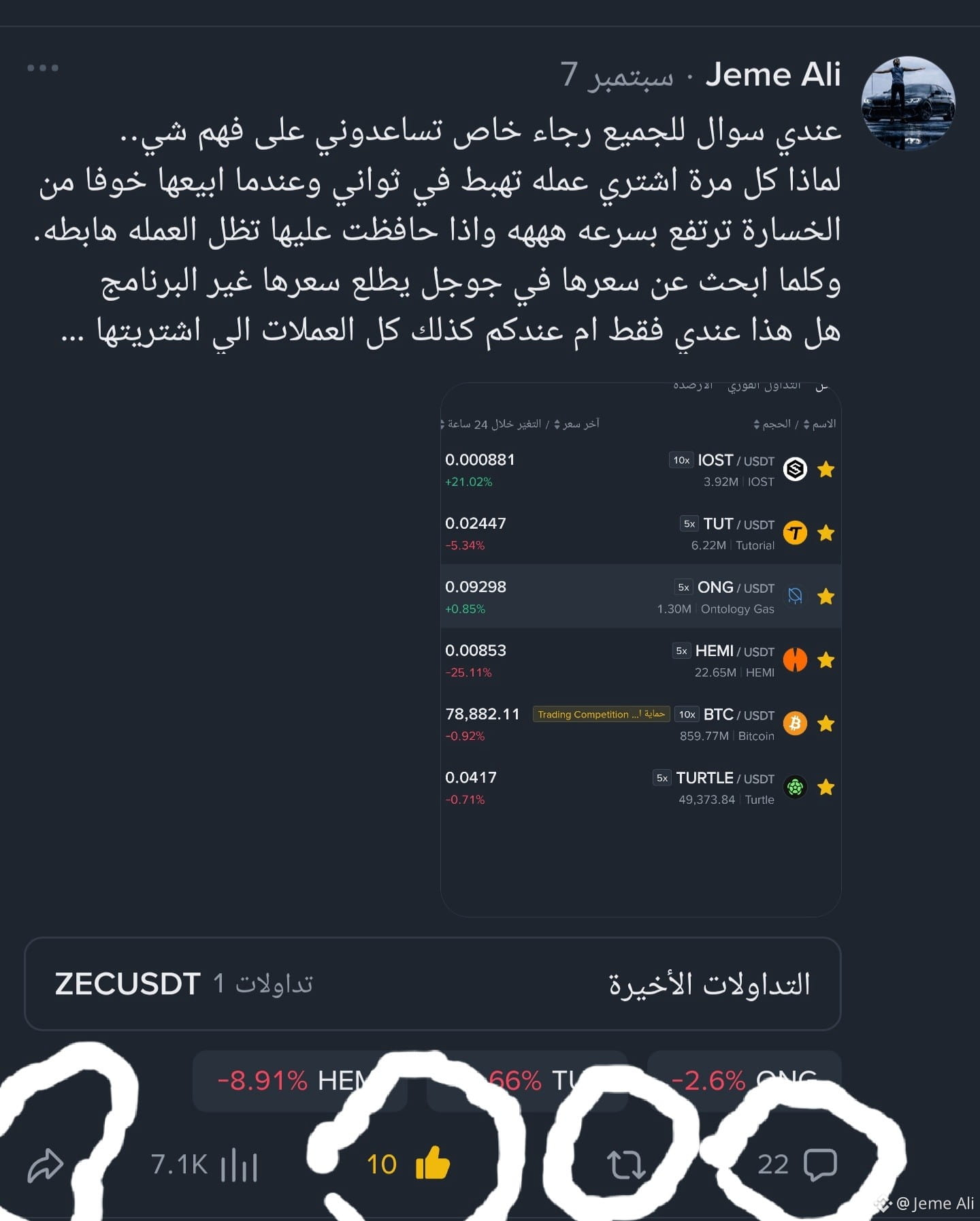
I have a question for all Arabs present on the platform.
I do not envy anyone for their intelligence or understanding of trading, but we beginners are really trying to profit, not to lose.
You know, the creators have another way to earn. If every Arab stands next to his Arab brother and helps him when he browses a platform like #Square , and if you see a post by an Arab or even a foreigner, and you press like, write a comment, and share that you helped him open a profit—why don't we Arabs have love and wish good for others? We only think about ourselves.
We trade and profit and share, while others are losing. Dead of grief, so frustrated.
There are many who are winning.
And there are those who are losing, and the first of them is me.
But what I notice is that when I post, no one interacts.
As for the celebrities, whose profits are unbelievable—may God provide for everyone. Their posts bring them money on top of more money, while the losers gain nothing from trading or from posts.
Especially the Yemenis, #yemen —our activities and other earnings are blocked.
We want to unite, O Arabs, not to be arrogant and domineering over others. My greetings to everyone, and congratulations to the winners. May God compensate the losers.
#money #EarnFreeCrypto2024 #TradingCommunity
In $龙虾 $LSK $BTC
I have a question for all Arabs present on the platform.
I do not envy anyone for their intelligence or understanding of trading, but we beginners are really trying to profit, not to lose.
You know, the creators have another way to earn. If every Arab stands next to his Arab brother and helps him when he browses a platform like #Square , and if you see a post by an Arab or even a foreigner, and you press like, write a comment, and share that you helped him open a profit—why don't we Arabs have love and wish good for others? We only think about ourselves.
We trade and profit and share, while others are losing. Dead of grief, so frustrated.
There are many who are winning.
And there are those who are losing, and the first of them is me.
But what I notice is that when I post, no one interacts.
As for the celebrities, whose profits are unbelievable—may God provide for everyone. Their posts bring them money on top of more money, while the losers gain nothing from trading or from posts.
Especially the Yemenis, #yemen —our activities and other earnings are blocked.
We want to unite, O Arabs, not to be arrogant and domineering over others. My greetings to everyone, and congratulations to the winners. May God compensate the losers.
#money #EarnFreeCrypto2024 #TradingCommunity
I have a question for all Arabs present on the platform.
I do not envy anyone for their intelligence or understanding of trading, but we beginners are really trying to profit, not to lose.
You know, the creators have another way to earn. If every Arab stands next to his Arab brother and helps him when he browses a platform like #Square , and if you see a post by an Arab or even a foreigner, and you press like, write a comment, and share that you helped him open a profit—why don't we Arabs have love and wish good for others? We only think about ourselves.
We trade and profit and share, while others are losing. Dead of grief, so frustrated.
There are many who are winning.
And there are those who are losing, and the first of them is me.
But what I notice is that when I post, no one interacts.
As for the celebrities, whose profits are unbelievable—may God provide for everyone. Their posts bring them money on top of more money, while the losers gain nothing from trading or from posts.
Especially the Yemenis, #yemen —our activities and other earnings are blocked.
We want to unite, O Arabs, not to be arrogant and domineering over others. My greetings to everyone, and congratulations to the winners. May God compensate the losers.
#money #EarnFreeCrypto2024 #TradingCommunity
44
8
66
16.9k

·
--
Bullish
💬 Trading Discussion
Which habit helps beginners the most?
A️⃣ Using a trading plan
B️⃣ Setting a stop-loss
C️⃣ Avoiding emotional decisions
D️⃣ Keeping a trading journal
Share your answer and explain why you chose it. 👇
#TradingCommunity #cryptouniverseofficial #RiskManagement #Trading #Binance $AAPLB $NVDAB
{spot}(NVDABUSDT)
💬 Trading Discussion
Which habit helps beginners the most?
A️⃣ Using a trading plan
B️⃣ Setting a stop-loss
C️⃣ Avoiding emotional decisions
D️⃣ Keeping a trading journal
Share your answer and explain why you chose it. 👇
#TradingCommunity #cryptouniverseofficial #RiskManagement #Trading #Binance $AAPLB $NVDAB
Which habit helps beginners the most?
A️⃣ Using a trading plan
B️⃣ Setting a stop-loss
C️⃣ Avoiding emotional decisions
D️⃣ Keeping a trading journal
Share your answer and explain why you chose it. 👇
#TradingCommunity #cryptouniverseofficial #RiskManagement #Trading #Binance $AAPLB $NVDAB
75

·
--
Bullish
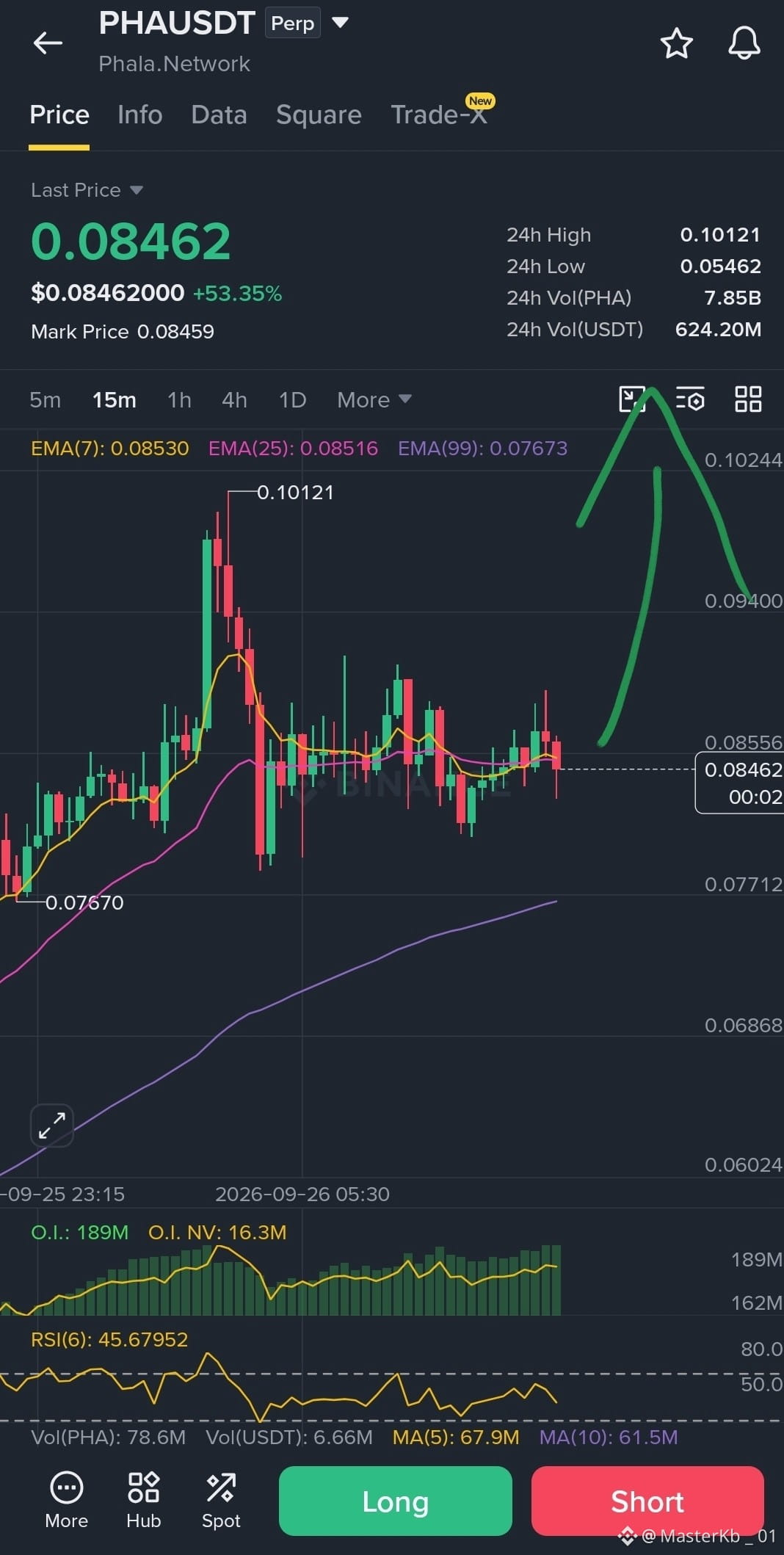
$PHA - 8hr candle can turn green and retest yesterday's high...
Entry : 0.08550 - 0.08450
Stoploss : 0.07920
Targets :
0.09200
0.09650
0.10200
0.10500
{future}(PHAUSDT)
VDA products are unregulated & risky. No regulatory recourse for any loss. Not financial advice. #DYOR
#scalpers #traders #TradingCommunity
$PHA - 8hr candle can turn green and retest yesterday's high...
Entry : 0.08550 - 0.08450
Stoploss : 0.07920
Targets :
0.09200
0.09650
0.10200
0.10500
VDA products are unregulated & risky. No regulatory recourse for any loss. Not financial advice. #DYOR
#scalpers #traders #TradingCommunity
Entry : 0.08550 - 0.08450
Stoploss : 0.07920
Targets :
0.09200
0.09650
0.10200
0.10500
VDA products are unregulated & risky. No regulatory recourse for any loss. Not financial advice. #DYOR
#scalpers #traders #TradingCommunity
1
210
·
--
Verified
Trading different markets usually means moving capital around.
• Options need margin.
• Perps need margin.
• Other positions need more margin.
@Aevoxyz takes a different approach.
• One account.
• One collateral pool.
You can hold crypto options, crypto perps, equity perps and commodities without splitting your capital across different accounts.
Portfolio Margin also kicks in above $5K, allowing positions to offset each other.
Less capital stuck on the sidelines.
More of your existing collateral stays available for the trades you’re already running.
$BTC
#AEVO #TradingCommunity
Trading different markets usually means moving capital around.
• Options need margin.
• Perps need margin.
• Other positions need more margin.
@Aevo takes a different approach.
• One account.
• One collateral pool.
You can hold crypto options, crypto perps, equity perps and commodities without splitting your capital across different accounts.
Portfolio Margin also kicks in above $5K, allowing positions to offset each other.
Less capital stuck on the sidelines.
More of your existing collateral stays available for the trades you’re already running.
$BTC
#AEVO #TradingCommunity
• Options need margin.
• Perps need margin.
• Other positions need more margin.
@Aevo takes a different approach.
• One account.
• One collateral pool.
You can hold crypto options, crypto perps, equity perps and commodities without splitting your capital across different accounts.
Portfolio Margin also kicks in above $5K, allowing positions to offset each other.
Less capital stuck on the sidelines.
More of your existing collateral stays available for the trades you’re already running.
$BTC
#AEVO #TradingCommunity

Helen_Rose:
keeping eyes on $AEVO
32
3
28
3.6k
·
--
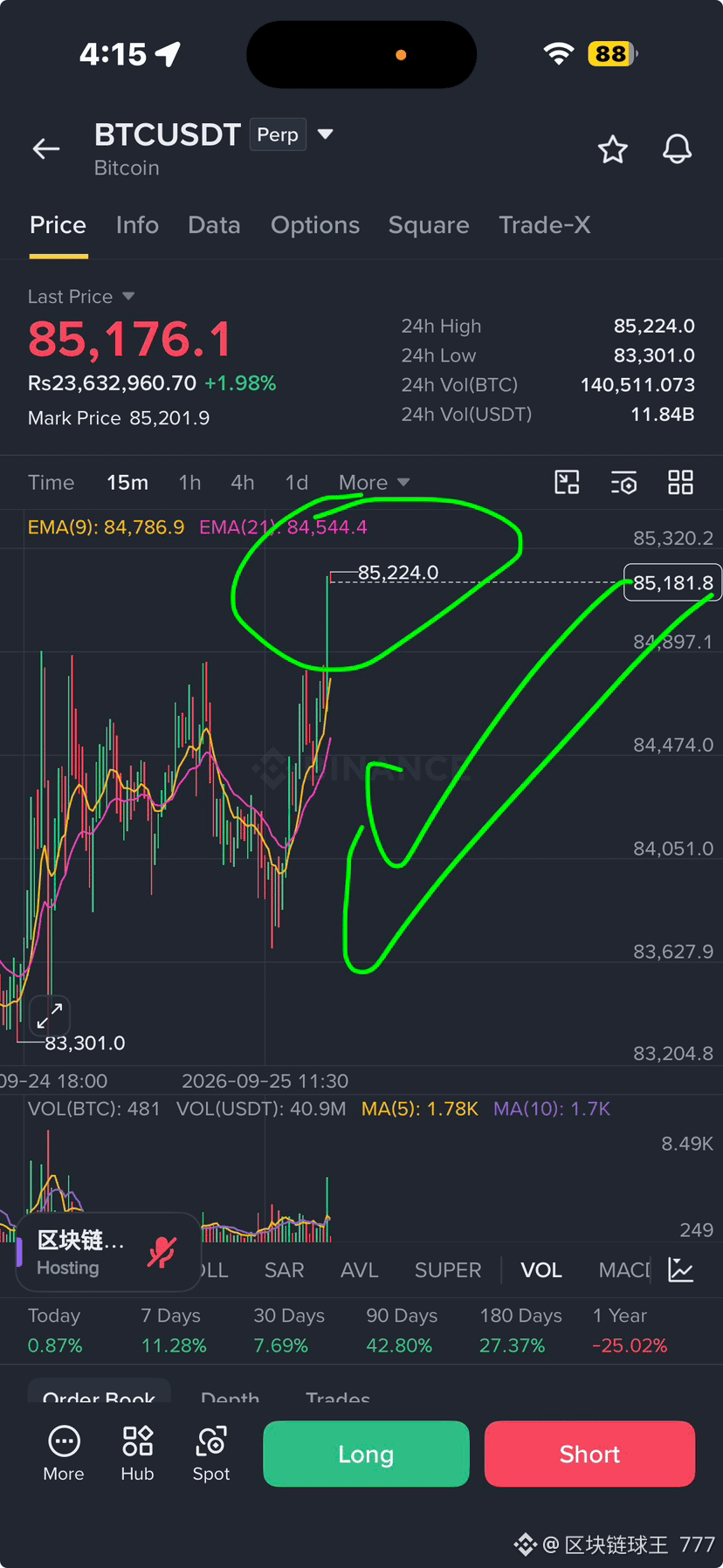
#BOOOMMMMMMNM
$BTC big Boom 🥳
Have you guys Confirmed Your Profit ?
{future}(BTCUSDT)
#TradingCommunity #binance #crypto
#BOOOMMMMMMNM
$BTC big Boom 🥳
Have you guys Confirmed Your Profit ?
#TradingCommunity #binance #crypto
$BTC big Boom 🥳
Have you guys Confirmed Your Profit ?
#TradingCommunity #binance #crypto

区块链球王 777
·
--
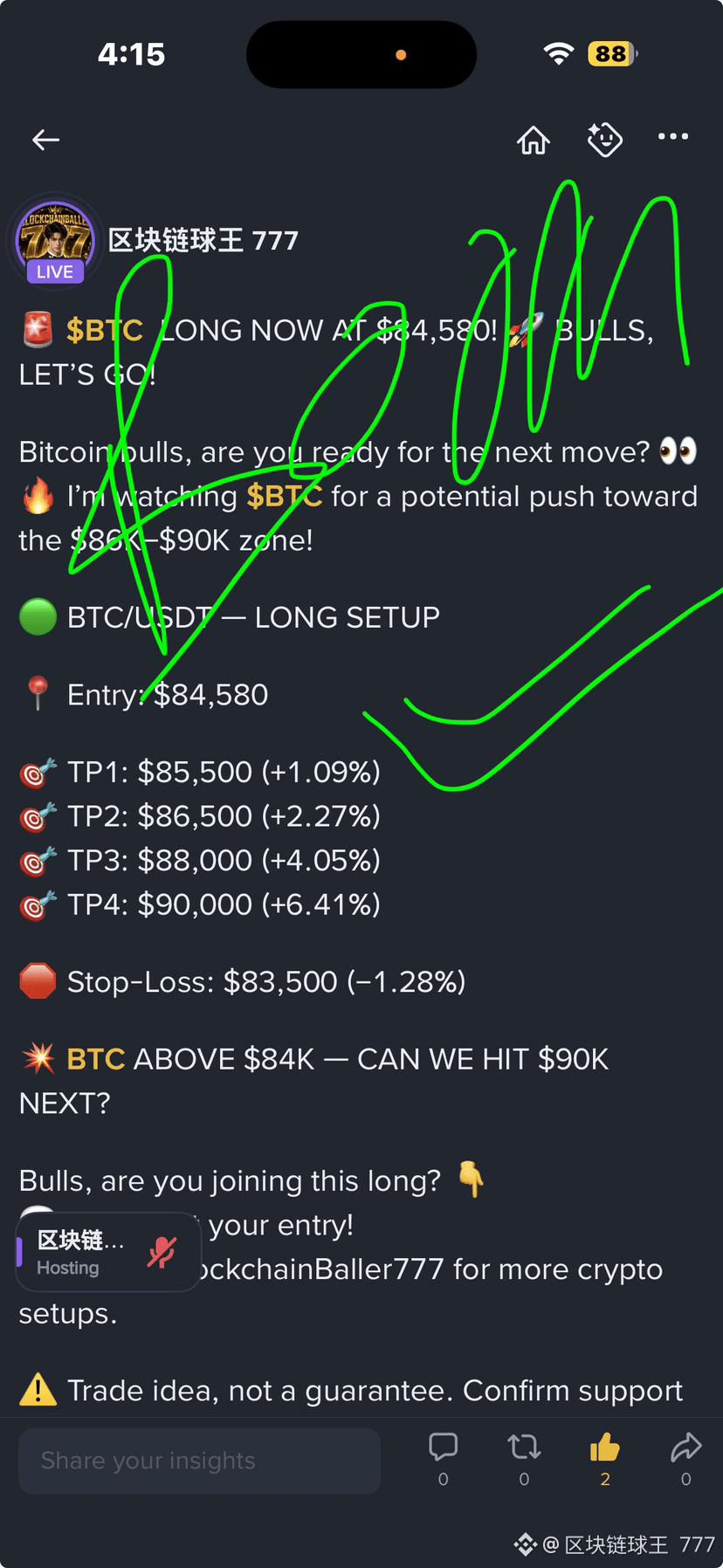
🚨 $BTC LONG NOW AT $84,580! 🚀 BULLS, LET’S GO!
Bitcoin bulls, are you ready for the next move? 👀🔥 I’m watching $BTC for a potential push toward the $86K–$90K zone!
🟢 BTC/USDT — LONG SETUP
📍 Entry: $84,580
🎯 TP1: $85,500 (+1.09%)
🎯 TP2: $86,500 (+2.27%)
🎯 TP3: $88,000 (+4.05%)
🎯 TP4: $90,000 (+6.41%)
🛑 Stop-Loss: $83,500 (−1.28%)
💥 BTC ABOVE $84K — CAN WE HIT $90K NEXT?
Bulls, are you joining this long? 👇
💬 Comment your entry!
❤️ Follow BlockchainBaller777 for more crypto setups.
⚠️ Trade idea, not a guarantee. Confirm support and momentum before entering. Use proper position sizing, and remember that leverage magnifies losses.
#BTC #Bitcoin #Binance #CryptoTrading #BinanceSquare
Bitcoin bulls, are you ready for the next move? 👀🔥 I’m watching $BTC for a potential push toward the $86K–$90K zone!
🟢 BTC/USDT — LONG SETUP
📍 Entry: $84,580
🎯 TP1: $85,500 (+1.09%)
🎯 TP2: $86,500 (+2.27%)
🎯 TP3: $88,000 (+4.05%)
🎯 TP4: $90,000 (+6.41%)
🛑 Stop-Loss: $83,500 (−1.28%)
💥 BTC ABOVE $84K — CAN WE HIT $90K NEXT?
Bulls, are you joining this long? 👇
💬 Comment your entry!
❤️ Follow BlockchainBaller777 for more crypto setups.
⚠️ Trade idea, not a guarantee. Confirm support and momentum before entering. Use proper position sizing, and remember that leverage magnifies losses.
#BTC #Bitcoin #Binance #CryptoTrading #BinanceSquare
1
44

·
--
$SENT
{future}(SENTUSDT)
🐂 ARE THE BULLS PREPARING A NEW ATTACK?
⚡ The market rarely warns twice about a good opportunity.
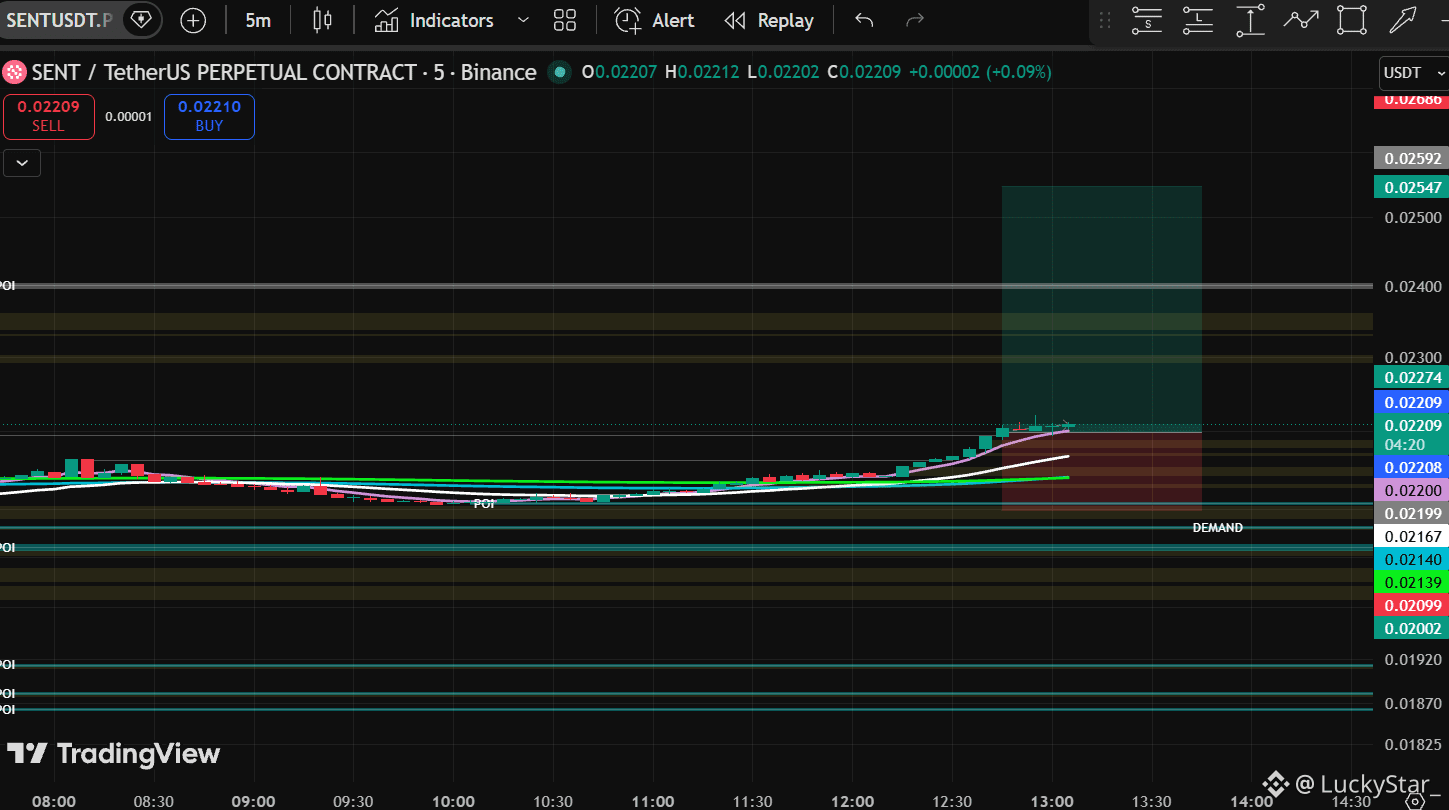
THE MARKET IS FORMING A STRONG ASCENDING STRUCTURE, SUPPORTING A POSITIVE SCENARIO.
Do you expect continued growth this week?
#SENT #TradingCommunity #TradingSignals
$SENT
🐂 ARE THE BULLS PREPARING A NEW ATTACK?
⚡ The market rarely warns twice about a good opportunity.
THE MARKET IS FORMING A STRONG ASCENDING STRUCTURE, SUPPORTING A POSITIVE SCENARIO.
Do you expect continued growth this week?
#SENT #TradingCommunity #TradingSignals
🐂 ARE THE BULLS PREPARING A NEW ATTACK?
⚡ The market rarely warns twice about a good opportunity.
THE MARKET IS FORMING A STRONG ASCENDING STRUCTURE, SUPPORTING A POSITIVE SCENARIO.
Do you expect continued growth this week?
#SENT #TradingCommunity #TradingSignals
52
Log in to explore more content
Join global crypto users on Binance Square
⚡️ Get latest and useful information about crypto.
💬 Trusted by the world’s largest crypto exchange.
👍 Discover real insights from verified creators.
Email / Phone number
Trending Topics
1
#CircleMints500MUSDCOnSolana
11,169 views
496 Discussing
2
#PolymarketBankFailureBetsDrawFDICConcern
27,392 views
691 Discussing
3
#BlackRockBuildsTokenizedPortfoliosForOndo
21,513 views
468 Discussing
4
#BitwiseFilesToListNEARETFOnNYSEArca
22,130 views
443 Discussing
5
#SECCommissionerPeirceToLeaveOct2
22,841 views
368 Discussing
6
#SECSaysBuybacksUpgradesDontMakeTokenSecurity
22,277 views
319 Discussing
7
#StrategyProposesDailyDividendsForPreferreds
3,062 views
93 Discussing
8
#CircleTetherFreezeBitgetHackerWallet
2,379 views
57 Discussing
9
#CoinMarketCapCompletesCoinglassAcquisition
5,761 views
80 Discussing
10
#QNTRises39%
84,601 views
1,422 Discussing