
清灵 BNB
6.6k Posts

清灵 BNB
Crypto Trader | Sharing Market Insights , Trends |
Frequent Trader
4.8 Years
8 Following
2.9K+ Followers
21.8K+ Liked
Posts
All
Quotes
PINNED
PINNED
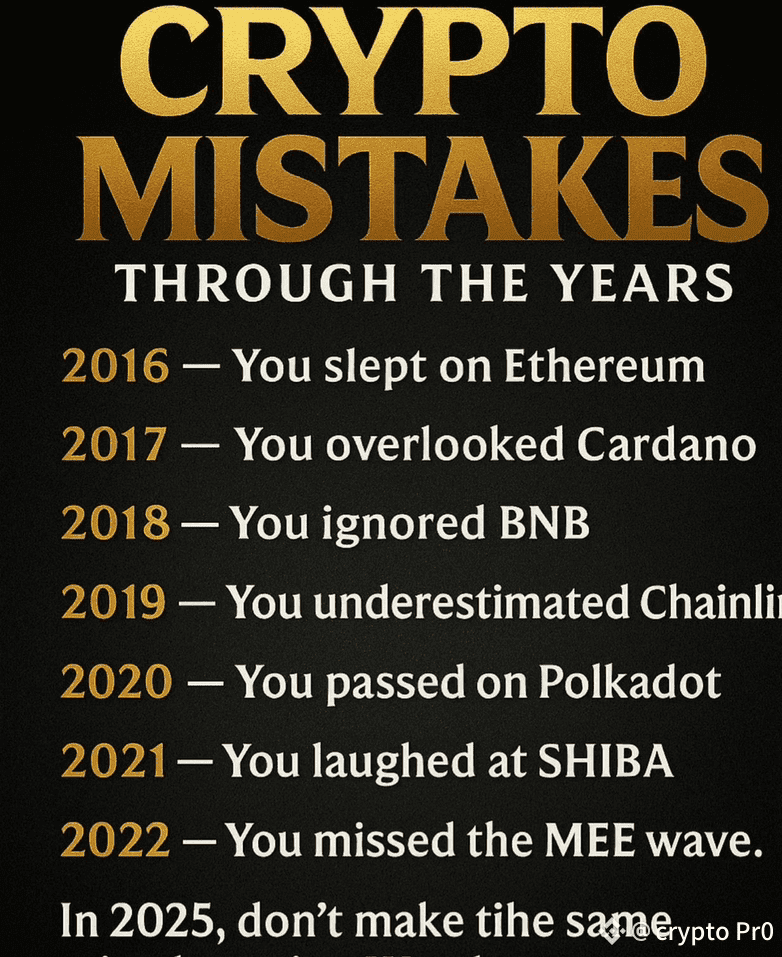
You missed ETH at $8 in 2016.
Ignored #ADA at $0.03 in 2017.
Skipped $BNB at $24 in 2018.
Slept on $LINK at $4.50 in 2019.
Passed on $DOT under $10 in 2020.
Laughed at $SHIB before it 1000x’d in 2021.
Overlooked MEE at $0.03 in 2022.
2025 — Will you miss again?
Stay sharp. Watch closely.
Ignored #ADA at $0.03 in 2017.
Skipped $BNB at $24 in 2018.
Slept on $LINK at $4.50 in 2019.
Passed on $DOT under $10 in 2020.
Laughed at $SHIB before it 1000x’d in 2021.
Overlooked MEE at $0.03 in 2022.
2025 — Will you miss again?
Stay sharp. Watch closely.
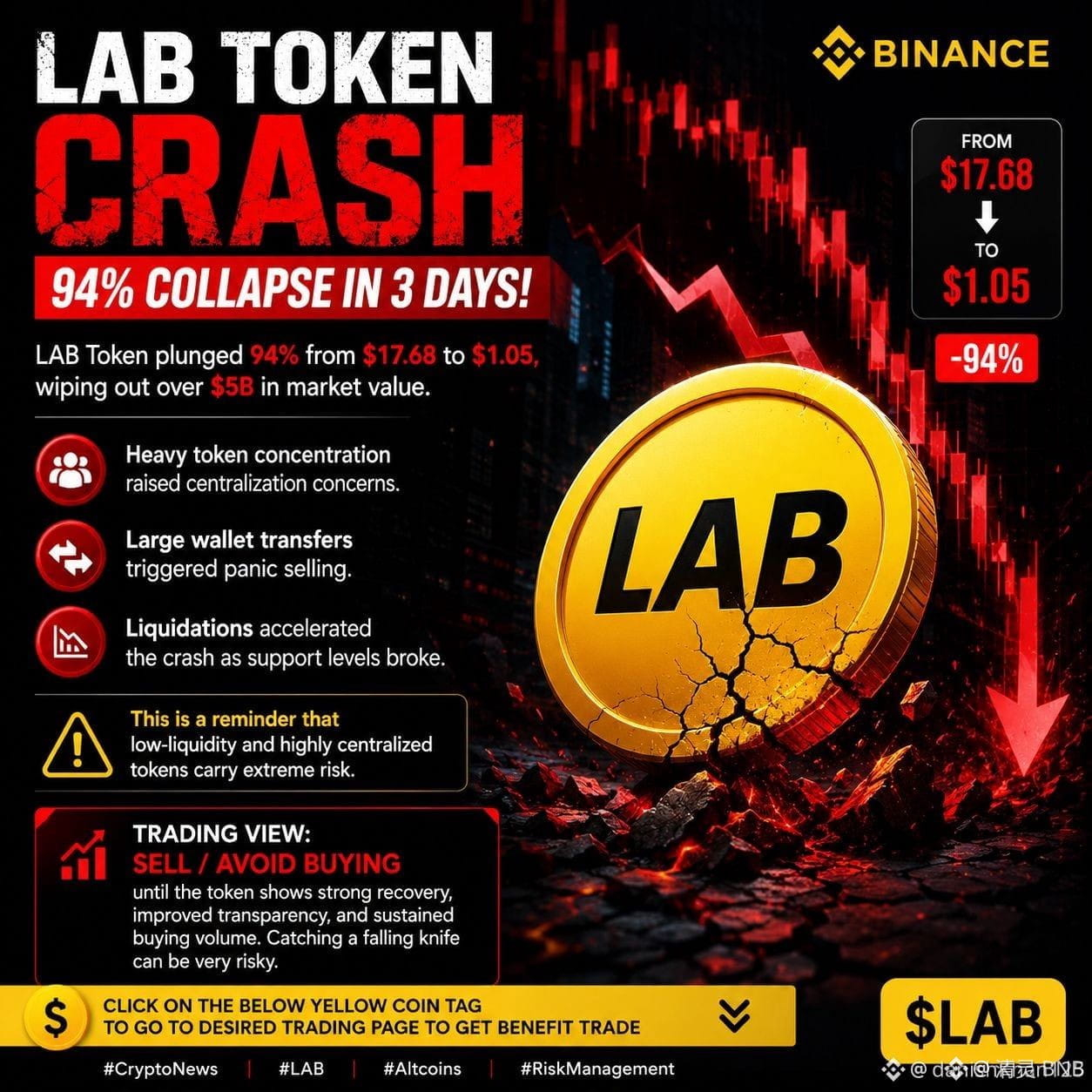
🚨 LAB Token Plunges Over 90% — A Stark Reminder of Market Risk
$LAB experienced a dramatic sell-off, dropping from $17.68 to nearly $1.05 in just a few days and wiping out billions in market value.
⚠️ Factors that may have contributed to the decline:
🔸 High token concentration among a small number of wallets.
🔸 Large wallet transfers that unsettled market sentiment.
🔸 A wave of liquidations that accelerated selling after key support levels broke.
💡 Key takeaway: Assets with limited liquidity and concentrated ownership can experience extreme price volatility.
📊 Market outlook: Rather than rushing to catch the bottom, many traders prefer to wait for stronger price stability, healthier trading volume, and confirmation of a potential trend reversal before considering new positions.
👇 Tap the $LAB coin tag below to follow the latest price action.
$LAB
#CryptoNews #Crypto #Altcoins #RiskManagement #BinanceSquare
$LAB experienced a dramatic sell-off, dropping from $17.68 to nearly $1.05 in just a few days and wiping out billions in market value.
⚠️ Factors that may have contributed to the decline:
🔸 High token concentration among a small number of wallets.
🔸 Large wallet transfers that unsettled market sentiment.
🔸 A wave of liquidations that accelerated selling after key support levels broke.
💡 Key takeaway: Assets with limited liquidity and concentrated ownership can experience extreme price volatility.
📊 Market outlook: Rather than rushing to catch the bottom, many traders prefer to wait for stronger price stability, healthier trading volume, and confirmation of a potential trend reversal before considering new positions.
👇 Tap the $LAB coin tag below to follow the latest price action.
$LAB
#CryptoNews #Crypto #Altcoins #RiskManagement #BinanceSquare
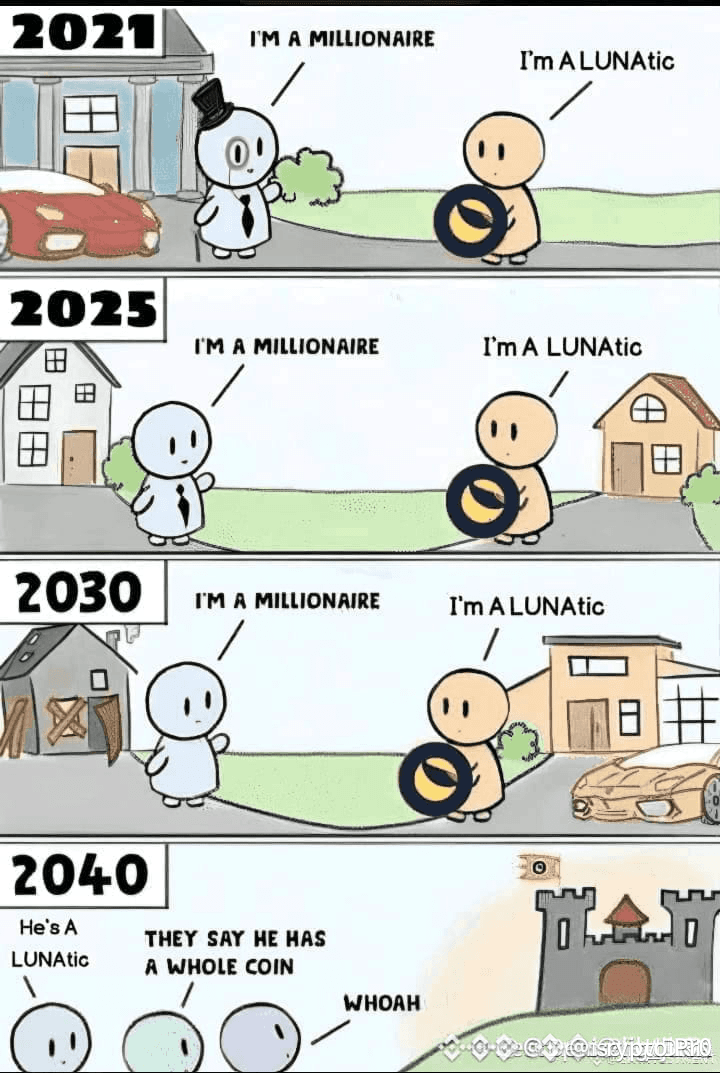
🚨 LUNC Governance Update! 🚀
The Terra Luna Classic community has voted against a proposal to expand the validator set to 130, keeping the current structure in place.
🔹 Some validators, including Allnodes and Luna Station 88, argued the network isn't yet ready for broader LUNA v2 validator integration.
🔹 Discussions around the $4.5B Terraform Labs–SEC settlement continue to shape community sentiment.
🔹 $LUNC and $USTC have seen renewed buying interest alongside broader market momentum.
🔹 Rising futures open interest suggests traders are closely watching for the next major move.
👀 All eyes are now on upcoming governance decisions to see what comes next for the Terra Luna Classic ecosystem.
Will this be the foundation for LUNC's next rally? 📈
$LUNC $LUNA $USTC
#LUNC #TerraClassic #Crypto #Blockchain
The Terra Luna Classic community has voted against a proposal to expand the validator set to 130, keeping the current structure in place.
🔹 Some validators, including Allnodes and Luna Station 88, argued the network isn't yet ready for broader LUNA v2 validator integration.
🔹 Discussions around the $4.5B Terraform Labs–SEC settlement continue to shape community sentiment.
🔹 $LUNC and $USTC have seen renewed buying interest alongside broader market momentum.
🔹 Rising futures open interest suggests traders are closely watching for the next major move.
👀 All eyes are now on upcoming governance decisions to see what comes next for the Terra Luna Classic ecosystem.
Will this be the foundation for LUNC's next rally? 📈
$LUNC $LUNA $USTC
#LUNC #TerraClassic #Crypto #Blockchain

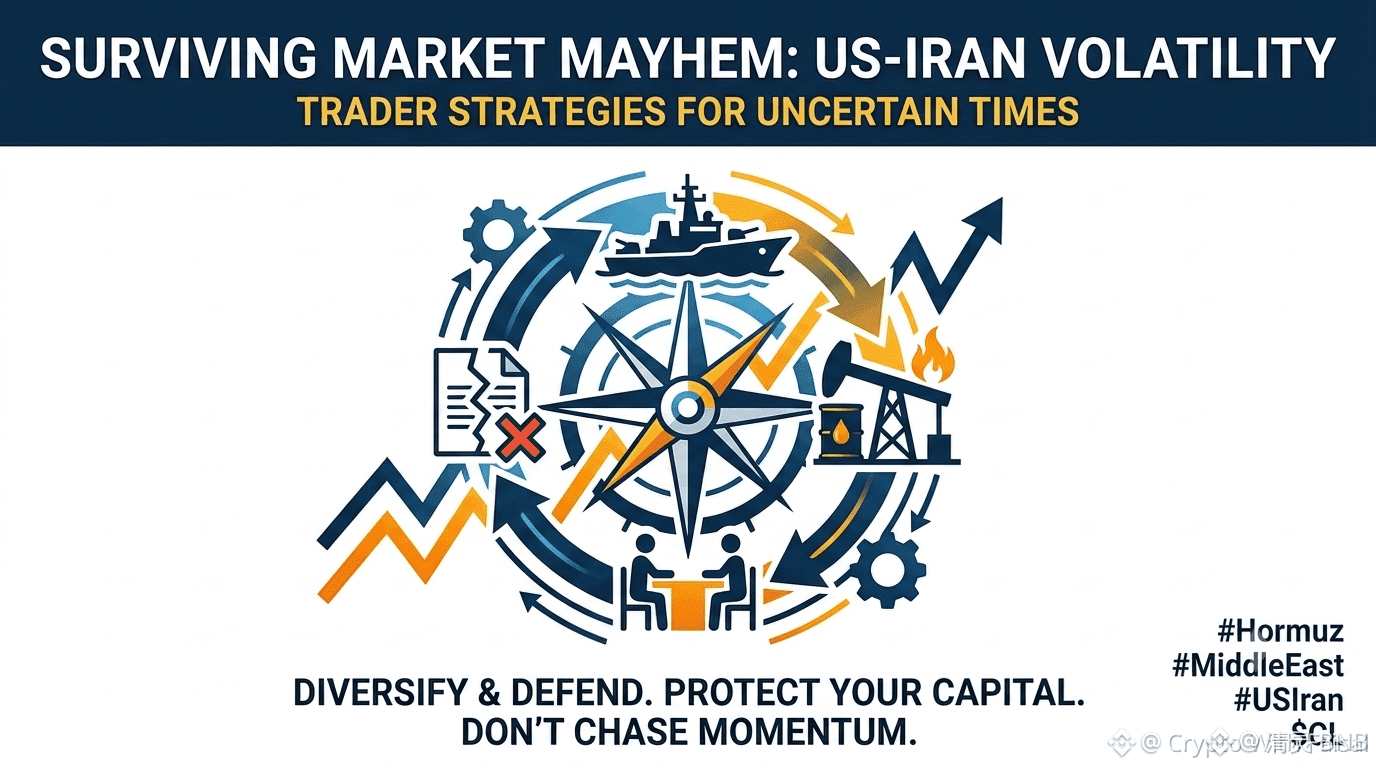
🚨 Geopolitical Tensions Are Keeping Markets on Edge 🌍📉
Recent reports suggest renewed escalation between the U.S. and Iran following an incident involving a vessel in the Strait of Hormuz, adding another layer of uncertainty to global markets.
Political headlines can change rapidly, and trying to predict every twist often leads to emotional trading.
📌 For traders, risk management matters more than predictions:
🛡️ Avoid chasing volatile, headline-driven moves.
📊 Stay diversified and manage your exposure.
⏳ Be patient—high-probability setups are often worth waiting for.
In times of uncertainty, preserving capital can be just as important as finding the next opportunity.
DYOR – This is not financial advice.
#Hormuz #MiddleEast #USIran #Crypto #Trading
$CL $BZ
Recent reports suggest renewed escalation between the U.S. and Iran following an incident involving a vessel in the Strait of Hormuz, adding another layer of uncertainty to global markets.
Political headlines can change rapidly, and trying to predict every twist often leads to emotional trading.
📌 For traders, risk management matters more than predictions:
🛡️ Avoid chasing volatile, headline-driven moves.
📊 Stay diversified and manage your exposure.
⏳ Be patient—high-probability setups are often worth waiting for.
In times of uncertainty, preserving capital can be just as important as finding the next opportunity.
DYOR – This is not financial advice.
#Hormuz #MiddleEast #USIran #Crypto #Trading
$CL $BZ
🚨 BREAKING: Crypto Regulation Update
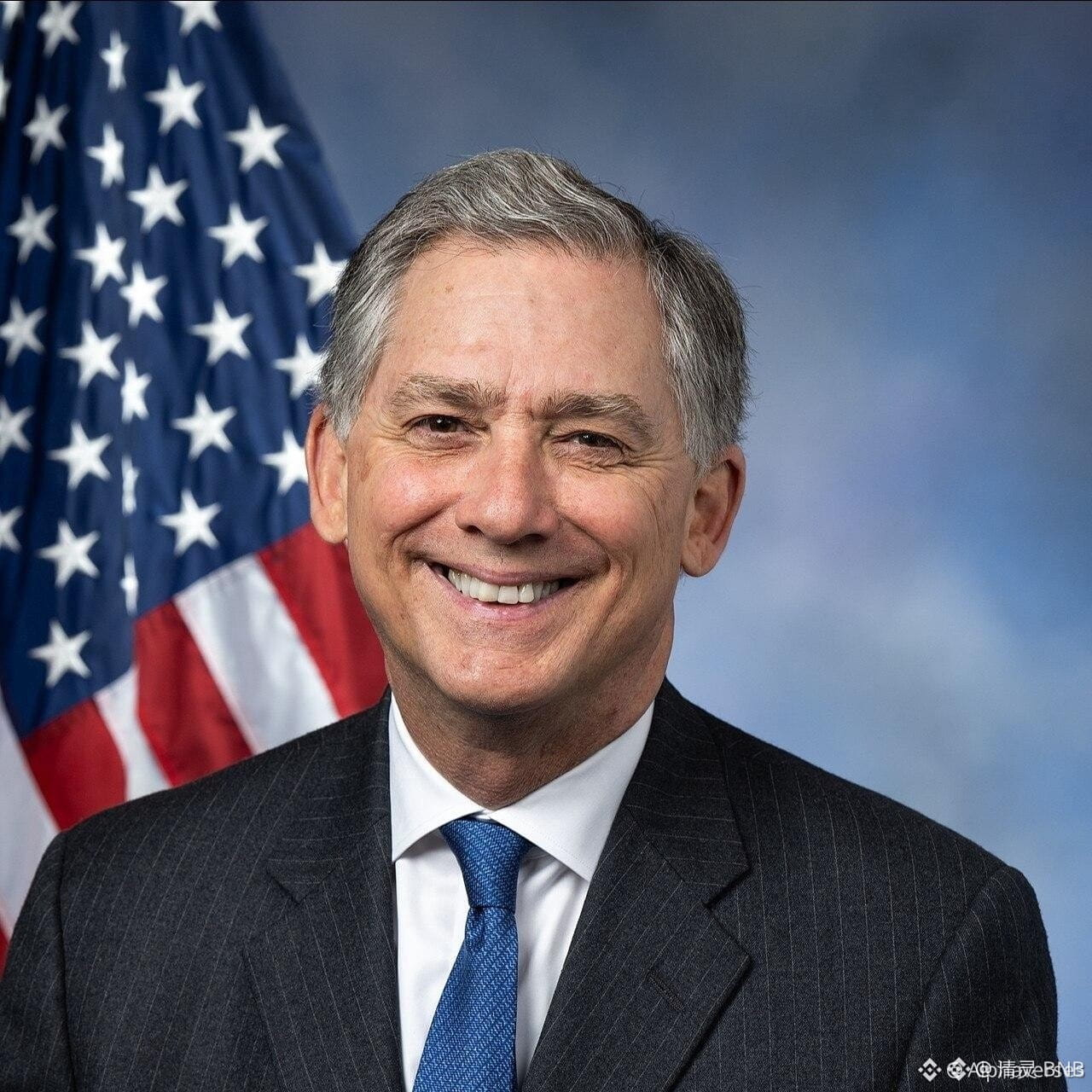
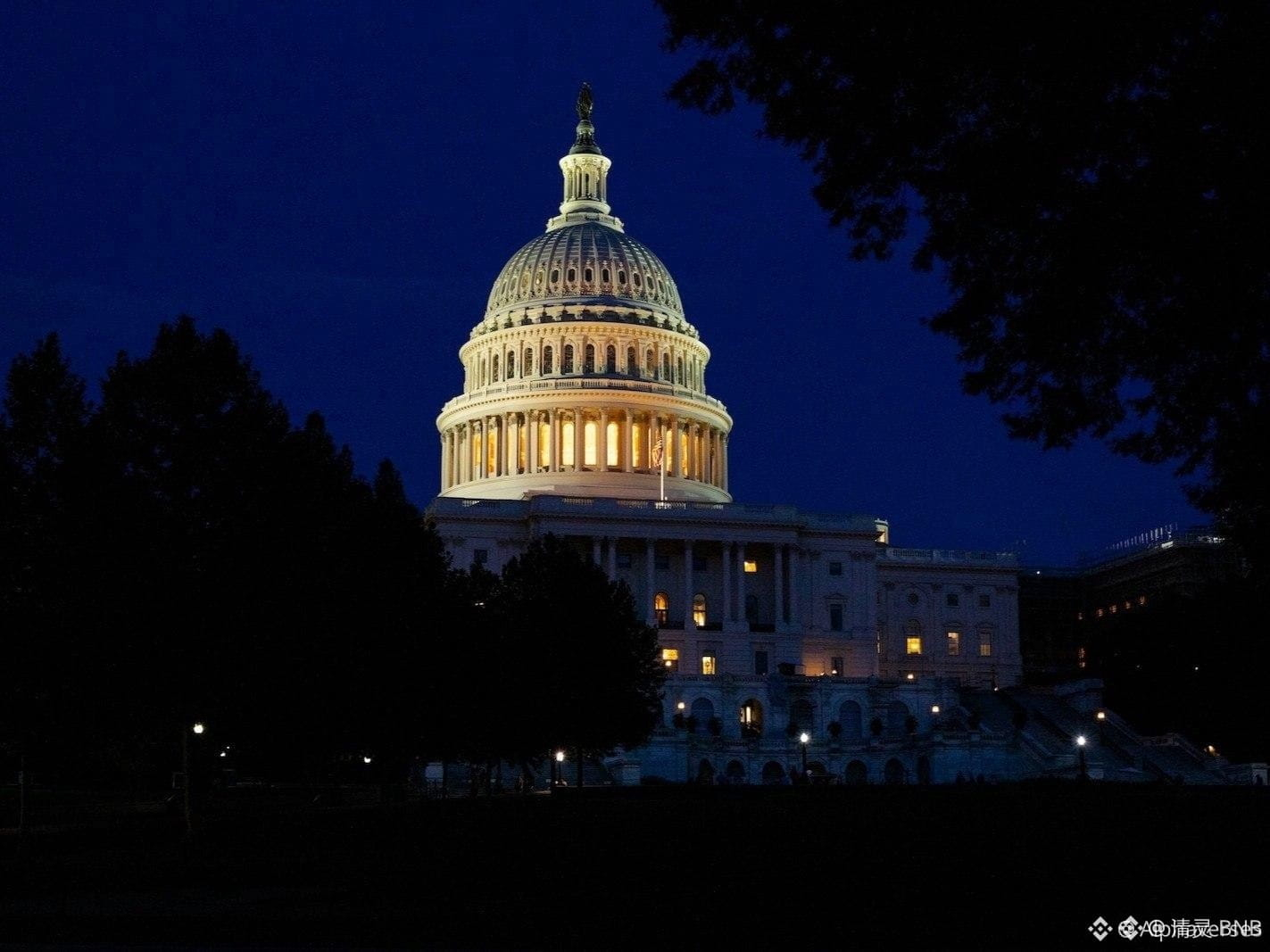
House Financial Services Committee Chair French Hill has announced a field hearing in New York focused on advancing the CLARITY Act, with the event scheduled for next week.
📢 More details about the hearing are expected to be released soon, and the crypto community will be watching closely.
The CLARITY Act is designed to establish a clearer regulatory framework for digital assets in the United States—a key development for the industry's future.
⚡ Stay tuned for more updates.
$PYR $MMT $B
#Crypto #Bitcoin #CLARITYAct #blockchain
House Financial Services Committee Chair French Hill has announced a field hearing in New York focused on advancing the CLARITY Act, with the event scheduled for next week.
📢 More details about the hearing are expected to be released soon, and the crypto community will be watching closely.
The CLARITY Act is designed to establish a clearer regulatory framework for digital assets in the United States—a key development for the industry's future.
⚡ Stay tuned for more updates.
$PYR $MMT $B
#Crypto #Bitcoin #CLARITYAct #blockchain
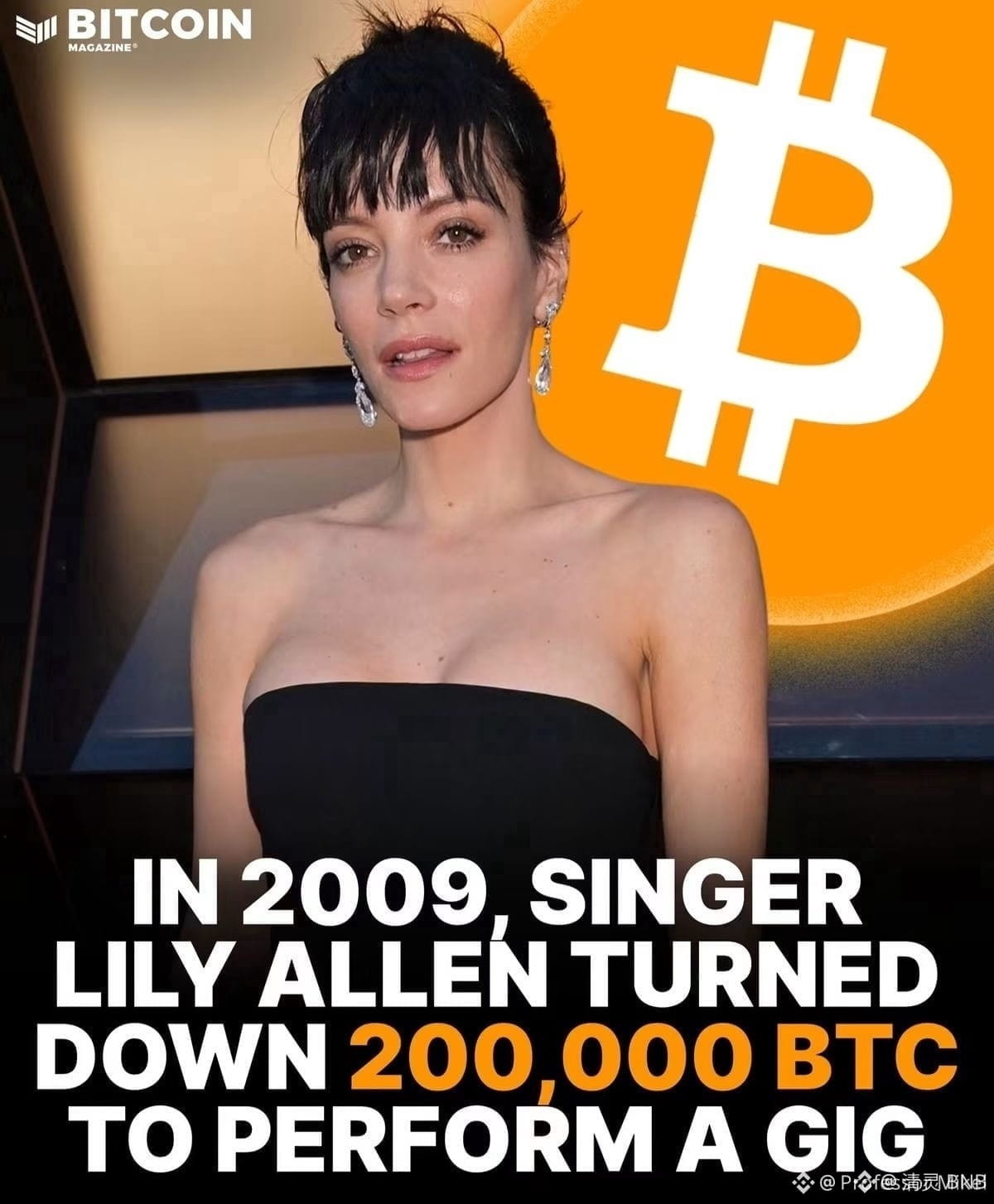
🤯 One of Bitcoin's biggest "what if" stories...
Back in 2014, British singer Lily Allen revealed that years earlier she had been offered "hundreds of thousands of Bitcoin" to perform a concert in the virtual world Second Life.
She turned the offer down.
At the time, Bitcoin was still an experimental digital asset with little mainstream value, so the payment didn't seem significant. Looking back, Allen admitted she regretted passing on it.
⚠️ One important detail: the widely circulated claim of 200,000 $BTC has never been independently verified. Some early Bitcoin community members have suggested the original offer may have referred to Second Life's in-game currency (Linden Dollars) rather than Bitcoin.
Regardless of the exact number, the story carries a timeless lesson:
💡 The biggest opportunities often look insignificant before the rest of the world recognizes their value.
#Bitcoin #Crypto #Blockchain #Investing
$BTC $SKYAI $TAC
Back in 2014, British singer Lily Allen revealed that years earlier she had been offered "hundreds of thousands of Bitcoin" to perform a concert in the virtual world Second Life.
She turned the offer down.
At the time, Bitcoin was still an experimental digital asset with little mainstream value, so the payment didn't seem significant. Looking back, Allen admitted she regretted passing on it.
⚠️ One important detail: the widely circulated claim of 200,000 $BTC has never been independently verified. Some early Bitcoin community members have suggested the original offer may have referred to Second Life's in-game currency (Linden Dollars) rather than Bitcoin.
Regardless of the exact number, the story carries a timeless lesson:
💡 The biggest opportunities often look insignificant before the rest of the world recognizes their value.
#Bitcoin #Crypto #Blockchain #Investing
$BTC $SKYAI $TAC
🚨 BREAKING: Reports Claim Israel Shared Intelligence With the U.S. Over a Potential Threat to President Donald Trump.
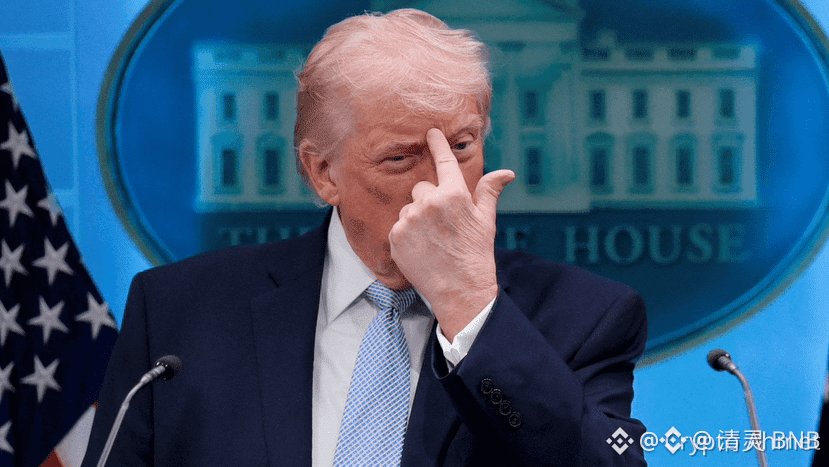
🇮🇱 According to CNN, citing sources familiar with the matter, Israel has provided intelligence to U.S. officials suggesting Iran may be exploring a potential plot targeting President Donald #TRUMP.
🕵️ The reported intelligence has prompted heightened attention from U.S. security agencies.
⚠️ Important: This information is based on anonymous sources cited by CNN. There has been no official public confirmation from U.S. or Israeli authorities.
Markets may continue to monitor geopolitical developments closely as tensions remain elevated.
$TRUMP $XAU $BTC
#Iran #OilTankersGoDarkAsHormuzShippingSlows #Crypto #Geopolitics
🇮🇱 According to CNN, citing sources familiar with the matter, Israel has provided intelligence to U.S. officials suggesting Iran may be exploring a potential plot targeting President Donald #TRUMP.
🕵️ The reported intelligence has prompted heightened attention from U.S. security agencies.
⚠️ Important: This information is based on anonymous sources cited by CNN. There has been no official public confirmation from U.S. or Israeli authorities.
Markets may continue to monitor geopolitical developments closely as tensions remain elevated.
$TRUMP $XAU $BTC
#Iran #OilTankersGoDarkAsHormuzShippingSlows #Crypto #Geopolitics

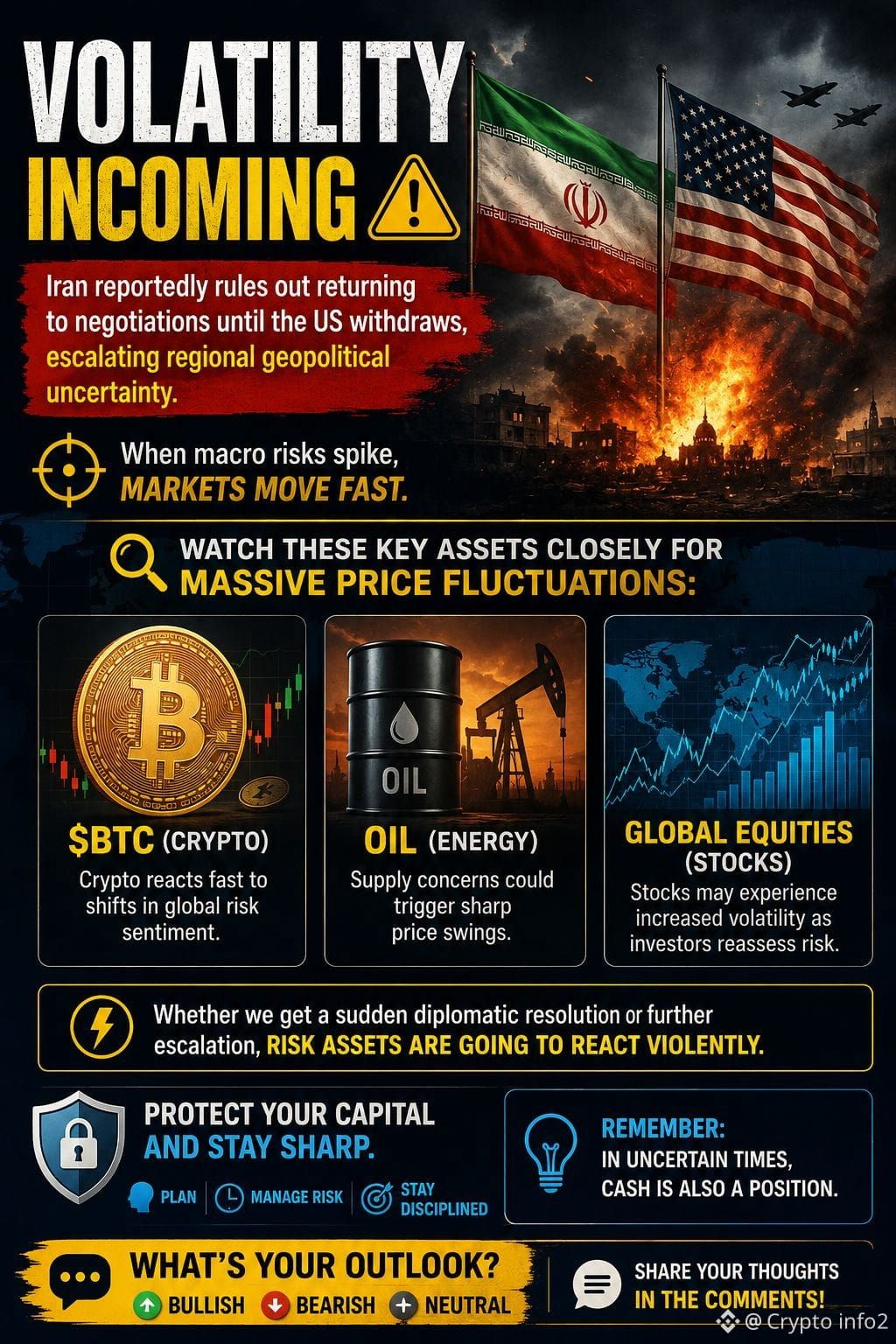
🚨 Volatility Alert: Global Markets Are on Edge ⚠️
Reports indicate Iran is unwilling to resume negotiations until U.S. forces withdraw, adding fresh geopolitical uncertainty to the markets.
When geopolitical tensions rise, volatility often follows. 👀
Keep an eye on:
🟠 $BTC – Crypto can react quickly to shifts in global risk sentiment.
🛢️ Oil – Supply concerns could fuel major price swings.
📈 Global Equities – Stocks may see increased volatility as investors adjust their risk exposure.
🟡 $BNB – Altcoins could also experience heightened price action alongside the broader crypto market.
Whether tensions ease through diplomacy or escalate further, risk management remains key.
🛡️ Stay patient. Protect your capital, and don't chase volatile moves—wait for high-conviction setups.
💬 What's your market outlook?
🐂 Bullish | 🐻 Bearish | ➡️ Sideways
#Bitcoin #BTC #Crypto #Trading
Reports indicate Iran is unwilling to resume negotiations until U.S. forces withdraw, adding fresh geopolitical uncertainty to the markets.
When geopolitical tensions rise, volatility often follows. 👀
Keep an eye on:
🟠 $BTC – Crypto can react quickly to shifts in global risk sentiment.
🛢️ Oil – Supply concerns could fuel major price swings.
📈 Global Equities – Stocks may see increased volatility as investors adjust their risk exposure.
🟡 $BNB – Altcoins could also experience heightened price action alongside the broader crypto market.
Whether tensions ease through diplomacy or escalate further, risk management remains key.
🛡️ Stay patient. Protect your capital, and don't chase volatile moves—wait for high-conviction setups.
💬 What's your market outlook?
🐂 Bullish | 🐻 Bearish | ➡️ Sideways
#Bitcoin #BTC #Crypto #Trading
AGAIN...??? 🤣🤣🤣🤣🤣🤣🤣🤣
🚨 Reports claim the U.S. has given Iran a deadline to halt attacks in the Strait of Hormuz.
🔹 According to the reports, the Trump administration wants Tehran to publicly commit to ending attacks on civilian shipping.
🔹 It is also claimed that Washington accuses Iran of violating a ceasefire reached weeks ago and has responded with military strikes and tighter pressure on Iranian oil exports.
🔹 Iran's response is expected following talks involving Iranian and Omani officials, with the White House reportedly seeking a public commitment to de-escalation.
🔹 Sources also suggest divisions within Iran's leadership between those favoring diplomacy and those pushing a harder stance.
Markets are watching closely, as any further escalation could have major implications for oil prices and global markets.
#Iran #Hormuz #Oil #TRUMP #USStrikesIranAfterHormuzShipAttack
$BZ
🚨 Reports claim the U.S. has given Iran a deadline to halt attacks in the Strait of Hormuz.
🔹 According to the reports, the Trump administration wants Tehran to publicly commit to ending attacks on civilian shipping.
🔹 It is also claimed that Washington accuses Iran of violating a ceasefire reached weeks ago and has responded with military strikes and tighter pressure on Iranian oil exports.
🔹 Iran's response is expected following talks involving Iranian and Omani officials, with the White House reportedly seeking a public commitment to de-escalation.
🔹 Sources also suggest divisions within Iran's leadership between those favoring diplomacy and those pushing a harder stance.
Markets are watching closely, as any further escalation could have major implications for oil prices and global markets.
#Iran #Hormuz #Oil #TRUMP #USStrikesIranAfterHormuzShipAttack
$BZ
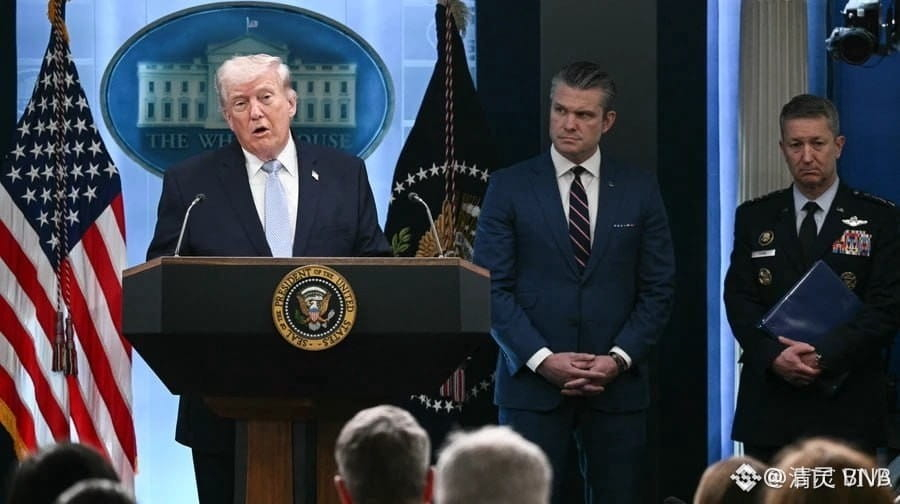
🚨 HUGE WIN FOR CRYPTO! 🚨
The Senate Banking Committee has officially approved the Clarity Act with a 15–9 vote. 🏛️
This marks a major step toward clearer crypto regulations as the bill now advances to the full Senate floor. 🇺🇸⛓️
A big milestone for the industry—and many are watching what it could mean for $BTC, $XRP, and the broader crypto market. 🚀📈
🔃 Repost to keep the crypto community informed!
The Senate Banking Committee has officially approved the Clarity Act with a 15–9 vote. 🏛️
This marks a major step toward clearer crypto regulations as the bill now advances to the full Senate floor. 🇺🇸⛓️
A big milestone for the industry—and many are watching what it could mean for $BTC, $XRP, and the broader crypto market. 🚀📈
🔃 Repost to keep the crypto community informed!
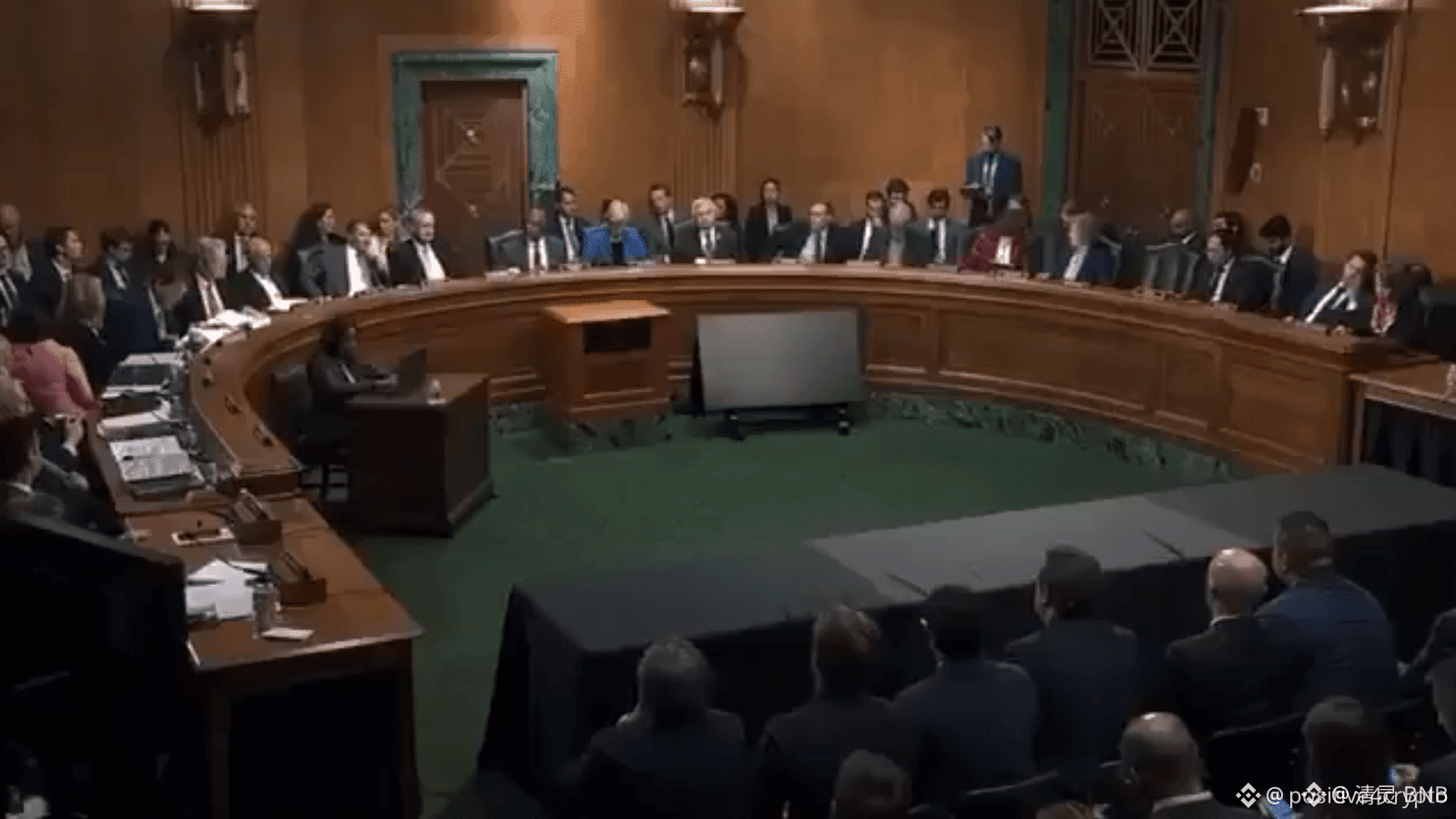
🚨 Political tensions are heating up.
🇺🇸 President Trump at 6:00 PM:
«"I want a deal with Iran. Millions of people would be affected. We can destroy Iran in an hour."»
🇺🇸 Former President Biden at 7:00 PM responded by criticizing Trump's record on Iran, arguing that despite repeated claims of securing a historic deal, he failed to deliver one.
🗣️ The exchange has quickly sparked debate across political and financial circles as geopolitical tensions remain in focus.
$HUMA $SPELL $AGLD
#Breaking #News #US #Trump #Biden #Politics
🇺🇸 President Trump at 6:00 PM:
«"I want a deal with Iran. Millions of people would be affected. We can destroy Iran in an hour."»
🇺🇸 Former President Biden at 7:00 PM responded by criticizing Trump's record on Iran, arguing that despite repeated claims of securing a historic deal, he failed to deliver one.
🗣️ The exchange has quickly sparked debate across political and financial circles as geopolitical tensions remain in focus.
$HUMA $SPELL $AGLD
#Breaking #News #US #Trump #Biden #Politics
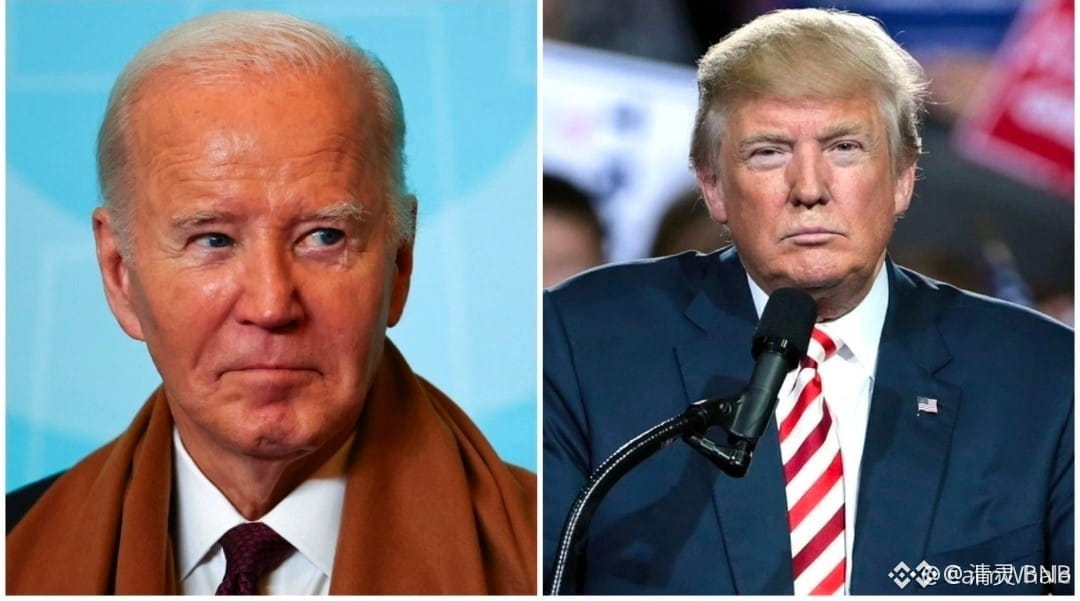
🚨 Crypto markets are buzzing after recent financial disclosures linked to President Trump and his family reportedly showed substantial crypto-related income, drawing significant attention across the industry.
📊 The news has reignited discussion around institutional participation, political influence, and the growing role of digital assets in global finance. Many traders are also closely watching developments surrounding World Liberty Financial and related wallet activity.
💬 The big question: Is this the beginning of a larger macro trend for crypto, or has much of the optimism already been priced into the market?
As always, stay informed, manage your risk, and do your own research before making any investment decisions.
$TRUMP $WLFI $BNB
#Crypto #Bitcoin #BNB #DYOR2009-2013🟢.
📊 The news has reignited discussion around institutional participation, political influence, and the growing role of digital assets in global finance. Many traders are also closely watching developments surrounding World Liberty Financial and related wallet activity.
💬 The big question: Is this the beginning of a larger macro trend for crypto, or has much of the optimism already been priced into the market?
As always, stay informed, manage your risk, and do your own research before making any investment decisions.
$TRUMP $WLFI $BNB
#Crypto #Bitcoin #BNB #DYOR2009-2013🟢.
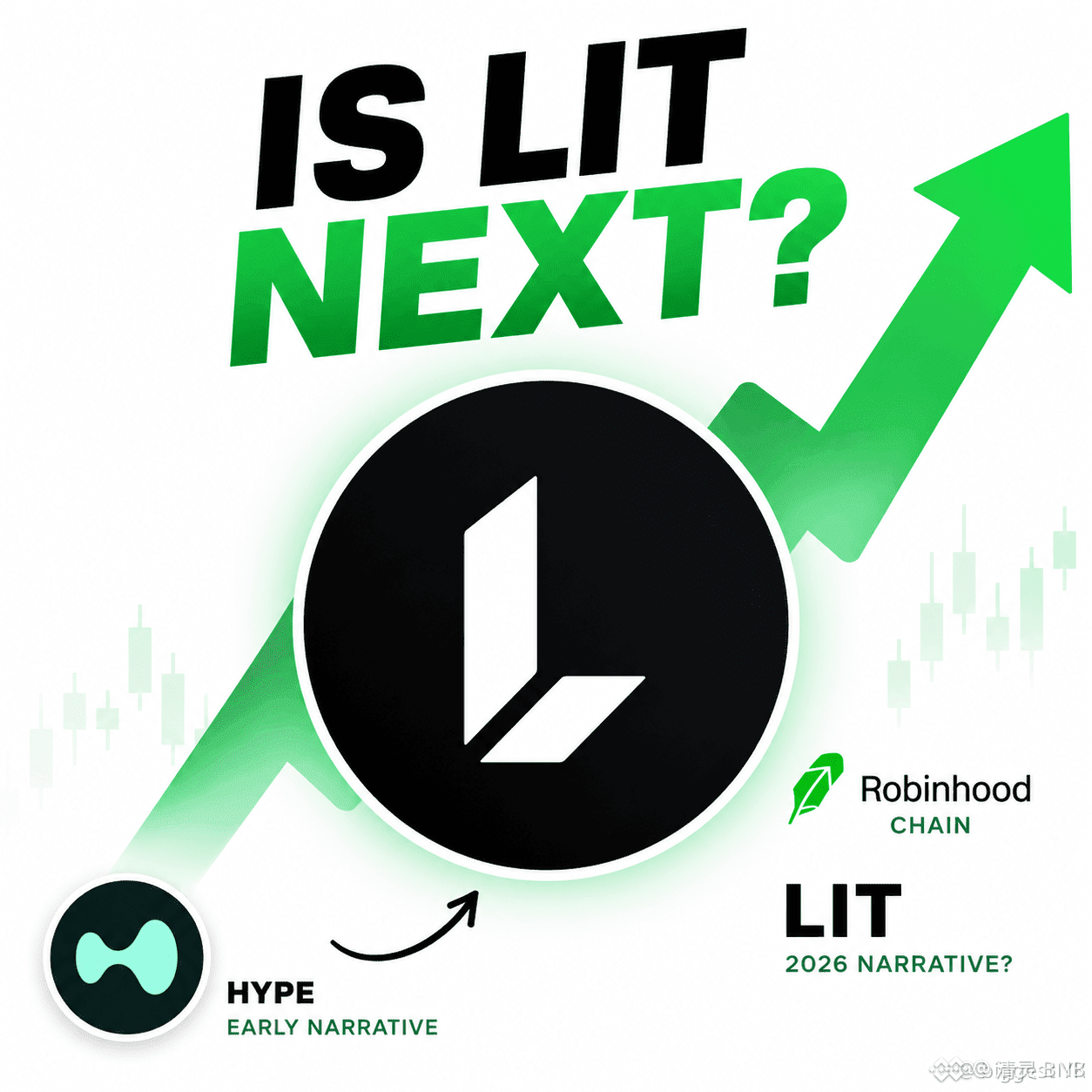
🚀 Could $LIT be the next $HYPE? 👀
The narrative is starting to look familiar.
With Robinhood Chain integrating Lighter for native perpetual trading, $LIT is gaining attention as part of a growing derivatives-focused ecosystem.
📈 As on-chain trading activity continues to expand, platforms built around perpetuals could benefit from increased adoption and liquidity.
🤔 Is $LIT following a path similar to $HYPE, or is this a completely different story?
💬 What's your take?
$LIT $HYPE #Crypto #DeFi #Perpetuals #tradingtechnique
The narrative is starting to look familiar.
With Robinhood Chain integrating Lighter for native perpetual trading, $LIT is gaining attention as part of a growing derivatives-focused ecosystem.
📈 As on-chain trading activity continues to expand, platforms built around perpetuals could benefit from increased adoption and liquidity.
🤔 Is $LIT following a path similar to $HYPE, or is this a completely different story?
💬 What's your take?
$LIT $HYPE #Crypto #DeFi #Perpetuals #tradingtechnique
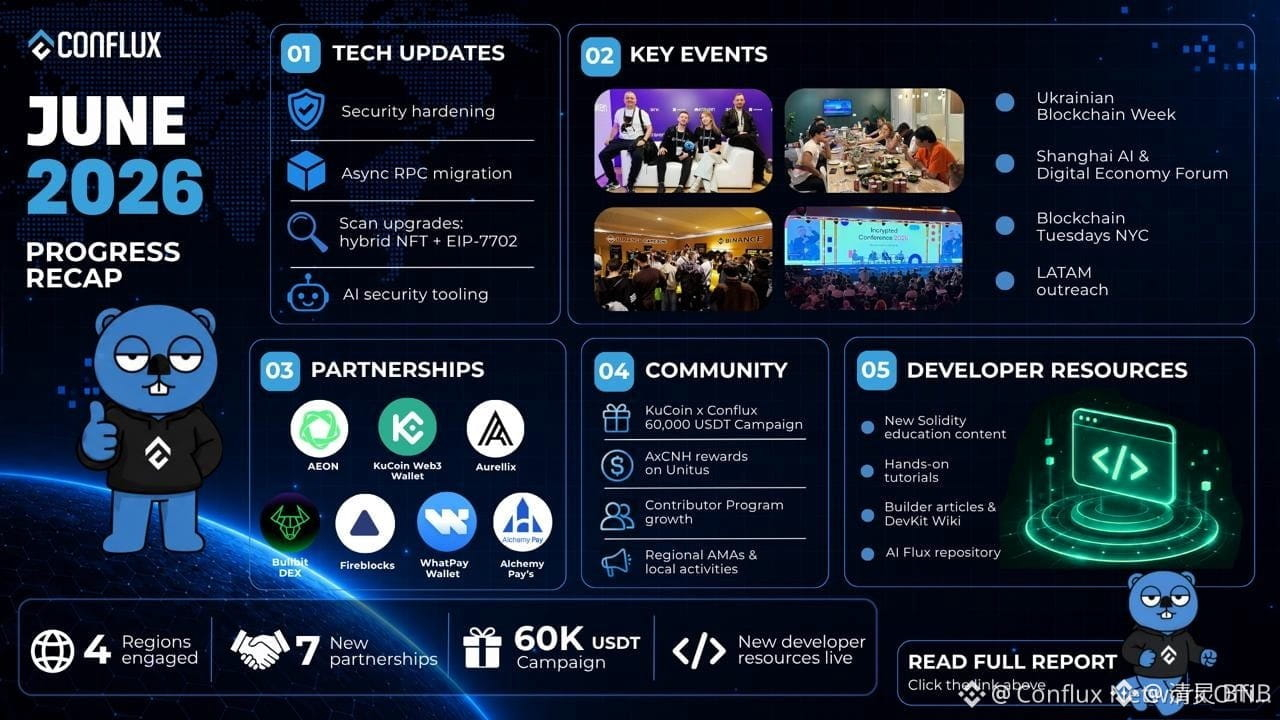
💙 Hey Conflux Community!
Missed the June Progress Report? Here's a quick recap of what happened last month! 👇
✨ June Highlights:
🔹 Exciting new partnerships
🔹 Community events across four regions
🔹 New resources for developers
🔹 A 60,000 USDT community campaign
A huge thank you to everyone who continues to build, contribute, and help grow the Conflux ecosystem. The momentum keeps getting stronger! 🚀
#Conflux #Web3 #Blockchain #Crypto
Missed the June Progress Report? Here's a quick recap of what happened last month! 👇
✨ June Highlights:
🔹 Exciting new partnerships
🔹 Community events across four regions
🔹 New resources for developers
🔹 A 60,000 USDT community campaign
A huge thank you to everyone who continues to build, contribute, and help grow the Conflux ecosystem. The momentum keeps getting stronger! 🚀
#Conflux #Web3 #Blockchain #Crypto
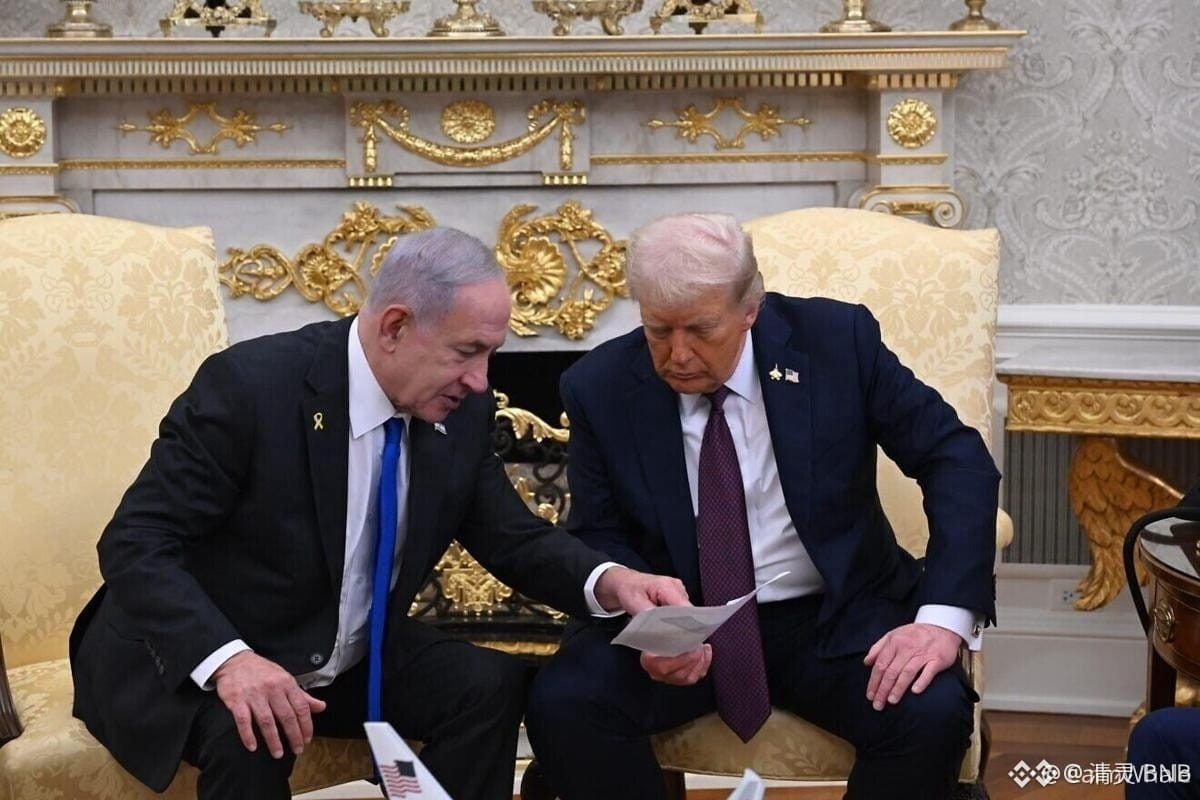
🚨 BREAKING
Israeli Prime Minister Benjamin Netanyahu commented on the possibility of F-35 fighter jet sales to Turkey, expressing strong concerns over the potential impact on regional security.
🗣️ According to his remarks:
- He said he has discussed the issue with President Donald Trump on multiple occasions.
- He argued that supplying F-35s to Turkey could alter the balance of power in the Middle East.
- He expressed concerns about Turkey's regional ambitions and cited tensions involving Greece, Cyprus, and Israel.
- Netanyahu stated that, if it were his decision, he would oppose the sale.
📊 The comments come amid ongoing debate over defense cooperation and geopolitical tensions in the region.
$HUMA $SPELL $AGLD
#Breaking #News #Israel #Turkey #Geopolitics
Israeli Prime Minister Benjamin Netanyahu commented on the possibility of F-35 fighter jet sales to Turkey, expressing strong concerns over the potential impact on regional security.
🗣️ According to his remarks:
- He said he has discussed the issue with President Donald Trump on multiple occasions.
- He argued that supplying F-35s to Turkey could alter the balance of power in the Middle East.
- He expressed concerns about Turkey's regional ambitions and cited tensions involving Greece, Cyprus, and Israel.
- Netanyahu stated that, if it were his decision, he would oppose the sale.
📊 The comments come amid ongoing debate over defense cooperation and geopolitical tensions in the region.
$HUMA $SPELL $AGLD
#Breaking #News #Israel #Turkey #Geopolitics
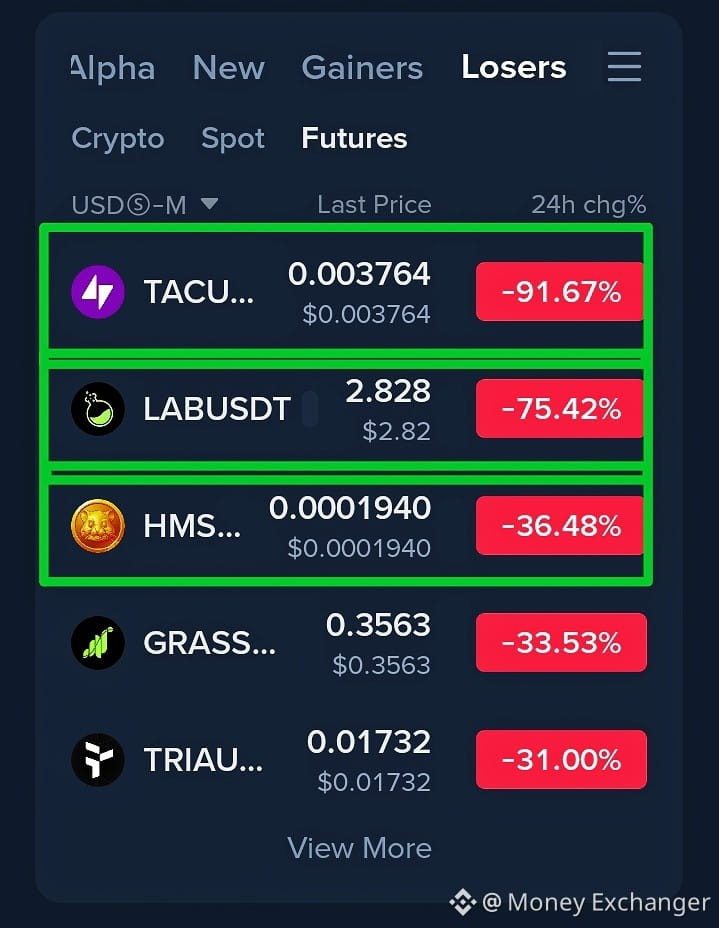
🚀 Zero to Hero journey starts now! 📈
Keeping a close eye on these setups:
1️⃣ $TAC – Pulled back from $0.0050 to around $0.0035. Watching for a potential breakout if momentum returns. 👀
2️⃣ $LAB – Retraced from $6.50 to $2.50. A recovery toward $4.00 is one scenario traders are watching.
3️⃣ $HMSTR – Trading around $0.0020 after a strong move from lower levels. If bullish momentum continues, $0.0025 could be the next area to watch. 🎯
⚠️ Always manage your risk and do your own research before entering any trade.
#Crypto #Altcoins #Trading #DYOR
Keeping a close eye on these setups:
1️⃣ $TAC – Pulled back from $0.0050 to around $0.0035. Watching for a potential breakout if momentum returns. 👀
2️⃣ $LAB – Retraced from $6.50 to $2.50. A recovery toward $4.00 is one scenario traders are watching.
3️⃣ $HMSTR – Trading around $0.0020 after a strong move from lower levels. If bullish momentum continues, $0.0025 could be the next area to watch. 🎯
⚠️ Always manage your risk and do your own research before entering any trade.
#Crypto #Altcoins #Trading #DYOR
🚨 BlackRock's spot Bitcoin ETF has added another $54.45M worth of $BTC.
📈 This is the type of institutional accumulation that can gradually influence market structure over time.
When one of the world's largest asset managers continues adding Bitcoin, many investors see it as a sign of sustained long-term conviction rather than short-term speculation.
Sometimes, the biggest market moves begin with steady capital allocation—not the loudest headlines.
$BTC #Bitcoin #BTC #BlackRock #ETF #SouthKoreaHoldsEmergencyStockMeeting
📈 This is the type of institutional accumulation that can gradually influence market structure over time.
When one of the world's largest asset managers continues adding Bitcoin, many investors see it as a sign of sustained long-term conviction rather than short-term speculation.
Sometimes, the biggest market moves begin with steady capital allocation—not the loudest headlines.
$BTC #Bitcoin #BTC #BlackRock #ETF #SouthKoreaHoldsEmergencyStockMeeting
🚨 BREAKING
OpenAI has reportedly received approval from the U.S. Commerce Department for the rollout of its GPT-5.6 model, according to Axios.
📢 The reported approval clears the way for a broader deployment of the new model.
👀 More updates are expected as additional details emerge.
$LDO $UTK $EVAA
#OpenAI #AI #GPT #TechNews #Crypto
OpenAI has reportedly received approval from the U.S. Commerce Department for the rollout of its GPT-5.6 model, according to Axios.
📢 The reported approval clears the way for a broader deployment of the new model.
👀 More updates are expected as additional details emerge.
$LDO $UTK $EVAA
#OpenAI #AI #GPT #TechNews #Crypto

Log in to explore more content