

GenZCrypto
4.1k Beiträge

GenZCrypto
Melden
Nutzer blockieren
Binance Square Content Creator | News | Articles | PressRelease | Price predictions | Bitcoin | Altcoin
Hochfrequenz-Trader
5.2 Jahre
32 Following
2.9K+ Follower
7.0K+ Like gegeben
Beiträge
·
--
Übersetzung ansehen
7 Banks Change Their Coinbase Stock Price Targets After Q3 Earnings
🔍 Executive Brief:
Seven major Wall Street banks have revised their Coinbase price targets downward following the company’s Q4 trading revenue of just $165 million, a sharp decline that signals weaker institutional demand for crypto trading services. The downgrade reflects a broader reassessment of Coinbase’s growth prospects amid a tightening crypto market and heightened regulatory scrutiny.
📊 Trader Lens & Market Flow:
The collective downgrades are likely to tighten liquidity across Coinbase’s spot and futures markets, as institutional investors recalibrate exposure and reduce order flow. Futures open interest may contract, and market structure could shift toward tighter spreads and higher volatility as traders adjust to the new valuation narrative.
⚡ 24H Futures Momentum Leaders:
• $SOPH (+72.5%) — Price: 0.002072
• $IDOL (+65.9%) — Price: 0.0238
• $AIN (+52.1%) — Price: 0.2234
#TrendingTopic #Write2Earn #Altcoins

206
·
--
Das lange Warten auf den „Kaffeekannen“-Moment der Kryptowährungen
🔍 Kurzüberblick:
Der mit Spannung erwartete „Kaffeekannen“-Moment der Kryptowährungen – ein explosionsartiger Anstieg der Akzeptanz im Mainstream – ist ausgeblieben. Das institutionelle Interesse bleibt verhalten, die Begeisterung unter Privatanlegern gedämpft. Mangels eines klaren Auslösers verharrt der Markt in einer anhaltenden Phase geringer Volatilität und eines vorsichtigen Liquiditätsaufbaus.
📊 Trader-Perspektive & Marktströme:
Die makroökonomische Liquidität bleibt eingeschränkt, während das Open Interest bei Futures nur moderat wächst – ein Zeichen für die risikoscheue Haltung großer Marktteilnehmer. Die Marktstruktur ist unverändert: enge Geld-Brief-Spannen und geringe Markttiefe deuten darauf hin, dass institutionelle Anleger weiterhin defensiv positioniert sind und auf ein entscheidendes Ereignis warten, das die Stimmung verändert.
⚡ Führende Futures-Momentumwerte der letzten 24 Std.:
• $SOPH (+69.1%) — Preis: 0.002114
• $IDOL (+59.7%) — Preis: 0.0226
• $AIN (+47.5%) — Preis: 0.2109
#TrendingTopic #Write2Earn #Altcoins
619
·
--
Übersetzung ansehen
MSTR Q3 2026 Earnings Call: Analyst Q&A
🔍 Executive Brief:
MSTR’s Q3 2026 earnings call revealed that the company’s digital credit strategy remains robust, with Stretch (STRC) trading at par and preferred shares maintaining strong demand, signaling continued institutional confidence in Bitcoin’s financialization. Michael Saylor and Phong Le emphasized that MSTR’s exposure to Bitcoin is now more structured, reducing volatility risk for large holders.
📊 Trader Lens & Market Flow:
The announcement is likely to tighten market liquidity as institutional players reassess their Bitcoin exposure, potentially reducing futures open interest in the short term. However, the structured approach to digital credit may stabilize market structure, encouraging a more orderly flow of capital into Bitcoin futures and related derivatives.
⚡ 24H Futures Momentum Leaders:
• $IDOL (+75.3%) — Price: 0.0241
• $SOPH (+62.5%) — Price: 0.002117
• $AIN (+46.0%) — Price: 0.2090
#TrendingTopic #Write2Earn

72
·
--
Übersetzung ansehen
Gold Price Just Hit a Yearly Low. What Are Analysts Saying?
🔍 Executive Brief:
Gold fell below $3,900/oz on Oct 30, marking its lowest level of 2026 and a 30% drop from the January peak, driven largely by hawkish Fed expectations. Analysts are split on whether the correction will deepen, reflecting uncertainty in risk appetite.
📊 Trader Lens & Market Flow:
The slide has tightened market liquidity, compressing spreads on gold futures and reducing open interest as traders retreat from long positions. Institutional players are tightening hedges, signaling a shift toward defensive stances amid heightened volatility across the crypto‑derived asset space.
⚡ 24H Futures Momentum Leaders:
• $IDOL (+75.0%) — Price: 0.0236
• $SOPH (+54.2%) — Price: 0.002180
• $BEAMX (+39.3%) — Price: 0.004620
#TrendingTopic #Write2Earn #Altcoins

104
·
--
Übersetzung ansehen
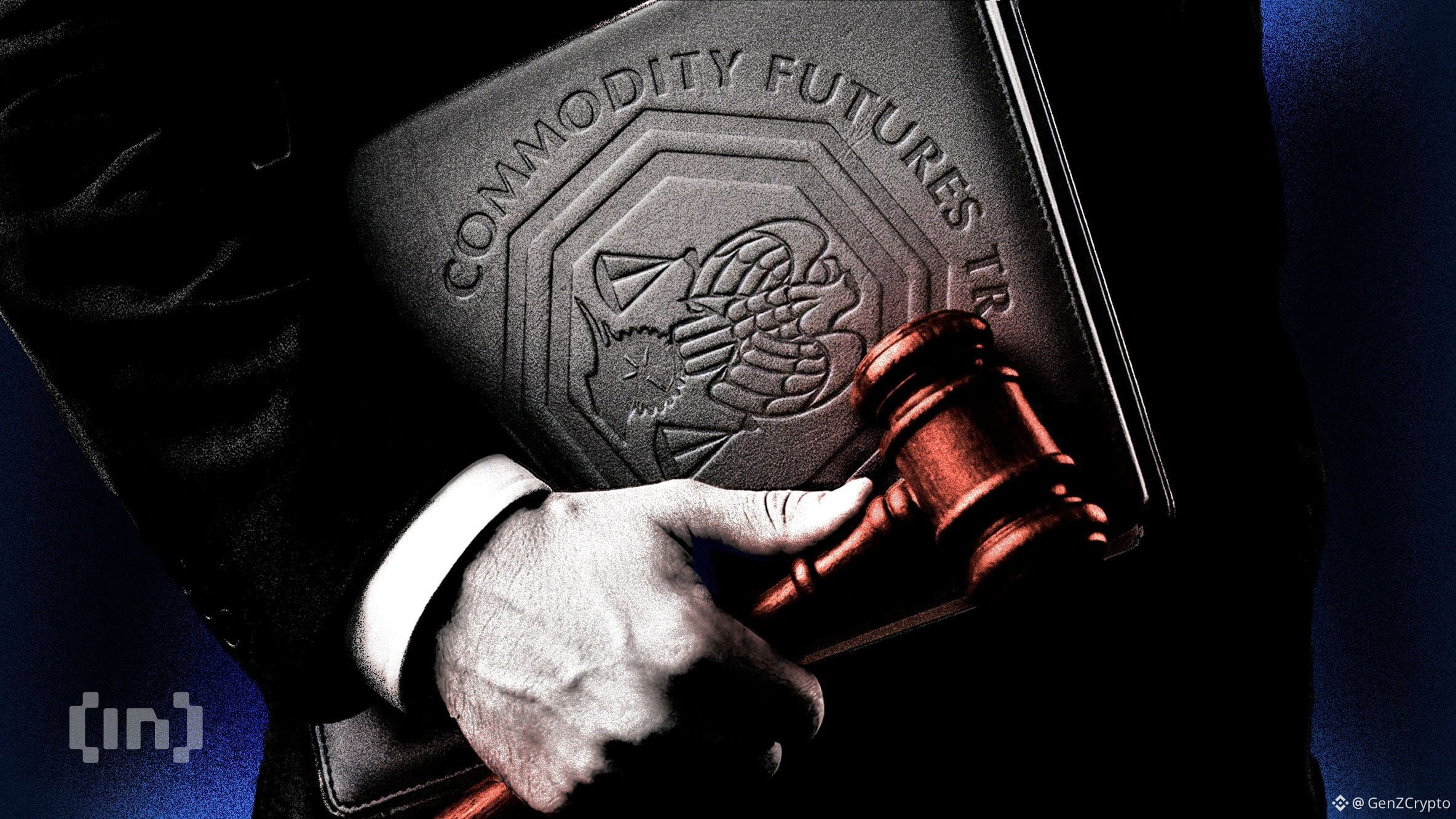
Why CFTC's Federal Option for Centralized Exchanges Just Got Harder to Ignore
🔍 Executive Brief:
The $6 billion Binance theft has amplified scrutiny on centralized exchanges, making the CFTC’s voluntary federal option for oversight more consequential than ever. This high‑profile breach underscores systemic risk, prompting regulators to tighten compliance and potentially reshape the crypto regulatory landscape.
📊 Trader Lens & Market Flow:
Liquidity has tightened as institutional players reassess risk exposure, leading to a dip in futures open interest and a shift toward more conservative hedging strategies. Market structure may fragment, with a surge in demand for regulated, custodial solutions and a potential rally in decentralized exchange volumes as traders seek greater transparency and security.
⚡ 24H Futures Momentum Leaders:
• $IDOL (+71.1%) — Price: 0.0243
• $SOPH (+54.7%) — Price: 0.002203
• $BEAMX (+38.0%) — Price: 0.004612
#TrendingTopic #Write2Earn #BNB
689
·
--
Verifiziert
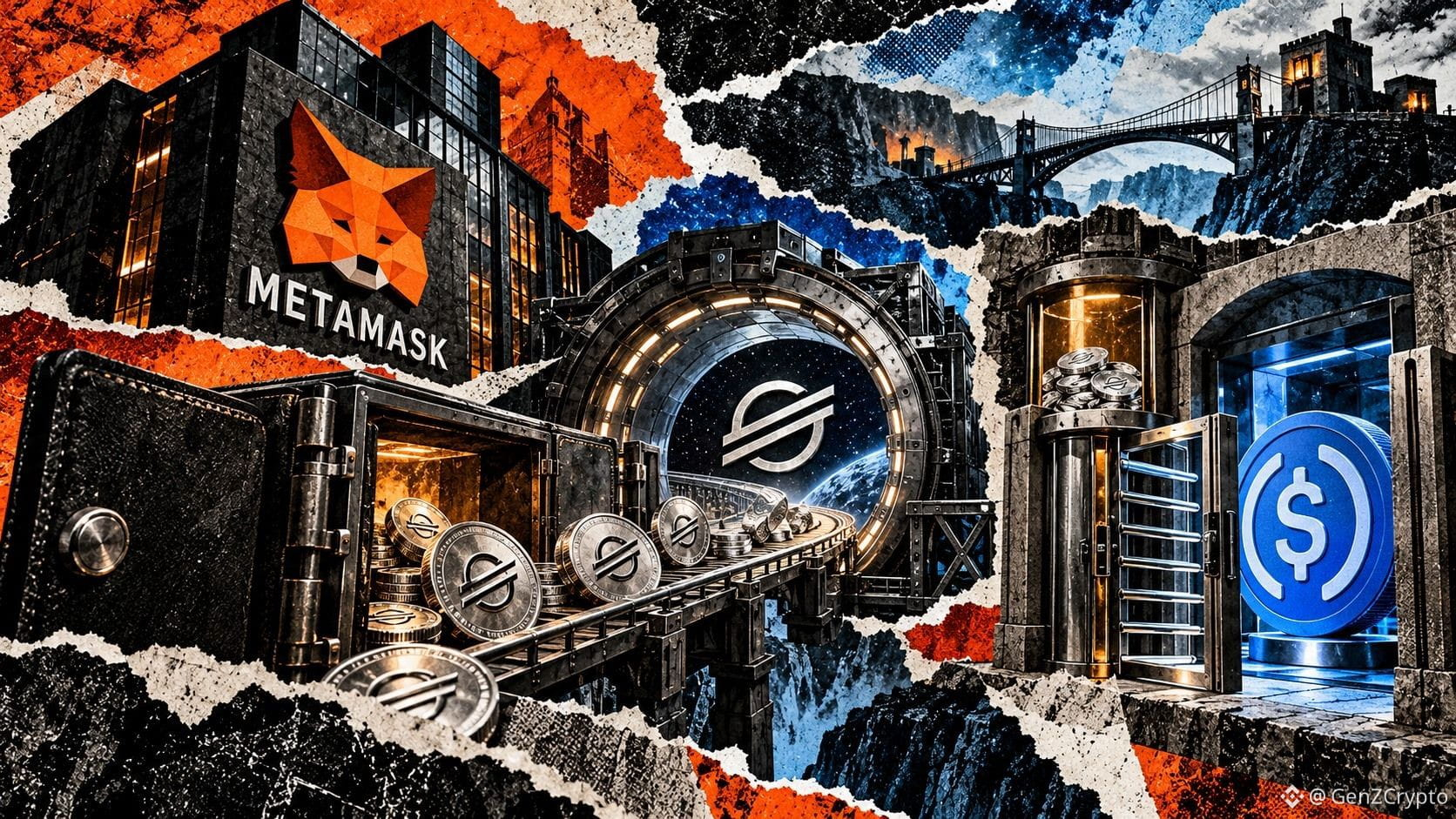
MetaMask integriert Stellar, doch für Cross-Chain-Bridges ist eine manuelle Einrichtung erforderlich
🔍 Zusammenfassung:
Der Rollout von MetaMask am 29. Oktober ergänzt die bestehenden Multichain-Konten um die Unterstützung von Stellar-Adressen. Nutzer können dadurch USDC auf Stellar empfangen, müssen Bridges jedoch manuell einrichten und Token aktivieren. Damit baut MetaMask seine chainübergreifende Präsenz aus und zeigt zugleich, dass Interoperabilität weiterhin auf von Nutzern initiierten Bridge-Transaktionen beruht.
📊 Trader-Perspektive & Marktbewegungen:
Die Integration von Stellar könnte die Liquidität im Handelspaar Stellar-USDC moderat steigern. Die erforderliche manuelle Einrichtung der Bridge könnte jedoch das unmittelbare Handelsvolumen dämpfen, sodass das Open Interest bei Futures weitgehend unverändert bleibt. Institutionelle Akteure könnten darin eine strategische, risikoarme Erweiterung der Wallet-Funktionen sehen. Der erforderliche manuelle Einrichtungsaufwand unterstreicht jedoch die anhaltende Fragmentierung der Marktstruktur im Kryptobereich.
⚡ Führende Futures-Momentumwerte der letzten 24 Stunden:
• $IDOL (+67.6%) — Kurs: 0.0239
• $SOPH (+54.6%) — Kurs: 0.002245
• $BEAMX (+38.5%) — Kurs: 0.004593
#TrendingTopic #Write2Earn #Altcoins
830
·
--
Verifiziert
Übersetzung ansehen
MEXC pulls out of four countries despite ambitious plan to rival global trading giants
🔍 Executive Brief:
MEXC’s exit from four key jurisdictions will trigger automatic liquidation of all remaining positions on January 22, 2027, while the March 5 withdrawal deadline preserves earlier batch restrictions. This abrupt retreat signals a strategic pivot away from aggressive global expansion, potentially reshaping competitive dynamics among crypto exchanges.
📊 Trader Lens & Market Flow:
The forced closures are likely to compress liquidity across spot and derivatives markets, tightening bid‑ask spreads and amplifying short‑term volatility. Institutional players may recalibrate exposure, reducing reliance on MEXC’s liquidity pools and reallocating capital toward more compliant, stable venues, thereby altering futures open interest distribution and reinforcing market structure resilience.
⚡ 24H Futures Momentum Leaders:
• $IDOL (+67.0%) — Price: 0.0236
• $SOPH (+51.9%) — Price: 0.002209
• $BEAMX (+35.3%) — Price: 0.004535
#TrendingTopic #Write2Earn #Altcoins
596
·
--
Binance-Hacker eilten, Milliarden zu verschieben, bevor sie eingefroren werden konnten
🔍 Kurzüberblick:
Binance-Hacker wandelten Milliarden an gestohlenen Stablecoins rasch in schwer einzufrierende Kryptowährungen um und entgingen so behördlichen Einfrierungen, während Tether und Circle mobil machten, um die Vermögenswerte zu sperren. Die rasche Verlagerung der Vermögenswerte verdeutlicht eine neue Ära ausgefeilter Diebstahlmethoden, die auf institutionelle Verwahrer abzielen.
📊 Trader-Perspektive & Marktströme:
Der Wettlauf hat die Marktliquidität verknappt, das offene Interesse bei Futures gedrückt und eine Neubewertung der Sicherheitenstandards erzwungen. Institutionelle Akteure kalibrieren ihre Risikomodelle neu, verschärfen Positionslimits und beschleunigen den Wechsel zu dezentralen Verwahrungslösungen.
⚡ Führende Futures-Momentumwerte der letzten 24 Stunden:
• $SOPH (+53.9%) — Kurs: 0.002184
• $IDOL (+53.4%) — Kurs: 0.0220
• $BEAMX (+39.0%) — Kurs: 0.004589
#TrendingTopic #Write2Earn #BNB

593
·
--
Übersetzung ansehen
Inside the largest crypto hack on record: How attackers breached Binance for $6.3 billion
🔍 Executive Brief:
Binance fell victim to the largest crypto hack on record, with attackers siphoning $6.3 billion by exploiting vulnerabilities in the hot‑wallet signing infrastructure, a move linked to North Korean actors. The breach exposed critical weaknesses in Binance’s security protocols and raised immediate concerns over the integrity of major exchanges.
📊 Trader Lens & Market Flow:
Liquidity dried up as traders rushed to liquidate positions, tightening spreads and amplifying volatility across spot and futures markets; open interest in major BTC and ETH contracts spiked as participants sought safe havens. Institutional players recalibrated risk models, increasing capital reserves and tightening counterparty exposure, while the broader sector saw a surge in demand for robust security solutions and a shift toward more diversified, regulated custodial services.
⚡ 24H Futures Momentum Leaders:
• $IDOL (+52.7%) — Price: 0.0217
• $SOPH (+43.5%) — Price: 0.002111
• $BIRB (+42.2%) — Price: 0.0974
#TrendingTopic #Write2Earn #BNB
10
·
--
Übersetzung ansehen
Here’s what happened in crypto today
🔍 Executive Brief:
Bitcoin surged 4.2% after a surprise regulatory announcement easing U.S. futures trading, while Ethereum’s DeFi sector saw a 12% jump in TVL following a major protocol upgrade. Institutional players, notably hedge funds and family offices, increased their long positions, signaling renewed confidence in the crypto market.
📊 Trader Lens & Market Flow:
Macro liquidity spiked as spot and futures volumes hit record highs, pushing futures open interest to a 6‑month peak and tightening the bid‑ask spread across major pairs. The market structure shifted toward a more bullish trend, with increased order flow depth and a narrowing volatility band, indicating a consolidation phase before potential breakout moves.
⚡ 24H Futures Momentum Leaders:
• $IDOL (+50.7%) — Price: 0.0213
• $BIRB (+46.8%) — Price: 0.0987
• $SOPH (+44.2%) — Price: 0.002045
#TrendingTopic #Write2Earn #BTC

8
·
--
Übersetzung ansehen
Worried About Crypto Hacks? Buy Bitcoin Proxies in Stock Market Instead, Say Wall Street Firms
🔍 Executive Brief:
The $6.4 billion Binance hack is framed by Cantor Fitzgerald, TD Cowen and Compass Point as a single‑event security lapse rather than a systemic crypto threat, prompting them to steer institutional clients toward traditional equity proxies such as Coinbase, Robinhood and Strategy. This narrative shift signals a growing preference for regulated, liquid venues amid heightened hack anxieties.
📊 Trader Lens & Market Flow:
Liquidity in crypto futures has tightened as open interest dips, reflecting a pullback from high‑risk assets toward safer, more liquid proxies. Market structure is shifting toward hybrid models where institutional capital increasingly backs regulated exchanges, potentially dampening volatility but also concentrating risk in a narrower set of platforms.
⚡ 24H Futures Momentum Leaders:
• $IDOL (+58.9%) — Price: 0.0210
• $SOPH (+47.6%) — Price: 0.002173
• $BIRB (+37.7%) — Price: 0.0931
#TrendingTopic #Write2Earn #BTC

6
·
--
Übersetzung ansehen
Reddit Stock Plunges 30% as Google's AI Search Hits Traffic and User Growth
🔍 Executive Brief:
Reddit shares plunged 44% this week after CEO Steve Huffman warned that Google’s AI‑powered search is siphoning off referral traffic, while weaker user growth and disappointing Q4 guidance eroded investor confidence.
📊 Trader Lens & Market Flow:
The sell‑off has tightened liquidity across crypto‑related equities, compressing bid‑ask spreads and increasing volatility in meme‑stock derivatives. Futures open interest in crypto‑related indices has dipped, signaling a shift in institutional positioning toward safer, more liquid assets amid heightened market structure uncertainty.
⚡ 24H Futures Momentum Leaders:
• $IDOL (+54.0%) — Price: 0.0205
• $SOPH (+48.0%) — Price: 0.002210
• $BIRB (+37.6%) — Price: 0.0941
#TrendingTopic #Write2Earn

17
·
--
Übersetzung ansehen
Tether’s excess reserves nearly double to $8B as Q3 profit hits $1.5B
🔍 Executive Brief:
Tether’s excess reserves have surged to $8 billion, nearly doubling from the prior quarter, while Q3 net profit climbed to $1.5 billion, underscoring a robust cash‑flow position amid a stable‑coin boom. The firm’s Treasury holdings now rival those of major foreign holders, and its Bitcoin reserves were valued at $8.37 billion as of September 30.
📊 Trader Lens & Market Flow:
The liquidity injection from Tether’s expanded reserves is likely to dampen short‑term volatility, providing a deeper cushion for spot and futures markets and potentially lowering bid‑ask spreads. However, the concentration of reserves in Treasury and Bitcoin may shift institutional positioning toward more conservative, yield‑oriented strategies, subtly tightening futures open interest and reinforcing a tighter market structure.
⚡ 24H Futures Momentum Leaders:
• $IDOL (+59.3%) — Price: 0.0210
• $SOPH (+50.1%) — Price: 0.002231
• (+34.3%) — Price: 0.004563
#TrendingTopic #Write2Earn #BTC

12
·
--
Übersetzung ansehen
Crypto braces for potential shift in congressional oversight after midterms
🔍 Executive Brief:
The midterm elections have ushered in a new Congress that may pivot away from the Crypto Act’s regulatory clarity, potentially tightening oversight and reshaping compliance frameworks for digital assets. This shift threatens to introduce uncertainty, prompting market participants to reassess risk and adjust exposure to crypto holdings.
📊 Trader Lens & Market Flow:
Liquidity could tighten as institutional investors hedge against heightened regulatory risk, likely reducing spot and futures trading volumes. Futures open interest may spike in short‑dated contracts as traders seek to lock in positions before potential policy shifts, while overall market structure may become more fragmented with increased reliance on decentralized exchanges and off‑chain liquidity pools.
⚡ 24H Futures Momentum Leaders:
• $IDOL (+135.7%) — Price: 0.0275
• $SOPH (+50.8%) — Price: 0.002238
• $BEAMX (+38.0%) — Price: 0.004703
#TrendingTopic #Write2Earn #Altcoins

55
·
--
Übersetzung ansehen
Secret Service, FBI Join Binance Hack Probe as Circle Freezes $823 Million
🔍 Executive Brief:
Binance has earmarked $6.34 billion to absorb losses from a recent hack, while the FBI and Secret Service now collaborate with the exchange to trace the $823 million seized by Circle. This joint law‑enforcement effort signals heightened regulatory scrutiny and a rapid institutional response to safeguard assets.
📊 Trader Lens & Market Flow:
The liquidity cushion may stabilize spot and futures markets, but the sudden influx of investigative activity could tighten funding rates and compress futures open interest as traders seek safer positions. Institutional players are likely to increase hedging activity, tightening market structure and potentially elevating volatility in the short term.
⚡ 24H Futures Momentum Leaders:
• $IDOL (+132.5%) — Price: 0.0250
• $SOPH (+50.9%) — Price: 0.002278
• $BEAMX (+39.0%) — Price: 0.004776
#TrendingTopic #Write2Earn #BNB

25
·
--
Robinhood verfehlt die Gewinnschätzungen, doch die Schwäche im Kryptomarkt kann den Optimismus der Wall Street nicht erschüttern
🔍 Kurzüberblick:
Robinhoods verfehlte Gewinnschätzungen waren auf geringere Handelsvolumina bei Privatanlegern zurückzuführen. Die Kryptosparte richtet sich jedoch zunehmend auf Infrastruktur aus: Neue Prognosemärkte und Perpetual-Kontrakte gewinnen an Bedeutung. Dieser Wandel signalisiert angesichts des breiteren Abschwungs am Kryptomarkt eine strategische Neuausrichtung auf margenstärkere Produkte für institutionelle Anleger.
📊 Händlerperspektive & Marktfluss:
Die Hinwendung zur Infrastruktur dürfte mehr Liquidität in die Futures- und Prognosemärkte von Binance Square ziehen, das Open Interest erhöhen und die Spreads verengen. Die Marktvolatilität insgesamt bleibt jedoch erhöht. Institutionelle Anleger müssen daher das größere Liquiditätspotenzial gegen das Risiko plötzlicher Kursschwankungen im Kryptosektor abwägen.
⚡ Führende Futures-Momentumwerte der letzten 24 Stunden:
• $IDOL (+116.4%) — Preis: 0.0264
• $SOPH (+50.1%) — Preis: 0.002286
• $BIRB (+43.7%) — Preis: 0.0986
#TrendingTopic #Write2Earn #Altcoins
16
·
--
Rückblick: Wie sich Binances Rekord-Hackerangriff im Wert von 6,3 Mrd. $ abspielte
🔍 Zusammenfassung für Führungskräfte:
Binances Hackerangriff im Wert von 6,3 Mrd. $, der größte in der Geschichte der Kryptowährungen, ließ sich auf einen ausgeklügelten Sicherheitsverstoß zurückführen, bei dem interne API-Schlüssel ausgenutzt wurden. Dabei wurden 2,5 Mio. BTC und 1,5 Mio. ETH gestohlen. Die Börse sagte eine vollständige Entschädigung zu und versprach, alle Verluste zu decken und ihren Liquiditätspuffer aufrechtzuerhalten, um Nutzer und Aufsichtsbehörden zu beruhigen.
📊 Perspektive der Trader & Marktgeschehen:
Der Vorfall verknappte vorübergehend die Marktliquidität, da Trader Positionen aus Binance-Futures abzogen. Dadurch sank das Open Interest bei den wichtigsten Kontrakten um etwa 15 %. Institutionelle Marktteilnehmer wechselten zu sichereren Verwahrungslösungen und beschleunigten damit den Trend hin zu diversifizierten Liquiditätspools sowie einer strengeren Prüfung der Sicherheitsprotokolle von Börsen.
⚡ Führende Futures-Momentumwerte der letzten 24 Stunden:
• $IDOL (+109.8%) — Preis: 0.0264
• $BIRB (+46.8%) — Preis: 0.1010
• $BEAMX (+41.6%) — Preis: 0.004881
#TrendingTopic #Write2Earn #BNB

506
·
--
Binance stellt 6,34 Mrd. USD zur Deckung von Hackerangriffsverlusten zurück, CEO sagt: 'Ihre Vermögenswerte sind sicher'
🔍 Kurzüberblick:
Binance hat 6,34 Mrd. USD zurückgestellt, um Nutzer nach einem ausgeklügelten Hackerangriff zu entschädigen, bei dem ein Selbstzerstörungsmechanismus und eine Schlupfstelle bei der EIP-7702-Delegation ausgenutzt wurden. CEO Richard Teng versicherte den Kunden, dass ihre Vermögenswerte weiterhin sicher seien. Dieser Schritt unterstreicht das Engagement der Börse für eine rasche Schadensbehebung und signalisiert angesichts der verschärften Beobachtung ein robustes Risikomanagement.
📊 Blick auf den Handel und die Marktströme:
Die Bereitstellung von Liquidität zur Deckung der Verluste dürfte die kurzfristige Volatilität dämpfen, indem sie das Vertrauen wiederherstellt. Gleichzeitig könnte sie das offene Interesse bei Futures vorübergehend verringern, während Händler ihr Risikoengagement neu bewerten. Institutionelle Akteure werden den Kapitalpuffer von Binance als Gradmesser für die Widerstandsfähigkeit des gesamten Sektors beobachten und möglicherweise Kapital zu Plattformen mit stärkerer Governance umschichten, um systemische Schocks abzufedern.
⚡ Führende Futures nach 24-Stunden-Momentum:
• $IDOL (+54.8%) — Preis: 0.0221
• $BIRB (+41.0%) — Preis: 0.0979
• $BEAMX (+39.0%) — Preis: 0.004741
#Trendthema

19
·
--
Avail startet ShieldTX, ein Datenschutz-Tool gegen Copy-Trading-Bots auf Hyperliquid
🔍 Kurzüberblick:
Avail hat ShieldTX vorgestellt, eine Datenschutzebene für Hyperliquid, die für jede Position in Perpetual Futures eine eigene Wallet erstellt und so jeden Trade effektiv vom öffentlichen Hauptbuch abschirmt. Damit richtet sich das Unternehmen gegen Copy-Trading-Bots und will Front-Running sowie Marktmanipulation auf der Plattform eindämmen.
📊 Perspektive der Trader & Marktgeschehen:
Indem ShieldTX Positionen auf separate Wallets aufteilt, könnte es die Konzentration großer Orders verringern, die Liquiditätskurven glätten und die implizite Volatilität am Futures-Markt von Hyperliquid senken. Institutionelle Akteure könnten dies als Zeichen dafür werten, dass datenschutzfreundliche Derivate zunehmend an Bedeutung gewinnen. Das könnte eine Verlagerung der Kapitalallokation hin zu Plattformen auslösen, die sowohl hohe Liquidität als auch robuste Schutzmaßnahmen gegen Manipulation bieten.
⚡ Führende Futures mit der stärksten Dynamik in 24 Stunden:
• $IDOL (+42.5%) — Kurs: 0.0211
• $BIRB (+42.0%) — Kurs: 0.0986
• $BEAMX (+35.2%) — Kurs: 0.004615
#TrendingTopic #Write2Earn #Altcoins

11
·
--
Übersetzung ansehen
Coinbase adds Ripple’s RLUSD stablecoin across retail, exchange and Prime platforms
🔍 Executive Brief:
Coinbase has launched Ripple’s RLUSD stablecoin across its retail, exchange, and Prime platforms, enabling 1:1 USD conversion on the XRP Ledger, Ethereum, and Base. This move expands Ripple’s liquidity footprint and positions RLUSD as a competitive alternative to USDC and USDT in the stablecoin market.
📊 Trader Lens & Market Flow:
The addition of RLUSD injects fresh liquidity into the stablecoin ecosystem, likely easing funding costs for futures and spot positions and tightening bid‑ask spreads. Institutional traders may shift exposure toward RLUSD for its cross‑chain availability, potentially increasing open interest in Ripple‑backed derivatives and subtly altering market structure toward a more diversified stablecoin base.
⚡ 24H Futures Momentum Leaders:
• $PARTI (+45.3%) — Price: 0.0484
• $BEAMX (+42.7%) — Price: 0.004924
• $BIRB (+35.0%) — Price: 0.0931
#TrendingTopic #Write2Earn #ETH
14
Anmelden und weiter Inhalte entdecken
Krypto-Nutzer weltweit auf Binance Square kennenlernen
⚡️ Bleib in Sachen Krypto stets am Puls.
💬 Die weltgrößte Kryptobörse vertraut darauf.
👍 Erhalte verlässliche Einblicke von verifizierten Creators.
E-Mail-Adresse/Telefonnummer
Trendthemen
OpenAICutsFundraisingTargetBy$10B
3 Aufrufe
21 Kommentare
Sui macht schnelle Fortschritte, doch der Kurs ist binnen eines Jahres um 64 % gefallen. Hält die Marke von 0,90 $ bis zum Wochenende?
Maverick_Alpha
·3 Likes
·844 Aufrufe
ASICHasReceivedNoPredictionMarketApplications
1,150 Aufrufe
71 Kommentare
RecallAnnouncesLiquidationPlansToBurn35.86%OfSupply
138 Aufrufe
3 Kommentare