

YasH_KinG
867 Beiträge

YasH_KinG
Melden
Nutzer blockieren

Traders League Badge Expert
Trade eröffnen
Gelegenheitstrader
5.7 Jahre
28 Following
264 Follower
1.1K+ Like gegeben
1 Abzeichen
Beiträge
Portfolio
Alle
Zitierungen
·
--
5
·
--
6
·
--
15
·
--
16
·
--
13
·
--
12
·
--
[click here](https://www.binance.com/en/survey/90486e94812244e4bff7f6225bde1812)
Binance-Event
[arabic wtsup](https://www.binance.com/ar/survey/451c17c044ea4789b2e70c997a079e53)
[arabic th](https://www.binance.com/ar/survey/c442f82665b94fd3b2fe205bea25a479)
click here
Binance-Event
arabic wtsup
arabic th
Binance-Event
arabic wtsup
arabic th
23
·
--
Bullisch
🟢 HALTEN bis zum 🎯
$ETH /USDT 🔥 🔥 🔥
{future}(ETHUSDT)
🟢 HALTEN bis zum 🎯
$ETH /USDT 🔥 🔥 🔥
$ETH /USDT 🔥 🔥 🔥
YasH_KinG
·
--
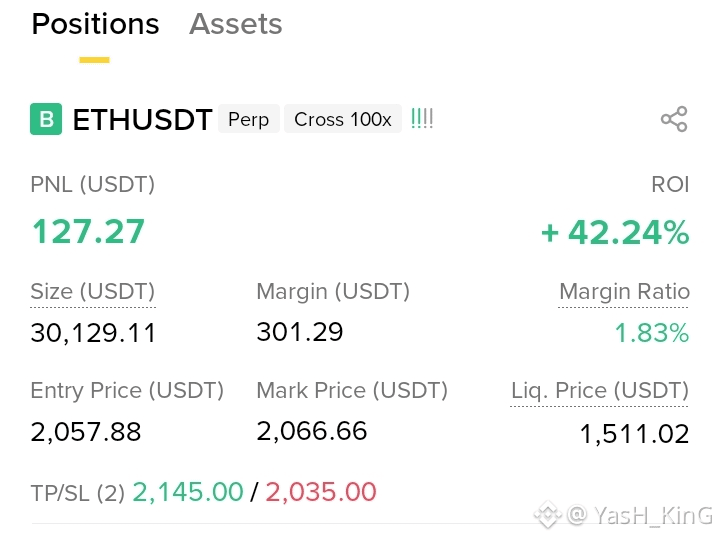
🔥 $ETH /USDT Jetzt Kaufen @2057
Späte Eingabe unter @2065
🎯 2145
🔴 SL 2035
Ich werde mein Bestes tun, um Sie zu leiten 👍
Bleiben Sie dran....
Späte Eingabe unter @2065
🎯 2145
🔴 SL 2035
Ich werde mein Bestes tun, um Sie zu leiten 👍
Bleiben Sie dran....
3
89
·
--
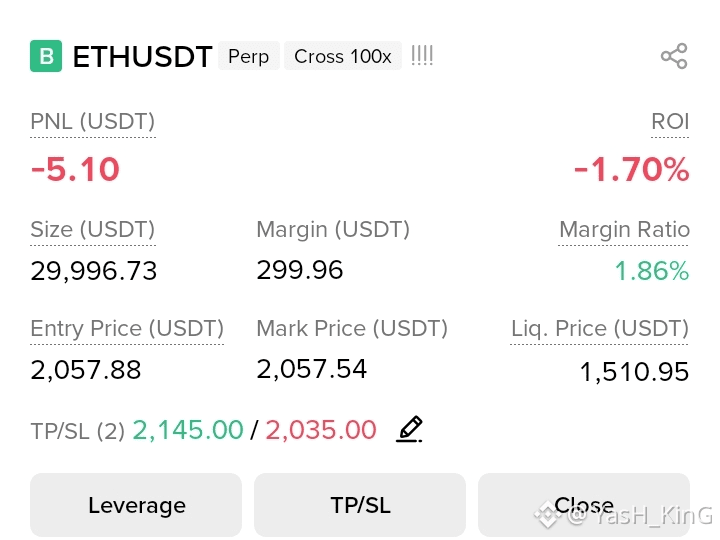
🔥 $ETH /USDT Jetzt Kaufen @2057
Späte Eingabe unter @2065
🎯 2145
🔴 SL 2035
{future}(ETHUSDT)
Ich werde mein Bestes tun, um Sie zu leiten 👍
Bleiben Sie dran....
🔥 $ETH /USDT Jetzt Kaufen @2057
Späte Eingabe unter @2065
🎯 2145
🔴 SL 2035
Ich werde mein Bestes tun, um Sie zu leiten 👍
Bleiben Sie dran....
Späte Eingabe unter @2065
🎯 2145
🔴 SL 2035
Ich werde mein Bestes tun, um Sie zu leiten 👍
Bleiben Sie dran....
1
5
165
·
--
25/02/2026 Rätsel
Mena [here](https://www.binance.com/en/survey/542aad1db09046939e3af9bc16a2f24c?ref=UE06QWNK&utm_source=MENAEnTelegram&utm_medium=GlobalCommunity&utm_campaign=CommunityPosts)
Pak [here](https://www.binance.com/en/survey/d773b59d52814a42bda6e4b92f3f3605)
Bangladesch [here](https://www.binance.com/en/survey/a0d44265314d4d1084bcaae960f9aa51)
Kasachstan [here](https://www.binance.com/en/survey/38cc70fc7319408cae880334ffa72508)
Arabisch [here](https://www.binance.com/ar/survey/0043b652819042d78954484c1232a49a?ref=Y1VXX9CE&utm_source=MenaArTelegram&utm_medium=GlobalCommunity&utm_campaign=CommunityPosts)
Aserbaidschan [here](https://app.binance.com/en/survey/5fbba573481d4757a359cb53f6b79ee8?_dp=L3dlYnZpZXcvd2Vidmlldz90eXBlPWRlZmF1bHQmdXJsPWFIUjBjSE02THk5M2QzY3VZbWx1WVc1alpTNWpiMjB2Wlc0dmMzVnlkbVY1THpWbVltSmhOVGN6TkRneFpEUTNOVGRoTXpVNVkySTFNMlkyWWpjNVpXVTQ)
25/02/2026 Rätsel
Mena here
Pak here
Bangladesch here
Kasachstan here
Arabisch here
Aserbaidschan here
Mena here
Pak here
Bangladesch here
Kasachstan here
Arabisch here
Aserbaidschan here
1
6
·
--
23/02/2026
Mena [here](https://www.binance.com/en/survey/4179f03960924edb951080bfbc65afdc?ref=UE06QWNK&utm_source=MENAEnTelegram&utm_medium=GlobalCommunity&utm_campaign=CommunityPosts)
pak [here](https://www.binance.com/en/survey/553f69b3883d45bdb1053b77dce420e6)
Bangl [here](https://www.binance.com/en/survey/53415e59344543d994b78a0d5835e4a9)
Arabic [here](https://www.binance.com/ar/survey/058c7e4f104942a9af706d07007b57b3?ref=Y1VXX9CE&utm_source=MenaArTelegram&utm_medium=GlobalCommunity&utm_campaign=CommunityPosts)
Kasachstan [here](https://www.binance.com/en/survey/f7e200dd6d714fb0a5eb84f8e6aeaf77)
alle Links zu Binance Ramadan-Rätseln
23/02/2026
Mena here
pak here
Bangl here
Arabic here
Kasachstan here
alle Links zu Binance Ramadan-Rätseln
Mena here
pak here
Bangl here
Arabic here
Kasachstan here
alle Links zu Binance Ramadan-Rätseln
2
3
·
--
21/02 Ramadan Rätsel Links
MEna : [here](https://www.binance.com/en/survey/9161f5f2a45f40c787413e1a20595524?ref=UE06QWNK&utm_source=MENAEnTelegram&utm_medium=GlobalCommunity&utm_campaign=CommunityPosts)
Arabisch : [here](https://www.binance.com/ar/survey/53c31002203e423e87f5518b6f0d2470?ref=Y1VXX9CE&utm_source=MenaArTelegram&utm_medium=GlobalCommunity&utm_campaign=CommunityPosts)
Pak : [here](https://www.binance.com/en/survey/2a9ea82f3c8e4a628c4e5c4546816b93)
Indonesien : https://www.bmwweb.biz/en/survey/32c0a64712804cb7b71312823eb66a10
Aserbaidschan : [here](https://app.binance.com/survey/ba6780c3f44a45e6be7d45da6439a0d6?_dp=L3dlYnZpZXcvd2Vidmlldz90eXBlPWRlZmF1bHQmdXJsPWFIUjBjSE02THk5M2QzY3VZbWx1WVc1alpTNWpiMjB2YzNWeWRtVjVMMkpoTmpjNE1HTXpaalEwWVRRMVpUWmlaVGRrTkRWa1lUWTBNemxoTUdRMg)
Kasachstan : [here](https://www.binance.com/en/survey/24d76c74c0414c37a49a625beae1aaa5)
Bangladesch : [here](https://www.binance.com/en/survey/3f19dfc5abc94fd99075e82ce002e659)
Usbekistan : Bald verfügbar
21/02 Ramadan Rätsel Links
MEna : here
Arabisch : here
Pak : here
Indonesien : https://www.bmwweb.biz/en/survey/32c0a64712804cb7b71312823eb66a10
Aserbaidschan : here
Kasachstan : here
Bangladesch : here
Usbekistan : Bald verfügbar
MEna : here
Arabisch : here
Pak : here
Indonesien : https://www.bmwweb.biz/en/survey/32c0a64712804cb7b71312823eb66a10
Aserbaidschan : here
Kasachstan : here
Bangladesch : here
Usbekistan : Bald verfügbar
1
2
·
--
WhatsApp Rätsel-Link
[here](https://www.binance.com/en/survey/1876cfc1b9dd400bb553ad0c734721fd)
WhatsApp Rätsel-Link
here
here
1
4
·
--
19/02 Ramadan Rätsel Links
MEna : [Here](https://www.binance.com/en/survey/c7618dbe2ed548b28fbecf2ef0cc2070?ref=UE06QWNK&utm_source=MENAEnTelegram&utm_medium=GlobalCommunity&utm_campaign=CommunityPosts)
Arabisch : [Here](https://www.binance.com/ar/survey/016a0eb6c6444d16a0bfc57cd191ff64?ref=Y1VXX9CE&utm_source=MenaArTelegram&utm_medium=GlobalCommunity&utm_campaign=CommunityPosts)
Pak :[here](https://www.binance.com/en/survey/27b94495ee7c402bb87e76c2b271f1aa)
Indonesien :[here](https://www.binance.com/en/survey/f1183a88f70f47adab81236099ba9843)
Aserbaidschan :[here](https://www.binance.com/en/survey/ba6780c3f44a45e6be7d45da6439a0d6)
Kasachstan :[here](https://www.binance.com/en/survey/3f82454b6a324cb0881fa1039cb2f447)
Bangladesch:[here](https://www.binance.com/en/survey/d72ff474b33046a189b1c103ab013049)
Usbekistan :Update bald
19/02 Ramadan Rätsel Links
MEna : Here
Arabisch : Here
Pak :here
Indonesien :here
Aserbaidschan :here
Kasachstan :here
Bangladesch:here
Usbekistan :Update bald
MEna : Here
Arabisch : Here
Pak :here
Indonesien :here
Aserbaidschan :here
Kasachstan :here
Bangladesch:here
Usbekistan :Update bald
3
76
·
--
vanarVanar und die Infrastrukturanforderungen für die Einführung von Web3 im Verbrauchermarkt
Einführung
Die Einführung von Blockchain wurde hauptsächlich durch finanzielle Anwendungen vorangetrieben.
Eine langfristige Einführung erfordert jedoch die Integration in gängige Verbraucherumgebungen wie Gaming, Unterhaltung und digitale Markenökosysteme.
Vanar ist eine Layer-1-Blockchain, die speziell entwickelt wurde, um diese verbraucherorientierten Anwendungen zu unterstützen.
Die Infrastruktur priorisiert Skalierbarkeit, Benutzerfreundlichkeit und Integration über verbraucherorientierte digitale Plattformen.
vanar
Vanar und die Infrastrukturanforderungen für die Einführung von Web3 im Verbrauchermarkt
Einführung
Die Einführung von Blockchain wurde hauptsächlich durch finanzielle Anwendungen vorangetrieben.
Eine langfristige Einführung erfordert jedoch die Integration in gängige Verbraucherumgebungen wie Gaming, Unterhaltung und digitale Markenökosysteme.
Vanar ist eine Layer-1-Blockchain, die speziell entwickelt wurde, um diese verbraucherorientierten Anwendungen zu unterstützen.
Die Infrastruktur priorisiert Skalierbarkeit, Benutzerfreundlichkeit und Integration über verbraucherorientierte digitale Plattformen.
Einführung
Die Einführung von Blockchain wurde hauptsächlich durch finanzielle Anwendungen vorangetrieben.
Eine langfristige Einführung erfordert jedoch die Integration in gängige Verbraucherumgebungen wie Gaming, Unterhaltung und digitale Markenökosysteme.
Vanar ist eine Layer-1-Blockchain, die speziell entwickelt wurde, um diese verbraucherorientierten Anwendungen zu unterstützen.
Die Infrastruktur priorisiert Skalierbarkeit, Benutzerfreundlichkeit und Integration über verbraucherorientierte digitale Plattformen.
4
·
--
#vanar $VANRY #Vanar
Vanar konzentriert sich auf den Teil von Web3, den die meisten Menschen vergessen – den Nutzer.
Blockchain-Technologie beginnt oft mit Infrastruktur.
Aber Nutzer nehmen keine Infrastruktur an.
Sie nehmen Erfahrungen an.
Spiele. Digitale Welten. Unterhaltung. Marken, denen sie bereits vertrauen.
Vanar beginnt hier.
Anstatt nur technische Grundlagen zu schaffen und auf die Annahme zu warten, baut Vanar die Umgebungen, in denen die Annahme natürlich geschieht.
Sein Ökosystem umfasst Gaming-Netzwerke, Metaverse-Plattformen und Markenintegrationen, die so gestaltet sind, dass sie für Mainstream-Nutzer vertraut erscheinen.
Das ändert, wie Nutzer mit Web3 interagieren.
Sie müssen keine Wallets, Tokens oder Protokolle verstehen.
Sie beschäftigen sich mit digitalen Erfahrungen.
Und die Blockchain arbeitet leise unter ihnen.
Das reduziert Reibung und erleichtert den Einstieg.
Der VANRY-Token verbindet diese Systeme und ermöglicht den Austausch von Werten und die Koordination über Plattformen hinweg.
Vanar versucht nicht, Nutzer davon zu überzeugen, Blockchain zu übernehmen.
Es integriert Blockchain in Produkte, die Nutzer bereits wollen.
Die Annahme zu einem Nebeneffekt des Engagements zu machen.
Nicht zu einer Voraussetzung.
#vanar $VANRY #Vanar
Vanar konzentriert sich auf den Teil von Web3, den die meisten Menschen vergessen – den Nutzer.
Blockchain-Technologie beginnt oft mit Infrastruktur.
Aber Nutzer nehmen keine Infrastruktur an.
Sie nehmen Erfahrungen an.
Spiele. Digitale Welten. Unterhaltung. Marken, denen sie bereits vertrauen.
Vanar beginnt hier.
Anstatt nur technische Grundlagen zu schaffen und auf die Annahme zu warten, baut Vanar die Umgebungen, in denen die Annahme natürlich geschieht.
Sein Ökosystem umfasst Gaming-Netzwerke, Metaverse-Plattformen und Markenintegrationen, die so gestaltet sind, dass sie für Mainstream-Nutzer vertraut erscheinen.
Das ändert, wie Nutzer mit Web3 interagieren.
Sie müssen keine Wallets, Tokens oder Protokolle verstehen.
Sie beschäftigen sich mit digitalen Erfahrungen.
Und die Blockchain arbeitet leise unter ihnen.
Das reduziert Reibung und erleichtert den Einstieg.
Der VANRY-Token verbindet diese Systeme und ermöglicht den Austausch von Werten und die Koordination über Plattformen hinweg.
Vanar versucht nicht, Nutzer davon zu überzeugen, Blockchain zu übernehmen.
Es integriert Blockchain in Produkte, die Nutzer bereits wollen.
Die Annahme zu einem Nebeneffekt des Engagements zu machen.
Nicht zu einer Voraussetzung.
Vanar konzentriert sich auf den Teil von Web3, den die meisten Menschen vergessen – den Nutzer.
Blockchain-Technologie beginnt oft mit Infrastruktur.
Aber Nutzer nehmen keine Infrastruktur an.
Sie nehmen Erfahrungen an.
Spiele. Digitale Welten. Unterhaltung. Marken, denen sie bereits vertrauen.
Vanar beginnt hier.
Anstatt nur technische Grundlagen zu schaffen und auf die Annahme zu warten, baut Vanar die Umgebungen, in denen die Annahme natürlich geschieht.
Sein Ökosystem umfasst Gaming-Netzwerke, Metaverse-Plattformen und Markenintegrationen, die so gestaltet sind, dass sie für Mainstream-Nutzer vertraut erscheinen.
Das ändert, wie Nutzer mit Web3 interagieren.
Sie müssen keine Wallets, Tokens oder Protokolle verstehen.
Sie beschäftigen sich mit digitalen Erfahrungen.
Und die Blockchain arbeitet leise unter ihnen.
Das reduziert Reibung und erleichtert den Einstieg.
Der VANRY-Token verbindet diese Systeme und ermöglicht den Austausch von Werten und die Koordination über Plattformen hinweg.
Vanar versucht nicht, Nutzer davon zu überzeugen, Blockchain zu übernehmen.
Es integriert Blockchain in Produkte, die Nutzer bereits wollen.
Die Annahme zu einem Nebeneffekt des Engagements zu machen.
Nicht zu einer Voraussetzung.
21
·
--
PlasmaPlasma und die Idee, dass Stablecoins ihre eigene Infrastruktur verdienen
Die Veränderung, die bereits stattgefunden hat
Blockchain begann als ein Experiment.
Aber Stablecoins machten es praktisch.
Sie wurden zum am weitesten verbreiteten On-Chain-Finanzinstrument.
Die Menschen benötigten keine Volatilität.
Sie benötigten Stabilität.
Aber die Infrastruktur unter Stablecoins wurde nie speziell für sie entworfen.
Plasma beginnt mit einer einfachen Erkenntnis:
Wenn Stablecoins der Hauptanwendungsfall sind, sollte die Infrastruktur das widerspiegeln.
Reibung aus finanziellen Bewegungen entfernen
Plasma
Plasma und die Idee, dass Stablecoins ihre eigene Infrastruktur verdienen
Die Veränderung, die bereits stattgefunden hat
Blockchain begann als ein Experiment.
Aber Stablecoins machten es praktisch.
Sie wurden zum am weitesten verbreiteten On-Chain-Finanzinstrument.
Die Menschen benötigten keine Volatilität.
Sie benötigten Stabilität.
Aber die Infrastruktur unter Stablecoins wurde nie speziell für sie entworfen.
Plasma beginnt mit einer einfachen Erkenntnis:
Wenn Stablecoins der Hauptanwendungsfall sind, sollte die Infrastruktur das widerspiegeln.
Reibung aus finanziellen Bewegungen entfernen
Die Veränderung, die bereits stattgefunden hat
Blockchain begann als ein Experiment.
Aber Stablecoins machten es praktisch.
Sie wurden zum am weitesten verbreiteten On-Chain-Finanzinstrument.
Die Menschen benötigten keine Volatilität.
Sie benötigten Stabilität.
Aber die Infrastruktur unter Stablecoins wurde nie speziell für sie entworfen.
Plasma beginnt mit einer einfachen Erkenntnis:
Wenn Stablecoins der Hauptanwendungsfall sind, sollte die Infrastruktur das widerspiegeln.
Reibung aus finanziellen Bewegungen entfernen
10
·
--
#plasma $XPL @Plasma
Plasma beginnt mit einer einfachen Beobachtung: Stablecoins sind bereits das Rückgrat der On-Chain-Finanzierung.
Für Millionen von Nutzern geht es bei der Blockchain nicht um Tokens.
Es geht um Stablecoins.
Geld senden. Zahlungen abwickeln. Wert bewahren.
Stablecoins wurden zur praktischsten Verwendung der Blockchain — aber die Infrastruktur darunter wurde nie speziell für ihre Bedürfnisse entworfen.
Plasma kehrt dieses Modell um.
Anstatt Stablecoins als nur einen weiteren Vermögenswert zu behandeln, baut Plasma die Kette um sie herum.
Überweisungen erfordern keine volatilen nativen Tokens.
Gebühren können direkt in Stablecoins bezahlt werden.
Transaktionen werden fast sofort abgewickelt.
Das macht Blockchain weniger wie ein experimentelles System — und mehr wie eine tatsächliche Finanzinfrastruktur.
Seine Kompatibilität mit der EVM stellt sicher, dass Entwickler einfach bauen können.
Die durch Bitcoin gestützte Sicherheit stärkt das Vertrauen.
Aber die eigentliche Innovation ist konzeptionell.
Plasma erkennt Stablecoins nicht als Anwendungen.
Sondern als die Grundlage.
Das macht das System benutzerfreundlicher für alltägliche Nutzer und zuverlässiger für Finanzinstitutionen.
Nicht indem Stablecoins verändert werden.
Sondern indem die Infrastruktur darunter verändert wird.
#plasma $XPL @Plasma
Plasma beginnt mit einer einfachen Beobachtung: Stablecoins sind bereits das Rückgrat der On-Chain-Finanzierung.
Für Millionen von Nutzern geht es bei der Blockchain nicht um Tokens.
Es geht um Stablecoins.
Geld senden. Zahlungen abwickeln. Wert bewahren.
Stablecoins wurden zur praktischsten Verwendung der Blockchain — aber die Infrastruktur darunter wurde nie speziell für ihre Bedürfnisse entworfen.
Plasma kehrt dieses Modell um.
Anstatt Stablecoins als nur einen weiteren Vermögenswert zu behandeln, baut Plasma die Kette um sie herum.
Überweisungen erfordern keine volatilen nativen Tokens.
Gebühren können direkt in Stablecoins bezahlt werden.
Transaktionen werden fast sofort abgewickelt.
Das macht Blockchain weniger wie ein experimentelles System — und mehr wie eine tatsächliche Finanzinfrastruktur.
Seine Kompatibilität mit der EVM stellt sicher, dass Entwickler einfach bauen können.
Die durch Bitcoin gestützte Sicherheit stärkt das Vertrauen.
Aber die eigentliche Innovation ist konzeptionell.
Plasma erkennt Stablecoins nicht als Anwendungen.
Sondern als die Grundlage.
Das macht das System benutzerfreundlicher für alltägliche Nutzer und zuverlässiger für Finanzinstitutionen.
Nicht indem Stablecoins verändert werden.
Sondern indem die Infrastruktur darunter verändert wird.
Plasma beginnt mit einer einfachen Beobachtung: Stablecoins sind bereits das Rückgrat der On-Chain-Finanzierung.
Für Millionen von Nutzern geht es bei der Blockchain nicht um Tokens.
Es geht um Stablecoins.
Geld senden. Zahlungen abwickeln. Wert bewahren.
Stablecoins wurden zur praktischsten Verwendung der Blockchain — aber die Infrastruktur darunter wurde nie speziell für ihre Bedürfnisse entworfen.
Plasma kehrt dieses Modell um.
Anstatt Stablecoins als nur einen weiteren Vermögenswert zu behandeln, baut Plasma die Kette um sie herum.
Überweisungen erfordern keine volatilen nativen Tokens.
Gebühren können direkt in Stablecoins bezahlt werden.
Transaktionen werden fast sofort abgewickelt.
Das macht Blockchain weniger wie ein experimentelles System — und mehr wie eine tatsächliche Finanzinfrastruktur.
Seine Kompatibilität mit der EVM stellt sicher, dass Entwickler einfach bauen können.
Die durch Bitcoin gestützte Sicherheit stärkt das Vertrauen.
Aber die eigentliche Innovation ist konzeptionell.
Plasma erkennt Stablecoins nicht als Anwendungen.
Sondern als die Grundlage.
Das macht das System benutzerfreundlicher für alltägliche Nutzer und zuverlässiger für Finanzinstitutionen.
Nicht indem Stablecoins verändert werden.
Sondern indem die Infrastruktur darunter verändert wird.
1
16
Anmelden und weiter Inhalte entdecken
Krypto-Nutzer weltweit auf Binance Square kennenlernen
⚡️ Bleib in Sachen Krypto stets am Puls.
💬 Die weltgrößte Kryptobörse vertraut darauf.
👍 Erhalte verlässliche Einblicke von verifizierten Creators.
E-Mail-Adresse/Telefonnummer
Trendthemen
BinanceWillListHyperliquid(HYPE)
144,097 Aufrufe
2,502 Kommentare
Binance listet Hyperliquid (HYPE) mit einem Seed-Tag
Binance News
·76 Likes
·78.7k Aufrufe
BrazilOrdersReportingOf$10KSelfCustodyTransfers
17 Aufrufe
3 Kommentare
FedProposesRulesForBankIssuedStablecoins
403 Aufrufe
38 Kommentare