
Devil9
10.5k Beiträge

Devil9
 Square Verified+
Melden
Nutzer blockieren
🤝Success Is Not Final,Failure Is Not Fatal,It Is The Courage To Continue That Counts.
Hochfrequenz-Trader
4.9 Jahre
511 Following
39.6K+ Follower
20.4K+ Like gegeben
Beiträge
Alle
Zitierungen
Videos
Live
PINNED
·
--
Verifiziert
CPI ist da – ist die Fed wirklich bereit, zu erhöhen?
Der August-CPI-Bericht könnte eines der wichtigsten marktrelevanten Ereignisse vor dem Fed-Treffen nächste Woche sein. Die Märkte erwarten, dass der Headline-CPI um etwa 3,4% im Jahresvergleich steigt, während die monatliche Inflation auf 0,4% beschleunigen soll, nach 0,1% im Juli. Der Core-CPI wird bei rund 2,4% im Jahresvergleich erwartet – leicht niedriger als im Juli.
Spannend daran ist der Inflationsdruck, der von Energie und höheren Input-Kosten ausgeht. Die jüngsten PPI-Daten deuteten zudem darauf hin, dass die Großhandelsinflation weiterhin hartnäckig ist – was die Entscheidung der Fed noch schwieriger machen könnte.
Derzeit preisen die Märkte gemäß dem CME FedWatch-Tool rund 67% Wahrscheinlichkeit für eine Zinserhöhung um 25 Basispunkte.
Für mich ist die entscheidende Frage nicht nur, ob der CPI die Erwartungen übertrifft oder verfehlt. Ich möchte sehen, ob die Inflation einen nachhaltigen Abkühlungstrend zeigt.
Ein heißerer CPI könnte den Fall für eine Erhöhung stärken und Druck auf Aktien und Gold ausüben. Eine schwächere Zahl könnte den Markt in Richtung einer weniger “hawkischen” Fed schieben.
Wie ist deine Einschätzung? Fed-Erhöhung oder Pause? Und bist du bullisch oder bärisch bei Gold? 👇
#CPIWatch
#CPI #Fed
$MET
$TMX
CPI ist da – ist die Fed wirklich bereit, zu erhöhen?
Der August-CPI-Bericht könnte eines der wichtigsten marktrelevanten Ereignisse vor dem Fed-Treffen nächste Woche sein. Die Märkte erwarten, dass der Headline-CPI um etwa 3,4% im Jahresvergleich steigt, während die monatliche Inflation auf 0,4% beschleunigen soll, nach 0,1% im Juli. Der Core-CPI wird bei rund 2,4% im Jahresvergleich erwartet – leicht niedriger als im Juli.
Spannend daran ist der Inflationsdruck, der von Energie und höheren Input-Kosten ausgeht. Die jüngsten PPI-Daten deuteten zudem darauf hin, dass die Großhandelsinflation weiterhin hartnäckig ist – was die Entscheidung der Fed noch schwieriger machen könnte.
Derzeit preisen die Märkte gemäß dem CME FedWatch-Tool rund 67% Wahrscheinlichkeit für eine Zinserhöhung um 25 Basispunkte.
Für mich ist die entscheidende Frage nicht nur, ob der CPI die Erwartungen übertrifft oder verfehlt. Ich möchte sehen, ob die Inflation einen nachhaltigen Abkühlungstrend zeigt.
Ein heißerer CPI könnte den Fall für eine Erhöhung stärken und Druck auf Aktien und Gold ausüben. Eine schwächere Zahl könnte den Markt in Richtung einer weniger “hawkischen” Fed schieben.
Wie ist deine Einschätzung? Fed-Erhöhung oder Pause? Und bist du bullisch oder bärisch bei Gold? 👇
#CPIWatch
#CPI #Fed
$MET
$TMX
Der August-CPI-Bericht könnte eines der wichtigsten marktrelevanten Ereignisse vor dem Fed-Treffen nächste Woche sein. Die Märkte erwarten, dass der Headline-CPI um etwa 3,4% im Jahresvergleich steigt, während die monatliche Inflation auf 0,4% beschleunigen soll, nach 0,1% im Juli. Der Core-CPI wird bei rund 2,4% im Jahresvergleich erwartet – leicht niedriger als im Juli.
Spannend daran ist der Inflationsdruck, der von Energie und höheren Input-Kosten ausgeht. Die jüngsten PPI-Daten deuteten zudem darauf hin, dass die Großhandelsinflation weiterhin hartnäckig ist – was die Entscheidung der Fed noch schwieriger machen könnte.
Derzeit preisen die Märkte gemäß dem CME FedWatch-Tool rund 67% Wahrscheinlichkeit für eine Zinserhöhung um 25 Basispunkte.
Für mich ist die entscheidende Frage nicht nur, ob der CPI die Erwartungen übertrifft oder verfehlt. Ich möchte sehen, ob die Inflation einen nachhaltigen Abkühlungstrend zeigt.
Ein heißerer CPI könnte den Fall für eine Erhöhung stärken und Druck auf Aktien und Gold ausüben. Eine schwächere Zahl könnte den Markt in Richtung einer weniger “hawkischen” Fed schieben.
Wie ist deine Einschätzung? Fed-Erhöhung oder Pause? Und bist du bullisch oder bärisch bei Gold? 👇
#CPIWatch
#CPI #Fed
$MET
$TMX

5
22
14.3k
·
--
Übersetzung ansehen
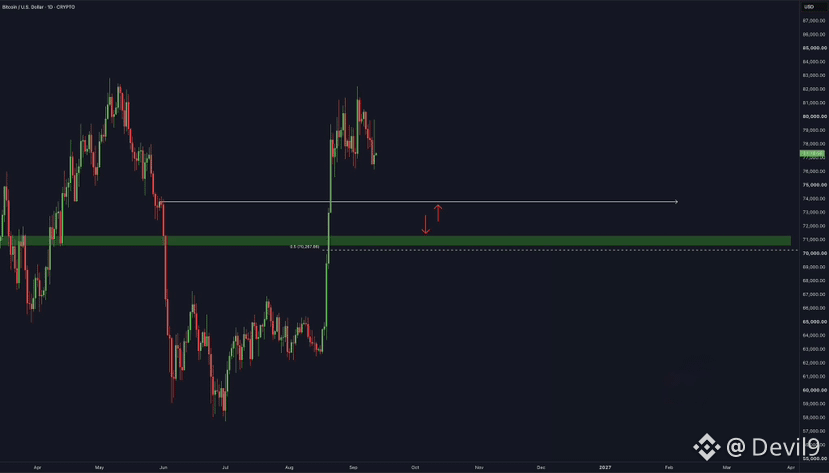
BTC PULLBACK PLAN
If Bitcoin pulls back, I’m watching the $74K–$72K zone closely.
That’s where I’d look for a potential buying opportunity instead of chasing higher prices.
📍 Buy Zone: $74,000 – $72,000
🎯 Plan: Wait for confirmation and scale in carefully.
No FOMO. No chasing. Just patience.
#Bitcoin #BTC
$BTC
{future}(BTCUSDT)
BTC PULLBACK PLAN
If Bitcoin pulls back, I’m watching the $74K–$72K zone closely.
That’s where I’d look for a potential buying opportunity instead of chasing higher prices.
📍 Buy Zone: $74,000 – $72,000
🎯 Plan: Wait for confirmation and scale in carefully.
No FOMO. No chasing. Just patience.
#Bitcoin #BTC
$BTC
If Bitcoin pulls back, I’m watching the $74K–$72K zone closely.
That’s where I’d look for a potential buying opportunity instead of chasing higher prices.
📍 Buy Zone: $74,000 – $72,000
🎯 Plan: Wait for confirmation and scale in carefully.
No FOMO. No chasing. Just patience.
#Bitcoin #BTC
$BTC
265

·
--
ETH könnte im Vergleich zu dem, was das CLARITY-Gesetz bedeuten könnte, ernsthaft unterbewertet sein.
Wenn der Gesetzentwurf verabschiedet wird und der Markt endlich die potenzielle Wirkung einpreist, könnte es bei $ETH zu einem explosiven Move kommen. Eine $1.000 grüne Kerze in nur 5 Minuten? Klingt verrückt… aber im Krypto-Bereich ist Verrücktheit schon früher passiert.
Wärst du bullisch bei ETH, wenn CLARITY verabschiedet wird?
#Write2Earn
#TrendingTopic
$ETH
{future}(ETHUSDT)
$BTC
{future}(BTCUSDT)
ETH könnte im Vergleich zu dem, was das CLARITY-Gesetz bedeuten könnte, ernsthaft unterbewertet sein.
Wenn der Gesetzentwurf verabschiedet wird und der Markt endlich die potenzielle Wirkung einpreist, könnte es bei $ETH zu einem explosiven Move kommen. Eine $1.000 grüne Kerze in nur 5 Minuten? Klingt verrückt… aber im Krypto-Bereich ist Verrücktheit schon früher passiert.
Wärst du bullisch bei ETH, wenn CLARITY verabschiedet wird?
#Write2Earn
#TrendingTopic
$ETH
$BTC
Wenn der Gesetzentwurf verabschiedet wird und der Markt endlich die potenzielle Wirkung einpreist, könnte es bei $ETH zu einem explosiven Move kommen. Eine $1.000 grüne Kerze in nur 5 Minuten? Klingt verrückt… aber im Krypto-Bereich ist Verrücktheit schon früher passiert.
Wärst du bullisch bei ETH, wenn CLARITY verabschiedet wird?
#Write2Earn
#TrendingTopic
$ETH
$BTC
1
3
1.8k
·
--
Kryptomarkt-Konzentration ist wieder auf dem Niveau von 2021
Laut CryptoRank machen die „Magnificent 7“ inzwischen 92,1 % der gesamten Marktkapitalisierung der Top 100 Krypto-Assets aus, berechnet ohne Stablecoins. Damit ist die Marktkonzentration wieder auf dem Stand der zuletzt in 2021 beobachteten Werte.
Das wichtigste Signal ist Bitcoin. BTC allein repräsentiert 66,6 % der Marktkapitalisierung – deutlich mehr als noch vor fünf Jahren.
Die Aussage hinter den Zahlen ist klar
Die Krypto-Adoption und das Marktwachstum könnten sich ausweiten, doch das Kapital verteilt sich nicht gleichmäßig über den Altcoin-Markt. Stattdessen konzentriert sich ein wachsender Anteil der Liquidität auf Bitcoin und eine kleine Gruppe großer Assets.
Ist das eine Warnung für Altcoins oder lediglich eine Rotation hin zu stärkeren Assets?
#Crypto #Bitcoin
#Write2Earn
$BTC
{future}(BTCUSDT)
$GAL
Kryptomarkt-Konzentration ist wieder auf dem Niveau von 2021
Laut CryptoRank machen die „Magnificent 7“ inzwischen 92,1 % der gesamten Marktkapitalisierung der Top 100 Krypto-Assets aus, berechnet ohne Stablecoins. Damit ist die Marktkonzentration wieder auf dem Stand der zuletzt in 2021 beobachteten Werte.
Das wichtigste Signal ist Bitcoin. BTC allein repräsentiert 66,6 % der Marktkapitalisierung – deutlich mehr als noch vor fünf Jahren.
Die Aussage hinter den Zahlen ist klar
Die Krypto-Adoption und das Marktwachstum könnten sich ausweiten, doch das Kapital verteilt sich nicht gleichmäßig über den Altcoin-Markt. Stattdessen konzentriert sich ein wachsender Anteil der Liquidität auf Bitcoin und eine kleine Gruppe großer Assets.
Ist das eine Warnung für Altcoins oder lediglich eine Rotation hin zu stärkeren Assets?
#Crypto #Bitcoin
#Write2Earn
$BTC
$GAL
Laut CryptoRank machen die „Magnificent 7“ inzwischen 92,1 % der gesamten Marktkapitalisierung der Top 100 Krypto-Assets aus, berechnet ohne Stablecoins. Damit ist die Marktkonzentration wieder auf dem Stand der zuletzt in 2021 beobachteten Werte.
Das wichtigste Signal ist Bitcoin. BTC allein repräsentiert 66,6 % der Marktkapitalisierung – deutlich mehr als noch vor fünf Jahren.
Die Aussage hinter den Zahlen ist klar
Die Krypto-Adoption und das Marktwachstum könnten sich ausweiten, doch das Kapital verteilt sich nicht gleichmäßig über den Altcoin-Markt. Stattdessen konzentriert sich ein wachsender Anteil der Liquidität auf Bitcoin und eine kleine Gruppe großer Assets.
Ist das eine Warnung für Altcoins oder lediglich eine Rotation hin zu stärkeren Assets?
#Crypto #Bitcoin
#Write2Earn
$BTC
$GAL
1
180
·
--
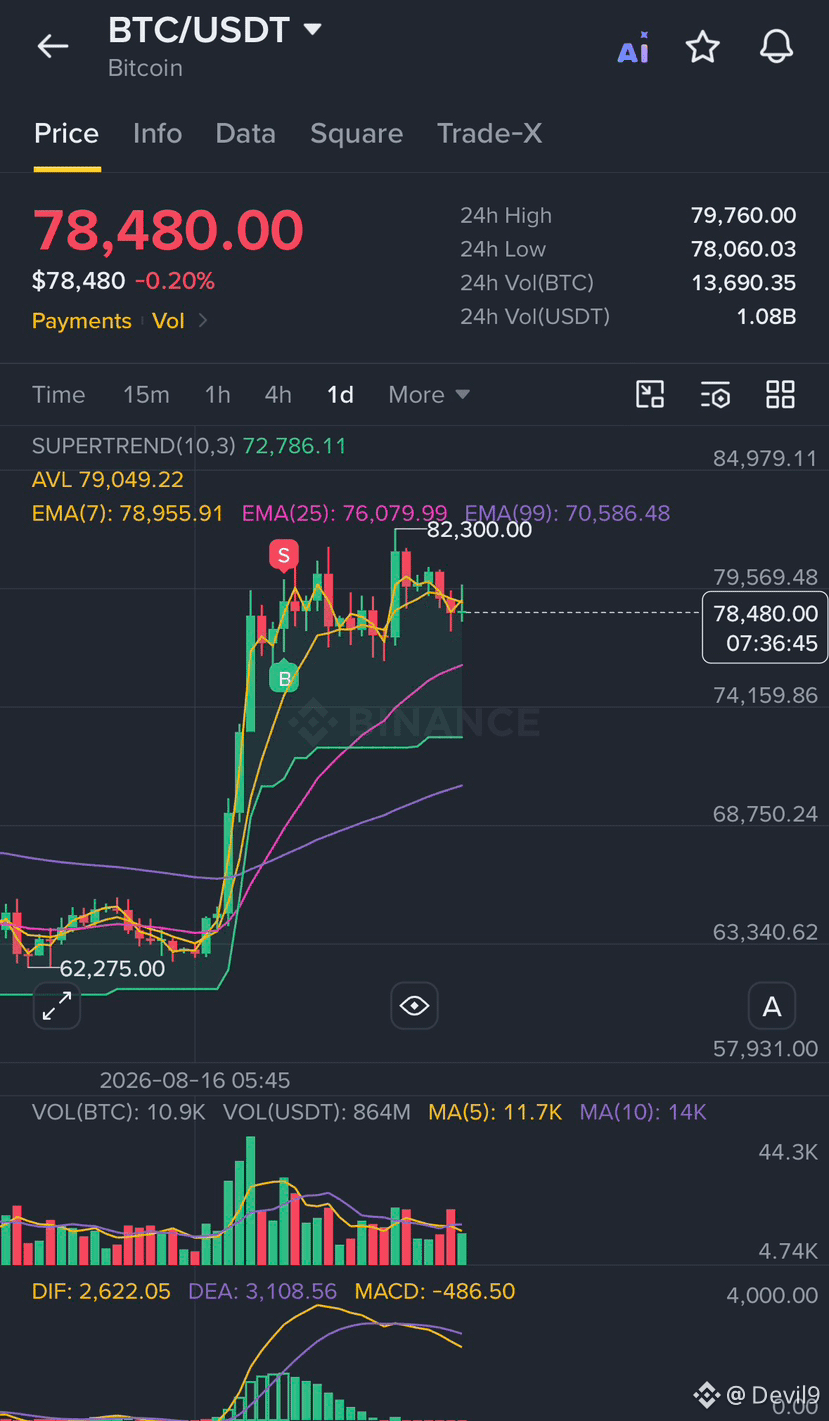
$BTC & Altcoin-Trades werden täglich in meiner privaten Discord-Community geteilt.
Marktanalyse
Trade-Setups & Einstiege
BTC + Altcoin-Chancen
Echtzeit-Marktplattform-Updates
#Write2Earn
#TrendingTopic
$BTC
$LTC
$BTC & Altcoin-Trades werden täglich in meiner privaten Discord-Community geteilt.
Marktanalyse
Trade-Setups & Einstiege
BTC + Altcoin-Chancen
Echtzeit-Marktplattform-Updates
#Write2Earn
#TrendingTopic
$BTC
$LTC
Marktanalyse
Trade-Setups & Einstiege
BTC + Altcoin-Chancen
Echtzeit-Marktplattform-Updates
#Write2Earn
#TrendingTopic
$BTC
$LTC
2
2
1
201
·
--
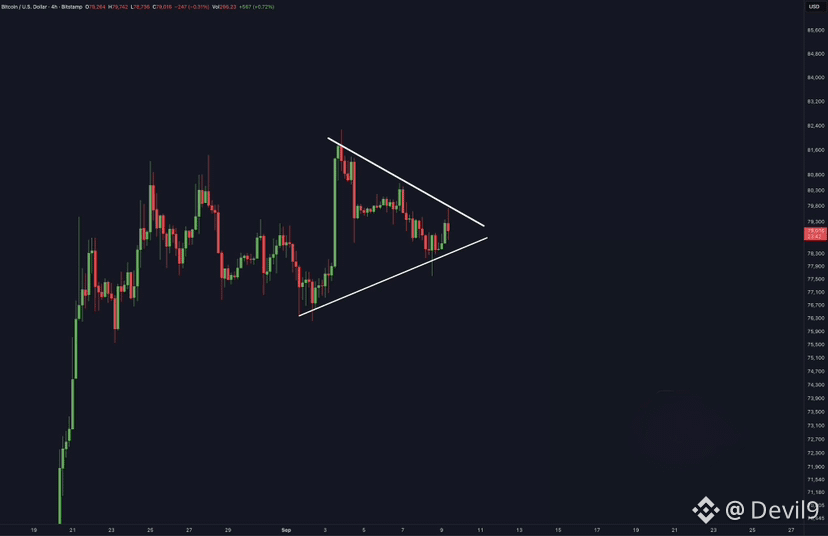
Bitcoin komprimiert derzeit innerhalb eines symmetrischen Dreiecks.
Niedrigere Hochs
Höhere Tiefs
Starke Kurskompression
Der Kurs nähert sich jetzt dem Apex des Dreiecks, an dem möglicherweise ein großer Ausbruch bevorsteht.
Jetzt stellt sich die große Frage
Bullenhafter Ausbruch?
Bärischer Zusammenbruch?
Was ist deine Einschätzung?
#Write2Earn
#TrendingTopic
$BTC
{future}(BTCUSDT)
$ETH
{future}(ETHUSDT)
Bitcoin komprimiert derzeit innerhalb eines symmetrischen Dreiecks.
Niedrigere Hochs
Höhere Tiefs
Starke Kurskompression
Der Kurs nähert sich jetzt dem Apex des Dreiecks, an dem möglicherweise ein großer Ausbruch bevorsteht.
Jetzt stellt sich die große Frage
Bullenhafter Ausbruch?
Bärischer Zusammenbruch?
Was ist deine Einschätzung?
#Write2Earn
#TrendingTopic
$BTC
$ETH
Niedrigere Hochs
Höhere Tiefs
Starke Kurskompression
Der Kurs nähert sich jetzt dem Apex des Dreiecks, an dem möglicherweise ein großer Ausbruch bevorsteht.
Jetzt stellt sich die große Frage
Bullenhafter Ausbruch?
Bärischer Zusammenbruch?
Was ist deine Einschätzung?
#Write2Earn
#TrendingTopic
$BTC
$ETH
4
5.8k
·
--
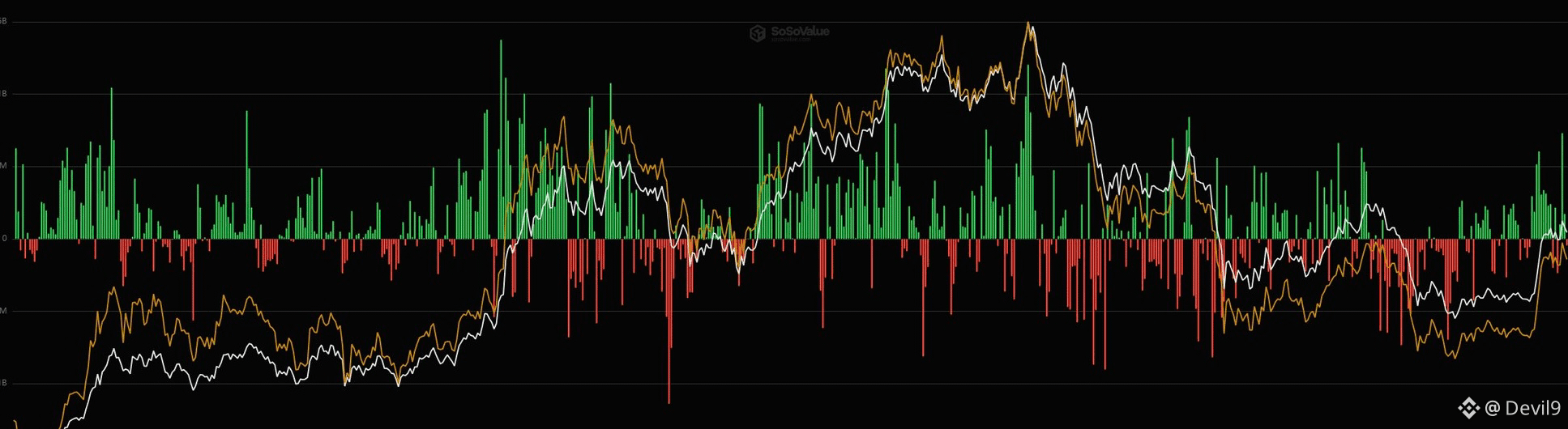
Laut SoSoValue verzeichneten US-Spot-Bitcoin-ETFs am 8. September (ET) insgesamt Nettoabflüsse von 46,6464 Millionen US-Dollar, was den ersten Nettoabfluss nach drei aufeinanderfolgenden Tagen mit Nettozuflüssen markiert. Die US-Spot-Ethereum-ETFs verzeichneten insgesamt Nettoabflüsse von 24,2921 Millionen US-Dollar, während Fidelitys FETH mit Nettozuflüssen von 9,8924 Millionen US-Dollar führte.#Write2Earn #TrendingTopic
$BTC
{future}(BTCUSDT)
$ETH
{future}(ETHUSDT)
Laut SoSoValue verzeichneten US-Spot-Bitcoin-ETFs am 8. September (ET) insgesamt Nettoabflüsse von 46,6464 Millionen US-Dollar, was den ersten Nettoabfluss nach drei aufeinanderfolgenden Tagen mit Nettozuflüssen markiert. Die US-Spot-Ethereum-ETFs verzeichneten insgesamt Nettoabflüsse von 24,2921 Millionen US-Dollar, während Fidelitys FETH mit Nettozuflüssen von 9,8924 Millionen US-Dollar führte.#Write2Earn #TrendingTopic
$BTC
$ETH
$BTC
$ETH
1
130
·
--
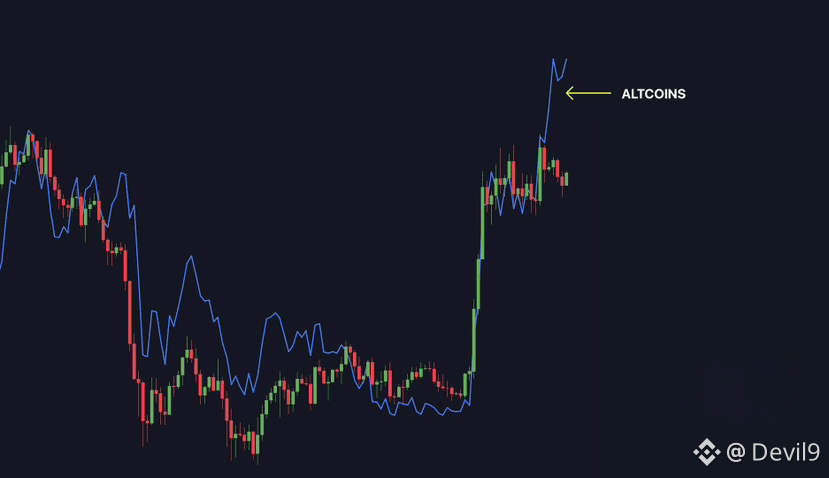
ERSTMALS SEIT ÜBER EINEM JAHR SEHEN WIR ENDLICH DIESES KLASSISCHE ALTSEASON-VERHALTEN!
$BTC bewegt sich seitwärts, während Altcoins anfangen, aufzuwachen und zu pumpen. Die große Frage jetzt: Ist das der Beginn eines echten Altseasons – oder nur eine vorübergehende Rotation?
Lass uns sehen, ob die Alts dieses Momentum aufrechterhalten können. $BTC
#Write2Earn
#TrendingTopic
{future}(BTCUSDT)
ERSTMALS SEIT ÜBER EINEM JAHR SEHEN WIR ENDLICH DIESES KLASSISCHE ALTSEASON-VERHALTEN!
$BTC bewegt sich seitwärts, während Altcoins anfangen, aufzuwachen und zu pumpen. Die große Frage jetzt: Ist das der Beginn eines echten Altseasons – oder nur eine vorübergehende Rotation?
Lass uns sehen, ob die Alts dieses Momentum aufrechterhalten können. $BTC
#Write2Earn
#TrendingTopic
$BTC bewegt sich seitwärts, während Altcoins anfangen, aufzuwachen und zu pumpen. Die große Frage jetzt: Ist das der Beginn eines echten Altseasons – oder nur eine vorübergehende Rotation?
Lass uns sehen, ob die Alts dieses Momentum aufrechterhalten können. $BTC
#Write2Earn
#TrendingTopic
3
445
·
--
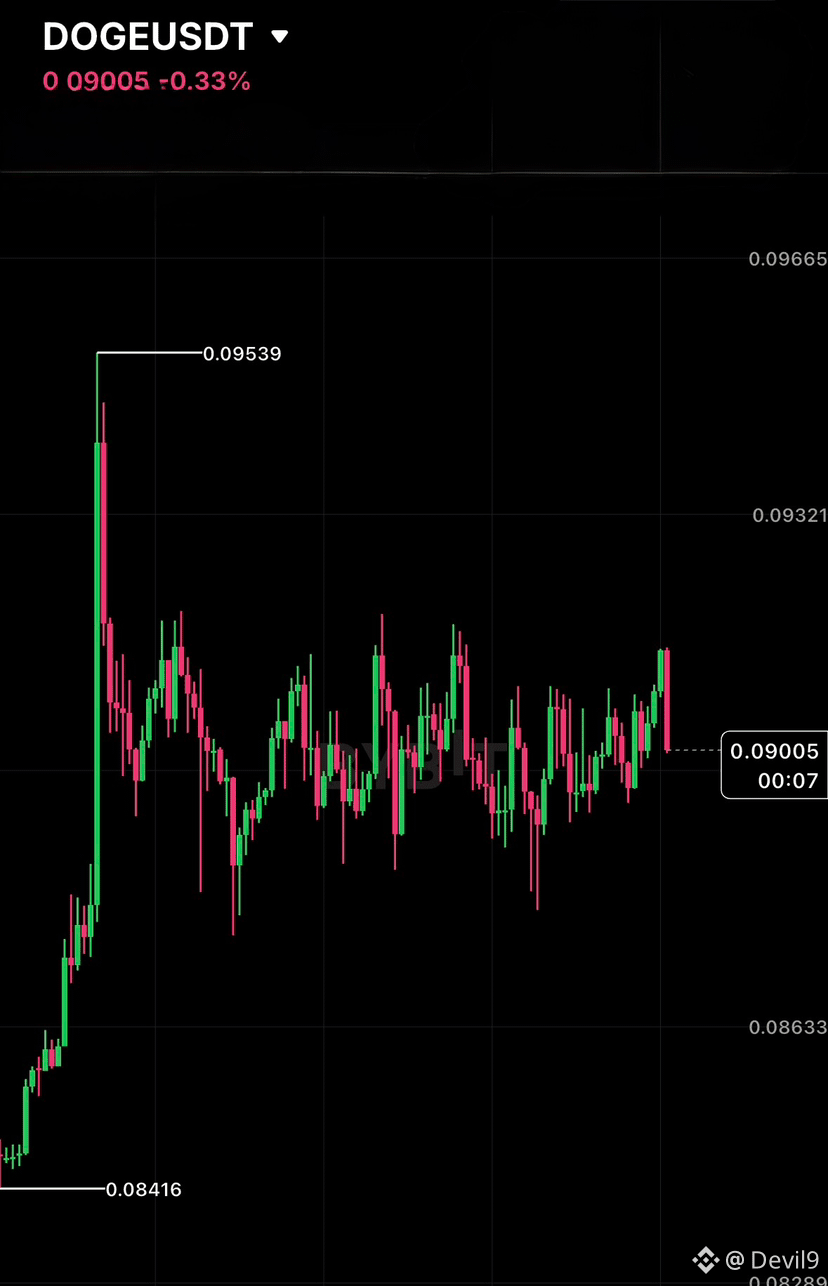
DOGE konsolidiert. Es sollte in Kürze aus dieser Box ausbrechen. Lassen Sie uns Memecoins wieder großartig machen.
Long -DOGEUSDT
Entry: $0.09 – $0.087
TP: $0.095
$0.1
$0.105
$0.11
SL: $0.082
#Write2Earn
#trandingtopic
$DOGE
{future}(DOGEUSDT)
DOGE konsolidiert. Es sollte in Kürze aus dieser Box ausbrechen. Lassen Sie uns Memecoins wieder großartig machen.
Long -DOGEUSDT
Entry: $0.09 – $0.087
TP: $0.095
$0.1
$0.105
$0.11
SL: $0.082
#Write2Earn
#trandingtopic
$DOGE
Long -DOGEUSDT
Entry: $0.09 – $0.087
TP: $0.095
$0.1
$0.105
$0.11
SL: $0.082
#Write2Earn
#trandingtopic
$DOGE
1
120
·
--
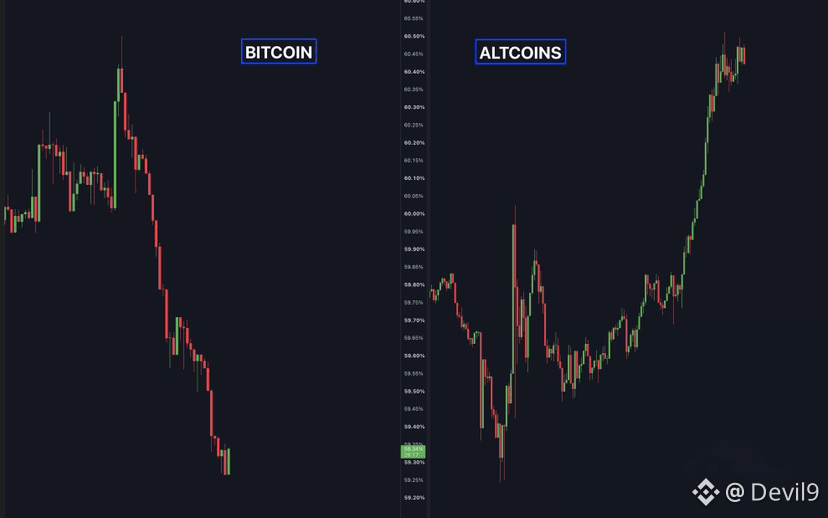
ALTS WACHEN AUF
Altcoin-Dominanz ⬆️
Bitcoin-Dominanz ⬇️
Das Geld rotiert langsam von BTC in Alts.
So beginnt jede große Altseason.
BTC ist immer noch der König… aber der Thron wackelt.
Wer ist bereit für die nächste Etappe?
Schreib unten deine Lieblings-Altcoin #BitcoinDominance #Altcoins
$BTC
{future}(BTCUSDT)
$JTO
ALTS WACHEN AUF
Altcoin-Dominanz ⬆️
Bitcoin-Dominanz ⬇️
Das Geld rotiert langsam von BTC in Alts.
So beginnt jede große Altseason.
BTC ist immer noch der König… aber der Thron wackelt.
Wer ist bereit für die nächste Etappe?
Schreib unten deine Lieblings-Altcoin #BitcoinDominance #Altcoins
$BTC
$JTO
Altcoin-Dominanz ⬆️
Bitcoin-Dominanz ⬇️
Das Geld rotiert langsam von BTC in Alts.
So beginnt jede große Altseason.
BTC ist immer noch der König… aber der Thron wackelt.
Wer ist bereit für die nächste Etappe?
Schreib unten deine Lieblings-Altcoin #BitcoinDominance #Altcoins
$BTC
$JTO
1
565
·
--
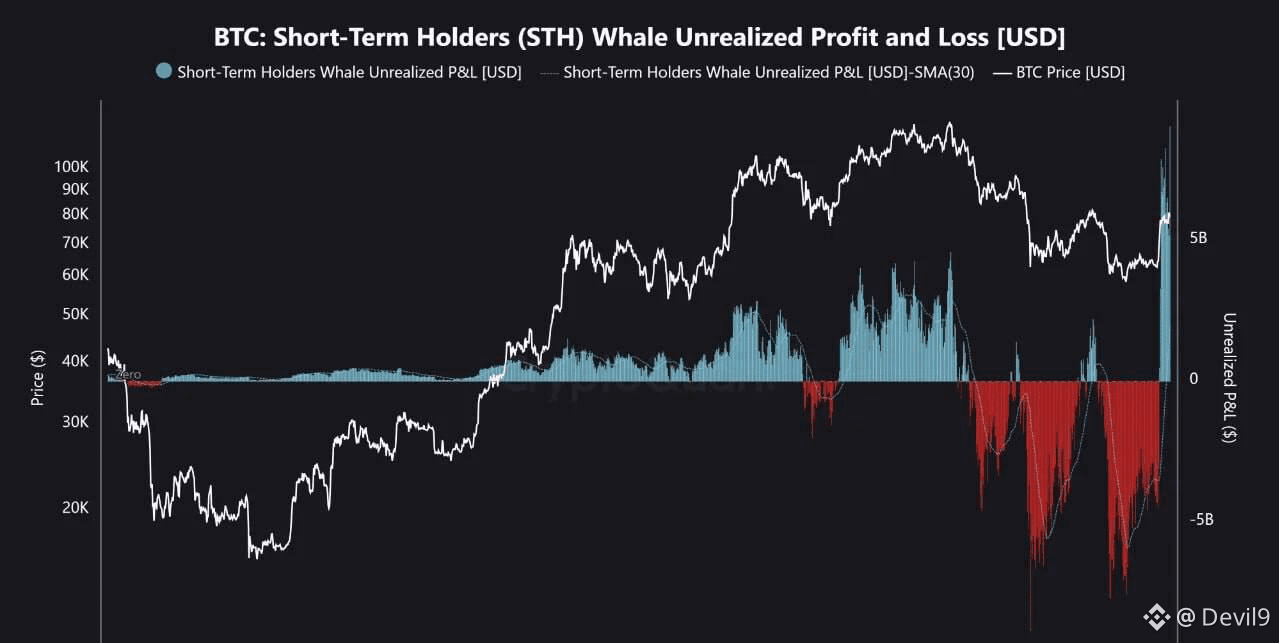
Kurzfristige Wale haben derzeit 9,07 Milliarden US-Dollar an nicht realisierten Gewinnen.Um das einzuordnen: Das letzte Mal, dass dies geschah, war 2016.Werden sie diese Positionen behalten dürfen, oder wird der Markt abstürzen und sie zum Verkauf zwingen?#Write2Earn #TrendingTopic $BTC
{future}(BTCUSDT)
Kurzfristige Wale haben derzeit 9,07 Milliarden US-Dollar an nicht realisierten Gewinnen.Um das einzuordnen: Das letzte Mal, dass dies geschah, war 2016.Werden sie diese Positionen behalten dürfen, oder wird der Markt abstürzen und sie zum Verkauf zwingen?#Write2Earn #TrendingTopic $BTC
144
·
--
MARKT-UPDATE: $ALTCOINS
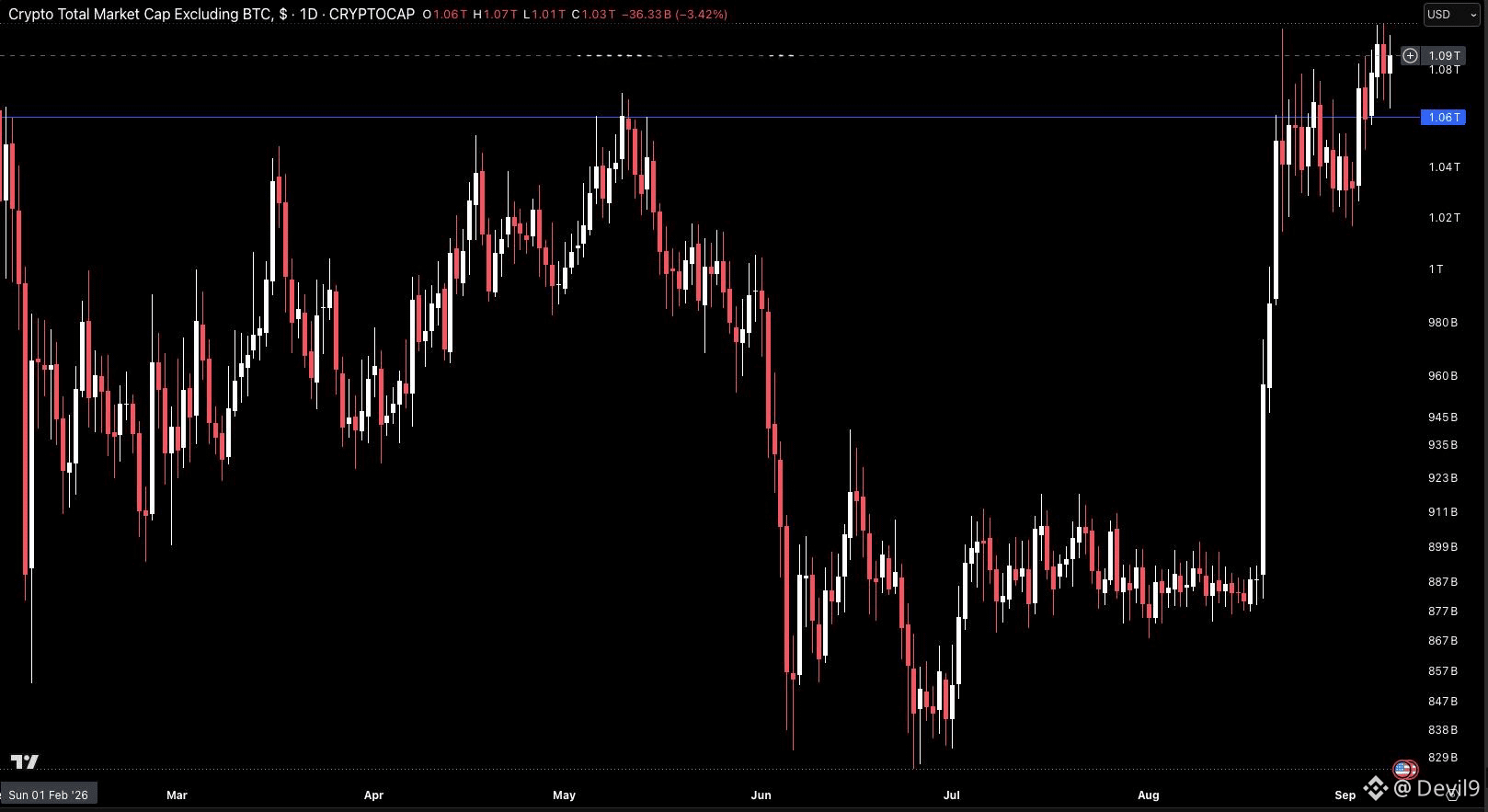
Der Altcoin-Marktwert hat gerade den Widerstand bei 1,06B aus dem Mai nach oben durchbrochen, und diese Marke wird nun in Unterstützung umgewandelt. Der Handel findet nach einem starken Aufwärtsimpuls bei rund 1,09B statt. Das sieht nach dem Beginn eines echten Alt-Rallies aus, und im Gegensatz zu BTC, das von hier aus wahrscheinlich sein Tempo verlangsamt, haben Altcoins noch viel Raum, um hart weiterzulaufen.
Bleibt über 1,06B, dann zielt diese Fortsetzung als Nächstes auf frische Hochs über 1,09B. Fällt 1,06B, dann zieht sich das zurück in Richtung 1B, um einen erneuten Test durchzuführen.#Write2Earn #TrendingTopic $RAY $KAT
MARKT-UPDATE: $ALTCOINS
Der Altcoin-Marktwert hat gerade den Widerstand bei 1,06B aus dem Mai nach oben durchbrochen, und diese Marke wird nun in Unterstützung umgewandelt. Der Handel findet nach einem starken Aufwärtsimpuls bei rund 1,09B statt. Das sieht nach dem Beginn eines echten Alt-Rallies aus, und im Gegensatz zu BTC, das von hier aus wahrscheinlich sein Tempo verlangsamt, haben Altcoins noch viel Raum, um hart weiterzulaufen.
Bleibt über 1,06B, dann zielt diese Fortsetzung als Nächstes auf frische Hochs über 1,09B. Fällt 1,06B, dann zieht sich das zurück in Richtung 1B, um einen erneuten Test durchzuführen.#Write2Earn #TrendingTopic $RAY $KAT
Der Altcoin-Marktwert hat gerade den Widerstand bei 1,06B aus dem Mai nach oben durchbrochen, und diese Marke wird nun in Unterstützung umgewandelt. Der Handel findet nach einem starken Aufwärtsimpuls bei rund 1,09B statt. Das sieht nach dem Beginn eines echten Alt-Rallies aus, und im Gegensatz zu BTC, das von hier aus wahrscheinlich sein Tempo verlangsamt, haben Altcoins noch viel Raum, um hart weiterzulaufen.
Bleibt über 1,06B, dann zielt diese Fortsetzung als Nächstes auf frische Hochs über 1,09B. Fällt 1,06B, dann zieht sich das zurück in Richtung 1B, um einen erneuten Test durchzuführen.#Write2Earn #TrendingTopic $RAY $KAT
1
437
·
--
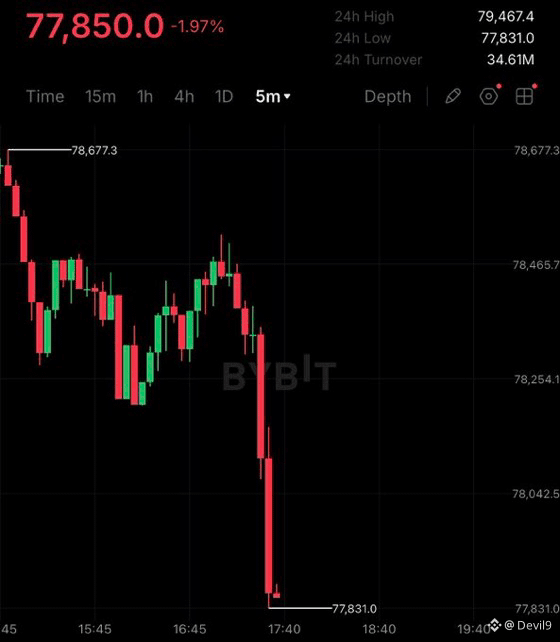
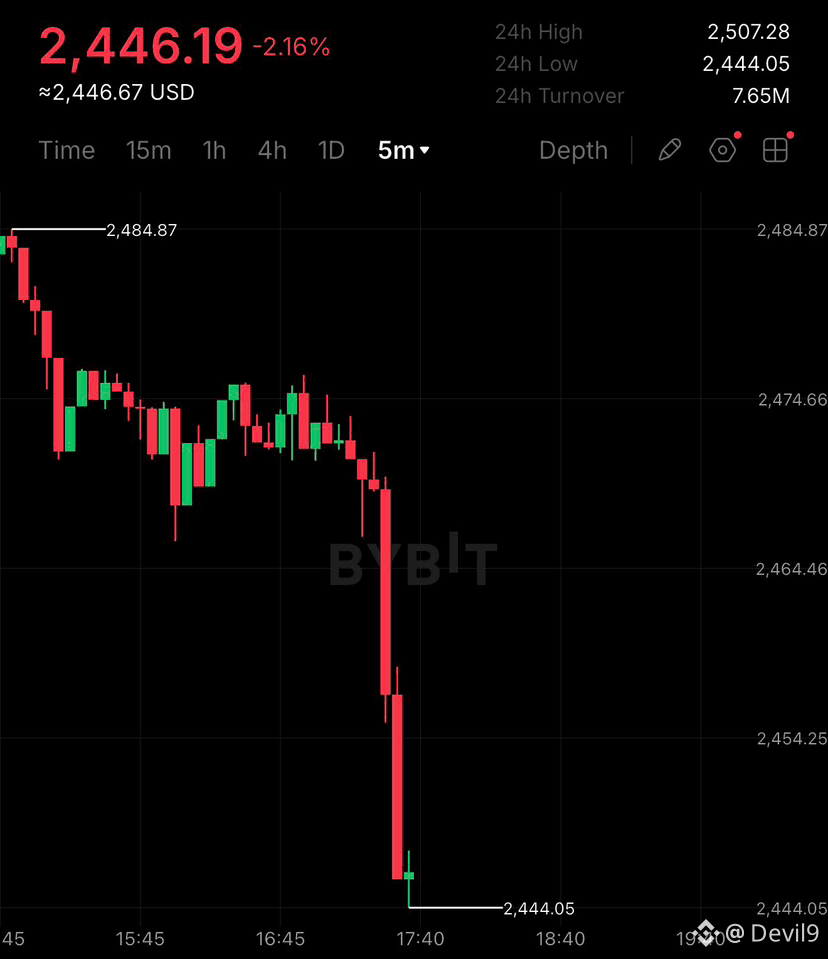
Bitcoin ist unter die Marke von 78.000 US-Dollar gerutscht, während Ethereum unter 2.500 US-Dollar gefallen ist – vor dem Hintergrund allgemeiner Markt-Schwäche. Wichtige Kursniveaus, die im Blick behalten werden sollten, da die Volatilität hoch bleibt. Trader und Investoren beobachten derzeit aufmerksam wichtige Unterstützungszonen und die bevorstehenden Konjunkturdaten.$BTC
{future}(BTCUSDT)
$ETH
{future}(ETHUSDT)
#Write2Earn
#TrendingTopic
Bitcoin ist unter die Marke von 78.000 US-Dollar gerutscht, während Ethereum unter 2.500 US-Dollar gefallen ist – vor dem Hintergrund allgemeiner Markt-Schwäche. Wichtige Kursniveaus, die im Blick behalten werden sollten, da die Volatilität hoch bleibt. Trader und Investoren beobachten derzeit aufmerksam wichtige Unterstützungszonen und die bevorstehenden Konjunkturdaten.$BTC
$ETH
#Write2Earn
#TrendingTopic
$ETH
#Write2Earn
#TrendingTopic
1
310
·
--
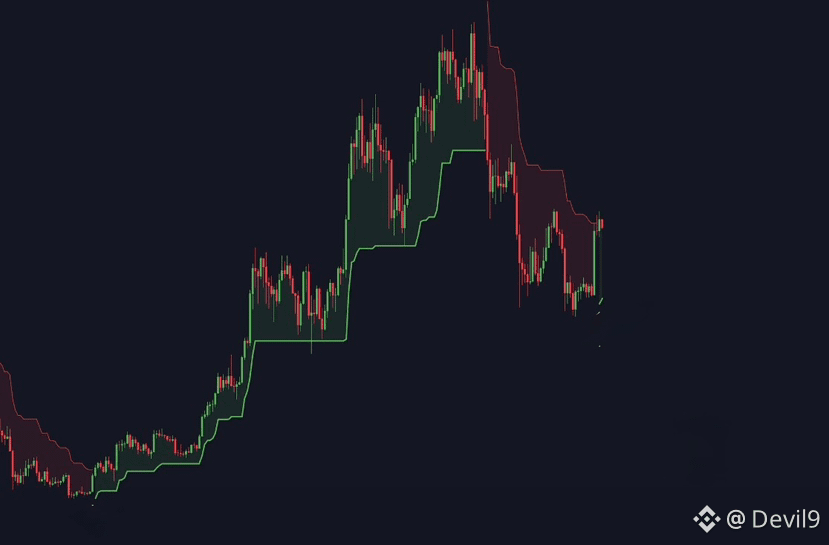
Das letzte Mal, als Bitcoins wöchentlicher Supertrend auf Grün umsprang, folgte eine explosive +500%-Rallye. Jetzt blinkt der Supertrend wieder grün … Steht die Geschichte kurz davor, sich zu wiederholen? Die Bitcoin-Bullen könnten gerade aufwachen.#Write2Earn #TrendingTopic $BTC
{future}(BTCUSDT)
Das letzte Mal, als Bitcoins wöchentlicher Supertrend auf Grün umsprang, folgte eine explosive +500%-Rallye. Jetzt blinkt der Supertrend wieder grün … Steht die Geschichte kurz davor, sich zu wiederholen? Die Bitcoin-Bullen könnten gerade aufwachen.#Write2Earn #TrendingTopic $BTC
1
248
·
--
Der Bitcoin „Golden Zone Crossover“ passiert JETZT und Händler beobachten das ganz genau. Diese Art von bullischem technischen Setup kann darauf hindeuten, dass die kurzfristige Dynamik im Verhältnis zum langfristigen Trend an Stärke gewinnt. Wenn Bitcoin den Crossover bestätigt und wichtige Widerstandsniveaus mit starkem Volumen durchbricht, könnte das den Weg für weiteres Upside öffnen.Aber denk daran: Ein Crossover ist kein garantiertes Pump-Signal.Es ist besser, ihn als Bestätigung zusammen mit Volumen, Support/Widerstand und der gesamten Marktdynamik zu betrachten.
Bitcoin betritt eine kritische technische Zone. Der nächste Schritt könnte sehr interessant werden. #Write2Earn #TrendingTopic $BTC
{future}(BTCUSDT)
Der Bitcoin „Golden Zone Crossover“ passiert JETZT und Händler beobachten das ganz genau. Diese Art von bullischem technischen Setup kann darauf hindeuten, dass die kurzfristige Dynamik im Verhältnis zum langfristigen Trend an Stärke gewinnt. Wenn Bitcoin den Crossover bestätigt und wichtige Widerstandsniveaus mit starkem Volumen durchbricht, könnte das den Weg für weiteres Upside öffnen.Aber denk daran: Ein Crossover ist kein garantiertes Pump-Signal.Es ist besser, ihn als Bestätigung zusammen mit Volumen, Support/Widerstand und der gesamten Marktdynamik zu betrachten.
Bitcoin betritt eine kritische technische Zone. Der nächste Schritt könnte sehr interessant werden. #Write2Earn #TrendingTopic $BTC
Bitcoin betritt eine kritische technische Zone. Der nächste Schritt könnte sehr interessant werden. #Write2Earn #TrendingTopic $BTC
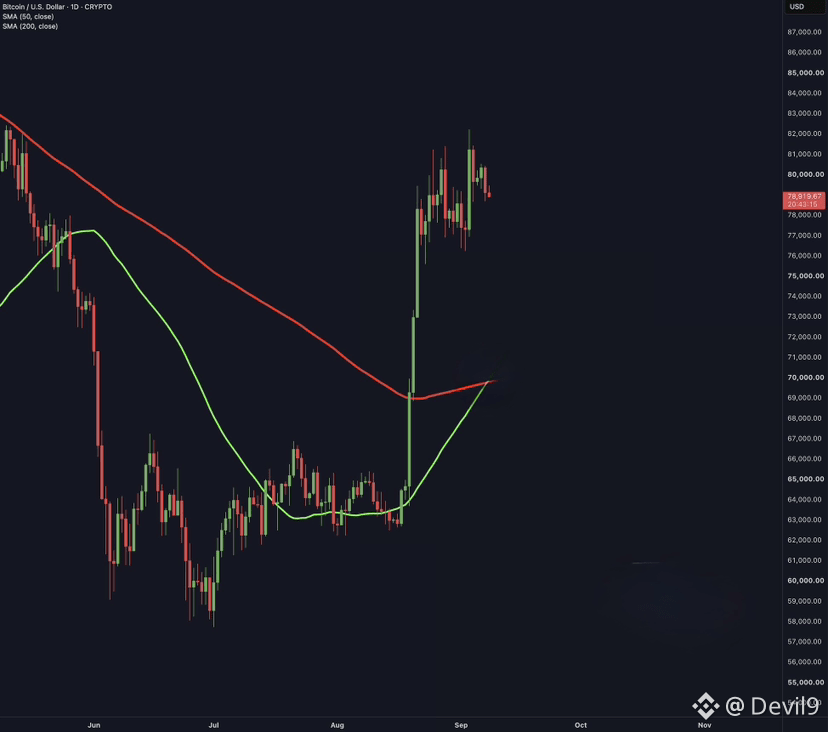
163
·
--
Tether-CEO Paolo Ardoino sagt, Tether gehe im Dollar-Netzwerk long, indem es USDT weltweit ausweitet, während die Gewinne genutzt werden, um Bitcoin und Gold anzuhäufen.
Er sieht Bitcoin als starken Inflationsschutz, während Gold nach wie vor der bewährte sichere Hafen mit tausenden Jahren Geschichte ist.
Ein generationsübergreifender Wandel könnte der Schlüssel zur breiteren Akzeptanz von Bitcoin sein. ₿#Write2Earn #TrendingTopic $BTC
{future}(BTCUSDT)
Tether-CEO Paolo Ardoino sagt, Tether gehe im Dollar-Netzwerk long, indem es USDT weltweit ausweitet, während die Gewinne genutzt werden, um Bitcoin und Gold anzuhäufen.
Er sieht Bitcoin als starken Inflationsschutz, während Gold nach wie vor der bewährte sichere Hafen mit tausenden Jahren Geschichte ist.
Ein generationsübergreifender Wandel könnte der Schlüssel zur breiteren Akzeptanz von Bitcoin sein. ₿#Write2Earn #TrendingTopic $BTC
Er sieht Bitcoin als starken Inflationsschutz, während Gold nach wie vor der bewährte sichere Hafen mit tausenden Jahren Geschichte ist.
Ein generationsübergreifender Wandel könnte der Schlüssel zur breiteren Akzeptanz von Bitcoin sein. ₿#Write2Earn #TrendingTopic $BTC

1
336
·
--
Historisches Bitcoin-Bull-Market-Signal namens „Supertrend“ wechselt zu GRÜN.Dieses Signal sagte jeden Bullenmarkt in der Geschichte voraus $BTC
{future}(BTCUSDT)
#Write2Earn #TrendingTopic
Historisches Bitcoin-Bull-Market-Signal namens „Supertrend“ wechselt zu GRÜN.Dieses Signal sagte jeden Bullenmarkt in der Geschichte voraus $BTC
#Write2Earn #TrendingTopic
#Write2Earn #TrendingTopic
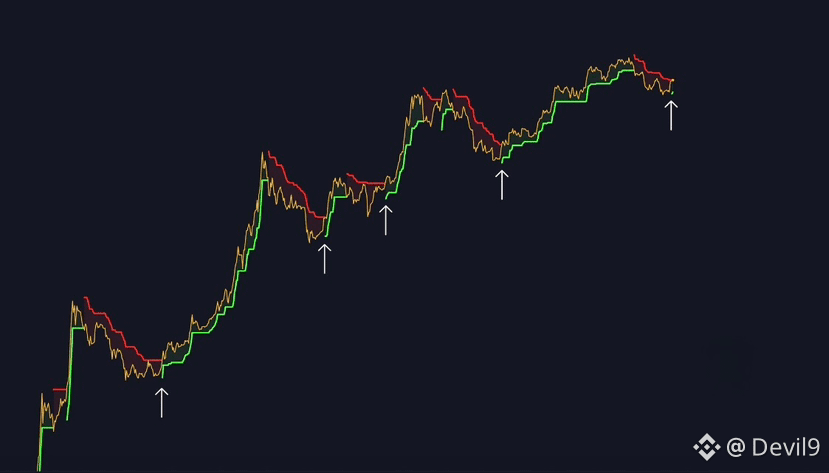
250
·
--
Das institutionelle Interesse an Krypto sieht weiterhin ziemlich stark aus.
Vom 31. August bis 4. September verzeichneten Bitcoin-Spot-ETFs rund 987 Mio. $ an Nettozuflüssen – und damit die dritte Woche in Folge mit positiven Zuflüssen. Auch Ethereum-Spot-ETFs legten 218 Mio. $+ hin, während Solana seine beeindruckende Serie mit 10 aufeinanderfolgenden Wochen an Zuflüssen fortsetzte und weitere 6,17 Mio. $ hinzukamen. XRP- und HYPE-Spot-ETFs verzeichneten ebenfalls Zuflüsse von 18,96 Mio. $ bzw. 12,27 Mio. $.
Das große Ganze? Das Kapital fließt weiterhin über ETFs in Krypto, was ein positives Zeichen für die institutionelle Nachfrage sein könnte.
Jetzt stellt sich die entscheidende Frage, ob dieser Zufluss-Trend in den kommenden Wochen anhalten kann.#Write2Earn $ETH
Das institutionelle Interesse an Krypto sieht weiterhin ziemlich stark aus.
Vom 31. August bis 4. September verzeichneten Bitcoin-Spot-ETFs rund 987 Mio. $ an Nettozuflüssen – und damit die dritte Woche in Folge mit positiven Zuflüssen. Auch Ethereum-Spot-ETFs legten 218 Mio. $+ hin, während Solana seine beeindruckende Serie mit 10 aufeinanderfolgenden Wochen an Zuflüssen fortsetzte und weitere 6,17 Mio. $ hinzukamen. XRP- und HYPE-Spot-ETFs verzeichneten ebenfalls Zuflüsse von 18,96 Mio. $ bzw. 12,27 Mio. $.
Das große Ganze? Das Kapital fließt weiterhin über ETFs in Krypto, was ein positives Zeichen für die institutionelle Nachfrage sein könnte.
Jetzt stellt sich die entscheidende Frage, ob dieser Zufluss-Trend in den kommenden Wochen anhalten kann.#Write2Earn $ETH
Vom 31. August bis 4. September verzeichneten Bitcoin-Spot-ETFs rund 987 Mio. $ an Nettozuflüssen – und damit die dritte Woche in Folge mit positiven Zuflüssen. Auch Ethereum-Spot-ETFs legten 218 Mio. $+ hin, während Solana seine beeindruckende Serie mit 10 aufeinanderfolgenden Wochen an Zuflüssen fortsetzte und weitere 6,17 Mio. $ hinzukamen. XRP- und HYPE-Spot-ETFs verzeichneten ebenfalls Zuflüsse von 18,96 Mio. $ bzw. 12,27 Mio. $.
Das große Ganze? Das Kapital fließt weiterhin über ETFs in Krypto, was ein positives Zeichen für die institutionelle Nachfrage sein könnte.
Jetzt stellt sich die entscheidende Frage, ob dieser Zufluss-Trend in den kommenden Wochen anhalten kann.#Write2Earn $ETH
1
100
·
--
Das institutionelle Interesse an Kryptowährungen wirkt weiterhin ziemlich stark.
Vom 31. August bis zum 4. September verzeichneten Bitcoin-Spot-ETFs Nettozuflüsse von rund 987 Mio. US-Dollar und damit die dritte Woche in Folge mit positiven Zuflüssen. Auch Ethereum-Spot-ETFs meldeten Zuflüsse von über 218 Mio. US-Dollar, während Solana seine beeindruckende Serie mit 10 aufeinanderfolgenden Wochen mit Zuflüssen fortsetzte und weitere 6,17 Mio. US-Dollar hinzufügte. XRP- und HYPE-Spot-ETFs verzeichneten ebenfalls Zuflüsse von 18,96 Mio. US-Dollar bzw. 12,27 Mio. US-Dollar. Das Gesamtbild? Über ETFs fließt weiterhin Kapital in Kryptowährungen, was ein positives Zeichen für die institutionelle Nachfrage sein könnte.
Die entscheidende Frage ist nun, ob sich dieser Zuflusstrend in den kommenden Wochen fortsetzen kann.#Write2Earn $ETH
Das institutionelle Interesse an Kryptowährungen wirkt weiterhin ziemlich stark.
Vom 31. August bis zum 4. September verzeichneten Bitcoin-Spot-ETFs Nettozuflüsse von rund 987 Mio. US-Dollar und damit die dritte Woche in Folge mit positiven Zuflüssen. Auch Ethereum-Spot-ETFs meldeten Zuflüsse von über 218 Mio. US-Dollar, während Solana seine beeindruckende Serie mit 10 aufeinanderfolgenden Wochen mit Zuflüssen fortsetzte und weitere 6,17 Mio. US-Dollar hinzufügte. XRP- und HYPE-Spot-ETFs verzeichneten ebenfalls Zuflüsse von 18,96 Mio. US-Dollar bzw. 12,27 Mio. US-Dollar. Das Gesamtbild? Über ETFs fließt weiterhin Kapital in Kryptowährungen, was ein positives Zeichen für die institutionelle Nachfrage sein könnte.
Die entscheidende Frage ist nun, ob sich dieser Zuflusstrend in den kommenden Wochen fortsetzen kann.#Write2Earn $ETH
Vom 31. August bis zum 4. September verzeichneten Bitcoin-Spot-ETFs Nettozuflüsse von rund 987 Mio. US-Dollar und damit die dritte Woche in Folge mit positiven Zuflüssen. Auch Ethereum-Spot-ETFs meldeten Zuflüsse von über 218 Mio. US-Dollar, während Solana seine beeindruckende Serie mit 10 aufeinanderfolgenden Wochen mit Zuflüssen fortsetzte und weitere 6,17 Mio. US-Dollar hinzufügte. XRP- und HYPE-Spot-ETFs verzeichneten ebenfalls Zuflüsse von 18,96 Mio. US-Dollar bzw. 12,27 Mio. US-Dollar. Das Gesamtbild? Über ETFs fließt weiterhin Kapital in Kryptowährungen, was ein positives Zeichen für die institutionelle Nachfrage sein könnte.
Die entscheidende Frage ist nun, ob sich dieser Zuflusstrend in den kommenden Wochen fortsetzen kann.#Write2Earn $ETH
2
358
Anmelden und weiter Inhalte entdecken
Krypto-Nutzer weltweit auf Binance Square kennenlernen
⚡️ Bleib in Sachen Krypto stets am Puls.
💬 Die weltgrößte Kryptobörse vertraut darauf.
👍 Erhalte verlässliche Einblicke von verifizierten Creators.
E-Mail-Adresse/Telefonnummer
Trendthemen
ClarityActFacesProceduralVoteSept15
8,047 Aufrufe
195 Kommentare
#clarityactfacesproceduralvotesept15
🚨 CLARITY-Gesetz steht vor einer Verfahrensabstimmung am 15. September 🚨
Der Senatssaal ist still, aber der Kryptomarkt beobachtet bereits die Uhr. Am 15. September könnte eine einzige Verfahrensabstimmung darüber entscheiden, ob ein wichtiges US-Gesetz zur Marktstruktur für Krypto überhaupt die Chance bekommt, weiter voranzukommen.
Das CLARITY-Gesetz steht an diesem Tag nicht vor der finalen Verabschiedung. Es wird erwartet, dass die Senatoren über einen Antrag auf „Proceed“ abstimmen – ein entscheidender Verfahrensschritt, für den 60 Stimmen erforderlich sind, um die Hürde im Senat zu überspringen.
Diese Unterscheidung ist wichtig. Eine erfolgreiche Abstimmung würde das Gesetz nicht unmittelbar zum Recht machen, aber sie würde den Weg für weitere Beratungen und Verhandlungen im Senat öffnen.
Die Einsätze sind hoch, weil die Gesetzgebung darauf abzielt, klarere Regeln rund um digitale Assets festzulegen und zu bestimmen, wie die Zuständigkeiten zwischen US-Regulierungsbehörden aufgeteilt werden.
Die aktuelle Überarbeitung mit 630 Seiten fügt zudem Bestimmungen hinzu, die sich mit bestimmten nicht dezentralen Handelsprotokollen befassen, während mehrere politische und regulatorische Streitpunkte weiterhin ungelöst sind.
Mein Fazit: Der 15. September sollte weniger als Tag eines Siegs oder einer Niederlage betrachtet werden, sondern als Glaubwürdigkeits-Check. Das Beseitigen der Verfahrenshürde könnte das Vertrauen stärken, dass die US-Krypto-Gesetzgebung auf einen klareren Rahmen zusteuert. Ein Scheitern könnte die Unsicherheit verlängern.
Für Kromomärkte kann regulatorische Klarheit die Beteiligung institutioneller Akteure, Geschäftsentscheidungen und die Art beeinflussen, wie Investoren die US-Exposure bewerten. Doch Erwartungen können sich schneller bewegen als die Gesetzgebung selbst.
Das eigentliche Signal ist nicht, ob Krypto über Nacht Klarheit erhält, sondern ob Gesetzgeber endlich genug Konsens aufbauen können, um den Prozess weiterzubringen.
Wird die Abstimmung am 15. September zum Wendepunkt für die Regulierung von US-Krypto, oder zu einer weiteren Verzögerung?
Haftungsausschluss: Dieser Artikel dient nur zu Bildungszwecken und stellt keine Finanzberatung dar. Führen Sie Ihre eigenen Recherchen durch und gehen Sie mit Risiken sorgfältig um.
#CryptoRegulation #Bitcoin #GrowWithSAC $SUI $NEAR $BNB
#ClarityActFacesProceduralVoteSept15
Sienna Leo-你真棒-带我走
·2 Likes
·1.5k Aufrufe
US2YearYieldRisesTo4.61%
13,640 Aufrufe
315 Kommentare
US10YearTreasuryYieldNears5%
6,972 Aufrufe
184 Kommentare