

WALEWEB3
890 Beiträge

WALEWEB3
Melden
Nutzer blockieren
WALEWEB3 | Crypto Researcher & Binance Square Creator. Sharing insights on Web3, blockchain trends, market analysis, and digital asset opportunities.
96 Following
327 Follower
2.0K+ Like gegeben
Beiträge
Alle
Zitierungen
·
--
Wenn man sich den 1H-Chart ansieht, ist PROM derzeit eindeutig bullisch. Der Kurs ist sehr schnell von etwa 2.6 auf 3.9 gestiegen, also würde ich es nicht hinterherjagen bei 3.83.
Ich würde 3.55–3.65 beobachten für einen Rücksetzer und sehen, ob Käufer diesen Bereich verteidigen.
Long: 3.60–3.70
SL: 3.40
TP1: 3.98
TP2: 4.30
TP3: 4.60
Wenn es 4.00 mit starkem Volumen durchbricht und darüber hält, könnte das einen weiteren Einstieg nach dem Retest ermöglichen.
Für mich ist die sicherere Variante, auf einen Rücksetzer zu warten, statt zum aktuellen Preis einzusteigen.
Wenn man sich den 1H-Chart ansieht, ist PROM derzeit eindeutig bullisch. Der Kurs ist sehr schnell von etwa 2.6 auf 3.9 gestiegen, also würde ich es nicht hinterherjagen bei 3.83.
Ich würde 3.55–3.65 beobachten für einen Rücksetzer und sehen, ob Käufer diesen Bereich verteidigen.
Long: 3.60–3.70
SL: 3.40
TP1: 3.98
TP2: 4.30
TP3: 4.60
Wenn es 4.00 mit starkem Volumen durchbricht und darüber hält, könnte das einen weiteren Einstieg nach dem Retest ermöglichen.
Für mich ist die sicherere Variante, auf einen Rücksetzer zu warten, statt zum aktuellen Preis einzusteigen.
Ich würde 3.55–3.65 beobachten für einen Rücksetzer und sehen, ob Käufer diesen Bereich verteidigen.
Long: 3.60–3.70
SL: 3.40
TP1: 3.98
TP2: 4.30
TP3: 4.60
Wenn es 4.00 mit starkem Volumen durchbricht und darüber hält, könnte das einen weiteren Einstieg nach dem Retest ermöglichen.
Für mich ist die sicherere Variante, auf einen Rücksetzer zu warten, statt zum aktuellen Preis einzusteigen.
1
118
·
--
30D-Trade $BABY 526.6 USDT
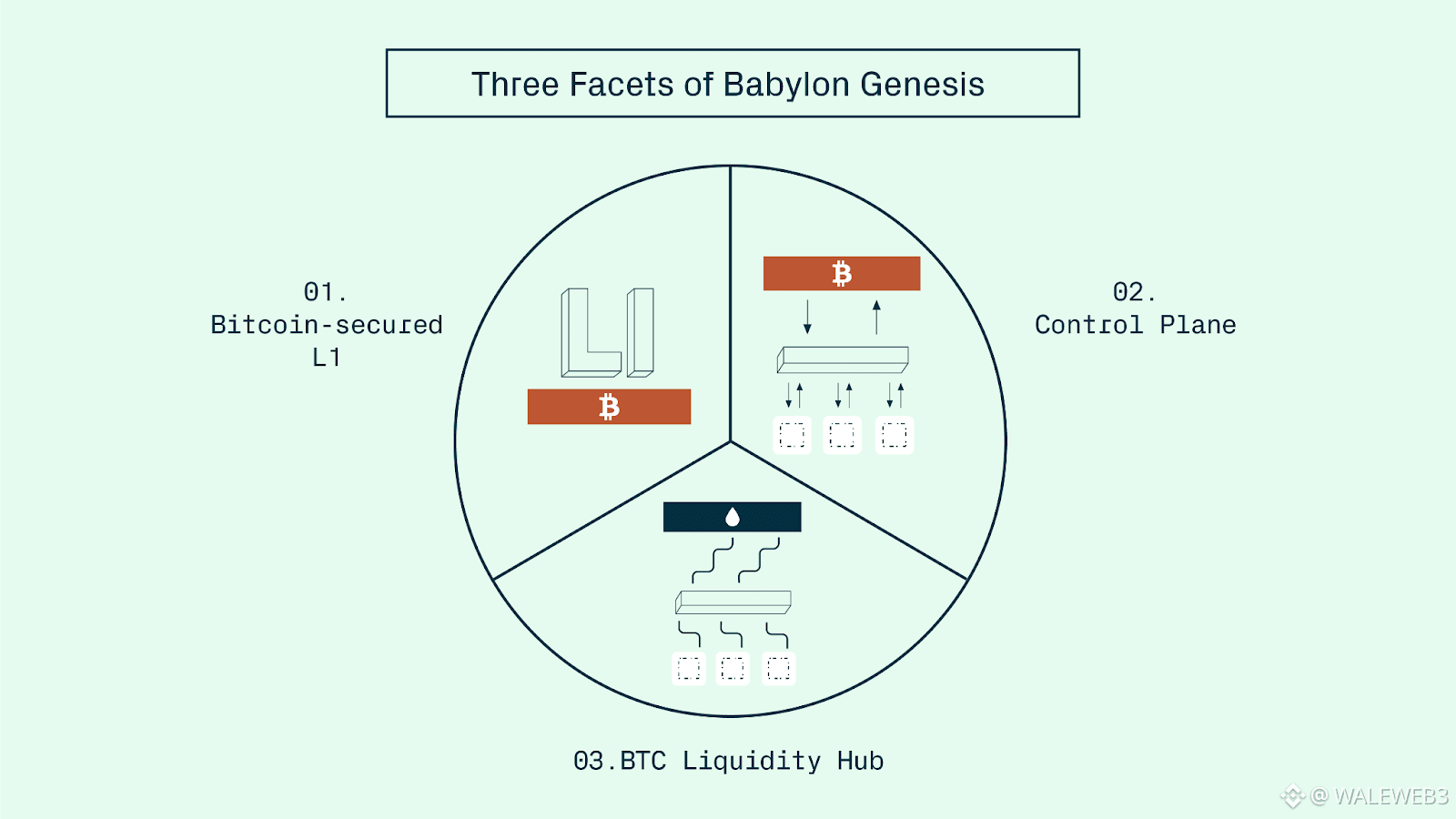
@babylonlabs_io konzentriert sich immer auf die aufzinsende, kumulierende Ansammlung von $BABY Belohnungen gegenüber deinem gesperrten BTC. Es sieht auf einer Tabellenkalkulation großartig aus, wenn du zukünftige APRs über einen Sechs-Monats-Zeitraum modellierst.Aber die Tabelle geht davon aus, dass die Liquidität konstant ist, nicht variabel.Was tatsächlich passiert, wenn du aussteigen willst, ist die Entsperr- bzw. Unbonding-Warteschlange. Dein BTC kehrt nicht einfach sofort in deine Wallet zurück; es geht in eine mehrtägige Haltephase über, in der es keine Rendite erzielt, aber weiterhin den Opportunitätskosten ausgesetzt ist.Wenn der Markt um 20% fällt, während dein Kapital im Entsperrkanal feststeckt, haben die $BABY Tokens, die du angesammelt hast, nicht wirklich Rendite erzeugt. Sie haben lediglich deine Unfähigkeit, die Abwärtsbewegung zu handeln, subventioniert.Das Protokoll vermarktet diese Verzögerung als notwendigen wirtschaftlichen Schutzschalter für die Stabilität des Netzwerks.Aber für den Nutzer verändert das die Mathematik komplett. Du investierst nicht nur Kapital, um Renditen zu erzielen; du verkaufst im Grunde Marktvolatilität gegen eine Token-Belohnung. Deckt die in #baby gezahlte Prämie tatsächlich die Kosten dafür ab, während eines makroökonomischen Regimewechsels illiquide zu sein, oder bewerten Staker den Wert ihres eigenen „Exit-Buttons“ falsch?
#SpaceXFalls11%OnFirstReportSinceIPO #EliLillyRaises2026SalesOutlook #SP500NasdaqBreak200WMAInBTCFirstSince2012 #EliLillyRaises2026SalesOutlook $BICO
@BabylonLabs_io konzentriert sich immer auf die aufzinsende, kumulierende Ansammlung von $BABY Belohnungen gegenüber deinem gesperrten BTC. Es sieht auf einer Tabellenkalkulation großartig aus, wenn du zukünftige APRs über einen Sechs-Monats-Zeitraum modellierst.Aber die Tabelle geht davon aus, dass die Liquidität konstant ist, nicht variabel.Was tatsächlich passiert, wenn du aussteigen willst, ist die Entsperr- bzw. Unbonding-Warteschlange. Dein BTC kehrt nicht einfach sofort in deine Wallet zurück; es geht in eine mehrtägige Haltephase über, in der es keine Rendite erzielt, aber weiterhin den Opportunitätskosten ausgesetzt ist.Wenn der Markt um 20% fällt, während dein Kapital im Entsperrkanal feststeckt, haben die $BABY Tokens, die du angesammelt hast, nicht wirklich Rendite erzeugt. Sie haben lediglich deine Unfähigkeit, die Abwärtsbewegung zu handeln, subventioniert.Das Protokoll vermarktet diese Verzögerung als notwendigen wirtschaftlichen Schutzschalter für die Stabilität des Netzwerks.Aber für den Nutzer verändert das die Mathematik komplett. Du investierst nicht nur Kapital, um Renditen zu erzielen; du verkaufst im Grunde Marktvolatilität gegen eine Token-Belohnung. Deckt die in #baby gezahlte Prämie tatsächlich die Kosten dafür ab, während eines makroökonomischen Regimewechsels illiquide zu sein, oder bewerten Staker den Wert ihres eigenen „Exit-Buttons“ falsch?
#SpaceXFalls11%OnFirstReportSinceIPO #EliLillyRaises2026SalesOutlook #SP500NasdaqBreak200WMAInBTCFirstSince2012 #EliLillyRaises2026SalesOutlook $BICO
#SpaceXFalls11%OnFirstReportSinceIPO #EliLillyRaises2026SalesOutlook #SP500NasdaqBreak200WMAInBTCFirstSince2012 #EliLillyRaises2026SalesOutlook $BICO
3
2
322
·
--
Bärisch
Wir sprechen viel darüber, dass Deleger Finalitätsanbieter anhand von Provisionssätzen und der bisherigen Performance auswählen. Die Annahme lautet, dass der dezentrale freie Markt automatisch die sichersten, verlässlichsten Infrastrukturbetreiber für @babylonlabs_io nach oben bringen wird. Aber der Markt behandelt den Betrieb von Knoten wie eine Ware, obwohl es sich tatsächlich um eine risikoreiche Sicherheitsaufgabe handelt.Was sich tatsächlich im Hintergrund abspielt, ist die verheerende Asymmetrie des Slashing-Mechanismus. Ein Knotenbetreiber kann monatelang fehlerfrei arbeiten und verdient dabei eine kleine 5%-Provision auf die Erträge, die er für seine Deleger erwirtschaftet.
Doch ein einziger operativer Fehler – eine fehlerhafte Hardware-Failover-Konfiguration, die aus Versehen ein Double-Sign auslöst – triggert eine EOTS-Bedingung, die die tatsächlichen Bitcoins der Deleger sofort slasht.
Der Betreiber verliert seinen Ruf und einen kleinen Teil der selbst gebondeten Einlage, aber die Deleger verlieren ihr eigentliches Vermögen. Der finanzielle Nachteil für den Betreiber ist durch seine Setup-Kosten begrenzt, während der Nachteil für den Staker ein direkter Treffer auf seine Bilanz ist.Diese Asymmetrie bedeutet, dass Betreiber dazu angeregt werden, bei teurer redundanter Architektur Ecken zu sparen, um bei den Gebühren wettbewerbsfähig zu bleiben.Wenn die Kosten für den Betrieb einer fehlerfreien Sicherheitsinfrastruktur auf Militärniveau die dünnen Margen auffressen, die der Markt zulässt, incentivieren wir dann aus Versehen Betreiber dazu, stille Betriebsrisiken mit den Bitcoins anderer zu nehmen? $BABY #baby
$VIC $HOME
#CoinbaseBTCPremiumNegative77Days #USIranDealOrNoDeal #USJapanJointYenInterventionFirstSince2011 #YenRisesTo156
Wir sprechen viel darüber, dass Deleger Finalitätsanbieter anhand von Provisionssätzen und der bisherigen Performance auswählen. Die Annahme lautet, dass der dezentrale freie Markt automatisch die sichersten, verlässlichsten Infrastrukturbetreiber für @BabylonLabs_io nach oben bringen wird. Aber der Markt behandelt den Betrieb von Knoten wie eine Ware, obwohl es sich tatsächlich um eine risikoreiche Sicherheitsaufgabe handelt.Was sich tatsächlich im Hintergrund abspielt, ist die verheerende Asymmetrie des Slashing-Mechanismus. Ein Knotenbetreiber kann monatelang fehlerfrei arbeiten und verdient dabei eine kleine 5%-Provision auf die Erträge, die er für seine Deleger erwirtschaftet.
Doch ein einziger operativer Fehler – eine fehlerhafte Hardware-Failover-Konfiguration, die aus Versehen ein Double-Sign auslöst – triggert eine EOTS-Bedingung, die die tatsächlichen Bitcoins der Deleger sofort slasht.
Der Betreiber verliert seinen Ruf und einen kleinen Teil der selbst gebondeten Einlage, aber die Deleger verlieren ihr eigentliches Vermögen. Der finanzielle Nachteil für den Betreiber ist durch seine Setup-Kosten begrenzt, während der Nachteil für den Staker ein direkter Treffer auf seine Bilanz ist.Diese Asymmetrie bedeutet, dass Betreiber dazu angeregt werden, bei teurer redundanter Architektur Ecken zu sparen, um bei den Gebühren wettbewerbsfähig zu bleiben.Wenn die Kosten für den Betrieb einer fehlerfreien Sicherheitsinfrastruktur auf Militärniveau die dünnen Margen auffressen, die der Markt zulässt, incentivieren wir dann aus Versehen Betreiber dazu, stille Betriebsrisiken mit den Bitcoins anderer zu nehmen? $BABY #baby
$VIC $HOME
#CoinbaseBTCPremiumNegative77Days #USIranDealOrNoDeal #USJapanJointYenInterventionFirstSince2011 #YenRisesTo156
Doch ein einziger operativer Fehler – eine fehlerhafte Hardware-Failover-Konfiguration, die aus Versehen ein Double-Sign auslöst – triggert eine EOTS-Bedingung, die die tatsächlichen Bitcoins der Deleger sofort slasht.
Der Betreiber verliert seinen Ruf und einen kleinen Teil der selbst gebondeten Einlage, aber die Deleger verlieren ihr eigentliches Vermögen. Der finanzielle Nachteil für den Betreiber ist durch seine Setup-Kosten begrenzt, während der Nachteil für den Staker ein direkter Treffer auf seine Bilanz ist.Diese Asymmetrie bedeutet, dass Betreiber dazu angeregt werden, bei teurer redundanter Architektur Ecken zu sparen, um bei den Gebühren wettbewerbsfähig zu bleiben.Wenn die Kosten für den Betrieb einer fehlerfreien Sicherheitsinfrastruktur auf Militärniveau die dünnen Margen auffressen, die der Markt zulässt, incentivieren wir dann aus Versehen Betreiber dazu, stille Betriebsrisiken mit den Bitcoins anderer zu nehmen? $BABY #baby
$VIC $HOME
#CoinbaseBTCPremiumNegative77Days #USIranDealOrNoDeal #USJapanJointYenInterventionFirstSince2011 #YenRisesTo156
1
1
268
·
--
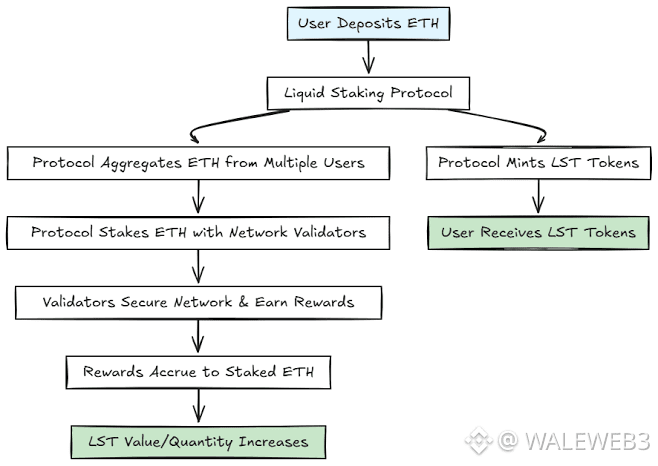
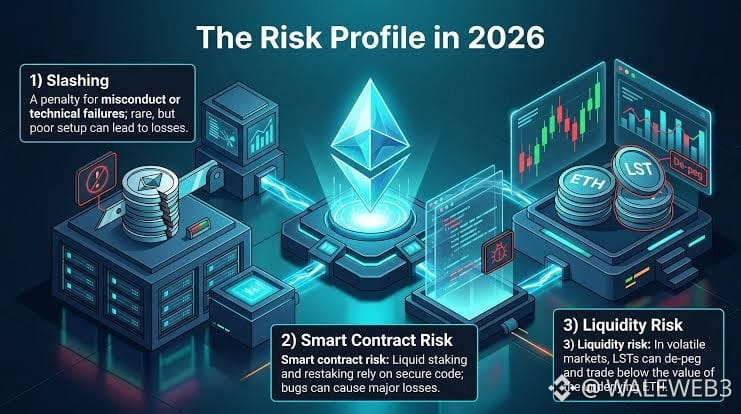
Die aktuelle Erzählung legt nahe, dass Liquid Staking Tokens (LSTs) die Kapitalineffizienz, die durch das Sperren von Bitcoin mit @babylonlabs_io entsteht, vollständig lösen. Das Pitch ist einfach: Gib dein BTC ab, erhalte einen Quittungs-Token zurück und nutze diesen Quittungs-Token, um zu handeln oder zu farmen, während dein echtes BTC das Netzwerk absichert. Es klingt wie ein kostenloses Mittagessen, bis man das Entkopplungsrisiko genauer betrachtet. Was tatsächlich passiert, ist, dass du das Risiko von Smart Contracts zusätzlich zur kryptografischen Sicherheit stapelst. Das zugrunde liegende Babylon-Protokoll basiert auf nativen Bitcoin-Transaktionen und Mathematik, aber der LST-Wrapper stützt sich auf Ethereum-ähnliche Smart Contracts oder Multi-Sigs, um diesen Quittungs-Token auszugeben.
Wenn das LST-Protokoll einen Exploit erleidet oder sein Oracle einen Preis falsch meldet, kann der Quittungs-Token im Markt schnell „de-pegen“. Dein echtes BTC bleibt zwar perfekt sicher in der Babylon-Vault, aber deine Position ist trotzdem ruiniert, weil der Vermögenswert, den du tatsächlich hältst und handelst, an Wert verliert. Du musst zusehen, wie dein Kapital hinter einem Unbonding-Fenster feststeckt, vollständig unfähig, es zurückzuholen, während der Sekundärmarkt in Panik gerät. LSTs entfernen das Risiko illiquider Märkte nicht; sie wandeln es lediglich in eine strukturelle Abhängigkeit von einem Drittanbieter-Wrapper um.
Wenn der Markt eine echte Liquiditätskrise erlebt: Spielt dann die Bequemlichkeit eines Quittungs-Token tatsächlich eine Rolle, oder zeigt es nur, dass du die native Sicherheit von Bitcoin gegen eine zusätzliche Schicht systemischer Verwundbarkeit eingetauscht hast? #baby $BABY
$MUBARAK $BICO #USToCancelIranAttackSubjectToDeal
#CLARITYActNotOnMondaySenateSchedule
Die aktuelle Erzählung legt nahe, dass Liquid Staking Tokens (LSTs) die Kapitalineffizienz, die durch das Sperren von Bitcoin mit @BabylonLabs_io entsteht, vollständig lösen. Das Pitch ist einfach: Gib dein BTC ab, erhalte einen Quittungs-Token zurück und nutze diesen Quittungs-Token, um zu handeln oder zu farmen, während dein echtes BTC das Netzwerk absichert. Es klingt wie ein kostenloses Mittagessen, bis man das Entkopplungsrisiko genauer betrachtet. Was tatsächlich passiert, ist, dass du das Risiko von Smart Contracts zusätzlich zur kryptografischen Sicherheit stapelst. Das zugrunde liegende Babylon-Protokoll basiert auf nativen Bitcoin-Transaktionen und Mathematik, aber der LST-Wrapper stützt sich auf Ethereum-ähnliche Smart Contracts oder Multi-Sigs, um diesen Quittungs-Token auszugeben.
Wenn das LST-Protokoll einen Exploit erleidet oder sein Oracle einen Preis falsch meldet, kann der Quittungs-Token im Markt schnell „de-pegen“. Dein echtes BTC bleibt zwar perfekt sicher in der Babylon-Vault, aber deine Position ist trotzdem ruiniert, weil der Vermögenswert, den du tatsächlich hältst und handelst, an Wert verliert. Du musst zusehen, wie dein Kapital hinter einem Unbonding-Fenster feststeckt, vollständig unfähig, es zurückzuholen, während der Sekundärmarkt in Panik gerät. LSTs entfernen das Risiko illiquider Märkte nicht; sie wandeln es lediglich in eine strukturelle Abhängigkeit von einem Drittanbieter-Wrapper um.
Wenn der Markt eine echte Liquiditätskrise erlebt: Spielt dann die Bequemlichkeit eines Quittungs-Token tatsächlich eine Rolle, oder zeigt es nur, dass du die native Sicherheit von Bitcoin gegen eine zusätzliche Schicht systemischer Verwundbarkeit eingetauscht hast? #baby $BABY
$MUBARAK $BICO #USToCancelIranAttackSubjectToDeal
#CLARITYActNotOnMondaySenateSchedule
Wenn das LST-Protokoll einen Exploit erleidet oder sein Oracle einen Preis falsch meldet, kann der Quittungs-Token im Markt schnell „de-pegen“. Dein echtes BTC bleibt zwar perfekt sicher in der Babylon-Vault, aber deine Position ist trotzdem ruiniert, weil der Vermögenswert, den du tatsächlich hältst und handelst, an Wert verliert. Du musst zusehen, wie dein Kapital hinter einem Unbonding-Fenster feststeckt, vollständig unfähig, es zurückzuholen, während der Sekundärmarkt in Panik gerät. LSTs entfernen das Risiko illiquider Märkte nicht; sie wandeln es lediglich in eine strukturelle Abhängigkeit von einem Drittanbieter-Wrapper um.
Wenn der Markt eine echte Liquiditätskrise erlebt: Spielt dann die Bequemlichkeit eines Quittungs-Token tatsächlich eine Rolle, oder zeigt es nur, dass du die native Sicherheit von Bitcoin gegen eine zusätzliche Schicht systemischer Verwundbarkeit eingetauscht hast? #baby $BABY
$MUBARAK $BICO #USToCancelIranAttackSubjectToDeal
#CLARITYActNotOnMondaySenateSchedule
5
4
326
·
--
Die Annahme, dass ein schnelles Incident-Response-Team der Höhepunkt der Web3-Sicherheit ist, übersieht eine tiefere Wahrheit: Sich darauf zu verlassen, dass Menschen unter Druck fehlerfrei handeln, ist eine systemische Schwachstelle. Der Teil des Designs der Trustless Bitcoin Vault (TBV) von Babylon, der meine Perspektive vollständig verändert hat, ist, dass er menschliche Beweglichkeit absichtlich als Designfehler behandelt. In der traditionellen Sicherheit wird ein Exploit wie eine Hochrisiko-Schachpartie betrachtet. Systeme gehen davon aus, dass Entwickler sich anmelden, das Leck dynamisch patchen und das Kapital manuell in Sicherheit bringen, bevor die Assets verschwinden. TBV spielt kein Schach und dreht das Brett. Das Protokoll verwandelt die übliche Sicherheitsverzögerung in einen strikten, einspurigen Tunnel, der genau zwei Punkte verbindet: die Temporary Staking Address und die Ultimate Recovery Destination. Es beseitigt vollständig offen-ended Ausführungspfade. Fließende Entscheidungsfindung wird durch eine vorab berechnete Pipeline ersetzt, die als geschlossener Kreislauf funktioniert. Wenn eine Kompromittierung passiert, gibt es kein Emergency-War-Room. Kein hektisches Rennen gegen die Zeit im Mempool. Ein Angreifer kann das Koordinaten-Skript nicht umschreiben und keinen neuen Exit-Punkt nach der Aktivierung erfinden. Er ist in einer zeitlichen Engstelle gefangen, auf einer vorgegebenen Strecke, die nicht zu ihm führt. Die Verzögerung ist kein Zeitfenster für clevere Gegenbewegungen. Sie ist eine unnachgiebige mathematische Barriere, bei der der Timer auf ein Ziel herunterzählt, das der Angreifer nicht beeinflussen oder ausnutzen kann. Branchenstandards trainieren uns zu der Annahme, Sicherheit bedeute, der Bedrohung vorauszulaufen. Babylon verändert dieses Modell: Echte Sicherheit bedeutet, ein System so strukturell starr zu bauen, dass Geschwindigkeit irrelevant wird.
#baby $BABY @babylonlabs_io $HOME $HYPER
Die Annahme, dass ein schnelles Incident-Response-Team der Höhepunkt der Web3-Sicherheit ist, übersieht eine tiefere Wahrheit: Sich darauf zu verlassen, dass Menschen unter Druck fehlerfrei handeln, ist eine systemische Schwachstelle. Der Teil des Designs der Trustless Bitcoin Vault (TBV) von Babylon, der meine Perspektive vollständig verändert hat, ist, dass er menschliche Beweglichkeit absichtlich als Designfehler behandelt. In der traditionellen Sicherheit wird ein Exploit wie eine Hochrisiko-Schachpartie betrachtet. Systeme gehen davon aus, dass Entwickler sich anmelden, das Leck dynamisch patchen und das Kapital manuell in Sicherheit bringen, bevor die Assets verschwinden. TBV spielt kein Schach und dreht das Brett. Das Protokoll verwandelt die übliche Sicherheitsverzögerung in einen strikten, einspurigen Tunnel, der genau zwei Punkte verbindet: die Temporary Staking Address und die Ultimate Recovery Destination. Es beseitigt vollständig offen-ended Ausführungspfade. Fließende Entscheidungsfindung wird durch eine vorab berechnete Pipeline ersetzt, die als geschlossener Kreislauf funktioniert. Wenn eine Kompromittierung passiert, gibt es kein Emergency-War-Room. Kein hektisches Rennen gegen die Zeit im Mempool. Ein Angreifer kann das Koordinaten-Skript nicht umschreiben und keinen neuen Exit-Punkt nach der Aktivierung erfinden. Er ist in einer zeitlichen Engstelle gefangen, auf einer vorgegebenen Strecke, die nicht zu ihm führt. Die Verzögerung ist kein Zeitfenster für clevere Gegenbewegungen. Sie ist eine unnachgiebige mathematische Barriere, bei der der Timer auf ein Ziel herunterzählt, das der Angreifer nicht beeinflussen oder ausnutzen kann. Branchenstandards trainieren uns zu der Annahme, Sicherheit bedeute, der Bedrohung vorauszulaufen. Babylon verändert dieses Modell: Echte Sicherheit bedeutet, ein System so strukturell starr zu bauen, dass Geschwindigkeit irrelevant wird.
#baby $BABY @BabylonLabs_io $HOME $HYPER
#baby $BABY @BabylonLabs_io $HOME $HYPER

1
1
96
·
--
#baby $BABY .....
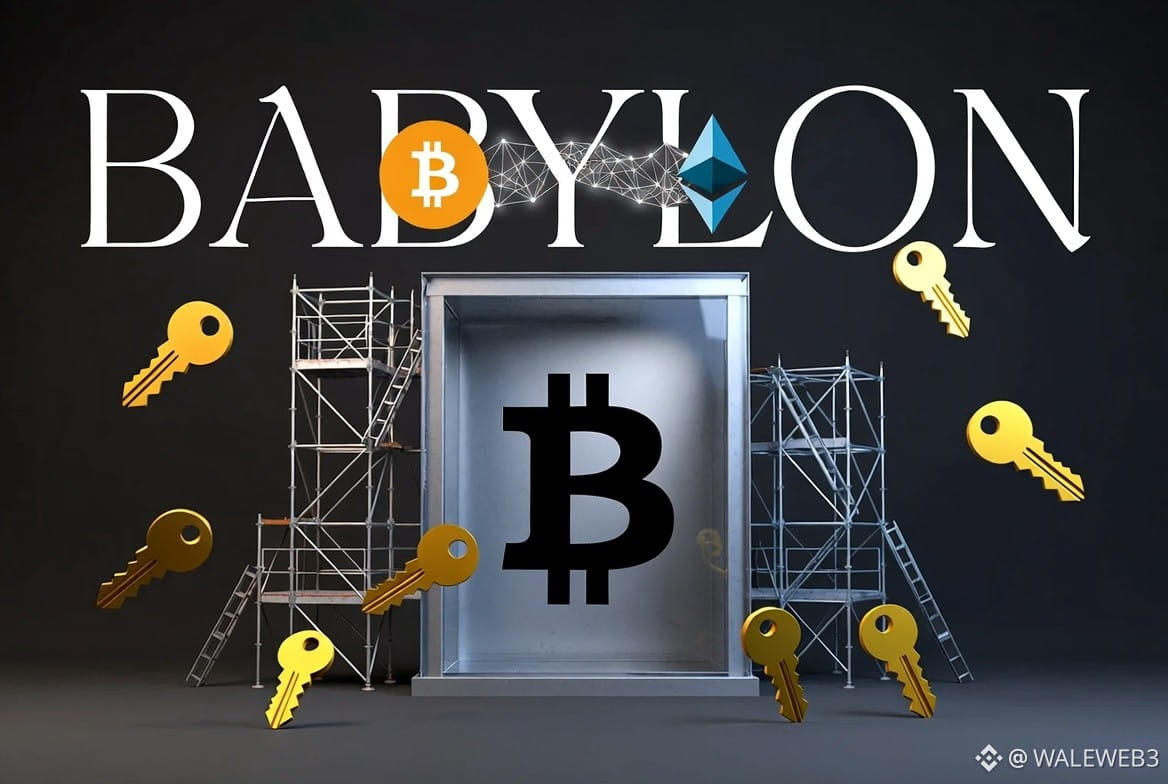
Die meisten Entwürfe für Bitcoin-Kollateral verschwimmen irgendwann. Ich habe damit aufgehört, mir das einzureden, nachdem ich mich mit der TBV-Dokumentation befasst hatte.
Was das System tatsächlich verlangt, ist Vertrauen in die Kryptografie, in die Bitcoin- und Ethereum-Netzwerke, in die Anwendung, die das Kollateral entgegennimmt, sowie dafür, dass weiterhin eine aktive Governance- und ein Notfall-Multisig vorhanden sind, den das Team „temporary“ nennt. Die Tresore selbst halten die Coins auf Bitcoin unter festen Skriptbedingungen. Das ist der Teil, der sich wirklich von den üblichen Vereinbarungen unterscheidet.
Diese zusätzlichen Schlüssel ruinieren für mich nicht das Design. Sie machen daraus einen Live-Test, ob Kapital tatsächlich die reine Version haben will. Liquidität kommt fast immer, solange der Rückhalt noch da ist. Es bilden sich Gewohnheiten um ihre stille Präsenz. Die Leute gewöhnen sich daran, dass jemand weiterhin eingreifen kann, falls die Übersetzung zwischen den beiden Ketten fehlschlägt. Wenn die Schlüssel schließlich außer Betrieb genommen werden oder wenn genug Leute einfach bemerken, dass sie nie weg waren, muss das gesperrte BTC sich entscheiden. Entweder unter strengeren Regeln bleiben oder hin zu Systemen bewegen, die die menschliche Ebene nie vollständig entfernt haben.
Diese Entscheidung beobachte ich. Alles andere ist nur Gerüst.
@babylonlabs_io
#baby $BABY .....
Die meisten Entwürfe für Bitcoin-Kollateral verschwimmen irgendwann. Ich habe damit aufgehört, mir das einzureden, nachdem ich mich mit der TBV-Dokumentation befasst hatte.
Was das System tatsächlich verlangt, ist Vertrauen in die Kryptografie, in die Bitcoin- und Ethereum-Netzwerke, in die Anwendung, die das Kollateral entgegennimmt, sowie dafür, dass weiterhin eine aktive Governance- und ein Notfall-Multisig vorhanden sind, den das Team „temporary“ nennt. Die Tresore selbst halten die Coins auf Bitcoin unter festen Skriptbedingungen. Das ist der Teil, der sich wirklich von den üblichen Vereinbarungen unterscheidet.
Diese zusätzlichen Schlüssel ruinieren für mich nicht das Design. Sie machen daraus einen Live-Test, ob Kapital tatsächlich die reine Version haben will. Liquidität kommt fast immer, solange der Rückhalt noch da ist. Es bilden sich Gewohnheiten um ihre stille Präsenz. Die Leute gewöhnen sich daran, dass jemand weiterhin eingreifen kann, falls die Übersetzung zwischen den beiden Ketten fehlschlägt. Wenn die Schlüssel schließlich außer Betrieb genommen werden oder wenn genug Leute einfach bemerken, dass sie nie weg waren, muss das gesperrte BTC sich entscheiden. Entweder unter strengeren Regeln bleiben oder hin zu Systemen bewegen, die die menschliche Ebene nie vollständig entfernt haben.
Diese Entscheidung beobachte ich. Alles andere ist nur Gerüst.
@BabylonLabs_io
Die meisten Entwürfe für Bitcoin-Kollateral verschwimmen irgendwann. Ich habe damit aufgehört, mir das einzureden, nachdem ich mich mit der TBV-Dokumentation befasst hatte.
Was das System tatsächlich verlangt, ist Vertrauen in die Kryptografie, in die Bitcoin- und Ethereum-Netzwerke, in die Anwendung, die das Kollateral entgegennimmt, sowie dafür, dass weiterhin eine aktive Governance- und ein Notfall-Multisig vorhanden sind, den das Team „temporary“ nennt. Die Tresore selbst halten die Coins auf Bitcoin unter festen Skriptbedingungen. Das ist der Teil, der sich wirklich von den üblichen Vereinbarungen unterscheidet.
Diese zusätzlichen Schlüssel ruinieren für mich nicht das Design. Sie machen daraus einen Live-Test, ob Kapital tatsächlich die reine Version haben will. Liquidität kommt fast immer, solange der Rückhalt noch da ist. Es bilden sich Gewohnheiten um ihre stille Präsenz. Die Leute gewöhnen sich daran, dass jemand weiterhin eingreifen kann, falls die Übersetzung zwischen den beiden Ketten fehlschlägt. Wenn die Schlüssel schließlich außer Betrieb genommen werden oder wenn genug Leute einfach bemerken, dass sie nie weg waren, muss das gesperrte BTC sich entscheiden. Entweder unter strengeren Regeln bleiben oder hin zu Systemen bewegen, die die menschliche Ebene nie vollständig entfernt haben.
Diese Entscheidung beobachte ich. Alles andere ist nur Gerüst.
@BabylonLabs_io
1
119
·
--
Bullisch
Teilweise korrekt
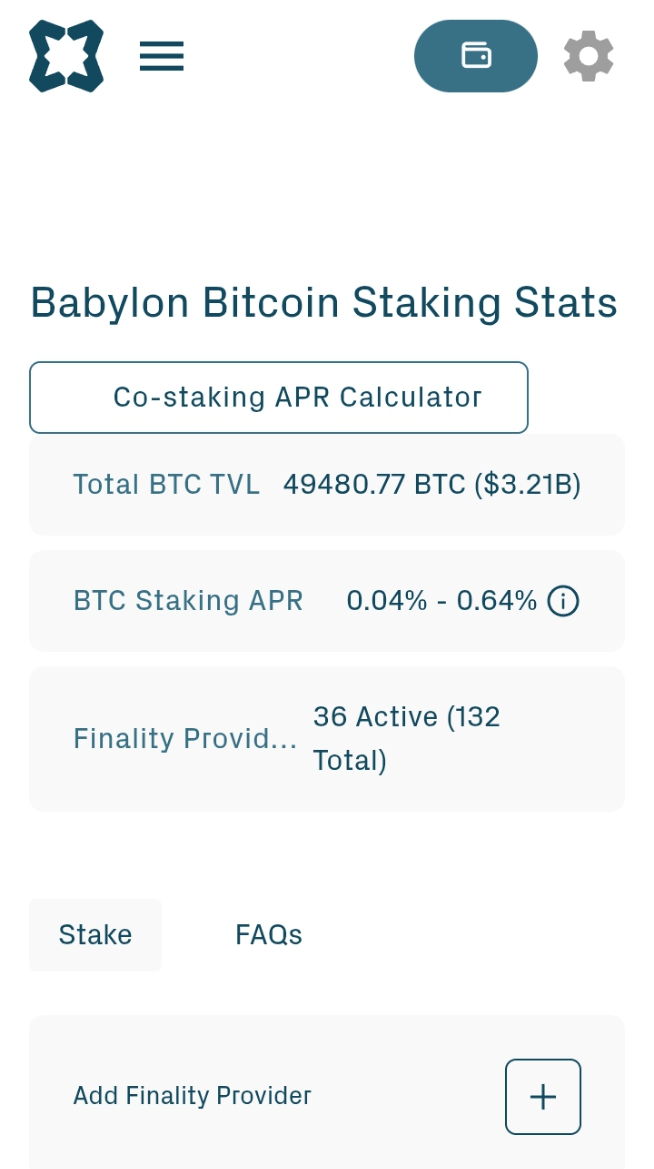
Ich wachte um 15:01 Uhr (15:01 UTC) auf und öffnete das Babylon-Dashboard. Dabei sah ich, wie 49.480,77 BTC (~3,21 Milliarden US-Dollar) in der TVL-Spalte auftauften. Wenn Milliarden an Kapital irgendwo eingeschlossen sind, ist das normalerweise ein Zeichen für massives Marktvertrauen. Aber als meine Augen auf die native APR fielen—schwankend zwischen winzigen 0,04% und 0,64%—fühlte sich die Realität wie eine kalte Dusche an.
Weniger als 1% Rendite auf dein Kapital in einem Krypto-Markt, der auf High-Yield-Versprechen aufgebaut ist, wirkt wie ein schlechter Witz. Das zwingt zu einer harten Frage: Warum sperren Wale Milliarden für praktisch keine Rendite? Die Antwort liegt nicht in der Rendite. Sie liegt in der architektonischen Einschränkung. Der Teil des Designs der Trustless Bitcoin Vault (TBV) von Babylon, der immer noch radikal wirkt, ist nicht die Behauptung der Selbstverwahrung. Es ist die Entscheidung, jeden legitimen Ausgabepfad zu finalisieren, bevor auch nur ein einziger Satoshi bewegt wird.
Beim Peg-in wird der vollständige Transaktionsgraph konstruiert und von jeder erforderlichen Partei vorab signiert. Claim-Pfade, Refund-Pfade, Liquidationspfade, Self-Claim-Pfade—alle existieren als signierte Bitcoin-Transaktionen, bevor die Vault überhaupt aktiviert wird.Nach diesem Moment kann kein Teilnehmer eine neue Art erfinden, die BTC auszugeben. Das Skript und die Signaturen definieren bereits den vollständigen Satz erlaubter Ergebnisse.Meistens lassen Protokolle die Exit-Regeln flexibel und vertrauen darauf, dass Operatoren oder Governance später „richtig“ handeln.
TBV friert die Regeln zuerst in kryptografischem Beton ein und lässt dann die Vault live gehen.Mit nur 36 Active Finality Providers von insgesamt 132 zeigt die Infrastruktur ganz genau, wie bewusst dieses Rollout ist. Die Hürde, um einzusteigen, ist niedrig—optimiert auf nur 3 sats/vB—aber die Exit-Parameter sind perfekt starr.Ich hielt inne, mit dem Daumen über dem Feld „Enter Amount“, und starrte auf den Bildschirm. Die Zukunft hier ist aus Absicht begrenzt. Diese Einschränkung ist das eigentliche Sicherheitsmodell. Du tauschst die Flexibilität von High-Yield-DeFi gegen die unnachgiebige Physik von Bitcoin-Skripten.
$BABY @babylonlabs_io #baby #Babylon #StakingRevolution $GRVT
{alpha}(560x46f2564e0fa8248d15125e7e54173cfbdef91be7)
{future}(BABYUSDT)
{spot}(SPCXBUSDT)
Ich wachte um 15:01 Uhr (15:01 UTC) auf und öffnete das Babylon-Dashboard. Dabei sah ich, wie 49.480,77 BTC (~3,21 Milliarden US-Dollar) in der TVL-Spalte auftauften. Wenn Milliarden an Kapital irgendwo eingeschlossen sind, ist das normalerweise ein Zeichen für massives Marktvertrauen. Aber als meine Augen auf die native APR fielen—schwankend zwischen winzigen 0,04% und 0,64%—fühlte sich die Realität wie eine kalte Dusche an.
Weniger als 1% Rendite auf dein Kapital in einem Krypto-Markt, der auf High-Yield-Versprechen aufgebaut ist, wirkt wie ein schlechter Witz. Das zwingt zu einer harten Frage: Warum sperren Wale Milliarden für praktisch keine Rendite? Die Antwort liegt nicht in der Rendite. Sie liegt in der architektonischen Einschränkung. Der Teil des Designs der Trustless Bitcoin Vault (TBV) von Babylon, der immer noch radikal wirkt, ist nicht die Behauptung der Selbstverwahrung. Es ist die Entscheidung, jeden legitimen Ausgabepfad zu finalisieren, bevor auch nur ein einziger Satoshi bewegt wird.
Beim Peg-in wird der vollständige Transaktionsgraph konstruiert und von jeder erforderlichen Partei vorab signiert. Claim-Pfade, Refund-Pfade, Liquidationspfade, Self-Claim-Pfade—alle existieren als signierte Bitcoin-Transaktionen, bevor die Vault überhaupt aktiviert wird.Nach diesem Moment kann kein Teilnehmer eine neue Art erfinden, die BTC auszugeben. Das Skript und die Signaturen definieren bereits den vollständigen Satz erlaubter Ergebnisse.Meistens lassen Protokolle die Exit-Regeln flexibel und vertrauen darauf, dass Operatoren oder Governance später „richtig“ handeln.
TBV friert die Regeln zuerst in kryptografischem Beton ein und lässt dann die Vault live gehen.Mit nur 36 Active Finality Providers von insgesamt 132 zeigt die Infrastruktur ganz genau, wie bewusst dieses Rollout ist. Die Hürde, um einzusteigen, ist niedrig—optimiert auf nur 3 sats/vB—aber die Exit-Parameter sind perfekt starr.Ich hielt inne, mit dem Daumen über dem Feld „Enter Amount“, und starrte auf den Bildschirm. Die Zukunft hier ist aus Absicht begrenzt. Diese Einschränkung ist das eigentliche Sicherheitsmodell. Du tauschst die Flexibilität von High-Yield-DeFi gegen die unnachgiebige Physik von Bitcoin-Skripten.
$BABY @BabylonLabs_io #baby #Babylon #StakingRevolution $GRVT
Weniger als 1% Rendite auf dein Kapital in einem Krypto-Markt, der auf High-Yield-Versprechen aufgebaut ist, wirkt wie ein schlechter Witz. Das zwingt zu einer harten Frage: Warum sperren Wale Milliarden für praktisch keine Rendite? Die Antwort liegt nicht in der Rendite. Sie liegt in der architektonischen Einschränkung. Der Teil des Designs der Trustless Bitcoin Vault (TBV) von Babylon, der immer noch radikal wirkt, ist nicht die Behauptung der Selbstverwahrung. Es ist die Entscheidung, jeden legitimen Ausgabepfad zu finalisieren, bevor auch nur ein einziger Satoshi bewegt wird.
Beim Peg-in wird der vollständige Transaktionsgraph konstruiert und von jeder erforderlichen Partei vorab signiert. Claim-Pfade, Refund-Pfade, Liquidationspfade, Self-Claim-Pfade—alle existieren als signierte Bitcoin-Transaktionen, bevor die Vault überhaupt aktiviert wird.Nach diesem Moment kann kein Teilnehmer eine neue Art erfinden, die BTC auszugeben. Das Skript und die Signaturen definieren bereits den vollständigen Satz erlaubter Ergebnisse.Meistens lassen Protokolle die Exit-Regeln flexibel und vertrauen darauf, dass Operatoren oder Governance später „richtig“ handeln.
TBV friert die Regeln zuerst in kryptografischem Beton ein und lässt dann die Vault live gehen.Mit nur 36 Active Finality Providers von insgesamt 132 zeigt die Infrastruktur ganz genau, wie bewusst dieses Rollout ist. Die Hürde, um einzusteigen, ist niedrig—optimiert auf nur 3 sats/vB—aber die Exit-Parameter sind perfekt starr.Ich hielt inne, mit dem Daumen über dem Feld „Enter Amount“, und starrte auf den Bildschirm. Die Zukunft hier ist aus Absicht begrenzt. Diese Einschränkung ist das eigentliche Sicherheitsmodell. Du tauschst die Flexibilität von High-Yield-DeFi gegen die unnachgiebige Physik von Bitcoin-Skripten.
$BABY @BabylonLabs_io #baby #Babylon #StakingRevolution $GRVT
1
1
120
·
--
Verifiziert
Angenommen, Sie müssen etwas Wichtiges auf Bitcoin beweisen, aber die einzigen Werkzeuge, denen die Kette selbst vertraut, sind eine einfache Lockbox und ein Einweg-Schredder. Sie können keine
komplizierte Mathematik oder schwere Verifikationsalgorithmen direkt auf Bitcoin ausführen.
Das ist die exakte Einschränkung, der Leslie Lamport 1979 gegenüberstand — und die gleiche Einschränkung, der Babylon heute begegnet, wenn es Trustless Bitcoin Vaults baut.
Lamports Lösung war elegant in ihrer Zurückhaltung. Um eine Nachricht zu signieren, wandeln Sie sie zunächst in eine lange Zeichenkette aus Bits um, indem Sie sie hashen. Für jedes einzelne Bit bereiten Sie zwei versiegelte Umschläge im Voraus vor: einen für „0“ und einen für „1.“
In jedem Umschlag befindet sich ein zufälliges Geheimnis. Sie verwahren die Geheimnisse verschlossen und veröffentlichen nur ihre Fingerabdrücke — das Ergebnis, jedes Geheimnis durch den Schredder zu jagen. Wenn der Moment zum Signieren gekommen ist, öffnen Sie genau einen Umschlag pro Bit gemäß dem Hash. Sie legen diese Geheimnisse offen.
Jeder kann sie durch denselben Schredder laufen lassen und bestätigen, dass die Fingerabdrücke übereinstimmen. Wenn ja, ist die Signatur gültig.
Der Preis ist absolut: Jeder Satz an Umschlägen kann nur einmal verwendet werden. Öffnen Sie ihn ein zweites Mal, kann ein Angreifer zukünftige Signaturen fälschen. Der Schlüssel ist sofort verbraucht, wenn er verwendet wird.
Diese Einschränkung ist keine Schwäche. Sie ist der Grund, warum das Design so rein bleibt. Lamport-Signaturen benötigen nichts weiter als eine zuverlässige Hash-Funktion. Keine elliptischen Kurven, keine vertrauenswürdigen Setups und keine komplexen Annahmen. Genau diese Einfachheit macht sie in Babylons Trustless Bitcoin Vaults nützlich. Bitcoins Script kann nicht in der Lage sein, eine vollständige SNARK-Beweisführung eigenständig zu verifizieren.
Es kann jedoch Hashes prüfen und Werte vergleichen. Hier wird Babylon clever. Komplexe Beweise bleiben Off-Chain, aber ihr Ergebnis wird auf Lamport-Geheimnisse reduziert, die Bitcoin Script während einer Challenge verifizieren kann. Das BTC verlässt nie den Vault. Bitcoin behält das letzte Wort. Einfache Kryptografie. Starke Durchsetzung.
$BABY #BABY @babylonlabs_io $COTI $RE
{future}(BABYUSDT)
{future}(COTIUSDT)
{spot}(REUSDT)
Angenommen, Sie müssen etwas Wichtiges auf Bitcoin beweisen, aber die einzigen Werkzeuge, denen die Kette selbst vertraut, sind eine einfache Lockbox und ein Einweg-Schredder. Sie können keine
komplizierte Mathematik oder schwere Verifikationsalgorithmen direkt auf Bitcoin ausführen.
Das ist die exakte Einschränkung, der Leslie Lamport 1979 gegenüberstand — und die gleiche Einschränkung, der Babylon heute begegnet, wenn es Trustless Bitcoin Vaults baut.
Lamports Lösung war elegant in ihrer Zurückhaltung. Um eine Nachricht zu signieren, wandeln Sie sie zunächst in eine lange Zeichenkette aus Bits um, indem Sie sie hashen. Für jedes einzelne Bit bereiten Sie zwei versiegelte Umschläge im Voraus vor: einen für „0“ und einen für „1.“
In jedem Umschlag befindet sich ein zufälliges Geheimnis. Sie verwahren die Geheimnisse verschlossen und veröffentlichen nur ihre Fingerabdrücke — das Ergebnis, jedes Geheimnis durch den Schredder zu jagen. Wenn der Moment zum Signieren gekommen ist, öffnen Sie genau einen Umschlag pro Bit gemäß dem Hash. Sie legen diese Geheimnisse offen.
Jeder kann sie durch denselben Schredder laufen lassen und bestätigen, dass die Fingerabdrücke übereinstimmen. Wenn ja, ist die Signatur gültig.
Der Preis ist absolut: Jeder Satz an Umschlägen kann nur einmal verwendet werden. Öffnen Sie ihn ein zweites Mal, kann ein Angreifer zukünftige Signaturen fälschen. Der Schlüssel ist sofort verbraucht, wenn er verwendet wird.
Diese Einschränkung ist keine Schwäche. Sie ist der Grund, warum das Design so rein bleibt. Lamport-Signaturen benötigen nichts weiter als eine zuverlässige Hash-Funktion. Keine elliptischen Kurven, keine vertrauenswürdigen Setups und keine komplexen Annahmen. Genau diese Einfachheit macht sie in Babylons Trustless Bitcoin Vaults nützlich. Bitcoins Script kann nicht in der Lage sein, eine vollständige SNARK-Beweisführung eigenständig zu verifizieren.
Es kann jedoch Hashes prüfen und Werte vergleichen. Hier wird Babylon clever. Komplexe Beweise bleiben Off-Chain, aber ihr Ergebnis wird auf Lamport-Geheimnisse reduziert, die Bitcoin Script während einer Challenge verifizieren kann. Das BTC verlässt nie den Vault. Bitcoin behält das letzte Wort. Einfache Kryptografie. Starke Durchsetzung.
$BABY #BABY @BabylonLabs_io $COTI $RE
komplizierte Mathematik oder schwere Verifikationsalgorithmen direkt auf Bitcoin ausführen.
Das ist die exakte Einschränkung, der Leslie Lamport 1979 gegenüberstand — und die gleiche Einschränkung, der Babylon heute begegnet, wenn es Trustless Bitcoin Vaults baut.
Lamports Lösung war elegant in ihrer Zurückhaltung. Um eine Nachricht zu signieren, wandeln Sie sie zunächst in eine lange Zeichenkette aus Bits um, indem Sie sie hashen. Für jedes einzelne Bit bereiten Sie zwei versiegelte Umschläge im Voraus vor: einen für „0“ und einen für „1.“
In jedem Umschlag befindet sich ein zufälliges Geheimnis. Sie verwahren die Geheimnisse verschlossen und veröffentlichen nur ihre Fingerabdrücke — das Ergebnis, jedes Geheimnis durch den Schredder zu jagen. Wenn der Moment zum Signieren gekommen ist, öffnen Sie genau einen Umschlag pro Bit gemäß dem Hash. Sie legen diese Geheimnisse offen.
Jeder kann sie durch denselben Schredder laufen lassen und bestätigen, dass die Fingerabdrücke übereinstimmen. Wenn ja, ist die Signatur gültig.
Der Preis ist absolut: Jeder Satz an Umschlägen kann nur einmal verwendet werden. Öffnen Sie ihn ein zweites Mal, kann ein Angreifer zukünftige Signaturen fälschen. Der Schlüssel ist sofort verbraucht, wenn er verwendet wird.
Diese Einschränkung ist keine Schwäche. Sie ist der Grund, warum das Design so rein bleibt. Lamport-Signaturen benötigen nichts weiter als eine zuverlässige Hash-Funktion. Keine elliptischen Kurven, keine vertrauenswürdigen Setups und keine komplexen Annahmen. Genau diese Einfachheit macht sie in Babylons Trustless Bitcoin Vaults nützlich. Bitcoins Script kann nicht in der Lage sein, eine vollständige SNARK-Beweisführung eigenständig zu verifizieren.
Es kann jedoch Hashes prüfen und Werte vergleichen. Hier wird Babylon clever. Komplexe Beweise bleiben Off-Chain, aber ihr Ergebnis wird auf Lamport-Geheimnisse reduziert, die Bitcoin Script während einer Challenge verifizieren kann. Das BTC verlässt nie den Vault. Bitcoin behält das letzte Wort. Einfache Kryptografie. Starke Durchsetzung.
$BABY #BABY @BabylonLabs_io $COTI $RE

1
3
244
·
--
Ich habe zugesehen, wie meine Freunde im letzten Jahr lebensveränderndes Geld verdient haben, während mein Portfolio völlig stillstand. Es war die frustrierendste Erfahrung meines Lebens. Ich betrachte mich als konservativen Investor. Ich fasse keine Meme-Coins an und ich handle kein Leverage. Über zwei Jahre hinweg habe ich mir durch striktes Dollar-Cost-Averaging eine anständige Position in Bitcoin aufgebaut. Aber während des letzten Marktbooms bewegte sich mein Portfolio kaum, während alle um mich herum massive Gewinne auf den nativen Ökosystem-Utilities druckten. Aus purer FOMO habe ich beschlossen, aktiv zu werden. Ich habe etwa 2.000 US-Dollar meiner Assets in einen Wrapped-Liquiditätspool gesteckt, um eine Rendite von 18 % zu jagen. Zwei Wochen später erlitt das Protokoll einen Oracle-Manipulations-Exploit. Der Pool wurde geleert, und meine Wrapped Tokens verloren innerhalb einer Stunde nahezu 40 % ihres Werts. Ich geriet in Panik und zog mich mit einem massiven Verlust zurück und fühlte mich völlig besiegt. Ich hatte gegen meine eigenen Sicherheitsregeln verstoßen, nur um mit dem Markt Schritt zu halten.
Dieser teure, entkräftende Umweg hat mich darüber nachdenken lassen, das gesamte Design der Portfolio-Ausführung neu zu gestalten. Genau deshalb hat @BabylonLabs_io meine Sicht auf die Nutzung von Assets vollständig verändert.
Anstatt meine langfristigen Positionen zu liquidieren oder zusätzliches Security-Overhead von Dritten in Kauf zu nehmen, nur um eine Prämie zu erzielen, lassen Babylons Trustless Bitcoin Vaults (TBV) mein Kapital vollständig auf seiner nativen Network-Ebene ruhen. Es gibt kein Hin- und Herbewegen von Kapital über fremde Infrastruktur und keine Auseinandersetzung mit externer administrativer Verwahrung. Das Protokoll verwandelt inaktives Kapital direkt in eine aktive Validierungs-Backbone und ermöglicht es mir, $BABY metrics anzusammeln, ohne jemals mein grundlegendes Risikoprofil zu verletzen. Es verändert die Gleichung komplett: weg vom Jagen hochriskanter Trends hin zum Aktivieren institutioneller Security-Hardware.
@babylonlabs_io #baby $BABY $AEON
Ich habe zugesehen, wie meine Freunde im letzten Jahr lebensveränderndes Geld verdient haben, während mein Portfolio völlig stillstand. Es war die frustrierendste Erfahrung meines Lebens. Ich betrachte mich als konservativen Investor. Ich fasse keine Meme-Coins an und ich handle kein Leverage. Über zwei Jahre hinweg habe ich mir durch striktes Dollar-Cost-Averaging eine anständige Position in Bitcoin aufgebaut. Aber während des letzten Marktbooms bewegte sich mein Portfolio kaum, während alle um mich herum massive Gewinne auf den nativen Ökosystem-Utilities druckten. Aus purer FOMO habe ich beschlossen, aktiv zu werden. Ich habe etwa 2.000 US-Dollar meiner Assets in einen Wrapped-Liquiditätspool gesteckt, um eine Rendite von 18 % zu jagen. Zwei Wochen später erlitt das Protokoll einen Oracle-Manipulations-Exploit. Der Pool wurde geleert, und meine Wrapped Tokens verloren innerhalb einer Stunde nahezu 40 % ihres Werts. Ich geriet in Panik und zog mich mit einem massiven Verlust zurück und fühlte mich völlig besiegt. Ich hatte gegen meine eigenen Sicherheitsregeln verstoßen, nur um mit dem Markt Schritt zu halten.
Dieser teure, entkräftende Umweg hat mich darüber nachdenken lassen, das gesamte Design der Portfolio-Ausführung neu zu gestalten. Genau deshalb hat @BabylonLabs_io meine Sicht auf die Nutzung von Assets vollständig verändert.
Anstatt meine langfristigen Positionen zu liquidieren oder zusätzliches Security-Overhead von Dritten in Kauf zu nehmen, nur um eine Prämie zu erzielen, lassen Babylons Trustless Bitcoin Vaults (TBV) mein Kapital vollständig auf seiner nativen Network-Ebene ruhen. Es gibt kein Hin- und Herbewegen von Kapital über fremde Infrastruktur und keine Auseinandersetzung mit externer administrativer Verwahrung. Das Protokoll verwandelt inaktives Kapital direkt in eine aktive Validierungs-Backbone und ermöglicht es mir, $BABY metrics anzusammeln, ohne jemals mein grundlegendes Risikoprofil zu verletzen. Es verändert die Gleichung komplett: weg vom Jagen hochriskanter Trends hin zum Aktivieren institutioneller Security-Hardware.
@BabylonLabs_io #baby $BABY $AEON
Dieser teure, entkräftende Umweg hat mich darüber nachdenken lassen, das gesamte Design der Portfolio-Ausführung neu zu gestalten. Genau deshalb hat @BabylonLabs_io meine Sicht auf die Nutzung von Assets vollständig verändert.
Anstatt meine langfristigen Positionen zu liquidieren oder zusätzliches Security-Overhead von Dritten in Kauf zu nehmen, nur um eine Prämie zu erzielen, lassen Babylons Trustless Bitcoin Vaults (TBV) mein Kapital vollständig auf seiner nativen Network-Ebene ruhen. Es gibt kein Hin- und Herbewegen von Kapital über fremde Infrastruktur und keine Auseinandersetzung mit externer administrativer Verwahrung. Das Protokoll verwandelt inaktives Kapital direkt in eine aktive Validierungs-Backbone und ermöglicht es mir, $BABY metrics anzusammeln, ohne jemals mein grundlegendes Risikoprofil zu verletzen. Es verändert die Gleichung komplett: weg vom Jagen hochriskanter Trends hin zum Aktivieren institutioneller Security-Hardware.
@BabylonLabs_io #baby $BABY $AEON

10
4
948
·
--
Teilweise korrekt
Der Irrtum menschlicher Governance: Warum ich Ausschuss-Vertrauen gegen Skript-Endgültigkeit eingetauscht habe 🚨
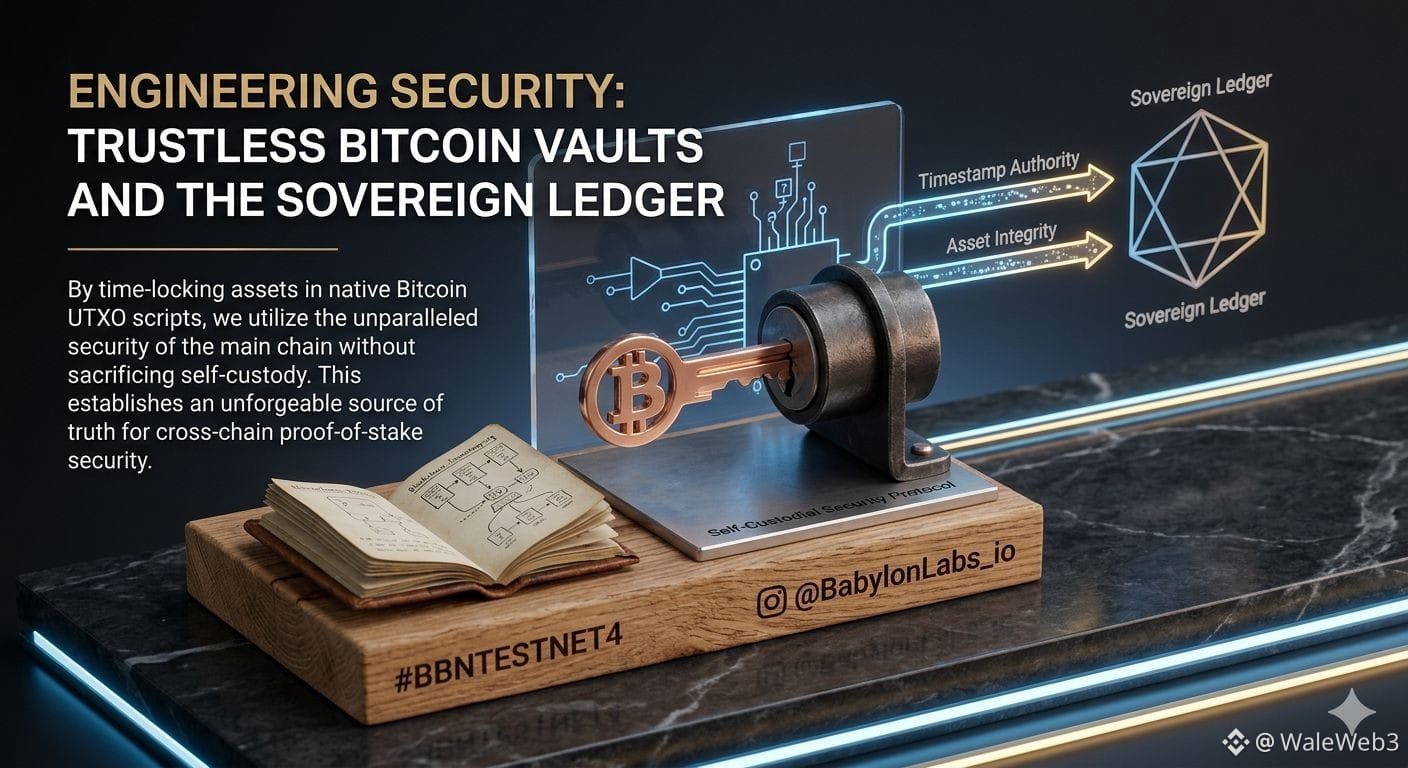
Ich ging davon aus, dass ein Multi-Sig-Konsortium oder ein externes Validator-Komitee der einzig logische Weg sei, um während einer On-Chain-Krise Fund-Recovery-Pfade über unterschiedliche Netzwerke hinweg zu handhaben. Ich dachte, dass menschliche Governance ein nicht zu umgehender Reibungspunkt für Cross-Chain-Infrastruktur ist, weil jemand manuell prüfen musste, ob ein externer Kredit ausgefallen ist oder zurückgezahlt wurde, bevor das zugrunde liegende Sicherheitenkonstrukt bewegt werden darf. Meine technische Bewertung des Protokolls @babylonlabs_io änderte diese Sichtweise vollständig, indem sie hervorhob, wie Trustless Bitcoin Vaults (TBV) absolute Exit-Finalität durch reine Skript-Deterministik herstellen. Durch das Einbetten relativer Time-Locks direkt in den jeweiligen MAST-Baum jeder Position über den nativen OP_CSV-Opcode stellt das System sicher, dass die Wiedererlangung von Geldern ausschließlich durch den Bitcoin-Blockkonsens bestimmt wird – nicht durch menschliche Abstimmungszyklen. Selbst wenn deine Asset-Darstellung aktiv mit komplexen Liquiditätspools in einem externen Netzwerk interagiert, bleiben deine zugrunde liegenden Sicherheitenparameter vollständig unveränderlich durch externe Akteure. Wenn es zu einer kritischen Netztrennung kommt, aktiviert sich der native Skriptpfad automatisch, sodass keine externe Plattform oder kein Koordinator deine Asset-Recovery einfrieren oder vorzeitig (front-run) kann.
{future}(BABYUSDT)
#baby $BABY @babylonlabs_io
Der Irrtum menschlicher Governance: Warum ich Ausschuss-Vertrauen gegen Skript-Endgültigkeit eingetauscht habe 🚨
Ich ging davon aus, dass ein Multi-Sig-Konsortium oder ein externes Validator-Komitee der einzig logische Weg sei, um während einer On-Chain-Krise Fund-Recovery-Pfade über unterschiedliche Netzwerke hinweg zu handhaben. Ich dachte, dass menschliche Governance ein nicht zu umgehender Reibungspunkt für Cross-Chain-Infrastruktur ist, weil jemand manuell prüfen musste, ob ein externer Kredit ausgefallen ist oder zurückgezahlt wurde, bevor das zugrunde liegende Sicherheitenkonstrukt bewegt werden darf. Meine technische Bewertung des Protokolls @BabylonLabs_io änderte diese Sichtweise vollständig, indem sie hervorhob, wie Trustless Bitcoin Vaults (TBV) absolute Exit-Finalität durch reine Skript-Deterministik herstellen. Durch das Einbetten relativer Time-Locks direkt in den jeweiligen MAST-Baum jeder Position über den nativen OP_CSV-Opcode stellt das System sicher, dass die Wiedererlangung von Geldern ausschließlich durch den Bitcoin-Blockkonsens bestimmt wird – nicht durch menschliche Abstimmungszyklen. Selbst wenn deine Asset-Darstellung aktiv mit komplexen Liquiditätspools in einem externen Netzwerk interagiert, bleiben deine zugrunde liegenden Sicherheitenparameter vollständig unveränderlich durch externe Akteure. Wenn es zu einer kritischen Netztrennung kommt, aktiviert sich der native Skriptpfad automatisch, sodass keine externe Plattform oder kein Koordinator deine Asset-Recovery einfrieren oder vorzeitig (front-run) kann.
#baby $BABY @BabylonLabs_io
Ich ging davon aus, dass ein Multi-Sig-Konsortium oder ein externes Validator-Komitee der einzig logische Weg sei, um während einer On-Chain-Krise Fund-Recovery-Pfade über unterschiedliche Netzwerke hinweg zu handhaben. Ich dachte, dass menschliche Governance ein nicht zu umgehender Reibungspunkt für Cross-Chain-Infrastruktur ist, weil jemand manuell prüfen musste, ob ein externer Kredit ausgefallen ist oder zurückgezahlt wurde, bevor das zugrunde liegende Sicherheitenkonstrukt bewegt werden darf. Meine technische Bewertung des Protokolls @BabylonLabs_io änderte diese Sichtweise vollständig, indem sie hervorhob, wie Trustless Bitcoin Vaults (TBV) absolute Exit-Finalität durch reine Skript-Deterministik herstellen. Durch das Einbetten relativer Time-Locks direkt in den jeweiligen MAST-Baum jeder Position über den nativen OP_CSV-Opcode stellt das System sicher, dass die Wiedererlangung von Geldern ausschließlich durch den Bitcoin-Blockkonsens bestimmt wird – nicht durch menschliche Abstimmungszyklen. Selbst wenn deine Asset-Darstellung aktiv mit komplexen Liquiditätspools in einem externen Netzwerk interagiert, bleiben deine zugrunde liegenden Sicherheitenparameter vollständig unveränderlich durch externe Akteure. Wenn es zu einer kritischen Netztrennung kommt, aktiviert sich der native Skriptpfad automatisch, sodass keine externe Plattform oder kein Koordinator deine Asset-Recovery einfrieren oder vorzeitig (front-run) kann.
#baby $BABY @BabylonLabs_io
7
3
99
·
--
Verifiziert
Den Wrapper-Meta hinter mir lassen: Mein Deep Dive in die vaultBTC-Invarianzregeln🚨
Ich ging davon aus, dass jede tokenisierte Darstellung von Bitcoin, die auf einer fremden virtuellen Maschine bereitgestellt wird, zwangsläufig das systemische Risiko des Wrapper-Emittenten erben würde. Ich dachte, egal ob der Custodian ein einzelnes Unternehmen oder eine dezentrale Multi-Sig-Föderation ist, würde der Token-Contract selbst immer strukturelle Schwachstellen einführen, wie etwa nicht gedeckte Emissionen oder illegale Pool-Rehypothekation. Meine technische Bewertung der Datenarchitektur, die von @BabylonLabs_io für Trustless Bitcoin Vaults (TBV) aufgebaut wurde, zwang mich, dieses Wrapper-Paradigma komplett zu überdenken. In diesem Rahmen ist der gemintete vaultBTC-Token mit strikten strukturellen Invarianten hard-coded: Er ist nicht übertragbar außerhalb von freigegebenen Lending-Spoke-Interaktionen und ist strikt an eine einzelne, isolierte Vault-Adresse auf dem Base-Ledger gebunden. Ein TBV verhält sich wie ein Zero-Pool kryptografischer Safe, in dem die individuelle Zuweisung der Vermögenswerte absolut ist. Die Application-Layer steuert Liquidations- und Zinsparameter extern, aber das zugrunde liegende Collateral bleibt sauber und vollständig von den übergreifenden Ansteckungsvektoren geteilter Liquiditätspools abgeschirmt.
{future}(BABYUSDT)
@babylonlabs_io #baby $BABY
Den Wrapper-Meta hinter mir lassen: Mein Deep Dive in die vaultBTC-Invarianzregeln🚨
Ich ging davon aus, dass jede tokenisierte Darstellung von Bitcoin, die auf einer fremden virtuellen Maschine bereitgestellt wird, zwangsläufig das systemische Risiko des Wrapper-Emittenten erben würde. Ich dachte, egal ob der Custodian ein einzelnes Unternehmen oder eine dezentrale Multi-Sig-Föderation ist, würde der Token-Contract selbst immer strukturelle Schwachstellen einführen, wie etwa nicht gedeckte Emissionen oder illegale Pool-Rehypothekation. Meine technische Bewertung der Datenarchitektur, die von @BabylonLabs_io für Trustless Bitcoin Vaults (TBV) aufgebaut wurde, zwang mich, dieses Wrapper-Paradigma komplett zu überdenken. In diesem Rahmen ist der gemintete vaultBTC-Token mit strikten strukturellen Invarianten hard-coded: Er ist nicht übertragbar außerhalb von freigegebenen Lending-Spoke-Interaktionen und ist strikt an eine einzelne, isolierte Vault-Adresse auf dem Base-Ledger gebunden. Ein TBV verhält sich wie ein Zero-Pool kryptografischer Safe, in dem die individuelle Zuweisung der Vermögenswerte absolut ist. Die Application-Layer steuert Liquidations- und Zinsparameter extern, aber das zugrunde liegende Collateral bleibt sauber und vollständig von den übergreifenden Ansteckungsvektoren geteilter Liquiditätspools abgeschirmt.
@BabylonLabs_io #baby $BABY
Ich ging davon aus, dass jede tokenisierte Darstellung von Bitcoin, die auf einer fremden virtuellen Maschine bereitgestellt wird, zwangsläufig das systemische Risiko des Wrapper-Emittenten erben würde. Ich dachte, egal ob der Custodian ein einzelnes Unternehmen oder eine dezentrale Multi-Sig-Föderation ist, würde der Token-Contract selbst immer strukturelle Schwachstellen einführen, wie etwa nicht gedeckte Emissionen oder illegale Pool-Rehypothekation. Meine technische Bewertung der Datenarchitektur, die von @BabylonLabs_io für Trustless Bitcoin Vaults (TBV) aufgebaut wurde, zwang mich, dieses Wrapper-Paradigma komplett zu überdenken. In diesem Rahmen ist der gemintete vaultBTC-Token mit strikten strukturellen Invarianten hard-coded: Er ist nicht übertragbar außerhalb von freigegebenen Lending-Spoke-Interaktionen und ist strikt an eine einzelne, isolierte Vault-Adresse auf dem Base-Ledger gebunden. Ein TBV verhält sich wie ein Zero-Pool kryptografischer Safe, in dem die individuelle Zuweisung der Vermögenswerte absolut ist. Die Application-Layer steuert Liquidations- und Zinsparameter extern, aber das zugrunde liegende Collateral bleibt sauber und vollständig von den übergreifenden Ansteckungsvektoren geteilter Liquiditätspools abgeschirmt.
@BabylonLabs_io #baby $BABY
5
2
116
·
--
Das Asynchronous-Settlement-Mythos entkräften: Mein Liquidations-Mentalmodell neu aufbauen 🚨
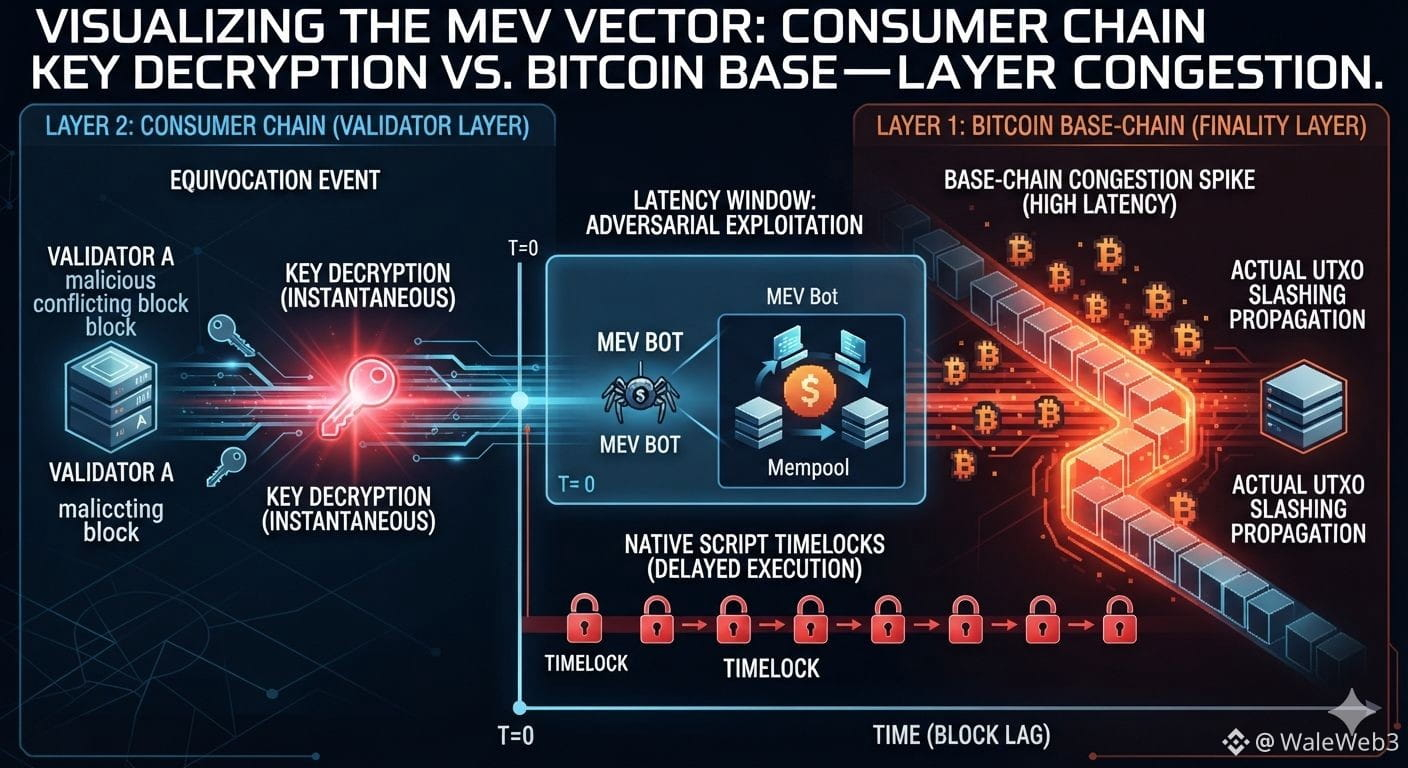
Ich dachte, dass das Ausführen automatisierter Liquidationen für nativen Bitcoin-Kollateral ohne einen zentralen Zwischenhändler strukturell unmöglich sei, weil es bei der Bestätigungs-Latenz zwischen den Blöcken Lücken gibt. Ich nahm an, dass bei einem plötzlichen Markt-Flash-Crash ein On-Chain-Liquidationsmechanismus, der mehrere native Bitcoin-Bestätigungen benötigt, um eine Verschiebung des Kollaterals zu verifizieren, an einem kritischen Latency-Failure scheitern würde—was zu massiven uneinbringlichen Forderungen führen würde. Die Spezifikation der Trustless Bitcoin Vaults (TBV) nachzuverfolgen zwang mich, mein gesamtes gedankliches Modell zu überarbeiten. Das System verarbeitet diese Bestätigungs-Verzögerung, indem es die Solvenz des Pools von der Abwicklung der Basis-Layer-Assets über die spezifischen Funktionen des BTC Vault Swap Spoke entkoppelt. Wenn die Kreditlinie eines Borrowers unter ihre Health-Schwelle auf Aave v4 fällt, veröffentlichen Liquidatoren keine Transaktion oder warten nicht auf eine langsame Transaktion im Bitcoin-Mainnet. Der Ziel-seitige Spoke-Vertragsbaustein ermöglicht eine sofortige lokale Pool-Neuausrichtung mit Wrapper-Paaren wie WBTC, um uneinbringliche Forderungen sofort zu eliminieren. Die physische Rückzahlung des nativen BTC aus der entsprechenden TBV wird spezialisierten Arbitrageuren übergeben, die den Base-Layer-Taproot-Rückzahlungs-Pfad asynchron zu einem späteren Zeitpunkt ausführen—und damit die Kreditpools vollständig vor Bestätigungs-Verzögerungen schützt.
@babylonlabs_io #baby $BABY
{future}(BABYUSDT)
Das Asynchronous-Settlement-Mythos entkräften: Mein Liquidations-Mentalmodell neu aufbauen 🚨
Ich dachte, dass das Ausführen automatisierter Liquidationen für nativen Bitcoin-Kollateral ohne einen zentralen Zwischenhändler strukturell unmöglich sei, weil es bei der Bestätigungs-Latenz zwischen den Blöcken Lücken gibt. Ich nahm an, dass bei einem plötzlichen Markt-Flash-Crash ein On-Chain-Liquidationsmechanismus, der mehrere native Bitcoin-Bestätigungen benötigt, um eine Verschiebung des Kollaterals zu verifizieren, an einem kritischen Latency-Failure scheitern würde—was zu massiven uneinbringlichen Forderungen führen würde. Die Spezifikation der Trustless Bitcoin Vaults (TBV) nachzuverfolgen zwang mich, mein gesamtes gedankliches Modell zu überarbeiten. Das System verarbeitet diese Bestätigungs-Verzögerung, indem es die Solvenz des Pools von der Abwicklung der Basis-Layer-Assets über die spezifischen Funktionen des BTC Vault Swap Spoke entkoppelt. Wenn die Kreditlinie eines Borrowers unter ihre Health-Schwelle auf Aave v4 fällt, veröffentlichen Liquidatoren keine Transaktion oder warten nicht auf eine langsame Transaktion im Bitcoin-Mainnet. Der Ziel-seitige Spoke-Vertragsbaustein ermöglicht eine sofortige lokale Pool-Neuausrichtung mit Wrapper-Paaren wie WBTC, um uneinbringliche Forderungen sofort zu eliminieren. Die physische Rückzahlung des nativen BTC aus der entsprechenden TBV wird spezialisierten Arbitrageuren übergeben, die den Base-Layer-Taproot-Rückzahlungs-Pfad asynchron zu einem späteren Zeitpunkt ausführen—und damit die Kreditpools vollständig vor Bestätigungs-Verzögerungen schützt.
@BabylonLabs_io #baby $BABY
Ich dachte, dass das Ausführen automatisierter Liquidationen für nativen Bitcoin-Kollateral ohne einen zentralen Zwischenhändler strukturell unmöglich sei, weil es bei der Bestätigungs-Latenz zwischen den Blöcken Lücken gibt. Ich nahm an, dass bei einem plötzlichen Markt-Flash-Crash ein On-Chain-Liquidationsmechanismus, der mehrere native Bitcoin-Bestätigungen benötigt, um eine Verschiebung des Kollaterals zu verifizieren, an einem kritischen Latency-Failure scheitern würde—was zu massiven uneinbringlichen Forderungen führen würde. Die Spezifikation der Trustless Bitcoin Vaults (TBV) nachzuverfolgen zwang mich, mein gesamtes gedankliches Modell zu überarbeiten. Das System verarbeitet diese Bestätigungs-Verzögerung, indem es die Solvenz des Pools von der Abwicklung der Basis-Layer-Assets über die spezifischen Funktionen des BTC Vault Swap Spoke entkoppelt. Wenn die Kreditlinie eines Borrowers unter ihre Health-Schwelle auf Aave v4 fällt, veröffentlichen Liquidatoren keine Transaktion oder warten nicht auf eine langsame Transaktion im Bitcoin-Mainnet. Der Ziel-seitige Spoke-Vertragsbaustein ermöglicht eine sofortige lokale Pool-Neuausrichtung mit Wrapper-Paaren wie WBTC, um uneinbringliche Forderungen sofort zu eliminieren. Die physische Rückzahlung des nativen BTC aus der entsprechenden TBV wird spezialisierten Arbitrageuren übergeben, die den Base-Layer-Taproot-Rückzahlungs-Pfad asynchron zu einem späteren Zeitpunkt ausführen—und damit die Kreditpools vollständig vor Bestätigungs-Verzögerungen schützt.
@BabylonLabs_io #baby $BABY
4
1
118
·
--
Bullisch
Verifiziert
Das Contagion-Modell umstürzen: Meine Erkenntnisse zur Isolation von Spoke-Contracts🚨
Ich ging davon aus, dass jede Infrastruktur, die versucht, native Bitcoin-Liquidität in einer externen virtuellen Maschine wie Ethereum abzubilden, meine Cold Storage zwangsläufig für Fehler in Smart Contracts der Zielschicht exponiert. In meinem Modell gilt: Wenn ein ERC-20-Lending-Pool ein Oracle-Manipulationsereignis oder einen Logik-Exploit erlebt, dann wird standardmäßig jedes einzelne Asset, das in diesem Pool gesperrt ist, abgezogen. Ich verbrachte meine Zeit damit, die Architekturdokumentation zu prüfen, die von @BabylonLabs_io beim Aave DAO eingereicht wurde, um herauszufinden, ob sie tatsächlich das Gegenteil belegen konnten. Was meine Annahmen vollständig zerstörte, war die Zuordnung der expliziten Vertragsseparation, die durch Trustless Bitcoin Vaults (TBV) erzwungen wird. Eine TBV isoliert das native Asset vollständig im Bitcoin-Mainnet und verwaltet fremde Zustände über zwei separate Netzwerkadapter auf der EVM-Seite: den Babylon Core Lending Spoke und den BTC Vault Swap Spoke. Anstatt das Asset zu überbrücken, nutzt das Protokoll vaultBTC – ein transferbeschränktes Token, das ausschließlich an fest hinterlegte Whitelist-Adressen gebunden ist. Ich erkannte, dass die Kreditaufnahme-Mechanik vollständig entkoppelt von der physischen Asset-Position läuft: So können Nutzer auf Ethereum Liquidität für stabile Assets abrufen, während die zugrunde liegende Verwahrung der Sicherheiten eng an native Taproot-UTXO-Skriptpfade gebunden bleibt.
#baby $BABY @babylonlabs_io
Das Contagion-Modell umstürzen: Meine Erkenntnisse zur Isolation von Spoke-Contracts🚨
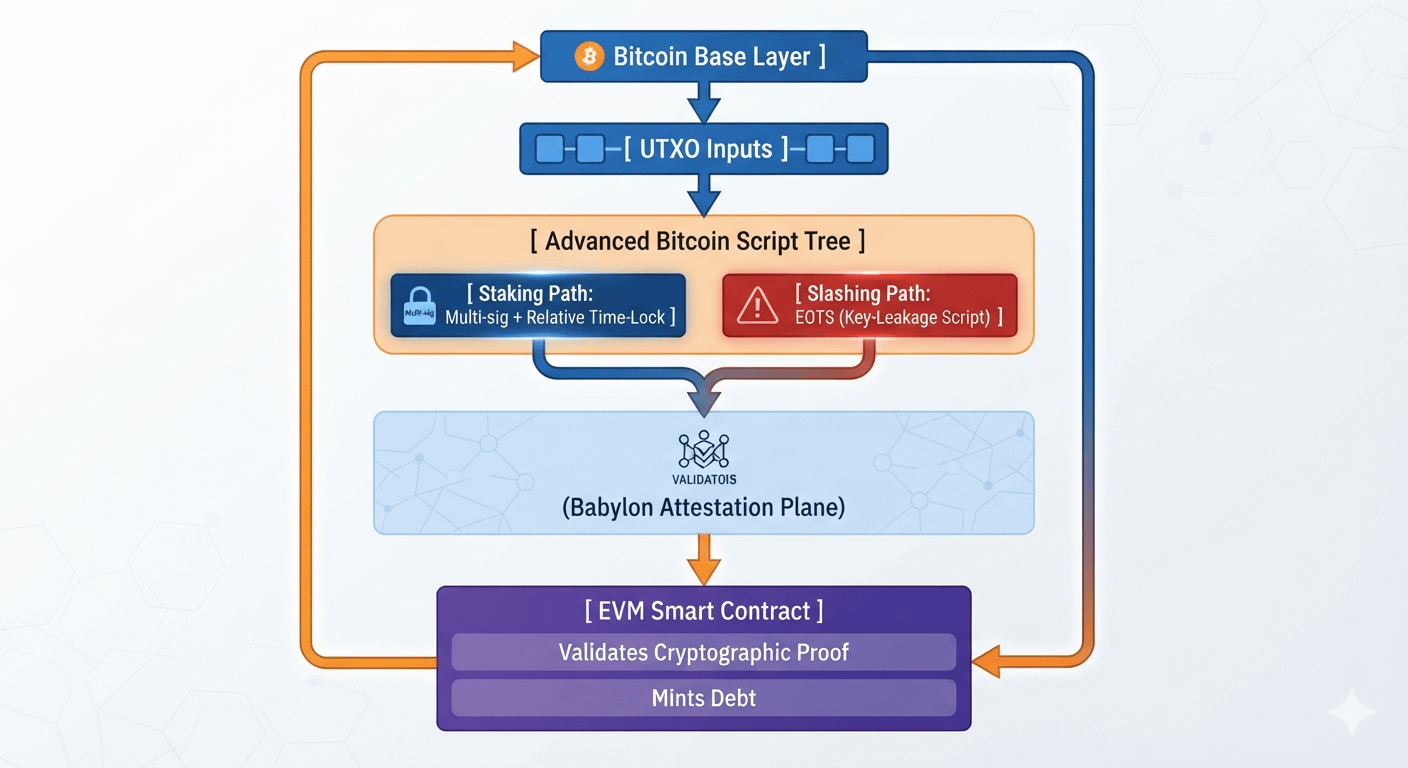
Ich ging davon aus, dass jede Infrastruktur, die versucht, native Bitcoin-Liquidität in einer externen virtuellen Maschine wie Ethereum abzubilden, meine Cold Storage zwangsläufig für Fehler in Smart Contracts der Zielschicht exponiert. In meinem Modell gilt: Wenn ein ERC-20-Lending-Pool ein Oracle-Manipulationsereignis oder einen Logik-Exploit erlebt, dann wird standardmäßig jedes einzelne Asset, das in diesem Pool gesperrt ist, abgezogen. Ich verbrachte meine Zeit damit, die Architekturdokumentation zu prüfen, die von @BabylonLabs_io beim Aave DAO eingereicht wurde, um herauszufinden, ob sie tatsächlich das Gegenteil belegen konnten. Was meine Annahmen vollständig zerstörte, war die Zuordnung der expliziten Vertragsseparation, die durch Trustless Bitcoin Vaults (TBV) erzwungen wird. Eine TBV isoliert das native Asset vollständig im Bitcoin-Mainnet und verwaltet fremde Zustände über zwei separate Netzwerkadapter auf der EVM-Seite: den Babylon Core Lending Spoke und den BTC Vault Swap Spoke. Anstatt das Asset zu überbrücken, nutzt das Protokoll vaultBTC – ein transferbeschränktes Token, das ausschließlich an fest hinterlegte Whitelist-Adressen gebunden ist. Ich erkannte, dass die Kreditaufnahme-Mechanik vollständig entkoppelt von der physischen Asset-Position läuft: So können Nutzer auf Ethereum Liquidität für stabile Assets abrufen, während die zugrunde liegende Verwahrung der Sicherheiten eng an native Taproot-UTXO-Skriptpfade gebunden bleibt.
#baby $BABY @BabylonLabs_io
Ich ging davon aus, dass jede Infrastruktur, die versucht, native Bitcoin-Liquidität in einer externen virtuellen Maschine wie Ethereum abzubilden, meine Cold Storage zwangsläufig für Fehler in Smart Contracts der Zielschicht exponiert. In meinem Modell gilt: Wenn ein ERC-20-Lending-Pool ein Oracle-Manipulationsereignis oder einen Logik-Exploit erlebt, dann wird standardmäßig jedes einzelne Asset, das in diesem Pool gesperrt ist, abgezogen. Ich verbrachte meine Zeit damit, die Architekturdokumentation zu prüfen, die von @BabylonLabs_io beim Aave DAO eingereicht wurde, um herauszufinden, ob sie tatsächlich das Gegenteil belegen konnten. Was meine Annahmen vollständig zerstörte, war die Zuordnung der expliziten Vertragsseparation, die durch Trustless Bitcoin Vaults (TBV) erzwungen wird. Eine TBV isoliert das native Asset vollständig im Bitcoin-Mainnet und verwaltet fremde Zustände über zwei separate Netzwerkadapter auf der EVM-Seite: den Babylon Core Lending Spoke und den BTC Vault Swap Spoke. Anstatt das Asset zu überbrücken, nutzt das Protokoll vaultBTC – ein transferbeschränktes Token, das ausschließlich an fest hinterlegte Whitelist-Adressen gebunden ist. Ich erkannte, dass die Kreditaufnahme-Mechanik vollständig entkoppelt von der physischen Asset-Position läuft: So können Nutzer auf Ethereum Liquidität für stabile Assets abrufen, während die zugrunde liegende Verwahrung der Sicherheiten eng an native Taproot-UTXO-Skriptpfade gebunden bleibt.
#baby $BABY @BabylonLabs_io
8
2
266
·
--
Bullisch
Verifiziert
Was wäre, wenn du endlich dein natives Bitcoin als DeFi-Sicherheit nutzen könntest – ohne es zu verpacken, zu brücken oder einem einzelnen Intermediär zu vertrauen? 🚨
Ich habe mich praktisch mit Babylons Trustless Bitcoin Vaults (TBV) Public Testnet befasst, das seit Anfang Juni 2026 live ist, und die kryptografische Architektur ist wirklich beeindruckend.
Die meisten BTC-Lösungen machen bei der Vertrauensfrage Kompromisse. WBTC und cbBTC stützen sich auf zentralisierte Verwahrung wie BitGo-Multisig oder Coinbase-Tresore. tBTC verbessert sich zwar mit Threshold-Kryptografie, fügt aber weiterhin das Risiko von Bridge-Smart-Contract-Verträgen hinzu. TBV verfolgt einen reineren, nativen Ansatz: Es sperrt Bitcoin auf L1 über Taproot-Outputs, wobei die Ausgabepfade bei der Erstellung des Vaults zwischen den Schlüsseln der Hinterleger, dem Vault Provider und dem Application Vault Keeper vorab fest zugesagt werden. So wird eine direkte Durchsetzung von Bitcoin-Skripten ermöglicht, ohne dass der Vermögenswert außerbörslich verschoben wird.
Der Peg-in-Flow ist präzise und elegant: eine Pre-PegIn-Transaktion, die auf Signet ausgestrahlt wird, gefolgt von 12 Blockbestätigungen für wirtschaftliche Finalität (etwa 2 Stunden), Off-Chain Multi-Party-ACK-Signing-Runden mit 24-Stunden-Timeout und die Aktivierung über Ethereum-Smart-Contracts auf Sepolia. Aktive Vaults arbeiten unter strengen Parametern: 78% Collateral-Factor, ein Health-Factor unter 1.0, der Liquidationen auslöst, ein per-Position-Limit von 0.4 BTC, das bis zu 10 Vaults unterstützt, plus ein 3-tägiges Timelock-Redemption-Challenge-Fenster mit Self-Custodial-Refund-Timelocks.
Indem ich den vollständigen Lebenszyklus von der Pre-PegIn-Konstruktion bis zur Aktivierungssequenz, Positionsverwaltung, Rückzahlung und Timelock-Refunds erlebte, wurde deutlich, wie sauber TBV die unveränderlichen Script-Garantien von Bitcoin von der programmierbaren Schicht von Ethereum entkoppelt – während die vollständige Souveränität über den privaten Schlüssel und die Wiederherstellungsartefakte erhalten bleiben. Das ist echter Fortschritt. Nativ, vertrauensminimiert und für Skalierung gebaut.
@babylonlabs_io $BABY #baby
{future}(BABYUSDT)
Was wäre, wenn du endlich dein natives Bitcoin als DeFi-Sicherheit nutzen könntest – ohne es zu verpacken, zu brücken oder einem einzelnen Intermediär zu vertrauen? 🚨
Ich habe mich praktisch mit Babylons Trustless Bitcoin Vaults (TBV) Public Testnet befasst, das seit Anfang Juni 2026 live ist, und die kryptografische Architektur ist wirklich beeindruckend.
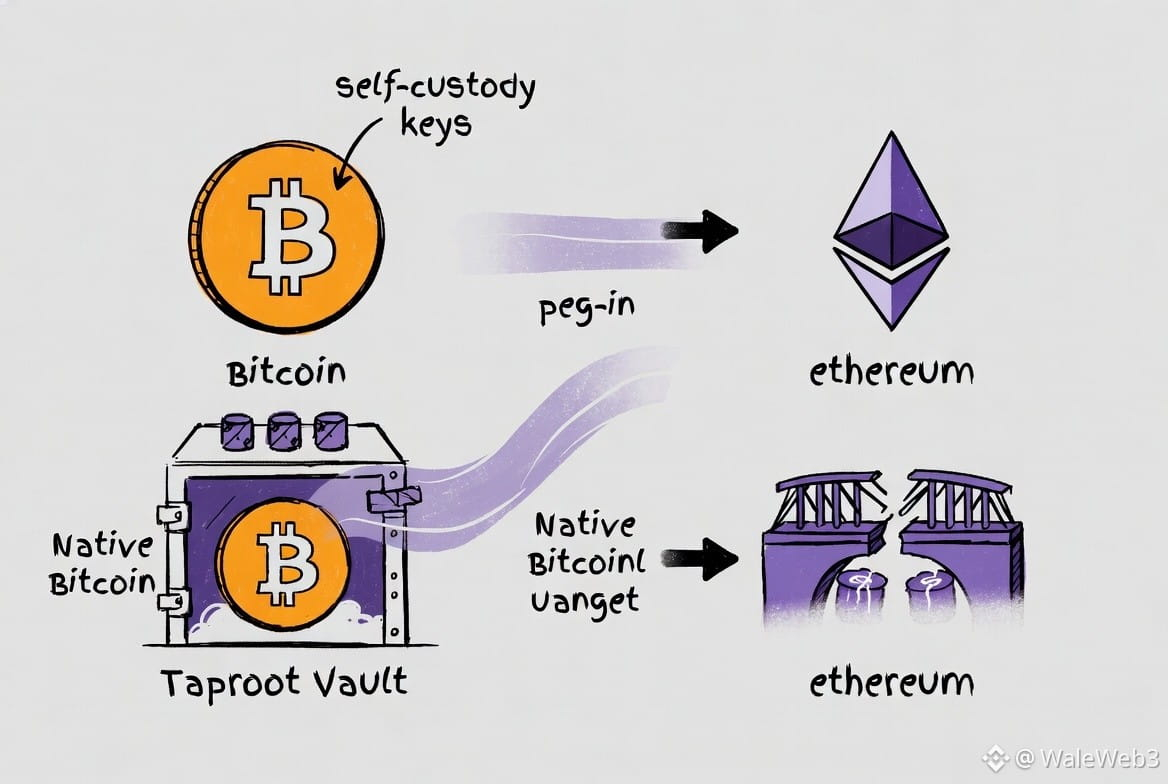
Die meisten BTC-Lösungen machen bei der Vertrauensfrage Kompromisse. WBTC und cbBTC stützen sich auf zentralisierte Verwahrung wie BitGo-Multisig oder Coinbase-Tresore. tBTC verbessert sich zwar mit Threshold-Kryptografie, fügt aber weiterhin das Risiko von Bridge-Smart-Contract-Verträgen hinzu. TBV verfolgt einen reineren, nativen Ansatz: Es sperrt Bitcoin auf L1 über Taproot-Outputs, wobei die Ausgabepfade bei der Erstellung des Vaults zwischen den Schlüsseln der Hinterleger, dem Vault Provider und dem Application Vault Keeper vorab fest zugesagt werden. So wird eine direkte Durchsetzung von Bitcoin-Skripten ermöglicht, ohne dass der Vermögenswert außerbörslich verschoben wird.
Der Peg-in-Flow ist präzise und elegant: eine Pre-PegIn-Transaktion, die auf Signet ausgestrahlt wird, gefolgt von 12 Blockbestätigungen für wirtschaftliche Finalität (etwa 2 Stunden), Off-Chain Multi-Party-ACK-Signing-Runden mit 24-Stunden-Timeout und die Aktivierung über Ethereum-Smart-Contracts auf Sepolia. Aktive Vaults arbeiten unter strengen Parametern: 78% Collateral-Factor, ein Health-Factor unter 1.0, der Liquidationen auslöst, ein per-Position-Limit von 0.4 BTC, das bis zu 10 Vaults unterstützt, plus ein 3-tägiges Timelock-Redemption-Challenge-Fenster mit Self-Custodial-Refund-Timelocks.
Indem ich den vollständigen Lebenszyklus von der Pre-PegIn-Konstruktion bis zur Aktivierungssequenz, Positionsverwaltung, Rückzahlung und Timelock-Refunds erlebte, wurde deutlich, wie sauber TBV die unveränderlichen Script-Garantien von Bitcoin von der programmierbaren Schicht von Ethereum entkoppelt – während die vollständige Souveränität über den privaten Schlüssel und die Wiederherstellungsartefakte erhalten bleiben. Das ist echter Fortschritt. Nativ, vertrauensminimiert und für Skalierung gebaut.
@BabylonLabs_io $BABY #baby
Ich habe mich praktisch mit Babylons Trustless Bitcoin Vaults (TBV) Public Testnet befasst, das seit Anfang Juni 2026 live ist, und die kryptografische Architektur ist wirklich beeindruckend.
Die meisten BTC-Lösungen machen bei der Vertrauensfrage Kompromisse. WBTC und cbBTC stützen sich auf zentralisierte Verwahrung wie BitGo-Multisig oder Coinbase-Tresore. tBTC verbessert sich zwar mit Threshold-Kryptografie, fügt aber weiterhin das Risiko von Bridge-Smart-Contract-Verträgen hinzu. TBV verfolgt einen reineren, nativen Ansatz: Es sperrt Bitcoin auf L1 über Taproot-Outputs, wobei die Ausgabepfade bei der Erstellung des Vaults zwischen den Schlüsseln der Hinterleger, dem Vault Provider und dem Application Vault Keeper vorab fest zugesagt werden. So wird eine direkte Durchsetzung von Bitcoin-Skripten ermöglicht, ohne dass der Vermögenswert außerbörslich verschoben wird.
Der Peg-in-Flow ist präzise und elegant: eine Pre-PegIn-Transaktion, die auf Signet ausgestrahlt wird, gefolgt von 12 Blockbestätigungen für wirtschaftliche Finalität (etwa 2 Stunden), Off-Chain Multi-Party-ACK-Signing-Runden mit 24-Stunden-Timeout und die Aktivierung über Ethereum-Smart-Contracts auf Sepolia. Aktive Vaults arbeiten unter strengen Parametern: 78% Collateral-Factor, ein Health-Factor unter 1.0, der Liquidationen auslöst, ein per-Position-Limit von 0.4 BTC, das bis zu 10 Vaults unterstützt, plus ein 3-tägiges Timelock-Redemption-Challenge-Fenster mit Self-Custodial-Refund-Timelocks.
Indem ich den vollständigen Lebenszyklus von der Pre-PegIn-Konstruktion bis zur Aktivierungssequenz, Positionsverwaltung, Rückzahlung und Timelock-Refunds erlebte, wurde deutlich, wie sauber TBV die unveränderlichen Script-Garantien von Bitcoin von der programmierbaren Schicht von Ethereum entkoppelt – während die vollständige Souveränität über den privaten Schlüssel und die Wiederherstellungsartefakte erhalten bleiben. Das ist echter Fortschritt. Nativ, vertrauensminimiert und für Skalierung gebaut.
@BabylonLabs_io $BABY #baby
32
5
159
·
--
Verifiziert
Ich war früher ein strenger Bitcoin-Sicherheitspurist. Jedes Projekt, das behauptete, DeFi zu Bitcoin zu bringen, hatte unter der Haube immer denselben strukturellen Fehler: Es verlangte, dass ich meine Assets verpacke, sie bridge oder einem Multi-Sig-Föderationskreis von Insidern vertraue. Ich bin immer weggegangen, weil es keinen Sinn ergibt, die unerschütterliche Sicherheit des Bitcoin-Konsenses gegen ein fragiles externes Validator-Quorum einzutauschen.
Als ich @babylonlabs_io anfing zu analysieren, brachte ich genau diese gleiche Skepsis mit. Was meine Perspektive komplett gedreht hat, war das kartieren der kryptografischen Logik, die Trustless Bitcoin Vaults (TBV) antreibt.
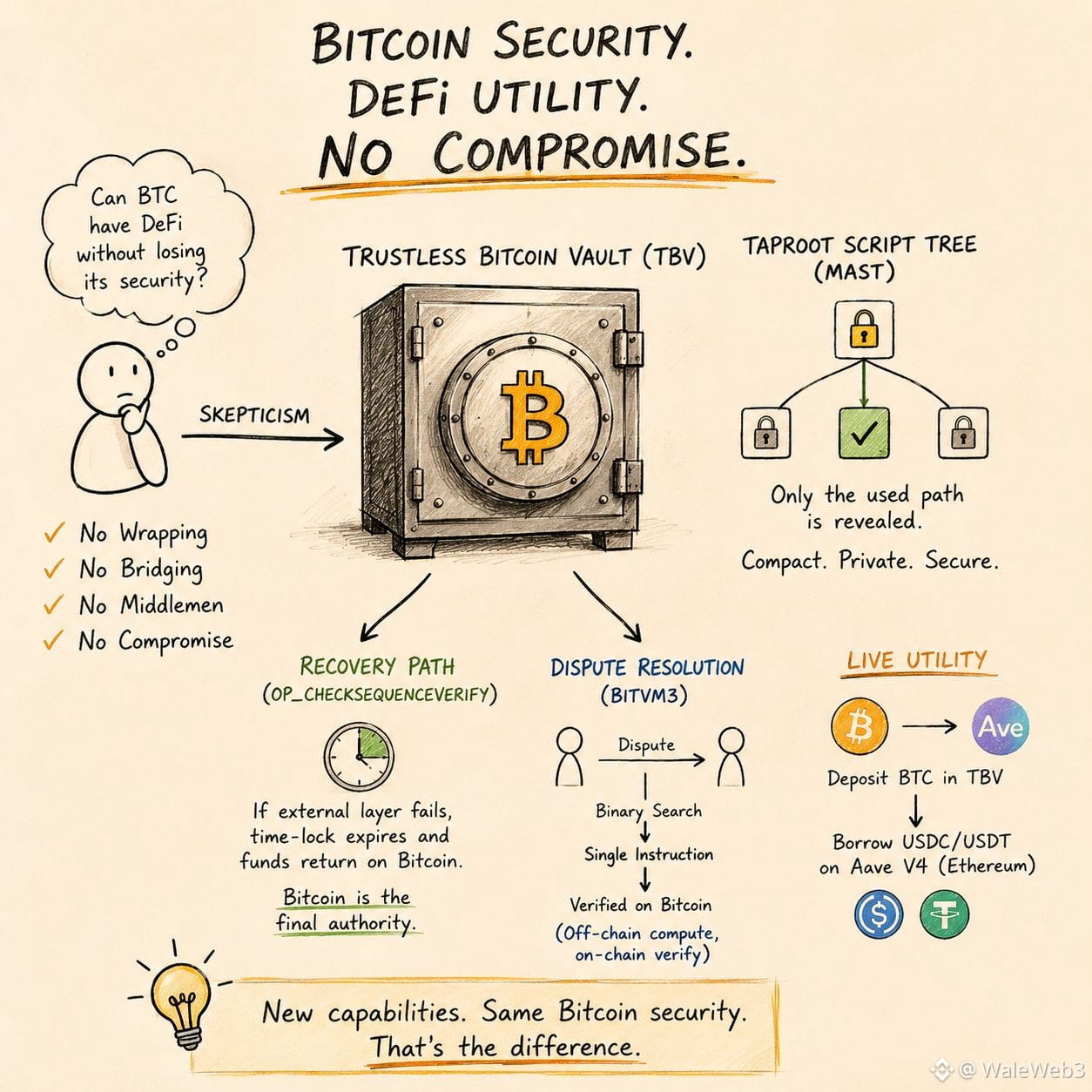
Anstatt BTC in einen gemeinsamen Sicherheitenpool zu zwingen, isoliert ein TBV dein Asset in einen individuellen nativen Taproot-Output, der mit Pay-to-Taproot (P2TR)-Skripten umgesetzt wird. Indem Ausgabenpfade in eine MAST-basierte Taproot-Skriptstruktur eingebunden werden, erzwingt das System komplexe Finanzlogik auf externen Chains, während die On-Chain-Datenmenge erstaunlich klein bleibt. Dein Bitcoin verlässt seine native Ebene nie; die Skriptstruktur übernimmt die Zustandsabhängigkeiten und macht nur den konkreten Zweig sichtbar, der für die Einlösung verwendet wird. Der absolute Durchbruch für mich war zu sehen, wie das Protokoll mit Worst-Case-Liveness-Ausfällen umgeht. Die TBV-Architektur integriert einen dedizierten Recovery-Zweig, der durch den OP_CHECKSEQUENCEVERIFY-Opcode gesteuert wird. Wenn eine externe Ausführungsebene dunkel wird, reift eine relative Time-Lock ganz natürlich heran. Sobald dieses Blockintervall verstrichen ist, öffnet sich der Recovery-Pfad automatisch. Kein Validator und keine föderierte Gruppe kann deine Transaktion blockieren, weil der Bitcoin-Konsens der Basisschicht weiterhin die absolute letzte Entscheidungsgewalt über dein Geld bleibt.
BitVM3 hält schwere Berechnungen off-chain. Wenn ein Zustandsübergang bestritten wird, reduziert eine interaktive Challenge ihn auf eine einzige CPU-Anweisung, die gegen das Taproot-Commitment verifiziert wird. Bitcoin bleibt der finale Schiedsrichter. Babylons TBV-Testnet belegt das Modell—nativer BTC kann USDC/USDT-Kredite auf Aave v4 absichern, ohne das Sicherheitsmodell von Bitcoin zu verlassen.
#baby $BABY @babylonlabs_io
{future}(BABYUSDT)
Ich war früher ein strenger Bitcoin-Sicherheitspurist. Jedes Projekt, das behauptete, DeFi zu Bitcoin zu bringen, hatte unter der Haube immer denselben strukturellen Fehler: Es verlangte, dass ich meine Assets verpacke, sie bridge oder einem Multi-Sig-Föderationskreis von Insidern vertraue. Ich bin immer weggegangen, weil es keinen Sinn ergibt, die unerschütterliche Sicherheit des Bitcoin-Konsenses gegen ein fragiles externes Validator-Quorum einzutauschen.
Als ich @BabylonLabs_io anfing zu analysieren, brachte ich genau diese gleiche Skepsis mit. Was meine Perspektive komplett gedreht hat, war das kartieren der kryptografischen Logik, die Trustless Bitcoin Vaults (TBV) antreibt.
Anstatt BTC in einen gemeinsamen Sicherheitenpool zu zwingen, isoliert ein TBV dein Asset in einen individuellen nativen Taproot-Output, der mit Pay-to-Taproot (P2TR)-Skripten umgesetzt wird. Indem Ausgabenpfade in eine MAST-basierte Taproot-Skriptstruktur eingebunden werden, erzwingt das System komplexe Finanzlogik auf externen Chains, während die On-Chain-Datenmenge erstaunlich klein bleibt. Dein Bitcoin verlässt seine native Ebene nie; die Skriptstruktur übernimmt die Zustandsabhängigkeiten und macht nur den konkreten Zweig sichtbar, der für die Einlösung verwendet wird. Der absolute Durchbruch für mich war zu sehen, wie das Protokoll mit Worst-Case-Liveness-Ausfällen umgeht. Die TBV-Architektur integriert einen dedizierten Recovery-Zweig, der durch den OP_CHECKSEQUENCEVERIFY-Opcode gesteuert wird. Wenn eine externe Ausführungsebene dunkel wird, reift eine relative Time-Lock ganz natürlich heran. Sobald dieses Blockintervall verstrichen ist, öffnet sich der Recovery-Pfad automatisch. Kein Validator und keine föderierte Gruppe kann deine Transaktion blockieren, weil der Bitcoin-Konsens der Basisschicht weiterhin die absolute letzte Entscheidungsgewalt über dein Geld bleibt.
BitVM3 hält schwere Berechnungen off-chain. Wenn ein Zustandsübergang bestritten wird, reduziert eine interaktive Challenge ihn auf eine einzige CPU-Anweisung, die gegen das Taproot-Commitment verifiziert wird. Bitcoin bleibt der finale Schiedsrichter. Babylons TBV-Testnet belegt das Modell—nativer BTC kann USDC/USDT-Kredite auf Aave v4 absichern, ohne das Sicherheitsmodell von Bitcoin zu verlassen.
#baby $BABY @BabylonLabs_io
Als ich @BabylonLabs_io anfing zu analysieren, brachte ich genau diese gleiche Skepsis mit. Was meine Perspektive komplett gedreht hat, war das kartieren der kryptografischen Logik, die Trustless Bitcoin Vaults (TBV) antreibt.
Anstatt BTC in einen gemeinsamen Sicherheitenpool zu zwingen, isoliert ein TBV dein Asset in einen individuellen nativen Taproot-Output, der mit Pay-to-Taproot (P2TR)-Skripten umgesetzt wird. Indem Ausgabenpfade in eine MAST-basierte Taproot-Skriptstruktur eingebunden werden, erzwingt das System komplexe Finanzlogik auf externen Chains, während die On-Chain-Datenmenge erstaunlich klein bleibt. Dein Bitcoin verlässt seine native Ebene nie; die Skriptstruktur übernimmt die Zustandsabhängigkeiten und macht nur den konkreten Zweig sichtbar, der für die Einlösung verwendet wird. Der absolute Durchbruch für mich war zu sehen, wie das Protokoll mit Worst-Case-Liveness-Ausfällen umgeht. Die TBV-Architektur integriert einen dedizierten Recovery-Zweig, der durch den OP_CHECKSEQUENCEVERIFY-Opcode gesteuert wird. Wenn eine externe Ausführungsebene dunkel wird, reift eine relative Time-Lock ganz natürlich heran. Sobald dieses Blockintervall verstrichen ist, öffnet sich der Recovery-Pfad automatisch. Kein Validator und keine föderierte Gruppe kann deine Transaktion blockieren, weil der Bitcoin-Konsens der Basisschicht weiterhin die absolute letzte Entscheidungsgewalt über dein Geld bleibt.
BitVM3 hält schwere Berechnungen off-chain. Wenn ein Zustandsübergang bestritten wird, reduziert eine interaktive Challenge ihn auf eine einzige CPU-Anweisung, die gegen das Taproot-Commitment verifiziert wird. Bitcoin bleibt der finale Schiedsrichter. Babylons TBV-Testnet belegt das Modell—nativer BTC kann USDC/USDT-Kredite auf Aave v4 absichern, ohne das Sicherheitsmodell von Bitcoin zu verlassen.
#baby $BABY @BabylonLabs_io
5
1
175
·
--
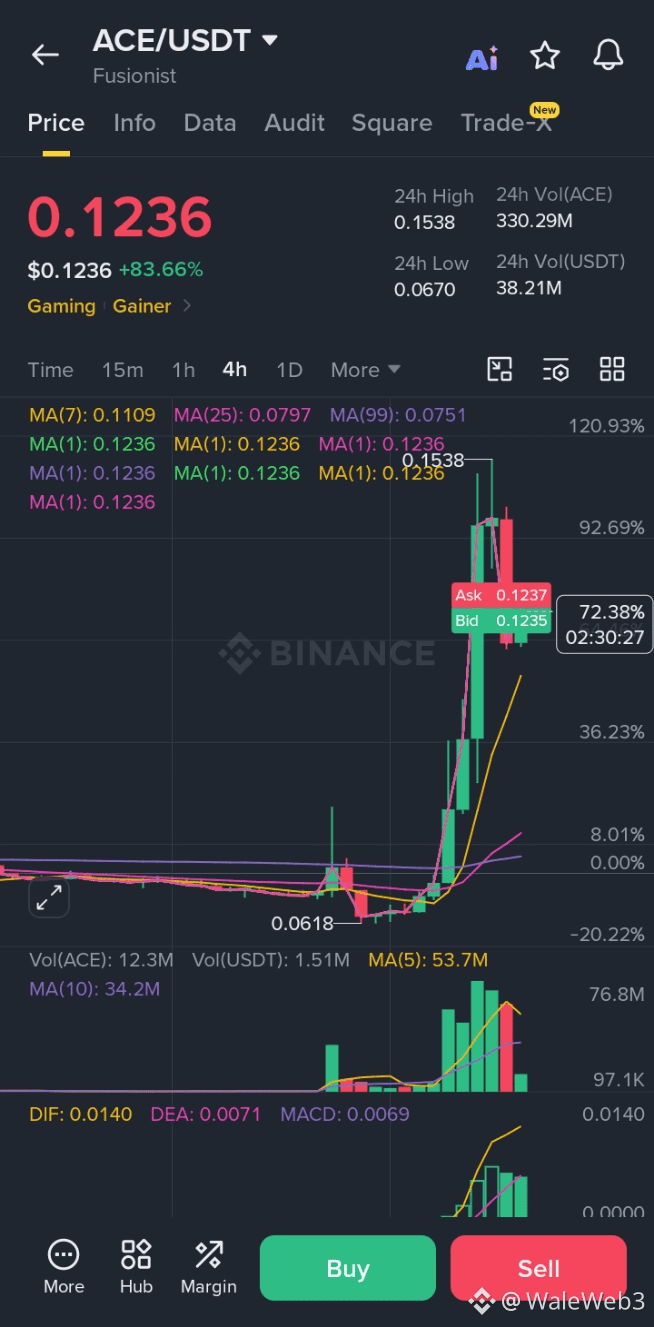
$ACE /USDT bleibt in einer starken bullischen Struktur, nachdem es zu einem explosiven Ausbruch kam, und gewinnt innerhalb der aktuellen Sitzung über 80%.
Der Preis handelt deutlich über den gleitenden Durchschnitten der 7-, 25- und 99-Perioden, was einen anhaltenden Aufwärtsimpuls bestätigt. Allerdings deutet die Zurückweisung vom Hoch bei $0.1538 auf Gewinnmitnahmen hin, wodurch ein kurzfristiger Rücksetzer oder eine Konsolidierung wahrscheinlich ist, bevor die nächste Bewegung erfolgt.
Einstieg: $0.1160–$0.1210
Take Profit: $0.1350 | $0.1480 | $0.1600
Stop Loss: $0.1090
Hebel: 3x–5x Isoliert
Ausblick: Solange ACE über der $0.1100-Unterstützungszone hält, bleibt der übergeordnete bullische Trend intakt. Eine erfolgreiche Rückeroberung von $0.1538 mit starkem Volumen könnte einen weiteren Aufwärtsschub auslösen, Richtung $0.1700.
Händler sollten vermeiden, dem aktuellen Kurs hinterherzulaufen, sondern stattdessen auf einen kontrollierten Rücklauf oder einen bestätigten Ausbruch über den Widerstand warten.
{future}(ACEUSDT)
$ACE /USDT bleibt in einer starken bullischen Struktur, nachdem es zu einem explosiven Ausbruch kam, und gewinnt innerhalb der aktuellen Sitzung über 80%.
Der Preis handelt deutlich über den gleitenden Durchschnitten der 7-, 25- und 99-Perioden, was einen anhaltenden Aufwärtsimpuls bestätigt. Allerdings deutet die Zurückweisung vom Hoch bei $0.1538 auf Gewinnmitnahmen hin, wodurch ein kurzfristiger Rücksetzer oder eine Konsolidierung wahrscheinlich ist, bevor die nächste Bewegung erfolgt.
Einstieg: $0.1160–$0.1210
Take Profit: $0.1350 | $0.1480 | $0.1600
Stop Loss: $0.1090
Hebel: 3x–5x Isoliert
Ausblick: Solange ACE über der $0.1100-Unterstützungszone hält, bleibt der übergeordnete bullische Trend intakt. Eine erfolgreiche Rückeroberung von $0.1538 mit starkem Volumen könnte einen weiteren Aufwärtsschub auslösen, Richtung $0.1700.
Händler sollten vermeiden, dem aktuellen Kurs hinterherzulaufen, sondern stattdessen auf einen kontrollierten Rücklauf oder einen bestätigten Ausbruch über den Widerstand warten.
Der Preis handelt deutlich über den gleitenden Durchschnitten der 7-, 25- und 99-Perioden, was einen anhaltenden Aufwärtsimpuls bestätigt. Allerdings deutet die Zurückweisung vom Hoch bei $0.1538 auf Gewinnmitnahmen hin, wodurch ein kurzfristiger Rücksetzer oder eine Konsolidierung wahrscheinlich ist, bevor die nächste Bewegung erfolgt.
Einstieg: $0.1160–$0.1210
Take Profit: $0.1350 | $0.1480 | $0.1600
Stop Loss: $0.1090
Hebel: 3x–5x Isoliert
Ausblick: Solange ACE über der $0.1100-Unterstützungszone hält, bleibt der übergeordnete bullische Trend intakt. Eine erfolgreiche Rückeroberung von $0.1538 mit starkem Volumen könnte einen weiteren Aufwärtsschub auslösen, Richtung $0.1700.
Händler sollten vermeiden, dem aktuellen Kurs hinterherzulaufen, sondern stattdessen auf einen kontrollierten Rücklauf oder einen bestätigten Ausbruch über den Widerstand warten.
1
112
·
--
$ESPORTS Warum LONG?
Der Preis liegt über den 7-, 25- und 99-Tage-Linien (gleitende Durchschnitte), was bullisch ist.
MACD ist weiterhin bullisch, da die MACD-Linie über der Signallinie liegt.
Der übergeordnete Trend bleibt trotz einiger Gewinnmitnahmen nach oben gerichtet.
Handels-Setup
Richtung: 🟢 Long
{future}(ESPORTSUSDT)
Bester Einstieg: 0.0390–0.0405 USDT bei einem Rücksetzer.
Breakout-Einstieg: Über 0.0460 USDT, nachdem ein bestätigter 4H-Kerzenabschluss vorliegt.
Stop-Loss: 0.0355 USDT
Take Profit 1: 0.0500 USDT
Take Profit 2: 0.0525 USDT
Take Profit 3: 0.0580 USDT
Ich würde einen Short nur vermeiden, wenn der Preis 0.0390 verliert—mit starkem Verkaufsvolumen—und eine 4H-Kerze unter dieser Unterstützung schließt.
Fazit: LONG-Sichtweise, aber warte auf einen besseren Einstieg, statt bei 0.04337 zu kaufen.
$ESPORTS Warum LONG?
Der Preis liegt über den 7-, 25- und 99-Tage-Linien (gleitende Durchschnitte), was bullisch ist.
MACD ist weiterhin bullisch, da die MACD-Linie über der Signallinie liegt.
Der übergeordnete Trend bleibt trotz einiger Gewinnmitnahmen nach oben gerichtet.
Handels-Setup
Richtung: 🟢 Long
Bester Einstieg: 0.0390–0.0405 USDT bei einem Rücksetzer.
Breakout-Einstieg: Über 0.0460 USDT, nachdem ein bestätigter 4H-Kerzenabschluss vorliegt.
Stop-Loss: 0.0355 USDT
Take Profit 1: 0.0500 USDT
Take Profit 2: 0.0525 USDT
Take Profit 3: 0.0580 USDT
Ich würde einen Short nur vermeiden, wenn der Preis 0.0390 verliert—mit starkem Verkaufsvolumen—und eine 4H-Kerze unter dieser Unterstützung schließt.
Fazit: LONG-Sichtweise, aber warte auf einen besseren Einstieg, statt bei 0.04337 zu kaufen.
Der Preis liegt über den 7-, 25- und 99-Tage-Linien (gleitende Durchschnitte), was bullisch ist.
MACD ist weiterhin bullisch, da die MACD-Linie über der Signallinie liegt.
Der übergeordnete Trend bleibt trotz einiger Gewinnmitnahmen nach oben gerichtet.
Handels-Setup
Richtung: 🟢 Long
Bester Einstieg: 0.0390–0.0405 USDT bei einem Rücksetzer.
Breakout-Einstieg: Über 0.0460 USDT, nachdem ein bestätigter 4H-Kerzenabschluss vorliegt.
Stop-Loss: 0.0355 USDT
Take Profit 1: 0.0500 USDT
Take Profit 2: 0.0525 USDT
Take Profit 3: 0.0580 USDT
Ich würde einen Short nur vermeiden, wenn der Preis 0.0390 verliert—mit starkem Verkaufsvolumen—und eine 4H-Kerze unter dieser Unterstützung schließt.
Fazit: LONG-Sichtweise, aber warte auf einen besseren Einstieg, statt bei 0.04337 zu kaufen.
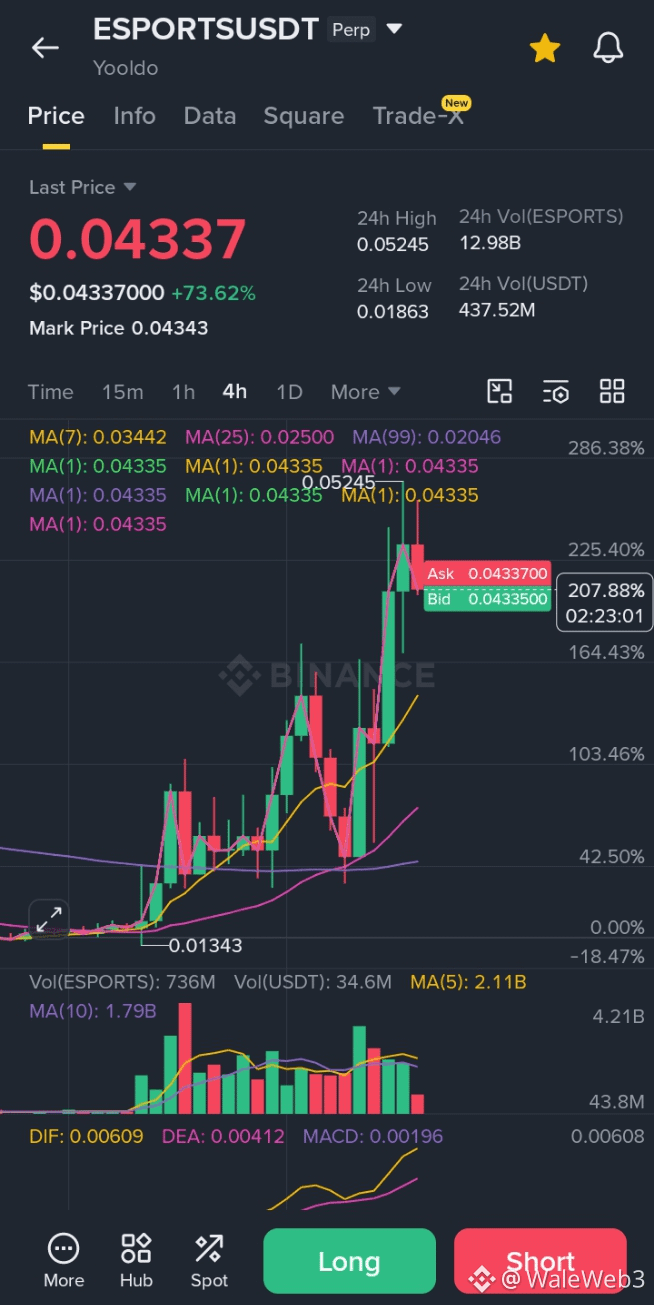
1
230
·
--
$DGB
Ich bleibe bei DGB bullish. Der Preis ist über alle wichtigen gleitenden Durchschnitte ausgebrochen, das Volumen nimmt zu und der MACD bleibt klar bullish – das zeigt, dass Käufer weiterhin die Kontrolle haben. Der Momentum ist stark, aber nach einem steilen 35%-Anstieg würde ich mich nicht aus FOMO in die aktuelle Kerze hineinziehen lassen. Ich würde lieber auf einen gesunden Rücksetzer warten oder auf einen bestätigten Ausbruch über den Widerstand.
Einstieg: 0.00360–0.00375 (Rücksetzer) oder oberhalb von 0.00394 nach Bestätigung.
Take Profit: 0.00410, 0.00430, 0.00460.
Stop Loss: 0.00345.
Hebel: maximal 3x–5x.
{spot}(DGBUSDT)
Solange DGB über dem Bereich von 0.00360 bleibt, erwarte ich, dass Käufer weiter nach oben drücken und die nächste Aufwärtsbewegung anstoßen. Geduld ist hier die bessere Trade-Entscheidung.
$DGB
Ich bleibe bei DGB bullish. Der Preis ist über alle wichtigen gleitenden Durchschnitte ausgebrochen, das Volumen nimmt zu und der MACD bleibt klar bullish – das zeigt, dass Käufer weiterhin die Kontrolle haben. Der Momentum ist stark, aber nach einem steilen 35%-Anstieg würde ich mich nicht aus FOMO in die aktuelle Kerze hineinziehen lassen. Ich würde lieber auf einen gesunden Rücksetzer warten oder auf einen bestätigten Ausbruch über den Widerstand.
Einstieg: 0.00360–0.00375 (Rücksetzer) oder oberhalb von 0.00394 nach Bestätigung.
Take Profit: 0.00410, 0.00430, 0.00460.
Stop Loss: 0.00345.
Hebel: maximal 3x–5x.
Solange DGB über dem Bereich von 0.00360 bleibt, erwarte ich, dass Käufer weiter nach oben drücken und die nächste Aufwärtsbewegung anstoßen. Geduld ist hier die bessere Trade-Entscheidung.
Ich bleibe bei DGB bullish. Der Preis ist über alle wichtigen gleitenden Durchschnitte ausgebrochen, das Volumen nimmt zu und der MACD bleibt klar bullish – das zeigt, dass Käufer weiterhin die Kontrolle haben. Der Momentum ist stark, aber nach einem steilen 35%-Anstieg würde ich mich nicht aus FOMO in die aktuelle Kerze hineinziehen lassen. Ich würde lieber auf einen gesunden Rücksetzer warten oder auf einen bestätigten Ausbruch über den Widerstand.
Einstieg: 0.00360–0.00375 (Rücksetzer) oder oberhalb von 0.00394 nach Bestätigung.
Take Profit: 0.00410, 0.00430, 0.00460.
Stop Loss: 0.00345.
Hebel: maximal 3x–5x.
Solange DGB über dem Bereich von 0.00360 bleibt, erwarte ich, dass Käufer weiter nach oben drücken und die nächste Aufwärtsbewegung anstoßen. Geduld ist hier die bessere Trade-Entscheidung.
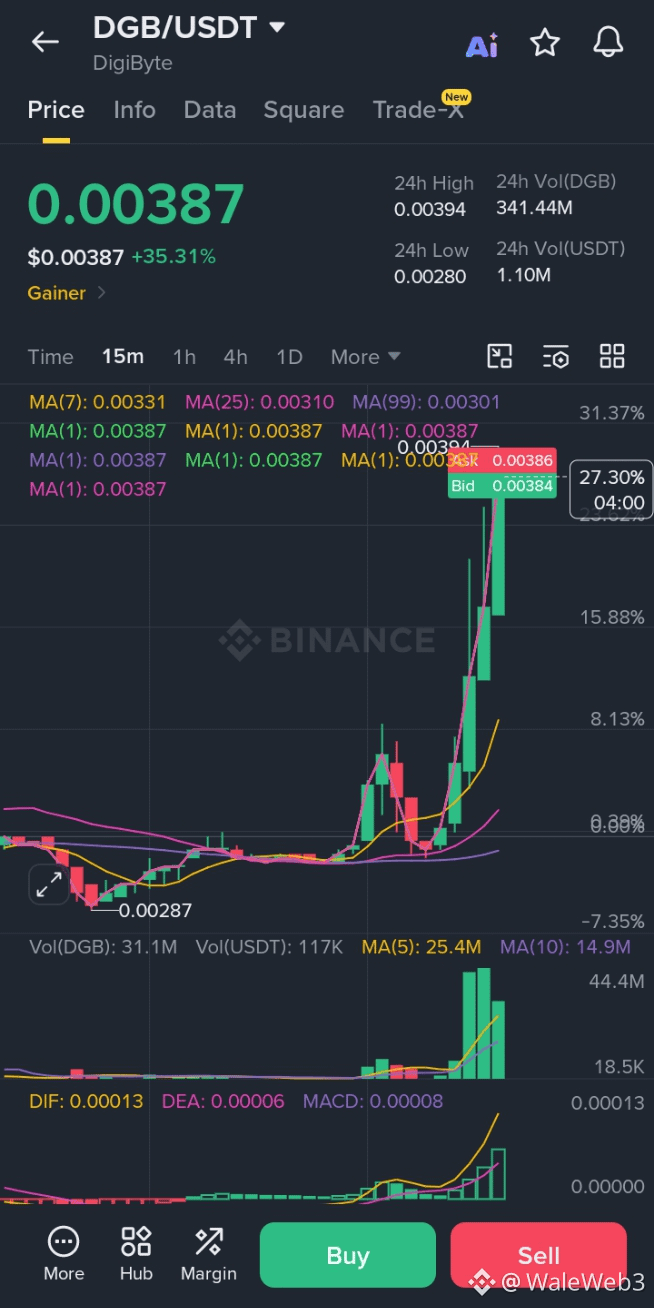
2
286
·
--
$BANK / $USDT
Nach dem, was ich sehe, hat sich BANK von einer scharfen Erholung in eine gesunde Konsolidierung verlagert. Der Kurs handelt um $0.0724 herum, bleibt oberhalb der MA7 ($0.0708), MA25 ($0.0672) und MA99 ($0.0653), was darauf hindeutet, dass Käufer kurzfristig weiterhin die Oberhand haben. Der MACD bleibt bullisch mit sich ausweitenden grünen Histogrammbalken, auch wenn das sinkende Volumen darauf hindeutet, dass für den nächsten Anstieg frische Beteiligung benötigt wird.
Ich habe hier kein Interesse daran, Kerzen hinterherzulaufen. Ich würde lieber Einstiegsmöglichkeiten um $0.0715–0.0725 suchen oder auf einen bestätigten Ausbruch über $0.0750 mit stärkerem Volumen warten. Solange der Kurs über $0.0700 hält, erwarte ich, dass Käufer weiterhin das jüngste Hoch nahe $0.0880 anpeilen.
Handelsplan
Einstieg: $0.0715–0.0725
Stop Loss: $0.0670
Take Profit 1: $0.0785
Take Profit 2: $0.0840
Take Profit 3: $0.0880
Hebel: 5x–8x für ein besseres Risikomanagement
{future}(BANKUSDT)
Für mich bleibt das bullische Setup gültig, solange der Kurs oberhalb der wichtigen gleitenden Durchschnitte bleibt. Ein entschlossener Ausbruch über $0.0750 könnte frischen Schwung anziehen und den Weg in Richtung $0.0840–0.0880 öffnen. Wenn $0.0670 nicht hält, würde ich aus dem Trade aussteigen und auf eine stärkere Unterstützung warten, bevor ich einen weiteren Long-Trade in Betracht ziehe.
$BANK / $USDT
Nach dem, was ich sehe, hat sich BANK von einer scharfen Erholung in eine gesunde Konsolidierung verlagert. Der Kurs handelt um $0.0724 herum, bleibt oberhalb der MA7 ($0.0708), MA25 ($0.0672) und MA99 ($0.0653), was darauf hindeutet, dass Käufer kurzfristig weiterhin die Oberhand haben. Der MACD bleibt bullisch mit sich ausweitenden grünen Histogrammbalken, auch wenn das sinkende Volumen darauf hindeutet, dass für den nächsten Anstieg frische Beteiligung benötigt wird.
Ich habe hier kein Interesse daran, Kerzen hinterherzulaufen. Ich würde lieber Einstiegsmöglichkeiten um $0.0715–0.0725 suchen oder auf einen bestätigten Ausbruch über $0.0750 mit stärkerem Volumen warten. Solange der Kurs über $0.0700 hält, erwarte ich, dass Käufer weiterhin das jüngste Hoch nahe $0.0880 anpeilen.
Handelsplan
Einstieg: $0.0715–0.0725
Stop Loss: $0.0670
Take Profit 1: $0.0785
Take Profit 2: $0.0840
Take Profit 3: $0.0880
Hebel: 5x–8x für ein besseres Risikomanagement
Für mich bleibt das bullische Setup gültig, solange der Kurs oberhalb der wichtigen gleitenden Durchschnitte bleibt. Ein entschlossener Ausbruch über $0.0750 könnte frischen Schwung anziehen und den Weg in Richtung $0.0840–0.0880 öffnen. Wenn $0.0670 nicht hält, würde ich aus dem Trade aussteigen und auf eine stärkere Unterstützung warten, bevor ich einen weiteren Long-Trade in Betracht ziehe.
Nach dem, was ich sehe, hat sich BANK von einer scharfen Erholung in eine gesunde Konsolidierung verlagert. Der Kurs handelt um $0.0724 herum, bleibt oberhalb der MA7 ($0.0708), MA25 ($0.0672) und MA99 ($0.0653), was darauf hindeutet, dass Käufer kurzfristig weiterhin die Oberhand haben. Der MACD bleibt bullisch mit sich ausweitenden grünen Histogrammbalken, auch wenn das sinkende Volumen darauf hindeutet, dass für den nächsten Anstieg frische Beteiligung benötigt wird.
Ich habe hier kein Interesse daran, Kerzen hinterherzulaufen. Ich würde lieber Einstiegsmöglichkeiten um $0.0715–0.0725 suchen oder auf einen bestätigten Ausbruch über $0.0750 mit stärkerem Volumen warten. Solange der Kurs über $0.0700 hält, erwarte ich, dass Käufer weiterhin das jüngste Hoch nahe $0.0880 anpeilen.
Handelsplan
Einstieg: $0.0715–0.0725
Stop Loss: $0.0670
Take Profit 1: $0.0785
Take Profit 2: $0.0840
Take Profit 3: $0.0880
Hebel: 5x–8x für ein besseres Risikomanagement
Für mich bleibt das bullische Setup gültig, solange der Kurs oberhalb der wichtigen gleitenden Durchschnitte bleibt. Ein entschlossener Ausbruch über $0.0750 könnte frischen Schwung anziehen und den Weg in Richtung $0.0840–0.0880 öffnen. Wenn $0.0670 nicht hält, würde ich aus dem Trade aussteigen und auf eine stärkere Unterstützung warten, bevor ich einen weiteren Long-Trade in Betracht ziehe.
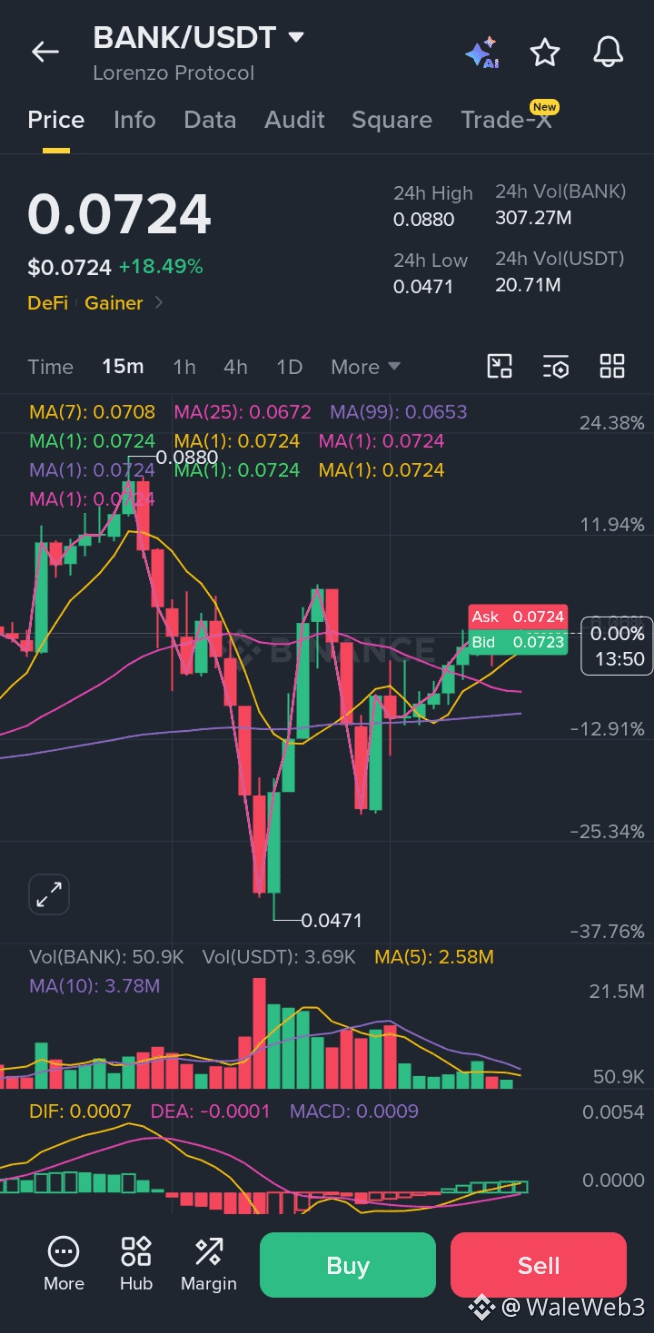
1
190
·
--
$XEC
XEC hält seine Gewinne nach einem starken 31%-Anstieg, während der Kurs knapp unter dem Widerstand von 0.00000846 konsolidiert. Der MA(7) bleibt über dem MA(25), wodurch der kurzfristige Trend bullisch bleibt, obwohl das abflachende MACD darauf hindeutet, dass die Dynamik nachlässt.
Ich suche nach einem Rücksetzer in den Bereich 0.00000818–0.00000825, bevor ich einen Einstieg in Betracht ziehe.
Einstieg: 0.00000818–0.00000825
TP1: 0.00000846
TP2: 0.00000870
SL: 0.00000795
Hebel: 3x–5x
{spot}(XECUSDT)
Ich würde diesem Move nicht hinterherjagen. Ein gesunder Retest mit Kaufvolumen bietet ein deutlich besseres Chance-Risiko-Profil als ein Einstieg nach dem Ausbruch.
$XEC
XEC hält seine Gewinne nach einem starken 31%-Anstieg, während der Kurs knapp unter dem Widerstand von 0.00000846 konsolidiert. Der MA(7) bleibt über dem MA(25), wodurch der kurzfristige Trend bullisch bleibt, obwohl das abflachende MACD darauf hindeutet, dass die Dynamik nachlässt.
Ich suche nach einem Rücksetzer in den Bereich 0.00000818–0.00000825, bevor ich einen Einstieg in Betracht ziehe.
Einstieg: 0.00000818–0.00000825
TP1: 0.00000846
TP2: 0.00000870
SL: 0.00000795
Hebel: 3x–5x
Ich würde diesem Move nicht hinterherjagen. Ein gesunder Retest mit Kaufvolumen bietet ein deutlich besseres Chance-Risiko-Profil als ein Einstieg nach dem Ausbruch.
XEC hält seine Gewinne nach einem starken 31%-Anstieg, während der Kurs knapp unter dem Widerstand von 0.00000846 konsolidiert. Der MA(7) bleibt über dem MA(25), wodurch der kurzfristige Trend bullisch bleibt, obwohl das abflachende MACD darauf hindeutet, dass die Dynamik nachlässt.
Ich suche nach einem Rücksetzer in den Bereich 0.00000818–0.00000825, bevor ich einen Einstieg in Betracht ziehe.
Einstieg: 0.00000818–0.00000825
TP1: 0.00000846
TP2: 0.00000870
SL: 0.00000795
Hebel: 3x–5x
Ich würde diesem Move nicht hinterherjagen. Ein gesunder Retest mit Kaufvolumen bietet ein deutlich besseres Chance-Risiko-Profil als ein Einstieg nach dem Ausbruch.
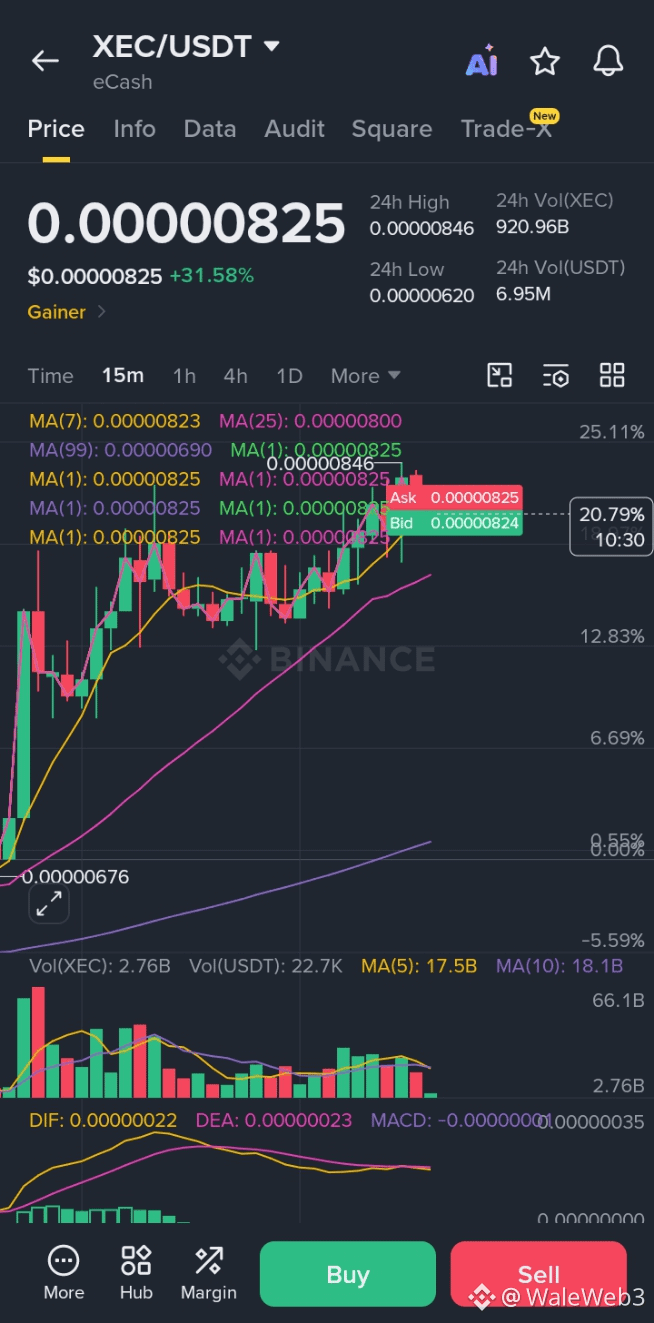
3
205
Anmelden und weiter Inhalte entdecken
Krypto-Nutzer weltweit auf Binance Square kennenlernen
⚡️ Bleib in Sachen Krypto stets am Puls.
💬 Die weltgrößte Kryptobörse vertraut darauf.
👍 Erhalte verlässliche Einblicke von verifizierten Creators.
E-Mail-Adresse/Telefonnummer
Trendthemen
BinanceLaunchesBinanceIntelligence
819,876 Aufrufe
5,109 Kommentare
🚨 BINANCE BRINGT KI NOCH TIEFER IN DIE KRYPTO-WELT.
Binance hat Binance Intelligence gestartet – eine neue KI-gestützte Ebene, die auf Marktforschung, Trading-Prozesse und Krypto-Daten ausgerichtet ist.
Was besonders spannend ist?
Es ist nicht nur ein einziges Tool.
🧠 Binance AI → personalisierte Marktanalysen, Alerts und Portfolio-Einblicke
⚡ Binance AI Pro → verwandelt natürlichsprachliche Ideen in Trading-Prozesse
🤖 Agent OS → verbindet KI-Agenten mit den Möglichkeiten von Märkten, Portfolios und der Blockchain
Das ist eine große Veränderung.
Krypto-Plattformen versorgen Trader nicht mehr nur mit Charts und Daten.
Sie beginnen, ihnen KI-Systeme anzubieten, die diese Daten interpretieren können.
Die entscheidende Frage lautet:
Wird KI unter Tradern so alltäglich werden wie heute Indikatoren und Charts? 👀
$BTC
$GRIFFAIN
$NMR
#BinanceLaunchesBinanceIntelligence
Jacob trade
·0 Likes
·131 Aufrufe
RobinhoodAdds$25MInBitcoinToBalanceSheet
0 Aufrufe
0 Kommentare
SP500AndNasdaqHitRecordHighs
0 Aufrufe
0 Kommentare