
VKArya
8.6k Beiträge

VKArya
Melden
Nutzer blockieren
I m gamer
Trade eröffnen
Regelmäßiger Trader
2 Jahre
2.0K+ Following
20.9K+ Follower
2.0K+ Like gegeben
Beiträge
Portfolio
Alle
Zitierungen
Live
·
--
Artikel
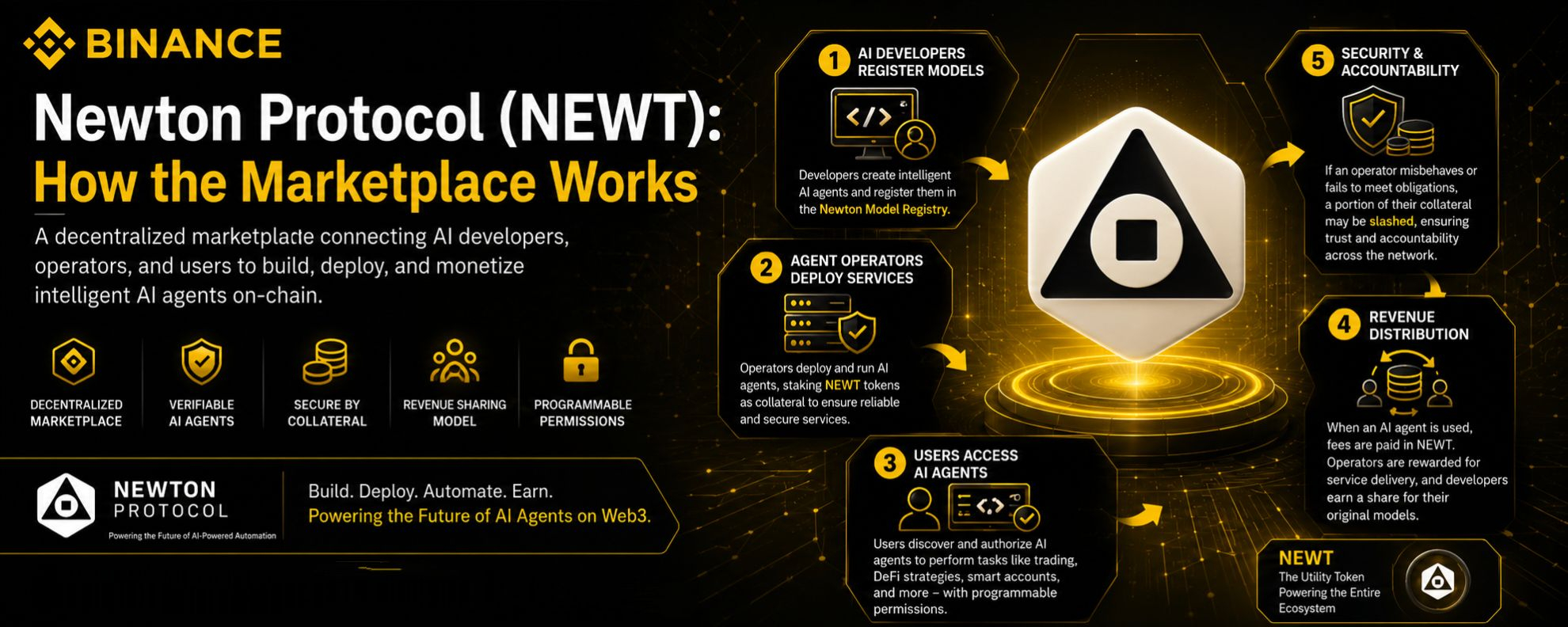
Newton Protocol (NEWT): So funktioniert der MarktplatzDas Newton Protocol (NEWT) führt einen On-Chain-Marktplatz ein, der darauf ausgelegt ist, KI-Entwickler, Agentenbetreiber und Endnutzer in einem sicheren, dezentralen Ökosystem miteinander zu verbinden. Über das Newton Model Registry können Entwickler autonome KI-Agenten veröffentlichen, während Betreiber diese Agenten für reale Anwendungen bereitstellen und warten. Der Marktplatz ist darauf ausgelegt, Innovation, Transparenz und nachhaltige Belohnungen zu fördern, ohne sich auf zentrale Plattformen zu stützen.
Schritt 1: KI-Entwickler registrieren ihre Modelle
KI-Entwickler erstellen intelligente Agenten oder Automatisierungsmodelle und registrieren sie im Newton Model Registry. Durch die Registrierung werden diese KI-Agenten öffentlich auffindbar, sodass Nutzer und Unternehmen sie durchsuchen, bewerten und in blockchainbasierte Anwendungen integrieren können. Das Register dient als vertrauenswürdiges Verzeichnis verifizierbarer KI-Dienste.
Newton Protocol (NEWT): So funktioniert der Marktplatz
Das Newton Protocol (NEWT) führt einen On-Chain-Marktplatz ein, der darauf ausgelegt ist, KI-Entwickler, Agentenbetreiber und Endnutzer in einem sicheren, dezentralen Ökosystem miteinander zu verbinden. Über das Newton Model Registry können Entwickler autonome KI-Agenten veröffentlichen, während Betreiber diese Agenten für reale Anwendungen bereitstellen und warten. Der Marktplatz ist darauf ausgelegt, Innovation, Transparenz und nachhaltige Belohnungen zu fördern, ohne sich auf zentrale Plattformen zu stützen.
Schritt 1: KI-Entwickler registrieren ihre Modelle
KI-Entwickler erstellen intelligente Agenten oder Automatisierungsmodelle und registrieren sie im Newton Model Registry. Durch die Registrierung werden diese KI-Agenten öffentlich auffindbar, sodass Nutzer und Unternehmen sie durchsuchen, bewerten und in blockchainbasierte Anwendungen integrieren können. Das Register dient als vertrauenswürdiges Verzeichnis verifizierbarer KI-Dienste.
Schritt 1: KI-Entwickler registrieren ihre Modelle
KI-Entwickler erstellen intelligente Agenten oder Automatisierungsmodelle und registrieren sie im Newton Model Registry. Durch die Registrierung werden diese KI-Agenten öffentlich auffindbar, sodass Nutzer und Unternehmen sie durchsuchen, bewerten und in blockchainbasierte Anwendungen integrieren können. Das Register dient als vertrauenswürdiges Verzeichnis verifizierbarer KI-Dienste.
1
3
238
·
--
@SignOfficial Coin funktioniert in einem dezentralen Netzwerk, das zentrale Kontrolle eliminiert und Vertrauen über unabhängige Knoten verteilt. Durch ein konsensbasiertes System werden Transaktionen und Daten sicher verifiziert, in einem unveränderlichen Hauptbuch aufgezeichnet und vor Manipulation, Zensur und einzelnen Ausfallpunkten geschützt.
Entwickelt für Effizienz und Skalierbarkeit ermöglicht das Netzwerk schnelle, kostengünstige und Echtzeitanfragen, während es den Benutzern die volle Kontrolle über ihre Daten und digitalen Vermögenswerte gibt. Durch die Kombination von Sicherheit, Privatsphäre und Transparenz bildet SIGN Coin die Grundlage eines vertrauenswürdigen, benutzerzentrierten digitalen Ökosystems.
#signdigitalsovereigninfra $SIGN
@SignOfficial Coin funktioniert in einem dezentralen Netzwerk, das zentrale Kontrolle eliminiert und Vertrauen über unabhängige Knoten verteilt. Durch ein konsensbasiertes System werden Transaktionen und Daten sicher verifiziert, in einem unveränderlichen Hauptbuch aufgezeichnet und vor Manipulation, Zensur und einzelnen Ausfallpunkten geschützt.
Entwickelt für Effizienz und Skalierbarkeit ermöglicht das Netzwerk schnelle, kostengünstige und Echtzeitanfragen, während es den Benutzern die volle Kontrolle über ihre Daten und digitalen Vermögenswerte gibt. Durch die Kombination von Sicherheit, Privatsphäre und Transparenz bildet SIGN Coin die Grundlage eines vertrauenswürdigen, benutzerzentrierten digitalen Ökosystems.
#signdigitalsovereigninfra $SIGN
Entwickelt für Effizienz und Skalierbarkeit ermöglicht das Netzwerk schnelle, kostengünstige und Echtzeitanfragen, während es den Benutzern die volle Kontrolle über ihre Daten und digitalen Vermögenswerte gibt. Durch die Kombination von Sicherheit, Privatsphäre und Transparenz bildet SIGN Coin die Grundlage eines vertrauenswürdigen, benutzerzentrierten digitalen Ökosystems.
#signdigitalsovereigninfra $SIGN
1
575
·
--
Artikel
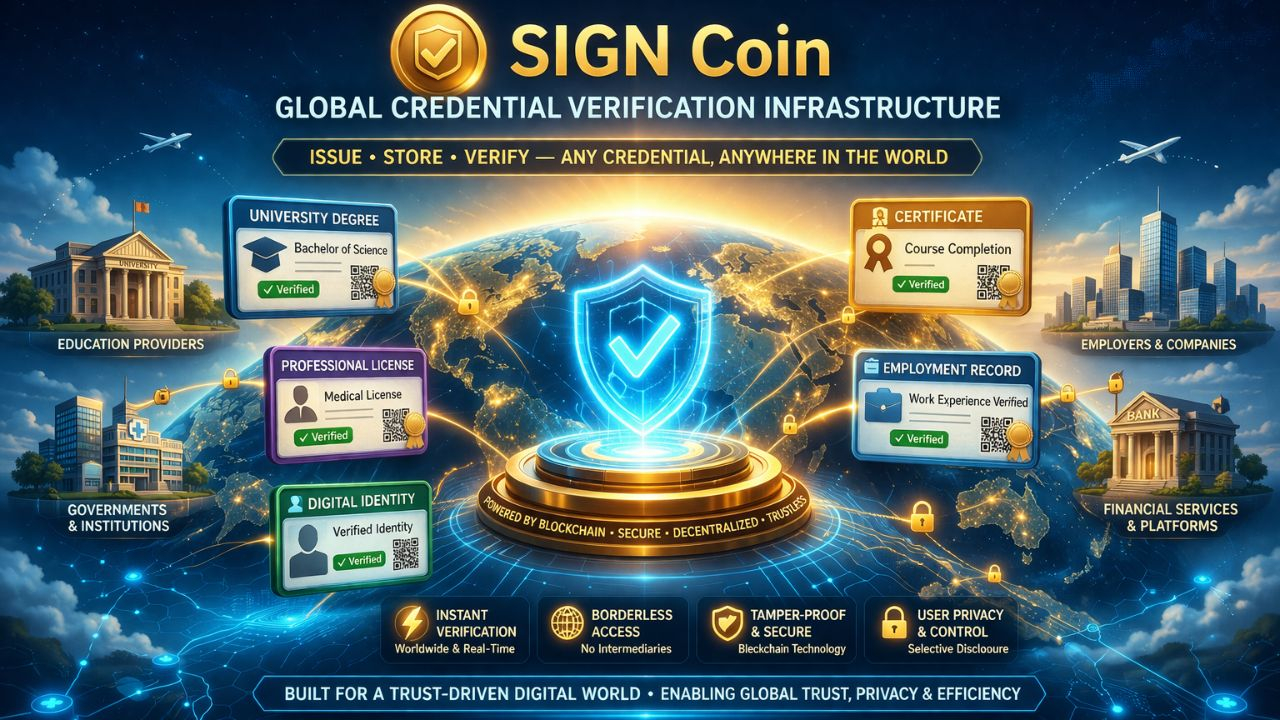
SIGN - Globale Credential-Verifizierungsinfrastruktur$SIGN Coin führt eine leistungsstarke globale Credential-Verifizierungsinfrastruktur ein, die darauf abzielt, die Art und Weise zu redefinieren, wie Vertrauen in der digitalen Welt hergestellt wird. Im Kern ermöglicht das System Einzelpersonen, Institutionen und Organisationen, Credentials – wie akademische Zertifikate, Berufslizenzen, digitale Identitäten und rechtliche Dokumente – auf einem sicheren, dezentralen Netzwerk auszustellen, zu speichern und zu verifizieren. Im Gegensatz zu traditionellen Verifizierungssystemen, die stark von zentralen Behörden und manuellen Prozessen abhängig sind, nutzt @SignOfficial Coin die Blockchain-Technologie, um eine manipulationssichere und universell zugängliche Vertrauensebene zu schaffen. Jedes auf dem Netzwerk ausgestellte Credential ist kryptografisch signiert und dauerhaft aufgezeichnet, was Authentizität gewährleistet, Fälschungen verhindert und die Notwendigkeit wiederholter Verifizierungsprüfungen eliminiert.
SIGN - Globale Credential-Verifizierungsinfrastruktur
$SIGN Coin führt eine leistungsstarke globale Credential-Verifizierungsinfrastruktur ein, die darauf abzielt, die Art und Weise zu redefinieren, wie Vertrauen in der digitalen Welt hergestellt wird. Im Kern ermöglicht das System Einzelpersonen, Institutionen und Organisationen, Credentials – wie akademische Zertifikate, Berufslizenzen, digitale Identitäten und rechtliche Dokumente – auf einem sicheren, dezentralen Netzwerk auszustellen, zu speichern und zu verifizieren. Im Gegensatz zu traditionellen Verifizierungssystemen, die stark von zentralen Behörden und manuellen Prozessen abhängig sind, nutzt @SignOfficial Coin die Blockchain-Technologie, um eine manipulationssichere und universell zugängliche Vertrauensebene zu schaffen. Jedes auf dem Netzwerk ausgestellte Credential ist kryptografisch signiert und dauerhaft aufgezeichnet, was Authentizität gewährleistet, Fälschungen verhindert und die Notwendigkeit wiederholter Verifizierungsprüfungen eliminiert.
1
507
·
--
Artikel
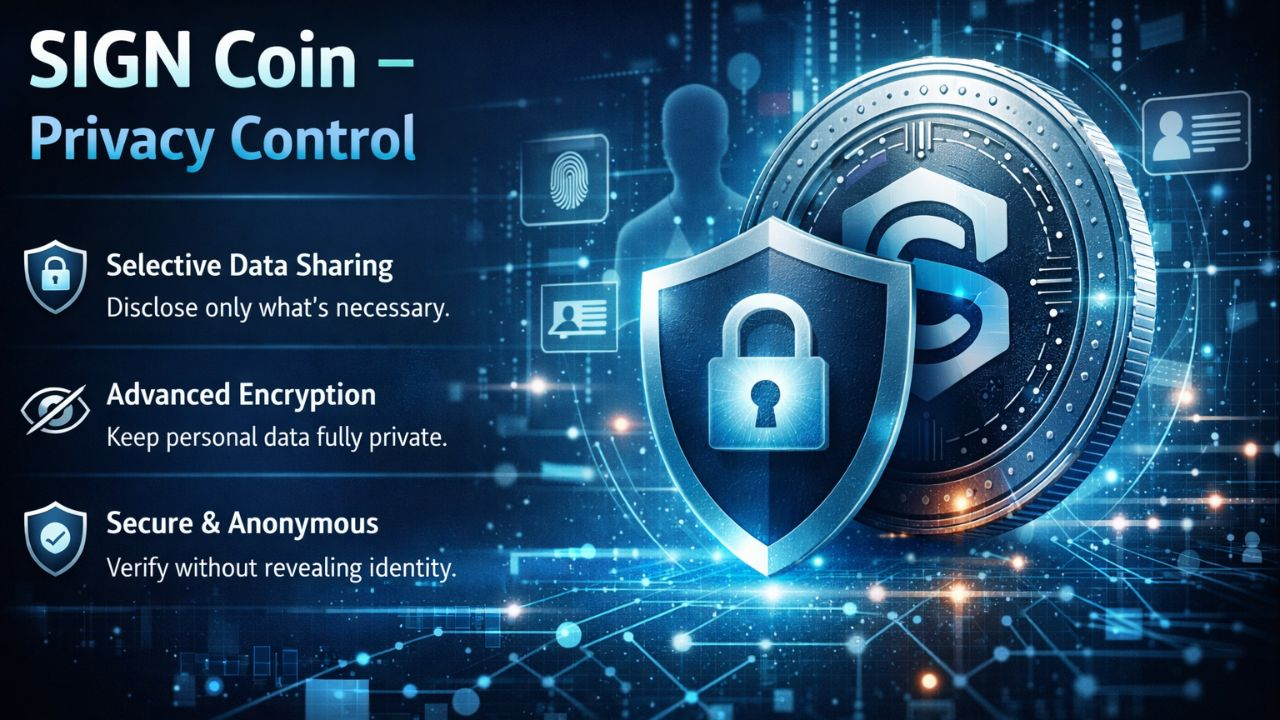
SIGN – DatenschutzkontrolleDie Datenschutzkontrolle in $SIGN Coin ist durchdacht gestaltet, um den Nutzern vollständige Kontrolle über ihre persönlichen und transaktionalen Daten zu geben, während ein starkes Gleichgewicht zwischen Sicherheit und Transparenz gewahrt bleibt. In einer digitalen Umgebung, in der Daten oft überbelichtet sind, führt @SignOfficial Coin einen intelligenteren Ansatz mit fortschrittlichen kryptografischen Techniken ein, die sensible Informationen in jeder Phase schützen. Die Nutzer haben die Macht zur selektiven Offenlegung, was bedeutet, dass sie nur die genauen Details teilen können, die für einen bestimmten Zweck erforderlich sind, ohne ihre vollständige Identität oder unnötige Daten preiszugeben. Jede Transaktion wird durch digitale Signaturen gesichert, was die Authentizität gewährleistet und gleichzeitig die Nutzerinformationen vertraulich hält. Dieser Ansatz minimiert nicht nur Risiken wie Datenverletzungen, Identitätsdiebstahl und unbefugtes Tracking, sondern schafft auch ein Gefühl des Vertrauens und der Zuversicht unter den Nutzern. Darüber hinaus ermöglicht SIGN Coin die Verifizierung ohne Offenlegung, sodass Systeme und Parteien die Gültigkeit von Daten bestätigen können, ohne auf den tatsächlichen Inhalt zuzugreifen. Durch die Kombination einer datenschutzorientierten Architektur mit intelligenten Sicherheitsmechanismen schafft SIGN Coin ein sicheres, nutzerzentriertes Ökosystem, in dem Einzelpersonen und Organisationen frei interagieren, ihren digitalen Fußabdruck schützen und die volle Kontrolle über ihre Informationen in einer zunehmend datengesteuerten Welt behalten können.
SIGN – Datenschutzkontrolle
Die Datenschutzkontrolle in $SIGN Coin ist durchdacht gestaltet, um den Nutzern vollständige Kontrolle über ihre persönlichen und transaktionalen Daten zu geben, während ein starkes Gleichgewicht zwischen Sicherheit und Transparenz gewahrt bleibt. In einer digitalen Umgebung, in der Daten oft überbelichtet sind, führt @SignOfficial Coin einen intelligenteren Ansatz mit fortschrittlichen kryptografischen Techniken ein, die sensible Informationen in jeder Phase schützen. Die Nutzer haben die Macht zur selektiven Offenlegung, was bedeutet, dass sie nur die genauen Details teilen können, die für einen bestimmten Zweck erforderlich sind, ohne ihre vollständige Identität oder unnötige Daten preiszugeben. Jede Transaktion wird durch digitale Signaturen gesichert, was die Authentizität gewährleistet und gleichzeitig die Nutzerinformationen vertraulich hält. Dieser Ansatz minimiert nicht nur Risiken wie Datenverletzungen, Identitätsdiebstahl und unbefugtes Tracking, sondern schafft auch ein Gefühl des Vertrauens und der Zuversicht unter den Nutzern. Darüber hinaus ermöglicht SIGN Coin die Verifizierung ohne Offenlegung, sodass Systeme und Parteien die Gültigkeit von Daten bestätigen können, ohne auf den tatsächlichen Inhalt zuzugreifen. Durch die Kombination einer datenschutzorientierten Architektur mit intelligenten Sicherheitsmechanismen schafft SIGN Coin ein sicheres, nutzerzentriertes Ökosystem, in dem Einzelpersonen und Organisationen frei interagieren, ihren digitalen Fußabdruck schützen und die volle Kontrolle über ihre Informationen in einer zunehmend datengesteuerten Welt behalten können.
1
266
·
--
SIGN – Digitale Signaturensicherheit
Die Sicherheit digitaler Signaturen ist das Rückgrat des Vertrauens in moderne digitale Systeme, und @SignOfficial stellt einen leistungsstarken Ansatz zur Gewährleistung von Authentizität und Integrität in jeder Transaktion dar. Im Kern verwendet eine digitale Signatur fortschrittliche kryptografische Techniken, um die Identität eines Nutzers mit seinen Daten zu verknüpfen, wodurch jede Aktion überprüfbar und manipulationssicher wird. Wenn eine Nachricht oder Transaktion signiert wird, trägt sie einen einzigartigen verschlüsselten Code, der mit dem privaten Schlüssel des Absenders generiert wurde und nur mit dem entsprechenden öffentlichen Schlüssel validiert werden kann. Dieser Prozess garantiert, dass die Informationen nicht verändert wurden und tatsächlich von der angegebenen Quelle stammen. In einer Welt, in der Datenpannen und Identitätsbetrug zunehmen, stärkt SIGN das Vertrauen, indem es sensible Informationen schützt und gleichzeitig Transparenz wahrt. Es gibt den Nutzern die Kontrolle über ihre digitale Identität, ermöglicht sichere Kommunikation, finanzielle Transaktionen und die Ausführung von Verträgen, ohne stark auf Vermittler angewiesen zu sein. Durch die Kombination von Sicherheit, Zuverlässigkeit und Effizienz schafft die digitale Signatursicherheit von SIGN eine Grundlage für echtes Vertrauen im digitalen Ökosystem.
#signdigitalsovereigninfra $SIGN
SIGN – Digitale Signaturensicherheit
Die Sicherheit digitaler Signaturen ist das Rückgrat des Vertrauens in moderne digitale Systeme, und @SignOfficial stellt einen leistungsstarken Ansatz zur Gewährleistung von Authentizität und Integrität in jeder Transaktion dar. Im Kern verwendet eine digitale Signatur fortschrittliche kryptografische Techniken, um die Identität eines Nutzers mit seinen Daten zu verknüpfen, wodurch jede Aktion überprüfbar und manipulationssicher wird. Wenn eine Nachricht oder Transaktion signiert wird, trägt sie einen einzigartigen verschlüsselten Code, der mit dem privaten Schlüssel des Absenders generiert wurde und nur mit dem entsprechenden öffentlichen Schlüssel validiert werden kann. Dieser Prozess garantiert, dass die Informationen nicht verändert wurden und tatsächlich von der angegebenen Quelle stammen. In einer Welt, in der Datenpannen und Identitätsbetrug zunehmen, stärkt SIGN das Vertrauen, indem es sensible Informationen schützt und gleichzeitig Transparenz wahrt. Es gibt den Nutzern die Kontrolle über ihre digitale Identität, ermöglicht sichere Kommunikation, finanzielle Transaktionen und die Ausführung von Verträgen, ohne stark auf Vermittler angewiesen zu sein. Durch die Kombination von Sicherheit, Zuverlässigkeit und Effizienz schafft die digitale Signatursicherheit von SIGN eine Grundlage für echtes Vertrauen im digitalen Ökosystem.
#signdigitalsovereigninfra $SIGN
Die Sicherheit digitaler Signaturen ist das Rückgrat des Vertrauens in moderne digitale Systeme, und @SignOfficial stellt einen leistungsstarken Ansatz zur Gewährleistung von Authentizität und Integrität in jeder Transaktion dar. Im Kern verwendet eine digitale Signatur fortschrittliche kryptografische Techniken, um die Identität eines Nutzers mit seinen Daten zu verknüpfen, wodurch jede Aktion überprüfbar und manipulationssicher wird. Wenn eine Nachricht oder Transaktion signiert wird, trägt sie einen einzigartigen verschlüsselten Code, der mit dem privaten Schlüssel des Absenders generiert wurde und nur mit dem entsprechenden öffentlichen Schlüssel validiert werden kann. Dieser Prozess garantiert, dass die Informationen nicht verändert wurden und tatsächlich von der angegebenen Quelle stammen. In einer Welt, in der Datenpannen und Identitätsbetrug zunehmen, stärkt SIGN das Vertrauen, indem es sensible Informationen schützt und gleichzeitig Transparenz wahrt. Es gibt den Nutzern die Kontrolle über ihre digitale Identität, ermöglicht sichere Kommunikation, finanzielle Transaktionen und die Ausführung von Verträgen, ohne stark auf Vermittler angewiesen zu sein. Durch die Kombination von Sicherheit, Zuverlässigkeit und Effizienz schafft die digitale Signatursicherheit von SIGN eine Grundlage für echtes Vertrauen im digitalen Ökosystem.
#signdigitalsovereigninfra $SIGN
1
288
·
--
@SignOfficial Infrastruktur fungiert als eine dezentrale Vertrauensschicht, die es Wallets, Nutzern und Organisationen ermöglicht, überprüfbare digitale Glaubwürdigkeit über Blockchain-Ökosysteme hinweg zu tragen. Anstatt sich auf zentralisierte Datenbanken zu verlassen, nutzt Sign kryptografische Attestierungen – vertrauenswürdige digitale Nachweise, die on-chain ausgestellt werden – um Identität, Teilnahme, Qualifikationen oder Berechtigung zu bestätigen. Das bedeutet, dass eine Wallet mehr als nur Vermögenswerte halten kann; sie kann auch Nachweise für Beiträge, Governance-Aktivitäten, Mitgliedschaften oder verifizierte Qualifikationen tragen, was Vertrauen portabel und maschinenlesbar über Web3-Anwendungen macht. 🔐🌐
Der stärkste technische Vorteil ist das Attestierungsframework, bei dem vertrauenswürdige Emittenten wie DAOs, Protokolle, Communities oder Institutionen strukturierte Nachweise erstellen können, die dezentrale Anwendungen sofort überprüfen können. Diese Attestierungen ermöglichen es Projekten, automatisierte Entscheidungen auf der Grundlage realer Qualifikationen statt anonymem Wallet-Verhalten zu treffen. Sign treibt auch die faire Token-Verteilung voran, indem es Airdrops und Zuteilungen an verifizierte Berechtigungsregeln koppelt, was hilft, Bot-Missbrauch, doppelte Konten und Sybil-Angriffe zu reduzieren. Dies schafft stärkere Effizienz bei Token-Launches und Belohnungssystemen für die Community. 📜🎯
Ein weiterer Vorteil ist die datenschutzbewusste Verifizierung: Nutzer können nachweisen, dass sie qualifiziert sind, ohne unnötige persönliche Informationen preiszugeben. Aus diesem Grund wird Sign zunehmend als Infrastruktur nicht nur für die Krypto-Verteilung, sondern auch für digitale Identität, Credential-Systeme und vertrauenswürdige Teilnahme an zukünftigen Web3-Ökonomien betrachtet, in denen Reputation und Verifizierung ebenso wichtig werden wie die Transaktionen selbst. 🛡️🚀
#signdigitalsovereigninfra $SIGN
@SignOfficial Infrastruktur fungiert als eine dezentrale Vertrauensschicht, die es Wallets, Nutzern und Organisationen ermöglicht, überprüfbare digitale Glaubwürdigkeit über Blockchain-Ökosysteme hinweg zu tragen. Anstatt sich auf zentralisierte Datenbanken zu verlassen, nutzt Sign kryptografische Attestierungen – vertrauenswürdige digitale Nachweise, die on-chain ausgestellt werden – um Identität, Teilnahme, Qualifikationen oder Berechtigung zu bestätigen. Das bedeutet, dass eine Wallet mehr als nur Vermögenswerte halten kann; sie kann auch Nachweise für Beiträge, Governance-Aktivitäten, Mitgliedschaften oder verifizierte Qualifikationen tragen, was Vertrauen portabel und maschinenlesbar über Web3-Anwendungen macht. 🔐🌐
Der stärkste technische Vorteil ist das Attestierungsframework, bei dem vertrauenswürdige Emittenten wie DAOs, Protokolle, Communities oder Institutionen strukturierte Nachweise erstellen können, die dezentrale Anwendungen sofort überprüfen können. Diese Attestierungen ermöglichen es Projekten, automatisierte Entscheidungen auf der Grundlage realer Qualifikationen statt anonymem Wallet-Verhalten zu treffen. Sign treibt auch die faire Token-Verteilung voran, indem es Airdrops und Zuteilungen an verifizierte Berechtigungsregeln koppelt, was hilft, Bot-Missbrauch, doppelte Konten und Sybil-Angriffe zu reduzieren. Dies schafft stärkere Effizienz bei Token-Launches und Belohnungssystemen für die Community. 📜🎯
Ein weiterer Vorteil ist die datenschutzbewusste Verifizierung: Nutzer können nachweisen, dass sie qualifiziert sind, ohne unnötige persönliche Informationen preiszugeben. Aus diesem Grund wird Sign zunehmend als Infrastruktur nicht nur für die Krypto-Verteilung, sondern auch für digitale Identität, Credential-Systeme und vertrauenswürdige Teilnahme an zukünftigen Web3-Ökonomien betrachtet, in denen Reputation und Verifizierung ebenso wichtig werden wie die Transaktionen selbst. 🛡️🚀
#signdigitalsovereigninfra $SIGN
Der stärkste technische Vorteil ist das Attestierungsframework, bei dem vertrauenswürdige Emittenten wie DAOs, Protokolle, Communities oder Institutionen strukturierte Nachweise erstellen können, die dezentrale Anwendungen sofort überprüfen können. Diese Attestierungen ermöglichen es Projekten, automatisierte Entscheidungen auf der Grundlage realer Qualifikationen statt anonymem Wallet-Verhalten zu treffen. Sign treibt auch die faire Token-Verteilung voran, indem es Airdrops und Zuteilungen an verifizierte Berechtigungsregeln koppelt, was hilft, Bot-Missbrauch, doppelte Konten und Sybil-Angriffe zu reduzieren. Dies schafft stärkere Effizienz bei Token-Launches und Belohnungssystemen für die Community. 📜🎯
Ein weiterer Vorteil ist die datenschutzbewusste Verifizierung: Nutzer können nachweisen, dass sie qualifiziert sind, ohne unnötige persönliche Informationen preiszugeben. Aus diesem Grund wird Sign zunehmend als Infrastruktur nicht nur für die Krypto-Verteilung, sondern auch für digitale Identität, Credential-Systeme und vertrauenswürdige Teilnahme an zukünftigen Web3-Ökonomien betrachtet, in denen Reputation und Verifizierung ebenso wichtig werden wie die Transaktionen selbst. 🛡️🚀
#signdigitalsovereigninfra $SIGN
2
139
·
--
Artikel
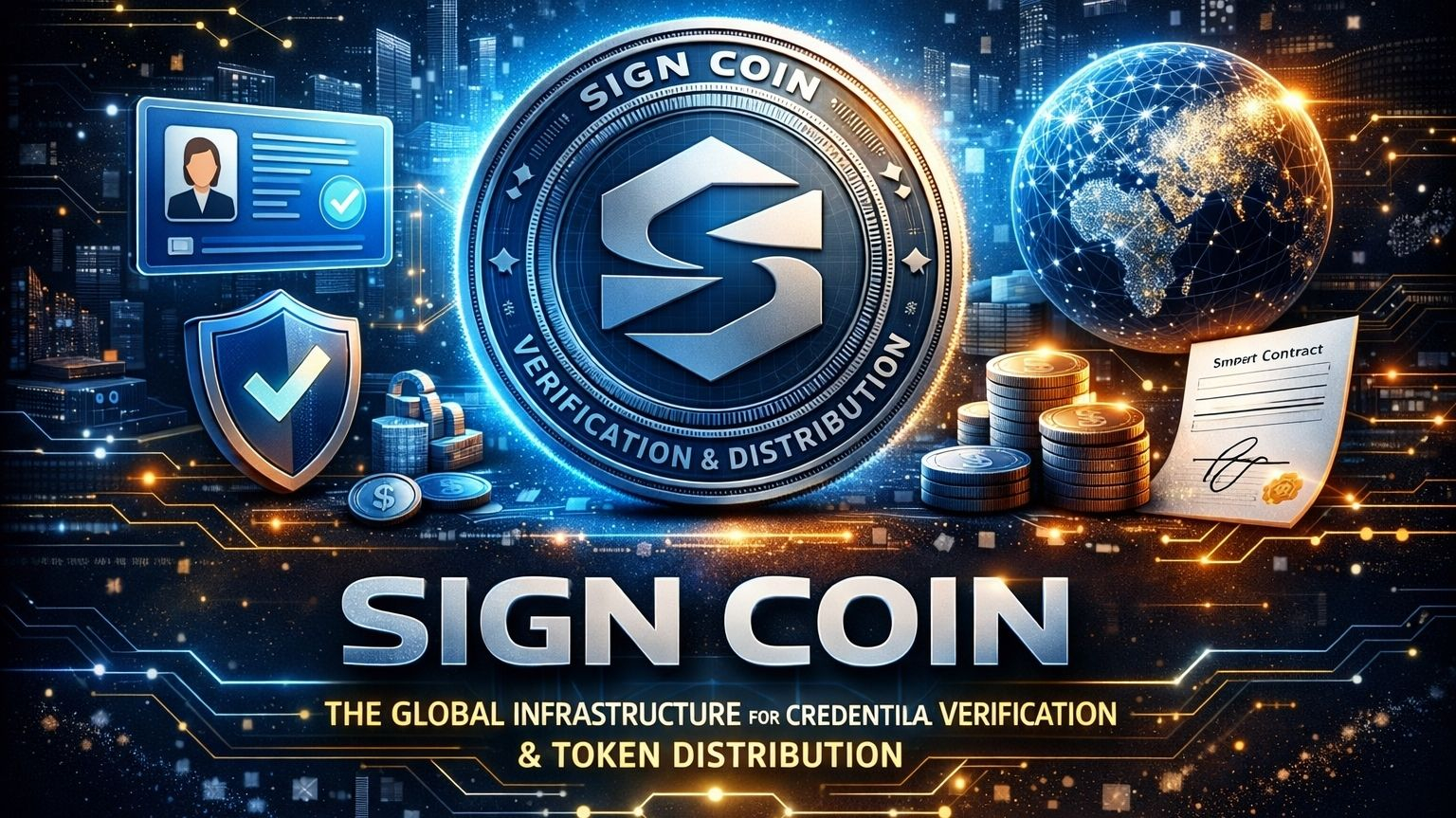
Sign - Die globale Infrastruktur für die Verifizierung von Berechtigungen und die Verteilung von Tokens@SignOfficial (SIGN) ist ein Web3-Infrastrukturprojekt, das darauf abzielt, eines der wichtigsten Vertrauensprobleme in digitalen Systemen zu lösen: wie man verifiziert, dass Informationen, Identität und Berechtigung echt sind, ohne vollständig von zentralen Behörden abhängig zu sein. Einfach gesagt, schafft Sign eine blockchainbasierte Vertrauensschicht, in der Berechtigungen, Nachweise, Genehmigungen und Token-Rechte ausgestellt, überprüft und in Anwendungen wiederverwendet werden können. Seine größere Vision ist nicht nur ein weiteres Krypto-Token – es zielt darauf ab, eine digitale Infrastrukturschicht für Identität, öffentliche Systeme und Kapitalverteilung sowohl über dezentrale Anwendungen als auch institutionelle Netzwerke hinweg zu werden. Das Projekt tritt als „Die globale Infrastruktur für die Verifizierung von Berechtigungen und die Verteilung von Tokens“ auf, da seine Architektur Identitätsverifizierung, Bestätigungen und programmierbare Token-Auslieferung in einem integrierten Ökosystem kombiniert.
Sign - Die globale Infrastruktur für die Verifizierung von Berechtigungen und die Verteilung von Tokens
@SignOfficial (SIGN) ist ein Web3-Infrastrukturprojekt, das darauf abzielt, eines der wichtigsten Vertrauensprobleme in digitalen Systemen zu lösen: wie man verifiziert, dass Informationen, Identität und Berechtigung echt sind, ohne vollständig von zentralen Behörden abhängig zu sein. Einfach gesagt, schafft Sign eine blockchainbasierte Vertrauensschicht, in der Berechtigungen, Nachweise, Genehmigungen und Token-Rechte ausgestellt, überprüft und in Anwendungen wiederverwendet werden können. Seine größere Vision ist nicht nur ein weiteres Krypto-Token – es zielt darauf ab, eine digitale Infrastrukturschicht für Identität, öffentliche Systeme und Kapitalverteilung sowohl über dezentrale Anwendungen als auch institutionelle Netzwerke hinweg zu werden. Das Projekt tritt als „Die globale Infrastruktur für die Verifizierung von Berechtigungen und die Verteilung von Tokens“ auf, da seine Architektur Identitätsverifizierung, Bestätigungen und programmierbare Token-Auslieferung in einem integrierten Ökosystem kombiniert.
2
123
·
--
Auditierbarkeit für Aufsichtsbehörden ist eine wichtige Funktion von @MidnightNetwork , die darauf abzielt, starke Privatsphäre mit regulatorischer Konformität in Einklang zu bringen. Während viele öffentliche Blockchains alle Transaktionsdaten offenlegen und einige datenschutzorientierte Netzwerke zu viele Informationen verbergen, führt Midnight ein ausgewogenes System ein, in dem Transaktionen vertraulich bleiben, aber bei Bedarf überprüft werden können. Dies stellt sicher, dass Benutzer und Organisationen sensible Daten schützen können, während Aufsichtsbehörden und Prüfer bestätigen können, dass die Aktivitäten den gesetzlichen und Compliance-Anforderungen entsprechen.
Eine Schlüsseltechnologie, die diese Fähigkeit ermöglicht, sind Zero-Knowledge-Proofs. Diese kryptografischen Beweise ermöglichen es dem Netzwerk, Transaktionen zu validieren, ohne die zugrunde liegenden Details offenzulegen. In der Praxis bedeutet dies, dass Benutzer nachweisen können, dass sie die Regeln einhalten - wie beispielsweise regulatorische Grenzen oder Identitätsprüfungen - ohne private finanzielle oder persönliche Informationen öffentlich offenzulegen.
Midnight unterstützt auch selektive Offenlegung, wodurch Benutzer oder Institutionen spezifische Informationen nur mit autorisierten Parteien wie Prüfern oder Regulierungsbehörden teilen können. Anstatt vollständige Transaktionshistorien offenzulegen, können Organisationen eingeschränkten Zugang oder kryptografische Nachweise der Compliance bereitstellen. Dieser Ansatz schützt die Vertraulichkeit und ermöglicht gleichzeitig eine ordnungsgemäße Überwachung.
Durch seine datenschutzorientierte Architektur und überprüfbare Nachweissysteme bietet Midnight ein Modell, in dem Privatsphäre und Verantwortung koexistieren. Aufsichtsbehörden können die Einhaltung bestätigen und Prüfpfade aufrechterhalten, während Einzelpersonen und Unternehmen die Kontrolle über ihre sensiblen Daten behalten, was Midnight für den Einsatz in stark regulierten Branchen wie Finanzen, Gesundheitswesen und Unternehmensdatenmanagement geeignet macht.
#night $NIGHT
Auditierbarkeit für Aufsichtsbehörden ist eine wichtige Funktion von @MidnightNetwork , die darauf abzielt, starke Privatsphäre mit regulatorischer Konformität in Einklang zu bringen. Während viele öffentliche Blockchains alle Transaktionsdaten offenlegen und einige datenschutzorientierte Netzwerke zu viele Informationen verbergen, führt Midnight ein ausgewogenes System ein, in dem Transaktionen vertraulich bleiben, aber bei Bedarf überprüft werden können. Dies stellt sicher, dass Benutzer und Organisationen sensible Daten schützen können, während Aufsichtsbehörden und Prüfer bestätigen können, dass die Aktivitäten den gesetzlichen und Compliance-Anforderungen entsprechen.
Eine Schlüsseltechnologie, die diese Fähigkeit ermöglicht, sind Zero-Knowledge-Proofs. Diese kryptografischen Beweise ermöglichen es dem Netzwerk, Transaktionen zu validieren, ohne die zugrunde liegenden Details offenzulegen. In der Praxis bedeutet dies, dass Benutzer nachweisen können, dass sie die Regeln einhalten - wie beispielsweise regulatorische Grenzen oder Identitätsprüfungen - ohne private finanzielle oder persönliche Informationen öffentlich offenzulegen.
Midnight unterstützt auch selektive Offenlegung, wodurch Benutzer oder Institutionen spezifische Informationen nur mit autorisierten Parteien wie Prüfern oder Regulierungsbehörden teilen können. Anstatt vollständige Transaktionshistorien offenzulegen, können Organisationen eingeschränkten Zugang oder kryptografische Nachweise der Compliance bereitstellen. Dieser Ansatz schützt die Vertraulichkeit und ermöglicht gleichzeitig eine ordnungsgemäße Überwachung.
Durch seine datenschutzorientierte Architektur und überprüfbare Nachweissysteme bietet Midnight ein Modell, in dem Privatsphäre und Verantwortung koexistieren. Aufsichtsbehörden können die Einhaltung bestätigen und Prüfpfade aufrechterhalten, während Einzelpersonen und Unternehmen die Kontrolle über ihre sensiblen Daten behalten, was Midnight für den Einsatz in stark regulierten Branchen wie Finanzen, Gesundheitswesen und Unternehmensdatenmanagement geeignet macht.
#night $NIGHT
Eine Schlüsseltechnologie, die diese Fähigkeit ermöglicht, sind Zero-Knowledge-Proofs. Diese kryptografischen Beweise ermöglichen es dem Netzwerk, Transaktionen zu validieren, ohne die zugrunde liegenden Details offenzulegen. In der Praxis bedeutet dies, dass Benutzer nachweisen können, dass sie die Regeln einhalten - wie beispielsweise regulatorische Grenzen oder Identitätsprüfungen - ohne private finanzielle oder persönliche Informationen öffentlich offenzulegen.
Midnight unterstützt auch selektive Offenlegung, wodurch Benutzer oder Institutionen spezifische Informationen nur mit autorisierten Parteien wie Prüfern oder Regulierungsbehörden teilen können. Anstatt vollständige Transaktionshistorien offenzulegen, können Organisationen eingeschränkten Zugang oder kryptografische Nachweise der Compliance bereitstellen. Dieser Ansatz schützt die Vertraulichkeit und ermöglicht gleichzeitig eine ordnungsgemäße Überwachung.
Durch seine datenschutzorientierte Architektur und überprüfbare Nachweissysteme bietet Midnight ein Modell, in dem Privatsphäre und Verantwortung koexistieren. Aufsichtsbehörden können die Einhaltung bestätigen und Prüfpfade aufrechterhalten, während Einzelpersonen und Unternehmen die Kontrolle über ihre sensiblen Daten behalten, was Midnight für den Einsatz in stark regulierten Branchen wie Finanzen, Gesundheitswesen und Unternehmensdatenmanagement geeignet macht.
#night $NIGHT
2
141
·
--
Artikel
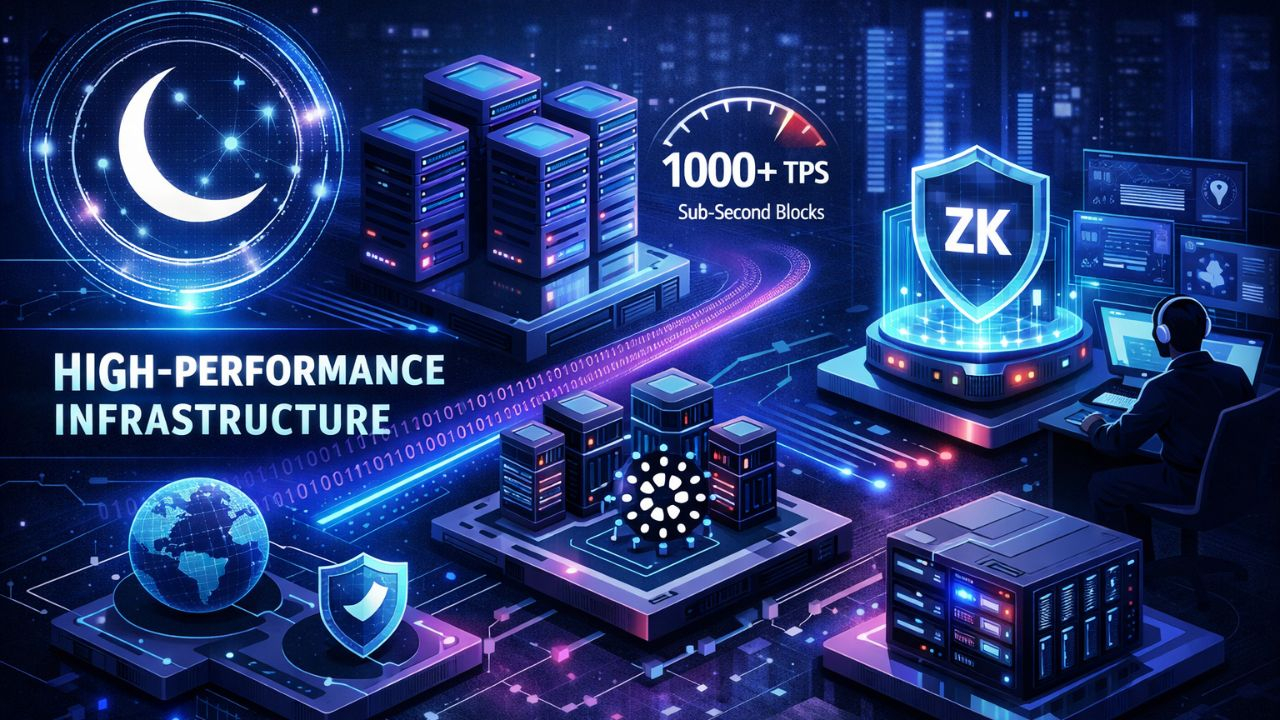
Hochleistungsinfrastruktur im Midnight-NetzwerkHochleistungsinfrastruktur ist eines der grundlegenden Designziele von @MidnightNetwork . Die Plattform ist darauf ausgelegt, großangelegte dezentrale Anwendungen zu unterstützen, die sowohl Privatsphäre als auch Geschwindigkeit erfordern und eines der größten Probleme traditioneller Blockchain-Systeme anzugehen. Im Gegensatz zu vielen Netzwerken, die mit der Skalierbarkeit kämpfen, wenn fortschrittliche kryptographische Operationen eingeführt werden, integriert Midnight optimierte Kryptografie, spezialisierte Ausführungsumgebungen und skalierbare Validatorinfrastrukturen, um eine starke Leistung aufrechtzuerhalten und gleichzeitig vertrauliche Transaktionen zu bewahren.
Hochleistungsinfrastruktur im Midnight-Netzwerk
Hochleistungsinfrastruktur ist eines der grundlegenden Designziele von @MidnightNetwork . Die Plattform ist darauf ausgelegt, großangelegte dezentrale Anwendungen zu unterstützen, die sowohl Privatsphäre als auch Geschwindigkeit erfordern und eines der größten Probleme traditioneller Blockchain-Systeme anzugehen. Im Gegensatz zu vielen Netzwerken, die mit der Skalierbarkeit kämpfen, wenn fortschrittliche kryptographische Operationen eingeführt werden, integriert Midnight optimierte Kryptografie, spezialisierte Ausführungsumgebungen und skalierbare Validatorinfrastrukturen, um eine starke Leistung aufrechtzuerhalten und gleichzeitig vertrauliche Transaktionen zu bewahren.
3
84
·
--
Private DeFi auf @MidnightNetwork ermöglicht dezentrale Finanzdienstleistungen mit starker Privatsphäre, während die Blockchain-Verifizierung aufrechterhalten wird. Im Gegensatz zu traditionellen DeFi-Plattformen, bei denen Transaktionen, Wallet-Bestände und Strategien öffentlich sichtbar sind, ermöglicht es Midnight den Nutzern, sensible Finanzdaten vertraulich zu halten, während sie gleichzeitig nachweisen, dass Transaktionen den Netzwerkregeln entsprechen.
Diese Privatsphäre wird durch Zero-Knowledge-Proofs erreicht, die es ermöglichen, Transaktionen zu validieren, ohne zugrunde liegende Informationen wie Vermögensbestände oder Handelsdetails offenzulegen. Infolgedessen können Nutzer mit Kreditplattformen, dezentralen Börsen und anderen Finanzanwendungen interagieren, ohne ihre Identität oder finanziellen Strategien offenzulegen.
Midnight trennt auch die öffentliche Verifizierung von der privaten Berechnung, was bedeutet, dass Transaktionsnachweise auf der Blockchain erscheinen, während sensible Daten privat verarbeitet werden. Dies verringert Risiken wie Front-Running und schützt vertrauliche Finanzaktivitäten. Darüber hinaus unterstützt das System selektive Offenlegung, die es Nutzern oder Institutionen ermöglicht, spezifische Informationen bei Bedarf mit Regulierungsbehörden oder Prüfern zu teilen.
Durch die Integration mit Cardano kombiniert Midnight’s Private DeFi-Ökosystem Skalierbarkeit, Sicherheit und Privatsphäre und ermöglicht die Entwicklung vertraulicher Kredit-, Handels- und Vermögensverwaltungsanwendungen, die sowohl für Einzelpersonen als auch für Institutionen geeignet sind.
#night $NIGHT
Private DeFi auf @MidnightNetwork ermöglicht dezentrale Finanzdienstleistungen mit starker Privatsphäre, während die Blockchain-Verifizierung aufrechterhalten wird. Im Gegensatz zu traditionellen DeFi-Plattformen, bei denen Transaktionen, Wallet-Bestände und Strategien öffentlich sichtbar sind, ermöglicht es Midnight den Nutzern, sensible Finanzdaten vertraulich zu halten, während sie gleichzeitig nachweisen, dass Transaktionen den Netzwerkregeln entsprechen.
Diese Privatsphäre wird durch Zero-Knowledge-Proofs erreicht, die es ermöglichen, Transaktionen zu validieren, ohne zugrunde liegende Informationen wie Vermögensbestände oder Handelsdetails offenzulegen. Infolgedessen können Nutzer mit Kreditplattformen, dezentralen Börsen und anderen Finanzanwendungen interagieren, ohne ihre Identität oder finanziellen Strategien offenzulegen.
Midnight trennt auch die öffentliche Verifizierung von der privaten Berechnung, was bedeutet, dass Transaktionsnachweise auf der Blockchain erscheinen, während sensible Daten privat verarbeitet werden. Dies verringert Risiken wie Front-Running und schützt vertrauliche Finanzaktivitäten. Darüber hinaus unterstützt das System selektive Offenlegung, die es Nutzern oder Institutionen ermöglicht, spezifische Informationen bei Bedarf mit Regulierungsbehörden oder Prüfern zu teilen.
Durch die Integration mit Cardano kombiniert Midnight’s Private DeFi-Ökosystem Skalierbarkeit, Sicherheit und Privatsphäre und ermöglicht die Entwicklung vertraulicher Kredit-, Handels- und Vermögensverwaltungsanwendungen, die sowohl für Einzelpersonen als auch für Institutionen geeignet sind.
#night $NIGHT
Diese Privatsphäre wird durch Zero-Knowledge-Proofs erreicht, die es ermöglichen, Transaktionen zu validieren, ohne zugrunde liegende Informationen wie Vermögensbestände oder Handelsdetails offenzulegen. Infolgedessen können Nutzer mit Kreditplattformen, dezentralen Börsen und anderen Finanzanwendungen interagieren, ohne ihre Identität oder finanziellen Strategien offenzulegen.
Midnight trennt auch die öffentliche Verifizierung von der privaten Berechnung, was bedeutet, dass Transaktionsnachweise auf der Blockchain erscheinen, während sensible Daten privat verarbeitet werden. Dies verringert Risiken wie Front-Running und schützt vertrauliche Finanzaktivitäten. Darüber hinaus unterstützt das System selektive Offenlegung, die es Nutzern oder Institutionen ermöglicht, spezifische Informationen bei Bedarf mit Regulierungsbehörden oder Prüfern zu teilen.
Durch die Integration mit Cardano kombiniert Midnight’s Private DeFi-Ökosystem Skalierbarkeit, Sicherheit und Privatsphäre und ermöglicht die Entwicklung vertraulicher Kredit-, Handels- und Vermögensverwaltungsanwendungen, die sowohl für Einzelpersonen als auch für Institutionen geeignet sind.
#night $NIGHT
1
4
140
·
--
Artikel
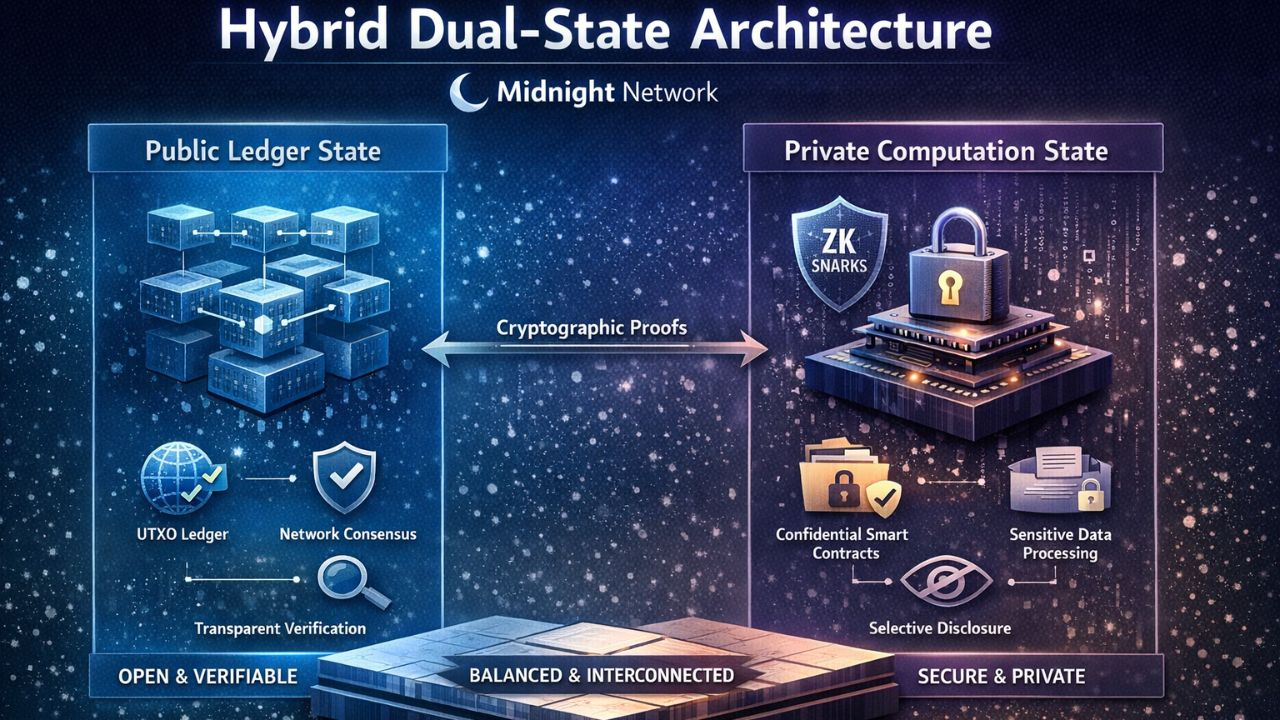
Hybride Dual-State-Architektur des Midnight NetworksDie hybride Dual-State-Architektur des Midnight Networks ist eine der markantesten technologischen Innovationen der Plattform. Entwickelt von Input Output Global, zielt diese Architektur darauf ab, ein langjähriges Problem in der Blockchain-Technologie zu lösen: Wie man öffentliche Überprüfbarkeit mit starken Datenschutzmaßnahmen in Einklang bringt. Traditionelle öffentliche Blockchains priorisieren Transparenz, bei der jede Transaktion und Dateninteraktion im Hauptbuch sichtbar ist. Während diese Transparenz Vertrauen und Dezentralisierung stärkt, kann sie auch sensible Informationen offenlegen. @MidnightNetwork adressiert diese Herausforderung, indem öffentliche und private Zustände in ein einheitliches System kombiniert werden, das sichere Berechnungen ermöglicht, ohne die Rechenschaftspflicht zu opfern.
Hybride Dual-State-Architektur des Midnight Networks
Die hybride Dual-State-Architektur des Midnight Networks ist eine der markantesten technologischen Innovationen der Plattform. Entwickelt von Input Output Global, zielt diese Architektur darauf ab, ein langjähriges Problem in der Blockchain-Technologie zu lösen: Wie man öffentliche Überprüfbarkeit mit starken Datenschutzmaßnahmen in Einklang bringt. Traditionelle öffentliche Blockchains priorisieren Transparenz, bei der jede Transaktion und Dateninteraktion im Hauptbuch sichtbar ist. Während diese Transparenz Vertrauen und Dezentralisierung stärkt, kann sie auch sensible Informationen offenlegen. @MidnightNetwork adressiert diese Herausforderung, indem öffentliche und private Zustände in ein einheitliches System kombiniert werden, das sichere Berechnungen ermöglicht, ohne die Rechenschaftspflicht zu opfern.
3
97
·
--
Regulierungsfreundlicher Datenschutz im Midnight Network
Regulierungsfreundlicher Datenschutz ist ein Kernprinzip von @MidnightNetwork , das darauf abzielt, Transparenz in der Blockchain mit den Anforderungen an die Einhaltung der Vorschriften in der realen Welt in Einklang zu bringen. Traditionelle öffentliche Blockchains machen alle Transaktionen öffentlich sichtbar, was die Dezentralisierung unterstützt, aber sensible Informationen offenlegen kann. Midnight löst dieses Problem, indem es die Überprüfung und Einhaltung ermöglicht und gleichzeitig private Daten schützt, sodass Organisationen in regulierten Umgebungen arbeiten können, ohne vertrauliche Details preiszugeben.
Eine Schlüsseltechnologie, die diesen Ansatz ermöglicht, ist der Zero-Knowledge Proof, der es Benutzern oder Institutionen ermöglicht, nachzuweisen, dass bestimmte Bedingungen erfüllt sind, ohne die zugrunde liegenden Daten offenzulegen. Dies ermöglicht es Finanzinstituten oder Unternehmen, die Einhaltung der Vorschriften zu überprüfen und gleichzeitig Identitäten und private Finanzinformationen sicher zu halten.
Midnight unterstützt auch selektive Offenlegung, die es Benutzern ermöglicht, nur die Informationen zu teilen, die von den Regulierungsbehörden oder autorisierten Parteien benötigt werden. Dies gewährleistet die Einhaltung der Datenschutzgesetze und erhält gleichzeitig die Kontrolle der Benutzer über persönliche Daten.
Entwickelt von Input Output Global, dem Team hinter Cardano, kombiniert Midnight starke Sicherheitsforschung mit einer datenschutzorientierten Blockchain-Infrastruktur. Durch die Ermöglichung von verifizierbaren Transaktionen und kontrollierten Datenaustausch überbrückt das Netzwerk die Kluft zwischen dezentraler Technologie und regulatorischer Compliance und bewahrt gleichzeitig das Eigentum an Daten.
#night $NIGHT
Regulierungsfreundlicher Datenschutz im Midnight Network
Regulierungsfreundlicher Datenschutz ist ein Kernprinzip von @MidnightNetwork , das darauf abzielt, Transparenz in der Blockchain mit den Anforderungen an die Einhaltung der Vorschriften in der realen Welt in Einklang zu bringen. Traditionelle öffentliche Blockchains machen alle Transaktionen öffentlich sichtbar, was die Dezentralisierung unterstützt, aber sensible Informationen offenlegen kann. Midnight löst dieses Problem, indem es die Überprüfung und Einhaltung ermöglicht und gleichzeitig private Daten schützt, sodass Organisationen in regulierten Umgebungen arbeiten können, ohne vertrauliche Details preiszugeben.
Eine Schlüsseltechnologie, die diesen Ansatz ermöglicht, ist der Zero-Knowledge Proof, der es Benutzern oder Institutionen ermöglicht, nachzuweisen, dass bestimmte Bedingungen erfüllt sind, ohne die zugrunde liegenden Daten offenzulegen. Dies ermöglicht es Finanzinstituten oder Unternehmen, die Einhaltung der Vorschriften zu überprüfen und gleichzeitig Identitäten und private Finanzinformationen sicher zu halten.
Midnight unterstützt auch selektive Offenlegung, die es Benutzern ermöglicht, nur die Informationen zu teilen, die von den Regulierungsbehörden oder autorisierten Parteien benötigt werden. Dies gewährleistet die Einhaltung der Datenschutzgesetze und erhält gleichzeitig die Kontrolle der Benutzer über persönliche Daten.
Entwickelt von Input Output Global, dem Team hinter Cardano, kombiniert Midnight starke Sicherheitsforschung mit einer datenschutzorientierten Blockchain-Infrastruktur. Durch die Ermöglichung von verifizierbaren Transaktionen und kontrollierten Datenaustausch überbrückt das Netzwerk die Kluft zwischen dezentraler Technologie und regulatorischer Compliance und bewahrt gleichzeitig das Eigentum an Daten.
#night $NIGHT
Regulierungsfreundlicher Datenschutz ist ein Kernprinzip von @MidnightNetwork , das darauf abzielt, Transparenz in der Blockchain mit den Anforderungen an die Einhaltung der Vorschriften in der realen Welt in Einklang zu bringen. Traditionelle öffentliche Blockchains machen alle Transaktionen öffentlich sichtbar, was die Dezentralisierung unterstützt, aber sensible Informationen offenlegen kann. Midnight löst dieses Problem, indem es die Überprüfung und Einhaltung ermöglicht und gleichzeitig private Daten schützt, sodass Organisationen in regulierten Umgebungen arbeiten können, ohne vertrauliche Details preiszugeben.
Eine Schlüsseltechnologie, die diesen Ansatz ermöglicht, ist der Zero-Knowledge Proof, der es Benutzern oder Institutionen ermöglicht, nachzuweisen, dass bestimmte Bedingungen erfüllt sind, ohne die zugrunde liegenden Daten offenzulegen. Dies ermöglicht es Finanzinstituten oder Unternehmen, die Einhaltung der Vorschriften zu überprüfen und gleichzeitig Identitäten und private Finanzinformationen sicher zu halten.
Midnight unterstützt auch selektive Offenlegung, die es Benutzern ermöglicht, nur die Informationen zu teilen, die von den Regulierungsbehörden oder autorisierten Parteien benötigt werden. Dies gewährleistet die Einhaltung der Datenschutzgesetze und erhält gleichzeitig die Kontrolle der Benutzer über persönliche Daten.
Entwickelt von Input Output Global, dem Team hinter Cardano, kombiniert Midnight starke Sicherheitsforschung mit einer datenschutzorientierten Blockchain-Infrastruktur. Durch die Ermöglichung von verifizierbaren Transaktionen und kontrollierten Datenaustausch überbrückt das Netzwerk die Kluft zwischen dezentraler Technologie und regulatorischer Compliance und bewahrt gleichzeitig das Eigentum an Daten.
#night $NIGHT
3
74
·
--
Artikel
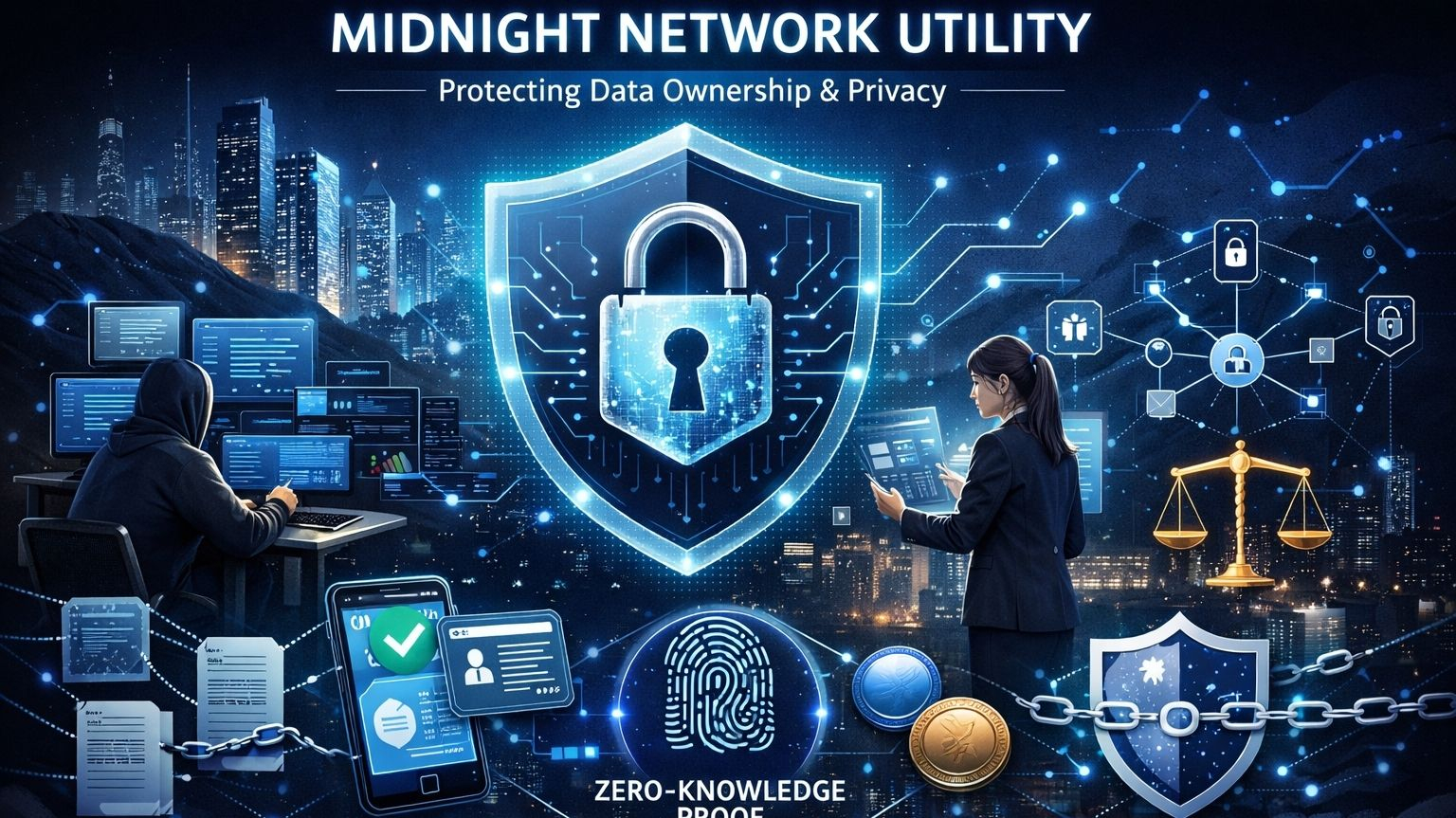
Midnight-Netzwerk bietet Funktionalität, ohne Datenschutz oder Eigentum zu gefährden,Das @MidnightNetwork wurde entwickelt, um leistungsstarke Blockchain-Dienste bereitzustellen, während sichergestellt wird, dass Datenschutz und Eigentum vollständig in den Händen der Nutzer bleiben. In vielen traditionellen Blockchain-Systemen wird Transparenz erreicht, indem Transaktionsdaten öffentlich sichtbar gemacht werden. Während diese Offenheit hilft, Vertrauen aufrechtzuerhalten, kann sie auch sensible Informationen über Einzelpersonen, Unternehmen oder Institutionen offenlegen. Das Midnight Network geht diese Herausforderung an, indem es eine datenschutzorientierte Architektur einführt, die es dezentralen Anwendungen ermöglicht, sicher zu arbeiten, ohne die Nutzer zu zwingen, unnötige Daten offenzulegen. Durch die Integration fortschrittlicher kryptografischer Techniken und programmierbarer Privatsphäre schafft Midnight ein System, in dem Teilnehmer Transaktionen und Berechnungen verifizieren können, während sie ihre persönlichen Informationen vertraulich halten.
Midnight-Netzwerk bietet Funktionalität, ohne Datenschutz oder Eigentum zu gefährden,
Das @MidnightNetwork wurde entwickelt, um leistungsstarke Blockchain-Dienste bereitzustellen, während sichergestellt wird, dass Datenschutz und Eigentum vollständig in den Händen der Nutzer bleiben. In vielen traditionellen Blockchain-Systemen wird Transparenz erreicht, indem Transaktionsdaten öffentlich sichtbar gemacht werden. Während diese Offenheit hilft, Vertrauen aufrechtzuerhalten, kann sie auch sensible Informationen über Einzelpersonen, Unternehmen oder Institutionen offenlegen. Das Midnight Network geht diese Herausforderung an, indem es eine datenschutzorientierte Architektur einführt, die es dezentralen Anwendungen ermöglicht, sicher zu arbeiten, ohne die Nutzer zu zwingen, unnötige Daten offenzulegen. Durch die Integration fortschrittlicher kryptografischer Techniken und programmierbarer Privatsphäre schafft Midnight ein System, in dem Teilnehmer Transaktionen und Berechnungen verifizieren können, während sie ihre persönlichen Informationen vertraulich halten.
4
75
·
--
Die Sicherheit des Netzwerks im Midnight Network
Sicherheit ist eine grundlegende Grundlage von @MidnightNetwork , die sicherstellt, dass Transaktionen, Daten und dezentrale Anwendungen geschützt bleiben, während die vertrauenslose Natur der Blockchain-Technologie aufrechterhalten wird. Entwickelt von Input Output Global, der Organisation hinter Cardano, verwendet das Netzwerk eine dezentrale Architektur, in der unabhängige Validatoren und kryptografische Protokolle zusammenarbeiten, um die Integrität des Systems zu gewährleisten. Diese verteilte Struktur eliminiert einzelne Fehlerquellen und stärkt die Zuverlässigkeit der Blockchain.
Ein Schlüsselelement des Sicherheitsmodells von Midnight ist die Verwendung von Zero-Knowledge Proof (ZK Proof) Technologie, die es ermöglicht, Transaktionen und Berechnungen zu verifizieren, ohne sensible Informationen offenzulegen. Dieser Ansatz stellt sicher, dass das Netzwerk die Gültigkeit von Handlungen bestätigen kann, während persönliche oder vertrauliche Daten privat bleiben. Darüber hinaus wird das Ökosystem durch den NIGHT-Token unterstützt, der Validatoren anreizt, das Netzwerk zu sichern und ehrlich zu handeln.
Durch die Kombination fortschrittlicher Kryptografie, dezentraler Validierung und wirtschaftlicher Anreize schafft das Midnight Network eine sichere Umgebung, in der Benutzer interagieren und Anwendungen erstellen können, während starker Datenschutz und Integrität der Blockchain aufrechterhalten werden. 🔐🌐
#night $NIGHT
Die Sicherheit des Netzwerks im Midnight Network
Sicherheit ist eine grundlegende Grundlage von @MidnightNetwork , die sicherstellt, dass Transaktionen, Daten und dezentrale Anwendungen geschützt bleiben, während die vertrauenslose Natur der Blockchain-Technologie aufrechterhalten wird. Entwickelt von Input Output Global, der Organisation hinter Cardano, verwendet das Netzwerk eine dezentrale Architektur, in der unabhängige Validatoren und kryptografische Protokolle zusammenarbeiten, um die Integrität des Systems zu gewährleisten. Diese verteilte Struktur eliminiert einzelne Fehlerquellen und stärkt die Zuverlässigkeit der Blockchain.
Ein Schlüsselelement des Sicherheitsmodells von Midnight ist die Verwendung von Zero-Knowledge Proof (ZK Proof) Technologie, die es ermöglicht, Transaktionen und Berechnungen zu verifizieren, ohne sensible Informationen offenzulegen. Dieser Ansatz stellt sicher, dass das Netzwerk die Gültigkeit von Handlungen bestätigen kann, während persönliche oder vertrauliche Daten privat bleiben. Darüber hinaus wird das Ökosystem durch den NIGHT-Token unterstützt, der Validatoren anreizt, das Netzwerk zu sichern und ehrlich zu handeln.
Durch die Kombination fortschrittlicher Kryptografie, dezentraler Validierung und wirtschaftlicher Anreize schafft das Midnight Network eine sichere Umgebung, in der Benutzer interagieren und Anwendungen erstellen können, während starker Datenschutz und Integrität der Blockchain aufrechterhalten werden. 🔐🌐
#night $NIGHT
Sicherheit ist eine grundlegende Grundlage von @MidnightNetwork , die sicherstellt, dass Transaktionen, Daten und dezentrale Anwendungen geschützt bleiben, während die vertrauenslose Natur der Blockchain-Technologie aufrechterhalten wird. Entwickelt von Input Output Global, der Organisation hinter Cardano, verwendet das Netzwerk eine dezentrale Architektur, in der unabhängige Validatoren und kryptografische Protokolle zusammenarbeiten, um die Integrität des Systems zu gewährleisten. Diese verteilte Struktur eliminiert einzelne Fehlerquellen und stärkt die Zuverlässigkeit der Blockchain.
Ein Schlüsselelement des Sicherheitsmodells von Midnight ist die Verwendung von Zero-Knowledge Proof (ZK Proof) Technologie, die es ermöglicht, Transaktionen und Berechnungen zu verifizieren, ohne sensible Informationen offenzulegen. Dieser Ansatz stellt sicher, dass das Netzwerk die Gültigkeit von Handlungen bestätigen kann, während persönliche oder vertrauliche Daten privat bleiben. Darüber hinaus wird das Ökosystem durch den NIGHT-Token unterstützt, der Validatoren anreizt, das Netzwerk zu sichern und ehrlich zu handeln.
Durch die Kombination fortschrittlicher Kryptografie, dezentraler Validierung und wirtschaftlicher Anreize schafft das Midnight Network eine sichere Umgebung, in der Benutzer interagieren und Anwendungen erstellen können, während starker Datenschutz und Integrität der Blockchain aufrechterhalten werden. 🔐🌐
#night $NIGHT
3
113
·
--
Artikel
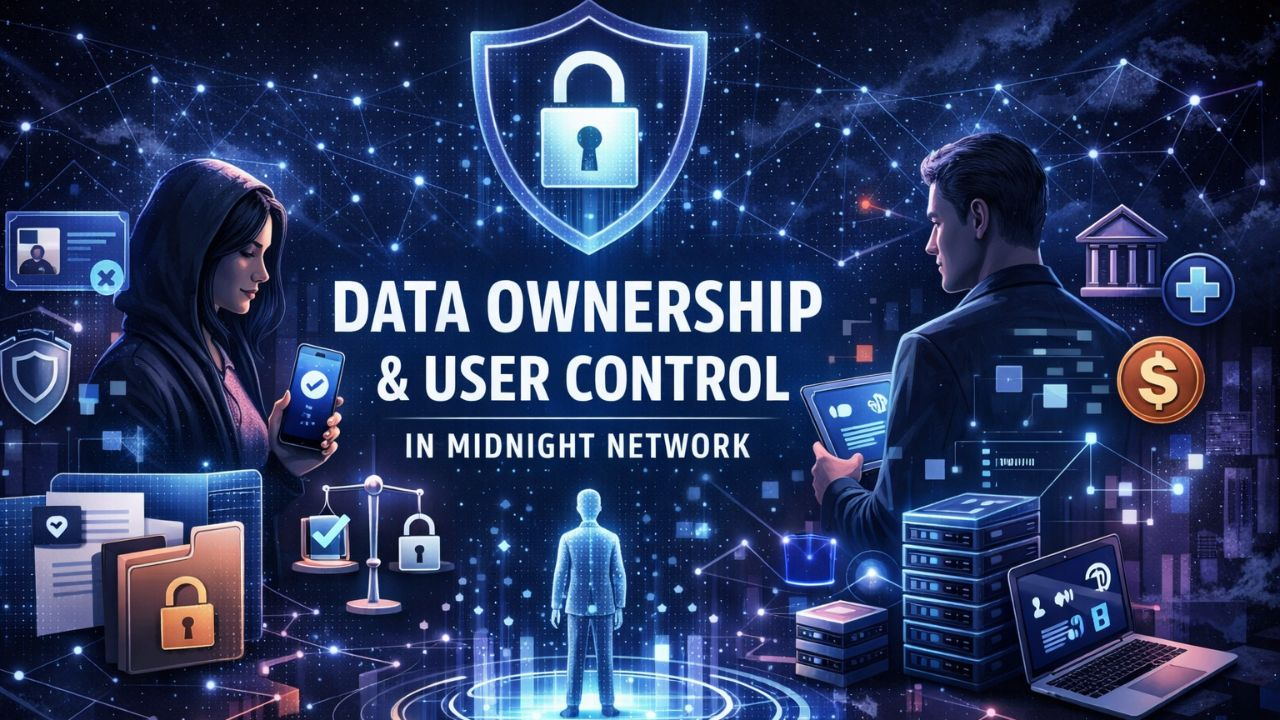
Datenbesitz und Benutzerkontrolle im Midnight NetworkEines der transformativsten Prinzipien hinter dem Midnight Network ist sein Engagement für Datenbesitz und Benutzerkontrolle, ein Konzept, das die traditionelle Struktur digitaler Plattformen in Frage stellt. In den meisten konventionellen Online-Systemen sind Benutzer verpflichtet, große Mengen persönlicher Informationen an zentralisierte Unternehmen weiterzugeben, um auf Dienste zugreifen zu können. Soziale Netzwerke, Finanzplattformen und viele digitale Anwendungen speichern und verwalten Benutzerdaten in zentralisierten Datenbanken, was oft dazu führt, dass Einzelpersonen nur begrenzte Kontrolle darüber haben, wie ihre Informationen verwendet, geteilt oder monetarisiert werden. Das Midnight Network strebt an, dieses Modell grundlegend zu ändern, indem es eine dezentrale Umgebung schafft, in der Einzelpersonen die direkte Autorität über ihre persönlichen Daten behalten, während sie weiterhin mit digitalen Diensten und Blockchain-Anwendungen interagieren können.
Datenbesitz und Benutzerkontrolle im Midnight Network
Eines der transformativsten Prinzipien hinter dem Midnight Network ist sein Engagement für Datenbesitz und Benutzerkontrolle, ein Konzept, das die traditionelle Struktur digitaler Plattformen in Frage stellt. In den meisten konventionellen Online-Systemen sind Benutzer verpflichtet, große Mengen persönlicher Informationen an zentralisierte Unternehmen weiterzugeben, um auf Dienste zugreifen zu können. Soziale Netzwerke, Finanzplattformen und viele digitale Anwendungen speichern und verwalten Benutzerdaten in zentralisierten Datenbanken, was oft dazu führt, dass Einzelpersonen nur begrenzte Kontrolle darüber haben, wie ihre Informationen verwendet, geteilt oder monetarisiert werden. Das Midnight Network strebt an, dieses Modell grundlegend zu ändern, indem es eine dezentrale Umgebung schafft, in der Einzelpersonen die direkte Autorität über ihre persönlichen Daten behalten, während sie weiterhin mit digitalen Diensten und Blockchain-Anwendungen interagieren können.
6
115
·
--
Der $NIGHT token ist das primäre wirtschaftliche Gut der @MidnightNetwork , einer datenschutzorientierten Blockchain, die von Input Output Global, den Schöpfern von Cardano, entwickelt wurde. #NIGHT ist darauf ausgelegt, Governance, Netzwerksicherheit und langfristiges Wachstum des Ökosystems zu unterstützen, während starke Datenschutzprinzipien beibehalten werden. Das Netzwerk verwendet ein duales Ressourcenmodell, bei dem #NIGHT Wert und Governance-Macht repräsentiert, während DUST (Midnight Network) aus $NIGHT generiert und privat verwendet wird, um Transaktionsgebühren zu zahlen und Smart Contracts auszuführen.
$NIGHT inhaber können ihre Token staken, um das Netzwerk zu sichern und Transaktionen zu validieren, und erhalten Belohnungen für die Aufrechterhaltung der Blockchain. Der Token ermöglicht auch eine dezentrale Governance, die es den Inhabern erlaubt, über Protokoll-Upgrades, wirtschaftliche Änderungen und Entscheidungen zur Entwicklung des Ökosystems abzustimmen. Dieses System stellt sicher, dass sich das Netzwerk durch die Teilnahme der Gemeinschaft weiterentwickelt, anstatt durch zentrale Kontrolle.
Insgesamt trennt das #NIGHT tokenomics-Modell den wirtschaftlichen Wert (NIGHT) von der Nutzung des Netzwerks (DUST) und schafft ein datenschutzfreundliches und nachhaltiges Wirtschaftssystem. Diese Struktur unterstützt vertrauliche Smart Contracts und datenschutzfördernde Anwendungen, während sie langfristige Teilnahme und Wachstum innerhalb des Midnight-Ökosystems fördert.
Der $NIGHT token ist das primäre wirtschaftliche Gut der @MidnightNetwork , einer datenschutzorientierten Blockchain, die von Input Output Global, den Schöpfern von Cardano, entwickelt wurde. #NIGHT ist darauf ausgelegt, Governance, Netzwerksicherheit und langfristiges Wachstum des Ökosystems zu unterstützen, während starke Datenschutzprinzipien beibehalten werden. Das Netzwerk verwendet ein duales Ressourcenmodell, bei dem #NIGHT Wert und Governance-Macht repräsentiert, während DUST (Midnight Network) aus $NIGHT generiert und privat verwendet wird, um Transaktionsgebühren zu zahlen und Smart Contracts auszuführen.
$NIGHT inhaber können ihre Token staken, um das Netzwerk zu sichern und Transaktionen zu validieren, und erhalten Belohnungen für die Aufrechterhaltung der Blockchain. Der Token ermöglicht auch eine dezentrale Governance, die es den Inhabern erlaubt, über Protokoll-Upgrades, wirtschaftliche Änderungen und Entscheidungen zur Entwicklung des Ökosystems abzustimmen. Dieses System stellt sicher, dass sich das Netzwerk durch die Teilnahme der Gemeinschaft weiterentwickelt, anstatt durch zentrale Kontrolle.
Insgesamt trennt das #NIGHT tokenomics-Modell den wirtschaftlichen Wert (NIGHT) von der Nutzung des Netzwerks (DUST) und schafft ein datenschutzfreundliches und nachhaltiges Wirtschaftssystem. Diese Struktur unterstützt vertrauliche Smart Contracts und datenschutzfördernde Anwendungen, während sie langfristige Teilnahme und Wachstum innerhalb des Midnight-Ökosystems fördert.
$NIGHT inhaber können ihre Token staken, um das Netzwerk zu sichern und Transaktionen zu validieren, und erhalten Belohnungen für die Aufrechterhaltung der Blockchain. Der Token ermöglicht auch eine dezentrale Governance, die es den Inhabern erlaubt, über Protokoll-Upgrades, wirtschaftliche Änderungen und Entscheidungen zur Entwicklung des Ökosystems abzustimmen. Dieses System stellt sicher, dass sich das Netzwerk durch die Teilnahme der Gemeinschaft weiterentwickelt, anstatt durch zentrale Kontrolle.
Insgesamt trennt das #NIGHT tokenomics-Modell den wirtschaftlichen Wert (NIGHT) von der Nutzung des Netzwerks (DUST) und schafft ein datenschutzfreundliches und nachhaltiges Wirtschaftssystem. Diese Struktur unterstützt vertrauliche Smart Contracts und datenschutzfördernde Anwendungen, während sie langfristige Teilnahme und Wachstum innerhalb des Midnight-Ökosystems fördert.
2
139
·
--
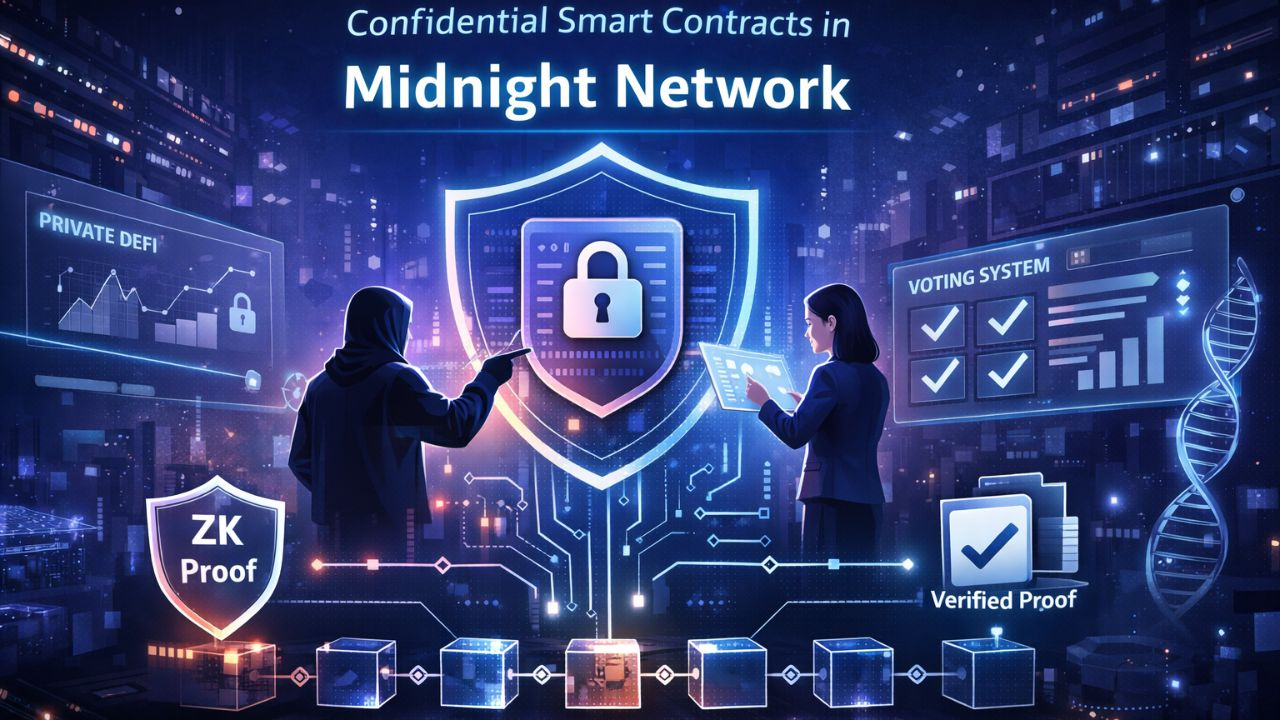
Artikel
Vertrauliche Smart Contracts im Midnight-NetzwerkEine der innovativsten Fähigkeiten des Midnight-Netzwerks ist die Unterstützung vertraulicher Smart Contracts, einer Technologie, die entwickelt wurde, um sensible Daten zu schützen und gleichzeitig zu ermöglichen, dass dezentrale Anwendungen sicher und transparent betrieben werden. Traditionelle Blockchains machen in der Regel alle Transaktionsdetails und Vertragsdaten auf einem öffentlichen Ledger sichtbar. Während diese Transparenz für die Verifizierung und das Vertrauen wertvoll ist, schafft sie Einschränkungen für Anwendungen, die Datenschutz erfordern, wie Finanzdienstleistungen, Identitätssysteme, Gesundheitsakten oder Unternehmensdatenmanagement. @MidnightNetwork geht diese Herausforderung an, indem ein neues Modell von Smart Contracts eingeführt wird, die Informationen verarbeiten und validieren können, ohne die zugrunde liegenden Daten im öffentlichen Netzwerk offenzulegen.
Vertrauliche Smart Contracts im Midnight-Netzwerk
Eine der innovativsten Fähigkeiten des Midnight-Netzwerks ist die Unterstützung vertraulicher Smart Contracts, einer Technologie, die entwickelt wurde, um sensible Daten zu schützen und gleichzeitig zu ermöglichen, dass dezentrale Anwendungen sicher und transparent betrieben werden. Traditionelle Blockchains machen in der Regel alle Transaktionsdetails und Vertragsdaten auf einem öffentlichen Ledger sichtbar. Während diese Transparenz für die Verifizierung und das Vertrauen wertvoll ist, schafft sie Einschränkungen für Anwendungen, die Datenschutz erfordern, wie Finanzdienstleistungen, Identitätssysteme, Gesundheitsakten oder Unternehmensdatenmanagement. @MidnightNetwork geht diese Herausforderung an, indem ein neues Modell von Smart Contracts eingeführt wird, die Informationen verarbeiten und validieren können, ohne die zugrunde liegenden Daten im öffentlichen Netzwerk offenzulegen.
1
3
150
·
--
@MidnightNetwork ist um das Prinzip herum aufgebaut, dass Benutzer die volle Kontrolle über ihre persönlichen Daten und digitale Identität haben sollten. Im Gegensatz zu traditionellen digitalen Systemen, in denen Unternehmen Benutzerinformationen speichern und verwalten, ermöglicht @MidnightNetwork es Einzelpersonen und Organisationen, das Eigentum an ihren Daten zu behalten. Durch datenschutzfreundliche kryptografische Technologien können Benutzer Transaktionen oder Berechtigungen verifizieren, ohne sensible Informationen preiszugeben, und gewährleisten so sowohl Sicherheit als auch Vertraulichkeit innerhalb der Blockchain-Umgebung.
Das Netzwerk fördert auch digitale Autonomie, indem es Benutzern ermöglicht, ihre digitalen Vermögenswerte, Identitäten und Interaktionen zu verwalten, ohne sich auf zentrale Behörden zu verlassen. Durch den Betrieb auf dezentraler Infrastruktur entfernt das Midnight Network Vermittler und reduziert Risiken wie Datenmissbrauch, Überwachung oder Zensur. Dieser Ansatz ermächtigt Benutzer, an dezentralen Anwendungen und Finanzsystemen teilzunehmen, während sie Privatsphäre, Sicherheit und die volle Kontrolle über ihre digitale Präsenz wahren.
#night $NIGHT
@MidnightNetwork ist um das Prinzip herum aufgebaut, dass Benutzer die volle Kontrolle über ihre persönlichen Daten und digitale Identität haben sollten. Im Gegensatz zu traditionellen digitalen Systemen, in denen Unternehmen Benutzerinformationen speichern und verwalten, ermöglicht @MidnightNetwork es Einzelpersonen und Organisationen, das Eigentum an ihren Daten zu behalten. Durch datenschutzfreundliche kryptografische Technologien können Benutzer Transaktionen oder Berechtigungen verifizieren, ohne sensible Informationen preiszugeben, und gewährleisten so sowohl Sicherheit als auch Vertraulichkeit innerhalb der Blockchain-Umgebung.
Das Netzwerk fördert auch digitale Autonomie, indem es Benutzern ermöglicht, ihre digitalen Vermögenswerte, Identitäten und Interaktionen zu verwalten, ohne sich auf zentrale Behörden zu verlassen. Durch den Betrieb auf dezentraler Infrastruktur entfernt das Midnight Network Vermittler und reduziert Risiken wie Datenmissbrauch, Überwachung oder Zensur. Dieser Ansatz ermächtigt Benutzer, an dezentralen Anwendungen und Finanzsystemen teilzunehmen, während sie Privatsphäre, Sicherheit und die volle Kontrolle über ihre digitale Präsenz wahren.
#night $NIGHT
Das Netzwerk fördert auch digitale Autonomie, indem es Benutzern ermöglicht, ihre digitalen Vermögenswerte, Identitäten und Interaktionen zu verwalten, ohne sich auf zentrale Behörden zu verlassen. Durch den Betrieb auf dezentraler Infrastruktur entfernt das Midnight Network Vermittler und reduziert Risiken wie Datenmissbrauch, Überwachung oder Zensur. Dieser Ansatz ermächtigt Benutzer, an dezentralen Anwendungen und Finanzsystemen teilzunehmen, während sie Privatsphäre, Sicherheit und die volle Kontrolle über ihre digitale Präsenz wahren.
#night $NIGHT
2
95
Anmelden und weiter Inhalte entdecken
Krypto-Nutzer weltweit auf Binance Square kennenlernen
⚡️ Bleib in Sachen Krypto stets am Puls.
💬 Die weltgrößte Kryptobörse vertraut darauf.
👍 Erhalte verlässliche Einblicke von verifizierten Creators.
E-Mail-Adresse/Telefonnummer
Trendthemen
BitcoinReboundsTo$79K
19,832 Aufrufe
168 Kommentare
🚨 $BTC steigt weiter.
Bitcoin handelt bei etwa 78.804 $ und liegt damit ungefähr 1,9 % im Plus, nachdem die Marke von 78K zurückerobert wurde. Die nächste zu beobachtende Zone ist das Tageshoch im Intraday-Bereich nahe 78.905 $.
Ein klarer Ausbruch über diese Marke könnte den Weg in Richtung 79K–80K ebnen. Wenn BTC abgewiesen wird, liegt der Support bei etwa 78.300 $ und danach bei 77.975 $.
Die Bullen haben Momentum, aber BTC muss über 78K bleiben.
#Bitcoin #BTC #CryptoTrading #CryptoMarket #CryptoAnalysis
PulseON
·18 Likes
·17k Aufrufe
BitcoinSpotETFsNetInflow$160M
83 Aufrufe
23 Kommentare
SouthKoreaCryptoTaxDelayPetitionTops50000
8,424 Aufrufe
227 Kommentare