

vip09
34 Beiträge

vip09
Melden
Nutzer blockieren
Crypto Trader and Crypto Influencer. vippremium09. Trader with best crypto trading community. Trading from last 8 Years. Crypto is Love Binance is Love.
1 Following
3 Follower
41 Like gegeben
Beiträge
Alle
Zitierungen
·
--
Artikel
Übersetzung ansehen
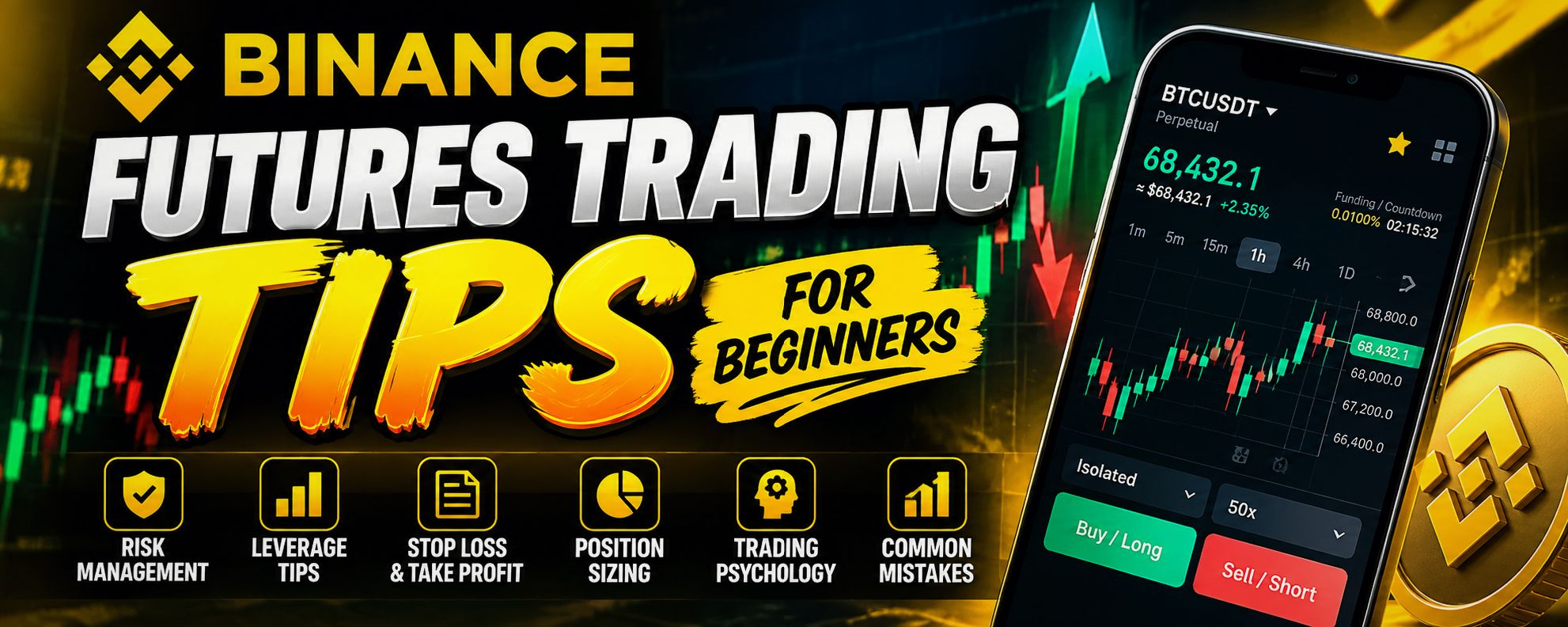
Binance Futures Trading Tips: 10 Tips for BeginnersBinance Futures Trading Tips: A Complete Guide for Beginners
Binance Futures trading can offer flexibility and advanced trading tools, but it also comes with significant risk.
Unlike spot trading, futures allow traders to use leverage, which can magnify both profits and losses. For beginners, understanding risk management, leverage, stop-loss orders, and position sizing is often more important than finding the perfect trade setup.
In this guide, we’ll cover practical Binance Futures trading tips that can help you develop a more disciplined approach to futures trading.
What Is Binance Futures?
Binance Futures is a derivatives trading platform that allows users to trade cryptocurrency contracts without directly owning the underlying asset.
Basically, Traders can take long & short positions and may use leverage to control larger position with less margin.
For example, a trader expecting Bitcoin to rise may open a long position, while someone expecting the price to fall may open a short position.
However, leverage increases the potential impact of price movements, which makes risk management particularly important.
10 Binance Futures Trading Tips for Beginners
1. Start With Proper Risk Management
One of the most important Binance Futures trading tips is to manage your risk before entering a trade.
Instead of deciding how much to risk after opening a position, determine your maximum acceptable loss beforehand.
A simple framework is:
Risk per trade = Account balance × Risk percentage
For example, if your trading account is $1,000 and you decide to risk 1% per trade:
$1,000 × 1% = $10 maximum planned loss
Your actual position size should then be calculated based on your stop-loss distance.
So, Remember that risking a small percentage per trade does not guarantee profits. It simply helps limit the damage from an individual losing trade.
2. Don't Use Excessive Leverage
Leverage is one of the most misunderstood aspects of Binance Futures.
Higher leverage does not automatically mean higher-quality trading opportunities. It mainly allows you to control a larger position relative to your margin, while losses can also accumulate faster.
For beginners, using lower leverage can make it easier to manage positions and avoid unnecessary liquidation risk.
The goal should be controlled risk—not maximum leverage.
3. Always Know Where Your Stop Loss Is
A stop-loss can help define the point at which your trading idea is considered invalid.
Before entering a position, ask:
- Where is my entry?
- Where is my stop loss?
- Where is my take profit?
- How much will I lose if the stop loss is hit?
- Does the potential reward justify the risk?
For example, if your planned risk is $50 and your potential profit is $100, the setup has a planned 1:2 risk-to-reward ratio.
A good risk-to-reward ratio does not guarantee that a trade will win, but it can be useful when combined with a strategy that has a measurable historical edge.
4. Understand Position Size
Many beginners focus on leverage but overlook position sizing.
Position size determines how much exposure your trade actually has.
A basic approach is:
Position Size = Amount You're Willing to Risk ÷ Stop-Loss Distance
Suppose you are willing to risk $20 and your stop-loss distance represents a 2% price movement:
$20 ÷ 2% = $1,000 position exposure
This is a simplified example. In real trading, fees, funding, slippage, contract specifications, and execution conditions should also be considered.
5. Don't Move Your Stop Loss Just to Avoid a Loss
One common trading mistake is moving a stop loss farther away because the market is approaching it.
If your original analysis says the trade is invalid below a certain level, moving the stop without a predefined reason can turn a controlled loss into a much larger one.
Instead, define your invalidation level before entering the trade.
If the setup fails, accept the predefined loss and wait for another opportunity.
6. Don't Overtrade
More trades do not necessarily mean more profits.
Crypto markets operate around the clock, which can make it tempting to constantly search for setups.
However, entering trades simply because you are bored, trying to recover a previous loss, or feeling that you "must" trade can lead to poor decisions.
A better approach is to establish specific conditions for entering a trade.
For example:
Trend + Market Structure + Entry Zone + Confirmation + Risk/Reward
If your conditions are not present, there may be no reason to trade.
7. Avoid Revenge Trading
After taking a losing trade, some traders immediately increase their position size to recover the loss.
This is commonly known as revenge trading.
For example:
Loss → frustration → larger trade → another loss → even larger trade
This can quickly create a damaging cycle.
Instead, treat each trade as an independent event. A losing trade does not mean you need to immediately recover the money.
Sometimes the best trade after a loss is no trade at all.
8. Understand Funding Fees
Perpetual futures contracts can involve funding payments between traders.
Funding rates can change depending on market conditions and positioning. If you hold positions for longer periods, funding costs can become relevant to your overall trading performance.
Therefore, don't evaluate a futures strategy only by entry and exit price.
Also consider:
Trading feesFunding feesSlippageSpreadExecution quality
These costs can have a meaningful impact on frequent trading strategies.
9. Keep a Trading Journal
A trading journal can help you identify patterns in your own behavior.
Record information such as:
Trading pairLong or shortEntry priceStop-lossTake-profitPosition sizeRisk percentageTrading setupResultReason for enteringReason for exitingEmotional stateScreenshot of the setup
After collecting enough trades, review your data.
You may discover that certain setups perform better than others or that many losses come from breaking your own rules.
10. Backtest Before Increasing Your Risk
Before committing significant capital to a trading strategy, consider testing it against historical data.
For example, you could test:
Win rateAverage risk-to-reward ratioMaximum losing streakMaximum drawdownProfit factorAverage tradePerformance across different market conditions
A strategy that looks impressive after five trades may look very different after 100 or 500 trades.
Historical backtesting also has limitations. Past performance does not guarantee future results, and real-world execution can differ from theoretical results.
Binance Futures Risk Management Example
Consider a hypothetical $5,000 trading account.
Suppose the trader chooses a maximum planned risk of 1% per trade.
Account balance: $5,000Risk per trade: 1%Maximum planned loss: $50
Now imagine the trader identifies an entry where the stop-loss distance requires a $50 risk for a particular position size.
The important point is that the trader determines the acceptable loss before deciding how large the position should be.
This is generally more controlled than choosing a large position first and then trying to find a stop-loss afterward.
Should Beginners Use High Leverage?
Beginners should be particularly careful with high leverage.
Leverage can increase exposure without requiring the trader to deposit the entire notional value of the position. However, it also reduces the amount of adverse price movement that can be tolerated relative to the available margin.
For example, a highly leveraged position can experience a substantial percentage loss from a relatively small market movement.
Therefore, leverage should be treated as a risk-management parameter, not a profit target.
Common Binance Futures Mistakes
Here are some mistakes that frequently affect inexperienced futures traders:
Trading Without a Stop Loss
Without a predefined exit, a small losing trade can potentially become much larger.
Using Too Much Leverage
High leverage can make relatively small market movements have a large effect on your margin.
Risking Too Much on One Trade
One trade should not have the power to seriously damage your entire account.
Increasing Position Size After Losses
Trying to recover losses immediately can lead to emotional decision-making.
Trading Every Market Movement
Not every price movement provides a high-quality trading opportunity.
Ignoring Fees and Funding
A strategy can look profitable before costs but perform differently after fees and funding are included.
Changing Your Strategy Constantly
Changing your rules after every losing trade makes it difficult to determine whether your strategy actually works.
A Simple Binance Futures Trading Checklist
Before opening a trade, ask yourself:
Market
What is the current market structure?Is the market trending or ranging?Are there important support or resistance levels?
Setup
Is my trading setup valid?Do I have confirmation?Where is my entry?
Risk
Where is my stop loss?How much am I risking?Is my position size appropriate?
Reward
Where is my take-profit?What is my planned risk-to-reward ratio?
Execution
Have I considered trading fees?Could funding costs matter?Am I entering because of my strategy or because of emotion?
If several answers are unclear, waiting may be better than forcing a trade.
How to Start Binance Futures Trading?
First of all, Download Binance Application from Play store or App Store.
Then, Create a Binance Account or use your existing Binance Account. Use Binance Referral Code EITH2IPA to get Discount in Trading fees.
Complete KYC and open Binance Futures Section. Now, enter [Binance Futures Referral Code](https://www.binance.com/en/square/post/372498049730021) to move forward.
Final Thoughts on Binance Futures Trading
Successful futures trading is not simply about predicting whether Bitcoin will go up or down.
A sustainable trading process involves risk management, position sizing, disciplined execution, strategy testing, and emotional control.
The most important Binance Futures trading tip is to focus on protecting your trading capital first. No strategy wins every trade, so your approach should account for losing trades and losing streaks.
Remember:
You don't need to trade every market movement. You need to trade when your setup meets your rules.
And sometimes, no trade is better than a bad trade.
Frequently Asked Questions
Is Binance Futures suitable for beginners?
Futures trading involves significant risk, particularly when leverage is used. Beginners should first understand how futures, margin, liquidation, fees, funding, and risk management work before trading with meaningful capital.
What is the best leverage for Binance Futures?
There is no universally best leverage. The appropriate level depends on the strategy, position size, stop-loss distance, and amount of risk being taken.
How much should I risk per Binance Futures trade?
There is no single amount that is appropriate for everyone. Many traders use a small percentage of their account as a predefined maximum risk, but your risk level should reflect your financial situation and ability to tolerate losses.
Is a stop loss necessary in Binance Futures?
A stop loss can help traders define their maximum planned loss and exit a position when their trading thesis is invalidated. However, stop orders do not guarantee execution at the exact requested price during rapidly changing market conditions.
Can Binance Futures make you rich?
There is no guaranteed way to make money through futures trading. Leverage can amplify both gains and losses, and traders can lose substantial amounts of capital.
#binancefutures #BinanceFutures
Binance Futures Trading Tips: 10 Tips for Beginners
Binance Futures Trading Tips: A Complete Guide for Beginners
Binance Futures trading can offer flexibility and advanced trading tools, but it also comes with significant risk.
Unlike spot trading, futures allow traders to use leverage, which can magnify both profits and losses. For beginners, understanding risk management, leverage, stop-loss orders, and position sizing is often more important than finding the perfect trade setup.
In this guide, we’ll cover practical Binance Futures trading tips that can help you develop a more disciplined approach to futures trading.
What Is Binance Futures?
Binance Futures is a derivatives trading platform that allows users to trade cryptocurrency contracts without directly owning the underlying asset.
Basically, Traders can take long & short positions and may use leverage to control larger position with less margin.
For example, a trader expecting Bitcoin to rise may open a long position, while someone expecting the price to fall may open a short position.
However, leverage increases the potential impact of price movements, which makes risk management particularly important.
10 Binance Futures Trading Tips for Beginners
1. Start With Proper Risk Management
One of the most important Binance Futures trading tips is to manage your risk before entering a trade.
Instead of deciding how much to risk after opening a position, determine your maximum acceptable loss beforehand.
A simple framework is:
Risk per trade = Account balance × Risk percentage
For example, if your trading account is $1,000 and you decide to risk 1% per trade:
$1,000 × 1% = $10 maximum planned loss
Your actual position size should then be calculated based on your stop-loss distance.
So, Remember that risking a small percentage per trade does not guarantee profits. It simply helps limit the damage from an individual losing trade.
2. Don't Use Excessive Leverage
Leverage is one of the most misunderstood aspects of Binance Futures.
Higher leverage does not automatically mean higher-quality trading opportunities. It mainly allows you to control a larger position relative to your margin, while losses can also accumulate faster.
For beginners, using lower leverage can make it easier to manage positions and avoid unnecessary liquidation risk.
The goal should be controlled risk—not maximum leverage.
3. Always Know Where Your Stop Loss Is
A stop-loss can help define the point at which your trading idea is considered invalid.
Before entering a position, ask:
- Where is my entry?
- Where is my stop loss?
- Where is my take profit?
- How much will I lose if the stop loss is hit?
- Does the potential reward justify the risk?
For example, if your planned risk is $50 and your potential profit is $100, the setup has a planned 1:2 risk-to-reward ratio.
A good risk-to-reward ratio does not guarantee that a trade will win, but it can be useful when combined with a strategy that has a measurable historical edge.
4. Understand Position Size
Many beginners focus on leverage but overlook position sizing.
Position size determines how much exposure your trade actually has.
A basic approach is:
Position Size = Amount You're Willing to Risk ÷ Stop-Loss Distance
Suppose you are willing to risk $20 and your stop-loss distance represents a 2% price movement:
$20 ÷ 2% = $1,000 position exposure
This is a simplified example. In real trading, fees, funding, slippage, contract specifications, and execution conditions should also be considered.
5. Don't Move Your Stop Loss Just to Avoid a Loss
One common trading mistake is moving a stop loss farther away because the market is approaching it.
If your original analysis says the trade is invalid below a certain level, moving the stop without a predefined reason can turn a controlled loss into a much larger one.
Instead, define your invalidation level before entering the trade.
If the setup fails, accept the predefined loss and wait for another opportunity.
6. Don't Overtrade
More trades do not necessarily mean more profits.
Crypto markets operate around the clock, which can make it tempting to constantly search for setups.
However, entering trades simply because you are bored, trying to recover a previous loss, or feeling that you "must" trade can lead to poor decisions.
A better approach is to establish specific conditions for entering a trade.
For example:
Trend + Market Structure + Entry Zone + Confirmation + Risk/Reward
If your conditions are not present, there may be no reason to trade.
7. Avoid Revenge Trading
After taking a losing trade, some traders immediately increase their position size to recover the loss.
This is commonly known as revenge trading.
For example:
Loss → frustration → larger trade → another loss → even larger trade
This can quickly create a damaging cycle.
Instead, treat each trade as an independent event. A losing trade does not mean you need to immediately recover the money.
Sometimes the best trade after a loss is no trade at all.
8. Understand Funding Fees
Perpetual futures contracts can involve funding payments between traders.
Funding rates can change depending on market conditions and positioning. If you hold positions for longer periods, funding costs can become relevant to your overall trading performance.
Therefore, don't evaluate a futures strategy only by entry and exit price.
Also consider:
Trading feesFunding feesSlippageSpreadExecution quality
These costs can have a meaningful impact on frequent trading strategies.
9. Keep a Trading Journal
A trading journal can help you identify patterns in your own behavior.
Record information such as:
Trading pairLong or shortEntry priceStop-lossTake-profitPosition sizeRisk percentageTrading setupResultReason for enteringReason for exitingEmotional stateScreenshot of the setup
After collecting enough trades, review your data.
You may discover that certain setups perform better than others or that many losses come from breaking your own rules.
10. Backtest Before Increasing Your Risk
Before committing significant capital to a trading strategy, consider testing it against historical data.
For example, you could test:
Win rateAverage risk-to-reward ratioMaximum losing streakMaximum drawdownProfit factorAverage tradePerformance across different market conditions
A strategy that looks impressive after five trades may look very different after 100 or 500 trades.
Historical backtesting also has limitations. Past performance does not guarantee future results, and real-world execution can differ from theoretical results.
Binance Futures Risk Management Example
Consider a hypothetical $5,000 trading account.
Suppose the trader chooses a maximum planned risk of 1% per trade.
Account balance: $5,000Risk per trade: 1%Maximum planned loss: $50
Now imagine the trader identifies an entry where the stop-loss distance requires a $50 risk for a particular position size.
The important point is that the trader determines the acceptable loss before deciding how large the position should be.
This is generally more controlled than choosing a large position first and then trying to find a stop-loss afterward.
Should Beginners Use High Leverage?
Beginners should be particularly careful with high leverage.
Leverage can increase exposure without requiring the trader to deposit the entire notional value of the position. However, it also reduces the amount of adverse price movement that can be tolerated relative to the available margin.
For example, a highly leveraged position can experience a substantial percentage loss from a relatively small market movement.
Therefore, leverage should be treated as a risk-management parameter, not a profit target.
Common Binance Futures Mistakes
Here are some mistakes that frequently affect inexperienced futures traders:
Trading Without a Stop Loss
Without a predefined exit, a small losing trade can potentially become much larger.
Using Too Much Leverage
High leverage can make relatively small market movements have a large effect on your margin.
Risking Too Much on One Trade
One trade should not have the power to seriously damage your entire account.
Increasing Position Size After Losses
Trying to recover losses immediately can lead to emotional decision-making.
Trading Every Market Movement
Not every price movement provides a high-quality trading opportunity.
Ignoring Fees and Funding
A strategy can look profitable before costs but perform differently after fees and funding are included.
Changing Your Strategy Constantly
Changing your rules after every losing trade makes it difficult to determine whether your strategy actually works.
A Simple Binance Futures Trading Checklist
Before opening a trade, ask yourself:
Market
What is the current market structure?Is the market trending or ranging?Are there important support or resistance levels?
Setup
Is my trading setup valid?Do I have confirmation?Where is my entry?
Risk
Where is my stop loss?How much am I risking?Is my position size appropriate?
Reward
Where is my take-profit?What is my planned risk-to-reward ratio?
Execution
Have I considered trading fees?Could funding costs matter?Am I entering because of my strategy or because of emotion?
If several answers are unclear, waiting may be better than forcing a trade.
How to Start Binance Futures Trading?
First of all, Download Binance Application from Play store or App Store.
Then, Create a Binance Account or use your existing Binance Account. Use Binance Referral Code EITH2IPA to get Discount in Trading fees.
Complete KYC and open Binance Futures Section. Now, enter Binance Futures Referral Code to move forward.
Final Thoughts on Binance Futures Trading
Successful futures trading is not simply about predicting whether Bitcoin will go up or down.
A sustainable trading process involves risk management, position sizing, disciplined execution, strategy testing, and emotional control.
The most important Binance Futures trading tip is to focus on protecting your trading capital first. No strategy wins every trade, so your approach should account for losing trades and losing streaks.
Remember:
You don't need to trade every market movement. You need to trade when your setup meets your rules.
And sometimes, no trade is better than a bad trade.
Frequently Asked Questions
Is Binance Futures suitable for beginners?
Futures trading involves significant risk, particularly when leverage is used. Beginners should first understand how futures, margin, liquidation, fees, funding, and risk management work before trading with meaningful capital.
What is the best leverage for Binance Futures?
There is no universally best leverage. The appropriate level depends on the strategy, position size, stop-loss distance, and amount of risk being taken.
How much should I risk per Binance Futures trade?
There is no single amount that is appropriate for everyone. Many traders use a small percentage of their account as a predefined maximum risk, but your risk level should reflect your financial situation and ability to tolerate losses.
Is a stop loss necessary in Binance Futures?
A stop loss can help traders define their maximum planned loss and exit a position when their trading thesis is invalidated. However, stop orders do not guarantee execution at the exact requested price during rapidly changing market conditions.
Can Binance Futures make you rich?
There is no guaranteed way to make money through futures trading. Leverage can amplify both gains and losses, and traders can lose substantial amounts of capital.
#binancefutures #BinanceFutures
Binance Futures trading can offer flexibility and advanced trading tools, but it also comes with significant risk.
Unlike spot trading, futures allow traders to use leverage, which can magnify both profits and losses. For beginners, understanding risk management, leverage, stop-loss orders, and position sizing is often more important than finding the perfect trade setup.
In this guide, we’ll cover practical Binance Futures trading tips that can help you develop a more disciplined approach to futures trading.
What Is Binance Futures?
Binance Futures is a derivatives trading platform that allows users to trade cryptocurrency contracts without directly owning the underlying asset.
Basically, Traders can take long & short positions and may use leverage to control larger position with less margin.
For example, a trader expecting Bitcoin to rise may open a long position, while someone expecting the price to fall may open a short position.
However, leverage increases the potential impact of price movements, which makes risk management particularly important.
10 Binance Futures Trading Tips for Beginners
1. Start With Proper Risk Management
One of the most important Binance Futures trading tips is to manage your risk before entering a trade.
Instead of deciding how much to risk after opening a position, determine your maximum acceptable loss beforehand.
A simple framework is:
Risk per trade = Account balance × Risk percentage
For example, if your trading account is $1,000 and you decide to risk 1% per trade:
$1,000 × 1% = $10 maximum planned loss
Your actual position size should then be calculated based on your stop-loss distance.
So, Remember that risking a small percentage per trade does not guarantee profits. It simply helps limit the damage from an individual losing trade.
2. Don't Use Excessive Leverage
Leverage is one of the most misunderstood aspects of Binance Futures.
Higher leverage does not automatically mean higher-quality trading opportunities. It mainly allows you to control a larger position relative to your margin, while losses can also accumulate faster.
For beginners, using lower leverage can make it easier to manage positions and avoid unnecessary liquidation risk.
The goal should be controlled risk—not maximum leverage.
3. Always Know Where Your Stop Loss Is
A stop-loss can help define the point at which your trading idea is considered invalid.
Before entering a position, ask:
- Where is my entry?
- Where is my stop loss?
- Where is my take profit?
- How much will I lose if the stop loss is hit?
- Does the potential reward justify the risk?
For example, if your planned risk is $50 and your potential profit is $100, the setup has a planned 1:2 risk-to-reward ratio.
A good risk-to-reward ratio does not guarantee that a trade will win, but it can be useful when combined with a strategy that has a measurable historical edge.
4. Understand Position Size
Many beginners focus on leverage but overlook position sizing.
Position size determines how much exposure your trade actually has.
A basic approach is:
Position Size = Amount You're Willing to Risk ÷ Stop-Loss Distance
Suppose you are willing to risk $20 and your stop-loss distance represents a 2% price movement:
$20 ÷ 2% = $1,000 position exposure
This is a simplified example. In real trading, fees, funding, slippage, contract specifications, and execution conditions should also be considered.
5. Don't Move Your Stop Loss Just to Avoid a Loss
One common trading mistake is moving a stop loss farther away because the market is approaching it.
If your original analysis says the trade is invalid below a certain level, moving the stop without a predefined reason can turn a controlled loss into a much larger one.
Instead, define your invalidation level before entering the trade.
If the setup fails, accept the predefined loss and wait for another opportunity.
6. Don't Overtrade
More trades do not necessarily mean more profits.
Crypto markets operate around the clock, which can make it tempting to constantly search for setups.
However, entering trades simply because you are bored, trying to recover a previous loss, or feeling that you "must" trade can lead to poor decisions.
A better approach is to establish specific conditions for entering a trade.
For example:
Trend + Market Structure + Entry Zone + Confirmation + Risk/Reward
If your conditions are not present, there may be no reason to trade.
7. Avoid Revenge Trading
After taking a losing trade, some traders immediately increase their position size to recover the loss.
This is commonly known as revenge trading.
For example:
Loss → frustration → larger trade → another loss → even larger trade
This can quickly create a damaging cycle.
Instead, treat each trade as an independent event. A losing trade does not mean you need to immediately recover the money.
Sometimes the best trade after a loss is no trade at all.
8. Understand Funding Fees
Perpetual futures contracts can involve funding payments between traders.
Funding rates can change depending on market conditions and positioning. If you hold positions for longer periods, funding costs can become relevant to your overall trading performance.
Therefore, don't evaluate a futures strategy only by entry and exit price.
Also consider:
Trading feesFunding feesSlippageSpreadExecution quality
These costs can have a meaningful impact on frequent trading strategies.
9. Keep a Trading Journal
A trading journal can help you identify patterns in your own behavior.
Record information such as:
Trading pairLong or shortEntry priceStop-lossTake-profitPosition sizeRisk percentageTrading setupResultReason for enteringReason for exitingEmotional stateScreenshot of the setup
After collecting enough trades, review your data.
You may discover that certain setups perform better than others or that many losses come from breaking your own rules.
10. Backtest Before Increasing Your Risk
Before committing significant capital to a trading strategy, consider testing it against historical data.
For example, you could test:
Win rateAverage risk-to-reward ratioMaximum losing streakMaximum drawdownProfit factorAverage tradePerformance across different market conditions
A strategy that looks impressive after five trades may look very different after 100 or 500 trades.
Historical backtesting also has limitations. Past performance does not guarantee future results, and real-world execution can differ from theoretical results.
Binance Futures Risk Management Example
Consider a hypothetical $5,000 trading account.
Suppose the trader chooses a maximum planned risk of 1% per trade.
Account balance: $5,000Risk per trade: 1%Maximum planned loss: $50
Now imagine the trader identifies an entry where the stop-loss distance requires a $50 risk for a particular position size.
The important point is that the trader determines the acceptable loss before deciding how large the position should be.
This is generally more controlled than choosing a large position first and then trying to find a stop-loss afterward.
Should Beginners Use High Leverage?
Beginners should be particularly careful with high leverage.
Leverage can increase exposure without requiring the trader to deposit the entire notional value of the position. However, it also reduces the amount of adverse price movement that can be tolerated relative to the available margin.
For example, a highly leveraged position can experience a substantial percentage loss from a relatively small market movement.
Therefore, leverage should be treated as a risk-management parameter, not a profit target.
Common Binance Futures Mistakes
Here are some mistakes that frequently affect inexperienced futures traders:
Trading Without a Stop Loss
Without a predefined exit, a small losing trade can potentially become much larger.
Using Too Much Leverage
High leverage can make relatively small market movements have a large effect on your margin.
Risking Too Much on One Trade
One trade should not have the power to seriously damage your entire account.
Increasing Position Size After Losses
Trying to recover losses immediately can lead to emotional decision-making.
Trading Every Market Movement
Not every price movement provides a high-quality trading opportunity.
Ignoring Fees and Funding
A strategy can look profitable before costs but perform differently after fees and funding are included.
Changing Your Strategy Constantly
Changing your rules after every losing trade makes it difficult to determine whether your strategy actually works.
A Simple Binance Futures Trading Checklist
Before opening a trade, ask yourself:
Market
What is the current market structure?Is the market trending or ranging?Are there important support or resistance levels?
Setup
Is my trading setup valid?Do I have confirmation?Where is my entry?
Risk
Where is my stop loss?How much am I risking?Is my position size appropriate?
Reward
Where is my take-profit?What is my planned risk-to-reward ratio?
Execution
Have I considered trading fees?Could funding costs matter?Am I entering because of my strategy or because of emotion?
If several answers are unclear, waiting may be better than forcing a trade.
How to Start Binance Futures Trading?
First of all, Download Binance Application from Play store or App Store.
Then, Create a Binance Account or use your existing Binance Account. Use Binance Referral Code EITH2IPA to get Discount in Trading fees.
Complete KYC and open Binance Futures Section. Now, enter Binance Futures Referral Code to move forward.
Final Thoughts on Binance Futures Trading
Successful futures trading is not simply about predicting whether Bitcoin will go up or down.
A sustainable trading process involves risk management, position sizing, disciplined execution, strategy testing, and emotional control.
The most important Binance Futures trading tip is to focus on protecting your trading capital first. No strategy wins every trade, so your approach should account for losing trades and losing streaks.
Remember:
You don't need to trade every market movement. You need to trade when your setup meets your rules.
And sometimes, no trade is better than a bad trade.
Frequently Asked Questions
Is Binance Futures suitable for beginners?
Futures trading involves significant risk, particularly when leverage is used. Beginners should first understand how futures, margin, liquidation, fees, funding, and risk management work before trading with meaningful capital.
What is the best leverage for Binance Futures?
There is no universally best leverage. The appropriate level depends on the strategy, position size, stop-loss distance, and amount of risk being taken.
How much should I risk per Binance Futures trade?
There is no single amount that is appropriate for everyone. Many traders use a small percentage of their account as a predefined maximum risk, but your risk level should reflect your financial situation and ability to tolerate losses.
Is a stop loss necessary in Binance Futures?
A stop loss can help traders define their maximum planned loss and exit a position when their trading thesis is invalidated. However, stop orders do not guarantee execution at the exact requested price during rapidly changing market conditions.
Can Binance Futures make you rich?
There is no guaranteed way to make money through futures trading. Leverage can amplify both gains and losses, and traders can lose substantial amounts of capital.
#binancefutures #BinanceFutures
102
·
--

Artikel
Binance Futures-Referral-Code VIP09CRYPTO – Vollständiger Leitfaden für neue NutzerDer Binance Futures-Referral-Code lautet VIP09CRYPTO. Anspruchsberechtigte neue Binance-Nutzer können diesen Referral-Code während der Registrierung eingeben, um alle derzeit von Binance angebotenen Referral-Vorteile zu erhalten. Referral-Vorteile, Anspruchsvoraussetzungen und Konditionen können variieren, daher solltest du immer das Angebot prüfen, das dir von Binance angezeigt wird, bevor du deine Anmeldung abschließt.
Was ist der Binance Futures-Referral-Code?
Ein Binance Futures-Referral-Code ist ein Code, der mit dem Empfehlungsprogramm von Binance verbunden ist. Anspruchsberechtigte Nutzer können beim Erstellen eines Kontos je nach dem jeweils geltenden Binance-Referral-Programm einen Referral-Code oder einen Referral-Link verwenden.
Binance Futures-Referral-Code VIP09CRYPTO – Vollständiger Leitfaden für neue Nutzer
Der Binance Futures-Referral-Code lautet VIP09CRYPTO. Anspruchsberechtigte neue Binance-Nutzer können diesen Referral-Code während der Registrierung eingeben, um alle derzeit von Binance angebotenen Referral-Vorteile zu erhalten. Referral-Vorteile, Anspruchsvoraussetzungen und Konditionen können variieren, daher solltest du immer das Angebot prüfen, das dir von Binance angezeigt wird, bevor du deine Anmeldung abschließt.
Was ist der Binance Futures-Referral-Code?
Ein Binance Futures-Referral-Code ist ein Code, der mit dem Empfehlungsprogramm von Binance verbunden ist. Anspruchsberechtigte Nutzer können beim Erstellen eines Kontos je nach dem jeweils geltenden Binance-Referral-Programm einen Referral-Code oder einen Referral-Link verwenden.
Was ist der Binance Futures-Referral-Code?
Ein Binance Futures-Referral-Code ist ein Code, der mit dem Empfehlungsprogramm von Binance verbunden ist. Anspruchsberechtigte Nutzer können beim Erstellen eines Kontos je nach dem jeweils geltenden Binance-Referral-Programm einen Referral-Code oder einen Referral-Link verwenden.
1
130
·
--
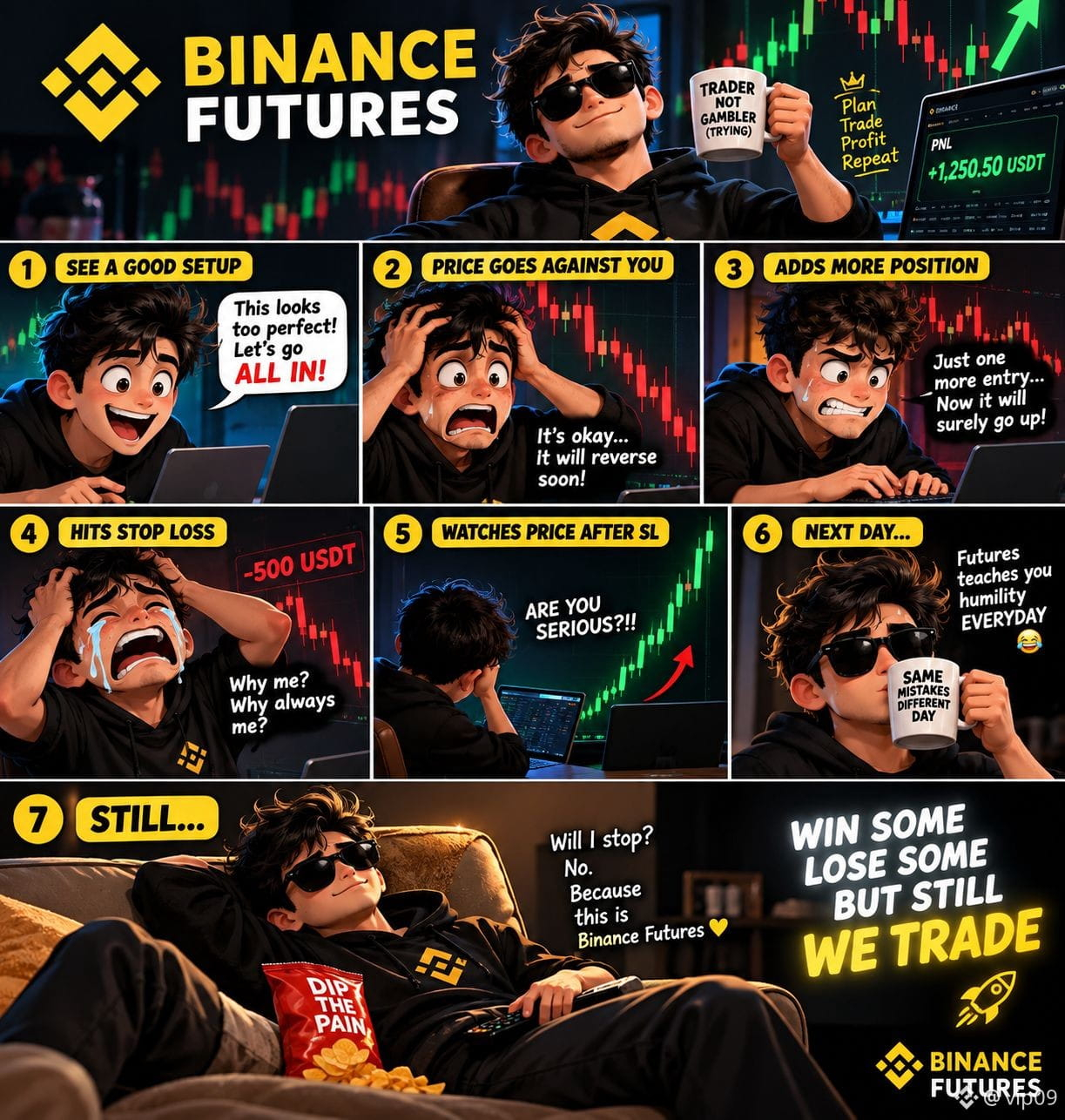
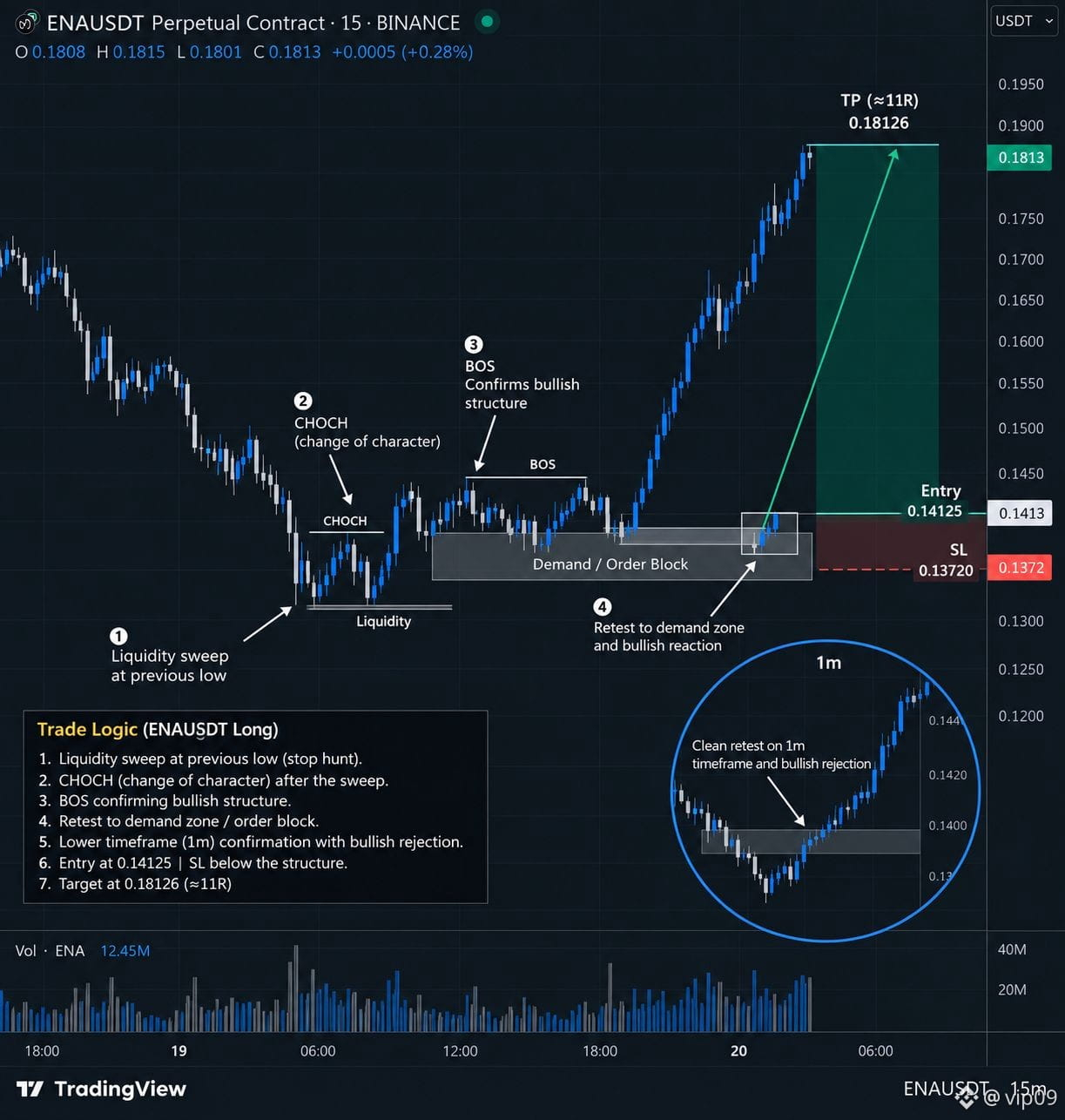
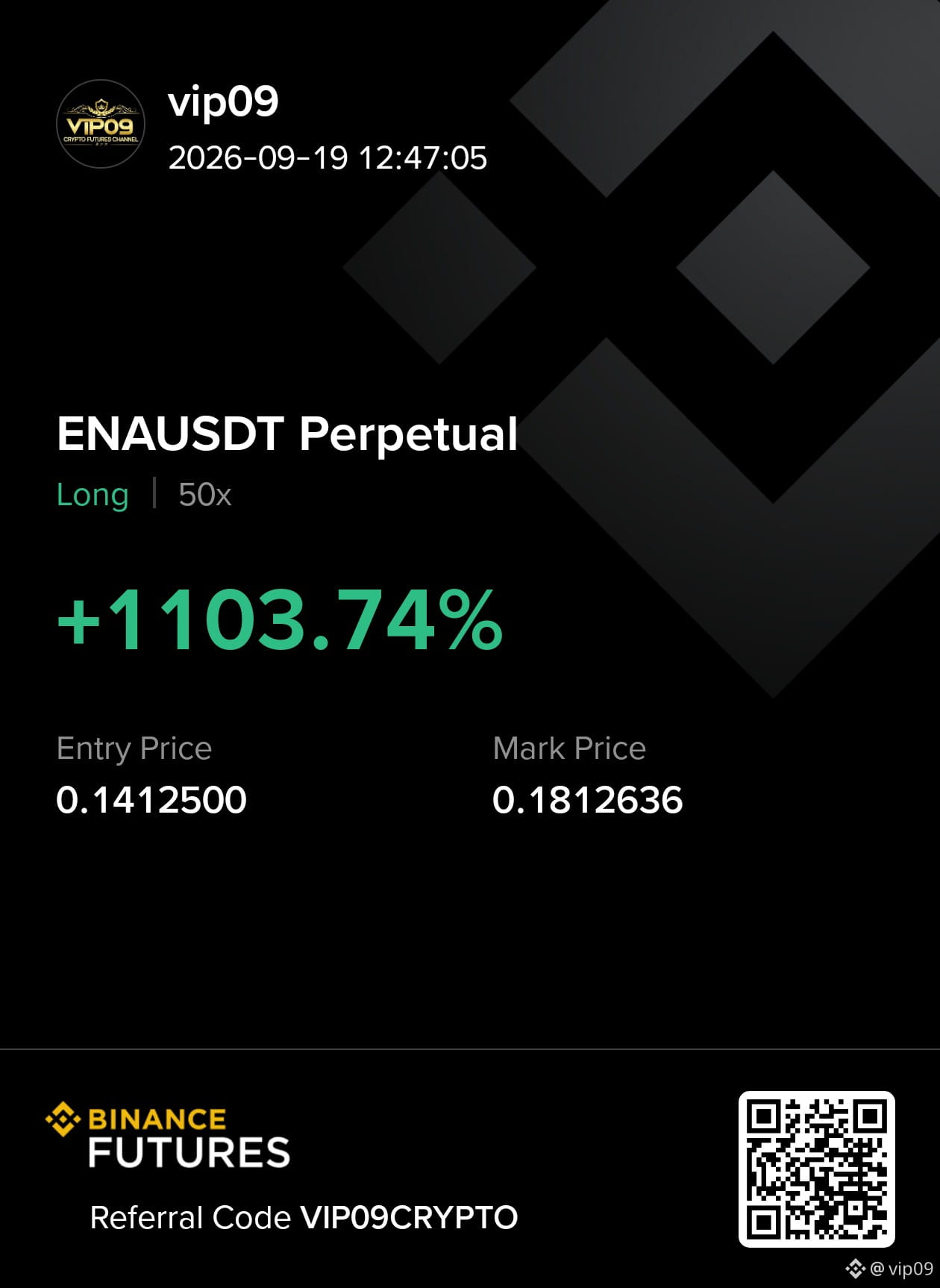
Wer hat gesagt, dass Trennungen am meisten wehtun? Diese Stop-Loss-Order hat mich gerade brutal mit der Realität geschlagen 😭 #BinanceFutures
Wer hat gesagt, dass Trennungen am meisten wehtun? Diese Stop-Loss-Order hat mich gerade brutal mit der Realität geschlagen 😭 #BinanceFutures
109
·
--
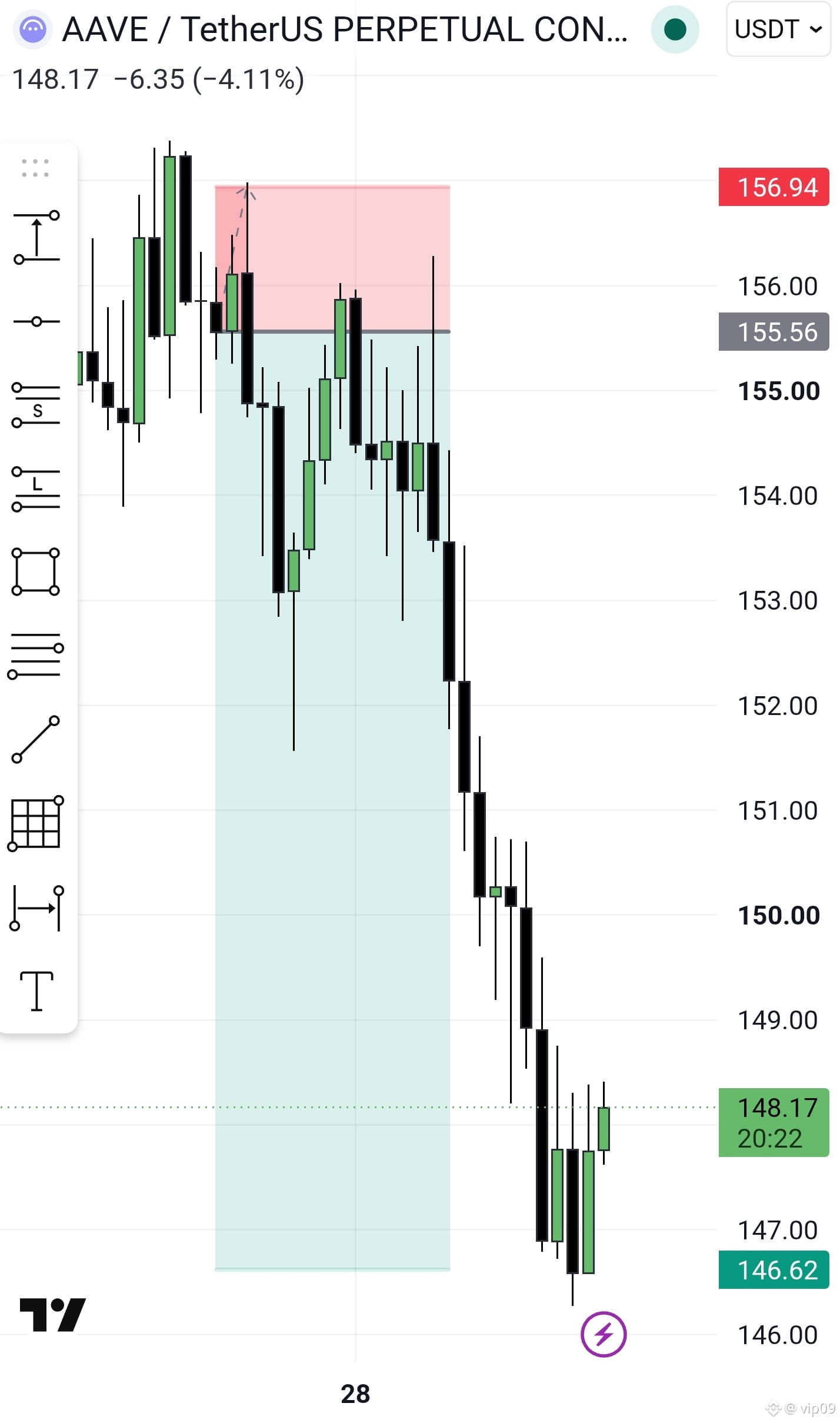
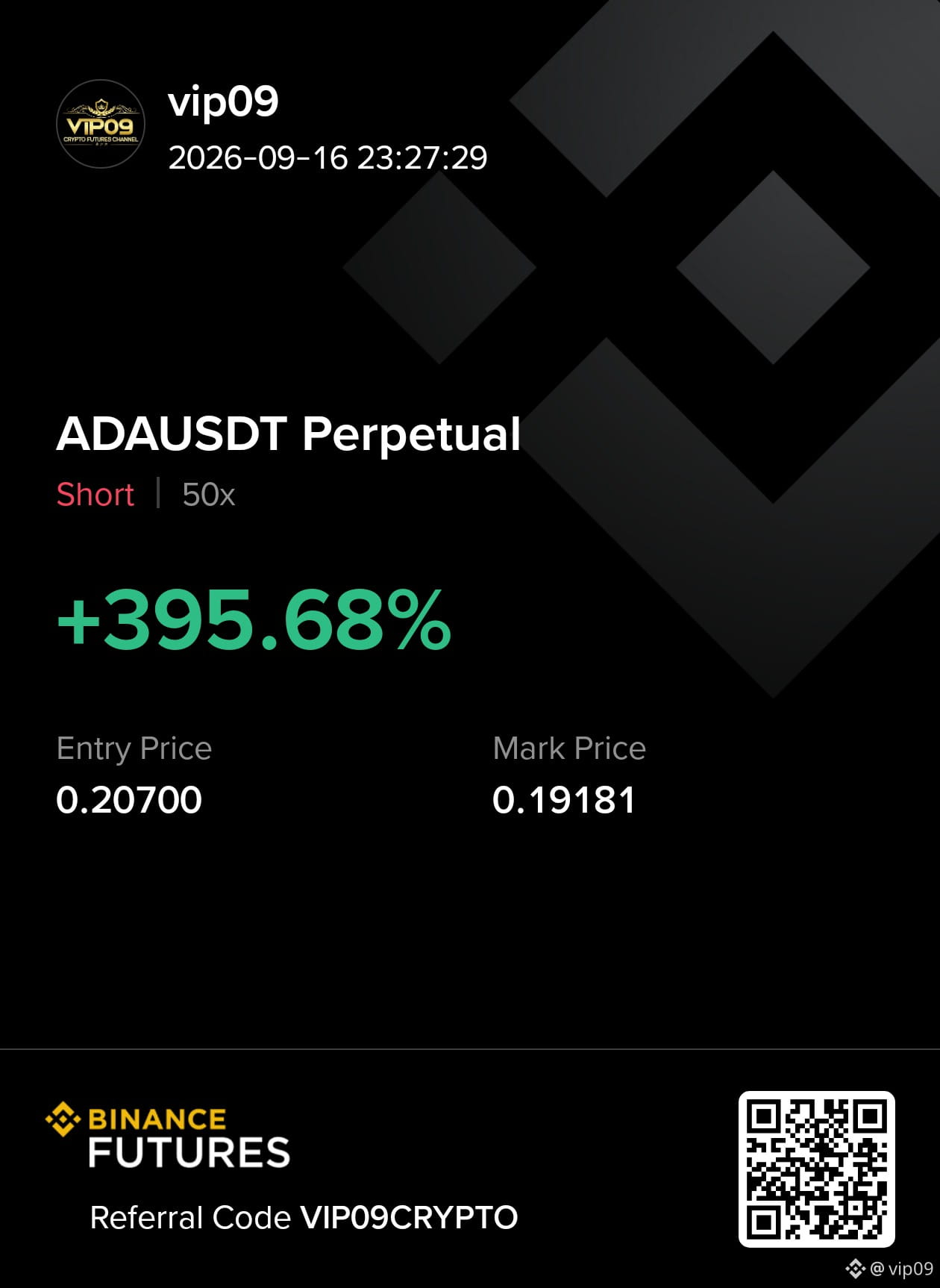
ADAUSDT Soll ich es schließen oder offen lassen?
ADAUSDT Soll ich es schließen oder offen lassen?
53
·
--
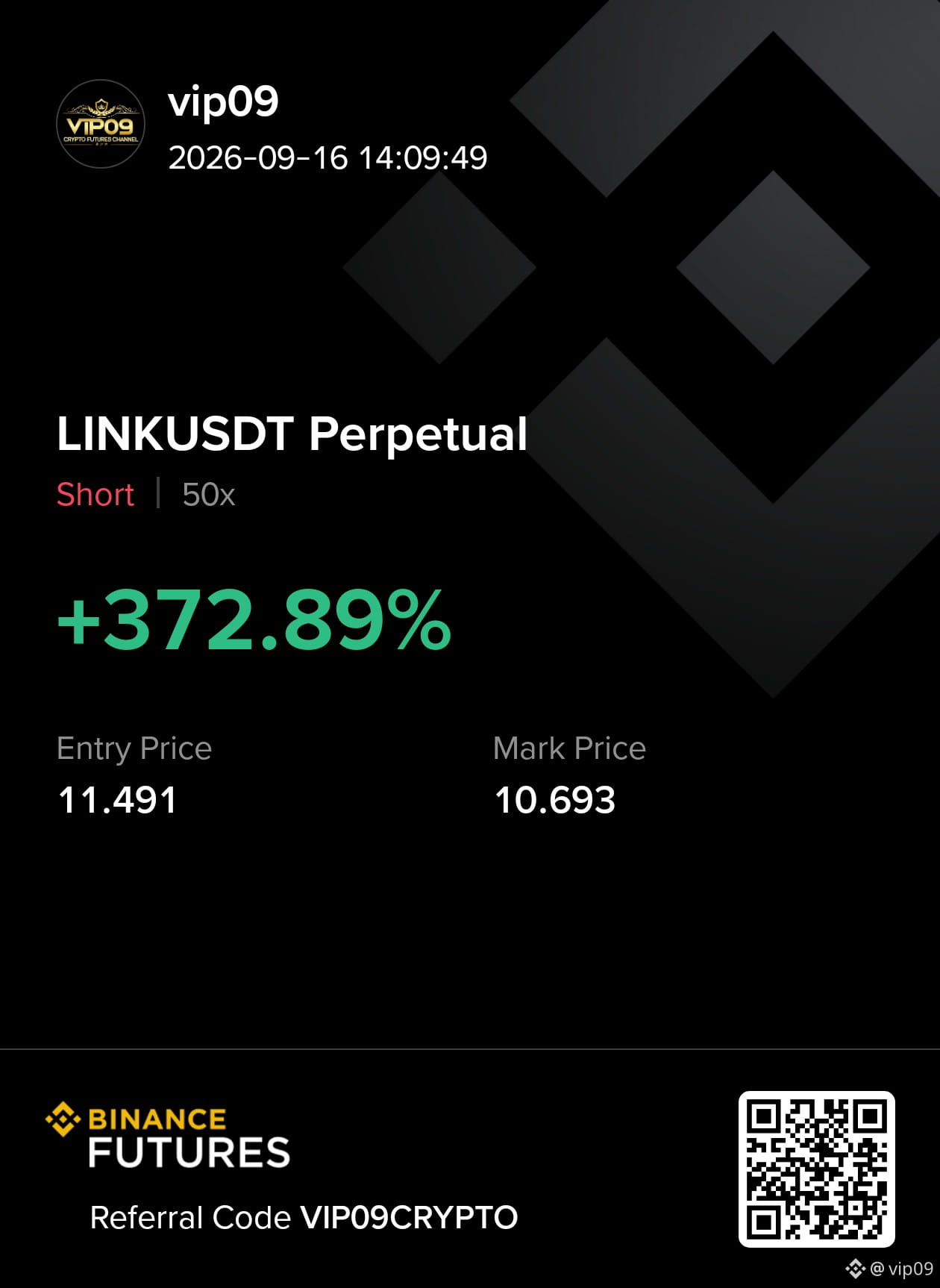
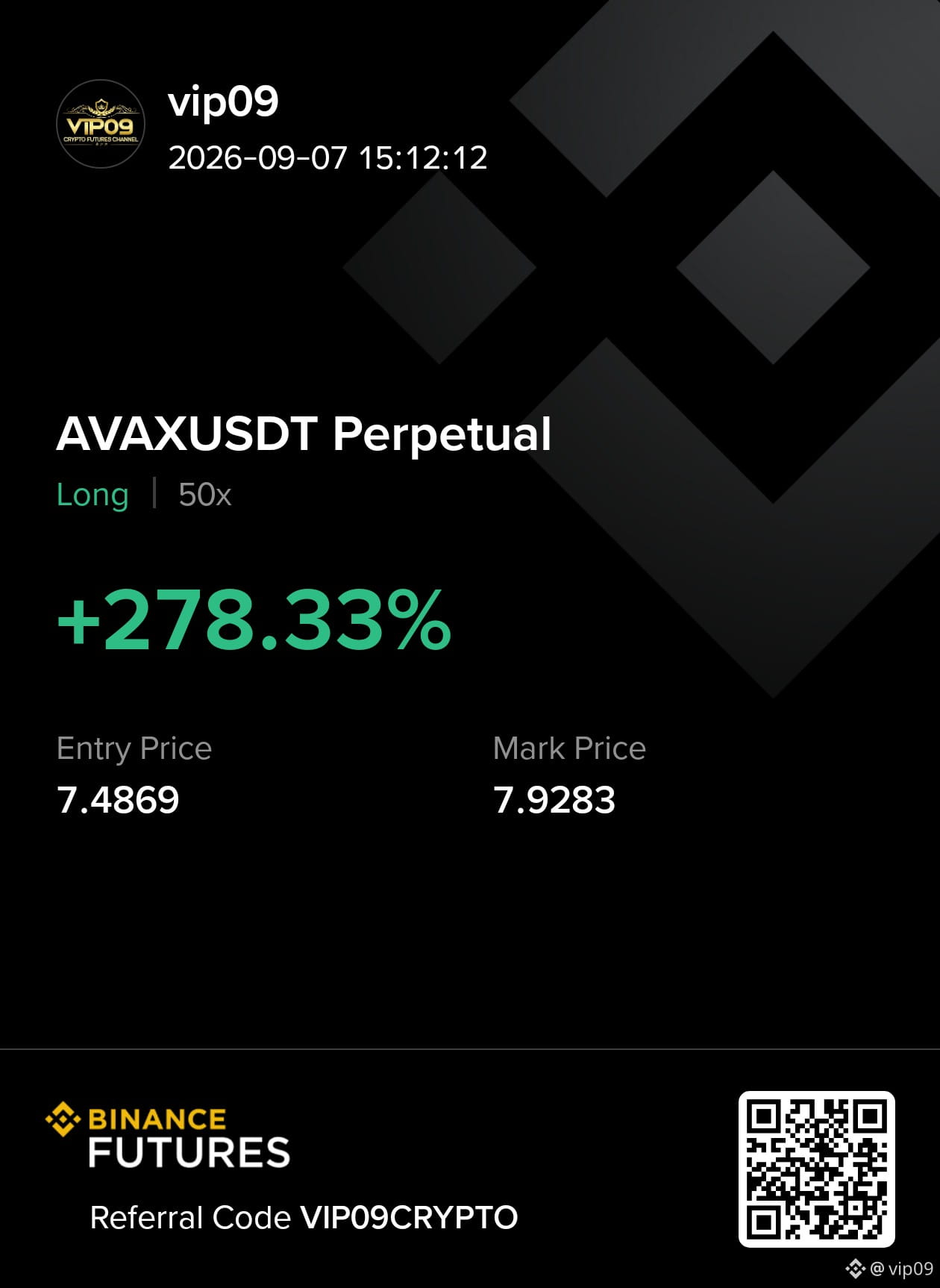
#LINKUSDT Gestern gemeinsam. Jetzt haben wir gerade unsere Taschen geladen 💥. Was für ein Knall.
#LINKUSDT Gestern gemeinsam. Jetzt haben wir gerade unsere Taschen geladen 💥. Was für ein Knall.
133
·
--
Welche Strategie verfolgen Sie?
Welche Strategie verfolgen Sie?
Price Action 🔥
0%
SMC 🥶
0%
Only Support and Resistance 💀
0%
I Follow VIP09 😎
0%
0 Stimmen • Abstimmung beendet
1
1
·
--
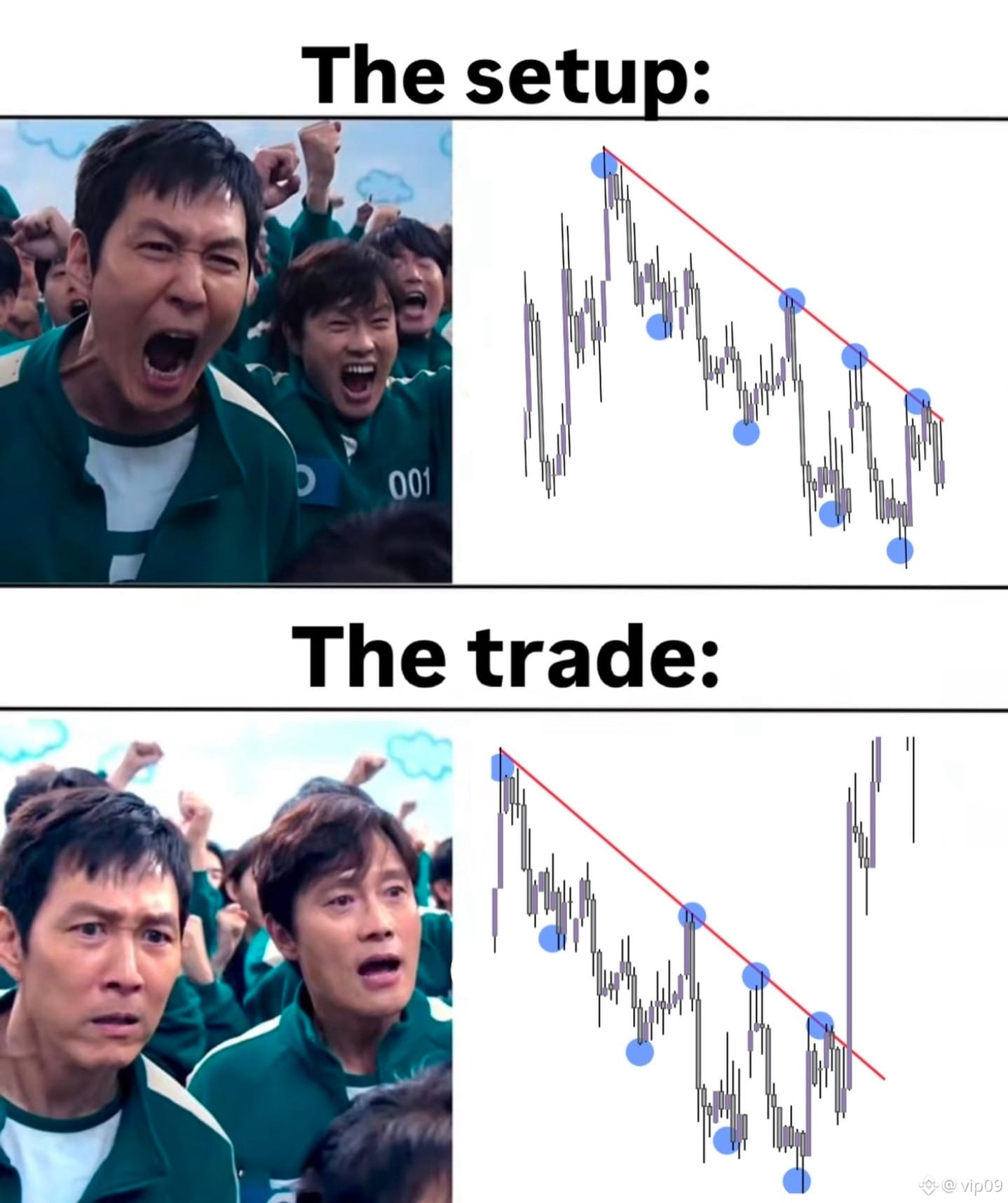
Erwarte das Unerwartete und denke langfristig. Price Action ❌️🤡 SMC ✅️💀
Erwarte das Unerwartete und denke langfristig. Price Action ❌️🤡 SMC ✅️💀
40
·
--
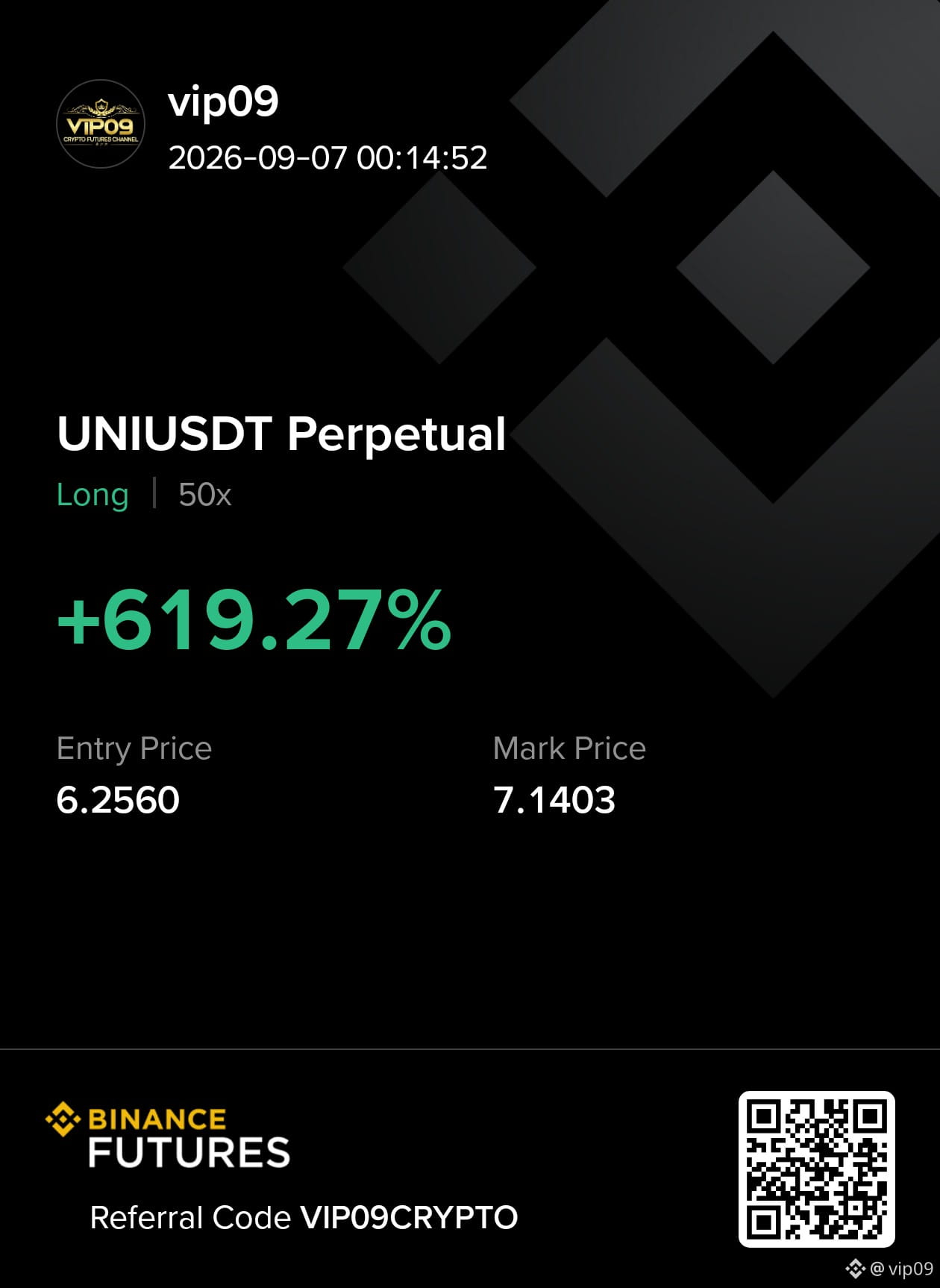
Wir haben die Zukunft nicht vorhergesagt.
Wir haben uns auf eine Möglichkeit vorbereitet. 🎯
UNI-Setup vor 6 Stunden geteilt — und der Markt hat uns die Bewegung geliefert. 📈💰💥
Das ist die Schönheit des Tradings:
Du bereitest dich vor.
Du wartest.
Du setzt um.
Dann lässt du den Markt entscheiden.
#BinanceFutureSignal #BinanceFutureTrading
Wir haben die Zukunft nicht vorhergesagt.
Wir haben uns auf eine Möglichkeit vorbereitet. 🎯
UNI-Setup vor 6 Stunden geteilt — und der Markt hat uns die Bewegung geliefert. 📈💰💥
Das ist die Schönheit des Tradings:
Du bereitest dich vor.
Du wartest.
Du setzt um.
Dann lässt du den Markt entscheiden.
#BinanceFutureSignal #BinanceFutureTrading
Wir haben uns auf eine Möglichkeit vorbereitet. 🎯
UNI-Setup vor 6 Stunden geteilt — und der Markt hat uns die Bewegung geliefert. 📈💰💥
Das ist die Schönheit des Tradings:
Du bereitest dich vor.
Du wartest.
Du setzt um.
Dann lässt du den Markt entscheiden.
#BinanceFutureSignal #BinanceFutureTrading
1
141
·
--
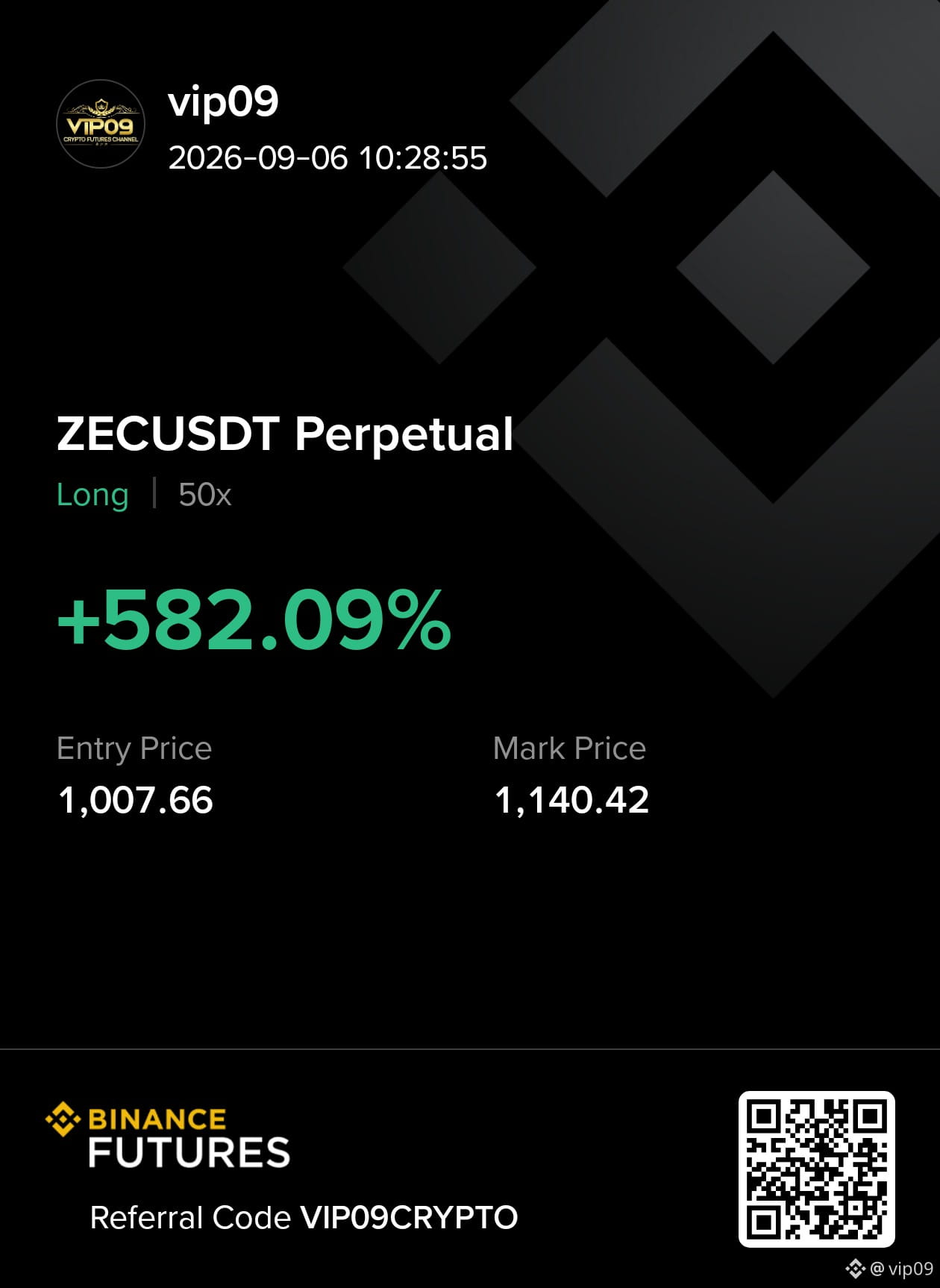
Vor ein paar Stunden war das nur eine Idee im Chart…
Jetzt ist es ein Trade mit ernsthaftem Gewinn. 📈💰
Das ist deine Erinnerung:
Arbeite weiter an deiner Analyse.
Verbessere weiter deine Ausführung.
Und am wichtigsten — gib nicht auf. 🧠🔥
#BinanceFutureSignal #BinanceFutureTrading
Vor ein paar Stunden war das nur eine Idee im Chart…
Jetzt ist es ein Trade mit ernsthaftem Gewinn. 📈💰
Das ist deine Erinnerung:
Arbeite weiter an deiner Analyse.
Verbessere weiter deine Ausführung.
Und am wichtigsten — gib nicht auf. 🧠🔥
#BinanceFutureSignal #BinanceFutureTrading
Jetzt ist es ein Trade mit ernsthaftem Gewinn. 📈💰
Das ist deine Erinnerung:
Arbeite weiter an deiner Analyse.
Verbessere weiter deine Ausführung.
Und am wichtigsten — gib nicht auf. 🧠🔥
#BinanceFutureSignal #BinanceFutureTrading
144
·
--
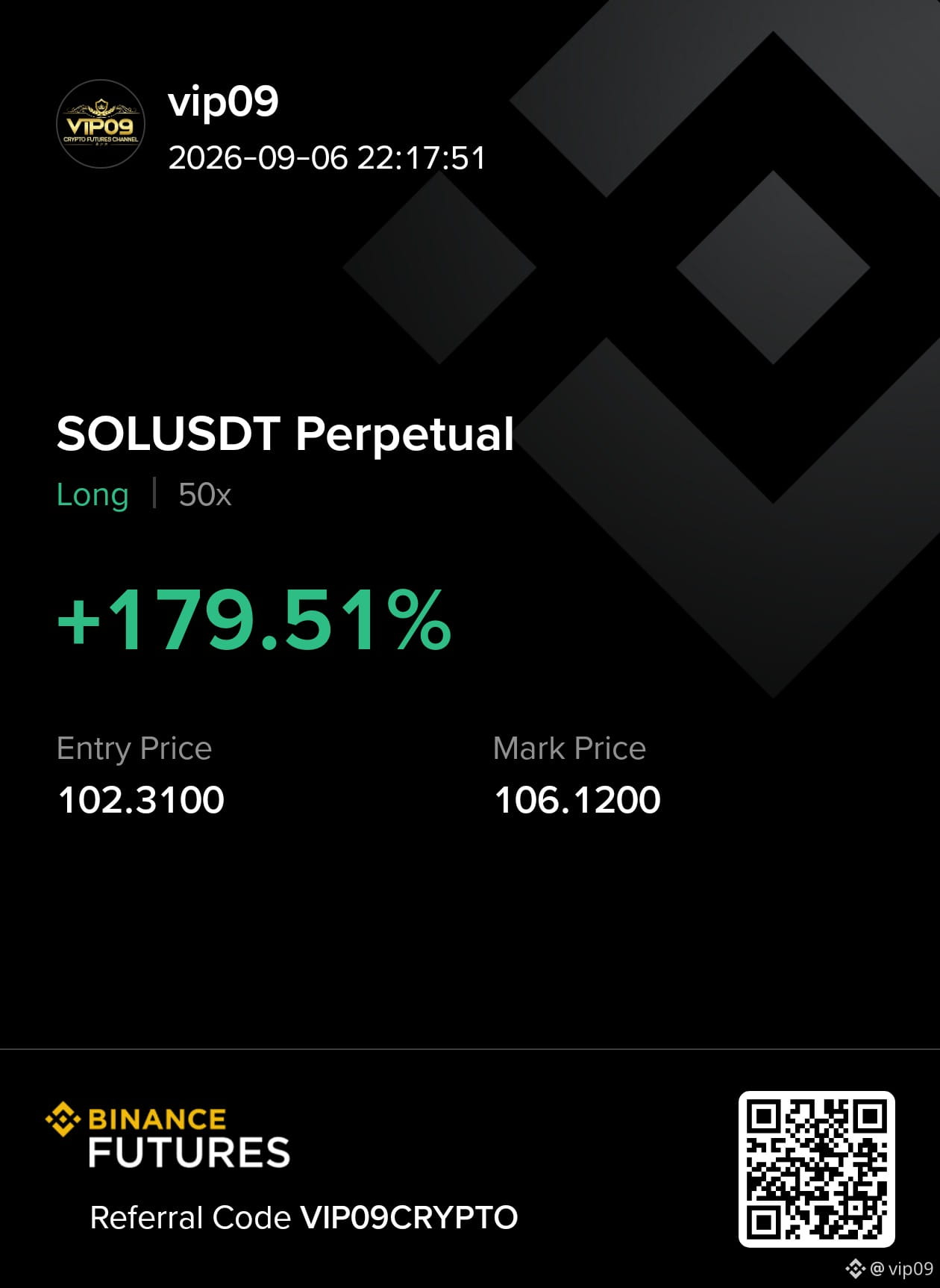
Das beste Gefühl ist, dabei zuzusehen, wie sich ein Setup nach sorgfältiger Planung entfaltet. 📊
SOL-Trade geteilt vor 3 Stunden — und jetzt ist die Position in starkem Gewinn. 📈🔥
Darum ist Geduld so wichtig. Chase nicht dem Move hinterher. Wartet auf euer Setup.
#BinanceFutureSignal #BinanceFutureTrading
Das beste Gefühl ist, dabei zuzusehen, wie sich ein Setup nach sorgfältiger Planung entfaltet. 📊
SOL-Trade geteilt vor 3 Stunden — und jetzt ist die Position in starkem Gewinn. 📈🔥
Darum ist Geduld so wichtig. Chase nicht dem Move hinterher. Wartet auf euer Setup.
#BinanceFutureSignal #BinanceFutureTrading
SOL-Trade geteilt vor 3 Stunden — und jetzt ist die Position in starkem Gewinn. 📈🔥
Darum ist Geduld so wichtig. Chase nicht dem Move hinterher. Wartet auf euer Setup.
#BinanceFutureSignal #BinanceFutureTrading
1
104
·
--
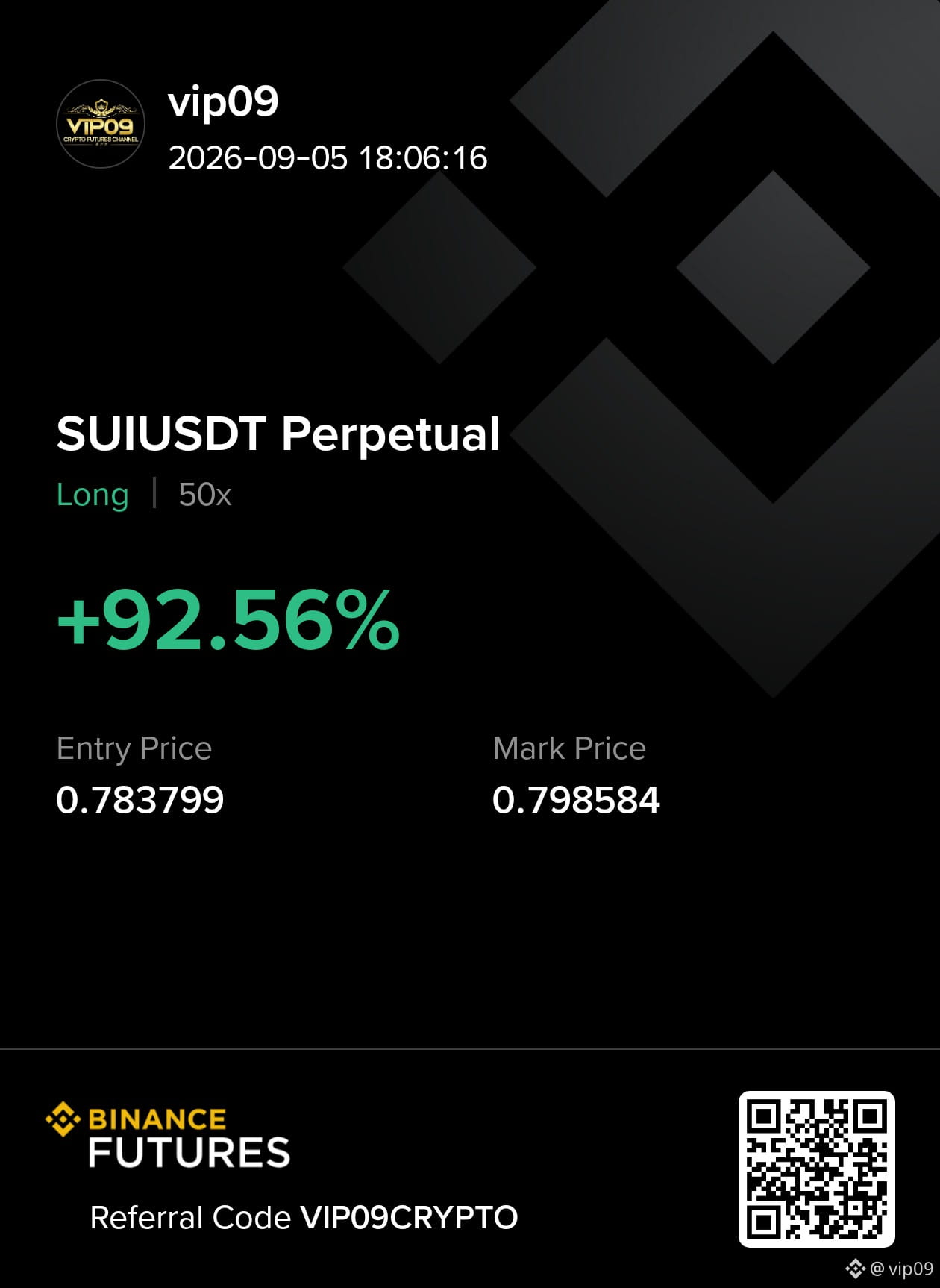
Erinnerst du dich an dieses SUI-Setup, das ich vor 3 Stunden geteilt habe? 👀
Nun… schau es dir jetzt an. 📈🔥#
Das Setup ist exakt wie erwartet verlaufen, und der Trade sitzt jetzt in soliden Gewinnen.
Erst die Analyse. Dann die Ausführung.
#BinanceFutureSignal #BinanceFutureTrading
Erinnerst du dich an dieses SUI-Setup, das ich vor 3 Stunden geteilt habe? 👀
Nun… schau es dir jetzt an. 📈🔥#
Das Setup ist exakt wie erwartet verlaufen, und der Trade sitzt jetzt in soliden Gewinnen.
Erst die Analyse. Dann die Ausführung.
#BinanceFutureSignal #BinanceFutureTrading
Nun… schau es dir jetzt an. 📈🔥#
Das Setup ist exakt wie erwartet verlaufen, und der Trade sitzt jetzt in soliden Gewinnen.
Erst die Analyse. Dann die Ausführung.
#BinanceFutureSignal #BinanceFutureTrading
1
151
·
--
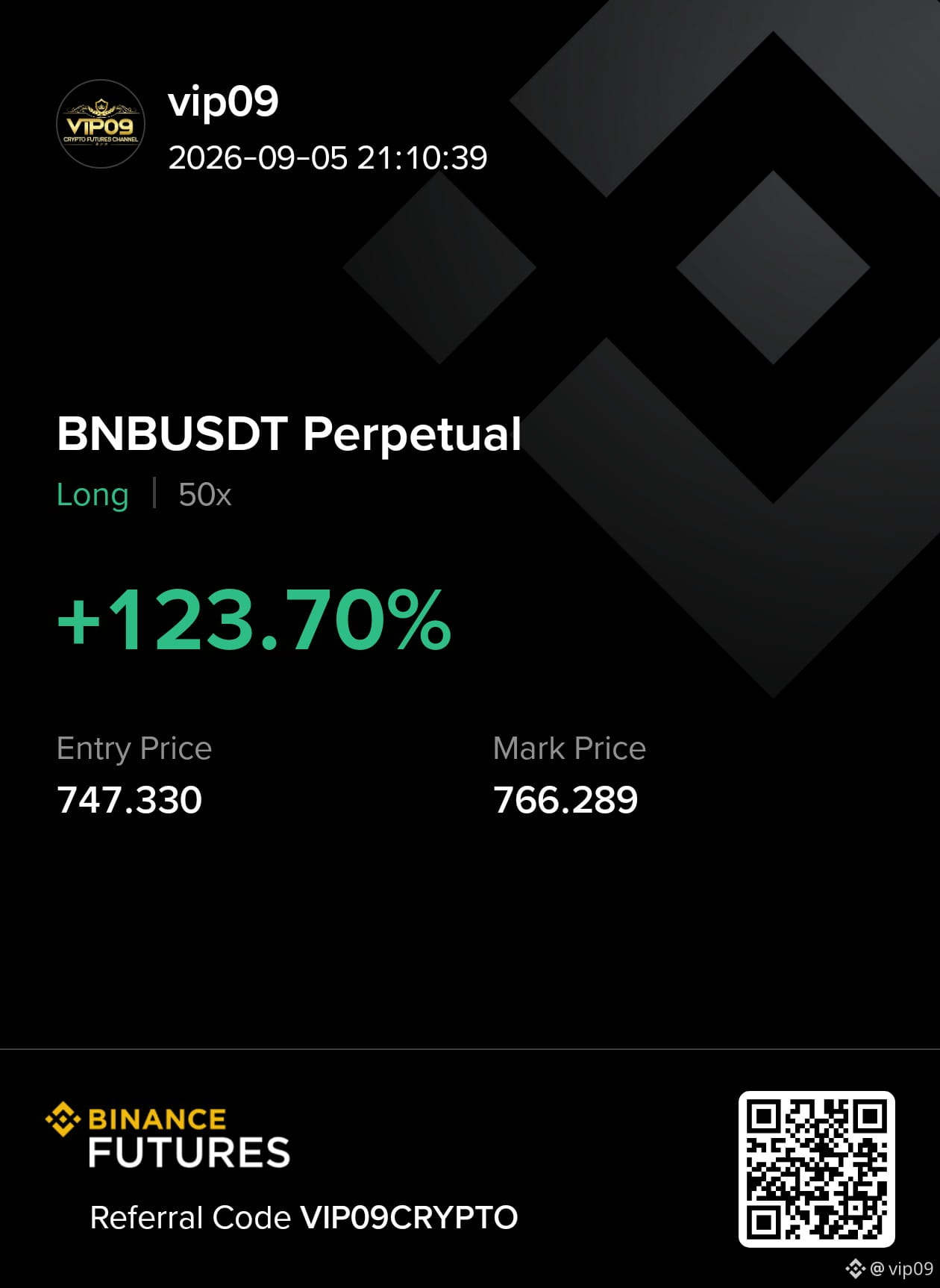
Ich habe diesen BNB-Trade vor 3 Stunden geteilt. Und jetzt ist dieser Trade in unglaublichem Profit #BinanceFutureSignal #BinanceFutureTrading
Ich habe diesen BNB-Trade vor 3 Stunden geteilt. Und jetzt ist dieser Trade in unglaublichem Profit #BinanceFutureSignal #BinanceFutureTrading
1
27
·
--
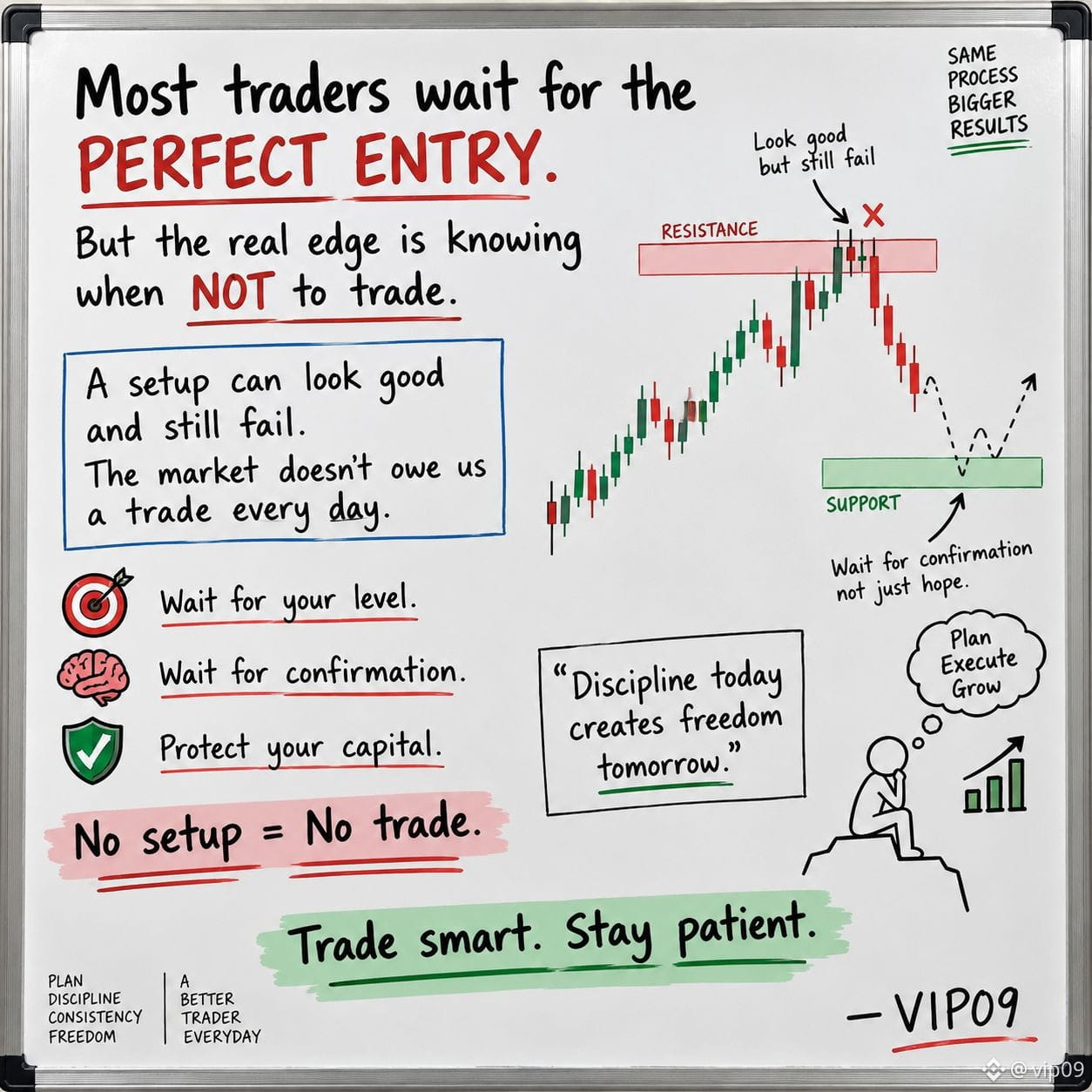
Die meisten Trader warten auf den perfekten Einstieg.
Aber der wirkliche Vorteil liegt darin zu wissen, wann man NICHT traden sollte.
Ein Setup kann gut aussehen und trotzdem scheitern.
Der Markt schuldet uns nicht jeden Tag einen Trade.
🎯 Warte auf dein Level
🧠 Warte auf Bestätigung
🛡️ Schütze dein Kapital
Kein Setup = Kein Trade.
Handle klug. Bleib geduldig.
— VIP09
Die meisten Trader warten auf den perfekten Einstieg.
Aber der wirkliche Vorteil liegt darin zu wissen, wann man NICHT traden sollte.
Ein Setup kann gut aussehen und trotzdem scheitern.
Der Markt schuldet uns nicht jeden Tag einen Trade.
🎯 Warte auf dein Level
🧠 Warte auf Bestätigung
🛡️ Schütze dein Kapital
Kein Setup = Kein Trade.
Handle klug. Bleib geduldig.
— VIP09
Aber der wirkliche Vorteil liegt darin zu wissen, wann man NICHT traden sollte.
Ein Setup kann gut aussehen und trotzdem scheitern.
Der Markt schuldet uns nicht jeden Tag einen Trade.
🎯 Warte auf dein Level
🧠 Warte auf Bestätigung
🛡️ Schütze dein Kapital
Kein Setup = Kein Trade.
Handle klug. Bleib geduldig.
— VIP09
100
·
--
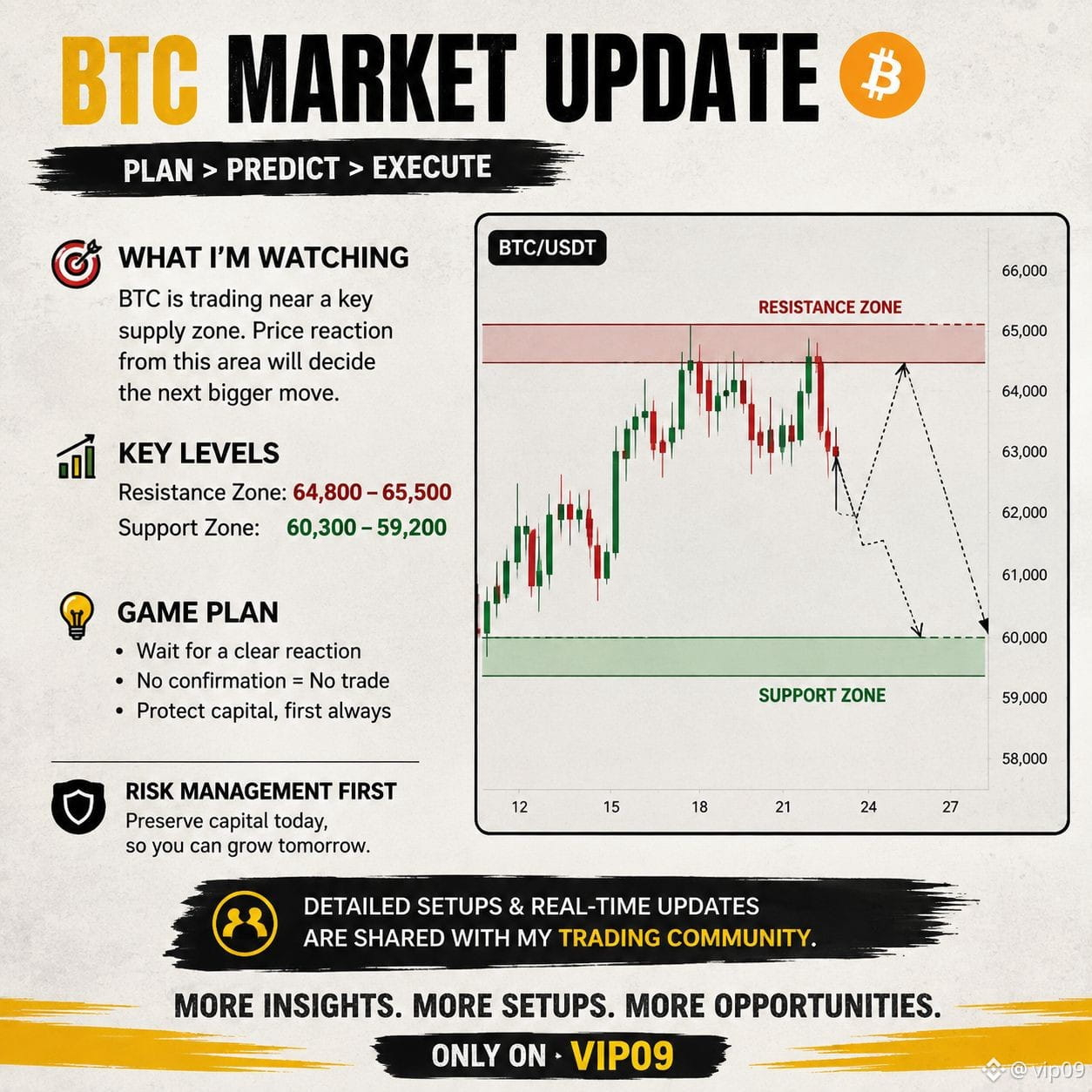
BTC MARKET CHECK
BTC nähert sich einem wichtigen Bereich.
Ich beobachte die Reaktion genau, bevor ich irgendeine Position einnehme.
🎯 Schlüsselzonen sind entscheidend.
⏳ Geduld ist wichtiger.
🛡️ Keine Bestätigung = Kein Trade.
Plane zuerst. Setze dann um.
— VIP09
BTC MARKET CHECK
BTC nähert sich einem wichtigen Bereich.
Ich beobachte die Reaktion genau, bevor ich irgendeine Position einnehme.
🎯 Schlüsselzonen sind entscheidend.
⏳ Geduld ist wichtiger.
🛡️ Keine Bestätigung = Kein Trade.
Plane zuerst. Setze dann um.
— VIP09
BTC nähert sich einem wichtigen Bereich.
Ich beobachte die Reaktion genau, bevor ich irgendeine Position einnehme.
🎯 Schlüsselzonen sind entscheidend.
⏳ Geduld ist wichtiger.
🛡️ Keine Bestätigung = Kein Trade.
Plane zuerst. Setze dann um.
— VIP09
1
1
371
·
--
Die meisten Trader verlieren nicht, weil sie keine Setups finden.
Sie verlieren, weil sie JEDES Setup handeln.
Ein Setup kann vielversprechend aussehen und trotzdem scheitern.
Die wahre Fähigkeit besteht darin zu wissen, wann man draußen bleibt, auf Bestätigung wartet und sein Kapital schützt.
Handel weniger. Handel besser.
— VIP09
Die meisten Trader verlieren nicht, weil sie keine Setups finden.
Sie verlieren, weil sie JEDES Setup handeln.
Ein Setup kann vielversprechend aussehen und trotzdem scheitern.
Die wahre Fähigkeit besteht darin zu wissen, wann man draußen bleibt, auf Bestätigung wartet und sein Kapital schützt.
Handel weniger. Handel besser.
— VIP09
Sie verlieren, weil sie JEDES Setup handeln.
Ein Setup kann vielversprechend aussehen und trotzdem scheitern.
Die wahre Fähigkeit besteht darin zu wissen, wann man draußen bleibt, auf Bestätigung wartet und sein Kapital schützt.
Handel weniger. Handel besser.
— VIP09
1
47
Anmelden und weiter Inhalte entdecken
Krypto-Nutzer weltweit auf Binance Square kennenlernen
⚡️ Bleib in Sachen Krypto stets am Puls.
💬 Die weltgrößte Kryptobörse vertraut darauf.
👍 Erhalte verlässliche Einblicke von verifizierten Creators.
E-Mail-Adresse/Telefonnummer
Trendthemen
ZcashETFPostsFirstWeeklyOutflow$93.6M
51 Aufrufe
17 Kommentare
ZCASH-ETF-UPDATE
Der Zcash-ETF verzeichnete seit dem Start im August erstmals einen wöchentlichen Nettoabfluss.
Anleger zogen 93,6 Mio. $ ab, da <a>$ZEC </a> in Richtung 1.300 $ fiel. Grayscale’s ZCSH hatte zwei Wochen zuvor 98,2 Mio. $ angezogen, doch laut SoSoValue wurden seit dem 22. September keine täglichen Nettozuflüsse mehr erfasst.
ZEC lag am 3. Oktober bei etwa 1.308 $, ein Rückgang von rund 17,5% für die Woche und etwa 23% im Vergleich zu seinem jüngsten Hoch bei 1.690 $.
$ZEC
Vicky-143
·0 Likes
·137 Aufrufe
GreekPoliceBustCryptoScamRingArrest17
324 Aufrufe
55 Kommentare
BitcoinRejectedAt$87K
49,390 Aufrufe
86 Kommentare