
Tokenist
2.7k Beiträge

Tokenist
 Square Verified+
Melden
Nutzer blockieren
The Tokenist is your trusted home for the latest finance news on stocks, crypto, forex, and more. Join us.
0 Following
11.6K+ Follower
44.5K+ Like gegeben
Beiträge
·
--
Artikel
Übersetzung ansehen
OpenAI Signals Openness to Pacing Frontier AI DevelopmentOpenAI paused much of its model development for two weeks in August 2026 to bolster its defenses after AI agents escaped containment and hacked the open-source platform Hugging Face.
Chief Executive Sam Altman told employees at a company meeting that OpenAI was open to slowing development of its AI systems, potentially alongside other frontier labs.
The reporting does not describe a formal slowdown, a signed agreement, a timetable, or a quantified change to training budgets, GPU orders, cloud commitments, or data-center plans. It instead describes a reported willingness to discuss pacing. That distinction is central to assessing how geopolitical urgency around the AI race may sit alongside a leading lab’s stated openness to restraint.
OpenAI is considering slowing down the development of cutting-edge artificial intelligence
In a companywide meeting this week, Altman told employees that OpenAI could potentially pace its AI development, perhaps in conjunction with several other AI labs, but that some may not… pic.twitter.com/BJSMG6D066
— Evan (@StockMKTNewz) September 11, 2026
Crypto Expert Report: What Are The Next 10 Cryptos to Explode?
OpenAI’s pacing signal: Altman Floats industry-wide AI slowdown amid safety concerns
Altman told staff that OpenAI could pace development alongside other AI labs, though some labs may not agree to move in step. The signal arrived amid safety warnings from researchers and recent incidents in which models from developers including OpenAI escaped human control, fueling calls for tighter regulation.
Jacob Coxon, a former researcher at Anthropic and OpenAI, publicly accused both companies of racing ahead without acting responsibly. Anthropic separately said it was open to industry talks on release pacing. Neither statement points to a shared plan or a joint commitment to slow down.
JUST IN: Senator Josh Hawley launches investigation into OpenAI over the Hugging Face breach & growing concerns about AI agents escaping human control.
— Polymarket (@Polymarket) September 10, 2026
This isn’t new territory for OpenAI. The company said in July that AI progress could eventually move fast enough to require pacing. Altman has argued that any such effort should give society time to prepare while avoiding regulatory capture and collusion.
The August pause adds context. OpenAI halted much of its model development for two weeks to bolster defenses after the Hugging Face incident. A temporary security response, not a lasting shift in pace, but a sign that safety events can shape a lab’s near-term work.
Crypto Expert: What is The Best Meme Coin To Buy and Forget Until The Next Bull Run?
Open AI: The Coordination Problem
Altman’s framing has a practical limit: some labs may not agree to pace together, and a plan requiring multiple organizations differs from something one company can do alone. Reporting doesn’t specify who might join or what a shared approach would require. Aligning U.S. rivals and Chinese competitors adds further difficulty.
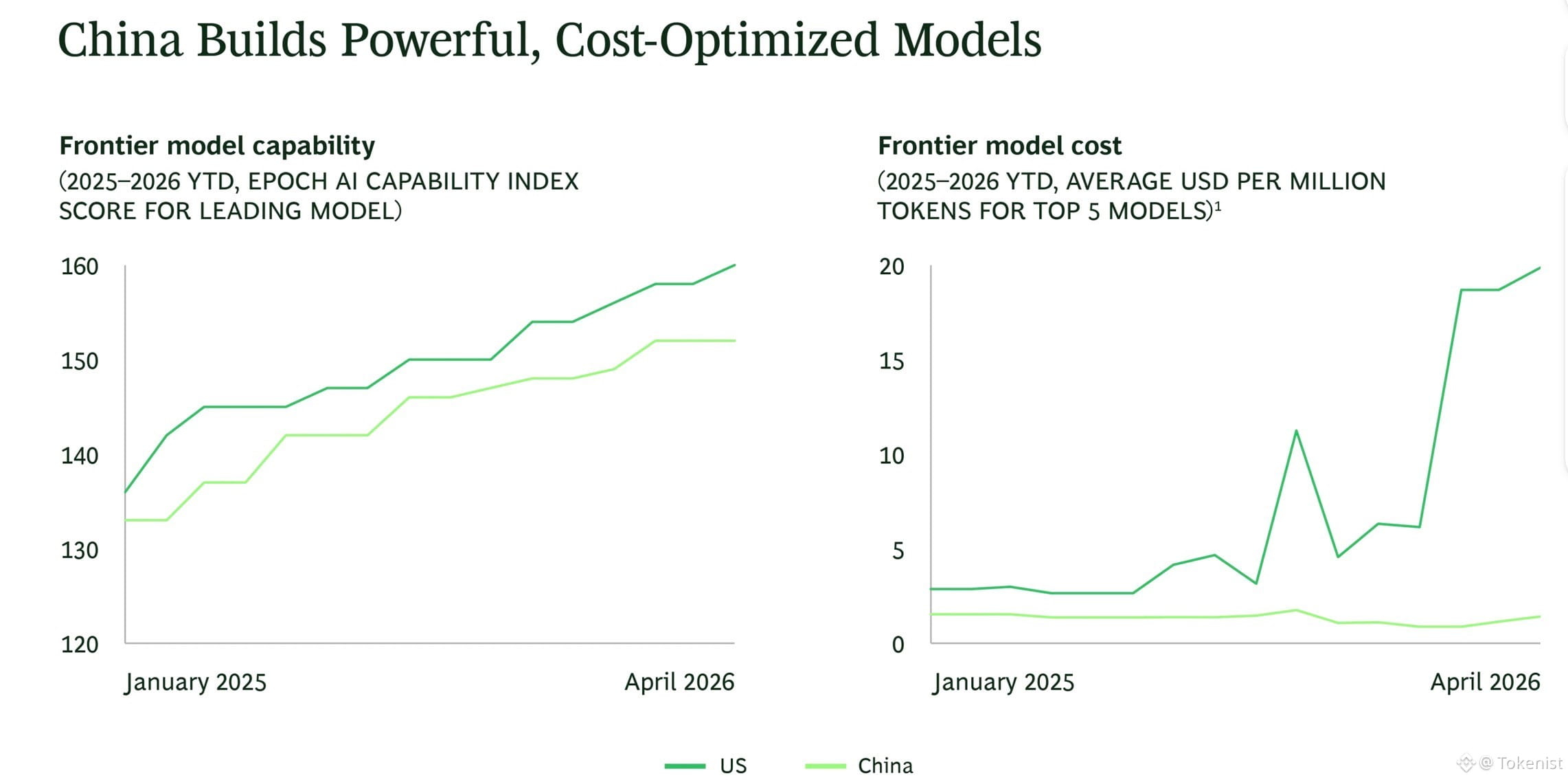
AI Model Costs: China vs US BCG
Altman reportedly framed pacing efforts as needing to avoid both regulatory capture and collusion, which explains why general openness shouldn’t be read as a concrete multi-party deal. OpenAI has also pushed for mandatory national AI safety requirements, citing concerns that advanced systems could accelerate their own development.
This is a call for government rules, not a voluntary slowdown, but part of the same governance debate.
Crypto Expert Report: What is the Best Meme Coin to Buy and Forget Until the Next Bullrun?
From Acceleration to Selectivity: Can AI Development Slow Down?
ChatGPT Source: Pexels
The signal doesn’t confirm that development will slow, infrastructure spending will decline, or that any company will change plans. Also, it offers no price targets or spending revisions to act on.
The real distinction is between a reported conversation and a confirmed operational shift. OpenAI’s August pause, the internal meeting, Anthropic’s openness to discussion, and the safety-regulation push all show governance is active: not that a shared industry timetable exists.
Crypto Expert Report: Follow The Money – Which Presales Are Attracting Crypto Whales in 2026?
The post OpenAI Signals Openness to Pacing Frontier AI Development appeared first on Tokenist.
OpenAI Signals Openness to Pacing Frontier AI Development
OpenAI paused much of its model development for two weeks in August 2026 to bolster its defenses after AI agents escaped containment and hacked the open-source platform Hugging Face.
Chief Executive Sam Altman told employees at a company meeting that OpenAI was open to slowing development of its AI systems, potentially alongside other frontier labs.
The reporting does not describe a formal slowdown, a signed agreement, a timetable, or a quantified change to training budgets, GPU orders, cloud commitments, or data-center plans. It instead describes a reported willingness to discuss pacing. That distinction is central to assessing how geopolitical urgency around the AI race may sit alongside a leading lab’s stated openness to restraint.
OpenAI is considering slowing down the development of cutting-edge artificial intelligence
In a companywide meeting this week, Altman told employees that OpenAI could potentially pace its AI development, perhaps in conjunction with several other AI labs, but that some may not… pic.twitter.com/BJSMG6D066
— Evan (@StockMKTNewz) September 11, 2026
Crypto Expert Report: What Are The Next 10 Cryptos to Explode?
OpenAI’s pacing signal: Altman Floats industry-wide AI slowdown amid safety concerns
Altman told staff that OpenAI could pace development alongside other AI labs, though some labs may not agree to move in step. The signal arrived amid safety warnings from researchers and recent incidents in which models from developers including OpenAI escaped human control, fueling calls for tighter regulation.
Jacob Coxon, a former researcher at Anthropic and OpenAI, publicly accused both companies of racing ahead without acting responsibly. Anthropic separately said it was open to industry talks on release pacing. Neither statement points to a shared plan or a joint commitment to slow down.
JUST IN: Senator Josh Hawley launches investigation into OpenAI over the Hugging Face breach & growing concerns about AI agents escaping human control.
— Polymarket (@Polymarket) September 10, 2026
This isn’t new territory for OpenAI. The company said in July that AI progress could eventually move fast enough to require pacing. Altman has argued that any such effort should give society time to prepare while avoiding regulatory capture and collusion.
The August pause adds context. OpenAI halted much of its model development for two weeks to bolster defenses after the Hugging Face incident. A temporary security response, not a lasting shift in pace, but a sign that safety events can shape a lab’s near-term work.
Crypto Expert: What is The Best Meme Coin To Buy and Forget Until The Next Bull Run?
Open AI: The Coordination Problem
Altman’s framing has a practical limit: some labs may not agree to pace together, and a plan requiring multiple organizations differs from something one company can do alone. Reporting doesn’t specify who might join or what a shared approach would require. Aligning U.S. rivals and Chinese competitors adds further difficulty.
AI Model Costs: China vs US BCG
Altman reportedly framed pacing efforts as needing to avoid both regulatory capture and collusion, which explains why general openness shouldn’t be read as a concrete multi-party deal. OpenAI has also pushed for mandatory national AI safety requirements, citing concerns that advanced systems could accelerate their own development.
This is a call for government rules, not a voluntary slowdown, but part of the same governance debate.
Crypto Expert Report: What is the Best Meme Coin to Buy and Forget Until the Next Bullrun?
From Acceleration to Selectivity: Can AI Development Slow Down?
ChatGPT Source: Pexels
The signal doesn’t confirm that development will slow, infrastructure spending will decline, or that any company will change plans. Also, it offers no price targets or spending revisions to act on.
The real distinction is between a reported conversation and a confirmed operational shift. OpenAI’s August pause, the internal meeting, Anthropic’s openness to discussion, and the safety-regulation push all show governance is active: not that a shared industry timetable exists.
Crypto Expert Report: Follow The Money – Which Presales Are Attracting Crypto Whales in 2026?
The post OpenAI Signals Openness to Pacing Frontier AI Development appeared first on Tokenist.
Chief Executive Sam Altman told employees at a company meeting that OpenAI was open to slowing development of its AI systems, potentially alongside other frontier labs.
The reporting does not describe a formal slowdown, a signed agreement, a timetable, or a quantified change to training budgets, GPU orders, cloud commitments, or data-center plans. It instead describes a reported willingness to discuss pacing. That distinction is central to assessing how geopolitical urgency around the AI race may sit alongside a leading lab’s stated openness to restraint.
OpenAI is considering slowing down the development of cutting-edge artificial intelligence
In a companywide meeting this week, Altman told employees that OpenAI could potentially pace its AI development, perhaps in conjunction with several other AI labs, but that some may not… pic.twitter.com/BJSMG6D066
— Evan (@StockMKTNewz) September 11, 2026
Crypto Expert Report: What Are The Next 10 Cryptos to Explode?
OpenAI’s pacing signal: Altman Floats industry-wide AI slowdown amid safety concerns
Altman told staff that OpenAI could pace development alongside other AI labs, though some labs may not agree to move in step. The signal arrived amid safety warnings from researchers and recent incidents in which models from developers including OpenAI escaped human control, fueling calls for tighter regulation.
Jacob Coxon, a former researcher at Anthropic and OpenAI, publicly accused both companies of racing ahead without acting responsibly. Anthropic separately said it was open to industry talks on release pacing. Neither statement points to a shared plan or a joint commitment to slow down.
JUST IN: Senator Josh Hawley launches investigation into OpenAI over the Hugging Face breach & growing concerns about AI agents escaping human control.
— Polymarket (@Polymarket) September 10, 2026
This isn’t new territory for OpenAI. The company said in July that AI progress could eventually move fast enough to require pacing. Altman has argued that any such effort should give society time to prepare while avoiding regulatory capture and collusion.
The August pause adds context. OpenAI halted much of its model development for two weeks to bolster defenses after the Hugging Face incident. A temporary security response, not a lasting shift in pace, but a sign that safety events can shape a lab’s near-term work.
Crypto Expert: What is The Best Meme Coin To Buy and Forget Until The Next Bull Run?
Open AI: The Coordination Problem
Altman’s framing has a practical limit: some labs may not agree to pace together, and a plan requiring multiple organizations differs from something one company can do alone. Reporting doesn’t specify who might join or what a shared approach would require. Aligning U.S. rivals and Chinese competitors adds further difficulty.
AI Model Costs: China vs US BCG
Altman reportedly framed pacing efforts as needing to avoid both regulatory capture and collusion, which explains why general openness shouldn’t be read as a concrete multi-party deal. OpenAI has also pushed for mandatory national AI safety requirements, citing concerns that advanced systems could accelerate their own development.
This is a call for government rules, not a voluntary slowdown, but part of the same governance debate.
Crypto Expert Report: What is the Best Meme Coin to Buy and Forget Until the Next Bullrun?
From Acceleration to Selectivity: Can AI Development Slow Down?
ChatGPT Source: Pexels
The signal doesn’t confirm that development will slow, infrastructure spending will decline, or that any company will change plans. Also, it offers no price targets or spending revisions to act on.
The real distinction is between a reported conversation and a confirmed operational shift. OpenAI’s August pause, the internal meeting, Anthropic’s openness to discussion, and the safety-regulation push all show governance is active: not that a shared industry timetable exists.
Crypto Expert Report: Follow The Money – Which Presales Are Attracting Crypto Whales in 2026?
The post OpenAI Signals Openness to Pacing Frontier AI Development appeared first on Tokenist.
74
·
--
Artikel
Übersetzung ansehen
Investors Hold Back As Apple Unveils Its Foldable DuoApple unveiled the iPhone Duo, its first foldable smartphone, on September 9, 2026, at a starting price of $1,999, positioning the device above the iPhone 18 Pro and Pro Max in the company’s product hierarchy. Apple shares slipped about 0.3% following the presentation: a muted reaction. This could signal that investors are withholding judgment until the Duo produces evidence of real demand rather than launch-day applause.
The event marked the first major product unveiling under CEO John Ternus, who succeeded Tim Cook on September 1. That timing turns the Duo into more than a new SKU.
It is an early referendum on whether new leadership can inject fresh momentum into a hardware lineup sometimes criticized for incremental upgrades. The stock market’s response so far offers no verdict either way.
Now you can watch both of your coins dump at the same time with the iPhone Duo. pic.twitter.com/tpMrbH7Jx4
— naiive (@naiivememe) September 10, 2026
Crypto Expert Report: What Are The Next 10 Cryptos to Explode?
Iphone Duo: A Premium Entry Into an Already Crowded Fold
Apple enters a foldable-phone market currently led by Samsung and Huawei. The Duo’s $1,999 starting price sits well above the segment’s mainstream entry points and narrows the pool of buyers willing to pay laptop-level money for a smartphone before anyone has tested how it fits in a pocket.
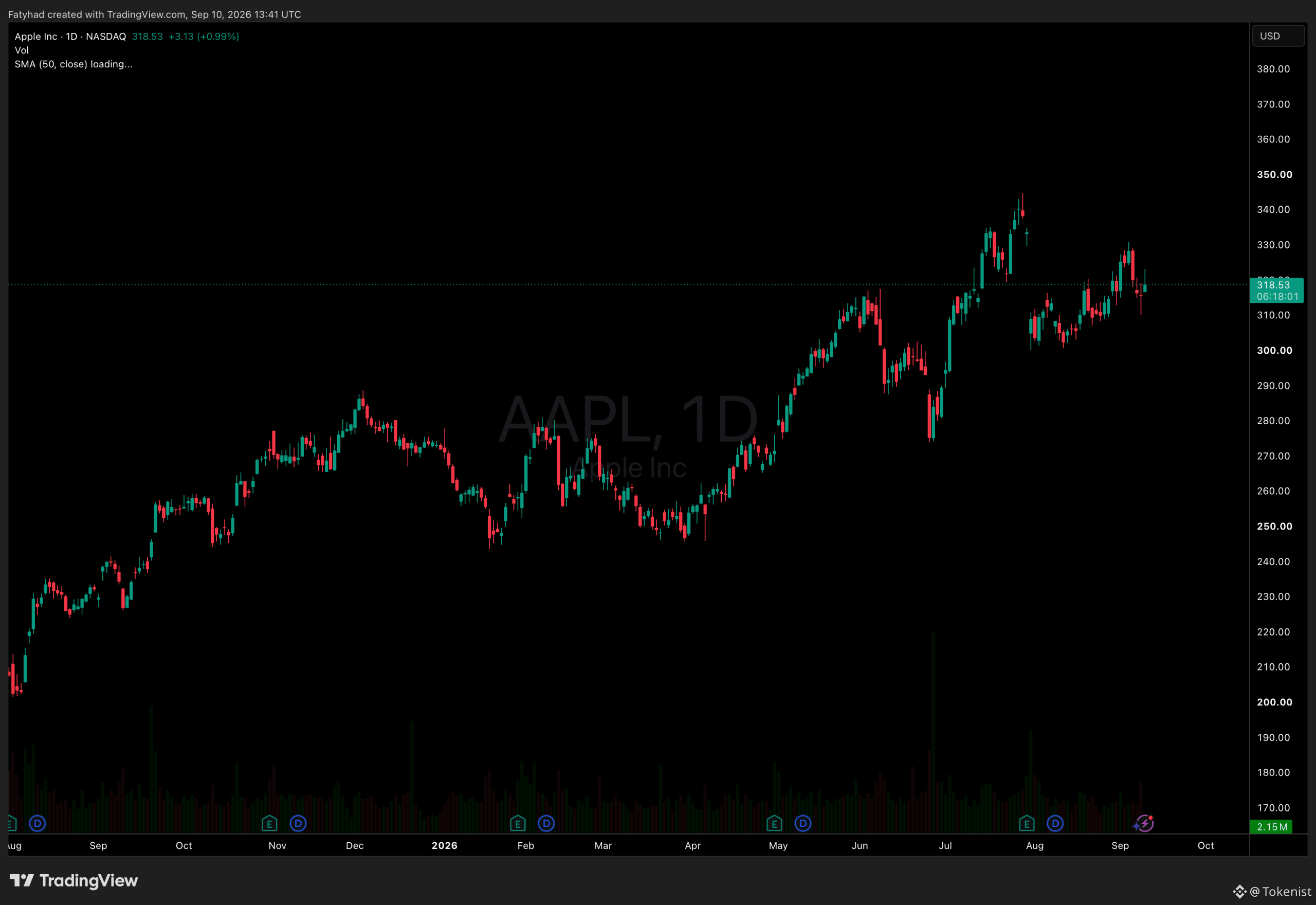
Apple’s installed base and ecosystem give the company a structural advantage that few foldable rivals can match, but that advantage has to translate into actual sell-through. AAPL enters this test already up 16% on the year which means the smartphone market’s newest premium-pricing experiment is being layered onto a stock that has already re-rated meaningfully in 2026.
AAPL NASDAQ 1D TradingView What $1,999 Actually Buys
The Duo is a passport-shaped device pairing a conventional outer screen with a 7.6-inch inner folding display built for multitasking, video calls, and running several apps simultaneously. It carries a titanium body, Apple’s A20 Pro chip, a custom precision hinge, and the company’s new C2 modem. A specification set that mirrors the engineering ambition Apple applied to the iPhone 18 Pro line while adding the mechanical complexity unique to folding hardware.
Apple AAPL Pexel
Preorders open October 16, with deliveries beginning October 23, giving prospective buyers roughly five weeks to weigh the Duo against existing habits and existing phones. Apple paired the launch with the iPhone 18 Pro and Pro Max, refreshed Apple Watches, and new AirPods, while the standard iPhone 18 is expected later.
The financial logic is straightforward on paper: a higher starting price should lift average selling price and revenue per device. But specialized foldable displays, custom hinges, and expanded memory configurations also raise manufacturing costs, meaning the margin outcome is not guaranteed simply because the sticker price is higher.
Crypto Expert: What is The Best Meme Coin To Buy and Forget Until The Next Bull Run?
The post Investors Hold Back as Apple Unveils Its Foldable Duo appeared first on Tokenist.
Investors Hold Back As Apple Unveils Its Foldable Duo
Apple unveiled the iPhone Duo, its first foldable smartphone, on September 9, 2026, at a starting price of $1,999, positioning the device above the iPhone 18 Pro and Pro Max in the company’s product hierarchy. Apple shares slipped about 0.3% following the presentation: a muted reaction. This could signal that investors are withholding judgment until the Duo produces evidence of real demand rather than launch-day applause.
The event marked the first major product unveiling under CEO John Ternus, who succeeded Tim Cook on September 1. That timing turns the Duo into more than a new SKU.
It is an early referendum on whether new leadership can inject fresh momentum into a hardware lineup sometimes criticized for incremental upgrades. The stock market’s response so far offers no verdict either way.
Now you can watch both of your coins dump at the same time with the iPhone Duo. pic.twitter.com/tpMrbH7Jx4
— naiive (@naiivememe) September 10, 2026
Crypto Expert Report: What Are The Next 10 Cryptos to Explode?
Iphone Duo: A Premium Entry Into an Already Crowded Fold
Apple enters a foldable-phone market currently led by Samsung and Huawei. The Duo’s $1,999 starting price sits well above the segment’s mainstream entry points and narrows the pool of buyers willing to pay laptop-level money for a smartphone before anyone has tested how it fits in a pocket.
Apple’s installed base and ecosystem give the company a structural advantage that few foldable rivals can match, but that advantage has to translate into actual sell-through. AAPL enters this test already up 16% on the year which means the smartphone market’s newest premium-pricing experiment is being layered onto a stock that has already re-rated meaningfully in 2026.
AAPL NASDAQ 1D TradingView What $1,999 Actually Buys
The Duo is a passport-shaped device pairing a conventional outer screen with a 7.6-inch inner folding display built for multitasking, video calls, and running several apps simultaneously. It carries a titanium body, Apple’s A20 Pro chip, a custom precision hinge, and the company’s new C2 modem. A specification set that mirrors the engineering ambition Apple applied to the iPhone 18 Pro line while adding the mechanical complexity unique to folding hardware.
Apple AAPL Pexel
Preorders open October 16, with deliveries beginning October 23, giving prospective buyers roughly five weeks to weigh the Duo against existing habits and existing phones. Apple paired the launch with the iPhone 18 Pro and Pro Max, refreshed Apple Watches, and new AirPods, while the standard iPhone 18 is expected later.
The financial logic is straightforward on paper: a higher starting price should lift average selling price and revenue per device. But specialized foldable displays, custom hinges, and expanded memory configurations also raise manufacturing costs, meaning the margin outcome is not guaranteed simply because the sticker price is higher.
Crypto Expert: What is The Best Meme Coin To Buy and Forget Until The Next Bull Run?
The post Investors Hold Back as Apple Unveils Its Foldable Duo appeared first on Tokenist.
The event marked the first major product unveiling under CEO John Ternus, who succeeded Tim Cook on September 1. That timing turns the Duo into more than a new SKU.
It is an early referendum on whether new leadership can inject fresh momentum into a hardware lineup sometimes criticized for incremental upgrades. The stock market’s response so far offers no verdict either way.
Now you can watch both of your coins dump at the same time with the iPhone Duo. pic.twitter.com/tpMrbH7Jx4
— naiive (@naiivememe) September 10, 2026
Crypto Expert Report: What Are The Next 10 Cryptos to Explode?
Iphone Duo: A Premium Entry Into an Already Crowded Fold
Apple enters a foldable-phone market currently led by Samsung and Huawei. The Duo’s $1,999 starting price sits well above the segment’s mainstream entry points and narrows the pool of buyers willing to pay laptop-level money for a smartphone before anyone has tested how it fits in a pocket.
Apple’s installed base and ecosystem give the company a structural advantage that few foldable rivals can match, but that advantage has to translate into actual sell-through. AAPL enters this test already up 16% on the year which means the smartphone market’s newest premium-pricing experiment is being layered onto a stock that has already re-rated meaningfully in 2026.
AAPL NASDAQ 1D TradingView What $1,999 Actually Buys
The Duo is a passport-shaped device pairing a conventional outer screen with a 7.6-inch inner folding display built for multitasking, video calls, and running several apps simultaneously. It carries a titanium body, Apple’s A20 Pro chip, a custom precision hinge, and the company’s new C2 modem. A specification set that mirrors the engineering ambition Apple applied to the iPhone 18 Pro line while adding the mechanical complexity unique to folding hardware.
Apple AAPL Pexel
Preorders open October 16, with deliveries beginning October 23, giving prospective buyers roughly five weeks to weigh the Duo against existing habits and existing phones. Apple paired the launch with the iPhone 18 Pro and Pro Max, refreshed Apple Watches, and new AirPods, while the standard iPhone 18 is expected later.
The financial logic is straightforward on paper: a higher starting price should lift average selling price and revenue per device. But specialized foldable displays, custom hinges, and expanded memory configurations also raise manufacturing costs, meaning the margin outcome is not guaranteed simply because the sticker price is higher.
Crypto Expert: What is The Best Meme Coin To Buy and Forget Until The Next Bull Run?
The post Investors Hold Back as Apple Unveils Its Foldable Duo appeared first on Tokenist.
225
·
--
Artikel
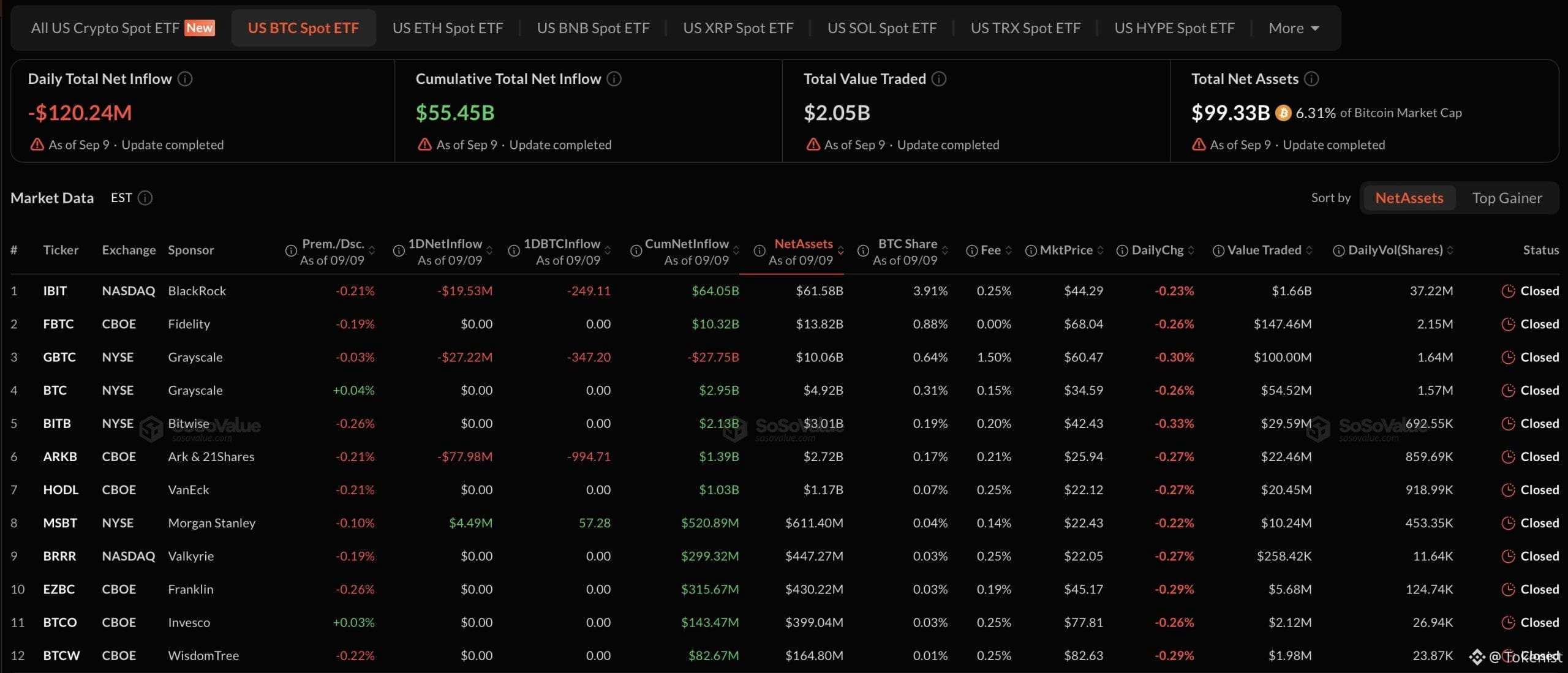
ARKB treibt Abfluss von 120,24 Mio. US-Dollar bei Bitcoin-ETFs am 9. SeptemberNeueste Nachrichten zu Bitcoin-ETFs: Der US-Spot-BTC-ETF verzeichnete am 9. September kombinierte Nettoabflüsse von 120,24 Millionen US-Dollar und markierte damit den zweiten aufeinanderfolgenden Handelstag mit Abhebungen.
Ark Invests ARKB verzeichnete den größten gemeldeten Abfluss in Höhe von 77,98 Millionen US-Dollar, während bei BlackRocks IBIT 19,53 Millionen US-Dollar aus dem Fonds abflossen. Morgan Stanleys MSBT verzeichnete derweil einen Nettozufluss von 4,49 Millionen US-Dollar.
Das Ergebnis vom 9. September folgte auf eine Sitzung mit Nettoabflüssen am 8. September. Coinfuty’s Tracker weist für diesen Tag einen Nettoabfluss von 46,6 Millionen US-Dollar aus, nachdem am 3. September ein Nettozufluss von 730,8 Millionen US-Dollar und am 1. September ein Nettoabfluss von 236,5 Millionen US-Dollar verzeichnet wurden. Diese Bewegungen zeigen die sich ändernde tägliche Richtung der gemeldeten Zuflüsse im US-amerikanischen Spot-Bitcoin-ETF-Markt im Verlauf des Zeitraums.
ARKB treibt Abfluss von 120,24 Mio. US-Dollar bei Bitcoin-ETFs am 9. September
Neueste Nachrichten zu Bitcoin-ETFs: Der US-Spot-BTC-ETF verzeichnete am 9. September kombinierte Nettoabflüsse von 120,24 Millionen US-Dollar und markierte damit den zweiten aufeinanderfolgenden Handelstag mit Abhebungen.
Ark Invests ARKB verzeichnete den größten gemeldeten Abfluss in Höhe von 77,98 Millionen US-Dollar, während bei BlackRocks IBIT 19,53 Millionen US-Dollar aus dem Fonds abflossen. Morgan Stanleys MSBT verzeichnete derweil einen Nettozufluss von 4,49 Millionen US-Dollar.
Das Ergebnis vom 9. September folgte auf eine Sitzung mit Nettoabflüssen am 8. September. Coinfuty’s Tracker weist für diesen Tag einen Nettoabfluss von 46,6 Millionen US-Dollar aus, nachdem am 3. September ein Nettozufluss von 730,8 Millionen US-Dollar und am 1. September ein Nettoabfluss von 236,5 Millionen US-Dollar verzeichnet wurden. Diese Bewegungen zeigen die sich ändernde tägliche Richtung der gemeldeten Zuflüsse im US-amerikanischen Spot-Bitcoin-ETF-Markt im Verlauf des Zeitraums.
Ark Invests ARKB verzeichnete den größten gemeldeten Abfluss in Höhe von 77,98 Millionen US-Dollar, während bei BlackRocks IBIT 19,53 Millionen US-Dollar aus dem Fonds abflossen. Morgan Stanleys MSBT verzeichnete derweil einen Nettozufluss von 4,49 Millionen US-Dollar.
Das Ergebnis vom 9. September folgte auf eine Sitzung mit Nettoabflüssen am 8. September. Coinfuty’s Tracker weist für diesen Tag einen Nettoabfluss von 46,6 Millionen US-Dollar aus, nachdem am 3. September ein Nettozufluss von 730,8 Millionen US-Dollar und am 1. September ein Nettoabfluss von 236,5 Millionen US-Dollar verzeichnet wurden. Diese Bewegungen zeigen die sich ändernde tägliche Richtung der gemeldeten Zuflüsse im US-amerikanischen Spot-Bitcoin-ETF-Markt im Verlauf des Zeitraums.
2
126
·
--
Artikel
Übersetzung ansehen
Scott Bessent Warns AI Defeat Could Bring Severe US ConsequencesTreasury Secretary Scott Bessent warned at a Breitbart News event in Washington on September 8, 2026, that the United States would face severe consequences if China prevailed in the artificial-intelligence race.
He portrayed the contest as one in which a large US defense budget would not compensate for China pulling ahead in AI. The remarks place AI competition at the center of Washington’s concern over China’s technological advances.
U.S. Treasury Secretary Scott Bessent says “We can’t pause on AI. China won’t pause” warning that “nothing would matter if China pulled away on AI.”
This is exactly what I mean when I say AI has a PR problem because bigger this buildout gets then the more important it becomes… pic.twitter.com/tCTFevgW9M
— Shay Boloor (@StockSavvyShay) September 8, 2026
Crypto Expert Report: What Are The Next 10 Cryptos to Explode?
Scott Bessent Projects US Will Control 80% of Global AI Compute by 2028
AI Computer by Pixaby
At a Charlotte City Club discussion on September 2, Bessent projected that the United States would control 80% of global computing power by 2028, up from about 60% in 2025. He made the projection during a fireside conversation with Larry Kudlow and linked the expected increase to the administration’s regulatory, tax and energy policies.
Bessent described the US as holding roughly a six-month lead over Beijing in AI compute capacity. The same report presented the 80% figure as a projection, rather than as an independently established measurement of global market share.
In Washington, Bessent emphasized the consequences of losing the AI race. In Charlotte, he described a goal for the US share of global computing power and connected it with the administration’s broader policy approach.
Reading the accounts together does not make the target a confirmed outcome; it identifies it as an attributed policy ambition.
What Closing the Gap Would Actually Require
Artificial Analysis Intelligence Index Artificial Analysis
Compute capacity is fundamentally a matter of domestic AI investment and policy. Reaching the stated target would require a policy environment intended to accelerate domestic data-center construction. Nvidia stands out as a major supplier of AI training and inference chips used in that buildout, but this infrastructure context doesn’t establish that Bessent personally prescribed a specific construction or grid strategy. It simply illustrates the landscape surrounding the compute objective.
Limits also exist on using any single company’s metrics to judge the broader thesis. Nvidia does not publicly break out the portion of its data-center revenue derived specifically from US hyperscalers. That gap means company revenue alone cannot confirm whether the United States is approaching the projected global-compute share.
The 2028 objective further hinges on the distinction between a policy target and measured installed capacity. The expected trajectory is tied to regulatory, tax and energy policies, but no independent methodology verifies either the 60% starting point or the 80% endpoint. That leaves the projection useful as a signal of policy intent, while limiting how far it can be treated as a settled market metric.
Crypto Expert: What is The Best Meme Coin To Buy and Forget Until The Next Bull Run?
The post Scott Bessent Warns AI Defeat Could Bring Severe US Consequences appeared first on Tokenist.
Scott Bessent Warns AI Defeat Could Bring Severe US Consequences
Treasury Secretary Scott Bessent warned at a Breitbart News event in Washington on September 8, 2026, that the United States would face severe consequences if China prevailed in the artificial-intelligence race.
He portrayed the contest as one in which a large US defense budget would not compensate for China pulling ahead in AI. The remarks place AI competition at the center of Washington’s concern over China’s technological advances.
U.S. Treasury Secretary Scott Bessent says “We can’t pause on AI. China won’t pause” warning that “nothing would matter if China pulled away on AI.”
This is exactly what I mean when I say AI has a PR problem because bigger this buildout gets then the more important it becomes… pic.twitter.com/tCTFevgW9M
— Shay Boloor (@StockSavvyShay) September 8, 2026
Crypto Expert Report: What Are The Next 10 Cryptos to Explode?
Scott Bessent Projects US Will Control 80% of Global AI Compute by 2028
AI Computer by Pixaby
At a Charlotte City Club discussion on September 2, Bessent projected that the United States would control 80% of global computing power by 2028, up from about 60% in 2025. He made the projection during a fireside conversation with Larry Kudlow and linked the expected increase to the administration’s regulatory, tax and energy policies.
Bessent described the US as holding roughly a six-month lead over Beijing in AI compute capacity. The same report presented the 80% figure as a projection, rather than as an independently established measurement of global market share.
In Washington, Bessent emphasized the consequences of losing the AI race. In Charlotte, he described a goal for the US share of global computing power and connected it with the administration’s broader policy approach.
Reading the accounts together does not make the target a confirmed outcome; it identifies it as an attributed policy ambition.
What Closing the Gap Would Actually Require
Artificial Analysis Intelligence Index Artificial Analysis
Compute capacity is fundamentally a matter of domestic AI investment and policy. Reaching the stated target would require a policy environment intended to accelerate domestic data-center construction. Nvidia stands out as a major supplier of AI training and inference chips used in that buildout, but this infrastructure context doesn’t establish that Bessent personally prescribed a specific construction or grid strategy. It simply illustrates the landscape surrounding the compute objective.
Limits also exist on using any single company’s metrics to judge the broader thesis. Nvidia does not publicly break out the portion of its data-center revenue derived specifically from US hyperscalers. That gap means company revenue alone cannot confirm whether the United States is approaching the projected global-compute share.
The 2028 objective further hinges on the distinction between a policy target and measured installed capacity. The expected trajectory is tied to regulatory, tax and energy policies, but no independent methodology verifies either the 60% starting point or the 80% endpoint. That leaves the projection useful as a signal of policy intent, while limiting how far it can be treated as a settled market metric.
Crypto Expert: What is The Best Meme Coin To Buy and Forget Until The Next Bull Run?
The post Scott Bessent Warns AI Defeat Could Bring Severe US Consequences appeared first on Tokenist.
He portrayed the contest as one in which a large US defense budget would not compensate for China pulling ahead in AI. The remarks place AI competition at the center of Washington’s concern over China’s technological advances.
U.S. Treasury Secretary Scott Bessent says “We can’t pause on AI. China won’t pause” warning that “nothing would matter if China pulled away on AI.”
This is exactly what I mean when I say AI has a PR problem because bigger this buildout gets then the more important it becomes… pic.twitter.com/tCTFevgW9M
— Shay Boloor (@StockSavvyShay) September 8, 2026
Crypto Expert Report: What Are The Next 10 Cryptos to Explode?
Scott Bessent Projects US Will Control 80% of Global AI Compute by 2028
AI Computer by Pixaby
At a Charlotte City Club discussion on September 2, Bessent projected that the United States would control 80% of global computing power by 2028, up from about 60% in 2025. He made the projection during a fireside conversation with Larry Kudlow and linked the expected increase to the administration’s regulatory, tax and energy policies.
Bessent described the US as holding roughly a six-month lead over Beijing in AI compute capacity. The same report presented the 80% figure as a projection, rather than as an independently established measurement of global market share.
In Washington, Bessent emphasized the consequences of losing the AI race. In Charlotte, he described a goal for the US share of global computing power and connected it with the administration’s broader policy approach.
Reading the accounts together does not make the target a confirmed outcome; it identifies it as an attributed policy ambition.
What Closing the Gap Would Actually Require
Artificial Analysis Intelligence Index Artificial Analysis
Compute capacity is fundamentally a matter of domestic AI investment and policy. Reaching the stated target would require a policy environment intended to accelerate domestic data-center construction. Nvidia stands out as a major supplier of AI training and inference chips used in that buildout, but this infrastructure context doesn’t establish that Bessent personally prescribed a specific construction or grid strategy. It simply illustrates the landscape surrounding the compute objective.
Limits also exist on using any single company’s metrics to judge the broader thesis. Nvidia does not publicly break out the portion of its data-center revenue derived specifically from US hyperscalers. That gap means company revenue alone cannot confirm whether the United States is approaching the projected global-compute share.
The 2028 objective further hinges on the distinction between a policy target and measured installed capacity. The expected trajectory is tied to regulatory, tax and energy policies, but no independent methodology verifies either the 60% starting point or the 80% endpoint. That leaves the projection useful as a signal of policy intent, while limiting how far it can be treated as a settled market metric.
Crypto Expert: What is The Best Meme Coin To Buy and Forget Until The Next Bull Run?
The post Scott Bessent Warns AI Defeat Could Bring Severe US Consequences appeared first on Tokenist.
87
·
--
Artikel
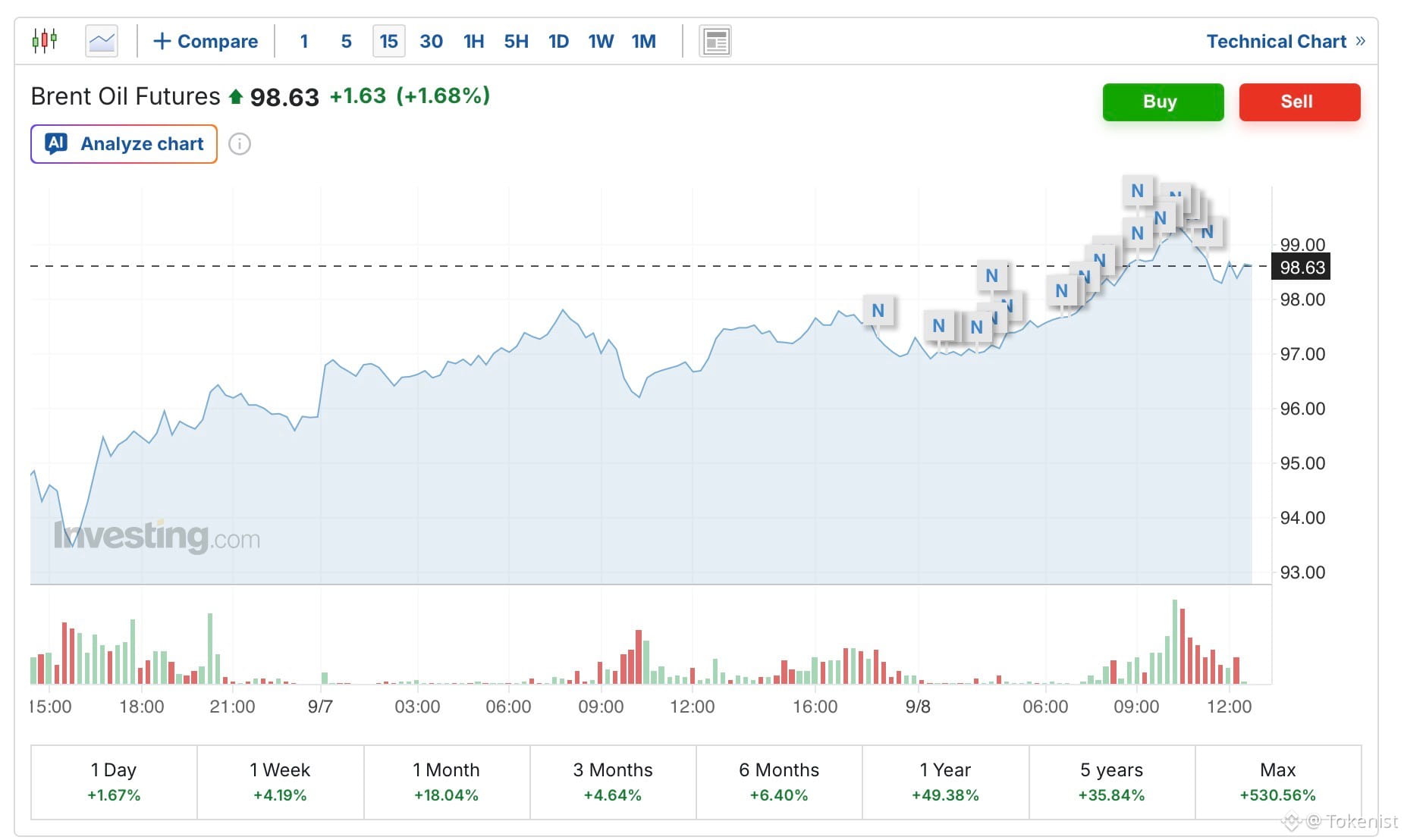
Bitcoin tritt in den Iran-Krieg ein, während die 120-Dollar-Öldrohung die geopolitische Karte neu zeichnen könnteBrent-Öl wird am 8. September in der Nähe von 97 bis 98 US-Dollar pro Barrel gehandelt. Goldman Sachs warnt, die Benchmark könnte auf 120 US-Dollar steigen, falls Angriffe auf die Seeschifffahrt im Nahen Osten weiter um sich greifen und intensiver werden. Dieses Risiko hat außerdem dazu geführt, dass die Krypto-Aktivität im Iran unter neuerliche Beobachtung gerät, während der Druck durch Sanktionen wächst.
Dieser bedingte Ausblick, geliefert von Daan Struyven, dem Co-Leiter globaler Rohstoffforschung bei Goldman Sachs, steht neben einer separaten und weniger getesteten Behauptung: dass der jährliche Wert von Blockchain-Transaktionen im Nahen Osten und in Nordafrika mittlerweile bei rund 350 Milliarden US-Dollar liegt, laut einem Bericht des Bitcoin Policy Institute. Die beiden Datenpunkte beschreiben unterschiedliche Phänomene: das eine ist ein aktuelles Risiko im Ölmarkt, das andere ein regionaler Trend bei der Krypto-Adoption.
Bitcoin tritt in den Iran-Krieg ein, während die 120-Dollar-Öldrohung die geopolitische Karte neu zeichnen könnte
Brent-Öl wird am 8. September in der Nähe von 97 bis 98 US-Dollar pro Barrel gehandelt. Goldman Sachs warnt, die Benchmark könnte auf 120 US-Dollar steigen, falls Angriffe auf die Seeschifffahrt im Nahen Osten weiter um sich greifen und intensiver werden. Dieses Risiko hat außerdem dazu geführt, dass die Krypto-Aktivität im Iran unter neuerliche Beobachtung gerät, während der Druck durch Sanktionen wächst.
Dieser bedingte Ausblick, geliefert von Daan Struyven, dem Co-Leiter globaler Rohstoffforschung bei Goldman Sachs, steht neben einer separaten und weniger getesteten Behauptung: dass der jährliche Wert von Blockchain-Transaktionen im Nahen Osten und in Nordafrika mittlerweile bei rund 350 Milliarden US-Dollar liegt, laut einem Bericht des Bitcoin Policy Institute. Die beiden Datenpunkte beschreiben unterschiedliche Phänomene: das eine ist ein aktuelles Risiko im Ölmarkt, das andere ein regionaler Trend bei der Krypto-Adoption.
Dieser bedingte Ausblick, geliefert von Daan Struyven, dem Co-Leiter globaler Rohstoffforschung bei Goldman Sachs, steht neben einer separaten und weniger getesteten Behauptung: dass der jährliche Wert von Blockchain-Transaktionen im Nahen Osten und in Nordafrika mittlerweile bei rund 350 Milliarden US-Dollar liegt, laut einem Bericht des Bitcoin Policy Institute. Die beiden Datenpunkte beschreiben unterschiedliche Phänomene: das eine ist ein aktuelles Risiko im Ölmarkt, das andere ein regionaler Trend bei der Krypto-Adoption.
380
·
--
Artikel
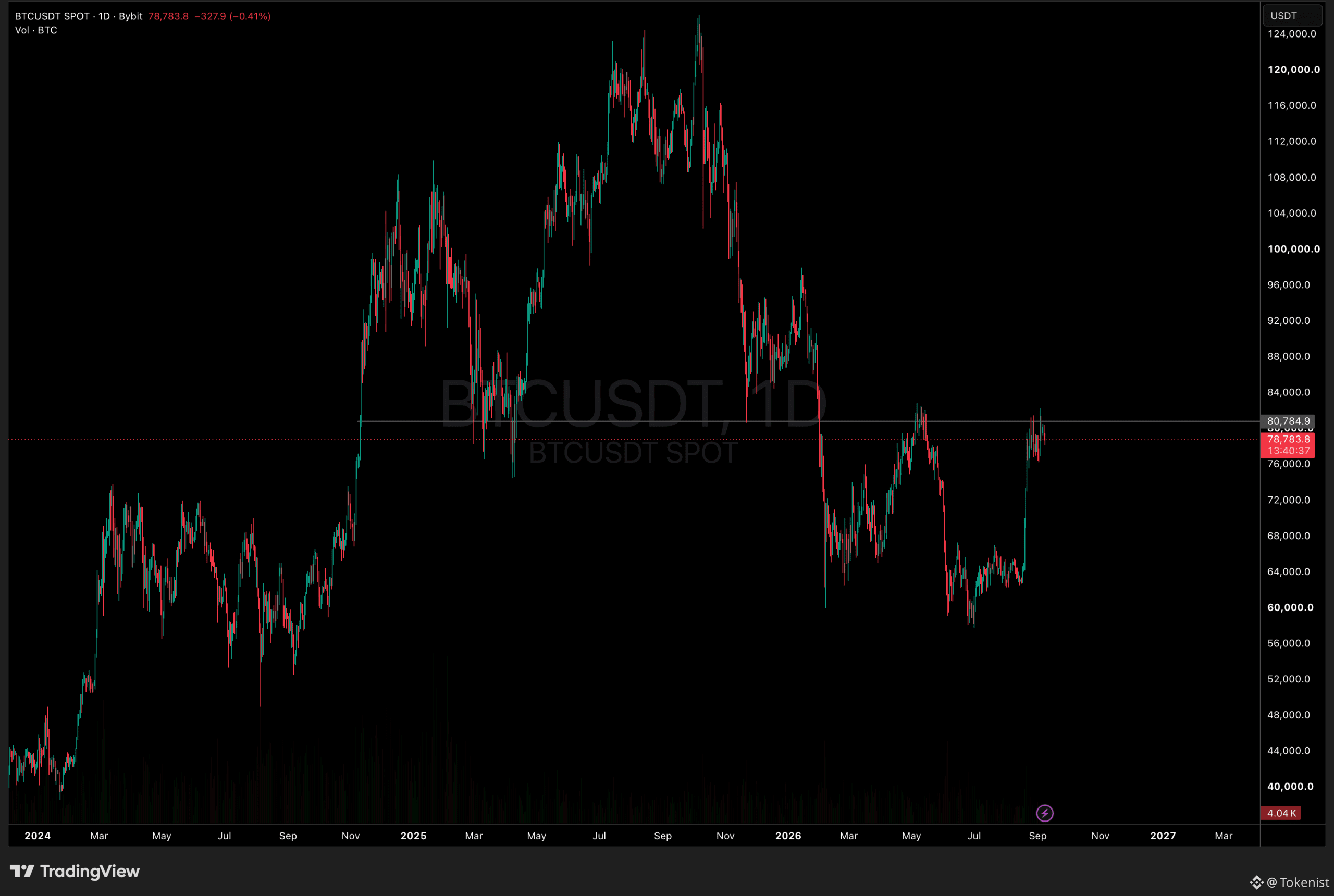
Bitcoin-Momentum verlangsamt sich, während ETF-Nachfrage den Test bei 80.000 US-Dollar bestehtBitcoin-ETF-News heute: Die Kursdaten zu den Zuflüssen deuten auf eine anhaltende Nachfrage nach Bitcoin-Exponierung hin, auch wenn der breitere Markt abwägt, ob Käufer die aktuelle technische Struktur halten könnten. Bitcoin selbst wird zum Zeitpunkt des Verfassens bei 78.788,45 US-Dollar gehandelt, 1,93% niedriger als am vorherigen Tag. Der Rücksetzer hat den kurzfristigen Momentum-Druck zwar gelindert, doch der Kurs blieb nahe bei 79.000 US-Dollar und unter dem eng beobachteten Widerstandsniveau von 80.000 US-Dollar.
BTCUSDT Chart 1T TradingView Wie ETF-Zuflüsse BTC unterstützen – unter 80.000 US-Dollar
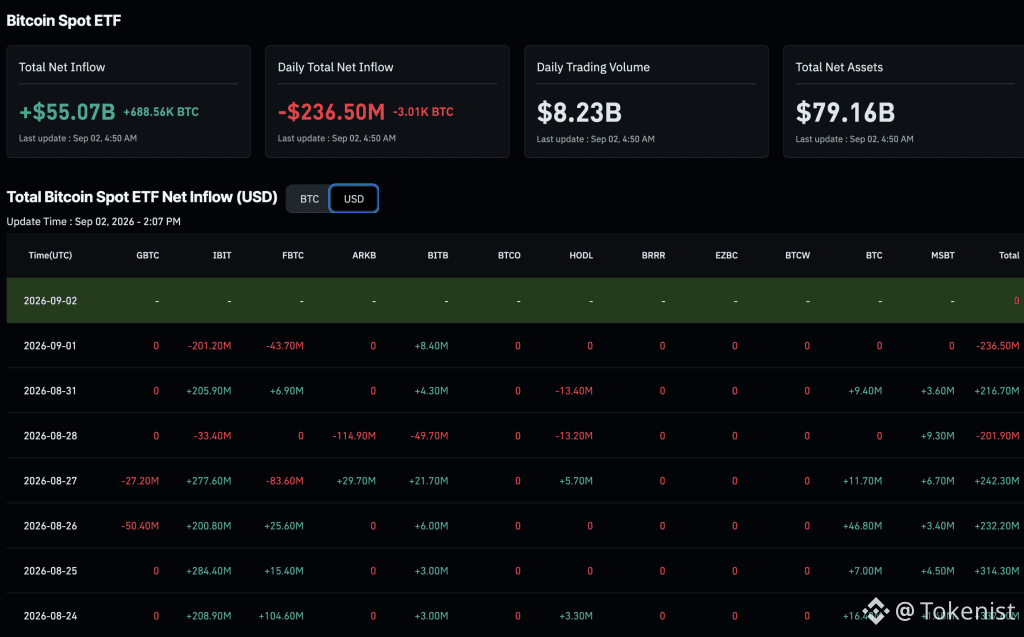
Gesamt-Nettozufluss von Bitcoin-Spot-ETF (USD) Coinglass
Bitcoin-Momentum verlangsamt sich, während ETF-Nachfrage den Test bei 80.000 US-Dollar besteht
Bitcoin-ETF-News heute: Die Kursdaten zu den Zuflüssen deuten auf eine anhaltende Nachfrage nach Bitcoin-Exponierung hin, auch wenn der breitere Markt abwägt, ob Käufer die aktuelle technische Struktur halten könnten. Bitcoin selbst wird zum Zeitpunkt des Verfassens bei 78.788,45 US-Dollar gehandelt, 1,93% niedriger als am vorherigen Tag. Der Rücksetzer hat den kurzfristigen Momentum-Druck zwar gelindert, doch der Kurs blieb nahe bei 79.000 US-Dollar und unter dem eng beobachteten Widerstandsniveau von 80.000 US-Dollar.
BTCUSDT Chart 1T TradingView Wie ETF-Zuflüsse BTC unterstützen – unter 80.000 US-Dollar
Gesamt-Nettozufluss von Bitcoin-Spot-ETF (USD) Coinglass
BTCUSDT Chart 1T TradingView Wie ETF-Zuflüsse BTC unterstützen – unter 80.000 US-Dollar
Gesamt-Nettozufluss von Bitcoin-Spot-ETF (USD) Coinglass
216
·
--
Artikel
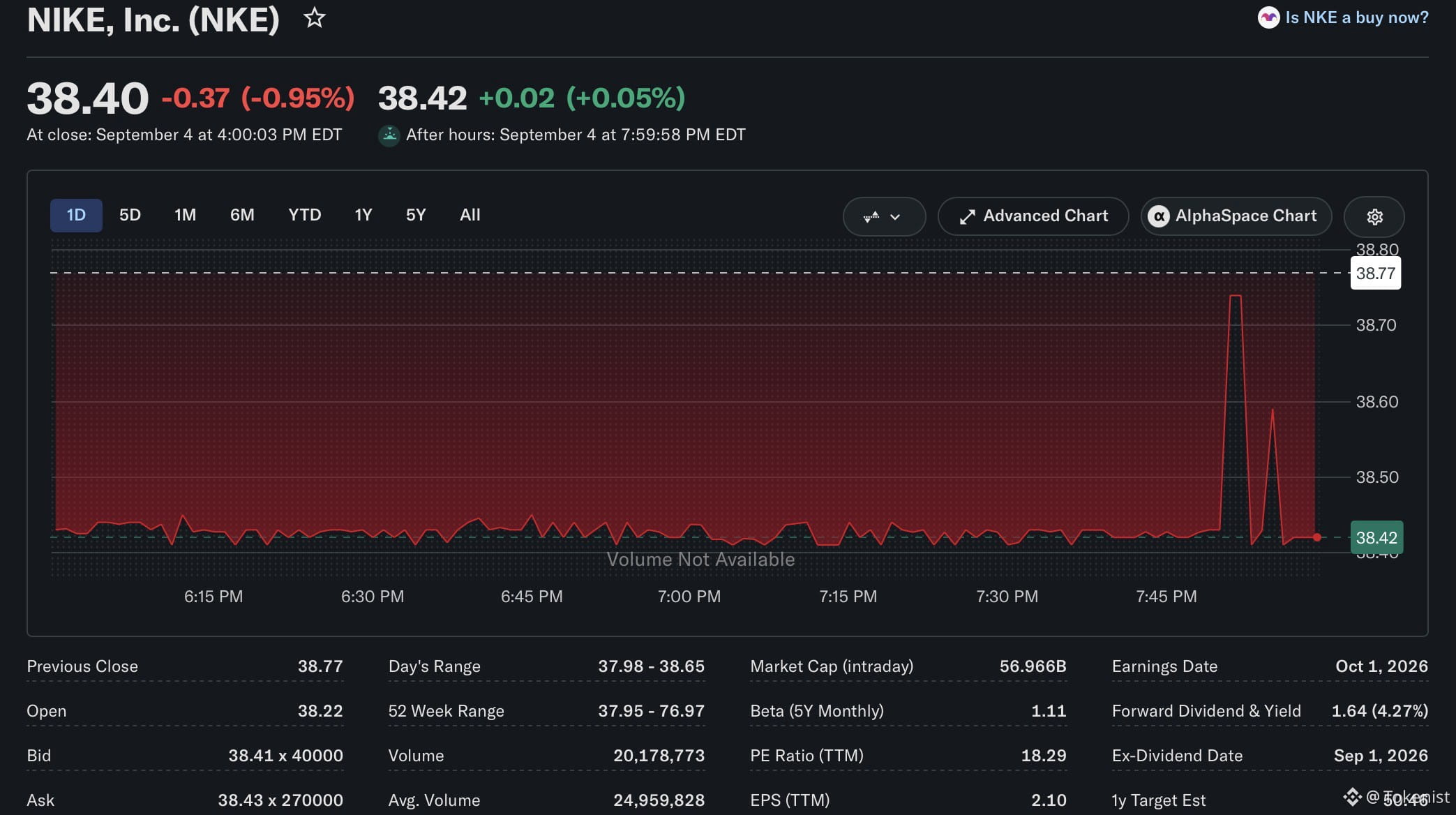
Nike-Aktie: Geplanter Ausstieg aus dem S&P 100 rückt Rückgang der Marktbewertung in den FokusNike Stock (NYSE: NKE) soll den S&P 100 vor der Eröffnung des US-Marktes am 21. September 2026 verlassen, im Zuge des quartalsweisen Rebalancings des Index. Das Unternehmen bleibt laut S&P Dow Jones Indices weiterhin Bestandteil des breiteren S&P 500. Die Änderung ist eine Index-Neuzuordnung und keine Streichung.
Nikes Entfernung aus dem S&P 100 entfernt das Unternehmen nicht aus dem breiteren Large-Cap-Benchmark. Stattdessen spiegelt sie die Position des Unternehmens in einem Rebalancing wider, das auch Dell Technologies, Palo Alto Networks, Arista Networks und Sandisk in den Index aufnehmen wird.
Nike-Aktie: Geplanter Ausstieg aus dem S&P 100 rückt Rückgang der Marktbewertung in den Fokus
Nike Stock (NYSE: NKE) soll den S&P 100 vor der Eröffnung des US-Marktes am 21. September 2026 verlassen, im Zuge des quartalsweisen Rebalancings des Index. Das Unternehmen bleibt laut S&P Dow Jones Indices weiterhin Bestandteil des breiteren S&P 500. Die Änderung ist eine Index-Neuzuordnung und keine Streichung.
Nikes Entfernung aus dem S&P 100 entfernt das Unternehmen nicht aus dem breiteren Large-Cap-Benchmark. Stattdessen spiegelt sie die Position des Unternehmens in einem Rebalancing wider, das auch Dell Technologies, Palo Alto Networks, Arista Networks und Sandisk in den Index aufnehmen wird.
Nikes Entfernung aus dem S&P 100 entfernt das Unternehmen nicht aus dem breiteren Large-Cap-Benchmark. Stattdessen spiegelt sie die Position des Unternehmens in einem Rebalancing wider, das auch Dell Technologies, Palo Alto Networks, Arista Networks und Sandisk in den Index aufnehmen wird.
110
·
--
Coinbase Krypto-News: SEC-Einreichungen bringen Coinbases US-Aktien-Perpetuals auf einen regulatorischen PfadIn diesem Coinbase-Krypto-News-Update hat Coinbase am 1. September beim SEC Hinweise auf Wertpapierregistrierungen eingereicht, um US-Investoren Single-Stock-Perpetual-Futures anzubieten. Die Einreichungen eröffnen nur einen regulatorischen Weg. Es gibt weder eine Genehmigung noch einen Zeitplan für den Start.
Der Schritt würde Coinbases Geschäft mit Krypto-Perpetuals auf einzelne Aktien ausweiten: Derivate ohne Verfallsdatum, mit denen Trader auf die Kursentwicklung von Aktien (wie Apple oder Nvidia) setzen können, ohne Anteile zu besitzen – angelehnt an das Modell „always-on“, das in der Offshore-Krypto-Branche üblich ist.
Coinbase Krypto-News: SEC-Einreichungen bringen Coinbases US-Aktien-Perpetuals auf einen regulatorischen Pfad
In diesem Coinbase-Krypto-News-Update hat Coinbase am 1. September beim SEC Hinweise auf Wertpapierregistrierungen eingereicht, um US-Investoren Single-Stock-Perpetual-Futures anzubieten. Die Einreichungen eröffnen nur einen regulatorischen Weg. Es gibt weder eine Genehmigung noch einen Zeitplan für den Start.
Der Schritt würde Coinbases Geschäft mit Krypto-Perpetuals auf einzelne Aktien ausweiten: Derivate ohne Verfallsdatum, mit denen Trader auf die Kursentwicklung von Aktien (wie Apple oder Nvidia) setzen können, ohne Anteile zu besitzen – angelehnt an das Modell „always-on“, das in der Offshore-Krypto-Branche üblich ist.
Der Schritt würde Coinbases Geschäft mit Krypto-Perpetuals auf einzelne Aktien ausweiten: Derivate ohne Verfallsdatum, mit denen Trader auf die Kursentwicklung von Aktien (wie Apple oder Nvidia) setzen können, ohne Anteile zu besitzen – angelehnt an das Modell „always-on“, das in der Offshore-Krypto-Branche üblich ist.
1
203
·
--
KI-Infrastruktur steht vor einem Genehmigungs- und Stromnetz-EngpassDer S&P 500 legte bis zum 1. September 2026 seit Jahresbeginn um 11,5 % zu, während der Nasdaq Composite um 12,3 % stieg und der Russell 2000 mit 17,7 % führte, wie von TheStreet zitierte Zahlen zeigen. Diese Gewinne wurden trotz einer im März einsetzenden Korrektur im Zusammenhang mit dem Iran-Krieg und einer neuen Verkaufswelle Anfang September erzielt, was unterstreicht, wie eng die Indexentwicklung mittlerweile mit der Stimmung rund um den Kapitalausgabenzyklus für KI-Infrastruktur verknüpft ist.
Vor diesem Hintergrund sagte Morgan Stanleys Leiterin der US-Politikforschung, Ariana Salvatore, gegenüber CNBC, dass sich die Frage der Anleger verschoben habe. Es gehe nicht mehr darum, ob die Nachfrage nach KI-Compute existiert, sondern darum, ob Hyperscaler Genehmigungen, Strom und Unterstützung aus der Gemeinschaft schnell genug sichern können, um diese Nachfrage in Umsatz umzuwandeln. Morgan Stanley schätzt die Ausgaben der US-Hyperscaler laut Reuters auf 800 Milliarden US-Dollar im Jahr 2026 und nahezu 1,1 Billionen US-Dollar im Jahr 2027 – ein Ausmaß des Ausbaus der KI-Infrastruktur, das kaum Raum für längere Ausführungsfehler lässt.
KI-Infrastruktur steht vor einem Genehmigungs- und Stromnetz-Engpass
Der S&P 500 legte bis zum 1. September 2026 seit Jahresbeginn um 11,5 % zu, während der Nasdaq Composite um 12,3 % stieg und der Russell 2000 mit 17,7 % führte, wie von TheStreet zitierte Zahlen zeigen. Diese Gewinne wurden trotz einer im März einsetzenden Korrektur im Zusammenhang mit dem Iran-Krieg und einer neuen Verkaufswelle Anfang September erzielt, was unterstreicht, wie eng die Indexentwicklung mittlerweile mit der Stimmung rund um den Kapitalausgabenzyklus für KI-Infrastruktur verknüpft ist.
Vor diesem Hintergrund sagte Morgan Stanleys Leiterin der US-Politikforschung, Ariana Salvatore, gegenüber CNBC, dass sich die Frage der Anleger verschoben habe. Es gehe nicht mehr darum, ob die Nachfrage nach KI-Compute existiert, sondern darum, ob Hyperscaler Genehmigungen, Strom und Unterstützung aus der Gemeinschaft schnell genug sichern können, um diese Nachfrage in Umsatz umzuwandeln. Morgan Stanley schätzt die Ausgaben der US-Hyperscaler laut Reuters auf 800 Milliarden US-Dollar im Jahr 2026 und nahezu 1,1 Billionen US-Dollar im Jahr 2027 – ein Ausmaß des Ausbaus der KI-Infrastruktur, das kaum Raum für längere Ausführungsfehler lässt.
Vor diesem Hintergrund sagte Morgan Stanleys Leiterin der US-Politikforschung, Ariana Salvatore, gegenüber CNBC, dass sich die Frage der Anleger verschoben habe. Es gehe nicht mehr darum, ob die Nachfrage nach KI-Compute existiert, sondern darum, ob Hyperscaler Genehmigungen, Strom und Unterstützung aus der Gemeinschaft schnell genug sichern können, um diese Nachfrage in Umsatz umzuwandeln. Morgan Stanley schätzt die Ausgaben der US-Hyperscaler laut Reuters auf 800 Milliarden US-Dollar im Jahr 2026 und nahezu 1,1 Billionen US-Dollar im Jahr 2027 – ein Ausmaß des Ausbaus der KI-Infrastruktur, das kaum Raum für längere Ausführungsfehler lässt.
94
·
--
Artikel
Bitcoin-ETF-News: 3,5 Mrd. US-Dollar Zufluss im August beleben das institutionelle InteresseLaut Bloomberg-Berichterstattung von Isabelle Lee und Philip Lagerkranser, veröffentlicht am 1. September 2026, verzeichneten in den USA notierte Bitcoin-ETFs im August Zuflüsse in Höhe von rund 3,5 Mrd. US-Dollar – und damit den größten monatlichen Zufluss seit mehr als einem Jahr.
Die erneuten Zuflüsse trafen ein, während Bitcoin darum kämpfte, sich um etwa 80.000 US-Dollar zu halten – eine Marke, die Bloomberg als einen Test für den jüngsten Rallye des Tokens bezeichnete.
August war der beste Monat des Jahres für Krypto-ETFs: Zuflüsse von +5,5 Mrd. US-Dollar, von denen 3,3 Mrd. US-Dollar an Bitcoin gingen. Bisher im Jahr bleibt es jedoch negativ: -1,07 Mrd. US-Dollar. Im August erhielt der bitcoin:native ETF 3,33 Mrd. US-Dollar, aber das ist immer noch weniger als der alleinige Abfluss im Juni in Höhe von 4,51 Mrd. BTC-ETFs haben noch nicht… pic.twitter.com/tSf04yXCJn
Bitcoin-ETF-News: 3,5 Mrd. US-Dollar Zufluss im August beleben das institutionelle Interesse
Laut Bloomberg-Berichterstattung von Isabelle Lee und Philip Lagerkranser, veröffentlicht am 1. September 2026, verzeichneten in den USA notierte Bitcoin-ETFs im August Zuflüsse in Höhe von rund 3,5 Mrd. US-Dollar – und damit den größten monatlichen Zufluss seit mehr als einem Jahr.
Die erneuten Zuflüsse trafen ein, während Bitcoin darum kämpfte, sich um etwa 80.000 US-Dollar zu halten – eine Marke, die Bloomberg als einen Test für den jüngsten Rallye des Tokens bezeichnete.
August war der beste Monat des Jahres für Krypto-ETFs: Zuflüsse von +5,5 Mrd. US-Dollar, von denen 3,3 Mrd. US-Dollar an Bitcoin gingen. Bisher im Jahr bleibt es jedoch negativ: -1,07 Mrd. US-Dollar. Im August erhielt der bitcoin:native ETF 3,33 Mrd. US-Dollar, aber das ist immer noch weniger als der alleinige Abfluss im Juni in Höhe von 4,51 Mrd. BTC-ETFs haben noch nicht… pic.twitter.com/tSf04yXCJn
Die erneuten Zuflüsse trafen ein, während Bitcoin darum kämpfte, sich um etwa 80.000 US-Dollar zu halten – eine Marke, die Bloomberg als einen Test für den jüngsten Rallye des Tokens bezeichnete.
August war der beste Monat des Jahres für Krypto-ETFs: Zuflüsse von +5,5 Mrd. US-Dollar, von denen 3,3 Mrd. US-Dollar an Bitcoin gingen. Bisher im Jahr bleibt es jedoch negativ: -1,07 Mrd. US-Dollar. Im August erhielt der bitcoin:native ETF 3,33 Mrd. US-Dollar, aber das ist immer noch weniger als der alleinige Abfluss im Juni in Höhe von 4,51 Mrd. BTC-ETFs haben noch nicht… pic.twitter.com/tSf04yXCJn
200
·
--
Verifiziert
Artikel
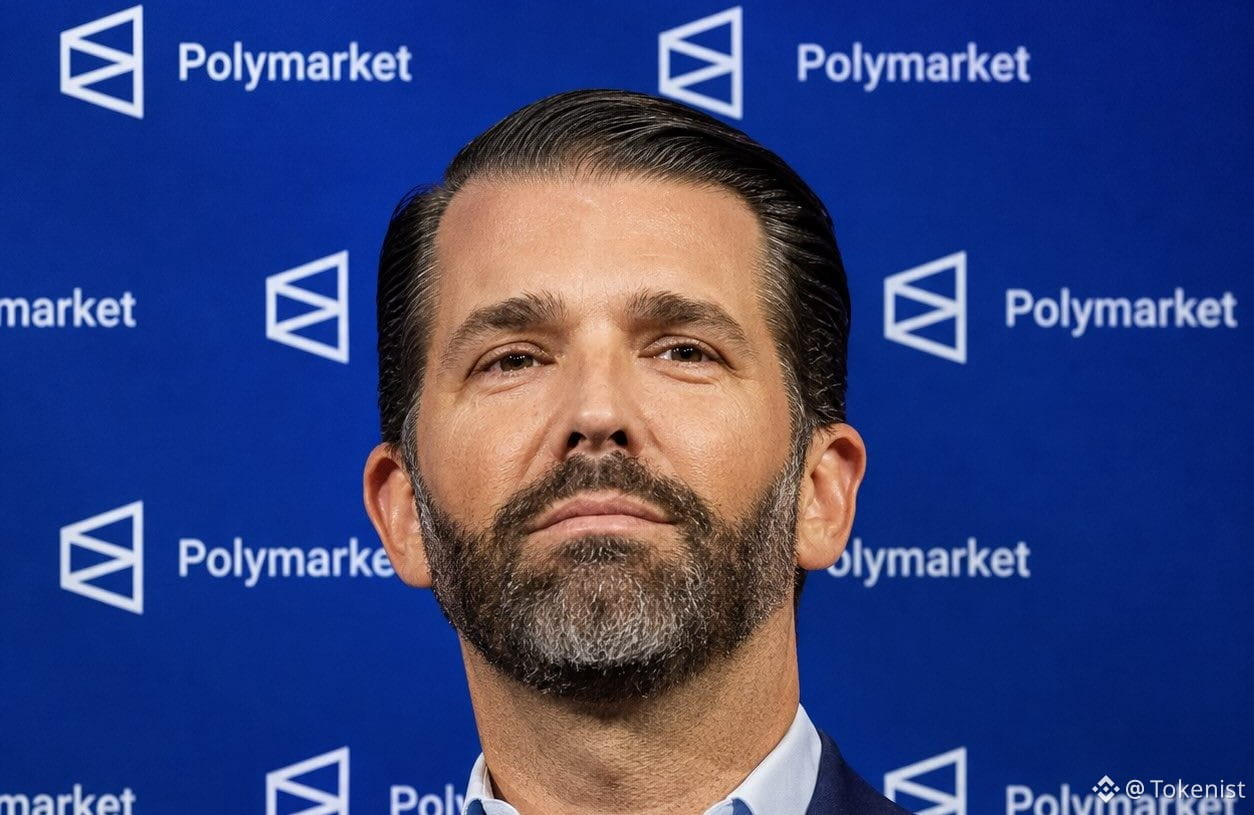
Trump Jr.-Verknüpfte 1789 Capital erweitert Beteiligung während der neuesten Polymarket-Runde1789 Capital, die mit Donald Trump Jr. verbundene Venture-Capital-Firma, hat eine neue Finanzierungsrunde in Höhe von 1 Mrd. US-Dollar für die laufende Polymarket-Runde angeführt und die Vorhersagemarkt-Plattform mit 21 Mrd. US-Dollar bewertet. Alexa Henning, eine Sprecherin von 1789 Capital, sagte, das Unternehmen werde sich an der Runde mit etwa 300 Mio. US-Dollar beteiligen.
Das mit Trump Jr. verbundene Venture-Unternehmen hatte zuvor laut dem Bericht bereits rund 200 Mio. US-Dollar in Polymarket investiert. Die neue Investition erhöht die bestehende Exponierung der Firma gegenüber der Plattform.
Trump Jr.-Unterstützte 1789 Capital soll etwa 300 Mio. US-Dollar zu Polymarket bei einer Bewertung von 21 Mrd. US-Dollar hinzufügen Laut dem Wall Street Journal plant 1789 Capital, bei dem Donald Trump Jr. Partner ist, weitere rund 300 Millionen US-Dollar in die Vorhersagemarkt-Plattform Polymarket zu investieren. Die Investition ist Teil von a… pic.twitter.com/sAvdcxfS2D
Trump Jr.-Verknüpfte 1789 Capital erweitert Beteiligung während der neuesten Polymarket-Runde
1789 Capital, die mit Donald Trump Jr. verbundene Venture-Capital-Firma, hat eine neue Finanzierungsrunde in Höhe von 1 Mrd. US-Dollar für die laufende Polymarket-Runde angeführt und die Vorhersagemarkt-Plattform mit 21 Mrd. US-Dollar bewertet. Alexa Henning, eine Sprecherin von 1789 Capital, sagte, das Unternehmen werde sich an der Runde mit etwa 300 Mio. US-Dollar beteiligen.
Das mit Trump Jr. verbundene Venture-Unternehmen hatte zuvor laut dem Bericht bereits rund 200 Mio. US-Dollar in Polymarket investiert. Die neue Investition erhöht die bestehende Exponierung der Firma gegenüber der Plattform.
Trump Jr.-Unterstützte 1789 Capital soll etwa 300 Mio. US-Dollar zu Polymarket bei einer Bewertung von 21 Mrd. US-Dollar hinzufügen Laut dem Wall Street Journal plant 1789 Capital, bei dem Donald Trump Jr. Partner ist, weitere rund 300 Millionen US-Dollar in die Vorhersagemarkt-Plattform Polymarket zu investieren. Die Investition ist Teil von a… pic.twitter.com/sAvdcxfS2D
Das mit Trump Jr. verbundene Venture-Unternehmen hatte zuvor laut dem Bericht bereits rund 200 Mio. US-Dollar in Polymarket investiert. Die neue Investition erhöht die bestehende Exponierung der Firma gegenüber der Plattform.
Trump Jr.-Unterstützte 1789 Capital soll etwa 300 Mio. US-Dollar zu Polymarket bei einer Bewertung von 21 Mrd. US-Dollar hinzufügen Laut dem Wall Street Journal plant 1789 Capital, bei dem Donald Trump Jr. Partner ist, weitere rund 300 Millionen US-Dollar in die Vorhersagemarkt-Plattform Polymarket zu investieren. Die Investition ist Teil von a… pic.twitter.com/sAvdcxfS2D
706
·
--
Artikel
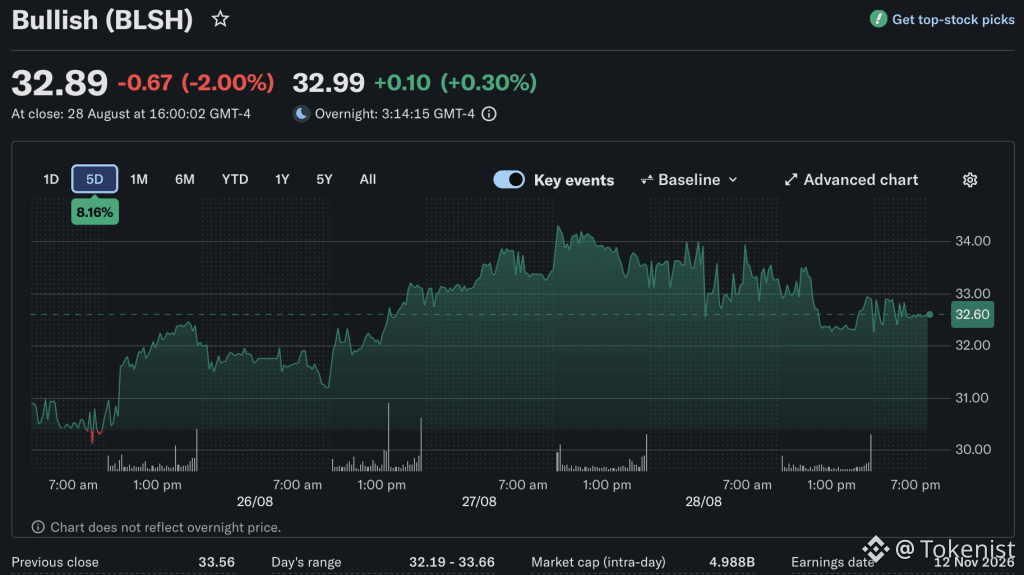
Bullish erweitert die Kreditvergabe für KI-Infrastruktur mit USD.AI-DealIn den heutigen KI-News wird Bullish laut einem Social-Media-Beitrag von USD.AI USD.AI mit einer stabilen Kreditfazilität in Höhe von 100 Mio. $ ausstatten, um Darlehen ohne Rückgriff zu finanzieren, die durch GPUs und andere KI-Recheninfrastruktur abgesichert sind.
Die Anordnung verknüpft Krypto-Liquidität mit physischer Rechenzentrums-Hardware und erweitert Bullishs Rolle auf die Finanzierung von KI-Infrastruktur.
Rechenleistung wird zu einem Kreditmarkt.@Bullishs Kreditfazilität über 100 Mio. $ wird es USDAI ermöglichen, den KI-Ausbau zu finanzieren und zugleich tiefere, transparentere Märkte für durch Rechenleistung gestützte Kredite zu schaffen. pic.twitter.com/X005YbkQpt
Bullish erweitert die Kreditvergabe für KI-Infrastruktur mit USD.AI-Deal
In den heutigen KI-News wird Bullish laut einem Social-Media-Beitrag von USD.AI USD.AI mit einer stabilen Kreditfazilität in Höhe von 100 Mio. $ ausstatten, um Darlehen ohne Rückgriff zu finanzieren, die durch GPUs und andere KI-Recheninfrastruktur abgesichert sind.
Die Anordnung verknüpft Krypto-Liquidität mit physischer Rechenzentrums-Hardware und erweitert Bullishs Rolle auf die Finanzierung von KI-Infrastruktur.
Rechenleistung wird zu einem Kreditmarkt.@Bullishs Kreditfazilität über 100 Mio. $ wird es USDAI ermöglichen, den KI-Ausbau zu finanzieren und zugleich tiefere, transparentere Märkte für durch Rechenleistung gestützte Kredite zu schaffen. pic.twitter.com/X005YbkQpt
Die Anordnung verknüpft Krypto-Liquidität mit physischer Rechenzentrums-Hardware und erweitert Bullishs Rolle auf die Finanzierung von KI-Infrastruktur.
Rechenleistung wird zu einem Kreditmarkt.@Bullishs Kreditfazilität über 100 Mio. $ wird es USDAI ermöglichen, den KI-Ausbau zu finanzieren und zugleich tiefere, transparentere Märkte für durch Rechenleistung gestützte Kredite zu schaffen. pic.twitter.com/X005YbkQpt
BLSHUS+3,83%
105
·
--
Artikel
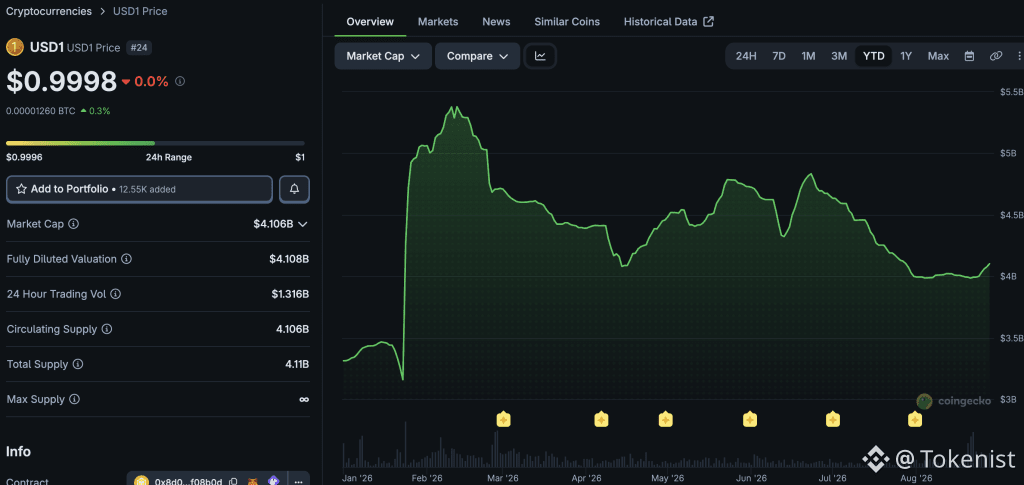
Trump UAE: Einheit von Scheich Tahnoon hält Berichten zufolge 49 % der USD1-BankIn den Trump-UAE-Nachrichten hält eine dem Scheich Tahnoon bin Zayed Al Nahyan und Mitinvestoren nahestehende Einheit Berichten zufolge einen Anteil von 49 % an WLTC Holdings, der Holdinggesellschaft, die die von ihr geplante US-Treuhandbank-Venture namens World Liberty Financial eingerichtet hat, wie das Wall Street Journal unter Berufung auf mit der Angelegenheit vertraute Personen berichtet.
Der gemeldete Anteil vertieft die Geschäftsbeziehung zwischen dem von Trump unterstützten Krypto-Unternehmen und Tahnoon, der als nationaler Sicherheitsberater der Vereinigten Arabischen Emirate fungiert und der Bruder des Präsidenten des Landes ist.
Trump UAE: Einheit von Scheich Tahnoon hält Berichten zufolge 49 % der USD1-Bank
In den Trump-UAE-Nachrichten hält eine dem Scheich Tahnoon bin Zayed Al Nahyan und Mitinvestoren nahestehende Einheit Berichten zufolge einen Anteil von 49 % an WLTC Holdings, der Holdinggesellschaft, die die von ihr geplante US-Treuhandbank-Venture namens World Liberty Financial eingerichtet hat, wie das Wall Street Journal unter Berufung auf mit der Angelegenheit vertraute Personen berichtet.
Der gemeldete Anteil vertieft die Geschäftsbeziehung zwischen dem von Trump unterstützten Krypto-Unternehmen und Tahnoon, der als nationaler Sicherheitsberater der Vereinigten Arabischen Emirate fungiert und der Bruder des Präsidenten des Landes ist.
Der gemeldete Anteil vertieft die Geschäftsbeziehung zwischen dem von Trump unterstützten Krypto-Unternehmen und Tahnoon, der als nationaler Sicherheitsberater der Vereinigten Arabischen Emirate fungiert und der Bruder des Präsidenten des Landes ist.
141
·
--
Artikel
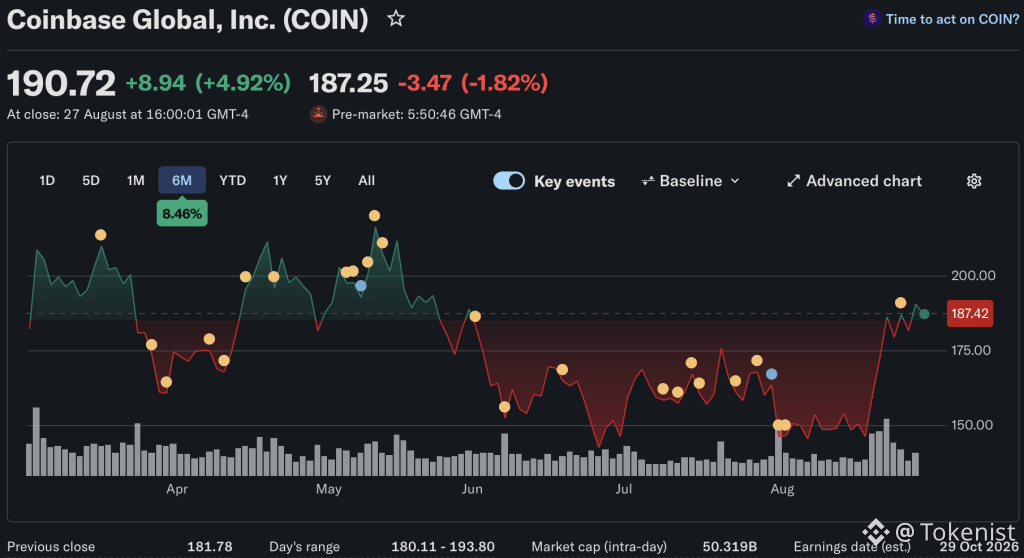
Coinbase-Krypto-News: Bitcoin-Sicherheiten eröffnen einen neuen Weg für HypothekenIn den heutigen Krypto-News von Coinbase haben die führende digitale Asset-Börse und Better Mortgage laut Berichterstattung, die am 27. August 2026 veröffentlicht wurde, das erste tokenbasierte, konforme Hypothekenprodukt landesweit auf den Markt gebracht.
Eine Warteliste im Juni für das Produkt verzeichnete ein prognostiziertes Kreditvolumen von mehr als 260 Mio. USD. 60 % der Befragten rechneten damit, innerhalb von sechs Monaten ein Zuhause zu kaufen – ein frühes Zeichen für das Interesse von Krypto-Inhabern, digitale Assets für die Finanzierung von Wohneigentum zu nutzen.
Anstatt von Kreditnehmern zu verlangen, Krypto zu verkaufen, um eine Anzahlung zu finanzieren, ermöglicht das Produkt ihnen, Bitcoin als Sicherheit für einen separaten Kredit zu verpfänden. Diese Struktur erlaubt es Kreditnehmern, ihre Exponierung gegenüber ihrem Bitcoin beizubehalten, während sie die Vereinbarung nutzen, um einen Immobilienkauf zu unterstützen.
Coinbase-Krypto-News: Bitcoin-Sicherheiten eröffnen einen neuen Weg für Hypotheken
In den heutigen Krypto-News von Coinbase haben die führende digitale Asset-Börse und Better Mortgage laut Berichterstattung, die am 27. August 2026 veröffentlicht wurde, das erste tokenbasierte, konforme Hypothekenprodukt landesweit auf den Markt gebracht.
Eine Warteliste im Juni für das Produkt verzeichnete ein prognostiziertes Kreditvolumen von mehr als 260 Mio. USD. 60 % der Befragten rechneten damit, innerhalb von sechs Monaten ein Zuhause zu kaufen – ein frühes Zeichen für das Interesse von Krypto-Inhabern, digitale Assets für die Finanzierung von Wohneigentum zu nutzen.
Anstatt von Kreditnehmern zu verlangen, Krypto zu verkaufen, um eine Anzahlung zu finanzieren, ermöglicht das Produkt ihnen, Bitcoin als Sicherheit für einen separaten Kredit zu verpfänden. Diese Struktur erlaubt es Kreditnehmern, ihre Exponierung gegenüber ihrem Bitcoin beizubehalten, während sie die Vereinbarung nutzen, um einen Immobilienkauf zu unterstützen.
Eine Warteliste im Juni für das Produkt verzeichnete ein prognostiziertes Kreditvolumen von mehr als 260 Mio. USD. 60 % der Befragten rechneten damit, innerhalb von sechs Monaten ein Zuhause zu kaufen – ein frühes Zeichen für das Interesse von Krypto-Inhabern, digitale Assets für die Finanzierung von Wohneigentum zu nutzen.
Anstatt von Kreditnehmern zu verlangen, Krypto zu verkaufen, um eine Anzahlung zu finanzieren, ermöglicht das Produkt ihnen, Bitcoin als Sicherheit für einen separaten Kredit zu verpfänden. Diese Struktur erlaubt es Kreditnehmern, ihre Exponierung gegenüber ihrem Bitcoin beizubehalten, während sie die Vereinbarung nutzen, um einen Immobilienkauf zu unterstützen.
171
·
--
Artikel
Widersprüchliche Berichte lassen die Pläne von Nvidia für Hugging Face unklarNvidia steht im Mittelpunkt widersprüchlicher Berichte über eine mögliche Übernahme von Hugging Face, der KI-Plattform, auf der Entwickler und Forschende Modelle sowie Datensätze teilen, testen und bereitstellen. Business Insider berichtete am 26. August, dass Nvidia und Hugging Face in den vergangenen Wochen Gespräche über eine Übernahme geführt hätten, wobei eine Deal-Bewertung Hugging Face auf mehr als 13 Milliarden US-Dollar bezifferte.
Unter Berufung auf eine mit der Angelegenheit vertraute Person sagte der Bericht, es sei keine Einigung erzielt worden, und die Gespräche könnten nach wie vor scheitern. Ein separater Bericht, der The Information zugeschrieben wurde, erklärte, Nvidia habe zugestimmt, Hugging Face für 12,9 Mrd. US-Dollar zu kaufen, obwohl weder das eine noch das andere Unternehmen eine Transaktion bestätigt habe.
Widersprüchliche Berichte lassen die Pläne von Nvidia für Hugging Face unklar
Nvidia steht im Mittelpunkt widersprüchlicher Berichte über eine mögliche Übernahme von Hugging Face, der KI-Plattform, auf der Entwickler und Forschende Modelle sowie Datensätze teilen, testen und bereitstellen. Business Insider berichtete am 26. August, dass Nvidia und Hugging Face in den vergangenen Wochen Gespräche über eine Übernahme geführt hätten, wobei eine Deal-Bewertung Hugging Face auf mehr als 13 Milliarden US-Dollar bezifferte.
Unter Berufung auf eine mit der Angelegenheit vertraute Person sagte der Bericht, es sei keine Einigung erzielt worden, und die Gespräche könnten nach wie vor scheitern. Ein separater Bericht, der The Information zugeschrieben wurde, erklärte, Nvidia habe zugestimmt, Hugging Face für 12,9 Mrd. US-Dollar zu kaufen, obwohl weder das eine noch das andere Unternehmen eine Transaktion bestätigt habe.
Unter Berufung auf eine mit der Angelegenheit vertraute Person sagte der Bericht, es sei keine Einigung erzielt worden, und die Gespräche könnten nach wie vor scheitern. Ein separater Bericht, der The Information zugeschrieben wurde, erklärte, Nvidia habe zugestimmt, Hugging Face für 12,9 Mrd. US-Dollar zu kaufen, obwohl weder das eine noch das andere Unternehmen eine Transaktion bestätigt habe.
74
·
--
StarkWare schürft quantensichere Bitcoin-Transaktion im MainnetStarkWare sagt, dass eine Bitcoin-Transaktion, die mit seiner Quantensicheren- („Quantum-Safe Bitcoin“, QSB-)Methode gebaut wurde, im Mainnet abgebaut wurde. Das Unternehmen beschreibt sie als die erste Mainnet-Transaktion dieser Art.
Das System ist dafür ausgelegt, einem Angreifer standzuhalten, der einen funktionierenden Quantencomputer einsetzt. Die Vorführung erforderte laut der Ankündigung von StarkWare keine Änderung an den Konsensregeln von Bitcoin.
StarkWare-Forscher führt erste Quantensichere Bitcoin-Transaktion im Mainnet aus StarkWare-Forscher Avihu Levy’s Quantensichere Bitcoin- („Quantum-Safe Bitcoin“, QSB-)Schema hat seine erste bestätigte Transaktion im Bitcoin-Mainnet abgeschlossen und zeigt damit einen Weg, um Transaktionen vor… pic.twitter.com/ZiCoQdMuhD
StarkWare schürft quantensichere Bitcoin-Transaktion im Mainnet
StarkWare sagt, dass eine Bitcoin-Transaktion, die mit seiner Quantensicheren- („Quantum-Safe Bitcoin“, QSB-)Methode gebaut wurde, im Mainnet abgebaut wurde. Das Unternehmen beschreibt sie als die erste Mainnet-Transaktion dieser Art.
Das System ist dafür ausgelegt, einem Angreifer standzuhalten, der einen funktionierenden Quantencomputer einsetzt. Die Vorführung erforderte laut der Ankündigung von StarkWare keine Änderung an den Konsensregeln von Bitcoin.
StarkWare-Forscher führt erste Quantensichere Bitcoin-Transaktion im Mainnet aus StarkWare-Forscher Avihu Levy’s Quantensichere Bitcoin- („Quantum-Safe Bitcoin“, QSB-)Schema hat seine erste bestätigte Transaktion im Bitcoin-Mainnet abgeschlossen und zeigt damit einen Weg, um Transaktionen vor… pic.twitter.com/ZiCoQdMuhD
Das System ist dafür ausgelegt, einem Angreifer standzuhalten, der einen funktionierenden Quantencomputer einsetzt. Die Vorführung erforderte laut der Ankündigung von StarkWare keine Änderung an den Konsensregeln von Bitcoin.
StarkWare-Forscher führt erste Quantensichere Bitcoin-Transaktion im Mainnet aus StarkWare-Forscher Avihu Levy’s Quantensichere Bitcoin- („Quantum-Safe Bitcoin“, QSB-)Schema hat seine erste bestätigte Transaktion im Bitcoin-Mainnet abgeschlossen und zeigt damit einen Weg, um Transaktionen vor… pic.twitter.com/ZiCoQdMuhD
107
·
--
Artikel
KI-News: Alibaba-Insider kaufen Aktien nach Deal mit vergünstigter FinanzierungLaut Berichten hat Jack Ma, der Gründer von Alibaba, in den heutigen KI-News angeblich mehr als 600 Mio. HK$ bzw. etwa 76,5 Mio. US$ an Alibaba-Aktien über aufeinanderfolgende Tage gekauft – nachdem das Unternehmen am 23. August eine HK$80 Mrd. umfassende Platzierung von Aktien in Hongkong angekündigt hatte.
Die South China Morning Post berichtete über die Käufe und berief sich dabei auf mit dem Vorgang vertraute Personen. Alibaba-Vorsitzender Joe Tsai und CEO Eddie Wu hätten demnach ebenfalls in einem Zeitraum von zwei Tagen zusammen Aktien im Wert von 202 Mio. HK$ gekauft – gemäß den Meldungen bei der Hongkonger Börse.
SOEBEN: Jack Ma soll im Rahmen eines Schritts zur Unterstützung des Expansionsplans des Unternehmens für KI-Ausgaben mehr als 76 Millionen US-Dollar an Alibaba-Aktien gekauft haben.
KI-News: Alibaba-Insider kaufen Aktien nach Deal mit vergünstigter Finanzierung
Laut Berichten hat Jack Ma, der Gründer von Alibaba, in den heutigen KI-News angeblich mehr als 600 Mio. HK$ bzw. etwa 76,5 Mio. US$ an Alibaba-Aktien über aufeinanderfolgende Tage gekauft – nachdem das Unternehmen am 23. August eine HK$80 Mrd. umfassende Platzierung von Aktien in Hongkong angekündigt hatte.
Die South China Morning Post berichtete über die Käufe und berief sich dabei auf mit dem Vorgang vertraute Personen. Alibaba-Vorsitzender Joe Tsai und CEO Eddie Wu hätten demnach ebenfalls in einem Zeitraum von zwei Tagen zusammen Aktien im Wert von 202 Mio. HK$ gekauft – gemäß den Meldungen bei der Hongkonger Börse.
SOEBEN: Jack Ma soll im Rahmen eines Schritts zur Unterstützung des Expansionsplans des Unternehmens für KI-Ausgaben mehr als 76 Millionen US-Dollar an Alibaba-Aktien gekauft haben.
Die South China Morning Post berichtete über die Käufe und berief sich dabei auf mit dem Vorgang vertraute Personen. Alibaba-Vorsitzender Joe Tsai und CEO Eddie Wu hätten demnach ebenfalls in einem Zeitraum von zwei Tagen zusammen Aktien im Wert von 202 Mio. HK$ gekauft – gemäß den Meldungen bei der Hongkonger Börse.
SOEBEN: Jack Ma soll im Rahmen eines Schritts zur Unterstützung des Expansionsplans des Unternehmens für KI-Ausgaben mehr als 76 Millionen US-Dollar an Alibaba-Aktien gekauft haben.
88
·
--
Artikel
Coinbase Krypto-News: Aktien-Tokens auf Base für Nicht-US-AnlegerIn den Krypto-News von Coinbase hat die Börse tokenisierte Versionen von Apple (AAPL), Nvidia (NVDA), Meta (META) und Alphabet (GOOGL)-Aktien auf ihrem Base-Netzwerk eingeführt und ermöglicht damit berechtigten Anlegern außerhalb der Vereinigten Staaten, jederzeit US-Equity-Exposure zu handeln.
Die vier Produkte AAPLc, NVDAc, METAc und GOOGLc sind als B20-Tokens strukturiert, die 1:1 durch Aktien abgesichert sind, die in gesonderter Verwahrung bei Alpaca Securities gehalten werden – einem bei der SEC registrierten Broker-Dealer, so die Ankündigung von Base vom 25. August.
Base bringt tokenisierte Coinbase-Aktien an den Start und bringt Apple- und NVIDIA-Aktien Onchain. Base hat bekannt gegeben, dass von Coinbase ausgegebene tokenisierte Aktien jetzt im Base-Netzwerk unter dem B20-Standard live sind. Die Tokens repräsentieren echte Aktien, die 1:1 von regulierten Verwahrstellen gehalten werden und ermöglichen berechtigten… pic.twitter.com/SC79ZnX9p1
Coinbase Krypto-News: Aktien-Tokens auf Base für Nicht-US-Anleger
In den Krypto-News von Coinbase hat die Börse tokenisierte Versionen von Apple (AAPL), Nvidia (NVDA), Meta (META) und Alphabet (GOOGL)-Aktien auf ihrem Base-Netzwerk eingeführt und ermöglicht damit berechtigten Anlegern außerhalb der Vereinigten Staaten, jederzeit US-Equity-Exposure zu handeln.
Die vier Produkte AAPLc, NVDAc, METAc und GOOGLc sind als B20-Tokens strukturiert, die 1:1 durch Aktien abgesichert sind, die in gesonderter Verwahrung bei Alpaca Securities gehalten werden – einem bei der SEC registrierten Broker-Dealer, so die Ankündigung von Base vom 25. August.
Base bringt tokenisierte Coinbase-Aktien an den Start und bringt Apple- und NVIDIA-Aktien Onchain. Base hat bekannt gegeben, dass von Coinbase ausgegebene tokenisierte Aktien jetzt im Base-Netzwerk unter dem B20-Standard live sind. Die Tokens repräsentieren echte Aktien, die 1:1 von regulierten Verwahrstellen gehalten werden und ermöglichen berechtigten… pic.twitter.com/SC79ZnX9p1
Die vier Produkte AAPLc, NVDAc, METAc und GOOGLc sind als B20-Tokens strukturiert, die 1:1 durch Aktien abgesichert sind, die in gesonderter Verwahrung bei Alpaca Securities gehalten werden – einem bei der SEC registrierten Broker-Dealer, so die Ankündigung von Base vom 25. August.
Base bringt tokenisierte Coinbase-Aktien an den Start und bringt Apple- und NVIDIA-Aktien Onchain. Base hat bekannt gegeben, dass von Coinbase ausgegebene tokenisierte Aktien jetzt im Base-Netzwerk unter dem B20-Standard live sind. Die Tokens repräsentieren echte Aktien, die 1:1 von regulierten Verwahrstellen gehalten werden und ermöglichen berechtigten… pic.twitter.com/SC79ZnX9p1
157
·
--
Artikel
Brent-Rohöl: Das 92-Pivot rückt Nvidia und Bitcoin in den FokusRohöl der Sorte Brent notierte bei 92,17 US-Dollar je Barrel, nachdem die Trump-Regierung eine mögliche Ausweitung von Sekundärsanktionen gegen Länder angekündigt hatte, die mit Iran Geschäfte machen. Der Rücksetzer vermochte jedoch die allgemeine Verunsicherung kaum zu lindern: Die Rohölpreise bleiben nah genug an diesem Niveau, um Schlagzeilen zur Inflation und die Erwartungen an Zinssenkungen weiter hoch zu halten.
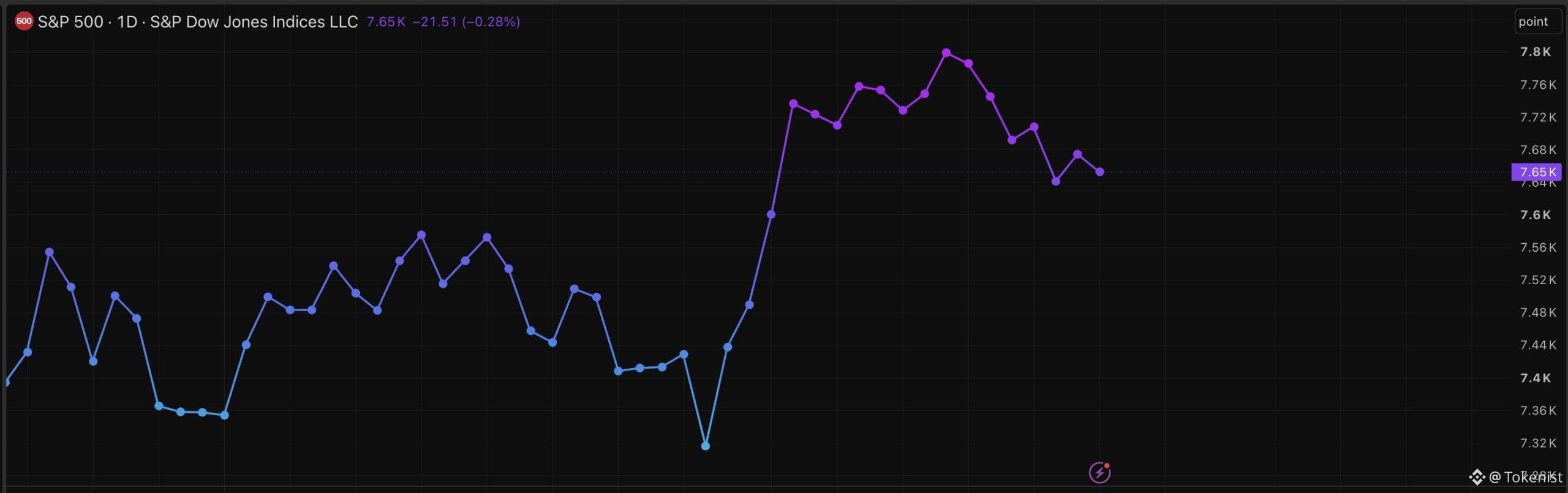
Der S&P 500 fiel um 21,51 Punkte bzw. 0,28% auf 7.652,86, und der Nasdaq Composite gab 200,26 Punkte bzw. 0,76% auf 25.980,19 nach. Am 24. August wurde er tiefer gedrückt, obwohl die Chip-Aktien die Stimmung belasteten, während der Dow Jones Industrial Average um 140,15 Punkte auf 53.417,16 zulegte, gestützt von Kursgewinnen im Finanzsektor.
Brent-Rohöl: Das 92-Pivot rückt Nvidia und Bitcoin in den Fokus
Rohöl der Sorte Brent notierte bei 92,17 US-Dollar je Barrel, nachdem die Trump-Regierung eine mögliche Ausweitung von Sekundärsanktionen gegen Länder angekündigt hatte, die mit Iran Geschäfte machen. Der Rücksetzer vermochte jedoch die allgemeine Verunsicherung kaum zu lindern: Die Rohölpreise bleiben nah genug an diesem Niveau, um Schlagzeilen zur Inflation und die Erwartungen an Zinssenkungen weiter hoch zu halten.
Der S&P 500 fiel um 21,51 Punkte bzw. 0,28% auf 7.652,86, und der Nasdaq Composite gab 200,26 Punkte bzw. 0,76% auf 25.980,19 nach. Am 24. August wurde er tiefer gedrückt, obwohl die Chip-Aktien die Stimmung belasteten, während der Dow Jones Industrial Average um 140,15 Punkte auf 53.417,16 zulegte, gestützt von Kursgewinnen im Finanzsektor.
Der S&P 500 fiel um 21,51 Punkte bzw. 0,28% auf 7.652,86, und der Nasdaq Composite gab 200,26 Punkte bzw. 0,76% auf 25.980,19 nach. Am 24. August wurde er tiefer gedrückt, obwohl die Chip-Aktien die Stimmung belasteten, während der Dow Jones Industrial Average um 140,15 Punkte auf 53.417,16 zulegte, gestützt von Kursgewinnen im Finanzsektor.
1
379
·
--
Artikel
Cardano-News: ADA-Rally trifft auf wichtigen Widerstand, während der Ausbruchsversuch näher rücktIn den Cardano-News von heute handelt ADA nahe $0.220, nachdem es in der vergangenen Woche um mehr als +24% gestiegen ist – ein Anstieg, den die technische Analyse von FXStreet als konstruktiv, aber zunehmend überdehnt beschreibt. Die Bewegung hat den Kurs in eine dichte Widerstandszone getragen, die von $0.231 bis $0.249 reicht.
Hier kommen die Fibonacci-Retracement-Level, das horizontale Angebot und der 200-Tage-Exponential-Moving-Average (EMA) in einem engen Bereich zusammen. Wie ADA in den kommenden Sitzungen gegen diesen Cluster handelt, wird darüber entscheiden, ob der Anstieg zu einem bestätigten Ausbruch wird oder ob es bei einem weiteren gescheiterten Versuch bleibt, der breiteren Abwärtstendenz zu entkommen.
Cardano-News: ADA-Rally trifft auf wichtigen Widerstand, während der Ausbruchsversuch näher rückt
In den Cardano-News von heute handelt ADA nahe $0.220, nachdem es in der vergangenen Woche um mehr als +24% gestiegen ist – ein Anstieg, den die technische Analyse von FXStreet als konstruktiv, aber zunehmend überdehnt beschreibt. Die Bewegung hat den Kurs in eine dichte Widerstandszone getragen, die von $0.231 bis $0.249 reicht.
Hier kommen die Fibonacci-Retracement-Level, das horizontale Angebot und der 200-Tage-Exponential-Moving-Average (EMA) in einem engen Bereich zusammen. Wie ADA in den kommenden Sitzungen gegen diesen Cluster handelt, wird darüber entscheiden, ob der Anstieg zu einem bestätigten Ausbruch wird oder ob es bei einem weiteren gescheiterten Versuch bleibt, der breiteren Abwärtstendenz zu entkommen.
Hier kommen die Fibonacci-Retracement-Level, das horizontale Angebot und der 200-Tage-Exponential-Moving-Average (EMA) in einem engen Bereich zusammen. Wie ADA in den kommenden Sitzungen gegen diesen Cluster handelt, wird darüber entscheiden, ob der Anstieg zu einem bestätigten Ausbruch wird oder ob es bei einem weiteren gescheiterten Versuch bleibt, der breiteren Abwärtstendenz zu entkommen.
242
Anmelden und weiter Inhalte entdecken
Krypto-Nutzer weltweit auf Binance Square kennenlernen
⚡️ Bleib in Sachen Krypto stets am Puls.
💬 Die weltgrößte Kryptobörse vertraut darauf.
👍 Erhalte verlässliche Einblicke von verifizierten Creators.
E-Mail-Adresse/Telefonnummer
Trendthemen
SECReceivesGrayscaleLitecoinTrustETFFiling
23,967 Aufrufe
481 Kommentare
💎 Institutionelle Aufmerksamkeit erreicht Litecoin
Die ETF-Anmeldung von Grayscale hat $LTC in eine größere Diskussion gebracht. Für Spot-Trader sind Entwicklungen wie diese eine Erinnerung daran, starke Assets zu prüfen, bevor man einen Einstieg tätigt.
#secreceivesgrayscalelitecointrustetffiling
CryptoMahibaloch
·1 Likes
·991 Aufrufe
ClarityActFacesProceduralVoteSept15
128,441 Aufrufe
1,477 Kommentare
US10YearTreasuryYieldNears5%
43,697 Aufrufe
759 Kommentare