

TheStreet Roundtable
2.1k Beiträge

TheStreet Roundtable
 Square Verified+
Melden
Nutzer blockieren
TheStreet covers the most engaging stories about how to make money, invest your money, save your money, and spend your money.
1 Following
498 Follower
2.2K+ Like gegeben
Beiträge
Analysten bringen HubSpot 29 Plätze höher in der Power-Ranking-RanglisteRoundtable 100 Analysten auf Solana, NEAR (4:43)
Die Analysten des Roundtable 100 haben HubSpot (NYSE: HUBS) diese Woche um 29 Plätze nach oben auf Platz 57 gebracht.
HubSpot ist ein Technologieunternehmen, das eine Suite von Customer-Relationship-Management-(CRM)-Produkten anbietet. Es bedient einen Markt von mehr als 11 Milliarden US-Dollar.
HubSpot erzielt eine sehr hohe Team-Bewertung
Veröffentlicht mit TheStreet: Das Roundtable 100 bewertet 100 börsennotierte Technologie-Wachstumswerte. Die Analysten des Komitees bewerten jeden Wert nach Team, Sicherheit, Wert, Innovation und Marktbeherrschung; der Durchschnitt bildet anschließend die Power-Ranking-Rangliste.
Analysten bringen HubSpot 29 Plätze höher in der Power-Ranking-Rangliste
Roundtable 100 Analysten auf Solana, NEAR (4:43)
Die Analysten des Roundtable 100 haben HubSpot (NYSE: HUBS) diese Woche um 29 Plätze nach oben auf Platz 57 gebracht.
HubSpot ist ein Technologieunternehmen, das eine Suite von Customer-Relationship-Management-(CRM)-Produkten anbietet. Es bedient einen Markt von mehr als 11 Milliarden US-Dollar.
HubSpot erzielt eine sehr hohe Team-Bewertung
Veröffentlicht mit TheStreet: Das Roundtable 100 bewertet 100 börsennotierte Technologie-Wachstumswerte. Die Analysten des Komitees bewerten jeden Wert nach Team, Sicherheit, Wert, Innovation und Marktbeherrschung; der Durchschnitt bildet anschließend die Power-Ranking-Rangliste.
Die Analysten des Roundtable 100 haben HubSpot (NYSE: HUBS) diese Woche um 29 Plätze nach oben auf Platz 57 gebracht.
HubSpot ist ein Technologieunternehmen, das eine Suite von Customer-Relationship-Management-(CRM)-Produkten anbietet. Es bedient einen Markt von mehr als 11 Milliarden US-Dollar.
HubSpot erzielt eine sehr hohe Team-Bewertung
Veröffentlicht mit TheStreet: Das Roundtable 100 bewertet 100 börsennotierte Technologie-Wachstumswerte. Die Analysten des Komitees bewerten jeden Wert nach Team, Sicherheit, Wert, Innovation und Marktbeherrschung; der Durchschnitt bildet anschließend die Power-Ranking-Rangliste.
1
56
IBM nutzt Swifts 17-Banken-Blockchain und ermöglicht es Banken, Vermögenswerte inhouse zu haltenWas ist Blockchain? (4:09)
IBM hat seine Digital Asset Haven-Plattform mit dem blockchainbasierten Shared Ledger von Swift verbunden. Siebzehn globale Banken, darunter BNY, Citi, HSBC, UBS und Wells Fargo, nutzen das Ledger, um tokenisierte Einlagen-Transaktionen zu pilotieren.
Der Technologiekonzern kündigte am 24. Sept. zwei Beta-Updates für die Plattform an, die beide auf regulierte Finanzinstitute ausgerichtet sind.
„Die Finanzdienstleistungsbranche tritt in ein neues Zeitalter ein, in dem tokenisierte und traditionelle Vermögenswerte Seite an Seite bewegt werden müssen“, sagte Tom McPherson, General Manager für Z und LinuxONE bei IBM, gegenüber The Block.
IBM nutzt Swifts 17-Banken-Blockchain und ermöglicht es Banken, Vermögenswerte inhouse zu halten
Was ist Blockchain? (4:09)
IBM hat seine Digital Asset Haven-Plattform mit dem blockchainbasierten Shared Ledger von Swift verbunden. Siebzehn globale Banken, darunter BNY, Citi, HSBC, UBS und Wells Fargo, nutzen das Ledger, um tokenisierte Einlagen-Transaktionen zu pilotieren.
Der Technologiekonzern kündigte am 24. Sept. zwei Beta-Updates für die Plattform an, die beide auf regulierte Finanzinstitute ausgerichtet sind.
„Die Finanzdienstleistungsbranche tritt in ein neues Zeitalter ein, in dem tokenisierte und traditionelle Vermögenswerte Seite an Seite bewegt werden müssen“, sagte Tom McPherson, General Manager für Z und LinuxONE bei IBM, gegenüber The Block.
IBM hat seine Digital Asset Haven-Plattform mit dem blockchainbasierten Shared Ledger von Swift verbunden. Siebzehn globale Banken, darunter BNY, Citi, HSBC, UBS und Wells Fargo, nutzen das Ledger, um tokenisierte Einlagen-Transaktionen zu pilotieren.
Der Technologiekonzern kündigte am 24. Sept. zwei Beta-Updates für die Plattform an, die beide auf regulierte Finanzinstitute ausgerichtet sind.
„Die Finanzdienstleistungsbranche tritt in ein neues Zeitalter ein, in dem tokenisierte und traditionelle Vermögenswerte Seite an Seite bewegt werden müssen“, sagte Tom McPherson, General Manager für Z und LinuxONE bei IBM, gegenüber The Block.
19
Der Sohn von Anthony Scaramucci setzt 350 Millionen US-Dollar auf eine „programmierbare Zukunft“Anthony Scaramucci schlägt Alarm bei Trump und Krypto-Geld (3:44)
AJ Scaramucci, ein Venture Capitalist und Unternehmer, der die Plattform für Sammlerstücke Treasure Trove gegründet hat, hat sein Unternehmen Solari Capital aus dem Verborgenen geholt, wie „Fortune“ am Donnerstag berichtete. Die Firma hat rund 350 Millionen US-Dollar in Early-Stage-Investments, Late-Stage-Wachstum und eigene Inkubationen investiert.
Scaramucci, Absolvent eines Stanford-MBA, begann seine Karriere 2013 bei Tesla und wechselte anschließend durch Stationen bei Google. Dort arbeitete er kurzzeitig gemeinsam mit dem ehemaligen Alphabet-CEO Eric Schmidt.
Der Sohn von Anthony Scaramucci setzt 350 Millionen US-Dollar auf eine „programmierbare Zukunft“
Anthony Scaramucci schlägt Alarm bei Trump und Krypto-Geld (3:44)
AJ Scaramucci, ein Venture Capitalist und Unternehmer, der die Plattform für Sammlerstücke Treasure Trove gegründet hat, hat sein Unternehmen Solari Capital aus dem Verborgenen geholt, wie „Fortune“ am Donnerstag berichtete. Die Firma hat rund 350 Millionen US-Dollar in Early-Stage-Investments, Late-Stage-Wachstum und eigene Inkubationen investiert.
Scaramucci, Absolvent eines Stanford-MBA, begann seine Karriere 2013 bei Tesla und wechselte anschließend durch Stationen bei Google. Dort arbeitete er kurzzeitig gemeinsam mit dem ehemaligen Alphabet-CEO Eric Schmidt.
AJ Scaramucci, ein Venture Capitalist und Unternehmer, der die Plattform für Sammlerstücke Treasure Trove gegründet hat, hat sein Unternehmen Solari Capital aus dem Verborgenen geholt, wie „Fortune“ am Donnerstag berichtete. Die Firma hat rund 350 Millionen US-Dollar in Early-Stage-Investments, Late-Stage-Wachstum und eigene Inkubationen investiert.
Scaramucci, Absolvent eines Stanford-MBA, begann seine Karriere 2013 bei Tesla und wechselte anschließend durch Stationen bei Google. Dort arbeitete er kurzzeitig gemeinsam mit dem ehemaligen Alphabet-CEO Eric Schmidt.
143
Fed legt Stablecoin-Rahmenwerk unter dem GENIUS-Gesetz offenGENIUS-Gesetz (2:39)
Am 24. September bat die US-Notenbank (Fed) um öffentliche Stellungnahmen zu zwei Vorschlägen, die darauf abzielen, einen regulatorischen Rahmen für von dem Vorstand beaufsichtigte Emittenten von Zahlung-Stablecoins unter dem GENIUS-Gesetz zu schaffen.
Der Schritt stellt einen großen Fortschritt bei der Umsetzung des US-Stablecoin-Gesetzes dar.
Zugeordnet: Trump-Regierung mit radikalem Plan zur Stärkung des US-Dollars
Es gibt zwei Vorschläge.
Einer verlangt, dass von dem Vorstand beaufsichtigte Emittenten von Zahlung-Stablecoins ihre Stablecoins vollständig mit bestimmten zulässigen Reservewerten abdecken, etwa mit kurzfristigen US-Staatsanleihen und anderen hochwertigen, liquiden Vermögenswerten. Außerdem legt er Kapital- und Standards für das Risikomanagement fest.
Fed legt Stablecoin-Rahmenwerk unter dem GENIUS-Gesetz offen
GENIUS-Gesetz (2:39)
Am 24. September bat die US-Notenbank (Fed) um öffentliche Stellungnahmen zu zwei Vorschlägen, die darauf abzielen, einen regulatorischen Rahmen für von dem Vorstand beaufsichtigte Emittenten von Zahlung-Stablecoins unter dem GENIUS-Gesetz zu schaffen.
Der Schritt stellt einen großen Fortschritt bei der Umsetzung des US-Stablecoin-Gesetzes dar.
Zugeordnet: Trump-Regierung mit radikalem Plan zur Stärkung des US-Dollars
Es gibt zwei Vorschläge.
Einer verlangt, dass von dem Vorstand beaufsichtigte Emittenten von Zahlung-Stablecoins ihre Stablecoins vollständig mit bestimmten zulässigen Reservewerten abdecken, etwa mit kurzfristigen US-Staatsanleihen und anderen hochwertigen, liquiden Vermögenswerten. Außerdem legt er Kapital- und Standards für das Risikomanagement fest.
Am 24. September bat die US-Notenbank (Fed) um öffentliche Stellungnahmen zu zwei Vorschlägen, die darauf abzielen, einen regulatorischen Rahmen für von dem Vorstand beaufsichtigte Emittenten von Zahlung-Stablecoins unter dem GENIUS-Gesetz zu schaffen.
Der Schritt stellt einen großen Fortschritt bei der Umsetzung des US-Stablecoin-Gesetzes dar.
Zugeordnet: Trump-Regierung mit radikalem Plan zur Stärkung des US-Dollars
Es gibt zwei Vorschläge.
Einer verlangt, dass von dem Vorstand beaufsichtigte Emittenten von Zahlung-Stablecoins ihre Stablecoins vollständig mit bestimmten zulässigen Reservewerten abdecken, etwa mit kurzfristigen US-Staatsanleihen und anderen hochwertigen, liquiden Vermögenswerten. Außerdem legt er Kapital- und Standards für das Risikomanagement fest.
8
XRP könnte um 50x steigen, wenn es sein Muster von 2016 wiederholt, sagt AnalystFührender Analyst bezeichnet XRP als „Meme-Coin fürs Bankwesen“ (3:09)
Der Krypto-Analyst EGRAG CRYPTO sagte auf X, dass er beim Aufbau eines neuen XRP-Charts von Grund auf etwas Ungewöhnliches in den weißen Ansammlungszonen des Tokens bemerkt habe.
In den Phasen der Bärenmarkt-Ansammlung seien drei aufeinanderfolgende grüne Monatskerzen äußerst selten, sagte er, doch genau diese Abfolge sei 2016 aufgetaucht, und möglicherweise bilde sie sich 2026 erneut.
Wenn der September grün schließt, argumentierte er, würde XRP dieses seltene Muster zum allerzweiten Mal in seiner Geschichte ausdrucken.
XRP könnte um 50x steigen, wenn es sein Muster von 2016 wiederholt, sagt Analyst
Führender Analyst bezeichnet XRP als „Meme-Coin fürs Bankwesen“ (3:09)
Der Krypto-Analyst EGRAG CRYPTO sagte auf X, dass er beim Aufbau eines neuen XRP-Charts von Grund auf etwas Ungewöhnliches in den weißen Ansammlungszonen des Tokens bemerkt habe.
In den Phasen der Bärenmarkt-Ansammlung seien drei aufeinanderfolgende grüne Monatskerzen äußerst selten, sagte er, doch genau diese Abfolge sei 2016 aufgetaucht, und möglicherweise bilde sie sich 2026 erneut.
Wenn der September grün schließt, argumentierte er, würde XRP dieses seltene Muster zum allerzweiten Mal in seiner Geschichte ausdrucken.
Der Krypto-Analyst EGRAG CRYPTO sagte auf X, dass er beim Aufbau eines neuen XRP-Charts von Grund auf etwas Ungewöhnliches in den weißen Ansammlungszonen des Tokens bemerkt habe.
In den Phasen der Bärenmarkt-Ansammlung seien drei aufeinanderfolgende grüne Monatskerzen äußerst selten, sagte er, doch genau diese Abfolge sei 2016 aufgetaucht, und möglicherweise bilde sie sich 2026 erneut.
Wenn der September grün schließt, argumentierte er, würde XRP dieses seltene Muster zum allerzweiten Mal in seiner Geschichte ausdrucken.
118
Artikel
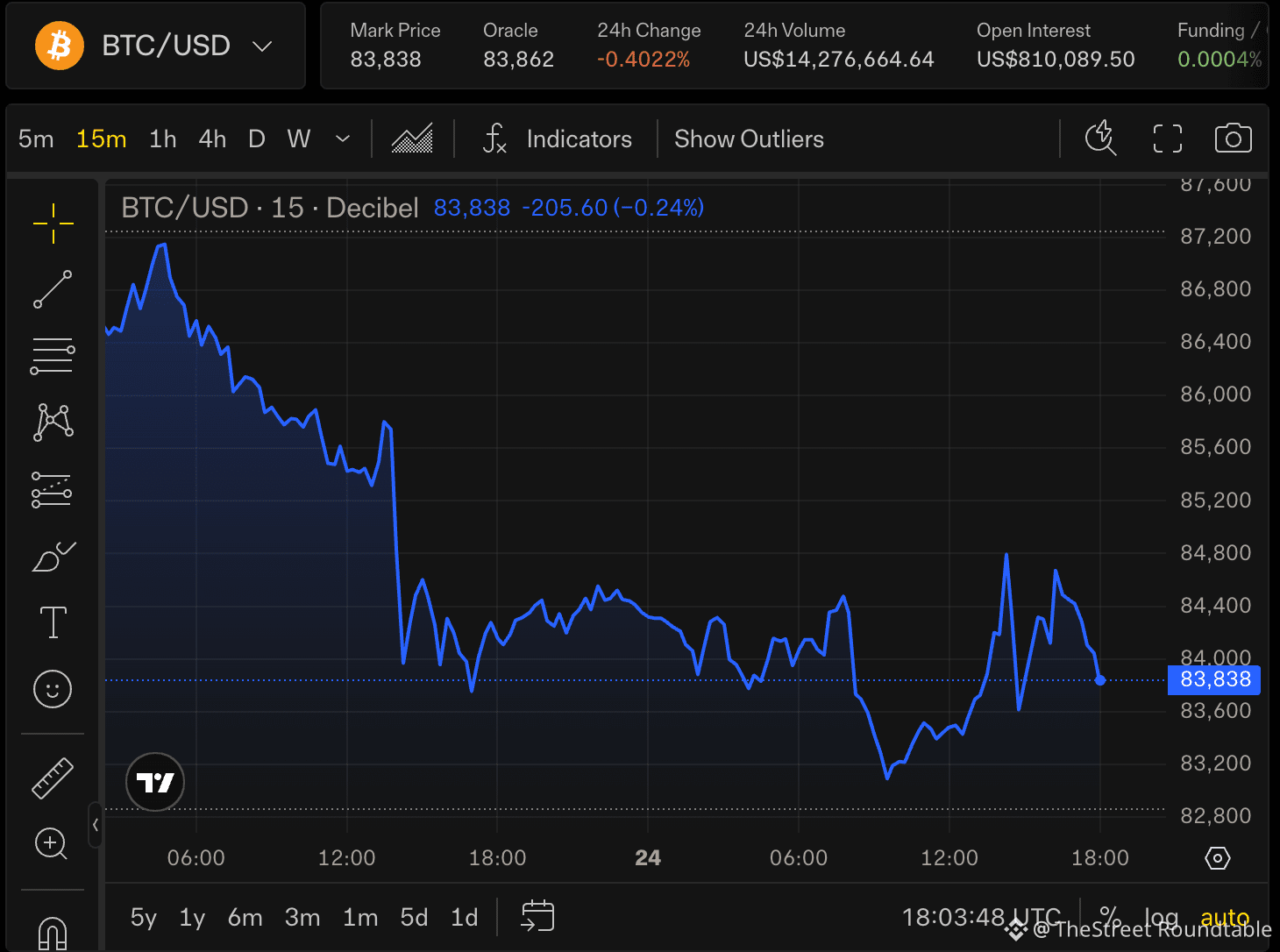
Bitcoin-Händler bereiten sich auf den Optionsablauf in Höhe von 16 Mrd. US-Dollar am Freitag vorDer Krypto-Optionshandel, den die Wall Street dir nicht verraten wird (2:17)
Bitcoin-(BTC-)Optionen im Wert von rund 16 Milliarden US-Dollar an der Krypto-Derivatebörse Deribit laufen am Freitag, dem 25. Sep., um 8:00 UTC ab.
Laut dem Deribit-CEO Luuk Strijers liegt der maximale Schmerz von Bitcoin bei 75.000 US-Dollar.
Bitcoin-Optionen laufen am 25. Sep. ab
Insgesamt werden am Freitag 185.908 Bitcoin-Optionen—110.747 Call- und 75.160 Put-Kontrakte—im Nominalwert von 16 Milliarden US-Dollar auslaufen, wie Strijers enthüllte.
Verwandt: Trump-Konten für Aktien wurden still und leise bei Strategy und Tesla aufgeladen, wie aus den Unterlagen hervorgeht
Bitcoin-Händler bereiten sich auf den Optionsablauf in Höhe von 16 Mrd. US-Dollar am Freitag vor
Der Krypto-Optionshandel, den die Wall Street dir nicht verraten wird (2:17)
Bitcoin-(BTC-)Optionen im Wert von rund 16 Milliarden US-Dollar an der Krypto-Derivatebörse Deribit laufen am Freitag, dem 25. Sep., um 8:00 UTC ab.
Laut dem Deribit-CEO Luuk Strijers liegt der maximale Schmerz von Bitcoin bei 75.000 US-Dollar.
Bitcoin-Optionen laufen am 25. Sep. ab
Insgesamt werden am Freitag 185.908 Bitcoin-Optionen—110.747 Call- und 75.160 Put-Kontrakte—im Nominalwert von 16 Milliarden US-Dollar auslaufen, wie Strijers enthüllte.
Verwandt: Trump-Konten für Aktien wurden still und leise bei Strategy und Tesla aufgeladen, wie aus den Unterlagen hervorgeht
Bitcoin-(BTC-)Optionen im Wert von rund 16 Milliarden US-Dollar an der Krypto-Derivatebörse Deribit laufen am Freitag, dem 25. Sep., um 8:00 UTC ab.
Laut dem Deribit-CEO Luuk Strijers liegt der maximale Schmerz von Bitcoin bei 75.000 US-Dollar.
Bitcoin-Optionen laufen am 25. Sep. ab
Insgesamt werden am Freitag 185.908 Bitcoin-Optionen—110.747 Call- und 75.160 Put-Kontrakte—im Nominalwert von 16 Milliarden US-Dollar auslaufen, wie Strijers enthüllte.
Verwandt: Trump-Konten für Aktien wurden still und leise bei Strategy und Tesla aufgeladen, wie aus den Unterlagen hervorgeht
19
Trump-Regierung hat einen radikalen Plan, um den US-Dollar zu stärkenWas ist ein Stablecoin? Erklärt (3:33)
Die Donald-Trump-Regierung erwägt Berichten von Bloomberg zufolge einen radikalen Plan mit Stablecoins, um den US-Dollar zu stärken.
Das Ziel der Regierung ist es, die Dominanz des Dollars als weltweit führendes Reserve-Asset zu festigen.
Verwandt: Erklärt: Was ist ein Stablecoin?
Warum die Trump-Regierung auf Stablecoins setzt
Ein Stablecoin, wie der Name schon sagt, ist eine Art Kryptowährung, die versucht, ihren Wert stabil zu halten. Im Gegensatz zu beliebten Kryptowährungen wie Bitcoin (BTC), die sehr volatil sind, hält ein Stablecoin seinen Wert stabil, indem er an einen relativ stabilen Vermögenswert wie eine nationale Fiat-Währung gekoppelt wird.
Trump-Regierung hat einen radikalen Plan, um den US-Dollar zu stärken
Was ist ein Stablecoin? Erklärt (3:33)
Die Donald-Trump-Regierung erwägt Berichten von Bloomberg zufolge einen radikalen Plan mit Stablecoins, um den US-Dollar zu stärken.
Das Ziel der Regierung ist es, die Dominanz des Dollars als weltweit führendes Reserve-Asset zu festigen.
Verwandt: Erklärt: Was ist ein Stablecoin?
Warum die Trump-Regierung auf Stablecoins setzt
Ein Stablecoin, wie der Name schon sagt, ist eine Art Kryptowährung, die versucht, ihren Wert stabil zu halten. Im Gegensatz zu beliebten Kryptowährungen wie Bitcoin (BTC), die sehr volatil sind, hält ein Stablecoin seinen Wert stabil, indem er an einen relativ stabilen Vermögenswert wie eine nationale Fiat-Währung gekoppelt wird.
Die Donald-Trump-Regierung erwägt Berichten von Bloomberg zufolge einen radikalen Plan mit Stablecoins, um den US-Dollar zu stärken.
Das Ziel der Regierung ist es, die Dominanz des Dollars als weltweit führendes Reserve-Asset zu festigen.
Verwandt: Erklärt: Was ist ein Stablecoin?
Warum die Trump-Regierung auf Stablecoins setzt
Ein Stablecoin, wie der Name schon sagt, ist eine Art Kryptowährung, die versucht, ihren Wert stabil zu halten. Im Gegensatz zu beliebten Kryptowährungen wie Bitcoin (BTC), die sehr volatil sind, hält ein Stablecoin seinen Wert stabil, indem er an einen relativ stabilen Vermögenswert wie eine nationale Fiat-Währung gekoppelt wird.
237
Verifiziert
XRP Ledger richtet den Blick auf ein Upgrade im Oktober, auf das Banken gewartet habenWas ist Blockchain? (4:09)
Das XRP Ledger ist zwei Wochen von einem Upgrade entfernt, das verändern könnte, wie Institutionen das Netzwerk nutzen.
Das XRP Ledger ist ein dezentrales Blockchain-Netzwerk, das für schnelle, kostengünstige Zahlungen entwickelt wurde. Es ist das Netzwerk, das XRP antreibt, eine der größten Kryptowährungen nach Marktkapitalisierung.
Das Upgrade in Frage, PermissionDelegationV1_1, startete am 21. September einen 14-tägigen Aktivierungs-Countdown, nachdem 29 der 35 vertrauenswürdigen Validatoren des Netzwerks es unterstützt hatten, laut dem XRPL-Änderungsdashboard.
XRP Ledger richtet den Blick auf ein Upgrade im Oktober, auf das Banken gewartet haben
Was ist Blockchain? (4:09)
Das XRP Ledger ist zwei Wochen von einem Upgrade entfernt, das verändern könnte, wie Institutionen das Netzwerk nutzen.
Das XRP Ledger ist ein dezentrales Blockchain-Netzwerk, das für schnelle, kostengünstige Zahlungen entwickelt wurde. Es ist das Netzwerk, das XRP antreibt, eine der größten Kryptowährungen nach Marktkapitalisierung.
Das Upgrade in Frage, PermissionDelegationV1_1, startete am 21. September einen 14-tägigen Aktivierungs-Countdown, nachdem 29 der 35 vertrauenswürdigen Validatoren des Netzwerks es unterstützt hatten, laut dem XRPL-Änderungsdashboard.
Das XRP Ledger ist zwei Wochen von einem Upgrade entfernt, das verändern könnte, wie Institutionen das Netzwerk nutzen.
Das XRP Ledger ist ein dezentrales Blockchain-Netzwerk, das für schnelle, kostengünstige Zahlungen entwickelt wurde. Es ist das Netzwerk, das XRP antreibt, eine der größten Kryptowährungen nach Marktkapitalisierung.
Das Upgrade in Frage, PermissionDelegationV1_1, startete am 21. September einen 14-tägigen Aktivierungs-Countdown, nachdem 29 der 35 vertrauenswürdigen Validatoren des Netzwerks es unterstützt hatten, laut dem XRPL-Änderungsdashboard.
538
100 Coinbase-Nutzer verlieren Millionen durch gefälschte Support-AnrufeJim Cramer spricht über die Rallye von Coinbase im August (1:34)
Ein Mann aus Brooklyn wurde zu vier bis zwölf Jahren Haft verurteilt, weil er fast 16 Millionen US-Dollar von etwa 100 Coinbase-Nutzern gestohlen hatte.
Das Phishing- und Social-Engineering-Schema lief mehr als ein Jahr; das Büro des Bezirksstaatsanwalts von Brooklyn gab am 23. September bekannt.
Coinbase ist eine US-amerikanische Kryptowährungsbörse, die es Nutzern ermöglicht, digitale Vermögenswerte wie Bitcoin, Ethereum und andere Kryptowährungen zu kaufen, zu verkaufen und zu speichern.
Phishing ist eine Art von Cyberangriff, bei dem jemand so tut, als wäre er ein vertrauenswürdiges Unternehmen; in diesem Fall Coinbase, um Menschen dazu zu bringen, ihnen ihr Geld oder ihre persönlichen Informationen zu übergeben.
100 Coinbase-Nutzer verlieren Millionen durch gefälschte Support-Anrufe
Jim Cramer spricht über die Rallye von Coinbase im August (1:34)
Ein Mann aus Brooklyn wurde zu vier bis zwölf Jahren Haft verurteilt, weil er fast 16 Millionen US-Dollar von etwa 100 Coinbase-Nutzern gestohlen hatte.
Das Phishing- und Social-Engineering-Schema lief mehr als ein Jahr; das Büro des Bezirksstaatsanwalts von Brooklyn gab am 23. September bekannt.
Coinbase ist eine US-amerikanische Kryptowährungsbörse, die es Nutzern ermöglicht, digitale Vermögenswerte wie Bitcoin, Ethereum und andere Kryptowährungen zu kaufen, zu verkaufen und zu speichern.
Phishing ist eine Art von Cyberangriff, bei dem jemand so tut, als wäre er ein vertrauenswürdiges Unternehmen; in diesem Fall Coinbase, um Menschen dazu zu bringen, ihnen ihr Geld oder ihre persönlichen Informationen zu übergeben.
Ein Mann aus Brooklyn wurde zu vier bis zwölf Jahren Haft verurteilt, weil er fast 16 Millionen US-Dollar von etwa 100 Coinbase-Nutzern gestohlen hatte.
Das Phishing- und Social-Engineering-Schema lief mehr als ein Jahr; das Büro des Bezirksstaatsanwalts von Brooklyn gab am 23. September bekannt.
Coinbase ist eine US-amerikanische Kryptowährungsbörse, die es Nutzern ermöglicht, digitale Vermögenswerte wie Bitcoin, Ethereum und andere Kryptowährungen zu kaufen, zu verkaufen und zu speichern.
Phishing ist eine Art von Cyberangriff, bei dem jemand so tut, als wäre er ein vertrauenswürdiges Unternehmen; in diesem Fall Coinbase, um Menschen dazu zu bringen, ihnen ihr Geld oder ihre persönlichen Informationen zu übergeben.
1
284
Beliebtes Rechenzentrumsunternehmen kauft die Vermögenswerte eines insolventen RivalenJim Chanos skeptisch gegenüber den wirtschaftlichen Aspekten von KI-Rechenzentren (1:44)
Hut 8 ist als siegreicher Bieter für zwei Texas-Rechenzentren hervorgegangen, die dem insolventen Bitcoin-Miningpool Poolin gehören, und bietet 140 Millionen US-Dollar für die Anlagen.
Der Gebot am 23. September lag ungefähr 2,7-mal über dem kombinierten Mindestpreis der Grundstücke von 52 Millionen US-Dollar. Poolin hatte die Standorte zum Verkauf gestellt, nachdem es im Juli Insolvenzschutz nach Chapter 11 beantragt hatte.
Mit der Übernahme würde Hut 8 zusätzliche Infrastruktur erhalten. Das Unternehmen hat sich zunehmend über das Bitcoin-Mining hinaus in den Betrieb groß angelegter Strom- und Rechenzentren ausgeweitet.
Beliebtes Rechenzentrumsunternehmen kauft die Vermögenswerte eines insolventen Rivalen
Jim Chanos skeptisch gegenüber den wirtschaftlichen Aspekten von KI-Rechenzentren (1:44)
Hut 8 ist als siegreicher Bieter für zwei Texas-Rechenzentren hervorgegangen, die dem insolventen Bitcoin-Miningpool Poolin gehören, und bietet 140 Millionen US-Dollar für die Anlagen.
Der Gebot am 23. September lag ungefähr 2,7-mal über dem kombinierten Mindestpreis der Grundstücke von 52 Millionen US-Dollar. Poolin hatte die Standorte zum Verkauf gestellt, nachdem es im Juli Insolvenzschutz nach Chapter 11 beantragt hatte.
Mit der Übernahme würde Hut 8 zusätzliche Infrastruktur erhalten. Das Unternehmen hat sich zunehmend über das Bitcoin-Mining hinaus in den Betrieb groß angelegter Strom- und Rechenzentren ausgeweitet.
Hut 8 ist als siegreicher Bieter für zwei Texas-Rechenzentren hervorgegangen, die dem insolventen Bitcoin-Miningpool Poolin gehören, und bietet 140 Millionen US-Dollar für die Anlagen.
Der Gebot am 23. September lag ungefähr 2,7-mal über dem kombinierten Mindestpreis der Grundstücke von 52 Millionen US-Dollar. Poolin hatte die Standorte zum Verkauf gestellt, nachdem es im Juli Insolvenzschutz nach Chapter 11 beantragt hatte.
Mit der Übernahme würde Hut 8 zusätzliche Infrastruktur erhalten. Das Unternehmen hat sich zunehmend über das Bitcoin-Mining hinaus in den Betrieb groß angelegter Strom- und Rechenzentren ausgeweitet.
132
Artikel
Bloomberg-Analyst warnt 2008 mit Blick auf WTI-Öl vor BitcoinMilitär-Roundtable: Heckman, Rayburn, Spencer beurteilen das iranische Patt und die ölbetriebene Marktauswirkung (6:51)
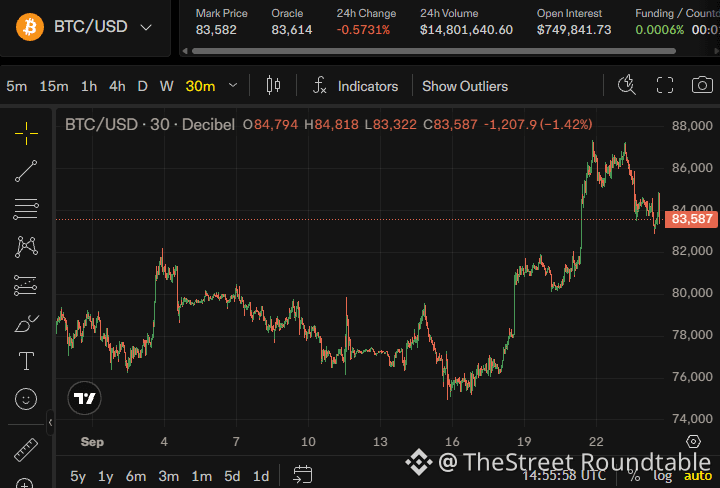
Während Anleger der Meinung sind, dass eine Kursrally das Beste überhaupt ist, und die Bitcoin-(BTC)-Community euphorisch war, als die Top-Kryptowährung im Dezember 2024 erstmals die Marke von 100.000 US-Dollar erreichte, glaubt Mike McGlone, Senior Commodity Strategist bei Bloomberg Intelligence, jedoch nicht in so bullischen Begriffen.
Am 23. September teilte McGlone einen Kurschart, der Bitcoin und das West Texas Intermediate (WTI)-Rohöl gegenüberstellt, um zu warnen, dass die Kryptowährung dem rückläufigen Trend der Öl-Benchmark folgen könnte, nachdem sie im Februar 2008 ihren ersten monatlichen Schlusskurs über 100 US-Dollar pro Barrel verzeichnet hatte.
Bloomberg-Analyst warnt 2008 mit Blick auf WTI-Öl vor Bitcoin
Militär-Roundtable: Heckman, Rayburn, Spencer beurteilen das iranische Patt und die ölbetriebene Marktauswirkung (6:51)
Während Anleger der Meinung sind, dass eine Kursrally das Beste überhaupt ist, und die Bitcoin-(BTC)-Community euphorisch war, als die Top-Kryptowährung im Dezember 2024 erstmals die Marke von 100.000 US-Dollar erreichte, glaubt Mike McGlone, Senior Commodity Strategist bei Bloomberg Intelligence, jedoch nicht in so bullischen Begriffen.
Am 23. September teilte McGlone einen Kurschart, der Bitcoin und das West Texas Intermediate (WTI)-Rohöl gegenüberstellt, um zu warnen, dass die Kryptowährung dem rückläufigen Trend der Öl-Benchmark folgen könnte, nachdem sie im Februar 2008 ihren ersten monatlichen Schlusskurs über 100 US-Dollar pro Barrel verzeichnet hatte.
Während Anleger der Meinung sind, dass eine Kursrally das Beste überhaupt ist, und die Bitcoin-(BTC)-Community euphorisch war, als die Top-Kryptowährung im Dezember 2024 erstmals die Marke von 100.000 US-Dollar erreichte, glaubt Mike McGlone, Senior Commodity Strategist bei Bloomberg Intelligence, jedoch nicht in so bullischen Begriffen.
Am 23. September teilte McGlone einen Kurschart, der Bitcoin und das West Texas Intermediate (WTI)-Rohöl gegenüberstellt, um zu warnen, dass die Kryptowährung dem rückläufigen Trend der Öl-Benchmark folgen könnte, nachdem sie im Februar 2008 ihren ersten monatlichen Schlusskurs über 100 US-Dollar pro Barrel verzeichnet hatte.
119
VanEck liefert einen überraschenden Realitätscheck zur Bitcoin-zu-Anleihen-KorrelationVanEck beschreibt die veränderte Haltung der SEC gegenüber Krypto (1:46)
Bei CNBC widersprach VanEck Head of Digital Assets Research Matthew Sigel der Vorstellung, dass Zinsbewegungen die Preisentwicklung von Bitcoin steuern. Stattdessen verwies er auf den Dollar.
"Bitcoin hat so gut wie keine Korrelation mit den Renditen von Staatsanleihen, aber es weist eine anhaltende negative Korrelation mit dem DXY auf", sagte er und fügte hinzu, dass die jüngste Bewegung des Dollar-Indexes den Rücksetzer besser erkläre als jede Anleihe-Erzählung.
Sigel führte den scharfen Rallye im Sommer darauf zurück, dass den Verkäufern schlicht die „Munition“ ausgegangen sei. „Das war Erschöpfung der Verkäufer: Jeder einzelne von ihnen hat sich über den Sommer hinweg ausgelaugt“, sagte er.
VanEck liefert einen überraschenden Realitätscheck zur Bitcoin-zu-Anleihen-Korrelation
VanEck beschreibt die veränderte Haltung der SEC gegenüber Krypto (1:46)
Bei CNBC widersprach VanEck Head of Digital Assets Research Matthew Sigel der Vorstellung, dass Zinsbewegungen die Preisentwicklung von Bitcoin steuern. Stattdessen verwies er auf den Dollar.
"Bitcoin hat so gut wie keine Korrelation mit den Renditen von Staatsanleihen, aber es weist eine anhaltende negative Korrelation mit dem DXY auf", sagte er und fügte hinzu, dass die jüngste Bewegung des Dollar-Indexes den Rücksetzer besser erkläre als jede Anleihe-Erzählung.
Sigel führte den scharfen Rallye im Sommer darauf zurück, dass den Verkäufern schlicht die „Munition“ ausgegangen sei. „Das war Erschöpfung der Verkäufer: Jeder einzelne von ihnen hat sich über den Sommer hinweg ausgelaugt“, sagte er.
Bei CNBC widersprach VanEck Head of Digital Assets Research Matthew Sigel der Vorstellung, dass Zinsbewegungen die Preisentwicklung von Bitcoin steuern. Stattdessen verwies er auf den Dollar.
"Bitcoin hat so gut wie keine Korrelation mit den Renditen von Staatsanleihen, aber es weist eine anhaltende negative Korrelation mit dem DXY auf", sagte er und fügte hinzu, dass die jüngste Bewegung des Dollar-Indexes den Rücksetzer besser erkläre als jede Anleihe-Erzählung.
Sigel führte den scharfen Rallye im Sommer darauf zurück, dass den Verkäufern schlicht die „Munition“ ausgegangen sei. „Das war Erschöpfung der Verkäufer: Jeder einzelne von ihnen hat sich über den Sommer hinweg ausgelaugt“, sagte er.
178
US-Staatsanleiherenditen erreichen Mehrjahrzehnt-Höchststände und schicken Bitcoin nach untenBlackRock sagt, dass Krypto den KI-Handel antreiben könnte (1:41)
Bitcoin (BTC) gab seine jüngsten Gewinne auf und fiel deutlich unter die Marke von 87.000 US-Dollar zurück, die es zuletzt erreicht hatte, nachdem die Renditen von US-Staatsanleihen am 24. September Mehrjahrzehnt-Höchststände erreicht hatten.
Die Rendite der 30-jährigen US-Staatsanleihe erreichte einen Höchststand von 2004 von rund 5,44 %, und die Rendite der 10-jährigen US-Staatsanleihe erreichte früher am heutigen Tag einen Höchststand aus dem Jahr 2007 von über 5,13 %, wie CNBC berichtet.
Renditen und Kurse bewegen sich in entgegengesetzte Richtungen, und der jüngste Rendite-Sprung fällt zeitlich mit dem Ausverkauf im Anleihemarkt zusammen. Die Daten deuten darauf hin, dass der Markt mit einer weiteren Zinserhöhung der Federal Reserve rechnet.
US-Staatsanleiherenditen erreichen Mehrjahrzehnt-Höchststände und schicken Bitcoin nach unten
BlackRock sagt, dass Krypto den KI-Handel antreiben könnte (1:41)
Bitcoin (BTC) gab seine jüngsten Gewinne auf und fiel deutlich unter die Marke von 87.000 US-Dollar zurück, die es zuletzt erreicht hatte, nachdem die Renditen von US-Staatsanleihen am 24. September Mehrjahrzehnt-Höchststände erreicht hatten.
Die Rendite der 30-jährigen US-Staatsanleihe erreichte einen Höchststand von 2004 von rund 5,44 %, und die Rendite der 10-jährigen US-Staatsanleihe erreichte früher am heutigen Tag einen Höchststand aus dem Jahr 2007 von über 5,13 %, wie CNBC berichtet.
Renditen und Kurse bewegen sich in entgegengesetzte Richtungen, und der jüngste Rendite-Sprung fällt zeitlich mit dem Ausverkauf im Anleihemarkt zusammen. Die Daten deuten darauf hin, dass der Markt mit einer weiteren Zinserhöhung der Federal Reserve rechnet.
Bitcoin (BTC) gab seine jüngsten Gewinne auf und fiel deutlich unter die Marke von 87.000 US-Dollar zurück, die es zuletzt erreicht hatte, nachdem die Renditen von US-Staatsanleihen am 24. September Mehrjahrzehnt-Höchststände erreicht hatten.
Die Rendite der 30-jährigen US-Staatsanleihe erreichte einen Höchststand von 2004 von rund 5,44 %, und die Rendite der 10-jährigen US-Staatsanleihe erreichte früher am heutigen Tag einen Höchststand aus dem Jahr 2007 von über 5,13 %, wie CNBC berichtet.
Renditen und Kurse bewegen sich in entgegengesetzte Richtungen, und der jüngste Rendite-Sprung fällt zeitlich mit dem Ausverkauf im Anleihemarkt zusammen. Die Daten deuten darauf hin, dass der Markt mit einer weiteren Zinserhöhung der Federal Reserve rechnet.
840
Ondo bringt BlackRock-Portfoliostrategien zum ersten Mal onchainOndo Finance CEO über den Grund, warum TradFi-Giganten Ondo stärker machen (4:23)
Ondo Finance hat Ondo Intelligent Portfolios eingeführt, ein neues Produkt, das professionell erstellte Anlagestrategien in einzelne Token bündelt. Die Token können auf der Blockchain gekauft, gehalten und übertragen werden.
Die ersten drei Portfolios wurden von BlackRock erstellt, dem größten Vermögensverwalter der Welt. Damit war dies das erste Mal, dass berechtigte Onchain-Investoren über einen einzelnen digitalen Token auf von BlackRock entwickelte Portfoliostrategien zugreifen können.
Ein Portfolio ist im traditionellen Investieren eine Mischung aus Vermögenswerten, Aktien, Anleihen und Rohstoffen, die gebündelt werden, um Risiko und Rendite auszugleichen. Der Aufbau erfordert typischerweise ein Brokerkonto, einen Finanzberater oder den Zugang zu einem Fonds.
Ondo bringt BlackRock-Portfoliostrategien zum ersten Mal onchain
Ondo Finance CEO über den Grund, warum TradFi-Giganten Ondo stärker machen (4:23)
Ondo Finance hat Ondo Intelligent Portfolios eingeführt, ein neues Produkt, das professionell erstellte Anlagestrategien in einzelne Token bündelt. Die Token können auf der Blockchain gekauft, gehalten und übertragen werden.
Die ersten drei Portfolios wurden von BlackRock erstellt, dem größten Vermögensverwalter der Welt. Damit war dies das erste Mal, dass berechtigte Onchain-Investoren über einen einzelnen digitalen Token auf von BlackRock entwickelte Portfoliostrategien zugreifen können.
Ein Portfolio ist im traditionellen Investieren eine Mischung aus Vermögenswerten, Aktien, Anleihen und Rohstoffen, die gebündelt werden, um Risiko und Rendite auszugleichen. Der Aufbau erfordert typischerweise ein Brokerkonto, einen Finanzberater oder den Zugang zu einem Fonds.
Ondo Finance hat Ondo Intelligent Portfolios eingeführt, ein neues Produkt, das professionell erstellte Anlagestrategien in einzelne Token bündelt. Die Token können auf der Blockchain gekauft, gehalten und übertragen werden.
Die ersten drei Portfolios wurden von BlackRock erstellt, dem größten Vermögensverwalter der Welt. Damit war dies das erste Mal, dass berechtigte Onchain-Investoren über einen einzelnen digitalen Token auf von BlackRock entwickelte Portfoliostrategien zugreifen können.
Ein Portfolio ist im traditionellen Investieren eine Mischung aus Vermögenswerten, Aktien, Anleihen und Rohstoffen, die gebündelt werden, um Risiko und Rendite auszugleichen. Der Aufbau erfordert typischerweise ein Brokerkonto, einen Finanzberater oder den Zugang zu einem Fonds.
1
480
KI-Experte zeigt die Jobs, die der Automatisierung am ehesten überlebenNansen-CEO sagt, KI könne keine Jobs ersetzen, die auf menschlicher Präsenz basieren (5:07)
KI wird fast jeden Monat intelligenter, aber auch die Bedenken darüber, was das für Beschäftigte bedeutet.
Eine Umfrage des Pew Research Center vom 17. Sept. ergab, dass Menschen in 34 von 37 Ländern eher damit rechnen, dass KI in den nächsten zwei Jahrzehnten Arbeitsplätze abbaut, als dass sie welche schafft.
Die Besorgnis war besonders hoch in Australien und Südkorea, wo 76% mit Arbeitsplatzverlusten rechneten, sowie in den Vereinigten Staaten mit 71%.
Microsoft-Mitgründer Bill Gates gab am 26. Aug. eine ähnliche Warnung ab und schrieb, dass KI das Recht, den Kundenservice, die Medizin, die Software und das verarbeitende Gewerbe rasch beeinflussen könnte. Er sagte, der Wandel könne innerhalb eines Jahrzehnts eintreten, und warnte, dass es ohne die richtigen Maßnahmen deutlich weniger Arbeitsplätze geben könnte als heute.
KI-Experte zeigt die Jobs, die der Automatisierung am ehesten überleben
Nansen-CEO sagt, KI könne keine Jobs ersetzen, die auf menschlicher Präsenz basieren (5:07)
KI wird fast jeden Monat intelligenter, aber auch die Bedenken darüber, was das für Beschäftigte bedeutet.
Eine Umfrage des Pew Research Center vom 17. Sept. ergab, dass Menschen in 34 von 37 Ländern eher damit rechnen, dass KI in den nächsten zwei Jahrzehnten Arbeitsplätze abbaut, als dass sie welche schafft.
Die Besorgnis war besonders hoch in Australien und Südkorea, wo 76% mit Arbeitsplatzverlusten rechneten, sowie in den Vereinigten Staaten mit 71%.
Microsoft-Mitgründer Bill Gates gab am 26. Aug. eine ähnliche Warnung ab und schrieb, dass KI das Recht, den Kundenservice, die Medizin, die Software und das verarbeitende Gewerbe rasch beeinflussen könnte. Er sagte, der Wandel könne innerhalb eines Jahrzehnts eintreten, und warnte, dass es ohne die richtigen Maßnahmen deutlich weniger Arbeitsplätze geben könnte als heute.
KI wird fast jeden Monat intelligenter, aber auch die Bedenken darüber, was das für Beschäftigte bedeutet.
Eine Umfrage des Pew Research Center vom 17. Sept. ergab, dass Menschen in 34 von 37 Ländern eher damit rechnen, dass KI in den nächsten zwei Jahrzehnten Arbeitsplätze abbaut, als dass sie welche schafft.
Die Besorgnis war besonders hoch in Australien und Südkorea, wo 76% mit Arbeitsplatzverlusten rechneten, sowie in den Vereinigten Staaten mit 71%.
Microsoft-Mitgründer Bill Gates gab am 26. Aug. eine ähnliche Warnung ab und schrieb, dass KI das Recht, den Kundenservice, die Medizin, die Software und das verarbeitende Gewerbe rasch beeinflussen könnte. Er sagte, der Wandel könne innerhalb eines Jahrzehnts eintreten, und warnte, dass es ohne die richtigen Maßnahmen deutlich weniger Arbeitsplätze geben könnte als heute.
6
Milliardär Tim Draper greift Apples und Metas bitcoinfreie Bilanzen anTim Draper über die America Party (4:17)
Der milliardenschwere Venture-Capital-Investor Tim Draper sagt, einige der weltweit größten Technologieunternehmen gingen ein unnötiges Risiko ein, indem sie Bitcoin nicht in ihren Bilanzen führen.
In einem neuen Interview im Bitcoin Magazine Podcast am 21. September sagte Draper, es sei „unverantwortlich“, dass Unternehmen wie Apple und Meta nicht genug Bitcoin halten, um etwa einen Monat der Betriebskosten abzudecken.
„Beide bringen Ihr Geld auf dem Spiel“
Drapers Argument stützt sich auf seine Sicht der US-Fiskalpolitik.
Milliardär Tim Draper greift Apples und Metas bitcoinfreie Bilanzen an
Tim Draper über die America Party (4:17)
Der milliardenschwere Venture-Capital-Investor Tim Draper sagt, einige der weltweit größten Technologieunternehmen gingen ein unnötiges Risiko ein, indem sie Bitcoin nicht in ihren Bilanzen führen.
In einem neuen Interview im Bitcoin Magazine Podcast am 21. September sagte Draper, es sei „unverantwortlich“, dass Unternehmen wie Apple und Meta nicht genug Bitcoin halten, um etwa einen Monat der Betriebskosten abzudecken.
„Beide bringen Ihr Geld auf dem Spiel“
Drapers Argument stützt sich auf seine Sicht der US-Fiskalpolitik.
Der milliardenschwere Venture-Capital-Investor Tim Draper sagt, einige der weltweit größten Technologieunternehmen gingen ein unnötiges Risiko ein, indem sie Bitcoin nicht in ihren Bilanzen führen.
In einem neuen Interview im Bitcoin Magazine Podcast am 21. September sagte Draper, es sei „unverantwortlich“, dass Unternehmen wie Apple und Meta nicht genug Bitcoin halten, um etwa einen Monat der Betriebskosten abzudecken.
„Beide bringen Ihr Geld auf dem Spiel“
Drapers Argument stützt sich auf seine Sicht der US-Fiskalpolitik.
133
Artikel
Tesla macht 122 Mio. US-Dollar mit Bitcoin, ohne eine einzige Münze zu kaufenElon Musks Teslas verkauft kein Bitcoin (1:42)
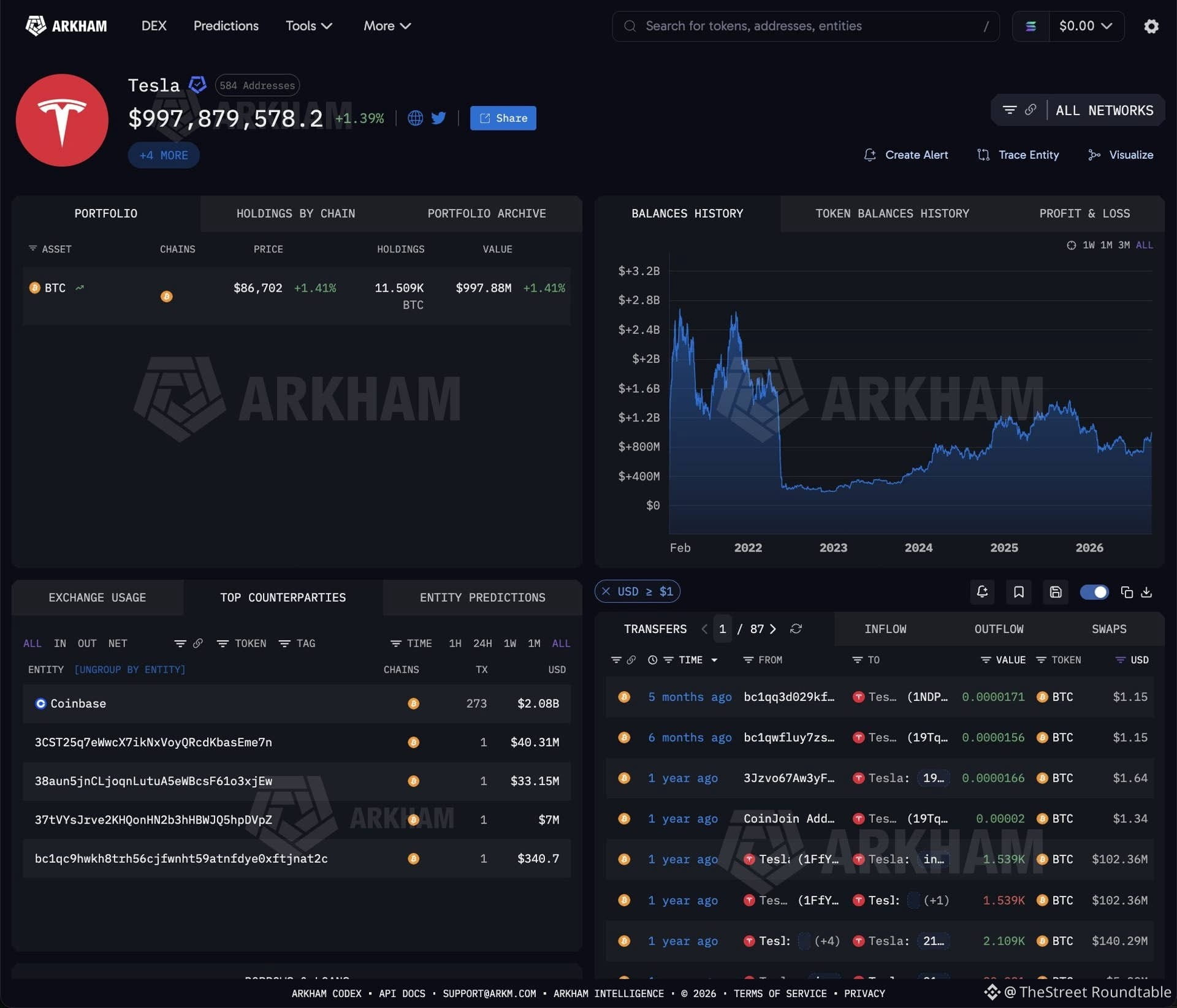
Tesas Bitcoin-Bestände sind auf ungefähr 994,9 Millionen US-Dollar gestiegen und liegen nur 5,1 Millionen US-Dollar unter der Schwelle von 1 Milliarde US-Dollar, nachdem der jüngste Rally von Bitcoin die Preise über 86.000 US-Dollar gedrückt hat, wie Onchain-Daten von Arkham Intelligence zeigen.
Tesla ist ein Elektro- und Clean-Energy-Unternehmen, das von Elon Musk geleitet wird, der öffentlich seit mindestens 2021 Bitcoin hält. Das Unternehmen hält 11.509 BTC über 584 Onchain-Adressen, wie Arkham-Daten zeigen.
Der Wert dieser Bestände ist laut den Daten in einer einzigen Woche um ungefähr 122,62 Millionen US-Dollar gestiegen, nachdem Bitcoin um etwa 14% zulegte.
Tesla macht 122 Mio. US-Dollar mit Bitcoin, ohne eine einzige Münze zu kaufen
Elon Musks Teslas verkauft kein Bitcoin (1:42)
Tesas Bitcoin-Bestände sind auf ungefähr 994,9 Millionen US-Dollar gestiegen und liegen nur 5,1 Millionen US-Dollar unter der Schwelle von 1 Milliarde US-Dollar, nachdem der jüngste Rally von Bitcoin die Preise über 86.000 US-Dollar gedrückt hat, wie Onchain-Daten von Arkham Intelligence zeigen.
Tesla ist ein Elektro- und Clean-Energy-Unternehmen, das von Elon Musk geleitet wird, der öffentlich seit mindestens 2021 Bitcoin hält. Das Unternehmen hält 11.509 BTC über 584 Onchain-Adressen, wie Arkham-Daten zeigen.
Der Wert dieser Bestände ist laut den Daten in einer einzigen Woche um ungefähr 122,62 Millionen US-Dollar gestiegen, nachdem Bitcoin um etwa 14% zulegte.
Tesas Bitcoin-Bestände sind auf ungefähr 994,9 Millionen US-Dollar gestiegen und liegen nur 5,1 Millionen US-Dollar unter der Schwelle von 1 Milliarde US-Dollar, nachdem der jüngste Rally von Bitcoin die Preise über 86.000 US-Dollar gedrückt hat, wie Onchain-Daten von Arkham Intelligence zeigen.
Tesla ist ein Elektro- und Clean-Energy-Unternehmen, das von Elon Musk geleitet wird, der öffentlich seit mindestens 2021 Bitcoin hält. Das Unternehmen hält 11.509 BTC über 584 Onchain-Adressen, wie Arkham-Daten zeigen.
Der Wert dieser Bestände ist laut den Daten in einer einzigen Woche um ungefähr 122,62 Millionen US-Dollar gestiegen, nachdem Bitcoin um etwa 14% zulegte.
128
Teilweise korrekt
Washingtons Ölhebel ist erschöpft, so John Divine; der nächste Schritt ist im VIX und bei ErdgasWashingtons Ölhebel ist erschöpft, so John Divine; der nächste Schritt ist im VIX und bei Erdgas (2:40)
Die größte Drohnenbarrage des Krieges in der Ukraine hat am Sonntag, dem 20. September, die Rohöldestillationsanlagen in einer Moskauer Raffinerie mit einer Kapazität von 245.000 Barrel pro Tag lahmgelegt – wenige Stunden, nachdem Huthi-Raketen Riad seit Juli zu seinem ersten Luftangriff veranlasst hatten und Präsident Trump ein Camp-David-Wochenende vorzeitig abgebrochen hatte.
Im Gespräch mit TheStreet Roundtable sagte Roundtable-100-Blue-Ribbon-Committee-Analyst John Divine, der Markt habe „(die Ukraine) für eine Weile ein bisschen zur Seite geschoben“, und dass, wenn sie wieder in den Fokus rücke, „Öl zum Ausdruck kommen wird und wahrscheinlich höher sein wird – und das wird nicht gut sein für den anhaltenden Vorstoß der breiteren Aktienmärkte.“
Washingtons Ölhebel ist erschöpft, so John Divine; der nächste Schritt ist im VIX und bei Erdgas
Washingtons Ölhebel ist erschöpft, so John Divine; der nächste Schritt ist im VIX und bei Erdgas (2:40)
Die größte Drohnenbarrage des Krieges in der Ukraine hat am Sonntag, dem 20. September, die Rohöldestillationsanlagen in einer Moskauer Raffinerie mit einer Kapazität von 245.000 Barrel pro Tag lahmgelegt – wenige Stunden, nachdem Huthi-Raketen Riad seit Juli zu seinem ersten Luftangriff veranlasst hatten und Präsident Trump ein Camp-David-Wochenende vorzeitig abgebrochen hatte.
Im Gespräch mit TheStreet Roundtable sagte Roundtable-100-Blue-Ribbon-Committee-Analyst John Divine, der Markt habe „(die Ukraine) für eine Weile ein bisschen zur Seite geschoben“, und dass, wenn sie wieder in den Fokus rücke, „Öl zum Ausdruck kommen wird und wahrscheinlich höher sein wird – und das wird nicht gut sein für den anhaltenden Vorstoß der breiteren Aktienmärkte.“
Die größte Drohnenbarrage des Krieges in der Ukraine hat am Sonntag, dem 20. September, die Rohöldestillationsanlagen in einer Moskauer Raffinerie mit einer Kapazität von 245.000 Barrel pro Tag lahmgelegt – wenige Stunden, nachdem Huthi-Raketen Riad seit Juli zu seinem ersten Luftangriff veranlasst hatten und Präsident Trump ein Camp-David-Wochenende vorzeitig abgebrochen hatte.
Im Gespräch mit TheStreet Roundtable sagte Roundtable-100-Blue-Ribbon-Committee-Analyst John Divine, der Markt habe „(die Ukraine) für eine Weile ein bisschen zur Seite geschoben“, und dass, wenn sie wieder in den Fokus rücke, „Öl zum Ausdruck kommen wird und wahrscheinlich höher sein wird – und das wird nicht gut sein für den anhaltenden Vorstoß der breiteren Aktienmärkte.“
585
Dynatrace schlägt Adobe in der Power-Ranking-Wertung um 44 PlätzeRoundtable-100-Analyst auf Solana, NEAR (4:43)
Dynatrace (NYSE: DT) liegt diese Woche auf Platz 15 der Roundtable 100 und damit 44 Plätze vor Adobe (Nasdaq: ADBE).
Dynatrace ist eine KI-gestützte Plattform für Observability und Application Performance Monitoring (APM), die Unternehmen dabei hilft, komplexe Cloud-native und hybride Umgebungen zu verwalten, zu optimieren und abzusichern. Das Unternehmen hat eine Marktkapitalisierung von nahezu 17 Milliarden US-Dollar.
Abobe ist ein Softwareunternehmen, das eine Reihe von Programmen für die Bearbeitung von Fotos, Videos und Audio anbietet, außerdem für die Entwicklung mobiler Apps und für Animation. Adobe Creative Suite, eine Sammlung von Abo-basierten Produkten, ist in der Medienbranche sehr beliebt. Das Unternehmen hat eine Marktkapitalisierung von nahezu 95 Milliarden US-Dollar.
Dynatrace schlägt Adobe in der Power-Ranking-Wertung um 44 Plätze
Roundtable-100-Analyst auf Solana, NEAR (4:43)
Dynatrace (NYSE: DT) liegt diese Woche auf Platz 15 der Roundtable 100 und damit 44 Plätze vor Adobe (Nasdaq: ADBE).
Dynatrace ist eine KI-gestützte Plattform für Observability und Application Performance Monitoring (APM), die Unternehmen dabei hilft, komplexe Cloud-native und hybride Umgebungen zu verwalten, zu optimieren und abzusichern. Das Unternehmen hat eine Marktkapitalisierung von nahezu 17 Milliarden US-Dollar.
Abobe ist ein Softwareunternehmen, das eine Reihe von Programmen für die Bearbeitung von Fotos, Videos und Audio anbietet, außerdem für die Entwicklung mobiler Apps und für Animation. Adobe Creative Suite, eine Sammlung von Abo-basierten Produkten, ist in der Medienbranche sehr beliebt. Das Unternehmen hat eine Marktkapitalisierung von nahezu 95 Milliarden US-Dollar.
Dynatrace (NYSE: DT) liegt diese Woche auf Platz 15 der Roundtable 100 und damit 44 Plätze vor Adobe (Nasdaq: ADBE).
Dynatrace ist eine KI-gestützte Plattform für Observability und Application Performance Monitoring (APM), die Unternehmen dabei hilft, komplexe Cloud-native und hybride Umgebungen zu verwalten, zu optimieren und abzusichern. Das Unternehmen hat eine Marktkapitalisierung von nahezu 17 Milliarden US-Dollar.
Abobe ist ein Softwareunternehmen, das eine Reihe von Programmen für die Bearbeitung von Fotos, Videos und Audio anbietet, außerdem für die Entwicklung mobiler Apps und für Animation. Adobe Creative Suite, eine Sammlung von Abo-basierten Produkten, ist in der Medienbranche sehr beliebt. Das Unternehmen hat eine Marktkapitalisierung von nahezu 95 Milliarden US-Dollar.
192
Wirtschaftsexperte warnt vor Michaels Saylor nächstem Bitcoin-SchrittExklusiv: Peter Schiff sagt, die Fed hätte mit dem Zinserhöhungszyklus „niemals aufhören sollen“ (5:00)
Der erfahrene Wirtschaftsexperte und langjährige Bitcoin-Skeptiker Peter Schiff verwies auf die jüngste Serie von Bitcoin-Verkäufen von Strategy. Zwischen Ende Mai und Anfang August veräußerte das Unternehmen 6.948 Bitcoin für rund 431,8 Millionen US-Dollar an Nettoerlösen — oder etwa 62.150 US-Dollar pro Coin.
In einem Beitrag auf X bemerkte Schiff, dass Saylor nun einen Teil dessen zurückkauft, was er zuvor verkauft hat — diesmal allerdings zu Preisen über 80.000 US-Dollar pro Bitcoin.
Seine Prognose: Es wird nicht lange dauern, bis Strategy erneut verkauft — diesmal zu niedrigeren Preisen. Einen Zyklus, den er als immer wiederkehrend bezeichnete.
Wirtschaftsexperte warnt vor Michaels Saylor nächstem Bitcoin-Schritt
Exklusiv: Peter Schiff sagt, die Fed hätte mit dem Zinserhöhungszyklus „niemals aufhören sollen“ (5:00)
Der erfahrene Wirtschaftsexperte und langjährige Bitcoin-Skeptiker Peter Schiff verwies auf die jüngste Serie von Bitcoin-Verkäufen von Strategy. Zwischen Ende Mai und Anfang August veräußerte das Unternehmen 6.948 Bitcoin für rund 431,8 Millionen US-Dollar an Nettoerlösen — oder etwa 62.150 US-Dollar pro Coin.
In einem Beitrag auf X bemerkte Schiff, dass Saylor nun einen Teil dessen zurückkauft, was er zuvor verkauft hat — diesmal allerdings zu Preisen über 80.000 US-Dollar pro Bitcoin.
Seine Prognose: Es wird nicht lange dauern, bis Strategy erneut verkauft — diesmal zu niedrigeren Preisen. Einen Zyklus, den er als immer wiederkehrend bezeichnete.
Der erfahrene Wirtschaftsexperte und langjährige Bitcoin-Skeptiker Peter Schiff verwies auf die jüngste Serie von Bitcoin-Verkäufen von Strategy. Zwischen Ende Mai und Anfang August veräußerte das Unternehmen 6.948 Bitcoin für rund 431,8 Millionen US-Dollar an Nettoerlösen — oder etwa 62.150 US-Dollar pro Coin.
In einem Beitrag auf X bemerkte Schiff, dass Saylor nun einen Teil dessen zurückkauft, was er zuvor verkauft hat — diesmal allerdings zu Preisen über 80.000 US-Dollar pro Bitcoin.
Seine Prognose: Es wird nicht lange dauern, bis Strategy erneut verkauft — diesmal zu niedrigeren Preisen. Einen Zyklus, den er als immer wiederkehrend bezeichnete.
125
Anmelden und weiter Inhalte entdecken
Krypto-Nutzer weltweit auf Binance Square kennenlernen
⚡️ Bleib in Sachen Krypto stets am Puls.
💬 Die weltgrößte Kryptobörse vertraut darauf.
👍 Erhalte verlässliche Einblicke von verifizierten Creators.
E-Mail-Adresse/Telefonnummer
Trendthemen
StrategyStriveAdd2305BitcoinThisWeek
14,221 Aufrufe
498 Kommentare
#strategystriveadd2305bitcointhisweek 🚨 2.305 BTC sind gerade in die Unternehmensschatzkammern gewandert
Während die meisten Trader auf die Bitcoin-Preis-Erholung fokussiert waren, haben zwei öffentliche Unternehmen im Stillen große Schritte gemacht. 👀
Strategy und Strive haben gemeinsam 2.305 BTC für 182,7 Millionen Dollar gekauft.
🔹 Strategy kaufte 950 BTC für 75,7 Millionen Dollar
🔹 Strive kaufte 1.355 BTC für rund 107,7 Millionen Dollar
Damit belaufen sich ihre gesamten Bestände auf:
📊 Strategy. 846.000 BTC
📊 Strive. 26.355 BTC
Doch die wahre Geschichte ist nicht die Menge an Bitcoin, die sie gekauft haben.
Sondern, wie sie dafür bezahlt haben.
Strategy nutzte Bargeld, das es bereits hatte.
Strive nutzte sein Aktienfinanzierungsmodell, um den Kauf zu finanzieren. Das bedeutet: Es baut seine Bitcoin-Schatzkammer auf, ohne sich nur auf den Cashflow zu verlassen.
Dieser Unterschied ist entscheidend.
Für Trader und Investoren fügt das eine zusätzliche Analyseebene hinzu: Wie viel Bitcoin hinzugefügt wird, wie es finanziert wird und was das für den langfristigen Wert pro Aktie bedeutet.
Die Kapitalkosten, die bei der BTC-Ansammlung anfallen, und der Aktienwert. Diese Faktoren beginnen, den Markt auf solche Weise zu beeinflussen.
Die Nachfrage nach Corporate-Treasury ist nicht mehr nur am Rande relevant.
Sie wird zu einem Teil des Bitcoin-Ökosystems.
💬 Was denkst du?
Werden mehr Unternehmen anfangen, Bitcoin so zu kaufen?
Wird dieser Trend wachsen?
#bitcoin #Khan62 #BTC #trading
$MSTR
$MARA $BMNR
Khan 62
·4 Likes
·2.8k Aufrufe
TrumpRejectsIranHormuzReopening
17,867 Aufrufe
479 Kommentare
CircleTetherFreezeBitgetHackerWallet
38,392 Aufrufe
603 Kommentare