

TheCryptoDegen
1.1k Beiträge

TheCryptoDegen
Melden
Nutzer blockieren
Blockchain & Digital ASSETS Management |#BTC History & stories | Investor | Doing the MOST |On X @BuundiKe
Gelegenheitstrader
5.3 Jahre
23 Following
3.8K+ Follower
2.0K+ Like gegeben
Beiträge
Alle
Zitierungen
Videos
PINNED
Bitcoin hatte 2009 ein Feature, das so gefährlich war, dass Satoshi es selbst löschte, nachdem ein Nutzer darauf hingewiesen hatte.
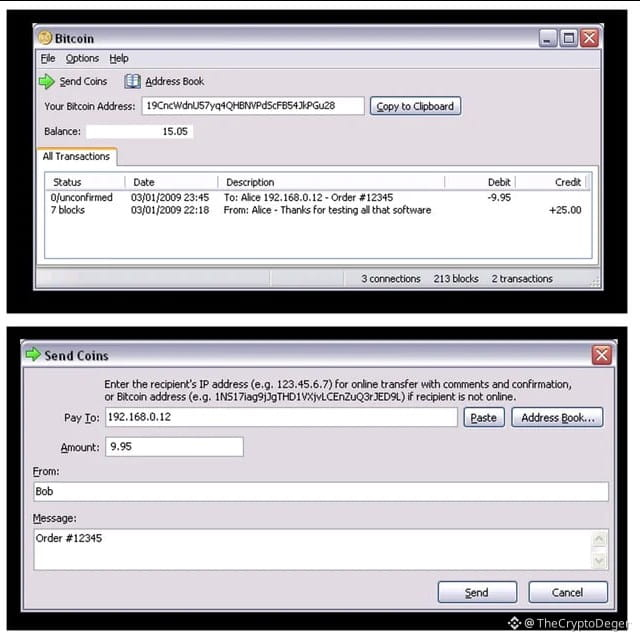
In der ursprünglichen Version von Bitcoin konntest du Coins direkt an die IP-Adresse von jemandem senden.
Es war keine Wallet-Adresse notwendig und noch schlimmer, dein Computer würde sich mit ihrem verbinden, um die Coins zu senden.
Das bedeutete, dass jeder deine IP sehen, deinen Rechner lokalisieren und versuchen konnte, ihn anzugreifen, nur indem er dir Bitcoin sendete.
Am 14. Januar 2009 beschloss Satoshi, es selbst zu testen und schrieb einen frühen Miner namens Dustin Trammell, um nach seiner IP zu fragen.
Trammell antwortete und schickte sie ihm tatsächlich.
Ein paar Minuten später verband sich Satoshi und sendete ihm 25 BTC mit einer Nachricht, die "Hallo" sagte.
Trammell warnte ihn, dass das Feature unsicher war, und innerhalb weniger Wochen löschte Satoshi es komplett aus Bitcoin.
Diese 25 BTC wären heute 1,86 Millionen Dollar wert.
Bitcoin hatte 2009 ein Feature, das so gefährlich war, dass Satoshi es selbst löschte, nachdem ein Nutzer darauf hingewiesen hatte.
In der ursprünglichen Version von Bitcoin konntest du Coins direkt an die IP-Adresse von jemandem senden.
Es war keine Wallet-Adresse notwendig und noch schlimmer, dein Computer würde sich mit ihrem verbinden, um die Coins zu senden.
Das bedeutete, dass jeder deine IP sehen, deinen Rechner lokalisieren und versuchen konnte, ihn anzugreifen, nur indem er dir Bitcoin sendete.
Am 14. Januar 2009 beschloss Satoshi, es selbst zu testen und schrieb einen frühen Miner namens Dustin Trammell, um nach seiner IP zu fragen.
Trammell antwortete und schickte sie ihm tatsächlich.
Ein paar Minuten später verband sich Satoshi und sendete ihm 25 BTC mit einer Nachricht, die "Hallo" sagte.
Trammell warnte ihn, dass das Feature unsicher war, und innerhalb weniger Wochen löschte Satoshi es komplett aus Bitcoin.
Diese 25 BTC wären heute 1,86 Millionen Dollar wert.
In der ursprünglichen Version von Bitcoin konntest du Coins direkt an die IP-Adresse von jemandem senden.
Es war keine Wallet-Adresse notwendig und noch schlimmer, dein Computer würde sich mit ihrem verbinden, um die Coins zu senden.
Das bedeutete, dass jeder deine IP sehen, deinen Rechner lokalisieren und versuchen konnte, ihn anzugreifen, nur indem er dir Bitcoin sendete.
Am 14. Januar 2009 beschloss Satoshi, es selbst zu testen und schrieb einen frühen Miner namens Dustin Trammell, um nach seiner IP zu fragen.
Trammell antwortete und schickte sie ihm tatsächlich.
Ein paar Minuten später verband sich Satoshi und sendete ihm 25 BTC mit einer Nachricht, die "Hallo" sagte.
Trammell warnte ihn, dass das Feature unsicher war, und innerhalb weniger Wochen löschte Satoshi es komplett aus Bitcoin.
Diese 25 BTC wären heute 1,86 Millionen Dollar wert.
89
10
183
362.4k
ENORM:
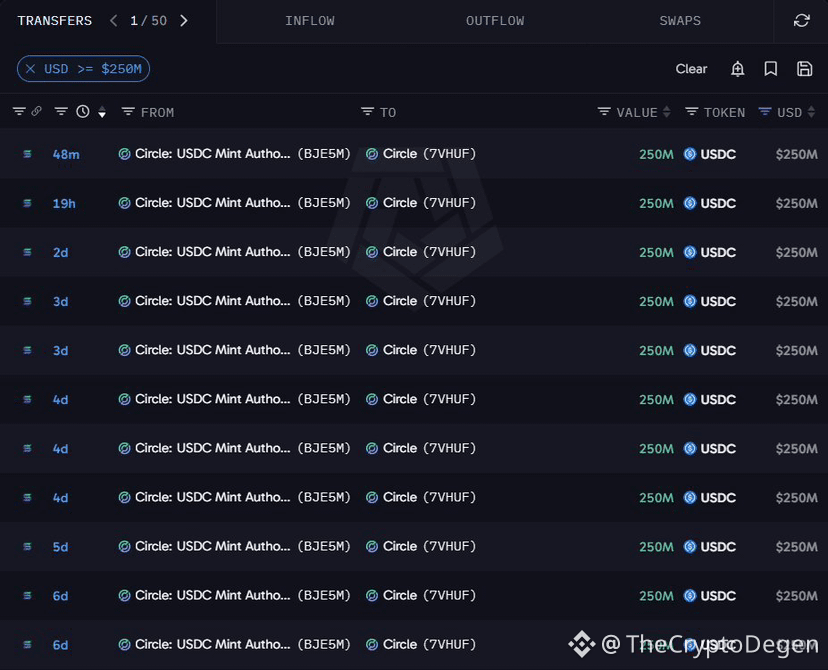
6 Milliarden US-Dollar in USDC wurden diesen Monat geprägt
Wir brauchen nur eine gute Erzählung, und schon wird diese Liquidität in BTC und Altcoins fließen
#CPIWatch
ENORM:
6 Milliarden US-Dollar in USDC wurden diesen Monat geprägt
Wir brauchen nur eine gute Erzählung, und schon wird diese Liquidität in BTC und Altcoins fließen
#CPIWatch
6 Milliarden US-Dollar in USDC wurden diesen Monat geprägt
Wir brauchen nur eine gute Erzählung, und schon wird diese Liquidität in BTC und Altcoins fließen
#CPIWatch
1
1
117
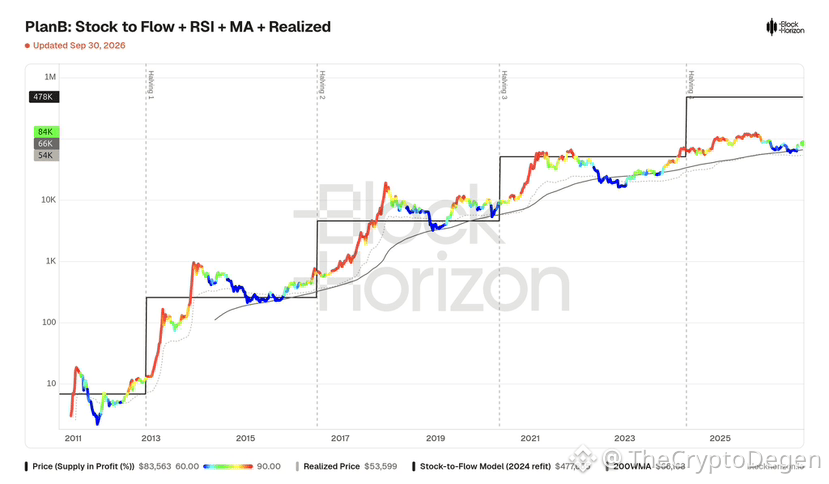
Bitcoin schloss den September bei 83.563 $.
- Über dem Realized Price (54 Tsd. $)
- Über dem 200-Wochen-MA (66 Tsd. $)
- Adressen im Gewinn 82 %
- UTXO im Gewinn 80 %
- Bitcoin im Gewinn 71 %
Wir blicken gespannt auf den Uptober!
Bitcoin schloss den September bei 83.563 $.
- Über dem Realized Price (54 Tsd. $)
- Über dem 200-Wochen-MA (66 Tsd. $)
- Adressen im Gewinn 82 %
- UTXO im Gewinn 80 %
- Bitcoin im Gewinn 71 %
Wir blicken gespannt auf den Uptober!
- Über dem Realized Price (54 Tsd. $)
- Über dem 200-Wochen-MA (66 Tsd. $)
- Adressen im Gewinn 82 %
- UTXO im Gewinn 80 %
- Bitcoin im Gewinn 71 %
Wir blicken gespannt auf den Uptober!
133
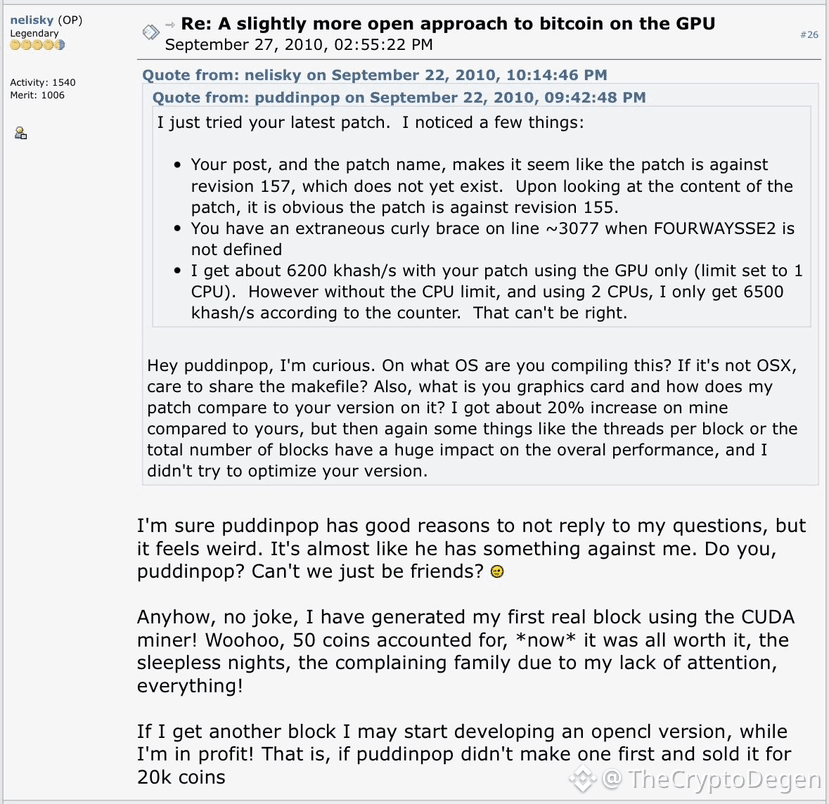
Bitcoin-Nutzer posten: „Hurra, 50 Coins sind angerechnet, *jetzt* hat es sich gelohnt – die schlaflosen Nächte, die beschwerliche Familie wegen meiner fehlenden Aufmerksamkeit, alles!“ am 27. September 2010
Bitcoin-Nutzer posten: „Hurra, 50 Coins sind angerechnet, *jetzt* hat es sich gelohnt – die schlaflosen Nächte, die beschwerliche Familie wegen meiner fehlenden Aufmerksamkeit, alles!“ am 27. September 2010
1
153
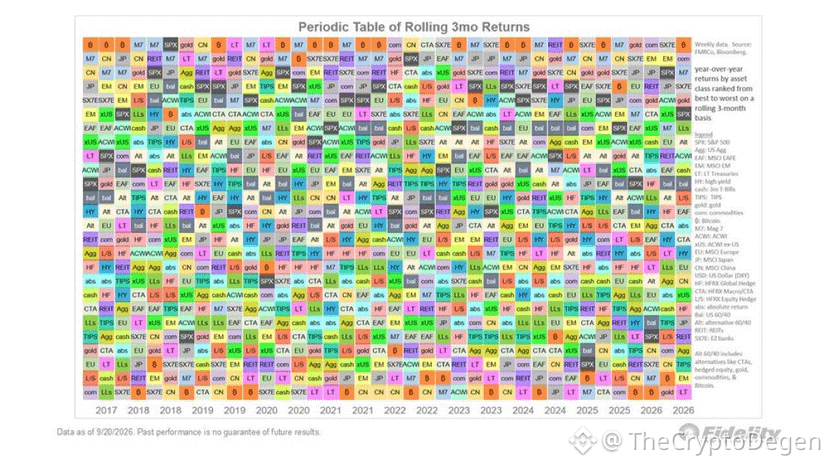
Bitcoin ist der bestperformende Vermögenswert des Jahres.
Manchmal ist er jedoch auch der schlechteste.
Schau dir Fideltys Tabelle der rollierenden Renditen an.
Alles andere liegt dazwischen.
Aktien. Anleihen. Gold. Cash.
Einfallslos. Niemand interessiert sich.
Bitcoin ist nie in der Mitte. Er ist entweder Erster oder Letzter. Das ist nicht schlecht. Es bedeutet, dass die Leute die ganze Zeit auf Bitcoin achten. Du willst keinen Vermögenswert besitzen, zu dem niemand eine Meinung hat.
Die Volatilität ist das Signal.
Bitcoin ist der bestperformende Vermögenswert des Jahres.
Manchmal ist er jedoch auch der schlechteste.
Schau dir Fideltys Tabelle der rollierenden Renditen an.
Alles andere liegt dazwischen.
Aktien. Anleihen. Gold. Cash.
Einfallslos. Niemand interessiert sich.
Bitcoin ist nie in der Mitte. Er ist entweder Erster oder Letzter. Das ist nicht schlecht. Es bedeutet, dass die Leute die ganze Zeit auf Bitcoin achten. Du willst keinen Vermögenswert besitzen, zu dem niemand eine Meinung hat.
Die Volatilität ist das Signal.
Manchmal ist er jedoch auch der schlechteste.
Schau dir Fideltys Tabelle der rollierenden Renditen an.
Alles andere liegt dazwischen.
Aktien. Anleihen. Gold. Cash.
Einfallslos. Niemand interessiert sich.
Bitcoin ist nie in der Mitte. Er ist entweder Erster oder Letzter. Das ist nicht schlecht. Es bedeutet, dass die Leute die ganze Zeit auf Bitcoin achten. Du willst keinen Vermögenswert besitzen, zu dem niemand eine Meinung hat.
Die Volatilität ist das Signal.
1
109
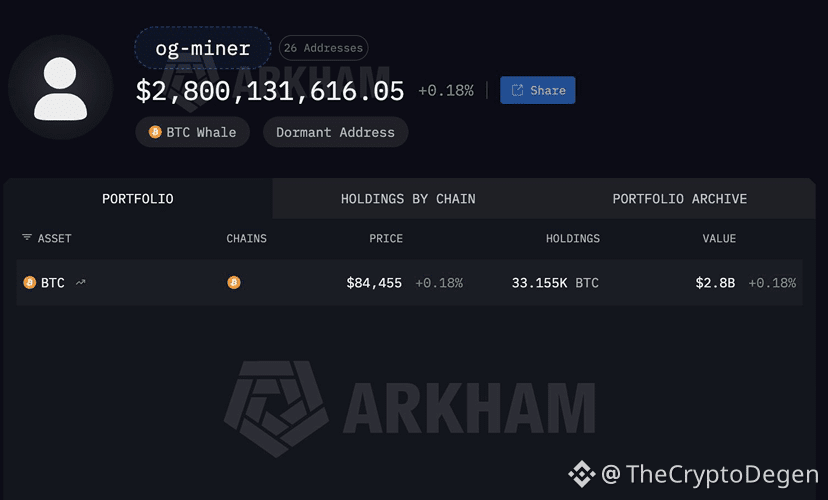
Dieser OG hat 33K BTC ($2,8 Mrd.)
Er hat seine BTC in den letzten 8 Jahren getrennt in 4,5K-BTC-Adressen gehalten, und die meisten Bitcoin-Spuren gehen auf das Mining im Jahr 2010 zurück.
Diamond Hands.
#BTC
Dieser OG hat 33K BTC ($2,8 Mrd.)
Er hat seine BTC in den letzten 8 Jahren getrennt in 4,5K-BTC-Adressen gehalten, und die meisten Bitcoin-Spuren gehen auf das Mining im Jahr 2010 zurück.
Diamond Hands.
#BTC
Er hat seine BTC in den letzten 8 Jahren getrennt in 4,5K-BTC-Adressen gehalten, und die meisten Bitcoin-Spuren gehen auf das Mining im Jahr 2010 zurück.
Diamond Hands.
#BTC
143
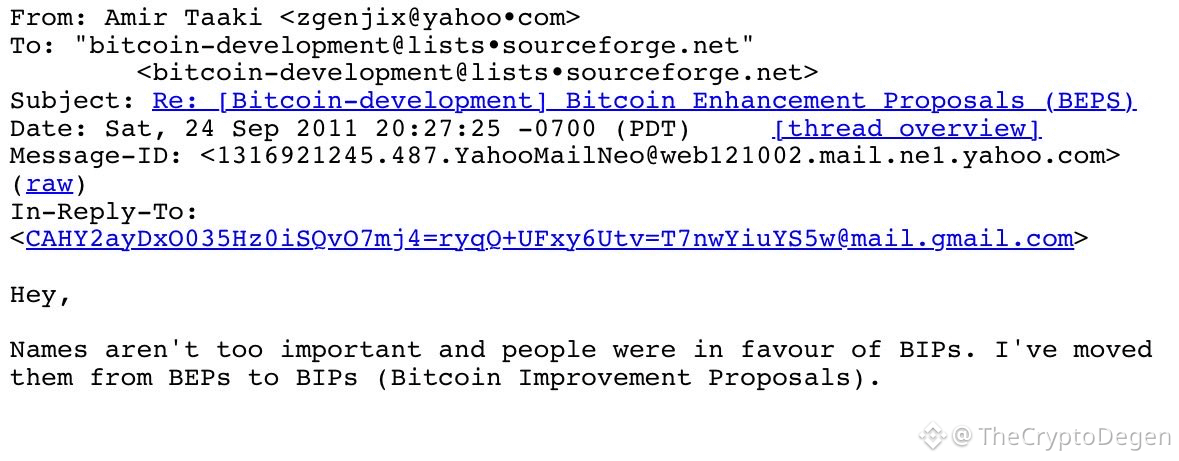
Am 25. September 2011 schlug der Entwickler Amir Taaki in der Bitcoin-Entwickler-Mailingliste vor, dass die formalen Änderungsdokumente von Bitcoin „Bitcoin Improvement Proposals“ (BIPs) heißen sollen.
Der BIP-Prozess ist das öffentliche Spezifikationssystem, mit dem Änderungen an Bitcoin vorgeschlagen, diskutiert und dokumentiert werden.
Einzelne BIPs sind nummerierte Dokumente, die Protokollregeln, Peer-to-Peer-Verhalten, Wallet-Standards und Konventionen für den Prozess abdecken.
Spätere Upgrades wie Segregated Witness und Taproot wurden über dieses System spezifiziert.
Taakis Idee wird noch immer 15 Jahre später verwendet.
Die Dokumente leben in einem offenen Repository, werden in der Öffentlichkeit debattiert und werden nur dann übernommen, wenn Implementierungen und das Netzwerk ihnen folgen.
Der Hinweis in der Mailingliste hat Bitcoins Governance nicht geschaffen. Er benannte eines der Formate, in denen diese Governance festgehalten wird.
Am 25. September 2011 schlug der Entwickler Amir Taaki in der Bitcoin-Entwickler-Mailingliste vor, dass die formalen Änderungsdokumente von Bitcoin „Bitcoin Improvement Proposals“ (BIPs) heißen sollen.
Der BIP-Prozess ist das öffentliche Spezifikationssystem, mit dem Änderungen an Bitcoin vorgeschlagen, diskutiert und dokumentiert werden.
Einzelne BIPs sind nummerierte Dokumente, die Protokollregeln, Peer-to-Peer-Verhalten, Wallet-Standards und Konventionen für den Prozess abdecken.
Spätere Upgrades wie Segregated Witness und Taproot wurden über dieses System spezifiziert.
Taakis Idee wird noch immer 15 Jahre später verwendet.
Die Dokumente leben in einem offenen Repository, werden in der Öffentlichkeit debattiert und werden nur dann übernommen, wenn Implementierungen und das Netzwerk ihnen folgen.
Der Hinweis in der Mailingliste hat Bitcoins Governance nicht geschaffen. Er benannte eines der Formate, in denen diese Governance festgehalten wird.
Der BIP-Prozess ist das öffentliche Spezifikationssystem, mit dem Änderungen an Bitcoin vorgeschlagen, diskutiert und dokumentiert werden.
Einzelne BIPs sind nummerierte Dokumente, die Protokollregeln, Peer-to-Peer-Verhalten, Wallet-Standards und Konventionen für den Prozess abdecken.
Spätere Upgrades wie Segregated Witness und Taproot wurden über dieses System spezifiziert.
Taakis Idee wird noch immer 15 Jahre später verwendet.
Die Dokumente leben in einem offenen Repository, werden in der Öffentlichkeit debattiert und werden nur dann übernommen, wenn Implementierungen und das Netzwerk ihnen folgen.
Der Hinweis in der Mailingliste hat Bitcoins Governance nicht geschaffen. Er benannte eines der Formate, in denen diese Governance festgehalten wird.
80
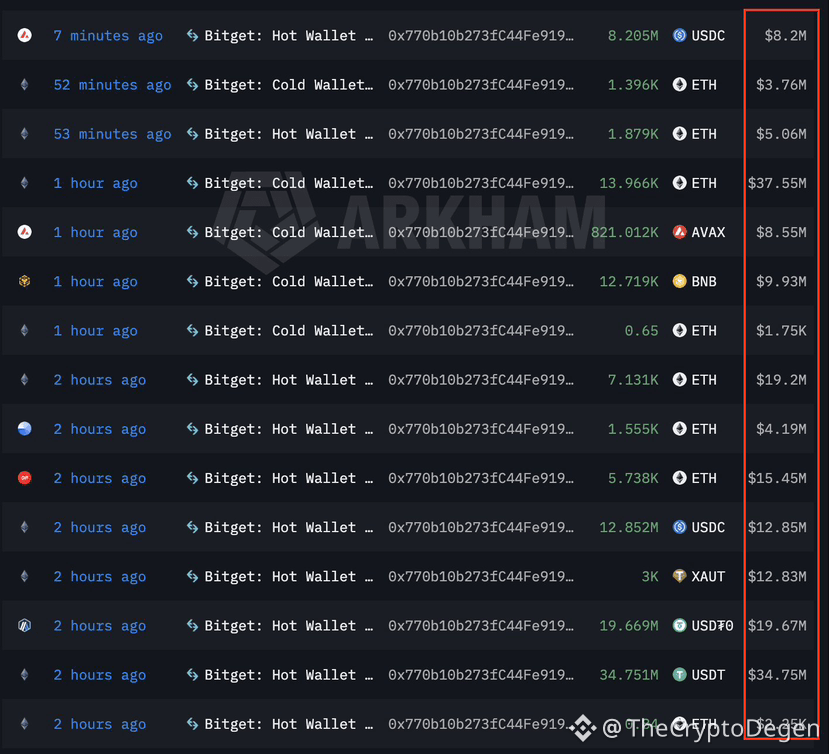
🚨 BITGET WURDE FÜR FAST 200 MILLIONEN US-DOLLAR GEHACKT
Ein Angreifer drang in drei Hot Wallets und ein Cold Wallet ein und tauschte alles innerhalb weniger Minuten in ETH um, ein Teil davon zu 5% über dem Marktpreis. Diese Wallets halten immer noch 530 Millionen US-Dollar.
Bisher gibt es keine offizielle Stellungnahme von Bitget.
🚨 BITGET WURDE FÜR FAST 200 MILLIONEN US-DOLLAR GEHACKT
Ein Angreifer drang in drei Hot Wallets und ein Cold Wallet ein und tauschte alles innerhalb weniger Minuten in ETH um, ein Teil davon zu 5% über dem Marktpreis. Diese Wallets halten immer noch 530 Millionen US-Dollar.
Bisher gibt es keine offizielle Stellungnahme von Bitget.
Ein Angreifer drang in drei Hot Wallets und ein Cold Wallet ein und tauschte alles innerhalb weniger Minuten in ETH um, ein Teil davon zu 5% über dem Marktpreis. Diese Wallets halten immer noch 530 Millionen US-Dollar.
Bisher gibt es keine offizielle Stellungnahme von Bitget.
97
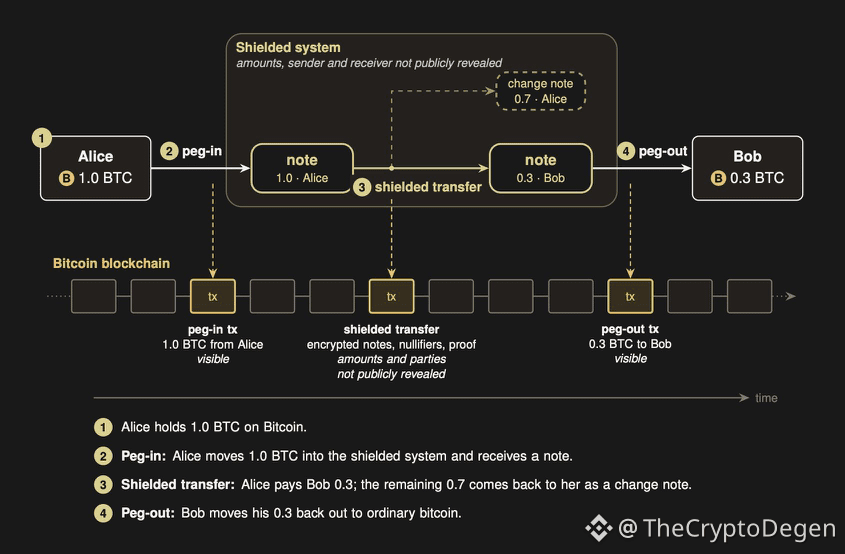
Entwickler haben gerade einen Weg gefunden, zu verbergen, wer Bitcoin gesendet hat, wer es empfangen hat und wie viel sich bewegt hat – ohne Bitcoin selbst zu verändern.
Diese neue vorgeschlagene Idee ist kein Fork des Protokolls und keine neue Kryptowährung. So war Bitcoin von Anfang an gedacht: eine Basisschicht, auf der Menschen innovieren können, ohne um Erlaubnis zu bitten.
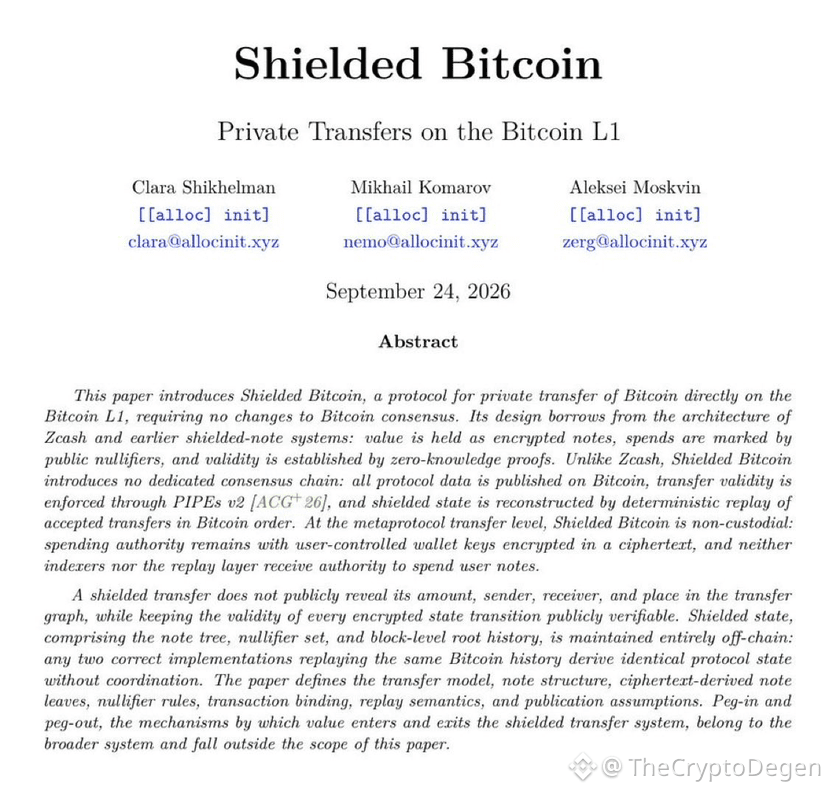
Am Donnerstag haben der Forscher Misha Komarov und Kolleginnen und Kollegen „Shielded Bitcoin“ veröffentlicht – einen Zcash-ähnlichen abgeschirmten Pool für die Basisschicht von Bitcoin.
Verschlüsselte Notizen und Zero-Knowledge-Beweise laufen in gewöhnlichen Bitcoin-Transaktionen mit. Separat überprüft eine Software, dass keine Coins aus dem Nichts geschaffen und keines zweimal ausgegeben werden.
Es gibt kein Unternehmen, das den Pool betreibt, keine Sidechain und keinen Soft Fork. Die Gelder gehen in die kryptografischen Tresore hinein und wieder heraus, die Komarov baut – genannt PIPEs –, sodass keine Föderation das Bitcoin halten muss.
Miner setzen die Datenschutzregeln nicht durch. Ungültige abgeschirmte Daten können trotzdem in einen Block gelangen; Indexer ignorieren sie einfach.
Der Deal ist: Bitcoin bleibt konservativ, und das Experiment lebt darüber. Wenn es funktioniert, kommen private Überweisungen so an, wie die meisten der besten Ideen von Bitcoin bisher angekommen sind – nicht dadurch, dass man die Verfassung umschreibt, sondern indem man auf der Abrechnungsschicht aufbaut, der alle bereits vertrauen.
Entwickler haben gerade einen Weg gefunden, zu verbergen, wer Bitcoin gesendet hat, wer es empfangen hat und wie viel sich bewegt hat – ohne Bitcoin selbst zu verändern.
Diese neue vorgeschlagene Idee ist kein Fork des Protokolls und keine neue Kryptowährung. So war Bitcoin von Anfang an gedacht: eine Basisschicht, auf der Menschen innovieren können, ohne um Erlaubnis zu bitten.
Am Donnerstag haben der Forscher Misha Komarov und Kolleginnen und Kollegen „Shielded Bitcoin“ veröffentlicht – einen Zcash-ähnlichen abgeschirmten Pool für die Basisschicht von Bitcoin.
Verschlüsselte Notizen und Zero-Knowledge-Beweise laufen in gewöhnlichen Bitcoin-Transaktionen mit. Separat überprüft eine Software, dass keine Coins aus dem Nichts geschaffen und keines zweimal ausgegeben werden.
Es gibt kein Unternehmen, das den Pool betreibt, keine Sidechain und keinen Soft Fork. Die Gelder gehen in die kryptografischen Tresore hinein und wieder heraus, die Komarov baut – genannt PIPEs –, sodass keine Föderation das Bitcoin halten muss.
Miner setzen die Datenschutzregeln nicht durch. Ungültige abgeschirmte Daten können trotzdem in einen Block gelangen; Indexer ignorieren sie einfach.
Der Deal ist: Bitcoin bleibt konservativ, und das Experiment lebt darüber. Wenn es funktioniert, kommen private Überweisungen so an, wie die meisten der besten Ideen von Bitcoin bisher angekommen sind – nicht dadurch, dass man die Verfassung umschreibt, sondern indem man auf der Abrechnungsschicht aufbaut, der alle bereits vertrauen.
Diese neue vorgeschlagene Idee ist kein Fork des Protokolls und keine neue Kryptowährung. So war Bitcoin von Anfang an gedacht: eine Basisschicht, auf der Menschen innovieren können, ohne um Erlaubnis zu bitten.
Am Donnerstag haben der Forscher Misha Komarov und Kolleginnen und Kollegen „Shielded Bitcoin“ veröffentlicht – einen Zcash-ähnlichen abgeschirmten Pool für die Basisschicht von Bitcoin.
Verschlüsselte Notizen und Zero-Knowledge-Beweise laufen in gewöhnlichen Bitcoin-Transaktionen mit. Separat überprüft eine Software, dass keine Coins aus dem Nichts geschaffen und keines zweimal ausgegeben werden.
Es gibt kein Unternehmen, das den Pool betreibt, keine Sidechain und keinen Soft Fork. Die Gelder gehen in die kryptografischen Tresore hinein und wieder heraus, die Komarov baut – genannt PIPEs –, sodass keine Föderation das Bitcoin halten muss.
Miner setzen die Datenschutzregeln nicht durch. Ungültige abgeschirmte Daten können trotzdem in einen Block gelangen; Indexer ignorieren sie einfach.
Der Deal ist: Bitcoin bleibt konservativ, und das Experiment lebt darüber. Wenn es funktioniert, kommen private Überweisungen so an, wie die meisten der besten Ideen von Bitcoin bisher angekommen sind – nicht dadurch, dass man die Verfassung umschreibt, sondern indem man auf der Abrechnungsschicht aufbaut, der alle bereits vertrauen.
71
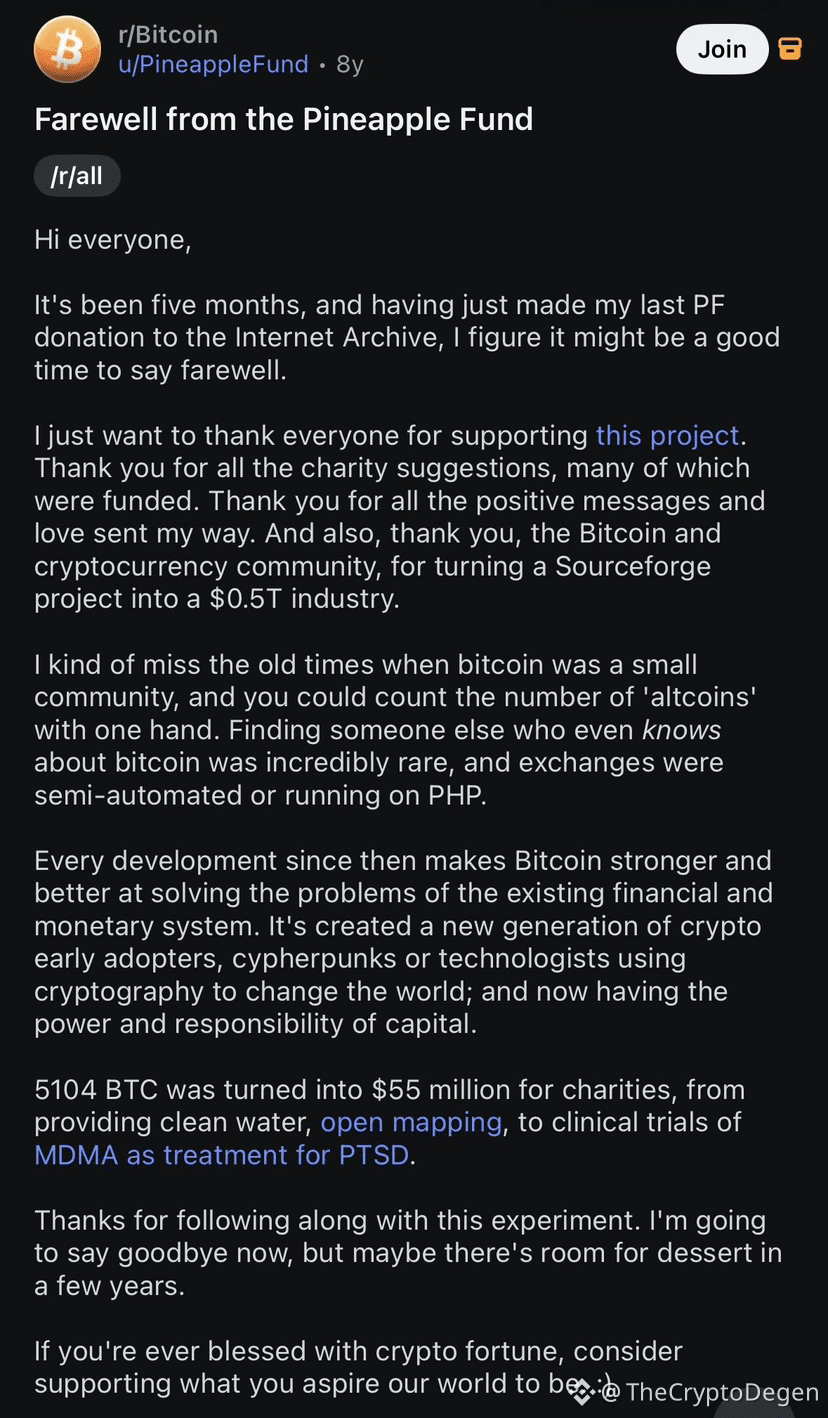
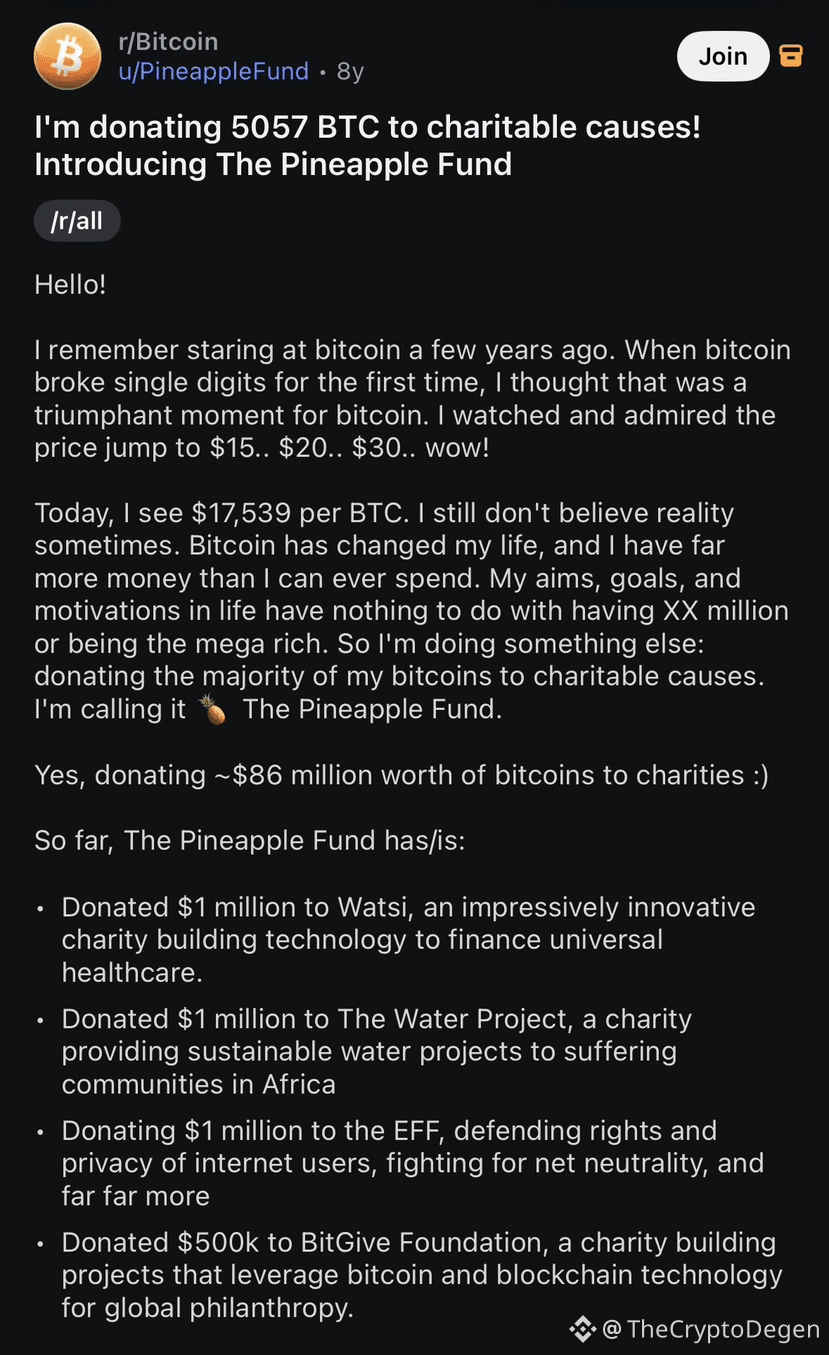
Ein anonymer Nutzer entschied, dass er genug Geld habe, und versprach 5.057 Bitcoin für wohltätige Zwecke.
Der Reddit-Nutzer „PineappleFund“ erinnerte sich daran, dass Bitcoin 15, 20 und 30 US-Dollar erreicht hatte. Bis Dezember 2017 postete er:
„Ich habe viel mehr Geld, als ich jemals ausgeben könnte.“
Fünf Monate später berichtete sein Abschiedspost, dass 5.104 Bitcoin zu 55.000.000 US-Dollar für wohltätige Zwecke geworden seien.
Die letzte Spende ging an das Internet Archive.
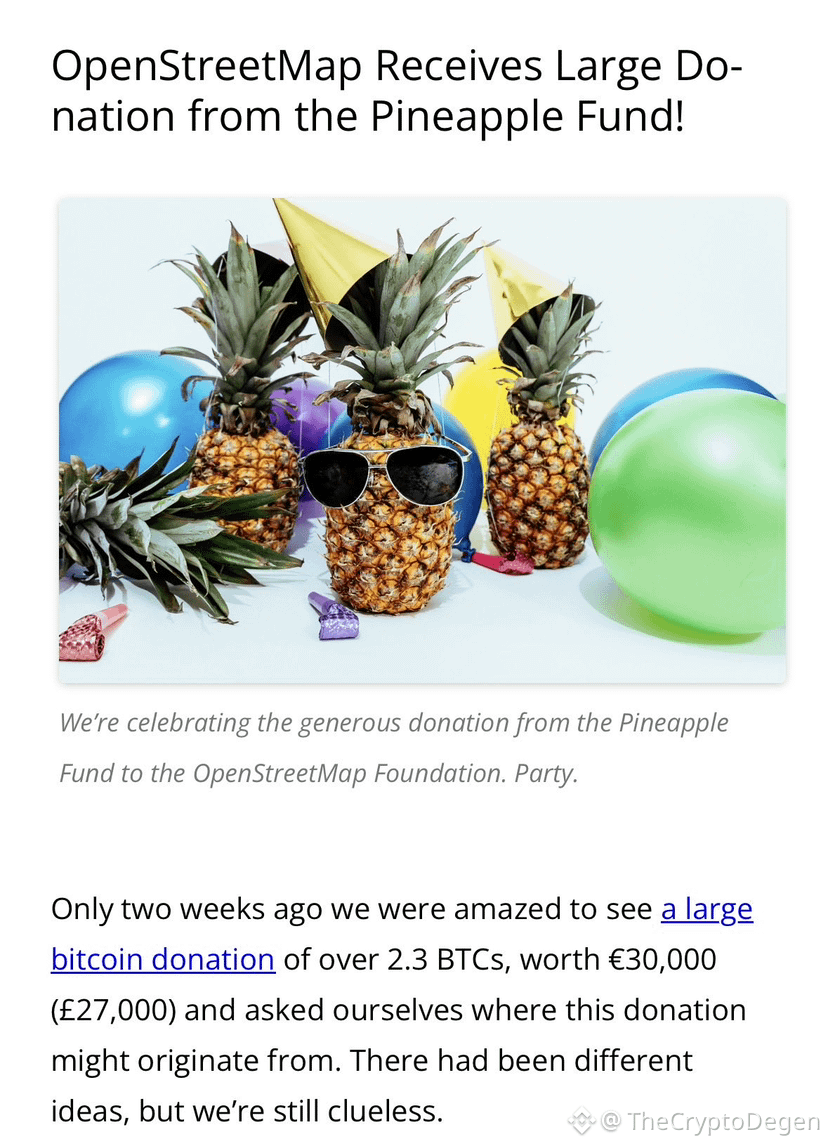
Eine Empfängerorganisation, OpenStreetMap, dokumentierte unabhängig voneinander, dass sie 18 Bitcoin erhalten habe.
Heute wäre es, wenn die Spenden in Bitcoin geblieben wären, 426.394.540 US-Dollar wert.
Seitdem hat man nichts mehr von dem Nutzer gehört.
Ein anonymer Nutzer entschied, dass er genug Geld habe, und versprach 5.057 Bitcoin für wohltätige Zwecke.
Der Reddit-Nutzer „PineappleFund“ erinnerte sich daran, dass Bitcoin 15, 20 und 30 US-Dollar erreicht hatte. Bis Dezember 2017 postete er:
„Ich habe viel mehr Geld, als ich jemals ausgeben könnte.“
Fünf Monate später berichtete sein Abschiedspost, dass 5.104 Bitcoin zu 55.000.000 US-Dollar für wohltätige Zwecke geworden seien.
Die letzte Spende ging an das Internet Archive.
Eine Empfängerorganisation, OpenStreetMap, dokumentierte unabhängig voneinander, dass sie 18 Bitcoin erhalten habe.
Heute wäre es, wenn die Spenden in Bitcoin geblieben wären, 426.394.540 US-Dollar wert.
Seitdem hat man nichts mehr von dem Nutzer gehört.
Der Reddit-Nutzer „PineappleFund“ erinnerte sich daran, dass Bitcoin 15, 20 und 30 US-Dollar erreicht hatte. Bis Dezember 2017 postete er:
„Ich habe viel mehr Geld, als ich jemals ausgeben könnte.“
Fünf Monate später berichtete sein Abschiedspost, dass 5.104 Bitcoin zu 55.000.000 US-Dollar für wohltätige Zwecke geworden seien.
Die letzte Spende ging an das Internet Archive.
Eine Empfängerorganisation, OpenStreetMap, dokumentierte unabhängig voneinander, dass sie 18 Bitcoin erhalten habe.
Heute wäre es, wenn die Spenden in Bitcoin geblieben wären, 426.394.540 US-Dollar wert.
Seitdem hat man nichts mehr von dem Nutzer gehört.
1
4
1.9k
Ein schwieriges Konzept, das man erst einmal begreifen muss, ist, dass ein Bitcoin bei Bedarf in immer kleinere Einheiten aufgeteilt werden kann, sodass er auch dann noch nutzbar bleibt, wenn die Bevölkerungszahl immer weiter wächst.
Selbst bei einer globalen Bevölkerung von einer Billion Menschen auf der Erde kann jeder Beträge jeder beliebigen Größe senden oder empfangen, weil die Einheit selbst immer weiter und weiter, und weiter aufgeteilt werden kann.
0.0000000001 bitcoins
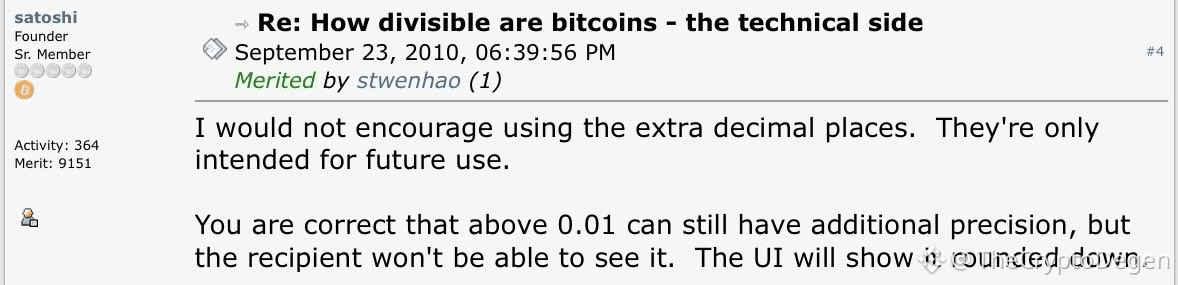
Die Software könnte eine Genauigkeit beibehalten, die ihre Oberfläche nicht anzeigt. Satoshi Nakamoto riet Entwicklern davon ab, sich auf diese zusätzlichen, angezeigten Dezimalstellen zu verlassen:
„Ich würde nicht dazu ermutigen, die zusätzlichen Dezimalstellen zu verwenden. Sie sind nur für die zukünftige Nutzung gedacht.“
Er erklärte, dass der Empfänger in der Oberfläche den Betrag gerundet abgerundet sehen würde. Das betraf die Genauigkeit über die zwei in der Client-Oberfläche angezeigten Dezimalstellen hinaus – nicht eine Erweiterung über die acht Dezimalstellen der Bitcoin-Buchführung hinaus.
Seit diesem Beitrag von Satoshi vom 23. September 2010 ist der Preis von Bitcoin exponentiell gestiegen, und viele Menschen verwenden inzwischen zusätzliche Dezimalstellen.
$BTC
Ein schwieriges Konzept, das man erst einmal begreifen muss, ist, dass ein Bitcoin bei Bedarf in immer kleinere Einheiten aufgeteilt werden kann, sodass er auch dann noch nutzbar bleibt, wenn die Bevölkerungszahl immer weiter wächst.
Selbst bei einer globalen Bevölkerung von einer Billion Menschen auf der Erde kann jeder Beträge jeder beliebigen Größe senden oder empfangen, weil die Einheit selbst immer weiter und weiter, und weiter aufgeteilt werden kann.
0.0000000001 bitcoins
Die Software könnte eine Genauigkeit beibehalten, die ihre Oberfläche nicht anzeigt. Satoshi Nakamoto riet Entwicklern davon ab, sich auf diese zusätzlichen, angezeigten Dezimalstellen zu verlassen:
„Ich würde nicht dazu ermutigen, die zusätzlichen Dezimalstellen zu verwenden. Sie sind nur für die zukünftige Nutzung gedacht.“
Er erklärte, dass der Empfänger in der Oberfläche den Betrag gerundet abgerundet sehen würde. Das betraf die Genauigkeit über die zwei in der Client-Oberfläche angezeigten Dezimalstellen hinaus – nicht eine Erweiterung über die acht Dezimalstellen der Bitcoin-Buchführung hinaus.
Seit diesem Beitrag von Satoshi vom 23. September 2010 ist der Preis von Bitcoin exponentiell gestiegen, und viele Menschen verwenden inzwischen zusätzliche Dezimalstellen.
$BTC
Selbst bei einer globalen Bevölkerung von einer Billion Menschen auf der Erde kann jeder Beträge jeder beliebigen Größe senden oder empfangen, weil die Einheit selbst immer weiter und weiter, und weiter aufgeteilt werden kann.
0.0000000001 bitcoins
Die Software könnte eine Genauigkeit beibehalten, die ihre Oberfläche nicht anzeigt. Satoshi Nakamoto riet Entwicklern davon ab, sich auf diese zusätzlichen, angezeigten Dezimalstellen zu verlassen:
„Ich würde nicht dazu ermutigen, die zusätzlichen Dezimalstellen zu verwenden. Sie sind nur für die zukünftige Nutzung gedacht.“
Er erklärte, dass der Empfänger in der Oberfläche den Betrag gerundet abgerundet sehen würde. Das betraf die Genauigkeit über die zwei in der Client-Oberfläche angezeigten Dezimalstellen hinaus – nicht eine Erweiterung über die acht Dezimalstellen der Bitcoin-Buchführung hinaus.
Seit diesem Beitrag von Satoshi vom 23. September 2010 ist der Preis von Bitcoin exponentiell gestiegen, und viele Menschen verwenden inzwischen zusätzliche Dezimalstellen.
$BTC
116
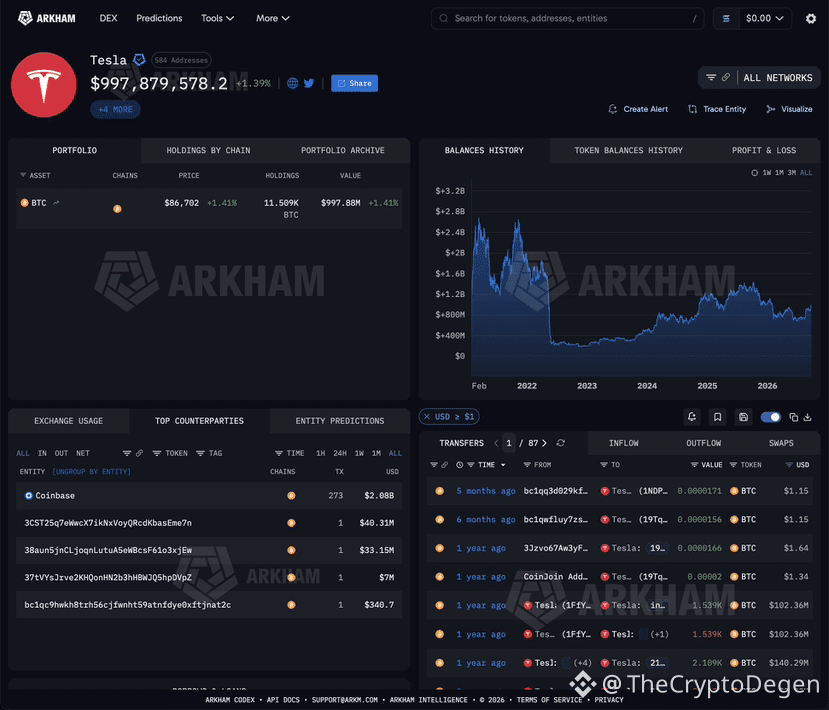
TESLA MACHT $100M, OHNE IRGENDETWAS ZU TUN
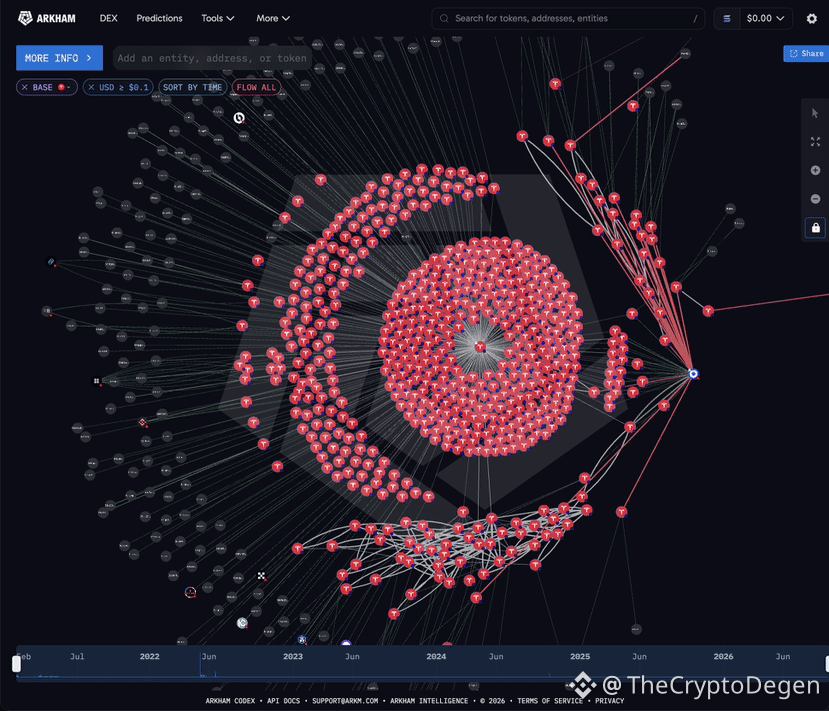
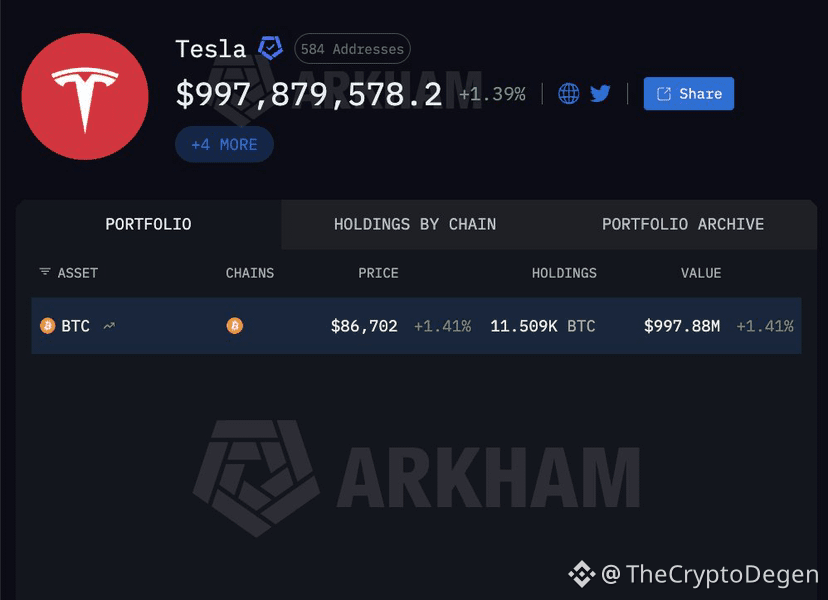
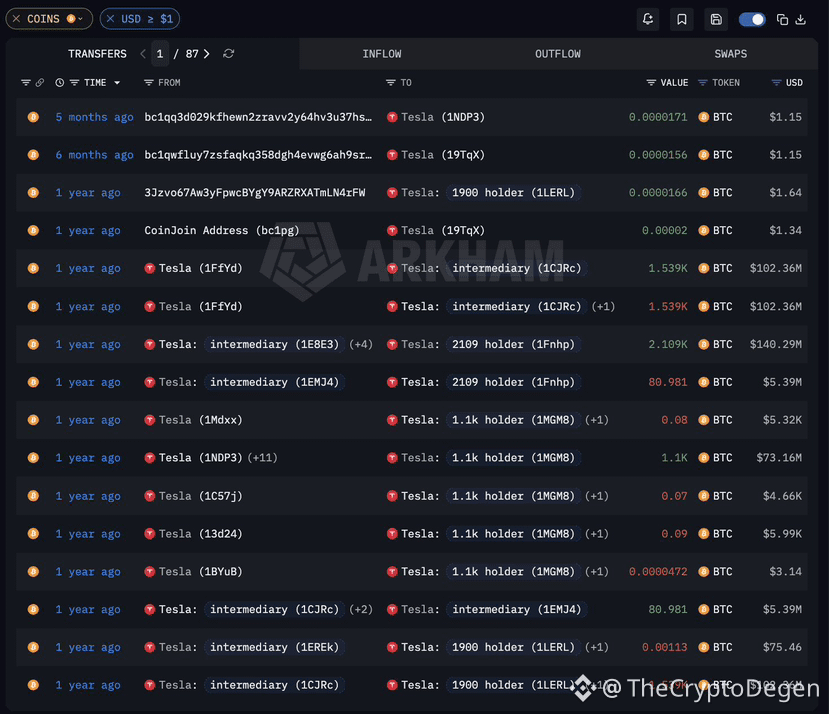
Tesla hält 994,90 Mio. $ Bitcoin (11.509 BTC), ein Plus von 122,62 Mio. $ diese Woche, da BTC um 14 % gestiegen ist.
Sie haben denselben Bestand seit 4 Jahren gehalten, ohne eine einzige Münze zu bewegen. Es sind jetzt nur noch 5,1 Mio. $ bis zu 1 MILLIARDE $.
#TeslaBitcoinHoldings
TESLA MACHT $100M, OHNE IRGENDETWAS ZU TUN
Tesla hält 994,90 Mio. $ Bitcoin (11.509 BTC), ein Plus von 122,62 Mio. $ diese Woche, da BTC um 14 % gestiegen ist.
Sie haben denselben Bestand seit 4 Jahren gehalten, ohne eine einzige Münze zu bewegen. Es sind jetzt nur noch 5,1 Mio. $ bis zu 1 MILLIARDE $.
#TeslaBitcoinHoldings
Tesla hält 994,90 Mio. $ Bitcoin (11.509 BTC), ein Plus von 122,62 Mio. $ diese Woche, da BTC um 14 % gestiegen ist.
Sie haben denselben Bestand seit 4 Jahren gehalten, ohne eine einzige Münze zu bewegen. Es sind jetzt nur noch 5,1 Mio. $ bis zu 1 MILLIARDE $.
#TeslaBitcoinHoldings
115
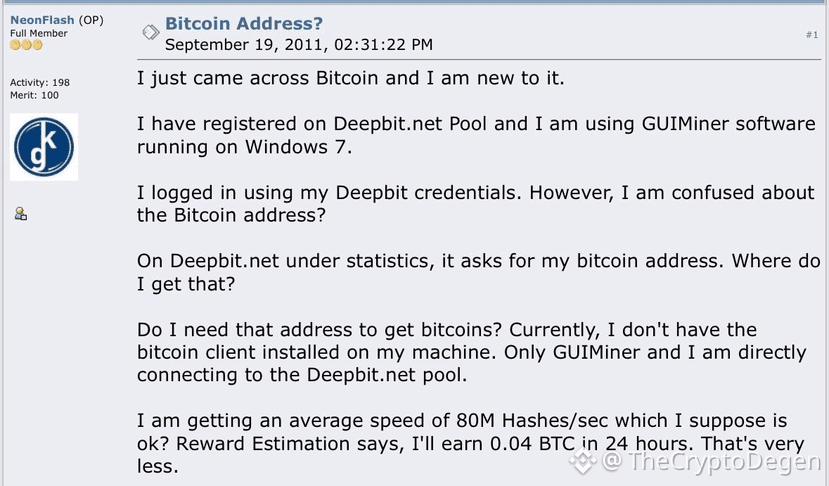
Der Forenbenutzer NeonFlash hatte am 19. September 2011 gerade erst herausgefunden, dass es Bitcoin gibt. Er nutzte eine Radeon-6770M-Grafikkarte und schürfte Bitcoin mit etwa 80 Millionen Hashes pro Sekunde.
Ein Taschenrechner schätzte ungefähr 0,046 Bitcoin pro Tag, 1,393 BTC pro Monat oder 16,74 Bitcoin pro Jahr.
Sie dachten, die neue Grafikkarte würde besser abschneiden, und fragten, wie andere es schafften, täglich zehn oder fünfzehn Bitcoins zu verdienen.
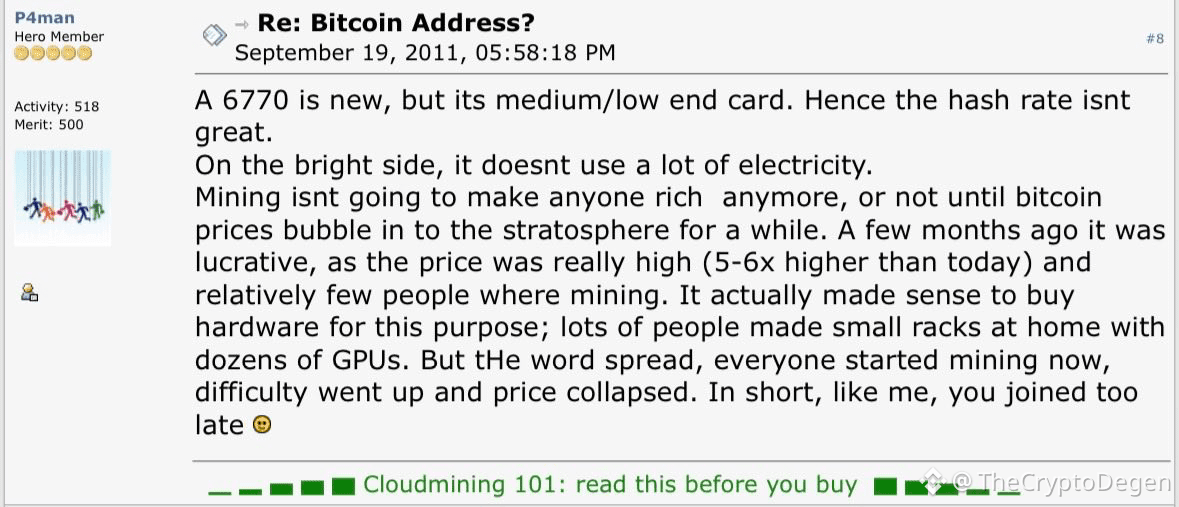
P4man antwortete schließlich:
„Kurz gesagt: Wie ich hast du dich zu spät angeschlossen.“
Sie hätten in diesem Jahr 1.365.118 $ verdient – basierend auf dem heutigen aktuellen Marktpreis von 16,74 Bitcoin.
Der Forenbenutzer NeonFlash hatte am 19. September 2011 gerade erst herausgefunden, dass es Bitcoin gibt. Er nutzte eine Radeon-6770M-Grafikkarte und schürfte Bitcoin mit etwa 80 Millionen Hashes pro Sekunde.
Ein Taschenrechner schätzte ungefähr 0,046 Bitcoin pro Tag, 1,393 BTC pro Monat oder 16,74 Bitcoin pro Jahr.
Sie dachten, die neue Grafikkarte würde besser abschneiden, und fragten, wie andere es schafften, täglich zehn oder fünfzehn Bitcoins zu verdienen.
P4man antwortete schließlich:
„Kurz gesagt: Wie ich hast du dich zu spät angeschlossen.“
Sie hätten in diesem Jahr 1.365.118 $ verdient – basierend auf dem heutigen aktuellen Marktpreis von 16,74 Bitcoin.
Ein Taschenrechner schätzte ungefähr 0,046 Bitcoin pro Tag, 1,393 BTC pro Monat oder 16,74 Bitcoin pro Jahr.
Sie dachten, die neue Grafikkarte würde besser abschneiden, und fragten, wie andere es schafften, täglich zehn oder fünfzehn Bitcoins zu verdienen.
P4man antwortete schließlich:
„Kurz gesagt: Wie ich hast du dich zu spät angeschlossen.“
Sie hätten in diesem Jahr 1.365.118 $ verdient – basierend auf dem heutigen aktuellen Marktpreis von 16,74 Bitcoin.
560
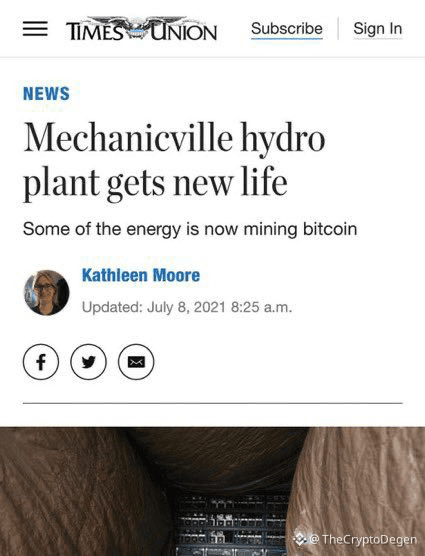
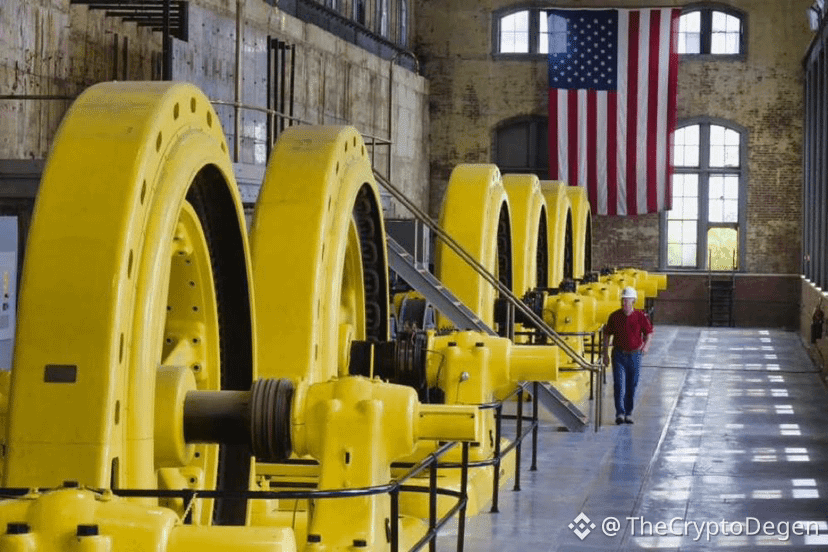
Der älteste Erzeuger von sauberem erneuerbarem Strom in den USA wurde durch Bitcoin-Mining gerettet: das Wasserkraftwerk Mechanicville.
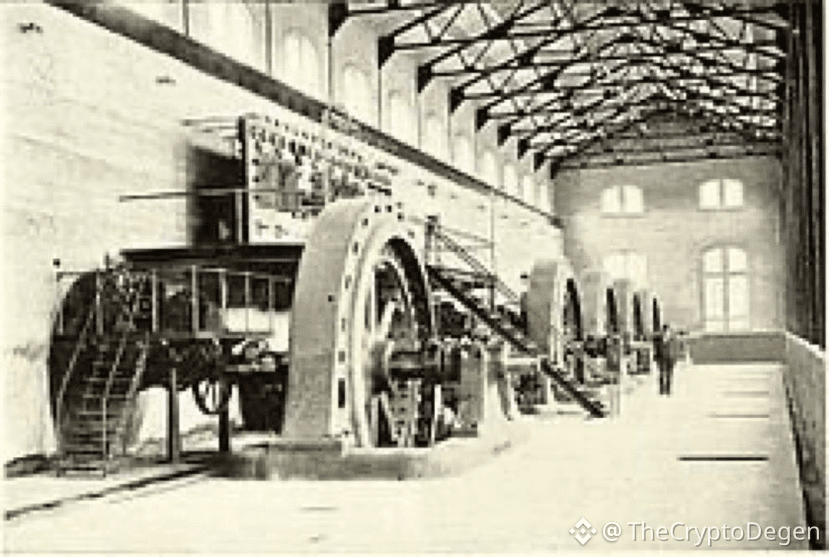
Das Wasserkraftwerk in Mechanicville im US-Bundesstaat New York geht auf das Jahr 1897 zurück. Es wurde am Hudson River errichtet, um den Betrieb von General Electric in Schenectady mit Strom zu versorgen. Das Unternehmen hat die Anlage inzwischen längst aufgegeben.
Im Jahr 2021 konnte das Wasserkraftdammwerk keinen Gewinn erwirtschaften und sollte stillgelegt werden. Das Bitcoin-Mining änderte das, als der CEO beschloss, einen Teil des Stroms zu nutzen, um Bitcoin-Miner zu betreiben.
CEO Jim Besha sagte, der Verkauf von Strom ins Netz habe drei Cent pro Kilowattstunde eingebracht. Bitcoin-Mining habe ungefähr das Dreifache gebracht.
Er kaufte gebrauchte Mining-Equipment und wandelte den Bitcoin in Bargeld um, statt ihn als Investition zu behalten. So konnte die Anlage gerettet werden.
Der älteste Erzeuger von sauberem erneuerbarem Strom in den USA wurde durch Bitcoin-Mining gerettet: das Wasserkraftwerk Mechanicville.
Das Wasserkraftwerk in Mechanicville im US-Bundesstaat New York geht auf das Jahr 1897 zurück. Es wurde am Hudson River errichtet, um den Betrieb von General Electric in Schenectady mit Strom zu versorgen. Das Unternehmen hat die Anlage inzwischen längst aufgegeben.
Im Jahr 2021 konnte das Wasserkraftdammwerk keinen Gewinn erwirtschaften und sollte stillgelegt werden. Das Bitcoin-Mining änderte das, als der CEO beschloss, einen Teil des Stroms zu nutzen, um Bitcoin-Miner zu betreiben.
CEO Jim Besha sagte, der Verkauf von Strom ins Netz habe drei Cent pro Kilowattstunde eingebracht. Bitcoin-Mining habe ungefähr das Dreifache gebracht.
Er kaufte gebrauchte Mining-Equipment und wandelte den Bitcoin in Bargeld um, statt ihn als Investition zu behalten. So konnte die Anlage gerettet werden.
Das Wasserkraftwerk in Mechanicville im US-Bundesstaat New York geht auf das Jahr 1897 zurück. Es wurde am Hudson River errichtet, um den Betrieb von General Electric in Schenectady mit Strom zu versorgen. Das Unternehmen hat die Anlage inzwischen längst aufgegeben.
Im Jahr 2021 konnte das Wasserkraftdammwerk keinen Gewinn erwirtschaften und sollte stillgelegt werden. Das Bitcoin-Mining änderte das, als der CEO beschloss, einen Teil des Stroms zu nutzen, um Bitcoin-Miner zu betreiben.
CEO Jim Besha sagte, der Verkauf von Strom ins Netz habe drei Cent pro Kilowattstunde eingebracht. Bitcoin-Mining habe ungefähr das Dreifache gebracht.
Er kaufte gebrauchte Mining-Equipment und wandelte den Bitcoin in Bargeld um, statt ihn als Investition zu behalten. So konnte die Anlage gerettet werden.
92
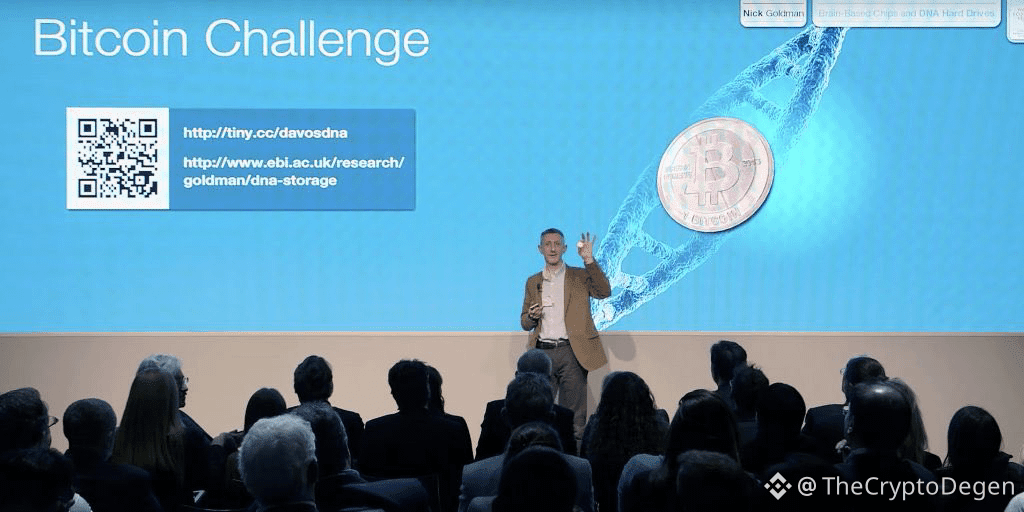
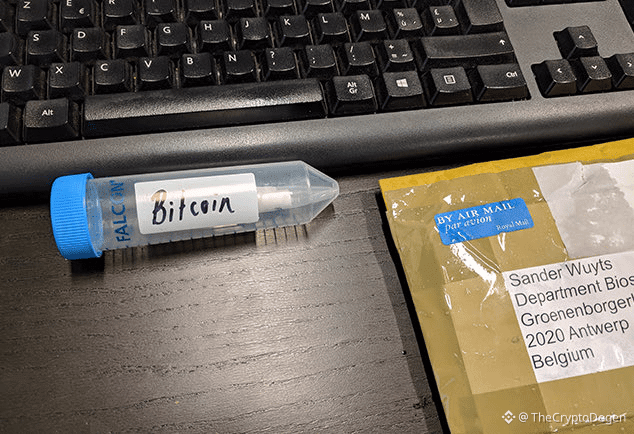
Ein Bitcoin-Preis wurde in menschliche DNA verschlüsselt
DNA, die Bausteine und die grundlegende Struktur des Lebens selbst, kann Computerdaten speichern, indem Informationen in Sequenzen ihrer vier chemischen Buchstaben übersetzt werden.
Im Januar 2015 verteilte der Genetiker Nick Goldman im Rahmen von Davos Röhrchen mit synthetischer DNA. Die codierten Dateien enthielten den privaten Schlüssel zu 1 Bitcoin.
Die Teilnehmenden hatten drei Jahre Zeit, die DNA zu sequenzieren und sie wiederherzustellen. Der belgische Doktorand Sander Wuyts löste die Aufgabe kurz vor der Frist im Januar 2018.
Seine ersten Versuche scheiterten, weil in seinem Decodierprogramm eine fehlerhafte Zeile enthalten war, doch das Entfernen derselben brachte die Dateien und den nutzbaren Schlüssel hervor.
Ein Bitcoin-Preis wurde in menschliche DNA verschlüsselt
DNA, die Bausteine und die grundlegende Struktur des Lebens selbst, kann Computerdaten speichern, indem Informationen in Sequenzen ihrer vier chemischen Buchstaben übersetzt werden.
Im Januar 2015 verteilte der Genetiker Nick Goldman im Rahmen von Davos Röhrchen mit synthetischer DNA. Die codierten Dateien enthielten den privaten Schlüssel zu 1 Bitcoin.
Die Teilnehmenden hatten drei Jahre Zeit, die DNA zu sequenzieren und sie wiederherzustellen. Der belgische Doktorand Sander Wuyts löste die Aufgabe kurz vor der Frist im Januar 2018.
Seine ersten Versuche scheiterten, weil in seinem Decodierprogramm eine fehlerhafte Zeile enthalten war, doch das Entfernen derselben brachte die Dateien und den nutzbaren Schlüssel hervor.
DNA, die Bausteine und die grundlegende Struktur des Lebens selbst, kann Computerdaten speichern, indem Informationen in Sequenzen ihrer vier chemischen Buchstaben übersetzt werden.
Im Januar 2015 verteilte der Genetiker Nick Goldman im Rahmen von Davos Röhrchen mit synthetischer DNA. Die codierten Dateien enthielten den privaten Schlüssel zu 1 Bitcoin.
Die Teilnehmenden hatten drei Jahre Zeit, die DNA zu sequenzieren und sie wiederherzustellen. Der belgische Doktorand Sander Wuyts löste die Aufgabe kurz vor der Frist im Januar 2018.
Seine ersten Versuche scheiterten, weil in seinem Decodierprogramm eine fehlerhafte Zeile enthalten war, doch das Entfernen derselben brachte die Dateien und den nutzbaren Schlüssel hervor.

20
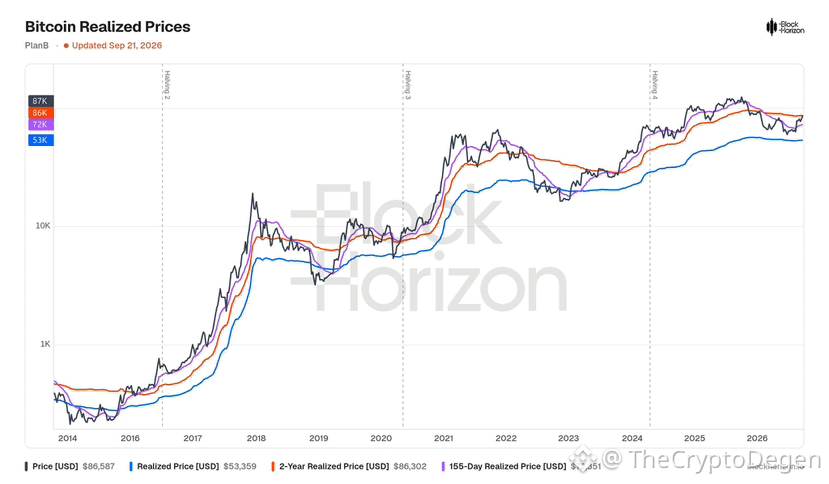
BTC $87K sitzt jetzt über jedem wichtigen realisierten Preis:
• Realized Price: $53K
• 155-Tage-realisiert: $72K
• 2-Jahres-realisiert: $86K
Ein Rückgang unter $53K in diesem Zyklus ist IMO vom Tisch. Die These „realisierten Preis muss wie in jedem früheren Bärenmarkt erneut testen“ hat gerade ihr letztes sauberes Setup verloren.
BTC $87K sitzt jetzt über jedem wichtigen realisierten Preis:
• Realized Price: $53K
• 155-Tage-realisiert: $72K
• 2-Jahres-realisiert: $86K
Ein Rückgang unter $53K in diesem Zyklus ist IMO vom Tisch. Die These „realisierten Preis muss wie in jedem früheren Bärenmarkt erneut testen“ hat gerade ihr letztes sauberes Setup verloren.
• Realized Price: $53K
• 155-Tage-realisiert: $72K
• 2-Jahres-realisiert: $86K
Ein Rückgang unter $53K in diesem Zyklus ist IMO vom Tisch. Die These „realisierten Preis muss wie in jedem früheren Bärenmarkt erneut testen“ hat gerade ihr letztes sauberes Setup verloren.
47
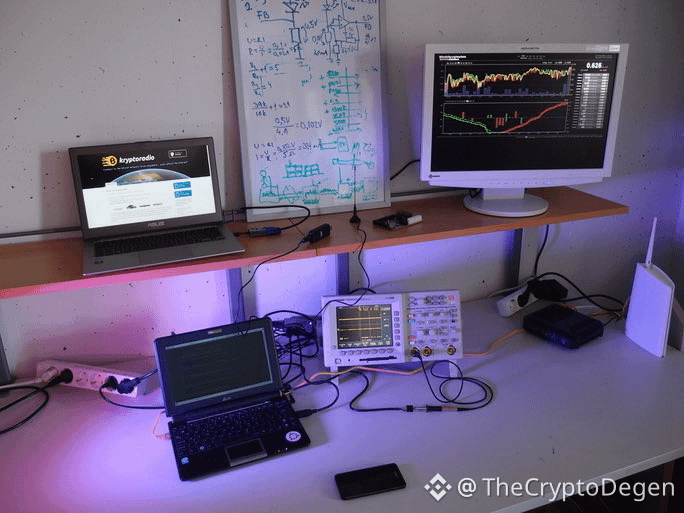
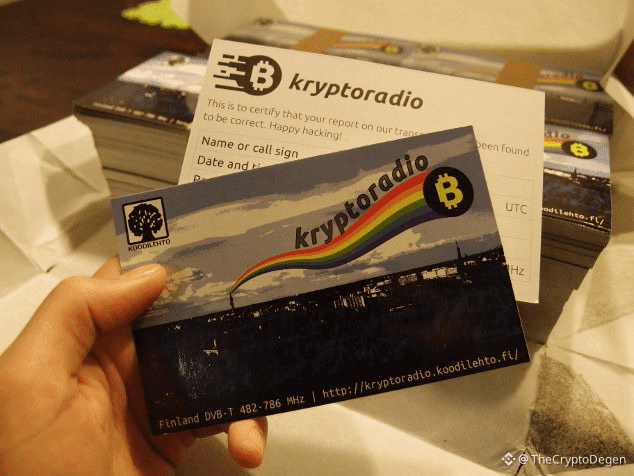
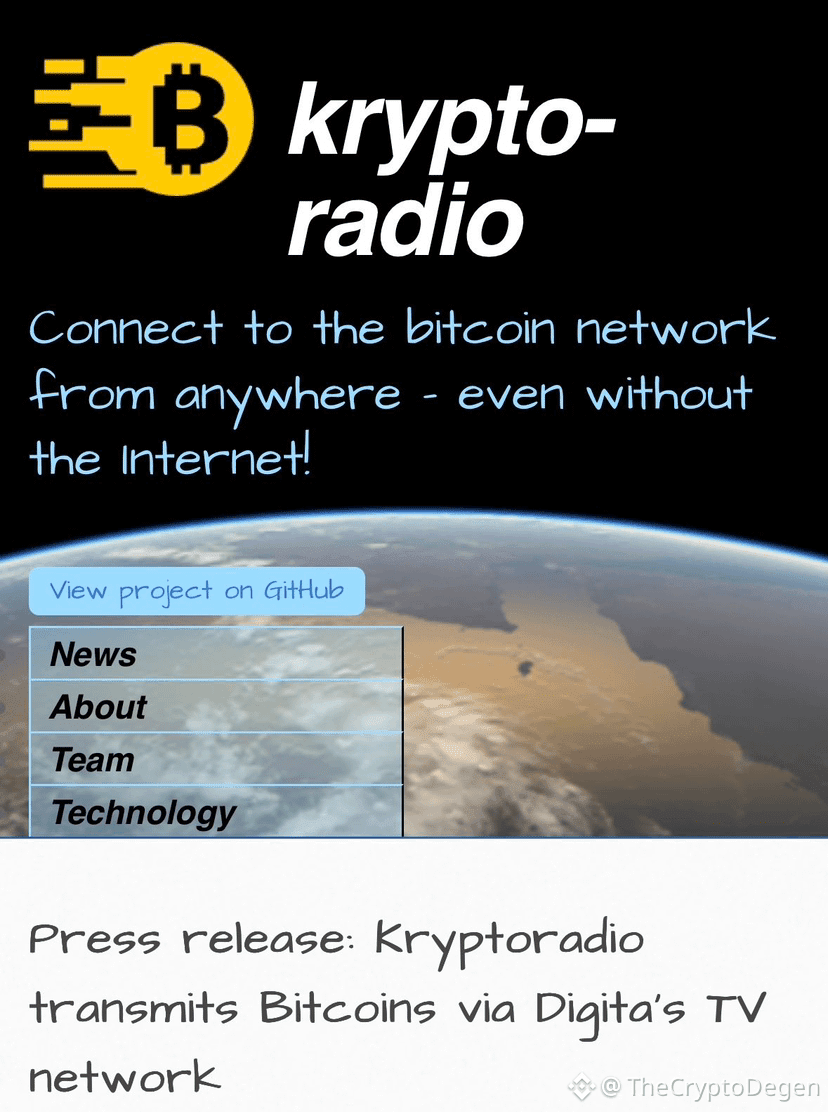
Im September 2014 begann ein finnisches Projekt namens Kryptoradio, die Bitcoin-Blockchain über das lokale Fernsehnetz zu übertragen.
Die erste Ankündigung beschrieb Übertragungen von neunzig Fernsehsendern. Das Signal umfasste Bitcoin-Transaktionen, Blöcke und Informationen zu Wechselkursen.
Ein Empfänger konnte dem Bitcoin-Netz folgen, ohne eine herkömmliche Internetverbindung. Bis November deckte das für den Versuch genutzte Rundfunknetz ungefähr 95 % der Bevölkerung Finnlands ab.
Es handelte sich um einen Einwegdienst: Der Empfang von Bitcoin-Daten über ein Fernsehsignal bot nicht automatisch eine Möglichkeit, Transaktionen zurückzusenden.
Der Versuch endete im Dezember 2014, und das Projekt berichtete anschließend, dass ihm die Finanzierung für eine Fortsetzung fehle.
$BTC
{future}(BTCUSDT)
Im September 2014 begann ein finnisches Projekt namens Kryptoradio, die Bitcoin-Blockchain über das lokale Fernsehnetz zu übertragen.
Die erste Ankündigung beschrieb Übertragungen von neunzig Fernsehsendern. Das Signal umfasste Bitcoin-Transaktionen, Blöcke und Informationen zu Wechselkursen.
Ein Empfänger konnte dem Bitcoin-Netz folgen, ohne eine herkömmliche Internetverbindung. Bis November deckte das für den Versuch genutzte Rundfunknetz ungefähr 95 % der Bevölkerung Finnlands ab.
Es handelte sich um einen Einwegdienst: Der Empfang von Bitcoin-Daten über ein Fernsehsignal bot nicht automatisch eine Möglichkeit, Transaktionen zurückzusenden.
Der Versuch endete im Dezember 2014, und das Projekt berichtete anschließend, dass ihm die Finanzierung für eine Fortsetzung fehle.
$BTC
Die erste Ankündigung beschrieb Übertragungen von neunzig Fernsehsendern. Das Signal umfasste Bitcoin-Transaktionen, Blöcke und Informationen zu Wechselkursen.
Ein Empfänger konnte dem Bitcoin-Netz folgen, ohne eine herkömmliche Internetverbindung. Bis November deckte das für den Versuch genutzte Rundfunknetz ungefähr 95 % der Bevölkerung Finnlands ab.
Es handelte sich um einen Einwegdienst: Der Empfang von Bitcoin-Daten über ein Fernsehsignal bot nicht automatisch eine Möglichkeit, Transaktionen zurückzusenden.
Der Versuch endete im Dezember 2014, und das Projekt berichtete anschließend, dass ihm die Finanzierung für eine Fortsetzung fehle.
$BTC
12
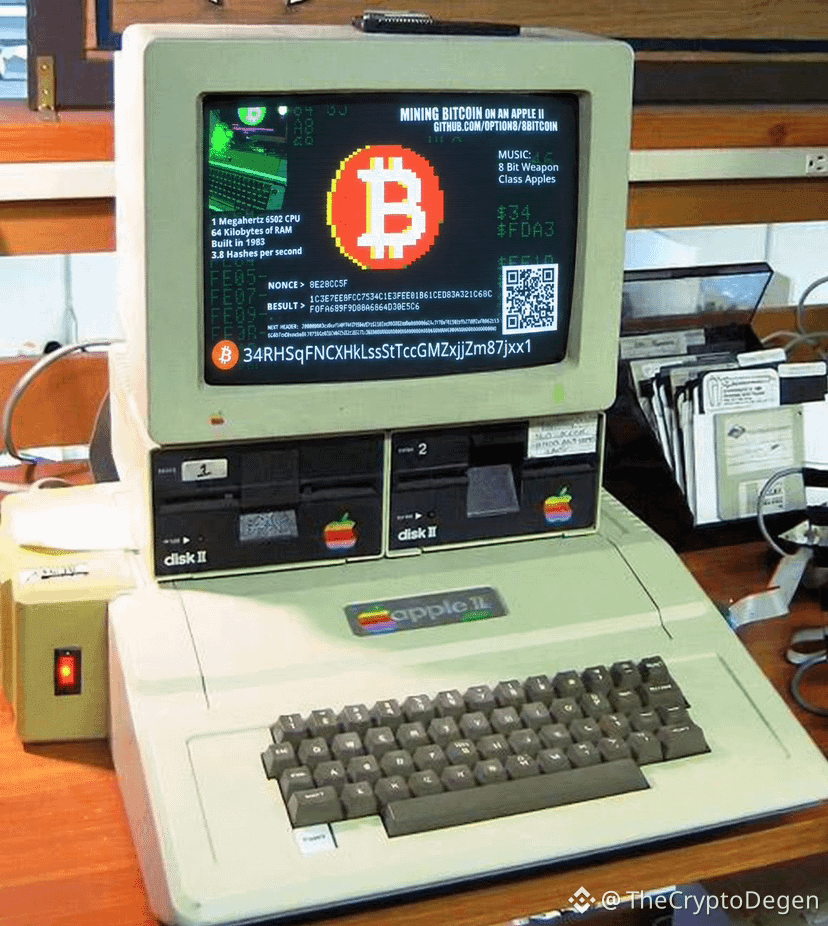
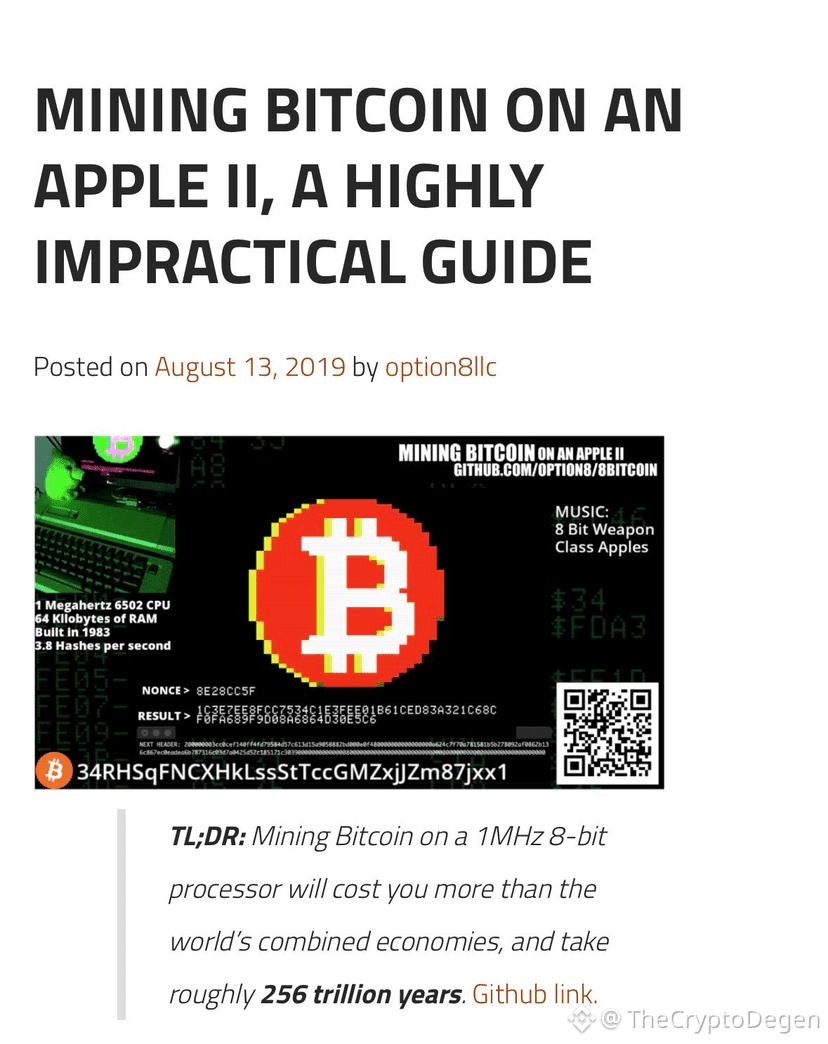
Ein Entwickler schürfte Bitcoin auf einem Apple II, einem Heimcomputer, der 1983 mit einem Acht-Bit-Prozessor gebaut wurde.
Der Hashing-Algorithmus von Bitcoin nutzt 32-Bit-Operationen, daher musste das Programm diese Operationen aus kleineren Bausteinen zusammensetzen.
Der Programmierer Peter Ferrie half dabei, den Code zu optimieren, bis er auf etwa 3,8 Hashes pro Sekunde kam.
Ein moderner Mac übernahm die Schürfaufgabe und übertrug sie über eine serielle Verbindung mittels einer virtuellen Diskette an den Apple II. Ein Bitcoin-Symbol in niedriger Auflösung rotierte, wenn neue Arbeit eintraf.
Der Entwickler schätzte im Durchschnitt 256 Billionen Jahre, um bei der damals geltenden Schwierigkeit einen Block zu finden.
Ein Entwickler schürfte Bitcoin auf einem Apple II, einem Heimcomputer, der 1983 mit einem Acht-Bit-Prozessor gebaut wurde.
Der Hashing-Algorithmus von Bitcoin nutzt 32-Bit-Operationen, daher musste das Programm diese Operationen aus kleineren Bausteinen zusammensetzen.
Der Programmierer Peter Ferrie half dabei, den Code zu optimieren, bis er auf etwa 3,8 Hashes pro Sekunde kam.
Ein moderner Mac übernahm die Schürfaufgabe und übertrug sie über eine serielle Verbindung mittels einer virtuellen Diskette an den Apple II. Ein Bitcoin-Symbol in niedriger Auflösung rotierte, wenn neue Arbeit eintraf.
Der Entwickler schätzte im Durchschnitt 256 Billionen Jahre, um bei der damals geltenden Schwierigkeit einen Block zu finden.
Der Hashing-Algorithmus von Bitcoin nutzt 32-Bit-Operationen, daher musste das Programm diese Operationen aus kleineren Bausteinen zusammensetzen.
Der Programmierer Peter Ferrie half dabei, den Code zu optimieren, bis er auf etwa 3,8 Hashes pro Sekunde kam.
Ein moderner Mac übernahm die Schürfaufgabe und übertrug sie über eine serielle Verbindung mittels einer virtuellen Diskette an den Apple II. Ein Bitcoin-Symbol in niedriger Auflösung rotierte, wenn neue Arbeit eintraf.
Der Entwickler schätzte im Durchschnitt 256 Billionen Jahre, um bei der damals geltenden Schwierigkeit einen Block zu finden.
50
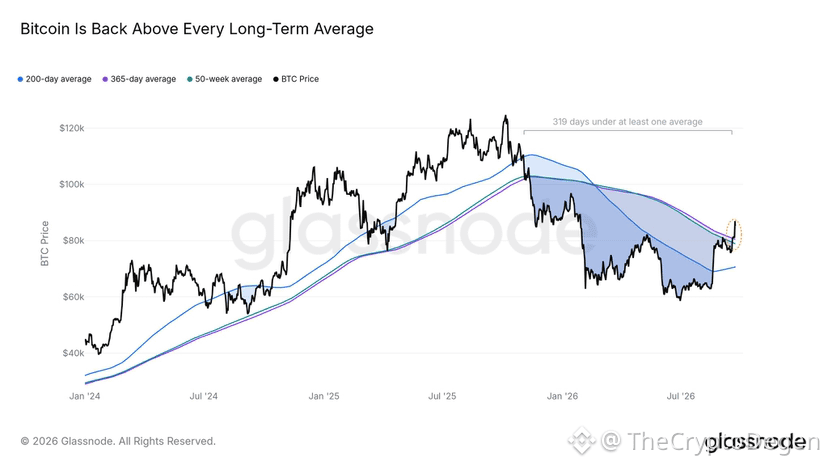
$BTC hat alle seine langfristigen gleitenden Durchschnitte zurückerobert.
Nachdem es sich etwa 300 Tage lang darunter befand, hat sich diese Dynamik nun umgedreht.
Das Halten oberhalb dieser Werte ist es, was einen langfristigen Aufwärtstrend aufrechterhält.
$BTC hat alle seine langfristigen gleitenden Durchschnitte zurückerobert.
Nachdem es sich etwa 300 Tage lang darunter befand, hat sich diese Dynamik nun umgedreht.
Das Halten oberhalb dieser Werte ist es, was einen langfristigen Aufwärtstrend aufrechterhält.
Nachdem es sich etwa 300 Tage lang darunter befand, hat sich diese Dynamik nun umgedreht.
Das Halten oberhalb dieser Werte ist es, was einen langfristigen Aufwärtstrend aufrechterhält.
43
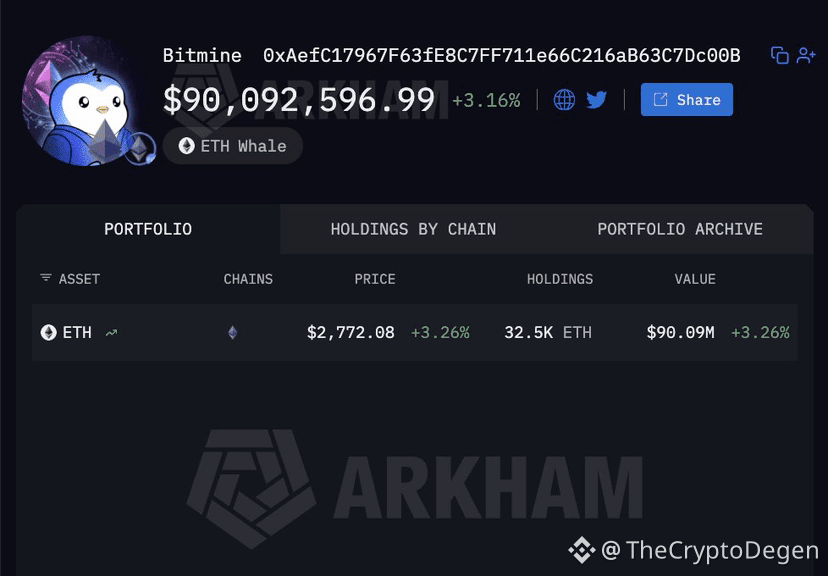
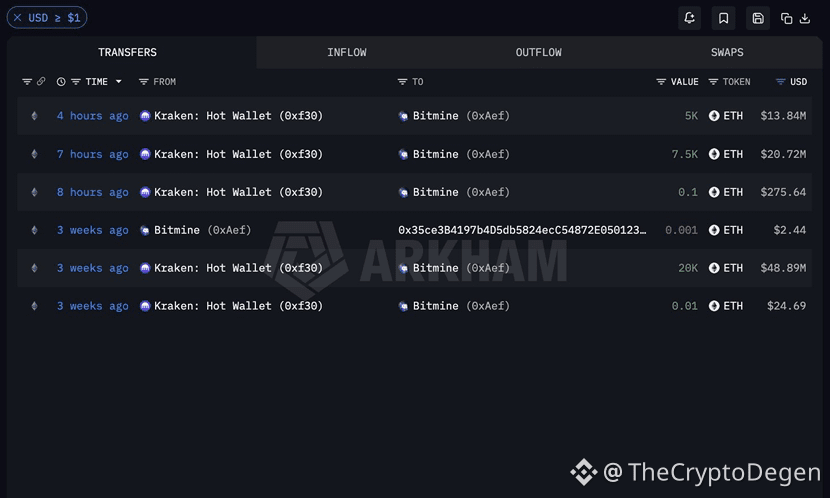
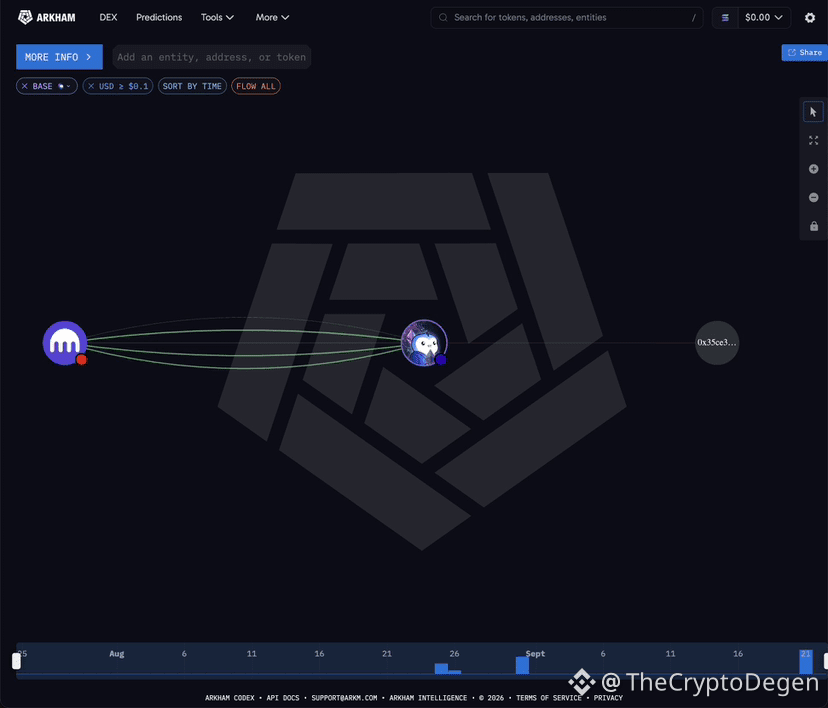
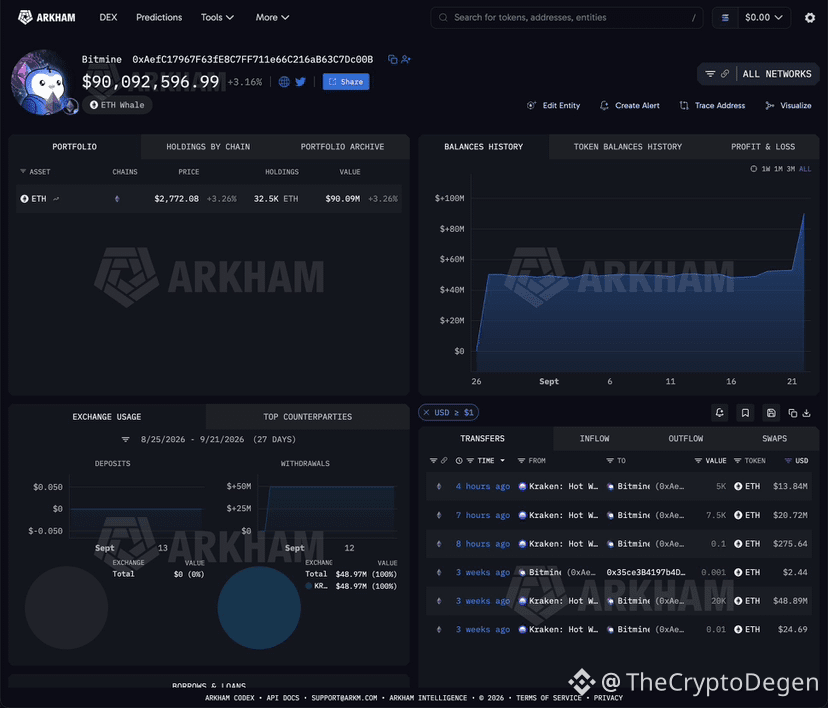
BITMINE KAUFT
Ein Wallet hat gerade 34,5 Mio. USD in ETH von Kraken abgezogen – ein Akquisitionsmuster, das zu früheren Bitmine-Kaufmustern passt.
Bitmine hält 978,05 Mio. USD an ETH in seinen bezeichneten On-Chain-Wallets, wobei zusätzlich ungefähr 10 Mrd. USD an ETH darauf gestakt sind.
BITMINE KAUFT
Ein Wallet hat gerade 34,5 Mio. USD in ETH von Kraken abgezogen – ein Akquisitionsmuster, das zu früheren Bitmine-Kaufmustern passt.
Bitmine hält 978,05 Mio. USD an ETH in seinen bezeichneten On-Chain-Wallets, wobei zusätzlich ungefähr 10 Mrd. USD an ETH darauf gestakt sind.
Ein Wallet hat gerade 34,5 Mio. USD in ETH von Kraken abgezogen – ein Akquisitionsmuster, das zu früheren Bitmine-Kaufmustern passt.
Bitmine hält 978,05 Mio. USD an ETH in seinen bezeichneten On-Chain-Wallets, wobei zusätzlich ungefähr 10 Mrd. USD an ETH darauf gestakt sind.
1.1k
Anmelden und weiter Inhalte entdecken
Krypto-Nutzer weltweit auf Binance Square kennenlernen
⚡️ Bleib in Sachen Krypto stets am Puls.
💬 Die weltgrößte Kryptobörse vertraut darauf.
👍 Erhalte verlässliche Einblicke von verifizierten Creators.
E-Mail-Adresse/Telefonnummer