

Tezos
508 Beiträge

Tezos
 Square Verified+
Melden
Nutzer blockieren
Tezos is a self-upgradable and energy-efficient Proof of Stake blockchain. Designed to evolve. Built to empower.
1 Following
1.9K+ Follower
820 Like gegeben
Beiträge
Alle
Videos
·
--

Artikel
Tezos Community Rewards — September 2026Die Gewinner des CRP für September 2026 stehen fest!
Hallo, Tezos-Community,
Wir freuen uns, die Gewinner des „Community Rewards Program“ (CRP) für den Monat September 2026 bekannt zu geben!
Weitere Informationen zu den verschiedenen Kategorien finden Sie auf der Prämienseite der Website von Tezos Commons.
Das Community Rewards Program ist eine Initiative der Tezos Commons Foundation, die darauf abzielt, die Verbreitung zu fördern und das Tezos-Ökosystem zu unterstützen. Jeden Monat werden tez-Prämien an Einzelpersonen und Teams vergeben, die sich durch besondere Verdienste auszeichnen und im Interesse des gesamten Tezos-Ökosystems handeln. In dieser Runde wurden insgesamt 10.000 tez vergeben.
Tezos Community Rewards — September 2026
Die Gewinner des CRP für September 2026 stehen fest!
Hallo, Tezos-Community,
Wir freuen uns, die Gewinner des „Community Rewards Program“ (CRP) für den Monat September 2026 bekannt zu geben!
Weitere Informationen zu den verschiedenen Kategorien finden Sie auf der Prämienseite der Website von Tezos Commons.
Das Community Rewards Program ist eine Initiative der Tezos Commons Foundation, die darauf abzielt, die Verbreitung zu fördern und das Tezos-Ökosystem zu unterstützen. Jeden Monat werden tez-Prämien an Einzelpersonen und Teams vergeben, die sich durch besondere Verdienste auszeichnen und im Interesse des gesamten Tezos-Ökosystems handeln. In dieser Runde wurden insgesamt 10.000 tez vergeben.
Hallo, Tezos-Community,
Wir freuen uns, die Gewinner des „Community Rewards Program“ (CRP) für den Monat September 2026 bekannt zu geben!
Weitere Informationen zu den verschiedenen Kategorien finden Sie auf der Prämienseite der Website von Tezos Commons.
Das Community Rewards Program ist eine Initiative der Tezos Commons Foundation, die darauf abzielt, die Verbreitung zu fördern und das Tezos-Ökosystem zu unterstützen. Jeden Monat werden tez-Prämien an Einzelpersonen und Teams vergeben, die sich durch besondere Verdienste auszeichnen und im Interesse des gesamten Tezos-Ökosystems handeln. In dieser Runde wurden insgesamt 10.000 tez vergeben.
426
·
--

Artikel
Müssen Nutzer wissen, dass sie Tezos verwenden?Wenn wir möchten, dass Nutzer nicht mehr über die Layer nachdenken, sollten sie dann über die Chain nachdenken müssen?
Eines der Ziele, über die wir im Tezos-Ökosystem häufig sprechen, ist, die Nutzung so nahtlos wie möglich zu gestalten. Idealerweise müssten Nutzer nicht verstehen, ob eine Anwendung auf Tezos Layer 1 oder Etherlink läuft, ob die von ihnen verwendete App in Michelson oder Solidity geschrieben wurde oder welche Ausführungsumgebung ihre Transaktion verarbeitet. Sie sollten die Anwendung einfach nutzen können, ohne sich Gedanken über die zugrunde liegende Infrastruktur machen zu müssen.
Müssen Nutzer wissen, dass sie Tezos verwenden?
Wenn wir möchten, dass Nutzer nicht mehr über die Layer nachdenken, sollten sie dann über die Chain nachdenken müssen?
Eines der Ziele, über die wir im Tezos-Ökosystem häufig sprechen, ist, die Nutzung so nahtlos wie möglich zu gestalten. Idealerweise müssten Nutzer nicht verstehen, ob eine Anwendung auf Tezos Layer 1 oder Etherlink läuft, ob die von ihnen verwendete App in Michelson oder Solidity geschrieben wurde oder welche Ausführungsumgebung ihre Transaktion verarbeitet. Sie sollten die Anwendung einfach nutzen können, ohne sich Gedanken über die zugrunde liegende Infrastruktur machen zu müssen.
Eines der Ziele, über die wir im Tezos-Ökosystem häufig sprechen, ist, die Nutzung so nahtlos wie möglich zu gestalten. Idealerweise müssten Nutzer nicht verstehen, ob eine Anwendung auf Tezos Layer 1 oder Etherlink läuft, ob die von ihnen verwendete App in Michelson oder Solidity geschrieben wurde oder welche Ausführungsumgebung ihre Transaktion verarbeitet. Sie sollten die Anwendung einfach nutzen können, ohne sich Gedanken über die zugrunde liegende Infrastruktur machen zu müssen.
305
·
--
Teilweise korrekt
Artikel
Übersetzung ansehen
The Baking Sheet - Issue #329Welcome back Tezos Community,
As we approach Fall, and after a busy stretch of protocol developments, post-quantum experiments, and IRL events, we're turning our attention to a few of the people and projects making the Tezos ecosystem such an interesting place to spend time. There's plenty happening beyond the big announcements, and this week gives us a good opportunity to catch up on some of it.
We're starting with a thoughtful article from Joshua Goldstein, also known as Yoeshi, about the culture of supporting artists and giving back to the community. We'll also look at creative initiatives seeking support through The TTC crowd, revisit an important question about the future of Tezos Layer 1 as Tezos X develops, and share a new acquisition opportunity from Art on Tezos and VAULT.
So grab your coffee, get comfortable, and let's get into the grassroots of Tezos and what makes it great!
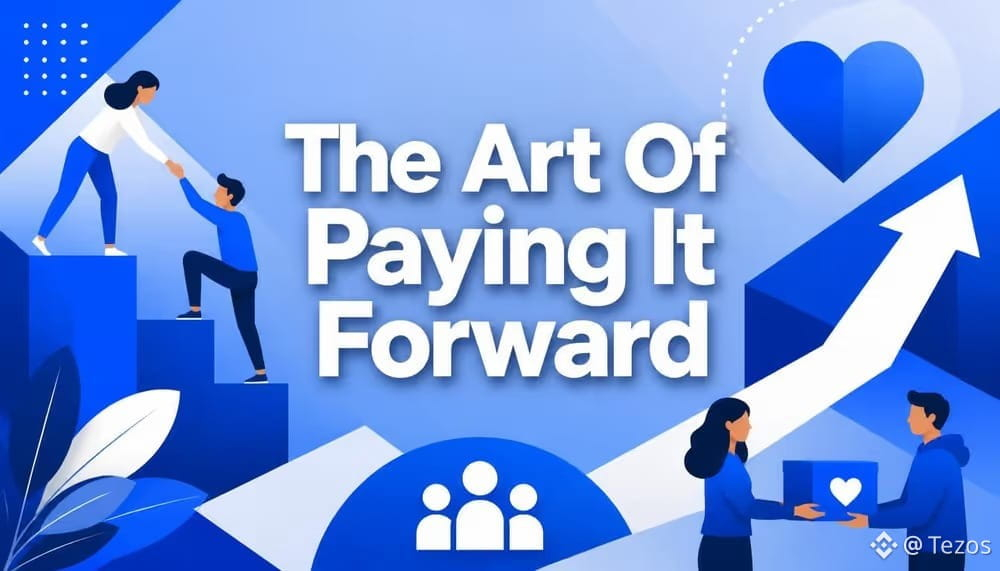
The Art of Paying It Forward: What Keeps the Tezos Community Going
Last week, we introduced TezCity, a new social platform from Ida Belle and her team designed to give artists and collectors more ways to support one another beyond individual art sales. It raised an interesting question about something that's been part of the Tezos art community for years: what happens when supporting an artist extends beyond collecting their work? This week, Joshua Goldstein explores that very idea in a Tezos Spotlight article, The Art of Paying It Forward, reflecting on the generosity and relationships that have developed across the ecosystem.
Joshua's perspective comes from personal experience. When he first arrived on Tezos, he wasn't yet selling his artwork as NFTs, but his contributions to the community earned him several awards through the Tezos Commons Community Rewards Program (CRP). Those awards helped him explore applications, learn about DeFi, and begin collecting artwork himself. Years later, he continues contributing through his work with Tezos Commons, and those early opportunities remain an important part of his story.
The article also explores how that same generosity appears in everyday interactions. An artist might use proceeds from a sale to collect another artist's work, while someone receiving a community reward might put those funds toward organizing an event or supporting a new project. Joshua also points to initiatives such as Art4LifeTez, which brought artists together around blood donation, as an example of how these relationships can extend beyond digital art.
One point I particularly appreciated was his reminder that generosity shouldn't become an obligation or a competition. Everyone participates under different circumstances, and supporting someone can be as simple as collecting a piece of artwork, sharing their work with others, or helping a newcomer get started. It's a thoughtful perspective, especially as new projects like TezCity explore additional ways for artists to receive ongoing support.
If you've spent time around the Tezos art community, you'll probably recognize some of the experiences Joshua describes. You might even remember someone who helped you find your footing when you first arrived.
This Week in the Tezos Ecosystem
TTCrowd: A Few Creative Projects Worth Exploring
Speaking of community support, there are several creative projects currently featured on the TTCrowd calendar that caught our attention this week. Crowdfunding has become another way for artists and builders to bring their ideas to life with help from the people who want to see them succeed. For collectors and community members, it's also an opportunity to discover projects while they're still taking their first steps.
The latest listings include a range of creative work, from animation and gaming to community initiatives:
8scribo: A project featured among the recent TTCrowd campaign listings.
Tezos animation by jakestudyos: A creative project focused on animation.
Keep the Dream Alive: Tezos × RIO: A community campaign listed on the TTCrowd calendar.
Endless Possibilitez: A TzG game project seeking community attention and support.
It's an interesting mix, and a reminder that the creative side of Tezos extends well beyond individual NFT releases. Projects like these often depend on people discovering them early sharing them with friends, and contributing where they can. The details and progress of each campaign are worth checking individually, particularly if you're considering getting involved.
After reading Joshua's article about paying it forward, it's nice to have a few concrete examples of where community members can look for creative projects to explore. If something catches your interest, take a moment to learn about the people behind it and what they're hoping to accomplish.
What Happens to Tezos Layer 1 After Tezos X?
While community projects give us plenty to explore, there's also a bigger technical question worth revisiting as development around Tezos X continues. We've spent several recent editions discussing Quantumnet, post-quantum security, and the experimental work happening at the protocol level, but with Tezos X designed to support more application activity through its own execution environment, what role will Layer 1 play as that architecture develops?
The important distinction is between executing application activity and providing the underlying security and settlement infrastructure. Tezos X is intended to support a more versatile environment for applications, including different execution runtimes, while Layer 1 continues to provide the foundation on which those systems depend. That includes consensus, economic security, and the protocol mechanisms that support the wider network.
For bakers, this means the work happening at Layer 1 remains essential even as more activity moves into additional execution environments. The research we've been following around post-quantum signatures, consensus, and data availability is relevant for precisely that reason. Improving the security and reliability of the underlying network has implications for applications built above it, even when users aren't interacting with Layer 1 directly.
It's also worth remembering that the Tezos X roadmap involves several moving parts, and the eventual experience will depend on how those components come together. Wallets, explorers, developer tools, and the way applications interact with the network all matter. As Yann Regis-Gianas and Zaynah Dargaye discussed during last week's Tuesday | TezDay episode, strong protocol foundations need to be accompanied by tools that people can actually use.
For anyone who's been following the Tezos X discussions and wondering where Layer 1 fits into the picture, it's a useful subject to revisit. The applications may be what people interact with most often, but the underlying network still has a substantial job to do.
Arts & Culture
VAULTED Season One: An Open Call for Artists on Tezos
There's another opportunity worth sharing with artists this week. Art on Tezos has partnered with ART & VAULT for the first season of VAULTED, an acquisition initiative focused on contemporary digital art. The open call, which began in late September, invites artists to submit available works for consideration for the ART & VAULT collection, with five artworks ultimately selected for acquisition.
One of the appealing aspects of the initiative is its openness to different artistic approaches. There's no prescribed theme, and artists working across different styles and mediums are welcome to submit still or moving-image works. Eligible artworks must either be minted on Tezos or remain unminted, while pieces previously minted on other blockchains aren't eligible. That gives artists plenty of creative freedom while keeping the acquisition focused on work associated with Tezos.
VAULTED Season One is created and curated by ART & VAULT, with Art on Tezos serving as the acquisition partner and additional support from HUG and Art Domains. Artists must submit their work through HUG to be considered, so it's important to follow the official application process. With submissions open until December 1, there's still time for interested artists to review the requirements and decide which work they'd like to put forward.
We've followed several acquisition initiatives involving Tezos artists over the past year, and it's always nice to see another opportunity for their work to enter a curated collection. With five acquisitions planned and no fixed artistic theme, VAULTED gives artists from different creative backgrounds an opportunity to participate. If you've got an eligible piece you've been considering submitting, this could be worth exploring.
Submission deadline: December 1, 2026, at 12:00 PM GMT-5.
Now Streaming
TezTalks Live: Ida Belle on Collecting Art, Building TezCity, and Supporting Artists
As we wrap up this week's edition, there's one more conversation worth sharing, particularly after spending so much time exploring the relationships between artists and collectors. This week on TezTalks Live, host Brandon Langston welcomes Ida Belle, a Montreal-based collector, generative art enthusiast, and the creator of TezCity, the new social platform we introduced in last week's Baking Sheet.
Ida's story begins long before TezCity, with a family tradition of collecting and a growing fascination with generative art. Over the years, she's spent considerable time discovering artists, collecting their work, and getting to know the people behind it. Those experiences eventually inspired her to build something she'd wanted to see in the community: a place where artists and collectors could connect, share work, and support one another through memberships, exclusive content, and tips in tez.
Throughout the conversation, Brandon and Ida explore what it took to bring TezCity to life, how artists are responding, and what she hopes the platform might become. It's an interesting look at how someone who started out collecting artwork eventually found herself building a platform for the artists she believes in.
It's also a perfect conversation to end this week's newsletter. From Joshua Goldstein's reflections on paying it forward to the creative projects and acquisition opportunities we've explored. This week's issue has been largely about the people who make the Tezos community what it is. Ida's story is another example of how those relationships can lead to something new, and it's well worth a listen.
Watch the full episode on YouTube.
Powered by beehiiv
The Baking Sheet - Issue #329
Welcome back Tezos Community,
As we approach Fall, and after a busy stretch of protocol developments, post-quantum experiments, and IRL events, we're turning our attention to a few of the people and projects making the Tezos ecosystem such an interesting place to spend time. There's plenty happening beyond the big announcements, and this week gives us a good opportunity to catch up on some of it.
We're starting with a thoughtful article from Joshua Goldstein, also known as Yoeshi, about the culture of supporting artists and giving back to the community. We'll also look at creative initiatives seeking support through The TTC crowd, revisit an important question about the future of Tezos Layer 1 as Tezos X develops, and share a new acquisition opportunity from Art on Tezos and VAULT.
So grab your coffee, get comfortable, and let's get into the grassroots of Tezos and what makes it great!
The Art of Paying It Forward: What Keeps the Tezos Community Going
Last week, we introduced TezCity, a new social platform from Ida Belle and her team designed to give artists and collectors more ways to support one another beyond individual art sales. It raised an interesting question about something that's been part of the Tezos art community for years: what happens when supporting an artist extends beyond collecting their work? This week, Joshua Goldstein explores that very idea in a Tezos Spotlight article, The Art of Paying It Forward, reflecting on the generosity and relationships that have developed across the ecosystem.
Joshua's perspective comes from personal experience. When he first arrived on Tezos, he wasn't yet selling his artwork as NFTs, but his contributions to the community earned him several awards through the Tezos Commons Community Rewards Program (CRP). Those awards helped him explore applications, learn about DeFi, and begin collecting artwork himself. Years later, he continues contributing through his work with Tezos Commons, and those early opportunities remain an important part of his story.
The article also explores how that same generosity appears in everyday interactions. An artist might use proceeds from a sale to collect another artist's work, while someone receiving a community reward might put those funds toward organizing an event or supporting a new project. Joshua also points to initiatives such as Art4LifeTez, which brought artists together around blood donation, as an example of how these relationships can extend beyond digital art.
One point I particularly appreciated was his reminder that generosity shouldn't become an obligation or a competition. Everyone participates under different circumstances, and supporting someone can be as simple as collecting a piece of artwork, sharing their work with others, or helping a newcomer get started. It's a thoughtful perspective, especially as new projects like TezCity explore additional ways for artists to receive ongoing support.
If you've spent time around the Tezos art community, you'll probably recognize some of the experiences Joshua describes. You might even remember someone who helped you find your footing when you first arrived.
This Week in the Tezos Ecosystem
TTCrowd: A Few Creative Projects Worth Exploring
Speaking of community support, there are several creative projects currently featured on the TTCrowd calendar that caught our attention this week. Crowdfunding has become another way for artists and builders to bring their ideas to life with help from the people who want to see them succeed. For collectors and community members, it's also an opportunity to discover projects while they're still taking their first steps.
The latest listings include a range of creative work, from animation and gaming to community initiatives:
8scribo: A project featured among the recent TTCrowd campaign listings.
Tezos animation by jakestudyos: A creative project focused on animation.
Keep the Dream Alive: Tezos × RIO: A community campaign listed on the TTCrowd calendar.
Endless Possibilitez: A TzG game project seeking community attention and support.
It's an interesting mix, and a reminder that the creative side of Tezos extends well beyond individual NFT releases. Projects like these often depend on people discovering them early sharing them with friends, and contributing where they can. The details and progress of each campaign are worth checking individually, particularly if you're considering getting involved.
After reading Joshua's article about paying it forward, it's nice to have a few concrete examples of where community members can look for creative projects to explore. If something catches your interest, take a moment to learn about the people behind it and what they're hoping to accomplish.
What Happens to Tezos Layer 1 After Tezos X?
While community projects give us plenty to explore, there's also a bigger technical question worth revisiting as development around Tezos X continues. We've spent several recent editions discussing Quantumnet, post-quantum security, and the experimental work happening at the protocol level, but with Tezos X designed to support more application activity through its own execution environment, what role will Layer 1 play as that architecture develops?
The important distinction is between executing application activity and providing the underlying security and settlement infrastructure. Tezos X is intended to support a more versatile environment for applications, including different execution runtimes, while Layer 1 continues to provide the foundation on which those systems depend. That includes consensus, economic security, and the protocol mechanisms that support the wider network.
For bakers, this means the work happening at Layer 1 remains essential even as more activity moves into additional execution environments. The research we've been following around post-quantum signatures, consensus, and data availability is relevant for precisely that reason. Improving the security and reliability of the underlying network has implications for applications built above it, even when users aren't interacting with Layer 1 directly.
It's also worth remembering that the Tezos X roadmap involves several moving parts, and the eventual experience will depend on how those components come together. Wallets, explorers, developer tools, and the way applications interact with the network all matter. As Yann Regis-Gianas and Zaynah Dargaye discussed during last week's Tuesday | TezDay episode, strong protocol foundations need to be accompanied by tools that people can actually use.
For anyone who's been following the Tezos X discussions and wondering where Layer 1 fits into the picture, it's a useful subject to revisit. The applications may be what people interact with most often, but the underlying network still has a substantial job to do.
Arts & Culture
VAULTED Season One: An Open Call for Artists on Tezos
There's another opportunity worth sharing with artists this week. Art on Tezos has partnered with ART & VAULT for the first season of VAULTED, an acquisition initiative focused on contemporary digital art. The open call, which began in late September, invites artists to submit available works for consideration for the ART & VAULT collection, with five artworks ultimately selected for acquisition.
One of the appealing aspects of the initiative is its openness to different artistic approaches. There's no prescribed theme, and artists working across different styles and mediums are welcome to submit still or moving-image works. Eligible artworks must either be minted on Tezos or remain unminted, while pieces previously minted on other blockchains aren't eligible. That gives artists plenty of creative freedom while keeping the acquisition focused on work associated with Tezos.
VAULTED Season One is created and curated by ART & VAULT, with Art on Tezos serving as the acquisition partner and additional support from HUG and Art Domains. Artists must submit their work through HUG to be considered, so it's important to follow the official application process. With submissions open until December 1, there's still time for interested artists to review the requirements and decide which work they'd like to put forward.
We've followed several acquisition initiatives involving Tezos artists over the past year, and it's always nice to see another opportunity for their work to enter a curated collection. With five acquisitions planned and no fixed artistic theme, VAULTED gives artists from different creative backgrounds an opportunity to participate. If you've got an eligible piece you've been considering submitting, this could be worth exploring.
Submission deadline: December 1, 2026, at 12:00 PM GMT-5.
Now Streaming
TezTalks Live: Ida Belle on Collecting Art, Building TezCity, and Supporting Artists
As we wrap up this week's edition, there's one more conversation worth sharing, particularly after spending so much time exploring the relationships between artists and collectors. This week on TezTalks Live, host Brandon Langston welcomes Ida Belle, a Montreal-based collector, generative art enthusiast, and the creator of TezCity, the new social platform we introduced in last week's Baking Sheet.
Ida's story begins long before TezCity, with a family tradition of collecting and a growing fascination with generative art. Over the years, she's spent considerable time discovering artists, collecting their work, and getting to know the people behind it. Those experiences eventually inspired her to build something she'd wanted to see in the community: a place where artists and collectors could connect, share work, and support one another through memberships, exclusive content, and tips in tez.
Throughout the conversation, Brandon and Ida explore what it took to bring TezCity to life, how artists are responding, and what she hopes the platform might become. It's an interesting look at how someone who started out collecting artwork eventually found herself building a platform for the artists she believes in.
It's also a perfect conversation to end this week's newsletter. From Joshua Goldstein's reflections on paying it forward to the creative projects and acquisition opportunities we've explored. This week's issue has been largely about the people who make the Tezos community what it is. Ida's story is another example of how those relationships can lead to something new, and it's well worth a listen.
Watch the full episode on YouTube.
Powered by beehiiv
As we approach Fall, and after a busy stretch of protocol developments, post-quantum experiments, and IRL events, we're turning our attention to a few of the people and projects making the Tezos ecosystem such an interesting place to spend time. There's plenty happening beyond the big announcements, and this week gives us a good opportunity to catch up on some of it.
We're starting with a thoughtful article from Joshua Goldstein, also known as Yoeshi, about the culture of supporting artists and giving back to the community. We'll also look at creative initiatives seeking support through The TTC crowd, revisit an important question about the future of Tezos Layer 1 as Tezos X develops, and share a new acquisition opportunity from Art on Tezos and VAULT.
So grab your coffee, get comfortable, and let's get into the grassroots of Tezos and what makes it great!
The Art of Paying It Forward: What Keeps the Tezos Community Going
Last week, we introduced TezCity, a new social platform from Ida Belle and her team designed to give artists and collectors more ways to support one another beyond individual art sales. It raised an interesting question about something that's been part of the Tezos art community for years: what happens when supporting an artist extends beyond collecting their work? This week, Joshua Goldstein explores that very idea in a Tezos Spotlight article, The Art of Paying It Forward, reflecting on the generosity and relationships that have developed across the ecosystem.
Joshua's perspective comes from personal experience. When he first arrived on Tezos, he wasn't yet selling his artwork as NFTs, but his contributions to the community earned him several awards through the Tezos Commons Community Rewards Program (CRP). Those awards helped him explore applications, learn about DeFi, and begin collecting artwork himself. Years later, he continues contributing through his work with Tezos Commons, and those early opportunities remain an important part of his story.
The article also explores how that same generosity appears in everyday interactions. An artist might use proceeds from a sale to collect another artist's work, while someone receiving a community reward might put those funds toward organizing an event or supporting a new project. Joshua also points to initiatives such as Art4LifeTez, which brought artists together around blood donation, as an example of how these relationships can extend beyond digital art.
One point I particularly appreciated was his reminder that generosity shouldn't become an obligation or a competition. Everyone participates under different circumstances, and supporting someone can be as simple as collecting a piece of artwork, sharing their work with others, or helping a newcomer get started. It's a thoughtful perspective, especially as new projects like TezCity explore additional ways for artists to receive ongoing support.
If you've spent time around the Tezos art community, you'll probably recognize some of the experiences Joshua describes. You might even remember someone who helped you find your footing when you first arrived.
This Week in the Tezos Ecosystem
TTCrowd: A Few Creative Projects Worth Exploring
Speaking of community support, there are several creative projects currently featured on the TTCrowd calendar that caught our attention this week. Crowdfunding has become another way for artists and builders to bring their ideas to life with help from the people who want to see them succeed. For collectors and community members, it's also an opportunity to discover projects while they're still taking their first steps.
The latest listings include a range of creative work, from animation and gaming to community initiatives:
8scribo: A project featured among the recent TTCrowd campaign listings.
Tezos animation by jakestudyos: A creative project focused on animation.
Keep the Dream Alive: Tezos × RIO: A community campaign listed on the TTCrowd calendar.
Endless Possibilitez: A TzG game project seeking community attention and support.
It's an interesting mix, and a reminder that the creative side of Tezos extends well beyond individual NFT releases. Projects like these often depend on people discovering them early sharing them with friends, and contributing where they can. The details and progress of each campaign are worth checking individually, particularly if you're considering getting involved.
After reading Joshua's article about paying it forward, it's nice to have a few concrete examples of where community members can look for creative projects to explore. If something catches your interest, take a moment to learn about the people behind it and what they're hoping to accomplish.
What Happens to Tezos Layer 1 After Tezos X?
While community projects give us plenty to explore, there's also a bigger technical question worth revisiting as development around Tezos X continues. We've spent several recent editions discussing Quantumnet, post-quantum security, and the experimental work happening at the protocol level, but with Tezos X designed to support more application activity through its own execution environment, what role will Layer 1 play as that architecture develops?
The important distinction is between executing application activity and providing the underlying security and settlement infrastructure. Tezos X is intended to support a more versatile environment for applications, including different execution runtimes, while Layer 1 continues to provide the foundation on which those systems depend. That includes consensus, economic security, and the protocol mechanisms that support the wider network.
For bakers, this means the work happening at Layer 1 remains essential even as more activity moves into additional execution environments. The research we've been following around post-quantum signatures, consensus, and data availability is relevant for precisely that reason. Improving the security and reliability of the underlying network has implications for applications built above it, even when users aren't interacting with Layer 1 directly.
It's also worth remembering that the Tezos X roadmap involves several moving parts, and the eventual experience will depend on how those components come together. Wallets, explorers, developer tools, and the way applications interact with the network all matter. As Yann Regis-Gianas and Zaynah Dargaye discussed during last week's Tuesday | TezDay episode, strong protocol foundations need to be accompanied by tools that people can actually use.
For anyone who's been following the Tezos X discussions and wondering where Layer 1 fits into the picture, it's a useful subject to revisit. The applications may be what people interact with most often, but the underlying network still has a substantial job to do.
Arts & Culture
VAULTED Season One: An Open Call for Artists on Tezos
There's another opportunity worth sharing with artists this week. Art on Tezos has partnered with ART & VAULT for the first season of VAULTED, an acquisition initiative focused on contemporary digital art. The open call, which began in late September, invites artists to submit available works for consideration for the ART & VAULT collection, with five artworks ultimately selected for acquisition.
One of the appealing aspects of the initiative is its openness to different artistic approaches. There's no prescribed theme, and artists working across different styles and mediums are welcome to submit still or moving-image works. Eligible artworks must either be minted on Tezos or remain unminted, while pieces previously minted on other blockchains aren't eligible. That gives artists plenty of creative freedom while keeping the acquisition focused on work associated with Tezos.
VAULTED Season One is created and curated by ART & VAULT, with Art on Tezos serving as the acquisition partner and additional support from HUG and Art Domains. Artists must submit their work through HUG to be considered, so it's important to follow the official application process. With submissions open until December 1, there's still time for interested artists to review the requirements and decide which work they'd like to put forward.
We've followed several acquisition initiatives involving Tezos artists over the past year, and it's always nice to see another opportunity for their work to enter a curated collection. With five acquisitions planned and no fixed artistic theme, VAULTED gives artists from different creative backgrounds an opportunity to participate. If you've got an eligible piece you've been considering submitting, this could be worth exploring.
Submission deadline: December 1, 2026, at 12:00 PM GMT-5.
Now Streaming
TezTalks Live: Ida Belle on Collecting Art, Building TezCity, and Supporting Artists
As we wrap up this week's edition, there's one more conversation worth sharing, particularly after spending so much time exploring the relationships between artists and collectors. This week on TezTalks Live, host Brandon Langston welcomes Ida Belle, a Montreal-based collector, generative art enthusiast, and the creator of TezCity, the new social platform we introduced in last week's Baking Sheet.
Ida's story begins long before TezCity, with a family tradition of collecting and a growing fascination with generative art. Over the years, she's spent considerable time discovering artists, collecting their work, and getting to know the people behind it. Those experiences eventually inspired her to build something she'd wanted to see in the community: a place where artists and collectors could connect, share work, and support one another through memberships, exclusive content, and tips in tez.
Throughout the conversation, Brandon and Ida explore what it took to bring TezCity to life, how artists are responding, and what she hopes the platform might become. It's an interesting look at how someone who started out collecting artwork eventually found herself building a platform for the artists she believes in.
It's also a perfect conversation to end this week's newsletter. From Joshua Goldstein's reflections on paying it forward to the creative projects and acquisition opportunities we've explored. This week's issue has been largely about the people who make the Tezos community what it is. Ida's story is another example of how those relationships can lead to something new, and it's well worth a listen.
Watch the full episode on YouTube.
Powered by beehiiv
1
190
·
--

Artikel
Tezos muss sich nicht auf eine Richtung festlegenVon digitaler Kunst bis hin zu tokenisierten Rohstoffen wird Tezos mit ganz unterschiedlichen Branchen in Verbindung gebracht. Muss eine Blockchain aber wirklich für nur eine Sache bekannt sein?
Im Laufe der Jahre ist Tezos für so einige Dinge bekannt geworden: seine On-Chain-Governance, seinen Ansatz für Upgrades, die frühe Einführung von Proof of Stake und natürlich sein Ökosystem für digitale Kunst. Wenn man jemanden, der schon länger in der Krypto-Szene unterwegs ist, fragt, womit er Tezos verbindet, stehen die Chancen gut, dass Kunst zu den ersten Dingen gehört, die er erwähnt.
Tezos muss sich nicht auf eine Richtung festlegen
Von digitaler Kunst bis hin zu tokenisierten Rohstoffen wird Tezos mit ganz unterschiedlichen Branchen in Verbindung gebracht. Muss eine Blockchain aber wirklich für nur eine Sache bekannt sein?
Im Laufe der Jahre ist Tezos für so einige Dinge bekannt geworden: seine On-Chain-Governance, seinen Ansatz für Upgrades, die frühe Einführung von Proof of Stake und natürlich sein Ökosystem für digitale Kunst. Wenn man jemanden, der schon länger in der Krypto-Szene unterwegs ist, fragt, womit er Tezos verbindet, stehen die Chancen gut, dass Kunst zu den ersten Dingen gehört, die er erwähnt.
Im Laufe der Jahre ist Tezos für so einige Dinge bekannt geworden: seine On-Chain-Governance, seinen Ansatz für Upgrades, die frühe Einführung von Proof of Stake und natürlich sein Ökosystem für digitale Kunst. Wenn man jemanden, der schon länger in der Krypto-Szene unterwegs ist, fragt, womit er Tezos verbindet, stehen die Chancen gut, dass Kunst zu den ersten Dingen gehört, die er erwähnt.
281
·
--

Artikel
Wenn Kunst und Innovation zusammenkommenWie die Vergangenheit die vielversprechende Zukunft der Kunst offenbart
Jedes Mal, wenn eine Erfindung verspricht, einen Arbeitsablauf zu erleichtern, setzt sich am Ende die Kreativität durch. Diejenigen, die diesen Wandel als Herausforderung oder Bedrohung empfinden, sind oft Menschen, deren Erfolg auf Zugang und technischer Meisterschaft beruhte. Ihr Zögern ist verständlich, denn Kreativität und technische Fähigkeiten sind unterschiedliche Kompetenzen. Die Geschichte zeigt, dass neue Werkzeuge selten das verdrängen, was ihnen vorausging. Die Digitaluhr ersetzte nicht die analoge Uhr, der Synthesizer nicht das Klavier und die Fotografie nicht die Malerei. Jedes neue Werkzeug hat eine weitere Tür für Menschen geöffnet, die ihre Kreativität einfach zum Ausdruck bringen möchten.
Wenn Kunst und Innovation zusammenkommen
Wie die Vergangenheit die vielversprechende Zukunft der Kunst offenbart
Jedes Mal, wenn eine Erfindung verspricht, einen Arbeitsablauf zu erleichtern, setzt sich am Ende die Kreativität durch. Diejenigen, die diesen Wandel als Herausforderung oder Bedrohung empfinden, sind oft Menschen, deren Erfolg auf Zugang und technischer Meisterschaft beruhte. Ihr Zögern ist verständlich, denn Kreativität und technische Fähigkeiten sind unterschiedliche Kompetenzen. Die Geschichte zeigt, dass neue Werkzeuge selten das verdrängen, was ihnen vorausging. Die Digitaluhr ersetzte nicht die analoge Uhr, der Synthesizer nicht das Klavier und die Fotografie nicht die Malerei. Jedes neue Werkzeug hat eine weitere Tür für Menschen geöffnet, die ihre Kreativität einfach zum Ausdruck bringen möchten.
Jedes Mal, wenn eine Erfindung verspricht, einen Arbeitsablauf zu erleichtern, setzt sich am Ende die Kreativität durch. Diejenigen, die diesen Wandel als Herausforderung oder Bedrohung empfinden, sind oft Menschen, deren Erfolg auf Zugang und technischer Meisterschaft beruhte. Ihr Zögern ist verständlich, denn Kreativität und technische Fähigkeiten sind unterschiedliche Kompetenzen. Die Geschichte zeigt, dass neue Werkzeuge selten das verdrängen, was ihnen vorausging. Die Digitaluhr ersetzte nicht die analoge Uhr, der Synthesizer nicht das Klavier und die Fotografie nicht die Malerei. Jedes neue Werkzeug hat eine weitere Tür für Menschen geöffnet, die ihre Kreativität einfach zum Ausdruck bringen möchten.
327
·
--

Artikel
Monat im Überblick — September 2026Ein kurzer Überblick über die neuesten Ereignisse und bedeutenden Meilensteine im Tezos-Ökosystem im September 2026.
Willkommen zu unserer neuesten Ausgabe: Monat im Überblick (September 2026). Hier geben wir einen schnellen Überblick über die neuesten Ereignisse und bedeutenden Meilensteine im Tezos-Ökosystem – im monatlichen Rhythmus.
September war ein weiterer geschäftiger Monat im gesamten Tezos-Ökosystem – mit Entwicklungen, die von der Kerntechnologie über Infrastruktur bis hin zu digitaler Kunst, neuen Tools und der breiteren Community reichten. Einige blickten weiter voraus, wohin Tezos geht, während andere neue Bausteine zu dem hinzufügten, was bereits aufgebaut und heute genutzt wird.
Monat im Überblick — September 2026
Ein kurzer Überblick über die neuesten Ereignisse und bedeutenden Meilensteine im Tezos-Ökosystem im September 2026.
Willkommen zu unserer neuesten Ausgabe: Monat im Überblick (September 2026). Hier geben wir einen schnellen Überblick über die neuesten Ereignisse und bedeutenden Meilensteine im Tezos-Ökosystem – im monatlichen Rhythmus.
September war ein weiterer geschäftiger Monat im gesamten Tezos-Ökosystem – mit Entwicklungen, die von der Kerntechnologie über Infrastruktur bis hin zu digitaler Kunst, neuen Tools und der breiteren Community reichten. Einige blickten weiter voraus, wohin Tezos geht, während andere neue Bausteine zu dem hinzufügten, was bereits aufgebaut und heute genutzt wird.
Willkommen zu unserer neuesten Ausgabe: Monat im Überblick (September 2026). Hier geben wir einen schnellen Überblick über die neuesten Ereignisse und bedeutenden Meilensteine im Tezos-Ökosystem – im monatlichen Rhythmus.
September war ein weiterer geschäftiger Monat im gesamten Tezos-Ökosystem – mit Entwicklungen, die von der Kerntechnologie über Infrastruktur bis hin zu digitaler Kunst, neuen Tools und der breiteren Community reichten. Einige blickten weiter voraus, wohin Tezos geht, während andere neue Bausteine zu dem hinzufügten, was bereits aufgebaut und heute genutzt wird.
293
·
--

Artikel
„ART“icle of the MonthSeptember 2026 Edition
Zeit, meinen liebsten Artikel jedes Monats zu schreiben, denn egal, was draußen sich verändert: Eines bleibt gleich – die Kunstentdeckung auf Tezos ist inspirierend und macht Spaß. In ein paar Klicks an meinem Computer kann ich mich in eine virtuelle Kunstgalerie versetzen, voller unglaublicher Kunst aus aller Welt – Kunst, die alles zeigen kann, was man sich vorstellen kann, und vor allem: Dinge, die man sich nie hätte vorstellen können. Das „ART“icle des Monats hat zum Ziel, Beispiele der großartigen Kunst hervorzuheben, die auf der Tezos-Blockchain entdeckt werden kann – von Künstler*innen, die einfach beschlossen haben, dass ihre Kunst von mehr Menschen gesehen werden soll, und zwar ganz nach ihren eigenen Bedingungen.
„ART“icle of the Month
September 2026 Edition
Zeit, meinen liebsten Artikel jedes Monats zu schreiben, denn egal, was draußen sich verändert: Eines bleibt gleich – die Kunstentdeckung auf Tezos ist inspirierend und macht Spaß. In ein paar Klicks an meinem Computer kann ich mich in eine virtuelle Kunstgalerie versetzen, voller unglaublicher Kunst aus aller Welt – Kunst, die alles zeigen kann, was man sich vorstellen kann, und vor allem: Dinge, die man sich nie hätte vorstellen können. Das „ART“icle des Monats hat zum Ziel, Beispiele der großartigen Kunst hervorzuheben, die auf der Tezos-Blockchain entdeckt werden kann – von Künstler*innen, die einfach beschlossen haben, dass ihre Kunst von mehr Menschen gesehen werden soll, und zwar ganz nach ihren eigenen Bedingungen.
Zeit, meinen liebsten Artikel jedes Monats zu schreiben, denn egal, was draußen sich verändert: Eines bleibt gleich – die Kunstentdeckung auf Tezos ist inspirierend und macht Spaß. In ein paar Klicks an meinem Computer kann ich mich in eine virtuelle Kunstgalerie versetzen, voller unglaublicher Kunst aus aller Welt – Kunst, die alles zeigen kann, was man sich vorstellen kann, und vor allem: Dinge, die man sich nie hätte vorstellen können. Das „ART“icle des Monats hat zum Ziel, Beispiele der großartigen Kunst hervorzuheben, die auf der Tezos-Blockchain entdeckt werden kann – von Künstler*innen, die einfach beschlossen haben, dass ihre Kunst von mehr Menschen gesehen werden soll, und zwar ganz nach ihren eigenen Bedingungen.
312
·
--
Artikel
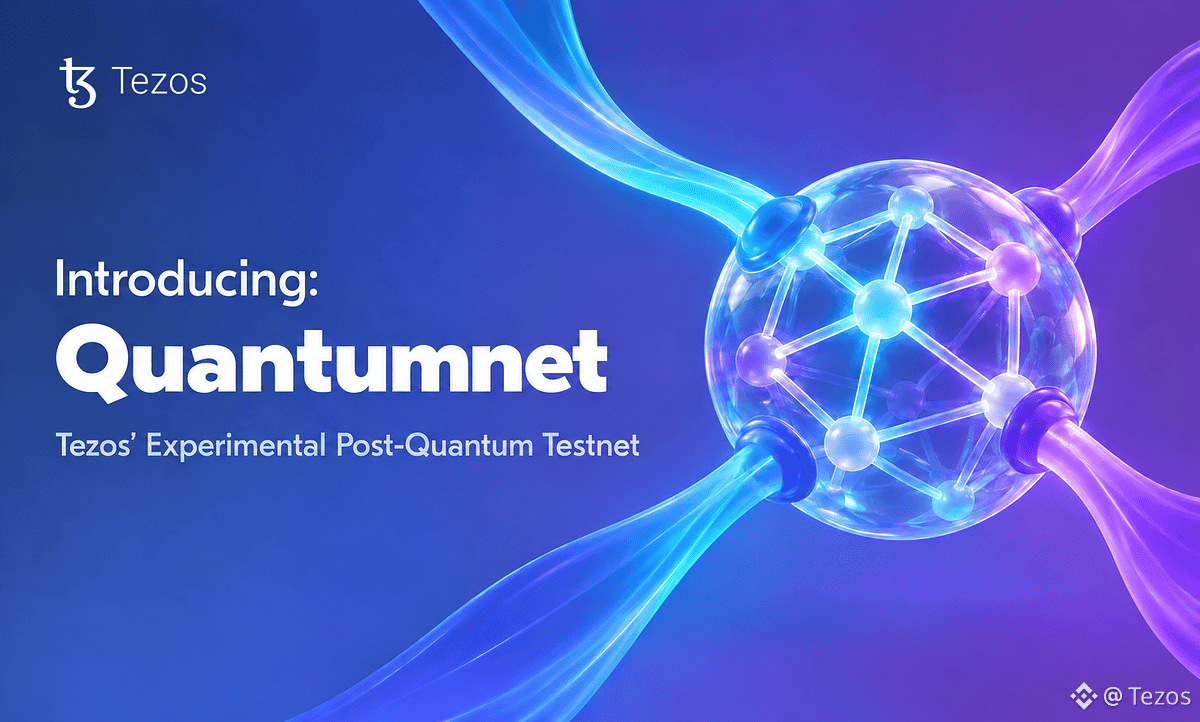
Die Backfolie - Ausgabe #326Es ist etwas sehr Befriedigendes daran zu sehen, wie eine Geschichte, der wir seit Wochen folgen, den Punkt erreicht, an dem die breitere Community einen richtigen Einblick bekommen kann. Letzte Woche verfolgten wir Arthurs Breitman frühen Link zu einem experimentellen post-quantum DAL-Netzwerk und untersuchten, was hinter dessen eher technischem Dashboard vor sich ging. Diese Woche liefert die offizielle Ankündigung von Quantumnet das vollständige Bild, und es lohnt sich, noch einmal darauf zurückzukommen.
Quantumnet bringt mehrere der zentralen Bausteine eines post-quantum Tezos in einem experimentellen Netzwerk zusammen und bietet Ingenieur:innen einen Ort, an dem sie testen können, wie sie gemeinsam funktionieren. Wir werfen einen genaueren Blick darauf, was gerade läuft, warum die Änderungen weit über die Einführung einer neuen Art von Konto hinausgehen, und was diese erste Iteration über die Arbeit aussagt, die noch vor uns liegt.
Die Backfolie - Ausgabe #326
Es ist etwas sehr Befriedigendes daran zu sehen, wie eine Geschichte, der wir seit Wochen folgen, den Punkt erreicht, an dem die breitere Community einen richtigen Einblick bekommen kann. Letzte Woche verfolgten wir Arthurs Breitman frühen Link zu einem experimentellen post-quantum DAL-Netzwerk und untersuchten, was hinter dessen eher technischem Dashboard vor sich ging. Diese Woche liefert die offizielle Ankündigung von Quantumnet das vollständige Bild, und es lohnt sich, noch einmal darauf zurückzukommen.
Quantumnet bringt mehrere der zentralen Bausteine eines post-quantum Tezos in einem experimentellen Netzwerk zusammen und bietet Ingenieur:innen einen Ort, an dem sie testen können, wie sie gemeinsam funktionieren. Wir werfen einen genaueren Blick darauf, was gerade läuft, warum die Änderungen weit über die Einführung einer neuen Art von Konto hinausgehen, und was diese erste Iteration über die Arbeit aussagt, die noch vor uns liegt.
Quantumnet bringt mehrere der zentralen Bausteine eines post-quantum Tezos in einem experimentellen Netzwerk zusammen und bietet Ingenieur:innen einen Ort, an dem sie testen können, wie sie gemeinsam funktionieren. Wir werfen einen genaueren Blick darauf, was gerade läuft, warum die Änderungen weit über die Einführung einer neuen Art von Konto hinausgehen, und was diese erste Iteration über die Arbeit aussagt, die noch vor uns liegt.
1
375
·
--

Artikel
Tezos Community Rewards — August 2026Wir geben die CRP-Gewinner für August 2026 bekannt!
Hallo, Tezos-Community,
Wir freuen uns, die Gewinner des „Community Rewards Program“ (CRP) für den Monat August 2026 bekanntzugeben!
Weitere Details zu den verschiedenen Kategorien findest du bitte auf der Seite „Rewards“ auf der Website von Tezos Commons.
Das Community Rewards Program ist eine Initiative der Tezos Commons Foundation, die darauf abzielt, die Adoption zu fördern und das Tezos-Ökosystem zu unterstützen. Jeden Monat werden Tez-Belohnungen an Einzelpersonen und Teams vergeben, die sich durch ihre Leistung hervortun und im Interesse des Tezos-Ökosystems als Ganzes handeln. Für diese Runde wurden insgesamt 9.250 Tez vergeben.
Tezos Community Rewards — August 2026
Wir geben die CRP-Gewinner für August 2026 bekannt!
Hallo, Tezos-Community,
Wir freuen uns, die Gewinner des „Community Rewards Program“ (CRP) für den Monat August 2026 bekanntzugeben!
Weitere Details zu den verschiedenen Kategorien findest du bitte auf der Seite „Rewards“ auf der Website von Tezos Commons.
Das Community Rewards Program ist eine Initiative der Tezos Commons Foundation, die darauf abzielt, die Adoption zu fördern und das Tezos-Ökosystem zu unterstützen. Jeden Monat werden Tez-Belohnungen an Einzelpersonen und Teams vergeben, die sich durch ihre Leistung hervortun und im Interesse des Tezos-Ökosystems als Ganzes handeln. Für diese Runde wurden insgesamt 9.250 Tez vergeben.
Hallo, Tezos-Community,
Wir freuen uns, die Gewinner des „Community Rewards Program“ (CRP) für den Monat August 2026 bekanntzugeben!
Weitere Details zu den verschiedenen Kategorien findest du bitte auf der Seite „Rewards“ auf der Website von Tezos Commons.
Das Community Rewards Program ist eine Initiative der Tezos Commons Foundation, die darauf abzielt, die Adoption zu fördern und das Tezos-Ökosystem zu unterstützen. Jeden Monat werden Tez-Belohnungen an Einzelpersonen und Teams vergeben, die sich durch ihre Leistung hervortun und im Interesse des Tezos-Ökosystems als Ganzes handeln. Für diese Runde wurden insgesamt 9.250 Tez vergeben.
1.2k
·
--

Artikel
Kento.Art Startete DurchDigitale Kunst auf physischen Karten, NFT optional
Vor mehreren Monaten, als ein Projekt mit dem Handel digitaler Kunstkarten in Anzeigen über meinen Social-Feeds auftauchte, war meine erste Reaktion: „Wer zum Teufel ist Kent?“
Ich hatte noch nie von dem Kerl gehört, aber er bewarb Tezos-Kunst – und zwar nicht nur im Twitter/X-Feed, wo unsere Szene normalerweise nur mit sich selbst spricht. Alle Feeds. Facebook, Instagram, YouTube, TikTok, Threads und darüber hinaus. Dabei stellte sich heraus, dass es kein Typ namens Kent war. Es war Kento.Art, gebaut vom Team hinter objkt.com.
Kento.Art Startete Durch
Digitale Kunst auf physischen Karten, NFT optional
Vor mehreren Monaten, als ein Projekt mit dem Handel digitaler Kunstkarten in Anzeigen über meinen Social-Feeds auftauchte, war meine erste Reaktion: „Wer zum Teufel ist Kent?“
Ich hatte noch nie von dem Kerl gehört, aber er bewarb Tezos-Kunst – und zwar nicht nur im Twitter/X-Feed, wo unsere Szene normalerweise nur mit sich selbst spricht. Alle Feeds. Facebook, Instagram, YouTube, TikTok, Threads und darüber hinaus. Dabei stellte sich heraus, dass es kein Typ namens Kent war. Es war Kento.Art, gebaut vom Team hinter objkt.com.
Vor mehreren Monaten, als ein Projekt mit dem Handel digitaler Kunstkarten in Anzeigen über meinen Social-Feeds auftauchte, war meine erste Reaktion: „Wer zum Teufel ist Kent?“
Ich hatte noch nie von dem Kerl gehört, aber er bewarb Tezos-Kunst – und zwar nicht nur im Twitter/X-Feed, wo unsere Szene normalerweise nur mit sich selbst spricht. Alle Feeds. Facebook, Instagram, YouTube, TikTok, Threads und darüber hinaus. Dabei stellte sich heraus, dass es kein Typ namens Kent war. Es war Kento.Art, gebaut vom Team hinter objkt.com.
1
497
·
--

Artikel
Was passiert mit Tezos Layer 1 nach Tezos X?Erkunden, was Tezos X für die zukünftige Rolle von Layer 1 bedeuten könnte.
Es gibt eine Frage, die in der Tezos-Community von Zeit zu Zeit immer wieder auftaucht, und ich habe gehört, dass sie auch bei unseren X Spaces in ähnlicher Form zur Sprache kam. Was genau passiert mit Tezos Layer 1, sobald Tezos X vollständig da ist?
Ich habe sogar bemerkt, dass es immer noch ein wenig Verwirrung rund um die ursprüngliche Tezos-X-Roadmap gibt. Einige scheinen zu glauben, dass alles, was derzeit auf L1 lebt, irgendwann in Tezos X verlagert wird. Das ergibt auch Sinn, weil das tatsächlich Teil der ersten Überlegungen zu Tezos X war, während die spätere Entscheidung, diese Idee fallen zu lassen, nicht annähernd so viel Aufmerksamkeit bekommen hat.
Was passiert mit Tezos Layer 1 nach Tezos X?
Erkunden, was Tezos X für die zukünftige Rolle von Layer 1 bedeuten könnte.
Es gibt eine Frage, die in der Tezos-Community von Zeit zu Zeit immer wieder auftaucht, und ich habe gehört, dass sie auch bei unseren X Spaces in ähnlicher Form zur Sprache kam. Was genau passiert mit Tezos Layer 1, sobald Tezos X vollständig da ist?
Ich habe sogar bemerkt, dass es immer noch ein wenig Verwirrung rund um die ursprüngliche Tezos-X-Roadmap gibt. Einige scheinen zu glauben, dass alles, was derzeit auf L1 lebt, irgendwann in Tezos X verlagert wird. Das ergibt auch Sinn, weil das tatsächlich Teil der ersten Überlegungen zu Tezos X war, während die spätere Entscheidung, diese Idee fallen zu lassen, nicht annähernd so viel Aufmerksamkeit bekommen hat.
Es gibt eine Frage, die in der Tezos-Community von Zeit zu Zeit immer wieder auftaucht, und ich habe gehört, dass sie auch bei unseren X Spaces in ähnlicher Form zur Sprache kam. Was genau passiert mit Tezos Layer 1, sobald Tezos X vollständig da ist?
Ich habe sogar bemerkt, dass es immer noch ein wenig Verwirrung rund um die ursprüngliche Tezos-X-Roadmap gibt. Einige scheinen zu glauben, dass alles, was derzeit auf L1 lebt, irgendwann in Tezos X verlagert wird. Das ergibt auch Sinn, weil das tatsächlich Teil der ersten Überlegungen zu Tezos X war, während die spätere Entscheidung, diese Idee fallen zu lassen, nicht annähernd so viel Aufmerksamkeit bekommen hat.
2
552
·
--

Artikel
Kunstgenuss OnlineNFTs Sind Kein Genre, Sie Sind Ein Medium
Es gibt keine einzige Antwort darauf, was etwas zur Kunst macht, und es wird sie nie geben. Jeder Versuch einer Definition wird mit der Zeit neu geschrieben. Wenn eine Person etwas empfindet, das sich nicht erklären lässt, kann sie die Empfindungen stattdessen ausdrücken, indem sie etwas erschafft, und wenn sie das tut, ist das Ergebnis Kunst.
Lass niemals eine einzige Perspektive dafür entscheiden, was du wahrnehmen kannst als das, was für dich Kunst ist. Verlass dich nicht auf die kuratierten und stark zensierten Feeds sozialer Medien. Es werden reibungslose globale Netzwerke für Menschen wie dich und mich aufgebaut, die der Mainstream darauf aus ist, dich zu hassen, und zu viele gehen auf diesen Köder rein.
Kunstgenuss Online
NFTs Sind Kein Genre, Sie Sind Ein Medium
Es gibt keine einzige Antwort darauf, was etwas zur Kunst macht, und es wird sie nie geben. Jeder Versuch einer Definition wird mit der Zeit neu geschrieben. Wenn eine Person etwas empfindet, das sich nicht erklären lässt, kann sie die Empfindungen stattdessen ausdrücken, indem sie etwas erschafft, und wenn sie das tut, ist das Ergebnis Kunst.
Lass niemals eine einzige Perspektive dafür entscheiden, was du wahrnehmen kannst als das, was für dich Kunst ist. Verlass dich nicht auf die kuratierten und stark zensierten Feeds sozialer Medien. Es werden reibungslose globale Netzwerke für Menschen wie dich und mich aufgebaut, die der Mainstream darauf aus ist, dich zu hassen, und zu viele gehen auf diesen Köder rein.
Es gibt keine einzige Antwort darauf, was etwas zur Kunst macht, und es wird sie nie geben. Jeder Versuch einer Definition wird mit der Zeit neu geschrieben. Wenn eine Person etwas empfindet, das sich nicht erklären lässt, kann sie die Empfindungen stattdessen ausdrücken, indem sie etwas erschafft, und wenn sie das tut, ist das Ergebnis Kunst.
Lass niemals eine einzige Perspektive dafür entscheiden, was du wahrnehmen kannst als das, was für dich Kunst ist. Verlass dich nicht auf die kuratierten und stark zensierten Feeds sozialer Medien. Es werden reibungslose globale Netzwerke für Menschen wie dich und mich aufgebaut, die der Mainstream darauf aus ist, dich zu hassen, und zu viele gehen auf diesen Köder rein.
538
·
--

Artikel
The Baking Sheet - Issue #324Es gibt ein schönes Leitthema, das sich diese Woche durch das Baking Sheet zieht – und es beginnt mit etwas, das wir mit großer Freude fast in Echtzeit dabei beobachten konnten. Kento hat nach nur etwas mehr als einer Woche auf Kickstarter die Marke von 140.000 US-Dollar an Zusagen geknackt, und aus Monaten an Vorschauen, Produktionsmustern und Vorfreude wurde ein Launch, der eindeutig ein Publikum gefunden hat. Wir verfolgen Kento schon eine Weile, daher ist diese Reaktion von Sammlern für uns besonders erfreulich.
Diese gleiche Beziehung zwischen Künstlern, Sammlern und Community taucht im restlichen Verlauf des Issues immer wieder auf. Justin Aversano und Fondazione Aversano wollen einen Künstler aus jedem US-Bundesstaat einsammeln – mit besonderem Fokus darauf, Arbeiten von Tezos-Künstlern zu entdecken. Auch diese Woche bringt unser Community Spotlight Tezto von FromFriends ins Spiel: ein simples Tool, um Onchain-Kunst in etwas zu verwandeln, das sofort teilbar ist. Und währenddessen ist in New York Responsive Signals nun weniger als zwei Wochen entfernt – nachdem es die letzten paar Editionen auf unserem Kalender verbracht hat.
The Baking Sheet - Issue #324
Es gibt ein schönes Leitthema, das sich diese Woche durch das Baking Sheet zieht – und es beginnt mit etwas, das wir mit großer Freude fast in Echtzeit dabei beobachten konnten. Kento hat nach nur etwas mehr als einer Woche auf Kickstarter die Marke von 140.000 US-Dollar an Zusagen geknackt, und aus Monaten an Vorschauen, Produktionsmustern und Vorfreude wurde ein Launch, der eindeutig ein Publikum gefunden hat. Wir verfolgen Kento schon eine Weile, daher ist diese Reaktion von Sammlern für uns besonders erfreulich.
Diese gleiche Beziehung zwischen Künstlern, Sammlern und Community taucht im restlichen Verlauf des Issues immer wieder auf. Justin Aversano und Fondazione Aversano wollen einen Künstler aus jedem US-Bundesstaat einsammeln – mit besonderem Fokus darauf, Arbeiten von Tezos-Künstlern zu entdecken. Auch diese Woche bringt unser Community Spotlight Tezto von FromFriends ins Spiel: ein simples Tool, um Onchain-Kunst in etwas zu verwandeln, das sofort teilbar ist. Und währenddessen ist in New York Responsive Signals nun weniger als zwei Wochen entfernt – nachdem es die letzten paar Editionen auf unserem Kalender verbracht hat.
Diese gleiche Beziehung zwischen Künstlern, Sammlern und Community taucht im restlichen Verlauf des Issues immer wieder auf. Justin Aversano und Fondazione Aversano wollen einen Künstler aus jedem US-Bundesstaat einsammeln – mit besonderem Fokus darauf, Arbeiten von Tezos-Künstlern zu entdecken. Auch diese Woche bringt unser Community Spotlight Tezto von FromFriends ins Spiel: ein simples Tool, um Onchain-Kunst in etwas zu verwandeln, das sofort teilbar ist. Und währenddessen ist in New York Responsive Signals nun weniger als zwei Wochen entfernt – nachdem es die letzten paar Editionen auf unserem Kalender verbracht hat.
374
·
--

Artikel
Generative Kunst auf TezosWo wir heute stehen und nach vorn blicken
Wenn du eine Geschichte aus einem Buch liest, werden dir die Bilder normalerweise nicht einfach vorgegeben. Deine Vorstellungskraft übernimmt diese Aufgabe: kleine Gedankenblasen über deinem Kopf zeigen in Echtzeit, was die Worte ausdrücken. In deinem Kopf läuft ein generativer Prozess. Diese Visuals werden Wort für Wort durch die Geschichte angestoßen und aus allem zusammengesetzt, was du gesehen und erlebt hast. Niemand, der dieselbe Seite liest, baut das gleiche Bild, weil niemand sonst ganz genauso ist wie du.
Generative Kunst auf Tezos
Wo wir heute stehen und nach vorn blicken
Wenn du eine Geschichte aus einem Buch liest, werden dir die Bilder normalerweise nicht einfach vorgegeben. Deine Vorstellungskraft übernimmt diese Aufgabe: kleine Gedankenblasen über deinem Kopf zeigen in Echtzeit, was die Worte ausdrücken. In deinem Kopf läuft ein generativer Prozess. Diese Visuals werden Wort für Wort durch die Geschichte angestoßen und aus allem zusammengesetzt, was du gesehen und erlebt hast. Niemand, der dieselbe Seite liest, baut das gleiche Bild, weil niemand sonst ganz genauso ist wie du.
Wenn du eine Geschichte aus einem Buch liest, werden dir die Bilder normalerweise nicht einfach vorgegeben. Deine Vorstellungskraft übernimmt diese Aufgabe: kleine Gedankenblasen über deinem Kopf zeigen in Echtzeit, was die Worte ausdrücken. In deinem Kopf läuft ein generativer Prozess. Diese Visuals werden Wort für Wort durch die Geschichte angestoßen und aus allem zusammengesetzt, was du gesehen und erlebt hast. Niemand, der dieselbe Seite liest, baut das gleiche Bild, weil niemand sonst ganz genauso ist wie du.
377
·
--
Artikel
Month At a Glance — August 2026Ein kurzer Überblick über die neuesten Ereignisse und bedeutenden Meilensteine im Tezos-Ökosystem im August 2026.
Willkommen bei unserer neuesten Ausgabe, Month At A Glance (August 2026) – hier geben wir einen schnellen Überblick über die neuesten Ereignisse und bedeutenden Meilensteine im Tezos-Ökosystem im monatlichen Rhythmus.
August war wieder ein aktiver Monat für Tezos: Fortschritte gab es über die Kerntechnologie, Real-World Assets, Developer-Tools, digitale Kunst und die breitere Community hinweg. Einiges kam durch große Meilensteine, während andere Entwicklungen eher kleinere Bausteine waren, die weiterhin verschiedene Teile des Ökosystems voranbrachten.
Month At a Glance — August 2026
Ein kurzer Überblick über die neuesten Ereignisse und bedeutenden Meilensteine im Tezos-Ökosystem im August 2026.
Willkommen bei unserer neuesten Ausgabe, Month At A Glance (August 2026) – hier geben wir einen schnellen Überblick über die neuesten Ereignisse und bedeutenden Meilensteine im Tezos-Ökosystem im monatlichen Rhythmus.
August war wieder ein aktiver Monat für Tezos: Fortschritte gab es über die Kerntechnologie, Real-World Assets, Developer-Tools, digitale Kunst und die breitere Community hinweg. Einiges kam durch große Meilensteine, während andere Entwicklungen eher kleinere Bausteine waren, die weiterhin verschiedene Teile des Ökosystems voranbrachten.
Willkommen bei unserer neuesten Ausgabe, Month At A Glance (August 2026) – hier geben wir einen schnellen Überblick über die neuesten Ereignisse und bedeutenden Meilensteine im Tezos-Ökosystem im monatlichen Rhythmus.
August war wieder ein aktiver Monat für Tezos: Fortschritte gab es über die Kerntechnologie, Real-World Assets, Developer-Tools, digitale Kunst und die breitere Community hinweg. Einiges kam durch große Meilensteine, während andere Entwicklungen eher kleinere Bausteine waren, die weiterhin verschiedene Teile des Ökosystems voranbrachten.
477
·
--

Artikel
Teia heute: August 2026Konkrete Beispiele für Web3, das auf Tezos aufbaut
Als ich im Februar über Teia schrieb, beschrieb ein Großteil des Artikels Arbeit, die damals noch in Entwicklung war. Das ist eine normale Ausgangslage für eine von Freiwilligen betriebene Plattform – und auch die Position, aus der heraus die meisten Krypto-Texte nie herauskommen. Vieles von dem, was damals bevorstand, sitzt jetzt in der Benutzeroberfläche, und ich nutze diese Tools, statt über sie zu lesen. Funktionen sind erst dann wirklich relevant, wenn die Leute wissen, dass es sie gibt. Deshalb folgt hier: Was ausgeliefert wurde, was es ermöglicht – und warum mich das alles so sehr begeistert!
Teia heute: August 2026
Konkrete Beispiele für Web3, das auf Tezos aufbaut
Als ich im Februar über Teia schrieb, beschrieb ein Großteil des Artikels Arbeit, die damals noch in Entwicklung war. Das ist eine normale Ausgangslage für eine von Freiwilligen betriebene Plattform – und auch die Position, aus der heraus die meisten Krypto-Texte nie herauskommen. Vieles von dem, was damals bevorstand, sitzt jetzt in der Benutzeroberfläche, und ich nutze diese Tools, statt über sie zu lesen. Funktionen sind erst dann wirklich relevant, wenn die Leute wissen, dass es sie gibt. Deshalb folgt hier: Was ausgeliefert wurde, was es ermöglicht – und warum mich das alles so sehr begeistert!
Als ich im Februar über Teia schrieb, beschrieb ein Großteil des Artikels Arbeit, die damals noch in Entwicklung war. Das ist eine normale Ausgangslage für eine von Freiwilligen betriebene Plattform – und auch die Position, aus der heraus die meisten Krypto-Texte nie herauskommen. Vieles von dem, was damals bevorstand, sitzt jetzt in der Benutzeroberfläche, und ich nutze diese Tools, statt über sie zu lesen. Funktionen sind erst dann wirklich relevant, wenn die Leute wissen, dass es sie gibt. Deshalb folgt hier: Was ausgeliefert wurde, was es ermöglicht – und warum mich das alles so sehr begeistert!
396
·
--

Artikel
TTC: TheTezosCommunityEin Gemeinsames Gemeinwohl aus qualitätsvollen Menschen
Der Begriff „Tezos Community“ wird locker verwendet, als Abkürzung für alle, die tez halten oder sich ein Stück Kunst im Netzwerk sichern. TTC, TheTezosCommunity, ist etwas Bestimmteres. Es ist eine von Freiwilligen betriebene Organisation mit einem Discord-Server, einer Website, einem Kalender voller wiederkehrender Events und einer Gruppe von Menschen, die seit Jahren daran arbeiten, Tools und Traditionen zu entwickeln, damit Tezos für diejenigen, die häufig aktiv sind, wie eine echte Lebensgemeinschaft wirkt.
Ich habe genug Zeit mit TTC verbracht, um mich auf Tezos wie in einer Familie zu fühlen. Die Organisatoren sind Freunde, und die Events sind nie Verpflichtungen, sondern nur offene Einladungen, die ich wahrnehme, wenn ich kann. Ich schreibe jetzt aus einem ganz bestimmten Grund über sie. Im vierten Jahr angelangt, bat TTC die Community um Unterstützung, um die grundlegenden Betriebskosten per Crowdfunding zu decken, und sie haben sogar ein Tool gebaut, mit dem diese Aktion transparent durchgeführt werden kann. Die Oberfläche war übersichtlich, die Bitte war klar, und sie erreichten das Ziel schneller, als es sich irgendjemand hätte vorstellen können. Jahre echter Arbeit für Menschen kamen zurück – so ist das, wenn eine Gruppe unaufdringlich fragt und es leicht macht, ja zu sagen.
TTC: TheTezosCommunity
Ein Gemeinsames Gemeinwohl aus qualitätsvollen Menschen
Der Begriff „Tezos Community“ wird locker verwendet, als Abkürzung für alle, die tez halten oder sich ein Stück Kunst im Netzwerk sichern. TTC, TheTezosCommunity, ist etwas Bestimmteres. Es ist eine von Freiwilligen betriebene Organisation mit einem Discord-Server, einer Website, einem Kalender voller wiederkehrender Events und einer Gruppe von Menschen, die seit Jahren daran arbeiten, Tools und Traditionen zu entwickeln, damit Tezos für diejenigen, die häufig aktiv sind, wie eine echte Lebensgemeinschaft wirkt.
Ich habe genug Zeit mit TTC verbracht, um mich auf Tezos wie in einer Familie zu fühlen. Die Organisatoren sind Freunde, und die Events sind nie Verpflichtungen, sondern nur offene Einladungen, die ich wahrnehme, wenn ich kann. Ich schreibe jetzt aus einem ganz bestimmten Grund über sie. Im vierten Jahr angelangt, bat TTC die Community um Unterstützung, um die grundlegenden Betriebskosten per Crowdfunding zu decken, und sie haben sogar ein Tool gebaut, mit dem diese Aktion transparent durchgeführt werden kann. Die Oberfläche war übersichtlich, die Bitte war klar, und sie erreichten das Ziel schneller, als es sich irgendjemand hätte vorstellen können. Jahre echter Arbeit für Menschen kamen zurück – so ist das, wenn eine Gruppe unaufdringlich fragt und es leicht macht, ja zu sagen.
Der Begriff „Tezos Community“ wird locker verwendet, als Abkürzung für alle, die tez halten oder sich ein Stück Kunst im Netzwerk sichern. TTC, TheTezosCommunity, ist etwas Bestimmteres. Es ist eine von Freiwilligen betriebene Organisation mit einem Discord-Server, einer Website, einem Kalender voller wiederkehrender Events und einer Gruppe von Menschen, die seit Jahren daran arbeiten, Tools und Traditionen zu entwickeln, damit Tezos für diejenigen, die häufig aktiv sind, wie eine echte Lebensgemeinschaft wirkt.
Ich habe genug Zeit mit TTC verbracht, um mich auf Tezos wie in einer Familie zu fühlen. Die Organisatoren sind Freunde, und die Events sind nie Verpflichtungen, sondern nur offene Einladungen, die ich wahrnehme, wenn ich kann. Ich schreibe jetzt aus einem ganz bestimmten Grund über sie. Im vierten Jahr angelangt, bat TTC die Community um Unterstützung, um die grundlegenden Betriebskosten per Crowdfunding zu decken, und sie haben sogar ein Tool gebaut, mit dem diese Aktion transparent durchgeführt werden kann. Die Oberfläche war übersichtlich, die Bitte war klar, und sie erreichten das Ziel schneller, als es sich irgendjemand hätte vorstellen können. Jahre echter Arbeit für Menschen kamen zurück – so ist das, wenn eine Gruppe unaufdringlich fragt und es leicht macht, ja zu sagen.
1
309
·
--

Artikel
Tezos-Community-Belohnungen — Juli 2026Bekanntgabe der CRP-Gewinner für Juli 2026!
Grüße an die Tezos-Community
Wir freuen uns, die Gewinner des „Community Rewards Program“ (CRP) für den Monat Juli 2026 bekanntzugeben!
Weitere Informationen zu den verschiedenen Kategorien finden Sie bitte auf der Rewards-Seite auf der Website von Tezos Commons.
Das Community Rewards Program ist eine Initiative der Tezos Commons Foundation mit dem Ziel, die Einführung zu fördern und das Tezos-Ökosystem zu unterstützen. Jeden Monat werden Tez-Belohnungen an Einzelpersonen und Teams vergeben, die sich durch ihre Verdienste auszeichnen und im Interesse des Tezos-Ökosystems als Ganzes handeln. In dieser Runde wurden insgesamt 9.750 Tez verliehen.
Tezos-Community-Belohnungen — Juli 2026
Bekanntgabe der CRP-Gewinner für Juli 2026!
Grüße an die Tezos-Community
Wir freuen uns, die Gewinner des „Community Rewards Program“ (CRP) für den Monat Juli 2026 bekanntzugeben!
Weitere Informationen zu den verschiedenen Kategorien finden Sie bitte auf der Rewards-Seite auf der Website von Tezos Commons.
Das Community Rewards Program ist eine Initiative der Tezos Commons Foundation mit dem Ziel, die Einführung zu fördern und das Tezos-Ökosystem zu unterstützen. Jeden Monat werden Tez-Belohnungen an Einzelpersonen und Teams vergeben, die sich durch ihre Verdienste auszeichnen und im Interesse des Tezos-Ökosystems als Ganzes handeln. In dieser Runde wurden insgesamt 9.750 Tez verliehen.
Grüße an die Tezos-Community
Wir freuen uns, die Gewinner des „Community Rewards Program“ (CRP) für den Monat Juli 2026 bekanntzugeben!
Weitere Informationen zu den verschiedenen Kategorien finden Sie bitte auf der Rewards-Seite auf der Website von Tezos Commons.
Das Community Rewards Program ist eine Initiative der Tezos Commons Foundation mit dem Ziel, die Einführung zu fördern und das Tezos-Ökosystem zu unterstützen. Jeden Monat werden Tez-Belohnungen an Einzelpersonen und Teams vergeben, die sich durch ihre Verdienste auszeichnen und im Interesse des Tezos-Ökosystems als Ganzes handeln. In dieser Runde wurden insgesamt 9.750 Tez verliehen.
219
·
--
Artikel
Tezos Community Rewards — Juli 2026Wir geben die CRP-Gewinner für Juli 2026 bekannt!
Grüße, Tezos-Community,
Wir freuen uns, die Gewinner des „Community Rewards Program“ CRP für den Monat Juli 2026 bekanntzugeben!
Für weitere Details zu den verschiedenen Kategorien findest du bitte auf der Website von Tezos Commons die Seite zu den Rewards.
Das Community Rewards Program ist eine Initiative der Tezos Commons Foundation mit dem Ziel, die Adoption zu fördern und das Tezos-Ökosystem zu unterstützen. Jeden Monat werden tez-Rewards an Einzelpersonen und Teams vergeben, die sich durch ihre Verdienste auszeichnen und im Interesse des Tezos-Ökosystems als Ganzes handeln. Für diese Runde wurden insgesamt 9.750 tez vergeben.
Tezos Community Rewards — Juli 2026
Wir geben die CRP-Gewinner für Juli 2026 bekannt!
Grüße, Tezos-Community,
Wir freuen uns, die Gewinner des „Community Rewards Program“ CRP für den Monat Juli 2026 bekanntzugeben!
Für weitere Details zu den verschiedenen Kategorien findest du bitte auf der Website von Tezos Commons die Seite zu den Rewards.
Das Community Rewards Program ist eine Initiative der Tezos Commons Foundation mit dem Ziel, die Adoption zu fördern und das Tezos-Ökosystem zu unterstützen. Jeden Monat werden tez-Rewards an Einzelpersonen und Teams vergeben, die sich durch ihre Verdienste auszeichnen und im Interesse des Tezos-Ökosystems als Ganzes handeln. Für diese Runde wurden insgesamt 9.750 tez vergeben.
Grüße, Tezos-Community,
Wir freuen uns, die Gewinner des „Community Rewards Program“ CRP für den Monat Juli 2026 bekanntzugeben!
Für weitere Details zu den verschiedenen Kategorien findest du bitte auf der Website von Tezos Commons die Seite zu den Rewards.
Das Community Rewards Program ist eine Initiative der Tezos Commons Foundation mit dem Ziel, die Adoption zu fördern und das Tezos-Ökosystem zu unterstützen. Jeden Monat werden tez-Rewards an Einzelpersonen und Teams vergeben, die sich durch ihre Verdienste auszeichnen und im Interesse des Tezos-Ökosystems als Ganzes handeln. Für diese Runde wurden insgesamt 9.750 tez vergeben.
227
·
--

Artikel
The Baking Sheet - Ausgabe #321Ganz einfach: In zwei Wochen kann sich viel ändern. In Issue #319 haben wir über Ganesha gesprochen, nachdem bei Tests ein Sicherheitsproblem entdeckt worden war und die Bäcker gebeten wurden, den vorgeschlagenen Etherlink-7.0-Kernel abzulehnen. Diese Woche holen wir diese Geschichte mit einem deutlich besseren Update wieder ein: Der korrigierte Ganesha-Vorschlag hat Fast Governance passiert, hat dabei einen neuen Rekord für die Promotion-Quorum-Quote gesetzt und ist jetzt bereit für Mainnet.
Außerdem passiert jede Menge jenseits von Etherlink. Tokenisiertes Uran ist auf Kraken in ganz Europa ausgeweitet, und die neueste Ausgabe von Tezos X-Plained kommt zu einem besonders guten Zeitpunkt – für alle, die versuchen, mit dem schnelllebigen Gespräch rund um die Krypto-Regulierung Schritt zu halten.
The Baking Sheet - Ausgabe #321
Ganz einfach: In zwei Wochen kann sich viel ändern. In Issue #319 haben wir über Ganesha gesprochen, nachdem bei Tests ein Sicherheitsproblem entdeckt worden war und die Bäcker gebeten wurden, den vorgeschlagenen Etherlink-7.0-Kernel abzulehnen. Diese Woche holen wir diese Geschichte mit einem deutlich besseren Update wieder ein: Der korrigierte Ganesha-Vorschlag hat Fast Governance passiert, hat dabei einen neuen Rekord für die Promotion-Quorum-Quote gesetzt und ist jetzt bereit für Mainnet.
Außerdem passiert jede Menge jenseits von Etherlink. Tokenisiertes Uran ist auf Kraken in ganz Europa ausgeweitet, und die neueste Ausgabe von Tezos X-Plained kommt zu einem besonders guten Zeitpunkt – für alle, die versuchen, mit dem schnelllebigen Gespräch rund um die Krypto-Regulierung Schritt zu halten.
Außerdem passiert jede Menge jenseits von Etherlink. Tokenisiertes Uran ist auf Kraken in ganz Europa ausgeweitet, und die neueste Ausgabe von Tezos X-Plained kommt zu einem besonders guten Zeitpunkt – für alle, die versuchen, mit dem schnelllebigen Gespräch rund um die Krypto-Regulierung Schritt zu halten.
194
Anmelden und weiter Inhalte entdecken
Krypto-Nutzer weltweit auf Binance Square kennenlernen
⚡️ Bleib in Sachen Krypto stets am Puls.
💬 Die weltgrößte Kryptobörse vertraut darauf.
👍 Erhalte verlässliche Einblicke von verifizierten Creators.
E-Mail-Adresse/Telefonnummer
Trendthemen
BinancePick
3M Aufrufe
152,141 Kommentare
Mach bei #Gewinnsaison mit: Prognostiziere Unternehmensergebnisse auf Binance Pick und teile deine Meinung auf Binance Square!
Binance Square Official
·409 Likes
·342.6k Aufrufe
EarningsSeason
5.3M Aufrufe
25,852 Kommentare
AnthropicTTMRevenueGrewAbout1200%
23,672 Aufrufe
356 Kommentare