

terencechain
11 Beiträge

terencechain
Melden
Nutzer blockieren
0 Following
0 Follower
0 Like gegeben
Beiträge
·
--
Ich habe viel Hin und Her zu schnelleren Slot-Zeiten (EIP-7782) und epbs (EIP-7732) gesehen, also wollte ich teilen, wo ich stehe. Zunächst möchte ich betonen, dass alle Diskussionen, die ich gesehen habe, in gutem Glauben geführt wurden, jeder möchte das Beste für Ethereum. Die Hauptfrage ist nur die Reihenfolge der Operationen. Das ist ein gutes Problem zu haben! Von außen mag es chaotisch aussehen, aber so sieht öffentliche F&E aus. Wir sind in einer offenen Küche und debattieren, ob wir zuerst Steak oder Hummer servieren, der Kunde bekommt beides, egal wie, es ist nur eine Frage von wann und wie.
Jetzt spreche ich nur für mich selbst (nicht für mein Team), ich glaube, wir sollten EIP-7732 zuerst ausliefern. Hier ist der Grund:
1.) Aus ingenieurtechnischer Sicht macht es mehr Sinn, zuerst umzuorganisieren und dann zu verkürzen. Es umgekehrt zu machen, ist nicht nur mehr Ingenieurarbeit, es ist nicht 1:1 (auch nicht linear), aber es ist schwieriger zu durchdenken.
2.) Aus Testperspektive ist es einfacher, die Slot-Umstrukturierung zuerst zu testen und dann schnellere Slots. Wie wir in Pectra gesehen haben, ist das Testen der Hauptengpass beim Ausliefern!
3.) Aus Sicherheitsgründen ist es oft sicherer, eine größere Änderung (wie die Umstrukturierung) zuerst und dann eine kleinere (Verkürzung) einzuführen. Lass es im Hauptnetz laufen und härte es, bevor du mehr Komplexität hinzufügst.
4.) Aus zeitlicher Sicht, in Bezug auf die kombinierte Zeit, glaube ich, dass (EIP-7732 → EIP-7782) schneller ist als (EIP-7782 → EIP-7732). Wir könnten 7782 nur 3–4 Monate nach 7732 ausliefern, wenn wir an beiden parallel arbeiten und in den Testmodus wechseln, sobald 7732 landet. Ein kurzer CL-only Fork könnte uns schnell dorthin bringen.
Das ist nur meine Sichtweise als jemand, der diese Dinge Tag für Tag aufbaut und implementiert. Ich vermisse den Kontext sowohl in der Forschung als auch in der Community. Letztendlich sollten die Nutzer von Ethereum ein Mitspracherecht haben, würdest du schnellere Slot-Zeiten in Glamsterdam oder ein höheres Ausführungsgaslimit und mehr Blob-Kapazität bevorzugen? Warum? Ich würde gerne deine Gedanken hören.
Ich habe viel Hin und Her zu schnelleren Slot-Zeiten (EIP-7782) und epbs (EIP-7732) gesehen, also wollte ich teilen, wo ich stehe. Zunächst möchte ich betonen, dass alle Diskussionen, die ich gesehen habe, in gutem Glauben geführt wurden, jeder möchte das Beste für Ethereum. Die Hauptfrage ist nur die Reihenfolge der Operationen. Das ist ein gutes Problem zu haben! Von außen mag es chaotisch aussehen, aber so sieht öffentliche F&E aus. Wir sind in einer offenen Küche und debattieren, ob wir zuerst Steak oder Hummer servieren, der Kunde bekommt beides, egal wie, es ist nur eine Frage von wann und wie.
Jetzt spreche ich nur für mich selbst (nicht für mein Team), ich glaube, wir sollten EIP-7732 zuerst ausliefern. Hier ist der Grund:
1.) Aus ingenieurtechnischer Sicht macht es mehr Sinn, zuerst umzuorganisieren und dann zu verkürzen. Es umgekehrt zu machen, ist nicht nur mehr Ingenieurarbeit, es ist nicht 1:1 (auch nicht linear), aber es ist schwieriger zu durchdenken.
2.) Aus Testperspektive ist es einfacher, die Slot-Umstrukturierung zuerst zu testen und dann schnellere Slots. Wie wir in Pectra gesehen haben, ist das Testen der Hauptengpass beim Ausliefern!
3.) Aus Sicherheitsgründen ist es oft sicherer, eine größere Änderung (wie die Umstrukturierung) zuerst und dann eine kleinere (Verkürzung) einzuführen. Lass es im Hauptnetz laufen und härte es, bevor du mehr Komplexität hinzufügst.
4.) Aus zeitlicher Sicht, in Bezug auf die kombinierte Zeit, glaube ich, dass (EIP-7732 → EIP-7782) schneller ist als (EIP-7782 → EIP-7732). Wir könnten 7782 nur 3–4 Monate nach 7732 ausliefern, wenn wir an beiden parallel arbeiten und in den Testmodus wechseln, sobald 7732 landet. Ein kurzer CL-only Fork könnte uns schnell dorthin bringen.
Das ist nur meine Sichtweise als jemand, der diese Dinge Tag für Tag aufbaut und implementiert. Ich vermisse den Kontext sowohl in der Forschung als auch in der Community. Letztendlich sollten die Nutzer von Ethereum ein Mitspracherecht haben, würdest du schnellere Slot-Zeiten in Glamsterdam oder ein höheres Ausführungsgaslimit und mehr Blob-Kapazität bevorzugen? Warum? Ich würde gerne deine Gedanken hören.
Jetzt spreche ich nur für mich selbst (nicht für mein Team), ich glaube, wir sollten EIP-7732 zuerst ausliefern. Hier ist der Grund:
1.) Aus ingenieurtechnischer Sicht macht es mehr Sinn, zuerst umzuorganisieren und dann zu verkürzen. Es umgekehrt zu machen, ist nicht nur mehr Ingenieurarbeit, es ist nicht 1:1 (auch nicht linear), aber es ist schwieriger zu durchdenken.
2.) Aus Testperspektive ist es einfacher, die Slot-Umstrukturierung zuerst zu testen und dann schnellere Slots. Wie wir in Pectra gesehen haben, ist das Testen der Hauptengpass beim Ausliefern!
3.) Aus Sicherheitsgründen ist es oft sicherer, eine größere Änderung (wie die Umstrukturierung) zuerst und dann eine kleinere (Verkürzung) einzuführen. Lass es im Hauptnetz laufen und härte es, bevor du mehr Komplexität hinzufügst.
4.) Aus zeitlicher Sicht, in Bezug auf die kombinierte Zeit, glaube ich, dass (EIP-7732 → EIP-7782) schneller ist als (EIP-7782 → EIP-7732). Wir könnten 7782 nur 3–4 Monate nach 7732 ausliefern, wenn wir an beiden parallel arbeiten und in den Testmodus wechseln, sobald 7732 landet. Ein kurzer CL-only Fork könnte uns schnell dorthin bringen.
Das ist nur meine Sichtweise als jemand, der diese Dinge Tag für Tag aufbaut und implementiert. Ich vermisse den Kontext sowohl in der Forschung als auch in der Community. Letztendlich sollten die Nutzer von Ethereum ein Mitspracherecht haben, würdest du schnellere Slot-Zeiten in Glamsterdam oder ein höheres Ausführungsgaslimit und mehr Blob-Kapazität bevorzugen? Warum? Ich würde gerne deine Gedanken hören.
3
·
--
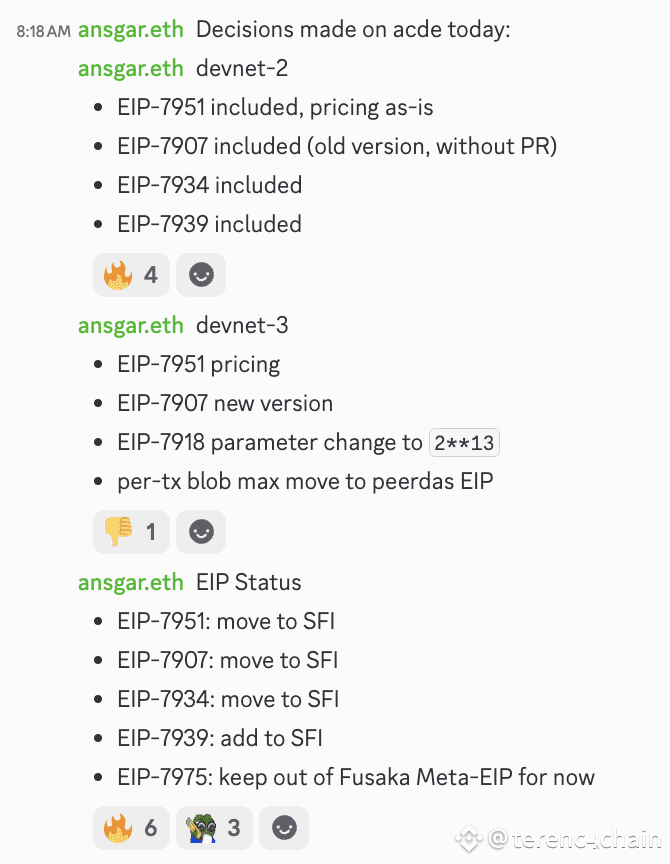
Ich konnte nicht so oft an ACD-Anrufen teilnehmen, wie ich wollte, aber die heutige Sitzung sah super produktiv aus. Ethereum wird geliefert & skaliert!
Ich konnte nicht so oft an ACD-Anrufen teilnehmen, wie ich wollte, aber die heutige Sitzung sah super produktiv aus. Ethereum wird geliefert & skaliert!
7
·
--
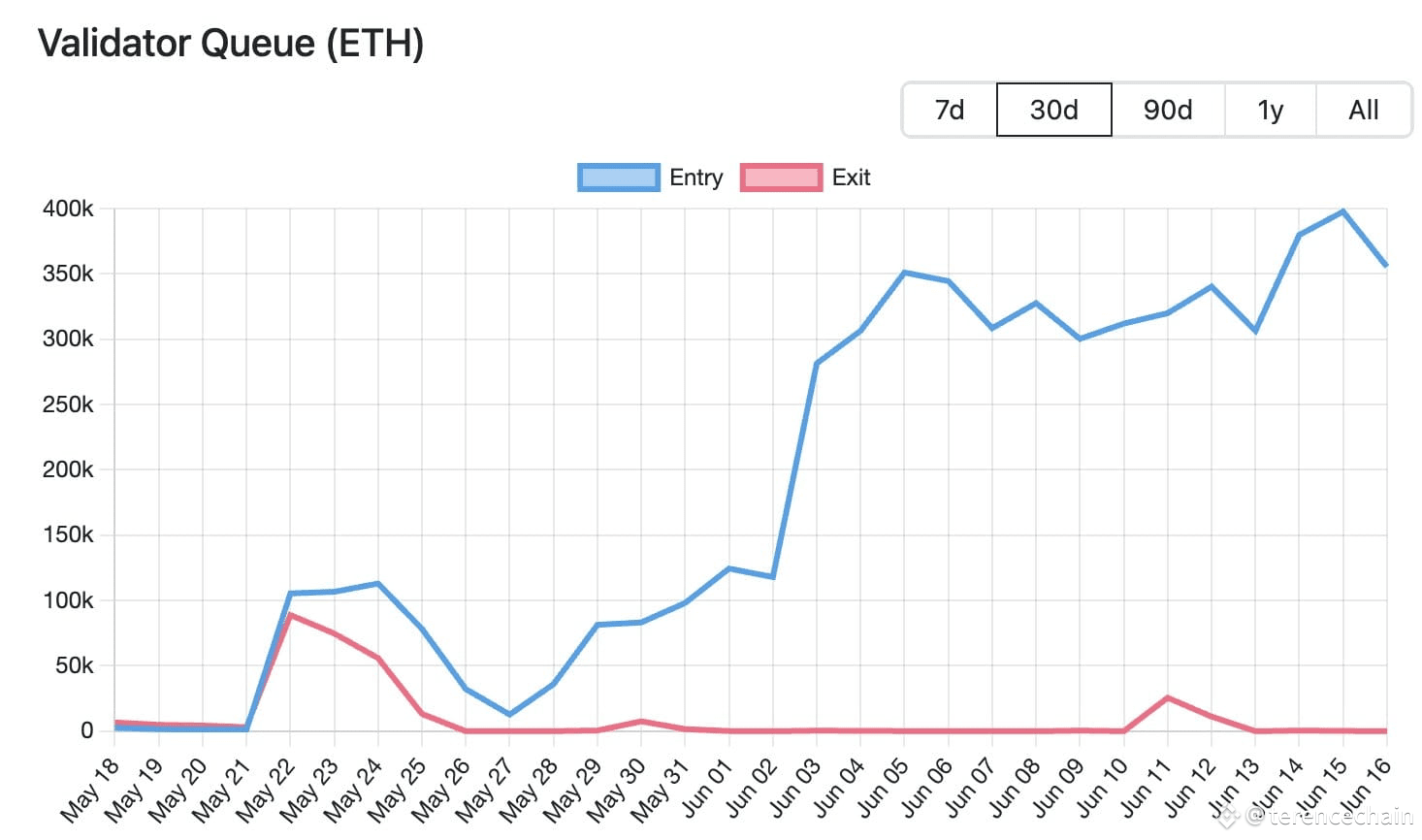
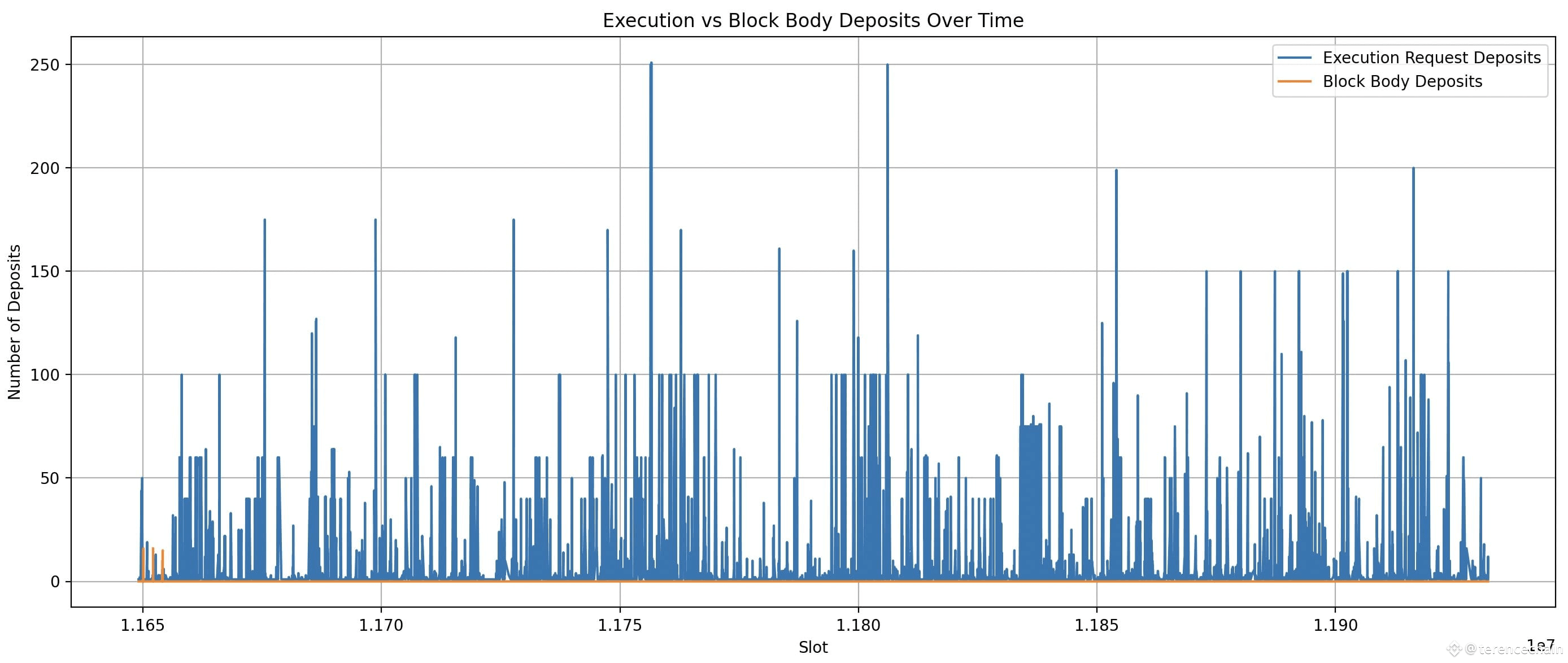
Die Ethereum-Validator-Warteschlange wächst seit Ende Mai stetig. Ich habe alle alten ETH1- und neuen EIP-6110-Ausführungsdeposits von Slot 11649077 -> 11931977 analysiert.
Überblickszahlen:
- Es gibt insgesamt 82.529 neue EL-Dateneinlagen im Vergleich zu 541 alten ETH1-Dateneinlagen, da die erwartete ETH1-Einlage eingestellt wurde.
- Insgesamt wurden 2,3 Millionen ETH über EL-Dateneinlagen eingezahlt.
- 375 EL-Dateneinlagen übersteigen den Betrag von 32 ETH.
Jetzt teilen wir einige Diagramme:
Die Ethereum-Validator-Warteschlange wächst seit Ende Mai stetig. Ich habe alle alten ETH1- und neuen EIP-6110-Ausführungsdeposits von Slot 11649077 -> 11931977 analysiert.
Überblickszahlen:
- Es gibt insgesamt 82.529 neue EL-Dateneinlagen im Vergleich zu 541 alten ETH1-Dateneinlagen, da die erwartete ETH1-Einlage eingestellt wurde.
- Insgesamt wurden 2,3 Millionen ETH über EL-Dateneinlagen eingezahlt.
- 375 EL-Dateneinlagen übersteigen den Betrag von 32 ETH.
Jetzt teilen wir einige Diagramme:
Überblickszahlen:
- Es gibt insgesamt 82.529 neue EL-Dateneinlagen im Vergleich zu 541 alten ETH1-Dateneinlagen, da die erwartete ETH1-Einlage eingestellt wurde.
- Insgesamt wurden 2,3 Millionen ETH über EL-Dateneinlagen eingezahlt.
- 375 EL-Dateneinlagen übersteigen den Betrag von 32 ETH.
Jetzt teilen wir einige Diagramme:
54
·
--
https://launchpad.ethereum.org/en/validator-actions ist kriminell unterbewertet. Die Benutzererfahrung für Teil-Einzahlungen, Abhebungen und Compound ist super reibungslos. Riesiges Lob an das Team dahinter, aber wie immer, DYOR
https://launchpad.ethereum.org/en/validator-actions ist kriminell unterbewertet. Die Benutzererfahrung für Teil-Einzahlungen, Abhebungen und Compound ist super reibungslos. Riesiges Lob an das Team dahinter, aber wie immer, DYOR
11
·
--
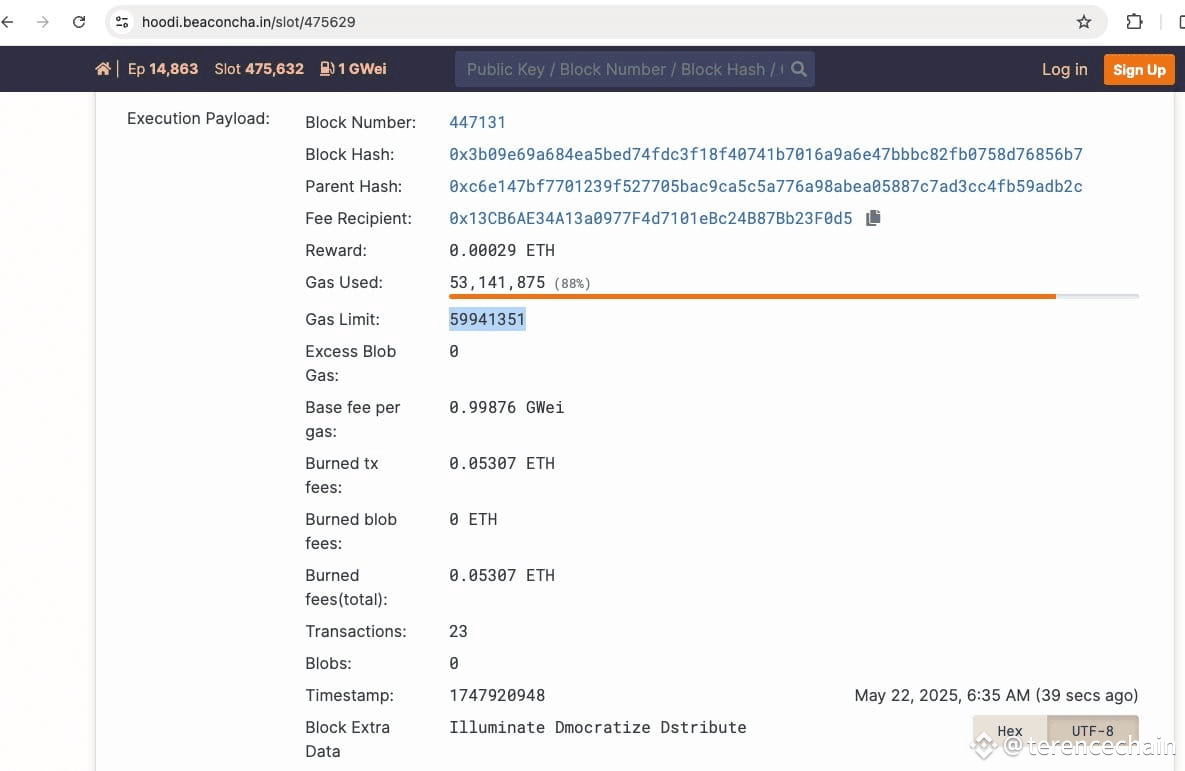
Ich habe im letzten Monat in Blöcken gegraben und etwas Interessantes gefunden:
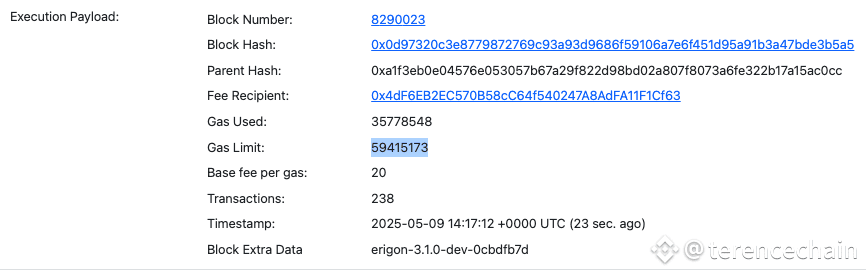
172 Blöcke hatten keine Transaktionen, 85 hatten keine Gebühr Empfänger.
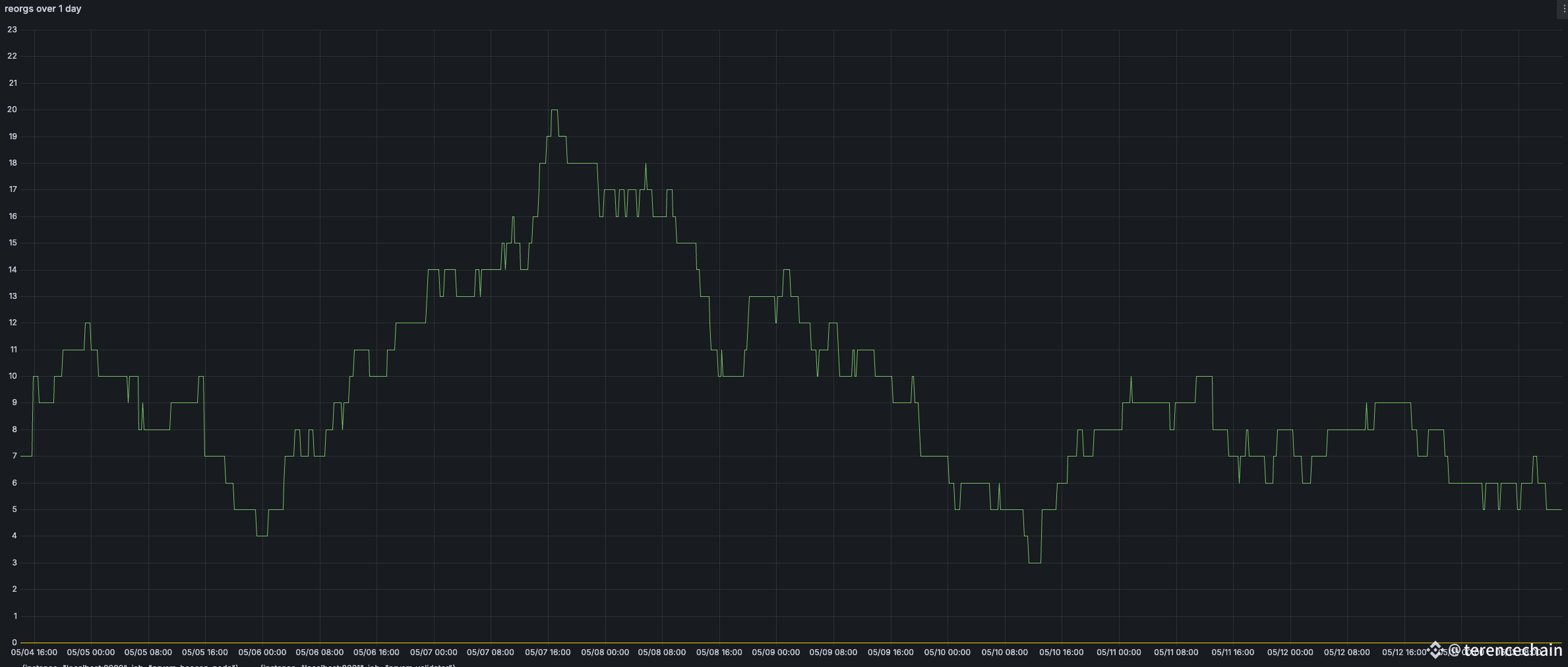
Das sind ~5–6 pro Tag, etwa die gleiche Rate wie Reorganisierungen.
Beispiel: https://t.co/lw0pSAePBt
Könnten kurzfristige Reorganisierungen die Entwickler überraschen? Weiß jemand mehr? cc @Data_Always
Ich habe im letzten Monat in Blöcken gegraben und etwas Interessantes gefunden:
172 Blöcke hatten keine Transaktionen, 85 hatten keine Gebühr Empfänger.
Das sind ~5–6 pro Tag, etwa die gleiche Rate wie Reorganisierungen.
Beispiel: https://t.co/lw0pSAePBt
Könnten kurzfristige Reorganisierungen die Entwickler überraschen? Weiß jemand mehr? cc @Data_Always
172 Blöcke hatten keine Transaktionen, 85 hatten keine Gebühr Empfänger.
Das sind ~5–6 pro Tag, etwa die gleiche Rate wie Reorganisierungen.
Beispiel: https://t.co/lw0pSAePBt
Könnten kurzfristige Reorganisierungen die Entwickler überraschen? Weiß jemand mehr? cc @Data_Always
14
·
--
Ein Monat seit dem Pectra-Update. Ich habe ein kurzes Skript geschrieben, um alle Blöcke seit & der Nutzung von Ausführungsanfragen für Studien herunterzuladen. Was ich über 236k Slots herausgefunden habe:
- Von 236k Slots hatten nur 30.587 Blöcke Ausführungsanfragen
- In diesen Blöcken gab es 69.041 Einzahlungsanfragen, 312 Abhebungsanfragen (warum so wenig!) und 17.570 Konsolidierungsanfragen
- Bei Einzahlungen sahen wir 57.293 einzigartige öffentliche Schlüssel und 2.102 einzigartige Abhebungsberechtigungen
- Bei Abhebungen 262 einzigartige Validator-Öffentliche Schlüssel und 100 einzigartige Quelladressen
- Bei Konsolidierungen 3.422 einzigartige Zieladressen und 3.544 Selbstkonsolidierungen, was ungefähr 1,3 % der Validatoren konsolidiert hat
Ist dir hier etwas aufgefallen?
Ein Monat seit dem Pectra-Update. Ich habe ein kurzes Skript geschrieben, um alle Blöcke seit & der Nutzung von Ausführungsanfragen für Studien herunterzuladen. Was ich über 236k Slots herausgefunden habe:
- Von 236k Slots hatten nur 30.587 Blöcke Ausführungsanfragen
- In diesen Blöcken gab es 69.041 Einzahlungsanfragen, 312 Abhebungsanfragen (warum so wenig!) und 17.570 Konsolidierungsanfragen
- Bei Einzahlungen sahen wir 57.293 einzigartige öffentliche Schlüssel und 2.102 einzigartige Abhebungsberechtigungen
- Bei Abhebungen 262 einzigartige Validator-Öffentliche Schlüssel und 100 einzigartige Quelladressen
- Bei Konsolidierungen 3.422 einzigartige Zieladressen und 3.544 Selbstkonsolidierungen, was ungefähr 1,3 % der Validatoren konsolidiert hat
Ist dir hier etwas aufgefallen?
- Von 236k Slots hatten nur 30.587 Blöcke Ausführungsanfragen
- In diesen Blöcken gab es 69.041 Einzahlungsanfragen, 312 Abhebungsanfragen (warum so wenig!) und 17.570 Konsolidierungsanfragen
- Bei Einzahlungen sahen wir 57.293 einzigartige öffentliche Schlüssel und 2.102 einzigartige Abhebungsberechtigungen
- Bei Abhebungen 262 einzigartige Validator-Öffentliche Schlüssel und 100 einzigartige Quelladressen
- Bei Konsolidierungen 3.422 einzigartige Zieladressen und 3.544 Selbstkonsolidierungen, was ungefähr 1,3 % der Validatoren konsolidiert hat
Ist dir hier etwas aufgefallen?
49
·
--
Eine Woche nach Pectra: Die Umstrukturierungen pro Tag sind auf das Niveau vor Petra zurückgefallen, bisher sieht es gut aus.
Eine Woche nach Pectra: Die Umstrukturierungen pro Tag sind auf das Niveau vor Petra zurückgefallen, bisher sieht es gut aus.
7
·
--
Pectra hat den ETH-Preis gerettet, wer hätte gedacht, dass es nur nötig war, den Ausschussindex aus der Bestätigung zu verschieben
Pectra hat den ETH-Preis gerettet, wer hätte gedacht, dass es nur nötig war, den Ausschussindex aus der Bestätigung zu verschieben
2
·
--
Pectra geht in ~20 Stunden live
Ich werde die Finalisierung nicht tweeten—ich hoffe nur, dass alles reibungslos verläuft 🫶
Pectra geht in ~20 Stunden live
Ich werde die Finalisierung nicht tweeten—ich hoffe nur, dass alles reibungslos verläuft 🫶
Ich werde die Finalisierung nicht tweeten—ich hoffe nur, dass alles reibungslos verläuft 🫶
4
Anmelden und weiter Inhalte entdecken
Krypto-Nutzer weltweit auf Binance Square kennenlernen
⚡️ Bleib in Sachen Krypto stets am Puls.
💬 Die weltgrößte Kryptobörse vertraut darauf.
👍 Erhalte verlässliche Einblicke von verifizierten Creators.
E-Mail-Adresse/Telefonnummer
Trendthemen
ZcashETFPostsFirstWeeklyOutflow$93.6M
51 Aufrufe
20 Kommentare
ZCASH-ETF-UPDATE
Der Zcash-ETF verzeichnete seit dem Start im August erstmals einen wöchentlichen Nettoabfluss.
Anleger zogen 93,6 Mio. $ ab, da <a>$ZEC </a> in Richtung 1.300 $ fiel. Grayscale’s ZCSH hatte zwei Wochen zuvor 98,2 Mio. $ angezogen, doch laut SoSoValue wurden seit dem 22. September keine täglichen Nettozuflüsse mehr erfasst.
ZEC lag am 3. Oktober bei etwa 1.308 $, ein Rückgang von rund 17,5% für die Woche und etwa 23% im Vergleich zu seinem jüngsten Hoch bei 1.690 $.
$ZEC
Vicky-143
·0 Likes
·146 Aufrufe
GreekPoliceBustCryptoScamRingArrest17
324 Aufrufe
68 Kommentare
BitcoinRejectedAt$87K
49,390 Aufrufe
87 Kommentare