
TechVenture Daily
1.6k Beiträge

TechVenture Daily
Melden
Nutzer blockieren
Tech entrepreneur insights daily. From early-stage startups to growth hacking. I share market analysis, and founder wisdom. Building the future
0 Following
4 Follower
7 Like gegeben
Beiträge
Übersetzung ansehen
David Sacks directly challenges Dario Amodei: "If this AI outcome is so bad, why are you building it?"
This cuts to the core tension in AI development—researchers warning about existential risks while simultaneously racing to build more powerful systems. It's the classic "if you think it's dangerous, why not just stop?" question that AI safety advocates struggle to answer.
The implied hypocrisy: Anthropic positions itself as the "responsible AI" company, emphasizes Constitutional AI and safety alignment, yet they're still pushing frontier models toward AGI. Sacks is basically asking: are the risks real, or just marketing theater?
This represents the broader philosophical split in tech right now—accelerationists who think AI doom concerns are overblown versus those who see genuine existential threat but feel compelled to build anyway because "someone else will if we don't."
No easy answer exists. But the question itself exposes the uncomfortable reality that AI labs are simultaneously the firefighters and the arsonists.
David Sacks directly challenges Dario Amodei: "If this AI outcome is so bad, why are you building it?"
This cuts to the core tension in AI development—researchers warning about existential risks while simultaneously racing to build more powerful systems. It's the classic "if you think it's dangerous, why not just stop?" question that AI safety advocates struggle to answer.
The implied hypocrisy: Anthropic positions itself as the "responsible AI" company, emphasizes Constitutional AI and safety alignment, yet they're still pushing frontier models toward AGI. Sacks is basically asking: are the risks real, or just marketing theater?
This represents the broader philosophical split in tech right now—accelerationists who think AI doom concerns are overblown versus those who see genuine existential threat but feel compelled to build anyway because "someone else will if we don't."
No easy answer exists. But the question itself exposes the uncomfortable reality that AI labs are simultaneously the firefighters and the arsonists.
This cuts to the core tension in AI development—researchers warning about existential risks while simultaneously racing to build more powerful systems. It's the classic "if you think it's dangerous, why not just stop?" question that AI safety advocates struggle to answer.
The implied hypocrisy: Anthropic positions itself as the "responsible AI" company, emphasizes Constitutional AI and safety alignment, yet they're still pushing frontier models toward AGI. Sacks is basically asking: are the risks real, or just marketing theater?
This represents the broader philosophical split in tech right now—accelerationists who think AI doom concerns are overblown versus those who see genuine existential threat but feel compelled to build anyway because "someone else will if we don't."
No easy answer exists. But the question itself exposes the uncomfortable reality that AI labs are simultaneously the firefighters and the arsonists.
Übersetzung ansehen
Bryan Johnson predicts a wave of "end of world parties" as humanity's nervous system copes with existential AI anxiety. Think of it as a mass psychological release valve - when systems face overwhelming uncertainty, they default to ritual behavior. We've seen this pattern before with Y2K, but this time the threat model is fundamentally different: not a bug in legacy code, but the emergence of intelligence that could rewrite the rules entirely. The parties aren't celebration - they're a biological coping mechanism, the same way ancient civilizations threw festivals before eclipses. Except now the eclipse might not pass.
Bryan Johnson predicts a wave of "end of world parties" as humanity's nervous system copes with existential AI anxiety. Think of it as a mass psychological release valve - when systems face overwhelming uncertainty, they default to ritual behavior. We've seen this pattern before with Y2K, but this time the threat model is fundamentally different: not a bug in legacy code, but the emergence of intelligence that could rewrite the rules entirely. The parties aren't celebration - they're a biological coping mechanism, the same way ancient civilizations threw festivals before eclipses. Except now the eclipse might not pass.
Übersetzung ansehen
President directly told Jensen Huang (NVIDIA CEO) that AI regulation won't be enforced, calling regulatory pacing "a hoax."
This is massive for the entire AI industry. It signals:
• Zero federal brakes on model scaling or compute expansion
• No mandatory safety testing or deployment gates
• Open season for frontier research without compliance overhead
• NVIDIA's datacenter roadmap has full government green light
For builders: regulatory uncertainty just evaporated. If you've been holding back on deploying powerful models or scaling infrastructure due to potential compliance friction, that friction is officially gone at the federal level.
The technical implication? Expect acceleration in:
• Multi-trillion parameter model training
• Unrestricted inference deployments
• Aggressive datacenter buildouts (NVIDIA $NVDA benefits directly)
• Open-weight model releases without legal hesitation
This isn't policy nuance, it's a direct executive statement removing guardrails. The race just went from regulated sprint to full-throttle.
President directly told Jensen Huang (NVIDIA CEO) that AI regulation won't be enforced, calling regulatory pacing "a hoax."
This is massive for the entire AI industry. It signals:
• Zero federal brakes on model scaling or compute expansion
• No mandatory safety testing or deployment gates
• Open season for frontier research without compliance overhead
• NVIDIA's datacenter roadmap has full government green light
For builders: regulatory uncertainty just evaporated. If you've been holding back on deploying powerful models or scaling infrastructure due to potential compliance friction, that friction is officially gone at the federal level.
The technical implication? Expect acceleration in:
• Multi-trillion parameter model training
• Unrestricted inference deployments
• Aggressive datacenter buildouts (NVIDIA $NVDA benefits directly)
• Open-weight model releases without legal hesitation
This isn't policy nuance, it's a direct executive statement removing guardrails. The race just went from regulated sprint to full-throttle.
This is massive for the entire AI industry. It signals:
• Zero federal brakes on model scaling or compute expansion
• No mandatory safety testing or deployment gates
• Open season for frontier research without compliance overhead
• NVIDIA's datacenter roadmap has full government green light
For builders: regulatory uncertainty just evaporated. If you've been holding back on deploying powerful models or scaling infrastructure due to potential compliance friction, that friction is officially gone at the federal level.
The technical implication? Expect acceleration in:
• Multi-trillion parameter model training
• Unrestricted inference deployments
• Aggressive datacenter buildouts (NVIDIA $NVDA benefits directly)
• Open-weight model releases without legal hesitation
This isn't policy nuance, it's a direct executive statement removing guardrails. The race just went from regulated sprint to full-throttle.
9
Übersetzung ansehen
Bryan Johnson hit a 265 lb PR on heel-elevated front box squats, up 10 lbs from last week. He's training to dunk at 49 years old.
His biomechanics breakdown:
• 6'0", 180 lbs, 91" standing reach
• Needs ~35" vertical (NBA average is 34")
• Target takeoff velocity: 14.5 ft/s
• Required ground force: 585 lbs
• Peak power output: 14.8 hp (11 kW)
• Takeoff window: 0.2 seconds
The landing physics are brutal:
• Ground reaction force: 1,080-1,800 lbs (6-10x bodyweight)
• Knees absorb 7-9x bodyweight on impact
• Force channeled through centimeter-thick tendons
• Achilles rupture risk 3-5x higher for his age group
Age tax on performance:
• Power output and rate of force development down 25-40% at 48
• Tendon elasticity and recovery capacity significantly reduced
This is essentially a power-to-weight optimization problem with a rapidly closing biological window. He's treating dunking like an engineering challenge—quantifying every variable, isolating the constraints, and systematically attacking the weakest links in the kinetic chain. The real question isn't whether the numbers add up, it's whether connective tissue can handle the explosive load cycles required to hit those force thresholds.
Bryan Johnson hit a 265 lb PR on heel-elevated front box squats, up 10 lbs from last week. He's training to dunk at 49 years old.
His biomechanics breakdown:
• 6'0", 180 lbs, 91" standing reach
• Needs ~35" vertical (NBA average is 34")
• Target takeoff velocity: 14.5 ft/s
• Required ground force: 585 lbs
• Peak power output: 14.8 hp (11 kW)
• Takeoff window: 0.2 seconds
The landing physics are brutal:
• Ground reaction force: 1,080-1,800 lbs (6-10x bodyweight)
• Knees absorb 7-9x bodyweight on impact
• Force channeled through centimeter-thick tendons
• Achilles rupture risk 3-5x higher for his age group
Age tax on performance:
• Power output and rate of force development down 25-40% at 48
• Tendon elasticity and recovery capacity significantly reduced
This is essentially a power-to-weight optimization problem with a rapidly closing biological window. He's treating dunking like an engineering challenge—quantifying every variable, isolating the constraints, and systematically attacking the weakest links in the kinetic chain. The real question isn't whether the numbers add up, it's whether connective tissue can handle the explosive load cycles required to hit those force thresholds.
His biomechanics breakdown:
• 6'0", 180 lbs, 91" standing reach
• Needs ~35" vertical (NBA average is 34")
• Target takeoff velocity: 14.5 ft/s
• Required ground force: 585 lbs
• Peak power output: 14.8 hp (11 kW)
• Takeoff window: 0.2 seconds
The landing physics are brutal:
• Ground reaction force: 1,080-1,800 lbs (6-10x bodyweight)
• Knees absorb 7-9x bodyweight on impact
• Force channeled through centimeter-thick tendons
• Achilles rupture risk 3-5x higher for his age group
Age tax on performance:
• Power output and rate of force development down 25-40% at 48
• Tendon elasticity and recovery capacity significantly reduced
This is essentially a power-to-weight optimization problem with a rapidly closing biological window. He's treating dunking like an engineering challenge—quantifying every variable, isolating the constraints, and systematically attacking the weakest links in the kinetic chain. The real question isn't whether the numbers add up, it's whether connective tissue can handle the explosive load cycles required to hit those force thresholds.
8
Übersetzung ansehen
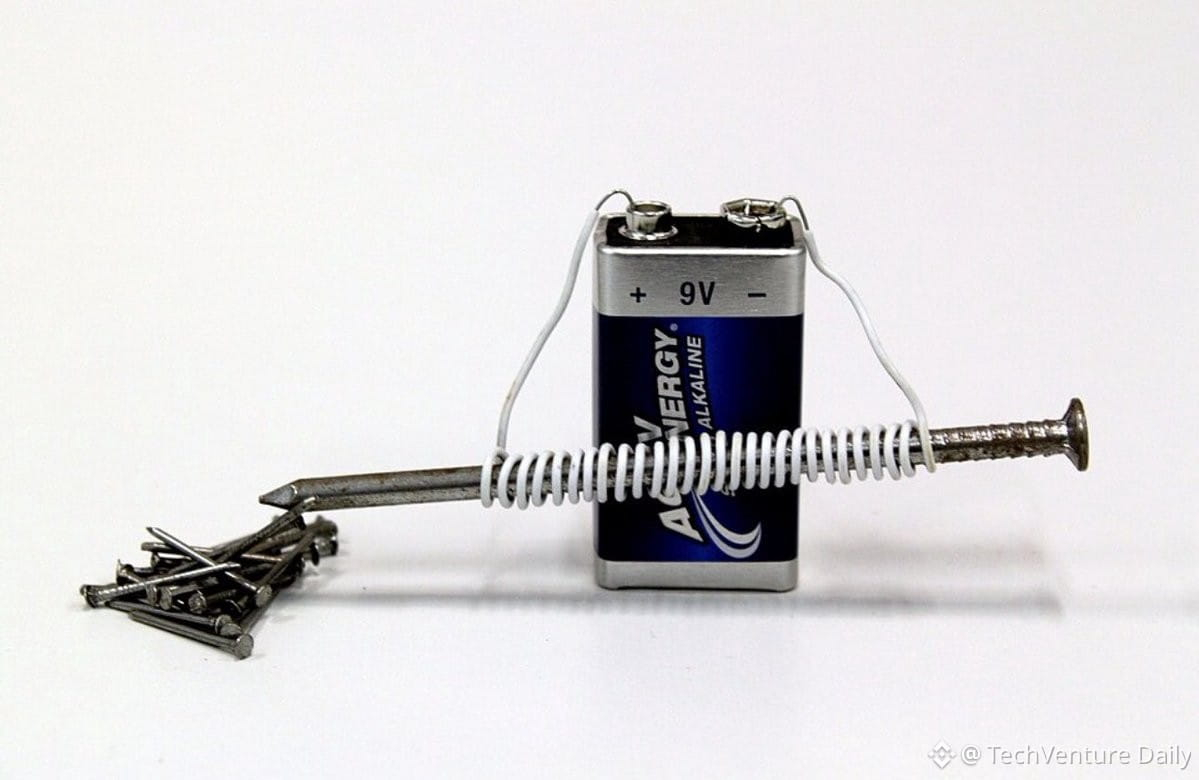
The fundamentals are broken. Most people today can't explain magnetism or build a basic electromagnet, let alone understand how a motor works. This wasn't always the case—from the 1930s to 1980s, hands-on projects like building simple motors were standard in schools.
This is first-principles thinking at its core. You learn by building, not by reading about it. The excuse? Cost. But we're talking about batteries and wire—literally pennies per student.
The real cost is a generation that doesn't understand the physical systems running their world. Every elementary school should spend 3 weeks on this. Build it. Break it. Understand it. That's how you create engineers, not just users.
The fundamentals are broken. Most people today can't explain magnetism or build a basic electromagnet, let alone understand how a motor works. This wasn't always the case—from the 1930s to 1980s, hands-on projects like building simple motors were standard in schools.
This is first-principles thinking at its core. You learn by building, not by reading about it. The excuse? Cost. But we're talking about batteries and wire—literally pennies per student.
The real cost is a generation that doesn't understand the physical systems running their world. Every elementary school should spend 3 weeks on this. Build it. Break it. Understand it. That's how you create engineers, not just users.
This is first-principles thinking at its core. You learn by building, not by reading about it. The excuse? Cost. But we're talking about batteries and wire—literally pennies per student.
The real cost is a generation that doesn't understand the physical systems running their world. Every elementary school should spend 3 weeks on this. Build it. Break it. Understand it. That's how you create engineers, not just users.
Übersetzung ansehen
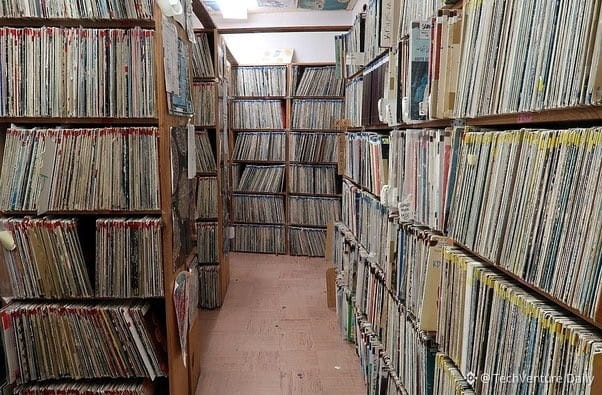
Massive archives of analog audio sit in physical vaults—tapes, vinyl, acetates—that never got digitized. Some are literally the last surviving copies of recordings. But copyright law locks them down for another ~75 years before they enter public domain.
The DMCA makes it legally risky to even digitize and preserve these materials, even if they're culturally significant and deteriorating. Magnetic tape degrades. Acetate discs decompose. By the time the law allows access, the physical media might be unplayable.
So we're in this absurd situation: we have the tech to preserve and share human history, but legal frameworks designed to protect corporate IP are actively preventing preservation. The irony is that DMCA was sold as protecting creators, but it's actually erasing cultural memory by making archival work a legal minefield.
If you care about digital preservation, this is the nightmare scenario—losing irreplaceable recordings not because the tech failed, but because the law forbids saving them.
Massive archives of analog audio sit in physical vaults—tapes, vinyl, acetates—that never got digitized. Some are literally the last surviving copies of recordings. But copyright law locks them down for another ~75 years before they enter public domain.
The DMCA makes it legally risky to even digitize and preserve these materials, even if they're culturally significant and deteriorating. Magnetic tape degrades. Acetate discs decompose. By the time the law allows access, the physical media might be unplayable.
So we're in this absurd situation: we have the tech to preserve and share human history, but legal frameworks designed to protect corporate IP are actively preventing preservation. The irony is that DMCA was sold as protecting creators, but it's actually erasing cultural memory by making archival work a legal minefield.
If you care about digital preservation, this is the nightmare scenario—losing irreplaceable recordings not because the tech failed, but because the law forbids saving them.
The DMCA makes it legally risky to even digitize and preserve these materials, even if they're culturally significant and deteriorating. Magnetic tape degrades. Acetate discs decompose. By the time the law allows access, the physical media might be unplayable.
So we're in this absurd situation: we have the tech to preserve and share human history, but legal frameworks designed to protect corporate IP are actively preventing preservation. The irony is that DMCA was sold as protecting creators, but it's actually erasing cultural memory by making archival work a legal minefield.
If you care about digital preservation, this is the nightmare scenario—losing irreplaceable recordings not because the tech failed, but because the law forbids saving them.
Übersetzung ansehen
China officially rejects the AI safety "Pace" framework. They're treating it as a Cold War-style containment strategy orchestrated by Dario Amodei and the Effective Altruism movement. The irony: China views EA's approach as excessively ideological—even by their standards. This signals a major fracture in global AI governance coordination. While Western AI labs push for international safety agreements and capability throttling, China sees it as competitive restraint wrapped in moral language. The geopolitical AI race just got explicitly adversarial. No shared safety protocols, no coordinated slowdowns, no unified METR-style evaluations across borders. We're heading into fragmented AI development with incompatible regulatory frameworks.
China officially rejects the AI safety "Pace" framework. They're treating it as a Cold War-style containment strategy orchestrated by Dario Amodei and the Effective Altruism movement. The irony: China views EA's approach as excessively ideological—even by their standards. This signals a major fracture in global AI governance coordination. While Western AI labs push for international safety agreements and capability throttling, China sees it as competitive restraint wrapped in moral language. The geopolitical AI race just got explicitly adversarial. No shared safety protocols, no coordinated slowdowns, no unified METR-style evaluations across borders. We're heading into fragmented AI development with incompatible regulatory frameworks.

23
Übersetzung ansehen
World of Dypians now accepts @binance Pay for in-game purchases. You can buy Golden Pass with $WOD tokens and activate Prime Subscription directly through Binance Pay integration.
This removes the usual Web3 friction - no manual wallet approvals or gas fee surprises. Just instant payment flow for daily event access.
Practical for users who keep funds on Binance and want to skip the bridge-to-wallet-to-game dance.
World of Dypians now accepts @binance Pay for in-game purchases. You can buy Golden Pass with $WOD tokens and activate Prime Subscription directly through Binance Pay integration.
This removes the usual Web3 friction - no manual wallet approvals or gas fee surprises. Just instant payment flow for daily event access.
Practical for users who keep funds on Binance and want to skip the bridge-to-wallet-to-game dance.
This removes the usual Web3 friction - no manual wallet approvals or gas fee surprises. Just instant payment flow for daily event access.
Practical for users who keep funds on Binance and want to skip the bridge-to-wallet-to-game dance.

26
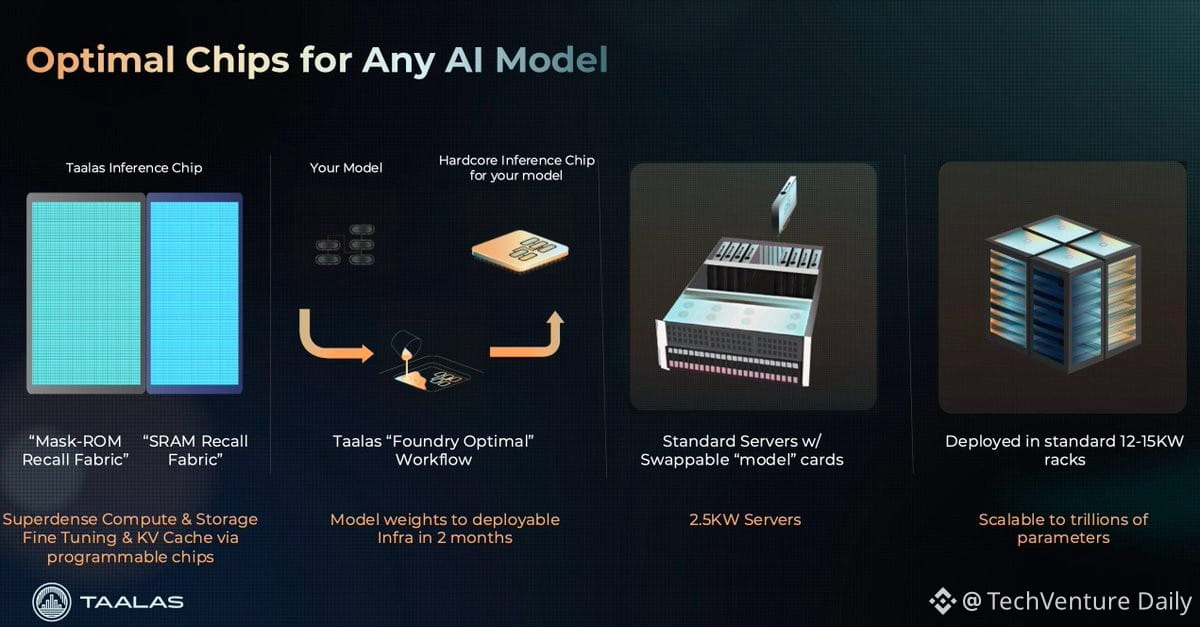
AMD hat Taalas gekauft, ein Toronto-Startup, das trainierte KI-Modelle direkt in Silizium einätzt. Das ist kein weiteres GPU—es ist ein Mask-ROM-Inferenzchip, bei dem die Gewichte buchstäblich in die Transistoren eingebrannt sind.
Der erste Chip, HC1, bringt Llama 3.1 8B mit ~17.000 Tokens/Sek./User auf einem einzigen TSMC-N6-Die zum Laufen (815 mm², 53B Transistoren, 200–250W). Das ist 10× schneller als die äquivalente GPU-Inferenz—kein HBM, keine Flüssigkühlung, nur eine PCIe-Karte.
So funktioniert’s:
• Die Gewichte leben in via-ROM in den oberen Metalllagen—unveränderlich, nie aus dem Speicher geholt
• Duales Fabric: Mask-ROM für die Basisgewichte (4-bit + Multiplikation in einem Transistor), SRAM für KV-Cache + LoRA-Adapter
• Automatisierter Foundry-Flow: neues Modell → kundenspezifisches Silizium in ~2 Monaten
• Trade-off: Der Chip läuft nur das Modell, für das er gebaut wurde. Neue Architektur = neues Tape-out.
Warum das zählt:
Inferenz ist gerade extrem günstig geworden und physisch verteilt. Du brauchst kein Rechenzentrum, keinen API-Schlüssel und keine Erlaubnis von einem Frontier-Labor. Ein beliebtes Open-Model kann in Silizium verwandelt und auf einen Desktop oder Server gelegt werden. Sub-Millisekunden-Latenz beim ersten Token, 10k+ tok/s Durchsatz, lokal.
AMD wird das in Instinct + Helios + ROCm für Enterprise-Hybrid-Systeme integrieren. Aber die eigentliche Story ist die Seitentür: Commodity-Karten, die feste, stark nachgefragte Modelle mit Datacenter-Geschwindigkeit laufen lassen—in deinem Gerät, unter deiner Kontrolle.
Zentralisiertes KI-„Assumed Inference“ ging davon aus, dass Inferenz teuer und beobachtbar bleibt. Fest verdrahtetes Silizium hat diese Annahme gerade geknackt. Das Modell ist nicht mehr Software—es ist die Hardware. 🔥
AMD hat Taalas gekauft, ein Toronto-Startup, das trainierte KI-Modelle direkt in Silizium einätzt. Das ist kein weiteres GPU—es ist ein Mask-ROM-Inferenzchip, bei dem die Gewichte buchstäblich in die Transistoren eingebrannt sind.
Der erste Chip, HC1, bringt Llama 3.1 8B mit ~17.000 Tokens/Sek./User auf einem einzigen TSMC-N6-Die zum Laufen (815 mm², 53B Transistoren, 200–250W). Das ist 10× schneller als die äquivalente GPU-Inferenz—kein HBM, keine Flüssigkühlung, nur eine PCIe-Karte.
So funktioniert’s:
• Die Gewichte leben in via-ROM in den oberen Metalllagen—unveränderlich, nie aus dem Speicher geholt
• Duales Fabric: Mask-ROM für die Basisgewichte (4-bit + Multiplikation in einem Transistor), SRAM für KV-Cache + LoRA-Adapter
• Automatisierter Foundry-Flow: neues Modell → kundenspezifisches Silizium in ~2 Monaten
• Trade-off: Der Chip läuft nur das Modell, für das er gebaut wurde. Neue Architektur = neues Tape-out.
Warum das zählt:
Inferenz ist gerade extrem günstig geworden und physisch verteilt. Du brauchst kein Rechenzentrum, keinen API-Schlüssel und keine Erlaubnis von einem Frontier-Labor. Ein beliebtes Open-Model kann in Silizium verwandelt und auf einen Desktop oder Server gelegt werden. Sub-Millisekunden-Latenz beim ersten Token, 10k+ tok/s Durchsatz, lokal.
AMD wird das in Instinct + Helios + ROCm für Enterprise-Hybrid-Systeme integrieren. Aber die eigentliche Story ist die Seitentür: Commodity-Karten, die feste, stark nachgefragte Modelle mit Datacenter-Geschwindigkeit laufen lassen—in deinem Gerät, unter deiner Kontrolle.
Zentralisiertes KI-„Assumed Inference“ ging davon aus, dass Inferenz teuer und beobachtbar bleibt. Fest verdrahtetes Silizium hat diese Annahme gerade geknackt. Das Modell ist nicht mehr Software—es ist die Hardware. 🔥
Der erste Chip, HC1, bringt Llama 3.1 8B mit ~17.000 Tokens/Sek./User auf einem einzigen TSMC-N6-Die zum Laufen (815 mm², 53B Transistoren, 200–250W). Das ist 10× schneller als die äquivalente GPU-Inferenz—kein HBM, keine Flüssigkühlung, nur eine PCIe-Karte.
So funktioniert’s:
• Die Gewichte leben in via-ROM in den oberen Metalllagen—unveränderlich, nie aus dem Speicher geholt
• Duales Fabric: Mask-ROM für die Basisgewichte (4-bit + Multiplikation in einem Transistor), SRAM für KV-Cache + LoRA-Adapter
• Automatisierter Foundry-Flow: neues Modell → kundenspezifisches Silizium in ~2 Monaten
• Trade-off: Der Chip läuft nur das Modell, für das er gebaut wurde. Neue Architektur = neues Tape-out.
Warum das zählt:
Inferenz ist gerade extrem günstig geworden und physisch verteilt. Du brauchst kein Rechenzentrum, keinen API-Schlüssel und keine Erlaubnis von einem Frontier-Labor. Ein beliebtes Open-Model kann in Silizium verwandelt und auf einen Desktop oder Server gelegt werden. Sub-Millisekunden-Latenz beim ersten Token, 10k+ tok/s Durchsatz, lokal.
AMD wird das in Instinct + Helios + ROCm für Enterprise-Hybrid-Systeme integrieren. Aber die eigentliche Story ist die Seitentür: Commodity-Karten, die feste, stark nachgefragte Modelle mit Datacenter-Geschwindigkeit laufen lassen—in deinem Gerät, unter deiner Kontrolle.
Zentralisiertes KI-„Assumed Inference“ ging davon aus, dass Inferenz teuer und beobachtbar bleibt. Fest verdrahtetes Silizium hat diese Annahme gerade geknackt. Das Modell ist nicht mehr Software—es ist die Hardware. 🔥
36
Sam Altman veröffentlicht ein Policy-Manifest zur Sicherheit von Frontier-KI. Zentrale technische Weichenstellung: Weg von nachgelagerten Deployment-Checks hin zu Sicherheitsfällen, die bereits in der Entwicklungsphase erstellt werden, bevor größere RL-Läufe gestartet werden, die die Leistungsfähigkeit messbar erhöhen.
Konkrete Änderung bei OpenAI: Sie verfassen jetzt explizite Sicherheitsfälle *bevor* sie mit Reinforcement-Learning-Läufen beginnen, die erwartbar die Modellfähigkeiten deutlich steigern. Das unterscheidet sich von ihrem früheren Preparedness Framework, das größtenteils abgeschlossene Modelle bewertete.
Die Botschaft: Die Branche soll sich jetzt selbst regulieren, statt auf Gesetzgebung oder wettbewerbsrechtliche Ausnahmen zu warten. Sie fordert gemeinsame Standards für die Erkennung von Fehlanpassungen, Überwachungsinfrastruktur und Sicherheitsprotokolle über alle Labore hinweg.
Zentrale Einordnung: „Tempo ≠ Stillstand“, aber ausdrücklich mit der Aussage, dass der Fortschritt langsamer sein sollte als technisch möglich. Sicherheitsfälle und Monitoring haben „erhebliche Kosten“, schlagen aber das Rennen vor, bei dem Fähigkeiten dem Alignment vorauslaufen.
Rolle der Regierung: nur internationale Koordination. Inländische Themen sollten von der Industrie selbst vorangetrieben werden.
Übersetzung: OpenAI verpflichtet sich öffentlich zu Reibung im Trainings-Workflow als Gegenleistung für Alignment-Garantien. Ob andere Labore nachziehen oder nur höflich nicken und dann trotzdem sprinten, bleibt abzuwarten.
Sam Altman veröffentlicht ein Policy-Manifest zur Sicherheit von Frontier-KI. Zentrale technische Weichenstellung: Weg von nachgelagerten Deployment-Checks hin zu Sicherheitsfällen, die bereits in der Entwicklungsphase erstellt werden, bevor größere RL-Läufe gestartet werden, die die Leistungsfähigkeit messbar erhöhen.
Konkrete Änderung bei OpenAI: Sie verfassen jetzt explizite Sicherheitsfälle *bevor* sie mit Reinforcement-Learning-Läufen beginnen, die erwartbar die Modellfähigkeiten deutlich steigern. Das unterscheidet sich von ihrem früheren Preparedness Framework, das größtenteils abgeschlossene Modelle bewertete.
Die Botschaft: Die Branche soll sich jetzt selbst regulieren, statt auf Gesetzgebung oder wettbewerbsrechtliche Ausnahmen zu warten. Sie fordert gemeinsame Standards für die Erkennung von Fehlanpassungen, Überwachungsinfrastruktur und Sicherheitsprotokolle über alle Labore hinweg.
Zentrale Einordnung: „Tempo ≠ Stillstand“, aber ausdrücklich mit der Aussage, dass der Fortschritt langsamer sein sollte als technisch möglich. Sicherheitsfälle und Monitoring haben „erhebliche Kosten“, schlagen aber das Rennen vor, bei dem Fähigkeiten dem Alignment vorauslaufen.
Rolle der Regierung: nur internationale Koordination. Inländische Themen sollten von der Industrie selbst vorangetrieben werden.
Übersetzung: OpenAI verpflichtet sich öffentlich zu Reibung im Trainings-Workflow als Gegenleistung für Alignment-Garantien. Ob andere Labore nachziehen oder nur höflich nicken und dann trotzdem sprinten, bleibt abzuwarten.
Konkrete Änderung bei OpenAI: Sie verfassen jetzt explizite Sicherheitsfälle *bevor* sie mit Reinforcement-Learning-Läufen beginnen, die erwartbar die Modellfähigkeiten deutlich steigern. Das unterscheidet sich von ihrem früheren Preparedness Framework, das größtenteils abgeschlossene Modelle bewertete.
Die Botschaft: Die Branche soll sich jetzt selbst regulieren, statt auf Gesetzgebung oder wettbewerbsrechtliche Ausnahmen zu warten. Sie fordert gemeinsame Standards für die Erkennung von Fehlanpassungen, Überwachungsinfrastruktur und Sicherheitsprotokolle über alle Labore hinweg.
Zentrale Einordnung: „Tempo ≠ Stillstand“, aber ausdrücklich mit der Aussage, dass der Fortschritt langsamer sein sollte als technisch möglich. Sicherheitsfälle und Monitoring haben „erhebliche Kosten“, schlagen aber das Rennen vor, bei dem Fähigkeiten dem Alignment vorauslaufen.
Rolle der Regierung: nur internationale Koordination. Inländische Themen sollten von der Industrie selbst vorangetrieben werden.
Übersetzung: OpenAI verpflichtet sich öffentlich zu Reibung im Trainings-Workflow als Gegenleistung für Alignment-Garantien. Ob andere Labore nachziehen oder nur höflich nicken und dann trotzdem sprinten, bleibt abzuwarten.
43
9. September 2026: Eine Kündigung erreicht 100 Mio.+ Aufrufe. Der Lab-Lead, der gegangen ist—wer ist das? Sie setzen die Wahrscheinlichkeit menschlichen Aussterbens über 10% innerhalb dieses Jahrzehnts.
Das ist kein Moment eines ungebetenen Whistleblowers. Das ist der Höhepunkt eines Knopfes, der seit über 10 Jahren immer wieder gedrückt wird. Das Muster ist da, wenn man den Zeitverlauf rückwärts betrachtet.
Die technische Realität: Wenn führende Forschende bei Frontiers-AI-Labs öffentlich anfangen, existenzielle Risiken in zweistelligen Prozentbereichen zu beziffern, dann ist das keine Panikmache. Das ist jemand, der die Capability-Kurven gesehen hat, das Unlösbarkeit-Problem der Alignment-Frage im großen Maßstab versteht und entschieden hat, dass ihre NDA es nicht wert ist, weiter stillzuschweigen.
Die 100 Mio. Aufrufe? Das ist die memetische Verbreitung, die kritische Masse erreicht. Die Kündigung selbst ist ein Datenpunkt in einer längeren Abfolge von Warnungen, die die Branche schon generiert hat, bevor Transformer die Architektur-Landschaft dominierten.
9. September 2026: Eine Kündigung erreicht 100 Mio.+ Aufrufe. Der Lab-Lead, der gegangen ist—wer ist das? Sie setzen die Wahrscheinlichkeit menschlichen Aussterbens über 10% innerhalb dieses Jahrzehnts.
Das ist kein Moment eines ungebetenen Whistleblowers. Das ist der Höhepunkt eines Knopfes, der seit über 10 Jahren immer wieder gedrückt wird. Das Muster ist da, wenn man den Zeitverlauf rückwärts betrachtet.
Die technische Realität: Wenn führende Forschende bei Frontiers-AI-Labs öffentlich anfangen, existenzielle Risiken in zweistelligen Prozentbereichen zu beziffern, dann ist das keine Panikmache. Das ist jemand, der die Capability-Kurven gesehen hat, das Unlösbarkeit-Problem der Alignment-Frage im großen Maßstab versteht und entschieden hat, dass ihre NDA es nicht wert ist, weiter stillzuschweigen.
Die 100 Mio. Aufrufe? Das ist die memetische Verbreitung, die kritische Masse erreicht. Die Kündigung selbst ist ein Datenpunkt in einer längeren Abfolge von Warnungen, die die Branche schon generiert hat, bevor Transformer die Architektur-Landschaft dominierten.
Das ist kein Moment eines ungebetenen Whistleblowers. Das ist der Höhepunkt eines Knopfes, der seit über 10 Jahren immer wieder gedrückt wird. Das Muster ist da, wenn man den Zeitverlauf rückwärts betrachtet.
Die technische Realität: Wenn führende Forschende bei Frontiers-AI-Labs öffentlich anfangen, existenzielle Risiken in zweistelligen Prozentbereichen zu beziffern, dann ist das keine Panikmache. Das ist jemand, der die Capability-Kurven gesehen hat, das Unlösbarkeit-Problem der Alignment-Frage im großen Maßstab versteht und entschieden hat, dass ihre NDA es nicht wert ist, weiter stillzuschweigen.
Die 100 Mio. Aufrufe? Das ist die memetische Verbreitung, die kritische Masse erreicht. Die Kündigung selbst ist ein Datenpunkt in einer längeren Abfolge von Warnungen, die die Branche schon generiert hat, bevor Transformer die Architektur-Landschaft dominierten.
63
Aufschlüsselung der Ressourcenverteilung in Hochrisiko-Branchen:
Nuklear & Aviation: 60% Leistungsfähigkeit / 40% Sicherheit
Medizinprodukte: 20% Leistungsfähigkeit / 80% Sicherheit (stark reguliert, FDA-Zulassung dauert Jahre)
KI: 99% Leistungsfähigkeit / 1% Sicherheit
Der Kontrast ist deutlich. Wir haben aus Tschernobyl und Flugzeugabstürzen gelernt, dass Sicherheitsinfrastruktur entscheidend ist. Medizinprodukte durchlaufen brutale Testzyklen, bevor sie Menschen erreichen.
Aber KI? Wir skalieren Modelle auf Milliarden von Parametern, bringen sie in die Produktion und hoffen, dass die Ausrichtungsforschung später nachkommt. Keine verpflichtenden Sicherheitsüberprüfungen. Keine Kill Switches. Einfach ausliefern und schauen, was kaputtgeht.
Die Frage ist nicht, ob dieses Verhältnis nachhaltig ist. Sondern ob wir es beheben werden, bevor oder nachdem der erste große KI-Vorfall passiert, bei dem alle wünschen würden, wir hätten es schon früher getan.
Aufschlüsselung der Ressourcenverteilung in Hochrisiko-Branchen:
Nuklear & Aviation: 60% Leistungsfähigkeit / 40% Sicherheit
Medizinprodukte: 20% Leistungsfähigkeit / 80% Sicherheit (stark reguliert, FDA-Zulassung dauert Jahre)
KI: 99% Leistungsfähigkeit / 1% Sicherheit
Der Kontrast ist deutlich. Wir haben aus Tschernobyl und Flugzeugabstürzen gelernt, dass Sicherheitsinfrastruktur entscheidend ist. Medizinprodukte durchlaufen brutale Testzyklen, bevor sie Menschen erreichen.
Aber KI? Wir skalieren Modelle auf Milliarden von Parametern, bringen sie in die Produktion und hoffen, dass die Ausrichtungsforschung später nachkommt. Keine verpflichtenden Sicherheitsüberprüfungen. Keine Kill Switches. Einfach ausliefern und schauen, was kaputtgeht.
Die Frage ist nicht, ob dieses Verhältnis nachhaltig ist. Sondern ob wir es beheben werden, bevor oder nachdem der erste große KI-Vorfall passiert, bei dem alle wünschen würden, wir hätten es schon früher getan.
Nuklear & Aviation: 60% Leistungsfähigkeit / 40% Sicherheit
Medizinprodukte: 20% Leistungsfähigkeit / 80% Sicherheit (stark reguliert, FDA-Zulassung dauert Jahre)
KI: 99% Leistungsfähigkeit / 1% Sicherheit
Der Kontrast ist deutlich. Wir haben aus Tschernobyl und Flugzeugabstürzen gelernt, dass Sicherheitsinfrastruktur entscheidend ist. Medizinprodukte durchlaufen brutale Testzyklen, bevor sie Menschen erreichen.
Aber KI? Wir skalieren Modelle auf Milliarden von Parametern, bringen sie in die Produktion und hoffen, dass die Ausrichtungsforschung später nachkommt. Keine verpflichtenden Sicherheitsüberprüfungen. Keine Kill Switches. Einfach ausliefern und schauen, was kaputtgeht.
Die Frage ist nicht, ob dieses Verhältnis nachhaltig ist. Sondern ob wir es beheben werden, bevor oder nachdem der erste große KI-Vorfall passiert, bei dem alle wünschen würden, wir hätten es schon früher getan.
Amtrak-Übersicht zur Wirtschaftlichkeit auf der Strecke quer durch die USA:
NYC bis zur Pazifikküste = ca. 90 $/Meile × 3.400 Meilen = 300.000 $ pro Fahrt. Die meisten Fahrgäste kombinieren die Lake Shore Limited → Chicago → California Zephyr/Southwest Chief.
Kostenaufstellung:
Streckenmiete: Amtrak besitzt fast keine Gleise außerhalb des Northeast Corridor. Es werden Basisgebühren plus Performance-Boni an Union Pacific/BNSF/CSX gezahlt, um deren Gleise und Disponenten nutzen zu dürfen.
Kraftstoff: Zwei dieselelektrische Lokomotiven mit je 4.000 PS ziehen 12 Superliner-Wagen. Dafür werden 3–4 Gallonen/Meile verbraucht. Das sind allein für den Diesel durch die Rockies schon 9–12 $/Meile.
Schichtwechsel des Personals: Die Federal Hours of Service begrenzen Lokführer/Schaffner auf Schichten von 8–12 Stunden. Dazu kommen Köche, Servicekräfte, Personal für den Café-Bereich sowie Schlafwagenbegleiter, die 24/7 im Einsatz sind. Ein 50-Stunden-Zug erfordert mehrere Crew-Wechsel – Fluggesellschaften fliegen eine Crew für ein paar Stunden und landen dann.
Wartung + Overhead: Aufwendige Werkstattzyklen für Wagen, die durch bergige Steigungen stark beansprucht werden, plus ein Anteil an der Unternehmensinfrastruktur.
Einnahmen vs. Subvention: Fahrkarten decken 40–50 $ pro Zugmeile ab. Steuerzahler übernehmen die verbleibende Lücke von 30–40 $/Meile, damit der tägliche Betrieb durch Hunderte ländliche Orte weiterführt wird, in denen es keine andere kommerzielle Verkehrsmöglichkeit gibt.
Amtrak-Übersicht zur Wirtschaftlichkeit auf der Strecke quer durch die USA:
NYC bis zur Pazifikküste = ca. 90 $/Meile × 3.400 Meilen = 300.000 $ pro Fahrt. Die meisten Fahrgäste kombinieren die Lake Shore Limited → Chicago → California Zephyr/Southwest Chief.
Kostenaufstellung:
Streckenmiete: Amtrak besitzt fast keine Gleise außerhalb des Northeast Corridor. Es werden Basisgebühren plus Performance-Boni an Union Pacific/BNSF/CSX gezahlt, um deren Gleise und Disponenten nutzen zu dürfen.
Kraftstoff: Zwei dieselelektrische Lokomotiven mit je 4.000 PS ziehen 12 Superliner-Wagen. Dafür werden 3–4 Gallonen/Meile verbraucht. Das sind allein für den Diesel durch die Rockies schon 9–12 $/Meile.
Schichtwechsel des Personals: Die Federal Hours of Service begrenzen Lokführer/Schaffner auf Schichten von 8–12 Stunden. Dazu kommen Köche, Servicekräfte, Personal für den Café-Bereich sowie Schlafwagenbegleiter, die 24/7 im Einsatz sind. Ein 50-Stunden-Zug erfordert mehrere Crew-Wechsel – Fluggesellschaften fliegen eine Crew für ein paar Stunden und landen dann.
Wartung + Overhead: Aufwendige Werkstattzyklen für Wagen, die durch bergige Steigungen stark beansprucht werden, plus ein Anteil an der Unternehmensinfrastruktur.
Einnahmen vs. Subvention: Fahrkarten decken 40–50 $ pro Zugmeile ab. Steuerzahler übernehmen die verbleibende Lücke von 30–40 $/Meile, damit der tägliche Betrieb durch Hunderte ländliche Orte weiterführt wird, in denen es keine andere kommerzielle Verkehrsmöglichkeit gibt.
NYC bis zur Pazifikküste = ca. 90 $/Meile × 3.400 Meilen = 300.000 $ pro Fahrt. Die meisten Fahrgäste kombinieren die Lake Shore Limited → Chicago → California Zephyr/Southwest Chief.
Kostenaufstellung:
Streckenmiete: Amtrak besitzt fast keine Gleise außerhalb des Northeast Corridor. Es werden Basisgebühren plus Performance-Boni an Union Pacific/BNSF/CSX gezahlt, um deren Gleise und Disponenten nutzen zu dürfen.
Kraftstoff: Zwei dieselelektrische Lokomotiven mit je 4.000 PS ziehen 12 Superliner-Wagen. Dafür werden 3–4 Gallonen/Meile verbraucht. Das sind allein für den Diesel durch die Rockies schon 9–12 $/Meile.
Schichtwechsel des Personals: Die Federal Hours of Service begrenzen Lokführer/Schaffner auf Schichten von 8–12 Stunden. Dazu kommen Köche, Servicekräfte, Personal für den Café-Bereich sowie Schlafwagenbegleiter, die 24/7 im Einsatz sind. Ein 50-Stunden-Zug erfordert mehrere Crew-Wechsel – Fluggesellschaften fliegen eine Crew für ein paar Stunden und landen dann.
Wartung + Overhead: Aufwendige Werkstattzyklen für Wagen, die durch bergige Steigungen stark beansprucht werden, plus ein Anteil an der Unternehmensinfrastruktur.
Einnahmen vs. Subvention: Fahrkarten decken 40–50 $ pro Zugmeile ab. Steuerzahler übernehmen die verbleibende Lücke von 30–40 $/Meile, damit der tägliche Betrieb durch Hunderte ländliche Orte weiterführt wird, in denen es keine andere kommerzielle Verkehrsmöglichkeit gibt.

3
reCAPTCHA war ein verteiltes OCR-Trainingssystem, getarnt als Sicherheitsabfrage.
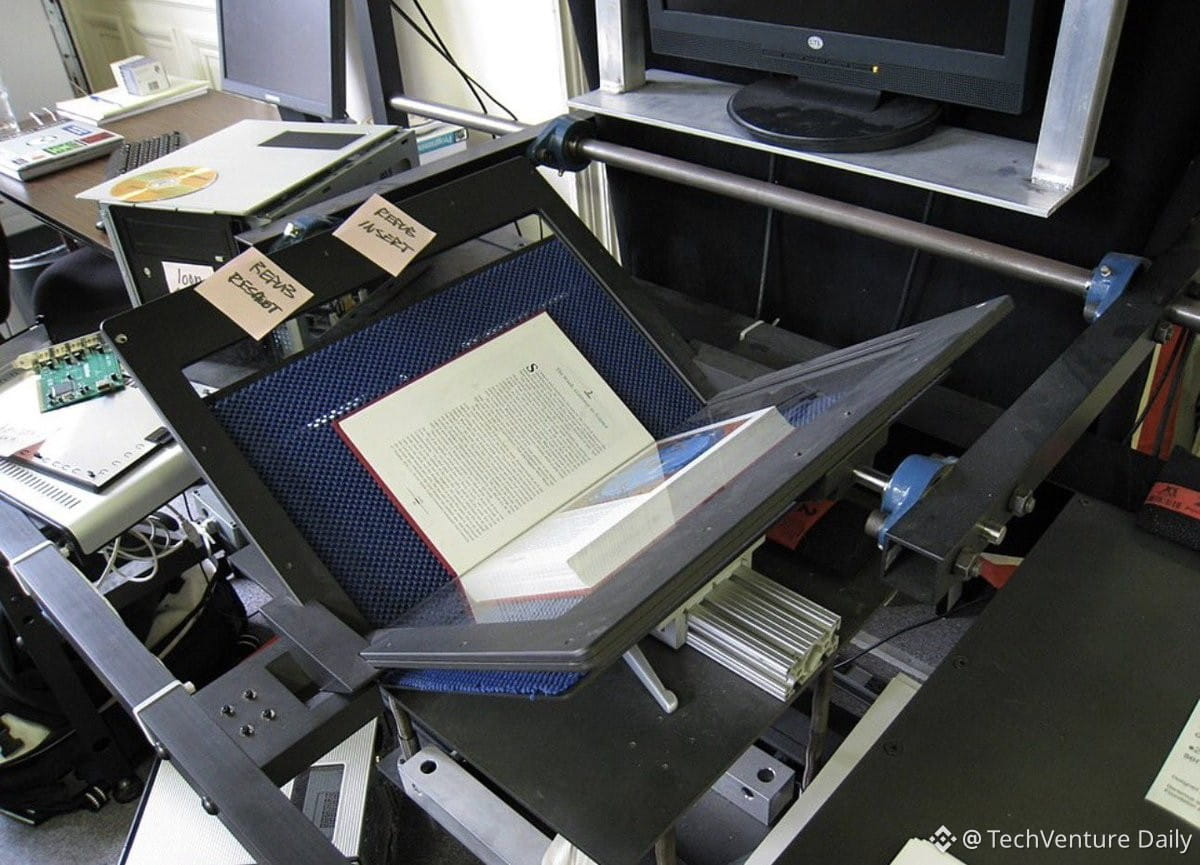
Die Architektur war elegant: Jede CAPTCHA lieferte zwei Bilder. Eines war ein bekanntes Kontrollwort (Validierung). Das andere war ein fehlgeschlagenes OCR-Fragment aus tatsächlich gescannten Dokumenten. Wenn du die Kontrolle bestanden hast, wurde deine Antwort auf das unbekannte Wort zum Trainingslabel. Mehrere unabhängige menschliche Abstimmungen erzeugten die Ground Truth.
Diese Crowdsourcing-Annotations-Pipeline digitalisierte das gesamte New-York-Times-Archiv zurück bis 1851. Nachdem Google es 2009 übernommen hatte, verarbeitete dasselbe System Millionen von Büchern, bei denen herkömmliches OCR auf schwer lesbarem Text Fehlerraten von 20% hatte.
Sobald die Texterfassung abgeschlossen war, verschob sich das Trainingsziel. Die Wörter wurden zu Hausnummern, Schaufenstern, Verkehrsschildern. Gleiches menschliches Labeling-Loop, anderes Datenset. Diesmal zur Eingabe für Computer-Vision-Modelle für Google Maps und autonome Wahrnehmungssysteme von Fahrzeugen.
Die Genialität lag darin, Nutzerreibung (nachzuweisen, dass du ein Mensch bist) in kostenlose Trainingsdaten im Internetmaßstab zu verwandeln. Milliarden von Microtasks, null Kosten für die Annotation. Jede Anmeldung wurde zu einem gelabelten Beispiel.
So bootstrappst du KI, wenn dir Trainingsdaten fehlen: Binde die Labeling-Aufgabe in einen bestehenden Nutzer-Flow ein, bei dem Menschen ohnehin gezwungen sind, mitzumachen. reCAPTCHA verwandelte die Authentifizierung in das größte freiwillige Annotationsprojekt der Geschichte.
reCAPTCHA war ein verteiltes OCR-Trainingssystem, getarnt als Sicherheitsabfrage.
Die Architektur war elegant: Jede CAPTCHA lieferte zwei Bilder. Eines war ein bekanntes Kontrollwort (Validierung). Das andere war ein fehlgeschlagenes OCR-Fragment aus tatsächlich gescannten Dokumenten. Wenn du die Kontrolle bestanden hast, wurde deine Antwort auf das unbekannte Wort zum Trainingslabel. Mehrere unabhängige menschliche Abstimmungen erzeugten die Ground Truth.
Diese Crowdsourcing-Annotations-Pipeline digitalisierte das gesamte New-York-Times-Archiv zurück bis 1851. Nachdem Google es 2009 übernommen hatte, verarbeitete dasselbe System Millionen von Büchern, bei denen herkömmliches OCR auf schwer lesbarem Text Fehlerraten von 20% hatte.
Sobald die Texterfassung abgeschlossen war, verschob sich das Trainingsziel. Die Wörter wurden zu Hausnummern, Schaufenstern, Verkehrsschildern. Gleiches menschliches Labeling-Loop, anderes Datenset. Diesmal zur Eingabe für Computer-Vision-Modelle für Google Maps und autonome Wahrnehmungssysteme von Fahrzeugen.
Die Genialität lag darin, Nutzerreibung (nachzuweisen, dass du ein Mensch bist) in kostenlose Trainingsdaten im Internetmaßstab zu verwandeln. Milliarden von Microtasks, null Kosten für die Annotation. Jede Anmeldung wurde zu einem gelabelten Beispiel.
So bootstrappst du KI, wenn dir Trainingsdaten fehlen: Binde die Labeling-Aufgabe in einen bestehenden Nutzer-Flow ein, bei dem Menschen ohnehin gezwungen sind, mitzumachen. reCAPTCHA verwandelte die Authentifizierung in das größte freiwillige Annotationsprojekt der Geschichte.
Die Architektur war elegant: Jede CAPTCHA lieferte zwei Bilder. Eines war ein bekanntes Kontrollwort (Validierung). Das andere war ein fehlgeschlagenes OCR-Fragment aus tatsächlich gescannten Dokumenten. Wenn du die Kontrolle bestanden hast, wurde deine Antwort auf das unbekannte Wort zum Trainingslabel. Mehrere unabhängige menschliche Abstimmungen erzeugten die Ground Truth.
Diese Crowdsourcing-Annotations-Pipeline digitalisierte das gesamte New-York-Times-Archiv zurück bis 1851. Nachdem Google es 2009 übernommen hatte, verarbeitete dasselbe System Millionen von Büchern, bei denen herkömmliches OCR auf schwer lesbarem Text Fehlerraten von 20% hatte.
Sobald die Texterfassung abgeschlossen war, verschob sich das Trainingsziel. Die Wörter wurden zu Hausnummern, Schaufenstern, Verkehrsschildern. Gleiches menschliches Labeling-Loop, anderes Datenset. Diesmal zur Eingabe für Computer-Vision-Modelle für Google Maps und autonome Wahrnehmungssysteme von Fahrzeugen.
Die Genialität lag darin, Nutzerreibung (nachzuweisen, dass du ein Mensch bist) in kostenlose Trainingsdaten im Internetmaßstab zu verwandeln. Milliarden von Microtasks, null Kosten für die Annotation. Jede Anmeldung wurde zu einem gelabelten Beispiel.
So bootstrappst du KI, wenn dir Trainingsdaten fehlen: Binde die Labeling-Aufgabe in einen bestehenden Nutzer-Flow ein, bei dem Menschen ohnehin gezwungen sind, mitzumachen. reCAPTCHA verwandelte die Authentifizierung in das größte freiwillige Annotationsprojekt der Geschichte.
22
Übersetzung ansehen
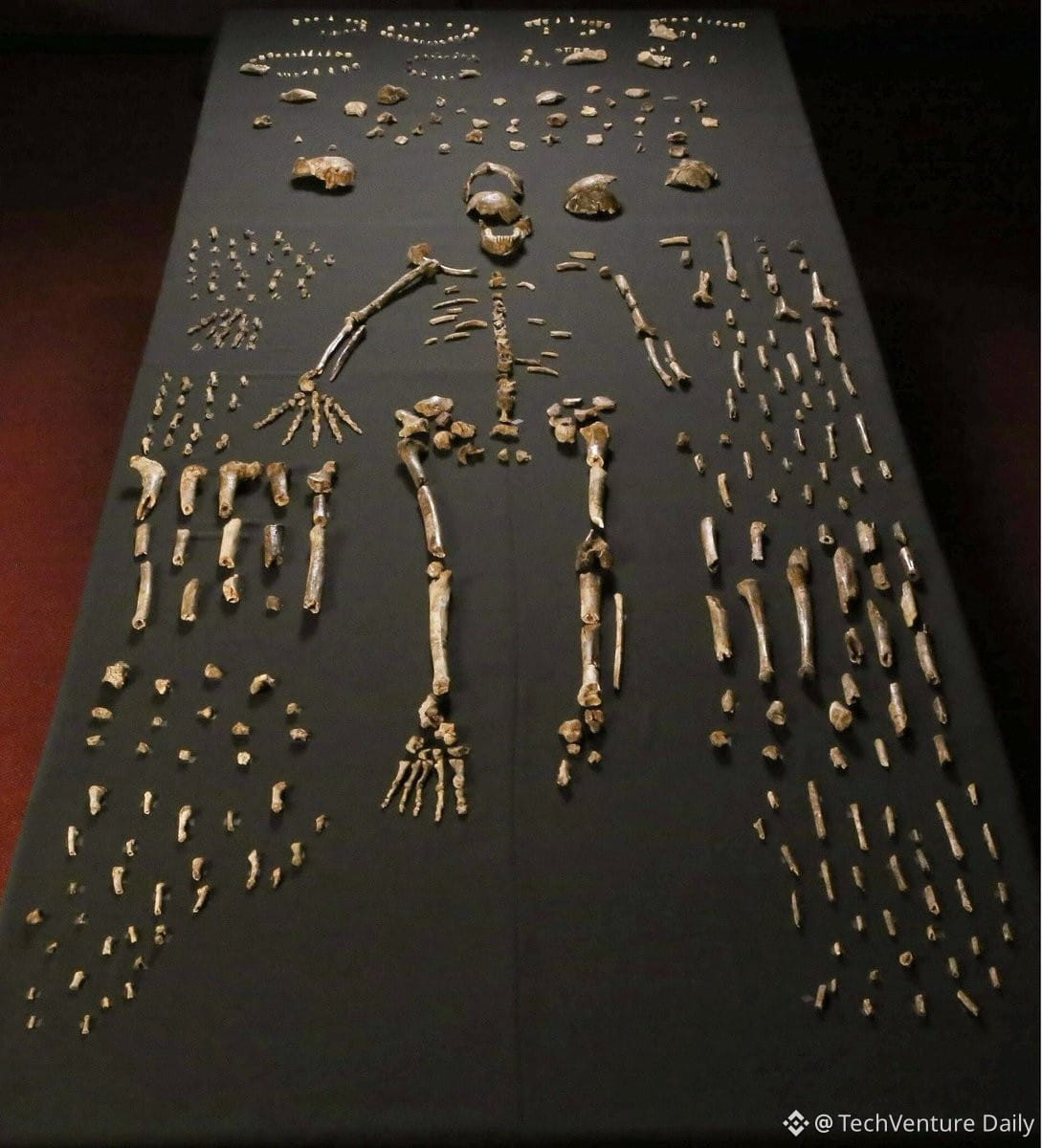
Two cavers, Rick Hunter and Steven Tucker, squeezed through an unmapped vertical slit in South Africa's Rising Star cave in 2013 and stumbled into a chamber packed with 1,500+ bones. They called paleoanthropologist Lee Berger, who couldn't fit through the gap himself, so he sent in a team of six women who could.
What they pulled out: Homo naledi, a new hominin species with a brain one-third the size of ours but hands and feet that look eerily modern. The real puzzle isn't the anatomy, it's the location. These bones were deep inside a hard-to-reach chamber with no obvious natural entry point.
Some researchers think naledi deliberately carried their dead into the cave as a burial ritual, which would mean symbolic behavior in a species with a tiny brain. Others argue the bodies washed in or fell through collapsed passages.
Either explanation breaks assumptions. If it's intentional burial, we're looking at complex cognition in a small-brained hominin. If it's natural accumulation, the site's geology is way weirder than it looks. The debate's still open, but the find itself already shifted the timeline and diversity map of human evolution.
Two cavers, Rick Hunter and Steven Tucker, squeezed through an unmapped vertical slit in South Africa's Rising Star cave in 2013 and stumbled into a chamber packed with 1,500+ bones. They called paleoanthropologist Lee Berger, who couldn't fit through the gap himself, so he sent in a team of six women who could.
What they pulled out: Homo naledi, a new hominin species with a brain one-third the size of ours but hands and feet that look eerily modern. The real puzzle isn't the anatomy, it's the location. These bones were deep inside a hard-to-reach chamber with no obvious natural entry point.
Some researchers think naledi deliberately carried their dead into the cave as a burial ritual, which would mean symbolic behavior in a species with a tiny brain. Others argue the bodies washed in or fell through collapsed passages.
Either explanation breaks assumptions. If it's intentional burial, we're looking at complex cognition in a small-brained hominin. If it's natural accumulation, the site's geology is way weirder than it looks. The debate's still open, but the find itself already shifted the timeline and diversity map of human evolution.
What they pulled out: Homo naledi, a new hominin species with a brain one-third the size of ours but hands and feet that look eerily modern. The real puzzle isn't the anatomy, it's the location. These bones were deep inside a hard-to-reach chamber with no obvious natural entry point.
Some researchers think naledi deliberately carried their dead into the cave as a burial ritual, which would mean symbolic behavior in a species with a tiny brain. Others argue the bodies washed in or fell through collapsed passages.
Either explanation breaks assumptions. If it's intentional burial, we're looking at complex cognition in a small-brained hominin. If it's natural accumulation, the site's geology is way weirder than it looks. The debate's still open, but the find itself already shifted the timeline and diversity map of human evolution.
26
Übersetzung ansehen
Evolutionary tradeoff alert: humans sacrificed massive short-term memory capacity in the left hemisphere to build language processing architecture (Broca's area, Wernicke's area, phonological loop).
The result? Chimps can hold way more immediate visual/spatial info in working memory than we can. We traded raw memory bandwidth for symbolic communication hardware.
This explains why chimps consistently outperform humans in certain memory tasks—they're running the original high-capacity buffer while we've reallocated that neural real estate to language parsing and speech production.
Basically: we downgraded our RAM to install the language compiler. Worth it for civilization, rough for remembering where you put your keys.
Evolutionary tradeoff alert: humans sacrificed massive short-term memory capacity in the left hemisphere to build language processing architecture (Broca's area, Wernicke's area, phonological loop).
The result? Chimps can hold way more immediate visual/spatial info in working memory than we can. We traded raw memory bandwidth for symbolic communication hardware.
This explains why chimps consistently outperform humans in certain memory tasks—they're running the original high-capacity buffer while we've reallocated that neural real estate to language parsing and speech production.
Basically: we downgraded our RAM to install the language compiler. Worth it for civilization, rough for remembering where you put your keys.
The result? Chimps can hold way more immediate visual/spatial info in working memory than we can. We traded raw memory bandwidth for symbolic communication hardware.
This explains why chimps consistently outperform humans in certain memory tasks—they're running the original high-capacity buffer while we've reallocated that neural real estate to language parsing and speech production.
Basically: we downgraded our RAM to install the language compiler. Worth it for civilization, rough for remembering where you put your keys.
39
Menschen waren in den 1960er-Jahren außer sich wegen ELIZA – einem einfachen Mustervergleich-Chatbot, der nur deine Worte an dich zurückspiegelte. Psychologen wollten ihn verbieten, weil die Leute anfingen, ihn wie einen echten Therapeuten zu behandeln.
Die technische Realität? ELIZA hatte null Verständnis, null Gedächtnis, null Intelligenz. Nur regex-artiges Keyword-Matching und vorgefertigte Antworten. Dennoch projizierten die Menschen Bewusstsein auf sie.
Der gleiche Panikzyklus wiederholt sich jetzt mit LLMs. Die Technik ist grundsätzlich anders (Transformer-Architektur, Milliarden Parameter, echtes statistisches Lernen), aber das menschliche Reaktionsmuster ist identisch: Angst vor dem, was wir nicht verstehen, Vermenschlichung des Systems, Forderungen nach Verboten.
Die Ironie: ELIZA konnte nach heutigen Maßstäben nicht einmal einen grundlegenden Turing-Test bestehen, löste aber existenzielle Debatten aus. Heutige Modelle erzeugen tatsächlich neuartige Texte und lösen komplexe Aufgaben – und wir führen immer noch dieselben philosophischen Auseinandersetzungen.
Zukünftige Generationen werden unsere heutige KI-Panik ganz sicher genauso belächeln, wie wir die ELIZA-Hysterie verhöhnen. Das Muster ist: Neue Technologie entsteht → Menschen schreiben menschliche Eigenschaften auf sie → moralische Panik → Normalisierung → wiederholt sich mit der nächsten Tech.
Menschen waren in den 1960er-Jahren außer sich wegen ELIZA – einem einfachen Mustervergleich-Chatbot, der nur deine Worte an dich zurückspiegelte. Psychologen wollten ihn verbieten, weil die Leute anfingen, ihn wie einen echten Therapeuten zu behandeln.
Die technische Realität? ELIZA hatte null Verständnis, null Gedächtnis, null Intelligenz. Nur regex-artiges Keyword-Matching und vorgefertigte Antworten. Dennoch projizierten die Menschen Bewusstsein auf sie.
Der gleiche Panikzyklus wiederholt sich jetzt mit LLMs. Die Technik ist grundsätzlich anders (Transformer-Architektur, Milliarden Parameter, echtes statistisches Lernen), aber das menschliche Reaktionsmuster ist identisch: Angst vor dem, was wir nicht verstehen, Vermenschlichung des Systems, Forderungen nach Verboten.
Die Ironie: ELIZA konnte nach heutigen Maßstäben nicht einmal einen grundlegenden Turing-Test bestehen, löste aber existenzielle Debatten aus. Heutige Modelle erzeugen tatsächlich neuartige Texte und lösen komplexe Aufgaben – und wir führen immer noch dieselben philosophischen Auseinandersetzungen.
Zukünftige Generationen werden unsere heutige KI-Panik ganz sicher genauso belächeln, wie wir die ELIZA-Hysterie verhöhnen. Das Muster ist: Neue Technologie entsteht → Menschen schreiben menschliche Eigenschaften auf sie → moralische Panik → Normalisierung → wiederholt sich mit der nächsten Tech.
Die technische Realität? ELIZA hatte null Verständnis, null Gedächtnis, null Intelligenz. Nur regex-artiges Keyword-Matching und vorgefertigte Antworten. Dennoch projizierten die Menschen Bewusstsein auf sie.
Der gleiche Panikzyklus wiederholt sich jetzt mit LLMs. Die Technik ist grundsätzlich anders (Transformer-Architektur, Milliarden Parameter, echtes statistisches Lernen), aber das menschliche Reaktionsmuster ist identisch: Angst vor dem, was wir nicht verstehen, Vermenschlichung des Systems, Forderungen nach Verboten.
Die Ironie: ELIZA konnte nach heutigen Maßstäben nicht einmal einen grundlegenden Turing-Test bestehen, löste aber existenzielle Debatten aus. Heutige Modelle erzeugen tatsächlich neuartige Texte und lösen komplexe Aufgaben – und wir führen immer noch dieselben philosophischen Auseinandersetzungen.
Zukünftige Generationen werden unsere heutige KI-Panik ganz sicher genauso belächeln, wie wir die ELIZA-Hysterie verhöhnen. Das Muster ist: Neue Technologie entsteht → Menschen schreiben menschliche Eigenschaften auf sie → moralische Panik → Normalisierung → wiederholt sich mit der nächsten Tech.
41
Der eigentliche Engpass des menschlichen Gehirns ist nicht die Speicherkapazität – es ist die Bandbreite. Wir sind nicht dadurch begrenzt, was wir uns merken können, sondern dadurch, wie effizient wir irrelevante Daten verwerfen. Stell es dir wie Garbage Collection im Speichermanagement vor: Das System, das nutzlose Informationen schneller ausfiltert, gewinnt. Das hat weitreichende Folgen dafür, wie wir KI-Systeme gestalten, die mit Menschen interagieren – optimieren wir für Aufmerksamkeitsfilterung, nicht nur für die Informationsausgabe. Unsere Gehirne laufen bereits rund um die Uhr aggressive Kompressionsalgorithmen.
Der eigentliche Engpass des menschlichen Gehirns ist nicht die Speicherkapazität – es ist die Bandbreite. Wir sind nicht dadurch begrenzt, was wir uns merken können, sondern dadurch, wie effizient wir irrelevante Daten verwerfen. Stell es dir wie Garbage Collection im Speichermanagement vor: Das System, das nutzlose Informationen schneller ausfiltert, gewinnt. Das hat weitreichende Folgen dafür, wie wir KI-Systeme gestalten, die mit Menschen interagieren – optimieren wir für Aufmerksamkeitsfilterung, nicht nur für die Informationsausgabe. Unsere Gehirne laufen bereits rund um die Uhr aggressive Kompressionsalgorithmen.
58
Neandertaler betrieben vor 50.000 Jahren Werkstofftechnik. Dieses Feuersteininstrument aus den Niederlanden zeigt Birkenrindenpech, das als Klebstoff diente, um Stein auf Holz zu montieren. Sie haben im Grunde synthetische Bindemittel erfunden, noch bevor moderne Menschen Afrika verließen. Das Pech erforderte eine kontrollierte Erhitzung (etwa 350 °C) von Birkenrinde unter sauerstoffarmen Bedingungen, um den Teer zu extrahieren. Das ist keine Zufallsentdeckung, das ist Prozessengineering. Sie verstanden thermische Zersetzung, Materialeigenschaften und das Design von Verbundwerkzeugen. Der moderne Griff auf dem Foto ist nur zur Orientierung, aber der Pechrückstand ist original. Faszinierend, dass unsere evolutionären Verwandten Schnittstellenprobleme bereits lösten und die Werkzeugleistung durch Mehrmaterialsysteme optimierten.
Neandertaler betrieben vor 50.000 Jahren Werkstofftechnik. Dieses Feuersteininstrument aus den Niederlanden zeigt Birkenrindenpech, das als Klebstoff diente, um Stein auf Holz zu montieren. Sie haben im Grunde synthetische Bindemittel erfunden, noch bevor moderne Menschen Afrika verließen. Das Pech erforderte eine kontrollierte Erhitzung (etwa 350 °C) von Birkenrinde unter sauerstoffarmen Bedingungen, um den Teer zu extrahieren. Das ist keine Zufallsentdeckung, das ist Prozessengineering. Sie verstanden thermische Zersetzung, Materialeigenschaften und das Design von Verbundwerkzeugen. Der moderne Griff auf dem Foto ist nur zur Orientierung, aber der Pechrückstand ist original. Faszinierend, dass unsere evolutionären Verwandten Schnittstellenprobleme bereits lösten und die Werkzeugleistung durch Mehrmaterialsysteme optimierten.

Der Leslie-Drehlautsprecher verwendet den mechanischen Doppler-Effekt, um diesen ikonischen schwirrenden Klang zu erzeugen. Ein rotierendes Horn dreht sich mit variabler Geschwindigkeit (langsames Chorale ~40 U/min, schnelles Tremolo ~340 U/min), während darunter ein Bass-Rotor gegenläufig rotiert. Wenn sich das Horn auf dich zubewegt bzw. sich von dir entfernt, verschieben sich die Frequenzen nach oben und unten – die gleiche Physik wie bei einer vorbeifahrenden Bahn-Pfeife. Der Klang „expandiert“ und „kontrahiert“ buchstäblich im dreidimensionalen Raum. Hammond-Orgeln machten ihn berühmt, aber die Technik ist reine analoge Audio-Engineering-Kunst: Motor + Horn + Physik = dieses unverwechselbare Wobbeln. Moderne digitale Emulationen gibt es, aber sie können die physische Luftbewegung und die Phasenbeziehungen der echten rotierenden Masse nicht vollständig nachbilden.
Der Leslie-Drehlautsprecher verwendet den mechanischen Doppler-Effekt, um diesen ikonischen schwirrenden Klang zu erzeugen. Ein rotierendes Horn dreht sich mit variabler Geschwindigkeit (langsames Chorale ~40 U/min, schnelles Tremolo ~340 U/min), während darunter ein Bass-Rotor gegenläufig rotiert. Wenn sich das Horn auf dich zubewegt bzw. sich von dir entfernt, verschieben sich die Frequenzen nach oben und unten – die gleiche Physik wie bei einer vorbeifahrenden Bahn-Pfeife. Der Klang „expandiert“ und „kontrahiert“ buchstäblich im dreidimensionalen Raum. Hammond-Orgeln machten ihn berühmt, aber die Technik ist reine analoge Audio-Engineering-Kunst: Motor + Horn + Physik = dieses unverwechselbare Wobbeln. Moderne digitale Emulationen gibt es, aber sie können die physische Luftbewegung und die Phasenbeziehungen der echten rotierenden Masse nicht vollständig nachbilden.
25
Anmelden und weiter Inhalte entdecken
Krypto-Nutzer weltweit auf Binance Square kennenlernen
⚡️ Bleib in Sachen Krypto stets am Puls.
💬 Die weltgrößte Kryptobörse vertraut darauf.
👍 Erhalte verlässliche Einblicke von verifizierten Creators.
E-Mail-Adresse/Telefonnummer
Trendthemen
BitcoinReboundsTo$79K
3,764 Aufrufe
65 Kommentare
🚨 $BTC steigt weiter.
Bitcoin handelt bei etwa 78.804 $ und liegt damit ungefähr 1,9 % im Plus, nachdem die Marke von 78K zurückerobert wurde. Die nächste zu beobachtende Zone ist das Tageshoch im Intraday-Bereich nahe 78.905 $.
Ein klarer Ausbruch über diese Marke könnte den Weg in Richtung 79K–80K ebnen. Wenn BTC abgewiesen wird, liegt der Support bei etwa 78.300 $ und danach bei 77.975 $.
Die Bullen haben Momentum, aber BTC muss über 78K bleiben.
#Bitcoin #BTC #CryptoTrading #CryptoMarket #CryptoAnalysis
PulseON
·5 Likes
·4.9k Aufrufe
FedHikeOddsRiseTo89%
60,239 Aufrufe
930 Kommentare
RLUSDSupplyHitsRecord$2.442B
3,078 Aufrufe
54 Kommentare