Binance Square

Mahnoor Shakeel1

Trade eröffnen
Gelegenheitstrader
1.4 Jahre
7 Following
54 Follower
202 Like gegeben
14 Geteilt
Beiträge
Portfolio
·
--
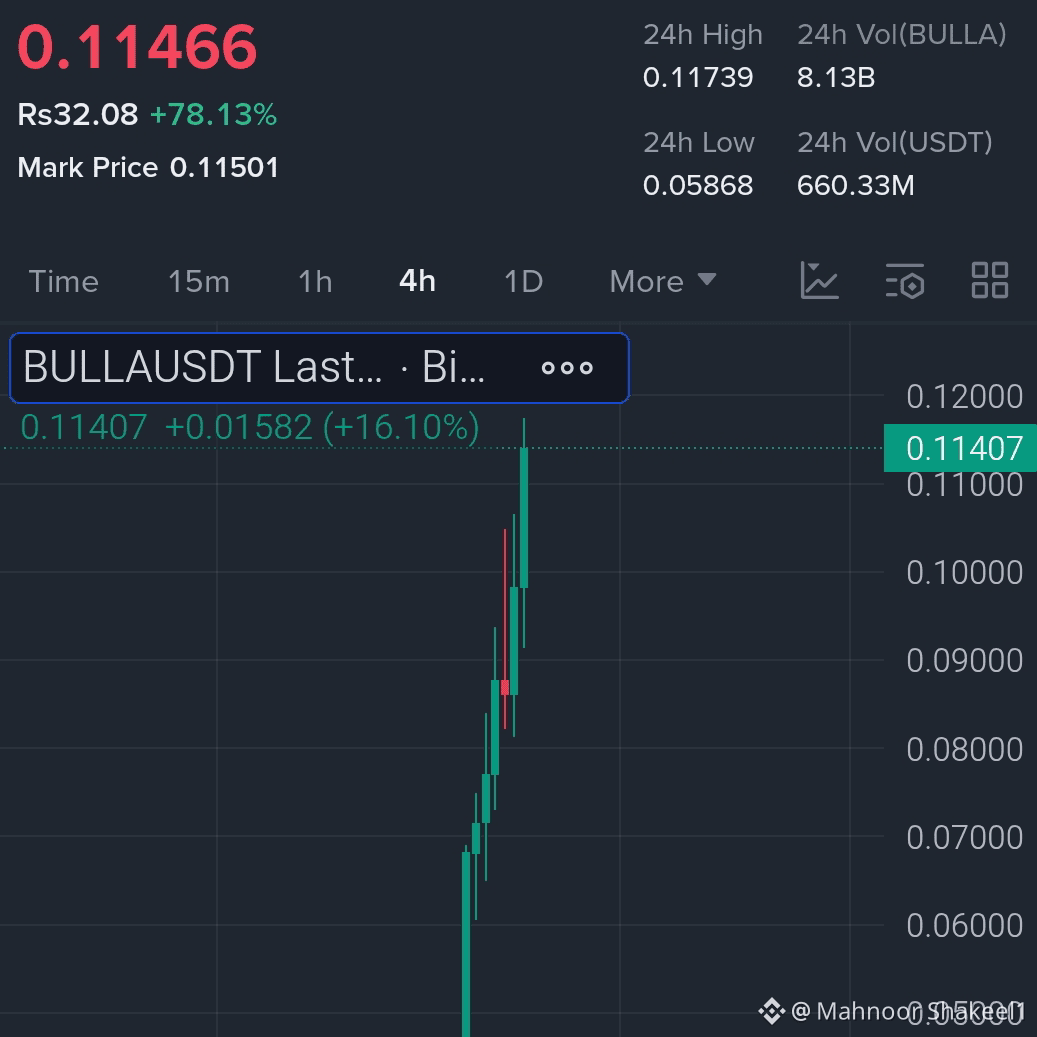
#Congratulations😊😍 to everyone who trusted the $BULLA call 🚀 I hope you didn’t miss the buying and long signal. Those who followed are already sitting on strong profits. $BULLA has delivered an explosive breakout and momentum remains firmly bullish. Long $BULLA Entry: 0.108 – 0.115 TP1: 0.125 TP2: 0.145 TP3: 0.170 SL: 0.095 Trend structure supports further upside as long as price holds above the breakout zone.
#Congratulations😊😍 to everyone who trusted the $BULLA call 🚀
I hope you didn’t miss the buying and long signal. Those who followed are already sitting on strong profits.

$BULLA has delivered an explosive breakout and momentum remains firmly bullish.

Long $BULLA
Entry: 0.108 – 0.115
TP1: 0.125
TP2: 0.145
TP3: 0.170
SL: 0.095

Trend structure supports further upside as long as price holds above the breakout zone.
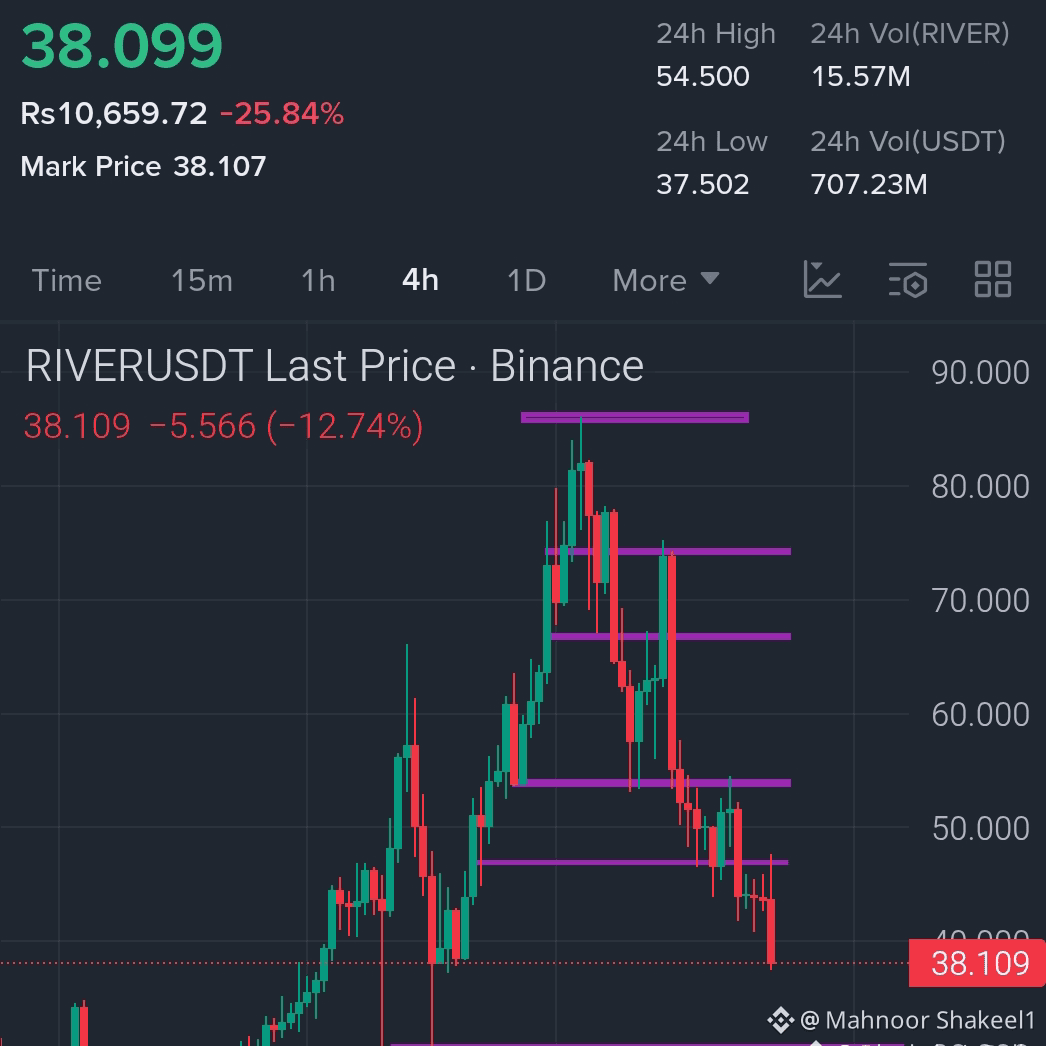
$RIVER short trade, #Congratulations😊😍 to everyone who stayed disciplined in this move. I have closed 50% of the position to secure profits and I am holding the remaining portion for the next targets. $RIVER has broken down from key support and sellers are clearly in control. Short $RIVER Entry: 38.5 – 41.0 TP1: 35.0 TP2: 32.0 TP3: 28.0 SL: 45.0 Momentum continues to favor the downside as long as price stays below resistance.
$RIVER short trade, #Congratulations😊😍 to everyone who stayed disciplined in this move.
I have closed 50% of the position to secure profits and I am holding the remaining portion for the next targets.
$RIVER has broken down from key support and sellers are clearly in control.
Short $RIVER
Entry: 38.5 – 41.0
TP1: 35.0
TP2: 32.0
TP3: 28.0
SL: 45.0
Momentum continues to favor the downside as long as price stays below resistance.
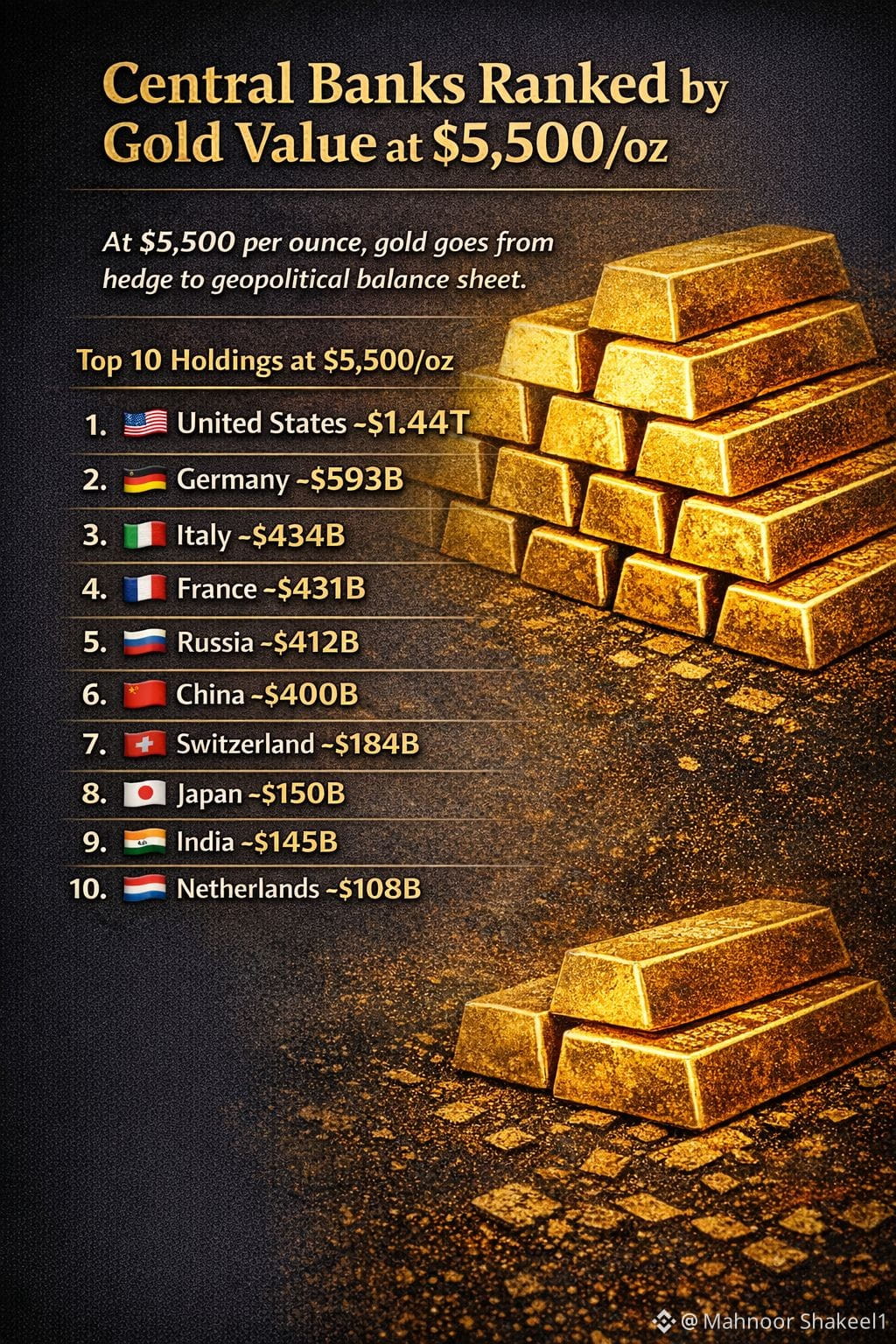
Zentralbanken nach Goldwert bei 5.500 $/oz eingestuft Bei 5.500 $ pro Unze hört Gold auf, wie eine einfache Absicherung zu wirken, und beginnt, wie eine geopolitische Bilanz zu erscheinen. Die Neubewertung der offiziellen Reserven auf diesem Niveau offenbart das wahre Ausmaß der Vorräte der Zentralbanken und zeigt, welche Nationen plötzlich mit Billionen-Dollar-Tresoren dastehen würden. Anhand öffentlich berichteter Bestände und der Bewertung jeder Tonne auf etwa 177 Mrd. $ würde die Rangliste wie folgt aussehen: 1. Vereinigte Staaten — ~1,44 Billionen $ 8.133 Tonnen. Immer noch der unbestrittene Schwergewicht. 2. Deutschland — ~593 Mrd. $ Europas Festungsreserve. 3. Italien — ~434 Mrd. $ Leise unter den größten Haltern weltweit. 4. Frankreich — ~431 Mrd. $ 5. Russland — ~412 Mrd. $ 6. China — ~400 Mrd. $ Viele Analysten glauben, dass die tatsächlichen Reserven erheblich höher sein könnten. 7. Schweiz — ~184 Mrd. $ 8. Japan — ~150 Mrd. $ 9. Indien — ~145 Mrd. $ 10. Niederlande — ~108 Mrd. $ Warum das für die Märkte wichtig ist Gold bei 5.500 $ würde die nationalen Bilanzen radikal neu bewerten. Es würde: Währungen stärken, die durch große Reserven gedeckt sind Langfristige De-Dollarization-Strategien offenlegen Die makroökonomische Anziehungskraft harter Vermögenswerte verstärken — ein Dynamik, die historisch auch in Krypto-Erzählungen übergreift Wenn Zentralbanken weiterhin Metall anhäufen, bleiben makroökonomische Zyklen selten ruhig. Gold wird nie isoliert neu bewertet. Und wenn es sich bewegt, passt sich alles andere mit ihm an. $BTC {future}(BTCUSDT)
Zentralbanken nach Goldwert bei 5.500 $/oz eingestuft

Bei 5.500 $ pro Unze hört Gold auf, wie eine einfache Absicherung zu wirken, und beginnt, wie eine geopolitische Bilanz zu erscheinen.

Die Neubewertung der offiziellen Reserven auf diesem Niveau offenbart das wahre Ausmaß der Vorräte der Zentralbanken und zeigt, welche Nationen plötzlich mit Billionen-Dollar-Tresoren dastehen würden.

Anhand öffentlich berichteter Bestände und der Bewertung jeder Tonne auf etwa 177 Mrd. $ würde die Rangliste wie folgt aussehen:

1. Vereinigte Staaten — ~1,44 Billionen $
8.133 Tonnen. Immer noch der unbestrittene Schwergewicht.

2. Deutschland — ~593 Mrd. $
Europas Festungsreserve.

3. Italien — ~434 Mrd. $
Leise unter den größten Haltern weltweit.

4. Frankreich — ~431 Mrd. $

5. Russland — ~412 Mrd. $

6. China — ~400 Mrd. $
Viele Analysten glauben, dass die tatsächlichen Reserven erheblich höher sein könnten.

7. Schweiz — ~184 Mrd. $

8. Japan — ~150 Mrd. $

9. Indien — ~145 Mrd. $

10. Niederlande — ~108 Mrd. $

Warum das für die Märkte wichtig ist

Gold bei 5.500 $ würde die nationalen Bilanzen radikal neu bewerten.

Es würde:

Währungen stärken, die durch große Reserven gedeckt sind

Langfristige De-Dollarization-Strategien offenlegen

Die makroökonomische Anziehungskraft harter Vermögenswerte verstärken — ein Dynamik, die historisch auch in Krypto-Erzählungen übergreift

Wenn Zentralbanken weiterhin Metall anhäufen, bleiben makroökonomische Zyklen selten ruhig.

Gold wird nie isoliert neu bewertet.
Und wenn es sich bewegt, passt sich alles andere mit ihm an.
$BTC
·
--
Bullisch
$BLUAI Rückzug respektiert, der Preis versucht, die Aufwärtskontinuität wieder aufzunehmen. Long $BLUAI Einstieg: 0.00740 – 0.00765 TP1: 0.00795 TP2: 0.00830 TP3: 0.00880 SL: 0.00710 Die Struktur bleibt bullisch, solange die Rückzugszone hält. Momentum begünstigt höhere Niveaus, wenn die Käufer die Kontrolle behalten.
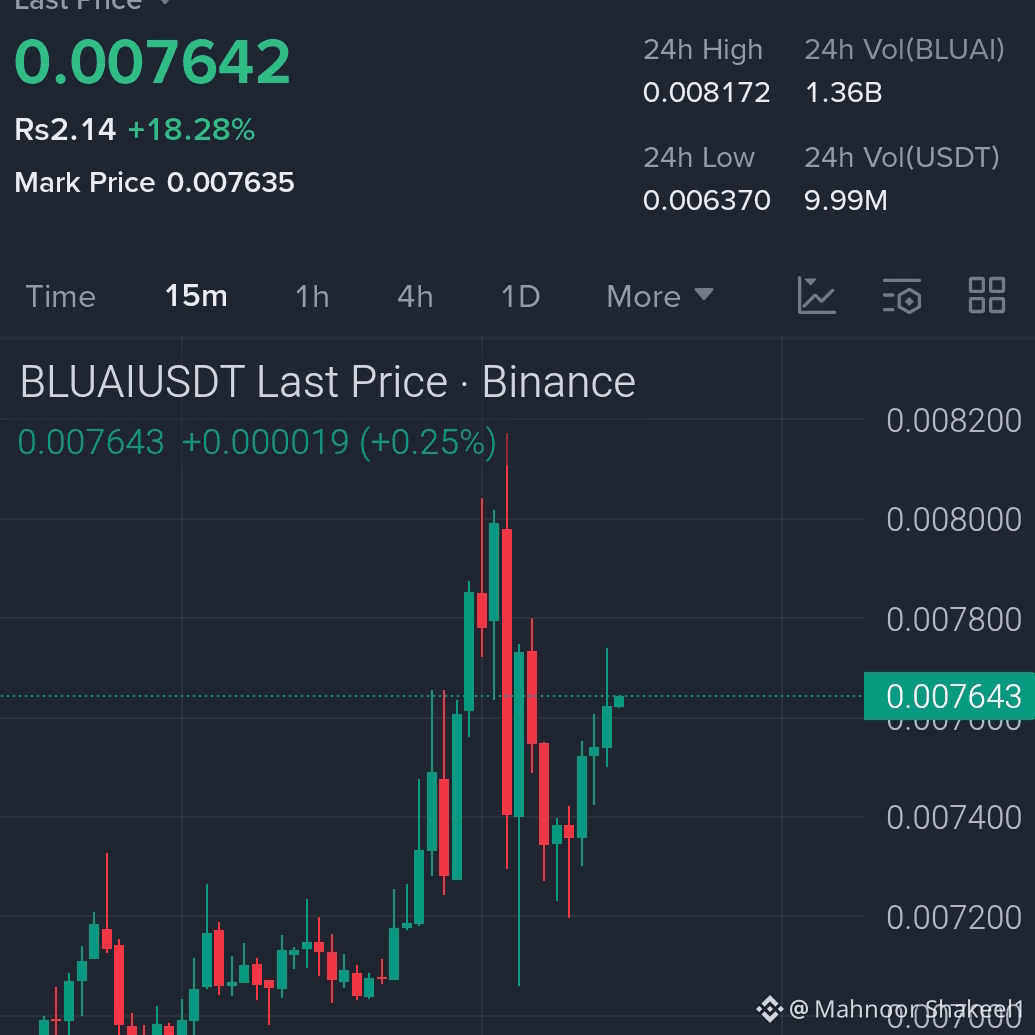
$BLUAI Rückzug respektiert, der Preis versucht, die Aufwärtskontinuität wieder aufzunehmen.
Long $BLUAI
Einstieg: 0.00740 – 0.00765
TP1: 0.00795
TP2: 0.00830
TP3: 0.00880
SL: 0.00710
Die Struktur bleibt bullisch, solange die Rückzugszone hält. Momentum begünstigt höhere Niveaus, wenn die Käufer die Kontrolle behalten.
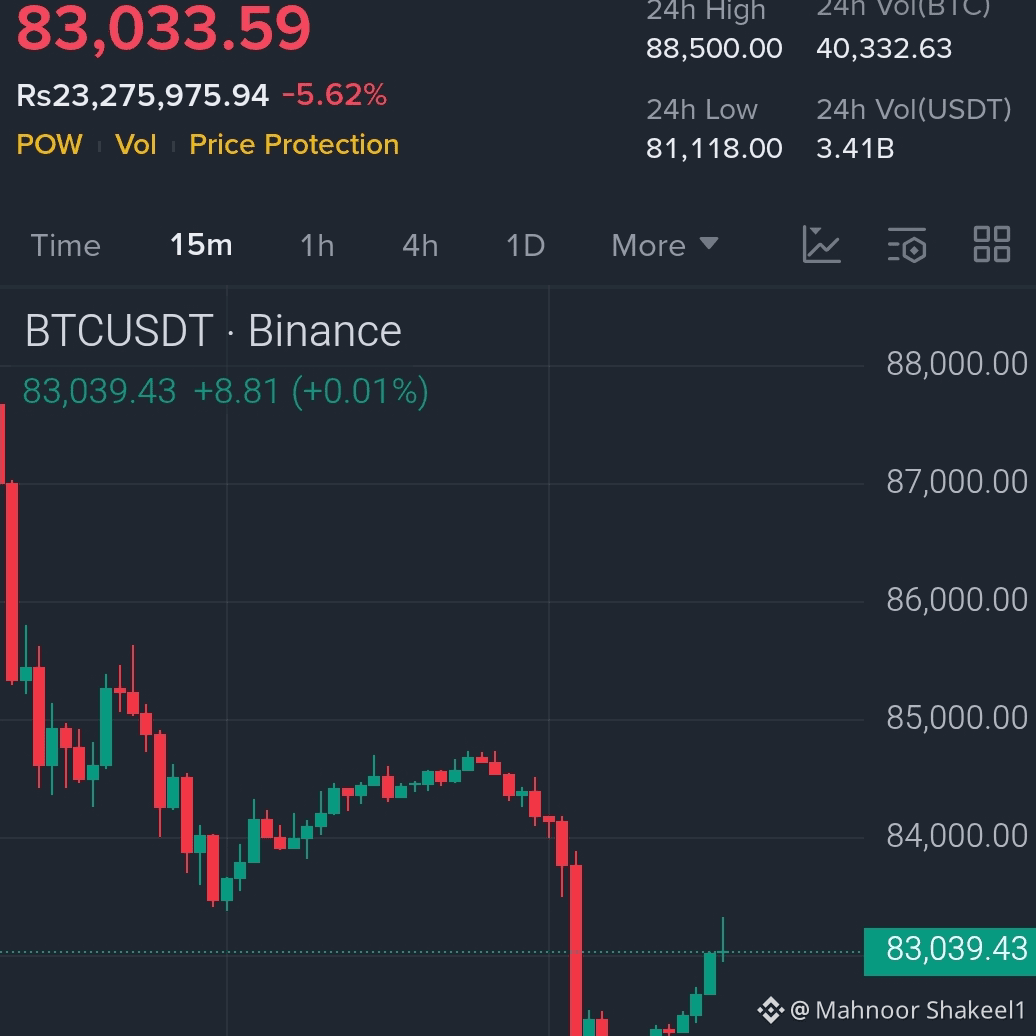
Hold on… just give me two minutes * There’s something important happening with $BTC #Bitcoin has successfully defended its lower demand zone and is now pushing back toward the $83K area after that aggressive liquidation sweep. The sharp sell-off forced late longs out in the $81K–$82K range, but buyers stepped in quickly and absorbed the pressure almost instantly. As long as BTC holds above this reclaimed zone, downside momentum is fading and a short-term recovery structure remains valid. Now attention shifts to overhead supply. Key levels to watch: Support: $81K–$82K Pivot: $83K–$84K Resistance: $85K Upside targets: $87K → $90K A breakdown below $81K would reopen downside risk and put the recent lows back in play. For now, however, price is stabilizing exactly where it should. Liquidity cleared. Demand confirmed. 👉 $BTC
Hold on… just give me two minutes * There’s something important happening with $BTC

#Bitcoin has successfully defended its lower demand zone and is now pushing back toward the $83K area after that aggressive liquidation sweep.

The sharp sell-off forced late longs out in the $81K–$82K range, but buyers stepped in quickly and absorbed the pressure almost instantly.

As long as BTC holds above this reclaimed zone, downside momentum is fading and a short-term recovery structure remains valid.

Now attention shifts to overhead supply.
Key levels to watch:
Support: $81K–$82K
Pivot: $83K–$84K
Resistance: $85K
Upside targets: $87K → $90K

A breakdown below $81K would reopen downside risk and put the recent lows back in play. For now, however, price is stabilizing exactly where it should.

Liquidity cleared.
Demand confirmed.
👉 $BTC
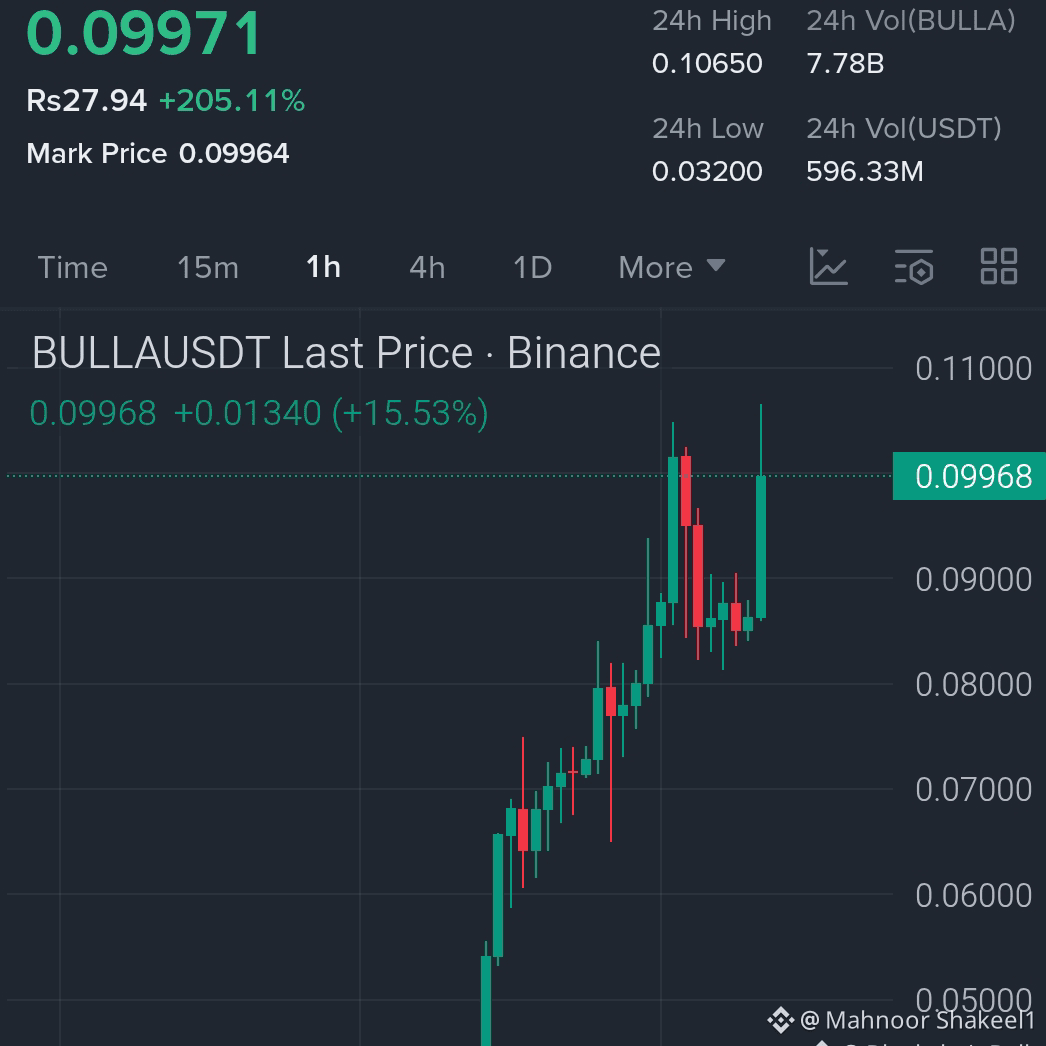
$BULLA just hit $0.10 ✅
$BTC just nuked nearly $4,000 after the U.S. open, tagging a fresh yearly low at $83.9K. $540M+ in longs wiped out in just 4 hours. This wasn’t slow selling — it was a straight liquidity cascade into the $83K–$84K pocket. Stop runs + forced liquidations = vertical drop. Now price is trying to base, but structure still needs time. Levels: Support: $83K–$82K Demand: $80K–$78K Reclaim: $85K–$86.5K Targets: $88K → $90.6K → $94K Lose $82K and $80K comes into play. Capitulation creates opportunity. Noise kills accounts. 👉 $BTC
$BTC just nuked nearly $4,000 after the U.S. open, tagging a fresh yearly low at $83.9K.
$540M+ in longs wiped out in just 4 hours.
This wasn’t slow selling — it was a straight liquidity cascade into the $83K–$84K pocket.
Stop runs + forced liquidations = vertical drop.
Now price is trying to base, but structure still needs time.
Levels:
Support: $83K–$82K
Demand: $80K–$78K
Reclaim: $85K–$86.5K
Targets: $88K → $90.6K → $94K
Lose $82K and $80K comes into play.
Capitulation creates opportunity.
Noise kills accounts.
👉 $BTC
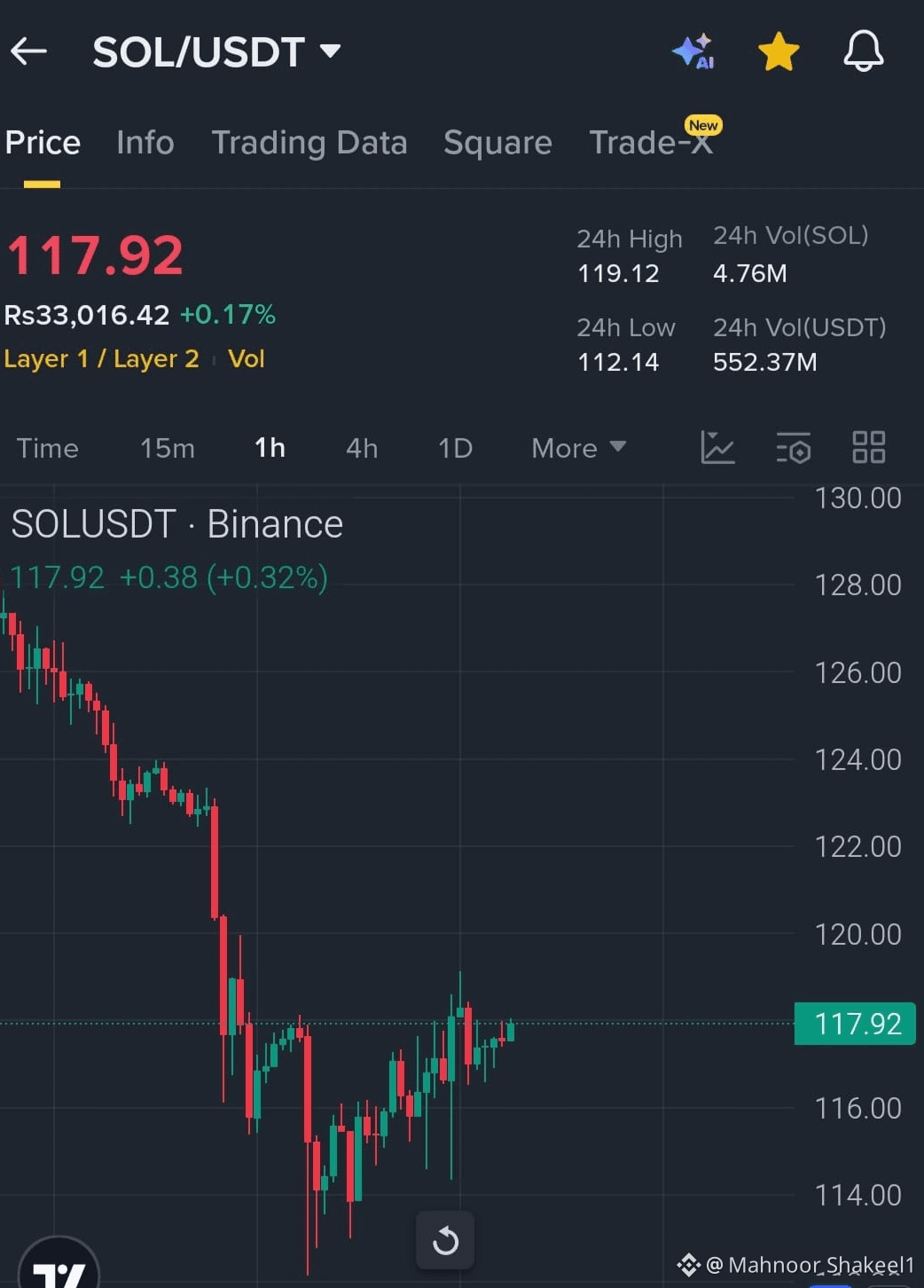
End-of-2026 crypto outlook (realistic scenario): #Bitcoin → $200k $ETH → $8k $SOL → $350 $BNB → $1.75k #XRP → $20 Which coin are you adding next? 👇
End-of-2026 crypto outlook (realistic scenario):
#Bitcoin → $200k
$ETH → $8k
$SOL → $350
$BNB → $1.75k
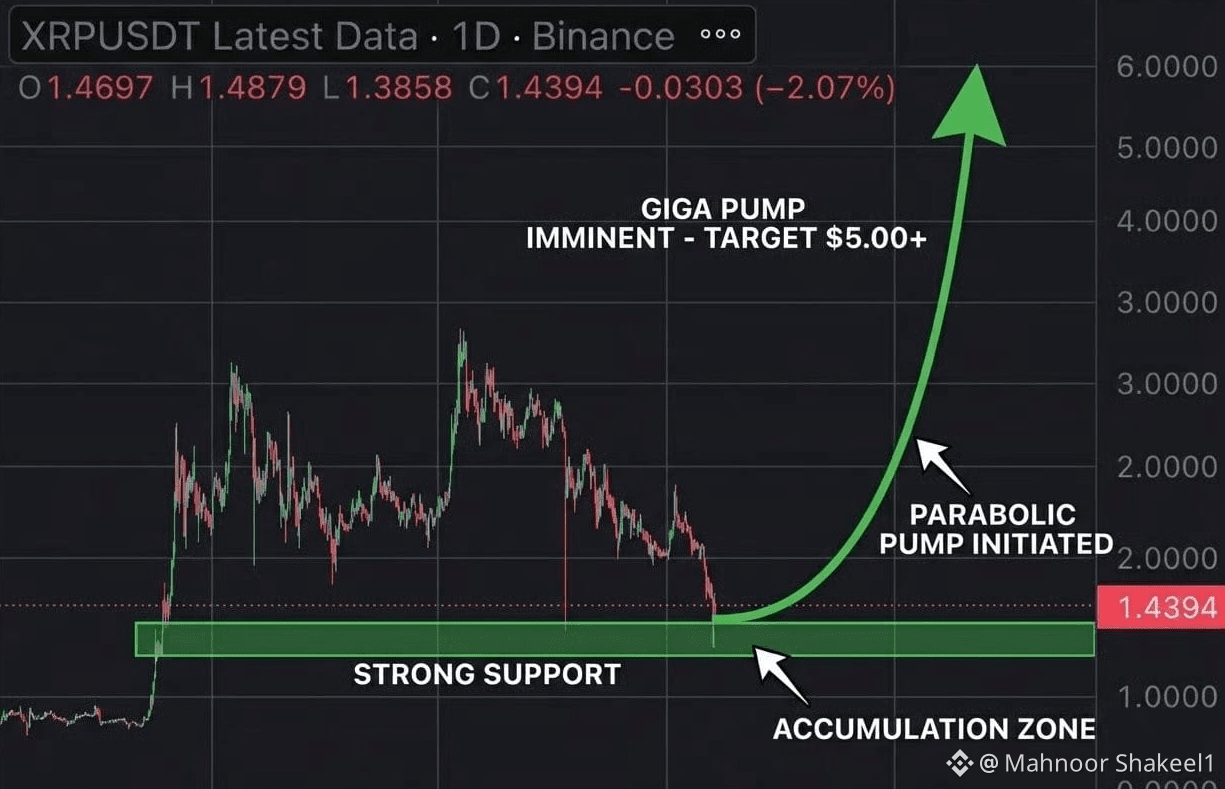
#XRP → $20
Which coin are you adding next? 👇
$KITE has pushed straight into a major resistance zone and is now showing signs of exhaustion, increasing the probability of a short term pullback. Short $KITE Entry zone: 0.150 – 0.158 Stop loss: 0.166 Target 1: 0.142 Target 2: 0.135 Target 3: 0.128 Rally looks stretched at this level. Expect a corrective move unless price breaks and holds above resistance.
$KITE has pushed straight into a major resistance zone and is now showing signs of exhaustion, increasing the probability of a short term pullback.

Short $KITE
Entry zone: 0.150 – 0.158
Stop loss: 0.166
Target 1: 0.142
Target 2: 0.135
Target 3: 0.128

Rally looks stretched at this level.
Expect a corrective move unless price breaks and holds above resistance.
$GWEI is finally live and price reacted exactly as momentum setups usually do. It broke above the previous resistance and is now holding firmly over the 0.042 to 0.043 breakout zone, a textbook expansion after consolidation. The strong vertical push confirms heavy buying interest. As long as price remains above this reclaimed area, any pullback looks like a healthy retrace rather than a trend reversal. Key zones to monitor Support: 0.042 to 0.039 Resistance and targets: 0.045 to 0.048 to 0.052 If buyers continue to defend this base, further upside toward higher liquidity levels remains likely. Some waited. Others positioned early. Structure beats noise. $GWEI
$GWEI is finally live and price reacted exactly as momentum setups usually do.
It broke above the previous resistance and is now holding firmly over the 0.042 to 0.043 breakout zone, a textbook expansion after consolidation.

The strong vertical push confirms heavy buying interest. As long as price remains above this reclaimed area, any pullback looks like a healthy retrace rather than a trend reversal.

Key zones to monitor
Support: 0.042 to 0.039
Resistance and targets: 0.045 to 0.048 to 0.052

If buyers continue to defend this base, further upside toward higher liquidity levels remains likely.

Some waited. Others positioned early.
Structure beats noise.
$GWEI
·
--
Bullisch
Ein weiteres potenzielles Juwel $GWEI wird in den nächsten 24 Minuten gestartet. Würden Sie sofort einsteigen oder auf eine Bestätigung warten? Welches Preisniveau peilen Sie an? 0.01 0.03 0.10 Frühe Einträge können große Belohnungen bringen, aber Geduld gewinnt oft das Spiel.
Ein weiteres potenzielles Juwel $GWEI wird in den nächsten 24 Minuten gestartet.
Würden Sie sofort einsteigen oder auf eine Bestätigung warten?
Welches Preisniveau peilen Sie an?
0.01
0.03
0.10
Frühe Einträge können große Belohnungen bringen, aber Geduld gewinnt oft das Spiel.
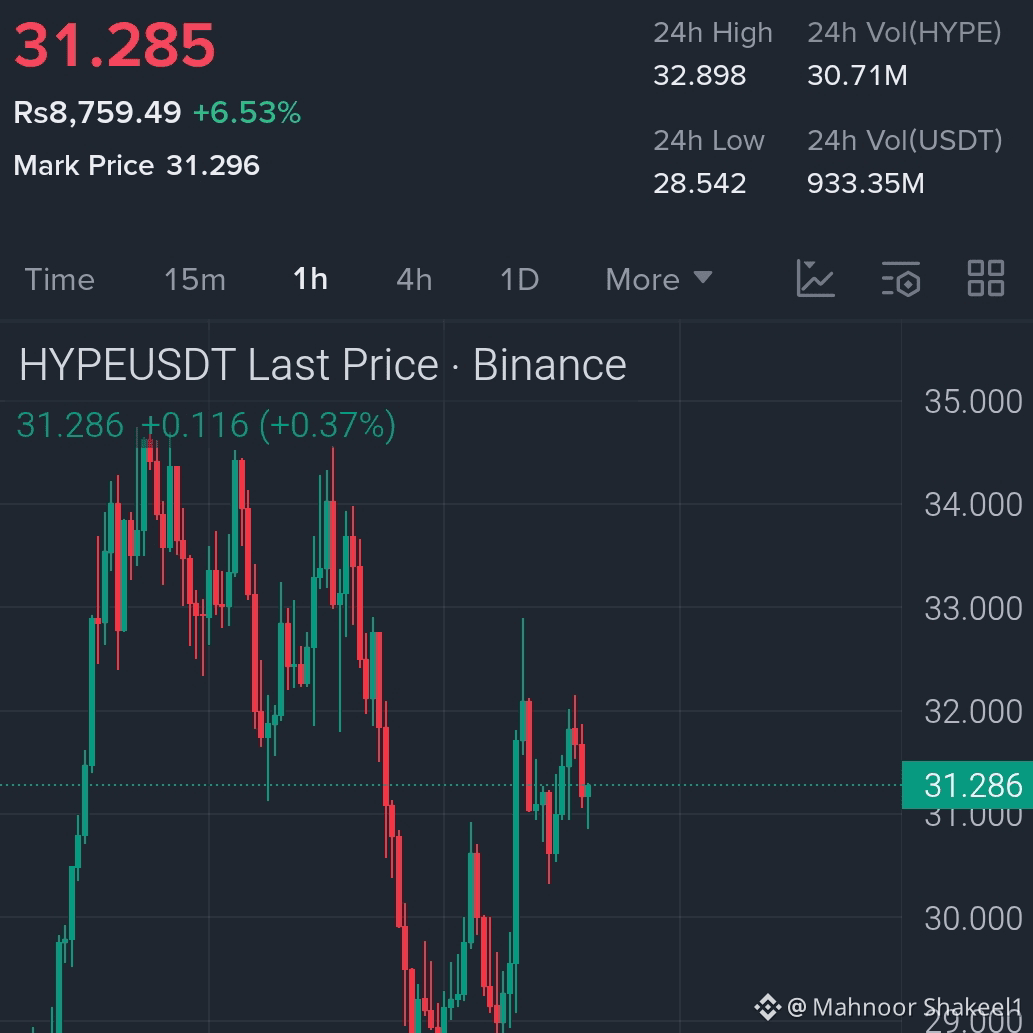
$HYPE just completed a strong rally but is now showing clear rejection near the recent highs, suggesting buyers are losing control and sellers are stepping in. Short $HYPE Entry zone: 31.8 – 33.2 Stop loss: 35.0 Target 1: 30.5 Target 2: 29.0 Target 3: 27.2 Momentum is shifting to the downside. Wait for confirmation and manage risk accordingly.
$HYPE just completed a strong rally but is now showing clear rejection near the recent highs, suggesting buyers are losing control and sellers are stepping in.

Short $HYPE
Entry zone: 31.8 – 33.2
Stop loss: 35.0
Target 1: 30.5
Target 2: 29.0
Target 3: 27.2

Momentum is shifting to the downside.
Wait for confirmation and manage risk accordingly.
The wait is finally over. $BIRB is now live. After the strong initial move, price is consolidating in a tight range which typically reflects healthy cooling rather than weakness. As long as this base holds, the broader trend remains bullish. Key zones to monitor Support: 0.32 to 0.30 Resistance: 0.35 to 0.39 to 0.45 A confirmed break and hold above 0.35 could trigger the next expansion phase toward higher liquidity levels. Some rushed in. Others stayed patient. Discipline beats noise.
The wait is finally over. $BIRB is now live.
After the strong initial move, price is consolidating in a tight range which typically reflects healthy cooling rather than weakness. As long as this base holds, the broader trend remains bullish.
Key zones to monitor
Support: 0.32 to 0.30
Resistance: 0.35 to 0.39 to 0.45
A confirmed break and hold above 0.35 could trigger the next expansion phase toward higher liquidity levels.
Some rushed in. Others stayed patient.
Discipline beats noise.
Welcher #memecoin🚀🚀🚀 das Potenzial hat, 2026 zu explodieren und massive Renditen zu liefern Geben Sie Ihre Stimme ab und teilen Sie Ihre Wahl $DOGE $SHIB $FLOKI Der nächste große Schritt könnte von dort kommen, wo man es am wenigsten erwartet.
Welcher #memecoin🚀🚀🚀 das Potenzial hat, 2026 zu explodieren und massive Renditen zu liefern
Geben Sie Ihre Stimme ab und teilen Sie Ihre Wahl

$DOGE
$SHIB
$FLOKI

Der nächste große Schritt könnte von dort kommen, wo man es am wenigsten erwartet.
·
--
Bärisch
$AXS just lost its recent structure after failing to hold the highs, signaling a clear shift in momentum. Sellers are now in control and downside pressure continues to build. Short $AXS Entry zone: 2.18 – 2.28 Stop loss: 2.42 Target 1: 2.05 Target 2: 1.92 Target 3: 1.78 Trend favors continuation to the downside unless price reclaims the broken resistance. Manage risk and keep leverage low.
$AXS just lost its recent structure after failing to hold the highs, signaling a clear shift in momentum.
Sellers are now in control and downside pressure continues to build.
Short $AXS
Entry zone: 2.18 – 2.28
Stop loss: 2.42
Target 1: 2.05
Target 2: 1.92
Target 3: 1.78
Trend favors continuation to the downside unless price reclaims the broken resistance.
Manage risk and keep leverage low.
The Rise of On Chain Credit and the New Era of Crypto LendingCrypto finance is entering a new phase where borrowing and lending no longer rely on traditional banks or centralized institutions. On chain credit is quietly transforming how capital moves inside the blockchain economy, creating a parallel financial system that operates without intermediaries, paperwork, or human approval. In the early days of crypto, most lending platforms were centralized. Users had to trust companies with their funds, similar to traditional banks. Over time, decentralized finance introduced smart contracts that replaced institutions with code. This shift laid the foundation for what is now called on chain credit. On chain credit refers to lending systems where credit decisions are made automatically using blockchain data. Wallet history, transaction behavior, collateral ratios, and protocol interaction all become part of a user’s financial identity. Instead of credit scores built by banks, users build reputation directly on the blockchain. One of the biggest changes is how trust is created. In traditional finance, trust is based on personal information and legal systems. In crypto, trust is created through transparency. Every transaction is public, verifiable, and permanent. This allows protocols to assess risk in real time and adjust lending terms automatically. Another major impact is accessibility. Millions of people worldwide cannot access loans because they lack documentation or banking history. On chain credit removes these barriers. Anyone with a wallet can participate. There are no borders, no applications, and no waiting periods. Risk management is also evolving. Instead of human analysts, algorithms monitor market conditions and user behavior. Liquidations, interest rates, and collateral levels are adjusted instantly. This makes the system more efficient but also more sensitive to volatility. When markets move fast, on chain systems react faster than any traditional institution. The lending boom is happening quietly because it does not look dramatic on the surface. There are no flashy headlines or celebrity endorsements. Growth is happening inside protocols, liquidity pools, and smart contracts. Yet the volume of capital flowing through decentralized lending platforms continues to rise every year. This shift has deep implications for the future of finance. On chain credit could become the foundation for a new financial identity system where reputation is earned through behavior, not paperwork. It could also enable global lending markets that operate 24 hours a day without central control. However, challenges remain. Smart contract risks, market crashes, and regulatory uncertainty still pose threats. Education and better risk models will be essential for long term sustainability. Despite these challenges, one thing is clear. Crypto is no longer just about trading and speculation. It is building a functional financial infrastructure. On chain credit is not just a trend. It is the early form of a decentralized banking system that may eventually rival traditional finance itself

The Rise of On Chain Credit and the New Era of Crypto Lending

Crypto finance is entering a new phase where borrowing and lending no longer rely on traditional banks or centralized institutions. On chain credit is quietly transforming how capital moves inside the blockchain economy, creating a parallel financial system that operates without intermediaries, paperwork, or human approval.
In the early days of crypto, most lending platforms were centralized. Users had to trust companies with their funds, similar to traditional banks. Over time, decentralized finance introduced smart contracts that replaced institutions with code. This shift laid the foundation for what is now called on chain credit.
On chain credit refers to lending systems where credit decisions are made automatically using blockchain data. Wallet history, transaction behavior, collateral ratios, and protocol interaction all become part of a user’s financial identity. Instead of credit scores built by banks, users build reputation directly on the blockchain.
One of the biggest changes is how trust is created. In traditional finance, trust is based on personal information and legal systems. In crypto, trust is created through transparency. Every transaction is public, verifiable, and permanent. This allows protocols to assess risk in real time and adjust lending terms automatically.
Another major impact is accessibility. Millions of people worldwide cannot access loans because they lack documentation or banking history. On chain credit removes these barriers. Anyone with a wallet can participate. There are no borders, no applications, and no waiting periods.
Risk management is also evolving. Instead of human analysts, algorithms monitor market conditions and user behavior. Liquidations, interest rates, and collateral levels are adjusted instantly. This makes the system more efficient but also more sensitive to volatility. When markets move fast, on chain systems react faster than any traditional institution.
The lending boom is happening quietly because it does not look dramatic on the surface. There are no flashy headlines or celebrity endorsements. Growth is happening inside protocols, liquidity pools, and smart contracts. Yet the volume of capital flowing through decentralized lending platforms continues to rise every year.
This shift has deep implications for the future of finance. On chain credit could become the foundation for a new financial identity system where reputation is earned through behavior, not paperwork. It could also enable global lending markets that operate 24 hours a day without central control.
However, challenges remain. Smart contract risks, market crashes, and regulatory uncertainty still pose threats. Education and better risk models will be essential for long term sustainability.
Despite these challenges, one thing is clear. Crypto is no longer just about trading and speculation. It is building a functional financial infrastructure. On chain credit is not just a trend. It is the early form of a decentralized banking system that may eventually rival traditional finance itself
#Silver already ran its course. #Gold soared and completed its rally. Stocks had their time in the spotlight. Now, all eyes are on #bitcoin History shows what usually follows: a recession. Ignore the noise. Ignore opinions. Follow the data. $XAG $XAU $BTC
#Silver already ran its course.
#Gold soared and completed its rally.
Stocks had their time in the spotlight.
Now, all eyes are on #bitcoin
History shows what usually follows: a recession.
Ignore the noise.
Ignore opinions.
Follow the data.
$XAG $XAU $BTC
How 2026 May Reshape Institutional Participation in Crypto MarketsAs the digital asset ecosystem enters its next phase of development, 2026 is shaping up to be a decisive inflection point—one where crypto transitions from a peripheral innovation to a structural component of global finance. After years of groundwork in infrastructure, compliance, and product design, the conditions that large institutions typically demand before committing meaningful capital are finally aligning. A major catalyst behind this shift is the expansion of regulated investment gateways. Spot ETFs, institutional-grade custody services, and structured crypto products offered by established financial institutions have dramatically lowered historical barriers to entry. These familiar, compliant vehicles allow pension funds, insurers, and asset managers to gain exposure to Bitcoin, Ethereum, and select digital assets without navigating the operational complexity that once defined the space. Equally important is the steady progress toward regulatory clarity. While global standards remain fragmented, leading jurisdictions are increasingly formalizing rules around custody, stablecoins, taxation, and disclosure requirements. This evolving clarity reduces legal ambiguity and enables institutions to move beyond pilot programs toward long-term allocation strategies. It also encourages traditional banks and brokers to integrate blockchain-based services directly into their existing financial infrastructure. Beyond investment products, crypto’s role is expanding into core capital markets through real-world asset tokenization. From bonds and private credit to commodities and investment funds, assets are increasingly being issued or settled on-chain. For institutions, this evolution is not driven by speculation but by tangible benefits: faster settlement cycles, reduced costs, global reach, and programmable financial logic that can streamline back-office operations at scale. Market infrastructure itself has matured substantially. Today’s digital asset ecosystem includes institutional-grade custody, insured holdings, deep liquidity pools, and sophisticated derivatives markets comparable to those in traditional finance. Advanced risk management frameworks, compliance tooling, and surveillance systems now allow large firms to operate in crypto while maintaining internal governance and regulatory standards. Macroeconomic dynamics may further reinforce this momentum. Ongoing concerns around inflation, currency debasement, and geopolitical fragmentation continue to elevate demand for alternative stores of value. At the same time, yield-generating mechanisms such as staking and on-chain lending are attracting capital seeking diversification beyond traditional asset classes. In this context, crypto is increasingly viewed not as a speculative outlier, but as an emerging asset class alongside equities, real estate, and commodities. Meanwhile, enterprise adoption is advancing quietly but steadily. Major corporations and payment providers are embedding blockchain rails behind the scenes—leveraging stablecoins for cross-border settlements, tokenized systems for customer engagement, and on-chain solutions for trade finance. As these initiatives move from experimentation to production, confidence grows within executive teams and investment committees that the technology is ready for real-world scale. Taken together, these developments suggest that 2026 may represent the transition from institutional interest to institutional commitment. With regulated access points, clearer regulatory frameworks, proven economic use cases, and resilient market infrastructure in place, crypto appears increasingly positioned to absorb sustained capital inflows from the world’s largest financial player Potentially redefining market depth, stability, and long-term growth in the years ahead.

How 2026 May Reshape Institutional Participation in Crypto Markets

As the digital asset ecosystem enters its next phase of development, 2026 is shaping up to be a decisive inflection point—one where crypto transitions from a peripheral innovation to a structural component of global finance. After years of groundwork in infrastructure, compliance, and product design, the conditions that large institutions typically demand before committing meaningful capital are finally aligning.
A major catalyst behind this shift is the expansion of regulated investment gateways. Spot ETFs, institutional-grade custody services, and structured crypto products offered by established financial institutions have dramatically lowered historical barriers to entry. These familiar, compliant vehicles allow pension funds, insurers, and asset managers to gain exposure to Bitcoin, Ethereum, and select digital assets without navigating the operational complexity that once defined the space.
Equally important is the steady progress toward regulatory clarity. While global standards remain fragmented, leading jurisdictions are increasingly formalizing rules around custody, stablecoins, taxation, and disclosure requirements. This evolving clarity reduces legal ambiguity and enables institutions to move beyond pilot programs toward long-term allocation strategies. It also encourages traditional banks and brokers to integrate blockchain-based services directly into their existing financial infrastructure.
Beyond investment products, crypto’s role is expanding into core capital markets through real-world asset tokenization. From bonds and private credit to commodities and investment funds, assets are increasingly being issued or settled on-chain. For institutions, this evolution is not driven by speculation but by tangible benefits: faster settlement cycles, reduced costs, global reach, and programmable financial logic that can streamline back-office operations at scale.
Market infrastructure itself has matured substantially. Today’s digital asset ecosystem includes institutional-grade custody, insured holdings, deep liquidity pools, and sophisticated derivatives markets comparable to those in traditional finance. Advanced risk management frameworks, compliance tooling, and surveillance systems now allow large firms to operate in crypto while maintaining internal governance and regulatory standards.
Macroeconomic dynamics may further reinforce this momentum. Ongoing concerns around inflation, currency debasement, and geopolitical fragmentation continue to elevate demand for alternative stores of value. At the same time, yield-generating mechanisms such as staking and on-chain lending are attracting capital seeking diversification beyond traditional asset classes. In this context, crypto is increasingly viewed not as a speculative outlier, but as an emerging asset class alongside equities, real estate, and commodities.
Meanwhile, enterprise adoption is advancing quietly but steadily. Major corporations and payment providers are embedding blockchain rails behind the scenes—leveraging stablecoins for cross-border settlements, tokenized systems for customer engagement, and on-chain solutions for trade finance. As these initiatives move from experimentation to production, confidence grows within executive teams and investment committees that the technology is ready for real-world scale.
Taken together, these developments suggest that 2026 may represent the transition from institutional interest to institutional commitment. With regulated access points, clearer regulatory frameworks, proven economic use cases, and resilient market infrastructure in place, crypto appears increasingly positioned to absorb sustained capital inflows from the world’s largest financial player Potentially redefining market depth, stability, and long-term growth in the years ahead.
🚀 BOOM! $RIVER delivers again 🤝🔥 TP1 smashed in under 60 minutes — that was fast! ⏱️⚡ Momentum speaks for itself. Hope you caught the move and locked some profits 🎯🎉 More levels ahead… stay sharp
🚀 BOOM! $RIVER delivers again 🤝🔥
TP1 smashed in under 60 minutes — that was fast! ⏱️⚡
Momentum speaks for itself. Hope you caught the move and locked some profits 🎯🎉
More levels ahead… stay sharp
$KITE has confirmed a clean breakout after consolidation, with momentum continuing to build. The 4H structure shows buyers firmly in control and price holding strength above the base. Long $KITE Entry: 0.1285 – 0.1310 TP1: 0.1360 TP2: 0.1425 TP3: 0.1500 SL: 0.1240 Momentum remains bullish as long as price stays above the breakout zone. Keep risk managed and avoid over-leveraging.
$KITE has confirmed a clean breakout after consolidation, with momentum continuing to build. The 4H structure shows buyers firmly in control and price holding strength above the base.
Long $KITE
Entry: 0.1285 – 0.1310
TP1: 0.1360
TP2: 0.1425
TP3: 0.1500
SL: 0.1240
Momentum remains bullish as long as price stays above the breakout zone. Keep risk managed and avoid over-leveraging.
Melde dich an, um weitere Inhalte zu entdecken
Bleib immer am Ball mit den neuesten Nachrichten aus der Kryptowelt
⚡️ Beteilige dich an aktuellen Diskussionen rund um Kryptothemen
💬 Interagiere mit deinen bevorzugten Content-Erstellern
👍 Entdecke für dich interessante Inhalte
E-Mail-Adresse/Telefonnummer
Sitemap
Cookie-Präferenzen
Nutzungsbedingungen der Plattform