

Minah05
166 Beiträge

Minah05
Melden
Nutzer blockieren
5 Following
2 Follower
35 Like gegeben
Beiträge
Alle
Zitierungen
·
--
Übersetzung ansehen
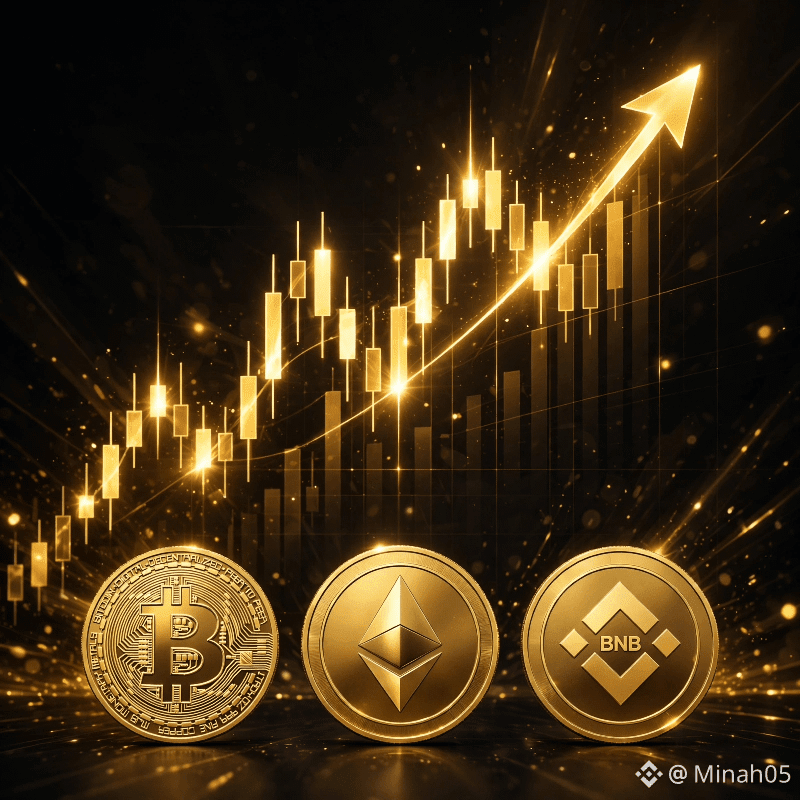
$BTC just reclaimed momentum and the whole market is waking up! $ETH $BNB all showing strength.
My focus today: Watch dominance and volume before making any move. Patience over FOMO.
Are you bullish or bearish for this week?
Drop your prediction below 👇
#BinancePick #crypto #trading #BinanceSquare
{spot}(BNBUSDT)
$BTC just reclaimed momentum and the whole market is waking up! $ETH $BNB all showing strength.
My focus today: Watch dominance and volume before making any move. Patience over FOMO.
Are you bullish or bearish for this week?
Drop your prediction below 👇
#BinancePick #crypto #trading #BinanceSquare
My focus today: Watch dominance and volume before making any move. Patience over FOMO.
Are you bullish or bearish for this week?
Drop your prediction below 👇
#BinancePick #crypto #trading #BinanceSquare
35
·
--
Übersetzung ansehen
#BinancePick Exploring Binance Pick - Loving this new prediction feature! Testing my market skills without risking real funds. My strategy is to analyze trends carefully before predicting. What is your strategy?
#BinancePick Exploring Binance Pick - Loving this new prediction feature! Testing my market skills without risking real funds. My strategy is to analyze trends carefully before predicting. What is your strategy?
·
--
Aktuelle globale geopolitische Entwicklungen – 27. Okt.
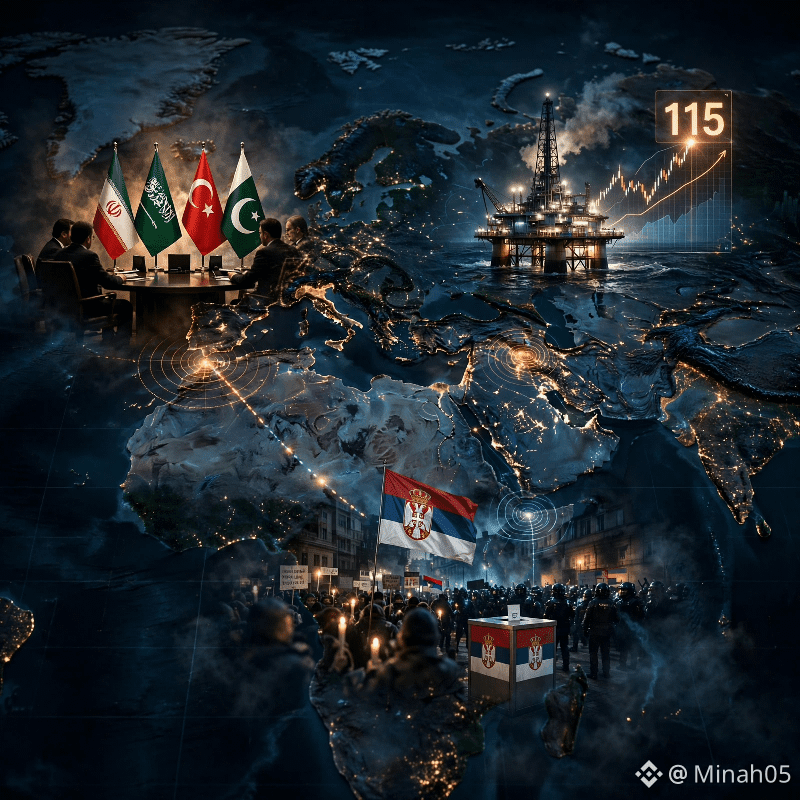
Die Spannungen zwischen den USA und Iran lassen leicht nach: Trump sagte, dass es heute keinen Angriff geben werde. Unterdessen traf eine Delegation aus Saudi-Arabien, der Türkei und Pakistan im Rahmen eines neuen Mekka-Pakts den iranischen Präsidenten in Teheran zu Friedensgesprächen, um die regionale Sicherheit zu stärken.
Die Ölpreise bleiben volatil: Brent liegt bei 115 und WTI über 101, während die Risiken für die Schifffahrt in der Straße von Hormus anhalten. Die Märkte preisen eine hohe geopolitische Risikoprämie ein.
Umbruch in Europa: In Serbien besiegte eine von Studierenden unterstützte Bewegung bei den Parlamentswahlen den langjährigen Machthaber Vucic und beendete damit eine zehnjährige Herrschaft. Der Kreml erklärte, er hoffe, dass die neuen Führungskräfte die Beziehungen zu Russland aufrechterhalten.
Die Welt verändert sich rasant – vom Nahen Osten bis nach Europa.
#Geopolitics #worldnews #BreakingNews #GlobalUpdate
Aktuelle globale geopolitische Entwicklungen – 27. Okt.
Die Spannungen zwischen den USA und Iran lassen leicht nach: Trump sagte, dass es heute keinen Angriff geben werde. Unterdessen traf eine Delegation aus Saudi-Arabien, der Türkei und Pakistan im Rahmen eines neuen Mekka-Pakts den iranischen Präsidenten in Teheran zu Friedensgesprächen, um die regionale Sicherheit zu stärken.
Die Ölpreise bleiben volatil: Brent liegt bei 115 und WTI über 101, während die Risiken für die Schifffahrt in der Straße von Hormus anhalten. Die Märkte preisen eine hohe geopolitische Risikoprämie ein.
Umbruch in Europa: In Serbien besiegte eine von Studierenden unterstützte Bewegung bei den Parlamentswahlen den langjährigen Machthaber Vucic und beendete damit eine zehnjährige Herrschaft. Der Kreml erklärte, er hoffe, dass die neuen Führungskräfte die Beziehungen zu Russland aufrechterhalten.
Die Welt verändert sich rasant – vom Nahen Osten bis nach Europa.
#Geopolitics #worldnews #BreakingNews #GlobalUpdate
Die Spannungen zwischen den USA und Iran lassen leicht nach: Trump sagte, dass es heute keinen Angriff geben werde. Unterdessen traf eine Delegation aus Saudi-Arabien, der Türkei und Pakistan im Rahmen eines neuen Mekka-Pakts den iranischen Präsidenten in Teheran zu Friedensgesprächen, um die regionale Sicherheit zu stärken.
Die Ölpreise bleiben volatil: Brent liegt bei 115 und WTI über 101, während die Risiken für die Schifffahrt in der Straße von Hormus anhalten. Die Märkte preisen eine hohe geopolitische Risikoprämie ein.
Umbruch in Europa: In Serbien besiegte eine von Studierenden unterstützte Bewegung bei den Parlamentswahlen den langjährigen Machthaber Vucic und beendete damit eine zehnjährige Herrschaft. Der Kreml erklärte, er hoffe, dass die neuen Führungskräfte die Beziehungen zu Russland aufrechterhalten.
Die Welt verändert sich rasant – vom Nahen Osten bis nach Europa.
#Geopolitics #worldnews #BreakingNews #GlobalUpdate
493
·
--
Übersetzung ansehen
#BinancePick Loving the Binance Pick and Earn Scores campaign Already unlocked all season milestones in Binance Pick Now completing my Square task to earn 100 scores Lets keep predicting #BinancePick #EarnScores #PredictionMarket
#BinancePick Loving the Binance Pick and Earn Scores campaign Already unlocked all season milestones in Binance Pick Now completing my Square task to earn 100 scores Lets keep predicting #BinancePick #EarnScores #PredictionMarket
1
·
--
🚨 Die Binance-Pick-Kampagne läuft! 🚨
Ich habe gerade 20 Märkte freigeschaltet und +300 Punkte erhalten! 🔥
So kannst du mitmachen:
✅ Gehe zu Binance Pick → Punkte verdienen
✅ Handle auf beliebigen 20 Märkten (Fußball, NBA, Krypto, Unternehmenszahlen) – nur 1 Punkt pro Markt!
✅ Klicke auf „Verifizieren“ und sichere dir über 200 Punkte
✅ Lade Freunde ein = 300 Punkte pro Freund!
Meine Positionen: 14 erledigt, 6 noch offen. Wer macht mit?
#BinancePick #EarnScores #PredictionMarket #Binance
🚨 Die Binance-Pick-Kampagne läuft! 🚨
Ich habe gerade 20 Märkte freigeschaltet und +300 Punkte erhalten! 🔥
So kannst du mitmachen:
✅ Gehe zu Binance Pick → Punkte verdienen
✅ Handle auf beliebigen 20 Märkten (Fußball, NBA, Krypto, Unternehmenszahlen) – nur 1 Punkt pro Markt!
✅ Klicke auf „Verifizieren“ und sichere dir über 200 Punkte
✅ Lade Freunde ein = 300 Punkte pro Freund!
Meine Positionen: 14 erledigt, 6 noch offen. Wer macht mit?
#BinancePick #EarnScores #PredictionMarket #Binance
Ich habe gerade 20 Märkte freigeschaltet und +300 Punkte erhalten! 🔥
So kannst du mitmachen:
✅ Gehe zu Binance Pick → Punkte verdienen
✅ Handle auf beliebigen 20 Märkten (Fußball, NBA, Krypto, Unternehmenszahlen) – nur 1 Punkt pro Markt!
✅ Klicke auf „Verifizieren“ und sichere dir über 200 Punkte
✅ Lade Freunde ein = 300 Punkte pro Freund!
Meine Positionen: 14 erledigt, 6 noch offen. Wer macht mit?
#BinancePick #EarnScores #PredictionMarket #Binance

226
·
--
Übersetzung ansehen
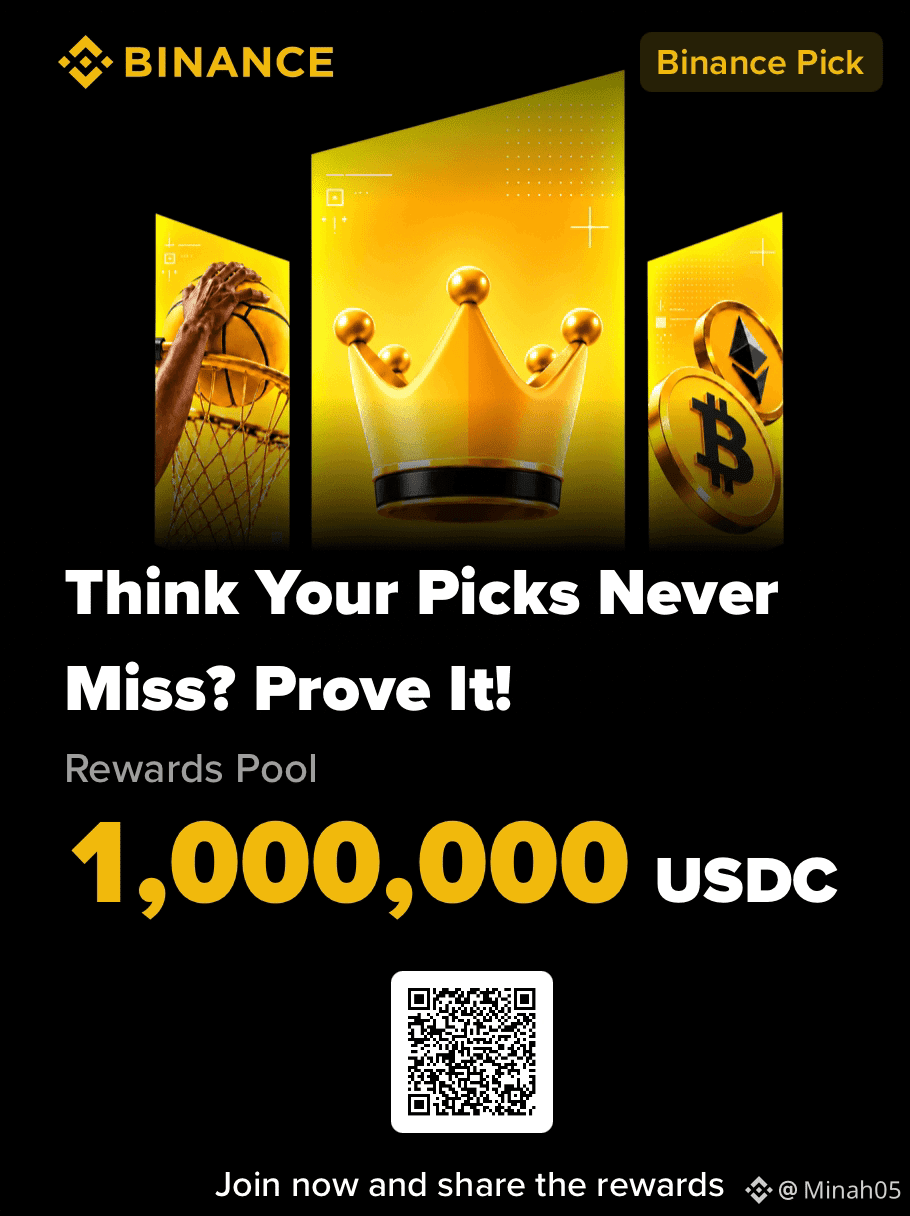
#BinancePick Just joined Binance Pick! 🎯 Made my first 5 predictions and claimed 100 bonus Scores. Loving the earnings season markets - Microsoft, Google, Visa. Let's see how it goes! #prediction
#BinancePick Just joined Binance Pick! 🎯 Made my first 5 predictions and claimed 100 bonus Scores. Loving the earnings season markets - Microsoft, Google, Visa. Let's see how it goes! #prediction
·
--
🚀 Aufregende Neuigkeiten, die große Player lieber vor dir verbergen würden 👀
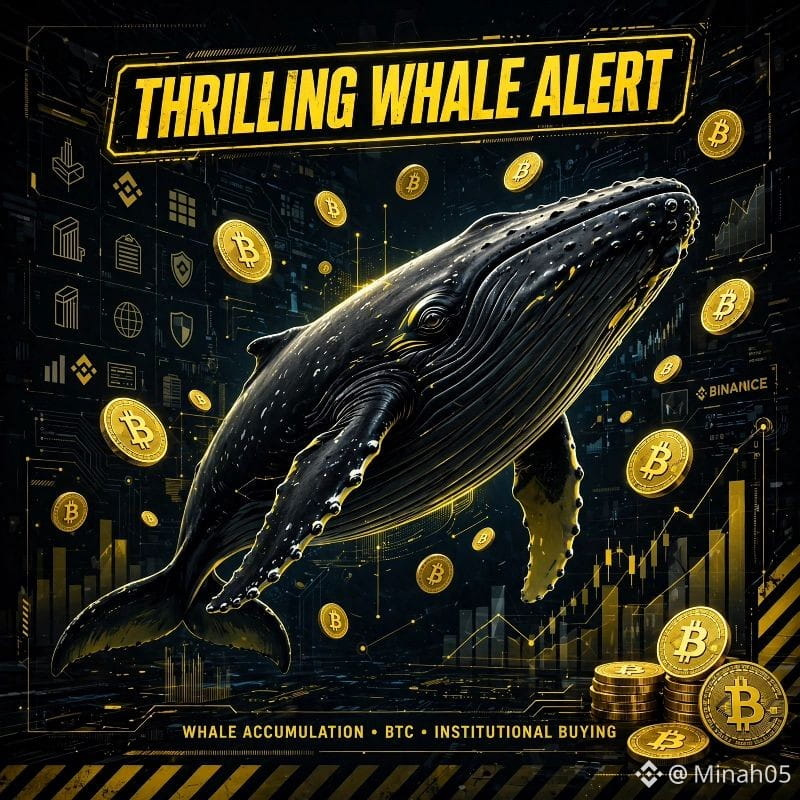
40 neue Whale-Wallets haben seit dem 1. Oktober 9458 $BTC im Wert von 771 Mio. von Wintermute abgehoben 🐋💰 Fidelity erhielt diese Woche 282 BTC, BlackRock-Wallets 384 BTC 🏦
Selbst bei einem BTC-Kurs um 80.000 häufen Institutionen weiter Bitcoin an, statt zu verkaufen 🟠
Außerdem erreichten Stablecoin-Zahlungen im 3. Quartal 482 Mrd. – ein Plus von 45 % 🚀 Visa hat gerade eine neue Stablecoin-Plattform gestartet 💳
Liquidationen im Umfang von 546 Mio. innerhalb von 24 Stunden, aber erfahrene Anleger kaufen den Dip 📊
Die Frage ist: Folgst du den Walen oder der Angst? 🤔👇
Keine Finanzberatung. Recherchiere selbst 🙏
{spot}(BTCUSDT)
#CryptoNews #BTC #WhaleAlert #dyor
🚀 Aufregende Neuigkeiten, die große Player lieber vor dir verbergen würden 👀
40 neue Whale-Wallets haben seit dem 1. Oktober 9458 $BTC im Wert von 771 Mio. von Wintermute abgehoben 🐋💰 Fidelity erhielt diese Woche 282 BTC, BlackRock-Wallets 384 BTC 🏦
Selbst bei einem BTC-Kurs um 80.000 häufen Institutionen weiter Bitcoin an, statt zu verkaufen 🟠
Außerdem erreichten Stablecoin-Zahlungen im 3. Quartal 482 Mrd. – ein Plus von 45 % 🚀 Visa hat gerade eine neue Stablecoin-Plattform gestartet 💳
Liquidationen im Umfang von 546 Mio. innerhalb von 24 Stunden, aber erfahrene Anleger kaufen den Dip 📊
Die Frage ist: Folgst du den Walen oder der Angst? 🤔👇
Keine Finanzberatung. Recherchiere selbst 🙏
#CryptoNews #BTC #WhaleAlert #dyor
40 neue Whale-Wallets haben seit dem 1. Oktober 9458 $BTC im Wert von 771 Mio. von Wintermute abgehoben 🐋💰 Fidelity erhielt diese Woche 282 BTC, BlackRock-Wallets 384 BTC 🏦
Selbst bei einem BTC-Kurs um 80.000 häufen Institutionen weiter Bitcoin an, statt zu verkaufen 🟠
Außerdem erreichten Stablecoin-Zahlungen im 3. Quartal 482 Mrd. – ein Plus von 45 % 🚀 Visa hat gerade eine neue Stablecoin-Plattform gestartet 💳
Liquidationen im Umfang von 546 Mio. innerhalb von 24 Stunden, aber erfahrene Anleger kaufen den Dip 📊
Die Frage ist: Folgst du den Walen oder der Angst? 🤔👇
Keine Finanzberatung. Recherchiere selbst 🙏
#CryptoNews #BTC #WhaleAlert #dyor
62
·
--
Verifiziert
🚀 Geopolitischer Alarm am 26. Okt.: Was das für Krypto bedeutet 👀
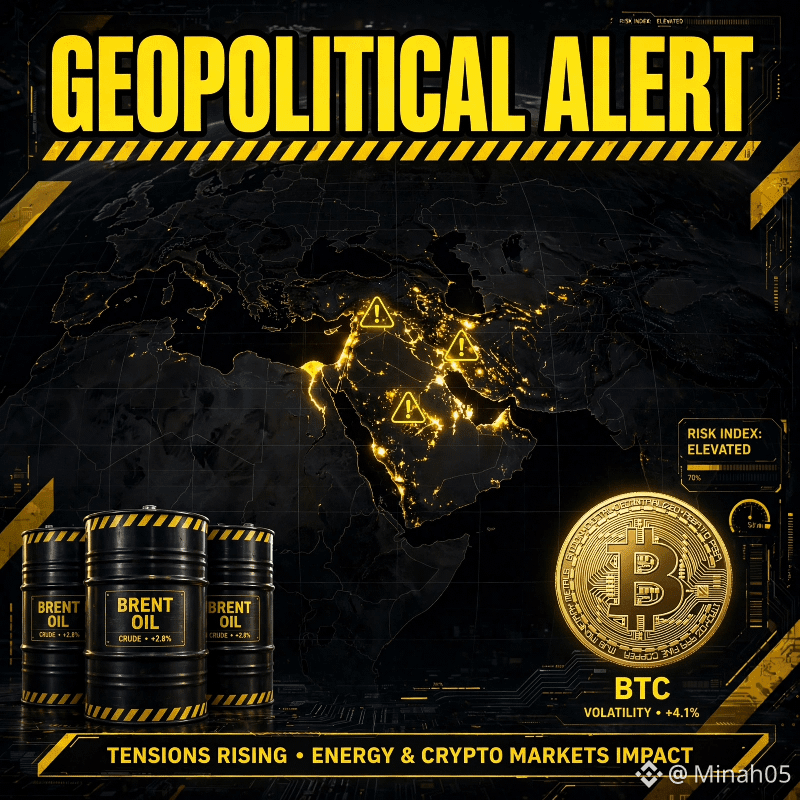
Die Spannungen in Westasien nehmen wieder zu 🔥 Brent-Öl liegt bei knapp 117 und steuert auf 120 zu 🛢️ Flüge nach Riad, Dammam und Dschidda bis zum 7. Nov. ausgesetzt ✈️🚫 PSX diese Woche um 2,4 % gefallen 📉
Wenn der Ölpreis steigt 💰 steigt auch die Inflation und die Risikomärkte geraten ins Wanken 😬
$BTC hält sich wegen dieser Unsicherheit im Bereich von 80k 🟠 Altcoins entwickeln sich uneinheitlich. Viele Trader warten ab ⏳
Meine Einschätzung 🧠
Keine Panik, kein FOMO. Behaltet einfach 2 Dinge im Blick:
Ölpreis + Entscheidung der US-Notenbank 📊
Diese bestimmen den nächsten Schritt von $BTC 🚀
Haltet ihr in dieser angespannten Lage lieber Bargeld oder Coins? 🤔👇
Keine Finanzberatung. Informiert euch selbst 🙏
{spot}(BTCUSDT)
#Geopolitics #CryptoMarket #BTC #DYOR
🚀 Geopolitischer Alarm am 26. Okt.: Was das für Krypto bedeutet 👀
Die Spannungen in Westasien nehmen wieder zu 🔥 Brent-Öl liegt bei knapp 117 und steuert auf 120 zu 🛢️ Flüge nach Riad, Dammam und Dschidda bis zum 7. Nov. ausgesetzt ✈️🚫 PSX diese Woche um 2,4 % gefallen 📉
Wenn der Ölpreis steigt 💰 steigt auch die Inflation und die Risikomärkte geraten ins Wanken 😬
$BTC hält sich wegen dieser Unsicherheit im Bereich von 80k 🟠 Altcoins entwickeln sich uneinheitlich. Viele Trader warten ab ⏳
Meine Einschätzung 🧠
Keine Panik, kein FOMO. Behaltet einfach 2 Dinge im Blick:
Ölpreis + Entscheidung der US-Notenbank 📊
Diese bestimmen den nächsten Schritt von $BTC 🚀
Haltet ihr in dieser angespannten Lage lieber Bargeld oder Coins? 🤔👇
Keine Finanzberatung. Informiert euch selbst 🙏
#Geopolitics #CryptoMarket #BTC #DYOR
Die Spannungen in Westasien nehmen wieder zu 🔥 Brent-Öl liegt bei knapp 117 und steuert auf 120 zu 🛢️ Flüge nach Riad, Dammam und Dschidda bis zum 7. Nov. ausgesetzt ✈️🚫 PSX diese Woche um 2,4 % gefallen 📉
Wenn der Ölpreis steigt 💰 steigt auch die Inflation und die Risikomärkte geraten ins Wanken 😬
$BTC hält sich wegen dieser Unsicherheit im Bereich von 80k 🟠 Altcoins entwickeln sich uneinheitlich. Viele Trader warten ab ⏳
Meine Einschätzung 🧠
Keine Panik, kein FOMO. Behaltet einfach 2 Dinge im Blick:
Ölpreis + Entscheidung der US-Notenbank 📊
Diese bestimmen den nächsten Schritt von $BTC 🚀
Haltet ihr in dieser angespannten Lage lieber Bargeld oder Coins? 🤔👇
Keine Finanzberatung. Informiert euch selbst 🙏
#Geopolitics #CryptoMarket #BTC #DYOR
1.2k
·
--
🚀 Frischer Trend-Check am 26. Okt. – kein Hype, nur Daten 📊
Markt bei etwa 2.7T 💰 $BTC hält sich bei ∼80.6k 👀 Altcoins entwickeln sich uneinheitlich, daher ist es riskant, Pumps hinterherzujagen ⚠️
Heute neu im Square-Trending 🔥
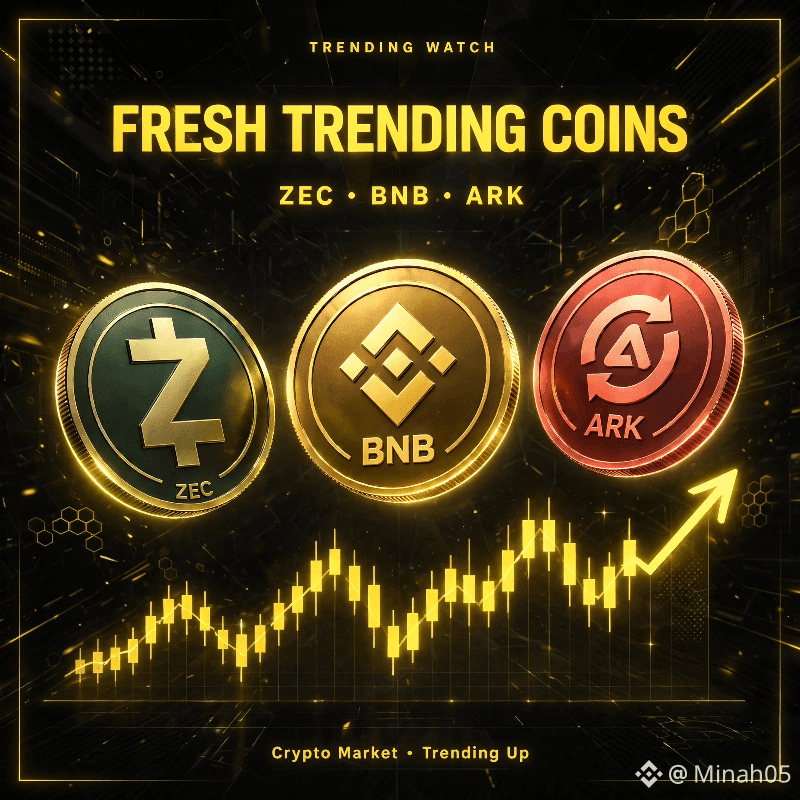
1️⃣ $ZEC +5.8% 🛡️ Privacy-Narrativ ist zurück. Wir beobachten das Volumen, nicht nur den Preis 📈
2️⃣ $BNB
+3.6% 🔶 Hält sich über der 740er-Zone. BNB steht wegen seines Ökosystems immer im Fokus 🌐
3️⃣ $ARK +43% 🚀 Größter Gewinner. Geringe Marktkapitalisierung, hohe Volatilität. Heute ein großer Sprung, aber neue Einstiege sind sehr riskant 😬
Meine sichere Regel für Trend-Coins 🧠
❌ Grünen Kerzen nicht aus FOMO hinterherlaufen
✅ Volumen, Gründe und Unterstützung prüfen
💎 Risikomanagement > Prognosen
Welchen Trend-Coin beobachtest du, kaufst ihn aber NOCH NICHT? 🤔👇
Keine Finanzberatung. Informiere dich selbst 🙏
{spot}(BNBUSDT)
#Trending #CryptoMarket #DYOR #Write2Earn
🚀 Frischer Trend-Check am 26. Okt. – kein Hype, nur Daten 📊
Markt bei etwa 2.7T 💰 $BTC hält sich bei ∼80.6k 👀 Altcoins entwickeln sich uneinheitlich, daher ist es riskant, Pumps hinterherzujagen ⚠️
Heute neu im Square-Trending 🔥
1️⃣ $ZEC +5.8% 🛡️ Privacy-Narrativ ist zurück. Wir beobachten das Volumen, nicht nur den Preis 📈
2️⃣ $BNB
+3.6% 🔶 Hält sich über der 740er-Zone. BNB steht wegen seines Ökosystems immer im Fokus 🌐
3️⃣ $ARK +43% 🚀 Größter Gewinner. Geringe Marktkapitalisierung, hohe Volatilität. Heute ein großer Sprung, aber neue Einstiege sind sehr riskant 😬
Meine sichere Regel für Trend-Coins 🧠
❌ Grünen Kerzen nicht aus FOMO hinterherlaufen
✅ Volumen, Gründe und Unterstützung prüfen
💎 Risikomanagement > Prognosen
Welchen Trend-Coin beobachtest du, kaufst ihn aber NOCH NICHT? 🤔👇
Keine Finanzberatung. Informiere dich selbst 🙏
#Trending #CryptoMarket #DYOR #Write2Earn
Markt bei etwa 2.7T 💰 $BTC hält sich bei ∼80.6k 👀 Altcoins entwickeln sich uneinheitlich, daher ist es riskant, Pumps hinterherzujagen ⚠️
Heute neu im Square-Trending 🔥
1️⃣ $ZEC +5.8% 🛡️ Privacy-Narrativ ist zurück. Wir beobachten das Volumen, nicht nur den Preis 📈
2️⃣ $BNB
+3.6% 🔶 Hält sich über der 740er-Zone. BNB steht wegen seines Ökosystems immer im Fokus 🌐
3️⃣ $ARK +43% 🚀 Größter Gewinner. Geringe Marktkapitalisierung, hohe Volatilität. Heute ein großer Sprung, aber neue Einstiege sind sehr riskant 😬
Meine sichere Regel für Trend-Coins 🧠
❌ Grünen Kerzen nicht aus FOMO hinterherlaufen
✅ Volumen, Gründe und Unterstützung prüfen
💎 Risikomanagement > Prognosen
Welchen Trend-Coin beobachtest du, kaufst ihn aber NOCH NICHT? 🤔👇
Keine Finanzberatung. Informiere dich selbst 🙏
#Trending #CryptoMarket #DYOR #Write2Earn
311
·
--
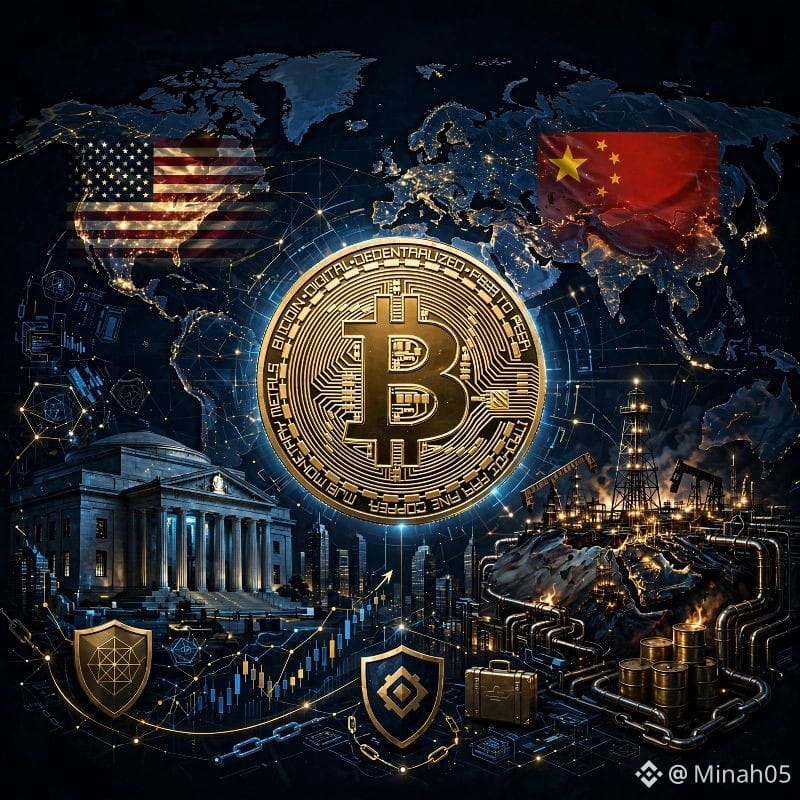
🌍 Geopolitik bewegt den Kryptomarkt gerade 👀
Warum Kryptowährungen diese Woche so volatil sind 👇
→ Die Handelsspannungen zwischen den USA und China rücken wieder in den Fokus 🇺🇸🇨🇳
→ Die Unsicherheit im Nahen Osten verstärkt die Diskussion um sichere Häfen 🛢️
→ Die Weltmärkte beobachten die Fed und die Zölle 🏦
→ Institutionelle Anleger sichern sich mit $BTC Gold ab 💰
Die Geschichte zeigt 📜
Wenn sich die geopolitische Lage zuspitzt, verschiebt sich $BTC die Erzählung hin zu digitalem Gold ✨
Doch Risikoanlagen reagieren weiterhin zuerst 📉📈
Deshalb sehen wir starke Ausschläge in beide Richtungen ⚡
Seht ihr das als Gelegenheit, bei Angst zu kaufen, oder bleibt ihr lieber vorsichtig? 🤔
{spot}(BTCUSDT)
#bitcoin #Geopolitics #CryptoNews #BTC
🌍 Geopolitik bewegt den Kryptomarkt gerade 👀
Warum Kryptowährungen diese Woche so volatil sind 👇
→ Die Handelsspannungen zwischen den USA und China rücken wieder in den Fokus 🇺🇸🇨🇳
→ Die Unsicherheit im Nahen Osten verstärkt die Diskussion um sichere Häfen 🛢️
→ Die Weltmärkte beobachten die Fed und die Zölle 🏦
→ Institutionelle Anleger sichern sich mit $BTC Gold ab 💰
Die Geschichte zeigt 📜
Wenn sich die geopolitische Lage zuspitzt, verschiebt sich $BTC die Erzählung hin zu digitalem Gold ✨
Doch Risikoanlagen reagieren weiterhin zuerst 📉📈
Deshalb sehen wir starke Ausschläge in beide Richtungen ⚡
Seht ihr das als Gelegenheit, bei Angst zu kaufen, oder bleibt ihr lieber vorsichtig? 🤔
#bitcoin #Geopolitics #CryptoNews #BTC
Warum Kryptowährungen diese Woche so volatil sind 👇
→ Die Handelsspannungen zwischen den USA und China rücken wieder in den Fokus 🇺🇸🇨🇳
→ Die Unsicherheit im Nahen Osten verstärkt die Diskussion um sichere Häfen 🛢️
→ Die Weltmärkte beobachten die Fed und die Zölle 🏦
→ Institutionelle Anleger sichern sich mit $BTC Gold ab 💰
Die Geschichte zeigt 📜
Wenn sich die geopolitische Lage zuspitzt, verschiebt sich $BTC die Erzählung hin zu digitalem Gold ✨
Doch Risikoanlagen reagieren weiterhin zuerst 📉📈
Deshalb sehen wir starke Ausschläge in beide Richtungen ⚡
Seht ihr das als Gelegenheit, bei Angst zu kaufen, oder bleibt ihr lieber vorsichtig? 🤔
#bitcoin #Geopolitics #CryptoNews #BTC
68
·
--
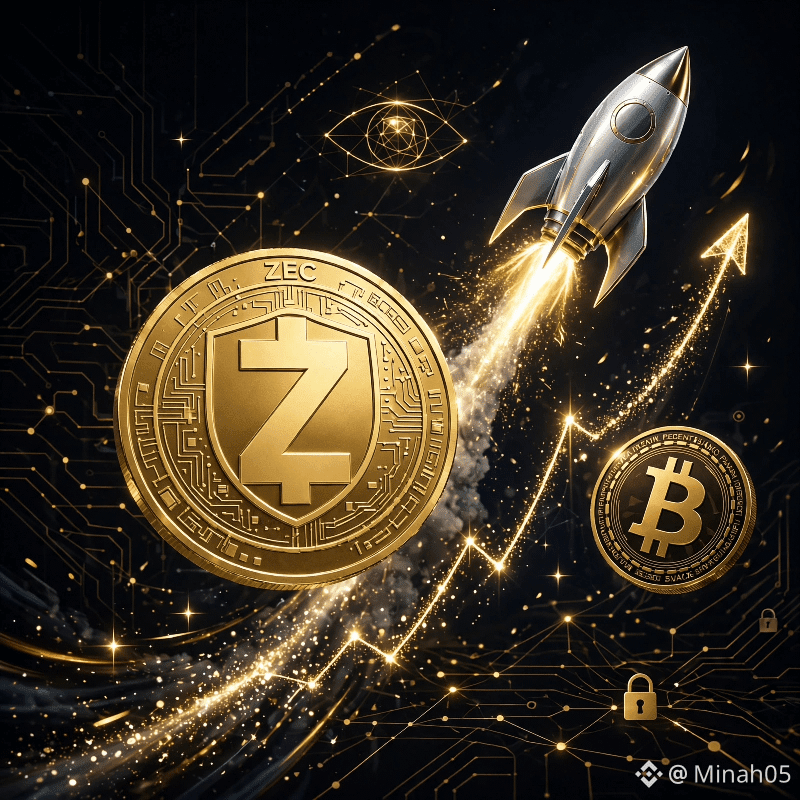
🚨 Warum gerade alle über $ZEC reden 👀
$ZEC ist heute um 3000 % gestiegen und liegt auf Platz 1 der Trends 🔥
Warum 🤔
→ Grayscale hat den ersten Zcash-ETF in den USA aufgelegt 🏦
→ Die Winklevoss-Zwillinge haben einen Antrag für ihren eigenen ZEC-ETF eingereicht 📄
→ Bitcoin-Milliardäre schürfen jetzt massiv ZEC ⛏️
→ Das Narrativ rund um Privatsphäre ist zurück: KI macht öffentliche Blockchains leicht nachverfolgbar 🕵️
Das ist nicht einfach nur ein Pump. Privacy-Coins werden wieder als privater Bitcoin angepriesen 🔐
Zcash hat wie $BTC ein begrenztes Angebot, daher verstärken die Zuflüsse die Kursbewegungen 🚀
Aber Vorsicht ⚠️
Im Mai 2026 wurde ein Sicherheitsrisiko entdeckt, und Aufsichtsbehörden stehen Privacy-Coins weiterhin kritisch gegenüber.
Kaufst du wegen des Privacy-Narrativs, oder ist das ein Top-Signal 📈📉
{spot}(ZECUSDT)
#ZEC #zcash #Trending #CryptoNews
🚨 Warum gerade alle über $ZEC reden 👀
$ZEC ist heute um 3000 % gestiegen und liegt auf Platz 1 der Trends 🔥
Warum 🤔
→ Grayscale hat den ersten Zcash-ETF in den USA aufgelegt 🏦
→ Die Winklevoss-Zwillinge haben einen Antrag für ihren eigenen ZEC-ETF eingereicht 📄
→ Bitcoin-Milliardäre schürfen jetzt massiv ZEC ⛏️
→ Das Narrativ rund um Privatsphäre ist zurück: KI macht öffentliche Blockchains leicht nachverfolgbar 🕵️
Das ist nicht einfach nur ein Pump. Privacy-Coins werden wieder als privater Bitcoin angepriesen 🔐
Zcash hat wie $BTC ein begrenztes Angebot, daher verstärken die Zuflüsse die Kursbewegungen 🚀
Aber Vorsicht ⚠️
Im Mai 2026 wurde ein Sicherheitsrisiko entdeckt, und Aufsichtsbehörden stehen Privacy-Coins weiterhin kritisch gegenüber.
Kaufst du wegen des Privacy-Narrativs, oder ist das ein Top-Signal 📈📉
#ZEC #zcash #Trending #CryptoNews
$ZEC ist heute um 3000 % gestiegen und liegt auf Platz 1 der Trends 🔥
Warum 🤔
→ Grayscale hat den ersten Zcash-ETF in den USA aufgelegt 🏦
→ Die Winklevoss-Zwillinge haben einen Antrag für ihren eigenen ZEC-ETF eingereicht 📄
→ Bitcoin-Milliardäre schürfen jetzt massiv ZEC ⛏️
→ Das Narrativ rund um Privatsphäre ist zurück: KI macht öffentliche Blockchains leicht nachverfolgbar 🕵️
Das ist nicht einfach nur ein Pump. Privacy-Coins werden wieder als privater Bitcoin angepriesen 🔐
Zcash hat wie $BTC ein begrenztes Angebot, daher verstärken die Zuflüsse die Kursbewegungen 🚀
Aber Vorsicht ⚠️
Im Mai 2026 wurde ein Sicherheitsrisiko entdeckt, und Aufsichtsbehörden stehen Privacy-Coins weiterhin kritisch gegenüber.
Kaufst du wegen des Privacy-Narrativs, oder ist das ein Top-Signal 📈📉
#ZEC #zcash #Trending #CryptoNews
362
·
--
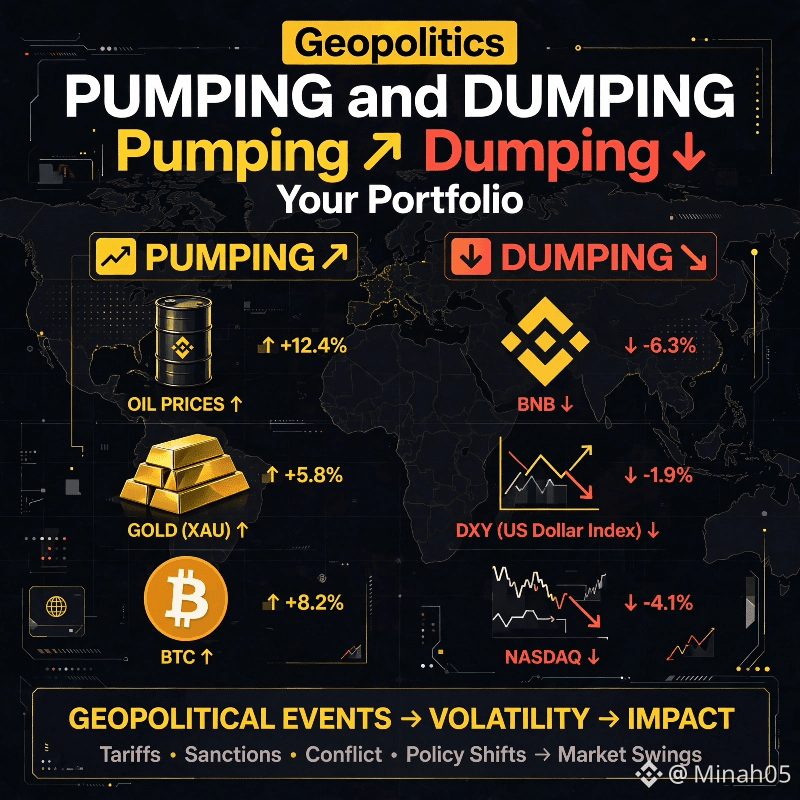
Geopolitik treibt dein Portfolio still und leise nach oben – und lässt es wieder abstürzen 🌍📉
Die meisten Trader beobachten nur den $BTC chart 📊 Echte Profis haben auch 3 weitere Charts im Blick 👇
1️⃣ Öl plus Gold 🛢️🏆 Wenn der Ölpreis über 100 steigt und Gold gleichzeitig zulegt, bedeutet das: Die globale Angst wächst. Risikoanlagen wie BTC $BNB geraten zuerst unter Druck.
2️⃣ DXY plus Nasdaq 💵📉 Ein starker Dollar und schwache Tech-Werte bedeuten einen Rücksetzer bei Kryptowährungen. Diese Woche fiel der Nasdaq um 2,6 Prozent und BTC testete die Marke von 81K. Jedes Mal dieselbe Geschichte.
3️⃣ Angst plus Gier 😨🤑 Geopolitische Schlagzeilen sorgen für Panikkerzen. Doch Panikkerzen verblassen schnell. Liquidationen passieren in Angstphasen, nicht in ruhigen Zeiten.
Was ich in solchen Phasen mache 🧠
Geringer Hebel, weniger als 10x
Immer einen Stop-Loss setzen 🛡️
Direkt nach wichtigen Nachrichten keine neuen Positionen eröffnen ⏸️
Die makroökonomische Markttendenz im Binance-Tab „Für dich“ prüfen. Nicht als Einstiegssignal, sondern nur zur Einordnung.
Am Markt wird es immer Nachrichten geben 📰 Dein Kapital ist nur mit Regeln geschützt 🔒
Kommentiere RULES, wenn du diszipliniert tradest 💬 Ich folge den ersten 50 zurück 🤝
{spot}(BTCUSDT)
#BTC #BNB #TradingDicipline #BinanceSquare
Geopolitik treibt dein Portfolio still und leise nach oben – und lässt es wieder abstürzen 🌍📉
Die meisten Trader beobachten nur den $BTC chart 📊 Echte Profis haben auch 3 weitere Charts im Blick 👇
1️⃣ Öl plus Gold 🛢️🏆 Wenn der Ölpreis über 100 steigt und Gold gleichzeitig zulegt, bedeutet das: Die globale Angst wächst. Risikoanlagen wie BTC $BNB geraten zuerst unter Druck.
2️⃣ DXY plus Nasdaq 💵📉 Ein starker Dollar und schwache Tech-Werte bedeuten einen Rücksetzer bei Kryptowährungen. Diese Woche fiel der Nasdaq um 2,6 Prozent und BTC testete die Marke von 81K. Jedes Mal dieselbe Geschichte.
3️⃣ Angst plus Gier 😨🤑 Geopolitische Schlagzeilen sorgen für Panikkerzen. Doch Panikkerzen verblassen schnell. Liquidationen passieren in Angstphasen, nicht in ruhigen Zeiten.
Was ich in solchen Phasen mache 🧠
Geringer Hebel, weniger als 10x
Immer einen Stop-Loss setzen 🛡️
Direkt nach wichtigen Nachrichten keine neuen Positionen eröffnen ⏸️
Die makroökonomische Markttendenz im Binance-Tab „Für dich“ prüfen. Nicht als Einstiegssignal, sondern nur zur Einordnung.
Am Markt wird es immer Nachrichten geben 📰 Dein Kapital ist nur mit Regeln geschützt 🔒
Kommentiere RULES, wenn du diszipliniert tradest 💬 Ich folge den ersten 50 zurück 🤝
#BTC #BNB #TradingDicipline #BinanceSquare
Die meisten Trader beobachten nur den $BTC chart 📊 Echte Profis haben auch 3 weitere Charts im Blick 👇
1️⃣ Öl plus Gold 🛢️🏆 Wenn der Ölpreis über 100 steigt und Gold gleichzeitig zulegt, bedeutet das: Die globale Angst wächst. Risikoanlagen wie BTC $BNB geraten zuerst unter Druck.
2️⃣ DXY plus Nasdaq 💵📉 Ein starker Dollar und schwache Tech-Werte bedeuten einen Rücksetzer bei Kryptowährungen. Diese Woche fiel der Nasdaq um 2,6 Prozent und BTC testete die Marke von 81K. Jedes Mal dieselbe Geschichte.
3️⃣ Angst plus Gier 😨🤑 Geopolitische Schlagzeilen sorgen für Panikkerzen. Doch Panikkerzen verblassen schnell. Liquidationen passieren in Angstphasen, nicht in ruhigen Zeiten.
Was ich in solchen Phasen mache 🧠
Geringer Hebel, weniger als 10x
Immer einen Stop-Loss setzen 🛡️
Direkt nach wichtigen Nachrichten keine neuen Positionen eröffnen ⏸️
Die makroökonomische Markttendenz im Binance-Tab „Für dich“ prüfen. Nicht als Einstiegssignal, sondern nur zur Einordnung.
Am Markt wird es immer Nachrichten geben 📰 Dein Kapital ist nur mit Regeln geschützt 🔒
Kommentiere RULES, wenn du diszipliniert tradest 💬 Ich folge den ersten 50 zurück 🤝
#BTC #BNB #TradingDicipline #BinanceSquare
141
·
--
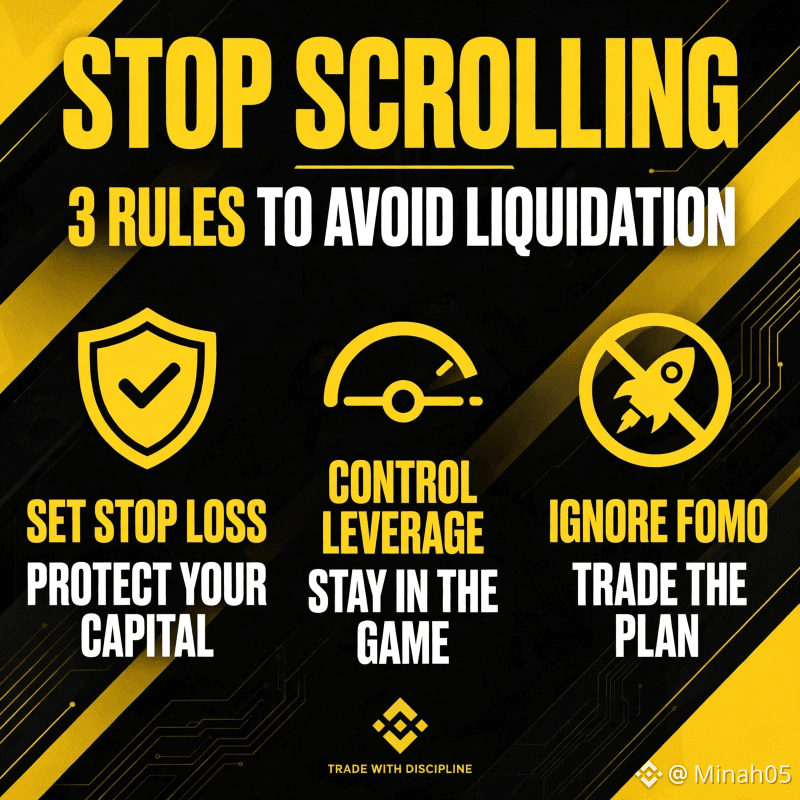
🛑 HÖR AUF ZU SCROLLEN Dieser Beitrag kann dich vor der Liquidation bewahren 💥📉
Ich habe mir meine letzten 30 Futures-Trades auf Binance angesehen 📊 22 Verluste hatten EINEN Grund 👇
Ich habe nach den Nachrichten statt nach dem Chart gehandelt 📰❌📈
Als geopolitische Spannungen und ein Nasdaq-Crash zusammenkamen 🌍📉, bin ich dem Markt hinterhergejagt 😓 Kein Plan 📝❌ Hoher Hebel 💣 Kein Stop-Loss 🚫 Ergebnis: liquidiert 💸
Also habe ich ein neues Regelwerk aufgestellt 📈✅
VOR jedem Trade
✅ Habe ich einen Stop-Loss 🛡️ Wenn NEIN, nicht einsteigen 🚫
✅ Liegt der Hebel unter 10x 🔍 Wenn NEIN, senken ⬇️
✅ Handle ich wegen FOMO aufgrund von Nachrichten 😱📰 Wenn JA, schließe die App für 1 Stunde ⏸️📱
Seit ich diese Regel befolge, waren meine letzten 10 Trades: 6 Gewinne 🏆, 4 kleine Verluste – mein Kontostand steigt 📈 Nicht, weil ich schlau bin 🧠, sondern weil ich diszipliniert bin 💪
An den Märkten wird es immer Angst und Gier geben 😨🤑 Dein Kapital braucht Regeln 🔒
Ich werde täglich posten
🌅 Morgens: meine Watchlist $BTC $BNB plus 1 Altcoin 👀
🌃 Abends: was ich gehandelt habe – Gewinn oder Verlust, mit Screenshot 📸💯
Keine kostenpflichtige Gruppe 🚫💰 Keine Signale 📡❌ Nur eine echte Reise 🛤️✅
Hast du genug vom Glücksspiel 🎰❌? Folge mir ➡️ Kommentiere DISZIPLIN 💬 und ich folge den ersten 50 zurück 👇🤝
{spot}(BNBUSDT)
#TradingDiscipline #BTC #BNB #BinanceSquare
🛑 HÖR AUF ZU SCROLLEN Dieser Beitrag kann dich vor der Liquidation bewahren 💥📉
Ich habe mir meine letzten 30 Futures-Trades auf Binance angesehen 📊 22 Verluste hatten EINEN Grund 👇
Ich habe nach den Nachrichten statt nach dem Chart gehandelt 📰❌📈
Als geopolitische Spannungen und ein Nasdaq-Crash zusammenkamen 🌍📉, bin ich dem Markt hinterhergejagt 😓 Kein Plan 📝❌ Hoher Hebel 💣 Kein Stop-Loss 🚫 Ergebnis: liquidiert 💸
Also habe ich ein neues Regelwerk aufgestellt 📈✅
VOR jedem Trade
✅ Habe ich einen Stop-Loss 🛡️ Wenn NEIN, nicht einsteigen 🚫
✅ Liegt der Hebel unter 10x 🔍 Wenn NEIN, senken ⬇️
✅ Handle ich wegen FOMO aufgrund von Nachrichten 😱📰 Wenn JA, schließe die App für 1 Stunde ⏸️📱
Seit ich diese Regel befolge, waren meine letzten 10 Trades: 6 Gewinne 🏆, 4 kleine Verluste – mein Kontostand steigt 📈 Nicht, weil ich schlau bin 🧠, sondern weil ich diszipliniert bin 💪
An den Märkten wird es immer Angst und Gier geben 😨🤑 Dein Kapital braucht Regeln 🔒
Ich werde täglich posten
🌅 Morgens: meine Watchlist $BTC $BNB plus 1 Altcoin 👀
🌃 Abends: was ich gehandelt habe – Gewinn oder Verlust, mit Screenshot 📸💯
Keine kostenpflichtige Gruppe 🚫💰 Keine Signale 📡❌ Nur eine echte Reise 🛤️✅
Hast du genug vom Glücksspiel 🎰❌? Folge mir ➡️ Kommentiere DISZIPLIN 💬 und ich folge den ersten 50 zurück 👇🤝
#TradingDiscipline #BTC #BNB #BinanceSquare
Ich habe mir meine letzten 30 Futures-Trades auf Binance angesehen 📊 22 Verluste hatten EINEN Grund 👇
Ich habe nach den Nachrichten statt nach dem Chart gehandelt 📰❌📈
Als geopolitische Spannungen und ein Nasdaq-Crash zusammenkamen 🌍📉, bin ich dem Markt hinterhergejagt 😓 Kein Plan 📝❌ Hoher Hebel 💣 Kein Stop-Loss 🚫 Ergebnis: liquidiert 💸
Also habe ich ein neues Regelwerk aufgestellt 📈✅
VOR jedem Trade
✅ Habe ich einen Stop-Loss 🛡️ Wenn NEIN, nicht einsteigen 🚫
✅ Liegt der Hebel unter 10x 🔍 Wenn NEIN, senken ⬇️
✅ Handle ich wegen FOMO aufgrund von Nachrichten 😱📰 Wenn JA, schließe die App für 1 Stunde ⏸️📱
Seit ich diese Regel befolge, waren meine letzten 10 Trades: 6 Gewinne 🏆, 4 kleine Verluste – mein Kontostand steigt 📈 Nicht, weil ich schlau bin 🧠, sondern weil ich diszipliniert bin 💪
An den Märkten wird es immer Angst und Gier geben 😨🤑 Dein Kapital braucht Regeln 🔒
Ich werde täglich posten
🌅 Morgens: meine Watchlist $BTC $BNB plus 1 Altcoin 👀
🌃 Abends: was ich gehandelt habe – Gewinn oder Verlust, mit Screenshot 📸💯
Keine kostenpflichtige Gruppe 🚫💰 Keine Signale 📡❌ Nur eine echte Reise 🛤️✅
Hast du genug vom Glücksspiel 🎰❌? Folge mir ➡️ Kommentiere DISZIPLIN 💬 und ich folge den ersten 50 zurück 👇🤝
#TradingDiscipline #BTC #BNB #BinanceSquare
79
·
--
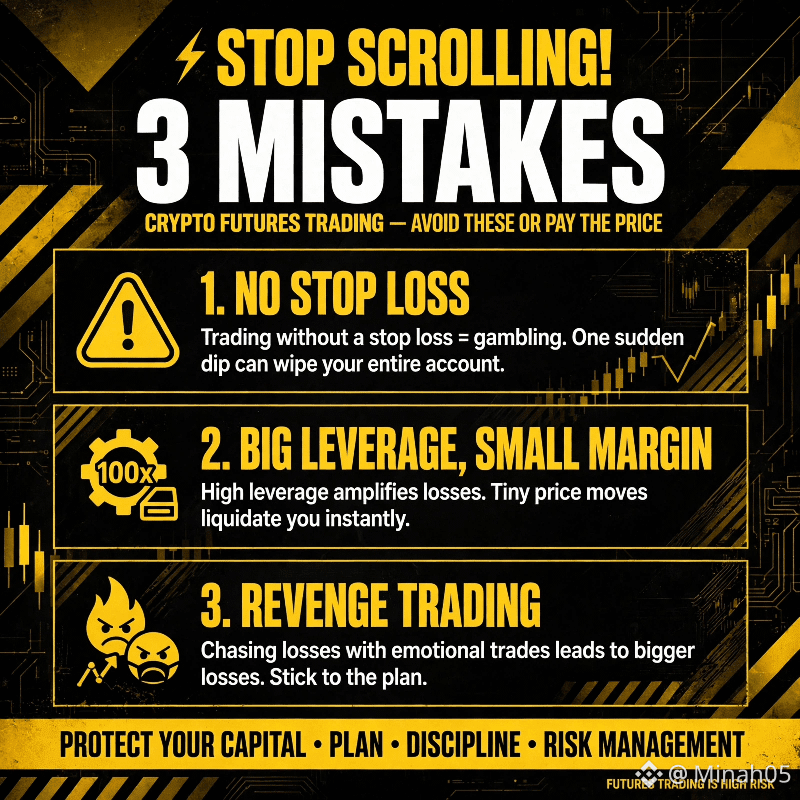
HÖR AUF ZU SCROLLEN 🛑 Wenn du mit Futures Geld verlierst, lies das hier 📉
90 % der Trader verlieren, weil sie diese 3 Fehler machen. Ich habe sie auch gemacht 😓
1 Kein Stop-Loss 🚫
2 Hoher Hebel, geringe Margin 💥
3 Rache-Trading nach einem Verlust 😡
Ab heute dokumentiere ich meinen Weg zu einem disziplinierten Trader 📈
Das poste ich täglich auf meinem Profil 👇
Morgens 🌅 Meine Watchlist für den Tag $BTC $ETH + 1 Altcoin
Abends 🌃 Was ich gehandelt habe und warum – ob mit Gewinn oder Verlust, ich zeige es
Keine gefälschten Gewinne. Keine bezahlten Signale. Nur echtes Lernen ✅
Wenn du mit mir lernen möchtest, folge mir
Ich folge den ersten 50 Personen zurück, die „LASS UNS WACHSEN“ kommentieren 👇
Lass uns gemeinsam wachsen, statt zu zocken 🤝
{spot}(ETHUSDT)
#CryptoJourney #FuturesTrading #TradingDiscipline #BinanceSquare
HÖR AUF ZU SCROLLEN 🛑 Wenn du mit Futures Geld verlierst, lies das hier 📉
90 % der Trader verlieren, weil sie diese 3 Fehler machen. Ich habe sie auch gemacht 😓
1 Kein Stop-Loss 🚫
2 Hoher Hebel, geringe Margin 💥
3 Rache-Trading nach einem Verlust 😡
Ab heute dokumentiere ich meinen Weg zu einem disziplinierten Trader 📈
Das poste ich täglich auf meinem Profil 👇
Morgens 🌅 Meine Watchlist für den Tag $BTC $ETH + 1 Altcoin
Abends 🌃 Was ich gehandelt habe und warum – ob mit Gewinn oder Verlust, ich zeige es
Keine gefälschten Gewinne. Keine bezahlten Signale. Nur echtes Lernen ✅
Wenn du mit mir lernen möchtest, folge mir
Ich folge den ersten 50 Personen zurück, die „LASS UNS WACHSEN“ kommentieren 👇
Lass uns gemeinsam wachsen, statt zu zocken 🤝
#CryptoJourney #FuturesTrading #TradingDiscipline #BinanceSquare
90 % der Trader verlieren, weil sie diese 3 Fehler machen. Ich habe sie auch gemacht 😓
1 Kein Stop-Loss 🚫
2 Hoher Hebel, geringe Margin 💥
3 Rache-Trading nach einem Verlust 😡
Ab heute dokumentiere ich meinen Weg zu einem disziplinierten Trader 📈
Das poste ich täglich auf meinem Profil 👇
Morgens 🌅 Meine Watchlist für den Tag $BTC $ETH + 1 Altcoin
Abends 🌃 Was ich gehandelt habe und warum – ob mit Gewinn oder Verlust, ich zeige es
Keine gefälschten Gewinne. Keine bezahlten Signale. Nur echtes Lernen ✅
Wenn du mit mir lernen möchtest, folge mir
Ich folge den ersten 50 Personen zurück, die „LASS UNS WACHSEN“ kommentieren 👇
Lass uns gemeinsam wachsen, statt zu zocken 🤝
#CryptoJourney #FuturesTrading #TradingDiscipline #BinanceSquare
10
·
--
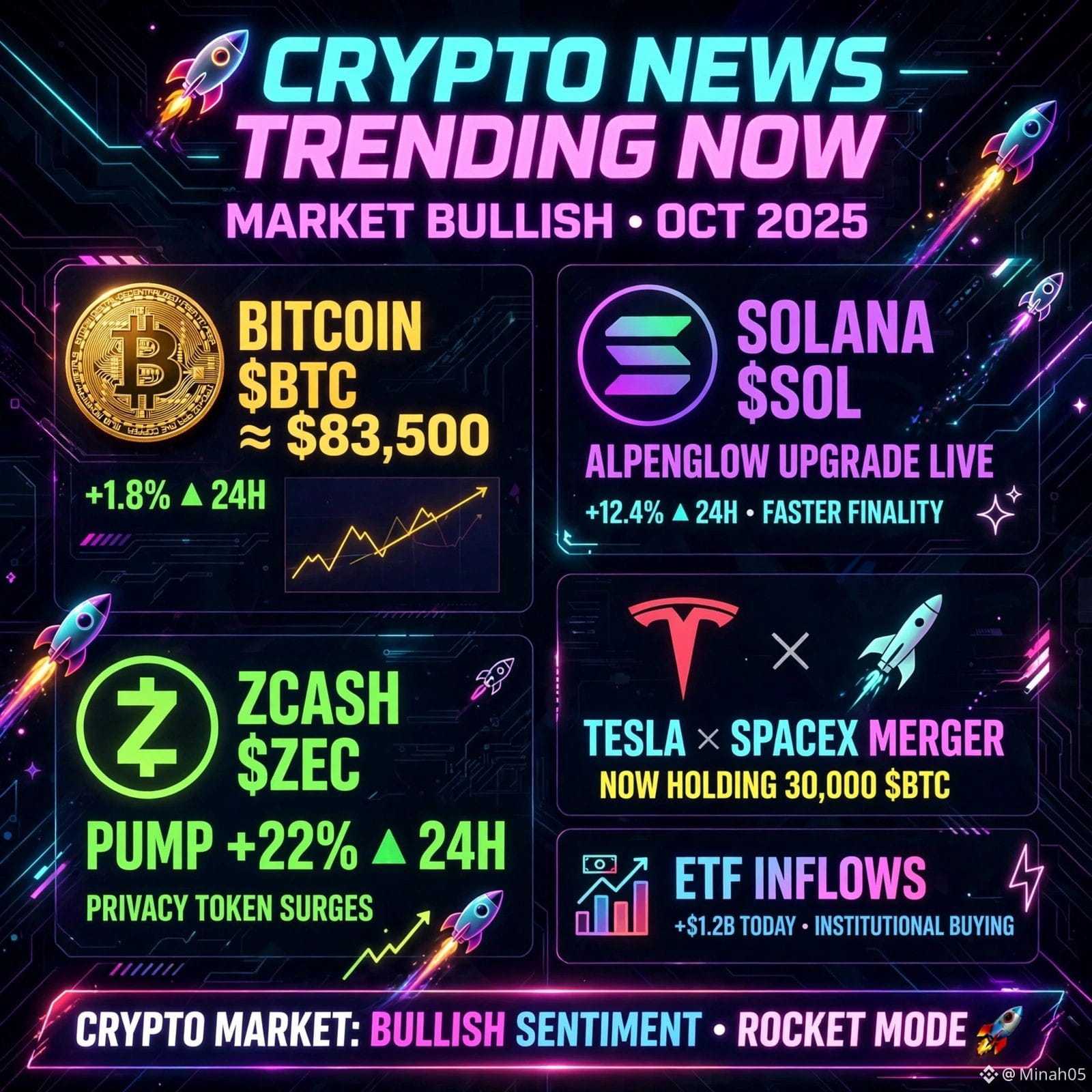
🚀 $BTC stieg auf ∼83500 – der höchste Stand seit einer Woche, nachdem die SpaceX-Earnings die Nasdaq-Futures beflügelt hatten 💹 Die Stimmung drehte auf Gier (63). BTC-Spot-ETFs verzeichneten am 19. Okt. Nettozuflüsse von 526.7M – der stärkste Tag seit einem Monat 📈
🤝 Gespräche über eine Fusion von Tesla und SpaceX: Elon Musk bestätigte, dass Sonderausschüsse eine Fusion prüfen. Zusammen halten die Unternehmen 30000+ BTC im Wert von ∼2.5B 👀
⚡️ $SOL Alpenglow geht heute live und zielt auf eine Finalität von ∼150 Millisekunden ab, statt der bisherigen 12.8 Sekunden 🔥 ein großer Schritt für schnelle Abwicklungen
🔒 $ZEC legte unter den großen Coins um +11% auf ∼1260 zu, nachdem die Entwickler den Termin für das NU7-Upgrade im November festgelegt hatten. Dadurch soll die Blockzeit von 75s auf 25s sinken 🚀
Worauf achtet ihr heute: BTC, SOL oder ZEC? 💭
#Bitcoin #Solana #zcash #CryptoNews
{spot}(SOLUSDT)
🚀 $BTC stieg auf ∼83500 – der höchste Stand seit einer Woche, nachdem die SpaceX-Earnings die Nasdaq-Futures beflügelt hatten 💹 Die Stimmung drehte auf Gier (63). BTC-Spot-ETFs verzeichneten am 19. Okt. Nettozuflüsse von 526.7M – der stärkste Tag seit einem Monat 📈
🤝 Gespräche über eine Fusion von Tesla und SpaceX: Elon Musk bestätigte, dass Sonderausschüsse eine Fusion prüfen. Zusammen halten die Unternehmen 30000+ BTC im Wert von ∼2.5B 👀
⚡️ $SOL Alpenglow geht heute live und zielt auf eine Finalität von ∼150 Millisekunden ab, statt der bisherigen 12.8 Sekunden 🔥 ein großer Schritt für schnelle Abwicklungen
🔒 $ZEC legte unter den großen Coins um +11% auf ∼1260 zu, nachdem die Entwickler den Termin für das NU7-Upgrade im November festgelegt hatten. Dadurch soll die Blockzeit von 75s auf 25s sinken 🚀
Worauf achtet ihr heute: BTC, SOL oder ZEC? 💭
#Bitcoin #Solana #zcash #CryptoNews
🤝 Gespräche über eine Fusion von Tesla und SpaceX: Elon Musk bestätigte, dass Sonderausschüsse eine Fusion prüfen. Zusammen halten die Unternehmen 30000+ BTC im Wert von ∼2.5B 👀
⚡️ $SOL Alpenglow geht heute live und zielt auf eine Finalität von ∼150 Millisekunden ab, statt der bisherigen 12.8 Sekunden 🔥 ein großer Schritt für schnelle Abwicklungen
🔒 $ZEC legte unter den großen Coins um +11% auf ∼1260 zu, nachdem die Entwickler den Termin für das NU7-Upgrade im November festgelegt hatten. Dadurch soll die Blockzeit von 75s auf 25s sinken 🚀
Worauf achtet ihr heute: BTC, SOL oder ZEC? 💭
#Bitcoin #Solana #zcash #CryptoNews
432
·
--
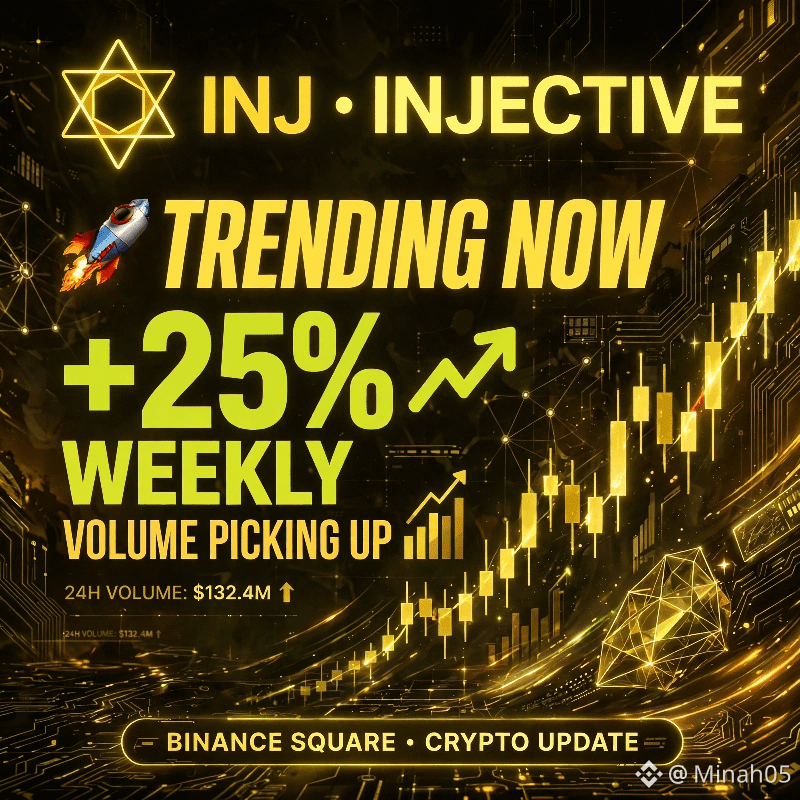
🚀 $INJ ist wieder im Trend 👀 darum beobachte ich es
INJ steht schon die ganze Woche auf der Trend-Liste, und das Handelsvolumen zieht wieder an 📈
3 Dinge, die mir aufgefallen sind:
- 📊 Auf Binance im Trend, mit einem Wochenplus von +25 %
- 💧 Beständiges Volumen, nicht nur eine einzelne grüne Kerze
- 🛡️ Hält sich weiterhin über der jüngsten Unterstützungszone, während die meisten Altcoins Verluste machen
Ich jage dem Pump nicht hinterher, sondern beobachte nur, wie sich der Kurs in dieser Zone verhält. Hält er sich, bleibt er auf meiner Watchlist. Wird er abgewiesen, warte ich ab.
Beobachtest du $INJ oder wartest du auf einen Dip? 👇
_Keine Finanzberatung. Ich teile nur, was ich beobachte. DYOR._
{spot}(INJUSDT)
#INJ #injective #Trending #BinanceSquare
🚀 $INJ ist wieder im Trend 👀 darum beobachte ich es
INJ steht schon die ganze Woche auf der Trend-Liste, und das Handelsvolumen zieht wieder an 📈
3 Dinge, die mir aufgefallen sind:
- 📊 Auf Binance im Trend, mit einem Wochenplus von +25 %
- 💧 Beständiges Volumen, nicht nur eine einzelne grüne Kerze
- 🛡️ Hält sich weiterhin über der jüngsten Unterstützungszone, während die meisten Altcoins Verluste machen
Ich jage dem Pump nicht hinterher, sondern beobachte nur, wie sich der Kurs in dieser Zone verhält. Hält er sich, bleibt er auf meiner Watchlist. Wird er abgewiesen, warte ich ab.
Beobachtest du $INJ oder wartest du auf einen Dip? 👇
_Keine Finanzberatung. Ich teile nur, was ich beobachte. DYOR._
#INJ #injective #Trending #BinanceSquare
INJ steht schon die ganze Woche auf der Trend-Liste, und das Handelsvolumen zieht wieder an 📈
3 Dinge, die mir aufgefallen sind:
- 📊 Auf Binance im Trend, mit einem Wochenplus von +25 %
- 💧 Beständiges Volumen, nicht nur eine einzelne grüne Kerze
- 🛡️ Hält sich weiterhin über der jüngsten Unterstützungszone, während die meisten Altcoins Verluste machen
Ich jage dem Pump nicht hinterher, sondern beobachte nur, wie sich der Kurs in dieser Zone verhält. Hält er sich, bleibt er auf meiner Watchlist. Wird er abgewiesen, warte ich ab.
Beobachtest du $INJ oder wartest du auf einen Dip? 👇
_Keine Finanzberatung. Ich teile nur, was ich beobachte. DYOR._
#INJ #injective #Trending #BinanceSquare
1
310
·
--
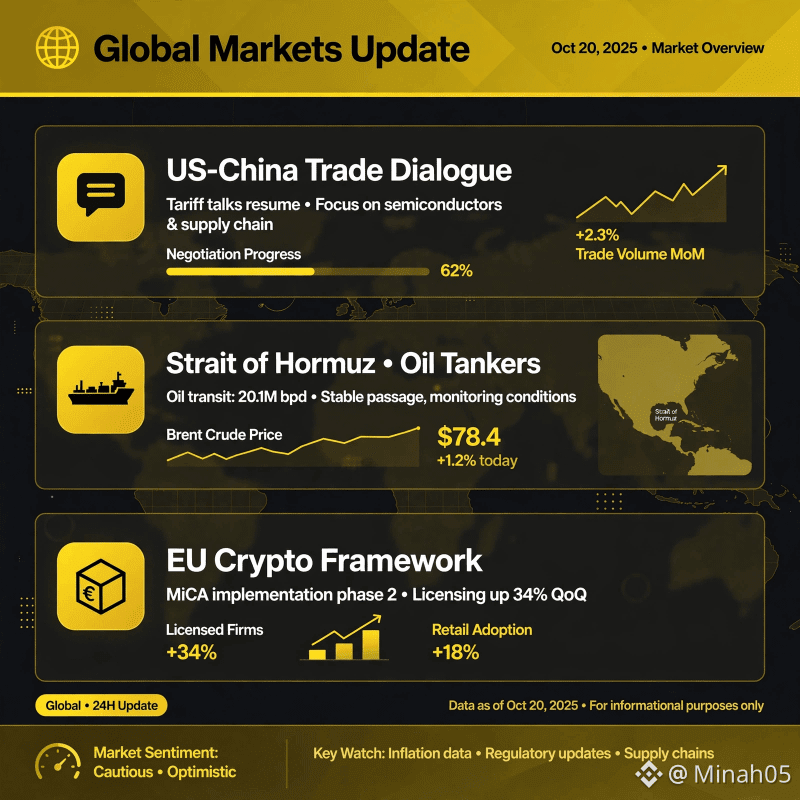
🌏 Update zu den globalen Märkten 👀 Darauf sollten Sie diese Woche achten
🇺🇸🤝🇨🇳 Handelsdialog zwischen den USA und China
Berichte über wiederaufgenommene Kommunikationskanäle 🗣️ Die Märkte hoffen auf stabile Handelsströme 📦 – positiv für Tech 💻 und die Stimmung rund um Kryptowährungen 🚀
⚓🚢 Schifffahrt in der Straße von Hormus
Trotz der Absichtserklärung vom Juni bleibt die globale Schifffahrt vorsichtig 🧐 Brent hält sich angesichts der Beobachtung der Versorgungslage 👀 über 80 🛢️. Händler behalten Energietoken ⚡ und die Korrelation zu $BTC 🔗 im Blick
🇪🇺📜 EU-Regelwerk für KI und Kryptowährungen
Die EU drängt auf klarere Regeln für KI 🤖 und digitale Vermögenswerte 💰 Klarheit bei der Regulierung = Impuls für die langfristige Akzeptanz 📈, sagen Analysten 🧑💼
Wenn traditionelle Märkte unsicher werden 😟, zeigen sich bei Kryptowährungen oft zuerst Schwankungen 📉📈 Bleiben Sie informiert 🧠 und handeln Sie nicht emotional ❌😡
DYOR 🔍 Keine Anlageberatung ⚠️
Sind Sie optimistisch 🐂, dass Regulierung zu einer stärkeren Akzeptanz führt 🤔
{spot}(BTCUSDT)
#GlobalMarkets #CryptoUpdate #MacroNews #TradingInsights
🌏 Update zu den globalen Märkten 👀 Darauf sollten Sie diese Woche achten
🇺🇸🤝🇨🇳 Handelsdialog zwischen den USA und China
Berichte über wiederaufgenommene Kommunikationskanäle 🗣️ Die Märkte hoffen auf stabile Handelsströme 📦 – positiv für Tech 💻 und die Stimmung rund um Kryptowährungen 🚀
⚓🚢 Schifffahrt in der Straße von Hormus
Trotz der Absichtserklärung vom Juni bleibt die globale Schifffahrt vorsichtig 🧐 Brent hält sich angesichts der Beobachtung der Versorgungslage 👀 über 80 🛢️. Händler behalten Energietoken ⚡ und die Korrelation zu $BTC 🔗 im Blick
🇪🇺📜 EU-Regelwerk für KI und Kryptowährungen
Die EU drängt auf klarere Regeln für KI 🤖 und digitale Vermögenswerte 💰 Klarheit bei der Regulierung = Impuls für die langfristige Akzeptanz 📈, sagen Analysten 🧑💼
Wenn traditionelle Märkte unsicher werden 😟, zeigen sich bei Kryptowährungen oft zuerst Schwankungen 📉📈 Bleiben Sie informiert 🧠 und handeln Sie nicht emotional ❌😡
DYOR 🔍 Keine Anlageberatung ⚠️
Sind Sie optimistisch 🐂, dass Regulierung zu einer stärkeren Akzeptanz führt 🤔
#GlobalMarkets #CryptoUpdate #MacroNews #TradingInsights
🇺🇸🤝🇨🇳 Handelsdialog zwischen den USA und China
Berichte über wiederaufgenommene Kommunikationskanäle 🗣️ Die Märkte hoffen auf stabile Handelsströme 📦 – positiv für Tech 💻 und die Stimmung rund um Kryptowährungen 🚀
⚓🚢 Schifffahrt in der Straße von Hormus
Trotz der Absichtserklärung vom Juni bleibt die globale Schifffahrt vorsichtig 🧐 Brent hält sich angesichts der Beobachtung der Versorgungslage 👀 über 80 🛢️. Händler behalten Energietoken ⚡ und die Korrelation zu $BTC 🔗 im Blick
🇪🇺📜 EU-Regelwerk für KI und Kryptowährungen
Die EU drängt auf klarere Regeln für KI 🤖 und digitale Vermögenswerte 💰 Klarheit bei der Regulierung = Impuls für die langfristige Akzeptanz 📈, sagen Analysten 🧑💼
Wenn traditionelle Märkte unsicher werden 😟, zeigen sich bei Kryptowährungen oft zuerst Schwankungen 📉📈 Bleiben Sie informiert 🧠 und handeln Sie nicht emotional ❌😡
DYOR 🔍 Keine Anlageberatung ⚠️
Sind Sie optimistisch 🐂, dass Regulierung zu einer stärkeren Akzeptanz führt 🤔
#GlobalMarkets #CryptoUpdate #MacroNews #TradingInsights
1
789
·
--
Der russische Außenminister Sergej Lawrow ist heute in Teheran eingetroffen 🇷🇺🤝🇮🇷 Dies ist der erste hochrangige Besuch seit den Spannungen im Nahen Osten im Februar 2026
Lawrow sagte, Moskau wolle die regionale Stabilität unterstützen 🕊️, während der Dialog zwischen Teheran und Washington weiterhin stockt
Anfang Oktober teilte die russische Führung der iranischen Führung mit, dass Moskau bereit sei, diplomatische Unterstützung zu leisten 🤝
Die iranische Seite sagte, die aktuelle Lage in der Straße von Hormus sei erörtert worden ⚓ Langfristige Sicherheit werde es nur durch regionale Zusammenarbeit geben 🌍
Auch nach der Absichtserklärung im Juni herrscht in Hormus weiterhin Unsicherheit 🚢 Das führt zu Schwankungen auf den globalen Öl- und Kryptomärkten 📉📈
#RussiaIran #Geopolitics #OilMarkets #CryptoNews
Der russische Außenminister Sergej Lawrow ist heute in Teheran eingetroffen 🇷🇺🤝🇮🇷 Dies ist der erste hochrangige Besuch seit den Spannungen im Nahen Osten im Februar 2026
Lawrow sagte, Moskau wolle die regionale Stabilität unterstützen 🕊️, während der Dialog zwischen Teheran und Washington weiterhin stockt
Anfang Oktober teilte die russische Führung der iranischen Führung mit, dass Moskau bereit sei, diplomatische Unterstützung zu leisten 🤝
Die iranische Seite sagte, die aktuelle Lage in der Straße von Hormus sei erörtert worden ⚓ Langfristige Sicherheit werde es nur durch regionale Zusammenarbeit geben 🌍
Auch nach der Absichtserklärung im Juni herrscht in Hormus weiterhin Unsicherheit 🚢 Das führt zu Schwankungen auf den globalen Öl- und Kryptomärkten 📉📈
#RussiaIran #Geopolitics #OilMarkets #CryptoNews
Lawrow sagte, Moskau wolle die regionale Stabilität unterstützen 🕊️, während der Dialog zwischen Teheran und Washington weiterhin stockt
Anfang Oktober teilte die russische Führung der iranischen Führung mit, dass Moskau bereit sei, diplomatische Unterstützung zu leisten 🤝
Die iranische Seite sagte, die aktuelle Lage in der Straße von Hormus sei erörtert worden ⚓ Langfristige Sicherheit werde es nur durch regionale Zusammenarbeit geben 🌍
Auch nach der Absichtserklärung im Juni herrscht in Hormus weiterhin Unsicherheit 🚢 Das führt zu Schwankungen auf den globalen Öl- und Kryptomärkten 📉📈
#RussiaIran #Geopolitics #OilMarkets #CryptoNews

77
·
--
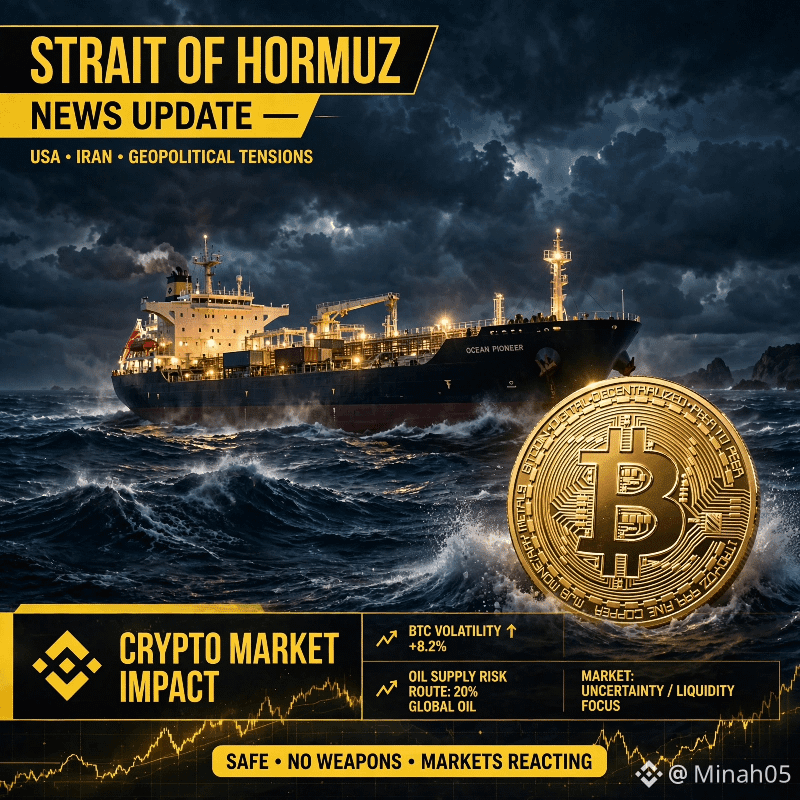
$BTC Auswirkungen: USA vs. Iran – Update vom 19. Okt.
Aktuelles Update von heute
Der iranische Außenminister sagt, dass die Straße von Hormus in 6 Tagen wieder geöffnet werden kann, wenn die USA 7 Bedingungen akzeptieren, darunter die Aufhebung der Hafenblockade und der Ölsanktionen. Der Vorschlag liegt weiterhin auf dem Tisch.
Die USA verhängen neue Sanktionen gegen 16 Personen und 10 Organisationen, die auf Irans Finanznetzwerke abzielen. Trump sagte, es werde vor den Zwischenwahlen im November keine neuen Angriffe geben. Die Verhandlungen laufen weiter.
Warum ist das für Kryptowährungen wichtig?❓
Durch die Meerenge werden 20 Prozent des weltweiten Öls und LNG transportiert.
Wird sie wieder geöffnet, sinkt der Ölpreis⬇️ – gut für das Risiko, auch bei BTC $ETH .
Bleibt sie blockiert, steigt der Ölpreis und BTC könnte fallen, wenn die Angst zunimmt.
Gestern passierten 97 Prozent der Schiffe die Meerenge sicher.
Trotz der Nachrichten hält sich der Kryptomarkt stark. BTC bei 83.000 zeigt, dass der Markt nicht in Panik gerät.
Was glaubt ihr: Steigt oder fällt der Ölpreis nächste Woche?❓🤔
{spot}(ETHUSDT)
#CryptoNewss #bitcoin #OilMarket #Geopolitics
$BTC Auswirkungen: USA vs. Iran – Update vom 19. Okt.
Aktuelles Update von heute
Der iranische Außenminister sagt, dass die Straße von Hormus in 6 Tagen wieder geöffnet werden kann, wenn die USA 7 Bedingungen akzeptieren, darunter die Aufhebung der Hafenblockade und der Ölsanktionen. Der Vorschlag liegt weiterhin auf dem Tisch.
Die USA verhängen neue Sanktionen gegen 16 Personen und 10 Organisationen, die auf Irans Finanznetzwerke abzielen. Trump sagte, es werde vor den Zwischenwahlen im November keine neuen Angriffe geben. Die Verhandlungen laufen weiter.
Warum ist das für Kryptowährungen wichtig?❓
Durch die Meerenge werden 20 Prozent des weltweiten Öls und LNG transportiert.
Wird sie wieder geöffnet, sinkt der Ölpreis⬇️ – gut für das Risiko, auch bei BTC $ETH .
Bleibt sie blockiert, steigt der Ölpreis und BTC könnte fallen, wenn die Angst zunimmt.
Gestern passierten 97 Prozent der Schiffe die Meerenge sicher.
Trotz der Nachrichten hält sich der Kryptomarkt stark. BTC bei 83.000 zeigt, dass der Markt nicht in Panik gerät.
Was glaubt ihr: Steigt oder fällt der Ölpreis nächste Woche?❓🤔
#CryptoNewss #bitcoin #OilMarket #Geopolitics
Aktuelles Update von heute
Der iranische Außenminister sagt, dass die Straße von Hormus in 6 Tagen wieder geöffnet werden kann, wenn die USA 7 Bedingungen akzeptieren, darunter die Aufhebung der Hafenblockade und der Ölsanktionen. Der Vorschlag liegt weiterhin auf dem Tisch.
Die USA verhängen neue Sanktionen gegen 16 Personen und 10 Organisationen, die auf Irans Finanznetzwerke abzielen. Trump sagte, es werde vor den Zwischenwahlen im November keine neuen Angriffe geben. Die Verhandlungen laufen weiter.
Warum ist das für Kryptowährungen wichtig?❓
Durch die Meerenge werden 20 Prozent des weltweiten Öls und LNG transportiert.
Wird sie wieder geöffnet, sinkt der Ölpreis⬇️ – gut für das Risiko, auch bei BTC $ETH .
Bleibt sie blockiert, steigt der Ölpreis und BTC könnte fallen, wenn die Angst zunimmt.
Gestern passierten 97 Prozent der Schiffe die Meerenge sicher.
Trotz der Nachrichten hält sich der Kryptomarkt stark. BTC bei 83.000 zeigt, dass der Markt nicht in Panik gerät.
Was glaubt ihr: Steigt oder fällt der Ölpreis nächste Woche?❓🤔
#CryptoNewss #bitcoin #OilMarket #Geopolitics
1
62
·
--
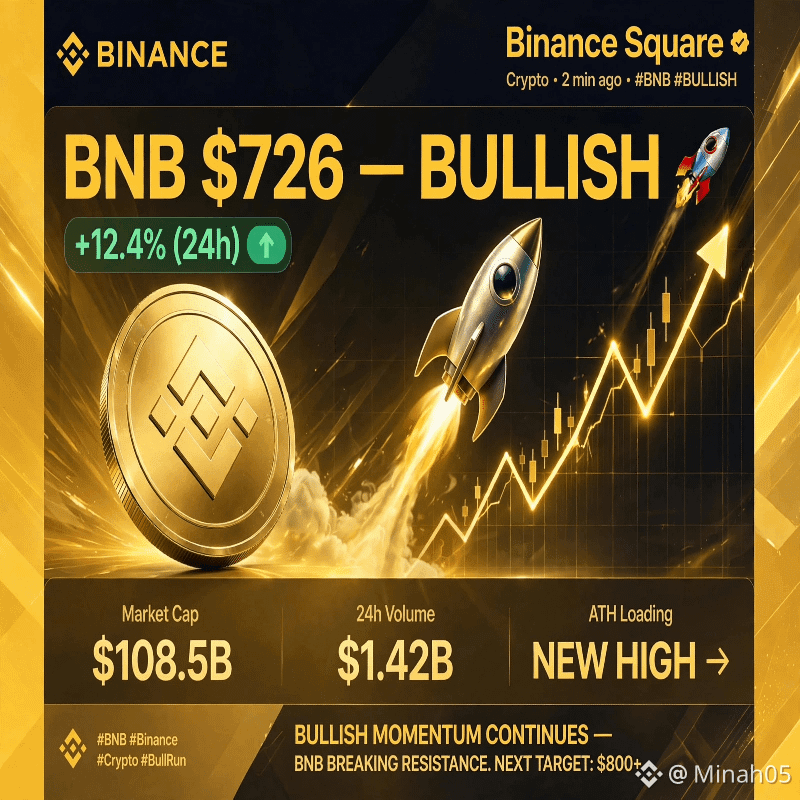
$BNB 726 – Binances eigene Rakete! 🚀
BNB hält sich bei 726 (+0.94 %), während BTC bei 83k liegt
Warum BNB mein Lieblingsinvestment ist
✅ Binance verbrennt jedes Quartal BNB
✅ Die niedrigsten Gebühren, wenn du BNB hältst
✅ Das Allzeithoch liegt bei über 800 – wir sind nah dran❗
Marktkapitalisierung: 108.5B
Volumen in 24 Stunden: 1.42B
Wenn BNB die 750 knackt, sind 800 in 2 Tagen drin. Danach gibt es keinen Widerstand mehr.
Ich halte BNB seit 680. Hältst du auch oder überlegst du noch?🤔
Bei BNB long gehen oder auf einen Rücksetzer warten?🤔
{spot}(BNBUSDT)
#BNB #Binance #Bullish #Crypto
$BNB 726 – Binances eigene Rakete! 🚀
BNB hält sich bei 726 (+0.94 %), während BTC bei 83k liegt
Warum BNB mein Lieblingsinvestment ist
✅ Binance verbrennt jedes Quartal BNB
✅ Die niedrigsten Gebühren, wenn du BNB hältst
✅ Das Allzeithoch liegt bei über 800 – wir sind nah dran❗
Marktkapitalisierung: 108.5B
Volumen in 24 Stunden: 1.42B
Wenn BNB die 750 knackt, sind 800 in 2 Tagen drin. Danach gibt es keinen Widerstand mehr.
Ich halte BNB seit 680. Hältst du auch oder überlegst du noch?🤔
Bei BNB long gehen oder auf einen Rücksetzer warten?🤔
#BNB #Binance #Bullish #Crypto
BNB hält sich bei 726 (+0.94 %), während BTC bei 83k liegt
Warum BNB mein Lieblingsinvestment ist
✅ Binance verbrennt jedes Quartal BNB
✅ Die niedrigsten Gebühren, wenn du BNB hältst
✅ Das Allzeithoch liegt bei über 800 – wir sind nah dran❗
Marktkapitalisierung: 108.5B
Volumen in 24 Stunden: 1.42B
Wenn BNB die 750 knackt, sind 800 in 2 Tagen drin. Danach gibt es keinen Widerstand mehr.
Ich halte BNB seit 680. Hältst du auch oder überlegst du noch?🤔
Bei BNB long gehen oder auf einen Rücksetzer warten?🤔
#BNB #Binance #Bullish #Crypto
1
59
Anmelden und weiter Inhalte entdecken
Krypto-Nutzer weltweit auf Binance Square kennenlernen
⚡️ Bleib in Sachen Krypto stets am Puls.
💬 Die weltgrößte Kryptobörse vertraut darauf.
👍 Erhalte verlässliche Einblicke von verifizierten Creators.
E-Mail-Adresse/Telefonnummer