

Crypto Cyrstal
8.8k Beiträge

Crypto Cyrstal
Melden
Nutzer blockieren
Trade eröffnen
Hochfrequenz-Trader
10.1 Monate
2 Following
12.7K+ Follower
6.8K+ Like gegeben
Beiträge
Portfolio
Alle
Live
·
--
Bullisch
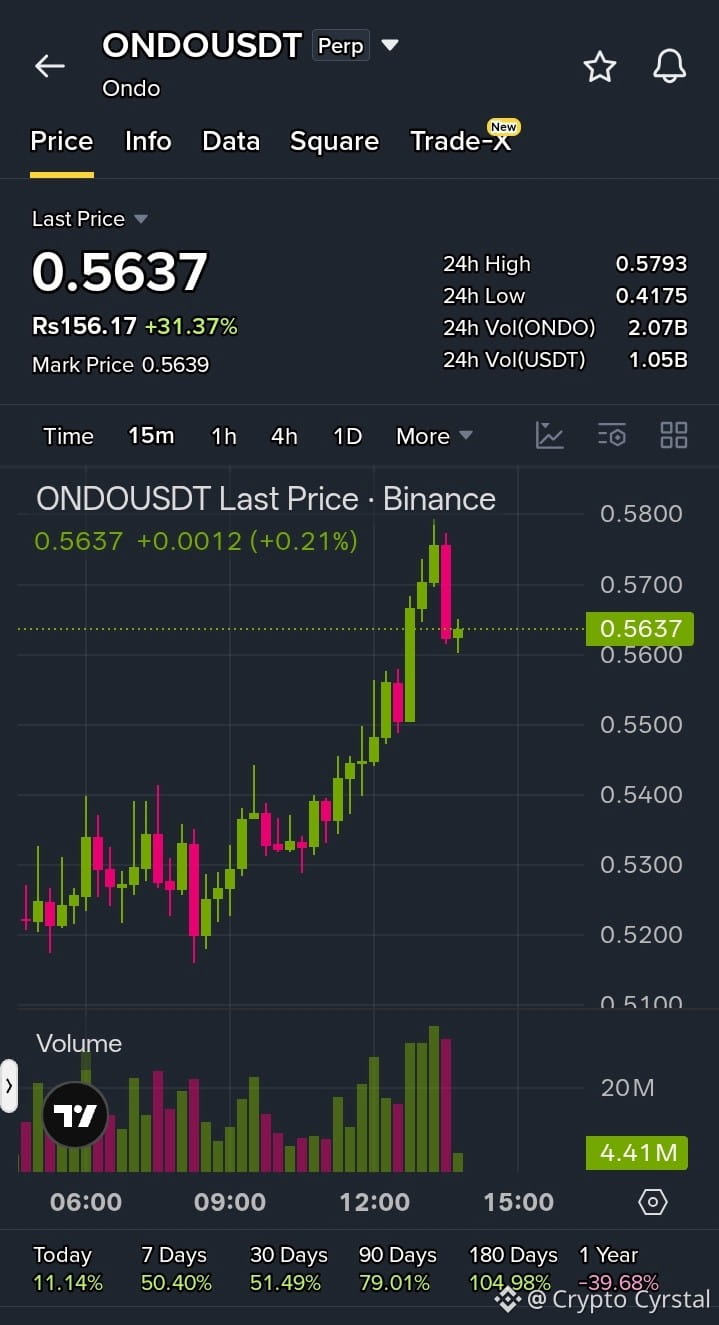
⚡ $QNT
{spot}(QNTUSDT)
USDT
▣ Cp: 98.07
▣ SL: 93.80
▣ TP1: 102.50
▣ TP2: 105.00
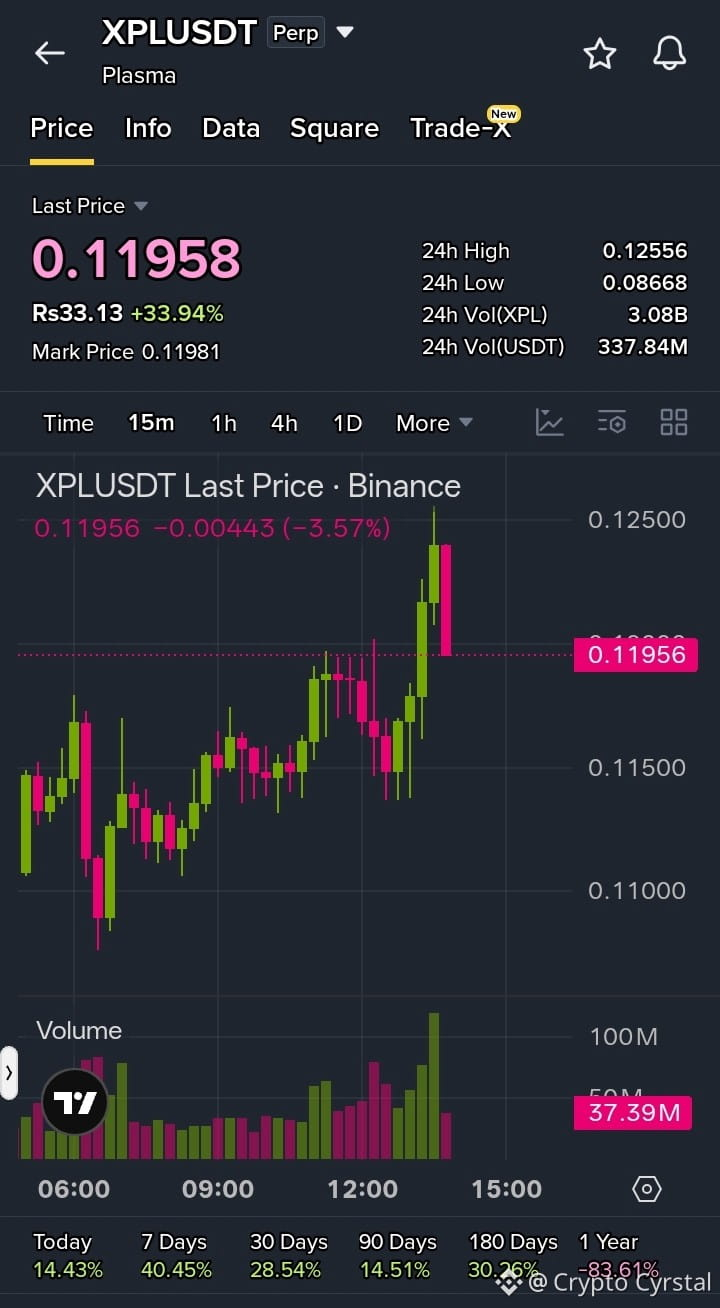
🔥 $XPL
{spot}(XPLUSDT)
USDT
▣ Cp: 0.11958
▣ SL: 0.11400
▣ TP1: 0.12350
▣ TP2: 0.12550
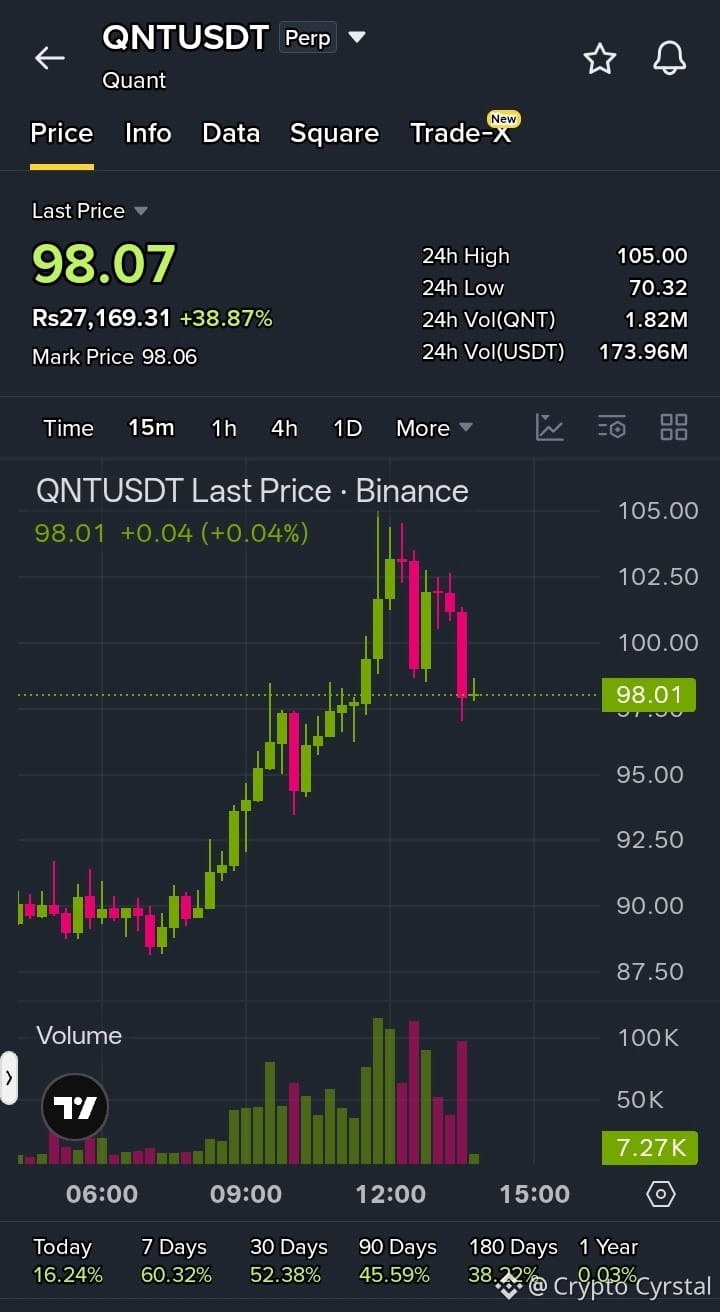
🚀 $ONDO
{spot}(ONDOUSDT)
USDT
▣ Cp: 0.5637
▣ SL: 0.5400
▣ TP1: 0.5790
▣ TP2: 0.6000
⚡ $QNT
USDT
▣ Cp: 98.07
▣ SL: 93.80
▣ TP1: 102.50
▣ TP2: 105.00
🔥 $XPL
USDT
▣ Cp: 0.11958
▣ SL: 0.11400
▣ TP1: 0.12350
▣ TP2: 0.12550
🚀 $ONDO
USDT
▣ Cp: 0.5637
▣ SL: 0.5400
▣ TP1: 0.5790
▣ TP2: 0.6000
USDT
▣ Cp: 98.07
▣ SL: 93.80
▣ TP1: 102.50
▣ TP2: 105.00
🔥 $XPL
USDT
▣ Cp: 0.11958
▣ SL: 0.11400
▣ TP1: 0.12350
▣ TP2: 0.12550
🚀 $ONDO
USDT
▣ Cp: 0.5637
▣ SL: 0.5400
▣ TP1: 0.5790
▣ TP2: 0.6000
289
·
--
Bullisch
✨ Wird der CPI einen Zinsschritt auslösen?
Die Märkte beobachten die bevorstehenden CPI-Daten genau. Ein heißeres als erwartetes Inflationsbild könnte die Erwartungen an eine straffere Geldpolitik verstärken und damit Druck auf risikoreiche Assets wie Bitcoin und Krypto ausüben.
Wenn der CPI niedriger ausfällt als prognostiziert, könnten die Zinserhöhungsängste nachlassen – was möglicherweise Aktien und Krypto unterstützt.
Die entscheidende Frage ist, ob die Inflation schnell genug abkühlt, damit die Zentralbanken geduldig bleiben können – oder ob anhaltender Preisdruck einen weiteren Politikwechsel erzwingt.
📊 CPI = Inflationssignal
Inflation ↑ = Risiko für Zinserhöhung ↑
Risiko für Zinserhöhung ↑ = Liquiditätsdruck ↑
Der nächste CPI-Report könnte den Ton für die Märkte vorgeben.
#CPIWatch
$牛来
{future}(牛来USDT)
$RAYSOL
{future}(RAYSOLUSDT)
$LSK
{future}(LSKUSDT)
✨ Wird der CPI einen Zinsschritt auslösen?
Die Märkte beobachten die bevorstehenden CPI-Daten genau. Ein heißeres als erwartetes Inflationsbild könnte die Erwartungen an eine straffere Geldpolitik verstärken und damit Druck auf risikoreiche Assets wie Bitcoin und Krypto ausüben.
Wenn der CPI niedriger ausfällt als prognostiziert, könnten die Zinserhöhungsängste nachlassen – was möglicherweise Aktien und Krypto unterstützt.
Die entscheidende Frage ist, ob die Inflation schnell genug abkühlt, damit die Zentralbanken geduldig bleiben können – oder ob anhaltender Preisdruck einen weiteren Politikwechsel erzwingt.
📊 CPI = Inflationssignal
Inflation ↑ = Risiko für Zinserhöhung ↑
Risiko für Zinserhöhung ↑ = Liquiditätsdruck ↑
Der nächste CPI-Report könnte den Ton für die Märkte vorgeben.
#CPIWatch
$牛来
$RAYSOL
$LSK
Die Märkte beobachten die bevorstehenden CPI-Daten genau. Ein heißeres als erwartetes Inflationsbild könnte die Erwartungen an eine straffere Geldpolitik verstärken und damit Druck auf risikoreiche Assets wie Bitcoin und Krypto ausüben.
Wenn der CPI niedriger ausfällt als prognostiziert, könnten die Zinserhöhungsängste nachlassen – was möglicherweise Aktien und Krypto unterstützt.
Die entscheidende Frage ist, ob die Inflation schnell genug abkühlt, damit die Zentralbanken geduldig bleiben können – oder ob anhaltender Preisdruck einen weiteren Politikwechsel erzwingt.
📊 CPI = Inflationssignal
Inflation ↑ = Risiko für Zinserhöhung ↑
Risiko für Zinserhöhung ↑ = Liquiditätsdruck ↑
Der nächste CPI-Report könnte den Ton für die Märkte vorgeben.
#CPIWatch
$牛来
$RAYSOL
$LSK

1.4k
·
--
Bärisch
Verifiziert
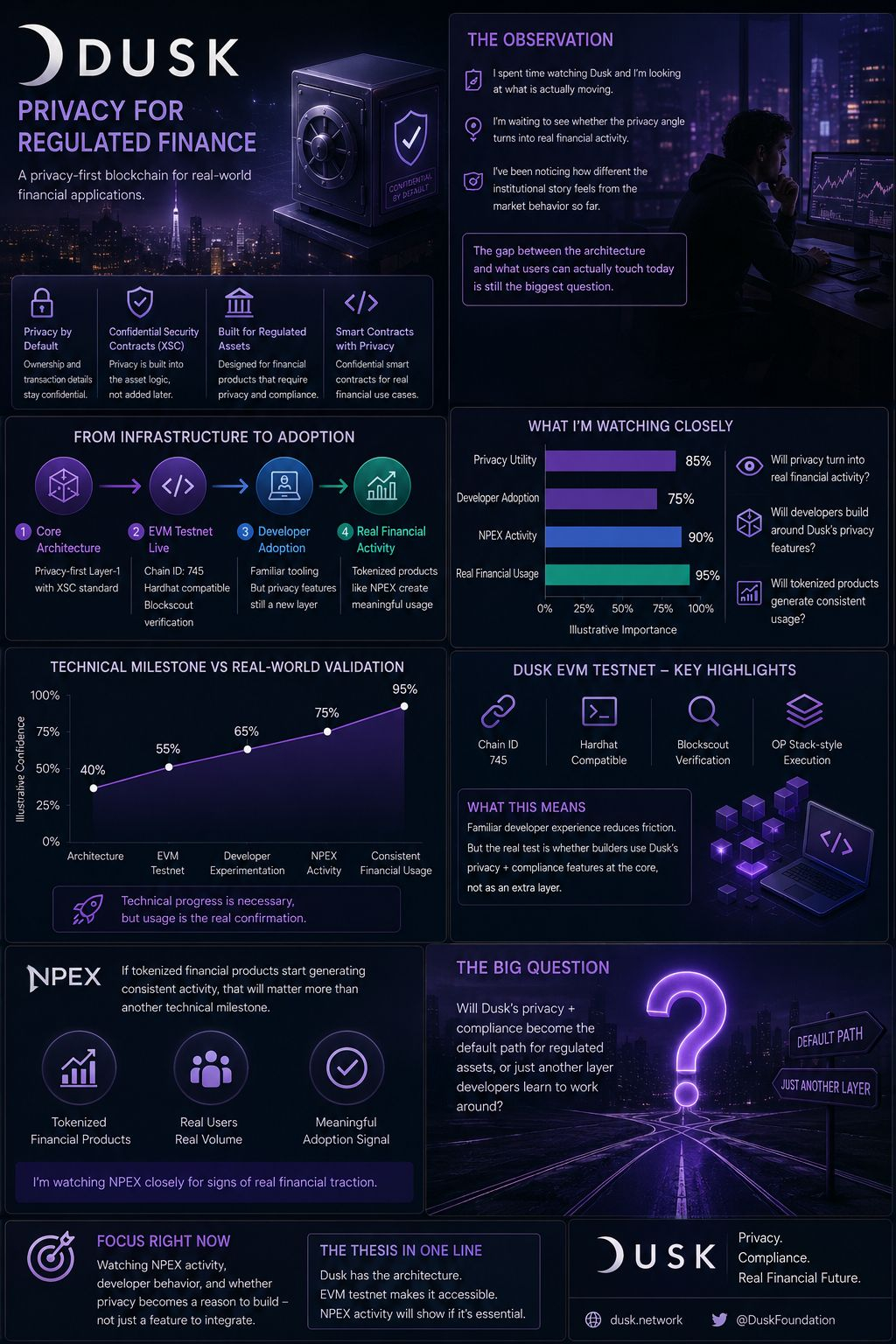
Start Ich habe Zeit damit verbracht, Dusk zu beobachten, und schaue mir an, was tatsächlich in Bewegung ist. Ich warte darauf, ob der Datenschutz-Aspekt in echte finanzielle Aktivitäten übergeht. Mir ist aufgefallen, wie deutlich sich die institutionelle Story bisher von dem Marktverhalten unterscheidet.
Dusk ergibt für mich Sinn, wenn ich an regulierte Vermögenswerte denke, bei denen Eigentums- und Transaktionsdetails nicht einfach öffentlich sichtbar sein können. Die Idee des Confidential Security Contract ist interessant, weil sie versucht, Datenschutz als Teil der Logik des Vermögenswerts zu verankern – statt ihn als etwas hinzuzufügen, das erst später kommt. Aber immer wieder komme ich auf die Lücke zwischen der Architektur und dem, was Nutzer heute tatsächlich anfassen können.
Das EVM-Testnetz ändert daran ein wenig. Vertraute Tools, Hardhat-Kompatibilität und Blockscout-Verifizierung machen die Entwicklerseite weniger fremd, aber die entscheidende Frage ist, ob Entwickler um Dusk’ Datenschutz- und Compliance-Funktionen herum bauen werden – statt sie als nur eine weitere Lernschicht zu behandeln.
Ich beobachte außerdem NPEX sehr genau. Wenn tokenisierte Finanzprodukte anfängt, konsequente Aktivitäten zu erzeugen, würde sich das bedeutungsvoller anfühlen als ein weiteres technisches Meilenstein-Event. Im Moment versuche ich immer noch, Infrastruktur zu trennen, die funktioniert, von der Infrastruktur, die Menschen tatsächlich brauchen – denn das sind nicht dieselben Dinge.
@Dusk_Foundation #dusk $DUSK
{future}(DUSKUSDT)
Start Ich habe Zeit damit verbracht, Dusk zu beobachten, und schaue mir an, was tatsächlich in Bewegung ist. Ich warte darauf, ob der Datenschutz-Aspekt in echte finanzielle Aktivitäten übergeht. Mir ist aufgefallen, wie deutlich sich die institutionelle Story bisher von dem Marktverhalten unterscheidet.
Dusk ergibt für mich Sinn, wenn ich an regulierte Vermögenswerte denke, bei denen Eigentums- und Transaktionsdetails nicht einfach öffentlich sichtbar sein können. Die Idee des Confidential Security Contract ist interessant, weil sie versucht, Datenschutz als Teil der Logik des Vermögenswerts zu verankern – statt ihn als etwas hinzuzufügen, das erst später kommt. Aber immer wieder komme ich auf die Lücke zwischen der Architektur und dem, was Nutzer heute tatsächlich anfassen können.
Das EVM-Testnetz ändert daran ein wenig. Vertraute Tools, Hardhat-Kompatibilität und Blockscout-Verifizierung machen die Entwicklerseite weniger fremd, aber die entscheidende Frage ist, ob Entwickler um Dusk’ Datenschutz- und Compliance-Funktionen herum bauen werden – statt sie als nur eine weitere Lernschicht zu behandeln.
Ich beobachte außerdem NPEX sehr genau. Wenn tokenisierte Finanzprodukte anfängt, konsequente Aktivitäten zu erzeugen, würde sich das bedeutungsvoller anfühlen als ein weiteres technisches Meilenstein-Event. Im Moment versuche ich immer noch, Infrastruktur zu trennen, die funktioniert, von der Infrastruktur, die Menschen tatsächlich brauchen – denn das sind nicht dieselben Dinge.
@Dusk #dusk $DUSK
Dusk ergibt für mich Sinn, wenn ich an regulierte Vermögenswerte denke, bei denen Eigentums- und Transaktionsdetails nicht einfach öffentlich sichtbar sein können. Die Idee des Confidential Security Contract ist interessant, weil sie versucht, Datenschutz als Teil der Logik des Vermögenswerts zu verankern – statt ihn als etwas hinzuzufügen, das erst später kommt. Aber immer wieder komme ich auf die Lücke zwischen der Architektur und dem, was Nutzer heute tatsächlich anfassen können.
Das EVM-Testnetz ändert daran ein wenig. Vertraute Tools, Hardhat-Kompatibilität und Blockscout-Verifizierung machen die Entwicklerseite weniger fremd, aber die entscheidende Frage ist, ob Entwickler um Dusk’ Datenschutz- und Compliance-Funktionen herum bauen werden – statt sie als nur eine weitere Lernschicht zu behandeln.
Ich beobachte außerdem NPEX sehr genau. Wenn tokenisierte Finanzprodukte anfängt, konsequente Aktivitäten zu erzeugen, würde sich das bedeutungsvoller anfühlen als ein weiteres technisches Meilenstein-Event. Im Moment versuche ich immer noch, Infrastruktur zu trennen, die funktioniert, von der Infrastruktur, die Menschen tatsächlich brauchen – denn das sind nicht dieselben Dinge.
@Dusk #dusk $DUSK
1
2
2k
·
--
Bullisch
Verifiziert
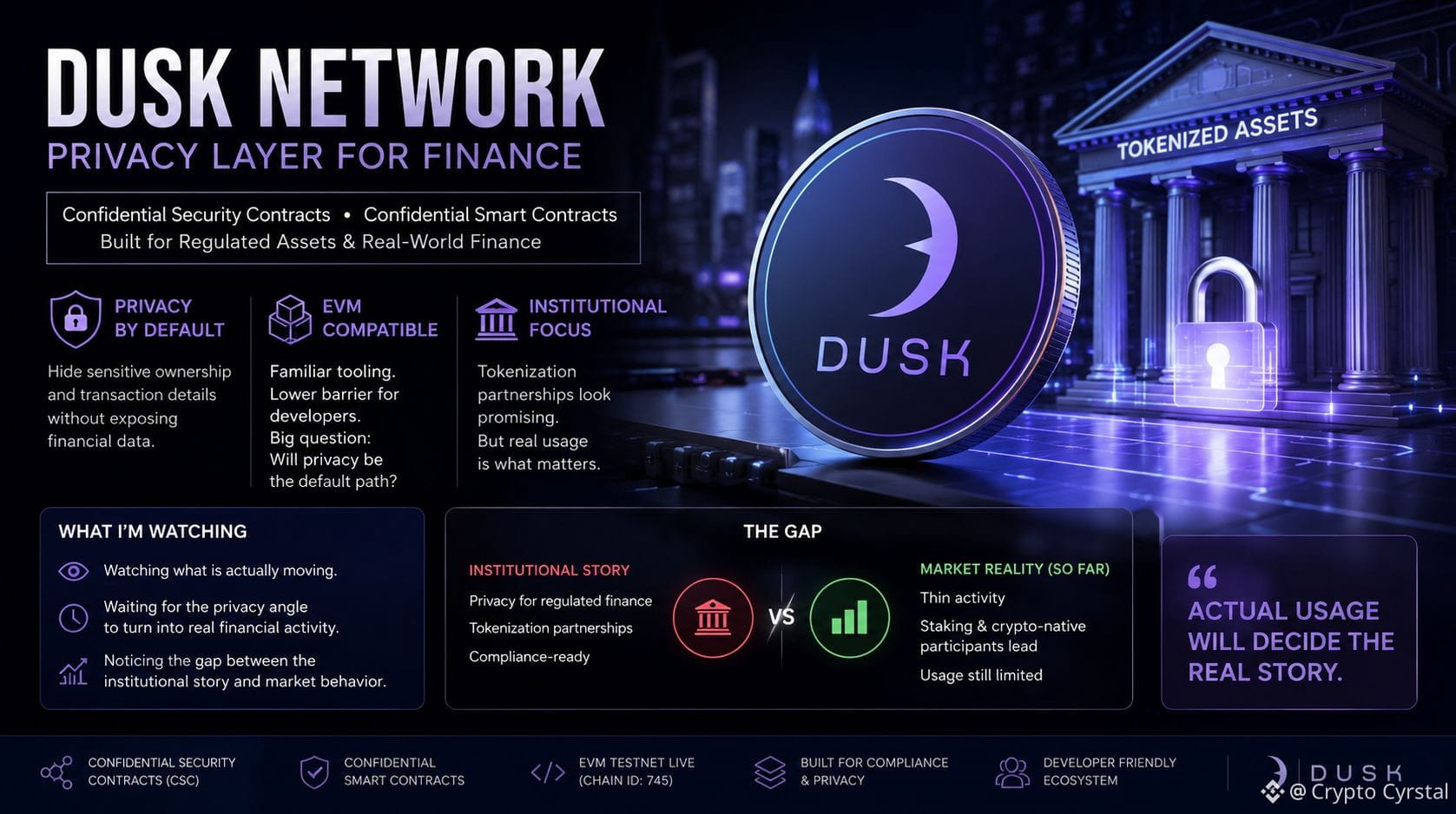
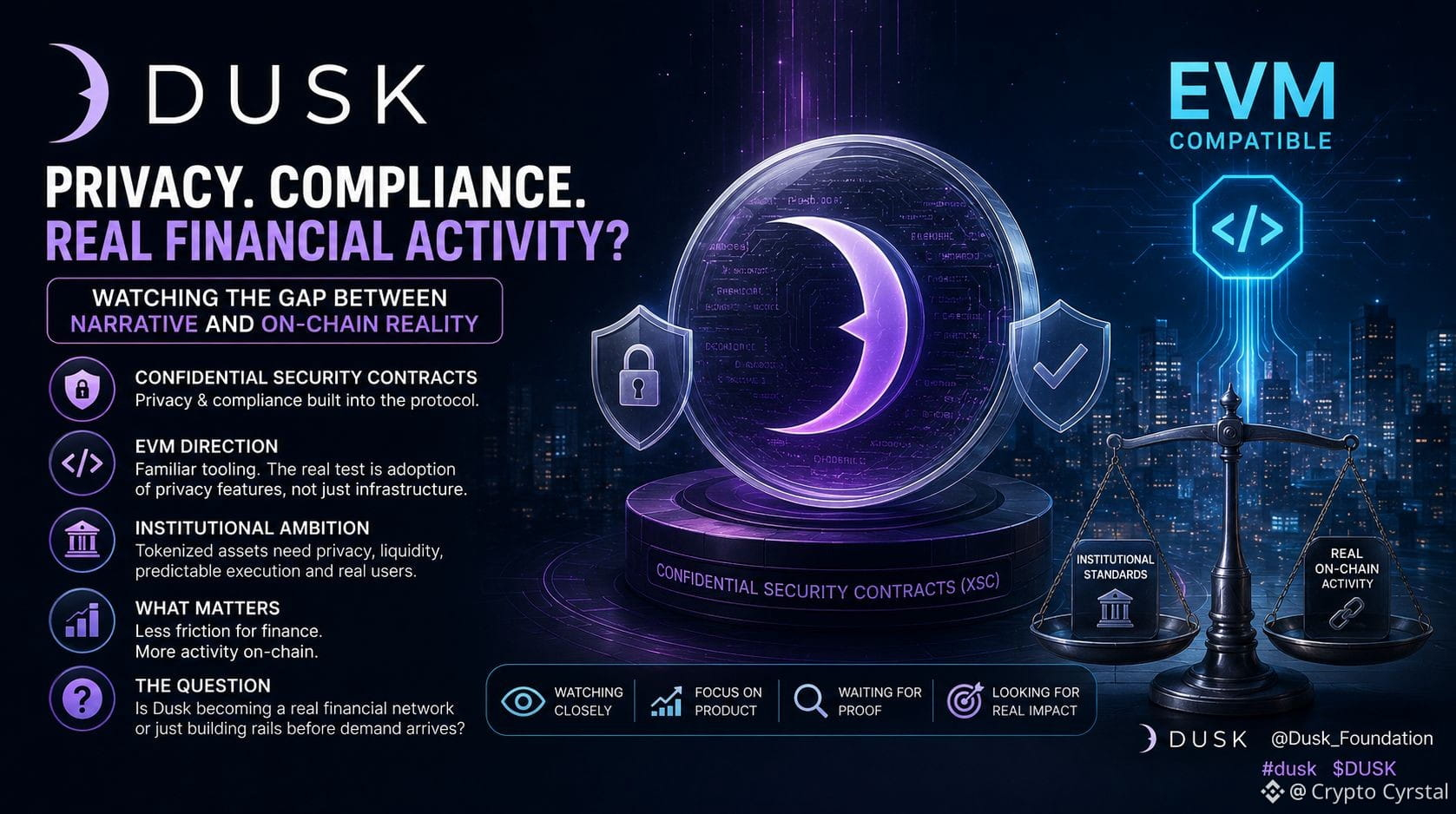
Ich habe Zeit damit verbracht, Dusk beim Bewegen zuzusehen, und schaue mir an, was tatsächlich in Bewegung ist. Ich warte darauf, ob sich der Datenschutzaspekt in echte finanzielle Aktivitäten verwandelt. Mir fällt auf, wie unterschiedlich sich die institutionelle Story bisher von dem Marktverhalten anfühlt.
Dusk versucht, mit seinem Confidential Security Contract-Standard und vertraulichen Smart Contracts in der Mitte eine datenschutzorientierte Schicht für Finanzanwendungen aufzubauen. Das klingt sinnvoll, wenn die Vermögenswerte reguliert sind, denn niemand möchte, dass sensible Eigentums- oder Transaktionsdetails standardmäßig offengelegt werden. Aber der schwierige Teil besteht darin, Privatsphäre zum Funktionieren zu bringen, ohne Reibung hinzuzufügen, die Entwickler oder Nutzer einfach vermeiden.
Die EVM-Richtung macht das noch interessanter. Vertraute Tools können die Einstiegshürde für Entwickler senken, aber dadurch stellt sich auch die Frage, ob Dusk’ Datenschutz- und Compliance-Funktionen zum Standardpfad werden oder nur noch eine zusätzliche Schicht sind, die Entwickler im Blick behalten müssen.
Ich beobachte außerdem die institutionelle Seite sehr genau. Partnerschaften zur Tokenisierung können auf dem Papier bedeutsam wirken, aber entscheidend ist die tatsächliche Nutzung. Wenn die Aktivität dünn bleibt, während Staking und die Teilnahme nativer Krypto-Ökosysteme die These dominieren, beginnt sich das Gesamtbild anders darzustellen. Genau diese Lücke beobachte ich noch immer.
@Dusk_Foundation #dusk $DUSK
{future}(DUSKUSDT)
Ich habe Zeit damit verbracht, Dusk beim Bewegen zuzusehen, und schaue mir an, was tatsächlich in Bewegung ist. Ich warte darauf, ob sich der Datenschutzaspekt in echte finanzielle Aktivitäten verwandelt. Mir fällt auf, wie unterschiedlich sich die institutionelle Story bisher von dem Marktverhalten anfühlt.
Dusk versucht, mit seinem Confidential Security Contract-Standard und vertraulichen Smart Contracts in der Mitte eine datenschutzorientierte Schicht für Finanzanwendungen aufzubauen. Das klingt sinnvoll, wenn die Vermögenswerte reguliert sind, denn niemand möchte, dass sensible Eigentums- oder Transaktionsdetails standardmäßig offengelegt werden. Aber der schwierige Teil besteht darin, Privatsphäre zum Funktionieren zu bringen, ohne Reibung hinzuzufügen, die Entwickler oder Nutzer einfach vermeiden.
Die EVM-Richtung macht das noch interessanter. Vertraute Tools können die Einstiegshürde für Entwickler senken, aber dadurch stellt sich auch die Frage, ob Dusk’ Datenschutz- und Compliance-Funktionen zum Standardpfad werden oder nur noch eine zusätzliche Schicht sind, die Entwickler im Blick behalten müssen.
Ich beobachte außerdem die institutionelle Seite sehr genau. Partnerschaften zur Tokenisierung können auf dem Papier bedeutsam wirken, aber entscheidend ist die tatsächliche Nutzung. Wenn die Aktivität dünn bleibt, während Staking und die Teilnahme nativer Krypto-Ökosysteme die These dominieren, beginnt sich das Gesamtbild anders darzustellen. Genau diese Lücke beobachte ich noch immer.
@Dusk #dusk $DUSK
Dusk versucht, mit seinem Confidential Security Contract-Standard und vertraulichen Smart Contracts in der Mitte eine datenschutzorientierte Schicht für Finanzanwendungen aufzubauen. Das klingt sinnvoll, wenn die Vermögenswerte reguliert sind, denn niemand möchte, dass sensible Eigentums- oder Transaktionsdetails standardmäßig offengelegt werden. Aber der schwierige Teil besteht darin, Privatsphäre zum Funktionieren zu bringen, ohne Reibung hinzuzufügen, die Entwickler oder Nutzer einfach vermeiden.
Die EVM-Richtung macht das noch interessanter. Vertraute Tools können die Einstiegshürde für Entwickler senken, aber dadurch stellt sich auch die Frage, ob Dusk’ Datenschutz- und Compliance-Funktionen zum Standardpfad werden oder nur noch eine zusätzliche Schicht sind, die Entwickler im Blick behalten müssen.
Ich beobachte außerdem die institutionelle Seite sehr genau. Partnerschaften zur Tokenisierung können auf dem Papier bedeutsam wirken, aber entscheidend ist die tatsächliche Nutzung. Wenn die Aktivität dünn bleibt, während Staking und die Teilnahme nativer Krypto-Ökosysteme die These dominieren, beginnt sich das Gesamtbild anders darzustellen. Genau diese Lücke beobachte ich noch immer.
@Dusk #dusk $DUSK
4
4
4.5k
·
--
Bullisch
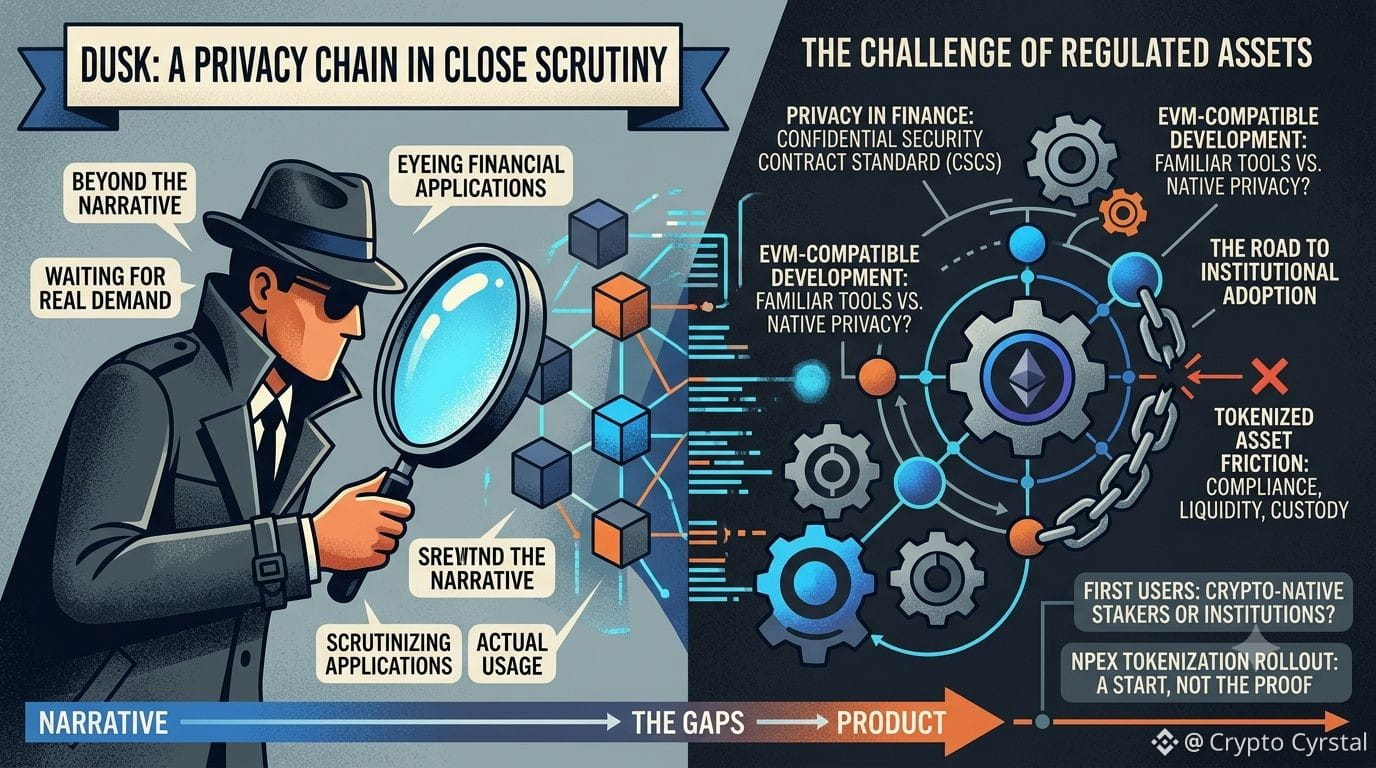
Zuerst dachte ich, ich sehe einfach nur eine weitere Geschichte über Privacy-Ketten. Jetzt schaue ich Dusk genauer an. Ich beobachte, was tatsächlich genutzt wird. Ich warte darauf, ob sich der finanzielle Aspekt in echte Nachfrage verwandelt. Ich habe den Abstand zwischen der Erzählung und dem Produkt bemerkt.
Dusk versucht, etwas Spezifischeres aufzubauen als eine Allzweck-Kette. Sein Standard für den Confidential Security Contract soll Datenschutz in Finanzanwendungen bringen, was nützlich klingt – besonders, wenn die beteiligten Assets reguliert und sensibel sind. Aber genau hier werde ich unruhig.
Finanzmärkte bewegen sich nicht nur deshalb, weil die Technologie funktioniert. Ein tokenisiertes Asset braucht weiterhin Emissions-Compliance, Liquidität, Verwahrung (Custody) und echte Teilnehmer. Wenn ein Teil holprig ist, kann sich das gesamte Erlebnis unausgereift anfühlen. Dusk stellt mit seiner EVM-Ausrichtung die Entwicklung vertrauter in den Raum, aber ich frage mich, ob Entwickler die Privacy-Funktionen von sich aus nutzen oder zuerst einfach nur vertraute Anwendungen bauen.
Diese Unterscheidung ist wichtig. Wenn die ersten sinnvollen Nutzer eher krypto-native Staker sind als Institutionen, beweist das Netzwerk möglicherweise etwas anderes als die ursprüngliche These. Die Tokenisierung im Rahmen des NPEX-Rollouts ist genau aus diesem Grund interessant, aber ich werte einen einzelnen Rollout noch nicht als Beleg für eine institutionelle Übernahme.
Ich beobachte weiterhin, wer auftaucht, was sie tatsächlich bauen, und wo die Reibung beginnt, so unerträglich zu werden, dass man sie nicht mehr ignorieren kann.
@Dusk_Foundation #dusk $DUSK
{future}(DUSKUSDT)
Zuerst dachte ich, ich sehe einfach nur eine weitere Geschichte über Privacy-Ketten. Jetzt schaue ich Dusk genauer an. Ich beobachte, was tatsächlich genutzt wird. Ich warte darauf, ob sich der finanzielle Aspekt in echte Nachfrage verwandelt. Ich habe den Abstand zwischen der Erzählung und dem Produkt bemerkt.
Dusk versucht, etwas Spezifischeres aufzubauen als eine Allzweck-Kette. Sein Standard für den Confidential Security Contract soll Datenschutz in Finanzanwendungen bringen, was nützlich klingt – besonders, wenn die beteiligten Assets reguliert und sensibel sind. Aber genau hier werde ich unruhig.
Finanzmärkte bewegen sich nicht nur deshalb, weil die Technologie funktioniert. Ein tokenisiertes Asset braucht weiterhin Emissions-Compliance, Liquidität, Verwahrung (Custody) und echte Teilnehmer. Wenn ein Teil holprig ist, kann sich das gesamte Erlebnis unausgereift anfühlen. Dusk stellt mit seiner EVM-Ausrichtung die Entwicklung vertrauter in den Raum, aber ich frage mich, ob Entwickler die Privacy-Funktionen von sich aus nutzen oder zuerst einfach nur vertraute Anwendungen bauen.
Diese Unterscheidung ist wichtig. Wenn die ersten sinnvollen Nutzer eher krypto-native Staker sind als Institutionen, beweist das Netzwerk möglicherweise etwas anderes als die ursprüngliche These. Die Tokenisierung im Rahmen des NPEX-Rollouts ist genau aus diesem Grund interessant, aber ich werte einen einzelnen Rollout noch nicht als Beleg für eine institutionelle Übernahme.
Ich beobachte weiterhin, wer auftaucht, was sie tatsächlich bauen, und wo die Reibung beginnt, so unerträglich zu werden, dass man sie nicht mehr ignorieren kann.
@Dusk #dusk $DUSK
Dusk versucht, etwas Spezifischeres aufzubauen als eine Allzweck-Kette. Sein Standard für den Confidential Security Contract soll Datenschutz in Finanzanwendungen bringen, was nützlich klingt – besonders, wenn die beteiligten Assets reguliert und sensibel sind. Aber genau hier werde ich unruhig.
Finanzmärkte bewegen sich nicht nur deshalb, weil die Technologie funktioniert. Ein tokenisiertes Asset braucht weiterhin Emissions-Compliance, Liquidität, Verwahrung (Custody) und echte Teilnehmer. Wenn ein Teil holprig ist, kann sich das gesamte Erlebnis unausgereift anfühlen. Dusk stellt mit seiner EVM-Ausrichtung die Entwicklung vertrauter in den Raum, aber ich frage mich, ob Entwickler die Privacy-Funktionen von sich aus nutzen oder zuerst einfach nur vertraute Anwendungen bauen.
Diese Unterscheidung ist wichtig. Wenn die ersten sinnvollen Nutzer eher krypto-native Staker sind als Institutionen, beweist das Netzwerk möglicherweise etwas anderes als die ursprüngliche These. Die Tokenisierung im Rahmen des NPEX-Rollouts ist genau aus diesem Grund interessant, aber ich werte einen einzelnen Rollout noch nicht als Beleg für eine institutionelle Übernahme.
Ich beobachte weiterhin, wer auftaucht, was sie tatsächlich bauen, und wo die Reibung beginnt, so unerträglich zu werden, dass man sie nicht mehr ignorieren kann.
@Dusk #dusk $DUSK
20
9
6.3k
·
--
Bullisch
Verifiziert
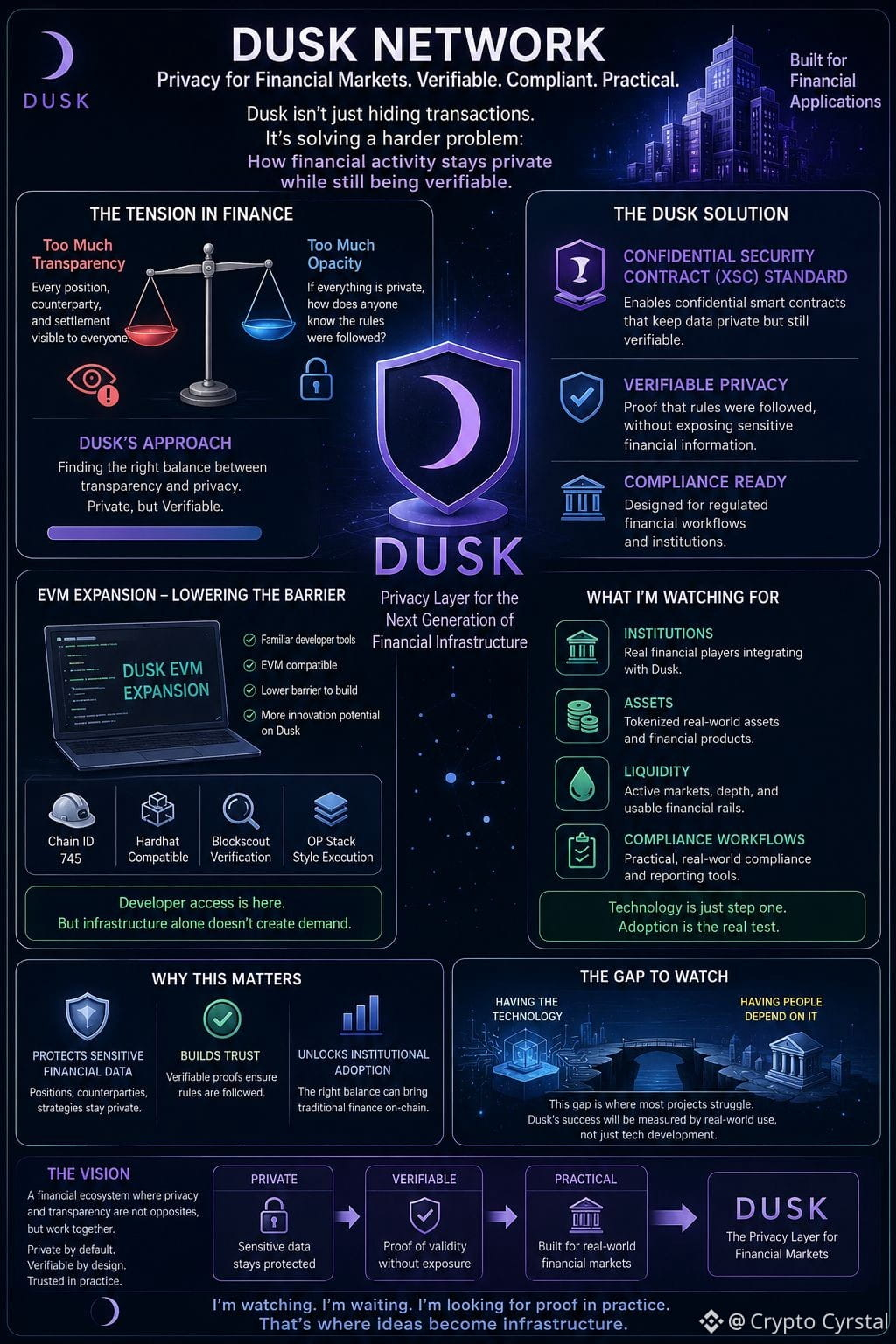
Ich schaue mir Dusk an. Ich habe mir angesehen, wie der Datenschutzaspekt tatsächlich in die Finanzmärkte passt. Ich warte darauf, wo das Produkt die Idee in der Praxis erstmals überzeugend unter Beweis stellt.
Was mich interessiert: Dusk behandelt Datenschutz nicht einfach als das Verbergen von Transaktionen. Sein Standard für Confidential Security Contract sowie die vertraulichen Smart Contracts zielen auf ein schwierigeres Problem: Wie kann finanzielle Aktivität privat bleiben, aber dennoch verifizierbar sein?
Das ist wichtig, weil traditionelle Finanzinformationen aus naheliegenden Gründen sensibel sind. Ein Fonds möchte wahrscheinlich nicht, dass jede Position, jeder Kontrahent oder jedes Abwicklungsdetail auf einem öffentlichen Ledger offengelegt wird. Aber das andere Extrem schafft wiederum ein Problem: Wenn alles privat wird, wie kann dann eine externe Partei wissen, dass die Regeln eingehalten wurden?
An genau dieser Spannung halte ich mich fest. Dusk versucht, irgendwo zwischen vollständiger Transparenz und vollständiger Unklarheit zu sitzen—das klingt vernünftig, aber die Umsetzung ist es, bei der diese Ideen normalerweise unangenehm werden.
Die EVM-Erweiterung macht das Bild außerdem interessanter, weil vertrautes Entwickler-Tooling die Hürde senken kann, um auf Dusk aufzubauen. Trotzdem führt Entwicklerzugang nicht automatisch zu einer finanziellen Nachfrage.
Ich beobachte, ob tatsächliche Institutionen, Assets, Liquidität und Compliance-Workflows rund um die Infrastruktur anfangen zu erscheinen. Diese Lücke zwischen dem Vorhandensein der Technologie und der Abhängigkeit der Menschen davon ist der Teil, den ich immer noch nicht ignorieren kann.
@Dusk_Foundation #dusk $DUSK
{future}(DUSKUSDT)
Ich schaue mir Dusk an. Ich habe mir angesehen, wie der Datenschutzaspekt tatsächlich in die Finanzmärkte passt. Ich warte darauf, wo das Produkt die Idee in der Praxis erstmals überzeugend unter Beweis stellt.
Was mich interessiert: Dusk behandelt Datenschutz nicht einfach als das Verbergen von Transaktionen. Sein Standard für Confidential Security Contract sowie die vertraulichen Smart Contracts zielen auf ein schwierigeres Problem: Wie kann finanzielle Aktivität privat bleiben, aber dennoch verifizierbar sein?
Das ist wichtig, weil traditionelle Finanzinformationen aus naheliegenden Gründen sensibel sind. Ein Fonds möchte wahrscheinlich nicht, dass jede Position, jeder Kontrahent oder jedes Abwicklungsdetail auf einem öffentlichen Ledger offengelegt wird. Aber das andere Extrem schafft wiederum ein Problem: Wenn alles privat wird, wie kann dann eine externe Partei wissen, dass die Regeln eingehalten wurden?
An genau dieser Spannung halte ich mich fest. Dusk versucht, irgendwo zwischen vollständiger Transparenz und vollständiger Unklarheit zu sitzen—das klingt vernünftig, aber die Umsetzung ist es, bei der diese Ideen normalerweise unangenehm werden.
Die EVM-Erweiterung macht das Bild außerdem interessanter, weil vertrautes Entwickler-Tooling die Hürde senken kann, um auf Dusk aufzubauen. Trotzdem führt Entwicklerzugang nicht automatisch zu einer finanziellen Nachfrage.
Ich beobachte, ob tatsächliche Institutionen, Assets, Liquidität und Compliance-Workflows rund um die Infrastruktur anfangen zu erscheinen. Diese Lücke zwischen dem Vorhandensein der Technologie und der Abhängigkeit der Menschen davon ist der Teil, den ich immer noch nicht ignorieren kann.
@Dusk #dusk $DUSK
Was mich interessiert: Dusk behandelt Datenschutz nicht einfach als das Verbergen von Transaktionen. Sein Standard für Confidential Security Contract sowie die vertraulichen Smart Contracts zielen auf ein schwierigeres Problem: Wie kann finanzielle Aktivität privat bleiben, aber dennoch verifizierbar sein?
Das ist wichtig, weil traditionelle Finanzinformationen aus naheliegenden Gründen sensibel sind. Ein Fonds möchte wahrscheinlich nicht, dass jede Position, jeder Kontrahent oder jedes Abwicklungsdetail auf einem öffentlichen Ledger offengelegt wird. Aber das andere Extrem schafft wiederum ein Problem: Wenn alles privat wird, wie kann dann eine externe Partei wissen, dass die Regeln eingehalten wurden?
An genau dieser Spannung halte ich mich fest. Dusk versucht, irgendwo zwischen vollständiger Transparenz und vollständiger Unklarheit zu sitzen—das klingt vernünftig, aber die Umsetzung ist es, bei der diese Ideen normalerweise unangenehm werden.
Die EVM-Erweiterung macht das Bild außerdem interessanter, weil vertrautes Entwickler-Tooling die Hürde senken kann, um auf Dusk aufzubauen. Trotzdem führt Entwicklerzugang nicht automatisch zu einer finanziellen Nachfrage.
Ich beobachte, ob tatsächliche Institutionen, Assets, Liquidität und Compliance-Workflows rund um die Infrastruktur anfangen zu erscheinen. Diese Lücke zwischen dem Vorhandensein der Technologie und der Abhängigkeit der Menschen davon ist der Teil, den ich immer noch nicht ignorieren kann.
@Dusk #dusk $DUSK
26
16
6.1k
·
--
Bärisch
Verifiziert
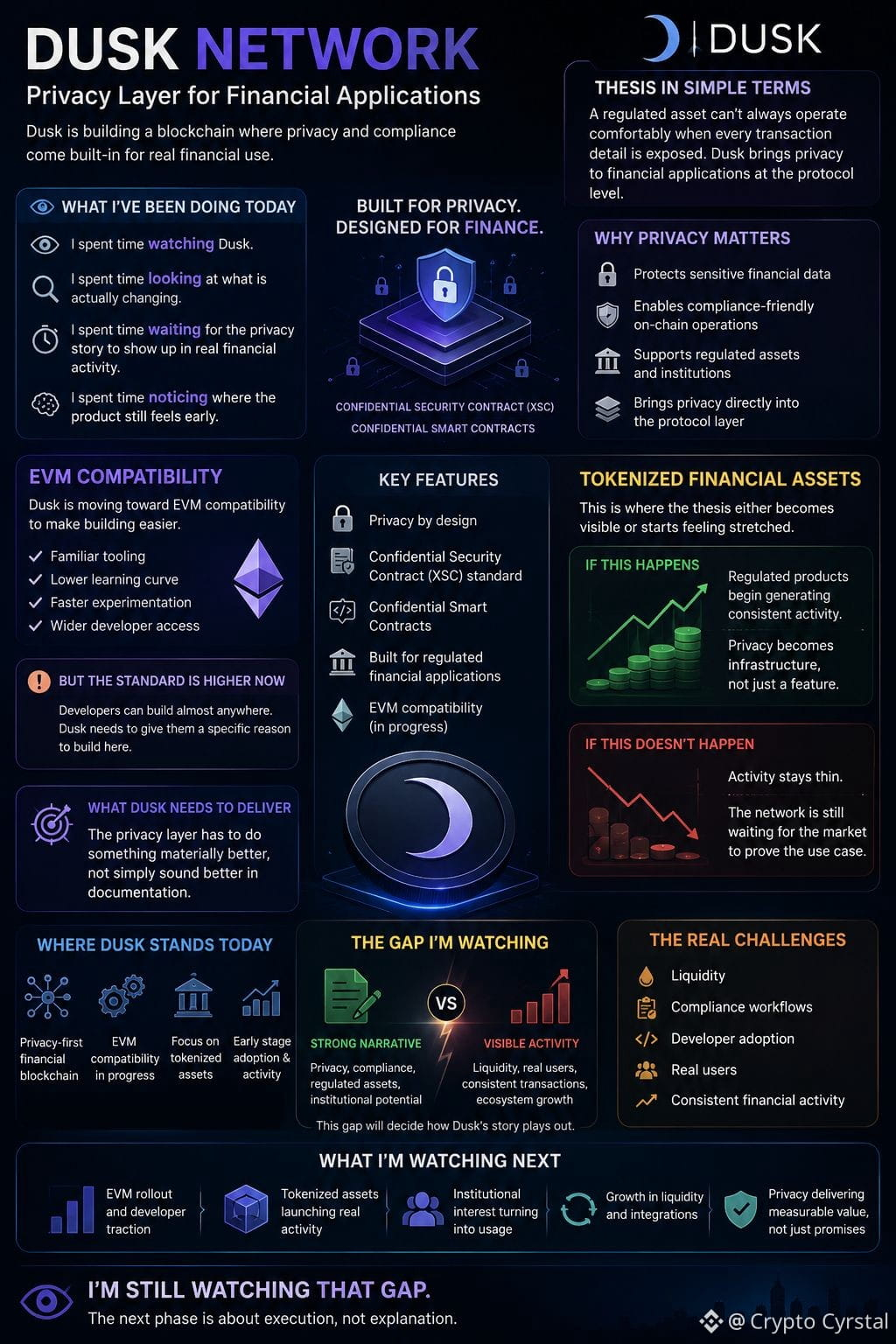
Ich habe heute eine Weile damit verbracht, Dusk zu beobachten. Ich habe Zeit damit verbracht, darauf zu schauen, was sich tatsächlich verändert. Ich habe Zeit damit verbracht, darauf zu warten, dass die Privacy-Story in echter finanzieller Aktivität auftaucht. Ich habe Zeit damit verbracht, festzustellen, wo das Produkt sich noch nach „früh“ anfühlt.
Dusk baut Datenschutz für Finanzanwendungen auf – mit dem Confidential Security Contract-Standard und vertraulichen Smart Contracts im Zentrum des Designs. Ich verstehe, warum das wichtig ist. Ein regulierter Vermögenswert kann sich nicht immer bequem betreiben lassen, wenn jedes Transaktionsdetail offengelegt wird. Aber Privatsphäre allein beseitigt nicht die schwierigeren Probleme rund um Liquidität, Compliance-Workflows, Entwicklerakzeptanz und tatsächliche Nutzer.
Was meine Aufmerksamkeit besonders fesselt, ist die Entwicklung hin zur EVM-Kompatibilität. Vertraute Tools können Experimente erleichtern, aber sie erhöhen auch die Messlatte. Wenn Entwickler fast überall bauen können, muss Dusk ihnen einen konkreten Grund geben, hier zu bauen. Die Privacy-Schicht muss sich materiell besser anfühlen, nicht nur besser klingen – auch nicht bloß in der Dokumentation.
Ich komme immer wieder auf tokenisierte Finanzassets zurück. Hier wird die These entweder sichtbar oder beginnt sich gedehnt anzufühlen. Wenn regulierte Produkte damit beginnen, konsistente Aktivität zu erzeugen, wird Privatsphäre zur Infrastruktur statt zu einer Funktion. Wenn die Aktivität dünn bleibt, wartet das Netzwerk weiterhin darauf, dass der Markt den Use Case tatsächlich beweist.
Ich beobachte diese Lücke weiterhin.
@Dusk_Foundation #dusk $DUSK
{future}(DUSKUSDT)
Ich habe heute eine Weile damit verbracht, Dusk zu beobachten. Ich habe Zeit damit verbracht, darauf zu schauen, was sich tatsächlich verändert. Ich habe Zeit damit verbracht, darauf zu warten, dass die Privacy-Story in echter finanzieller Aktivität auftaucht. Ich habe Zeit damit verbracht, festzustellen, wo das Produkt sich noch nach „früh“ anfühlt.
Dusk baut Datenschutz für Finanzanwendungen auf – mit dem Confidential Security Contract-Standard und vertraulichen Smart Contracts im Zentrum des Designs. Ich verstehe, warum das wichtig ist. Ein regulierter Vermögenswert kann sich nicht immer bequem betreiben lassen, wenn jedes Transaktionsdetail offengelegt wird. Aber Privatsphäre allein beseitigt nicht die schwierigeren Probleme rund um Liquidität, Compliance-Workflows, Entwicklerakzeptanz und tatsächliche Nutzer.
Was meine Aufmerksamkeit besonders fesselt, ist die Entwicklung hin zur EVM-Kompatibilität. Vertraute Tools können Experimente erleichtern, aber sie erhöhen auch die Messlatte. Wenn Entwickler fast überall bauen können, muss Dusk ihnen einen konkreten Grund geben, hier zu bauen. Die Privacy-Schicht muss sich materiell besser anfühlen, nicht nur besser klingen – auch nicht bloß in der Dokumentation.
Ich komme immer wieder auf tokenisierte Finanzassets zurück. Hier wird die These entweder sichtbar oder beginnt sich gedehnt anzufühlen. Wenn regulierte Produkte damit beginnen, konsistente Aktivität zu erzeugen, wird Privatsphäre zur Infrastruktur statt zu einer Funktion. Wenn die Aktivität dünn bleibt, wartet das Netzwerk weiterhin darauf, dass der Markt den Use Case tatsächlich beweist.
Ich beobachte diese Lücke weiterhin.
@Dusk #dusk $DUSK
Dusk baut Datenschutz für Finanzanwendungen auf – mit dem Confidential Security Contract-Standard und vertraulichen Smart Contracts im Zentrum des Designs. Ich verstehe, warum das wichtig ist. Ein regulierter Vermögenswert kann sich nicht immer bequem betreiben lassen, wenn jedes Transaktionsdetail offengelegt wird. Aber Privatsphäre allein beseitigt nicht die schwierigeren Probleme rund um Liquidität, Compliance-Workflows, Entwicklerakzeptanz und tatsächliche Nutzer.
Was meine Aufmerksamkeit besonders fesselt, ist die Entwicklung hin zur EVM-Kompatibilität. Vertraute Tools können Experimente erleichtern, aber sie erhöhen auch die Messlatte. Wenn Entwickler fast überall bauen können, muss Dusk ihnen einen konkreten Grund geben, hier zu bauen. Die Privacy-Schicht muss sich materiell besser anfühlen, nicht nur besser klingen – auch nicht bloß in der Dokumentation.
Ich komme immer wieder auf tokenisierte Finanzassets zurück. Hier wird die These entweder sichtbar oder beginnt sich gedehnt anzufühlen. Wenn regulierte Produkte damit beginnen, konsistente Aktivität zu erzeugen, wird Privatsphäre zur Infrastruktur statt zu einer Funktion. Wenn die Aktivität dünn bleibt, wartet das Netzwerk weiterhin darauf, dass der Markt den Use Case tatsächlich beweist.
Ich beobachte diese Lücke weiterhin.
@Dusk #dusk $DUSK
9
11
4k
·
--
Bullisch
Verifiziert
Ich schaue mir Dusk genau an. Ich warte darauf zu sehen, ob die Privacy-Story sich in tatsächliche finanzielle Aktivitäten verwandelt. Ich schaue mir das Produkt an, nicht nur die Erzählung. Mir ist aufgefallen, wie stark sich der Pitch von dem unterscheidet, was sichtbar on-chain passiert.
Dusk versucht, Privacy und Compliance selbst zu einem Bestandteil der Blockchain zu machen – mit seinem Confidential Security Contract-Standard und vertraulichen Smart Contracts. Das klingt nützlich, aber der spannende Punkt für mich ist, wo das tatsächlich weniger Reibung für Finanzanwendungen schafft, statt noch eine zusätzliche technische Schicht hinzuzufügen.
Die neue EVM-Ausrichtung macht diese Frage schwerer zu ignorieren. Entwickler bekommen vertrautes Tooling, während Dusk dennoch beweisen muss, dass seine Privacy- und Compliance-Funktionen etwas sind, das Teams wirklich nutzen – und nicht nur bewundern. Diese Unterscheidung ist entscheidend. Eine Chain kann eine starke Architektur haben und trotzdem Schwierigkeiten haben, relevante Aktivitäten anzuziehen.
Ich beobachte außerdem den institutionellen Aspekt. Tokenisierte Assets und regulierte Märkte brauchen Vertraulichkeit, aber sie brauchen auch Liquidität, vorhersehbare Ausführung und Nutzer, die dort bereit sind, zu operieren. Wenn diese Bausteine nicht gemeinsam ankommen, kann die Infrastruktur beeindruckend wirken, aber leise bleiben.
Zurzeit versuche ich immer noch herauszufinden, ob Dusk zu einem echten Finanznetzwerk wird oder ob es nur die Schienen baut, bevor die Nachfrage eintrifft.
@Dusk_Foundation #dusk $DUSK
{future}(DUSKUSDT)
Ich schaue mir Dusk genau an. Ich warte darauf zu sehen, ob die Privacy-Story sich in tatsächliche finanzielle Aktivitäten verwandelt. Ich schaue mir das Produkt an, nicht nur die Erzählung. Mir ist aufgefallen, wie stark sich der Pitch von dem unterscheidet, was sichtbar on-chain passiert.
Dusk versucht, Privacy und Compliance selbst zu einem Bestandteil der Blockchain zu machen – mit seinem Confidential Security Contract-Standard und vertraulichen Smart Contracts. Das klingt nützlich, aber der spannende Punkt für mich ist, wo das tatsächlich weniger Reibung für Finanzanwendungen schafft, statt noch eine zusätzliche technische Schicht hinzuzufügen.
Die neue EVM-Ausrichtung macht diese Frage schwerer zu ignorieren. Entwickler bekommen vertrautes Tooling, während Dusk dennoch beweisen muss, dass seine Privacy- und Compliance-Funktionen etwas sind, das Teams wirklich nutzen – und nicht nur bewundern. Diese Unterscheidung ist entscheidend. Eine Chain kann eine starke Architektur haben und trotzdem Schwierigkeiten haben, relevante Aktivitäten anzuziehen.
Ich beobachte außerdem den institutionellen Aspekt. Tokenisierte Assets und regulierte Märkte brauchen Vertraulichkeit, aber sie brauchen auch Liquidität, vorhersehbare Ausführung und Nutzer, die dort bereit sind, zu operieren. Wenn diese Bausteine nicht gemeinsam ankommen, kann die Infrastruktur beeindruckend wirken, aber leise bleiben.
Zurzeit versuche ich immer noch herauszufinden, ob Dusk zu einem echten Finanznetzwerk wird oder ob es nur die Schienen baut, bevor die Nachfrage eintrifft.
@Dusk #dusk $DUSK
Dusk versucht, Privacy und Compliance selbst zu einem Bestandteil der Blockchain zu machen – mit seinem Confidential Security Contract-Standard und vertraulichen Smart Contracts. Das klingt nützlich, aber der spannende Punkt für mich ist, wo das tatsächlich weniger Reibung für Finanzanwendungen schafft, statt noch eine zusätzliche technische Schicht hinzuzufügen.
Die neue EVM-Ausrichtung macht diese Frage schwerer zu ignorieren. Entwickler bekommen vertrautes Tooling, während Dusk dennoch beweisen muss, dass seine Privacy- und Compliance-Funktionen etwas sind, das Teams wirklich nutzen – und nicht nur bewundern. Diese Unterscheidung ist entscheidend. Eine Chain kann eine starke Architektur haben und trotzdem Schwierigkeiten haben, relevante Aktivitäten anzuziehen.
Ich beobachte außerdem den institutionellen Aspekt. Tokenisierte Assets und regulierte Märkte brauchen Vertraulichkeit, aber sie brauchen auch Liquidität, vorhersehbare Ausführung und Nutzer, die dort bereit sind, zu operieren. Wenn diese Bausteine nicht gemeinsam ankommen, kann die Infrastruktur beeindruckend wirken, aber leise bleiben.
Zurzeit versuche ich immer noch herauszufinden, ob Dusk zu einem echten Finanznetzwerk wird oder ob es nur die Schienen baut, bevor die Nachfrage eintrifft.
@Dusk #dusk $DUSK
2
1
6
2.1k
·
--
Bullisch
Verifiziert
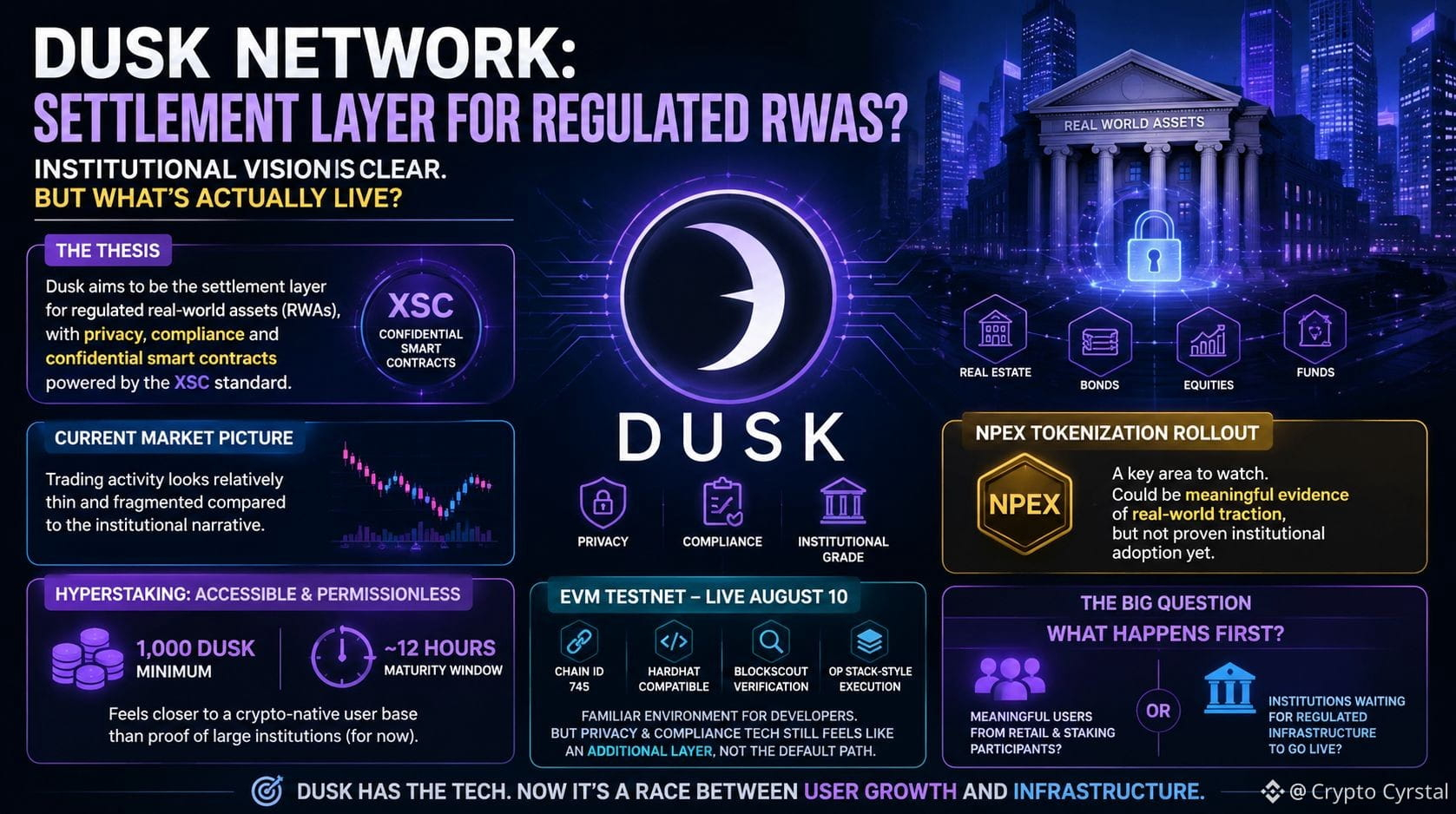
Ich habe Dusk beobachtet und mehr Zeit damit verbracht, mir anzusehen, was tatsächlich live ist, als auf den institutionellen Pitch zu achten. DUSK möchte eine Settlement-Layer für regulierte RWAs sein – mit Datenschutz, Compliance und vertraulichen Smart Contracts, die auf seinem XSC-Standard aufbauen. Die These ergibt Sinn, aber das aktuelle Marktbild wirkt immer noch deutlich kleiner: Die Handelsaktivität erscheint im Vergleich zur institutionellen Erzählung relativ dünn und fragmentiert.
Auch Hyperstaking hat meine Aufmerksamkeit erregt. Ein Minimum von 1.000 DUSK mit einer Reifezeit von ungefähr 12 Stunden macht die Teilnahme relativ zugänglich und permissionless. Das fühlt sich derzeit eher nach einer crypto-nativen Nutzerbasis an als nach einem Hinweis darauf, dass große Institutionen bereits ankommen.
Dann gibt es noch das EVM-Testnet, das am 10. August gestartet wurde. Chain ID 745, Hardhat-Kompatibilität, Blockscout-Verifizierung und Ausführung im Stil von OP Stack bieten Entwicklern eine vertraute Umgebung, was Experimente leichter machen könnte. Aber hier steckt ein spannendes Spannungsverhältnis: Auf der EVM-Seite wirkt alles vertraut, während die tiefere Privacy- und Compliance-Technologie von Dusk weiterhin eher wie eine zusätzliche Schicht aussieht als wie der Standardpfad für die Entwicklung.
Ich beobachte außerdem das NPEX-Tokenisierungs-Rollout sehr genau. Es könnte ein bedeutender Nachweis für echte Traktion im realen Umfeld werden, aber ich würde es noch nicht als bewiesene institutionelle Übernahme behandeln.
Also was passiert zuerst: Entstehen bei Dusk die bedeutenden Nutzer zuerst aus dem bestehenden Retail- und Staking-Umfeld oder aus Institutionen, die noch darauf warten, dass regulierte Infrastruktur tatsächlich live geht?
@Dusk_Foundation #dusk $DUSK
{future}(DUSKUSDT)
Ich habe Dusk beobachtet und mehr Zeit damit verbracht, mir anzusehen, was tatsächlich live ist, als auf den institutionellen Pitch zu achten. DUSK möchte eine Settlement-Layer für regulierte RWAs sein – mit Datenschutz, Compliance und vertraulichen Smart Contracts, die auf seinem XSC-Standard aufbauen. Die These ergibt Sinn, aber das aktuelle Marktbild wirkt immer noch deutlich kleiner: Die Handelsaktivität erscheint im Vergleich zur institutionellen Erzählung relativ dünn und fragmentiert.
Auch Hyperstaking hat meine Aufmerksamkeit erregt. Ein Minimum von 1.000 DUSK mit einer Reifezeit von ungefähr 12 Stunden macht die Teilnahme relativ zugänglich und permissionless. Das fühlt sich derzeit eher nach einer crypto-nativen Nutzerbasis an als nach einem Hinweis darauf, dass große Institutionen bereits ankommen.
Dann gibt es noch das EVM-Testnet, das am 10. August gestartet wurde. Chain ID 745, Hardhat-Kompatibilität, Blockscout-Verifizierung und Ausführung im Stil von OP Stack bieten Entwicklern eine vertraute Umgebung, was Experimente leichter machen könnte. Aber hier steckt ein spannendes Spannungsverhältnis: Auf der EVM-Seite wirkt alles vertraut, während die tiefere Privacy- und Compliance-Technologie von Dusk weiterhin eher wie eine zusätzliche Schicht aussieht als wie der Standardpfad für die Entwicklung.
Ich beobachte außerdem das NPEX-Tokenisierungs-Rollout sehr genau. Es könnte ein bedeutender Nachweis für echte Traktion im realen Umfeld werden, aber ich würde es noch nicht als bewiesene institutionelle Übernahme behandeln.
Also was passiert zuerst: Entstehen bei Dusk die bedeutenden Nutzer zuerst aus dem bestehenden Retail- und Staking-Umfeld oder aus Institutionen, die noch darauf warten, dass regulierte Infrastruktur tatsächlich live geht?
@Dusk #dusk $DUSK
Auch Hyperstaking hat meine Aufmerksamkeit erregt. Ein Minimum von 1.000 DUSK mit einer Reifezeit von ungefähr 12 Stunden macht die Teilnahme relativ zugänglich und permissionless. Das fühlt sich derzeit eher nach einer crypto-nativen Nutzerbasis an als nach einem Hinweis darauf, dass große Institutionen bereits ankommen.
Dann gibt es noch das EVM-Testnet, das am 10. August gestartet wurde. Chain ID 745, Hardhat-Kompatibilität, Blockscout-Verifizierung und Ausführung im Stil von OP Stack bieten Entwicklern eine vertraute Umgebung, was Experimente leichter machen könnte. Aber hier steckt ein spannendes Spannungsverhältnis: Auf der EVM-Seite wirkt alles vertraut, während die tiefere Privacy- und Compliance-Technologie von Dusk weiterhin eher wie eine zusätzliche Schicht aussieht als wie der Standardpfad für die Entwicklung.
Ich beobachte außerdem das NPEX-Tokenisierungs-Rollout sehr genau. Es könnte ein bedeutender Nachweis für echte Traktion im realen Umfeld werden, aber ich würde es noch nicht als bewiesene institutionelle Übernahme behandeln.
Also was passiert zuerst: Entstehen bei Dusk die bedeutenden Nutzer zuerst aus dem bestehenden Retail- und Staking-Umfeld oder aus Institutionen, die noch darauf warten, dass regulierte Infrastruktur tatsächlich live geht?
@Dusk #dusk $DUSK
22
13
2.7k
·
--
Bullisch
Verifiziert
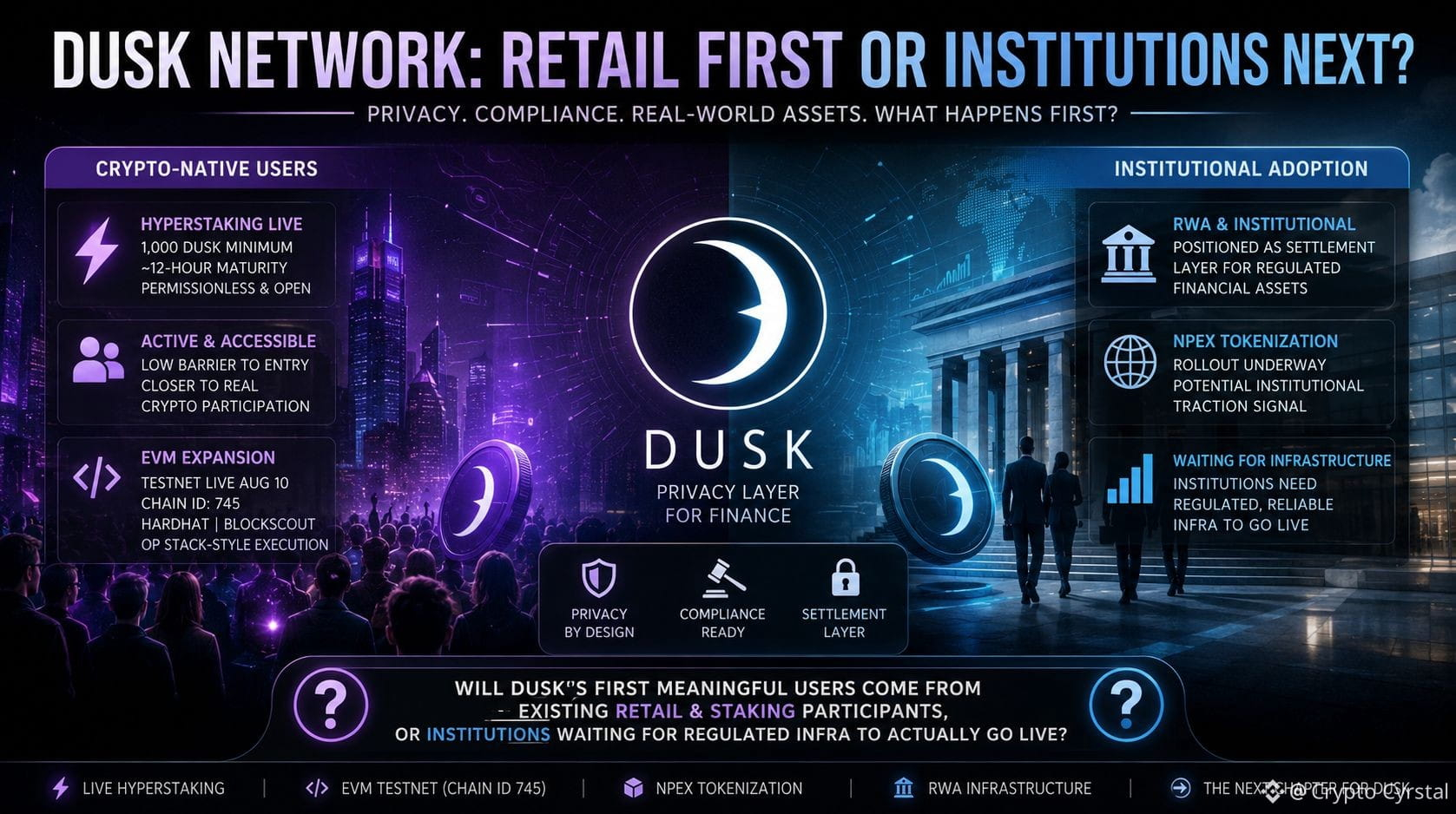
Ich beobachte Dusk inzwischen genauer, und der interessante Teil für mich ist die Lücke zwischen der institutionellen RWA-Story und dem, was heute sichtbar live zu sein scheint. $DUSK ist als Settlement Layer für regulierte Finanzanlagen positioniert, mit Privatsphäre und Compliance, die in die Architektur eingebaut sind, aber die aktuelle Handelsaktivität wirkt im Vergleich zu diesem Anspruch weiterhin relativ dünn und fragmentiert.
Hyperstaking ist ein anderes Signal. Ein Mindestbetrag von 1.000 DUSK und ein Reifezeitfenster von etwa 12 Stunden machen die Teilnahme ziemlich zugänglich und permissionless, was sich eher nach einer aktiven Crypto-Native-User-Community anfühlt als nach traditionellen Institutionen.
Dann gibt es die EVM-Erweiterung. Dusks neue EVM-Testnet ging am 10. August live, mit Chain-ID 745, Hardhat-Kompatibilität, Blockscout-Verifizierung und Ausführung im OP-Stack-Stil. Diese vertraute Entwicklererfahrung könnte die Hürde für Experimente senken, aber aktuell wirkt die tiefere Privatsphäre- und Compliance-Technologie immer noch eher wie eine zusätzliche Schicht als wie der standardmäßige Entwicklerpfad.
Ich beobachte außerdem die Tokenisierung-Rollout von NPEX genau. Das könnte zu einem aussagekräftigen Beleg für institutionelle Traktion werden, aber ich denke nicht, dass es diesen Nachweis bisher erbringt.
Daher bin ich neugierig: Werden Dusks erste bedeutende Nutzer aus dem bestehenden Retail- und Staking-Umfeld kommen – oder aus Institutionen, die darauf warten, dass die regulierte Infrastruktur tatsächlich live geht?
@Dusk_Foundation #dusk $DUSK
{spot}(DUSKUSDT)
Ich beobachte Dusk inzwischen genauer, und der interessante Teil für mich ist die Lücke zwischen der institutionellen RWA-Story und dem, was heute sichtbar live zu sein scheint. $DUSK ist als Settlement Layer für regulierte Finanzanlagen positioniert, mit Privatsphäre und Compliance, die in die Architektur eingebaut sind, aber die aktuelle Handelsaktivität wirkt im Vergleich zu diesem Anspruch weiterhin relativ dünn und fragmentiert.
Hyperstaking ist ein anderes Signal. Ein Mindestbetrag von 1.000 DUSK und ein Reifezeitfenster von etwa 12 Stunden machen die Teilnahme ziemlich zugänglich und permissionless, was sich eher nach einer aktiven Crypto-Native-User-Community anfühlt als nach traditionellen Institutionen.
Dann gibt es die EVM-Erweiterung. Dusks neue EVM-Testnet ging am 10. August live, mit Chain-ID 745, Hardhat-Kompatibilität, Blockscout-Verifizierung und Ausführung im OP-Stack-Stil. Diese vertraute Entwicklererfahrung könnte die Hürde für Experimente senken, aber aktuell wirkt die tiefere Privatsphäre- und Compliance-Technologie immer noch eher wie eine zusätzliche Schicht als wie der standardmäßige Entwicklerpfad.
Ich beobachte außerdem die Tokenisierung-Rollout von NPEX genau. Das könnte zu einem aussagekräftigen Beleg für institutionelle Traktion werden, aber ich denke nicht, dass es diesen Nachweis bisher erbringt.
Daher bin ich neugierig: Werden Dusks erste bedeutende Nutzer aus dem bestehenden Retail- und Staking-Umfeld kommen – oder aus Institutionen, die darauf warten, dass die regulierte Infrastruktur tatsächlich live geht?
@Dusk #dusk $DUSK
Hyperstaking ist ein anderes Signal. Ein Mindestbetrag von 1.000 DUSK und ein Reifezeitfenster von etwa 12 Stunden machen die Teilnahme ziemlich zugänglich und permissionless, was sich eher nach einer aktiven Crypto-Native-User-Community anfühlt als nach traditionellen Institutionen.
Dann gibt es die EVM-Erweiterung. Dusks neue EVM-Testnet ging am 10. August live, mit Chain-ID 745, Hardhat-Kompatibilität, Blockscout-Verifizierung und Ausführung im OP-Stack-Stil. Diese vertraute Entwicklererfahrung könnte die Hürde für Experimente senken, aber aktuell wirkt die tiefere Privatsphäre- und Compliance-Technologie immer noch eher wie eine zusätzliche Schicht als wie der standardmäßige Entwicklerpfad.
Ich beobachte außerdem die Tokenisierung-Rollout von NPEX genau. Das könnte zu einem aussagekräftigen Beleg für institutionelle Traktion werden, aber ich denke nicht, dass es diesen Nachweis bisher erbringt.
Daher bin ich neugierig: Werden Dusks erste bedeutende Nutzer aus dem bestehenden Retail- und Staking-Umfeld kommen – oder aus Institutionen, die darauf warten, dass die regulierte Infrastruktur tatsächlich live geht?
@Dusk #dusk $DUSK
1
3
1.7k
·
--
Bärisch
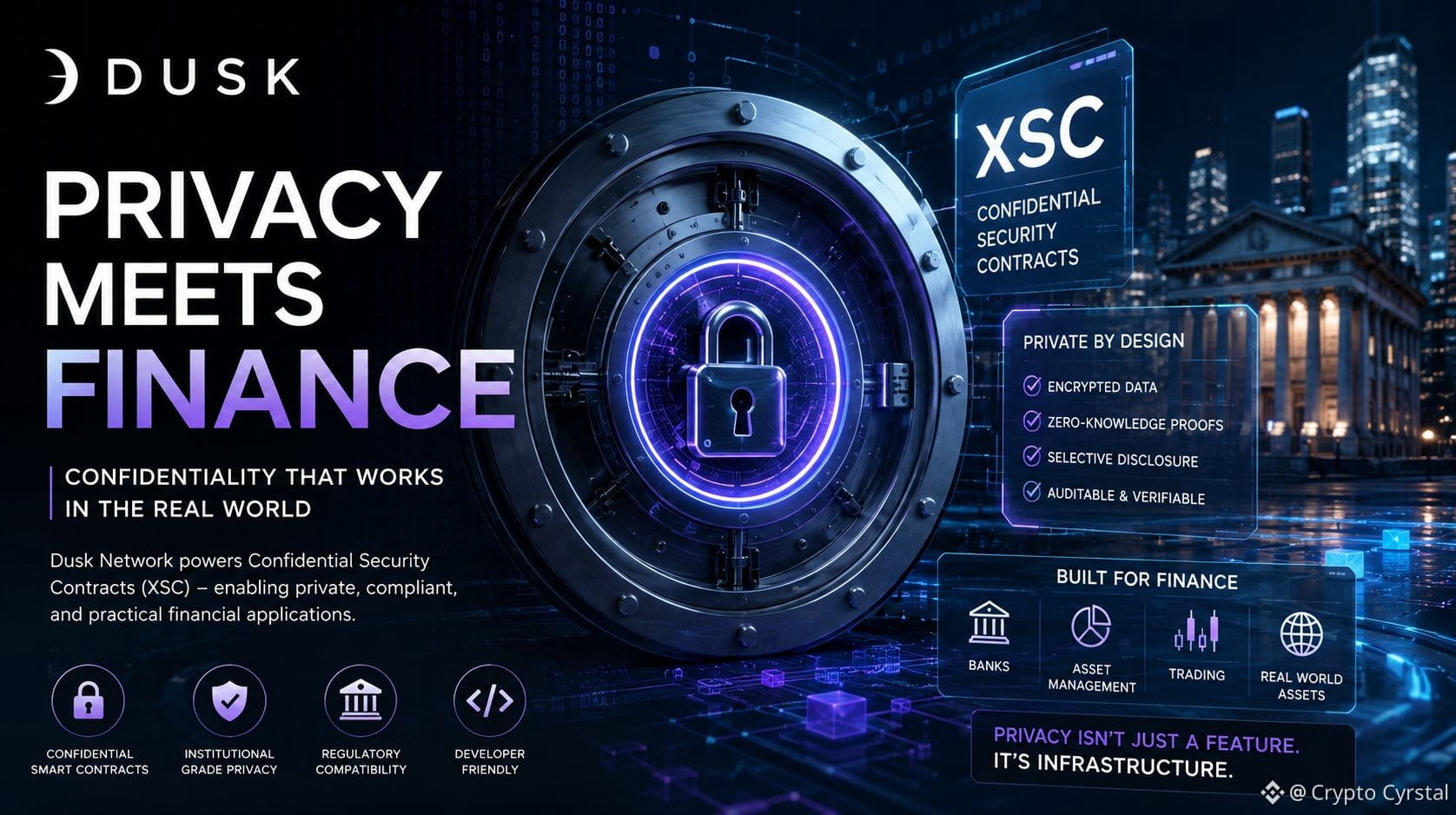
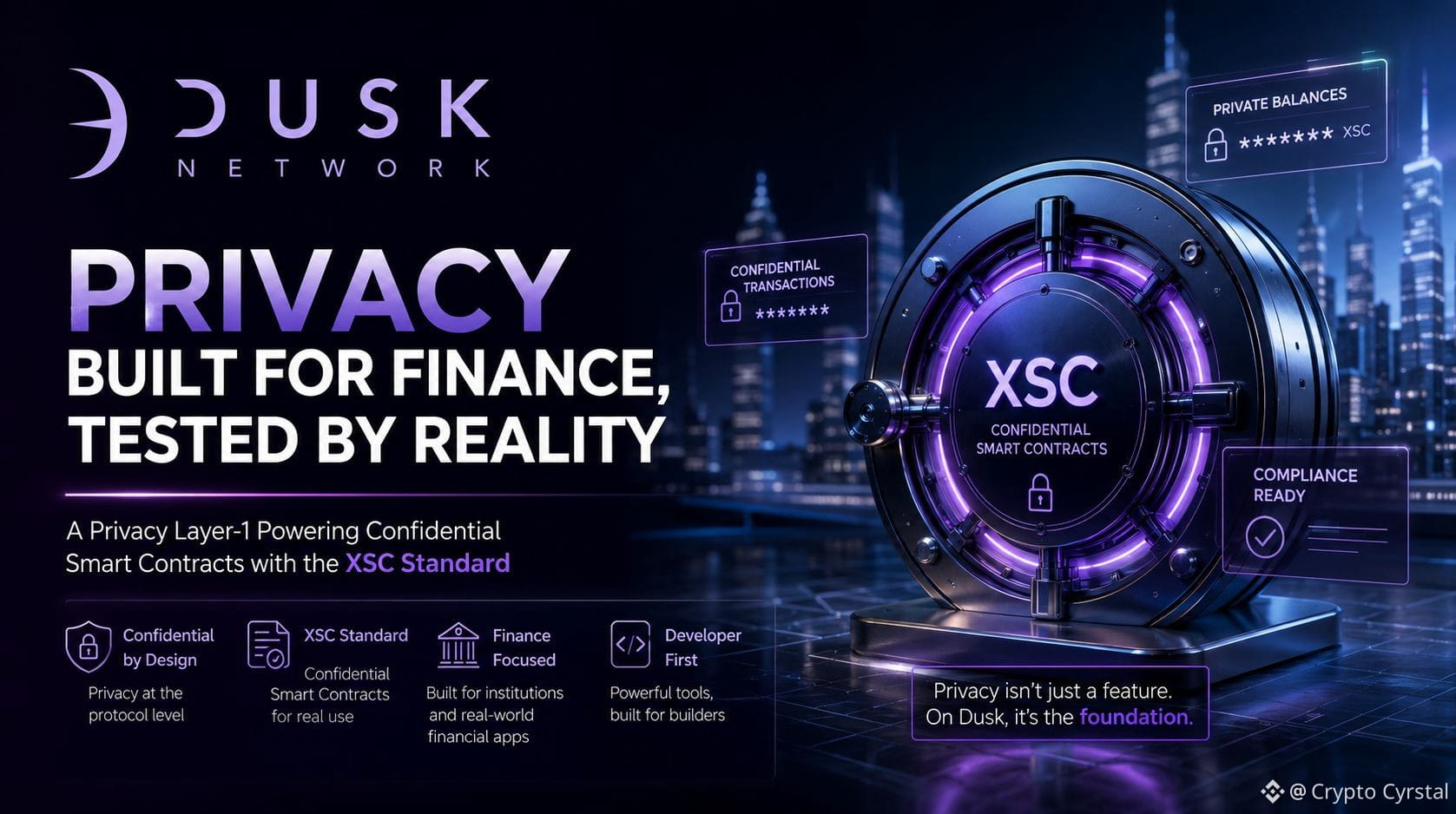
Ich schaue mir Dusk an und warte darauf zu sehen, wie sich die Datenschutz-Erzählung in echte finanzielle Nutzung übersetzt. Ich schaue mir den XSC-Standard an, und mir fällt auf, wie stark sich das Problem verändert, wenn Vertraulichkeit auf Smart Contracts trifft.
Was mich immer wieder zu Dusk zurückzieht, ist die Lücke zwischen dem Sagen „private Blockchain“ und der tatsächlichen Umsetzung, finanziellen Aktivitäten so vertraulich zu machen, dass sie auch wirklich nützlich sind. Eine Bank oder Institution möchte vermutlich nicht, dass jede Transaktion, jede Position oder jeder Vertragsdetail offen auf einer öffentlichen Kette liegt, aber sie kann auch nicht einfach alles verstecken und erwarten, dass Regulierer, Gegenparteien oder Prüfer dem System vertrauen. Der Use-Case für den Finanzbereich klingt logisch, aber die Übernahme hängt davon ab, ob Entwickler diese Tools tatsächlich nutzen können, ohne gegen die Infrastruktur kämpfen zu müssen. Ich beobachte diesen Teil immer noch genau, weil Privatsphäre wertvoll ist, aber nützliche Privatsphäre muss den Kontakt mit echten Märkten überstehen.
@Dusk_Foundation #dusk $DUSK
{future}(DUSKUSDT)
Ich schaue mir Dusk an und warte darauf zu sehen, wie sich die Datenschutz-Erzählung in echte finanzielle Nutzung übersetzt. Ich schaue mir den XSC-Standard an, und mir fällt auf, wie stark sich das Problem verändert, wenn Vertraulichkeit auf Smart Contracts trifft.
Was mich immer wieder zu Dusk zurückzieht, ist die Lücke zwischen dem Sagen „private Blockchain“ und der tatsächlichen Umsetzung, finanziellen Aktivitäten so vertraulich zu machen, dass sie auch wirklich nützlich sind. Eine Bank oder Institution möchte vermutlich nicht, dass jede Transaktion, jede Position oder jeder Vertragsdetail offen auf einer öffentlichen Kette liegt, aber sie kann auch nicht einfach alles verstecken und erwarten, dass Regulierer, Gegenparteien oder Prüfer dem System vertrauen. Der Use-Case für den Finanzbereich klingt logisch, aber die Übernahme hängt davon ab, ob Entwickler diese Tools tatsächlich nutzen können, ohne gegen die Infrastruktur kämpfen zu müssen. Ich beobachte diesen Teil immer noch genau, weil Privatsphäre wertvoll ist, aber nützliche Privatsphäre muss den Kontakt mit echten Märkten überstehen.
@Dusk #dusk $DUSK
Was mich immer wieder zu Dusk zurückzieht, ist die Lücke zwischen dem Sagen „private Blockchain“ und der tatsächlichen Umsetzung, finanziellen Aktivitäten so vertraulich zu machen, dass sie auch wirklich nützlich sind. Eine Bank oder Institution möchte vermutlich nicht, dass jede Transaktion, jede Position oder jeder Vertragsdetail offen auf einer öffentlichen Kette liegt, aber sie kann auch nicht einfach alles verstecken und erwarten, dass Regulierer, Gegenparteien oder Prüfer dem System vertrauen. Der Use-Case für den Finanzbereich klingt logisch, aber die Übernahme hängt davon ab, ob Entwickler diese Tools tatsächlich nutzen können, ohne gegen die Infrastruktur kämpfen zu müssen. Ich beobachte diesen Teil immer noch genau, weil Privatsphäre wertvoll ist, aber nützliche Privatsphäre muss den Kontakt mit echten Märkten überstehen.
@Dusk #dusk $DUSK
1
1.1k
·
--
Bärisch
Ich schaue Dusk zu. Ich warte darauf, zu sehen, wie sich die Datenschutz-Erzählung verhält, wenn echte finanzielle Aktivitäten auf sie treffen. Ich schaue mir den XSC-Standard an. Mir ist aufgefallen, wie groß die Lücke zwischen dem ist, was nützlich klingt, und dem, was tatsächlich genutzt wird. Ich konzentriere mich auf diese Reibung.
Dusk Network wirkt interessant, weil es nicht versucht, Datenschutz als bloß ein weiteres Feature zu verkaufen. Die gesamte Layer-1 ist um Finanzanwendungen herum gebaut, bei denen Transaktionsdetails nicht immer öffentlich offengelegt werden können. Das ergibt auf dem Papier Sinn – insbesondere für Institutionen, die mit sensiblen Positionen, Bilanzen oder Compliance-Daten zu tun haben.
Aber ich beobachte weiterhin die praktische Seite. Vertrauliche Smart Contracts klingen mächtig, bis Entwickler darum herum bauen müssen, Nutzer verstehen müssen, was verborgen ist, und Anwendungen noch genug Transparenz brauchen, um richtig zu funktionieren. Dieses Gleichgewicht wirkt schwierig.
Der XSC-Standard ist wahrscheinlich der Punkt, an dem die Idee auf die Probe gestellt wird. Wenn er es schafft, dass finanzielle Verträge vertraulich bleiben, ohne sie unerträglich kompliziert zu machen, hat Dusk etwas, das es wert ist, beobachtet zu werden. Wenn Entwickler jedoch zu viel Reibung erleben, könnte der Datenschutz-Vorteil nicht entscheidend sein.
Ich beobachte auch Liquidität und Adoption, weil Technologie allein keinen Markt schafft. Eine Datenschutz-Chain kann technisch elegant sein und dennoch Schwierigkeiten haben, wenn Nutzer, Builder und Kapital nicht zur gleichen Zeit ankommen. An diesem Teil bin ich noch nicht ganz überzeugt.
@Dusk_Foundation #dusk $DUSK
{future}(DUSKUSDT)
Ich schaue Dusk zu. Ich warte darauf, zu sehen, wie sich die Datenschutz-Erzählung verhält, wenn echte finanzielle Aktivitäten auf sie treffen. Ich schaue mir den XSC-Standard an. Mir ist aufgefallen, wie groß die Lücke zwischen dem ist, was nützlich klingt, und dem, was tatsächlich genutzt wird. Ich konzentriere mich auf diese Reibung.
Dusk Network wirkt interessant, weil es nicht versucht, Datenschutz als bloß ein weiteres Feature zu verkaufen. Die gesamte Layer-1 ist um Finanzanwendungen herum gebaut, bei denen Transaktionsdetails nicht immer öffentlich offengelegt werden können. Das ergibt auf dem Papier Sinn – insbesondere für Institutionen, die mit sensiblen Positionen, Bilanzen oder Compliance-Daten zu tun haben.
Aber ich beobachte weiterhin die praktische Seite. Vertrauliche Smart Contracts klingen mächtig, bis Entwickler darum herum bauen müssen, Nutzer verstehen müssen, was verborgen ist, und Anwendungen noch genug Transparenz brauchen, um richtig zu funktionieren. Dieses Gleichgewicht wirkt schwierig.
Der XSC-Standard ist wahrscheinlich der Punkt, an dem die Idee auf die Probe gestellt wird. Wenn er es schafft, dass finanzielle Verträge vertraulich bleiben, ohne sie unerträglich kompliziert zu machen, hat Dusk etwas, das es wert ist, beobachtet zu werden. Wenn Entwickler jedoch zu viel Reibung erleben, könnte der Datenschutz-Vorteil nicht entscheidend sein.
Ich beobachte auch Liquidität und Adoption, weil Technologie allein keinen Markt schafft. Eine Datenschutz-Chain kann technisch elegant sein und dennoch Schwierigkeiten haben, wenn Nutzer, Builder und Kapital nicht zur gleichen Zeit ankommen. An diesem Teil bin ich noch nicht ganz überzeugt.
@Dusk #dusk $DUSK
Dusk Network wirkt interessant, weil es nicht versucht, Datenschutz als bloß ein weiteres Feature zu verkaufen. Die gesamte Layer-1 ist um Finanzanwendungen herum gebaut, bei denen Transaktionsdetails nicht immer öffentlich offengelegt werden können. Das ergibt auf dem Papier Sinn – insbesondere für Institutionen, die mit sensiblen Positionen, Bilanzen oder Compliance-Daten zu tun haben.
Aber ich beobachte weiterhin die praktische Seite. Vertrauliche Smart Contracts klingen mächtig, bis Entwickler darum herum bauen müssen, Nutzer verstehen müssen, was verborgen ist, und Anwendungen noch genug Transparenz brauchen, um richtig zu funktionieren. Dieses Gleichgewicht wirkt schwierig.
Der XSC-Standard ist wahrscheinlich der Punkt, an dem die Idee auf die Probe gestellt wird. Wenn er es schafft, dass finanzielle Verträge vertraulich bleiben, ohne sie unerträglich kompliziert zu machen, hat Dusk etwas, das es wert ist, beobachtet zu werden. Wenn Entwickler jedoch zu viel Reibung erleben, könnte der Datenschutz-Vorteil nicht entscheidend sein.
Ich beobachte auch Liquidität und Adoption, weil Technologie allein keinen Markt schafft. Eine Datenschutz-Chain kann technisch elegant sein und dennoch Schwierigkeiten haben, wenn Nutzer, Builder und Kapital nicht zur gleichen Zeit ankommen. An diesem Teil bin ich noch nicht ganz überzeugt.
@Dusk #dusk $DUSK
2
3
568
·
--
Bullisch
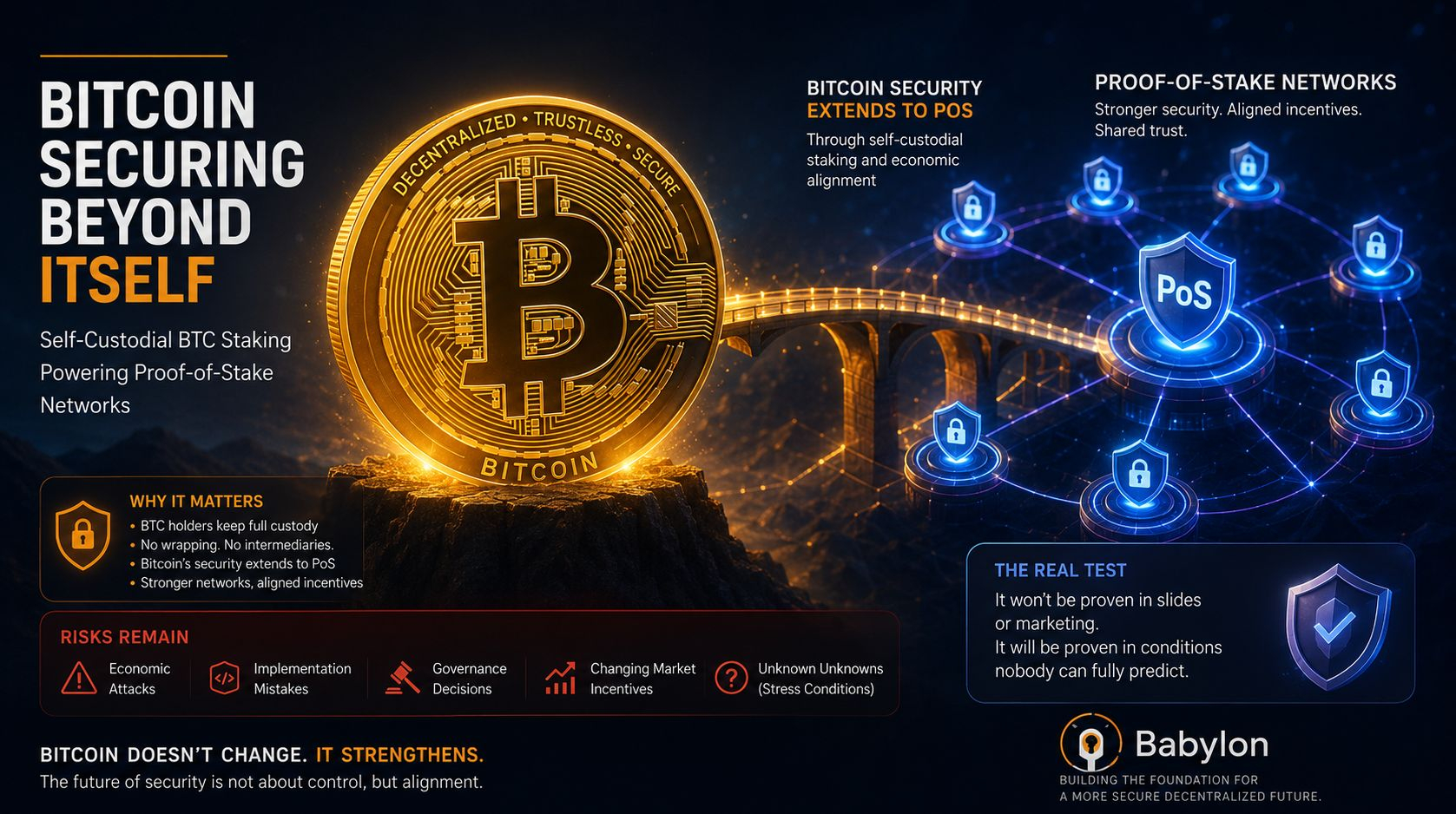
Ich habe die letzten Tage dabei zugesehen, wie Bitcoin immer wieder neue Aufgaben findet – jenseits davon, nur in kalter Lagerung stillzustehen. Ich habe mir die Gespräche rund um Babylon angesehen, ohne mich von der Begeisterung mitreißen zu lassen. Ich habe festgestellt, dass die interessantesten Ideen meistens genauso viele Fragen erzeugen, wie sie beantworten. Ich achte weniger auf den Preis und mehr darauf, ob das Design auch dann noch sinnvoll ist, wenn sich darauf echte Kapitalflüsse stützen.
Das, was mich immer wieder zurückholt, ist die Idee, Bitcoin dabei helfen zu lassen, Proof-of-Stake-Netzwerke zu stärken, ohne dass BTC-Inhaber die Verwahrung abgeben müssen. Das klingt einfach, bis ich darüber nachdenke, wie schwierig die Sicherheit wird, sobald Anreize aufeinandertreffen. Der Markt liebt elegante Diagramme, aber lebende Systeme verhalten sich selten wie Diagramme. Ein Mechanismus kann auf dem Papier perfekt aussehen und trotzdem Probleme bekommen, wenn die Liquidität austrocknet, Validatoren um Belohnungen konkurrieren oder unerwartetes Verhalten unter Stress auftritt.
Self-custodial BTC Staking fühlt sich nach einem bedeutenden Schritt an, weil es viele der Annahmen vermeidet, die durch verpackte Assets eingeführt wurden. Doch das Entfernen einer Vertrauensebene beseitigt nicht jede Risikolage. Wirtschaftliche Angriffe, Implementierungsfehler, Governance-Entscheidungen und sich verändernde Marktanreize existieren weiterhin. Ich frage mich immer wieder, ob die größte Herausforderung nicht darin besteht, Bitcoin-Inhaber zu gewinnen, sondern darin, nachzuweisen, dass die durch PoS-Ketten gewonnene Sicherheit die zusätzliche Komplexität dauerhaft konsistent überwiegt. Diese Antwort wird wahrscheinlich nicht aus Marketing oder Charts kommen. Sie wird leise kommen, wenn das System
schädlichen Bedingungen standhält, die niemand vollständig vorhersagen kann.
@babylonlabs_io #baby $BABY
{future}(BABYUSDT)
Ich habe die letzten Tage dabei zugesehen, wie Bitcoin immer wieder neue Aufgaben findet – jenseits davon, nur in kalter Lagerung stillzustehen. Ich habe mir die Gespräche rund um Babylon angesehen, ohne mich von der Begeisterung mitreißen zu lassen. Ich habe festgestellt, dass die interessantesten Ideen meistens genauso viele Fragen erzeugen, wie sie beantworten. Ich achte weniger auf den Preis und mehr darauf, ob das Design auch dann noch sinnvoll ist, wenn sich darauf echte Kapitalflüsse stützen.
Das, was mich immer wieder zurückholt, ist die Idee, Bitcoin dabei helfen zu lassen, Proof-of-Stake-Netzwerke zu stärken, ohne dass BTC-Inhaber die Verwahrung abgeben müssen. Das klingt einfach, bis ich darüber nachdenke, wie schwierig die Sicherheit wird, sobald Anreize aufeinandertreffen. Der Markt liebt elegante Diagramme, aber lebende Systeme verhalten sich selten wie Diagramme. Ein Mechanismus kann auf dem Papier perfekt aussehen und trotzdem Probleme bekommen, wenn die Liquidität austrocknet, Validatoren um Belohnungen konkurrieren oder unerwartetes Verhalten unter Stress auftritt.
Self-custodial BTC Staking fühlt sich nach einem bedeutenden Schritt an, weil es viele der Annahmen vermeidet, die durch verpackte Assets eingeführt wurden. Doch das Entfernen einer Vertrauensebene beseitigt nicht jede Risikolage. Wirtschaftliche Angriffe, Implementierungsfehler, Governance-Entscheidungen und sich verändernde Marktanreize existieren weiterhin. Ich frage mich immer wieder, ob die größte Herausforderung nicht darin besteht, Bitcoin-Inhaber zu gewinnen, sondern darin, nachzuweisen, dass die durch PoS-Ketten gewonnene Sicherheit die zusätzliche Komplexität dauerhaft konsistent überwiegt. Diese Antwort wird wahrscheinlich nicht aus Marketing oder Charts kommen. Sie wird leise kommen, wenn das System
schädlichen Bedingungen standhält, die niemand vollständig vorhersagen kann.
@BabylonLabs_io #baby $BABY
Das, was mich immer wieder zurückholt, ist die Idee, Bitcoin dabei helfen zu lassen, Proof-of-Stake-Netzwerke zu stärken, ohne dass BTC-Inhaber die Verwahrung abgeben müssen. Das klingt einfach, bis ich darüber nachdenke, wie schwierig die Sicherheit wird, sobald Anreize aufeinandertreffen. Der Markt liebt elegante Diagramme, aber lebende Systeme verhalten sich selten wie Diagramme. Ein Mechanismus kann auf dem Papier perfekt aussehen und trotzdem Probleme bekommen, wenn die Liquidität austrocknet, Validatoren um Belohnungen konkurrieren oder unerwartetes Verhalten unter Stress auftritt.
Self-custodial BTC Staking fühlt sich nach einem bedeutenden Schritt an, weil es viele der Annahmen vermeidet, die durch verpackte Assets eingeführt wurden. Doch das Entfernen einer Vertrauensebene beseitigt nicht jede Risikolage. Wirtschaftliche Angriffe, Implementierungsfehler, Governance-Entscheidungen und sich verändernde Marktanreize existieren weiterhin. Ich frage mich immer wieder, ob die größte Herausforderung nicht darin besteht, Bitcoin-Inhaber zu gewinnen, sondern darin, nachzuweisen, dass die durch PoS-Ketten gewonnene Sicherheit die zusätzliche Komplexität dauerhaft konsistent überwiegt. Diese Antwort wird wahrscheinlich nicht aus Marketing oder Charts kommen. Sie wird leise kommen, wenn das System
schädlichen Bedingungen standhält, die niemand vollständig vorhersagen kann.
@BabylonLabs_io #baby $BABY
26
15
1.1k
·
--
Bullisch
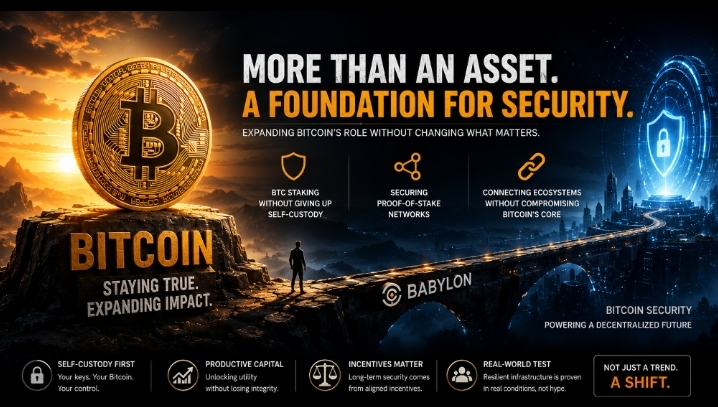
Ich habe bemerkt, dass Bitcoin still daliegt, während sich das Gespräch um ihn herum ständig verändert. Ich beobachte, wohin sich die Aufmerksamkeit verlagert, sobald der Markt anfängt, über den reinen Preis hinauszuschauen. Ich warte darauf zu sehen, welche Ideen überleben, wenn die Aufregung verflogen ist. Ich konzentriere mich dabei auf die Projekte, die versuchen, Bitcoins Rolle zu erweitern, ohne zu verlangen, dass er etwas anderes wird.
Babylon zieht meine Aufmerksamkeit besonders an, weil es eine Annahme herausfordert, die es seit Jahren gibt. Bitcoin wurde normalerweise als ein Asset behandelt, das man hält, handelt oder zwischen Ökosystemen verschiebt. Ihn zu nutzen, um Proof-of-Stake-Netzwerke zu stärken, während man ihn gleichzeitig in Selbstverwahrung behält, fühlt sich an wie eine ganz andere Richtung. Die Idee klingt einfach, bis ich an die Anreize denke. Sicherheit ist leicht zu versprechen, wenn die Bedingungen ruhig sind, aber Märkte bleiben selten lange ruhig. Jede neue Verbindung zwischen Netzwerken bringt Timing-Probleme, Koordinationsprobleme und Fragen darüber mit sich, wie sich die Teilnehmer verhalten, wenn sich die Belohnungen unerwartet ändern.
Was mich interessiert, ist nicht, ob BTC-Staking ein weiterer Trend wird. Sondern ob Menschen beginnen, Bitcoin als produktives Kapital zu behandeln, ohne dabei die Eigenschaften aufzugeben, die es von Anfang an wertvoll gemacht haben. Dieses Gleichgewicht wirkt schwierig, aufrechtzuerhalten. Die Infrastruktur sieht auf dem Papier oft elegant aus, bis echte Nutzer eintreffen – mit anderen Erwartungen, anderen Risiken und anderen Gründen, warum sie überhaupt teilnehmen. Genau diesen Teil beobachte ich noch immer genauer als die Schlagzeilen.
@babylonlabs_io #baby $BABY
{future}(BABYUSDT)
Ich habe bemerkt, dass Bitcoin still daliegt, während sich das Gespräch um ihn herum ständig verändert. Ich beobachte, wohin sich die Aufmerksamkeit verlagert, sobald der Markt anfängt, über den reinen Preis hinauszuschauen. Ich warte darauf zu sehen, welche Ideen überleben, wenn die Aufregung verflogen ist. Ich konzentriere mich dabei auf die Projekte, die versuchen, Bitcoins Rolle zu erweitern, ohne zu verlangen, dass er etwas anderes wird.
Babylon zieht meine Aufmerksamkeit besonders an, weil es eine Annahme herausfordert, die es seit Jahren gibt. Bitcoin wurde normalerweise als ein Asset behandelt, das man hält, handelt oder zwischen Ökosystemen verschiebt. Ihn zu nutzen, um Proof-of-Stake-Netzwerke zu stärken, während man ihn gleichzeitig in Selbstverwahrung behält, fühlt sich an wie eine ganz andere Richtung. Die Idee klingt einfach, bis ich an die Anreize denke. Sicherheit ist leicht zu versprechen, wenn die Bedingungen ruhig sind, aber Märkte bleiben selten lange ruhig. Jede neue Verbindung zwischen Netzwerken bringt Timing-Probleme, Koordinationsprobleme und Fragen darüber mit sich, wie sich die Teilnehmer verhalten, wenn sich die Belohnungen unerwartet ändern.
Was mich interessiert, ist nicht, ob BTC-Staking ein weiterer Trend wird. Sondern ob Menschen beginnen, Bitcoin als produktives Kapital zu behandeln, ohne dabei die Eigenschaften aufzugeben, die es von Anfang an wertvoll gemacht haben. Dieses Gleichgewicht wirkt schwierig, aufrechtzuerhalten. Die Infrastruktur sieht auf dem Papier oft elegant aus, bis echte Nutzer eintreffen – mit anderen Erwartungen, anderen Risiken und anderen Gründen, warum sie überhaupt teilnehmen. Genau diesen Teil beobachte ich noch immer genauer als die Schlagzeilen.
@BabylonLabs_io #baby $BABY
Babylon zieht meine Aufmerksamkeit besonders an, weil es eine Annahme herausfordert, die es seit Jahren gibt. Bitcoin wurde normalerweise als ein Asset behandelt, das man hält, handelt oder zwischen Ökosystemen verschiebt. Ihn zu nutzen, um Proof-of-Stake-Netzwerke zu stärken, während man ihn gleichzeitig in Selbstverwahrung behält, fühlt sich an wie eine ganz andere Richtung. Die Idee klingt einfach, bis ich an die Anreize denke. Sicherheit ist leicht zu versprechen, wenn die Bedingungen ruhig sind, aber Märkte bleiben selten lange ruhig. Jede neue Verbindung zwischen Netzwerken bringt Timing-Probleme, Koordinationsprobleme und Fragen darüber mit sich, wie sich die Teilnehmer verhalten, wenn sich die Belohnungen unerwartet ändern.
Was mich interessiert, ist nicht, ob BTC-Staking ein weiterer Trend wird. Sondern ob Menschen beginnen, Bitcoin als produktives Kapital zu behandeln, ohne dabei die Eigenschaften aufzugeben, die es von Anfang an wertvoll gemacht haben. Dieses Gleichgewicht wirkt schwierig, aufrechtzuerhalten. Die Infrastruktur sieht auf dem Papier oft elegant aus, bis echte Nutzer eintreffen – mit anderen Erwartungen, anderen Risiken und anderen Gründen, warum sie überhaupt teilnehmen. Genau diesen Teil beobachte ich noch immer genauer als die Schlagzeilen.
@BabylonLabs_io #baby $BABY
21
14
4k
·
--
Bullisch
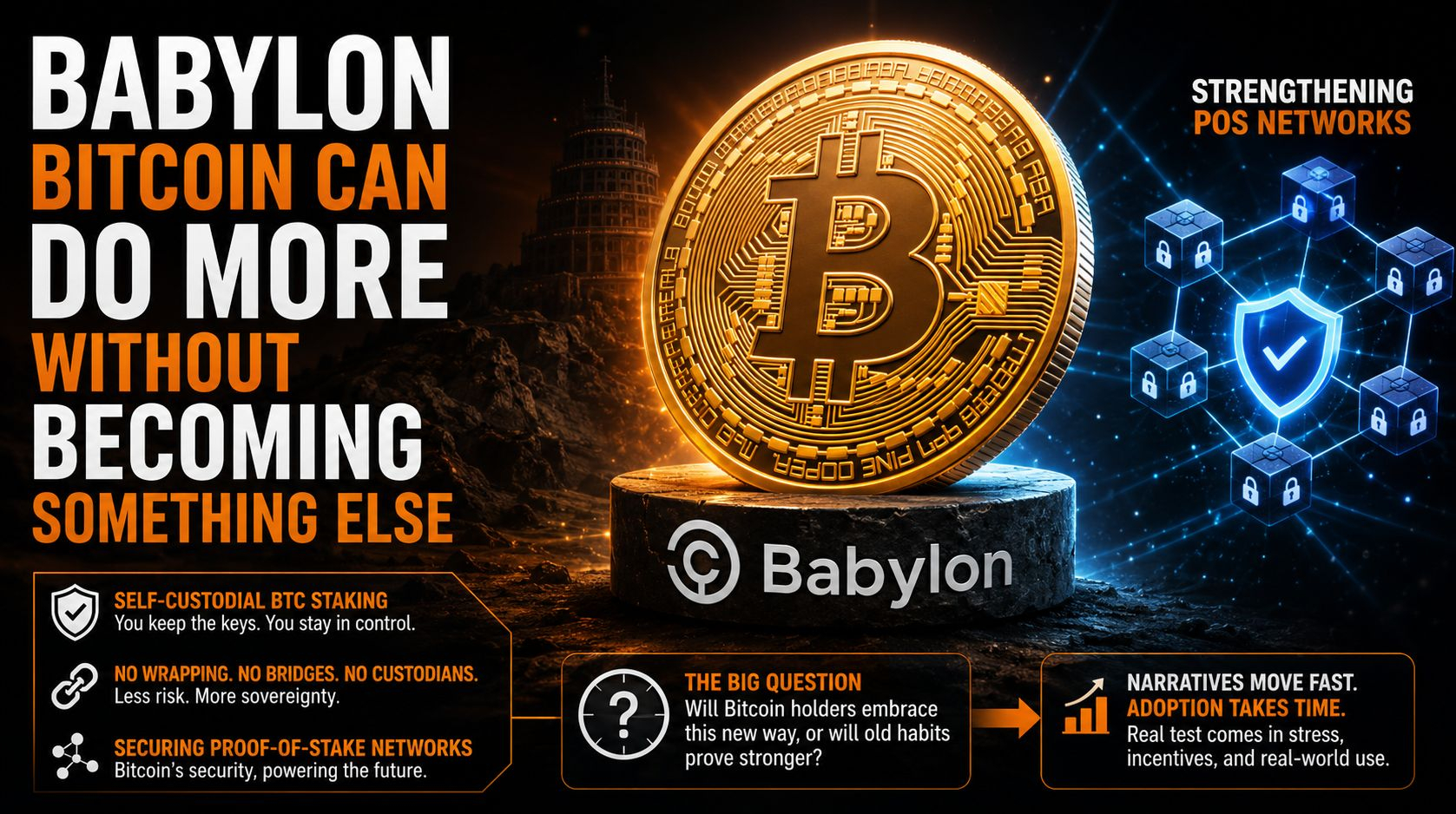
Ich habe den Großteil des heutigen Tages damit verbracht, immer wieder zu Babylon zurückzukehren, weil es dort auftaucht, wo Bitcoin-Inhaber Rendite wollen, ohne die Verwahrung aufzugeben. Diese Idee klingt einfach, bis ich mich eine Weile damit beschäftige. Bitcoin trägt seit jeher den Ruf, das Asset zu sein, das man hält – nicht das Asset, das man aktiv staked. Babylon stellt diese Annahme leise infrage, und allein das macht es schwer, es zu ignorieren.
Das Spannende ist nicht nur das stufenweise BTC-Staking in Eigenverwahrung. Es geht darum, zu versuchen, dass Bitcoin Proof-of-Stake-Netzwerke stärkt, ohne Coins einzuwickeln, sie über mehrere Ketten zu bridgen oder einer anderen Verwahrstelle die Schlüssel anzuvertrauen. Das entfernt eine Risikostufe, über die sich Menschen seit Jahren beschweren, aber es beseitigt nicht jedes Problem. Ich frage mich immer wieder, wie schnell konservative Bitcoin-Inhaber tatsächlich lang etablierte Gewohnheiten ändern werden, nur weil sich die Infrastruktur verbessert hat.
Märkte belohnen neue Narrative meist, lange bevor sie funktionierende Systeme belohnen. Genau dort bremse ich ab. Sicherheitsversprechen klingen immer überzeugend, bis Netzwerke echten Stress erleben, Validatoren unerwarteten Anreizen gegenüberstehen oder sich die Liquidität anders bewegt als erwartet. In solchen Momenten zeigt sich, ob elegante Designs unter realen Bedingungen bestehen.
BABY nimmt eine ungewöhnliche Stellung ein, weil sein Wert davon abhängt, dass Menschen glauben, Bitcoin könne mehr leisten, ohne zu etwas anderem zu werden. Wenn dieses Gleichgewicht hält, könnte das Projekt ein anderes Kapitel für die Teilnahme an Bitcoin im breiteren Krypto-Ökosystem aufschlagen. Wenn nicht, riskiert die Idee, zur nächsten technisch beeindruckenden Lösung zu werden, die nach Verhalten sucht, das Nutzer nie wirklich in vollem Umfang annehmen. Im Moment wirkt diese Unsicherheit wichtiger als jede Preisbewegung, die man auf dem Bildschirm sieht.
@babylonlabs_io #baby $BABY
{future}(BABYUSDT)
Ich habe den Großteil des heutigen Tages damit verbracht, immer wieder zu Babylon zurückzukehren, weil es dort auftaucht, wo Bitcoin-Inhaber Rendite wollen, ohne die Verwahrung aufzugeben. Diese Idee klingt einfach, bis ich mich eine Weile damit beschäftige. Bitcoin trägt seit jeher den Ruf, das Asset zu sein, das man hält – nicht das Asset, das man aktiv staked. Babylon stellt diese Annahme leise infrage, und allein das macht es schwer, es zu ignorieren.
Das Spannende ist nicht nur das stufenweise BTC-Staking in Eigenverwahrung. Es geht darum, zu versuchen, dass Bitcoin Proof-of-Stake-Netzwerke stärkt, ohne Coins einzuwickeln, sie über mehrere Ketten zu bridgen oder einer anderen Verwahrstelle die Schlüssel anzuvertrauen. Das entfernt eine Risikostufe, über die sich Menschen seit Jahren beschweren, aber es beseitigt nicht jedes Problem. Ich frage mich immer wieder, wie schnell konservative Bitcoin-Inhaber tatsächlich lang etablierte Gewohnheiten ändern werden, nur weil sich die Infrastruktur verbessert hat.
Märkte belohnen neue Narrative meist, lange bevor sie funktionierende Systeme belohnen. Genau dort bremse ich ab. Sicherheitsversprechen klingen immer überzeugend, bis Netzwerke echten Stress erleben, Validatoren unerwarteten Anreizen gegenüberstehen oder sich die Liquidität anders bewegt als erwartet. In solchen Momenten zeigt sich, ob elegante Designs unter realen Bedingungen bestehen.
BABY nimmt eine ungewöhnliche Stellung ein, weil sein Wert davon abhängt, dass Menschen glauben, Bitcoin könne mehr leisten, ohne zu etwas anderem zu werden. Wenn dieses Gleichgewicht hält, könnte das Projekt ein anderes Kapitel für die Teilnahme an Bitcoin im breiteren Krypto-Ökosystem aufschlagen. Wenn nicht, riskiert die Idee, zur nächsten technisch beeindruckenden Lösung zu werden, die nach Verhalten sucht, das Nutzer nie wirklich in vollem Umfang annehmen. Im Moment wirkt diese Unsicherheit wichtiger als jede Preisbewegung, die man auf dem Bildschirm sieht.
@BabylonLabs_io #baby $BABY
Das Spannende ist nicht nur das stufenweise BTC-Staking in Eigenverwahrung. Es geht darum, zu versuchen, dass Bitcoin Proof-of-Stake-Netzwerke stärkt, ohne Coins einzuwickeln, sie über mehrere Ketten zu bridgen oder einer anderen Verwahrstelle die Schlüssel anzuvertrauen. Das entfernt eine Risikostufe, über die sich Menschen seit Jahren beschweren, aber es beseitigt nicht jedes Problem. Ich frage mich immer wieder, wie schnell konservative Bitcoin-Inhaber tatsächlich lang etablierte Gewohnheiten ändern werden, nur weil sich die Infrastruktur verbessert hat.
Märkte belohnen neue Narrative meist, lange bevor sie funktionierende Systeme belohnen. Genau dort bremse ich ab. Sicherheitsversprechen klingen immer überzeugend, bis Netzwerke echten Stress erleben, Validatoren unerwarteten Anreizen gegenüberstehen oder sich die Liquidität anders bewegt als erwartet. In solchen Momenten zeigt sich, ob elegante Designs unter realen Bedingungen bestehen.
BABY nimmt eine ungewöhnliche Stellung ein, weil sein Wert davon abhängt, dass Menschen glauben, Bitcoin könne mehr leisten, ohne zu etwas anderem zu werden. Wenn dieses Gleichgewicht hält, könnte das Projekt ein anderes Kapitel für die Teilnahme an Bitcoin im breiteren Krypto-Ökosystem aufschlagen. Wenn nicht, riskiert die Idee, zur nächsten technisch beeindruckenden Lösung zu werden, die nach Verhalten sucht, das Nutzer nie wirklich in vollem Umfang annehmen. Im Moment wirkt diese Unsicherheit wichtiger als jede Preisbewegung, die man auf dem Bildschirm sieht.
@BabylonLabs_io #baby $BABY
2
4
1.1k
·
--
Bärisch
Ich beobachte weiter, wie Bitcoin immer neue Rollen findet, die über die bloße Funktion als Asset zum Halten hinausgehen. Ich schaue mir an, wie verschiedene Projekte versuchen, darum herum etwas aufzubauen, ohne die Menschen dazu aufzufordern, die Kontrolle abzugeben. Mir ist aufgefallen, dass der Markt zuerst auf Narrativen reagiert und dann langsam anfängt zu hinterfragen, ob die Infrastruktur das auch wirklich tragen kann.
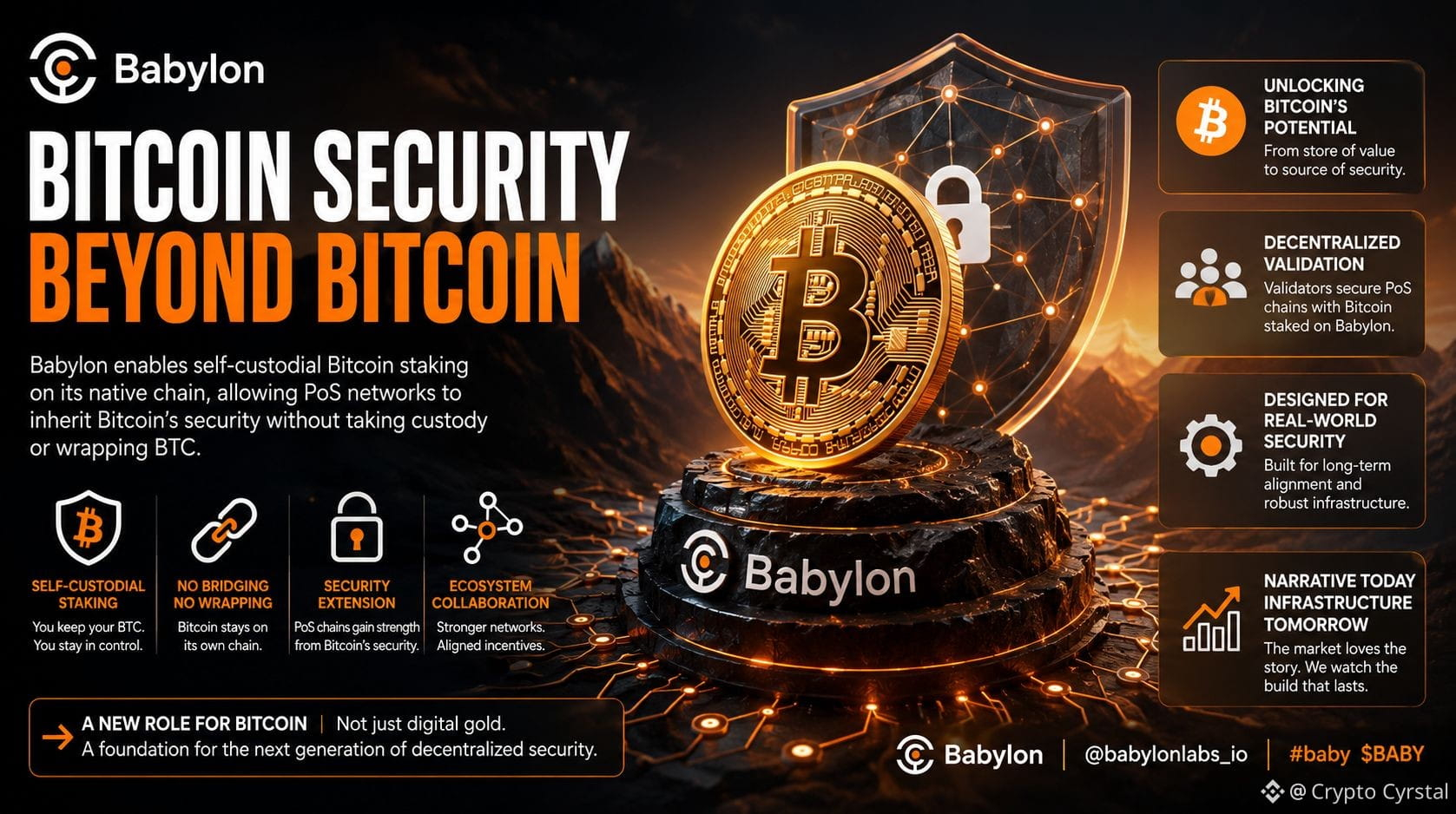
Babylon ($BABY) hat meine Aufmerksamkeit geweckt, weil es Bitcoin von einer anderen Richtung aus betrachtet. Anstatt BTC-Inhaber zu bitten, Assets zu bridgen oder an ein anderes Netzwerk abzugeben, setzt es auf selbstverwaltetes Staking und hält Bitcoin dabei in seiner eigenen Chain. Das verändert das Gespräch von der Jagd nach Rendite hin zu der Frage, wie die Sicherheit von Bitcoin über sich selbst hinaus ausgedehnt werden kann. Die Idee klingt einfach, bis die praktischen Fragen auftauchen. Jedes zusätzliche Sicherheitsmodell hat Trade-offs, jeder Anreiz für Validatoren verändert das Verhalten, und jede neue Verbindung zwischen Ökosystemen führt Annahmen ein, die erst unter Stress sichtbar werden.
Ich frage mich immer wieder, ob die nächste Phase der Bitcoin-Adoption weniger damit zu tun hat, BTC schneller zu machen, sondern vielmehr damit, seine Sicherheit anderswo nutzbar zu machen. Wenn Proof-of-Stake-Netzwerke Vertrauen von Bitcoin ausleihen können, ohne das Prinzip der Selbstverwahrung zu gefährden, verschiebt das die Anreize auf eine interessante Weise. Märkte belohnen normalerweise zuerst die Story, aber ich achte stärker darauf, ob Entwickler, Validatoren und Nutzer das Design auch dann weiter wählen, wenn die Begeisterung nachlässt und alltägliche Bedingungen beginnen, die Details offenzulegen.
@babylonlabs_io #baby $BABY
{future}(BABYUSDT)
Ich beobachte weiter, wie Bitcoin immer neue Rollen findet, die über die bloße Funktion als Asset zum Halten hinausgehen. Ich schaue mir an, wie verschiedene Projekte versuchen, darum herum etwas aufzubauen, ohne die Menschen dazu aufzufordern, die Kontrolle abzugeben. Mir ist aufgefallen, dass der Markt zuerst auf Narrativen reagiert und dann langsam anfängt zu hinterfragen, ob die Infrastruktur das auch wirklich tragen kann.
Babylon ($BABY ) hat meine Aufmerksamkeit geweckt, weil es Bitcoin von einer anderen Richtung aus betrachtet. Anstatt BTC-Inhaber zu bitten, Assets zu bridgen oder an ein anderes Netzwerk abzugeben, setzt es auf selbstverwaltetes Staking und hält Bitcoin dabei in seiner eigenen Chain. Das verändert das Gespräch von der Jagd nach Rendite hin zu der Frage, wie die Sicherheit von Bitcoin über sich selbst hinaus ausgedehnt werden kann. Die Idee klingt einfach, bis die praktischen Fragen auftauchen. Jedes zusätzliche Sicherheitsmodell hat Trade-offs, jeder Anreiz für Validatoren verändert das Verhalten, und jede neue Verbindung zwischen Ökosystemen führt Annahmen ein, die erst unter Stress sichtbar werden.
Ich frage mich immer wieder, ob die nächste Phase der Bitcoin-Adoption weniger damit zu tun hat, BTC schneller zu machen, sondern vielmehr damit, seine Sicherheit anderswo nutzbar zu machen. Wenn Proof-of-Stake-Netzwerke Vertrauen von Bitcoin ausleihen können, ohne das Prinzip der Selbstverwahrung zu gefährden, verschiebt das die Anreize auf eine interessante Weise. Märkte belohnen normalerweise zuerst die Story, aber ich achte stärker darauf, ob Entwickler, Validatoren und Nutzer das Design auch dann weiter wählen, wenn die Begeisterung nachlässt und alltägliche Bedingungen beginnen, die Details offenzulegen.
@BabylonLabs_io #baby $BABY
Babylon ($BABY ) hat meine Aufmerksamkeit geweckt, weil es Bitcoin von einer anderen Richtung aus betrachtet. Anstatt BTC-Inhaber zu bitten, Assets zu bridgen oder an ein anderes Netzwerk abzugeben, setzt es auf selbstverwaltetes Staking und hält Bitcoin dabei in seiner eigenen Chain. Das verändert das Gespräch von der Jagd nach Rendite hin zu der Frage, wie die Sicherheit von Bitcoin über sich selbst hinaus ausgedehnt werden kann. Die Idee klingt einfach, bis die praktischen Fragen auftauchen. Jedes zusätzliche Sicherheitsmodell hat Trade-offs, jeder Anreiz für Validatoren verändert das Verhalten, und jede neue Verbindung zwischen Ökosystemen führt Annahmen ein, die erst unter Stress sichtbar werden.
Ich frage mich immer wieder, ob die nächste Phase der Bitcoin-Adoption weniger damit zu tun hat, BTC schneller zu machen, sondern vielmehr damit, seine Sicherheit anderswo nutzbar zu machen. Wenn Proof-of-Stake-Netzwerke Vertrauen von Bitcoin ausleihen können, ohne das Prinzip der Selbstverwahrung zu gefährden, verschiebt das die Anreize auf eine interessante Weise. Märkte belohnen normalerweise zuerst die Story, aber ich achte stärker darauf, ob Entwickler, Validatoren und Nutzer das Design auch dann weiter wählen, wenn die Begeisterung nachlässt und alltägliche Bedingungen beginnen, die Details offenzulegen.
@BabylonLabs_io #baby $BABY
4
4
167
·
--
Bärisch
Ich habe bemerkt, wie schnell die Aufmerksamkeit sich verlagert, sobald Bitcoin einen weiteren Einsatz findet – statt nur gehalten zu werden. Ich schaue immer wieder nach, wo die echte Nachfrage herkommt. Ich warte darauf zu sehen, welche Ideen überleben, wenn die Aufregung verflogen ist. Ich konzentriere mich weniger auf Schlagzeilen und mehr darauf, was sich tatsächlich darunter verändert.
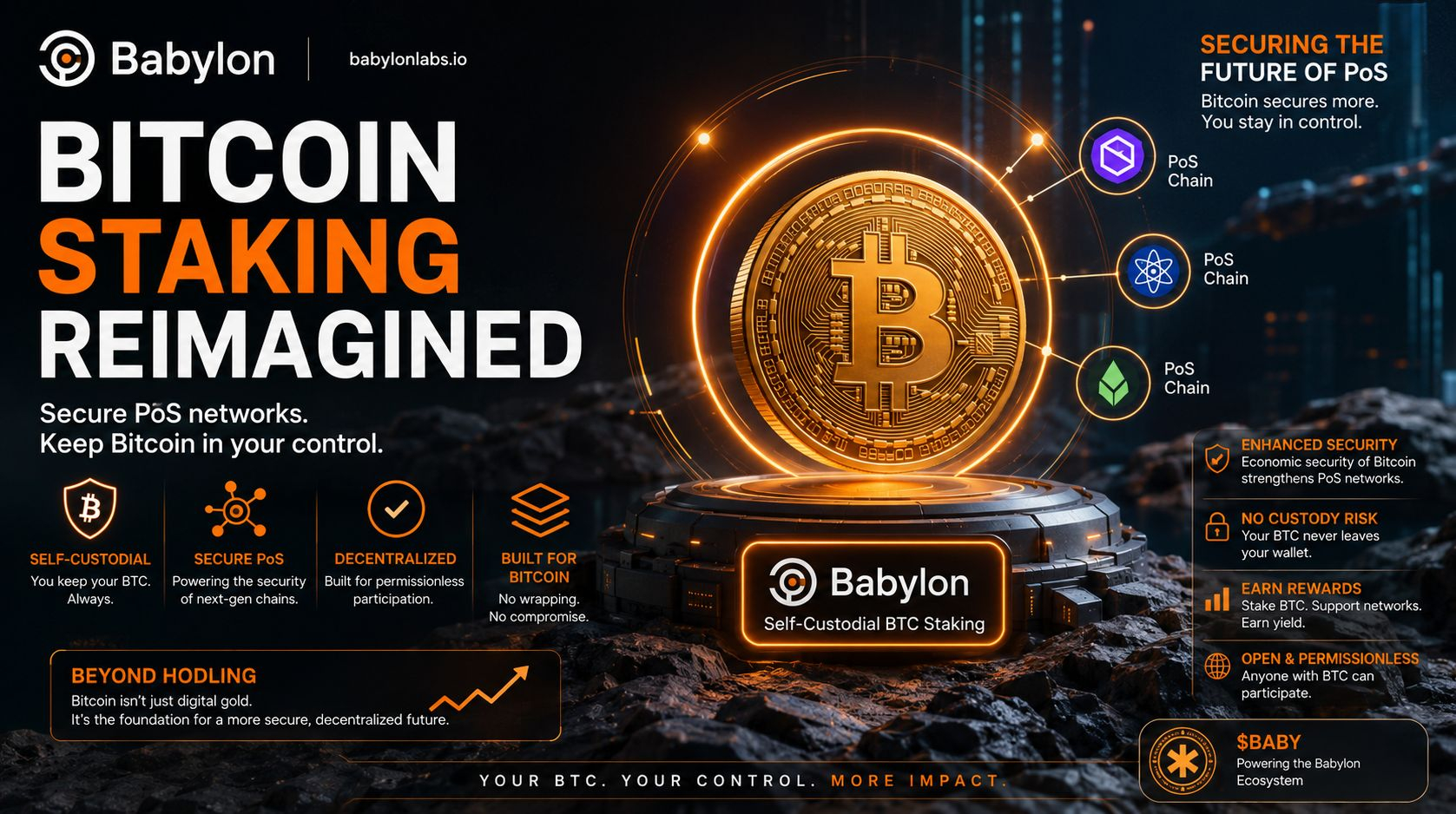
Babylon zieht mich immer wieder zurück, weil selbstverwaltetes BTC-Staking eine andere Richtung zu sein scheint – statt nur ein weiterer Versuch, Bitcoin in etwas zu verwandeln, wofür es nie gebaut wurde. Die Idee, dabei zu helfen, PoS-Blockchains abzusichern und gleichzeitig Bitcoin unter der Kontrolle des Eigentümers zu halten, klingt einfach, bis ich darüber nachdenke, wie viel Koordination im Hintergrund passieren muss. Sicherheit lässt sich leicht beschreiben, ist aber viel schwieriger aufrechtzuerhalten, wenn verschiedene Netzwerke, Anreize und Nutzer sich in unterschiedlichen Geschwindigkeiten bewegen.
Ich frage mich ständig, ob Vertrauen aus dem Design selbst entsteht oder daraus, dass es sich unter echter Belastung bewährt. Wenn Bitcoin-Inhaber mitmachen können, ohne die Verwahrung aufzugeben, wirkt die Diskussion über Staking plötzlich anders. Gleichzeitig bringt jede neue Ebene frische Annahmen mit, die der Markt irgendwann testet. Das Spannende ist nicht, ob Babylon im Theoriebetrieb funktioniert. Entscheidend ist, ob die Leute es weiter auswählen, wenn echtes Kapital, unvorhersehbare Bedingungen und konkurrierende Chancen anfangen, die Aufmerksamkeit in unterschiedliche Richtungen zu ziehen.
@babylonlabs_io #baby $BABY
{spot}(BABYUSDT)
Ich habe bemerkt, wie schnell die Aufmerksamkeit sich verlagert, sobald Bitcoin einen weiteren Einsatz findet – statt nur gehalten zu werden. Ich schaue immer wieder nach, wo die echte Nachfrage herkommt. Ich warte darauf zu sehen, welche Ideen überleben, wenn die Aufregung verflogen ist. Ich konzentriere mich weniger auf Schlagzeilen und mehr darauf, was sich tatsächlich darunter verändert.
Babylon zieht mich immer wieder zurück, weil selbstverwaltetes BTC-Staking eine andere Richtung zu sein scheint – statt nur ein weiterer Versuch, Bitcoin in etwas zu verwandeln, wofür es nie gebaut wurde. Die Idee, dabei zu helfen, PoS-Blockchains abzusichern und gleichzeitig Bitcoin unter der Kontrolle des Eigentümers zu halten, klingt einfach, bis ich darüber nachdenke, wie viel Koordination im Hintergrund passieren muss. Sicherheit lässt sich leicht beschreiben, ist aber viel schwieriger aufrechtzuerhalten, wenn verschiedene Netzwerke, Anreize und Nutzer sich in unterschiedlichen Geschwindigkeiten bewegen.
Ich frage mich ständig, ob Vertrauen aus dem Design selbst entsteht oder daraus, dass es sich unter echter Belastung bewährt. Wenn Bitcoin-Inhaber mitmachen können, ohne die Verwahrung aufzugeben, wirkt die Diskussion über Staking plötzlich anders. Gleichzeitig bringt jede neue Ebene frische Annahmen mit, die der Markt irgendwann testet. Das Spannende ist nicht, ob Babylon im Theoriebetrieb funktioniert. Entscheidend ist, ob die Leute es weiter auswählen, wenn echtes Kapital, unvorhersehbare Bedingungen und konkurrierende Chancen anfangen, die Aufmerksamkeit in unterschiedliche Richtungen zu ziehen.
@BabylonLabs_io #baby $BABY
Babylon zieht mich immer wieder zurück, weil selbstverwaltetes BTC-Staking eine andere Richtung zu sein scheint – statt nur ein weiterer Versuch, Bitcoin in etwas zu verwandeln, wofür es nie gebaut wurde. Die Idee, dabei zu helfen, PoS-Blockchains abzusichern und gleichzeitig Bitcoin unter der Kontrolle des Eigentümers zu halten, klingt einfach, bis ich darüber nachdenke, wie viel Koordination im Hintergrund passieren muss. Sicherheit lässt sich leicht beschreiben, ist aber viel schwieriger aufrechtzuerhalten, wenn verschiedene Netzwerke, Anreize und Nutzer sich in unterschiedlichen Geschwindigkeiten bewegen.
Ich frage mich ständig, ob Vertrauen aus dem Design selbst entsteht oder daraus, dass es sich unter echter Belastung bewährt. Wenn Bitcoin-Inhaber mitmachen können, ohne die Verwahrung aufzugeben, wirkt die Diskussion über Staking plötzlich anders. Gleichzeitig bringt jede neue Ebene frische Annahmen mit, die der Markt irgendwann testet. Das Spannende ist nicht, ob Babylon im Theoriebetrieb funktioniert. Entscheidend ist, ob die Leute es weiter auswählen, wenn echtes Kapital, unvorhersehbare Bedingungen und konkurrierende Chancen anfangen, die Aufmerksamkeit in unterschiedliche Richtungen zu ziehen.
@BabylonLabs_io #baby $BABY
23
12
135
·
--
Bullisch
$AMD
{future}(AMDUSDT)
(Advanced Micro Devices)
AMD verlangt höhere Gebühren! 🔥
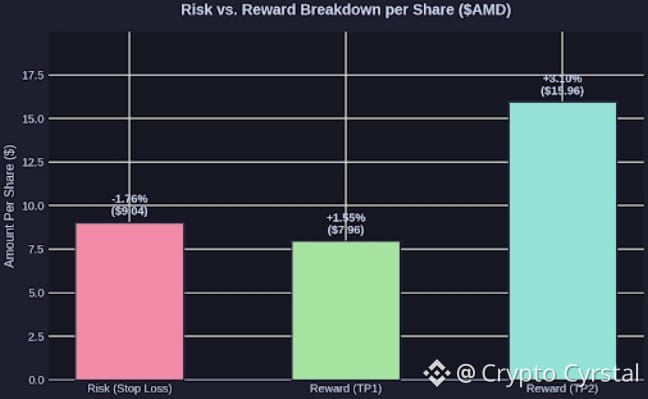
AMD notiert vorbörslich bei 514,04 $ und liegt damit +3,66% im Plus. Starker bullischer Schwung baut sich auf, und ein Ausbruch über den Widerstand könnte den Weg für den nächsten Anstieg öffnen.
CP: 514,04 $
SL: 505,00 $
TP1: 522,00 $
TP2: 530,00 $
⚠️ Handel klug und nutze immer ein angemessenes Risikomanagement.
#AMD #AIStocks #NASDAQ
$AMD
(Advanced Micro Devices)
AMD verlangt höhere Gebühren! 🔥
AMD notiert vorbörslich bei 514,04 $ und liegt damit +3,66% im Plus. Starker bullischer Schwung baut sich auf, und ein Ausbruch über den Widerstand könnte den Weg für den nächsten Anstieg öffnen.
CP: 514,04 $
SL: 505,00 $
TP1: 522,00 $
TP2: 530,00 $
⚠️ Handel klug und nutze immer ein angemessenes Risikomanagement.
#AMD #AIStocks #NASDAQ
(Advanced Micro Devices)
AMD verlangt höhere Gebühren! 🔥
AMD notiert vorbörslich bei 514,04 $ und liegt damit +3,66% im Plus. Starker bullischer Schwung baut sich auf, und ein Ausbruch über den Widerstand könnte den Weg für den nächsten Anstieg öffnen.
CP: 514,04 $
SL: 505,00 $
TP1: 522,00 $
TP2: 530,00 $
⚠️ Handel klug und nutze immer ein angemessenes Risikomanagement.
#AMD #AIStocks #NASDAQ
3
105
·
--
Bärisch
$AAPL
{future}(AAPLUSDT)
(Apple)
Apple steht unter Druck! 🍎
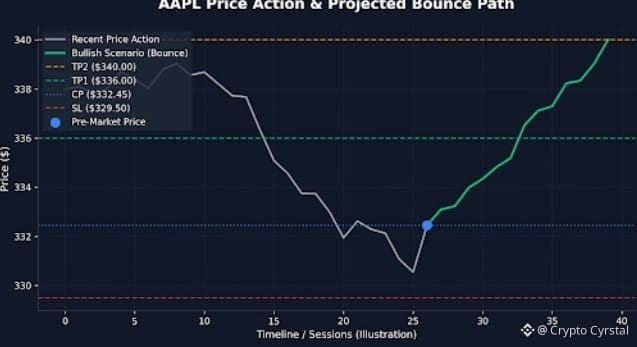
AAPL wird im Pre-Market bei 332,45 $ gehandelt, minus 0,32 %. Die Bären haben derzeit die Oberhand, aber ein starker Rückprall von der Unterstützung könnte das Momentum schnell drehen.
CP: 332,45 $
SL: 329,50 $
TP1: 336,00 $
TP2: 340,00 $
⚠️ Warte auf Bestätigung und verwalte immer dein Risiko.
#Apple #NASDAQ #TechStocks
$AAPL
(Apple)
Apple steht unter Druck! 🍎
AAPL wird im Pre-Market bei 332,45 $ gehandelt, minus 0,32 %. Die Bären haben derzeit die Oberhand, aber ein starker Rückprall von der Unterstützung könnte das Momentum schnell drehen.
CP: 332,45 $
SL: 329,50 $
TP1: 336,00 $
TP2: 340,00 $
⚠️ Warte auf Bestätigung und verwalte immer dein Risiko.
#Apple #NASDAQ #TechStocks
(Apple)
Apple steht unter Druck! 🍎
AAPL wird im Pre-Market bei 332,45 $ gehandelt, minus 0,32 %. Die Bären haben derzeit die Oberhand, aber ein starker Rückprall von der Unterstützung könnte das Momentum schnell drehen.
CP: 332,45 $
SL: 329,50 $
TP1: 336,00 $
TP2: 340,00 $
⚠️ Warte auf Bestätigung und verwalte immer dein Risiko.
#Apple #NASDAQ #TechStocks
1
99
·
--
Bullisch
$SNDK
{future}(SNDKUSDT)
(SanDisk)
Speicheraktien heizen sich auf! 🔥
SNDK wird im Pre-Market bei 1,412.37 USD gehandelt, +4,03%. Die Bullen gewinnen wieder an Dynamik, und ein Ausbruch über den Widerstand könnte einen weiteren starken Rally auslösen.
Kurs: 1,412.37 USD
SL: 1,390.00 USD
TP1: 1,435.00 USD
TP2: 1,460.00 USD
⚠️ Nutze immer ein umsichtiges Risikomanagement. Keine Finanzberatung.
#SanDisk #NASDAQ #TechStocks
$SNDK
(SanDisk)
Speicheraktien heizen sich auf! 🔥
SNDK wird im Pre-Market bei 1,412.37 USD gehandelt, +4,03%. Die Bullen gewinnen wieder an Dynamik, und ein Ausbruch über den Widerstand könnte einen weiteren starken Rally auslösen.
Kurs: 1,412.37 USD
SL: 1,390.00 USD
TP1: 1,435.00 USD
TP2: 1,460.00 USD
⚠️ Nutze immer ein umsichtiges Risikomanagement. Keine Finanzberatung.
#SanDisk #NASDAQ #TechStocks
(SanDisk)
Speicheraktien heizen sich auf! 🔥
SNDK wird im Pre-Market bei 1,412.37 USD gehandelt, +4,03%. Die Bullen gewinnen wieder an Dynamik, und ein Ausbruch über den Widerstand könnte einen weiteren starken Rally auslösen.
Kurs: 1,412.37 USD
SL: 1,390.00 USD
TP1: 1,435.00 USD
TP2: 1,460.00 USD
⚠️ Nutze immer ein umsichtiges Risikomanagement. Keine Finanzberatung.
#SanDisk #NASDAQ #TechStocks
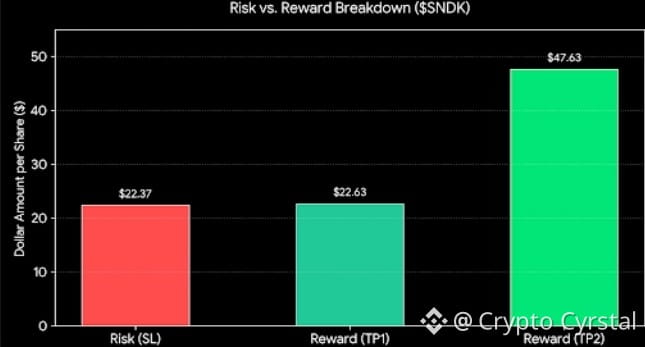
276
Anmelden und weiter Inhalte entdecken
Krypto-Nutzer weltweit auf Binance Square kennenlernen
⚡️ Bleib in Sachen Krypto stets am Puls.
💬 Die weltgrößte Kryptobörse vertraut darauf.
👍 Erhalte verlässliche Einblicke von verifizierten Creators.
E-Mail-Adresse/Telefonnummer
Trendthemen
EthStakingExitQueueHits2026High
80 Aufrufe
37 Kommentare
Den Trend #EthStakingExitQueueHits2026High zu beobachten, löst immer Panik aus, aber ein Anstieg in der Exit-Warteschlange bedeutet selten, dass die Leute ETH abstoßen.
Meistens handelt es sich einfach um langweilige, strukturelle Bewegungen:
Renditejagd: Validatoren lösen ihre Bindung, um Gelder in Restaking oder DeFi-Angebote mit besseren APRs zu verschieben.
Pool-Neugewichtung: Große Anbieter von Liquid Staking und Verwahrer rotieren ihre Validator-Nodes oder wickeln reguläre Auszahlungen ab.
Integrierter Schutz: Die Warteschlange ist ausdrücklich dafür ausgelegt, Auszahlungen zu verlangsamen, damit das Netzwerk bei großen Kapitalverschiebungen vollkommen stabil bleibt.
Es ist eine Kapitalrotation, kein Massenexodus.
Passt ihr gerade eure Staking-Setups an oder lasst ihr einfach alles laufen?
#EthStakingExitQueueHits2026High
aasho
·1 Likes
·18 Aufrufe
FedOctoberHoldOdds82.3%
43 Aufrufe
29 Kommentare
Nikkei225Jumps2.5%ToThreeMonthHigh
24,113 Aufrufe
453 Kommentare