

Izree
30 Beiträge

Izree
Melden
Nutzer blockieren
Trade eröffnen
Regelmäßiger Trader
2.3 Jahre
7 Following
19 Follower
13 Like gegeben
Beiträge
Portfolio
Alle
Zitierungen
·
--
Übersetzung ansehen
$ETH Ethereum (ETH) is showing strong signs of a rebound, trading around $1,794 with a notable 10% surge in the past 24 hours. This recovery comes amid a broader crypto market rally, suggesting renewed investor confidence. The recent price spike follows a dip to near $1,600, making the current rebound particularly significant. Analysts now eye resistance around $1,900, with bullish sentiment supported by increased trading volume and positive market indicators. In Pakistani Rupees, ETH rose from ₨443,000 to over ₨503,000 in just two days. This momentum could signal the start of a sustained upward trend if key levels hold and fundamentals align.
$ETH Ethereum (ETH) is showing strong signs of a rebound, trading around $1,794 with a notable 10% surge in the past 24 hours. This recovery comes amid a broader crypto market rally, suggesting renewed investor confidence. The recent price spike follows a dip to near $1,600, making the current rebound particularly significant. Analysts now eye resistance around $1,900, with bullish sentiment supported by increased trading volume and positive market indicators. In Pakistani Rupees, ETH rose from ₨443,000 to over ₨503,000 in just two days. This momentum could signal the start of a sustained upward trend if key levels hold and fundamentals align.
14
·
--
$ETH Ethereum (ETH) zeigt starke Anzeichen einer Erholung und wird mit etwa 1.794 $ gehandelt, was einem bemerkenswerten Anstieg von 10 % in den letzten 24 Stunden entspricht. Diese Erholung erfolgt im Zuge einer breiteren Rallye des Kryptomarktes, was auf ein erneuertes Vertrauen der Anleger hindeutet. Der jüngste Preisanstieg folgt einem Rückgang auf etwa 1.600 $, was den aktuellen Rückgang besonders signifikant macht. Analysten beobachten nun den Widerstand bei etwa 1.900 $, wobei die bullische Stimmung durch erhöhtes Handelsvolumen und positive Marktsignale unterstützt wird. In Pakistanischen Rupien ist ETH von ₨443.000 auf über ₨503.000 in nur zwei Tagen gestiegen. Diese Dynamik könnte den Beginn eines nachhaltigen Aufwärtstrends signalisieren, wenn wichtige Niveaus gehalten werden und die Fundamentaldaten übereinstimmen.
$ETH Ethereum (ETH) zeigt starke Anzeichen einer Erholung und wird mit etwa 1.794 $ gehandelt, was einem bemerkenswerten Anstieg von 10 % in den letzten 24 Stunden entspricht. Diese Erholung erfolgt im Zuge einer breiteren Rallye des Kryptomarktes, was auf ein erneuertes Vertrauen der Anleger hindeutet. Der jüngste Preisanstieg folgt einem Rückgang auf etwa 1.600 $, was den aktuellen Rückgang besonders signifikant macht. Analysten beobachten nun den Widerstand bei etwa 1.900 $, wobei die bullische Stimmung durch erhöhtes Handelsvolumen und positive Marktsignale unterstützt wird. In Pakistanischen Rupien ist ETH von ₨443.000 auf über ₨503.000 in nur zwei Tagen gestiegen. Diese Dynamik könnte den Beginn eines nachhaltigen Aufwärtstrends signalisieren, wenn wichtige Niveaus gehalten werden und die Fundamentaldaten übereinstimmen.
18
·
--
Übersetzung ansehen
$ETH Ethereum (ETH) is showing strong signs of a rebound, trading around $1,794 with a notable 10% surge in the past 24 hours. This recovery comes amid a broader crypto market rally, suggesting renewed investor confidence. The recent price spike follows a dip to near $1,600, making the current rebound particularly significant. Analysts now eye resistance around $1,900, with bullish sentiment supported by increased trading volume and positive market indicators. In Pakistani Rupees, ETH rose from ₨443,000 to over ₨503,000 in just two days. This momentum could signal the start of a sustained upward trend if key levels hold and fundamentals align.
$ETH Ethereum (ETH) is showing strong signs of a rebound, trading around $1,794 with a notable 10% surge in the past 24 hours. This recovery comes amid a broader crypto market rally, suggesting renewed investor confidence. The recent price spike follows a dip to near $1,600, making the current rebound particularly significant. Analysts now eye resistance around $1,900, with bullish sentiment supported by increased trading volume and positive market indicators. In Pakistani Rupees, ETH rose from ₨443,000 to over ₨503,000 in just two days. This momentum could signal the start of a sustained upward trend if key levels hold and fundamentals align.
5
·
--
Übersetzung ansehen
#MarketRebound A market rebound refers to a recovery in stock prices after a period of decline. It often follows corrections, crashes, or bearish trends, signaling renewed investor confidence. Rebounds can be driven by positive economic data, strong corporate earnings, government intervention, or improved investor sentiment. Short-term rebounds, called "dead cat bounces," may not lead to sustained growth, while long-term rebounds can mark the beginning of a new bull market. Timing a rebound is challenging, but recognizing key indicators—such as increased trading volume or breaking resistance levels—can help. Investors often view rebounds as opportunities to buy undervalued assets and capitalize on growth.
#MarketRebound A market rebound refers to a recovery in stock prices after a period of decline. It often follows corrections, crashes, or bearish trends, signaling renewed investor confidence. Rebounds can be driven by positive economic data, strong corporate earnings, government intervention, or improved investor sentiment. Short-term rebounds, called "dead cat bounces," may not lead to sustained growth, while long-term rebounds can mark the beginning of a new bull market. Timing a rebound is challenging, but recognizing key indicators—such as increased trading volume or breaking resistance levels—can help. Investors often view rebounds as opportunities to buy undervalued assets and capitalize on growth.
226
·
--
$BTC BTC steht für Bitcoin, die erste und bekannteste Kryptowährung, die 2009 von einer anonymen Person oder Gruppe, bekannt als Satoshi Nakamoto, geschaffen wurde. Es funktioniert in einem dezentralen Netzwerk, das die Blockchain-Technologie nutzt und Peer-to-Peer-Transaktionen ohne eine zentrale Autorität wie eine Bank ermöglicht.
Bitcoin wird oft als "digitales Gold" angesehen, aufgrund seines begrenzten Angebots von 21 Millionen Münzen und seiner Rolle als Wertspeicher. Es wird für Investitionen, Überweisungen und manchmal als Absicherung gegen Inflation verwendet. Der Preis ist sehr volatil und wird von der Marktstimmung, Vorschriften, Akzeptanz und makroökonomischen Trends beeinflusst. BTC bleibt der Maßstab für den gesamten Kryptomarkt.
$BTC BTC steht für Bitcoin, die erste und bekannteste Kryptowährung, die 2009 von einer anonymen Person oder Gruppe, bekannt als Satoshi Nakamoto, geschaffen wurde. Es funktioniert in einem dezentralen Netzwerk, das die Blockchain-Technologie nutzt und Peer-to-Peer-Transaktionen ohne eine zentrale Autorität wie eine Bank ermöglicht.
Bitcoin wird oft als "digitales Gold" angesehen, aufgrund seines begrenzten Angebots von 21 Millionen Münzen und seiner Rolle als Wertspeicher. Es wird für Investitionen, Überweisungen und manchmal als Absicherung gegen Inflation verwendet. Der Preis ist sehr volatil und wird von der Marktstimmung, Vorschriften, Akzeptanz und makroökonomischen Trends beeinflusst. BTC bleibt der Maßstab für den gesamten Kryptomarkt.
Bitcoin wird oft als "digitales Gold" angesehen, aufgrund seines begrenzten Angebots von 21 Millionen Münzen und seiner Rolle als Wertspeicher. Es wird für Investitionen, Überweisungen und manchmal als Absicherung gegen Inflation verwendet. Der Preis ist sehr volatil und wird von der Marktstimmung, Vorschriften, Akzeptanz und makroökonomischen Trends beeinflusst. BTC bleibt der Maßstab für den gesamten Kryptomarkt.
530
·
--
Übersetzung ansehen
#USChinaTensions US-China tensions refer to the ongoing political, economic, and military rivalry between the United States and China. These tensions span several areas, including trade disputes, technology competition (e.g., TikTok, Huawei, semiconductor restrictions), military posturing in the South China Sea and Taiwan Strait, and differing views on human rights, cybersecurity, and global governance.
The relationship is complex—marked by interdependence but also deep mistrust. Recent flashpoints include U.S. support for Taiwan, sanctions on Chinese companies, and China's alignment with Russia. These tensions can impact global markets, supply chains, and geopolitical stability. Many nations are closely watching how this strategic rivalry unfolds.
#USChinaTensions US-China tensions refer to the ongoing political, economic, and military rivalry between the United States and China. These tensions span several areas, including trade disputes, technology competition (e.g., TikTok, Huawei, semiconductor restrictions), military posturing in the South China Sea and Taiwan Strait, and differing views on human rights, cybersecurity, and global governance.
The relationship is complex—marked by interdependence but also deep mistrust. Recent flashpoints include U.S. support for Taiwan, sanctions on Chinese companies, and China's alignment with Russia. These tensions can impact global markets, supply chains, and geopolitical stability. Many nations are closely watching how this strategic rivalry unfolds.
The relationship is complex—marked by interdependence but also deep mistrust. Recent flashpoints include U.S. support for Taiwan, sanctions on Chinese companies, and China's alignment with Russia. These tensions can impact global markets, supply chains, and geopolitical stability. Many nations are closely watching how this strategic rivalry unfolds.
4
·
--
#BTCRebound BTC-Rebound bezieht sich auf die Erholung oder die Aufwärtsbewegung im Preis von Bitcoin (BTC) nach einem Rückgang oder einem bärischen Trend. Dieser Rebound signalisiert oft erneutes Vertrauen der Anleger und Marktdynamik, die in der Regel durch positive Nachrichten, erhöhte Akzeptanz oder makroökonomische Faktoren, die Kryptowährungen begünstigen, vorangetrieben wird. Händler achten auf technische Indikatoren wie Unterstützungsniveaus, RSI und Volumen, um potenzielle Rebounds zu identifizieren. BTC-Rebounds können scharf und volatil sein und spiegeln das allgemeine Sentiment des Kryptomarktes wider. Sie bieten Gewinnchancen, bringen jedoch auch Risiken mit sich. Das Verständnis der Faktoren hinter einem BTC-Rebound ist entscheidend für fundierte Entscheidungen im sich ständig verändernden Kryptobereich.
#BTCRebound BTC-Rebound bezieht sich auf die Erholung oder die Aufwärtsbewegung im Preis von Bitcoin (BTC) nach einem Rückgang oder einem bärischen Trend. Dieser Rebound signalisiert oft erneutes Vertrauen der Anleger und Marktdynamik, die in der Regel durch positive Nachrichten, erhöhte Akzeptanz oder makroökonomische Faktoren, die Kryptowährungen begünstigen, vorangetrieben wird. Händler achten auf technische Indikatoren wie Unterstützungsniveaus, RSI und Volumen, um potenzielle Rebounds zu identifizieren. BTC-Rebounds können scharf und volatil sein und spiegeln das allgemeine Sentiment des Kryptomarktes wider. Sie bieten Gewinnchancen, bringen jedoch auch Risiken mit sich. Das Verständnis der Faktoren hinter einem BTC-Rebound ist entscheidend für fundierte Entscheidungen im sich ständig verändernden Kryptobereich.
229
·
--
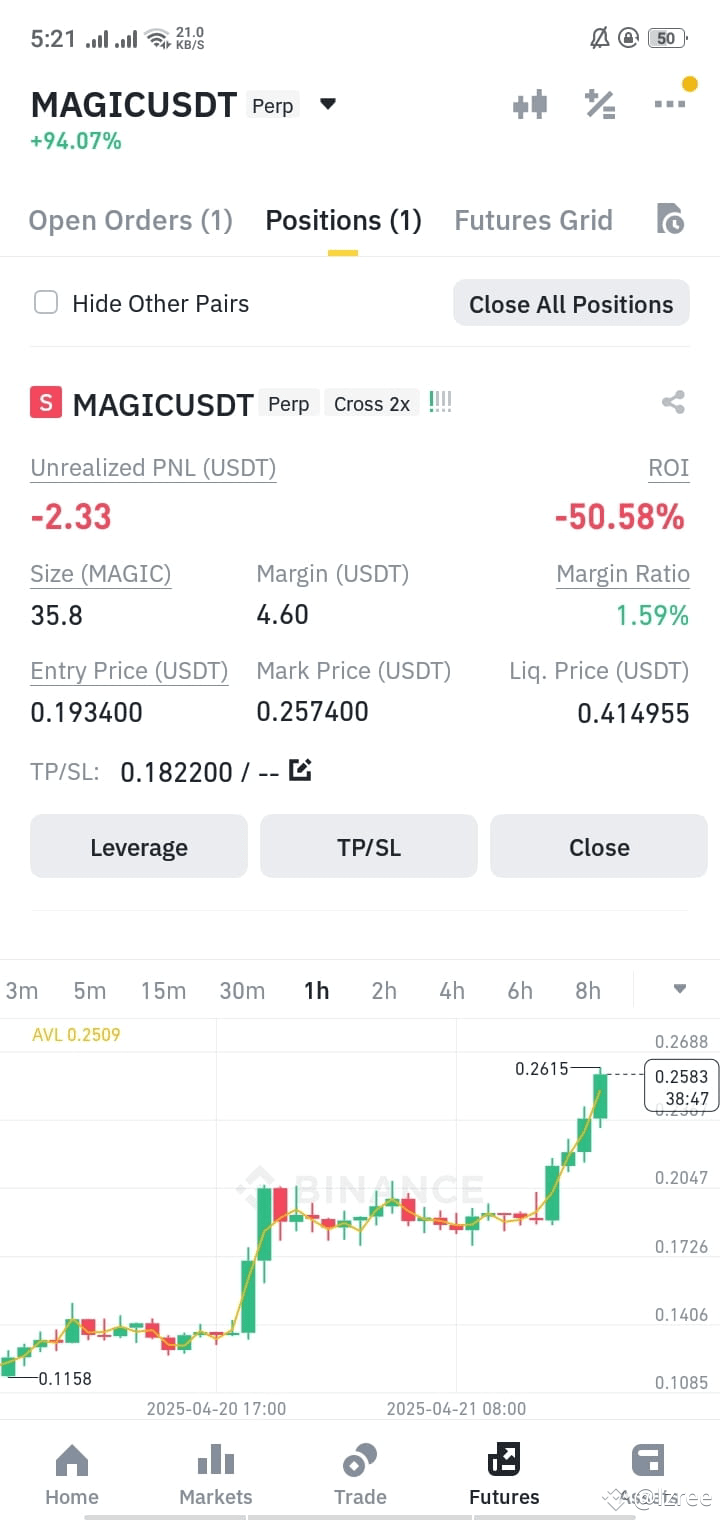
Soll ich warten oder den Handel schließen? #MAGIC #writetoearn
Soll ich warten oder den Handel schließen? #MAGIC #writetoearn
12
9
1
6.2k
·
--
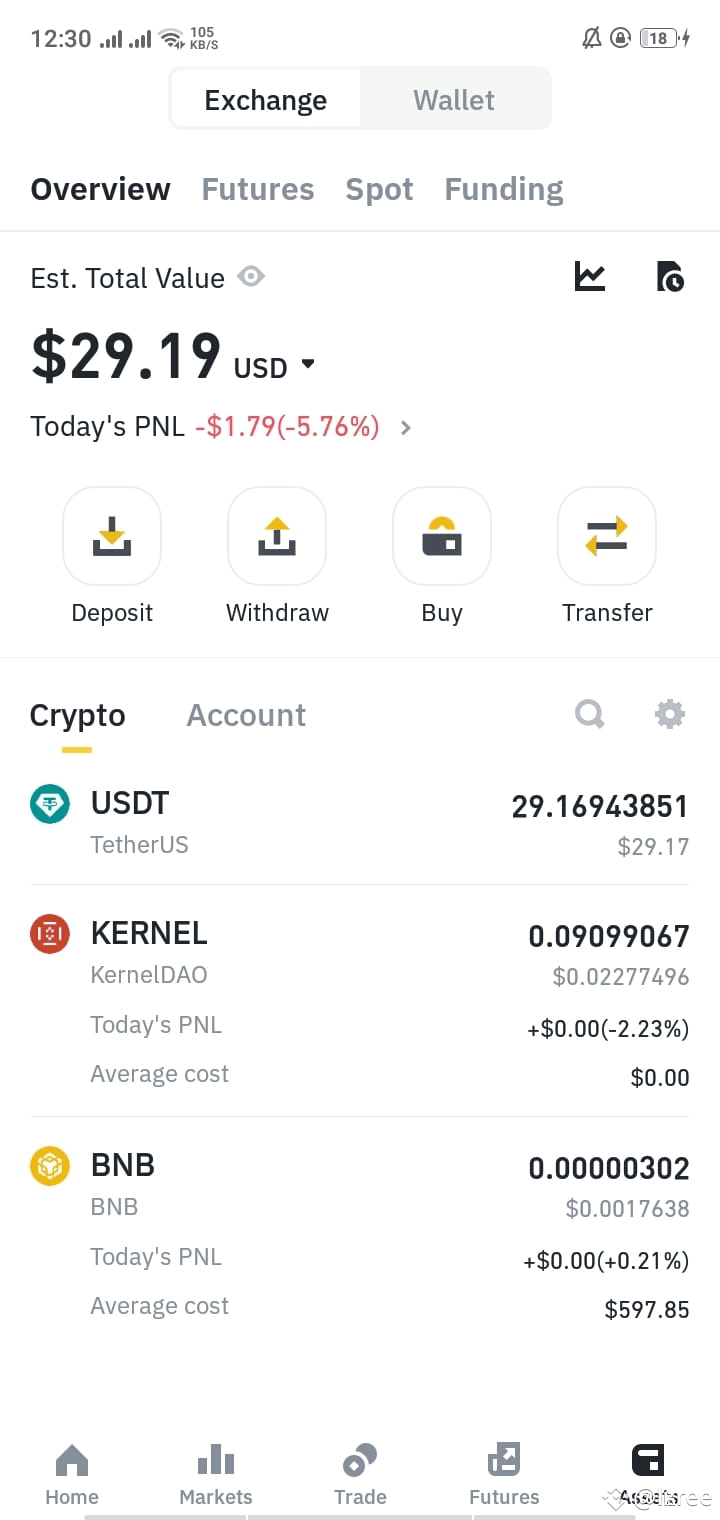
Experten, welche Münze sollte ich in Zukunft kaufen oder verkaufen?
Experten, welche Münze sollte ich in Zukunft kaufen oder verkaufen?
579
·
--
Übersetzung ansehen
#DiversifyYourAssets
Diversifying your assets is a strategy aimed at reducing risk by spreading investments across different types of assets, industries, or regions. The idea is that by holding a variety of investments, poor performance in one area can be offset by better performance in another. This approach can be applied across different asset classes such as stocks, bonds, real estate, commodities, and cryptocurrencies, among others.
In practical terms, diversification can include:
1. Stocks & Bonds: A mix of both can balance growth potential and stability.
2. Real Estate: Investment in property or real estate funds offers a hedge against inflation and provides income.
3. Cryptocurrencies: Adding some exposure to digital assets like Bitcoin or Ethereum can provide growth opportunities.
4. Commodities: Investments in gold, silver, or oil can offer protection during economic downturns.
The key to effective diversification is ensuring that the assets are not highly correlated, so that market fluctuations impact them in different ways. It’s important to tailor your diversification strategy to your risk tolerance, investment goals, and time horizon.
#DiversifyYourAssets
Diversifying your assets is a strategy aimed at reducing risk by spreading investments across different types of assets, industries, or regions. The idea is that by holding a variety of investments, poor performance in one area can be offset by better performance in another. This approach can be applied across different asset classes such as stocks, bonds, real estate, commodities, and cryptocurrencies, among others.
In practical terms, diversification can include:
1. Stocks & Bonds: A mix of both can balance growth potential and stability.
2. Real Estate: Investment in property or real estate funds offers a hedge against inflation and provides income.
3. Cryptocurrencies: Adding some exposure to digital assets like Bitcoin or Ethereum can provide growth opportunities.
4. Commodities: Investments in gold, silver, or oil can offer protection during economic downturns.
The key to effective diversification is ensuring that the assets are not highly correlated, so that market fluctuations impact them in different ways. It’s important to tailor your diversification strategy to your risk tolerance, investment goals, and time horizon.
Diversifying your assets is a strategy aimed at reducing risk by spreading investments across different types of assets, industries, or regions. The idea is that by holding a variety of investments, poor performance in one area can be offset by better performance in another. This approach can be applied across different asset classes such as stocks, bonds, real estate, commodities, and cryptocurrencies, among others.
In practical terms, diversification can include:
1. Stocks & Bonds: A mix of both can balance growth potential and stability.
2. Real Estate: Investment in property or real estate funds offers a hedge against inflation and provides income.
3. Cryptocurrencies: Adding some exposure to digital assets like Bitcoin or Ethereum can provide growth opportunities.
4. Commodities: Investments in gold, silver, or oil can offer protection during economic downturns.
The key to effective diversification is ensuring that the assets are not highly correlated, so that market fluctuations impact them in different ways. It’s important to tailor your diversification strategy to your risk tolerance, investment goals, and time horizon.
7
·
--
Übersetzung ansehen
#MetaplanetBTCPurchase
It seems like you're asking about a "MetaPlanet BTC purchase," but the phrase is unclear. If you're referring to purchasing Bitcoin (BTC) through a platform called MetaPlanet or some other related term, it's important to clarify what MetaPlanet refers to, as I couldn't find any prominent platform or service by that exact name related to Bitcoin transactions.
If you meant something else, could you provide more details? I can then offer better guidance regarding purchasing Bitcoin or any related topics!
#MetaplanetBTCPurchase
It seems like you're asking about a "MetaPlanet BTC purchase," but the phrase is unclear. If you're referring to purchasing Bitcoin (BTC) through a platform called MetaPlanet or some other related term, it's important to clarify what MetaPlanet refers to, as I couldn't find any prominent platform or service by that exact name related to Bitcoin transactions.
If you meant something else, could you provide more details? I can then offer better guidance regarding purchasing Bitcoin or any related topics!
It seems like you're asking about a "MetaPlanet BTC purchase," but the phrase is unclear. If you're referring to purchasing Bitcoin (BTC) through a platform called MetaPlanet or some other related term, it's important to clarify what MetaPlanet refers to, as I couldn't find any prominent platform or service by that exact name related to Bitcoin transactions.
If you meant something else, could you provide more details? I can then offer better guidance regarding purchasing Bitcoin or any related topics!
49
·
--
Übersetzung ansehen
#PowellRemarks
Powell's remarks typically refer to comments made by Jerome Powell, the Chair of the Federal Reserve, during speeches or press conferences. These remarks are closely scrutinized as they offer insights into the Fed's stance on monetary policy, interest rates, inflation, and overall economic conditions. Powell's statements can influence financial markets, as investors react to potential shifts in the Fed’s policies. His remarks often address economic challenges such as employment, price stability, and the global economic landscape. Market participants closely follow Powell's words to gauge the likelihood of future actions, such as rate hikes or cuts, impacting investment decisions.
#PowellRemarks
Powell's remarks typically refer to comments made by Jerome Powell, the Chair of the Federal Reserve, during speeches or press conferences. These remarks are closely scrutinized as they offer insights into the Fed's stance on monetary policy, interest rates, inflation, and overall economic conditions. Powell's statements can influence financial markets, as investors react to potential shifts in the Fed’s policies. His remarks often address economic challenges such as employment, price stability, and the global economic landscape. Market participants closely follow Powell's words to gauge the likelihood of future actions, such as rate hikes or cuts, impacting investment decisions.
Powell's remarks typically refer to comments made by Jerome Powell, the Chair of the Federal Reserve, during speeches or press conferences. These remarks are closely scrutinized as they offer insights into the Fed's stance on monetary policy, interest rates, inflation, and overall economic conditions. Powell's statements can influence financial markets, as investors react to potential shifts in the Fed’s policies. His remarks often address economic challenges such as employment, price stability, and the global economic landscape. Market participants closely follow Powell's words to gauge the likelihood of future actions, such as rate hikes or cuts, impacting investment decisions.
1
·
--
Übersetzung ansehen
#RiskRewardRatio
Risk-Reward Ratio: The Key to Smarter Trading Decisions
The risk-reward ratio (RRR) is a fundamental concept in trading that helps you evaluate whether a trade is worth taking. It compares the potential loss (risk) to the potential gain (reward) of a trade. A good risk-reward ratio helps you make consistent, profitable decisions over time—even if not every trade wins.
How It Works:
Let’s say you're risking $100 on a trade and aiming to make $300. Your risk-reward ratio is:
Risk-Reward Ratio = Risk / Reward = 100 / 300 = 1:3
This means you’re risking $1 to potentially earn $3. Even if only 3 or 4 out of 10 trades are successful, you could still end up profitable.
Why It Matters:
Controls losses: It encourages smart trade setups and stops you from risking too much for small rewards.
Improves strategy: A high RRR allows you to have a lower win rate and still be profitable.
Promotes discipline: It forces you to define your stop-loss and take-profit levels before entering a trade.
Ideal Ratios: Many traders aim for a minimum of 1:2 or 1:3, meaning they risk $1 to make $2 or $3. However, the best ratio depends on your strategy, risk tolerance, and market conditions.
In short, mastering the risk-reward ratio is like knowing the odds before placing a bet. It won’t guarantee wins—but it will help you trade smarter, with a long-term edge.
#RiskRewardRatio
Risk-Reward Ratio: The Key to Smarter Trading Decisions
The risk-reward ratio (RRR) is a fundamental concept in trading that helps you evaluate whether a trade is worth taking. It compares the potential loss (risk) to the potential gain (reward) of a trade. A good risk-reward ratio helps you make consistent, profitable decisions over time—even if not every trade wins.
How It Works:
Let’s say you're risking $100 on a trade and aiming to make $300. Your risk-reward ratio is:
Risk-Reward Ratio = Risk / Reward = 100 / 300 = 1:3
This means you’re risking $1 to potentially earn $3. Even if only 3 or 4 out of 10 trades are successful, you could still end up profitable.
Why It Matters:
Controls losses: It encourages smart trade setups and stops you from risking too much for small rewards.
Improves strategy: A high RRR allows you to have a lower win rate and still be profitable.
Promotes discipline: It forces you to define your stop-loss and take-profit levels before entering a trade.
Ideal Ratios: Many traders aim for a minimum of 1:2 or 1:3, meaning they risk $1 to make $2 or $3. However, the best ratio depends on your strategy, risk tolerance, and market conditions.
In short, mastering the risk-reward ratio is like knowing the odds before placing a bet. It won’t guarantee wins—but it will help you trade smarter, with a long-term edge.
Risk-Reward Ratio: The Key to Smarter Trading Decisions
The risk-reward ratio (RRR) is a fundamental concept in trading that helps you evaluate whether a trade is worth taking. It compares the potential loss (risk) to the potential gain (reward) of a trade. A good risk-reward ratio helps you make consistent, profitable decisions over time—even if not every trade wins.
How It Works:
Let’s say you're risking $100 on a trade and aiming to make $300. Your risk-reward ratio is:
Risk-Reward Ratio = Risk / Reward = 100 / 300 = 1:3
This means you’re risking $1 to potentially earn $3. Even if only 3 or 4 out of 10 trades are successful, you could still end up profitable.
Why It Matters:
Controls losses: It encourages smart trade setups and stops you from risking too much for small rewards.
Improves strategy: A high RRR allows you to have a lower win rate and still be profitable.
Promotes discipline: It forces you to define your stop-loss and take-profit levels before entering a trade.
Ideal Ratios: Many traders aim for a minimum of 1:2 or 1:3, meaning they risk $1 to make $2 or $3. However, the best ratio depends on your strategy, risk tolerance, and market conditions.
In short, mastering the risk-reward ratio is like knowing the odds before placing a bet. It won’t guarantee wins—but it will help you trade smarter, with a long-term edge.
9
·
--
Übersetzung ansehen
#TradingPsychology
Trading Psychology: Mastering the Mental Game
Trading psychology refers to the emotional and mental state that influences a trader’s decision-making. While strategies, indicators, and charts are important, success in trading often comes down to mindset. The ability to stay calm, disciplined, and objective separates consistent traders from impulsive ones.
Here are key elements of strong trading psychology:
1. Discipline: Sticking to your trading plan—even when emotions run high—is crucial. Discipline prevents overtrading, revenge trading, or abandoning your strategy out of fear or greed.
2. Patience: Not every moment is a good time to trade. Waiting for the right setup instead of forcing a trade helps avoid unnecessary losses.
3. Emotional control: Emotions like fear, greed, anxiety, and FOMO (fear of missing out) can cloud judgment. Recognizing and managing these feelings helps keep decisions logical and focused.
4. Risk management mindset: Accepting that losses are part of the game and controlling position sizes helps reduce emotional pressure and prevent large drawdowns.
5. Confidence vs. arrogance: Confidence comes from experience and knowing your strategy works over time. Arrogance, on the other hand, can lead to risky behavior and major losses.
6. Continuous learning: Markets change. A strong trader adapts, learns from mistakes, and reviews trades with honesty and curiosity.
Ultimately, mastering trading psychology means mastering yourself. The charts may be unpredictable—but your reactions don’t have to be. A calm, focused mind is your most powerful trading tool.
#TradingPsychology
Trading Psychology: Mastering the Mental Game
Trading psychology refers to the emotional and mental state that influences a trader’s decision-making. While strategies, indicators, and charts are important, success in trading often comes down to mindset. The ability to stay calm, disciplined, and objective separates consistent traders from impulsive ones.
Here are key elements of strong trading psychology:
1. Discipline: Sticking to your trading plan—even when emotions run high—is crucial. Discipline prevents overtrading, revenge trading, or abandoning your strategy out of fear or greed.
2. Patience: Not every moment is a good time to trade. Waiting for the right setup instead of forcing a trade helps avoid unnecessary losses.
3. Emotional control: Emotions like fear, greed, anxiety, and FOMO (fear of missing out) can cloud judgment. Recognizing and managing these feelings helps keep decisions logical and focused.
4. Risk management mindset: Accepting that losses are part of the game and controlling position sizes helps reduce emotional pressure and prevent large drawdowns.
5. Confidence vs. arrogance: Confidence comes from experience and knowing your strategy works over time. Arrogance, on the other hand, can lead to risky behavior and major losses.
6. Continuous learning: Markets change. A strong trader adapts, learns from mistakes, and reviews trades with honesty and curiosity.
Ultimately, mastering trading psychology means mastering yourself. The charts may be unpredictable—but your reactions don’t have to be. A calm, focused mind is your most powerful trading tool.
Trading Psychology: Mastering the Mental Game
Trading psychology refers to the emotional and mental state that influences a trader’s decision-making. While strategies, indicators, and charts are important, success in trading often comes down to mindset. The ability to stay calm, disciplined, and objective separates consistent traders from impulsive ones.
Here are key elements of strong trading psychology:
1. Discipline: Sticking to your trading plan—even when emotions run high—is crucial. Discipline prevents overtrading, revenge trading, or abandoning your strategy out of fear or greed.
2. Patience: Not every moment is a good time to trade. Waiting for the right setup instead of forcing a trade helps avoid unnecessary losses.
3. Emotional control: Emotions like fear, greed, anxiety, and FOMO (fear of missing out) can cloud judgment. Recognizing and managing these feelings helps keep decisions logical and focused.
4. Risk management mindset: Accepting that losses are part of the game and controlling position sizes helps reduce emotional pressure and prevent large drawdowns.
5. Confidence vs. arrogance: Confidence comes from experience and knowing your strategy works over time. Arrogance, on the other hand, can lead to risky behavior and major losses.
6. Continuous learning: Markets change. A strong trader adapts, learns from mistakes, and reviews trades with honesty and curiosity.
Ultimately, mastering trading psychology means mastering yourself. The charts may be unpredictable—but your reactions don’t have to be. A calm, focused mind is your most powerful trading tool.
8
·
--
Übersetzung ansehen
#StaySAFU
Stay SAFU: Protecting Yourself in the Crypto World
"Stay SAFU" is a popular phrase in the crypto community, originally a meme that evolved into a serious reminder about security. It stands for Secure Asset Fund for Users, a reserve fund created by Binance to protect users in case of extreme situations like hacks. But beyond the fund, "Stay SAFU" is a mindset—being smart, cautious, and proactive in managing your crypto security.
Here’s how to truly “Stay SAFU”:
1. Trust, but verify: Always double-check websites, links, and apps. Scammers often imitate official platforms to steal your login info or funds.
2. Use SAFU-enabled platforms: Choose exchanges like Binance that offer extra layers of protection, including insurance-like funds, withdrawal whitelists, and real-time monitoring.
3. Control your keys: “Not your keys, not your crypto.” Consider storing assets in wallets where you hold the private keys, especially for long-term holdings.
4. Watch out for FOMO traps: Scammers prey on emotion. If a deal looks too good to be true—or is pushing urgency—it probably is.
5. Learn constantly: Crypto evolves fast. Staying SAFU means staying informed—follow credible sources, read platform updates, and know the latest scam tactics.
In short, to "Stay SAFU" is to stay alert, stay educated, and stay in control. It's more than just safety—it's how you thrive in the crypto space.
#StaySAFU
Stay SAFU: Protecting Yourself in the Crypto World
"Stay SAFU" is a popular phrase in the crypto community, originally a meme that evolved into a serious reminder about security. It stands for Secure Asset Fund for Users, a reserve fund created by Binance to protect users in case of extreme situations like hacks. But beyond the fund, "Stay SAFU" is a mindset—being smart, cautious, and proactive in managing your crypto security.
Here’s how to truly “Stay SAFU”:
1. Trust, but verify: Always double-check websites, links, and apps. Scammers often imitate official platforms to steal your login info or funds.
2. Use SAFU-enabled platforms: Choose exchanges like Binance that offer extra layers of protection, including insurance-like funds, withdrawal whitelists, and real-time monitoring.
3. Control your keys: “Not your keys, not your crypto.” Consider storing assets in wallets where you hold the private keys, especially for long-term holdings.
4. Watch out for FOMO traps: Scammers prey on emotion. If a deal looks too good to be true—or is pushing urgency—it probably is.
5. Learn constantly: Crypto evolves fast. Staying SAFU means staying informed—follow credible sources, read platform updates, and know the latest scam tactics.
In short, to "Stay SAFU" is to stay alert, stay educated, and stay in control. It's more than just safety—it's how you thrive in the crypto space.
Stay SAFU: Protecting Yourself in the Crypto World
"Stay SAFU" is a popular phrase in the crypto community, originally a meme that evolved into a serious reminder about security. It stands for Secure Asset Fund for Users, a reserve fund created by Binance to protect users in case of extreme situations like hacks. But beyond the fund, "Stay SAFU" is a mindset—being smart, cautious, and proactive in managing your crypto security.
Here’s how to truly “Stay SAFU”:
1. Trust, but verify: Always double-check websites, links, and apps. Scammers often imitate official platforms to steal your login info or funds.
2. Use SAFU-enabled platforms: Choose exchanges like Binance that offer extra layers of protection, including insurance-like funds, withdrawal whitelists, and real-time monitoring.
3. Control your keys: “Not your keys, not your crypto.” Consider storing assets in wallets where you hold the private keys, especially for long-term holdings.
4. Watch out for FOMO traps: Scammers prey on emotion. If a deal looks too good to be true—or is pushing urgency—it probably is.
5. Learn constantly: Crypto evolves fast. Staying SAFU means staying informed—follow credible sources, read platform updates, and know the latest scam tactics.
In short, to "Stay SAFU" is to stay alert, stay educated, and stay in control. It's more than just safety—it's how you thrive in the crypto space.
16
·
--
Übersetzung ansehen
#SecureYourAssets
Secure Your Assets: Smart Practices for Crypto Safety
In the fast-moving world of cryptocurrency, securing your assets is not just important—it's essential. With the decentralized nature of blockchain, once your funds are lost or stolen, they’re nearly impossible to recover. That’s why taking proactive steps to protect your digital assets is crucial.
1. Use Reputable Wallets: Store your crypto in trusted wallets. For large amounts, consider hardware wallets like Ledger or Trezor, which keep your keys offline and safe from hacks.
2. Enable Strong Security: Always use Two-Factor Authentication (2FA), a strong and unique password, and regularly update your credentials. Avoid reusing passwords across platforms.
3. Be Phishing-Aware: Hackers often use fake websites, emails, and messages to steal credentials. Always double-check URLs, never click unknown links, and use Binance’s anti-phishing code to verify official emails.
4. Keep Backup of Keys: Securely back up your seed phrases and private keys—ideally offline and in multiple secure locations. Never share them with anyone.
5. Whitelist Addresses: Platforms like Binance let you whitelist wallet addresses, ensuring withdrawals can only go to verified destinations.
6. Stay Updated: Follow official channels for updates and alerts. Scammers often exploit news gaps or outdated software.
7. Use SAFU Exchanges: Choose exchanges that offer extra protections, like Binance’s Secure Asset Fund for Users (SAFU), which acts as insurance for user funds in case of a breach.
By combining good digital habits with reliable tools and platforms, you significantly reduce your risk and take full control of your crypto journey. In crypto, security is ownership—protect it wisely.
#SecureYourAssets
Secure Your Assets: Smart Practices for Crypto Safety
In the fast-moving world of cryptocurrency, securing your assets is not just important—it's essential. With the decentralized nature of blockchain, once your funds are lost or stolen, they’re nearly impossible to recover. That’s why taking proactive steps to protect your digital assets is crucial.
1. Use Reputable Wallets: Store your crypto in trusted wallets. For large amounts, consider hardware wallets like Ledger or Trezor, which keep your keys offline and safe from hacks.
2. Enable Strong Security: Always use Two-Factor Authentication (2FA), a strong and unique password, and regularly update your credentials. Avoid reusing passwords across platforms.
3. Be Phishing-Aware: Hackers often use fake websites, emails, and messages to steal credentials. Always double-check URLs, never click unknown links, and use Binance’s anti-phishing code to verify official emails.
4. Keep Backup of Keys: Securely back up your seed phrases and private keys—ideally offline and in multiple secure locations. Never share them with anyone.
5. Whitelist Addresses: Platforms like Binance let you whitelist wallet addresses, ensuring withdrawals can only go to verified destinations.
6. Stay Updated: Follow official channels for updates and alerts. Scammers often exploit news gaps or outdated software.
7. Use SAFU Exchanges: Choose exchanges that offer extra protections, like Binance’s Secure Asset Fund for Users (SAFU), which acts as insurance for user funds in case of a breach.
By combining good digital habits with reliable tools and platforms, you significantly reduce your risk and take full control of your crypto journey. In crypto, security is ownership—protect it wisely.
Secure Your Assets: Smart Practices for Crypto Safety
In the fast-moving world of cryptocurrency, securing your assets is not just important—it's essential. With the decentralized nature of blockchain, once your funds are lost or stolen, they’re nearly impossible to recover. That’s why taking proactive steps to protect your digital assets is crucial.
1. Use Reputable Wallets: Store your crypto in trusted wallets. For large amounts, consider hardware wallets like Ledger or Trezor, which keep your keys offline and safe from hacks.
2. Enable Strong Security: Always use Two-Factor Authentication (2FA), a strong and unique password, and regularly update your credentials. Avoid reusing passwords across platforms.
3. Be Phishing-Aware: Hackers often use fake websites, emails, and messages to steal credentials. Always double-check URLs, never click unknown links, and use Binance’s anti-phishing code to verify official emails.
4. Keep Backup of Keys: Securely back up your seed phrases and private keys—ideally offline and in multiple secure locations. Never share them with anyone.
5. Whitelist Addresses: Platforms like Binance let you whitelist wallet addresses, ensuring withdrawals can only go to verified destinations.
6. Stay Updated: Follow official channels for updates and alerts. Scammers often exploit news gaps or outdated software.
7. Use SAFU Exchanges: Choose exchanges that offer extra protections, like Binance’s Secure Asset Fund for Users (SAFU), which acts as insurance for user funds in case of a breach.
By combining good digital habits with reliable tools and platforms, you significantly reduce your risk and take full control of your crypto journey. In crypto, security is ownership—protect it wisely.
1
·
--
#BinanceSafetyInsights
Binance Sicherheitsinformationen: Halten Sie Ihre Krypto sicher
Binance, eine der größten Kryptowährungsbörsen der Welt, legt großen Wert auf die Sicherheit der Benutzer. Angesichts der zunehmenden Bedrohungen durch Hacks, Betrügereien und Phishing-Angriffe im Kryptobereich hat Binance mehrere Sicherheitsmaßnahmen entwickelt, um die Benutzer und ihre Gelder zu schützen.
1. Zwei-Faktor-Authentifizierung (2FA): Binance empfiehlt dringend, die 2FA über Google Authenticator oder SMS zu aktivieren, um eine zusätzliche Sicherheitsebene während des Logins und bei Abhebungen hinzuzufügen.
2. Anti-Phishing-Code: Benutzer können einen benutzerdefinierten Code erstellen, der in allen offiziellen Binance-E-Mails erscheint, um ihnen zu helfen, Phishing-Versuche zu identifizieren und zu vermeiden.
3. Abhebungs-Whitelist: Diese Funktion ermöglicht es Benutzern, Abhebungen auf eine Liste vertrauenswürdiger Wallet-Adressen zu beschränken, um das Risiko unbefugter Zugriffe zu minimieren.
4. Echtzeitüberwachung: Binance nutzt KI und fortgeschrittene Algorithmen, um verdächtiges Verhalten zu erkennen, wie ungewöhnliche Anmeldestandorte oder plötzliche Änderungen im Handelsverhalten, wobei Konten oft automatisch zur Überprüfung gesperrt werden.
5. SAFU-Fonds (Sicherer Vermögensfonds für Benutzer): Binance weist einen Teil der Handelsgebühren einem sicheren Fonds zu, der dazu dient, Benutzer im Falle eines größeren Sicherheitsvorfalls zu entschädigen.
#BinanceSafetyInsights
Binance Sicherheitsinformationen: Halten Sie Ihre Krypto sicher
Binance, eine der größten Kryptowährungsbörsen der Welt, legt großen Wert auf die Sicherheit der Benutzer. Angesichts der zunehmenden Bedrohungen durch Hacks, Betrügereien und Phishing-Angriffe im Kryptobereich hat Binance mehrere Sicherheitsmaßnahmen entwickelt, um die Benutzer und ihre Gelder zu schützen.
1. Zwei-Faktor-Authentifizierung (2FA): Binance empfiehlt dringend, die 2FA über Google Authenticator oder SMS zu aktivieren, um eine zusätzliche Sicherheitsebene während des Logins und bei Abhebungen hinzuzufügen.
2. Anti-Phishing-Code: Benutzer können einen benutzerdefinierten Code erstellen, der in allen offiziellen Binance-E-Mails erscheint, um ihnen zu helfen, Phishing-Versuche zu identifizieren und zu vermeiden.
3. Abhebungs-Whitelist: Diese Funktion ermöglicht es Benutzern, Abhebungen auf eine Liste vertrauenswürdiger Wallet-Adressen zu beschränken, um das Risiko unbefugter Zugriffe zu minimieren.
4. Echtzeitüberwachung: Binance nutzt KI und fortgeschrittene Algorithmen, um verdächtiges Verhalten zu erkennen, wie ungewöhnliche Anmeldestandorte oder plötzliche Änderungen im Handelsverhalten, wobei Konten oft automatisch zur Überprüfung gesperrt werden.
5. SAFU-Fonds (Sicherer Vermögensfonds für Benutzer): Binance weist einen Teil der Handelsgebühren einem sicheren Fonds zu, der dazu dient, Benutzer im Falle eines größeren Sicherheitsvorfalls zu entschädigen.
Binance Sicherheitsinformationen: Halten Sie Ihre Krypto sicher
Binance, eine der größten Kryptowährungsbörsen der Welt, legt großen Wert auf die Sicherheit der Benutzer. Angesichts der zunehmenden Bedrohungen durch Hacks, Betrügereien und Phishing-Angriffe im Kryptobereich hat Binance mehrere Sicherheitsmaßnahmen entwickelt, um die Benutzer und ihre Gelder zu schützen.
1. Zwei-Faktor-Authentifizierung (2FA): Binance empfiehlt dringend, die 2FA über Google Authenticator oder SMS zu aktivieren, um eine zusätzliche Sicherheitsebene während des Logins und bei Abhebungen hinzuzufügen.
2. Anti-Phishing-Code: Benutzer können einen benutzerdefinierten Code erstellen, der in allen offiziellen Binance-E-Mails erscheint, um ihnen zu helfen, Phishing-Versuche zu identifizieren und zu vermeiden.
3. Abhebungs-Whitelist: Diese Funktion ermöglicht es Benutzern, Abhebungen auf eine Liste vertrauenswürdiger Wallet-Adressen zu beschränken, um das Risiko unbefugter Zugriffe zu minimieren.
4. Echtzeitüberwachung: Binance nutzt KI und fortgeschrittene Algorithmen, um verdächtiges Verhalten zu erkennen, wie ungewöhnliche Anmeldestandorte oder plötzliche Änderungen im Handelsverhalten, wobei Konten oft automatisch zur Überprüfung gesperrt werden.
5. SAFU-Fonds (Sicherer Vermögensfonds für Benutzer): Binance weist einen Teil der Handelsgebühren einem sicheren Fonds zu, der dazu dient, Benutzer im Falle eines größeren Sicherheitsvorfalls zu entschädigen.
177
·
--
#StopLossStrategies
Stop-Loss-Strategien: Ein essentielles Werkzeug für das Risikomanagement im Trading
Stop-Loss-Strategien sind wichtige Werkzeuge, die von Händlern verwendet werden, um Risiken zu managen und Kapital in volatilen Märkten zu schützen. Ein Stop-Loss ist eine Order, die bei einem Broker platziert wird, um ein Wertpapier zu verkaufen, wenn es einen bestimmten Preis erreicht, und hilft, den Verlust eines Anlegers auf einer Position zu begrenzen. Es gibt verschiedene Arten von Stop-Loss-Strategien, die jeweils auf unterschiedliche Handelsstile und Risikotoleranzen abgestimmt sind.
Ein fester Stop-Loss ist ein vordefinierter Prozentsatz oder Betrag, der häufig von Anfängern wegen seiner Einfachheit verwendet wird. Trailing-Stop-Losses passen sich mit der Preisbewegung an und ermöglichen es Händlern, Gewinne zu sichern, während sie dem Handel Raum zum Wachsen geben. Volatilitätsbasierte Stops berücksichtigen Marktbewegungen und setzen den Stop-Abstand basierend darauf, wie volatil das Asset ist, und bieten einen anpassungsfähigeren Ansatz. Technische Stop-Losses werden an strategischen Niveaus platziert, z. B. unterhalb von Unterstützungen oder oberhalb von Widerständen, und stützen sich auf Chartmuster und Indikatoren.
Die Wahl der richtigen Stop-Loss-Strategie hängt von den Zielen des Händlers, den Marktbedingungen und dem gehandelten Asset ab. Richtig angewendet schützen diese Strategien nicht nur vor großen Verlusten, sondern helfen auch, Disziplin und Konsistenz in den Handelsentscheidungen aufrechtzuerhalten.
#StopLossStrategies
Stop-Loss-Strategien: Ein essentielles Werkzeug für das Risikomanagement im Trading
Stop-Loss-Strategien sind wichtige Werkzeuge, die von Händlern verwendet werden, um Risiken zu managen und Kapital in volatilen Märkten zu schützen. Ein Stop-Loss ist eine Order, die bei einem Broker platziert wird, um ein Wertpapier zu verkaufen, wenn es einen bestimmten Preis erreicht, und hilft, den Verlust eines Anlegers auf einer Position zu begrenzen. Es gibt verschiedene Arten von Stop-Loss-Strategien, die jeweils auf unterschiedliche Handelsstile und Risikotoleranzen abgestimmt sind.
Ein fester Stop-Loss ist ein vordefinierter Prozentsatz oder Betrag, der häufig von Anfängern wegen seiner Einfachheit verwendet wird. Trailing-Stop-Losses passen sich mit der Preisbewegung an und ermöglichen es Händlern, Gewinne zu sichern, während sie dem Handel Raum zum Wachsen geben. Volatilitätsbasierte Stops berücksichtigen Marktbewegungen und setzen den Stop-Abstand basierend darauf, wie volatil das Asset ist, und bieten einen anpassungsfähigeren Ansatz. Technische Stop-Losses werden an strategischen Niveaus platziert, z. B. unterhalb von Unterstützungen oder oberhalb von Widerständen, und stützen sich auf Chartmuster und Indikatoren.
Die Wahl der richtigen Stop-Loss-Strategie hängt von den Zielen des Händlers, den Marktbedingungen und dem gehandelten Asset ab. Richtig angewendet schützen diese Strategien nicht nur vor großen Verlusten, sondern helfen auch, Disziplin und Konsistenz in den Handelsentscheidungen aufrechtzuerhalten.
Stop-Loss-Strategien: Ein essentielles Werkzeug für das Risikomanagement im Trading
Stop-Loss-Strategien sind wichtige Werkzeuge, die von Händlern verwendet werden, um Risiken zu managen und Kapital in volatilen Märkten zu schützen. Ein Stop-Loss ist eine Order, die bei einem Broker platziert wird, um ein Wertpapier zu verkaufen, wenn es einen bestimmten Preis erreicht, und hilft, den Verlust eines Anlegers auf einer Position zu begrenzen. Es gibt verschiedene Arten von Stop-Loss-Strategien, die jeweils auf unterschiedliche Handelsstile und Risikotoleranzen abgestimmt sind.
Ein fester Stop-Loss ist ein vordefinierter Prozentsatz oder Betrag, der häufig von Anfängern wegen seiner Einfachheit verwendet wird. Trailing-Stop-Losses passen sich mit der Preisbewegung an und ermöglichen es Händlern, Gewinne zu sichern, während sie dem Handel Raum zum Wachsen geben. Volatilitätsbasierte Stops berücksichtigen Marktbewegungen und setzen den Stop-Abstand basierend darauf, wie volatil das Asset ist, und bieten einen anpassungsfähigeren Ansatz. Technische Stop-Losses werden an strategischen Niveaus platziert, z. B. unterhalb von Unterstützungen oder oberhalb von Widerständen, und stützen sich auf Chartmuster und Indikatoren.
Die Wahl der richtigen Stop-Loss-Strategie hängt von den Zielen des Händlers, den Marktbedingungen und dem gehandelten Asset ab. Richtig angewendet schützen diese Strategien nicht nur vor großen Verlusten, sondern helfen auch, Disziplin und Konsistenz in den Handelsentscheidungen aufrechtzuerhalten.
137
Anmelden und weiter Inhalte entdecken
Krypto-Nutzer weltweit auf Binance Square kennenlernen
⚡️ Bleib in Sachen Krypto stets am Puls.
💬 Die weltgrößte Kryptobörse vertraut darauf.
👍 Erhalte verlässliche Einblicke von verifizierten Creators.
E-Mail-Adresse/Telefonnummer
Trendthemen
MetaMaskExitsLidoValidatorsAfterSecurityIncident
9,863 Aufrufe
327 Kommentare
🚨 METAMASK BEGINNT, NACH EINEM SICHERHEITSVORFALL ETH-VALIDATOREN AUSZUSCHLEUSEN.
MetaMask sagt, dass ein laufender Sicherheitsvorfall Teile seiner Infrastruktur getroffen und dazu gezwungen habe, betroffene Validatoren proaktiv aus seinen nicht-verwahrten Staking-Operations zu verlassen. Das Unternehmen sagt, man habe bislang keine unmittelbare Bedrohung für MetaMask-Wallets festgestellt.
Die entscheidende Einzelheit?
Diese Validatoren sind mit dem Lido-Staking verbunden, und der Exit-Prozess könnte das ETH-Staking vorübergehend reduzieren, während die Untersuchung läuft. Berichte mit Bezug zu Lido zufolge kann der vollständige Exit-, Abhebungs- und Wiedereinstiegszyklus bis zu etwa 45 Tage dauern.
Das bedeutet: Der Markt sollte zwei Dinge trennen:
Wallet-Nutzer werden derzeit nicht darüber informiert, dass eine akute Gefahr besteht.
Aber die Validator-Infrastruktur war offenbar ernst genug, um einen Notfall-Exit auszulösen.
Und wenn eine der größten Wallet-Marken von Ethereum Validatoren als Vorsichtsmaßnahme abzieht, sollten Trader aufmerksam werden.
Sicherheitsvorfälle brauchen keine gestohlenen Gelder, um marktrelevant zu werden.
Manchmal ist die Reaktion selbst das Signal. 👀
$ETH $LDO
#metamaskexitslidovalidatorsaftersecurityincident
KimHotbae
·0 Likes
·2.4k Aufrufe
MicronBeatsEarningsLiftsGuidance
11,342 Aufrufe
302 Kommentare
CFTCSubmitsTwoEventContractRulesToWhiteHouse
10,603 Aufrufe
293 Kommentare