
Dang0409
449 Beiträge

Dang0409
99 Following
48 Follower
177 Like gegeben
Beiträge
Alle
Zitierungen
PINNED
Verifiziert
Übersetzung ansehen
Bitcoin has become one of the largest sources of liquidity in DeFi, but one problem remains: how do you use $BTC exposure while keeping borrowing costs predictable?
This is where I find TermMax interesting.
Instead of relying entirely on floating rates, TermMax focuses on fixed-rate markets, allowing users to know their borrowing cost for a defined maturity. For BTC-related strategies, that predictability can matter when market conditions become volatile.
The interesting part is that TermMax is not only building a lending market. Its V2 architecture is designed around better capital efficiency, while its broader ecosystem adds leverage, options and structured products.
So the bigger question is:
Can fixed-rate infrastructure become an important layer for managing $BTC liquidity in DeFi, rather than simply another way to borrow against crypto?
For me, that is a much more interesting question than simply watching BTC price movements.
@TermMax $BTC #TermMax
This is where I find TermMax interesting.
Instead of relying entirely on floating rates, TermMax focuses on fixed-rate markets, allowing users to know their borrowing cost for a defined maturity. For BTC-related strategies, that predictability can matter when market conditions become volatile.
The interesting part is that TermMax is not only building a lending market. Its V2 architecture is designed around better capital efficiency, while its broader ecosystem adds leverage, options and structured products.
So the bigger question is:
Can fixed-rate infrastructure become an important layer for managing $BTC liquidity in DeFi, rather than simply another way to borrow against crypto?
For me, that is a much more interesting question than simply watching BTC price movements.
@TermMax $BTC #TermMax
PINNED
Verifiziert
Übersetzung ansehen
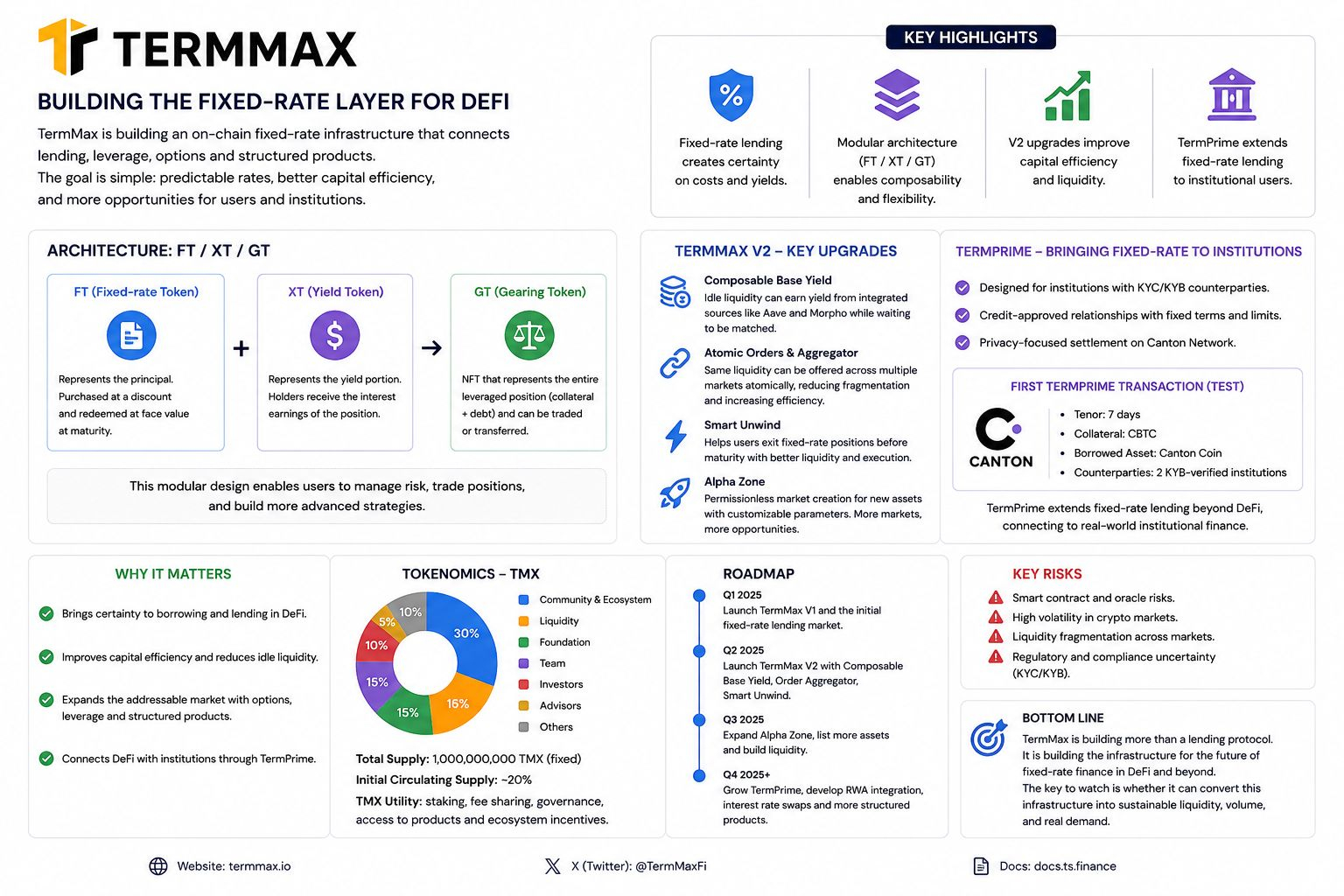
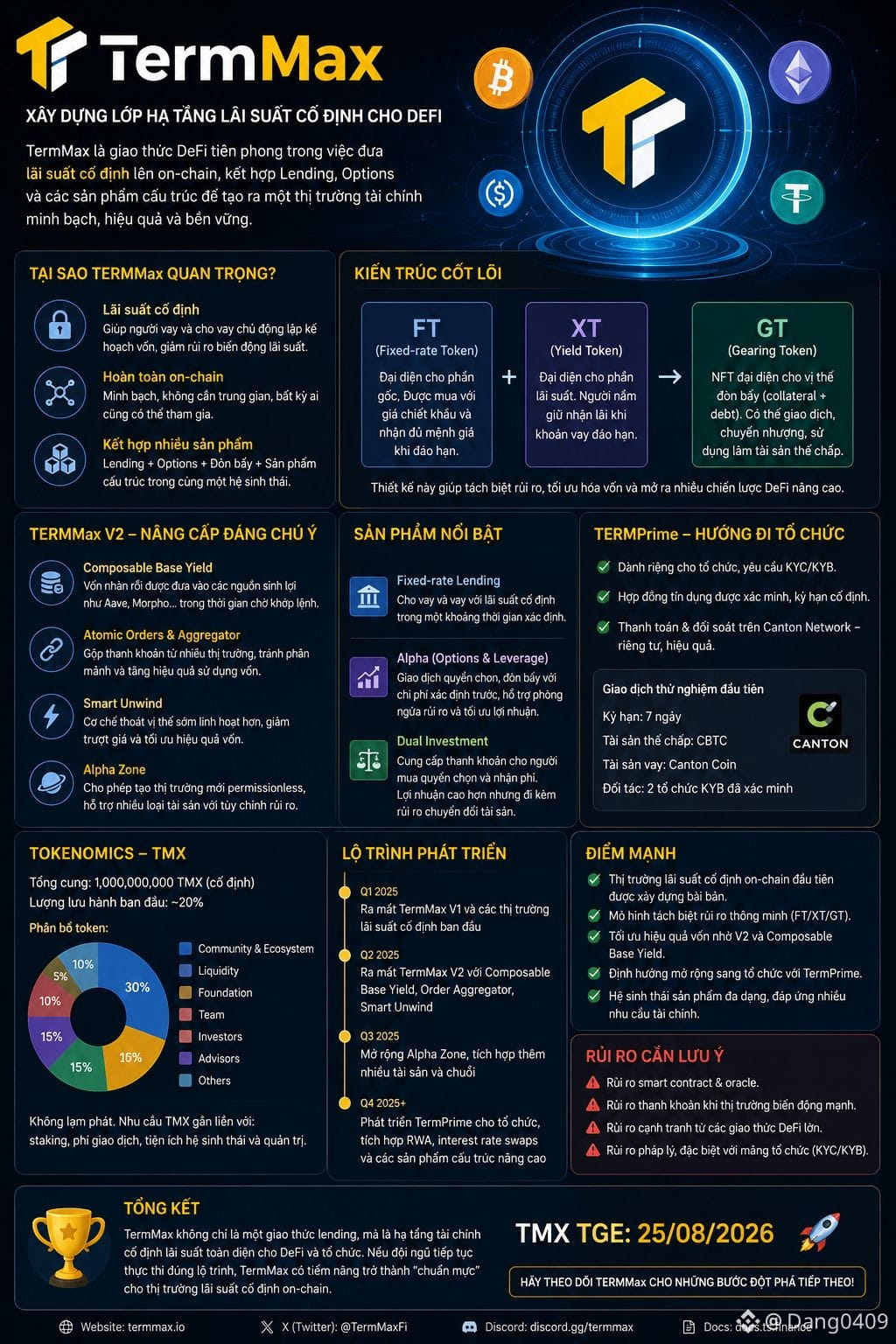
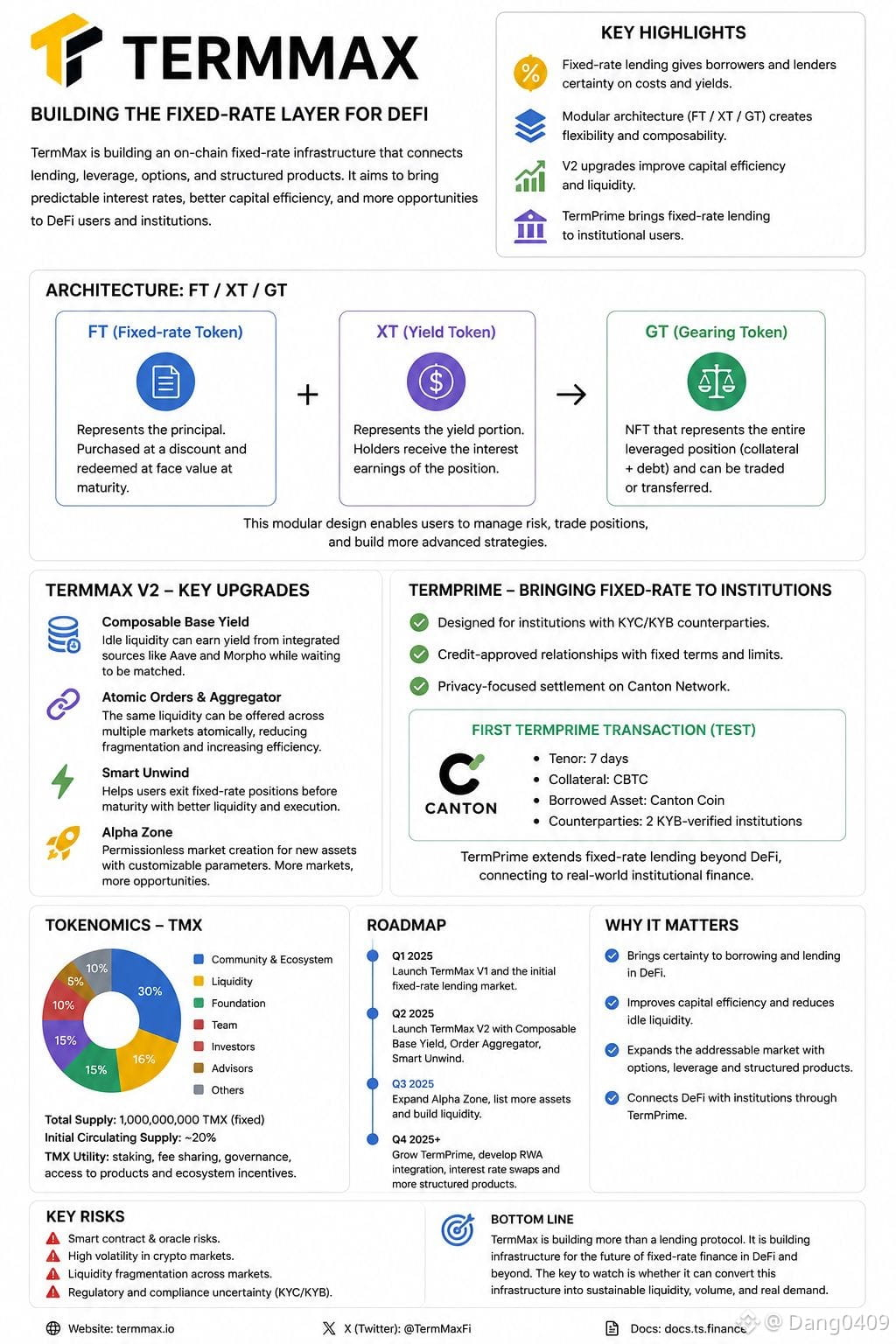
The more I look into TermMax, the more I think its main value is not simply fixed-rate lending.
TermMax is trying to build a fixed-rate layer for DeFi that connects lending, leverage, options and structured products.
One of the most interesting parts is the FT/XT/GT architecture. Instead of treating a lending position as a single asset, TermMax separates the principal, yield and leveraged position into different components. This creates more flexibility for users to manage risk, trade positions and build different strategies.
TermMax V2 takes the idea further with features such as Composable Base Yield, Atomic Orders and Smart Unwind. The goal is to make capital more efficient and reduce one of the biggest problems in fixed-rate markets: liquidity sitting idle while waiting to be matched.
I also find TermPrime interesting because it brings the fixed-rate concept toward institutional users through verified counterparties and credit-based transactions.
For me, the real question is no longer whether TermMax has interesting technology. The bigger question is whether it can turn this infrastructure into sustainable liquidity, volume and real demand after incentives decrease.
That is what I’ll be watching most closely.
@TermMax #TermMax $BTW $BTC
TermMax is trying to build a fixed-rate layer for DeFi that connects lending, leverage, options and structured products.
One of the most interesting parts is the FT/XT/GT architecture. Instead of treating a lending position as a single asset, TermMax separates the principal, yield and leveraged position into different components. This creates more flexibility for users to manage risk, trade positions and build different strategies.
TermMax V2 takes the idea further with features such as Composable Base Yield, Atomic Orders and Smart Unwind. The goal is to make capital more efficient and reduce one of the biggest problems in fixed-rate markets: liquidity sitting idle while waiting to be matched.
I also find TermPrime interesting because it brings the fixed-rate concept toward institutional users through verified counterparties and credit-based transactions.
For me, the real question is no longer whether TermMax has interesting technology. The bigger question is whether it can turn this infrastructure into sustainable liquidity, volume and real demand after incentives decrease.
That is what I’ll be watching most closely.
@TermMax #TermMax $BTW $BTC
Übersetzung ansehen
bạn nghĩ sao về bnb và termmax $BNB
Dang0409
·
--
#termmax @TermMax Was TermMax für mich interessant macht, ist die Architektur hinter seinen Fixed-Rate-Märkten.
TermMax versucht nicht einfach, einen weiteren Kreditmarkt anzubieten. Sein zentrales Design teilt eine Position in verschiedene Komponenten auf, darunter Fixed-rate Tokens (FTs), Yield Tokens (XTs) und Gearing Tokens (GTs). FTs können mit einem Abschlag gekauft und bei Fälligkeit zum Nennwert eingelöst werden, wodurch sich eine planbarere Fixed-Rate-Position ergibt. GTs hingegen bündeln gehebelte Positionen in eine einzige tokenisierte Position.
Die größere Weiterentwicklung ist TermMax V2. Anstatt Liquidität ungenutzt zu lassen, während man auf Kreditnehmer wartet, führt V2 Composable Base Yield ein, sodass Vaults zugrunde liegende Ertragsquellen wie Aave oder ERC-4626-Vaults wie Morpho nutzen können. Das schafft eine effizientere Beziehung zwischen Floating-Rate- und Fixed-Rate-Märkten, statt sie als konkurrierende Systeme zu behandeln.
Auch das Curator-Modell finde ich besonders spannend. Curators können Kapital über mehrere Märkte hinweg allokieren, während Vaults ERC-4626-Standards nutzen und Mechanismen wie Kapazitätsgrenzen, Guardianen und Timelocks einsetzen, um das operative Risiko zu steuern.
Auf der Handelsseite geht TermMax ebenfalls über reines Lending hinaus – durch seine Options-/Alpha-Architektur. Das macht das Protokoll eher zu einer Fixed-Income- und Structured-Produkt-Schicht für DeFi, statt einfach zu einem weiteren Geldmarkt.
Die Technologie ist interessant, aber der eigentliche Test ist die Akzeptanz: Kann TermMax seine Fixed-Rate-Infrastruktur in nachhaltige Liquidität, Handelsvolumen und echte Nutzung über unterschiedliche Marktbedingungen hinweg verwandeln?
Darauf werde ich am genauesten achten.
TermMax versucht nicht einfach, einen weiteren Kreditmarkt anzubieten. Sein zentrales Design teilt eine Position in verschiedene Komponenten auf, darunter Fixed-rate Tokens (FTs), Yield Tokens (XTs) und Gearing Tokens (GTs). FTs können mit einem Abschlag gekauft und bei Fälligkeit zum Nennwert eingelöst werden, wodurch sich eine planbarere Fixed-Rate-Position ergibt. GTs hingegen bündeln gehebelte Positionen in eine einzige tokenisierte Position.
Die größere Weiterentwicklung ist TermMax V2. Anstatt Liquidität ungenutzt zu lassen, während man auf Kreditnehmer wartet, führt V2 Composable Base Yield ein, sodass Vaults zugrunde liegende Ertragsquellen wie Aave oder ERC-4626-Vaults wie Morpho nutzen können. Das schafft eine effizientere Beziehung zwischen Floating-Rate- und Fixed-Rate-Märkten, statt sie als konkurrierende Systeme zu behandeln.
Auch das Curator-Modell finde ich besonders spannend. Curators können Kapital über mehrere Märkte hinweg allokieren, während Vaults ERC-4626-Standards nutzen und Mechanismen wie Kapazitätsgrenzen, Guardianen und Timelocks einsetzen, um das operative Risiko zu steuern.
Auf der Handelsseite geht TermMax ebenfalls über reines Lending hinaus – durch seine Options-/Alpha-Architektur. Das macht das Protokoll eher zu einer Fixed-Income- und Structured-Produkt-Schicht für DeFi, statt einfach zu einem weiteren Geldmarkt.
Die Technologie ist interessant, aber der eigentliche Test ist die Akzeptanz: Kann TermMax seine Fixed-Rate-Infrastruktur in nachhaltige Liquidität, Handelsvolumen und echte Nutzung über unterschiedliche Marktbedingungen hinweg verwandeln?
Darauf werde ich am genauesten achten.
Verifiziert
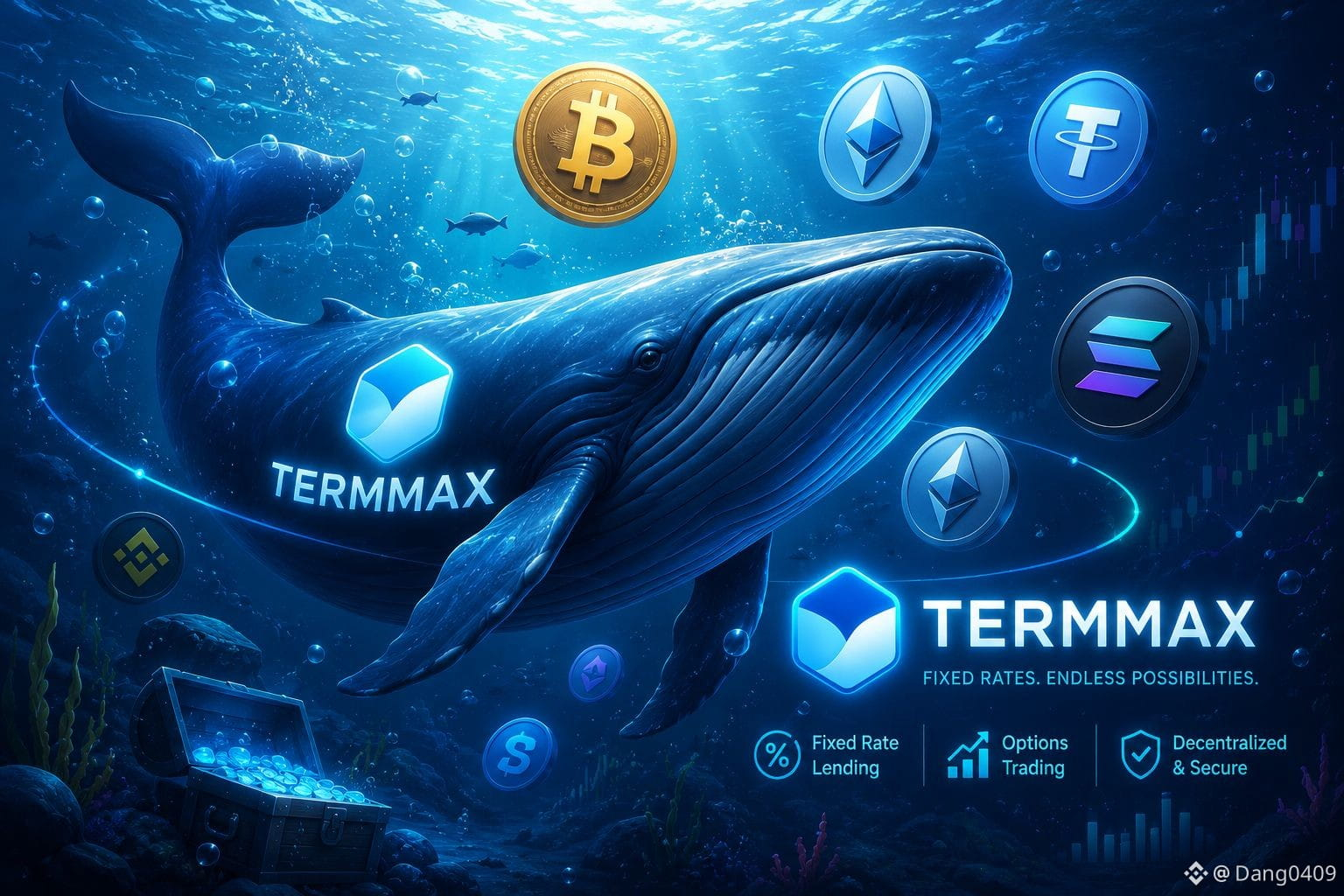
#termmax @TermMax Was TermMax für mich interessant macht, ist die Architektur hinter seinen Fixed-Rate-Märkten.
TermMax versucht nicht einfach, einen weiteren Kreditmarkt anzubieten. Sein zentrales Design teilt eine Position in verschiedene Komponenten auf, darunter Fixed-rate Tokens (FTs), Yield Tokens (XTs) und Gearing Tokens (GTs). FTs können mit einem Abschlag gekauft und bei Fälligkeit zum Nennwert eingelöst werden, wodurch sich eine planbarere Fixed-Rate-Position ergibt. GTs hingegen bündeln gehebelte Positionen in eine einzige tokenisierte Position.
Die größere Weiterentwicklung ist TermMax V2. Anstatt Liquidität ungenutzt zu lassen, während man auf Kreditnehmer wartet, führt V2 Composable Base Yield ein, sodass Vaults zugrunde liegende Ertragsquellen wie Aave oder ERC-4626-Vaults wie Morpho nutzen können. Das schafft eine effizientere Beziehung zwischen Floating-Rate- und Fixed-Rate-Märkten, statt sie als konkurrierende Systeme zu behandeln.
Auch das Curator-Modell finde ich besonders spannend. Curators können Kapital über mehrere Märkte hinweg allokieren, während Vaults ERC-4626-Standards nutzen und Mechanismen wie Kapazitätsgrenzen, Guardianen und Timelocks einsetzen, um das operative Risiko zu steuern.
Auf der Handelsseite geht TermMax ebenfalls über reines Lending hinaus – durch seine Options-/Alpha-Architektur. Das macht das Protokoll eher zu einer Fixed-Income- und Structured-Produkt-Schicht für DeFi, statt einfach zu einem weiteren Geldmarkt.
Die Technologie ist interessant, aber der eigentliche Test ist die Akzeptanz: Kann TermMax seine Fixed-Rate-Infrastruktur in nachhaltige Liquidität, Handelsvolumen und echte Nutzung über unterschiedliche Marktbedingungen hinweg verwandeln?
Darauf werde ich am genauesten achten.
TermMax versucht nicht einfach, einen weiteren Kreditmarkt anzubieten. Sein zentrales Design teilt eine Position in verschiedene Komponenten auf, darunter Fixed-rate Tokens (FTs), Yield Tokens (XTs) und Gearing Tokens (GTs). FTs können mit einem Abschlag gekauft und bei Fälligkeit zum Nennwert eingelöst werden, wodurch sich eine planbarere Fixed-Rate-Position ergibt. GTs hingegen bündeln gehebelte Positionen in eine einzige tokenisierte Position.
Die größere Weiterentwicklung ist TermMax V2. Anstatt Liquidität ungenutzt zu lassen, während man auf Kreditnehmer wartet, führt V2 Composable Base Yield ein, sodass Vaults zugrunde liegende Ertragsquellen wie Aave oder ERC-4626-Vaults wie Morpho nutzen können. Das schafft eine effizientere Beziehung zwischen Floating-Rate- und Fixed-Rate-Märkten, statt sie als konkurrierende Systeme zu behandeln.
Auch das Curator-Modell finde ich besonders spannend. Curators können Kapital über mehrere Märkte hinweg allokieren, während Vaults ERC-4626-Standards nutzen und Mechanismen wie Kapazitätsgrenzen, Guardianen und Timelocks einsetzen, um das operative Risiko zu steuern.
Auf der Handelsseite geht TermMax ebenfalls über reines Lending hinaus – durch seine Options-/Alpha-Architektur. Das macht das Protokoll eher zu einer Fixed-Income- und Structured-Produkt-Schicht für DeFi, statt einfach zu einem weiteren Geldmarkt.
Die Technologie ist interessant, aber der eigentliche Test ist die Akzeptanz: Kann TermMax seine Fixed-Rate-Infrastruktur in nachhaltige Liquidität, Handelsvolumen und echte Nutzung über unterschiedliche Marktbedingungen hinweg verwandeln?
Darauf werde ich am genauesten achten.
Verifiziert
Übersetzung ansehen
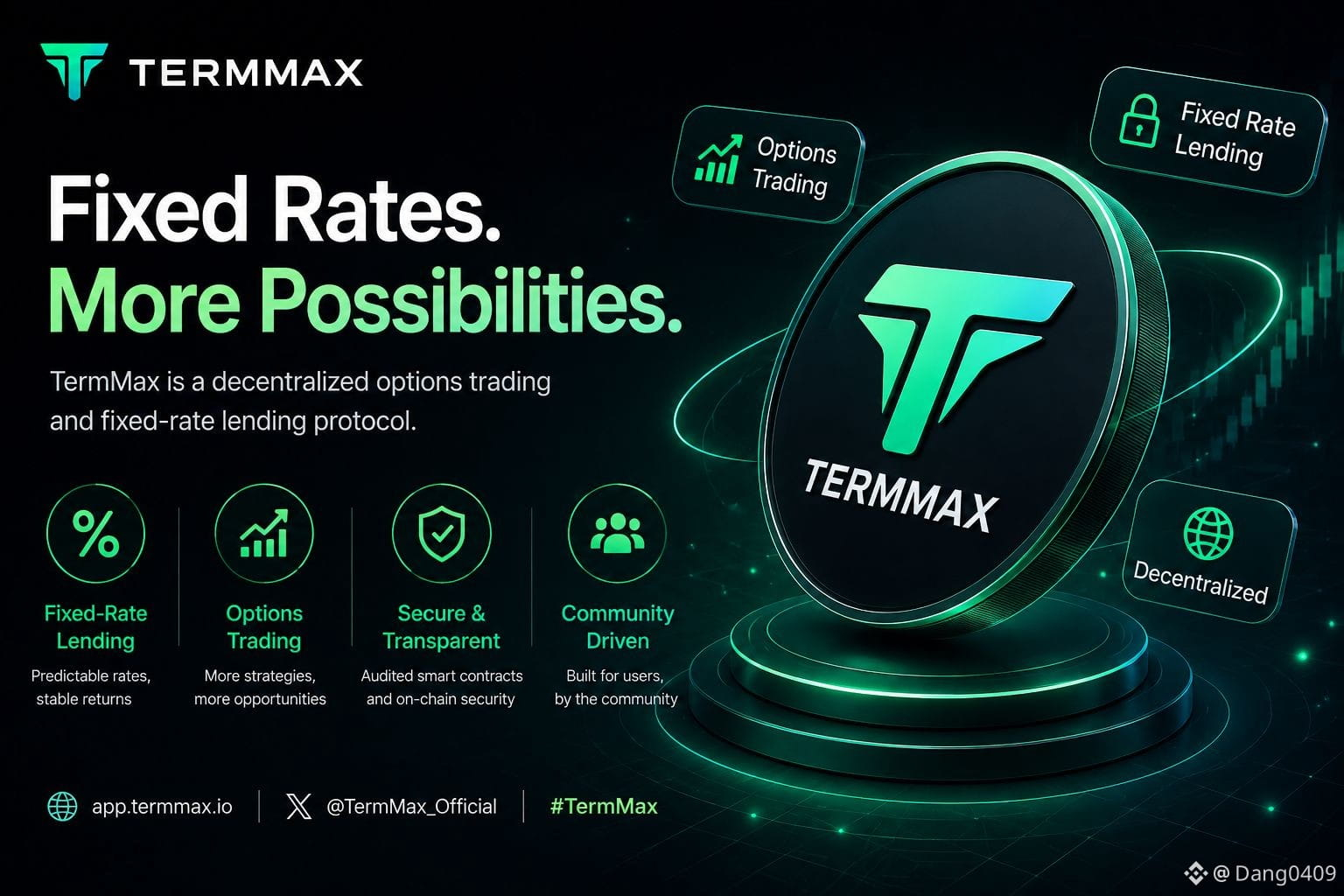
#termmax @TermMax The more I look into TermMax, the more I think its real story is not simply “fixed-rate lending.”
The interesting part is how TermMax is trying to build a fixed-rate layer that can connect lending, leverage, options and structured products.
V2 makes this even more interesting. Idle liquidity can potentially earn yield through integrations such as Morpho while waiting to be matched, while borrowers can move between fixed-rate and variable-rate markets. That makes fixed-rate DeFi much more flexible than simply locking an APY until maturity.
TermMax Alpha is another piece worth watching. By combining options with fixed-cost leverage, it creates a different way to trade early-stage assets and manage risk.
With the TMX TGE approaching on August 25, the next question for me isn't just how much attention the token gets.
The real test is whether TermMax can turn incentives into sustainable liquidity, volume and users after the hype fades.
That’s what I’ll be watching.$
The interesting part is how TermMax is trying to build a fixed-rate layer that can connect lending, leverage, options and structured products.
V2 makes this even more interesting. Idle liquidity can potentially earn yield through integrations such as Morpho while waiting to be matched, while borrowers can move between fixed-rate and variable-rate markets. That makes fixed-rate DeFi much more flexible than simply locking an APY until maturity.
TermMax Alpha is another piece worth watching. By combining options with fixed-cost leverage, it creates a different way to trade early-stage assets and manage risk.
With the TMX TGE approaching on August 25, the next question for me isn't just how much attention the token gets.
The real test is whether TermMax can turn incentives into sustainable liquidity, volume and users after the hype fades.
That’s what I’ll be watching.$
Teilweise korrekt
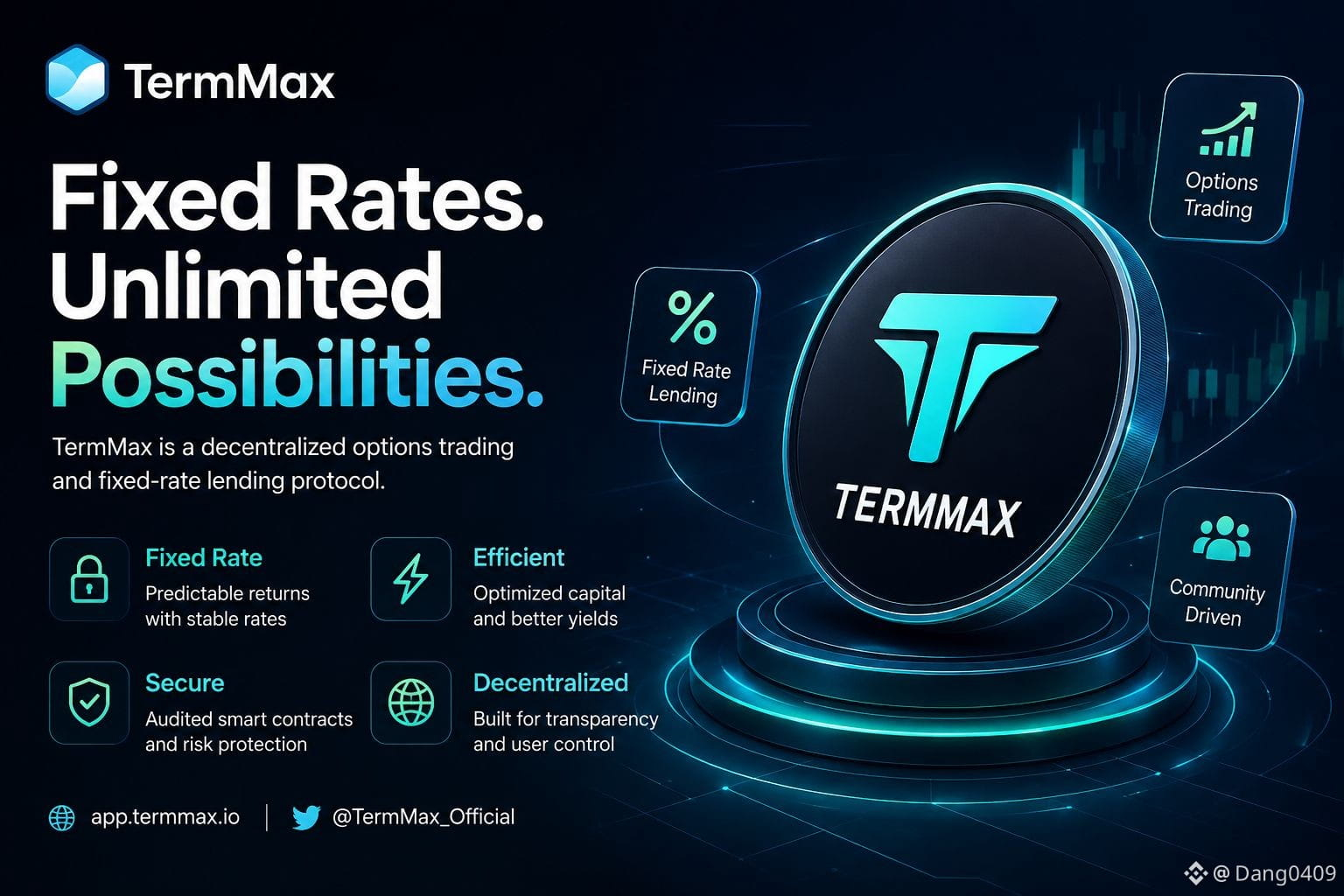
#termmax @TermMax TermMax baut ein dezentrales Protokoll für Kredite zu festen Zinssätzen und Optionshandel auf. Was ich daran interessant finde, ist der Fokus auf feste Zinssätze, die den Nutzern im Vergleich zu ständig wechselnden DeFi-Zinssätzen vorhersehbarere Ergebnisse liefern können. Da sich das TermMax-Ökosystem weiterentwickelt und wächst, werde ich die Entwicklung und die Akzeptanz genau im Blick behalten.
Übersetzung ansehen
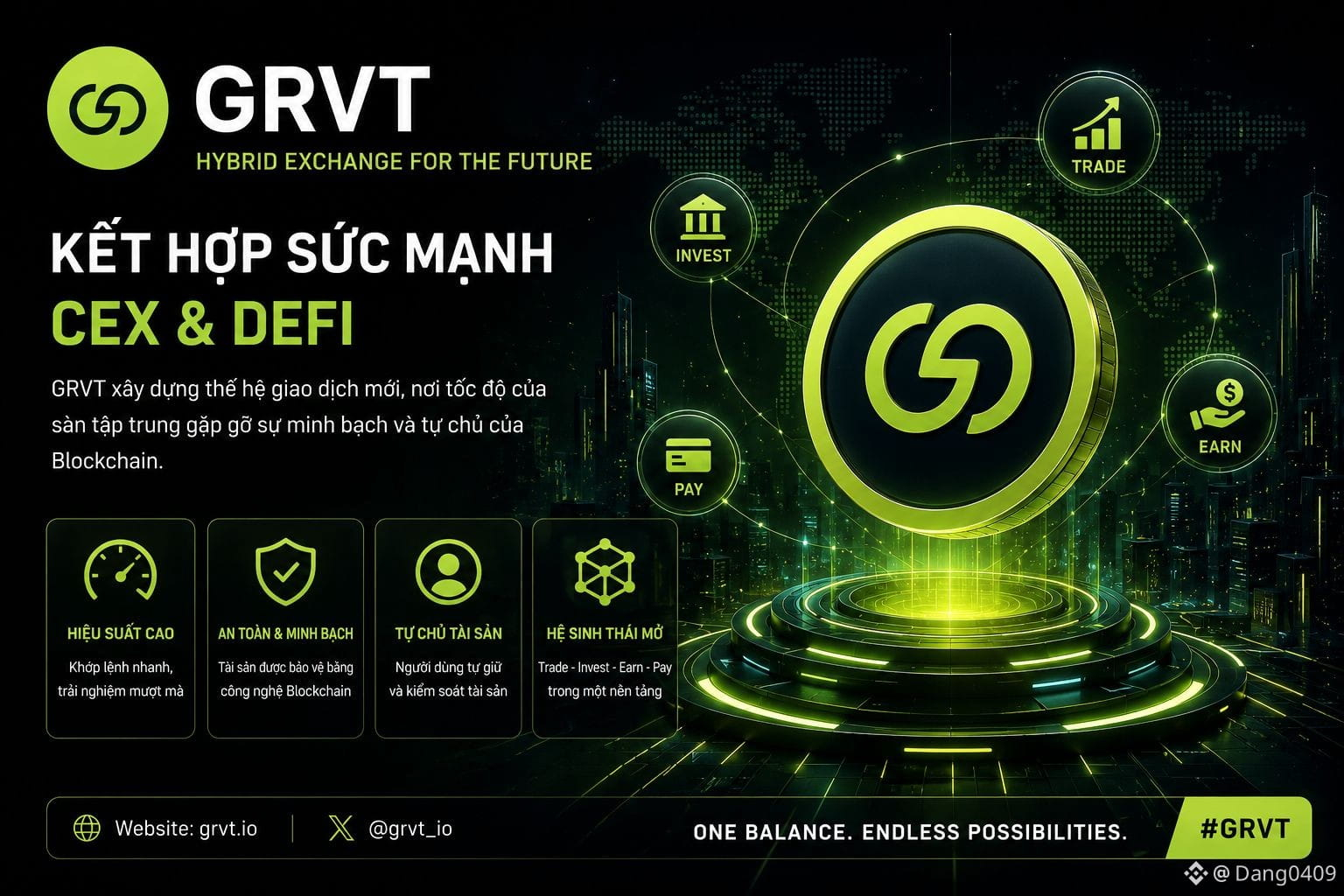
#grvt Điều mình quan tâm ở GRVT không phải là những lời quảng bá, mà là hướng giải quyết vấn đề của thị trường. Nhiều trader muốn tốc độ xử lý như sàn tập trung, nhưng cũng muốn tự kiểm soát tài sản thay vì phụ thuộc hoàn toàn vào bên thứ ba. GRVT đang thử kết hợp hai yếu tố này thông qua mô hình Hybrid Exchange, hướng đến việc cân bằng giữa hiệu suất giao dịch và tính minh bạch của blockchain.
Mình nghĩ thành công của GRVT sẽ không chỉ phụ thuộc vào công nghệ mà còn ở khả năng thu hút thanh khoản, xây dựng cộng đồng và mở rộng hệ sinh thái. Nếu dự án tiếp tục phát triển đúng lộ trình và mang lại trải nghiệm tốt cho người dùng, đây có thể sẽ là một cái tên đáng chú ý trong lĩnh vực giao dịch tài sản số.
Mình sẽ tiếp tục theo dõi các bản cập nhật của dự án và xem GRVT có thể tạo ra những khác biệt gì trong thời gian tới. Mọi người đã trải nghiệm GRVT chưa? Điều gì khiến bạn quan tâm nhất về dự án này?
@grvt_io #lab1usdt #UAIUSDT $LAB $NVDAB
Mình nghĩ thành công của GRVT sẽ không chỉ phụ thuộc vào công nghệ mà còn ở khả năng thu hút thanh khoản, xây dựng cộng đồng và mở rộng hệ sinh thái. Nếu dự án tiếp tục phát triển đúng lộ trình và mang lại trải nghiệm tốt cho người dùng, đây có thể sẽ là một cái tên đáng chú ý trong lĩnh vực giao dịch tài sản số.
Mình sẽ tiếp tục theo dõi các bản cập nhật của dự án và xem GRVT có thể tạo ra những khác biệt gì trong thời gian tới. Mọi người đã trải nghiệm GRVT chưa? Điều gì khiến bạn quan tâm nhất về dự án này?
@grvt_io #lab1usdt #UAIUSDT $LAB $NVDAB
Verifiziert
Übersetzung ansehen
#grvt Sau khi tìm hiểu kỹ hơn về GRVT, điểm mình thấy đáng chú ý không đơn giản là khái niệm “sàn giao dịch kết hợp”. GRVT đang xây dựng mô hình hybrid exchange, kết hợp cơ chế khớp lệnh off-chain với các bảo đảm thực thi và thanh toán on-chain. Cách tiếp cận này hướng tới việc giữ trải nghiệm giao dịch nhanh, nhưng vẫn giảm sự phụ thuộc vào mô hình lưu ký tài sản tập trung truyền thống.
Một điểm khác biệt đáng nghiên cứu là GRVT sử dụng công nghệ ZK và Validium trên hạ tầng ZKsync. Dữ liệu giao dịch nhạy cảm có thể được giữ riêng tư ngoài chuỗi, trong khi tính hợp lệ của các thay đổi trạng thái được bảo đảm bằng zero-knowledge proofs và hoàn tất trên Ethereum. Theo tài liệu của GRVT, tài sản của người dùng nằm trong smart contract và quyền cho phép di chuyển tài sản gắn với khóa của người dùng.
Grvt Help Center +2
Mình cũng chú ý đến định hướng “one-balance system” của GRVT. Ý tưởng là tăng hiệu quả sử dụng vốn bằng cách xây dựng một hệ sinh thái Trade, Invest, Earn và Pay quanh cùng một nền tảng. $GRVT được thiết kế như một “membership key”, mở khóa các lợi ích khác nhau trong hệ sinh thái; nguồn cung tối đa được GRVT công bố là 1 tỷ token.
Grvt
Theo mình, điều đáng theo dõi ở GRVT trong thời gian tới không chỉ là giá token, mà là khả năng biến kiến trúc hybrid và self-custody thành một sản phẩm thực sự có người dùng. Công nghệ tốt là một phần, còn thanh khoản, trải nghiệm và tốc độ mở rộng hệ sinh thái mới là những yếu tố cần quan sát dài hạn.
Mọi người đang đánh giá GRVT ở góc độ công nghệ hay tiềm năng hệ sinh thái?
@grvt_io #grvt
Một điểm khác biệt đáng nghiên cứu là GRVT sử dụng công nghệ ZK và Validium trên hạ tầng ZKsync. Dữ liệu giao dịch nhạy cảm có thể được giữ riêng tư ngoài chuỗi, trong khi tính hợp lệ của các thay đổi trạng thái được bảo đảm bằng zero-knowledge proofs và hoàn tất trên Ethereum. Theo tài liệu của GRVT, tài sản của người dùng nằm trong smart contract và quyền cho phép di chuyển tài sản gắn với khóa của người dùng.
Grvt Help Center +2
Mình cũng chú ý đến định hướng “one-balance system” của GRVT. Ý tưởng là tăng hiệu quả sử dụng vốn bằng cách xây dựng một hệ sinh thái Trade, Invest, Earn và Pay quanh cùng một nền tảng. $GRVT được thiết kế như một “membership key”, mở khóa các lợi ích khác nhau trong hệ sinh thái; nguồn cung tối đa được GRVT công bố là 1 tỷ token.
Grvt
Theo mình, điều đáng theo dõi ở GRVT trong thời gian tới không chỉ là giá token, mà là khả năng biến kiến trúc hybrid và self-custody thành một sản phẩm thực sự có người dùng. Công nghệ tốt là một phần, còn thanh khoản, trải nghiệm và tốc độ mở rộng hệ sinh thái mới là những yếu tố cần quan sát dài hạn.
Mọi người đang đánh giá GRVT ở góc độ công nghệ hay tiềm năng hệ sinh thái?
@grvt_io #grvt
Übersetzung ansehen
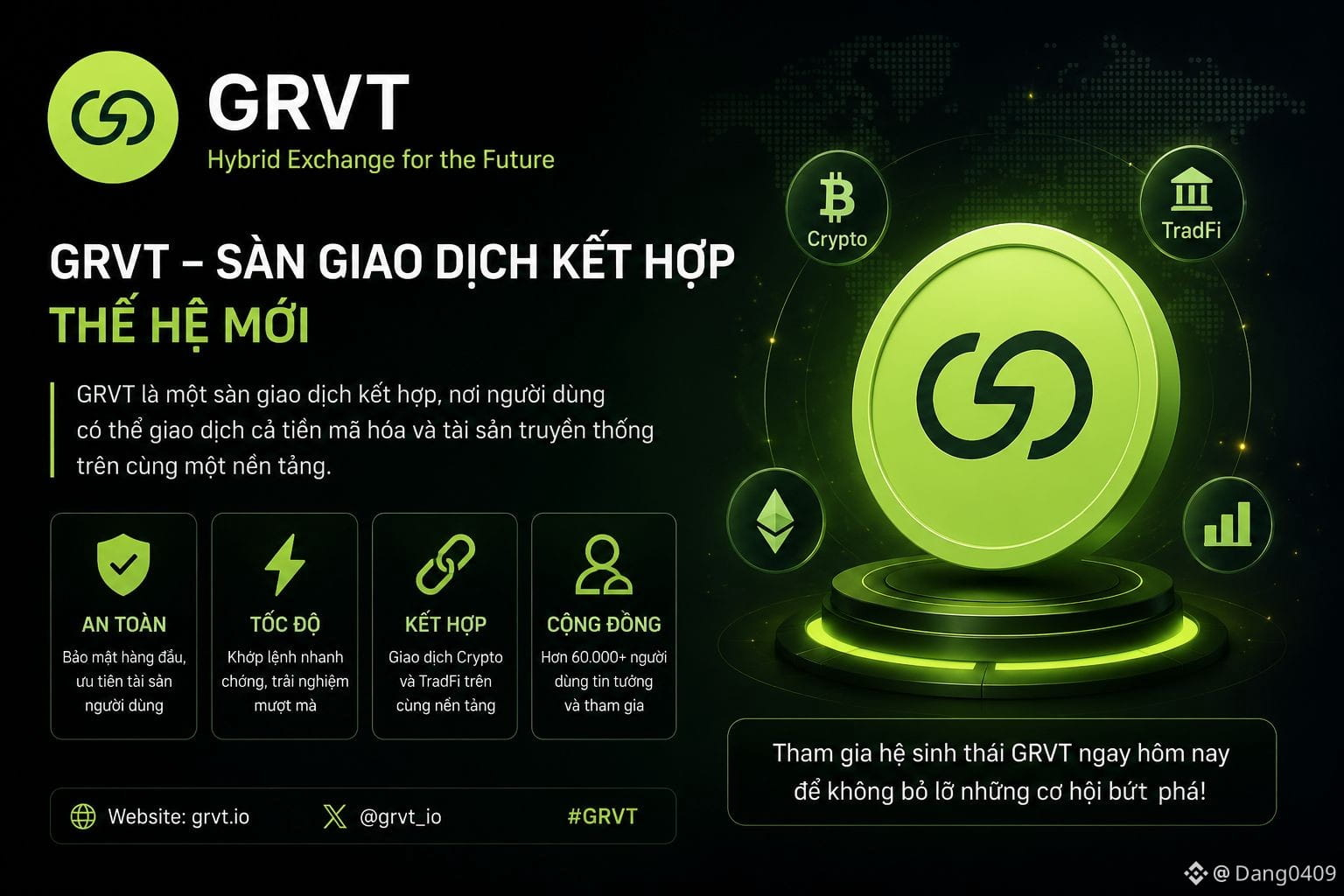
#grvt I've been learning more about @grvt_io and I'm impressed by its approach to combining the speed of centralized exchanges with the transparency of decentralized trading. Looking forward to seeing more features, ecosystem growth, and community development. Wishing the project continued success! 🚀 #grvt
#BinanceTurns8 Nehmen Sie an der Feier teil #BinanceTurns8 mit uns und erhalten Sie einen Anteil aus dem BNB-Bonusfonds im Wert von bis zu 888.888 USD!
Anmelden und weiter Inhalte entdecken