
Kaashi693
7 Beiträge

Kaashi693
Melden
Nutzer blockieren
11 Following
0 Follower
0 Like gegeben
Beiträge
·
--
Heute (27. November 2026) steht Initia (INIT) wegen eines starken untertägigen Kursanstiegs von über 50 % auf etwa 0,13–0,135 $ sowie eines verlängerten Handelshinweises der südkoreanischen Börse Bithumb in den Schlagzeilen. [1, 2, 3]
Wichtige Entwicklungen heute (27. November 2026)
Deutlicher Anstieg von Kurs und Handelsvolumen. Laut Live-Marktdaten von Binance und CoinGecko legte INIT in den vergangenen 24 Stunden um über 52–56 % zu: von etwa 0,085 $ auf rund 0,133–0,135 $. Das tägliche Handelsvolumen stieg um mehr als 900 % auf über 100–123 Millionen $, hauptsächlich getrieben durch umfangreiche Spot-Handelsaktivitäten auf Binance (INIT/TRY- und INIT/USDT-Paare).
[1, 2, 3]
Bithumb verlängert den Handelshinweis. Die südkoreanische Kryptobörse Bithumb gab gestern spät in der Nacht (mit Blick auf die heutige Handelssitzung) offiziell bekannt, dass sie ihren Handelshinweis für Initia (INIT) verlängert hat. Börsen setzen solche Warnhinweise typischerweise nach Vorfällen im Bereich der Netzwerksicherheit oder bei extremen Kursschwankungen neu in Kraft oder verlängern sie, um Händler vor erhöhter Volatilität und dem Risiko einer Auslistung zu warnen. [1]
#Initia
#TodaysCryptoAnalysis
#Top_Gainers

159
·
--
Übersetzung ansehen
The broader cryptocurrency market is navigating Extreme Fear (Fear & Greed Index around 8–10) with a total market cap near $2.0T–$2.16T, as major assets attempt to stabilize following heavy monthly pullbacks and spot ETF outflows.
Exchange rates chart
As of 28 Nov, 4:58 am GMT+5 • Disclaimer
BNB-USD
BTC-USD
ETH-USD
27 Nov 2026
7 Nov17 Nov27 Nov-30%-20%-10%0%
28 Oct 2026 - 28 Nov 2026
Chart SummaryAsset Name Asset Price Price Delta Percent Delta
BNB-USD US$553.24 25.38%
BTC-USD US$60,495.56 24.11%
ETH-USD US$1,687.68 27.27%
Exchange rates chart
As of 28 Nov, 4:58 am GMT+5 • Disclaimer
BNB-USD
BTC-USD
ETH-USD
27 Nov 2026
7 Nov17 Nov27 Nov-30%-20%-10%0%
28 Oct 2026 - 28 Nov 2026
Chart SummaryAsset Name Asset Price Price Delta Percent Delta
BNB-USD US$553.24 25.38%
BTC-USD US$60,495.56 24.11%
ETH-USD US$1,687.68 27.27%
93
·
--
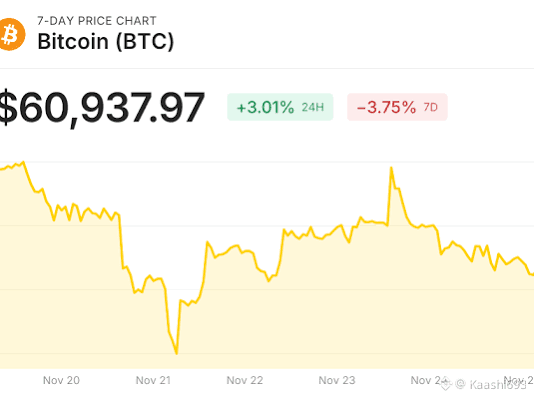
• US-Gesetzesentwurf zur Bitcoin-Sperre kommt voran. Ein neuer US-Gesetzesentwurf, der vorsieht, die Bitcoin-Bestände der Bundesregierung 20 Jahre lang zu sperren, wurde vom Ausschuss verabschiedet und an das gesamte Repräsentantenhaus weitergeleitet.
• Ukraine legalisiert Kryptomarkt. Ukrainische Abgeordnete verabschiedeten ein umfassendes Gesetz zur Regulierung und Besteuerung von Kryptowährungen, das im Juli 2027 in Kraft treten soll und voraussichtlich 330 Millionen Dollar an Staatseinnahmen einbringen wird.
• Europäische Steuer- und DeFi-Prüfung. Der französische Senat blockierte eine umstrittene Liste zur Offenlegung von Krypto-Wallets, da Entführungs- und Sicherheitsrisiken für deren Inhaber befürchtet wurden. Unterdessen forderte die Bankenaufsicht der EU die Europäische Kommission auf, strenge Regeln für Unternehmen einzuführen, die DeFi-Kredite anbieten.
#bitcoin
#US-Gesetzesentwurf
103
·
--
Regulierungsstatus. Laut aktuellen Informationen der Pakistan Virtual Assets Regulatory Authority (PVARA) können Kryptowährungen weiterhin nicht anstelle der pakistanischen Rupie als gesetzliches Zahlungsmittel verwendet werden. Unternehmen, die Dienstleistungen im Bereich virtueller Vermögenswerte anbieten, benötigen zwar eine PVARA-Lizenz, doch im Register der PVARA ist bislang kein Unternehmen öffentlich mit einer vollständigen Betriebslizenz aufgeführt.
[1]
Möchten Sie, dass ich eine Aufgabe einrichte, die Ihnen täglich Zusammenfassungen des Kryptomarkts sendet, oder suchen Sie nach Informationen zu einer bestimmten Kryptowährung oder zu lokalen P2P-/Börsenregelungen in Pakistan?
#pakistanicrypto
#CryptoNews
[1]
Möchten Sie, dass ich eine Aufgabe einrichte, die Ihnen täglich Zusammenfassungen des Kryptomarkts sendet, oder suchen Sie nach Informationen zu einer bestimmten Kryptowährung oder zu lokalen P2P-/Börsenregelungen in Pakistan?
#pakistanicrypto
#CryptoNews
44
·
--
Übersetzung ansehen
The Chain of Hands
A tokenized share passes through several hands before it earns anyone money. The company whose stock it is sits at the start. A broker dealer holds the real shares. A wrapper issues the token. An exchange or wallet puts it in front of a customer. A DEX or order book sets its price. At the end, lending markets and perps decide what the token can be used for.
This paper argues that the largest share of value goes to whoever controls one of three points: the customer relationship, collateral eligibility, or the yield surface. The issuer controls none of them by default. No issuer in the sources I reviewed discloses revenue by layer, so I measure capture by fees charged, holder counts and DeFi deployment.
II. Layer One: Issuance Priced at Zero
The fee schedules show where issuers have chosen not to charge.#BitcoinAndStocksSlipAgainAmidTrump’sTariffPlans
64
·
--
Übersetzung ansehen
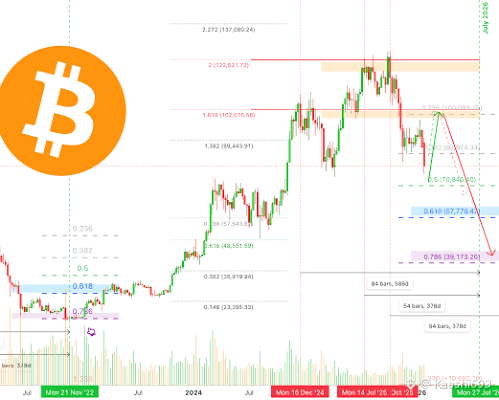
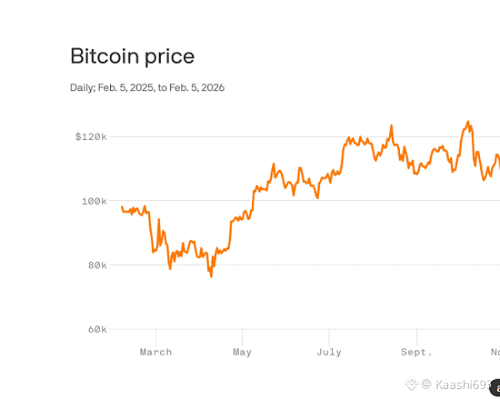
The crypto market is facing heavy selling pressure today, with Bitcoin dropping below $59,000 as record monthly ETF outflows and interest rate hike expectations weigh on investor sentiment. [1, 2]
Bitcoin & Macro Market Trends
Bitcoin Slips Below $59,000. After briefly rallying above $64,000 earlier in the week alongside a rebound in tech stocks, Bitcoin fell roughly 2% to hover between $58,700 and $59,250, bringing its November decline to around 25%. [1, 2]
Record Monthly ETF Outflows. U.S. spot Bitcoin ETFs are heading for their worst month since launch, with cumulative November withdrawals reaching $4.71 billion to $5 billion—led by roughly $4 billion in outflows from BlackRock's fund. [1, 2]
Fed & Inflation Jitters. Markets are pricing in a high probability of a 25-basis-point Federal Reserve rate hike in December, keeping traders cautious ahead of today's U.S. Personal Consumption Expenditures (PCE) inflation report. [1, 2]
Exchange Reserves Drop. Despite the price drop, on-chain data from CryptoQuant shows investors withdrew nearly 43,000 BTC from centralized exchanges over the past 30 days into self-custody wallets. [1]
Altcoin Performance & Movers
Major Altcoins Slide. Ethereum is trading near $1,641, while Solana dropped roughly 5% over the past 24 hours, extending its November losses to over 30%. Other Layer-1 tokens like Avalanche (-46%) and Polkadot (-38%) have seen even steeper monthly pullbacks. [1, 2, 3]
Top Daily Gainers. While the broader market is down, select smaller-cap tokens are rallying on Yahoo Finance, led by GEODNET (+17.85%), CARV (+17.62%), and Kinetiq (+16.79%). [1]
Regulatory & Global Developments
U.S. Legislative Shifts. Following Democratic gains in the November U.S. midterm elections, analysts at DBS Research note that the crypto market structure bill (CLARITY Act) faces delays, while the SEC and CFTC continue pushing forward with agency-level rulemaking.
76
·
--
Übersetzung ansehen
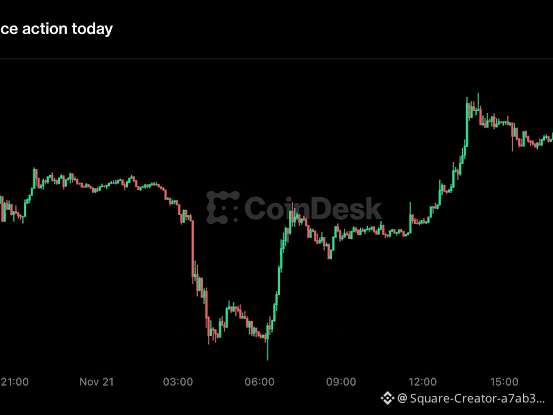
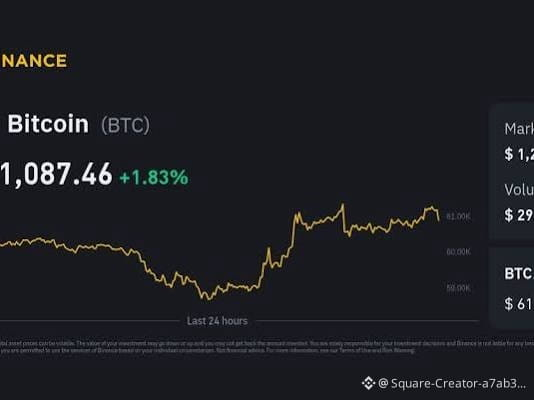
Bitcoin has reclaimed the $61,000 mark today, attempting to stabilize after a sharp weekend sell-off wiped out roughly $1.8 billion in leveraged positions. Market volatility, AI capital rotation, and major South Korean regulatory updates are leading today's crypto headlines. [1, 2, 3, 4, 5]
Market & Price Action
Bitcoin and Ethereum Rebound. After dropping near a two-year low around $55,000 over the weekend, Bitcoin bounced back above $61,000, while Ethereum recovered above $1,700. Analysts caution that the recovery remains fragile ahead of U.S. stock market reopening and ongoing ETF outflows. [1, 2, 3]
Top Trending Coins. According to CoinGecko's trending tracker, Pudgy Penguins (PENGU), Bitcoin (BTC), and Official Trump (TRUMP) are the most-searched coins today. Among top-100 movers on CoinMarketCap, Pieverse (PIEVERSE) surged over 18%. [1, 2]
AI Capital Rotation. Traders are closely watching the Nasdaq debut of Defiance's 2X Long and Short Anthropic ETFs today following Anthropic's massive IPO, which has drawn significant speculative liquidity away from digital assets. [1, 2]
Regulation & Macro Watch
South Korea Tightens Crypto Oversight. South Korean Financial Services Commission Chairman Lee Eok-won announced stricter anti-money laundering reviews and reporting rules for overseas crypto transfers and personal wallets.
Key Macro Data Ahead. Crypto investors are bracing for a busy economic calendar this week, including U.S. PCE inflation figures, Q3 GDP data, and major token unlocks. [1, 2]
Would you like me to set up a task to send you daily updates on crypto market movements or track specific price levels for Bitcoin and Ethereum? Let me know if you're following a specific coin or sector and I can narrow the focus.
73
Anmelden und weiter Inhalte entdecken
Krypto-Nutzer weltweit auf Binance Square kennenlernen
⚡️ Bleib in Sachen Krypto stets am Puls.
💬 Die weltgrößte Kryptobörse vertraut darauf.
👍 Erhalte verlässliche Einblicke von verifizierten Creators.
E-Mail-Adresse/Telefonnummer
Trendthemen
CanMarketsReboundAfterThanksgiving?
340,660 Aufrufe
2,780 Kommentare
Wetten auf Zinserhöhungen halten sich, während die US-Märkte vor Thanksgiving schließen
Binance News
·8 Likes
·6.2k Aufrufe
EvolveAtBinanceBlockchainWeek
1M Aufrufe
12,623 Kommentare
XRPLedgerVaultGets29Votes
9,307 Aufrufe
125 Kommentare