

BYD _Binace
26 Beiträge

BYD _Binace
Melden
Nutzer blockieren
46 Following
76 Follower
46 Like gegeben
Beiträge
Alle
Zitierungen
·
--
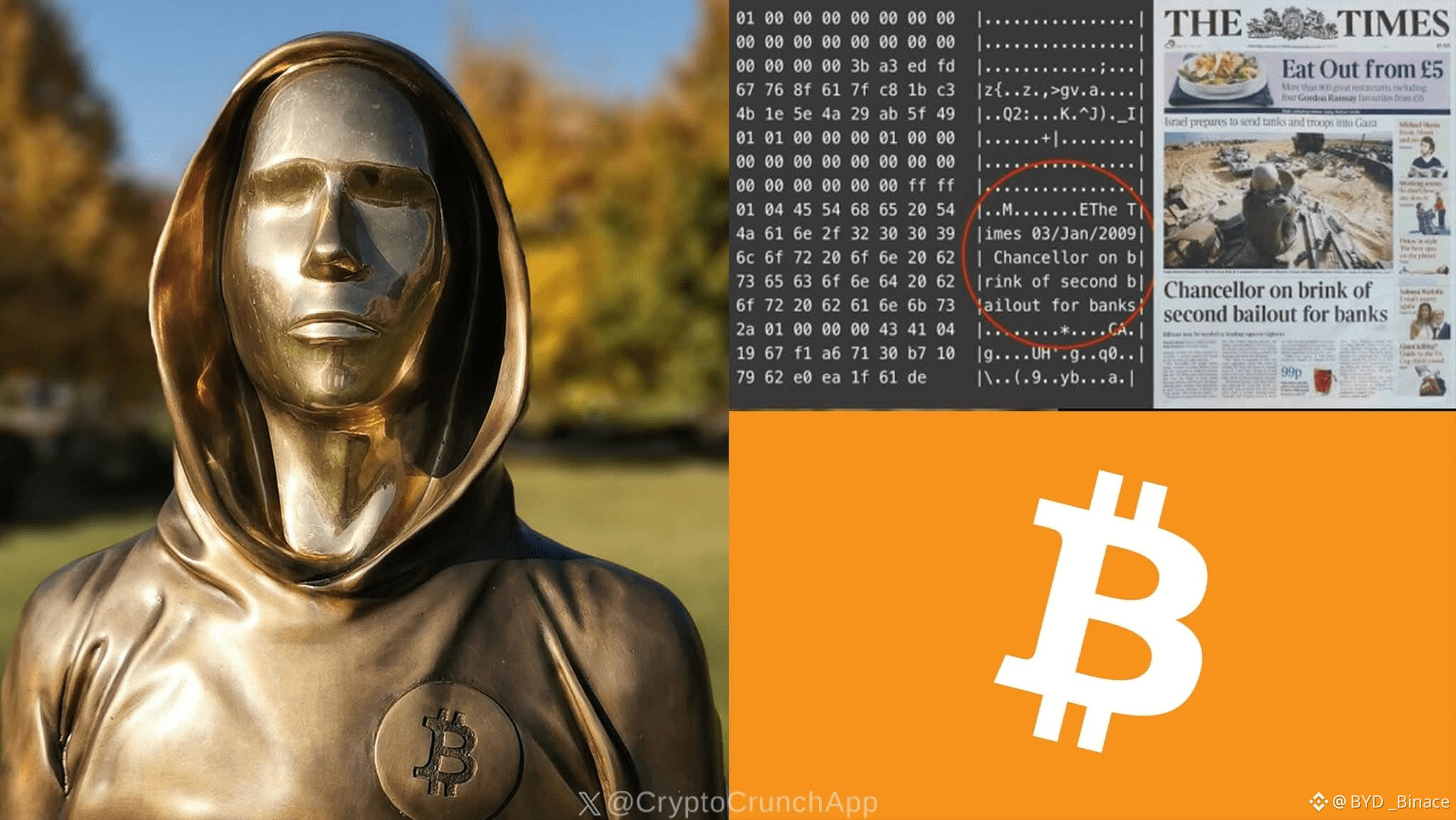
🚨🚨BREAKING: 🎭 Vor 17 Jahren heute hat Satoshi Nakamoto offiziell Bitcoin der Welt vorgestellt und damit einen Weg für eine neue Vermögensklasse geschaffen.
EINE NEUE VERMÖGENSKLASSE WURDE HEUTE GEBOREN ✅🧡
#bitcoin $BTC
🚨🚨BREAKING: 🎭 Vor 17 Jahren heute hat Satoshi Nakamoto offiziell Bitcoin der Welt vorgestellt und damit einen Weg für eine neue Vermögensklasse geschaffen.
EINE NEUE VERMÖGENSKLASSE WURDE HEUTE GEBOREN ✅🧡
#bitcoin $BTC
EINE NEUE VERMÖGENSKLASSE WURDE HEUTE GEBOREN ✅🧡
#bitcoin $BTC
·
--
Übersetzung ansehen
99% OF PEOPLE WILL LOSE EVERYTHING IN 2026!!!
99% OF PEOPLE WILL LOSE EVERYTHING IN 2026!!!
I spent 87 hours research the global financial system and was shocked..
And 2026 will be tough!
Not because of a classic recession or a bank run.
It’s something much bigger than that, let me explain:
In sovereign bond markets, especially U.S. Treasuries.
Bond volatility is already starting to wake up.
The MOVE index has been creeping higher, and historically that doesn’t happen without a reason.
Bonds don’t move on vibes or narratives but they move when funding conditions are starting to tighten.
What makes this worrying is that three major fault lines are lining up at the same time:
First, the U.S. Treasury.
In 2026, the U.S. has to roll and issue an enormous amount of debt while running massive deficits.
At the same time, interest costs are exploding, foreign buyers are stepping back, dealers are more balance-sheet constrained than ever, and long-end auctions are already showing signs of stress.
Bigger tails, weaker demand, less appetite to absorb supply.
That’s not a theory, it’s already visible in the data.
This is how funding shocks start.
Not with panic, but with auctions that quietly struggle.
Second, we have Japan.
Japan is the largest foreign holder of U.S. Treasuries and the backbone of global carry trades.
If USD/JPY keeps pushing higher and the Bank of Japan is forced to react, carry trades unwind fast.
When that happens, Japanese institutions don’t just sell domestic assets…
They sell foreign bonds too.
That loop puts even more pressure on U.S. yields right when the Treasury needs demand the most.
Japan doesn’t cause the shock by itself. It amplifies it.
Third, we have China.
Behind the scenes is a massive local-government debt problem that hasn’t gone away.
If stress there turns into a visible credit event, the yuan weakens, capital looks for safety, commodities react, and the dollar strengthens.
That feeds directly back into higher U.S. yields again. China becomes another amplifier, not the origin.
The trigger for all of this doesn’t need to be dramatic.
It could be something as simple as a poorly received 10-year or 30-year Treasury auction.
One bad auction at the wrong time is enough to spike yields, tighten global funding, and force risk assets to reprice quickly.
We’ve seen this movie before, the UK gilt crisis in 2022 followed this exact path.
The difference now is scale. This time, it’s global.
If that kind of funding shock hits, the sequence is fairly predictable: long-term yields jump, the dollar strengthens, liquidity dries up, risk assets sell off hard, and volatility spreads everywhere.
That’s not a solvency crisis, it’s a plumbing problem. But plumbing problems move fast.
And then comes the response.
Central banks step in. Liquidity gets injected.
Swap lines open. Buybacks and balance sheet tools come back into play.
The system stabilizes but at the cost of another wave of liquidity.
That’s when the second phase starts.
Real yields fall, hard assets catch a bid, gold breaks higher, silver follows, Bitcoin recovers, commodities move, and the dollar eventually rolls over.
The shock clears the way for the next inflationary cycle.
That’s why 2026 matters…
Not because everything explodes permanently, but because multiple stress cycles peak at the same time.
And the early signal is already there.
Bond volatility doesn’t rise early by accident.
The world can handle recessions but what it struggles with is a disorderly Treasury market.
That’s the risk building beneath the surface and it’s worth paying attention to long before it shows up.
99% OF PEOPLE WILL LOSE EVERYTHING IN 2026!!!
99% OF PEOPLE WILL LOSE EVERYTHING IN 2026!!!
I spent 87 hours research the global financial system and was shocked..
And 2026 will be tough!
Not because of a classic recession or a bank run.
It’s something much bigger than that, let me explain:
In sovereign bond markets, especially U.S. Treasuries.
Bond volatility is already starting to wake up.
The MOVE index has been creeping higher, and historically that doesn’t happen without a reason.
Bonds don’t move on vibes or narratives but they move when funding conditions are starting to tighten.
What makes this worrying is that three major fault lines are lining up at the same time:
First, the U.S. Treasury.
In 2026, the U.S. has to roll and issue an enormous amount of debt while running massive deficits.
At the same time, interest costs are exploding, foreign buyers are stepping back, dealers are more balance-sheet constrained than ever, and long-end auctions are already showing signs of stress.
Bigger tails, weaker demand, less appetite to absorb supply.
That’s not a theory, it’s already visible in the data.
This is how funding shocks start.
Not with panic, but with auctions that quietly struggle.
Second, we have Japan.
Japan is the largest foreign holder of U.S. Treasuries and the backbone of global carry trades.
If USD/JPY keeps pushing higher and the Bank of Japan is forced to react, carry trades unwind fast.
When that happens, Japanese institutions don’t just sell domestic assets…
They sell foreign bonds too.
That loop puts even more pressure on U.S. yields right when the Treasury needs demand the most.
Japan doesn’t cause the shock by itself. It amplifies it.
Third, we have China.
Behind the scenes is a massive local-government debt problem that hasn’t gone away.
If stress there turns into a visible credit event, the yuan weakens, capital looks for safety, commodities react, and the dollar strengthens.
That feeds directly back into higher U.S. yields again. China becomes another amplifier, not the origin.
The trigger for all of this doesn’t need to be dramatic.
It could be something as simple as a poorly received 10-year or 30-year Treasury auction.
One bad auction at the wrong time is enough to spike yields, tighten global funding, and force risk assets to reprice quickly.
We’ve seen this movie before, the UK gilt crisis in 2022 followed this exact path.
The difference now is scale. This time, it’s global.
If that kind of funding shock hits, the sequence is fairly predictable: long-term yields jump, the dollar strengthens, liquidity dries up, risk assets sell off hard, and volatility spreads everywhere.
That’s not a solvency crisis, it’s a plumbing problem. But plumbing problems move fast.
And then comes the response.
Central banks step in. Liquidity gets injected.
Swap lines open. Buybacks and balance sheet tools come back into play.
The system stabilizes but at the cost of another wave of liquidity.
That’s when the second phase starts.
Real yields fall, hard assets catch a bid, gold breaks higher, silver follows, Bitcoin recovers, commodities move, and the dollar eventually rolls over.
The shock clears the way for the next inflationary cycle.
That’s why 2026 matters…
Not because everything explodes permanently, but because multiple stress cycles peak at the same time.
And the early signal is already there.
Bond volatility doesn’t rise early by accident.
The world can handle recessions but what it struggles with is a disorderly Treasury market.
That’s the risk building beneath the surface and it’s worth paying attention to long before it shows up.
77
·
--
Übersetzung ansehen
🚨BREAKING: 🇺🇸 US President’s 19 Year Old Son Baron Trump Builds $150 Million Net Worth In 2025 Earning $80 Million Alone From Crypto.
WHO SAYS YOU CAN'T MAKE MONEY IN CRYPTO
#BTC90kChristmas $BTC
🚨BREAKING: 🇺🇸 US President’s 19 Year Old Son Baron Trump Builds $150 Million Net Worth In 2025 Earning $80 Million Alone From Crypto.
WHO SAYS YOU CAN'T MAKE MONEY IN CRYPTO
#BTC90kChristmas $BTC
WHO SAYS YOU CAN'T MAKE MONEY IN CRYPTO
#BTC90kChristmas $BTC

2
·
--
💥NEUIGKEITEN:
$XRP
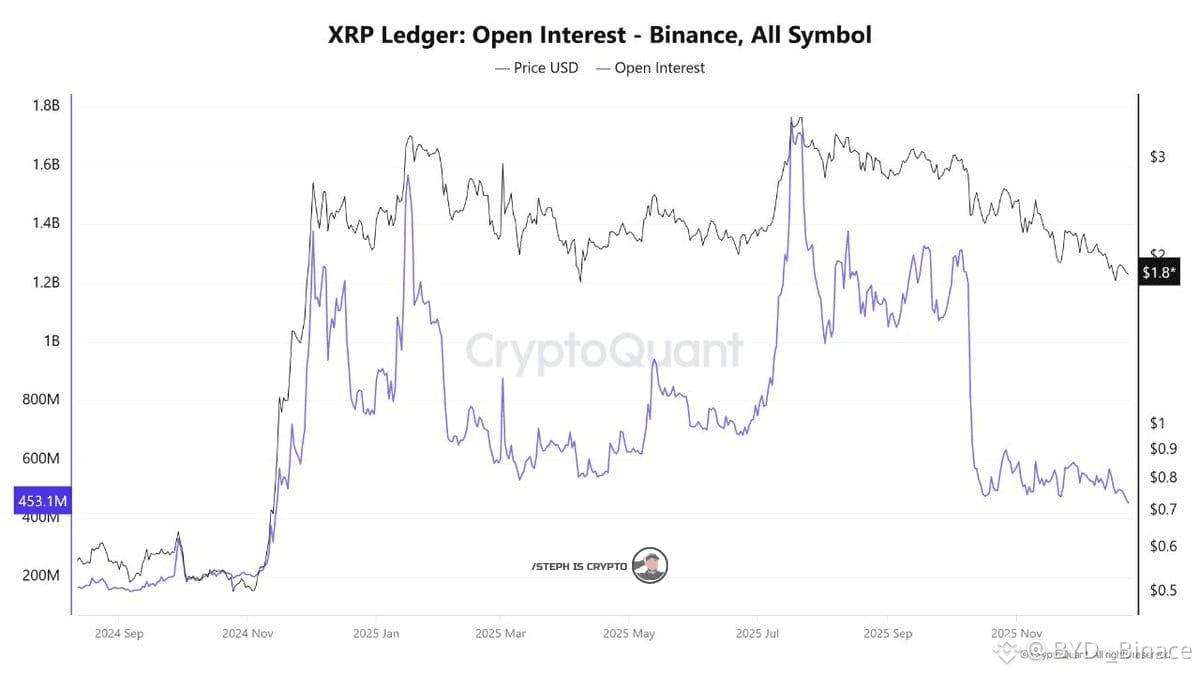
$XRP DAS OFFENE INTERESSE BEI BINANCE FÄLLT AUF $453M, DAS NIEDRIGSTE SEIT ANFANG 2024.
#Binance
💥NEUIGKEITEN:
$XRP
$XRP DAS OFFENE INTERESSE BEI BINANCE FÄLLT AUF $453M, DAS NIEDRIGSTE SEIT ANFANG 2024.
#Binance
$XRP
$XRP DAS OFFENE INTERESSE BEI BINANCE FÄLLT AUF $453M, DAS NIEDRIGSTE SEIT ANFANG 2024.
#Binance
98
·
--
Übersetzung ansehen
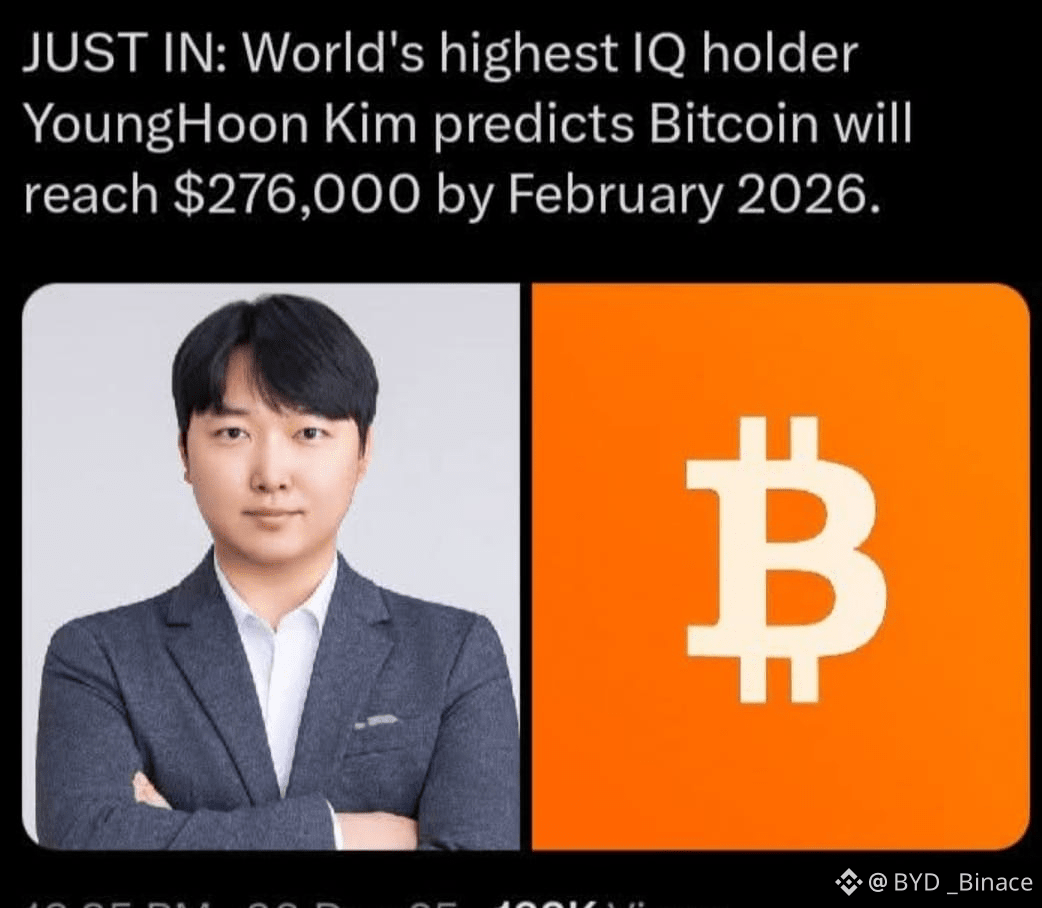
JUST IN: World's highest IQ holder YoungHoon
Kim predicts Bitcoin will reach $276,000 by
February 2026.
#bitcoin $BTC
JUST IN: World's highest IQ holder YoungHoon
Kim predicts Bitcoin will reach $276,000 by
February 2026.
#bitcoin $BTC
Kim predicts Bitcoin will reach $276,000 by
February 2026.
#bitcoin $BTC
5
·
--
1
22
·
--
Übersetzung ansehen
🎄 Bitcoin (BTC) Price on Christmas Day – Historical Data
2010 — $0.25
2011 — $4
2012 — $13
2013 — $669
2014 — $320
2015 — $430
2016 — $895
2017 — $14,000
2018 — $3,800
2019 — $7,200
2020 — $24,665
2021 — $50,800
2022 — $16,830
2023 — $43,400
2024 — $98,900
2025------?
#bitcoin $BTC
🎄 Bitcoin (BTC) Price on Christmas Day – Historical Data
2010 — $0.25
2011 — $4
2012 — $13
2013 — $669
2014 — $320
2015 — $430
2016 — $895
2017 — $14,000
2018 — $3,800
2019 — $7,200
2020 — $24,665
2021 — $50,800
2022 — $16,830
2023 — $43,400
2024 — $98,900
2025------?
#bitcoin $BTC
2010 — $0.25
2011 — $4
2012 — $13
2013 — $669
2014 — $320
2015 — $430
2016 — $895
2017 — $14,000
2018 — $3,800
2019 — $7,200
2020 — $24,665
2021 — $50,800
2022 — $16,830
2023 — $43,400
2024 — $98,900
2025------?
#bitcoin $BTC

62
·
--
Übersetzung ansehen
🎄 Ethereum (ETH) Price on Christmas Day – Historical Data
2015 — $0.85
2016 — $7.18
2017 — $732
2018 — $130
2019 — $125
2020 — $625
2021 — $4,070
2022 — $1,220
2023 — $2,294
2024 — $3,495
#Ethereum $ETH
🎄 Ethereum (ETH) Price on Christmas Day – Historical Data
2015 — $0.85
2016 — $7.18
2017 — $732
2018 — $130
2019 — $125
2020 — $625
2021 — $4,070
2022 — $1,220
2023 — $2,294
2024 — $3,495
#Ethereum $ETH
2015 — $0.85
2016 — $7.18
2017 — $732
2018 — $130
2019 — $125
2020 — $625
2021 — $4,070
2022 — $1,220
2023 — $2,294
2024 — $3,495
#Ethereum $ETH

4
·
--

Artikel
Übersetzung ansehen
A Mysterious Truth…! 🤫
ýDo you know who the 11th richest person in the world is? The one who shocked the globe?
No one has ever seen him in person! 🤯 Living like a shadow, unseen by anyone, is this invisible individual: Satoshi Nakamoto.
If you have heard of Bitcoin, there is no way you haven't heard of Satoshi! This is because he is the one who sparked the greatest financial revolution the world has ever seen! 🚀
⚡️ An Idea That Created a World of Wonder
In 2008, when the global financial crisis shook the world, Satoshi emerged with the dream of a digital currency—one controlled by neither banks nor governments. That is our very own Bitcoin!
👤 The Anonymous Billionaire
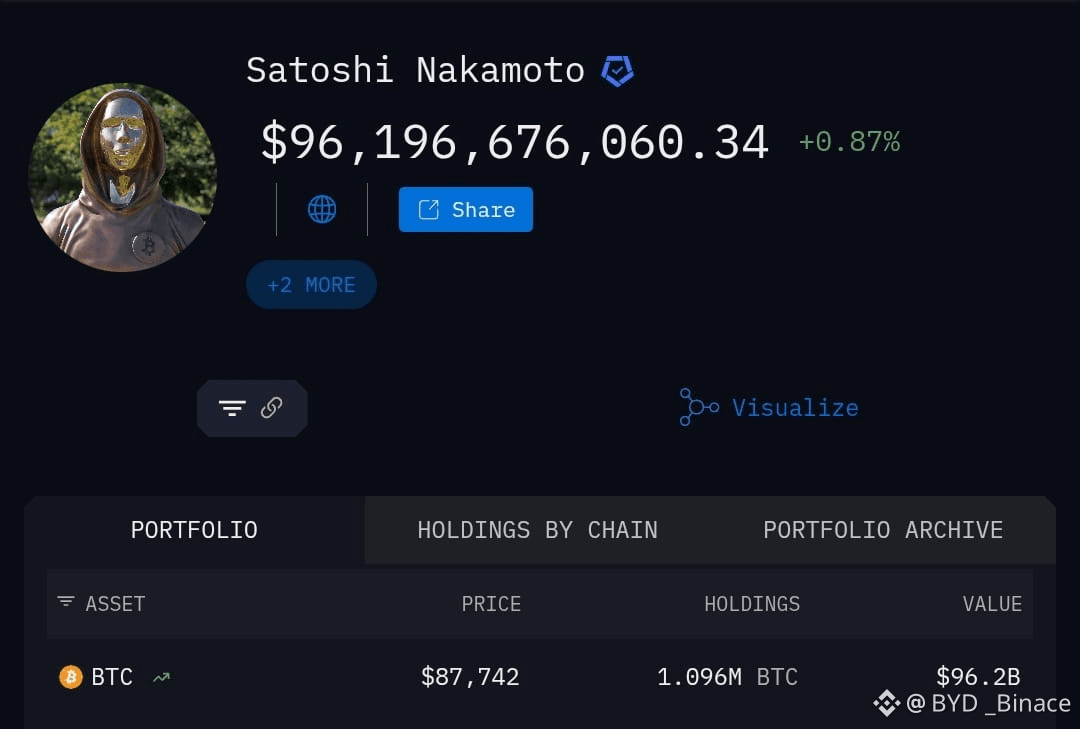
According to records, Satoshi holds 1.1 million Bitcoins! 😱
As the value of this "digital gold" skyrockets, it is predicted that by 2026, Satoshi could become the second richest person in the world!
❓ Who is Satoshi?
To this day, there is no answer to this question. Is he Japanese? American? Is it one person or a group of people?
No one knows! 🤫 No one is certain to this day who "Satoshi Nakamoto" really is. His true identity remains a secret. This might be one of the greatest mysteries in human history!
Just think about it: while the whole world is running after money, how amazing is it that the owner of such massive wealth can live while keeping his identity completely hidden! 🤯
One of the world's greatest billionaires lives in total anonymity, unseen by anyone...
#bitcoin $BTC
A Mysterious Truth…! 🤫 ý
Do you know who the 11th richest person in the world is? The one who shocked the globe?
No one has ever seen him in person! 🤯 Living like a shadow, unseen by anyone, is this invisible individual: Satoshi Nakamoto.
If you have heard of Bitcoin, there is no way you haven't heard of Satoshi! This is because he is the one who sparked the greatest financial revolution the world has ever seen! 🚀
⚡️ An Idea That Created a World of Wonder
In 2008, when the global financial crisis shook the world, Satoshi emerged with the dream of a digital currency—one controlled by neither banks nor governments. That is our very own Bitcoin!
👤 The Anonymous Billionaire
According to records, Satoshi holds 1.1 million Bitcoins! 😱
As the value of this "digital gold" skyrockets, it is predicted that by 2026, Satoshi could become the second richest person in the world!
❓ Who is Satoshi?
To this day, there is no answer to this question. Is he Japanese? American? Is it one person or a group of people?
No one knows! 🤫 No one is certain to this day who "Satoshi Nakamoto" really is. His true identity remains a secret. This might be one of the greatest mysteries in human history!
Just think about it: while the whole world is running after money, how amazing is it that the owner of such massive wealth can live while keeping his identity completely hidden! 🤯
One of the world's greatest billionaires lives in total anonymity, unseen by anyone...
#bitcoin $BTC
2
107
·
--
Artikel
Übersetzung ansehen
BITCOIN IS DROPPING — AND HERE’S THE REAL REASON
Bitcoin is down today for a very clear reason, but almost no one is explaining it correctly.
The source is China, and the timing matters.
Yes — China is shaking Bitcoin once again.
Here’s what’s going on:
China has tightened restrictions on domestic Bitcoin mining yet again.
In Xinjiang, a large portion of mining operations were shut down in December.
Roughly 400,000 miners went offline in a short period of time.
You can already see the impact in the data:
📉 Network hashrate is down about 8%.
When miners are suddenly forced offline, several things happen fast:
– Revenue stops immediately
– Relocation and operating costs create cash pressure
– Some miners are forced to sell BTC
– Short-term uncertainty increases
That creates real sell pressure — not speculation.
This is not a long-term bearish signal for Bitcoin.
It’s a temporary supply shock, driven by policy, not demand.
We’ve seen this pattern before:
China cracks down → miners shut down → hashrate dips → price wobbles → the network adjusts → Bitcoin moves on.
Short term, we may see more volatility.
Long term, this changes nothing.
For the record —
I publicly called the $16K bottom and the $126K top years in advance, and I’ll announce my next move the same way.
A lot of people will wish they paid attention earlier.
3
·
--
Übersetzung ansehen
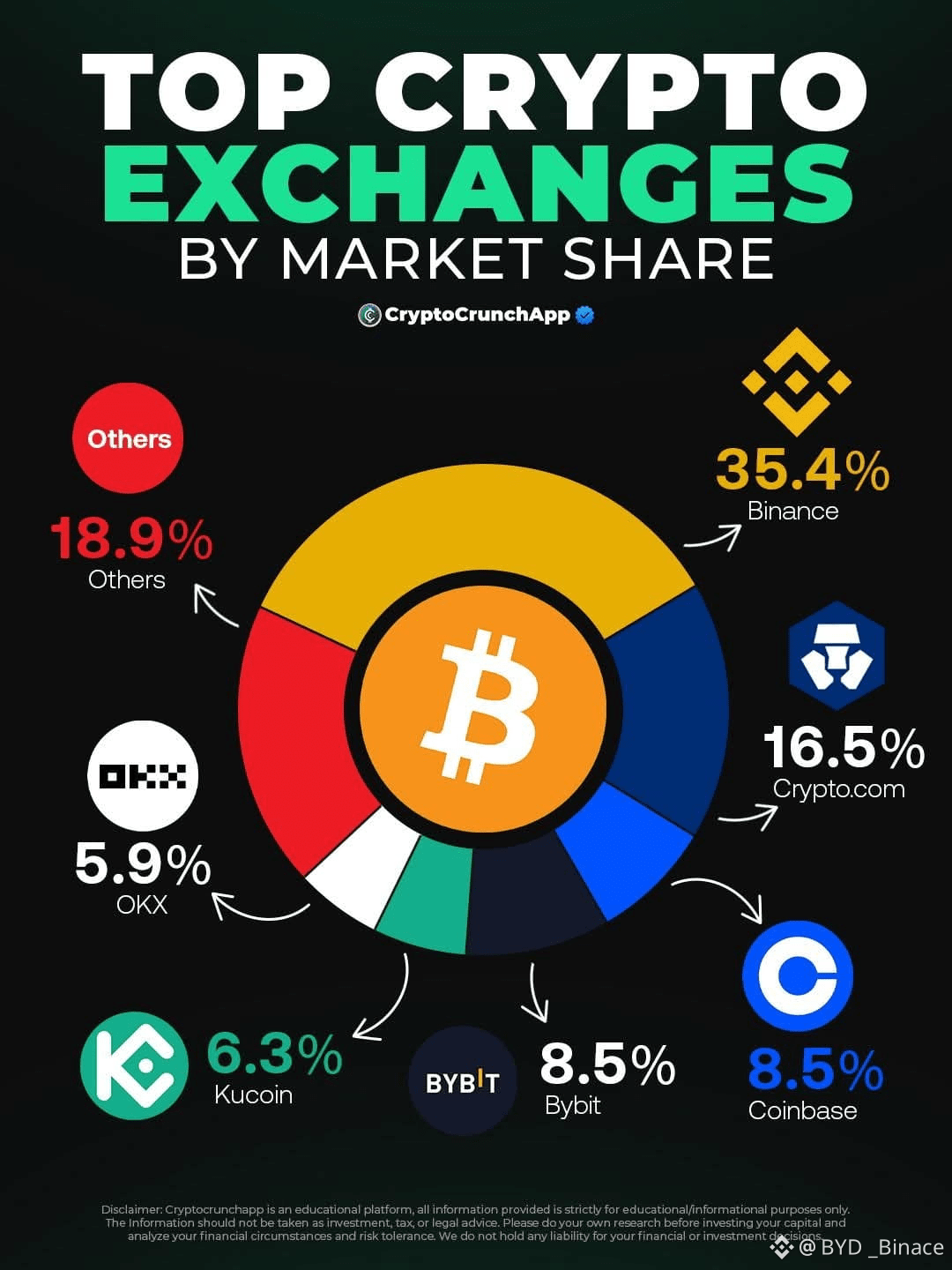
Binance Leads Crypto Exchanges With 35.4% Market Share As Coinbase Holds 8.5%
$BNB #BinanceAlphaAlert
Binance Leads Crypto Exchanges With 35.4% Market Share As Coinbase Holds 8.5%
$BNB #BinanceAlphaAlert
$BNB #BinanceAlphaAlert
2
·
--
Übersetzung ansehen
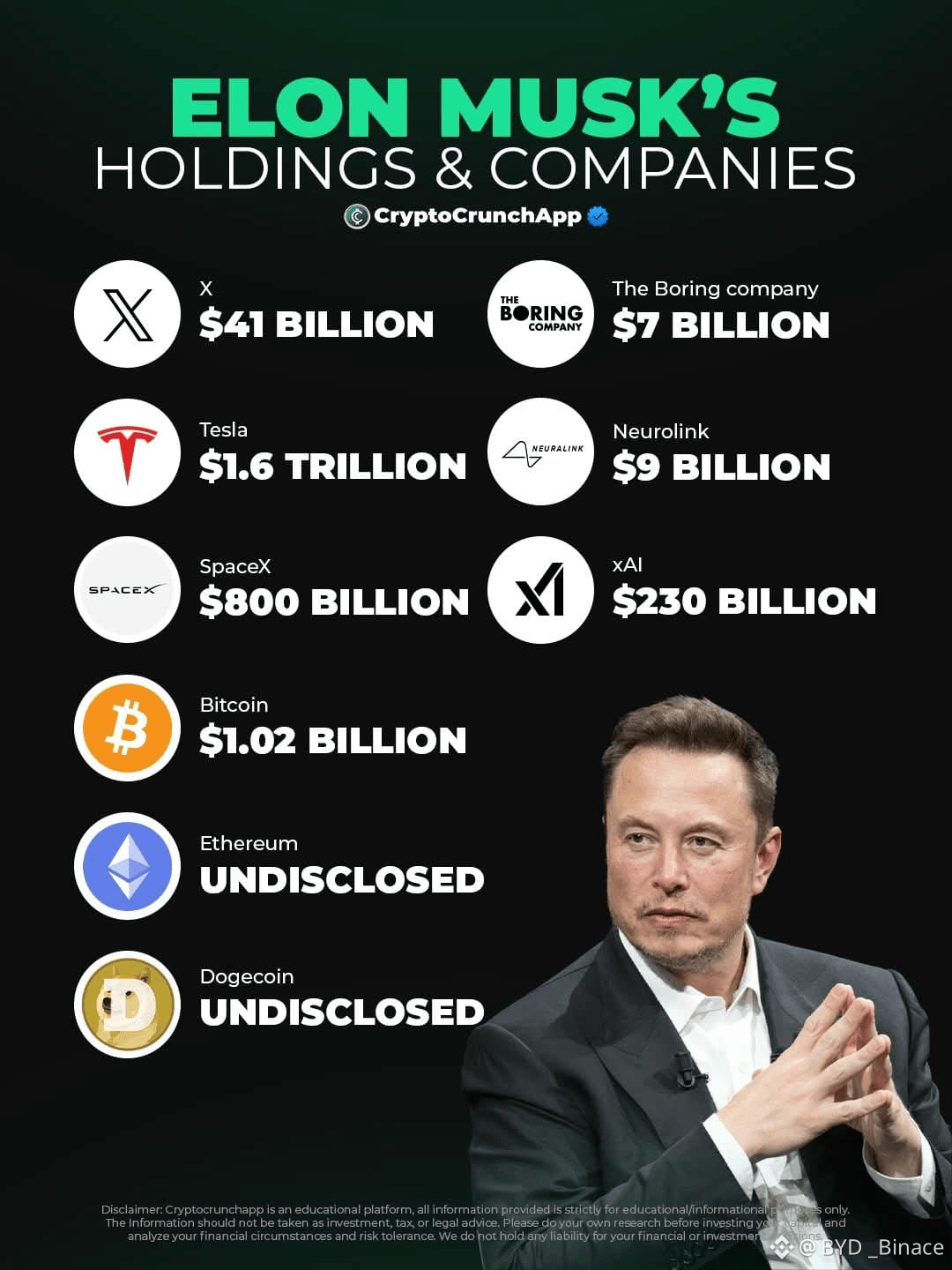
Elon Musk’s Financial Empire Revealed And Bitcoin Is Part Of It.
1️⃣ Tesla — $1.6 Trillion
2️⃣ SpaceX — $800 Billion
3️⃣ xAI — $230 Billion
4️⃣ X — $41 Billion
5️⃣ The Boring Company — $7 Billion
6️⃣ Neuralink — $9 Billion
7️⃣ Bitcoin — $1.02 Billion (Tesla Holdings)
8️⃣ Ethereum — Undisclosed
9️⃣ Dogecoin — Undisclosed
From electric vehicles and space exploration to artificial intelligence and digital assets, this portfolio highlights how entrepreneurs allocate capital across companies and emerging technologies.🙌
Which holding stands out to you most from a finance and business perspective? 🤔
#CPIWatch $BTC
425
·
--
Übersetzung ansehen
15
·
--

Artikel
Die Zinserhöhung Japans ist eine Warnung, die von Bitcoin-Händlern ignoriert wird.Japan hat gerade ein Signal gesendet, das die meisten Bitcoin-Händler nicht verstehen.
Die Bank von Japan bereitet sich darauf vor, die Zinssätze auf 0,75 % zu erhöhen – den höchsten Stand seit fast 30 Jahren.
Für die meisten Menschen klingt das unbedeutend.
Für jeden, der globale Liquidität versteht, ist das eine Schockwelle.
Seit Jahrzehnten spielt Japan eine einzigartige Rolle auf den globalen Märkten:
die günstigste Geldquelle auf der Erde.
Investoren leihen sich Yen zu nahezu null Prozent und setzen dieses Kapital ein in:
Aktien
Immobilien
Private Equity
Krypto
Diese Strategie ist als Yen-Carry-Trade bekannt.
Die Zinserhöhung Japans ist eine Warnung, die von Bitcoin-Händlern ignoriert wird.
Japan hat gerade ein Signal gesendet, das die meisten Bitcoin-Händler nicht verstehen.
Die Bank von Japan bereitet sich darauf vor, die Zinssätze auf 0,75 % zu erhöhen – den höchsten Stand seit fast 30 Jahren.
Für die meisten Menschen klingt das unbedeutend.
Für jeden, der globale Liquidität versteht, ist das eine Schockwelle.
Seit Jahrzehnten spielt Japan eine einzigartige Rolle auf den globalen Märkten:
die günstigste Geldquelle auf der Erde.
Investoren leihen sich Yen zu nahezu null Prozent und setzen dieses Kapital ein in:
Aktien
Immobilien
Private Equity
Krypto
Diese Strategie ist als Yen-Carry-Trade bekannt.
1
1
3
1.5k
·
--
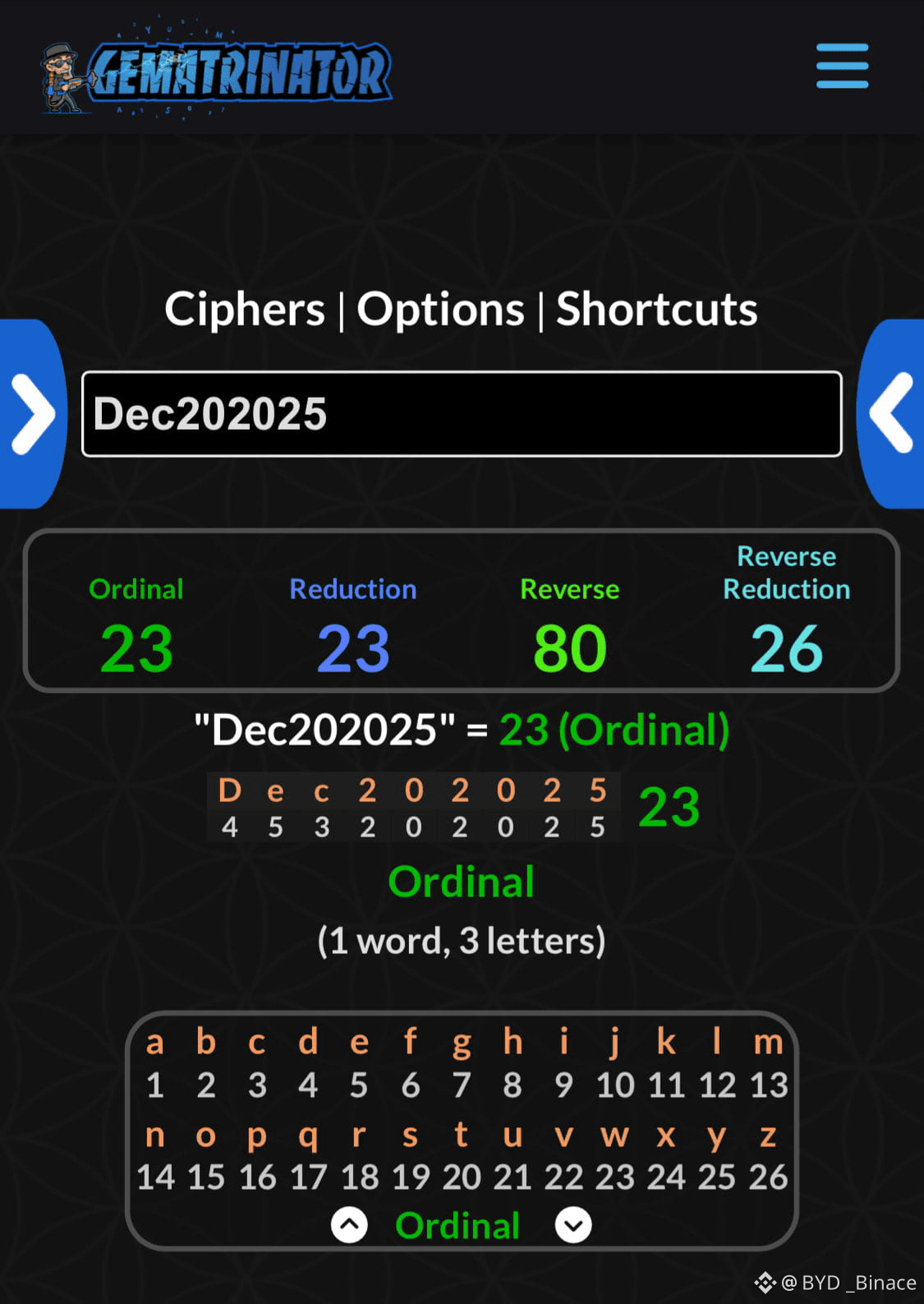
Während des nächsten Neumonds, am 20. Dezember 2025, steht ein explosiver $LUNC Pump auf der Tagesordnung 🚀 🌕
#LUNC✅
LUNC = 5
20. Dez. 2025 = 5
Während des nächsten Neumonds, am 20. Dezember 2025, steht ein explosiver $LUNC Pump auf der Tagesordnung 🚀 🌕
#LUNC✅
LUNC = 5
20. Dez. 2025 = 5
#LUNC✅
LUNC = 5
20. Dez. 2025 = 5
2
1
10
1.1k
·
--
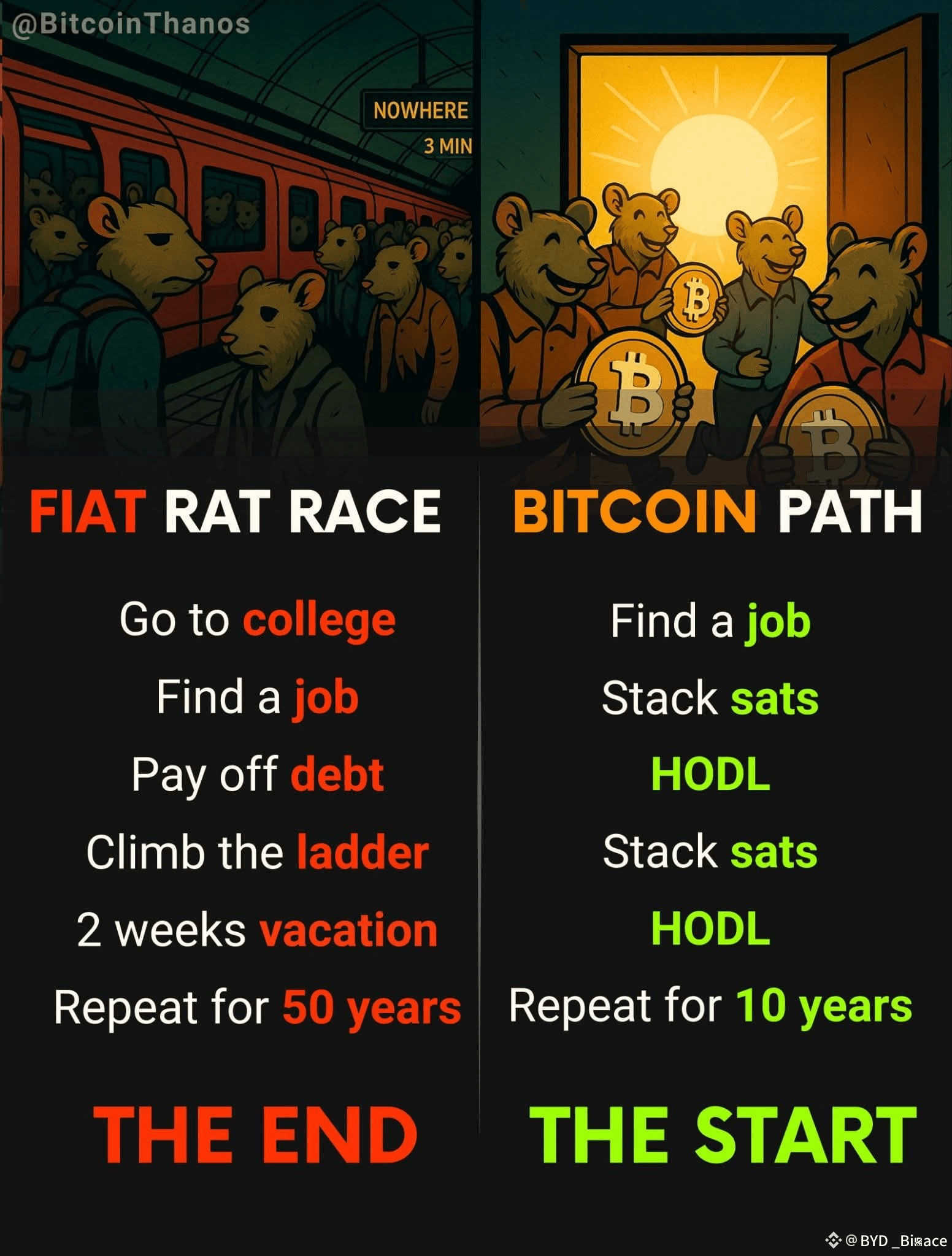
50 Jahre vs 10 Jahre $BTC #BinanceBlockchainWeek
50 Jahre vs 10 Jahre $BTC #BinanceBlockchainWeek
5
·
--
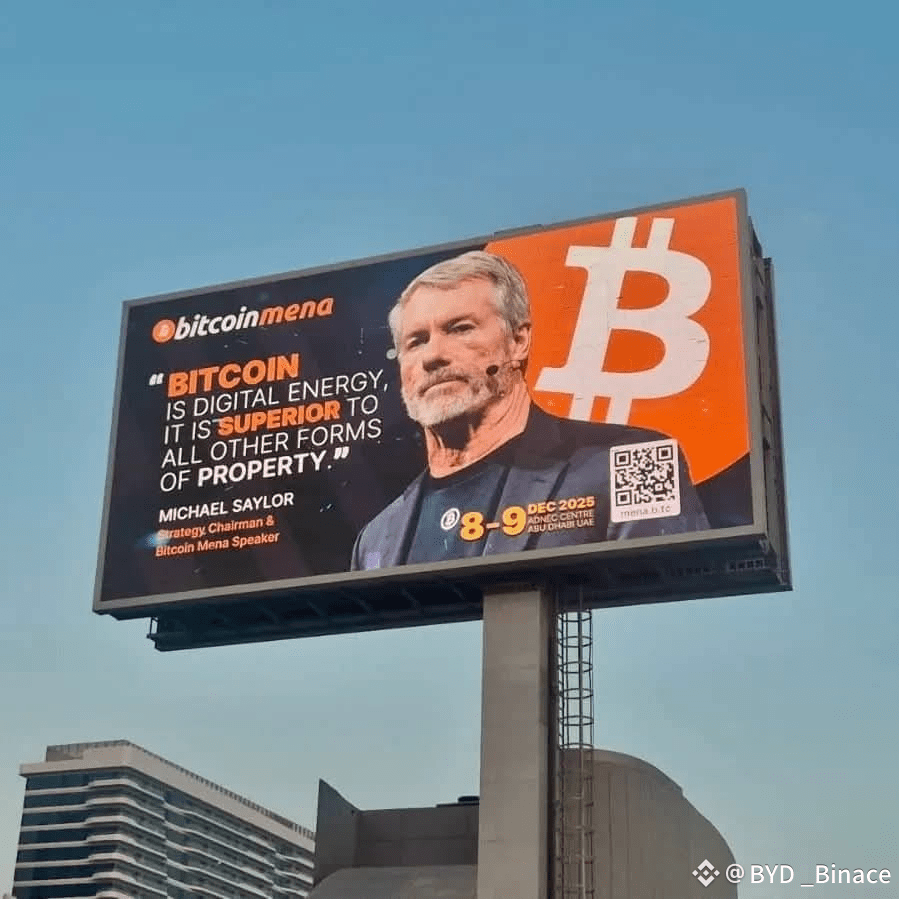
Eine riesige #Bitcoin-Werbetafel ist in Abu
Dhabi aufgetaucht, genau zum richtigen Zeitpunkt, da die Bitcoin MENA
Konferenz heute o#ziell beginnt! $BTC
#BinanceBlockchainWeek
Eine riesige #Bitcoin-Werbetafel ist in Abu
Dhabi aufgetaucht, genau zum richtigen Zeitpunkt, da die Bitcoin MENA
Konferenz heute o#ziell beginnt! $BTC
#BinanceBlockchainWeek
Dhabi aufgetaucht, genau zum richtigen Zeitpunkt, da die Bitcoin MENA
Konferenz heute o#ziell beginnt! $BTC
#BinanceBlockchainWeek
3
·
--
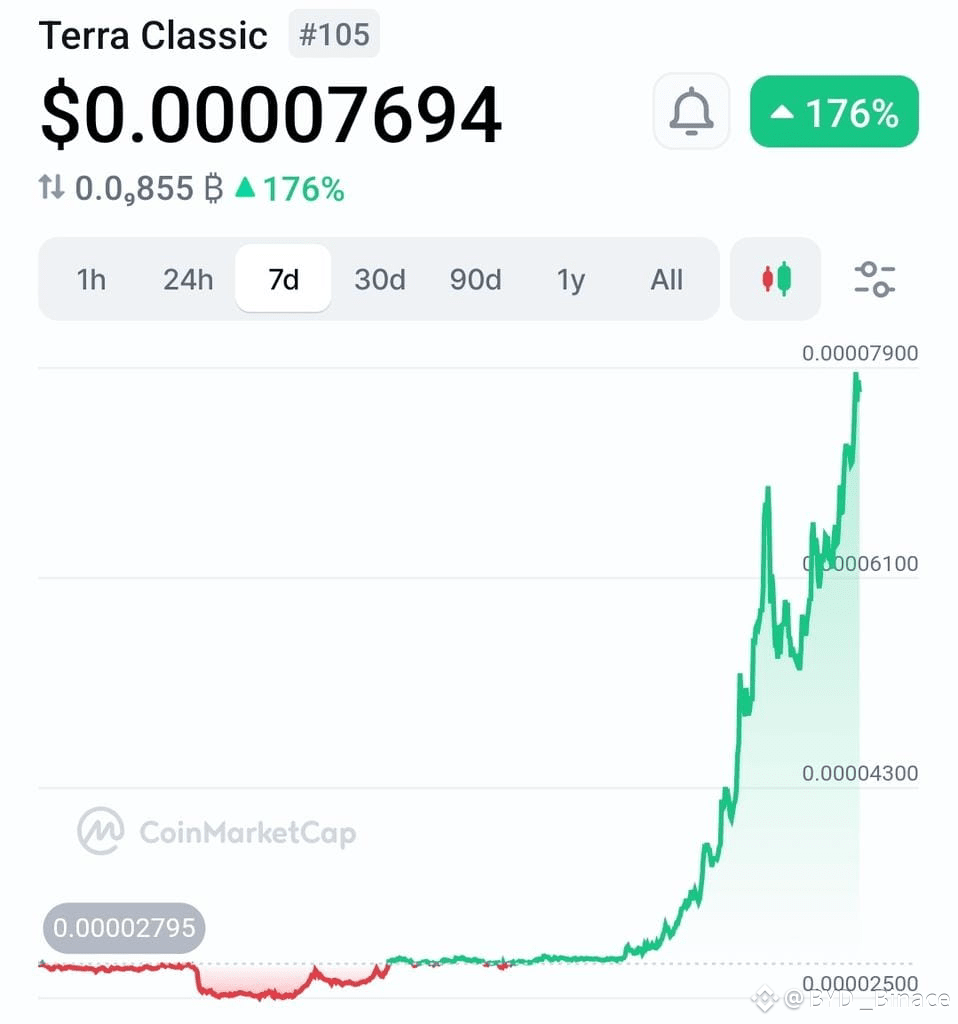
LUNC schreibt seine eigene Geschichte neu.
Von $0.000027 auf $0.000076 in nur wenigen Tagen – so sieht ein wahrhaft gemeinschaftlich getriebener Comeback aus.
Wenn ein Diagramm, das alle für tot gehalten haben, wieder anfängt zu pumpen, wird kluges Geld aufmerksam. 🚀🔥
Dieser Schritt ist kein Glück.
Es ist Momentum. Es ist Glaube.
Es ist LUNC.
#BinanceBlockchainWeek
57
·
--
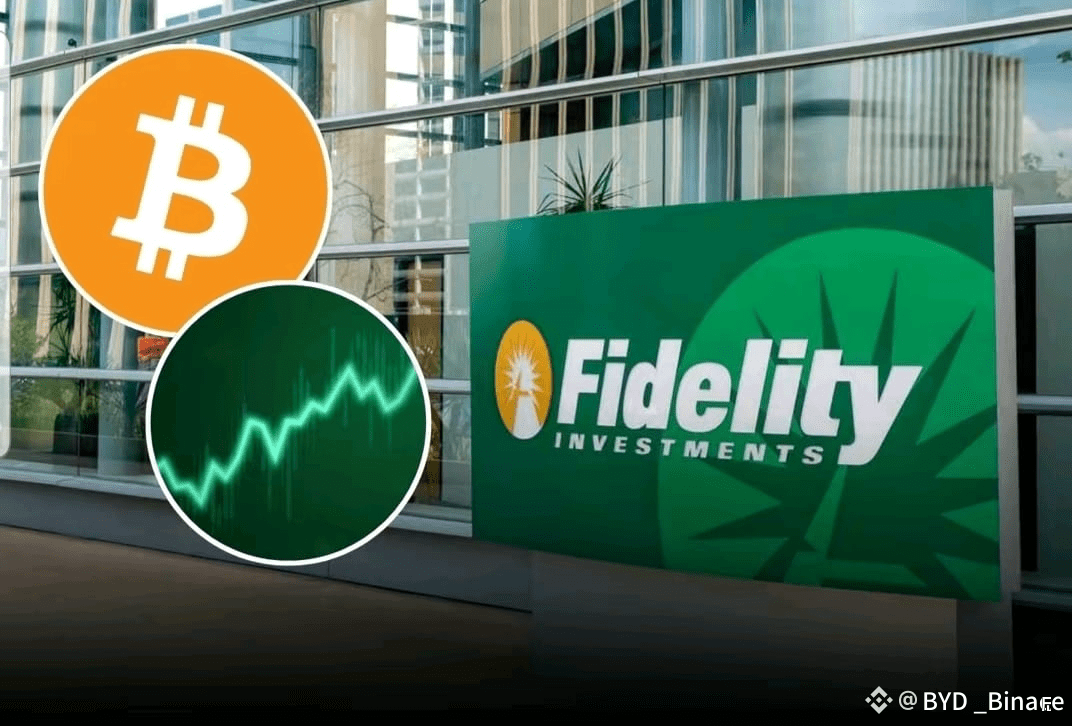
Fidelitys Jurrien Timmer hat seine langfristige
Bitcoin-Prognose am 18. November erneut
bestätigt und prognostiziert einmal mehr
eine potenzielle Bewertung von 1 Milliarde $ pro
BTC bis 2038. Sein Modell, das auf Metcalfes
Gesetz basiert, deutet darauf hin, dass mit der
Skalierung der Bitcoin-Nutzerbasis auf
Milliarden, der Netzwerkwert geometrisch steigen
könnte, wodurch BTC als globales
Reservevermögen weit über seine aktuelle Marktkapitalisierung von 2,47 Billionen $
positioniert wird.
Trotz der kurzfristigen Marktschwankungen bleibt Timmer's
Ausblick seit 2021 konstant. Er
betont das langfristige Potenzial von Bitcoins
knappheitsgetriebenem Ansatz und weist darauf hin, dass selbst das Halten von nur
0,001 BTC heute in
Multimillionärsstatus umschlagen könnte, wenn sich sein Modell bewahrheitet.$BTC #WriteToEarnUpgrade
{spot}(BTCUSDT)
Fidelitys Jurrien Timmer hat seine langfristige
Bitcoin-Prognose am 18. November erneut
bestätigt und prognostiziert einmal mehr
eine potenzielle Bewertung von 1 Milliarde $ pro
BTC bis 2038. Sein Modell, das auf Metcalfes
Gesetz basiert, deutet darauf hin, dass mit der
Skalierung der Bitcoin-Nutzerbasis auf
Milliarden, der Netzwerkwert geometrisch steigen
könnte, wodurch BTC als globales
Reservevermögen weit über seine aktuelle Marktkapitalisierung von 2,47 Billionen $
positioniert wird.
Trotz der kurzfristigen Marktschwankungen bleibt Timmer's
Ausblick seit 2021 konstant. Er
betont das langfristige Potenzial von Bitcoins
knappheitsgetriebenem Ansatz und weist darauf hin, dass selbst das Halten von nur
0,001 BTC heute in
Multimillionärsstatus umschlagen könnte, wenn sich sein Modell bewahrheitet.$BTC #WriteToEarnUpgrade
25
Anmelden und weiter Inhalte entdecken
Krypto-Nutzer weltweit auf Binance Square kennenlernen
⚡️ Bleib in Sachen Krypto stets am Puls.
💬 Die weltgrößte Kryptobörse vertraut darauf.
👍 Erhalte verlässliche Einblicke von verifizierten Creators.
E-Mail-Adresse/Telefonnummer
Trendthemen
BinanceProcesses$4.65BWithdrawals
23,597 Aufrufe
117 Kommentare
Binance verarbeitet nach Wiederaufnahme Auszahlungen in Höhe von 4,65 Milliarden US-Dollar – Nettoabfluss von 3,64 Milliarden US-Dollar entspricht 2,1 % der Vermögenswerte im Wert von 171 Milliarden US-Dollar
Binance News
·41 Likes
·11.9k Aufrufe
WithdrawalsBack: 15 networks live
7,680 Aufrufe
129 Kommentare
BinanceUpdatesProofofReservesAddresses
125,745 Aufrufe
1,551 Kommentare