

Gauravyadav5
22 Beiträge

Gauravyadav5
Melden
Nutzer blockieren
5 Following
21 Follower
56 Like gegeben
Beiträge
Alle
Videos
·
--
Bullisch
Übersetzung ansehen
Navigating the Waves: Understanding Bitcoin’s Market Volatility
The cryptocurrency market is renowned for its speed, innovation, and, above all, its dynamic price action. At the center of this ecosystem stands Bitcoin ($BTC), acting as both a market indicator and a anchor for global crypto sentiment.
For traders and investors alike, observing Bitcoin's price fluctuations is not just about tracking numbers—it is about understanding market psychology, global macroeconomic shifts, and technological adoption.
1. The Nature of Bitcoin Volatility
Bitcoin's price swings are often driven by a combination of key factors:
Market Sentiment & Halving Cycles: Historical data shows that Bitcoin operates in broader cyclical patterns, heavily influenced by halving events and long-term accumulation phases.
Macroeconomic Indicators: Interest rate decisions, inflation data, and global liquidity trends play an increasingly important role in shaping $BTC price movements.
Institutional Participation: With the growing integration of institutional products and spot ETFs, liquidity structures are evolving, leading to distinct trading dynamics compared to previous cycles.
2. Opportunity Amid Uncertainty
While sharp price movements can feel challenging, volatility is also what creates strategic opportunities:
For Long-Term Holders (HODLers): Dips are often viewed as potential accumulation zones, focusing on the long-term fundamentals of decentralized digital scarcity.
For Active Traders: Volatility provides liquidity and range-bound trading conditions where risk management, disciplined leverage, and clear exit strategies become essential.
Navigating the Waves: Understanding Bitcoin’s Market Volatility
The cryptocurrency market is renowned for its speed, innovation, and, above all, its dynamic price action. At the center of this ecosystem stands Bitcoin ($BTC), acting as both a market indicator and a anchor for global crypto sentiment.
For traders and investors alike, observing Bitcoin's price fluctuations is not just about tracking numbers—it is about understanding market psychology, global macroeconomic shifts, and technological adoption.
1. The Nature of Bitcoin Volatility
Bitcoin's price swings are often driven by a combination of key factors:
Market Sentiment & Halving Cycles: Historical data shows that Bitcoin operates in broader cyclical patterns, heavily influenced by halving events and long-term accumulation phases.
Macroeconomic Indicators: Interest rate decisions, inflation data, and global liquidity trends play an increasingly important role in shaping $BTC price movements.
Institutional Participation: With the growing integration of institutional products and spot ETFs, liquidity structures are evolving, leading to distinct trading dynamics compared to previous cycles.
2. Opportunity Amid Uncertainty
While sharp price movements can feel challenging, volatility is also what creates strategic opportunities:
For Long-Term Holders (HODLers): Dips are often viewed as potential accumulation zones, focusing on the long-term fundamentals of decentralized digital scarcity.
For Active Traders: Volatility provides liquidity and range-bound trading conditions where risk management, disciplined leverage, and clear exit strategies become essential.
The cryptocurrency market is renowned for its speed, innovation, and, above all, its dynamic price action. At the center of this ecosystem stands Bitcoin ($BTC), acting as both a market indicator and a anchor for global crypto sentiment.
For traders and investors alike, observing Bitcoin's price fluctuations is not just about tracking numbers—it is about understanding market psychology, global macroeconomic shifts, and technological adoption.
1. The Nature of Bitcoin Volatility
Bitcoin's price swings are often driven by a combination of key factors:
Market Sentiment & Halving Cycles: Historical data shows that Bitcoin operates in broader cyclical patterns, heavily influenced by halving events and long-term accumulation phases.
Macroeconomic Indicators: Interest rate decisions, inflation data, and global liquidity trends play an increasingly important role in shaping $BTC price movements.
Institutional Participation: With the growing integration of institutional products and spot ETFs, liquidity structures are evolving, leading to distinct trading dynamics compared to previous cycles.
2. Opportunity Amid Uncertainty
While sharp price movements can feel challenging, volatility is also what creates strategic opportunities:
For Long-Term Holders (HODLers): Dips are often viewed as potential accumulation zones, focusing on the long-term fundamentals of decentralized digital scarcity.
For Active Traders: Volatility provides liquidity and range-bound trading conditions where risk management, disciplined leverage, and clear exit strategies become essential.
79
·
--
Bullisch
Übersetzung ansehen

70
·
--
Übersetzung ansehen
📢US Treasury Secretary Scott Bessent says the US will take control of the Strait of Hormuz.
$BTC #USNoKingsProtests #OilPricesDrop
📢US Treasury Secretary Scott Bessent says the US will take control of the Strait of Hormuz.
$BTC #USNoKingsProtests #OilPricesDrop
$BTC #USNoKingsProtests #OilPricesDrop
·
--
Übersetzung ansehen
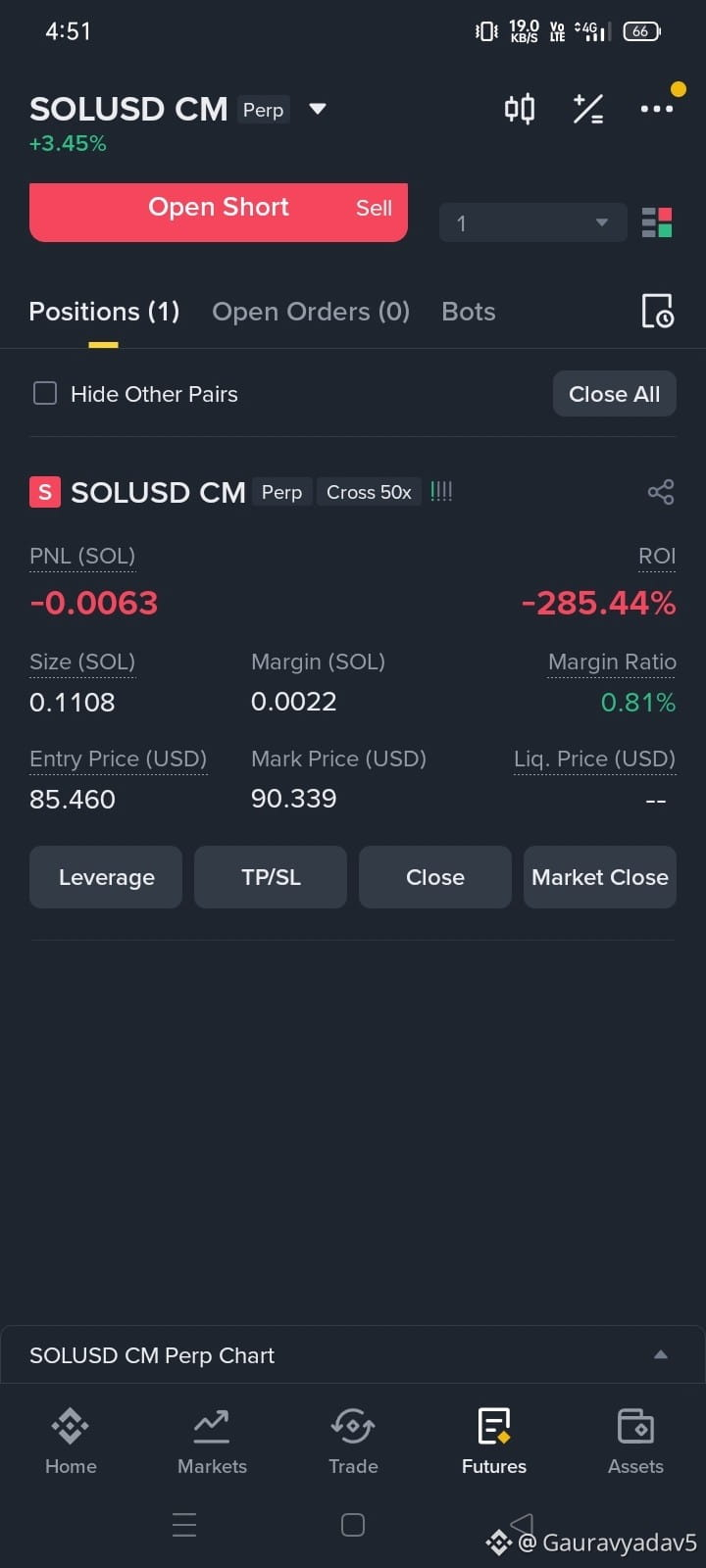
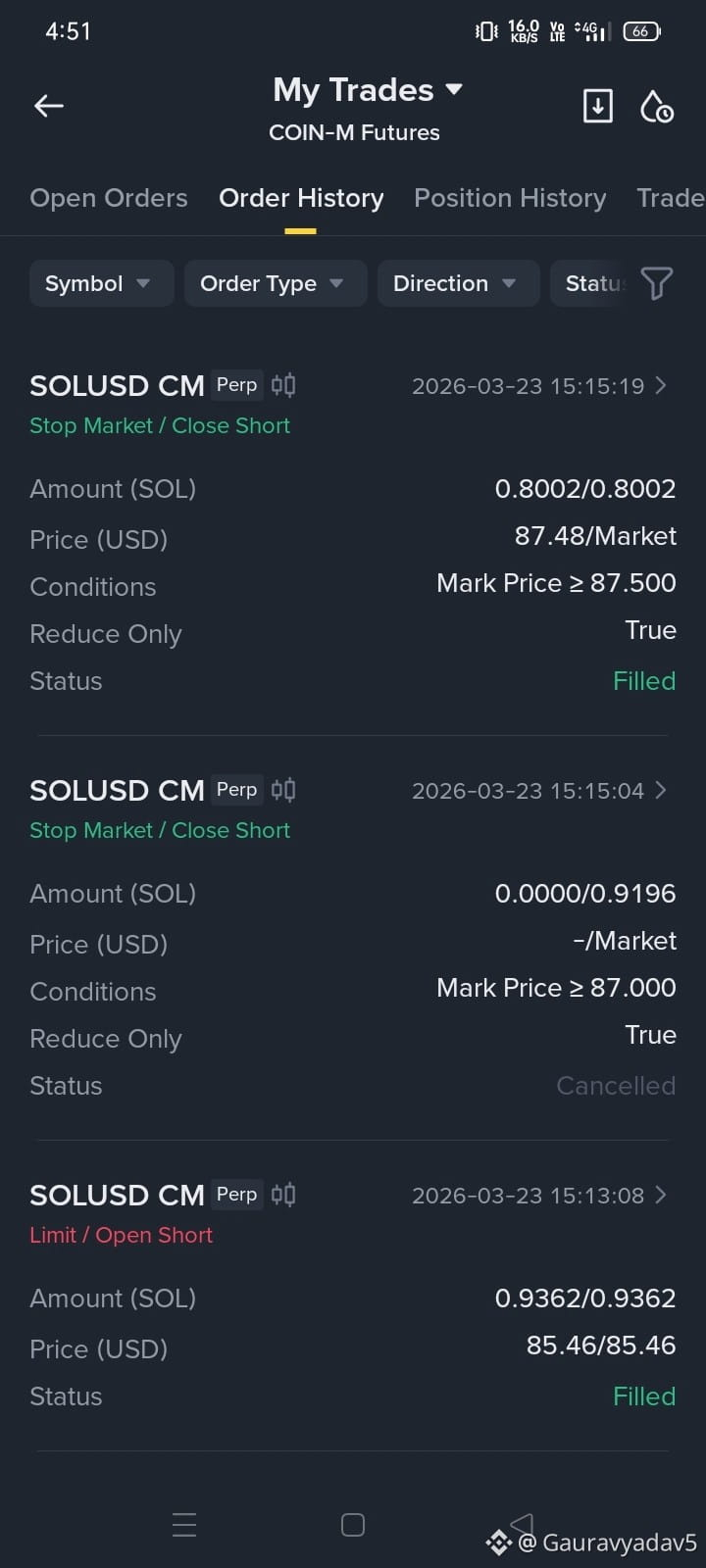
whats the fuck this problem please help me
whats the fuck this problem please help me
3
110
·
--
Bullisch
Übersetzung ansehen
150
·
--

Artikel
Übersetzung ansehen
Baba Vanga, born Vangelia PandevaBaba Vanga, born Vangelia Pandeva Gushterova (1911–1996), was a blind Bulgarian mystic and healer who gained global fame for her alleged ability to foresee the future. Often called the "Nostradamus of the Balkans," she is a legendary figure in Eastern European folklore and contemporary prophecy.
Her Origin Story
According to legend, her psychic journey began at age 12 when she was caught in a massive storm (often described as a tornado) that lifted her into the air and threw her into a nearby field. She was found with her eyes covered in sand and dust, which eventually led to her total blindness. Her followers believe this traumatic event granted her the "gift" of second sight.
Famous "Hits" (As Cited by Followers)
While she never wrote down her predictions herself, her followers attribute several major global events to her cryptic visions:
* The 9/11 Attacks: She allegedly warned that "American brethren will fall after being attacked by the steel birds."
* The Kursk Submarine Tragedy: In 1980, she reportedly said "Kursk will be covered with water," which was later linked to the sinking of the Russian nuclear submarine Kursk in 2000.
* Barack Obama’s Election: She is credited with predicting that the 44th US president would be African American.
* The Chernobyl Disaster: Followers believe she foresaw the 1986 nuclear catastrophe.
Predictions for 2026 and Beyond
Interestingly, since it is currently early 2026, many are looking at her supposed "forecasts" for this year:
* Alien Contact: One of her more famous claims for late 2026 is the arrival of a massive spacecraft, marking humanity's first official contact with extraterrestrial life.
* The Rise of AI: She reportedly spoke of technology advancing faster than humans can control, with AI beginning to operate outside human governance this year.
* The End of the World: Her timeline of prophecies actually extends far into the future, culminating in the year 5079, which she supposedly marked as the end of the universe.
Skepticism and Legacy
It is important to note that many of her "predictions" are only documented through second-hand accounts from her niece or followers, and many did not come true (such as a predicted 1994 World Cup final between two teams starting with "B"). Skeptics argue that her vague language allows people to retrofit her words to events after they happen.
Despite the controversy, her home in Rupite, Bulgaria, remains a pilgrimage site, and she continues to be a symbol of intuition and mystery.
Would you like me to look up her specific predictions for the next decade, or perhaps her "timeline" for the end of the world?
Baba Vanga, born Vangelia Pandeva
Baba Vanga, born Vangelia Pandeva Gushterova (1911–1996), was a blind Bulgarian mystic and healer who gained global fame for her alleged ability to foresee the future. Often called the "Nostradamus of the Balkans," she is a legendary figure in Eastern European folklore and contemporary prophecy.
Her Origin Story
According to legend, her psychic journey began at age 12 when she was caught in a massive storm (often described as a tornado) that lifted her into the air and threw her into a nearby field. She was found with her eyes covered in sand and dust, which eventually led to her total blindness. Her followers believe this traumatic event granted her the "gift" of second sight.
Famous "Hits" (As Cited by Followers)
While she never wrote down her predictions herself, her followers attribute several major global events to her cryptic visions:
* The 9/11 Attacks: She allegedly warned that "American brethren will fall after being attacked by the steel birds."
* The Kursk Submarine Tragedy: In 1980, she reportedly said "Kursk will be covered with water," which was later linked to the sinking of the Russian nuclear submarine Kursk in 2000.
* Barack Obama’s Election: She is credited with predicting that the 44th US president would be African American.
* The Chernobyl Disaster: Followers believe she foresaw the 1986 nuclear catastrophe.
Predictions for 2026 and Beyond
Interestingly, since it is currently early 2026, many are looking at her supposed "forecasts" for this year:
* Alien Contact: One of her more famous claims for late 2026 is the arrival of a massive spacecraft, marking humanity's first official contact with extraterrestrial life.
* The Rise of AI: She reportedly spoke of technology advancing faster than humans can control, with AI beginning to operate outside human governance this year.
* The End of the World: Her timeline of prophecies actually extends far into the future, culminating in the year 5079, which she supposedly marked as the end of the universe.
Skepticism and Legacy
It is important to note that many of her "predictions" are only documented through second-hand accounts from her niece or followers, and many did not come true (such as a predicted 1994 World Cup final between two teams starting with "B"). Skeptics argue that her vague language allows people to retrofit her words to events after they happen.
Despite the controversy, her home in Rupite, Bulgaria, remains a pilgrimage site, and she continues to be a symbol of intuition and mystery.
Would you like me to look up her specific predictions for the next decade, or perhaps her "timeline" for the end of the world?
Her Origin Story
According to legend, her psychic journey began at age 12 when she was caught in a massive storm (often described as a tornado) that lifted her into the air and threw her into a nearby field. She was found with her eyes covered in sand and dust, which eventually led to her total blindness. Her followers believe this traumatic event granted her the "gift" of second sight.
Famous "Hits" (As Cited by Followers)
While she never wrote down her predictions herself, her followers attribute several major global events to her cryptic visions:
* The 9/11 Attacks: She allegedly warned that "American brethren will fall after being attacked by the steel birds."
* The Kursk Submarine Tragedy: In 1980, she reportedly said "Kursk will be covered with water," which was later linked to the sinking of the Russian nuclear submarine Kursk in 2000.
* Barack Obama’s Election: She is credited with predicting that the 44th US president would be African American.
* The Chernobyl Disaster: Followers believe she foresaw the 1986 nuclear catastrophe.
Predictions for 2026 and Beyond
Interestingly, since it is currently early 2026, many are looking at her supposed "forecasts" for this year:
* Alien Contact: One of her more famous claims for late 2026 is the arrival of a massive spacecraft, marking humanity's first official contact with extraterrestrial life.
* The Rise of AI: She reportedly spoke of technology advancing faster than humans can control, with AI beginning to operate outside human governance this year.
* The End of the World: Her timeline of prophecies actually extends far into the future, culminating in the year 5079, which she supposedly marked as the end of the universe.
Skepticism and Legacy
It is important to note that many of her "predictions" are only documented through second-hand accounts from her niece or followers, and many did not come true (such as a predicted 1994 World Cup final between two teams starting with "B"). Skeptics argue that her vague language allows people to retrofit her words to events after they happen.
Despite the controversy, her home in Rupite, Bulgaria, remains a pilgrimage site, and she continues to be a symbol of intuition and mystery.
Would you like me to look up her specific predictions for the next decade, or perhaps her "timeline" for the end of the world?
1
12
·
--
Übersetzung ansehen
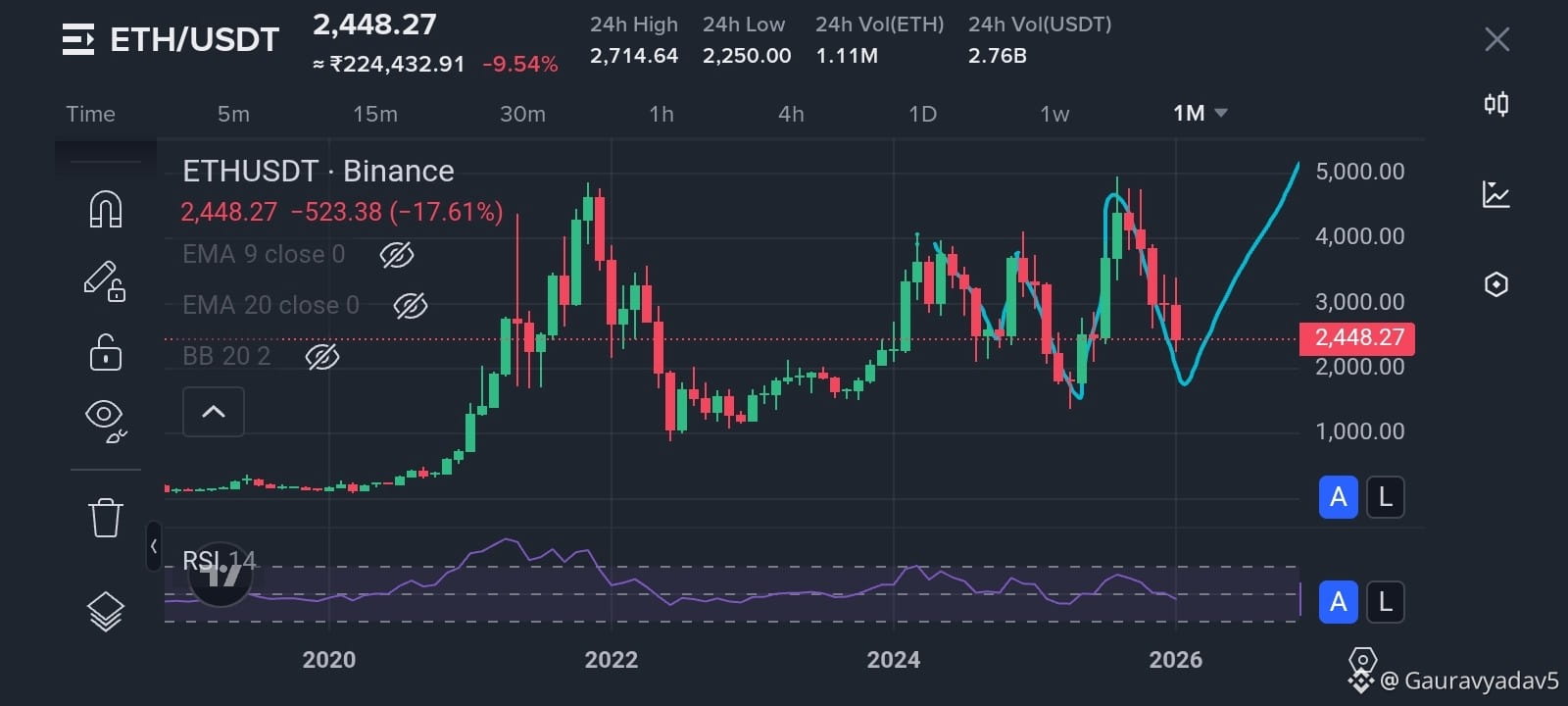
Bitcoin Slips Below $69,000 Again: A Look at the Recent Crypto VolatilityIn a move that has become all too familiar to cryptocurrency investors over the past week, Bitcoin (BTC) has once again fallen below the psychologically significant $69,000 price level. This recent drop is part of a broader trend of volatility and downward pressure that has characterized the crypto market in mid-February 2026.
The Recent Price Action
After briefly reclaiming the $69,000 mark, Bitcoin faced renewed selling pressure, pushing its price down to trade in the $68,000 range. As of Monday, February 16, BTC was trading around $68,400 to $68,700, struggling to maintain upward momentum. This follows a series of rejections at prices above $70,000 and a break below key technical support levels.
The market mood has undeniably shifted. The "Bitcoin Fear and Greed Index" has dropped into the "Extreme Fear" territory, reflecting the anxiety and uncertainty among traders. Sharp price movements in both directions have triggered significant liquidations of both long and short positions, indicating a market currently driven more by leveraged trading than by steady, long-term accumulation.
Potential Factors Behind the Drop
Several factors appear to be contributing to Bitcoin's recent struggles:
* Fading Upside Momentum: Technical analysis suggests that Bitcoin's bullish momentum has waned. The repeated failure to hold above $70,000 has emboldened bears, leading to increased selling pressure at key resistance levels.
* Technical Breakdowns: The price has broken below several important technical support zones, including bullish trend lines on hourly charts. These breakdowns often trigger automated selling and further dampen market sentiment.
* Macro-Economic Uncertainty: The broader financial landscape continues to play a role. Uncertainty surrounding global economic conditions and upcoming U.S. economic data is causing investors to be more cautious with risk assets like cryptocurrencies.
* Market Psychology: The drop in the Fear and Greed Index to "Extreme Fear" is a powerful indicator of current market sentiment. When fear is dominant, traders are more likely to sell on any sign of weakness, exacerbating downward price movements.
What to Watch Next
Traders and analysts are now closely monitoring key price levels. On the downside, the $68,000 mark is seen as a crucial immediate support. A sustained break below this level could open the door to further losses, with the next major support zones located around $67,350 and potentially even lower towards the $63,000-$65,000 range.
Conversely, for bulls to regain control, they will need to push the price back above the $69,500 resistance level. A solid close above this point could reignite optimism and potentially lead to another test of the $70,000 barrier.
In conclusion, Bitcoin's latest dip below $69,000 serves as a stark reminder of the inherent volatility in the cryptocurrency market. While some analysts see this as a healthy correction within a larger cycle, the immediate outlook remains uncertain, with market sentiment currently leaning towards caution and fear. Investors will be watching closely to see if support levels hold or if further downside is in store for the world's largest cryptocurrency.
Bitcoin Slips Below $69,000 Again: A Look at the Recent Crypto Volatility
In a move that has become all too familiar to cryptocurrency investors over the past week, Bitcoin (BTC) has once again fallen below the psychologically significant $69,000 price level. This recent drop is part of a broader trend of volatility and downward pressure that has characterized the crypto market in mid-February 2026.
The Recent Price Action
After briefly reclaiming the $69,000 mark, Bitcoin faced renewed selling pressure, pushing its price down to trade in the $68,000 range. As of Monday, February 16, BTC was trading around $68,400 to $68,700, struggling to maintain upward momentum. This follows a series of rejections at prices above $70,000 and a break below key technical support levels.
The market mood has undeniably shifted. The "Bitcoin Fear and Greed Index" has dropped into the "Extreme Fear" territory, reflecting the anxiety and uncertainty among traders. Sharp price movements in both directions have triggered significant liquidations of both long and short positions, indicating a market currently driven more by leveraged trading than by steady, long-term accumulation.
Potential Factors Behind the Drop
Several factors appear to be contributing to Bitcoin's recent struggles:
* Fading Upside Momentum: Technical analysis suggests that Bitcoin's bullish momentum has waned. The repeated failure to hold above $70,000 has emboldened bears, leading to increased selling pressure at key resistance levels.
* Technical Breakdowns: The price has broken below several important technical support zones, including bullish trend lines on hourly charts. These breakdowns often trigger automated selling and further dampen market sentiment.
* Macro-Economic Uncertainty: The broader financial landscape continues to play a role. Uncertainty surrounding global economic conditions and upcoming U.S. economic data is causing investors to be more cautious with risk assets like cryptocurrencies.
* Market Psychology: The drop in the Fear and Greed Index to "Extreme Fear" is a powerful indicator of current market sentiment. When fear is dominant, traders are more likely to sell on any sign of weakness, exacerbating downward price movements.
What to Watch Next
Traders and analysts are now closely monitoring key price levels. On the downside, the $68,000 mark is seen as a crucial immediate support. A sustained break below this level could open the door to further losses, with the next major support zones located around $67,350 and potentially even lower towards the $63,000-$65,000 range.
Conversely, for bulls to regain control, they will need to push the price back above the $69,500 resistance level. A solid close above this point could reignite optimism and potentially lead to another test of the $70,000 barrier.
In conclusion, Bitcoin's latest dip below $69,000 serves as a stark reminder of the inherent volatility in the cryptocurrency market. While some analysts see this as a healthy correction within a larger cycle, the immediate outlook remains uncertain, with market sentiment currently leaning towards caution and fear. Investors will be watching closely to see if support levels hold or if further downside is in store for the world's largest cryptocurrency.
The Recent Price Action
After briefly reclaiming the $69,000 mark, Bitcoin faced renewed selling pressure, pushing its price down to trade in the $68,000 range. As of Monday, February 16, BTC was trading around $68,400 to $68,700, struggling to maintain upward momentum. This follows a series of rejections at prices above $70,000 and a break below key technical support levels.
The market mood has undeniably shifted. The "Bitcoin Fear and Greed Index" has dropped into the "Extreme Fear" territory, reflecting the anxiety and uncertainty among traders. Sharp price movements in both directions have triggered significant liquidations of both long and short positions, indicating a market currently driven more by leveraged trading than by steady, long-term accumulation.
Potential Factors Behind the Drop
Several factors appear to be contributing to Bitcoin's recent struggles:
* Fading Upside Momentum: Technical analysis suggests that Bitcoin's bullish momentum has waned. The repeated failure to hold above $70,000 has emboldened bears, leading to increased selling pressure at key resistance levels.
* Technical Breakdowns: The price has broken below several important technical support zones, including bullish trend lines on hourly charts. These breakdowns often trigger automated selling and further dampen market sentiment.
* Macro-Economic Uncertainty: The broader financial landscape continues to play a role. Uncertainty surrounding global economic conditions and upcoming U.S. economic data is causing investors to be more cautious with risk assets like cryptocurrencies.
* Market Psychology: The drop in the Fear and Greed Index to "Extreme Fear" is a powerful indicator of current market sentiment. When fear is dominant, traders are more likely to sell on any sign of weakness, exacerbating downward price movements.
What to Watch Next
Traders and analysts are now closely monitoring key price levels. On the downside, the $68,000 mark is seen as a crucial immediate support. A sustained break below this level could open the door to further losses, with the next major support zones located around $67,350 and potentially even lower towards the $63,000-$65,000 range.
Conversely, for bulls to regain control, they will need to push the price back above the $69,500 resistance level. A solid close above this point could reignite optimism and potentially lead to another test of the $70,000 barrier.
In conclusion, Bitcoin's latest dip below $69,000 serves as a stark reminder of the inherent volatility in the cryptocurrency market. While some analysts see this as a healthy correction within a larger cycle, the immediate outlook remains uncertain, with market sentiment currently leaning towards caution and fear. Investors will be watching closely to see if support levels hold or if further downside is in store for the world's largest cryptocurrency.
2
66
·
--
Artikel
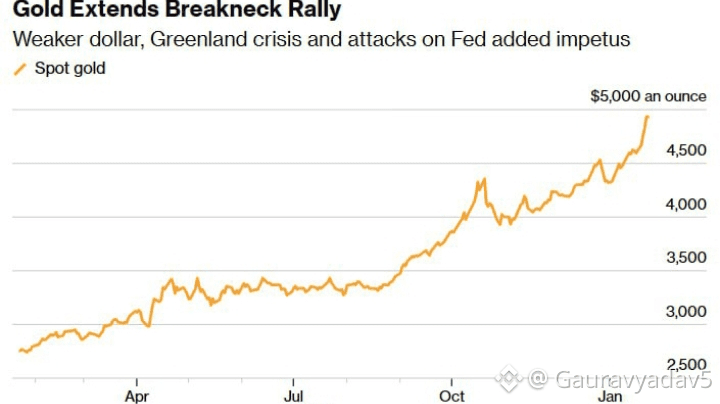
Gold nähert sich 5.000 $, während der Dollar schwächer wird und geopolitische Risiken steigen🇺🇲🇺🇸US-Gold steigt wieder stark an und nähert sich der Marke von 5.000 $/Unze, da ein schwächerer Dollar, politische Schocks und erneuter Druck auf die Fed die Nachfrage nach sicheren Häfen anheizen
⚫️ Der Spot-Goldpreis hat ein neues Rekordhoch von über 4.967 $ erreicht und ist in dieser Woche um fast 8 % gestiegen, während Silber auf knapp unter 100 $ gestiegen ist und auch Platin ein neues Hoch erreicht hat, während der Dollar auf die schlechteste Woche in sieben Monaten zusteuert
⚫️ Investoren strömen in den "Abwertungs-Handel", während Präsident Trump die Unabhängigkeit der Fed angreift, militärisch in Venezuela interveniert und offen die Annexion Grönlands in Betracht zieht, was Kapital aus Staatsanleihen und in Gold drängt
Gold nähert sich 5.000 $, während der Dollar schwächer wird und geopolitische Risiken steigen🇺🇲🇺🇸
US-Gold steigt wieder stark an und nähert sich der Marke von 5.000 $/Unze, da ein schwächerer Dollar, politische Schocks und erneuter Druck auf die Fed die Nachfrage nach sicheren Häfen anheizen
⚫️ Der Spot-Goldpreis hat ein neues Rekordhoch von über 4.967 $ erreicht und ist in dieser Woche um fast 8 % gestiegen, während Silber auf knapp unter 100 $ gestiegen ist und auch Platin ein neues Hoch erreicht hat, während der Dollar auf die schlechteste Woche in sieben Monaten zusteuert
⚫️ Investoren strömen in den "Abwertungs-Handel", während Präsident Trump die Unabhängigkeit der Fed angreift, militärisch in Venezuela interveniert und offen die Annexion Grönlands in Betracht zieht, was Kapital aus Staatsanleihen und in Gold drängt
⚫️ Der Spot-Goldpreis hat ein neues Rekordhoch von über 4.967 $ erreicht und ist in dieser Woche um fast 8 % gestiegen, während Silber auf knapp unter 100 $ gestiegen ist und auch Platin ein neues Hoch erreicht hat, während der Dollar auf die schlechteste Woche in sieben Monaten zusteuert
⚫️ Investoren strömen in den "Abwertungs-Handel", während Präsident Trump die Unabhängigkeit der Fed angreift, militärisch in Venezuela interveniert und offen die Annexion Grönlands in Betracht zieht, was Kapital aus Staatsanleihen und in Gold drängt
3
245
·
--

Artikel
🇺🇸Goldman hebt die Goldprognose zum Jahresende auf $5,400/oz an🇺🇲🇺🇸 Goldman hebt die Goldprognose zum Jahresende auf $5,400/oz an
Goldman Sachs ist noch optimistischer für Gold geworden und hat seine Prognose für Dezember 2026 um mehr als 10 % angehoben, da private Investoren und Zentralbanken auf Edelmetall als makroökonomische Absicherung setzen.
⚫️ Neues Ziel: $5,400/oz gegenüber zuvor $4,900, unterstützt durch „hartnäckigere“ Absicherungen gegen fiskalische und geldpolitische Risiken statt einmaliger politischer Ereignisse
⚫️ Gold ist in 12 Monaten um 70 % gestiegen, angetrieben von sich verändernden globalen Machtverhältnissen und erneuten Angriffen auf die Unabhängigkeit der Federal Reserve, die Ängste vor Abwertung schüren
🇺🇸Goldman hebt die Goldprognose zum Jahresende auf $5,400/oz an🇺🇲
🇺🇸 Goldman hebt die Goldprognose zum Jahresende auf $5,400/oz an
Goldman Sachs ist noch optimistischer für Gold geworden und hat seine Prognose für Dezember 2026 um mehr als 10 % angehoben, da private Investoren und Zentralbanken auf Edelmetall als makroökonomische Absicherung setzen.
⚫️ Neues Ziel: $5,400/oz gegenüber zuvor $4,900, unterstützt durch „hartnäckigere“ Absicherungen gegen fiskalische und geldpolitische Risiken statt einmaliger politischer Ereignisse
⚫️ Gold ist in 12 Monaten um 70 % gestiegen, angetrieben von sich verändernden globalen Machtverhältnissen und erneuten Angriffen auf die Unabhängigkeit der Federal Reserve, die Ängste vor Abwertung schüren
Goldman Sachs ist noch optimistischer für Gold geworden und hat seine Prognose für Dezember 2026 um mehr als 10 % angehoben, da private Investoren und Zentralbanken auf Edelmetall als makroökonomische Absicherung setzen.
⚫️ Neues Ziel: $5,400/oz gegenüber zuvor $4,900, unterstützt durch „hartnäckigere“ Absicherungen gegen fiskalische und geldpolitische Risiken statt einmaliger politischer Ereignisse
⚫️ Gold ist in 12 Monaten um 70 % gestiegen, angetrieben von sich verändernden globalen Machtverhältnissen und erneuten Angriffen auf die Unabhängigkeit der Federal Reserve, die Ängste vor Abwertung schüren
2
531

·
--
#walrus Walrus fliegt unter dem Radar 🦭
Jeder verfolgt:
• KI
• Memes
• Neue L1s
Aber sehr wenige achten auf Datenverfügbarkeit und Speicherung.
Walrus positioniert sich dort, wo jede onchain-Anwendung letztendlich Unterstützung benötigt.
Leise Infrastruktur heute → laute Relevanz morgen.
👀 Beobachtest du Infra-Play dieses Zyklus?$BTC $ETH #walrus #Walrus_Expoler
#walrus Walrus fliegt unter dem Radar 🦭
Jeder verfolgt:
• KI
• Memes
• Neue L1s
Aber sehr wenige achten auf Datenverfügbarkeit und Speicherung.
Walrus positioniert sich dort, wo jede onchain-Anwendung letztendlich Unterstützung benötigt.
Leise Infrastruktur heute → laute Relevanz morgen.
👀 Beobachtest du Infra-Play dieses Zyklus?$BTC $ETH #walrus #Walrus_Expoler
Jeder verfolgt:
• KI
• Memes
• Neue L1s
Aber sehr wenige achten auf Datenverfügbarkeit und Speicherung.
Walrus positioniert sich dort, wo jede onchain-Anwendung letztendlich Unterstützung benötigt.
Leise Infrastruktur heute → laute Relevanz morgen.
👀 Beobachtest du Infra-Play dieses Zyklus?$BTC $ETH #walrus #Walrus_Expoler
1
5
Anmelden und weiter Inhalte entdecken
Krypto-Nutzer weltweit auf Binance Square kennenlernen
⚡️ Bleib in Sachen Krypto stets am Puls.
💬 Die weltgrößte Kryptobörse vertraut darauf.
👍 Erhalte verlässliche Einblicke von verifizierten Creators.
E-Mail-Adresse/Telefonnummer
Trendthemen
MetaMaskExitsLidoValidatorsAfterSecurityIncident
28,099 Aufrufe
579 Kommentare
🚨 METAMASK BEGINNT, NACH EINEM SICHERHEITSVORFALL ETH-VALIDATOREN AUSZUSCHLEUSEN.
MetaMask sagt, dass ein laufender Sicherheitsvorfall Teile seiner Infrastruktur getroffen und dazu gezwungen habe, betroffene Validatoren proaktiv aus seinen nicht-verwahrten Staking-Operations zu verlassen. Das Unternehmen sagt, man habe bislang keine unmittelbare Bedrohung für MetaMask-Wallets festgestellt.
Die entscheidende Einzelheit?
Diese Validatoren sind mit dem Lido-Staking verbunden, und der Exit-Prozess könnte das ETH-Staking vorübergehend reduzieren, während die Untersuchung läuft. Berichte mit Bezug zu Lido zufolge kann der vollständige Exit-, Abhebungs- und Wiedereinstiegszyklus bis zu etwa 45 Tage dauern.
Das bedeutet: Der Markt sollte zwei Dinge trennen:
Wallet-Nutzer werden derzeit nicht darüber informiert, dass eine akute Gefahr besteht.
Aber die Validator-Infrastruktur war offenbar ernst genug, um einen Notfall-Exit auszulösen.
Und wenn eine der größten Wallet-Marken von Ethereum Validatoren als Vorsichtsmaßnahme abzieht, sollten Trader aufmerksam werden.
Sicherheitsvorfälle brauchen keine gestohlenen Gelder, um marktrelevant zu werden.
Manchmal ist die Reaktion selbst das Signal. 👀
$ETH $LDO
#metamaskexitslidovalidatorsaftersecurityincident
KimHotbae
·0 Likes
·2.5k Aufrufe
MicronBeatsEarningsLiftsGuidance
20,233 Aufrufe
497 Kommentare
CFTCSubmitsTwoEventContractRulesToWhiteHouse
16,178 Aufrufe
438 Kommentare