

AbdullhKadir2026
21 Beiträge

AbdullhKadir2026
Melden
Nutzer blockieren
Trade eröffnen
Gelegenheitstrader
8.7 Monate
7 Following
2 Follower
0 Like gegeben
Beiträge
Portfolio
Übersetzung ansehen
Why Chasing Crypto Pumps Will Ruin Your Portfolio: Master $BTC & $ETH Risk ManagementThe crypto market moves fast, and nothing triggers a trader's emotions quite like green candles shooting upward. Seeing Bitcoin ($BTC) or Ethereum ($ETH) pump rapidly creates an overwhelming sense of FOMO (Fear Of Missing Out).
However, blind buying during a sudden market surge is one of the most common reasons retail traders lose their hard-earned capital. Today, let's break down why chasing pumps is dangerous and how to implement strict risk control.
1. The Hidden Trap of Market Pumps
When an asset experiences an explosive price pump, large institutional holders (whales) often use that high liquidity to take profits. Buying at the peak means:
You are entering at high resistance levels.
Your risk-to-reward ratio becomes extremely unfavorable.
A natural market correction or pull-back can instantly liquidate over-leveraged positions.
2. Core Risk Management Rules for $BTC & $ETH
Instead of reacting emotionally to market moves, successful traders stick to systematic rules:
Wait for Retracements (Key Support Levels): Never chase a green candle. Wait for the price to consolidate and test crucial support zones before considering an entry.
Use Spot Dollar-Cost Averaging (DCA): Rather than entering with 100% of your capital at once, divide your buys across multiple price dips on foundational assets like BTC andETH.
Always Set a Stop-Loss: If you trade Futures, never open a position without a predefined Stop-Loss level. Protecting your capital should always come before taking profit.
3. Final Thought: Patience Beats Speed
In cryptocurrency trading, preserving your capital during market volatility is what keeps you in the game long-term. Let the market come to your planned entry points rather than chasing the market in panic.
What is your primary strategy during a market pump—do you take profits or wait for a dip? Drop your thoughts in the comments below! 👇
#Write2Earrn #CryptoTrading. #BinanceSquare #Bitcoin #Ethereum $BTC $ETH
Why Chasing Crypto Pumps Will Ruin Your Portfolio: Master $BTC & $ETH Risk Management
The crypto market moves fast, and nothing triggers a trader's emotions quite like green candles shooting upward. Seeing Bitcoin ($BTC ) or Ethereum ($ETH ) pump rapidly creates an overwhelming sense of FOMO (Fear Of Missing Out).
However, blind buying during a sudden market surge is one of the most common reasons retail traders lose their hard-earned capital. Today, let's break down why chasing pumps is dangerous and how to implement strict risk control.
1. The Hidden Trap of Market Pumps
When an asset experiences an explosive price pump, large institutional holders (whales) often use that high liquidity to take profits. Buying at the peak means:
You are entering at high resistance levels.
Your risk-to-reward ratio becomes extremely unfavorable.
A natural market correction or pull-back can instantly liquidate over-leveraged positions.
2. Core Risk Management Rules for $BTC & $ETH
Instead of reacting emotionally to market moves, successful traders stick to systematic rules:
Wait for Retracements (Key Support Levels): Never chase a green candle. Wait for the price to consolidate and test crucial support zones before considering an entry.
Use Spot Dollar-Cost Averaging (DCA): Rather than entering with 100% of your capital at once, divide your buys across multiple price dips on foundational assets like BTC andETH.
Always Set a Stop-Loss: If you trade Futures, never open a position without a predefined Stop-Loss level. Protecting your capital should always come before taking profit.
3. Final Thought: Patience Beats Speed
In cryptocurrency trading, preserving your capital during market volatility is what keeps you in the game long-term. Let the market come to your planned entry points rather than chasing the market in panic.
What is your primary strategy during a market pump—do you take profits or wait for a dip? Drop your thoughts in the comments below! 👇
#Write2Earrn #CryptoTrading. #BinanceSquare #Bitcoin #Ethereum $BTC $ETH
However, blind buying during a sudden market surge is one of the most common reasons retail traders lose their hard-earned capital. Today, let's break down why chasing pumps is dangerous and how to implement strict risk control.
1. The Hidden Trap of Market Pumps
When an asset experiences an explosive price pump, large institutional holders (whales) often use that high liquidity to take profits. Buying at the peak means:
You are entering at high resistance levels.
Your risk-to-reward ratio becomes extremely unfavorable.
A natural market correction or pull-back can instantly liquidate over-leveraged positions.
2. Core Risk Management Rules for $BTC & $ETH
Instead of reacting emotionally to market moves, successful traders stick to systematic rules:
Wait for Retracements (Key Support Levels): Never chase a green candle. Wait for the price to consolidate and test crucial support zones before considering an entry.
Use Spot Dollar-Cost Averaging (DCA): Rather than entering with 100% of your capital at once, divide your buys across multiple price dips on foundational assets like BTC andETH.
Always Set a Stop-Loss: If you trade Futures, never open a position without a predefined Stop-Loss level. Protecting your capital should always come before taking profit.
3. Final Thought: Patience Beats Speed
In cryptocurrency trading, preserving your capital during market volatility is what keeps you in the game long-term. Let the market come to your planned entry points rather than chasing the market in panic.
What is your primary strategy during a market pump—do you take profits or wait for a dip? Drop your thoughts in the comments below! 👇
#Write2Earrn #CryptoTrading. #BinanceSquare #Bitcoin #Ethereum $BTC $ETH
39
Ethereum ($ETH) beweist weiterhin, warum es das Fundament des DeFi- und Web3-Ökosystems ist! 🌐⚡
Während Marktschwankungen kurzfristiges Rauschen erzeugen, konzentrieren sich langfristige Entwickler auf Netzwerk-Fundamentaldaten und Nutzen. Kluges Risikomanagement und stetige Spot-Ansammlung auf Kern-Assets wie $ETH gewinnen immer wieder gegenüber emotionalem Trading.
Seid ihr in diesem Quartal bullisch für das Ethereum-Ökosystem? Teilt eure Gedanken unten! 👇
#Write2Earn #CryptoTrading #BinanceSquare #Ethereum #Web3 $ETH $SOL
{spot}(ETHUSDT)
Ethereum ($ETH ) beweist weiterhin, warum es das Fundament des DeFi- und Web3-Ökosystems ist! 🌐⚡
Während Marktschwankungen kurzfristiges Rauschen erzeugen, konzentrieren sich langfristige Entwickler auf Netzwerk-Fundamentaldaten und Nutzen. Kluges Risikomanagement und stetige Spot-Ansammlung auf Kern-Assets wie $ETH gewinnen immer wieder gegenüber emotionalem Trading.
Seid ihr in diesem Quartal bullisch für das Ethereum-Ökosystem? Teilt eure Gedanken unten! 👇
#Write2Earn #CryptoTrading #BinanceSquare #Ethereum #Web3 $ETH $SOL
Während Marktschwankungen kurzfristiges Rauschen erzeugen, konzentrieren sich langfristige Entwickler auf Netzwerk-Fundamentaldaten und Nutzen. Kluges Risikomanagement und stetige Spot-Ansammlung auf Kern-Assets wie $ETH gewinnen immer wieder gegenüber emotionalem Trading.
Seid ihr in diesem Quartal bullisch für das Ethereum-Ökosystem? Teilt eure Gedanken unten! 👇
#Write2Earn #CryptoTrading #BinanceSquare #Ethereum #Web3 $ETH $SOL

44
Übersetzung ansehen
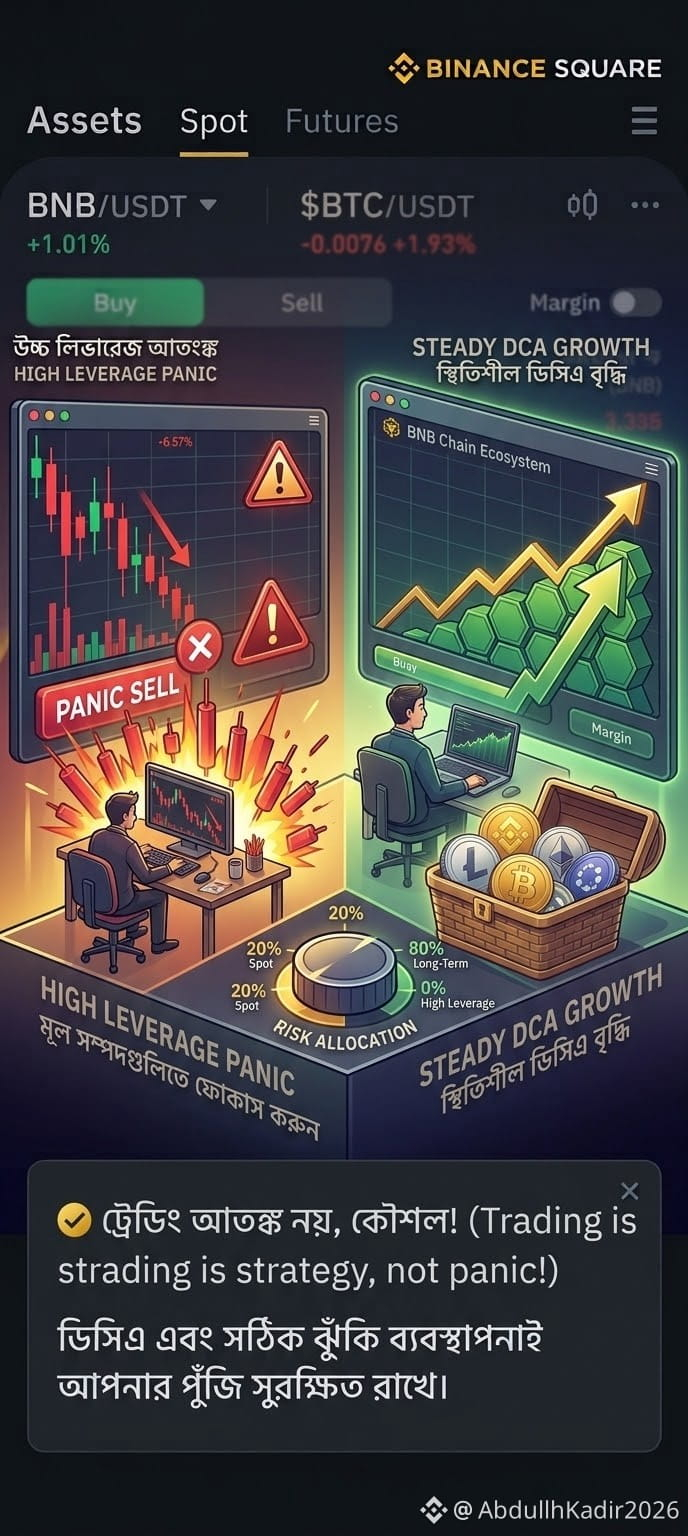
Stop chasing red candles and panic selling! 🛑📉
Successful crypto trading isn't about capturing every single market surge; it's about staying disciplined and protecting your initial balance. Always set your target, manage risk, and focus on steady growth with core assets like BNB andBTC.
Which trading strategy do you follow the most—Spot DCA or Futures? Let me know below! 👇
#Write2Earn #CryptoTrading #BinanceSquare #RiskManagement #Crypto2026 $BNB $BTC
Stop chasing red candles and panic selling! 🛑📉
Successful crypto trading isn't about capturing every single market surge; it's about staying disciplined and protecting your initial balance. Always set your target, manage risk, and focus on steady growth with core assets like BNB andBTC.
Which trading strategy do you follow the most—Spot DCA or Futures? Let me know below! 👇
#Write2Earn #CryptoTrading #BinanceSquare #RiskManagement #Crypto2026 $BNB $BTC
Successful crypto trading isn't about capturing every single market surge; it's about staying disciplined and protecting your initial balance. Always set your target, manage risk, and focus on steady growth with core assets like BNB andBTC.
Which trading strategy do you follow the most—Spot DCA or Futures? Let me know below! 👇
#Write2Earn #CryptoTrading #BinanceSquare #RiskManagement #Crypto2026 $BNB $BTC
45
·
--
Bullisch
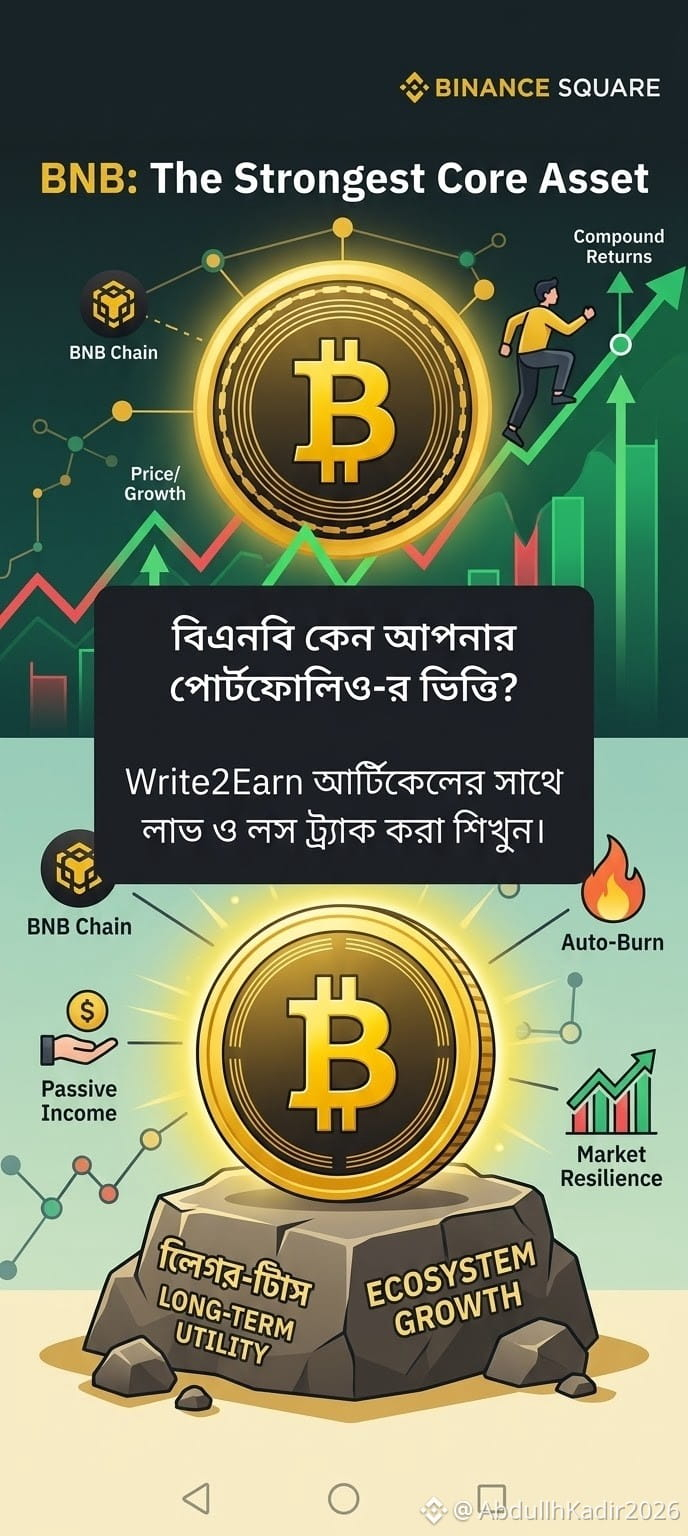
Handeln ohne Risikomanagement ist nichts anderes als Glücksspiel. 🛡️
Bevor du eine Position eingehst, berechne immer dein Risiko-Ertrags-Verhältnis und schütze dein Kapital. Kleine, konstante Gewinne, die sich über die Zeit aufbauen, werden es immer schlagen, hinter BTC- oder BNB-Markt-Pumps mit hohem Leverage herzulaufen.
#Write2Earn #CryptoTrading #BinanceSquare #RiskManagement $BNB $BTC
Handeln ohne Risikomanagement ist nichts anderes als Glücksspiel. 🛡️
Bevor du eine Position eingehst, berechne immer dein Risiko-Ertrags-Verhältnis und schütze dein Kapital. Kleine, konstante Gewinne, die sich über die Zeit aufbauen, werden es immer schlagen, hinter BTC- oder BNB-Markt-Pumps mit hohem Leverage herzulaufen.
#Write2Earn #CryptoTrading #BinanceSquare #RiskManagement $BNB $BTC
Bevor du eine Position eingehst, berechne immer dein Risiko-Ertrags-Verhältnis und schütze dein Kapital. Kleine, konstante Gewinne, die sich über die Zeit aufbauen, werden es immer schlagen, hinter BTC- oder BNB-Markt-Pumps mit hohem Leverage herzulaufen.
#Write2Earn #CryptoTrading #BinanceSquare #RiskManagement $BNB $BTC
54
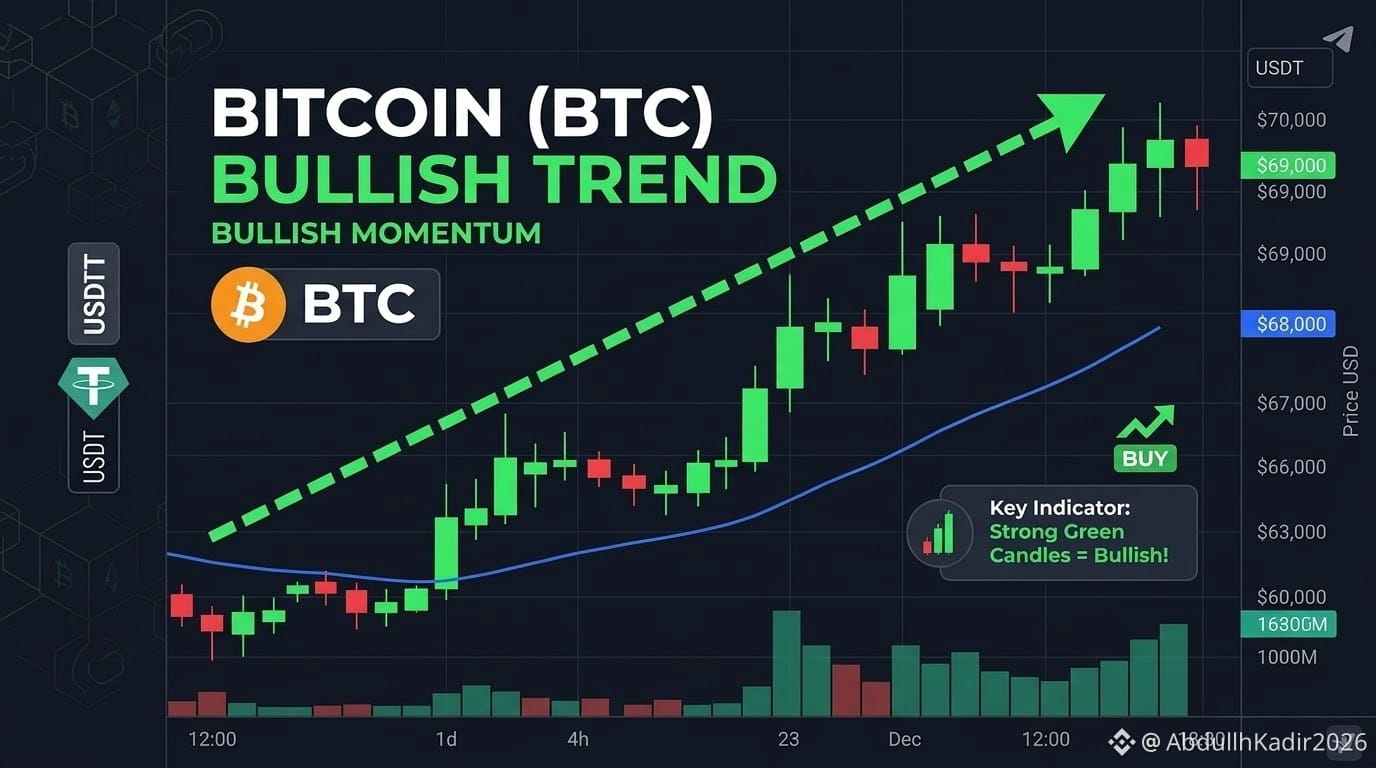
Die goldene Regel beim Krypto-Trading: Schütze zuerst dein Kapital! 🛡️
Gewinne sind wichtig, aber den Markt zu überleben ist das, was dich im Spiel hält. Traden niemals ohne richtiges Risikomanagement und halte immer deinen Stop-Loss bereit.
Welche Coin hältst du derzeit langfristig? $BTC , $ETH oder $BNB ? Lass uns in den Kommentaren darüber sprechen! 👇
#CryptoTrading #RiskManagement
Die goldene Regel beim Krypto-Trading: Schütze zuerst dein Kapital! 🛡️
Gewinne sind wichtig, aber den Markt zu überleben ist das, was dich im Spiel hält. Traden niemals ohne richtiges Risikomanagement und halte immer deinen Stop-Loss bereit.
Welche Coin hältst du derzeit langfristig? $BTC , $ETH oder $BNB ? Lass uns in den Kommentaren darüber sprechen! 👇
#CryptoTrading #RiskManagement
Gewinne sind wichtig, aber den Markt zu überleben ist das, was dich im Spiel hält. Traden niemals ohne richtiges Risikomanagement und halte immer deinen Stop-Loss bereit.
Welche Coin hältst du derzeit langfristig? $BTC , $ETH oder $BNB ? Lass uns in den Kommentaren darüber sprechen! 👇
#CryptoTrading #RiskManagement
69
Artikel
Übersetzung ansehen
Top 5 Trading Mistakes That Cause Losses in Crypto ⚠️📉Trading crypto can be very profitable, but making simple mistakes can quickly ruin your capital. Whether you are trading $BTC, $ETH, or $BNB, avoiding these 5 common mistakes will help you trade safely and protect your funds.
Here are the top 5 mistakes every trader must avoid:
1. Trading Without a Plan
Entering a trade without knowing your entry price, profit target, and exit strategy is gambling. Always analyze the chart and set your targets before clicking buy or sell.
2. Ignoring Risk Management
Never risk your whole balance on a single setup. A safe rule is risking only 1% to 2% of your capital per trade. Protect your wallet first!
3. Over-Trading & Revenge Trading
After taking a loss, do not rush into another trade to recover money quickly. Take a break, stay calm, and wait for a clear market opportunity.
4. Not Using Stop-Loss (SL)
Market volatility can liquidate your account within seconds. Always place a tight Stop-Loss order to control potential losses.
5. Following Market Hype & Rumors
Don't buy a coin just because everyone on social media is talking about it. Always do your own research (DYOR) before investing.
Conclusion
Protecting your capital is more important than making fast profits. Keep your losses small, stay disciplined, and always manage your risk wisely.
What is the biggest lesson you have learned from your trading journey? Let's discuss in the comments below! 👇
#CryptoTrading #RiskManagement #BinanceSquare #BTC #tradingtips
Top 5 Trading Mistakes That Cause Losses in Crypto ⚠️📉
Trading crypto can be very profitable, but making simple mistakes can quickly ruin your capital. Whether you are trading $BTC, $ETH, or $BNB, avoiding these 5 common mistakes will help you trade safely and protect your funds.
Here are the top 5 mistakes every trader must avoid:
1. Trading Without a Plan
Entering a trade without knowing your entry price, profit target, and exit strategy is gambling. Always analyze the chart and set your targets before clicking buy or sell.
2. Ignoring Risk Management
Never risk your whole balance on a single setup. A safe rule is risking only 1% to 2% of your capital per trade. Protect your wallet first!
3. Over-Trading & Revenge Trading
After taking a loss, do not rush into another trade to recover money quickly. Take a break, stay calm, and wait for a clear market opportunity.
4. Not Using Stop-Loss (SL)
Market volatility can liquidate your account within seconds. Always place a tight Stop-Loss order to control potential losses.
5. Following Market Hype & Rumors
Don't buy a coin just because everyone on social media is talking about it. Always do your own research (DYOR) before investing.
Conclusion
Protecting your capital is more important than making fast profits. Keep your losses small, stay disciplined, and always manage your risk wisely.
What is the biggest lesson you have learned from your trading journey? Let's discuss in the comments below! 👇
#CryptoTrading #RiskManagement #BinanceSquare #BTC #tradingtips
Here are the top 5 mistakes every trader must avoid:
1. Trading Without a Plan
Entering a trade without knowing your entry price, profit target, and exit strategy is gambling. Always analyze the chart and set your targets before clicking buy or sell.
2. Ignoring Risk Management
Never risk your whole balance on a single setup. A safe rule is risking only 1% to 2% of your capital per trade. Protect your wallet first!
3. Over-Trading & Revenge Trading
After taking a loss, do not rush into another trade to recover money quickly. Take a break, stay calm, and wait for a clear market opportunity.
4. Not Using Stop-Loss (SL)
Market volatility can liquidate your account within seconds. Always place a tight Stop-Loss order to control potential losses.
5. Following Market Hype & Rumors
Don't buy a coin just because everyone on social media is talking about it. Always do your own research (DYOR) before investing.
Conclusion
Protecting your capital is more important than making fast profits. Keep your losses small, stay disciplined, and always manage your risk wisely.
What is the biggest lesson you have learned from your trading journey? Let's discuss in the comments below! 👇
#CryptoTrading #RiskManagement #BinanceSquare #BTC #tradingtips
110
Artikel
So steuerst du das Risiko beim Krypto-Trading: Top 5 essentielle Strategien 🛡️📉Krypto-Trading bietet zwar hohe Gewinne, ist aber auch mit hohen Risiken verbunden. Ohne eine klare Risikomanagement-Strategie kann sogar ein profitabler Trader sein Portfolio schnell verlieren. Egal ob du $BTC, $ETH oder $BNB handelst: Dein Kapital zu schützen sollte immer an erster Stelle stehen.
Hier sind 5 wesentliche Risikomanagement-Regeln, die jeder Krypto-Trader befolgen muss:
1. Verwende immer einen Stop-Loss (SL)
Öffne niemals einen Trade, ohne eine passende Stop-Loss-Order festzulegen. Ein Stop-Loss schützt dein Konto vor einer Liquidation während plötzlicher Markteinbrüche. Lege immer deinen Exit-Preis fest, bevor du in einen Trade gehst.
So steuerst du das Risiko beim Krypto-Trading: Top 5 essentielle Strategien 🛡️📉
Krypto-Trading bietet zwar hohe Gewinne, ist aber auch mit hohen Risiken verbunden. Ohne eine klare Risikomanagement-Strategie kann sogar ein profitabler Trader sein Portfolio schnell verlieren. Egal ob du $BTC, $ETH oder $BNB handelst: Dein Kapital zu schützen sollte immer an erster Stelle stehen.
Hier sind 5 wesentliche Risikomanagement-Regeln, die jeder Krypto-Trader befolgen muss:
1. Verwende immer einen Stop-Loss (SL)
Öffne niemals einen Trade, ohne eine passende Stop-Loss-Order festzulegen. Ein Stop-Loss schützt dein Konto vor einer Liquidation während plötzlicher Markteinbrüche. Lege immer deinen Exit-Preis fest, bevor du in einen Trade gehst.
Hier sind 5 wesentliche Risikomanagement-Regeln, die jeder Krypto-Trader befolgen muss:
1. Verwende immer einen Stop-Loss (SL)
Öffne niemals einen Trade, ohne eine passende Stop-Loss-Order festzulegen. Ein Stop-Loss schützt dein Konto vor einer Liquidation während plötzlicher Markteinbrüche. Lege immer deinen Exit-Preis fest, bevor du in einen Trade gehst.
120
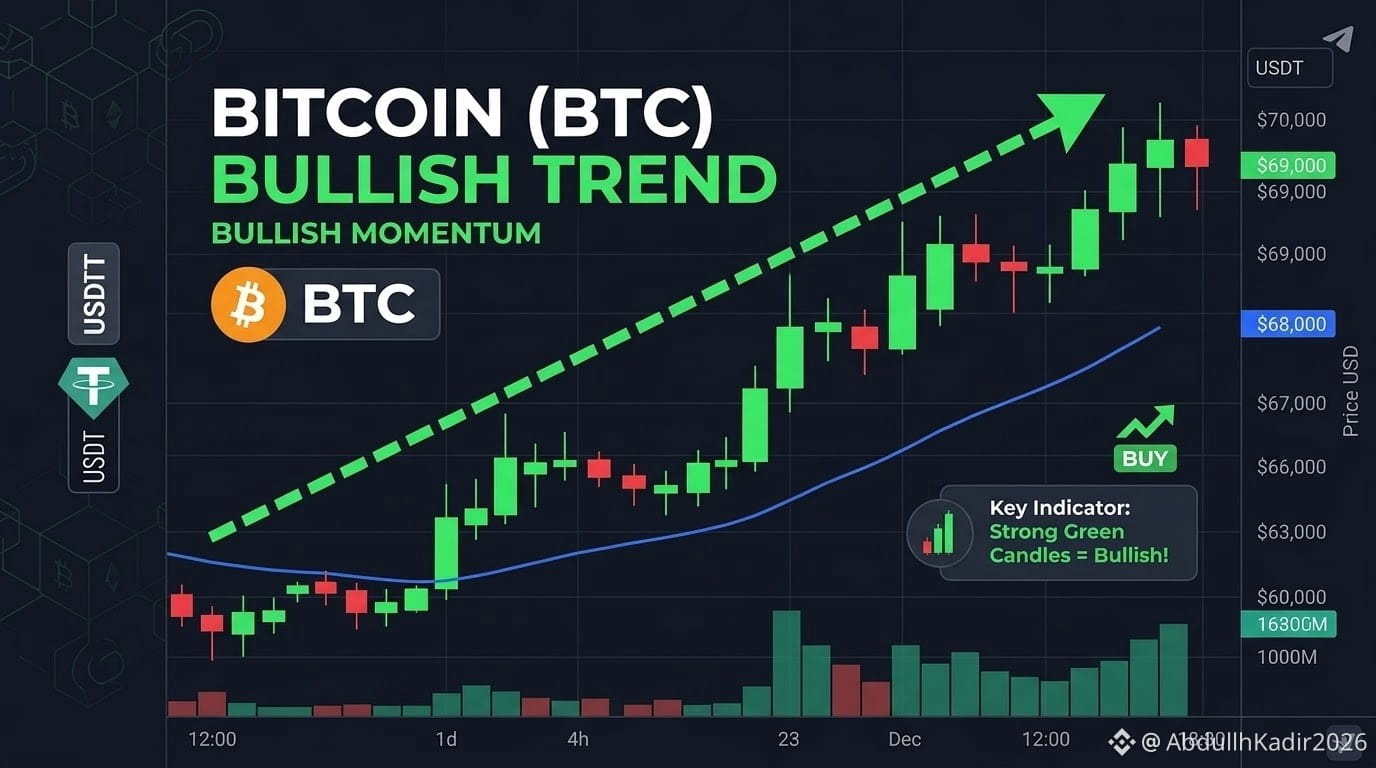
Bitcoin ($BTC) Marktupdate & Ausblick 📈
Bitcoin hält kritische Unterstützungszonen sorgfältig. Trader sollten die Preisbewegung von $BTC genau beobachten, bevor sie größere Schritte unternehmen.
Behalte immer dein Risiko gut im Griff und behalte Markttrends im Blick! Welche Prognosen hast du für $BTC diese Woche? Lass uns unten darüber sprechen! 👇
#BTC #Crypto #BinanceSquare #MarketUpdate
Bitcoin ($BTC) Marktupdate & Ausblick 📈
Bitcoin hält kritische Unterstützungszonen sorgfältig. Trader sollten die Preisbewegung von $BTC genau beobachten, bevor sie größere Schritte unternehmen.
Behalte immer dein Risiko gut im Griff und behalte Markttrends im Blick! Welche Prognosen hast du für $BTC diese Woche? Lass uns unten darüber sprechen! 👇
#BTC #Crypto #BinanceSquare #MarketUpdate
Bitcoin hält kritische Unterstützungszonen sorgfältig. Trader sollten die Preisbewegung von $BTC genau beobachten, bevor sie größere Schritte unternehmen.
Behalte immer dein Risiko gut im Griff und behalte Markttrends im Blick! Welche Prognosen hast du für $BTC diese Woche? Lass uns unten darüber sprechen! 👇
#BTC #Crypto #BinanceSquare #MarketUpdate
106
Anmelden und weiter Inhalte entdecken
Krypto-Nutzer weltweit auf Binance Square kennenlernen
⚡️ Bleib in Sachen Krypto stets am Puls.
💬 Die weltgrößte Kryptobörse vertraut darauf.
👍 Erhalte verlässliche Einblicke von verifizierten Creators.
E-Mail-Adresse/Telefonnummer