
SollyCrypto Onchain
459 Beiträge

SollyCrypto Onchain
Melden
Nutzer blockieren
I track crypto in real time, technicals, onchain data, fundamentals, all in one place. Actionable setups, not just opinions. Follow, read, decide, trade.
Regelmäßiger Trader
2.7 Jahre
24 Following
179 Follower
141 Like gegeben
Beiträge
Alle
Videos
·
--
Bullisch
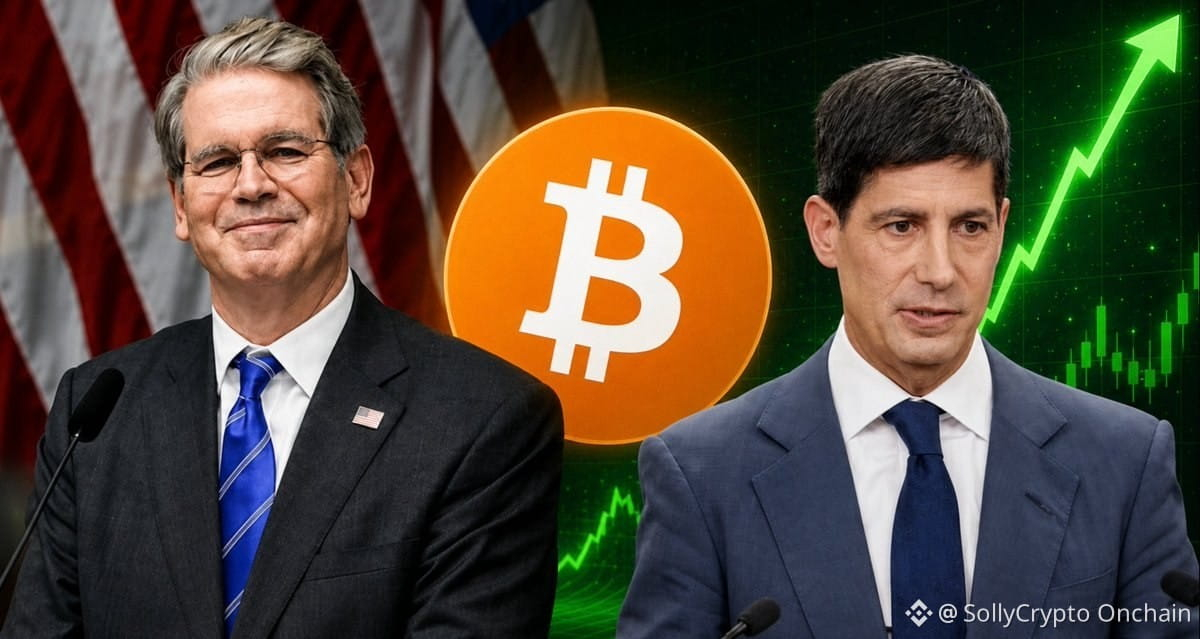
IST $16,7B NÄCHSTE WOCHE STEALTH-QE?
Rund 16,74 Milliarden US-Dollar sollen nächste Woche in das System fließen: 4,243 Milliarden US-Dollar von der Fed und 12,5 Milliarden US-Dollar aus Treasury-Rückkäufen.
Einige nennen das „stealth QE“ und sagen, Bitcoin habe diese Liquidität den ganzen Monat über im Voraus eingepreist. Offizielle Stellen pumpen zwar Cash in den Markt, doch die Märkte bleiben empfindlich gegenüber jedem Dollar.
Die Liquidität kommt. Die einzige Frage ist, wie viel davon bereits eingepreist wurde.
Hat das „Vorauslaufen“ die meiste Arbeit erledigt, oder ist danach noch Spielraum, wenn das Geld ankommt?
IST $16,7B NÄCHSTE WOCHE STEALTH-QE?
Rund 16,74 Milliarden US-Dollar sollen nächste Woche in das System fließen: 4,243 Milliarden US-Dollar von der Fed und 12,5 Milliarden US-Dollar aus Treasury-Rückkäufen.
Einige nennen das „stealth QE“ und sagen, Bitcoin habe diese Liquidität den ganzen Monat über im Voraus eingepreist. Offizielle Stellen pumpen zwar Cash in den Markt, doch die Märkte bleiben empfindlich gegenüber jedem Dollar.
Die Liquidität kommt. Die einzige Frage ist, wie viel davon bereits eingepreist wurde.
Hat das „Vorauslaufen“ die meiste Arbeit erledigt, oder ist danach noch Spielraum, wenn das Geld ankommt?
Rund 16,74 Milliarden US-Dollar sollen nächste Woche in das System fließen: 4,243 Milliarden US-Dollar von der Fed und 12,5 Milliarden US-Dollar aus Treasury-Rückkäufen.
Einige nennen das „stealth QE“ und sagen, Bitcoin habe diese Liquidität den ganzen Monat über im Voraus eingepreist. Offizielle Stellen pumpen zwar Cash in den Markt, doch die Märkte bleiben empfindlich gegenüber jedem Dollar.
Die Liquidität kommt. Die einzige Frage ist, wie viel davon bereits eingepreist wurde.
Hat das „Vorauslaufen“ die meiste Arbeit erledigt, oder ist danach noch Spielraum, wenn das Geld ankommt?
90
·
--
Bullisch
WERDEN SCHWAB-LISTINGS SOL-AVAX-LINK HELFEN?
Charles Schwab plant, in den kommenden Monaten $SOL, $AVAX und $LINK-Handel bei Schwab Crypto hinzuzufügen. Die Plattform bietet derzeit nur Bitcoin und Ethereum.
Die Erweiterung verschafft der großen traditionellen Anlegerbasis von Schwab direkten Zugang zu drei weiteren etablierten Token, ohne die Plattform zu verlassen.
Mehr traditionelle Brokerplatzierung für liquide Altcoins. Listings werden in den kommenden Monaten erwartet.
WERDEN SCHWAB-LISTINGS SOL-AVAX-LINK HELFEN?
Charles Schwab plant, in den kommenden Monaten $SOL, $AVAX und $LINK-Handel bei Schwab Crypto hinzuzufügen. Die Plattform bietet derzeit nur Bitcoin und Ethereum.
Die Erweiterung verschafft der großen traditionellen Anlegerbasis von Schwab direkten Zugang zu drei weiteren etablierten Token, ohne die Plattform zu verlassen.
Mehr traditionelle Brokerplatzierung für liquide Altcoins. Listings werden in den kommenden Monaten erwartet.
Charles Schwab plant, in den kommenden Monaten $SOL, $AVAX und $LINK-Handel bei Schwab Crypto hinzuzufügen. Die Plattform bietet derzeit nur Bitcoin und Ethereum.
Die Erweiterung verschafft der großen traditionellen Anlegerbasis von Schwab direkten Zugang zu drei weiteren etablierten Token, ohne die Plattform zu verlassen.
Mehr traditionelle Brokerplatzierung für liquide Altcoins. Listings werden in den kommenden Monaten erwartet.


1
161
·
--
Bullisch
RÜCKELT RIPPLE IN DEN AKTIENHANDEL?
Ripple Prime hat Delta One, seine erste klare Erweiterung in den Aktienhandel für institutionelle Kunden, gerade auf den Markt gebracht. Das neue Geschäft ermöglicht Hedgefonds, Asset Manager und anderen Institutionen die Ausführung von Total-Return-Swaps auf an US-Börsen gelistete Aktien, Indizes und digitale Assets über einen einzigen Vertragspartner.
Das ist ein bedeutender Schritt über die krypto-nativen Produkte hinaus, für die Ripple bekannt ist. Delta One ist in die bestehende Ripple-Prime-Plattform eingebettet, die bereits Prime Brokerage, Clearing und Finanzierung über FX, Derivate, Fixed Income und digitale Assets hinweg bietet. Wenn Aktienexposure unter demselben Dach hinzugefügt wird, können Kunden Cross-Margining nutzen und Risiken über traditionelle und digitale Märkte hinweg steuern, ohne mehrere Beziehungen eröffnen zu müssen.
Total-Return-Swaps sind ein vertrautes Instrument für Institutionen, die eine Kursentwicklung wollen, ohne die zugrunde liegenden Aktien zu halten. Indem Ripple Prime solche Swaps sowohl bei Aktien als auch bei digitalen Assets anbietet, positioniert sich das Unternehmen als Multi-Asset-Prime-Broker und nicht als reines Krypto-Portal. Auch zeitlich passt das zu der wachsenden institutionellen Nachfrage nach Plattformen, die sowohl On-Chain- als auch traditionelle Exposures an einem Ort abbilden können.
Für $XRP und das breitere Ripple-Ökosystem ist die Entwicklung zwar indirekt, aber unterstützend für die institutionelle Erzählung. Sie zeigt, dass das Unternehmen weiter regulierte, der traditionellen Finanzwelt nahestehende Services ausbaut und nicht nur im Bereich reines Krypto-Settlement bleibt. Ob das Delta-One-Geschäft zu einer relevanten Erlössparte heranwächst, hängt davon ab, wie stark die Hedgefonds- und Asset-Manager-Community das Angebot annimmt, doch die strategische Richtung ist eindeutig.
Ripple ist nicht mehr nur ein Unternehmen für Krypto-Zahlungen und Liquidität. Mit Delta One konkurriert es aktiv um den institutionellen Strom bei Equity-Derivaten.
RÜCKELT RIPPLE IN DEN AKTIENHANDEL?
Ripple Prime hat Delta One, seine erste klare Erweiterung in den Aktienhandel für institutionelle Kunden, gerade auf den Markt gebracht. Das neue Geschäft ermöglicht Hedgefonds, Asset Manager und anderen Institutionen die Ausführung von Total-Return-Swaps auf an US-Börsen gelistete Aktien, Indizes und digitale Assets über einen einzigen Vertragspartner.
Das ist ein bedeutender Schritt über die krypto-nativen Produkte hinaus, für die Ripple bekannt ist. Delta One ist in die bestehende Ripple-Prime-Plattform eingebettet, die bereits Prime Brokerage, Clearing und Finanzierung über FX, Derivate, Fixed Income und digitale Assets hinweg bietet. Wenn Aktienexposure unter demselben Dach hinzugefügt wird, können Kunden Cross-Margining nutzen und Risiken über traditionelle und digitale Märkte hinweg steuern, ohne mehrere Beziehungen eröffnen zu müssen.
Total-Return-Swaps sind ein vertrautes Instrument für Institutionen, die eine Kursentwicklung wollen, ohne die zugrunde liegenden Aktien zu halten. Indem Ripple Prime solche Swaps sowohl bei Aktien als auch bei digitalen Assets anbietet, positioniert sich das Unternehmen als Multi-Asset-Prime-Broker und nicht als reines Krypto-Portal. Auch zeitlich passt das zu der wachsenden institutionellen Nachfrage nach Plattformen, die sowohl On-Chain- als auch traditionelle Exposures an einem Ort abbilden können.
Für $XRP und das breitere Ripple-Ökosystem ist die Entwicklung zwar indirekt, aber unterstützend für die institutionelle Erzählung. Sie zeigt, dass das Unternehmen weiter regulierte, der traditionellen Finanzwelt nahestehende Services ausbaut und nicht nur im Bereich reines Krypto-Settlement bleibt. Ob das Delta-One-Geschäft zu einer relevanten Erlössparte heranwächst, hängt davon ab, wie stark die Hedgefonds- und Asset-Manager-Community das Angebot annimmt, doch die strategische Richtung ist eindeutig.
Ripple ist nicht mehr nur ein Unternehmen für Krypto-Zahlungen und Liquidität. Mit Delta One konkurriert es aktiv um den institutionellen Strom bei Equity-Derivaten.
Ripple Prime hat Delta One, seine erste klare Erweiterung in den Aktienhandel für institutionelle Kunden, gerade auf den Markt gebracht. Das neue Geschäft ermöglicht Hedgefonds, Asset Manager und anderen Institutionen die Ausführung von Total-Return-Swaps auf an US-Börsen gelistete Aktien, Indizes und digitale Assets über einen einzigen Vertragspartner.
Das ist ein bedeutender Schritt über die krypto-nativen Produkte hinaus, für die Ripple bekannt ist. Delta One ist in die bestehende Ripple-Prime-Plattform eingebettet, die bereits Prime Brokerage, Clearing und Finanzierung über FX, Derivate, Fixed Income und digitale Assets hinweg bietet. Wenn Aktienexposure unter demselben Dach hinzugefügt wird, können Kunden Cross-Margining nutzen und Risiken über traditionelle und digitale Märkte hinweg steuern, ohne mehrere Beziehungen eröffnen zu müssen.
Total-Return-Swaps sind ein vertrautes Instrument für Institutionen, die eine Kursentwicklung wollen, ohne die zugrunde liegenden Aktien zu halten. Indem Ripple Prime solche Swaps sowohl bei Aktien als auch bei digitalen Assets anbietet, positioniert sich das Unternehmen als Multi-Asset-Prime-Broker und nicht als reines Krypto-Portal. Auch zeitlich passt das zu der wachsenden institutionellen Nachfrage nach Plattformen, die sowohl On-Chain- als auch traditionelle Exposures an einem Ort abbilden können.
Für $XRP und das breitere Ripple-Ökosystem ist die Entwicklung zwar indirekt, aber unterstützend für die institutionelle Erzählung. Sie zeigt, dass das Unternehmen weiter regulierte, der traditionellen Finanzwelt nahestehende Services ausbaut und nicht nur im Bereich reines Krypto-Settlement bleibt. Ob das Delta-One-Geschäft zu einer relevanten Erlössparte heranwächst, hängt davon ab, wie stark die Hedgefonds- und Asset-Manager-Community das Angebot annimmt, doch die strategische Richtung ist eindeutig.
Ripple ist nicht mehr nur ein Unternehmen für Krypto-Zahlungen und Liquidität. Mit Delta One konkurriert es aktiv um den institutionellen Strom bei Equity-Derivaten.
1
126
·
--
Bullisch
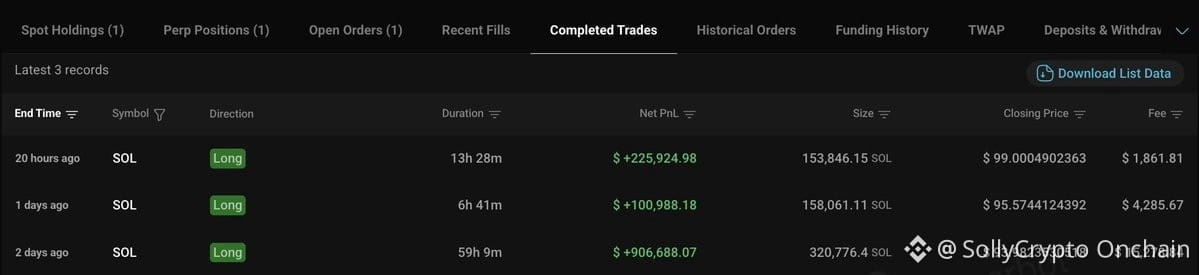
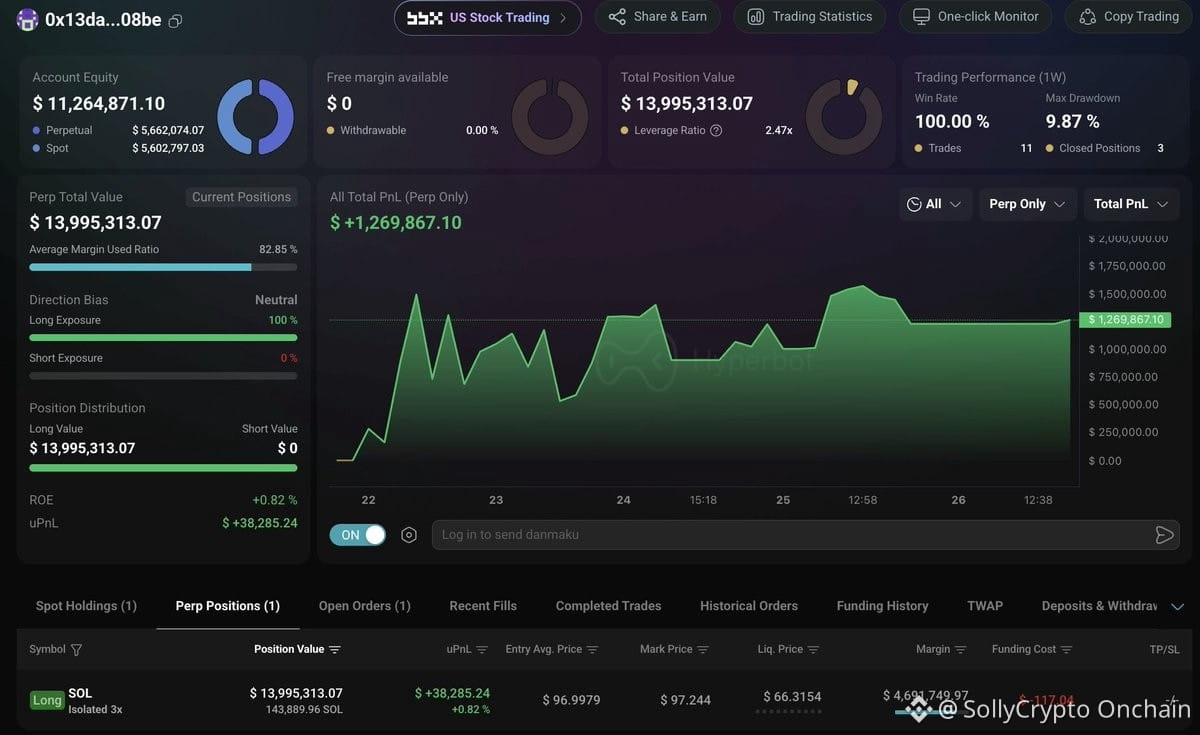
Eine Wallet läuft seit einiger Zeit still und erfolgreich mit einer perfekten Bilanz bei $SOL-Longs und hat gerade noch eine weitere eröffnet. Der Trader hatte zuvor drei separate $SOL-Long-Positionen geschlossen, alle drei gewonnen und insgesamt 1,23 Millionen US-Dollar eingestrichen. Jetzt ist dieselbe Adresse wieder da – mit einem frischen 3x-Long auf 143.890 $SOL im Wert von etwa 14 Millionen.
Eine 100-prozentige Trefferquote über mehrere größere Trades hinweg fällt selbst auf Hyperliquid auf, wo es bei starken Ausschlägen nur so wimmelt. Drei saubere Gewinne in Folge auf dasselbe Asset deuten entweder auf gutes Timing, einen wiederholbaren Prozess oder eine Phase hin, in der sich $SOL einfach in die Richtung bewegte, die diese Wallet bevorzugte. Das Hinzufügen eines vierten Long in dieser Größenordnung zeigt, dass der Trader den vorherigen Erfolg nicht als Grund sieht, einen Schritt zurückzugehen. Die neue Position ist in Bezug auf das Nominalvolumen größer als einige der früheren und behält die gleiche Richtungswette bei.
Perfekte Serien ziehen genau deshalb Aufmerksamkeit auf sich, weil sie selten für immer halten. Märkte verändern sich, die Volatilität verschiebt sich, und dasselbe Setup, das dreimal funktioniert hat, kann beim vierten Mal scheitern. Gleichzeitig bleiben Wallets, die bei einem Asset eine konsequente Ausführung zeigen, oft am Ball, solange der Vorteil noch da ist. Die Entscheidung, nach drei Gewinnern mit einem weiteren gehebelt langen $SOL-Trade erneut einzusteigen, signalisiert anhaltende Überzeugung statt Vorsicht.
Das Nominalvolumen von 14 Millionen US-Dollar bei 3x Hebel ist beachtlich, ohne im Vergleich zu den größten Hyperliquid-Büchern völlig extrem zu sein. Es ist groß genug, dass eine deutliche Bewegung gegen die Position weh tun würde, aber immer noch innerhalb des Bereichs, in dem aktive Trader auf der Plattform regelmäßig unterwegs sind. Wie sich dieser vierte Versuch entwickelt, wird entweder die perfekte Bilanz verlängern oder die erste Niederlage in der $SOL-Serie bringen.
Vorerst ist das Muster klar: dieselbe Wallet, dasselbe Asset, dieselbe Richtung – und ein frischer, ausreichend großer Long nach drei aufeinanderfolgenden Gewinnen, die bereits 1,23 Millionen US-Dollar realisierten Gewinn gebracht haben. Die Serie bleibt bis zum Schließen dieser neuen Position intakt.
Eine Wallet läuft seit einiger Zeit still und erfolgreich mit einer perfekten Bilanz bei $SOL-Longs und hat gerade noch eine weitere eröffnet. Der Trader hatte zuvor drei separate $SOL-Long-Positionen geschlossen, alle drei gewonnen und insgesamt 1,23 Millionen US-Dollar eingestrichen. Jetzt ist dieselbe Adresse wieder da – mit einem frischen 3x-Long auf 143.890 $SOL im Wert von etwa 14 Millionen.
Eine 100-prozentige Trefferquote über mehrere größere Trades hinweg fällt selbst auf Hyperliquid auf, wo es bei starken Ausschlägen nur so wimmelt. Drei saubere Gewinne in Folge auf dasselbe Asset deuten entweder auf gutes Timing, einen wiederholbaren Prozess oder eine Phase hin, in der sich $SOL einfach in die Richtung bewegte, die diese Wallet bevorzugte. Das Hinzufügen eines vierten Long in dieser Größenordnung zeigt, dass der Trader den vorherigen Erfolg nicht als Grund sieht, einen Schritt zurückzugehen. Die neue Position ist in Bezug auf das Nominalvolumen größer als einige der früheren und behält die gleiche Richtungswette bei.
Perfekte Serien ziehen genau deshalb Aufmerksamkeit auf sich, weil sie selten für immer halten. Märkte verändern sich, die Volatilität verschiebt sich, und dasselbe Setup, das dreimal funktioniert hat, kann beim vierten Mal scheitern. Gleichzeitig bleiben Wallets, die bei einem Asset eine konsequente Ausführung zeigen, oft am Ball, solange der Vorteil noch da ist. Die Entscheidung, nach drei Gewinnern mit einem weiteren gehebelt langen $SOL-Trade erneut einzusteigen, signalisiert anhaltende Überzeugung statt Vorsicht.
Das Nominalvolumen von 14 Millionen US-Dollar bei 3x Hebel ist beachtlich, ohne im Vergleich zu den größten Hyperliquid-Büchern völlig extrem zu sein. Es ist groß genug, dass eine deutliche Bewegung gegen die Position weh tun würde, aber immer noch innerhalb des Bereichs, in dem aktive Trader auf der Plattform regelmäßig unterwegs sind. Wie sich dieser vierte Versuch entwickelt, wird entweder die perfekte Bilanz verlängern oder die erste Niederlage in der $SOL-Serie bringen.
Vorerst ist das Muster klar: dieselbe Wallet, dasselbe Asset, dieselbe Richtung – und ein frischer, ausreichend großer Long nach drei aufeinanderfolgenden Gewinnen, die bereits 1,23 Millionen US-Dollar realisierten Gewinn gebracht haben. Die Serie bleibt bis zum Schließen dieser neuen Position intakt.
Eine 100-prozentige Trefferquote über mehrere größere Trades hinweg fällt selbst auf Hyperliquid auf, wo es bei starken Ausschlägen nur so wimmelt. Drei saubere Gewinne in Folge auf dasselbe Asset deuten entweder auf gutes Timing, einen wiederholbaren Prozess oder eine Phase hin, in der sich $SOL einfach in die Richtung bewegte, die diese Wallet bevorzugte. Das Hinzufügen eines vierten Long in dieser Größenordnung zeigt, dass der Trader den vorherigen Erfolg nicht als Grund sieht, einen Schritt zurückzugehen. Die neue Position ist in Bezug auf das Nominalvolumen größer als einige der früheren und behält die gleiche Richtungswette bei.
Perfekte Serien ziehen genau deshalb Aufmerksamkeit auf sich, weil sie selten für immer halten. Märkte verändern sich, die Volatilität verschiebt sich, und dasselbe Setup, das dreimal funktioniert hat, kann beim vierten Mal scheitern. Gleichzeitig bleiben Wallets, die bei einem Asset eine konsequente Ausführung zeigen, oft am Ball, solange der Vorteil noch da ist. Die Entscheidung, nach drei Gewinnern mit einem weiteren gehebelt langen $SOL-Trade erneut einzusteigen, signalisiert anhaltende Überzeugung statt Vorsicht.
Das Nominalvolumen von 14 Millionen US-Dollar bei 3x Hebel ist beachtlich, ohne im Vergleich zu den größten Hyperliquid-Büchern völlig extrem zu sein. Es ist groß genug, dass eine deutliche Bewegung gegen die Position weh tun würde, aber immer noch innerhalb des Bereichs, in dem aktive Trader auf der Plattform regelmäßig unterwegs sind. Wie sich dieser vierte Versuch entwickelt, wird entweder die perfekte Bilanz verlängern oder die erste Niederlage in der $SOL-Serie bringen.
Vorerst ist das Muster klar: dieselbe Wallet, dasselbe Asset, dieselbe Richtung – und ein frischer, ausreichend großer Long nach drei aufeinanderfolgenden Gewinnen, die bereits 1,23 Millionen US-Dollar realisierten Gewinn gebracht haben. Die Serie bleibt bis zum Schließen dieser neuen Position intakt.
1
111
·
--
Bullisch
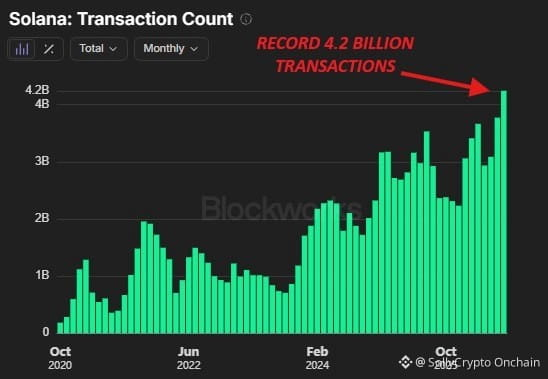
Solana hat im Juli einen Rekord von 4,2 Milliarden Onchain-Transaktionen gemeldet – ein Plus von 13,5 % gegenüber dem Vormonat. Das entspricht einem Anstieg von rund 2 Milliarden Transaktionen im Vergleich zu Dezember 2025 oder etwa 91 % Wachstum innerhalb von einem halben Jahr. Der Schub kam zusammen mit einer deutlichen Preisbewegung: $SOL stieg in acht Tagen um rund 40 % auf Niveaus, die zuletzt Anfang Februar zu sehen waren.
Tokenisierte Assets gehören zur Geschichte. Die größere RWA-Marktkapitalisierung hat die Marke von 38 Milliarden US-Dollar überschritten, und Solana kann weiterhin einen bedeutenden Anteil an dieser Aktivität auf sich vereinen. Allein Jupiter wickelt inzwischen etwa 71 % des DEX-Aggregator-Volumens in der Kette ab – das bündelt einen großen Teil des Handelsvolumens an einem einzigen Handelsplatz und hält die Transaktionszahlen hoch.
Der gesamte Kryptomarkt hat seit dem 16. August rund 580 Milliarden US-Dollar an Marktkapitalisierung hinzugewonnen. Die Onchain-Handelsaktivität über alle Bereiche hinweg ist wieder auf einem Niveau angelangt, das nach Zyklus-Höchstständen aussieht. Solanas Juli-Zahlen stehen im Zentrum dieses Comebacks: mehr Transaktionen, höheres DEX-Volumen und eine zunehmende Nutzung der Kette sowohl für spekulativen Handel als auch für tokenisierte reale Vermögenswerte.
Rekord-Transaktionszahlen bedeuten nicht automatisch nachhaltige Nachfrage. Ein Teil der Aktivität wird weiterhin durch Hochfrequenzhandel, Bots und kurzfristige spekulative Ströme getrieben, die ebenso schnell verschwinden können, wie sie aufgetaucht sind. Gleichzeitig deutet die Kombination aus Preisstärke, RWA-Wachstum und dem dominanten Aggregator-Volumen darauf hin, dass die Kette tatsächlich echte Nutzung erfasst – statt nur leeres Blockspamming.
Für $SOL ist die unmittelbare Einschätzung positiv. Netzwerke, die neue Aktivitäts-Höchststände veröffentlichen, während der Preis steigt, ziehen in der Regel mehr Aufmerksamkeit und mehr Kapital an. Das Risiko ist jedoch das Übliche: Wenn sich der breitere Markt abkühlt oder sich ein großer Teil der Transaktionen als vorübergehend erweist, können die Zahlen wieder kippen. Für den Moment zeigt die Datenlage, dass Solana in den letzten Monaten mehr reale wirtschaftliche Aktivität abwickelt als zuvor – und das, während der Token selbst neu bewertet wird und nach oben tendiert.
Die Onchain-Aktivität ist zurück auf Rekordniveau. Solana gehört zu den deutlichsten Gewinnern dieser Rückkehr.
Solana hat im Juli einen Rekord von 4,2 Milliarden Onchain-Transaktionen gemeldet – ein Plus von 13,5 % gegenüber dem Vormonat. Das entspricht einem Anstieg von rund 2 Milliarden Transaktionen im Vergleich zu Dezember 2025 oder etwa 91 % Wachstum innerhalb von einem halben Jahr. Der Schub kam zusammen mit einer deutlichen Preisbewegung: $SOL stieg in acht Tagen um rund 40 % auf Niveaus, die zuletzt Anfang Februar zu sehen waren.
Tokenisierte Assets gehören zur Geschichte. Die größere RWA-Marktkapitalisierung hat die Marke von 38 Milliarden US-Dollar überschritten, und Solana kann weiterhin einen bedeutenden Anteil an dieser Aktivität auf sich vereinen. Allein Jupiter wickelt inzwischen etwa 71 % des DEX-Aggregator-Volumens in der Kette ab – das bündelt einen großen Teil des Handelsvolumens an einem einzigen Handelsplatz und hält die Transaktionszahlen hoch.
Der gesamte Kryptomarkt hat seit dem 16. August rund 580 Milliarden US-Dollar an Marktkapitalisierung hinzugewonnen. Die Onchain-Handelsaktivität über alle Bereiche hinweg ist wieder auf einem Niveau angelangt, das nach Zyklus-Höchstständen aussieht. Solanas Juli-Zahlen stehen im Zentrum dieses Comebacks: mehr Transaktionen, höheres DEX-Volumen und eine zunehmende Nutzung der Kette sowohl für spekulativen Handel als auch für tokenisierte reale Vermögenswerte.
Rekord-Transaktionszahlen bedeuten nicht automatisch nachhaltige Nachfrage. Ein Teil der Aktivität wird weiterhin durch Hochfrequenzhandel, Bots und kurzfristige spekulative Ströme getrieben, die ebenso schnell verschwinden können, wie sie aufgetaucht sind. Gleichzeitig deutet die Kombination aus Preisstärke, RWA-Wachstum und dem dominanten Aggregator-Volumen darauf hin, dass die Kette tatsächlich echte Nutzung erfasst – statt nur leeres Blockspamming.
Für $SOL ist die unmittelbare Einschätzung positiv. Netzwerke, die neue Aktivitäts-Höchststände veröffentlichen, während der Preis steigt, ziehen in der Regel mehr Aufmerksamkeit und mehr Kapital an. Das Risiko ist jedoch das Übliche: Wenn sich der breitere Markt abkühlt oder sich ein großer Teil der Transaktionen als vorübergehend erweist, können die Zahlen wieder kippen. Für den Moment zeigt die Datenlage, dass Solana in den letzten Monaten mehr reale wirtschaftliche Aktivität abwickelt als zuvor – und das, während der Token selbst neu bewertet wird und nach oben tendiert.
Die Onchain-Aktivität ist zurück auf Rekordniveau. Solana gehört zu den deutlichsten Gewinnern dieser Rückkehr.
Tokenisierte Assets gehören zur Geschichte. Die größere RWA-Marktkapitalisierung hat die Marke von 38 Milliarden US-Dollar überschritten, und Solana kann weiterhin einen bedeutenden Anteil an dieser Aktivität auf sich vereinen. Allein Jupiter wickelt inzwischen etwa 71 % des DEX-Aggregator-Volumens in der Kette ab – das bündelt einen großen Teil des Handelsvolumens an einem einzigen Handelsplatz und hält die Transaktionszahlen hoch.
Der gesamte Kryptomarkt hat seit dem 16. August rund 580 Milliarden US-Dollar an Marktkapitalisierung hinzugewonnen. Die Onchain-Handelsaktivität über alle Bereiche hinweg ist wieder auf einem Niveau angelangt, das nach Zyklus-Höchstständen aussieht. Solanas Juli-Zahlen stehen im Zentrum dieses Comebacks: mehr Transaktionen, höheres DEX-Volumen und eine zunehmende Nutzung der Kette sowohl für spekulativen Handel als auch für tokenisierte reale Vermögenswerte.
Rekord-Transaktionszahlen bedeuten nicht automatisch nachhaltige Nachfrage. Ein Teil der Aktivität wird weiterhin durch Hochfrequenzhandel, Bots und kurzfristige spekulative Ströme getrieben, die ebenso schnell verschwinden können, wie sie aufgetaucht sind. Gleichzeitig deutet die Kombination aus Preisstärke, RWA-Wachstum und dem dominanten Aggregator-Volumen darauf hin, dass die Kette tatsächlich echte Nutzung erfasst – statt nur leeres Blockspamming.
Für $SOL ist die unmittelbare Einschätzung positiv. Netzwerke, die neue Aktivitäts-Höchststände veröffentlichen, während der Preis steigt, ziehen in der Regel mehr Aufmerksamkeit und mehr Kapital an. Das Risiko ist jedoch das Übliche: Wenn sich der breitere Markt abkühlt oder sich ein großer Teil der Transaktionen als vorübergehend erweist, können die Zahlen wieder kippen. Für den Moment zeigt die Datenlage, dass Solana in den letzten Monaten mehr reale wirtschaftliche Aktivität abwickelt als zuvor – und das, während der Token selbst neu bewertet wird und nach oben tendiert.
Die Onchain-Aktivität ist zurück auf Rekordniveau. Solana gehört zu den deutlichsten Gewinnern dieser Rückkehr.
1
73
·
--
Bullisch
BNB Chain hat gerade den Pasteur Hard Fork aktiviert. Das Upgrade erhöht die Sicherheit von Brücken und Validierern und ermöglicht gleichzeitig, dass Blöcke bei derselben 450-Millisekunden-Geschwindigkeit mehr Transaktionen transportieren können.
Auf der Sicherheitsseite sind die Änderungen praxisnah. Doppelte Einträge von Validierern werden während der Brückenverifikation abgelehnt. Alte Schlüssel verlieren nach der Rotation ihre Wirksamkeit. Eingeschränkte Adressen werden von bestimmten Governance-Aktionen blockiert. Diese Fixes schließen Angriffspfade, die anderen Ketten zuvor geschadet haben. Da Brücken zu den riskantesten Bestandteilen jedes Netzwerks gehören, ist die Härtung der Prüfungen eine echte Verbesserung und keine bloß kosmetische Maßnahme.
Auf der Kapazitätsseite passt der Fork den Blockaufbau so an, dass das verfügbare Gaslimit besser genutzt werden kann. Testumgebungen zeigten einen klaren Anstieg des effektiven Durchsatzes, ohne die Blockzeit zu beschleunigen oder die Obergrenze für Gas anzuheben. Das gibt dem Netzwerk mehr Spielraum in geschäftigen Phasen, ohne neue Stabilitätsrisiken hinzuzufügen.
Das ist Infrastrukturarbeit, keine Änderung der Tokenomics und auch kein Hype-Event. Sicherere Brücken und vollständigere Blöcke helfen Nutzern und Entwicklern langfristig. Der Markt wird weiterhin mehr darauf achten, was tatsächlich an Aktivität und Gebühren anfällt, als auf das Upgrade selbst. Aber jede Verbesserung, die Risiken reduziert und die Effizienz steigert, verschafft einen kleinen, dauerhaft spürbaren Vorteil.
Der Fork ist live. Die aufgerüsteten Nodes laufen bereits mit den neuen Regeln. Die Vorteile werden sich nach und nach zeigen, wenn das Netzwerk unter den strikteren Parametern mit echtem Traffic umgeht.
BNB Chain hat gerade den Pasteur Hard Fork aktiviert. Das Upgrade erhöht die Sicherheit von Brücken und Validierern und ermöglicht gleichzeitig, dass Blöcke bei derselben 450-Millisekunden-Geschwindigkeit mehr Transaktionen transportieren können.
Auf der Sicherheitsseite sind die Änderungen praxisnah. Doppelte Einträge von Validierern werden während der Brückenverifikation abgelehnt. Alte Schlüssel verlieren nach der Rotation ihre Wirksamkeit. Eingeschränkte Adressen werden von bestimmten Governance-Aktionen blockiert. Diese Fixes schließen Angriffspfade, die anderen Ketten zuvor geschadet haben. Da Brücken zu den riskantesten Bestandteilen jedes Netzwerks gehören, ist die Härtung der Prüfungen eine echte Verbesserung und keine bloß kosmetische Maßnahme.
Auf der Kapazitätsseite passt der Fork den Blockaufbau so an, dass das verfügbare Gaslimit besser genutzt werden kann. Testumgebungen zeigten einen klaren Anstieg des effektiven Durchsatzes, ohne die Blockzeit zu beschleunigen oder die Obergrenze für Gas anzuheben. Das gibt dem Netzwerk mehr Spielraum in geschäftigen Phasen, ohne neue Stabilitätsrisiken hinzuzufügen.
Das ist Infrastrukturarbeit, keine Änderung der Tokenomics und auch kein Hype-Event. Sicherere Brücken und vollständigere Blöcke helfen Nutzern und Entwicklern langfristig. Der Markt wird weiterhin mehr darauf achten, was tatsächlich an Aktivität und Gebühren anfällt, als auf das Upgrade selbst. Aber jede Verbesserung, die Risiken reduziert und die Effizienz steigert, verschafft einen kleinen, dauerhaft spürbaren Vorteil.
Der Fork ist live. Die aufgerüsteten Nodes laufen bereits mit den neuen Regeln. Die Vorteile werden sich nach und nach zeigen, wenn das Netzwerk unter den strikteren Parametern mit echtem Traffic umgeht.
Auf der Sicherheitsseite sind die Änderungen praxisnah. Doppelte Einträge von Validierern werden während der Brückenverifikation abgelehnt. Alte Schlüssel verlieren nach der Rotation ihre Wirksamkeit. Eingeschränkte Adressen werden von bestimmten Governance-Aktionen blockiert. Diese Fixes schließen Angriffspfade, die anderen Ketten zuvor geschadet haben. Da Brücken zu den riskantesten Bestandteilen jedes Netzwerks gehören, ist die Härtung der Prüfungen eine echte Verbesserung und keine bloß kosmetische Maßnahme.
Auf der Kapazitätsseite passt der Fork den Blockaufbau so an, dass das verfügbare Gaslimit besser genutzt werden kann. Testumgebungen zeigten einen klaren Anstieg des effektiven Durchsatzes, ohne die Blockzeit zu beschleunigen oder die Obergrenze für Gas anzuheben. Das gibt dem Netzwerk mehr Spielraum in geschäftigen Phasen, ohne neue Stabilitätsrisiken hinzuzufügen.
Das ist Infrastrukturarbeit, keine Änderung der Tokenomics und auch kein Hype-Event. Sicherere Brücken und vollständigere Blöcke helfen Nutzern und Entwicklern langfristig. Der Markt wird weiterhin mehr darauf achten, was tatsächlich an Aktivität und Gebühren anfällt, als auf das Upgrade selbst. Aber jede Verbesserung, die Risiken reduziert und die Effizienz steigert, verschafft einen kleinen, dauerhaft spürbaren Vorteil.
Der Fork ist live. Die aufgerüsteten Nodes laufen bereits mit den neuen Regeln. Die Vorteile werden sich nach und nach zeigen, wenn das Netzwerk unter den strikteren Parametern mit echtem Traffic umgeht.

1
95
·
--
Bärisch
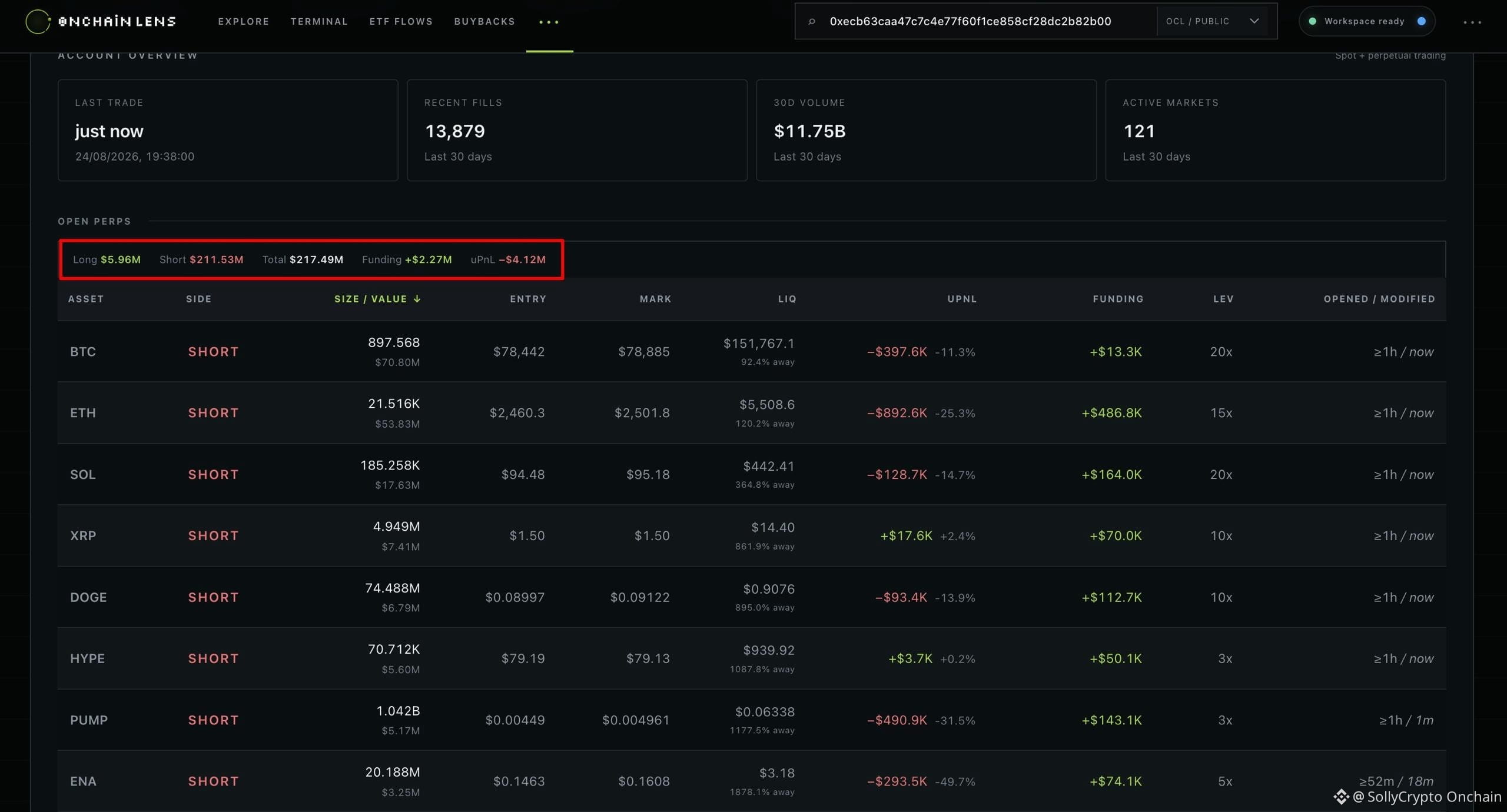
Wintermute hat seine Hyperliquid-Short-Position (Short-Buch) von 190,77 Mio. USD auf 211,53 Mio. USD erhöht. Gleichzeitig hat das Unternehmen seine $HYPE-Short-Position ungefähr halbiert – von 11,43 Mio. USD auf 5,60 Mio. USD.
Die aktuellen Top-Positionen konzentrieren sich auf die großen Coins: $BTC mit 70,80 Mio. USD, $ETH mit 53,83 Mio. USD, $SOL mit 17,63 Mio. USD, $XRP mit 7,41 Mio. USD und $DOGE mit 6,79 Mio. USD. Die kombinierte unrealisierten PnL beläuft sich auf –4,12 Mio. USD, während die bisher eingenommene Finanzierung +2,27 Mio. USD beträgt.
Die Gesamtausrichtung des Buchs bleibt auch nach der Reduzierung des $HYPE-Shorts klar bärisch. Mehr als 20 Mio. USD zusätzliches Short-Exposure hinzuzufügen, während der Markt volatil ist, zeigt, dass das Unternehmen bereit ist, weiterhin gegen die zuletzt gezeigte Stärke anzusteuern. Die Finanzierungseinnahmen gleichen den Mark-to-Market-Verlust teilweise aus, aber die Netto-Position liegt auf unrealisierter Basis weiterhin im Minus.
Große Market-Maker-Short-Bücher auf Hyperliquid werden genau beobachtet, weil sie sowohl proprietäre Einschätzungen als auch das Hedging breiterer Bestände oder des Kunden-Orders-Flow widerspiegeln können. Die Erhöhung auf 211,53 Mio. USD hält Wintermute weiterhin unter den sichtbarsten richtungsgebundenen Short-Entitäten auf der Plattform. Wie sich das Buch von hier aus entwickelt – insbesondere wenn der Kurs weiter gegen die Position läuft oder wenn zusätzliche Shorts hinzukommen – wird der nächste Datenpunkt sein.
Wintermute hat seine Hyperliquid-Short-Position (Short-Buch) von 190,77 Mio. USD auf 211,53 Mio. USD erhöht. Gleichzeitig hat das Unternehmen seine $HYPE-Short-Position ungefähr halbiert – von 11,43 Mio. USD auf 5,60 Mio. USD.
Die aktuellen Top-Positionen konzentrieren sich auf die großen Coins: $BTC mit 70,80 Mio. USD, $ETH mit 53,83 Mio. USD, $SOL mit 17,63 Mio. USD, $XRP mit 7,41 Mio. USD und $DOGE mit 6,79 Mio. USD. Die kombinierte unrealisierten PnL beläuft sich auf –4,12 Mio. USD, während die bisher eingenommene Finanzierung +2,27 Mio. USD beträgt.
Die Gesamtausrichtung des Buchs bleibt auch nach der Reduzierung des $HYPE-Shorts klar bärisch. Mehr als 20 Mio. USD zusätzliches Short-Exposure hinzuzufügen, während der Markt volatil ist, zeigt, dass das Unternehmen bereit ist, weiterhin gegen die zuletzt gezeigte Stärke anzusteuern. Die Finanzierungseinnahmen gleichen den Mark-to-Market-Verlust teilweise aus, aber die Netto-Position liegt auf unrealisierter Basis weiterhin im Minus.
Große Market-Maker-Short-Bücher auf Hyperliquid werden genau beobachtet, weil sie sowohl proprietäre Einschätzungen als auch das Hedging breiterer Bestände oder des Kunden-Orders-Flow widerspiegeln können. Die Erhöhung auf 211,53 Mio. USD hält Wintermute weiterhin unter den sichtbarsten richtungsgebundenen Short-Entitäten auf der Plattform. Wie sich das Buch von hier aus entwickelt – insbesondere wenn der Kurs weiter gegen die Position läuft oder wenn zusätzliche Shorts hinzukommen – wird der nächste Datenpunkt sein.
Die aktuellen Top-Positionen konzentrieren sich auf die großen Coins: $BTC mit 70,80 Mio. USD, $ETH mit 53,83 Mio. USD, $SOL mit 17,63 Mio. USD, $XRP mit 7,41 Mio. USD und $DOGE mit 6,79 Mio. USD. Die kombinierte unrealisierten PnL beläuft sich auf –4,12 Mio. USD, während die bisher eingenommene Finanzierung +2,27 Mio. USD beträgt.
Die Gesamtausrichtung des Buchs bleibt auch nach der Reduzierung des $HYPE-Shorts klar bärisch. Mehr als 20 Mio. USD zusätzliches Short-Exposure hinzuzufügen, während der Markt volatil ist, zeigt, dass das Unternehmen bereit ist, weiterhin gegen die zuletzt gezeigte Stärke anzusteuern. Die Finanzierungseinnahmen gleichen den Mark-to-Market-Verlust teilweise aus, aber die Netto-Position liegt auf unrealisierter Basis weiterhin im Minus.
Große Market-Maker-Short-Bücher auf Hyperliquid werden genau beobachtet, weil sie sowohl proprietäre Einschätzungen als auch das Hedging breiterer Bestände oder des Kunden-Orders-Flow widerspiegeln können. Die Erhöhung auf 211,53 Mio. USD hält Wintermute weiterhin unter den sichtbarsten richtungsgebundenen Short-Entitäten auf der Plattform. Wie sich das Buch von hier aus entwickelt – insbesondere wenn der Kurs weiter gegen die Position läuft oder wenn zusätzliche Shorts hinzukommen – wird der nächste Datenpunkt sein.

1
189
·
--
Bärisch
Ceffu hat vor etwa fünf Stunden rund 3,706 Millionen $TRUMP im Wert von ungefähr 9,27 Millionen US-Dollar von seinem Custody-Hot Wallet zu Binance verlagert. Übertragungen dieser Größenordnung von einer Custody-Plattform an die Börse werden häufig als Vorbereitung zum Verkauf oder zur Bereitstellung der Tokens für institutionellen Fluss gelesen.
Ceffu fungiert als Custody- und Settlement-Layer, der mit dem breiteren Binance-Ökosystem verknüpft ist. Wenn Tokens sein Hot Wallet verlassen und direkt auf Binance landen, sind die Coins sofort für Handel, Lending oder die Abwicklung von Kundentransaktionen nutzbar. Bei einem Memecoin wie $TRUMP lautet die häufigste Interpretation, dass die Versorgung für die Verteilung positioniert wird und nicht für die langfristige Verwahrung.
9,27 Millionen US-Dollar sind groß genug, um kurzfristige Order-Book-Dynamiken bei $TRUMP zu beeinflussen, insbesondere wenn die Tokens in einem relativ kurzen Zeitraum verkauft werden. Für sich allein reicht der Betrag nicht aus, um den längerfristigen Trend zu bestimmen, aber wiederholte Custody-zu-Exchange-Transfers dieser Art neigen dazu, stetigen Angebotsdruck zu erzeugen. Der Markt hat in den letzten Monaten bereits mehrere Fälle gesehen, in denen Team- oder custody-verknüpfte $TRUMP auf Börsen gelangten. Daher passt dieser Move eher in ein bestehendes Muster als dass er als einmalige Überraschung auftaucht.
Custody-Transfers sind nicht immer reine Marktkäufe bzw. Markverkäufe. Manchmal werden die Coins für OTC-Settlement, als Sicherheiten oder für internes Rebalancing vorbereitet. Trotzdem ist das Ziel Binance und das Asset ist $TRUMP. Daher ist die Standardannahme bis zum Gegenbeweis, dass die Tokens näher am Markt sind als noch innerhalb der Custody.
Der Fluss ist bestätigt, und die Größe ist klar. Wie schnell die Coins absorbiert oder verkauft werden, zeigt sich in der Kursbewegung und im Volumen in den kommenden Sitzungen.
Ceffu hat vor etwa fünf Stunden rund 3,706 Millionen $TRUMP im Wert von ungefähr 9,27 Millionen US-Dollar von seinem Custody-Hot Wallet zu Binance verlagert. Übertragungen dieser Größenordnung von einer Custody-Plattform an die Börse werden häufig als Vorbereitung zum Verkauf oder zur Bereitstellung der Tokens für institutionellen Fluss gelesen.
Ceffu fungiert als Custody- und Settlement-Layer, der mit dem breiteren Binance-Ökosystem verknüpft ist. Wenn Tokens sein Hot Wallet verlassen und direkt auf Binance landen, sind die Coins sofort für Handel, Lending oder die Abwicklung von Kundentransaktionen nutzbar. Bei einem Memecoin wie $TRUMP lautet die häufigste Interpretation, dass die Versorgung für die Verteilung positioniert wird und nicht für die langfristige Verwahrung.
9,27 Millionen US-Dollar sind groß genug, um kurzfristige Order-Book-Dynamiken bei $TRUMP zu beeinflussen, insbesondere wenn die Tokens in einem relativ kurzen Zeitraum verkauft werden. Für sich allein reicht der Betrag nicht aus, um den längerfristigen Trend zu bestimmen, aber wiederholte Custody-zu-Exchange-Transfers dieser Art neigen dazu, stetigen Angebotsdruck zu erzeugen. Der Markt hat in den letzten Monaten bereits mehrere Fälle gesehen, in denen Team- oder custody-verknüpfte $TRUMP auf Börsen gelangten. Daher passt dieser Move eher in ein bestehendes Muster als dass er als einmalige Überraschung auftaucht.
Custody-Transfers sind nicht immer reine Marktkäufe bzw. Markverkäufe. Manchmal werden die Coins für OTC-Settlement, als Sicherheiten oder für internes Rebalancing vorbereitet. Trotzdem ist das Ziel Binance und das Asset ist $TRUMP. Daher ist die Standardannahme bis zum Gegenbeweis, dass die Tokens näher am Markt sind als noch innerhalb der Custody.
Der Fluss ist bestätigt, und die Größe ist klar. Wie schnell die Coins absorbiert oder verkauft werden, zeigt sich in der Kursbewegung und im Volumen in den kommenden Sitzungen.
Ceffu fungiert als Custody- und Settlement-Layer, der mit dem breiteren Binance-Ökosystem verknüpft ist. Wenn Tokens sein Hot Wallet verlassen und direkt auf Binance landen, sind die Coins sofort für Handel, Lending oder die Abwicklung von Kundentransaktionen nutzbar. Bei einem Memecoin wie $TRUMP lautet die häufigste Interpretation, dass die Versorgung für die Verteilung positioniert wird und nicht für die langfristige Verwahrung.
9,27 Millionen US-Dollar sind groß genug, um kurzfristige Order-Book-Dynamiken bei $TRUMP zu beeinflussen, insbesondere wenn die Tokens in einem relativ kurzen Zeitraum verkauft werden. Für sich allein reicht der Betrag nicht aus, um den längerfristigen Trend zu bestimmen, aber wiederholte Custody-zu-Exchange-Transfers dieser Art neigen dazu, stetigen Angebotsdruck zu erzeugen. Der Markt hat in den letzten Monaten bereits mehrere Fälle gesehen, in denen Team- oder custody-verknüpfte $TRUMP auf Börsen gelangten. Daher passt dieser Move eher in ein bestehendes Muster als dass er als einmalige Überraschung auftaucht.
Custody-Transfers sind nicht immer reine Marktkäufe bzw. Markverkäufe. Manchmal werden die Coins für OTC-Settlement, als Sicherheiten oder für internes Rebalancing vorbereitet. Trotzdem ist das Ziel Binance und das Asset ist $TRUMP. Daher ist die Standardannahme bis zum Gegenbeweis, dass die Tokens näher am Markt sind als noch innerhalb der Custody.
Der Fluss ist bestätigt, und die Größe ist klar. Wie schnell die Coins absorbiert oder verkauft werden, zeigt sich in der Kursbewegung und im Volumen in den kommenden Sitzungen.

1
122
·
--
Bullisch
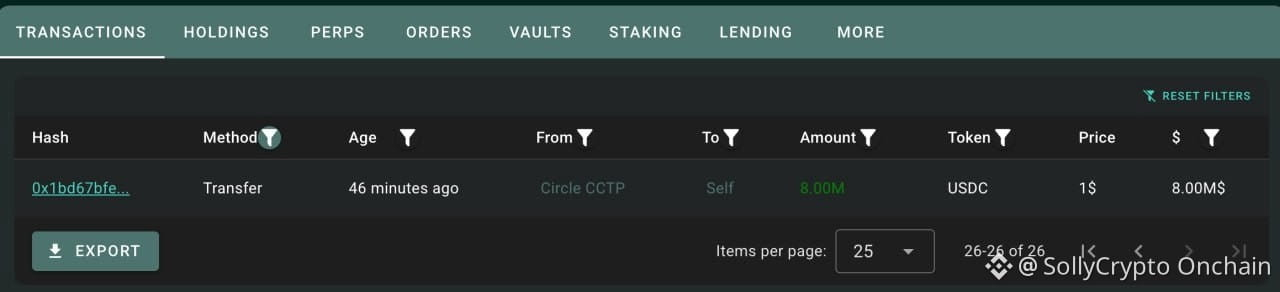
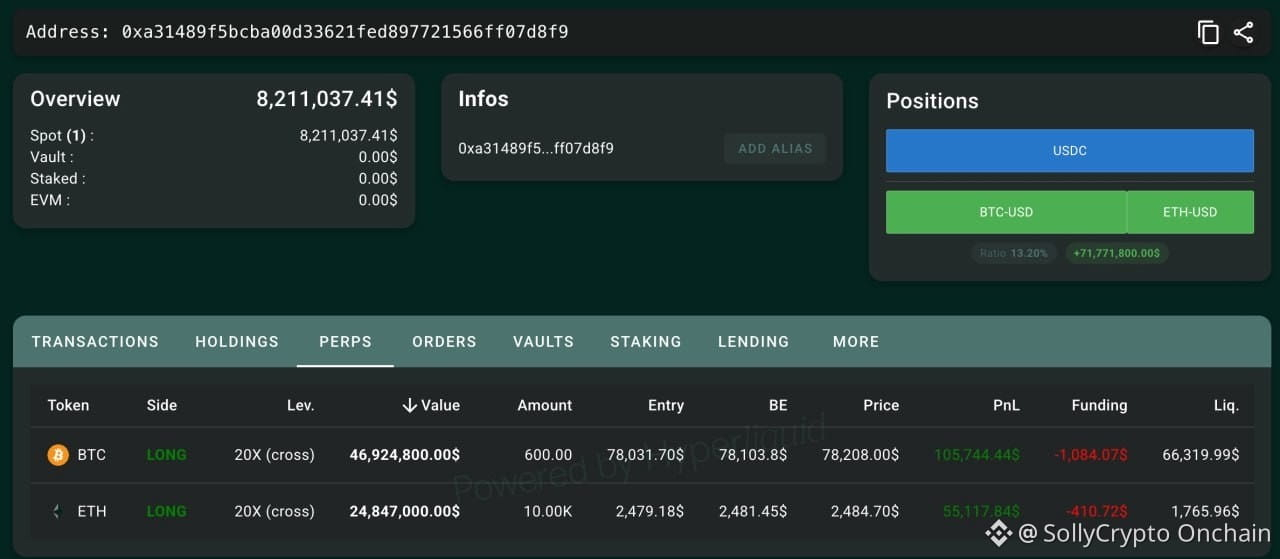
Eine brandneue Wallet ist gerade auf Hyperliquid mit beachtlicher Größe aufgetaucht. Sie hat 8 Millionen $USDC eingezahlt und sofort 20x Longs eröffnet – einmal über 600 $BTC im Wert von etwa 46,92 Millionen und dann 10.000 $ETH im Wert von etwa 24,85 Millionen. Zusammen liegt der Beleihungswert (Notional) bei rund 72 Millionen gegenüber der 8-Millionen-Margin.
Frische Wallets, die zuerst Geld einzahlen und dann so aggressiv hebeln, gehören typischerweise entweder zu einer neuen Einheit, die die Plattform testet, oder zu einem bestehenden Trader, der Kapital über eine saubere Adresse rotiert. Die Wahl von sowohl $BTC als auch $ETH bei demselben hohen Hebel zeigt eine breite bullische Haltung gegenüber den zwei größten Assets – statt nur auf einen einzelnen Namen zu setzen.
20x lässt sehr wenig Spielraum. Eine Bewegung von ungefähr 5 Prozent gegen die Positionen würde die Margin auf ernste Weise gefährden. Auf der anderen Seite verwandelt derselbe Hebel eine moderate Fortsetzung nach oben in einen großen prozentualen Gewinn auf das 8-Millionen-Kapital. Die Wallet ist eindeutig bereit, dieses asymmetrische Risikoprofil zu akzeptieren.
Hyperliquid zieht weiterhin diese großen richtungsweisenden Setups an, weil die Plattform tiefe Liquidität bietet und einen unkomplizierten Hebel ermöglicht – ohne die gleiche Intermediation wie bei zentralisierten Handelsplätzen. Wenn eine Einzahlung von 8 Millionen $USDC innerhalb kurzer Zeit in über 70 Millionen Notional bei Long-Positionen umgewandelt wird, verstärkt das die messbar bullische Positionierung im offenen Interesse beider Paare.
Die Positionen sind offen und das Kapital ist eingesetzt. Ob diese Wallet die Volatilität durchhält oder schnell aussteigt, wird in den kommenden Sessions sichtbar. Für den Moment ist das Signal sauber: neue Adresse, große Stablecoin-Einzahlung, zwei 20x Longs auf $BTC und $ETH.
#BitcoinRises23.6%Weekly
Eine brandneue Wallet ist gerade auf Hyperliquid mit beachtlicher Größe aufgetaucht. Sie hat 8 Millionen $USDC eingezahlt und sofort 20x Longs eröffnet – einmal über 600 $BTC im Wert von etwa 46,92 Millionen und dann 10.000 $ETH im Wert von etwa 24,85 Millionen. Zusammen liegt der Beleihungswert (Notional) bei rund 72 Millionen gegenüber der 8-Millionen-Margin.
Frische Wallets, die zuerst Geld einzahlen und dann so aggressiv hebeln, gehören typischerweise entweder zu einer neuen Einheit, die die Plattform testet, oder zu einem bestehenden Trader, der Kapital über eine saubere Adresse rotiert. Die Wahl von sowohl $BTC als auch $ETH bei demselben hohen Hebel zeigt eine breite bullische Haltung gegenüber den zwei größten Assets – statt nur auf einen einzelnen Namen zu setzen.
20x lässt sehr wenig Spielraum. Eine Bewegung von ungefähr 5 Prozent gegen die Positionen würde die Margin auf ernste Weise gefährden. Auf der anderen Seite verwandelt derselbe Hebel eine moderate Fortsetzung nach oben in einen großen prozentualen Gewinn auf das 8-Millionen-Kapital. Die Wallet ist eindeutig bereit, dieses asymmetrische Risikoprofil zu akzeptieren.
Hyperliquid zieht weiterhin diese großen richtungsweisenden Setups an, weil die Plattform tiefe Liquidität bietet und einen unkomplizierten Hebel ermöglicht – ohne die gleiche Intermediation wie bei zentralisierten Handelsplätzen. Wenn eine Einzahlung von 8 Millionen $USDC innerhalb kurzer Zeit in über 70 Millionen Notional bei Long-Positionen umgewandelt wird, verstärkt das die messbar bullische Positionierung im offenen Interesse beider Paare.
Die Positionen sind offen und das Kapital ist eingesetzt. Ob diese Wallet die Volatilität durchhält oder schnell aussteigt, wird in den kommenden Sessions sichtbar. Für den Moment ist das Signal sauber: neue Adresse, große Stablecoin-Einzahlung, zwei 20x Longs auf $BTC und $ETH.
#BitcoinRises23.6%Weekly
Frische Wallets, die zuerst Geld einzahlen und dann so aggressiv hebeln, gehören typischerweise entweder zu einer neuen Einheit, die die Plattform testet, oder zu einem bestehenden Trader, der Kapital über eine saubere Adresse rotiert. Die Wahl von sowohl $BTC als auch $ETH bei demselben hohen Hebel zeigt eine breite bullische Haltung gegenüber den zwei größten Assets – statt nur auf einen einzelnen Namen zu setzen.
20x lässt sehr wenig Spielraum. Eine Bewegung von ungefähr 5 Prozent gegen die Positionen würde die Margin auf ernste Weise gefährden. Auf der anderen Seite verwandelt derselbe Hebel eine moderate Fortsetzung nach oben in einen großen prozentualen Gewinn auf das 8-Millionen-Kapital. Die Wallet ist eindeutig bereit, dieses asymmetrische Risikoprofil zu akzeptieren.
Hyperliquid zieht weiterhin diese großen richtungsweisenden Setups an, weil die Plattform tiefe Liquidität bietet und einen unkomplizierten Hebel ermöglicht – ohne die gleiche Intermediation wie bei zentralisierten Handelsplätzen. Wenn eine Einzahlung von 8 Millionen $USDC innerhalb kurzer Zeit in über 70 Millionen Notional bei Long-Positionen umgewandelt wird, verstärkt das die messbar bullische Positionierung im offenen Interesse beider Paare.
Die Positionen sind offen und das Kapital ist eingesetzt. Ob diese Wallet die Volatilität durchhält oder schnell aussteigt, wird in den kommenden Sessions sichtbar. Für den Moment ist das Signal sauber: neue Adresse, große Stablecoin-Einzahlung, zwei 20x Longs auf $BTC und $ETH.
#BitcoinRises23.6%Weekly

1
118
·
--
Bärisch
Phantom wird am 24. September die Unterstützung für Sui beenden, also zwanzig Monate nachdem es hinzugefügt wurde. Nutzer müssen $SUI bis zur Frist in eine andere Wallet verschieben oder tauschen.
Der Sui TVL ist um 82% von seinem Hoch von 2,58 Mrd. $ auf etwa 469 Mio. $ gefallen. Die Wallet-Entscheidung fügt sich in die Zeichen einer rückläufigen Netzwerkaktivität ein.
Vermögenswerte bleiben zwar On-Chain, sind aber innerhalb von Phantom nach dem Stichtag nicht mehr nutzbar.
Phantom wird am 24. September die Unterstützung für Sui beenden, also zwanzig Monate nachdem es hinzugefügt wurde. Nutzer müssen $SUI bis zur Frist in eine andere Wallet verschieben oder tauschen.
Der Sui TVL ist um 82% von seinem Hoch von 2,58 Mrd. $ auf etwa 469 Mio. $ gefallen. Die Wallet-Entscheidung fügt sich in die Zeichen einer rückläufigen Netzwerkaktivität ein.
Vermögenswerte bleiben zwar On-Chain, sind aber innerhalb von Phantom nach dem Stichtag nicht mehr nutzbar.
Der Sui TVL ist um 82% von seinem Hoch von 2,58 Mrd. $ auf etwa 469 Mio. $ gefallen. Die Wallet-Entscheidung fügt sich in die Zeichen einer rückläufigen Netzwerkaktivität ein.
Vermögenswerte bleiben zwar On-Chain, sind aber innerhalb von Phantom nach dem Stichtag nicht mehr nutzbar.


1
102
·
--
Bärisch
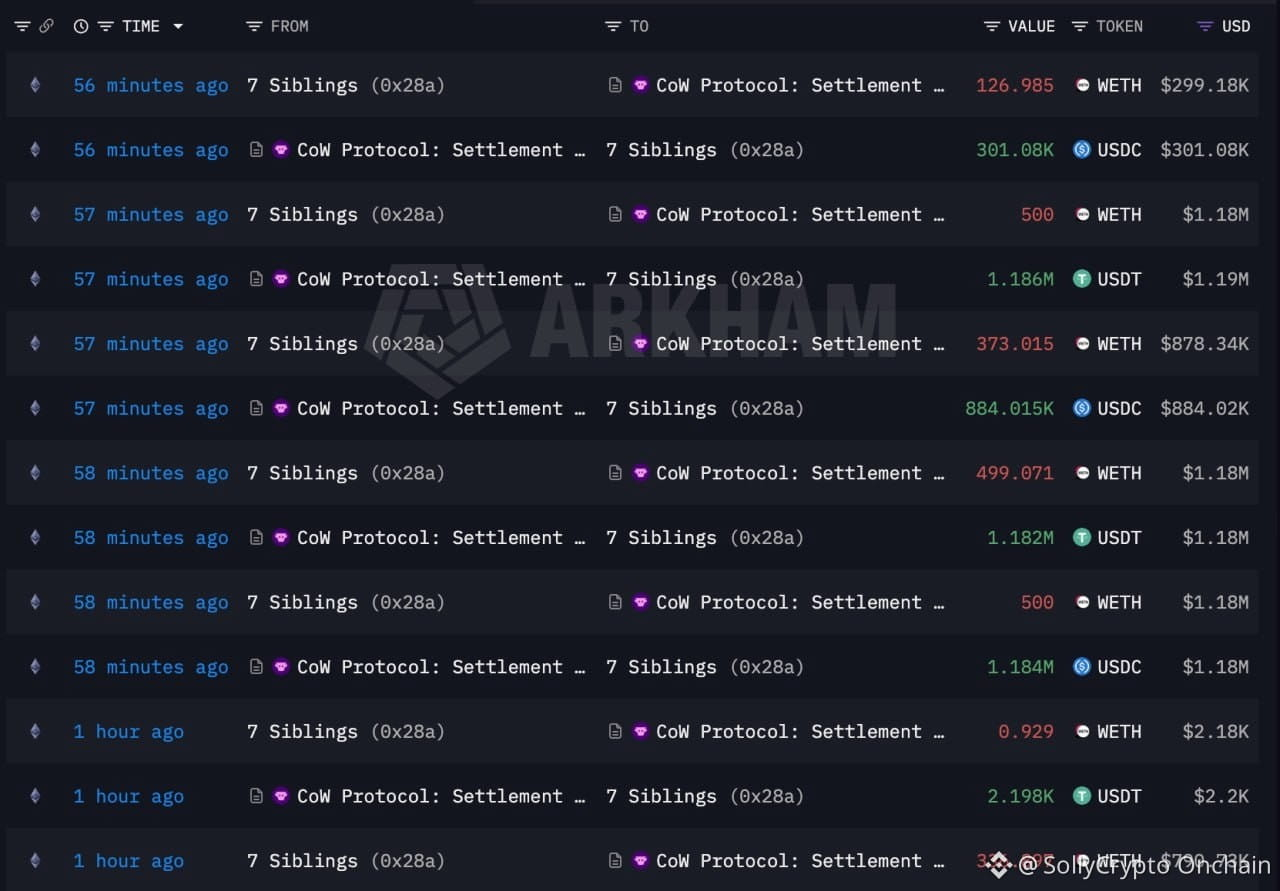
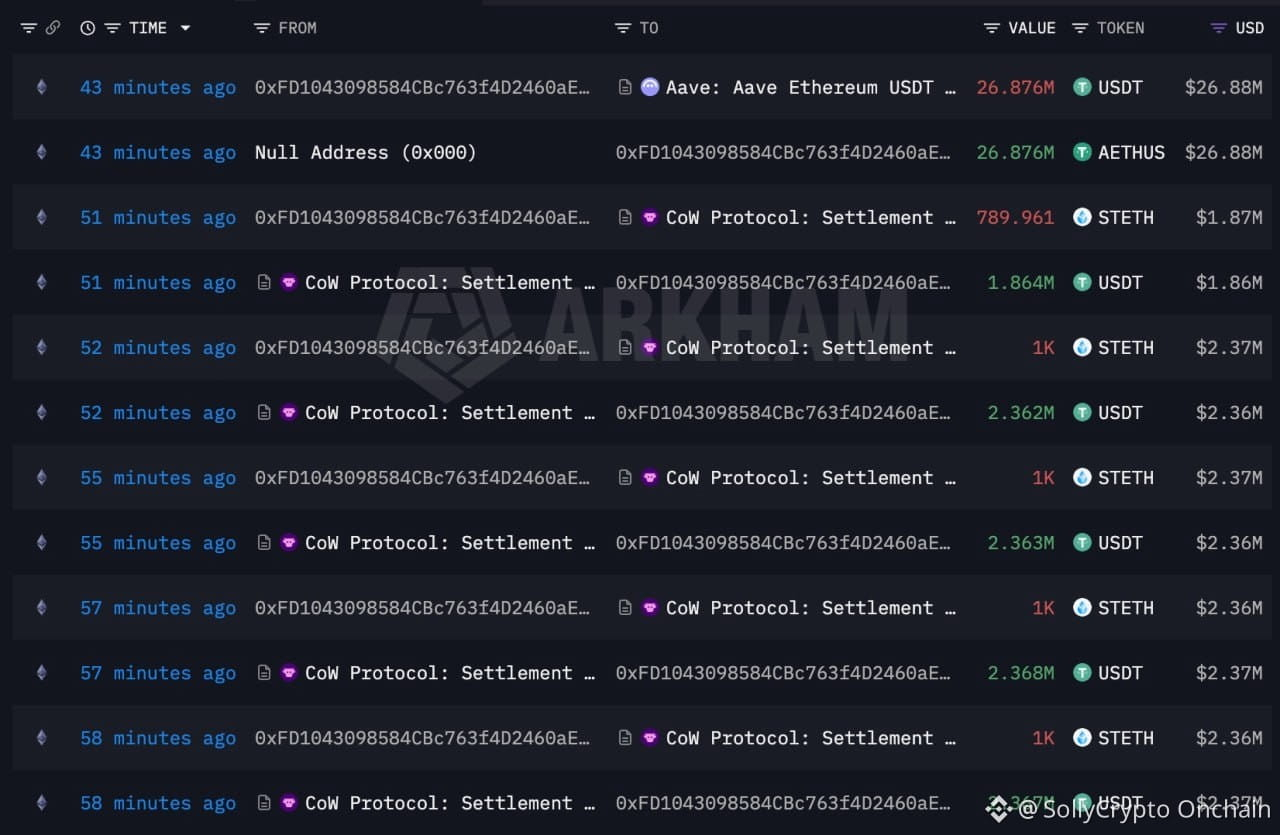
Einige große Wallets verkaufen in die Stärke hinein. 7 Siblings haben gerade 14.000 $ETH im Wert von 32,85 Millionen US-Dollar verkauft – zu einem Durchschnittspreis von 2.346 US-Dollar.
Der Whale 0xFD10 verkaufte außerdem 11.252 $stETH (26,5 Mio. US-Dollar) plus 1.824 $ETH (4,26 Mio. US-Dollar) und nahm dabei 30,78 Millionen $USDT ein.
Zusammen betrachtet sind das über 63 Millionen US-Dollar an $ETH-bezogener Liquidität, die von zwei bekannten Wallets auf den Markt kommt. Der Zeitpunkt wirkt eher wie ein klassischer Verkauf in Stärke als wie Panik.
Das ist gemischter On-Chain-Flow. Klare Verteilung von diesen Adressen, aber noch nicht groß genug, um allein die breitere Struktur umzukehren. Trotzdem lohnt es sich, das im Auge zu behalten, wenn weitere Inhaber dasselbe tun.
Sehen diese Verkäufe in den Rallye wie gesundes Gewinnmitnehmen oder frühe Verteilung aus?
#SollyCrypto #ETH #WhaleAlert #OnChainAnalysis
Einige große Wallets verkaufen in die Stärke hinein. 7 Siblings haben gerade 14.000 $ETH im Wert von 32,85 Millionen US-Dollar verkauft – zu einem Durchschnittspreis von 2.346 US-Dollar.
Der Whale 0xFD10 verkaufte außerdem 11.252 $stETH (26,5 Mio. US-Dollar) plus 1.824 $ETH (4,26 Mio. US-Dollar) und nahm dabei 30,78 Millionen $USDT ein.
Zusammen betrachtet sind das über 63 Millionen US-Dollar an $ETH-bezogener Liquidität, die von zwei bekannten Wallets auf den Markt kommt. Der Zeitpunkt wirkt eher wie ein klassischer Verkauf in Stärke als wie Panik.
Das ist gemischter On-Chain-Flow. Klare Verteilung von diesen Adressen, aber noch nicht groß genug, um allein die breitere Struktur umzukehren. Trotzdem lohnt es sich, das im Auge zu behalten, wenn weitere Inhaber dasselbe tun.
Sehen diese Verkäufe in den Rallye wie gesundes Gewinnmitnehmen oder frühe Verteilung aus?
#SollyCrypto #ETH #WhaleAlert #OnChainAnalysis
Der Whale 0xFD10 verkaufte außerdem 11.252 $stETH (26,5 Mio. US-Dollar) plus 1.824 $ETH (4,26 Mio. US-Dollar) und nahm dabei 30,78 Millionen $USDT ein.
Zusammen betrachtet sind das über 63 Millionen US-Dollar an $ETH-bezogener Liquidität, die von zwei bekannten Wallets auf den Markt kommt. Der Zeitpunkt wirkt eher wie ein klassischer Verkauf in Stärke als wie Panik.
Das ist gemischter On-Chain-Flow. Klare Verteilung von diesen Adressen, aber noch nicht groß genug, um allein die breitere Struktur umzukehren. Trotzdem lohnt es sich, das im Auge zu behalten, wenn weitere Inhaber dasselbe tun.
Sehen diese Verkäufe in den Rallye wie gesundes Gewinnmitnehmen oder frühe Verteilung aus?
#SollyCrypto #ETH #WhaleAlert #OnChainAnalysis
1
99
·
--
Bullisch
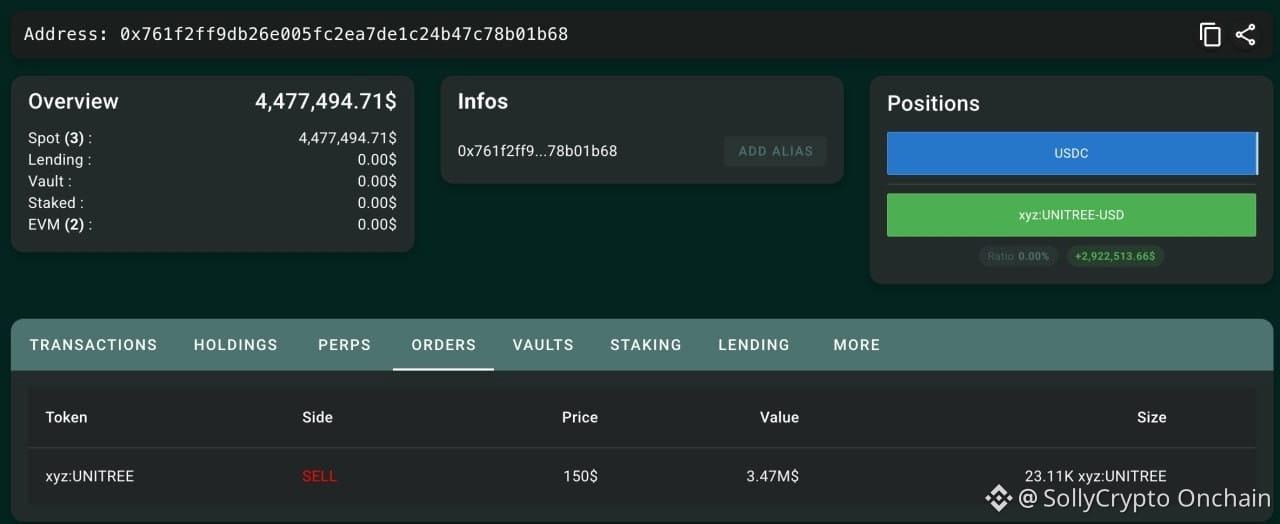
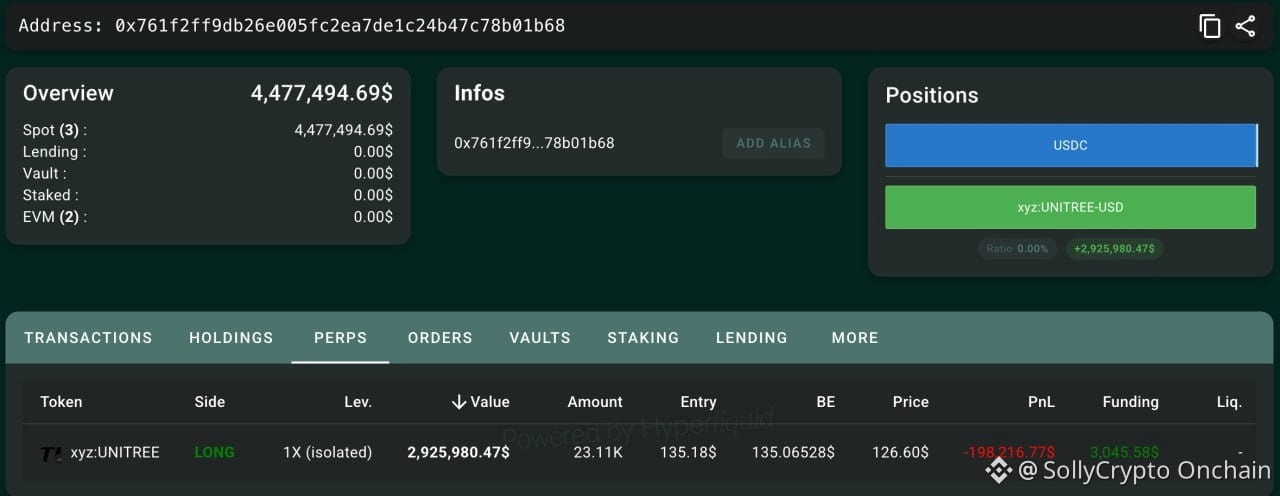
Whale 0x761f eröffnete am 23.112 $UNITREE ($2,93 Mio.) eine 1x-Long-Position und setzte den Take-Profit auf $150.
Hier ist der Grund, warum dieser Trade wirklich verrückt ist: Unitree, der chinesische Hersteller humanoider Roboter, hat sein reales Shanghai-IPO zu nur $22,37 pro Aktie bepreist und das Unternehmen damit mit $9 Mrd. bewertet. Aber der Pre-IPO-Perp-Markt von Hyperliquid handelt bereits bei etwa $92–100 und deutet damit auf eine Bewertung von rund $40 Mrd. hin – also über 4× der offiziellen IPO-Bewertung, bevor die Aktie überhaupt eröffnet ist. Das $150-Ziel dieser Whale würde diese implizite Bewertung noch weiter über das hinaus treiben, was irgendein traditioneller Markt bisher eingepreist hat.
Das Risiko ist hier real und konkret: Analysten von Allium haben darauf hingewiesen, dass selbst ein starkes Opening bei dem doppelten IPO-Preis immer noch Liquidationen über ungefähr ein Drittel der Long-Positionen in diesem Markt auslösen würde. Der Perp-Preis und der tatsächliche öffentliche Listing-Preis sollen beim Start des Handels hart aufeinanderprallen. Diese exakt Dynamik hat sich bereits einmal zuvor gezeigt – bei CXMT, der Chip-Aktie, die wir ausführlich behandelt haben und die bei ihrem eigenen Perp-Instrument Geld verloren hat.
Handelbares Setup: Hocho riskant, nicht zur Bestätigung geeignet. Das ist eine Pre-IPO-synthetische Preisbildung in extremer Euphorie vor einem echten Listing, das sie leicht unterbieten könnte. Verwechsle eine bullishen Perp-Premium nicht mit dem Beweis, dass die Aktie tatsächlich so hoch eröffnen wird.
Rechtfertigt Unitrees reales Shanghai-Debüt eine Bewertung von $40 Mrd.+ – oder gerät diese Whale in dieselbe Falle, in die CXMT-Longs geraten sind?
#UNITREE #Hyperliquid #Whale #SollyCrypto
Whale 0x761f eröffnete am 23.112 $UNITREE ($2,93 Mio.) eine 1x-Long-Position und setzte den Take-Profit auf $150.
Hier ist der Grund, warum dieser Trade wirklich verrückt ist: Unitree, der chinesische Hersteller humanoider Roboter, hat sein reales Shanghai-IPO zu nur $22,37 pro Aktie bepreist und das Unternehmen damit mit $9 Mrd. bewertet. Aber der Pre-IPO-Perp-Markt von Hyperliquid handelt bereits bei etwa $92–100 und deutet damit auf eine Bewertung von rund $40 Mrd. hin – also über 4× der offiziellen IPO-Bewertung, bevor die Aktie überhaupt eröffnet ist. Das $150-Ziel dieser Whale würde diese implizite Bewertung noch weiter über das hinaus treiben, was irgendein traditioneller Markt bisher eingepreist hat.
Das Risiko ist hier real und konkret: Analysten von Allium haben darauf hingewiesen, dass selbst ein starkes Opening bei dem doppelten IPO-Preis immer noch Liquidationen über ungefähr ein Drittel der Long-Positionen in diesem Markt auslösen würde. Der Perp-Preis und der tatsächliche öffentliche Listing-Preis sollen beim Start des Handels hart aufeinanderprallen. Diese exakt Dynamik hat sich bereits einmal zuvor gezeigt – bei CXMT, der Chip-Aktie, die wir ausführlich behandelt haben und die bei ihrem eigenen Perp-Instrument Geld verloren hat.
Handelbares Setup: Hocho riskant, nicht zur Bestätigung geeignet. Das ist eine Pre-IPO-synthetische Preisbildung in extremer Euphorie vor einem echten Listing, das sie leicht unterbieten könnte. Verwechsle eine bullishen Perp-Premium nicht mit dem Beweis, dass die Aktie tatsächlich so hoch eröffnen wird.
Rechtfertigt Unitrees reales Shanghai-Debüt eine Bewertung von $40 Mrd.+ – oder gerät diese Whale in dieselbe Falle, in die CXMT-Longs geraten sind?
#UNITREE #Hyperliquid #Whale #SollyCrypto
Hier ist der Grund, warum dieser Trade wirklich verrückt ist: Unitree, der chinesische Hersteller humanoider Roboter, hat sein reales Shanghai-IPO zu nur $22,37 pro Aktie bepreist und das Unternehmen damit mit $9 Mrd. bewertet. Aber der Pre-IPO-Perp-Markt von Hyperliquid handelt bereits bei etwa $92–100 und deutet damit auf eine Bewertung von rund $40 Mrd. hin – also über 4× der offiziellen IPO-Bewertung, bevor die Aktie überhaupt eröffnet ist. Das $150-Ziel dieser Whale würde diese implizite Bewertung noch weiter über das hinaus treiben, was irgendein traditioneller Markt bisher eingepreist hat.
Das Risiko ist hier real und konkret: Analysten von Allium haben darauf hingewiesen, dass selbst ein starkes Opening bei dem doppelten IPO-Preis immer noch Liquidationen über ungefähr ein Drittel der Long-Positionen in diesem Markt auslösen würde. Der Perp-Preis und der tatsächliche öffentliche Listing-Preis sollen beim Start des Handels hart aufeinanderprallen. Diese exakt Dynamik hat sich bereits einmal zuvor gezeigt – bei CXMT, der Chip-Aktie, die wir ausführlich behandelt haben und die bei ihrem eigenen Perp-Instrument Geld verloren hat.
Handelbares Setup: Hocho riskant, nicht zur Bestätigung geeignet. Das ist eine Pre-IPO-synthetische Preisbildung in extremer Euphorie vor einem echten Listing, das sie leicht unterbieten könnte. Verwechsle eine bullishen Perp-Premium nicht mit dem Beweis, dass die Aktie tatsächlich so hoch eröffnen wird.
Rechtfertigt Unitrees reales Shanghai-Debüt eine Bewertung von $40 Mrd.+ – oder gerät diese Whale in dieselbe Falle, in die CXMT-Longs geraten sind?
#UNITREE #Hyperliquid #Whale #SollyCrypto
1
532
·
--
Bärisch
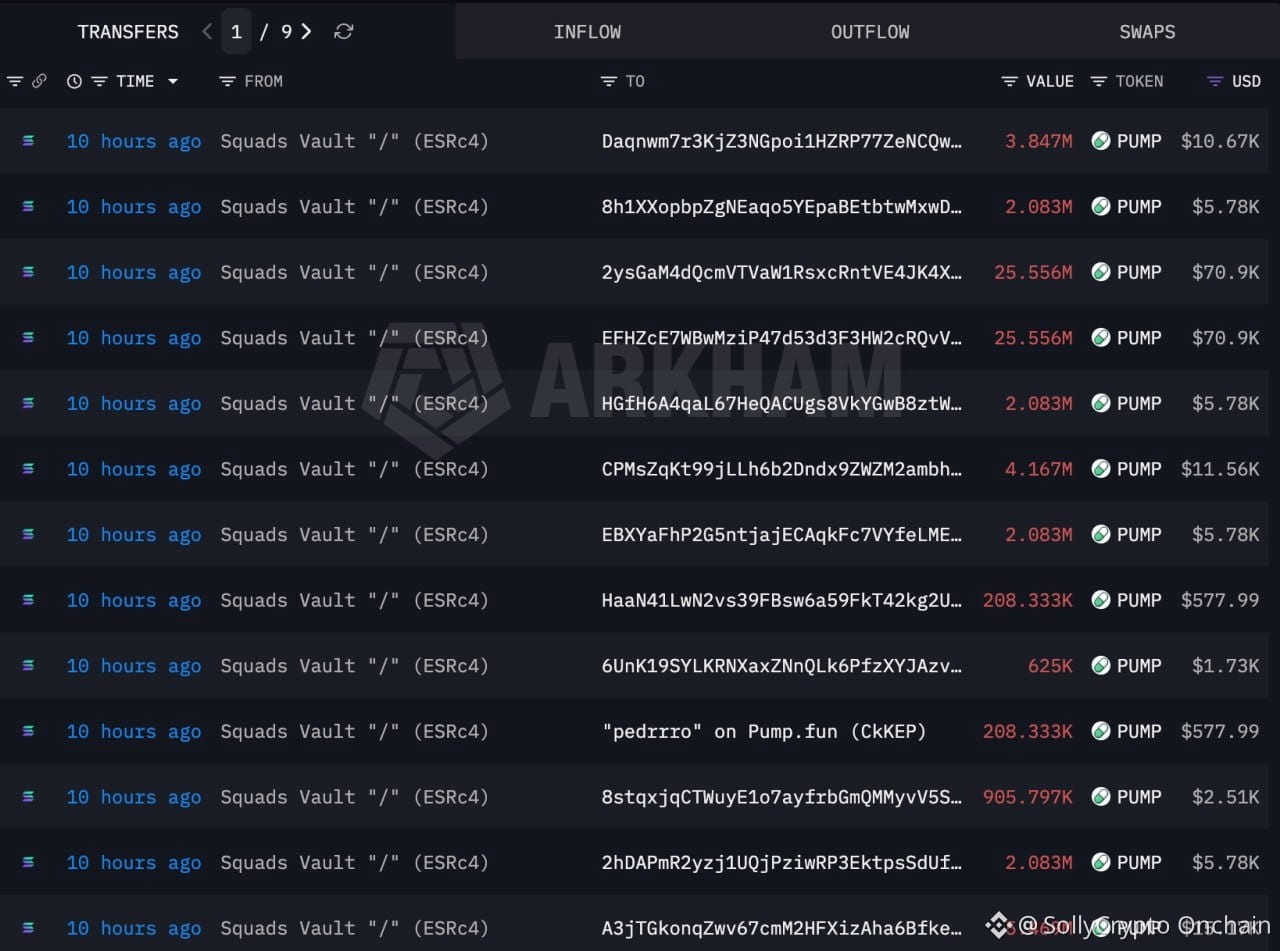
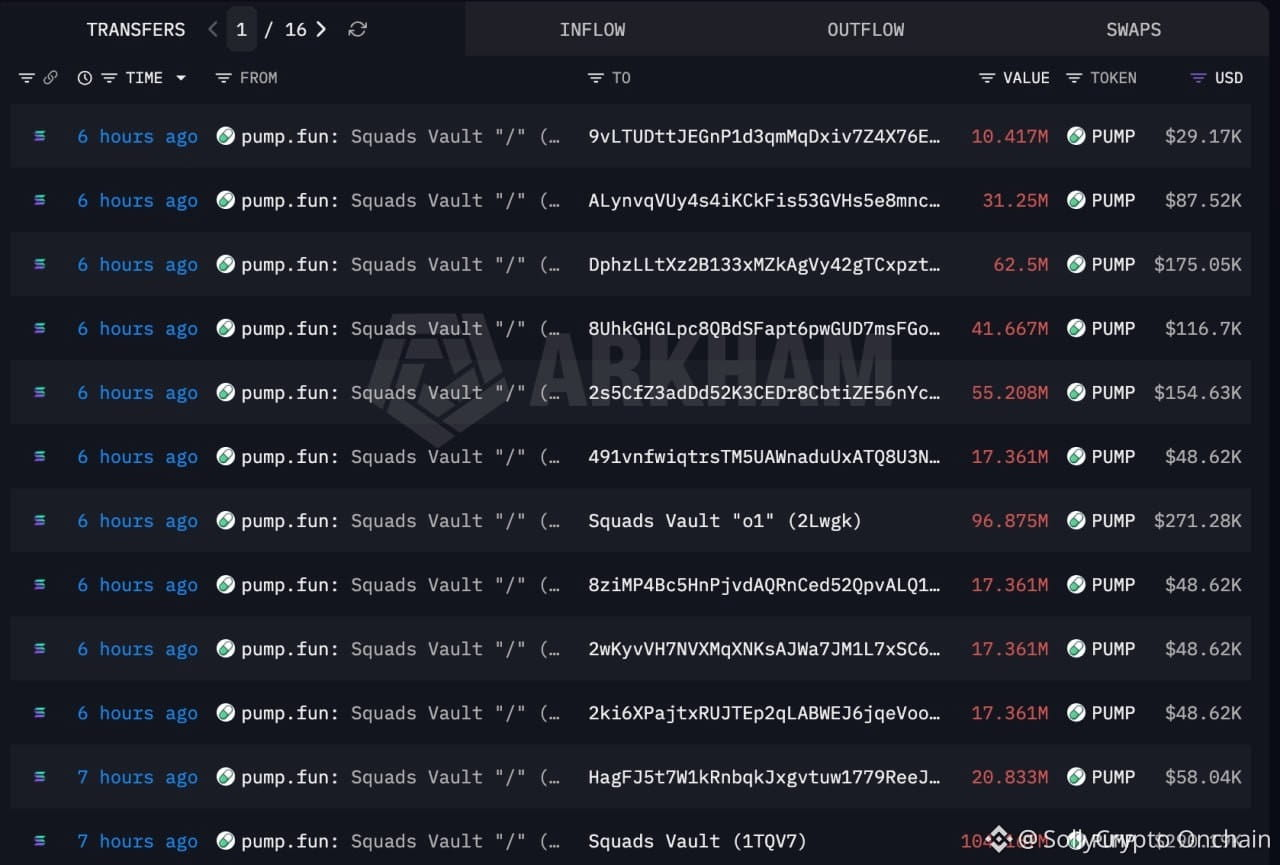
Pump.fun hat heute weitere 4,85 Mrd. $PUMP (~13,6 Mio. $) freigeschaltet.
Das ist kein überraschender Dump: PUMP basiert auf vollständig transparenter, On-Chain-Vesting seit TGE. Community- und Ökosystem-Tokens werden monatlich nach einem festen Kalender freigegeben, den jeder im Voraus einsehen kann. Historisch gesehen zeigten diese Unlocks in den folgenden Tagen eine relativ geringe Volatilität. Der Markt hatte über ein Jahr Zeit, den Rhythmus von PUMP zu lernen, und hat ihn größtenteils bereits im Voraus in den Kurs eingepreist. Pump.fun führt außerdem Rückkäufe durch, die aus Handelsgebühren finanziert werden: Mit der Hälfte des Nettoeinkommens der Plattform werden Tokens zurückgekauft und verbrannt. Zusätzlich wirkt ein gewisser organischer Verkaufsdruck dem geplanten Unlock-Zeitplan entgegen.
Das Wichtige, das es zu beobachten gilt, ist nicht diese einzelne Freigabe, sondern der Trend. Die umlaufende Versorgung von PUMP steigt stetig weiter Richtung vollständiger Verwässerung in den nächsten Jahren, und ob die Nachfrage aus Rückkäufen langfristig mit diesem Zeitplan mithalten kann, ist die eigentliche Frage – nicht irgendein einzelner Unlock isoliert betrachtet.
Bringt dich eine vorhersehbare, gut angekündigte Freigabe wie diese überhaupt noch in Bewegung, oder spielt die Verwässerung der Versorgung ohnehin eine Rolle, unabhängig davon, wie erwartet sie ist?
#PUMP #PumpFun #SollyCrypto
Pump.fun hat heute weitere 4,85 Mrd. $PUMP (~13,6 Mio. $) freigeschaltet.
Das ist kein überraschender Dump: PUMP basiert auf vollständig transparenter, On-Chain-Vesting seit TGE. Community- und Ökosystem-Tokens werden monatlich nach einem festen Kalender freigegeben, den jeder im Voraus einsehen kann. Historisch gesehen zeigten diese Unlocks in den folgenden Tagen eine relativ geringe Volatilität. Der Markt hatte über ein Jahr Zeit, den Rhythmus von PUMP zu lernen, und hat ihn größtenteils bereits im Voraus in den Kurs eingepreist. Pump.fun führt außerdem Rückkäufe durch, die aus Handelsgebühren finanziert werden: Mit der Hälfte des Nettoeinkommens der Plattform werden Tokens zurückgekauft und verbrannt. Zusätzlich wirkt ein gewisser organischer Verkaufsdruck dem geplanten Unlock-Zeitplan entgegen.
Das Wichtige, das es zu beobachten gilt, ist nicht diese einzelne Freigabe, sondern der Trend. Die umlaufende Versorgung von PUMP steigt stetig weiter Richtung vollständiger Verwässerung in den nächsten Jahren, und ob die Nachfrage aus Rückkäufen langfristig mit diesem Zeitplan mithalten kann, ist die eigentliche Frage – nicht irgendein einzelner Unlock isoliert betrachtet.
Bringt dich eine vorhersehbare, gut angekündigte Freigabe wie diese überhaupt noch in Bewegung, oder spielt die Verwässerung der Versorgung ohnehin eine Rolle, unabhängig davon, wie erwartet sie ist?
#PUMP #PumpFun #SollyCrypto
Das ist kein überraschender Dump: PUMP basiert auf vollständig transparenter, On-Chain-Vesting seit TGE. Community- und Ökosystem-Tokens werden monatlich nach einem festen Kalender freigegeben, den jeder im Voraus einsehen kann. Historisch gesehen zeigten diese Unlocks in den folgenden Tagen eine relativ geringe Volatilität. Der Markt hatte über ein Jahr Zeit, den Rhythmus von PUMP zu lernen, und hat ihn größtenteils bereits im Voraus in den Kurs eingepreist. Pump.fun führt außerdem Rückkäufe durch, die aus Handelsgebühren finanziert werden: Mit der Hälfte des Nettoeinkommens der Plattform werden Tokens zurückgekauft und verbrannt. Zusätzlich wirkt ein gewisser organischer Verkaufsdruck dem geplanten Unlock-Zeitplan entgegen.
Das Wichtige, das es zu beobachten gilt, ist nicht diese einzelne Freigabe, sondern der Trend. Die umlaufende Versorgung von PUMP steigt stetig weiter Richtung vollständiger Verwässerung in den nächsten Jahren, und ob die Nachfrage aus Rückkäufen langfristig mit diesem Zeitplan mithalten kann, ist die eigentliche Frage – nicht irgendein einzelner Unlock isoliert betrachtet.
Bringt dich eine vorhersehbare, gut angekündigte Freigabe wie diese überhaupt noch in Bewegung, oder spielt die Verwässerung der Versorgung ohnehin eine Rolle, unabhängig davon, wie erwartet sie ist?
#PUMP #PumpFun #SollyCrypto
113
·
--
Bärisch
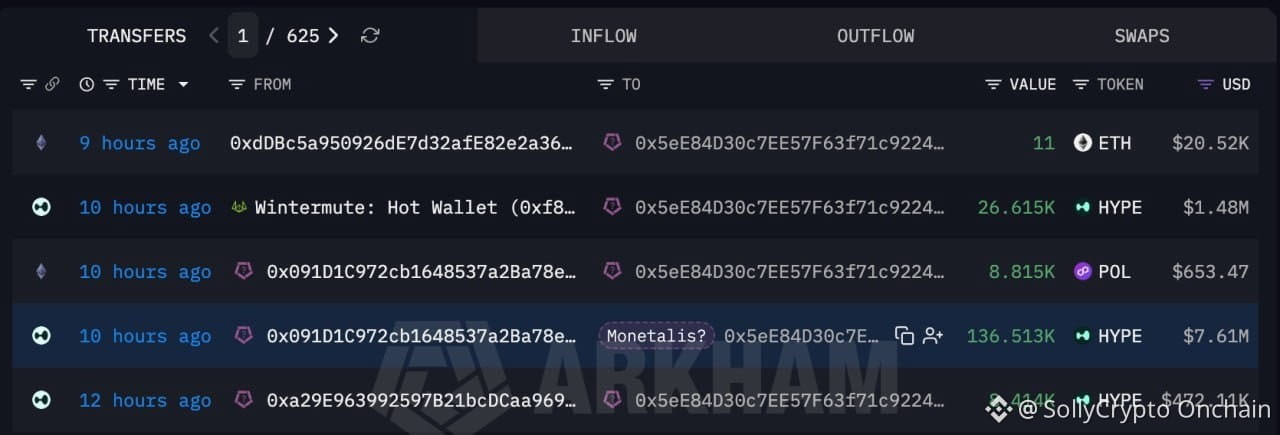
Geldbörsen, die mit Monetalis verknüpft sind, verkauften 3,72 Mio. $UNI (13 Mio. $) über Cumberland und kauften danach 171.543 $HYPE (9,56 Mio. $).
Das ist kein zufälliger Tausch: Monetalis hat hier eine echte Erfolgsbilanz. Dasselbe Fondsvehikel baute im November 2025 eine UNI-Position im Wert von 44,96 Mio. $ über OTC-Deals auf und hält daneben auch bedeutende ETH- und AAVE-Positionen. Das ist ein diversifizierter institutioneller Akteur, der aktiv rotiert – kein „Kaufen-und-vergessen“-Inhaber. Ein Teil der Position, an der sie Monate gearbeitet haben, um stattdessen in HYPE einzusteigen, ist ein klares Signal dafür, wo sie aktuell den besseren relativen Wert sehen.
Vorsicht ist auch geboten: HYPEs eigener Kursverlauf war in letzter Zeit holprig. Wellen institutioneller Unstaking-Aktivität aus Fonds wie Multicoin und Paradigm drückten das Token kürzlich unter 60 $ – ausgelöst durch rotationsgetriebene Wallet-Aktivitäten mit Fokus auf Privatsphäre, nicht zwingend durch Verkauf. Dass Monetalis in genau diese Umgebung hinein gekauft hat, könnte bedeuten, dass sie den Rücksetzer als Chance sehen – oder dass sich später erneut stark konkurrierendes, „crowded“ institutionelles Geld um dieselbe Ausstiegs-Tür drängen wird.
Ausgeklügeltes Kapital, das von UNI in HYPE rotiert – kluges Timing oder eine Warnung für UNI-Inhaber?
#UNI #HYPE #Monetalis #SollyCrypto
Geldbörsen, die mit Monetalis verknüpft sind, verkauften 3,72 Mio. $UNI (13 Mio. $) über Cumberland und kauften danach 171.543 $HYPE (9,56 Mio. $).
Das ist kein zufälliger Tausch: Monetalis hat hier eine echte Erfolgsbilanz. Dasselbe Fondsvehikel baute im November 2025 eine UNI-Position im Wert von 44,96 Mio. $ über OTC-Deals auf und hält daneben auch bedeutende ETH- und AAVE-Positionen. Das ist ein diversifizierter institutioneller Akteur, der aktiv rotiert – kein „Kaufen-und-vergessen“-Inhaber. Ein Teil der Position, an der sie Monate gearbeitet haben, um stattdessen in HYPE einzusteigen, ist ein klares Signal dafür, wo sie aktuell den besseren relativen Wert sehen.
Vorsicht ist auch geboten: HYPEs eigener Kursverlauf war in letzter Zeit holprig. Wellen institutioneller Unstaking-Aktivität aus Fonds wie Multicoin und Paradigm drückten das Token kürzlich unter 60 $ – ausgelöst durch rotationsgetriebene Wallet-Aktivitäten mit Fokus auf Privatsphäre, nicht zwingend durch Verkauf. Dass Monetalis in genau diese Umgebung hinein gekauft hat, könnte bedeuten, dass sie den Rücksetzer als Chance sehen – oder dass sich später erneut stark konkurrierendes, „crowded“ institutionelles Geld um dieselbe Ausstiegs-Tür drängen wird.
Ausgeklügeltes Kapital, das von UNI in HYPE rotiert – kluges Timing oder eine Warnung für UNI-Inhaber?
#UNI #HYPE #Monetalis #SollyCrypto
Das ist kein zufälliger Tausch: Monetalis hat hier eine echte Erfolgsbilanz. Dasselbe Fondsvehikel baute im November 2025 eine UNI-Position im Wert von 44,96 Mio. $ über OTC-Deals auf und hält daneben auch bedeutende ETH- und AAVE-Positionen. Das ist ein diversifizierter institutioneller Akteur, der aktiv rotiert – kein „Kaufen-und-vergessen“-Inhaber. Ein Teil der Position, an der sie Monate gearbeitet haben, um stattdessen in HYPE einzusteigen, ist ein klares Signal dafür, wo sie aktuell den besseren relativen Wert sehen.
Vorsicht ist auch geboten: HYPEs eigener Kursverlauf war in letzter Zeit holprig. Wellen institutioneller Unstaking-Aktivität aus Fonds wie Multicoin und Paradigm drückten das Token kürzlich unter 60 $ – ausgelöst durch rotationsgetriebene Wallet-Aktivitäten mit Fokus auf Privatsphäre, nicht zwingend durch Verkauf. Dass Monetalis in genau diese Umgebung hinein gekauft hat, könnte bedeuten, dass sie den Rücksetzer als Chance sehen – oder dass sich später erneut stark konkurrierendes, „crowded“ institutionelles Geld um dieselbe Ausstiegs-Tür drängen wird.
Ausgeklügeltes Kapital, das von UNI in HYPE rotiert – kluges Timing oder eine Warnung für UNI-Inhaber?
#UNI #HYPE #Monetalis #SollyCrypto
145
·
--
Bullisch
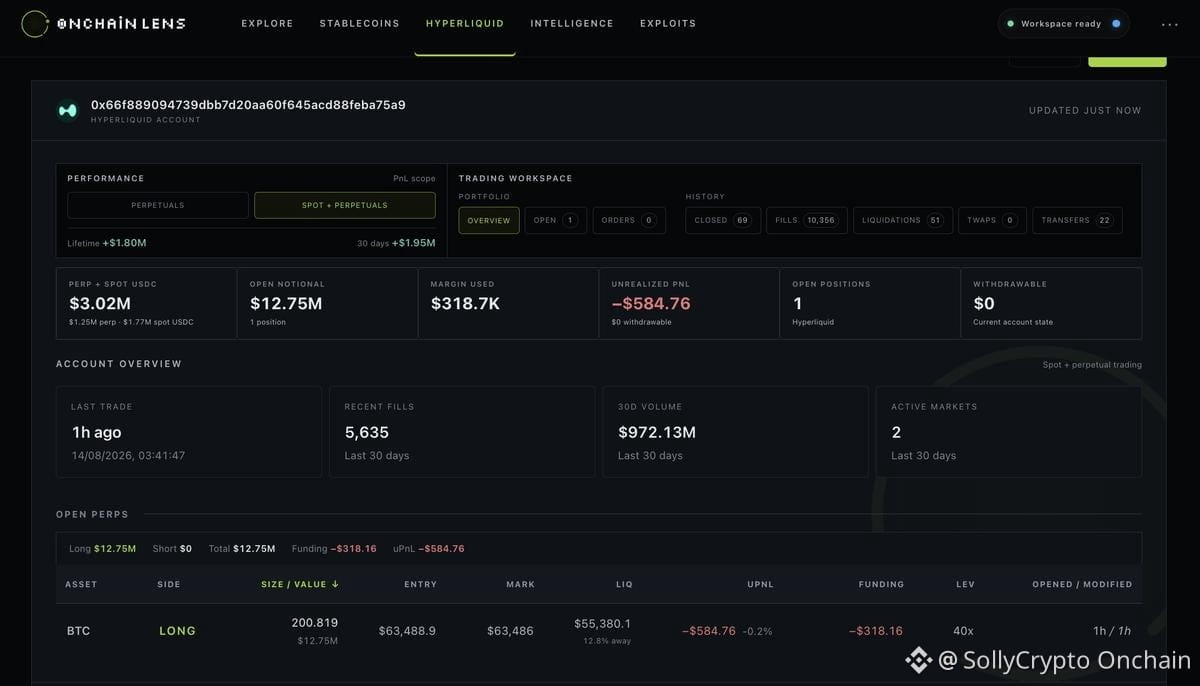
Die Wallet 0x66f889...ba75a9 hat gerade eine 200,8 $BTC (~$12,75 Mio.) Long-Position auf Hyperliquid mit 40x Hebel eröffnet, Liquidationspreis $55.380. Derselbe Trader hat in den letzten 30 Tagen $1,95 Mio. Gewinn eingezogen.
Was daran wirklich bemerkenswert ist: Diese exakt Wallet war einer von vier Tradern, die wir vor Tagen markiert hatten, die BTC in einem $249 Mio.-Bären-Cluster short hatten – mit einem Liquidationspreis von etwa $66.545 für diese Position. Dieser Short ist entweder geschlossen, oder hier liegt eine komplette Kehrtwende in der Überzeugung vor: von bearish zu 40x bullish, auf demselben Asset, innerhalb weniger Tage.
BTC handelt derzeit bei rund $63.400–63.900 und liegt damit deutlich über dieser neuen Liquidationsmarke – die Position hat also noch echten Spielraum, bevor es zu einem erzwungenen Exit kommt. Wenn ein Trader nach einem profitablen Monat so hart die Richtung wechselt, dann ist das kein Hedging, sondern eine echte Änderung der Einschätzung, wohin der Kurs als Nächstes geht.
Ändert das, dass ein dokumentiert profitabler Trader vom Short auf 40x Long wechselt, deine eigene Einschätzung hier – oder ist das nur die Meinung einer einzelnen Wallet, die inzwischen zu viel Gewicht bekommt?
#Bitcoin #Hyperliquid #Whale #SollyCrypto
Die Wallet 0x66f889...ba75a9 hat gerade eine 200,8 $BTC (~$12,75 Mio.) Long-Position auf Hyperliquid mit 40x Hebel eröffnet, Liquidationspreis $55.380. Derselbe Trader hat in den letzten 30 Tagen $1,95 Mio. Gewinn eingezogen.
Was daran wirklich bemerkenswert ist: Diese exakt Wallet war einer von vier Tradern, die wir vor Tagen markiert hatten, die BTC in einem $249 Mio.-Bären-Cluster short hatten – mit einem Liquidationspreis von etwa $66.545 für diese Position. Dieser Short ist entweder geschlossen, oder hier liegt eine komplette Kehrtwende in der Überzeugung vor: von bearish zu 40x bullish, auf demselben Asset, innerhalb weniger Tage.
BTC handelt derzeit bei rund $63.400–63.900 und liegt damit deutlich über dieser neuen Liquidationsmarke – die Position hat also noch echten Spielraum, bevor es zu einem erzwungenen Exit kommt. Wenn ein Trader nach einem profitablen Monat so hart die Richtung wechselt, dann ist das kein Hedging, sondern eine echte Änderung der Einschätzung, wohin der Kurs als Nächstes geht.
Ändert das, dass ein dokumentiert profitabler Trader vom Short auf 40x Long wechselt, deine eigene Einschätzung hier – oder ist das nur die Meinung einer einzelnen Wallet, die inzwischen zu viel Gewicht bekommt?
#Bitcoin #Hyperliquid #Whale #SollyCrypto
Was daran wirklich bemerkenswert ist: Diese exakt Wallet war einer von vier Tradern, die wir vor Tagen markiert hatten, die BTC in einem $249 Mio.-Bären-Cluster short hatten – mit einem Liquidationspreis von etwa $66.545 für diese Position. Dieser Short ist entweder geschlossen, oder hier liegt eine komplette Kehrtwende in der Überzeugung vor: von bearish zu 40x bullish, auf demselben Asset, innerhalb weniger Tage.
BTC handelt derzeit bei rund $63.400–63.900 und liegt damit deutlich über dieser neuen Liquidationsmarke – die Position hat also noch echten Spielraum, bevor es zu einem erzwungenen Exit kommt. Wenn ein Trader nach einem profitablen Monat so hart die Richtung wechselt, dann ist das kein Hedging, sondern eine echte Änderung der Einschätzung, wohin der Kurs als Nächstes geht.
Ändert das, dass ein dokumentiert profitabler Trader vom Short auf 40x Long wechselt, deine eigene Einschätzung hier – oder ist das nur die Meinung einer einzelnen Wallet, die inzwischen zu viel Gewicht bekommt?
#Bitcoin #Hyperliquid #Whale #SollyCrypto
1
103
·
--
Bullisch
DIESE WAHRUNG HAT SEIT ZWEI MONATEN IN RUHIGER MANIER HYPE EINGEKAUFT
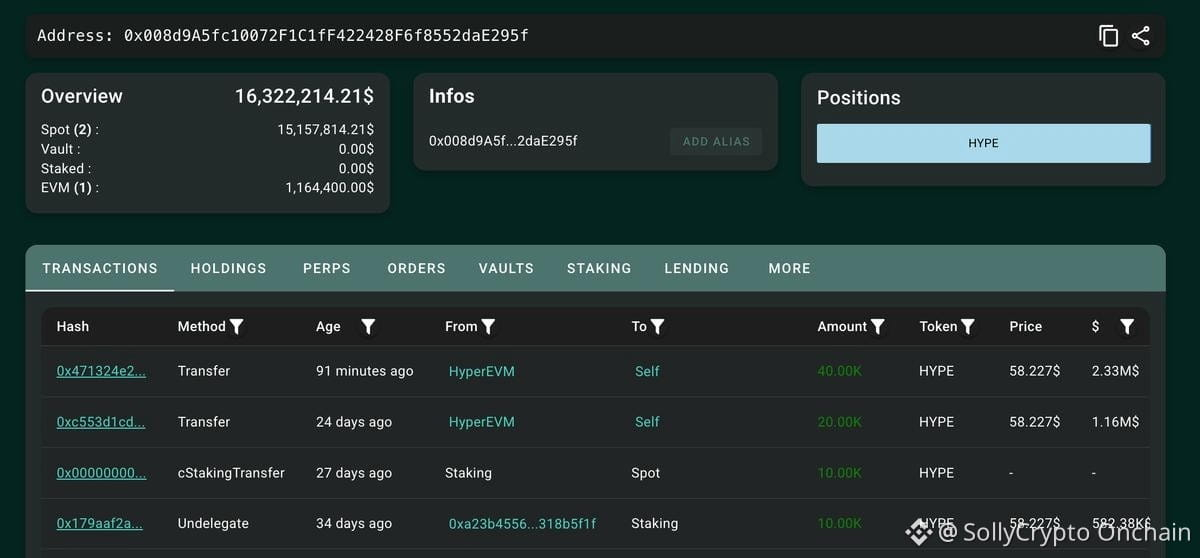
Eine Whale hat gerade weitere 40K $HYPE (~$2,3M) von Coinbase erhalten. Das ist kein Einzelfall: Dieselbe Wallet hat inzwischen 260K HYPE zusammengezogen, im Wert von ungefähr $15,1M. Die Mittel stammen kontinuierlich aus Coinbase, Bybit und anderen Plattformen in den vergangenen zwei Monaten.
Was dieses Muster besonders beobachtenswert macht: Diese Wallet ist nicht allein. Ähnliche langsame „Slow-Drip“-Akkumulation tauchte in diesem Jahr wiederholt auf – etwa dass a16z ein $90M+-Paket aufgebaut hat, Bitwise $114M über seinen ETF staked und andere Whales in einzelnen Sitzungen $55M-$65M von Börsen abgezogen haben. Der gemeinsame Nenner bei nahezu allen: Die Tokens werden von den Börsen transferiert und oft direkt in Staking gegeben. Das bedeutet, sie sitzen nicht einfach auf Orderbüchern und warten darauf, verkauft zu werden.
Zwei Monate stetiges, geduldiges Kaufen ist ein ganz anderes Signal als ein einzelner großer Kauf. Es deutet darauf hin, dass hier niemand einem Pump hinterherjagt, sondern jemand methodisch eine Position aufbaut – unabhängig vom kurzfristigen Preisrauschen.
Überzeugt dich solch langsame, disziplinierte Akkumulation mehr als ein einzelner auffälliger Whale-Kauf, oder ist für dich die Größe immer noch wichtiger als das Muster?
#HYPE #Hyperliquid #Whale #SollyCrypto
DIESE WAHRUNG HAT SEIT ZWEI MONATEN IN RUHIGER MANIER HYPE EINGEKAUFT
Eine Whale hat gerade weitere 40K $HYPE (~$2,3M) von Coinbase erhalten. Das ist kein Einzelfall: Dieselbe Wallet hat inzwischen 260K HYPE zusammengezogen, im Wert von ungefähr $15,1M. Die Mittel stammen kontinuierlich aus Coinbase, Bybit und anderen Plattformen in den vergangenen zwei Monaten.
Was dieses Muster besonders beobachtenswert macht: Diese Wallet ist nicht allein. Ähnliche langsame „Slow-Drip“-Akkumulation tauchte in diesem Jahr wiederholt auf – etwa dass a16z ein $90M+-Paket aufgebaut hat, Bitwise $114M über seinen ETF staked und andere Whales in einzelnen Sitzungen $55M-$65M von Börsen abgezogen haben. Der gemeinsame Nenner bei nahezu allen: Die Tokens werden von den Börsen transferiert und oft direkt in Staking gegeben. Das bedeutet, sie sitzen nicht einfach auf Orderbüchern und warten darauf, verkauft zu werden.
Zwei Monate stetiges, geduldiges Kaufen ist ein ganz anderes Signal als ein einzelner großer Kauf. Es deutet darauf hin, dass hier niemand einem Pump hinterherjagt, sondern jemand methodisch eine Position aufbaut – unabhängig vom kurzfristigen Preisrauschen.
Überzeugt dich solch langsame, disziplinierte Akkumulation mehr als ein einzelner auffälliger Whale-Kauf, oder ist für dich die Größe immer noch wichtiger als das Muster?
#HYPE #Hyperliquid #Whale #SollyCrypto
Eine Whale hat gerade weitere 40K $HYPE (~$2,3M) von Coinbase erhalten. Das ist kein Einzelfall: Dieselbe Wallet hat inzwischen 260K HYPE zusammengezogen, im Wert von ungefähr $15,1M. Die Mittel stammen kontinuierlich aus Coinbase, Bybit und anderen Plattformen in den vergangenen zwei Monaten.
Was dieses Muster besonders beobachtenswert macht: Diese Wallet ist nicht allein. Ähnliche langsame „Slow-Drip“-Akkumulation tauchte in diesem Jahr wiederholt auf – etwa dass a16z ein $90M+-Paket aufgebaut hat, Bitwise $114M über seinen ETF staked und andere Whales in einzelnen Sitzungen $55M-$65M von Börsen abgezogen haben. Der gemeinsame Nenner bei nahezu allen: Die Tokens werden von den Börsen transferiert und oft direkt in Staking gegeben. Das bedeutet, sie sitzen nicht einfach auf Orderbüchern und warten darauf, verkauft zu werden.
Zwei Monate stetiges, geduldiges Kaufen ist ein ganz anderes Signal als ein einzelner großer Kauf. Es deutet darauf hin, dass hier niemand einem Pump hinterherjagt, sondern jemand methodisch eine Position aufbaut – unabhängig vom kurzfristigen Preisrauschen.
Überzeugt dich solch langsame, disziplinierte Akkumulation mehr als ein einzelner auffälliger Whale-Kauf, oder ist für dich die Größe immer noch wichtiger als das Muster?
#HYPE #Hyperliquid #Whale #SollyCrypto
1
167
·
--
Bärisch
DIESER MANN HAT $80M VERLOREN UND KAUFT TROTZDEM WEITER ETH
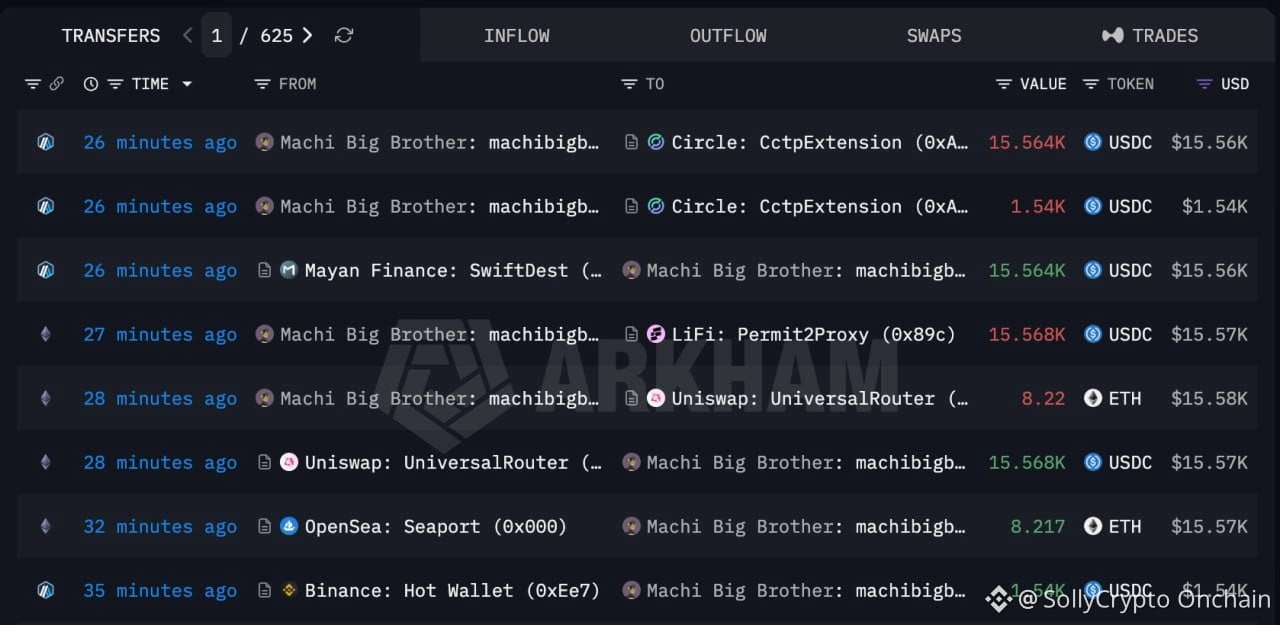
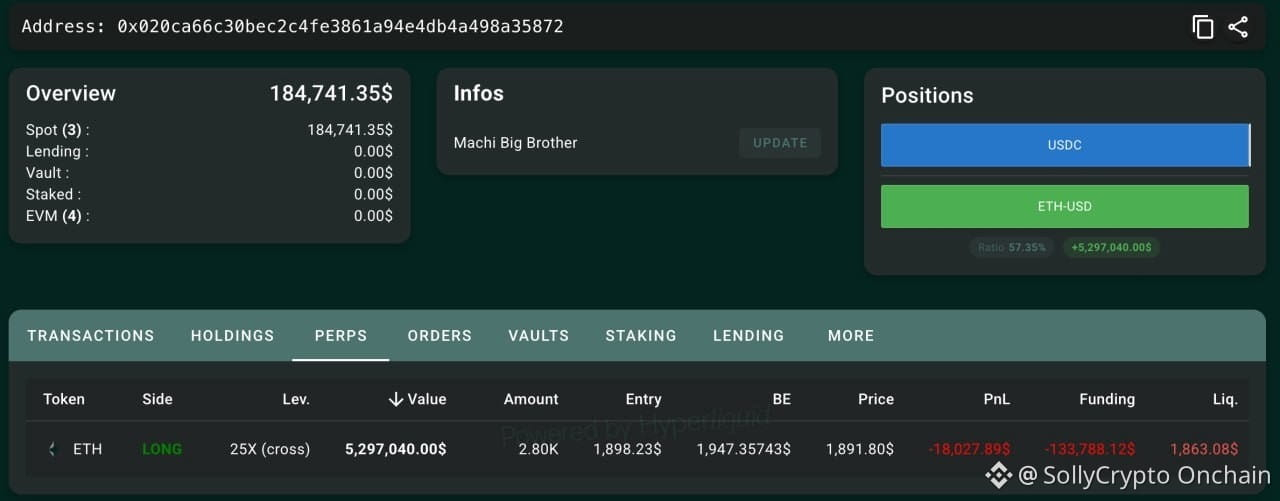
Machi hat bei Binance gerade einmal läppische 1.540 $USDC abgehoben und Bored Ape #5715 für 8,3 ETH (15.570 $) verkauft – einen NFT, den er vor drei Jahren für 34,17 ETH gekauft hatte, rein um seine ETH-Long-Position am Leben zu halten. Aktuelle Position: 2.800 ETH (5,3 Mio. $), Liquidationspreis: 1.863,08 $.
Hier ist, was die meisten Menschen, die diese Story abdecken, übersehen. Das ist nicht Maches erstes Rodeo, oder sein zehntes. Seit letztem September hat er auf Hyperliquid über 80 Mio. $ verloren und in nur dem vergangenen Monat allein 34 Bored Apes verkauft, um genau diese Wetten zu finanzieren: ein Ape, gekauft für 76,84 ETH, verkauft für nur 7,65 ETH – ein 90%-Verlust. Aber vor Wochen hat dieser gleiche Kreislauf aus dem Verkauf von Apes zur Finanzierung von ETH-Longs tatsächlich funktioniert: Aus einem 40K-Konto machte er in unter 48 Stunden durch einen einzigen, gut getimten Long 500K. Das ist die Falle – eine einzige Comeback-Story hält die Überzeugung am Leben, selbst nach neun Verlusten.
Die Community ist sich darin aus gutem Grund uneinig: Die einen sehen rücksichtslose Verdrängung, die anderen sehen die reinste Form von Degen-Überzeugung, die Krypto jemals hervorgebracht hat.
Ist Machi eine Warnung, die man nie wiederholen würde – oder die Art von „All-in“-Überzeugung, die du heimlich respektierst?
#Ethereum #Hyperliquid #Whale #SollyCrypto
DIESER MANN HAT $80M VERLOREN UND KAUFT TROTZDEM WEITER ETH
Machi hat bei Binance gerade einmal läppische 1.540 $USDC abgehoben und Bored Ape #5715 für 8,3 ETH (15.570 $) verkauft – einen NFT, den er vor drei Jahren für 34,17 ETH gekauft hatte, rein um seine ETH-Long-Position am Leben zu halten. Aktuelle Position: 2.800 ETH (5,3 Mio. $), Liquidationspreis: 1.863,08 $.
Hier ist, was die meisten Menschen, die diese Story abdecken, übersehen. Das ist nicht Maches erstes Rodeo, oder sein zehntes. Seit letztem September hat er auf Hyperliquid über 80 Mio. $ verloren und in nur dem vergangenen Monat allein 34 Bored Apes verkauft, um genau diese Wetten zu finanzieren: ein Ape, gekauft für 76,84 ETH, verkauft für nur 7,65 ETH – ein 90%-Verlust. Aber vor Wochen hat dieser gleiche Kreislauf aus dem Verkauf von Apes zur Finanzierung von ETH-Longs tatsächlich funktioniert: Aus einem 40K-Konto machte er in unter 48 Stunden durch einen einzigen, gut getimten Long 500K. Das ist die Falle – eine einzige Comeback-Story hält die Überzeugung am Leben, selbst nach neun Verlusten.
Die Community ist sich darin aus gutem Grund uneinig: Die einen sehen rücksichtslose Verdrängung, die anderen sehen die reinste Form von Degen-Überzeugung, die Krypto jemals hervorgebracht hat.
Ist Machi eine Warnung, die man nie wiederholen würde – oder die Art von „All-in“-Überzeugung, die du heimlich respektierst?
#Ethereum #Hyperliquid #Whale #SollyCrypto
Machi hat bei Binance gerade einmal läppische 1.540 $USDC abgehoben und Bored Ape #5715 für 8,3 ETH (15.570 $) verkauft – einen NFT, den er vor drei Jahren für 34,17 ETH gekauft hatte, rein um seine ETH-Long-Position am Leben zu halten. Aktuelle Position: 2.800 ETH (5,3 Mio. $), Liquidationspreis: 1.863,08 $.
Hier ist, was die meisten Menschen, die diese Story abdecken, übersehen. Das ist nicht Maches erstes Rodeo, oder sein zehntes. Seit letztem September hat er auf Hyperliquid über 80 Mio. $ verloren und in nur dem vergangenen Monat allein 34 Bored Apes verkauft, um genau diese Wetten zu finanzieren: ein Ape, gekauft für 76,84 ETH, verkauft für nur 7,65 ETH – ein 90%-Verlust. Aber vor Wochen hat dieser gleiche Kreislauf aus dem Verkauf von Apes zur Finanzierung von ETH-Longs tatsächlich funktioniert: Aus einem 40K-Konto machte er in unter 48 Stunden durch einen einzigen, gut getimten Long 500K. Das ist die Falle – eine einzige Comeback-Story hält die Überzeugung am Leben, selbst nach neun Verlusten.
Die Community ist sich darin aus gutem Grund uneinig: Die einen sehen rücksichtslose Verdrängung, die anderen sehen die reinste Form von Degen-Überzeugung, die Krypto jemals hervorgebracht hat.
Ist Machi eine Warnung, die man nie wiederholen würde – oder die Art von „All-in“-Überzeugung, die du heimlich respektierst?
#Ethereum #Hyperliquid #Whale #SollyCrypto
1
102
·
--
Bärisch
METAPLANET SITZT AUF EINEM $1,4B-BUCHVERLUST UND VERKAUFT TROTZDEM NICHT
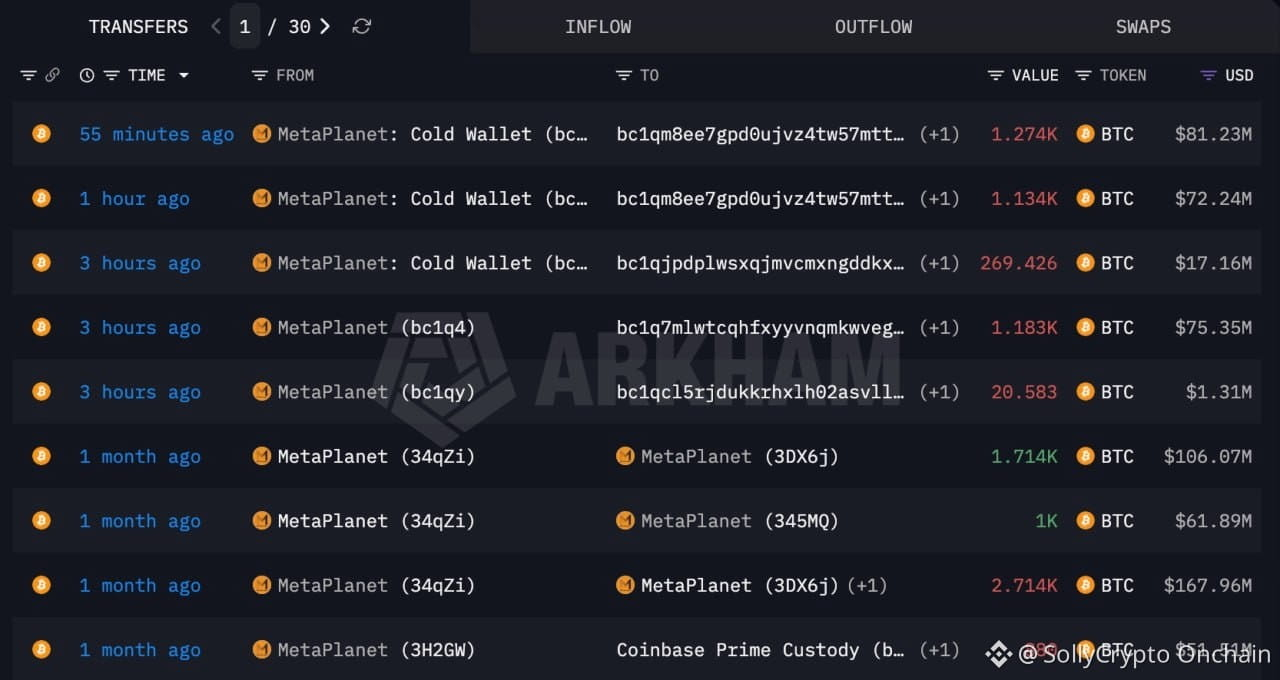
Metaplanet hat in den vergangenen 3 Stunden 3.881 $BTC (~$247,3M) bewegt. Das Unternehmen hält insgesamt 43.000 BTC, gekauft zu einem durchschnittlichen Preis von $96.191, und liegt derzeit mit $1,4B im Minus – ein 34%iger nicht realisierter Verlust auf die gesamte Position.
Das ist der entscheidende Punkt, der es von Panik unterscheidet: Metaplanet kauft seit jeher in solchen Rücksetzern nach – nicht nur, indem es einfach darüber hinweg „hält“. Ihr eigener Strategie-Tracker hat gezeigt, dass sich die nicht realisierten Verluste in den letzten Quartalen von $490M auf über $1,6B bewegt haben, und jedes Mal hat die Firma mehr hinzugefügt statt zu kürzen. Das Ziel bleibt weiterhin 210.000 BTC bis 2027 – das heißt, sie sind bei diesem Tempo noch nicht einmal zu einem Viertel auf dem Weg dorthin.
Das macht einen $1,4B-Buchverlust trotzdem nicht „schmerzlos“. Unternehmensschatzämter müssen sich weiterhin an die Aktionäre halten, und Metaplanets Aktie hat reale Einbußen hinnehmen müssen – zusammen mit dem BTC-„Markdown“. Aber eine Übertragung in dieser Größenordnung von einem Unternehmen, das institutionell auf ein mehrjähriges Akkumulationsziel festgelegt ist, liest sich ganz anders als dieselbe Übertragung von einer anonymen Wallet ohne offengelegte Strategie.
Hättest du die Überzeugung, trotz eines Buchverlusts von mehr als einer Milliarde US-Dollar weiter zu kaufen – oder verändert diese Zahl deine Sicht auf die Strategie?
#Bitcoin #Metaplanet #SollyCrypto
METAPLANET SITZT AUF EINEM $1,4B-BUCHVERLUST UND VERKAUFT TROTZDEM NICHT
Metaplanet hat in den vergangenen 3 Stunden 3.881 $BTC (~$247,3M) bewegt. Das Unternehmen hält insgesamt 43.000 BTC, gekauft zu einem durchschnittlichen Preis von $96.191, und liegt derzeit mit $1,4B im Minus – ein 34%iger nicht realisierter Verlust auf die gesamte Position.
Das ist der entscheidende Punkt, der es von Panik unterscheidet: Metaplanet kauft seit jeher in solchen Rücksetzern nach – nicht nur, indem es einfach darüber hinweg „hält“. Ihr eigener Strategie-Tracker hat gezeigt, dass sich die nicht realisierten Verluste in den letzten Quartalen von $490M auf über $1,6B bewegt haben, und jedes Mal hat die Firma mehr hinzugefügt statt zu kürzen. Das Ziel bleibt weiterhin 210.000 BTC bis 2027 – das heißt, sie sind bei diesem Tempo noch nicht einmal zu einem Viertel auf dem Weg dorthin.
Das macht einen $1,4B-Buchverlust trotzdem nicht „schmerzlos“. Unternehmensschatzämter müssen sich weiterhin an die Aktionäre halten, und Metaplanets Aktie hat reale Einbußen hinnehmen müssen – zusammen mit dem BTC-„Markdown“. Aber eine Übertragung in dieser Größenordnung von einem Unternehmen, das institutionell auf ein mehrjähriges Akkumulationsziel festgelegt ist, liest sich ganz anders als dieselbe Übertragung von einer anonymen Wallet ohne offengelegte Strategie.
Hättest du die Überzeugung, trotz eines Buchverlusts von mehr als einer Milliarde US-Dollar weiter zu kaufen – oder verändert diese Zahl deine Sicht auf die Strategie?
#Bitcoin #Metaplanet #SollyCrypto
Metaplanet hat in den vergangenen 3 Stunden 3.881 $BTC (~$247,3M) bewegt. Das Unternehmen hält insgesamt 43.000 BTC, gekauft zu einem durchschnittlichen Preis von $96.191, und liegt derzeit mit $1,4B im Minus – ein 34%iger nicht realisierter Verlust auf die gesamte Position.
Das ist der entscheidende Punkt, der es von Panik unterscheidet: Metaplanet kauft seit jeher in solchen Rücksetzern nach – nicht nur, indem es einfach darüber hinweg „hält“. Ihr eigener Strategie-Tracker hat gezeigt, dass sich die nicht realisierten Verluste in den letzten Quartalen von $490M auf über $1,6B bewegt haben, und jedes Mal hat die Firma mehr hinzugefügt statt zu kürzen. Das Ziel bleibt weiterhin 210.000 BTC bis 2027 – das heißt, sie sind bei diesem Tempo noch nicht einmal zu einem Viertel auf dem Weg dorthin.
Das macht einen $1,4B-Buchverlust trotzdem nicht „schmerzlos“. Unternehmensschatzämter müssen sich weiterhin an die Aktionäre halten, und Metaplanets Aktie hat reale Einbußen hinnehmen müssen – zusammen mit dem BTC-„Markdown“. Aber eine Übertragung in dieser Größenordnung von einem Unternehmen, das institutionell auf ein mehrjähriges Akkumulationsziel festgelegt ist, liest sich ganz anders als dieselbe Übertragung von einer anonymen Wallet ohne offengelegte Strategie.
Hättest du die Überzeugung, trotz eines Buchverlusts von mehr als einer Milliarde US-Dollar weiter zu kaufen – oder verändert diese Zahl deine Sicht auf die Strategie?
#Bitcoin #Metaplanet #SollyCrypto
79
·
--
Bärisch
Ein dem Lighter-Team zugehöriges Wallet hat 1,87 Mio. $LIT (≈ 4,57 Mio. $) an eine neue Adresse gesendet.
Warum diese Überweisung mehr Prüfung verdient als ein routinemäßiger Team-Transfer. Lighter wurde bereits einer echten Transparenz-Untersuchung unterzogen; Analysten meldeten 7,18 Mio. $ in koordinierten Verkäufen von Wallets, die kurz nach dem TGE einen auffällig gleichmäßigen Airdrop-Split erhalten hatten. Das wurde eher als gezielte als als organische Aktivität bewertet. Der Gründer musste zudem zuvor öffentlich klären – in einem Live-Twitter-Space –, dass ein früherer Transfer von 250 Mio. LIT kein „Dump“ war, sondern die Verwahrung der Gelder. Daher haben „neue Wallet“-Bewegungen aus diesem Team eine Vorgeschichte, die die Community bereits genau beobachtet.
Das bedeutet nicht automatisch, dass dieser Transfer ein Verkauf ist. Team-Kustodie-/Verwahr-Transfers sind bei jedem Projekt normal. Aber aufgrund der konkreten Historie von Lighter liegt die Beweislast hier anders als bei einem Team mit sauberer Aufzeichnung.
Angesichts dessen, was bei diesem Projekt bereits passiert ist: Gibst du diesem Transfer den Vorteil des Zweifels – oder wertest du ihn als Warnsignal?
#LIT #Lighter #OnChain #SollyCrypto
Ein dem Lighter-Team zugehöriges Wallet hat 1,87 Mio. $LIT (≈ 4,57 Mio. $) an eine neue Adresse gesendet.
Warum diese Überweisung mehr Prüfung verdient als ein routinemäßiger Team-Transfer. Lighter wurde bereits einer echten Transparenz-Untersuchung unterzogen; Analysten meldeten 7,18 Mio. $ in koordinierten Verkäufen von Wallets, die kurz nach dem TGE einen auffällig gleichmäßigen Airdrop-Split erhalten hatten. Das wurde eher als gezielte als als organische Aktivität bewertet. Der Gründer musste zudem zuvor öffentlich klären – in einem Live-Twitter-Space –, dass ein früherer Transfer von 250 Mio. LIT kein „Dump“ war, sondern die Verwahrung der Gelder. Daher haben „neue Wallet“-Bewegungen aus diesem Team eine Vorgeschichte, die die Community bereits genau beobachtet.
Das bedeutet nicht automatisch, dass dieser Transfer ein Verkauf ist. Team-Kustodie-/Verwahr-Transfers sind bei jedem Projekt normal. Aber aufgrund der konkreten Historie von Lighter liegt die Beweislast hier anders als bei einem Team mit sauberer Aufzeichnung.
Angesichts dessen, was bei diesem Projekt bereits passiert ist: Gibst du diesem Transfer den Vorteil des Zweifels – oder wertest du ihn als Warnsignal?
#LIT #Lighter #OnChain #SollyCrypto
Warum diese Überweisung mehr Prüfung verdient als ein routinemäßiger Team-Transfer. Lighter wurde bereits einer echten Transparenz-Untersuchung unterzogen; Analysten meldeten 7,18 Mio. $ in koordinierten Verkäufen von Wallets, die kurz nach dem TGE einen auffällig gleichmäßigen Airdrop-Split erhalten hatten. Das wurde eher als gezielte als als organische Aktivität bewertet. Der Gründer musste zudem zuvor öffentlich klären – in einem Live-Twitter-Space –, dass ein früherer Transfer von 250 Mio. LIT kein „Dump“ war, sondern die Verwahrung der Gelder. Daher haben „neue Wallet“-Bewegungen aus diesem Team eine Vorgeschichte, die die Community bereits genau beobachtet.
Das bedeutet nicht automatisch, dass dieser Transfer ein Verkauf ist. Team-Kustodie-/Verwahr-Transfers sind bei jedem Projekt normal. Aber aufgrund der konkreten Historie von Lighter liegt die Beweislast hier anders als bei einem Team mit sauberer Aufzeichnung.
Angesichts dessen, was bei diesem Projekt bereits passiert ist: Gibst du diesem Transfer den Vorteil des Zweifels – oder wertest du ihn als Warnsignal?
#LIT #Lighter #OnChain #SollyCrypto

1
173
·
--
Bärisch
In den letzten 30 Jahren ist der S&P 500 weiter gestiegen, nachdem er nach einem ATH (Allzeithoch) in 13 von 17 Fällen seinen Höchststand erreicht hat – mit einem durchschnittlichen Plus von +6,3% in den folgenden sechs Monaten. Genau das preisen Wall-Street-Banker in ihren Prognosen ein: zwischen 7.900 und 8.100 Punkten bis zum Jahresende 🔼
Die Story, dass die KI-Blase ein großes Risiko darstellt, wirkt nicht überzeugend, da die US-Unternehmensgewinne vor Steuern in Prozent des BIP einen Rekordwert von 14% erreicht haben. Die Zahlen hinter dem Aktienwachstum von Unternehmen mögen blasenartig aussehen, aber im Gegensatz zu 2000 gibt es eine solide zugrunde liegende Basis in Form von hunderten Milliarden an Investitionen und Umsätzen.
PrimeXBT.
Allerdings wird der Weg des S&P 500 auf 8.000 nicht zwangsläufig eine gerade Linie sein. Das könnte schiefgehen:
▶️ US-Herbstliche Kongress-Wahlen/Midterm- oder Sonderwahlen, die traditionell eine Marktkorrektur auslösen
▶️ Eskalation im Nahen Osten, falls sich der Krieg über die gesamte Region ausweitet. Heute haben jemenitische Houthis Saudi-Arabien erneut angegriffen
▶️ Neubewertung des KI-Sektors, trotz starker Umsätze: Big Tech hat seit Jahresbeginn 200 Milliarden US-Dollar an Debt-Bonds ausgegeben (doppelt so viel wie für das gesamte Jahr 2025)
Wohin geht BTC in diesem Szenario? Wenn eines dieser Faktoren ausgelöst wird, könnte es den Kryptomarkt problemlos bis auf einen Boden unter 55k drücken. Die anschließende Lösung dieser Probleme könnte jedoch genau der äußerst positive Auslöser sein, der dem Krypto-Winter ein Ende setzt 🤑#SheinToStartHKIPOBookbuildingAsSoonAsNextWeek #TrumpDemandsCompensationFromIran
In den letzten 30 Jahren ist der S&P 500 weiter gestiegen, nachdem er nach einem ATH (Allzeithoch) in 13 von 17 Fällen seinen Höchststand erreicht hat – mit einem durchschnittlichen Plus von +6,3% in den folgenden sechs Monaten. Genau das preisen Wall-Street-Banker in ihren Prognosen ein: zwischen 7.900 und 8.100 Punkten bis zum Jahresende 🔼
Die Story, dass die KI-Blase ein großes Risiko darstellt, wirkt nicht überzeugend, da die US-Unternehmensgewinne vor Steuern in Prozent des BIP einen Rekordwert von 14% erreicht haben. Die Zahlen hinter dem Aktienwachstum von Unternehmen mögen blasenartig aussehen, aber im Gegensatz zu 2000 gibt es eine solide zugrunde liegende Basis in Form von hunderten Milliarden an Investitionen und Umsätzen.
PrimeXBT.
Allerdings wird der Weg des S&P 500 auf 8.000 nicht zwangsläufig eine gerade Linie sein. Das könnte schiefgehen:
▶️ US-Herbstliche Kongress-Wahlen/Midterm- oder Sonderwahlen, die traditionell eine Marktkorrektur auslösen
▶️ Eskalation im Nahen Osten, falls sich der Krieg über die gesamte Region ausweitet. Heute haben jemenitische Houthis Saudi-Arabien erneut angegriffen
▶️ Neubewertung des KI-Sektors, trotz starker Umsätze: Big Tech hat seit Jahresbeginn 200 Milliarden US-Dollar an Debt-Bonds ausgegeben (doppelt so viel wie für das gesamte Jahr 2025)
Wohin geht BTC in diesem Szenario? Wenn eines dieser Faktoren ausgelöst wird, könnte es den Kryptomarkt problemlos bis auf einen Boden unter 55k drücken. Die anschließende Lösung dieser Probleme könnte jedoch genau der äußerst positive Auslöser sein, der dem Krypto-Winter ein Ende setzt 🤑#SheinToStartHKIPOBookbuildingAsSoonAsNextWeek #TrumpDemandsCompensationFromIran
Die Story, dass die KI-Blase ein großes Risiko darstellt, wirkt nicht überzeugend, da die US-Unternehmensgewinne vor Steuern in Prozent des BIP einen Rekordwert von 14% erreicht haben. Die Zahlen hinter dem Aktienwachstum von Unternehmen mögen blasenartig aussehen, aber im Gegensatz zu 2000 gibt es eine solide zugrunde liegende Basis in Form von hunderten Milliarden an Investitionen und Umsätzen.
PrimeXBT.
Allerdings wird der Weg des S&P 500 auf 8.000 nicht zwangsläufig eine gerade Linie sein. Das könnte schiefgehen:
▶️ US-Herbstliche Kongress-Wahlen/Midterm- oder Sonderwahlen, die traditionell eine Marktkorrektur auslösen
▶️ Eskalation im Nahen Osten, falls sich der Krieg über die gesamte Region ausweitet. Heute haben jemenitische Houthis Saudi-Arabien erneut angegriffen
▶️ Neubewertung des KI-Sektors, trotz starker Umsätze: Big Tech hat seit Jahresbeginn 200 Milliarden US-Dollar an Debt-Bonds ausgegeben (doppelt so viel wie für das gesamte Jahr 2025)
Wohin geht BTC in diesem Szenario? Wenn eines dieser Faktoren ausgelöst wird, könnte es den Kryptomarkt problemlos bis auf einen Boden unter 55k drücken. Die anschließende Lösung dieser Probleme könnte jedoch genau der äußerst positive Auslöser sein, der dem Krypto-Winter ein Ende setzt 🤑#SheinToStartHKIPOBookbuildingAsSoonAsNextWeek #TrumpDemandsCompensationFromIran
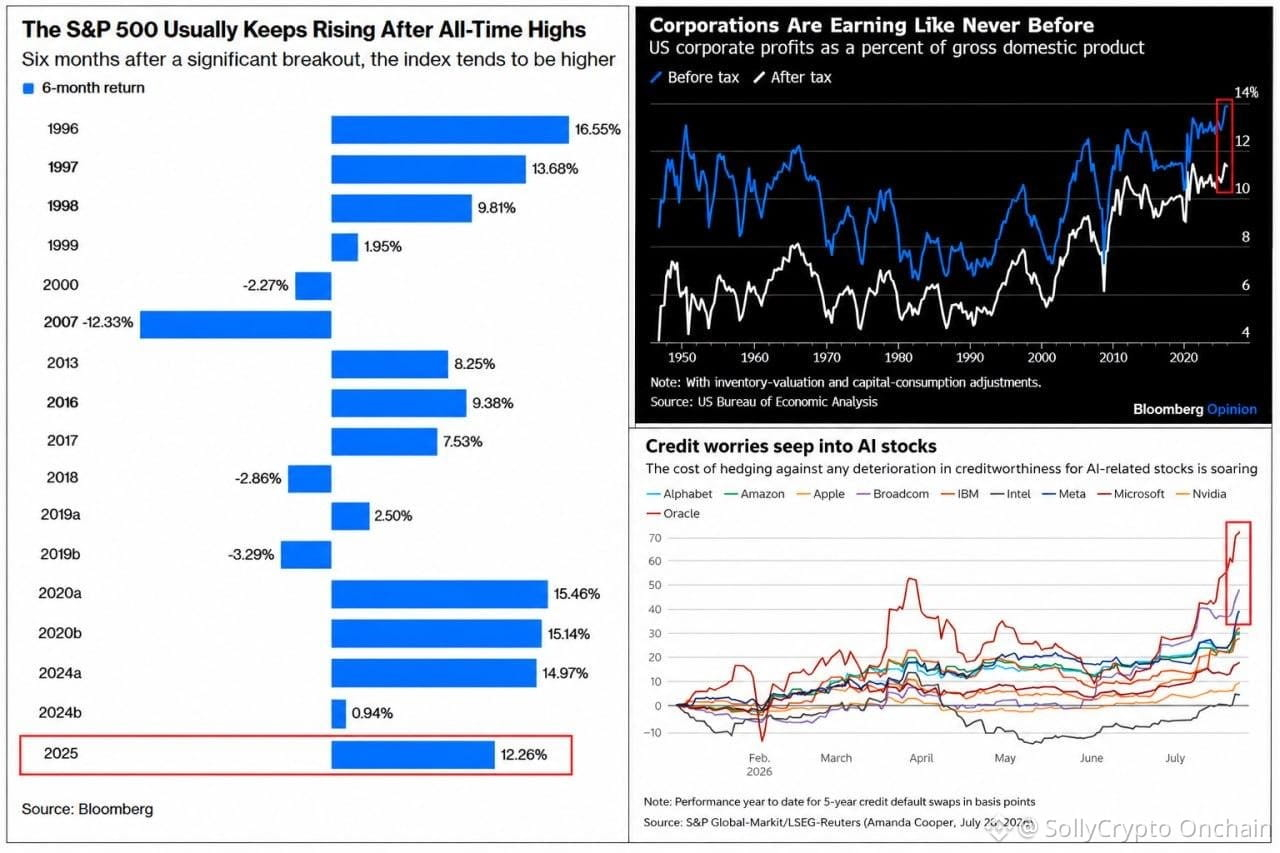
1
82
Anmelden und weiter Inhalte entdecken
Krypto-Nutzer weltweit auf Binance Square kennenlernen
⚡️ Bleib in Sachen Krypto stets am Puls.
💬 Die weltgrößte Kryptobörse vertraut darauf.
👍 Erhalte verlässliche Einblicke von verifizierten Creators.
E-Mail-Adresse/Telefonnummer
Trendthemen
SECReceivesGrayscaleLitecoinTrustETFFiling
67,773 Aufrufe
1,243 Kommentare
#secreceivesgrayscalelitecointrustetffiling
SEC ERHÄLT GRAYSCALE-LITECOIN-ETF-ANTRAG: LTC BEKOMMT NOCH EINE WEITERE AUFMERKSAMKEIT 🚨
Der Markt bewegte sich ruhig, als eine weitere Litecoin-Überschrift aufkam. Für Trader, die an der Seitenlinie zusehen, ist es genau diese Art von Einreichung, bei der man kurz innehalten und sich fragt: Wird der institutionelle Zugang gerade näher gerückt?
Der Litecoin Trust von Grayscale ist einen weiteren Schritt in Richtung einer ETF-Struktur gegangen. Die jüngsten Einreichungen stehen im Zusammenhang mit dem vorgeschlagenen Übergang sowie dem Prozess für die Notierung an der NYSE Arca. Die SEC-Dokumente zeigen frühere Verfahren rund um den Litecoin-Vorschlag von Grayscale, während die aktuellen Aktivitäten der Einreichungen die Geschichte lebendig halten.
Der entscheidende Punkt: Eine Einreichung ist keine Genehmigung. Anleger sollten den regulatorischen Fortschritt von der Erwartung einer sofortigen ETF-Auflegung trennen.
Mein Fazit: Die größere Story ist die Zugänglichkeit. Eine ETF-Struktur könnte es traditionellen Anlegern potenziell leichter machen, ein LTC-Exposure aufzubauen – für jene, die regulierte Marktprodukte bevorzugen, statt Kryptowährungen direkt zu halten.
Litecoin wird derzeit bei etwa 53,69 $ auf Binance gehandelt. Das Asset zeigt eine moderate Bewegung über 24 Stunden. Dadurch wirkt die regulatorische Entwicklung spannender, als nur einer headline-getriebenen Preisreaktion hinterherzulaufen.
Der echte Test kommt als Nächstes: regulatorische Entscheidungen, die Marktnachfrage, Liquidität und ob das institutionelle Interesse den Papierkram tatsächlich verfolgt.
Eine Einreichung kann die Tür öffnen, aber Nachfrage entscheidet darüber, was passiert, nachdem sie offen ist.
❓Glaubst du, dass ein Grayscale-Litecoin-ETF die institutionelle Nachfrage nach LTC spürbar verändern könnte?
Haftungsausschluss: Dies dient nur zu Informationszwecken und stellt keine Finanzberatung dar. Krypto-Assets sind volatil, und regulatorische Ergebnisse sind ungewiss.
#Litecoin #CryptoETF #GrowWithSAC $LTC $ETH $SOL
#SECReceivesGrayscaleLitecoinTrustETFFiling
Sienna Leo-你真棒-带我走
·2 Likes
·2.2k Aufrufe
ClarityActFacesProceduralVoteSept15
190,614 Aufrufe
2,126 Kommentare
US10YearTreasuryYieldNears5%
66,090 Aufrufe
1,178 Kommentare