
SIKANIBAIMA
1.2k Beiträge

SIKANIBAIMA
Melden
Nutzer blockieren
Content creator, free thinker, analyst and Binance KOL trader
Hochfrequenz-Trader
6.1 Jahre
24 Following
10.6K+ Follower
2.2K Like gegeben
Beiträge
Alle
Zitierungen
Videos
Live
PINNED
·
--
Artikel
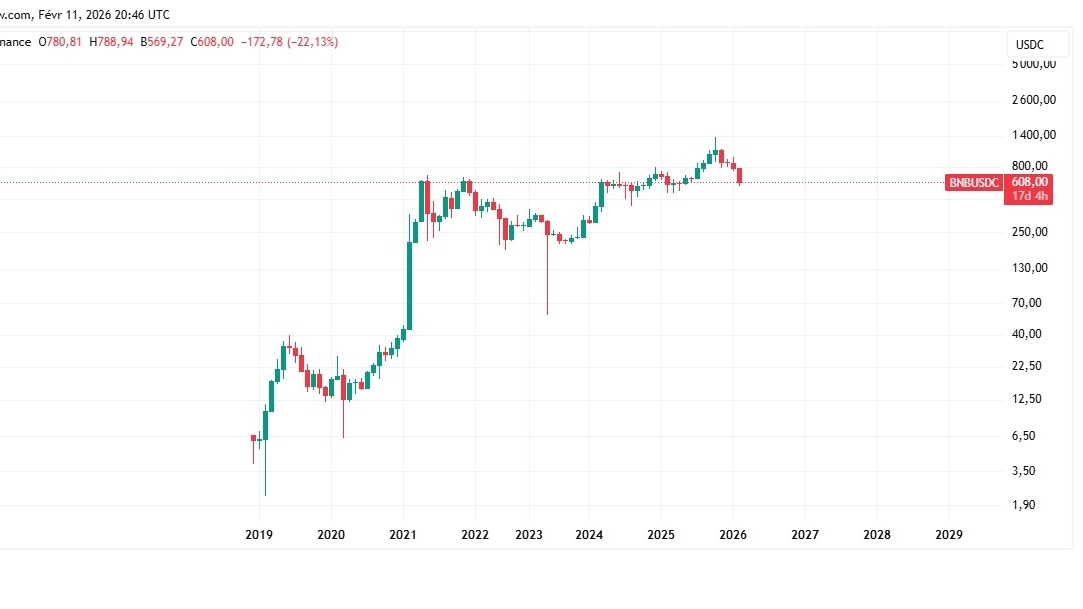
BNBSeit seiner Gründung im Jahr 2017 hat sich BNB von einem einfachen Utility-Token zu einem strategischen Vermögenswert im Herzen des globalen Krypto-Ökosystems entwickelt. Unterstützt von Binance, der größten Börse der Welt nach Handelsvolumen. BNB repräsentiert jetzt viel mehr als nur eine Möglichkeit, Handelsgebühren zu reduzieren. Durch die Analyse monatlicher, vierteljährlicher und wöchentlicher Charts, kombiniert mit dem Studium von Tokenomics, Geopolitik und dem globalen makroökonomischen Kontext, ist eines klar. BNB ist ein hybrider Vermögenswert an der Kreuzung von traditioneller und Finanzwirtschaft, Blockchain-Innovation und internationalen Machtverhältnissen. BNB zu verstehen bedeutet, die strukturelle Transformation der Krypto-Industrie zu verstehen.
BNB
Seit seiner Gründung im Jahr 2017 hat sich BNB von einem einfachen Utility-Token zu einem strategischen Vermögenswert im Herzen des globalen Krypto-Ökosystems entwickelt. Unterstützt von Binance, der größten Börse der Welt nach Handelsvolumen. BNB repräsentiert jetzt viel mehr als nur eine Möglichkeit, Handelsgebühren zu reduzieren. Durch die Analyse monatlicher, vierteljährlicher und wöchentlicher Charts, kombiniert mit dem Studium von Tokenomics, Geopolitik und dem globalen makroökonomischen Kontext, ist eines klar. BNB ist ein hybrider Vermögenswert an der Kreuzung von traditioneller und Finanzwirtschaft, Blockchain-Innovation und internationalen Machtverhältnissen. BNB zu verstehen bedeutet, die strukturelle Transformation der Krypto-Industrie zu verstehen.
39
18
17
211
·
--
Bullisch
Übersetzung ansehen
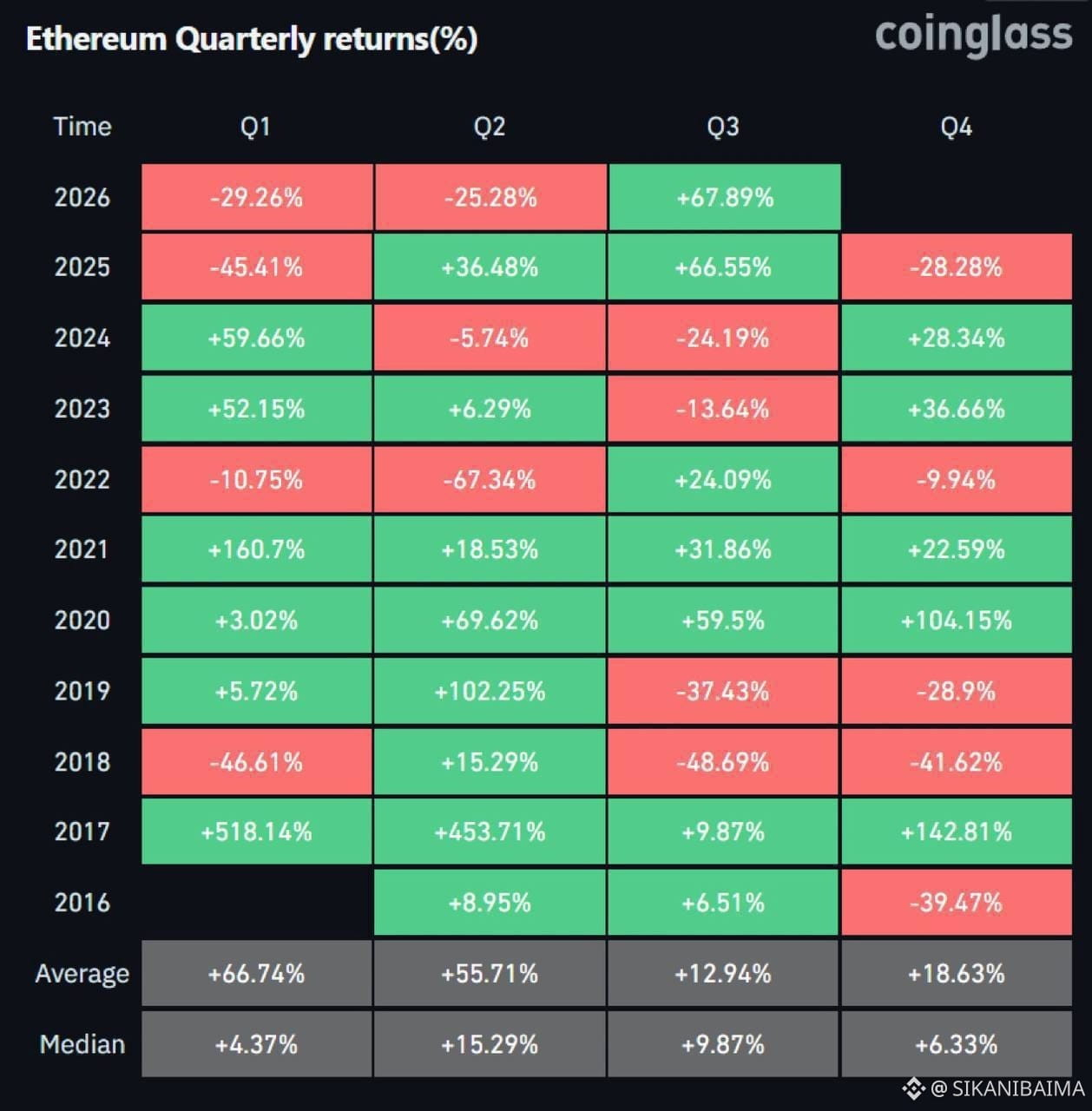
💰#ETH is experiencing its best third quarter ever.
This quarter is the best performing ETH has ever seen.
💰#ETH is experiencing its best third quarter ever.
This quarter is the best performing ETH has ever seen.
This quarter is the best performing ETH has ever seen.
46
·
--
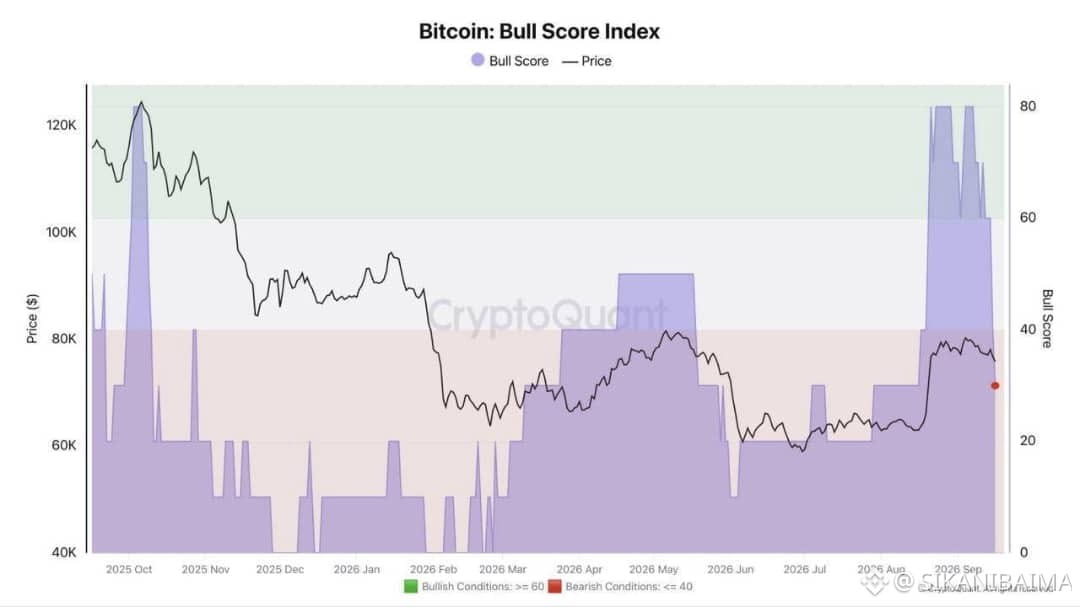
😰 CryptoQuant warnt vor einer Umkehr
Der Bull Score Indikator ist diese Woche gefallen: Er ist aus dem bullischen Bereich und der 80er-Schwelle herausgerutscht und liegt nun auf einem bärischen Niveau von 30:
➖ Gewinne von kurzfristigen Wallet-Inhabern schrumpfen
➖ Die Nachfrage nach Kryptowährungen ist schwach
➖ Der Markt ist in einen Risk-off-Modus übergegangen
Es ist bereits genug gestiegen
#btc #alcoin
😰 CryptoQuant warnt vor einer Umkehr
Der Bull Score Indikator ist diese Woche gefallen: Er ist aus dem bullischen Bereich und der 80er-Schwelle herausgerutscht und liegt nun auf einem bärischen Niveau von 30:
➖ Gewinne von kurzfristigen Wallet-Inhabern schrumpfen
➖ Die Nachfrage nach Kryptowährungen ist schwach
➖ Der Markt ist in einen Risk-off-Modus übergegangen
Es ist bereits genug gestiegen
#btc #alcoin
Der Bull Score Indikator ist diese Woche gefallen: Er ist aus dem bullischen Bereich und der 80er-Schwelle herausgerutscht und liegt nun auf einem bärischen Niveau von 30:
➖ Gewinne von kurzfristigen Wallet-Inhabern schrumpfen
➖ Die Nachfrage nach Kryptowährungen ist schwach
➖ Der Markt ist in einen Risk-off-Modus übergegangen
Es ist bereits genug gestiegen
#btc #alcoin
38
·
--
🔐 PRIVACY IS NOT DEAD.
Sie stirbt erst dann, wenn wir aufhören, nach Lösungen zu suchen.
Vitalik Buterin hat uns kürzlich an etwas Wesentliches erinnert:
„Ich gebe die Privatsphäre nicht auf. Ich lege noch einen drauf.“
In einem Ökosystem, in dem jede Transaktion eine Spur hinterlassen kann, wird Privatsphäre immer wichtiger.
Aber Privatsphäre bedeutet nicht unbedingt, dass man etwas versteckt.
Es geht auch darum, auswählen zu können, was du preisgibst, wem gegenüber und unter welchen Bedingungen.
Und genau dort hat die Blockchain noch Raum zur Weiterentwicklung.
Ethereum sollte nicht nur in der Lage sein, Werte zu übertragen.
Es sollte Nutzer*innen auch befähigen, mehr Kontrolle über ihre Daten und ihr digitales Leben zu haben.
👉 Technologie entwickelt sich. Bedrohungen entwickeln sich. Privatsphäre muss sich mit ihnen weiterentwickeln.
Wenn man heute aufgibt, könnte das bedeuten, zu akzeptieren, dass totale Transparenz morgen die Norm wird.
Der Kampf um Privatsphäre ist nicht vorbei. Er könnte erst beginnen.
Quelle: Vitalik Buterin auf X
#Ethereum #VitalikButerin #Privacy #Blockchain #Crypto #Web3 #BinanceSquare
🔐 PRIVACY IS NOT DEAD.
Sie stirbt erst dann, wenn wir aufhören, nach Lösungen zu suchen.
Vitalik Buterin hat uns kürzlich an etwas Wesentliches erinnert:
„Ich gebe die Privatsphäre nicht auf. Ich lege noch einen drauf.“
In einem Ökosystem, in dem jede Transaktion eine Spur hinterlassen kann, wird Privatsphäre immer wichtiger.
Aber Privatsphäre bedeutet nicht unbedingt, dass man etwas versteckt.
Es geht auch darum, auswählen zu können, was du preisgibst, wem gegenüber und unter welchen Bedingungen.
Und genau dort hat die Blockchain noch Raum zur Weiterentwicklung.
Ethereum sollte nicht nur in der Lage sein, Werte zu übertragen.
Es sollte Nutzer*innen auch befähigen, mehr Kontrolle über ihre Daten und ihr digitales Leben zu haben.
👉 Technologie entwickelt sich. Bedrohungen entwickeln sich. Privatsphäre muss sich mit ihnen weiterentwickeln.
Wenn man heute aufgibt, könnte das bedeuten, zu akzeptieren, dass totale Transparenz morgen die Norm wird.
Der Kampf um Privatsphäre ist nicht vorbei. Er könnte erst beginnen.
Quelle: Vitalik Buterin auf X
#Ethereum #VitalikButerin #Privacy #Blockchain #Crypto #Web3 #BinanceSquare
Sie stirbt erst dann, wenn wir aufhören, nach Lösungen zu suchen.
Vitalik Buterin hat uns kürzlich an etwas Wesentliches erinnert:
„Ich gebe die Privatsphäre nicht auf. Ich lege noch einen drauf.“
In einem Ökosystem, in dem jede Transaktion eine Spur hinterlassen kann, wird Privatsphäre immer wichtiger.
Aber Privatsphäre bedeutet nicht unbedingt, dass man etwas versteckt.
Es geht auch darum, auswählen zu können, was du preisgibst, wem gegenüber und unter welchen Bedingungen.
Und genau dort hat die Blockchain noch Raum zur Weiterentwicklung.
Ethereum sollte nicht nur in der Lage sein, Werte zu übertragen.
Es sollte Nutzer*innen auch befähigen, mehr Kontrolle über ihre Daten und ihr digitales Leben zu haben.
👉 Technologie entwickelt sich. Bedrohungen entwickeln sich. Privatsphäre muss sich mit ihnen weiterentwickeln.
Wenn man heute aufgibt, könnte das bedeuten, zu akzeptieren, dass totale Transparenz morgen die Norm wird.
Der Kampf um Privatsphäre ist nicht vorbei. Er könnte erst beginnen.
Quelle: Vitalik Buterin auf X
#Ethereum #VitalikButerin #Privacy #Blockchain #Crypto #Web3 #BinanceSquare

71
·
--
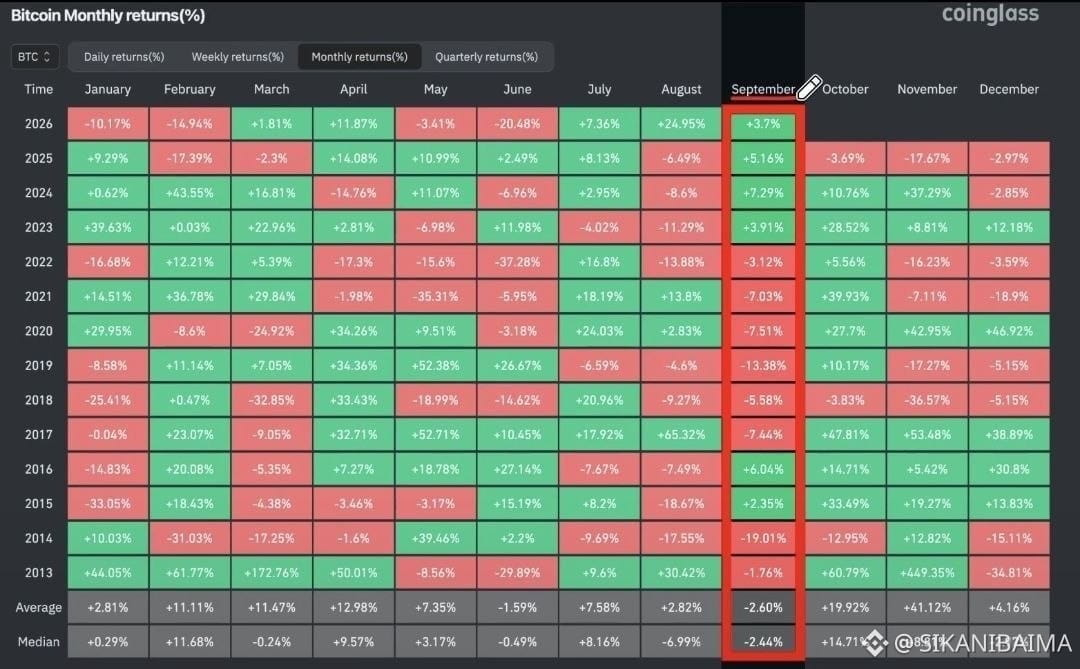
🚨 WIRD SEPTEMBER DIE GESCHICHTE VON BITCOIN VERÄNDERN?
🚨 WIRD SEPTEMBER DIE GESCHICHTE VON BITCOIN VERÄNDERN?
120
·
--
Übersetzung ansehen
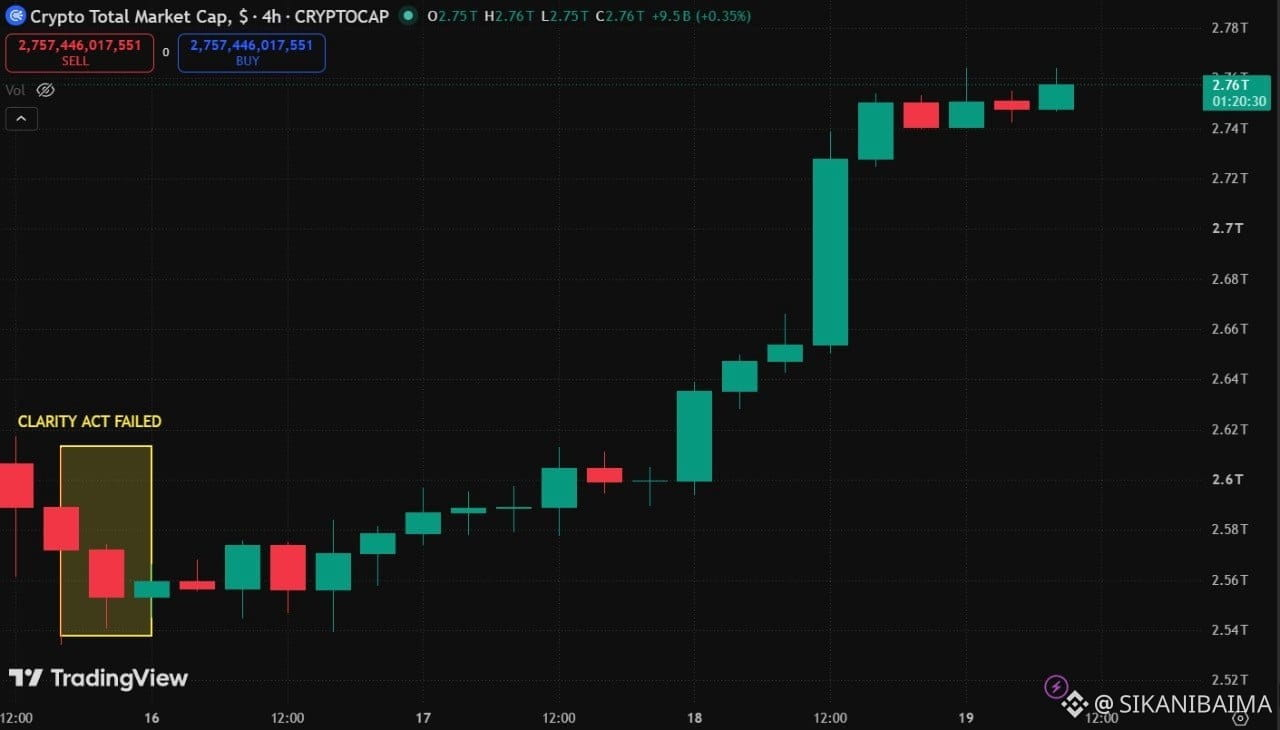
🔥 HUGE: The crypto market has added over $210 billion since the failure of the #Clarity Act.
🔥 HUGE: The crypto market has added over $210 billion since the failure of the #Clarity Act.
1
81
·
--
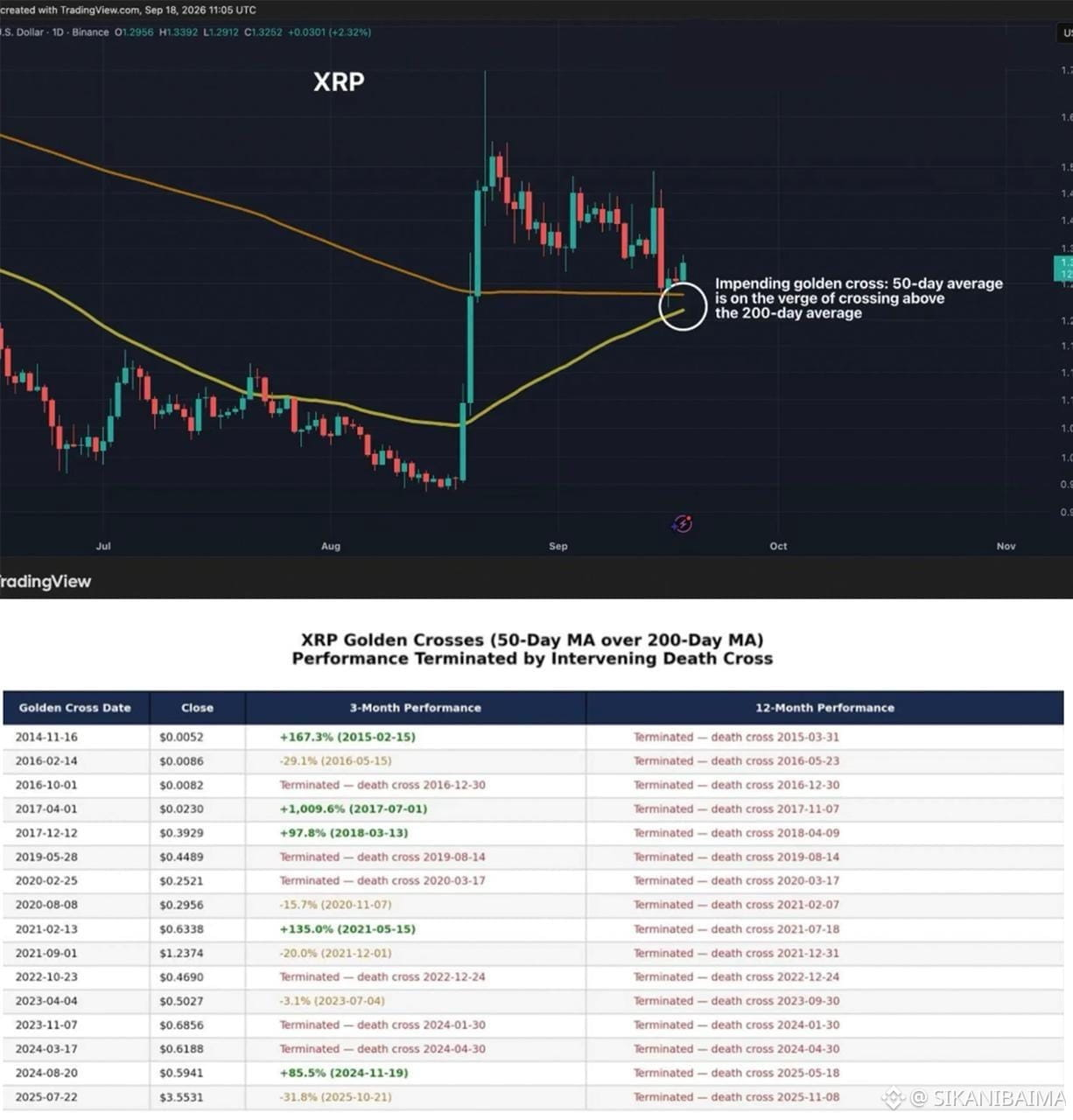
📈 #Xrp🔥🔥 steht kurz davor, einen "Golden Cross" zu bilden, wobei der 50-Tage-Durchschnitt kurz davor ist, über den 200-Tage-Durchschnitt zu steigen.
Dem gleichen Signal im April 2017 folgend, stieg XRP in den nächsten drei Monaten um 1.009%.
Der Golden Cross im Februar 2021 wurde von einem 135%-Anstieg gefolgt.
📈 #Xrp🔥🔥 steht kurz davor, einen "Golden Cross" zu bilden, wobei der 50-Tage-Durchschnitt kurz davor ist, über den 200-Tage-Durchschnitt zu steigen.
Dem gleichen Signal im April 2017 folgend, stieg XRP in den nächsten drei Monaten um 1.009%.
Der Golden Cross im Februar 2021 wurde von einem 135%-Anstieg gefolgt.
Dem gleichen Signal im April 2017 folgend, stieg XRP in den nächsten drei Monaten um 1.009%.
Der Golden Cross im Februar 2021 wurde von einem 135%-Anstieg gefolgt.
1
1
1.5k
·
--
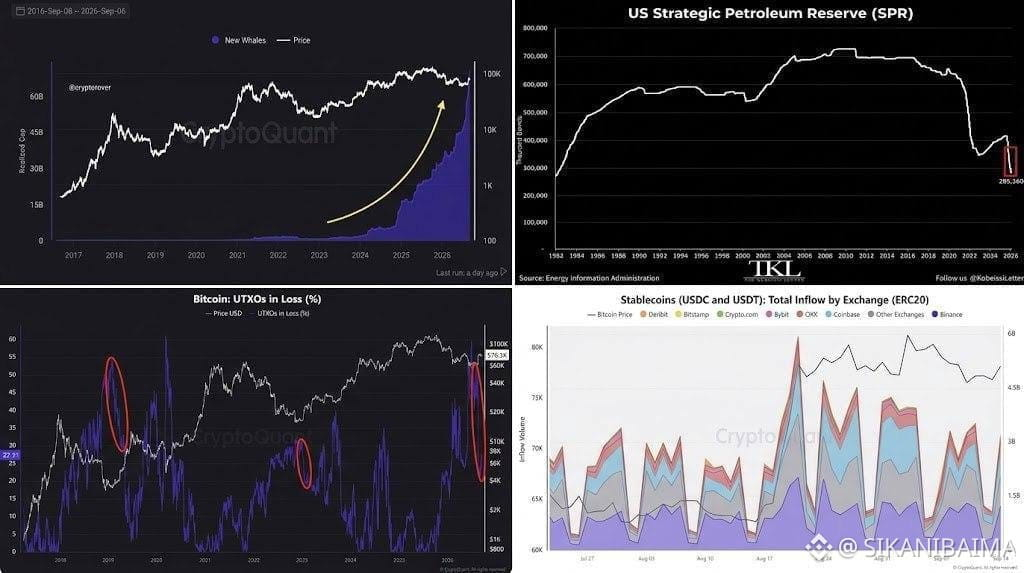
📊 #BTC bei 78.000 $ und #ETH bei 2.500 $. Der Kryptomarkt ist nach dem Scheitern der Clarity Act-Abstimmung und dem Zinsschritt der Fed nicht kollabiert.
Was den Krypto-Markt stützt:
❤️ Wale sammeln BTC zu aktuellen Preisen
❤️ ETH-Bestände auf Börsen erreichen ein Rekordtief
❤️ Stablecoin-Zuflüsse zu Binance bleiben stabil bei 1,2 Milliarden $
❤️ Der UTXO im Loss-Indikator zeigt, dass die Dynamik vom jüngsten Rückgang ausreicht, um einen Zyklus-Boden zu bilden
📊 #BTC bei 78.000 $ und #ETH bei 2.500 $. Der Kryptomarkt ist nach dem Scheitern der Clarity Act-Abstimmung und dem Zinsschritt der Fed nicht kollabiert.
Was den Krypto-Markt stützt:
❤️ Wale sammeln BTC zu aktuellen Preisen
❤️ ETH-Bestände auf Börsen erreichen ein Rekordtief
❤️ Stablecoin-Zuflüsse zu Binance bleiben stabil bei 1,2 Milliarden $
❤️ Der UTXO im Loss-Indikator zeigt, dass die Dynamik vom jüngsten Rückgang ausreicht, um einen Zyklus-Boden zu bilden
Was den Krypto-Markt stützt:
❤️ Wale sammeln BTC zu aktuellen Preisen
❤️ ETH-Bestände auf Börsen erreichen ein Rekordtief
❤️ Stablecoin-Zuflüsse zu Binance bleiben stabil bei 1,2 Milliarden $
❤️ Der UTXO im Loss-Indikator zeigt, dass die Dynamik vom jüngsten Rückgang ausreicht, um einen Zyklus-Boden zu bilden
1
136
·
--
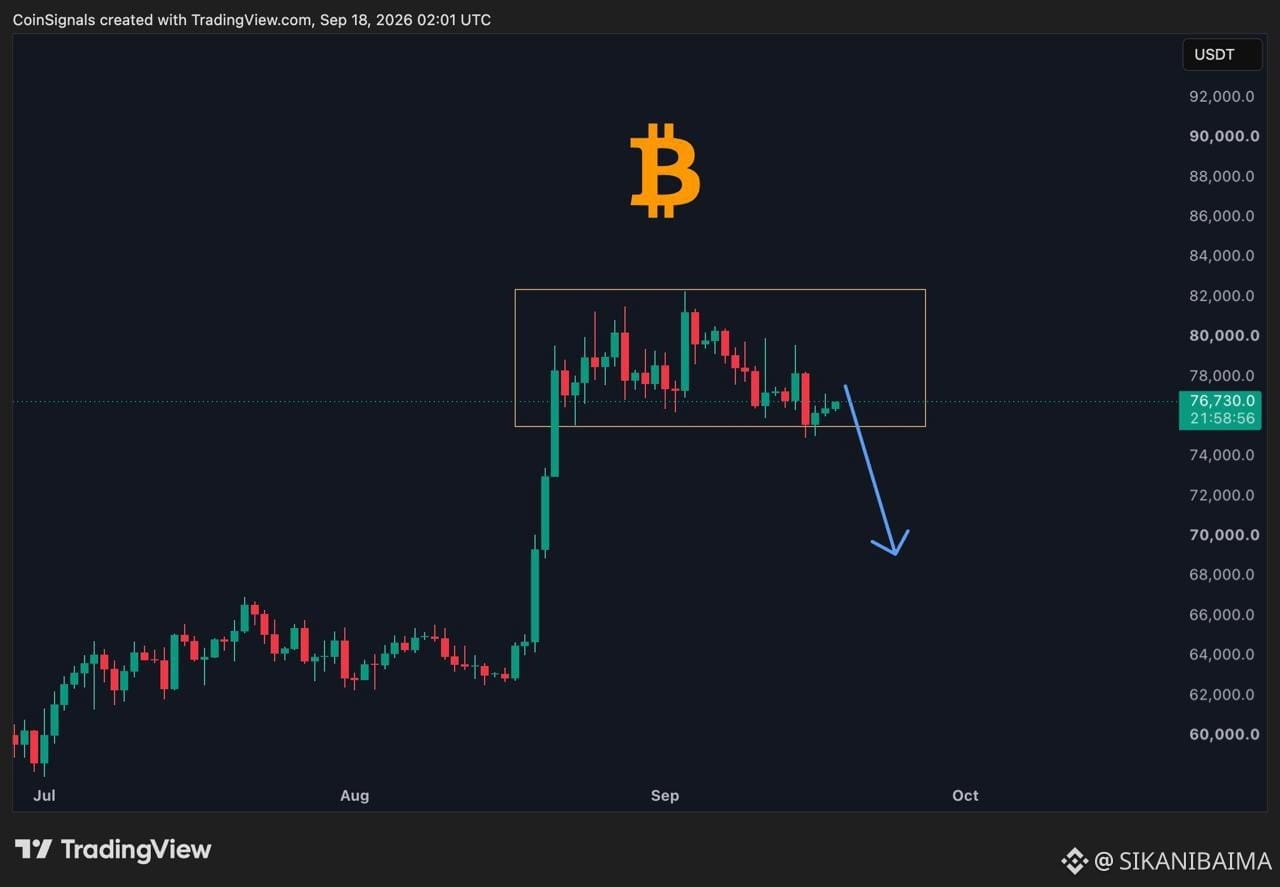
🚨 Die Märkte hielten sich diese Woche trotz:
· des Scheiterns des CLARITY Act.
· der Zinserhöhung um 25 Basispunkte.
Heute steht in wenigen Stunden ein weiterer Test an, mit der Zinsentscheidung der Bank of Japan. Rechnen Sie mit hoher Volatilität.
🚨 Die Märkte hielten sich diese Woche trotz:
· des Scheiterns des CLARITY Act.
· der Zinserhöhung um 25 Basispunkte.
Heute steht in wenigen Stunden ein weiterer Test an, mit der Zinsentscheidung der Bank of Japan. Rechnen Sie mit hoher Volatilität.
· des Scheiterns des CLARITY Act.
· der Zinserhöhung um 25 Basispunkte.
Heute steht in wenigen Stunden ein weiterer Test an, mit der Zinsentscheidung der Bank of Japan. Rechnen Sie mit hoher Volatilität.
1
102
·
--
**Senatoren, die gegen die Weiterentwicklung des Crypto CLARITY Act stimmten:**
**Unabhängige:**
• Angus King
• Bernie Sanders
**Republikaner:**
• Thom Tillis
• Jerry Moran
• Josh Hawley
• Susan Collins
**Demokraten:**
• Andy Kim
• Tim Kaine
• Jack Reed
• Mark Kelly
• Ed Markey
• Tina Smith
• Jon Ossoff
• Alex Padilla
• Ron Wyden
• Dick Durbin
• Gary Peters
• Peter Welch
• Jeff Merkley
• Cory Booker
• Jacky Rosen
• Adam Schiff
• Brian Schatz
• Patty Murray
• Mark Warner
• Elissa Slotkin
• Mazie Hirono
• Chris Murphy
• Ben Ray Luján
• Ruben Gallego
• Maria Cantwell
• Maggie Hassan
• Amy Klobuchar
• Martin Heinrich
• John Fetterman
• Tammy Baldwin
• Michael Bennet
• Chuck Schumer
• Jeanne Shaheen
• Chris Van Hollen
• Elizabeth Warren
• Kirsten Gillibrand
• Raphael Warnock
• John Hickenlooper
• Tammy Duckworth
• Richard Blumenthal
• Lisa Blunt Rochester
• Sheldon Whitehouse
• Catherine Cortez Masto
**Senatoren, die gegen die Weiterentwicklung des Crypto CLARITY Act stimmten:**
**Unabhängige:**
• Angus King
• Bernie Sanders
**Republikaner:**
• Thom Tillis
• Jerry Moran
• Josh Hawley
• Susan Collins
**Demokraten:**
• Andy Kim
• Tim Kaine
• Jack Reed
• Mark Kelly
• Ed Markey
• Tina Smith
• Jon Ossoff
• Alex Padilla
• Ron Wyden
• Dick Durbin
• Gary Peters
• Peter Welch
• Jeff Merkley
• Cory Booker
• Jacky Rosen
• Adam Schiff
• Brian Schatz
• Patty Murray
• Mark Warner
• Elissa Slotkin
• Mazie Hirono
• Chris Murphy
• Ben Ray Luján
• Ruben Gallego
• Maria Cantwell
• Maggie Hassan
• Amy Klobuchar
• Martin Heinrich
• John Fetterman
• Tammy Baldwin
• Michael Bennet
• Chuck Schumer
• Jeanne Shaheen
• Chris Van Hollen
• Elizabeth Warren
• Kirsten Gillibrand
• Raphael Warnock
• John Hickenlooper
• Tammy Duckworth
• Richard Blumenthal
• Lisa Blunt Rochester
• Sheldon Whitehouse
• Catherine Cortez Masto
**Unabhängige:**
• Angus King
• Bernie Sanders
**Republikaner:**
• Thom Tillis
• Jerry Moran
• Josh Hawley
• Susan Collins
**Demokraten:**
• Andy Kim
• Tim Kaine
• Jack Reed
• Mark Kelly
• Ed Markey
• Tina Smith
• Jon Ossoff
• Alex Padilla
• Ron Wyden
• Dick Durbin
• Gary Peters
• Peter Welch
• Jeff Merkley
• Cory Booker
• Jacky Rosen
• Adam Schiff
• Brian Schatz
• Patty Murray
• Mark Warner
• Elissa Slotkin
• Mazie Hirono
• Chris Murphy
• Ben Ray Luján
• Ruben Gallego
• Maria Cantwell
• Maggie Hassan
• Amy Klobuchar
• Martin Heinrich
• John Fetterman
• Tammy Baldwin
• Michael Bennet
• Chuck Schumer
• Jeanne Shaheen
• Chris Van Hollen
• Elizabeth Warren
• Kirsten Gillibrand
• Raphael Warnock
• John Hickenlooper
• Tammy Duckworth
• Richard Blumenthal
• Lisa Blunt Rochester
• Sheldon Whitehouse
• Catherine Cortez Masto
68
·
--
Bärisch
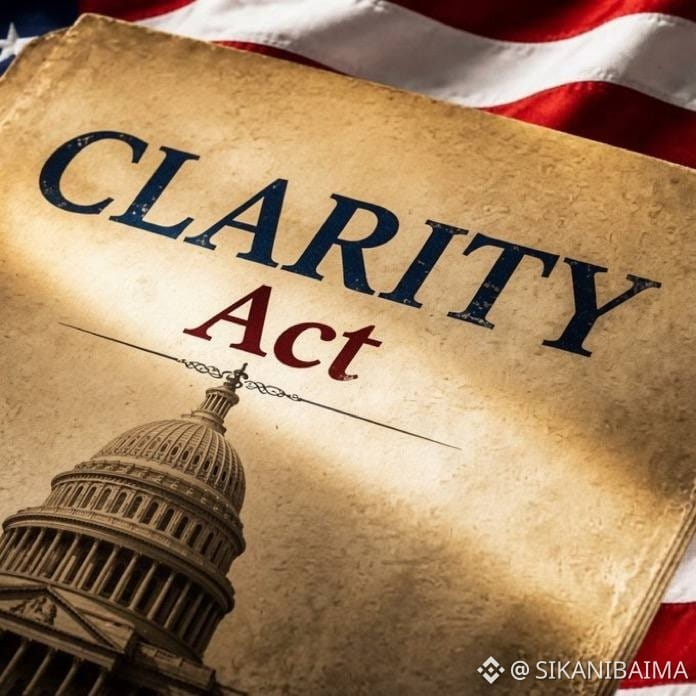
CLARITY Act: Ein regulatorischer Rückschlag bedeutet nicht das Ende von Krypto.
CZ hat es kürzlich so auf den Punkt gebracht:
„Auf dem Weg wird es immer Rückschläge geben, aber der technologische Fortschritt geht weiter.“
Und er machte noch einen weiteren Punkt, der es wert ist, verstanden zu werden – besonders, wenn er über Stablecoins und Yield spricht.
🧠 Aber Vorsicht: Verwechsle nicht zwei unterschiedliche Dinge:
Ein Stablecoin im Wert von 1 USD erzeugt nicht automatisch Rendite.
Yield entsteht erst, wenn ein Stablecoin in einem Produkt oder einer Strategie eingesetzt wird, die Einnahmen generiert — etwa durch Lending, DeFi, zugrunde liegende Assets, Gebühren und so weiter.
Und genau hier kommt die Regulierung ins Spiel.
Regulierung kann festlegen:
🔹 welche Produkte angeboten werden können;
🔹 wer sie anbieten darf;
🔹 unter welchen Bedingungen;
🔹 welchen Schutz Nutzer erhalten;
🔹 und wie die generierten Einnahmen verteilt werden können.
Wenn CZ also sagt, dass Stablecoins weiterhin Yield generieren können, sollten wir das nicht so interpretieren, dass:
❌ „Der CLARITY Act autorisiert alle Stablecoin-Yields.“
Sondern vielmehr:
✅ „Trotz regulatorischer Unsicherheit können einige auf Stablecoins aufbauende Wirtschaftsmodelle weiter existieren und sich weiterentwickeln.“
🌍 Und genau hier wird es spannend.
Regulierung kann bestimmte Anwendungsfälle verlangsamen, einschränken oder umgestalten.
Aber sie kann nicht allein stoppen:
⚙️ Entwickler;
🏗️ Infrastruktur;
💵 neue Zahlungsmethoden;
🌐 Tokenisierung;
🔗 Blockchain-Anwendungen.
Während manche Menschen nur den Bitcoin-Preis beobachten, bauen andere die Finanzinfrastruktur von morgen.
Und für uns in Afrika ist vielleicht die tiefere Frage:
Wollen wir einfach nur darauf warten, dass die Regeln anderswo geschrieben werden, bevor wir anfangen zu verstehen, was gerade gebaut wird?
Denn eines ist klar:
Wer eine Technologie erst dann versteht, wenn sie offensichtlich wird, kommt oft zu spät — im Vergleich zu denen, die sie bereits untersucht haben, als sie noch missverstanden wurde.
📚 Verlerne das Gelernte.
🧠 Verstehe, bevor du handelst.
🔐 Sicherheit vor Profit.
🌍 Langfristige Vision.
Das regulatorische Rauschen wird sich verändern.
Die Technologie wird weiter gebaut.
#Crypto #blockchaineconomy #CLARITYAct
CLARITY Act: Ein regulatorischer Rückschlag bedeutet nicht das Ende von Krypto.
CZ hat es kürzlich so auf den Punkt gebracht:
„Auf dem Weg wird es immer Rückschläge geben, aber der technologische Fortschritt geht weiter.“
Und er machte noch einen weiteren Punkt, der es wert ist, verstanden zu werden – besonders, wenn er über Stablecoins und Yield spricht.
🧠 Aber Vorsicht: Verwechsle nicht zwei unterschiedliche Dinge:
Ein Stablecoin im Wert von 1 USD erzeugt nicht automatisch Rendite.
Yield entsteht erst, wenn ein Stablecoin in einem Produkt oder einer Strategie eingesetzt wird, die Einnahmen generiert — etwa durch Lending, DeFi, zugrunde liegende Assets, Gebühren und so weiter.
Und genau hier kommt die Regulierung ins Spiel.
Regulierung kann festlegen:
🔹 welche Produkte angeboten werden können;
🔹 wer sie anbieten darf;
🔹 unter welchen Bedingungen;
🔹 welchen Schutz Nutzer erhalten;
🔹 und wie die generierten Einnahmen verteilt werden können.
Wenn CZ also sagt, dass Stablecoins weiterhin Yield generieren können, sollten wir das nicht so interpretieren, dass:
❌ „Der CLARITY Act autorisiert alle Stablecoin-Yields.“
Sondern vielmehr:
✅ „Trotz regulatorischer Unsicherheit können einige auf Stablecoins aufbauende Wirtschaftsmodelle weiter existieren und sich weiterentwickeln.“
🌍 Und genau hier wird es spannend.
Regulierung kann bestimmte Anwendungsfälle verlangsamen, einschränken oder umgestalten.
Aber sie kann nicht allein stoppen:
⚙️ Entwickler;
🏗️ Infrastruktur;
💵 neue Zahlungsmethoden;
🌐 Tokenisierung;
🔗 Blockchain-Anwendungen.
Während manche Menschen nur den Bitcoin-Preis beobachten, bauen andere die Finanzinfrastruktur von morgen.
Und für uns in Afrika ist vielleicht die tiefere Frage:
Wollen wir einfach nur darauf warten, dass die Regeln anderswo geschrieben werden, bevor wir anfangen zu verstehen, was gerade gebaut wird?
Denn eines ist klar:
Wer eine Technologie erst dann versteht, wenn sie offensichtlich wird, kommt oft zu spät — im Vergleich zu denen, die sie bereits untersucht haben, als sie noch missverstanden wurde.
📚 Verlerne das Gelernte.
🧠 Verstehe, bevor du handelst.
🔐 Sicherheit vor Profit.
🌍 Langfristige Vision.
Das regulatorische Rauschen wird sich verändern.
Die Technologie wird weiter gebaut.
#Crypto #blockchaineconomy #CLARITYAct
CZ hat es kürzlich so auf den Punkt gebracht:
„Auf dem Weg wird es immer Rückschläge geben, aber der technologische Fortschritt geht weiter.“
Und er machte noch einen weiteren Punkt, der es wert ist, verstanden zu werden – besonders, wenn er über Stablecoins und Yield spricht.
🧠 Aber Vorsicht: Verwechsle nicht zwei unterschiedliche Dinge:
Ein Stablecoin im Wert von 1 USD erzeugt nicht automatisch Rendite.
Yield entsteht erst, wenn ein Stablecoin in einem Produkt oder einer Strategie eingesetzt wird, die Einnahmen generiert — etwa durch Lending, DeFi, zugrunde liegende Assets, Gebühren und so weiter.
Und genau hier kommt die Regulierung ins Spiel.
Regulierung kann festlegen:
🔹 welche Produkte angeboten werden können;
🔹 wer sie anbieten darf;
🔹 unter welchen Bedingungen;
🔹 welchen Schutz Nutzer erhalten;
🔹 und wie die generierten Einnahmen verteilt werden können.
Wenn CZ also sagt, dass Stablecoins weiterhin Yield generieren können, sollten wir das nicht so interpretieren, dass:
❌ „Der CLARITY Act autorisiert alle Stablecoin-Yields.“
Sondern vielmehr:
✅ „Trotz regulatorischer Unsicherheit können einige auf Stablecoins aufbauende Wirtschaftsmodelle weiter existieren und sich weiterentwickeln.“
🌍 Und genau hier wird es spannend.
Regulierung kann bestimmte Anwendungsfälle verlangsamen, einschränken oder umgestalten.
Aber sie kann nicht allein stoppen:
⚙️ Entwickler;
🏗️ Infrastruktur;
💵 neue Zahlungsmethoden;
🌐 Tokenisierung;
🔗 Blockchain-Anwendungen.
Während manche Menschen nur den Bitcoin-Preis beobachten, bauen andere die Finanzinfrastruktur von morgen.
Und für uns in Afrika ist vielleicht die tiefere Frage:
Wollen wir einfach nur darauf warten, dass die Regeln anderswo geschrieben werden, bevor wir anfangen zu verstehen, was gerade gebaut wird?
Denn eines ist klar:
Wer eine Technologie erst dann versteht, wenn sie offensichtlich wird, kommt oft zu spät — im Vergleich zu denen, die sie bereits untersucht haben, als sie noch missverstanden wurde.
📚 Verlerne das Gelernte.
🧠 Verstehe, bevor du handelst.
🔐 Sicherheit vor Profit.
🌍 Langfristige Vision.
Das regulatorische Rauschen wird sich verändern.
Die Technologie wird weiter gebaut.
#Crypto #blockchaineconomy #CLARITYAct
1
3
63
·
--
Übersetzung ansehen
😎
😎


Binance Angels
·
--
[Wiederholung] 🎙️ Alles über Charts und Candles: Nachfrage & Angebot x Unterstützung/Widerstand
02 h 07 m 05 s · 2.6k Zuhörer
1
32
·
--
Bärisch
Die gesamten Nettoabflüsse aus Krypto-ETFs erreichten -595,3 Millionen US-Dollar.
BTC-ETFs verzeichneten Abflüsse von -450,4 Millionen US-Dollar, während ETH-ETFs Abflüsse von -142,3 Millionen US-Dollar meldeten.
SOL-ETFs hingegen generierten 1,3 Millionen US-Dollar an Zuflüssen.
XRP-ETFs blieben bei 0,000 US-Dollar stabil, und HYPE-ETFs verzeichneten Abflüsse von -3,9 Millionen US-Dollar.
BlackRock und andere ETFs verkauften Bitcoin im Wert von 450,33 Millionen US-Dollar – der größte Ein-Tages-Abfluss in den vergangenen drei Monaten.
Die gesamten Nettoabflüsse aus Krypto-ETFs erreichten -595,3 Millionen US-Dollar.
BTC-ETFs verzeichneten Abflüsse von -450,4 Millionen US-Dollar, während ETH-ETFs Abflüsse von -142,3 Millionen US-Dollar meldeten.
SOL-ETFs hingegen generierten 1,3 Millionen US-Dollar an Zuflüssen.
XRP-ETFs blieben bei 0,000 US-Dollar stabil, und HYPE-ETFs verzeichneten Abflüsse von -3,9 Millionen US-Dollar.
BlackRock und andere ETFs verkauften Bitcoin im Wert von 450,33 Millionen US-Dollar – der größte Ein-Tages-Abfluss in den vergangenen drei Monaten.
BTC-ETFs verzeichneten Abflüsse von -450,4 Millionen US-Dollar, während ETH-ETFs Abflüsse von -142,3 Millionen US-Dollar meldeten.
SOL-ETFs hingegen generierten 1,3 Millionen US-Dollar an Zuflüssen.
XRP-ETFs blieben bei 0,000 US-Dollar stabil, und HYPE-ETFs verzeichneten Abflüsse von -3,9 Millionen US-Dollar.
BlackRock und andere ETFs verkauften Bitcoin im Wert von 450,33 Millionen US-Dollar – der größte Ein-Tages-Abfluss in den vergangenen drei Monaten.

1
136
·
--
Übersetzung ansehen
ARK Invest cites 4 reasons to remain bullish on Bitcoin: a fixed supply facing increasing demand, a low correlation with stocks and gold, resistance to seizure and censorship, and institutional adoption.
ARK Invest cites 4 reasons to remain bullish on Bitcoin: a fixed supply facing increasing demand, a low correlation with stocks and gold, resistance to seizure and censorship, and institutional adoption.

1
93
·
--
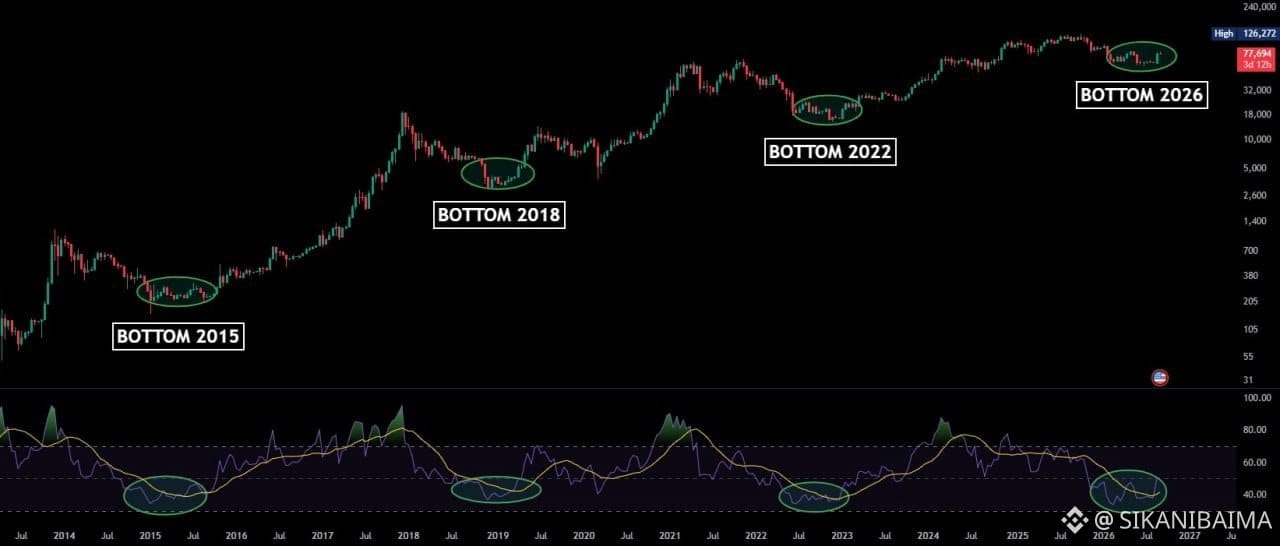
📈 #BTC zeigt ein Muster, das wir bei einigen der größten zyklischen Tiefs beobachtet haben. Im Zweiwochen-Chart dreht der #MACD gerade wieder nach oben aus derselben Art von Tiefzone, die wir um die Tiefs bei #2015, 2018 und 2022 gesehen haben.
Wenn sich dieser Zyklus an frühere Muster hält, könnte dies der Start einer weiteren großen Expansion sein.
Das Interessante ist, dass wir möglicherweise nur den Anfang davon sehen 👀
📈 #BTC zeigt ein Muster, das wir bei einigen der größten zyklischen Tiefs beobachtet haben. Im Zweiwochen-Chart dreht der #MACD gerade wieder nach oben aus derselben Art von Tiefzone, die wir um die Tiefs bei #2015, 2018 und 2022 gesehen haben.
Wenn sich dieser Zyklus an frühere Muster hält, könnte dies der Start einer weiteren großen Expansion sein.
Das Interessante ist, dass wir möglicherweise nur den Anfang davon sehen 👀
Wenn sich dieser Zyklus an frühere Muster hält, könnte dies der Start einer weiteren großen Expansion sein.
Das Interessante ist, dass wir möglicherweise nur den Anfang davon sehen 👀
335
·
--
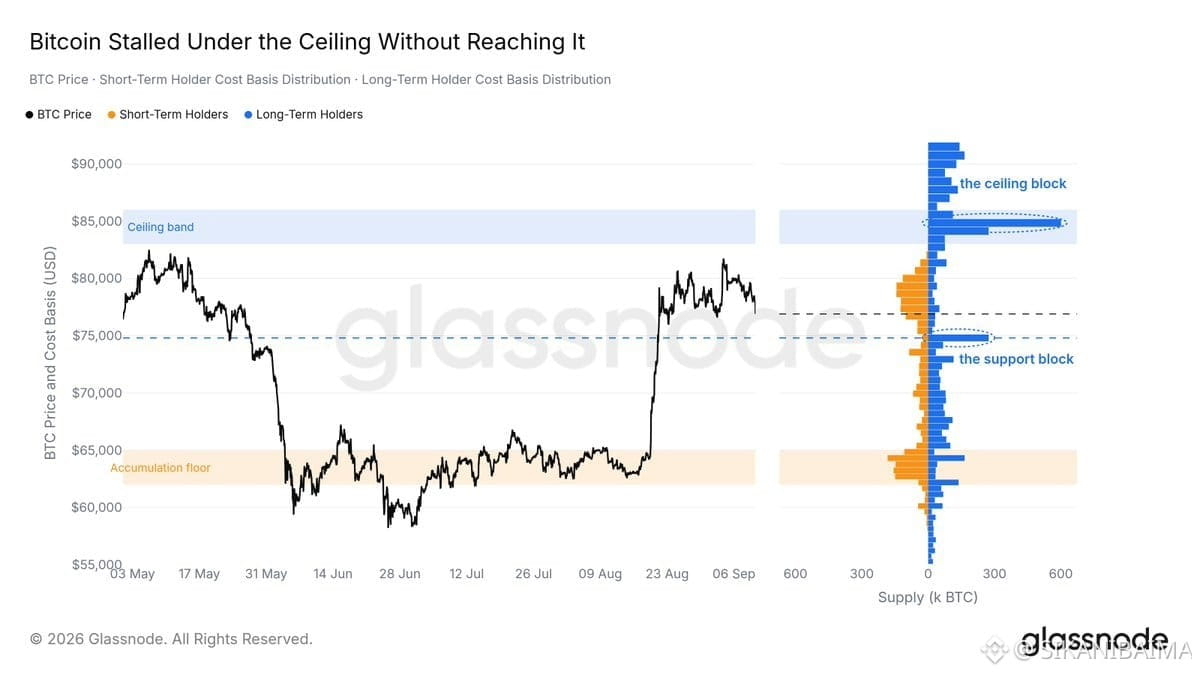
$BTC bleibt unter einer Versorgungssperre von langfristigen Haltern bei etwa 83.000–85.000 $ hängen.
Allerdings akkumulieren Investoren in diesem Bereich Token.
Wenn wir unter diesen neu entstehenden Cluster fallen, ist die Marke von 75.000 $ im Blick zu behalten.
Anschließend könnte eine vollständige Korrektur auf 60.000 $ ins Spiel kommen.
$BTC bleibt unter einer Versorgungssperre von langfristigen Haltern bei etwa 83.000–85.000 $ hängen.
Allerdings akkumulieren Investoren in diesem Bereich Token.
Wenn wir unter diesen neu entstehenden Cluster fallen, ist die Marke von 75.000 $ im Blick zu behalten.
Anschließend könnte eine vollständige Korrektur auf 60.000 $ ins Spiel kommen.
Allerdings akkumulieren Investoren in diesem Bereich Token.
Wenn wir unter diesen neu entstehenden Cluster fallen, ist die Marke von 75.000 $ im Blick zu behalten.
Anschließend könnte eine vollständige Korrektur auf 60.000 $ ins Spiel kommen.
106
·
--
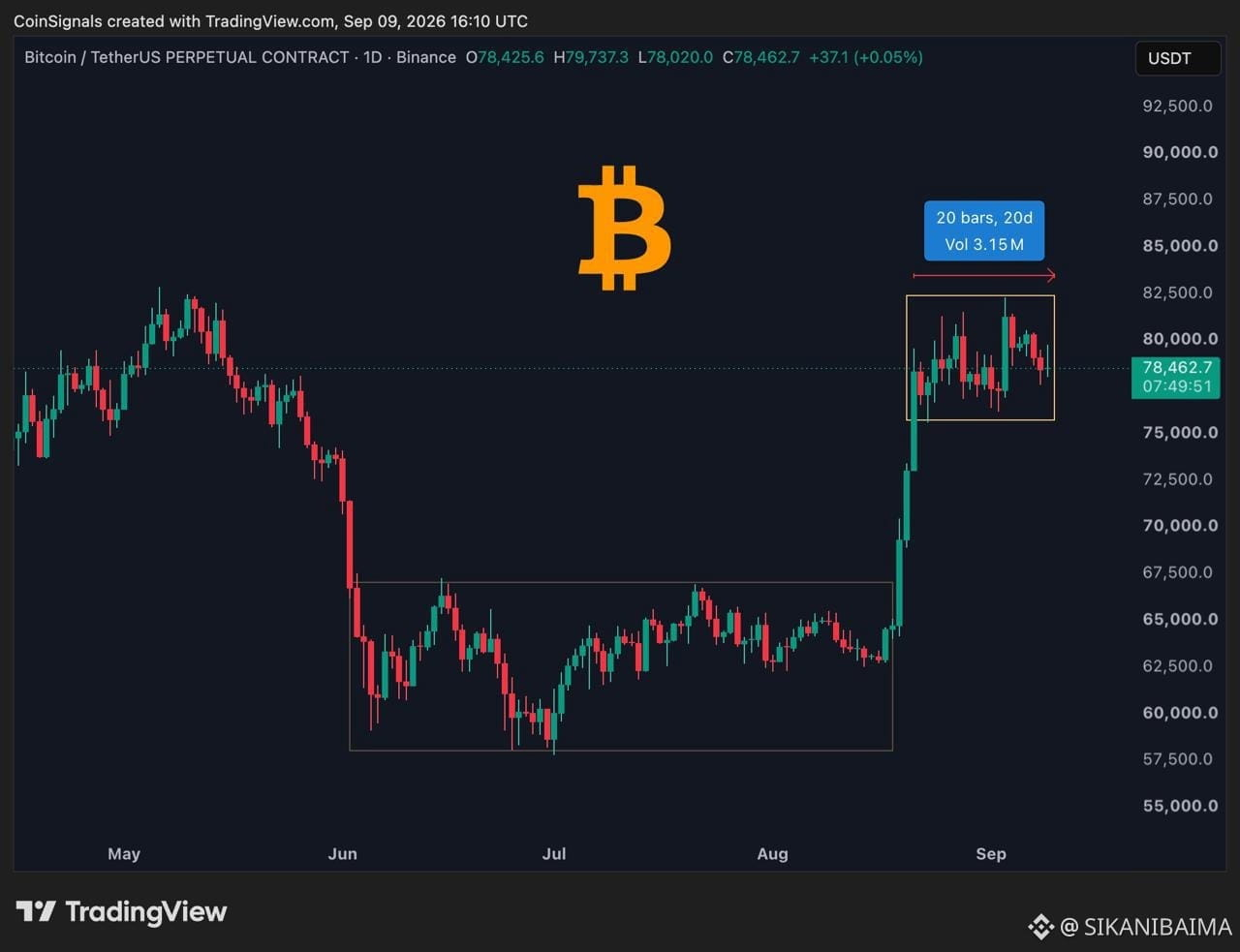
🚨🚨 Der Markt handelt seit vier Monaten innerhalb einer Spanne, mit Ausnahme von drei Tagen starker Gewinne.
Weitere 20 Tage mit Seitwärtsbewegungen.
Eine große Bewegung steht bevor… denn in den nächsten Tagen kommen wichtige Nachrichten.
🚨🚨 Der Markt handelt seit vier Monaten innerhalb einer Spanne, mit Ausnahme von drei Tagen starker Gewinne.
Weitere 20 Tage mit Seitwärtsbewegungen.
Eine große Bewegung steht bevor… denn in den nächsten Tagen kommen wichtige Nachrichten.
Weitere 20 Tage mit Seitwärtsbewegungen.
Eine große Bewegung steht bevor… denn in den nächsten Tagen kommen wichtige Nachrichten.
103
·
--
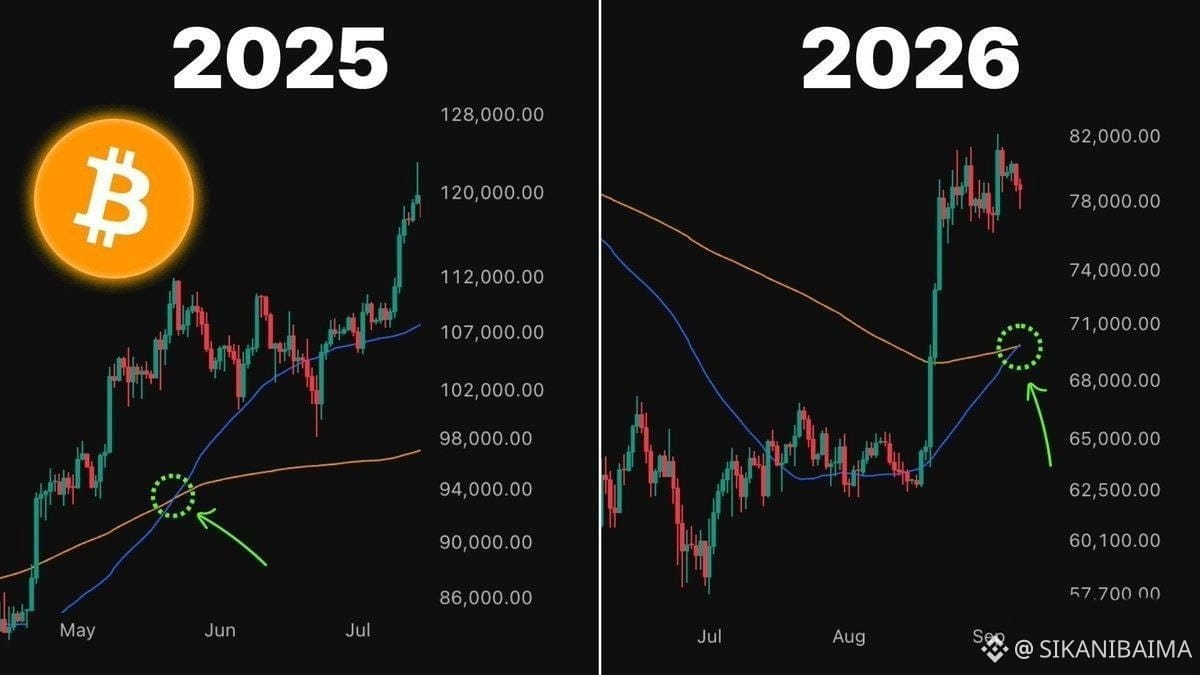
#bitcoin hat die „goldene Kreuz“-Formation durchbrochen – eine Entwicklung, die zuvor zum Allzeithoch von 126.200 USD im Mai 2025 führte.
#bitcoin hat die „goldene Kreuz“-Formation durchbrochen – eine Entwicklung, die zuvor zum Allzeithoch von 126.200 USD im Mai 2025 führte.
161
·
--
⏳ WARTEN AUF DIE KLARHEITSAKTIVITÄT
Der Kryptomarkt steht an einem entscheidenden Punkt – mit der erwarteten Einbringung des CLARITY Acts im US-Senat am 15. September.
In der Zwischenzeit zeigen uns Bitcoin und die großen Altcoins zwei Szenarien:
📉 65% Wahrscheinlichkeit, dass das Tief bereits erreicht wurde.
📈 35% Wahrscheinlichkeit, dass der Markt seinen Rückgang fortsetzt, bevor eine neue Aufwärtsphase beginnt.
⚠️ Aber Vorsicht: Das sind nur Wahrscheinlichkeiten, keine Gewissheiten.
👉 Vorsicht ist weiterhin geboten.
Lass dich nicht von Emotionen übermannen. Halte dich an deinen Plan und wende ihn für diejenigen, die sich für DCA (Debt-to-Accumulate) entschieden haben, weiterhin diszipliniert an.
Der Markt belohnt selten Ungeduld.
Also: Wie siehst du das – wurde das Tief bereits erreicht?
🟢 TIEF GETROFFEN
🔴 NEUER RÜCKFALL
⏳ WARTEN AUF DIE KLARHEITSAKTIVITÄT
Der Kryptomarkt steht an einem entscheidenden Punkt – mit der erwarteten Einbringung des CLARITY Acts im US-Senat am 15. September.
In der Zwischenzeit zeigen uns Bitcoin und die großen Altcoins zwei Szenarien:
📉 65% Wahrscheinlichkeit, dass das Tief bereits erreicht wurde.
📈 35% Wahrscheinlichkeit, dass der Markt seinen Rückgang fortsetzt, bevor eine neue Aufwärtsphase beginnt.
⚠️ Aber Vorsicht: Das sind nur Wahrscheinlichkeiten, keine Gewissheiten.
👉 Vorsicht ist weiterhin geboten.
Lass dich nicht von Emotionen übermannen. Halte dich an deinen Plan und wende ihn für diejenigen, die sich für DCA (Debt-to-Accumulate) entschieden haben, weiterhin diszipliniert an.
Der Markt belohnt selten Ungeduld.
Also: Wie siehst du das – wurde das Tief bereits erreicht?
🟢 TIEF GETROFFEN
🔴 NEUER RÜCKFALL
Der Kryptomarkt steht an einem entscheidenden Punkt – mit der erwarteten Einbringung des CLARITY Acts im US-Senat am 15. September.
In der Zwischenzeit zeigen uns Bitcoin und die großen Altcoins zwei Szenarien:
📉 65% Wahrscheinlichkeit, dass das Tief bereits erreicht wurde.
📈 35% Wahrscheinlichkeit, dass der Markt seinen Rückgang fortsetzt, bevor eine neue Aufwärtsphase beginnt.
⚠️ Aber Vorsicht: Das sind nur Wahrscheinlichkeiten, keine Gewissheiten.
👉 Vorsicht ist weiterhin geboten.
Lass dich nicht von Emotionen übermannen. Halte dich an deinen Plan und wende ihn für diejenigen, die sich für DCA (Debt-to-Accumulate) entschieden haben, weiterhin diszipliniert an.
Der Markt belohnt selten Ungeduld.
Also: Wie siehst du das – wurde das Tief bereits erreicht?
🟢 TIEF GETROFFEN
🔴 NEUER RÜCKFALL
1
165
·
--
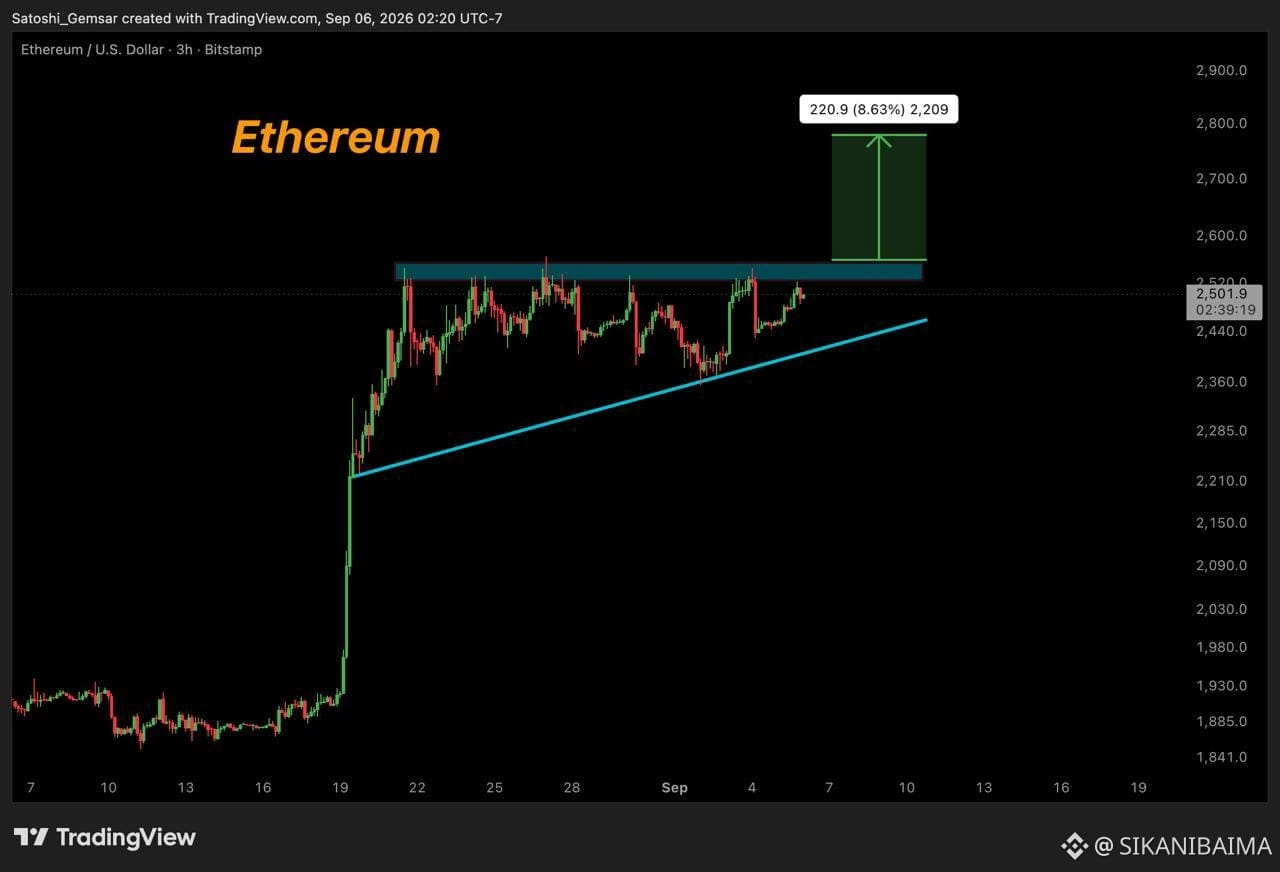
🚨 #ETH : STEHT EIN AUSBRUCH BEVOR?
Ethereum testet erneut den Widerstand bei 2.540 $, während Käufer weiterhin die bullische Trendlinie verteidigen.
🔥 Ausbruch über 2.540 $ + Bestätigung → 2.780 $ könnte als Nächstes kommen.
Wie ist dein Tipp?
🟢 BULLISH — Ausbruch bis 2.780 $
🔴 BEARISH — Ablehnung bei 2.540 $
Stimme unten ab. 👇
#Ethereum #ETH #Crypto #BinanceSquare
🚨 #ETH : STEHT EIN AUSBRUCH BEVOR?
Ethereum testet erneut den Widerstand bei 2.540 $, während Käufer weiterhin die bullische Trendlinie verteidigen.
🔥 Ausbruch über 2.540 $ + Bestätigung → 2.780 $ könnte als Nächstes kommen.
Wie ist dein Tipp?
🟢 BULLISH — Ausbruch bis 2.780 $
🔴 BEARISH — Ablehnung bei 2.540 $
Stimme unten ab. 👇
#Ethereum #ETH #Crypto #BinanceSquare
Ethereum testet erneut den Widerstand bei 2.540 $, während Käufer weiterhin die bullische Trendlinie verteidigen.
🔥 Ausbruch über 2.540 $ + Bestätigung → 2.780 $ könnte als Nächstes kommen.
Wie ist dein Tipp?
🟢 BULLISH — Ausbruch bis 2.780 $
🔴 BEARISH — Ablehnung bei 2.540 $
Stimme unten ab. 👇
#Ethereum #ETH #Crypto #BinanceSquare
1
162
Anmelden und weiter Inhalte entdecken
Krypto-Nutzer weltweit auf Binance Square kennenlernen
⚡️ Bleib in Sachen Krypto stets am Puls.
💬 Die weltgrößte Kryptobörse vertraut darauf.
👍 Erhalte verlässliche Einblicke von verifizierten Creators.
E-Mail-Adresse/Telefonnummer
Trendthemen
EthereumSurpasses$2700
32 Aufrufe
23 Kommentare
Wie ich es dir gesagt habe, ETH macht jetzt seinen Rückprall: Es passt sich an, indem es im Preis nachgibt, und bereitet sich darauf vor, endlich seinen Support zu durchbrechen und 2700 zu erreichen. Vielleicht dauert es Tage und/oder Wochen, aber wir sind immer näher dran! Achtet darauf, dass ihr kauft, bevor es wieder über 2620 steigt.
ImSouta
·0 Likes
·926 Aufrufe
CanaryFilesSecondAmendmentForStakedSEIETF
32 Aufrufe
26 Kommentare
SaylorHintsStrategyBitcoinBuy
2.3M Aufrufe
12,619 Kommentare