

Shaheen 69
17.6k Beiträge

Shaheen 69
 Square Verified+
✅ Verified Creator | Trader | Sharing Crypto Insights, Market Trends & Opportunities X @WaseemMazhar789

APT Halter
Hochfrequenz-Trader
5.5 Jahre
1.5K+ Following
61.5K+ Follower
30.9K+ Like gegeben
Beiträge
Alle
Zitierungen
PINNED
Übersetzung ansehen
Ahmed Ali Nizamani
·
--
XRP Allzeithoch ist __ ?
Antwort = 🎁🎁🎁🎁🎁
Antwort = 🎁🎁🎁🎁🎁

Übersetzung ansehen
MAYA_
·
--
🎁🎁 GESCHENKBOX 🎁🎁
🎁🎁🎁🎁🎁🎁
🎁🎁🎁🎁🎁
🎁🎁🎁🎁🎁🎁
🎁🎁🎁🎁🎁

Übersetzung ansehen
WOLF 狼
·
--
BullischWarnung Anspruch BNB Belohnung Schnellanspruch 🎉 🧧
Das gelbe Häkchen ist offiziell nach 2 Monaten zurück – heute ist ein doppelter Gewinn dank von all euch.🎉
Zwei Monate sind eine lange Zeit zu warten, aber Geduld zahlt sich immer aus. Dass das gelbe Häkchen heute wieder da ist, macht mich richtig motiviert und bereit für das, was als Nächstes kommt.⚡️🔥
Erfolg ist immer noch besser, wenn man ihn teilt. Um die unglaubliche Stimmung von heute zu feiern, wartet eine Belohnung auf euch alle! Holt sie euch, bevor sie abläuft.✨
Geht jetzt euren roten Umschlag abholen und feiert mit der Familie.🧧🎁
$BNB
Das gelbe Häkchen ist offiziell nach 2 Monaten zurück – heute ist ein doppelter Gewinn dank von all euch.🎉
Zwei Monate sind eine lange Zeit zu warten, aber Geduld zahlt sich immer aus. Dass das gelbe Häkchen heute wieder da ist, macht mich richtig motiviert und bereit für das, was als Nächstes kommt.⚡️🔥
Erfolg ist immer noch besser, wenn man ihn teilt. Um die unglaubliche Stimmung von heute zu feiern, wartet eine Belohnung auf euch alle! Holt sie euch, bevor sie abläuft.✨
Geht jetzt euren roten Umschlag abholen und feiert mit der Familie.🧧🎁
$BNB
Übersetzung ansehen

分析师尤斯1688
·
--
Kommentar, um deinen Bonus zu erhalten.🧧

Übersetzung ansehen

Prof Denial
·
--
🌹 🌹 $DOGE GIFT LIVE NOW 🌹🌹 🌹
✨✨ $DOGE GESCHENK FÜR DICH ✨✨
🎉 ‼️Schnell beanspruchen, bevor es weg ist ‼️ 🎉
Ich verteile $DOGE Geschenke 🎁 an meine Community als Dankeschön für eure Unterstützung.
✨✨ $DOGE GESCHENK FÜR DICH ✨✨
🎉 ‼️Schnell beanspruchen, bevor es weg ist ‼️ 🎉
Ich verteile $DOGE Geschenke 🎁 an meine Community als Dankeschön für eure Unterstützung.

Übersetzung ansehen
Sara_ k
·
--
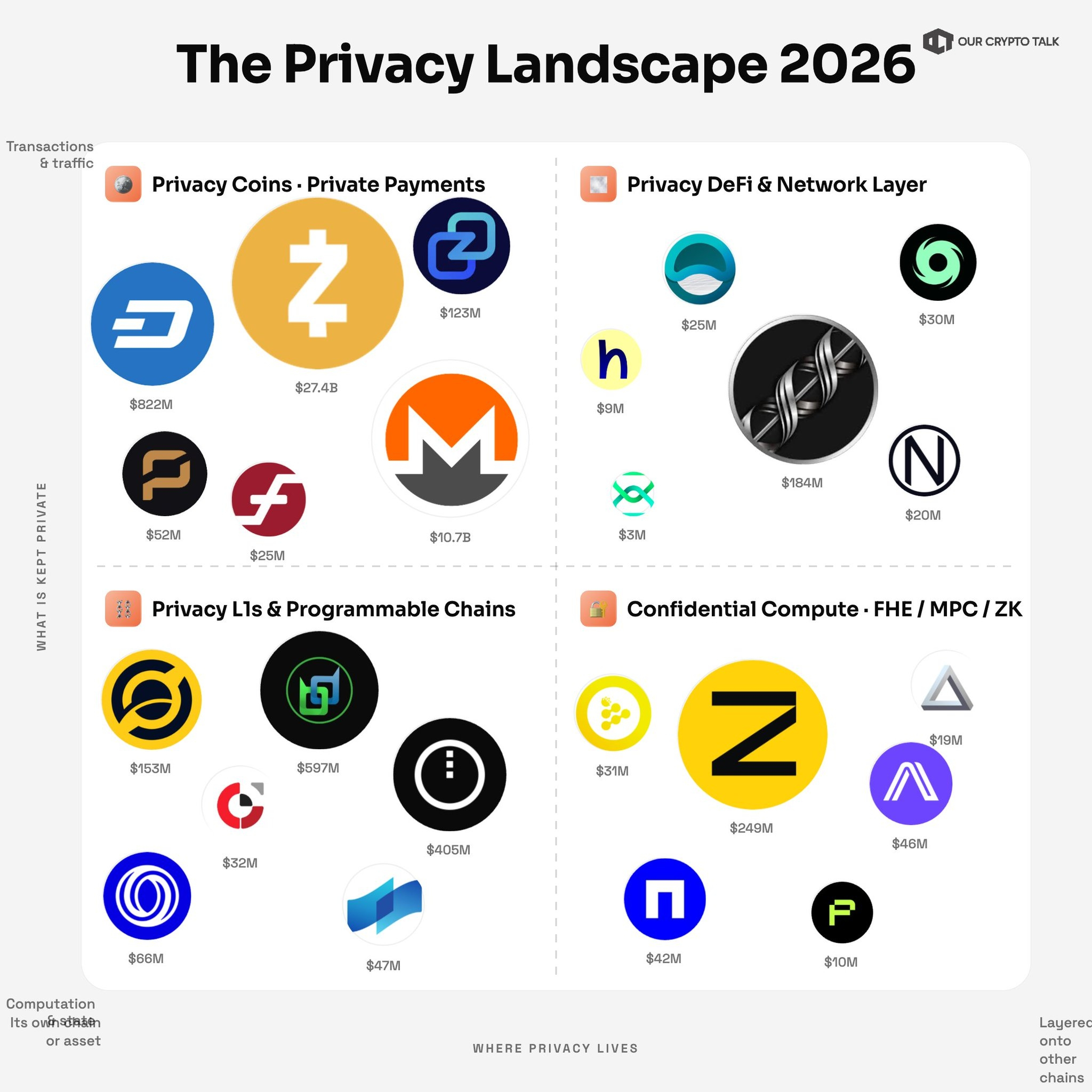
.Jeder schaut $ZEC
Aber wenn Privatsphäre wieder zu einer echten Markt-Story wird, könnte sich die Aufmerksamkeit über eine einzelne Münze hinaus ausbreiten.
.
claim here 👈🌹🌹🌹
.
claim 2👈🧧🧧🧧🧧🧧🧧
.
$DASH $QNT
Aber wenn Privatsphäre wieder zu einer echten Markt-Story wird, könnte sich die Aufmerksamkeit über eine einzelne Münze hinaus ausbreiten.
.
claim here 👈🌹🌹🌹
.
claim 2👈🧧🧧🧧🧧🧧🧧
.
$DASH $QNT
Übersetzung ansehen

Àimàn-crypto⁰⁹
·
--
💝💓 VIELEN DANK, IHR LIEBEN! 💖♥️✨
Ich bin wirklich glücklich, diesen kleinen Erfolg mit euch zu teilen! 🥹🎉
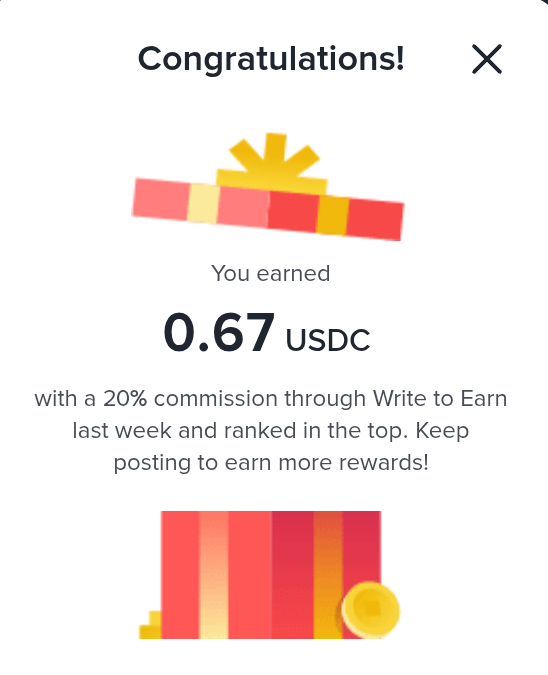
Ich habe 0,67 USDC durch Write to Earn verdient und bin unter den Besten gelandet! 🏆✨
Eure Liebe und Unterstützung bedeuten mir so viel. ❤️🤗
Und jetzt… ist es Zeit für ein NEUES RED PACKET! 🧧💝
Lasst uns gemeinsam feiern, etwas Liebe weitergeben und als Community weiter wachsen! 🚀🤝💖
🥰 Like • Comment • Follow • Repost 🤗
Comment Ok ☺️
$MOVR
$PEPE
$CATI
#Binance #BinanceSquare #RedPacket #CryptoCommunity #Web3
Ich bin wirklich glücklich, diesen kleinen Erfolg mit euch zu teilen! 🥹🎉
Ich habe 0,67 USDC durch Write to Earn verdient und bin unter den Besten gelandet! 🏆✨
Eure Liebe und Unterstützung bedeuten mir so viel. ❤️🤗
Und jetzt… ist es Zeit für ein NEUES RED PACKET! 🧧💝
Lasst uns gemeinsam feiern, etwas Liebe weitergeben und als Community weiter wachsen! 🚀🤝💖
🥰 Like • Comment • Follow • Repost 🤗
Comment Ok ☺️
$MOVR
$PEPE
$CATI
#Binance #BinanceSquare #RedPacket #CryptoCommunity #Web3

Übersetzung ansehen
Sheemm
·
--
claim
Übersetzung ansehen

BLOCK Rayne
·
--
Ein GROSSARTIGES Geschenk 🎁 von mir an unsere fantastische Community. ❤️
Hol dir deine Belohnung $DOGE und genieße!
Beeil dich, alle! 🔥
Hol dir deine Belohnung $DOGE und genieße!
Beeil dich, alle! 🔥

Übersetzung ansehen
Ayush-NXT
·
--
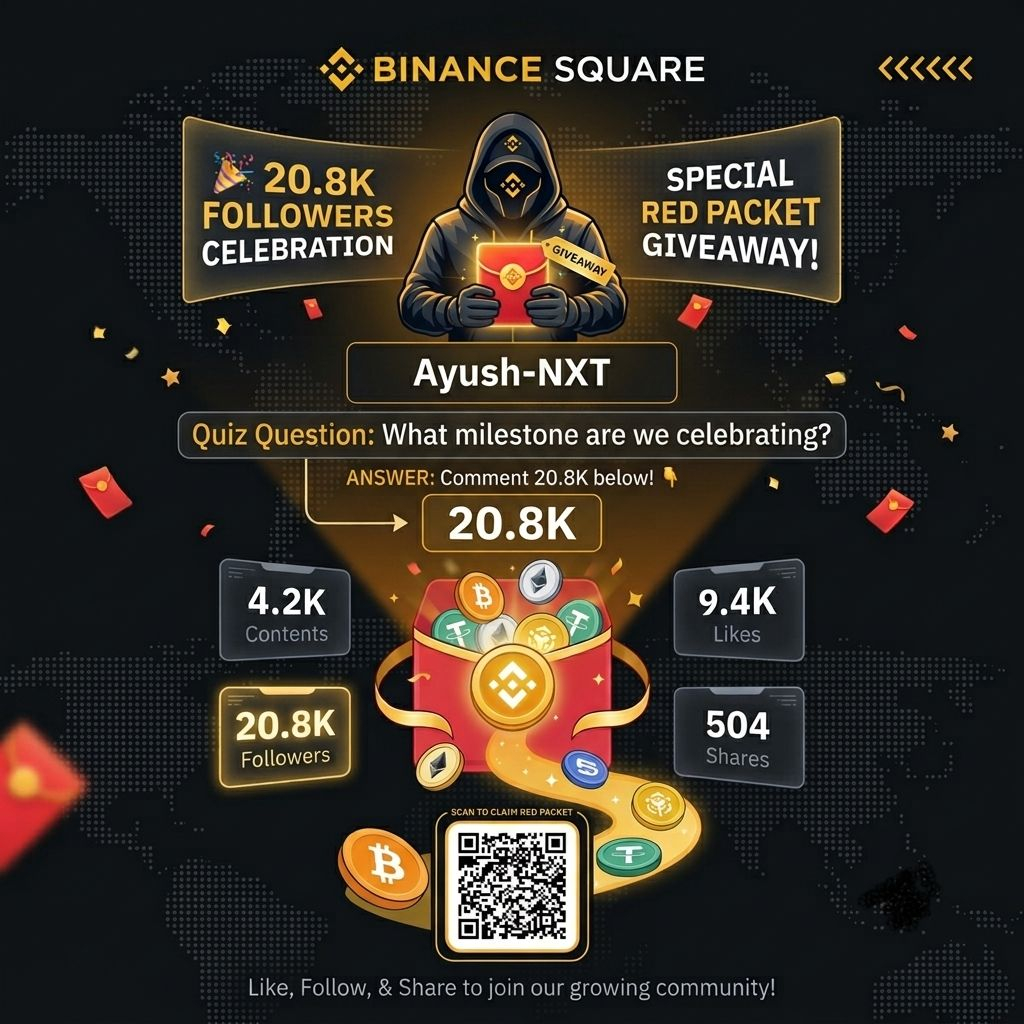
Bullisch🚀 SPECIAL RED PACKET GIVEAWAY IST JETZT LIVE! 🎁✨
Vielen Dank an jede und jeden von euch, dass ihr Teil dieser so aktiven und unterstützenden Community seid! 💛 Unsere Binance Square-Familie wächst rasant, und all dieser Schwung ist nur durch eure großartige Unterstützung, euer Engagement und euer Vertrauen möglich. 📈🔥
Um meine echte Wertschätzung für diese Reise zu zeigen, habe ich hier in diesem Post für euch ein brandneues Red-Packet-Quiz eingerichtet! 🧧👇
🎁 So holst du dir deinen Reward:
1️⃣ Beantworte die Quizfrage: Welches Meilenstein-Jubiläum feiern wir heute auf dem Profil?
2️⃣ Kommentiere unten: Einfach 20.8K im Kommentarfeld eingeben!
3️⃣ Hol dir dein Red Packet: Beanspruche deinen Krypto-Reward direkt aus dem Post!
⚡ Stelle sicher, dass du schnell beanspruchst, bevor der Pool aufgebraucht ist! 🎯
$0G
#Ayush4155
#DevTeasers
Vielen Dank an jede und jeden von euch, dass ihr Teil dieser so aktiven und unterstützenden Community seid! 💛 Unsere Binance Square-Familie wächst rasant, und all dieser Schwung ist nur durch eure großartige Unterstützung, euer Engagement und euer Vertrauen möglich. 📈🔥
Um meine echte Wertschätzung für diese Reise zu zeigen, habe ich hier in diesem Post für euch ein brandneues Red-Packet-Quiz eingerichtet! 🧧👇
🎁 So holst du dir deinen Reward:
1️⃣ Beantworte die Quizfrage: Welches Meilenstein-Jubiläum feiern wir heute auf dem Profil?
2️⃣ Kommentiere unten: Einfach 20.8K im Kommentarfeld eingeben!
3️⃣ Hol dir dein Red Packet: Beanspruche deinen Krypto-Reward direkt aus dem Post!
⚡ Stelle sicher, dass du schnell beanspruchst, bevor der Pool aufgebraucht ist! 🎯
$0G
#Ayush4155
#DevTeasers
Übersetzung ansehen
Hadia-BTC
·
--
Happy Friday! 🌸 May your day be filled with peace, blessings, and happiness. 🤍✨
-----------Claim reward 🧧🎁--------
---------Follow Me-----------
---------Like & Repost --------
-------Thanks----------#HadiaBTC
$BTC
$ETH
$SOL
-----------Claim reward 🧧🎁--------
---------Follow Me-----------
---------Like & Repost --------
-------Thanks----------#HadiaBTC
$BTC
$ETH
$SOL
Übersetzung ansehen
Bilawal Ashiq
·
--
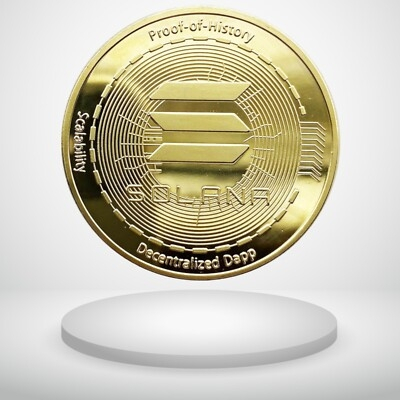
🧧🧧Clam repost wie Geschenk bitte 🧧🧧🎉🎉
$SOL
$SOL
Übersetzung ansehen
MAYA_
·
--
🎁🎁 GESCHENKBOX 🎁🎁
🎁🎁🎁🎁🎁🎁
🎁🎁🎁🎁🎁
🎁🎁🎁🎁🎁🎁
🎁🎁🎁🎁🎁
Übersetzung ansehen

Z O N E P R I M E
·
--
Bullisch🔥 KOSTENLOSE BNB-WARNUNG VON ZONE PRIME! 🎁✨
Vielen Dank an meine großartige Binance-Familie für die Unterstützung! Ich teile heute kostenlose BNB-Rotpakete mit euch allen. 💛
📌 Teilnahmebedingungen:
✅ Folge ZONE PRIME
✅ Like & Repost
✅ Fordere dein Red Packet an! 🧧
Schreibe in die Kommentare ein „BNB“, sobald du es beansprucht hast! 👇🚀
#BinanceSquare #BNB #GIVEAWAY #ZONEPRIME #Crypto
Vielen Dank an meine großartige Binance-Familie für die Unterstützung! Ich teile heute kostenlose BNB-Rotpakete mit euch allen. 💛
📌 Teilnahmebedingungen:
✅ Folge ZONE PRIME
✅ Like & Repost
✅ Fordere dein Red Packet an! 🧧
Schreibe in die Kommentare ein „BNB“, sobald du es beansprucht hast! 👇🚀
#BinanceSquare #BNB #GIVEAWAY #ZONEPRIME #Crypto

Übersetzung ansehen

Jamal 656
·
--
Belohnung beanspruchen 🎁🎁 $BTTC $SHIB

Übersetzung ansehen

_Mona
·
--
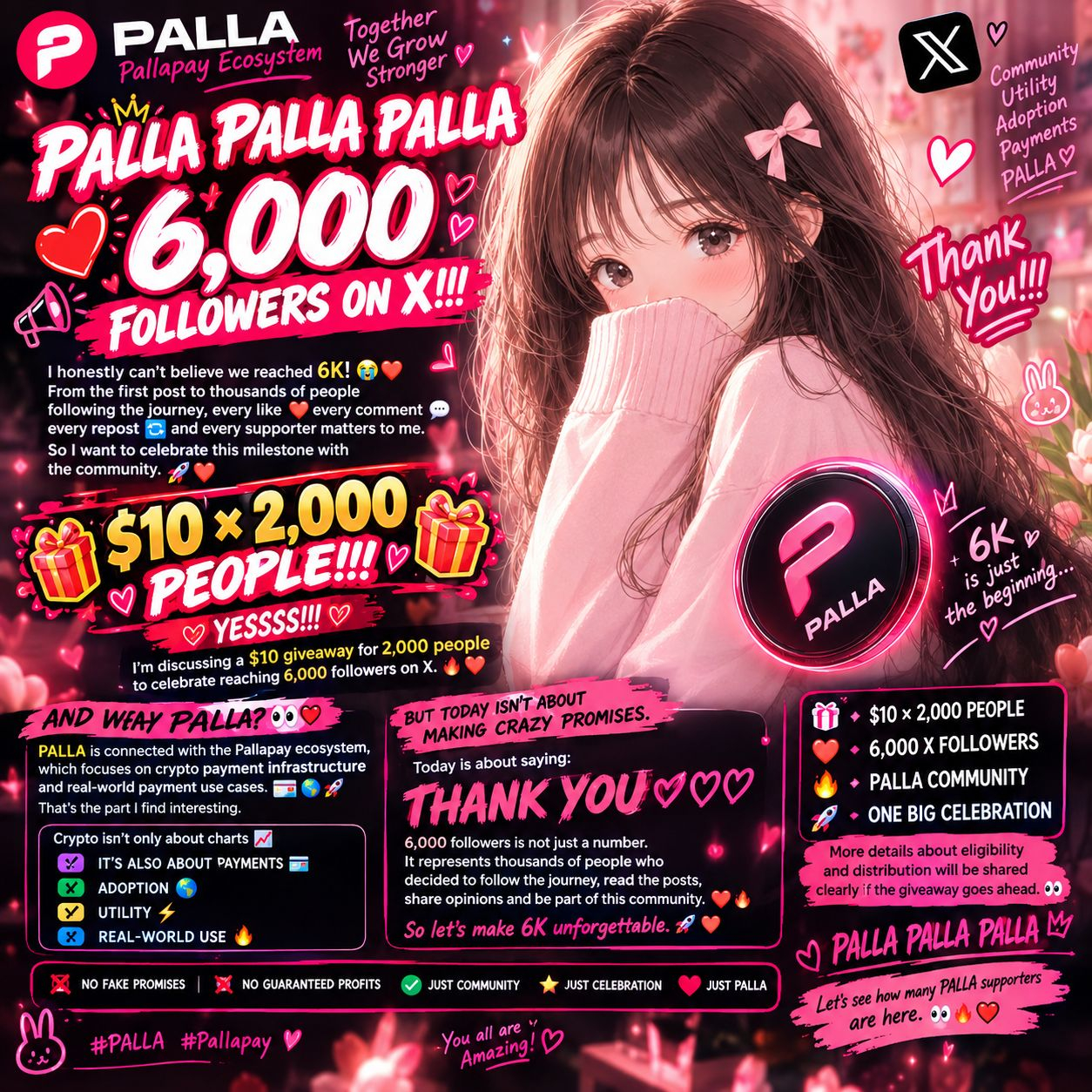
🚨❤️🔥 PALLA PALLA PALLA ❤️🔥🚨
🔥 WIR HABEN SOEBEN 6.000 FOLLOWERS AUF BINANCE SQUARE ERREICHT!! 🔥
❤️ 6K-FAMILIE ❤️
❤️ 6K-UNTERSTÜTZER ❤️
❤️ 6K STARK ❤️
Um dieses Meilenstein zu feiern, bringe ich ein bisschen KÄSE 🧀😂❤️🔥
🎁 10 $ FÜR 2.000 MENSCHEN 🎁
🚨🔥 JA AAAAAAAAA 🔥🚨
Wenn du diesen Post siehst:
❤️ LIKE
🔄 REPOST
💬 KOMMENTIERE PALLA PALLA
👥 TEILE IHN MIT DEINEN FREUNDEN
Lasst uns diesen Post so richtig durchdrehen 🚀🚀🚀
6K-Follower waren möglich, weil ES EUCH GIBT ❤️🔥
Also sage ich heute:
DANKESCHÖN ❤️ DANKE SCHÖN ❤️ DANKE SCHÖN ❤️
🚨🚨 PALLA PALLA PALLA 🚨🚨
🔥🔥 LASS UNS DEN NÄCHSTEN MEILENSTEIN SCHAFFEN 🔥🔥
🎁 10 $ × 2.000 MENSCHEN 🎁
❤️ 6.000 FOLLOWERS ❤️
🚀 EINE GROẞE COMMUNITY 🚀
PALLA PALLA PALLA 🧀😂❤️🔥
🔥 WIR HABEN SOEBEN 6.000 FOLLOWERS AUF BINANCE SQUARE ERREICHT!! 🔥
❤️ 6K-FAMILIE ❤️
❤️ 6K-UNTERSTÜTZER ❤️
❤️ 6K STARK ❤️
Um dieses Meilenstein zu feiern, bringe ich ein bisschen KÄSE 🧀😂❤️🔥
🎁 10 $ FÜR 2.000 MENSCHEN 🎁
🚨🔥 JA AAAAAAAAA 🔥🚨
Wenn du diesen Post siehst:
❤️ LIKE
🔄 REPOST
💬 KOMMENTIERE PALLA PALLA
👥 TEILE IHN MIT DEINEN FREUNDEN
Lasst uns diesen Post so richtig durchdrehen 🚀🚀🚀
6K-Follower waren möglich, weil ES EUCH GIBT ❤️🔥
Also sage ich heute:
DANKESCHÖN ❤️ DANKE SCHÖN ❤️ DANKE SCHÖN ❤️
🚨🚨 PALLA PALLA PALLA 🚨🚨
🔥🔥 LASS UNS DEN NÄCHSTEN MEILENSTEIN SCHAFFEN 🔥🔥
🎁 10 $ × 2.000 MENSCHEN 🎁
❤️ 6.000 FOLLOWERS ❤️
🚀 EINE GROẞE COMMUNITY 🚀
PALLA PALLA PALLA 🧀😂❤️🔥
Übersetzung ansehen

ETH_Tamim
·
--
Gemeinsam als Familie wachsen! 🧧🎁
Heute ist ein weiteres besonderes Red-Packet-Geschenk live – als großer Dank an diese unglaubliche Community! 🧧✨
Hinterlass ein Herz und zeig Unterstützung, wenn du mehr davon möchtest! ❤️🚀
$BNB
Tipps folgen......
Heute ist ein weiteres besonderes Red-Packet-Geschenk live – als großer Dank an diese unglaubliche Community! 🧧✨
Hinterlass ein Herz und zeig Unterstützung, wenn du mehr davon möchtest! ❤️🚀
$BNB
Tipps folgen......
Übersetzung ansehen
路人1688luren
·
--
$USD1 #韩国拟将股票债券纳入代币化证券
Glückwunsch zum Wohlstand und zur Blüte unseres Vaterlands. Das chinesische Volk hat eine jahrtausendealte Geschichte. Ich wünsche allen einen schönen Nationalfeiertag……
Glückwunsch zum Wohlstand und zur Blüte unseres Vaterlands. Das chinesische Volk hat eine jahrtausendealte Geschichte. Ich wünsche allen einen schönen Nationalfeiertag……
Anmelden und weiter Inhalte entdecken