
sanicityboy
6 Beiträge

sanicityboy
Melden
Nutzer blockieren
Blockchain and web3 education , crypto market research and analysis
9 Following
0 Follower
2 Like gegeben
Beiträge
·
--
Übersetzung ansehen
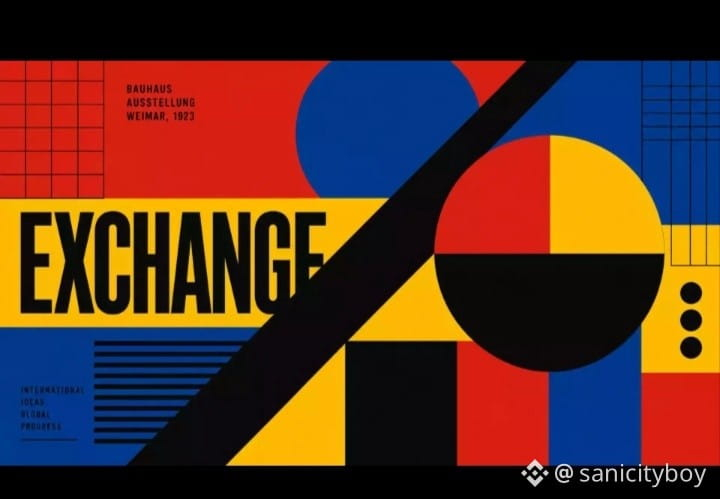
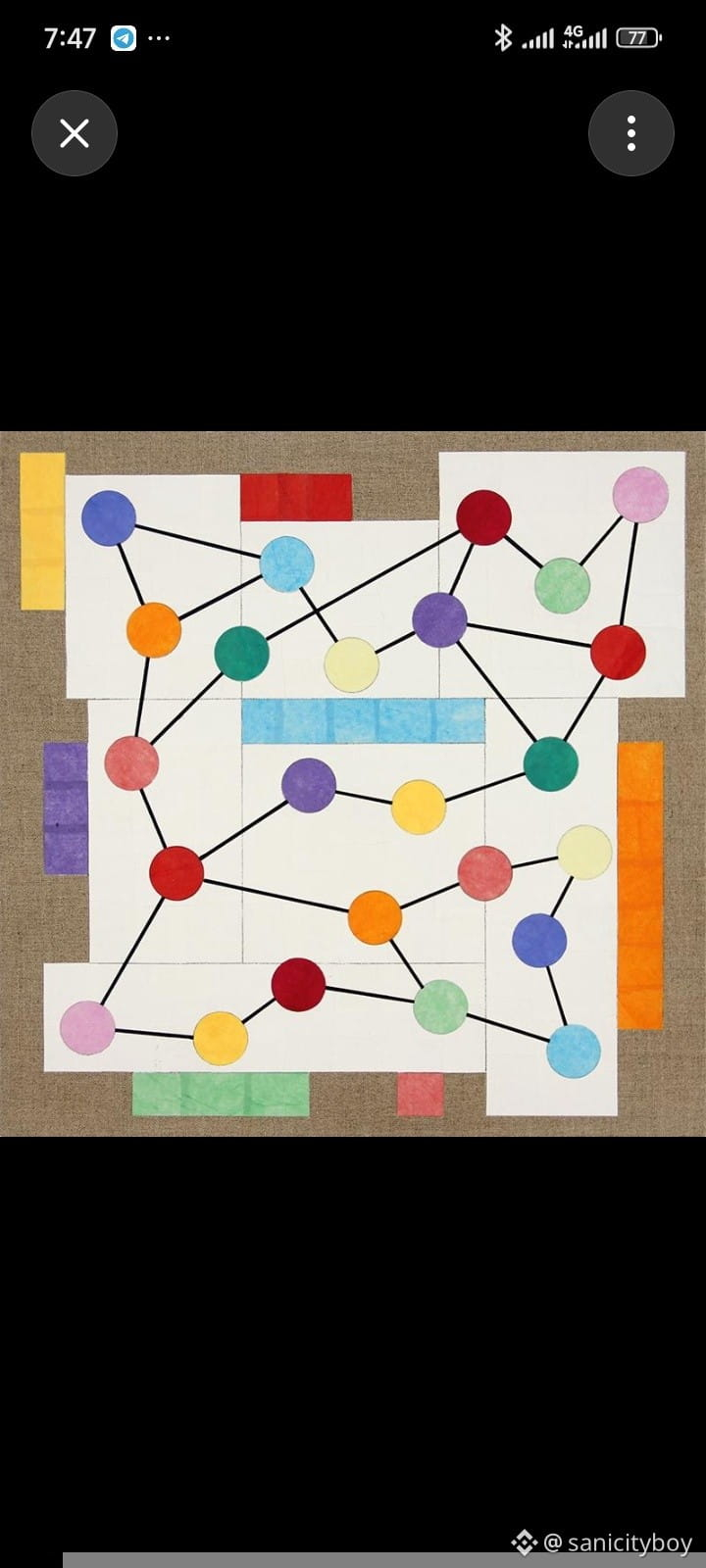
CEX, DEX, DeFi & How Crypto Infrastructure Works
Understanding the Technology Powering Decentralized Finance.
The crypto ecosystem is built on interconnected technologies that make digital transactions, trading, and financial services possible without relying entirely on traditional institutions.
CEX (Centralized Exchange): Platforms operated by companies that allow users to buy, sell, and trade cryptocurrencies through centralized systems.
DEX (Decentralized Exchange): Blockchain-powered platforms that enable peer-to-peer crypto trading through smart contracts, giving users greater control over their assets.
DeFi (Decentralized Finance): An open financial ecosystem that uses blockchain technology and smart contracts to provide services such as lending, borrowing, staking, and trading without traditional intermediaries.
How Does Crypto Infrastructure Work?
Behind every crypto transaction is an infrastructure working together:
Blockchain: Records and verifies transactions.
Smart Contracts: Automate financial operations.
Wallets: Enable users to manage digital assets.
Oracles: Connect blockchain networks to real-world data.
Bridges: Connect different blockchain ecosystems.
The Bigger Picture
CEX provides accessibility, DEX enables decentralized trading, and DeFi creates new financial possibilities.
Together, they form the foundation of a new digital economy built around transparency, accessibility, and financial freedom.
Crypto is more than digital money; it is an entirely new financial infrastructure.


71
·
--
Übersetzung ansehen
Wallets, Private Keys, Public Keys & Seed Phrases: Understanding the Foundation of Crypto Ownership
The world of cryptocurrency is built on ownership, security, and control. At the heart of this ecosystem are four essential concepts: wallets, public keys, private keys, and seed phrases. Understanding how they work is fundamental to navigating Web3 safely and confidently.
1. Crypto Wallets: Your Gateway to Web3
A crypto wallet is a tool that allows you to manage your digital assets, interact with blockchain networks, and access decentralized applications (dApps). It doesn't physically store your cryptocurrency; instead, it manages the keys that prove ownership and authorize transactions.
2. Public Keys: Your Digital Identity
A public key is cryptographically linked to your private key. It helps generate your wallet address, which others can use to send you cryptocurrency. Think of it as your digital account number: you can share it without exposing your funds.
3. Private Keys: The Power of Ownership
Your private key is the secret that authorizes transactions and proves control over your assets. Anyone who gains access to it may gain control of your funds. It must remain confidential at all times.
4. Seed Phrases: Your Ultimate Recovery Key
A seed phrase is a sequence of 12 or 24 words used to recover a wallet and regenerate its keys. It serves as a critical backup if your device is lost, damaged, or inaccessible. Never share it or store it carelessly.
The Bigger Picture
In Web3, financial freedom comes with personal responsibility. There is no traditional password-reset button when you lose access to your wallet.
Remember: Your wallet connects you to Web3, your public key enables receiving, your private key grants control, and your seed phrase protects recovery.
True digital ownership begins with understanding how to protect it.
#blochain#digital#web3
_Sanicityboy
78
·
--
Übersetzung ansehen
WEB1, WEB2 AND WEB3: THE EVOLUTION OF THE INTERNET
From Reading to Creating, and Finally Owning.
The internet has undergone a remarkable transformation, changing how people access information, communicate, create content, and exchange value. This evolution is defined by three generations: Web1, Web2, and Web3.
1. Web1: The Read-Only Internet
Emerging in the early 1990s, Web1 introduced a world where users could access information through static websites. Interaction was limited, and most content was published and controlled by website owners.
Its defining purpose was information accessibility.
2. Web2: The Read-Write Internet
Web2 transformed the internet into an interactive ecosystem. Users could create content, share ideas, communicate, and build communities through platforms like Facebook, YouTube, Instagram, and X.
However, centralized companies largely controlled the platforms, user data, and digital infrastructure.
Its defining purpose was participation and connectivity.
3. Web3: The Read-Write-Own Internet
Web3 introduces a new vision of the internet powered by blockchain technology, decentralization, and digital ownership.
Through cryptocurrencies, NFTs, smart contracts, and decentralized applications (dApps), users can gain greater control over their digital assets and participate in decentralized ecosystems without relying entirely on centralized intermediaries.
Its defining purpose is ownership and user empowerment.
Why Does This Evolution Matter?
Web3 extends beyond cryptocurrency. It creates opportunities in decentralized finance (DeFi), digital identity, real-world asset (RWA) tokenization, and digital ownership.
Although challenges involving security, scalability, regulation, and adoption remain, its potential continues to attract innovation.
Final Thoughts
The evolution of the internet represents a fundamental shift in digital participation.
Web1 connected us to information. Web2 connected us to people. Web3 seeks to connect us to ownership.
#Web3 #Web2 #Web1 #Blockchain #InternetEvolution #DigitalOwnership
_Sanicityboy
75
·
--
Übersetzung ansehen
What Is Blockchain? Understanding Distributed Ledgers
Blockchain is one of the most important technologies powering the Web3 ecosystem. From Bitcoin and Ethereum to DeFi and NFTs, it is changing how people store, verify, and transfer digital value.
But what exactly is blockchain?
Blockchain is a distributed digital ledger that records transactions across a network of computers instead of relying entirely on one central authority.
It consists of connected blocks containing transaction data. Each block is cryptographically linked to the previous one, creating a chronological record that is difficult to alter without detection.
Understanding Distributed Ledgers
A Distributed Ledger Technology (DLT) is a shared database maintained by multiple network participants.
Unlike traditional databases controlled by a central administrator, distributed ledgers allow participants to verify and maintain shared records.
Blockchain is one form of DLT, but not every distributed ledger uses blockchain architecture.
How Does Blockchain Work?
The process is straightforward:
A user initiates a transaction.
The network receives and validates it.
Valid transactions are grouped into blocks.
Consensus establishes the accepted record.
The blockchain is updated.
Why Does It Matter?
Blockchain supports important Web3 innovations, including:
DeFi: Decentralized financial services.
NFTs: Verifiable digital ownership.
Smart Contracts: Automated digital agreements.
Tokenization: Representing assets digitally.
However, blockchain is not completely risk-free. Smart contract exploits, stolen private keys, and insecure bridges remain important security challenges.
Final Thoughts
Blockchain is more than cryptocurrency. It represents a new approach to digital ownership, transparency, and trust.
Understanding blockchain means understanding the foundation upon which much of Web3 is being built.
Learn the technology. Look beyond the speculation.
— Sanicityboy
#Blockchain #Web3 #CryptoEducation
134
·
--
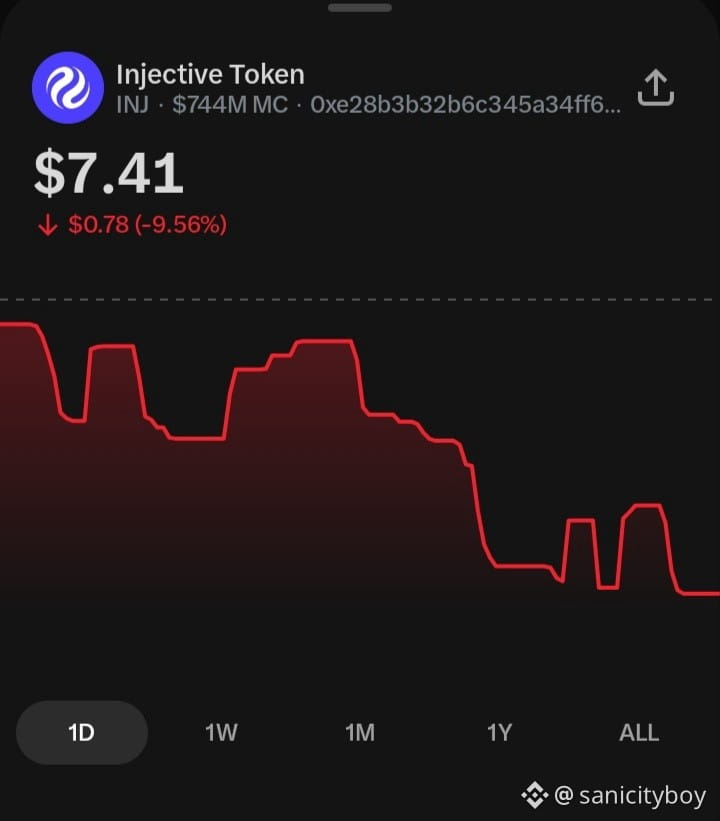
$INJ-Inhaber, wir sind gesegnet 🤸
Geduld zahlt sich aus, Hausa-Leute
$INJ-Inhaber, wir sind gesegnet 🤸
Geduld zahlt sich aus, Hausa-Leute
Geduld zahlt sich aus, Hausa-Leute
440
Anmelden und weiter Inhalte entdecken
Krypto-Nutzer weltweit auf Binance Square kennenlernen
⚡️ Bleib in Sachen Krypto stets am Puls.
💬 Die weltgrößte Kryptobörse vertraut darauf.
👍 Erhalte verlässliche Einblicke von verifizierten Creators.
E-Mail-Adresse/Telefonnummer
Trendthemen
A Packed Week of Earnings and Data Tests Markets
37,773 Aufrufe
272 Kommentare
🚨🇺🇸 GROSSE WOCHE FÜR DIE MÄRKTE!
Die Märkte rechnen im Dezember mit einer Zinserhöhung der Fed, und $BTC könnte nächste Woche für starke Bewegungen sorgen.
Das steht an:
• Montag: Fed-Chef Warsh spricht
• Dienstag: US-Einzelhandelsumsätze + Quartalszahlen von $NVDA
• Mittwoch: FOMC-Protokoll
• Donnerstag: Erstanträge auf Arbeitslosenhilfe + Philly-Fed-Index
• Freitag: Verbraucherstimmung + Reden von Fed-Vertretern
Alle Augen richten sich auf $BTC , während eine weitere wichtige Woche beginnt.
#bitcoin
Mookie
·10 Likes
·5.3k Aufrufe
AnthropicIPOTestsInvestorAppetiteForAI
46,007 Aufrufe
844 Kommentare
BitcoinExtendsLosingStreakToSixWeeks
7,273 Aufrufe
203 Kommentare