

Only-Profit OP
7.1k Beiträge

Only-Profit OP
Melden
Nutzer blockieren
Professional Crypto analyst | daily trading setups & market insights | no noise just results | Blockchain Expert |X@onlyprofit07
Gelegenheitstrader
5.4 Jahre
210 Following
11.3K+ Follower
4.1K+ Like gegeben
Beiträge
Alle
Zitierungen
Videos
Live
Übersetzung ansehen
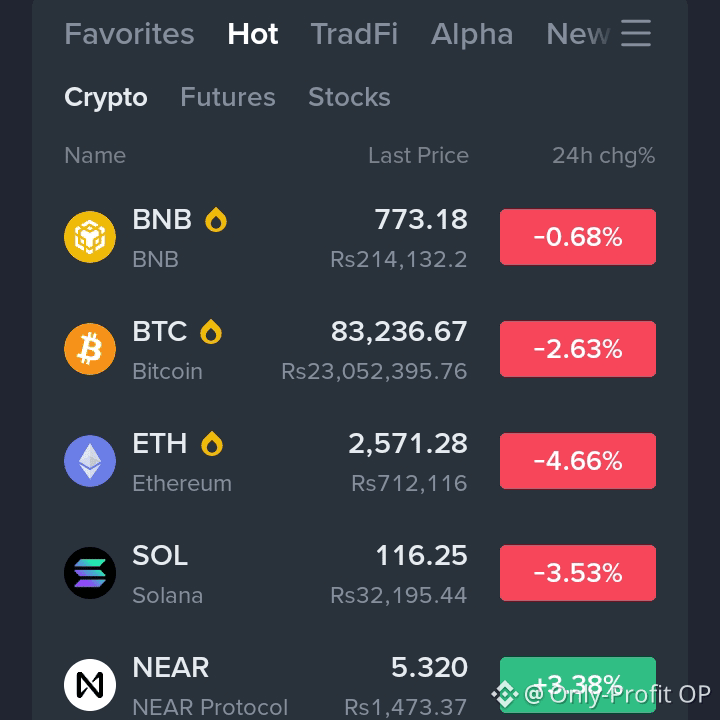
Good morning, traders ☀️
The market is starting the day in the red:
$BTC — 83,236
$ETH — 2,571
$SOL — 116
$BNB — 773
But $NEAR is standing out with +3.36% while the majors are bleeding.
New day, new setups. Let’s see what the market gives us today. 👀📈
{future}(BTCUSDT)
Good morning, traders ☀️
The market is starting the day in the red:
$BTC — 83,236
$ETH — 2,571
$SOL — 116
$BNB — 773
But $NEAR is standing out with +3.36% while the majors are bleeding.
New day, new setups. Let’s see what the market gives us today. 👀📈
The market is starting the day in the red:
$BTC — 83,236
$ETH — 2,571
$SOL — 116
$BNB — 773
But $NEAR is standing out with +3.36% while the majors are bleeding.
New day, new setups. Let’s see what the market gives us today. 👀📈
148
Übersetzung ansehen
If you had $1,000 to put into just ONE coin today, which one are you choosing? 👀
👀 $QNT
{future}(QNTUSDT)
🔥 $SAND
{future}(SANDUSDT)
🚀 $PUMP
{future}(PUMPUSDT)
Which one do you think has the biggest move ahead?
Drop your pick below 👇
If you had $1,000 to put into just ONE coin today, which one are you choosing? 👀
👀 $QNT
🔥 $SAND
🚀 $PUMP
Which one do you think has the biggest move ahead?
Drop your pick below 👇
👀 $QNT
🔥 $SAND
🚀 $PUMP
Which one do you think has the biggest move ahead?
Drop your pick below 👇
$QNT
$SAND
$PUMP
10 Stunde(n) übrig
35
·
--
Bullisch
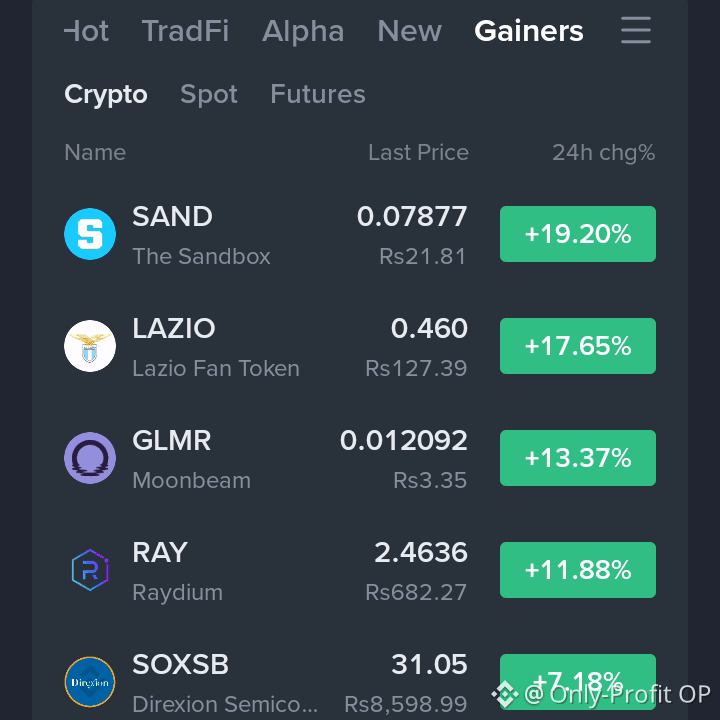
🚨 Die größten Gewinner legen heute ordentlich zu!
$SAND +19.20% 🔥
$LAZIO +17.65%
$GLMR +13.37%
$RAY +11.88%
$SOXSB +7.18%
$SAND liegt aktuell vorn. 👀
Welche Aktie beobachtest du für den nächsten Move?
{spot}(GLMRUSDT)
🚨 Die größten Gewinner legen heute ordentlich zu!
$SAND +19.20% 🔥
$LAZIO +17.65%
$GLMR +13.37%
$RAY +11.88%
$SOXSB +7.18%
$SAND liegt aktuell vorn. 👀
Welche Aktie beobachtest du für den nächsten Move?
$SAND +19.20% 🔥
$LAZIO +17.65%
$GLMR +13.37%
$RAY +11.88%
$SOXSB +7.18%
$SAND liegt aktuell vorn. 👀
Welche Aktie beobachtest du für den nächsten Move?
129
Übersetzung ansehen
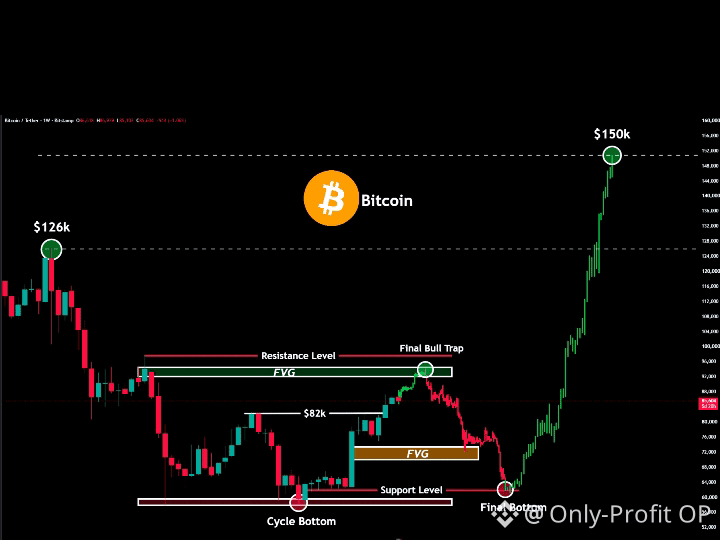
🚨 The final bull trap might be setting up.
I warned you before, and I’m saying it again.
I’m expecting $BTC to push into the 93K–95K resistance zone next week. If that area gets rejected, the downside could get brutal.
85K → 95K → 75K → 70K → 61K
That could be the path before Bitcoin finally finds its bottom.
Keep watching. I’ll post the next update here first. 👀
Follow + turn on notifications so you don’t miss it.
🚨 The final bull trap might be setting up.
I warned you before, and I’m saying it again.
I’m expecting $BTC to push into the 93K–95K resistance zone next week. If that area gets rejected, the downside could get brutal.
85K → 95K → 75K → 70K → 61K
That could be the path before Bitcoin finally finds its bottom.
Keep watching. I’ll post the next update here first. 👀
Follow + turn on notifications so you don’t miss it.
I warned you before, and I’m saying it again.
I’m expecting $BTC to push into the 93K–95K resistance zone next week. If that area gets rejected, the downside could get brutal.
85K → 95K → 75K → 70K → 61K
That could be the path before Bitcoin finally finds its bottom.
Keep watching. I’ll post the next update here first. 👀
Follow + turn on notifications so you don’t miss it.
1
17
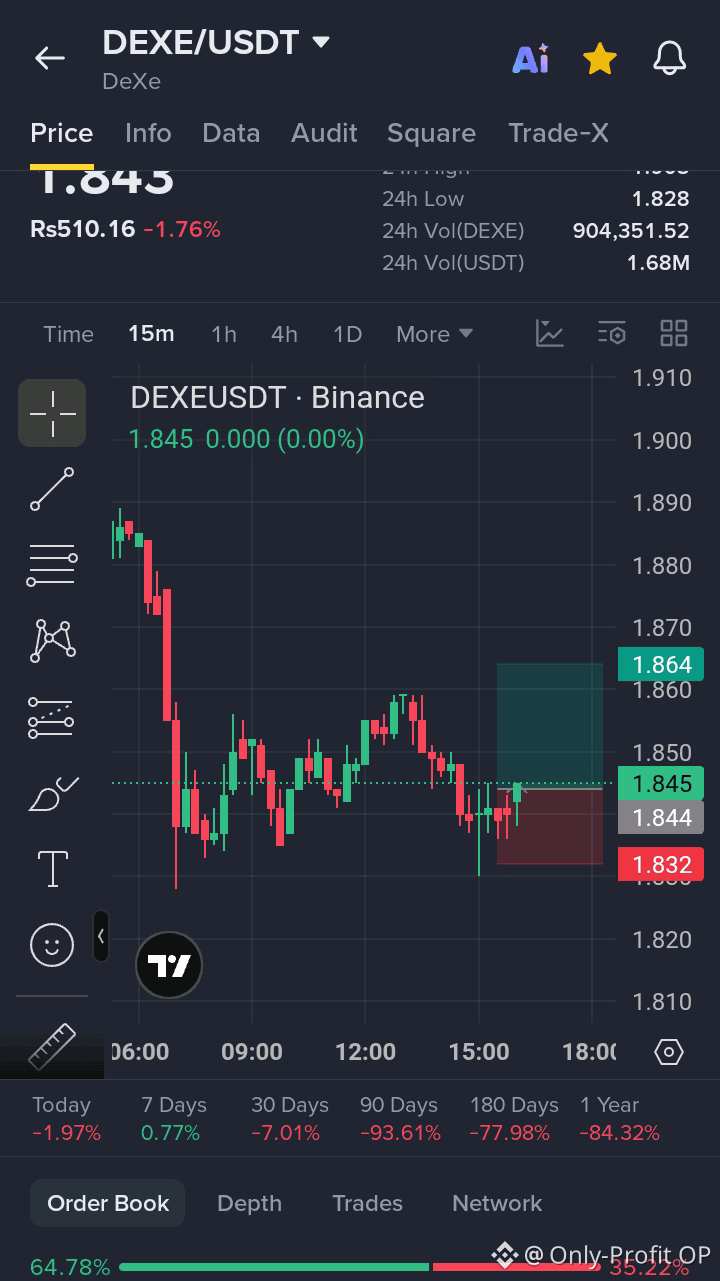
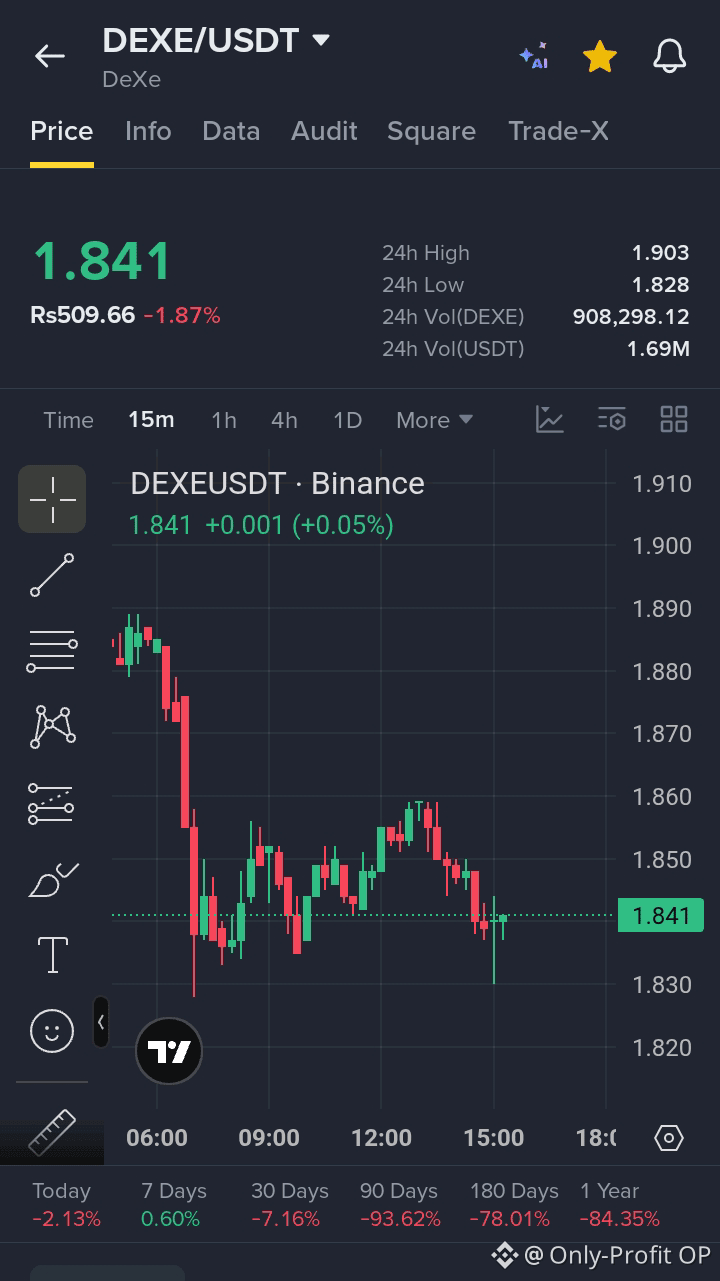
$DEXE konsolidiert sich nach dem starken Rückgang im Bereich von 1.844–1.850.
Wichtige Marken:
Einstieg: 1.844–1.847
TP1: 1.855
TP2: 1.864
SL: 1.832
Der Kurs hält sich in der lokalen Unterstützungszone, und die Käufer versuchen, ein höheres Tief auszubilden. Ein klarer Ausbruch über 1.850 könnte dem Long-Setup mehr Schwung verleihen.
Ungültigkeit: Fällt die Marke von 1.832, würde ich mich aus dem Long-Setup zurückziehen.
{future}(DEXEUSDT)
$DEXE konsolidiert sich nach dem starken Rückgang im Bereich von 1.844–1.850.
Wichtige Marken:
Einstieg: 1.844–1.847
TP1: 1.855
TP2: 1.864
SL: 1.832
Der Kurs hält sich in der lokalen Unterstützungszone, und die Käufer versuchen, ein höheres Tief auszubilden. Ein klarer Ausbruch über 1.850 könnte dem Long-Setup mehr Schwung verleihen.
Ungültigkeit: Fällt die Marke von 1.832, würde ich mich aus dem Long-Setup zurückziehen.
Wichtige Marken:
Einstieg: 1.844–1.847
TP1: 1.855
TP2: 1.864
SL: 1.832
Der Kurs hält sich in der lokalen Unterstützungszone, und die Käufer versuchen, ein höheres Tief auszubilden. Ein klarer Ausbruch über 1.850 könnte dem Long-Setup mehr Schwung verleihen.
Ungültigkeit: Fällt die Marke von 1.832, würde ich mich aus dem Long-Setup zurückziehen.
1
40
Ich warte geduldig darauf, dass $DEXE die Zone von $7–$12 erreicht, auch wenn es noch ein paar Wochen dauern sollte. 😔
$DEXE gewinnt seit mehr als zwei Monaten an Schwung, also bleibe ich geduldig.
Ich habe auch große Hoffnungen für $MARSCOIN und würde mich freuen, wenn der Kurs etwa $0.50 erreicht. 🔥
Keine Eile — lassen wir den Markt machen.
Was denkt ihr?
Wann wird $DEXE $7–$12 erreichen und $MARSCOIN die $0.50? 👀
Ich warte geduldig darauf, dass $DEXE die Zone von $7–$12 erreicht, auch wenn es noch ein paar Wochen dauern sollte. 😔
$DEXE gewinnt seit mehr als zwei Monaten an Schwung, also bleibe ich geduldig.
Ich habe auch große Hoffnungen für $MARSCOIN und würde mich freuen, wenn der Kurs etwa $0.50 erreicht. 🔥
Keine Eile — lassen wir den Markt machen.
Was denkt ihr?
Wann wird $DEXE $7–$12 erreichen und $MARSCOIN die $0.50? 👀
$DEXE gewinnt seit mehr als zwei Monaten an Schwung, also bleibe ich geduldig.
Ich habe auch große Hoffnungen für $MARSCOIN und würde mich freuen, wenn der Kurs etwa $0.50 erreicht. 🔥
Keine Eile — lassen wir den Markt machen.
Was denkt ihr?
Wann wird $DEXE $7–$12 erreichen und $MARSCOIN die $0.50? 👀
1
94
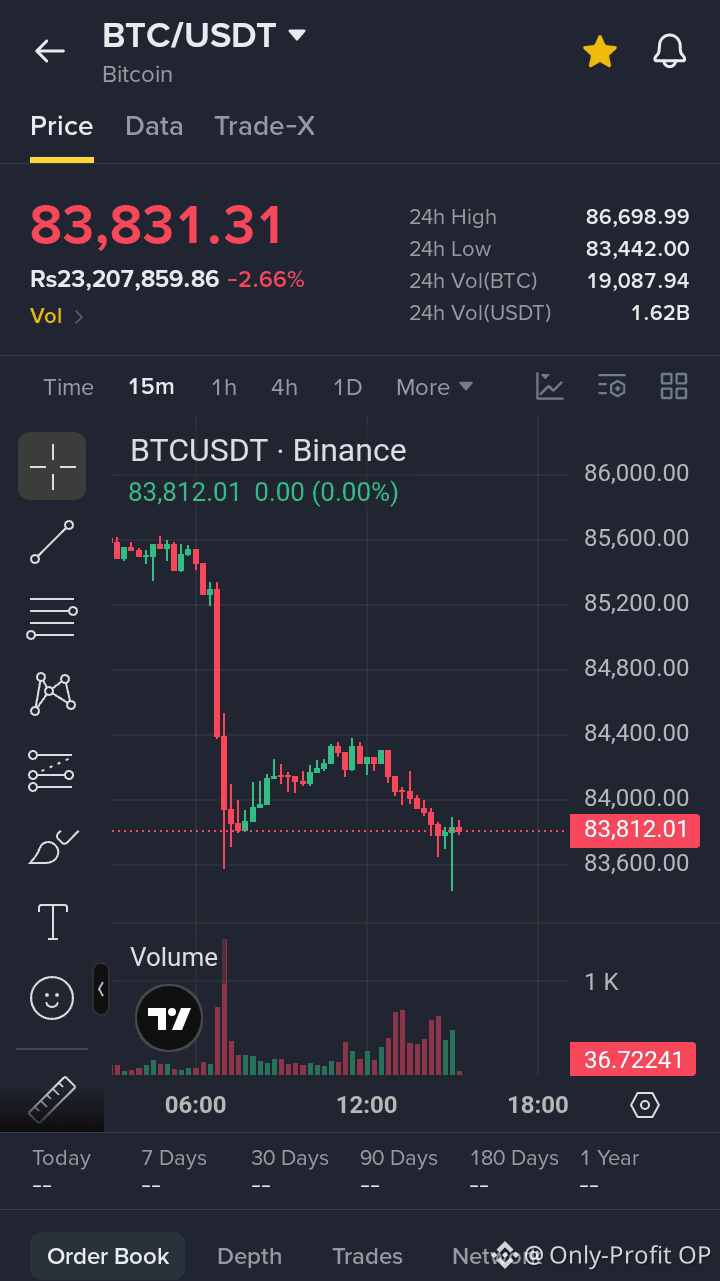
🚨 Long-Positionen im Wert von 400 Mio. $ bei $BTC wurden innerhalb von nur 15 Minuten liquidiert.
Bitcoins Kursrutsch unter 84.000 $ löste einen heftigen Abbau von Hebelpositionen aus und zwang übermäßig gehebelte Long-Positionen zum Schließen. Dadurch nahm der Verkaufsdruck weiter zu.
Jetzt kommt es auf die Reaktion an.
Eine schnelle Rückeroberung der 84.000 $ könnte Käufer zurückbringen. Bleibt $BTC darunter, ist die Marke von 82.700 $ das nächste Niveau, das ich im Blick habe.
Mal sehen, ob die Bullen diese Zone verteidigen können. 👀
#Bitcoin
{future}(BTCUSDT)
🚨 Long-Positionen im Wert von 400 Mio. $ bei $BTC wurden innerhalb von nur 15 Minuten liquidiert.
Bitcoins Kursrutsch unter 84.000 $ löste einen heftigen Abbau von Hebelpositionen aus und zwang übermäßig gehebelte Long-Positionen zum Schließen. Dadurch nahm der Verkaufsdruck weiter zu.
Jetzt kommt es auf die Reaktion an.
Eine schnelle Rückeroberung der 84.000 $ könnte Käufer zurückbringen. Bleibt $BTC darunter, ist die Marke von 82.700 $ das nächste Niveau, das ich im Blick habe.
Mal sehen, ob die Bullen diese Zone verteidigen können. 👀
#Bitcoin
Bitcoins Kursrutsch unter 84.000 $ löste einen heftigen Abbau von Hebelpositionen aus und zwang übermäßig gehebelte Long-Positionen zum Schließen. Dadurch nahm der Verkaufsdruck weiter zu.
Jetzt kommt es auf die Reaktion an.
Eine schnelle Rückeroberung der 84.000 $ könnte Käufer zurückbringen. Bleibt $BTC darunter, ist die Marke von 82.700 $ das nächste Niveau, das ich im Blick habe.
Mal sehen, ob die Bullen diese Zone verteidigen können. 👀
#Bitcoin
1
46
Übersetzung ansehen
If you had $1,000 to put into just ONE coin today, where would you put it?
👀 $QNT
🔥 $SAND
🚀 $PUMP
Which one has the biggest move ahead?
Drop your pick below 👇
If you had $1,000 to put into just ONE coin today, where would you put it?
👀 $QNT
🔥 $SAND
🚀 $PUMP
Which one has the biggest move ahead?
Drop your pick below 👇
👀 $QNT
🔥 $SAND
🚀 $PUMP
Which one has the biggest move ahead?
Drop your pick below 👇
$QNT
$SAND
$PUMP
4 Stunde(n) übrig
44
·
--
Bullisch
Übersetzung ansehen
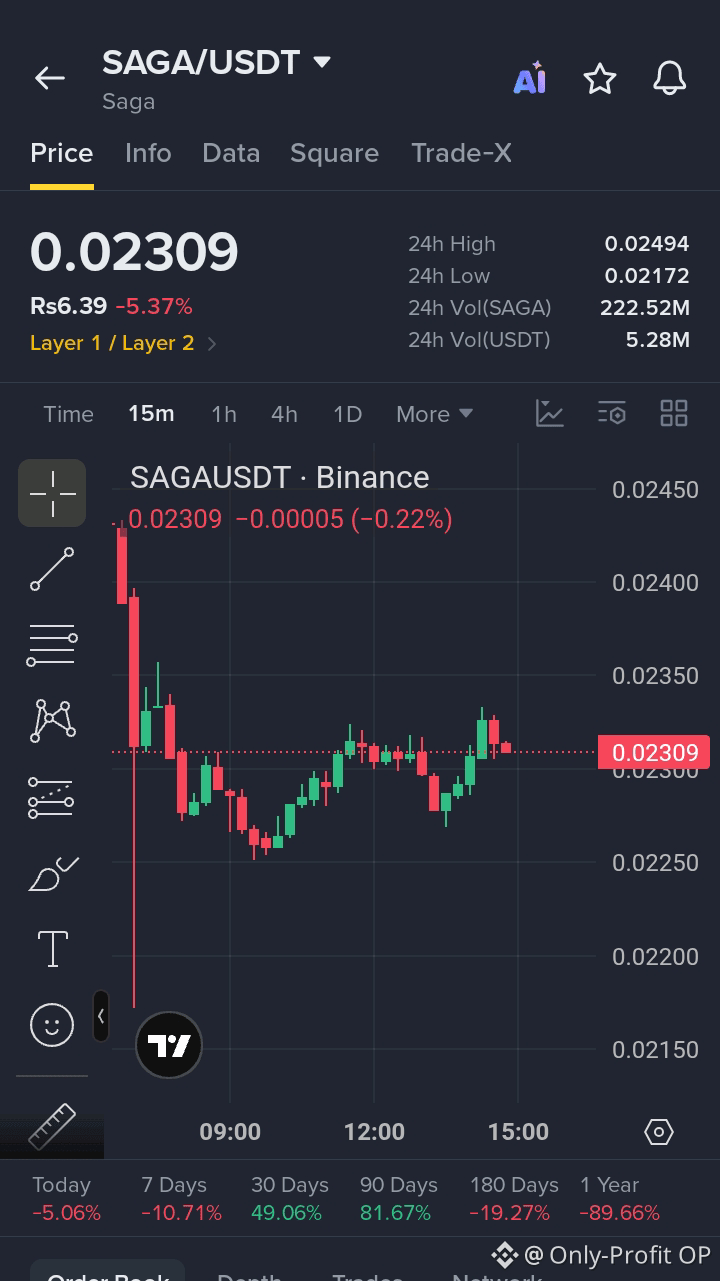
$SAGA volume is starting to get interesting. 👀
The volume is picking up, and I’m watching for a strong move from here.
If momentum continues, $SAGA could push toward the $0.37–$0.73 zone in the coming days.
I’m keeping $SAGA on my radar. 🚀
DYOR, not financial advice.
{future}(SAGAUSDT)
$SAGA volume is starting to get interesting. 👀
The volume is picking up, and I’m watching for a strong move from here.
If momentum continues, $SAGA could push toward the $0.37–$0.73 zone in the coming days.
I’m keeping $SAGA on my radar. 🚀
DYOR, not financial advice.
The volume is picking up, and I’m watching for a strong move from here.
If momentum continues, $SAGA could push toward the $0.37–$0.73 zone in the coming days.
I’m keeping $SAGA on my radar. 🚀
DYOR, not financial advice.
72
Übersetzung ansehen
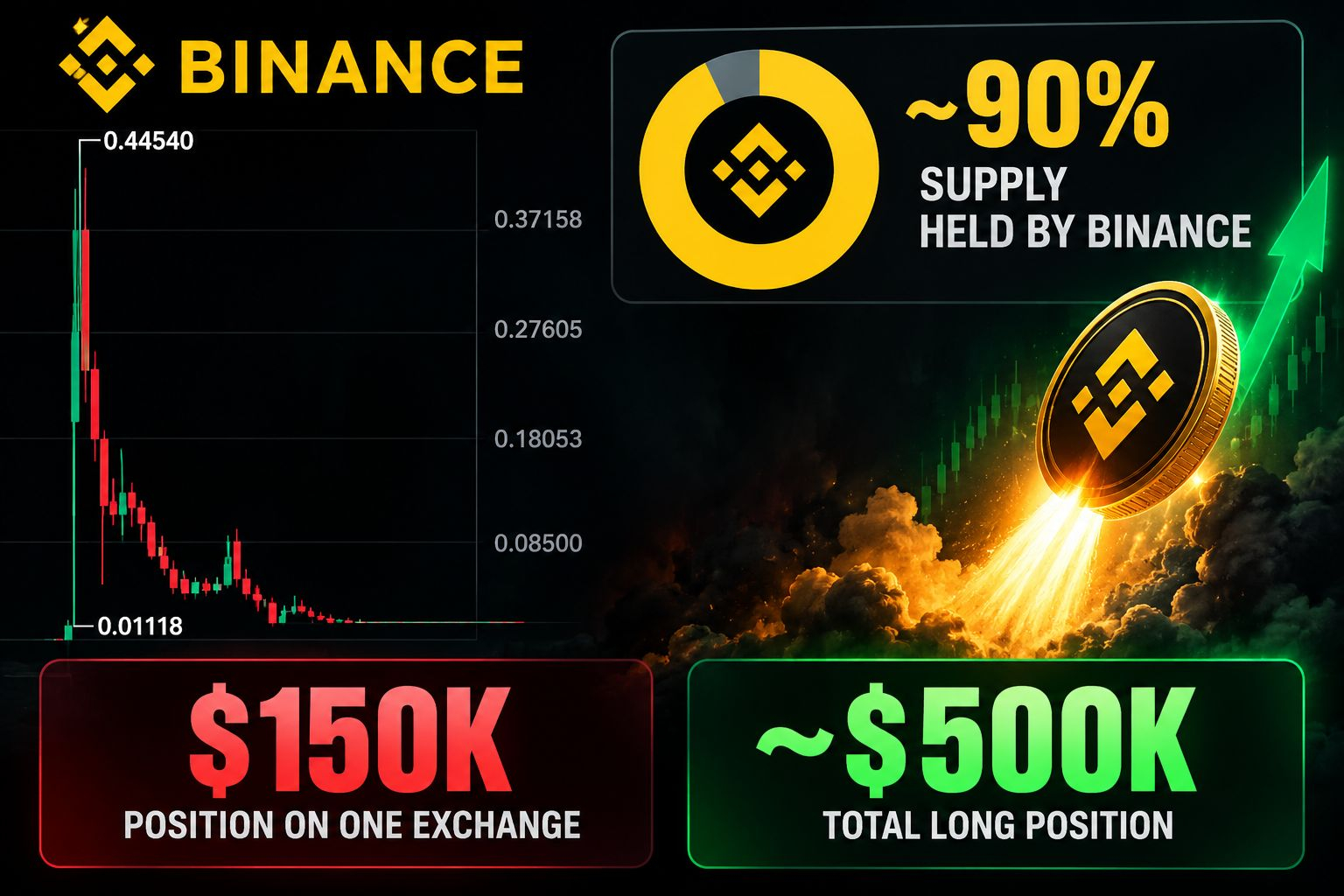
This is the token I told you about Binance is reportedly holding almost 90% of the supply.
I opened a $150K position on one exchange, and overall I’m holding nearly $500K LONG on this sub-$10M market cap token.
Am I crazy for taking this size? 😂
Could the MM try to liquidate me? We’ll see.
Now we wait for the market to decide.
NFA. DYOR. Not financial advice.
This is the token I told you about Binance is reportedly holding almost 90% of the supply.
I opened a $150K position on one exchange, and overall I’m holding nearly $500K LONG on this sub-$10M market cap token.
Am I crazy for taking this size? 😂
Could the MM try to liquidate me? We’ll see.
Now we wait for the market to decide.
NFA. DYOR. Not financial advice.
I opened a $150K position on one exchange, and overall I’m holding nearly $500K LONG on this sub-$10M market cap token.
Am I crazy for taking this size? 😂
Could the MM try to liquidate me? We’ll see.
Now we wait for the market to decide.
NFA. DYOR. Not financial advice.
80
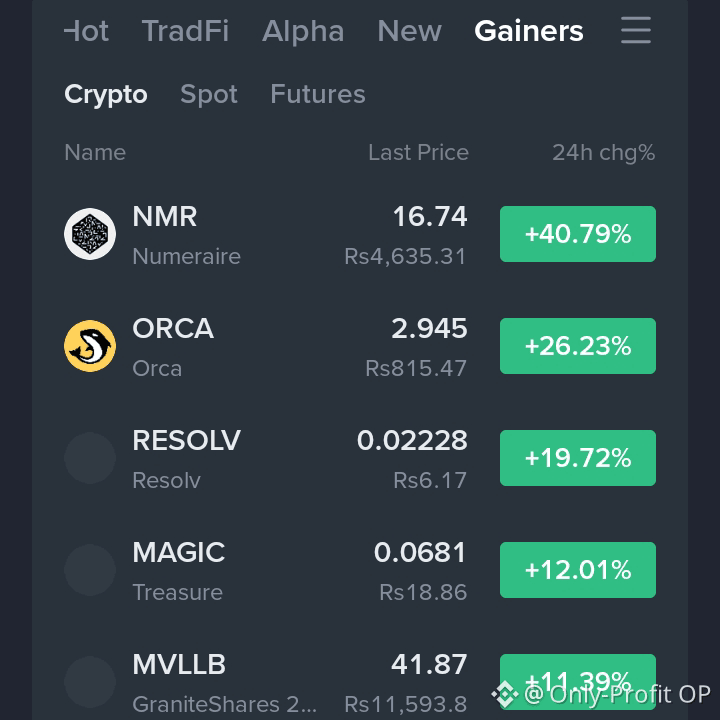
🔥 Die Top-Performer legen heute Morgen ordentlich zu.
NMR führt heute mit +40 % die Rangliste an, während ORCA um mehr als 26 % gestiegen ist.
Auch RESOLV, MAGIC und MVLLB zeigen eine starke Dynamik.
Die entscheidende Frage ist jetzt: Wer hält den Schwung aufrecht und wird zum nächsten großen Gewinner? 👀
NMR
ORCA
RESOLV
MAGIC
MVLLB
🔥 Die Top-Performer legen heute Morgen ordentlich zu.
NMR führt heute mit +40 % die Rangliste an, während ORCA um mehr als 26 % gestiegen ist.
Auch RESOLV, MAGIC und MVLLB zeigen eine starke Dynamik.
Die entscheidende Frage ist jetzt: Wer hält den Schwung aufrecht und wird zum nächsten großen Gewinner? 👀
NMR
ORCA
RESOLV
MAGIC
MVLLB
NMR führt heute mit +40 % die Rangliste an, während ORCA um mehr als 26 % gestiegen ist.
Auch RESOLV, MAGIC und MVLLB zeigen eine starke Dynamik.
Die entscheidende Frage ist jetzt: Wer hält den Schwung aufrecht und wird zum nächsten großen Gewinner? 👀
NMR
ORCA
RESOLV
MAGIC
MVLLB
214
Übersetzung ansehen
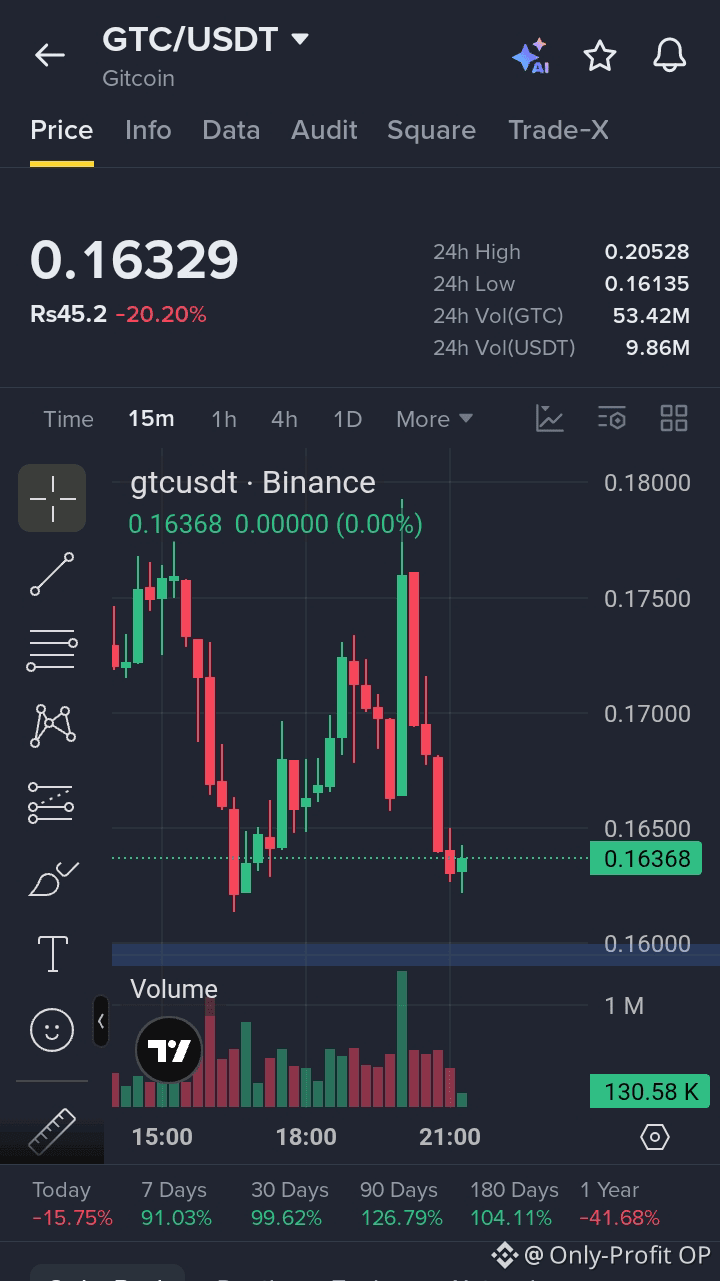
$GTC could be setting up for a move like $FLUID and $RLC .
Momentum is building, and if the breakout confirms, this one could move fast.
Massive pump loading… 👀
$GTC could be setting up for a move like $FLUID and $RLC .
Momentum is building, and if the breakout confirms, this one could move fast.
Massive pump loading… 👀
Momentum is building, and if the breakout confirms, this one could move fast.
Massive pump loading… 👀
120
Übersetzung ansehen
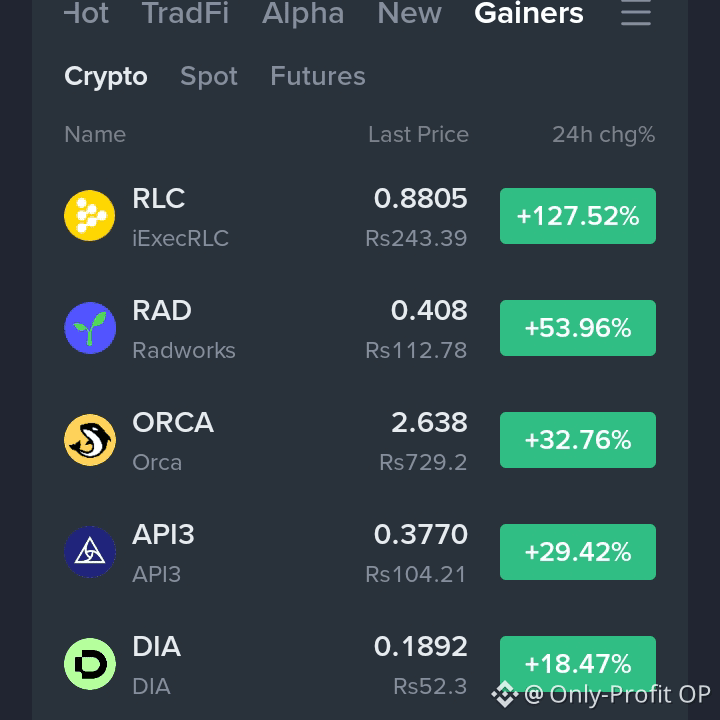
🔥 Gainers are moving hard right now.
$RLC +127.52%
$RAD +53.96%
$ORCA +32.76%
$API3 +29.42%
$DIA +18.47%
is leading the board by a huge margin. The real question now: which one still has room for another leg up? 👀
Keep these on the radar, but don’t chase after massive pumps.
{future}(RLCUSDT)
🔥 Gainers are moving hard right now.
$RLC +127.52%
$RAD +53.96%
$ORCA +32.76%
$API3 +29.42%
$DIA +18.47%
is leading the board by a huge margin. The real question now: which one still has room for another leg up? 👀
Keep these on the radar, but don’t chase after massive pumps.
$RLC +127.52%
$RAD +53.96%
$ORCA +32.76%
$API3 +29.42%
$DIA +18.47%
is leading the board by a huge margin. The real question now: which one still has room for another leg up? 👀
Keep these on the radar, but don’t chase after massive pumps.
170
Übersetzung ansehen
Mid-caps are getting interesting 👀
The next big moves might not come from the majors.
$INJ is showing strength.
$SEI is starting to catch my attention.
$TIA could surprise if momentum returns.
$JUP is still firmly on my radar.
If liquidity rotates back into alts, these could move fast.
Keep them on watch. Wait for confirmation. Don’t chase.
Mid-caps are getting interesting 👀
The next big moves might not come from the majors.
$INJ is showing strength.
$SEI is starting to catch my attention.
$TIA could surprise if momentum returns.
$JUP is still firmly on my radar.
If liquidity rotates back into alts, these could move fast.
Keep them on watch. Wait for confirmation. Don’t chase.
The next big moves might not come from the majors.
$INJ is showing strength.
$SEI is starting to catch my attention.
$TIA could surprise if momentum returns.
$JUP is still firmly on my radar.
If liquidity rotates back into alts, these could move fast.
Keep them on watch. Wait for confirmation. Don’t chase.
$SEI
50%
$JUP
50%
$TIA
0%
2 Stimmen • Abstimmung beendet
88
Übersetzung ansehen
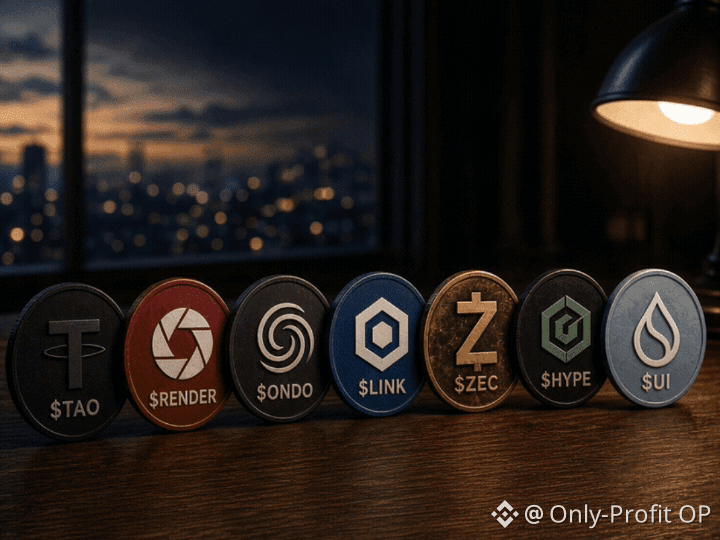
Most people will choose the wrong coin here.
TAO
RENDER
$ONDO
LINK
ZEC
$HYPE
$SUI
Only a few are likely to lead the next rotation.
Which one are you holding when it starts? 👀
{future}(ONDOUSDT)
Most people will choose the wrong coin here.
TAO
RENDER
$ONDO
LINK
ZEC
$HYPE
$SUI
Only a few are likely to lead the next rotation.
Which one are you holding when it starts? 👀
TAO
RENDER
$ONDO
LINK
ZEC
$HYPE
$SUI
Only a few are likely to lead the next rotation.
Which one are you holding when it starts? 👀
114
Wenn du heute 1.000 $ in nur EINEN Coin investieren könntest, für welchen würdest du dich entscheiden?
👀 $QNT
🔥 $SAND
🚀 $PUMP
Welcher wird deiner Meinung nach den größten Kurssprung machen?
Schreib deine Wahl unten in die Kommentare 👇
Wenn du heute 1.000 $ in nur EINEN Coin investieren könntest, für welchen würdest du dich entscheiden?
👀 $QNT
🔥 $SAND
🚀 $PUMP
Welcher wird deiner Meinung nach den größten Kurssprung machen?
Schreib deine Wahl unten in die Kommentare 👇
👀 $QNT
🔥 $SAND
🚀 $PUMP
Welcher wird deiner Meinung nach den größten Kurssprung machen?
Schreib deine Wahl unten in die Kommentare 👇
👀 $QNT
34%
🔥 $SAND
32%
🚀 $PUMP
34%
190 Stimmen • Abstimmung beendet
1
4.5k
Guten Morgen, Trader ☀️
EILMELDUNG: Evernorths Fusionsabstimmung ist offiziell angenommen worden. Damit ist der Weg frei für einen möglichen XRP-Treasury-Deal im Wert von 473 Millionen US-Dollar.
Durch die Transaktion könnte eine der größten XRP-Treasury-Strategien von Unternehmen entstehen. Nach der Zustimmung der Aktionäre kann die Fusion nun voranschreiten.
$XRP könnte interessant zu beobachten sein, während sich die Dinge weiterentwickeln. 👀
#evernorthxrptreasurycompletesspacmerger $HK0625 $SAMSUNGEM
{future}(XRPUSDT)
Guten Morgen, Trader ☀️
EILMELDUNG: Evernorths Fusionsabstimmung ist offiziell angenommen worden. Damit ist der Weg frei für einen möglichen XRP-Treasury-Deal im Wert von 473 Millionen US-Dollar.
Durch die Transaktion könnte eine der größten XRP-Treasury-Strategien von Unternehmen entstehen. Nach der Zustimmung der Aktionäre kann die Fusion nun voranschreiten.
$XRP könnte interessant zu beobachten sein, während sich die Dinge weiterentwickeln. 👀
#evernorthxrptreasurycompletesspacmerger $HK0625 $SAMSUNGEM
EILMELDUNG: Evernorths Fusionsabstimmung ist offiziell angenommen worden. Damit ist der Weg frei für einen möglichen XRP-Treasury-Deal im Wert von 473 Millionen US-Dollar.
Durch die Transaktion könnte eine der größten XRP-Treasury-Strategien von Unternehmen entstehen. Nach der Zustimmung der Aktionäre kann die Fusion nun voranschreiten.
$XRP könnte interessant zu beobachten sein, während sich die Dinge weiterentwickeln. 👀
#evernorthxrptreasurycompletesspacmerger $HK0625 $SAMSUNGEM
116
Übersetzung ansehen
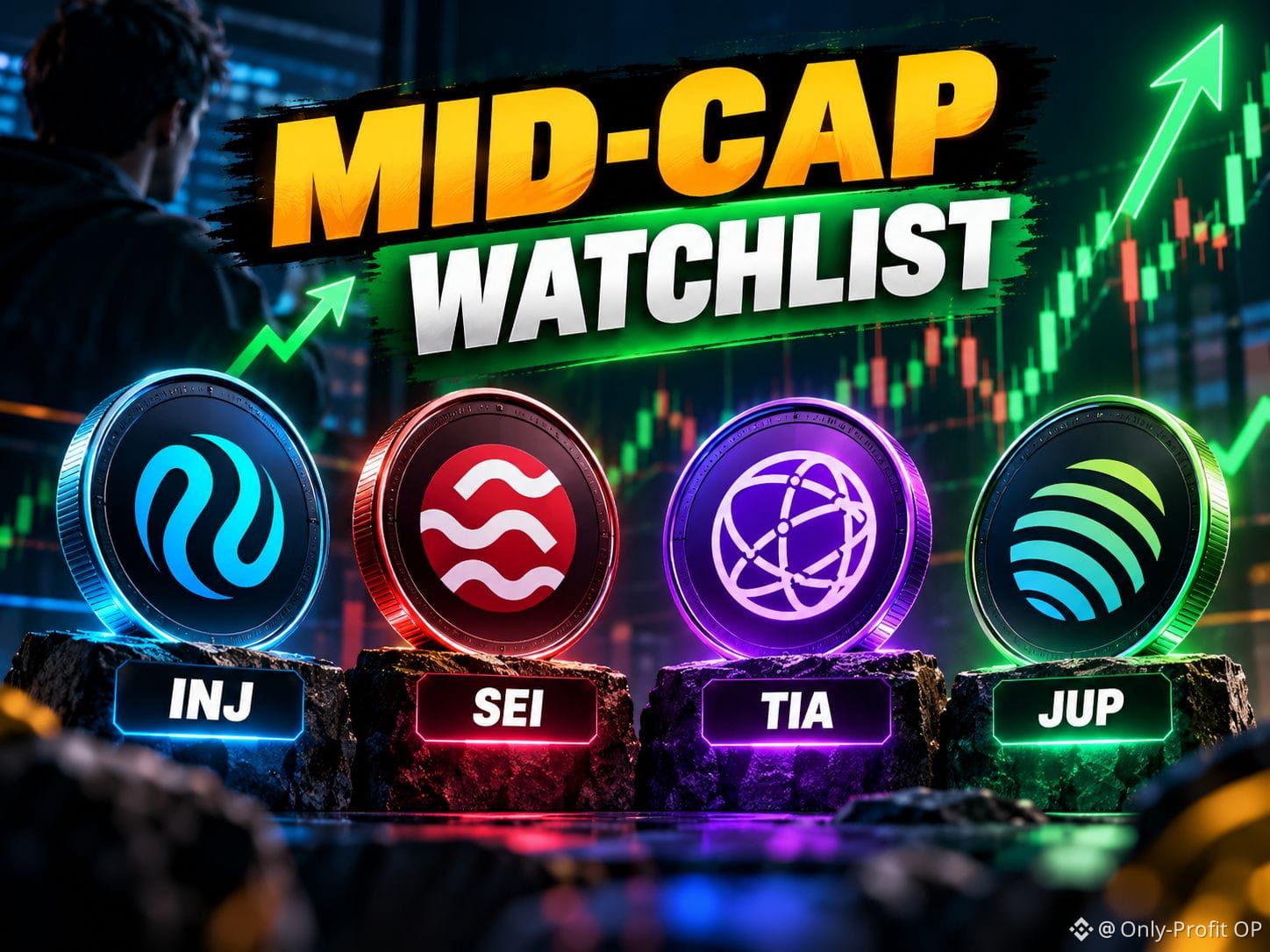
🚨 MID-CAP WATCHLIST ALERT
The real moves might not be coming from the majors right now.
$INJ is showing strength.
$SEI is worth watching.
$TIA could surprise if momentum kicks in.
$JUP is still on my radar.
If liquidity rotates back into altcoins, these could move fast.
Keep them on your watchlist and wait for confirmation before chasing. 👀
{future}(JUPUSDT)
🚨 MID-CAP WATCHLIST ALERT
The real moves might not be coming from the majors right now.
$INJ is showing strength.
$SEI is worth watching.
$TIA could surprise if momentum kicks in.
$JUP is still on my radar.
If liquidity rotates back into altcoins, these could move fast.
Keep them on your watchlist and wait for confirmation before chasing. 👀
The real moves might not be coming from the majors right now.
$INJ is showing strength.
$SEI is worth watching.
$TIA could surprise if momentum kicks in.
$JUP is still on my radar.
If liquidity rotates back into altcoins, these could move fast.
Keep them on your watchlist and wait for confirmation before chasing. 👀
85
·
--
Bullisch
Übersetzung ansehen
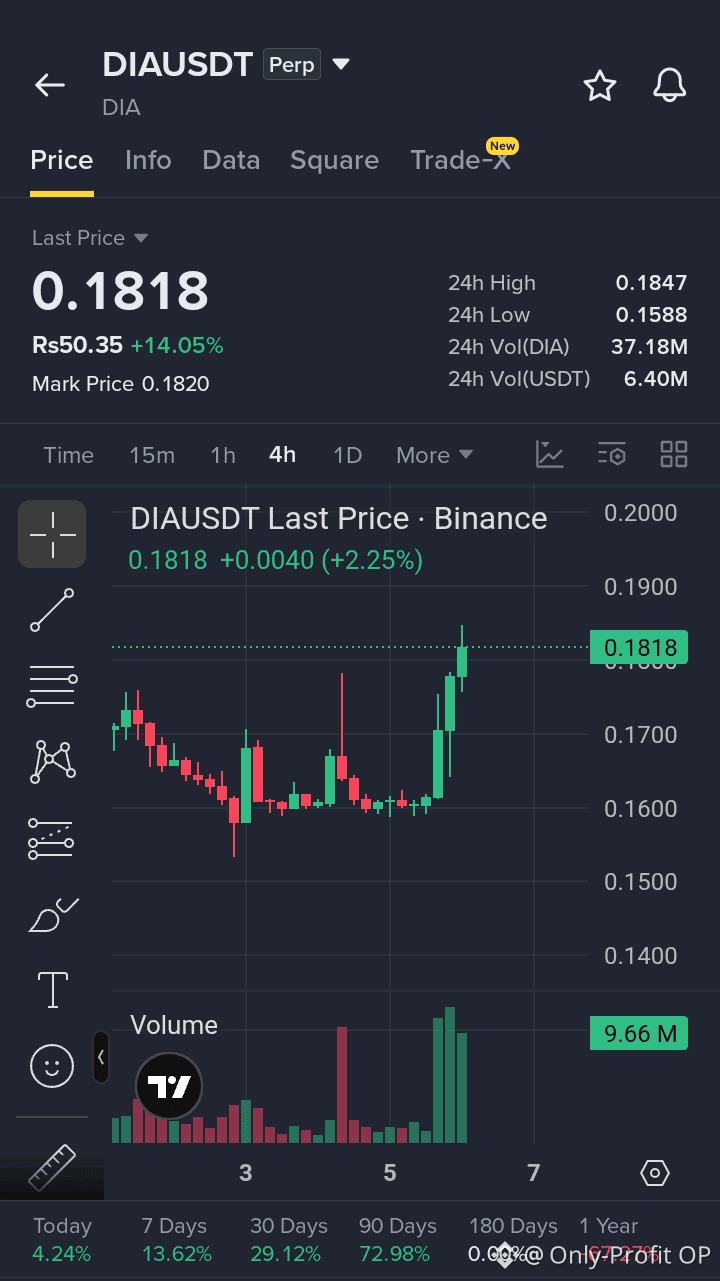
$DIA is looking strong after breaking out of the previous range.
I’ve opened a long here. The 4H structure is showing strong momentum, and if buyers keep the breakout zone intact, DIA could continue toward the next resistance levels.
$DIA — LONG
Entry: $0.1790–0.1830
TP1: $0.1870
TP2: $0.1910
TP3: $0.1960
SL: $0.1710
Can $DIA hold this breakout and reach $0.196? 👀
{future}(DIAUSDT)
$DIA is looking strong after breaking out of the previous range.
I’ve opened a long here. The 4H structure is showing strong momentum, and if buyers keep the breakout zone intact, DIA could continue toward the next resistance levels.
$DIA — LONG
Entry: $0.1790–0.1830
TP1: $0.1870
TP2: $0.1910
TP3: $0.1960
SL: $0.1710
Can $DIA hold this breakout and reach $0.196? 👀
I’ve opened a long here. The 4H structure is showing strong momentum, and if buyers keep the breakout zone intact, DIA could continue toward the next resistance levels.
$DIA — LONG
Entry: $0.1790–0.1830
TP1: $0.1870
TP2: $0.1910
TP3: $0.1960
SL: $0.1710
Can $DIA hold this breakout and reach $0.196? 👀
41
Übersetzung ansehen
guys today's $BTC update
{future}(BTCUSDT)
guys today's $BTC update
bullish 💚
75%
bearish ♥️
25%
4 Stimmen • Abstimmung beendet
81
Anmelden und weiter Inhalte entdecken
Krypto-Nutzer weltweit auf Binance Square kennenlernen
⚡️ Bleib in Sachen Krypto stets am Puls.
💬 Die weltgrößte Kryptobörse vertraut darauf.
👍 Erhalte verlässliche Einblicke von verifizierten Creators.
E-Mail-Adresse/Telefonnummer
Trendthemen
FedMinutesFocusOnOctoberPause
307,237 Aufrufe
1,874 Kommentare
🚨 HOHE ALARMSTUFE ‼️ BITTE HANDELT IN DER NÄCHSTEN STUNDE NICHT BLIND 🚨
Leute, in weniger als einer Stunde werden die FOMC-Protokolle veröffentlicht.
Nach der Volatilität, die wir heute bereits erlebt haben, möchte ich wirklich nicht, dass jemand kurz vor der Veröffentlichung irgendwelche zufälligen Positionen mit hohem Hebel eröffnet.
Die stärkste Reaktion erwarte ich bei Gold (XAU), Silber (XAG), BTC und ETH. Coins wie SOL und andere stark gehebelte Altcoins mit mittlerer oder niedriger Marktkapitalisierung können jede Bewegung von BTC noch verstärken.
Gold und Silber reagieren heute Abend besonders empfindlich, weil der Markt bereits auf den US-Dollar und die Renditen von US-Staatsanleihen reagiert und beide Metalle vor der Veröffentlichung der Fed-Protokolle stark unter Druck standen.
Kurz gesagt:
📉 FOMC-Protokolle mit falkenhaftem Ton → Dollar und Renditen können steigen → Druck auf BTC, Krypto, Gold und Silber
📈 FOMC-Protokolle mit taubenhaftem Ton → Dollar und Renditen können nachgeben → BTC, Gold, Silber und andere Risikoanlagen können kräftig steigen.
Und bitte denkt daran: Die erste Kerze kann eine Falle sein. Es kann zunächst zu einem Pump kommen, dann zu einem sofortigen Dump, Liquidationen auf beiden Seiten und erst danach zur tatsächlichen Richtungsbewegung.
Schützt also vorerst eure Positionen, reduziert unnötigen Hebel und springt nicht aus FOMO auf die erste Bewegung auf.
Heute Abend beobachte ich zuerst $XAU , $XAG und $BTC . An ihnen werden wir sehr schnell erkennen, wie der Markt die Fed einschätzt.
Ich halte euch rechtzeitig auf dem Laufenden.
Folgt @Panda Traders und aktiviert jetzt eure Benachrichtigungen.
#FedMinutesFocusOnOctoberPause
Panda Traders
·21 Likes
·4.9k Aufrufe
IMFGrantsWaiverForElSalvadorBitcoinBreach
4,159 Aufrufe
128 Kommentare
BinanceLaunchesBinanceIntelligence
1.2M Aufrufe
6,934 Kommentare