
Legendary of Cryptos
196 Beiträge

Legendary of Cryptos
Melden
Nutzer blockieren
Everyone welcome virtual money or cryptocurrency era🤑🤑🤑🤑🤑🤑🤑🤑
Trade eröffnen
Regelmäßiger Trader
4.5 Jahre
15 Following
303 Follower
356 Like gegeben
Beiträge
Portfolio
Alle
Zitierungen
Übersetzung ansehen
Crypto Market Update: Why the Market Is Under Pressure and How to Navigate It
The crypto market is seeing broad selling pressure. In the latest 24-hour market snapshot, Bitcoin fell -4.6% to $65,726.76, Ethereum declined -4.8% to $1,841.38, and Solana dropped -7.6% to $73.90. This indicates that the weakness is not limited to one asset; it reflects a wider reduction in risk appetite across the market.
What happened in the market?
The recent move appears to be driven by a combination of liquidity and sentiment factors.
A key development is the reported $17 billion reduction in stablecoin supply over the past month, described as the largest monthly decline since 2022. Stablecoins are often used as on-chain liquidity for trading, investing, and moving funds between crypto assets. When their supply decreases, it can indicate that some participants are converting funds back into fiat currencies or reducing exposure to crypto markets.
Lower available liquidity can make price moves sharper in both directions. During periods of selling, this may amplify volatility—especially in altcoins, which typically carry higher risk and can fall more quickly than Bitcoin.
The daily performance supports this pattern: while BTC and ETH were down by around 5%, SOL declined more sharply. This does not automatically determine what happens next, but it shows that riskier assets are currently experiencing stronger pressure.
Important developments beyond price action
Not all news is negative. Kazakhstan is reportedly preparing to issue tokenized government bonds in the first quarter of 2027, following an earlier tokenized central-bank-note sale. This is another sign that blockchain technology continues to gain attention in traditional finance.
At the same time, public data indicates that the U.S. government holds substantial digital-asset reserves, including Bitcoin and Ethereum. Large institutional and government-related holdings remain relevant to market sentiment because they can influence how participants think about future supply, regulation, and liquidity.

100

Artikel
Übersetzung ansehen
When the Market Goes Quiet: What Spot Traders Should DoA flat, low-volume market can feel frustrating, but it is often a period of preparation rather than a reason to force trades. When price movement is limited and liquidity is thin, impulsive entries may carry higher risk because small orders can create sudden swings and false breakouts.
For spot traders, patience becomes a strategy. Review your existing holdings, check whether the original reason for holding them still applies, and avoid chasing minor candles. Use this time to study market structure, watch key support and resistance areas, and follow major news, token updates, and broader risk sentiment.
Low volume can also be useful for building discipline. Instead of trading frequently, set clear rules for when you will participate: stronger volume, confirmed momentum, or a market move supported by real catalysts. Keep enough liquidity available and avoid putting all capital into one asset.
For all traders, the goal is not to trade every day—it is to protect capital and wait for conditions that match your plan. Quiet markets reward preparation, risk control, and emotional discipline.
#SpaceXTeslaMergerTalksWouldCombine30220BTC #PEPE
#BTC
#FET
When the Market Goes Quiet: What Spot Traders Should Do
A flat, low-volume market can feel frustrating, but it is often a period of preparation rather than a reason to force trades. When price movement is limited and liquidity is thin, impulsive entries may carry higher risk because small orders can create sudden swings and false breakouts.
For spot traders, patience becomes a strategy. Review your existing holdings, check whether the original reason for holding them still applies, and avoid chasing minor candles. Use this time to study market structure, watch key support and resistance areas, and follow major news, token updates, and broader risk sentiment.
Low volume can also be useful for building discipline. Instead of trading frequently, set clear rules for when you will participate: stronger volume, confirmed momentum, or a market move supported by real catalysts. Keep enough liquidity available and avoid putting all capital into one asset.
For all traders, the goal is not to trade every day—it is to protect capital and wait for conditions that match your plan. Quiet markets reward preparation, risk control, and emotional discipline.
#SpaceXTeslaMergerTalksWouldCombine30220BTC #PEPE
#BTC
#FET
120
$NEIRO Ich bin optimistisch 🔥❤️
$NEIRO Ich bin optimistisch 🔥❤️
1
303
2
234
$FET Alhamdulillah 7% Gewinn realisiert ✅
$FET Alhamdulillah 7% Gewinn realisiert ✅
1
103
·
--
Bullisch
Signal Ziel 00000700..du kannst kaufen und geduldig bleiben und folgen
Signal Ziel 00000700..du kannst kaufen und geduldig bleiben und folgen
1
148
·
--
Bullisch
$NEIRO Alhamdulillah 12% Gewinn aus neirousdt gebucht ❤️
$NEIRO Alhamdulillah 12% Gewinn aus neirousdt gebucht ❤️
1
168
Gewohnheiten, die jeder Scalping-Trader braucht, um konstant profitabel zu seinScalping-Handel ist einer der schnellsten und intensivsten Handelsstile auf den Finanzmärkten. Ein Scalper geht innerhalb von Minuten oder sogar Sekunden in Trades rein und raus, mit dem Ziel, kleine Preisbewegungen immer wieder über den Tag hinweg einzufangen. Obwohl der Gewinn pro Trade klein erscheinen mag, können disziplinierte Scalper im Laufe der Zeit signifikante Gewinne aufbauen.
Erfolgreiches Scalping basiert jedoch nicht auf Glück. Es hängt stark von Gewohnheiten, Disziplin, emotionaler Kontrolle und einer soliden Handelsroutine ab. Hier sind die wichtigsten Gewohnheiten, die jeder Scalping-Trader entwickeln sollte, um Konsistenz und Rentabilität zu verbessern.
Gewohnheiten, die jeder Scalping-Trader braucht, um konstant profitabel zu sein
Scalping-Handel ist einer der schnellsten und intensivsten Handelsstile auf den Finanzmärkten. Ein Scalper geht innerhalb von Minuten oder sogar Sekunden in Trades rein und raus, mit dem Ziel, kleine Preisbewegungen immer wieder über den Tag hinweg einzufangen. Obwohl der Gewinn pro Trade klein erscheinen mag, können disziplinierte Scalper im Laufe der Zeit signifikante Gewinne aufbauen.
Erfolgreiches Scalping basiert jedoch nicht auf Glück. Es hängt stark von Gewohnheiten, Disziplin, emotionaler Kontrolle und einer soliden Handelsroutine ab. Hier sind die wichtigsten Gewohnheiten, die jeder Scalping-Trader entwickeln sollte, um Konsistenz und Rentabilität zu verbessern.
Erfolgreiches Scalping basiert jedoch nicht auf Glück. Es hängt stark von Gewohnheiten, Disziplin, emotionaler Kontrolle und einer soliden Handelsroutine ab. Hier sind die wichtigsten Gewohnheiten, die jeder Scalping-Trader entwickeln sollte, um Konsistenz und Rentabilität zu verbessern.
1
129
$BTC Höhere Zeitrahmen Triple Tap erstellt, erwartet wird ein Abwärtstrend, der beginnen wird 🔥🔥
folge mir für fortgeschrittene Signale
$BTC Höhere Zeitrahmen Triple Tap erstellt, erwartet wird ein Abwärtstrend, der beginnen wird 🔥🔥
folge mir für fortgeschrittene Signale
folge mir für fortgeschrittene Signale
1
43
·
--
Bullisch
Von den Allzeithochs bis jetzt… der Markt hat wirklich alles gedämpft 👀
$FET ist um fast 94% gefallen (ATH: $3.45 → $0.19)
$ARB ist um etwa 95% gesunken (ATH: $2.39 → $0.12)
$AVAX ist um etwa 94% gefallen (ATH: $145 → $9.15)
Verrückt, wie schnell sich die Dinge im Crypto-Bereich wenden können.
Aber das ist normalerweise die Phase, in der das schlaue Geld wieder aufmerksam wird… 👀
Immer noch weit entfernt von den vorherigen Höchstständen — aber vielleicht liegt dort die Gelegenheit.
Wenn du das nützlich fandest, zeig ein bisschen Unterstützung — liken, kommentieren & teilen 🔁
#FET #AVEXUSDT #ARBUSDT #Dogs
372
·
--
Bullisch
$NEIRO wurde verkauft. 00009500 7% Gewinn erzielt.🔥
folge mir, ich werde meine persönliche Strategie teilen ❤️
$NEIRO wurde verkauft. 00009500 7% Gewinn erzielt.🔥
folge mir, ich werde meine persönliche Strategie teilen ❤️
folge mir, ich werde meine persönliche Strategie teilen ❤️
1
171
·
--
Bärisch
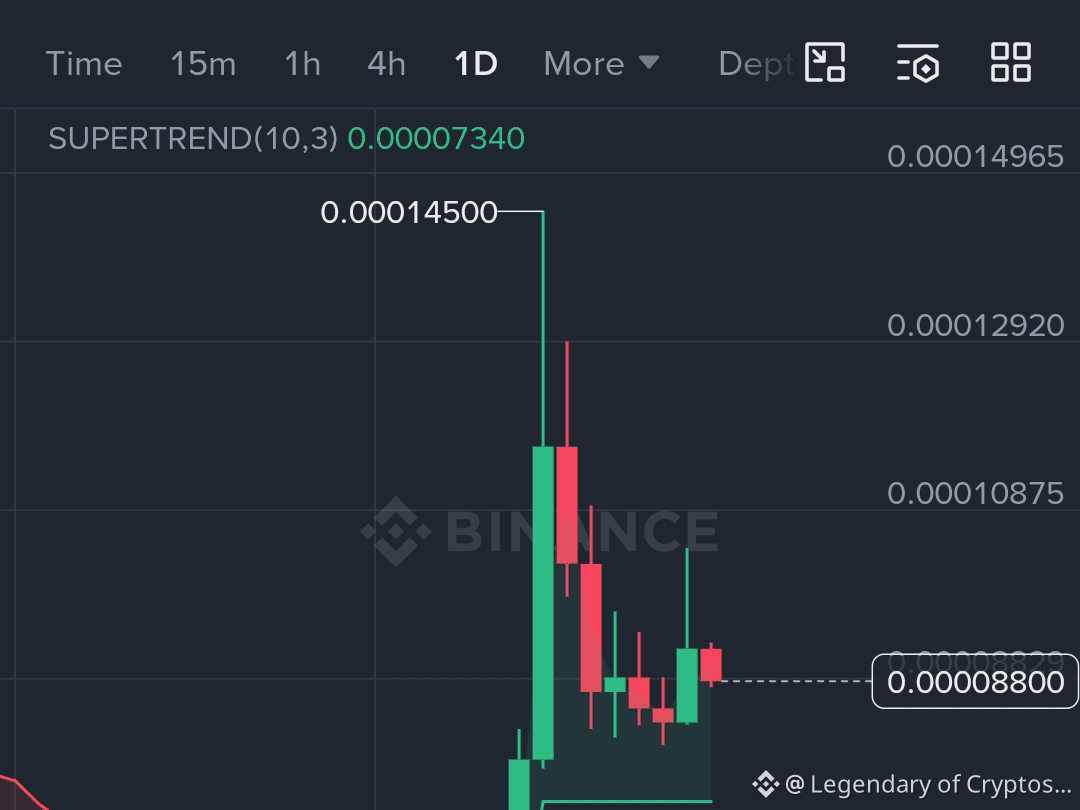
$NEIRO Freunde müssen sich täglich über die Liquidität der Candlestick und Ungleichgewichte im Klaren sein.. kein Trade ohne Liquidität Grab 😇😇😇😇
$NEIRO Freunde müssen sich täglich über die Liquidität der Candlestick und Ungleichgewichte im Klaren sein.. kein Trade ohne Liquidität Grab 😇😇😇😇
157
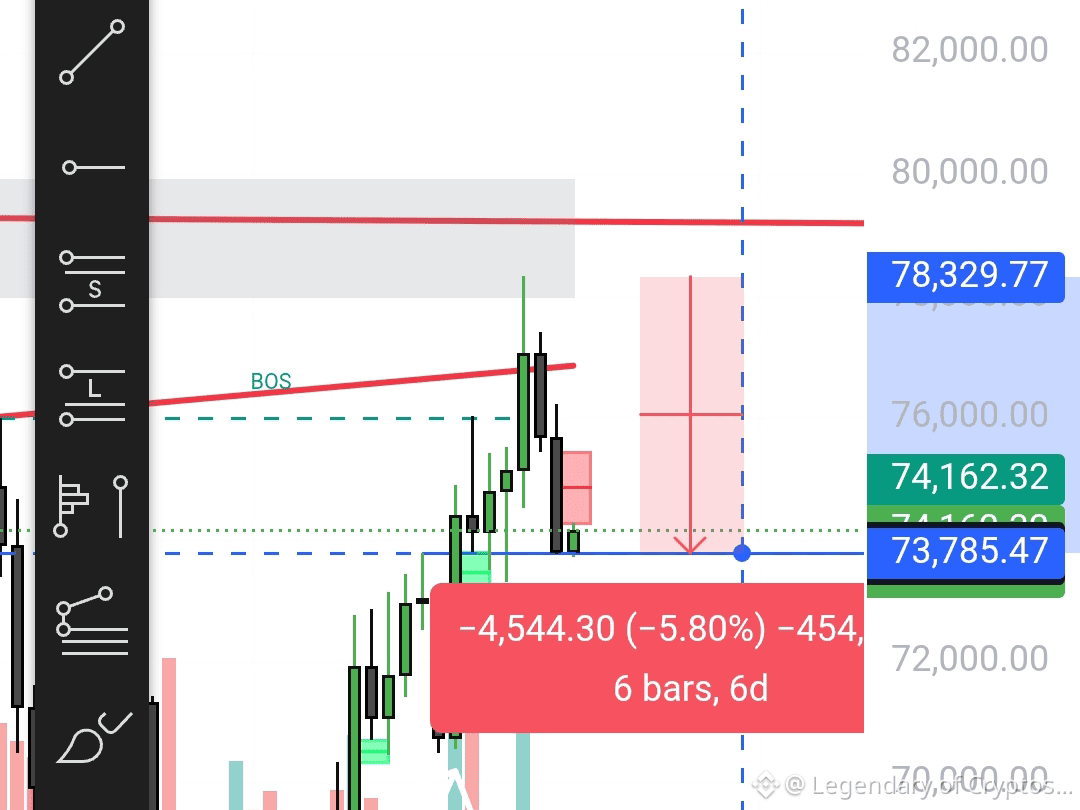
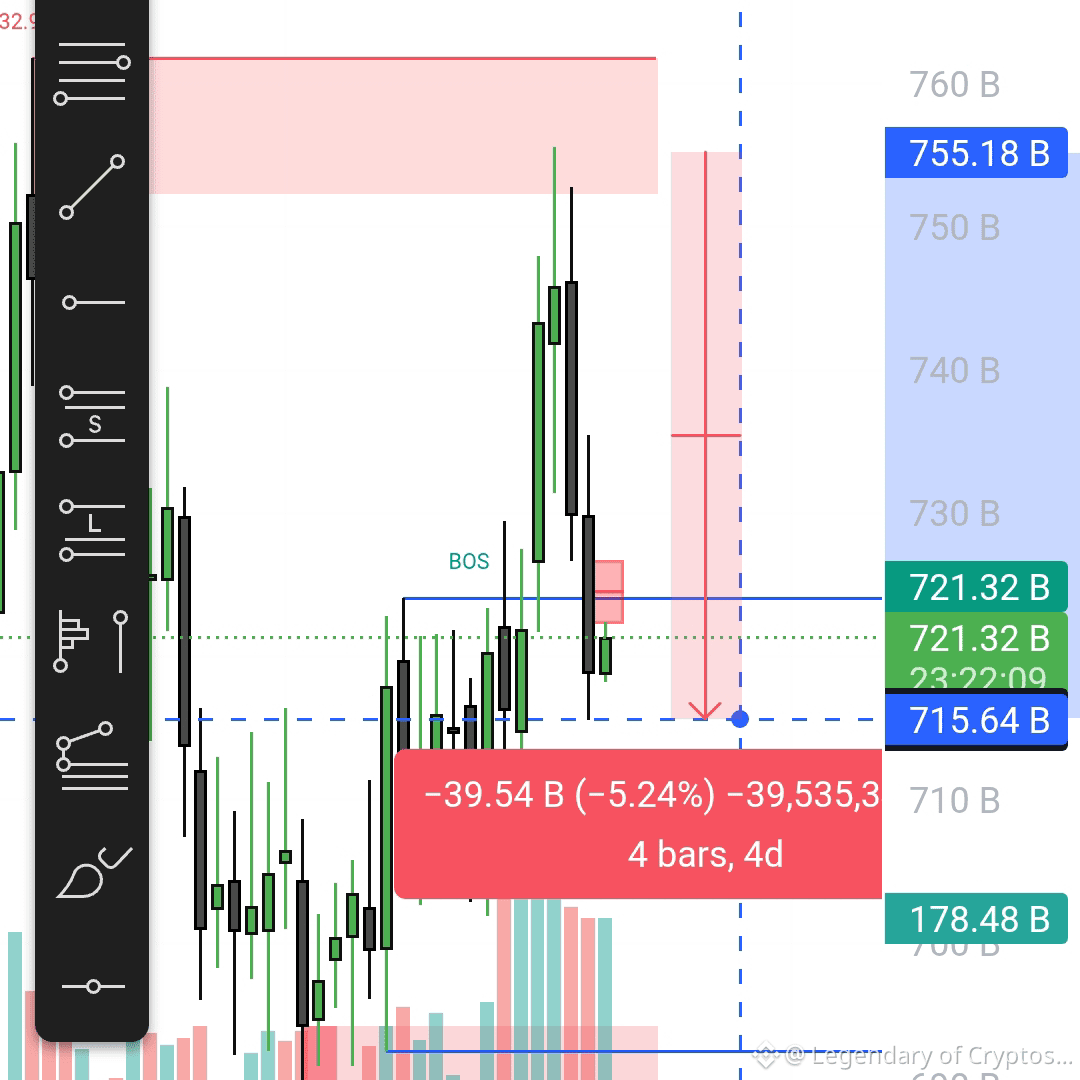
$BTC nur 5% abgeladen & #ALT coin 5%abladung, bitte warten Sie auf den Einstieg und mein Update, a$BTC wird eine große Korrektur durchlaufen.
$BTC nur 5% abgeladen & #ALT coin 5%abladung, bitte warten Sie auf den Einstieg und mein Update, a$BTC wird eine große Korrektur durchlaufen.
1
15
$VANRY i wurde über den Dump gesagt, weil ich den richtigen Weg nicht gefomoed habe... wenn du Profit machen willst, musst du die Regeln und Vorschriften einhalten
$VANRY i wurde über den Dump gesagt, weil ich den richtigen Weg nicht gefomoed habe... wenn du Profit machen willst, musst du die Regeln und Vorschriften einhalten
Legendary of Cryptos
·
--
$VANRY Kauf nicht aus FOMO...
143
$VANRY Negative Seite 🔥
1. Der Preis ist erheblich gefallen
Er liegt weit unter seinem vorherigen Höchststand, was bedeutet, dass viele Inhaber weiterhin in Verlusten feststecken.
2. Hohe Konkurrenz
Es gibt Tausende von Münzen im AI- und Layer-1-Sektor. Nicht jedes Projekt wird überleben.
3. Risiko der Walfischkontrolle
Münzen mit niedriger Marktkapitalisierung können leicht von Walen durch Pump- und Dump-Strategien manipuliert werden.
4. Langsame Wachstums ohne Team-Hype
Wenn das Team keine Updates bereitstellt oder keinen Hype erzeugt, könnte die Münze lange Zeit tot bleiben oder seitwärts verlaufen.
1
146
$VANRY wird abgelehnt, weil es abgelehnt wird
$VANRY wird abgelehnt, weil es abgelehnt wird
1
159
Anmelden und weiter Inhalte entdecken
Krypto-Nutzer weltweit auf Binance Square kennenlernen
⚡️ Bleib in Sachen Krypto stets am Puls.
💬 Die weltgrößte Kryptobörse vertraut darauf.
👍 Erhalte verlässliche Einblicke von verifizierten Creators.
E-Mail-Adresse/Telefonnummer
Trendthemen
AnthropicToDebutAfter$83IPOPricing
15,333 Aufrufe
185 Kommentare
Aktienindex-Futures kaum verändert, während Anthropic den IPO-Preis vor dem Börsengang auf 83 US-Dollar festlegt
Binance News
·8 Likes
·7.8k Aufrufe
BTCRemainsUnderPressureAfterHawkishFOMCMinutes
57,463 Aufrufe
1,465 Kommentare
NvidiaBoardReportedlySplitOverHuang’sReturn
19,065 Aufrufe
727 Kommentare