

N O V A X
9.4k Beiträge

N O V A X
Melden
Nutzer blockieren
Just a curious mind exploring crypto.
222 Following
1.4K+ Follower
3.6K+ Like gegeben
Beiträge
Alle
Zitierungen
·
--
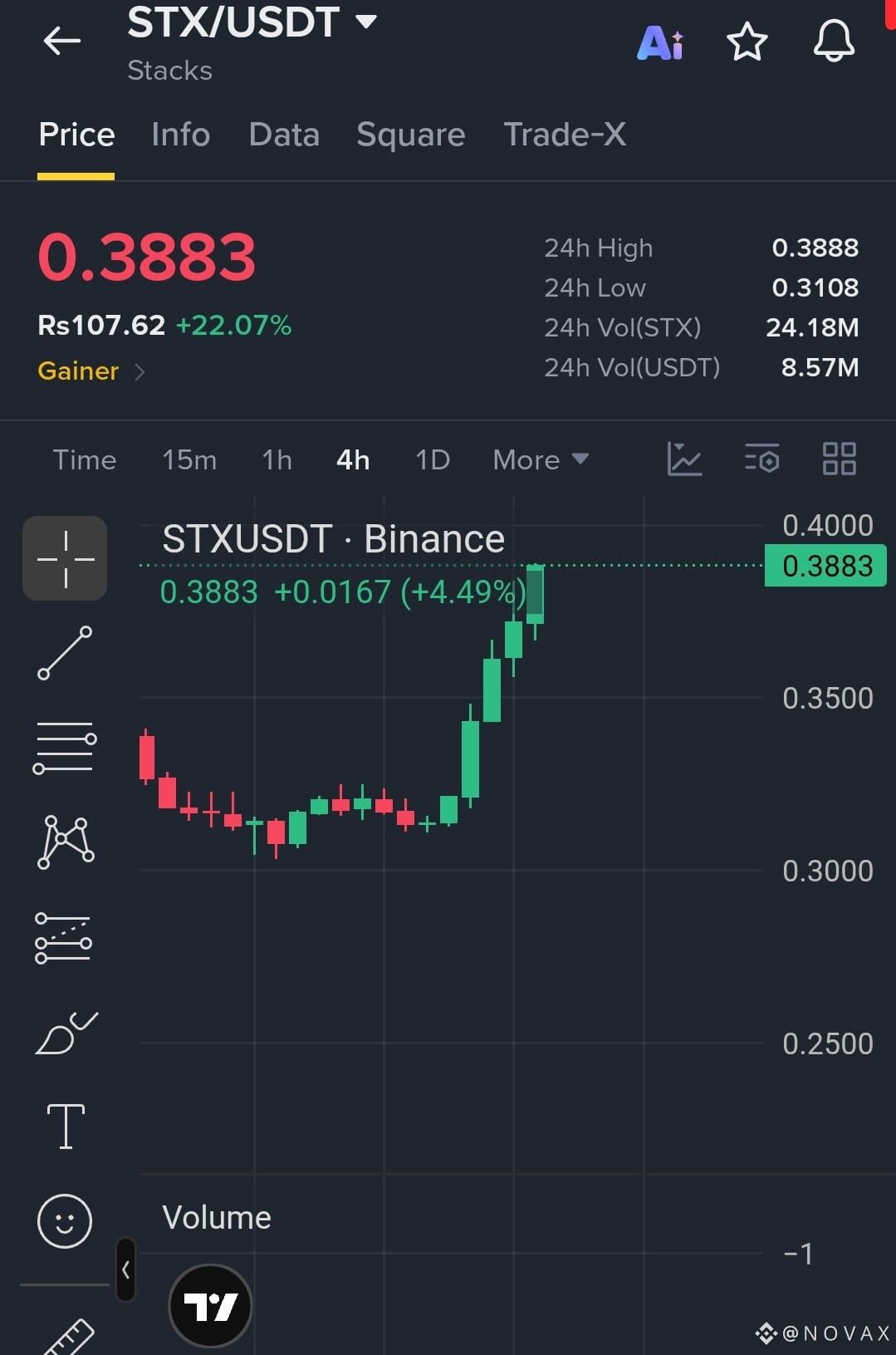
$STX stieg von 0,31 auf 0,3888.
lange Trade-Setup:
Einstieg: 0,3883
SL: 0,3550
TP1: 0,3920
TP2: 0,3950
TP3: 0,3980
Keine finanziellen Ratschläge—handle auf eigenes Risiko.
$STX stieg von 0,31 auf 0,3888.
lange Trade-Setup:
Einstieg: 0,3883
SL: 0,3550
TP1: 0,3920
TP2: 0,3950
TP3: 0,3980
Keine finanziellen Ratschläge—handle auf eigenes Risiko.
lange Trade-Setup:
Einstieg: 0,3883
SL: 0,3550
TP1: 0,3920
TP2: 0,3950
TP3: 0,3980
Keine finanziellen Ratschläge—handle auf eigenes Risiko.
1
174
·
--
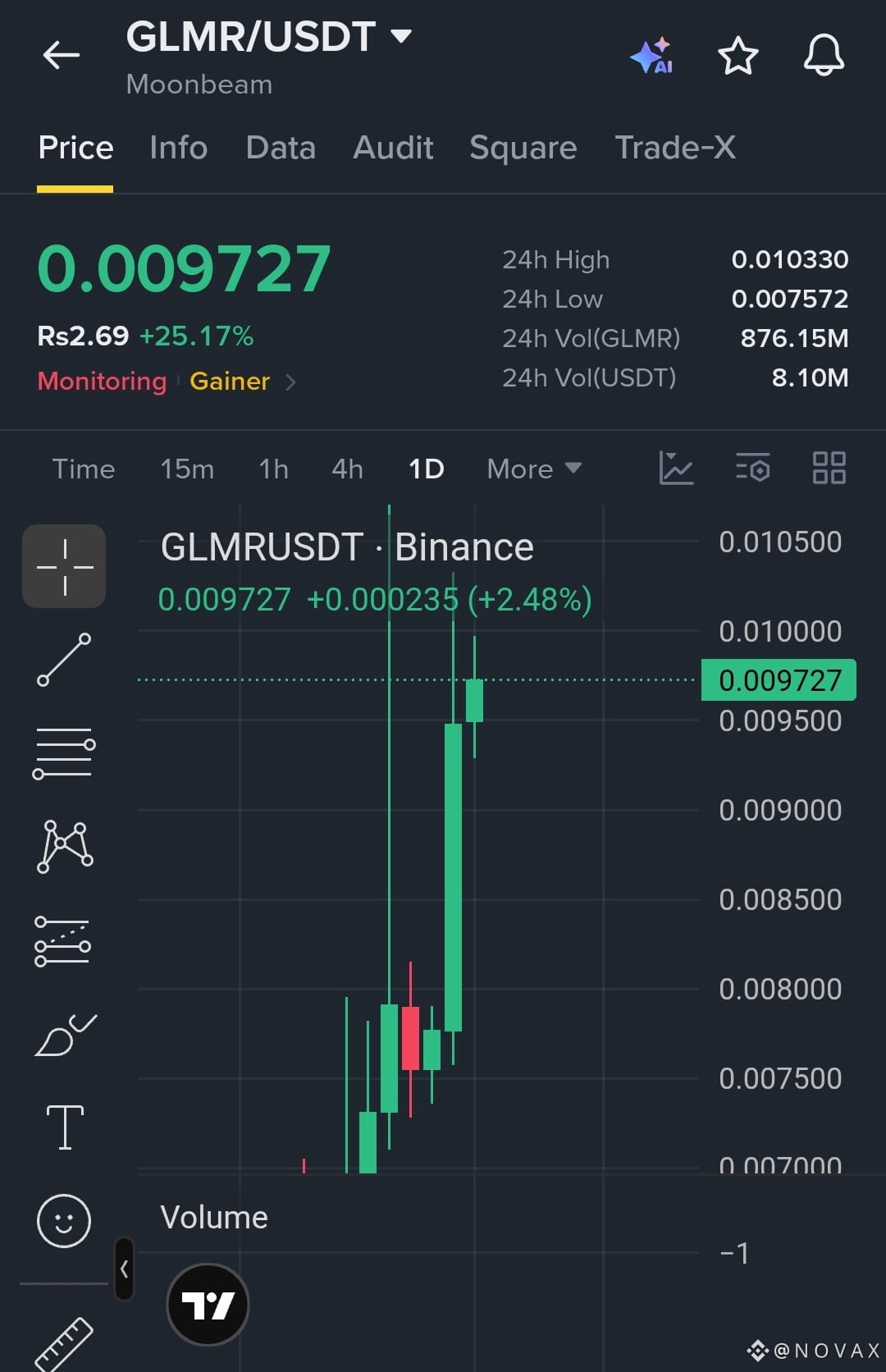
$GLMR steigt von 0.0076 auf 0.01033.
lange Trade-Setup:
Einstieg: 0.009727
SL: 0.008900
TP1: 0.009950
TP2: 0.010150
TP3: 0.010330
Keine Finanzberatung – handle auf eigenes Risiko.
$GLMR steigt von 0.0076 auf 0.01033.
lange Trade-Setup:
Einstieg: 0.009727
SL: 0.008900
TP1: 0.009950
TP2: 0.010150
TP3: 0.010330
Keine Finanzberatung – handle auf eigenes Risiko.
lange Trade-Setup:
Einstieg: 0.009727
SL: 0.008900
TP1: 0.009950
TP2: 0.010150
TP3: 0.010330
Keine Finanzberatung – handle auf eigenes Risiko.
1
194
·
--
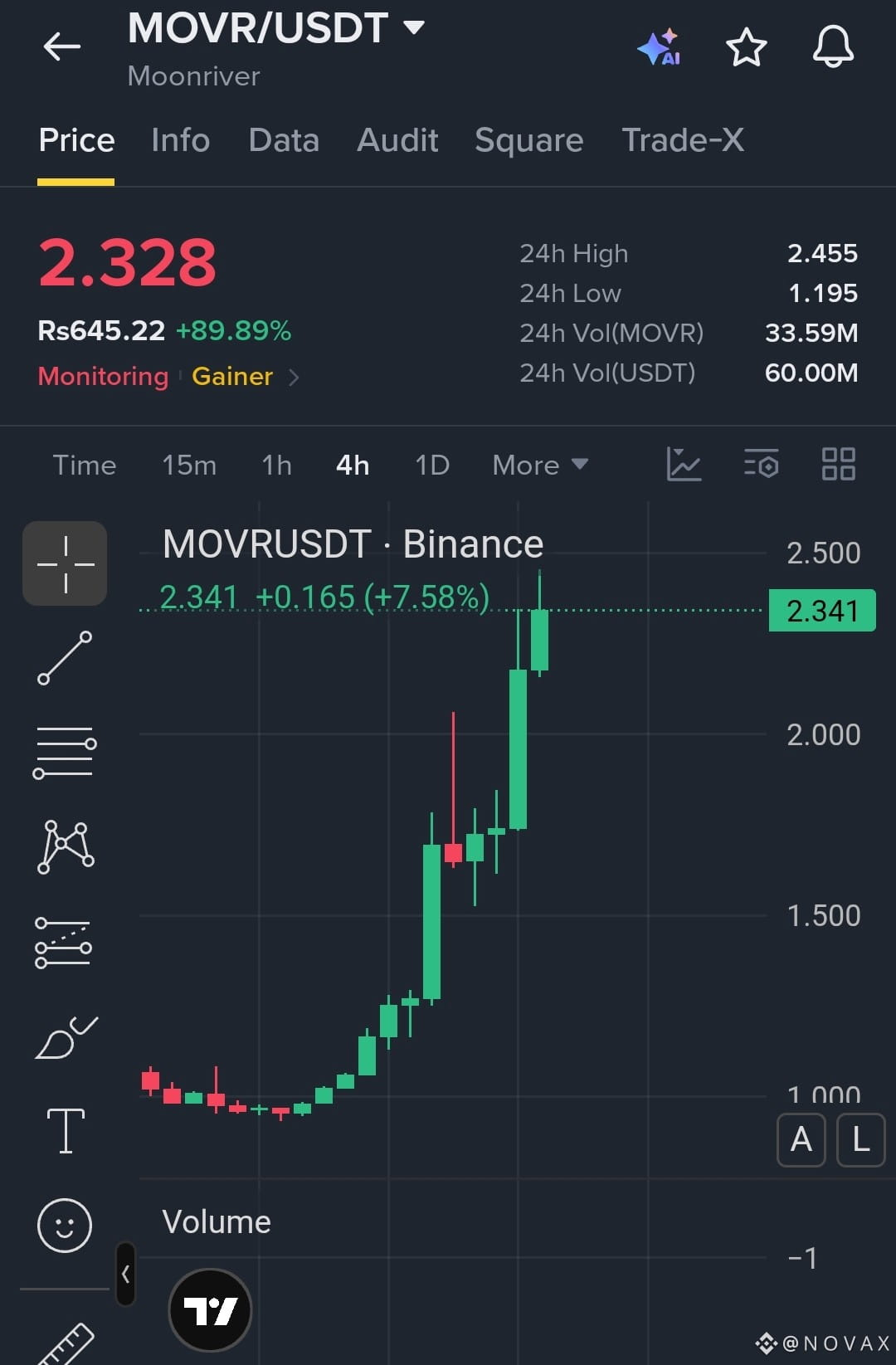
$MOVR ist heute um 89,89% gestiegen, von 1,20 auf 2,455.
lange Handels-Setup:
Einstieg: 2.328
SL: 2.100
TP1: 2.400
TP2: 2.430
TP3: 2.455
Keine Finanzberatung – handle auf eigenes Risiko.
$MOVR ist heute um 89,89% gestiegen, von 1,20 auf 2,455.
lange Handels-Setup:
Einstieg: 2.328
SL: 2.100
TP1: 2.400
TP2: 2.430
TP3: 2.455
Keine Finanzberatung – handle auf eigenes Risiko.
lange Handels-Setup:
Einstieg: 2.328
SL: 2.100
TP1: 2.400
TP2: 2.430
TP3: 2.455
Keine Finanzberatung – handle auf eigenes Risiko.
1
410
·
--
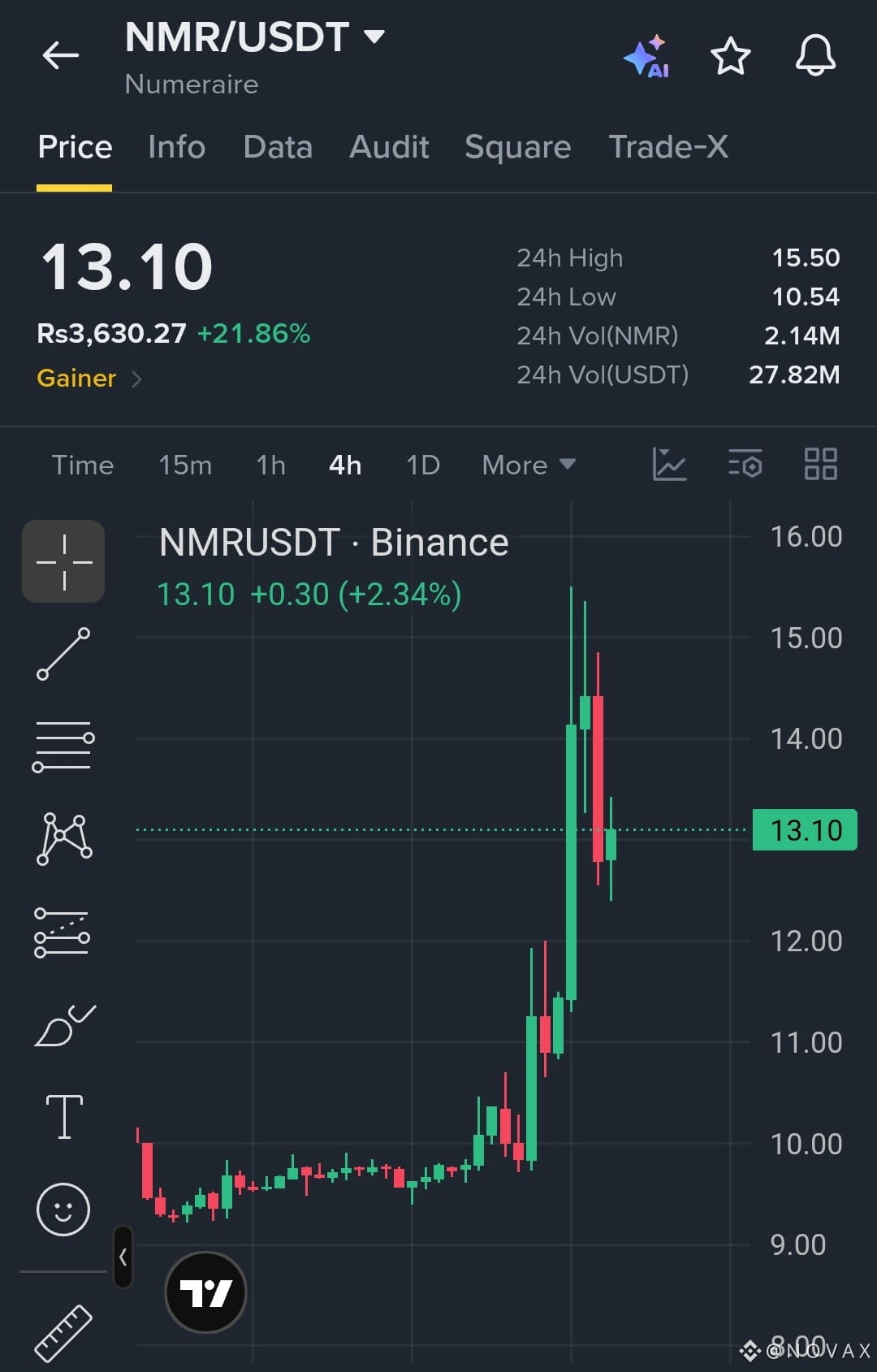
$NMR ist gerade hart ausgebrochen und hat heute 21,86 % zugelegt, nachdem es von 9,50 auf frische Hochs nahe 15,50 gestiegen war, bevor es sich wieder abkühlte.
Long-Trade-Setup:
Einstieg: 13,10
SL: 11,80
TP1: 13,80
TP2: 14,60
TP3: 15,50
Keine Finanzberatung – trade auf eigenes Risiko.
$NMR ist gerade hart ausgebrochen und hat heute 21,86 % zugelegt, nachdem es von 9,50 auf frische Hochs nahe 15,50 gestiegen war, bevor es sich wieder abkühlte.
Long-Trade-Setup:
Einstieg: 13,10
SL: 11,80
TP1: 13,80
TP2: 14,60
TP3: 15,50
Keine Finanzberatung – trade auf eigenes Risiko.
Long-Trade-Setup:
Einstieg: 13,10
SL: 11,80
TP1: 13,80
TP2: 14,60
TP3: 15,50
Keine Finanzberatung – trade auf eigenes Risiko.
1
174
·
--
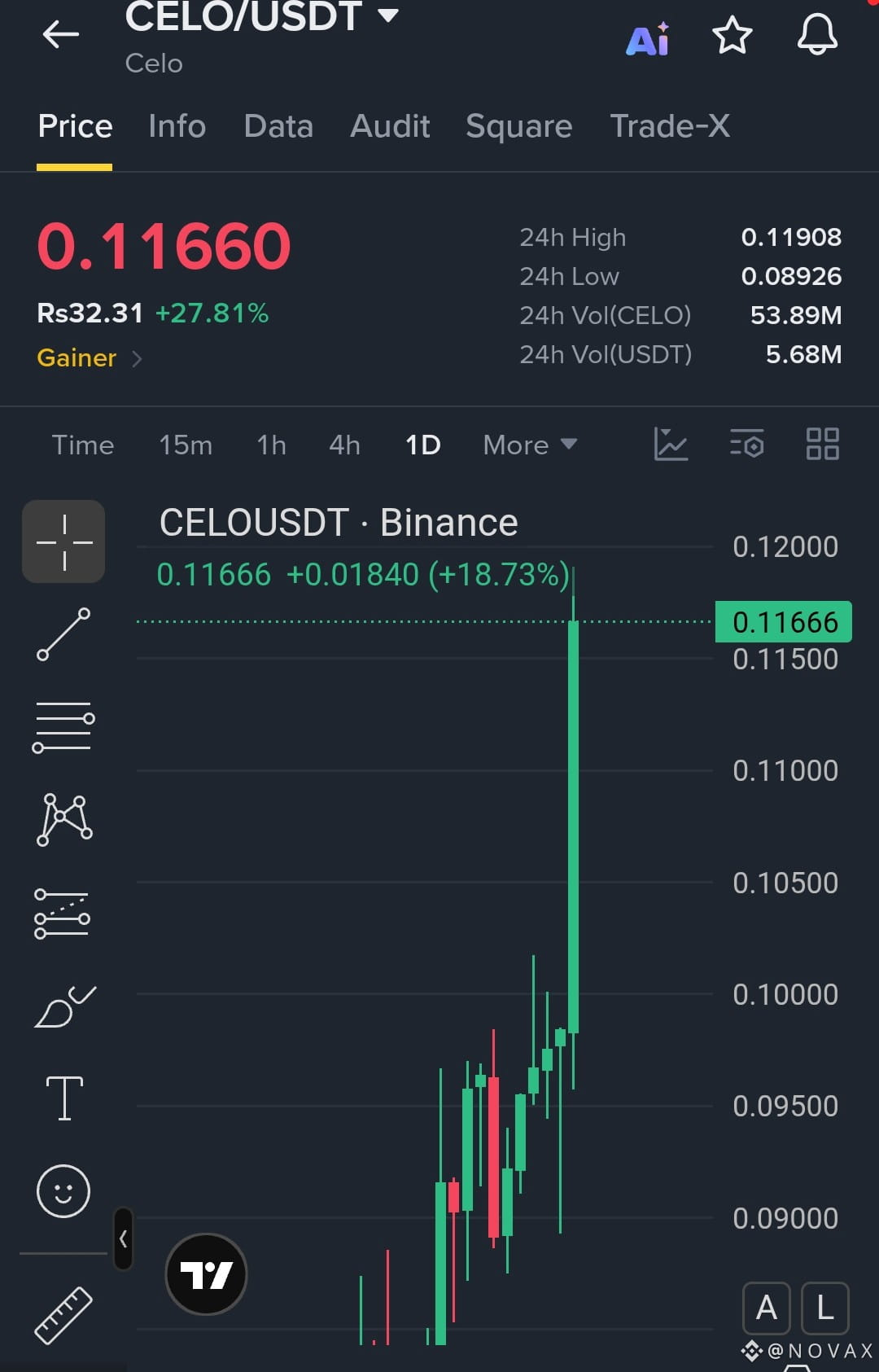
$CELO ist gerade von 0,089 auf frische Hochs nahe 0,11908 gestiegen.
lange Trading-Set-up:
Einstieg: 0,11660
SL: 0,10500
TP1: 0,11800
TP2: 0,11870
TP3: 0,11908
Keine Finanzberatung – handle auf eigenes Risiko.
$CELO ist gerade von 0,089 auf frische Hochs nahe 0,11908 gestiegen.
lange Trading-Set-up:
Einstieg: 0,11660
SL: 0,10500
TP1: 0,11800
TP2: 0,11870
TP3: 0,11908
Keine Finanzberatung – handle auf eigenes Risiko.
lange Trading-Set-up:
Einstieg: 0,11660
SL: 0,10500
TP1: 0,11800
TP2: 0,11870
TP3: 0,11908
Keine Finanzberatung – handle auf eigenes Risiko.
2
245
·
--
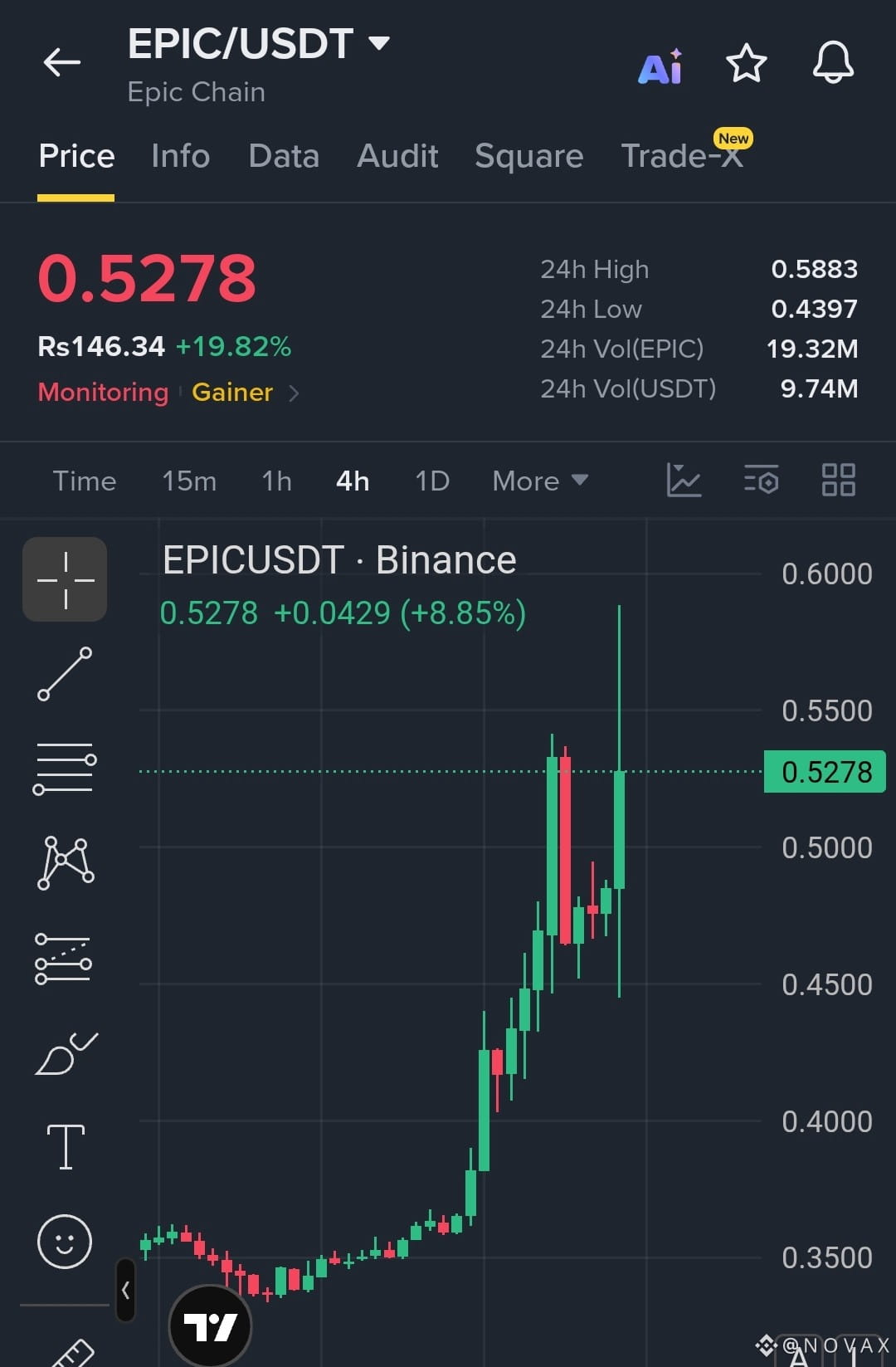
$EPIC steigt von 0.35 auf 0.5883.
lange Handels-Setup:
Einstieg: 0.5278
SL: 0.4800
TP1: 0.5500
TP2: 0.5700
TP3: 0.5883
Keine finanzielle Anlageberatung – handle auf eigenes Risiko.
$EPIC steigt von 0.35 auf 0.5883.
lange Handels-Setup:
Einstieg: 0.5278
SL: 0.4800
TP1: 0.5500
TP2: 0.5700
TP3: 0.5883
Keine finanzielle Anlageberatung – handle auf eigenes Risiko.
lange Handels-Setup:
Einstieg: 0.5278
SL: 0.4800
TP1: 0.5500
TP2: 0.5700
TP3: 0.5883
Keine finanzielle Anlageberatung – handle auf eigenes Risiko.
1
185
·
--
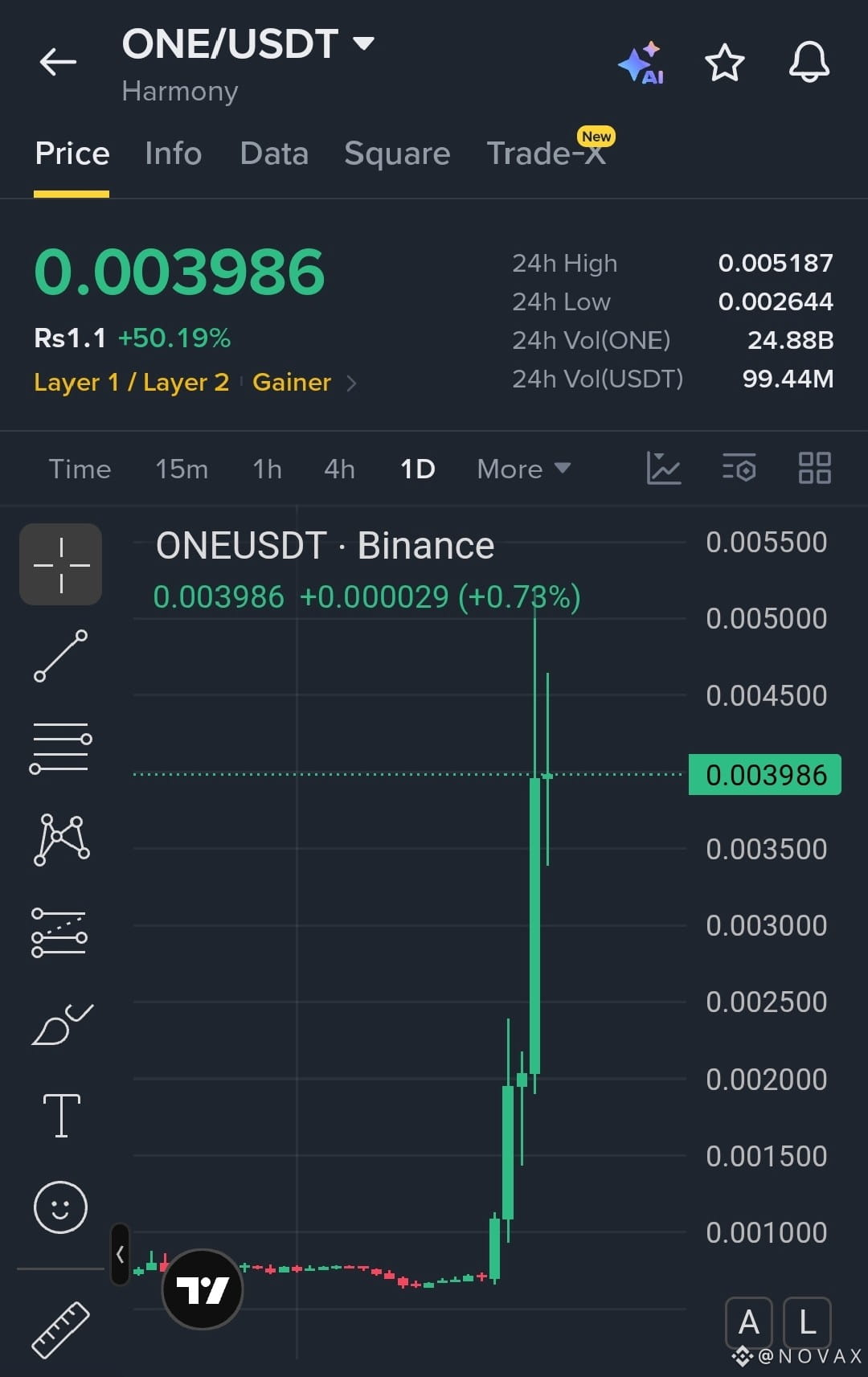
$ONE geht von 0,0018 auf frische Hochs in der Nähe von 0,005187.
lange Trade-Strategie:
Einstieg: 0,003986
SL: 0,003500
TP1: 0,004300
TP2: 0,004750
TP3: 0,005187
Keine Finanzberatung – handle auf eigenes Risiko.
$ONE geht von 0,0018 auf frische Hochs in der Nähe von 0,005187.
lange Trade-Strategie:
Einstieg: 0,003986
SL: 0,003500
TP1: 0,004300
TP2: 0,004750
TP3: 0,005187
Keine Finanzberatung – handle auf eigenes Risiko.
lange Trade-Strategie:
Einstieg: 0,003986
SL: 0,003500
TP1: 0,004300
TP2: 0,004750
TP3: 0,005187
Keine Finanzberatung – handle auf eigenes Risiko.
1
187
·
--
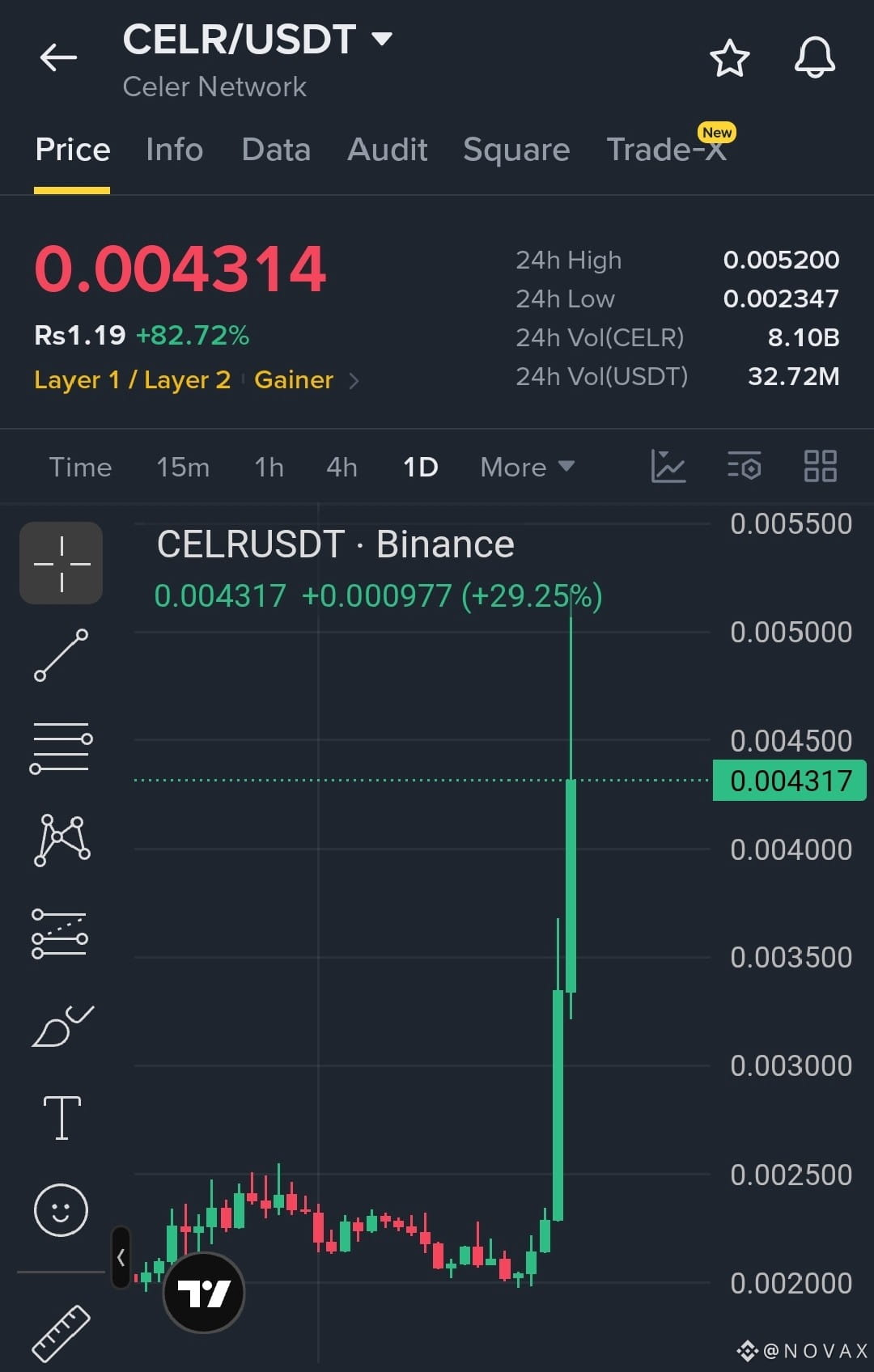
$CELR ist heute um 82,72% regelrecht explodiert, hat sich von 0,0023 auf neue Höchststände nahe 0,00520 nach oben gerissen.
Long-Trade-Setup:
Einstieg: 0,004314
SL: 0,003800
TP1: 0,004500
TP2: 0,004850
TP3: 0,005200
Keine Finanzberatung. Handel auf eigenes Risiko.
$CELR ist heute um 82,72% regelrecht explodiert, hat sich von 0,0023 auf neue Höchststände nahe 0,00520 nach oben gerissen.
Long-Trade-Setup:
Einstieg: 0,004314
SL: 0,003800
TP1: 0,004500
TP2: 0,004850
TP3: 0,005200
Keine Finanzberatung. Handel auf eigenes Risiko.
Long-Trade-Setup:
Einstieg: 0,004314
SL: 0,003800
TP1: 0,004500
TP2: 0,004850
TP3: 0,005200
Keine Finanzberatung. Handel auf eigenes Risiko.
2
198
·
--
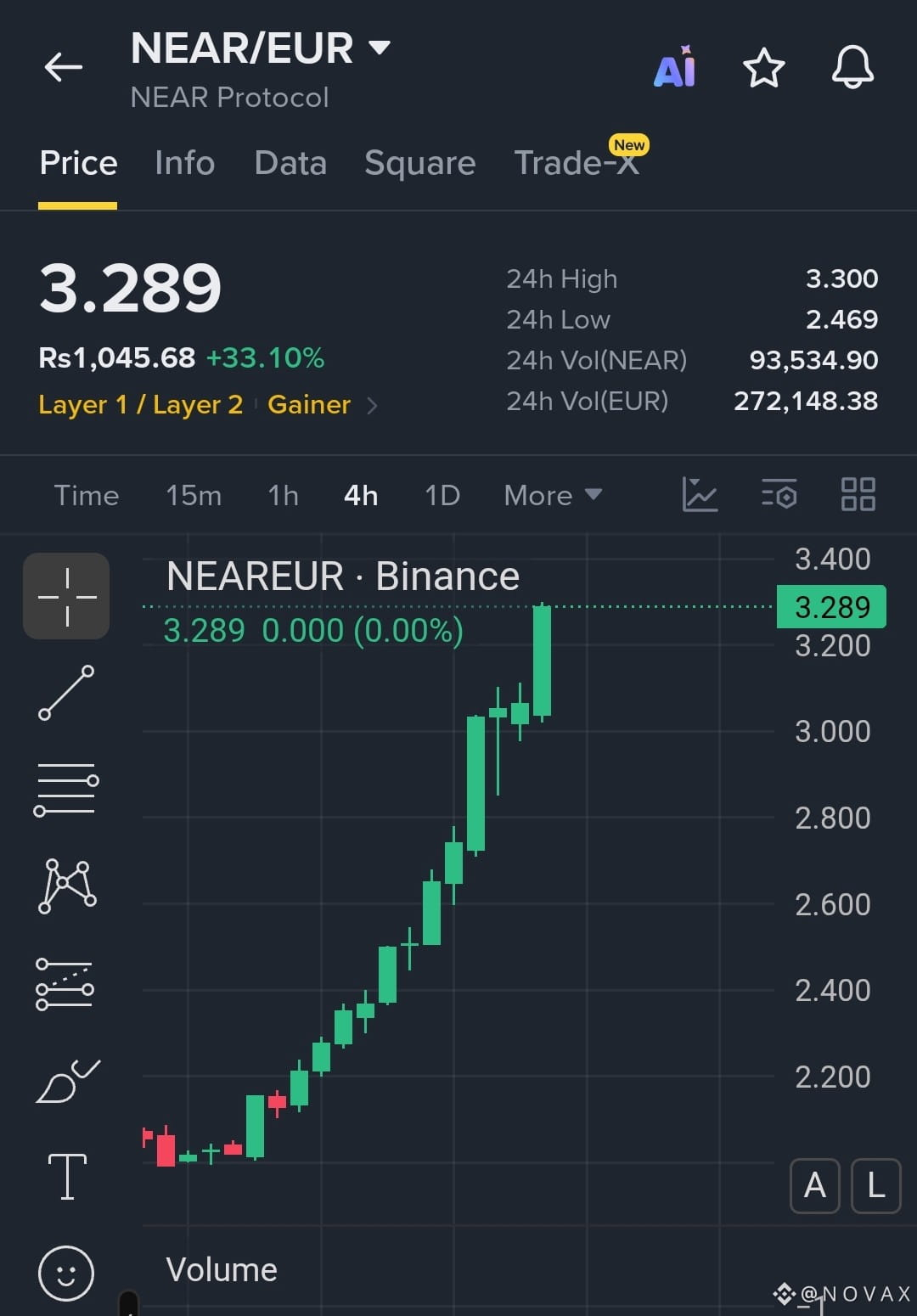
$NEAR steigt von 2,20 auf frische Hochs nahe 3.300.
langer Trade-Setup:
Einstieg: 3.289
SL: 3.050
TP1: 3.300
TP2: 3.320
TP3: 3.350
Keine Anlageberatung – handeln Sie auf eigenes Risiko.
$NEAR steigt von 2,20 auf frische Hochs nahe 3.300.
langer Trade-Setup:
Einstieg: 3.289
SL: 3.050
TP1: 3.300
TP2: 3.320
TP3: 3.350
Keine Anlageberatung – handeln Sie auf eigenes Risiko.
langer Trade-Setup:
Einstieg: 3.289
SL: 3.050
TP1: 3.300
TP2: 3.320
TP3: 3.350
Keine Anlageberatung – handeln Sie auf eigenes Risiko.
3
732
·
--
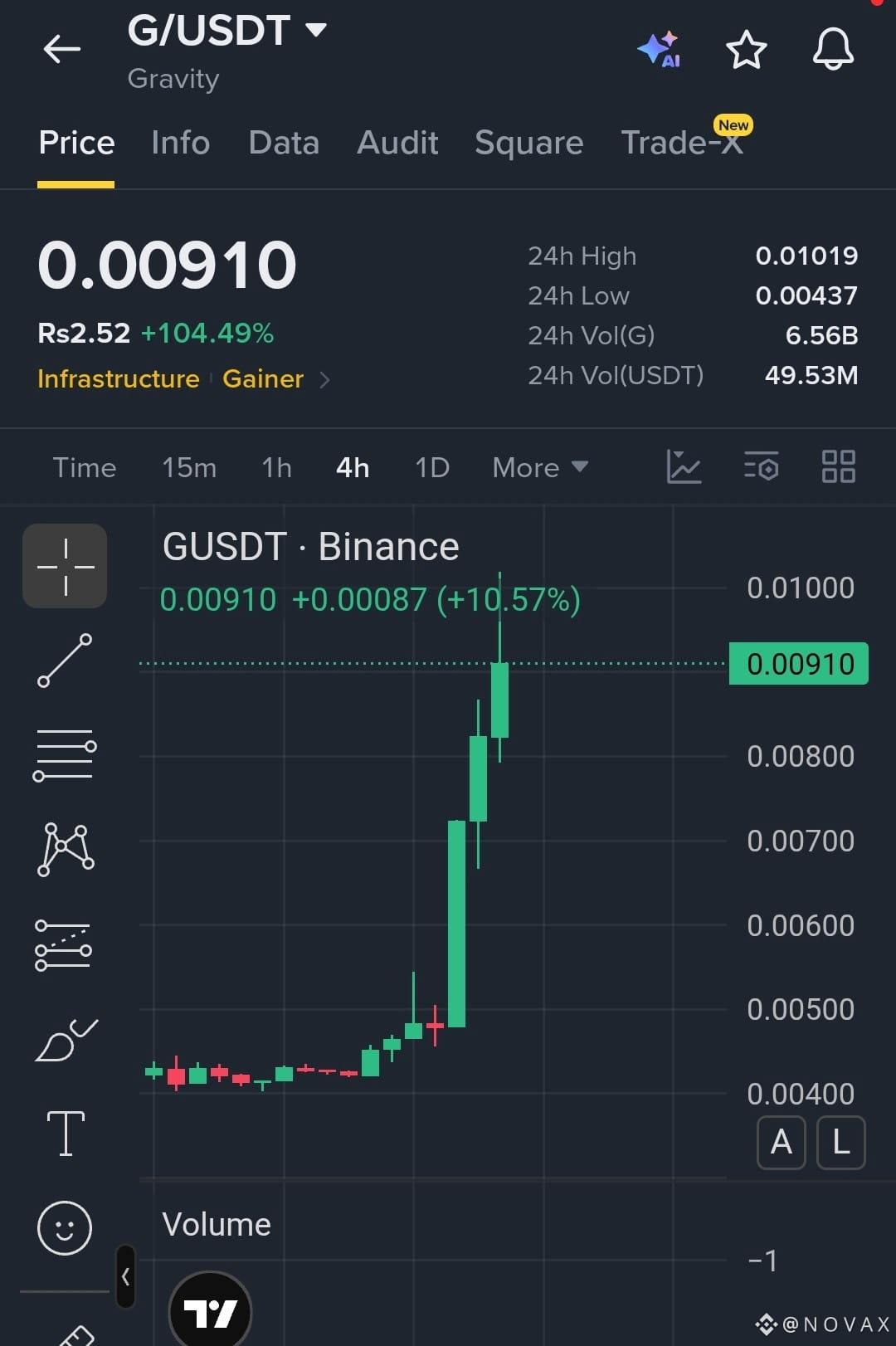
$G ist heute um 104,49% förmlich explodiert und reißt von 0.0044 auf frische Hochs nahe 0.01019.
lange Trading-Setup:
Einstieg: 0.00910
SL: 0.00800
TP1: 0.00950
TP2: 0.00985
TP3: 0.01019
Keine Finanzberatung – trete auf eigenes Risiko.
$G ist heute um 104,49% förmlich explodiert und reißt von 0.0044 auf frische Hochs nahe 0.01019.
lange Trading-Setup:
Einstieg: 0.00910
SL: 0.00800
TP1: 0.00950
TP2: 0.00985
TP3: 0.01019
Keine Finanzberatung – trete auf eigenes Risiko.
lange Trading-Setup:
Einstieg: 0.00910
SL: 0.00800
TP1: 0.00950
TP2: 0.00985
TP3: 0.01019
Keine Finanzberatung – trete auf eigenes Risiko.
1
239
·
--
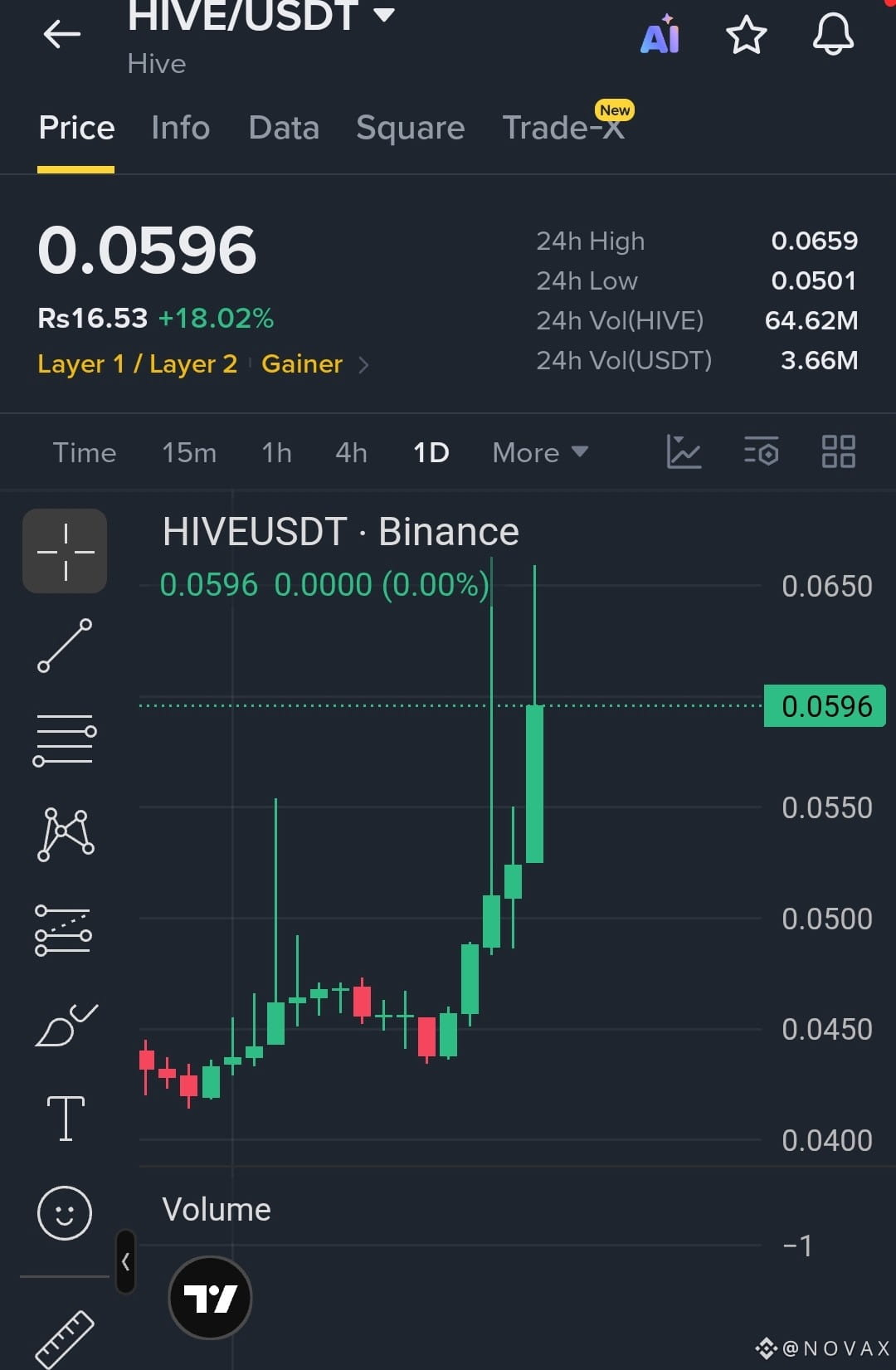
$HIVE ist gerade stetig ausgebrochen und heute um 18,02 % gestiegen, von 0,0430 auf frische Hochs nahe 0,0659.
Long-Trade-Setup:
Einstieg: 0,0596
SL: 0,0540
TP1: 0,0620
TP2: 0,0640
TP3: 0,0659
Keine Finanzberatung – handle auf eigenes Risiko.
$HIVE ist gerade stetig ausgebrochen und heute um 18,02 % gestiegen, von 0,0430 auf frische Hochs nahe 0,0659.
Long-Trade-Setup:
Einstieg: 0,0596
SL: 0,0540
TP1: 0,0620
TP2: 0,0640
TP3: 0,0659
Keine Finanzberatung – handle auf eigenes Risiko.
Long-Trade-Setup:
Einstieg: 0,0596
SL: 0,0540
TP1: 0,0620
TP2: 0,0640
TP3: 0,0659
Keine Finanzberatung – handle auf eigenes Risiko.
1
187
·
--
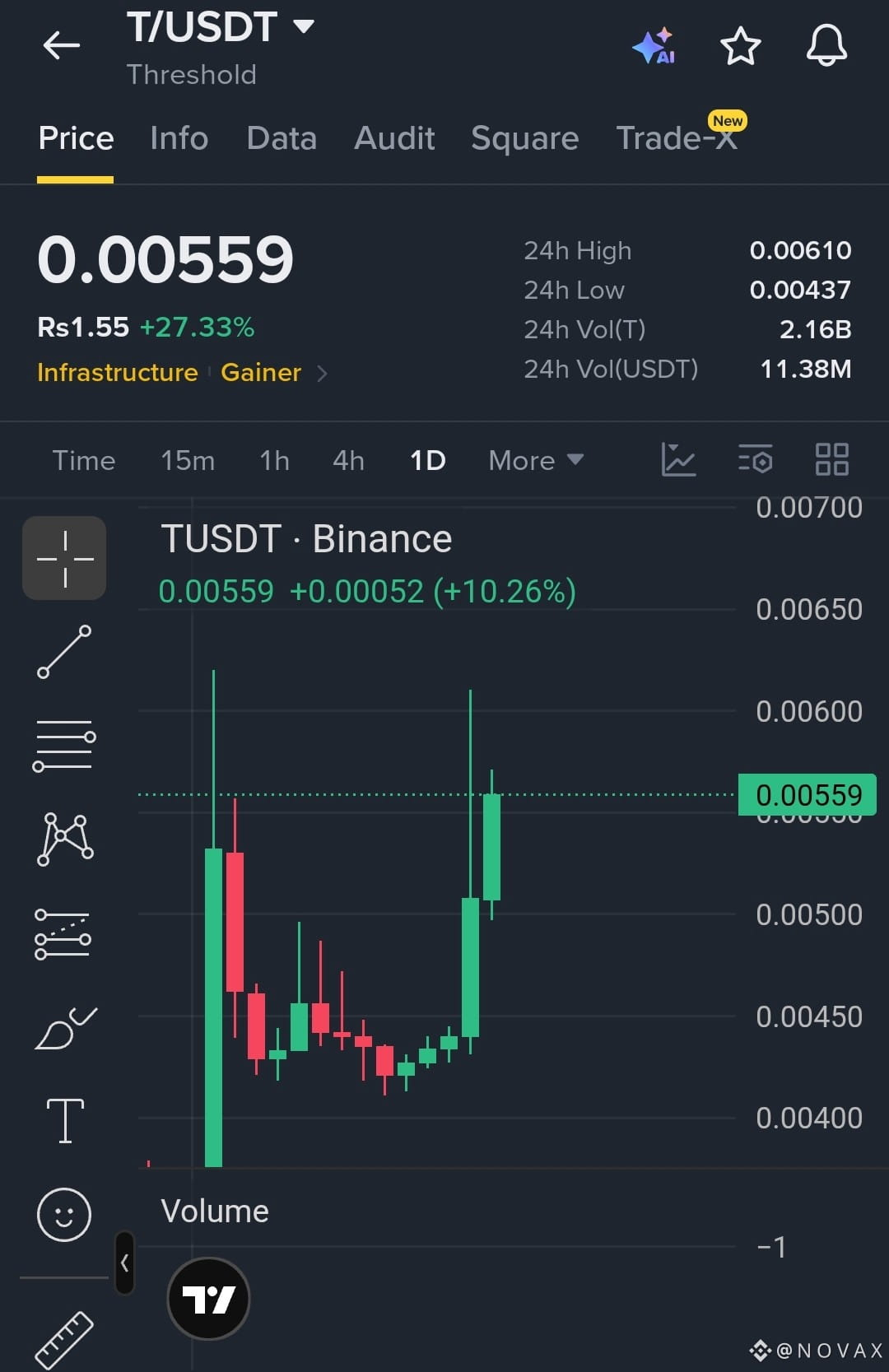
$T ist heute um 27,33% wieder nach oben gesprungen und fiel von 0.0061 auf 0.0044, bevor es erneut Richtung neue Hochs nahe 0.0061 riss.
Long-Trade-Setup:
Einstieg: 0.00559
SL: 0.00500
TP1: 0.00580
TP2: 0.00595
TP3: 0.00610
Keine Finanzberatung – trade auf eigene Verantwortung.
$T ist heute um 27,33% wieder nach oben gesprungen und fiel von 0.0061 auf 0.0044, bevor es erneut Richtung neue Hochs nahe 0.0061 riss.
Long-Trade-Setup:
Einstieg: 0.00559
SL: 0.00500
TP1: 0.00580
TP2: 0.00595
TP3: 0.00610
Keine Finanzberatung – trade auf eigene Verantwortung.
Long-Trade-Setup:
Einstieg: 0.00559
SL: 0.00500
TP1: 0.00580
TP2: 0.00595
TP3: 0.00610
Keine Finanzberatung – trade auf eigene Verantwortung.
1
180
·
--
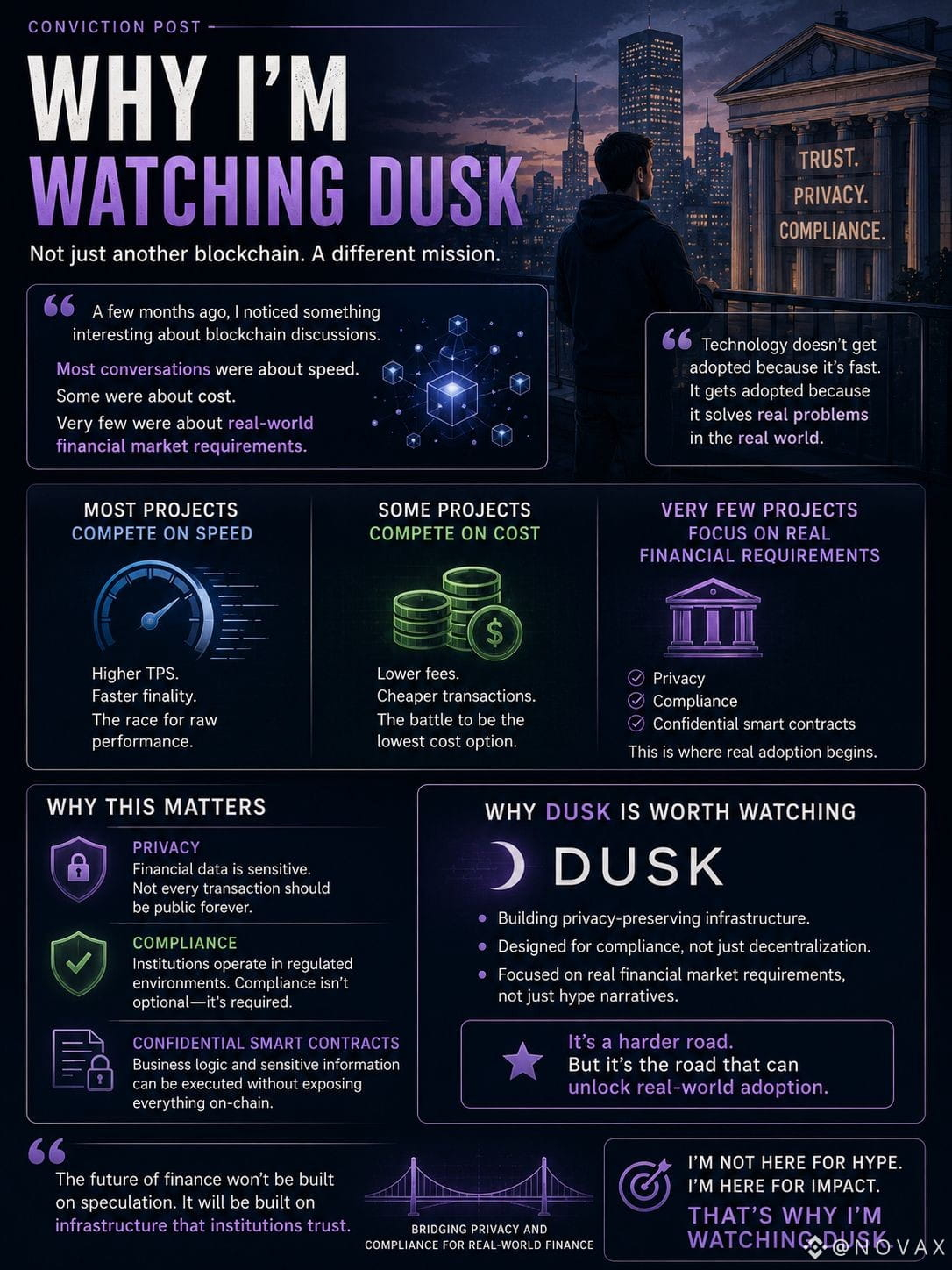
Vor ein paar Monaten ist mir bei Blockchain-Diskussionen etwas Interessantes aufgefallen.
Die meisten Projekte wollten schneller sein.
Andere wollten günstiger sein.
Aber sehr wenige stellten eine andere Frage:
Was würde es tatsächlich brauchen, damit Finanzinstitute Blockchain in großem Maßstab nutzen?
Tempo ist wichtig.
Niedrige Gebühren sind wichtig.
Aber Banken, Börsen und regulierte Unternehmen kümmern sich um mehr als nur Transaktionskosten.
Sie kümmern sich um Datenschutz.
Sie kümmern sich um Compliance.
Sie kümmern sich darum, sensible Informationen zu schützen und gleichzeitig die regulatorischen Anforderungen einzuhalten.
Genau das hat meine Aufmerksamkeit auf Dusk gelenkt.
Nicht, weil es behauptet, die schnellste Kette zu sein.
Nicht, weil es die niedrigsten Gebühren verspricht.
Sondern weil es versucht, Probleme anzugehen, die viele Projekte meiden:
• Datenschutzfreundliches Finanzwesen
• Compliance-fähige Infrastruktur
• Vertrauliche Smart Contracts
Natürlich sind all diese Herausforderungen nicht einfach.
Das Gleichgewicht zwischen Datenschutz, Transparenz, Sicherheit und Regulierung ist viel schwieriger, als einfach nur die TPS zu erhöhen.
Ob Dusk erfolgreich ist, bleibt abzuwarten.
Aber in einem Markt voller Projekte, die Geschwindigkeit jagen, ist es spannend, zuzusehen, wie eines sich auf die Anforderungen von realer Finanzwelt konzentriert.
Deshalb beobachte ich Dusk.
$AAPLB $NVDA.US
#GoldNearsThreeMonthHigh
#dusk $DUSK @Dusk_Foundation
Vor ein paar Monaten ist mir bei Blockchain-Diskussionen etwas Interessantes aufgefallen.
Die meisten Projekte wollten schneller sein.
Andere wollten günstiger sein.
Aber sehr wenige stellten eine andere Frage:
Was würde es tatsächlich brauchen, damit Finanzinstitute Blockchain in großem Maßstab nutzen?
Tempo ist wichtig.
Niedrige Gebühren sind wichtig.
Aber Banken, Börsen und regulierte Unternehmen kümmern sich um mehr als nur Transaktionskosten.
Sie kümmern sich um Datenschutz.
Sie kümmern sich um Compliance.
Sie kümmern sich darum, sensible Informationen zu schützen und gleichzeitig die regulatorischen Anforderungen einzuhalten.
Genau das hat meine Aufmerksamkeit auf Dusk gelenkt.
Nicht, weil es behauptet, die schnellste Kette zu sein.
Nicht, weil es die niedrigsten Gebühren verspricht.
Sondern weil es versucht, Probleme anzugehen, die viele Projekte meiden:
• Datenschutzfreundliches Finanzwesen
• Compliance-fähige Infrastruktur
• Vertrauliche Smart Contracts
Natürlich sind all diese Herausforderungen nicht einfach.
Das Gleichgewicht zwischen Datenschutz, Transparenz, Sicherheit und Regulierung ist viel schwieriger, als einfach nur die TPS zu erhöhen.
Ob Dusk erfolgreich ist, bleibt abzuwarten.
Aber in einem Markt voller Projekte, die Geschwindigkeit jagen, ist es spannend, zuzusehen, wie eines sich auf die Anforderungen von realer Finanzwelt konzentriert.
Deshalb beobachte ich Dusk.
$AAPLB $NVDA.US
#GoldNearsThreeMonthHigh
#dusk $DUSK @Dusk
Die meisten Projekte wollten schneller sein.
Andere wollten günstiger sein.
Aber sehr wenige stellten eine andere Frage:
Was würde es tatsächlich brauchen, damit Finanzinstitute Blockchain in großem Maßstab nutzen?
Tempo ist wichtig.
Niedrige Gebühren sind wichtig.
Aber Banken, Börsen und regulierte Unternehmen kümmern sich um mehr als nur Transaktionskosten.
Sie kümmern sich um Datenschutz.
Sie kümmern sich um Compliance.
Sie kümmern sich darum, sensible Informationen zu schützen und gleichzeitig die regulatorischen Anforderungen einzuhalten.
Genau das hat meine Aufmerksamkeit auf Dusk gelenkt.
Nicht, weil es behauptet, die schnellste Kette zu sein.
Nicht, weil es die niedrigsten Gebühren verspricht.
Sondern weil es versucht, Probleme anzugehen, die viele Projekte meiden:
• Datenschutzfreundliches Finanzwesen
• Compliance-fähige Infrastruktur
• Vertrauliche Smart Contracts
Natürlich sind all diese Herausforderungen nicht einfach.
Das Gleichgewicht zwischen Datenschutz, Transparenz, Sicherheit und Regulierung ist viel schwieriger, als einfach nur die TPS zu erhöhen.
Ob Dusk erfolgreich ist, bleibt abzuwarten.
Aber in einem Markt voller Projekte, die Geschwindigkeit jagen, ist es spannend, zuzusehen, wie eines sich auf die Anforderungen von realer Finanzwelt konzentriert.
Deshalb beobachte ich Dusk.
$AAPLB $NVDA.US
#GoldNearsThreeMonthHigh
#dusk $DUSK @Dusk
21
8
1.2k
·
--
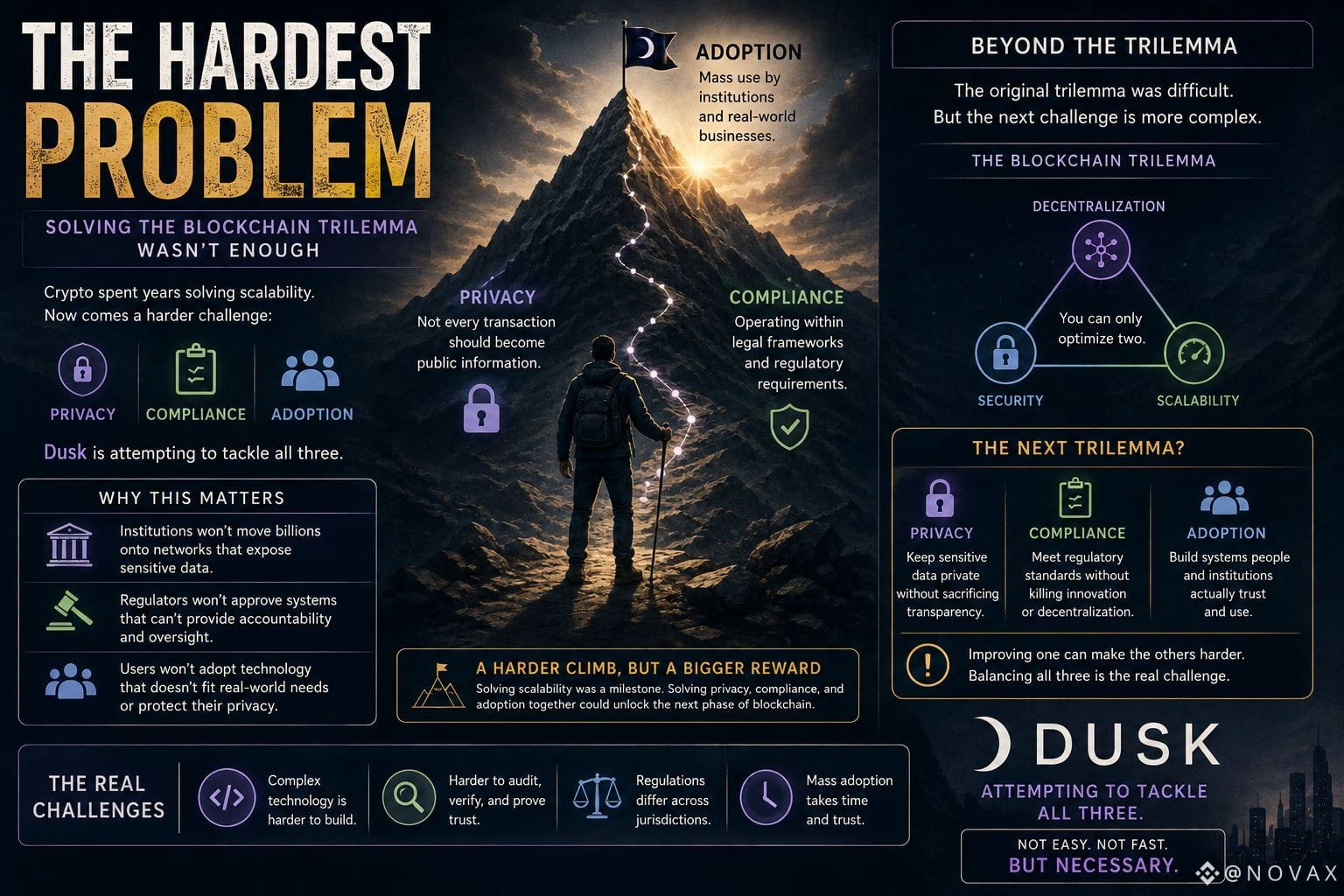
Seit Jahren waren Blockchain-Projekte von einer einzigen Herausforderung besessen:
Das Blockchain-Trilemma.
Wie bringt man Dezentralisierung, Sicherheit und Skalierbarkeit in Einklang?
Milliarden von Dollar und unzählige Projekte wurden darauf aufgebaut, diese Antwort zu finden.
Doch selbst wenn die Skalierbarkeit gelöst ist, bleibt eine größere Frage:
Wer wird diese Netzwerke tatsächlich nutzen?
Ein System kann Tausende von Transaktionen pro Sekunde verarbeiten.
Das macht es jedoch nicht automatisch für Finanzinstitute, Unternehmen oder regulierte Märkte geeignet.
Die nächsten Herausforderungen sehen anders aus:
• Datenschutz
• Compliance
• Akzeptanz
Datenschutz, weil nicht jede Transaktion zu öffentlichen Informationen werden sollte.
Compliance, weil große Organisationen innerhalb rechtlicher Rahmenbedingungen arbeiten.
Akzeptanz, weil Technologie nur dann zählt, wenn Menschen und Institutionen bereit sind, sie zu verwenden.
Das Schwierige ist, dass die Verbesserung eines dieser Bereiche die anderen manchmal erschwert.
Mehr Datenschutz kann die Transparenz verringern.
Mehr Compliance kann die Flexibilität reduzieren.
Mehr Akzeptanz bringt mehr Prüfungen mit sich.
Dusk versucht, alle drei Herausforderungen gleichzeitig anzugehen.
Ob irgendeine Blockchain erfolgreich Datenschutz, Compliance und eine breite Akzeptanz in Einklang bringen kann, bleibt eine offene Frage.
Doch es könnte sich als eine schwierigere Herausforderung erweisen als das Trilemma selbst.
$TUT $ZORA
#dusk $DUSK @Dusk_Foundation
#SP500EndsWeeklyWinStreak #SandboxSANDSuspectedInfiniteMintFlawOnBase
Seit Jahren waren Blockchain-Projekte von einer einzigen Herausforderung besessen:
Das Blockchain-Trilemma.
Wie bringt man Dezentralisierung, Sicherheit und Skalierbarkeit in Einklang?
Milliarden von Dollar und unzählige Projekte wurden darauf aufgebaut, diese Antwort zu finden.
Doch selbst wenn die Skalierbarkeit gelöst ist, bleibt eine größere Frage:
Wer wird diese Netzwerke tatsächlich nutzen?
Ein System kann Tausende von Transaktionen pro Sekunde verarbeiten.
Das macht es jedoch nicht automatisch für Finanzinstitute, Unternehmen oder regulierte Märkte geeignet.
Die nächsten Herausforderungen sehen anders aus:
• Datenschutz
• Compliance
• Akzeptanz
Datenschutz, weil nicht jede Transaktion zu öffentlichen Informationen werden sollte.
Compliance, weil große Organisationen innerhalb rechtlicher Rahmenbedingungen arbeiten.
Akzeptanz, weil Technologie nur dann zählt, wenn Menschen und Institutionen bereit sind, sie zu verwenden.
Das Schwierige ist, dass die Verbesserung eines dieser Bereiche die anderen manchmal erschwert.
Mehr Datenschutz kann die Transparenz verringern.
Mehr Compliance kann die Flexibilität reduzieren.
Mehr Akzeptanz bringt mehr Prüfungen mit sich.
Dusk versucht, alle drei Herausforderungen gleichzeitig anzugehen.
Ob irgendeine Blockchain erfolgreich Datenschutz, Compliance und eine breite Akzeptanz in Einklang bringen kann, bleibt eine offene Frage.
Doch es könnte sich als eine schwierigere Herausforderung erweisen als das Trilemma selbst.
$TUT $ZORA
#dusk $DUSK @Dusk
#SP500EndsWeeklyWinStreak #SandboxSANDSuspectedInfiniteMintFlawOnBase
Das Blockchain-Trilemma.
Wie bringt man Dezentralisierung, Sicherheit und Skalierbarkeit in Einklang?
Milliarden von Dollar und unzählige Projekte wurden darauf aufgebaut, diese Antwort zu finden.
Doch selbst wenn die Skalierbarkeit gelöst ist, bleibt eine größere Frage:
Wer wird diese Netzwerke tatsächlich nutzen?
Ein System kann Tausende von Transaktionen pro Sekunde verarbeiten.
Das macht es jedoch nicht automatisch für Finanzinstitute, Unternehmen oder regulierte Märkte geeignet.
Die nächsten Herausforderungen sehen anders aus:
• Datenschutz
• Compliance
• Akzeptanz
Datenschutz, weil nicht jede Transaktion zu öffentlichen Informationen werden sollte.
Compliance, weil große Organisationen innerhalb rechtlicher Rahmenbedingungen arbeiten.
Akzeptanz, weil Technologie nur dann zählt, wenn Menschen und Institutionen bereit sind, sie zu verwenden.
Das Schwierige ist, dass die Verbesserung eines dieser Bereiche die anderen manchmal erschwert.
Mehr Datenschutz kann die Transparenz verringern.
Mehr Compliance kann die Flexibilität reduzieren.
Mehr Akzeptanz bringt mehr Prüfungen mit sich.
Dusk versucht, alle drei Herausforderungen gleichzeitig anzugehen.
Ob irgendeine Blockchain erfolgreich Datenschutz, Compliance und eine breite Akzeptanz in Einklang bringen kann, bleibt eine offene Frage.
Doch es könnte sich als eine schwierigere Herausforderung erweisen als das Trilemma selbst.
$TUT $ZORA
#dusk $DUSK @Dusk
#SP500EndsWeeklyWinStreak #SandboxSANDSuspectedInfiniteMintFlawOnBase
19
5
339
·
--
Vor ein paar Jahren drehten sich die größten Blockchain-Diskussionen vor allem um Kursbewegungen.
Heute zeichnet sich eine andere Frage ab:
Was passiert, wenn echte Institutionen diese Technologie nutzen wollen?
Dann werden einige der größten Herausforderungen der Blockchain offensichtlich.
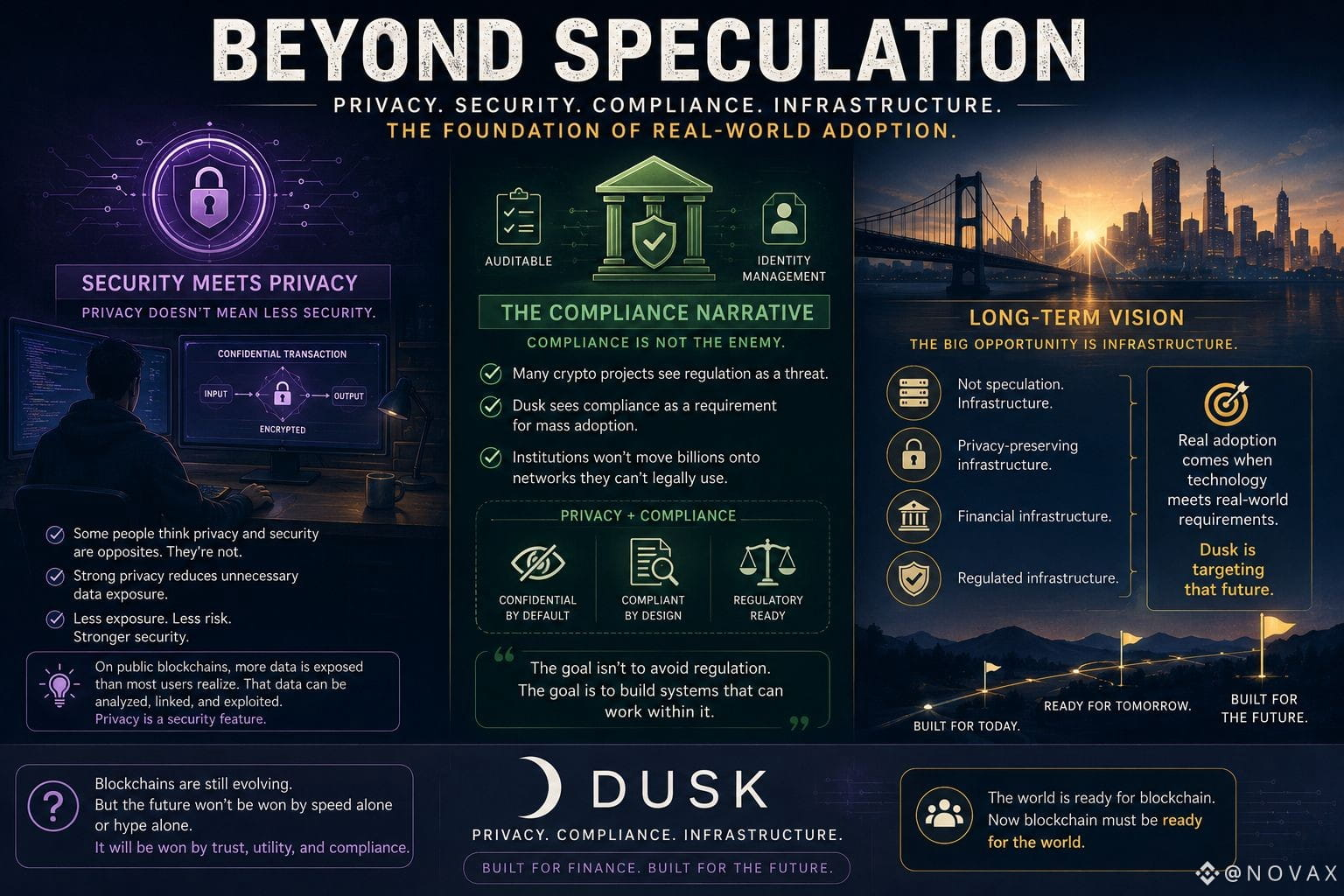
Viele sehen Privatsphäre und Sicherheit als Gegensätze.
Doch mehr Informationen offenzulegen als nötig, kann seine eigenen Risiken schaffen.
Sensiblen Geschäftsdaten, Handelsaktivitäten und Finanzunterlagen ist nicht dafür gedacht, für immer für jeden sichtbar zu sein.
In vielen Fällen kann stärkere Privatsphäre sogar die Sicherheit verbessern, indem sie unnötige Datenexponierung reduziert.
Gleichzeitig reicht Privatsphäre allein nicht aus.
Ein Netzwerk kann zwar privat sein, aber wenn Regulierungsbehörden, Prüfer oder Institutionen nicht rechtlich mit ihm interagieren können, wird eine großflächige Einführung schwierig.
Hier wird die Compliance-Debatte besonders spannend.
Über Jahre hinweg behandelten Teile der Crypto-Branche Regulierung als etwas, das es zu vermeiden gilt.
Aber Institutionen werden keine Milliarden von Dollar auf Systeme verlagern, die sie rechtlich nicht nutzen dürfen.
Die Herausforderung besteht nicht darin, zwischen Privatsphäre und Compliance zu wählen.
Die Herausforderung liegt darin, einen Weg zu finden, beides zu unterstützen.
Darum könnte sich die langfristige Chance nicht nur aus Spekulation ergeben.
Sie könnte aus Infrastruktur entstehen.
Infrastruktur, die sensible Informationen schützt.
Infrastruktur, die Finanzmärkte unterstützen kann.
Infrastruktur, die innerhalb realer regulatorischer Rahmenbedingungen betrieben werden kann.
Dusk positioniert sich entlang dieser Vision.
Ob der Branche gelingt, Privatsphäre, Sicherheit und Compliance erfolgreich in Einklang zu bringen, bleibt eine der größten unbeantworteten Fragen der Blockchain.
Doch die Lösung dieses Problems könnte wichtiger sein als einfach nur die schnellste Chain zu sein.
#PrivacyProtection
#dusk @Dusk_Foundation $DUSK
$TRUMP $MAGMA
Vor ein paar Jahren drehten sich die größten Blockchain-Diskussionen vor allem um Kursbewegungen.
Heute zeichnet sich eine andere Frage ab:
Was passiert, wenn echte Institutionen diese Technologie nutzen wollen?
Dann werden einige der größten Herausforderungen der Blockchain offensichtlich.
Viele sehen Privatsphäre und Sicherheit als Gegensätze.
Doch mehr Informationen offenzulegen als nötig, kann seine eigenen Risiken schaffen.
Sensiblen Geschäftsdaten, Handelsaktivitäten und Finanzunterlagen ist nicht dafür gedacht, für immer für jeden sichtbar zu sein.
In vielen Fällen kann stärkere Privatsphäre sogar die Sicherheit verbessern, indem sie unnötige Datenexponierung reduziert.
Gleichzeitig reicht Privatsphäre allein nicht aus.
Ein Netzwerk kann zwar privat sein, aber wenn Regulierungsbehörden, Prüfer oder Institutionen nicht rechtlich mit ihm interagieren können, wird eine großflächige Einführung schwierig.
Hier wird die Compliance-Debatte besonders spannend.
Über Jahre hinweg behandelten Teile der Crypto-Branche Regulierung als etwas, das es zu vermeiden gilt.
Aber Institutionen werden keine Milliarden von Dollar auf Systeme verlagern, die sie rechtlich nicht nutzen dürfen.
Die Herausforderung besteht nicht darin, zwischen Privatsphäre und Compliance zu wählen.
Die Herausforderung liegt darin, einen Weg zu finden, beides zu unterstützen.
Darum könnte sich die langfristige Chance nicht nur aus Spekulation ergeben.
Sie könnte aus Infrastruktur entstehen.
Infrastruktur, die sensible Informationen schützt.
Infrastruktur, die Finanzmärkte unterstützen kann.
Infrastruktur, die innerhalb realer regulatorischer Rahmenbedingungen betrieben werden kann.
Dusk positioniert sich entlang dieser Vision.
Ob der Branche gelingt, Privatsphäre, Sicherheit und Compliance erfolgreich in Einklang zu bringen, bleibt eine der größten unbeantworteten Fragen der Blockchain.
Doch die Lösung dieses Problems könnte wichtiger sein als einfach nur die schnellste Chain zu sein.
#PrivacyProtection
#dusk @Dusk $DUSK
$TRUMP $MAGMA
Heute zeichnet sich eine andere Frage ab:
Was passiert, wenn echte Institutionen diese Technologie nutzen wollen?
Dann werden einige der größten Herausforderungen der Blockchain offensichtlich.
Viele sehen Privatsphäre und Sicherheit als Gegensätze.
Doch mehr Informationen offenzulegen als nötig, kann seine eigenen Risiken schaffen.
Sensiblen Geschäftsdaten, Handelsaktivitäten und Finanzunterlagen ist nicht dafür gedacht, für immer für jeden sichtbar zu sein.
In vielen Fällen kann stärkere Privatsphäre sogar die Sicherheit verbessern, indem sie unnötige Datenexponierung reduziert.
Gleichzeitig reicht Privatsphäre allein nicht aus.
Ein Netzwerk kann zwar privat sein, aber wenn Regulierungsbehörden, Prüfer oder Institutionen nicht rechtlich mit ihm interagieren können, wird eine großflächige Einführung schwierig.
Hier wird die Compliance-Debatte besonders spannend.
Über Jahre hinweg behandelten Teile der Crypto-Branche Regulierung als etwas, das es zu vermeiden gilt.
Aber Institutionen werden keine Milliarden von Dollar auf Systeme verlagern, die sie rechtlich nicht nutzen dürfen.
Die Herausforderung besteht nicht darin, zwischen Privatsphäre und Compliance zu wählen.
Die Herausforderung liegt darin, einen Weg zu finden, beides zu unterstützen.
Darum könnte sich die langfristige Chance nicht nur aus Spekulation ergeben.
Sie könnte aus Infrastruktur entstehen.
Infrastruktur, die sensible Informationen schützt.
Infrastruktur, die Finanzmärkte unterstützen kann.
Infrastruktur, die innerhalb realer regulatorischer Rahmenbedingungen betrieben werden kann.
Dusk positioniert sich entlang dieser Vision.
Ob der Branche gelingt, Privatsphäre, Sicherheit und Compliance erfolgreich in Einklang zu bringen, bleibt eine der größten unbeantworteten Fragen der Blockchain.
Doch die Lösung dieses Problems könnte wichtiger sein als einfach nur die schnellste Chain zu sein.
#PrivacyProtection
#dusk @Dusk $DUSK
$TRUMP $MAGMA
32
9
700
·
--
Ein Freund stellte mir einmal eine einfache Frage:
„Wenn Unternehmen sensible Informationen heute privat halten, warum würden sie sie dann auf ein System verlagern, in dem jeder sie sehen kann?“
Das ist eine berechtigte Kritik an vielen Blockchain-Anwendungen.
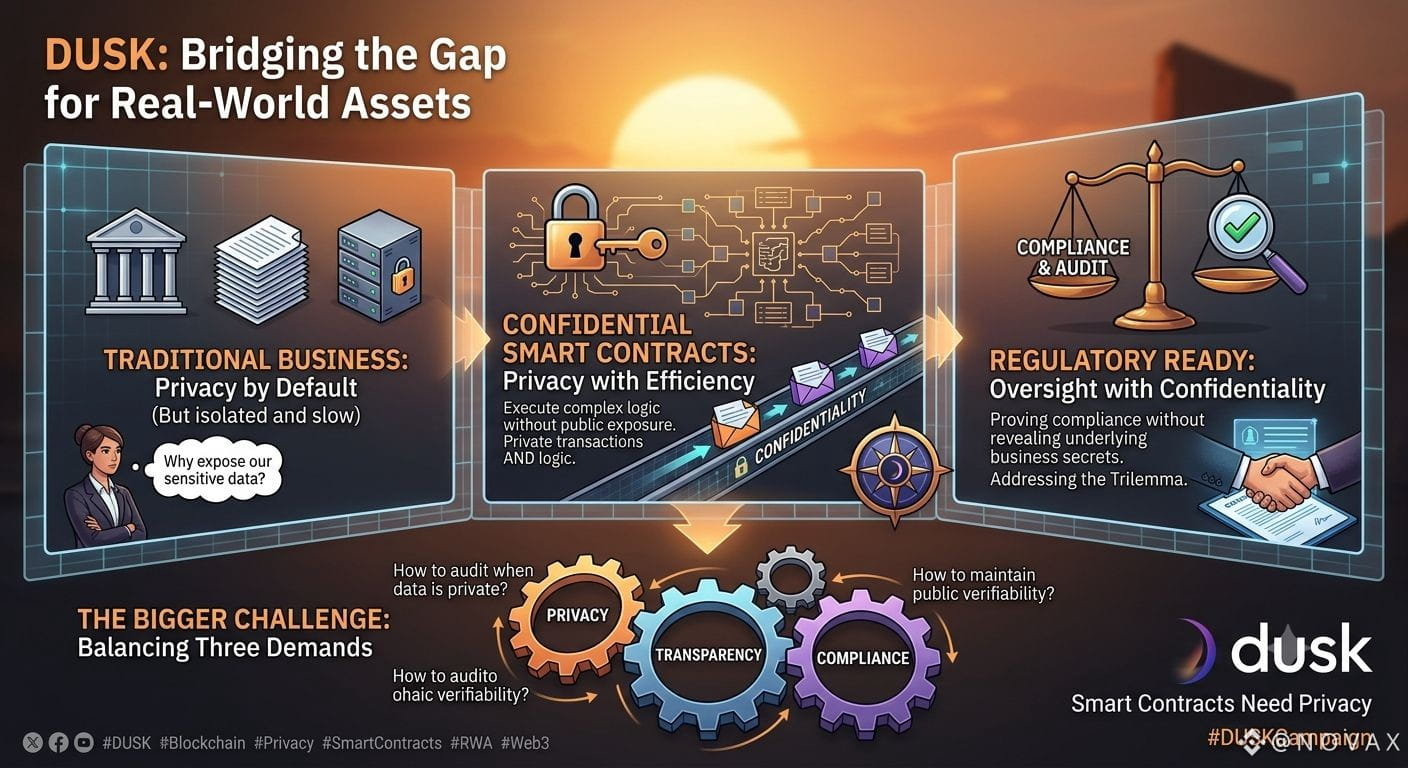
Smart Contracts sind mächtig, doch in den meisten öffentlichen Netzwerken können die Vertragsaktivitäten, die Daten und die Interaktionen oft mehr Informationen offenbaren, als Unternehmen gerne teilen.
Genau hier wird die Idee vertraulicher Smart Contracts interessant.
Das Ziel ist nicht nur, private Transaktionen zu ermöglichen.
Es geht darum, dass Vereinbarungen, Abwicklungen und Geschäftslogik ausgeführt werden können, ohne sensible Informationen dem gesamten Netzwerk offenzulegen.
Doch dieser Ansatz bringt auch Abwägungen mit sich.
Mehr Privatsphäre kann eine größere technische Komplexität bedeuten.
Audits werden schwieriger.
Die regulatorische Aufsicht wird herausfordernder.
Und nachzuweisen, dass vertrauliche Systeme weiterhin sicher sind, ist oft schwieriger als bei vollständig transparenten Systemen.
Dusk verfolgt die Vision, dass Privatsphäre über Transaktionen hinausreichen sollte – bis in die Ausführung von Smart Contracts selbst.
Die große Frage ist, ob Blockchain jemals gleichzeitig drei konkurrierende Anforderungen in Einklang bringen kann:
Privatsphäre. Transparenz. Compliance.
Viele Projekte haben eine oder zwei davon gelöst.
Nur sehr wenige haben überzeugend alle drei gelöst.
Das ist die Herausforderung, die vertrauliche Smart Contracts adressieren sollen.
#Blockchain #TrumpPressesCongressToPassClarityAct
#dusk $DUSK @Dusk_Foundation
$GOOGL.US
Ein Freund stellte mir einmal eine einfache Frage:
„Wenn Unternehmen sensible Informationen heute privat halten, warum würden sie sie dann auf ein System verlagern, in dem jeder sie sehen kann?“
Das ist eine berechtigte Kritik an vielen Blockchain-Anwendungen.
Smart Contracts sind mächtig, doch in den meisten öffentlichen Netzwerken können die Vertragsaktivitäten, die Daten und die Interaktionen oft mehr Informationen offenbaren, als Unternehmen gerne teilen.
Genau hier wird die Idee vertraulicher Smart Contracts interessant.
Das Ziel ist nicht nur, private Transaktionen zu ermöglichen.
Es geht darum, dass Vereinbarungen, Abwicklungen und Geschäftslogik ausgeführt werden können, ohne sensible Informationen dem gesamten Netzwerk offenzulegen.
Doch dieser Ansatz bringt auch Abwägungen mit sich.
Mehr Privatsphäre kann eine größere technische Komplexität bedeuten.
Audits werden schwieriger.
Die regulatorische Aufsicht wird herausfordernder.
Und nachzuweisen, dass vertrauliche Systeme weiterhin sicher sind, ist oft schwieriger als bei vollständig transparenten Systemen.
Dusk verfolgt die Vision, dass Privatsphäre über Transaktionen hinausreichen sollte – bis in die Ausführung von Smart Contracts selbst.
Die große Frage ist, ob Blockchain jemals gleichzeitig drei konkurrierende Anforderungen in Einklang bringen kann:
Privatsphäre. Transparenz. Compliance.
Viele Projekte haben eine oder zwei davon gelöst.
Nur sehr wenige haben überzeugend alle drei gelöst.
Das ist die Herausforderung, die vertrauliche Smart Contracts adressieren sollen.
#Blockchain #TrumpPressesCongressToPassClarityAct
#dusk $DUSK @Dusk
$GOOGL.US
„Wenn Unternehmen sensible Informationen heute privat halten, warum würden sie sie dann auf ein System verlagern, in dem jeder sie sehen kann?“
Das ist eine berechtigte Kritik an vielen Blockchain-Anwendungen.
Smart Contracts sind mächtig, doch in den meisten öffentlichen Netzwerken können die Vertragsaktivitäten, die Daten und die Interaktionen oft mehr Informationen offenbaren, als Unternehmen gerne teilen.
Genau hier wird die Idee vertraulicher Smart Contracts interessant.
Das Ziel ist nicht nur, private Transaktionen zu ermöglichen.
Es geht darum, dass Vereinbarungen, Abwicklungen und Geschäftslogik ausgeführt werden können, ohne sensible Informationen dem gesamten Netzwerk offenzulegen.
Doch dieser Ansatz bringt auch Abwägungen mit sich.
Mehr Privatsphäre kann eine größere technische Komplexität bedeuten.
Audits werden schwieriger.
Die regulatorische Aufsicht wird herausfordernder.
Und nachzuweisen, dass vertrauliche Systeme weiterhin sicher sind, ist oft schwieriger als bei vollständig transparenten Systemen.
Dusk verfolgt die Vision, dass Privatsphäre über Transaktionen hinausreichen sollte – bis in die Ausführung von Smart Contracts selbst.
Die große Frage ist, ob Blockchain jemals gleichzeitig drei konkurrierende Anforderungen in Einklang bringen kann:
Privatsphäre. Transparenz. Compliance.
Viele Projekte haben eine oder zwei davon gelöst.
Nur sehr wenige haben überzeugend alle drei gelöst.
Das ist die Herausforderung, die vertrauliche Smart Contracts adressieren sollen.
#Blockchain #TrumpPressesCongressToPassClarityAct
#dusk $DUSK @Dusk
$GOOGL.US
DUSK+2,39%
GOOGLUS+0,53%
2
137
·
--
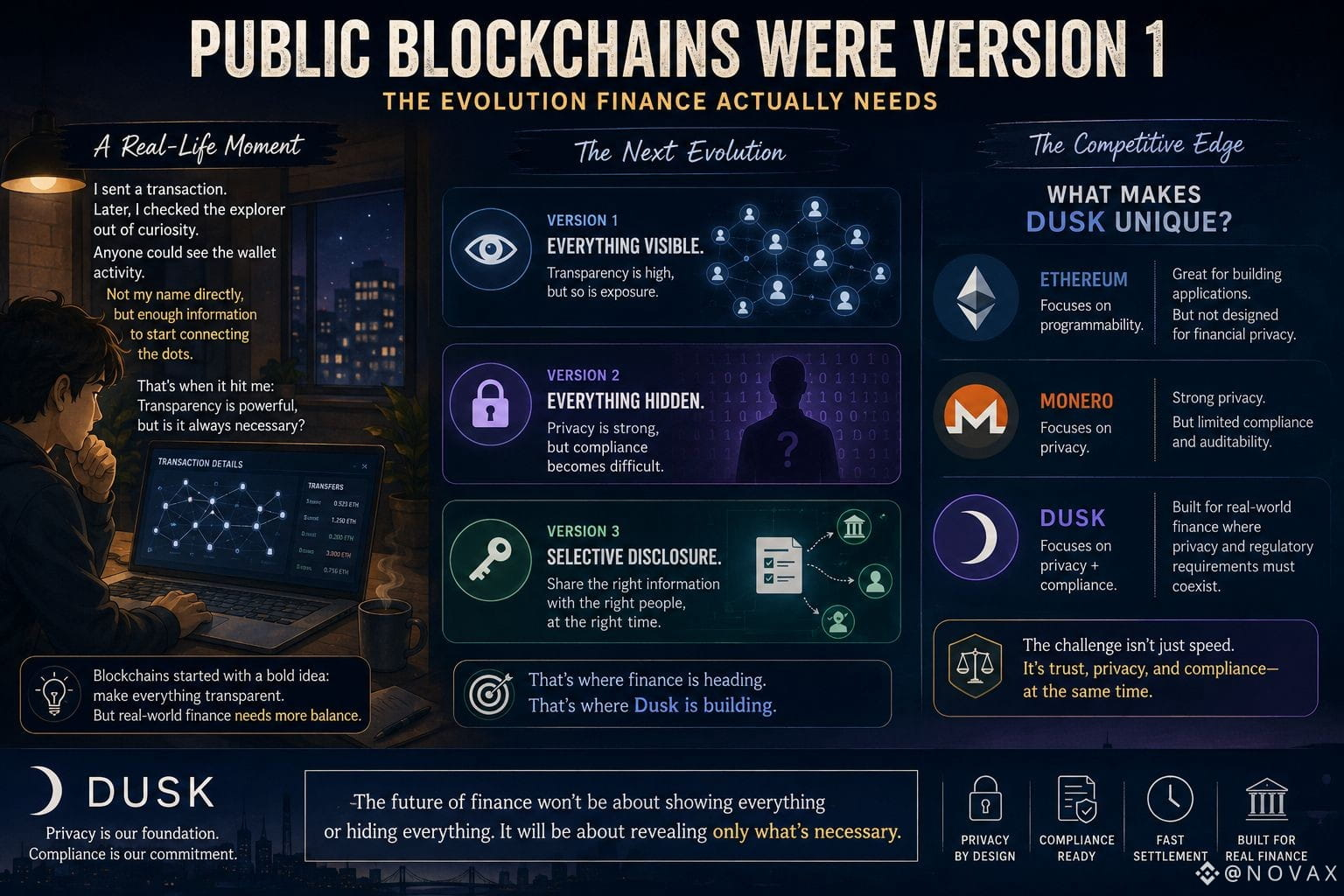
Vor ein paar Jahren habe ich eine Transaktion gesendet und später etwas Interessantes festgestellt.
Jeder konnte die Wallet-Aktivität sehen.
Nicht direkt meinen Namen, aber genug Informationen, um ein Bild zu beginnen.
Am Anfang fühlte sich die radikale Transparenz der Blockchain wie ein Durchbruch an.
Dann kamen die Fragen.
Würde ein Unternehmen wollen, dass Lieferanten, Wettbewerber oder Kunden jede finanzielle Bewegung sehen?
Würde eine Institution sensible Transaktionen auf ein System setzen, in dem alles dauerhaft sichtbar ist?
Hier beginnt die Entwicklung der Blockchain besonders interessant zu werden.
Version 1: Alles sichtbar.
Version 2: Alles verborgen.
Version 3: Selektive Offenlegung.
Die erste Priorität ist Transparenz.
Die zweite Priorität ist Privatsphäre.
Aber Finanzen funktionieren oft irgendwo dazwischen.
Die meisten Institutionen wollen nicht alles offenlegen, aber sie können auch nicht alles verbergen. Sie müssen die richtigen Informationen zur richtigen Zeit mit den richtigen Parteien teilen.
Beim Vergleich verschiedener Blockchain-Projekte ist mir aufgefallen, dass sich viele Diskussionen noch immer um TPS, Gebühren und Geschwindigkeit drehen.
Diese Kennzahlen sind wichtig.
Aber sie lösen nicht unbedingt die Herausforderungen, denen sich regulierte Finanzmärkte gegenübersehen.
Ethereum hat stark auf Programmierbarkeit gesetzt.
Monero hat stark auf Privatsphäre gesetzt.
Dusk untersucht eine andere Frage:
Können Privatsphäre und Compliance gleichzeitig in demselben System existieren?
Das ist ein schwierigeres Problem, als nur Transaktionen schneller zu machen.
Mit der Reifung der Blockchain-Technologie könnte sich die Debatte von „Wie schnell ist es?“ hin zu
„Wie viel Information sollte tatsächlich geteilt werden?“
verschieben.
Denn die Zukunft der Finanzen könnte nicht darum gehen, alles offenzulegen oder alles zu verbergen.
Vielleicht geht es darum, nur das zu offenbaren, was notwendig ist.
#DUSK #Web3 #Finance $DUSK @Dusk_Foundation
$AAVE $ACE
Vor ein paar Jahren habe ich eine Transaktion gesendet und später etwas Interessantes festgestellt.
Jeder konnte die Wallet-Aktivität sehen.
Nicht direkt meinen Namen, aber genug Informationen, um ein Bild zu beginnen.
Am Anfang fühlte sich die radikale Transparenz der Blockchain wie ein Durchbruch an.
Dann kamen die Fragen.
Würde ein Unternehmen wollen, dass Lieferanten, Wettbewerber oder Kunden jede finanzielle Bewegung sehen?
Würde eine Institution sensible Transaktionen auf ein System setzen, in dem alles dauerhaft sichtbar ist?
Hier beginnt die Entwicklung der Blockchain besonders interessant zu werden.
Version 1: Alles sichtbar.
Version 2: Alles verborgen.
Version 3: Selektive Offenlegung.
Die erste Priorität ist Transparenz.
Die zweite Priorität ist Privatsphäre.
Aber Finanzen funktionieren oft irgendwo dazwischen.
Die meisten Institutionen wollen nicht alles offenlegen, aber sie können auch nicht alles verbergen. Sie müssen die richtigen Informationen zur richtigen Zeit mit den richtigen Parteien teilen.
Beim Vergleich verschiedener Blockchain-Projekte ist mir aufgefallen, dass sich viele Diskussionen noch immer um TPS, Gebühren und Geschwindigkeit drehen.
Diese Kennzahlen sind wichtig.
Aber sie lösen nicht unbedingt die Herausforderungen, denen sich regulierte Finanzmärkte gegenübersehen.
Ethereum hat stark auf Programmierbarkeit gesetzt.
Monero hat stark auf Privatsphäre gesetzt.
Dusk untersucht eine andere Frage:
Können Privatsphäre und Compliance gleichzeitig in demselben System existieren?
Das ist ein schwierigeres Problem, als nur Transaktionen schneller zu machen.
Mit der Reifung der Blockchain-Technologie könnte sich die Debatte von „Wie schnell ist es?“ hin zu
„Wie viel Information sollte tatsächlich geteilt werden?“
verschieben.
Denn die Zukunft der Finanzen könnte nicht darum gehen, alles offenzulegen oder alles zu verbergen.
Vielleicht geht es darum, nur das zu offenbaren, was notwendig ist.
#DUSK #Web3 #Finance $DUSK @Dusk
$AAVE $ACE
Jeder konnte die Wallet-Aktivität sehen.
Nicht direkt meinen Namen, aber genug Informationen, um ein Bild zu beginnen.
Am Anfang fühlte sich die radikale Transparenz der Blockchain wie ein Durchbruch an.
Dann kamen die Fragen.
Würde ein Unternehmen wollen, dass Lieferanten, Wettbewerber oder Kunden jede finanzielle Bewegung sehen?
Würde eine Institution sensible Transaktionen auf ein System setzen, in dem alles dauerhaft sichtbar ist?
Hier beginnt die Entwicklung der Blockchain besonders interessant zu werden.
Version 1: Alles sichtbar.
Version 2: Alles verborgen.
Version 3: Selektive Offenlegung.
Die erste Priorität ist Transparenz.
Die zweite Priorität ist Privatsphäre.
Aber Finanzen funktionieren oft irgendwo dazwischen.
Die meisten Institutionen wollen nicht alles offenlegen, aber sie können auch nicht alles verbergen. Sie müssen die richtigen Informationen zur richtigen Zeit mit den richtigen Parteien teilen.
Beim Vergleich verschiedener Blockchain-Projekte ist mir aufgefallen, dass sich viele Diskussionen noch immer um TPS, Gebühren und Geschwindigkeit drehen.
Diese Kennzahlen sind wichtig.
Aber sie lösen nicht unbedingt die Herausforderungen, denen sich regulierte Finanzmärkte gegenübersehen.
Ethereum hat stark auf Programmierbarkeit gesetzt.
Monero hat stark auf Privatsphäre gesetzt.
Dusk untersucht eine andere Frage:
Können Privatsphäre und Compliance gleichzeitig in demselben System existieren?
Das ist ein schwierigeres Problem, als nur Transaktionen schneller zu machen.
Mit der Reifung der Blockchain-Technologie könnte sich die Debatte von „Wie schnell ist es?“ hin zu
„Wie viel Information sollte tatsächlich geteilt werden?“
verschieben.
Denn die Zukunft der Finanzen könnte nicht darum gehen, alles offenzulegen oder alles zu verbergen.
Vielleicht geht es darum, nur das zu offenbaren, was notwendig ist.
#DUSK #Web3 #Finance $DUSK @Dusk
$AAVE $ACE
5
3
110
·
--
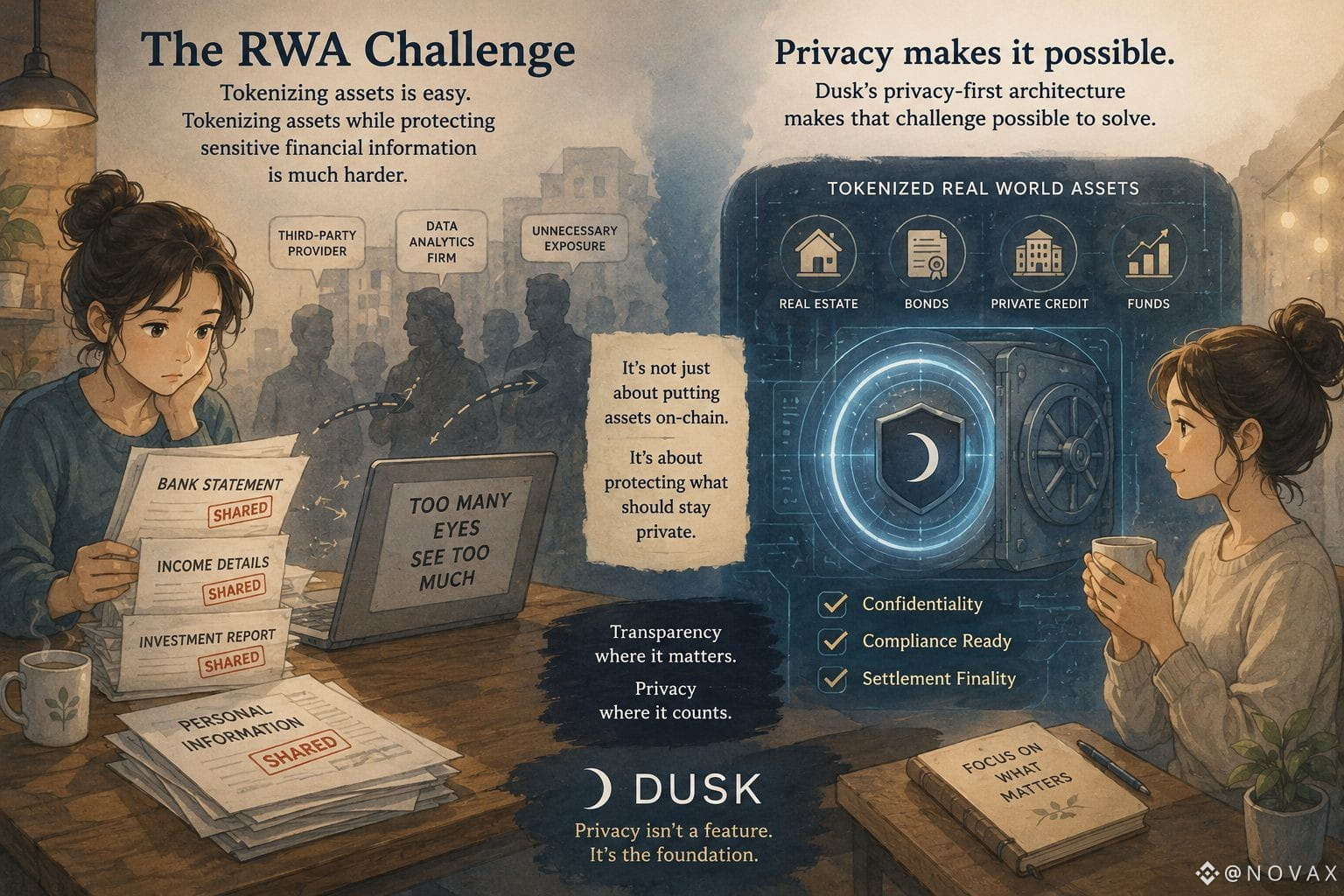
Letzten Monat musste ich Finanzdokumente für einen routinemäßigen Verifizierungsprozess einreichen.
Was mich überraschte, waren nicht die Unterlagen.
Es war, wie viele Menschen und Systeme am Ende Informationen zu sehen bekamen, die nichts mit der eigentlichen Verifizierung zu tun hatten.
Das ist eine der weniger diskutierten Herausforderungen im Finanzwesen:
Genug Informationen zu teilen, um etwas als legitim nachzuweisen, ohne alles andere offenzulegen.
Assets zu tokenisieren ist relativ einfach.
Assets zu tokenisieren und dabei sensible Finanzinformationen zu schützen, ist viel schwieriger.
Viele Blockchain-Diskussionen konzentrieren sich darauf, Assets on chain zu bringen, aber achten oft weniger darauf, was mit den Daten passiert, die an diese Assets angehängt sind.
Sowohl für Einzelpersonen als auch für Institutionen kann Transparenz manchmal eher zu einem Nachteil als zu einem Feature werden.
Dusk geht diese Herausforderung aus einer Privacy-First-Perspektive an und versucht, Vertraulichkeit mit regulatorischen Anforderungen in Einklang zu bringen.
Die eigentliche Frage lautet nicht, ob Assets tokenisiert werden können.
Sondern ob sie tokenisiert werden können, ohne sensible Finanzinformationen in öffentliche Informationen zu verwandeln.
Genau dort wird die RWA-Diskussion interessanter.
#RWA #blockchain #Privacy #Finance #dusk $DUSK @Dusk_Foundation $AAPLB $GOOGL.US
Letzten Monat musste ich Finanzdokumente für einen routinemäßigen Verifizierungsprozess einreichen.
Was mich überraschte, waren nicht die Unterlagen.
Es war, wie viele Menschen und Systeme am Ende Informationen zu sehen bekamen, die nichts mit der eigentlichen Verifizierung zu tun hatten.
Das ist eine der weniger diskutierten Herausforderungen im Finanzwesen:
Genug Informationen zu teilen, um etwas als legitim nachzuweisen, ohne alles andere offenzulegen.
Assets zu tokenisieren ist relativ einfach.
Assets zu tokenisieren und dabei sensible Finanzinformationen zu schützen, ist viel schwieriger.
Viele Blockchain-Diskussionen konzentrieren sich darauf, Assets on chain zu bringen, aber achten oft weniger darauf, was mit den Daten passiert, die an diese Assets angehängt sind.
Sowohl für Einzelpersonen als auch für Institutionen kann Transparenz manchmal eher zu einem Nachteil als zu einem Feature werden.
Dusk geht diese Herausforderung aus einer Privacy-First-Perspektive an und versucht, Vertraulichkeit mit regulatorischen Anforderungen in Einklang zu bringen.
Die eigentliche Frage lautet nicht, ob Assets tokenisiert werden können.
Sondern ob sie tokenisiert werden können, ohne sensible Finanzinformationen in öffentliche Informationen zu verwandeln.
Genau dort wird die RWA-Diskussion interessanter.
#RWA #blockchain #Privacy #Finance #dusk $DUSK @Dusk $AAPLB $GOOGL.US
Was mich überraschte, waren nicht die Unterlagen.
Es war, wie viele Menschen und Systeme am Ende Informationen zu sehen bekamen, die nichts mit der eigentlichen Verifizierung zu tun hatten.
Das ist eine der weniger diskutierten Herausforderungen im Finanzwesen:
Genug Informationen zu teilen, um etwas als legitim nachzuweisen, ohne alles andere offenzulegen.
Assets zu tokenisieren ist relativ einfach.
Assets zu tokenisieren und dabei sensible Finanzinformationen zu schützen, ist viel schwieriger.
Viele Blockchain-Diskussionen konzentrieren sich darauf, Assets on chain zu bringen, aber achten oft weniger darauf, was mit den Daten passiert, die an diese Assets angehängt sind.
Sowohl für Einzelpersonen als auch für Institutionen kann Transparenz manchmal eher zu einem Nachteil als zu einem Feature werden.
Dusk geht diese Herausforderung aus einer Privacy-First-Perspektive an und versucht, Vertraulichkeit mit regulatorischen Anforderungen in Einklang zu bringen.
Die eigentliche Frage lautet nicht, ob Assets tokenisiert werden können.
Sondern ob sie tokenisiert werden können, ohne sensible Finanzinformationen in öffentliche Informationen zu verwandeln.
Genau dort wird die RWA-Diskussion interessanter.
#RWA #blockchain #Privacy #Finance #dusk $DUSK @Dusk $AAPLB $GOOGL.US
17
3
239
·
--
Vor ein paar Tagen habe ich Geld überwiesen, um etwas Wichtiges zu bezahlen.
Die App sagte „wird verarbeitet“.
Nicht fehlgeschlagen. Nicht abgeschlossen. Nur… Warten.
Diese kleine Verzögerung hat mir etwas klar gemacht:
In der Finanzwelt ist Tempo zwar wichtig, aber Gewissheit ist noch wichtiger.
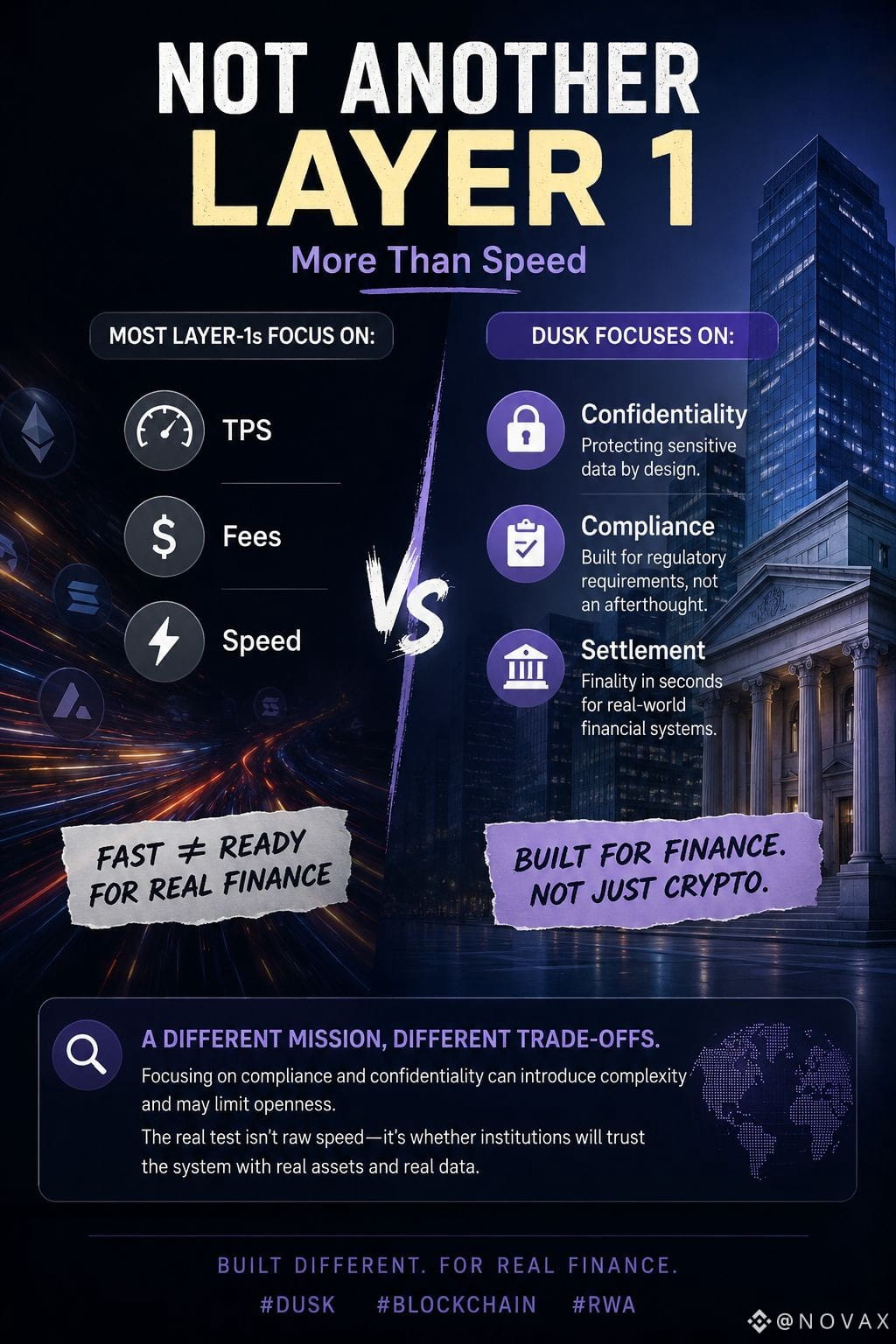
Die meisten Gespräche rund um Layer-1 konzentrieren sich auf: • TPS
• Gebühren
• Geschwindigkeit
Diese Kennzahlen sind nützlich, aber sie lösen nicht automatisch echte finanzielle Herausforderungen.
Dusk verfolgt einen anderen Ansatz, der den Fokus auf: • Vertraulichkeit
• Compliance
• Settlement-Finalität
legt.
Denn für Institutionen stellt sich nicht nur die Frage, wie schnell sich eine Transaktion bewegt. Sondern ob sensible Informationen geschützt bleiben, regulatorische Anforderungen erfüllt werden können und die Abwicklung vertraut werden kann.
Viele Blockchains konkurrieren darum, schneller zu sein.
Dusk testet eine andere Idee: Dass Finanzwesen vielleicht mehr braucht als nur Geschwindigkeit.
#blockchain #Finance #Privacy #dusk $DUSK @Dusk_Foundation
$AAPLB $AAPL.US #VIXFallsTo2026Low
Vor ein paar Tagen habe ich Geld überwiesen, um etwas Wichtiges zu bezahlen.
Die App sagte „wird verarbeitet“.
Nicht fehlgeschlagen. Nicht abgeschlossen. Nur… Warten.
Diese kleine Verzögerung hat mir etwas klar gemacht:
In der Finanzwelt ist Tempo zwar wichtig, aber Gewissheit ist noch wichtiger.
Die meisten Gespräche rund um Layer-1 konzentrieren sich auf: • TPS
• Gebühren
• Geschwindigkeit
Diese Kennzahlen sind nützlich, aber sie lösen nicht automatisch echte finanzielle Herausforderungen.
Dusk verfolgt einen anderen Ansatz, der den Fokus auf: • Vertraulichkeit
• Compliance
• Settlement-Finalität
legt.
Denn für Institutionen stellt sich nicht nur die Frage, wie schnell sich eine Transaktion bewegt. Sondern ob sensible Informationen geschützt bleiben, regulatorische Anforderungen erfüllt werden können und die Abwicklung vertraut werden kann.
Viele Blockchains konkurrieren darum, schneller zu sein.
Dusk testet eine andere Idee: Dass Finanzwesen vielleicht mehr braucht als nur Geschwindigkeit.
#blockchain #Finance #Privacy #dusk $DUSK @Dusk
$AAPLB $AAPL.US #VIXFallsTo2026Low
Die App sagte „wird verarbeitet“.
Nicht fehlgeschlagen. Nicht abgeschlossen. Nur… Warten.
Diese kleine Verzögerung hat mir etwas klar gemacht:
In der Finanzwelt ist Tempo zwar wichtig, aber Gewissheit ist noch wichtiger.
Die meisten Gespräche rund um Layer-1 konzentrieren sich auf: • TPS
• Gebühren
• Geschwindigkeit
Diese Kennzahlen sind nützlich, aber sie lösen nicht automatisch echte finanzielle Herausforderungen.
Dusk verfolgt einen anderen Ansatz, der den Fokus auf: • Vertraulichkeit
• Compliance
• Settlement-Finalität
legt.
Denn für Institutionen stellt sich nicht nur die Frage, wie schnell sich eine Transaktion bewegt. Sondern ob sensible Informationen geschützt bleiben, regulatorische Anforderungen erfüllt werden können und die Abwicklung vertraut werden kann.
Viele Blockchains konkurrieren darum, schneller zu sein.
Dusk testet eine andere Idee: Dass Finanzwesen vielleicht mehr braucht als nur Geschwindigkeit.
#blockchain #Finance #Privacy #dusk $DUSK @Dusk
$AAPLB $AAPL.US #VIXFallsTo2026Low
4
4
177
·
--
Sekunden zählen
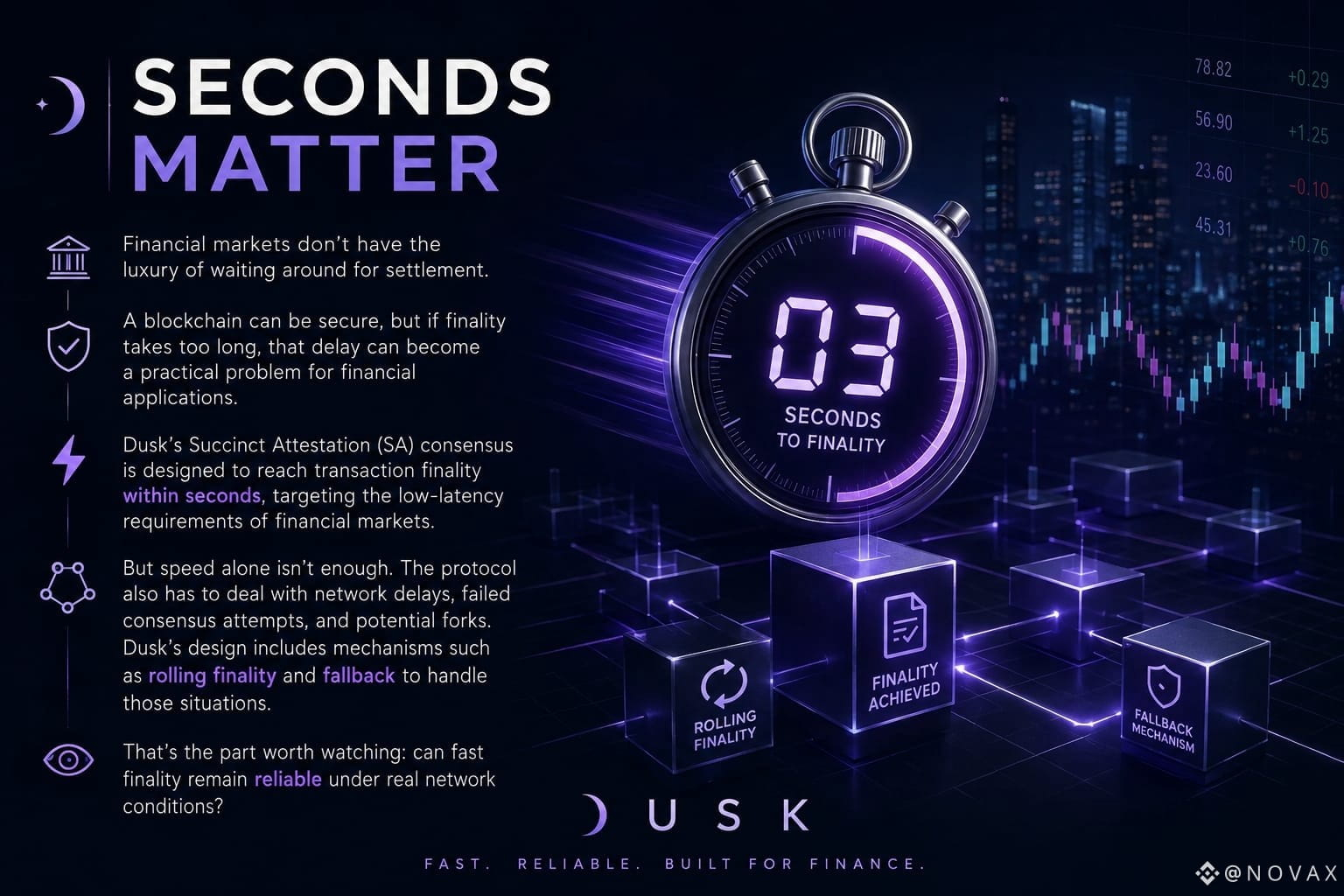
Finanzmärkte haben nicht den Luxus, auf die Abwicklung zu warten.
Eine Blockchain kann zwar sicher sein, aber wenn die endgültige Bestätigung (Finality) zu lange dauert, kann diese Verzögerung zu einem praktischen Problem für Finanzanwendungen werden.
Der Konsens von Dusk „Succinct Attestation“ (SA) ist darauf ausgelegt, die Transaktions-Finalität innerhalb von Sekunden zu erreichen – mit dem Ziel, die Anforderungen an geringe Latenzzeiten von Finanzmärkten zu erfüllen.
Doch Geschwindigkeit allein reicht nicht aus. Das Protokoll muss außerdem mit Netzwerkverzögerungen, gescheiterten Konsensversuchen und möglichen Forks umgehen. Dusk’s Design umfasst Mechanismen wie „Rolling Finality“ und Fallbacks, um solche Situationen zu bewältigen.
Darauf kommt es an: Kann schnelle Finalität unter realen Netzwerkbedingungen zuverlässig bleiben?
#dusk $DUSK @Dusk_Foundation
Sekunden zählen
Finanzmärkte haben nicht den Luxus, auf die Abwicklung zu warten.
Eine Blockchain kann zwar sicher sein, aber wenn die endgültige Bestätigung (Finality) zu lange dauert, kann diese Verzögerung zu einem praktischen Problem für Finanzanwendungen werden.
Der Konsens von Dusk „Succinct Attestation“ (SA) ist darauf ausgelegt, die Transaktions-Finalität innerhalb von Sekunden zu erreichen – mit dem Ziel, die Anforderungen an geringe Latenzzeiten von Finanzmärkten zu erfüllen.
Doch Geschwindigkeit allein reicht nicht aus. Das Protokoll muss außerdem mit Netzwerkverzögerungen, gescheiterten Konsensversuchen und möglichen Forks umgehen. Dusk’s Design umfasst Mechanismen wie „Rolling Finality“ und Fallbacks, um solche Situationen zu bewältigen.
Darauf kommt es an: Kann schnelle Finalität unter realen Netzwerkbedingungen zuverlässig bleiben?
#dusk $DUSK @Dusk
Finanzmärkte haben nicht den Luxus, auf die Abwicklung zu warten.
Eine Blockchain kann zwar sicher sein, aber wenn die endgültige Bestätigung (Finality) zu lange dauert, kann diese Verzögerung zu einem praktischen Problem für Finanzanwendungen werden.
Der Konsens von Dusk „Succinct Attestation“ (SA) ist darauf ausgelegt, die Transaktions-Finalität innerhalb von Sekunden zu erreichen – mit dem Ziel, die Anforderungen an geringe Latenzzeiten von Finanzmärkten zu erfüllen.
Doch Geschwindigkeit allein reicht nicht aus. Das Protokoll muss außerdem mit Netzwerkverzögerungen, gescheiterten Konsensversuchen und möglichen Forks umgehen. Dusk’s Design umfasst Mechanismen wie „Rolling Finality“ und Fallbacks, um solche Situationen zu bewältigen.
Darauf kommt es an: Kann schnelle Finalität unter realen Netzwerkbedingungen zuverlässig bleiben?
#dusk $DUSK @Dusk
43
12
133
Anmelden und weiter Inhalte entdecken
Krypto-Nutzer weltweit auf Binance Square kennenlernen
⚡️ Bleib in Sachen Krypto stets am Puls.
💬 Die weltgrößte Kryptobörse vertraut darauf.
👍 Erhalte verlässliche Einblicke von verifizierten Creators.
E-Mail-Adresse/Telefonnummer
Trendthemen
BinanceLaunchesBinanceIntelligence
339,775 Aufrufe
2,790 Kommentare
#BinanceLaunchesBinanceIntelligence
Die KI-Revolution erreicht die Welt des digitalen Handels
Die Plattform Binance hat offiziell den Start ihres neuen intelligenten Ökosystems Binance Intelligence bekannt gegeben. Dieser Schritt markiert einen bedeutenden Fortschritt bei der Integration von KI-Tools in das tägliche Handelserlebnis der Nutzer. Die Initiative soll die Wissenslücke an den Finanzmärkten schließen und Tradern – vom Anfänger bis zum Profi – ermöglichen, Daten zu analysieren und Handelsstrategien in natürlicher Sprache zu entwickeln, ohne Programmierkenntnisse zu benötigen.
Die drei Säulen des Binance-Intelligence-Ökosystems
Das neue Ökosystem besteht aus drei zentralen Produkten, die auf die Bedürfnisse aller Nutzer und Entwickler zugeschnitten sind:
Binance AI (kostenlos für alle):
Führt verstreute Marktsignale (Charts, Nachrichten, On-Chain-Daten und Wirtschaftsindikatoren) in einer einheitlichen Benutzeroberfläche zusammen.
Bietet einen automatischen Marktüberblick (Market Brief), der alle vier Stunden per Audio und Text aktualisiert wird und Kryptowährungen sowie globale Märkte abdeckt.
Binance AI Pro (zur Entwicklung von Strategien):
Ermöglicht es Nutzern, ihre Handelsidee in einfacher Sprache zu formulieren. Die KI wandelt sie anschließend in ein visuelles Flussdiagramm (Visual Flowchart) um.
Bietet Paper Trading, um Strategien vor ihrer Umsetzung mit echtem Geld zu testen.
#BinanceLaunchesBinanceIntelligence
#BinanceSquareFamily #AI
Redouanecrypto
·8 Likes
·8k Aufrufe
BitcoinTargets2026OpenAt$87570
1,313 Aufrufe
56 Kommentare
BitcoinRejectedAt$87KThirdTime
1,551 Aufrufe
49 Kommentare