

NI CRYPTO
2.5k Beiträge
NI CRYPTO
Melden
Nutzer blockieren
"Blockchain believer | Crypto enthusiast | Riding the wave of decentralized finance | HODLing for a better future"
Trade eröffnen
Regelmäßiger Trader
2.3 Jahre
2 Following
828 Follower
4.5K+ Like gegeben
Beiträge
Portfolio
Alle
Zitierungen
Videos
·
--
Übersetzung ansehen
RWA could be one of crypto’s biggest narratives of the next cycle.
As traditional finance moves toward on-chain assets, the opportunity may extend far beyond $ONDO .
My RWA watchlist right now 👇
$QNT • $INJ $TRAC
$PLUME • $RSR • $DUSK
$CPOOL • $EDEN • $RIO
$CHEX • $IXS
Different projects, different approaches—but one common theme: bringing real-world value on-chain.
Which one are you watching most closely? 👀
RWA could be one of crypto’s biggest narratives of the next cycle.
As traditional finance moves toward on-chain assets, the opportunity may extend far beyond $ONDO .
My RWA watchlist right now 👇
$QNT • $INJ $TRAC
$PLUME • $RSR • $DUSK
$CPOOL • $EDEN • $RIO
$CHEX • $IXS
Different projects, different approaches—but one common theme: bringing real-world value on-chain.
Which one are you watching most closely? 👀
As traditional finance moves toward on-chain assets, the opportunity may extend far beyond $ONDO .
My RWA watchlist right now 👇
$QNT • $INJ $TRAC
$PLUME • $RSR • $DUSK
$CPOOL • $EDEN • $RIO
$CHEX • $IXS
Different projects, different approaches—but one common theme: bringing real-world value on-chain.
Which one are you watching most closely? 👀

878
·
--
$1k reicht nicht aus, um alles zu besitzen.
Also entscheide ich mich lieber für 5 verschiedene Wetten und weiß ganz genau, warum ich jede einzelne davon besitze.
🥇 $APT — $280
Ein skalierbarer L1 mit Fokus auf hochdurchsatzfähige Anwendungen.
🥈 $RUNE — $220
Engagement in dezentrale Cross-Chain-Liquidität.
🥉 $ARB — $200
Ethereum Layer-2-Infrastruktur und Wachstum des Ökosystems.
$SEI — $160
Eine Blockchain, die mit Blick auf performance-orientiertes Trading entwickelt wurde.
$TIA — $140
Modulare Blockchain-Infrastruktur und Data Availability.
Das ist kein „Kaufen und vergessen“-Portfolio.
Ich würde die Marktlage weiterhin beobachten, ebenso Unlocks, Adoption, Wettbewerb und das Downside-Risiko im Verlauf.
Meine Überzeugung ist langfristig, aber mein Risikomanagement bleibt aktiv.
Welche davon verdient in deinem Portfolio die größte Allokation?
$1k reicht nicht aus, um alles zu besitzen.
Also entscheide ich mich lieber für 5 verschiedene Wetten und weiß ganz genau, warum ich jede einzelne davon besitze.
🥇 $APT — $280
Ein skalierbarer L1 mit Fokus auf hochdurchsatzfähige Anwendungen.
🥈 $RUNE — $220
Engagement in dezentrale Cross-Chain-Liquidität.
🥉 $ARB — $200
Ethereum Layer-2-Infrastruktur und Wachstum des Ökosystems.
$SEI — $160
Eine Blockchain, die mit Blick auf performance-orientiertes Trading entwickelt wurde.
$TIA — $140
Modulare Blockchain-Infrastruktur und Data Availability.
Das ist kein „Kaufen und vergessen“-Portfolio.
Ich würde die Marktlage weiterhin beobachten, ebenso Unlocks, Adoption, Wettbewerb und das Downside-Risiko im Verlauf.
Meine Überzeugung ist langfristig, aber mein Risikomanagement bleibt aktiv.
Welche davon verdient in deinem Portfolio die größte Allokation?
Also entscheide ich mich lieber für 5 verschiedene Wetten und weiß ganz genau, warum ich jede einzelne davon besitze.
🥇 $APT — $280
Ein skalierbarer L1 mit Fokus auf hochdurchsatzfähige Anwendungen.
🥈 $RUNE — $220
Engagement in dezentrale Cross-Chain-Liquidität.
🥉 $ARB — $200
Ethereum Layer-2-Infrastruktur und Wachstum des Ökosystems.
$SEI — $160
Eine Blockchain, die mit Blick auf performance-orientiertes Trading entwickelt wurde.
$TIA — $140
Modulare Blockchain-Infrastruktur und Data Availability.
Das ist kein „Kaufen und vergessen“-Portfolio.
Ich würde die Marktlage weiterhin beobachten, ebenso Unlocks, Adoption, Wettbewerb und das Downside-Risiko im Verlauf.
Meine Überzeugung ist langfristig, aber mein Risikomanagement bleibt aktiv.
Welche davon verdient in deinem Portfolio die größte Allokation?

265
·
--
Übersetzung ansehen
Before crypto became this crowded, XRP and XLM were already building around a simple idea: making global value transfers faster and cheaper. 🌍
$XRP : The XRP Ledger launched in 2012, developed by David Schwartz, Jed McCaleb and Arthur Britto; XRP’s ATL was around $0.0027 in 2014, and it has since traded thousands of percent above that level.
$XLM : Stellar launched in 2014 with Jed McCaleb and Joyce Kim among its early founders, focusing on affordable cross-border payments; its ATL was approximately $0.000476 in March 2015, compared with around $0.22 now.
Future watch:
XRP → $2.50–$4
XLM → $0.40–$0.70 if a strong market cycle returns.
Important: Both have already survived multiple crypto cycles — were you around when XRP and XLM were still considered early projects? 👀
Before crypto became this crowded, XRP and XLM were already building around a simple idea: making global value transfers faster and cheaper. 🌍
$XRP : The XRP Ledger launched in 2012, developed by David Schwartz, Jed McCaleb and Arthur Britto; XRP’s ATL was around $0.0027 in 2014, and it has since traded thousands of percent above that level.
$XLM : Stellar launched in 2014 with Jed McCaleb and Joyce Kim among its early founders, focusing on affordable cross-border payments; its ATL was approximately $0.000476 in March 2015, compared with around $0.22 now.
Future watch:
XRP → $2.50–$4
XLM → $0.40–$0.70 if a strong market cycle returns.
Important: Both have already survived multiple crypto cycles — were you around when XRP and XLM were still considered early projects? 👀
$XRP : The XRP Ledger launched in 2012, developed by David Schwartz, Jed McCaleb and Arthur Britto; XRP’s ATL was around $0.0027 in 2014, and it has since traded thousands of percent above that level.
$XLM : Stellar launched in 2014 with Jed McCaleb and Joyce Kim among its early founders, focusing on affordable cross-border payments; its ATL was approximately $0.000476 in March 2015, compared with around $0.22 now.
Future watch:
XRP → $2.50–$4
XLM → $0.40–$0.70 if a strong market cycle returns.
Important: Both have already survived multiple crypto cycles — were you around when XRP and XLM were still considered early projects? 👀

93
·
--
Übersetzung ansehen
The next move may not come from the coins everyone is talking about. 👀
Here are 5 names on my radar:
$INJ — DeFi & trading infrastructure
$SEI — high-performance Layer-1
$TIA — modular blockchain infrastructure
$PYTH — real-time market data
$RUNE — cross-chain liquidity
No guarantees. Just projects with different narratives worth tracking if market momentum returns. 📈
Which one would you keep on your watchlist?
The next move may not come from the coins everyone is talking about. 👀
Here are 5 names on my radar:
$INJ — DeFi & trading infrastructure
$SEI — high-performance Layer-1
$TIA — modular blockchain infrastructure
$PYTH — real-time market data
$RUNE — cross-chain liquidity
No guarantees. Just projects with different narratives worth tracking if market momentum returns. 📈
Which one would you keep on your watchlist?
Here are 5 names on my radar:
$INJ — DeFi & trading infrastructure
$SEI — high-performance Layer-1
$TIA — modular blockchain infrastructure
$PYTH — real-time market data
$RUNE — cross-chain liquidity
No guarantees. Just projects with different narratives worth tracking if market momentum returns. 📈
Which one would you keep on your watchlist?

1
259
·
--
Übersetzung ansehen
$1k in. Patience on. The target is $10K. 🚀
I’m building a basket I can hold through the volatility.
My picks:
$LINK
$INJ
$SEI
$FIL
$UNI
Different sectors, different catalysts — but one common goal: capturing upside if the next strong market expansion arrives.
$10,000 is the target, not a guarantee. Risk management and patience matter.
Which one would you add to this basket?
$1k in. Patience on. The target is $10K. 🚀
I’m building a basket I can hold through the volatility.
My picks:
$LINK
$INJ
$SEI
$FIL
$UNI
Different sectors, different catalysts — but one common goal: capturing upside if the next strong market expansion arrives.
$10,000 is the target, not a guarantee. Risk management and patience matter.
Which one would you add to this basket?
I’m building a basket I can hold through the volatility.
My picks:
$LINK
$INJ
$SEI
$FIL
$UNI
Different sectors, different catalysts — but one common goal: capturing upside if the next strong market expansion arrives.
$10,000 is the target, not a guarantee. Risk management and patience matter.
Which one would you add to this basket?

23
·
--
Wenn ich 1.000 US-Dollar hätte, um einen 4-Coin-Altcoin-Warenkorb aufzubauen…
Ich würde über verschiedene Narrativen diversifizieren:
🔹 $SUI — High-Performance L1
🔹 $ONDO — Real-World Assets
🔹 $RENDER — Dezentrale GPU + KI
🔹 $AAVE — DeFi-Kreditvergabe
Ein starker Marktzyklus könnte potenziell erhebliches Upside schaffen, aber eine 5x-Rendite ist ein Szenario – keine Zusage.
1.000 US-Dollar → 5.000 US-Dollar? Möglich, aber hohes Risiko.
Die eigentliche Herausforderung: Volatilität managen und diszipliniert bleiben.
Welchen von beiden würdest du am liebsten ansammeln?
Wenn ich 1.000 US-Dollar hätte, um einen 4-Coin-Altcoin-Warenkorb aufzubauen…
Ich würde über verschiedene Narrativen diversifizieren:
🔹 $SUI — High-Performance L1
🔹 $ONDO — Real-World Assets
🔹 $RENDER — Dezentrale GPU + KI
🔹 $AAVE — DeFi-Kreditvergabe
Ein starker Marktzyklus könnte potenziell erhebliches Upside schaffen, aber eine 5x-Rendite ist ein Szenario – keine Zusage.
1.000 US-Dollar → 5.000 US-Dollar? Möglich, aber hohes Risiko.
Die eigentliche Herausforderung: Volatilität managen und diszipliniert bleiben.
Welchen von beiden würdest du am liebsten ansammeln?
Ich würde über verschiedene Narrativen diversifizieren:
🔹 $SUI — High-Performance L1
🔹 $ONDO — Real-World Assets
🔹 $RENDER — Dezentrale GPU + KI
🔹 $AAVE — DeFi-Kreditvergabe
Ein starker Marktzyklus könnte potenziell erhebliches Upside schaffen, aber eine 5x-Rendite ist ein Szenario – keine Zusage.
1.000 US-Dollar → 5.000 US-Dollar? Möglich, aber hohes Risiko.
Die eigentliche Herausforderung: Volatilität managen und diszipliniert bleiben.
Welchen von beiden würdest du am liebsten ansammeln?
SUI
0%
ONDO
0%
RENDER
0%
AAVE
0%
0 Stimmen • Abstimmung beendet
270
·
--
Übersetzung ansehen
Could $APT surprise the market this cycle? 👀
A $5 target may look ambitious today, but crypto cycles can change the picture quickly.
If liquidity returns, altcoin momentum strengthens, and the L1 narrative heats up, $APT could have room to move higher.
The key isn’t chasing the hype—it’s watching adoption, market structure, and overall liquidity.
$APT → $5?
Possible scenario, but definitely not guaranteed.
Could $APT surprise the market this cycle? 👀
A $5 target may look ambitious today, but crypto cycles can change the picture quickly.
If liquidity returns, altcoin momentum strengthens, and the L1 narrative heats up, $APT could have room to move higher.
The key isn’t chasing the hype—it’s watching adoption, market structure, and overall liquidity.
$APT → $5?
Possible scenario, but definitely not guaranteed.
A $5 target may look ambitious today, but crypto cycles can change the picture quickly.
If liquidity returns, altcoin momentum strengthens, and the L1 narrative heats up, $APT could have room to move higher.
The key isn’t chasing the hype—it’s watching adoption, market structure, and overall liquidity.
$APT → $5?
Possible scenario, but definitely not guaranteed.

94
·
--
Übersetzung ansehen
$AVAX How High Could It Go in the Next Strong Market Cycle? 👀
Instead of chasing extreme targets, I’m watching these levels:
🔹 Base: $15–$20
Steady recovery + improving altcoin liquidity.
🔹 Mid: $25–$35
Healthy bull market + stronger Avalanche ecosystem activity.
🔹 Bull: $45–$65
Heavy L1 rotation + strong capital inflows.
🔹 Moon: $80–$120
Only if the market enters full-blown euphoria.
At $11, even the mid-case would represent a significant move — but market cap and circulating supply matter more than the price alone.
Which AVAX zone are you watching?
$AVAX How High Could It Go in the Next Strong Market Cycle? 👀
Instead of chasing extreme targets, I’m watching these levels:
🔹 Base: $15–$20
Steady recovery + improving altcoin liquidity.
🔹 Mid: $25–$35
Healthy bull market + stronger Avalanche ecosystem activity.
🔹 Bull: $45–$65
Heavy L1 rotation + strong capital inflows.
🔹 Moon: $80–$120
Only if the market enters full-blown euphoria.
At $11, even the mid-case would represent a significant move — but market cap and circulating supply matter more than the price alone.
Which AVAX zone are you watching?
Instead of chasing extreme targets, I’m watching these levels:
🔹 Base: $15–$20
Steady recovery + improving altcoin liquidity.
🔹 Mid: $25–$35
Healthy bull market + stronger Avalanche ecosystem activity.
🔹 Bull: $45–$65
Heavy L1 rotation + strong capital inflows.
🔹 Moon: $80–$120
Only if the market enters full-blown euphoria.
At $11, even the mid-case would represent a significant move — but market cap and circulating supply matter more than the price alone.
Which AVAX zone are you watching?

103
·
--
Übersetzung ansehen
$LINK — $50
748M circulating supply → $37.4B market cap
That’s roughly 3.4× its current valuation.
$AAVE → $500
15.4M circulating supply → $7.7B market cap
Roughly 3× its current valuation.
Neither target is guaranteed, but these numbers show why market cap matters more than the token price alone.
Which target looks more achievable to you?
$LINK — $50
748M circulating supply → $37.4B market cap
That’s roughly 3.4× its current valuation.
$AAVE → $500
15.4M circulating supply → $7.7B market cap
Roughly 3× its current valuation.
Neither target is guaranteed, but these numbers show why market cap matters more than the token price alone.
Which target looks more achievable to you?
748M circulating supply → $37.4B market cap
That’s roughly 3.4× its current valuation.
$AAVE → $500
15.4M circulating supply → $7.7B market cap
Roughly 3× its current valuation.
Neither target is guaranteed, but these numbers show why market cap matters more than the token price alone.
Which target looks more achievable to you?

27
·
--
Übersetzung ansehen
$SOL AT $200 — WHAT WOULD IT REALLY TAKE? 👀
Don’t judge a coin by its price tag alone. SOL has hundreds of millions of tokens in circulation, so a $200 price would mean roughly a $118B circulating market cap.
That’s a major valuation, but not automatically unrealistic in a strong crypto cycle. Supply can also increase over time, so dilution matters.
The real question isn’t “Can $SOL hit $200?”
It’s “Can the market support a ~$118B valuation?”
Would you hold $SOL for that target? 🔥
$SOL AT $200 — WHAT WOULD IT REALLY TAKE? 👀
Don’t judge a coin by its price tag alone. SOL has hundreds of millions of tokens in circulation, so a $200 price would mean roughly a $118B circulating market cap.
That’s a major valuation, but not automatically unrealistic in a strong crypto cycle. Supply can also increase over time, so dilution matters.
The real question isn’t “Can $SOL hit $200?”
It’s “Can the market support a ~$118B valuation?”
Would you hold $SOL for that target? 🔥
Don’t judge a coin by its price tag alone. SOL has hundreds of millions of tokens in circulation, so a $200 price would mean roughly a $118B circulating market cap.
That’s a major valuation, but not automatically unrealistic in a strong crypto cycle. Supply can also increase over time, so dilution matters.
The real question isn’t “Can $SOL hit $200?”
It’s “Can the market support a ~$118B valuation?”
Would you hold $SOL for that target? 🔥

83
·
--
Übersetzung ansehen
If $BTC revisits the $80K–$84K zone, I’ll be watching these altcoins closely. 👀
$SOL → $160–$200
$AVAX → $18–$25
$LINK → $18–$25
$AAVE → $180–$250
$APT → $5–$8
$FIL → $3–$5
These are bull-market scenario targets, not guarantees.
Accumulate carefully, manage risk, and don’t chase pumps. 💚
Which one has the strongest setup for the next move?
If $BTC revisits the $80K–$84K zone, I’ll be watching these altcoins closely. 👀
$SOL → $160–$200
$AVAX → $18–$25
$LINK → $18–$25
$AAVE → $180–$250
$APT → $5–$8
$FIL → $3–$5
These are bull-market scenario targets, not guarantees.
Accumulate carefully, manage risk, and don’t chase pumps. 💚
Which one has the strongest setup for the next move?
$SOL → $160–$200
$AVAX → $18–$25
$LINK → $18–$25
$AAVE → $180–$250
$APT → $5–$8
$FIL → $3–$5
These are bull-market scenario targets, not guarantees.
Accumulate carefully, manage risk, and don’t chase pumps. 💚
Which one has the strongest setup for the next move?

56
·
--
Übersetzung ansehen
Not every DeFi token needs hype to get attention. $ENA has a different story.
The key question is whether Ethena can keep growing its ecosystem and maintain demand for its synthetic-dollar infrastructure.
My $ENA watch levels 👇
$0.60–$0.80 — recovery zone
$1.00–$1.30 — strong bull-market target
$1.50–$2.00 — aggressive cycle scenario
If adoption, liquidity and the broader DeFi market expand, ENA could become an interesting token to watch over the longer term.
Would you hold $ENA through the next cycle?
Not every DeFi token needs hype to get attention. $ENA has a different story.
The key question is whether Ethena can keep growing its ecosystem and maintain demand for its synthetic-dollar infrastructure.
My $ENA watch levels 👇
$0.60–$0.80 — recovery zone
$1.00–$1.30 — strong bull-market target
$1.50–$2.00 — aggressive cycle scenario
If adoption, liquidity and the broader DeFi market expand, ENA could become an interesting token to watch over the longer term.
Would you hold $ENA through the next cycle?
The key question is whether Ethena can keep growing its ecosystem and maintain demand for its synthetic-dollar infrastructure.
My $ENA watch levels 👇
$0.60–$0.80 — recovery zone
$1.00–$1.30 — strong bull-market target
$1.50–$2.00 — aggressive cycle scenario
If adoption, liquidity and the broader DeFi market expand, ENA could become an interesting token to watch over the longer term.
Would you hold $ENA through the next cycle?

46
·
--
Übersetzung ansehen
Not every crypto needs to chase the same narrative. 👀
$ARB → Ethereum scaling
$SUI → high-throughput L1
$ONDO → tokenized real-world assets
$RENDER → decentralized GPU computing
🎯 Realistic bull-market zones:
ARB → $0.80–$1.50
SUI → $5–$8
ONDO → $1–$2
RENDER → $5–$8
Four different sectors, four different risk profiles.
Which one deserves more attention this cycle? 🔥
Not every crypto needs to chase the same narrative. 👀
$ARB → Ethereum scaling
$SUI → high-throughput L1
$ONDO → tokenized real-world assets
$RENDER → decentralized GPU computing
🎯 Realistic bull-market zones:
ARB → $0.80–$1.50
SUI → $5–$8
ONDO → $1–$2
RENDER → $5–$8
Four different sectors, four different risk profiles.
Which one deserves more attention this cycle? 🔥
$ARB → Ethereum scaling
$SUI → high-throughput L1
$ONDO → tokenized real-world assets
$RENDER → decentralized GPU computing
🎯 Realistic bull-market zones:
ARB → $0.80–$1.50
SUI → $5–$8
ONDO → $1–$2
RENDER → $5–$8
Four different sectors, four different risk profiles.
Which one deserves more attention this cycle? 🔥

89
·
--
Übersetzung ansehen
What would $HBAR at $1 actually mean? 👀
Forget the price tag for a moment—look at the numbers behind it.
With roughly 43.8B HBAR circulating, a $1 valuation means about $43.8B market cap.
Current market cap: roughly $4B
Required growth: around 10×
The remaining supply toward the 50B total also means FDV would be near $50B at $1.
Could $HBAR make a major move? Potentially. But $1 requires serious market demand.
Would you hold through that journey?
What would $HBAR at $1 actually mean? 👀
Forget the price tag for a moment—look at the numbers behind it.
With roughly 43.8B HBAR circulating, a $1 valuation means about $43.8B market cap.
Current market cap: roughly $4B
Required growth: around 10×
The remaining supply toward the 50B total also means FDV would be near $50B at $1.
Could $HBAR make a major move? Potentially. But $1 requires serious market demand.
Would you hold through that journey?
Forget the price tag for a moment—look at the numbers behind it.
With roughly 43.8B HBAR circulating, a $1 valuation means about $43.8B market cap.
Current market cap: roughly $4B
Required growth: around 10×
The remaining supply toward the 50B total also means FDV would be near $50B at $1.
Could $HBAR make a major move? Potentially. But $1 requires serious market demand.
Would you hold through that journey?

69
·
--
Übersetzung ansehen
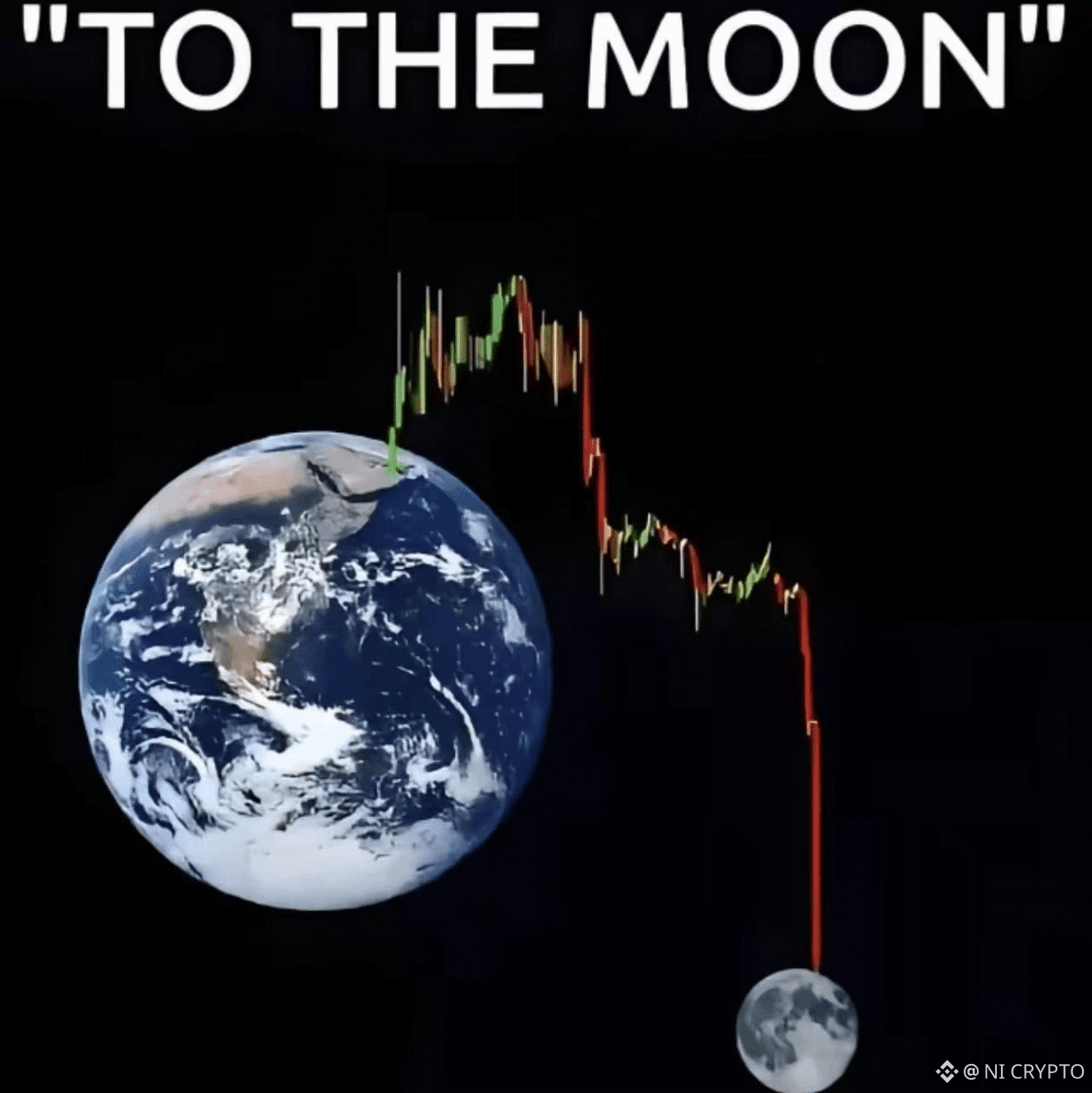
When $BTC cools off, I start looking for opportunities. 👀
If BTC revisits the $80K–$84K zone, I’ll be watching these alts closely:
$ONDO — RWA narr
ative
$NEAR — AI + scalable ecosystem
$SUI — growing L1
$ETH — core ecosystem
$INJ — DeFi & finance infrastructure
Not chasing green candles.
I’d rather accumulate quality projects during weakness. 💚
Which altcoin would you add to this list?
#altcoins
When $BTC cools off, I start looking for opportunities. 👀
If BTC revisits the $80K–$84K zone, I’ll be watching these alts closely:
$ONDO — RWA narr
ative
$NEAR — AI + scalable ecosystem
$SUI — growing L1
$ETH — core ecosystem
$INJ — DeFi & finance infrastructure
Not chasing green candles.
I’d rather accumulate quality projects during weakness. 💚
Which altcoin would you add to this list?
#altcoins
If BTC revisits the $80K–$84K zone, I’ll be watching these alts closely:
$ONDO — RWA narr
ative
$NEAR — AI + scalable ecosystem
$SUI — growing L1
$ETH — core ecosystem
$INJ — DeFi & finance infrastructure
Not chasing green candles.
I’d rather accumulate quality projects during weakness. 💚
Which altcoin would you add to this list?
#altcoins
99
·
--
Übersetzung ansehen
Two coins. Two different stories. One simple thesis:
$FIL
$5 → $7 → $10 → $14
$SUI
$3 → $4.50 → $6 → $8
I’m not expecting these levels overnight.
If the next major market expansion brings stronger liquidity, ecosystem growth, and renewed demand, these are the kind of levels I’d be watching.
No guarantees.
No blind hype.
Just a long-term watchlist.
FIL or SUI — which one is on your radar?
#altcoins #cryptouniverseofficial
Two coins. Two different stories. One simple thesis:
$FIL
$5 → $7 → $10 → $14
$SUI
$3 → $4.50 → $6 → $8
I’m not expecting these levels overnight.
If the next major market expansion brings stronger liquidity, ecosystem growth, and renewed demand, these are the kind of levels I’d be watching.
No guarantees.
No blind hype.
Just a long-term watchlist.
FIL or SUI — which one is on your radar?
#altcoins #cryptouniverseofficial
$FIL
$5 → $7 → $10 → $14
$SUI
$3 → $4.50 → $6 → $8
I’m not expecting these levels overnight.
If the next major market expansion brings stronger liquidity, ecosystem growth, and renewed demand, these are the kind of levels I’d be watching.
No guarantees.
No blind hype.
Just a long-term watchlist.
FIL or SUI — which one is on your radar?
#altcoins #cryptouniverseofficial

42
·
--
Übersetzung ansehen
I'm building around narratives I believe can survive multiple market cycles.
$LINK → Oracle infrastructure + cross-chain adoption
$NEAR → Scalable blockchain + expanding ecosystem
$AAVE → DeFi infrastructure + strong lending use case
I’m aware of the risks, but I’m focused on long-term fundamentals rather than short-term noise.
My long-term price zones:
LINK → $50–$80
NEAR → $8–$15
AAVE → $250–$400
Targets are scenarios, not guarantees.
Which of one do you like to accumulate ✊ ??
#altcoins #cryptouniverseofficial
I'm building around narratives I believe can survive multiple market cycles.
$LINK → Oracle infrastructure + cross-chain adoption
$NEAR → Scalable blockchain + expanding ecosystem
$AAVE → DeFi infrastructure + strong lending use case
I’m aware of the risks, but I’m focused on long-term fundamentals rather than short-term noise.
My long-term price zones:
LINK → $50–$80
NEAR → $8–$15
AAVE → $250–$400
Targets are scenarios, not guarantees.
Which of one do you like to accumulate ✊ ??
#altcoins #cryptouniverseofficial
$LINK → Oracle infrastructure + cross-chain adoption
$NEAR → Scalable blockchain + expanding ecosystem
$AAVE → DeFi infrastructure + strong lending use case
I’m aware of the risks, but I’m focused on long-term fundamentals rather than short-term noise.
My long-term price zones:
LINK → $50–$80
NEAR → $8–$15
AAVE → $250–$400
Targets are scenarios, not guarantees.
Which of one do you like to accumulate ✊ ??
#altcoins #cryptouniverseofficial
LINK
0%
NEAR
0%
AAVE
0%
0 Stimmen • Abstimmung beendet
46
·
--
Übersetzung ansehen
The next RWA wave may look very different from the last one.
Instead of chasing the same names, these are the Binance-listed projects I’m keeping on my radar:
$OM → $0.25–0.50
$POLYX → $0.20–0.40
$TRU → $0.08–0.15
$LQTY → $2–4
$MKR → $2,500–4,000
If tokenization continues expanding, liquidity could rotate into different parts of the RWA ecosystem.
No target is guaranteed—these are speculative bull-market scenarios based on potential adoption and market conditions.
Which one deserves more attention?
#altcoins #cryptouniverseofficial
The next RWA wave may look very different from the last one.
Instead of chasing the same names, these are the Binance-listed projects I’m keeping on my radar:
$OM → $0.25–0.50
$POLYX → $0.20–0.40
$TRU → $0.08–0.15
$LQTY → $2–4
$MKR → $2,500–4,000
If tokenization continues expanding, liquidity could rotate into different parts of the RWA ecosystem.
No target is guaranteed—these are speculative bull-market scenarios based on potential adoption and market conditions.
Which one deserves more attention?
#altcoins #cryptouniverseofficial
Instead of chasing the same names, these are the Binance-listed projects I’m keeping on my radar:
$OM → $0.25–0.50
$POLYX → $0.20–0.40
$TRU → $0.08–0.15
$LQTY → $2–4
$MKR → $2,500–4,000
If tokenization continues expanding, liquidity could rotate into different parts of the RWA ecosystem.
No target is guaranteed—these are speculative bull-market scenarios based on potential adoption and market conditions.
Which one deserves more attention?
#altcoins #cryptouniverseofficial

102
·
--
Wenn wir mit 1.000 $ starten würden, würde ich für unterschiedliche Ergebnisse aufbauen — nicht für eine einzige Erzählung.
Kern — 300 $
$SOL — 300 $
Starkes Ökosystem und hohe Exposition gegenüber On-Chain-Aktivität.
DeFi — 200 $
$UNI — 200 $
Exposition gegenüber dezentraler Handelsinfrastruktur.
Storage — 175 $
$FIL — 175 $
Dezentrale Data-Storage-Infrastruktur.
KI — 175 $
$FET — 175 $
Exposition gegenüber der KI- + Blockchain-Erzählung.
DeFi / Perps — 150 $
$JUP — 150 $
Exposition gegenüber einem Solana-basierten Handels- und Liquiditätsökosystem.
Ich weiß, dass dieser Warenkorb immer noch mit großer Volatilität, Wettbewerb, Risiken bei Token-Ökonomik und großen Drawdowns konfrontiert sein kann.
Ich suche keine garantierten Renditen.
Ich suche ein Portfolio, in dem jede Position einen unterschiedlichen Grund hat, zu existieren.
Würdest du die Allokation ändern oder sie so lassen?
Wenn wir mit 1.000 $ starten würden, würde ich für unterschiedliche Ergebnisse aufbauen — nicht für eine einzige Erzählung.
Kern — 300 $
$SOL — 300 $
Starkes Ökosystem und hohe Exposition gegenüber On-Chain-Aktivität.
DeFi — 200 $
$UNI — 200 $
Exposition gegenüber dezentraler Handelsinfrastruktur.
Storage — 175 $
$FIL — 175 $
Dezentrale Data-Storage-Infrastruktur.
KI — 175 $
$FET — 175 $
Exposition gegenüber der KI- + Blockchain-Erzählung.
DeFi / Perps — 150 $
$JUP — 150 $
Exposition gegenüber einem Solana-basierten Handels- und Liquiditätsökosystem.
Ich weiß, dass dieser Warenkorb immer noch mit großer Volatilität, Wettbewerb, Risiken bei Token-Ökonomik und großen Drawdowns konfrontiert sein kann.
Ich suche keine garantierten Renditen.
Ich suche ein Portfolio, in dem jede Position einen unterschiedlichen Grund hat, zu existieren.
Würdest du die Allokation ändern oder sie so lassen?
Kern — 300 $
$SOL — 300 $
Starkes Ökosystem und hohe Exposition gegenüber On-Chain-Aktivität.
DeFi — 200 $
$UNI — 200 $
Exposition gegenüber dezentraler Handelsinfrastruktur.
Storage — 175 $
$FIL — 175 $
Dezentrale Data-Storage-Infrastruktur.
KI — 175 $
$FET — 175 $
Exposition gegenüber der KI- + Blockchain-Erzählung.
DeFi / Perps — 150 $
$JUP — 150 $
Exposition gegenüber einem Solana-basierten Handels- und Liquiditätsökosystem.
Ich weiß, dass dieser Warenkorb immer noch mit großer Volatilität, Wettbewerb, Risiken bei Token-Ökonomik und großen Drawdowns konfrontiert sein kann.
Ich suche keine garantierten Renditen.
Ich suche ein Portfolio, in dem jede Position einen unterschiedlichen Grund hat, zu existieren.
Würdest du die Allokation ändern oder sie so lassen?
Core
0%
DeFi
0%
Ai
0%
Storage
0%
0 Stimmen • Abstimmung beendet
295
·
--
Übersetzung ansehen
Some crypto projects chase hype. Others survive long enough to become part of crypto history. 🕰️
$FIL — launched in 2020 by Juan Benet, with the vision of creating a decentralized network for storing and retrieving data; its historical low was around $0.61, while its current level remains above that early-cycle floor.
$LTC — created by Charlie Lee and launched in October 2011, with a focus on fast, low-cost peer-to-peer payments; from an ATL near $1.15 in 2015 to around $71 today, its long-term journey has been remarkable.
My future watch: FIL → $3–$5 | LTC → $120–$180 if the next major crypto cycle brings renewed demand.
The real question: Who here has been holding or watching these two since the early days? 👀
#altcoins #cryptouniverseofficial
Some crypto projects chase hype. Others survive long enough to become part of crypto history. 🕰️
$FIL — launched in 2020 by Juan Benet, with the vision of creating a decentralized network for storing and retrieving data; its historical low was around $0.61, while its current level remains above that early-cycle floor.
$LTC — created by Charlie Lee and launched in October 2011, with a focus on fast, low-cost peer-to-peer payments; from an ATL near $1.15 in 2015 to around $71 today, its long-term journey has been remarkable.
My future watch: FIL → $3–$5 | LTC → $120–$180 if the next major crypto cycle brings renewed demand.
The real question: Who here has been holding or watching these two since the early days? 👀
#altcoins #cryptouniverseofficial
$FIL — launched in 2020 by Juan Benet, with the vision of creating a decentralized network for storing and retrieving data; its historical low was around $0.61, while its current level remains above that early-cycle floor.
$LTC — created by Charlie Lee and launched in October 2011, with a focus on fast, low-cost peer-to-peer payments; from an ATL near $1.15 in 2015 to around $71 today, its long-term journey has been remarkable.
My future watch: FIL → $3–$5 | LTC → $120–$180 if the next major crypto cycle brings renewed demand.
The real question: Who here has been holding or watching these two since the early days? 👀
#altcoins #cryptouniverseofficial

61
Anmelden und weiter Inhalte entdecken
Krypto-Nutzer weltweit auf Binance Square kennenlernen
⚡️ Bleib in Sachen Krypto stets am Puls.
💬 Die weltgrößte Kryptobörse vertraut darauf.
👍 Erhalte verlässliche Einblicke von verifizierten Creators.
E-Mail-Adresse/Telefonnummer
Trendthemen
DriftHackVictimsBeginClaims
52,481 Aufrufe
622 Kommentare
🚨1 CENT PRO VERLORENEM DOLLAR
#DriftHackVictimsBeginClaims
Die Drift Foundation nimmt Anträge auf DFX für den Exploit im April in Höhe von 295,4 Mio. $ entgegen – Betroffene können etwa 1 Cent pro verlorenem Dollar erhalten. Der Fonds soll bis 2028 durch Einnahmen von Velocity und zurückgewonnene Gelder wachsen.
$DRIFT
$1000000BOB
$GTC
Jacob trade
·0 Likes
·186 Aufrufe
SolanaTokenizedStockVolumeTops$4.4BInSeptember
6,716 Aufrufe
71 Kommentare
BitcoinSpotETFsDraw$6.34BInflowsInQ3
21,706 Aufrufe
184 Kommentare