
nic__carter
37 Beiträge

nic__carter
Melden
Nutzer blockieren
0 Following
11 Follower
5 Like gegeben
Beiträge
·
--
Wenn Sie ein VC sind und die beste Idee, die Sie haben, darin besteht, das Geld in ein Bitcoin Treasury-Unternehmen zu investieren, sollten Sie wahrscheinlich einfach den LPs ihr Geld zurückgeben.
Wenn Sie ein VC sind und die beste Idee, die Sie haben, darin besteht, das Geld in ein Bitcoin Treasury-Unternehmen zu investieren, sollten Sie wahrscheinlich einfach den LPs ihr Geld zurückgeben.
5
·
--
Wenn ich jemals völlig und absolut mit dieser Branche fertig bin, wirst du es wissen (ich werde ein Bitcoin-SPAC starten)
Wenn ich jemals völlig und absolut mit dieser Branche fertig bin, wirst du es wissen (ich werde ein Bitcoin-SPAC starten)
4
·
--
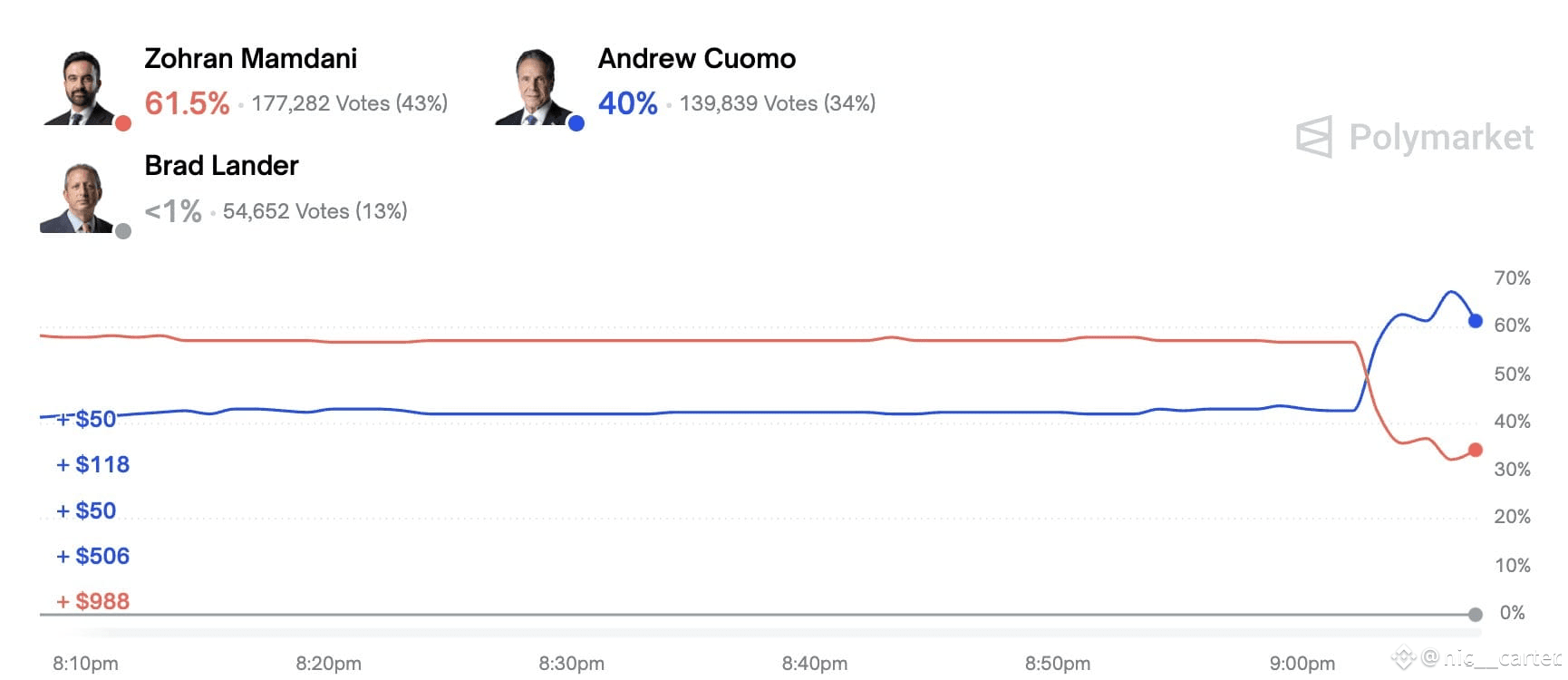
Polymarket hat sich in den letzten 5 Minuten massiv zugunsten von Zohran bewegt
Polymarket hat sich in den letzten 5 Minuten massiv zugunsten von Zohran bewegt
1
·
--
Im letzten Jahr in Singapur hielt ich einen Vortrag mit dem Titel "Kryptodollarisation". Die Idee ist die Dollarisation über Stablecoins. Jetzt, da das GENIUS-Gesetz kurz vor der Verabschiedung steht und die Kommentare von Bessent über Stablecoins, die 3,7 Billionen Dollar erreichen (!!) (13% von M3), glaube ich, dass Stablecoins als wirtschaftliche Waffe eingesetzt werden, um den Rest der Welt zu dollarisiere und die fiskalische Position der USA zurückzusetzen.
Kryptodollarisation hat bereits stattgefunden, arguably in Venezuela, Argentinien (teilweise) und Nigeria (teilweise). Ich glaube, es ist viel aggressiver als die konventionelle Dollarisation, die oft durch die Verfügbarkeit physischer Banknoten begrenzt ist.
Ich glaube, dass es in einem Jahrzehnt viel weniger souveräne Währungen geben wird und die meisten schwachen Nationen dollarisiert werden – nicht durch Eingriffe der US-Regierung, sondern durch einen spontanen "Bottom-up"-Prozess (das geschah in Ecuador 99/20, wie von Larry White beschrieben). Tatsächlich engagieren sich die Verbraucher in der Währungsumstellung und zwingen die Regierung zum Handeln.
Stablecoins beseitigen die Macht der Grenzen bei der Währungswahl und ermöglichen es den Netzwerkeffekten, tatsächlich Fuß zu fassen. Deshalb sehen wir, dass der Dollar über 99% der Stablecoins repräsentiert, aber nur 40-60% der internationalen Reserven und Finanzströme. Stablecoins machen die Währungsumstellung viel schneller und aggressiver, und sie sind auch ~unmöglich zu stoppen. In fast allen Fällen, in denen Nationalstaaten versucht haben, Flüsse aus lokalen Devisen in USD-Stablecoins zu verbieten, haben sie schließlich nachgegeben.
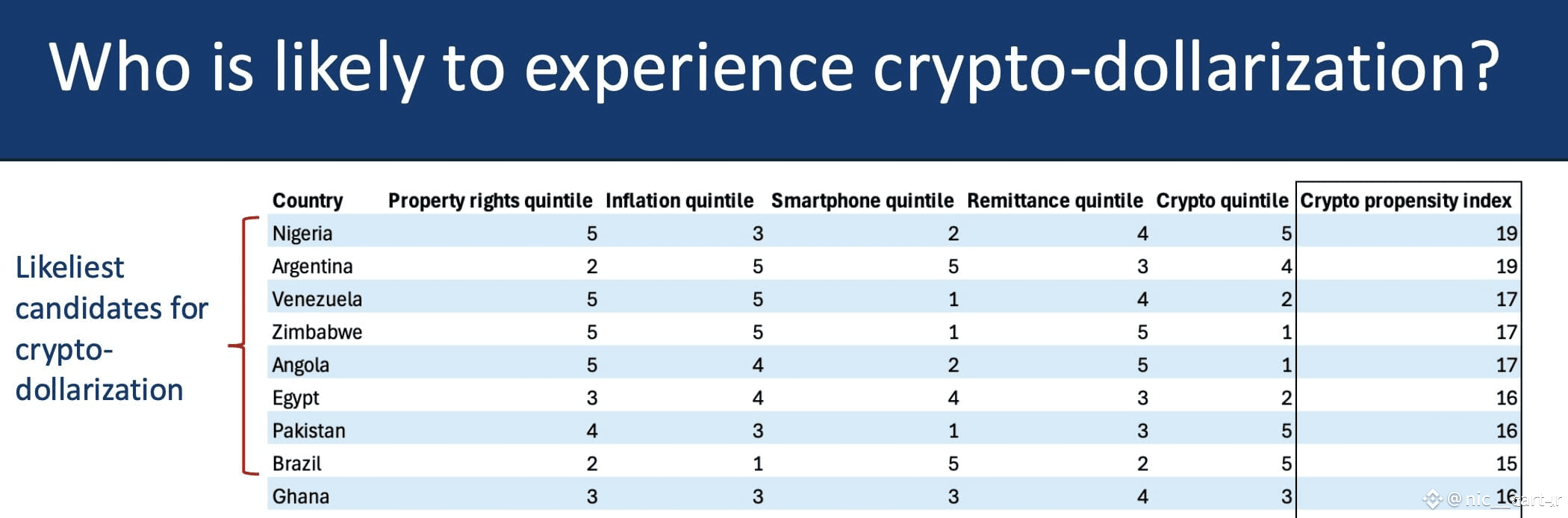
In meinem Vortrag habe ich ein einfaches Modell erstellt, um zu erraten, wo diese spontanen Krypto-Dollarisationen auftreten könnten (siehe die letzten Folien).
Ich wollte diesen Vortrag erneut besuchen, weil diese Vorhersagen in den letzten 12 Monaten viel näher an der Realität geworden sind. Die Regierung sagt den stillen Teil laut: Stablecoins sind eine wirtschaftliche Waffe, um den gesamten Planeten passiv zu dollarisiere.
Folien: https://t.co/SOwQ8YfqM0
Video:
Im letzten Jahr in Singapur hielt ich einen Vortrag mit dem Titel "Kryptodollarisation". Die Idee ist die Dollarisation über Stablecoins. Jetzt, da das GENIUS-Gesetz kurz vor der Verabschiedung steht und die Kommentare von Bessent über Stablecoins, die 3,7 Billionen Dollar erreichen (!!) (13% von M3), glaube ich, dass Stablecoins als wirtschaftliche Waffe eingesetzt werden, um den Rest der Welt zu dollarisiere und die fiskalische Position der USA zurückzusetzen.
Kryptodollarisation hat bereits stattgefunden, arguably in Venezuela, Argentinien (teilweise) und Nigeria (teilweise). Ich glaube, es ist viel aggressiver als die konventionelle Dollarisation, die oft durch die Verfügbarkeit physischer Banknoten begrenzt ist.
Ich glaube, dass es in einem Jahrzehnt viel weniger souveräne Währungen geben wird und die meisten schwachen Nationen dollarisiert werden – nicht durch Eingriffe der US-Regierung, sondern durch einen spontanen "Bottom-up"-Prozess (das geschah in Ecuador 99/20, wie von Larry White beschrieben). Tatsächlich engagieren sich die Verbraucher in der Währungsumstellung und zwingen die Regierung zum Handeln.
Stablecoins beseitigen die Macht der Grenzen bei der Währungswahl und ermöglichen es den Netzwerkeffekten, tatsächlich Fuß zu fassen. Deshalb sehen wir, dass der Dollar über 99% der Stablecoins repräsentiert, aber nur 40-60% der internationalen Reserven und Finanzströme. Stablecoins machen die Währungsumstellung viel schneller und aggressiver, und sie sind auch ~unmöglich zu stoppen. In fast allen Fällen, in denen Nationalstaaten versucht haben, Flüsse aus lokalen Devisen in USD-Stablecoins zu verbieten, haben sie schließlich nachgegeben.
In meinem Vortrag habe ich ein einfaches Modell erstellt, um zu erraten, wo diese spontanen Krypto-Dollarisationen auftreten könnten (siehe die letzten Folien).
Ich wollte diesen Vortrag erneut besuchen, weil diese Vorhersagen in den letzten 12 Monaten viel näher an der Realität geworden sind. Die Regierung sagt den stillen Teil laut: Stablecoins sind eine wirtschaftliche Waffe, um den gesamten Planeten passiv zu dollarisiere.
Folien: https://t.co/SOwQ8YfqM0
Video:
Kryptodollarisation hat bereits stattgefunden, arguably in Venezuela, Argentinien (teilweise) und Nigeria (teilweise). Ich glaube, es ist viel aggressiver als die konventionelle Dollarisation, die oft durch die Verfügbarkeit physischer Banknoten begrenzt ist.
Ich glaube, dass es in einem Jahrzehnt viel weniger souveräne Währungen geben wird und die meisten schwachen Nationen dollarisiert werden – nicht durch Eingriffe der US-Regierung, sondern durch einen spontanen "Bottom-up"-Prozess (das geschah in Ecuador 99/20, wie von Larry White beschrieben). Tatsächlich engagieren sich die Verbraucher in der Währungsumstellung und zwingen die Regierung zum Handeln.
Stablecoins beseitigen die Macht der Grenzen bei der Währungswahl und ermöglichen es den Netzwerkeffekten, tatsächlich Fuß zu fassen. Deshalb sehen wir, dass der Dollar über 99% der Stablecoins repräsentiert, aber nur 40-60% der internationalen Reserven und Finanzströme. Stablecoins machen die Währungsumstellung viel schneller und aggressiver, und sie sind auch ~unmöglich zu stoppen. In fast allen Fällen, in denen Nationalstaaten versucht haben, Flüsse aus lokalen Devisen in USD-Stablecoins zu verbieten, haben sie schließlich nachgegeben.
In meinem Vortrag habe ich ein einfaches Modell erstellt, um zu erraten, wo diese spontanen Krypto-Dollarisationen auftreten könnten (siehe die letzten Folien).
Ich wollte diesen Vortrag erneut besuchen, weil diese Vorhersagen in den letzten 12 Monaten viel näher an der Realität geworden sind. Die Regierung sagt den stillen Teil laut: Stablecoins sind eine wirtschaftliche Waffe, um den gesamten Planeten passiv zu dollarisiere.
Folien: https://t.co/SOwQ8YfqM0
Video:
1
·
--
Die meisten meiner Krypto-Handels-GCs sprechen jetzt nur noch über Aktien. Das neue Meta sind buchstäblich nur Aktien.
Die meisten meiner Krypto-Handels-GCs sprechen jetzt nur noch über Aktien. Das neue Meta sind buchstäblich nur Aktien.
2
·
--
Eine der besten Coreweave $CRWV Analysen bis heute, courtesy von @artemis
https://research.artemis.xyz/p/coreweave-fundamental-deep-dive
Eine der besten Coreweave $CRWV Analysen bis heute, courtesy von @artemis
https://research.artemis.xyz/p/coreweave-fundamental-deep-dive
https://research.artemis.xyz/p/coreweave-fundamental-deep-dive
6
·
--
Die richtige Analogie für Stablecoins ist Starlink für Geld
Starlink bringt Milliarden zum ersten Mal online // Stablecoins bringen Milliarden in ein flaches, egalitäres Finanzsystem + geben Milliarden erstmaligen Zugang zu USD
die Nützlichkeit beider ist nicht so offensichtlich, wenn man bereits über eine großartige Infrastruktur verfügt, aber es ist immer noch ziemlich praktisch für Redundanz in der entwickelten Welt + unerlässlich in Märkten, in denen Infrastruktur fehlt
beide sind völlig unabhängige parallele Infrastrukturen, die sich vorstellen, wie Dinge gemacht werden könnten. Keine Abhängigkeit von alter Infrastruktur
Starlink für Geld
Die richtige Analogie für Stablecoins ist Starlink für Geld
Starlink bringt Milliarden zum ersten Mal online // Stablecoins bringen Milliarden in ein flaches, egalitäres Finanzsystem + geben Milliarden erstmaligen Zugang zu USD
die Nützlichkeit beider ist nicht so offensichtlich, wenn man bereits über eine großartige Infrastruktur verfügt, aber es ist immer noch ziemlich praktisch für Redundanz in der entwickelten Welt + unerlässlich in Märkten, in denen Infrastruktur fehlt
beide sind völlig unabhängige parallele Infrastrukturen, die sich vorstellen, wie Dinge gemacht werden könnten. Keine Abhängigkeit von alter Infrastruktur
Starlink für Geld
Starlink bringt Milliarden zum ersten Mal online // Stablecoins bringen Milliarden in ein flaches, egalitäres Finanzsystem + geben Milliarden erstmaligen Zugang zu USD
die Nützlichkeit beider ist nicht so offensichtlich, wenn man bereits über eine großartige Infrastruktur verfügt, aber es ist immer noch ziemlich praktisch für Redundanz in der entwickelten Welt + unerlässlich in Märkten, in denen Infrastruktur fehlt
beide sind völlig unabhängige parallele Infrastrukturen, die sich vorstellen, wie Dinge gemacht werden könnten. Keine Abhängigkeit von alter Infrastruktur
Starlink für Geld
1
28
·
--
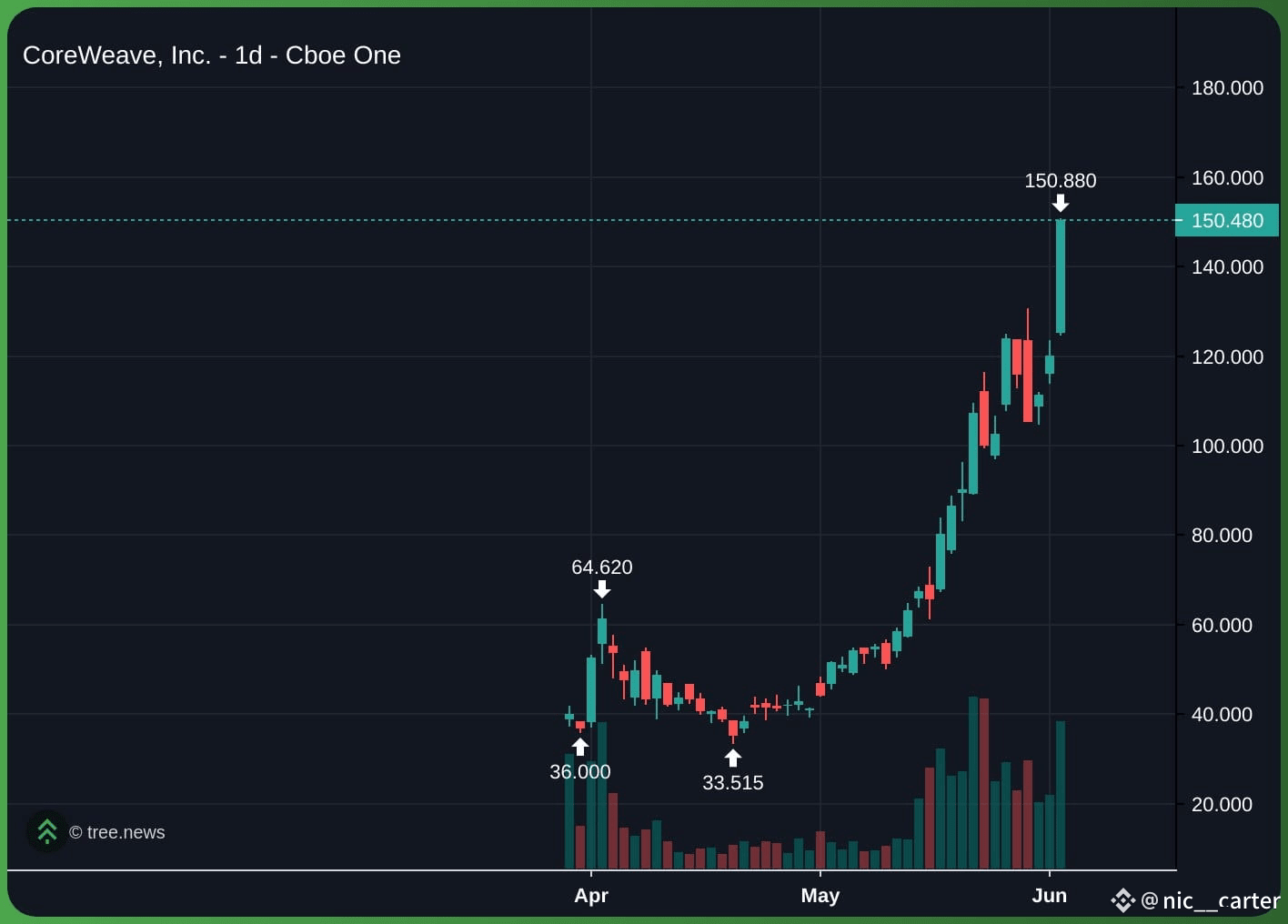
Noch nie etwas Vergleichbares in meinem verdammten Leben gesehen und ich bin in Krypto
Noch nie etwas Vergleichbares in meinem verdammten Leben gesehen und ich bin in Krypto
2
2
1
21.1k
·
--
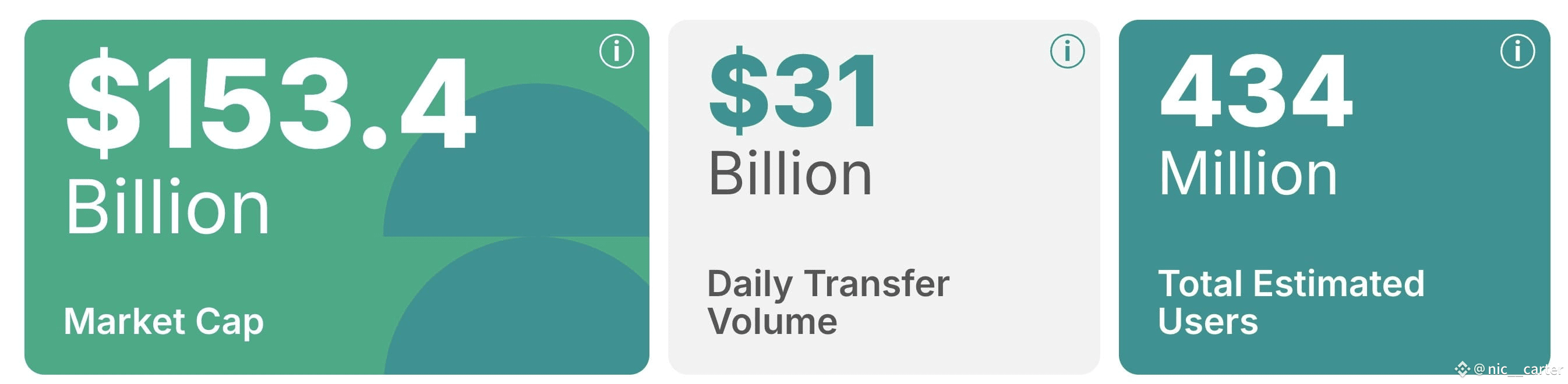
Echt cooles Tether-Dashboard ist gerade erschienen. Sie schätzen 434 Millionen globale USDT-Nutzer (!!)
https://usdt.network/
Echt cooles Tether-Dashboard ist gerade erschienen. Sie schätzen 434 Millionen globale USDT-Nutzer (!!)
https://usdt.network/
https://usdt.network/
59
·
--
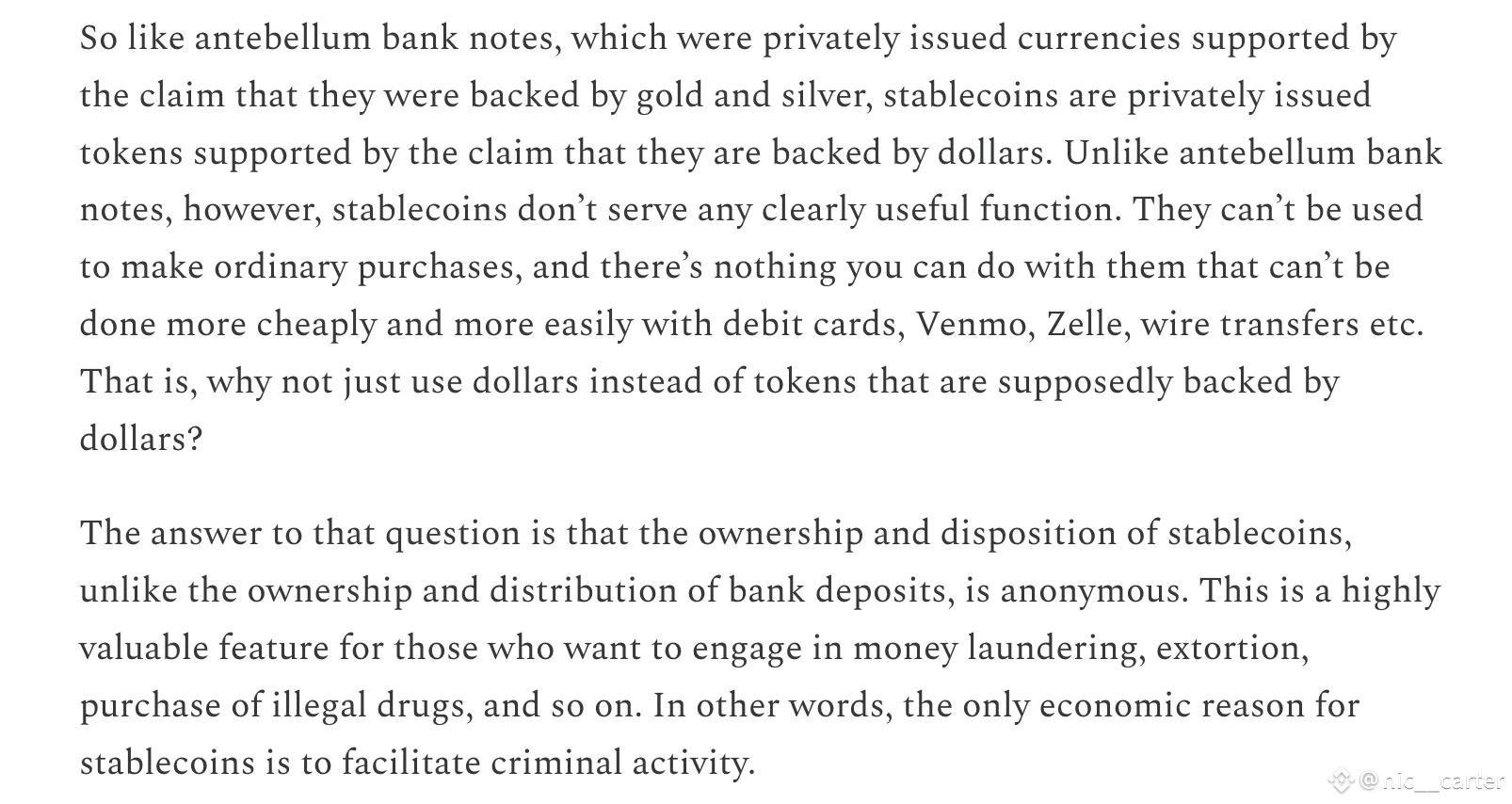
die Menschen in der Welt – in diesem Fall Paul Krugman – sind über das Stablecoin-Gesetz in Aufregung
die Menschen in der Welt – in diesem Fall Paul Krugman – sind über das Stablecoin-Gesetz in Aufregung
1
·
--
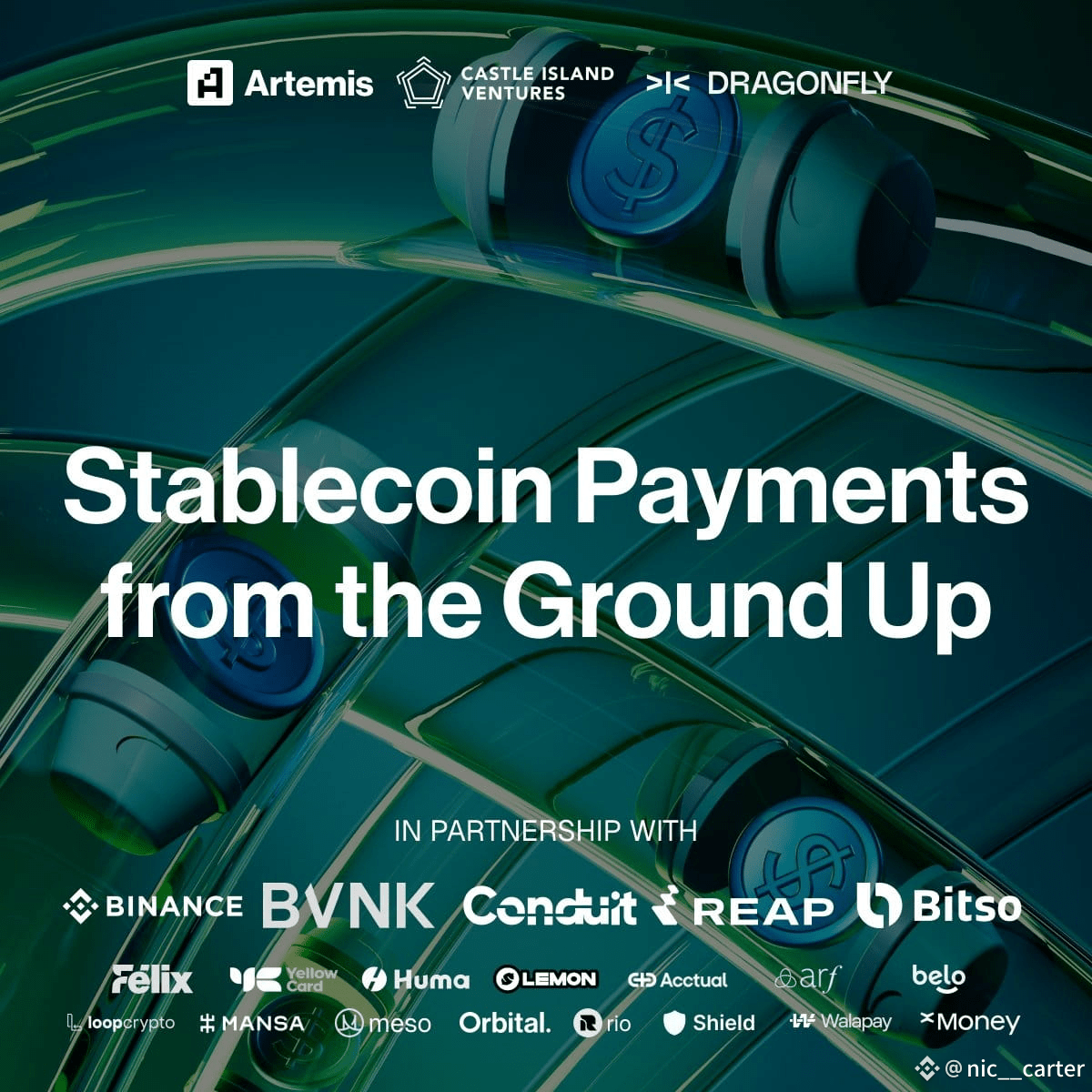
aufgeregt, unseren dritten großen Stablecoin-Forschungsbericht in Zusammenarbeit mit @artemis und @dragonfly_xyz zu teilen
aufgeregt, unseren dritten großen Stablecoin-Forschungsbericht in Zusammenarbeit mit @artemis und @dragonfly_xyz zu teilen
148
·
--
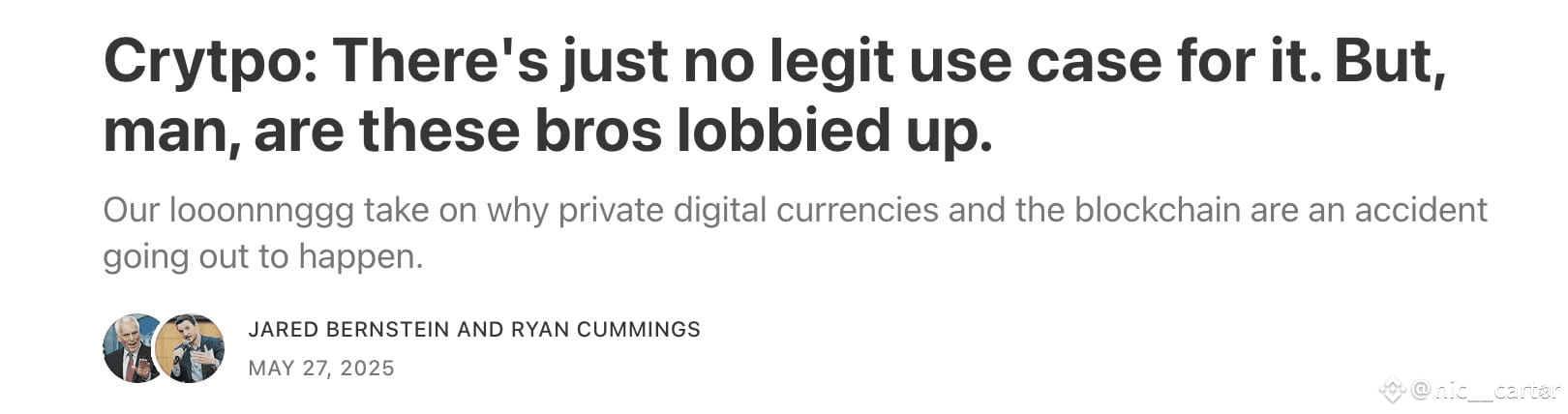
Haben sie eine Art Wettbewerb, wer den dümmsten Anti-Krypto-/Stablecoin-Artikel schreiben kann?
Haben sie eine Art Wettbewerb, wer den dümmsten Anti-Krypto-/Stablecoin-Artikel schreiben kann?
2
359
·
--
Lies diesen Artikel, wenn du tatsächlichen Gehirnschaden riskieren möchtest
https://econjared.substack.com/p/crytpo-theres-just-no-legit-use-case
Lies diesen Artikel, wenn du tatsächlichen Gehirnschaden riskieren möchtest
https://econjared.substack.com/p/crytpo-theres-just-no-legit-use-case
https://econjared.substack.com/p/crytpo-theres-just-no-legit-use-case
271
·
--
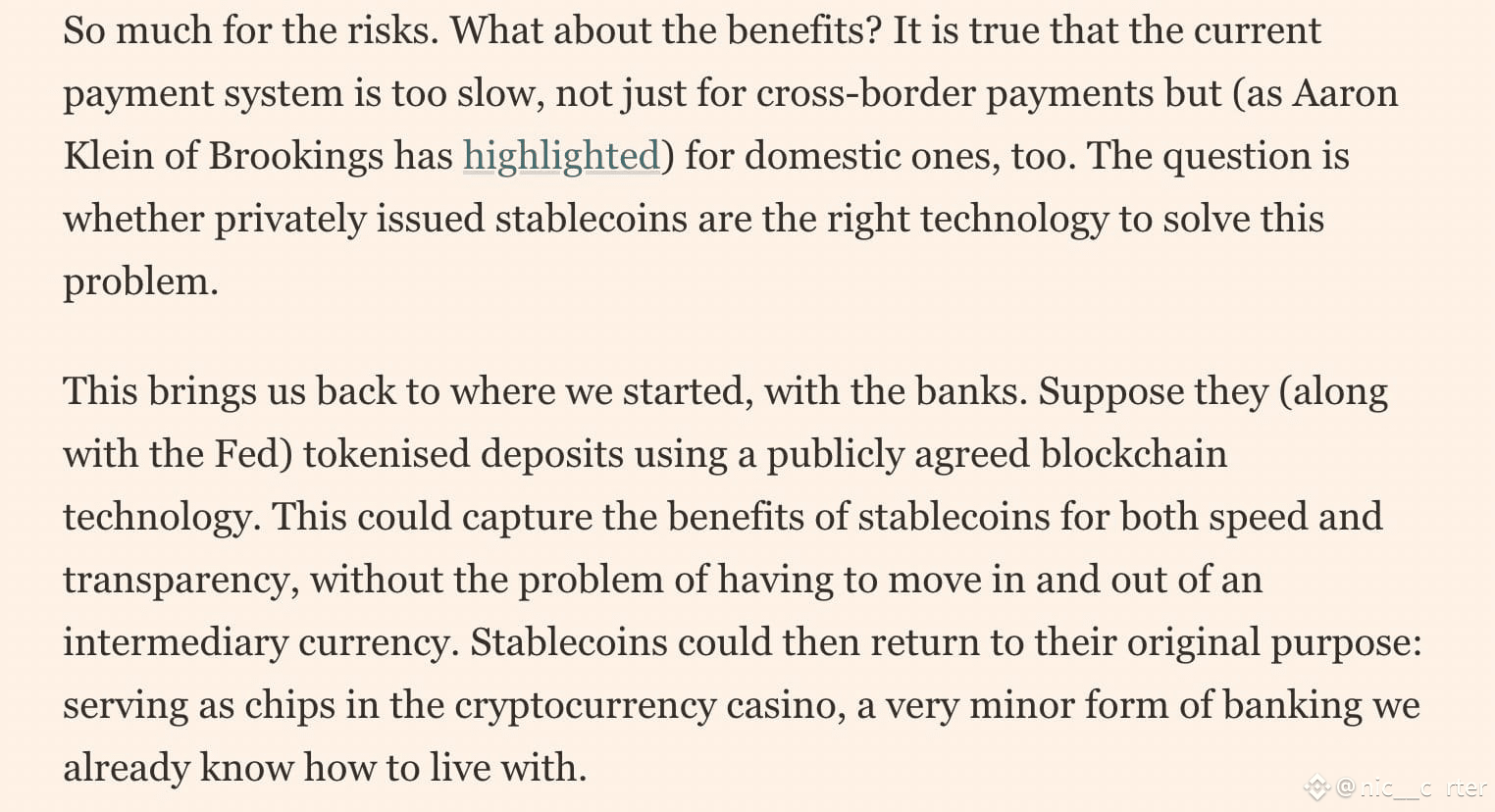
FT heute: Stablecoins sind schlecht, weil tokenisierte Bankeinlagen (die bisher niemand erfolgreich umgesetzt hat) besser sind. Vergessen wir die aktuelle Technologie, die funktioniert, investieren wir in theoretische Zukunftstechnologie.
FT heute: Stablecoins sind schlecht, weil tokenisierte Bankeinlagen (die bisher niemand erfolgreich umgesetzt hat) besser sind. Vergessen wir die aktuelle Technologie, die funktioniert, investieren wir in theoretische Zukunftstechnologie.
74
·
--
Die Bitcoin (/eth, sol usw.) öffentlichen Zugangsvehikel werden in den nächsten … Nettokäufer sein.
Die Bitcoin (/eth, sol usw.) öffentlichen Zugangsvehikel werden in den nächsten … Nettokäufer sein.
10
·
--
Stablecoins sind an sich kein Ding. Sie sind eine Art, Dinge zu tun.
Stablecoins sind an sich kein Ding. Sie sind eine Art, Dinge zu tun.
·
--
Dieser abgehalfterte Schauspieler-Typ @ben_mckenzie ist mit seinem Unsinn zurück
https://slate.com/technology/2025/05/cryptocurrency-financial-crisis-silicon-valley-bank-collapse.html
Dieser abgehalfterte Schauspieler-Typ @ben_mckenzie ist mit seinem Unsinn zurück
https://slate.com/technology/2025/05/cryptocurrency-financial-crisis-silicon-valley-bank-collapse.html
https://slate.com/technology/2025/05/cryptocurrency-financial-crisis-silicon-valley-bank-collapse.html
56
·
--
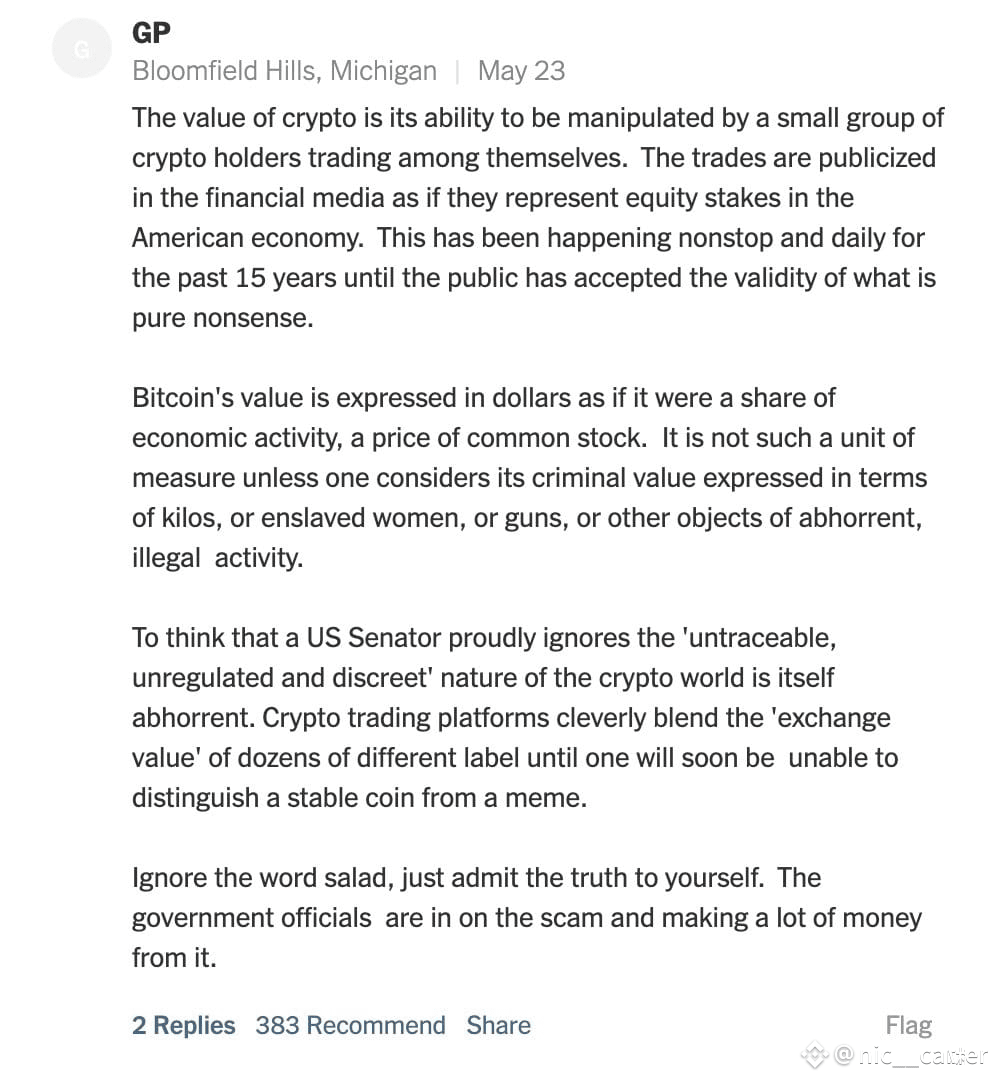
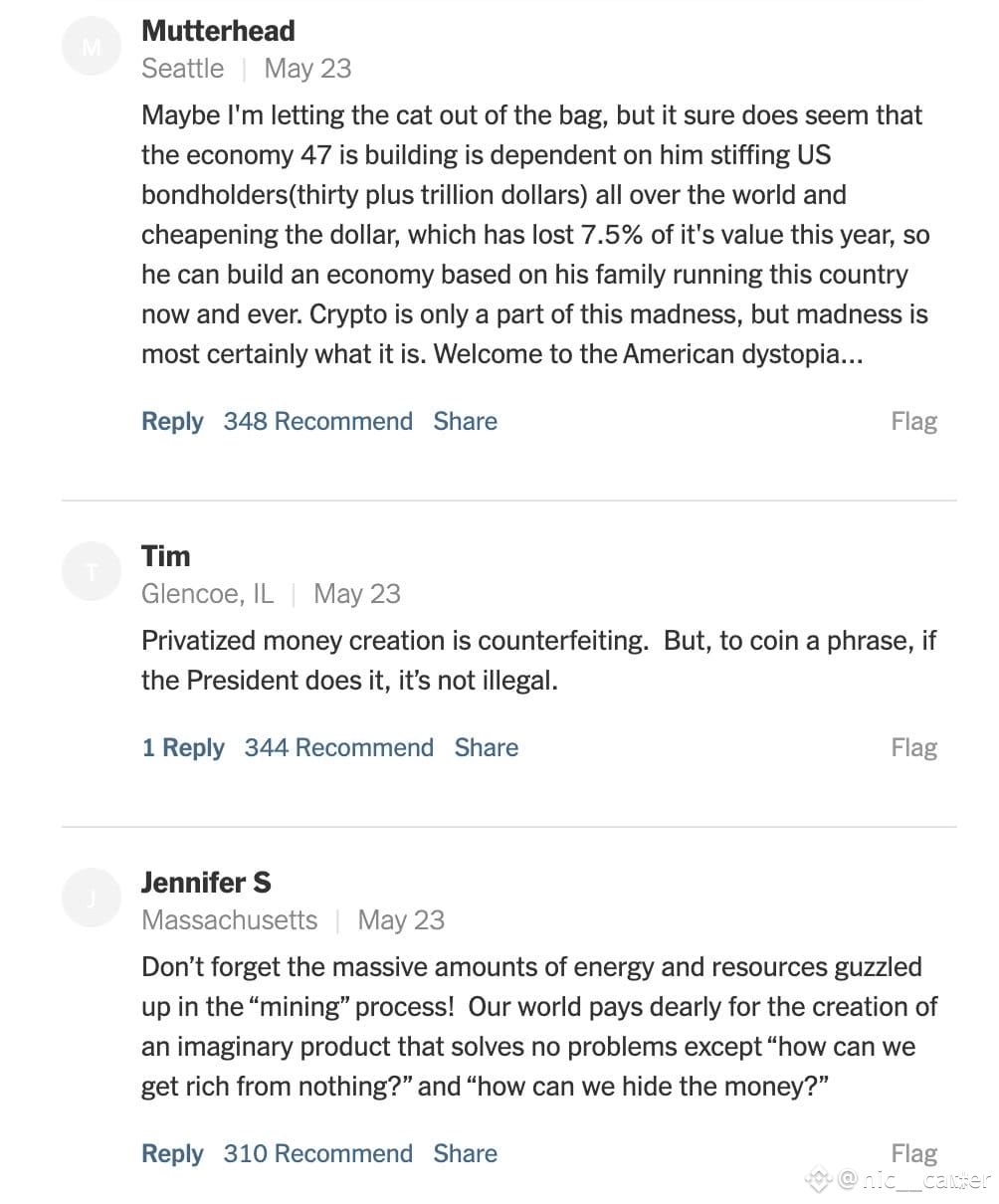
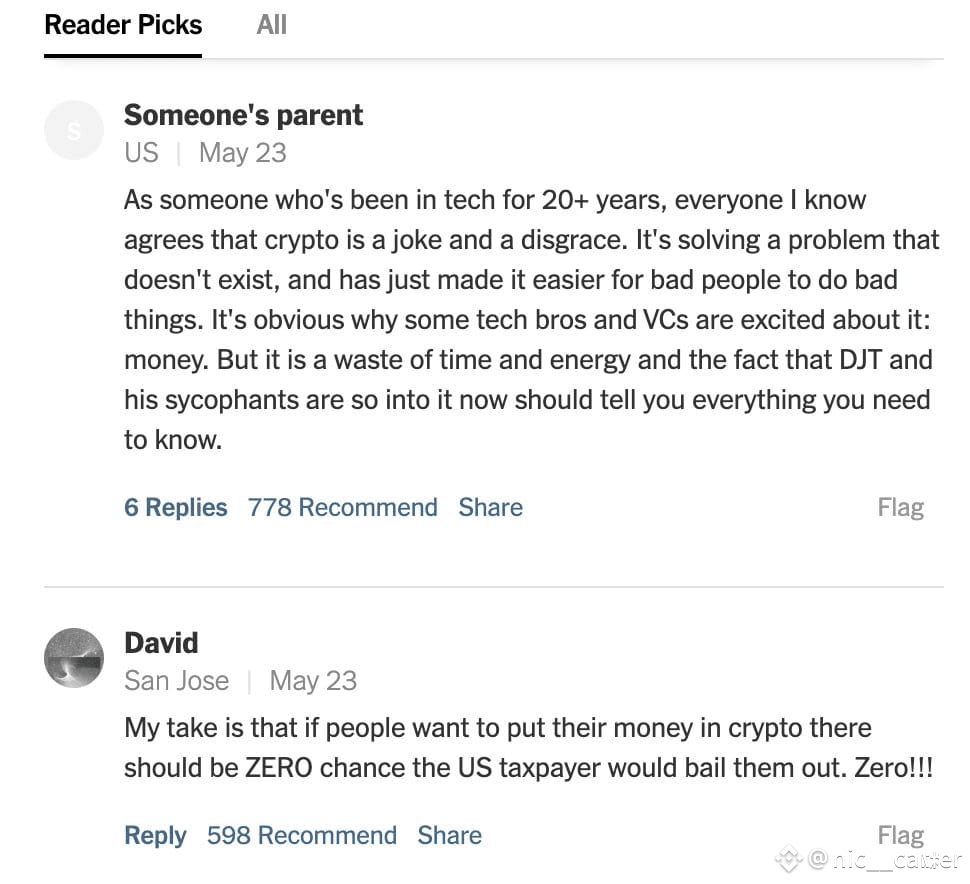
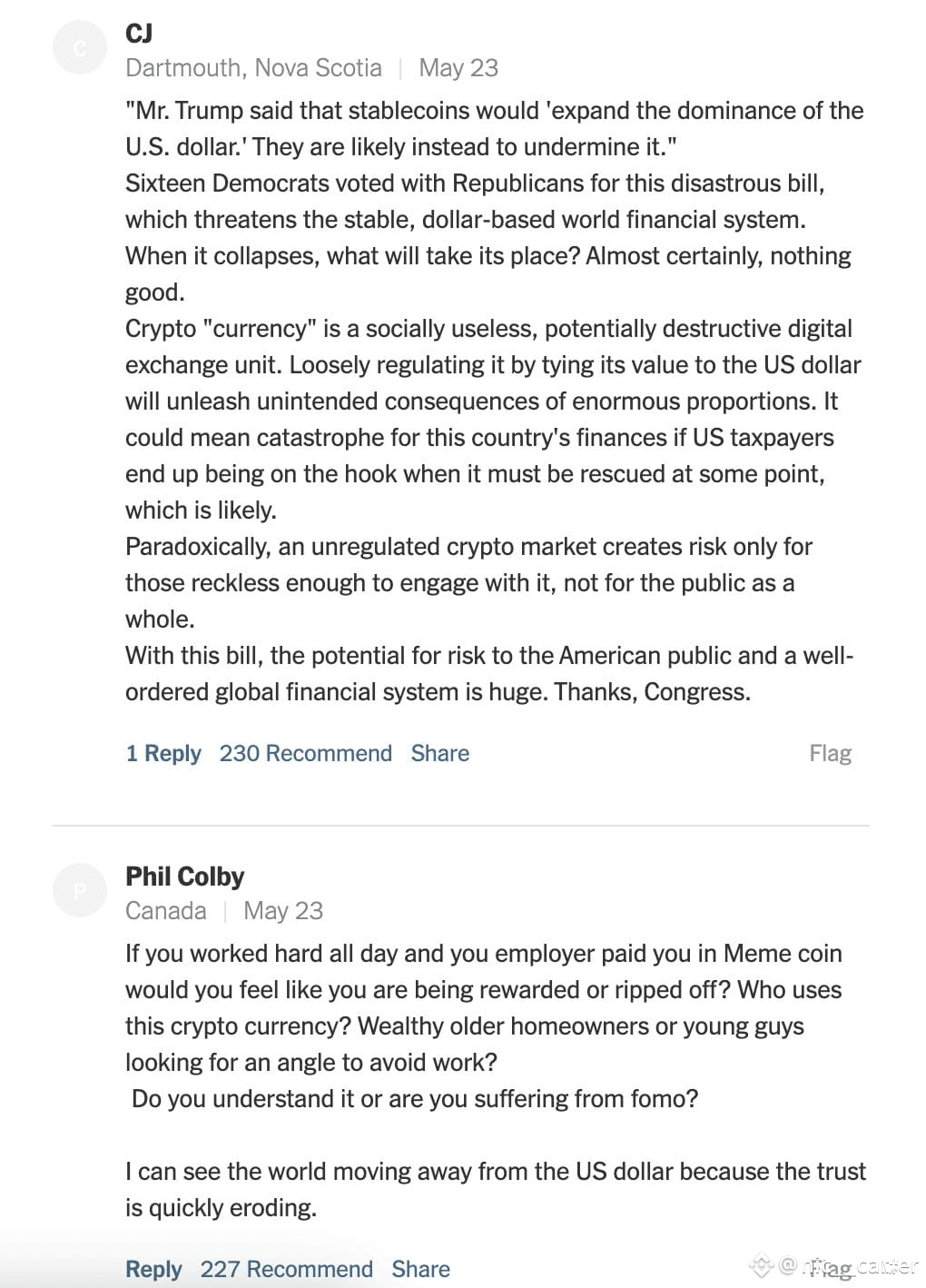
alle am meisten hochgevoteten Kommentare zum WSJ-Artikel über Stablecoins. hysterisch
alle am meisten hochgevoteten Kommentare zum WSJ-Artikel über Stablecoins. hysterisch
258
·
--
In letzter Zeit gibt es viele ausgeklügelte Phishing-Angriffe. Alle diese wurden gegen mich versucht. Leider habe ich viele Fälle gesehen, in denen Menschen auf diese Weise Geld verloren haben:
- Eine echte Person (gehackt), mit der du zuvor interagiert hast, schreibt dir über DMs auf TG und fragt, ob ihr euch treffen könnt, sendet einen Zoom-Link, der wie ein echter aussieht, bittet dich, einen Client herunterzuladen, um den "Audio"-Fehler zu "beheben", alles wurde abgezogen.
- Eine glaubwürdige/echte Nachrichtenorganisation schreibt dir plötzlich über ihren offiziellen X-Account, fragt nach einem Interview, leitet dich an einen (falschen) TG-Account weiter, sendet den (falschen, aber echt aussehenden) Zoom-Link. Dies ist mir mit (großen) Nachrichtenorganisationen passiert, die nicht einmal wussten, dass sie gehackt wurden.
- Einer deiner "Kollegen" bittet per E-Mail um Geld, die E-Mail sieht echt aus, aber die Header sind gefälscht.
- Eine Flut von Nachrichten sagt, dass dein Coinbase gehackt wurde, yadda yadda, "Support"-Anrufe und bittet dich, deine Vermögenswerte unter Zeitdruck an eine temporäre Adresse zu verschieben ("Die "Hacker" haben die Transaktion eingereicht, aber du hast noch Zeit!")
Allgemeine Faustregeln (nicht erschöpfend)
- Verwende @CasaHODL
- Verwende @River für eine Treuhandoption
- Halte nicht eine Menge Geld in Browser-Wallets wie m*tamask oder ph*ntom
- Google keine Krypto-Plattformen und klicke nicht auf den ersten Link (Hacker kaufen Werbung, um gefälschte Links dort zu platzieren)
- Sichere alles, nicht nur Wallets. Dazu gehören Google, Telegram, iCloud usw.
- Antworte nicht auf Anrufe von "Support". Lege auf und rufe zurück auf der offiziellen Support-Leitung, wenn du musst.
- Vertraue nichts, was du am Telefon hörst, besonders wenn du unter Druck gesetzt wirst, etwas zu tun.
- Antworte nicht auf Anrufe von unbekannten Nummern, auch wenn sie so aussehen, als kämen sie von "Google" oder "Coinbase".
- Sei misstrauisch gegenüber E-Mails oder DMs von deinen "Kollegen". Wisse, dass E-Mail-Header gefälscht werden können (frage KI um Hilfe bei der Analyse von Headern, wenn du misstrauisch bist).
- Überprüfe, ob DMs von "Freunden" echt sind und ob sie nicht gehackt wurden.
- Stelle sicher, dass du physische 2FA + Authy/Google Authenticator für alles hast.
- Vermeide SMS-basierte 2FA, wo immer möglich.
In letzter Zeit gibt es viele ausgeklügelte Phishing-Angriffe. Alle diese wurden gegen mich versucht. Leider habe ich viele Fälle gesehen, in denen Menschen auf diese Weise Geld verloren haben:
- Eine echte Person (gehackt), mit der du zuvor interagiert hast, schreibt dir über DMs auf TG und fragt, ob ihr euch treffen könnt, sendet einen Zoom-Link, der wie ein echter aussieht, bittet dich, einen Client herunterzuladen, um den "Audio"-Fehler zu "beheben", alles wurde abgezogen.
- Eine glaubwürdige/echte Nachrichtenorganisation schreibt dir plötzlich über ihren offiziellen X-Account, fragt nach einem Interview, leitet dich an einen (falschen) TG-Account weiter, sendet den (falschen, aber echt aussehenden) Zoom-Link. Dies ist mir mit (großen) Nachrichtenorganisationen passiert, die nicht einmal wussten, dass sie gehackt wurden.
- Einer deiner "Kollegen" bittet per E-Mail um Geld, die E-Mail sieht echt aus, aber die Header sind gefälscht.
- Eine Flut von Nachrichten sagt, dass dein Coinbase gehackt wurde, yadda yadda, "Support"-Anrufe und bittet dich, deine Vermögenswerte unter Zeitdruck an eine temporäre Adresse zu verschieben ("Die "Hacker" haben die Transaktion eingereicht, aber du hast noch Zeit!")
Allgemeine Faustregeln (nicht erschöpfend)
- Verwende @CasaHODL
- Verwende @River für eine Treuhandoption
- Halte nicht eine Menge Geld in Browser-Wallets wie m*tamask oder ph*ntom
- Google keine Krypto-Plattformen und klicke nicht auf den ersten Link (Hacker kaufen Werbung, um gefälschte Links dort zu platzieren)
- Sichere alles, nicht nur Wallets. Dazu gehören Google, Telegram, iCloud usw.
- Antworte nicht auf Anrufe von "Support". Lege auf und rufe zurück auf der offiziellen Support-Leitung, wenn du musst.
- Vertraue nichts, was du am Telefon hörst, besonders wenn du unter Druck gesetzt wirst, etwas zu tun.
- Antworte nicht auf Anrufe von unbekannten Nummern, auch wenn sie so aussehen, als kämen sie von "Google" oder "Coinbase".
- Sei misstrauisch gegenüber E-Mails oder DMs von deinen "Kollegen". Wisse, dass E-Mail-Header gefälscht werden können (frage KI um Hilfe bei der Analyse von Headern, wenn du misstrauisch bist).
- Überprüfe, ob DMs von "Freunden" echt sind und ob sie nicht gehackt wurden.
- Stelle sicher, dass du physische 2FA + Authy/Google Authenticator für alles hast.
- Vermeide SMS-basierte 2FA, wo immer möglich.
- Eine echte Person (gehackt), mit der du zuvor interagiert hast, schreibt dir über DMs auf TG und fragt, ob ihr euch treffen könnt, sendet einen Zoom-Link, der wie ein echter aussieht, bittet dich, einen Client herunterzuladen, um den "Audio"-Fehler zu "beheben", alles wurde abgezogen.
- Eine glaubwürdige/echte Nachrichtenorganisation schreibt dir plötzlich über ihren offiziellen X-Account, fragt nach einem Interview, leitet dich an einen (falschen) TG-Account weiter, sendet den (falschen, aber echt aussehenden) Zoom-Link. Dies ist mir mit (großen) Nachrichtenorganisationen passiert, die nicht einmal wussten, dass sie gehackt wurden.
- Einer deiner "Kollegen" bittet per E-Mail um Geld, die E-Mail sieht echt aus, aber die Header sind gefälscht.
- Eine Flut von Nachrichten sagt, dass dein Coinbase gehackt wurde, yadda yadda, "Support"-Anrufe und bittet dich, deine Vermögenswerte unter Zeitdruck an eine temporäre Adresse zu verschieben ("Die "Hacker" haben die Transaktion eingereicht, aber du hast noch Zeit!")
Allgemeine Faustregeln (nicht erschöpfend)
- Verwende @CasaHODL
- Verwende @River für eine Treuhandoption
- Halte nicht eine Menge Geld in Browser-Wallets wie m*tamask oder ph*ntom
- Google keine Krypto-Plattformen und klicke nicht auf den ersten Link (Hacker kaufen Werbung, um gefälschte Links dort zu platzieren)
- Sichere alles, nicht nur Wallets. Dazu gehören Google, Telegram, iCloud usw.
- Antworte nicht auf Anrufe von "Support". Lege auf und rufe zurück auf der offiziellen Support-Leitung, wenn du musst.
- Vertraue nichts, was du am Telefon hörst, besonders wenn du unter Druck gesetzt wirst, etwas zu tun.
- Antworte nicht auf Anrufe von unbekannten Nummern, auch wenn sie so aussehen, als kämen sie von "Google" oder "Coinbase".
- Sei misstrauisch gegenüber E-Mails oder DMs von deinen "Kollegen". Wisse, dass E-Mail-Header gefälscht werden können (frage KI um Hilfe bei der Analyse von Headern, wenn du misstrauisch bist).
- Überprüfe, ob DMs von "Freunden" echt sind und ob sie nicht gehackt wurden.
- Stelle sicher, dass du physische 2FA + Authy/Google Authenticator für alles hast.
- Vermeide SMS-basierte 2FA, wo immer möglich.
310
Anmelden und weiter Inhalte entdecken
Krypto-Nutzer weltweit auf Binance Square kennenlernen
⚡️ Bleib in Sachen Krypto stets am Puls.
💬 Die weltgrößte Kryptobörse vertraut darauf.
👍 Erhalte verlässliche Einblicke von verifizierten Creators.
E-Mail-Adresse/Telefonnummer
Trendthemen
AIStocksWhatNext
725,262 Aufrufe
5,468 Kommentare
Teile & gewinne Traffic-Rewards in unserer angesagten Hashtag-Kampagne
✨Thema: Welche anderen Investitionsmöglichkeiten gibt es noch, während KI-Aktien weiter steigen?
👉So machst du mit:
Veröffentliche einen kurzen Beitrag oder Artikel mit dem Hashtag #AIStocksWhatNext
Teile, ob du bullisch oder bärisch bist, und poste deine KI-Aktienbestände oder Trades – die Nutzung des Trade-Widgets kann deine Berechtigung verbessern.
Du kannst deinen Beitrag auch stärken, indem du Daten oder Diagramme teilst und KI-generierte Bilder vermeidest.
✍️Erstelle Inhalte basierend auf den folgenden Blickwinkeln:
- Nvidia sagt, dass sich der Chip-Umsatz im nächsten Jahr verdoppeln wird, und die führenden KI-Unternehmen erreichen weiterhin Rekordumsätze – der Rechenaufwand dahinter ist ebenso beeindruckend. Verläuft die Nachfrage nach KI wirklich gerade erst so richtig, oder geht es nur noch eine Weile weiter? KI-Aktien steigen derzeit branchenweit. Ist das ein echter Ausbruch oder nur ein kurzfristiger Rückprall?
- Branchenführer fordern dazu auf, die Entwicklung von KI zu verlangsamen, während Trump plant, eine „AI Force“ aufzubauen, und behauptet, KI könne in der Zukunft 25% des US-BIP ausmachen. Auf welcher Seite stehst du? Wird staatliche Unterstützung ein langfristiger Gewinn für KI-Aktien sein?
- Kaufst du KI-Aktien? Teile deinen KI-bezogenen Trade/deine Bestände mit unserem Trade-Sharing-Widget.
⏰Kampagnenzeitraum:
- 2026-09-22 7:00 - 2026-09-24 4:00 UTC
🎁Belohnung:
- Qualifizierte Beiträge, die die oben genannten Richtlinien einhalten und mehr als 100 Wörter enthalten, werden überprüft und können möglicherweise einen zufälligen Traffic-Boost von 500 bis 3.000 Views erhalten. Du erhältst eine Benachrichtigung von deiner Feed-Sekretärin, wenn dein Beitrag ausgewählt wurde.
- Erhalte die Chance, dass dein Artikel auf Binance Square Official vorgestellt wird
Brauchst du Ideen für deinen Beitrag? Besuche die Thema-Seite #AIStocksWhatNext oder die Square Guide on How to Post for Better Reach.
Binance Square Official
·536 Likes
·1.4M Aufrufe
BCHJumps28%OnCMEFuturesListing
0 Aufrufe
0 Kommentare
WallStreetEarningsRevisionsTurnBearish
0 Aufrufe
0 Kommentare