
Ghost CAT
7.6k Beiträge

Ghost CAT
Melden
Nutzer blockieren
Focus on the process, not the praise.

Traders League Badge Beginner
Trade eröffnen
Regelmäßiger Trader
2 Jahre
203 Following
10.0K+ Follower
15.5K+ Like gegeben
1 Abzeichen
Beiträge
Portfolio
Alle
Zitierungen
·
--
♾️ $ICP baut die Zukunft eines vollständig dezentralen Internets.
Mit wachsender Akzeptanz, KI-Integration und skalierbarer On-Chain-Infrastruktur positioniert sich der Internet Computer weiterhin als eines der innovativsten Projekte im Crypto-Bereich.
Die Frage ist nicht, ob ICP innovativ sein kann – sondern wie groß das Ökosystem werden kann. 🚀
XRPBrichtÜber$1.20Um8Pct#CFTCChairClarifyingPerpFuturesMisconceptions #USIranDealConfirmed
♾️ $ICP baut die Zukunft eines vollständig dezentralen Internets.
Mit wachsender Akzeptanz, KI-Integration und skalierbarer On-Chain-Infrastruktur positioniert sich der Internet Computer weiterhin als eines der innovativsten Projekte im Crypto-Bereich.
Die Frage ist nicht, ob ICP innovativ sein kann – sondern wie groß das Ökosystem werden kann. 🚀
XRPBrichtÜber$1.20Um8Pct#CFTCChairClarifyingPerpFuturesMisconceptions #USIranDealConfirmed
Mit wachsender Akzeptanz, KI-Integration und skalierbarer On-Chain-Infrastruktur positioniert sich der Internet Computer weiterhin als eines der innovativsten Projekte im Crypto-Bereich.
Die Frage ist nicht, ob ICP innovativ sein kann – sondern wie groß das Ökosystem werden kann. 🚀
XRPBrichtÜber$1.20Um8Pct#CFTCChairClarifyingPerpFuturesMisconceptions #USIranDealConfirmed

194
·
--
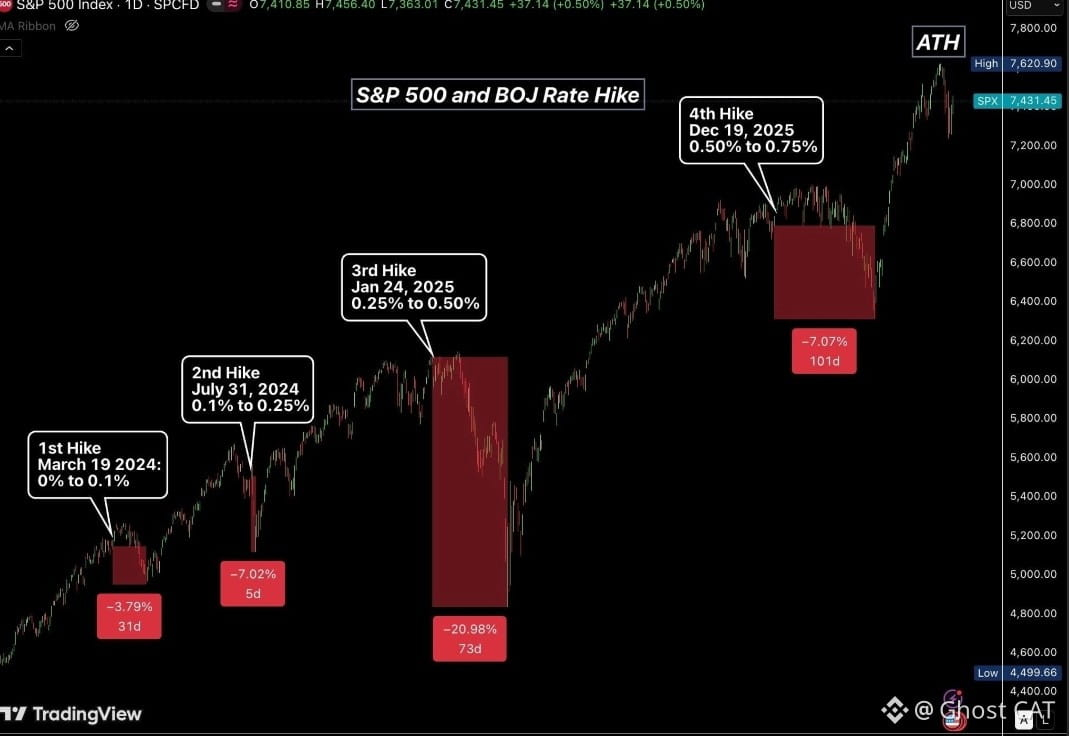
In den letzten 2 Jahren gab es ein Ereignis, das vor großen Marktturbulenzen immer wieder aufgetaucht ist: eine Zinserhöhung der Bank of Japan.
Es geschah im März 2024, Juli 2024, Januar 2025 und Dezember 2025. Jedes Mal kam es zu einem Sell-off. Jedes Mal nannten Investoren es später eine Kaufgelegenheit.
Jetzt steht eine weitere Entscheidung der BOJ an.
Ein Schritt zu 1 % Zinsen würde den Carry Trade, der seit Jahrzehnten globale Risikoanlagen antreibt, weiter unter Druck setzen. Aber dieses Mal ist der Hintergrund anders:
📉 Aktien schwächeln bereits
📈 Short-Interesse steigt
🛢️ Öl bleibt hoch
🏦 Die Fed veröffentlicht ihren Ausblick nur einen Tag später
Die letzten vier Sell-offs, ausgelöst durch die BOJ, erholten sich mit Unterstützung der Zentralbanken. Dieses Mal müssen die Märkte vielleicht auf eigenen Beinen stehen.
Morgen macht Japan den Anfang. Dann betritt die Fed die Bühne.
Wird dies der fünfte BOJ-ausgelöste Sell-off sein – oder nur ein weiterer Dip, den Käufer schnell aufgreifen?#USIranDealConfirmed BitcoinTops$66K#CardanoFoundation1096BTCUseQuestioned
In den letzten 2 Jahren gab es ein Ereignis, das vor großen Marktturbulenzen immer wieder aufgetaucht ist: eine Zinserhöhung der Bank of Japan.
Es geschah im März 2024, Juli 2024, Januar 2025 und Dezember 2025. Jedes Mal kam es zu einem Sell-off. Jedes Mal nannten Investoren es später eine Kaufgelegenheit.
Jetzt steht eine weitere Entscheidung der BOJ an.
Ein Schritt zu 1 % Zinsen würde den Carry Trade, der seit Jahrzehnten globale Risikoanlagen antreibt, weiter unter Druck setzen. Aber dieses Mal ist der Hintergrund anders:
📉 Aktien schwächeln bereits
📈 Short-Interesse steigt
🛢️ Öl bleibt hoch
🏦 Die Fed veröffentlicht ihren Ausblick nur einen Tag später
Die letzten vier Sell-offs, ausgelöst durch die BOJ, erholten sich mit Unterstützung der Zentralbanken. Dieses Mal müssen die Märkte vielleicht auf eigenen Beinen stehen.
Morgen macht Japan den Anfang. Dann betritt die Fed die Bühne.
Wird dies der fünfte BOJ-ausgelöste Sell-off sein – oder nur ein weiterer Dip, den Käufer schnell aufgreifen?#USIranDealConfirmed BitcoinTops$66K#CardanoFoundation1096BTCUseQuestioned
Es geschah im März 2024, Juli 2024, Januar 2025 und Dezember 2025. Jedes Mal kam es zu einem Sell-off. Jedes Mal nannten Investoren es später eine Kaufgelegenheit.
Jetzt steht eine weitere Entscheidung der BOJ an.
Ein Schritt zu 1 % Zinsen würde den Carry Trade, der seit Jahrzehnten globale Risikoanlagen antreibt, weiter unter Druck setzen. Aber dieses Mal ist der Hintergrund anders:
📉 Aktien schwächeln bereits
📈 Short-Interesse steigt
🛢️ Öl bleibt hoch
🏦 Die Fed veröffentlicht ihren Ausblick nur einen Tag später
Die letzten vier Sell-offs, ausgelöst durch die BOJ, erholten sich mit Unterstützung der Zentralbanken. Dieses Mal müssen die Märkte vielleicht auf eigenen Beinen stehen.
Morgen macht Japan den Anfang. Dann betritt die Fed die Bühne.
Wird dies der fünfte BOJ-ausgelöste Sell-off sein – oder nur ein weiterer Dip, den Käufer schnell aufgreifen?#USIranDealConfirmed BitcoinTops$66K#CardanoFoundation1096BTCUseQuestioned
90
·
--
$BTC Technische Analyse 📊
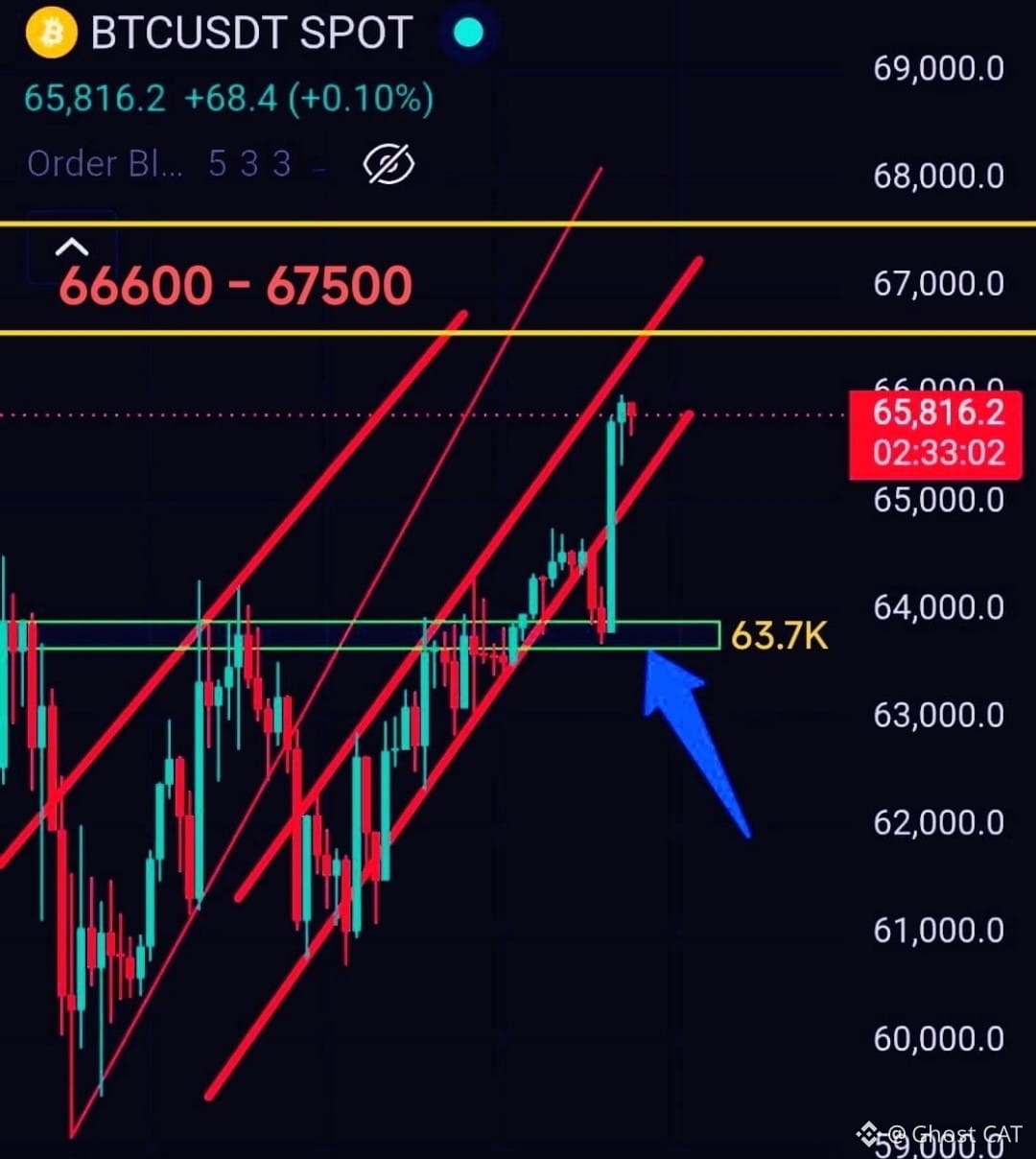
Das US-Iran Friedensabkommen sollte $BTC durch die Decke gehen, aber die Reaktion war relativ verhalten. Deshalb kann es gefährlich sein, den Schlagzeilen hinterherzujagen.
BTC hat die Unterstützung zwischen 63.5K und 63.8K perfekt respektiert, Käufer gefunden und die Nachrichten als Treibstoff genutzt, um über 64.8K auszubrechen.
Der Markt hat die Levels verfolgt – nicht die Nachrichten.
Solange die Struktur intakt bleibt, handelt BTC weiterhin innerhalb eines aufsteigenden Kanals. 🚀
#TradebStocks MuskSpaceX$1BillionUmsatz2030#CardanoFoundation1096BTCUseQuestioned
$BTC Technische Analyse 📊
Das US-Iran Friedensabkommen sollte $BTC durch die Decke gehen, aber die Reaktion war relativ verhalten. Deshalb kann es gefährlich sein, den Schlagzeilen hinterherzujagen.
BTC hat die Unterstützung zwischen 63.5K und 63.8K perfekt respektiert, Käufer gefunden und die Nachrichten als Treibstoff genutzt, um über 64.8K auszubrechen.
Der Markt hat die Levels verfolgt – nicht die Nachrichten.
Solange die Struktur intakt bleibt, handelt BTC weiterhin innerhalb eines aufsteigenden Kanals. 🚀
#TradebStocks MuskSpaceX$1BillionUmsatz2030#CardanoFoundation1096BTCUseQuestioned
Das US-Iran Friedensabkommen sollte $BTC durch die Decke gehen, aber die Reaktion war relativ verhalten. Deshalb kann es gefährlich sein, den Schlagzeilen hinterherzujagen.
BTC hat die Unterstützung zwischen 63.5K und 63.8K perfekt respektiert, Käufer gefunden und die Nachrichten als Treibstoff genutzt, um über 64.8K auszubrechen.
Der Markt hat die Levels verfolgt – nicht die Nachrichten.
Solange die Struktur intakt bleibt, handelt BTC weiterhin innerhalb eines aufsteigenden Kanals. 🚀
#TradebStocks MuskSpaceX$1BillionUmsatz2030#CardanoFoundation1096BTCUseQuestioned
106
·
--
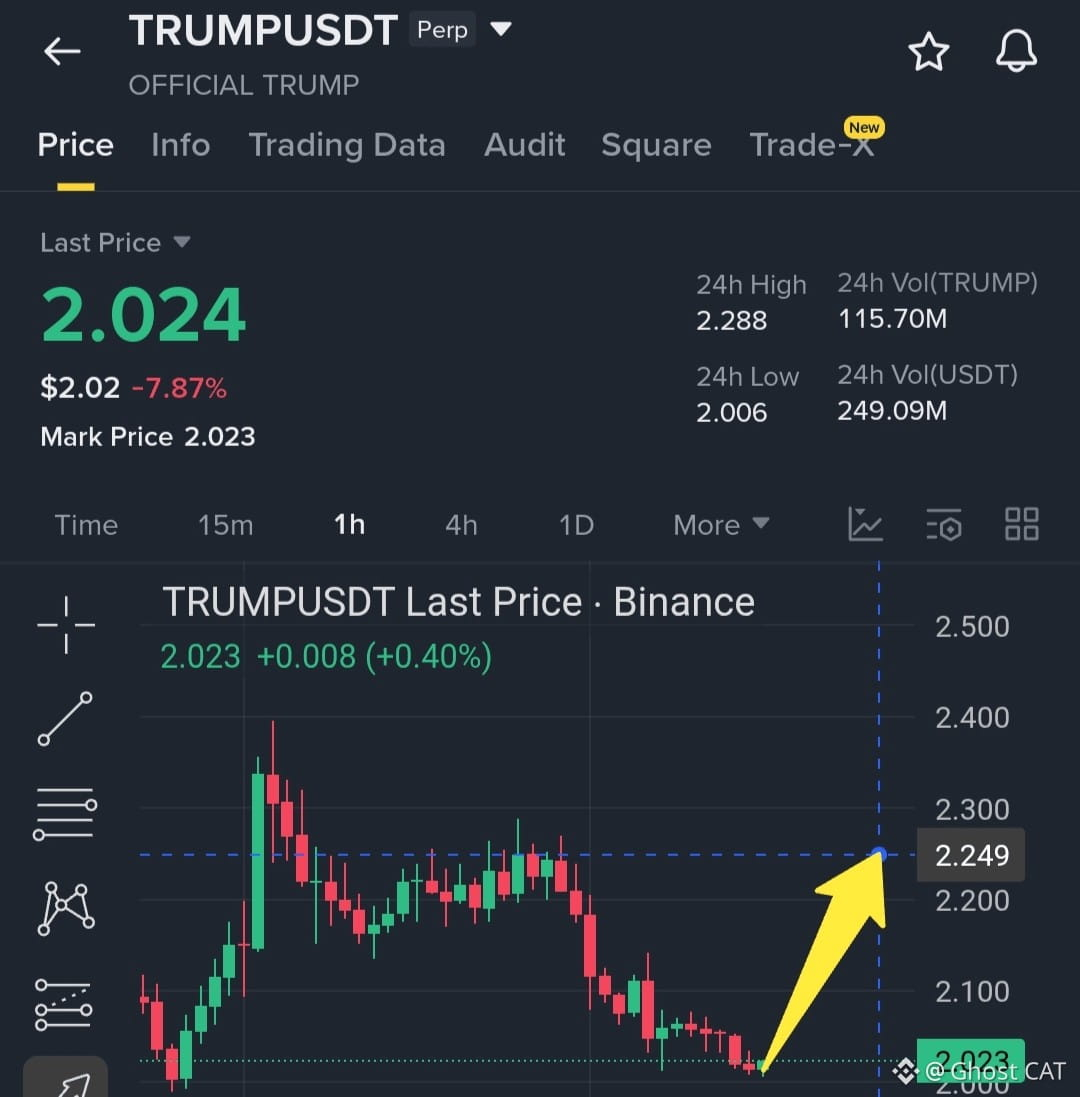
🚀 $TRUMP hält sich stark in der Nähe der $2,00 Unterstützungszone. Augen auf das $2,249 Widerstandsniveau—wenn die Bullen darüber brechen, könnte die Dynamik schnell zunehmen. 📈
#USStrategicPetroleumReserveHits1983Low #TradebStocks #USIranDealConfirmed
🚀 $TRUMP hält sich stark in der Nähe der $2,00 Unterstützungszone. Augen auf das $2,249 Widerstandsniveau—wenn die Bullen darüber brechen, könnte die Dynamik schnell zunehmen. 📈
#USStrategicPetroleumReserveHits1983Low #TradebStocks #USIranDealConfirmed
#USStrategicPetroleumReserveHits1983Low #TradebStocks #USIranDealConfirmed
1
307
·
--
$100 in $SPCX heute bei $160 kauft dir 0.625 einer Aktie und ich denke wirklich, dass das ein absolut solider Einstiegspunkt ist. Das durchschnittliche Analysten-Ziel für die nächsten 12 Monate liegt bei $164, mit einer hohen Schätzung von $227. Wenn SPCX $227 erreicht, wird dein $100 zu $141, das ist zwar keine Lebensveränderung, aber es hilft, eine Gewohnheit und eine Position aufzubauen. Der erste Earnings Report kommt am 2. September 2026 und ich persönlich denke, das ist das echte Event, das man im Auge behalten sollte.
SPCXUSDT
Perp
214.47
+28.27%
TSLAB
404.85
-1.32%
Wenn die Starlink-Umsätze die Erwartungen übertreffen, könnte die Aktie deutlich höher bewertet werden und deine kleine Position profitiert genauso wie die großen.
$NVDAB #USIranDealConfirmed BitmineKäufe$136MInETHFinanziertDurchBevorzugteAktienXRPÜberschreitet$1.20Um8Prozent
$100 in $SPCX heute bei $160 kauft dir 0.625 einer Aktie und ich denke wirklich, dass das ein absolut solider Einstiegspunkt ist. Das durchschnittliche Analysten-Ziel für die nächsten 12 Monate liegt bei $164, mit einer hohen Schätzung von $227. Wenn SPCX $227 erreicht, wird dein $100 zu $141, das ist zwar keine Lebensveränderung, aber es hilft, eine Gewohnheit und eine Position aufzubauen. Der erste Earnings Report kommt am 2. September 2026 und ich persönlich denke, das ist das echte Event, das man im Auge behalten sollte.
SPCXUSDT
Perp
214.47
+28.27%
TSLAB
404.85
-1.32%
Wenn die Starlink-Umsätze die Erwartungen übertreffen, könnte die Aktie deutlich höher bewertet werden und deine kleine Position profitiert genauso wie die großen.
$NVDAB #USIranDealConfirmed BitmineKäufe$136MInETHFinanziertDurchBevorzugteAktienXRPÜberschreitet$1.20Um8Prozent
SPCXUSDT
Perp
214.47
+28.27%
TSLAB
404.85
-1.32%
Wenn die Starlink-Umsätze die Erwartungen übertreffen, könnte die Aktie deutlich höher bewertet werden und deine kleine Position profitiert genauso wie die großen.
$NVDAB #USIranDealConfirmed BitmineKäufe$136MInETHFinanziertDurchBevorzugteAktienXRPÜberschreitet$1.20Um8Prozent
227
·
--
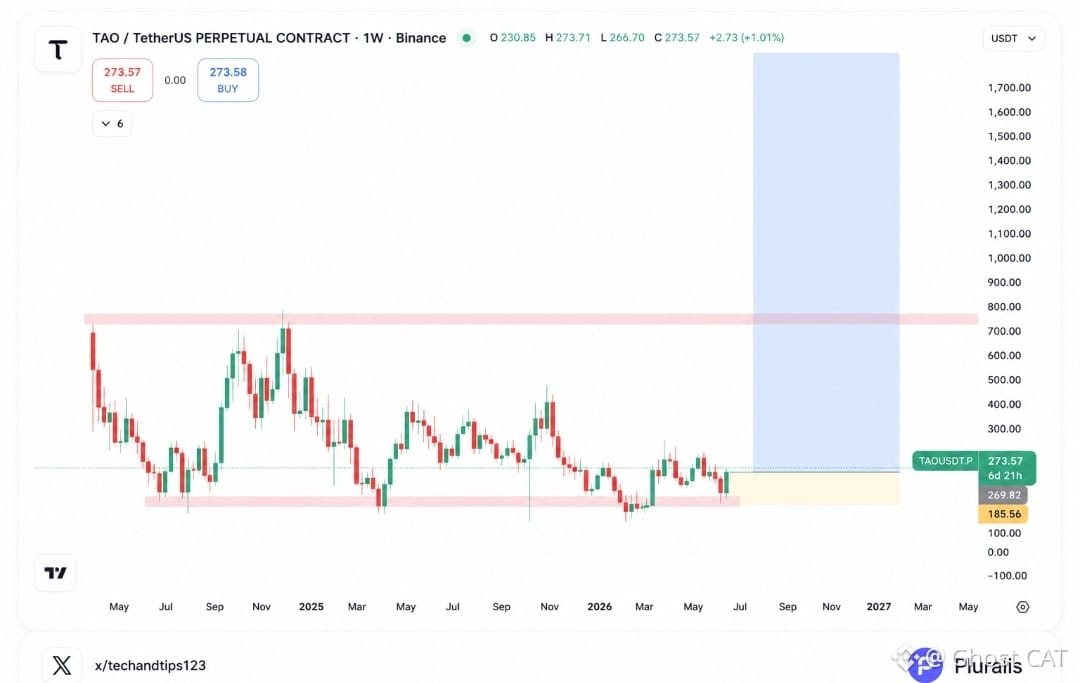
Dieses Chart zeigt ein wöchentliches TAOUSDT Perpetual Contract Setup mit einer sehr bullischen Risiko/Ertrag Projektion.
Was das Chart vorschlägt
Aktueller Preis: ~$274
Supportzone (pinkes Feld): ~$185–220
Widerstand (pinkes Feld darüber): ~$730–760
Das blaue Rechteck stellt das projizierte Zielgebiet nach oben dar.
Der Ersteller wettet effektiv darauf, dass TAO eine langfristige Basis gebildet hat und möglicherweise wieder die vorherigen Zyklenhöhen erreichen könnte.
Warum Trader dieses Setup mögen
1. Starker historischer Support
Der Preis hat wiederholt auf die Region von $180–220 reagiert.
Mehrere wöchentliche Wicks zeigen, dass Käufer dort eingestiegen sind.
2. Große Akkumulationsspanne
TAO hat viele Monate seitwärts bewegt.
Lange Konsolidierungen gehen oft großen Bewegungen voraus, obwohl die Richtung nie garantiert ist.
3. Risiko/Ertrag
Entry: ~$270
Ungültig unter: ~$185
Ziel: ~$730+
Die potenzielle Belohnung ist viel größer als das definierte Risiko.
Was den bullischen Fall stärken würde
Wöchentlicher Schluss über $320–350
Durchbruch über $450–500
Steigende Volumina bei Rallyes
Bitcoin bleibt in einem breiteren Bullenmarkt
Risiken
Das Chart geht davon aus, dass der Support bei ~$185 hält.
Wenn TAO dieses Niveau auf wöchentlicher Basis verliert, schwächt sich die bullische Struktur erheblich.
Die Projektion auf $700+ ist eine These, keine Vorhersage. Märkte bewegen sich selten in einer geraden Linie.
Vergleich mit deinem ersten Bild
Dein erstes Bild zeigte eine heftige Bewegung von etwa $250 auf $530 in sehr kurzer Zeit, was wie ein gehebelter Perpetual Contract Spike aussieht. Dieses wöchentliche Chart ist viel konservativer und plädiert für eine Bewegung über mehrere Monate oder Jahre, anstatt für eine sofortige Rallye.
Meine Interpretation: Das Chart ist als langfristige bullische These vernünftig, aber die Schlüsselstelle ist die Demand Zone von $185–220. Solange dieser Bereich auf wöchentlichen Schlusskursen hält, bleibt die Möglichkeit einer Bewegung in Richtung $500–750 technisch plausibel. Ein wöchentlicher Schluss darunter würde viel von dem Setup ungültig machen.
Dies ist nur eine Analyse der Chartstruktur, kein finanzieller Rat #USIranDealConfirmed BitcoinTops$66K#TradebStocks
Dieses Chart zeigt ein wöchentliches TAOUSDT Perpetual Contract Setup mit einer sehr bullischen Risiko/Ertrag Projektion.
Was das Chart vorschlägt
Aktueller Preis: ~$274
Supportzone (pinkes Feld): ~$185–220
Widerstand (pinkes Feld darüber): ~$730–760
Das blaue Rechteck stellt das projizierte Zielgebiet nach oben dar.
Der Ersteller wettet effektiv darauf, dass TAO eine langfristige Basis gebildet hat und möglicherweise wieder die vorherigen Zyklenhöhen erreichen könnte.
Warum Trader dieses Setup mögen
1. Starker historischer Support
Der Preis hat wiederholt auf die Region von $180–220 reagiert.
Mehrere wöchentliche Wicks zeigen, dass Käufer dort eingestiegen sind.
2. Große Akkumulationsspanne
TAO hat viele Monate seitwärts bewegt.
Lange Konsolidierungen gehen oft großen Bewegungen voraus, obwohl die Richtung nie garantiert ist.
3. Risiko/Ertrag
Entry: ~$270
Ungültig unter: ~$185
Ziel: ~$730+
Die potenzielle Belohnung ist viel größer als das definierte Risiko.
Was den bullischen Fall stärken würde
Wöchentlicher Schluss über $320–350
Durchbruch über $450–500
Steigende Volumina bei Rallyes
Bitcoin bleibt in einem breiteren Bullenmarkt
Risiken
Das Chart geht davon aus, dass der Support bei ~$185 hält.
Wenn TAO dieses Niveau auf wöchentlicher Basis verliert, schwächt sich die bullische Struktur erheblich.
Die Projektion auf $700+ ist eine These, keine Vorhersage. Märkte bewegen sich selten in einer geraden Linie.
Vergleich mit deinem ersten Bild
Dein erstes Bild zeigte eine heftige Bewegung von etwa $250 auf $530 in sehr kurzer Zeit, was wie ein gehebelter Perpetual Contract Spike aussieht. Dieses wöchentliche Chart ist viel konservativer und plädiert für eine Bewegung über mehrere Monate oder Jahre, anstatt für eine sofortige Rallye.
Meine Interpretation: Das Chart ist als langfristige bullische These vernünftig, aber die Schlüsselstelle ist die Demand Zone von $185–220. Solange dieser Bereich auf wöchentlichen Schlusskursen hält, bleibt die Möglichkeit einer Bewegung in Richtung $500–750 technisch plausibel. Ein wöchentlicher Schluss darunter würde viel von dem Setup ungültig machen.
Dies ist nur eine Analyse der Chartstruktur, kein finanzieller Rat #USIranDealConfirmed BitcoinTops$66K#TradebStocks
Was das Chart vorschlägt
Aktueller Preis: ~$274
Supportzone (pinkes Feld): ~$185–220
Widerstand (pinkes Feld darüber): ~$730–760
Das blaue Rechteck stellt das projizierte Zielgebiet nach oben dar.
Der Ersteller wettet effektiv darauf, dass TAO eine langfristige Basis gebildet hat und möglicherweise wieder die vorherigen Zyklenhöhen erreichen könnte.
Warum Trader dieses Setup mögen
1. Starker historischer Support
Der Preis hat wiederholt auf die Region von $180–220 reagiert.
Mehrere wöchentliche Wicks zeigen, dass Käufer dort eingestiegen sind.
2. Große Akkumulationsspanne
TAO hat viele Monate seitwärts bewegt.
Lange Konsolidierungen gehen oft großen Bewegungen voraus, obwohl die Richtung nie garantiert ist.
3. Risiko/Ertrag
Entry: ~$270
Ungültig unter: ~$185
Ziel: ~$730+
Die potenzielle Belohnung ist viel größer als das definierte Risiko.
Was den bullischen Fall stärken würde
Wöchentlicher Schluss über $320–350
Durchbruch über $450–500
Steigende Volumina bei Rallyes
Bitcoin bleibt in einem breiteren Bullenmarkt
Risiken
Das Chart geht davon aus, dass der Support bei ~$185 hält.
Wenn TAO dieses Niveau auf wöchentlicher Basis verliert, schwächt sich die bullische Struktur erheblich.
Die Projektion auf $700+ ist eine These, keine Vorhersage. Märkte bewegen sich selten in einer geraden Linie.
Vergleich mit deinem ersten Bild
Dein erstes Bild zeigte eine heftige Bewegung von etwa $250 auf $530 in sehr kurzer Zeit, was wie ein gehebelter Perpetual Contract Spike aussieht. Dieses wöchentliche Chart ist viel konservativer und plädiert für eine Bewegung über mehrere Monate oder Jahre, anstatt für eine sofortige Rallye.
Meine Interpretation: Das Chart ist als langfristige bullische These vernünftig, aber die Schlüsselstelle ist die Demand Zone von $185–220. Solange dieser Bereich auf wöchentlichen Schlusskursen hält, bleibt die Möglichkeit einer Bewegung in Richtung $500–750 technisch plausibel. Ein wöchentlicher Schluss darunter würde viel von dem Setup ungültig machen.
Dies ist nur eine Analyse der Chartstruktur, kein finanzieller Rat #USIranDealConfirmed BitcoinTops$66K#TradebStocks
222
·
--
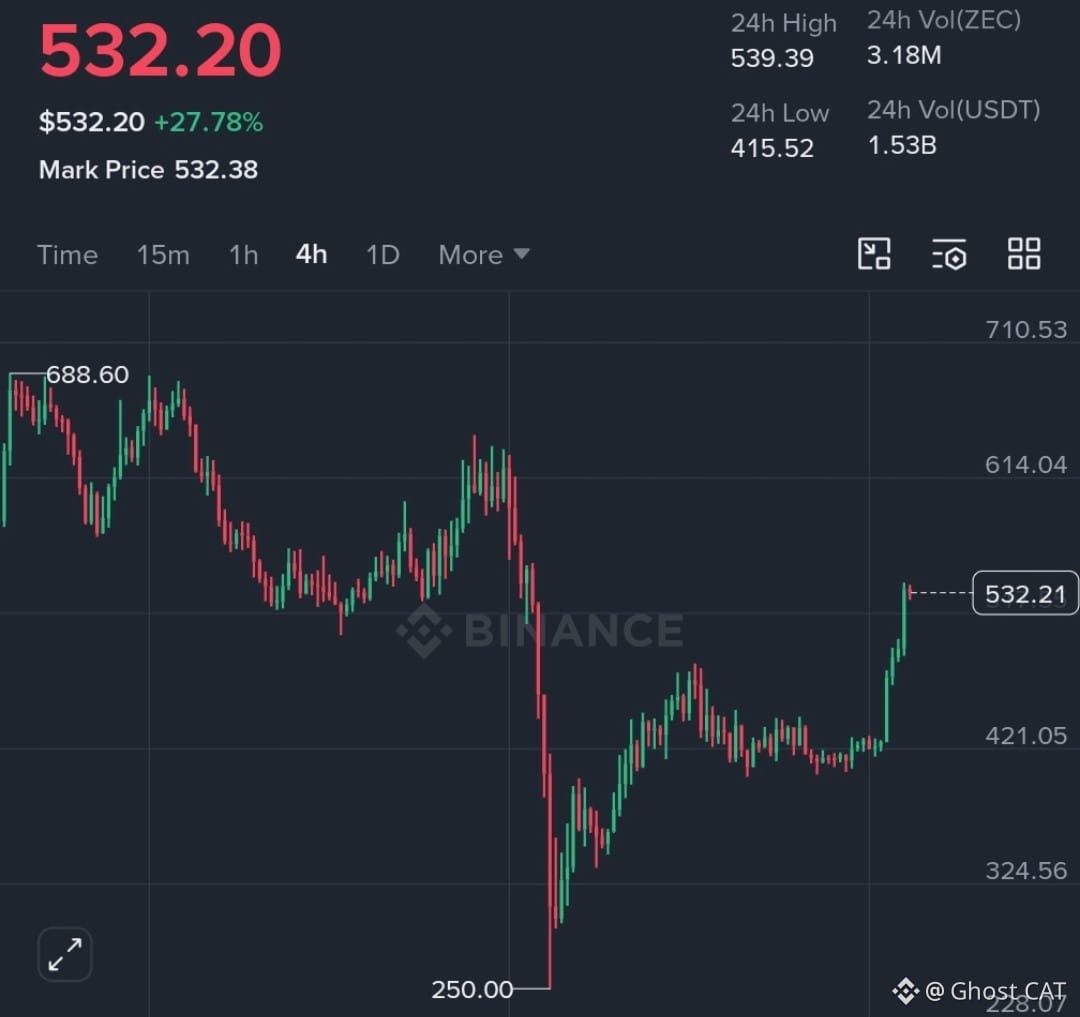
Das scheint ein 4-Stunden-Veladiagramm auf Binance für einen Krypto-Asset zu sein, der bei etwa 532,20 $ gehandelt wird.
Wichtige Dinge, die auf dem Chart sichtbar sind:
Aktueller Preis: 532,20 $ (+27,78 % über den angezeigten 24-Stunden-Zeitraum)
24h Hoch: 539,39 $
24h Tief: 415,52 $
Vor kurzem gab es einen starken Selloff, bei dem der Preis auf etwa 250,00 $ fiel.
Nach dem Crash hat sich der Asset erholt und konsolidierte im Bereich von 400–430 $.
Zuletzt gab es einen starken Ausbruch nach oben aus dieser Konsolidierung, der den Preis in den Bereich von über 530 $ drückte.
Die Bewegung von etwa 420 $ auf 530 $ geschah schnell, was auf eine starke Kaufdynamik hindeutet.
Aus der Perspektive der technischen Analyse:
Widerstand: um 539–540 $ (das 24h Hoch)
Unterstützung: um 420 $ (aktuelle Konsolidierungszone)
Der kurzfristige Trend, der auf diesem Chart zu sehen ist, ist bullish, aber nach einem so schnellen Anstieg sind Volatilität und Rückzüge üblich.
Wenn du eine tiefere Analyse möchtest, sag mir:
1. Um welchen Coin/Token es sich handelt und
2. Ob du nach einem kurzfristigen Trade, Swing-Trade oder einer langfristigen Investitionssicht suchst.
#TradebStocks BitcoinTops$66K#CardanoFoundation1096BTCUseQuestioned
Das scheint ein 4-Stunden-Veladiagramm auf Binance für einen Krypto-Asset zu sein, der bei etwa 532,20 $ gehandelt wird.
Wichtige Dinge, die auf dem Chart sichtbar sind:
Aktueller Preis: 532,20 $ (+27,78 % über den angezeigten 24-Stunden-Zeitraum)
24h Hoch: 539,39 $
24h Tief: 415,52 $
Vor kurzem gab es einen starken Selloff, bei dem der Preis auf etwa 250,00 $ fiel.
Nach dem Crash hat sich der Asset erholt und konsolidierte im Bereich von 400–430 $.
Zuletzt gab es einen starken Ausbruch nach oben aus dieser Konsolidierung, der den Preis in den Bereich von über 530 $ drückte.
Die Bewegung von etwa 420 $ auf 530 $ geschah schnell, was auf eine starke Kaufdynamik hindeutet.
Aus der Perspektive der technischen Analyse:
Widerstand: um 539–540 $ (das 24h Hoch)
Unterstützung: um 420 $ (aktuelle Konsolidierungszone)
Der kurzfristige Trend, der auf diesem Chart zu sehen ist, ist bullish, aber nach einem so schnellen Anstieg sind Volatilität und Rückzüge üblich.
Wenn du eine tiefere Analyse möchtest, sag mir:
1. Um welchen Coin/Token es sich handelt und
2. Ob du nach einem kurzfristigen Trade, Swing-Trade oder einer langfristigen Investitionssicht suchst.
#TradebStocks BitcoinTops$66K#CardanoFoundation1096BTCUseQuestioned
Wichtige Dinge, die auf dem Chart sichtbar sind:
Aktueller Preis: 532,20 $ (+27,78 % über den angezeigten 24-Stunden-Zeitraum)
24h Hoch: 539,39 $
24h Tief: 415,52 $
Vor kurzem gab es einen starken Selloff, bei dem der Preis auf etwa 250,00 $ fiel.
Nach dem Crash hat sich der Asset erholt und konsolidierte im Bereich von 400–430 $.
Zuletzt gab es einen starken Ausbruch nach oben aus dieser Konsolidierung, der den Preis in den Bereich von über 530 $ drückte.
Die Bewegung von etwa 420 $ auf 530 $ geschah schnell, was auf eine starke Kaufdynamik hindeutet.
Aus der Perspektive der technischen Analyse:
Widerstand: um 539–540 $ (das 24h Hoch)
Unterstützung: um 420 $ (aktuelle Konsolidierungszone)
Der kurzfristige Trend, der auf diesem Chart zu sehen ist, ist bullish, aber nach einem so schnellen Anstieg sind Volatilität und Rückzüge üblich.
Wenn du eine tiefere Analyse möchtest, sag mir:
1. Um welchen Coin/Token es sich handelt und
2. Ob du nach einem kurzfristigen Trade, Swing-Trade oder einer langfristigen Investitionssicht suchst.
#TradebStocks BitcoinTops$66K#CardanoFoundation1096BTCUseQuestioned
141
·
--
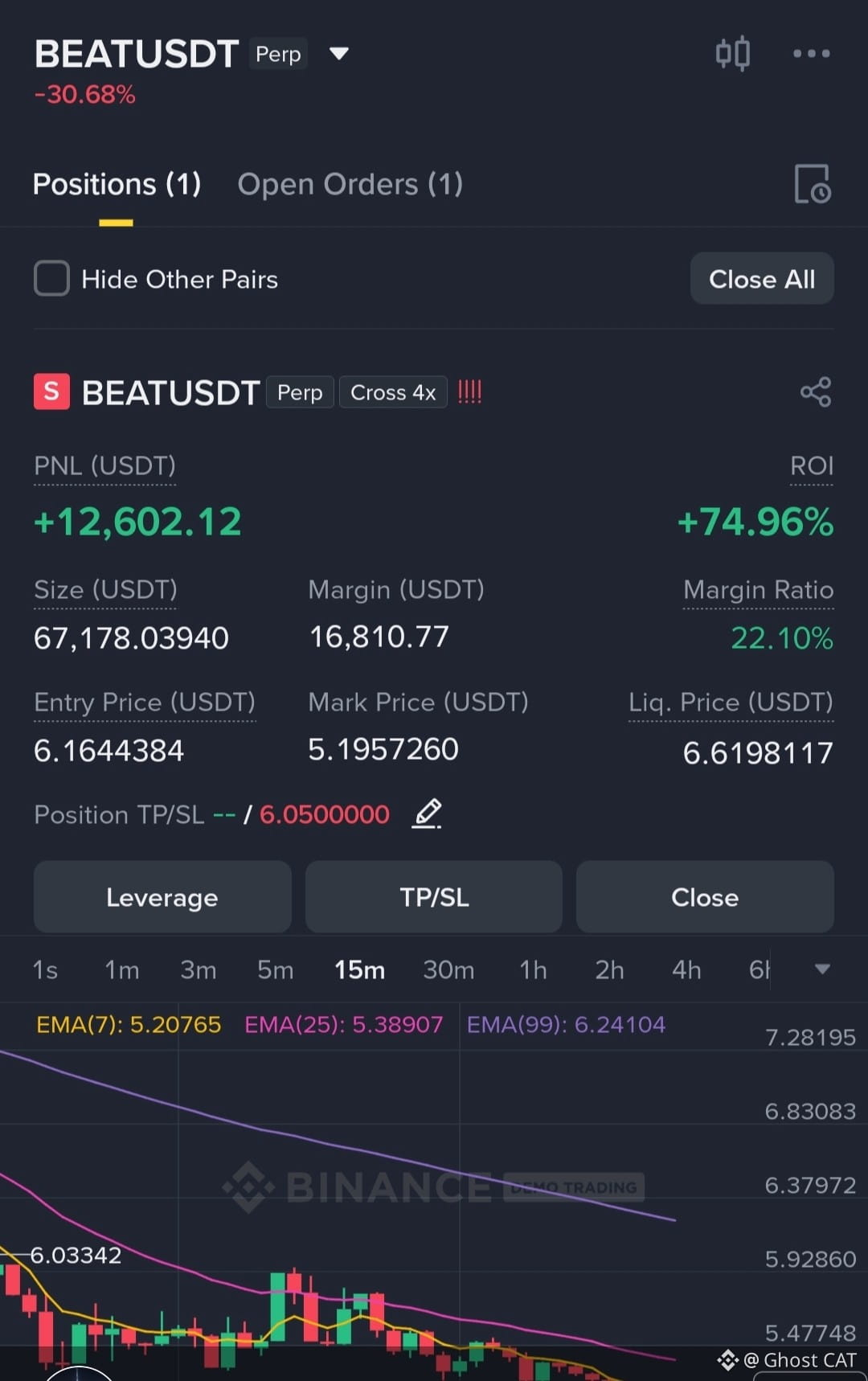
$BEAT Halten oder schließen? 🤔
Ich halte noch. Mein Plan ist einfach: Ich möchte sehen, dass $BEAT in Richtung der $1-Marke drängt, bevor ich einen vollständigen Ausstieg in Betracht ziehe.
Wie immer werde ich die Preisbewegungen genau beobachten und das Risiko unterwegs managen. Wenn der Momentum stark bleibt, bleibt das $1-Ziel im Spiel. 🎯
Wer hält sonst noch $BEAT ? Handelt gemäß eurer eigenen Risikomanagement- und Gewinnziele.#NikkeiCrosses69700ForFirstTime #BOJExpectedToHikeRateTo1PctTuesday #USEquityFundingCostsSurge
$BEAT Halten oder schließen? 🤔
Ich halte noch. Mein Plan ist einfach: Ich möchte sehen, dass $BEAT in Richtung der $1-Marke drängt, bevor ich einen vollständigen Ausstieg in Betracht ziehe.
Wie immer werde ich die Preisbewegungen genau beobachten und das Risiko unterwegs managen. Wenn der Momentum stark bleibt, bleibt das $1-Ziel im Spiel. 🎯
Wer hält sonst noch $BEAT ? Handelt gemäß eurer eigenen Risikomanagement- und Gewinnziele.#NikkeiCrosses69700ForFirstTime #BOJExpectedToHikeRateTo1PctTuesday #USEquityFundingCostsSurge
Ich halte noch. Mein Plan ist einfach: Ich möchte sehen, dass $BEAT in Richtung der $1-Marke drängt, bevor ich einen vollständigen Ausstieg in Betracht ziehe.
Wie immer werde ich die Preisbewegungen genau beobachten und das Risiko unterwegs managen. Wenn der Momentum stark bleibt, bleibt das $1-Ziel im Spiel. 🎯
Wer hält sonst noch $BEAT ? Handelt gemäß eurer eigenen Risikomanagement- und Gewinnziele.#NikkeiCrosses69700ForFirstTime #BOJExpectedToHikeRateTo1PctTuesday #USEquityFundingCostsSurge
190
·
--
Wer hat diesen Move erwischt? 🔥
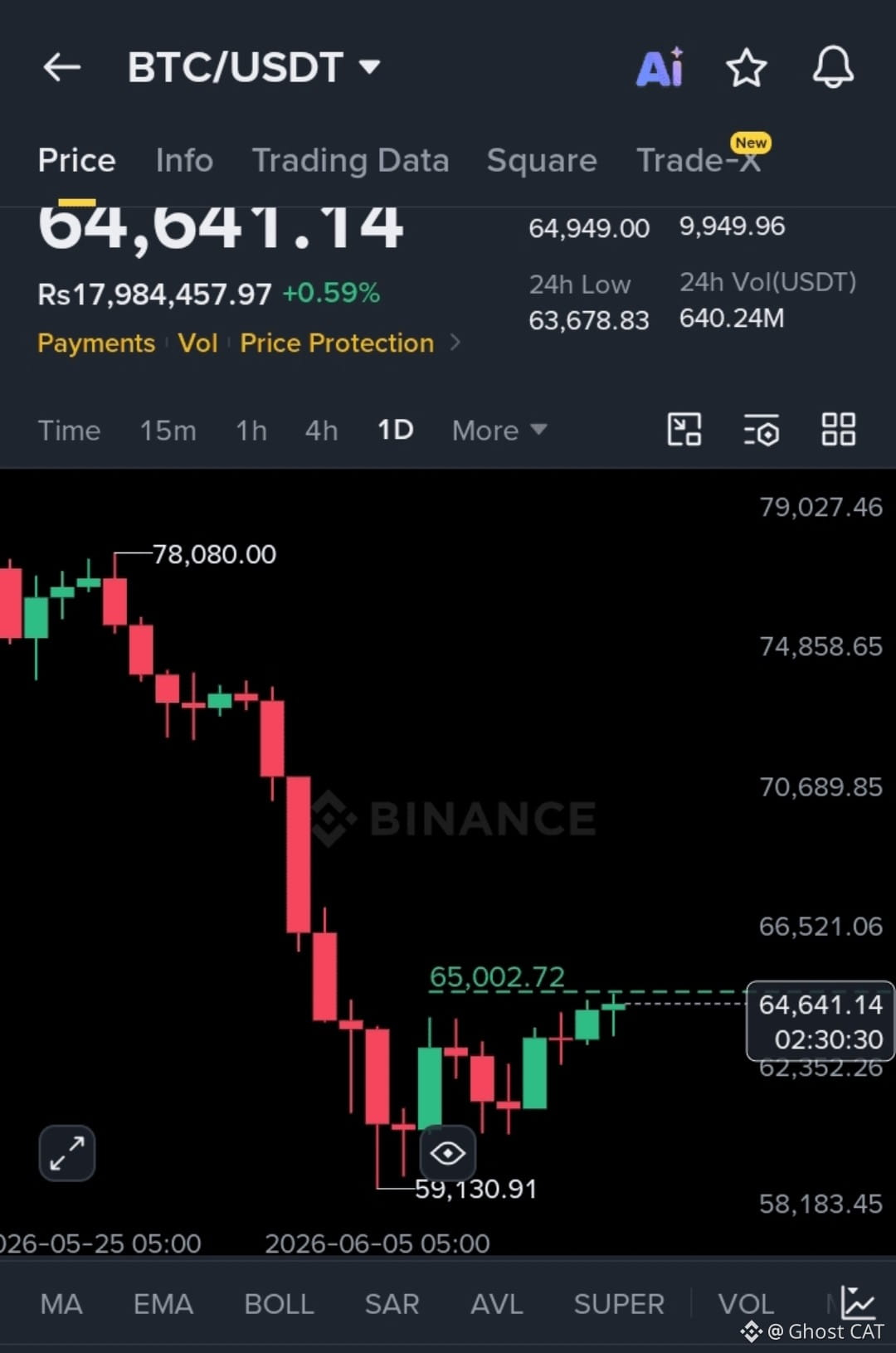
$BTC hat gerade die $65K-Marke durchbrochen, genau wie vorher besprochen. Glückwunsch an alle, die dem Setup gefolgt sind und geduldig geblieben sind.
Nächster Bereich, den ich im Auge habe: $68K+ 🎯
Vergesst nicht, Gewinne auf dem Weg nach oben zu sichern und das Risiko zu managen.
#TradebStocks MuskSpaceX$1TrillionRevenue2030#TrumpWarnsFranceTradeWarOverDigitalServicesTax
Wer hat diesen Move erwischt? 🔥
$BTC hat gerade die $65K-Marke durchbrochen, genau wie vorher besprochen. Glückwunsch an alle, die dem Setup gefolgt sind und geduldig geblieben sind.
Nächster Bereich, den ich im Auge habe: $68K+ 🎯
Vergesst nicht, Gewinne auf dem Weg nach oben zu sichern und das Risiko zu managen.
#TradebStocks MuskSpaceX$1TrillionRevenue2030#TrumpWarnsFranceTradeWarOverDigitalServicesTax
$BTC hat gerade die $65K-Marke durchbrochen, genau wie vorher besprochen. Glückwunsch an alle, die dem Setup gefolgt sind und geduldig geblieben sind.
Nächster Bereich, den ich im Auge habe: $68K+ 🎯
Vergesst nicht, Gewinne auf dem Weg nach oben zu sichern und das Risiko zu managen.
#TradebStocks MuskSpaceX$1TrillionRevenue2030#TrumpWarnsFranceTradeWarOverDigitalServicesTax
58
·
--
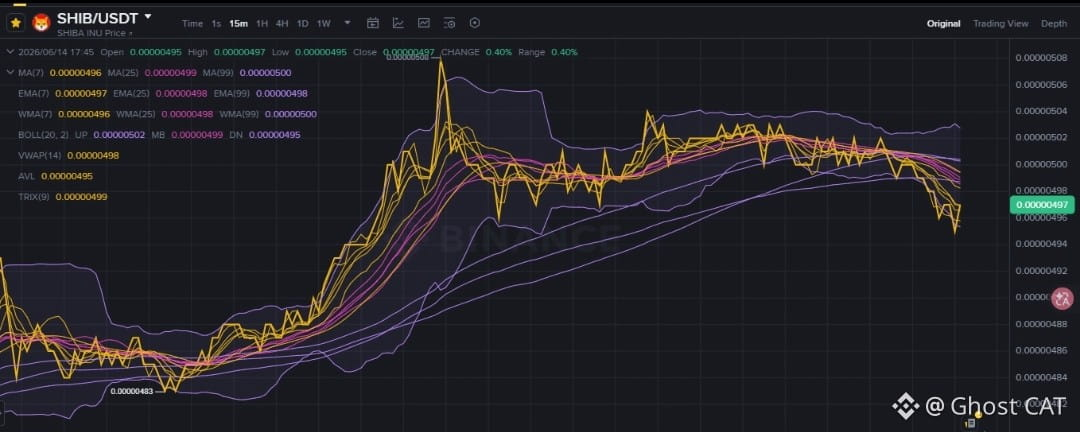
$SHIB hält sich weiterhin um die wichtige Unterstützung nach dem jüngsten Rücksetzer.
Der Preis komprimiert sich nahe der unteren Range. Ein starker Bounce von hier könnte eine weitere Bewegung in Richtung Widerstand bringen, während der Verlust der Unterstützung die Tür für weitere Abwärtsbewegungen öffnen könnte.
Genau im Auge behalten. 👀📊 #TradebStocks #USIranDealConfirmed MuskSpaceX$1TrillionRevenue2030
$SHIB hält sich weiterhin um die wichtige Unterstützung nach dem jüngsten Rücksetzer.
Der Preis komprimiert sich nahe der unteren Range. Ein starker Bounce von hier könnte eine weitere Bewegung in Richtung Widerstand bringen, während der Verlust der Unterstützung die Tür für weitere Abwärtsbewegungen öffnen könnte.
Genau im Auge behalten. 👀📊 #TradebStocks #USIranDealConfirmed MuskSpaceX$1TrillionRevenue2030
Der Preis komprimiert sich nahe der unteren Range. Ein starker Bounce von hier könnte eine weitere Bewegung in Richtung Widerstand bringen, während der Verlust der Unterstützung die Tür für weitere Abwärtsbewegungen öffnen könnte.
Genau im Auge behalten. 👀📊 #TradebStocks #USIranDealConfirmed MuskSpaceX$1TrillionRevenue2030
1
5
890
·
--
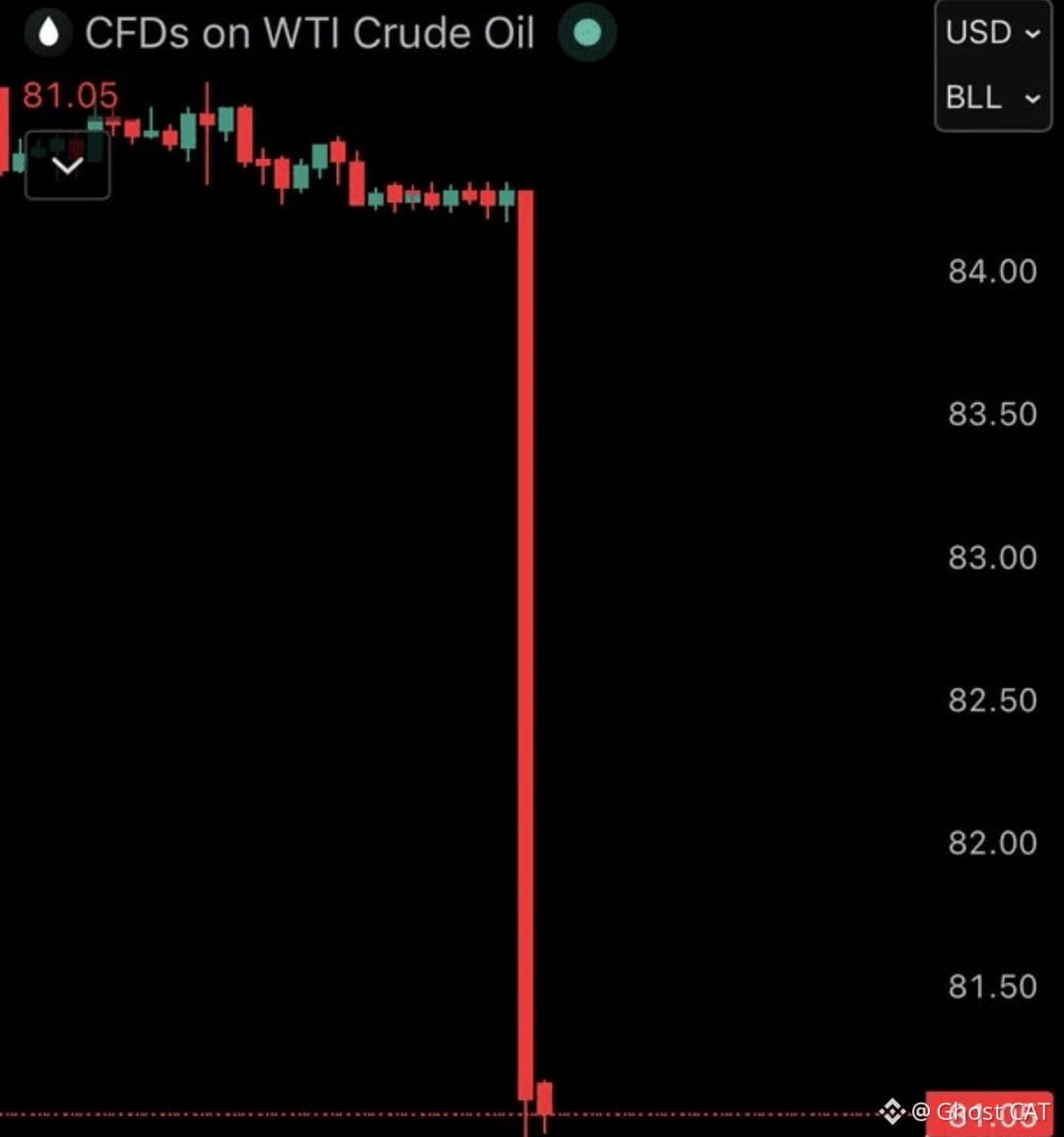
WTI hat gerade einen massiven Flush gesehen. 📉
Diese Kerze hat in Minuten Stunden von Preisbewegungen ausgelöscht. Die Volatilität ist zurück, und hier zählt das Risikomanagement am meisten.
Wer hat diesen Move erwischt oder wurde gestoppt? 👀🔥 #NikkeiCrosses69700ForFirstTime #BOJExpectedToHikeRateTo1PctTuesday #USIranDealConfirmed
WTI hat gerade einen massiven Flush gesehen. 📉
Diese Kerze hat in Minuten Stunden von Preisbewegungen ausgelöscht. Die Volatilität ist zurück, und hier zählt das Risikomanagement am meisten.
Wer hat diesen Move erwischt oder wurde gestoppt? 👀🔥 #NikkeiCrosses69700ForFirstTime #BOJExpectedToHikeRateTo1PctTuesday #USIranDealConfirmed
Diese Kerze hat in Minuten Stunden von Preisbewegungen ausgelöscht. Die Volatilität ist zurück, und hier zählt das Risikomanagement am meisten.
Wer hat diesen Move erwischt oder wurde gestoppt? 👀🔥 #NikkeiCrosses69700ForFirstTime #BOJExpectedToHikeRateTo1PctTuesday #USIranDealConfirmed
240
·
--
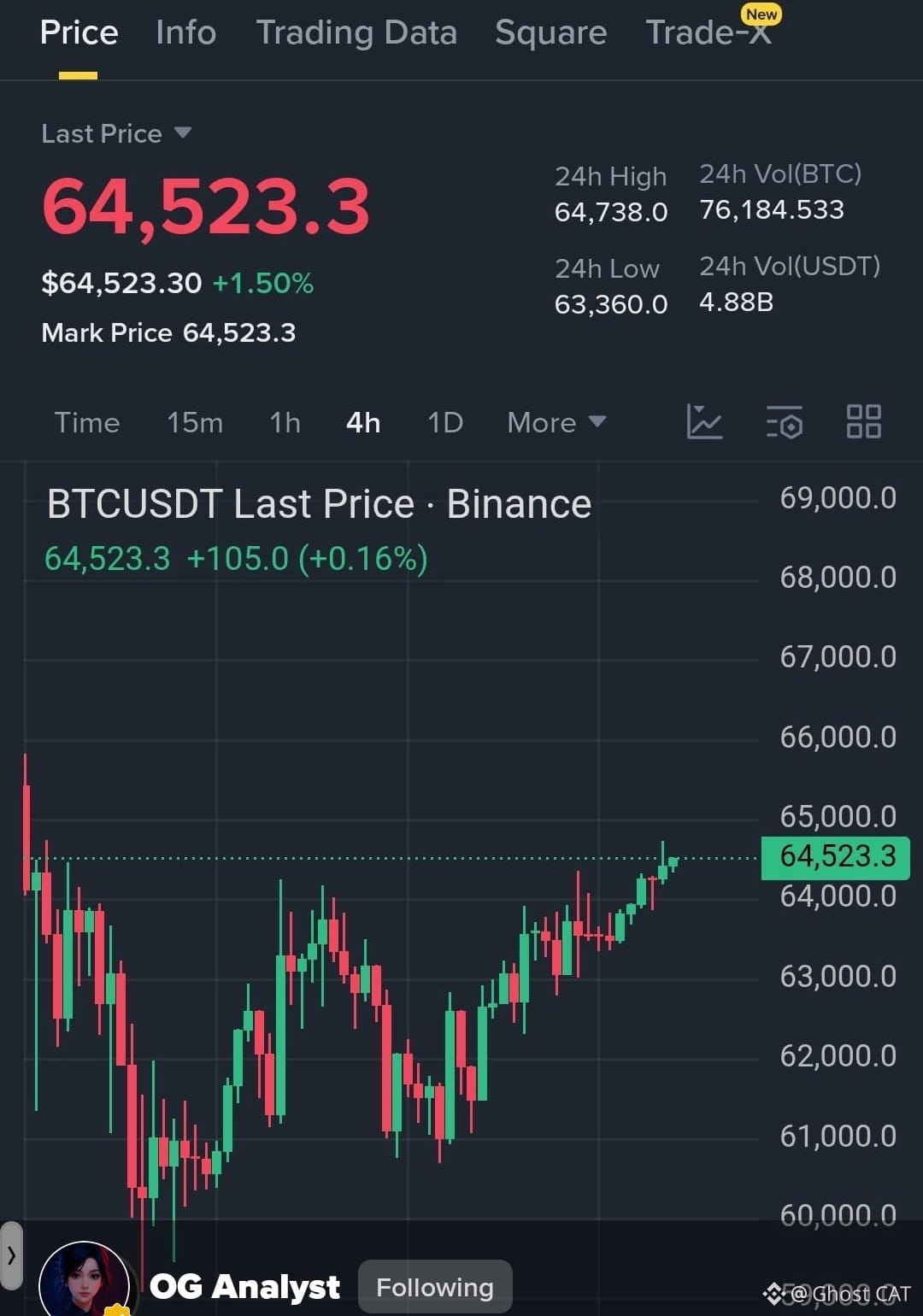
$BTC grindet langsam nach oben und drückt zurück in den wichtigen Widerstand.
64K zurückerobert, jetzt auf einen sauberen Ausbruch über 65K achten. Wenn dieser Momentum anhält, könnten bald höhere Ziele ins Spiel kommen.
Wer hält noch $BTC #TradebStocks #USIranDealConfirmed #TrumpWarnsFranceTradeWarOverDigitalServicesTax ?
$BTC grindet langsam nach oben und drückt zurück in den wichtigen Widerstand.
64K zurückerobert, jetzt auf einen sauberen Ausbruch über 65K achten. Wenn dieser Momentum anhält, könnten bald höhere Ziele ins Spiel kommen.
Wer hält noch $BTC #TradebStocks #USIranDealConfirmed #TrumpWarnsFranceTradeWarOverDigitalServicesTax ?
64K zurückerobert, jetzt auf einen sauberen Ausbruch über 65K achten. Wenn dieser Momentum anhält, könnten bald höhere Ziele ins Spiel kommen.
Wer hält noch $BTC #TradebStocks #USIranDealConfirmed #TrumpWarnsFranceTradeWarOverDigitalServicesTax ?
137
·
--
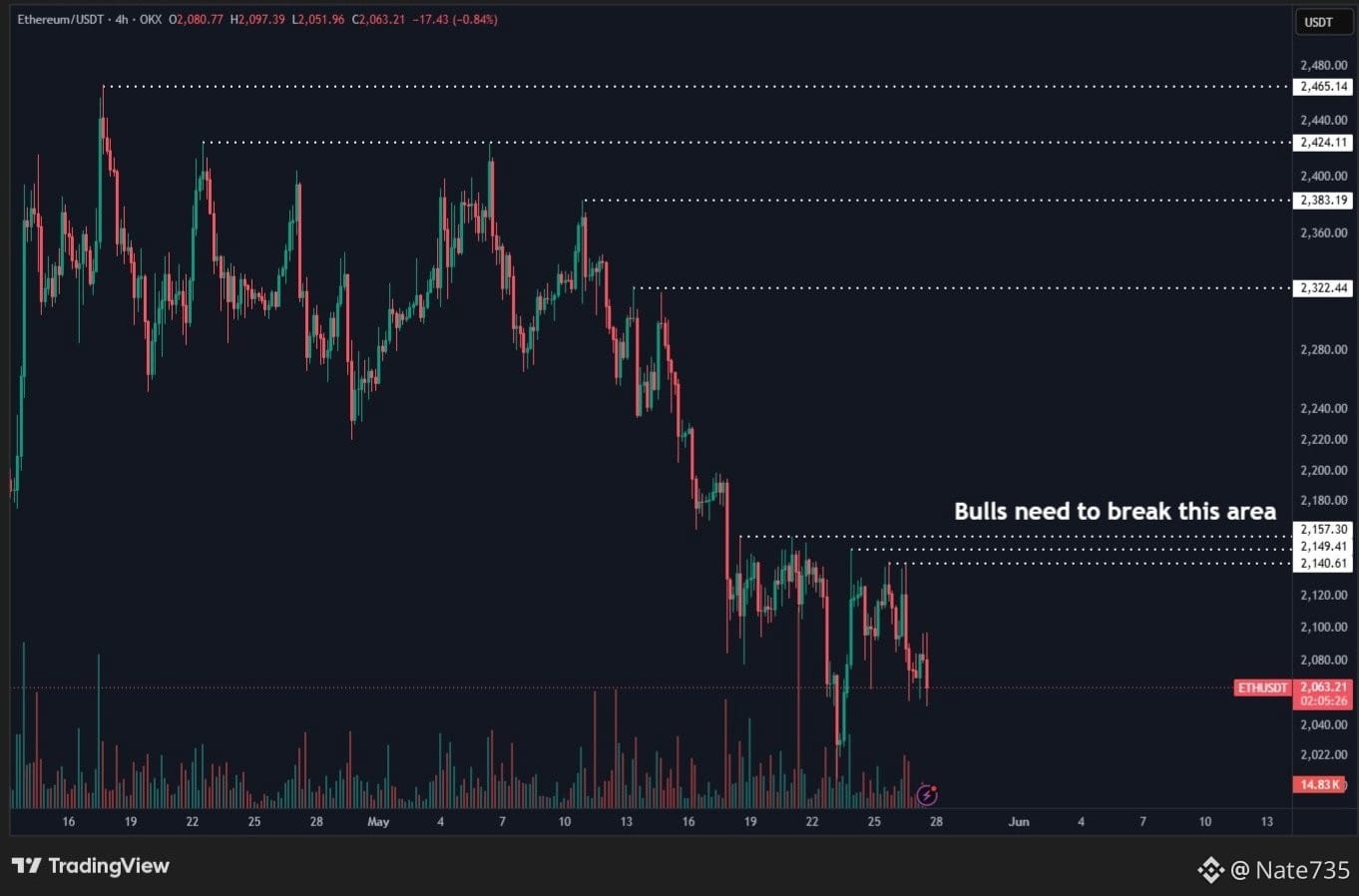
$ETH testet immer wieder dasselbe Niveau.
Die ~$2150 Zone fühlt sich gerade wie der Triggerpunkt an. Bären haben immer noch die Kontrolle, das lässt sich nicht leugnen, aber wenn wir das zurückerobern, könnte sich die Momentum schnell umkehren und viele späte Shorts fangen.
Kein Grund zur Eile, um vorzugreifen. Erst die Bestätigung, dann lass die Squeeze die Arbeit machen.
$ETH testet immer wieder dasselbe Niveau.
Die ~$2150 Zone fühlt sich gerade wie der Triggerpunkt an. Bären haben immer noch die Kontrolle, das lässt sich nicht leugnen, aber wenn wir das zurückerobern, könnte sich die Momentum schnell umkehren und viele späte Shorts fangen.
Kein Grund zur Eile, um vorzugreifen. Erst die Bestätigung, dann lass die Squeeze die Arbeit machen.
Die ~$2150 Zone fühlt sich gerade wie der Triggerpunkt an. Bären haben immer noch die Kontrolle, das lässt sich nicht leugnen, aber wenn wir das zurückerobern, könnte sich die Momentum schnell umkehren und viele späte Shorts fangen.
Kein Grund zur Eile, um vorzugreifen. Erst die Bestätigung, dann lass die Squeeze die Arbeit machen.
117
·
--
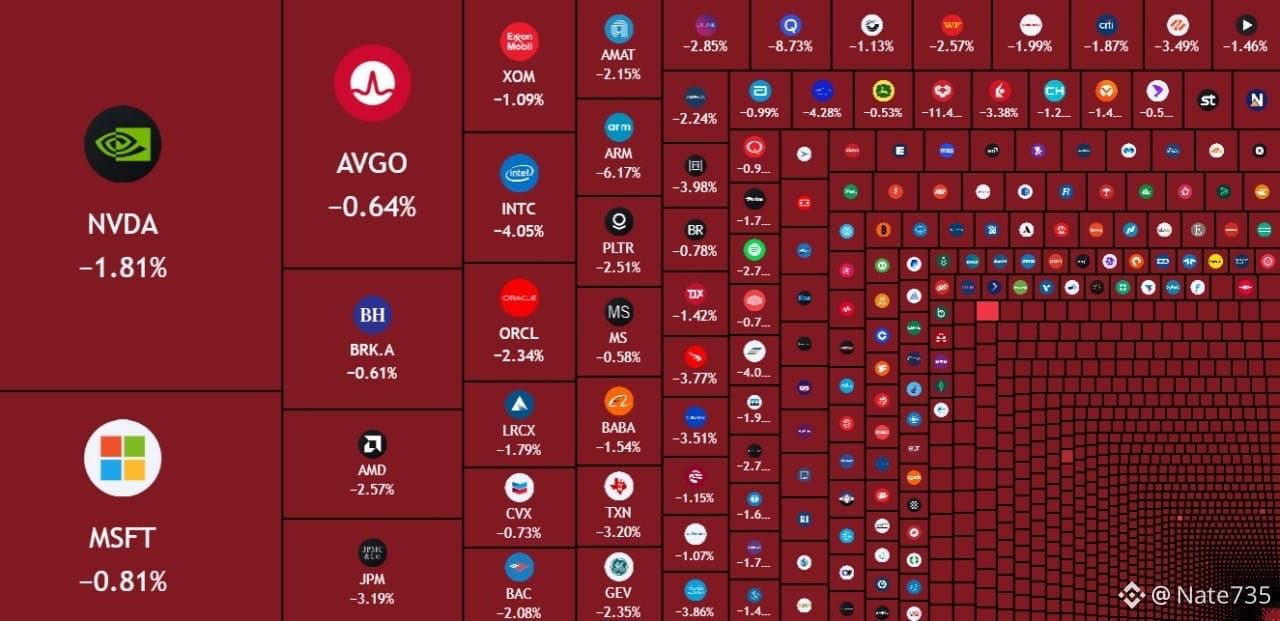
🚨$230.000.000.000 in 20 MINUTEN von US-Aktien ausgelöscht, nachdem Trump eine Aufhebung der Iran-Sanktionen ausgeschlossen hat.
🚨$230.000.000.000 in 20 MINUTEN von US-Aktien ausgelöscht, nachdem Trump eine Aufhebung der Iran-Sanktionen ausgeschlossen hat.
251
·
--
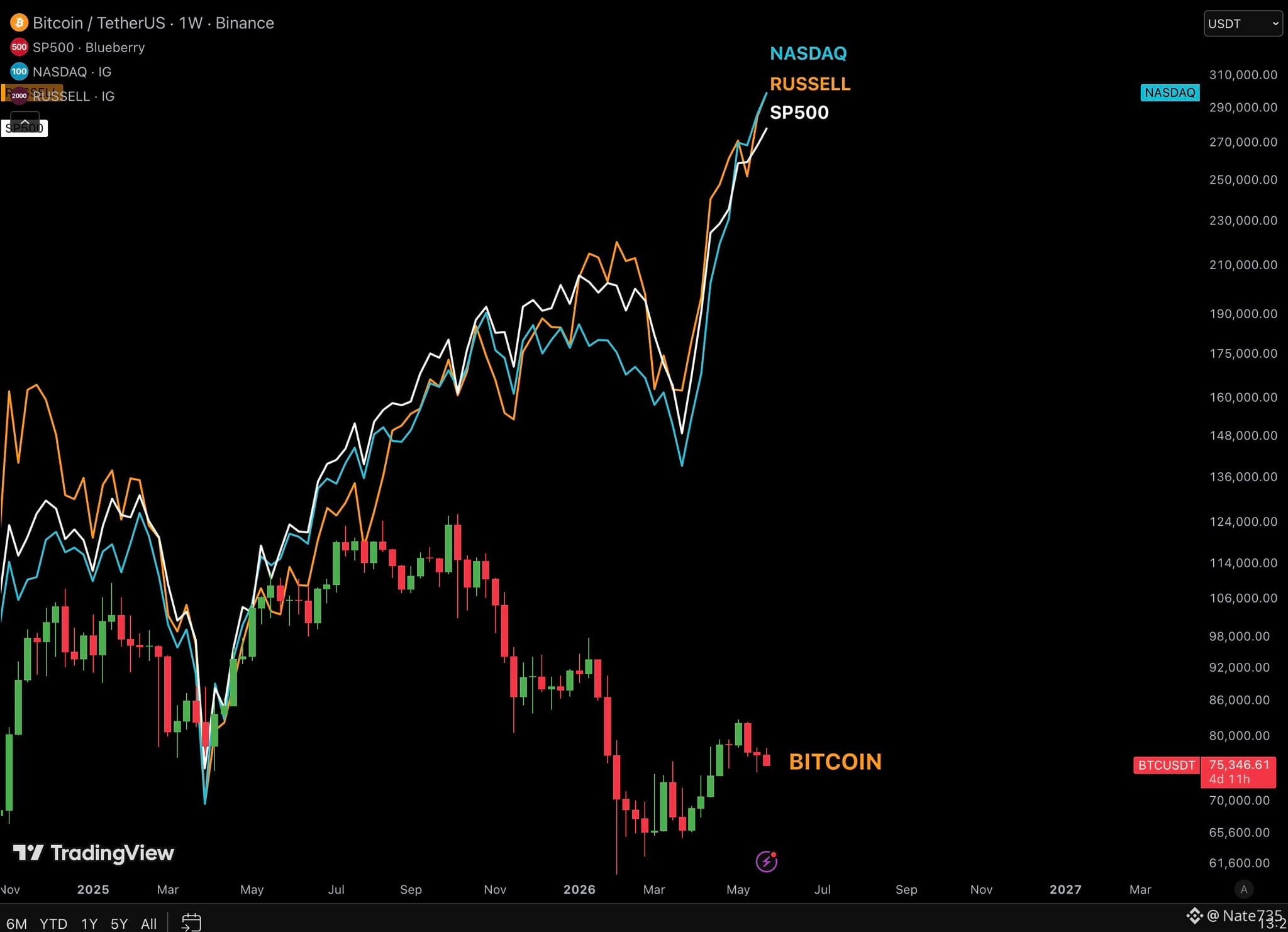
Irgendwie fühlt sich das hier echt falsch an.
Es scheint, als würde der Preis von $BTC stark unterdrückt werden.
Aktien haben diese Woche neue Rekordhöhen erreicht, während $BTC weiter fällt.
Glaubst du, dass wir in diesem Jahr eine Geldrotation sehen werden?
Irgendwie fühlt sich das hier echt falsch an.
Es scheint, als würde der Preis von $BTC stark unterdrückt werden.
Aktien haben diese Woche neue Rekordhöhen erreicht, während $BTC weiter fällt.
Glaubst du, dass wir in diesem Jahr eine Geldrotation sehen werden?
Es scheint, als würde der Preis von $BTC stark unterdrückt werden.
Aktien haben diese Woche neue Rekordhöhen erreicht, während $BTC weiter fällt.
Glaubst du, dass wir in diesem Jahr eine Geldrotation sehen werden?
163
·
--
Bärisch
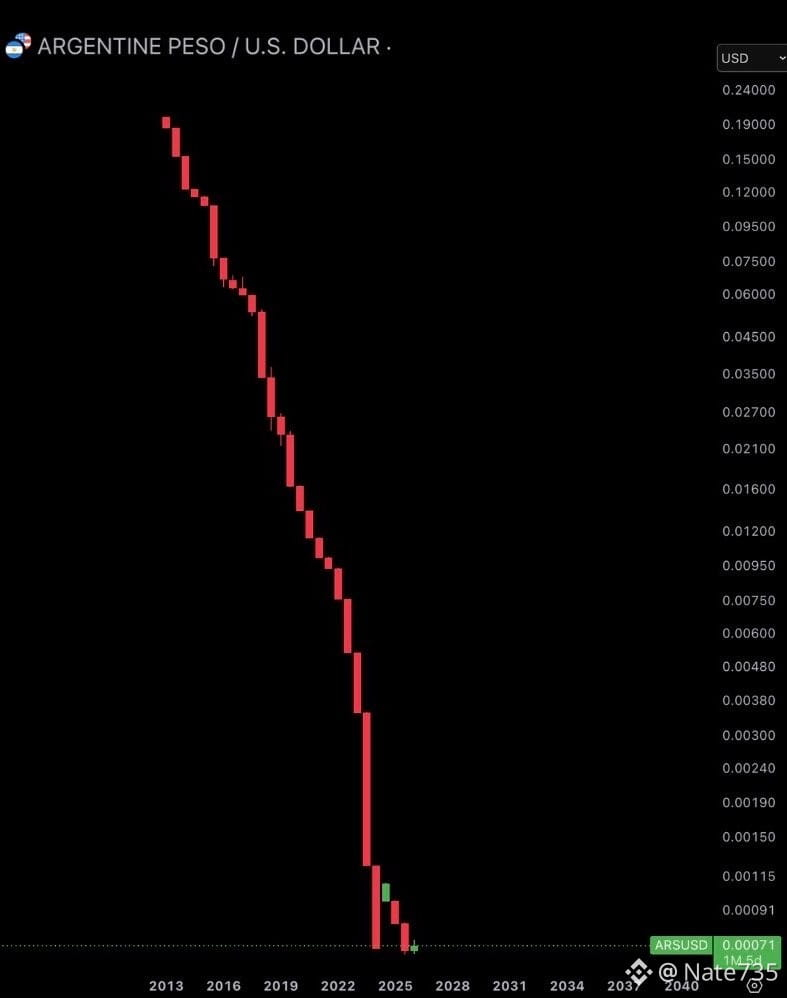
🇦🇷 Der argentinische Peso stürzt ab, 99,66 % im Vergleich zu seinem Höchststand.
Eine weitere Fiat-Währung kollabiert in Echtzeit.
🇦🇷 Der argentinische Peso stürzt ab, 99,66 % im Vergleich zu seinem Höchststand.
Eine weitere Fiat-Währung kollabiert in Echtzeit.
Eine weitere Fiat-Währung kollabiert in Echtzeit.

1
112
·
--
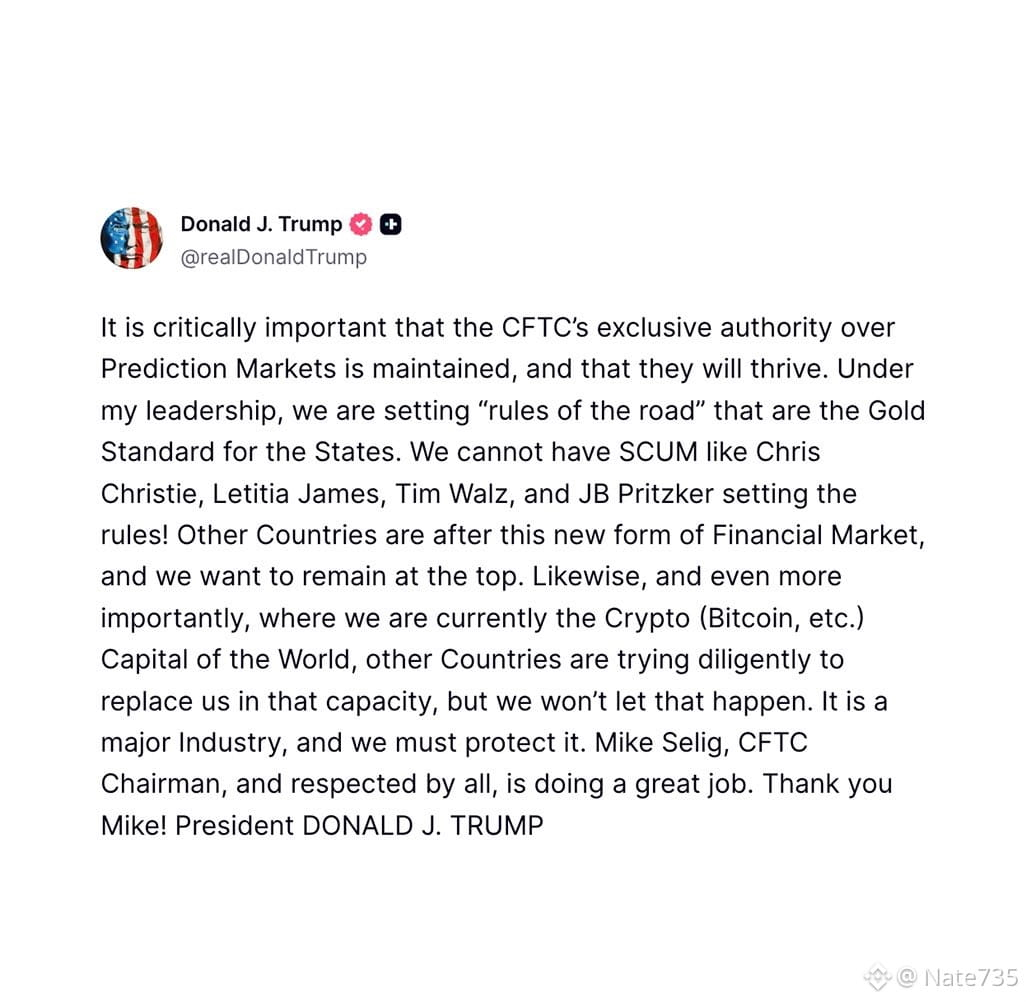
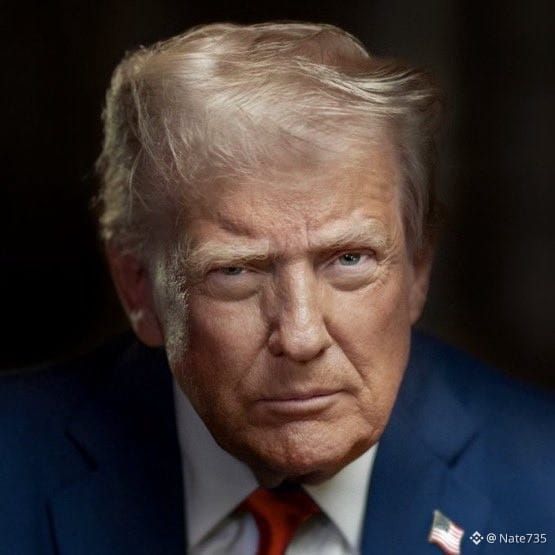
🇩🇪 PRÄSIDENT TRUMP HAT POSTED:
Er wird nicht zulassen, dass andere Länder die USA als das Bitcoin und Krypto „KAPITAL DER WELT“ ersetzen.
"Wir werden das nicht zulassen. Es ist eine bedeutende Industrie, und wir müssen sie schützen."
🇩🇪 PRÄSIDENT TRUMP HAT POSTED:
Er wird nicht zulassen, dass andere Länder die USA als das Bitcoin und Krypto „KAPITAL DER WELT“ ersetzen.
"Wir werden das nicht zulassen. Es ist eine bedeutende Industrie, und wir müssen sie schützen."
Er wird nicht zulassen, dass andere Länder die USA als das Bitcoin und Krypto „KAPITAL DER WELT“ ersetzen.
"Wir werden das nicht zulassen. Es ist eine bedeutende Industrie, und wir müssen sie schützen."
1
89
·
--
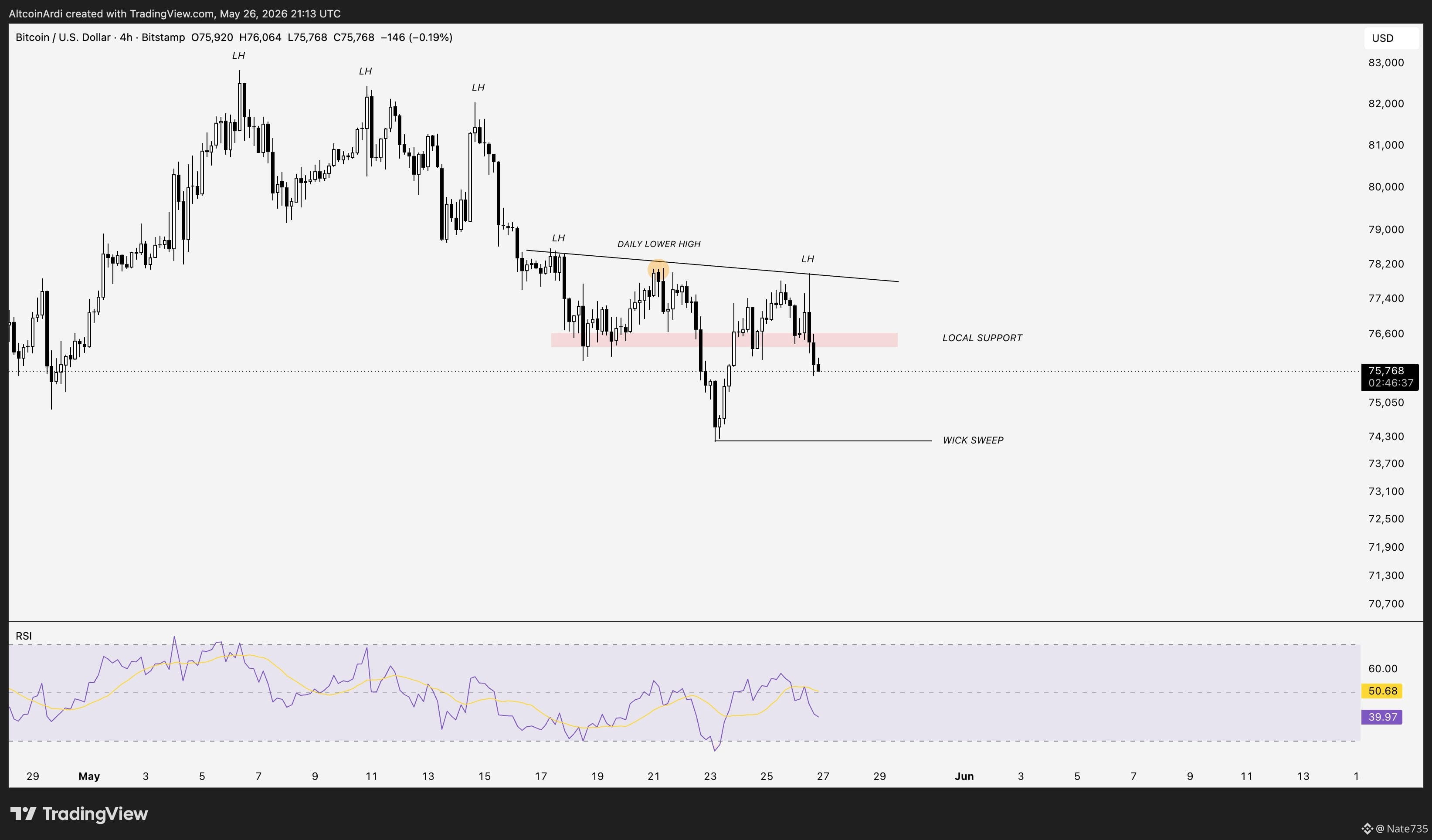
$BTC
Der Chart sieht bereit aus, um die $74K zu knacken.
- 3 Wochen mit niedrigeren Hochs über mehrere Zeitrahmen
- 3 gescheiterte Ausbrüche über $77.7K
- Den lokalen Unterstützungs-Pivot bei $76.4K verloren
Ich mache nicht die Regeln.
$BTC
Der Chart sieht bereit aus, um die $74K zu knacken.
- 3 Wochen mit niedrigeren Hochs über mehrere Zeitrahmen
- 3 gescheiterte Ausbrüche über $77.7K
- Den lokalen Unterstützungs-Pivot bei $76.4K verloren
Ich mache nicht die Regeln.
Der Chart sieht bereit aus, um die $74K zu knacken.
- 3 Wochen mit niedrigeren Hochs über mehrere Zeitrahmen
- 3 gescheiterte Ausbrüche über $77.7K
- Den lokalen Unterstützungs-Pivot bei $76.4K verloren
Ich mache nicht die Regeln.
1
194
·
--
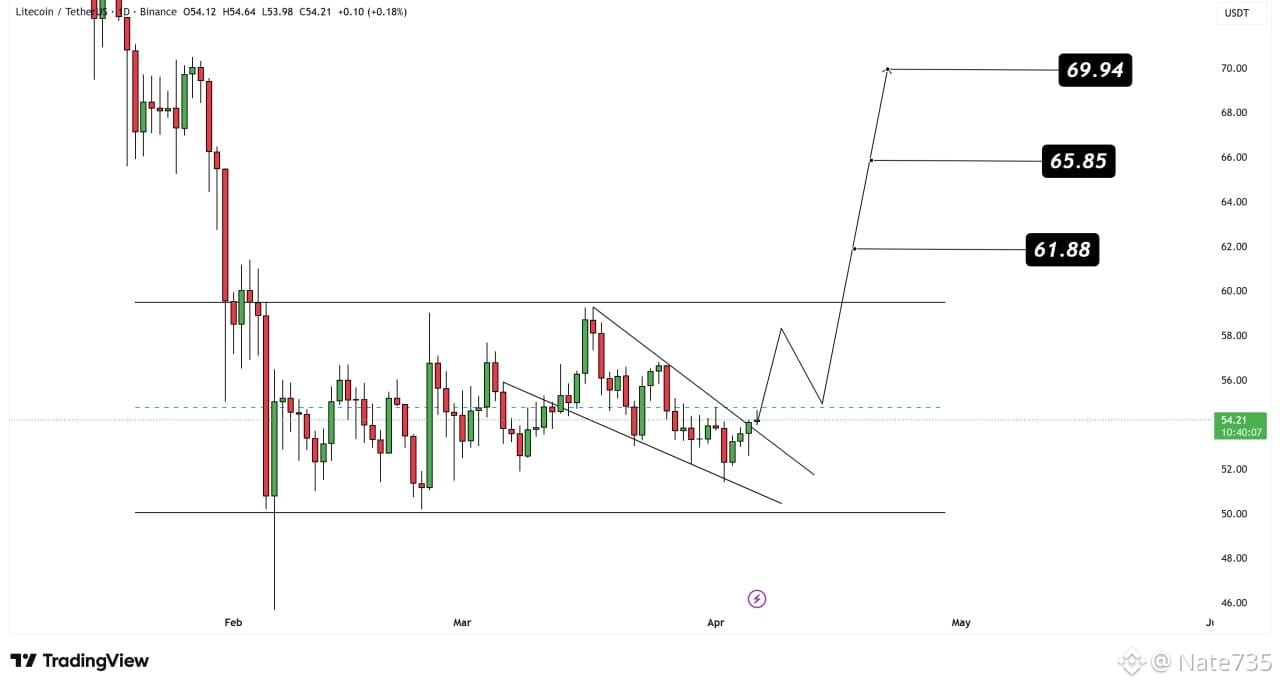
$LTC / USDT
Litecoin bildet einen kurzfristigen abwärtsgerichteten Kanal innerhalb einer breiteren Seitwärtsrange (50$ – 60$) 🔍
Der Preis versucht derzeit, aus dem Kanal auszubrechen, was den Beginn einer Erholungsbewegung signalisieren könnte.
📈 Bullishes Szenario:
Wenn der Preis den Ausbruch bestätigt und über dem Widerstand bleibt:
🎯 $61.88
🎯 $65.85
🎯 $69.94
⚠️ Wichtige Unterstützung: $50 Zone — wenn diese verloren geht, wird die bullische Aussicht ungültig
🔥 Ein erfolgreicher Ausbruch könnte die Dynamik von Konsolidierung auf impulsiven Aufwärtstrend verschieben.
$LTC / USDT
Litecoin bildet einen kurzfristigen abwärtsgerichteten Kanal innerhalb einer breiteren Seitwärtsrange (50$ – 60$) 🔍
Der Preis versucht derzeit, aus dem Kanal auszubrechen, was den Beginn einer Erholungsbewegung signalisieren könnte.
📈 Bullishes Szenario:
Wenn der Preis den Ausbruch bestätigt und über dem Widerstand bleibt:
🎯 $61.88
🎯 $65.85
🎯 $69.94
⚠️ Wichtige Unterstützung: $50 Zone — wenn diese verloren geht, wird die bullische Aussicht ungültig
🔥 Ein erfolgreicher Ausbruch könnte die Dynamik von Konsolidierung auf impulsiven Aufwärtstrend verschieben.
Litecoin bildet einen kurzfristigen abwärtsgerichteten Kanal innerhalb einer breiteren Seitwärtsrange (50$ – 60$) 🔍
Der Preis versucht derzeit, aus dem Kanal auszubrechen, was den Beginn einer Erholungsbewegung signalisieren könnte.
📈 Bullishes Szenario:
Wenn der Preis den Ausbruch bestätigt und über dem Widerstand bleibt:
🎯 $61.88
🎯 $65.85
🎯 $69.94
⚠️ Wichtige Unterstützung: $50 Zone — wenn diese verloren geht, wird die bullische Aussicht ungültig
🔥 Ein erfolgreicher Ausbruch könnte die Dynamik von Konsolidierung auf impulsiven Aufwärtstrend verschieben.
1
1
266
·
--
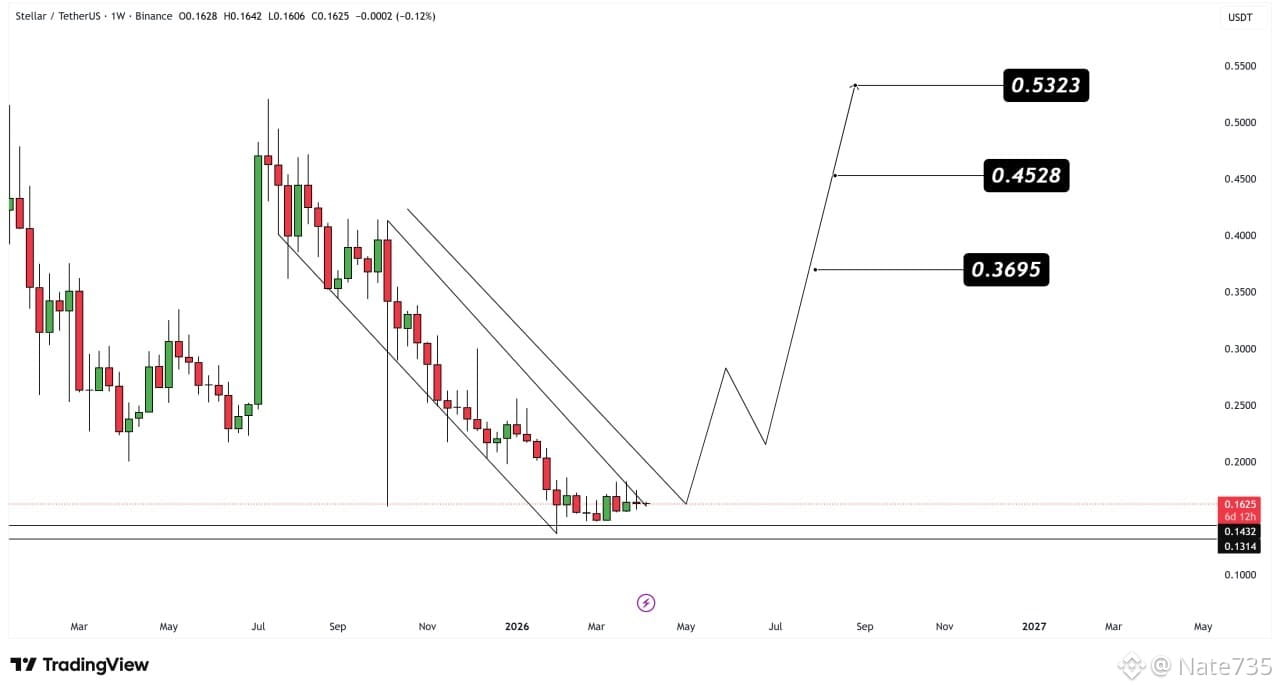
$XLM
Stellar bewegt sich innerhalb eines absteigenden Kanals und testet derzeit eine starke Nachfragezone bei $0,13–$0,16 👀
Der Preis zeigt frühe Anzeichen der Stabilisierung an der Unterstützung, was zu einer Umkehr führen könnte, wenn sich der Momentum aufbaut.
📈 Bullisches Szenario nach dem Ausbruch:
🎯 $0,369
🎯 $0,452
🎯 $0,532
⚠️ Das bullische Setup bleibt gültig, solange der Preis über der Unterstützungszone bleibt, ohne einen starken Rückgang.
🔥 Ein Ausbruch aus dem Kanal könnte einen starken impulsiven Anstieg auslösen.
$XLM
Stellar bewegt sich innerhalb eines absteigenden Kanals und testet derzeit eine starke Nachfragezone bei $0,13–$0,16 👀
Der Preis zeigt frühe Anzeichen der Stabilisierung an der Unterstützung, was zu einer Umkehr führen könnte, wenn sich der Momentum aufbaut.
📈 Bullisches Szenario nach dem Ausbruch:
🎯 $0,369
🎯 $0,452
🎯 $0,532
⚠️ Das bullische Setup bleibt gültig, solange der Preis über der Unterstützungszone bleibt, ohne einen starken Rückgang.
🔥 Ein Ausbruch aus dem Kanal könnte einen starken impulsiven Anstieg auslösen.
Stellar bewegt sich innerhalb eines absteigenden Kanals und testet derzeit eine starke Nachfragezone bei $0,13–$0,16 👀
Der Preis zeigt frühe Anzeichen der Stabilisierung an der Unterstützung, was zu einer Umkehr führen könnte, wenn sich der Momentum aufbaut.
📈 Bullisches Szenario nach dem Ausbruch:
🎯 $0,369
🎯 $0,452
🎯 $0,532
⚠️ Das bullische Setup bleibt gültig, solange der Preis über der Unterstützungszone bleibt, ohne einen starken Rückgang.
🔥 Ein Ausbruch aus dem Kanal könnte einen starken impulsiven Anstieg auslösen.
2
496
Anmelden und weiter Inhalte entdecken
Krypto-Nutzer weltweit auf Binance Square kennenlernen
⚡️ Bleib in Sachen Krypto stets am Puls.
💬 Die weltgrößte Kryptobörse vertraut darauf.
👍 Erhalte verlässliche Einblicke von verifizierten Creators.
E-Mail-Adresse/Telefonnummer
Trendthemen
AnthropicCEOCallsForAISlowdown
17,019 Aufrufe
332 Kommentare
#anthropicceocallsforaislowdown
"Wir müssen die KI ausbremsen": Warum sogar Branchenchefs eine Pause fordern?
Das Tech-Ökosystem ist daran gewöhnt, Dinge kaputtzumachen und schnell voranzuschreiten ("move fast and break things"). Dennoch hat sich der CEO von Anthropic dem weltweiten Ruf angeschlossen, bei der Entwicklung der Künstlichen Intelligenz vorsichtiger zu handeln.
Es geht nicht darum, Innovation aus Angst auszubremsen, sondern die Risiken früher zu erkennen, bevor die Entwicklungsgeschwindigkeit unsere Möglichkeiten zur Regulierung und Kontrolle übersteigt.
Was steht auf dem Spiel?
Sicherheit und Ausrichtung: Sicherstellen, dass die fortschrittlichsten Modelle weiterhin sicher und an den menschlichen Werten ausgerichtet sind, bevor sie in großem Maßstab eingesetzt werden.
Realistische Regulierungsrahmen: Regierungen und Institutionen Zeit geben, die Technologie zu verstehen und wirksame, nicht reaktive Gesetze zu schaffen.
Minderung systemischer Risiken: Eine "Aufrüstungsspirale" im Wettbewerb zwischen Technologieriesen verhindern, bei der Geschwindigkeit stärker gewichtet wird als soziale und wirtschaftliche Stabilität.
Wahre Innovation heißt nicht nur, das Modell am schnellsten auf den Markt zu bringen, sondern die sicherste und verlässlichste Infrastruktur für die Zukunft aufzubauen.
$VTHO
$SCR
$CVC
Joseph RRG S7
·1 Likes
·742 Aufrufe
AnthropicChoosesNasdaqForPotentialIPO
4,197 Aufrufe
98 Kommentare
SECReceivesGrayscaleLitecoinTrustETFFiling
135,159 Aufrufe
1,837 Kommentare