

MragB
265 Beiträge

MragB
Melden
Nutzer blockieren
15 Following
39 Follower
65 Like gegeben
Beiträge
Alle
Zitierungen
·
--
MiCASind wir in Schwierigkeiten??
Das MiCA-Ultimatum: Was in Europa bis Ende Juni 2026 zu erwarten ist 🚨
Das Zeitalter des „Wilden Westens“ im europäischen Kryptosektor ist offiziell vorbei – und zwar mit einem harten Stopp. Wir zählen jetzt die letzten Tage bis zu einem bedeutenden regulatorischen Meilenstein herunter: das offizielle Ende der MiCA-Übergangsphase (Grandfathering-Phase) am 1. Juli 2026.
Für Krypto-Asset-Dienstleister (CASPs) und europäische Nutzer ist das der „Moment der Wahrheit“. Hier ist eine Übersicht über die wichtigsten regulatorischen Belastungen, die den europäischen Markt derzeit prägen – und genau das, was bis zum Ende dieses Monats zu erwarten ist.
MiCA
Sind wir in Schwierigkeiten??
Das MiCA-Ultimatum: Was in Europa bis Ende Juni 2026 zu erwarten ist 🚨
Das Zeitalter des „Wilden Westens“ im europäischen Kryptosektor ist offiziell vorbei – und zwar mit einem harten Stopp. Wir zählen jetzt die letzten Tage bis zu einem bedeutenden regulatorischen Meilenstein herunter: das offizielle Ende der MiCA-Übergangsphase (Grandfathering-Phase) am 1. Juli 2026.
Für Krypto-Asset-Dienstleister (CASPs) und europäische Nutzer ist das der „Moment der Wahrheit“. Hier ist eine Übersicht über die wichtigsten regulatorischen Belastungen, die den europäischen Markt derzeit prägen – und genau das, was bis zum Ende dieses Monats zu erwarten ist.
Das MiCA-Ultimatum: Was in Europa bis Ende Juni 2026 zu erwarten ist 🚨
Das Zeitalter des „Wilden Westens“ im europäischen Kryptosektor ist offiziell vorbei – und zwar mit einem harten Stopp. Wir zählen jetzt die letzten Tage bis zu einem bedeutenden regulatorischen Meilenstein herunter: das offizielle Ende der MiCA-Übergangsphase (Grandfathering-Phase) am 1. Juli 2026.
Für Krypto-Asset-Dienstleister (CASPs) und europäische Nutzer ist das der „Moment der Wahrheit“. Hier ist eine Übersicht über die wichtigsten regulatorischen Belastungen, die den europäischen Markt derzeit prägen – und genau das, was bis zum Ende dieses Monats zu erwarten ist.
2
104
·
--
#genius $GENIUS Die Vision hinter @GeniusOfficial ist wirklich beeindruckend: Sie konzentriert sich darauf, die Lücke zwischen komplexer Blockchain-Nutzenfunktion und einer nahtlosen Nutzererfahrung zu überbrücken. Die Entwicklung von $GENIUS zu beobachten, war eine echte Reise, und ihr Engagement für nachhaltiges Wachstum hebt sie besonders hervor. Wenn Sie nach einem Projekt suchen, das die Entwicklung eines langfristigen Ökosystems in den Mittelpunkt stellt, dann ist dies definitiv etwas, das Sie im Blick behalten sollten. Der Nutzen entwickelt sich ständig weiter, und die Community-Beteiligung ist stärker denn je. Freuen wir uns darauf, was als Nächstes für
#genius kommt
#genius $GENIUS Die Vision hinter @GeniusOfficial ist wirklich beeindruckend: Sie konzentriert sich darauf, die Lücke zwischen komplexer Blockchain-Nutzenfunktion und einer nahtlosen Nutzererfahrung zu überbrücken. Die Entwicklung von $GENIUS zu beobachten, war eine echte Reise, und ihr Engagement für nachhaltiges Wachstum hebt sie besonders hervor. Wenn Sie nach einem Projekt suchen, das die Entwicklung eines langfristigen Ökosystems in den Mittelpunkt stellt, dann ist dies definitiv etwas, das Sie im Blick behalten sollten. Der Nutzen entwickelt sich ständig weiter, und die Community-Beteiligung ist stärker denn je. Freuen wir uns darauf, was als Nächstes für
#genius kommt
#genius kommt
68
·
--
#bedrock $BR Der Übergang zu Bedrock 2.0 ist ein bedeutender Meilenstein für das Ökosystem. Indem @Bedrock die Skalierbarkeit und Effizienz verbessert, setzt es einen neuen Standard für dezentrale Infrastruktur. Ich verfolge die $BR token-Performance sehr genau, während diese Upgrades ausgerollt werden. Auf jeden Fall ein Projekt, das man im Blick behalten sollte! #Bedrock
#bedrock $BR Der Übergang zu Bedrock 2.0 ist ein bedeutender Meilenstein für das Ökosystem. Indem @Bedrock die Skalierbarkeit und Effizienz verbessert, setzt es einen neuen Standard für dezentrale Infrastruktur. Ich verfolge die $BR token-Performance sehr genau, während diese Upgrades ausgerollt werden. Auf jeden Fall ein Projekt, das man im Blick behalten sollte! #Bedrock
80
·
--
Was zur Hölle ist das?? Schon wieder Manipulationen?
Was zur Hölle ist das?? Schon wieder Manipulationen?
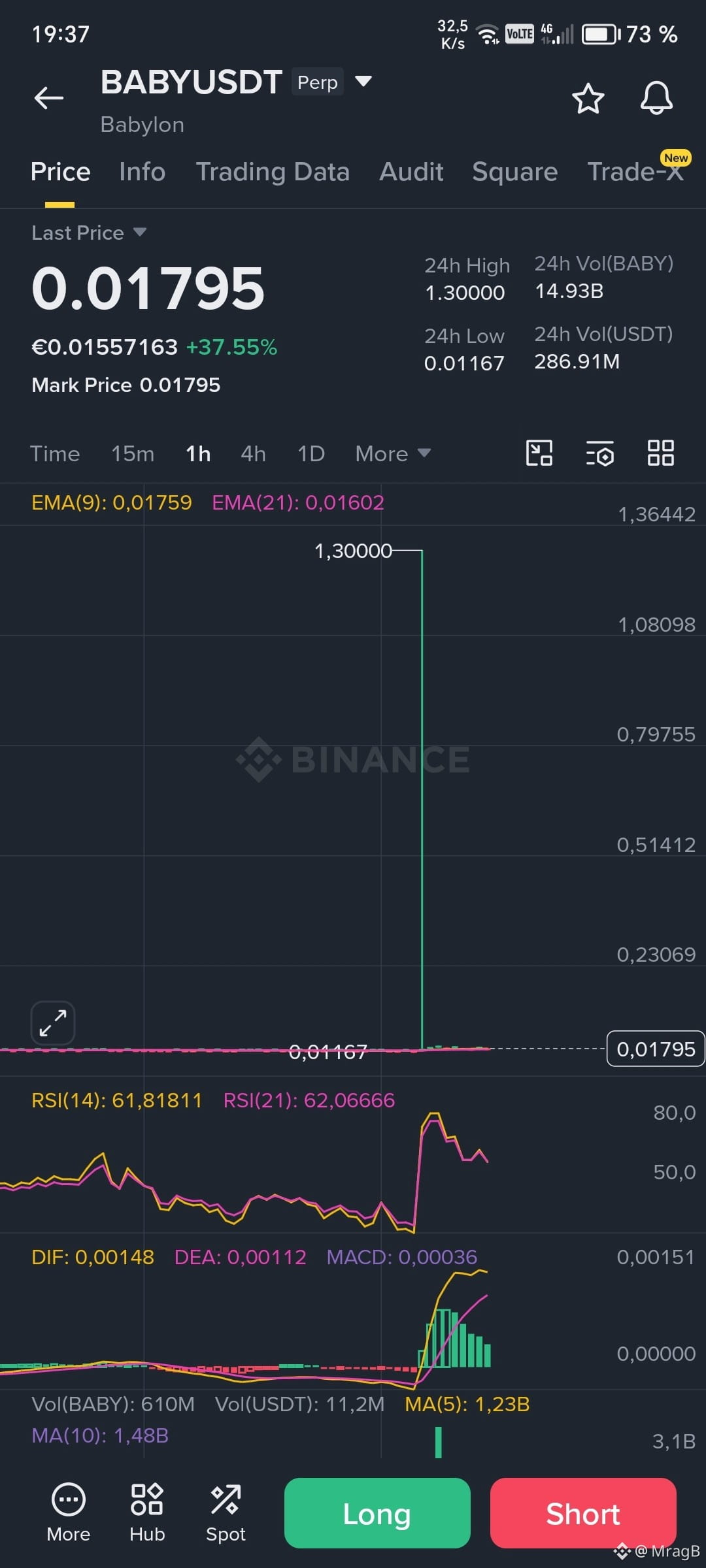
224
·
--
#CryptoNewsCommunity
Ledger hat Berichten zufolge seine IPO-Pläne pausiert, was die erwartete Welle an Krypto-Börsengängen im Jahr 2026 verlangsamt.
Wichtige Punkte:
Markt Vorsicht: Trotz eines reifenden Marktes scheint Ledger einen strategischen Rückschritt zu machen, um auf optimale Marktbedingungen zu warten.
Breitere Auswirkungen: Diese Entscheidung verschiebt den Zeitplan für andere große Web3- und Krypto-native Unternehmen, die in diesem Jahr an traditionelle Börsen wechseln möchten.
Das langfristige Spiel: Eine Pause bedeutet nicht, dass es abgesagt wird—Unternehmen setzen auf eine solide regulatorische Compliance und nachhaltige Bewertungen, anstatt hastig an die Märkte zu drängen.
#LedgerSquare #IPOs #CryptoNews🚀🔥 #Web3 #MacroEconomics
#CryptoNewsCommunity
Ledger hat Berichten zufolge seine IPO-Pläne pausiert, was die erwartete Welle an Krypto-Börsengängen im Jahr 2026 verlangsamt.
Wichtige Punkte:
Markt Vorsicht: Trotz eines reifenden Marktes scheint Ledger einen strategischen Rückschritt zu machen, um auf optimale Marktbedingungen zu warten.
Breitere Auswirkungen: Diese Entscheidung verschiebt den Zeitplan für andere große Web3- und Krypto-native Unternehmen, die in diesem Jahr an traditionelle Börsen wechseln möchten.
Das langfristige Spiel: Eine Pause bedeutet nicht, dass es abgesagt wird—Unternehmen setzen auf eine solide regulatorische Compliance und nachhaltige Bewertungen, anstatt hastig an die Märkte zu drängen.
#LedgerSquare #IPOs #CryptoNews🚀🔥 #Web3 #MacroEconomics
Ledger hat Berichten zufolge seine IPO-Pläne pausiert, was die erwartete Welle an Krypto-Börsengängen im Jahr 2026 verlangsamt.
Wichtige Punkte:
Markt Vorsicht: Trotz eines reifenden Marktes scheint Ledger einen strategischen Rückschritt zu machen, um auf optimale Marktbedingungen zu warten.
Breitere Auswirkungen: Diese Entscheidung verschiebt den Zeitplan für andere große Web3- und Krypto-native Unternehmen, die in diesem Jahr an traditionelle Börsen wechseln möchten.
Das langfristige Spiel: Eine Pause bedeutet nicht, dass es abgesagt wird—Unternehmen setzen auf eine solide regulatorische Compliance und nachhaltige Bewertungen, anstatt hastig an die Märkte zu drängen.
#LedgerSquare #IPOs #CryptoNews🚀🔥 #Web3 #MacroEconomics
162
·
--
#BNBChain
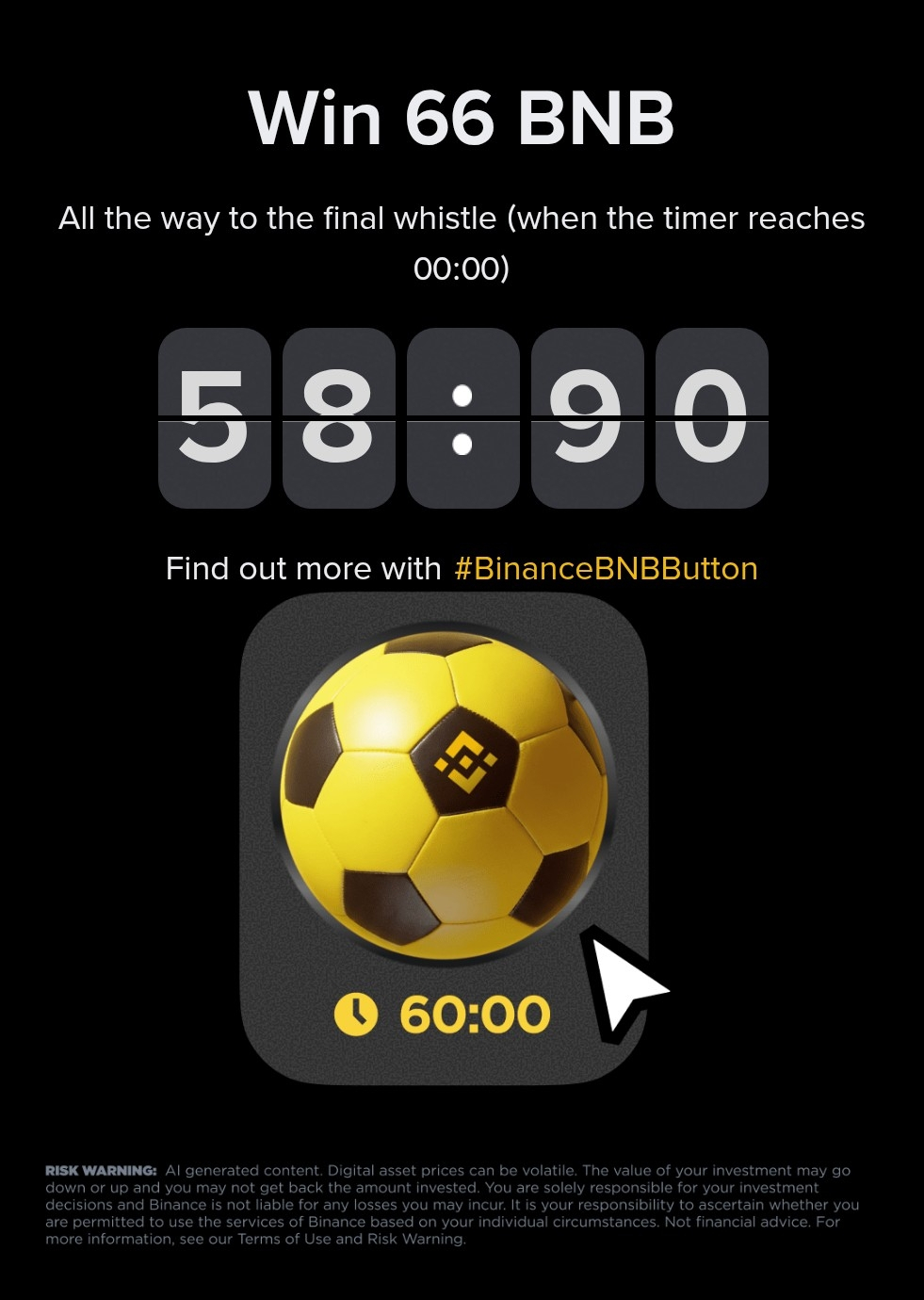
🕒 Die Uhr tickt! Wer nimmt den 66 BNB Jackpot ab? 🏆
Hast du das Win-66-BNB-Button-Spiel schon gesehen? Es ist ein klassisches Web3-Social-Experiment, und es wird auf der BNB Chain richtig intensiv!
🕹️ So funktioniert’s:
Die Regeln sind simpel, aber nervenaufreibend:
Es gibt einen Countdown-Timer.
Jedes Mal, wenn jemand auf den „Button“ klickt, wird der Timer zurückgesetzt.
Das Ziel: Sei die LETZTE Person, die klickt, bevor der Timer auf Null springt, um den riesigen Jackpot zu beanspruchen.
💰 Warum es im Trend liegt:
Riesiger Gewinn: Der Topf kann bis zu 66 BNB erreichen.
Reine Strategie: Ein Spiel der Nerven. Klickst du jetzt – oder wartest du bis zur allerletzten Sekunde?
Komplett On-Chain: Alles wird durch Smart Contracts abgewickelt – für 100% Transparenz.
Die Spannung steigt jedes Mal, wenn diese Uhr auf niedrigem Stand ist. Wirst du der sein, der das Publikum überdauert und mit dem BNB davonläuft?
Prüfe den aktuellen Timer und mach hier beim Challenge mit:
👇👇👇
🔗 [Win 66 BNB](https://www.binance.com/game/button/bnb-button-apr2026?ref=1077598750®isterChannel=GRO-BTN-bnb-button-apr2026&utm_source=share)
#BNBChain #win66bnb #TheButtonGame #CryptoJackpot
#BNBChain
🕒 Die Uhr tickt! Wer nimmt den 66 BNB Jackpot ab? 🏆
Hast du das Win-66-BNB-Button-Spiel schon gesehen? Es ist ein klassisches Web3-Social-Experiment, und es wird auf der BNB Chain richtig intensiv!
🕹️ So funktioniert’s:
Die Regeln sind simpel, aber nervenaufreibend:
Es gibt einen Countdown-Timer.
Jedes Mal, wenn jemand auf den „Button“ klickt, wird der Timer zurückgesetzt.
Das Ziel: Sei die LETZTE Person, die klickt, bevor der Timer auf Null springt, um den riesigen Jackpot zu beanspruchen.
💰 Warum es im Trend liegt:
Riesiger Gewinn: Der Topf kann bis zu 66 BNB erreichen.
Reine Strategie: Ein Spiel der Nerven. Klickst du jetzt – oder wartest du bis zur allerletzten Sekunde?
Komplett On-Chain: Alles wird durch Smart Contracts abgewickelt – für 100% Transparenz.
Die Spannung steigt jedes Mal, wenn diese Uhr auf niedrigem Stand ist. Wirst du der sein, der das Publikum überdauert und mit dem BNB davonläuft?
Prüfe den aktuellen Timer und mach hier beim Challenge mit:
👇👇👇
🔗 Win 66 BNB
#BNBChain #win66bnb #TheButtonGame #CryptoJackpot
🕒 Die Uhr tickt! Wer nimmt den 66 BNB Jackpot ab? 🏆
Hast du das Win-66-BNB-Button-Spiel schon gesehen? Es ist ein klassisches Web3-Social-Experiment, und es wird auf der BNB Chain richtig intensiv!
🕹️ So funktioniert’s:
Die Regeln sind simpel, aber nervenaufreibend:
Es gibt einen Countdown-Timer.
Jedes Mal, wenn jemand auf den „Button“ klickt, wird der Timer zurückgesetzt.
Das Ziel: Sei die LETZTE Person, die klickt, bevor der Timer auf Null springt, um den riesigen Jackpot zu beanspruchen.
💰 Warum es im Trend liegt:
Riesiger Gewinn: Der Topf kann bis zu 66 BNB erreichen.
Reine Strategie: Ein Spiel der Nerven. Klickst du jetzt – oder wartest du bis zur allerletzten Sekunde?
Komplett On-Chain: Alles wird durch Smart Contracts abgewickelt – für 100% Transparenz.
Die Spannung steigt jedes Mal, wenn diese Uhr auf niedrigem Stand ist. Wirst du der sein, der das Publikum überdauert und mit dem BNB davonläuft?
Prüfe den aktuellen Timer und mach hier beim Challenge mit:
👇👇👇
🔗 Win 66 BNB
#BNBChain #win66bnb #TheButtonGame #CryptoJackpot
14
·
--
Der Markt ist weiterhin bärisch, ein großer Rückgang steht bald bevor
Der Markt ist weiterhin bärisch, ein großer Rückgang steht bald bevor


Panda Traders
·
--
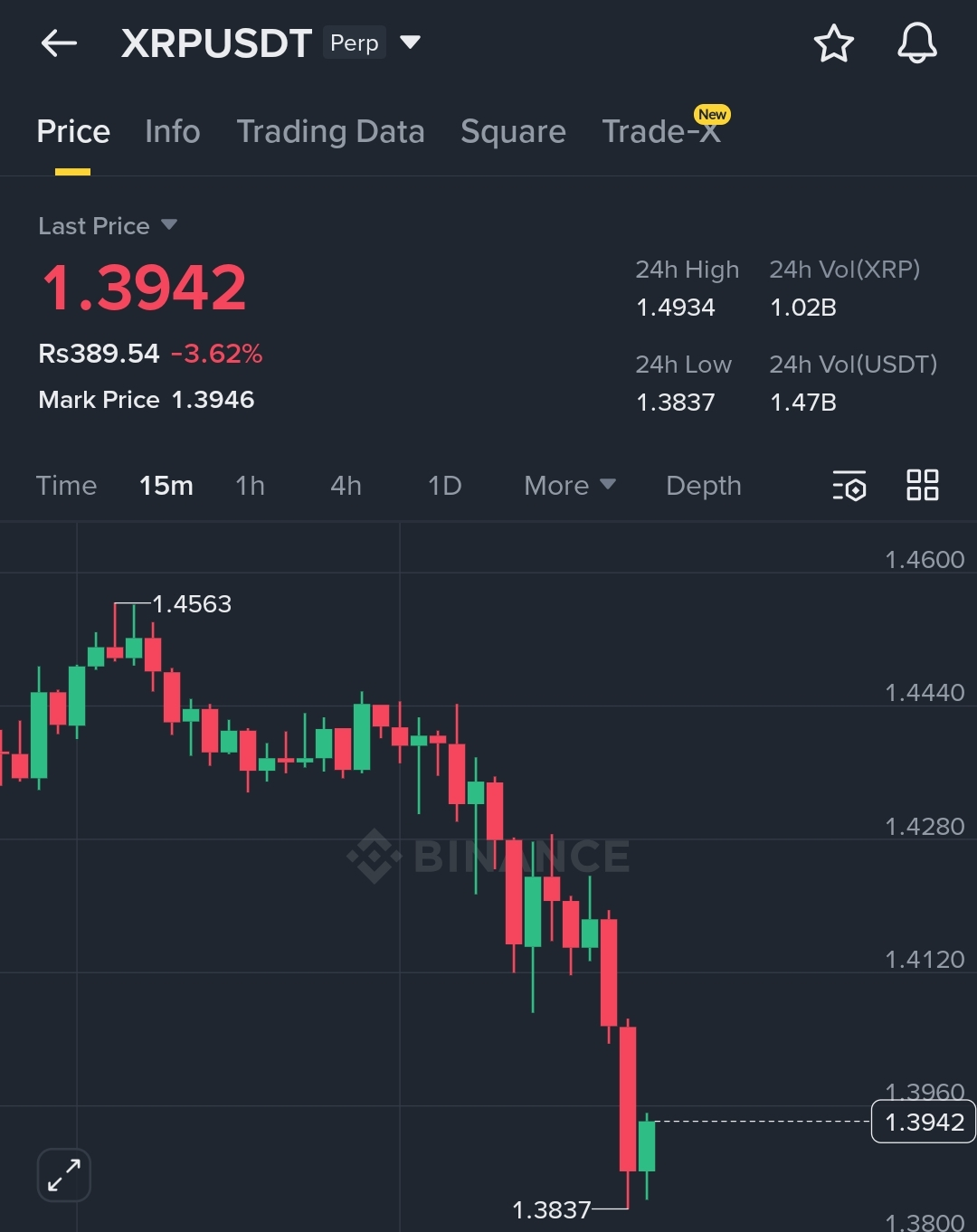
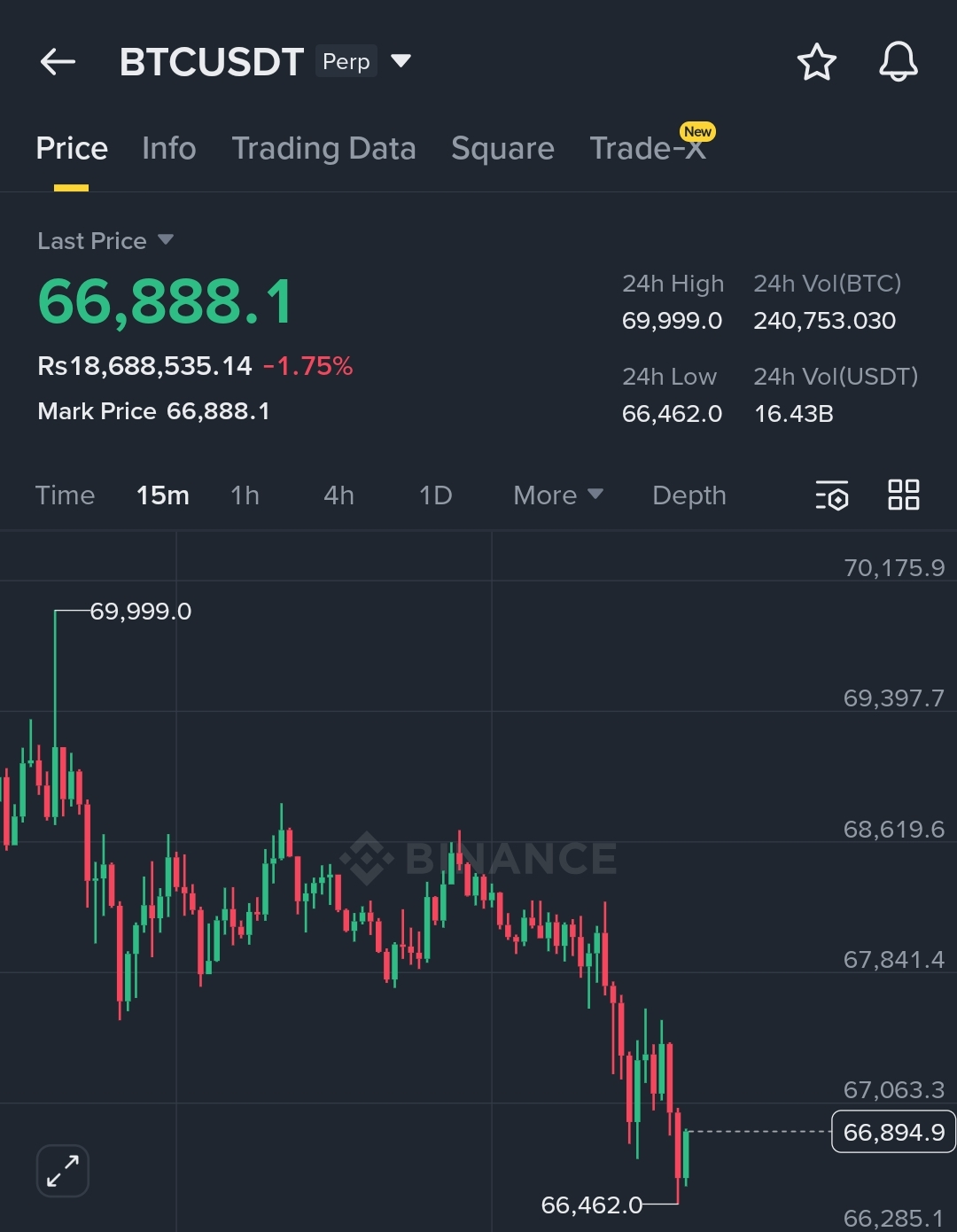
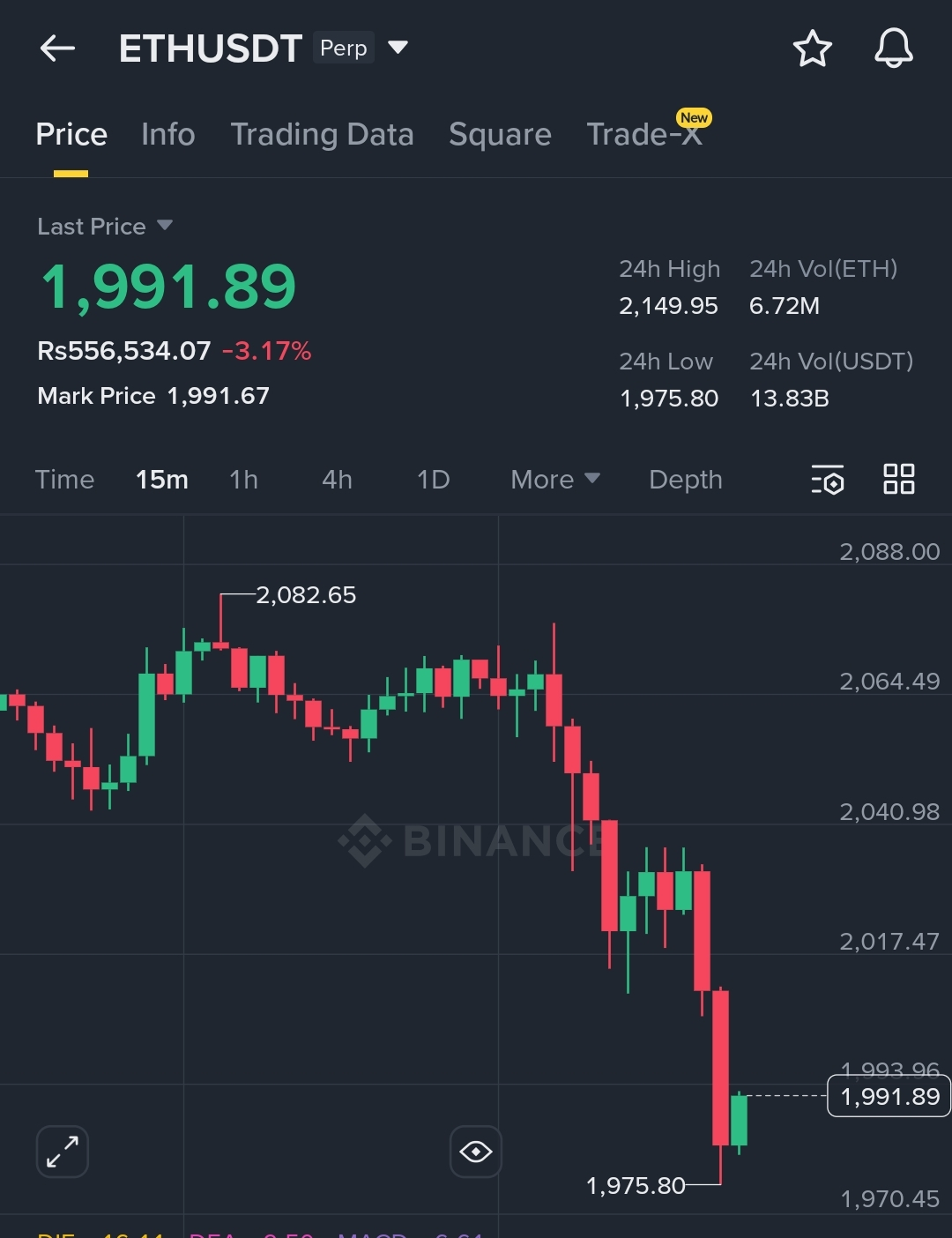
Extreme Panik von außen… aber kluges Geld wird ruhig optimistisch.\nDer Angst- und Gier-Index ist tiefer in die Zone der "extremen Angst" gefallen.\nDoch auf den Vorhersagemärkten verschieben Händler ihre Wetten auf BTC und ETH in Richtung der Oberseite.\nDas ist eine klare Divergenz:\nSentiment-Indikatoren schreien immer noch Angst (sie hinken normalerweise hinterher)\nPositionierungen drehen sich bereits optimistisch\nHistorisch gesehen zeigt sich diese Art von Missverhältnis oft in der Nähe wesentlicher Trendwenden.\nBTC & ETH: Achten Sie genau darauf, der Markt könnte eine Falle stellen Extreme Panik von außen… aber kluges Geld wird ruhig optimistisch.\nDer Angst- und Gier-Index ist tiefer in die Zone der "extremen Angst" gefallen.\nDoch auf den Vorhersagemärkten verschieben Händler ihre Wetten auf BTC und ETH in Richtung der Oberseite.\nDas ist eine klare Divergenz:\nSentiment-Indikatoren schreien immer noch Angst (sie hinken normalerweise hinterher)\nPositionierungen drehen sich bereits optimistisch\nHistorisch gesehen zeigt sich diese Art von Missverhältnis oft in der Nähe wesentlicher Trendwenden.\nBTC & ETH: Achten Sie genau darauf — der Markt könnte eine Falle für späte Verkäufer stellen. für späte Verkäufer.\n$BTC $ETH $XRP \n\n\n\n\n\n#JaneStreet10AMDump #MarketRebound #AxiomMisconductInvestigation #STBinancePreTGE #BitcoinGoogleSearchesSurge
5
·
--
Initia$INIT (Initia) – Anatomie eines Ausbruchs
Der digitale Asset-Markt erlebt derzeit eine signifikante Entkopplung, während $INIT (Initia) auf $0.12 steigt, was einen Anstieg von fast 90% innerhalb einer Woche bedeutet. Während die allgemeine Marktentwicklung vorsichtig bleibt, ist die Performance von Initia kein bloßes spekulatives Pumpen – sie wird durch eine Konvergenz technischer Meilensteine und einzigartiger wirtschaftlicher Flywheels vorangetrieben.
Hier ist eine umfassende Analyse der Katalysatoren hinter dem Init Momentum:
1. Architektonische Innovation: Die "Verflochtene" Layer 1
Initia
$INIT (Initia) – Anatomie eines Ausbruchs
Der digitale Asset-Markt erlebt derzeit eine signifikante Entkopplung, während $INIT (Initia) auf $0.12 steigt, was einen Anstieg von fast 90% innerhalb einer Woche bedeutet. Während die allgemeine Marktentwicklung vorsichtig bleibt, ist die Performance von Initia kein bloßes spekulatives Pumpen – sie wird durch eine Konvergenz technischer Meilensteine und einzigartiger wirtschaftlicher Flywheels vorangetrieben.
Hier ist eine umfassende Analyse der Katalysatoren hinter dem Init Momentum:
1. Architektonische Innovation: Die "Verflochtene" Layer 1
Der digitale Asset-Markt erlebt derzeit eine signifikante Entkopplung, während $INIT (Initia) auf $0.12 steigt, was einen Anstieg von fast 90% innerhalb einer Woche bedeutet. Während die allgemeine Marktentwicklung vorsichtig bleibt, ist die Performance von Initia kein bloßes spekulatives Pumpen – sie wird durch eine Konvergenz technischer Meilensteine und einzigartiger wirtschaftlicher Flywheels vorangetrieben.
Hier ist eine umfassende Analyse der Katalysatoren hinter dem Init Momentum:
1. Architektonische Innovation: Die "Verflochtene" Layer 1
1
70
·
--
1
1
7
565
·
--
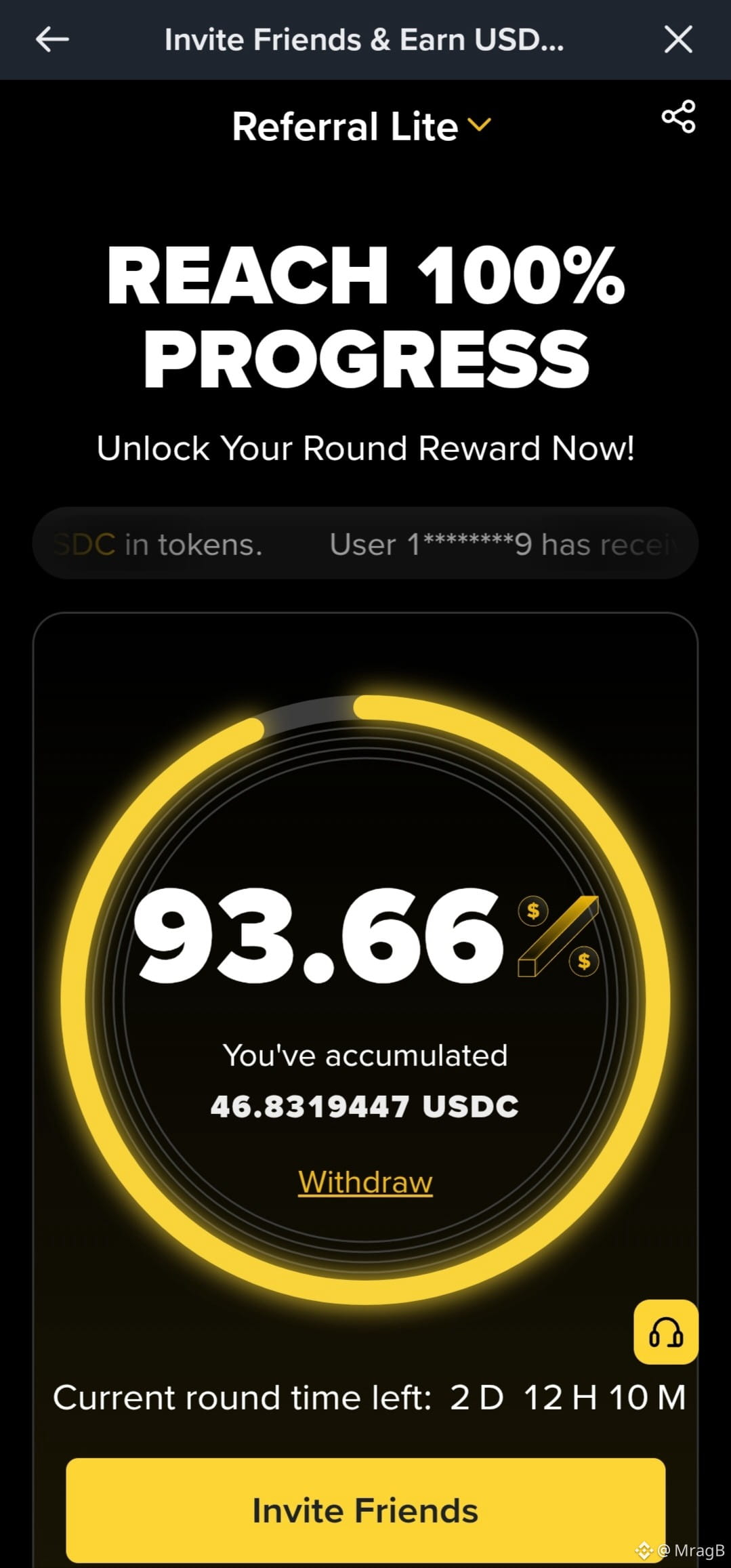
#Binance Verpass es nicht: Schnapp dir deinen USDC Bonus auf Binance!
Bist du bereit, deine Krypto-Reise zu starten oder kennst du jemanden, der es ist? Binance hat gerade eine neue Empfehlungs- und Verdientrunde gestartet, bei der wir beide Belohnungen freischalten können! 💰
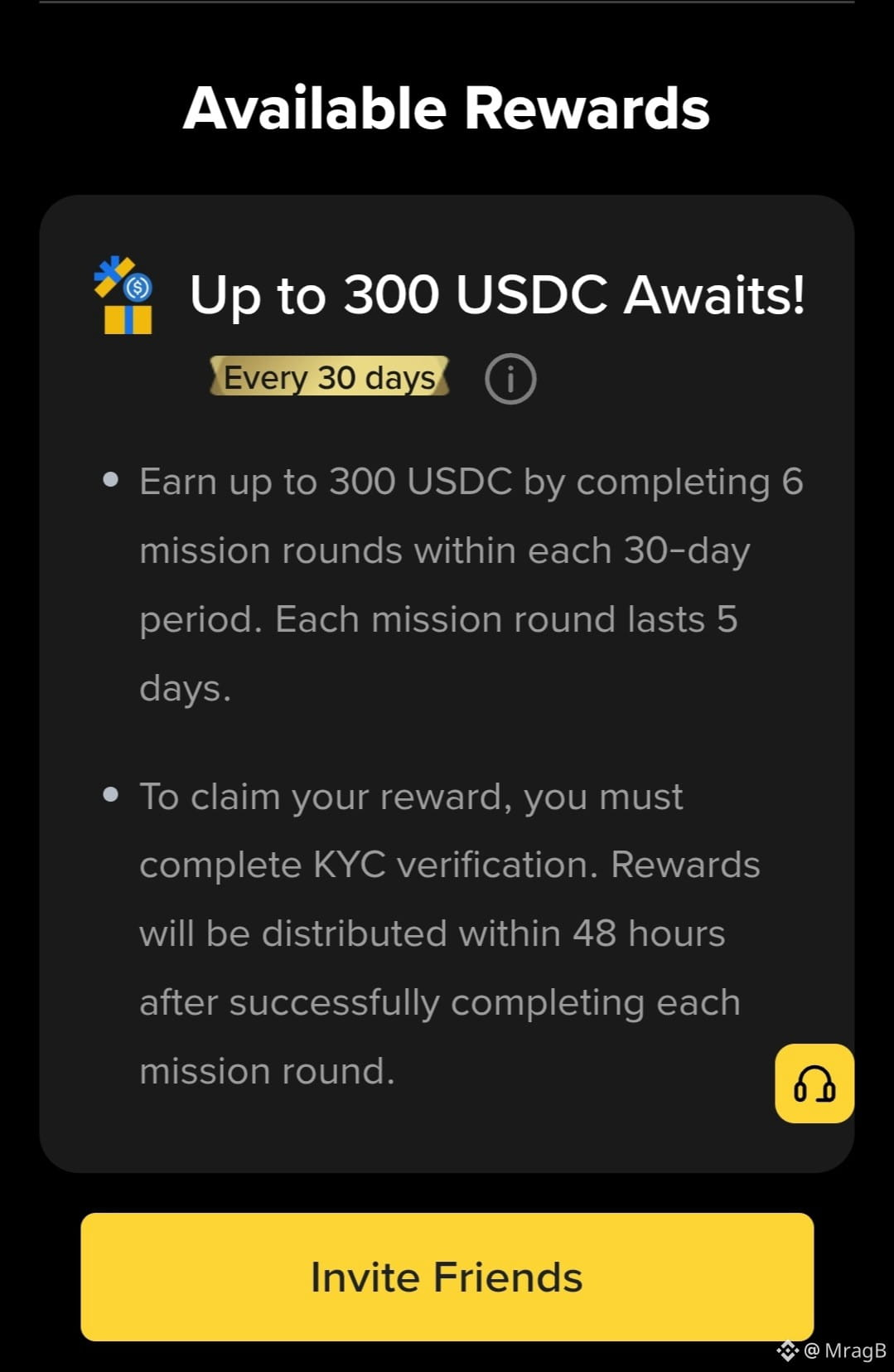
Indem du den Link unten verwendest, um dich zu registrieren und deine Kontoüberprüfung (KYC) abzuschließen, bist du berechtigt für spezielle Willkommensboni und Handelsgebührenrabatte. Es ist ein Gewinn für uns beide!
So machst du mit:
1️⃣ Registriere dich über meinen offiziellen Link unten.
2️⃣ Schließe die Identitätsüberprüfung ab.
3️⃣ Starte den Handel und schalte deine Belohnungen frei!
Lass uns dieses Ziel gemeinsam erreichen!
🔗 Hier beitreten: 👇
[JOIN & EARN](https://www.binance.com/referral/earn-together/refer2earn-usdc/claim?hl=en&ref=GRO_28502_P1IZV)
#Binance #USDC #ReferralProgram #KryptoBelohnungen
#Binance Verpass es nicht: Schnapp dir deinen USDC Bonus auf Binance!
Bist du bereit, deine Krypto-Reise zu starten oder kennst du jemanden, der es ist? Binance hat gerade eine neue Empfehlungs- und Verdientrunde gestartet, bei der wir beide Belohnungen freischalten können! 💰
Indem du den Link unten verwendest, um dich zu registrieren und deine Kontoüberprüfung (KYC) abzuschließen, bist du berechtigt für spezielle Willkommensboni und Handelsgebührenrabatte. Es ist ein Gewinn für uns beide!
So machst du mit:
1️⃣ Registriere dich über meinen offiziellen Link unten.
2️⃣ Schließe die Identitätsüberprüfung ab.
3️⃣ Starte den Handel und schalte deine Belohnungen frei!
Lass uns dieses Ziel gemeinsam erreichen!
🔗 Hier beitreten: 👇
JOIN & EARN
#Binance #USDC #ReferralProgram #KryptoBelohnungen
Bist du bereit, deine Krypto-Reise zu starten oder kennst du jemanden, der es ist? Binance hat gerade eine neue Empfehlungs- und Verdientrunde gestartet, bei der wir beide Belohnungen freischalten können! 💰
Indem du den Link unten verwendest, um dich zu registrieren und deine Kontoüberprüfung (KYC) abzuschließen, bist du berechtigt für spezielle Willkommensboni und Handelsgebührenrabatte. Es ist ein Gewinn für uns beide!
So machst du mit:
1️⃣ Registriere dich über meinen offiziellen Link unten.
2️⃣ Schließe die Identitätsüberprüfung ab.
3️⃣ Starte den Handel und schalte deine Belohnungen frei!
Lass uns dieses Ziel gemeinsam erreichen!
🔗 Hier beitreten: 👇
JOIN & EARN
#Binance #USDC #ReferralProgram #KryptoBelohnungen

17
·
--
In diesen bärischen Zeiten ist es schwer, ruhig zu bleiben, aber nur die Stubborn und Entschlossenen können überleben. Es gab schon Krisen und es wird in der Zukunft mehr geben, aber sie gehen immer vorbei.
Muss gelassen bleiben und warten; ich habe meine Long-Positionen nicht geschlossen oder umgekehrt – stattdessen habe ich Margin hinzugefügt.
Ich war nicht weise genug, um die Gewinne im richtigen Moment mitzunehmen, also muss ich jetzt auf bessere Zeiten warten. Wir leben und lernen!
Allen, die im gleichen Boot sitzen wie ich, wünsche ich eine schnelle Rückkehr zum bullischen Trend. Bleibt einfach ruhig!
$BTC $ETH $SOL
In diesen bärischen Zeiten ist es schwer, ruhig zu bleiben, aber nur die Stubborn und Entschlossenen können überleben. Es gab schon Krisen und es wird in der Zukunft mehr geben, aber sie gehen immer vorbei.
Muss gelassen bleiben und warten; ich habe meine Long-Positionen nicht geschlossen oder umgekehrt – stattdessen habe ich Margin hinzugefügt.
Ich war nicht weise genug, um die Gewinne im richtigen Moment mitzunehmen, also muss ich jetzt auf bessere Zeiten warten. Wir leben und lernen!
Allen, die im gleichen Boot sitzen wie ich, wünsche ich eine schnelle Rückkehr zum bullischen Trend. Bleibt einfach ruhig!
$BTC $ETH $SOL
Muss gelassen bleiben und warten; ich habe meine Long-Positionen nicht geschlossen oder umgekehrt – stattdessen habe ich Margin hinzugefügt.
Ich war nicht weise genug, um die Gewinne im richtigen Moment mitzunehmen, also muss ich jetzt auf bessere Zeiten warten. Wir leben und lernen!
Allen, die im gleichen Boot sitzen wie ich, wünsche ich eine schnelle Rückkehr zum bullischen Trend. Bleibt einfach ruhig!
$BTC $ETH $SOL
55
·
--
$XAG (Silber)
Viele von Ihnen fragen sich, warum XAG (Silber/silbergebundene Token) nach den jüngsten Höchstständen einen so starken Rückgang erlebt. Hier ist eine Aufschlüsselung der aktuellen Situation und der Ausblick für 2026.
Warum fällt XAG?
Massive Gewinnmitnahmen: Nachdem XAG in Richtung der 115-Dollar-Marke gestiegen ist, begannen institutionelle und Einzelinvestoren, Gewinne "zu sichern". Dies löste eine Kettenreaktion von Verkaufsaufträgen aus.
Dollar Stärke & Fed-Politik: Jüngste Veränderungen in den Erwartungen an die US-Geldpolitik haben den USD gestärkt. Da Silber in Dollar bewertet ist, sorgt ein stärkerer Dollar für sofortigen Abwärtsdruck.
Liquidationskaskade: Als der Preis fiel, wurden viele "Long"-Positionen mit Hebelwirkung liquidiert, was die Bewegung nach Süden beschleunigte. Dies ist ein klassischer "Shakeout", bevor der Markt einen neuen Boden findet.
Margin-Erhöhungen: Erhöhte Handelsmargen an großen Börsen haben einige Händler gezwungen, ihre Exposition zu reduzieren, was das Verkaufsvolumen erhöht hat.
Was ist in Kürze zu erwarten?
Wichtige Unterstützungsniveaus: Beobachten Sie das psychologische Niveau von 100 Dollar genau. Wenn dies hält, könnten wir eine seitliche Konsolidierung sehen. Wenn es bricht, liegt die nächste wesentliche Unterstützung in der Nähe der Zonen von 93 und 85 Dollar.
Industrielle Nachfrage: Trotz des Preisrückgangs bleibt die fundamentale Nachfrage nach Silber in der Solarenergie und der EV-Technologie auf Rekordhöhen. Dies bietet ein langfristiges "Sicherheitsnetz" für den Preis.
Volatilität ist König: Erwarten Sie in den kommenden Wochen hohe Schwankungen. Silber ist berüchtigt für seine "gewalttätigen" Korrekturen, aber historisch wurden diese Rückgänge von Walen genutzt, um zu akkumulieren.
Strategietipp
In einem so volatilen Markt vermeiden Sie es, mit hohem Hebel "ein fallendes Messer zu fangen". Achten Sie auf Anzeichen einer Preisstabilisierung (geringere Volatilität auf 4H/Daily-Charts), bevor Sie neue Einstiege in Betracht ziehen.
Was denken Sie? Ist dies eine gesunde Korrektur oder der Beginn eines Bärenmarktes für XAG?
$XAG (Silber)
Viele von Ihnen fragen sich, warum XAG (Silber/silbergebundene Token) nach den jüngsten Höchstständen einen so starken Rückgang erlebt. Hier ist eine Aufschlüsselung der aktuellen Situation und der Ausblick für 2026.
Warum fällt XAG?
Massive Gewinnmitnahmen: Nachdem XAG in Richtung der 115-Dollar-Marke gestiegen ist, begannen institutionelle und Einzelinvestoren, Gewinne "zu sichern". Dies löste eine Kettenreaktion von Verkaufsaufträgen aus.
Dollar Stärke & Fed-Politik: Jüngste Veränderungen in den Erwartungen an die US-Geldpolitik haben den USD gestärkt. Da Silber in Dollar bewertet ist, sorgt ein stärkerer Dollar für sofortigen Abwärtsdruck.
Liquidationskaskade: Als der Preis fiel, wurden viele "Long"-Positionen mit Hebelwirkung liquidiert, was die Bewegung nach Süden beschleunigte. Dies ist ein klassischer "Shakeout", bevor der Markt einen neuen Boden findet.
Margin-Erhöhungen: Erhöhte Handelsmargen an großen Börsen haben einige Händler gezwungen, ihre Exposition zu reduzieren, was das Verkaufsvolumen erhöht hat.
Was ist in Kürze zu erwarten?
Wichtige Unterstützungsniveaus: Beobachten Sie das psychologische Niveau von 100 Dollar genau. Wenn dies hält, könnten wir eine seitliche Konsolidierung sehen. Wenn es bricht, liegt die nächste wesentliche Unterstützung in der Nähe der Zonen von 93 und 85 Dollar.
Industrielle Nachfrage: Trotz des Preisrückgangs bleibt die fundamentale Nachfrage nach Silber in der Solarenergie und der EV-Technologie auf Rekordhöhen. Dies bietet ein langfristiges "Sicherheitsnetz" für den Preis.
Volatilität ist König: Erwarten Sie in den kommenden Wochen hohe Schwankungen. Silber ist berüchtigt für seine "gewalttätigen" Korrekturen, aber historisch wurden diese Rückgänge von Walen genutzt, um zu akkumulieren.
Strategietipp
In einem so volatilen Markt vermeiden Sie es, mit hohem Hebel "ein fallendes Messer zu fangen". Achten Sie auf Anzeichen einer Preisstabilisierung (geringere Volatilität auf 4H/Daily-Charts), bevor Sie neue Einstiege in Betracht ziehen.
Was denken Sie? Ist dies eine gesunde Korrektur oder der Beginn eines Bärenmarktes für XAG?
Viele von Ihnen fragen sich, warum XAG (Silber/silbergebundene Token) nach den jüngsten Höchstständen einen so starken Rückgang erlebt. Hier ist eine Aufschlüsselung der aktuellen Situation und der Ausblick für 2026.
Warum fällt XAG?
Massive Gewinnmitnahmen: Nachdem XAG in Richtung der 115-Dollar-Marke gestiegen ist, begannen institutionelle und Einzelinvestoren, Gewinne "zu sichern". Dies löste eine Kettenreaktion von Verkaufsaufträgen aus.
Dollar Stärke & Fed-Politik: Jüngste Veränderungen in den Erwartungen an die US-Geldpolitik haben den USD gestärkt. Da Silber in Dollar bewertet ist, sorgt ein stärkerer Dollar für sofortigen Abwärtsdruck.
Liquidationskaskade: Als der Preis fiel, wurden viele "Long"-Positionen mit Hebelwirkung liquidiert, was die Bewegung nach Süden beschleunigte. Dies ist ein klassischer "Shakeout", bevor der Markt einen neuen Boden findet.
Margin-Erhöhungen: Erhöhte Handelsmargen an großen Börsen haben einige Händler gezwungen, ihre Exposition zu reduzieren, was das Verkaufsvolumen erhöht hat.
Was ist in Kürze zu erwarten?
Wichtige Unterstützungsniveaus: Beobachten Sie das psychologische Niveau von 100 Dollar genau. Wenn dies hält, könnten wir eine seitliche Konsolidierung sehen. Wenn es bricht, liegt die nächste wesentliche Unterstützung in der Nähe der Zonen von 93 und 85 Dollar.
Industrielle Nachfrage: Trotz des Preisrückgangs bleibt die fundamentale Nachfrage nach Silber in der Solarenergie und der EV-Technologie auf Rekordhöhen. Dies bietet ein langfristiges "Sicherheitsnetz" für den Preis.
Volatilität ist König: Erwarten Sie in den kommenden Wochen hohe Schwankungen. Silber ist berüchtigt für seine "gewalttätigen" Korrekturen, aber historisch wurden diese Rückgänge von Walen genutzt, um zu akkumulieren.
Strategietipp
In einem so volatilen Markt vermeiden Sie es, mit hohem Hebel "ein fallendes Messer zu fangen". Achten Sie auf Anzeichen einer Preisstabilisierung (geringere Volatilität auf 4H/Daily-Charts), bevor Sie neue Einstiege in Betracht ziehen.
Was denken Sie? Ist dies eine gesunde Korrektur oder der Beginn eines Bärenmarktes für XAG?
2
344
·
--
Digitales Gold PAXG vs. XAUt
1. PAX Gold ($PAXG)
Dies wird oft als der "institutionelle" Goldstandard auf Binance angesehen. Es wird von der Paxos Trust Company ausgegeben, die streng von der New Yorker Abteilung für Finanzdienstleistungen (NYDFS) reguliert wird.
Aktueller Preis: etwa $5.257 pro Token.
Unterstützt von: 1 Token = 1 feine Troy-Unze physisches London Good Delivery Gold.
Wichtige Fakten: Jeder Token ist mit einem bestimmten, identifizierbaren Goldbarren verbunden. Wenn Sie genug Token halten, können Sie deren Einlösung gegen den tatsächlichen physischen Barren arrangieren. Audits werden monatlich durchgeführt.
2. Tether Gold ($XAUt)
Dieser Token wird von Tether ausgegeben, dem gleichen Unternehmen hinter dem weltweit größten Stablecoin, USDT.
Aktueller Preis: etwa $5.412.
Unterstützt von: Auch 1 Unze physisches Gold, das in sicheren Schweizer Tresoren aufbewahrt wird.
Wichtige Fakten: XAUt weist oft eine massive Liquidität und Handelsvolumen auf, was es einfach macht, schnell Positionen ein- und auszutreten. Es ist bei Händlern, die bereits in das breitere Tether-Ökosystem integriert sind, beliebt.
Wichtige Unterschiede & Fakten, die Sie wissen müssen:
Regulierung:
XAUt ist bei "krypto-nativen" Nutzern beliebter, die bereits mit der Marke Tether und den damit verbundenen Risiken vertraut sind.
Gebühren: Binance erhebt keine spezifischen Haltegebühren, aber Paxos hat eine kleine On-Chain-Transaktionsgebühr (0,02%), wenn Sie den Token von der Börse auf eine private Wallet senden.
Marktanteil & Volatilität: $XAUt hat derzeit eine etwas größere Marktkapitalisierung und ein höheres Handelsvolumen. Beide Token haben kürzlich massive Volumensteigerungen gezeigt, da Händler sie als "Pause-Asset" während der breiteren Marktunsicherheit nutzen. Gold selbst erlebte heute einen starken Rückgang, nachdem es gestern ein Rekordhoch erreicht hatte.
Digitales Gold PAXG vs. XAUt
1. PAX Gold ($PAXG)
Dies wird oft als der "institutionelle" Goldstandard auf Binance angesehen. Es wird von der Paxos Trust Company ausgegeben, die streng von der New Yorker Abteilung für Finanzdienstleistungen (NYDFS) reguliert wird.
Aktueller Preis: etwa $5.257 pro Token.
Unterstützt von: 1 Token = 1 feine Troy-Unze physisches London Good Delivery Gold.
Wichtige Fakten: Jeder Token ist mit einem bestimmten, identifizierbaren Goldbarren verbunden. Wenn Sie genug Token halten, können Sie deren Einlösung gegen den tatsächlichen physischen Barren arrangieren. Audits werden monatlich durchgeführt.
2. Tether Gold ($XAUt)
Dieser Token wird von Tether ausgegeben, dem gleichen Unternehmen hinter dem weltweit größten Stablecoin, USDT.
Aktueller Preis: etwa $5.412.
Unterstützt von: Auch 1 Unze physisches Gold, das in sicheren Schweizer Tresoren aufbewahrt wird.
Wichtige Fakten: XAUt weist oft eine massive Liquidität und Handelsvolumen auf, was es einfach macht, schnell Positionen ein- und auszutreten. Es ist bei Händlern, die bereits in das breitere Tether-Ökosystem integriert sind, beliebt.
Wichtige Unterschiede & Fakten, die Sie wissen müssen:
Regulierung:
XAUt ist bei "krypto-nativen" Nutzern beliebter, die bereits mit der Marke Tether und den damit verbundenen Risiken vertraut sind.
Gebühren: Binance erhebt keine spezifischen Haltegebühren, aber Paxos hat eine kleine On-Chain-Transaktionsgebühr (0,02%), wenn Sie den Token von der Börse auf eine private Wallet senden.
Marktanteil & Volatilität: $XAUt hat derzeit eine etwas größere Marktkapitalisierung und ein höheres Handelsvolumen. Beide Token haben kürzlich massive Volumensteigerungen gezeigt, da Händler sie als "Pause-Asset" während der breiteren Marktunsicherheit nutzen. Gold selbst erlebte heute einen starken Rückgang, nachdem es gestern ein Rekordhoch erreicht hatte.
1. PAX Gold ($PAXG)
Dies wird oft als der "institutionelle" Goldstandard auf Binance angesehen. Es wird von der Paxos Trust Company ausgegeben, die streng von der New Yorker Abteilung für Finanzdienstleistungen (NYDFS) reguliert wird.
Aktueller Preis: etwa $5.257 pro Token.
Unterstützt von: 1 Token = 1 feine Troy-Unze physisches London Good Delivery Gold.
Wichtige Fakten: Jeder Token ist mit einem bestimmten, identifizierbaren Goldbarren verbunden. Wenn Sie genug Token halten, können Sie deren Einlösung gegen den tatsächlichen physischen Barren arrangieren. Audits werden monatlich durchgeführt.
2. Tether Gold ($XAUt)
Dieser Token wird von Tether ausgegeben, dem gleichen Unternehmen hinter dem weltweit größten Stablecoin, USDT.
Aktueller Preis: etwa $5.412.
Unterstützt von: Auch 1 Unze physisches Gold, das in sicheren Schweizer Tresoren aufbewahrt wird.
Wichtige Fakten: XAUt weist oft eine massive Liquidität und Handelsvolumen auf, was es einfach macht, schnell Positionen ein- und auszutreten. Es ist bei Händlern, die bereits in das breitere Tether-Ökosystem integriert sind, beliebt.
Wichtige Unterschiede & Fakten, die Sie wissen müssen:
Regulierung:
XAUt ist bei "krypto-nativen" Nutzern beliebter, die bereits mit der Marke Tether und den damit verbundenen Risiken vertraut sind.
Gebühren: Binance erhebt keine spezifischen Haltegebühren, aber Paxos hat eine kleine On-Chain-Transaktionsgebühr (0,02%), wenn Sie den Token von der Börse auf eine private Wallet senden.
Marktanteil & Volatilität: $XAUt hat derzeit eine etwas größere Marktkapitalisierung und ein höheres Handelsvolumen. Beide Token haben kürzlich massive Volumensteigerungen gezeigt, da Händler sie als "Pause-Asset" während der breiteren Marktunsicherheit nutzen. Gold selbst erlebte heute einen starken Rückgang, nachdem es gestern ein Rekordhoch erreicht hatte.
113
·
--
Über 1,04 Milliarden Dollar wurden von den Karten gelöscht.
Der lange Druck: Erstaunliche 923 Millionen Dollar davon waren Long-Positionen. Der Markt "bestrafte" übermäßig gehebelte Käufer, als Bitcoin unter die entscheidende Marke von 85.000 Dollar fiel.
Opfer: Mehr als 400.000 Händler sahen ihre Konten liquidiert.
Die größten Verlierer:
Bitcoin ($BTC): ~$192M liquidiert, als es einen lokalen Tiefpunkt von 83.240 Dollar erreichte.
Ethereum ($ETH): ~$189M liquidiert, kämpft darum, die Unterstützung von 2.800 Dollar zu halten.
Altcoins: Solana ($SOL) und XRP erlebten einen scharfen Rückgang von über 7 %, was zu einem Dominoeffekt bei mittelgroßen Vermögenswerten führte.
Beobachten Sie die 85.500 Dollar-Marke für BTC. Wenn wir dies innerhalb von 48 Stunden zurückerobern und halten, war die Liquidation wahrscheinlich nur eine "gesunde" Bereinigung von überschüssigem Hebel. Wenn wir darunter bleiben, erwarten Sie einen Test des psychologischen Bodens von 80.000 Dollar.
Erwarten Sie eine seitliche Preisbewegung, da Spotkäufer ansammeln und die "schwachen Hände" den Markt verlassen.
Vermeiden Sie in den nächsten Tagen hohe Hebel. Lassen Sie den Markt zuerst seinen neuen Boden finden.
Über 1,04 Milliarden Dollar wurden von den Karten gelöscht.
Der lange Druck: Erstaunliche 923 Millionen Dollar davon waren Long-Positionen. Der Markt "bestrafte" übermäßig gehebelte Käufer, als Bitcoin unter die entscheidende Marke von 85.000 Dollar fiel.
Opfer: Mehr als 400.000 Händler sahen ihre Konten liquidiert.
Die größten Verlierer:
Bitcoin ($BTC): ~$192M liquidiert, als es einen lokalen Tiefpunkt von 83.240 Dollar erreichte.
Ethereum ($ETH): ~$189M liquidiert, kämpft darum, die Unterstützung von 2.800 Dollar zu halten.
Altcoins: Solana ($SOL) und XRP erlebten einen scharfen Rückgang von über 7 %, was zu einem Dominoeffekt bei mittelgroßen Vermögenswerten führte.
Beobachten Sie die 85.500 Dollar-Marke für BTC. Wenn wir dies innerhalb von 48 Stunden zurückerobern und halten, war die Liquidation wahrscheinlich nur eine "gesunde" Bereinigung von überschüssigem Hebel. Wenn wir darunter bleiben, erwarten Sie einen Test des psychologischen Bodens von 80.000 Dollar.
Erwarten Sie eine seitliche Preisbewegung, da Spotkäufer ansammeln und die "schwachen Hände" den Markt verlassen.
Vermeiden Sie in den nächsten Tagen hohe Hebel. Lassen Sie den Markt zuerst seinen neuen Boden finden.
Der lange Druck: Erstaunliche 923 Millionen Dollar davon waren Long-Positionen. Der Markt "bestrafte" übermäßig gehebelte Käufer, als Bitcoin unter die entscheidende Marke von 85.000 Dollar fiel.
Opfer: Mehr als 400.000 Händler sahen ihre Konten liquidiert.
Die größten Verlierer:
Bitcoin ($BTC): ~$192M liquidiert, als es einen lokalen Tiefpunkt von 83.240 Dollar erreichte.
Ethereum ($ETH): ~$189M liquidiert, kämpft darum, die Unterstützung von 2.800 Dollar zu halten.
Altcoins: Solana ($SOL) und XRP erlebten einen scharfen Rückgang von über 7 %, was zu einem Dominoeffekt bei mittelgroßen Vermögenswerten führte.
Beobachten Sie die 85.500 Dollar-Marke für BTC. Wenn wir dies innerhalb von 48 Stunden zurückerobern und halten, war die Liquidation wahrscheinlich nur eine "gesunde" Bereinigung von überschüssigem Hebel. Wenn wir darunter bleiben, erwarten Sie einen Test des psychologischen Bodens von 80.000 Dollar.
Erwarten Sie eine seitliche Preisbewegung, da Spotkäufer ansammeln und die "schwachen Hände" den Markt verlassen.
Vermeiden Sie in den nächsten Tagen hohe Hebel. Lassen Sie den Markt zuerst seinen neuen Boden finden.
52
·
--
Bitcoin testet derzeit eine psychologische Grenze, die mit dem gleitenden Durchschnitt von 200 Tagen übereinstimmt. Wenn dies bricht, könnten wir eine weitere Welle von Liquidationen im Bereich von 10-15% sehen.
Die meisten Währungen befinden sich im "überverkauften" Bereich, was historisch darauf hindeutet, dass eine kurzfristige Erholung nahe ist.
Bitcoin testet derzeit eine psychologische Grenze, die mit dem gleitenden Durchschnitt von 200 Tagen übereinstimmt. Wenn dies bricht, könnten wir eine weitere Welle von Liquidationen im Bereich von 10-15% sehen.
Die meisten Währungen befinden sich im "überverkauften" Bereich, was historisch darauf hindeutet, dass eine kurzfristige Erholung nahe ist.
Die meisten Währungen befinden sich im "überverkauften" Bereich, was historisch darauf hindeutet, dass eine kurzfristige Erholung nahe ist.
91
·
--
So gehen Sie mit diesem Bärenmarkt um
Die meisten professionellen Händler vermeiden es, "alles auf einmal" während eines starken Rückgangs zu investieren. Stattdessen verwenden sie DCA (Dollar Cost Averaging);
Phase 1: Investieren Sie jetzt 25-30% Ihres verfügbaren Geldes, um eine Position zu sichern.
Phase 2: Halten Sie den Rest in Reserve. Wenn Bitcoin in den Bereich von $80k–$82k fällt, kaufen Sie mehr.
Phase 3: Wenn der Markt beginnt sich zu erholen und wieder über $95.000 steigt, setzen Sie das verbleibende Kapital ein, um den Schwung zu nutzen.
Zusammenfassung
Ja, dies ist eine Gelegenheit, aber nur wenn Ihr zeitlicher Horizont mindestens 6–12 Monate beträgt. Wenn Sie innerhalb der nächsten 48 Stunden nach einem "schnellen Gewinn" suchen, ist das Risiko, in einem weiteren Rückgang gefangen zu werden, sehr real.
So gehen Sie mit diesem Bärenmarkt um
Die meisten professionellen Händler vermeiden es, "alles auf einmal" während eines starken Rückgangs zu investieren. Stattdessen verwenden sie DCA (Dollar Cost Averaging);
Phase 1: Investieren Sie jetzt 25-30% Ihres verfügbaren Geldes, um eine Position zu sichern.
Phase 2: Halten Sie den Rest in Reserve. Wenn Bitcoin in den Bereich von $80k–$82k fällt, kaufen Sie mehr.
Phase 3: Wenn der Markt beginnt sich zu erholen und wieder über $95.000 steigt, setzen Sie das verbleibende Kapital ein, um den Schwung zu nutzen.
Zusammenfassung
Ja, dies ist eine Gelegenheit, aber nur wenn Ihr zeitlicher Horizont mindestens 6–12 Monate beträgt. Wenn Sie innerhalb der nächsten 48 Stunden nach einem "schnellen Gewinn" suchen, ist das Risiko, in einem weiteren Rückgang gefangen zu werden, sehr real.
Die meisten professionellen Händler vermeiden es, "alles auf einmal" während eines starken Rückgangs zu investieren. Stattdessen verwenden sie DCA (Dollar Cost Averaging);
Phase 1: Investieren Sie jetzt 25-30% Ihres verfügbaren Geldes, um eine Position zu sichern.
Phase 2: Halten Sie den Rest in Reserve. Wenn Bitcoin in den Bereich von $80k–$82k fällt, kaufen Sie mehr.
Phase 3: Wenn der Markt beginnt sich zu erholen und wieder über $95.000 steigt, setzen Sie das verbleibende Kapital ein, um den Schwung zu nutzen.
Zusammenfassung
Ja, dies ist eine Gelegenheit, aber nur wenn Ihr zeitlicher Horizont mindestens 6–12 Monate beträgt. Wenn Sie innerhalb der nächsten 48 Stunden nach einem "schnellen Gewinn" suchen, ist das Risiko, in einem weiteren Rückgang gefangen zu werden, sehr real.
55
·
--
Bullisch
Warum $NEAR mehr als nur 'ein weiteres L1' ist (und warum ich es für 2026 beobachte)
Hallo zusammen, habt ihr bemerkt, wie das NEAR-Protokoll still und leise aufbaut, während alle anderen Memecoins nachjagen? Wenn ihr nach einem Projekt sucht, das KI und Blockchain auf eine Weise verbindet, die tatsächlich funktioniert, steht $NEAR derzeit an der Spitze dieser Geschichte.
Hier sind ein paar Gründe, warum ich denke, dass dies eine der stärkeren 'Wetten' für dieses Jahr ist:
KI ist nicht nur ein Schlagwort: Im Gegensatz zu vielen, die einfach "KI" auf ihren Titel setzen, ist NEAR das Zuhause für etwas, das User-Owned AI genannt wird. Ihr Fokus auf private Intelligenz und Agenten, die autonom Transaktionen in eurem Namen durchführen können, ist ein 10/10 Konzept. NEARCON 2026 hat gerade bestätigt, dass sie voll auf autonome Agenten setzen.
Chain-Abstraktion: Das ist der echte "Game Changer". Ihr Ziel ist es, dass der Benutzer nicht einmal merkt, dass er eine Blockchain verwendet. Kein Herumspielen mehr mit Brücken und Gasgebühren auf 5 verschiedenen Netzwerken – NEAR kümmert sich im Hintergrund über ihre Intents darum.
Das technische Bild: Wir liegen derzeit bei etwa 1,50 $, und Analysten bei Binance Price Prediction sehen Potenzial für eine Erholung in Richtung 2,10 $ - 2,35 $ auf kurze Sicht, wenn wir wichtige Widerstandsniveaus durchbrechen. Langfristig? Angesichts der Tatsache, dass sie die Inflation des Tokens durch ihr Halving-Upgrade reduziert haben, wird das Angebot enger, während das Netzwerk wächst.
#NEAR
Warum $NEAR mehr als nur 'ein weiteres L1' ist (und warum ich es für 2026 beobachte)
Hallo zusammen, habt ihr bemerkt, wie das NEAR-Protokoll still und leise aufbaut, während alle anderen Memecoins nachjagen? Wenn ihr nach einem Projekt sucht, das KI und Blockchain auf eine Weise verbindet, die tatsächlich funktioniert, steht $NEAR derzeit an der Spitze dieser Geschichte.
Hier sind ein paar Gründe, warum ich denke, dass dies eine der stärkeren 'Wetten' für dieses Jahr ist:
KI ist nicht nur ein Schlagwort: Im Gegensatz zu vielen, die einfach "KI" auf ihren Titel setzen, ist NEAR das Zuhause für etwas, das User-Owned AI genannt wird. Ihr Fokus auf private Intelligenz und Agenten, die autonom Transaktionen in eurem Namen durchführen können, ist ein 10/10 Konzept. NEARCON 2026 hat gerade bestätigt, dass sie voll auf autonome Agenten setzen.
Chain-Abstraktion: Das ist der echte "Game Changer". Ihr Ziel ist es, dass der Benutzer nicht einmal merkt, dass er eine Blockchain verwendet. Kein Herumspielen mehr mit Brücken und Gasgebühren auf 5 verschiedenen Netzwerken – NEAR kümmert sich im Hintergrund über ihre Intents darum.
Das technische Bild: Wir liegen derzeit bei etwa 1,50 $, und Analysten bei Binance Price Prediction sehen Potenzial für eine Erholung in Richtung 2,10 $ - 2,35 $ auf kurze Sicht, wenn wir wichtige Widerstandsniveaus durchbrechen. Langfristig? Angesichts der Tatsache, dass sie die Inflation des Tokens durch ihr Halving-Upgrade reduziert haben, wird das Angebot enger, während das Netzwerk wächst.
#NEAR
Hallo zusammen, habt ihr bemerkt, wie das NEAR-Protokoll still und leise aufbaut, während alle anderen Memecoins nachjagen? Wenn ihr nach einem Projekt sucht, das KI und Blockchain auf eine Weise verbindet, die tatsächlich funktioniert, steht $NEAR derzeit an der Spitze dieser Geschichte.
Hier sind ein paar Gründe, warum ich denke, dass dies eine der stärkeren 'Wetten' für dieses Jahr ist:
KI ist nicht nur ein Schlagwort: Im Gegensatz zu vielen, die einfach "KI" auf ihren Titel setzen, ist NEAR das Zuhause für etwas, das User-Owned AI genannt wird. Ihr Fokus auf private Intelligenz und Agenten, die autonom Transaktionen in eurem Namen durchführen können, ist ein 10/10 Konzept. NEARCON 2026 hat gerade bestätigt, dass sie voll auf autonome Agenten setzen.
Chain-Abstraktion: Das ist der echte "Game Changer". Ihr Ziel ist es, dass der Benutzer nicht einmal merkt, dass er eine Blockchain verwendet. Kein Herumspielen mehr mit Brücken und Gasgebühren auf 5 verschiedenen Netzwerken – NEAR kümmert sich im Hintergrund über ihre Intents darum.
Das technische Bild: Wir liegen derzeit bei etwa 1,50 $, und Analysten bei Binance Price Prediction sehen Potenzial für eine Erholung in Richtung 2,10 $ - 2,35 $ auf kurze Sicht, wenn wir wichtige Widerstandsniveaus durchbrechen. Langfristig? Angesichts der Tatsache, dass sie die Inflation des Tokens durch ihr Halving-Upgrade reduziert haben, wird das Angebot enger, während das Netzwerk wächst.
#NEAR
105
·
--
Ist der schwächende Dollar der ultimative Treibstoff für Bitcoin?
Wir sehen in letzter Zeit einige ernsthafte Bewegungen im DXY (Dollar-Index). Da der Dollar aufgrund von fiskalischen Bedenken und sich ändernden Fed-Politiken mehrjährige Tiefststände erreicht, fragen sich alle: Was bedeutet das für unsere Stablecoins und den breiteren Markt?
Hier ist die Aufschlüsselung:
- Kaufkraft: Da Stablecoins wie $USDC und $USDT 1:1 an den USD gekoppelt sind, sinkt ihre globale Kaufkraft parallel zum Dollar.
- Die inverse Korrelation: Historisch gesehen, wenn der Dollar schwächer wird, neigen "harte Vermögenswerte" wie $BTC dazu, in die Höhe zu schießen. Investoren suchen nach einem Schutz gegen die Abwertung von Fiat-Währungen, und Bitcoin ist das "sauberste Hemd in der Wäsche."
- Alternative Stablecoins: Aufgrund des schwächenden Dollars gibt es ein wachsendes Interesse an Stablecoins, die an andere Währungen (wie den Euro) oder Rohstoffe (Gold, z.B. $PAXG oder $XAUT) gebunden sind, um den Wert der Vermögenswerte zu erhalten.
Halten Sie Ihre Gewinne in Stablecoins, oder rotieren Sie zurück in $BTC und $ETH , um den Rückgang des Dollars auszunutzen?
#Stablecoins #Bitcoin #CryptoMarket #PAXG #XAUT
Ist der schwächende Dollar der ultimative Treibstoff für Bitcoin?
Wir sehen in letzter Zeit einige ernsthafte Bewegungen im DXY (Dollar-Index). Da der Dollar aufgrund von fiskalischen Bedenken und sich ändernden Fed-Politiken mehrjährige Tiefststände erreicht, fragen sich alle: Was bedeutet das für unsere Stablecoins und den breiteren Markt?
Hier ist die Aufschlüsselung:
- Kaufkraft: Da Stablecoins wie $USDC und $USDT 1:1 an den USD gekoppelt sind, sinkt ihre globale Kaufkraft parallel zum Dollar.
- Die inverse Korrelation: Historisch gesehen, wenn der Dollar schwächer wird, neigen "harte Vermögenswerte" wie $BTC dazu, in die Höhe zu schießen. Investoren suchen nach einem Schutz gegen die Abwertung von Fiat-Währungen, und Bitcoin ist das "sauberste Hemd in der Wäsche."
- Alternative Stablecoins: Aufgrund des schwächenden Dollars gibt es ein wachsendes Interesse an Stablecoins, die an andere Währungen (wie den Euro) oder Rohstoffe (Gold, z.B. $PAXG oder $XAUT) gebunden sind, um den Wert der Vermögenswerte zu erhalten.
Halten Sie Ihre Gewinne in Stablecoins, oder rotieren Sie zurück in $BTC und $ETH , um den Rückgang des Dollars auszunutzen?
#Stablecoins #Bitcoin #CryptoMarket #PAXG #XAUT
Wir sehen in letzter Zeit einige ernsthafte Bewegungen im DXY (Dollar-Index). Da der Dollar aufgrund von fiskalischen Bedenken und sich ändernden Fed-Politiken mehrjährige Tiefststände erreicht, fragen sich alle: Was bedeutet das für unsere Stablecoins und den breiteren Markt?
Hier ist die Aufschlüsselung:
- Kaufkraft: Da Stablecoins wie $USDC und $USDT 1:1 an den USD gekoppelt sind, sinkt ihre globale Kaufkraft parallel zum Dollar.
- Die inverse Korrelation: Historisch gesehen, wenn der Dollar schwächer wird, neigen "harte Vermögenswerte" wie $BTC dazu, in die Höhe zu schießen. Investoren suchen nach einem Schutz gegen die Abwertung von Fiat-Währungen, und Bitcoin ist das "sauberste Hemd in der Wäsche."
- Alternative Stablecoins: Aufgrund des schwächenden Dollars gibt es ein wachsendes Interesse an Stablecoins, die an andere Währungen (wie den Euro) oder Rohstoffe (Gold, z.B. $PAXG oder $XAUT) gebunden sind, um den Wert der Vermögenswerte zu erhalten.
Halten Sie Ihre Gewinne in Stablecoins, oder rotieren Sie zurück in $BTC und $ETH , um den Rückgang des Dollars auszunutzen?
#Stablecoins #Bitcoin #CryptoMarket #PAXG #XAUT
44
·
--
$FET heute: Kühl sich die KI-Erzählung ab?
Der KI-Sektor hat kürzlich eine gewisse Rotation erlebt, wobei $FET etwa 8 % in der letzten Woche gefallen ist, und er handelt jetzt bei etwa $0.227 USD. Es scheint, dass einige Gewinnmitnahmen im Bereich der Widerstandszone von $0.23 stattfinden.
Aber hier ist die Sache: Fetch.ai hat gerade FetchCoder V2 gestartet, einen neuen KI-Coding-Assistenten am 28. Januar, was ein solides fundamentales Update ist. Das Projekt selbst ist als langfristiger KI-Führer positioniert, daher könnten kurzfristige Rückgänge gesund sein.
Konsolidieren wir uns vor dem nächsten Anstieg, oder steht eine tiefere Korrektur bevor? Was ist dein Zug heute?
#FET #FetchAI #Aİ #CryptoNews #BinanceSquare
$FET heute: Kühl sich die KI-Erzählung ab?
Der KI-Sektor hat kürzlich eine gewisse Rotation erlebt, wobei $FET etwa 8 % in der letzten Woche gefallen ist, und er handelt jetzt bei etwa $0.227 USD. Es scheint, dass einige Gewinnmitnahmen im Bereich der Widerstandszone von $0.23 stattfinden.
Aber hier ist die Sache: Fetch.ai hat gerade FetchCoder V2 gestartet, einen neuen KI-Coding-Assistenten am 28. Januar, was ein solides fundamentales Update ist. Das Projekt selbst ist als langfristiger KI-Führer positioniert, daher könnten kurzfristige Rückgänge gesund sein.
Konsolidieren wir uns vor dem nächsten Anstieg, oder steht eine tiefere Korrektur bevor? Was ist dein Zug heute?
#FET #FetchAI #Aİ #CryptoNews #BinanceSquare
Der KI-Sektor hat kürzlich eine gewisse Rotation erlebt, wobei $FET etwa 8 % in der letzten Woche gefallen ist, und er handelt jetzt bei etwa $0.227 USD. Es scheint, dass einige Gewinnmitnahmen im Bereich der Widerstandszone von $0.23 stattfinden.
Aber hier ist die Sache: Fetch.ai hat gerade FetchCoder V2 gestartet, einen neuen KI-Coding-Assistenten am 28. Januar, was ein solides fundamentales Update ist. Das Projekt selbst ist als langfristiger KI-Führer positioniert, daher könnten kurzfristige Rückgänge gesund sein.
Konsolidieren wir uns vor dem nächsten Anstieg, oder steht eine tiefere Korrektur bevor? Was ist dein Zug heute?
#FET #FetchAI #Aİ #CryptoNews #BinanceSquare
148
Anmelden und weiter Inhalte entdecken
Krypto-Nutzer weltweit auf Binance Square kennenlernen
⚡️ Bleib in Sachen Krypto stets am Puls.
💬 Die weltgrößte Kryptobörse vertraut darauf.
👍 Erhalte verlässliche Einblicke von verifizierten Creators.
E-Mail-Adresse/Telefonnummer