
Mr_Green个
7k Beiträge

Mr_Green个
 Square Verified+
Melden
Nutzer blockieren
Pro Trader 📊 || Verified KOL ✅ || Web3 Hunter 🔥 || Markets Daily 🚀
Trade eröffnen

ASTER Halter
Hochfrequenz-Trader
3.7 Jahre
651 Following
41.2K+ Follower
23.0K+ Like gegeben
Beiträge
Portfolio
Alle
Zitierungen
Videos
Live
·
--
Übersetzung ansehen
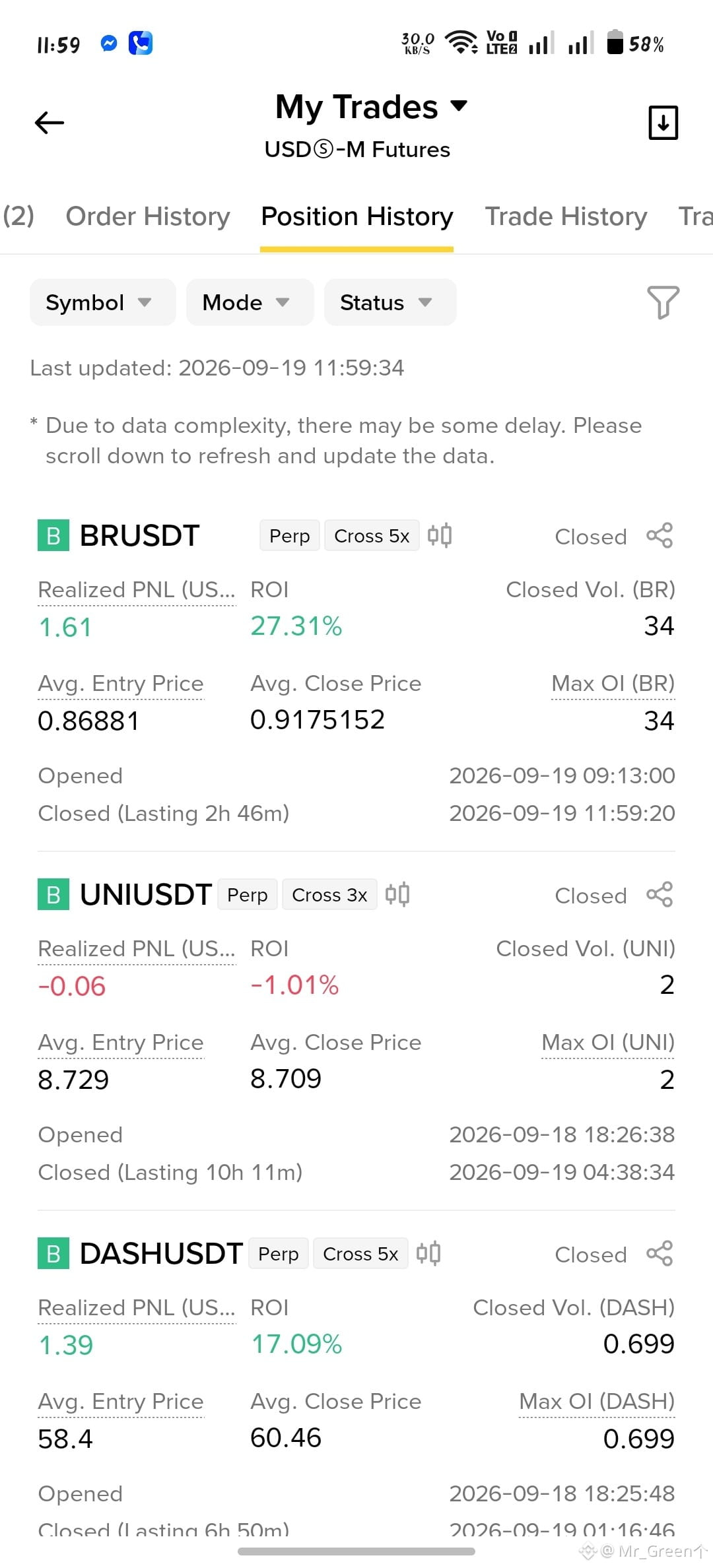
Only Green PNL in my Chat Group..
And that's obviously free🫰
Just stay connected...
$BR $DASH $ZEC
Only Green PNL in my Chat Group..
And that's obviously free🫰
Just stay connected...
$BR $DASH $ZEC
And that's obviously free🫰
Just stay connected...
$BR $DASH $ZEC
237
·
--
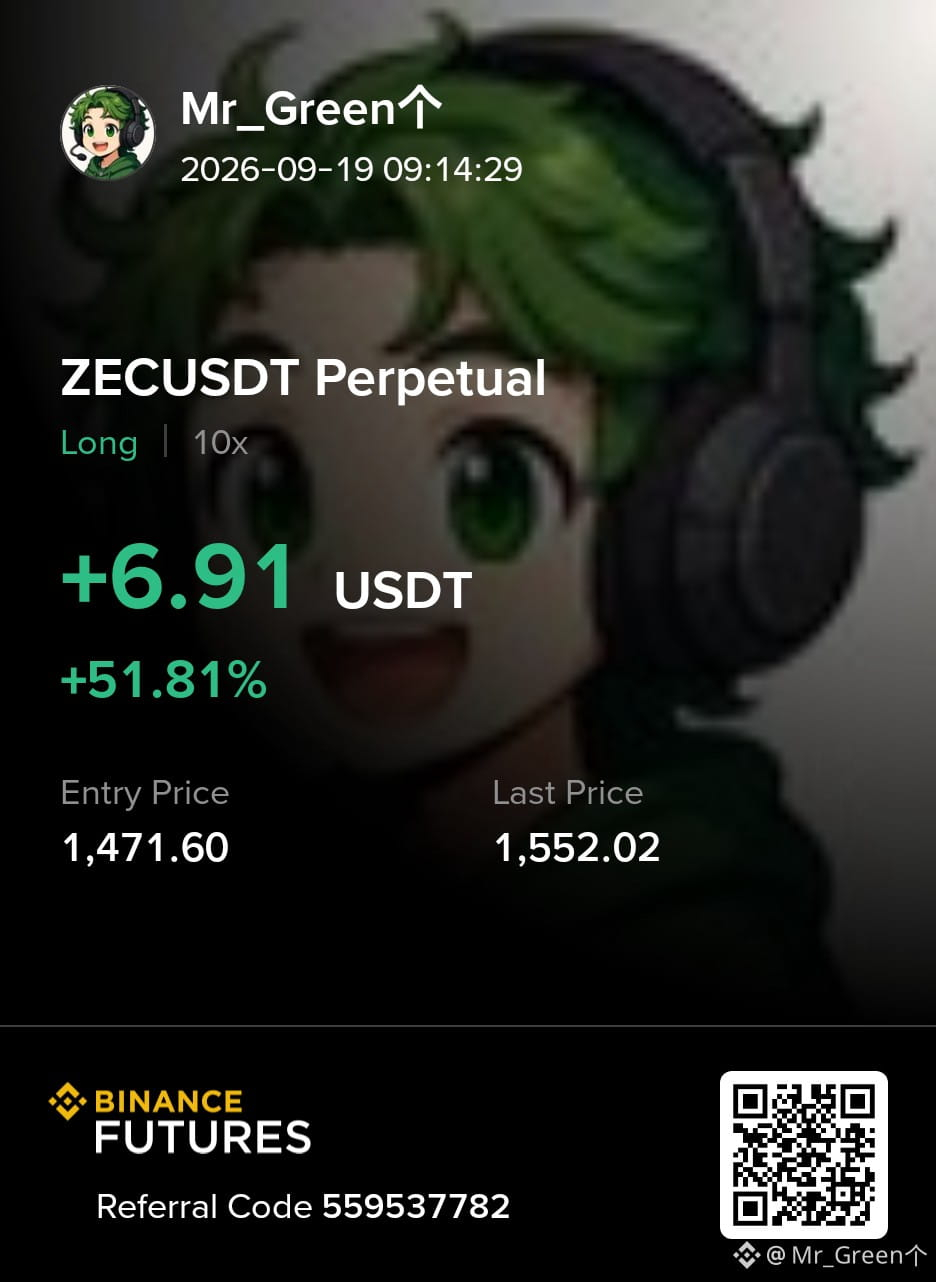
Das ist unser Morgenhandel....🫰
Guten Morgen, Leute...
Das ist unser Morgenhandel....🫰
Guten Morgen, Leute...
Guten Morgen, Leute...
1
247
·
--
Nur grün...
Tritt meiner Chatgruppe bei....
$DASH $BR $UNI
Nur grün...
Tritt meiner Chatgruppe bei....
$DASH $BR $UNI
Tritt meiner Chatgruppe bei....
$DASH $BR $UNI
2
1.6k
·
--
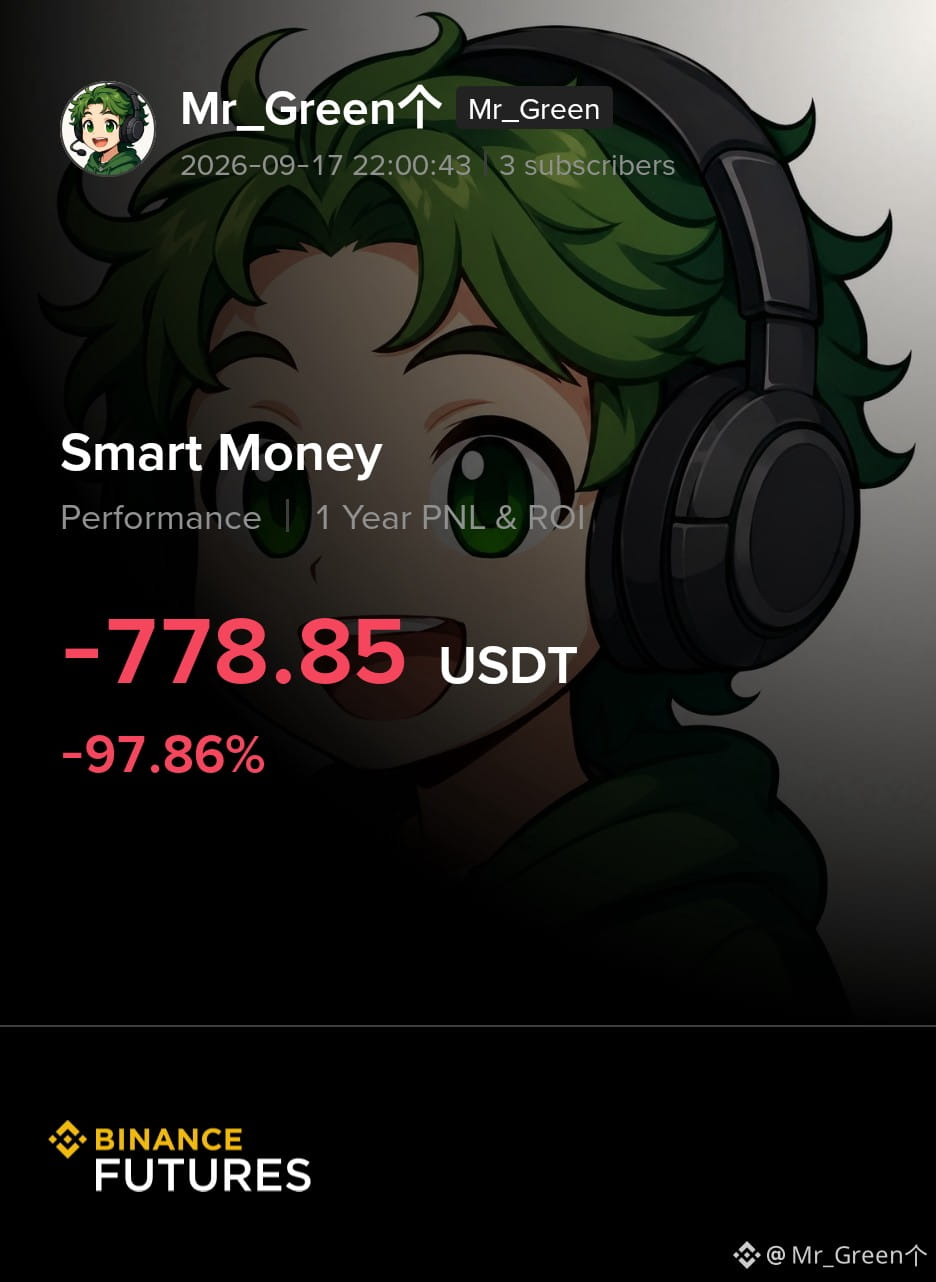
Das letzte Jahr war für mich eine Lernphase... Ich habe viel verloren... viel gelernt...
Lernen hört nie auf...
$MARSCOIN $BR $BULLA
Das letzte Jahr war für mich eine Lernphase... Ich habe viel verloren... viel gelernt...
Lernen hört nie auf...
$MARSCOIN $BR $BULLA
Lernen hört nie auf...
$MARSCOIN $BR $BULLA
1
607
·
--
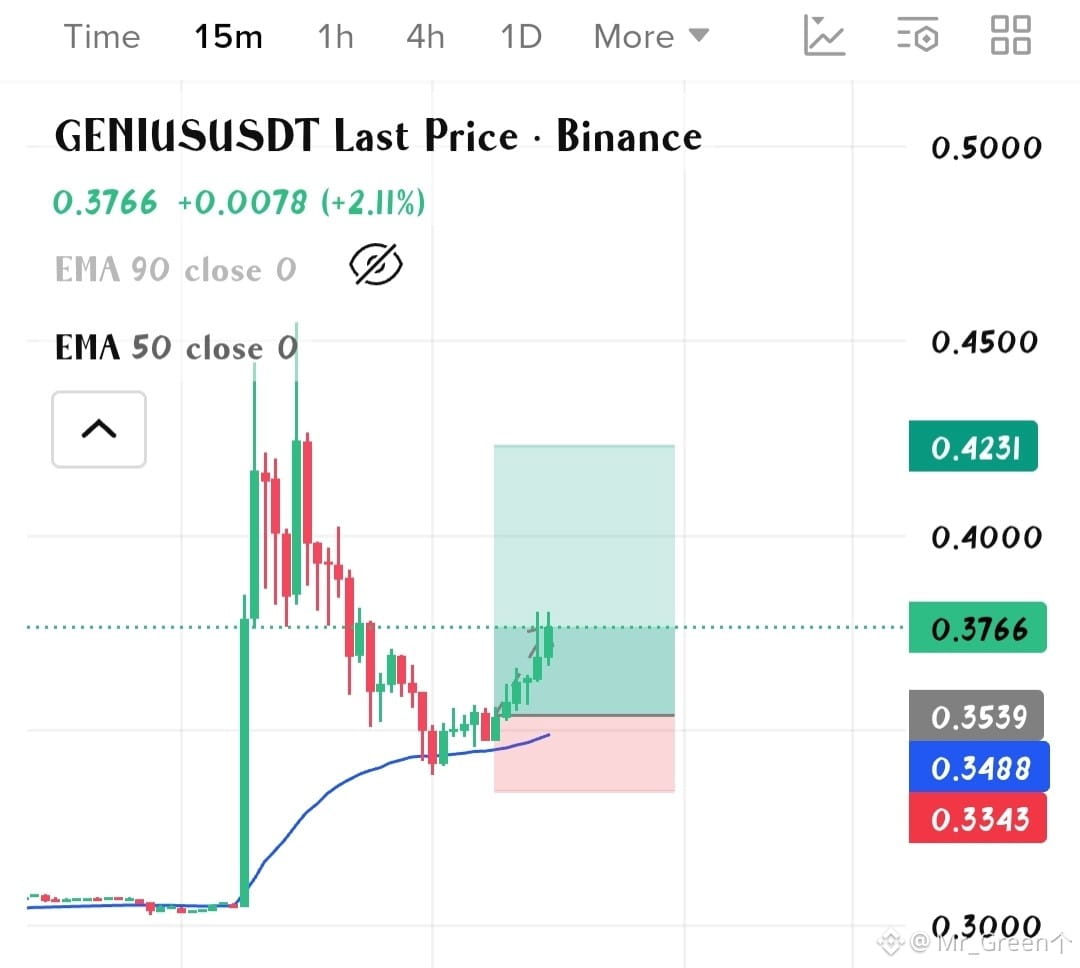
Tritt unserer Gruppe bei, um nur grünes PNL zu erhalten...
Das ist das Diagramm, das ich in meiner Gruppe geteilt habe
$CROSS $MARSCOIN
Tritt unserer Gruppe bei, um nur grünes PNL zu erhalten...
Das ist das Diagramm, das ich in meiner Gruppe geteilt habe
$CROSS $MARSCOIN
Das ist das Diagramm, das ich in meiner Gruppe geteilt habe
$CROSS $MARSCOIN
93
·
--
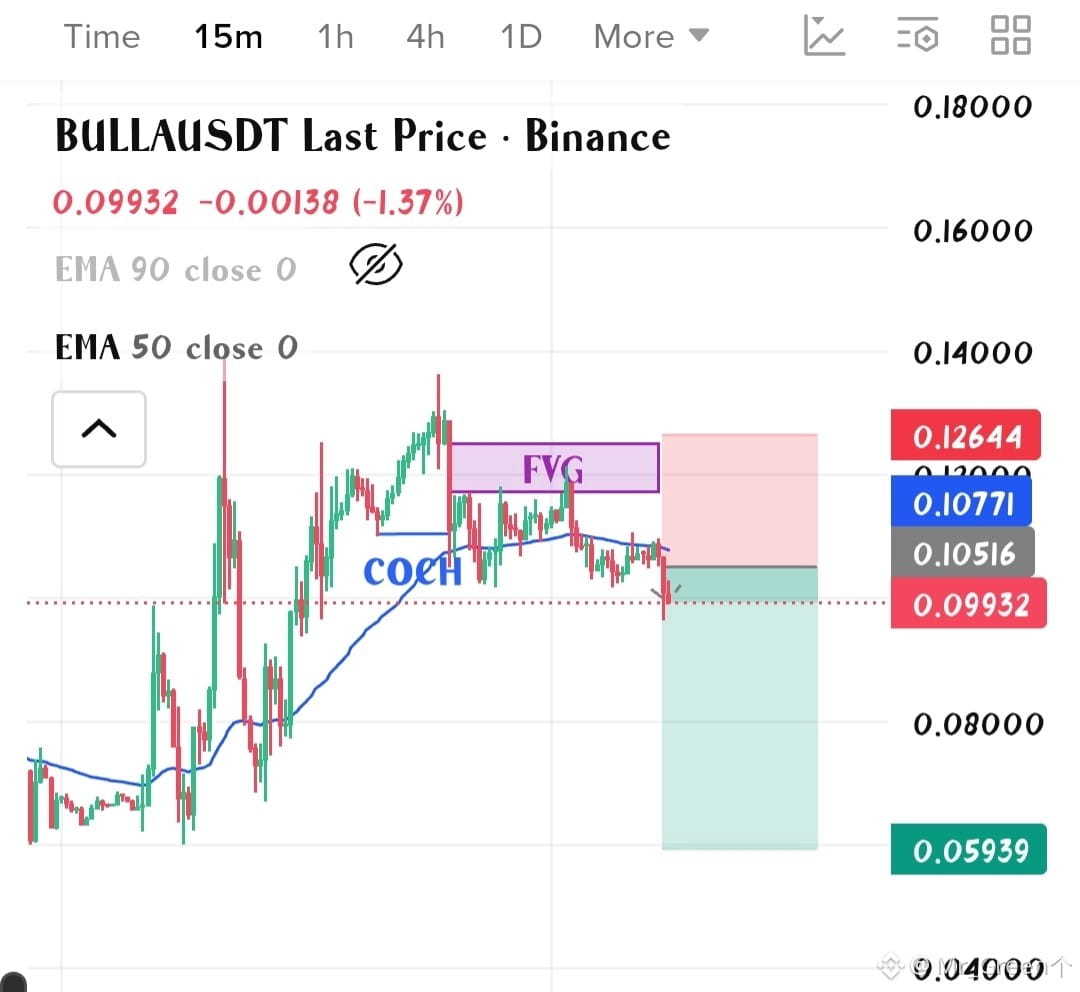
Shorten $BULLA
Dies ist ein bedeutendes Niveau... Die EMA-50-Linie liegt jetzt über den Kerzen... COCH erledigt... Retest erledigt...
Zeit nach unten zu gehen....
Shorten $BULLA
Dies ist ein bedeutendes Niveau... Die EMA-50-Linie liegt jetzt über den Kerzen... COCH erledigt... Retest erledigt...
Zeit nach unten zu gehen....
Dies ist ein bedeutendes Niveau... Die EMA-50-Linie liegt jetzt über den Kerzen... COCH erledigt... Retest erledigt...
Zeit nach unten zu gehen....
2
1
171
·
--
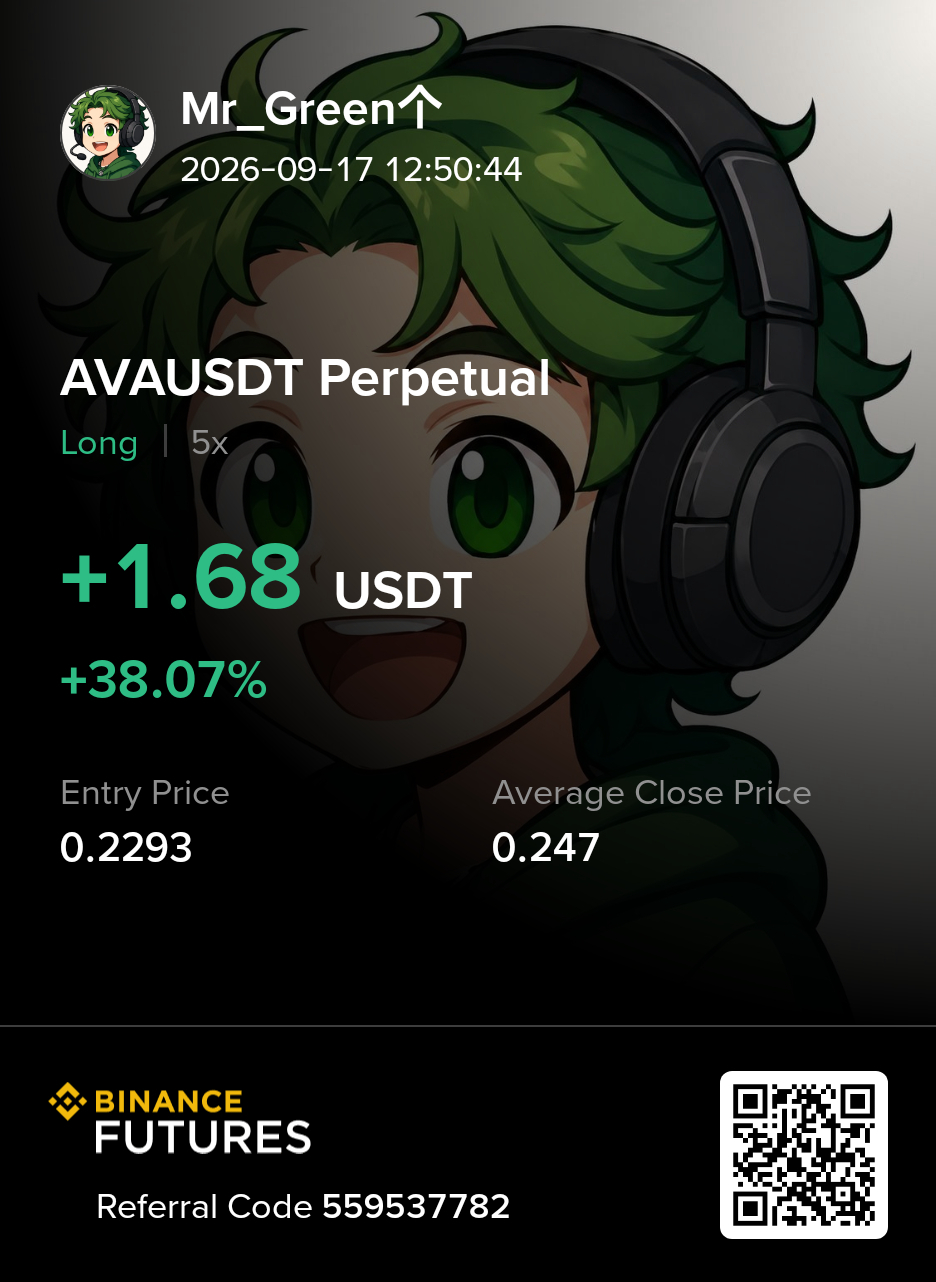
Lang auf $AVA
2. Handel des Tages....
Bullischer Schwung hält an....
Lang auf $AVA
2. Handel des Tages....
Bullischer Schwung hält an....
2. Handel des Tages....
Bullischer Schwung hält an....
261
·
--
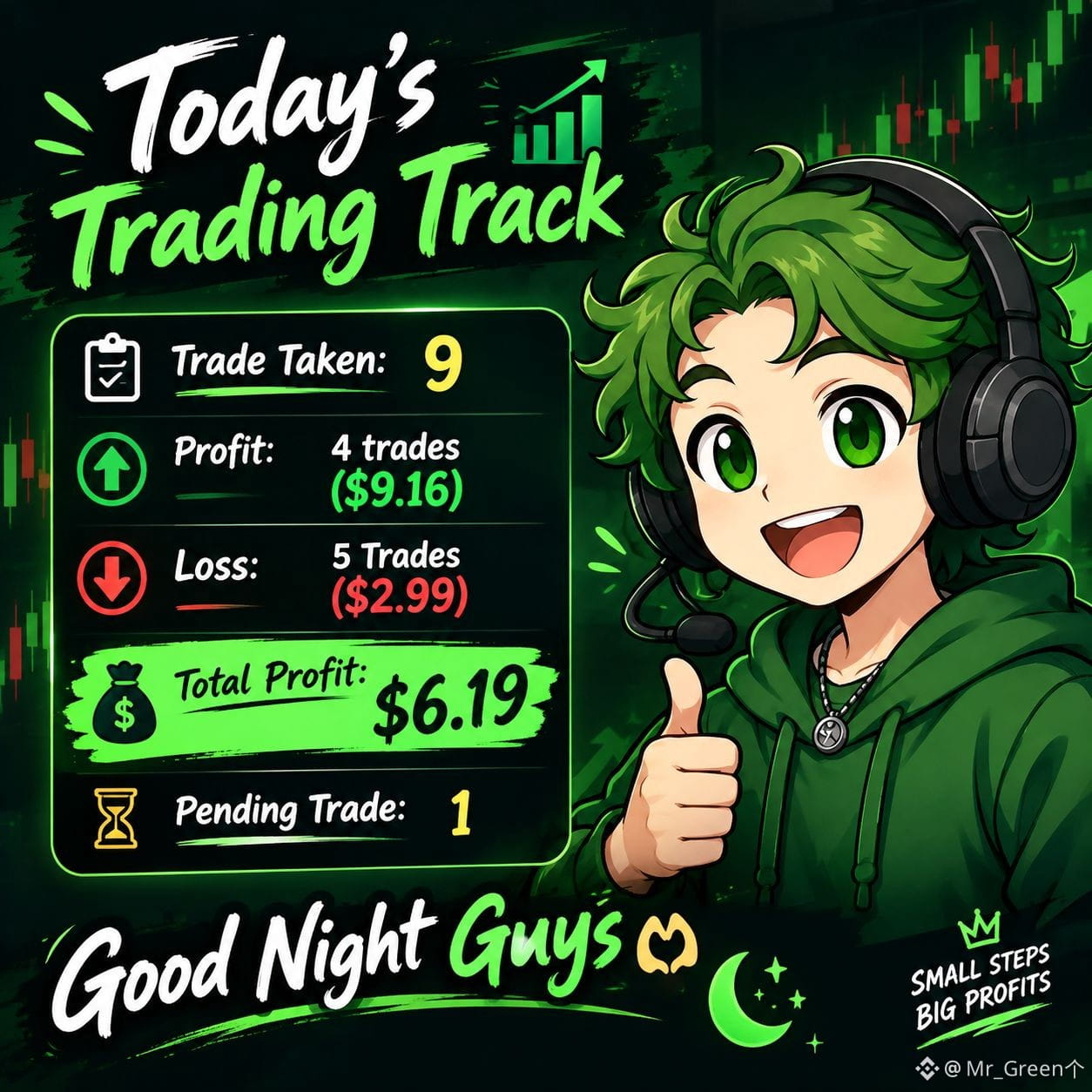
Der heutige Trading-Überblick 📊
📌 Getradet: 9
🟢 Gewinn: 4 Trades ($9.16)
🔴 Verlust: 5 Trades ($2.99)
💰 Gesamtgewinn: $6.19
⏳ Ausstehender Trade: 1
Gute Nacht, Jungs🫶
$AIN $BR $USELESS
Der heutige Trading-Überblick 📊
📌 Getradet: 9
🟢 Gewinn: 4 Trades ($9.16)
🔴 Verlust: 5 Trades ($2.99)
💰 Gesamtgewinn: $6.19
⏳ Ausstehender Trade: 1
Gute Nacht, Jungs🫶
$AIN $BR $USELESS
📌 Getradet: 9
🟢 Gewinn: 4 Trades ($9.16)
🔴 Verlust: 5 Trades ($2.99)
💰 Gesamtgewinn: $6.19
⏳ Ausstehender Trade: 1
Gute Nacht, Jungs🫶
$AIN $BR $USELESS
1
176
·
--
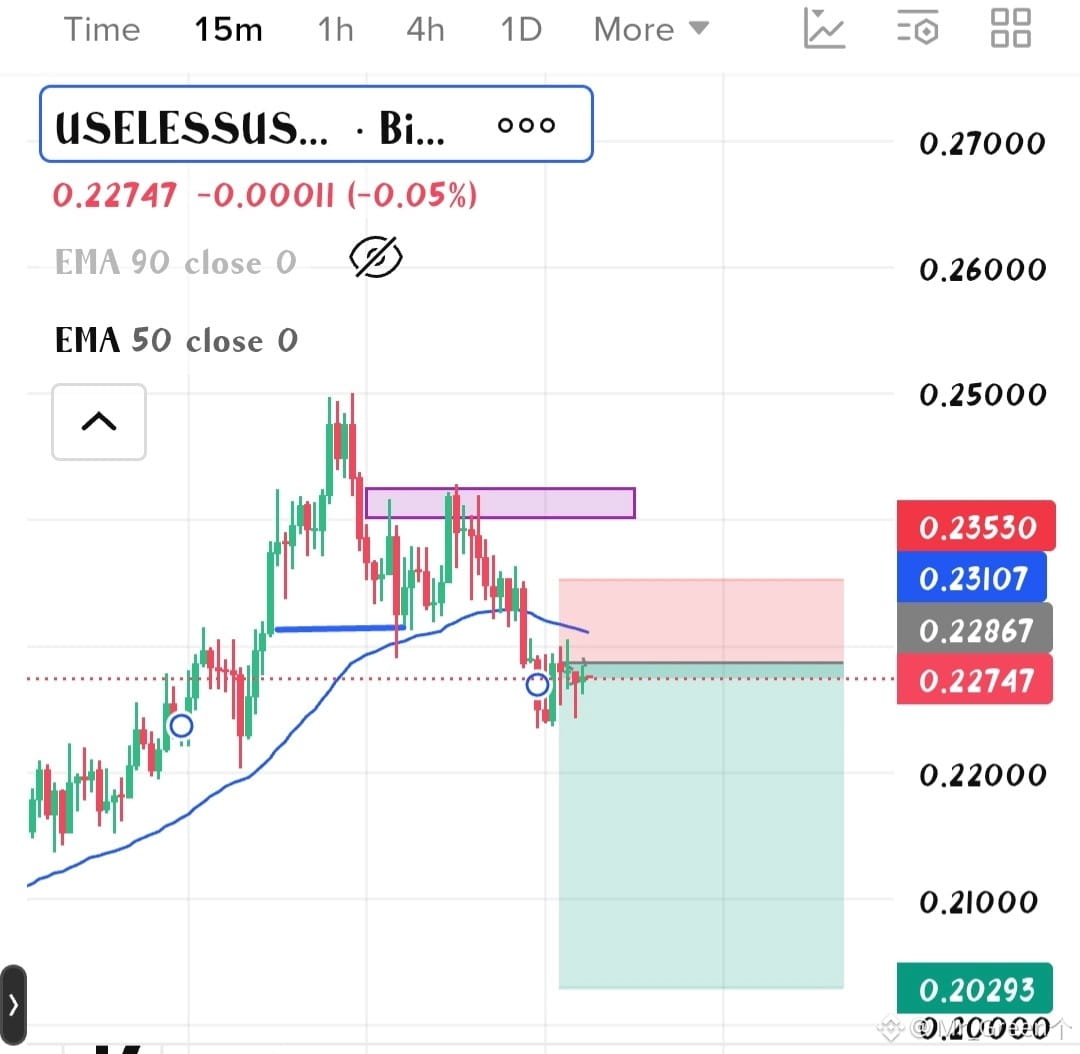
Short $USELESS 22 USDT
Erstellen Sie ein kurzes Video zu $USELESS
EMA 50 hat sich verschoben, die Kerzen sind jetzt unter der Linie...
Der bärische Impuls wird jetzt weitergehen....
Der Trend hat sich verändert, wie wir bei CHOC gesehen haben, und FVG wurde auch genommen...
Gut zu machen für Short....
$BR $LSK
Erstellen Sie ein kurzes Video zu $USELESS
EMA 50 hat sich verschoben, die Kerzen sind jetzt unter der Linie...
Der bärische Impuls wird jetzt weitergehen....
Der Trend hat sich verändert, wie wir bei CHOC gesehen haben, und FVG wurde auch genommen...
Gut zu machen für Short....
$BR $LSK
EMA 50 hat sich verschoben, die Kerzen sind jetzt unter der Linie...
Der bärische Impuls wird jetzt weitergehen....
Der Trend hat sich verändert, wie wir bei CHOC gesehen haben, und FVG wurde auch genommen...
Gut zu machen für Short....
$BR $LSK
2
213
·
--
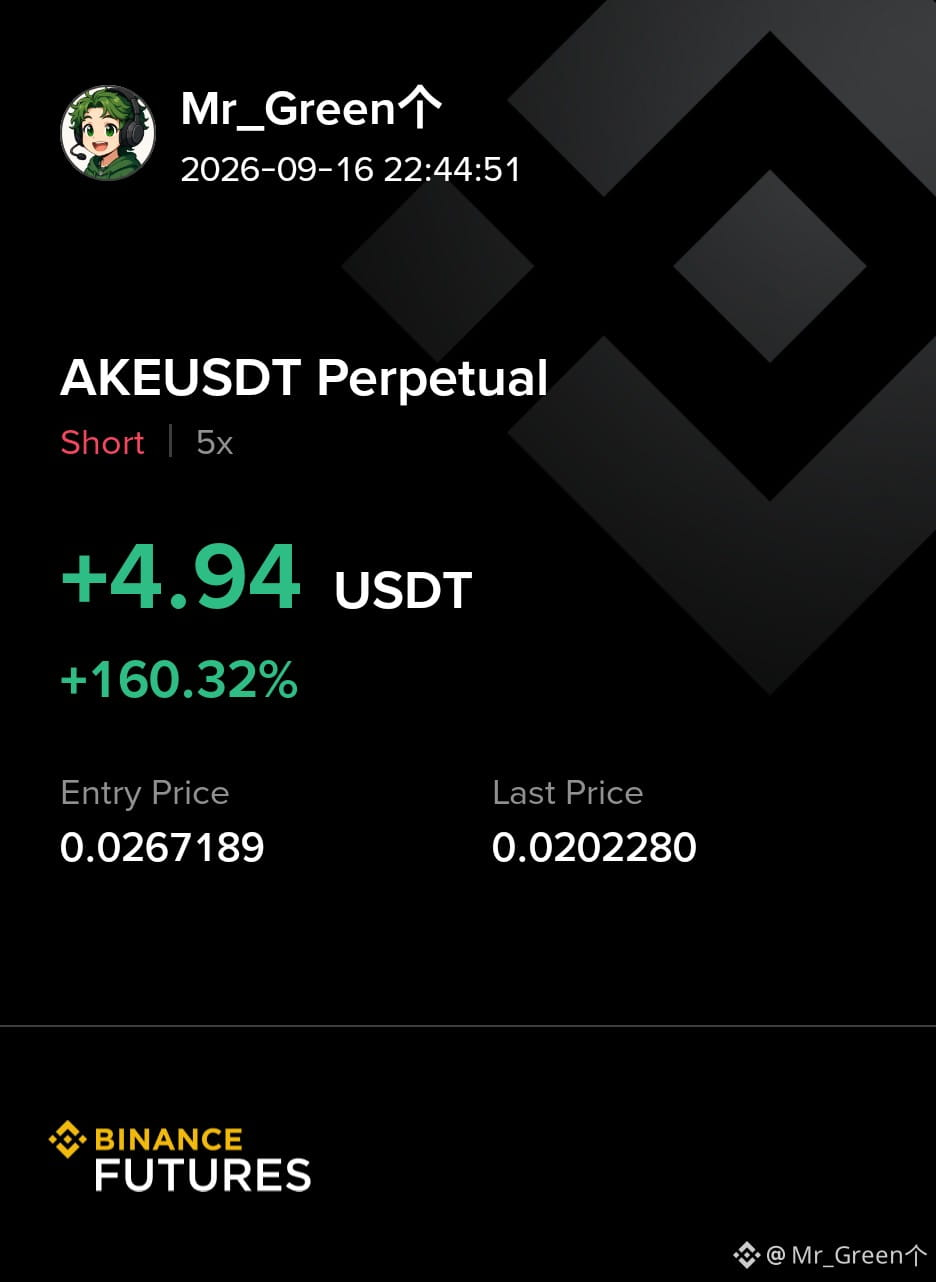
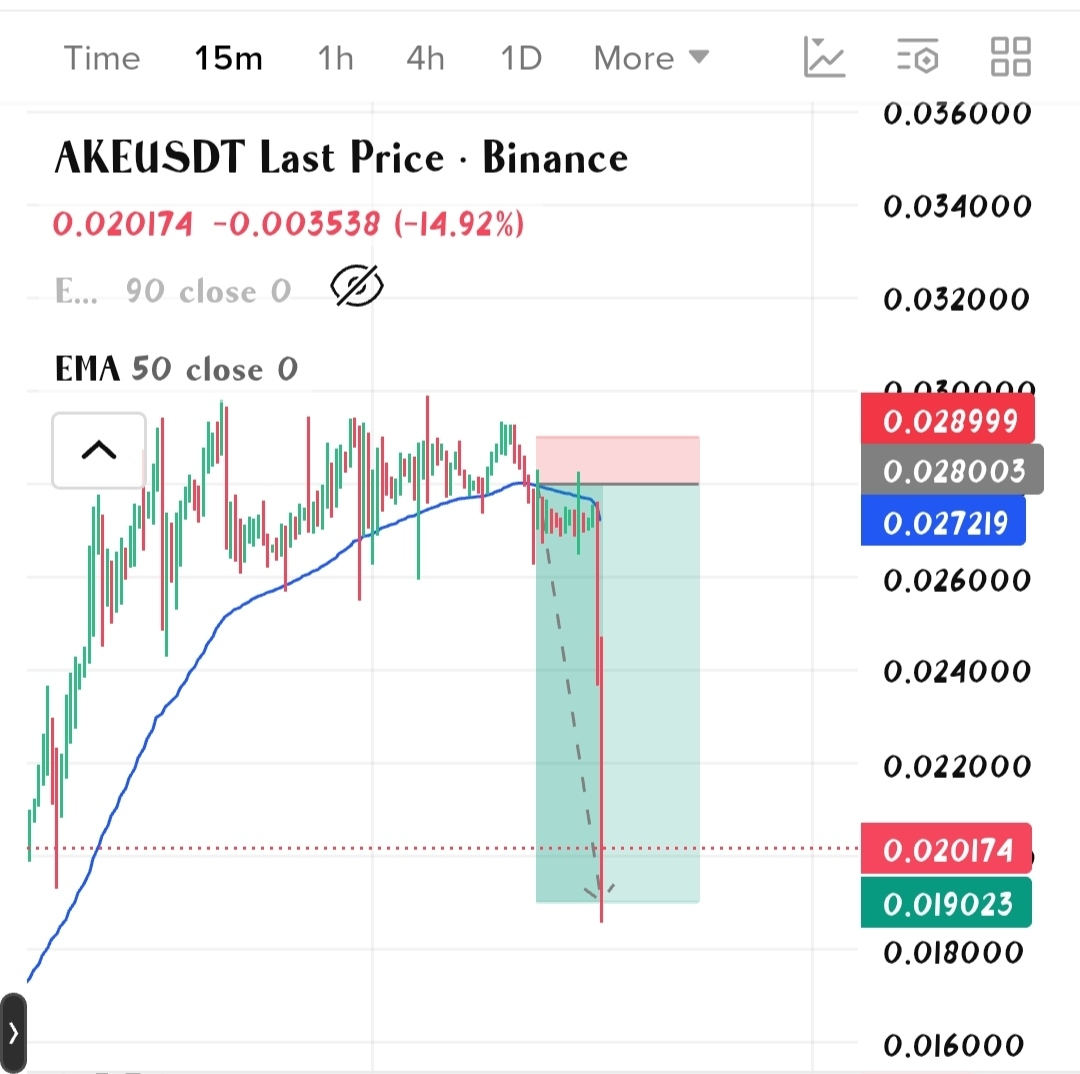
Das ist ein perfekter Handelsplan... Wenn du meinem Signal folgst, wirst du mit Sicherheit Gewinn machen...
$AKE
Ich habe ein geringes Guthaben, deshalb nutze ich weniger Hebelwirkung... Aber ich wünsche mir, dass dieser Trade deiner sein wird....
Das ist ein perfekter Handelsplan... Wenn du meinem Signal folgst, wirst du mit Sicherheit Gewinn machen...
$AKE
Ich habe ein geringes Guthaben, deshalb nutze ich weniger Hebelwirkung... Aber ich wünsche mir, dass dieser Trade deiner sein wird....
$AKE
Ich habe ein geringes Guthaben, deshalb nutze ich weniger Hebelwirkung... Aber ich wünsche mir, dass dieser Trade deiner sein wird....
1
274
·
--
Es ist Zeit für Long auf $BULLA
Ich benutze nur eine einzige Anzeige..und die funktioniert wie Magie....
15m-Chart und hol dir die Anzeige....Hol dir eine Bestätigung und zack zack...
Willst du ein Video dazu?
Es ist Zeit für Long auf $BULLA
Ich benutze nur eine einzige Anzeige..und die funktioniert wie Magie....
15m-Chart und hol dir die Anzeige....Hol dir eine Bestätigung und zack zack...
Willst du ein Video dazu?
Ich benutze nur eine einzige Anzeige..und die funktioniert wie Magie....
15m-Chart und hol dir die Anzeige....Hol dir eine Bestätigung und zack zack...
Willst du ein Video dazu?
1
231
·
--
Jetzt schon lange auf $LSK
Ich hoffe, dass daraus am Ende ein guter Handel wird...
Jetzt schon lange auf $LSK
Ich hoffe, dass daraus am Ende ein guter Handel wird...
Ich hoffe, dass daraus am Ende ein guter Handel wird...
162
·
--
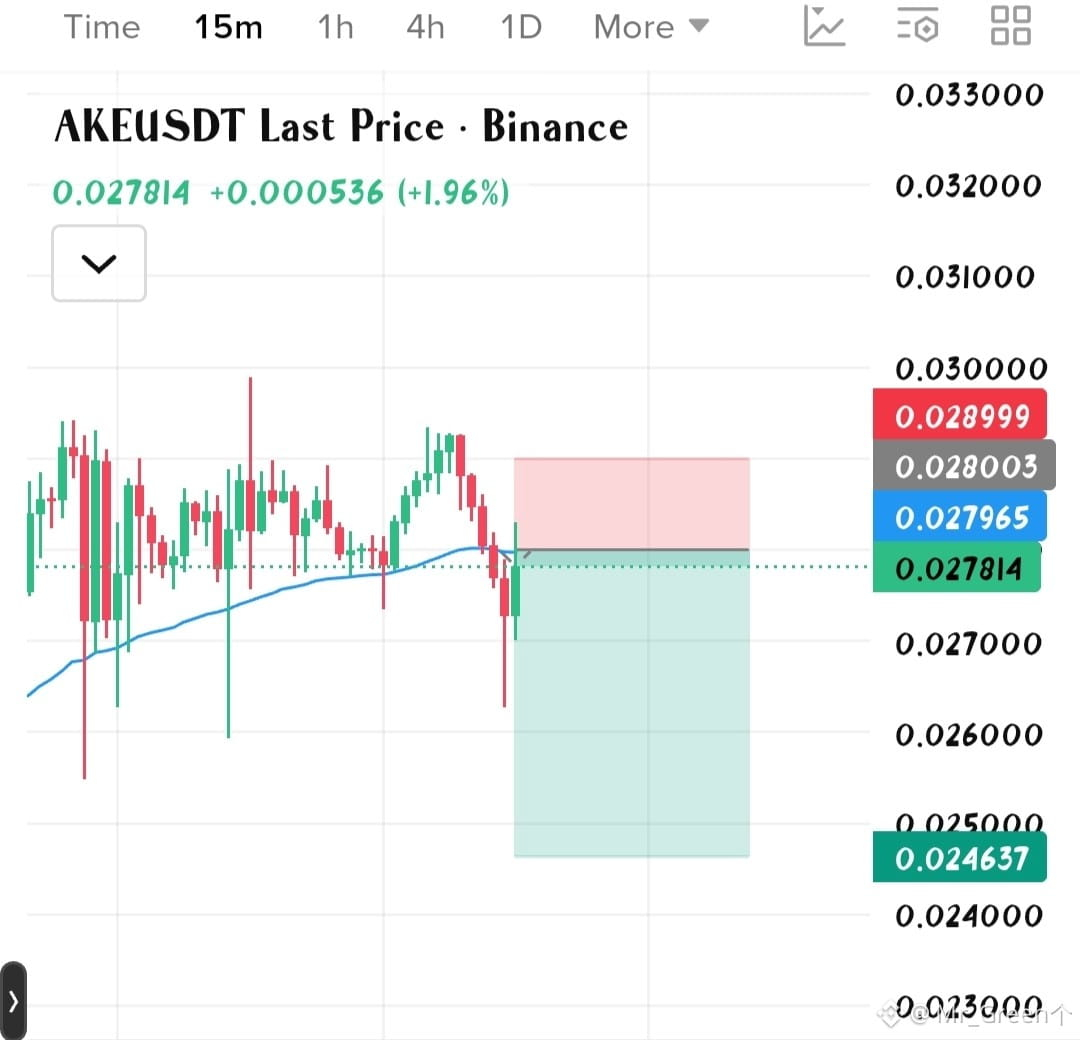
$AKE Kurz bestätigt?
Oder müssen wir noch warten... Kerze unter dem EMA 50.. Jetzt ist der Preis für einen Retest gekommen....
Lass es uns machen....
$AKE Kurz bestätigt?
Oder müssen wir noch warten... Kerze unter dem EMA 50.. Jetzt ist der Preis für einen Retest gekommen....
Lass es uns machen....
Oder müssen wir noch warten... Kerze unter dem EMA 50.. Jetzt ist der Preis für einen Retest gekommen....
Lass es uns machen....
151
·
--
$SYN über 134%+ in 24h
$BR über 89%+ in 24h
$BULLA über 56%+ in 24h
LSK ist auch heftig am Pumpen....
Was tradest du heute?
{future}(BULLAUSDT)
{future}(BRUSDT)
{future}(SYNUSDT)
$SYN über 134%+ in 24h
$BR über 89%+ in 24h
$BULLA über 56%+ in 24h
LSK ist auch heftig am Pumpen....
Was tradest du heute?
$BR über 89%+ in 24h
$BULLA über 56%+ in 24h
LSK ist auch heftig am Pumpen....
Was tradest du heute?
🟢 Long on CYS
14%
🔴Short on LSK
11%
🟢 Long on BULLA
32%
🔴 Short on BR
43%
28 Stimmen • Abstimmung beendet
2k
·
--
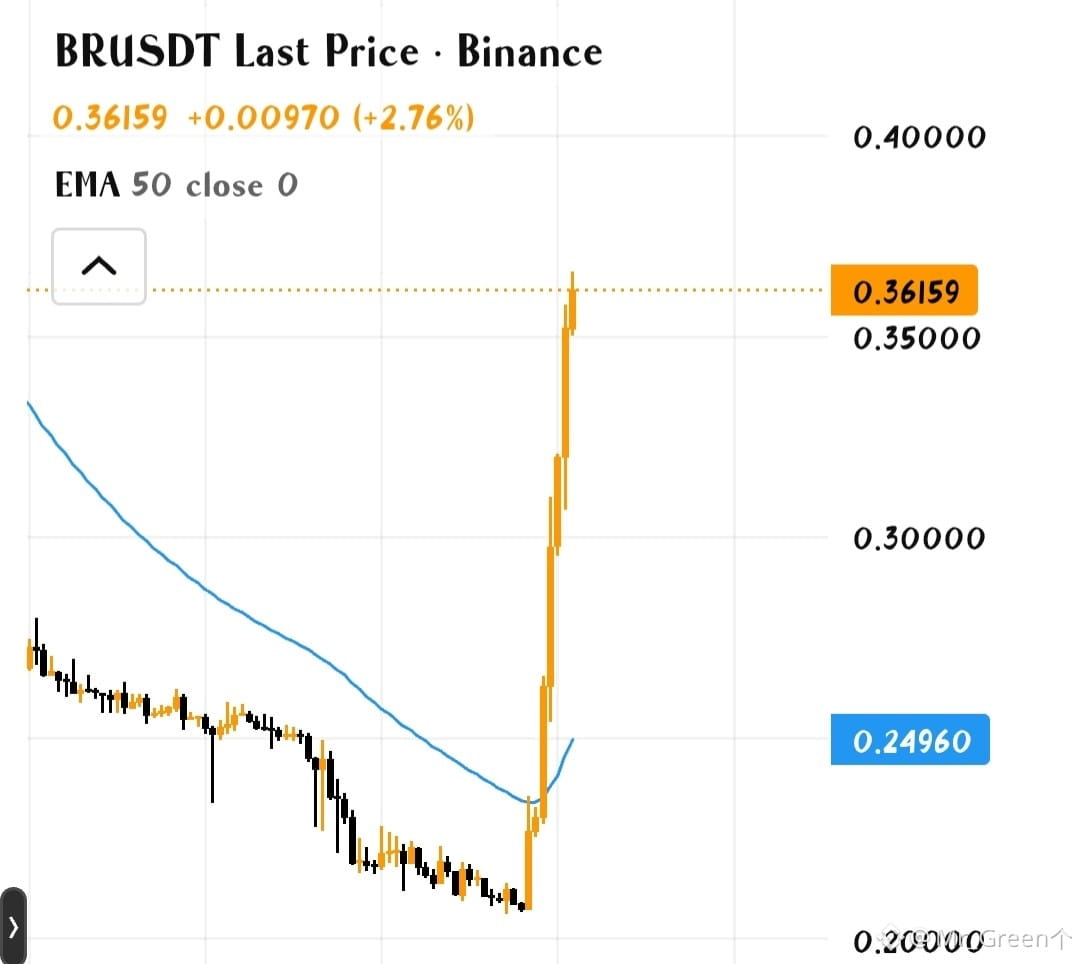
$BR Trendwende-Push...
Sieht so aus, als würde es noch mehr kochen....Mal sehen, was passiert...
Warte auf eine Korrektur...
$BR Trendwende-Push...
Sieht so aus, als würde es noch mehr kochen....Mal sehen, was passiert...
Warte auf eine Korrektur...
Sieht so aus, als würde es noch mehr kochen....Mal sehen, was passiert...
Warte auf eine Korrektur...
151
·
--
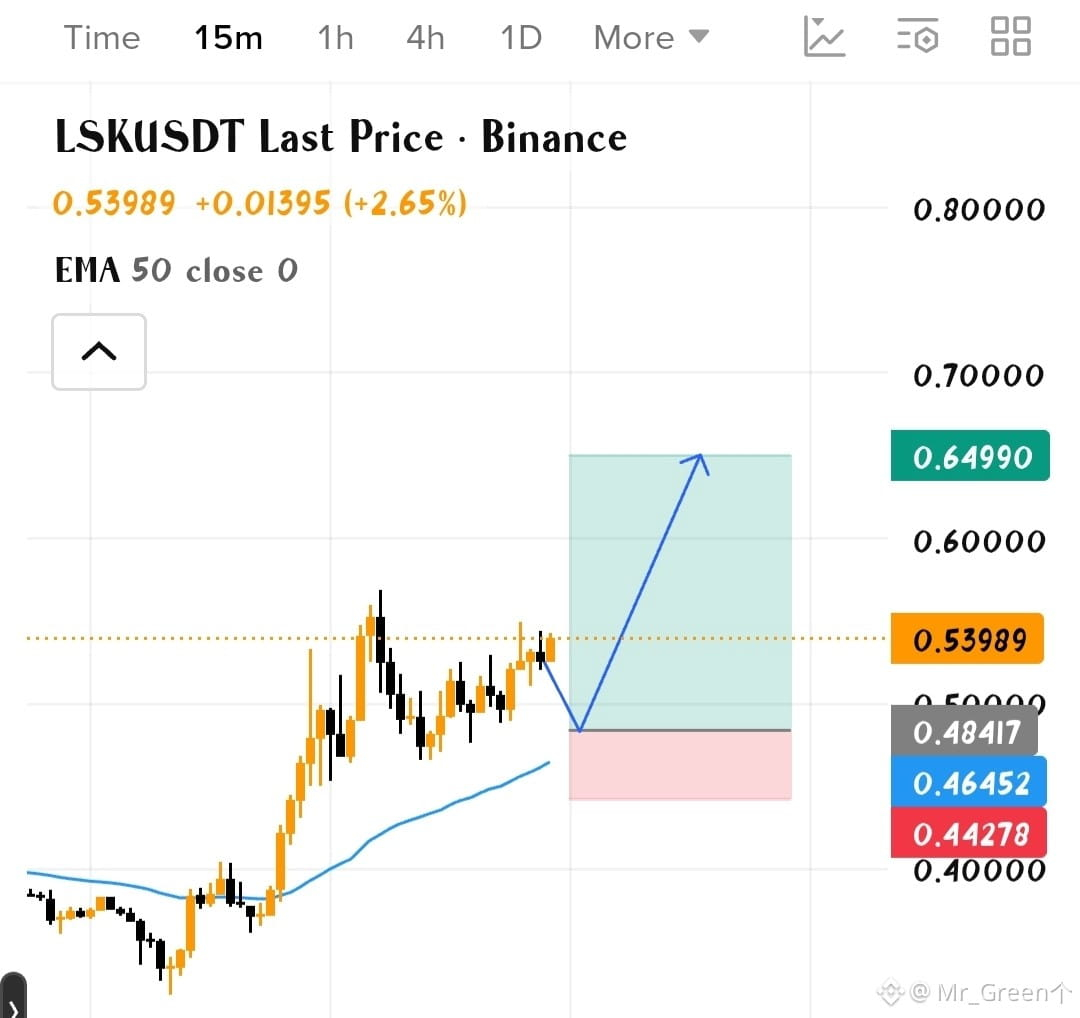
$LSK is kocht schon wieder...
Ich habe einen Plan für long, der Plan liegt auf der EMA-50-Linie...Wenn der Kurs diese Linie berührt und eine starke grüne Kerze über der Linie bildet, werde ich dort einen Long eingehen...Es könnte wieder über 1 US-Dollar gehen....
Lass uns kochen, Jungs...
$SYN
{future}(SYNUSDT)
$LSK is kocht schon wieder...
Ich habe einen Plan für long, der Plan liegt auf der EMA-50-Linie...Wenn der Kurs diese Linie berührt und eine starke grüne Kerze über der Linie bildet, werde ich dort einen Long eingehen...Es könnte wieder über 1 US-Dollar gehen....
Lass uns kochen, Jungs...
$SYN
Ich habe einen Plan für long, der Plan liegt auf der EMA-50-Linie...Wenn der Kurs diese Linie berührt und eine starke grüne Kerze über der Linie bildet, werde ich dort einen Long eingehen...Es könnte wieder über 1 US-Dollar gehen....
Lass uns kochen, Jungs...
$SYN
231
·
--
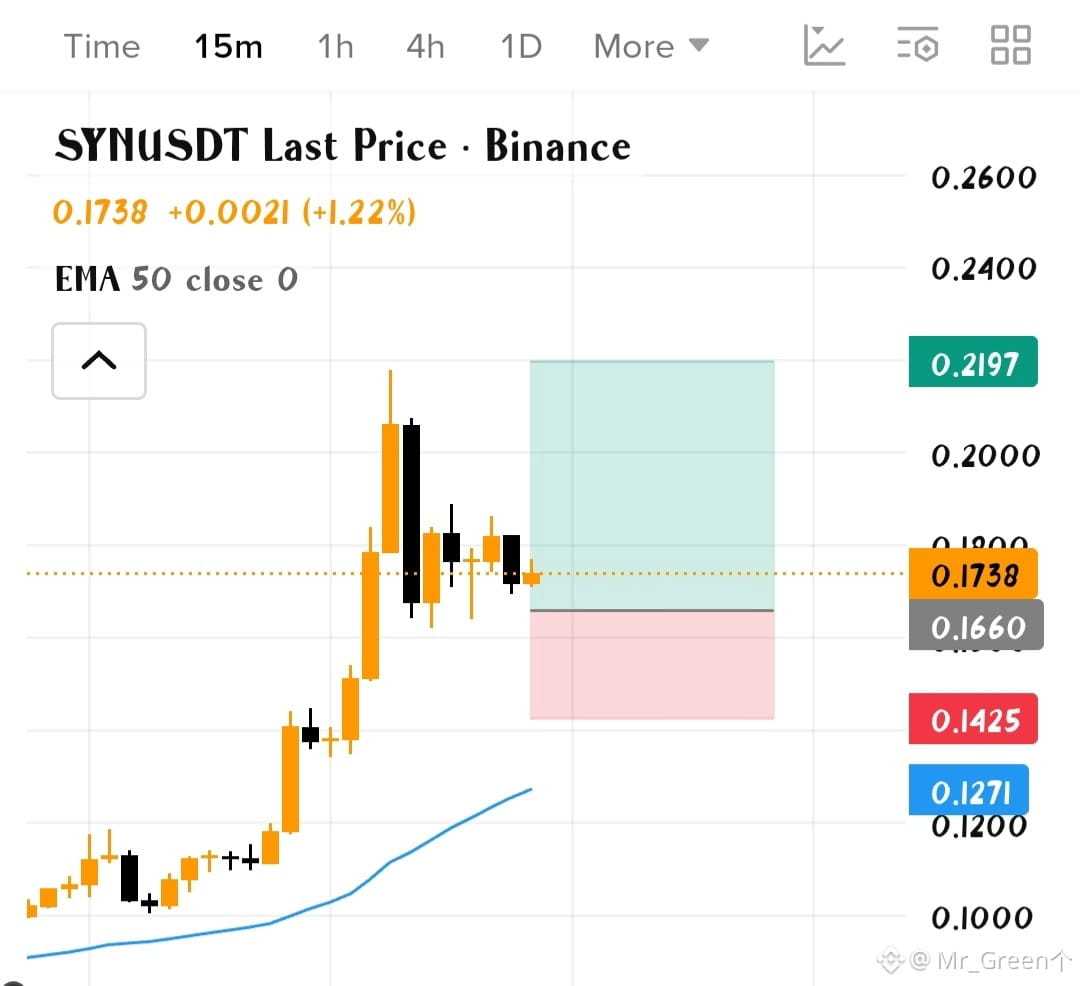
So ist die Art, wie du $SYN position positioniert werden solltest....
Lass den Kurs noch einen weiteren Schub vom Support bekommen und geh dann für ein großes Long...Da der Kurs bereits um 120%+ gepumpt hat, drücken ihn Händler weiter nach oben...
Also bleibt noch mehr bullischer Momentum...
Lass es einfach köcheln...
$AIN
{future}(AINUSDT)
{future}(SYNUSDT)
So ist die Art, wie du $SYN position positioniert werden solltest....
Lass den Kurs noch einen weiteren Schub vom Support bekommen und geh dann für ein großes Long...Da der Kurs bereits um 120%+ gepumpt hat, drücken ihn Händler weiter nach oben...
Also bleibt noch mehr bullischer Momentum...
Lass es einfach köcheln...
$AIN
Lass den Kurs noch einen weiteren Schub vom Support bekommen und geh dann für ein großes Long...Da der Kurs bereits um 120%+ gepumpt hat, drücken ihn Händler weiter nach oben...
Also bleibt noch mehr bullischer Momentum...
Lass es einfach köcheln...
$AIN
191
Anmelden und weiter Inhalte entdecken
Krypto-Nutzer weltweit auf Binance Square kennenlernen
⚡️ Bleib in Sachen Krypto stets am Puls.
💬 Die weltgrößte Kryptobörse vertraut darauf.
👍 Erhalte verlässliche Einblicke von verifizierten Creators.
E-Mail-Adresse/Telefonnummer
Trendthemen
BTCBreaks80K
151,785 Aufrufe
2,426 Kommentare
Überraschende Abrechnungen oder Jagd auf Liquidität? Die Wahrheit hinter den $80K von Bitcoin 📉🚀
Wenn du Positionen im Short nahe bei den $80.000 hattest, hast du sehr wahrscheinlich den Druck der letzten Stunden gespürt. Viele bezeichnen diesen plötzlichen Anstieg als „Manipulation ohne Volumen“, aber die Mechanik des Futures-Markts erzählt eine ganz andere Geschichte.
Das ist wirklich passiert hinter der wöchentlichen Kerze:
1️⃣ Dünnes Orderbuch: Wenn sich der Großteil des Marktes auf die Abwärtsbewegung positioniert (Short), werden die Limit-Verkaufsaufträge oberhalb des Preises sehr selten. Ein moderates Kaufvolumen reicht aus, um die Stops abzufahren.
2️⃣ Dominoeffekt (Short Squeeze): Sobald die Liquidationsniveaus der Short-Positionen erreicht werden, führt die Börse automatisch Market-Buy-Orders aus, um diese Positionen mit Verlust zu schließen. Das war kein „geheimer Manipulator“, der den Kurs nach oben drückt; es waren die eigenen Stop-Losses der Verkäufer, die den Pump finanzierten.
3️⃣ Abschluss der Wochenkerze: Algorithmen und Institutionen suchen oft nach einem Close oberhalb wichtiger gleitender Durchschnitte vor dem Kerzenwechsel, um den Trend zu stützen.
Lektion fürs Risikomanagement: Operiere nie mit Hebel ohne einen sauber platzierten technischen Stop und vermeide den Einstieg in einen Short, wenn der Markt bereits überladen mit Verkäufen ist.
Was meinst du? Glaubst du, wir konsolidieren über $80K, um neue Hochs zu suchen, oder kommt ein Re-Test in Richtung der Zone bei $78.000? Schreib es mir in den Kommentaren!
$BTC #BTC #BTCBreaks80K #BinanceSquar
Angelo_Coin
·0 Likes
·1.2k Aufrufe
比特币突破8万
108,752 Aufrufe
303 Kommentare
BitcoinMarketCapTopsTesla
594 Aufrufe
66 Kommentare