

Tenebir
220 Beiträge

Tenebir
Melden
Nutzer blockieren
The market is neutral. Your mind creates the pain. 🚀 Stop looking for "perfect" indicators. Start mastering your execution. 🔔 Hit follow and start Winning 📈
Regelmäßiger Trader
3.5 Jahre
0 Following
57 Follower
227 Like gegeben
Beiträge
Alle
Zitierungen
·
--

Artikel
Übersetzung ansehen
Megawatts & Monopolies: The Hidden Ledger of Big TechWe live inside an engineered illusion. For the past three years, Silicon Valley’s loudest voices have preached a relentless new gospel: generative AI is human progress, every search box needs a chatbot, and multi-gigawatt server clusters are the inevitable price of the future.
We are told this digital revolution is weightless, frictionless, and clean.
It isn't.
Beneath the sleek keynotes and trillion-dollar market caps lies a brutal physical reality. AI doesn't live in a cloud—it lives in concrete server warehouses humming across Virginia, Ohio, Dublin, and Taiwan. And to keep those servers running, tech giants are executing one of the quietest, most aggressive resource grabs in modern history.
Unlike traditional manufacturing—where energy yields tangible steel, medical equipment, or housing—Big Tech is swallowing the power grids of entire nations to run black-box matrix multiplication. They privatize the profits of digital centralization, while socializing the rising utility bills and grid instability onto ordinary families.
To understand the sheer magnitude of what is happening, you have to look past the corporate press releases and run the hard math on the grid.
The Sovereign Scale of the Drain
When a single technology company talks about its annual electricity consumption, the numbers sound abstract. "Gigawatts" and "Terawatt-hours" mean very little until you put them side-by-side with the real world.
Here is what the actual electricity appetite of the top five tech giants looks like right now:
Microsoft (~37 TWh/year): Consumes roughly 37 billion kilowatt-hours annually. That single corporate electricity draw is enough to power 3.4 million average residential homes for an entire year. It comfortably surpasses the entire national electricity consumption of sovereign nations like Iceland or Estonia, and sits right alongside the total electrical grid demand of Ireland.
Amazon / AWS (~35–40 TWh/year): Anchoring the backbone of global cloud computing, Amazon’s infrastructure demands equal the power needed for 3.5 million homes. Their electrical footprint eclipses the entire annual power consumption of industrial countries like Serbia or Tunisia.
Google / Alphabet (~28–30 TWh/year): Driven by an unprecedented 37% single-year surge in electricity use—the largest in its corporate history—Google’s annual draw now matches 2.7 million homes. That is more power than the entire nation of Jordan or Latvia uses in a year.
Meta (~24–28 TWh/year): As Meta aggressively acquires massive multi-gigawatt energy contracts for its Llama training clusters, its annual consumption equals 2.4 million homes—rivaling the entire national electrical grid loads of Croatia or Lithuania.
Apple (~12–15 TWh/year): Across its global corporate campuses and heavy data center operations, Apple pulls enough energy to keep 1.2 million homes running, matching the yearly power draw of nations like Albania or Malta.
Put these five companies together into a single collective block, and their combined annual electricity draw crosses 135 to 150+ Terawatt-hours every single year.
That is enough electricity to power 13.2 million residential households simultaneously. To put that in perspective, if these five companies were a country, their annual power draw would eclipse the entire national electrical consumption of Greece, Portugal, or the Czech Republic. You could turn off every single light, appliance, and heater in every home across New York State and Pennsylvania combined, and it still wouldn't match what these five entities burn through to serve up automated search summaries and conversational chatbots.
The Compounding Threat: The 10-Year Trajectory
If this were a static baseline, it would already be alarming. But the most dangerous element of the AI gold rush is the speed at which it compounds.
According to audited corporate disclosures, companies like Google and Microsoft are seeing single-year energy increases ranging from 24% to 37%, driven almost entirely by AI model training and real-time inference. Data center energy demand across the tech sector is currently compounding at an average rate of 20% to 30% annually.
When you compound those growth rates over the next decade, the math becomes staggering:
In 5 Years: At a steady ~25% annual growth rate, their combined energy footprint will nearly triple, jumping from ~140 TWh to roughly 420 TWh per year. That will equal the power needed for 38 million homes—roughly every household in Texas, California, and Florida combined.
In 10 Years: By 2036, that same compounding growth rate pushes their combined annual demand to over 1,300 Terawatt-hours.
In ten years, just five technology companies could consume enough electricity to power over 120 million residential households—effectively matching the energy needed to keep the lights on in every single home in the United States. Their combined footprint would surpass the entire industrial electrical capacity of nations like Germany or Japan.
Who Pays the Bill?
The tech industry's favorite defense is that they invest heavily in renewable energy purchase agreements. But power grids don't run on corporate accounting tricks.
AI server clusters require 24/7 continuous baseload power. Solar panels and wind turbines only generate electricity when the sun shines and the wind blows. Because massive battery infrastructure isn't anywhere close to handling gigawatt-scale loads, utilities are forced to keep aging fossil-fuel plants online—or build new natural gas facilities—just to guarantee continuous power to server farms.
In regions where data center expansion is exploding, local utility companies are raising retail rates on regular homeowners to fund grid upgrades and build out transmission lines meant almost entirely for tech hubs. Working-class communities face higher monthly bills and seasonal blackout warnings so tech executives can chase artificial general intelligence.
We never voted for this trade-off. We were never asked if we wanted our local grids stressed, our utility rates raised, or our regional power supplies locked into decades of industrial contracts for products designed to automate away human livelihoods$AAPLB $METAB
{spot}(METABUSDT)
$AMZNB
{spot}(AMZNBUSDT)
#AI #OpenAI
Megawatts & Monopolies: The Hidden Ledger of Big Tech
We live inside an engineered illusion. For the past three years, Silicon Valley’s loudest voices have preached a relentless new gospel: generative AI is human progress, every search box needs a chatbot, and multi-gigawatt server clusters are the inevitable price of the future.
We are told this digital revolution is weightless, frictionless, and clean.
It isn't.
Beneath the sleek keynotes and trillion-dollar market caps lies a brutal physical reality. AI doesn't live in a cloud—it lives in concrete server warehouses humming across Virginia, Ohio, Dublin, and Taiwan. And to keep those servers running, tech giants are executing one of the quietest, most aggressive resource grabs in modern history.
Unlike traditional manufacturing—where energy yields tangible steel, medical equipment, or housing—Big Tech is swallowing the power grids of entire nations to run black-box matrix multiplication. They privatize the profits of digital centralization, while socializing the rising utility bills and grid instability onto ordinary families.
To understand the sheer magnitude of what is happening, you have to look past the corporate press releases and run the hard math on the grid.
The Sovereign Scale of the Drain
When a single technology company talks about its annual electricity consumption, the numbers sound abstract. "Gigawatts" and "Terawatt-hours" mean very little until you put them side-by-side with the real world.
Here is what the actual electricity appetite of the top five tech giants looks like right now:
Microsoft (~37 TWh/year): Consumes roughly 37 billion kilowatt-hours annually. That single corporate electricity draw is enough to power 3.4 million average residential homes for an entire year. It comfortably surpasses the entire national electricity consumption of sovereign nations like Iceland or Estonia, and sits right alongside the total electrical grid demand of Ireland.
Amazon / AWS (~35–40 TWh/year): Anchoring the backbone of global cloud computing, Amazon’s infrastructure demands equal the power needed for 3.5 million homes. Their electrical footprint eclipses the entire annual power consumption of industrial countries like Serbia or Tunisia.
Google / Alphabet (~28–30 TWh/year): Driven by an unprecedented 37% single-year surge in electricity use—the largest in its corporate history—Google’s annual draw now matches 2.7 million homes. That is more power than the entire nation of Jordan or Latvia uses in a year.
Meta (~24–28 TWh/year): As Meta aggressively acquires massive multi-gigawatt energy contracts for its Llama training clusters, its annual consumption equals 2.4 million homes—rivaling the entire national electrical grid loads of Croatia or Lithuania.
Apple (~12–15 TWh/year): Across its global corporate campuses and heavy data center operations, Apple pulls enough energy to keep 1.2 million homes running, matching the yearly power draw of nations like Albania or Malta.
Put these five companies together into a single collective block, and their combined annual electricity draw crosses 135 to 150+ Terawatt-hours every single year.
That is enough electricity to power 13.2 million residential households simultaneously. To put that in perspective, if these five companies were a country, their annual power draw would eclipse the entire national electrical consumption of Greece, Portugal, or the Czech Republic. You could turn off every single light, appliance, and heater in every home across New York State and Pennsylvania combined, and it still wouldn't match what these five entities burn through to serve up automated search summaries and conversational chatbots.
The Compounding Threat: The 10-Year Trajectory
If this were a static baseline, it would already be alarming. But the most dangerous element of the AI gold rush is the speed at which it compounds.
According to audited corporate disclosures, companies like Google and Microsoft are seeing single-year energy increases ranging from 24% to 37%, driven almost entirely by AI model training and real-time inference. Data center energy demand across the tech sector is currently compounding at an average rate of 20% to 30% annually.
When you compound those growth rates over the next decade, the math becomes staggering:
In 5 Years: At a steady ~25% annual growth rate, their combined energy footprint will nearly triple, jumping from ~140 TWh to roughly 420 TWh per year. That will equal the power needed for 38 million homes—roughly every household in Texas, California, and Florida combined.
In 10 Years: By 2036, that same compounding growth rate pushes their combined annual demand to over 1,300 Terawatt-hours.
In ten years, just five technology companies could consume enough electricity to power over 120 million residential households—effectively matching the energy needed to keep the lights on in every single home in the United States. Their combined footprint would surpass the entire industrial electrical capacity of nations like Germany or Japan.
Who Pays the Bill?
The tech industry's favorite defense is that they invest heavily in renewable energy purchase agreements. But power grids don't run on corporate accounting tricks.
AI server clusters require 24/7 continuous baseload power. Solar panels and wind turbines only generate electricity when the sun shines and the wind blows. Because massive battery infrastructure isn't anywhere close to handling gigawatt-scale loads, utilities are forced to keep aging fossil-fuel plants online—or build new natural gas facilities—just to guarantee continuous power to server farms.
In regions where data center expansion is exploding, local utility companies are raising retail rates on regular homeowners to fund grid upgrades and build out transmission lines meant almost entirely for tech hubs. Working-class communities face higher monthly bills and seasonal blackout warnings so tech executives can chase artificial general intelligence.
We never voted for this trade-off. We were never asked if we wanted our local grids stressed, our utility rates raised, or our regional power supplies locked into decades of industrial contracts for products designed to automate away human livelihoods$AAPLB $METAB
$AMZNB
#AI #OpenAI
50
·
--
hey guys ich habe gerade $IN nach einem großen Dump so lange gehalten und seine Funding Fee läuft gerade soo negativ. Wenn sie negativ bleibt, werde ich gute Gewinne nur aus der Funding Fee pro Stunde machen 🤑
es ist egal, wie stark es fallen kann, denn ich bin sicher – ich kann nicht liquidiert werden, selbst wenn es auf null geht. Also bis es wieder gepumpt wird, ist die Funding Fee ein Geschenk 🎁 für alle, die es long machen
{future}(INUSDT)
hey guys ich habe gerade $IN nach einem großen Dump so lange gehalten und seine Funding Fee läuft gerade soo negativ. Wenn sie negativ bleibt, werde ich gute Gewinne nur aus der Funding Fee pro Stunde machen 🤑
es ist egal, wie stark es fallen kann, denn ich bin sicher – ich kann nicht liquidiert werden, selbst wenn es auf null geht. Also bis es wieder gepumpt wird, ist die Funding Fee ein Geschenk 🎁 für alle, die es long machen
es ist egal, wie stark es fallen kann, denn ich bin sicher – ich kann nicht liquidiert werden, selbst wenn es auf null geht. Also bis es wieder gepumpt wird, ist die Funding Fee ein Geschenk 🎁 für alle, die es long machen
5
4
2.3k
·
--
Hey Leute, nach langer Zeit habe ich heute einen Handel gemacht. Ich habe einen guten Gewinn gemacht, Alhamdulillah. Aber ich habe ihn wieder eröffnet und jetzt ist er ein bisschen im Minus. Was würdet ihr vorschlagen: laufen lassen oder schließen?
Hey Leute, nach langer Zeit habe ich heute einen Handel gemacht. Ich habe einen guten Gewinn gemacht, Alhamdulillah. Aber ich habe ihn wieder eröffnet und jetzt ist er ein bisschen im Minus. Was würdet ihr vorschlagen: laufen lassen oder schließen?

CLOUETF-3,88%
116
·
--
Jeder behalte deine Augen auf $GENIUS coin – das wird etwas Größeres bewirken, als du erwartet hast. Aus einem Grund: folge und like den Beitrag, den ich teilen werde – den genauen Grund🤫
{future}(GENIUSUSDT)
Jeder behalte deine Augen auf $GENIUS coin – das wird etwas Größeres bewirken, als du erwartet hast. Aus einem Grund: folge und like den Beitrag, den ich teilen werde – den genauen Grund🤫
116
·
--
Gute Nacht Leute🥱
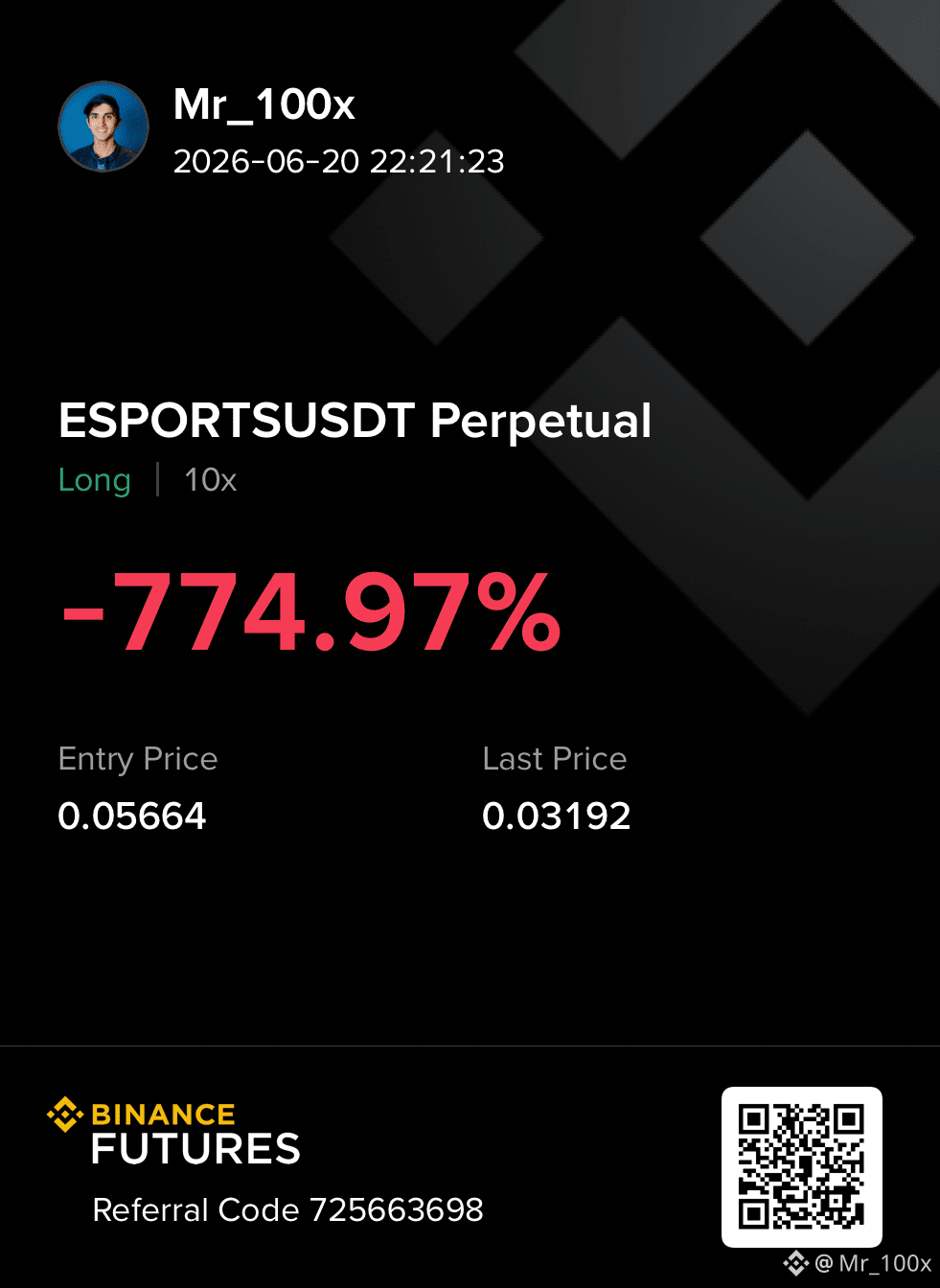
Bitte verkauft diese Münze noch mehr, ich will einen Verlust von 1000% sehen💀 weiter bluten🤡$ESPORTS
Gute Nacht Leute🥱
Bitte verkauft diese Münze noch mehr, ich will einen Verlust von 1000% sehen💀 weiter bluten🤡$ESPORTS
Bitte verkauft diese Münze noch mehr, ich will einen Verlust von 1000% sehen💀 weiter bluten🤡$ESPORTS
2
2
2.4k
·
--
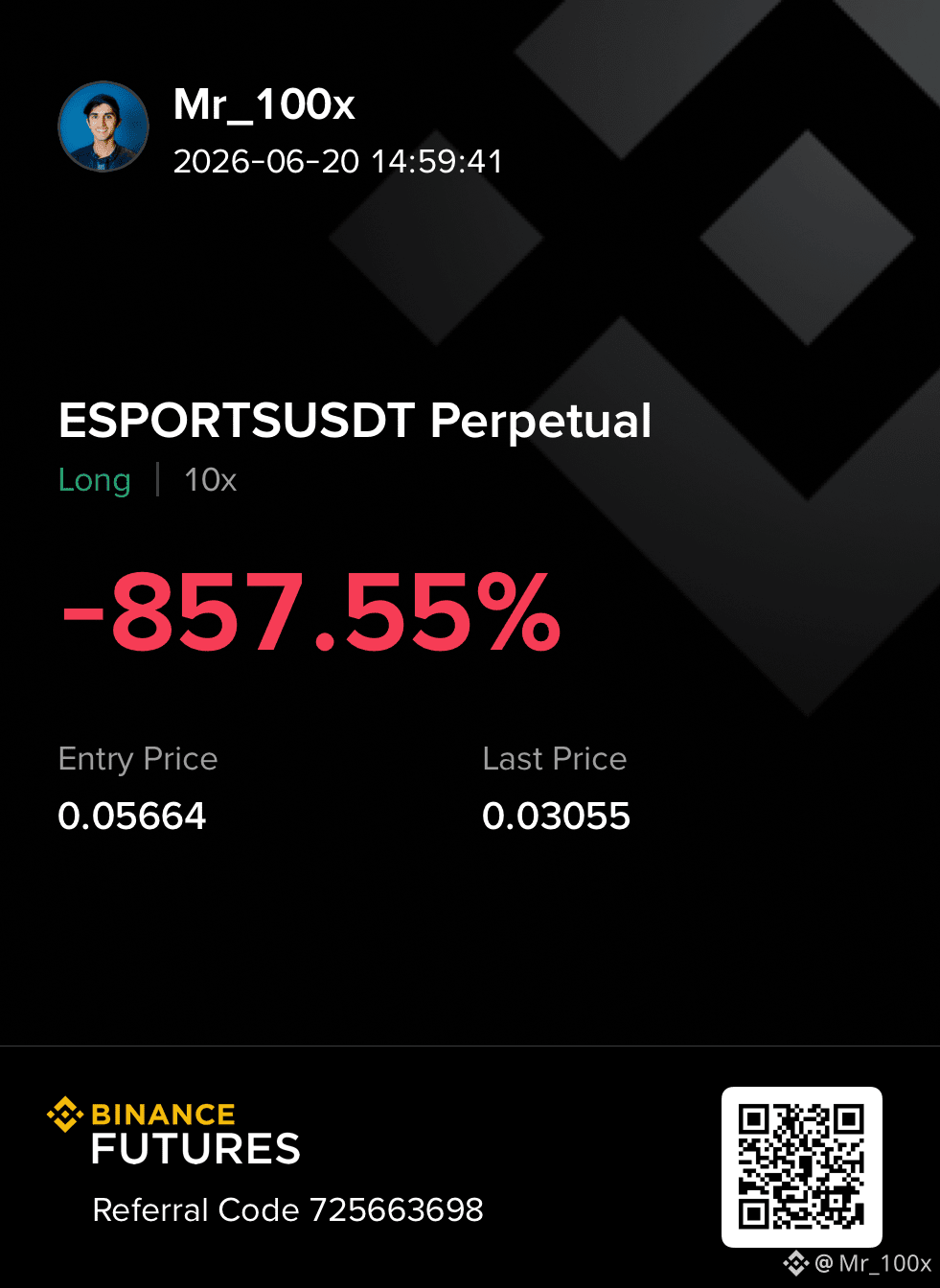
Ich warte darauf, dass $ESPORTS ein neues Tief bei 0,02 erreicht, damit ich es bei Alpha kaufe🤫😂
Ich warte darauf, dass $ESPORTS ein neues Tief bei 0,02 erreicht, damit ich es bei Alpha kaufe🤫😂
299
·
--
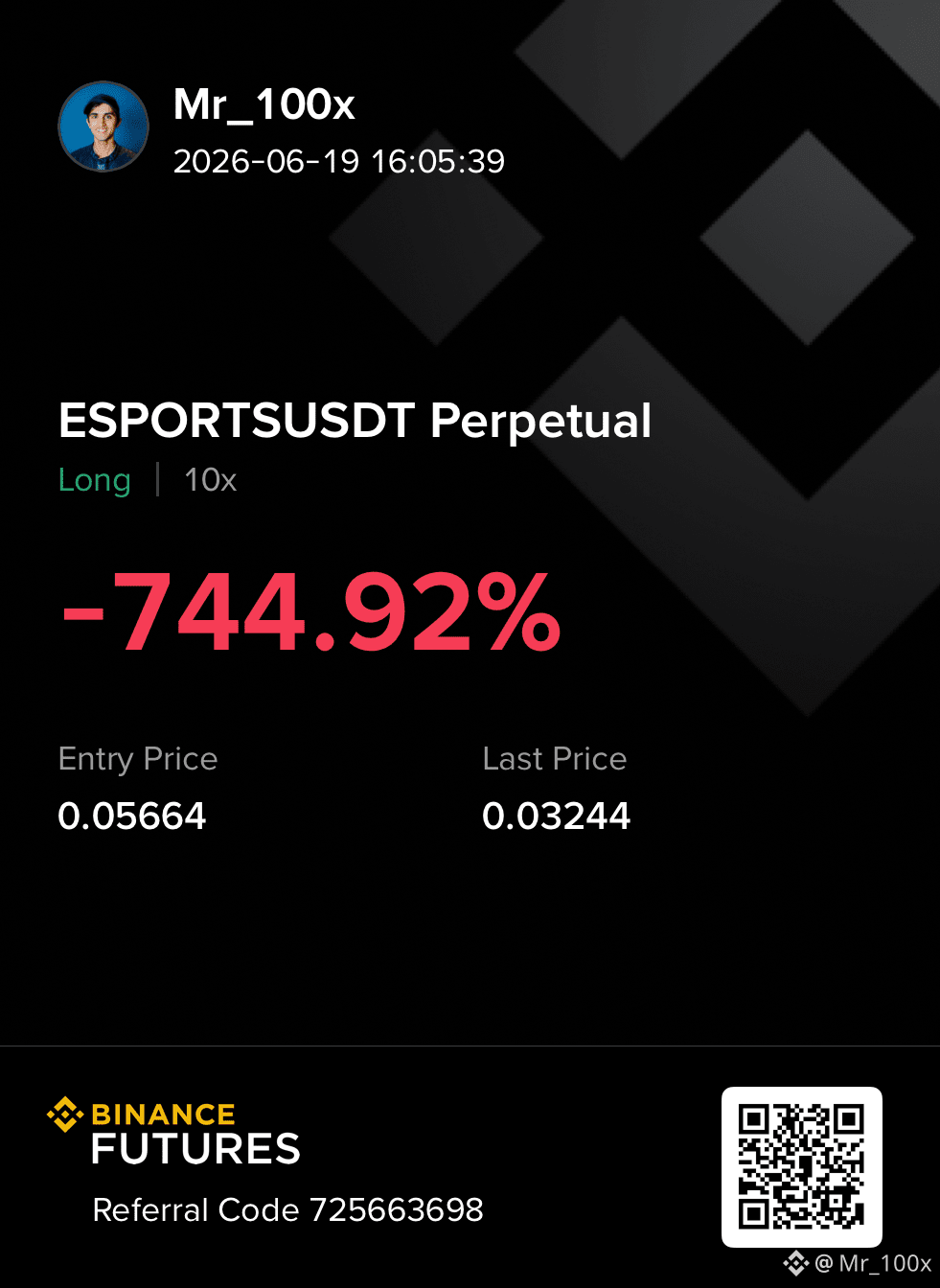
Ich freue mich, meinen Trade mit so einem großen Verlust zu sehen😂🤡
Frag mich warum?💀$ESPORTS
Ich freue mich, meinen Trade mit so einem großen Verlust zu sehen😂🤡
Frag mich warum?💀$ESPORTS
Frag mich warum?💀$ESPORTS
8
1
627
·
--
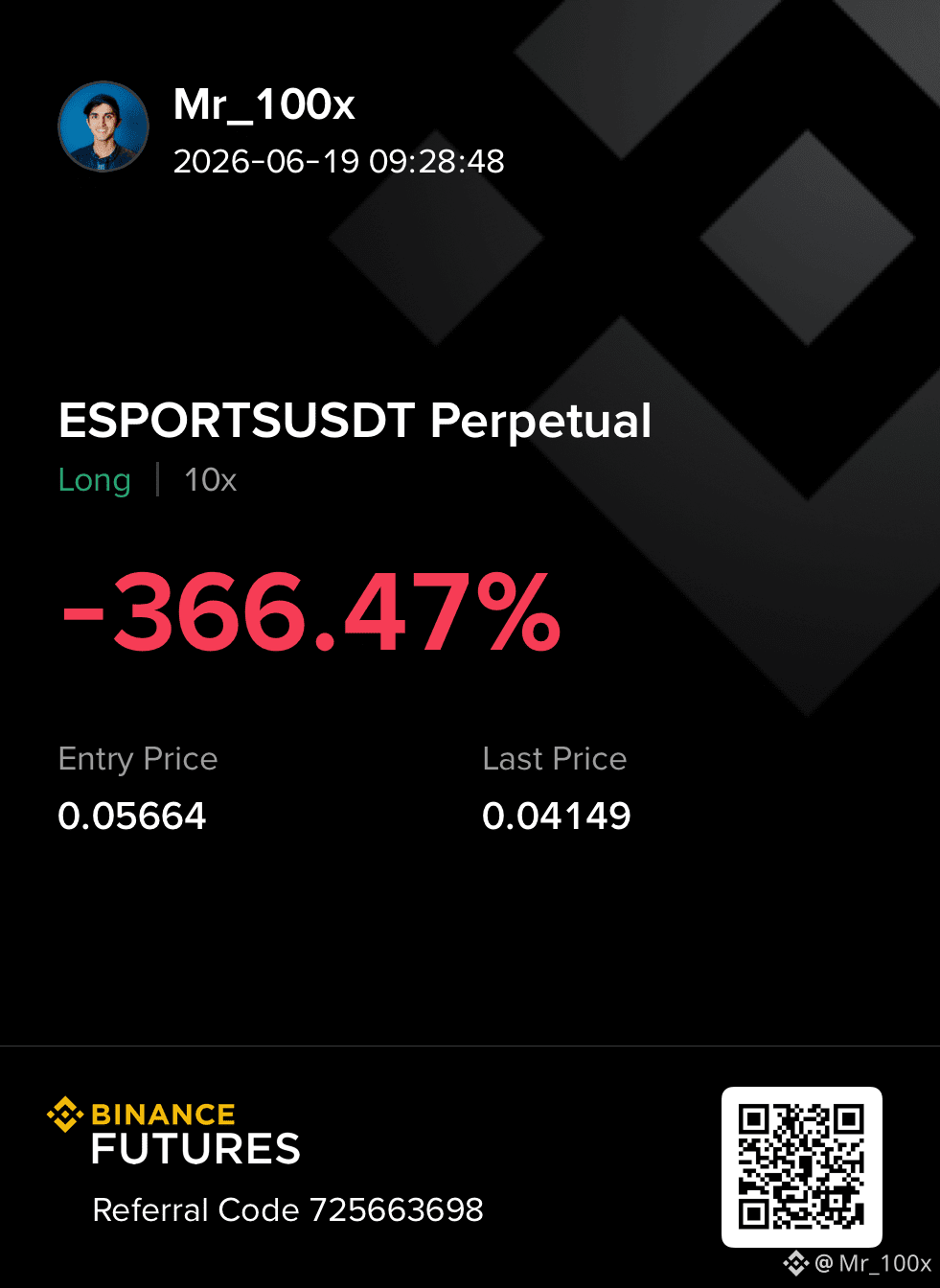
Wieder einmal hat mich $ESPORTS gefangen 🫣😂
Aber ist schon in Ordnung, ich war 1000% + im Verlust, aber mein Ausstieg war im Gewinn 🤡
Schlag mir vor, ob ich es am Leben halten oder schließen soll
Wieder einmal hat mich $ESPORTS gefangen 🫣😂
Aber ist schon in Ordnung, ich war 1000% + im Verlust, aber mein Ausstieg war im Gewinn 🤡
Schlag mir vor, ob ich es am Leben halten oder schließen soll
Aber ist schon in Ordnung, ich war 1000% + im Verlust, aber mein Ausstieg war im Gewinn 🤡
Schlag mir vor, ob ich es am Leben halten oder schließen soll
1
345
·
--
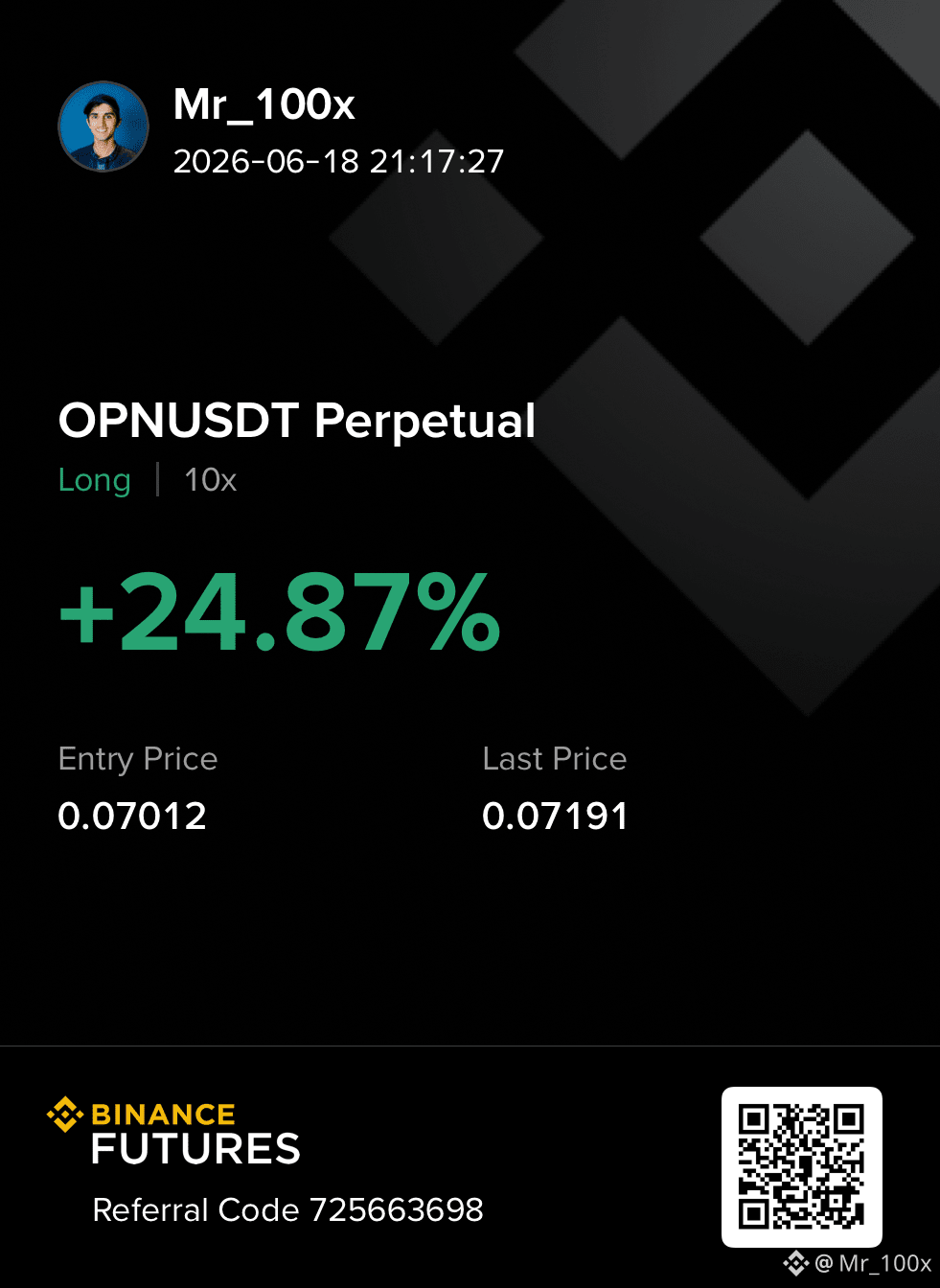
Hey Leute, $OPN hat gerade sein Allzeittief erreicht und ich habe es von unten erwischt. Was denkt ihr, wird es weiter nach unten gehen oder einen Pump machen? $OPN
Hey Leute, $OPN hat gerade sein Allzeittief erreicht und ich habe es von unten erwischt. Was denkt ihr, wird es weiter nach unten gehen oder einen Pump machen? $OPN
306
·
--
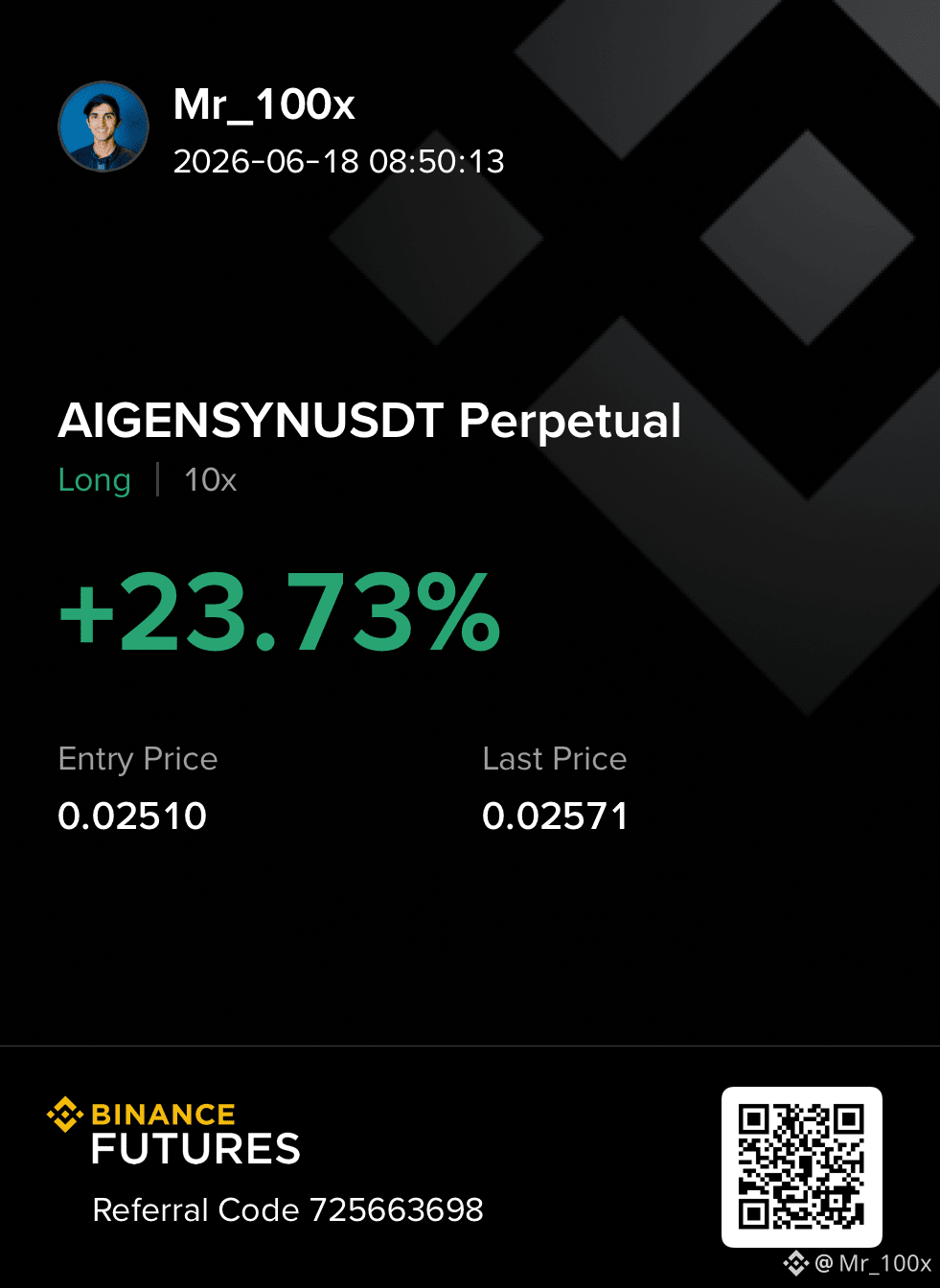
Guten Morgen Leute 🥱 mein Morgen mit diesem kleinen Gewinn. Was denkt ihr, weiter halten oder schließen und mit diesem Gewinn ein gutes Frühstück machen? 😂🫣
Guten Morgen Leute 🥱 mein Morgen mit diesem kleinen Gewinn. Was denkt ihr, weiter halten oder schließen und mit diesem Gewinn ein gutes Frühstück machen? 😂🫣
190
·
--
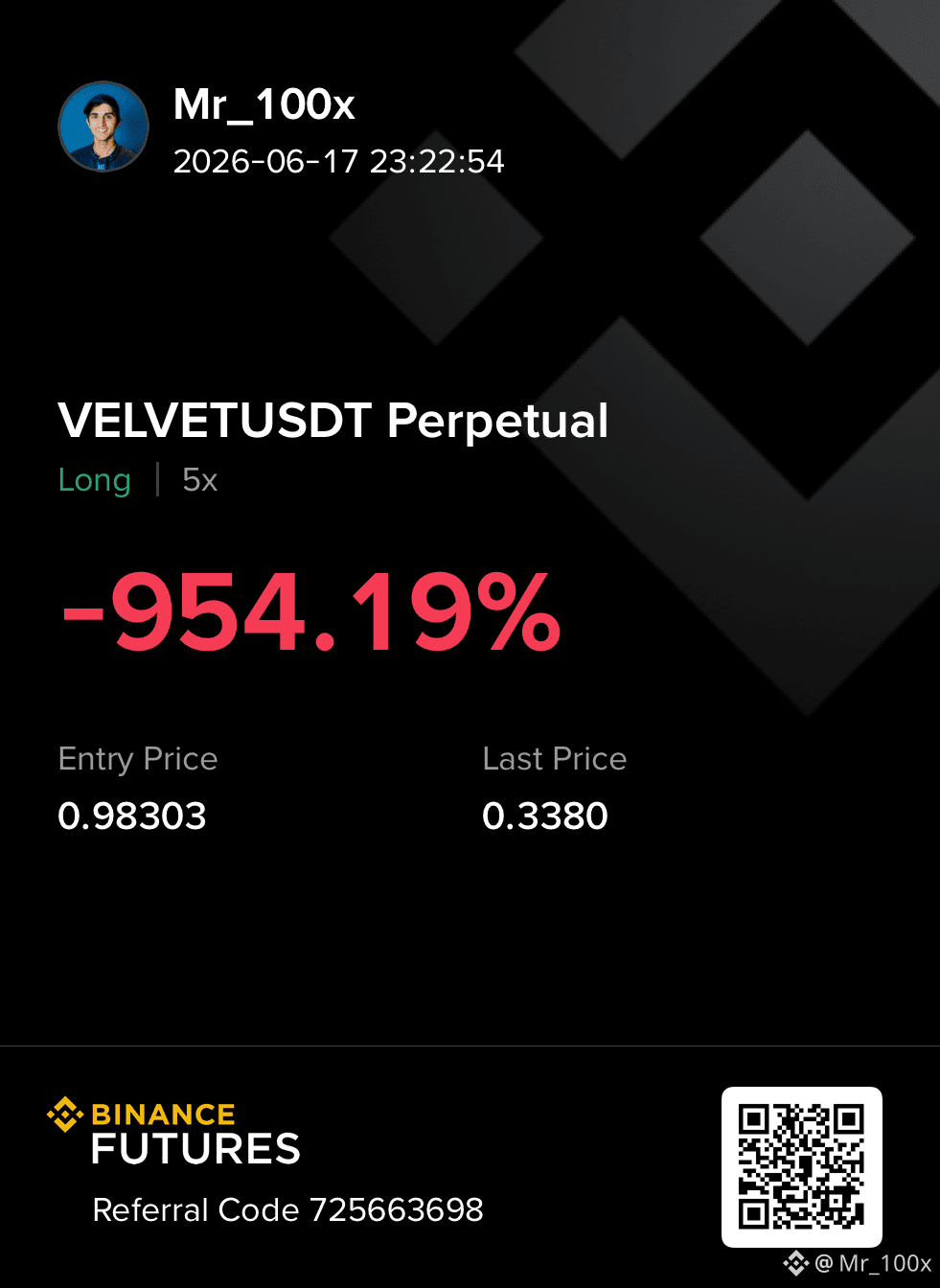
Gute Nacht Leute, ich gehe schlafen mit diesem massiven Verlust 🫣💀
Was denkt ihr, stoppen oder weiter durchhalten🤔?$VELVET
Gute Nacht Leute, ich gehe schlafen mit diesem massiven Verlust 🫣💀
Was denkt ihr, stoppen oder weiter durchhalten🤔?$VELVET
Was denkt ihr, stoppen oder weiter durchhalten🤔?$VELVET
15
1
17
7.5k
·
--
Hey Leute, ich glaube, $H wird gleich pumpen. Es hat gerade seine Signatur von 0.16000 gemacht—wird es noch einmal pumpen?
Sag mir deine Analyse
Hey Leute, ich glaube, $H wird gleich pumpen. Es hat gerade seine Signatur von 0.16000 gemacht—wird es noch einmal pumpen?
Sag mir deine Analyse
Sag mir deine Analyse

1
74
·
--
Bullisch
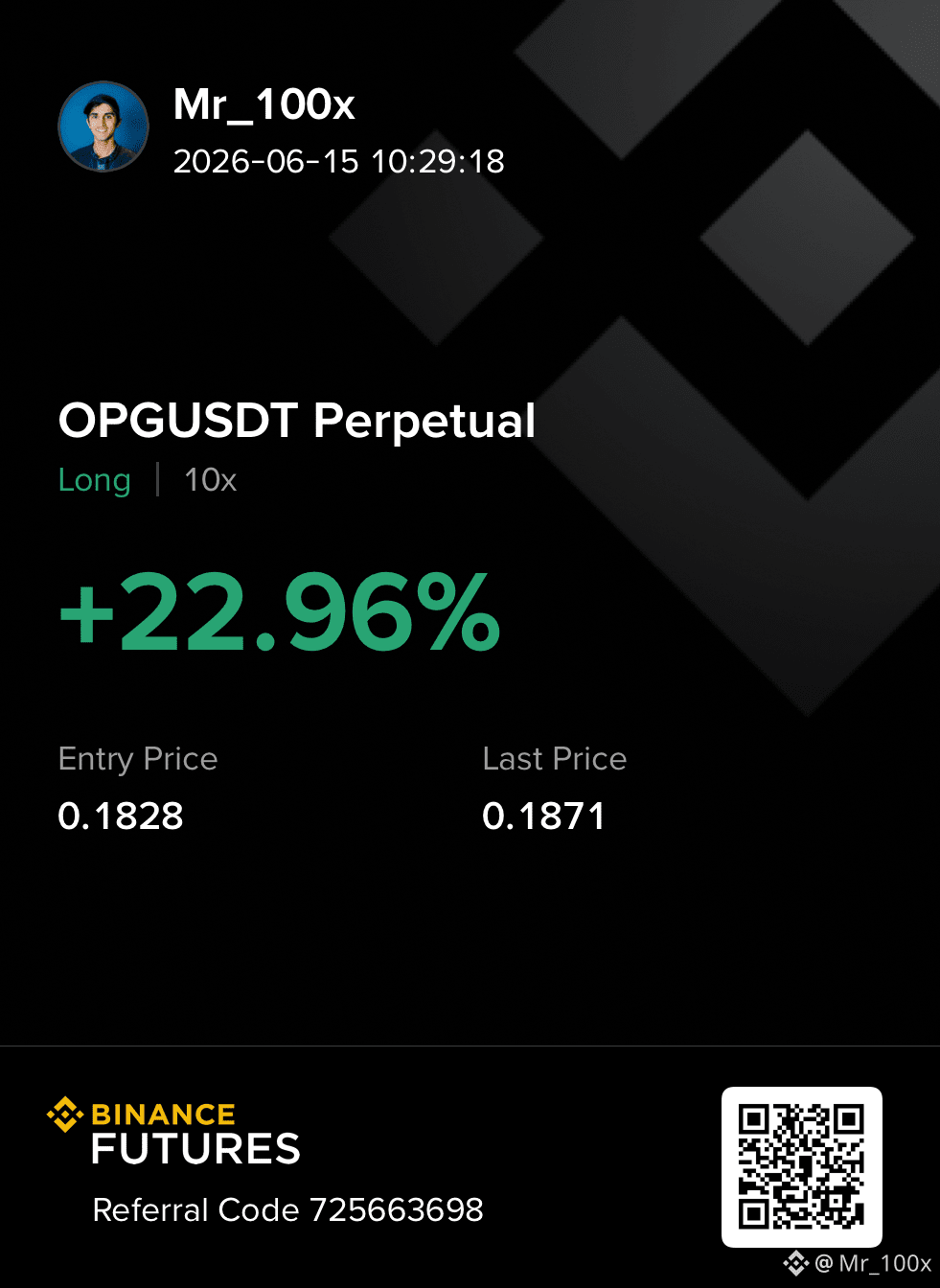
Hey Jungs, schlagt mir vor: Ist das ein guter Preis für lang $OPG ab hier? Und kann es wieder pumpen?
Hey Jungs, schlagt mir vor: Ist das ein guter Preis für lang $OPG ab hier? Und kann es wieder pumpen?
1
197
·
--
Bullisch
AIGENSYNs im Blick behalten — Reine institutionelle Unterstützung & echte Tokenomics $AIGENSYN
🏛️ Die Unterstützung (Silicon Valley Royalty)
Das ist kein Projekt von anonymen Entwicklern oder von Influencern herbeigeredet. Es wird von der höchsten Stufe Risikokapital in der Branche getragen:
a16z Crypto (Andreessen Horowitz) hat ihre massive 43-Millionen-Dollar Series-A-Finanzierungsrunde tatsächlich selbst angeführt.
Schwergewichte wie CoinFund, Galaxy Digital und Maven 11 sind ebenfalls tief investiert – als strategische Partner.
Wenn VCs von diesem Kaliber dahinterstehen, heißt das: mehrjährige Planungssicherheit. Die werden nicht nach einem schnellen Dump für Retail suchen; sie bauen für den Makrozyklus.
⚙️ Was macht es eigentlich?
Gensyn ist ein grundlegendes Infrastructure-Play für den KI-Boom. Es löst ein riesiges reales Problem: die globale GPU-Knappheit.
Es funktioniert als dezentrales Machine-Learning-Compute-Netzwerk. Im Grunde bündelt es ungenutzte Rechenleistung aus der ganzen Welt, damit Entwickler komplexe KI-Modelle in einem Bruchteil der Kosten trainieren können, die zentrale Cloud-Giganten verlangen.
Es ist bereits live, und sein Ökosystem umfasst Delphi – einen KI-gesteuerten Prediction- und Oracle-Marktplatz, der echtes Handelsvolumen abwickelt.
🔥 Ein programmatischer Buyback & Burn-Engine
Das ist der Teil, den die meisten übersehen. AIGENSYN ist nicht nur ein Governance-Token ohne Nutzen; es verfügt über einen integrierten deflationären Mechanismus:
Die Delphi-App erhebt eine normale 0,5%-Protokollgebühr auf ihr Volumen.
70% dieser Gebühren werden automatisch genutzt, um AIGENSYN-Token am offenen Markt zu market-buyen und dauerhaft zu verbrennen.
Das bedeutet: Während die Nutzung des Netzwerks wächst, wirkt der Code selbst als permanenter Käufer und schrumpft fortlaufend das maximale Supply von 10 Milliarden.
Nach dem Launch auf Binance Mitte Mai durchlief der Token den üblichen Retail-Sell-off nach dem Listing, der die schwachen Hände komplett ausgespült hat. Aktuell konsolidiert es sich eng um das, was wie eine starke makro-seitige Support-Zone aussieht.
Mit a16z, das die Basis hält, und einer live laufenden deflationären Burn-Engine unter der Haube, sieht das nach einem extrem soliden asymmetrischen Setup für den dezentralen KI-Sektor aus.
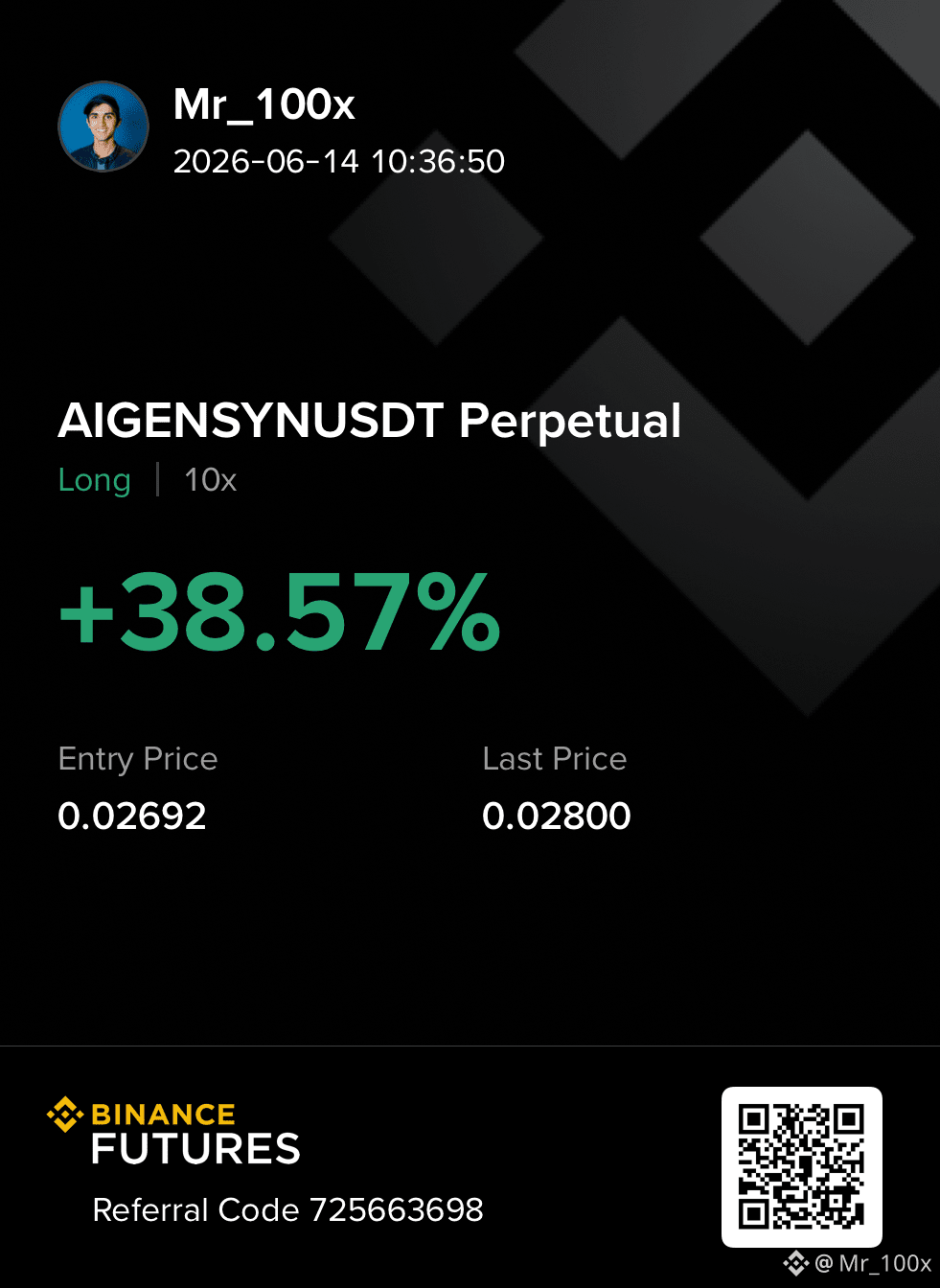
1
169
·
--

Artikel
AN ALLE, DIE GERADEN VON DEM LETZTEN SHORT SQUEEZE / LIQUIDATION WICK WEGGEWISCHT WURDEN 🚨Wir waren alle schon mal da. Du schaust dir einen Coin an, der unaufhörlich gepumpt ist, denkst dir "es gibt keinen Weg, dass er dieses Hoch hält," und öffnest einen Short. Aber der Markt interessiert sich nicht für unsere Meinungen. Er squeezed nach oben, jagt Liquidationen, wirft massive, unvorhersehbare Wicks und lässt dein Wallet-Balance auf null schrumpfen, bevor du überhaupt realisierst, was passiert ist.
Die harte Realität des Shortens? Der Preis kann für immer steigen—was unendliches Risiko für Shorts bedeutet. Niemand kann das exakte mathematische Hoch vorhersagen.
Aber ich habe ihr Liquidationsspiel aufgegeben. Ich habe das Skript umgedreht, und heute gebe ich dir den genauen Blueprint, um dein Portfolio vollkommen unverwundbar zu machen.
AN ALLE, DIE GERADEN VON DEM LETZTEN SHORT SQUEEZE / LIQUIDATION WICK WEGGEWISCHT WURDEN 🚨
Wir waren alle schon mal da. Du schaust dir einen Coin an, der unaufhörlich gepumpt ist, denkst dir "es gibt keinen Weg, dass er dieses Hoch hält," und öffnest einen Short. Aber der Markt interessiert sich nicht für unsere Meinungen. Er squeezed nach oben, jagt Liquidationen, wirft massive, unvorhersehbare Wicks und lässt dein Wallet-Balance auf null schrumpfen, bevor du überhaupt realisierst, was passiert ist.
Die harte Realität des Shortens? Der Preis kann für immer steigen—was unendliches Risiko für Shorts bedeutet. Niemand kann das exakte mathematische Hoch vorhersagen.
Aber ich habe ihr Liquidationsspiel aufgegeben. Ich habe das Skript umgedreht, und heute gebe ich dir den genauen Blueprint, um dein Portfolio vollkommen unverwundbar zu machen.
1
331
·
--
Hey Leute, schlagt mir bitte vor, was ich tun soll, weil es für mich schwer ist, Gewinneingeschäfte zu halten😂
Ich will es für ein langes Ziel halten, weil ich denke, dass es als Nächstes bei $LAB passieren wird
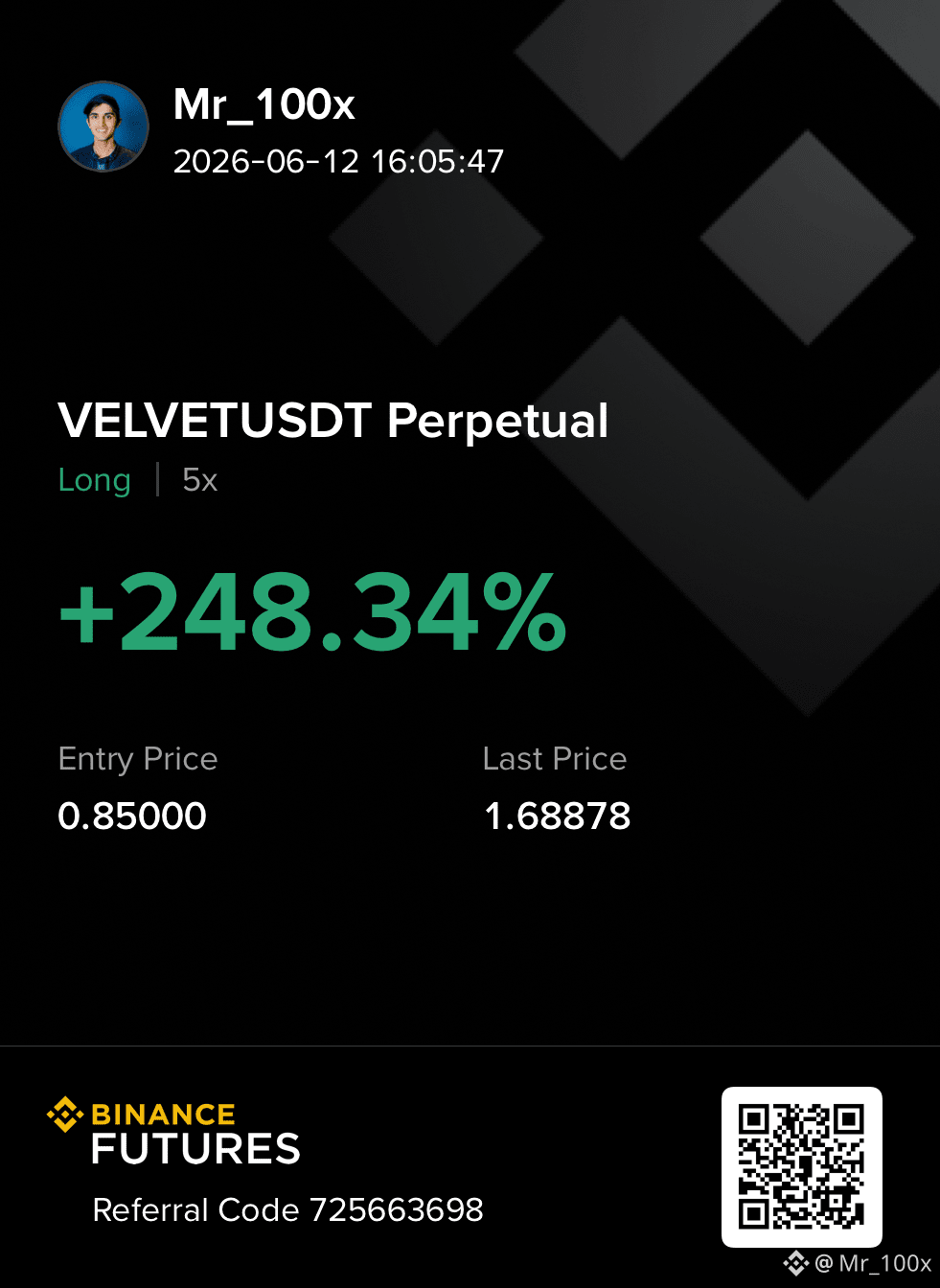
Also sagt mir, was ich jetzt mit $VELVET machen soll
Hey Leute, schlagt mir bitte vor, was ich tun soll, weil es für mich schwer ist, Gewinneingeschäfte zu halten😂
Ich will es für ein langes Ziel halten, weil ich denke, dass es als Nächstes bei $LAB passieren wird
Also sagt mir, was ich jetzt mit $VELVET machen soll
Ich will es für ein langes Ziel halten, weil ich denke, dass es als Nächstes bei $LAB passieren wird
Also sagt mir, was ich jetzt mit $VELVET machen soll
1
329
·
--
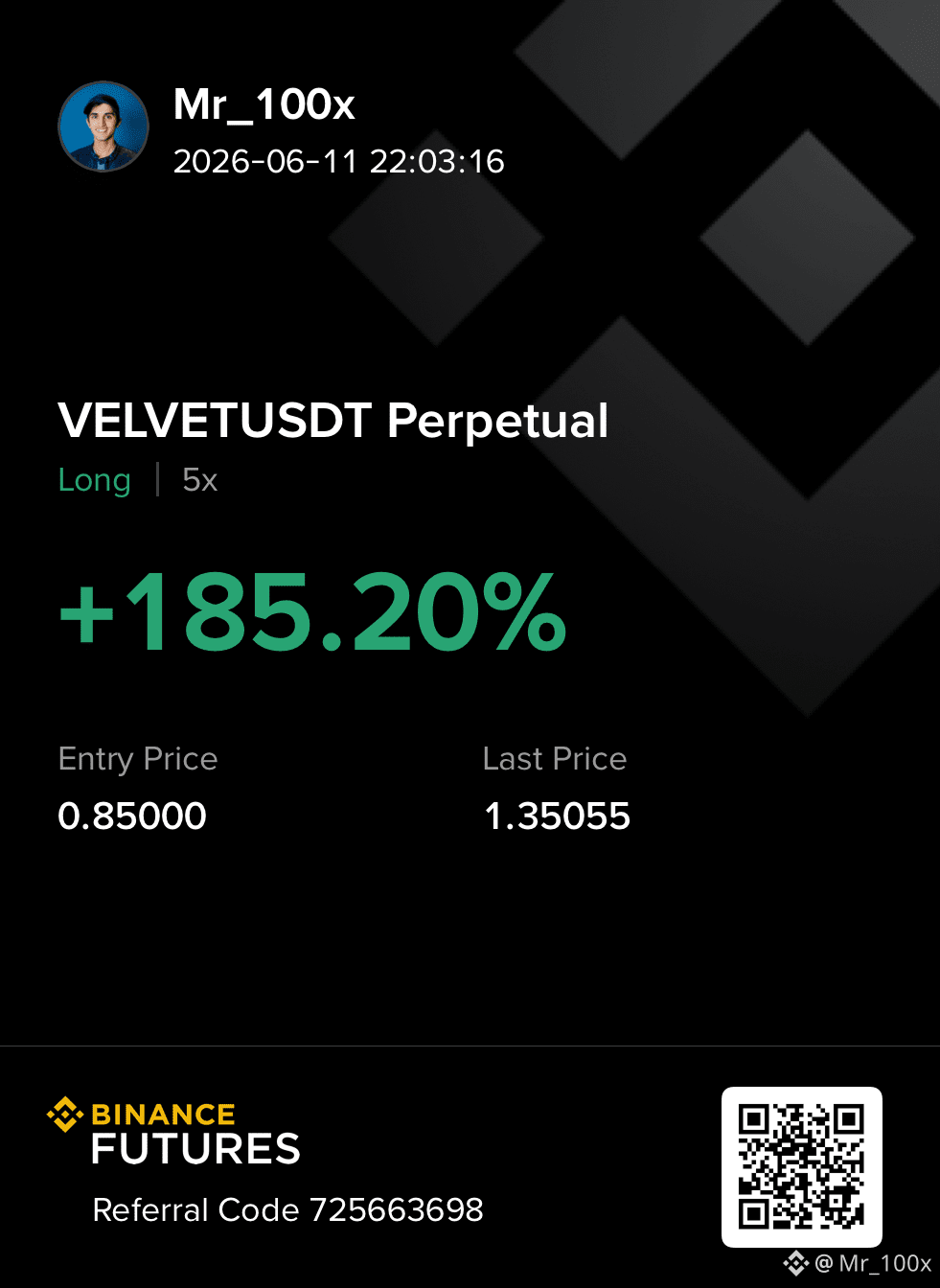
Hey Leute, sagt mir, ob ich weiter machen oder hier schließen soll $VELVET
Hey Leute, sagt mir, ob ich weiter machen oder hier schließen soll $VELVET
6
18
5.4k
·
--
Bullisch
Hey Leute, hier ist ein weiterer Coin wie $LAB und $RAVE
Es ist $VELVET
{future}(VELVETUSDT)
Verpasst nicht die Chance, jetzt long zu gehen🤡
Hey Leute, hier ist ein weiterer Coin wie $LAB und $RAVE
Es ist $VELVET
Verpasst nicht die Chance, jetzt long zu gehen🤡
Es ist $VELVET
Verpasst nicht die Chance, jetzt long zu gehen🤡
2
271
·
--
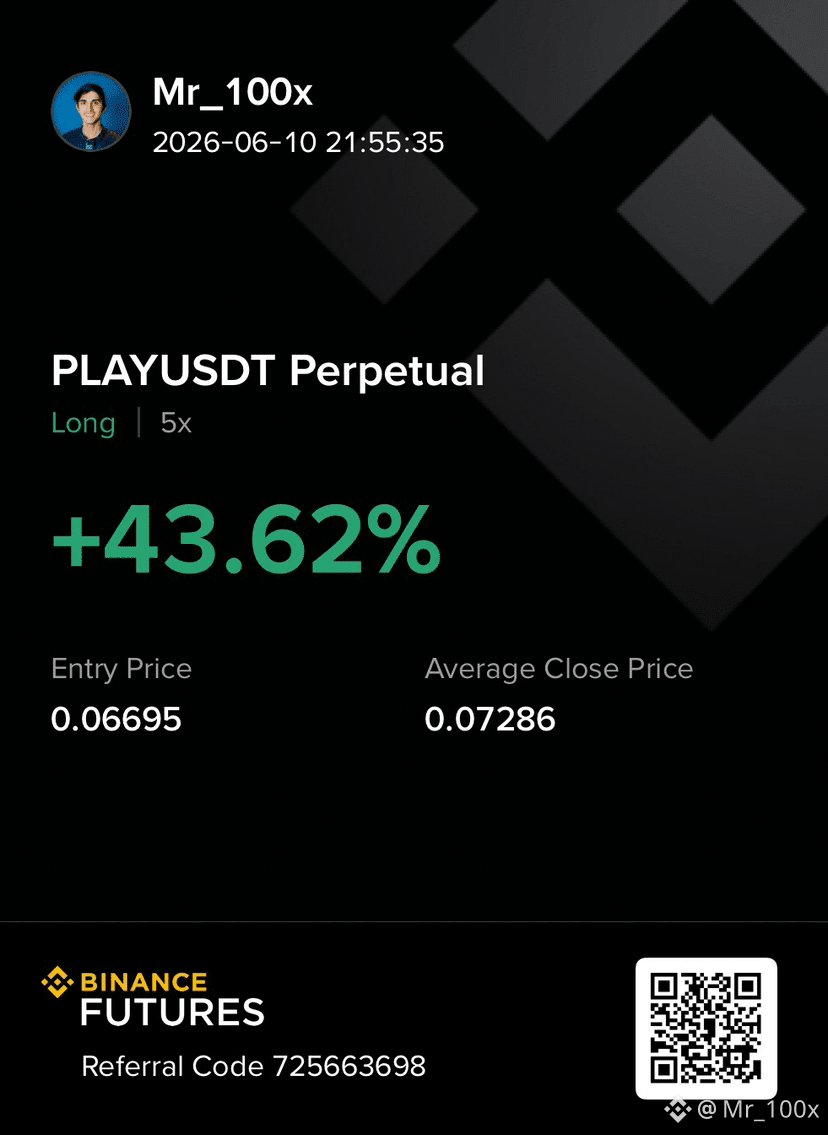
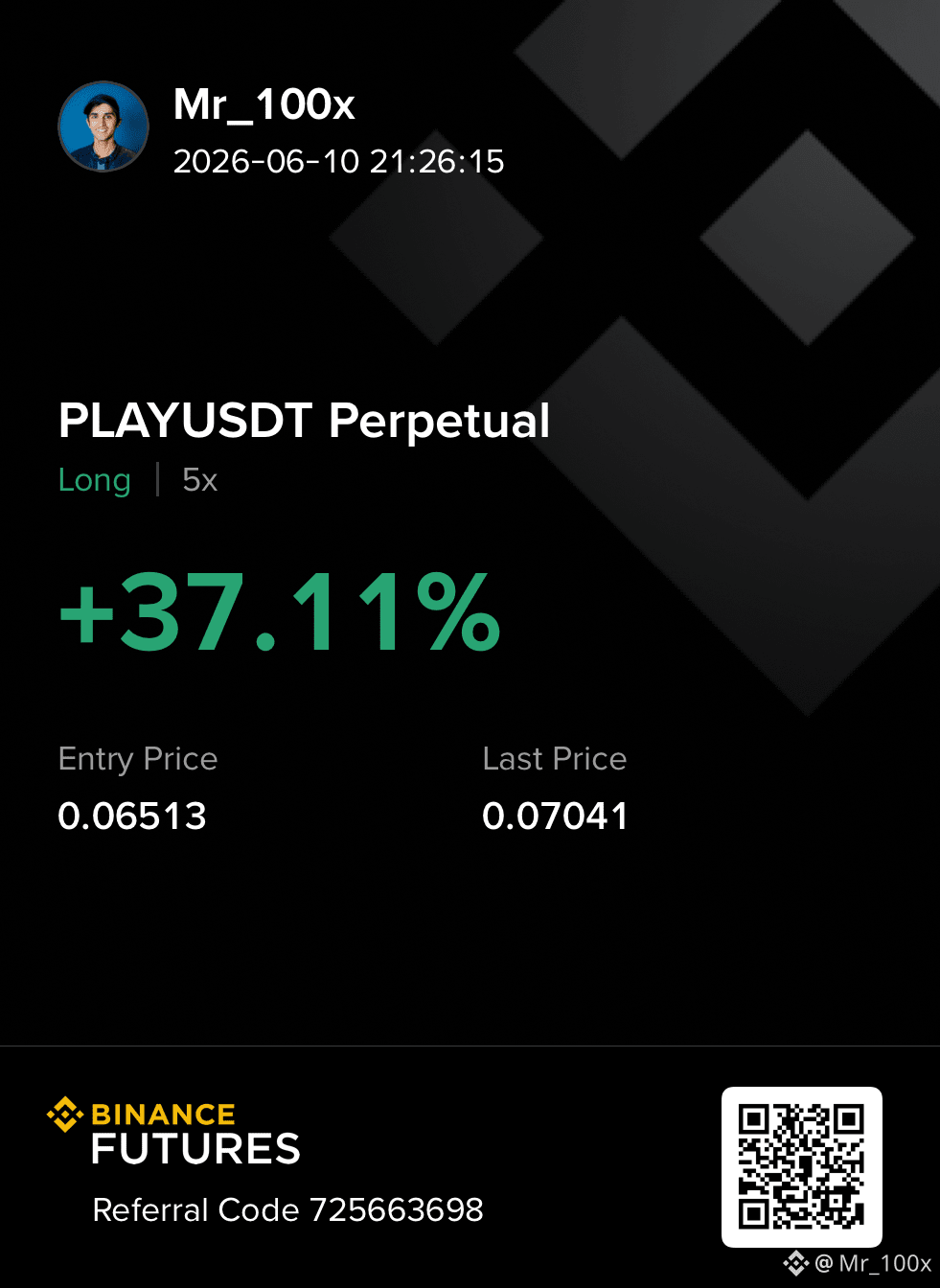
43%+ nur durch das richtige Timing beim Fangen eines fallenden Messers🤫🤡$PLAY
43%+ nur durch das richtige Timing beim Fangen eines fallenden Messers🤫🤡$PLAY
2
289
·
--
Hey Leute, ich habe gerade das fallende Messer gefangen. Was schlagt ihr vor, halten oder abstoßen?🤡
Hey Leute, ich habe gerade das fallende Messer gefangen. Was schlagt ihr vor, halten oder abstoßen?🤡
3
2
914
Anmelden und weiter Inhalte entdecken
Krypto-Nutzer weltweit auf Binance Square kennenlernen
⚡️ Bleib in Sachen Krypto stets am Puls.
💬 Die weltgrößte Kryptobörse vertraut darauf.
👍 Erhalte verlässliche Einblicke von verifizierten Creators.
E-Mail-Adresse/Telefonnummer
Trendthemen
BinanceReports80%Recoveryof$6.3BillioninLossesfromHackIncident
6,045 Aufrufe
75 Kommentare
Update zum Sicherheitsvorfall Nr. 2 (30.10.2026)
Binance Announcement
·888 Likes
·1M Aufrufe
HeYiSaysWithdrawalsExpectedtoResumeWithin42Hours
11,312 Aufrufe
247 Kommentare
CZSaysCompensationIsinPlaceUsersAreProtected
10,116 Aufrufe
189 Kommentare