

Shaheen Star
9.2k Beiträge

Shaheen Star
Melden
Nutzer blockieren
373 Following
22.2K+ Follower
7.6K+ Like gegeben
Beiträge
Alle
Zitierungen
Live
·
--
Bullisch
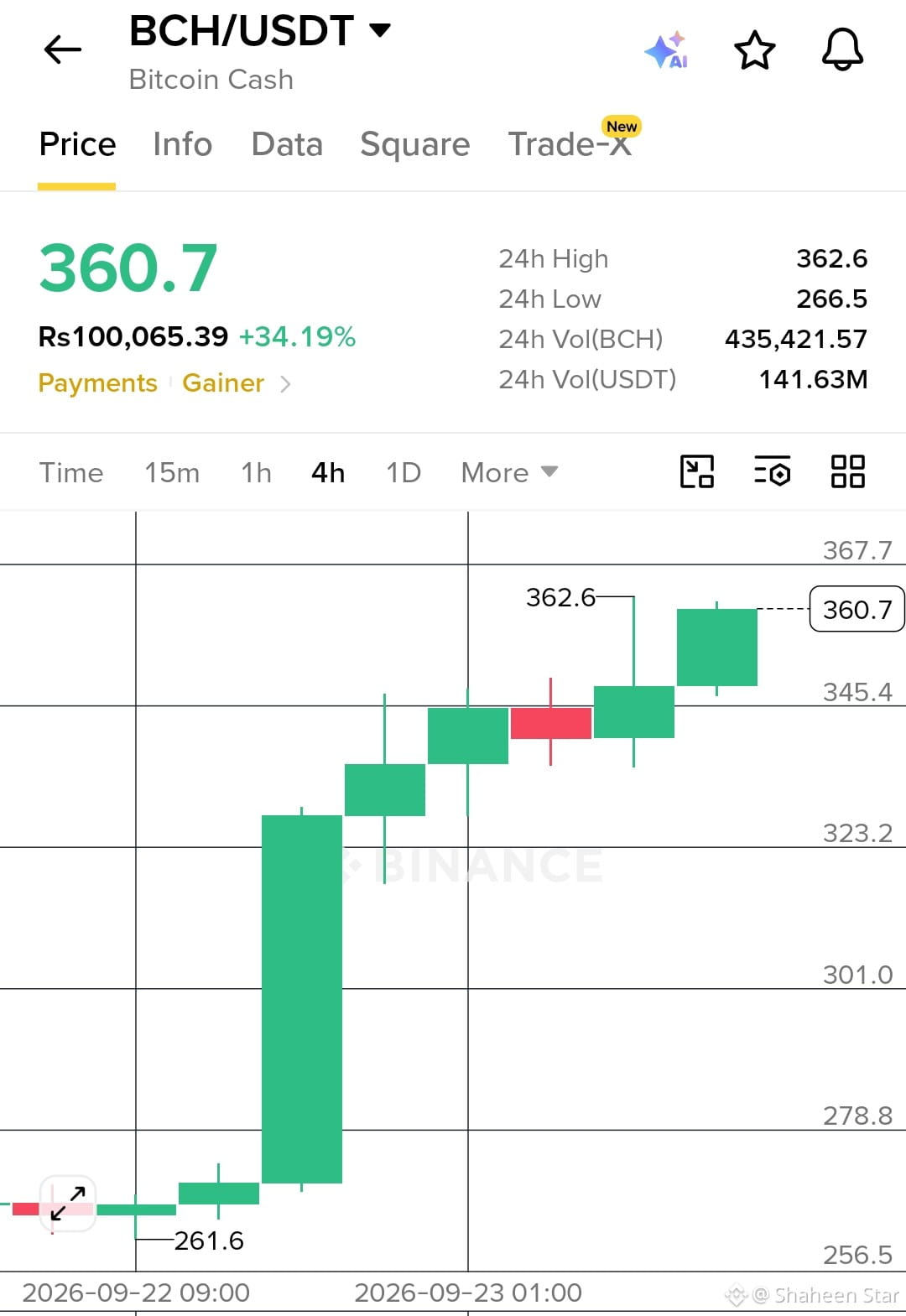
🚀 $BCH /USDT LONG SIGNAL 💯🔥
🟢 Einstieg: 356–360
🎯 TP1: 363
🎯 TP2: 375
🎯 TP3: 390
🛑 SL: 348
📈 Starker bullischer Momentum + ~1,14 Mrd. USDT Volumen!
⚡ Widerstand: 362.73 — ein sauberer Breakout & das Halten über 363 könnte weiteres Upside eröffnen.
❌ Unter 348 = Setup ungültig
Handel mit ordnungsgemäßem Risikomanagement. ⚠️
#BCH #BitcoinCash #Crypto #Trading #Binance
🚀 $BCH /USDT LONG SIGNAL 💯🔥
🟢 Einstieg: 356–360
🎯 TP1: 363
🎯 TP2: 375
🎯 TP3: 390
🛑 SL: 348
📈 Starker bullischer Momentum + ~1,14 Mrd. USDT Volumen!
⚡ Widerstand: 362.73 — ein sauberer Breakout & das Halten über 363 könnte weiteres Upside eröffnen.
❌ Unter 348 = Setup ungültig
Handel mit ordnungsgemäßem Risikomanagement. ⚠️
#BCH #BitcoinCash #Crypto #Trading #Binance
🟢 Einstieg: 356–360
🎯 TP1: 363
🎯 TP2: 375
🎯 TP3: 390
🛑 SL: 348
📈 Starker bullischer Momentum + ~1,14 Mrd. USDT Volumen!
⚡ Widerstand: 362.73 — ein sauberer Breakout & das Halten über 363 könnte weiteres Upside eröffnen.
❌ Unter 348 = Setup ungültig
Handel mit ordnungsgemäßem Risikomanagement. ⚠️
#BCH #BitcoinCash #Crypto #Trading #Binance
77
·
--
Bullisch
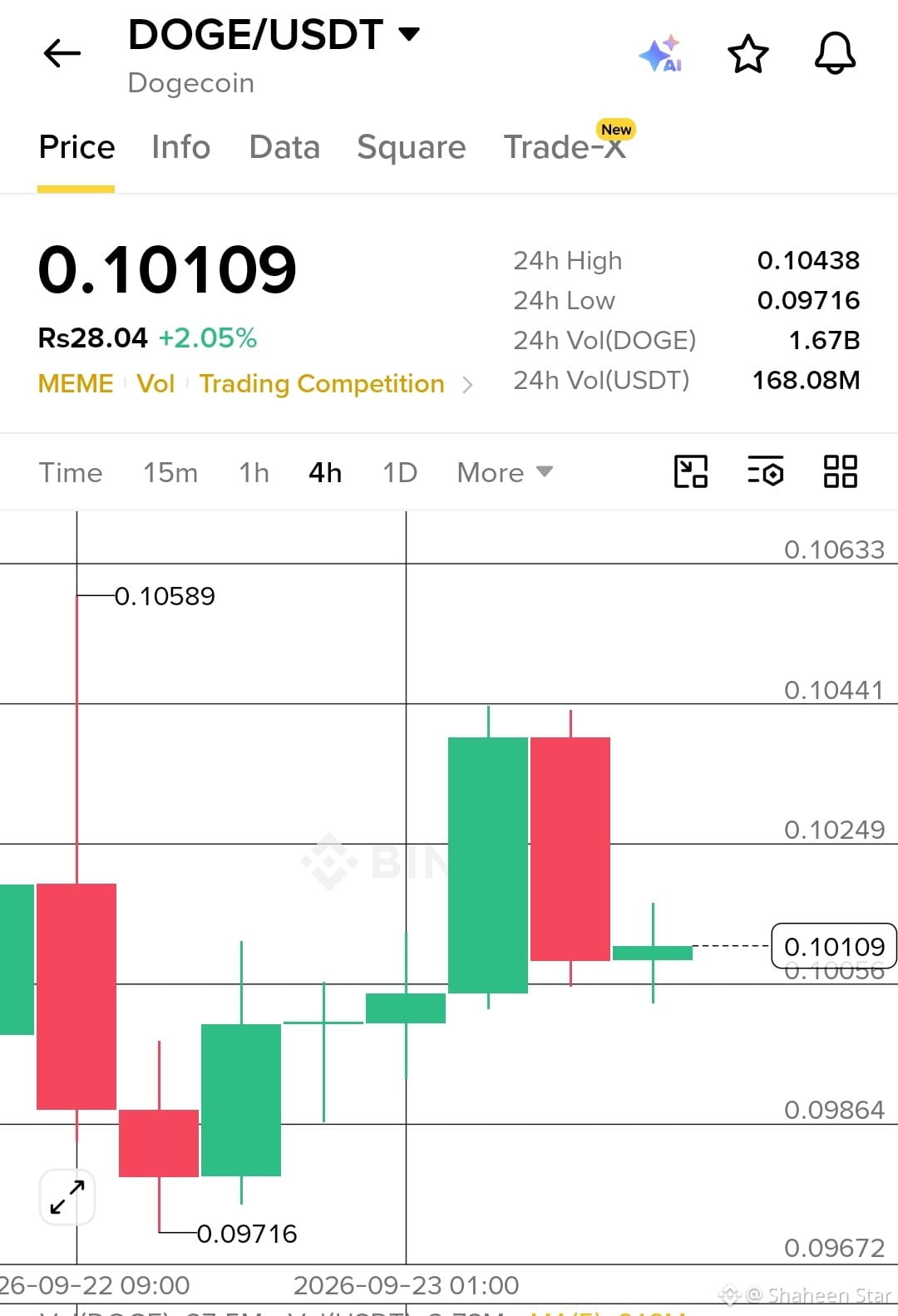
🚀 $DOGE HALTE STARK! 🐕🔥
Von ~ $0,085 → jetzt ~ $0,1025: Die Bullen schauen auf den nächsten Ausbruch! 👀
📍 Widerstand: $0,104–$0,105
🎯 Ausbruch-Ziele: $0,108 → $0,110 → $0,115
🔄 Rücktest-Zone: $0,098–$0,100
Der Momentum ist stark — aber hinterherjagen nahe am Widerstand nicht. ⚠️
🔥 Kauf & Handel $DOGE
#DOGE #Dogecoin #Krypto #Trading #Binance
🚀 $DOGE HALTE STARK! 🐕🔥
Von ~ $0,085 → jetzt ~ $0,1025: Die Bullen schauen auf den nächsten Ausbruch! 👀
📍 Widerstand: $0,104–$0,105
🎯 Ausbruch-Ziele: $0,108 → $0,110 → $0,115
🔄 Rücktest-Zone: $0,098–$0,100
Der Momentum ist stark — aber hinterherjagen nahe am Widerstand nicht. ⚠️
🔥 Kauf & Handel $DOGE
#DOGE #Dogecoin #Krypto #Trading #Binance
Von ~ $0,085 → jetzt ~ $0,1025: Die Bullen schauen auf den nächsten Ausbruch! 👀
📍 Widerstand: $0,104–$0,105
🎯 Ausbruch-Ziele: $0,108 → $0,110 → $0,115
🔄 Rücktest-Zone: $0,098–$0,100
Der Momentum ist stark — aber hinterherjagen nahe am Widerstand nicht. ⚠️
🔥 Kauf & Handel $DOGE
#DOGE #Dogecoin #Krypto #Trading #Binance
120
·
--
Bullisch
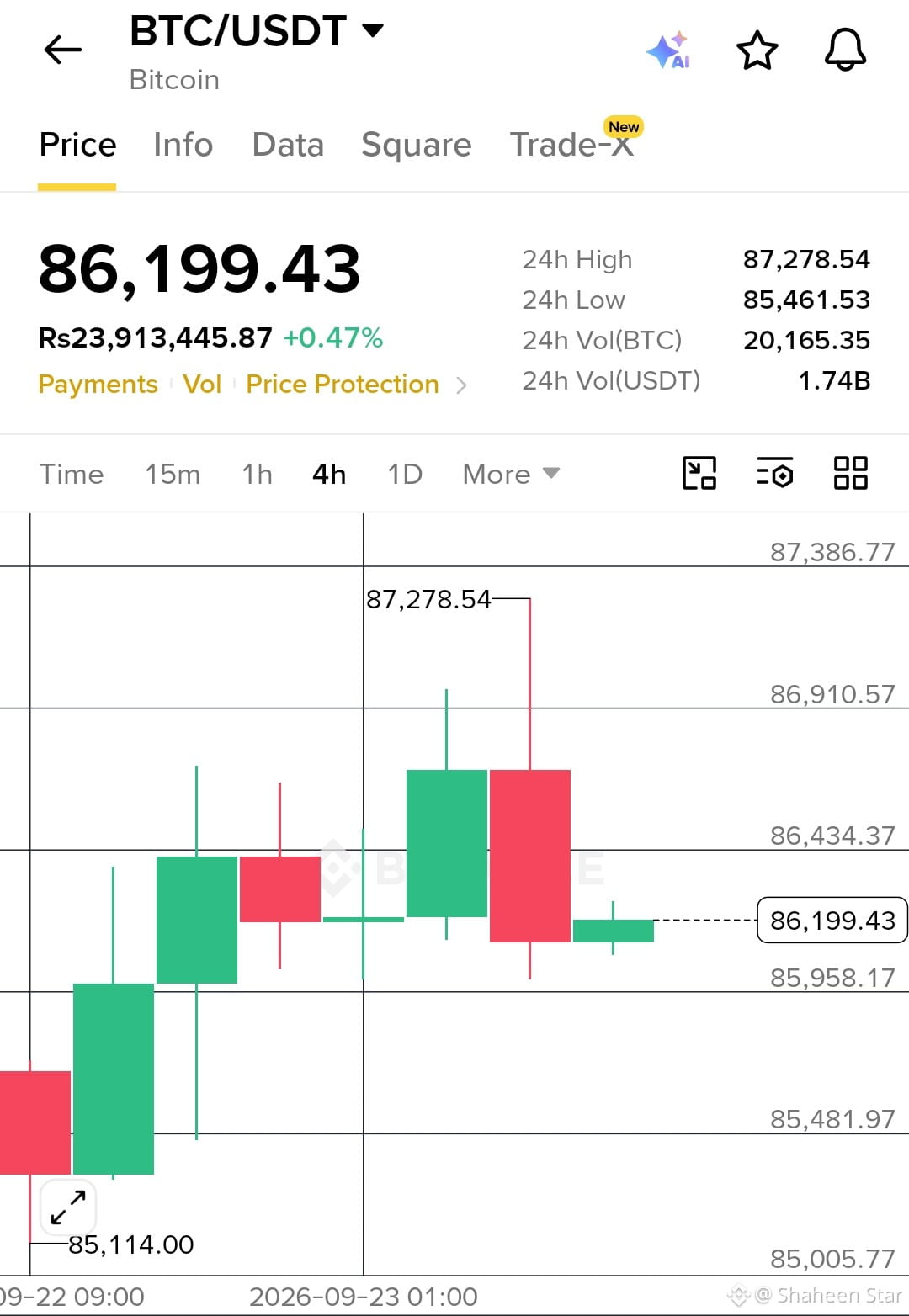
🚨 $BTC LONG SETUP 🚨
Vertraue dem Setup – warte auf den nächsten Push 📈🔥
🟢 Einstieg: 86.200 $ – 86.300 $
🎯 TP1: 86.500 $
🎯 TP2: 86.650 $
🎯 TP3: 86.840 $
🛑 SL: 85.897 $
Behalte das Risiko im Blick. Handel nach deinem eigenen Plan. ⚠️
#BTC #Bitcoin #Crypto #Trading #Binance
🚨 $BTC LONG SETUP 🚨
Vertraue dem Setup – warte auf den nächsten Push 📈🔥
🟢 Einstieg: 86.200 $ – 86.300 $
🎯 TP1: 86.500 $
🎯 TP2: 86.650 $
🎯 TP3: 86.840 $
🛑 SL: 85.897 $
Behalte das Risiko im Blick. Handel nach deinem eigenen Plan. ⚠️
#BTC #Bitcoin #Crypto #Trading #Binance
Vertraue dem Setup – warte auf den nächsten Push 📈🔥
🟢 Einstieg: 86.200 $ – 86.300 $
🎯 TP1: 86.500 $
🎯 TP2: 86.650 $
🎯 TP3: 86.840 $
🛑 SL: 85.897 $
Behalte das Risiko im Blick. Handel nach deinem eigenen Plan. ⚠️
#BTC #Bitcoin #Crypto #Trading #Binance
110
·
--
Bullisch
Verifiziert
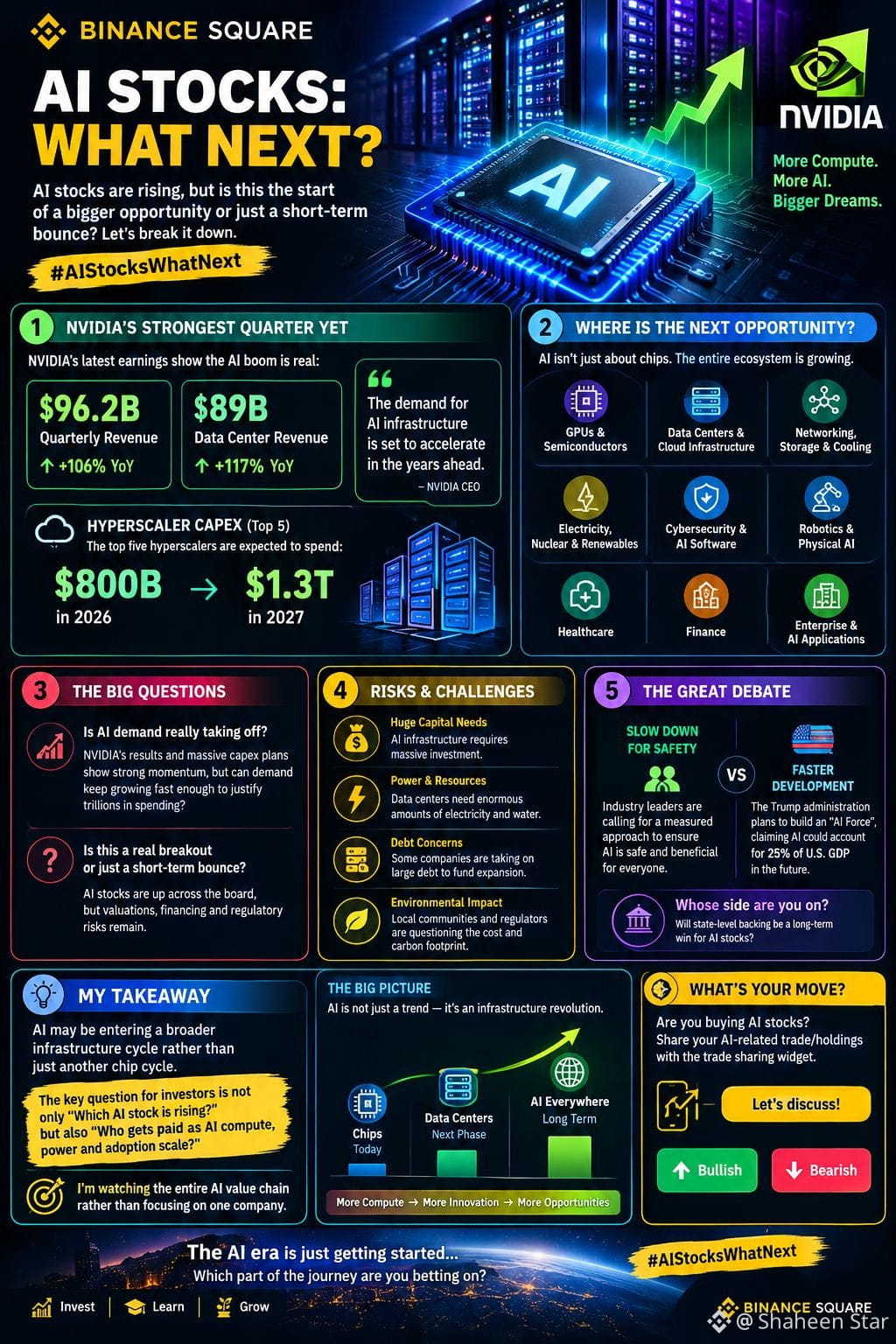
KI-Aktien steigen, aber wo liegt die nächste Chance?
Ich bin verhalten optimistisch in Bezug auf den langfristigen KI-Trend, aber ich glaube, dass die nächste Phase viel größer sein könnte als nur der Kauf von Halbleiteraktien.
NVIDIAs neueste Zahlen zeigen, wie stark der Nachfragezyklus geworden ist: Der Quartalsumsatz erreichte 96,2 Mrd. USD, ein Plus von 106% im Jahresvergleich, während der Umsatz im Bereich Rechenzentren 89 Mrd. USD erreichte, ebenfalls ein Plus von 117%. Gleichzeitig bereiten Hyperscaler enorme Infrastrukturbudgets vor: Die fünf größten Akteure sollen 2026 voraussichtlich fast 800 Mrd. USD für Capex ausgeben und rund 1,3 Bio. USD im Jahr 2027.
Aber hier ist die entscheidende Frage: Kann die KI-Nachfrage schnell genug weiterwachsen, um dieses Ausgabenniveau zu rechtfertigen?
Die Chance weitet sich über die gesamte KI-Lieferkette aus:
🔹 GPUs & fortschrittliche Halbleiter
🔹 Rechenzentren & KI-Cloud-Infrastruktur
🔹 Networking, Speicher und Kühlung
🔹 Strom, Kernenergie und erneuerbare Energien
🔹 Cybersicherheit und KI-Software
🔹 Robotik und physische KI
🔹 KI-Anwendungen in Medizin, Finanzen und im Enterprise-Bereich
Es gibt jedoch auch echte Risiken. KI-Infrastruktur erfordert enorme Mengen an Kapital, Strom und Kapazitäten in Rechenzentren. Einige Unternehmen nehmen bereits große Mengen an Schulden auf, um den Ausbau zu finanzieren, während Regulierungsbehörden und lokale Gemeinschaften die Kosten und die Umweltfolgen von Rechenzentren zunehmend in Frage stellen.
Eine weitere große Debatte entwickelt sich: Soll die KI-Entwicklung beschleunigt werden oder für die Sicherheit gebremst werden? Mehrere führende KI-Experten haben sich kürzlich für strengere Sicherheitsmaßnahmen ausgesprochen, während US-Politiker technologische Führungsstärke und Wettbewerb betonen.
Mein Fazit: KI könnte in einen breiteren Infrastrukturzyklus übergehen – statt nur in einen weiteren Chip-Zyklus. Die entscheidende Frage für Anleger ist nicht nur „Welche KI-Aktie steigt?“ sondern auch „Wer wird dafür bezahlt, wenn KI-Rechenleistung, Strom und die Einführung im großen Maßstab wachsen?“
📊 Ich beobachte die gesamte KI-Wertschöpfungskette und konzentriere mich nicht auf nur ein Unternehmen.
Wie ist deine Einschätzung – von hier aus eher bullish oder bearish bei KI-Aktien?
#AIStocksWhatNext
$MUBARAK
{spot}(MUBARAKUSDT)
$KERNEL
{spot}(KERNELUSDT)
$COOKIE
{spot}(COOKIEUSDT)
KI-Aktien steigen, aber wo liegt die nächste Chance?
Ich bin verhalten optimistisch in Bezug auf den langfristigen KI-Trend, aber ich glaube, dass die nächste Phase viel größer sein könnte als nur der Kauf von Halbleiteraktien.
NVIDIAs neueste Zahlen zeigen, wie stark der Nachfragezyklus geworden ist: Der Quartalsumsatz erreichte 96,2 Mrd. USD, ein Plus von 106% im Jahresvergleich, während der Umsatz im Bereich Rechenzentren 89 Mrd. USD erreichte, ebenfalls ein Plus von 117%. Gleichzeitig bereiten Hyperscaler enorme Infrastrukturbudgets vor: Die fünf größten Akteure sollen 2026 voraussichtlich fast 800 Mrd. USD für Capex ausgeben und rund 1,3 Bio. USD im Jahr 2027.
Aber hier ist die entscheidende Frage: Kann die KI-Nachfrage schnell genug weiterwachsen, um dieses Ausgabenniveau zu rechtfertigen?
Die Chance weitet sich über die gesamte KI-Lieferkette aus:
🔹 GPUs & fortschrittliche Halbleiter
🔹 Rechenzentren & KI-Cloud-Infrastruktur
🔹 Networking, Speicher und Kühlung
🔹 Strom, Kernenergie und erneuerbare Energien
🔹 Cybersicherheit und KI-Software
🔹 Robotik und physische KI
🔹 KI-Anwendungen in Medizin, Finanzen und im Enterprise-Bereich
Es gibt jedoch auch echte Risiken. KI-Infrastruktur erfordert enorme Mengen an Kapital, Strom und Kapazitäten in Rechenzentren. Einige Unternehmen nehmen bereits große Mengen an Schulden auf, um den Ausbau zu finanzieren, während Regulierungsbehörden und lokale Gemeinschaften die Kosten und die Umweltfolgen von Rechenzentren zunehmend in Frage stellen.
Eine weitere große Debatte entwickelt sich: Soll die KI-Entwicklung beschleunigt werden oder für die Sicherheit gebremst werden? Mehrere führende KI-Experten haben sich kürzlich für strengere Sicherheitsmaßnahmen ausgesprochen, während US-Politiker technologische Führungsstärke und Wettbewerb betonen.
Mein Fazit: KI könnte in einen breiteren Infrastrukturzyklus übergehen – statt nur in einen weiteren Chip-Zyklus. Die entscheidende Frage für Anleger ist nicht nur „Welche KI-Aktie steigt?“ sondern auch „Wer wird dafür bezahlt, wenn KI-Rechenleistung, Strom und die Einführung im großen Maßstab wachsen?“
📊 Ich beobachte die gesamte KI-Wertschöpfungskette und konzentriere mich nicht auf nur ein Unternehmen.
Wie ist deine Einschätzung – von hier aus eher bullish oder bearish bei KI-Aktien?
#AIStocksWhatNext
$MUBARAK
$KERNEL
$COOKIE
Ich bin verhalten optimistisch in Bezug auf den langfristigen KI-Trend, aber ich glaube, dass die nächste Phase viel größer sein könnte als nur der Kauf von Halbleiteraktien.
NVIDIAs neueste Zahlen zeigen, wie stark der Nachfragezyklus geworden ist: Der Quartalsumsatz erreichte 96,2 Mrd. USD, ein Plus von 106% im Jahresvergleich, während der Umsatz im Bereich Rechenzentren 89 Mrd. USD erreichte, ebenfalls ein Plus von 117%. Gleichzeitig bereiten Hyperscaler enorme Infrastrukturbudgets vor: Die fünf größten Akteure sollen 2026 voraussichtlich fast 800 Mrd. USD für Capex ausgeben und rund 1,3 Bio. USD im Jahr 2027.
Aber hier ist die entscheidende Frage: Kann die KI-Nachfrage schnell genug weiterwachsen, um dieses Ausgabenniveau zu rechtfertigen?
Die Chance weitet sich über die gesamte KI-Lieferkette aus:
🔹 GPUs & fortschrittliche Halbleiter
🔹 Rechenzentren & KI-Cloud-Infrastruktur
🔹 Networking, Speicher und Kühlung
🔹 Strom, Kernenergie und erneuerbare Energien
🔹 Cybersicherheit und KI-Software
🔹 Robotik und physische KI
🔹 KI-Anwendungen in Medizin, Finanzen und im Enterprise-Bereich
Es gibt jedoch auch echte Risiken. KI-Infrastruktur erfordert enorme Mengen an Kapital, Strom und Kapazitäten in Rechenzentren. Einige Unternehmen nehmen bereits große Mengen an Schulden auf, um den Ausbau zu finanzieren, während Regulierungsbehörden und lokale Gemeinschaften die Kosten und die Umweltfolgen von Rechenzentren zunehmend in Frage stellen.
Eine weitere große Debatte entwickelt sich: Soll die KI-Entwicklung beschleunigt werden oder für die Sicherheit gebremst werden? Mehrere führende KI-Experten haben sich kürzlich für strengere Sicherheitsmaßnahmen ausgesprochen, während US-Politiker technologische Führungsstärke und Wettbewerb betonen.
Mein Fazit: KI könnte in einen breiteren Infrastrukturzyklus übergehen – statt nur in einen weiteren Chip-Zyklus. Die entscheidende Frage für Anleger ist nicht nur „Welche KI-Aktie steigt?“ sondern auch „Wer wird dafür bezahlt, wenn KI-Rechenleistung, Strom und die Einführung im großen Maßstab wachsen?“
📊 Ich beobachte die gesamte KI-Wertschöpfungskette und konzentriere mich nicht auf nur ein Unternehmen.
Wie ist deine Einschätzung – von hier aus eher bullish oder bearish bei KI-Aktien?
#AIStocksWhatNext
$MUBARAK
$KERNEL
$COOKIE
1
6
553
·
--
Bullisch
FOMC SEPTEMBER: DER NÄCHSTE GROSSE MARKTSCHUB?
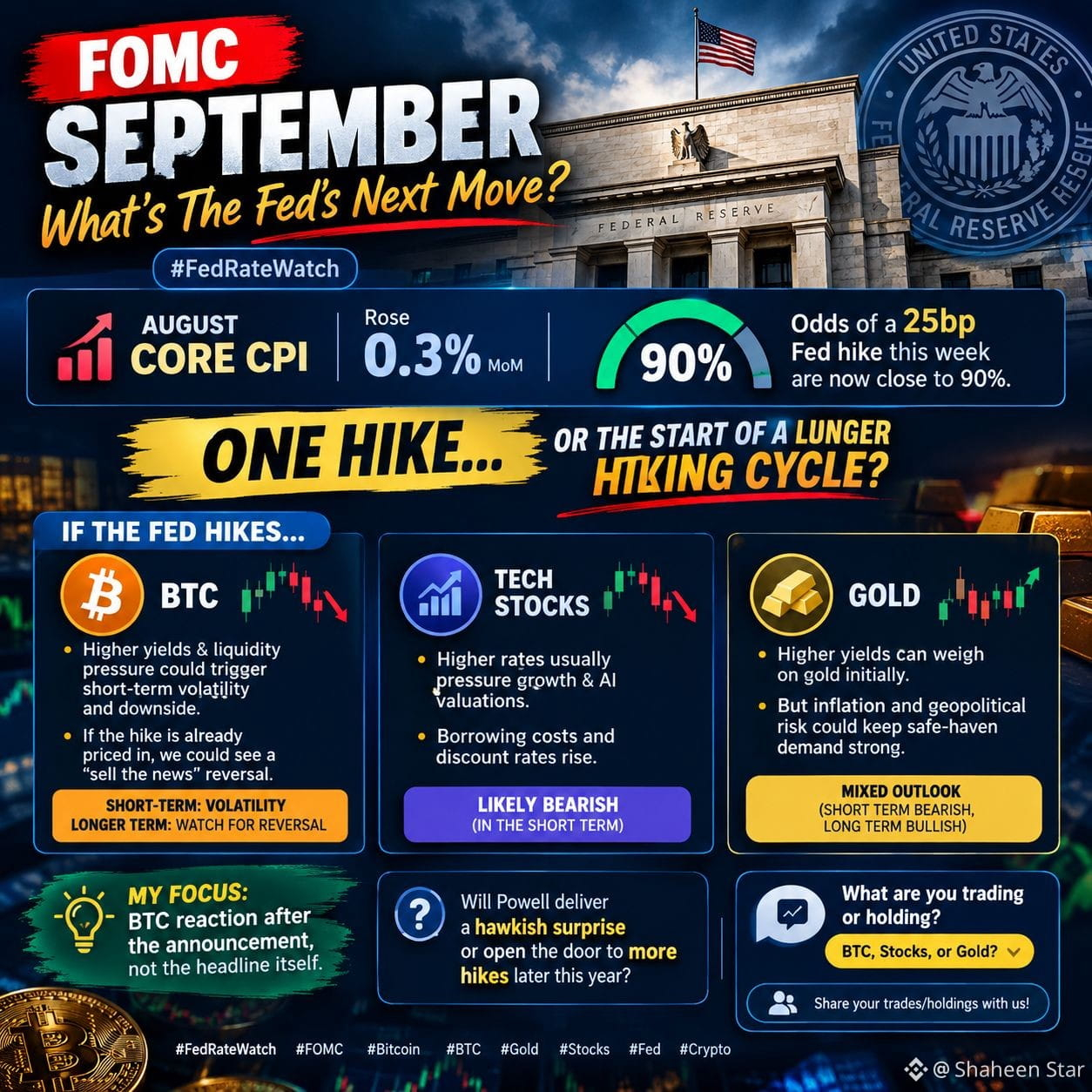
Der August Core CPI kam heiß herein: +0,3% MoM – und schob die Markterwartungen für eine 25bp-Fed-Erhöhung in dieser Woche Richtung 90%.
Aber die eigentliche Frage lautet: EINE ERHÖHUNG… oder der Beginn eines neuen Zinsanhebungs-Zyklus? 👀
Wenn die Fed erhöht:
₿ BTC: Höhere Renditen/Liquiditätsdruck könnten kurzfristige Volatilität und Abwärtsbewegungen auslösen, aber eine bereits eingepreiste hawkische Entscheidung könnte zu einer „Sell the News“-Kehrtwende führen.
Tech-Aktien: Höhere Zinsen belasten Wachstums-/KI-Bewertungen meist, weil Kreditkosten und Diskontierungssätze steigen.
Gold: Höhere Renditen können Gold zunächst belasten, aber Inflation und geopolitisches Risiko könnten die Nachfrage nach sicheren Häfen stark halten.
Mein Fokus: die BTC-Reaktion nach der Ankündigung – nicht die Schlagzeile selbst.
Wird Powell eine hawkische Überraschung liefern oder die Tür zu weiteren Erhöhungen später in diesem Jahr öffnen?
👇 Was tradest oder hältst du: BTC, Aktien oder Gold?
#FedRateWatch
$AKE
{future}(AKEUSDT)
$AIN
{future}(AINUSDT)
$POWER
{future}(POWERUSDT)
FOMC SEPTEMBER: DER NÄCHSTE GROSSE MARKTSCHUB?
Der August Core CPI kam heiß herein: +0,3% MoM – und schob die Markterwartungen für eine 25bp-Fed-Erhöhung in dieser Woche Richtung 90%.
Aber die eigentliche Frage lautet: EINE ERHÖHUNG… oder der Beginn eines neuen Zinsanhebungs-Zyklus? 👀
Wenn die Fed erhöht:
₿ BTC: Höhere Renditen/Liquiditätsdruck könnten kurzfristige Volatilität und Abwärtsbewegungen auslösen, aber eine bereits eingepreiste hawkische Entscheidung könnte zu einer „Sell the News“-Kehrtwende führen.
Tech-Aktien: Höhere Zinsen belasten Wachstums-/KI-Bewertungen meist, weil Kreditkosten und Diskontierungssätze steigen.
Gold: Höhere Renditen können Gold zunächst belasten, aber Inflation und geopolitisches Risiko könnten die Nachfrage nach sicheren Häfen stark halten.
Mein Fokus: die BTC-Reaktion nach der Ankündigung – nicht die Schlagzeile selbst.
Wird Powell eine hawkische Überraschung liefern oder die Tür zu weiteren Erhöhungen später in diesem Jahr öffnen?
👇 Was tradest oder hältst du: BTC, Aktien oder Gold?
#FedRateWatch
$AKE
$AIN
$POWER
Der August Core CPI kam heiß herein: +0,3% MoM – und schob die Markterwartungen für eine 25bp-Fed-Erhöhung in dieser Woche Richtung 90%.
Aber die eigentliche Frage lautet: EINE ERHÖHUNG… oder der Beginn eines neuen Zinsanhebungs-Zyklus? 👀
Wenn die Fed erhöht:
₿ BTC: Höhere Renditen/Liquiditätsdruck könnten kurzfristige Volatilität und Abwärtsbewegungen auslösen, aber eine bereits eingepreiste hawkische Entscheidung könnte zu einer „Sell the News“-Kehrtwende führen.
Tech-Aktien: Höhere Zinsen belasten Wachstums-/KI-Bewertungen meist, weil Kreditkosten und Diskontierungssätze steigen.
Gold: Höhere Renditen können Gold zunächst belasten, aber Inflation und geopolitisches Risiko könnten die Nachfrage nach sicheren Häfen stark halten.
Mein Fokus: die BTC-Reaktion nach der Ankündigung – nicht die Schlagzeile selbst.
Wird Powell eine hawkische Überraschung liefern oder die Tür zu weiteren Erhöhungen später in diesem Jahr öffnen?
👇 Was tradest oder hältst du: BTC, Aktien oder Gold?
#FedRateWatch
$AKE
$AIN
$POWER
9
13
108
·
--
Bullisch
🔥 Nonfarm Payrolls sprengen gerade den Rahmen — steht die Fed vor einer Zinserhöhung? #CPIWatch
Die August-Zahlen lagen bei 162K im Vergleich zu einem Konsens von nur 55K — nahezu das Dreifache der Erwartungen, und auch die Vormonate wurden nach oben revidiert. Die Arbeitslosenquote liegt weiterhin nahe 4,1%. Das ist nicht das Bild einer sich abkühlenden Wirtschaft, das der Markt vor ein paar Wochen eingepreist hatte.
Wenn man dazu noch den CPI mit rund 3,4% YoY nimmt, der immer noch deutlich über dem 2%-Ziel der Fed liegt, dann neigen die Terminmärkte nun zu rund 70% Wahrscheinlichkeit für eine 25bp-Erhöhung beim FOMC-Treffen am 15.–16. September unter dem Vorsitz von Warsh. Wenn der nächste CPI-Print heiß ausfällt, könnte diese Zahl schnell nach oben klettern.
Mein Fazit: Eine eher hawkische Überraschung trifft zuerst Risk Assets — Gold könnte zunächst einen schnellen Rücksetzer wegen der Angst vor einer Zinserhöhung sehen, bevor seine „Safe-Haven“-Nachfrage wieder greift, falls die Aktien ins Wanken geraten. Aktien dürften stärker unter direktem Druck leiden, da höhere Zinsen die Bewertungen treffen. Ich schaue mir den CPI-Tag ganz genau an, bevor ich mich in die eine oder andere Richtung festlege.
Bullisch oder bärisch? Schreib deinen Call unten in die Kommentare und teile deinen Trade 👇
#CPIWatch
$NES
{alpha}(560x097acf27503753e77bca940277806156c5925b81)
$4Stock
{alpha}(560xd270d4e1ec6e6e0d28c0ecb8be966ec75997ffff)
$MEME
{future}(MEMEUSDT)
🔥 Nonfarm Payrolls sprengen gerade den Rahmen — steht die Fed vor einer Zinserhöhung? #CPIWatch
Die August-Zahlen lagen bei 162K im Vergleich zu einem Konsens von nur 55K — nahezu das Dreifache der Erwartungen, und auch die Vormonate wurden nach oben revidiert. Die Arbeitslosenquote liegt weiterhin nahe 4,1%. Das ist nicht das Bild einer sich abkühlenden Wirtschaft, das der Markt vor ein paar Wochen eingepreist hatte.
Wenn man dazu noch den CPI mit rund 3,4% YoY nimmt, der immer noch deutlich über dem 2%-Ziel der Fed liegt, dann neigen die Terminmärkte nun zu rund 70% Wahrscheinlichkeit für eine 25bp-Erhöhung beim FOMC-Treffen am 15.–16. September unter dem Vorsitz von Warsh. Wenn der nächste CPI-Print heiß ausfällt, könnte diese Zahl schnell nach oben klettern.
Mein Fazit: Eine eher hawkische Überraschung trifft zuerst Risk Assets — Gold könnte zunächst einen schnellen Rücksetzer wegen der Angst vor einer Zinserhöhung sehen, bevor seine „Safe-Haven“-Nachfrage wieder greift, falls die Aktien ins Wanken geraten. Aktien dürften stärker unter direktem Druck leiden, da höhere Zinsen die Bewertungen treffen. Ich schaue mir den CPI-Tag ganz genau an, bevor ich mich in die eine oder andere Richtung festlege.
Bullisch oder bärisch? Schreib deinen Call unten in die Kommentare und teile deinen Trade 👇
#CPIWatch
$NES
$4Stock
$MEME
Die August-Zahlen lagen bei 162K im Vergleich zu einem Konsens von nur 55K — nahezu das Dreifache der Erwartungen, und auch die Vormonate wurden nach oben revidiert. Die Arbeitslosenquote liegt weiterhin nahe 4,1%. Das ist nicht das Bild einer sich abkühlenden Wirtschaft, das der Markt vor ein paar Wochen eingepreist hatte.
Wenn man dazu noch den CPI mit rund 3,4% YoY nimmt, der immer noch deutlich über dem 2%-Ziel der Fed liegt, dann neigen die Terminmärkte nun zu rund 70% Wahrscheinlichkeit für eine 25bp-Erhöhung beim FOMC-Treffen am 15.–16. September unter dem Vorsitz von Warsh. Wenn der nächste CPI-Print heiß ausfällt, könnte diese Zahl schnell nach oben klettern.
Mein Fazit: Eine eher hawkische Überraschung trifft zuerst Risk Assets — Gold könnte zunächst einen schnellen Rücksetzer wegen der Angst vor einer Zinserhöhung sehen, bevor seine „Safe-Haven“-Nachfrage wieder greift, falls die Aktien ins Wanken geraten. Aktien dürften stärker unter direktem Druck leiden, da höhere Zinsen die Bewertungen treffen. Ich schaue mir den CPI-Tag ganz genau an, bevor ich mich in die eine oder andere Richtung festlege.
Bullisch oder bärisch? Schreib deinen Call unten in die Kommentare und teile deinen Trade 👇
#CPIWatch
$NES
$4Stock
$MEME

11
17
3k
·
--
Bullisch
🚨 $DEXE BREAKOUT INCOMING! 🔥
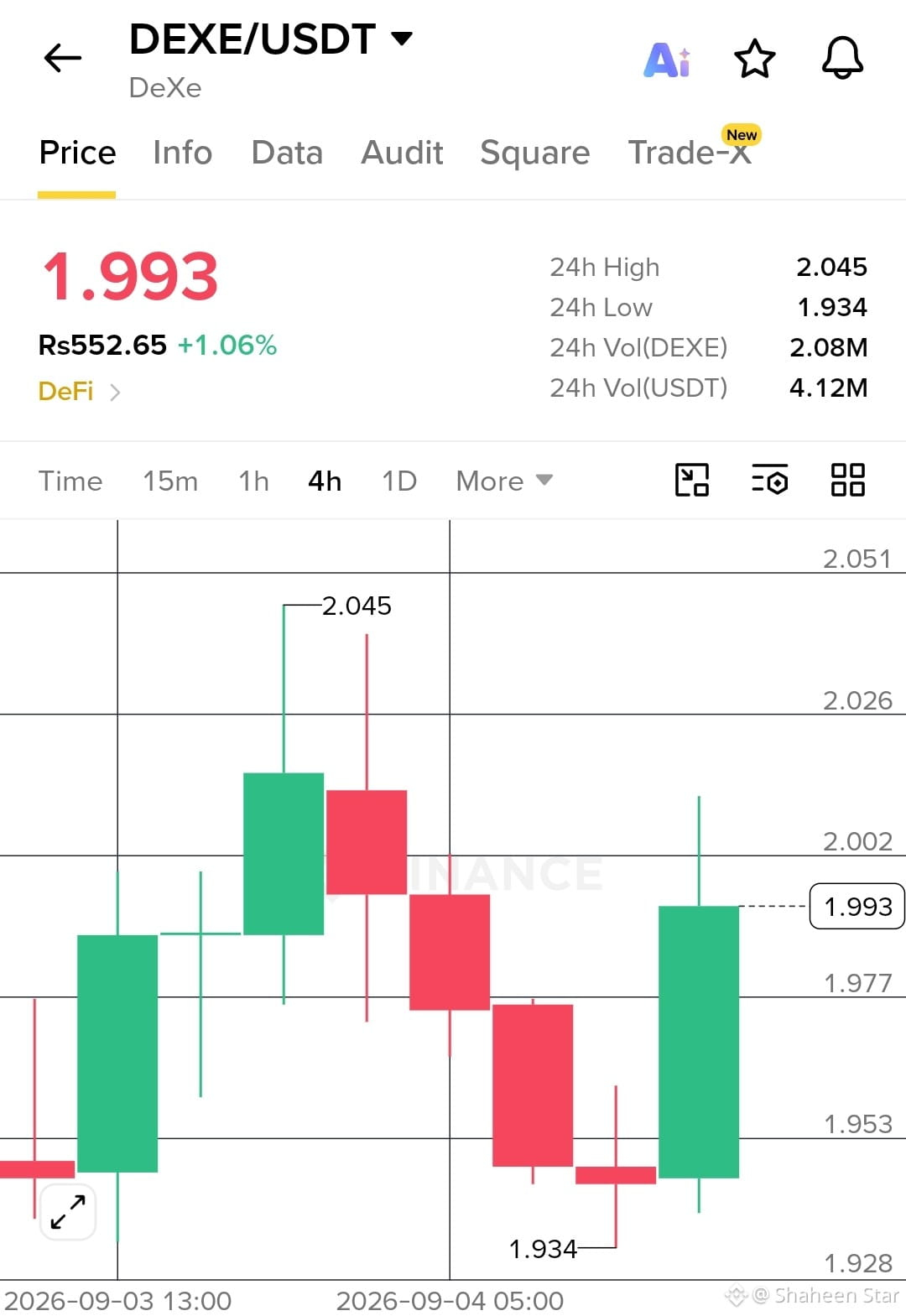
$DEXE bricht über den wichtigen Widerstand bei 2,000 $ aus! Wenn Käufer dieses Niveau halten, könnten die nächsten Aufwärtsziele schnell kommen. 📈⚡️
🟢 Einstieg: 1,995–2,010 $
🎯 TP1: 2,030 $
🎯 TP2: 2,060 $
🎯 TP3: 2,100 $
🛡️ SL: 1,960 $
💥 Über 2,000 $ halten = bullisches Fortsetzungs-Setup!
Kaufen & Trade $DEXE — bleib wachsam! 👀🚀
⚠️ Keine Finanzberatung (NFA). Recherchiere (DYOR). Risikomanagement beachten.
#DEXE #Crypto #Altcoins #Trading #Breakout #CryptoTrading
🚨 $DEXE BREAKOUT INCOMING! 🔥
$DEXE bricht über den wichtigen Widerstand bei 2,000 $ aus! Wenn Käufer dieses Niveau halten, könnten die nächsten Aufwärtsziele schnell kommen. 📈⚡️
🟢 Einstieg: 1,995–2,010 $
🎯 TP1: 2,030 $
🎯 TP2: 2,060 $
🎯 TP3: 2,100 $
🛡️ SL: 1,960 $
💥 Über 2,000 $ halten = bullisches Fortsetzungs-Setup!
Kaufen & Trade $DEXE — bleib wachsam! 👀🚀
⚠️ Keine Finanzberatung (NFA). Recherchiere (DYOR). Risikomanagement beachten.
#DEXE #Crypto #Altcoins #Trading #Breakout #CryptoTrading
$DEXE bricht über den wichtigen Widerstand bei 2,000 $ aus! Wenn Käufer dieses Niveau halten, könnten die nächsten Aufwärtsziele schnell kommen. 📈⚡️
🟢 Einstieg: 1,995–2,010 $
🎯 TP1: 2,030 $
🎯 TP2: 2,060 $
🎯 TP3: 2,100 $
🛡️ SL: 1,960 $
💥 Über 2,000 $ halten = bullisches Fortsetzungs-Setup!
Kaufen & Trade $DEXE — bleib wachsam! 👀🚀
⚠️ Keine Finanzberatung (NFA). Recherchiere (DYOR). Risikomanagement beachten.
#DEXE #Crypto #Altcoins #Trading #Breakout #CryptoTrading
2
226
·
--
Bullisch
🚨 HÖRT ZU, LEUTE! 🔥
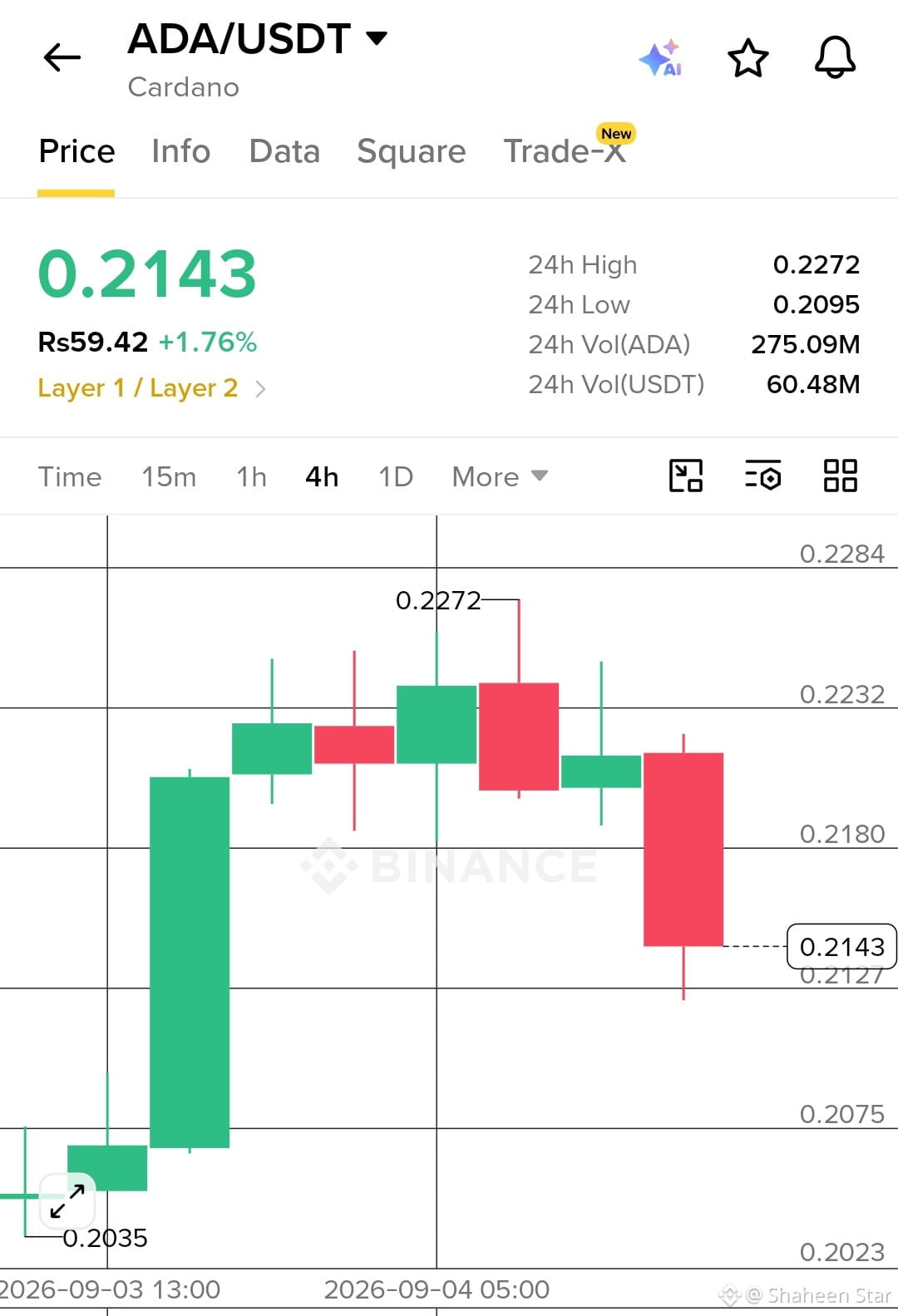
Eine Scalping-Chance ist da auf $ADA! 💯
🟢 Position: LONG $ADA
⚡ Hebel: 125x
🎯 Risiko: 1%
🛡️ SL: Wird nachgezogen, sobald der Trade in den Gewinn läuft
Der Plan ist ganz einfach: Kapital schützen, Gewinne sichern und dem Momentum freien Lauf lassen. 👀📈
Wer fährt diese $ADA long mit mir? 🚀
⚠️ Keine Finanzberatung. Informiere dich selbst (DYOR). Hoher Hebel = hohes Risiko.
#ADA #Cardano #Crypto #Scalping #Futures #Trading
🚨 HÖRT ZU, LEUTE! 🔥
Eine Scalping-Chance ist da auf $ADA ! 💯
🟢 Position: LONG $ADA
⚡ Hebel: 125x
🎯 Risiko: 1%
🛡️ SL: Wird nachgezogen, sobald der Trade in den Gewinn läuft
Der Plan ist ganz einfach: Kapital schützen, Gewinne sichern und dem Momentum freien Lauf lassen. 👀📈
Wer fährt diese $ADA long mit mir? 🚀
⚠️ Keine Finanzberatung. Informiere dich selbst (DYOR). Hoher Hebel = hohes Risiko.
#ADA #Cardano #Crypto #Scalping #Futures #Trading
Eine Scalping-Chance ist da auf $ADA ! 💯
🟢 Position: LONG $ADA
⚡ Hebel: 125x
🎯 Risiko: 1%
🛡️ SL: Wird nachgezogen, sobald der Trade in den Gewinn läuft
Der Plan ist ganz einfach: Kapital schützen, Gewinne sichern und dem Momentum freien Lauf lassen. 👀📈
Wer fährt diese $ADA long mit mir? 🚀
⚠️ Keine Finanzberatung. Informiere dich selbst (DYOR). Hoher Hebel = hohes Risiko.
#ADA #Cardano #Crypto #Scalping #Futures #Trading
91
·
--
Bullisch
🚨 $ALT WACHT AUF! 🔥
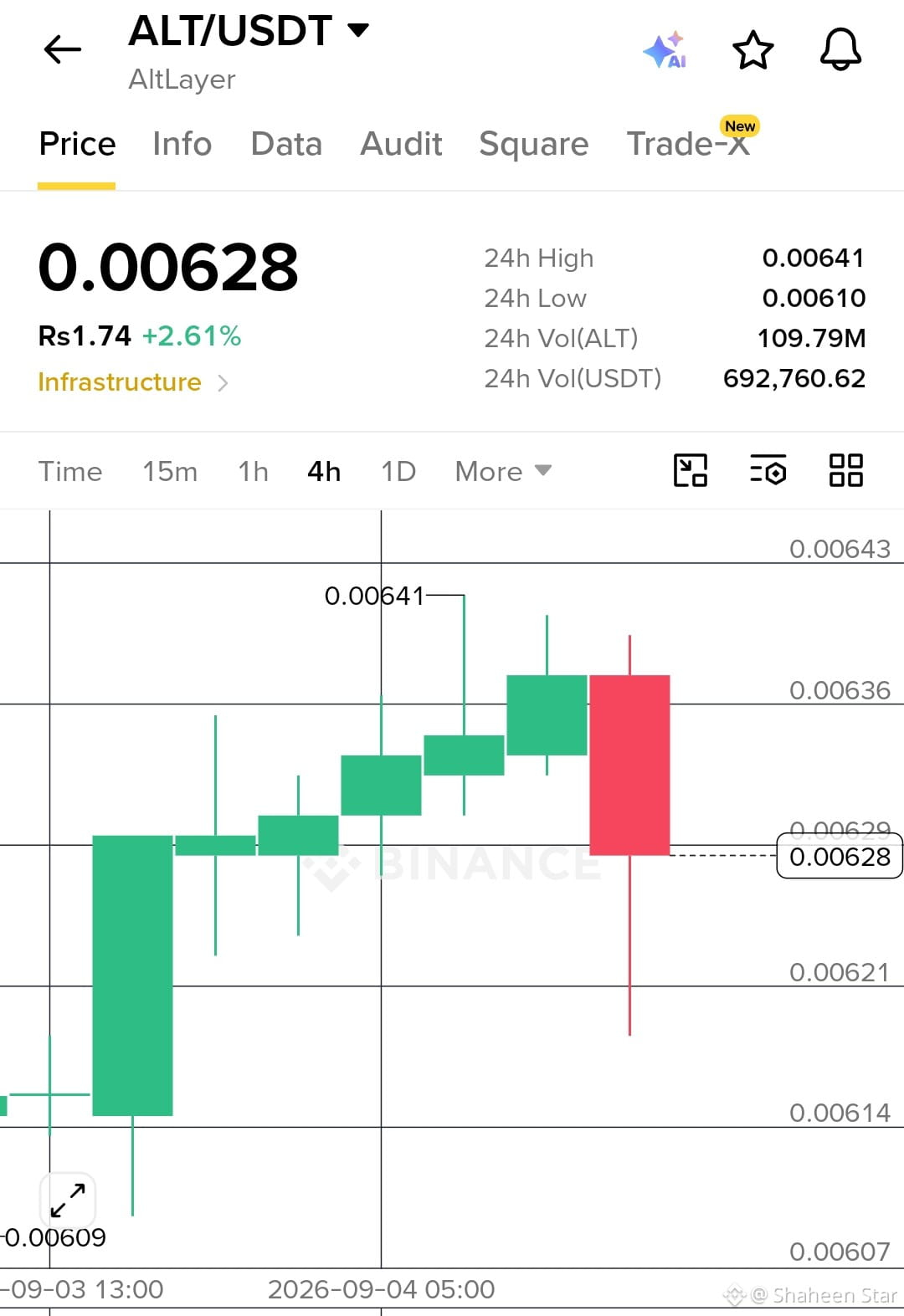
$ALT zieht sich innerhalb einer absteigenden Struktur zusammen und drängt nun in Richtung eines möglichen Ausbruchs! Der Momentumaufbau nimmt zu, und Käufer beginnen einzusteigen. 👀
🎯 Ziel 1: 0,00634 $
🚀 Ziel 2: 0,00660 $
Ein sauberer Ausbruch + die Fortsetzung könnte einen starken Aufwärtsimpuls auslösen. ⚡️
$ALT könnte diese oberen Ziele bald erreichen—behaltet es im Blick! 👁️
#ALT #Crypto #Altcoins #Trading #CryptoTrading #Breakout
🚨 $ALT WACHT AUF! 🔥
$ALT zieht sich innerhalb einer absteigenden Struktur zusammen und drängt nun in Richtung eines möglichen Ausbruchs! Der Momentumaufbau nimmt zu, und Käufer beginnen einzusteigen. 👀
🎯 Ziel 1: 0,00634 $
🚀 Ziel 2: 0,00660 $
Ein sauberer Ausbruch + die Fortsetzung könnte einen starken Aufwärtsimpuls auslösen. ⚡️
$ALT könnte diese oberen Ziele bald erreichen—behaltet es im Blick! 👁️
#ALT #Crypto #Altcoins #Trading #CryptoTrading #Breakout
$ALT zieht sich innerhalb einer absteigenden Struktur zusammen und drängt nun in Richtung eines möglichen Ausbruchs! Der Momentumaufbau nimmt zu, und Käufer beginnen einzusteigen. 👀
🎯 Ziel 1: 0,00634 $
🚀 Ziel 2: 0,00660 $
Ein sauberer Ausbruch + die Fortsetzung könnte einen starken Aufwärtsimpuls auslösen. ⚡️
$ALT könnte diese oberen Ziele bald erreichen—behaltet es im Blick! 👁️
#ALT #Crypto #Altcoins #Trading #CryptoTrading #Breakout
132
·
--
Bullisch
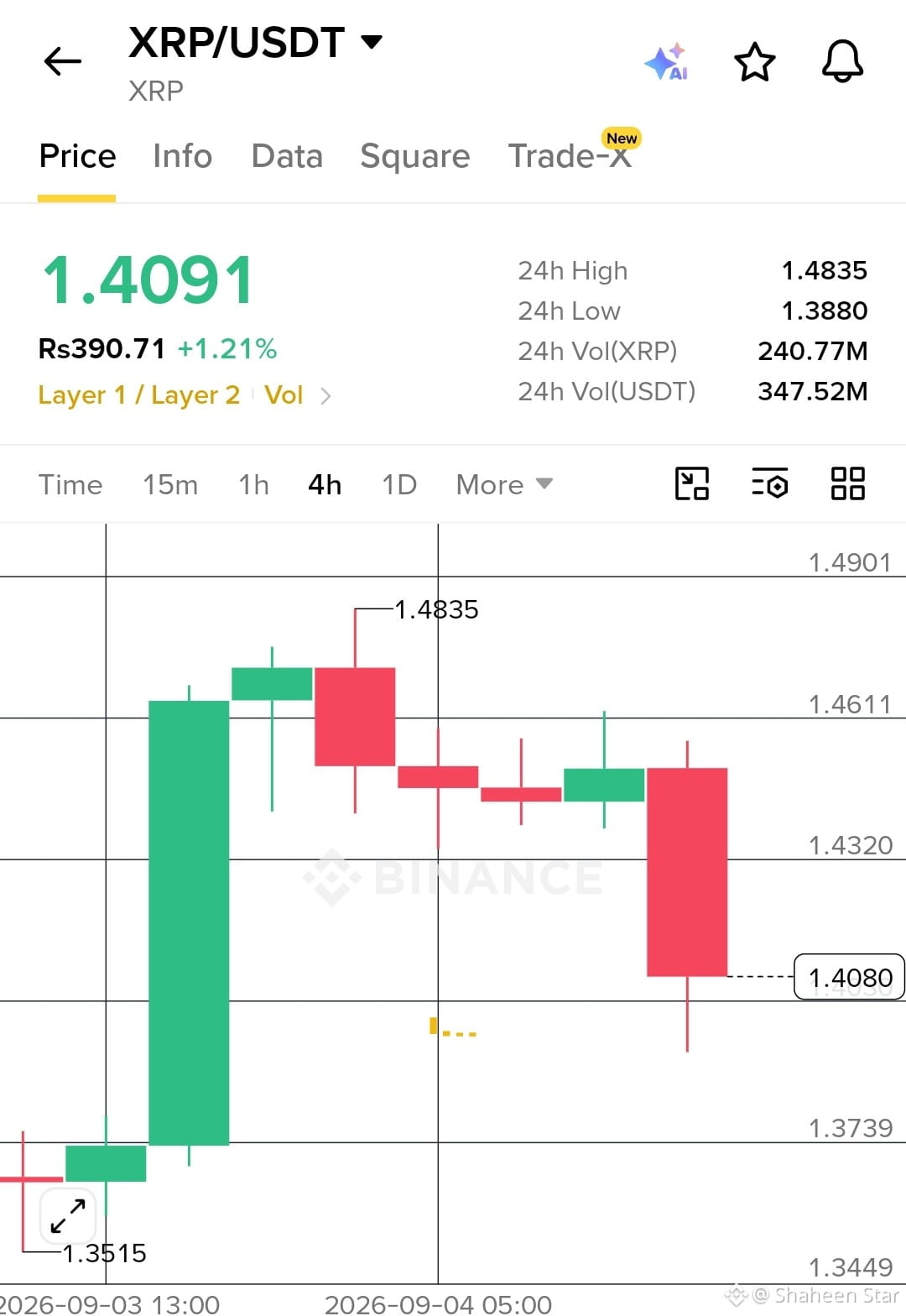
🚨 $XRP BREAKDOWN-WARNUNG! ⚡️
$XRP ist gerade stark gefallen von ~1,45 $ und testet jetzt die kritische Unterstützungszone bei 1,40–1,41 $. 👀
🔻 Bärisches Szenario:
Wenn $XRP nicht die Rückeroberung von 1,42–1,43 $ schafft, könnten Verkäufer ansteuern:
🎯 1,40 → 1,39 → 1,38
🔄 Bullish Reclaim:
Eine starke Rückeroberung von 1,43+ könnte das bärische Setup abschwächen und XRP zurück in Richtung 1,45 $ senden.
⚠️ Nicht dem Absturz hinterherjagen! Reagier den Kurs an der Unterstützung ab und warte auf eine Bestätigung, bevor du den nächsten Schritt machst.
#XRP #Crypto #XRPArmy #Trading #Altcoins #CryptoTrading
🚨 $XRP BREAKDOWN-WARNUNG! ⚡️
$XRP ist gerade stark gefallen von ~1,45 $ und testet jetzt die kritische Unterstützungszone bei 1,40–1,41 $. 👀
🔻 Bärisches Szenario:
Wenn $XRP nicht die Rückeroberung von 1,42–1,43 $ schafft, könnten Verkäufer ansteuern:
🎯 1,40 → 1,39 → 1,38
🔄 Bullish Reclaim:
Eine starke Rückeroberung von 1,43+ könnte das bärische Setup abschwächen und XRP zurück in Richtung 1,45 $ senden.
⚠️ Nicht dem Absturz hinterherjagen! Reagier den Kurs an der Unterstützung ab und warte auf eine Bestätigung, bevor du den nächsten Schritt machst.
#XRP #Crypto #XRPArmy #Trading #Altcoins #CryptoTrading
$XRP ist gerade stark gefallen von ~1,45 $ und testet jetzt die kritische Unterstützungszone bei 1,40–1,41 $. 👀
🔻 Bärisches Szenario:
Wenn $XRP nicht die Rückeroberung von 1,42–1,43 $ schafft, könnten Verkäufer ansteuern:
🎯 1,40 → 1,39 → 1,38
🔄 Bullish Reclaim:
Eine starke Rückeroberung von 1,43+ könnte das bärische Setup abschwächen und XRP zurück in Richtung 1,45 $ senden.
⚠️ Nicht dem Absturz hinterherjagen! Reagier den Kurs an der Unterstützung ab und warte auf eine Bestätigung, bevor du den nächsten Schritt machst.
#XRP #Crypto #XRPArmy #Trading #Altcoins #CryptoTrading
93
·
--
Bullisch
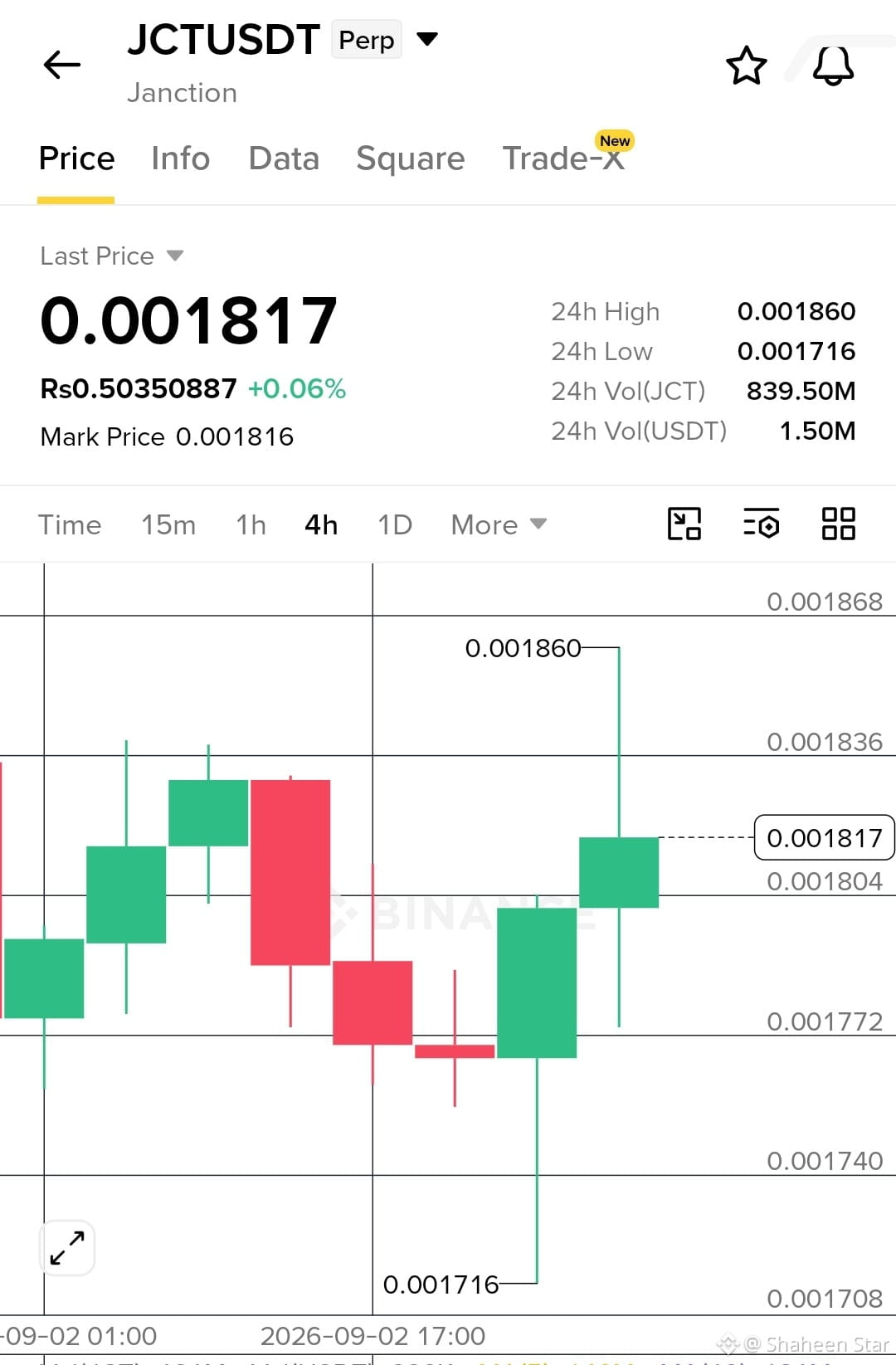
🚨 $JCT /USDT — SUPPORT-BRIEF LONG SETUP 📈🔥
⏱️ Timeframe: 4H
💰 Einstieg: 0,00180–0,00185$
🛑 SL: 0,00168$
🎯 TP1: 0,00200$
🎯 TP2: 0,00225$
🎯 TP3: 0,00255$
💥 Nach einem brutalen Dump aus dem Bereich um 0,005 hält $JCT jetzt eine entscheidende Nachfragezone um 0,0018. Die Verkäufer verlieren an Momentum, während Käufer den Druck absorbieren. 🟢
🔥 Halte 0,00180 = Potenzial für einen Erholungs-Bounce Richtung 0,00200 → 0,00255!
⚠️ Unter 0,00168 = Setup ungültig.
👉 Hier handeln: $JCT
NFA | DYOR ⚠️
#JCT #JCTUSDT #Krypto #Long #Futures #Trading
🚨 $JCT /USDT — SUPPORT-BRIEF LONG SETUP 📈🔥
⏱️ Timeframe: 4H
💰 Einstieg: 0,00180–0,00185$
🛑 SL: 0,00168$
🎯 TP1: 0,00200$
🎯 TP2: 0,00225$
🎯 TP3: 0,00255$
💥 Nach einem brutalen Dump aus dem Bereich um 0,005 hält $JCT jetzt eine entscheidende Nachfragezone um 0,0018. Die Verkäufer verlieren an Momentum, während Käufer den Druck absorbieren. 🟢
🔥 Halte 0,00180 = Potenzial für einen Erholungs-Bounce Richtung 0,00200 → 0,00255!
⚠️ Unter 0,00168 = Setup ungültig.
👉 Hier handeln: $JCT
NFA | DYOR ⚠️
#JCT #JCTUSDT #Krypto #Long #Futures #Trading
⏱️ Timeframe: 4H
💰 Einstieg: 0,00180–0,00185$
🛑 SL: 0,00168$
🎯 TP1: 0,00200$
🎯 TP2: 0,00225$
🎯 TP3: 0,00255$
💥 Nach einem brutalen Dump aus dem Bereich um 0,005 hält $JCT jetzt eine entscheidende Nachfragezone um 0,0018. Die Verkäufer verlieren an Momentum, während Käufer den Druck absorbieren. 🟢
🔥 Halte 0,00180 = Potenzial für einen Erholungs-Bounce Richtung 0,00200 → 0,00255!
⚠️ Unter 0,00168 = Setup ungültig.
👉 Hier handeln: $JCT
NFA | DYOR ⚠️
#JCT #JCTUSDT #Krypto #Long #Futures #Trading
179
·
--
Bullisch
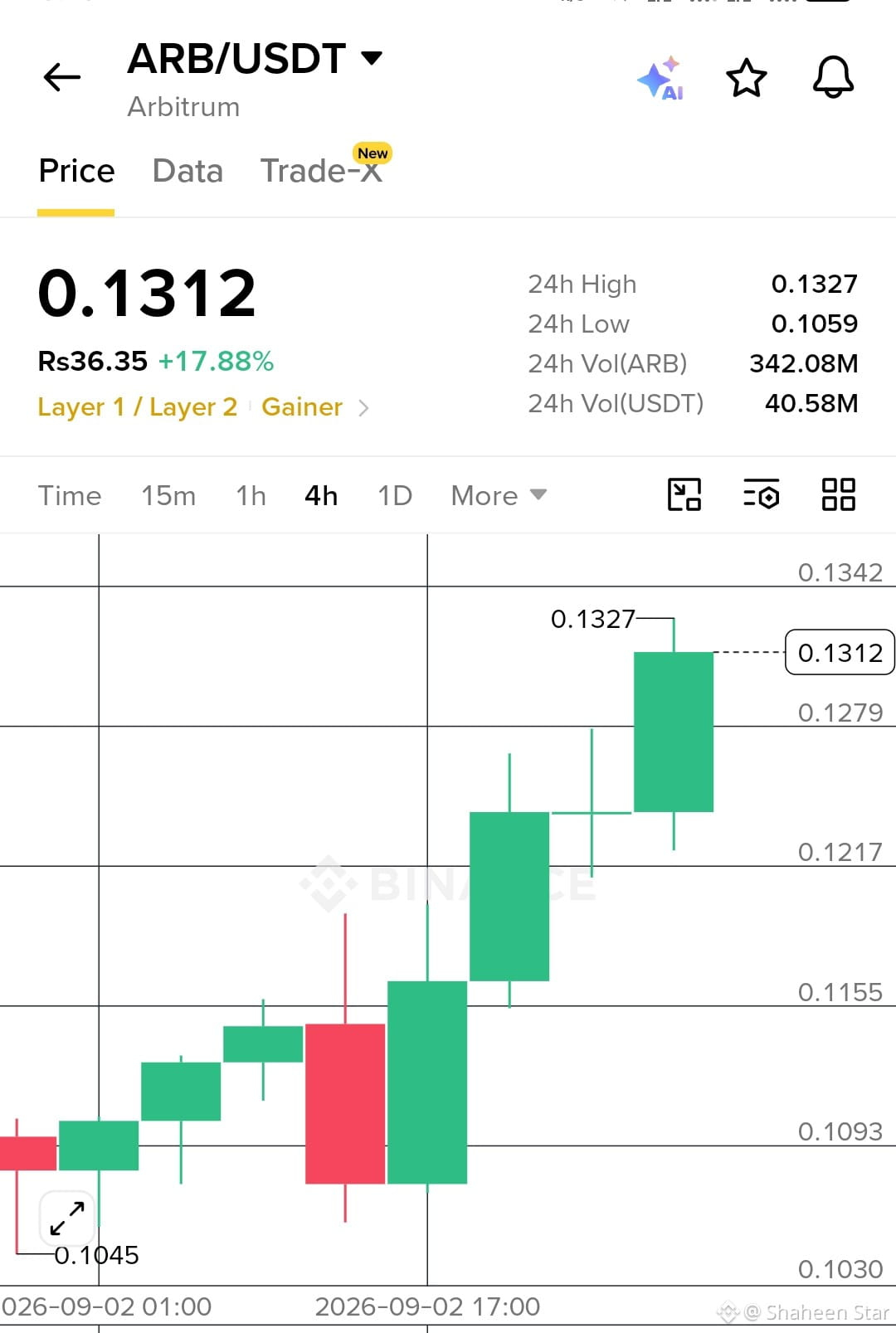
🚀 $ARB /USDT BULLISCHES BREAKOUT-SETUP 🔥📈
💰 Einstieg: $0.1240–$0.1300
🎯 TP1: $0.1360
🎯 TP2: $0.1430
🎯 TP3: $0.1520
🛑 SL: $0.1175
🔥 Starker Kaufdruck + massives Volumen!
⚡ Der Preis hält sich nahe am 24H-Hoch, was auf anhaltende Käuferstärke hindeutet.
🚀 Wichtiger Ausbruch: $0.1326
Ein sauberer Ausbruch & ein Halten über $0.1326 könnte den nächsten bullischen Schub beschleunigen Richtung $0.1430 → $0.1520 💥
⚠️ Verliert $0.1175 = Setup ungültig.
NFA | DYOR 🔥
#ARB #ARBUSDT #Krypto #Breakout #Long #Futures #Trading
🚀 $ARB /USDT BULLISCHES BREAKOUT-SETUP 🔥📈
💰 Einstieg: $0.1240–$0.1300
🎯 TP1: $0.1360
🎯 TP2: $0.1430
🎯 TP3: $0.1520
🛑 SL: $0.1175
🔥 Starker Kaufdruck + massives Volumen!
⚡ Der Preis hält sich nahe am 24H-Hoch, was auf anhaltende Käuferstärke hindeutet.
🚀 Wichtiger Ausbruch: $0.1326
Ein sauberer Ausbruch & ein Halten über $0.1326 könnte den nächsten bullischen Schub beschleunigen Richtung $0.1430 → $0.1520 💥
⚠️ Verliert $0.1175 = Setup ungültig.
NFA | DYOR 🔥
#ARB #ARBUSDT #Krypto #Breakout #Long #Futures #Trading
💰 Einstieg: $0.1240–$0.1300
🎯 TP1: $0.1360
🎯 TP2: $0.1430
🎯 TP3: $0.1520
🛑 SL: $0.1175
🔥 Starker Kaufdruck + massives Volumen!
⚡ Der Preis hält sich nahe am 24H-Hoch, was auf anhaltende Käuferstärke hindeutet.
🚀 Wichtiger Ausbruch: $0.1326
Ein sauberer Ausbruch & ein Halten über $0.1326 könnte den nächsten bullischen Schub beschleunigen Richtung $0.1430 → $0.1520 💥
⚠️ Verliert $0.1175 = Setup ungültig.
NFA | DYOR 🔥
#ARB #ARBUSDT #Krypto #Breakout #Long #Futures #Trading
111
·
--
Bullisch
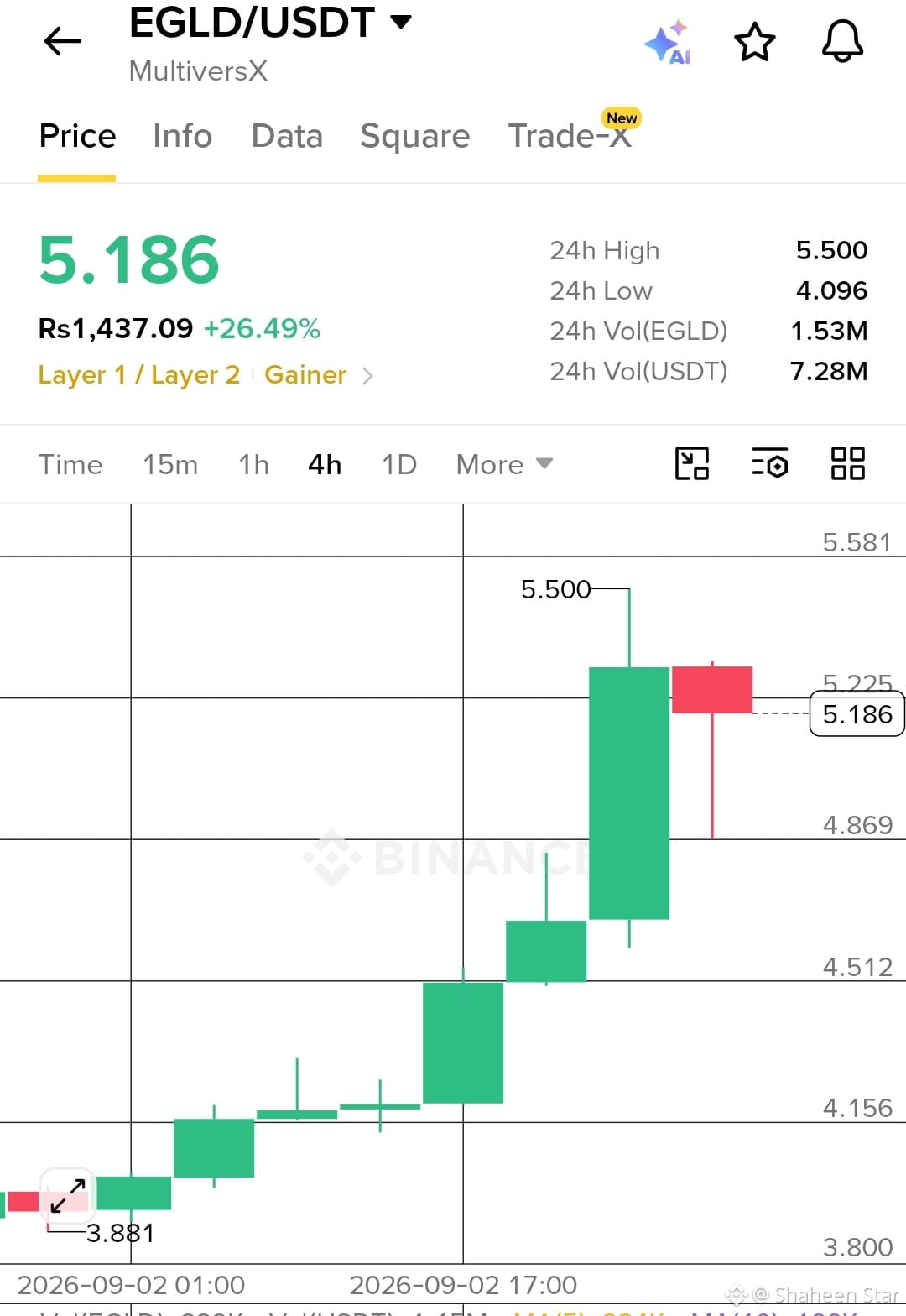
🚀 $EGLD /USDT LONG SIGNAL 🔥📈
⚡ 10X LEVERAGE
💰 Einstieg: $5.00–$5.20
🎯 TP1: $5.30
🎯 TP2: $5.40
🎯 TP3: $5.50
🎯 TP4: $5.70
🛑 SL: $4.80
🔥 EGLDUSDT: $5.157 | +26.05%
📌 Wichtiger Einstieg: $5.10
💪 Über $5.00 halten, damit die bullische Struktur lebendig bleibt!
Momentum baut sich auf… 🚀💥
Ein Ausbruch-Continuation könnte EGLD in Richtung $5.70 senden!
👇 Unten klicken & den Trade jetzt ausführen!
⚠️ NFA | DYOR | Risiko managen
#EGLD #EGLDUSDT #Crypto #Long #Futures #Trading
🚀 $EGLD /USDT LONG SIGNAL 🔥📈
⚡ 10X LEVERAGE
💰 Einstieg: $5.00–$5.20
🎯 TP1: $5.30
🎯 TP2: $5.40
🎯 TP3: $5.50
🎯 TP4: $5.70
🛑 SL: $4.80
🔥 EGLDUSDT: $5.157 | +26.05%
📌 Wichtiger Einstieg: $5.10
💪 Über $5.00 halten, damit die bullische Struktur lebendig bleibt!
Momentum baut sich auf… 🚀💥
Ein Ausbruch-Continuation könnte EGLD in Richtung $5.70 senden!
👇 Unten klicken & den Trade jetzt ausführen!
⚠️ NFA | DYOR | Risiko managen
#EGLD #EGLDUSDT #Crypto #Long #Futures #Trading
⚡ 10X LEVERAGE
💰 Einstieg: $5.00–$5.20
🎯 TP1: $5.30
🎯 TP2: $5.40
🎯 TP3: $5.50
🎯 TP4: $5.70
🛑 SL: $4.80
🔥 EGLDUSDT: $5.157 | +26.05%
📌 Wichtiger Einstieg: $5.10
💪 Über $5.00 halten, damit die bullische Struktur lebendig bleibt!
Momentum baut sich auf… 🚀💥
Ein Ausbruch-Continuation könnte EGLD in Richtung $5.70 senden!
👇 Unten klicken & den Trade jetzt ausführen!
⚠️ NFA | DYOR | Risiko managen
#EGLD #EGLDUSDT #Crypto #Long #Futures #Trading
108
·
--
Bullisch
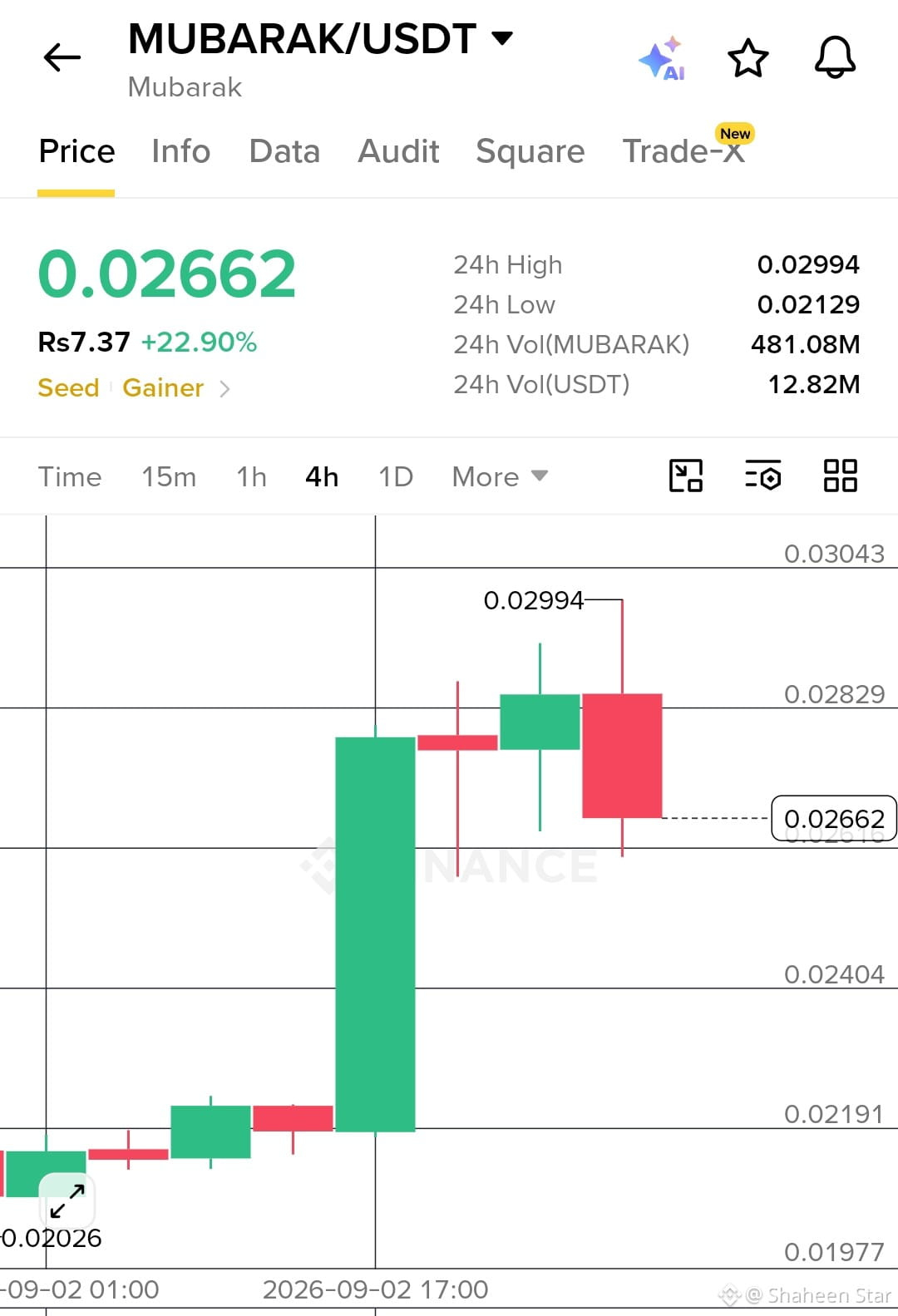
🚀 $MUBARAK /USDT LONG SIGNAL 📈🔥
💰 Einstieg: 0.02850–0.02920 $
🎯 TP1: 0.03000 $
🎯 TP2: 0.03200 $
🎯 TP3: 0.03500 $
🛑 SL: 0.02680 $
🔥 +37.27% Momentum | 💵 92.54M Volumen
⚡ 3.43B $MUBARAK gehandelt — ernsthafte Marktaktivität!
Ein sauberer Ausbruch & Halten über 0.03000 $ könnte den nächsten Move Richtung 0.03200 → 0.03500 🚀 entfachen
❌ 0.02680 $ verlieren = Setup ungültig.
NFA | Informiere dich selbst ⚠️
#MUBARAK #USDT #Krypto #Long #Futures #Trading
🚀 $MUBARAK /USDT LONG SIGNAL 📈🔥
💰 Einstieg: 0.02850–0.02920 $
🎯 TP1: 0.03000 $
🎯 TP2: 0.03200 $
🎯 TP3: 0.03500 $
🛑 SL: 0.02680 $
🔥 +37.27% Momentum | 💵 92.54M Volumen
⚡ 3.43B $MUBARAK gehandelt — ernsthafte Marktaktivität!
Ein sauberer Ausbruch & Halten über 0.03000 $ könnte den nächsten Move Richtung 0.03200 → 0.03500 🚀 entfachen
❌ 0.02680 $ verlieren = Setup ungültig.
NFA | Informiere dich selbst ⚠️
#MUBARAK #USDT #Krypto #Long #Futures #Trading
💰 Einstieg: 0.02850–0.02920 $
🎯 TP1: 0.03000 $
🎯 TP2: 0.03200 $
🎯 TP3: 0.03500 $
🛑 SL: 0.02680 $
🔥 +37.27% Momentum | 💵 92.54M Volumen
⚡ 3.43B $MUBARAK gehandelt — ernsthafte Marktaktivität!
Ein sauberer Ausbruch & Halten über 0.03000 $ könnte den nächsten Move Richtung 0.03200 → 0.03500 🚀 entfachen
❌ 0.02680 $ verlieren = Setup ungültig.
NFA | Informiere dich selbst ⚠️
#MUBARAK #USDT #Krypto #Long #Futures #Trading
165
·
--
Bullisch
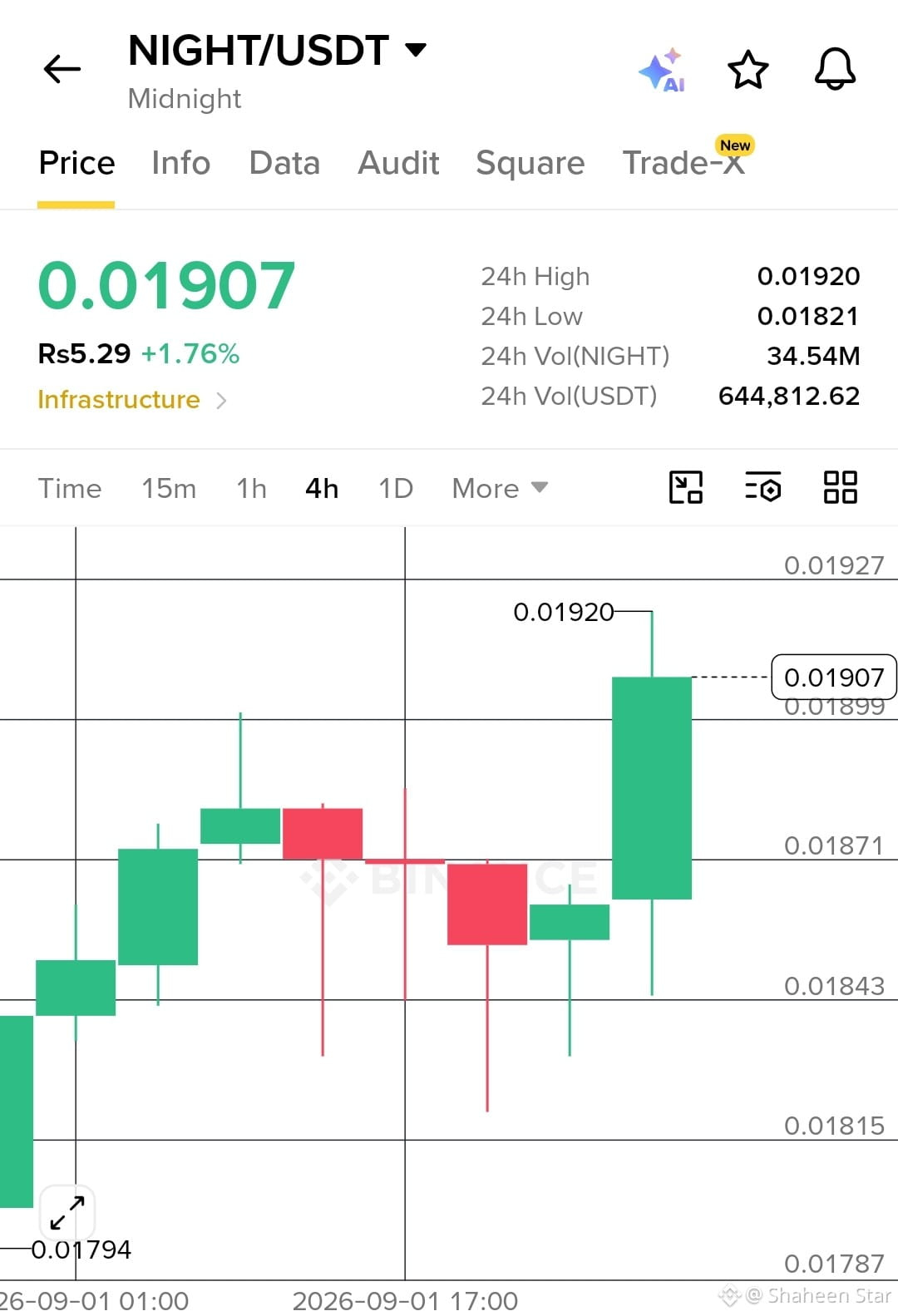
🚀🔥 $NIGHT $ BREAKOUT-WARNUNG!
$NIGHT drängt aus der Spanne heraus, während die Bullen 0.01900 zurückholen, nachdem sie von 0.01800 abgeprallt sind. Käufer testen jetzt den wichtigen Widerstand bei 0.01920! 👀
🟢 Einstieg: 0.01900–0.01915
🎯 TP1: 0.01930
🎯 TP2: 0.01945
🎯 TP3: 0.01960
🛑 SL: 0.01875
⚡ Bricht 0.01920 sauber → die nächste höhere Welle könnte zünden! 🚀
NFA. DYOR & Risiko managen.
#NIGHT #Crypto #Altcoins #Trading #Futures $ACE
🚀🔥 $NIGHT $ BREAKOUT-WARNUNG!
$NIGHT drängt aus der Spanne heraus, während die Bullen 0.01900 zurückholen, nachdem sie von 0.01800 abgeprallt sind. Käufer testen jetzt den wichtigen Widerstand bei 0.01920! 👀
🟢 Einstieg: 0.01900–0.01915
🎯 TP1: 0.01930
🎯 TP2: 0.01945
🎯 TP3: 0.01960
🛑 SL: 0.01875
⚡ Bricht 0.01920 sauber → die nächste höhere Welle könnte zünden! 🚀
NFA. DYOR & Risiko managen.
#NIGHT #Crypto #Altcoins #Trading #Futures $ACE
$NIGHT drängt aus der Spanne heraus, während die Bullen 0.01900 zurückholen, nachdem sie von 0.01800 abgeprallt sind. Käufer testen jetzt den wichtigen Widerstand bei 0.01920! 👀
🟢 Einstieg: 0.01900–0.01915
🎯 TP1: 0.01930
🎯 TP2: 0.01945
🎯 TP3: 0.01960
🛑 SL: 0.01875
⚡ Bricht 0.01920 sauber → die nächste höhere Welle könnte zünden! 🚀
NFA. DYOR & Risiko managen.
#NIGHT #Crypto #Altcoins #Trading #Futures $ACE
44
·
--
Bullisch
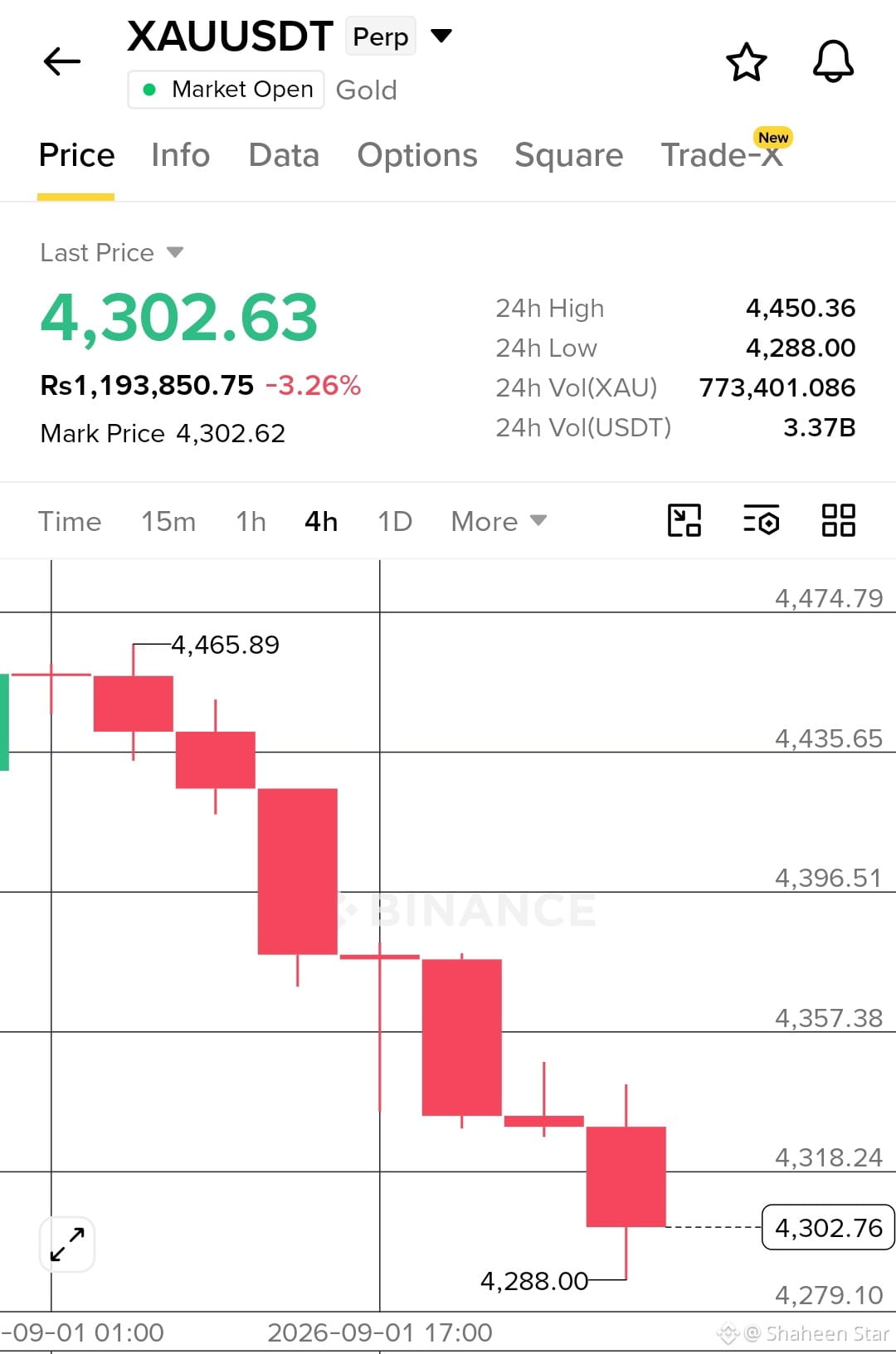
🔥 $XAU / USDT PERP — KÄUFER, SCHAU DIESEN BEREICH AN! 👀
Gold zieht um 3,1% zurück und handelt nahe 4.307,01, aber der Abverkauf scheint sich um die wichtige Support-Zone zu verlangsamen. 📉➡️📈
🟢 Einstieg: 4.295–4.315
🎯 TP1: 4.380
🎯 TP2: 4.440
🎯 TP3: 4.500
🛑 SL: 4.250
⚡ Wenn Käufer mit starkem Volumen einsteigen, könnte $XAU in Richtung der jüngsten Hochs zurückkehren. Bestätigung ist entscheidend — nicht hinterherjagen.
NFA. DYOR & Risiko managen.
#XAU #XAUUSDT #Gold #Perp #Trading #Crypto
🔥 $XAU / USDT PERP — KÄUFER, SCHAU DIESEN BEREICH AN! 👀
Gold zieht um 3,1% zurück und handelt nahe 4.307,01, aber der Abverkauf scheint sich um die wichtige Support-Zone zu verlangsamen. 📉➡️📈
🟢 Einstieg: 4.295–4.315
🎯 TP1: 4.380
🎯 TP2: 4.440
🎯 TP3: 4.500
🛑 SL: 4.250
⚡ Wenn Käufer mit starkem Volumen einsteigen, könnte $XAU in Richtung der jüngsten Hochs zurückkehren. Bestätigung ist entscheidend — nicht hinterherjagen.
NFA. DYOR & Risiko managen.
#XAU #XAUUSDT #Gold #Perp #Trading #Crypto
Gold zieht um 3,1% zurück und handelt nahe 4.307,01, aber der Abverkauf scheint sich um die wichtige Support-Zone zu verlangsamen. 📉➡️📈
🟢 Einstieg: 4.295–4.315
🎯 TP1: 4.380
🎯 TP2: 4.440
🎯 TP3: 4.500
🛑 SL: 4.250
⚡ Wenn Käufer mit starkem Volumen einsteigen, könnte $XAU in Richtung der jüngsten Hochs zurückkehren. Bestätigung ist entscheidend — nicht hinterherjagen.
NFA. DYOR & Risiko managen.
#XAU #XAUUSDT #Gold #Perp #Trading #Crypto
150
·
--
Bullisch
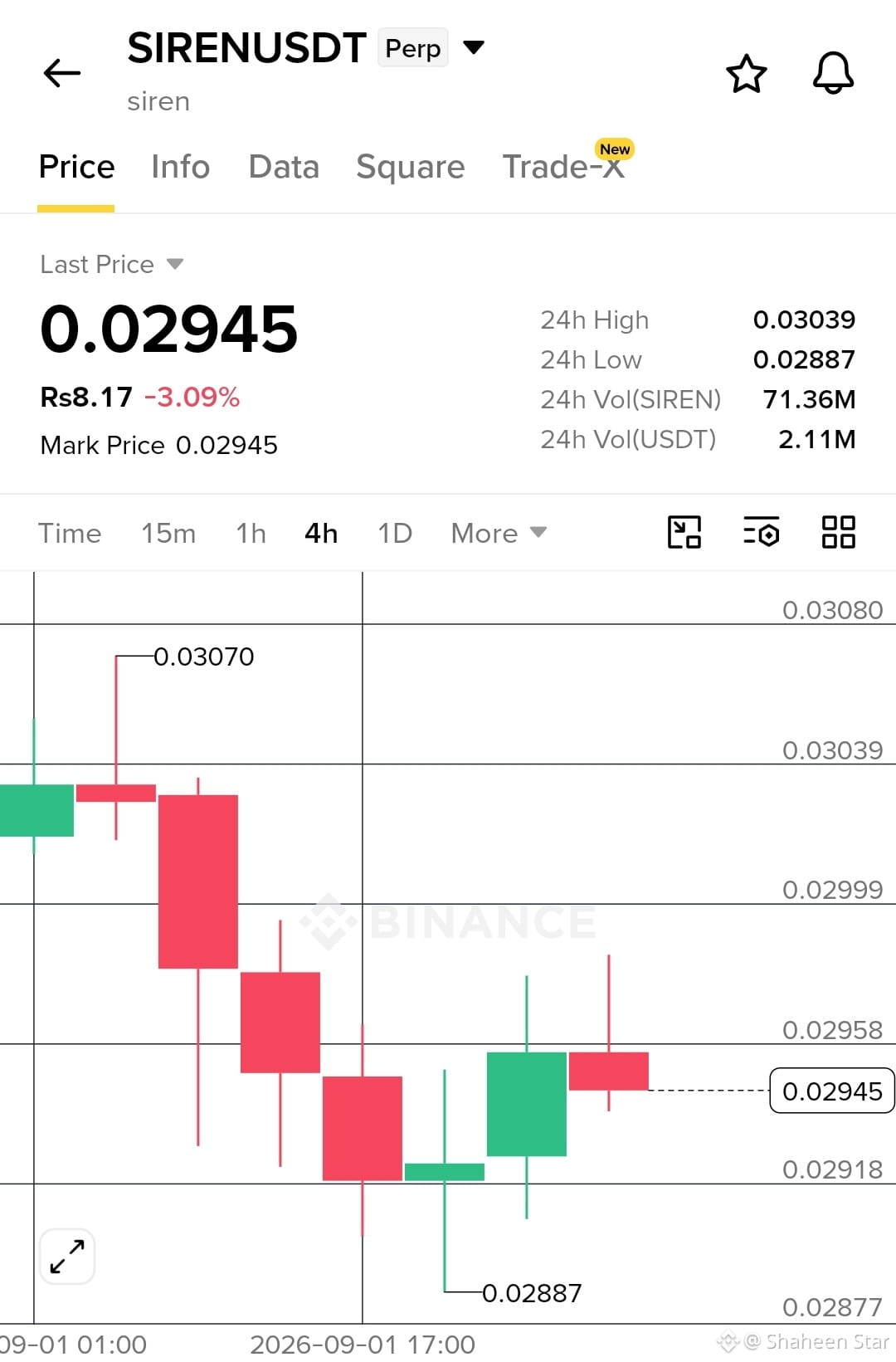
🚨👀 $SIREN TRADE UPDATE!
Wir beobachten $SIREN immer noch ganz genau! 🔥
💰 Aktueller Preis: ~ $0.0294
🎯 Ziel: Noch 5 USDT mehr wert 😂💸
Kein FOMO. ❌
Kein hinterherlaufen bei Pumps. ❌
Nur auf den richtigen Einstieg + Bestätigung durch das Volumen warten. 📊⚡
$SIREN bleibt fest auf der Watchlist. 👀
Geduld jetzt… Chance später! 🚀
Mach deine eigene Recherche (DYOR) & manage dein Risiko.
#SIREN #Crypto #Altcoins #Trading
🚨👀 $SIREN TRADE UPDATE!
Wir beobachten $SIREN immer noch ganz genau! 🔥
💰 Aktueller Preis: ~ $0.0294
🎯 Ziel: Noch 5 USDT mehr wert 😂💸
Kein FOMO. ❌
Kein hinterherlaufen bei Pumps. ❌
Nur auf den richtigen Einstieg + Bestätigung durch das Volumen warten. 📊⚡
$SIREN bleibt fest auf der Watchlist. 👀
Geduld jetzt… Chance später! 🚀
Mach deine eigene Recherche (DYOR) & manage dein Risiko.
#SIREN #Crypto #Altcoins #Trading
Wir beobachten $SIREN immer noch ganz genau! 🔥
💰 Aktueller Preis: ~ $0.0294
🎯 Ziel: Noch 5 USDT mehr wert 😂💸
Kein FOMO. ❌
Kein hinterherlaufen bei Pumps. ❌
Nur auf den richtigen Einstieg + Bestätigung durch das Volumen warten. 📊⚡
$SIREN bleibt fest auf der Watchlist. 👀
Geduld jetzt… Chance später! 🚀
Mach deine eigene Recherche (DYOR) & manage dein Risiko.
#SIREN #Crypto #Altcoins #Trading
142
·
--
Bullisch
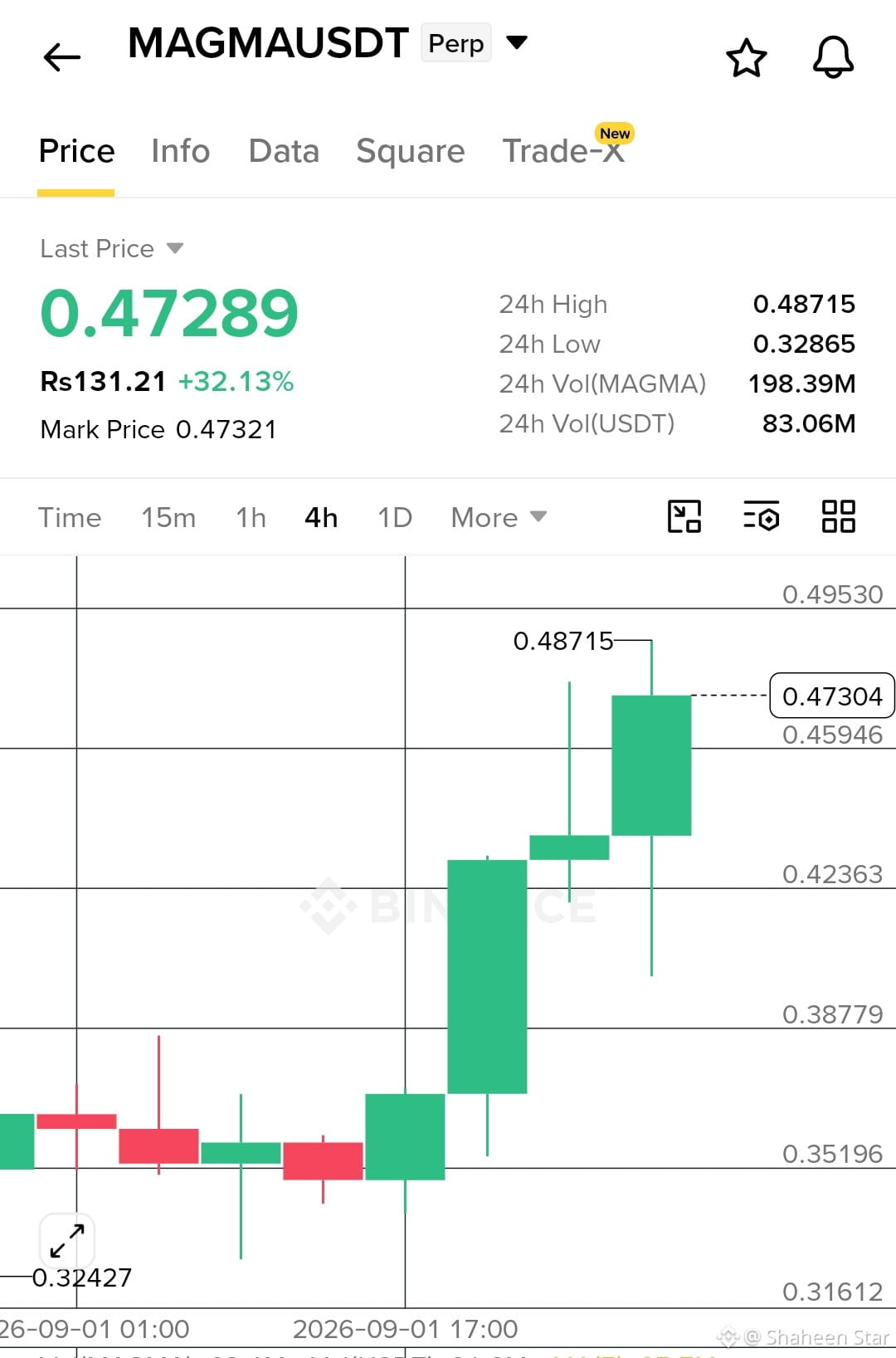
🔥🚨 3 LONGS. 3 TARGETS. WER BEWEGT SICH ZUERST? 👀
🟠 $MAGMA → 🎯 $0.75
🟣 $UNI → 🎯 $6.50
🔵 $UAI → 🎯 $0.65
Drei verschiedene Setups, aber die gleiche Mission: Momentum ERWISCHEN! 🚀
Wenn Käufer den Druck am Laufen halten, könnten diese Targets schnell ins Spiel kommen. ⚡
👀 Welches trifft TP ZUERST?
$MAGMA, $UNI oder $UAI?
NFA. DYOR.
#Crypto #MAGMA #UNI #UAI #Altcoins #Trading
🔥🚨 3 LONGS. 3 TARGETS. WER BEWEGT SICH ZUERST? 👀
🟠 $MAGMA → 🎯 $0.75
🟣 $UNI → 🎯 $6.50
🔵 $UAI → 🎯 $0.65
Drei verschiedene Setups, aber die gleiche Mission: Momentum ERWISCHEN! 🚀
Wenn Käufer den Druck am Laufen halten, könnten diese Targets schnell ins Spiel kommen. ⚡
👀 Welches trifft TP ZUERST?
$MAGMA , $UNI oder $UAI ?
NFA. DYOR.
#Crypto #MAGMA #UNI #UAI #Altcoins #Trading
🟠 $MAGMA → 🎯 $0.75
🟣 $UNI → 🎯 $6.50
🔵 $UAI → 🎯 $0.65
Drei verschiedene Setups, aber die gleiche Mission: Momentum ERWISCHEN! 🚀
Wenn Käufer den Druck am Laufen halten, könnten diese Targets schnell ins Spiel kommen. ⚡
👀 Welches trifft TP ZUERST?
$MAGMA , $UNI oder $UAI ?
NFA. DYOR.
#Crypto #MAGMA #UNI #UAI #Altcoins #Trading
172
·
--
Bullisch
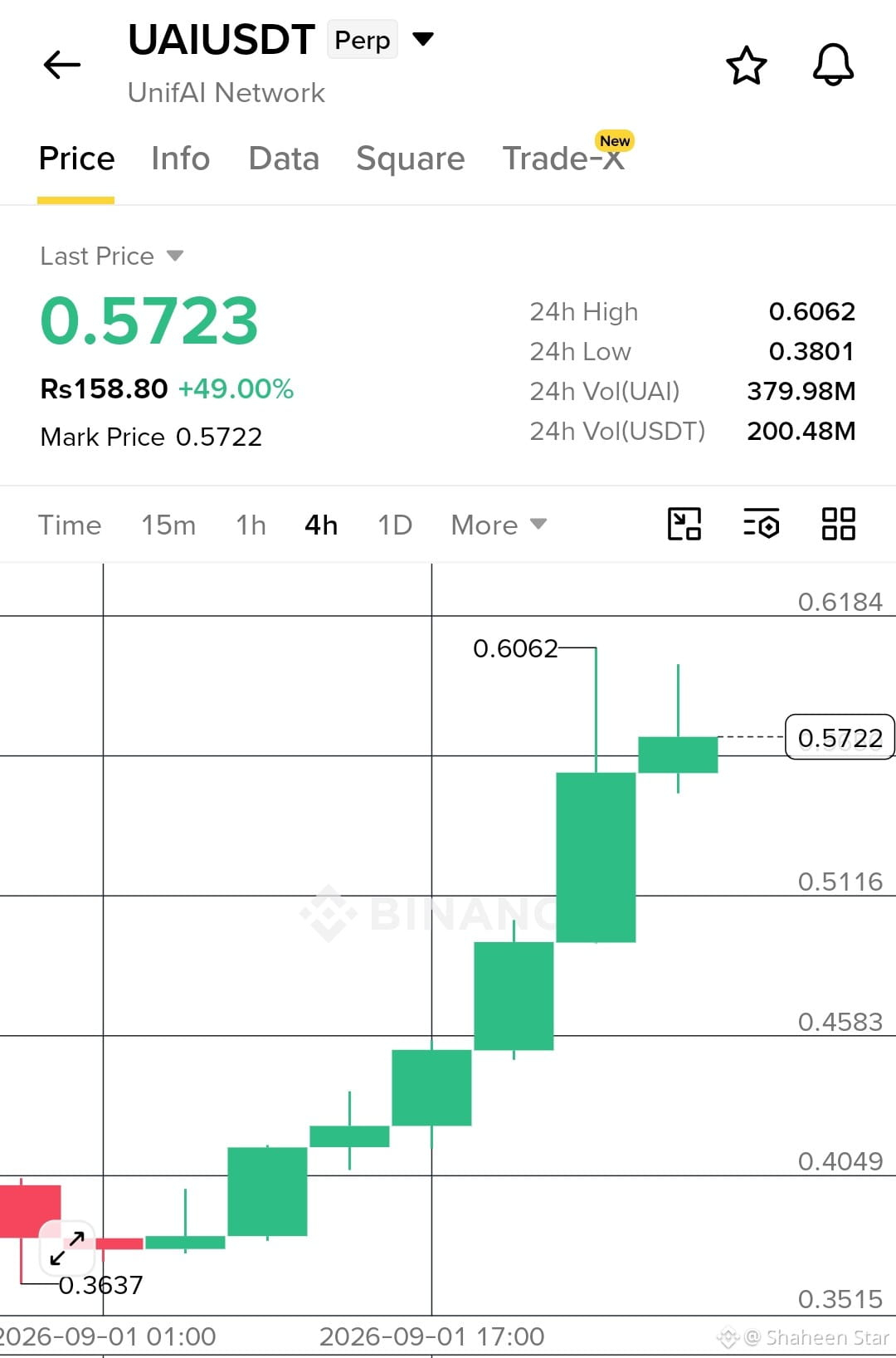
🔥🚨 DIE MEISTGEHANDELTESTEN COINS HEUTE — WATCHLIST IST HEISS! 👀
Der Markt brodelt gerade um diese Namen:
🥇 $UAI
🥈 $HYPER
🥉 $ARB
4️⃣ $BTC
5️⃣ $UP
6️⃣ $USELESS
7️⃣ $ETH
8️⃣ $LIT
9️⃣ $CASHCAT
🔟 $PENGU
1️⃣1️⃣ $HYPE
1️⃣2️⃣ $UNI
1️⃣3️⃣ $ZEC
1️⃣4️⃣ $PUMP
1️⃣5️⃣ $ENA
⚡ Trending = Aufmerksamkeit → Aufmerksamkeit = Volatilität!
Einer davon könnte sich auf die NÄCHSTE GROßE BEWEGUNG vorbereiten. 🚀🔥
👀 Welcher Coin ist bei dir auf dem Radar? Schreib deine Auswahl unten!
NFA. DYOR.
#Crypto #Trending #Altcoins #BTC #ETH #Trading
🔥🚨 DIE MEISTGEHANDELTESTEN COINS HEUTE — WATCHLIST IST HEISS! 👀
Der Markt brodelt gerade um diese Namen:
🥇 $UAI
🥈 $HYPER
🥉 $ARB
4️⃣ $BTC
5️⃣ $UP
6️⃣ $USELESS
7️⃣ $ETH
8️⃣ $LIT
9️⃣ $CASHCAT
🔟 $PENGU
1️⃣1️⃣ $HYPE
1️⃣2️⃣ $UNI
1️⃣3️⃣ $ZEC
1️⃣4️⃣ $PUMP
1️⃣5️⃣ $ENA
⚡ Trending = Aufmerksamkeit → Aufmerksamkeit = Volatilität!
Einer davon könnte sich auf die NÄCHSTE GROßE BEWEGUNG vorbereiten. 🚀🔥
👀 Welcher Coin ist bei dir auf dem Radar? Schreib deine Auswahl unten!
NFA. DYOR.
#Crypto #Trending #Altcoins #BTC #ETH #Trading
Der Markt brodelt gerade um diese Namen:
🥇 $UAI
🥈 $HYPER
🥉 $ARB
4️⃣ $BTC
5️⃣ $UP
6️⃣ $USELESS
7️⃣ $ETH
8️⃣ $LIT
9️⃣ $CASHCAT
🔟 $PENGU
1️⃣1️⃣ $HYPE
1️⃣2️⃣ $UNI
1️⃣3️⃣ $ZEC
1️⃣4️⃣ $PUMP
1️⃣5️⃣ $ENA
⚡ Trending = Aufmerksamkeit → Aufmerksamkeit = Volatilität!
Einer davon könnte sich auf die NÄCHSTE GROßE BEWEGUNG vorbereiten. 🚀🔥
👀 Welcher Coin ist bei dir auf dem Radar? Schreib deine Auswahl unten!
NFA. DYOR.
#Crypto #Trending #Altcoins #BTC #ETH #Trading
201
·
--
Bullisch
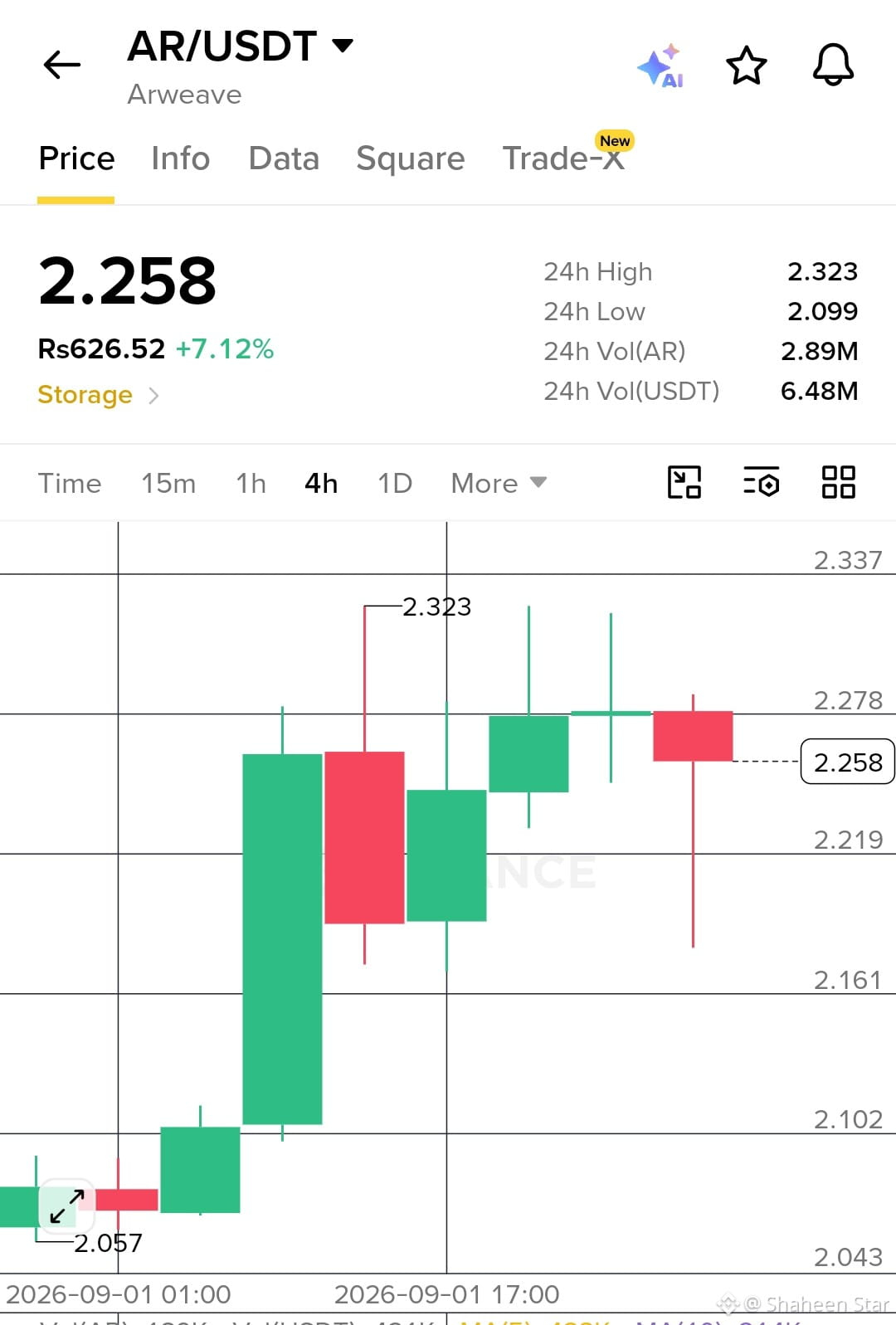
🚀 $AR BULLS SIND ZURÜCK IN DER KONTROLLE! 🔥
$AR prallte hart von 2.18 ab und eroberte die Ausbruchszone zurück, drückte wieder in Richtung 2.26. Die 1H-Struktur bleibt bullisch, da Käufer die Korrektur verteidigen. 💪
📍 Einstieg: 2.250–2.275
🎯 TP1: 2.290
🎯 TP2: 2.320
🎯 TP3: 2.350
🛑 SL: 2.210
⚡ Ein sauberer Ausbruch über 2.30 könnte einen weiteren Push in Richtung des jüngsten Hochs auslösen!
NFA. DYOR. 🚨
#AR #Krypto #Altcoins #Trading #Futures
🚀 $AR BULLS SIND ZURÜCK IN DER KONTROLLE! 🔥
$AR prallte hart von 2.18 ab und eroberte die Ausbruchszone zurück, drückte wieder in Richtung 2.26. Die 1H-Struktur bleibt bullisch, da Käufer die Korrektur verteidigen. 💪
📍 Einstieg: 2.250–2.275
🎯 TP1: 2.290
🎯 TP2: 2.320
🎯 TP3: 2.350
🛑 SL: 2.210
⚡ Ein sauberer Ausbruch über 2.30 könnte einen weiteren Push in Richtung des jüngsten Hochs auslösen!
NFA. DYOR. 🚨
#AR #Krypto #Altcoins #Trading #Futures
$AR prallte hart von 2.18 ab und eroberte die Ausbruchszone zurück, drückte wieder in Richtung 2.26. Die 1H-Struktur bleibt bullisch, da Käufer die Korrektur verteidigen. 💪
📍 Einstieg: 2.250–2.275
🎯 TP1: 2.290
🎯 TP2: 2.320
🎯 TP3: 2.350
🛑 SL: 2.210
⚡ Ein sauberer Ausbruch über 2.30 könnte einen weiteren Push in Richtung des jüngsten Hochs auslösen!
NFA. DYOR. 🚨
#AR #Krypto #Altcoins #Trading #Futures
172
Anmelden und weiter Inhalte entdecken
Krypto-Nutzer weltweit auf Binance Square kennenlernen
⚡️ Bleib in Sachen Krypto stets am Puls.
💬 Die weltgrößte Kryptobörse vertraut darauf.
👍 Erhalte verlässliche Einblicke von verifizierten Creators.
E-Mail-Adresse/Telefonnummer
Trendthemen
FedMinutesFocusOnOctoberPause
123,092 Aufrufe
1,141 Kommentare
🚨 HOHE ALARMSTUFE ‼️ BITTE HANDELT IN DER NÄCHSTEN STUNDE NICHT BLIND 🚨
Leute, in weniger als einer Stunde werden die FOMC-Protokolle veröffentlicht.
Nach der Volatilität, die wir heute bereits erlebt haben, möchte ich wirklich nicht, dass jemand kurz vor der Veröffentlichung irgendwelche zufälligen Positionen mit hohem Hebel eröffnet.
Die stärkste Reaktion erwarte ich bei Gold (XAU), Silber (XAG), BTC und ETH. Coins wie SOL und andere stark gehebelte Altcoins mit mittlerer oder niedriger Marktkapitalisierung können jede Bewegung von BTC noch verstärken.
Gold und Silber reagieren heute Abend besonders empfindlich, weil der Markt bereits auf den US-Dollar und die Renditen von US-Staatsanleihen reagiert und beide Metalle vor der Veröffentlichung der Fed-Protokolle stark unter Druck standen.
Kurz gesagt:
📉 FOMC-Protokolle mit falkenhaftem Ton → Dollar und Renditen können steigen → Druck auf BTC, Krypto, Gold und Silber
📈 FOMC-Protokolle mit taubenhaftem Ton → Dollar und Renditen können nachgeben → BTC, Gold, Silber und andere Risikoanlagen können kräftig steigen.
Und bitte denkt daran: Die erste Kerze kann eine Falle sein. Es kann zunächst zu einem Pump kommen, dann zu einem sofortigen Dump, Liquidationen auf beiden Seiten und erst danach zur tatsächlichen Richtungsbewegung.
Schützt also vorerst eure Positionen, reduziert unnötigen Hebel und springt nicht aus FOMO auf die erste Bewegung auf.
Heute Abend beobachte ich zuerst $XAU , $XAG und $BTC . An ihnen werden wir sehr schnell erkennen, wie der Markt die Fed einschätzt.
Ich halte euch rechtzeitig auf dem Laufenden.
Folgt @Panda Traders und aktiviert jetzt eure Benachrichtigungen.
#FedMinutesFocusOnOctoberPause
Panda Traders
·18 Likes
·3.5k Aufrufe
BinanceLaunchesBinanceIntelligence
1.1M Aufrufe
6,360 Kommentare
EvernorthDelaysNasdaqDebutToOct12
8,518 Aufrufe
236 Kommentare