
Karl Crypto
544 Beiträge

Karl Crypto
Melden
Nutzer blockieren
Pro Crypto Trader - BitNode Calls - Web3 | Crypto Analyst | CFA 🇦🇺
60 Following
1.3K+ Follower
1.4K+ Like gegeben
Beiträge
Alle
Zitierungen
Videos
·
--
Was sind Binance bStocks?bAktien sind blockchainbasierte digitale Token, die eine Beteiligung an berechtigten Aktien aus der realen Welt ermöglichen. Sie verbinden traditionelle Finanzmärkte mit der Blockchain-Technologie und machen aktienbezogene Produkte in digitaler Form zugänglicher.
𝗪𝗮𝘀 𝘀𝗶𝗻𝗱 𝘁𝗼𝗸𝗲𝗻𝗶𝘀𝗶𝗲𝗿𝘁𝗲 𝗔𝗸𝘁𝗶𝗲𝗻?
• Digitale Token, die mit berechtigten Aktien aus der realen Welt verknüpft sind.
• Auf Blockchain-Netzwerken aufgebaut.
• Entwickelt, um den Wert einer zugrunde liegenden Aktie abzubilden.
𝗪𝗶𝗲 𝗳𝗮𝗿𝗯𝗲𝗻 𝗯𝗔𝗸𝘁𝗶𝗲𝗻 𝗮𝘂𝘀?
Was sind Binance bStocks?
bAktien sind blockchainbasierte digitale Token, die eine Beteiligung an berechtigten Aktien aus der realen Welt ermöglichen. Sie verbinden traditionelle Finanzmärkte mit der Blockchain-Technologie und machen aktienbezogene Produkte in digitaler Form zugänglicher.
𝗪𝗮𝘀 𝘀𝗶𝗻𝗱 𝘁𝗼𝗸𝗲𝗻𝗶𝘀𝗶𝗲𝗿𝘁𝗲 𝗔𝗸𝘁𝗶𝗲𝗻?
• Digitale Token, die mit berechtigten Aktien aus der realen Welt verknüpft sind.
• Auf Blockchain-Netzwerken aufgebaut.
• Entwickelt, um den Wert einer zugrunde liegenden Aktie abzubilden.
𝗪𝗶𝗲 𝗳𝗮𝗿𝗯𝗲𝗻 𝗯𝗔𝗸𝘁𝗶𝗲𝗻 𝗮𝘂𝘀?
𝗪𝗮𝘀 𝘀𝗶𝗻𝗱 𝘁𝗼𝗸𝗲𝗻𝗶𝘀𝗶𝗲𝗿𝘁𝗲 𝗔𝗸𝘁𝗶𝗲𝗻?
• Digitale Token, die mit berechtigten Aktien aus der realen Welt verknüpft sind.
• Auf Blockchain-Netzwerken aufgebaut.
• Entwickelt, um den Wert einer zugrunde liegenden Aktie abzubilden.
𝗪𝗶𝗲 𝗳𝗮𝗿𝗯𝗲𝗻 𝗯𝗔𝗸𝘁𝗶𝗲𝗻 𝗮𝘂𝘀?
102
·
--
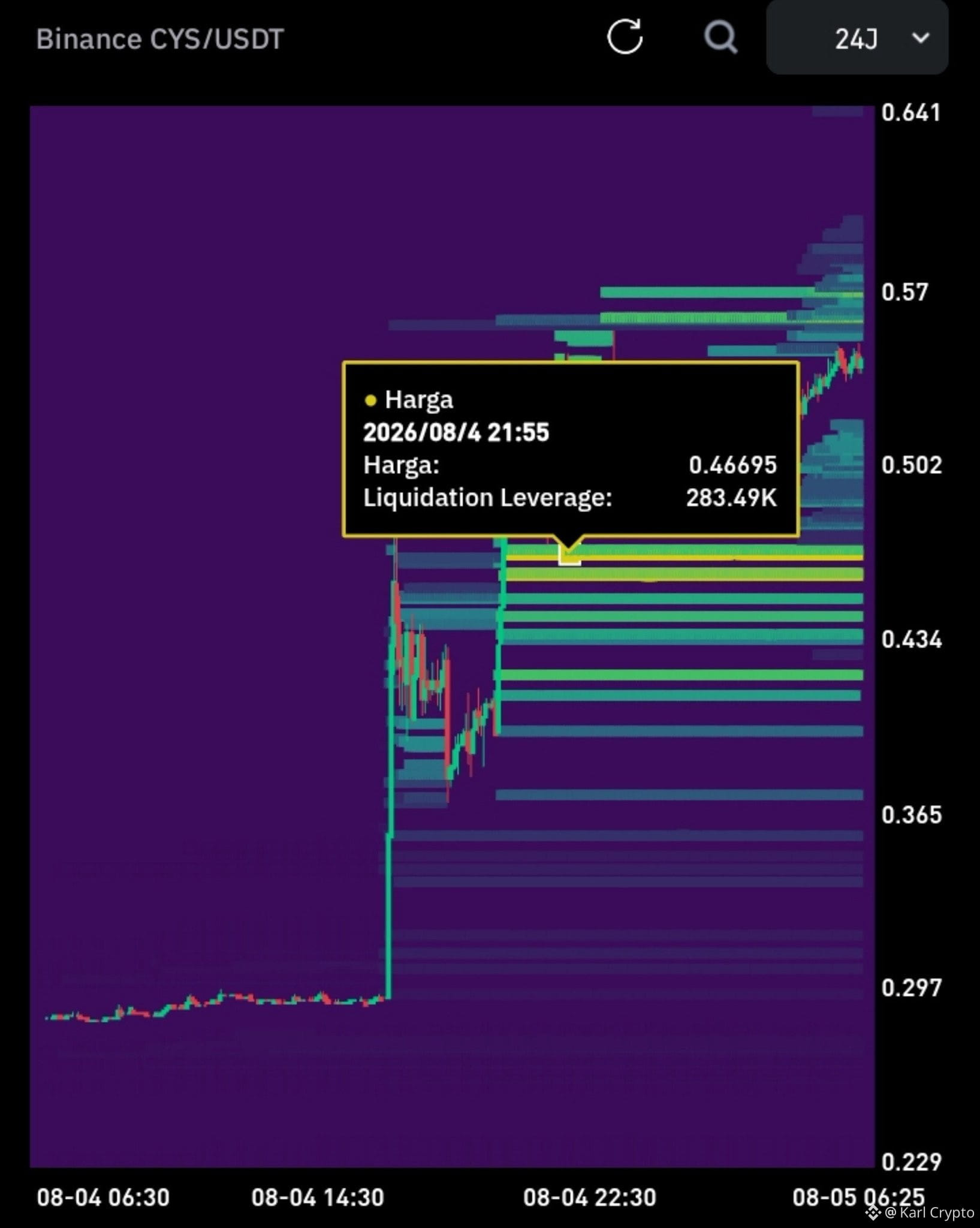
$CYS Liquidität
Die Liquidität um $0,467 (~$283,49K) wurde wahrscheinlich abgefegt.
👀 Die nächsten größeren Liquiditätscluster liegen nun bei etwa $0,57–$0,60.
Solange der Aufwärtsimpuls stark bleibt, könnte der Preis weiterhin die Liquidität oberhalb ansteuern.
#BinanceExplorers $CYS
{future}(CYSUSDT)
$CYS Liquidität
Die Liquidität um $0,467 (~$283,49K) wurde wahrscheinlich abgefegt.
👀 Die nächsten größeren Liquiditätscluster liegen nun bei etwa $0,57–$0,60.
Solange der Aufwärtsimpuls stark bleibt, könnte der Preis weiterhin die Liquidität oberhalb ansteuern.
#BinanceExplorers $CYS
Die Liquidität um $0,467 (~$283,49K) wurde wahrscheinlich abgefegt.
👀 Die nächsten größeren Liquiditätscluster liegen nun bei etwa $0,57–$0,60.
Solange der Aufwärtsimpuls stark bleibt, könnte der Preis weiterhin die Liquidität oberhalb ansteuern.
#BinanceExplorers $CYS
179
·
--
🚨 ALARM: Microsoft hat eine neue Crypto-Clipping-Malware entdeckt, die heimlich deine Zwischenablage überwacht und kopierte Wallet-Adressen durch solche der Angreifer ersetzt. Das kann dazu führen, dass Nutzer unwissentlich Crypto-Fonds direkt an Hacker senden.
🔐 So bleibst du sicher:
Überprüfe immer die Wallet-Adressen vor dem Senden
Nutze Hardware-Wallets für Transaktionen
Halte Antivirus und System auf dem neuesten Stand
Vermeide das Herunterladen unbekannter Software oder Cracks
Verwende vertrauenswürdige Crypto-Sicherheits-Tools
Bleib wachsam – kleine Fehler können zu permanentem Verlust führen.
$BTC
{spot}(BTCUSDT)
🚨 ALARM: Microsoft hat eine neue Crypto-Clipping-Malware entdeckt, die heimlich deine Zwischenablage überwacht und kopierte Wallet-Adressen durch solche der Angreifer ersetzt. Das kann dazu führen, dass Nutzer unwissentlich Crypto-Fonds direkt an Hacker senden.
🔐 So bleibst du sicher:
Überprüfe immer die Wallet-Adressen vor dem Senden
Nutze Hardware-Wallets für Transaktionen
Halte Antivirus und System auf dem neuesten Stand
Vermeide das Herunterladen unbekannter Software oder Cracks
Verwende vertrauenswürdige Crypto-Sicherheits-Tools
Bleib wachsam – kleine Fehler können zu permanentem Verlust führen.
$BTC
🔐 So bleibst du sicher:
Überprüfe immer die Wallet-Adressen vor dem Senden
Nutze Hardware-Wallets für Transaktionen
Halte Antivirus und System auf dem neuesten Stand
Vermeide das Herunterladen unbekannter Software oder Cracks
Verwende vertrauenswürdige Crypto-Sicherheits-Tools
Bleib wachsam – kleine Fehler können zu permanentem Verlust führen.
$BTC
100
·
--
🚨 UPDATE: Die USA werden Iran erlauben, sofort den Ölverkauf wieder aufzunehmen und Bank-, Transport- und Versicherungssanktionen im Rahmen des Trump-Iran-Friedensabkommens aufzuheben, so der WSJ.
#BinanceExplorers $SPCXB
{spot}(SPCXBUSDT)
🚨 UPDATE: Die USA werden Iran erlauben, sofort den Ölverkauf wieder aufzunehmen und Bank-, Transport- und Versicherungssanktionen im Rahmen des Trump-Iran-Friedensabkommens aufzuheben, so der WSJ.
#BinanceExplorers $SPCXB
#BinanceExplorers $SPCXB

108
·
--
Bullisch
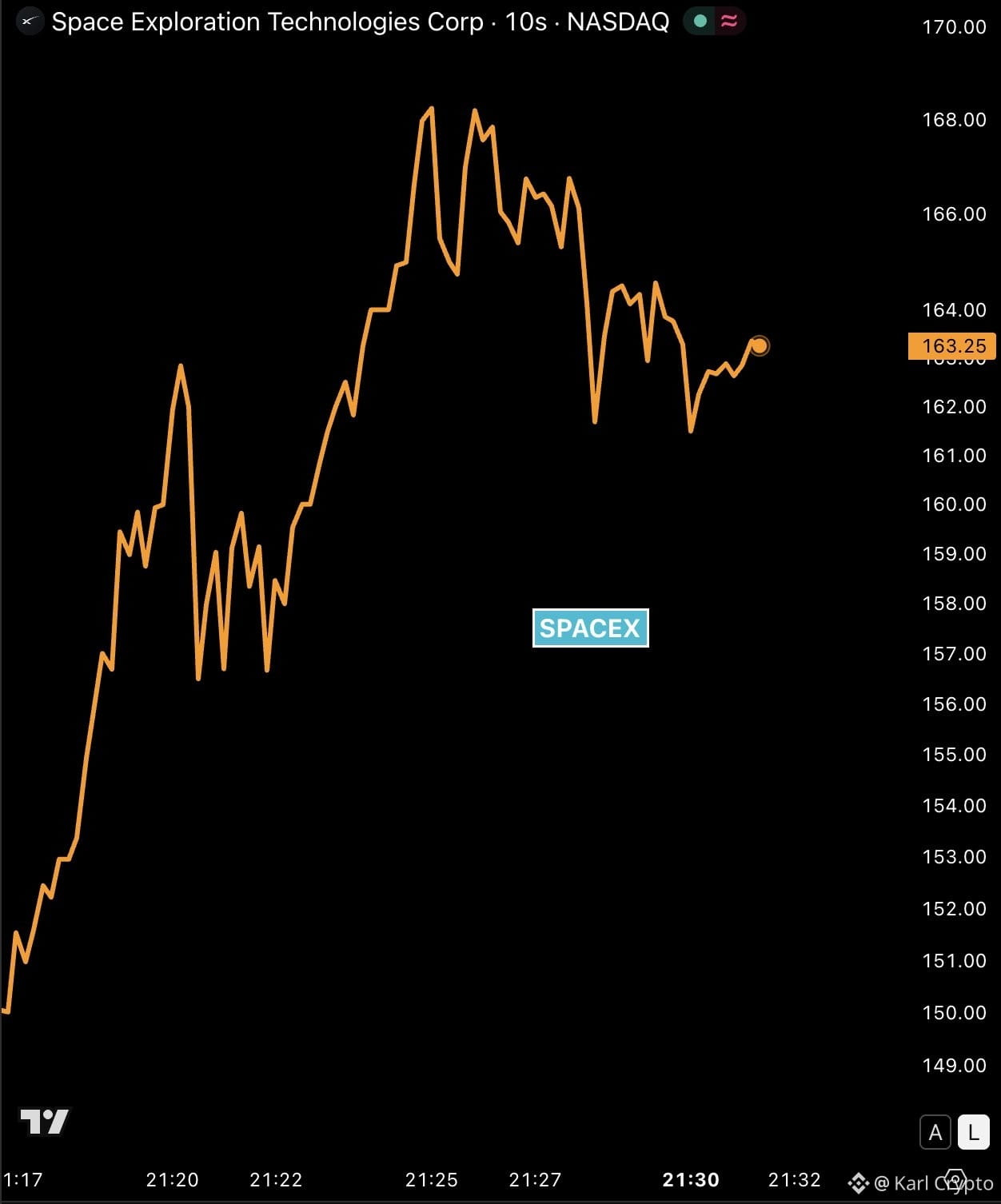
BREAKING 💥
SpaceX $SPCX hat am ersten Handelstag einen Wert von 2 BILLIONEN USD erreicht.$SPCX
{future}(SPCXUSDT)
BREAKING 💥
SpaceX $SPCX hat am ersten Handelstag einen Wert von 2 BILLIONEN USD erreicht.$SPCX
SpaceX $SPCX hat am ersten Handelstag einen Wert von 2 BILLIONEN USD erreicht.$SPCX
93
·
--
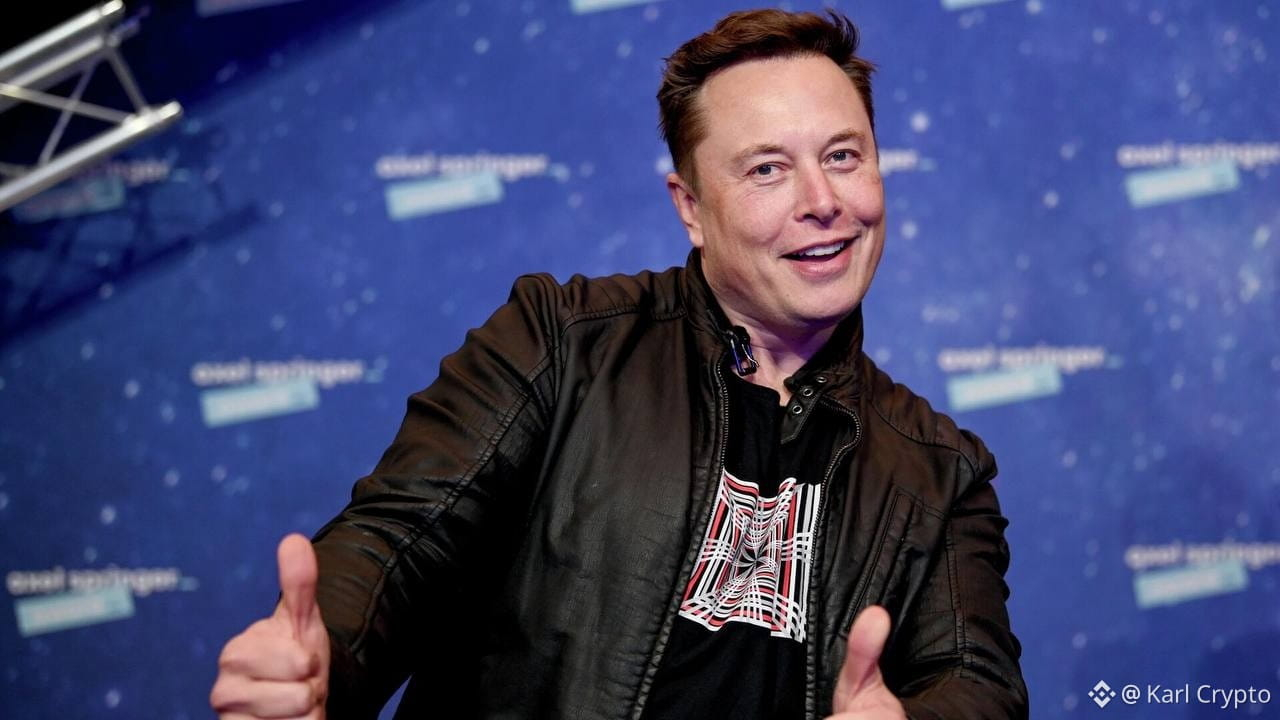
Elon Musk wird der erste Billionär der Welt 🔥
Nach dem erfolgreichen IPO von SpaceX, das sein Raumfahrtgeschäft mit KI-Projekten vereint hat, hat Elon Musk offiziell die 1 Billion Dollar Vermögensgrenze überschritten.
$SPCX
{future}(SPCXUSDT)
#SpaceXIPOUSStocksOpenHigher
Elon Musk wird der erste Billionär der Welt 🔥
Nach dem erfolgreichen IPO von SpaceX, das sein Raumfahrtgeschäft mit KI-Projekten vereint hat, hat Elon Musk offiziell die 1 Billion Dollar Vermögensgrenze überschritten.
$SPCX
#SpaceXIPOUSStocksOpenHigher
Nach dem erfolgreichen IPO von SpaceX, das sein Raumfahrtgeschäft mit KI-Projekten vereint hat, hat Elon Musk offiziell die 1 Billion Dollar Vermögensgrenze überschritten.
$SPCX
#SpaceXIPOUSStocksOpenHigher
1
657
·
--
Bullisch
Warum geht $VELVET nach oben?
Ich habe heute mal genauer hingeschaut und eine interessante Wallet gefunden:
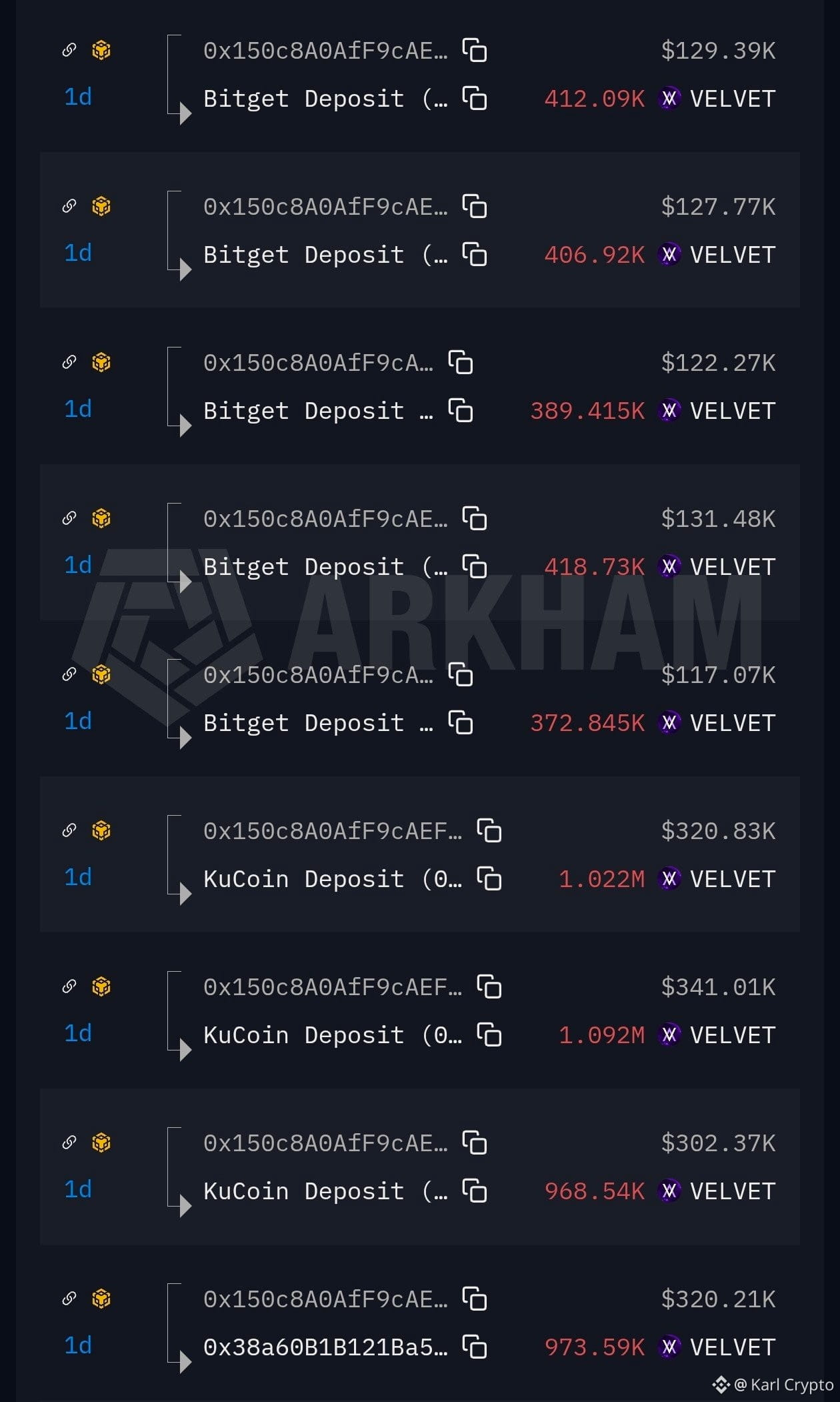
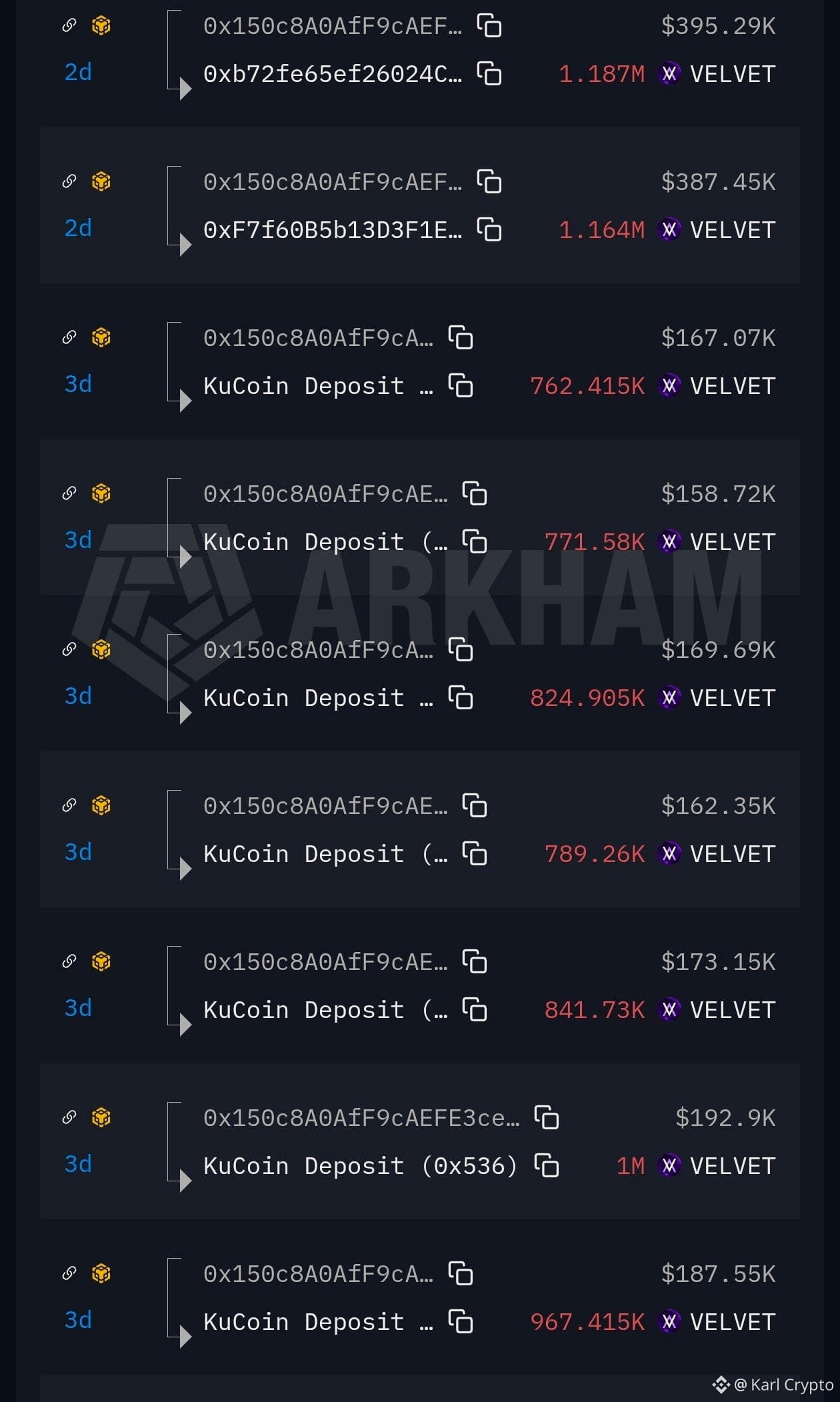
0x150c8A0AfF9cAEFE3ce92658AfA302e0172D1056
Vor etwa 3 Monaten hat diese Wallet ungefähr 73M $VELVET erhalten, was etwa 17% des zirkulierenden Angebots entspricht.
In den letzten 3 Tagen hat sie diese Tokens an Bitget, KuCoin und mehrere frische Wallets verteilt.
Bisher wurden rund 38M Tokens bewegt und es werden noch weitere 36M gehalten.
Was mir aufgefallen ist: Als ich die Bitget-Wallets überprüft habe, wurden die Tokens in Cold Wallets transferiert.
Im Chart unten kannst du den Anstieg der Menge sehen, die im Cold Wallet gehalten wird.
Wir haben ähnliche Muster schon früher bei mehreren betrügerischen Rallyes gesehen.
Ich habe etwas sehr Ähnliches in $BEAT gesehen und habe es mit dir geteilt, als der Preis noch bei etwa $0.60 lag.
Die Top 10 Halter kontrollieren mehr als 90% des Angebots, was den Token extrem anfällig für Manipulation macht.
Glaubst du, dass Velvet einen ähnlichen Weg wie $BEAT einschlagen könnte?
$VELVET
{future}(VELVETUSDT)
Warum geht $VELVET nach oben?
Ich habe heute mal genauer hingeschaut und eine interessante Wallet gefunden:
0x150c8A0AfF9cAEFE3ce92658AfA302e0172D1056
Vor etwa 3 Monaten hat diese Wallet ungefähr 73M $VELVET erhalten, was etwa 17% des zirkulierenden Angebots entspricht.
In den letzten 3 Tagen hat sie diese Tokens an Bitget, KuCoin und mehrere frische Wallets verteilt.
Bisher wurden rund 38M Tokens bewegt und es werden noch weitere 36M gehalten.
Was mir aufgefallen ist: Als ich die Bitget-Wallets überprüft habe, wurden die Tokens in Cold Wallets transferiert.
Im Chart unten kannst du den Anstieg der Menge sehen, die im Cold Wallet gehalten wird.
Wir haben ähnliche Muster schon früher bei mehreren betrügerischen Rallyes gesehen.
Ich habe etwas sehr Ähnliches in $BEAT gesehen und habe es mit dir geteilt, als der Preis noch bei etwa $0.60 lag.
Die Top 10 Halter kontrollieren mehr als 90% des Angebots, was den Token extrem anfällig für Manipulation macht.
Glaubst du, dass Velvet einen ähnlichen Weg wie $BEAT einschlagen könnte?
$VELVET
Ich habe heute mal genauer hingeschaut und eine interessante Wallet gefunden:
0x150c8A0AfF9cAEFE3ce92658AfA302e0172D1056
Vor etwa 3 Monaten hat diese Wallet ungefähr 73M $VELVET erhalten, was etwa 17% des zirkulierenden Angebots entspricht.
In den letzten 3 Tagen hat sie diese Tokens an Bitget, KuCoin und mehrere frische Wallets verteilt.
Bisher wurden rund 38M Tokens bewegt und es werden noch weitere 36M gehalten.
Was mir aufgefallen ist: Als ich die Bitget-Wallets überprüft habe, wurden die Tokens in Cold Wallets transferiert.
Im Chart unten kannst du den Anstieg der Menge sehen, die im Cold Wallet gehalten wird.
Wir haben ähnliche Muster schon früher bei mehreren betrügerischen Rallyes gesehen.
Ich habe etwas sehr Ähnliches in $BEAT gesehen und habe es mit dir geteilt, als der Preis noch bei etwa $0.60 lag.
Die Top 10 Halter kontrollieren mehr als 90% des Angebots, was den Token extrem anfällig für Manipulation macht.
Glaubst du, dass Velvet einen ähnlichen Weg wie $BEAT einschlagen könnte?
$VELVET
45
·
--
Bärisch
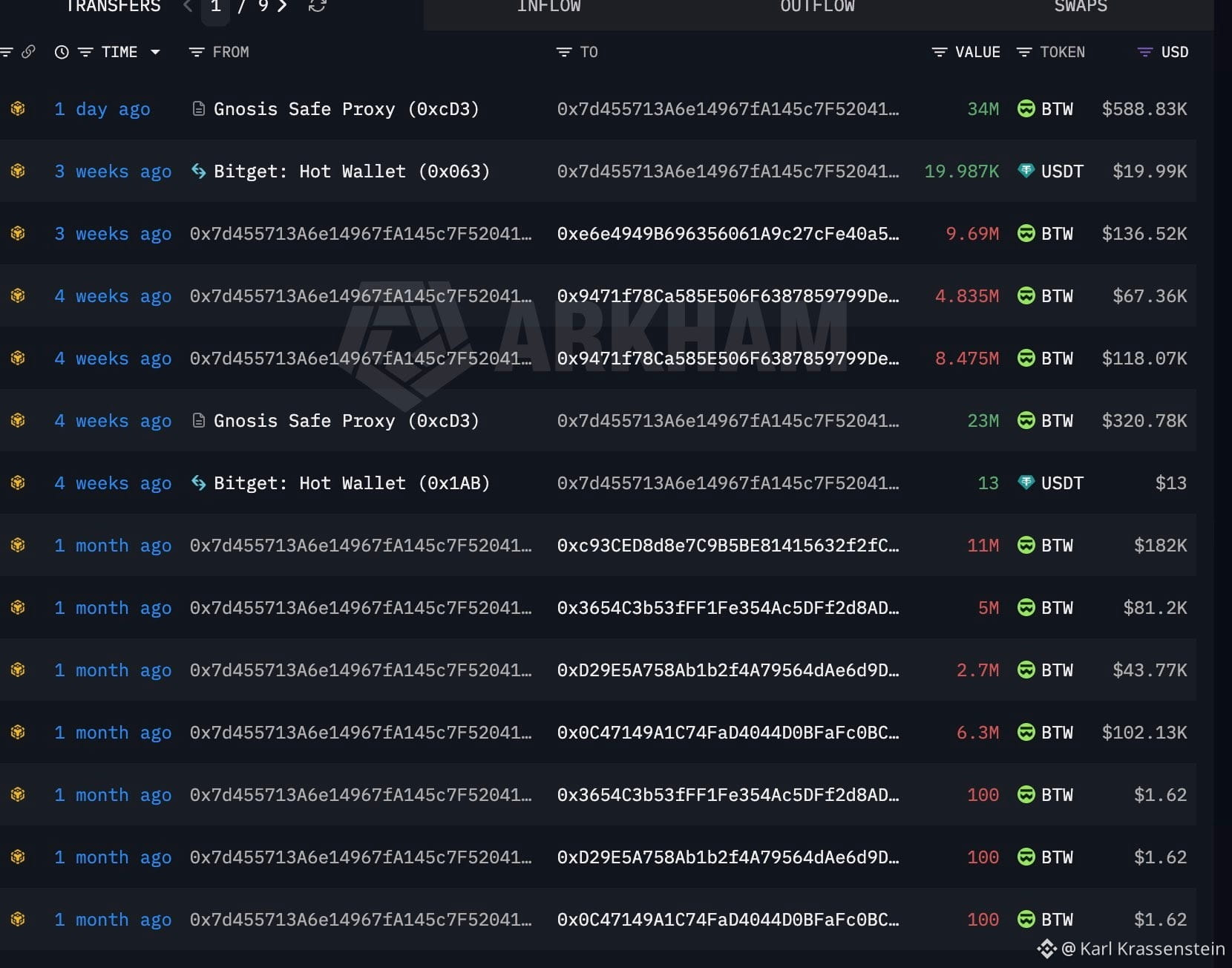
Die Genosis Wallet hat gerade 34M $BTW an eine Wallet gesendet, die seit einem Monat Tokens empfängt und diese dann an frische Wallets verteilt.
Merkt euch meine Worte, dieses Token hat eine hohe Wahrscheinlichkeit, manipuliert zu werden, ähnlich wie $LAB. Für den Moment aber noch nicht von hier. Sie könnten es vielleicht etwas höher pumpen.
$BTW
{future}(BTWUSDT)
#CPIWatch
Die Genosis Wallet hat gerade 34M $BTW an eine Wallet gesendet, die seit einem Monat Tokens empfängt und diese dann an frische Wallets verteilt.
Merkt euch meine Worte, dieses Token hat eine hohe Wahrscheinlichkeit, manipuliert zu werden, ähnlich wie $LAB. Für den Moment aber noch nicht von hier. Sie könnten es vielleicht etwas höher pumpen.
$BTW
#CPIWatch
Merkt euch meine Worte, dieses Token hat eine hohe Wahrscheinlichkeit, manipuliert zu werden, ähnlich wie $LAB. Für den Moment aber noch nicht von hier. Sie könnten es vielleicht etwas höher pumpen.
$BTW
#CPIWatch
642
·
--
156
·
--
Schneller Gewinn bei $17 ✅
Schneller Gewinn bei $17 ✅
Karl Crypto
·
--
Ich werde $LAB um 26 jetzt shorten 🔥🔥🔥
9
·
--
🖥 Ein Solo-Miner hat gerade den Bitcoin-Block 951771 gefunden und 231.000 $ gewonnen, indem er ein Heimgerät mit 4-6 TH/s verwendet hat.
Er konkurriert gegen Mining-Farmen mit Millionen von TH/s.
Hat mit einem Gartenschlauch gegen ein Waldbrand angekämpft und gewonnen 🚶♀️
$BTC
{spot}(BTCUSDT)
#BinanceRollsOutTradingInUSStocks
🖥 Ein Solo-Miner hat gerade den Bitcoin-Block 951771 gefunden und 231.000 $ gewonnen, indem er ein Heimgerät mit 4-6 TH/s verwendet hat.
Er konkurriert gegen Mining-Farmen mit Millionen von TH/s.
Hat mit einem Gartenschlauch gegen ein Waldbrand angekämpft und gewonnen 🚶♀️
$BTC
#BinanceRollsOutTradingInUSStocks
Er konkurriert gegen Mining-Farmen mit Millionen von TH/s.
Hat mit einem Gartenschlauch gegen ein Waldbrand angekämpft und gewonnen 🚶♀️
$BTC
#BinanceRollsOutTradingInUSStocks
92
·
--
Hör auf zu shorten $LAB , geh nicht gegen den Markt, nutz einfach 10% deines Kapitals bei jedem ATH. Wenn du den Peak erwischst, druck einfach Geld 🔥
#BinanceSquareFamily
Hör auf zu shorten $LAB , geh nicht gegen den Markt, nutz einfach 10% deines Kapitals bei jedem ATH. Wenn du den Peak erwischst, druck einfach Geld 🔥
#BinanceSquareFamily
#BinanceSquareFamily
364
·
--
Bärisch
Short $LAB bei jedem ATH, nutze 10% deines Kapitals. Wenn du die Bewegung erwischst, druck einfach Geld 🔥🔥🔥
#LAB
{future}(LABUSDT)
Short $LAB bei jedem ATH, nutze 10% deines Kapitals. Wenn du die Bewegung erwischst, druck einfach Geld 🔥🔥🔥
#LAB
#LAB
299
·
--
🏦💰⚡ Ondo Finance übertrifft $2,5B TVL — Größter Anbieter von tokenisierten Wertpapieren!
🔹 Die Globale Märkte-Sparte allein erreicht $1,17B TVL in tokenisierten Aktien + ETFs — über 200 RWAs rund um die Uhr über MetaMask Swaps handelbar 📊🚀
🔹 USDY und OUSG renditestarke Treasury-Token übertreffen traditionelle Stablecoins — echte Rendite ohne Risiko von Bankgegenparteien 💥🔥
🔹 Ondo Chain startet für institutionelles tokenisiertes Asset-Management — traditionelle Finanzen auf Blockchain-Schienen 🌐⚡
🔹 Die Integration von MetaMask bringt tokenisierte US-Aktien in DeFi-Wallets — die Barrieren des TradFi brechen täglich 🤖💸
Wall Street geht on-chain, während dein Sparkonto 0% Zinsen zahlt 👀💰
#BinanceSquareTalks $CHIP
{spot}(CHIPUSDT)
$LAB
{future}(LABUSDT)
$GENIUS
{spot}(GENIUSUSDT)
🏦💰⚡ Ondo Finance übertrifft $2,5B TVL — Größter Anbieter von tokenisierten Wertpapieren!
🔹 Die Globale Märkte-Sparte allein erreicht $1,17B TVL in tokenisierten Aktien + ETFs — über 200 RWAs rund um die Uhr über MetaMask Swaps handelbar 📊🚀
🔹 USDY und OUSG renditestarke Treasury-Token übertreffen traditionelle Stablecoins — echte Rendite ohne Risiko von Bankgegenparteien 💥🔥
🔹 Ondo Chain startet für institutionelles tokenisiertes Asset-Management — traditionelle Finanzen auf Blockchain-Schienen 🌐⚡
🔹 Die Integration von MetaMask bringt tokenisierte US-Aktien in DeFi-Wallets — die Barrieren des TradFi brechen täglich 🤖💸
Wall Street geht on-chain, während dein Sparkonto 0% Zinsen zahlt 👀💰
#BinanceSquareTalks $CHIP
$LAB
$GENIUS
🔹 Die Globale Märkte-Sparte allein erreicht $1,17B TVL in tokenisierten Aktien + ETFs — über 200 RWAs rund um die Uhr über MetaMask Swaps handelbar 📊🚀
🔹 USDY und OUSG renditestarke Treasury-Token übertreffen traditionelle Stablecoins — echte Rendite ohne Risiko von Bankgegenparteien 💥🔥
🔹 Ondo Chain startet für institutionelles tokenisiertes Asset-Management — traditionelle Finanzen auf Blockchain-Schienen 🌐⚡
🔹 Die Integration von MetaMask bringt tokenisierte US-Aktien in DeFi-Wallets — die Barrieren des TradFi brechen täglich 🤖💸
Wall Street geht on-chain, während dein Sparkonto 0% Zinsen zahlt 👀💰
#BinanceSquareTalks $CHIP
$LAB
$GENIUS
525
·
--
🚀💰⚡ Musk Tesla+SpaceX Fusion = Weltweit 5. größte Unternehmens-Bitcoin-Reserve!
🔹 CNBC berichtet über interne Fusionsgespräche zwischen Tesla und SpaceX — die Mitarbeiter erwarten, dass es "schließlich passieren wird" 🤝💥
🔹 Kombinierte 30.221 BTC-Bestände im Wert von 3,3 Milliarden Dollar bei aktuellen Preisen von 75K $ — nur hinter MicroStrategy und den Mining-Giganten 📊🔥
🔹 Tesla hält 11.509 BTC + SpaceX besitzt 18.712 BTC aus der jüngsten IPO-Offenlegung 🏦⚡
🔹 SpaceX geht nächsten Monat mit einer Bewertung von 1,25 Billionen Dollar an die Nasdaq nach der xAI-Fusion — Musks Imperiumexpansion beschleunigt sich 🌐💸
Bären werden gerächt, während Musk das Bitcoin-Imperium aufbaut, von dem deine Freunde noch nichts wissen 👀💰
#BinanceSquareTalks $CHIP
{spot}(CHIPUSDT)
$GENIUS
{spot}(GENIUSUSDT)
🚀💰⚡ Musk Tesla+SpaceX Fusion = Weltweit 5. größte Unternehmens-Bitcoin-Reserve!
🔹 CNBC berichtet über interne Fusionsgespräche zwischen Tesla und SpaceX — die Mitarbeiter erwarten, dass es "schließlich passieren wird" 🤝💥
🔹 Kombinierte 30.221 BTC-Bestände im Wert von 3,3 Milliarden Dollar bei aktuellen Preisen von 75K $ — nur hinter MicroStrategy und den Mining-Giganten 📊🔥
🔹 Tesla hält 11.509 BTC + SpaceX besitzt 18.712 BTC aus der jüngsten IPO-Offenlegung 🏦⚡
🔹 SpaceX geht nächsten Monat mit einer Bewertung von 1,25 Billionen Dollar an die Nasdaq nach der xAI-Fusion — Musks Imperiumexpansion beschleunigt sich 🌐💸
Bären werden gerächt, während Musk das Bitcoin-Imperium aufbaut, von dem deine Freunde noch nichts wissen 👀💰
#BinanceSquareTalks $CHIP
$GENIUS
🔹 CNBC berichtet über interne Fusionsgespräche zwischen Tesla und SpaceX — die Mitarbeiter erwarten, dass es "schließlich passieren wird" 🤝💥
🔹 Kombinierte 30.221 BTC-Bestände im Wert von 3,3 Milliarden Dollar bei aktuellen Preisen von 75K $ — nur hinter MicroStrategy und den Mining-Giganten 📊🔥
🔹 Tesla hält 11.509 BTC + SpaceX besitzt 18.712 BTC aus der jüngsten IPO-Offenlegung 🏦⚡
🔹 SpaceX geht nächsten Monat mit einer Bewertung von 1,25 Billionen Dollar an die Nasdaq nach der xAI-Fusion — Musks Imperiumexpansion beschleunigt sich 🌐💸
Bären werden gerächt, während Musk das Bitcoin-Imperium aufbaut, von dem deine Freunde noch nichts wissen 👀💰
#BinanceSquareTalks $CHIP
$GENIUS
122
·
--
🚨⚡ SCOOP: CASH APP FÜHRT STABLECOIN-ZAHLUNGEN FÜR 60 MILLIONEN NUTZER EIN
💥 Block's Cash App hat diese Woche heimlich die Stablecoin-Funktion gestartet - 25% der Nutzer haben bereits Zugriff! 📊
🔥 Neueste Details:
🔹 Wird bis Ende der Woche für ALLE 60 Millionen Nutzer ausgerollt
🔹 Unprecedented ideologischer Wandel unter Jack Dorsey's Führung 🎯
🔹 Bitcoin-Maximalist-CEO umarmt jetzt nicht-BTC-Blockchain-Netzwerke
🔹 Ändert für immer, wie die Plattform mit digitaler Fiat-Währung umgeht
🔹 Der Stablecoin-Markt hat diese Woche ein Rekordhoch von 322 Milliarden Dollar erreicht! 💰
⚡ Von Bitcoin-only zu Stablecoins - das ist die großflächige Akzeptanz von Krypto im Mainstream!
Was haltet ihr von Dorseys Kurswechsel? 🤔
$CHIP
{spot}(CHIPUSDT)
$GENIUS
{spot}(GENIUSUSDT)
#BinanceSquareTalks
🚨⚡ SCOOP: CASH APP FÜHRT STABLECOIN-ZAHLUNGEN FÜR 60 MILLIONEN NUTZER EIN
💥 Block's Cash App hat diese Woche heimlich die Stablecoin-Funktion gestartet - 25% der Nutzer haben bereits Zugriff! 📊
🔥 Neueste Details:
🔹 Wird bis Ende der Woche für ALLE 60 Millionen Nutzer ausgerollt
🔹 Unprecedented ideologischer Wandel unter Jack Dorsey's Führung 🎯
🔹 Bitcoin-Maximalist-CEO umarmt jetzt nicht-BTC-Blockchain-Netzwerke
🔹 Ändert für immer, wie die Plattform mit digitaler Fiat-Währung umgeht
🔹 Der Stablecoin-Markt hat diese Woche ein Rekordhoch von 322 Milliarden Dollar erreicht! 💰
⚡ Von Bitcoin-only zu Stablecoins - das ist die großflächige Akzeptanz von Krypto im Mainstream!
Was haltet ihr von Dorseys Kurswechsel? 🤔
$CHIP
$GENIUS
#BinanceSquareTalks
💥 Block's Cash App hat diese Woche heimlich die Stablecoin-Funktion gestartet - 25% der Nutzer haben bereits Zugriff! 📊
🔥 Neueste Details:
🔹 Wird bis Ende der Woche für ALLE 60 Millionen Nutzer ausgerollt
🔹 Unprecedented ideologischer Wandel unter Jack Dorsey's Führung 🎯
🔹 Bitcoin-Maximalist-CEO umarmt jetzt nicht-BTC-Blockchain-Netzwerke
🔹 Ändert für immer, wie die Plattform mit digitaler Fiat-Währung umgeht
🔹 Der Stablecoin-Markt hat diese Woche ein Rekordhoch von 322 Milliarden Dollar erreicht! 💰
⚡ Von Bitcoin-only zu Stablecoins - das ist die großflächige Akzeptanz von Krypto im Mainstream!
Was haltet ihr von Dorseys Kurswechsel? 🤔
$CHIP
$GENIUS
#BinanceSquareTalks
293
·
--
Indonesien blockiert Polymarket im Zuge der Durchgreifung gegen Online-Glücksspiel
Indonesien hat Polymarket blockiert, nachdem die Behörden die Vorhersageplattform als Online-Glücksspiel gemäß dem nationalen Recht eingestuft haben.
Der landesweite Block stimmt mit den Einschränkungen in anderen Ländern, einschließlich Brasilien und Argentinien, überein, da die Aufsichtsbehörden die Prüfung verstärken, ob Vorhersagemärkte unlizenzierte Glücksspieloperationen darstellen.
#BinanceSquareTalks
Indonesien blockiert Polymarket im Zuge der Durchgreifung gegen Online-Glücksspiel
Indonesien hat Polymarket blockiert, nachdem die Behörden die Vorhersageplattform als Online-Glücksspiel gemäß dem nationalen Recht eingestuft haben.
Der landesweite Block stimmt mit den Einschränkungen in anderen Ländern, einschließlich Brasilien und Argentinien, überein, da die Aufsichtsbehörden die Prüfung verstärken, ob Vorhersagemärkte unlizenzierte Glücksspieloperationen darstellen.
#BinanceSquareTalks
Indonesien hat Polymarket blockiert, nachdem die Behörden die Vorhersageplattform als Online-Glücksspiel gemäß dem nationalen Recht eingestuft haben.
Der landesweite Block stimmt mit den Einschränkungen in anderen Ländern, einschließlich Brasilien und Argentinien, überein, da die Aufsichtsbehörden die Prüfung verstärken, ob Vorhersagemärkte unlizenzierte Glücksspieloperationen darstellen.
#BinanceSquareTalks

11
·
--
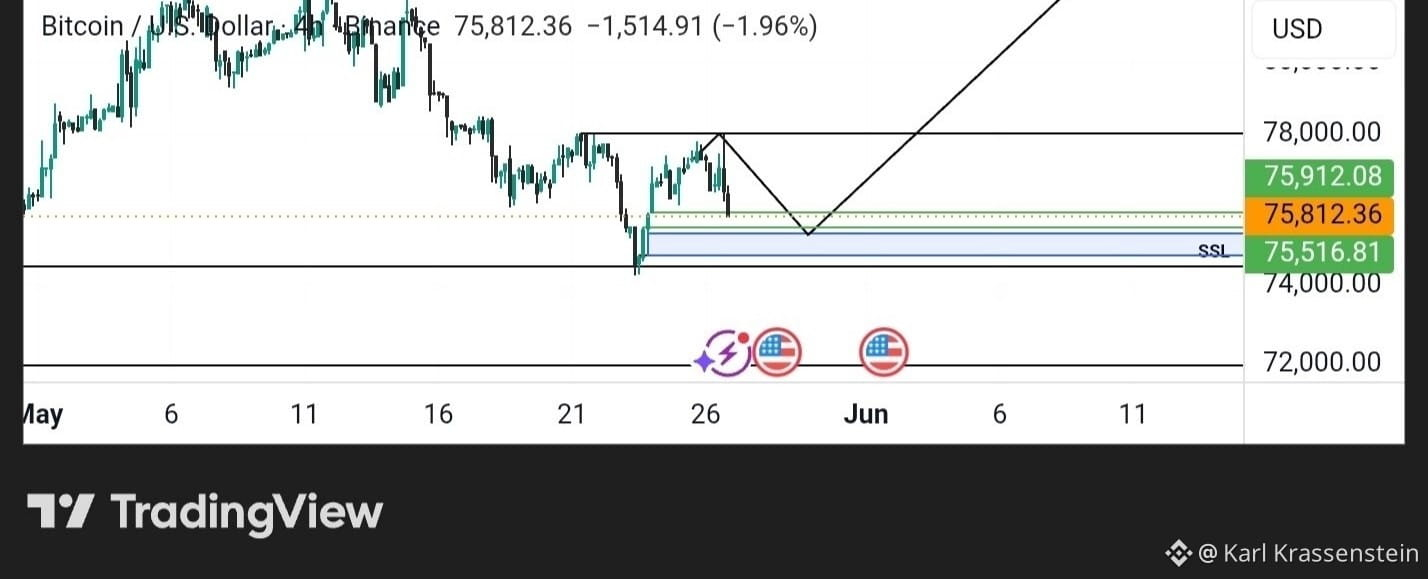
📣 #BTC Update: Ausführung gemäß dem Skript
Das Tape druckt genau so, wie es eingeplant war. Keine Änderungen am Masterplan.
Wie gestern erwartet, hat der Preis lokalen Widerstand genau um das lokale Hoch gefunden und beginnt jetzt den kleinen LTF-Retest zurück zum H4 FVG.
Die technische Realität:
Die Kompression: Der Preis konsolidiert derzeit bei $76.9k. Diese seitliche Bewegung ist völlig normal und erwartet für die Akkumulationsphase dieser Woche.
Das Retest-Ziel: Der Algorithmus zieht sich zurück, um ein konkretes höheres Tief innerhalb der $75.5k – $74.9k FVG-Nachfragebox zu etablieren.
Das Ziel: Diese kleine Korrektur soll einfach den Retail langweilen und frühe Breakout-Shorts fangen, bevor die echte Pre-FOMC-Expansion nächste Woche beginnt.
Der ruhige Bereich bleibt dein bestes Akkumulationsfenster in #crypto und bei den besten #altcoins.
Bleib ruhig, übertrage nicht zu viel wegen des täglichen Rauschens und lass den Blueprint reifen. Nächster Halt: $84k+.
$BTC
{spot}(BTCUSDT)
📣 #BTC Update: Ausführung gemäß dem Skript
Das Tape druckt genau so, wie es eingeplant war. Keine Änderungen am Masterplan.
Wie gestern erwartet, hat der Preis lokalen Widerstand genau um das lokale Hoch gefunden und beginnt jetzt den kleinen LTF-Retest zurück zum H4 FVG.
Die technische Realität:
Die Kompression: Der Preis konsolidiert derzeit bei $76.9k. Diese seitliche Bewegung ist völlig normal und erwartet für die Akkumulationsphase dieser Woche.
Das Retest-Ziel: Der Algorithmus zieht sich zurück, um ein konkretes höheres Tief innerhalb der $75.5k – $74.9k FVG-Nachfragebox zu etablieren.
Das Ziel: Diese kleine Korrektur soll einfach den Retail langweilen und frühe Breakout-Shorts fangen, bevor die echte Pre-FOMC-Expansion nächste Woche beginnt.
Der ruhige Bereich bleibt dein bestes Akkumulationsfenster in #crypto und bei den besten #altcoins.
Bleib ruhig, übertrage nicht zu viel wegen des täglichen Rauschens und lass den Blueprint reifen. Nächster Halt: $84k+.
$BTC
Das Tape druckt genau so, wie es eingeplant war. Keine Änderungen am Masterplan.
Wie gestern erwartet, hat der Preis lokalen Widerstand genau um das lokale Hoch gefunden und beginnt jetzt den kleinen LTF-Retest zurück zum H4 FVG.
Die technische Realität:
Die Kompression: Der Preis konsolidiert derzeit bei $76.9k. Diese seitliche Bewegung ist völlig normal und erwartet für die Akkumulationsphase dieser Woche.
Das Retest-Ziel: Der Algorithmus zieht sich zurück, um ein konkretes höheres Tief innerhalb der $75.5k – $74.9k FVG-Nachfragebox zu etablieren.
Das Ziel: Diese kleine Korrektur soll einfach den Retail langweilen und frühe Breakout-Shorts fangen, bevor die echte Pre-FOMC-Expansion nächste Woche beginnt.
Der ruhige Bereich bleibt dein bestes Akkumulationsfenster in #crypto und bei den besten #altcoins.
Bleib ruhig, übertrage nicht zu viel wegen des täglichen Rauschens und lass den Blueprint reifen. Nächster Halt: $84k+.
$BTC
134
·
--
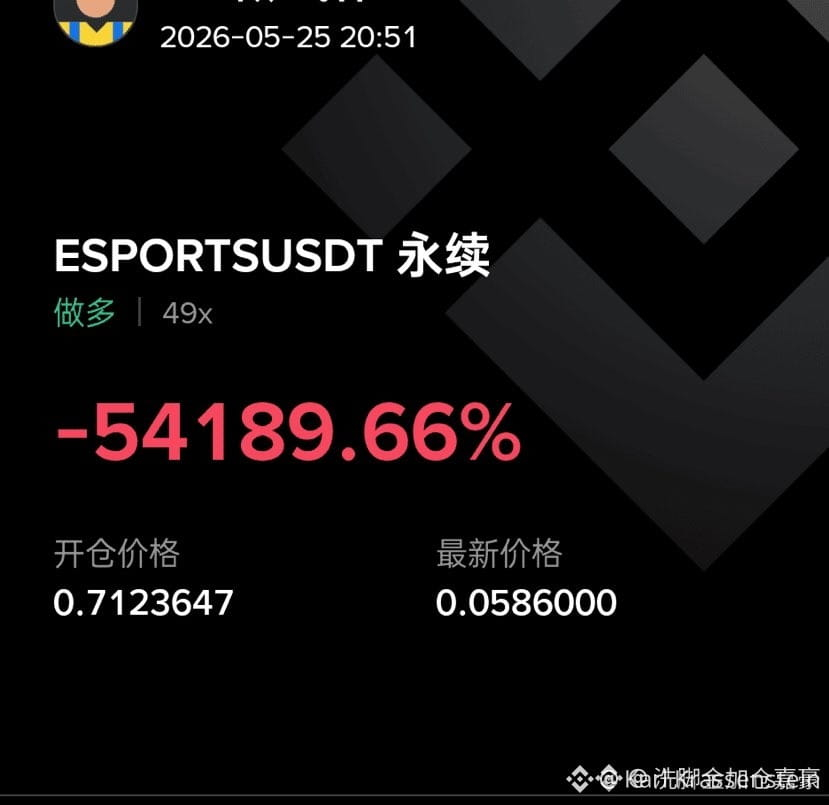
Ein chinesischer Trader hat über $245.632,40 in $ESPORTS verloren. 😳
Wenn $ESPORTS noch einmal 10% dumpen, könnte sein gesamtes Portfolio von $300K ausgelöscht werden.
Gestern ist $ESPORTS von $0.8345 auf $0.0447 gefallen (95% Rückgang 📉)
Eine brutale Liquidation reicht aus, um Jahre von Kapital zu löschen.
#esports $ESPORTS
{future}(ESPORTSUSDT)
Ein chinesischer Trader hat über $245.632,40 in $ESPORTS verloren. 😳
Wenn $ESPORTS noch einmal 10% dumpen, könnte sein gesamtes Portfolio von $300K ausgelöscht werden.
Gestern ist $ESPORTS von $0.8345 auf $0.0447 gefallen (95% Rückgang 📉)
Eine brutale Liquidation reicht aus, um Jahre von Kapital zu löschen.
#esports $ESPORTS
Wenn $ESPORTS noch einmal 10% dumpen, könnte sein gesamtes Portfolio von $300K ausgelöscht werden.
Gestern ist $ESPORTS von $0.8345 auf $0.0447 gefallen (95% Rückgang 📉)
Eine brutale Liquidation reicht aus, um Jahre von Kapital zu löschen.
#esports $ESPORTS
16
Anmelden und weiter Inhalte entdecken
Krypto-Nutzer weltweit auf Binance Square kennenlernen
⚡️ Bleib in Sachen Krypto stets am Puls.
💬 Die weltgrößte Kryptobörse vertraut darauf.
👍 Erhalte verlässliche Einblicke von verifizierten Creators.
E-Mail-Adresse/Telefonnummer
Trendthemen
FedRateWatch
1.1M Aufrufe
5,184 Kommentare
Teile & gewinne Traffic-Belohnungen in unserer Kampagne mit angesagtem Hashtag
✨Thema: FOMC September, Was ist der nächste Schritt der Fed?
👉So nimmst du teil:
Veröffentliche einen kurzen Beitrag oder Artikel mit dem Hashtag #FedRateWatch
Erstelle Inhalte basierend auf den folgenden Blickwinkeln:
- Der August-Core-CPI stieg um 0,3% im Monatsvergleich, und die Wahrscheinlichkeit für eine 25bp-Erhöhung diese Woche liegt nun bei fast 90%. Erwartest du diese Woche eine Zinserhöhung? Handelt es sich um einen einmaligen Schritt oder den Beginn eines längeren Zinserhöhungszyklus?
- Wenn die Erhöhung erfolgt: Wie entwickelt sich das für BTC, Tech-Aktien und Gold? Aufwärts- oder abwärtsgerichtet?
- Wie planst du als Nächstes zu handeln? Teile deinen BTC-, Aktien- oder Gold-Trade/Bestände mit unserem Trade-Sharing-Widget.
⏰Kampagnenzeitraum:
- 2026-09-15 11:00 - 2026-09-17 3:00 UTC
🎁Belohnung:
- Qualifizierte Beiträge, die die oben genannten Richtlinien erfüllen und mehr als 100 Wörter enthalten, werden überprüft und erhalten möglicherweise einen zufälligen Traffic-Boost von 500 bis 3.000 Aufrufen. Du erhältst eine Benachrichtigung von deiner Feed-Secretary, wenn dein Beitrag ausgewählt wird.
- Erhalte die Chance, dass dein Artikel auf Binance Square Official vorgestellt wird
Du brauchst Ideen für deinen Beitrag? Besuche die Themenseite #FedRateWatch oder die Square Guide on How to Post for Better Reach.
Binance Square Official
·573 Likes
·1.4M Aufrufe
ZcashRises6%
194 Aufrufe
15 Kommentare
XRPSinks10%
14 Aufrufe
10 Kommentare