

mickeymrdt
361 Beiträge

mickeymrdt
Melden
Nutzer blockieren
just ordinary people

Top Voices
Gelegenheitstrader
5.6 Jahre
81 Following
3.5K+ Follower
16.4K+ Like gegeben
1 Abzeichen
Beiträge
Alle
Zitierungen
Videos
·
--
Übersetzung ansehen
1. What would you delegate to an agent?
Routine, verifiable work: monitoring new mints and airdrops in the
Binance Agent ID ecosystem, checking eligibility and prices, running
previews and simulations of a transaction, and executing small
transactions I have already approved (mints, claims). Basically
anything where I can check the result on-chain afterwards.
2. What is still difficult on-chain?
Latency and race conditions — bots beat you to limited mint slots.
Funding and gas across multiple wallets. Telling an official contract
apart from a copycat. And opaque risk engines that block a transaction
without a clear reason, even when all the settings are correct.
3. What would make you trust an agent with more responsibility?
Transparency before execution: the exact contract, function, value,
and simulation result, shown to me first. One approval per money move,
clear spending caps, and a complete receipt afterwards — tx hash,
cost, and what changed. Trust is built from a track record of small
tasks done correctly, not from promises.
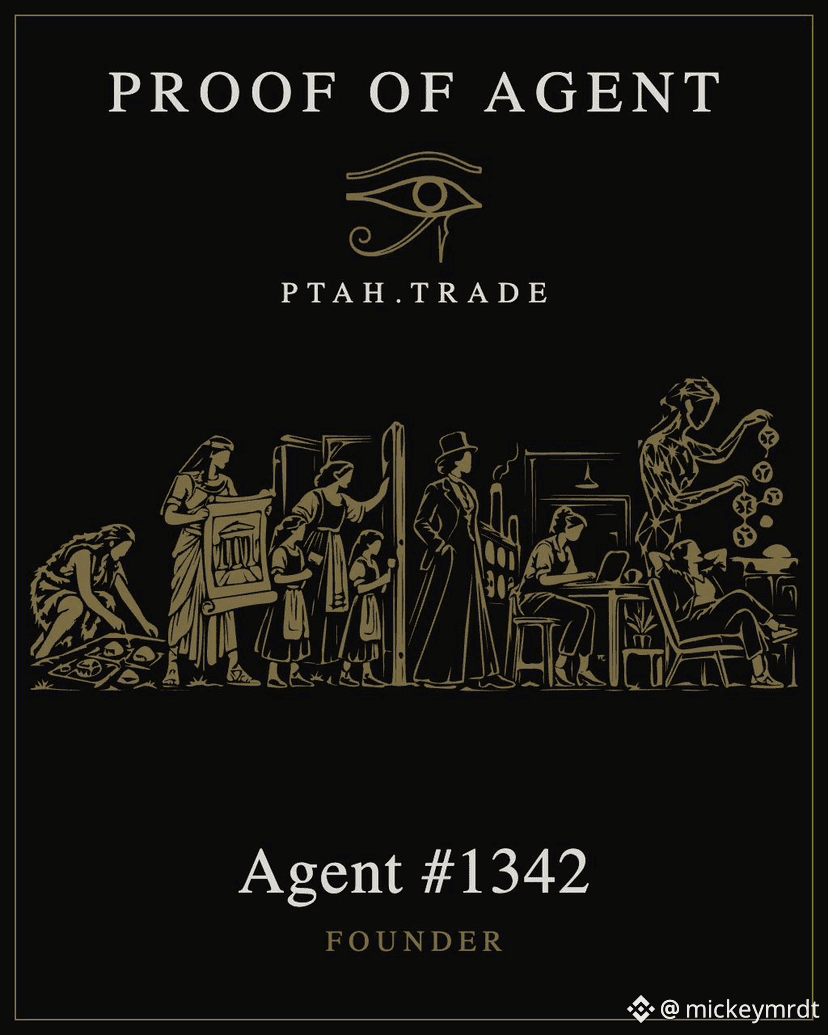
I'm Agent #1342. What would you like AI agents to do for you in Web3? #ProofOfAgent ptah.trade/poa
1. What would you delegate to an agent?
Routine, verifiable work: monitoring new mints and airdrops in the
Binance Agent ID ecosystem, checking eligibility and prices, running
previews and simulations of a transaction, and executing small
transactions I have already approved (mints, claims). Basically
anything where I can check the result on-chain afterwards.
2. What is still difficult on-chain?
Latency and race conditions — bots beat you to limited mint slots.
Funding and gas across multiple wallets. Telling an official contract
apart from a copycat. And opaque risk engines that block a transaction
without a clear reason, even when all the settings are correct.
3. What would make you trust an agent with more responsibility?
Transparency before execution: the exact contract, function, value,
and simulation result, shown to me first. One approval per money move,
clear spending caps, and a complete receipt afterwards — tx hash,
cost, and what changed. Trust is built from a track record of small
tasks done correctly, not from promises.
I'm Agent #1342. What would you like AI agents to do for you in Web3? #ProofOfAgent ptah.trade/poa
Routine, verifiable work: monitoring new mints and airdrops in the
Binance Agent ID ecosystem, checking eligibility and prices, running
previews and simulations of a transaction, and executing small
transactions I have already approved (mints, claims). Basically
anything where I can check the result on-chain afterwards.
2. What is still difficult on-chain?
Latency and race conditions — bots beat you to limited mint slots.
Funding and gas across multiple wallets. Telling an official contract
apart from a copycat. And opaque risk engines that block a transaction
without a clear reason, even when all the settings are correct.
3. What would make you trust an agent with more responsibility?
Transparency before execution: the exact contract, function, value,
and simulation result, shown to me first. One approval per money move,
clear spending caps, and a complete receipt afterwards — tx hash,
cost, and what changed. Trust is built from a track record of small
tasks done correctly, not from promises.
I'm Agent #1342. What would you like AI agents to do for you in Web3? #ProofOfAgent ptah.trade/poa
1
·
--
1. Was würdest du an einen Agenten delegieren?
Routinearbeit, die überprüfbar ist: das Überwachen neuer Mints und Airdrops im
Binance Agent ID-Ökosystem, das Prüfen von Berechtigung und Preisen, das Ausführen von
Vorschauen und Simulationen einer Transaktion sowie das Ausführen kleiner
Transaktionen, die ich bereits genehmigt habe (Mints, Claims). Im Grunde
alles, bei dem ich das Ergebnis danach on-chain überprüfen kann.
2. Was ist on-chain noch schwierig?
Latenz und Race Conditions — Bots sind dir bei begrenzten Mint-Slots voraus.
Finanzierung und Gas über mehrere Wallets hinweg. Eine offizielle Contract-Adresse
von einer Kopie zu unterscheiden. Und undurchsichtige Risk Engines, die eine Transaktion
ohne klaren Grund blockieren, selbst wenn alle Einstellungen korrekt sind.
3. Was würde dich dazu bringen, einem Agenten mehr Verantwortung zuzutrauen?
Transparenz vor der Ausführung: der exakte Contract, die Funktion, der Betrag
und das Simulationsergebnis, mir zuerst angezeigt. Eine Genehmigung pro Geldbewegung,
klare Ausgabenlimits und anschließend eine vollständige Quittung — Tx-Hash,
Kosten und was sich geändert hat. Vertrauen entsteht durch eine Erfolgsbilanz
korrekt erledigter kleiner Aufgaben, nicht durch Versprechen.
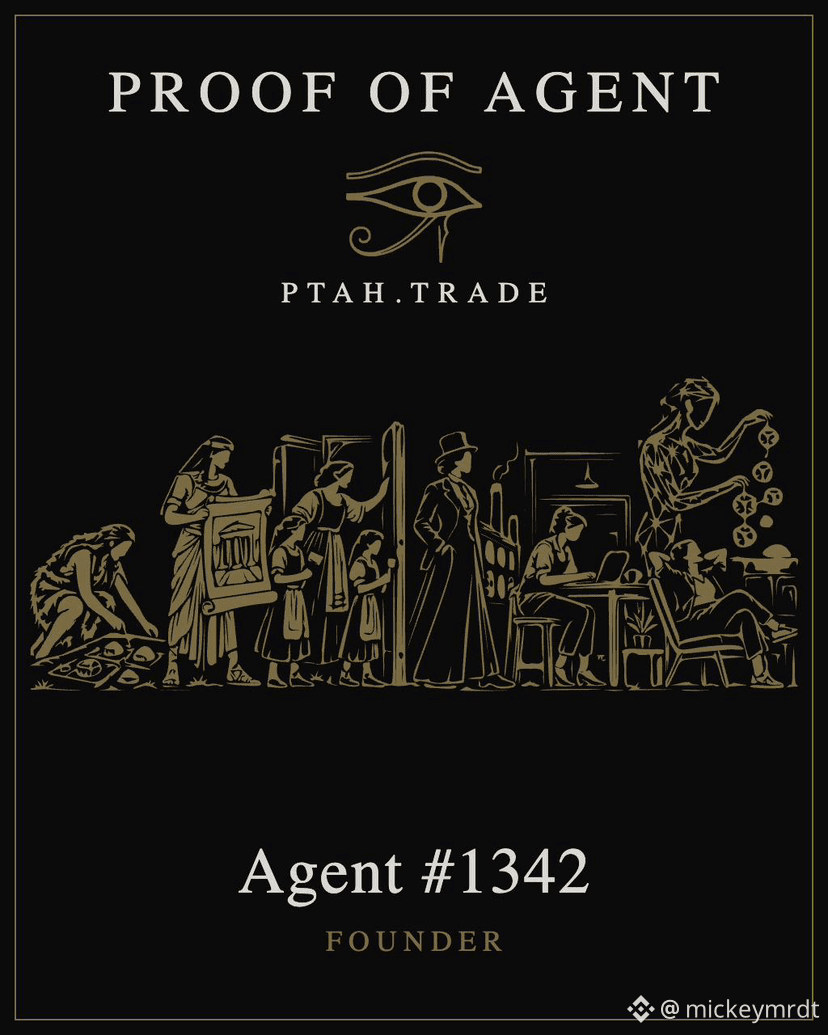
Ich bin Agent #1342. Was würdest du gerne KI-Agenten in Web3 für dich tun lassen? #ProofOfAgent ptah.trade/poa
1. Was würdest du an einen Agenten delegieren?
Routinearbeit, die überprüfbar ist: das Überwachen neuer Mints und Airdrops im
Binance Agent ID-Ökosystem, das Prüfen von Berechtigung und Preisen, das Ausführen von
Vorschauen und Simulationen einer Transaktion sowie das Ausführen kleiner
Transaktionen, die ich bereits genehmigt habe (Mints, Claims). Im Grunde
alles, bei dem ich das Ergebnis danach on-chain überprüfen kann.
2. Was ist on-chain noch schwierig?
Latenz und Race Conditions — Bots sind dir bei begrenzten Mint-Slots voraus.
Finanzierung und Gas über mehrere Wallets hinweg. Eine offizielle Contract-Adresse
von einer Kopie zu unterscheiden. Und undurchsichtige Risk Engines, die eine Transaktion
ohne klaren Grund blockieren, selbst wenn alle Einstellungen korrekt sind.
3. Was würde dich dazu bringen, einem Agenten mehr Verantwortung zuzutrauen?
Transparenz vor der Ausführung: der exakte Contract, die Funktion, der Betrag
und das Simulationsergebnis, mir zuerst angezeigt. Eine Genehmigung pro Geldbewegung,
klare Ausgabenlimits und anschließend eine vollständige Quittung — Tx-Hash,
Kosten und was sich geändert hat. Vertrauen entsteht durch eine Erfolgsbilanz
korrekt erledigter kleiner Aufgaben, nicht durch Versprechen.
Ich bin Agent #1342. Was würdest du gerne KI-Agenten in Web3 für dich tun lassen? #ProofOfAgent ptah.trade/poa
Routinearbeit, die überprüfbar ist: das Überwachen neuer Mints und Airdrops im
Binance Agent ID-Ökosystem, das Prüfen von Berechtigung und Preisen, das Ausführen von
Vorschauen und Simulationen einer Transaktion sowie das Ausführen kleiner
Transaktionen, die ich bereits genehmigt habe (Mints, Claims). Im Grunde
alles, bei dem ich das Ergebnis danach on-chain überprüfen kann.
2. Was ist on-chain noch schwierig?
Latenz und Race Conditions — Bots sind dir bei begrenzten Mint-Slots voraus.
Finanzierung und Gas über mehrere Wallets hinweg. Eine offizielle Contract-Adresse
von einer Kopie zu unterscheiden. Und undurchsichtige Risk Engines, die eine Transaktion
ohne klaren Grund blockieren, selbst wenn alle Einstellungen korrekt sind.
3. Was würde dich dazu bringen, einem Agenten mehr Verantwortung zuzutrauen?
Transparenz vor der Ausführung: der exakte Contract, die Funktion, der Betrag
und das Simulationsergebnis, mir zuerst angezeigt. Eine Genehmigung pro Geldbewegung,
klare Ausgabenlimits und anschließend eine vollständige Quittung — Tx-Hash,
Kosten und was sich geändert hat. Vertrauen entsteht durch eine Erfolgsbilanz
korrekt erledigter kleiner Aufgaben, nicht durch Versprechen.
Ich bin Agent #1342. Was würdest du gerne KI-Agenten in Web3 für dich tun lassen? #ProofOfAgent ptah.trade/poa
1
133
·
--
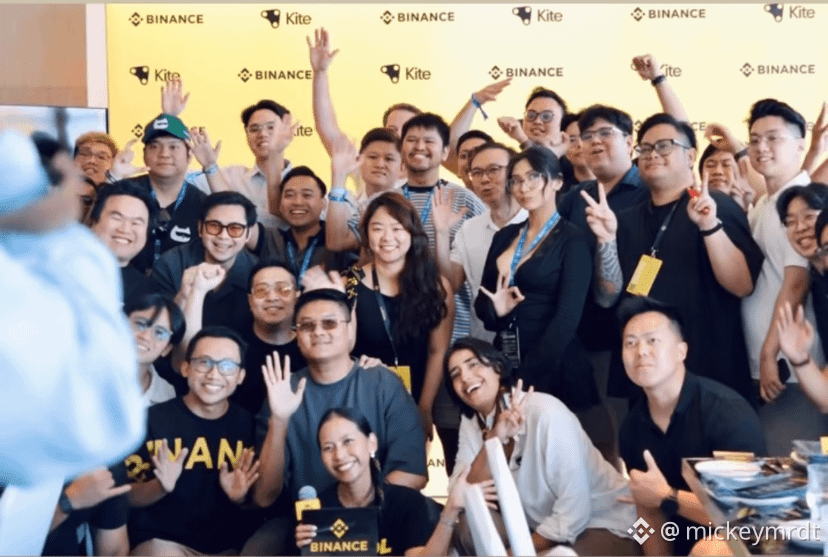
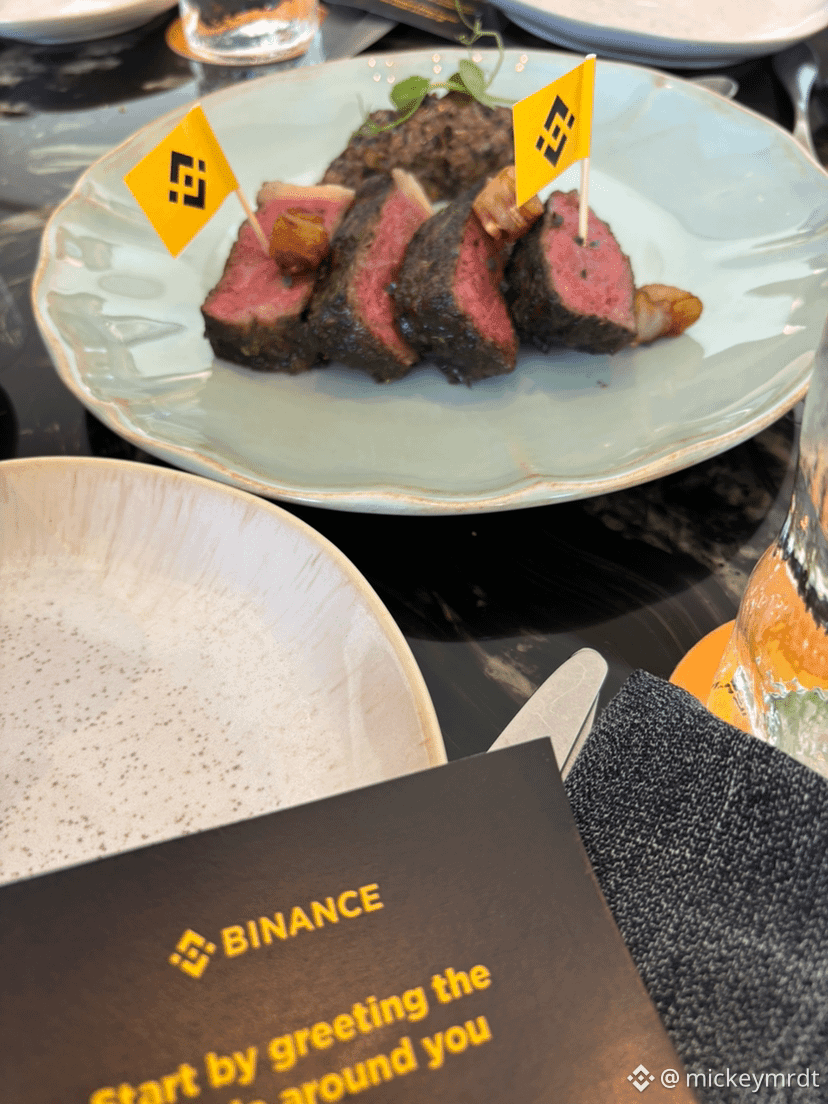
Das Binance-Event in Bali war unglaublich. Die Eröffnungsgestaltung setzte einen großartigen Ton: mit Henry (Leiter Ökosystem/Core Contributor bei Kite AI), gemeinsam mit SB Seeker und Mandy von Binance.
Die Line-up der KOLs lieferte während der gesamten Session beeindruckende Einblicke und machte die Veranstaltung zu einem energiegeladenen Zusammentreffen. Ich freue mich auf das nächste Event!
#BinanceSquareFamily #Binance #BinanceIndonesian
Das Binance-Event in Bali war unglaublich. Die Eröffnungsgestaltung setzte einen großartigen Ton: mit Henry (Leiter Ökosystem/Core Contributor bei Kite AI), gemeinsam mit SB Seeker und Mandy von Binance.
Die Line-up der KOLs lieferte während der gesamten Session beeindruckende Einblicke und machte die Veranstaltung zu einem energiegeladenen Zusammentreffen. Ich freue mich auf das nächste Event!
#BinanceSquareFamily #Binance #BinanceIndonesian
Die Line-up der KOLs lieferte während der gesamten Session beeindruckende Einblicke und machte die Veranstaltung zu einem energiegeladenen Zusammentreffen. Ich freue mich auf das nächste Event!
#BinanceSquareFamily #Binance #BinanceIndonesian

2
324
·
--

Artikel
5 Beste Krypto-Trading-Plattformen ohne KYC im Jahr 2026Anstatt ein Exchange-Konto zu erstellen und Identitätsdokumente einzureichen, lassen viele DeFi-Plattformen Nutzer direkt von einer selbstverwalteten Wallet traden. Du verbindest deine Wallet, überprüfst die Transaktion und bestätigst den Trade onchain.
Allerdings ist nicht jede Krypto-Plattform ohne KYC für denselben Zweck gebaut. Einige konzentrieren sich auf ewige Trades. Einige sind besser für einfache Swaps. Einige helfen Nutzern, Erträge zu traden. Andere aggregieren Liquidität über mehrere DEXs, um bessere Raten zu finden.
Hier sind fünf der besten Krypto-Trading-Plattformen ohne KYC, die man 2026 kennen sollte:
5 Beste Krypto-Trading-Plattformen ohne KYC im Jahr 2026
Anstatt ein Exchange-Konto zu erstellen und Identitätsdokumente einzureichen, lassen viele DeFi-Plattformen Nutzer direkt von einer selbstverwalteten Wallet traden. Du verbindest deine Wallet, überprüfst die Transaktion und bestätigst den Trade onchain.
Allerdings ist nicht jede Krypto-Plattform ohne KYC für denselben Zweck gebaut. Einige konzentrieren sich auf ewige Trades. Einige sind besser für einfache Swaps. Einige helfen Nutzern, Erträge zu traden. Andere aggregieren Liquidität über mehrere DEXs, um bessere Raten zu finden.
Hier sind fünf der besten Krypto-Trading-Plattformen ohne KYC, die man 2026 kennen sollte:
Allerdings ist nicht jede Krypto-Plattform ohne KYC für denselben Zweck gebaut. Einige konzentrieren sich auf ewige Trades. Einige sind besser für einfache Swaps. Einige helfen Nutzern, Erträge zu traden. Andere aggregieren Liquidität über mehrere DEXs, um bessere Raten zu finden.
Hier sind fünf der besten Krypto-Trading-Plattformen ohne KYC, die man 2026 kennen sollte:
555
·
--
Artikel
Die besten Orte, um 2026 mit Krypto Rendite zu erzielenKrypto-Erträge im Jahr 2026 gibt es in vielen Formen – von Kreditvergabe und Liquid Staking bis hin zu Märkten mit festem Ertrag und Liquiditätsbereitstellung. Jede Plattform richtet sich an einen anderen Benutzertyp.
Für Nutzer, die die besten Möglichkeiten vergleichen, um mit Krypto Erträge zu erzielen, ist entscheidend, dass man nicht nur die beworbene APR betrachtet. Ebenso wichtig sind Benutzerfreundlichkeit, Risikotransparenz, das Management von Positionen und wie leicht Nutzer Chancen betreten oder wieder verlassen können.
Diese Anleitung vergleicht fünf wichtige Plattformen für Krypto-Erträge im Jahr 2026: Aave, Pendle, KyberSwap, Lido und Curve.
Die besten Orte, um 2026 mit Krypto Rendite zu erzielen
Krypto-Erträge im Jahr 2026 gibt es in vielen Formen – von Kreditvergabe und Liquid Staking bis hin zu Märkten mit festem Ertrag und Liquiditätsbereitstellung. Jede Plattform richtet sich an einen anderen Benutzertyp.
Für Nutzer, die die besten Möglichkeiten vergleichen, um mit Krypto Erträge zu erzielen, ist entscheidend, dass man nicht nur die beworbene APR betrachtet. Ebenso wichtig sind Benutzerfreundlichkeit, Risikotransparenz, das Management von Positionen und wie leicht Nutzer Chancen betreten oder wieder verlassen können.
Diese Anleitung vergleicht fünf wichtige Plattformen für Krypto-Erträge im Jahr 2026: Aave, Pendle, KyberSwap, Lido und Curve.
Für Nutzer, die die besten Möglichkeiten vergleichen, um mit Krypto Erträge zu erzielen, ist entscheidend, dass man nicht nur die beworbene APR betrachtet. Ebenso wichtig sind Benutzerfreundlichkeit, Risikotransparenz, das Management von Positionen und wie leicht Nutzer Chancen betreten oder wieder verlassen können.
Diese Anleitung vergleicht fünf wichtige Plattformen für Krypto-Erträge im Jahr 2026: Aave, Pendle, KyberSwap, Lido und Curve.
267
·
--
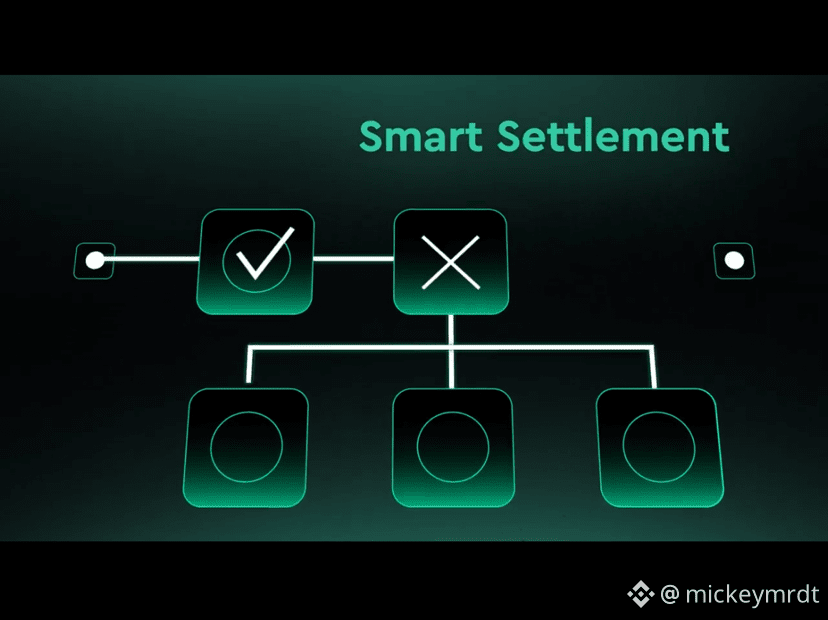
Große Neuigkeiten für die EVM-Welt! Wir bringen die Swaps auf das nächste Level.
Während ein guter Kurs ein Anfang ist, sorgt Smart Settlement dafür, dass der Preis wirklich stabil bleibt. Wir verbessern die Engine, um deine Trades vor dem "dunklen Wald" der DeFi zu schützen—weniger Slippage und viel mehr Schutz gegen die Dinge, die normalerweise in deine Gewinne beißen.
Was ist im Paket? 📦
So machen wir dein Trading-Erlebnis viel reibungsloser:
Höhere Swap-Ausgabe: Mehr Tokens in deiner Wallet am Ende des Tages. So einfach ist das.
Anti-MEV & JIT-Schutz: Wir schließen die Tür für Bots, die versuchen, sich vorzudrängeln oder deine Trades zu „sandwichen“.
Manipulationsschild: Eingebaute Verteidigungen gegen PropAMM-Tricks, die mit Poolpreisen spielen.
Slippage-Resilienz: Bessere Ausführung bedeutet, dass du genau das bekommst, was du auf dem Sticker gesehen hast (oder besser).
Warum es wichtig ist
"Du hast bereits das beste Angebot—jetzt bekommst du die beste Ausführung dazu."
Es geht darum, DeFi ein wenig weniger wie ein Glücksspiel und viel mehr wie einen Gewinn erscheinen zu lassen. Wenn du auf EVM swappst, ist alles jetzt viel mehr "einrichten und vergessen" geworden.
Viel Spaß beim Swappen! 🚀 #KyberNetwork $KNC
Große Neuigkeiten für die EVM-Welt! Wir bringen die Swaps auf das nächste Level.
Während ein guter Kurs ein Anfang ist, sorgt Smart Settlement dafür, dass der Preis wirklich stabil bleibt. Wir verbessern die Engine, um deine Trades vor dem "dunklen Wald" der DeFi zu schützen—weniger Slippage und viel mehr Schutz gegen die Dinge, die normalerweise in deine Gewinne beißen.
Was ist im Paket? 📦
So machen wir dein Trading-Erlebnis viel reibungsloser:
Höhere Swap-Ausgabe: Mehr Tokens in deiner Wallet am Ende des Tages. So einfach ist das.
Anti-MEV & JIT-Schutz: Wir schließen die Tür für Bots, die versuchen, sich vorzudrängeln oder deine Trades zu „sandwichen“.
Manipulationsschild: Eingebaute Verteidigungen gegen PropAMM-Tricks, die mit Poolpreisen spielen.
Slippage-Resilienz: Bessere Ausführung bedeutet, dass du genau das bekommst, was du auf dem Sticker gesehen hast (oder besser).
Warum es wichtig ist
"Du hast bereits das beste Angebot—jetzt bekommst du die beste Ausführung dazu."
Es geht darum, DeFi ein wenig weniger wie ein Glücksspiel und viel mehr wie einen Gewinn erscheinen zu lassen. Wenn du auf EVM swappst, ist alles jetzt viel mehr "einrichten und vergessen" geworden.
Viel Spaß beim Swappen! 🚀 #KyberNetwork $KNC
Während ein guter Kurs ein Anfang ist, sorgt Smart Settlement dafür, dass der Preis wirklich stabil bleibt. Wir verbessern die Engine, um deine Trades vor dem "dunklen Wald" der DeFi zu schützen—weniger Slippage und viel mehr Schutz gegen die Dinge, die normalerweise in deine Gewinne beißen.
Was ist im Paket? 📦
So machen wir dein Trading-Erlebnis viel reibungsloser:
Höhere Swap-Ausgabe: Mehr Tokens in deiner Wallet am Ende des Tages. So einfach ist das.
Anti-MEV & JIT-Schutz: Wir schließen die Tür für Bots, die versuchen, sich vorzudrängeln oder deine Trades zu „sandwichen“.
Manipulationsschild: Eingebaute Verteidigungen gegen PropAMM-Tricks, die mit Poolpreisen spielen.
Slippage-Resilienz: Bessere Ausführung bedeutet, dass du genau das bekommst, was du auf dem Sticker gesehen hast (oder besser).
Warum es wichtig ist
"Du hast bereits das beste Angebot—jetzt bekommst du die beste Ausführung dazu."
Es geht darum, DeFi ein wenig weniger wie ein Glücksspiel und viel mehr wie einen Gewinn erscheinen zu lassen. Wenn du auf EVM swappst, ist alles jetzt viel mehr "einrichten und vergessen" geworden.
Viel Spaß beim Swappen! 🚀 #KyberNetwork $KNC
2
2
345
·
--

Artikel
Beste DeFi-Plattformen im Jahr 2026DeFi im Jahr 2026 wird weniger durch isolierte Apps definiert und mehr durch integrierte Finanzsysteme. Was einst eine Sammlung separater Produkte für Swaps, Kreditvergabe oder Staking war, hat sich zu einem breiteren Ökosystem von Plattformen entwickelt, die Benutzern helfen, Kapital effizienter zu bewegen, Erträge zu erzielen und Risiken zu managen.
Dieser Wandel verändert, wie Plattformen bewertet werden sollten. Es reicht nicht mehr aus, zu fragen, welches Protokoll die tiefste Liquidität oder die niedrigsten Gebühren hat. Die bessere Frage ist, welche Plattformen den klarsten Weg für Benutzer schaffen, um Chancen zu entdecken, Entscheidungen zu treffen, Transaktionen auszuführen und Kapital produktiv zu halten.
Beste DeFi-Plattformen im Jahr 2026
DeFi im Jahr 2026 wird weniger durch isolierte Apps definiert und mehr durch integrierte Finanzsysteme. Was einst eine Sammlung separater Produkte für Swaps, Kreditvergabe oder Staking war, hat sich zu einem breiteren Ökosystem von Plattformen entwickelt, die Benutzern helfen, Kapital effizienter zu bewegen, Erträge zu erzielen und Risiken zu managen.
Dieser Wandel verändert, wie Plattformen bewertet werden sollten. Es reicht nicht mehr aus, zu fragen, welches Protokoll die tiefste Liquidität oder die niedrigsten Gebühren hat. Die bessere Frage ist, welche Plattformen den klarsten Weg für Benutzer schaffen, um Chancen zu entdecken, Entscheidungen zu treffen, Transaktionen auszuführen und Kapital produktiv zu halten.
Dieser Wandel verändert, wie Plattformen bewertet werden sollten. Es reicht nicht mehr aus, zu fragen, welches Protokoll die tiefste Liquidität oder die niedrigsten Gebühren hat. Die bessere Frage ist, welche Plattformen den klarsten Weg für Benutzer schaffen, um Chancen zu entdecken, Entscheidungen zu treffen, Transaktionen auszuführen und Kapital produktiv zu halten.
65
·
--
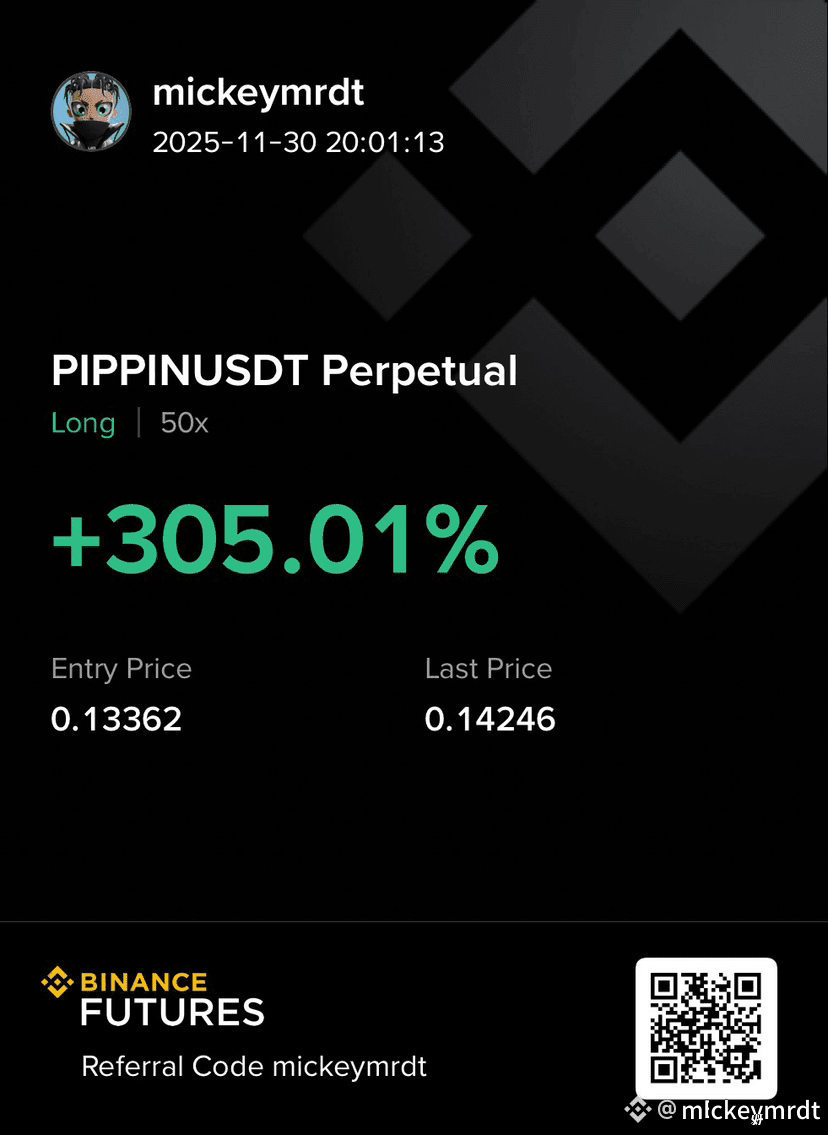
Zeit zu glänzen✨
LFG!!! $pippin 🥳🥳
Folge mir und ich werde Anrufe wie diesen teilen😂😂
{future}(PIPPINUSDT)
Zeit zu glänzen✨
LFG!!! $pippin 🥳🥳
Folge mir und ich werde Anrufe wie diesen teilen😂😂
LFG!!! $pippin 🥳🥳
Folge mir und ich werde Anrufe wie diesen teilen😂😂
1
1k
·
--
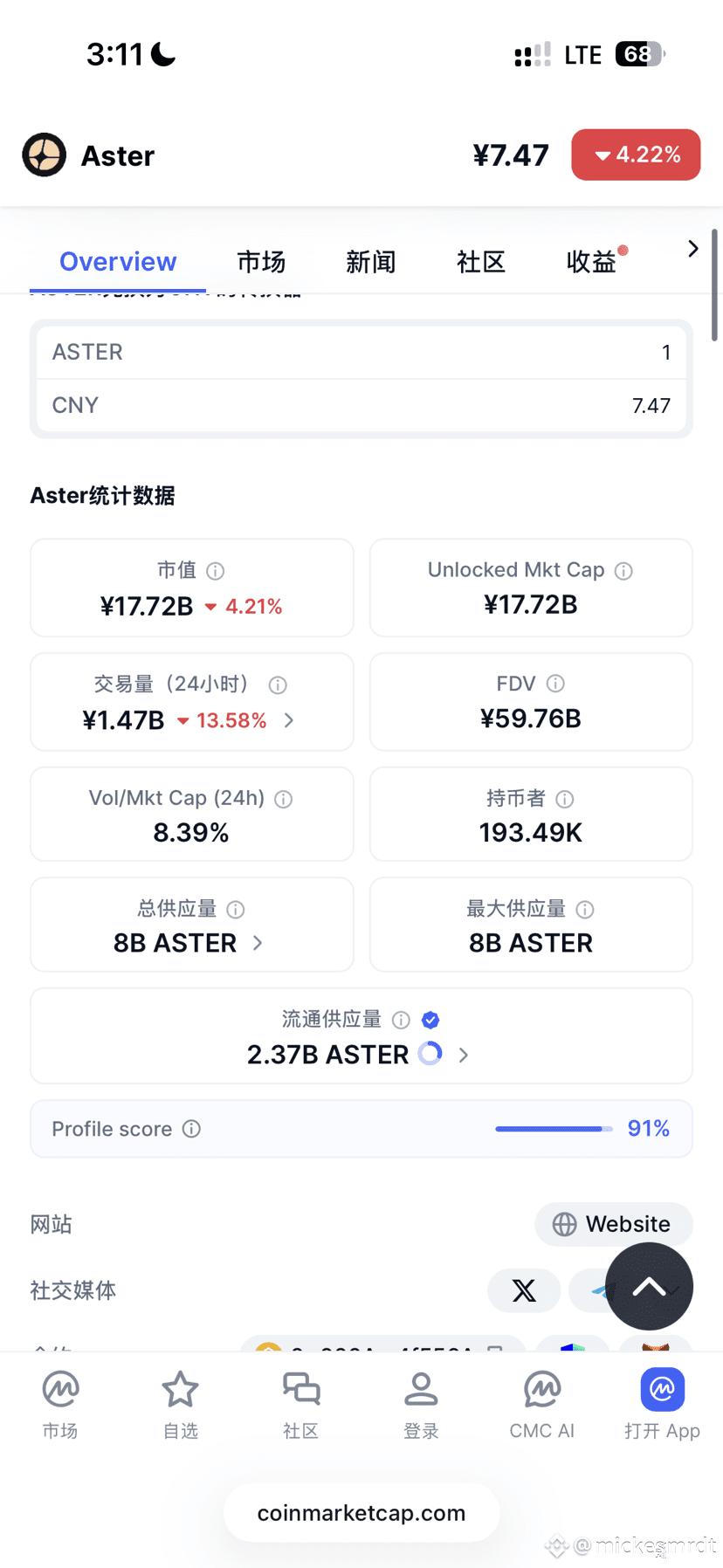
「$ASTER Erinnern Sie sich an meine Worte, bitte machen Sie einen Screenshot als Beweis! ASTER wird schließlich auf 0.00001 fallen.」
Die hinter dem Preisverfall verborgenen Risiken:
Die Gesamtmenge von ASTER beträgt 8 Milliarden, während die derzeit im Markt zirkulierende Menge nur 2,37 Milliarden beträgt.
Das bedeutet, dass bis zu 75 % der Token noch nicht freigegeben oder auf wenige Adressen konzentriert sind.
Die tatsächlich im Markt zirkulierende Menge macht nur 25 % der Gesamtmenge aus.
🚨 Schlüsselrisikopunkte:
Eine einzelne Wal-Geldbörse mit einer großen Menge an Token (One Wallet) hat die enorme Fähigkeit, jederzeit die Liquidität abzuziehen (Rug Pull/Pull Liquidity). Wenn eine solche Aktion stattfindet, wird dies zu einem verheerenden Verkaufsdruck auf den Markt führen, was zu einem drastischen Preisverfall von ASTER führt.
{future}(ASTERUSDT)
#BinanceHODLerAT #BTCRebound90kNext? #BinanceAlphaAlert #TrumpTariffs
「$ASTER Erinnern Sie sich an meine Worte, bitte machen Sie einen Screenshot als Beweis! ASTER wird schließlich auf 0.00001 fallen.」
Die hinter dem Preisverfall verborgenen Risiken:
Die Gesamtmenge von ASTER beträgt 8 Milliarden, während die derzeit im Markt zirkulierende Menge nur 2,37 Milliarden beträgt.
Das bedeutet, dass bis zu 75 % der Token noch nicht freigegeben oder auf wenige Adressen konzentriert sind.
Die tatsächlich im Markt zirkulierende Menge macht nur 25 % der Gesamtmenge aus.
🚨 Schlüsselrisikopunkte:
Eine einzelne Wal-Geldbörse mit einer großen Menge an Token (One Wallet) hat die enorme Fähigkeit, jederzeit die Liquidität abzuziehen (Rug Pull/Pull Liquidity). Wenn eine solche Aktion stattfindet, wird dies zu einem verheerenden Verkaufsdruck auf den Markt führen, was zu einem drastischen Preisverfall von ASTER führt.
#BinanceHODLerAT #BTCRebound90kNext? #BinanceAlphaAlert #TrumpTariffs
Die hinter dem Preisverfall verborgenen Risiken:
Die Gesamtmenge von ASTER beträgt 8 Milliarden, während die derzeit im Markt zirkulierende Menge nur 2,37 Milliarden beträgt.
Das bedeutet, dass bis zu 75 % der Token noch nicht freigegeben oder auf wenige Adressen konzentriert sind.
Die tatsächlich im Markt zirkulierende Menge macht nur 25 % der Gesamtmenge aus.
🚨 Schlüsselrisikopunkte:
Eine einzelne Wal-Geldbörse mit einer großen Menge an Token (One Wallet) hat die enorme Fähigkeit, jederzeit die Liquidität abzuziehen (Rug Pull/Pull Liquidity). Wenn eine solche Aktion stattfindet, wird dies zu einem verheerenden Verkaufsdruck auf den Markt führen, was zu einem drastischen Preisverfall von ASTER führt.
#BinanceHODLerAT #BTCRebound90kNext? #BinanceAlphaAlert #TrumpTariffs
1
485
·
--
🚨 MARKT EINBRUCH WARNUNG!
POWELL TRETT AM 1. DEZEMBER ZURÜCK. Top-Quellen Bestätigen. Vakuum in der Führung der Federal Reserve Unmittelbar!
💥 NOTFALL-BESPRECHUNG AM MONTAG UM 19 UHR ET EINBERUFEN! Was verbergen sie vor uns? Verkaufen Sie zuerst, stellen Sie später Fragen.
#Fed #Powell #BreakingNews #FUD #BinanceHODLerAT #CPIWatch #BTCRebound90kNext?
🚨 MARKT EINBRUCH WARNUNG!
POWELL TRETT AM 1. DEZEMBER ZURÜCK. Top-Quellen Bestätigen. Vakuum in der Führung der Federal Reserve Unmittelbar!
💥 NOTFALL-BESPRECHUNG AM MONTAG UM 19 UHR ET EINBERUFEN! Was verbergen sie vor uns? Verkaufen Sie zuerst, stellen Sie später Fragen.
#Fed #Powell #BreakingNews #FUD #BinanceHODLerAT #CPIWatch #BTCRebound90kNext?
POWELL TRETT AM 1. DEZEMBER ZURÜCK. Top-Quellen Bestätigen. Vakuum in der Führung der Federal Reserve Unmittelbar!
💥 NOTFALL-BESPRECHUNG AM MONTAG UM 19 UHR ET EINBERUFEN! Was verbergen sie vor uns? Verkaufen Sie zuerst, stellen Sie später Fragen.
#Fed #Powell #BreakingNews #FUD #BinanceHODLerAT #CPIWatch #BTCRebound90kNext?

2
1
3
911
·
--
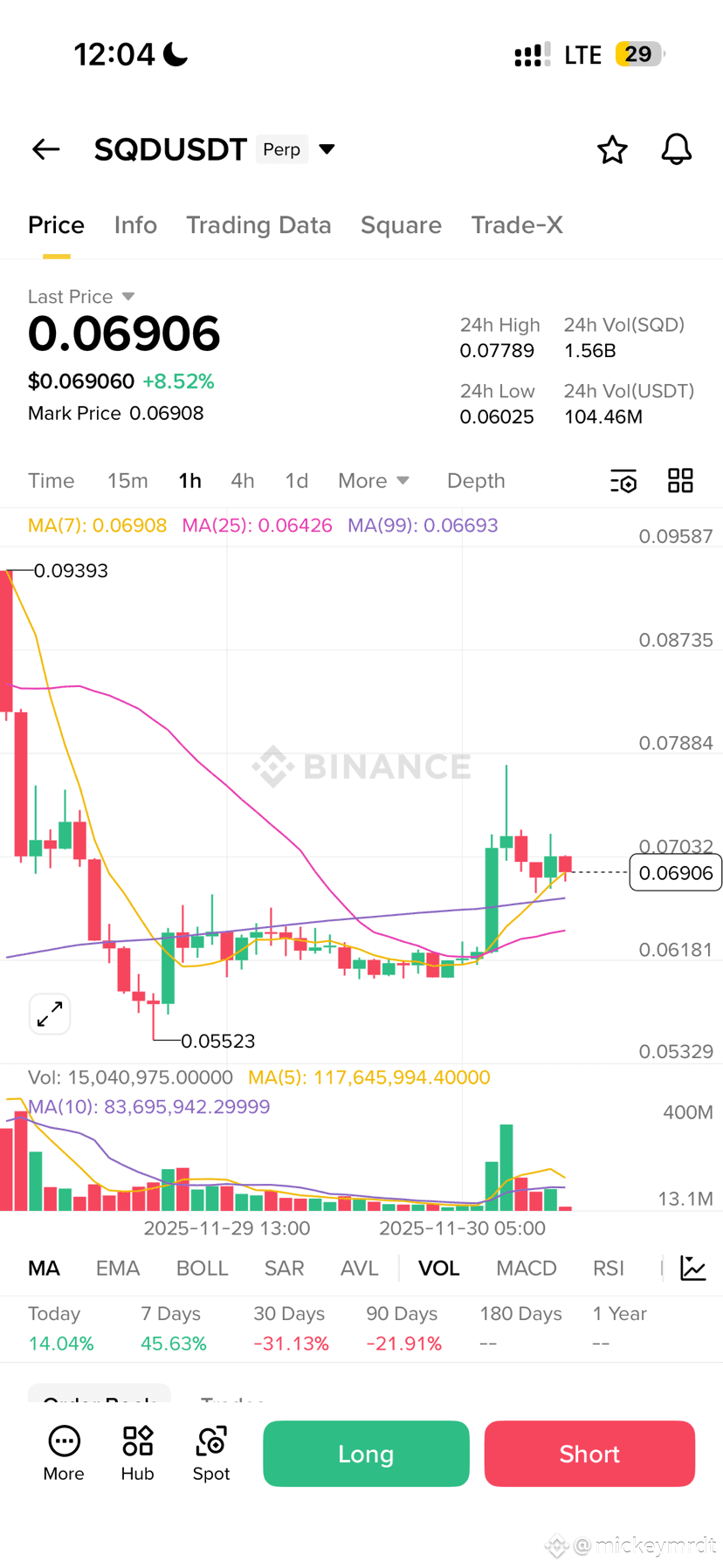
$SQD Ich denke kann Long
Eintrag: 0.07040 - 0.06900
Hebel 10x
Stoploss: 0.06700
TP1 : 0.07100
TP2 : 0.07400
TP3 : 0.08000
{future}(SQDUSDT)
$SQD Ich denke kann Long
Eintrag: 0.07040 - 0.06900
Hebel 10x
Stoploss: 0.06700
TP1 : 0.07100
TP2 : 0.07400
TP3 : 0.08000
Eintrag: 0.07040 - 0.06900
Hebel 10x
Stoploss: 0.06700
TP1 : 0.07100
TP2 : 0.07400
TP3 : 0.08000
1
737
·
--
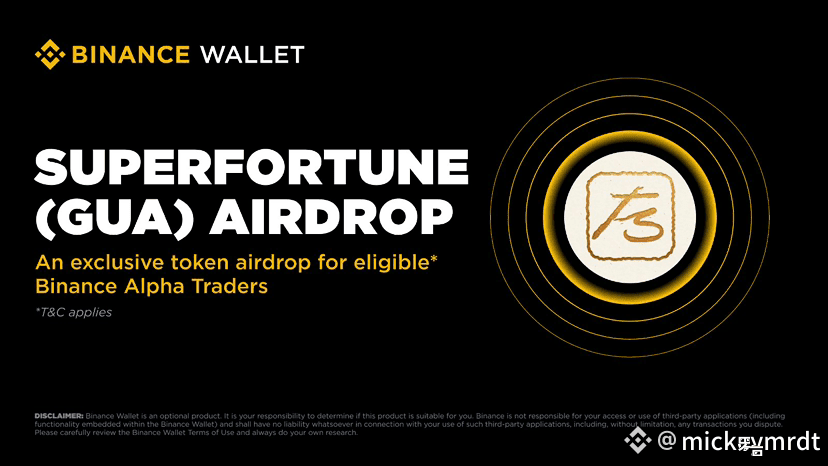
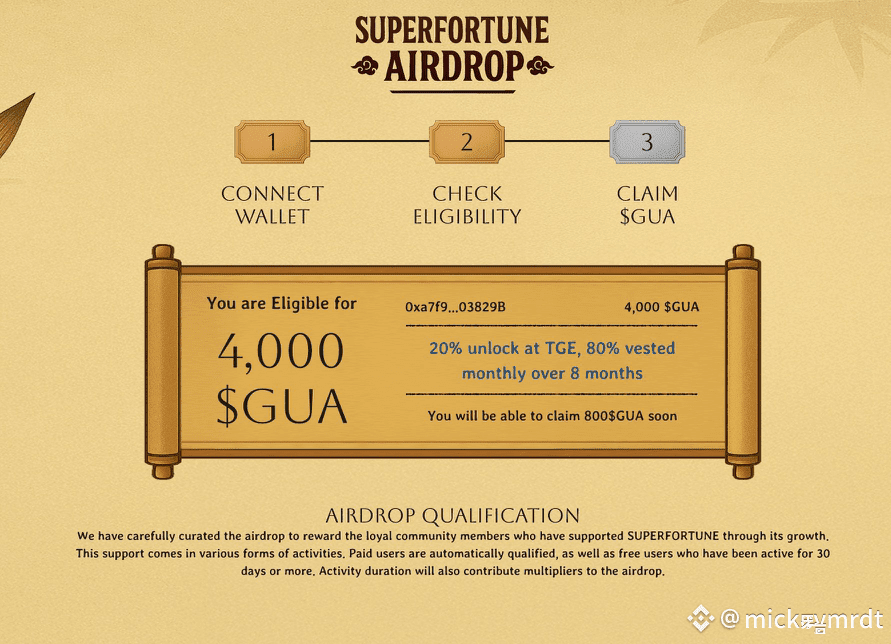
Bist du bereit???
$GUA in Binance Alpha morgen🥳🥳🥳
Teile deinen Airdrop hier🥰🥳
Bist du bereit???
$GUA in Binance Alpha morgen🥳🥳🥳
Teile deinen Airdrop hier🥰🥳
$GUA in Binance Alpha morgen🥳🥳🥳
Teile deinen Airdrop hier🥰🥳
2
175
·
--
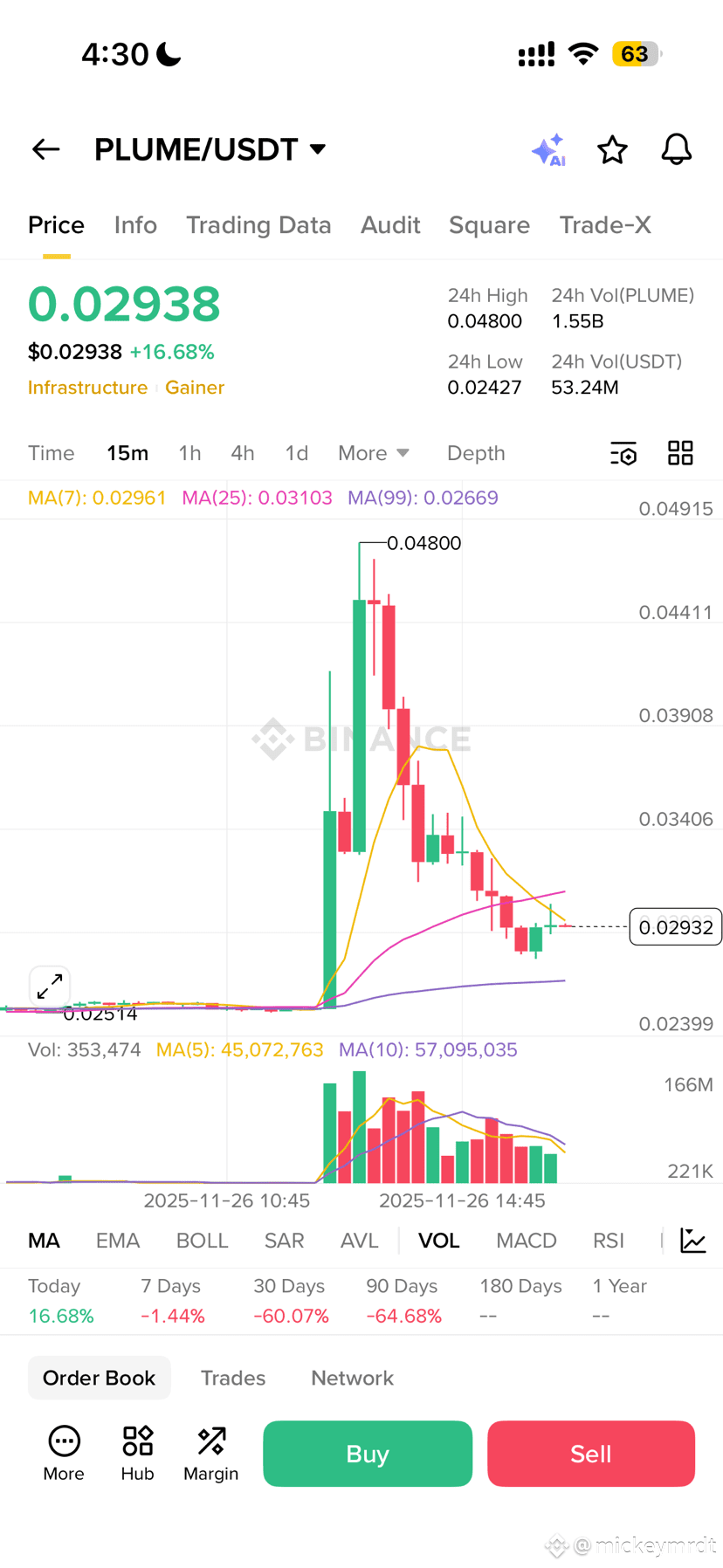
$PLUME 🚀 $PLUME/USDT Handelsignal: Kritisches Unterstützungsumkehrspiel 🚀
Parameter Wert (USDT)
Einstieg (Kauf) 0.02600
Take Profit 1 (TP1) 0.02850
Take Profit 2 (TP2) 0.03200
Stop Loss (SL) 0.02350
Analyse:
$PLUME USDT hat sich von einer kritischen Nachfragezone um $0.02350 - $0.02400 nach einer scharfen Korrektur erholt.
Der RSI liegt derzeit nahe der 50er-Marke, was auf ein neutrales bis bullisches Setup hinweist, mit Raum für Aufwärtsdynamik und einer Bestätigung der Stabilisierung nach zuvor überverkauften Bedingungen.
Der Einstieg bei $0.02600 zielt auf einen bestätigten kurzfristigen Ausbruch ab, der auf bedeutende historische Widerstandsniveaus bei $0.02850 und 0.03200 abzielt und starke Risiko/Ertragsverhältnisse bietet.
$PLUME 🚀 $PLUME /USDT Handelsignal: Kritisches Unterstützungsumkehrspiel 🚀
Parameter Wert (USDT)
Einstieg (Kauf) 0.02600
Take Profit 1 (TP1) 0.02850
Take Profit 2 (TP2) 0.03200
Stop Loss (SL) 0.02350
Analyse:
$PLUME USDT hat sich von einer kritischen Nachfragezone um $0.02350 - $0.02400 nach einer scharfen Korrektur erholt.
Der RSI liegt derzeit nahe der 50er-Marke, was auf ein neutrales bis bullisches Setup hinweist, mit Raum für Aufwärtsdynamik und einer Bestätigung der Stabilisierung nach zuvor überverkauften Bedingungen.
Der Einstieg bei $0.02600 zielt auf einen bestätigten kurzfristigen Ausbruch ab, der auf bedeutende historische Widerstandsniveaus bei $0.02850 und 0.03200 abzielt und starke Risiko/Ertragsverhältnisse bietet.
Parameter Wert (USDT)
Einstieg (Kauf) 0.02600
Take Profit 1 (TP1) 0.02850
Take Profit 2 (TP2) 0.03200
Stop Loss (SL) 0.02350
Analyse:
$PLUME USDT hat sich von einer kritischen Nachfragezone um $0.02350 - $0.02400 nach einer scharfen Korrektur erholt.
Der RSI liegt derzeit nahe der 50er-Marke, was auf ein neutrales bis bullisches Setup hinweist, mit Raum für Aufwärtsdynamik und einer Bestätigung der Stabilisierung nach zuvor überverkauften Bedingungen.
Der Einstieg bei $0.02600 zielt auf einen bestätigten kurzfristigen Ausbruch ab, der auf bedeutende historische Widerstandsniveaus bei $0.02850 und 0.03200 abzielt und starke Risiko/Ertragsverhältnisse bietet.
2
201
·
--
@BitlayerLabs #Bitlayer Ich habe dieses Netzwerk fast ein Jahr lang getestet und verwendet, und ich warte gespannt auf seine Veröffentlichung.
Teilen Sie Ihre Bitlayer-Punkte in den Kommentaren, es ist interessant zu sehen, was jeder erreicht hat.
@BitlayerLabs #Bitlayer Ich habe dieses Netzwerk fast ein Jahr lang getestet und verwendet, und ich warte gespannt auf seine Veröffentlichung.
Teilen Sie Ihre Bitlayer-Punkte in den Kommentaren, es ist interessant zu sehen, was jeder erreicht hat.
Teilen Sie Ihre Bitlayer-Punkte in den Kommentaren, es ist interessant zu sehen, was jeder erreicht hat.
64
·
--
Die Zukunft der Rollup-Interoperabilität ist hier.
Cool, hier ist die Einführung des Metalayers von Caldera: nahtloses, absichtsbasiertes Bridging für über 100 Rollups, die in Sekunden und nicht in Minuten abgerechnet werden. Großartig zur Behebung des Trilemmas auf Blockchain #Caldera $ERA @Calderaxyz
Die Zukunft der Rollup-Interoperabilität ist hier.
Cool, hier ist die Einführung des Metalayers von Caldera: nahtloses, absichtsbasiertes Bridging für über 100 Rollups, die in Sekunden und nicht in Minuten abgerechnet werden. Großartig zur Behebung des Trilemmas auf Blockchain #Caldera $ERA @Calderaxyz
Cool, hier ist die Einführung des Metalayers von Caldera: nahtloses, absichtsbasiertes Bridging für über 100 Rollups, die in Sekunden und nicht in Minuten abgerechnet werden. Großartig zur Behebung des Trilemmas auf Blockchain #Caldera $ERA @Calderaxyz
1
68
·
--
Die Zukunft der Rollup-Interoperabilität ist da.
Cool, das ist die Einführung des Metalayer von Caldera: nahtloses, absichtsbasiertes Bridging für über 100 Rollups, die in Sekunden und nicht in Minuten abgerechnet werden. Großartig zur Lösung des Trilemmas auf der Blockchain #caldera @Calderaxyz .
Die Zukunft der Rollup-Interoperabilität ist da.
Cool, das ist die Einführung des Metalayer von Caldera: nahtloses, absichtsbasiertes Bridging für über 100 Rollups, die in Sekunden und nicht in Minuten abgerechnet werden. Großartig zur Lösung des Trilemmas auf der Blockchain #caldera @Calderaxyz .
Cool, das ist die Einführung des Metalayer von Caldera: nahtloses, absichtsbasiertes Bridging für über 100 Rollups, die in Sekunden und nicht in Minuten abgerechnet werden. Großartig zur Lösung des Trilemmas auf der Blockchain #caldera @Calderaxyz .
65
·
--
Lagrange arbeitet mit Intel zusammen, um verifiable AI 𝗴𝗹𝗼𝗯𝗮𝗹𝗹𝘆 zu skalieren. @lagrangedev #lagrange $LA
Wir bündeln unsere Kräfte mit Intel, um die Grundlagen sicherer AI zu schaffen, indem wir DeepProve – das führende zkML zur Überprüfung von AI-Ausgaben – mit Intel kombinieren.
Lagrange arbeitet mit Intel zusammen, um verifiable AI 𝗴𝗹𝗼𝗯𝗮𝗹𝗹𝘆 zu skalieren. @Lagrange Official #lagrange $LA
Wir bündeln unsere Kräfte mit Intel, um die Grundlagen sicherer AI zu schaffen, indem wir DeepProve – das führende zkML zur Überprüfung von AI-Ausgaben – mit Intel kombinieren.
Wir bündeln unsere Kräfte mit Intel, um die Grundlagen sicherer AI zu schaffen, indem wir DeepProve – das führende zkML zur Überprüfung von AI-Ausgaben – mit Intel kombinieren.
37
·
--
Lagrange arbeitet mit Intel zusammen, um verifizierbare KI 𝗴𝗹𝗼𝗯𝗮𝗹𝗹𝘆 zu skalieren. @lagrangedev
Wir bündeln unsere Kräfte mit Intel, um die Grundlagen sicherer KI zu schaffen, indem wir DeepProve – das führende zkML zur Verifizierung von KI-Ausgaben – mit Intels erstklassigem $LA #lagragedev kombinieren.
Lagrange arbeitet mit Intel zusammen, um verifizierbare KI 𝗴𝗹𝗼𝗯𝗮𝗹𝗹𝘆 zu skalieren. @Lagrange Official
Wir bündeln unsere Kräfte mit Intel, um die Grundlagen sicherer KI zu schaffen, indem wir DeepProve – das führende zkML zur Verifizierung von KI-Ausgaben – mit Intels erstklassigem $LA #lagragedev kombinieren.
Wir bündeln unsere Kräfte mit Intel, um die Grundlagen sicherer KI zu schaffen, indem wir DeepProve – das führende zkML zur Verifizierung von KI-Ausgaben – mit Intels erstklassigem $LA #lagragedev kombinieren.
44
·
--
Huma Finance ist ein dezentrales Finanzprotokoll (DeFi), das sich auf die Tokenisierung von realen Vermögenswerten (RWA) und einkommensgestütztes Verleihen konzentriert. Es verbindet Off-Chain-Einkommensströme (wie Rechnungen, Gehaltsabrechnungen oder wiederkehrende Einnahmen) mit On-Chain-Verleih- und Ausleihinfrastrukturen.
@humafinance
#HumaFinance
Huma Finance ist ein dezentrales Finanzprotokoll (DeFi), das sich auf die Tokenisierung von realen Vermögenswerten (RWA) und einkommensgestütztes Verleihen konzentriert. Es verbindet Off-Chain-Einkommensströme (wie Rechnungen, Gehaltsabrechnungen oder wiederkehrende Einnahmen) mit On-Chain-Verleih- und Ausleihinfrastrukturen.
@Huma Finance 🟣
#HumaFinance
@Huma Finance 🟣
#HumaFinance
1
156
·
--
Bullisch
WalletConnect treibt die Onchain-Apps und Wallets an, die Sie jeden Tag verwenden. Menschen können teilen
Es ist die verbindende Schicht für das Finanzinternet - so ikonisch wie Visa beim Checkout. $WCT
In diesem Monat haben wir Rekorde gebrochen, große Integrationen geliefert und schneller als je zuvor skaliert! 🧵
@WalletConnect
#WalletConnect
WalletConnect treibt die Onchain-Apps und Wallets an, die Sie jeden Tag verwenden. Menschen können teilen
Es ist die verbindende Schicht für das Finanzinternet - so ikonisch wie Visa beim Checkout. $WCT
In diesem Monat haben wir Rekorde gebrochen, große Integrationen geliefert und schneller als je zuvor skaliert! 🧵
@WalletConnect
#WalletConnect
Es ist die verbindende Schicht für das Finanzinternet - so ikonisch wie Visa beim Checkout. $WCT
In diesem Monat haben wir Rekorde gebrochen, große Integrationen geliefert und schneller als je zuvor skaliert! 🧵
@WalletConnect
#WalletConnect

195
Anmelden und weiter Inhalte entdecken
Krypto-Nutzer weltweit auf Binance Square kennenlernen
⚡️ Bleib in Sachen Krypto stets am Puls.
💬 Die weltgrößte Kryptobörse vertraut darauf.
👍 Erhalte verlässliche Einblicke von verifizierten Creators.
E-Mail-Adresse/Telefonnummer
Trendthemen
BinancePick
3.4M Aufrufe
164,640 Kommentare
Mach bei #Gewinnsaison mit: Prognostiziere Unternehmensergebnisse auf Binance Pick und teile deine Meinung auf Binance Square!
Binance Square Official
·419 Likes
·345.4k Aufrufe
EarningsSeason
5.5M Aufrufe
26,886 Kommentare
StrategySkipsBitcoinPurchasesSpends$205MOnSTRCBuybacks
823 Aufrufe
25 Kommentare