

mhabib01
128 Beiträge

mhabib01
Melden
Nutzer blockieren
Binance insight Creator, Content writer 📝 and Crypto trader 📊.
Trade eröffnen
Regelmäßiger Trader
4.3 Jahre
17 Following
44 Follower
64 Like gegeben
Beiträge
Portfolio
Alle
Zitierungen
·
--
Übersetzung ansehen
AI Agents Could Change How Cross-Chain DeFi WorksOne thing that has always fascinated me about DeFi is how much work users still have to do themselves.
You want to swap an asset.
Simple, right?
But once multiple chains are involved, the process can become much more complicated. You may need to compare routes, check liquidity, look at prices, consider fees and figure out the best way to execute the transaction.
Now imagine having an AI agent handle that process for you.
Not just answering questions, but actually helping understand your goal and finding a suitable way to execute it.
From clicking buttons to expressing intent
This could change the way people interact with DeFi.
Instead of navigating through several interfaces, a user could eventually say something like:
“I have this asset and I want to end up with that asset on another chain. Find me a good route.”
The agent could then look at available execution options, compare them and present the user with the result.
The user focuses on the outcome.
The infrastructure handles the complexity.
Cross-chain DeFi is a perfect place for this
Cross-chain activity involves many moving parts.
Different networks have different liquidity, fees, assets and execution conditions.
That creates a problem for humans because comparing everything manually takes time.
AI agents could potentially act as the layer that connects user intent with available liquidity and execution.
They could understand what the user wants, search for possible routes and help choose an appropriate option.
And as cross-chain infrastructure becomes more capable, the agent doesn't necessarily need to expose every technical detail to the user.
But AI shouldn't mean blind trust
There is an important part of this conversation that shouldn't be ignored.
Giving an AI agent control over financial actions introduces new risks.
Users need transparency.
They should be able to understand what the agent is about to do, where their assets are going, what fees are involved and what happens if execution fails.
AI can reduce complexity, but it shouldn't remove user control.
The interesting future
The most exciting possibility isn't simply “AI + crypto.”
It's intent-based DeFi.
You tell the system what you want.
The system figures out how to get there.
That's a very different experience from today's DeFi, where users often have to understand the route before they can even complete the transaction.
If cross-chain infrastructure provides the execution layer and AI provides the intelligence layer, interacting with multiple blockchains could eventually feel much closer to using a normal financial application.
That's a future worth watching.
Inspired by STONfi CMO Andrey Fedorov's interview: [https://mpost.io/andrey-fedorov-ston-fi-dev-on-connecting-ton-to-the-world-the-real-barrier-holding-users-back-and-why-ai-agents-are-the-next-step-in-cross-chain-execution/]
AI Agents Could Change How Cross-Chain DeFi Works
One thing that has always fascinated me about DeFi is how much work users still have to do themselves.
You want to swap an asset.
Simple, right?
But once multiple chains are involved, the process can become much more complicated. You may need to compare routes, check liquidity, look at prices, consider fees and figure out the best way to execute the transaction.
Now imagine having an AI agent handle that process for you.
Not just answering questions, but actually helping understand your goal and finding a suitable way to execute it.
From clicking buttons to expressing intent
This could change the way people interact with DeFi.
Instead of navigating through several interfaces, a user could eventually say something like:
“I have this asset and I want to end up with that asset on another chain. Find me a good route.”
The agent could then look at available execution options, compare them and present the user with the result.
The user focuses on the outcome.
The infrastructure handles the complexity.
Cross-chain DeFi is a perfect place for this
Cross-chain activity involves many moving parts.
Different networks have different liquidity, fees, assets and execution conditions.
That creates a problem for humans because comparing everything manually takes time.
AI agents could potentially act as the layer that connects user intent with available liquidity and execution.
They could understand what the user wants, search for possible routes and help choose an appropriate option.
And as cross-chain infrastructure becomes more capable, the agent doesn't necessarily need to expose every technical detail to the user.
But AI shouldn't mean blind trust
There is an important part of this conversation that shouldn't be ignored.
Giving an AI agent control over financial actions introduces new risks.
Users need transparency.
They should be able to understand what the agent is about to do, where their assets are going, what fees are involved and what happens if execution fails.
AI can reduce complexity, but it shouldn't remove user control.
The interesting future
The most exciting possibility isn't simply “AI + crypto.”
It's intent-based DeFi.
You tell the system what you want.
The system figures out how to get there.
That's a very different experience from today's DeFi, where users often have to understand the route before they can even complete the transaction.
If cross-chain infrastructure provides the execution layer and AI provides the intelligence layer, interacting with multiple blockchains could eventually feel much closer to using a normal financial application.
That's a future worth watching.
Inspired by STONfi CMO Andrey Fedorov's interview: [https://mpost.io/andrey-fedorov-ston-fi-dev-on-connecting-ton-to-the-world-the-real-barrier-holding-users-back-and-why-ai-agents-are-the-next-step-in-cross-chain-execution/]
You want to swap an asset.
Simple, right?
But once multiple chains are involved, the process can become much more complicated. You may need to compare routes, check liquidity, look at prices, consider fees and figure out the best way to execute the transaction.
Now imagine having an AI agent handle that process for you.
Not just answering questions, but actually helping understand your goal and finding a suitable way to execute it.
From clicking buttons to expressing intent
This could change the way people interact with DeFi.
Instead of navigating through several interfaces, a user could eventually say something like:
“I have this asset and I want to end up with that asset on another chain. Find me a good route.”
The agent could then look at available execution options, compare them and present the user with the result.
The user focuses on the outcome.
The infrastructure handles the complexity.
Cross-chain DeFi is a perfect place for this
Cross-chain activity involves many moving parts.
Different networks have different liquidity, fees, assets and execution conditions.
That creates a problem for humans because comparing everything manually takes time.
AI agents could potentially act as the layer that connects user intent with available liquidity and execution.
They could understand what the user wants, search for possible routes and help choose an appropriate option.
And as cross-chain infrastructure becomes more capable, the agent doesn't necessarily need to expose every technical detail to the user.
But AI shouldn't mean blind trust
There is an important part of this conversation that shouldn't be ignored.
Giving an AI agent control over financial actions introduces new risks.
Users need transparency.
They should be able to understand what the agent is about to do, where their assets are going, what fees are involved and what happens if execution fails.
AI can reduce complexity, but it shouldn't remove user control.
The interesting future
The most exciting possibility isn't simply “AI + crypto.”
It's intent-based DeFi.
You tell the system what you want.
The system figures out how to get there.
That's a very different experience from today's DeFi, where users often have to understand the route before they can even complete the transaction.
If cross-chain infrastructure provides the execution layer and AI provides the intelligence layer, interacting with multiple blockchains could eventually feel much closer to using a normal financial application.
That's a future worth watching.
Inspired by STONfi CMO Andrey Fedorov's interview: [https://mpost.io/andrey-fedorov-ston-fi-dev-on-connecting-ton-to-the-world-the-real-barrier-holding-users-back-and-why-ai-agents-are-the-next-step-in-cross-chain-execution/]
1
138
·
--
306
·
--
ANSEM: Solanas Black Bull-Memecoin sorgt weiterhin für Aufsehen
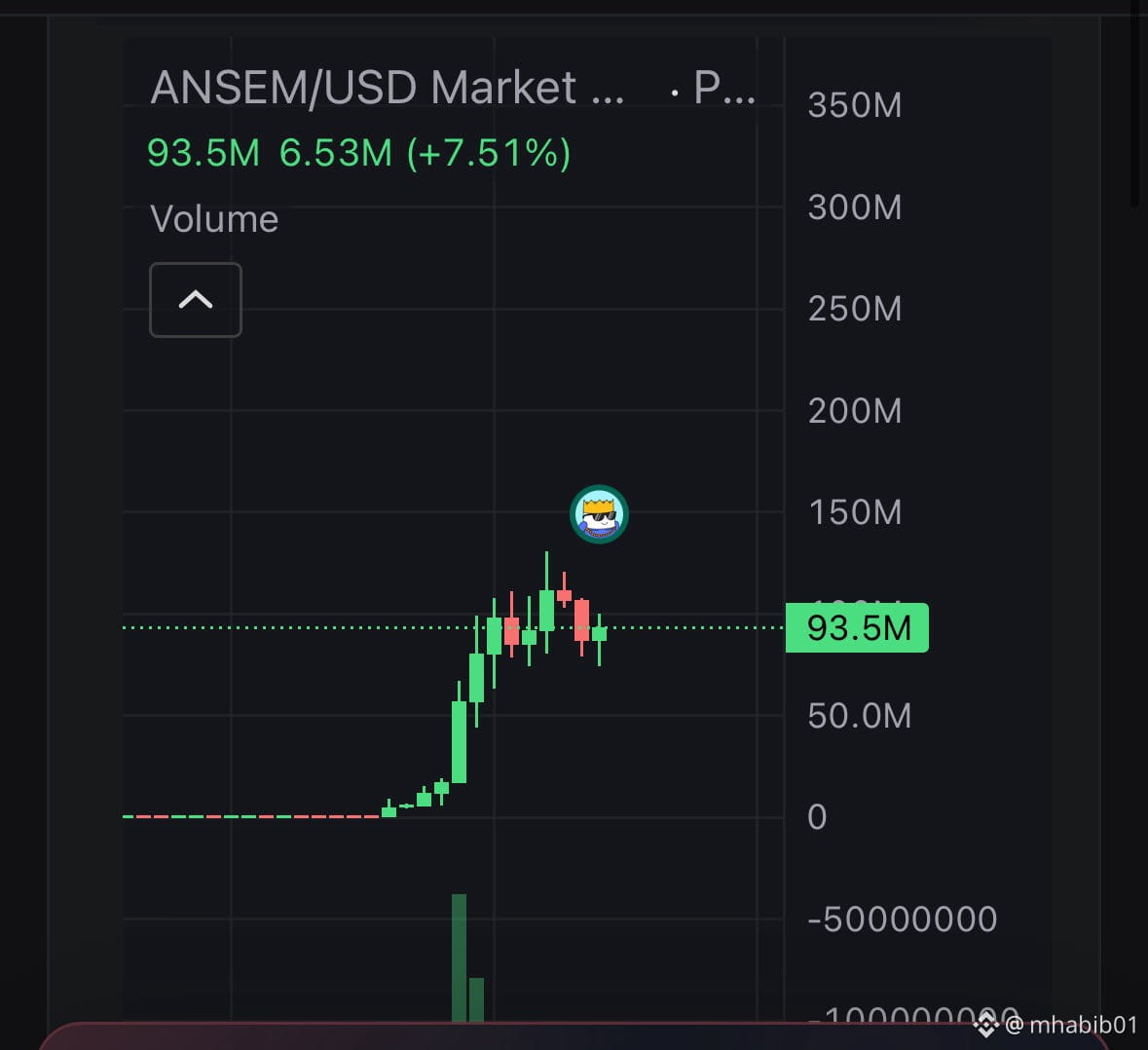
ANSEM ist zu einem der meistdiskutierten Memecoins im Solana-Ökosystem geworden – angetrieben durch starke Community-Unterstützung und beeindruckende Marktperformance. Laut einem kürzlichen CoinOva-Update hat das Projekt bereits über 7 Millionen US-Dollar an Creator-Fee-Belohnungen über Pump.fun ausgeschüttet; weitere Belohnungen werden erwartet, sobald die Marktkapitalisierung des Tokens weiter wächst.
Der Weg des Tokens war bemerkenswert: Von weniger als 200.000 US-Dollar Marktkapitalisierung stieg er innerhalb weniger Tage auf ein Allzeithoch von über 120 Millionen US-Dollar. Frühzeitige Unterstützer sollen während der Spitzenhandelsaktivität Renditen von bis zu 430x erzielt haben, während das Handelsvolumen Zehnmillionen US-Dollar erreichte.
Mit über 1 Million Inhabern und einer rasant wachsenden Community zieht ANSEM weiterhin Aufmerksamkeit auf sich und zählt zu Solanas am schnellsten wachsenden Memecoins. Obwohl der Kryptomarkt weiterhin extrem volatil ist, haben das Belohnungsverteilungsmodell des Projekts und die starke Einbindung der Community es zu einem herausragenden Token in der aktuellen Memecoin-Landschaft gemacht.
$ANSEM #Ansem
ANSEM: Solanas Black Bull-Memecoin sorgt weiterhin für Aufsehen
ANSEM ist zu einem der meistdiskutierten Memecoins im Solana-Ökosystem geworden – angetrieben durch starke Community-Unterstützung und beeindruckende Marktperformance. Laut einem kürzlichen CoinOva-Update hat das Projekt bereits über 7 Millionen US-Dollar an Creator-Fee-Belohnungen über Pump.fun ausgeschüttet; weitere Belohnungen werden erwartet, sobald die Marktkapitalisierung des Tokens weiter wächst.
Der Weg des Tokens war bemerkenswert: Von weniger als 200.000 US-Dollar Marktkapitalisierung stieg er innerhalb weniger Tage auf ein Allzeithoch von über 120 Millionen US-Dollar. Frühzeitige Unterstützer sollen während der Spitzenhandelsaktivität Renditen von bis zu 430x erzielt haben, während das Handelsvolumen Zehnmillionen US-Dollar erreichte.
Mit über 1 Million Inhabern und einer rasant wachsenden Community zieht ANSEM weiterhin Aufmerksamkeit auf sich und zählt zu Solanas am schnellsten wachsenden Memecoins. Obwohl der Kryptomarkt weiterhin extrem volatil ist, haben das Belohnungsverteilungsmodell des Projekts und die starke Einbindung der Community es zu einem herausragenden Token in der aktuellen Memecoin-Landschaft gemacht.
$ANSEM #Ansem
ANSEM ist zu einem der meistdiskutierten Memecoins im Solana-Ökosystem geworden – angetrieben durch starke Community-Unterstützung und beeindruckende Marktperformance. Laut einem kürzlichen CoinOva-Update hat das Projekt bereits über 7 Millionen US-Dollar an Creator-Fee-Belohnungen über Pump.fun ausgeschüttet; weitere Belohnungen werden erwartet, sobald die Marktkapitalisierung des Tokens weiter wächst.
Der Weg des Tokens war bemerkenswert: Von weniger als 200.000 US-Dollar Marktkapitalisierung stieg er innerhalb weniger Tage auf ein Allzeithoch von über 120 Millionen US-Dollar. Frühzeitige Unterstützer sollen während der Spitzenhandelsaktivität Renditen von bis zu 430x erzielt haben, während das Handelsvolumen Zehnmillionen US-Dollar erreichte.
Mit über 1 Million Inhabern und einer rasant wachsenden Community zieht ANSEM weiterhin Aufmerksamkeit auf sich und zählt zu Solanas am schnellsten wachsenden Memecoins. Obwohl der Kryptomarkt weiterhin extrem volatil ist, haben das Belohnungsverteilungsmodell des Projekts und die starke Einbindung der Community es zu einem herausragenden Token in der aktuellen Memecoin-Landschaft gemacht.
$ANSEM #Ansem
79
·
--
Bullisch
242
·
--
Bullisch
$IQ lass uns mal schauen, was hier passiert 👀
$IQ lass uns mal schauen, was hier passiert 👀
119
·
--
Bärisch
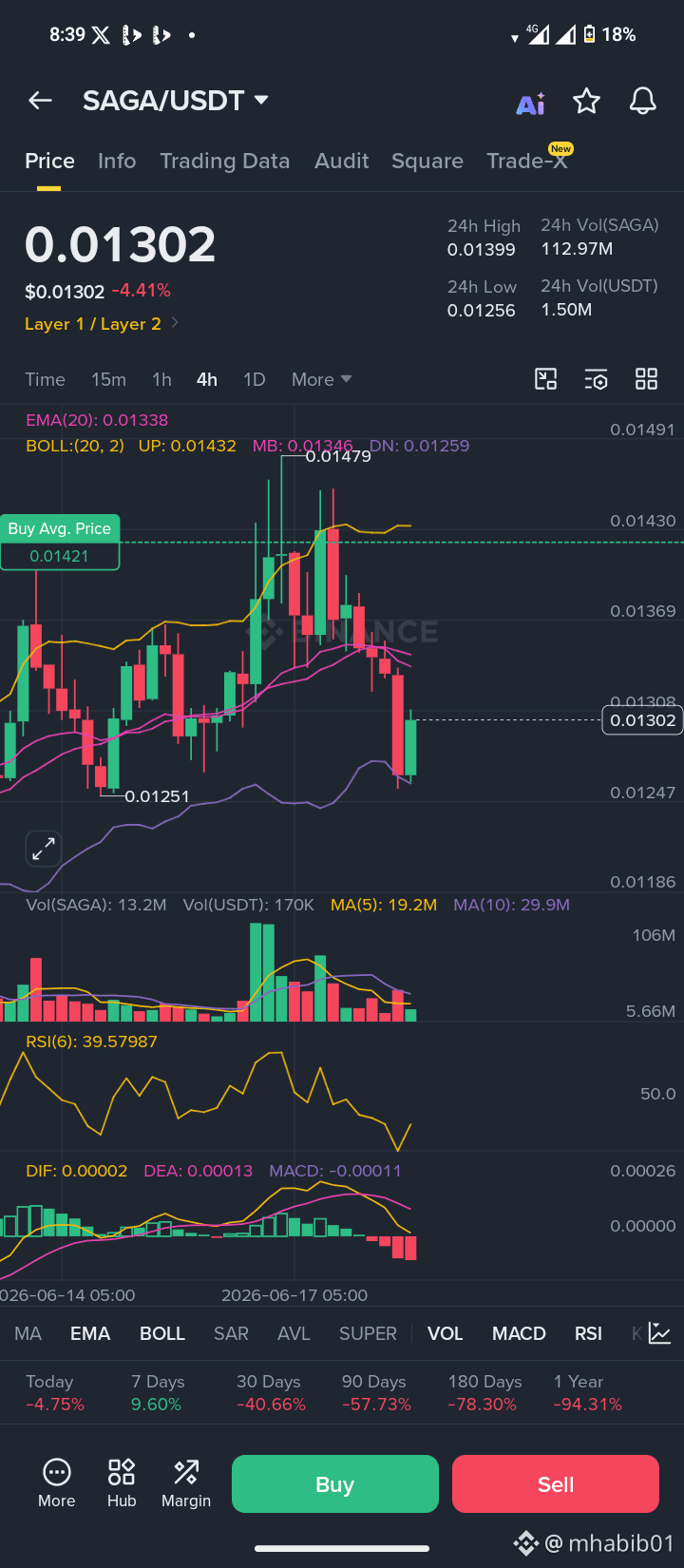
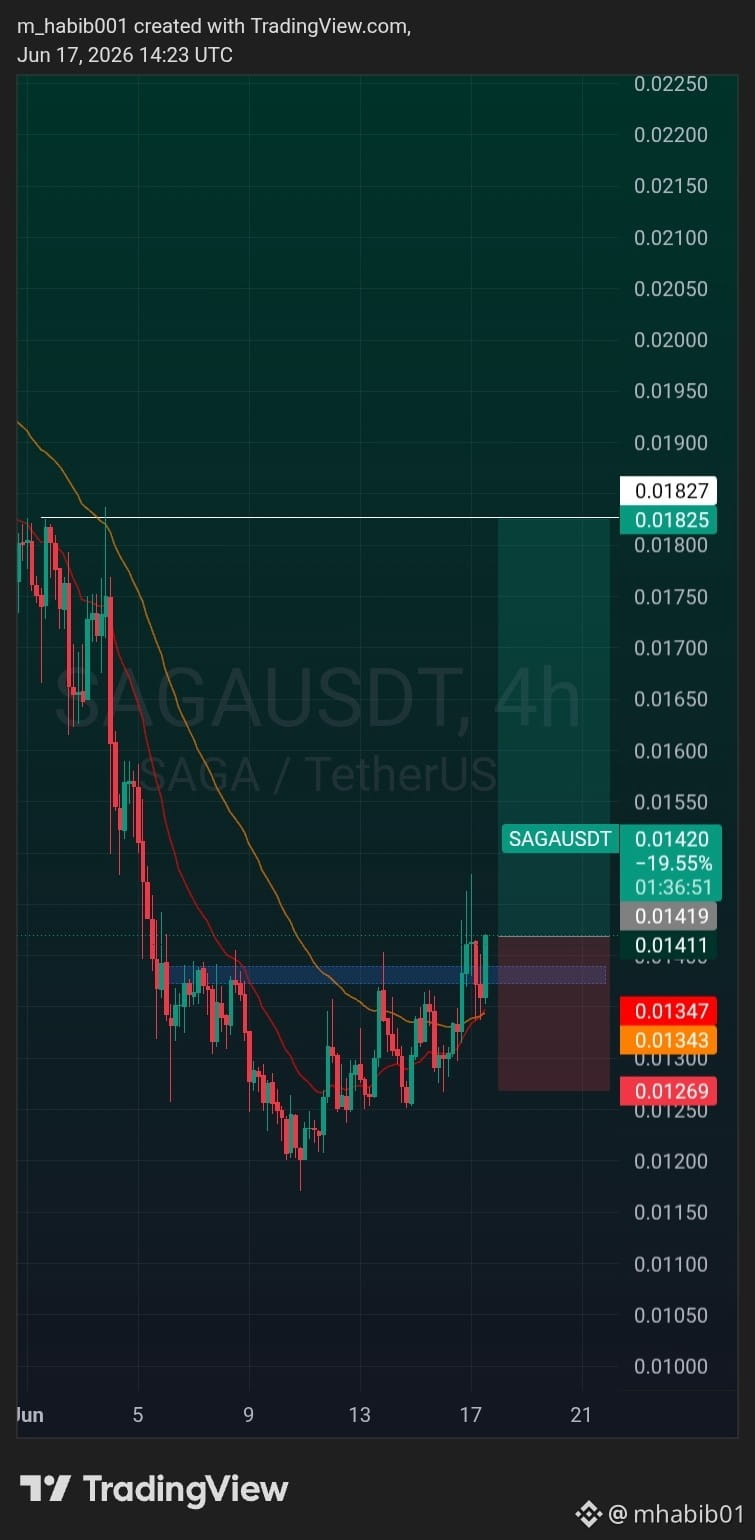
$SAGA Was passiert mit diesem Token, um Himmels willen 😢
$SAGA Was passiert mit diesem Token, um Himmels willen 😢
289
·
--
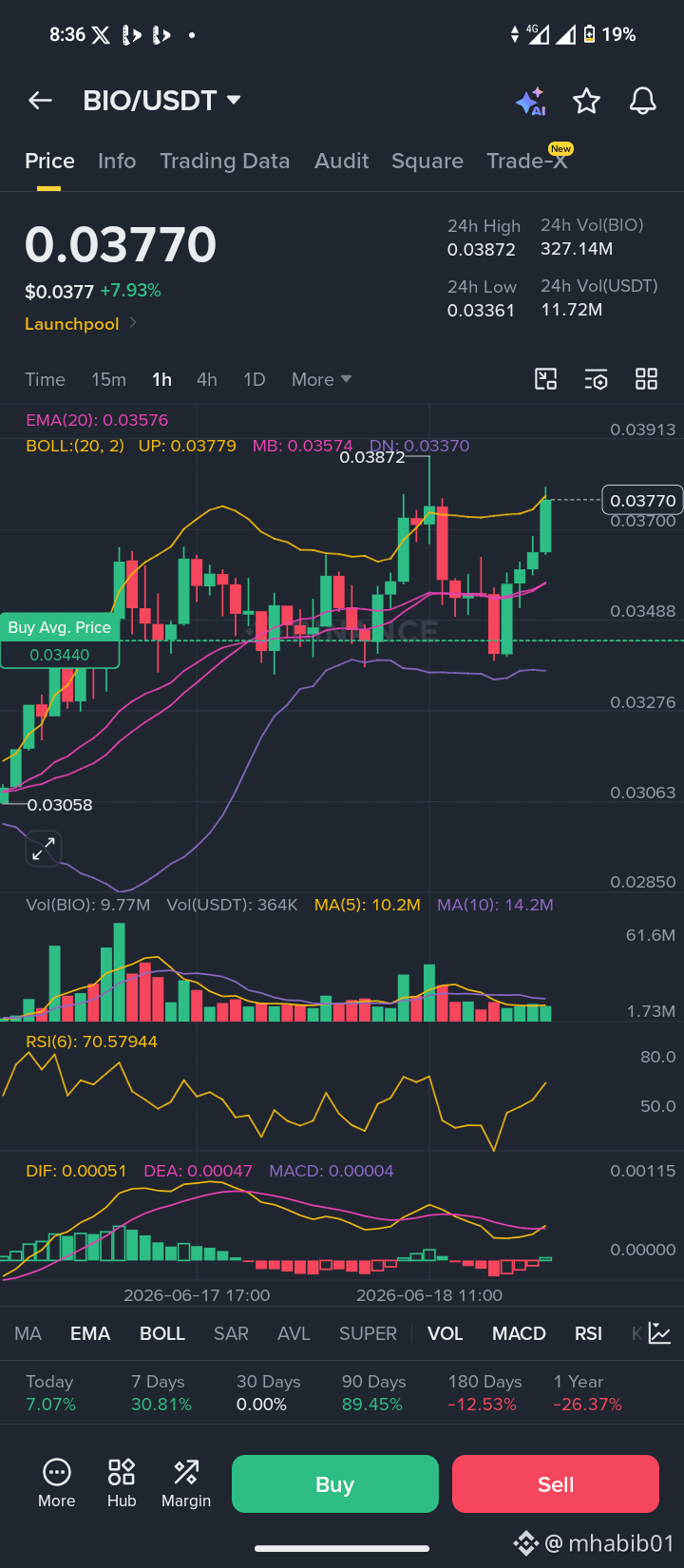
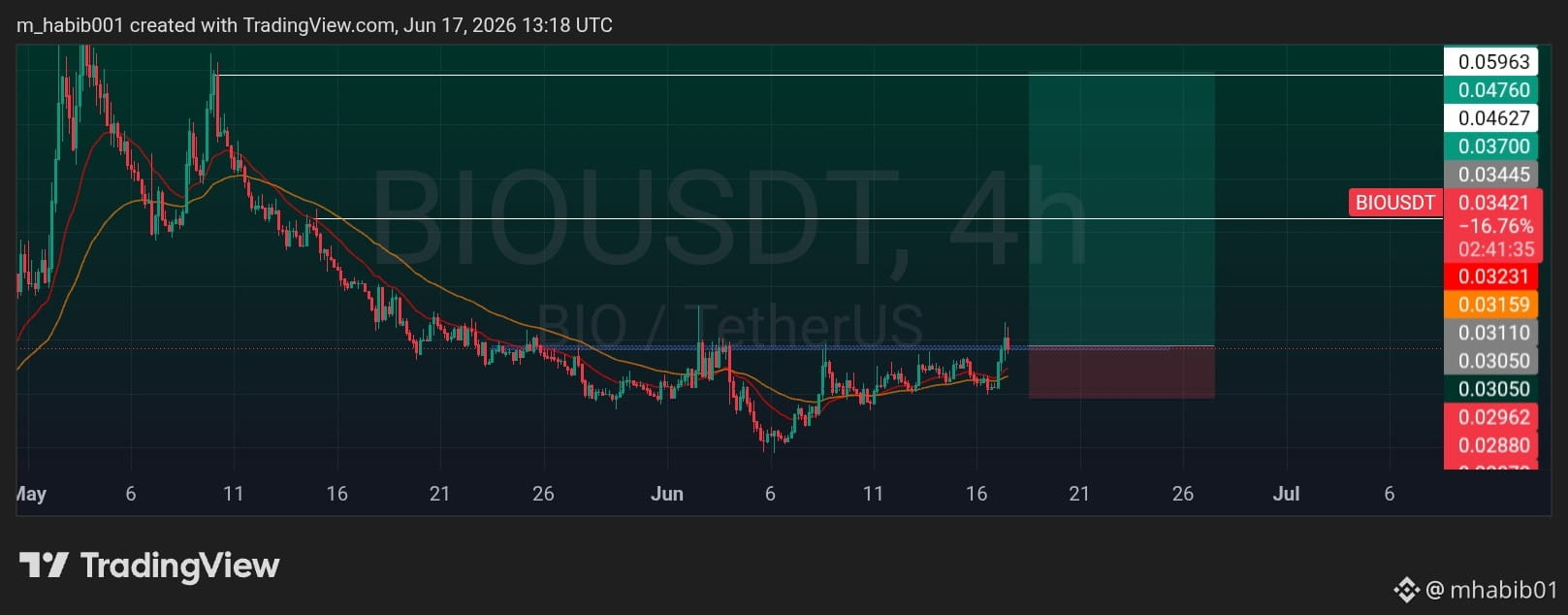
$BIO Ich halte meine Position in diesem Token weiterhin
$BIO Ich halte meine Position in diesem Token weiterhin
1
157
·
--
$CHIP Ich bin in diesem Trade verloren und habe eine Lektion gelernt
$CHIP Ich bin in diesem Trade verloren und habe eine Lektion gelernt
3
192
·
--
Bullisch
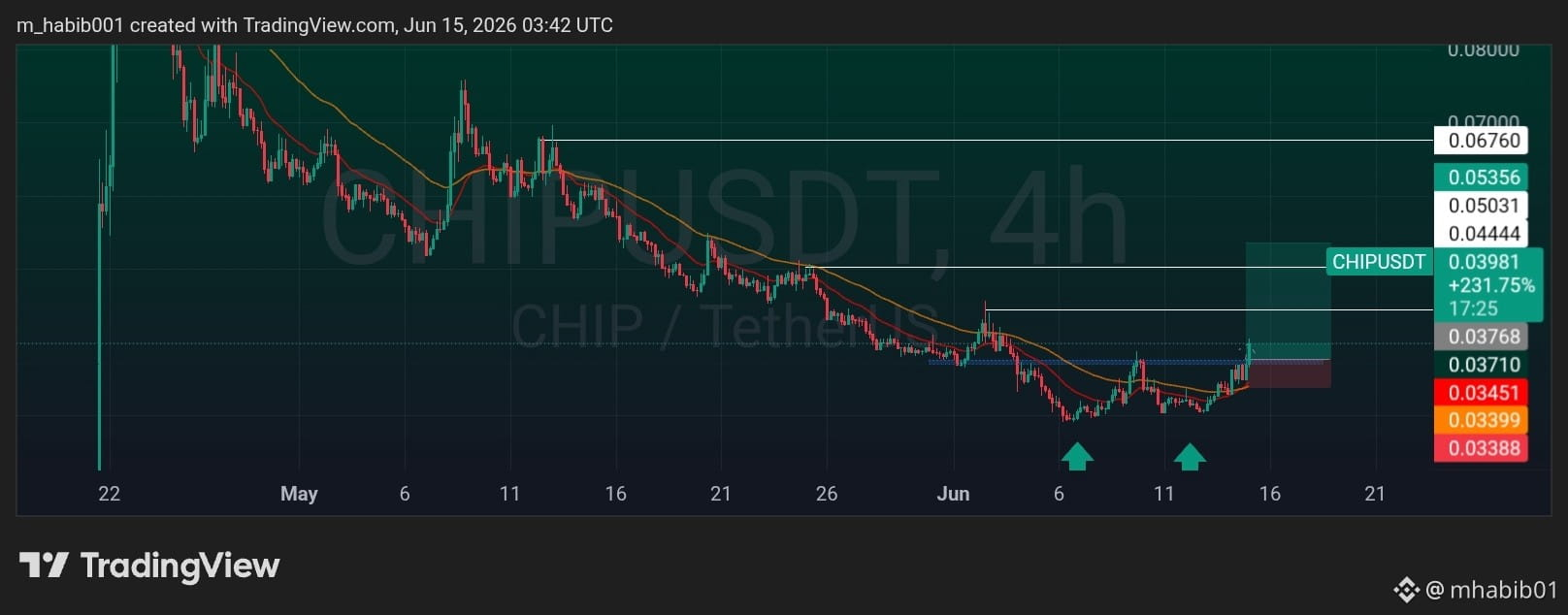
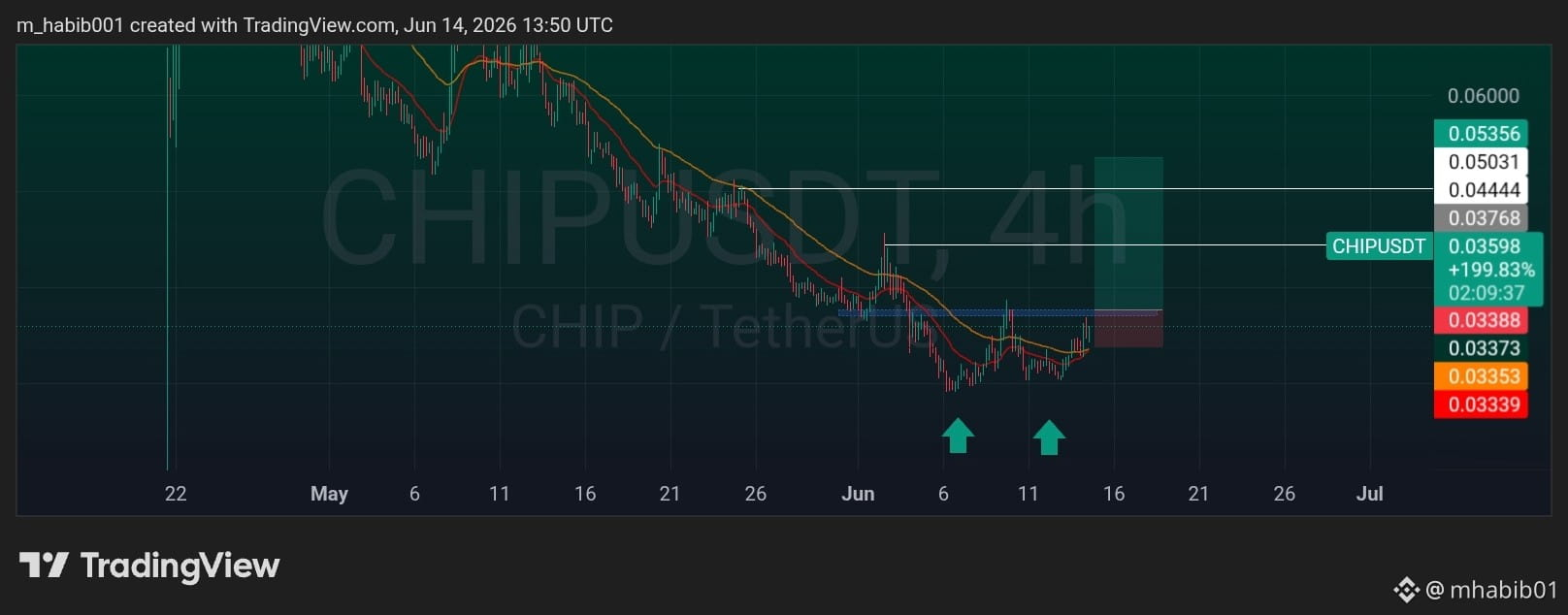
$CHIP ich habe es genau beobachtet 👀, um zu sehen, wohin es mich führen wird
$CHIP ich habe es genau beobachtet 👀, um zu sehen, wohin es mich führen wird
1
1
210
·
--
162
·
--
149
·
--
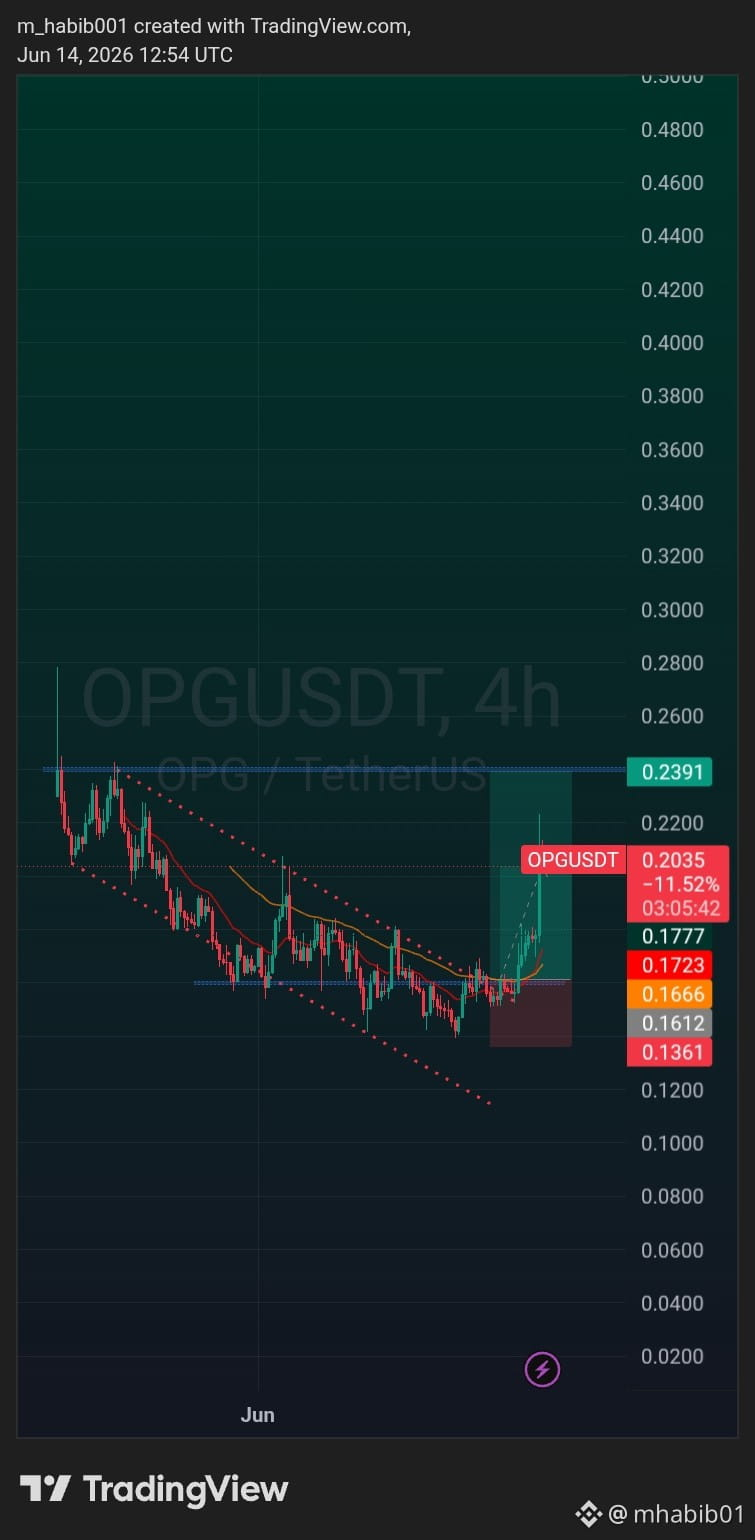
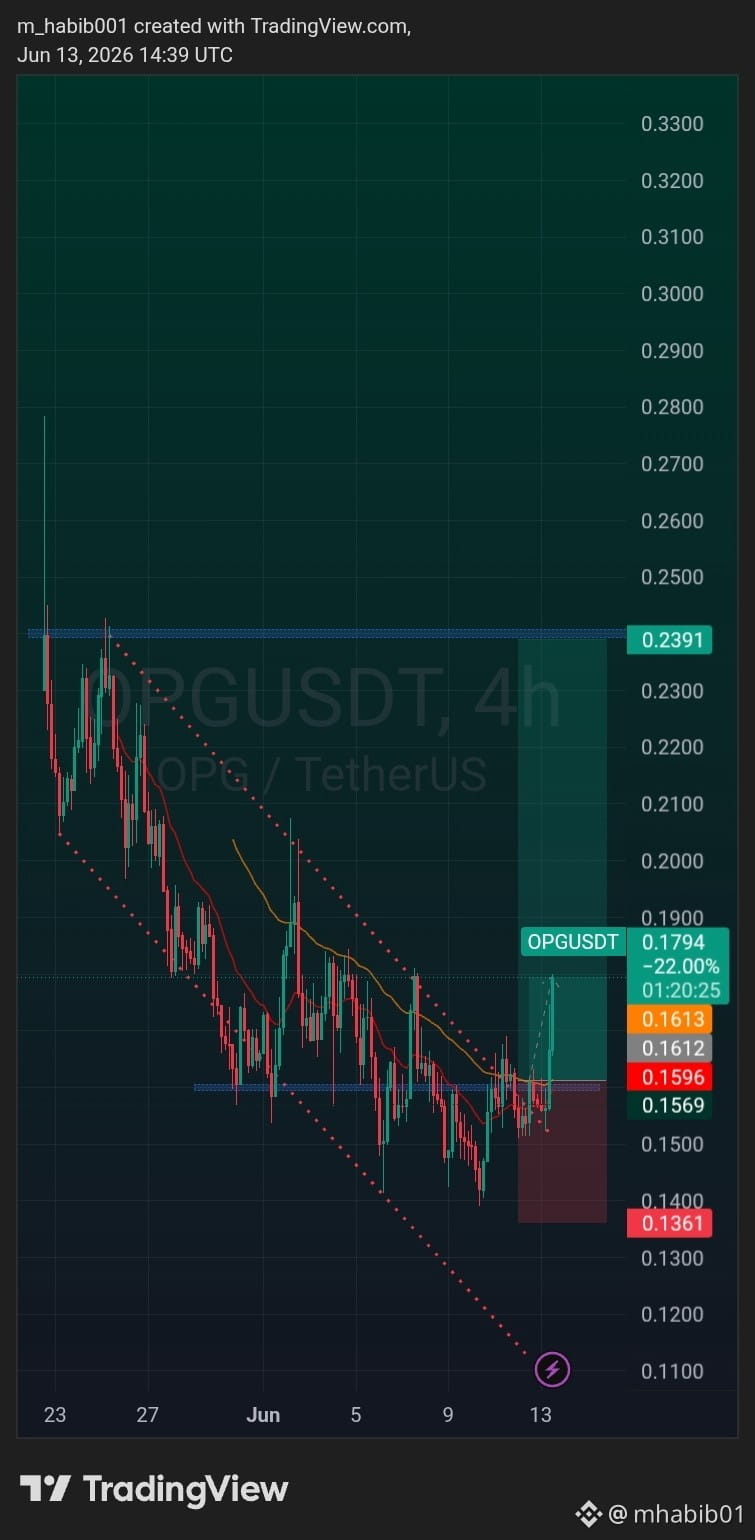
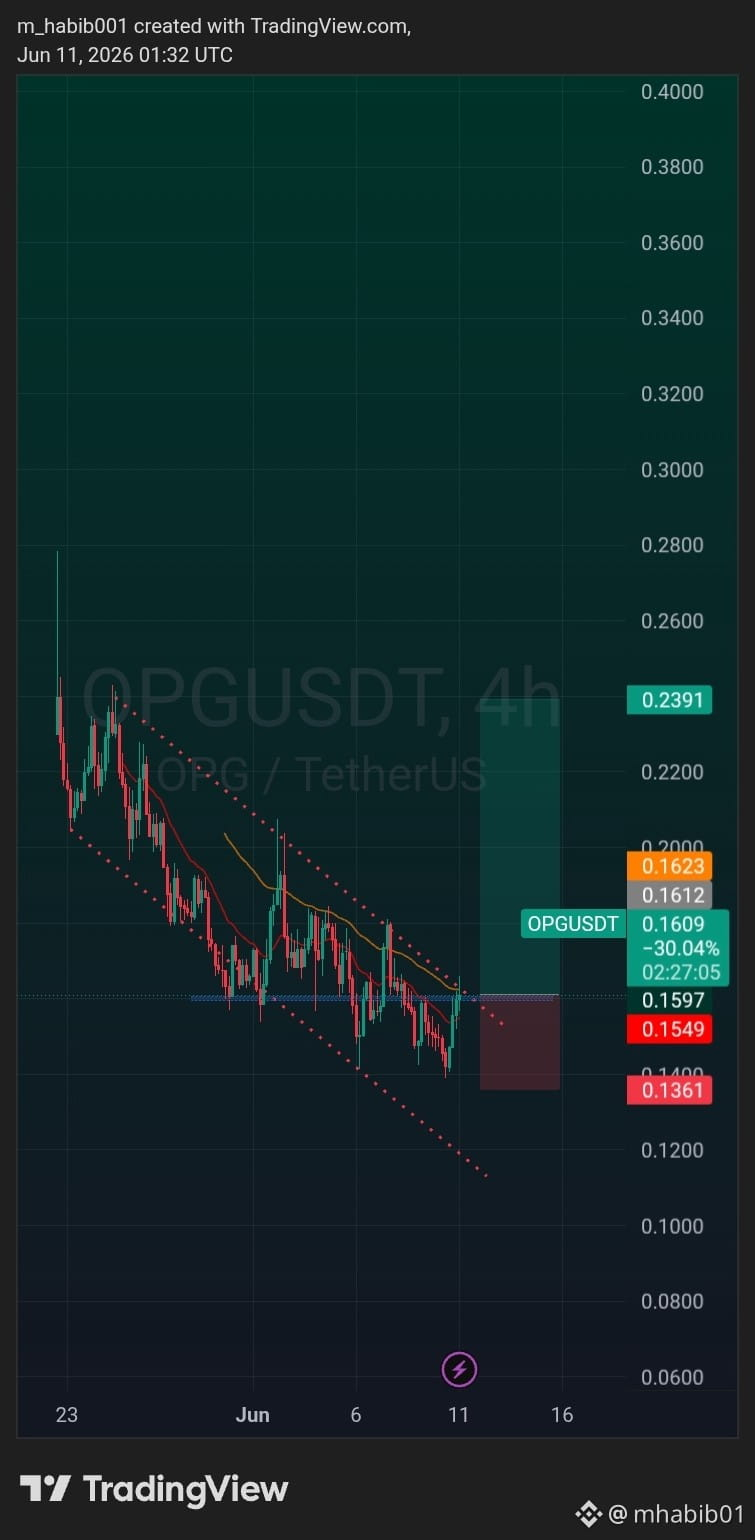
$OPG Ich fange nach einer langen Zeit an, einen Gewinn zu sehen
$OPG Ich fange nach einer langen Zeit an, einen Gewinn zu sehen
250
·
--
Bullisch
236
·
--
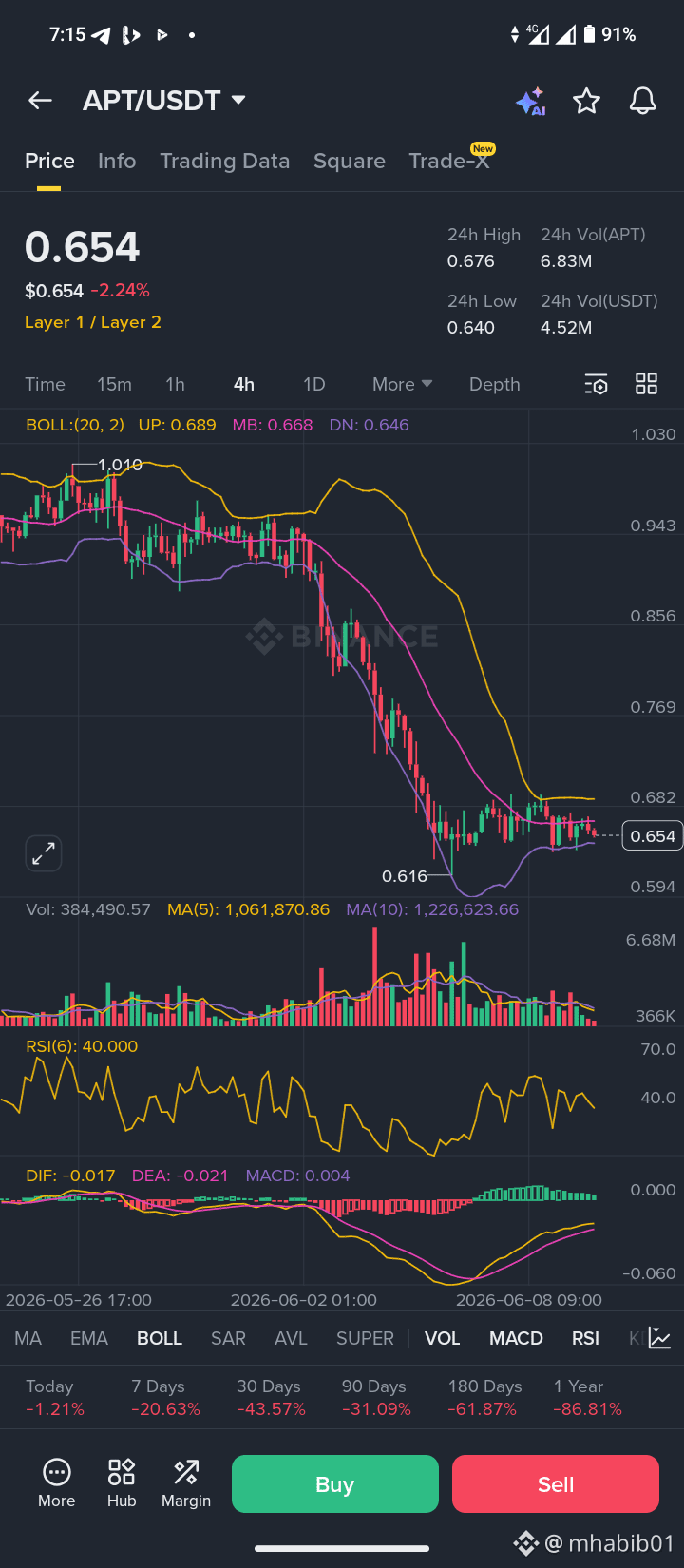
$APT Ich habe etwas APT in dieser Zone gekauft und erwarte ein gutes Ergebnis
$APT
{spot}(APTUSDT)
$APT Ich habe etwas APT in dieser Zone gekauft und erwarte ein gutes Ergebnis
$APT
$APT
330
Anmelden und weiter Inhalte entdecken
Krypto-Nutzer weltweit auf Binance Square kennenlernen
⚡️ Bleib in Sachen Krypto stets am Puls.
💬 Die weltgrößte Kryptobörse vertraut darauf.
👍 Erhalte verlässliche Einblicke von verifizierten Creators.
E-Mail-Adresse/Telefonnummer