
A M S MELAN
24 Beiträge

A M S MELAN
Crypto • Charts • Discipline.
Trade eröffnen
Regelmäßiger Trader
4.8 Jahre
15 Following
41 Follower
44 Like gegeben
Beiträge
Portfolio
Alle
Zitierungen
Übersetzung ansehen
Claim red pocket
BPBHCD4QO2
BPBHCD4QO2

Übersetzung ansehen
LINEA BEACOMES LATEST CASUALTY AS ARKHAM CUTS L2S BASE ON ‘importance to crypto’
Arkham Intelligence has announced it will discontinue support for the Linea blockchain from January 11 following a periodic review of chain relevance and user demand. Linea, developed by Consensys as an Ethereum Layer-2, is among several L2s being removed, alongside Manta and Blast.
The move suggests Arkham is streamlining its platform by dropping lower-activity networks. However, major Ethereum L2s such as Arbitrum, Base, Optimism, Mantle, and Polygon zkEVM will continue to be supported, especially as Ethereum’s Dencun upgrade has strengthened the role and relevance of leading Layer-2 solutions.#USNonFarmPayrollReport #CPIWatch #USTradeDeficitShrink #USJobsData #USBitcoinReservesSurge
Arkham Intelligence has announced it will discontinue support for the Linea blockchain from January 11 following a periodic review of chain relevance and user demand. Linea, developed by Consensys as an Ethereum Layer-2, is among several L2s being removed, alongside Manta and Blast.
The move suggests Arkham is streamlining its platform by dropping lower-activity networks. However, major Ethereum L2s such as Arbitrum, Base, Optimism, Mantle, and Polygon zkEVM will continue to be supported, especially as Ethereum’s Dencun upgrade has strengthened the role and relevance of leading Layer-2 solutions.#USNonFarmPayrollReport #CPIWatch #USTradeDeficitShrink #USJobsData #USBitcoinReservesSurge

Übersetzung ansehen
Fintechs’predection market addions will cost them in churn inversion CEO
Prediction markets may boost short-term revenue, but they risk turning finance apps into casinos with high user churn#BTCVSGOLD
#BinanceAlphaAlert
#TrumpTariffs
$BTC
Prediction markets may boost short-term revenue, but they risk turning finance apps into casinos with high user churn#BTCVSGOLD
#BinanceAlphaAlert
#TrumpTariffs
$BTC

Übersetzung ansehen
Saylor triggers fresh bitcoin buy speculation BTC hovers near 90k$
Michael Saylor is once again hinting at an aggressive Bitcoin accumulation by Strategy (formerly MicroStrategy), showing the firm remains committed to its high-risk BTC treasury strategy despite MSTR stock weakness. This comes as MSCI plans to remove Strategy from its global indices. Meanwhile, Bitcoin is trading near the $90K resistance zone, with strong liquidity clusters and continued institutional demand suggesting BTC remains well supported despite recent volatility.$BTC
#WriteToEarnUpgrade
#FedOfficialsSpeak
#Ripple1BXRPReserve
Michael Saylor is once again hinting at an aggressive Bitcoin accumulation by Strategy (formerly MicroStrategy), showing the firm remains committed to its high-risk BTC treasury strategy despite MSTR stock weakness. This comes as MSCI plans to remove Strategy from its global indices. Meanwhile, Bitcoin is trading near the $90K resistance zone, with strong liquidity clusters and continued institutional demand suggesting BTC remains well supported despite recent volatility.$BTC
#WriteToEarnUpgrade
#FedOfficialsSpeak
#Ripple1BXRPReserve

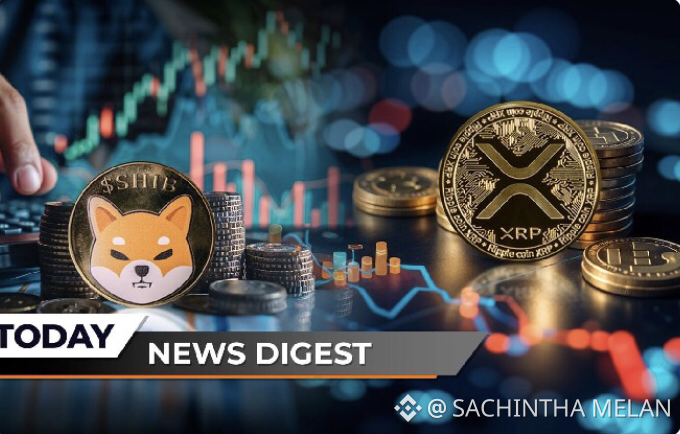
XRP ETFs glänzen, während der Kryptomarkt unter Druck steht
XRP börsengehandelte Fonds (ETFs) zeigen starken Schwung und verzeichnen 30 aufeinanderfolgende Handelstage positive Zuflüsse. Ripple-CEO Brad Garlinghouse hob diesen Erfolg hervor, insbesondere da Bitcoin- und Ethereum-ETFs weiterhin unregelmäßige und sprunghafte Mittelströme erleben.
Das Interesse begann mit dem Start des ersten US-Spot-XRP-ETFs von Canary Capital, der am Debüttag fast 250 Millionen Dollar Handelsvolumen anlockte – ein neuer Maßstab für nicht-Ethereum Altcoin-ETFs. Nach diesem Erfolg führten große Vermögensverwalter wie Franklin Templeton, Bitwise und Grayscale schnell ihre eigenen XRP ETF-Produkte ein, was den Wettbewerb und die Marktexposition erhöhte.
Zur gleichen Zeit sendet Shiba Inu (SHIB) gemischte Signale. Während der Preis weiterhin unter Druck bleibt, nahe lokaler Tiefststände, zeigen On-Chain-Daten einen bullishen Trend. Fast 100 Milliarden SHIB-Token wurden innerhalb von 24 Stunden von zentralisierten Börsen abgezogen, was auf einen reduzierten Verkaufsdruck und wachsendes Vertrauen langfristiger Inhaber hindeutet.
Trotz dieser positiven Entwicklungen bei ausgewählten Vermögenswerten hat der breitere Kryptomarkt Schwierigkeiten. Die gesamte Marktkapitalisierung ist auf unter 3 Billionen Dollar auf etwa 2,95 Billionen Dollar gesunken. Cardano (ADA) war einer der am stärksten betroffenen Vermögenswerte, wobei gehebelte Long-Positionen massiven Liquidationen ausgesetzt waren. Über 1,18 Millionen Dollar in ADA-Longs wurden innerhalb von nur 24 Stunden ausgelöscht, was zu einem massiven Liquidationsungleichgewicht von 1.303 % führte.
Insgesamt, während XRP und SHIB Anzeichen von Stärke unter der Oberfläche zeigen, bleibt der breitere Kryptomarkt vorsichtig, da Investoren das Risiko gegen Ende des Jahres neu bewerten.$XRP
$ADA $SHIB #CPIWatch #TrumpTariffs #FedRateCut25bps
XRP börsengehandelte Fonds (ETFs) zeigen starken Schwung und verzeichnen 30 aufeinanderfolgende Handelstage positive Zuflüsse. Ripple-CEO Brad Garlinghouse hob diesen Erfolg hervor, insbesondere da Bitcoin- und Ethereum-ETFs weiterhin unregelmäßige und sprunghafte Mittelströme erleben.
Das Interesse begann mit dem Start des ersten US-Spot-XRP-ETFs von Canary Capital, der am Debüttag fast 250 Millionen Dollar Handelsvolumen anlockte – ein neuer Maßstab für nicht-Ethereum Altcoin-ETFs. Nach diesem Erfolg führten große Vermögensverwalter wie Franklin Templeton, Bitwise und Grayscale schnell ihre eigenen XRP ETF-Produkte ein, was den Wettbewerb und die Marktexposition erhöhte.
Zur gleichen Zeit sendet Shiba Inu (SHIB) gemischte Signale. Während der Preis weiterhin unter Druck bleibt, nahe lokaler Tiefststände, zeigen On-Chain-Daten einen bullishen Trend. Fast 100 Milliarden SHIB-Token wurden innerhalb von 24 Stunden von zentralisierten Börsen abgezogen, was auf einen reduzierten Verkaufsdruck und wachsendes Vertrauen langfristiger Inhaber hindeutet.
Trotz dieser positiven Entwicklungen bei ausgewählten Vermögenswerten hat der breitere Kryptomarkt Schwierigkeiten. Die gesamte Marktkapitalisierung ist auf unter 3 Billionen Dollar auf etwa 2,95 Billionen Dollar gesunken. Cardano (ADA) war einer der am stärksten betroffenen Vermögenswerte, wobei gehebelte Long-Positionen massiven Liquidationen ausgesetzt waren. Über 1,18 Millionen Dollar in ADA-Longs wurden innerhalb von nur 24 Stunden ausgelöscht, was zu einem massiven Liquidationsungleichgewicht von 1.303 % führte.
Insgesamt, während XRP und SHIB Anzeichen von Stärke unter der Oberfläche zeigen, bleibt der breitere Kryptomarkt vorsichtig, da Investoren das Risiko gegen Ende des Jahres neu bewerten.$XRP
$ADA $SHIB #CPIWatch #TrumpTariffs #FedRateCut25bps
Übersetzung ansehen
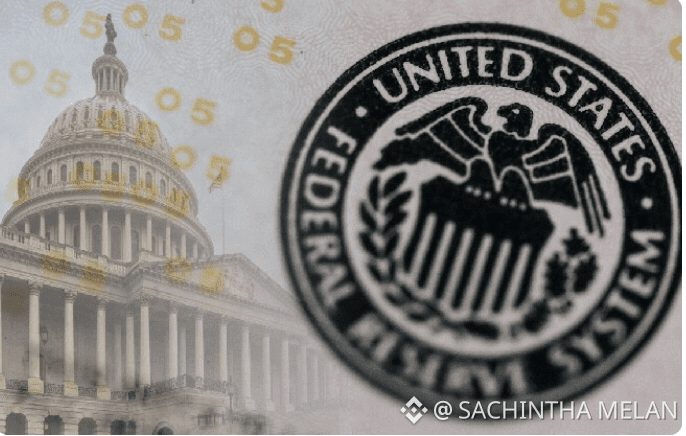
FEDERAL RESERVE OFFICIALLY BACK OFF 2023 BANK CRYPTO RESTRICTIONS PERMANENTLY
The Fed dropped its old 2023 rule and replaced it with a new policy that gives state member banks room to use innovative tools without being stuck under the limits created two years ago.
The Board said the financial system changed enough to make the earlier rule useless. The new move applies to both insured and uninsured banks under the Fed’s watch and brings direct consequences for crypto-linked firms that want stable access to payment rails.
Fed changes federal access for crypto companies in America
“New technologies offer efficiencies to banks and improved products and services to bank customers,” Vice Chair for Supervision Michelle Bowman said.
“By creating a pathway for responsible, innovative products and services, the Board is helping ensure that the banking sector remains safe and sound while also modern, efficient, and effective.”
The 2023 policy forced state member banks to follow the same activity rules that other federal regulators used. It also tried to lay out how banks should handle new tools. After it came out, the Board said the financial system shifted and its own understanding grew, so it cleared the rule and replaced it.
The new policy lets banks under the Fed take part in certain innovative activities, which matters for firms like Circle, Paxos, Tether, and BitGo. These companies will now place customer reserves directly at the Fed instead of routing everything through commercial banks. That lowers costs and cuts counterparty risk while giving them more control over flows.
Some companies tried other ways to reach the Fed’s payment system.The big one was specialty banking charters.
One example is Wyoming’s Special Purpose Depository Institution setup, built for crypto companies. Custodia Bank, one of the first to use it, sued the Federal Reserve Board and the Kansas City Fed for what it called “a patently unlawful delay.” A court dismissed the case, and Custodia appealed. That case is still active.$BTC
#BinanceAlphaAlert
The Fed dropped its old 2023 rule and replaced it with a new policy that gives state member banks room to use innovative tools without being stuck under the limits created two years ago.
The Board said the financial system changed enough to make the earlier rule useless. The new move applies to both insured and uninsured banks under the Fed’s watch and brings direct consequences for crypto-linked firms that want stable access to payment rails.
Fed changes federal access for crypto companies in America
“New technologies offer efficiencies to banks and improved products and services to bank customers,” Vice Chair for Supervision Michelle Bowman said.
“By creating a pathway for responsible, innovative products and services, the Board is helping ensure that the banking sector remains safe and sound while also modern, efficient, and effective.”
The 2023 policy forced state member banks to follow the same activity rules that other federal regulators used. It also tried to lay out how banks should handle new tools. After it came out, the Board said the financial system shifted and its own understanding grew, so it cleared the rule and replaced it.
The new policy lets banks under the Fed take part in certain innovative activities, which matters for firms like Circle, Paxos, Tether, and BitGo. These companies will now place customer reserves directly at the Fed instead of routing everything through commercial banks. That lowers costs and cuts counterparty risk while giving them more control over flows.
Some companies tried other ways to reach the Fed’s payment system.The big one was specialty banking charters.
One example is Wyoming’s Special Purpose Depository Institution setup, built for crypto companies. Custodia Bank, one of the first to use it, sued the Federal Reserve Board and the Kansas City Fed for what it called “a patently unlawful delay.” A court dismissed the case, and Custodia appealed. That case is still active.$BTC
#BinanceAlphaAlert
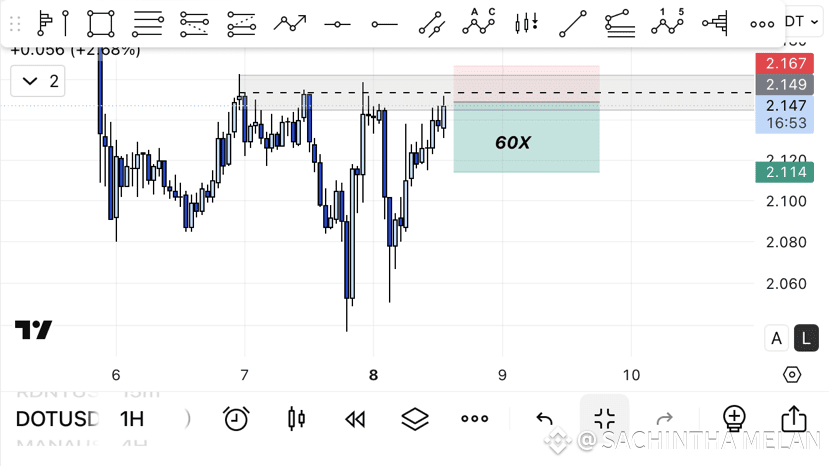
Die von der Fed beobachtete Kerninflationsrate erreichte 2,8%, die verzögerten Daten von September zeigen, dass sie niedriger als erwartet ist
1. Zinssatzsenkungsmechanismus
Der Rückgang der Inflation auf 2,8% gibt der Fed mehr Spielraum, die Zinssätze zu senken.
→ Wenn die Zinssätze sinken, verringern sich die Kreditkosten, Kredite nehmen zu und die Liquidität (Geldfluss) in der Wirtschaft steigt.
→ Geld fließt tendenziell in risikoreiche Vermögenswerte wie Krypto.
2. Risiko-auf-Reaktion
In Zeiten, in denen die Zinssätze fallen, bewegen sich Investoren in Richtung
→ Technologiewerte
→ Bitcoin
→ Altcoins
auf der Suche nach höheren Renditen.
Krypto steigt normalerweise während risikofreudiger Marktbedingungen.
3. Dollar-Schwäche und Bitcoin-Wachstum
Wenn die Zinssätze sinken, neigt der US-Dollar-Index (DXY) dazu, zu fallen.
→ Wenn der Dollar schwächer wird, zeigt Bitcoin historisch einen Aufwärtstrend.
4. Zunahme der ETF-Zuflüsse
Wenn die Makrodaten positiv aussehen, neigen institutionelle Investoren eher dazu, Gelder zuzuweisen an
→ BTC ETFs
→ ETH ETFs
→ Krypto-Fonds.
Zusammenfassung
Eine niedrigere Inflation, die mit den Erwartungen der Fed übereinstimmt, ist im Allgemeinen bullish für Krypto.
Krypto-Märkte bewegen sich oft nach oben, nachdem solche Datenveröffentlichungen erfolgen.
Niedrige Inflation → Niedrigere Zinssätze → Mehr Liquidität → Höhere Krypto-Preise#BinanceBlockchainWeek #TrumpTariffs #WriteToEarnUpgrade #BinanceAlphaAlert $BTC $ETH $BNB
1. Zinssatzsenkungsmechanismus
Der Rückgang der Inflation auf 2,8% gibt der Fed mehr Spielraum, die Zinssätze zu senken.
→ Wenn die Zinssätze sinken, verringern sich die Kreditkosten, Kredite nehmen zu und die Liquidität (Geldfluss) in der Wirtschaft steigt.
→ Geld fließt tendenziell in risikoreiche Vermögenswerte wie Krypto.
2. Risiko-auf-Reaktion
In Zeiten, in denen die Zinssätze fallen, bewegen sich Investoren in Richtung
→ Technologiewerte
→ Bitcoin
→ Altcoins
auf der Suche nach höheren Renditen.
Krypto steigt normalerweise während risikofreudiger Marktbedingungen.
3. Dollar-Schwäche und Bitcoin-Wachstum
Wenn die Zinssätze sinken, neigt der US-Dollar-Index (DXY) dazu, zu fallen.
→ Wenn der Dollar schwächer wird, zeigt Bitcoin historisch einen Aufwärtstrend.
4. Zunahme der ETF-Zuflüsse
Wenn die Makrodaten positiv aussehen, neigen institutionelle Investoren eher dazu, Gelder zuzuweisen an
→ BTC ETFs
→ ETH ETFs
→ Krypto-Fonds.
Zusammenfassung
Eine niedrigere Inflation, die mit den Erwartungen der Fed übereinstimmt, ist im Allgemeinen bullish für Krypto.
Krypto-Märkte bewegen sich oft nach oben, nachdem solche Datenveröffentlichungen erfolgen.
Niedrige Inflation → Niedrigere Zinssätze → Mehr Liquidität → Höhere Krypto-Preise#BinanceBlockchainWeek #TrumpTariffs #WriteToEarnUpgrade #BinanceAlphaAlert $BTC $ETH $BNB
Übersetzung ansehen
Bitcoin Could Continue Chopping Below $95K Into Year-End and Altcoins Could Benefit, Analyst Says
Low-liquidity in December may cap bitcoin's recovery rally, but rangebound trading for the largest crypto could benefit smaller digital assets, Wincent's Paul Howard said.$BTC
#BTCVSGOLD #BinanceBlockchainWeek #BTC86kJPShock #USJobsData #TrumpTariffs
Low-liquidity in December may cap bitcoin's recovery rally, but rangebound trading for the largest crypto could benefit smaller digital assets, Wincent's Paul Howard said.$BTC
#BTCVSGOLD #BinanceBlockchainWeek #BTC86kJPShock #USJobsData #TrumpTariffs
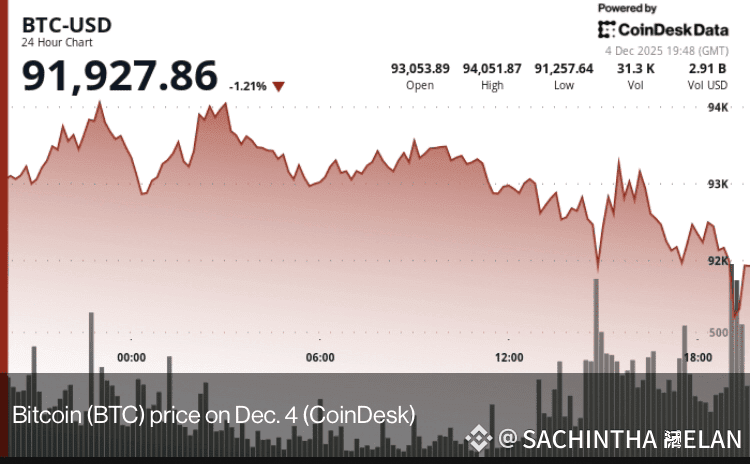
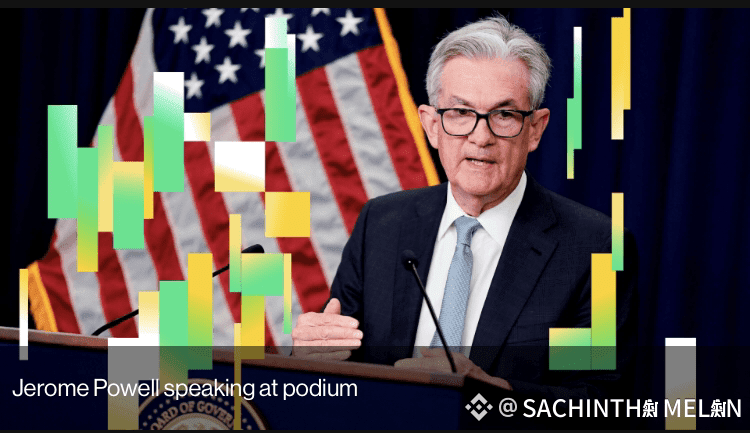
Die Krypto-Märkte stabilisierten sich, da die steigenden Erwartungen an eine Zinssenkung der Fed im Dezember die Stimmung unterstützten. Bitcoin hielt sich im Hongkonger Handel nahe 88.000 $, während Ethereum bei etwa 2.945 $ schwebte. Analysten von QCP Capital vermerken eine Bereinigung von langen Hebelpositionen und ausgewogenem Hedging, wobei das Call-Interesse zum Jahresende die Puts übersteigt - Anzeichen für eine gesündere Marktstruktur. Daten von Glassnode weisen ebenfalls auf überverkaufte Bedingungen, reduzierten Verkaufsdruck und die späten Phasen einer Marktkorrektur hin, obwohl die Futures immer noch aggressive Verkäufer zeigen.
Wenn die Erwartungen an eine Zinssenkung bestehen bleiben, wenn die US-Märkte wieder öffnen, wird BTC voraussichtlich innerhalb seiner aktuellen Spanne stabilisieren
$BTC
#BTCRebound90kNext? #WriteToEarnUpgrade #ProjectCrypto
Wenn die Erwartungen an eine Zinssenkung bestehen bleiben, wenn die US-Märkte wieder öffnen, wird BTC voraussichtlich innerhalb seiner aktuellen Spanne stabilisieren
$BTC
#BTCRebound90kNext? #WriteToEarnUpgrade #ProjectCrypto
Übersetzung ansehen
TODAY: Tom Lee's Bitmine has purchased 28,625 ETH ($82.11M) more$ETH
$ETH
$ETH
Übersetzung ansehen
⚡️JUST IN: 🇷🇺🇺🇦 President Trump hints "something good" may finally be happening in Russia-Ukraine peace talks$BTC
Übersetzung ansehen
My prediction right?
A M S MELAN
·
--
BTC fällt in Richtung Mid-$80K, da sich die Marktstruktur zum Jahresende abschwächt. WARTEN SIE AUF DEN KAUF $BTC

BTC fällt in Richtung Mid-$80K, da sich die Marktstruktur zum Jahresende abschwächt. WARTEN SIE AUF DEN KAUF $BTC

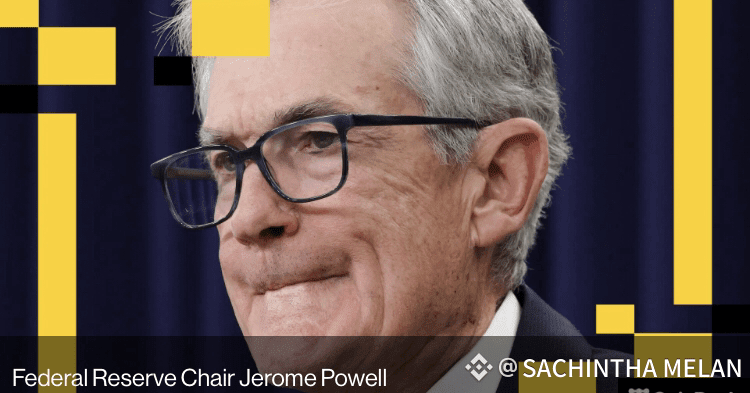
Die Chancen auf eine Zinssenkung der Fed sinken, da die Arbeitsmarktdaten verzögert werden.
Händler haben die Chancen auf eine Zinssenkung der Fed im Dezember auf 33 % stark reduziert, nachdem ein wichtiger US-Arbeitsbericht verzögert wurde. Der fehlende Datenpunkt erhöht die Unsicherheit vor dem letzten Treffen der Fed im Jahr 2025.
Für die Kryptomärkte signalisiert das Update eine geringere Liquidität auf kurze Sicht und eine reduzierte Risikobereitschaft, was einen milden Abwärtsdruck auf Bitcoin und große Altcoins ausübt. Die langfristigen Erwartungen für Zinssenkungen im Jahr 2025 bleiben jedoch unverändert#AltcoinMarketRecovery #USStocksForecast2026
$BTC
Händler haben die Chancen auf eine Zinssenkung der Fed im Dezember auf 33 % stark reduziert, nachdem ein wichtiger US-Arbeitsbericht verzögert wurde. Der fehlende Datenpunkt erhöht die Unsicherheit vor dem letzten Treffen der Fed im Jahr 2025.
Für die Kryptomärkte signalisiert das Update eine geringere Liquidität auf kurze Sicht und eine reduzierte Risikobereitschaft, was einen milden Abwärtsdruck auf Bitcoin und große Altcoins ausübt. Die langfristigen Erwartungen für Zinssenkungen im Jahr 2025 bleiben jedoch unverändert#AltcoinMarketRecovery #USStocksForecast2026
$BTC
Anmelden und weiter Inhalte entdecken