
A E V O N
5.4k Beiträge

A E V O N
 Square Verified+
Melden
Nutzer blockieren
📊 Crypto Strategist | 🚀 Binance Creator | 💡 Market Insights & Alpha |🧠X@Shahidbnb
28 Following
30.8K+ Follower
9.9K+ Like gegeben
Beiträge
Alle
Live
·
--
Bullisch
#FedRateWatch 🔥
Der September-FOMC könnte für die Märkte ein wichtiger Wendepunkt sein.
Der US-CPI im August zeigte, dass die Inflation weiterhin hartnäckig ist: Der Headline-CPI stieg um 0,4% im Monatsvergleich, während der Kern-CPI um 0,3% im Monatsvergleich zulegte. Da die Inflation weiterhin über dem 2%-Ziel der Fed liegt, preisen die Märkte diese Woche grob rund 90%+ Wahrscheinlichkeit für eine 25-Bp-Anhebung ein.
Doch die größere Frage lautet: Handelt es sich dabei um eine einmalige Anhebung oder den Beginn eines längeren Zinserhöhungszyklus?
Meine Einschätzung: Die Anhebung könnte weitgehend bereits eingepreist sein. Der entscheidende Markt-Katalysator wird die Guidance von Powell zu den künftigen Zinsen sein.
📌 BTC: Eine 25-Bp-Anhebung kann kurzfristigen Druck erzeugen – durch höhere Renditen und einen stärkeren Dollar. Aber wenn die Bewegung vollständig eingepreist ist und die Fed weniger aggressiv klingt, könnte sich BTC deutlich schnell erholen.
📌 Tech-Aktien: Höhere Zinsen können Wachstumsaktien in Bewertungsfragen belasten, doch starke Gewinne und eine hohe Nachfrage nach KI könnten den Abwärtsdruck abfedern.
📌 Gold: Höhere reale Renditen können Gold zunächst belasten, während Inflation und Unsicherheit die Nachfrage über längere Zeit stützen können.
🎯 Mein Handelsplan: Ich jage nicht der ersten FOMC-Kerze hinterher. Ich beobachte die wichtigen Unterstützungs-/Widerstandsniveaus von BTC und warte auf eine Bestätigung, nachdem sich die Volatilität gelegt hat. Bei Aktien und Gold konzentriere ich mich auf die Forward Guidance der Fed und die Reaktion der Realrenditen.
Was ist deine Meinung: 25-Bp-Anhebung – einmalig oder der Beginn eines neuen Zinserhöhungszyklus?
Teile deine BTC-, Aktien- oder Gold-Trade-/Hold-Strategie mit dem Trade-Sharing-Widget.
#FedRateWatch #FOMC #Bitcoin #BTC $LAB
{future}(LABUSDT)
$POWER
{future}(POWERUSDT)
$AKE
{future}(AKEUSDT)
#FedRateWatch 🔥
Der September-FOMC könnte für die Märkte ein wichtiger Wendepunkt sein.
Der US-CPI im August zeigte, dass die Inflation weiterhin hartnäckig ist: Der Headline-CPI stieg um 0,4% im Monatsvergleich, während der Kern-CPI um 0,3% im Monatsvergleich zulegte. Da die Inflation weiterhin über dem 2%-Ziel der Fed liegt, preisen die Märkte diese Woche grob rund 90%+ Wahrscheinlichkeit für eine 25-Bp-Anhebung ein.
Doch die größere Frage lautet: Handelt es sich dabei um eine einmalige Anhebung oder den Beginn eines längeren Zinserhöhungszyklus?
Meine Einschätzung: Die Anhebung könnte weitgehend bereits eingepreist sein. Der entscheidende Markt-Katalysator wird die Guidance von Powell zu den künftigen Zinsen sein.
📌 BTC: Eine 25-Bp-Anhebung kann kurzfristigen Druck erzeugen – durch höhere Renditen und einen stärkeren Dollar. Aber wenn die Bewegung vollständig eingepreist ist und die Fed weniger aggressiv klingt, könnte sich BTC deutlich schnell erholen.
📌 Tech-Aktien: Höhere Zinsen können Wachstumsaktien in Bewertungsfragen belasten, doch starke Gewinne und eine hohe Nachfrage nach KI könnten den Abwärtsdruck abfedern.
📌 Gold: Höhere reale Renditen können Gold zunächst belasten, während Inflation und Unsicherheit die Nachfrage über längere Zeit stützen können.
🎯 Mein Handelsplan: Ich jage nicht der ersten FOMC-Kerze hinterher. Ich beobachte die wichtigen Unterstützungs-/Widerstandsniveaus von BTC und warte auf eine Bestätigung, nachdem sich die Volatilität gelegt hat. Bei Aktien und Gold konzentriere ich mich auf die Forward Guidance der Fed und die Reaktion der Realrenditen.
Was ist deine Meinung: 25-Bp-Anhebung – einmalig oder der Beginn eines neuen Zinserhöhungszyklus?
Teile deine BTC-, Aktien- oder Gold-Trade-/Hold-Strategie mit dem Trade-Sharing-Widget.
#FedRateWatch #FOMC #Bitcoin #BTC $LAB
$POWER
$AKE
Der September-FOMC könnte für die Märkte ein wichtiger Wendepunkt sein.
Der US-CPI im August zeigte, dass die Inflation weiterhin hartnäckig ist: Der Headline-CPI stieg um 0,4% im Monatsvergleich, während der Kern-CPI um 0,3% im Monatsvergleich zulegte. Da die Inflation weiterhin über dem 2%-Ziel der Fed liegt, preisen die Märkte diese Woche grob rund 90%+ Wahrscheinlichkeit für eine 25-Bp-Anhebung ein.
Doch die größere Frage lautet: Handelt es sich dabei um eine einmalige Anhebung oder den Beginn eines längeren Zinserhöhungszyklus?
Meine Einschätzung: Die Anhebung könnte weitgehend bereits eingepreist sein. Der entscheidende Markt-Katalysator wird die Guidance von Powell zu den künftigen Zinsen sein.
📌 BTC: Eine 25-Bp-Anhebung kann kurzfristigen Druck erzeugen – durch höhere Renditen und einen stärkeren Dollar. Aber wenn die Bewegung vollständig eingepreist ist und die Fed weniger aggressiv klingt, könnte sich BTC deutlich schnell erholen.
📌 Tech-Aktien: Höhere Zinsen können Wachstumsaktien in Bewertungsfragen belasten, doch starke Gewinne und eine hohe Nachfrage nach KI könnten den Abwärtsdruck abfedern.
📌 Gold: Höhere reale Renditen können Gold zunächst belasten, während Inflation und Unsicherheit die Nachfrage über längere Zeit stützen können.
🎯 Mein Handelsplan: Ich jage nicht der ersten FOMC-Kerze hinterher. Ich beobachte die wichtigen Unterstützungs-/Widerstandsniveaus von BTC und warte auf eine Bestätigung, nachdem sich die Volatilität gelegt hat. Bei Aktien und Gold konzentriere ich mich auf die Forward Guidance der Fed und die Reaktion der Realrenditen.
Was ist deine Meinung: 25-Bp-Anhebung – einmalig oder der Beginn eines neuen Zinserhöhungszyklus?
Teile deine BTC-, Aktien- oder Gold-Trade-/Hold-Strategie mit dem Trade-Sharing-Widget.
#FedRateWatch #FOMC #Bitcoin #BTC $LAB
$POWER
$AKE
1
2
258
·
--
Übersetzung ansehen
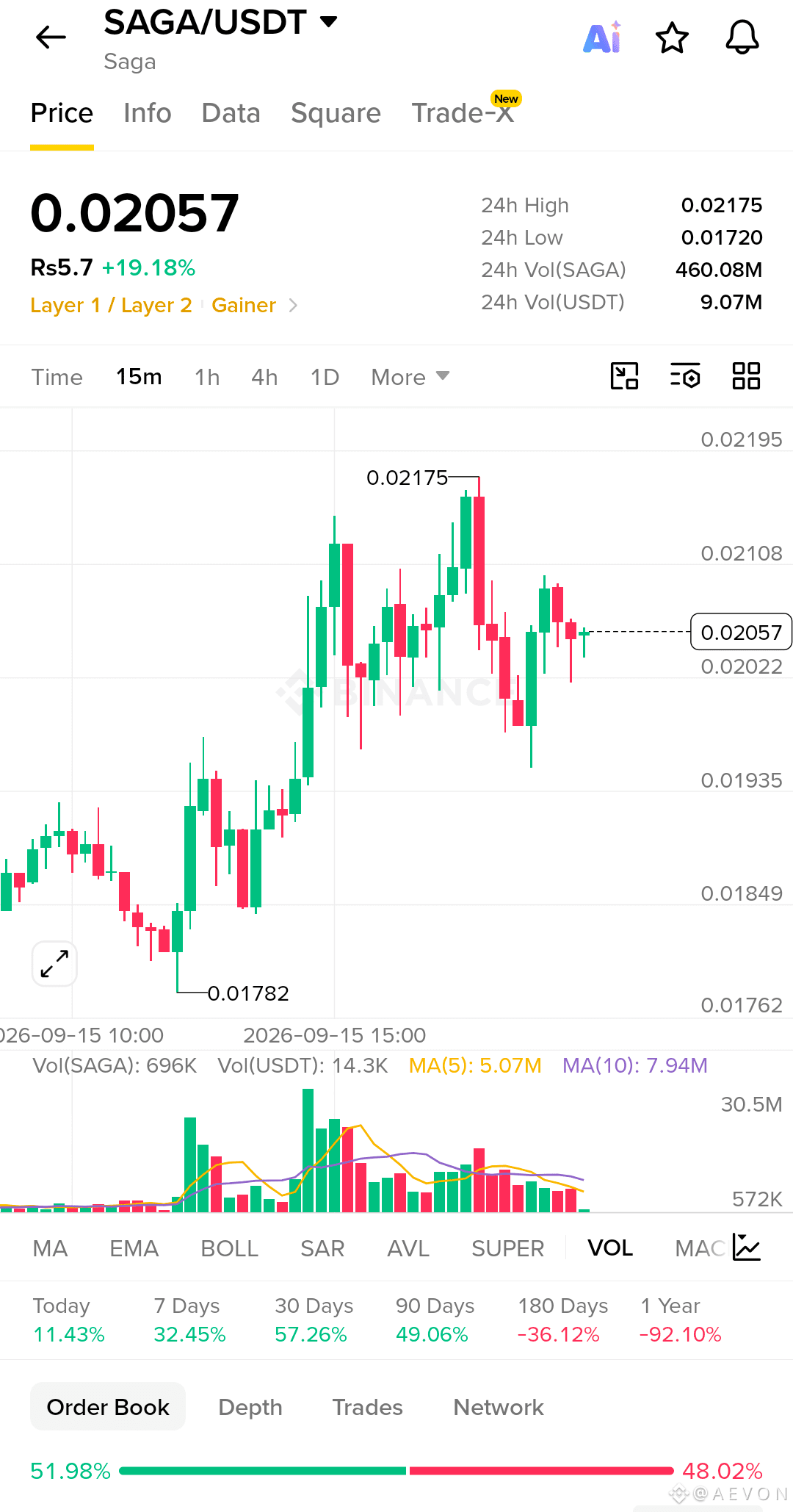
$SAGA is up +19% today… but is the pump ready to continue? 👀
SAGA is trading around $0.02057 after making a sharp move from the $0.01782 area.
The interesting part isn't the +19%.
It's what price does after the pump.
1️⃣ Buyers clearly stepped in
SAGA moved from around $0.01782 → $0.02175.
That's a major intraday expansion.
But after reaching $0.02175, sellers immediately pushed price lower.
This tells us the $0.0217–$0.0218 zone is currently being defended.
2️⃣ Now SAGA is consolidating
After the rejection, price has been moving around:
$0.0202–$0.0208
This is important.
Instead of immediately collapsing back to the breakout area, SAGA is holding relatively high.
That can mean buyers are absorbing some of the selling pressure.
But confirmation is still needed.
3️⃣ The key resistance 🚨
$0.02175
This is the major level from the chart.
If SAGA breaks above it with strong volume and holds the level on a retest, the bullish move could potentially continue.
A simple wick above resistance isn't enough.
Break + close + retest = stronger confirmation.
4️⃣ The key support 🛡️
The first area to watch is around:
$0.0202
If buyers continue defending this zone, the current consolidation can remain constructive.
Below that, the next important chart area is around $0.01935, followed by the previous swing area near $0.01782.
5️⃣ Volume is the confirmation signal
The pump came with noticeably larger volume.
But the latest candles are showing lower volume than the strongest part of the move.
That means traders should watch what happens if volume suddenly expands again.
📈 Rising price + rising volume = stronger breakout signal
📉 Rising price + falling volume = momentum may be weakening
Key SAGA levels 👇
🟢 Support: $0.0202
🟡 Next support: $0.01935
🔴 Major resistance: $0.02175
🚀 Bullish confirmation: Break & hold above $0.02175
⚠️ Bearish warning: Losing $0.0202 with strong selling volume
The biggest mistake after a +19% move?$SAGA
{spot}(SAGAUSDT)
$SAGA is up +19% today… but is the pump ready to continue? 👀
SAGA is trading around $0.02057 after making a sharp move from the $0.01782 area.
The interesting part isn't the +19%.
It's what price does after the pump.
1️⃣ Buyers clearly stepped in
SAGA moved from around $0.01782 → $0.02175.
That's a major intraday expansion.
But after reaching $0.02175, sellers immediately pushed price lower.
This tells us the $0.0217–$0.0218 zone is currently being defended.
2️⃣ Now SAGA is consolidating
After the rejection, price has been moving around:
$0.0202–$0.0208
This is important.
Instead of immediately collapsing back to the breakout area, SAGA is holding relatively high.
That can mean buyers are absorbing some of the selling pressure.
But confirmation is still needed.
3️⃣ The key resistance 🚨
$0.02175
This is the major level from the chart.
If SAGA breaks above it with strong volume and holds the level on a retest, the bullish move could potentially continue.
A simple wick above resistance isn't enough.
Break + close + retest = stronger confirmation.
4️⃣ The key support 🛡️
The first area to watch is around:
$0.0202
If buyers continue defending this zone, the current consolidation can remain constructive.
Below that, the next important chart area is around $0.01935, followed by the previous swing area near $0.01782.
5️⃣ Volume is the confirmation signal
The pump came with noticeably larger volume.
But the latest candles are showing lower volume than the strongest part of the move.
That means traders should watch what happens if volume suddenly expands again.
📈 Rising price + rising volume = stronger breakout signal
📉 Rising price + falling volume = momentum may be weakening
Key SAGA levels 👇
🟢 Support: $0.0202
🟡 Next support: $0.01935
🔴 Major resistance: $0.02175
🚀 Bullish confirmation: Break & hold above $0.02175
⚠️ Bearish warning: Losing $0.0202 with strong selling volume
The biggest mistake after a +19% move?$SAGA
SAGA is trading around $0.02057 after making a sharp move from the $0.01782 area.
The interesting part isn't the +19%.
It's what price does after the pump.
1️⃣ Buyers clearly stepped in
SAGA moved from around $0.01782 → $0.02175.
That's a major intraday expansion.
But after reaching $0.02175, sellers immediately pushed price lower.
This tells us the $0.0217–$0.0218 zone is currently being defended.
2️⃣ Now SAGA is consolidating
After the rejection, price has been moving around:
$0.0202–$0.0208
This is important.
Instead of immediately collapsing back to the breakout area, SAGA is holding relatively high.
That can mean buyers are absorbing some of the selling pressure.
But confirmation is still needed.
3️⃣ The key resistance 🚨
$0.02175
This is the major level from the chart.
If SAGA breaks above it with strong volume and holds the level on a retest, the bullish move could potentially continue.
A simple wick above resistance isn't enough.
Break + close + retest = stronger confirmation.
4️⃣ The key support 🛡️
The first area to watch is around:
$0.0202
If buyers continue defending this zone, the current consolidation can remain constructive.
Below that, the next important chart area is around $0.01935, followed by the previous swing area near $0.01782.
5️⃣ Volume is the confirmation signal
The pump came with noticeably larger volume.
But the latest candles are showing lower volume than the strongest part of the move.
That means traders should watch what happens if volume suddenly expands again.
📈 Rising price + rising volume = stronger breakout signal
📉 Rising price + falling volume = momentum may be weakening
Key SAGA levels 👇
🟢 Support: $0.0202
🟡 Next support: $0.01935
🔴 Major resistance: $0.02175
🚀 Bullish confirmation: Break & hold above $0.02175
⚠️ Bearish warning: Losing $0.0202 with strong selling volume
The biggest mistake after a +19% move?$SAGA
1
146
·
--
Bullisch
Der CPI kommt… und dieses Mal beobachte ich die Reaktion der Fed mehr als die Schlagzeile selbst. 👀
Die unerwartet starken Nonfarm Payrolls haben dem Markt bereits etwas zum Nachdenken gegeben. Jetzt kommt der CPI, und das könnte die Zahl sein, die den Ton komplett verändert.
Wenn die Inflation heißer ausfällt als erwartet, würde es mich nicht wundern zu sehen, dass Trader beginnen, eine stärker „hawkische“ Fed einzupreisen. Das könnte mehr Druck auf Aktien bedeuten und einen stärkeren Dollar.
Aber wenn der CPI milder ausfällt, könnte sich die Geschichte schnell ändern. Ein Fed-„Hold“ würde sich dann wohler anfühlen, und Risk Assets könnten etwas Luft bekommen. Gold könnte ebenfalls interessant werden, wenn Trader die Zinsausblicks neu bewerten.
Meine persönliche Tendenz im Moment? Leicht bullish, aber ich bleibe vorsichtig. 📊
Ich will den Markt nicht raten, bevor ich die Daten gesehen habe. Ich möchte lieber die erste Reaktion abwarten, sehen, wohin sich der Schwung entwickelt, und dann entscheiden.
Für jetzt stehen Gold und große Aktien auf meiner Beobachtungsliste. 🟡📈
Wie ist deine Einschätzung?
🟢 Hold — Bullish
🔴 Hold — Bearish
🟡 Hike — Bullish
⚫ Hike — Bearish
Wenn du Aktien oder Gold tradest oder hältst, teile deine Position mit dem Trade Sharing Widget.
Mal sehen, wessen CPI-Einschätzung richtig liegt. 👇
#CPIWatch
#CLARITYActRevisionToRuleNonDeFiControllers #OracleJumpsOver6%OnEarningsBeat #USCoreCPIRises0.3%InAugustBeatingForecasts #BitcoinOpenInterestShareRisesTo42.1%
$BTC
{spot}(BTCUSDT)
$TRUMP
{spot}(TRUMPUSDT)
$NEAR
{spot}(NEARUSDT)
Der CPI kommt… und dieses Mal beobachte ich die Reaktion der Fed mehr als die Schlagzeile selbst. 👀
Die unerwartet starken Nonfarm Payrolls haben dem Markt bereits etwas zum Nachdenken gegeben. Jetzt kommt der CPI, und das könnte die Zahl sein, die den Ton komplett verändert.
Wenn die Inflation heißer ausfällt als erwartet, würde es mich nicht wundern zu sehen, dass Trader beginnen, eine stärker „hawkische“ Fed einzupreisen. Das könnte mehr Druck auf Aktien bedeuten und einen stärkeren Dollar.
Aber wenn der CPI milder ausfällt, könnte sich die Geschichte schnell ändern. Ein Fed-„Hold“ würde sich dann wohler anfühlen, und Risk Assets könnten etwas Luft bekommen. Gold könnte ebenfalls interessant werden, wenn Trader die Zinsausblicks neu bewerten.
Meine persönliche Tendenz im Moment? Leicht bullish, aber ich bleibe vorsichtig. 📊
Ich will den Markt nicht raten, bevor ich die Daten gesehen habe. Ich möchte lieber die erste Reaktion abwarten, sehen, wohin sich der Schwung entwickelt, und dann entscheiden.
Für jetzt stehen Gold und große Aktien auf meiner Beobachtungsliste. 🟡📈
Wie ist deine Einschätzung?
🟢 Hold — Bullish
🔴 Hold — Bearish
🟡 Hike — Bullish
⚫ Hike — Bearish
Wenn du Aktien oder Gold tradest oder hältst, teile deine Position mit dem Trade Sharing Widget.
Mal sehen, wessen CPI-Einschätzung richtig liegt. 👇
#CPIWatch
#CLARITYActRevisionToRuleNonDeFiControllers #OracleJumpsOver6%OnEarningsBeat #USCoreCPIRises0.3%InAugustBeatingForecasts #BitcoinOpenInterestShareRisesTo42.1%
$BTC
$TRUMP
$NEAR
Die unerwartet starken Nonfarm Payrolls haben dem Markt bereits etwas zum Nachdenken gegeben. Jetzt kommt der CPI, und das könnte die Zahl sein, die den Ton komplett verändert.
Wenn die Inflation heißer ausfällt als erwartet, würde es mich nicht wundern zu sehen, dass Trader beginnen, eine stärker „hawkische“ Fed einzupreisen. Das könnte mehr Druck auf Aktien bedeuten und einen stärkeren Dollar.
Aber wenn der CPI milder ausfällt, könnte sich die Geschichte schnell ändern. Ein Fed-„Hold“ würde sich dann wohler anfühlen, und Risk Assets könnten etwas Luft bekommen. Gold könnte ebenfalls interessant werden, wenn Trader die Zinsausblicks neu bewerten.
Meine persönliche Tendenz im Moment? Leicht bullish, aber ich bleibe vorsichtig. 📊
Ich will den Markt nicht raten, bevor ich die Daten gesehen habe. Ich möchte lieber die erste Reaktion abwarten, sehen, wohin sich der Schwung entwickelt, und dann entscheiden.
Für jetzt stehen Gold und große Aktien auf meiner Beobachtungsliste. 🟡📈
Wie ist deine Einschätzung?
🟢 Hold — Bullish
🔴 Hold — Bearish
🟡 Hike — Bullish
⚫ Hike — Bearish
Wenn du Aktien oder Gold tradest oder hältst, teile deine Position mit dem Trade Sharing Widget.
Mal sehen, wessen CPI-Einschätzung richtig liegt. 👇
#CPIWatch
#CLARITYActRevisionToRuleNonDeFiControllers #OracleJumpsOver6%OnEarningsBeat #USCoreCPIRises0.3%InAugustBeatingForecasts #BitcoinOpenInterestShareRisesTo42.1%
$BTC
$TRUMP
$NEAR
🟢Hold — Bullish
0%
🔴 Hold — Bearish
100%
🟡 Hike — Bullish
0%
⚫ Hike — Bearish
0%
1 Stimmen • Abstimmung beendet
2
6
152
·
--
Bullisch
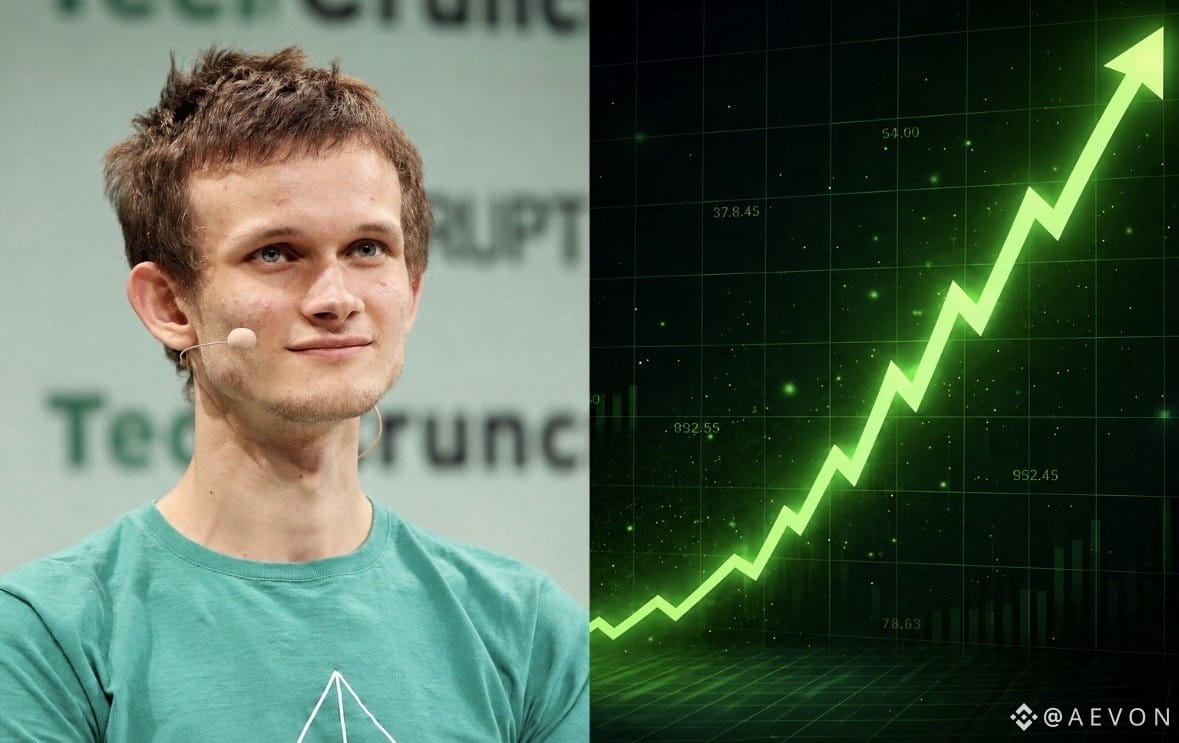
BREAKING: Die Ethereum Foundation macht bis 2029 $ETH quantensicher.
Gigantisch bullish auf lange Sicht.
{spot}(ETHUSDT)
BREAKING: Die Ethereum Foundation macht bis 2029 $ETH quantensicher.
Gigantisch bullish auf lange Sicht.
Gigantisch bullish auf lange Sicht.
1
115
·
--
Bullisch
🚨 $XPL /USDT EXPLODIERT! 🔥
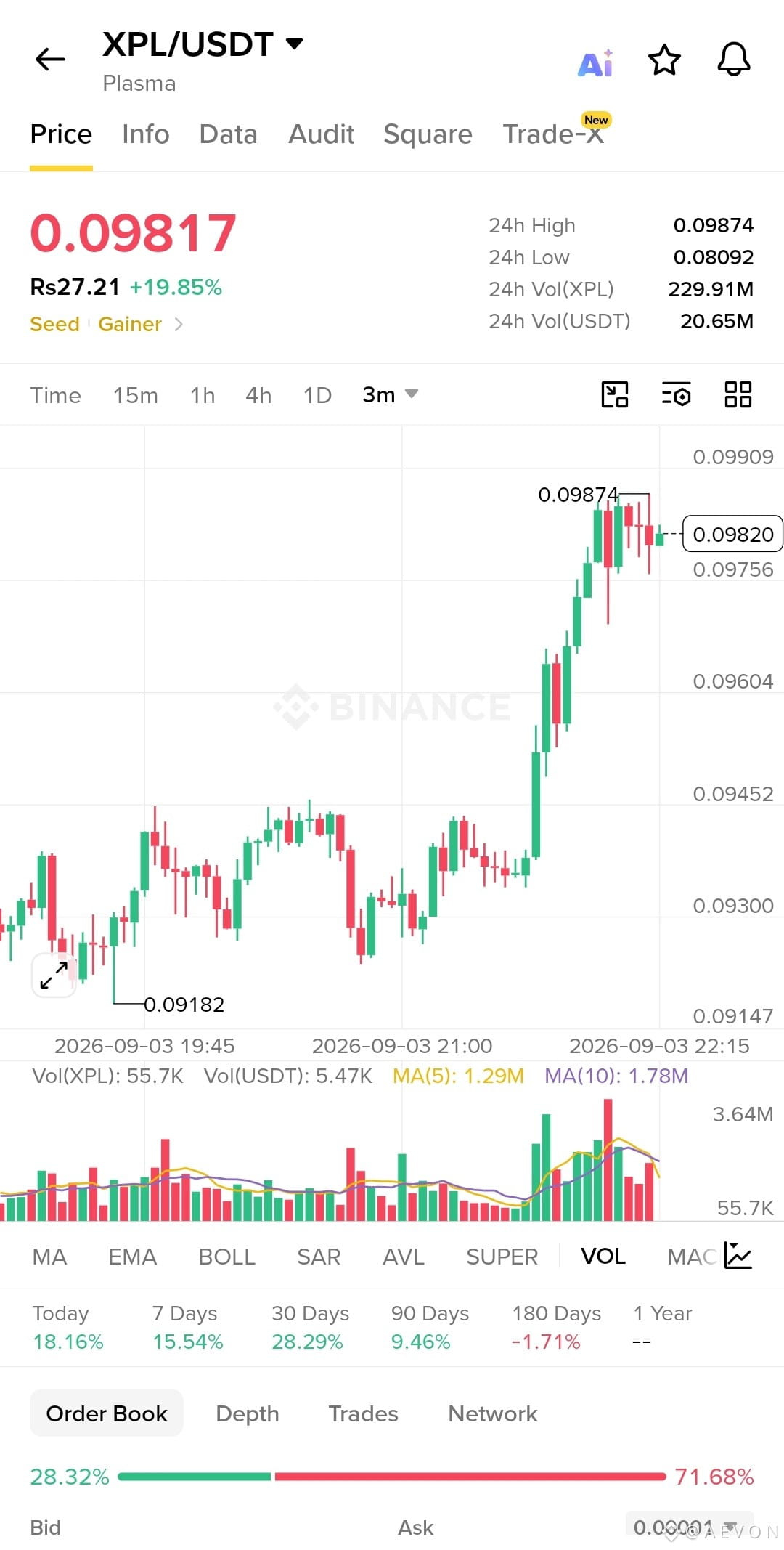
💰 Preis: $0.09817
📈 24H: +19.85%
⚡ Hoch: $0.09874
📊 Volumen: 229.91M XPL
🎯 Wichtige Levels:
🔴 Widerstand: $0.09874 → $0.09909
🟢 Unterstützung: $0.09756 → $0.09604
⚠️ Orderbook: 71.68% Ask vs 28.32% Bid — starker Verkaufsdruck nahe dem oberen Bereich.
🔥 Marktkommentar: XPL hat mit hohem Volumen einen scharfen Ausbruch geschafft. Ein sauberer Bruch über $0.09874 könnte den Weg Richtung $0.09909+ öffnen. Aber eine Zurückweisung hier könnte einen schnellen Rücksetzer auslösen.
👀 Ausbruch oder Zurückweisung — $XPL befindet sich auf einem kritischen Level! 🚀
{spot}(XPLUSDT)
🚨 $XPL /USDT EXPLODIERT! 🔥
💰 Preis: $0.09817
📈 24H: +19.85%
⚡ Hoch: $0.09874
📊 Volumen: 229.91M XPL
🎯 Wichtige Levels:
🔴 Widerstand: $0.09874 → $0.09909
🟢 Unterstützung: $0.09756 → $0.09604
⚠️ Orderbook: 71.68% Ask vs 28.32% Bid — starker Verkaufsdruck nahe dem oberen Bereich.
🔥 Marktkommentar: XPL hat mit hohem Volumen einen scharfen Ausbruch geschafft. Ein sauberer Bruch über $0.09874 könnte den Weg Richtung $0.09909+ öffnen. Aber eine Zurückweisung hier könnte einen schnellen Rücksetzer auslösen.
👀 Ausbruch oder Zurückweisung — $XPL befindet sich auf einem kritischen Level! 🚀
💰 Preis: $0.09817
📈 24H: +19.85%
⚡ Hoch: $0.09874
📊 Volumen: 229.91M XPL
🎯 Wichtige Levels:
🔴 Widerstand: $0.09874 → $0.09909
🟢 Unterstützung: $0.09756 → $0.09604
⚠️ Orderbook: 71.68% Ask vs 28.32% Bid — starker Verkaufsdruck nahe dem oberen Bereich.
🔥 Marktkommentar: XPL hat mit hohem Volumen einen scharfen Ausbruch geschafft. Ein sauberer Bruch über $0.09874 könnte den Weg Richtung $0.09909+ öffnen. Aber eine Zurückweisung hier könnte einen schnellen Rücksetzer auslösen.
👀 Ausbruch oder Zurückweisung — $XPL befindet sich auf einem kritischen Level! 🚀
1
158
·
--
Bullisch
🚨 $CRV /USDT MOMENTUM-WARNUNG! 🔥
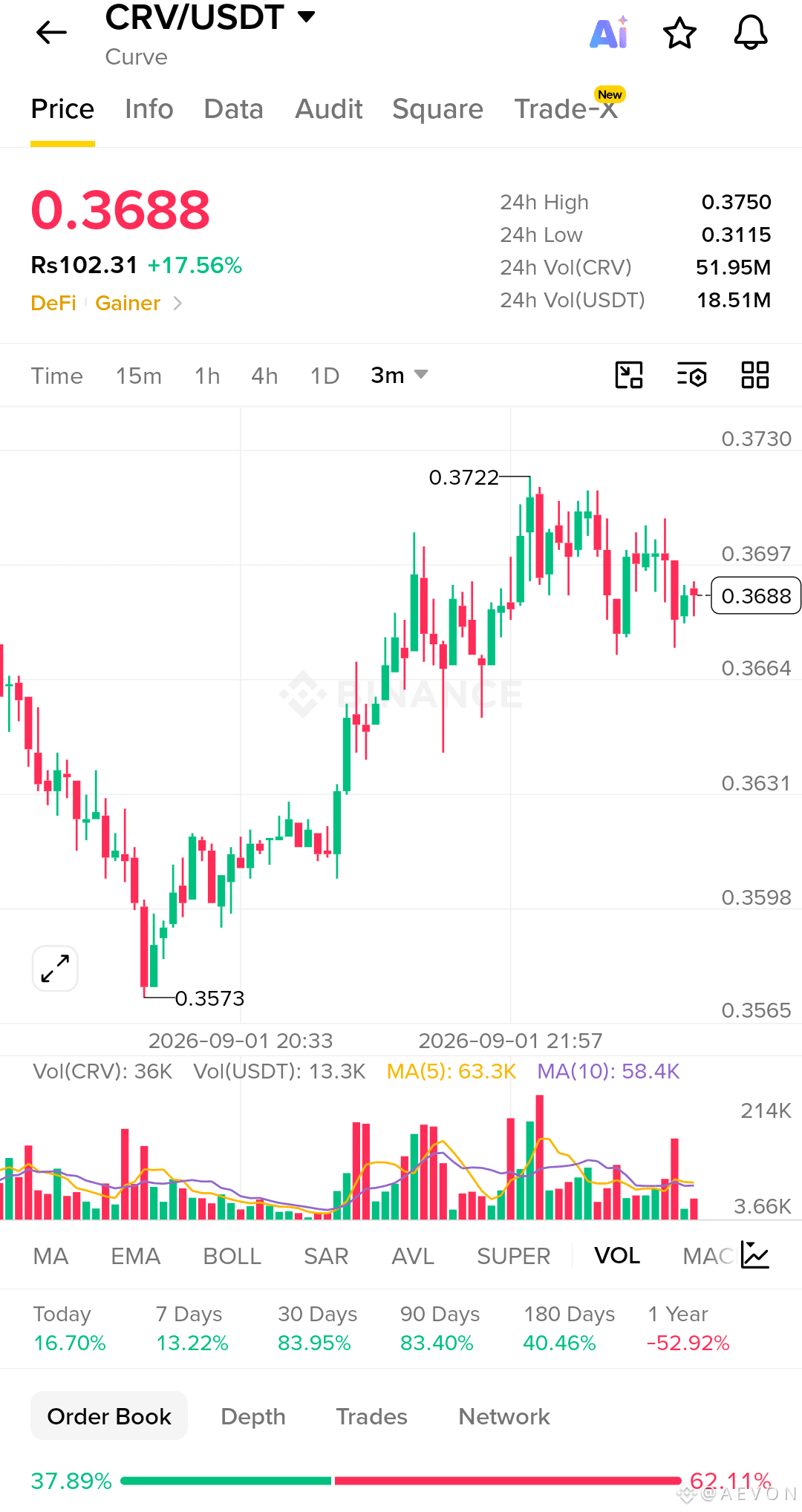
$CRV handelt um $0.3688 herum, +17.56% in 24 Std. 📈
⚡ 24H-Hoch: $0.3750
🟢 Wichtige Unterstützung: $0.3664 → $0.3598
🔴 Widerstand: $0.3697 → $0.3722 → $0.3750
📊 24H-Volumen: 51.95M CRV
⚠️ Order Book: 62.11% Verkauf vs 37.89% Kauf
Marktansicht: CRV konsolidiert nach einem starken Run. Ein klarer Ausbruch über $0.3722–$0.3750 könnte eine weitere Aufwärtsbewegung auslösen, während der Verlust von $0.3664 zu kurzfristiger Gewinnmitnahme führen kann. 👀🔥
Beobachte den Ausbruch — $CRV bereitet sich auf die nächste Bewegung vor! 🚀
{spot}(CRVUSDT)
🚨 $CRV /USDT MOMENTUM-WARNUNG! 🔥
$CRV handelt um $0.3688 herum, +17.56% in 24 Std. 📈
⚡ 24H-Hoch: $0.3750
🟢 Wichtige Unterstützung: $0.3664 → $0.3598
🔴 Widerstand: $0.3697 → $0.3722 → $0.3750
📊 24H-Volumen: 51.95M CRV
⚠️ Order Book: 62.11% Verkauf vs 37.89% Kauf
Marktansicht: CRV konsolidiert nach einem starken Run. Ein klarer Ausbruch über $0.3722–$0.3750 könnte eine weitere Aufwärtsbewegung auslösen, während der Verlust von $0.3664 zu kurzfristiger Gewinnmitnahme führen kann. 👀🔥
Beobachte den Ausbruch — $CRV bereitet sich auf die nächste Bewegung vor! 🚀
$CRV handelt um $0.3688 herum, +17.56% in 24 Std. 📈
⚡ 24H-Hoch: $0.3750
🟢 Wichtige Unterstützung: $0.3664 → $0.3598
🔴 Widerstand: $0.3697 → $0.3722 → $0.3750
📊 24H-Volumen: 51.95M CRV
⚠️ Order Book: 62.11% Verkauf vs 37.89% Kauf
Marktansicht: CRV konsolidiert nach einem starken Run. Ein klarer Ausbruch über $0.3722–$0.3750 könnte eine weitere Aufwärtsbewegung auslösen, während der Verlust von $0.3664 zu kurzfristiger Gewinnmitnahme führen kann. 👀🔥
Beobachte den Ausbruch — $CRV bereitet sich auf die nächste Bewegung vor! 🚀
1
169
·
--
Verifiziert
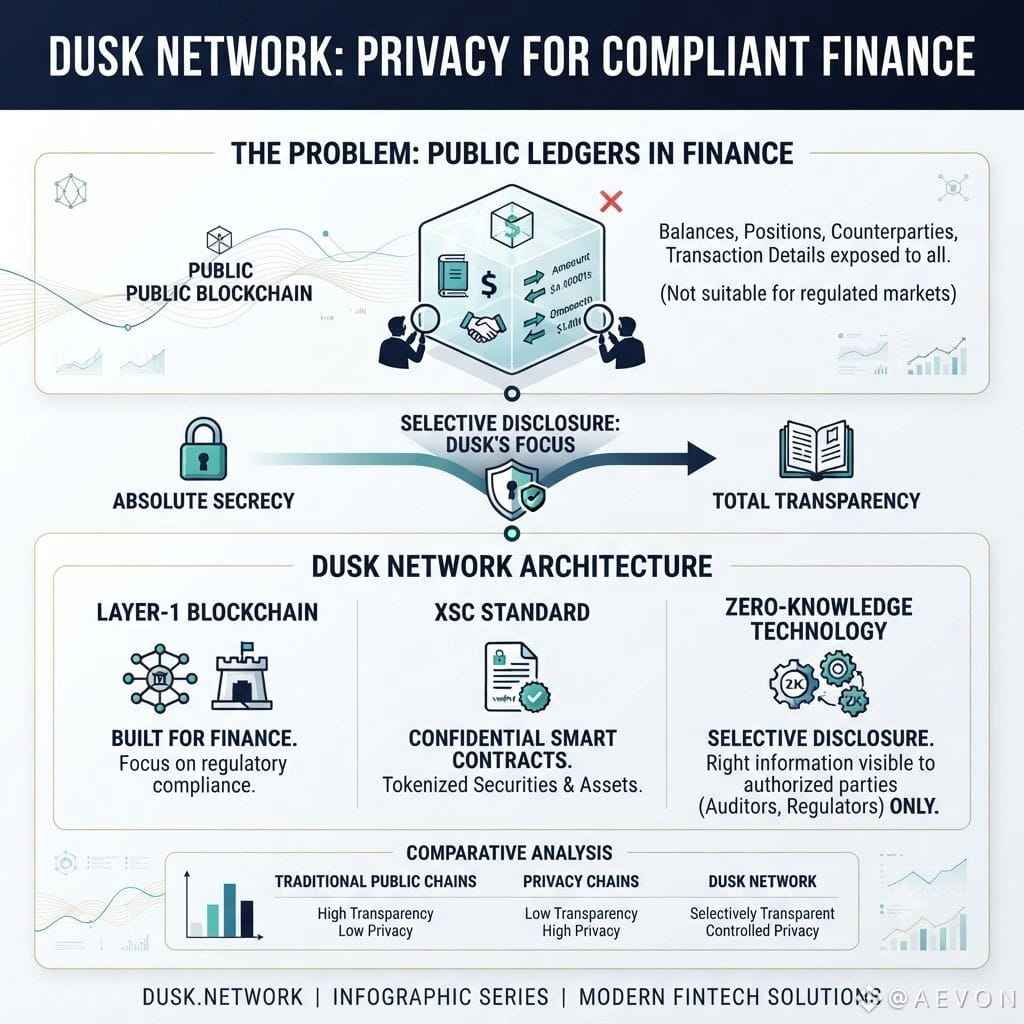
#dusk $DUSK @Dusk_Foundation I’m bemerke Dusk Network zu einer Zeit, in der ich ziemlich müde davon bin, zu hören, wie „Privatsphäre“ an jede neue Kette gehängt wird. Ich habe das schon einmal gesehen: Ein ernstes Problem wird in eine saubere Erzählung verpackt, alle bekommen Aufwind, und sechs Monate später sitzen die harten Teile immer noch da.
Was meine Aufmerksamkeit zurück zu Dusk zieht, ist der engere Fokus. Es ist eine Layer-1, die um Finanzanwendungen herum gebaut ist, bei der es tatsächlich ein Problem sein kann, jede Bilanz, jede Position, jeden Geschäftspartner und jede Transaktionsdetails auf ein öffentliches Ledger zu schreiben. Sein XSC-Standard ist für vertrauliche Smart Contracts und tokenisierte Wertpapiere entwickelt, während das Netzwerk auf Zero-Knowledge-Technologie und selektive Offenlegung setzt, statt Privatsphäre als bloße Unsichtbarkeit zu behandeln. (Dusk)
Dieser Unterschied ist mir wichtig. Reale Finanzsysteme wollen selten absolute Geheimhaltung; sie wollen, dass die richtigen Informationen vor der Öffentlichkeit verborgen sind und die richtigen Informationen für diejenigen verfügbar sind, die legitim dazu berechtigt sind, es zu sehen. Dusk versucht offenbar, um dieses unbequeme Mittelfeld herum zu bauen. (Dusk)
Ich bin noch nicht sicher, wie weit das gehen kann. Privatsphäre-Technologie ist schwierig, regulierte Finanzen sind langsam, und Krypto hat eine lange Geschichte darin, gute Architektur mit tatsächlicher Adoption zu verwechseln. Ich vertraue der Story nicht vollständig nur deshalb, weil die Technologie sich ausgeklügelt anhört.
Doch nach mehreren Zyklen wirkt es anders: Das Problem, dem Dusk hinterherjagt, ist langweilig genug, um real zu sein. Und ehrlich gesagt, das fesselt mich mehr als eine andere Kette, die verspricht, alles zu verändern.
#dusk $DUSK @Dusk I’m bemerke Dusk Network zu einer Zeit, in der ich ziemlich müde davon bin, zu hören, wie „Privatsphäre“ an jede neue Kette gehängt wird. Ich habe das schon einmal gesehen: Ein ernstes Problem wird in eine saubere Erzählung verpackt, alle bekommen Aufwind, und sechs Monate später sitzen die harten Teile immer noch da.
Was meine Aufmerksamkeit zurück zu Dusk zieht, ist der engere Fokus. Es ist eine Layer-1, die um Finanzanwendungen herum gebaut ist, bei der es tatsächlich ein Problem sein kann, jede Bilanz, jede Position, jeden Geschäftspartner und jede Transaktionsdetails auf ein öffentliches Ledger zu schreiben. Sein XSC-Standard ist für vertrauliche Smart Contracts und tokenisierte Wertpapiere entwickelt, während das Netzwerk auf Zero-Knowledge-Technologie und selektive Offenlegung setzt, statt Privatsphäre als bloße Unsichtbarkeit zu behandeln. (Dusk)
Dieser Unterschied ist mir wichtig. Reale Finanzsysteme wollen selten absolute Geheimhaltung; sie wollen, dass die richtigen Informationen vor der Öffentlichkeit verborgen sind und die richtigen Informationen für diejenigen verfügbar sind, die legitim dazu berechtigt sind, es zu sehen. Dusk versucht offenbar, um dieses unbequeme Mittelfeld herum zu bauen. (Dusk)
Ich bin noch nicht sicher, wie weit das gehen kann. Privatsphäre-Technologie ist schwierig, regulierte Finanzen sind langsam, und Krypto hat eine lange Geschichte darin, gute Architektur mit tatsächlicher Adoption zu verwechseln. Ich vertraue der Story nicht vollständig nur deshalb, weil die Technologie sich ausgeklügelt anhört.
Doch nach mehreren Zyklen wirkt es anders: Das Problem, dem Dusk hinterherjagt, ist langweilig genug, um real zu sein. Und ehrlich gesagt, das fesselt mich mehr als eine andere Kette, die verspricht, alles zu verändern.
Was meine Aufmerksamkeit zurück zu Dusk zieht, ist der engere Fokus. Es ist eine Layer-1, die um Finanzanwendungen herum gebaut ist, bei der es tatsächlich ein Problem sein kann, jede Bilanz, jede Position, jeden Geschäftspartner und jede Transaktionsdetails auf ein öffentliches Ledger zu schreiben. Sein XSC-Standard ist für vertrauliche Smart Contracts und tokenisierte Wertpapiere entwickelt, während das Netzwerk auf Zero-Knowledge-Technologie und selektive Offenlegung setzt, statt Privatsphäre als bloße Unsichtbarkeit zu behandeln. (Dusk)
Dieser Unterschied ist mir wichtig. Reale Finanzsysteme wollen selten absolute Geheimhaltung; sie wollen, dass die richtigen Informationen vor der Öffentlichkeit verborgen sind und die richtigen Informationen für diejenigen verfügbar sind, die legitim dazu berechtigt sind, es zu sehen. Dusk versucht offenbar, um dieses unbequeme Mittelfeld herum zu bauen. (Dusk)
Ich bin noch nicht sicher, wie weit das gehen kann. Privatsphäre-Technologie ist schwierig, regulierte Finanzen sind langsam, und Krypto hat eine lange Geschichte darin, gute Architektur mit tatsächlicher Adoption zu verwechseln. Ich vertraue der Story nicht vollständig nur deshalb, weil die Technologie sich ausgeklügelt anhört.
Doch nach mehreren Zyklen wirkt es anders: Das Problem, dem Dusk hinterherjagt, ist langweilig genug, um real zu sein. Und ehrlich gesagt, das fesselt mich mehr als eine andere Kette, die verspricht, alles zu verändern.
4
136
·
--
Verifiziert
#dusk $DUSK @Dusk_Foundation Ich habe diesen Film oft genug gesehen, um zu wissen, dass „Privatsphäre“ in Krypto fast alles bedeuten kann. Meist heißt es, ein paar Zahlen zu verbergen und darauf zu hoffen, dass der Markt den Rest ergänzt.
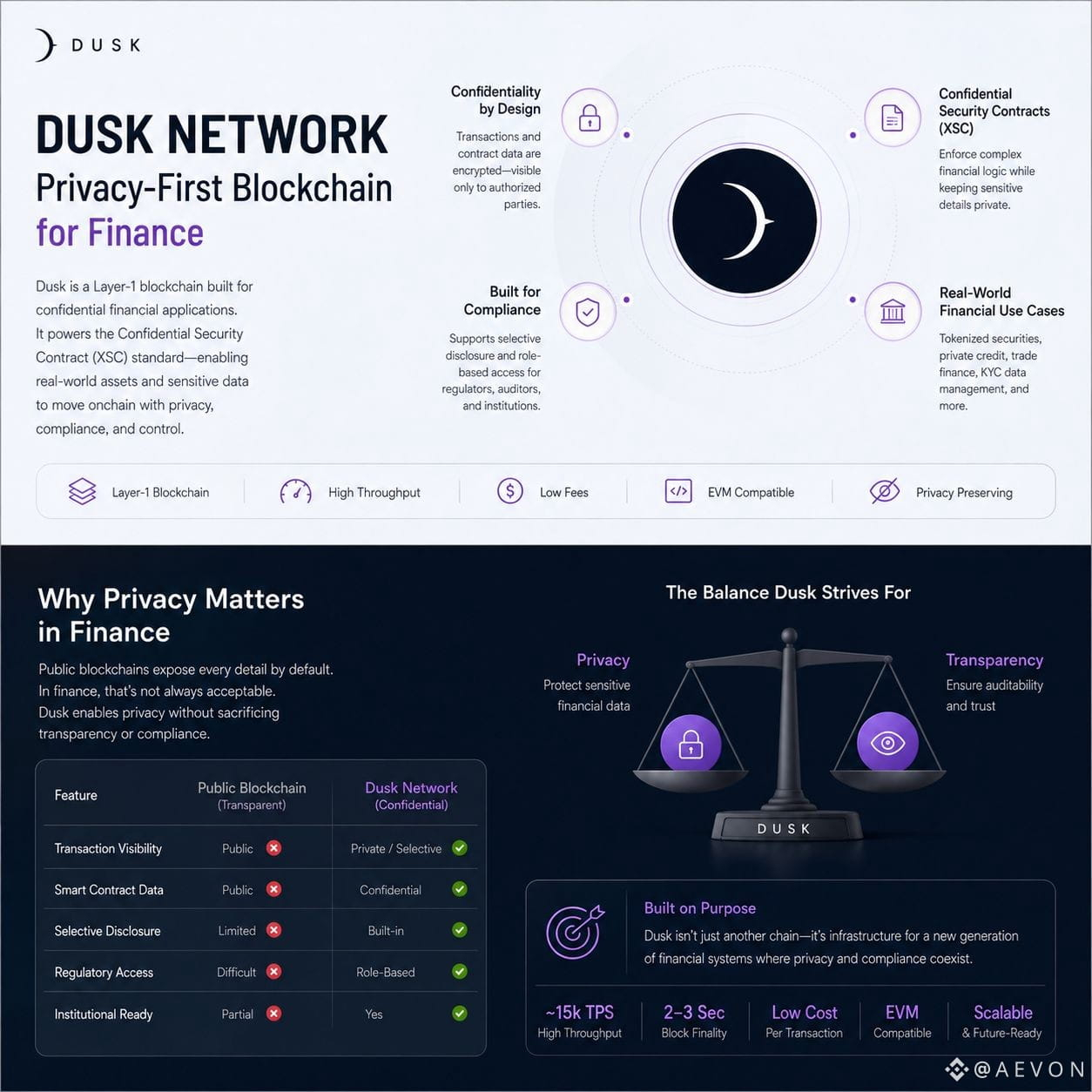
Dusk zieht meine Aufmerksamkeit aus einem anderen Grund an. Das Unangenehme an Finanzmärkten ist nicht nur, Assets onchain zu bewegen. Es geht darum zu entscheiden, was sichtbar sein soll, für wen und wann. Dusk baut eine Layer-1 um dieses Chaos herum – mit vertraulichen Smart Contracts und seinem XSC-Framework für regulierte Assets. Dabei kann es nötig sein, dass Kontostände, Gegenparteien und Transaktionsdetails Privatsphäre haben, ohne die Nachvollziehbarkeit (Auditability) zu zerstören.
Ich habe gesehen, wie Projekte dem institutionellen Einstieg hinterherjagen, indem sie alles so klingen lassen, als wäre es mühelos. Das ist es nie. Banken werden nicht plötzlich Krypto-nativ, nur weil eine Blockchain mit ausgeklügelter Kryptografie aufwartet. Es gibt Compliance-Regeln, Berechtigungen, Liquiditätsprobleme, Custody-Fragen – und ganz grundsätzlich wollen Institutionen in der Regel Privatsphäre, mit einem „Escape Hatch“ für Regulierungsbehörden. Dusk’s Ansatz der selektiven Offenlegung erkennt diese Widersprüchlichkeit wenigstens an, statt so zu tun, als gäbe es sie nicht.
Ich bin noch nicht überzeugt. Architektur ist das eine; Menschen dazu zu bringen, sie wirklich zu nutzen, etwas anderes.
Aber nach Jahren des Beobachtens, wie sich dieselben Narrative im Kreis drehen, interessiere ich mich zunehmend für Projekte, die langweilige Probleme lösen, die nicht verschwinden, wenn der Markt leiser wird. Dusk fühlt sich für mich eher nach dieser Kategorie an als die meisten. Ob das jedoch ausreicht, um zu gewinnen, ist der Teil, den ich gerade noch beobachte.
#dusk $DUSK @Dusk Ich habe diesen Film oft genug gesehen, um zu wissen, dass „Privatsphäre“ in Krypto fast alles bedeuten kann. Meist heißt es, ein paar Zahlen zu verbergen und darauf zu hoffen, dass der Markt den Rest ergänzt.
Dusk zieht meine Aufmerksamkeit aus einem anderen Grund an. Das Unangenehme an Finanzmärkten ist nicht nur, Assets onchain zu bewegen. Es geht darum zu entscheiden, was sichtbar sein soll, für wen und wann. Dusk baut eine Layer-1 um dieses Chaos herum – mit vertraulichen Smart Contracts und seinem XSC-Framework für regulierte Assets. Dabei kann es nötig sein, dass Kontostände, Gegenparteien und Transaktionsdetails Privatsphäre haben, ohne die Nachvollziehbarkeit (Auditability) zu zerstören.
Ich habe gesehen, wie Projekte dem institutionellen Einstieg hinterherjagen, indem sie alles so klingen lassen, als wäre es mühelos. Das ist es nie. Banken werden nicht plötzlich Krypto-nativ, nur weil eine Blockchain mit ausgeklügelter Kryptografie aufwartet. Es gibt Compliance-Regeln, Berechtigungen, Liquiditätsprobleme, Custody-Fragen – und ganz grundsätzlich wollen Institutionen in der Regel Privatsphäre, mit einem „Escape Hatch“ für Regulierungsbehörden. Dusk’s Ansatz der selektiven Offenlegung erkennt diese Widersprüchlichkeit wenigstens an, statt so zu tun, als gäbe es sie nicht.
Ich bin noch nicht überzeugt. Architektur ist das eine; Menschen dazu zu bringen, sie wirklich zu nutzen, etwas anderes.
Aber nach Jahren des Beobachtens, wie sich dieselben Narrative im Kreis drehen, interessiere ich mich zunehmend für Projekte, die langweilige Probleme lösen, die nicht verschwinden, wenn der Markt leiser wird. Dusk fühlt sich für mich eher nach dieser Kategorie an als die meisten. Ob das jedoch ausreicht, um zu gewinnen, ist der Teil, den ich gerade noch beobachte.
Dusk zieht meine Aufmerksamkeit aus einem anderen Grund an. Das Unangenehme an Finanzmärkten ist nicht nur, Assets onchain zu bewegen. Es geht darum zu entscheiden, was sichtbar sein soll, für wen und wann. Dusk baut eine Layer-1 um dieses Chaos herum – mit vertraulichen Smart Contracts und seinem XSC-Framework für regulierte Assets. Dabei kann es nötig sein, dass Kontostände, Gegenparteien und Transaktionsdetails Privatsphäre haben, ohne die Nachvollziehbarkeit (Auditability) zu zerstören.
Ich habe gesehen, wie Projekte dem institutionellen Einstieg hinterherjagen, indem sie alles so klingen lassen, als wäre es mühelos. Das ist es nie. Banken werden nicht plötzlich Krypto-nativ, nur weil eine Blockchain mit ausgeklügelter Kryptografie aufwartet. Es gibt Compliance-Regeln, Berechtigungen, Liquiditätsprobleme, Custody-Fragen – und ganz grundsätzlich wollen Institutionen in der Regel Privatsphäre, mit einem „Escape Hatch“ für Regulierungsbehörden. Dusk’s Ansatz der selektiven Offenlegung erkennt diese Widersprüchlichkeit wenigstens an, statt so zu tun, als gäbe es sie nicht.
Ich bin noch nicht überzeugt. Architektur ist das eine; Menschen dazu zu bringen, sie wirklich zu nutzen, etwas anderes.
Aber nach Jahren des Beobachtens, wie sich dieselben Narrative im Kreis drehen, interessiere ich mich zunehmend für Projekte, die langweilige Probleme lösen, die nicht verschwinden, wenn der Markt leiser wird. Dusk fühlt sich für mich eher nach dieser Kategorie an als die meisten. Ob das jedoch ausreicht, um zu gewinnen, ist der Teil, den ich gerade noch beobachte.
21
1
15
308
·
--
Bärisch
Die Position ist rot—aber die Geschichte ist noch nicht zu Ende.
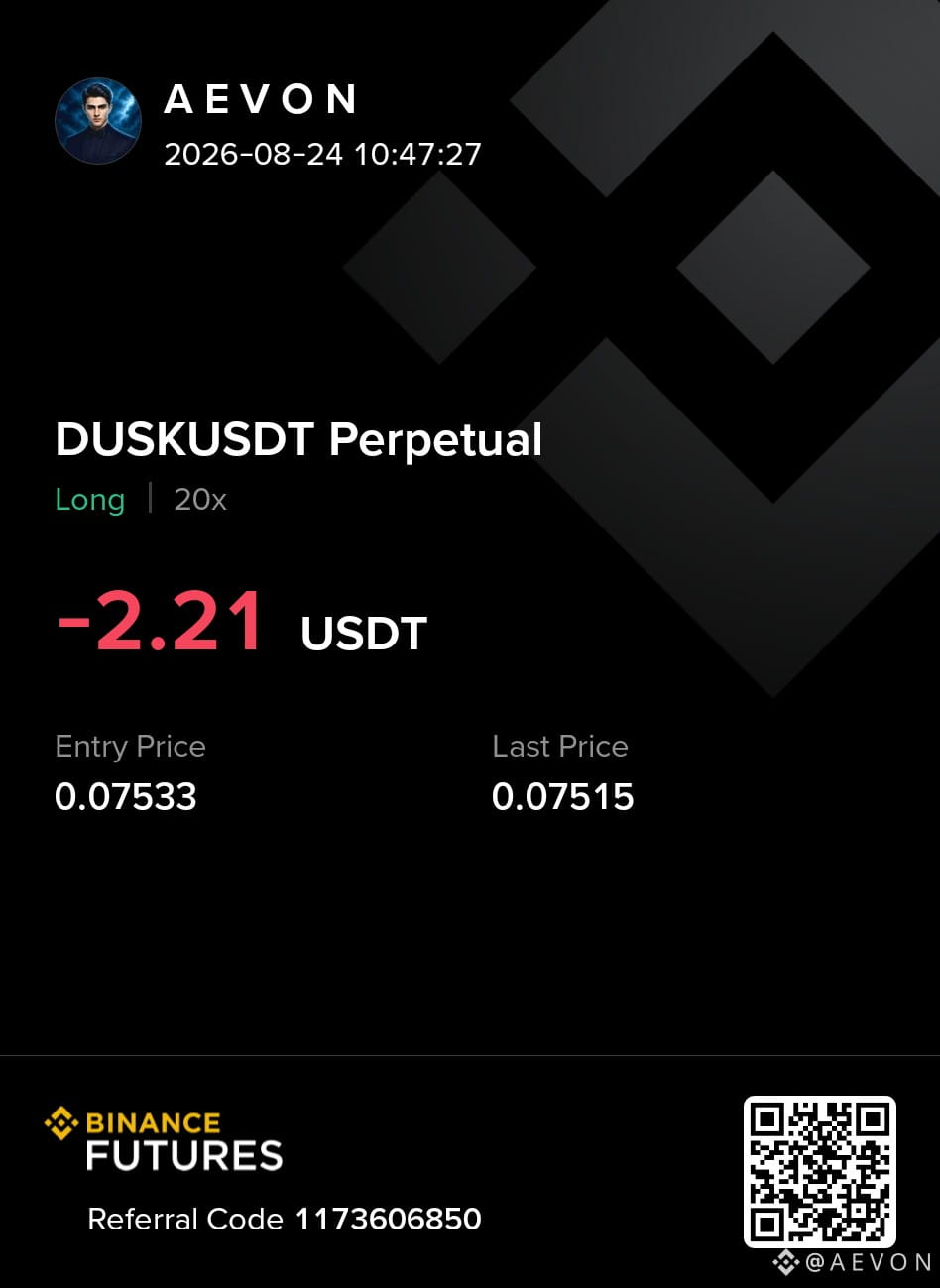
Ich habe einen $DUSK USDT Perpetual Long bei 0.07533 eröffnet und dabei 20x Hebel verwendet. Zum Zeitpunkt dieses Updates wurde DUSK nahe bei 0.07515 gehandelt, sodass die Position bei –2.21 USDT lag.
Das ist die Seite des Futures-Tradings, die kaum jemand postet: der ruhige Druck direkt nach einem Einstieg, wenn jede kleine Kerze viel größer wirkt, weil der Hebel sowohl Chancen als auch Risiken verstärkt.
Ich rufe keinen Sieg aus und verstecke auch keinen Verlust. Ich beobachte, wie sich DUSK um dieses Niveau herum verhält, während ich das Risiko unter Kontrolle halte. Ein guter Trader braucht nicht jeden Einstieg, um sofort grün zu werden—aber er muss wissen, wann Geduld in Sturheit umschlägt.
Jetzt beginnt der echte Test: Wird DUSK den Einstieg zurückerobern, oder wird der Markt mit Zögern bestrafen?
Trade das Setup, schütze das Kapital und lass niemals Ego eine gehebelt positionierte Entscheidung steuern.
Geteilt als persönliches Trade-Update, keine Finanzberatung.
#BrentDrops1.87% #SolanaGovernanceVoteToDoubleDeflationRate #SamsungFalls6.4%OnReturnPlanMiss #CanadaUSTradeTalksCollapse #BitcoinStrongestWeekSinceMarch2023
Die Position ist rot—aber die Geschichte ist noch nicht zu Ende.
Ich habe einen $DUSK USDT Perpetual Long bei 0.07533 eröffnet und dabei 20x Hebel verwendet. Zum Zeitpunkt dieses Updates wurde DUSK nahe bei 0.07515 gehandelt, sodass die Position bei –2.21 USDT lag.
Das ist die Seite des Futures-Tradings, die kaum jemand postet: der ruhige Druck direkt nach einem Einstieg, wenn jede kleine Kerze viel größer wirkt, weil der Hebel sowohl Chancen als auch Risiken verstärkt.
Ich rufe keinen Sieg aus und verstecke auch keinen Verlust. Ich beobachte, wie sich DUSK um dieses Niveau herum verhält, während ich das Risiko unter Kontrolle halte. Ein guter Trader braucht nicht jeden Einstieg, um sofort grün zu werden—aber er muss wissen, wann Geduld in Sturheit umschlägt.
Jetzt beginnt der echte Test: Wird DUSK den Einstieg zurückerobern, oder wird der Markt mit Zögern bestrafen?
Trade das Setup, schütze das Kapital und lass niemals Ego eine gehebelt positionierte Entscheidung steuern.
Geteilt als persönliches Trade-Update, keine Finanzberatung.
#BrentDrops1.87% #SolanaGovernanceVoteToDoubleDeflationRate #SamsungFalls6.4%OnReturnPlanMiss #CanadaUSTradeTalksCollapse #BitcoinStrongestWeekSinceMarch2023
Ich habe einen $DUSK USDT Perpetual Long bei 0.07533 eröffnet und dabei 20x Hebel verwendet. Zum Zeitpunkt dieses Updates wurde DUSK nahe bei 0.07515 gehandelt, sodass die Position bei –2.21 USDT lag.
Das ist die Seite des Futures-Tradings, die kaum jemand postet: der ruhige Druck direkt nach einem Einstieg, wenn jede kleine Kerze viel größer wirkt, weil der Hebel sowohl Chancen als auch Risiken verstärkt.
Ich rufe keinen Sieg aus und verstecke auch keinen Verlust. Ich beobachte, wie sich DUSK um dieses Niveau herum verhält, während ich das Risiko unter Kontrolle halte. Ein guter Trader braucht nicht jeden Einstieg, um sofort grün zu werden—aber er muss wissen, wann Geduld in Sturheit umschlägt.
Jetzt beginnt der echte Test: Wird DUSK den Einstieg zurückerobern, oder wird der Markt mit Zögern bestrafen?
Trade das Setup, schütze das Kapital und lass niemals Ego eine gehebelt positionierte Entscheidung steuern.
Geteilt als persönliches Trade-Update, keine Finanzberatung.
#BrentDrops1.87% #SolanaGovernanceVoteToDoubleDeflationRate #SamsungFalls6.4%OnReturnPlanMiss #CanadaUSTradeTalksCollapse #BitcoinStrongestWeekSinceMarch2023
2
2
130
·
--
#dusk $DUSK @Dusk_Foundation Ich habe in letzter Zeit Dusk beobachtet – nicht weil es das lauteste Ding auf dem Markt wäre (ist es nicht), sondern weil es immer wieder auf ein Problem sticht, das Krypto seit Jahren umschifft. Wir reden davon, Finanzwesen auf öffentliche Ketten zu bringen, als wären Banken, Fonds und normale Menschen glücklich, jedes Guthaben und jede Transaktion offen liegen zu lassen. Das sind sie nicht. Ich glaube nicht, dass sie es jemals sein werden.
Dusk versucht, Privatsphäre zu einem festen Bestandteil der Kette zu machen. Vertrauliche Smart Contracts, selektive Offenlegung und der XSC-Standard für tokenisierte Wertpapiere klingen sinnvoll, wenn man sie langsam ausspricht. Ein Handel kann privat bleiben, während ein Prüfer oder Regulator trotzdem sehen kann, was sie bzw. er sehen soll. Das kommt dem echten Finanzwesen näher – so chaotisch es auch ist.
Aber das habe ich schon einmal gesehen. Gute Technologie stößt auf schlechtes Onboarding, geringe Liquidität, rechtliche Zurückhaltung und Institutionen, die sich endlos Zeit lassen. Wenn man Zero-Knowledge-Systeme und Emittenten-Kontrollen hinzufügt, kann die Grenze zwischen sinnvoller Privatsphäre und einem weiteren geschlossenen Finanztor sehr schnell verschwimmen.
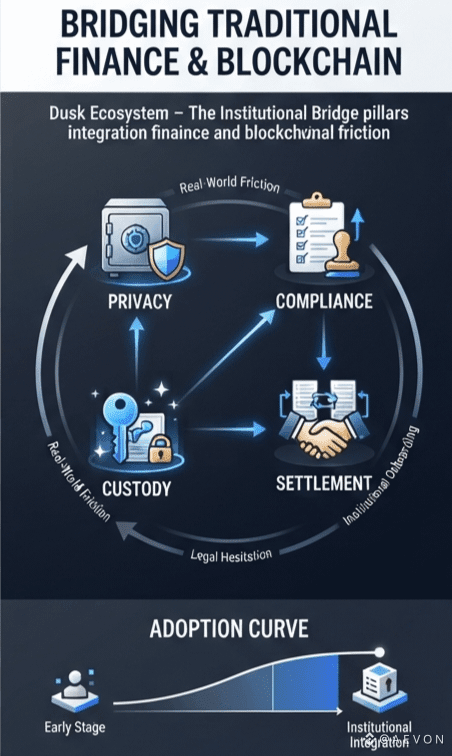
Ich vertraue dem noch nicht ganz. Krypto hat mir beigebracht, nicht zu vertrauen, wenn es für schmutzige Probleme „saubere“ Lösungen gibt. Trotzdem fühlt sich hier etwas anders an. Vielleicht, weil Dusk nicht so tut, als würde die Reibung einfach verschwinden. Es scheint zu akzeptieren, dass Privatsphäre, Compliance, Verwahrung und Abwicklung alle am selben Tisch sitzen müssen.
Ich bin nicht sicher, ob das schon reicht, damit es funktioniert. Aber spät in der Nacht, nach all den wiederverwerteten Erzählungen, ist es eine der wenigen Ideen, die mich immer noch dazu bringt, mit dem Scrollen aufzuhören.
#dusk $DUSK @Dusk Ich habe in letzter Zeit Dusk beobachtet – nicht weil es das lauteste Ding auf dem Markt wäre (ist es nicht), sondern weil es immer wieder auf ein Problem sticht, das Krypto seit Jahren umschifft. Wir reden davon, Finanzwesen auf öffentliche Ketten zu bringen, als wären Banken, Fonds und normale Menschen glücklich, jedes Guthaben und jede Transaktion offen liegen zu lassen. Das sind sie nicht. Ich glaube nicht, dass sie es jemals sein werden.
Dusk versucht, Privatsphäre zu einem festen Bestandteil der Kette zu machen. Vertrauliche Smart Contracts, selektive Offenlegung und der XSC-Standard für tokenisierte Wertpapiere klingen sinnvoll, wenn man sie langsam ausspricht. Ein Handel kann privat bleiben, während ein Prüfer oder Regulator trotzdem sehen kann, was sie bzw. er sehen soll. Das kommt dem echten Finanzwesen näher – so chaotisch es auch ist.
Aber das habe ich schon einmal gesehen. Gute Technologie stößt auf schlechtes Onboarding, geringe Liquidität, rechtliche Zurückhaltung und Institutionen, die sich endlos Zeit lassen. Wenn man Zero-Knowledge-Systeme und Emittenten-Kontrollen hinzufügt, kann die Grenze zwischen sinnvoller Privatsphäre und einem weiteren geschlossenen Finanztor sehr schnell verschwimmen.
Ich vertraue dem noch nicht ganz. Krypto hat mir beigebracht, nicht zu vertrauen, wenn es für schmutzige Probleme „saubere“ Lösungen gibt. Trotzdem fühlt sich hier etwas anders an. Vielleicht, weil Dusk nicht so tut, als würde die Reibung einfach verschwinden. Es scheint zu akzeptieren, dass Privatsphäre, Compliance, Verwahrung und Abwicklung alle am selben Tisch sitzen müssen.
Ich bin nicht sicher, ob das schon reicht, damit es funktioniert. Aber spät in der Nacht, nach all den wiederverwerteten Erzählungen, ist es eine der wenigen Ideen, die mich immer noch dazu bringt, mit dem Scrollen aufzuhören.
Dusk versucht, Privatsphäre zu einem festen Bestandteil der Kette zu machen. Vertrauliche Smart Contracts, selektive Offenlegung und der XSC-Standard für tokenisierte Wertpapiere klingen sinnvoll, wenn man sie langsam ausspricht. Ein Handel kann privat bleiben, während ein Prüfer oder Regulator trotzdem sehen kann, was sie bzw. er sehen soll. Das kommt dem echten Finanzwesen näher – so chaotisch es auch ist.
Aber das habe ich schon einmal gesehen. Gute Technologie stößt auf schlechtes Onboarding, geringe Liquidität, rechtliche Zurückhaltung und Institutionen, die sich endlos Zeit lassen. Wenn man Zero-Knowledge-Systeme und Emittenten-Kontrollen hinzufügt, kann die Grenze zwischen sinnvoller Privatsphäre und einem weiteren geschlossenen Finanztor sehr schnell verschwimmen.
Ich vertraue dem noch nicht ganz. Krypto hat mir beigebracht, nicht zu vertrauen, wenn es für schmutzige Probleme „saubere“ Lösungen gibt. Trotzdem fühlt sich hier etwas anders an. Vielleicht, weil Dusk nicht so tut, als würde die Reibung einfach verschwinden. Es scheint zu akzeptieren, dass Privatsphäre, Compliance, Verwahrung und Abwicklung alle am selben Tisch sitzen müssen.
Ich bin nicht sicher, ob das schon reicht, damit es funktioniert. Aber spät in der Nacht, nach all den wiederverwerteten Erzählungen, ist es eine der wenigen Ideen, die mich immer noch dazu bringt, mit dem Scrollen aufzuhören.
1
207
·
--
Verifiziert
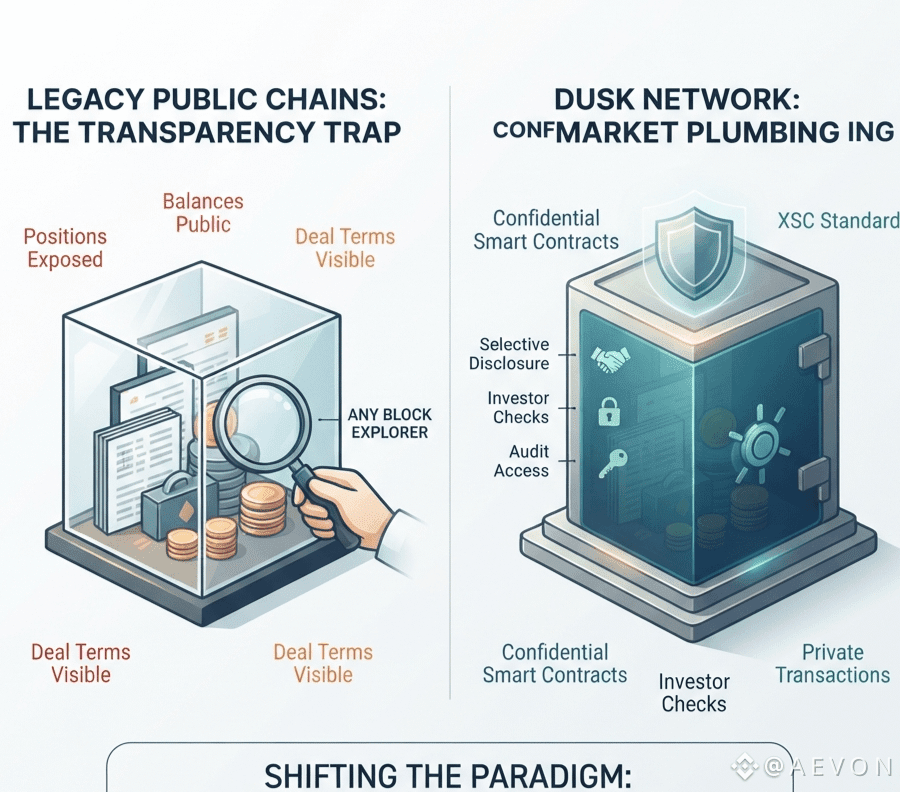
#dusk $DUSK @Dusk_Foundation Ich bemerke das Dusk Network aus einem Grund, den ich nicht erwartet habe: Es spielt nicht vor, dass Finanzen in einer Glasschachtel laufen könnten. Nach Jahren des Beobachtens, wie Chains Transparenz als Heilmittel für alles verkaufen, kehre ich immer wieder zu einem naheliegenden Problem zurück: Reale Unternehmen möchten Positionen, Salden, Gegenparteien und Deal- Konditionen nicht irgendjemandem mit einem Block-Explorer offenlegen.
Dusk ist eine Layer-1, die für vertrauliche Smart Contracts gebaut wurde, während sein XSC-Standard auf datenschutzaktivierte tokenisierte Wertpapiere abzielt. Klingt auf dem Papier schön. Das kenne ich allerdings schon. Privatsphäre ist nie nur Kryptografie. Sobald Wertpapiere im Spiel sind, müssen Emittenten immer noch Übertragungsbeschränkungen durchsetzen, Investor-Checks durchführen, Audit-Zugänge ermöglichen, Wiederherstellungspfade definieren und es braucht eine rechtlich verantwortliche Person, wenn Code in der Realität ankommt. Selektives Disclosure mag ein sinnvoller Mittelweg sein, aber es bringt auch Schlüssel, Berechtigungen, Integrationen und menschliches Urteil mit sich – die Reibung, die Krypto so gerne so zu tun versucht, als ließe sie sich einfach löschen.
Ich vertraue dem Ganzen noch nicht vollständig. Eine private Transaktion ist nicht automatisch ein nützlicher Markt, und ein ausgeklügelter Standard schafft weder Liquidität, noch verlässliche Emittenten oder regulatorische Sicherheit. Trotzdem fühlt sich daran etwas anders an. Dusk behandelt Vertraulichkeit als Marktplatz-Infrastruktur, nicht als Kostüm für Spekulation. Ich weiß noch nicht, ob Institutionen den Stack akzeptieren werden, oder ob Entwickler ihn so nutzbar machen können, dass die Privatsphäre nicht verwässert wird. Aber nach so vielen Zyklen, die auf lautere Versprechen gebaut waren, reicht es, dass eine Chain mit einer unsexy, realen Einschränkung ringt – das ist genug, um mich weiter zuschauen zu lassen.
#dusk $DUSK @Dusk Ich bemerke das Dusk Network aus einem Grund, den ich nicht erwartet habe: Es spielt nicht vor, dass Finanzen in einer Glasschachtel laufen könnten. Nach Jahren des Beobachtens, wie Chains Transparenz als Heilmittel für alles verkaufen, kehre ich immer wieder zu einem naheliegenden Problem zurück: Reale Unternehmen möchten Positionen, Salden, Gegenparteien und Deal- Konditionen nicht irgendjemandem mit einem Block-Explorer offenlegen.
Dusk ist eine Layer-1, die für vertrauliche Smart Contracts gebaut wurde, während sein XSC-Standard auf datenschutzaktivierte tokenisierte Wertpapiere abzielt. Klingt auf dem Papier schön. Das kenne ich allerdings schon. Privatsphäre ist nie nur Kryptografie. Sobald Wertpapiere im Spiel sind, müssen Emittenten immer noch Übertragungsbeschränkungen durchsetzen, Investor-Checks durchführen, Audit-Zugänge ermöglichen, Wiederherstellungspfade definieren und es braucht eine rechtlich verantwortliche Person, wenn Code in der Realität ankommt. Selektives Disclosure mag ein sinnvoller Mittelweg sein, aber es bringt auch Schlüssel, Berechtigungen, Integrationen und menschliches Urteil mit sich – die Reibung, die Krypto so gerne so zu tun versucht, als ließe sie sich einfach löschen.
Ich vertraue dem Ganzen noch nicht vollständig. Eine private Transaktion ist nicht automatisch ein nützlicher Markt, und ein ausgeklügelter Standard schafft weder Liquidität, noch verlässliche Emittenten oder regulatorische Sicherheit. Trotzdem fühlt sich daran etwas anders an. Dusk behandelt Vertraulichkeit als Marktplatz-Infrastruktur, nicht als Kostüm für Spekulation. Ich weiß noch nicht, ob Institutionen den Stack akzeptieren werden, oder ob Entwickler ihn so nutzbar machen können, dass die Privatsphäre nicht verwässert wird. Aber nach so vielen Zyklen, die auf lautere Versprechen gebaut waren, reicht es, dass eine Chain mit einer unsexy, realen Einschränkung ringt – das ist genug, um mich weiter zuschauen zu lassen.
Dusk ist eine Layer-1, die für vertrauliche Smart Contracts gebaut wurde, während sein XSC-Standard auf datenschutzaktivierte tokenisierte Wertpapiere abzielt. Klingt auf dem Papier schön. Das kenne ich allerdings schon. Privatsphäre ist nie nur Kryptografie. Sobald Wertpapiere im Spiel sind, müssen Emittenten immer noch Übertragungsbeschränkungen durchsetzen, Investor-Checks durchführen, Audit-Zugänge ermöglichen, Wiederherstellungspfade definieren und es braucht eine rechtlich verantwortliche Person, wenn Code in der Realität ankommt. Selektives Disclosure mag ein sinnvoller Mittelweg sein, aber es bringt auch Schlüssel, Berechtigungen, Integrationen und menschliches Urteil mit sich – die Reibung, die Krypto so gerne so zu tun versucht, als ließe sie sich einfach löschen.
Ich vertraue dem Ganzen noch nicht vollständig. Eine private Transaktion ist nicht automatisch ein nützlicher Markt, und ein ausgeklügelter Standard schafft weder Liquidität, noch verlässliche Emittenten oder regulatorische Sicherheit. Trotzdem fühlt sich daran etwas anders an. Dusk behandelt Vertraulichkeit als Marktplatz-Infrastruktur, nicht als Kostüm für Spekulation. Ich weiß noch nicht, ob Institutionen den Stack akzeptieren werden, oder ob Entwickler ihn so nutzbar machen können, dass die Privatsphäre nicht verwässert wird. Aber nach so vielen Zyklen, die auf lautere Versprechen gebaut waren, reicht es, dass eine Chain mit einer unsexy, realen Einschränkung ringt – das ist genug, um mich weiter zuschauen zu lassen.
3
3
163
·
--
Verifiziert
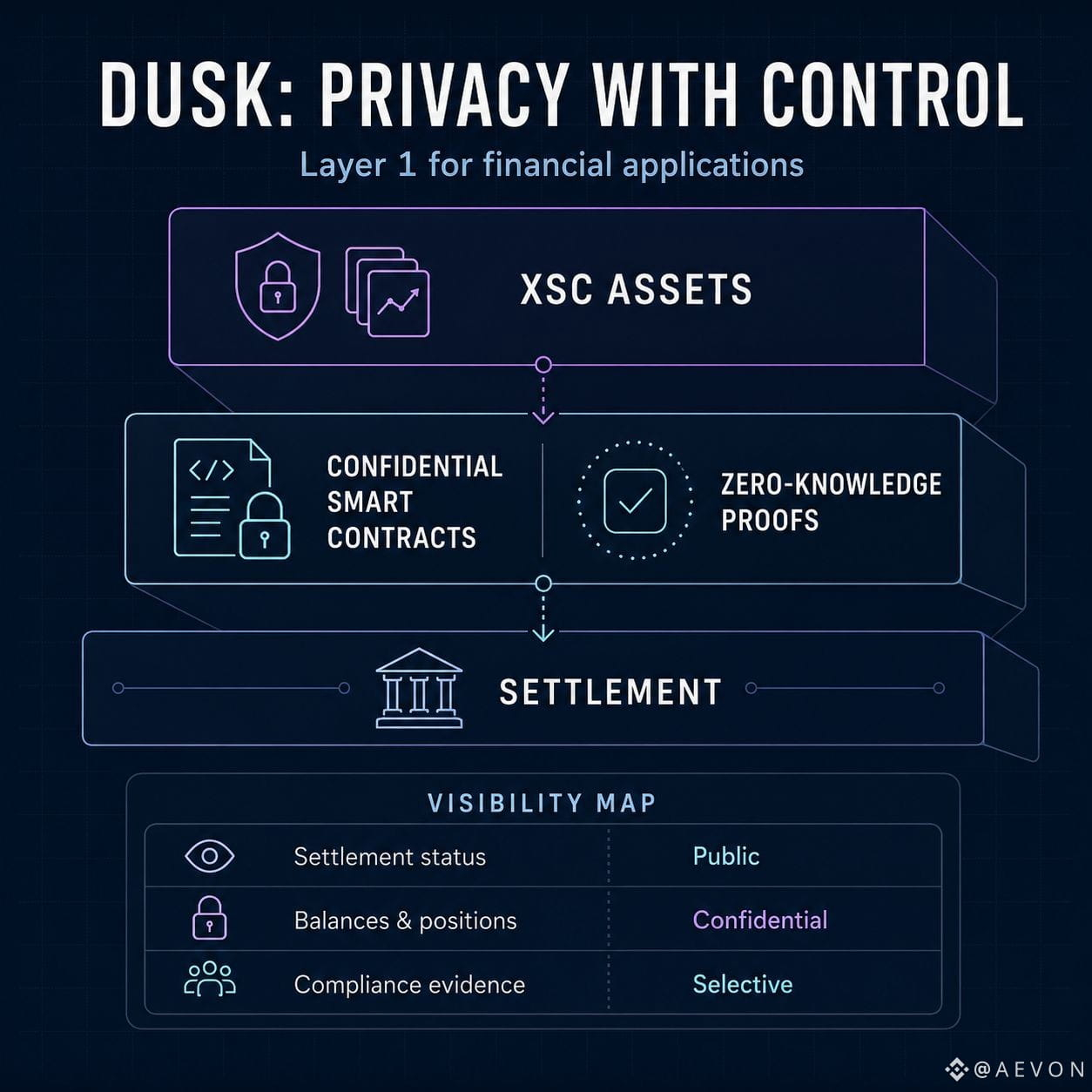
#dusk $DUSK @Dusk_Foundation Ich bemerke das Dusk Network, weil es nicht so tut, als ließe sich „Finanzwesen“ einfach fallenlassen und als Fortschritt auf ein öffentliches Ledger schreiben. Ich habe zu viele Chains gesehen, die Institutionen anwerben, während sie Bilanzen, Gegenparteien und Strategien für jeden offenlegen, der einen Block-Explorer nutzt. Dusk antwortet – eine Layer-1 für vertrauliche Transaktionen und Smart Contracts, mit dem XSC-Standard für datenschutzfreundliche Wertpapiere – und geht zumindest mit dem unbequemen Teil erst einmal auf den Anfang.
Was meine Aufmerksamkeit fesselt, ist die Spannung. XSC kann kodieren, wer ein Asset halten oder übertragen darf, während Zero-Knowledge-Proofs und selektive Offenlegung darauf ausgelegt sind, sensible Details von der Öffentlichkeit fernzuhalten. Vernünftig, aber Datenschutz hier ist nicht absolut. Emittenten, Auditoren und Regulierungsbehörden benötigen möglicherweise weiterhin kontrollierten Zugriff, und jede Regel muss Gerichte, Wallets, Custodians, Identitätsprüfungen und ganz normale menschliche Fehler überstehen.
Ich habe das schon einmal gesehen: elegante Kryptografie trifft auf geringe Liquidität, langsame Onboarding-Prozesse und Institutionen, die Pilotprojekte Produktion vorziehen. Ein vertraulicher Contract kann keine Nachfrage erzeugen, keine schlechte Governance reparieren und auch nicht jeden Streit über die rechtliche Eigentümerschaft beilegen. Er kann Integrationsarbeit und Fehlerquellen hinzufügen, die die meisten Nutzer nie verstehen werden.
Trotzdem fühlt sich hier etwas anders an. Dusk scheint zu akzeptieren, dass öffentliches Finanzwesen per Default ein Mangel ist, während völlige Unsichtbarkeit für regulierte Märkte unbrauchbar ist. Ich vertraue ihm noch nicht vollständig. Aber nach Jahren mit wiederaufgewärmten Narrativen merke ich immer wieder Projekte, die mit dem Widerspruch beginnen, statt ihn zu verstecken. Dusk ist eines davon.
#dusk $DUSK @Dusk Ich bemerke das Dusk Network, weil es nicht so tut, als ließe sich „Finanzwesen“ einfach fallenlassen und als Fortschritt auf ein öffentliches Ledger schreiben. Ich habe zu viele Chains gesehen, die Institutionen anwerben, während sie Bilanzen, Gegenparteien und Strategien für jeden offenlegen, der einen Block-Explorer nutzt. Dusk antwortet – eine Layer-1 für vertrauliche Transaktionen und Smart Contracts, mit dem XSC-Standard für datenschutzfreundliche Wertpapiere – und geht zumindest mit dem unbequemen Teil erst einmal auf den Anfang.
Was meine Aufmerksamkeit fesselt, ist die Spannung. XSC kann kodieren, wer ein Asset halten oder übertragen darf, während Zero-Knowledge-Proofs und selektive Offenlegung darauf ausgelegt sind, sensible Details von der Öffentlichkeit fernzuhalten. Vernünftig, aber Datenschutz hier ist nicht absolut. Emittenten, Auditoren und Regulierungsbehörden benötigen möglicherweise weiterhin kontrollierten Zugriff, und jede Regel muss Gerichte, Wallets, Custodians, Identitätsprüfungen und ganz normale menschliche Fehler überstehen.
Ich habe das schon einmal gesehen: elegante Kryptografie trifft auf geringe Liquidität, langsame Onboarding-Prozesse und Institutionen, die Pilotprojekte Produktion vorziehen. Ein vertraulicher Contract kann keine Nachfrage erzeugen, keine schlechte Governance reparieren und auch nicht jeden Streit über die rechtliche Eigentümerschaft beilegen. Er kann Integrationsarbeit und Fehlerquellen hinzufügen, die die meisten Nutzer nie verstehen werden.
Trotzdem fühlt sich hier etwas anders an. Dusk scheint zu akzeptieren, dass öffentliches Finanzwesen per Default ein Mangel ist, während völlige Unsichtbarkeit für regulierte Märkte unbrauchbar ist. Ich vertraue ihm noch nicht vollständig. Aber nach Jahren mit wiederaufgewärmten Narrativen merke ich immer wieder Projekte, die mit dem Widerspruch beginnen, statt ihn zu verstecken. Dusk ist eines davon.
Was meine Aufmerksamkeit fesselt, ist die Spannung. XSC kann kodieren, wer ein Asset halten oder übertragen darf, während Zero-Knowledge-Proofs und selektive Offenlegung darauf ausgelegt sind, sensible Details von der Öffentlichkeit fernzuhalten. Vernünftig, aber Datenschutz hier ist nicht absolut. Emittenten, Auditoren und Regulierungsbehörden benötigen möglicherweise weiterhin kontrollierten Zugriff, und jede Regel muss Gerichte, Wallets, Custodians, Identitätsprüfungen und ganz normale menschliche Fehler überstehen.
Ich habe das schon einmal gesehen: elegante Kryptografie trifft auf geringe Liquidität, langsame Onboarding-Prozesse und Institutionen, die Pilotprojekte Produktion vorziehen. Ein vertraulicher Contract kann keine Nachfrage erzeugen, keine schlechte Governance reparieren und auch nicht jeden Streit über die rechtliche Eigentümerschaft beilegen. Er kann Integrationsarbeit und Fehlerquellen hinzufügen, die die meisten Nutzer nie verstehen werden.
Trotzdem fühlt sich hier etwas anders an. Dusk scheint zu akzeptieren, dass öffentliches Finanzwesen per Default ein Mangel ist, während völlige Unsichtbarkeit für regulierte Märkte unbrauchbar ist. Ich vertraue ihm noch nicht vollständig. Aber nach Jahren mit wiederaufgewärmten Narrativen merke ich immer wieder Projekte, die mit dem Widerspruch beginnen, statt ihn zu verstecken. Dusk ist eines davon.
28
16
307
·
--
Verifiziert
#dusk $DUSK @Dusk_Foundation Ich bemerke Dusk in dem Moment, in dem die meisten Datenschutz-Diskussionen in Krypto sich wie recyceltes Material anfühlen. Ich habe Projekte gesehen, die Geheimhaltung und Compliance versprechen, um dann festzustellen, dass sich im Finanzwesen nichts bewegt, weil ein Whitepaper behauptet, es könne. Und doch fühlt sich an dieser Sache etwas anders an—nicht bewiesen, aber darauf ausgerichtet, ein Problem anzugehen, das sich hartnäckig nicht verschwinden lässt.
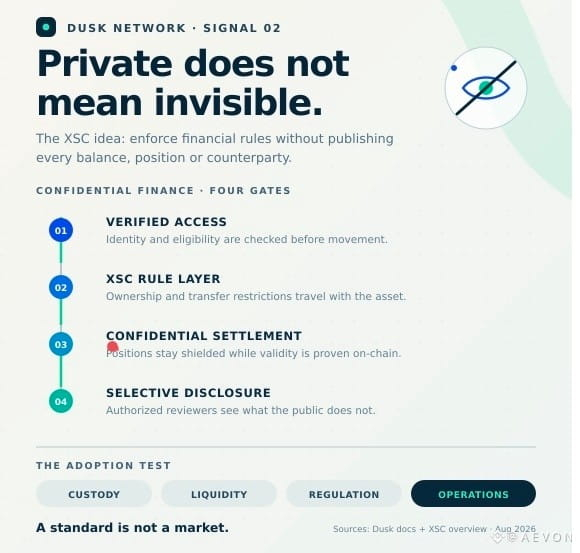
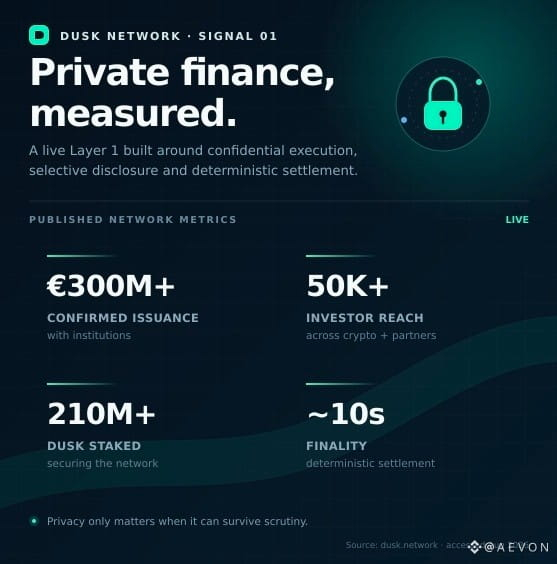
Öffentliche Chains legen Bilanzen und Transaktionen offen; klingt ehrlich, bis ein Broker, Fonds oder Unternehmen Positionen und Gegenparteien offenlegen muss. Dusk ist die Antwort: eine Layer-1 mit vertraulichen Smart Contracts und dem XSC-Standard für datenschutzaktivierte Wertpapiere. Das Interessante ist nicht, einfach alles zu verstecken; es geht darum, dass autorisierte Parteien sehen können, was sie brauchen, während der Rest privat bleibt.
Ich halte immer wieder diesen Zielkonflikt im Blick. Je mehr Regeln du kodierst—Identitätschecks, Übertragungsbeschränkungen, selektive Offenlegung—desto weniger ähnelt das dem alten, permissionless Traum von Krypto. Datenschutz bringt außerdem Reibung: schwierigeres Debugging, schwerere Kryptographie, eine kleinere Entwicklerbasis und mehr Vertrauen in Code, den Nutzer nicht wirklich prüfen können.
Ich habe das schon einmal gesehen: Elegante Infrastruktur, die Jahre wartet, bis Emittenten, Liquidität, Verwahrung und Regulierung so zusammenpassen. Mainnet ist keine Akzeptanz. Ein Standard ist kein Markt. Ich vertraue dem noch nicht vollständig, und ich bin nicht sicher, ob Institutionen das operationelle Risiko akzeptieren werden. Aber wenn das übliche Rauschen abnimmt, hält Dusk meine Aufmerksamkeit, weil es sich genau mit dem unbequemen Teil auseinandersetzt: Reales Finanzwesen braucht Datenschutz, aber der Datenschutz muss auch einer Prüfung standhalten.
#dusk $DUSK @Dusk Ich bemerke Dusk in dem Moment, in dem die meisten Datenschutz-Diskussionen in Krypto sich wie recyceltes Material anfühlen. Ich habe Projekte gesehen, die Geheimhaltung und Compliance versprechen, um dann festzustellen, dass sich im Finanzwesen nichts bewegt, weil ein Whitepaper behauptet, es könne. Und doch fühlt sich an dieser Sache etwas anders an—nicht bewiesen, aber darauf ausgerichtet, ein Problem anzugehen, das sich hartnäckig nicht verschwinden lässt.
Öffentliche Chains legen Bilanzen und Transaktionen offen; klingt ehrlich, bis ein Broker, Fonds oder Unternehmen Positionen und Gegenparteien offenlegen muss. Dusk ist die Antwort: eine Layer-1 mit vertraulichen Smart Contracts und dem XSC-Standard für datenschutzaktivierte Wertpapiere. Das Interessante ist nicht, einfach alles zu verstecken; es geht darum, dass autorisierte Parteien sehen können, was sie brauchen, während der Rest privat bleibt.
Ich halte immer wieder diesen Zielkonflikt im Blick. Je mehr Regeln du kodierst—Identitätschecks, Übertragungsbeschränkungen, selektive Offenlegung—desto weniger ähnelt das dem alten, permissionless Traum von Krypto. Datenschutz bringt außerdem Reibung: schwierigeres Debugging, schwerere Kryptographie, eine kleinere Entwicklerbasis und mehr Vertrauen in Code, den Nutzer nicht wirklich prüfen können.
Ich habe das schon einmal gesehen: Elegante Infrastruktur, die Jahre wartet, bis Emittenten, Liquidität, Verwahrung und Regulierung so zusammenpassen. Mainnet ist keine Akzeptanz. Ein Standard ist kein Markt. Ich vertraue dem noch nicht vollständig, und ich bin nicht sicher, ob Institutionen das operationelle Risiko akzeptieren werden. Aber wenn das übliche Rauschen abnimmt, hält Dusk meine Aufmerksamkeit, weil es sich genau mit dem unbequemen Teil auseinandersetzt: Reales Finanzwesen braucht Datenschutz, aber der Datenschutz muss auch einer Prüfung standhalten.
Öffentliche Chains legen Bilanzen und Transaktionen offen; klingt ehrlich, bis ein Broker, Fonds oder Unternehmen Positionen und Gegenparteien offenlegen muss. Dusk ist die Antwort: eine Layer-1 mit vertraulichen Smart Contracts und dem XSC-Standard für datenschutzaktivierte Wertpapiere. Das Interessante ist nicht, einfach alles zu verstecken; es geht darum, dass autorisierte Parteien sehen können, was sie brauchen, während der Rest privat bleibt.
Ich halte immer wieder diesen Zielkonflikt im Blick. Je mehr Regeln du kodierst—Identitätschecks, Übertragungsbeschränkungen, selektive Offenlegung—desto weniger ähnelt das dem alten, permissionless Traum von Krypto. Datenschutz bringt außerdem Reibung: schwierigeres Debugging, schwerere Kryptographie, eine kleinere Entwicklerbasis und mehr Vertrauen in Code, den Nutzer nicht wirklich prüfen können.
Ich habe das schon einmal gesehen: Elegante Infrastruktur, die Jahre wartet, bis Emittenten, Liquidität, Verwahrung und Regulierung so zusammenpassen. Mainnet ist keine Akzeptanz. Ein Standard ist kein Markt. Ich vertraue dem noch nicht vollständig, und ich bin nicht sicher, ob Institutionen das operationelle Risiko akzeptieren werden. Aber wenn das übliche Rauschen abnimmt, hält Dusk meine Aufmerksamkeit, weil es sich genau mit dem unbequemen Teil auseinandersetzt: Reales Finanzwesen braucht Datenschutz, aber der Datenschutz muss auch einer Prüfung standhalten.
30
19
302
·
--
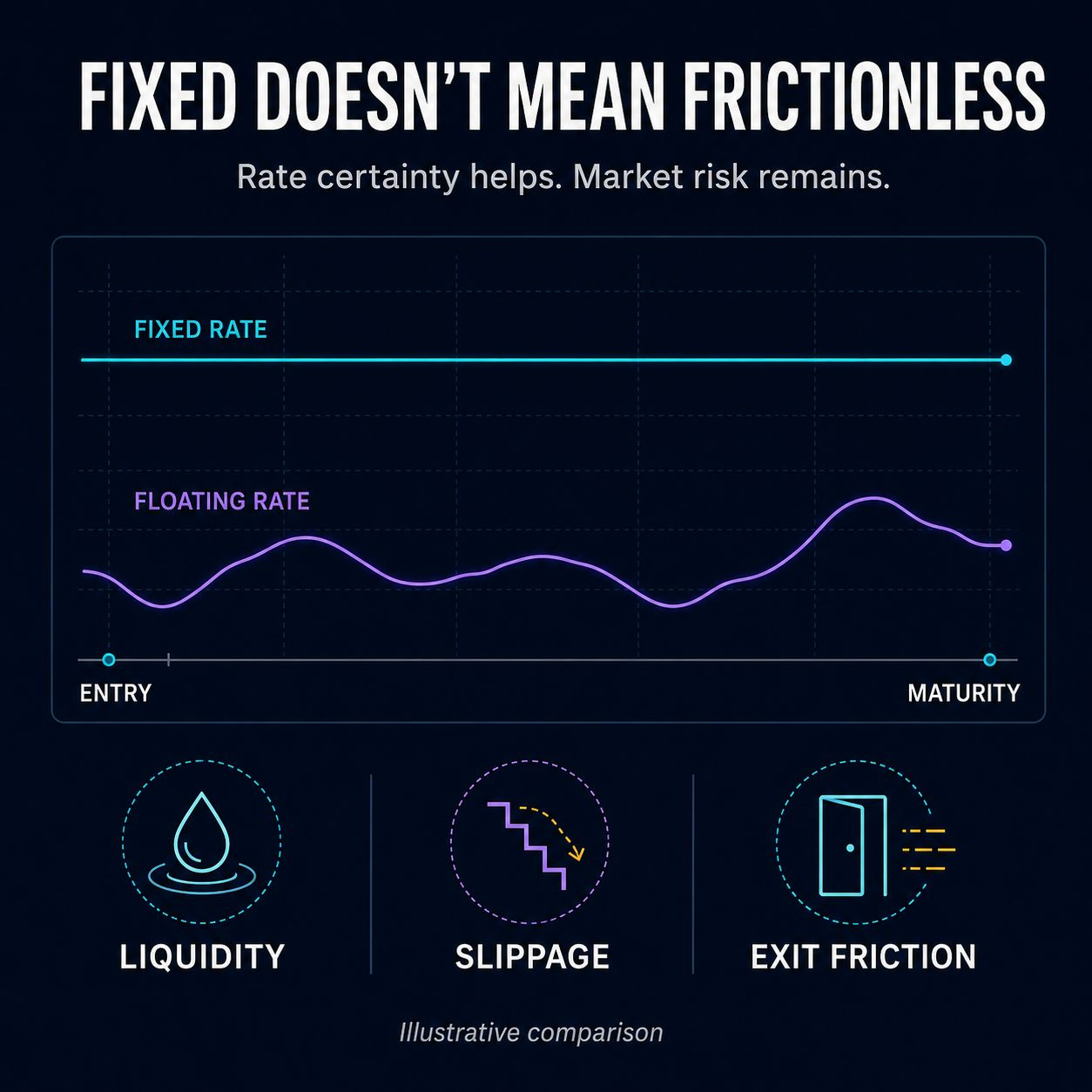
#termmax @termmax Ich merke, warum ich TermMax aus einem Grund nutze, den ich nicht erwartet hätte: Es lässt das Ausleihen weniger wie das Beobachten eines defekten Tachometers wirken. In DeFi kann eine „sichere“ variable Rate springen, sobald die Liquidität verschwindet, und ich habe erlebt, wie ganze Strategien auseinanderfallen, weil sich die Kosten für Geld schneller verändert haben als die Rendite, der sie hinterherliefen. Eine Zinsbindung bis zur Fälligkeit ist nützlich, aber kein Zauber.
Im Hintergrund kommt das Zitat weiterhin von Market Makern, Liquiditätskurven und der Handelsgröße. Dünne Märkte bedeuten Slippage; schlechte Ausstiege bedeuten Reibung; Fälligkeit bedeutet, dass die Zeit eine Rolle spielt. Wenn man dann noch die Volatilität der Sicherheiten, Orakel, Liquidationen und Smart-Contract-Risiken hinzunimmt, kann die feste Zahl auf dem Bildschirm mehr Vertrauen erzeugen, als die Position eigentlich verdient. One-Click-Leverage stört mich aus demselben Grund. Weniger Klicks heißen nicht automatisch weniger Möglichkeiten, sich zu irren.
Dann gibt es noch die Options-Seite. Ich merke immer wieder, wie natürlich sie sich einfügt—fest befristete Schulden und Optionen zwingen Trader beide dazu, Zeit einzupreisen—but wenn man beides kombiniert, stapelt sich zusätzlich die Komplexität. In ruhigen Märkten kann das elegant aussehen. Bei einer heftigen Bewegung wären die Teile, auf die ich achten würde, Liquidität und physische Abwicklung, nicht die Oberfläche.
Ich vertraue dem noch nicht vollständig. Audits und ein laufendes Bug-Bounty helfen, aber Krypto hat mir beigebracht, dass geprüfter Code nicht das Gleiche ist wie getestetes Verhalten in Panik. Trotzdem fühlt sich da etwas anders an. TermMax verspricht nicht, das Risiko zu entfernen; der interessante Teil ist, dass es versucht, die Kosten des Risikos im Voraus einschätzbar zu machen. Ich weiß nicht, ob das ausreichen wird, aber nach Jahren voller Überraschungen mit variablen Zinsen verstehe ich, warum Menschen hinschauen.
#termmax @TermMax Ich merke, warum ich TermMax aus einem Grund nutze, den ich nicht erwartet hätte: Es lässt das Ausleihen weniger wie das Beobachten eines defekten Tachometers wirken. In DeFi kann eine „sichere“ variable Rate springen, sobald die Liquidität verschwindet, und ich habe erlebt, wie ganze Strategien auseinanderfallen, weil sich die Kosten für Geld schneller verändert haben als die Rendite, der sie hinterherliefen. Eine Zinsbindung bis zur Fälligkeit ist nützlich, aber kein Zauber.
Im Hintergrund kommt das Zitat weiterhin von Market Makern, Liquiditätskurven und der Handelsgröße. Dünne Märkte bedeuten Slippage; schlechte Ausstiege bedeuten Reibung; Fälligkeit bedeutet, dass die Zeit eine Rolle spielt. Wenn man dann noch die Volatilität der Sicherheiten, Orakel, Liquidationen und Smart-Contract-Risiken hinzunimmt, kann die feste Zahl auf dem Bildschirm mehr Vertrauen erzeugen, als die Position eigentlich verdient. One-Click-Leverage stört mich aus demselben Grund. Weniger Klicks heißen nicht automatisch weniger Möglichkeiten, sich zu irren.
Dann gibt es noch die Options-Seite. Ich merke immer wieder, wie natürlich sie sich einfügt—fest befristete Schulden und Optionen zwingen Trader beide dazu, Zeit einzupreisen—but wenn man beides kombiniert, stapelt sich zusätzlich die Komplexität. In ruhigen Märkten kann das elegant aussehen. Bei einer heftigen Bewegung wären die Teile, auf die ich achten würde, Liquidität und physische Abwicklung, nicht die Oberfläche.
Ich vertraue dem noch nicht vollständig. Audits und ein laufendes Bug-Bounty helfen, aber Krypto hat mir beigebracht, dass geprüfter Code nicht das Gleiche ist wie getestetes Verhalten in Panik. Trotzdem fühlt sich da etwas anders an. TermMax verspricht nicht, das Risiko zu entfernen; der interessante Teil ist, dass es versucht, die Kosten des Risikos im Voraus einschätzbar zu machen. Ich weiß nicht, ob das ausreichen wird, aber nach Jahren voller Überraschungen mit variablen Zinsen verstehe ich, warum Menschen hinschauen.
Im Hintergrund kommt das Zitat weiterhin von Market Makern, Liquiditätskurven und der Handelsgröße. Dünne Märkte bedeuten Slippage; schlechte Ausstiege bedeuten Reibung; Fälligkeit bedeutet, dass die Zeit eine Rolle spielt. Wenn man dann noch die Volatilität der Sicherheiten, Orakel, Liquidationen und Smart-Contract-Risiken hinzunimmt, kann die feste Zahl auf dem Bildschirm mehr Vertrauen erzeugen, als die Position eigentlich verdient. One-Click-Leverage stört mich aus demselben Grund. Weniger Klicks heißen nicht automatisch weniger Möglichkeiten, sich zu irren.
Dann gibt es noch die Options-Seite. Ich merke immer wieder, wie natürlich sie sich einfügt—fest befristete Schulden und Optionen zwingen Trader beide dazu, Zeit einzupreisen—but wenn man beides kombiniert, stapelt sich zusätzlich die Komplexität. In ruhigen Märkten kann das elegant aussehen. Bei einer heftigen Bewegung wären die Teile, auf die ich achten würde, Liquidität und physische Abwicklung, nicht die Oberfläche.
Ich vertraue dem noch nicht vollständig. Audits und ein laufendes Bug-Bounty helfen, aber Krypto hat mir beigebracht, dass geprüfter Code nicht das Gleiche ist wie getestetes Verhalten in Panik. Trotzdem fühlt sich da etwas anders an. TermMax verspricht nicht, das Risiko zu entfernen; der interessante Teil ist, dass es versucht, die Kosten des Risikos im Voraus einschätzbar zu machen. Ich weiß nicht, ob das ausreichen wird, aber nach Jahren voller Überraschungen mit variablen Zinsen verstehe ich, warum Menschen hinschauen.
6
6
132
·
--
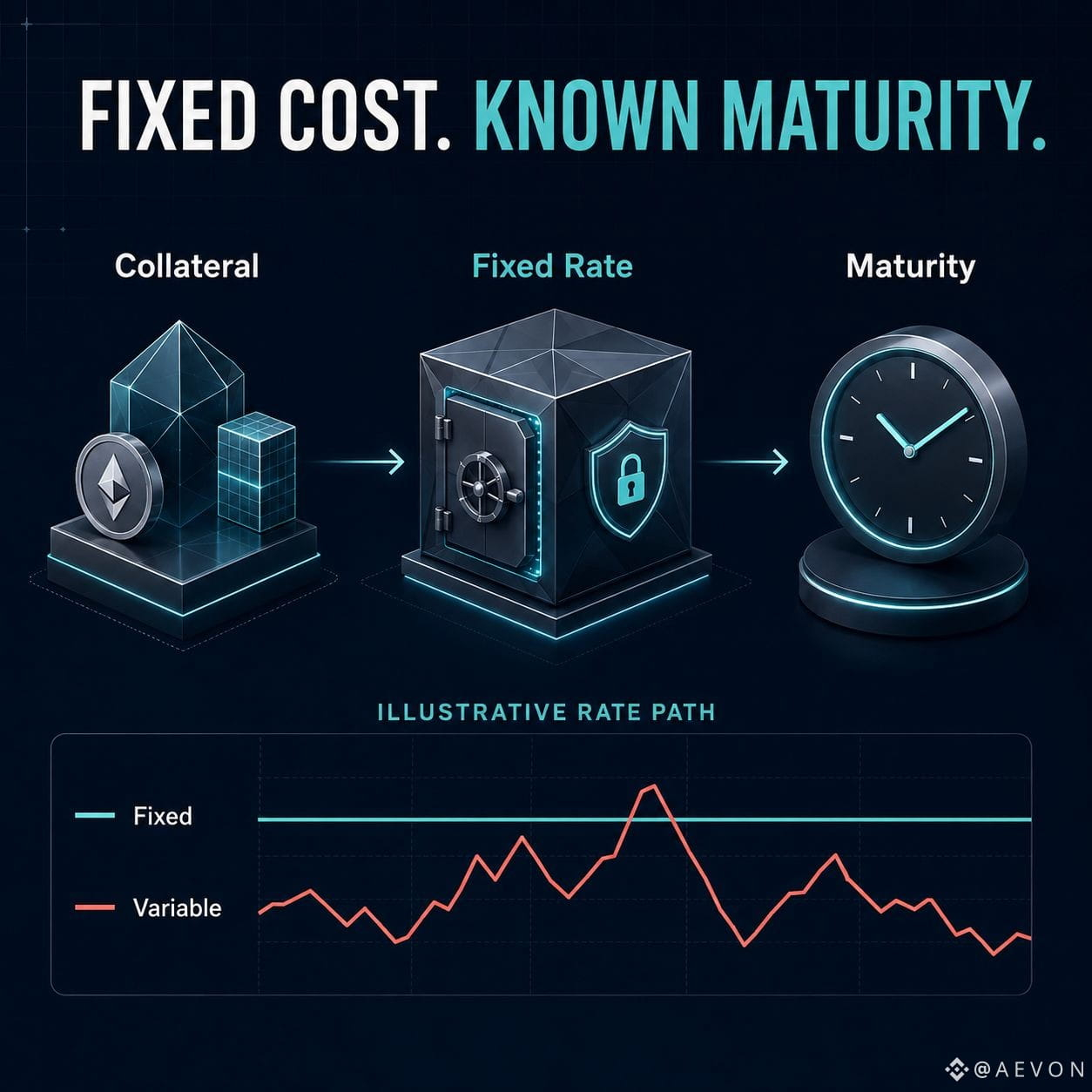
#termmax @termmax Mir fällt TermMax auf, weil es auf eines der wenig glamourösen Probleme im DeFi abzielt: Niemand kann sich auf einen Kredit-Zins verlassen, der sich ändert, während man schläft. Festzinsdarlehen mit einer bekannten Laufzeit klingen fast schon langweilig – und nach Jahren mit Krypto kann genau das langweilig Gernot interessant sein.
Ich habe das schon einmal gesehen. Ein sauberes Versprechen verbirgt meistens eine unordentliche Mechanik. Hier hängt der Zinssatz von Makehern, Liquidität und tokenisierten Ansprüchen ab; die Optionsseite macht aus denselben Leitungen eine gehebelt exponierte Position. Das mag elegant sein, aber es beseitigt nicht dünne Orderbücher, Slippage, die Abhängigkeit von Oracles, Liquidationen oder die Möglichkeit, dass ein Exit auf dem Bildschirm existiert, aber nirgendwo sonst. Wenn ein Kreditnehmer ausfällt, meinte „fix“ nie „risikofrei“; am Ende hält trotzdem jemand die Sicherheiten, und der Markt entscheidet, was sie wirklich wert sind.
Ich habe außerdem den Eindruck, dass TermMax nicht so tut, als würde Volatilität verschwinden. Es versucht, sie in einen Preis, eine Laufzeit und eine Position einzuzwängen. Etwas daran fühlt sich anders an – vor allem, weil fixe Kosten ein reales Problem lösen und nicht einfach einen weiteren Grund erfinden, um Punkte zu farmen.
Trotzdem vertraue ich ihm noch nicht vollständig. Audits und clevere Token-Designs können keine dauerhafte Liquidität „herstellen“. Ich bin mir noch nicht sicher, ob Trader bleiben, wenn die Anreize verblassen. Aber spät in der Nacht, wenn die meiste DeFi-Welt nach demselben wiederaufgewärmten Pitch klingt, hinterlässt TermMax bei mir ein selteneres Gefühl: keine Überzeugung, sondern nur den Drang, weiter zuzuschauen.
#termmax @TermMax Mir fällt TermMax auf, weil es auf eines der wenig glamourösen Probleme im DeFi abzielt: Niemand kann sich auf einen Kredit-Zins verlassen, der sich ändert, während man schläft. Festzinsdarlehen mit einer bekannten Laufzeit klingen fast schon langweilig – und nach Jahren mit Krypto kann genau das langweilig Gernot interessant sein.
Ich habe das schon einmal gesehen. Ein sauberes Versprechen verbirgt meistens eine unordentliche Mechanik. Hier hängt der Zinssatz von Makehern, Liquidität und tokenisierten Ansprüchen ab; die Optionsseite macht aus denselben Leitungen eine gehebelt exponierte Position. Das mag elegant sein, aber es beseitigt nicht dünne Orderbücher, Slippage, die Abhängigkeit von Oracles, Liquidationen oder die Möglichkeit, dass ein Exit auf dem Bildschirm existiert, aber nirgendwo sonst. Wenn ein Kreditnehmer ausfällt, meinte „fix“ nie „risikofrei“; am Ende hält trotzdem jemand die Sicherheiten, und der Markt entscheidet, was sie wirklich wert sind.
Ich habe außerdem den Eindruck, dass TermMax nicht so tut, als würde Volatilität verschwinden. Es versucht, sie in einen Preis, eine Laufzeit und eine Position einzuzwängen. Etwas daran fühlt sich anders an – vor allem, weil fixe Kosten ein reales Problem lösen und nicht einfach einen weiteren Grund erfinden, um Punkte zu farmen.
Trotzdem vertraue ich ihm noch nicht vollständig. Audits und clevere Token-Designs können keine dauerhafte Liquidität „herstellen“. Ich bin mir noch nicht sicher, ob Trader bleiben, wenn die Anreize verblassen. Aber spät in der Nacht, wenn die meiste DeFi-Welt nach demselben wiederaufgewärmten Pitch klingt, hinterlässt TermMax bei mir ein selteneres Gefühl: keine Überzeugung, sondern nur den Drang, weiter zuzuschauen.
Ich habe das schon einmal gesehen. Ein sauberes Versprechen verbirgt meistens eine unordentliche Mechanik. Hier hängt der Zinssatz von Makehern, Liquidität und tokenisierten Ansprüchen ab; die Optionsseite macht aus denselben Leitungen eine gehebelt exponierte Position. Das mag elegant sein, aber es beseitigt nicht dünne Orderbücher, Slippage, die Abhängigkeit von Oracles, Liquidationen oder die Möglichkeit, dass ein Exit auf dem Bildschirm existiert, aber nirgendwo sonst. Wenn ein Kreditnehmer ausfällt, meinte „fix“ nie „risikofrei“; am Ende hält trotzdem jemand die Sicherheiten, und der Markt entscheidet, was sie wirklich wert sind.
Ich habe außerdem den Eindruck, dass TermMax nicht so tut, als würde Volatilität verschwinden. Es versucht, sie in einen Preis, eine Laufzeit und eine Position einzuzwängen. Etwas daran fühlt sich anders an – vor allem, weil fixe Kosten ein reales Problem lösen und nicht einfach einen weiteren Grund erfinden, um Punkte zu farmen.
Trotzdem vertraue ich ihm noch nicht vollständig. Audits und clevere Token-Designs können keine dauerhafte Liquidität „herstellen“. Ich bin mir noch nicht sicher, ob Trader bleiben, wenn die Anreize verblassen. Aber spät in der Nacht, wenn die meiste DeFi-Welt nach demselben wiederaufgewärmten Pitch klingt, hinterlässt TermMax bei mir ein selteneres Gefühl: keine Überzeugung, sondern nur den Drang, weiter zuzuschauen.
2
2
117
·
--
#dusk $DUSK @Dusk_Foundation Ich beobachte den Dusk, während der Kryptomarkt die alten, vertrauten Versprechen recycelt. Ich habe gesehen, wie „Privacy“ genutzt wird, um vage Produkte zu kaschieren, und wie „institutionelle Adoption“ so lange gedehnt wird, bis ein Pilot sich wie ein fertiger Markt anfühlt. Der Geschichte vertraue ich daher noch nicht vollständig.
Trotzdem wirkt hier etwas anders. Dusk behandelt Datenschutz nicht wie einen Ort, an dem man einfach verschwinden kann; stattdessen versucht man, finanzielle Aktivitäten vertraulich zu halten, aber gleichzeitig kontrollierte Offenlegung, Audits und rechtliche Vorgaben zu ermöglichen. Seine Layer-1 unterstützt vertrauliche Smart Contracts, während XSC für tokenisierte Wertpapiere ausgelegt ist – dort, wo Emittenten weiterhin Transferkontrollen, Corporate Actions oder einen Rechtsbehelf benötigen, wenn Schlüssel verloren gehen. Diese Spannung ist unbequem, aber real. Finanzen können nicht auf einer Kette laufen, die jede Position offengelegt, und sie können nicht funktionieren, wenn niemand zur Verantwortung gezogen werden kann.
Ich merke immer wieder, wie Krypto den Token feiert, bevor die Infrastruktur funktioniert. Dusk hat zwar ein laufendes natives Netzwerk, aber Dusk Trade wird noch gebaut, während DuskEVM und Hedger weiterhin im Testnet sind. Das bedeutet für mich mehr als eine Rangliste oder ein Ansturm der Aufmerksamkeit. Privacy-Proofs mögen elegant sein; Integrationen, Liquidität, Verwahrung, Regulierung und echte Nutzer sind oft die Stellen, an denen diese Systeme normalerweise scheitern.
Ich bin noch nicht sicher. Die NPEX-Arbeit gibt Dusk etwas Konkreteres als nur ein Whitepaper, aber geplante Emission ist nicht dasselbe wie eine dauerhafte On-Chain-Nachfrage. Für den Moment beobachte ich die langweiligen Details. In Krypto ist genau dort meistens die Wahrheit versteckt.
#dusk $DUSK @Dusk Ich beobachte den Dusk, während der Kryptomarkt die alten, vertrauten Versprechen recycelt. Ich habe gesehen, wie „Privacy“ genutzt wird, um vage Produkte zu kaschieren, und wie „institutionelle Adoption“ so lange gedehnt wird, bis ein Pilot sich wie ein fertiger Markt anfühlt. Der Geschichte vertraue ich daher noch nicht vollständig.
Trotzdem wirkt hier etwas anders. Dusk behandelt Datenschutz nicht wie einen Ort, an dem man einfach verschwinden kann; stattdessen versucht man, finanzielle Aktivitäten vertraulich zu halten, aber gleichzeitig kontrollierte Offenlegung, Audits und rechtliche Vorgaben zu ermöglichen. Seine Layer-1 unterstützt vertrauliche Smart Contracts, während XSC für tokenisierte Wertpapiere ausgelegt ist – dort, wo Emittenten weiterhin Transferkontrollen, Corporate Actions oder einen Rechtsbehelf benötigen, wenn Schlüssel verloren gehen. Diese Spannung ist unbequem, aber real. Finanzen können nicht auf einer Kette laufen, die jede Position offengelegt, und sie können nicht funktionieren, wenn niemand zur Verantwortung gezogen werden kann.
Ich merke immer wieder, wie Krypto den Token feiert, bevor die Infrastruktur funktioniert. Dusk hat zwar ein laufendes natives Netzwerk, aber Dusk Trade wird noch gebaut, während DuskEVM und Hedger weiterhin im Testnet sind. Das bedeutet für mich mehr als eine Rangliste oder ein Ansturm der Aufmerksamkeit. Privacy-Proofs mögen elegant sein; Integrationen, Liquidität, Verwahrung, Regulierung und echte Nutzer sind oft die Stellen, an denen diese Systeme normalerweise scheitern.
Ich bin noch nicht sicher. Die NPEX-Arbeit gibt Dusk etwas Konkreteres als nur ein Whitepaper, aber geplante Emission ist nicht dasselbe wie eine dauerhafte On-Chain-Nachfrage. Für den Moment beobachte ich die langweiligen Details. In Krypto ist genau dort meistens die Wahrheit versteckt.
Trotzdem wirkt hier etwas anders. Dusk behandelt Datenschutz nicht wie einen Ort, an dem man einfach verschwinden kann; stattdessen versucht man, finanzielle Aktivitäten vertraulich zu halten, aber gleichzeitig kontrollierte Offenlegung, Audits und rechtliche Vorgaben zu ermöglichen. Seine Layer-1 unterstützt vertrauliche Smart Contracts, während XSC für tokenisierte Wertpapiere ausgelegt ist – dort, wo Emittenten weiterhin Transferkontrollen, Corporate Actions oder einen Rechtsbehelf benötigen, wenn Schlüssel verloren gehen. Diese Spannung ist unbequem, aber real. Finanzen können nicht auf einer Kette laufen, die jede Position offengelegt, und sie können nicht funktionieren, wenn niemand zur Verantwortung gezogen werden kann.
Ich merke immer wieder, wie Krypto den Token feiert, bevor die Infrastruktur funktioniert. Dusk hat zwar ein laufendes natives Netzwerk, aber Dusk Trade wird noch gebaut, während DuskEVM und Hedger weiterhin im Testnet sind. Das bedeutet für mich mehr als eine Rangliste oder ein Ansturm der Aufmerksamkeit. Privacy-Proofs mögen elegant sein; Integrationen, Liquidität, Verwahrung, Regulierung und echte Nutzer sind oft die Stellen, an denen diese Systeme normalerweise scheitern.
Ich bin noch nicht sicher. Die NPEX-Arbeit gibt Dusk etwas Konkreteres als nur ein Whitepaper, aber geplante Emission ist nicht dasselbe wie eine dauerhafte On-Chain-Nachfrage. Für den Moment beobachte ich die langweiligen Details. In Krypto ist genau dort meistens die Wahrheit versteckt.
7
6
141
·
--
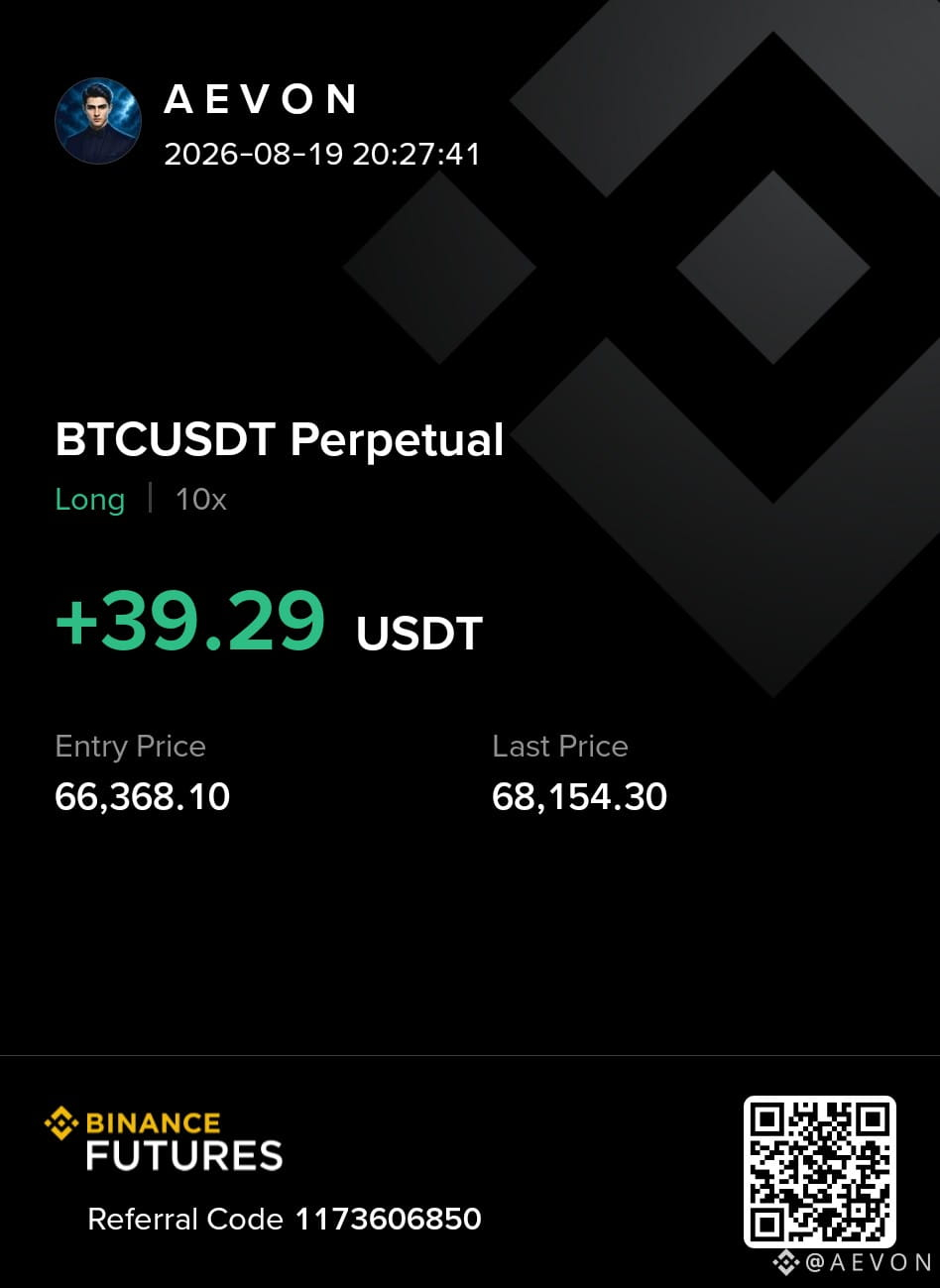
🚀 MEIN ERSTER TRADE – UND EIN GEWINN VON 39 $!
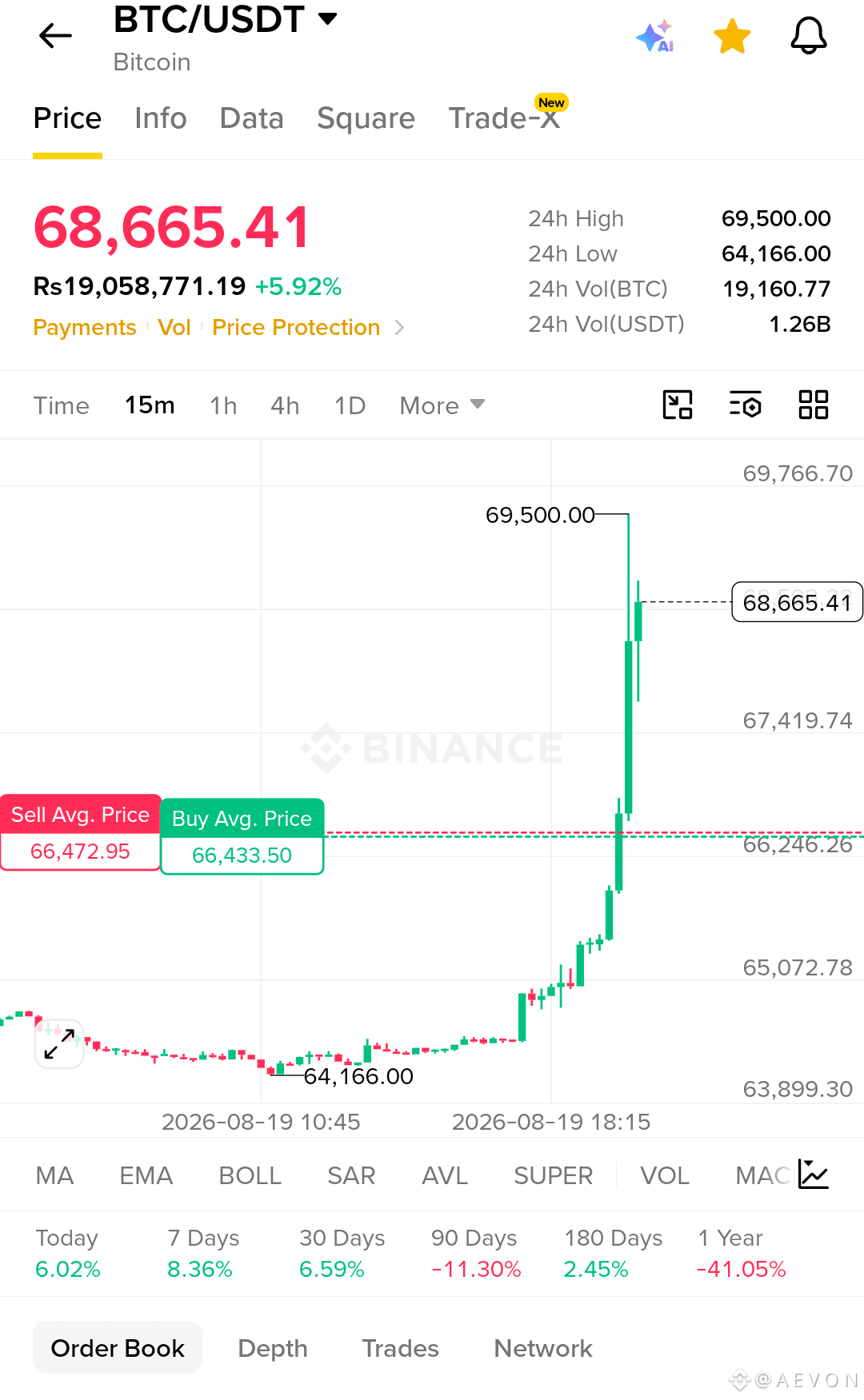
Ich sah, wie $BTC an Stärke gewann, und eine Frage kam mir sofort in den Sinn: „Sollte ich den Long auch nehmen?“
Ich habe nicht gehetzt oder irgendjemandem blind gefolgt. Ich habe mir die Grafik genau angesehen, die Signale überprüft, meinem eigenen Analyse vertrauen und ganz unabhängig eine $150 BTC-Long-Position eröffnet.
Alhamdulillah, der Trade hat funktioniert – und ich konnte einen Gewinn von 39 $ sichern! Mein erster Trade, mein erster Sieg und ein Moment, an den ich mich immer erinnern werde. Danke! ❤️
Hättest du diesen Long genommen? Schreib es in die Kommentare 👇
Das ist keine Finanzberatung. Mach immer deine eigene Recherche (DYOR).$BTC
#CryptoRally #FOMCWatch #ColdcardTheftInvestigationAdvances #UAESaysItDetectedTwoIranianBallisticMissiles #USStorageStocksExtendLosses
{spot}(BTCUSDT)
🚀 MEIN ERSTER TRADE – UND EIN GEWINN VON 39 $!
Ich sah, wie $BTC an Stärke gewann, und eine Frage kam mir sofort in den Sinn: „Sollte ich den Long auch nehmen?“
Ich habe nicht gehetzt oder irgendjemandem blind gefolgt. Ich habe mir die Grafik genau angesehen, die Signale überprüft, meinem eigenen Analyse vertrauen und ganz unabhängig eine $150 BTC-Long-Position eröffnet.
Alhamdulillah, der Trade hat funktioniert – und ich konnte einen Gewinn von 39 $ sichern! Mein erster Trade, mein erster Sieg und ein Moment, an den ich mich immer erinnern werde. Danke! ❤️
Hättest du diesen Long genommen? Schreib es in die Kommentare 👇
Das ist keine Finanzberatung. Mach immer deine eigene Recherche (DYOR).$BTC
#CryptoRally #FOMCWatch #ColdcardTheftInvestigationAdvances #UAESaysItDetectedTwoIranianBallisticMissiles #USStorageStocksExtendLosses
Ich sah, wie $BTC an Stärke gewann, und eine Frage kam mir sofort in den Sinn: „Sollte ich den Long auch nehmen?“
Ich habe nicht gehetzt oder irgendjemandem blind gefolgt. Ich habe mir die Grafik genau angesehen, die Signale überprüft, meinem eigenen Analyse vertrauen und ganz unabhängig eine $150 BTC-Long-Position eröffnet.
Alhamdulillah, der Trade hat funktioniert – und ich konnte einen Gewinn von 39 $ sichern! Mein erster Trade, mein erster Sieg und ein Moment, an den ich mich immer erinnern werde. Danke! ❤️
Hättest du diesen Long genommen? Schreib es in die Kommentare 👇
Das ist keine Finanzberatung. Mach immer deine eigene Recherche (DYOR).$BTC
#CryptoRally #FOMCWatch #ColdcardTheftInvestigationAdvances #UAESaysItDetectedTwoIranianBallisticMissiles #USStorageStocksExtendLosses
2
72
·
--
Bullisch
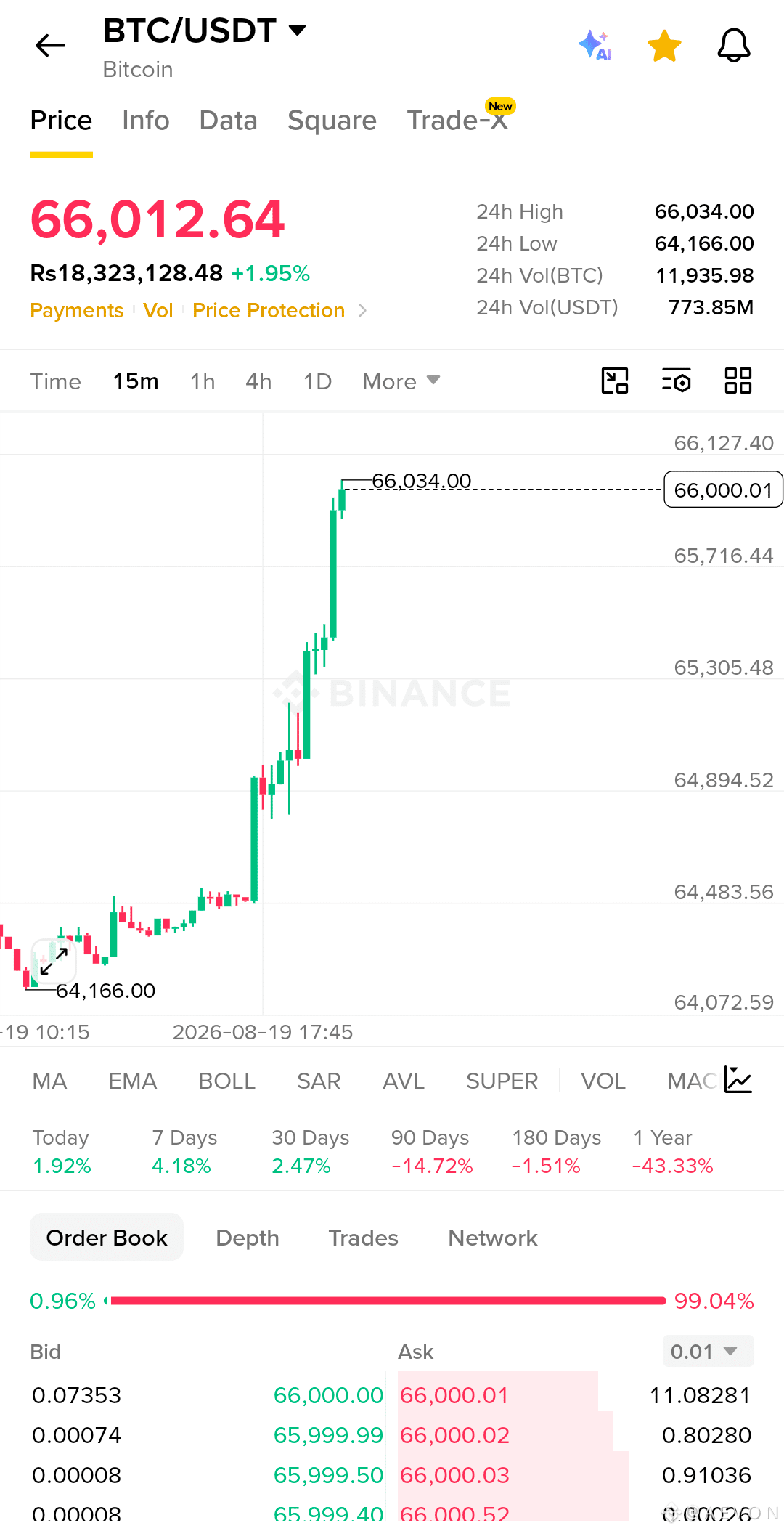
🚨 $BTC bricht $66.000!😱😱
Bitcoin wird bei $66.012,64 gehandelt, 1,95% im Plus, nachdem es vom Tief bei $64.166 aus stark angestiegen ist und ein neues 24-Stunden-Hoch von $66.034 erreicht hat.
Das 15-Minuten-Chart zeigt eine aggressive bullische Dynamik: Durchgehend grüne Kerzen schieben BTC fast ohne Pause durch $64.900, $65.300 und $65.700.
Wichtige Levels:
Support: $65.716 / $65.305
Widerstand: $66.034 / $66.127
24H-Volumen: 11.935,98 BTC ($773,85 Mio.)
Heute: +1,92%
7 Tage: +4,18%
30 Tage: +2,47%
Doch da ist Spannung: Das sichtbare Orderbuch ist zu 99,04% an der Angebotsseite (ask) schwer. Die Bullen haben Momentum, aber Verkäufer sind rund um $66K gestapelt. Ein sauberes Halten über $66.034 könnte die Ausbruchsbewegung verlängern; eine Abweisung könnte einen scharfen Retest auslösen.
Bereitet sich BTC auf den nächsten Schub nach oben vor – oder ist das eine Liquiditätsfalle? 👀
#BTC #bitcoin #CryptoUpdate
🚨 $BTC bricht $66.000!😱😱
Bitcoin wird bei $66.012,64 gehandelt, 1,95% im Plus, nachdem es vom Tief bei $64.166 aus stark angestiegen ist und ein neues 24-Stunden-Hoch von $66.034 erreicht hat.
Das 15-Minuten-Chart zeigt eine aggressive bullische Dynamik: Durchgehend grüne Kerzen schieben BTC fast ohne Pause durch $64.900, $65.300 und $65.700.
Wichtige Levels:
Support: $65.716 / $65.305
Widerstand: $66.034 / $66.127
24H-Volumen: 11.935,98 BTC ($773,85 Mio.)
Heute: +1,92%
7 Tage: +4,18%
30 Tage: +2,47%
Doch da ist Spannung: Das sichtbare Orderbuch ist zu 99,04% an der Angebotsseite (ask) schwer. Die Bullen haben Momentum, aber Verkäufer sind rund um $66K gestapelt. Ein sauberes Halten über $66.034 könnte die Ausbruchsbewegung verlängern; eine Abweisung könnte einen scharfen Retest auslösen.
Bereitet sich BTC auf den nächsten Schub nach oben vor – oder ist das eine Liquiditätsfalle? 👀
#BTC #bitcoin #CryptoUpdate
Bitcoin wird bei $66.012,64 gehandelt, 1,95% im Plus, nachdem es vom Tief bei $64.166 aus stark angestiegen ist und ein neues 24-Stunden-Hoch von $66.034 erreicht hat.
Das 15-Minuten-Chart zeigt eine aggressive bullische Dynamik: Durchgehend grüne Kerzen schieben BTC fast ohne Pause durch $64.900, $65.300 und $65.700.
Wichtige Levels:
Support: $65.716 / $65.305
Widerstand: $66.034 / $66.127
24H-Volumen: 11.935,98 BTC ($773,85 Mio.)
Heute: +1,92%
7 Tage: +4,18%
30 Tage: +2,47%
Doch da ist Spannung: Das sichtbare Orderbuch ist zu 99,04% an der Angebotsseite (ask) schwer. Die Bullen haben Momentum, aber Verkäufer sind rund um $66K gestapelt. Ein sauberes Halten über $66.034 könnte die Ausbruchsbewegung verlängern; eine Abweisung könnte einen scharfen Retest auslösen.
Bereitet sich BTC auf den nächsten Schub nach oben vor – oder ist das eine Liquiditätsfalle? 👀
#BTC #bitcoin #CryptoUpdate
1
97
·
--
Verifiziert
#dusk $DUSK @Dusk_Foundation Ich bemerke Dusk zu einem seltsamen Zeitpunkt, wenn Krypto erneut diejenigen belohnt, die am lautesten schreien können. Die Rangliste wird eine Flut von Beiträgen auslösen, aber nach Jahren des Beobachtens, wie Kampagnen Überzeugung in aufgewärmte Formulierungen verwandeln, schaue ich weiterhin über die Punkte hinaus.
Was mich dabei fesselt, ist das Problem, in das Dusk sich hineinzusetzen versucht. Öffentliche Blockchains sind nützlich, bis von einer Bank, einem Emittenten oder einem ernsthaften Investor verlangt wird, Bilanzen, Gegenparteien und Geschäftslogik offenzulegen. Dusk’s Layer 1 nutzt Zero-Knowledge-Privatsphäre, während sein XSC-Modell vertrauliche Wertpapiere unterstützen soll und zugleich eine kontrollierte Offenlegung ermöglicht. Dieses Gleichgewicht—Privatsphäre ohne Compliance blind zu machen—ist schwieriger, als das Slogan-Klingeln vermuten lässt.
Ich habe das schon einmal gesehen: starke Kryptografie, klare Diagramme, Partnerschaften—und dann Monate der Reibung rund um Liquidität, Regulierung, Wallets und tatsächliche Nutzer. Das native Netzwerk von Dusk ist zwar live, aber Teile des größeren Stacks, einschließlich Dusk Trade und seiner EVM-Route, werden noch gebaut oder getestet. Ich vertraue Roadmaps nicht mehr wirklich.
Trotzdem fühlt sich daran etwas anders an. Nicht, weil es einen 480,000 $DUSK pool gibt, und auch nicht, weil eine Rangliste sagt, dass Aufmerksamkeit wichtig ist. Es liegt daran, dass Dusk auf die langweilige Vorgabe abzielt, vor der die meisten Ketten ausweichen: Finanzielle Privatsphäre muss überprüfbar, selektiv und unter Regeln nutzbar sein. Ich bin noch nicht sicher, ob Institutionen hier echte Aktivitäten verlagern werden. Vorerst beobachte ich, was sich on-chain absetzt, nachdem das Kampagnenrauschen verklungen ist.
#dusk $DUSK @Dusk Ich bemerke Dusk zu einem seltsamen Zeitpunkt, wenn Krypto erneut diejenigen belohnt, die am lautesten schreien können. Die Rangliste wird eine Flut von Beiträgen auslösen, aber nach Jahren des Beobachtens, wie Kampagnen Überzeugung in aufgewärmte Formulierungen verwandeln, schaue ich weiterhin über die Punkte hinaus.
Was mich dabei fesselt, ist das Problem, in das Dusk sich hineinzusetzen versucht. Öffentliche Blockchains sind nützlich, bis von einer Bank, einem Emittenten oder einem ernsthaften Investor verlangt wird, Bilanzen, Gegenparteien und Geschäftslogik offenzulegen. Dusk’s Layer 1 nutzt Zero-Knowledge-Privatsphäre, während sein XSC-Modell vertrauliche Wertpapiere unterstützen soll und zugleich eine kontrollierte Offenlegung ermöglicht. Dieses Gleichgewicht—Privatsphäre ohne Compliance blind zu machen—ist schwieriger, als das Slogan-Klingeln vermuten lässt.
Ich habe das schon einmal gesehen: starke Kryptografie, klare Diagramme, Partnerschaften—und dann Monate der Reibung rund um Liquidität, Regulierung, Wallets und tatsächliche Nutzer. Das native Netzwerk von Dusk ist zwar live, aber Teile des größeren Stacks, einschließlich Dusk Trade und seiner EVM-Route, werden noch gebaut oder getestet. Ich vertraue Roadmaps nicht mehr wirklich.
Trotzdem fühlt sich daran etwas anders an. Nicht, weil es einen 480,000 $DUSK pool gibt, und auch nicht, weil eine Rangliste sagt, dass Aufmerksamkeit wichtig ist. Es liegt daran, dass Dusk auf die langweilige Vorgabe abzielt, vor der die meisten Ketten ausweichen: Finanzielle Privatsphäre muss überprüfbar, selektiv und unter Regeln nutzbar sein. Ich bin noch nicht sicher, ob Institutionen hier echte Aktivitäten verlagern werden. Vorerst beobachte ich, was sich on-chain absetzt, nachdem das Kampagnenrauschen verklungen ist.
Was mich dabei fesselt, ist das Problem, in das Dusk sich hineinzusetzen versucht. Öffentliche Blockchains sind nützlich, bis von einer Bank, einem Emittenten oder einem ernsthaften Investor verlangt wird, Bilanzen, Gegenparteien und Geschäftslogik offenzulegen. Dusk’s Layer 1 nutzt Zero-Knowledge-Privatsphäre, während sein XSC-Modell vertrauliche Wertpapiere unterstützen soll und zugleich eine kontrollierte Offenlegung ermöglicht. Dieses Gleichgewicht—Privatsphäre ohne Compliance blind zu machen—ist schwieriger, als das Slogan-Klingeln vermuten lässt.
Ich habe das schon einmal gesehen: starke Kryptografie, klare Diagramme, Partnerschaften—und dann Monate der Reibung rund um Liquidität, Regulierung, Wallets und tatsächliche Nutzer. Das native Netzwerk von Dusk ist zwar live, aber Teile des größeren Stacks, einschließlich Dusk Trade und seiner EVM-Route, werden noch gebaut oder getestet. Ich vertraue Roadmaps nicht mehr wirklich.
Trotzdem fühlt sich daran etwas anders an. Nicht, weil es einen 480,000 $DUSK pool gibt, und auch nicht, weil eine Rangliste sagt, dass Aufmerksamkeit wichtig ist. Es liegt daran, dass Dusk auf die langweilige Vorgabe abzielt, vor der die meisten Ketten ausweichen: Finanzielle Privatsphäre muss überprüfbar, selektiv und unter Regeln nutzbar sein. Ich bin noch nicht sicher, ob Institutionen hier echte Aktivitäten verlagern werden. Vorerst beobachte ich, was sich on-chain absetzt, nachdem das Kampagnenrauschen verklungen ist.
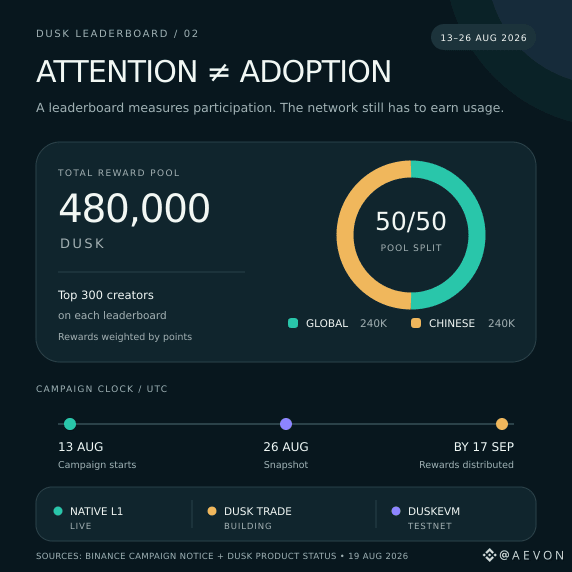
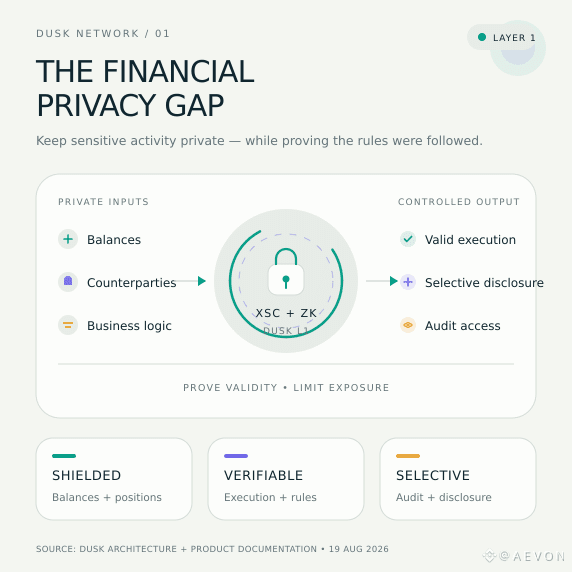
5
6
115
·
--
#termmax @termmax Ich merke, dass mich TermMax genau in dem Moment fesselt, in dem ich dachte, ich hätte mich mit einem anderen DeFi-Lending-Pitch abgefunden. „Planbare Rendite“ hielt nicht lange an – nur bis sich das Sicherheiten-Setup veränderte, die Liquidität verschwand oder ein Vertrag unter echten Stress geriet. Ein fester Kredit-Zinssatz lässt mich nicht entspannen; er legt nur eine Variable fest.
Trotzdem fühlt sich an diesem etwas anders an. TermMax macht Schulden zu handelbaren Positionen mit festen Laufzeiten, ermöglicht es Market Makern, Zinskurven zu formen, und erweitert diese Mechanik auf Exposure wie bei Optionen – mit Long- und Short-Strategien. Das fesselt mich mehr als ein weiterer Pool, dessen APY sich alle paar Stunden ändert. Kreditnehmer kennen die Kosten, Kreditgeber kennen die Laufzeit, Händler wählen einen Strike und eine Fälligkeit. Sauber auf dem Papier. Krypto ist in der Bewegung selten sauber.
Ich merke immer wieder die Reibung. Kann ein dünner Markt einen fairen Ausstieg bieten, bevor die Laufzeit abläuft? Was passiert, wenn die Sicherheiten schneller fallen als Liquidatoren reagieren, oder wenn eine AMM-Kurve aus Größe hässliches Slippage macht? Physische Lieferung könnte erzwungenes Verkaufen reduzieren, aber lässt Kreditgeber mit Sicherheiten zurück, die sie nie haben wollten. Ich habe das schon einmal gesehen: Gewissheit in einer Ecke verschiebt still und leise das Risiko woandershin.
Ich vertraue dem Ganzen noch nicht vollständig. Audits und ein laufendes Bug-Bounty sind wichtig, aber Zeit unter Druck zählt mehr. TermMax hat meine Aufmerksamkeit nicht, weil es Risiken entfernt, sondern weil sein Design die Zielkonflikte schwerer zu übersehen macht. In diesem Markt fühlt sich das allein schon anders an.
#termmax @TermMax Ich merke, dass mich TermMax genau in dem Moment fesselt, in dem ich dachte, ich hätte mich mit einem anderen DeFi-Lending-Pitch abgefunden. „Planbare Rendite“ hielt nicht lange an – nur bis sich das Sicherheiten-Setup veränderte, die Liquidität verschwand oder ein Vertrag unter echten Stress geriet. Ein fester Kredit-Zinssatz lässt mich nicht entspannen; er legt nur eine Variable fest.
Trotzdem fühlt sich an diesem etwas anders an. TermMax macht Schulden zu handelbaren Positionen mit festen Laufzeiten, ermöglicht es Market Makern, Zinskurven zu formen, und erweitert diese Mechanik auf Exposure wie bei Optionen – mit Long- und Short-Strategien. Das fesselt mich mehr als ein weiterer Pool, dessen APY sich alle paar Stunden ändert. Kreditnehmer kennen die Kosten, Kreditgeber kennen die Laufzeit, Händler wählen einen Strike und eine Fälligkeit. Sauber auf dem Papier. Krypto ist in der Bewegung selten sauber.
Ich merke immer wieder die Reibung. Kann ein dünner Markt einen fairen Ausstieg bieten, bevor die Laufzeit abläuft? Was passiert, wenn die Sicherheiten schneller fallen als Liquidatoren reagieren, oder wenn eine AMM-Kurve aus Größe hässliches Slippage macht? Physische Lieferung könnte erzwungenes Verkaufen reduzieren, aber lässt Kreditgeber mit Sicherheiten zurück, die sie nie haben wollten. Ich habe das schon einmal gesehen: Gewissheit in einer Ecke verschiebt still und leise das Risiko woandershin.
Ich vertraue dem Ganzen noch nicht vollständig. Audits und ein laufendes Bug-Bounty sind wichtig, aber Zeit unter Druck zählt mehr. TermMax hat meine Aufmerksamkeit nicht, weil es Risiken entfernt, sondern weil sein Design die Zielkonflikte schwerer zu übersehen macht. In diesem Markt fühlt sich das allein schon anders an.
Trotzdem fühlt sich an diesem etwas anders an. TermMax macht Schulden zu handelbaren Positionen mit festen Laufzeiten, ermöglicht es Market Makern, Zinskurven zu formen, und erweitert diese Mechanik auf Exposure wie bei Optionen – mit Long- und Short-Strategien. Das fesselt mich mehr als ein weiterer Pool, dessen APY sich alle paar Stunden ändert. Kreditnehmer kennen die Kosten, Kreditgeber kennen die Laufzeit, Händler wählen einen Strike und eine Fälligkeit. Sauber auf dem Papier. Krypto ist in der Bewegung selten sauber.
Ich merke immer wieder die Reibung. Kann ein dünner Markt einen fairen Ausstieg bieten, bevor die Laufzeit abläuft? Was passiert, wenn die Sicherheiten schneller fallen als Liquidatoren reagieren, oder wenn eine AMM-Kurve aus Größe hässliches Slippage macht? Physische Lieferung könnte erzwungenes Verkaufen reduzieren, aber lässt Kreditgeber mit Sicherheiten zurück, die sie nie haben wollten. Ich habe das schon einmal gesehen: Gewissheit in einer Ecke verschiebt still und leise das Risiko woandershin.
Ich vertraue dem Ganzen noch nicht vollständig. Audits und ein laufendes Bug-Bounty sind wichtig, aber Zeit unter Druck zählt mehr. TermMax hat meine Aufmerksamkeit nicht, weil es Risiken entfernt, sondern weil sein Design die Zielkonflikte schwerer zu übersehen macht. In diesem Markt fühlt sich das allein schon anders an.
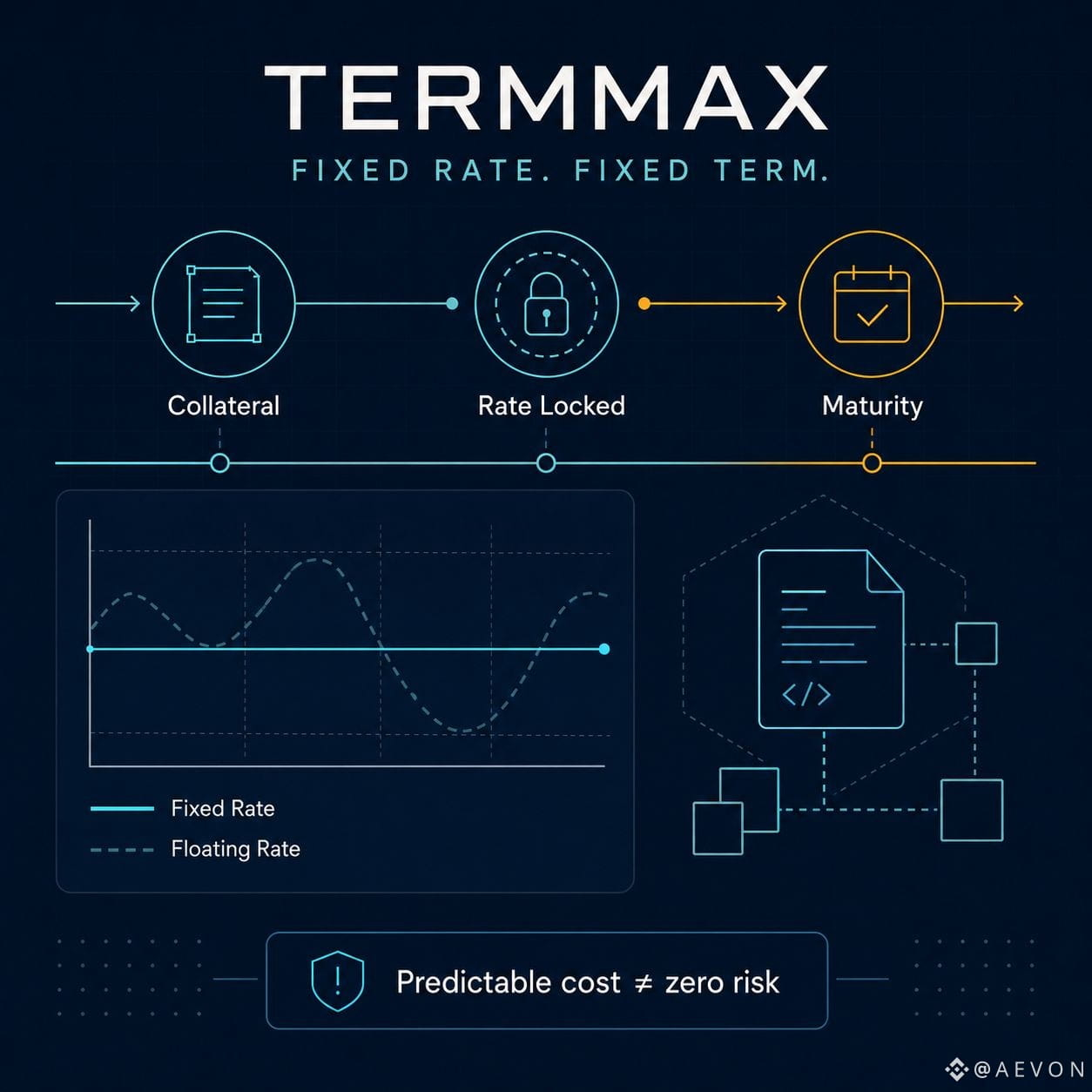
42
24
349
Anmelden und weiter Inhalte entdecken
Krypto-Nutzer weltweit auf Binance Square kennenlernen
⚡️ Bleib in Sachen Krypto stets am Puls.
💬 Die weltgrößte Kryptobörse vertraut darauf.
👍 Erhalte verlässliche Einblicke von verifizierten Creators.
E-Mail-Adresse/Telefonnummer
Trendthemen
FedRateWatch
423,096 Aufrufe
2,327 Kommentare
Teile & gewinne Traffic-Belohnungen in unserer Kampagne mit angesagtem Hashtag
✨Thema: FOMC September, Was ist der nächste Schritt der Fed?
👉So nimmst du teil:
Veröffentliche einen kurzen Beitrag oder Artikel mit dem Hashtag #FedRateWatch
Erstelle Inhalte basierend auf den folgenden Blickwinkeln:
- Der August-Core-CPI stieg um 0,3% im Monatsvergleich, und die Wahrscheinlichkeit für eine 25bp-Erhöhung diese Woche liegt nun bei fast 90%. Erwartest du diese Woche eine Zinserhöhung? Handelt es sich um einen einmaligen Schritt oder den Beginn eines längeren Zinserhöhungszyklus?
- Wenn die Erhöhung erfolgt: Wie entwickelt sich das für BTC, Tech-Aktien und Gold? Aufwärts- oder abwärtsgerichtet?
- Wie planst du als Nächstes zu handeln? Teile deinen BTC-, Aktien- oder Gold-Trade/Bestände mit unserem Trade-Sharing-Widget.
⏰Kampagnenzeitraum:
- 2026-09-15 11:00 - 2026-09-17 3:00 UTC
🎁Belohnung:
- Qualifizierte Beiträge, die die oben genannten Richtlinien erfüllen und mehr als 100 Wörter enthalten, werden überprüft und erhalten möglicherweise einen zufälligen Traffic-Boost von 500 bis 3.000 Aufrufen. Du erhältst eine Benachrichtigung von deiner Feed-Secretary, wenn dein Beitrag ausgewählt wird.
- Erhalte die Chance, dass dein Artikel auf Binance Square Official vorgestellt wird
Du brauchst Ideen für deinen Beitrag? Besuche die Themenseite #FedRateWatch oder die Square Guide on How to Post for Better Reach.
Binance Square Official
·354 Likes
·725.8k Aufrufe
BitcoinSlidesTo$76000
10,634 Aufrufe
94 Kommentare
BitcoinReboundsTo$79K
57,291 Aufrufe
387 Kommentare