
Maximo_PaMont
1.6k Beiträge

Maximo_PaMont
Melden
Nutzer blockieren
Trade eröffnen
Regelmäßiger Trader
1.7 Jahre
1.9K+ Following
228 Follower
97 Like gegeben
Beiträge
Portfolio
Alle
Zitierungen
PINNED
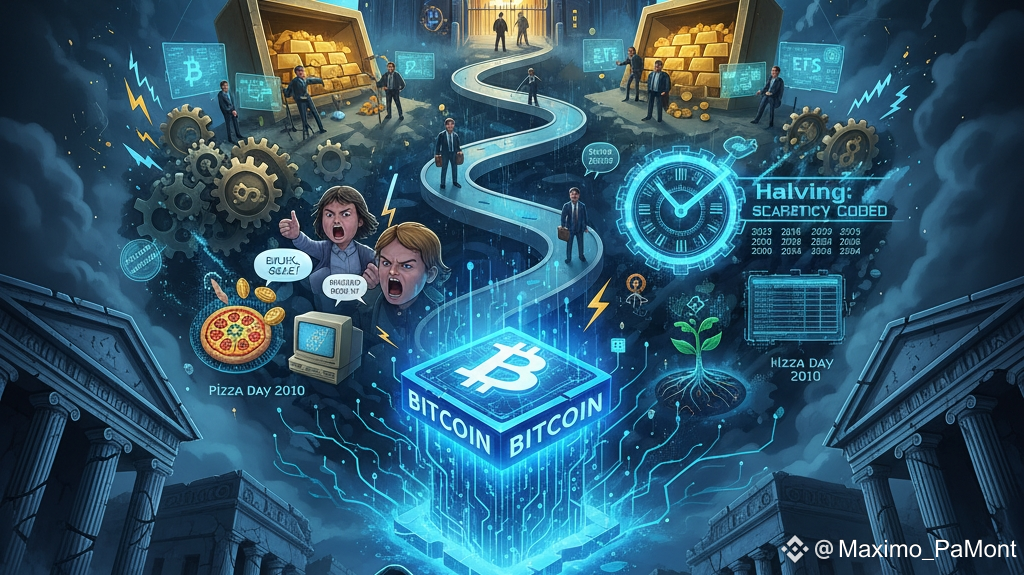
Artikel
Die Genesis der Freiheit: Eine humanisierte Geschichte von BitcoinDie Geschichte von Bitcoin handelt nicht nur von Code und Preisen; sie ist ein moderner Mythos, der aus Enttäuschung geboren wurde, genährt von einem tief verwurzelten menschlichen Wunsch nach Autonomie und gestützt durch ein kollektives Vertrauen in Mathematik über Menschen. Ihre Geschichte ist eine dramatische Saga, die sich über Jahrzehnte erstreckt und finanzielle Zusammenbrüche, schattenhafte Figuren, philosophische Kriege und den größten digitalen Goldrausch umfasst, den die Welt je gesehen hat.
Kapitel 1: Die Vorgeschichte und der Cypherpunk-Traum (1990er - 2008)
Bitcoin erschien nicht im Vakuum. Seine philosophischen Vorfahren waren eine Gemeinschaft von Kryptographen, Informatikern und Aktivisten, die als Cypherpunks bekannt sind. In den 1990er Jahren waren sich diese Denker der wachsenden Macht des Internets sehr bewusst und sahen eine Zukunft voraus, in der Regierungen und Unternehmen jeden Aspekt des Lebens, insbesondere unser Geld, leicht verfolgen und kontrollieren könnten.
Die Genesis der Freiheit: Eine humanisierte Geschichte von Bitcoin
Die Geschichte von Bitcoin handelt nicht nur von Code und Preisen; sie ist ein moderner Mythos, der aus Enttäuschung geboren wurde, genährt von einem tief verwurzelten menschlichen Wunsch nach Autonomie und gestützt durch ein kollektives Vertrauen in Mathematik über Menschen. Ihre Geschichte ist eine dramatische Saga, die sich über Jahrzehnte erstreckt und finanzielle Zusammenbrüche, schattenhafte Figuren, philosophische Kriege und den größten digitalen Goldrausch umfasst, den die Welt je gesehen hat.
Kapitel 1: Die Vorgeschichte und der Cypherpunk-Traum (1990er - 2008)
Bitcoin erschien nicht im Vakuum. Seine philosophischen Vorfahren waren eine Gemeinschaft von Kryptographen, Informatikern und Aktivisten, die als Cypherpunks bekannt sind. In den 1990er Jahren waren sich diese Denker der wachsenden Macht des Internets sehr bewusst und sahen eine Zukunft voraus, in der Regierungen und Unternehmen jeden Aspekt des Lebens, insbesondere unser Geld, leicht verfolgen und kontrollieren könnten.
Kapitel 1: Die Vorgeschichte und der Cypherpunk-Traum (1990er - 2008)
Bitcoin erschien nicht im Vakuum. Seine philosophischen Vorfahren waren eine Gemeinschaft von Kryptographen, Informatikern und Aktivisten, die als Cypherpunks bekannt sind. In den 1990er Jahren waren sich diese Denker der wachsenden Macht des Internets sehr bewusst und sahen eine Zukunft voraus, in der Regierungen und Unternehmen jeden Aspekt des Lebens, insbesondere unser Geld, leicht verfolgen und kontrollieren könnten.
2
43
https://www.binance.info/en/futures/ref/1049044121
kleiner Short bei $SOL
tp 76.29
https://www.binance.info/en/futures/ref/1049044121
kleiner Short bei $SOL
tp 76.29
kleiner Short bei $SOL
tp 76.29
1
109
eilen
eilen

odenpolyvalent
·
--
Red Packet USDC 🧧🎁🔥🔥
Jetzt beanspruchen 👇👇👇👇
Repost ✅️
Gefällt mir ✅️
Jetzt beanspruchen 👇👇👇👇
Repost ✅️
Gefällt mir ✅️

3
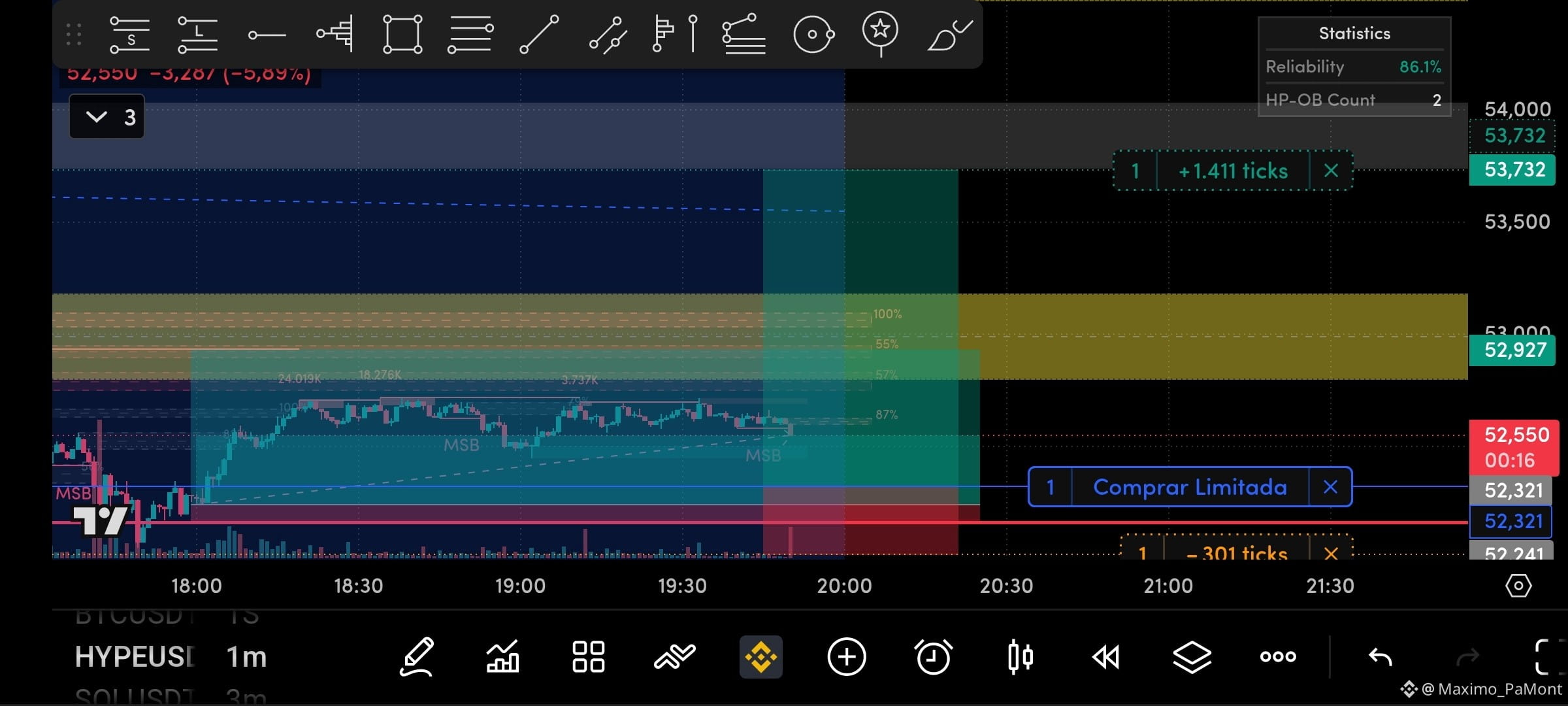
mögliche Eingabe in Long für $HYPE
{future}(HYPEUSDT)
Interessante Punkte im Diagramm beachten, Gewinne dort mitnehmen, wo es ihnen gefällt, und den SL nicht anfahren. Achtung, Long mit sehr geringem Risiko bei geringem Kapital, da Kontrahenden-Trend.
mögliche Eingabe in Long für $HYPE
Interessante Punkte im Diagramm beachten, Gewinne dort mitnehmen, wo es ihnen gefällt, und den SL nicht anfahren. Achtung, Long mit sehr geringem Risiko bei geringem Kapital, da Kontrahenden-Trend.
Interessante Punkte im Diagramm beachten, Gewinne dort mitnehmen, wo es ihnen gefällt, und den SL nicht anfahren. Achtung, Long mit sehr geringem Risiko bei geringem Kapital, da Kontrahenden-Trend.
2
2
221
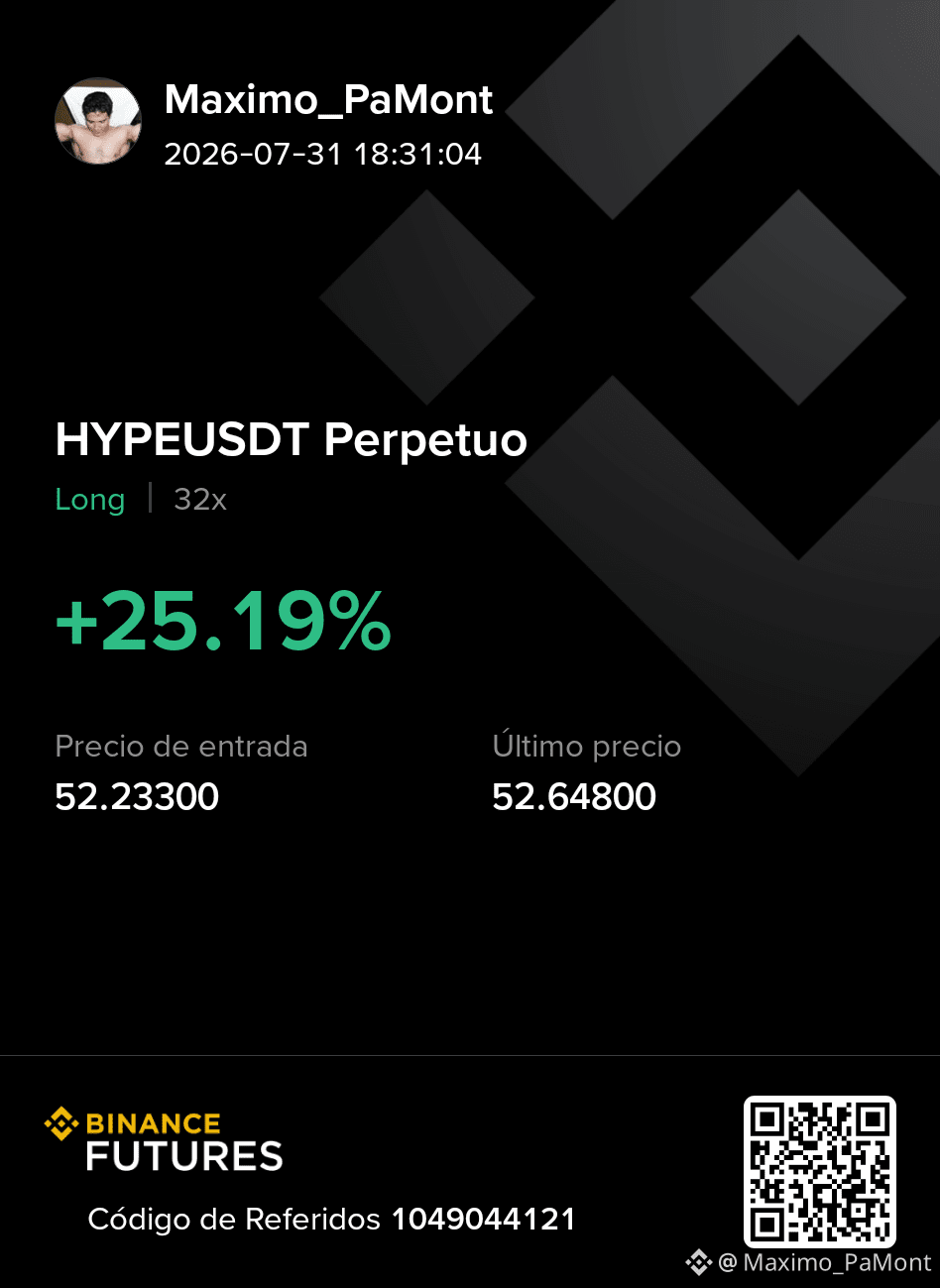
noch ein erfolgreiches Scalping in $HYPE
geschützte Position und Gewinne mitgenommen. Ich warte darauf, dass der vollständige TP bei 52.927 eintrifft.
jetzt bereite ich den Short zwischen 54,48 und 55,10 vor
noch ein erfolgreiches Scalping in $HYPE
geschützte Position und Gewinne mitgenommen. Ich warte darauf, dass der vollständige TP bei 52.927 eintrifft.
jetzt bereite ich den Short zwischen 54,48 und 55,10 vor
geschützte Position und Gewinne mitgenommen. Ich warte darauf, dass der vollständige TP bei 52.927 eintrifft.
jetzt bereite ich den Short zwischen 54,48 und 55,10 vor
1
3
1.7k
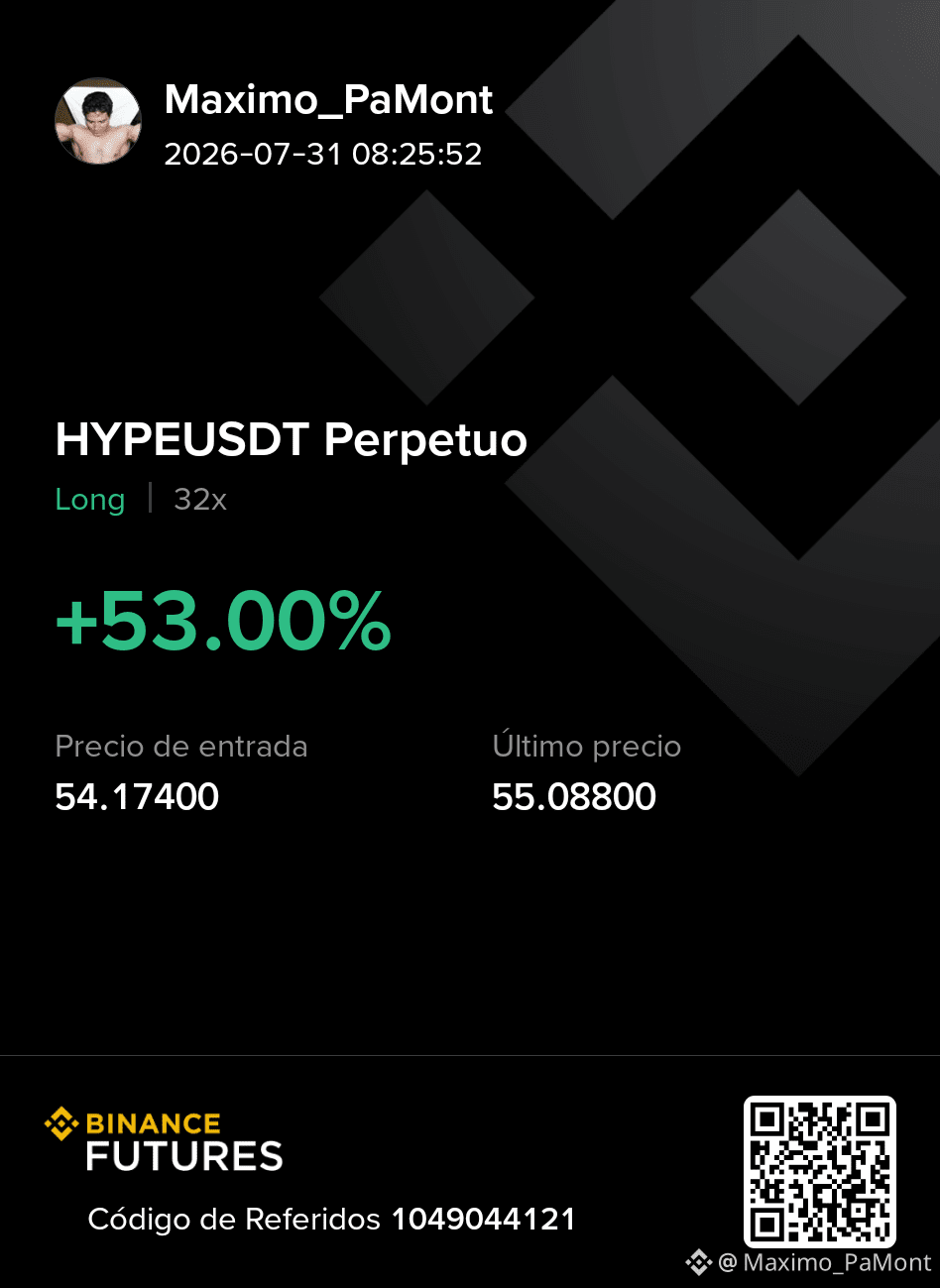
$HYPE TP1 erreicht, SL auf Break-even verschoben
$HYPE TP1 erreicht, SL auf Break-even verschoben
1
713
$BNB en möglichkeit stützt die pumpe
$BNB en möglichkeit stützt die pumpe
583
#BinancePickAndWin
Die Zeit läuft ab, komm und nimm an der Promotion von Binance teil, beeil dich 🧐
$BTC
$BNB
#BinancePickAndWin
Die Zeit läuft ab, komm und nimm an der Promotion von Binance teil, beeil dich 🧐
$BTC
$BNB
Die Zeit läuft ab, komm und nimm an der Promotion von Binance teil, beeil dich 🧐
$BTC
$BNB

133
#BinanceTurns9 Binance feiert 9 Jahre: gemacht für dich
bitte, es braucht nur 1 Klick, danke fürs Helfen
$BNB
$BTC
#BinanceTurns9 Binance feiert 9 Jahre: gemacht für dich
bitte, es braucht nur 1 Klick, danke fürs Helfen
$BNB
$BTC
bitte, es braucht nur 1 Klick, danke fürs Helfen
$BNB
$BTC
1
#BinancePickAndWin
Verpasse nicht die Gelegenheit, an der Binance-Kampagne teilzunehmen. Wenn du Ergebnisse vorhersagst, kannst du unglaubliche Preise gewinnen. Worauf wartest du? Mach mit, los!!
$BNB
$BTC
#BinancePickAndWin
Verpasse nicht die Gelegenheit, an der Binance-Kampagne teilzunehmen. Wenn du Ergebnisse vorhersagst, kannst du unglaubliche Preise gewinnen. Worauf wartest du? Mach mit, los!!
$BNB
$BTC
Verpasse nicht die Gelegenheit, an der Binance-Kampagne teilzunehmen. Wenn du Ergebnisse vorhersagst, kannst du unglaubliche Preise gewinnen. Worauf wartest du? Mach mit, los!!
$BNB
$BTC

1
98
ein Rückhalt wird abgelehnt und geht gerade auf vollen Speed.
$UNI
$BTC
ein Rückhalt wird abgelehnt und geht gerade auf vollen Speed.
$UNI
$BTC
$UNI
$BTC
83
#BinancePickAndWin
du verpasst keine Gelegenheit, wundervolle Preise bei Binance zu gewinnen. Du musst nur die Ergebnisse vorhersagen und warten – einfache Aufgaben und große Belohnungen.
Lass dir die Chance nicht entgehen und nimm jetzt teil
#BinancePickAndWin
du verpasst keine Gelegenheit, wundervolle Preise bei Binance zu gewinnen. Du musst nur die Ergebnisse vorhersagen und warten – einfache Aufgaben und große Belohnungen.
Lass dir die Chance nicht entgehen und nimm jetzt teil
du verpasst keine Gelegenheit, wundervolle Preise bei Binance zu gewinnen. Du musst nur die Ergebnisse vorhersagen und warten – einfache Aufgaben und große Belohnungen.
Lass dir die Chance nicht entgehen und nimm jetzt teil

77
kurzer Hype, Ablehnung von Widerstand $HYPE
$NVDAB
kurzer Hype, Ablehnung von Widerstand $HYPE
$NVDAB
$NVDAB
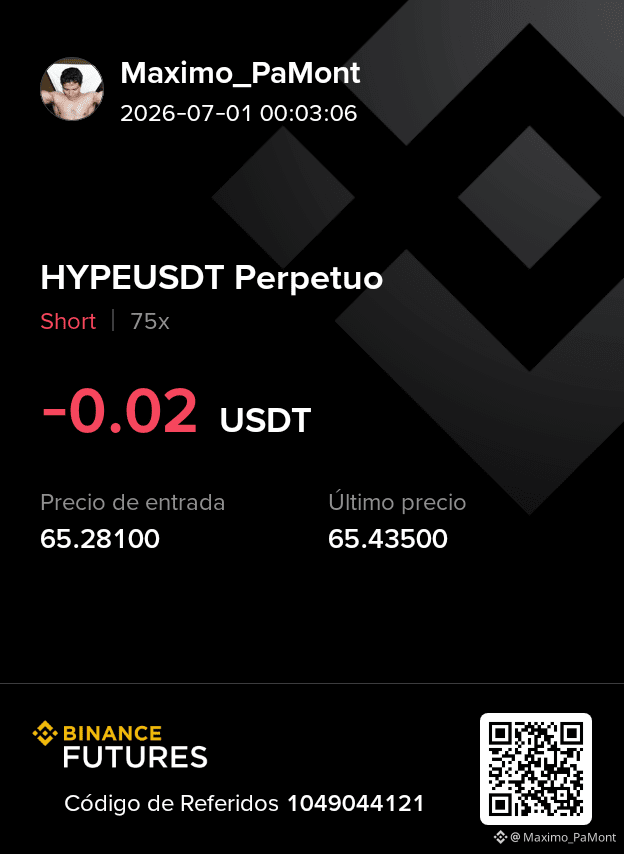
darauf warten, dass ich einen alten Widerstand in 4H erneut teste
$HYPE
$BTC
darauf warten, dass ich einen alten Widerstand in 4H erneut teste
$HYPE
$BTC
$HYPE
$BTC
1
674
$OPN probiere die Widerstandsfähigkeit, ich denke, sie ist die beste😎
$OPN probiere die Widerstandsfähigkeit, ich denke, sie ist die beste😎
130
#BinancePickAndWin
Worauf wartest du, um teilzunehmen? Auch du kannst die unglaublichen Preise von Binance gewinnen
$NVDAB $BTC
#BinancePickAndWin
Worauf wartest du, um teilzunehmen? Auch du kannst die unglaublichen Preise von Binance gewinnen
$NVDAB $BTC
Worauf wartest du, um teilzunehmen? Auch du kannst die unglaublichen Preise von Binance gewinnen
$NVDAB $BTC
6
$LUNC befindet sich in der Long-Zone, was wirst du tun?
$BTC
$ETH
$LUNC befindet sich in der Long-Zone, was wirst du tun?
$BTC
$ETH
$BTC
$ETH
1
175
behalte $LUNC 🧐
$BTC
$BNB im Auge
behalte $LUNC 🧐
$BTC
$BNB im Auge
$BTC
$BNB im Auge
160
long auf $XRP
Risiko 1:2
bin spät eingestiegen, aber mal sehen, was passiert🤞
$BTC
$BNB
long auf $XRP
Risiko 1:2
bin spät eingestiegen, aber mal sehen, was passiert🤞
$BTC
$BNB
Risiko 1:2
bin spät eingestiegen, aber mal sehen, was passiert🤞
$BTC
$BNB
1
185
Anmelden und weiter Inhalte entdecken
Krypto-Nutzer weltweit auf Binance Square kennenlernen
⚡️ Bleib in Sachen Krypto stets am Puls.
💬 Die weltgrößte Kryptobörse vertraut darauf.
👍 Erhalte verlässliche Einblicke von verifizierten Creators.
E-Mail-Adresse/Telefonnummer
Trendthemen
HYPEJumpsOver11%
6,072 Aufrufe
335 Kommentare
🚨 HYPE HAT DEN MARKT UMGEDREHT
$HYPE +11% in 7 Tagen
Während $XRP und $ETH bluteten...
HYPE ist in die TOP 10 eingedrungen und hat Cardano rausgeworfen.
Warum?
-> $1,3B+ Open Interest
-> ETF-Zuflüsse schlagen BTC & ETH-ETFs
-> Massiver Supply-Burn läuft gerade
Das ist kein einfaches Pump-and-Dump. Das ist Dominanz.
Schauen Sie zu oder SIND SIE DRIN? 👇
#HYPE #Hyperliquid #Krypto #BinanceSquare#hypejumpsover11%
True News
·3 Likes
·1.7k Aufrufe
ZcashDevelopersTargetNU7MainnetActivationNov5
1 Aufrufe
62 Kommentare
BitcoinSpotETFsNetInflow$159M
2,084 Aufrufe
78 Kommentare